Category: Brands and Companies

All Brands and Company Names

  • Apple iPad Pro Could Get FaceID Next Year

    Apple iPad Pro Could Get FaceID Next Year

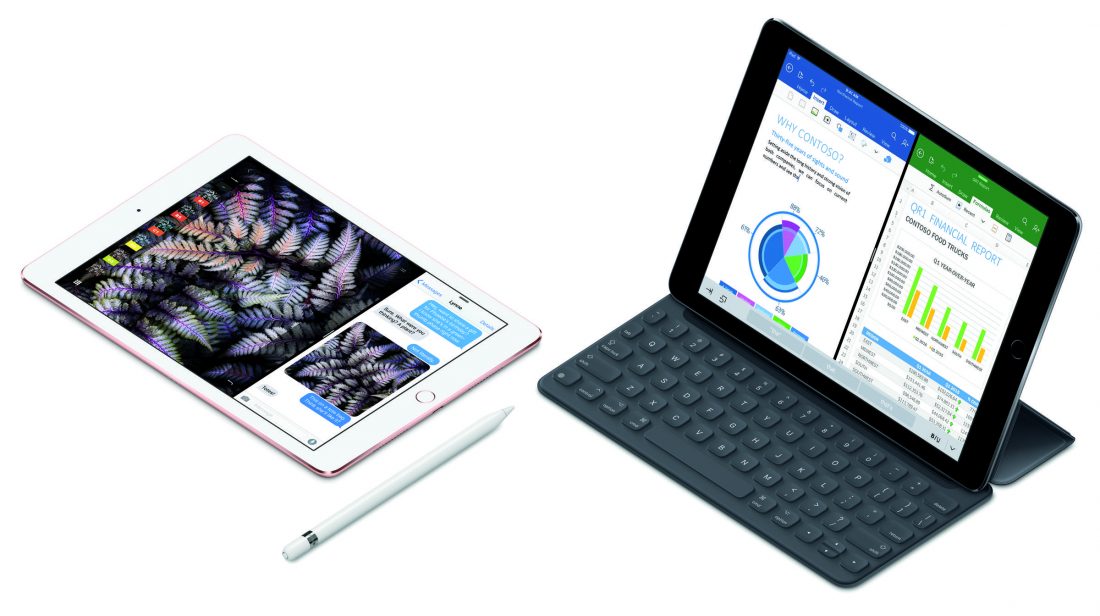
    After unveiling the iPhone X with FaceID, there are reports that the new iPad Pro will have the facial recognition system as well. The frequently reliable KGI Securities analyst Ming-Chi Kuo has issued a note predicting that iPad Pro models released next year will include depth-sensing cameras and Apple’s Face ID tech.

    As of now, there is no more information on the subject yet. As always, these rumours need to be taken with a pinch of scepticism as the iPhone X isn’t released yet and Apple has no idea how the consumers will respond to the security system especially since it replaced the beloved TouchID.

    The note however, states that the TrueDepth camera could only be offered on the iPad Pro models and not the cheaper priced models. This makes sense as the 10.5-inch and 12.9-inch iPad Pro models are the flagships in the iPad lineup and Apple already uses Apple Pencil and Smart Connector as differentiators. Another interesting development will be Apple’s decision as to where to place the cameras and the placement of the home button. The existing frame around the display on the iPad Pro is sufficient to have both the TrueDepth cameras and the home button. KGI notes that part of the goal is unifying the user experience between iPads and the iPhone X.

    The report also notes that TrueDepth camera being available on both the iPhone and iPad will increase developer adoption. Touch ID automatically switches to Face ID in apps, but the new camera enables new depth features as well.

    Again, all 0f this is far from fruition right now as the iPhone X is yet to be launched. Only once the smartphone is available to the consumers and they start using FaceID as the daily security system is when we will know whether this innovation will be carried on to other Apple products or not.

  • Samsung May Have Early Access To Snapdragon 845

    Samsung May Have Early Access To Snapdragon 845

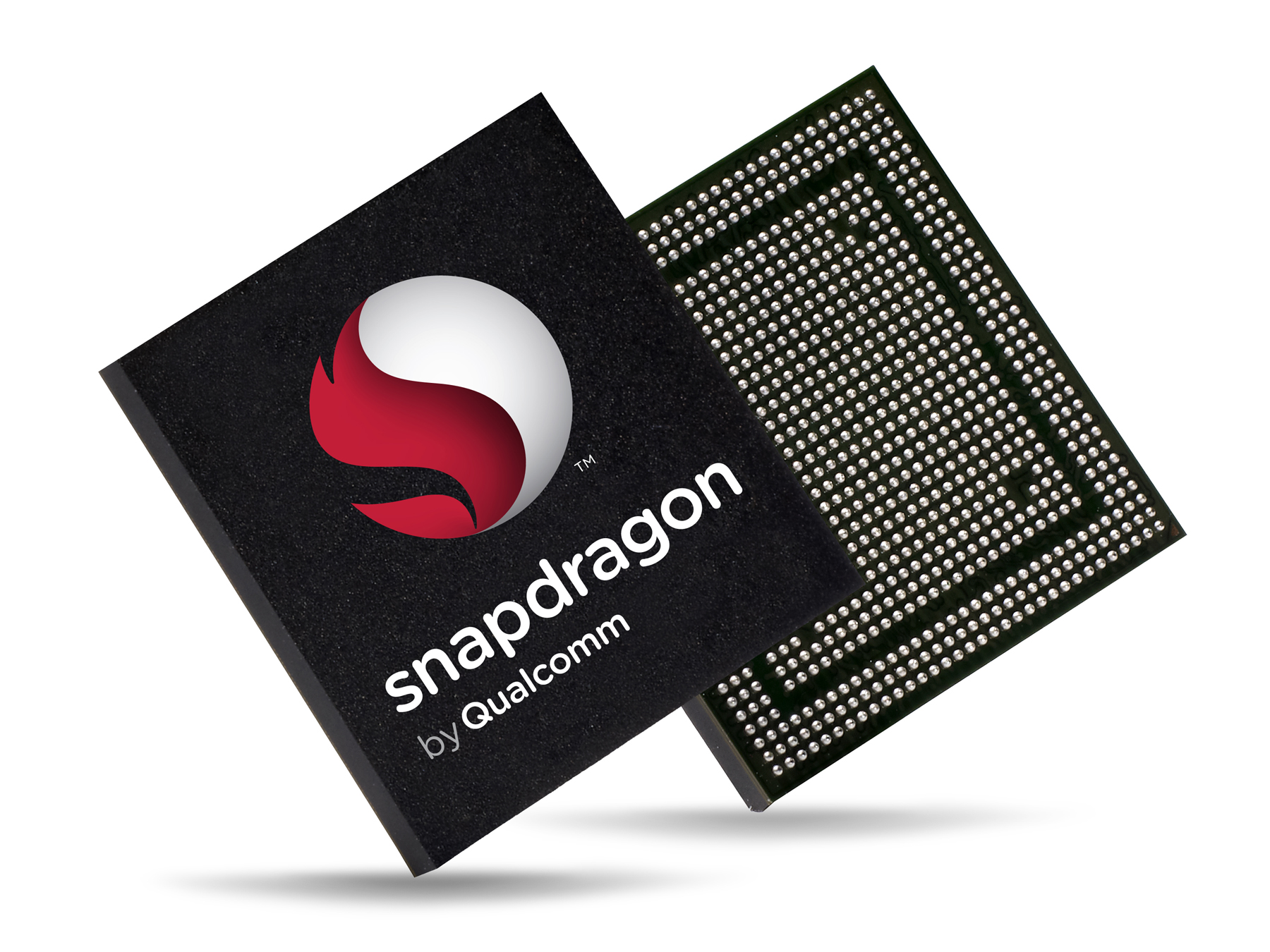
    It looks like the Samsung Galaxy S9 and Galaxy S9+ will have an early access pass to Qualcomm’s next flagship chipset, Snapdragon 845. If Qualcomm decides to go for a similar deal with Samsung like last year’s Snapdragon 835, then Galaxy S9 could b the first device to have the next flagship processor. Samsung manufactured Qualcomm’s Snapdragon 835 chipset and got to keep the initial batch for itself. That’s why early in 2017 there was no other Snapdragon 835-powered handset on the market other than the Galaxy S8.

    There isn’t a lot known about the Snapdragon 845 but, as the launch of the chipset comes near, there will be a lot more known about it. It is however, rumoured that it is expected to get manufactured through 10nm Low Power Early (LPE) FinFET process. The processor is also said to incorporate a combination of Cortex A75 cores, Adreno 630 graphics and X20 LTE modem. A report suggested that Qualcomm Snapdragon 845 SoC will be clocked at 2.5GHz, suggesting that the upcoming chip may not offer a significant improvement over the Snapdragon 835 as it clocks at 2.45GHz. A recent GeekBench listing of the Snapdragon 845 revealed a single core score of 2600+. In comparison, the Apple A9 scored around 2500 while the new A11 Bionic chipset on iPhone 8+ scored 4200+.

    As far as availability is concerned, the Samsung Galaxy S9 and Galaxy S9+ will likely be the first smartphones to have the Qualcomm’s latest chip. This means that rivals like LG would have to go through yet another flagship cycle without access to Qualcomm’s latest chip, just like last year. There were rumours that Xiaomi’s Mi7 will also have the Snapdragon 845 chipset and that the smartphone and chipset manufactures were working together to optimise the chipset for the Mi7 called ‘Snapdragon 845 V2’.


  • OnePlus 5T To Be Launched In November

    OnePlus 5T To Be Launched In November

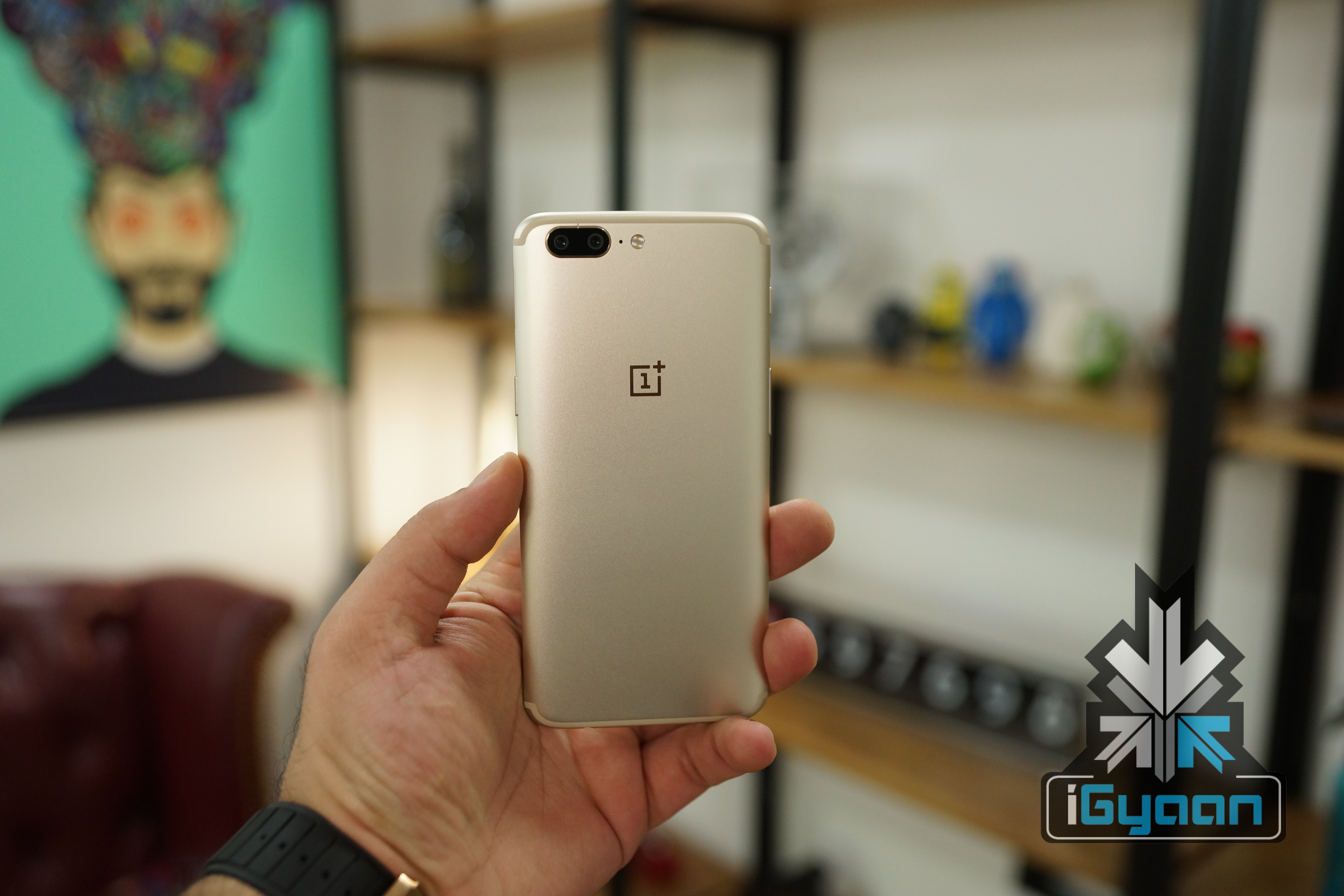
    There have been reports suggesting that OnePlus will drop the 5T and instead release the OnePlus 6 in early 2018. Now, GizmoChina has reported that the OnePlus 5T is indeed in the pipeline and might be released as soon as November 2017. Releasing the OnePlus 5T will keep up the launch tradition that OnePlus is trying to set in the market, as it released the 3T a few months after the OnePlus 3 was launched in mid-2016.

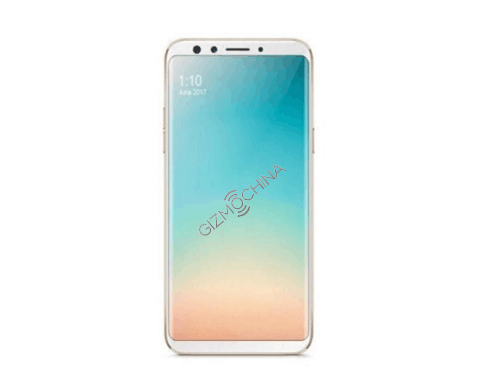
    Where the OnePlus 3T was an incremental upgrade with just a newer chipset, the OnePlus 5T will be a considerable upgrade over the OnePlus 5. The new phone is expected to have a 6 inch 2160 x 1080 px display with an 18:9 aspect ratio. When the OnePlus 5 was launched, one of the major criticism it faced was the thick bezels around the display, especially after it was dubbed as the “flagship killer.” The OnePlus 5T will have minimum bezels and feature a tall display, like a lot of flagship devices of 2017.

    The report also mentions that the Slate Grey variants of the OnePlus 5 are out of stock in several regions including the UK, which it claims indicates OnePlus is indeed looking at launching the new model.

    The renders revealed show what the OnePlus 5T might look like. The edges are curved and the bezels remind us of the Samsung Galaxy S8 which is not a bad thing, because the Galaxy S8 is one of the best looking devices of 2017.

  • Big Bazaar And Xiaomi Partner Up To Sell Redmi Phones Offline

    Big Bazaar And Xiaomi Partner Up To Sell Redmi Phones Offline

    In order to solidify its already growing presence in the offline market in India, Xiaomi has teamed up with Big Bazaar. You will soon be able to buy the Xiaomi Redmi 4 and Redmi Note 4 at Big Bazaar outlets.

    Xiaomi, just like a lot of other Chinese OEMs came to India focusing on the online market. Over the course of time, smartphone makers realised that an untapped offline market might yield them better results than focusing more on the online market. OnePlus, a company that has solely operated through its online channels recently announced a partnership with Croma. OnePlus also has its OnePlus experience stores but, there are only two in India. So, a deal with an offline retailer with a widespread operation in India made sense.Apart from Big Bazaar, Xiaomi already sells its phones via multiple offline chains like Sangeetha Mobiles, LOT, Big C, Univercell and more along with its own Mi Home stores across country.

    With record-breaking sales figures, the Redmi Note 4 has been Xiaomi’s best-selling smartphone. The company turned a few competitors’ heads when it announced that it has shipped over 10 million smartphones in September globally, and over 25 million phones in India in 3 years since entering the market. Xiaomi has been selling its mid-rangers like hot cakes in the current festive season. During the sales on Amazon and Flipkart over a course of 3 days, Xiaomi sold over a million devices.

    It is no surprise that every company wants a presence in the offline market. Google recently conceded that Pixel phones in 2016 didn’t do all that well in India because of a lack of offline presence in India. Smartphone makers which came to India as online exclusive have branched out to the offline market to tap the people who are sceptical about online shopping and like to buy a phone after physically using it.


  • Windows 10 Mobile Is Done And Dusted

    Windows 10 Mobile Is Done And Dusted

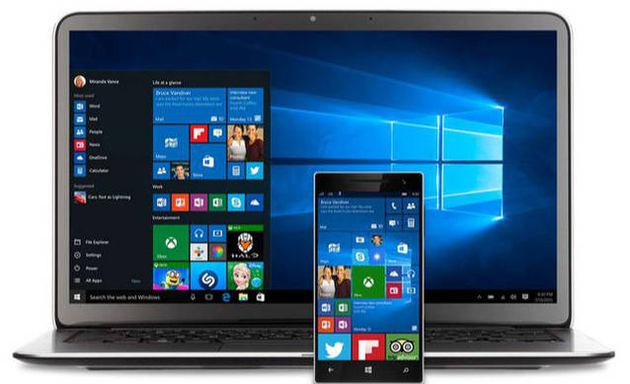
    Windows OS powered mobile phones have seen a decline in market share since the resurgence of iOS and Android. The Windows OS run mobile phones came into being way before Apple and Google unveiled their operating systems. Having been active in the smartphone industry even after seeing a considerable decline, Microsoft has finally seen the writing on the wall, that there aren’t enough people using Windows 10 Mobile or enough apps to make it viable.

    Corporate vice president of Windows 10 and head of Microsoft’s “PC-Tablet-Phone” division, Joe Belfiore, said took to Twitter Sunday to announce that Microsoft will continue to support Windows 10 Mobile with bug fixes and security updates, but new features and hardware are no longer a priority for the company.

    According to the most recent sales figures from Kantar Worldpanel, Windows phones account for just 1.3 percent of the market in the US, while BlackBerry is at 0.3 percent. Compare that with Android’s 64 percent share of new phone sales and 34 percent for iOS, and you can see why Microsoft has taken this step.

    Microsoft tried to leverage its legacy and dominance in the PC space by billing the Windows 10 smartphones to have the “everywhere OS” that would let users shift seamlessly between desktop, tablet and mobile. But, lack of apps and the increasing dominance of Android and Apple in the smartphone space didn’t let the Windows 10 platform flourish.

    Joe Belfiore continued to say on twitter that Microsoft has tried “very hard” to provide incentives for app developers to get apps onto Windows Mobile but, the “volume of users is too low for most companies to invest” in the ecosystem.


  • BlackBerry Announces The Motion With 4000 mAh Battery

    BlackBerry Announces The Motion With 4000 mAh Battery

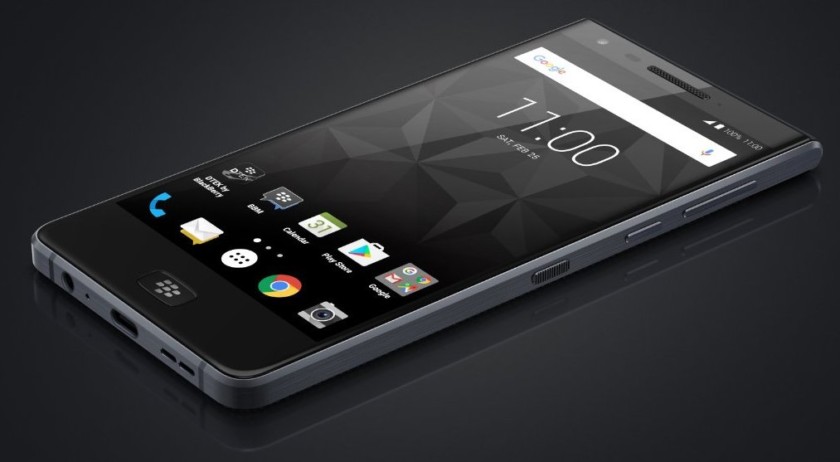
    There were a lot of rumours of BlackBerry launching an all-touchscreen Android smartphone named “Krypton.” In early October, there were leaked images of a BlackBerry smartphone with no physical keyboard named ‘Motion’. Now, BlackBerry has made it official by announcing the new BlackBerry Motion at an electronics trade show in Dubai.

    Alain Lejeune, Global General Manager for BlackBerry Mobile, had this to say about the new BlackBerry Motion:

    While the initial launch of our newest BlackBerry smartphone will be limited, this is an exciting addition to our growing BlackBerry smartphone portfolio, setting a strong foundation for further portfolio and market growth in the years to come.

    The BlackBerry Motion has a 5.5 inch 1920 x 1080 IPS LCD display with DragonTrail glass on top for protection. Powering the device is a massive 4000 mAh battery and it runs Android 7.1.1 Nougat out of the box. Under the hood, the device has the Qualcomm Snapdragon 625 chipset, 2.0GHz octacore processor, 4GB RAM and 32GB onboard storage, which is expandable up to 2TB via microSD card. The convenience key found on the KEYone retains its place on the Motion as well. The convenience key is a physical button that can be remapped to launch any action or application. The fingerprint sensor is housed inside the home button which is designed like the BlackBerry logo. Two touch capacitive button for navigation sit on the either side of the home button.

    On the optics front, the BlackBerry Motion has a 12MP rear-facing camera with an f/2.0 aperture and 1.55-micron pixel size. The rear camera is capable of recording 4K videos at 30fps. On the front is an 8MP camera with an f/2.2 aperture and an LED flash.

    TCL and BlackBerry are releasing the Motion in a handful of markets at first, with other markets following in Q4 of 2017. It’ll retail in the UAE for Dh1699 and in Saudi Arabia for 1699 Riyal. That translates to around US$460 or Rs 30,000.

  • Video Of The iPhone X Out In The Real World Surfaces Online

    Video Of The iPhone X Out In The Real World Surfaces Online

    The iPhone X was unveiled on September 12th to much fanfare. The marquee iPhone of 2017, the iPhone X will be launched on November 3rd in India will be priced at Rs 89000 for the 64GB variant. Although the launch is a month away, a video has surfaced online showing off the iPhone X in all its glory. The short clip doesn’t show off anything particularly notable like animoji or the infamous FaceID fail but, it does give us a good look at the iPhoneX’s edge-to-edge screen.

    You can watch the video here.

    The phone appears to be on AT&T’s network and the Redditor who posted the video claims it was recorded in San Jose. If you don’t know much about the American geography, San Jose isn’t too far away from Apple’s HQ in Cupertino.

    You may also like : Apple iPhone X Vs The Competition

    In the video, you can see that the person holding the phone is rotating it in his hands showing off the front and back of the iPhone X. A shaking padlock appears to signal that FaceID is locking him out and someone else owns the device, most likely an Apple employee with early access to the iPhone X. Looks like FaceID is secure after all? A lot of commenters on the thread claim to have seen the iPhone X out and about in the Bay Area and it in’t surprising that someone finally caught one on video.

    The iPhone X will go on sale on November 3rd in major countries including India and there are reports that the smartphone will be available in limited quantities up until 2018 due to manufacturing delays. Priced at Rs 89000 for the 64GB variant, the iPhone X is poised to be the most expensive iPhone in the Indian market when it launches.

  • Top Smartphones And Tech Deals On The Last Day Of The Amazon Great Indian Festival Sale

    Top Smartphones And Tech Deals On The Last Day Of The Amazon Great Indian Festival Sale

    As we approach the festive season and the end of the Amazon Great Indian Festival sale, we bring you the top smartphones and tech accessories deals  you can avail right now.

    Moto G5S Plus

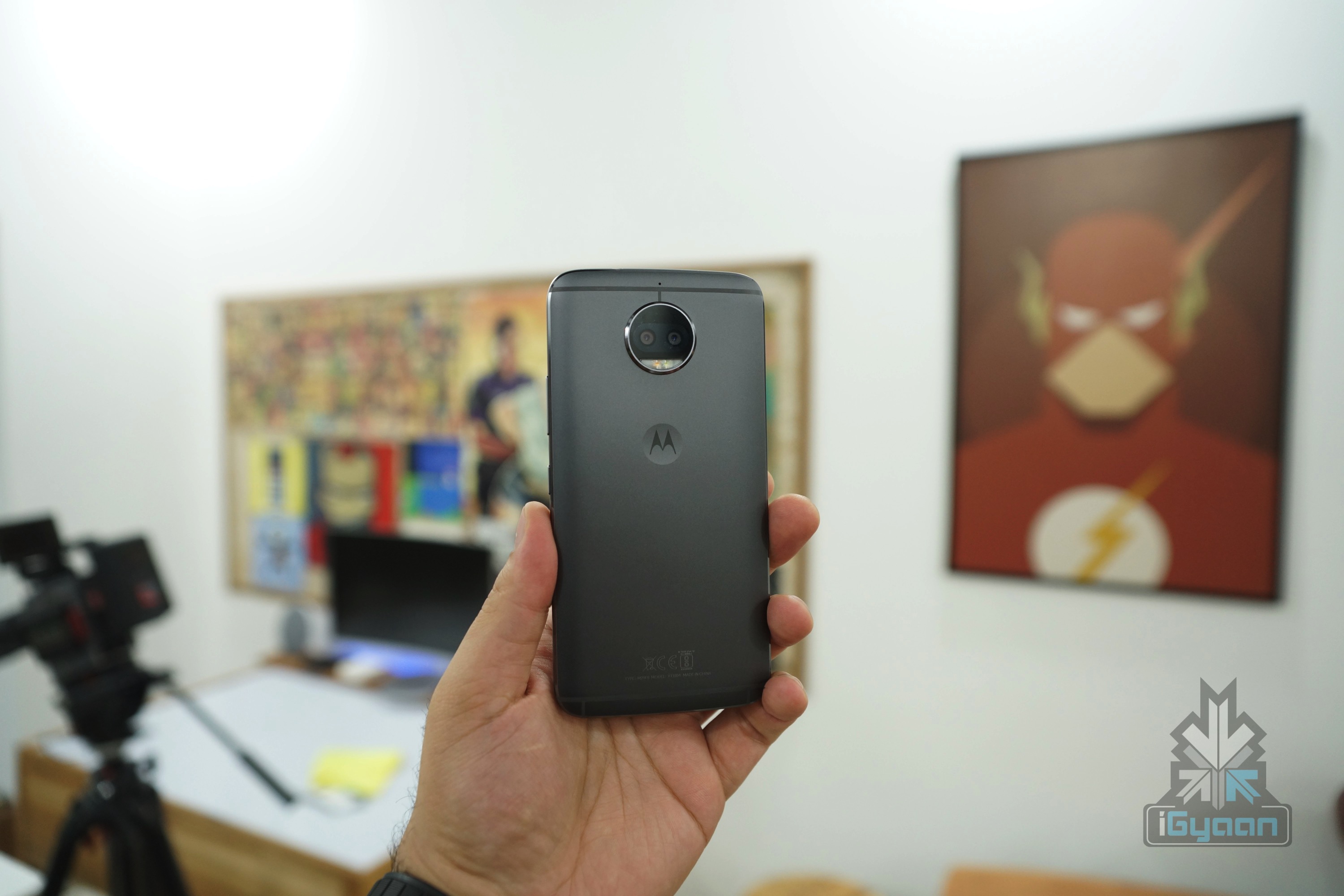
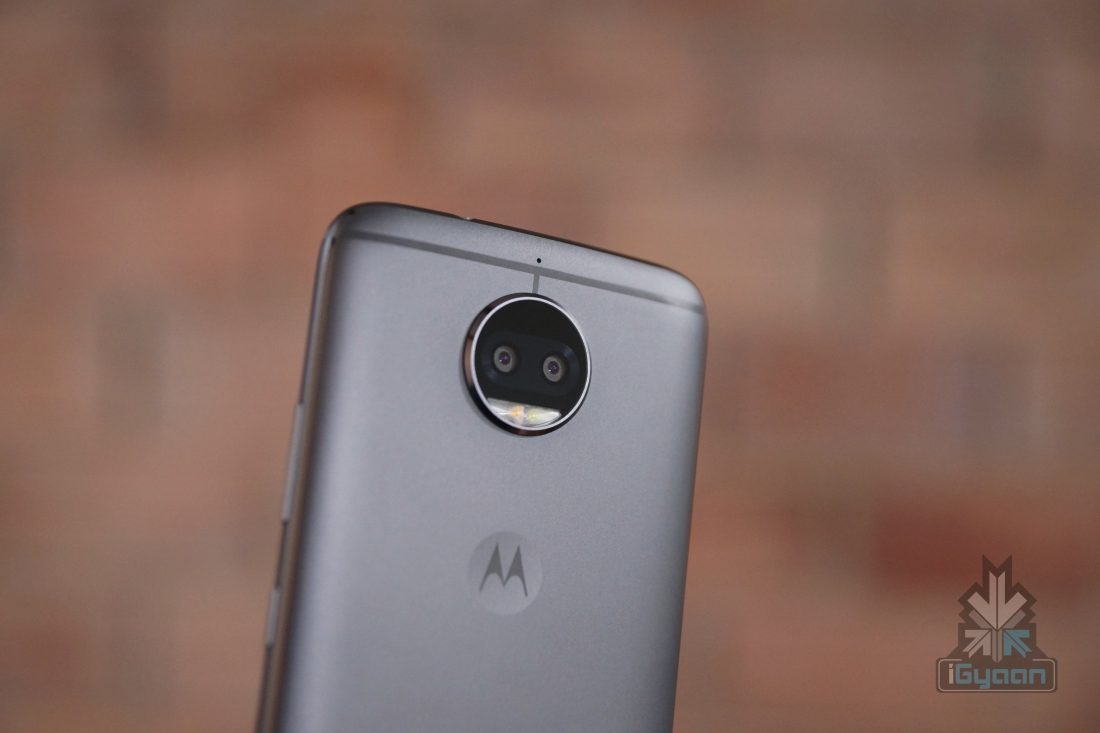
    The G5S Plus has a 5.5 inch 1920 x 1080 px display. The fingerprint sensor sits below the display and can double up as a single-navigation button as well and the screen is protected by Corning Gorilla Glass 3. The highlight of the device is the 13MP dual-camera setup with an f/2.0 aperture. The dual camera captures Bokeh, and selective focus shots, along with other capabilities of background replacement and exposure management. Under the hood, the device has the Qualcomm Snapdragon 625 processor with 2.0 GHz octa-core CPU and 650 MHz Adreno 506 GPU, 3GB RAM and 32GB onboard storage which is expandable via microSD card.

    LG Q6

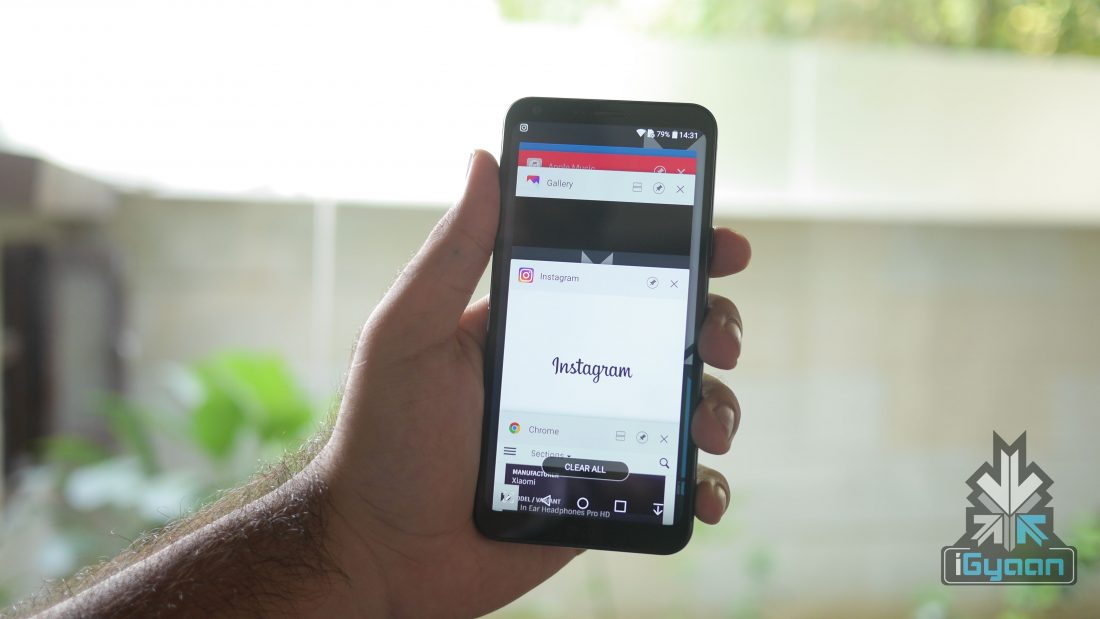
    The LG Q6 was recently launched in India for a price of Rs 14,990. It sports a 5.5 inch 2160 x 1080 px IPS LCD display. The device is powered by a 3,000mAh non-removable battery and runs Android 7.1.1 Nougat with LG’s custom skin on top of it. The LG Q6 packs the Qualcomm Snapdragon 435 chipset with a 1.4GHz octa-core processor and Adreno 505 GPU along with 3GB RAM and 32GB onboard storage which is expandable via microSD card up to 2TB. It features a single 13MP rear-facing camera with a single LED flash and on the front is a wide-angle 5MP sensor.

    Xiaomi Redmi 4

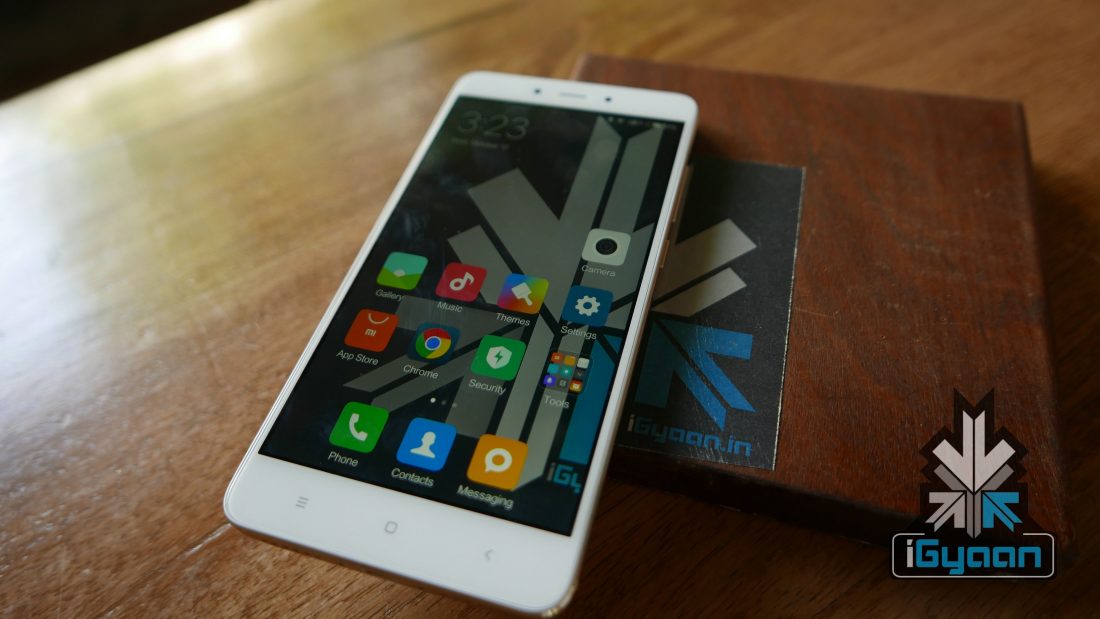
    The Xiaomi Redmi 4 has a 5-inch 1280 x 720 px LCD display and a 4100 mAh battery. Under the hood, the device has the Qualcomm Snapdragon 425 chipset, and 2GB RAM/16GB storage or 3GB RAM/32GB storage variants. On the optics front, the device has a rear facing 13-megapixel sensor with an f/2.0 aperture, PDAF, and LED flash. On the front is a 5MP camera with an f/2.2 aperture.

    SanDisk 32GB MicroSD Card

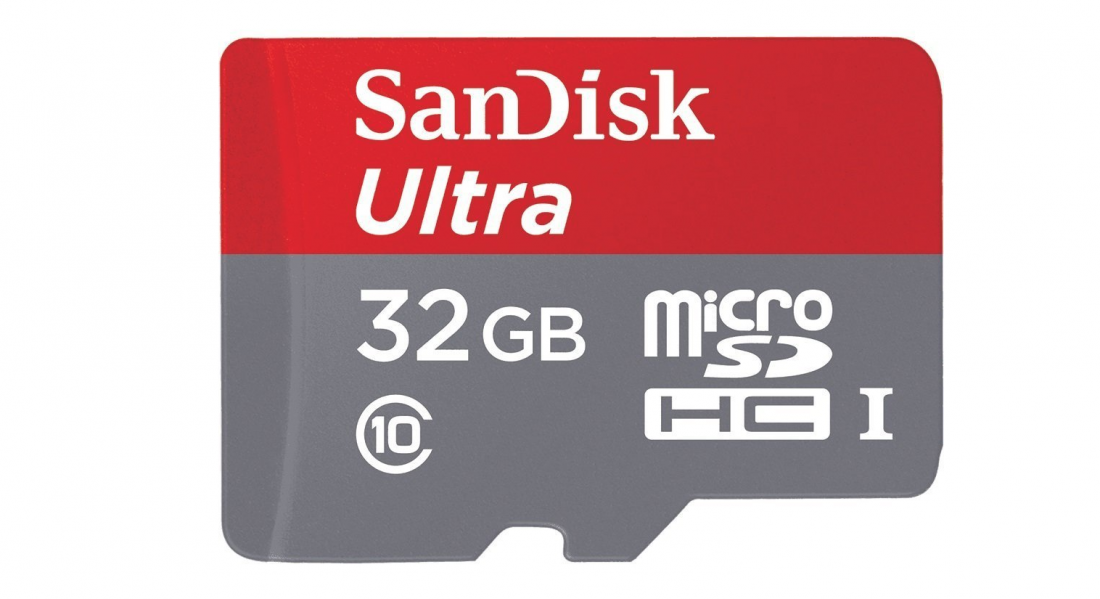
    The SanDisk 32GB microSD card is fast, durable and now affordable. It has ultra-fast transfer speeds of up to 80mbps. The memory cars is also waterproof, X-ray proof, temperature proof and shockproof.

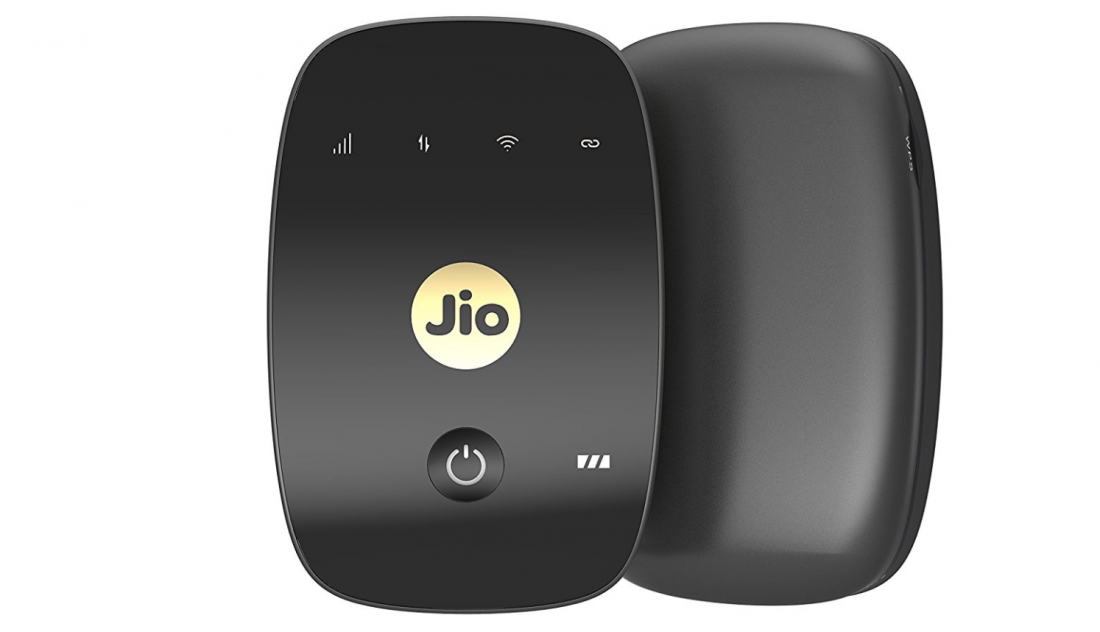
    JioFi 4G Portable Device

    The JioFi 4G portable device has 6 hours of surf time and is perfect for people who like working on the go.

  • Google Explains The Reason Behind Ditching The Headphone Jack On The Pixel 2

    Google Explains The Reason Behind Ditching The Headphone Jack On The Pixel 2

    Back in 2016, Apple turned quite a few heads when it launched the iPhone 7 and iPhone 7 Plus without a headphone jack, something which was standard in smartphones till that point. Apple, however, did not replace it with a UB Type C port and instead continued with the lightning USB port. This move was considered to be Apple’s first major step towards a port-less iPhone of the future. Google, on the other hand launched the Pixel and Pixel XL with a headphone jack in 2016 and took a subtle dig at Apple during the event. On October 4th, Google announced the Pixel 2 and Pixel 2 XL and didn’t get into the reason behind removing the headphone jack at that point.

    Now, in a post on company’s Pixel forum, Orrin explained why the headphone jack was replaced with the USB Type C port.

    The Pixel 2 still comes with a headphone jack but we have moved to USB-C, a standard that is becoming commonplace in the best phones and laptops of today. Moving to the USB-C audio port with Pixel 2 allows us to provide a better audio and digital experience, as we move towards a bezel-less future.

    Notably, Orrin also listed out a list earphones that are ‘Made By Google’ or ‘Made For Google’ headphones that have been verified to be compatible with the Pixel 2. Google will include a USB Type C to 3.5mm headphone jack dongle in the retail box.

    With another smartphone maker getting rid of the beloved headphone jack, it seems more than likely the headphone jack is heading towards redundancy. Is it time to replace your trusty wired headphones with bluetooth or USB Type C headphones?

  • Google Pixel 2 Will Not Disturb You With Notifications While You’re Driving

    Google Pixel 2 Will Not Disturb You With Notifications While You’re Driving

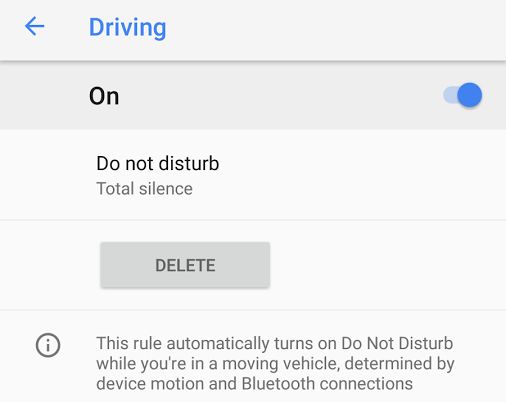
    The new Google Pixel 2 and Pixel 2 XL were unveiled on October 4th during the Google Launch Event. Sundar Pichai kicked off the event with Google’s growing focus on AI. When the Pixel 2 devices were unveiled, Google said that the device incorporates three key components – AI, software and hardware. The Pixel 2 devices have a lot of smart features and make use of the Google Assistant’s tight integration with the Pixel ecosystem. One more very useful feature is the Do not Disturb mode. It is not a new feature by any means but, what Google has done is that it eliminates your role of activating the feature. When the Pixel 2 phone senses that its in a moving vehicle, the feature gets automatically enabled.

    You may also like – Pixel 2 Vs The Competition 

    The new feature was found in the screenshots posted with the Pixel Ambient Services app, which is now available in the Google Play Store. The screenshot of the menu option says that this feature, when enabled, is automatically turned on when the phone senses it is in a moving vehicle. It uses the phone’s motion sensors, along with Bluetooth connections, to make that determination.

    One thing to factor in before enabling this feature is that the phone won’t distinguish if you’re the one driving the vehicle or if you’re just a passenger. The feature will be triggered as soon as the phone senses it is in motion. So, if you are someone who commutes via bus or a cab and doesn’t drive, it is best to disable this feature.

    You may also like – Pixel 2 Duo Will Have A Stronger Offline Presence In India

    The Pixel Ambient Services app will also be used to enable the active listening feature and as of now, the app is a Pixel 2 and Pixel 2 XL exclusive only. But, more devices might receive a compatible app update in the coming months.

  • Apple Is Looking Into The Swollen iPhone 8 Battery Issues

    Apple Is Looking Into The Swollen iPhone 8 Battery Issues

    It seems like Apple has its hands full at the moment as more reports emerge of the iPhone 8 battery swelling. What isn’t clear at the point is whether this is happening in handful of devices or a larger batch.

    Since late September, there have been reports of the iPhone 8 batteries swelling and causing the phone to split up. What appears to be happening is that the battery inside the phone is swelling, bending the front of the phone and separating it from the body of the device. A silver lining here is that there are no reports of a fire yet.

    Apple has released a concise statement acknowledging the issue:

    We are aware and looking into it.

    Considering the larger picture, there appears to be only six or so cases so far. This is a very small number compared to the millions of iPhone 8’s Apple must have presumably sold so far. The first report came out of Taiwan, where a woman is said to have found her iPhone swollen after plugging it in for charging. Then, someone in Japan posted photos of a split-apart iPhone 8 on Twitter. And in the days since, there have been cases in China, Canada, and Greece.

    A couple of years ago, this would not have mattered too much but, since the Samsung Galaxy Note7 battery issues, there is a cause of concern here. Reports in the coming days and Apple’s investigation will make it clear as to what the real issue is here but, as of now, the number of issues compared to the phones sold is too less for you as a consumer to be worried.

  • The Foldable Samsung Galaxy X Device Could See A Limited Release

    The Foldable Samsung Galaxy X Device Could See A Limited Release

    There is an increasing interest and intrigue in the soon-to-be-launched Samsung Galaxy X. In early September, after IFA 2017 in Berlin, Dongjin Koh, President of mobile business at Samsung told some reporters at a news conference in South Korea that a foldable smartphone is in the works and the company is aiming for a 2018 release. Ever since that, there have been reports of the Galaxy X receiving certification from South Korea, Samsung’s native country.

    A report from the South Korea Herald suggested that the production of the Galaxy X would be on 100,000 orders, making it an extremely limited edition device. If this happens, the Galaxy X would be the most difficult Galaxy phone to get your hands on. The foldable smartphone is being touted as the “next big innovation” in the smartphone industry, which has been stagnant for a while in terms of exciting innovations. Apart from tinkering with the display and shrinking the bezels, there hasn’t been much innovation to write home about. The Galaxy X could shake the tech industry out of complacency and usher in an era of foldable smartphones becoming more accessible than the Galaxy X.

    The Samsung Galaxy X is expected to be unveiled during CES in early 2018. This makes sense because the Galaxy S9 and S9+ are expected to be unveiled in mid 2018 and a new phone like the Galaxy X would require some breathing space to really have an impact on the smartphone market. Even though it will soon be known as “that phone which folds” and will have its own fair share fans, the market still needs time to register a phone, no matter how unique or path-breaking the device is. Just because the phone is close to its grand unveiling doesn’t mean that there aren’t hurdles to cross during the making of a foldable smartphone, Mr. Dongjin Koh has said:

    When we can overcome some problems for sure, we will launch the product. We are digging thoroughly into several issues we must overcome, as we don’t want to just make a few, sell a few and be done. We want to hear that Samsung made a very good product. We have a plan to adopt a foldable display in our roadmap.

    A number of patents as well as Samsung’s own concept video from CES 2013 tell us what to expect from the Galaxy X. Samsung is most likely to start small, with a smartphone that folds halfway like a wallet. Another design, in line with Samsung’s prototype unveiling, could see the phone unfold into a full-size tablet.

    Limited edition or not, the Samsung Galaxy X is anticipated to be a real head turner come its launch.

  • The Pixel 2 Duo Will Have A Stronger Offline Presence In India : Google

    The Pixel 2 Duo Will Have A Stronger Offline Presence In India : Google

    Google has launched the Pixel 2 and Pixel 2 XL. India is one of the first few countries to receive Google’s 2017 flagship smartphones, and Google has promised that the this time around, the two phones will ave a stronger presence in the Indian market. The launch of the Pixel 2 and Pixel 2 XL was preceded with a lot of fan fare and the claims about the camera and software integration made Google during the launch has certainly hyped the phones even more.

    Last year’s Pixel and Pixel XL, even though they received great reviews for their camera and software performance, didn’t perform all that well in India. At a starting price of Rs 61000, the Pixel 2 duo is already costlier than the Samsung Galaxy S8. Compared to the US$649 starting price of the Pixel 2, the price in India is inflated by almost US$300. But, the VP of Product Management at Google has said that the team has learned a lot since the 2016 Pixel phones were launched in India:

    We learnt quite a bit with the first Pixel in India and one of the things we’re doing is increasing our marketing investment, really to explain the product. We’ve expanded the channel and from a go-to-market perspective, we’ll be much more present this year compared to last year.

    You may also like : Google Pixel 2 Vs The Competition

    The company concedes that one of the main drawbacks of the Pixel  and Pixel XL of 2016 was its failure to capture the offline market. According to Google, consumers in India generally prefer to purchase premium, high-end smartphones after having experienced them in-person. The company’s investment in marketing might not necessarily persuade a majority of the Indian consumer market to splash such cash on a second-generation Android flagship. Although it will be interesting to see the strategy that Google adopts for the Indian market.

    You may also like : Google Pixel 2 XL Vs The Competition

    The Pixel 2 in India starts at a price of Rs 61000 for the 64GB variant and goes up to Rs 70000 for the 128GB variant. The bigger sibling, Pixel 2 XL costs Rs 73000 for the 64GB variant and Rs 81000 for the 128GB storage variant. The iPhone X, when released in India will cost Rs 84000 for the 64GB variant while the Galaxy Note8 retails for Rs 67900 in India right now. What’s your choice of flagship for the next year or so? Let us know in the comments below!

  • Google Pixel 2 XL Vs The Competition

    Google Pixel 2 XL Vs The Competition

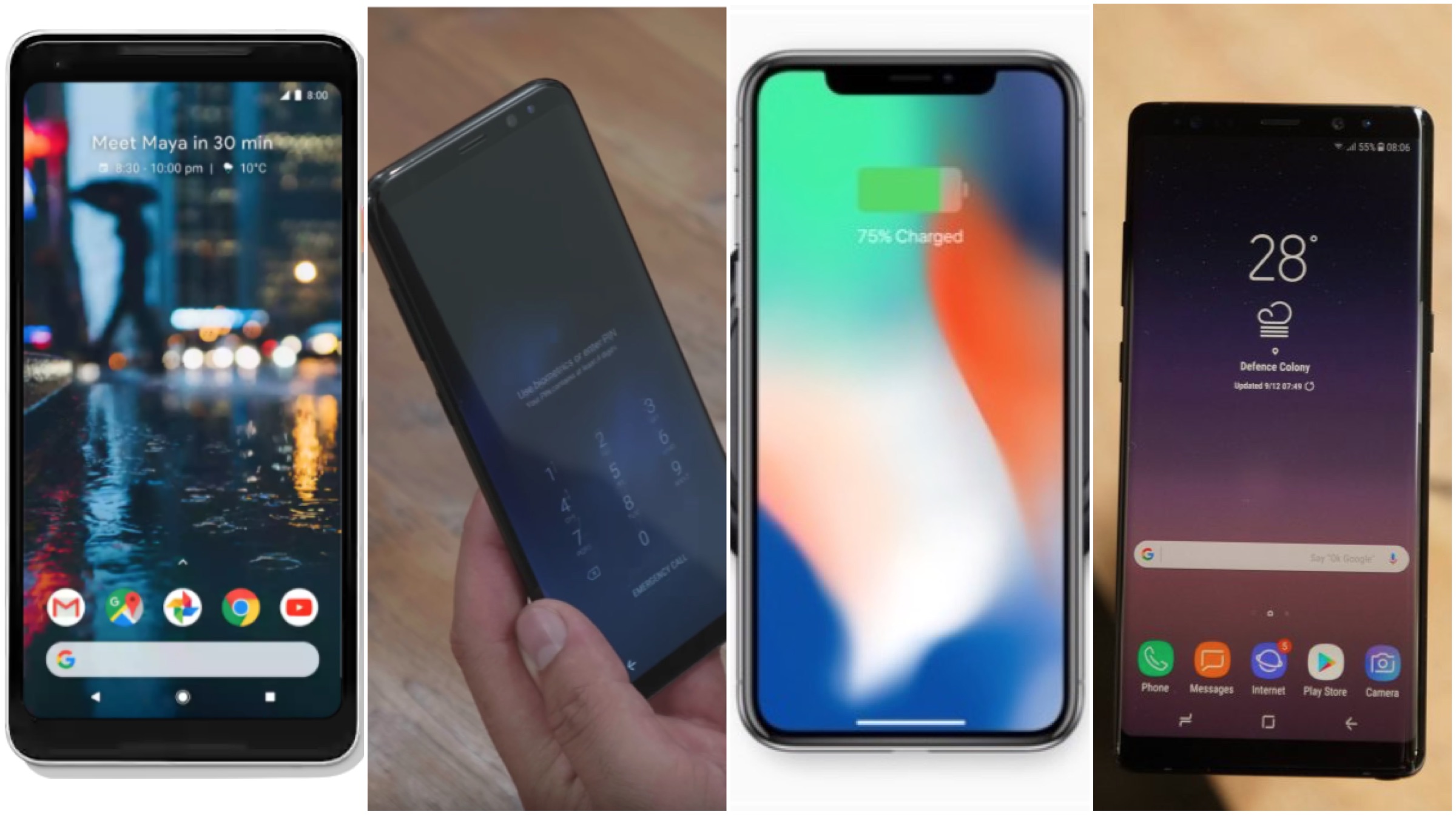
    The Google Pixel 2 was launched on October 4th as the marquee Pixel device for 2017. It strays away a little from the thick bezels that the Pixel 2 has but, still incorporates the front-firing speakers in relatively thinner bezels. Just like the Pixel 2, there is a tight integration with Google Assistant in Google’s attempt to harmonise AI, software and hardware. So, how does the bigger Google flagship stack up against the competition? let’s find out:

    Google Pixel 2 XL
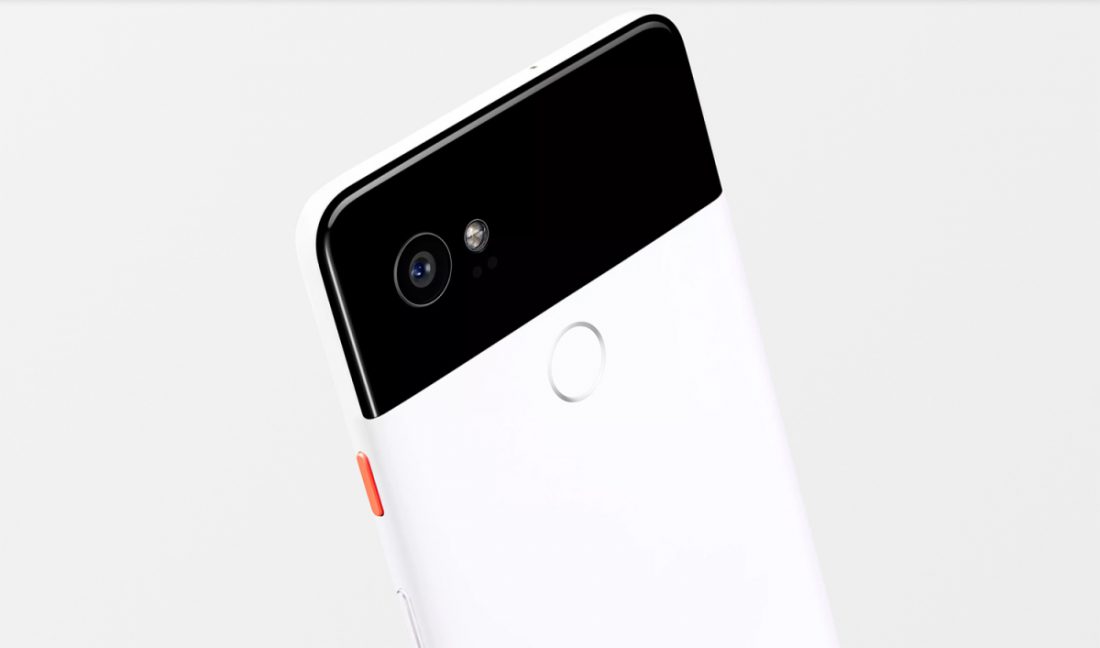
    The smartphone has a 6 inch 2880 x 1440 px POLED display which translates into an 18:9 aspect ratio. Protecting the display is Corning Gorilla Glass 5. Just like the Pixel 2, the device runs Android 8.0 Oreo out of the box and will receive the Android P update in 2018. Powering the device is a 3520 mAh battery which is larger than the one found in the Pixel 2. Under the hood, the Pixel 2 XL has the Qualcomm Snapdragon 835 chipset, 2.4GHz octa core processor, Adreno 540, 4GB RAM and 64GB/128GB onboard storage. The fingerprint sensor sits at the back of the device but, this time around the “glass window” is smaller.

    On the camera front, Google has decided to go for a single camera setup similar to last year’s Pixel phones. The rear-facing camera is a 12.2 MP sensor with an f/1.8 aperture and 1.4 micron pixel size. On the front is an 8MP camera with an f/2.4 aperture. Google has introduced new features in the camera department like the addition of AR. Google says Pixel 2 XL has greater high dynamic range, optical image stabilisation, and a portrait mode that doesn’t use a second camera but dual-sensor image technology. The Pixel 2 XL uses both OIS and EIS simultaneously for better clarity and stable images and videos.

    Samsung Galaxy S8+
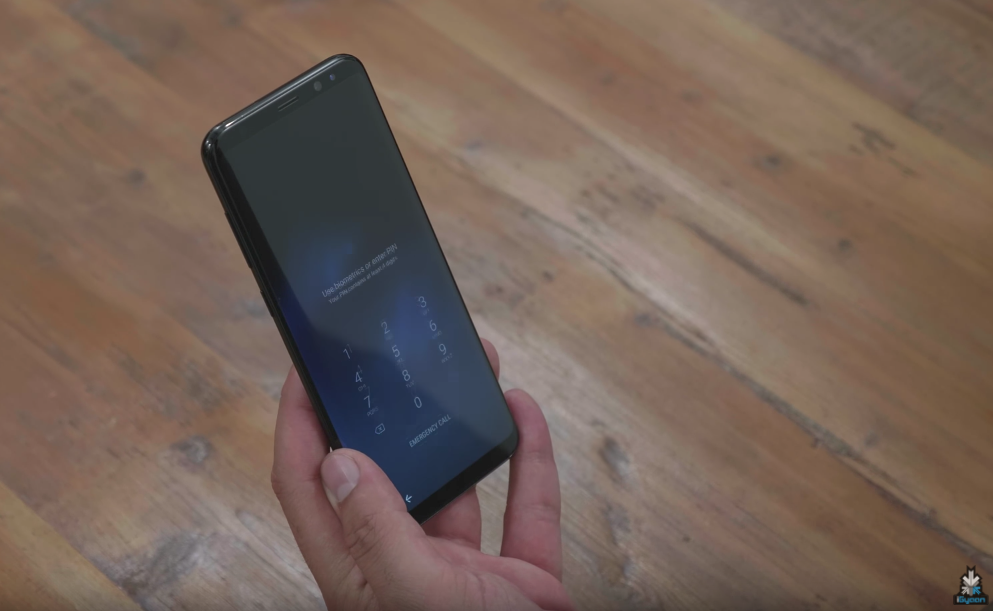
    The Samsung Galaxy S8+ has a 6.2 inch 2960×1440 px Super AMOLED display with a 570ppi. Powering the device is a 3000 mAh battery and it runs Android 7.1 Nougat out of the box. Under the hood, the smartphone has Exynos 8895 chipset, 64GB or 128GB onboard storage options which is expandable up to 256GB via microSD card and 4GB RAM or 6GB RAM variants. The Galaxy S8+ is also water and dust resistant. The Galaxy S8 has a glass  black which means it is wireless charging compatible. The smartphone has an awkwardly placed fingerprint sensor right next to the camera.

    For cameras, both phones get a main Dual Pixel 12MP OIS (F1.7), Front: 8MP AF (F1.7). While the battery on the Galaxy S8 is 3000 man, the S8plus has a 3500 mAh battery. Both support fast charging and wireless charging as well.

    Apple iPhone X
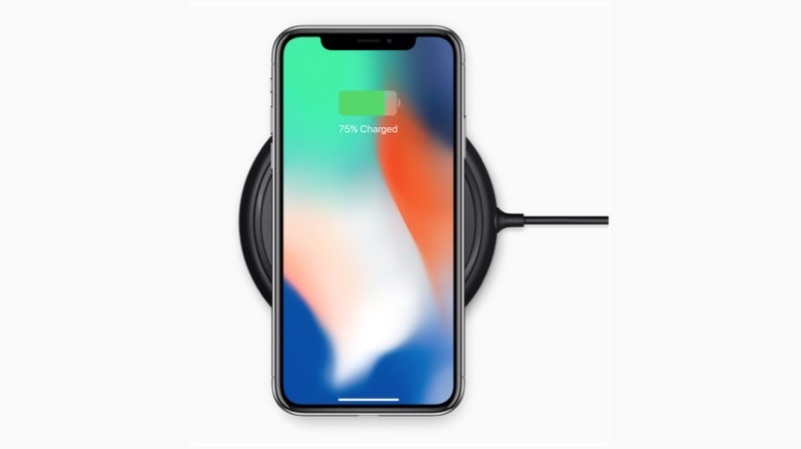
    The iPhone X has a 5.8-inch 2436 x 1125 px OLED True Tone Super Retina display with minimal bezels around it. The phone runs iOS 11 and is powered by a 3,000 mAh battery which charges through the Apple signature lightning port placed at the bottom of the phone. Because of the all-glass design, the iPhone 8 also has wireless charging. Under the hood, the smartphone has the Apple A11 Bionic chipset with a neural engine, a hexacore processor, 3GB of RAM and storage options of 64GB, and 256GB. Apple has also gotten rid of TouchID and replaced it with facial recognition called FaceID which Apple claims has a security breach chances of 1 in a million.

    On the optics front, the iPhone X has dual 12-megapixel rear cameras, and it’s equipped with dual optical image stabilization. The main camera is equipped with a wide angle lens and has an f/1.8 aperture while the secondary telephoto lens has an f/2.4 aperture.

    Samsung Galaxy Note8
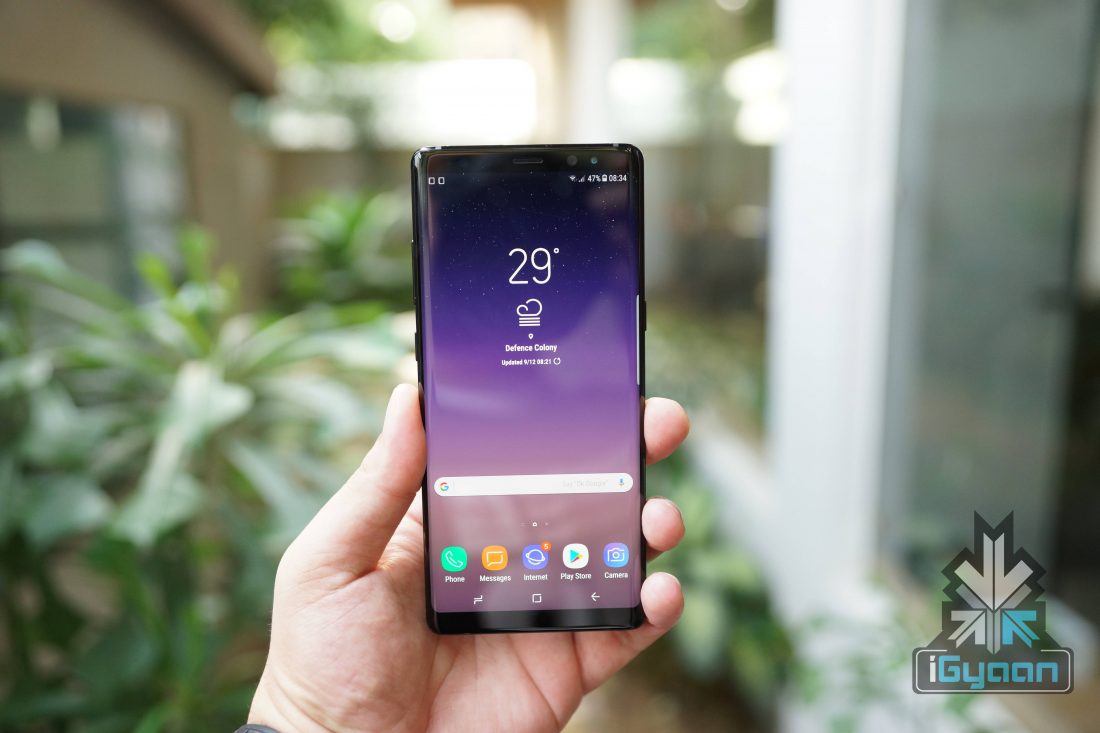
    The Galaxy Note8 has a 6.3 inch 2960 x 1440 px Super AMOLED display with an 18.5:9 aspect ratio, which is the same aspect ratio found on the Galaxy S8 and S8+. Powering the device is a 3300 mAh battery which is smaller than the 3500 mAh battery found on the Galaxy Note7 with wireless charging capabilities, and runs Android Nougat 7.1.1 with Samsung’s custom skin on top. The device has the Exynos 8895 chipset, 2.3GHz Quad-Core (Custom CPU) + 1.7GHz Quad-Core (Cortex-A53) processor, 6GB of RAM and 128GB onboard storage, which is expandable up to 256GB via microSD card. The graphics are handled by the Mali-G71 MP20 GPU.

    The new Note8 has a 12MP dual-camera setup, one of which has a wide lens and the other a telephoto. The telephoto lens allows a user to zoom in losslessly for an up to 2x magnification. The use of dual camera allows for the ability to blur out the background for professional looking bokeh effect shots, something that seems to be common in smartphones in 2017. The Galaxy Note8, Samsung claims, is the first smartphone to feature OIS in both the cameras at the back.

    Specifications Google Pixel 2 XL Samsung Galaxy S8+ Apple iPhone X Samsung Galaxy Note8
    Price Rs 73000 for the 64GB variant Rs 64900 for the 64GB variant

    Rs 89000 for the 64GB variant Rs 67900

    Display Size and Type 6 inch POLED display 6.2 inch Super AMOLED 5.8 inch Super Retina Display 6.3 inch Super AMOLED
    Display Resolution 2880 x 1440 px 2960 x 1440 px 2436 x 1125 px OLED True Tone 2960 x 1440 px
    Dimension 157.9 x 76.7 x 7.9 mm 159.5 x 73.4 x 8.1 mm 143.6 x 70.9 x 7.7 mm 162.5 x 74.8 x 8.6 mm
    Weight 175 grams 173 grams 174 grams 195 grams
    Chipset Qualcomm Snapdragon 835 Exynos 8895 A11 Bionic Chipset Exynos 8895
    Processor 2.4GHz
    8x Qualcomm Kryo 280
    Octa core (2.3GHz Quad + 1.7GHz Quad), 64 bit, 10 nm process Hexacore processor with 2 high performing and 4 low cores Octa core (2.3GHz Quad + 1.7GHz Quad), 64 bit, 10 nm process
    RAM 4GB 4GB or 6GB 3GB 6GB
    Storage 64GB

    128GB

    64GB

    128GB

    64GB

    256GB

    64GB
    Storage Expandability No Yes up to 256GB No Yes up to 256GB
    Primary Camera 12.2MP with an f/1.8 aperture

    Dual pixel technology

    Dual Pixel 12MP with an f/1.7 aperture 12MP wide-angle and telephoto cameras
    Wide-angle: ƒ/1.8 aperture
    Telephoto: ƒ/2.4 aperture
    Dual 12MP camera
    Wide-angle: ƒ/1.7 aperture
    Telephoto: ƒ/2.4 aperture
    Primary Camera Features Simultaneous OIS and EISPortrait mode OIS

    PDAF

    Portrait mode
    Portrait Lighting (beta)
    Dual optical image stabilization
    Six?element lens
    Quad-LED True Tone flash with Slow Sync
    PDAF
    2X lossless optical zoom
    Bokeh Effect
    Dual OIS
    Secondary Camera 8MP with an f/2.4 aperture 8MP AF (F1.7) 7MP camera
    f/2.2 aperture
    8MP with an f/1.7 aperture
    Colours  Black and White, All Black Midnight Black, Maple Gold, Orchid Grey  Space Gray, Silver Midnight Black, Maple Gold


  • Google Pixel 2 Vs The Competition

    Google Pixel 2 Vs The Competition

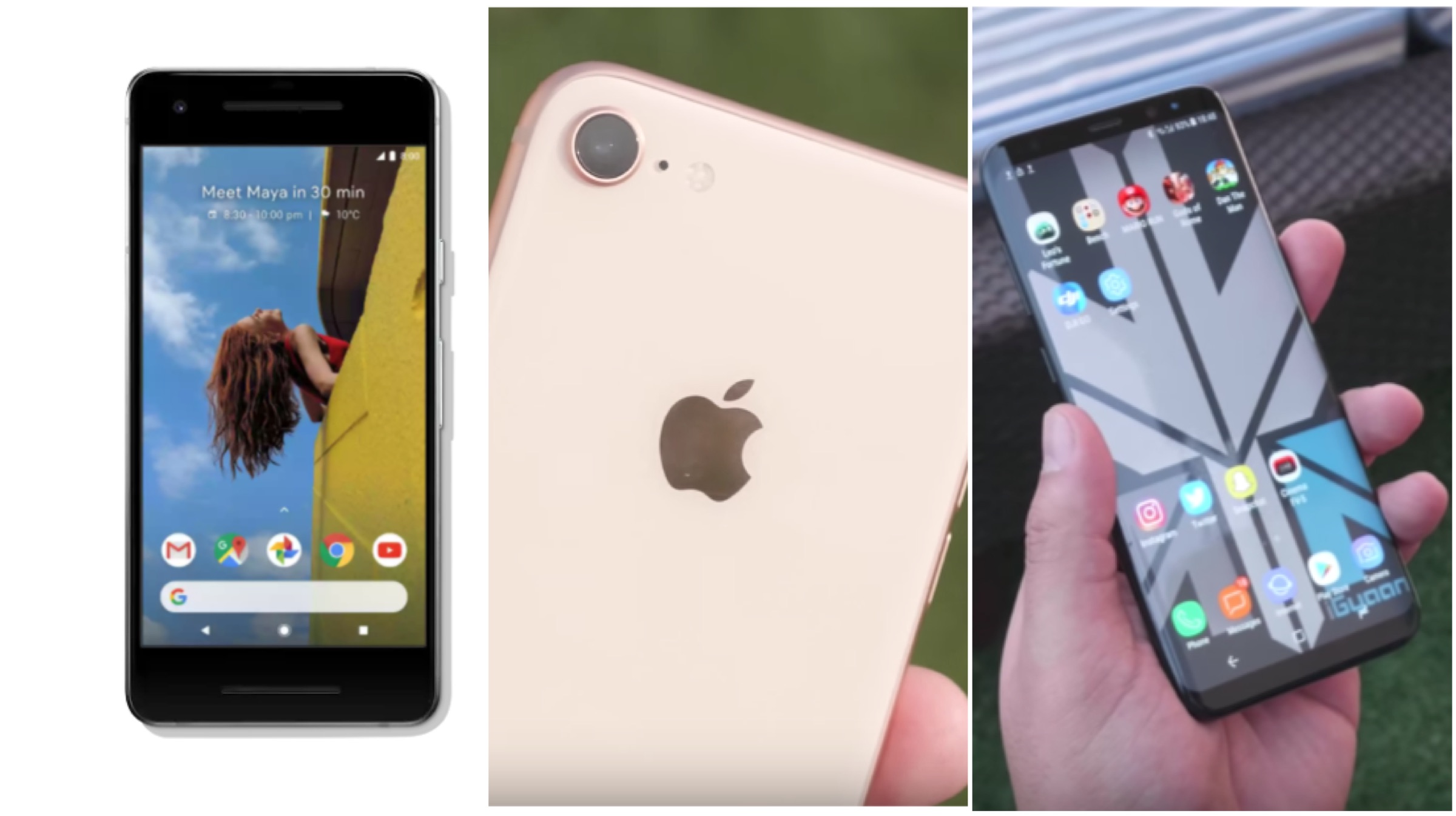
    On October 4th, Google announced the next iteration of its Android smartphones, the Pixel 2 and Pixel 2 XL. Smaller of the two siblings, the Pixel 2 has a tight integration with Google Assistant. With the Google Pixel 2 arriving in India on November 1st, let’s take a look at how it stacks up against the competition.

    Google Pixel 2

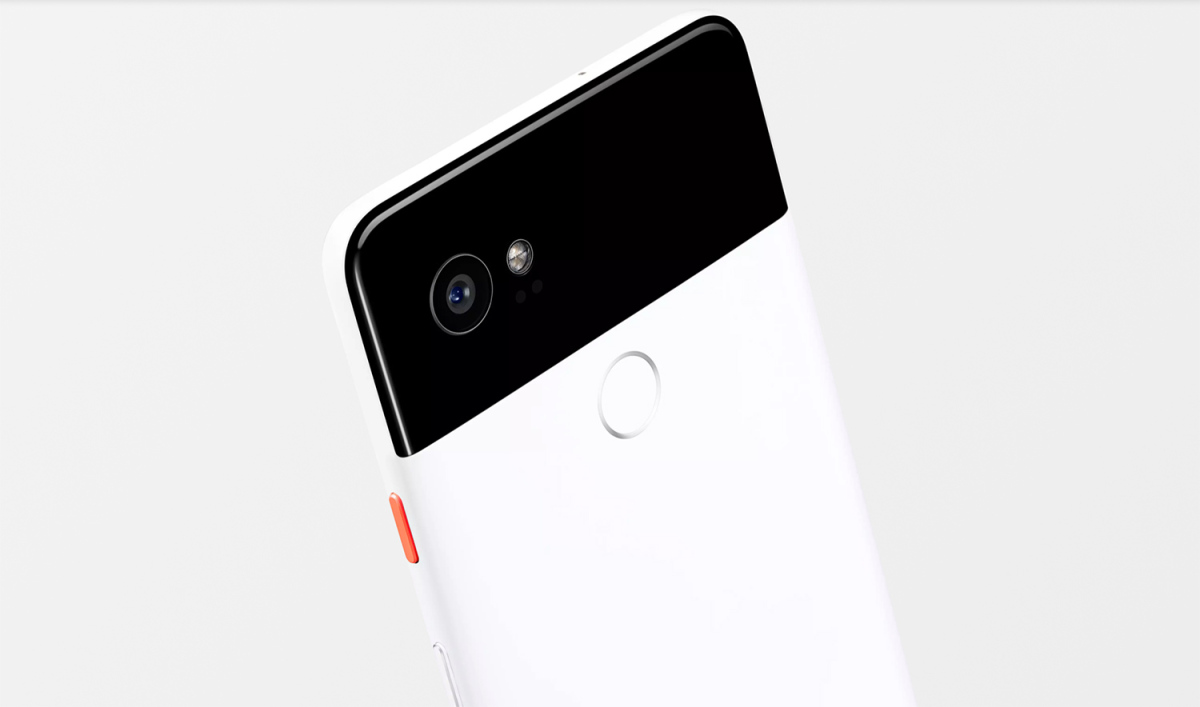
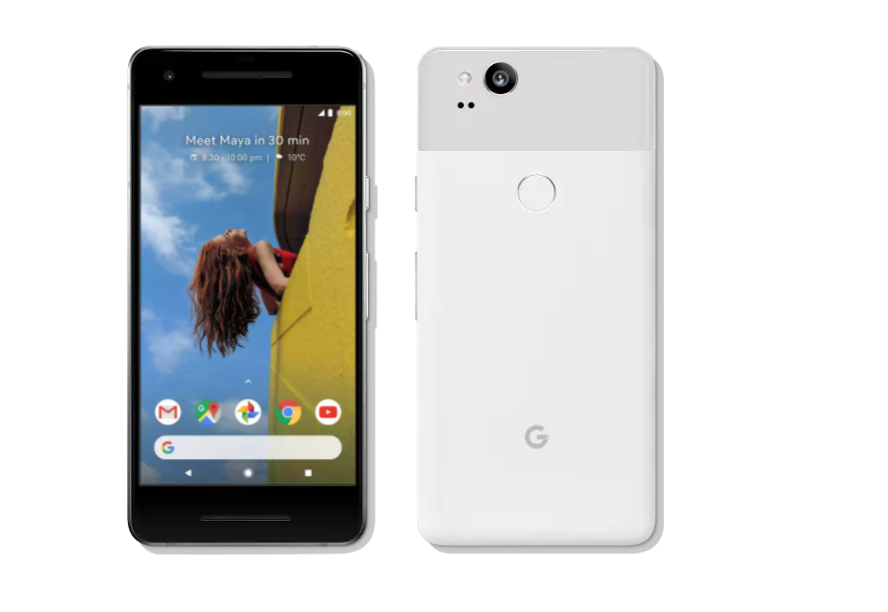
    The Google Pixel 2 has a 5 inch 1920 x 1080 px OLED display with Corning Gorilla Glass 5 on top for protection. Powering the device is a 2700 mAh battery and it runs Android 8.0 Oreo out of the box. As is with with every Google phone, the new Pixel 2 will be first in line to receive Android P update in 2018. Under the hood, the device has typical 2017 flagship specifications. It has the Qualcomm Snapdragon 835 chipset, 2.4GHz octa core processor, Adreno 540, 4GB RAM and 64GB/128GB onboard storage. The fingerprint sensor sits at the back of the device but, this time around the “glass window” is smaller. The two-tone colour of the phone is also reminiscent of the original Pixel from 2016. Google claims that the fingerprint sensor is the fastest on a smartphone. The Pixel 2 is water resistant as well.

    On the camera front, Google has decided to go for a single camera setup similar to last year’s Pixel phones. The rear-facing camera is a 12.2 MP sensor with an f/1.8 aperture and 1.4 micron pixel size. On the front is an 8MP camera with an f/2.4 aperture. Google has introduced new features in the camera department like the addition of AR. The Pixel 2 XL uses both OIS and EIS simultaneously for better clarity and stable images and videos. The portrait mode works on both rear and font facing cameras, just like the new iPhones.

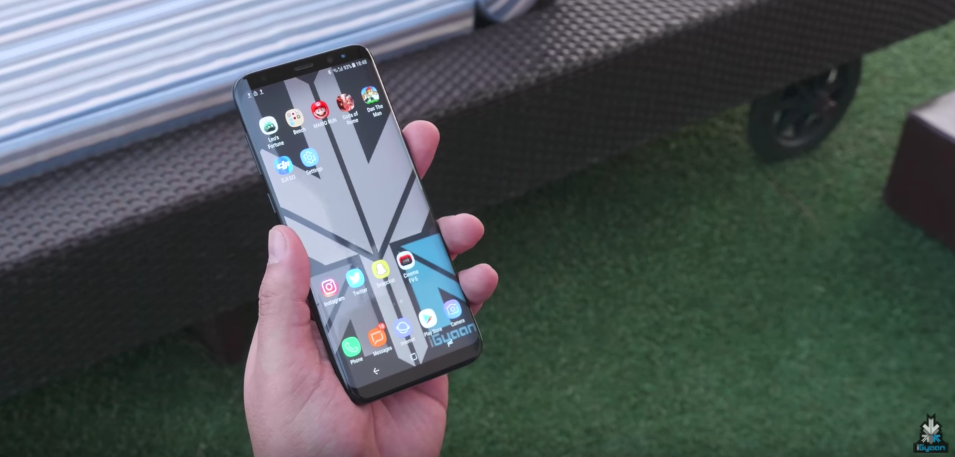
    Samsung Galaxy S8

    The Samsung Galaxy S8 has a 5.8” 2960×1440 px Super AMOLED display with a 570ppi. Powering the device is a 3000 mAh battery and it runs Android 7.1 Nougat out of the box. Under the hood, both the smartphone has Exynos 8895 chipset, 64GB onboard storage options which is expandable up to 256GB via microSD card and 4GB RAM. The Galaxy S8 is also water and dust resistant. The Galaxy S8 has a glass  black which means it is wireless charging compatible. The smartphone has an awkwardly placed fingerprint sensor right next to the camera.

    For cameras, both phones get a main Dual Pixel 12MP OIS (F1.7), Front: 8MP AF (F1.7). While the battery on the Galaxy S8 is 3000 man, the S8plus has a 3500 mAh battery. Both support fast charging and wireless charging as well.

    Apple iPhone 8

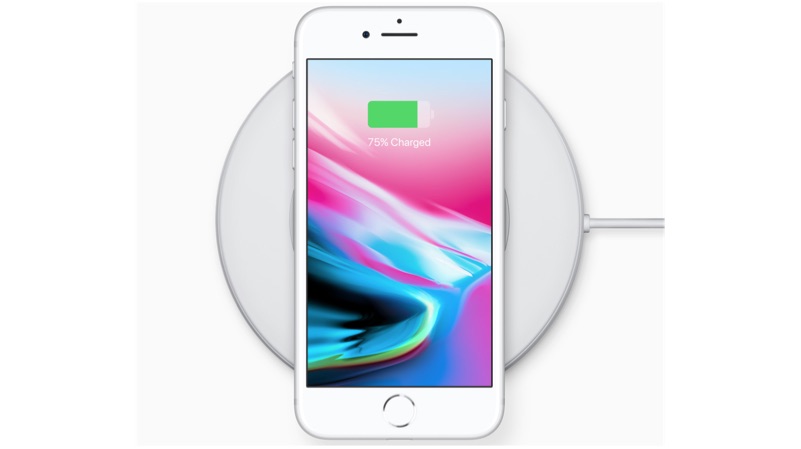
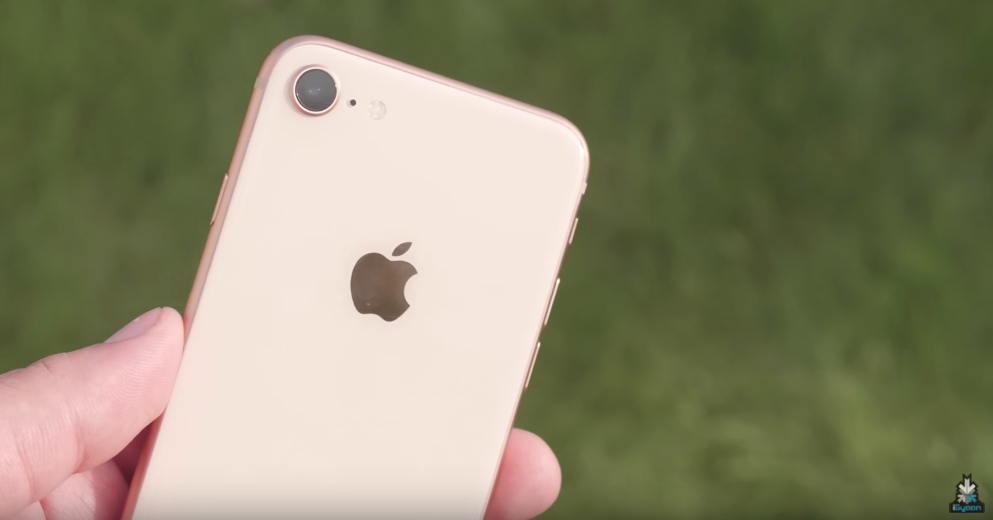
    The Apple iPhone 8 has a 4.7 inch 1334 x 750 px IPS LCD True Tone display. Under the hood, the iPhone 8 has the A11 Bionic chipset with a hexacore processor and the new Apple GPU. Because of the glass back, the iPhone 8 is now wireless charging capable. The iPhone 8 runs iOS 11 and the battery of the iPhone 8 is identical to the iPhone 7. The iPhone 8 is available in two storage variants, 64GB and 256GB.

    On the camera front, there’s a 12-megapixel sensor on the iPhone 8 that is larger, faster and has optical image stabilisation. The iPhone 8 Plus also has new 12 MP sensors. The main camera is equipped with a wide angle lens and has an f/1.8 aperture while the secondary telephoto lens has an f/2.8 aperture. The dual cameras on the iPhone 8 Plus also have a new “Portrait Lighting” feature to adjust the lighting for portrait shots.


    Specifications Google Pixel 2 Samsung Galaxy S8 Apple iPhone 8
    Price Rs 61000 for 64GB variant Rs 55900

    Rs 59,999 for 64GB variant

    Display size and type 5 inch OLED 5.8 inch Super AMOLED 4.7 inch IPS LCD True Tone Display
    Display resolution 1920 x 1080 px 2960 x 1440 px 1334 x 750 px
    Dimensions 145.7 x 69.7 x 7.8 mm 148.9 x 68.1 x 8.0 mm 138.4 x 67.3 x 7.3 mm
    Weight 143 grams 155 grams 148 grams
    Chipset Qualcomm Snapdragon 835 Exynos 8895 A11 Bionic Chipset
    Processor 2.4GHz
    8x Qualcomm Kryo 280
    Octa core (2.3GHz Quad + 1.7GHz Quad), 64 bit, 10 nm process Hexacore processor
    RAM 4GB 4GB 3GB
    Storage 64GB

    128GB

    64GB 64GB

    256GB

    Storage Expandability No Yes

    Up to 256GB

    No
    Primary Camera 12.2MP with an f/1.8 aperture

    Dual pixel technology

    Dual Pixel 12MP with an f/1.7 aperture 12MP with an f/1.8 aperture
    Primary Camera Features Simultaneous OIS and EIS

    Portrait mode

    OIS and EIS

    PDAF

    OIS

    Six element lens

    Secondary Camera 8MP with an f/2.4 aperture

    Portrait mode

    8MP AF (F1.7) 7MP camera
    f/2.2 aperture
    Colours White, Blue, Black Midnight Black, Maple Gold, Orchid Grey Gold, Silver, Space Gray
iGyaan Network
Privacy Overview

This website uses cookies so that we can provide you with the best user experience possible. Cookie information is stored in your browser and performs functions such as recognising you when you return to our website and helping our team to understand which sections of the website you find most interesting and useful.