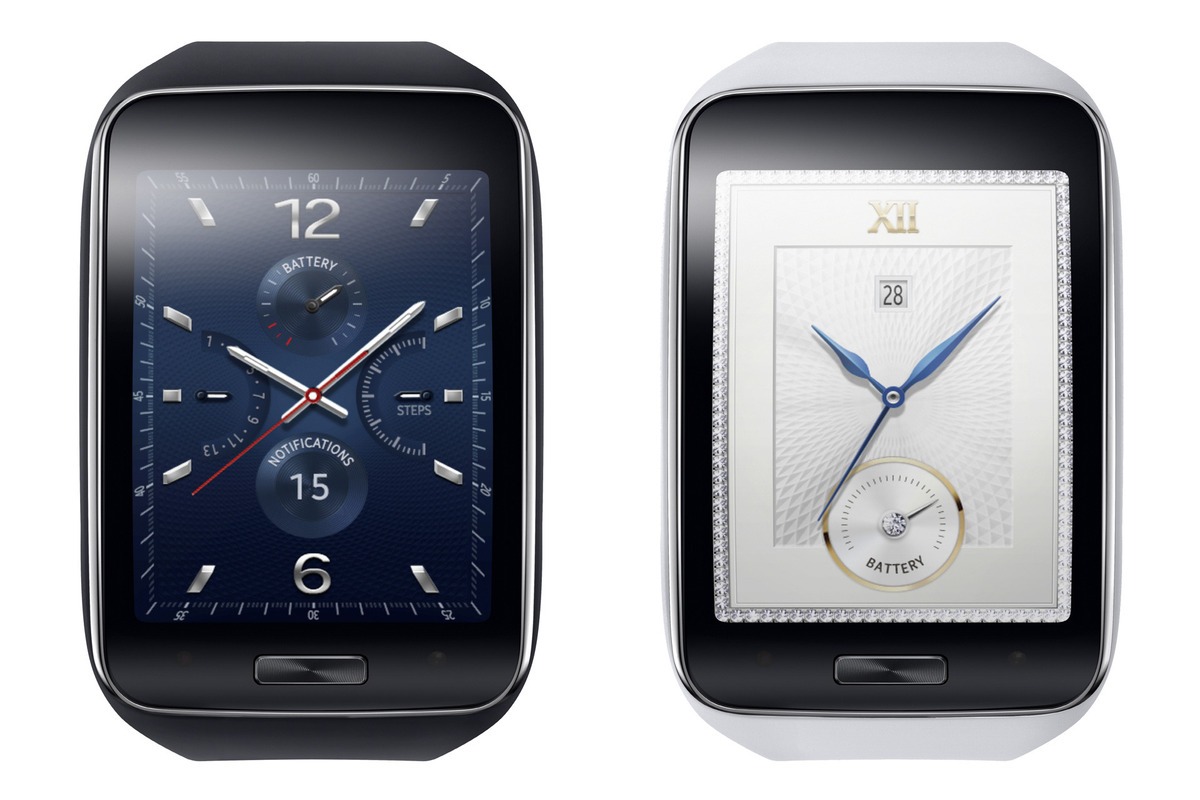
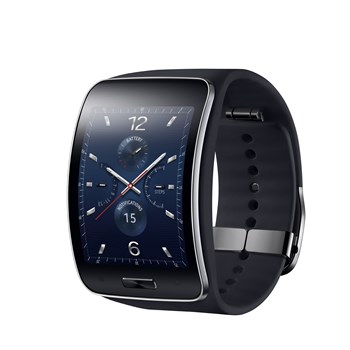
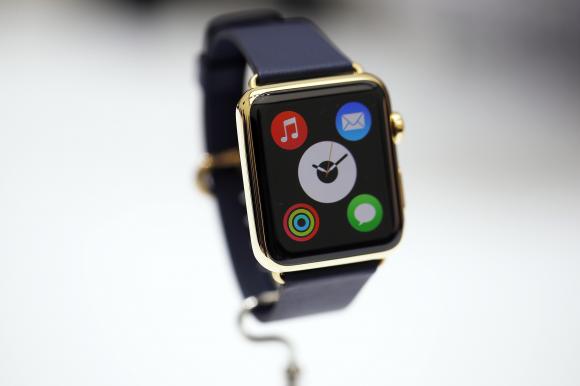
Along with the launch of latest flagship Galaxy Note 4, Samsung has also launched Gear S, the company’s newest smartwatch. The new smartwatch will be available from October 17th at the price tag of Rs. 29,500. Along with that, the company announced the partnership with Vodafone to give 2GB Data free for the users 2 months.
The new Tizen based smartwatch is the first smartwatch from Samsung with built-in 3G connectivity, and have ability to connect to 3G and 2G networks on its own, meaning users won’t need to keep it wirelessly connected to a smartphone in order to get notifications or make calls.
The Samsung Gear S has a 2-inch curved AMOLED display. It is topped with dual-core 1GHz CPU inside along with GPS, heart rate and motion sensors. It is powered by a 300mAh battery which Samsung says can last up to two days. It runs Tizen instead of Android Wear, with pedestrian navigation available from from Nokia’s HERE and support for Facebook.
It also lets you reply to incoming messages using the onscreen keyboard, or S Voice functionality to complete your tasks. You can also make and receive calls directly from your wrist, or get calls forwarded from your smartphone.
The 2-inch curved AMOLED display is kept at a 360 x 480px resolution, which comes out to a fairly impressive 300 pixels per inch. The smartwatch does not sport a camera, and unlike Samsung’s other Tizen-based Gear watches, it has a standalone music player.
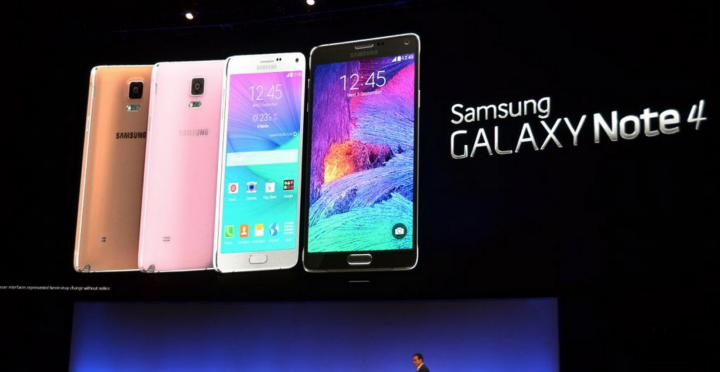
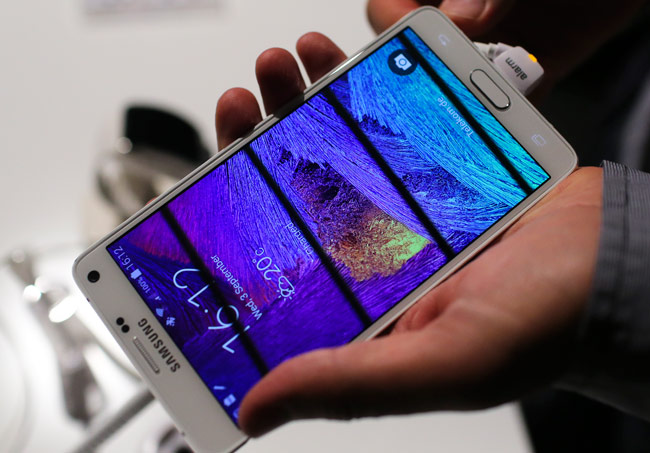
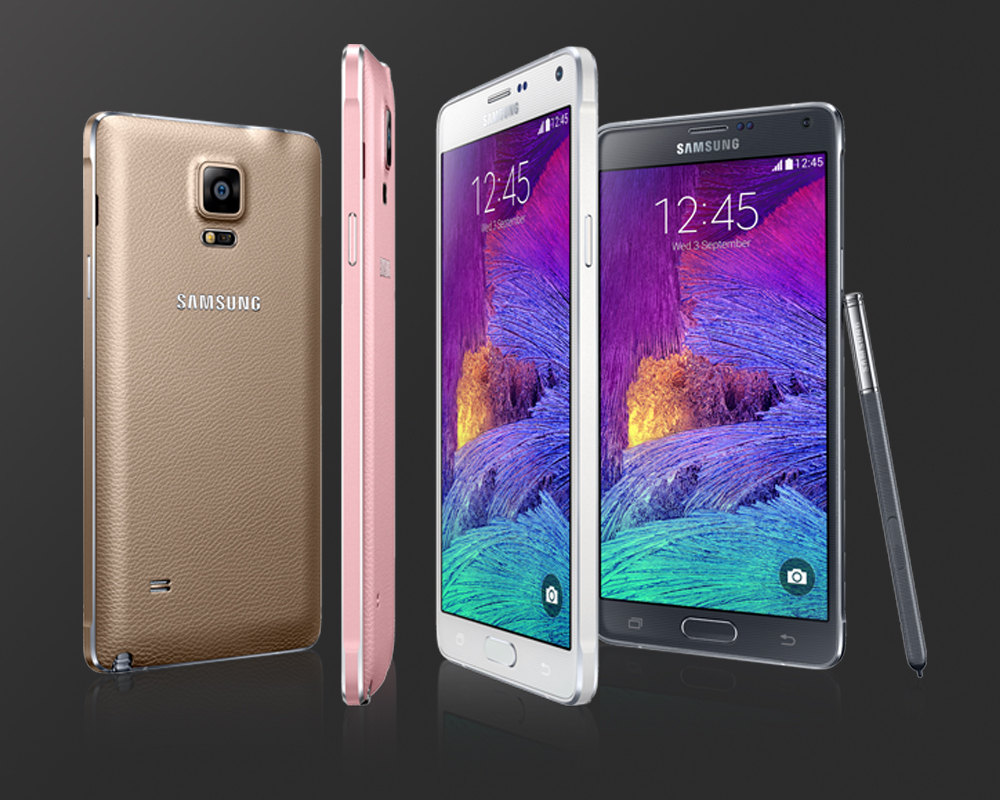
As expected, Samsung has unveiled its latest phablet Galaxy Note 4 in India at the price of Rs.61,500. The new addition to Note series, which was unveiled at this year’s IFA Berlin, will go on sale at midnight on October 17th. Along with that, the company announced the partnership with Vodafone to give 2GB Data free for the users for 2 months.
Galaxy Note 4 is now the company’s flagship phablet, which comes with a 5.7 inch QHD display. Samsung claims that despite the higher resolution, the Galaxy Note 4 will deliver 7.5% more battery life; it features a 3220 mAh battery with fast charging technology. Meanwhile, under the hood, the Galaxy Note 4 is powered by Snapdragon 805 chipset which is clocked at 2.7 gHz quadcore, coupled with 3GB RAM. It offers 32GB internal memory with support for expandable memory of upto 64GB.
It will have a 16MP rear camera with OIS, along with a 3.7MP front snapper allowing users to take wide-angle selfies. The company has added a fingerprint scanner feature along with a heart rate monitor on the back. The Korean manufacturer has also included a barometer and a hall sensor in the phablet.
The S-Pen also gets upgrades and added functionalities. The pressure sensitivity has been increased to give a more natural pen-like feel. The pen now also acts as a mouse with features like click and drag which lets you select multiple files at once. Samsung Galaxy Note 4 offers you the option of choosing between full-length, split or pop-up screens, thus enabling you to change the size and positioning of apps on the screen.? It also offers an improved ‘Fingerprint scanner’ with UV sensor for personal data security.
The Smart select feature lets you select text and images from multiple sources and lets you bring them all together. It also lets you easily share them on the internet. You can now access the multi-window feature through the recent apps menu. It has become a lot easier to resize, relocate or minimize the screens during multi-window usage.
Note 4 comes in four color options: White Black, Gold and Pink. It also provides customizability with 4 covers. There is the S-View, Flip wallet, S-view Flip wallet and LED cover similar to Dot case by HTC. Apart from the the Note 4 company also launched Gear S smartwatch for Rs. 29,500 and also announced that they roll out UltraPower saving mode for mid-segment devices soon.
Samsung is all set to launch a new Wi-Fi system on its devices that can let you download a 1 GB in movie in about three seconds. In an era of multimedia-heavy content, this system can help make Samsung devices desirable again. The company plans to bring this new system out in the market by next year.
The new technology works on 802.11ad (WiGig) Wi-Fi standard. It is capable of reaching a theoretical limit of 7Gbps, but Samsung’s version provides a speed of 4.6Gbps, that is also a fantastic speed to achieve. It will also help in creating a mobile work ecosystem when included with Cloud. It can be immensely beneficial to the artist community too; they can send across big data files within seconds to have a proactive, collaborative experience with partners from the world over.
The new technology will be capable of providing breakneck speeds upto 4.6 Gbps
Samsung has developed a micro beam-forming control technology that can adapt to the changing environment in 1/3000 seconds. This means that the signals can be constant even if the device is on the move. Also, due to the high directionality of beams formed by its antennae, multiple devices can work at the same time without interfering with each other.
It seems like a real world innovation coming from Samsung’s stable. We would have just to wait till next year to check out if the devices based on this technology can actually stand up to the hype. Though it will take some time to reach a mass scale of adoption, but coming from Samsung it will have the potential for reaching a wider audience to test the prospects of the technology.
We can expect the Samsung Galaxy Note 4 to go on sale from October 17, co-incidentally the same day when Apple plans to officially launch their flagship iPhone 6 and iPhone 6 Plus in the Indian market.
However, there is no official announcement regarding the price of the Galaxy Note 4, but we can expect it be around the Rs.50,000 mark. Its main competitor would be the iPhone 6 Plus, which is priced at Rs. 62,500 (16GB), Rs 71,500 (64GB) and Rs 80,500 (128GB).
The report came via a tweet from an Indian tipster, who also happens to be a Mumbai based mobile retailer named Mahesh Telecom. The tweet which reads “Pre Book Now”, clearly indicates that the phone will be up for pre-order soon after its unveiling tomorrow.
Galaxy Note 4 is now the company’s flagship tablet, which comes with a 5.7 inch QHD display. Samsung claims that despite the higher resolution, the Galaxy Note 4 will deliver 7.5% more battery life; it features a 3220 mAh battery with fast charging technology. Meanwhile, under the hood, the Galaxy Note 4 will be powered by an octa-core processor (1.9GHz quad-core + 1.3GHz quad-core) coupled with 3GB RAM. It offers 32GB internal memory with support for expandable memory of upto 64GB.
It will have a 16MP rear camera with OIS, along with a 3.7MP front snapper allowing users to take wide-angle selfies. They’ve added a fingerprint scanner feature along with a heart rate monitor on the back. The Korean manufacturer has also included a barometer and a hall sensor in the phablet.
The Galaxy Note 4 will be available in four colour variants, namely Charcoal Black, Frost White, Bronze Gold, and Blossom Pink.
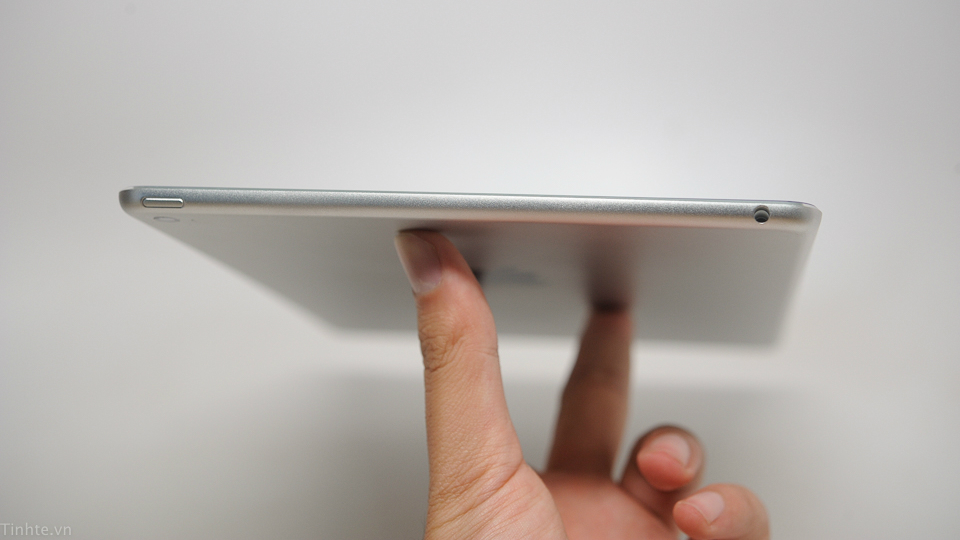
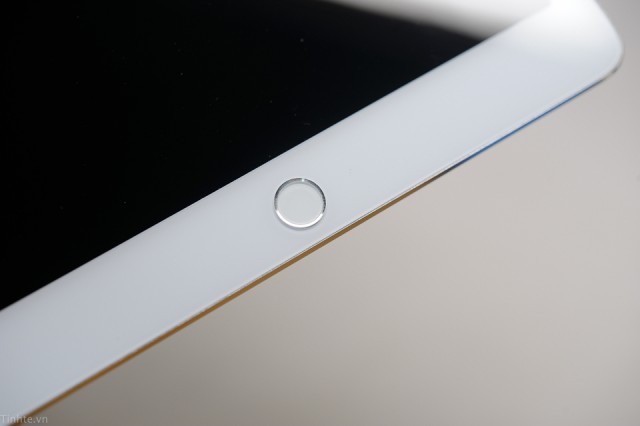
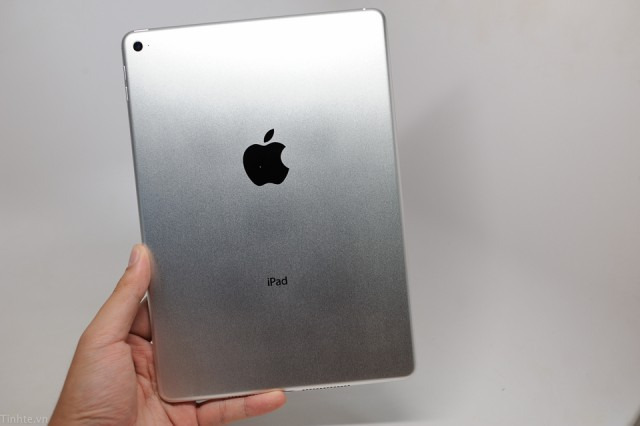
Just when we thought that the iPad couldn’t get any slimmer, a new set of photos leaked online indicate otherwise. Apple is expected to unveil the next generation of iPads this week. Apple’s latest tablet is reportedly just 7 mm thick, its thinnest model yet. Citing images from Vietnamese tech blog Tinhte.vn, the upcoming iPad is expected to include Touch ID and a fingerprint sensor.
It is said that the iPad Air 2 will be roughly the same thickness of the iPhone 6 and 6 Plus, which clock in at 6.9 and 7.1 mm thick, respectively. Gadgets always seem to be getting thinner, so this isn’t exactly unexpected. It is also said that the slimmer chassis might lead to the sacrifice of the mute button in the right side.
Similarly, a Chinese blog has got its hands on the internal hardware of the forthcoming iPad Air. It says that we can expect it to come with a faster A8X processor and 2GB of Ram. According to Macrumors, Apple has traditionally used “X” versions of its main chips with enhanced graphics for its iPads, so we can expect better performance in games and other graphics-heavy apps and websites.
Also, there’s little change in the design, except for recessed volume buttons, which were first adopted in Apple’s latest iPhone 6 models. According to AppleInsider, the speaker grille has apparently changed from two rows to a single row of holes.
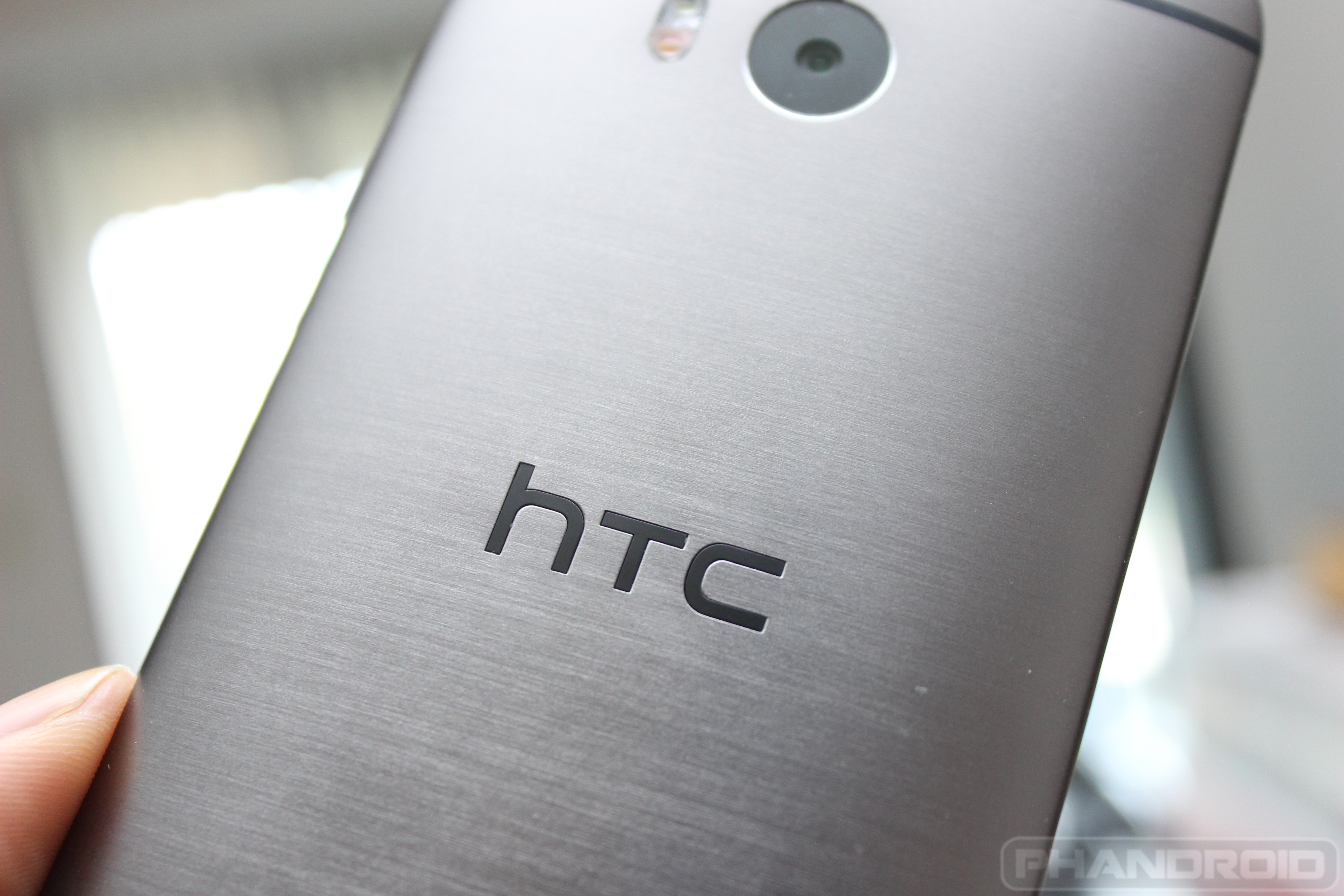
HTC sees India as a major market and consumers here have always shown appreciation for its devices. The gap between the international and Indian releases of the company’s premier products has shortened. Recently the company unveiled the Desire 820 in India after a few weeks of the international release. Now HTC is about to bring its latest stars to India.
The listings on import/export website Zauba shows the recently launched HTC One (E8 Eye) and HTC One (M8 Eye) will be making a footfall on Indian soil soon. The company had previously quietly launched the M8 Eye in the Chinese market, but it is apparent that the models will be up for purchase for Indian HTC enthusiasts as well.
The Eye Experience brings better camera capabilities to HTC devices.
It is said that the E8 Eye will be based on the HTC One (E8) and will differ in terms on the camera. It will have the superior HTC Eye experience in the camera department. In the recent Double Exposure event held by the company, it unveiled the Desire Eye with a 13 MP front camera which dwarfs all other selfie focused phones. It also unveiled the Go Pro like RE camera at the event. We got to spend a day with the new devices, and they do look impressive.
The E8 Eye is expected to be launched in the sub-Rs. 30000 segments and is expected to be priced around Rs. 27,000. Whereas the HTC One (M8 Eye) will be priced at around Rs. 40,000. The Eye experience will definitely enhance the feature-filled devices by HTC and if it released during this festive season, will earn a lot more customers for HTC.
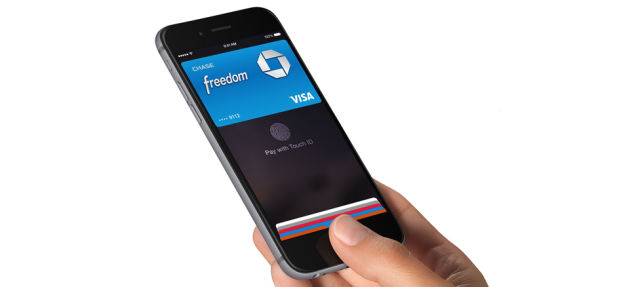
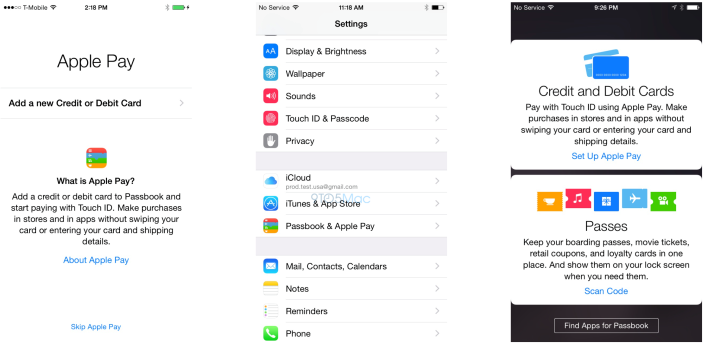
Apple Pay, Apple’s NFC and Touch ID-based mobile payment solution, might arrive soon than anyone expected. Apple announced its first mobile payment system will launch this month, however the company did not not reveal a specific date. Now, a new leaked memo suggests Walgreens, America’s online pharmacy service, will begin rolling out the service next week on October 18. The training materials, shared by MacRumors, for the Apple Pay launch at Apple retail stores have also detailed some new specifics regarding the Apple Pay setup and transaction processes both on customer iPhones and in Apple retail stores.
It’s unclear if this is specific to Walgreens or if the memo is referencing a widespread rollout. However, according to the leak, it’s unclear if this is specific to Walgreens or if the memo is referencing a widespread rollout. Credit cards can be added to Passbook via an iTunes account or by using the iPhone’s camera to scan in details. Passbook will be able to store up to 8 credit/debit cards, according to the training materials.
The date makes sense, as this Thursday (October 16th) is Apple’s iPad event, which would also be a logical time to announce the roll-out of Apple Pay. As announced on September 9, popular drug store Walgreens is one of Apple’s major launch partners, along with other companies like McDonalds, Macy’s, Staples, and more. According to the Walgreens memo, customers who have an iPhone 6 will be able to use Apple Pay in Walgreens stores by tapping their devices “to the upper portion of the pinpad to pay for their purchase.”
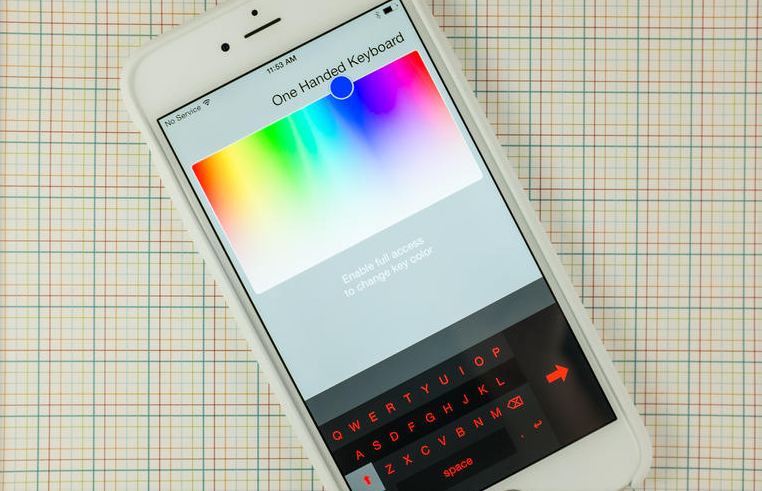
Apple, the global technology giant, has introduced a new app called ‘One Handed Keyboard’ that allows iPhone 6 and 6 Plus users to type with one hand making it easier to handle the bigger screens.
The aptly titled app, One Handed Keyboard, displays what it claims to be the same size of keyboard iPhone users have grown accustomed to over the years. The keyboard is still on its initial stage, offering only a smaller keyboard that docks to either side of the screen, with extra controls to adjust the theme or color of the keys.
However, the auto-correct library is missing from the app, meaning that whatever you type is what’s displayed, the new iOS will not correct it for you. Though the App Store listing does mention that this is a feature coming in an update soon.
The California-based company has been appreciated for this as when it comes to entering text on the larger keyboards users are forced to give up one-handed use. Apple did its best to alleviate any issues for users switching to the bigger iPhone 6 and 6 Plus with its reachability feature.
During the New York Comic-Con 2014, the audience got a chance to witness the first red-band trailer for Playstation’s Powers series. It is an adaption of the popular graphic novel that will be coming to the PlayStation Network this December.
Powers is set in an alternate world where superpowers have become a part of everyday life. Detective Christian Walker with a new partner Deena Pilgrim has just been assigned to the “Powers” Division of the Chicago Police Department. The first story arc from writer Brian Michael Bendis and artist Michael Avon Oeming, “Who Killed Retro Girl?” follows the lead detectives as they investigate the murder of a popular super heroine.
The series stars comedian Eddie Izzard, Susan Heyward, Olesya Rulin, and Noah Taylor among others. The show will be available for download and to stream on PlayStation devices starting this winter. Those who have a PlayStation Plus membership can view the whole series for free, although Sony hasn’t said how much it will cost for non-PlayStation Plus members.
According to a press release, the show asks: “What if the world was full of superheroes who aren’t actually heroic at all? What if all that power was just one more excuse for mischief, mayhem, murder, and endorsement deals?.”
Google launched Android One handsets with great promises by not just the company, but also the home grown players that collaborated with the search giant and came out with inexpensive handsets. Though the Android One smartphones, which are priced Rs 6,399 onwards, have been advertised more than any other handset launched by the three companies, they have failed to get the sort of response they expected.
“Despite significant marketing spend already in evidence on Android One, IDC believes India will be a tough crucible for Google. Blocked out of China, Google has no choice but to make a large downstream investment in the Next Billion consumer segment in India,” the research firm said.
The Android One initiative was expected to be an instant success and their manufacturers were expected to make huge profits on the ‘exceptional’ handsets that the company launched last month. They also got good reviews and Micromax’s Android One handset was called the best handset that the company had ever launched.
India is the first country where the California-based firm’s Android One devices have been launched. Roll out across other markets like Indonesia, Philippines, Pakistan, Bangladesh, Nepal and Sri Lanka will follow in coming months. The reports added that the Android One will go further and effectively create a bipolar environment where the high-end will be dominated by the likes of Apple and Samsung with their iPhone and Galaxy flagship devices and the low-end will increasingly close around Rs. 6,000 average selling price.
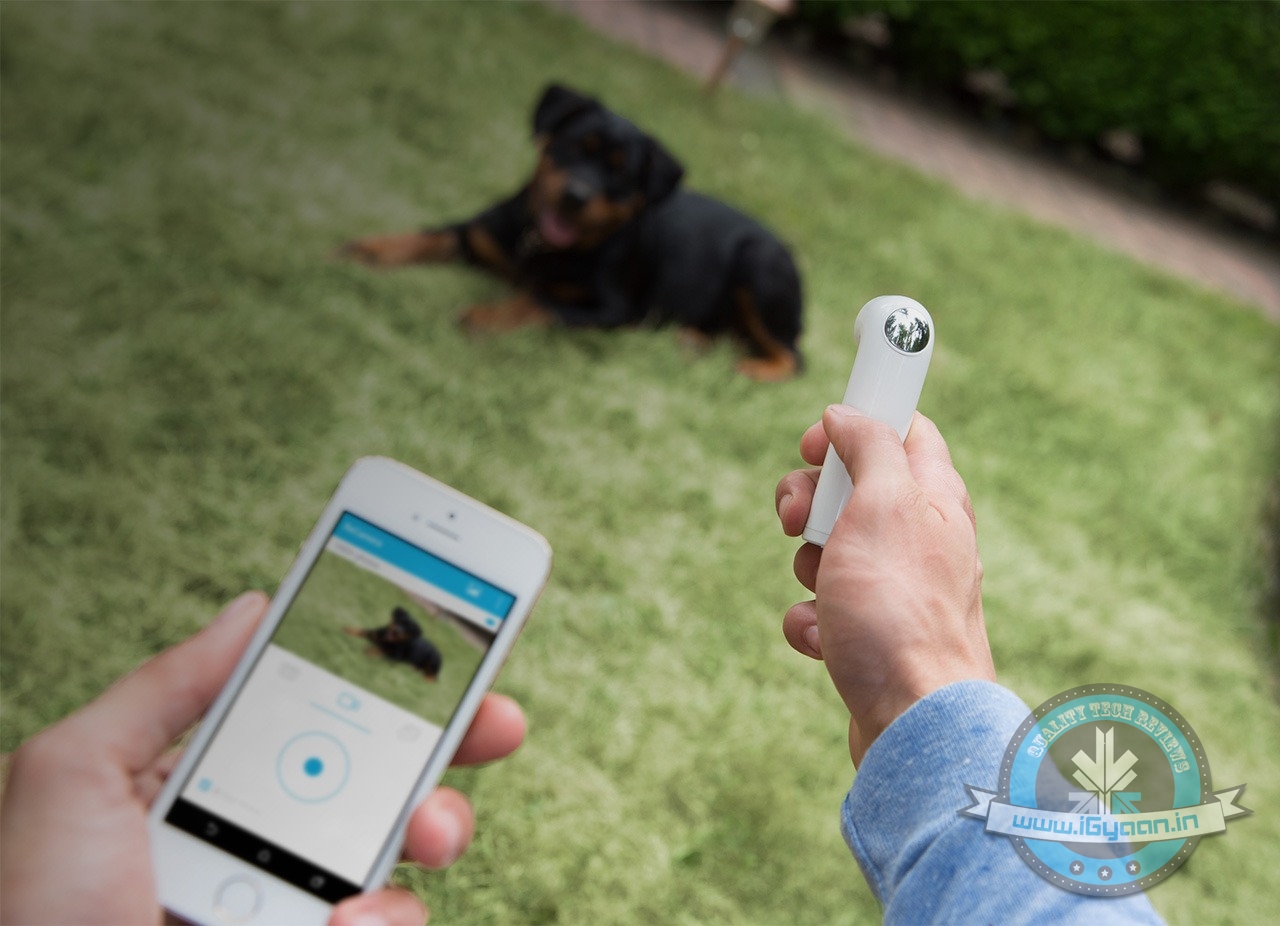
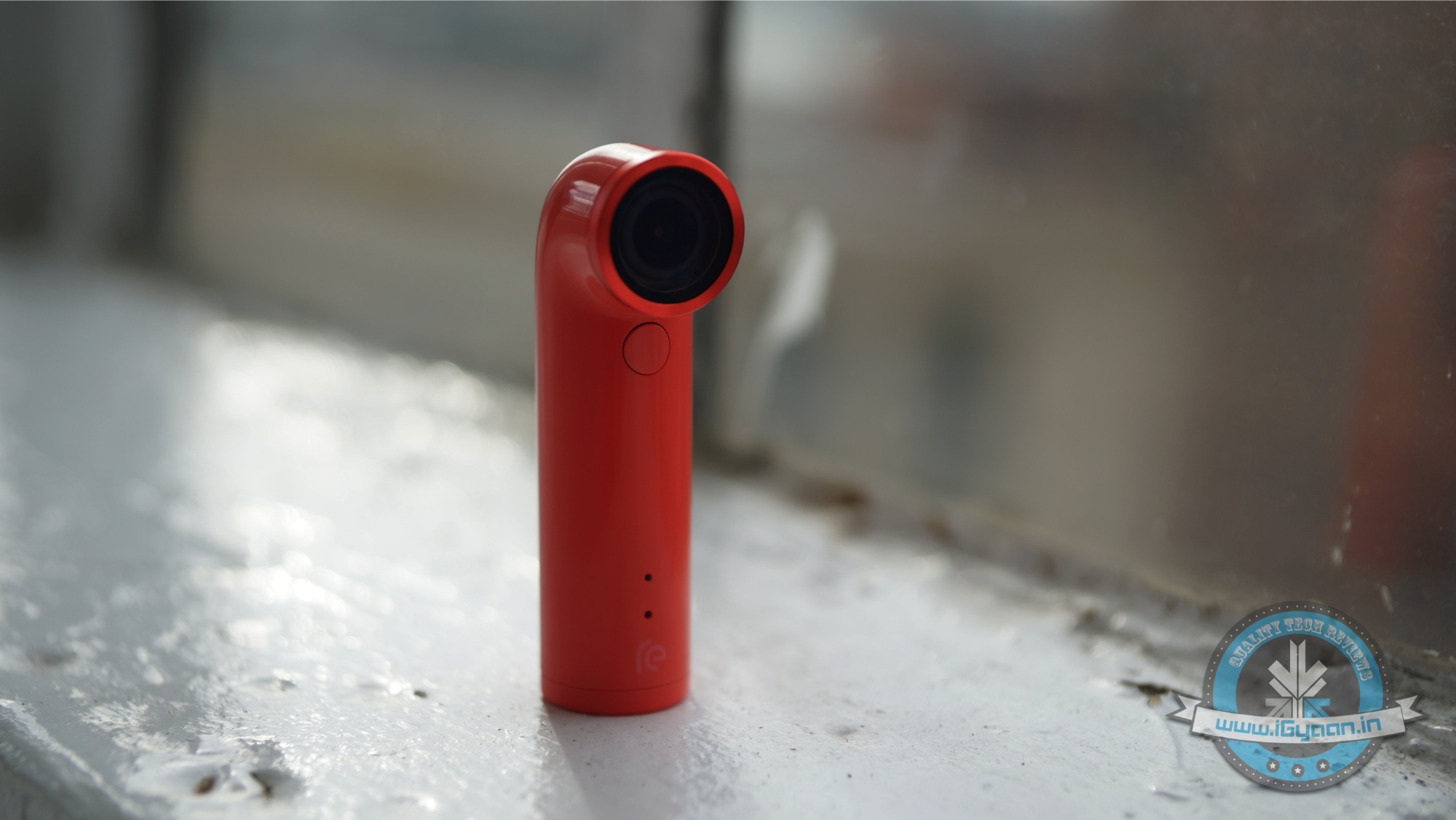
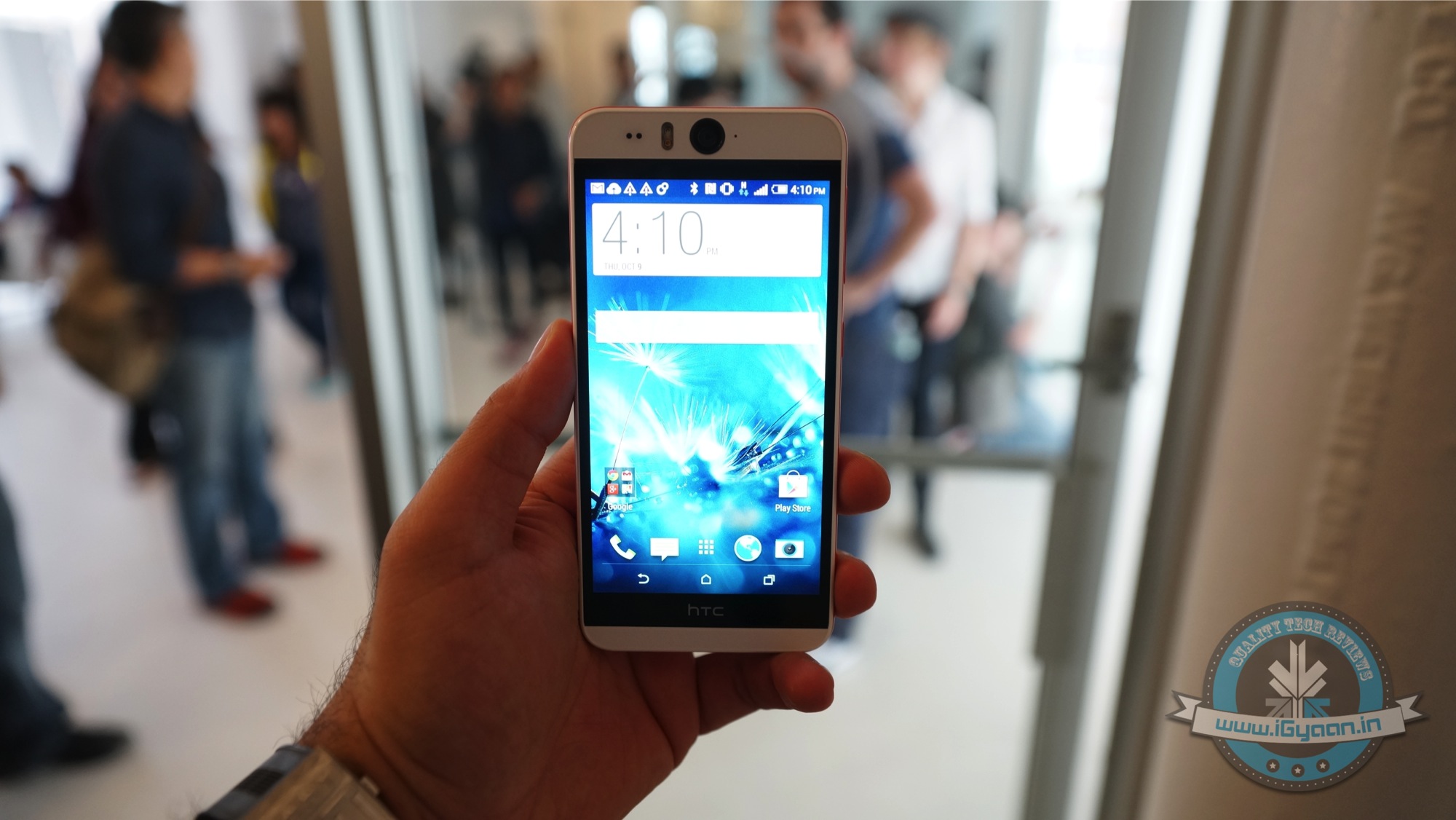
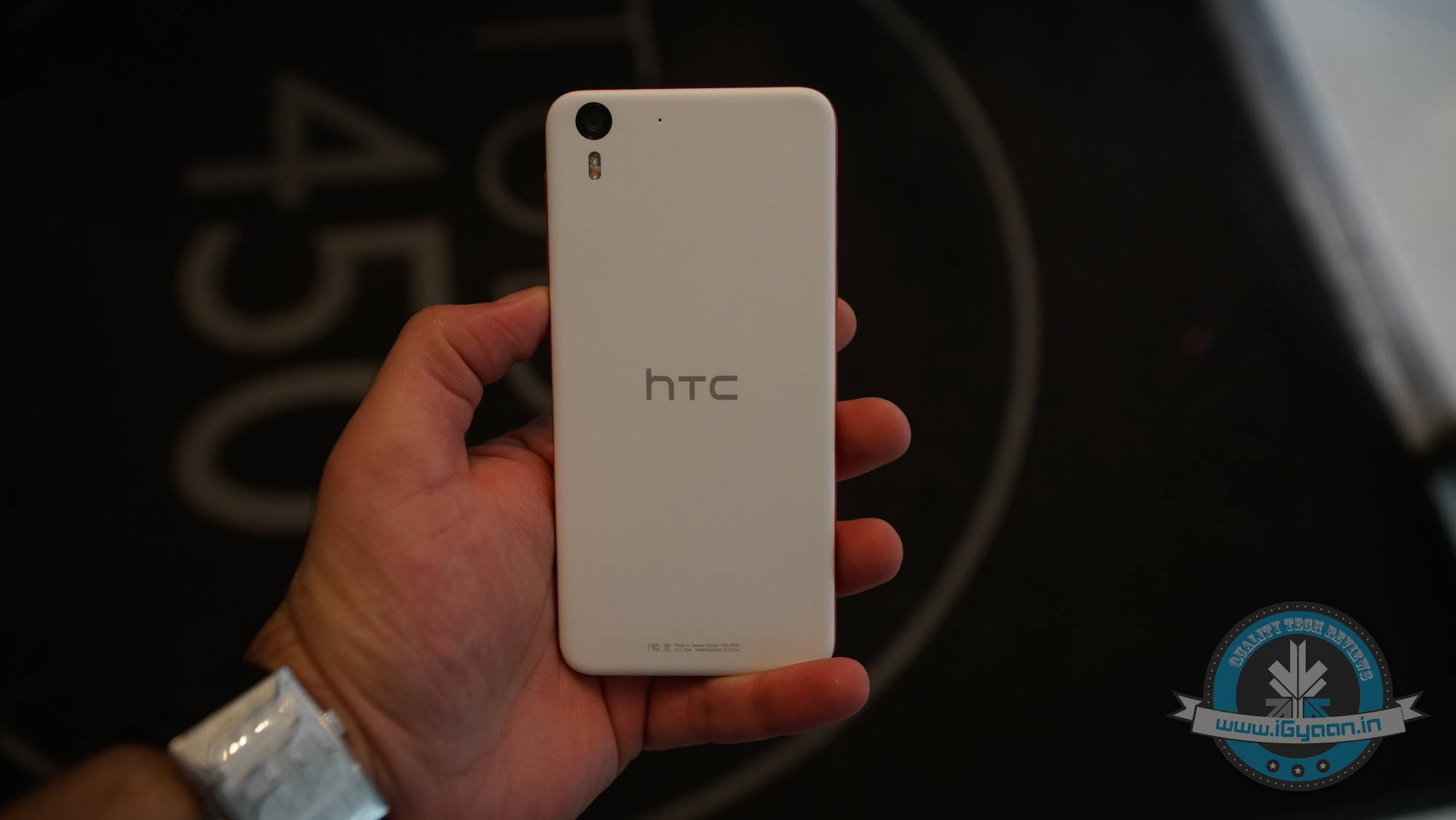
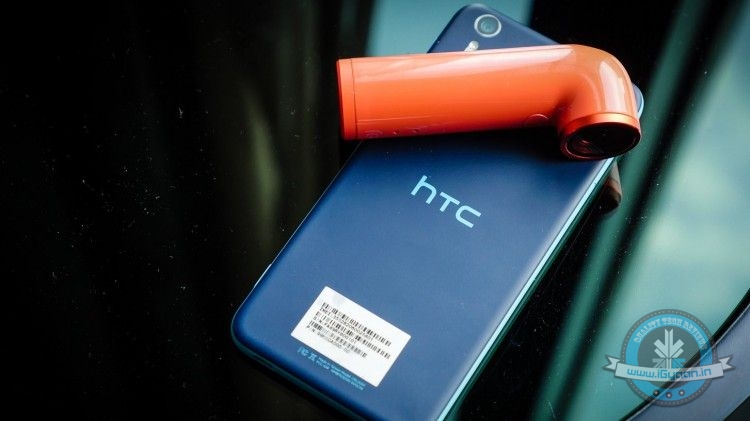
HTC recently launched the HTC Desire Eye and the HTC RE camera, both are unique and one of a kind products in their respective categories. The Desire 816 is a flagship for HTC’s Desire lineup and is a power packed smartphone. The HTC RE is a first of a kind handheld camera-only device that aims to become everyone’s Go-Pro.
We spent an entire day with both the HTC Desire Eye and the HTC RE, and even though both were prototypes, and with early softwares, certain things left us impressed , while on the other hand many things left us slightly disappointed.
The HTC Desire Eye is a flagship for the better sense of the word, it has a Qualcomm 801 Snapdragon chipset along with 2GB of RAM and 16 GB of storage space. You can expand the storage by popping in a MicroSD card upto 128 GB, if that’s your style. HTC made the Desire Eye waterproof upto 1 meter for 30 mins thanks to its IP7 certification, so you wouldn’t mind jumping in the pool with the phone.
What puts the Eye in the Desire Eye is the set of 13 MP cameras, one for the rear and one for the front. This is the first time we have seen a big combination of cameras from a global manufacturer, not including the flipping camera phones from Oppo and Gionee.
HTC has also included dual LED flashes for the rear as well as the front cameras, helping you take the ultimate selfie in the night. Some of the pictures taken from the cameras are really impressive and truly showcase good final result, especially in well lit situations. Below is a shot of the NYC Post Office building shot from a moving bus.
The New York Post Office Building
The HTC Desire Eye, has a good set of cameras that are really quick, focus fast and the camera app is familiar. The interface has been made in a manner to simplify the shooting capability of the cameras of the phone. Tap and hold to lock the exposure and white balance, which makes it really easy to click pictures against the sun.
An image taken with locked AE and White Balance
The burst mode on the Desire Eye is also sharp, sharpest since HTC began doing burst, it gets most pictures in the burst in focus. But, those which end up out of focus are basically unusable. The burst mode is also impressive in extremely controlled setups, like the one below conducted in a studio with controlled lighting.
Sample of Burst
The images however, start to break up and get noisy when the light starts to go away. We saw this starting at twilight, and the image below still had man made lighting, even then you can see some noise in the image.
Low light sample
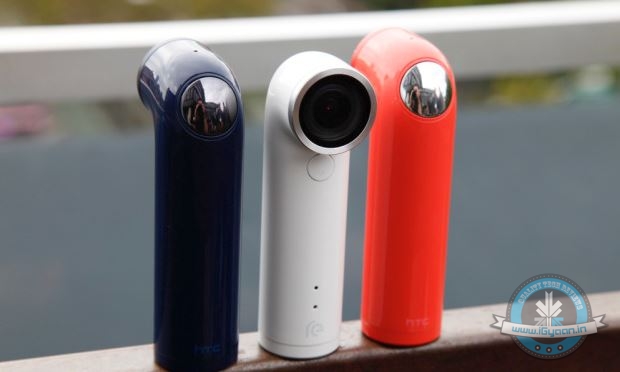
The HTC RE however, is a different beast all together. Specs wise you are not aiming for much with a 16MP sensor shoots 1080p 30fps HD videos, a 820 mAh battery is rated enough for 1,200 photos although it drained much faster when we were shooting video and especially slo-mo video.
Colors of the RE
The concept of the RE is good, a relatively budget, go pro style camera, that allows you to capture images and video on the go. However, just like the Go-Pro camera there needs to be an exact way of using the camera. But unlike the Go-Pro you don’t have an ecosystem built around the camera. Sure HTC launched the RE with a bunch of accessories and like a completely different product. So different, that they have a separate website, and have set it like a separate segment of business.
This may be the cash cow HTC was looking for, especially considering that their smartphone business is not running them into the fortune 500 list. The Re is not a perfect example of what they were trying to do, and no where near what we were expecting from the camera. The 16 MP camera, is good and stills will shock and awe you in low light, but because you have a wide angel lens that will capture pictures in a wide horizontal frame, and no real guide to where you are pointing. This will result in pictures with the subject’s head or legs cut off, really wide unnecessary objects in frame and a fisheye sort of result from the images.
Apart from the click button and the slow-mo button you don’t really have any control of the way the camera is shooting, and there is a light learning curve to how you would start recording video. The camera is slow to startup and click a picture, but we understand that was caused by pre-production hardware and software.
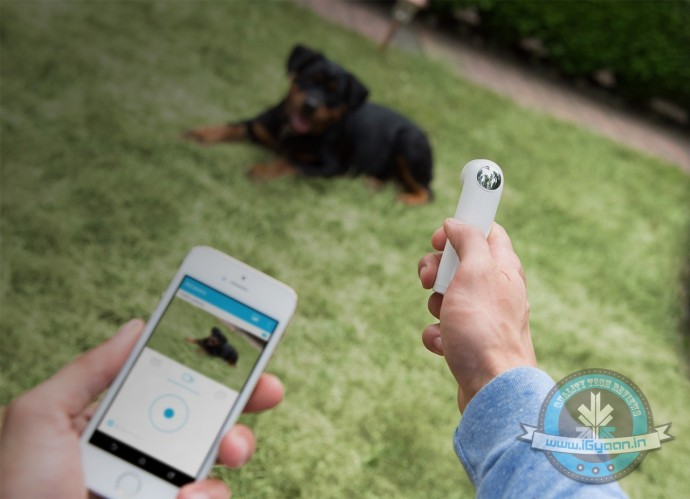
Essentially you are looking at shooting in the blind and hoping to capture. You do get a companion app, that allows you to do a lot more with the camera, execute time-lapse and set the frame using a live viewfinder shown over a WiFi-N connection established using Bluetooth 4.0.. But the question truly comes down to whether the camera is good enough to go through all the trouble. The quick answer is : No.
Why not simply use a Smartphone, most will ask, and we would agree. There are lots of things that make the RE – Re-markable, and all the RE jokes you can RE-Imagine to RE-start you RE-sting c-RE-ativity aside. (time to Re-st the lame ones)
Underwater Sample
For starters the RE is IPX7 rated, without a case or cover, so as long as your micro-SD port door is closed the camera can go under water for 1 M and stay there for upto 3 mins. There is an additional cover that will give you IPX8 rating, this you will need to buy separately.
The shape and design of the camera is really ergonomic, and easy to hold. The camera is a pistol grip style shooter and therefore sort of addictive, and since you don’t know what you are shooting you will be clicking multiple pictures of everything. That being said, since you are shooting in the blind, it may cause you to get easily frustrated and missing shots that you really wanted. And since you don’t know what you are clicking you don’t know the result till you connect with a smartphone.
Slow motion video is at 120 fps at 720p and is sort of not up to the mark in terms of clarity and sharpness, and loses large amounts of color, again this may mostly be because of the pre production nature of the camera.
Slow Mo Sample
The images are not there yet, not for a $ 200 camera that requires a smartphone to frame properly. Most $200 +$50 smartphones have excellent cameras now, granted they are comparatively difficult to hold, but definitely easier to use.
The RE is fun and a lot of people will buy one, but they might find themselves leaving it at home, unless HTC can build a excellent ecosystem around the cameras, a good one and fast. The video capability requires a lot of work and the camera should have shot 4k out of the box and especially with a extended battery grip it would have worked well. The accessories are great too, a hand grip, a bicycle mount, a helmet mount and more, incase you want to use tripods or similar mounts the RE has a 1/4″ thread for standard mount tripod screws.
Due to the sheer design of the camera, you cannot add a viewfinder to it, like you can on the Go Pro. The GoPro works and it works well, and HTC is basically truing to create an easier product to use, and they have the right concept. But this camera that looks like a plumbing spare or a smoking pipe or an asthma inhaler has a long way to go, a very long way especially since people don’t trust cameras easy.
This blind shooter is a good step and in the right direction and it looks sort of pretty, but it’s not Go-Pro and they have years of the right kind of experience. You can buy the new basic Hero for US $ 130, and the Hero 3 with excellent optics with 1080p video and 5MP burst images, that according to us is definitely better than that on the HTC RE.
Bharti Airtel in association with Telangana government have launched public Wi-Fi services at 17 locations in the city of Hyderabad. CEO of Bharti Airtel, Venkatesh Vijayraghavan said that people can avail these services in seventeen locations and can have upto 750 MB of daily usage per user.
Information Technology Minister, Telangana, K T Rama Rao said that the government is also trying to convince other service providers to offer similar services. “This is just a beginning. We will come to a position where the entire city (Hyderabad) will be Wi-Fi enabled in about four months. Tendering process is going on. The entire 700 square kilometers of Hyderabad city will be covered under Wi-Fi soon,” said Rao.
Vijayraghvan has revealed that optic fibre technology has been used for public Wi-Fi service, which will have a speed of 40 Mbps. Though, it will depend on the number of users who will be latched onto the network of a particular location, he said. Bharti Airtel is in the process of working out the tariff structure for the services, the initiative being a part of government’s agenda of making Hyderabad as the leading cyber city, said Rao.
Users with a valid Indian mobile number will get access to the public Wi-Fi at all seventeen locations by switching thier Wi-Fi on, after which they will receive a One Time Password (OTP) on their respective mobile numbers.
Apple had a lot of problems this year. Be it production delays or #Bendgate, the company has been in news for all the wrong reasons this year. Now, things seem to be going from bad to worse. Apple’s sapphire glass supplier, GT Advanced Technology has filed for Chapter 11 bankruptcy with plans to shut down two production plants and lay off 890 workers.
It has been reported that GT has requested permission from the bankruptcy court to close down the Arizona plant, even after the company stated that it planned to remain operational while it reorganized its finances. In addition to requesting approval to shut down that plant, GTAT has also asked that a New Hampshire bankruptcy court terminate its agreements with Apple, which it describes in a filing as “oppressive and burdensome.”
In the original statement announcing the Chapter 11 filing, GT CEO Tom Gutierrez said, “Today’s filing does not mean we are going out of business; rather, it provides us with the opportunity to continue to execute our business plan on a stronger footing, maintain operations of our diversified business, and improve our balance sheet. Only if GT winds down these operations will it be able to stop its mounting losses and re-focus its resources on the operation of its core business of selling sapphire furnaces and other products.” the company said on Friday.
GT’s Arizona Plant
Apple, in turn responded by pointing to its earlier statement that it remains committed to preserving jobs in Arizona and was consulting with state and local officials on its next steps. “We are proud of the jobs we’ve helped create in Arizona through Apple’s domestic manufacturing initiative and our state-of-the-art facility powered entirely by renewable energy sources. We are focused on preserving jobs in Arizona following GT’s surprising decision and we will continue to work with state and local officials as we consider our next steps.” Apple spokesperson said when asked about the matter.
Earlier, it was reported that GT had failed to meet technical milestones that Apple required in order to receive the final $139 million in advanced payment. GT Chief Financial Officer Raja Bal told investors that setting up production at the Arizona plant was more costly than the company had originally estimated. Within the past year, GT has been losing money with no solid success to back it up.
According to the Wall Street Journal (WSJ), Google will announce its next flagship Android smartphone, the Nexus 6, by the end of this month. While it didn’t say the handset will be sold as the Nexus 6, the publication confirmed its internal code name, “Shamu” adding that the handset will have a 5.9-inch high-resolution display and will be sold under the Nexus brand.
The Wall Street Journal hasn’t heard an exact release date, it has heard that the Google Nexus 6 will arrive this month, and will be bigger and cheaper than the iPhone 6 Plus and Galaxy Note 4 with a 5.9-inch display. The same features have been mentioned in countless leaks that detailed Google’s first Nexus-branded phablet. Previous reports also claimed the phone will arrive by late October or early November.
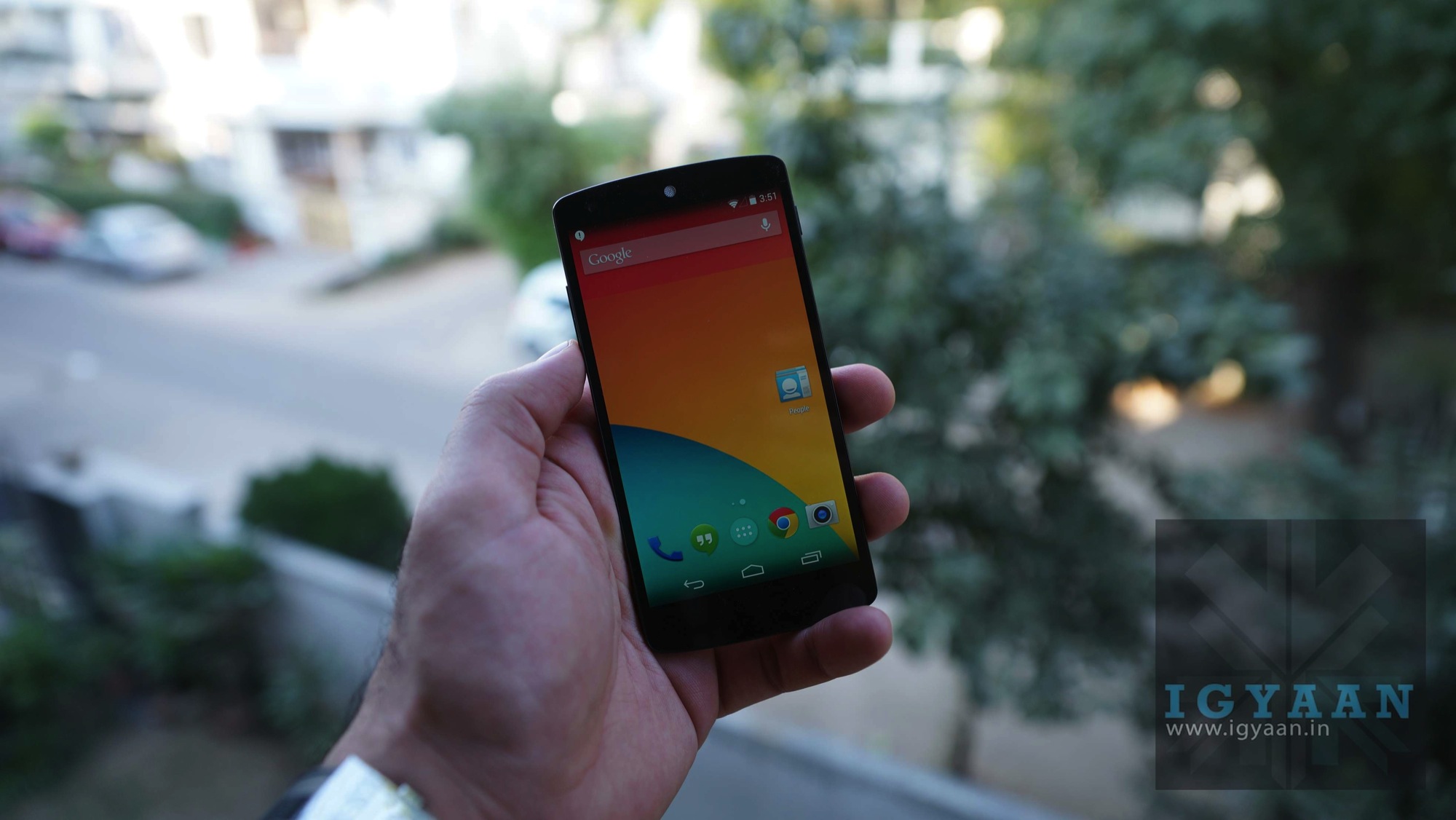
Google Nexus 5
“Shamu,” or Moto S, depending on which website you follow, but those are most likely just code names, much like Hammerhead was for the Nexus 5. As you might already know, it’s been suggested that Google might shake up the naming convention. The most popular replacement for Google’s numeric tradition is to simply call it Nexus or even Nexus X.
The new Nexus device is said to be a super-sized, more powerful version of the Moto X. While there are a lot of photos and videos leaked regarding the new Nexus device, the reports illustrate that the appearance of the device is basically going to be a scaled up 2nd generation Moto X with some minor tweaks to make the larger size easier to use. It is also said that it’ll have the same aluminum frame, and the company has apparently relocated the phone’s lock and volume buttons down to make them more reachable.
Nexus devices are known for proving pricing rumors wrong every time they debut in the market. They often seem much cheaper than what the specs and user experience would demand. The only price leak we’ve seen is a relatively sketchy one from TKTechNews, who reportedly spotted a listing for a Nexus X device for $420 for 32GB and $450 for 64GB without contract.
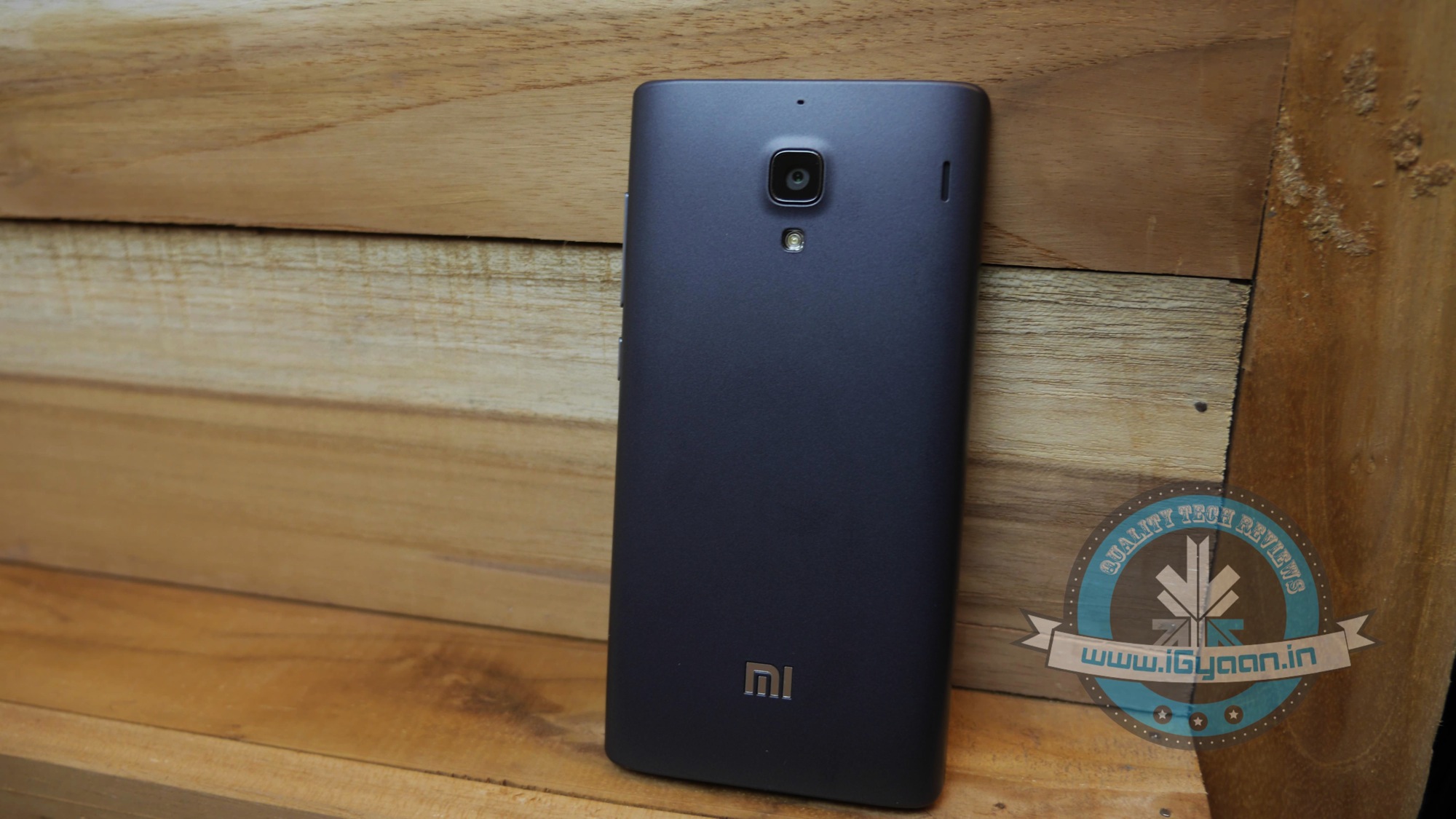
After the Big Billion Day sale madness, Flipkart and Xiaomi are now readying themselves for the next Redmi 1S flash sale. There will be 1,00,000 Redmi units up for grabs on October 14, according to the Flipkart page. This news doesn’t come as much of a surprise, since Xiaomi had earlier revealed its plan to sell larger stocks every week during the upcoming festive season.
The registrations are already open for next sale, while Xiaomi claims to have received 2,00,000 registrations already. The registration window will be open till the 13th October midnight, while sale begins next day at 2PM.
The Redmi 1S is one of Xiaomi’s smartphones that sells like hot cakes, as it comes with high end specs with a price tag of Rs.5,999. The company has been accused of creating more demand than it can supply, as users have to register with Flipkart to participate in the sale. Registration only makes you eligible to buy, does not guarantee a unit.
Powered by a Qualcomm Snapdragon 400 chipset, the Redmi 1S has a Quad Core 1.6 GHz CPU the Adreno 305 GPU, 1 GB of RAM and 8 GB of inbuilt storage. The front of the Redmi 1S has a 4.7 inch 1280x720p display a total of 312 ppi, it’s protected by Asahi Dragontrail glass and has an IPS panel. Cameras comprise of an 8 MP snapper with a wide f2.2 aperture and a 1.6 MP front camera. The main camera is capable of a 1920 x 1080p Full HD video capture.
Compared to other smartphones in the same category, the Redmi 1S has a larger and sharper display, meanwhile it also takes an edge over Moto E when it comes to performance. Check out our review of the Redmi 1S.