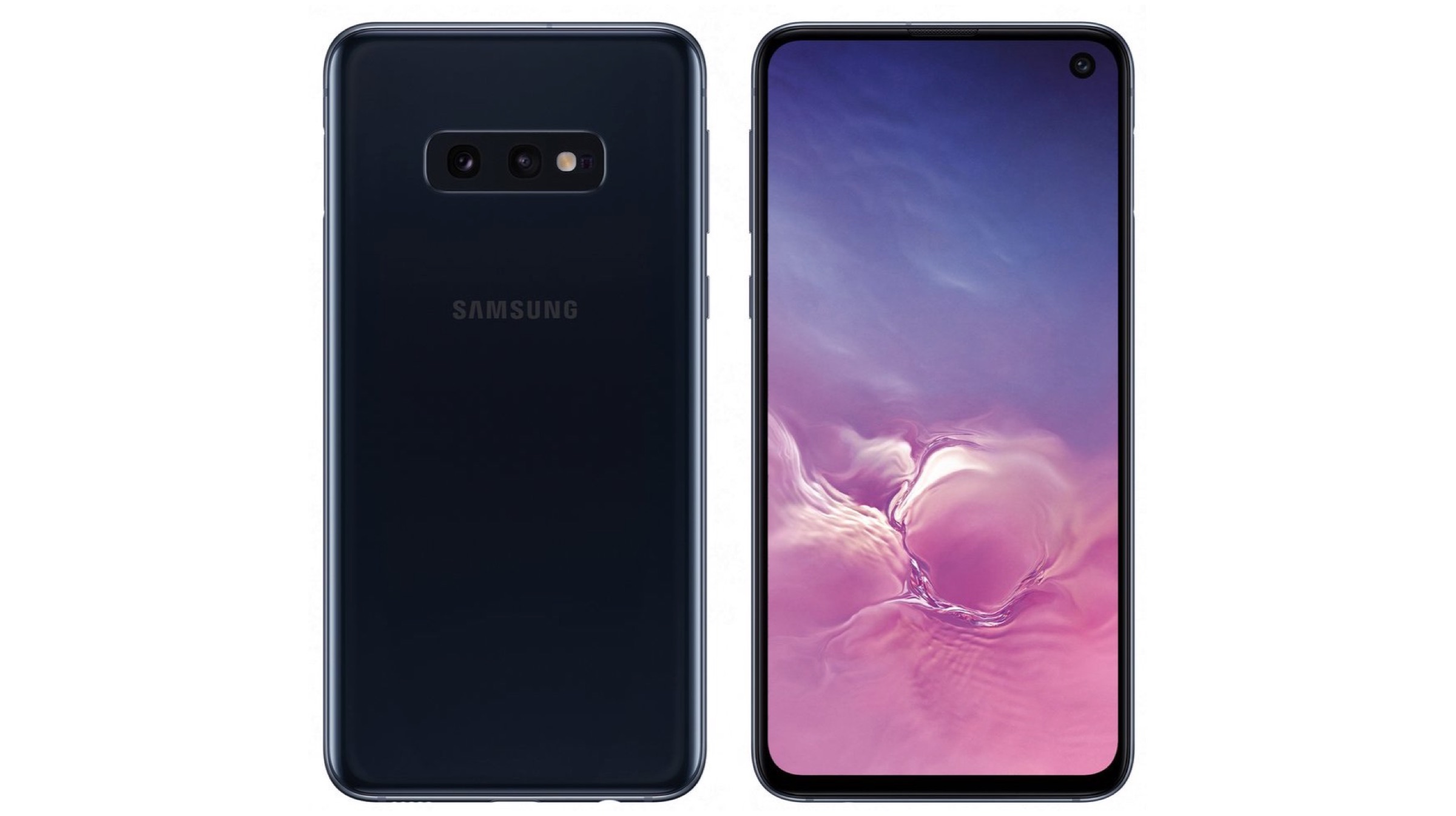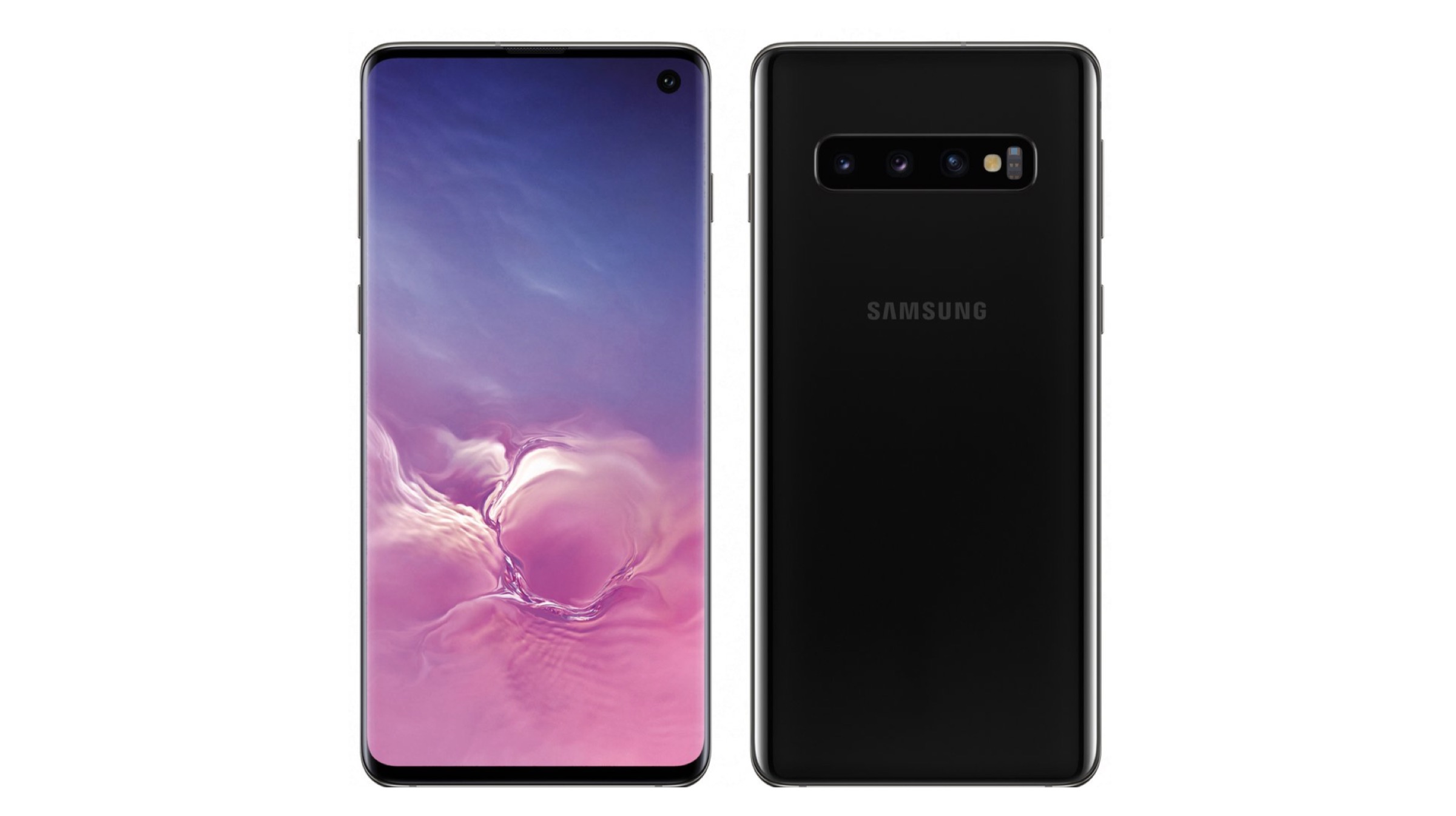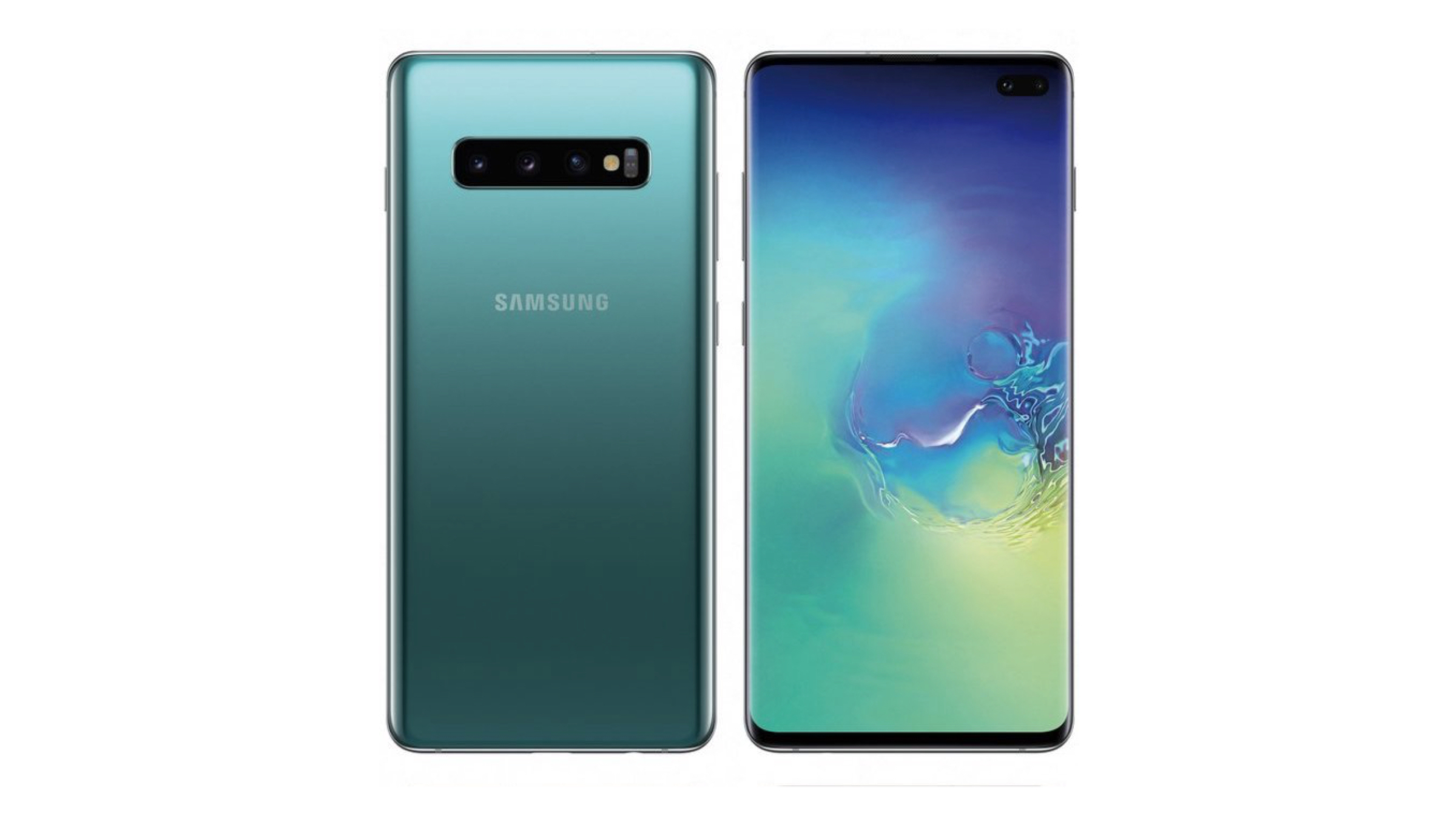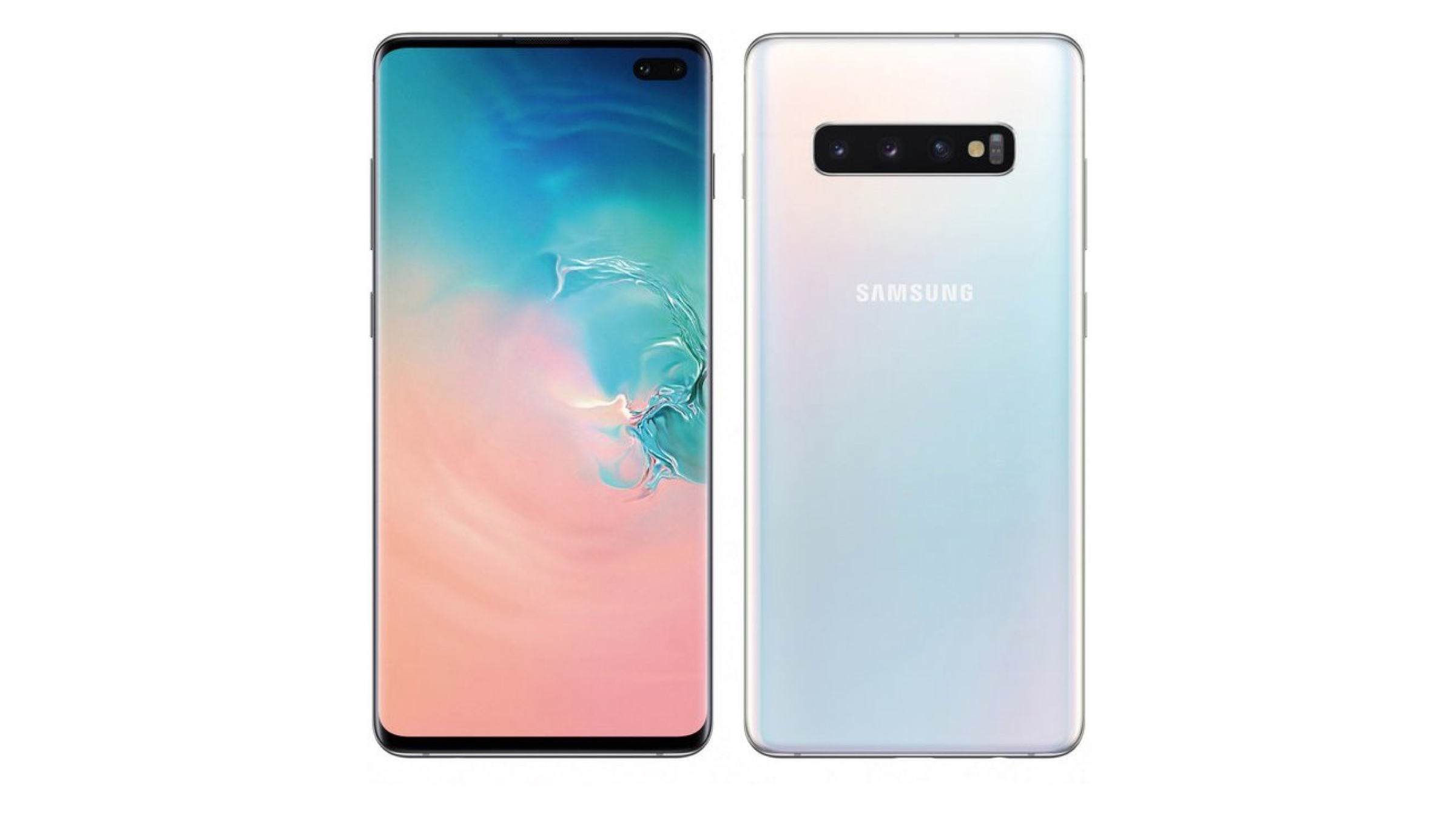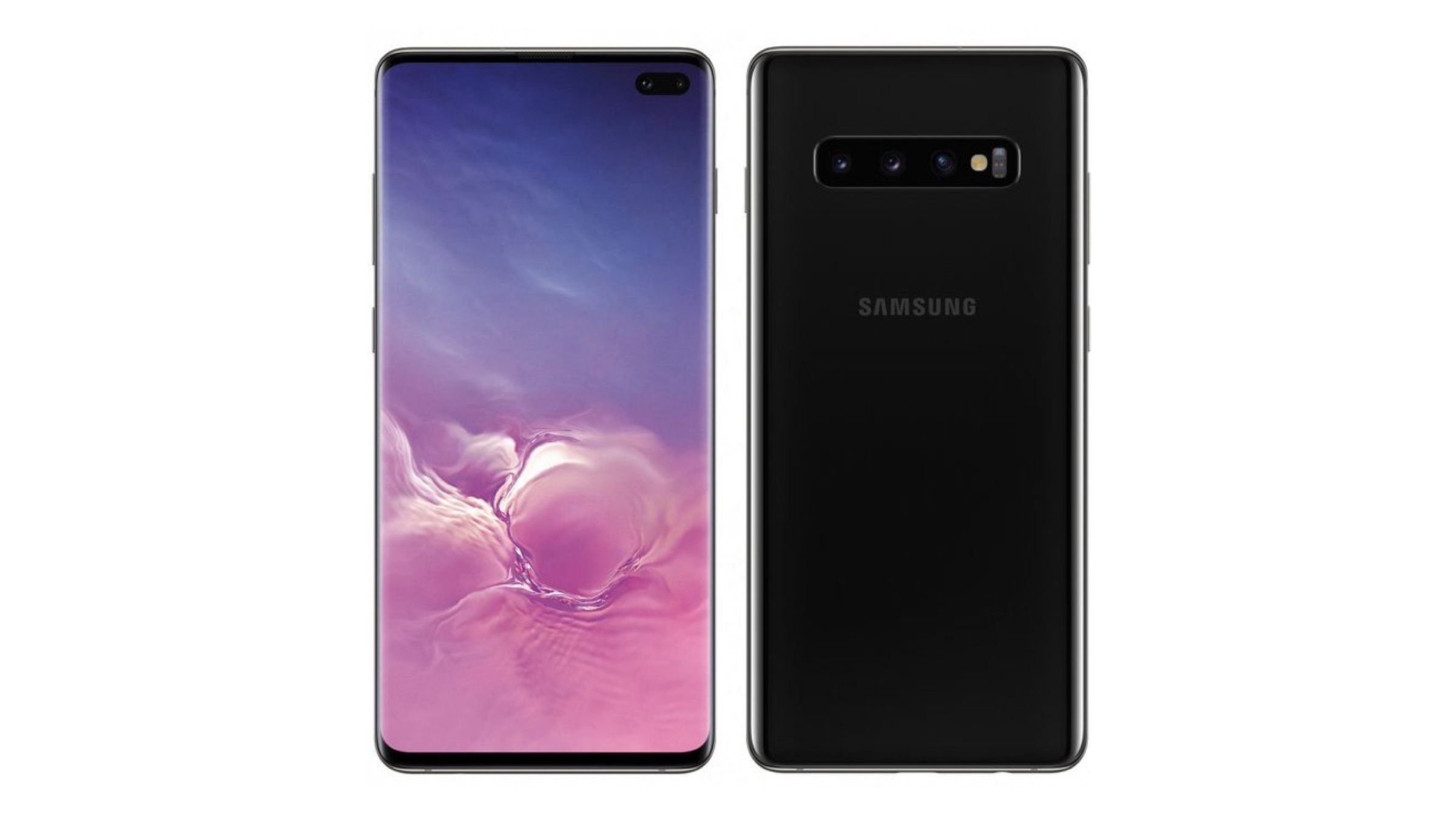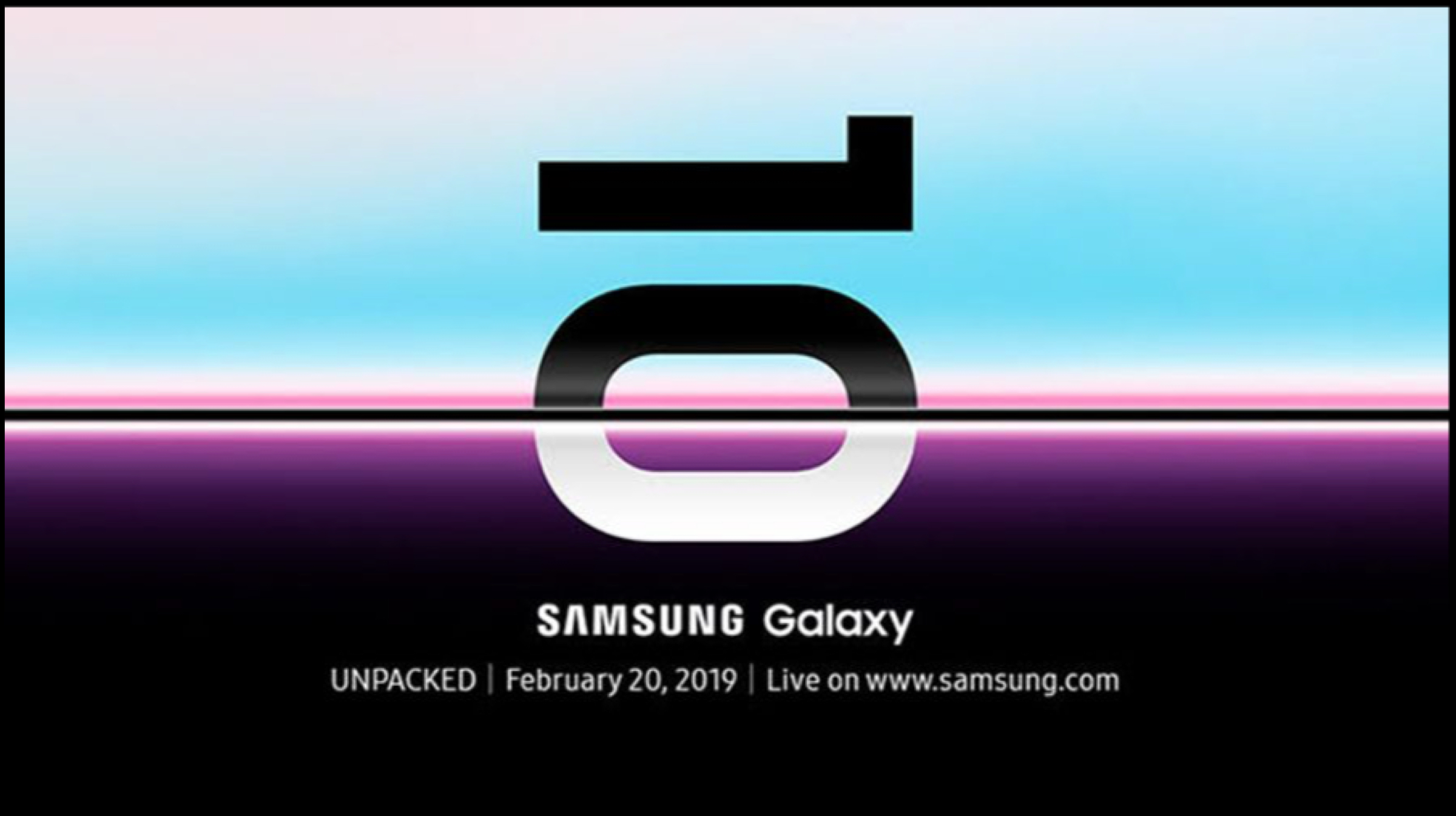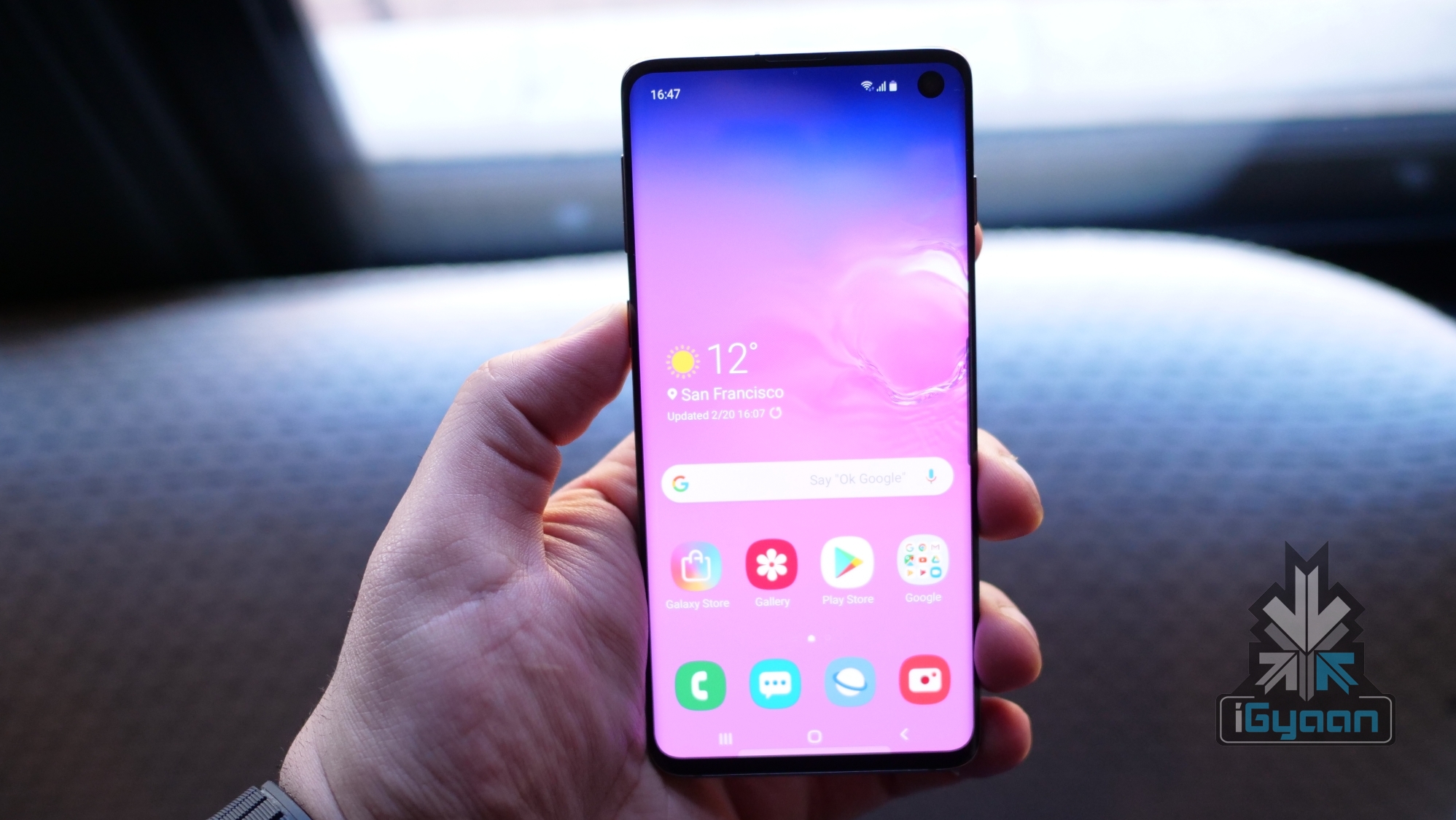
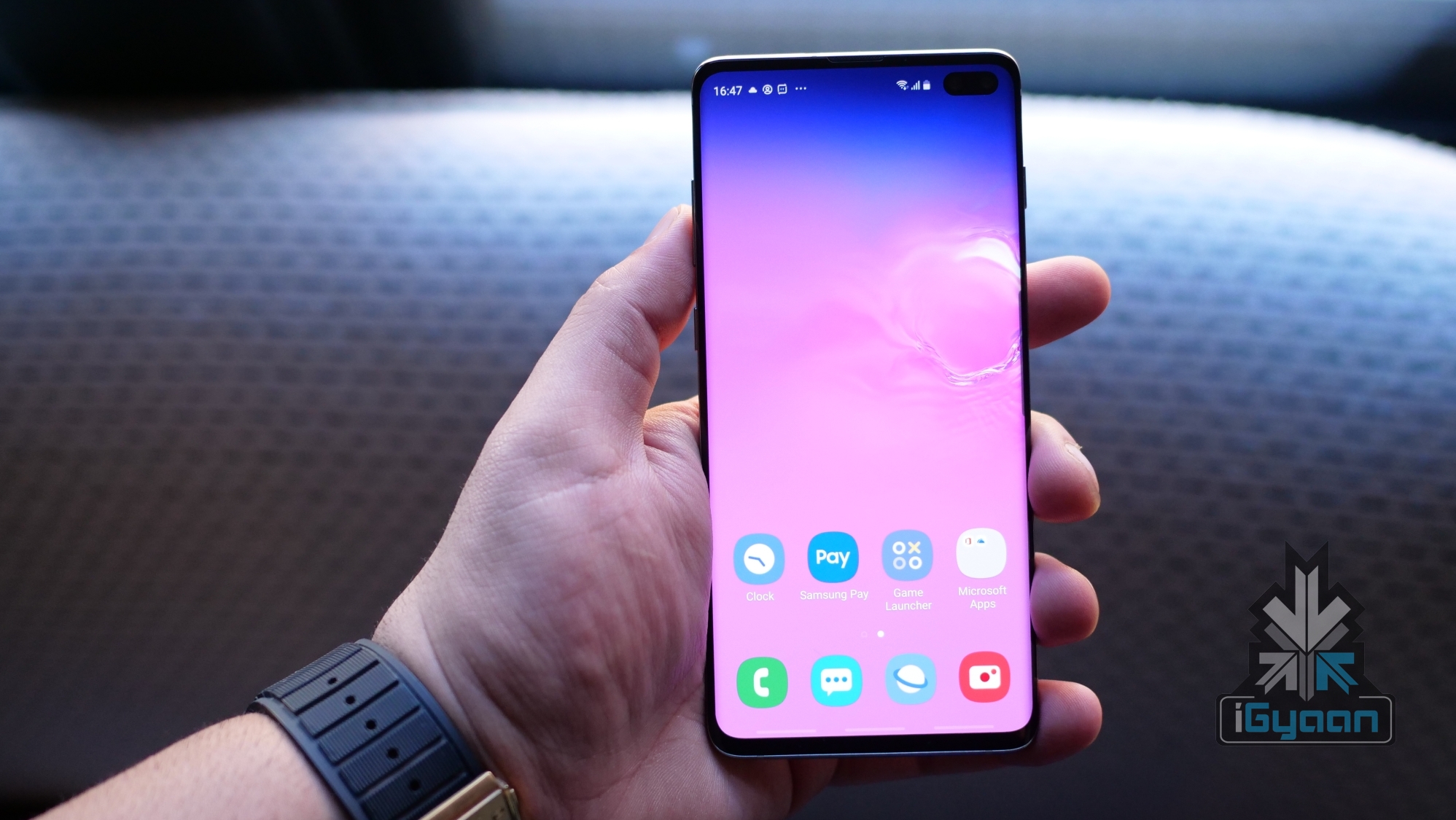
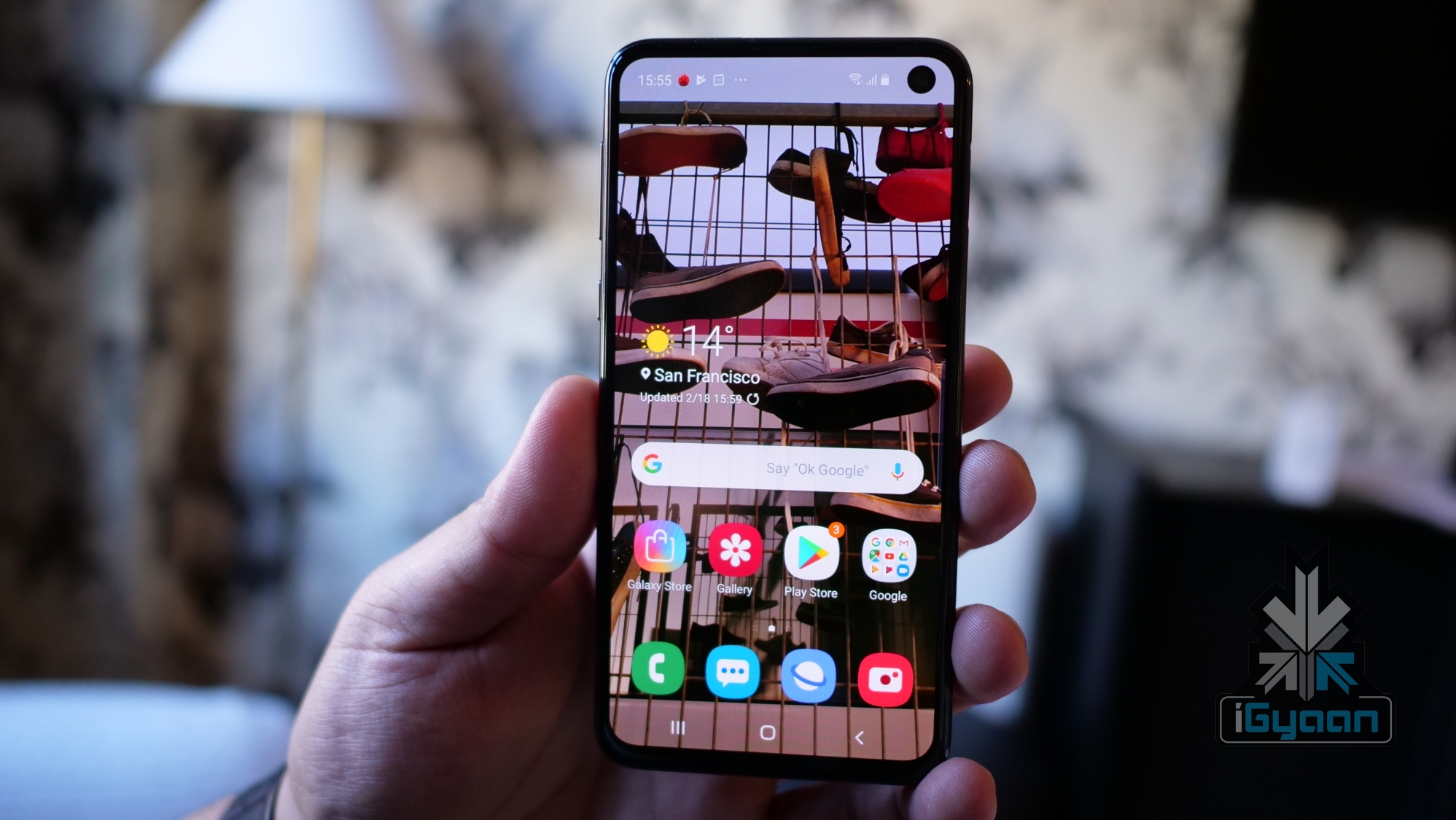
The Samsung Galaxy S10+ is one of the most anticipated smartphones of the year. It packs a ton of fresh features and upgrades, which makes it a strong contender in the flagship niche of smartphones in the year 2019. The device was launched along with the Galaxy S10 and S10e at the Galaxy Unpacked 19 Event which was held in San Francisco on February 20.
Inside The Box
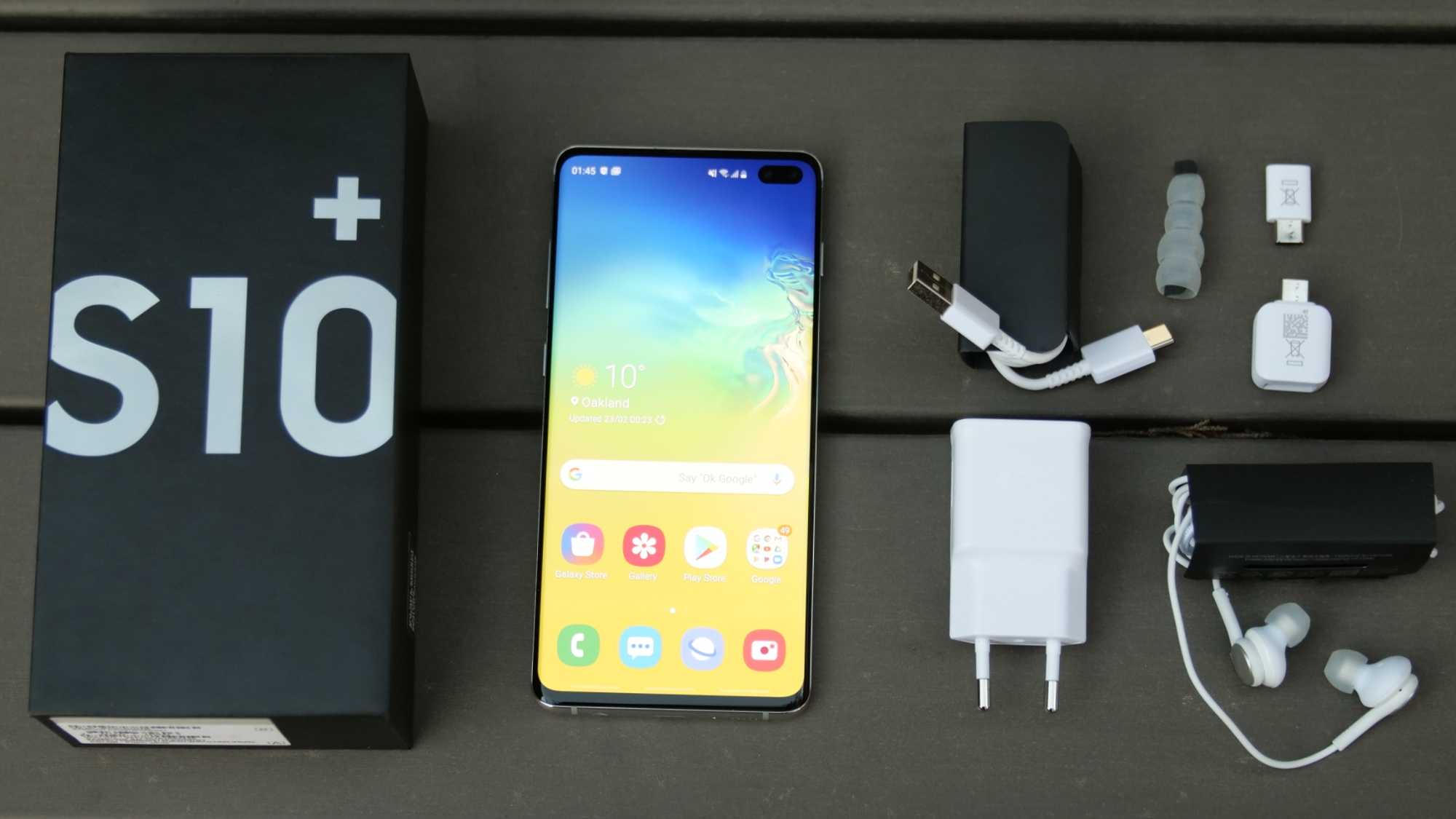
Click here to buy the Samsung Galaxy S10+
- Samsung Galaxy S10+
- Data Cable
- Travel Adapter
- Ejector Pin
- USB Connector (OTG)
- AKG Headset
- Quick Start Guide
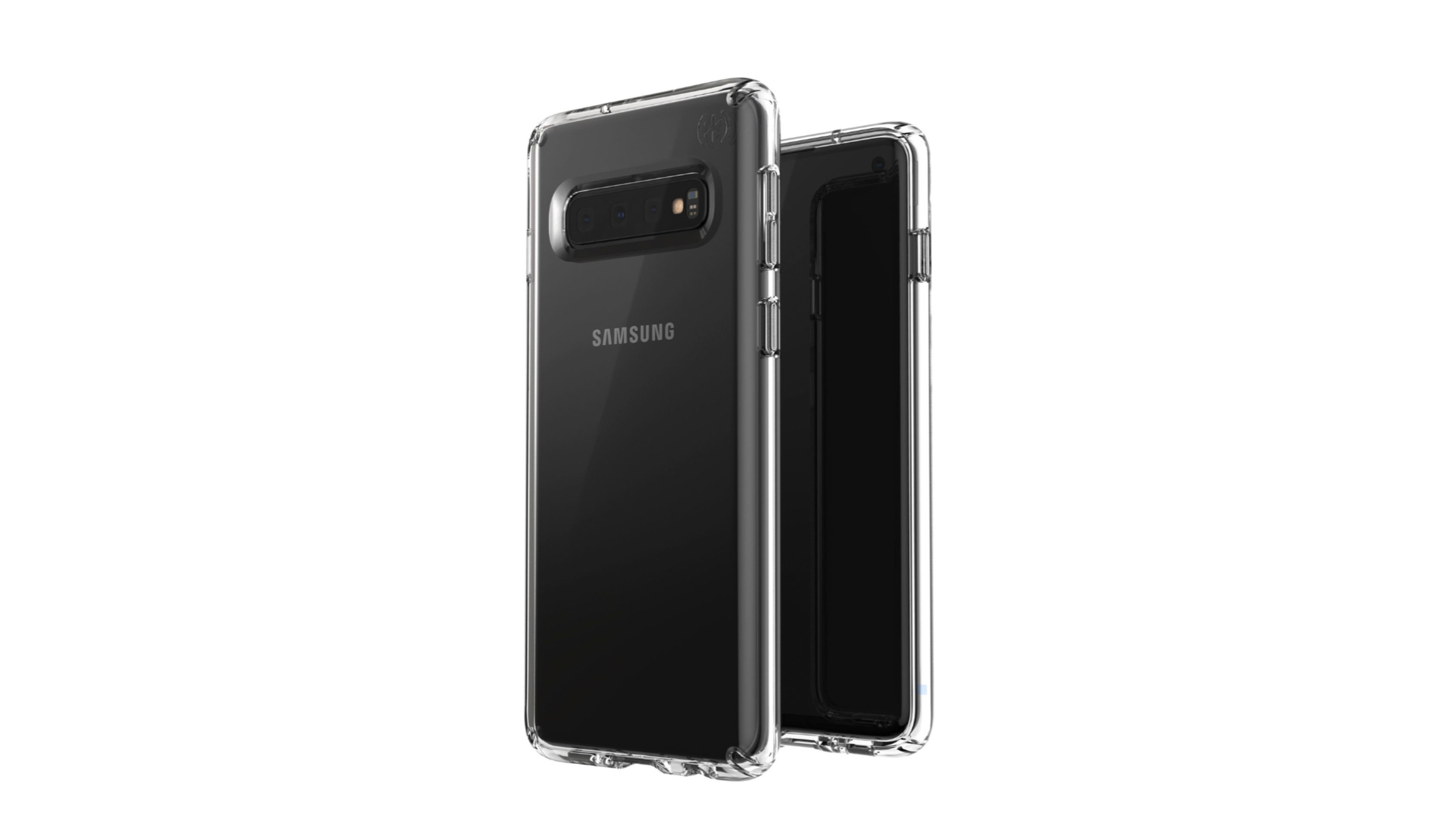
- Clear Cover
- Protective Film
Design And Display
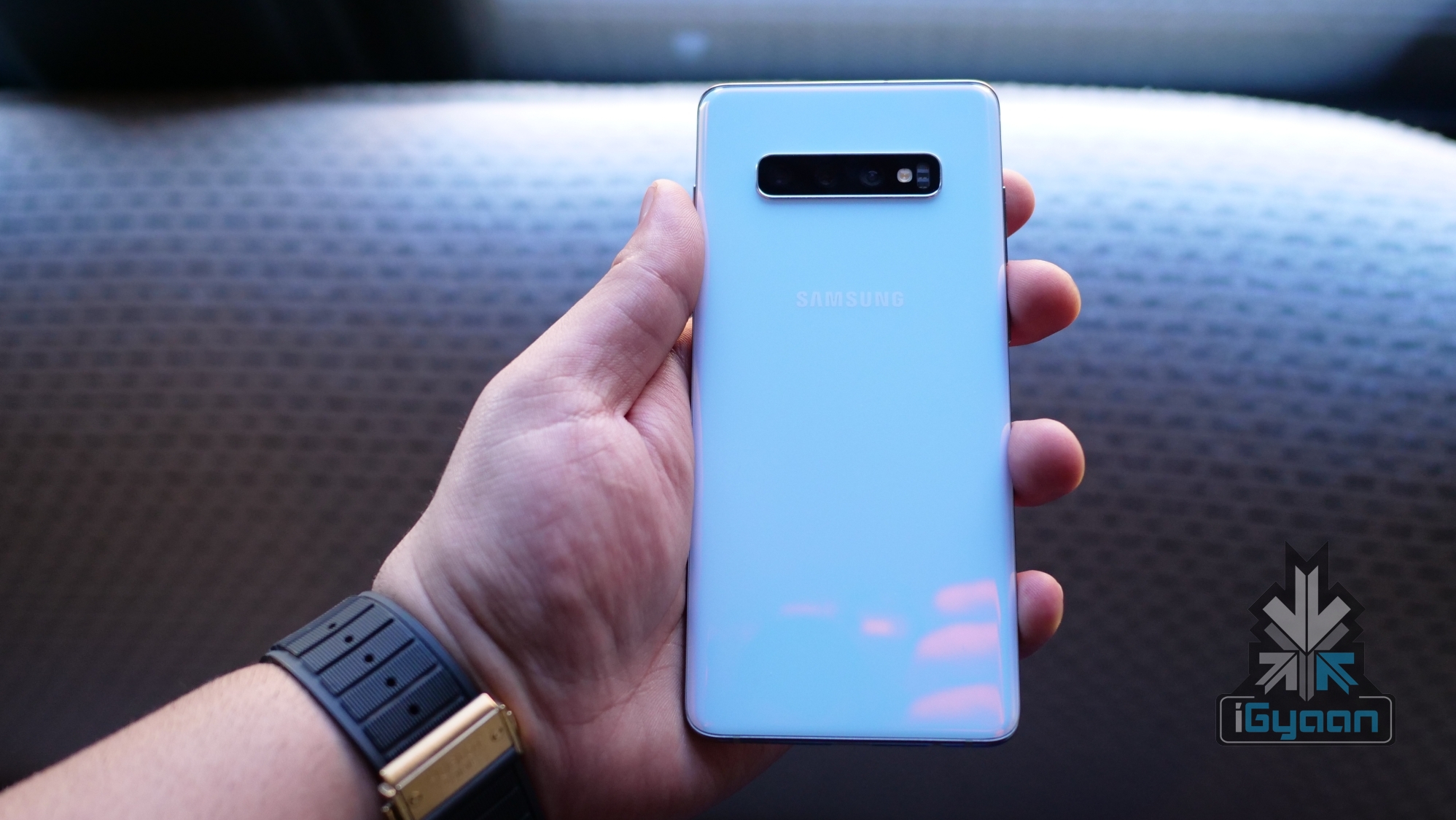
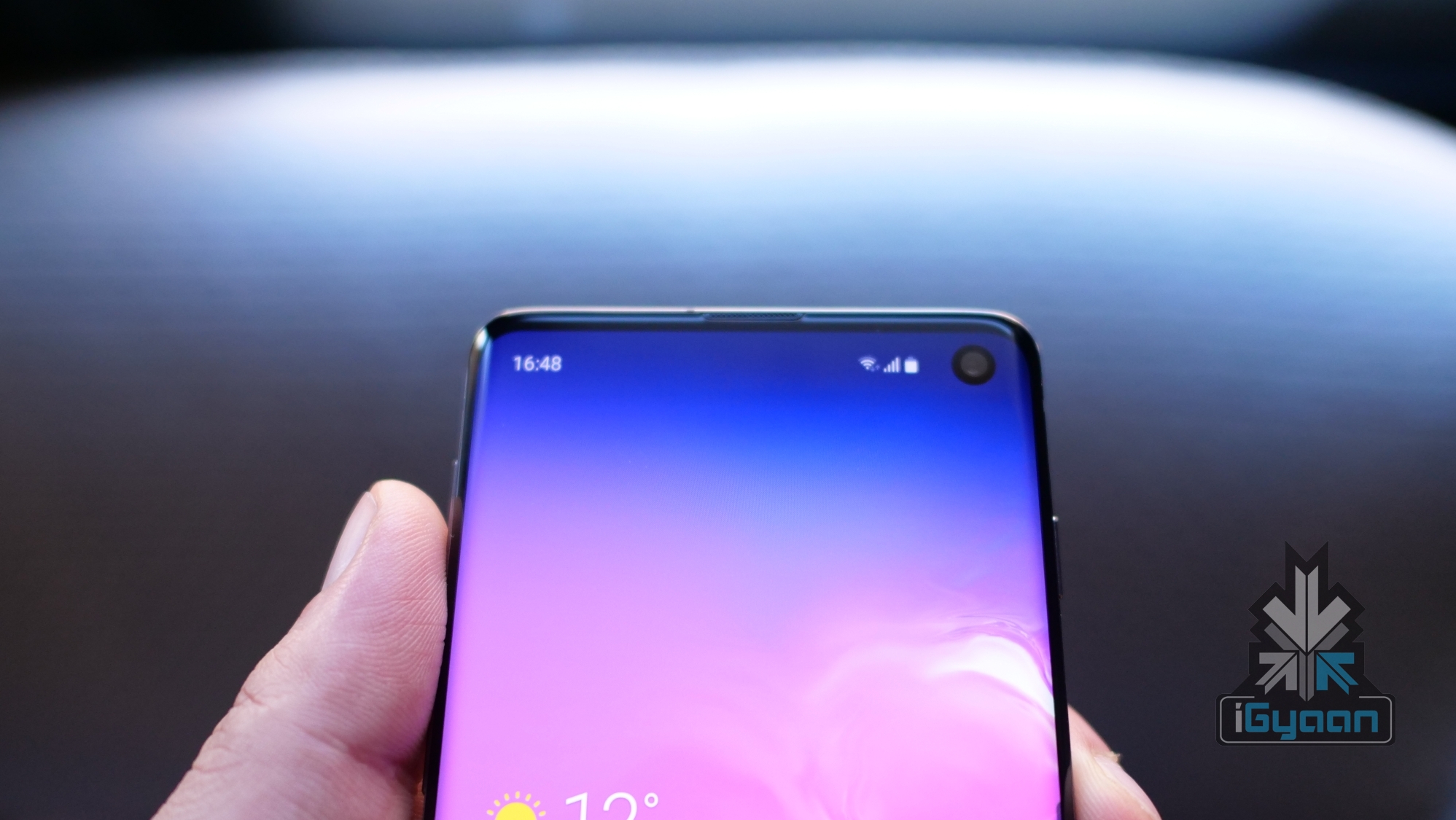
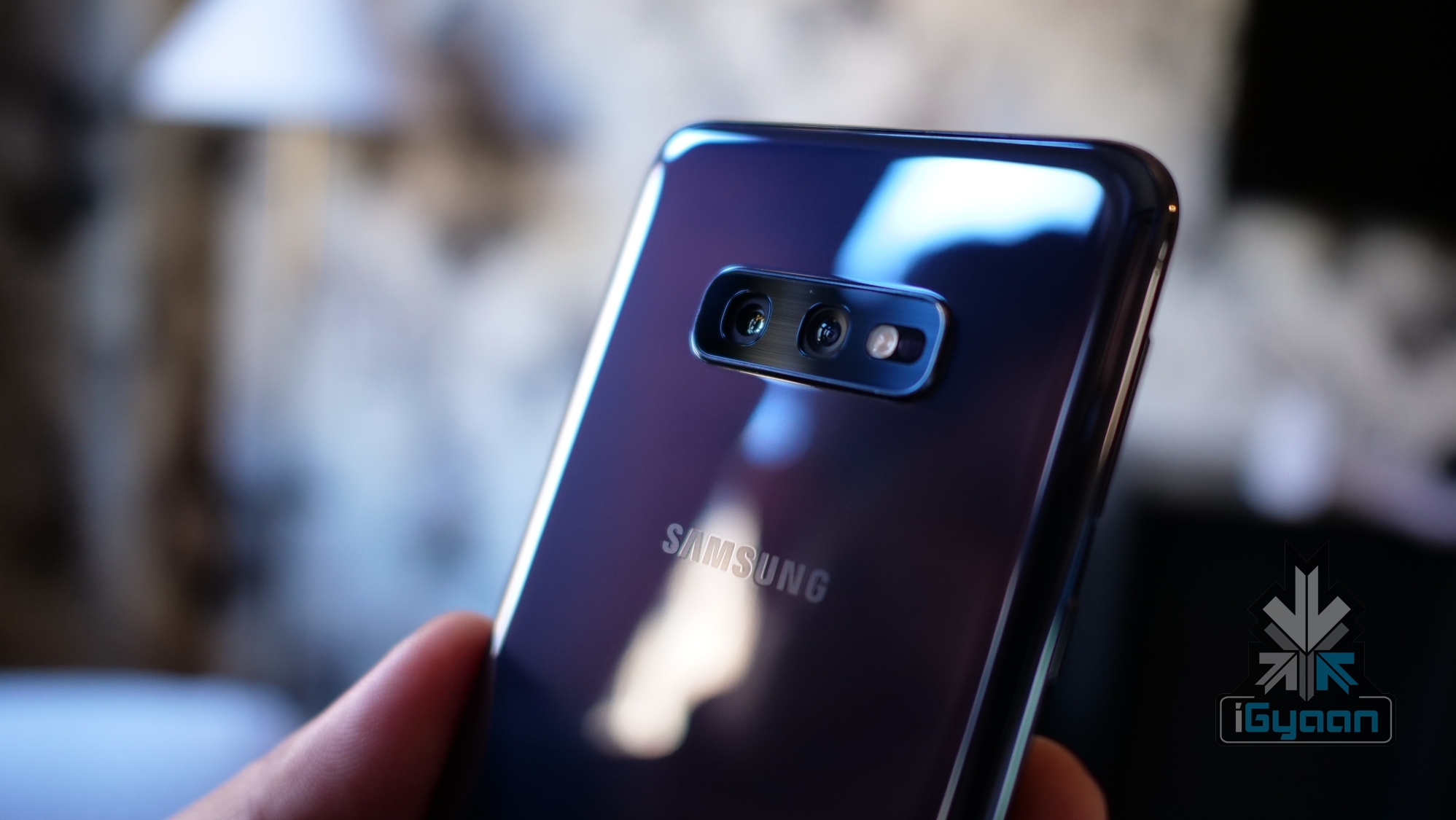
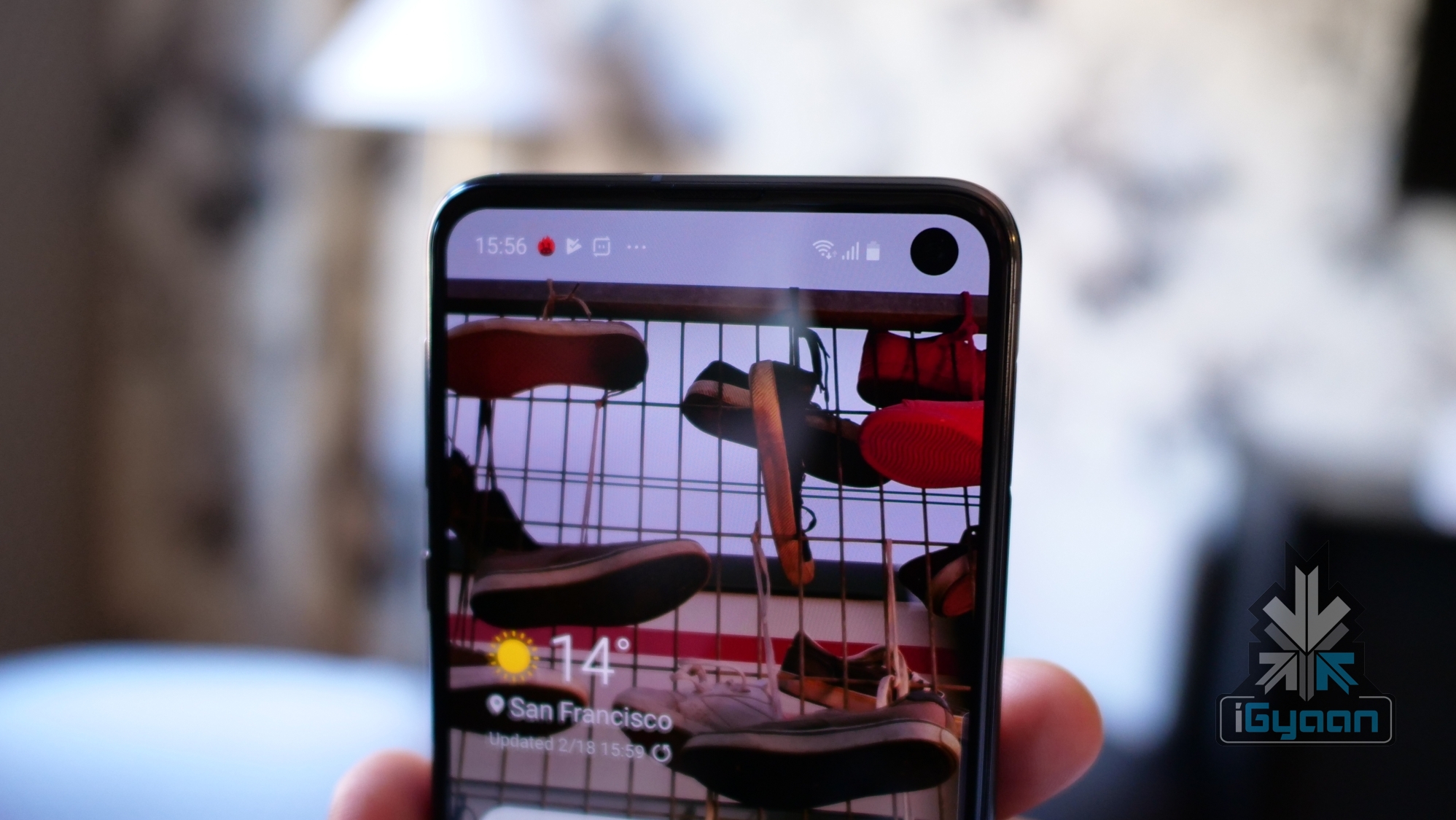
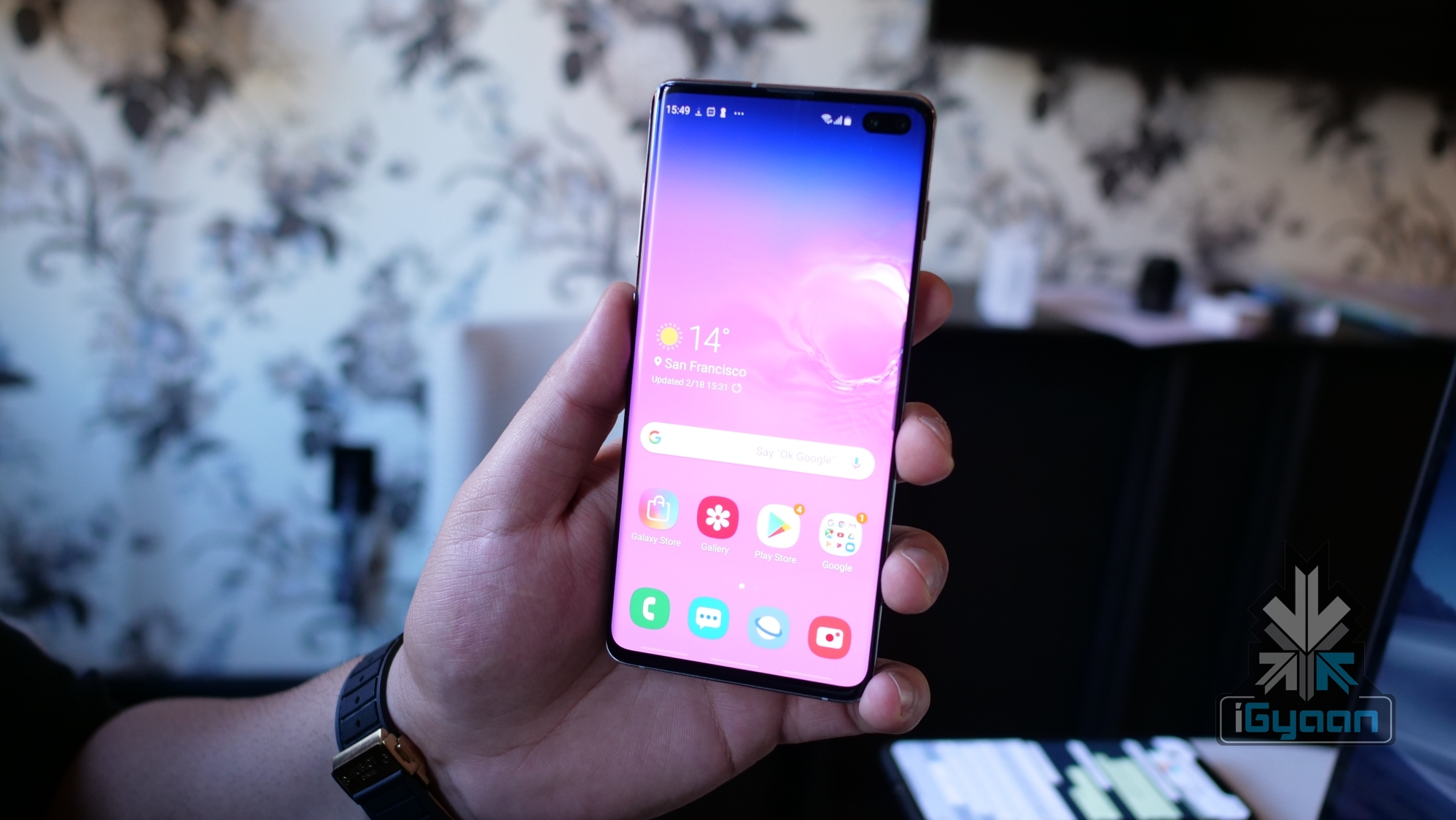 The Samsung Galaxy S10+ features a 6.4 inch Dynamic AMOLED Infinity-O display. Featuring an edge-to-edge HDR+ display that tapers towards the edges, the screen has a resolution of 3040 x 1440 px and a pixel density of 522 ppi. The display on the smartphone has a 19:9 aspect ratio. The front and the back of the smartphone have Corning Gorilla Glass to safeguard it from scratches and accidental drops. The Galaxy S10+ is offered in two different finishes which include glass and ceramic. Regardless of the material choice, both variants have a premium look.
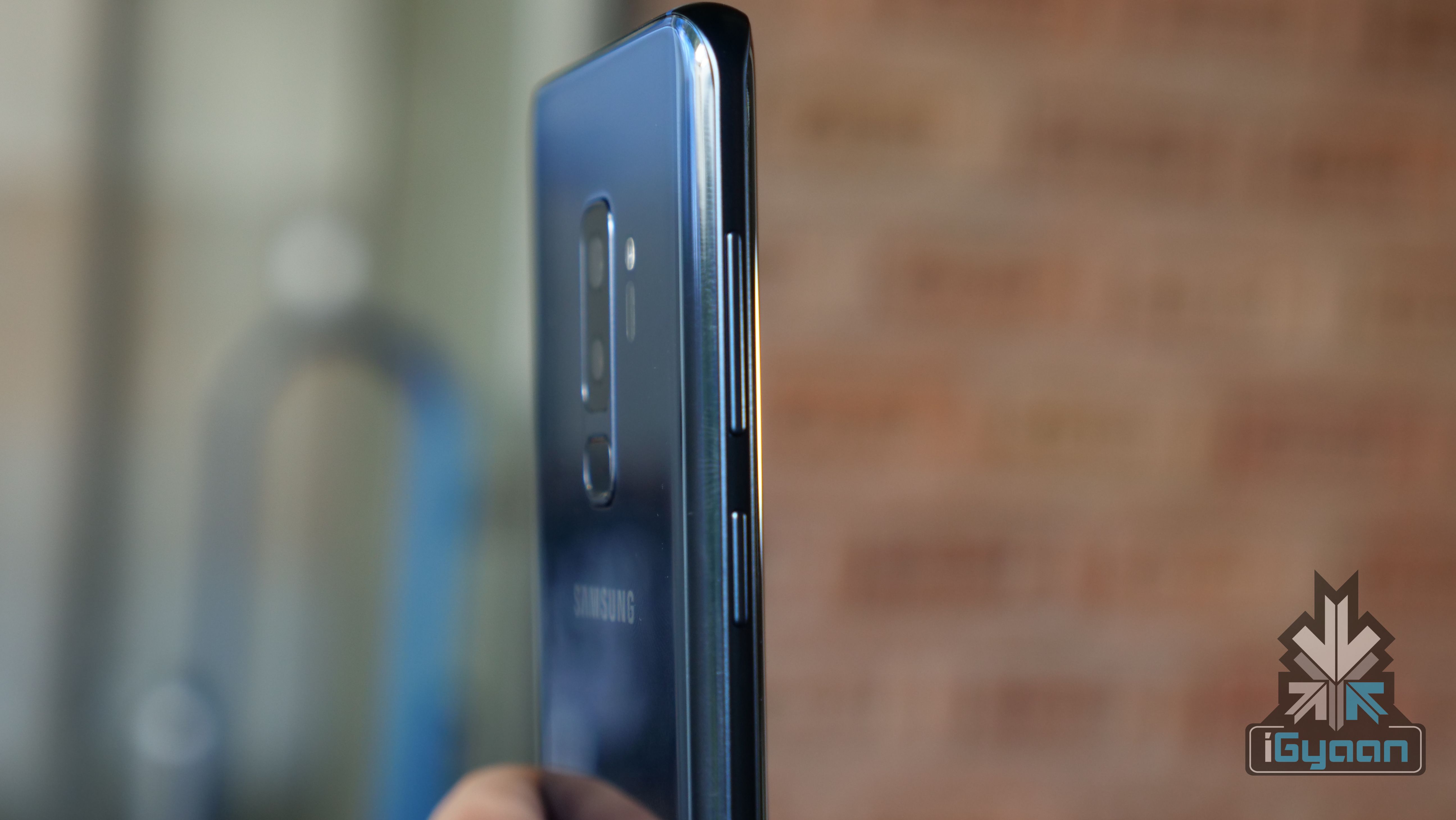
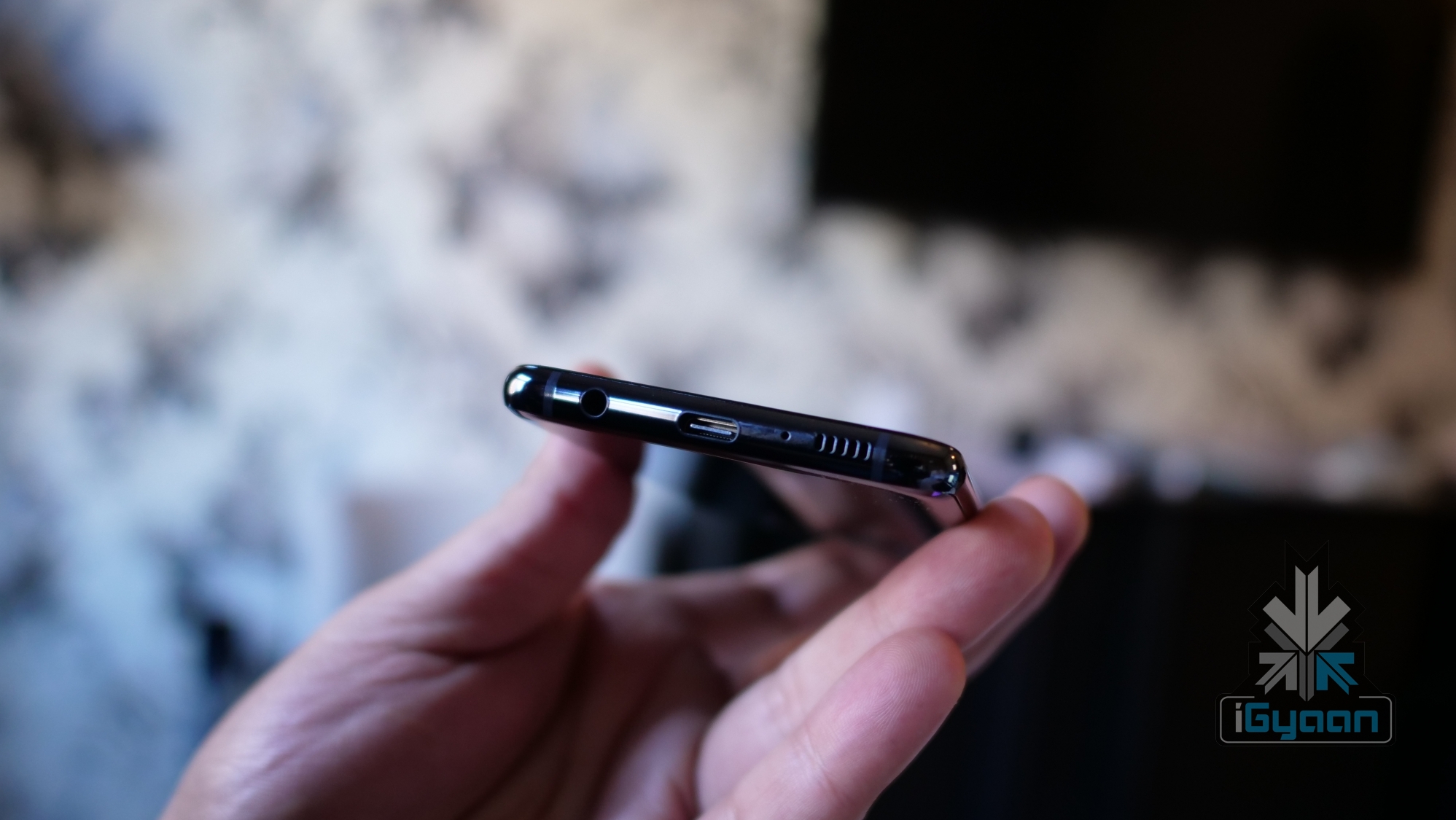
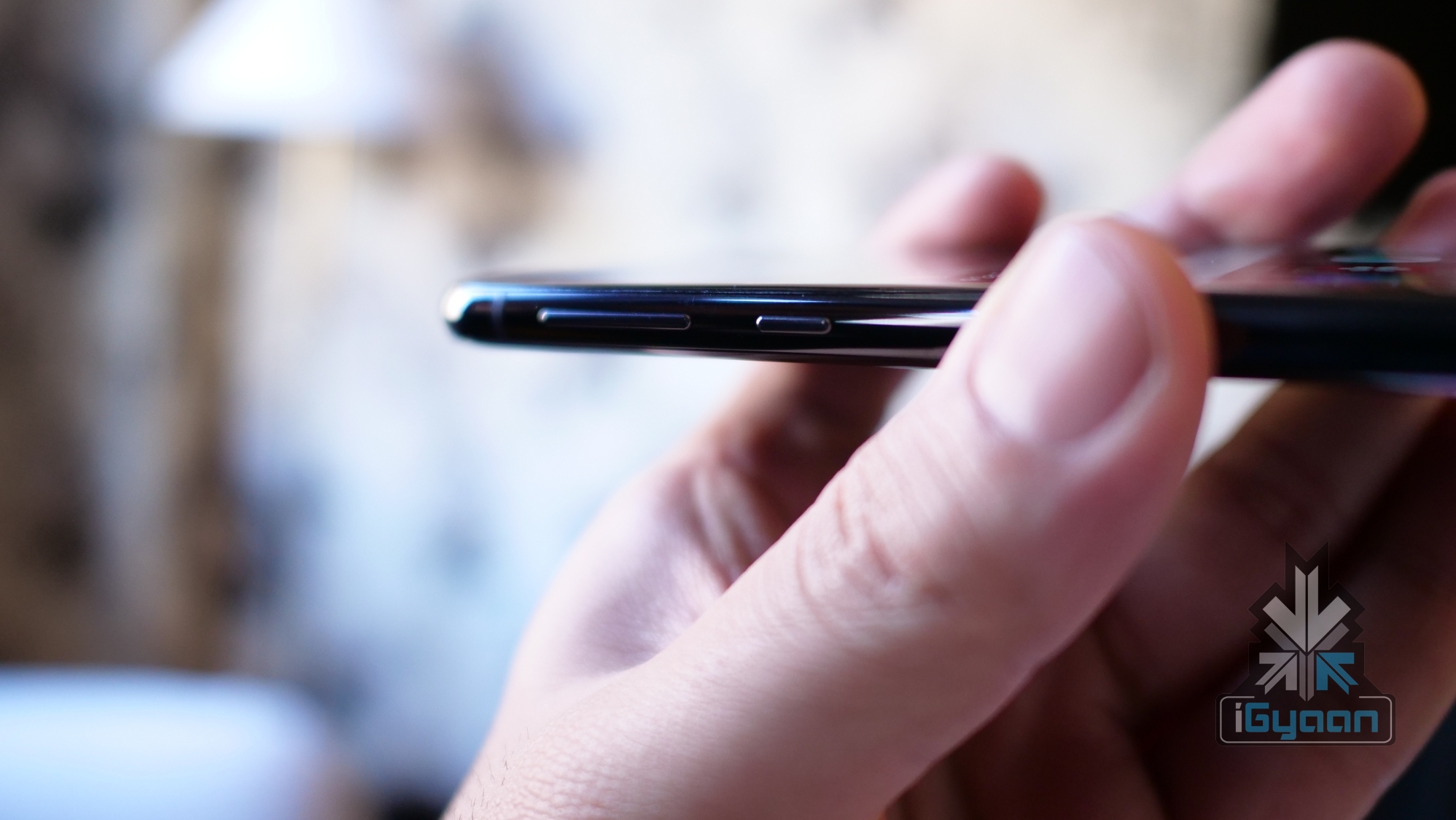 The right side of the device houses the power/lock button, while the left side of the phone houses the volume rockers and the dedicated Bixby button which can also be remapped as per the user’s convenience. The S10+ weighs 175 g for the glass version and 198 g for the ceramic version. The 3.5 mm headphone jack is retained by Samsung and is placed at the bottom of the handset along with the USB Type C port and loudspeaker grille. The SIM card slot is present at the top of the smartphone which can either house two nano SIM cards or one SIM and microSD card.
Specifications And Memory
 The US/China variant of the Samsung Galaxy S10+ runs on the Qualcomm Snapdragon 855 chipset, which comprises of the Kryo 485 octa-core CPU and Adreno 640 GPU. On the other hand, the EMEA version of the device runs on Samsung’s own Exynos 9820 SoC consisting of an octa-core CPU and Mali G76 MP12 GPU.
Camera
Click here to buy the Samsung Galaxy S10+
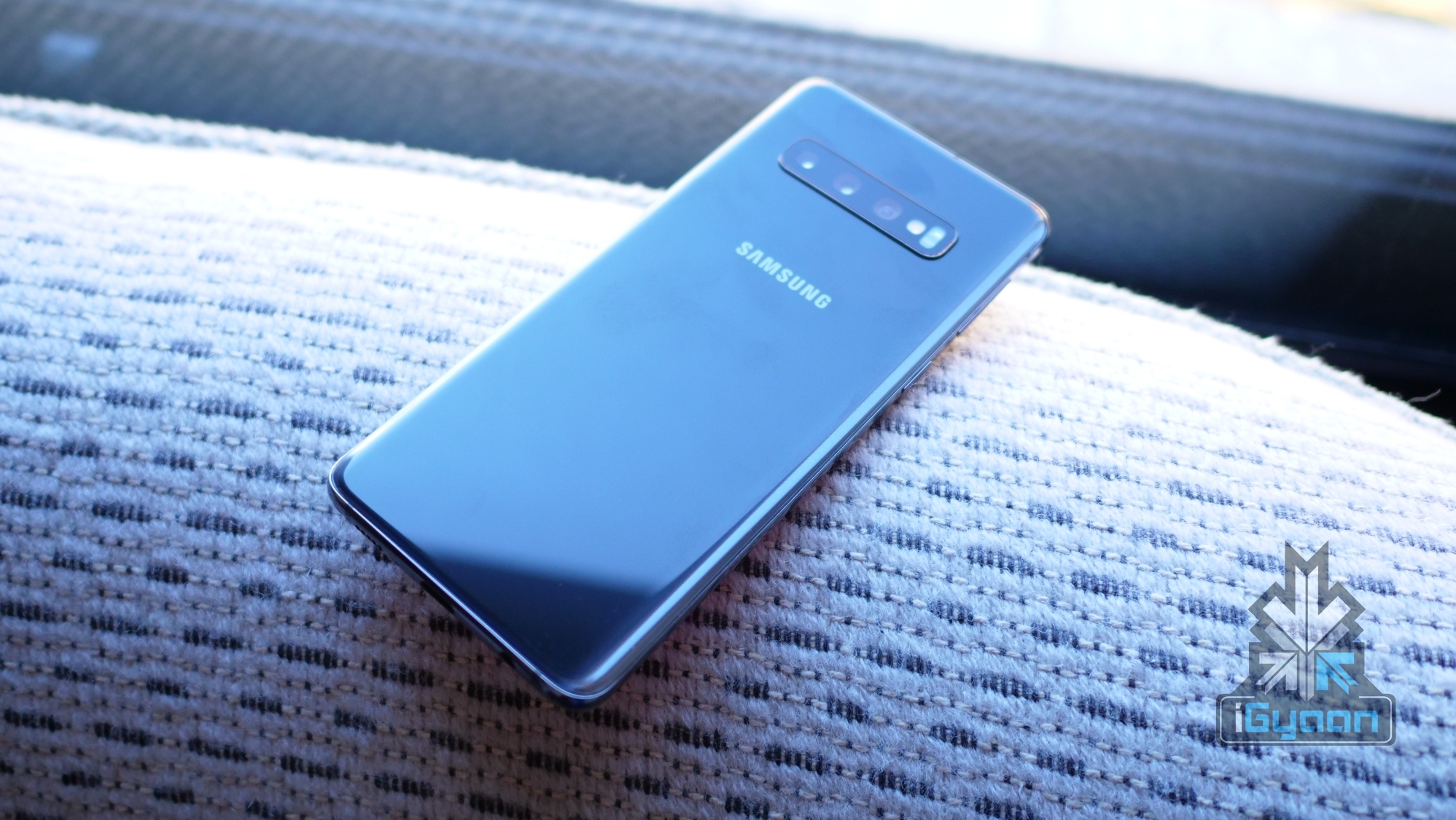
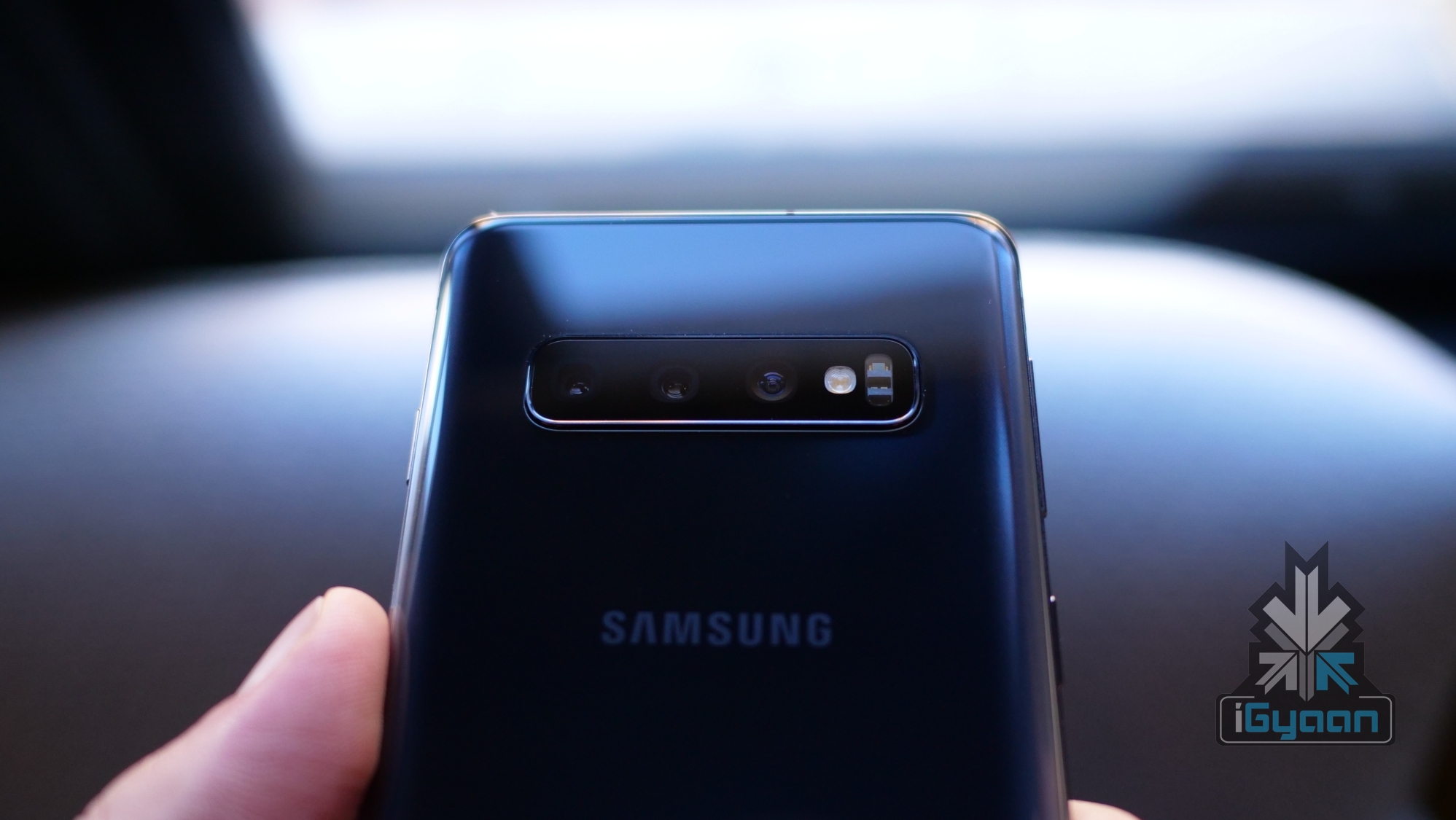
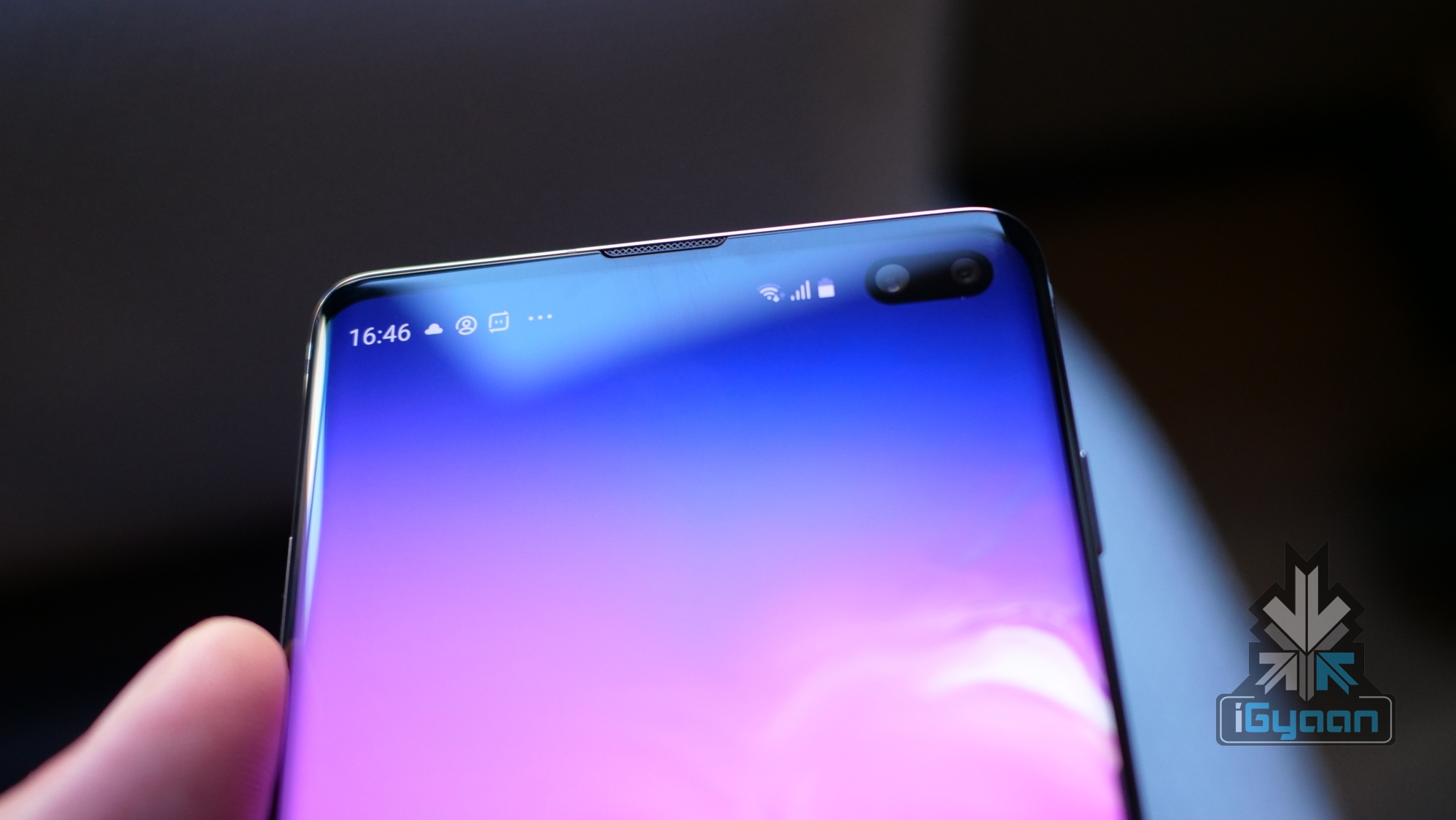
The camera is one of the highlighting features of the Samsung Galaxy S10+. The device has a triple rear camera setup which consists of a 12MP (f/1.5- f/2.4) primary sensor, 12MP (f/2.4) telephoto sensor, and a third 16 MP (f/2.2) ultra-wide sensor. In terms of the front camera, it has a combination of a 10 MP (f/1.9) sensor and an 8MP (f/2.2) sensor both of which are housed in the punch-hole display. The device can also capture 2160p videos at 60 fps from the rear cameras and 2160p videos from the front cameras.
Features, Price, And Availability
 The Samsung Galaxy S10+ is the first smartphone ever to feature an ultrasonic in display fingerprint sensor. In addition, the device has 3D face scanning technology for quickly and securely unlocking the device. The Galaxy S10+ is powered by a 4100 mAh battery, which supports both fast charging and wireless charging at maximum 15 w. The device also supports reverse wireless charging called ‘Powershare’, enabling the user to charge other ‘Powershare supported’ devices by placing them on the rear of the smartphone. Moreover, the premium smartphone is IP68 certified that makes it dust and water resistant.
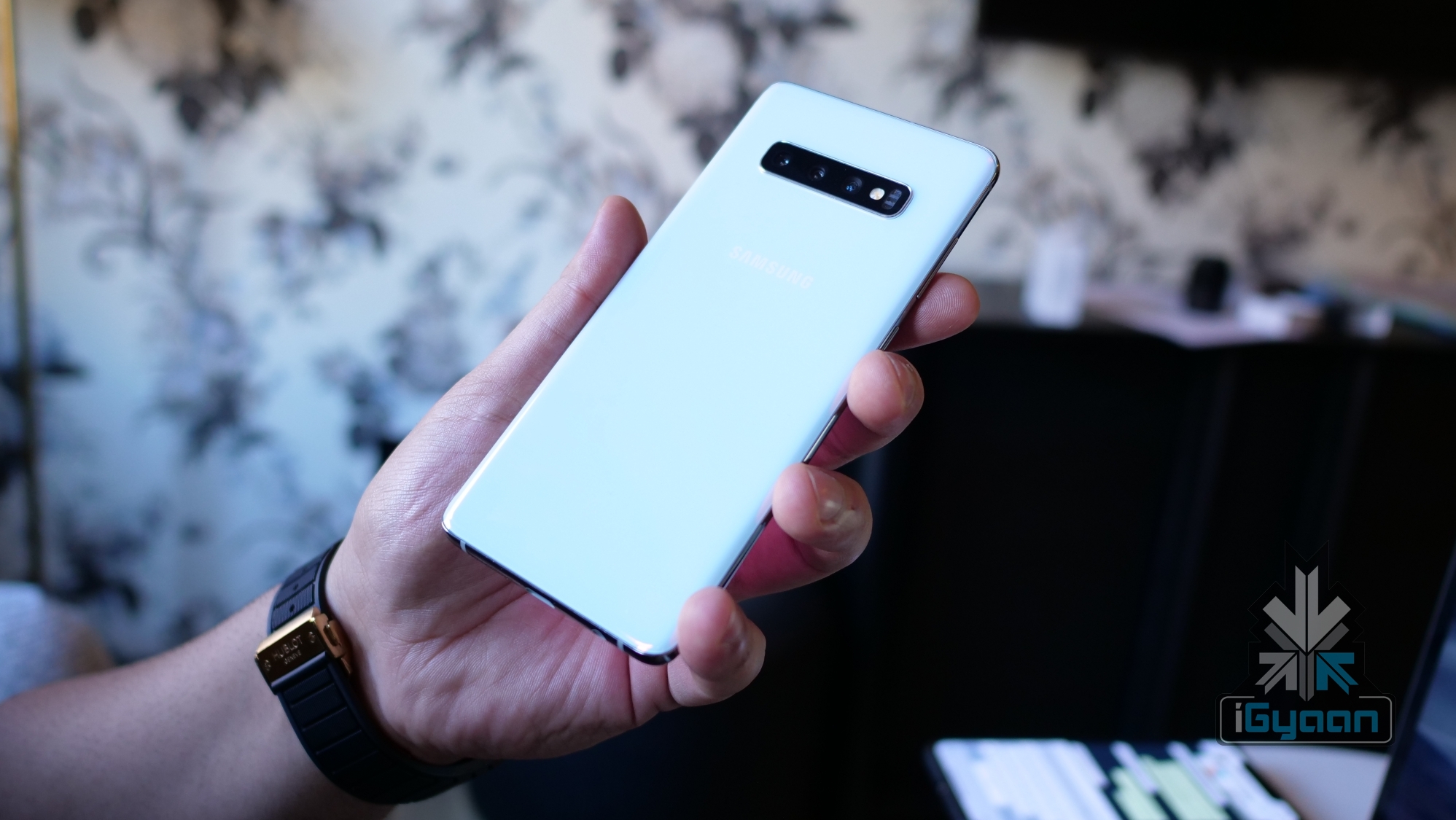
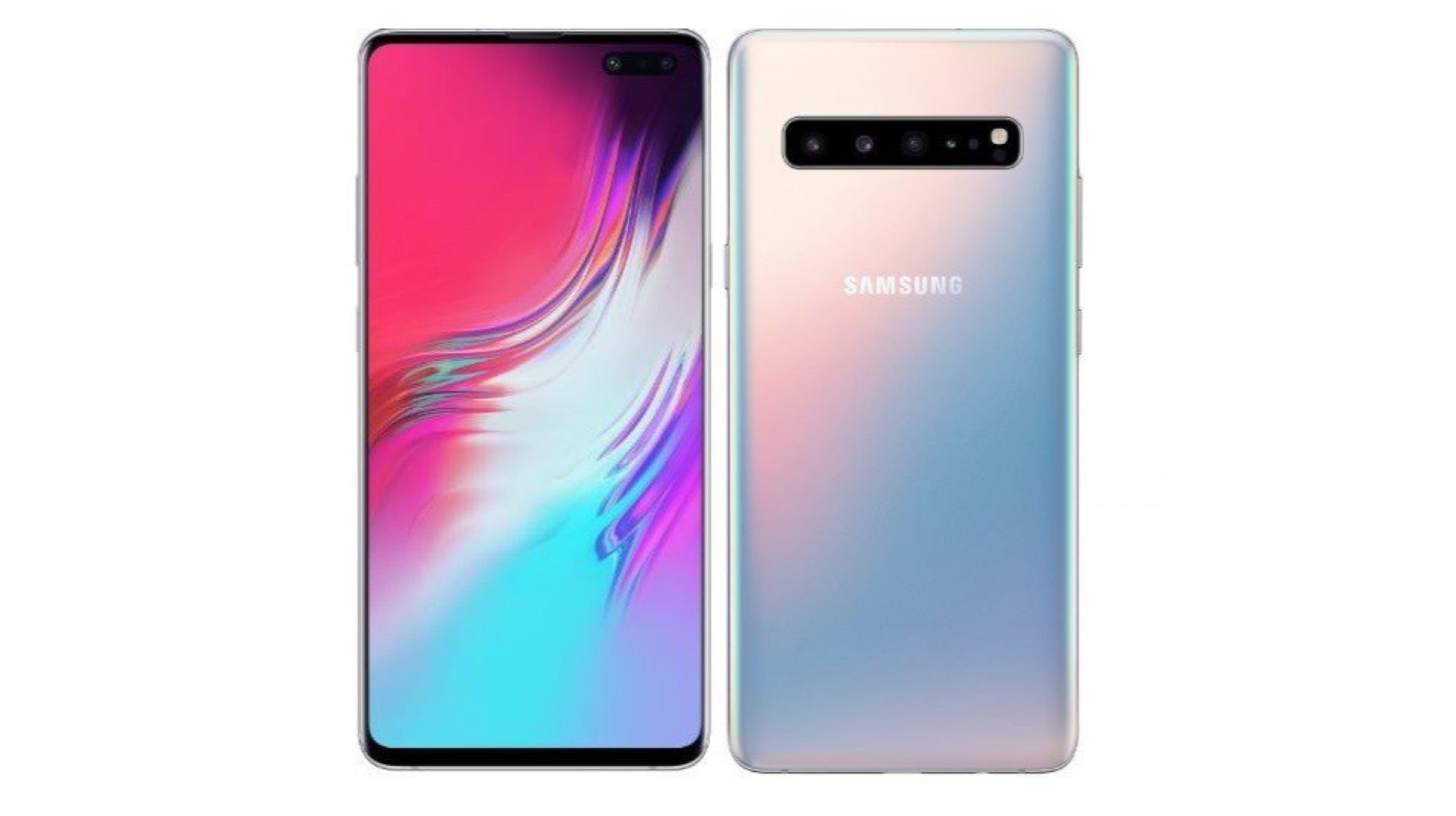
 The Galaxy S10+ is available in three storage variants which include a 6GB+128GB version, an 8GB+512GB version, and the limited edition 12GB+1TB variant. The two base variants of are available in four colour options which include Prism White, Prism Black, Prism Green, and Prism Blue colour options. The 12GB+1TB storage variant of the device is available in Ceramic Black and Ceramic white colour options. The Samsung Galaxy S10+ will go live on sale in India on the 8th of March.
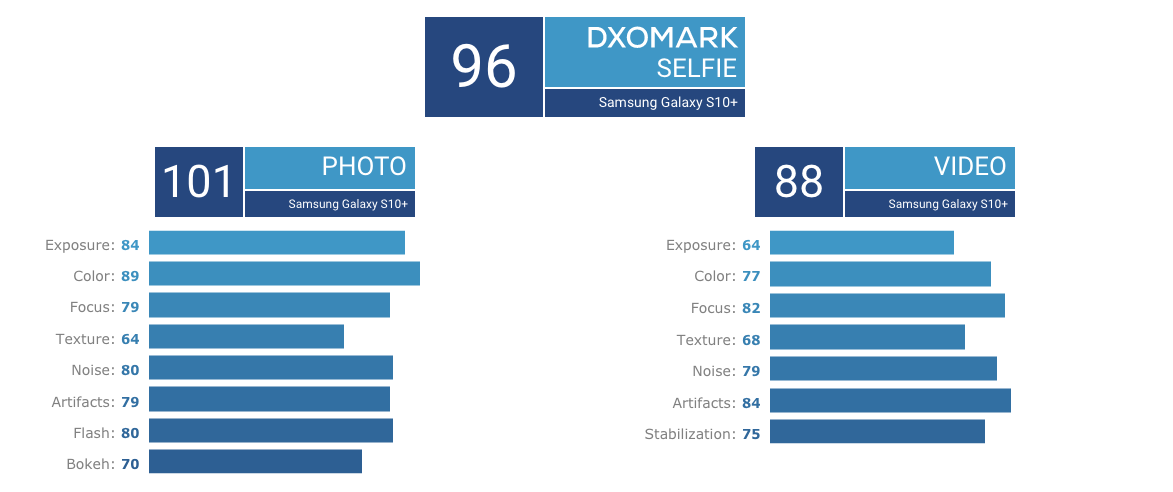
 Also Read: DxOMark Ranks Xiaomi Mi 9 As The Best Video Shooter, Samsung Galaxy S10+ Best For Selfies
The prices of different variants of the Samsung Galaxy S10+ in India are as follows
- 8GB + 128GB : Rs 73,900
- 8GB + 512GB : Rs. 91,900
- 12GB + 1TB : Rs. 1,17,900
To sweeten up the deal, Samsung is giving away a free pair of wireless Galaxy Buds with the smartphone.
 Xiaomi released the Mi 9 in China on February 20, and it has been the talk of the town since its launch. With flagship-level specifications at almost half the price of premium smartphones, there are high expectations from the camera of the Mi 9. DxOMark tested out the camera of the smartphone, and fair enough, the Mi 9 didn’t disappoint.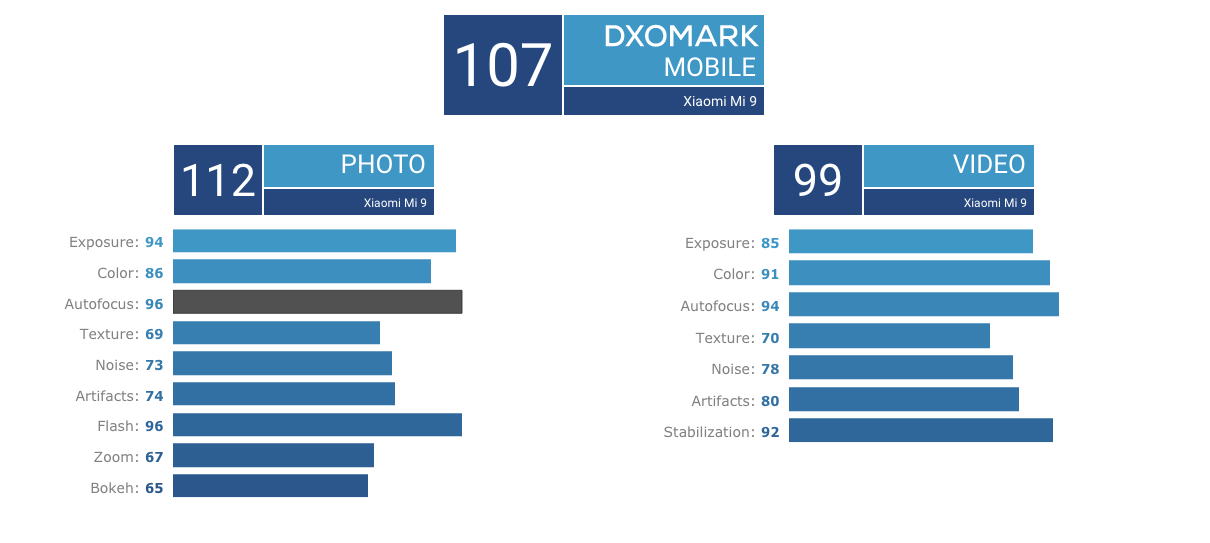
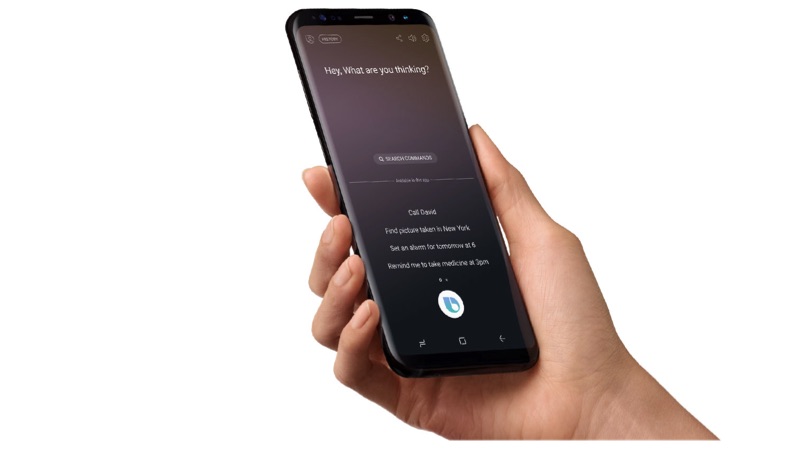

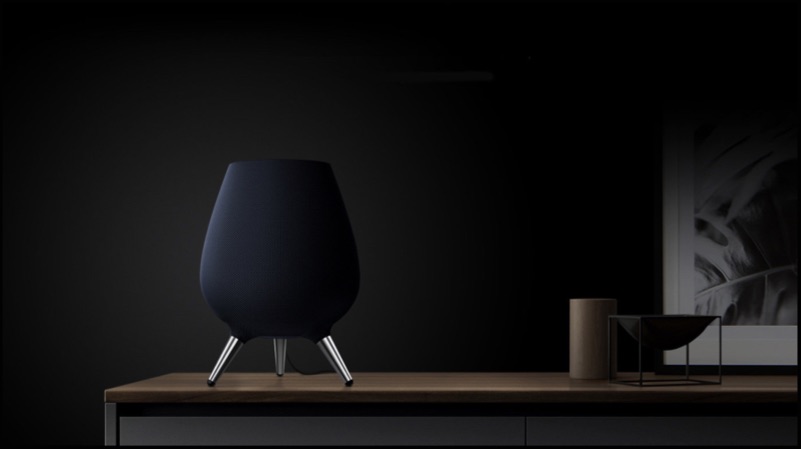
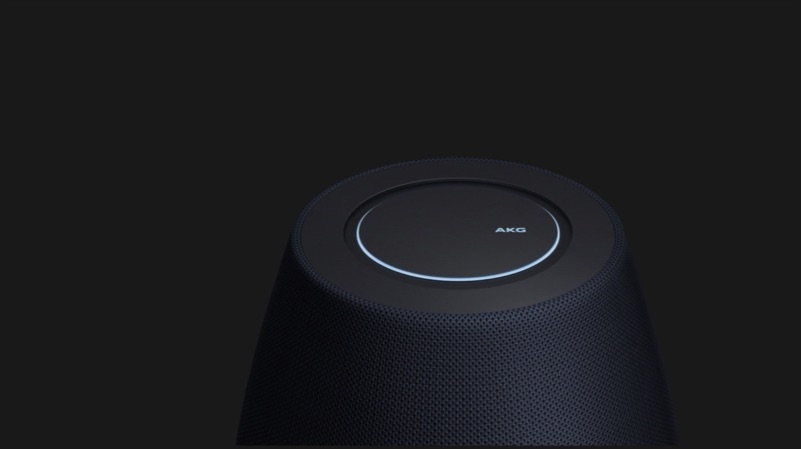
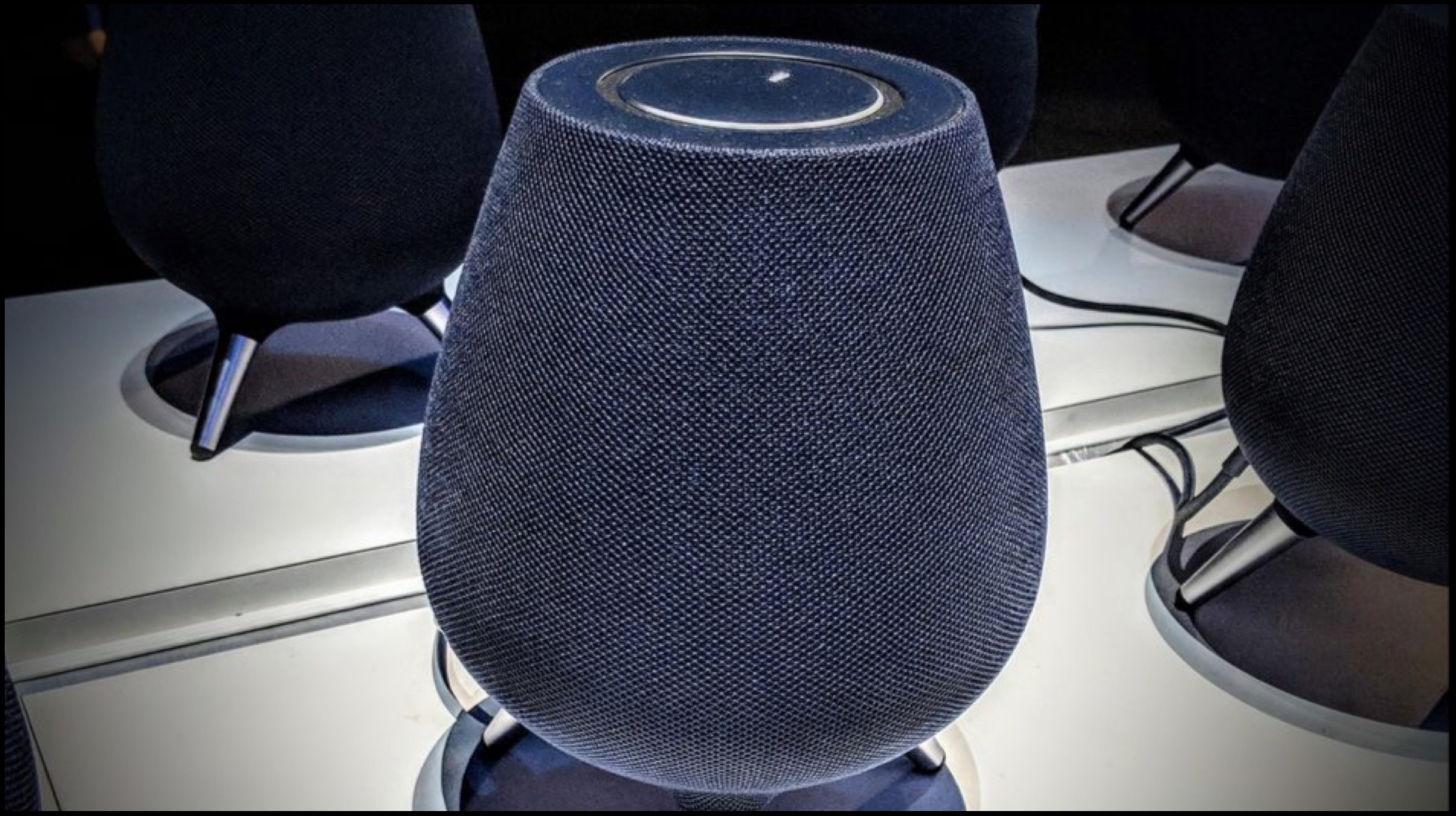 The Galaxy Home would compete with similar smart speakers such as Amazon Echo and Google Home. Talking about voice assistants, Amazon Echo has Alexa integration while the Google Home uses Google Assistant. The smart speaker from Samsung will have the Bixby Voice Assistant. The sound quality is tuned by AKG, which was acquired by Samsung in 2017. The Galaxy Home can also be used as a smart hub for keeping tabs on the gadgets that are compatible with the platform.
 According to Samsung, Galaxy Home is the only AI speaker that will transmit a wave of sound directly towards you when you communicate with the device. This means that the user will experience surround sound irrespective of their position in the room. It packs 6 different speakers and one subwoofer, all of which are housed in the same unit. Furthermore, the Galaxy Home also has 8 microphones with integrated ‘far-field’ technology. Users can say “Hi Bixby” from across the room and communicate with the smart speaker.
 Also Read:
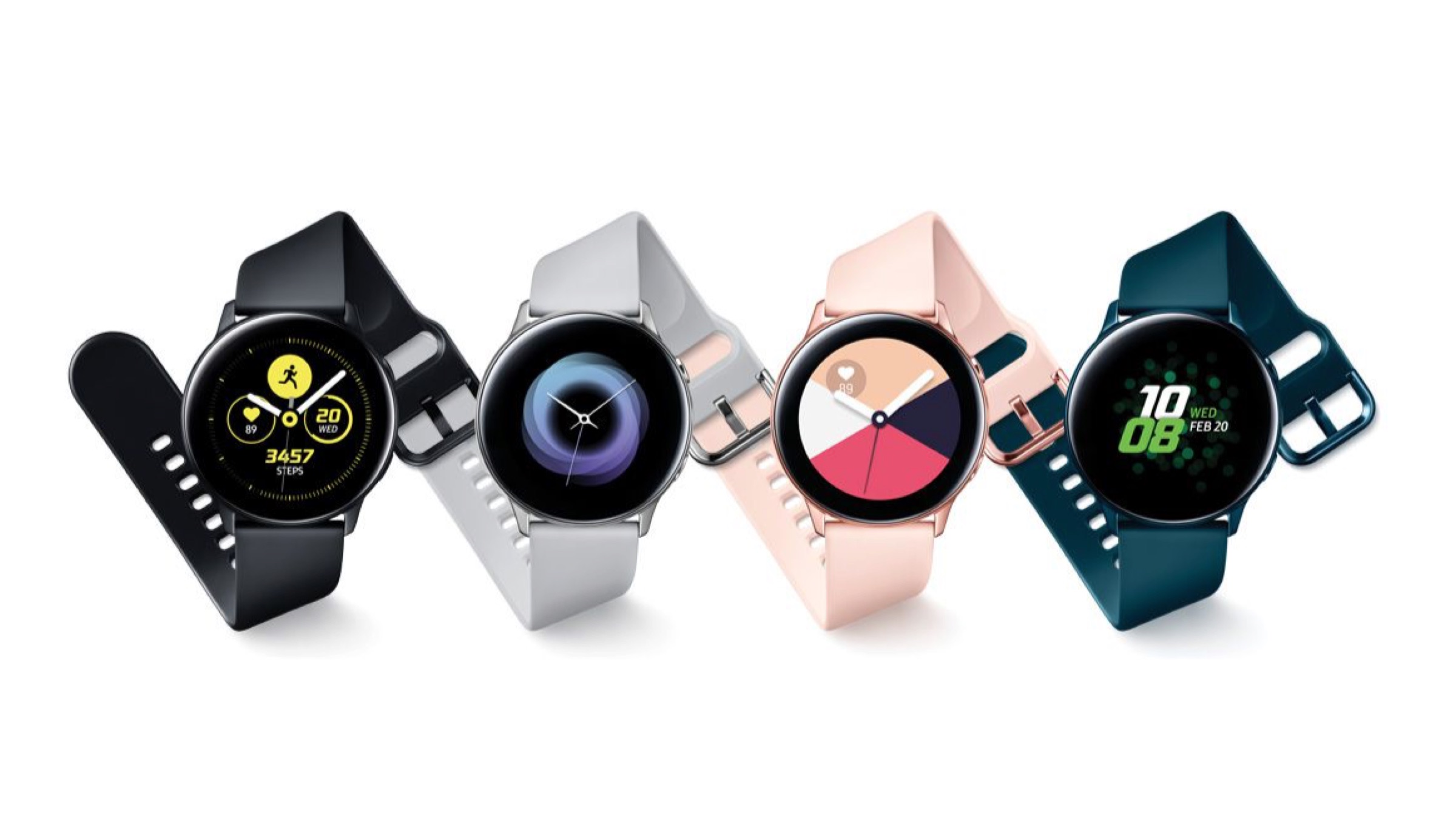 The Galaxy Watch Active runs on Tizen based wearable OS 4.0 and packs an Exynos 9110 SoC which consists of a dual-core processor. The smartwatch has a reduced screen size than the Galaxy Watch from 2018, measuring 1.1 inches in diameter and having a resolution of 360×360 px. It is powered by a 230 mAh battery. The Galaxy Watch Active sports an AMOLED display.
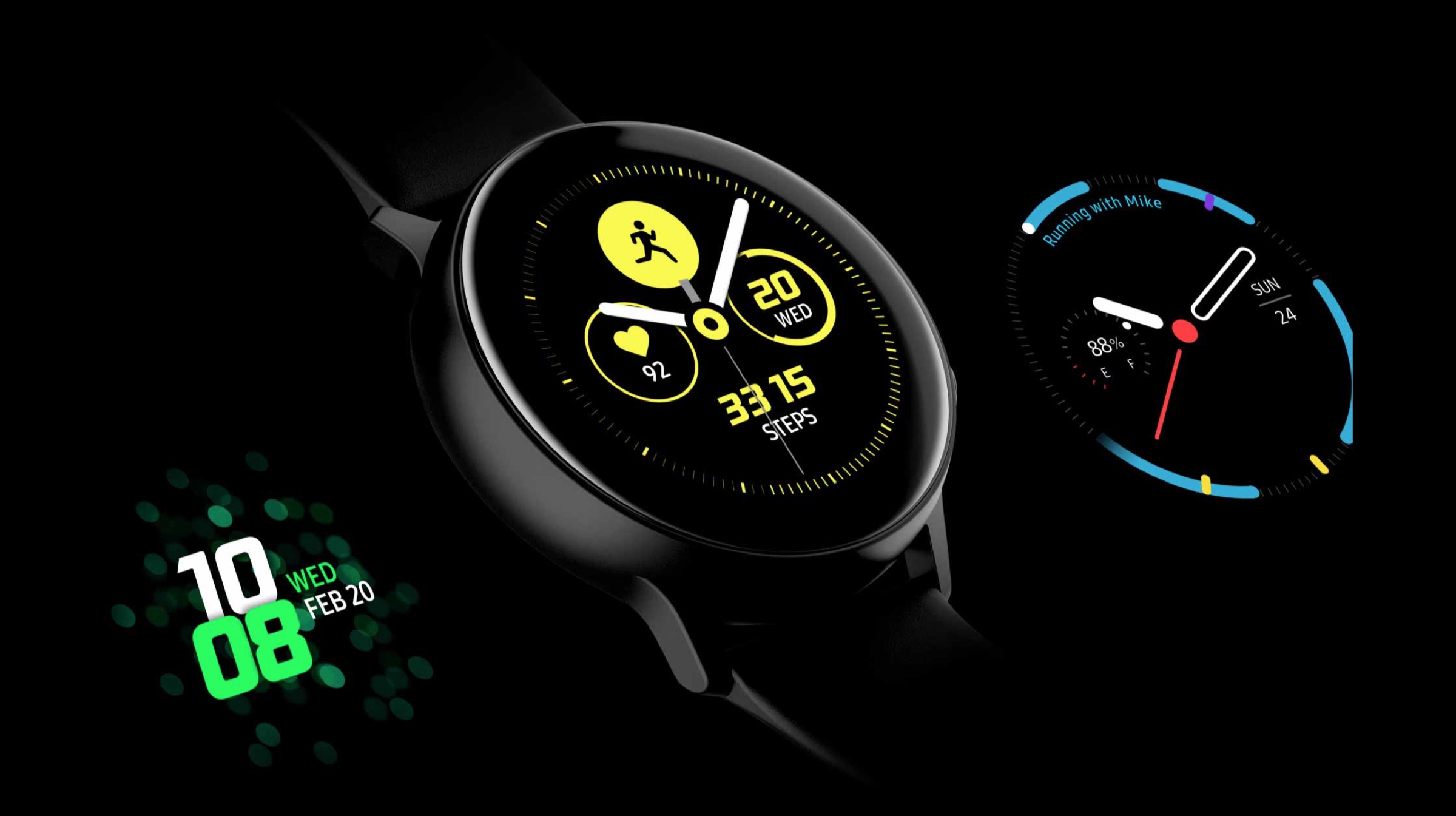 The smartwatch runs on Samsung’s freshly overhauled One UI, and is operated via gestures and the two side mounted buttons. It automatically recognizes and tracks the activity being performed by the user. Apart from that, it also has a continuous heart rate tracking feature which can provide users with real-time information regarding their cardiac health.
 The Galaxy Watch Active has 768 MB of RAM and 4 GB of internal storage. The smartwatch is IP68 water and dust resistant and is MIL-STD-810G certified. Connectivity options on the device include GPS, NFC, Bluetooth 5.0. As far as the sensors go, the Galaxy Watch Active has an accelerometer, ambient light sensor, gyroscope and a pedometer. Furthermore, the smartwatch also has a sleep monitoring feature.
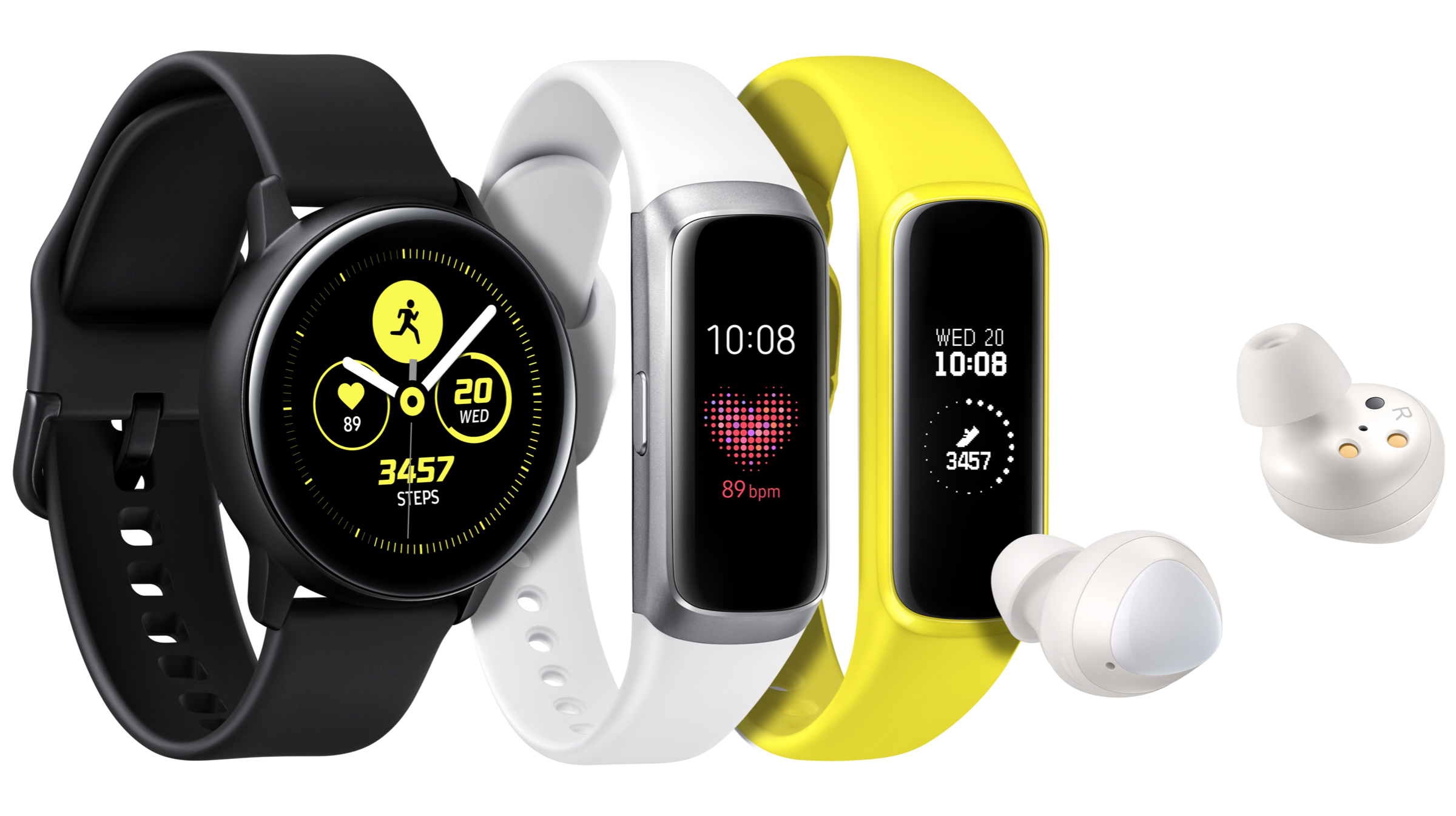
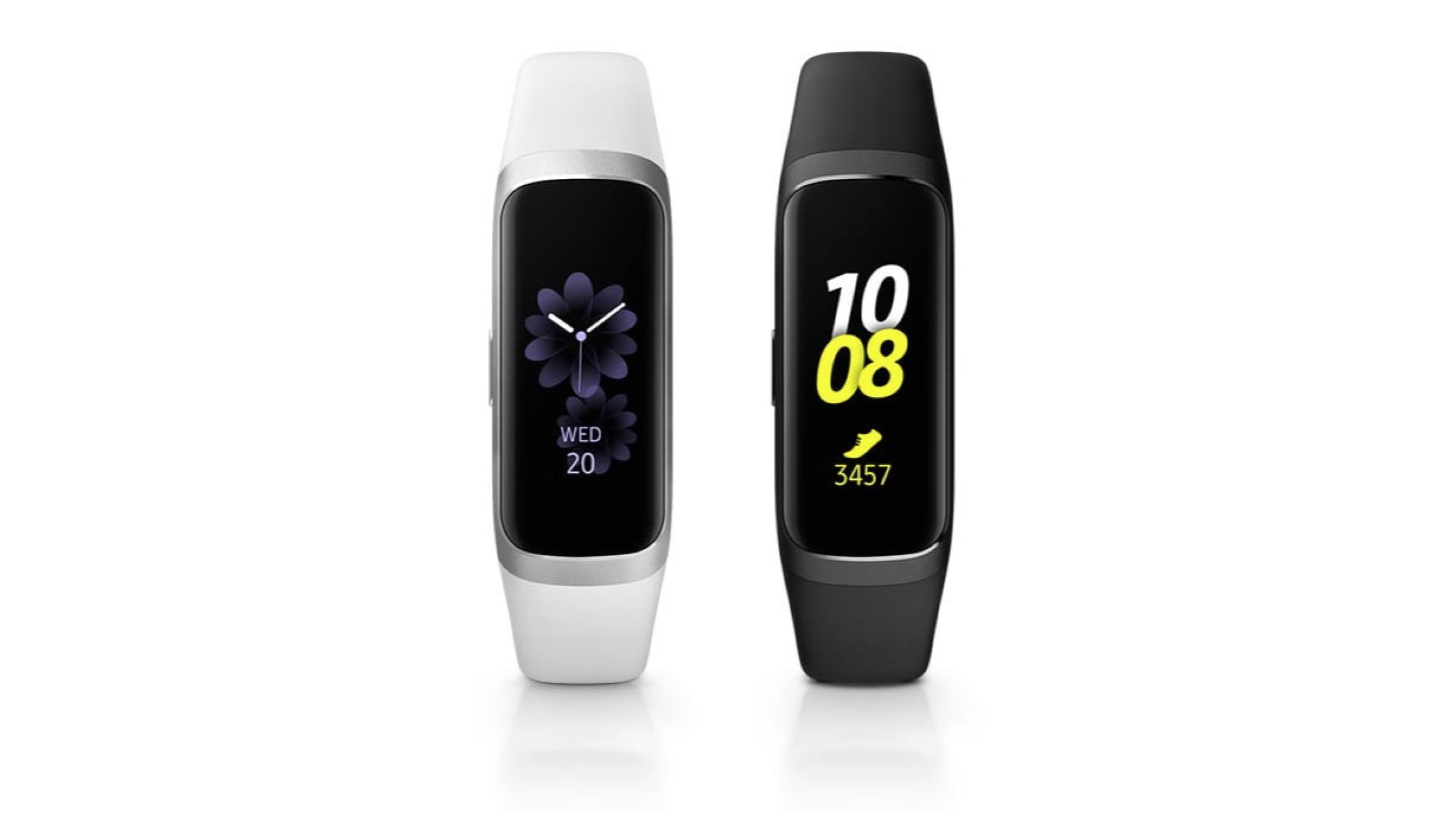 Samsung announced its fitness activity trackers at the event, known as the Galaxy Fit and Galaxy Fit e. As the name suggests, they are mainly targeted towards fitness enthusiasts. As per Samsung, the newly launched Galaxy Fit and Fit e are designed for users who need the functionality of just a fitness tracker and not a smartwatch. The Galaxy Fit and Fit e can automatically start tracking the user when he/she starts running, biking or swimming. Apart from this, users can also choose their exercise manually from a list of over 90 different activities. Both fitness trackers sport lightweight and ergonomic design.
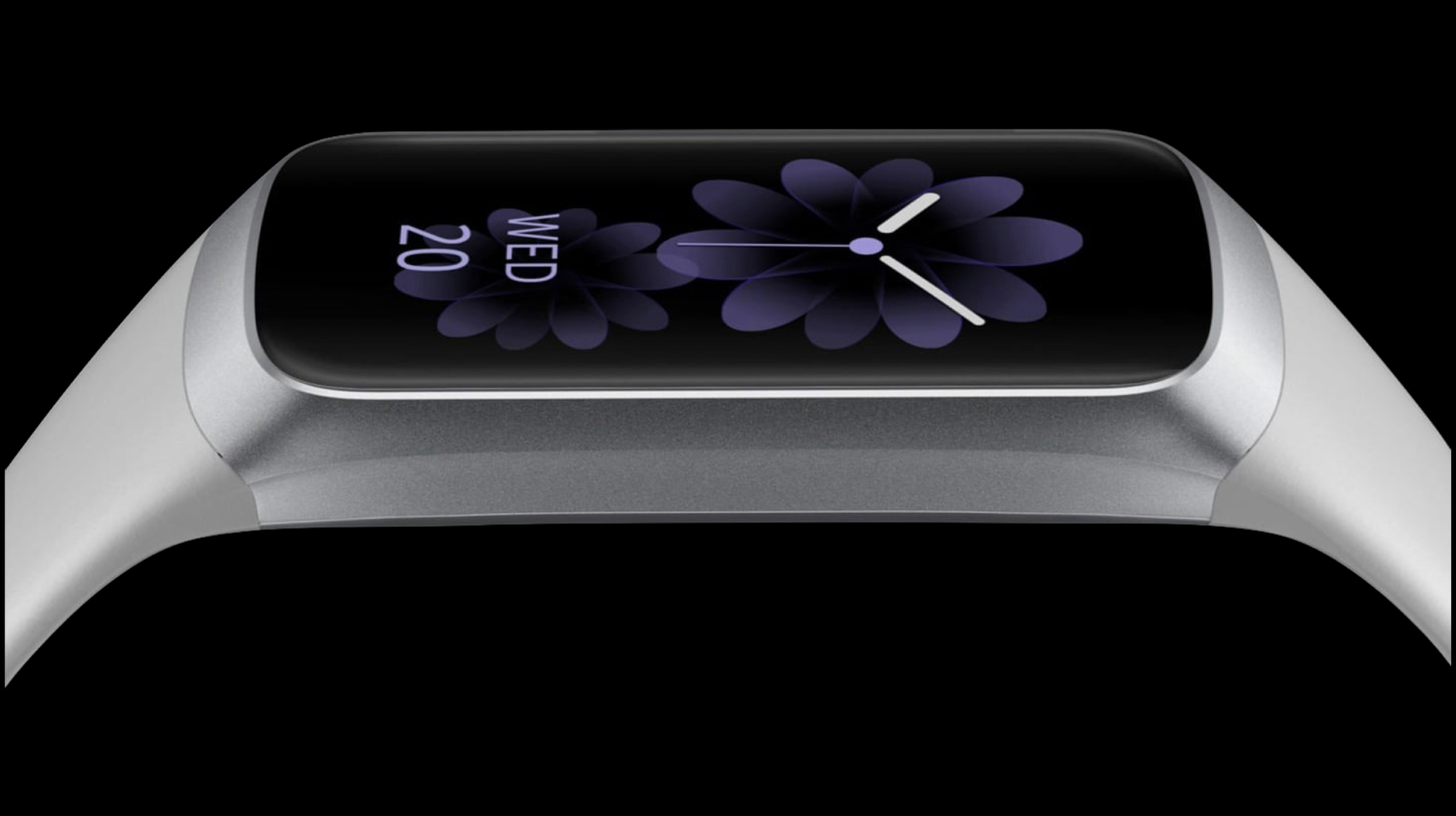 The Galaxy Fit has a 0.95 inch AMOLED screen, with a resolution of 240×120 px. On the other hand, the Galaxy Fit e has a smaller 0.74 inch PMOLED display (Passive Matrix OLED) with a 128×64 px resolution. The fitness trackers run on Realtime OS and are also equipped with a heart-rate monitor. Noteworthy, the fitness trackers are 5ATM water resistant (up to 80 PSI). The Galaxy Fit will be available in Black and Silver colours, whereas the Galaxy Fit eis available in Black, White and Yellow colour options.
 The Samsung Galaxy Fit has been launched with a price tag of US $99 (roughly Rs. 7,000). It will go on sale May 31 onwards in the US. However, the availability and price of the Galaxy Fit e have not been revealed yet. It is still unclear when these fitness trackers will be launched in India.
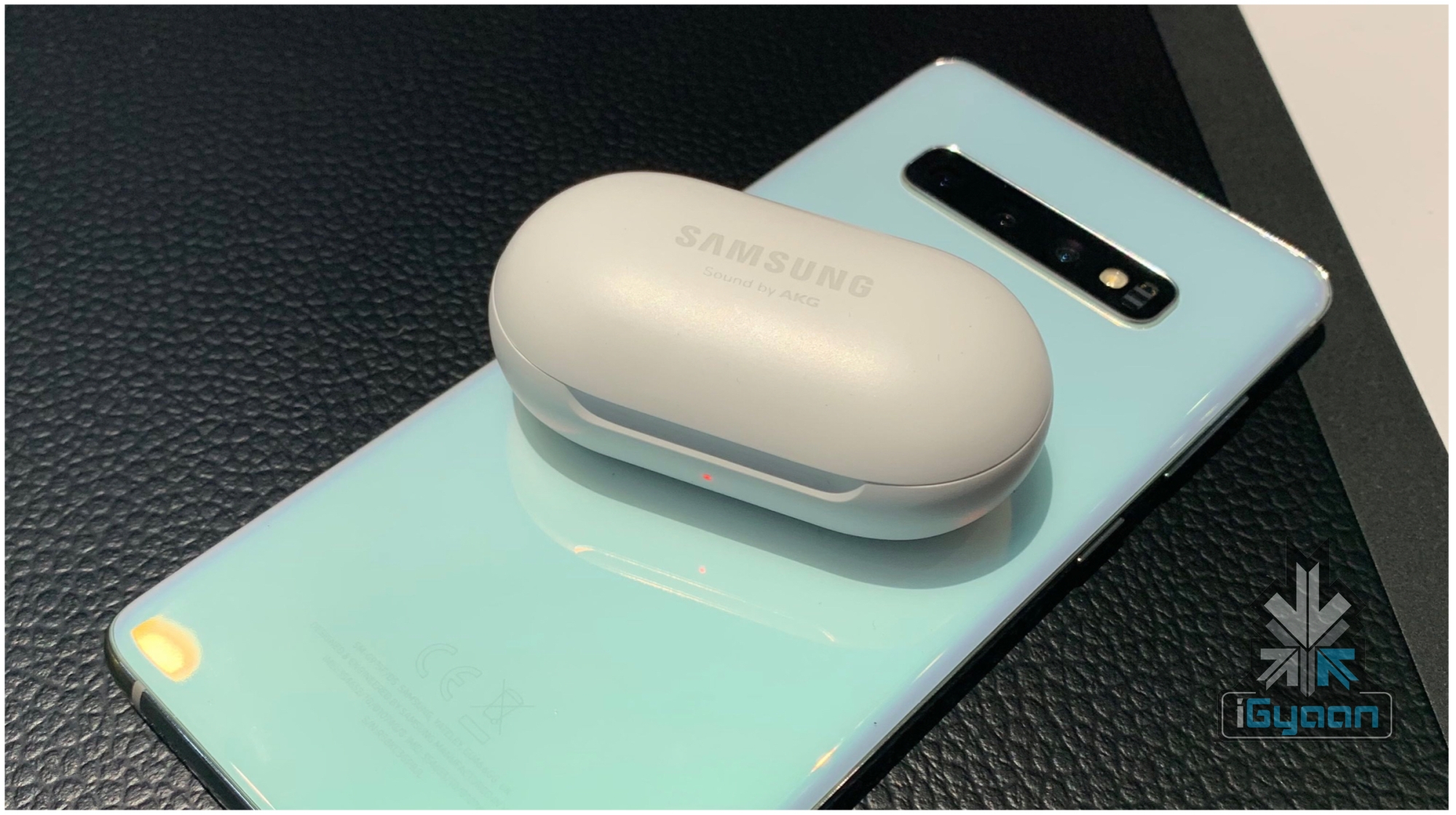
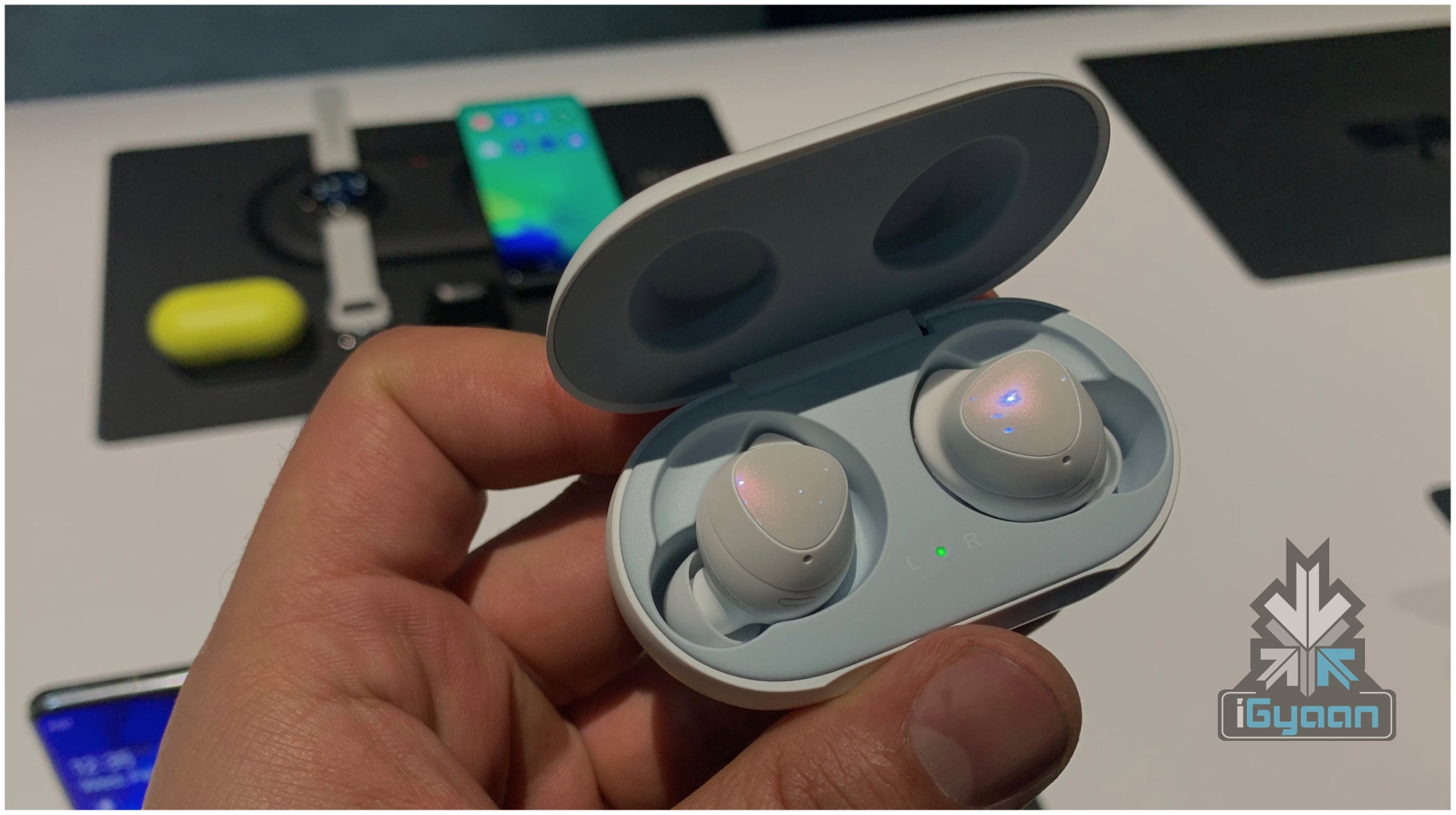 Samsung also launched its Galaxy Buds at the Galaxy Unpacked Event. The wireless earbuds are slightly smaller than the Gear IconX earbuds and have Bixby integration. As per Samsung, the voice assistant can process instructions in multiple languages including German, Italian and Spanish. The Galaxy Buds are available with the AKG branding. AKG Acoustics (Akustische und Kino-Geräte) are used in various studios worldwide for high quality sound. The wearables have a 5.8pi dynamic driver in each earbud along with an Adaptive Dual Microphone system. This allows users to communicate more easily in loud environments.
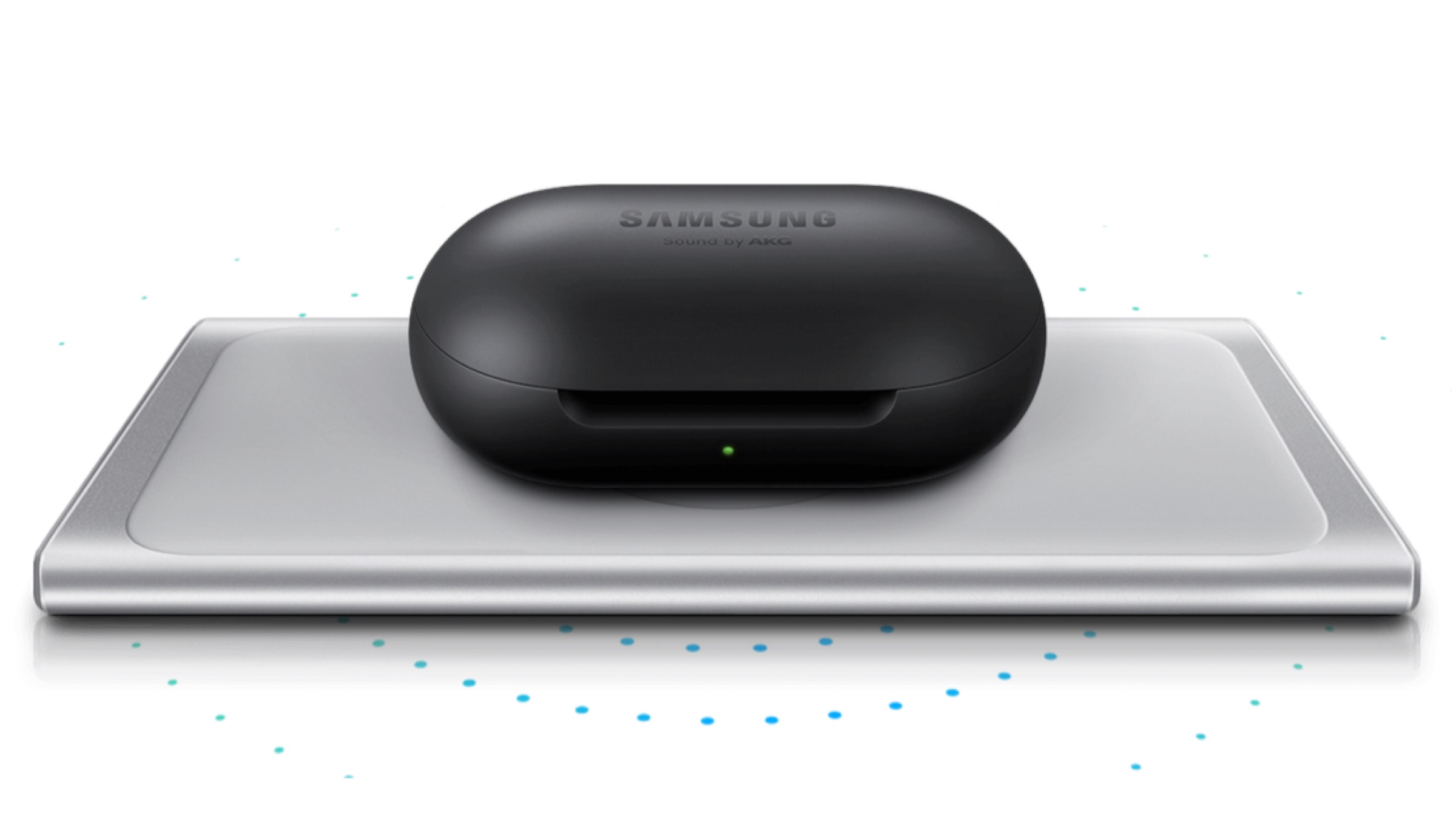 The case for the Buds is chargeable via USB Type-C. A 58 mAh battery powers each earbud, delivering 5 hours of calling time or up to 6 hours of music playback. The charging case for the earbuds packs a 252 mAh battery which can add an additional 7-8 hours to the battery life of the earbuds. Furthermore, the Galaxy Buds support wireless charging, so they can be charged by placing them on the rear of the Samsung Galaxy S10. This feature, known as Samsung’s ‘Powershare’ was first noticed in the Huawei Mate 20 Pro. The wireless earbuds use Bluetooth 5.0 for connectivity with smartphones.
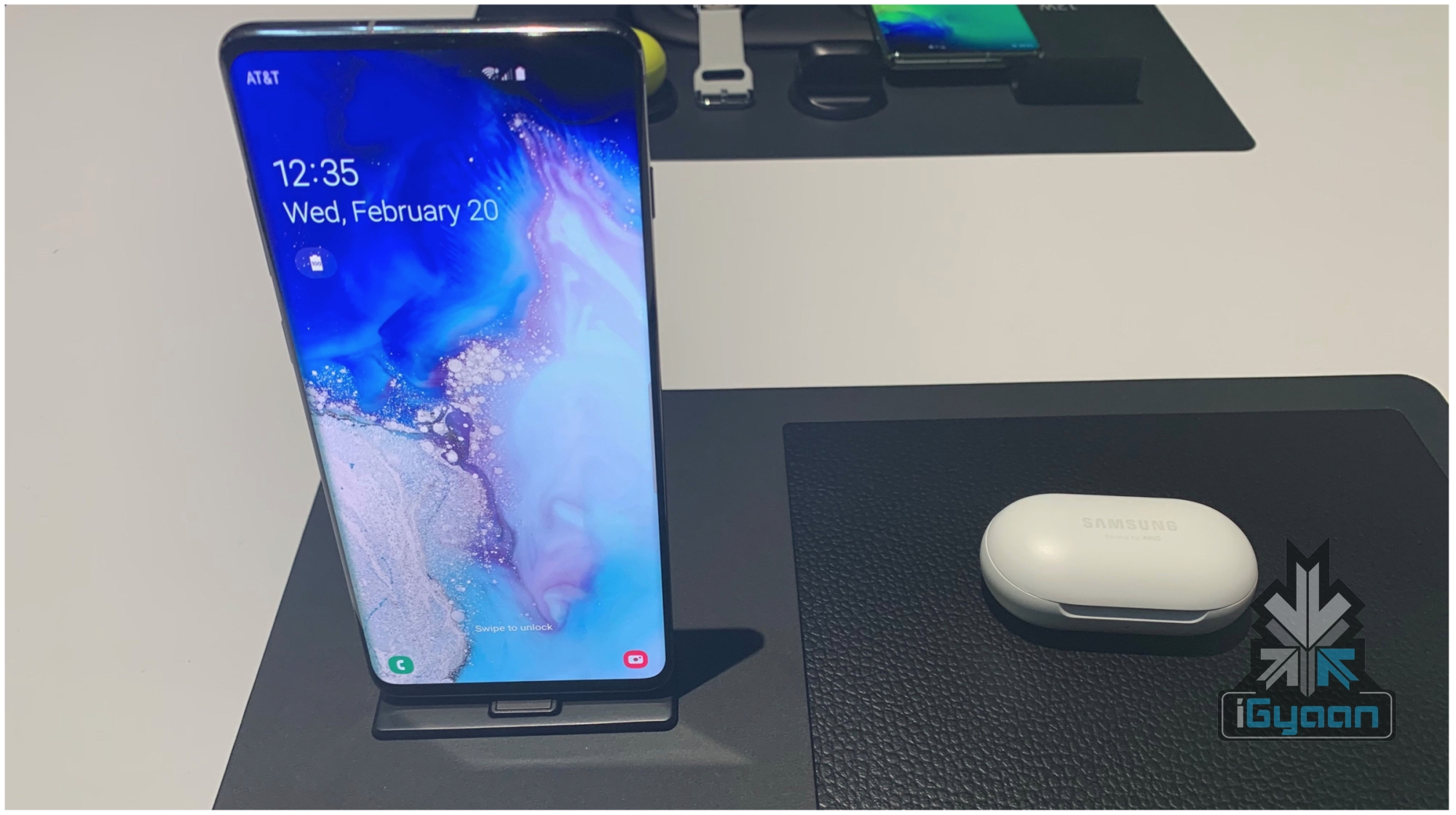 The case for the wireless earbuds weighs 39.6 grams, while each Galaxy Bud weighs at just 5.6 g. The charging case measures at 38.8x70x26.5mm. whereas the Galaxy Buds measure 17.5×19.4×22.3mm. They are equipped with ear on/off detection sensors, as well as touch sensors for controlling playback and accepting/rejecting calls.
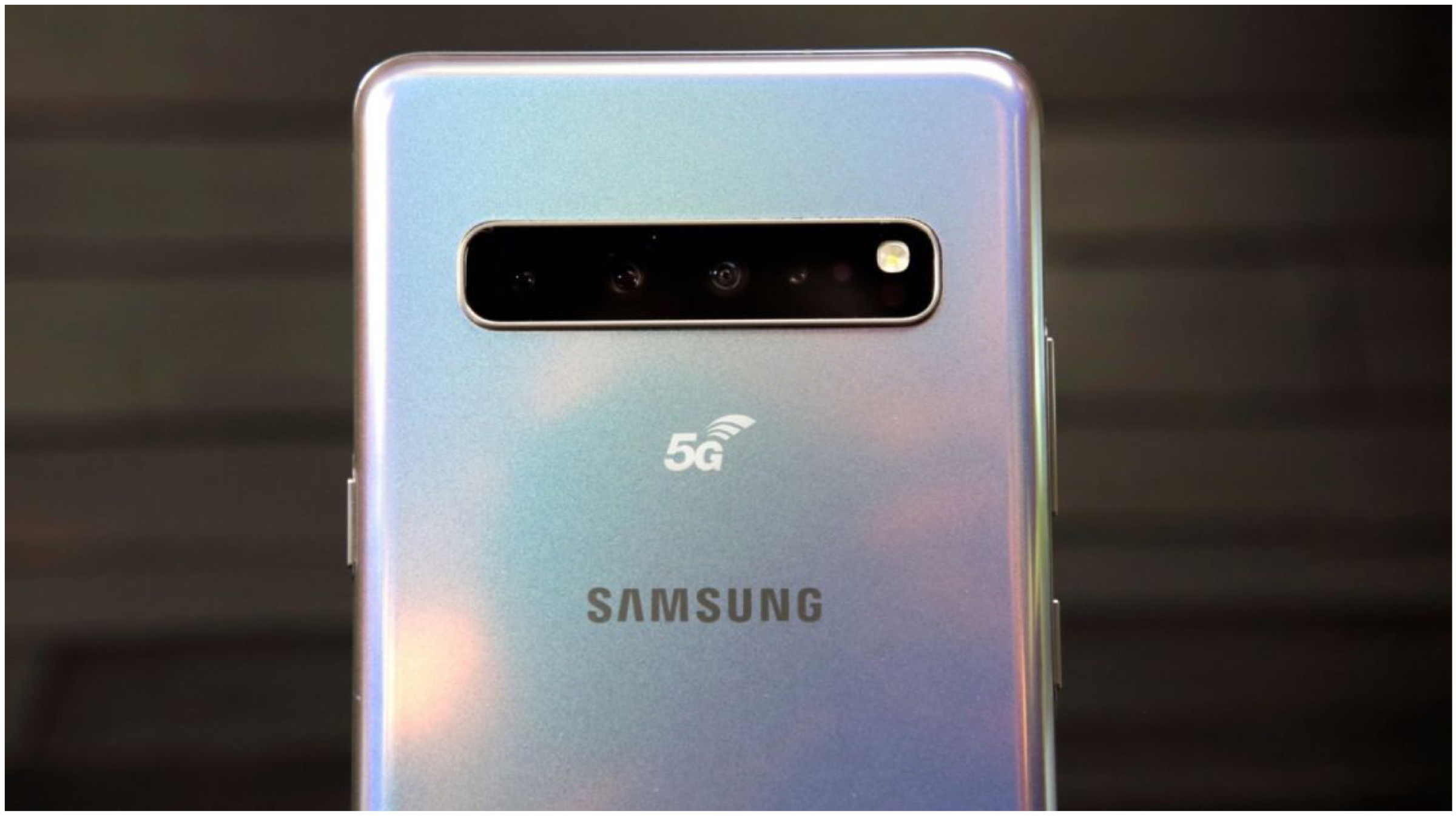 The Galaxy S10 5G runs on the latest Qualcomm Snapdragon 855 SoC which is manufactured using 7nm fabrication process. It has an Octa-core CPU and Adreno 640 GPU. The device features the Qualcomm X50 modem for 5G support. In terms of storage, it features 8GB of RAM and 256GB of onboard storage. There is no support for memory expansion via MicroSD.
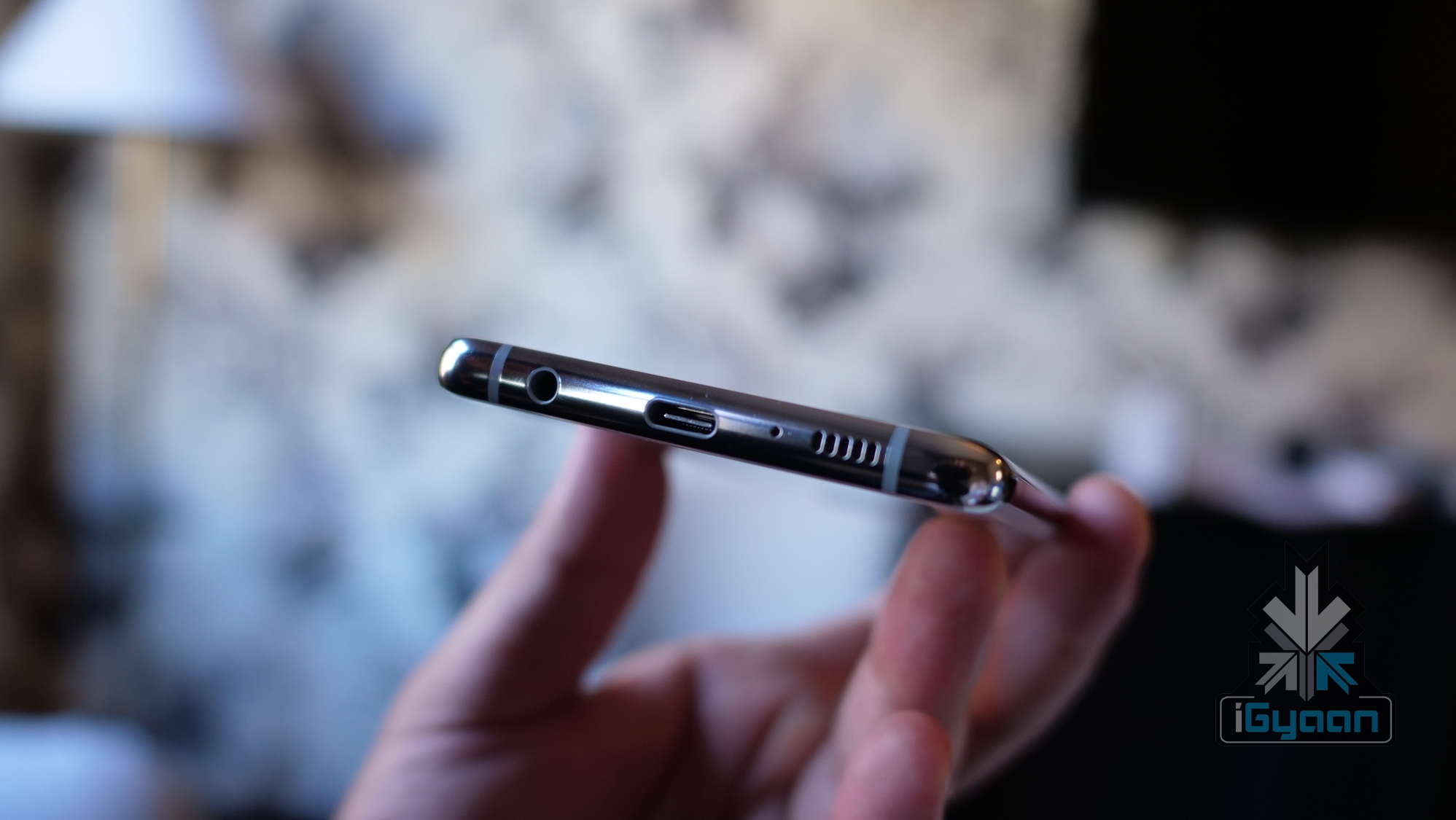 The Galaxy S10 5G is powered by a 4,500mAh battery, larger than the 4100mAh present on the Galaxy S10+. The device supports 25W fast charging via the bottom mounted USB Type-C Port. Noteworthy, the premium smartphone also supports wireless charging. Like its siblings, it also has a reverse wireless charging feature.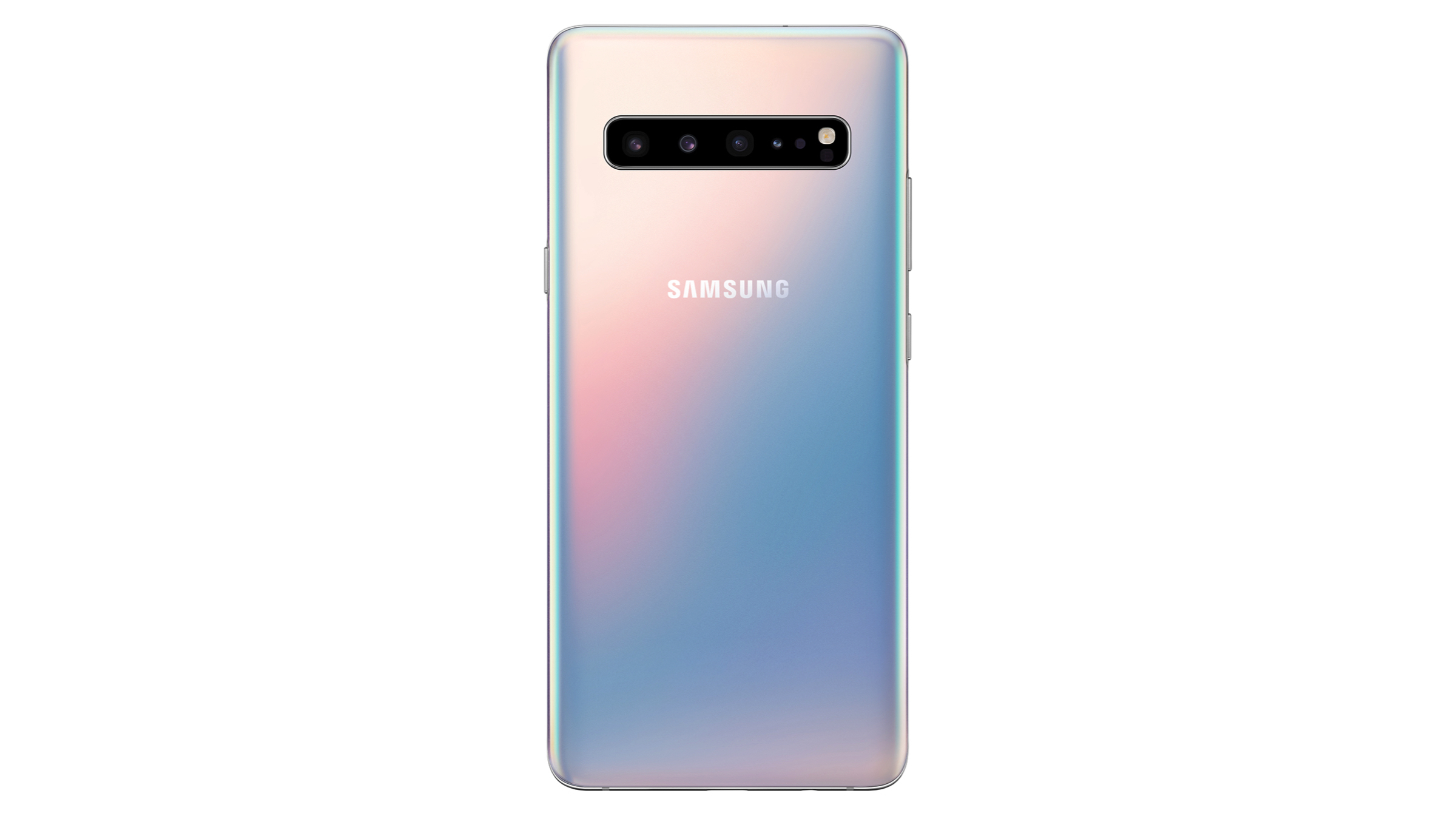
 The Samsung Galaxy S10 is available in two storage configurations, a 6GB+128GB version, and an 8GB+512GB variant. It is available in four colour options which include Prism Black, Prism White, Prism Blue, and Prism Green.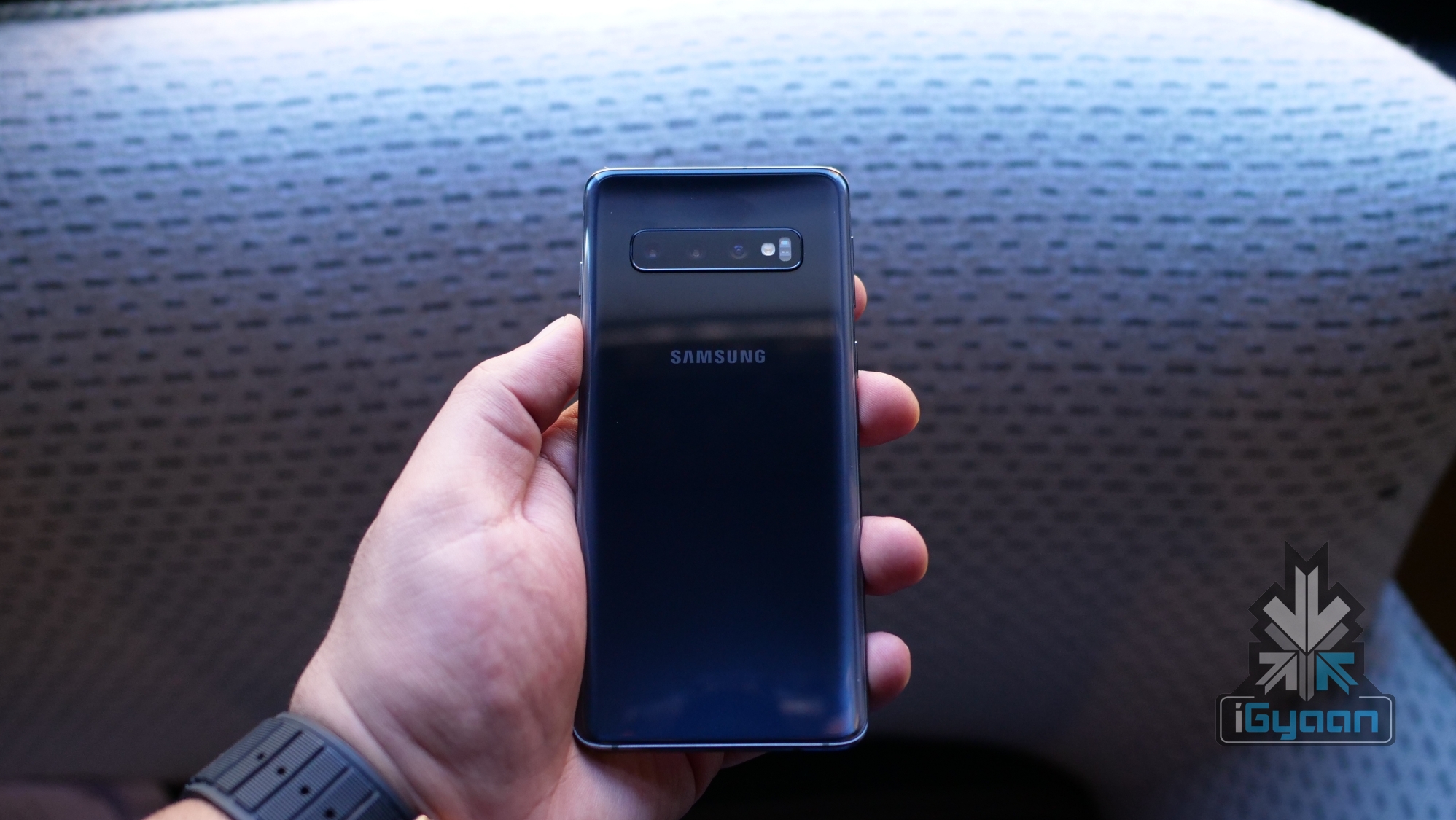
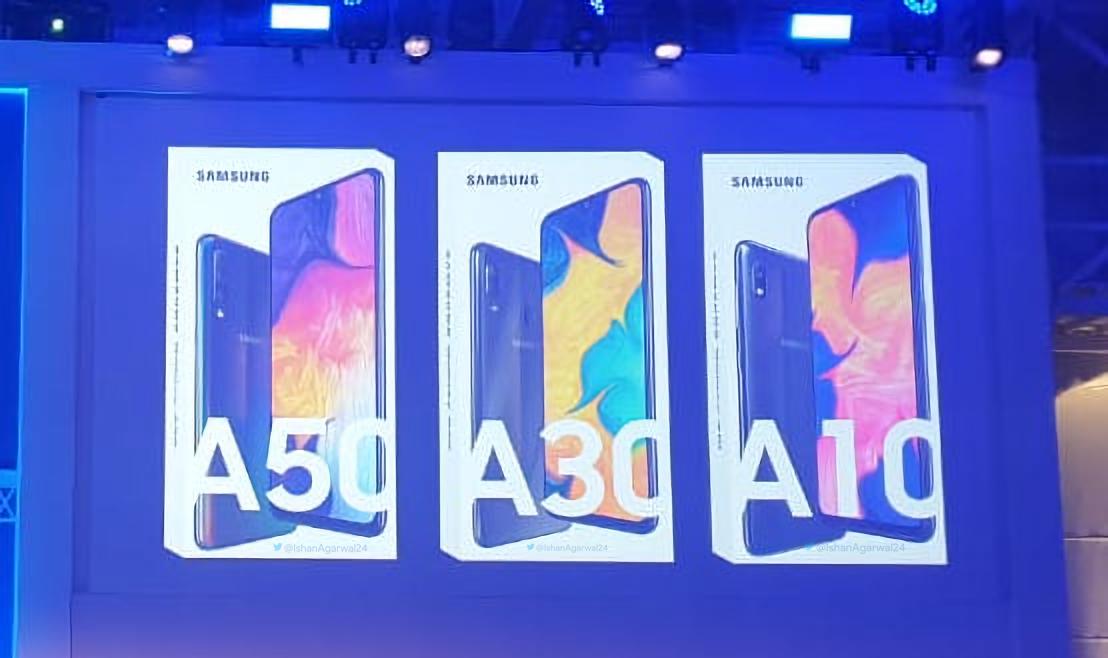
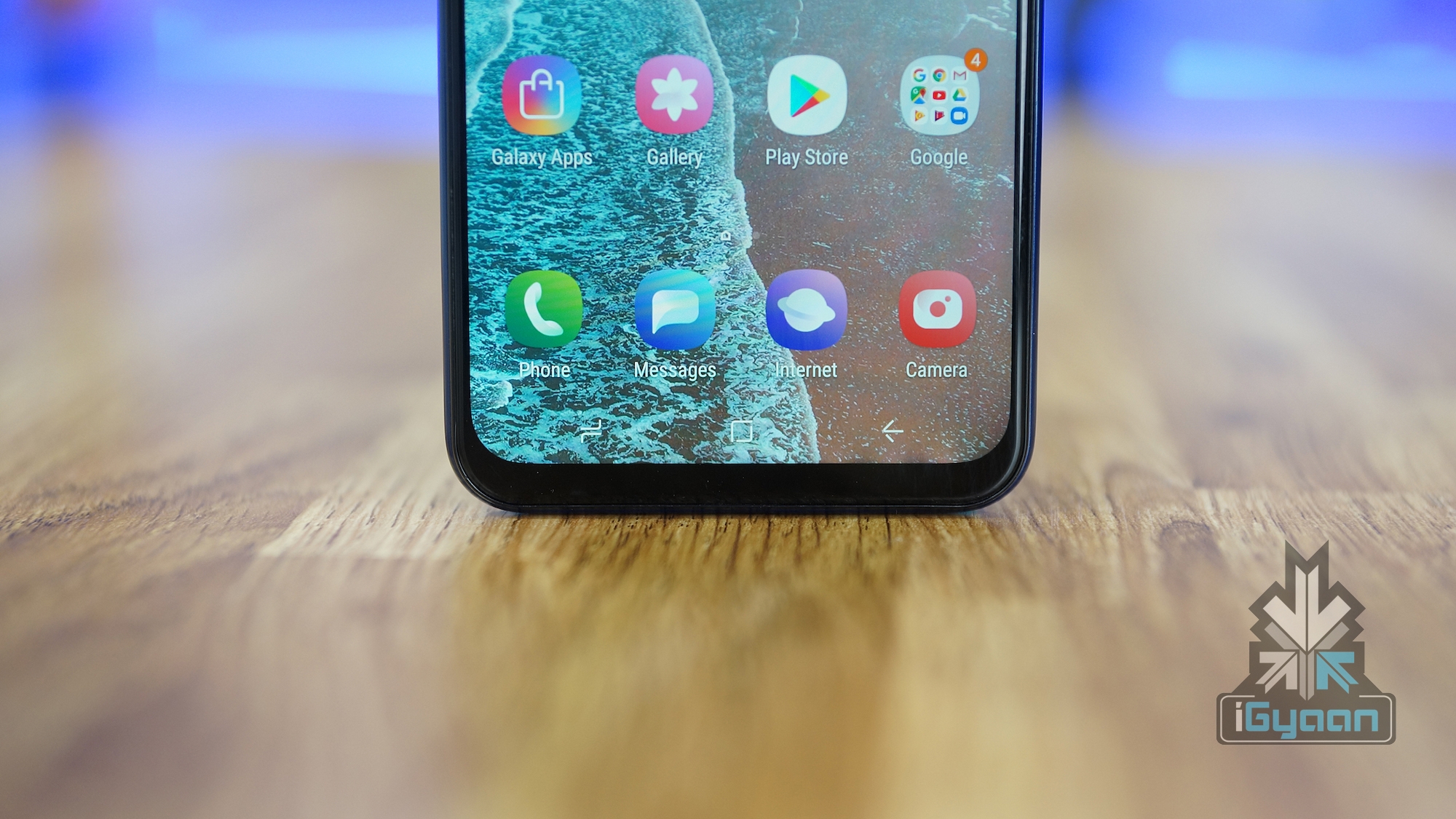
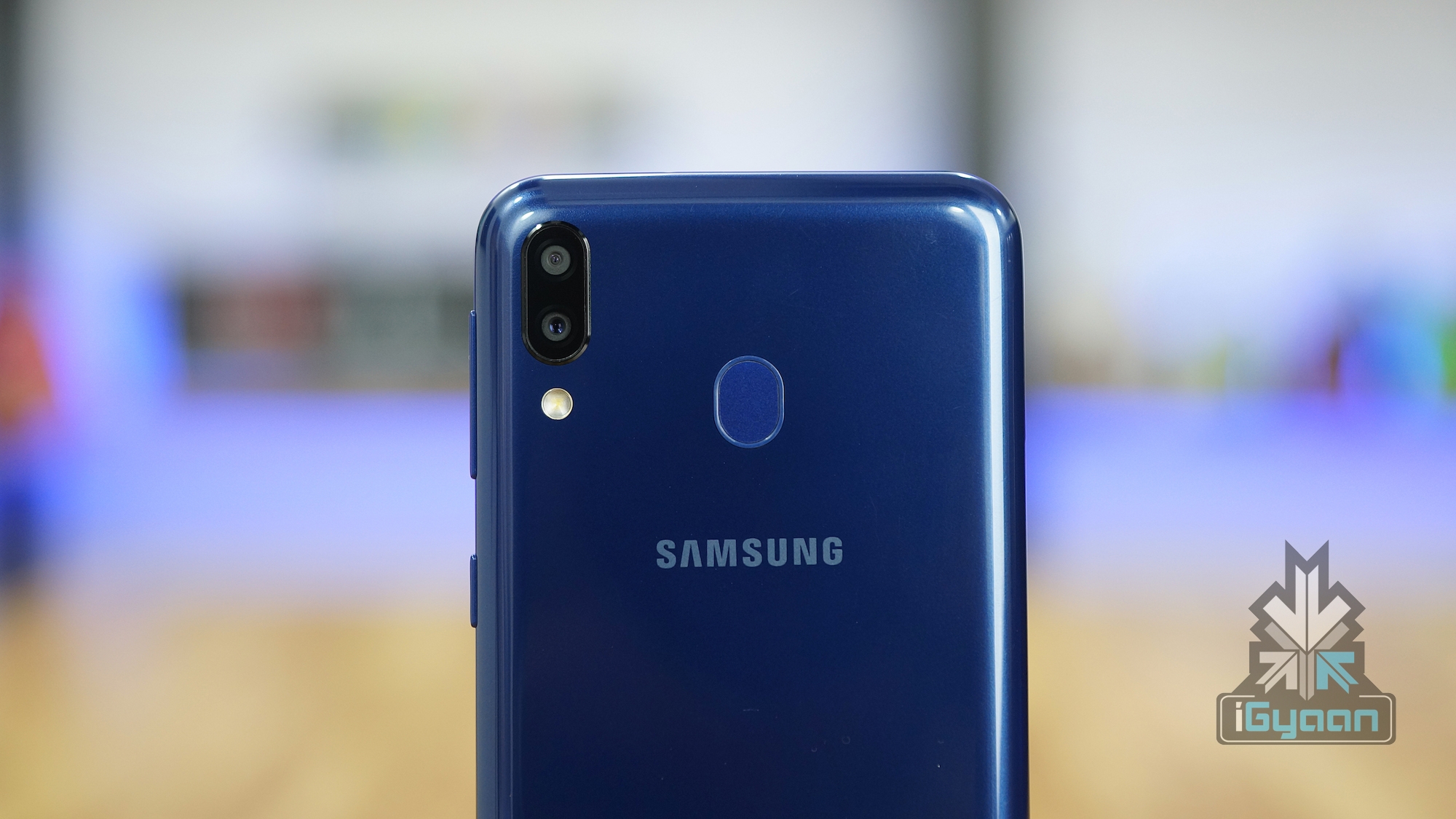 The Samsung Galaxy A30 will have a glossy plastic body. The smartphone will feature a 6.4 inch Super AMOLED, Infinity-U display with a full HD+ resolution. Apart from that, the screen of the Galaxy A30 will also have the ‘Always-On’ feature. As the name suggests, this feature keeps the screen awake for displaying notifications like messages and missed call alerts. The smartphone will run on the 14nm Exynos 7904 chipset with a 1.8 GHz octa-core processor and the Mali-G71 MP2 GPU. The Galaxy A30 will be equipped with a 16 MP (f/1.9) primary sensor with a secondary 5 MP (f/2.2) ultra wide sensor. It will also have a front facing 16 MP (f/1.9) camera. Furthermore, the Galaxy A30 will have a plethora of other features such as AR Stickers, Background Blur and Pro Lighting.
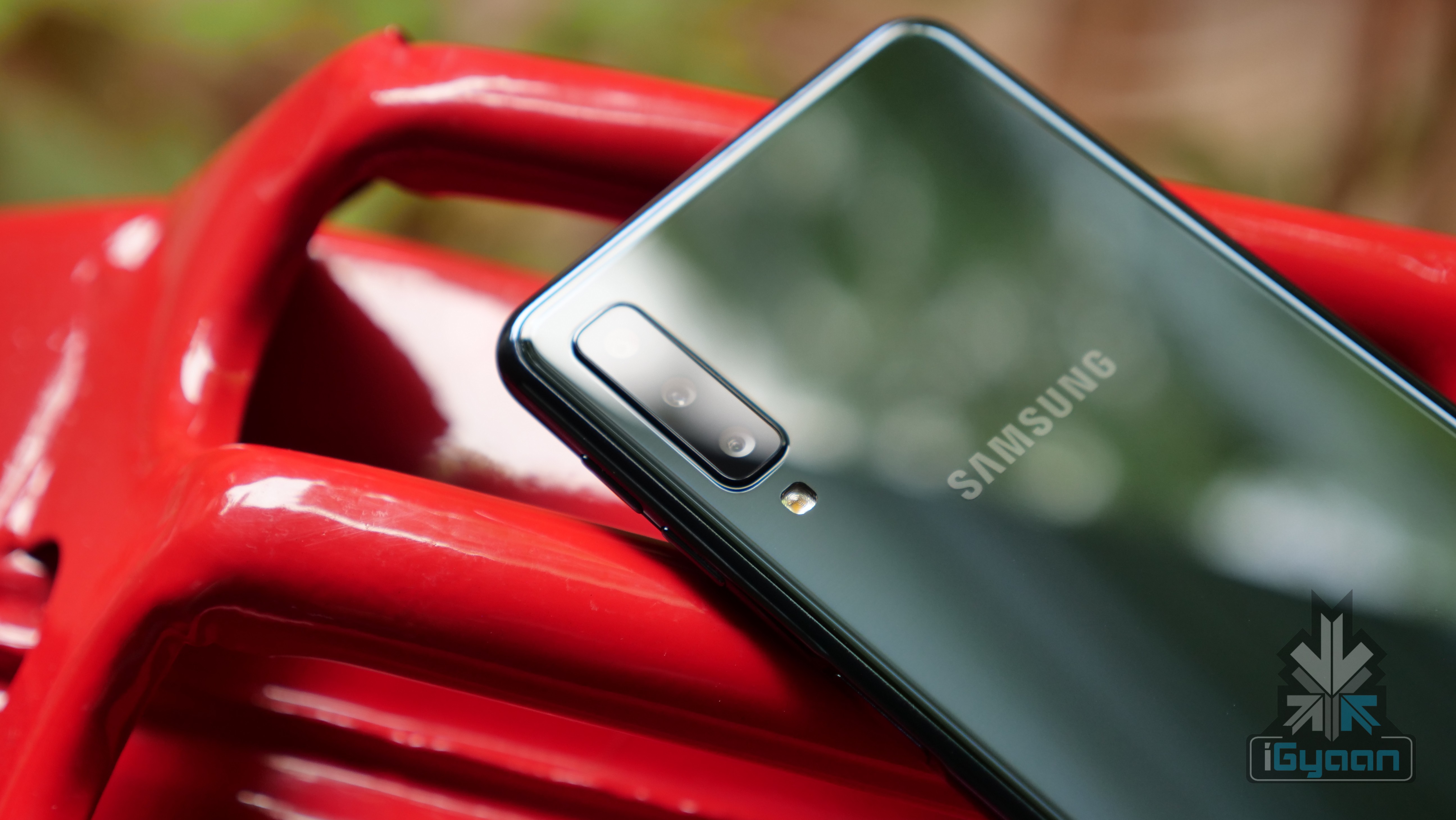 The Samsung Galaxy A50 will be the most feature laden smartphone out of the three upcoming devices. The smartphone’s highlighting feature is an in-display fingerprint scanner which is slowly becoming the industry standard for premium smartphones. The device will run on the Exynos 9610 chipset which consists of an octa-core CPU and the Mali-G72 MP3 GPU.