Category: Samsung

  • Samsung Galaxy Note8 Android 8 Oreo Starts Seeding

    Samsung Galaxy Note8 Android 8 Oreo Starts Seeding

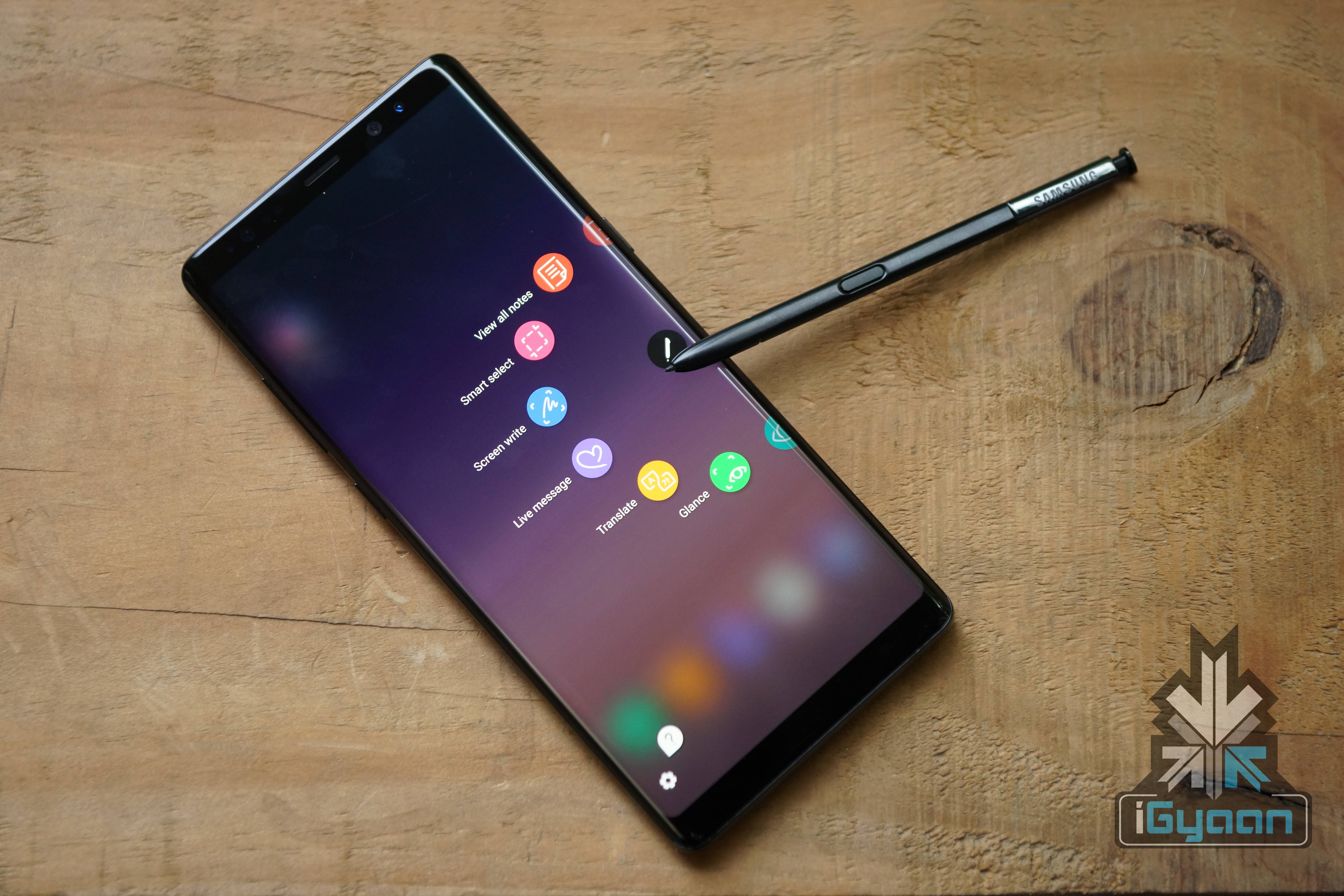
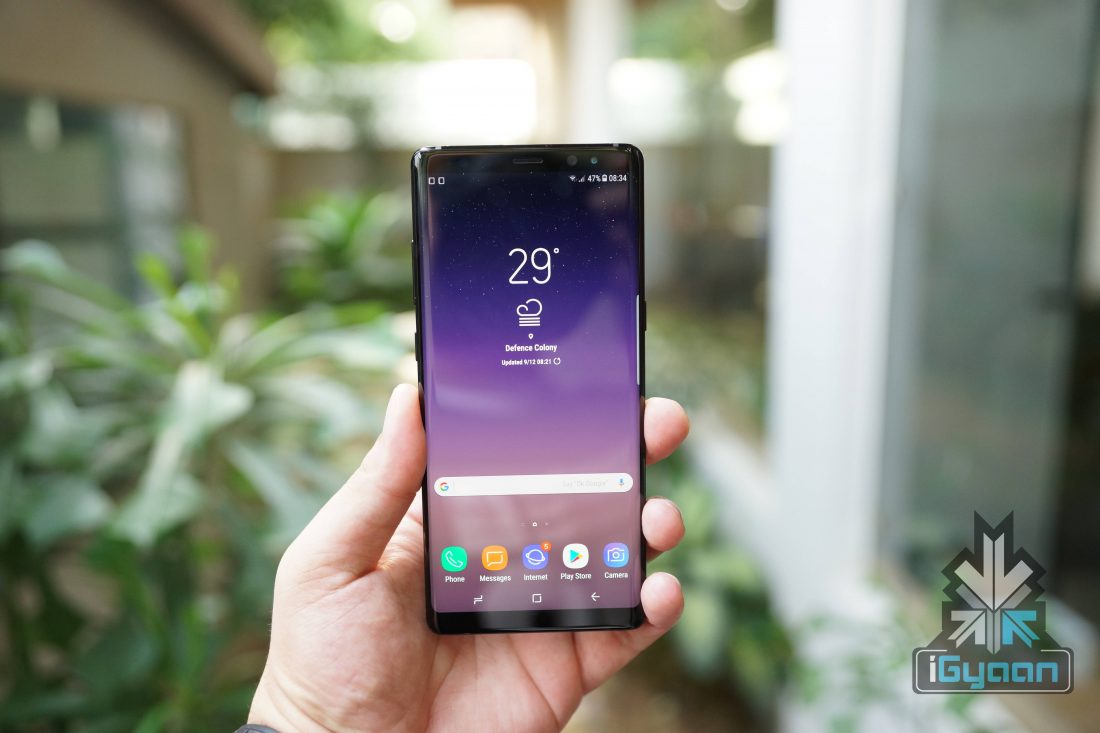
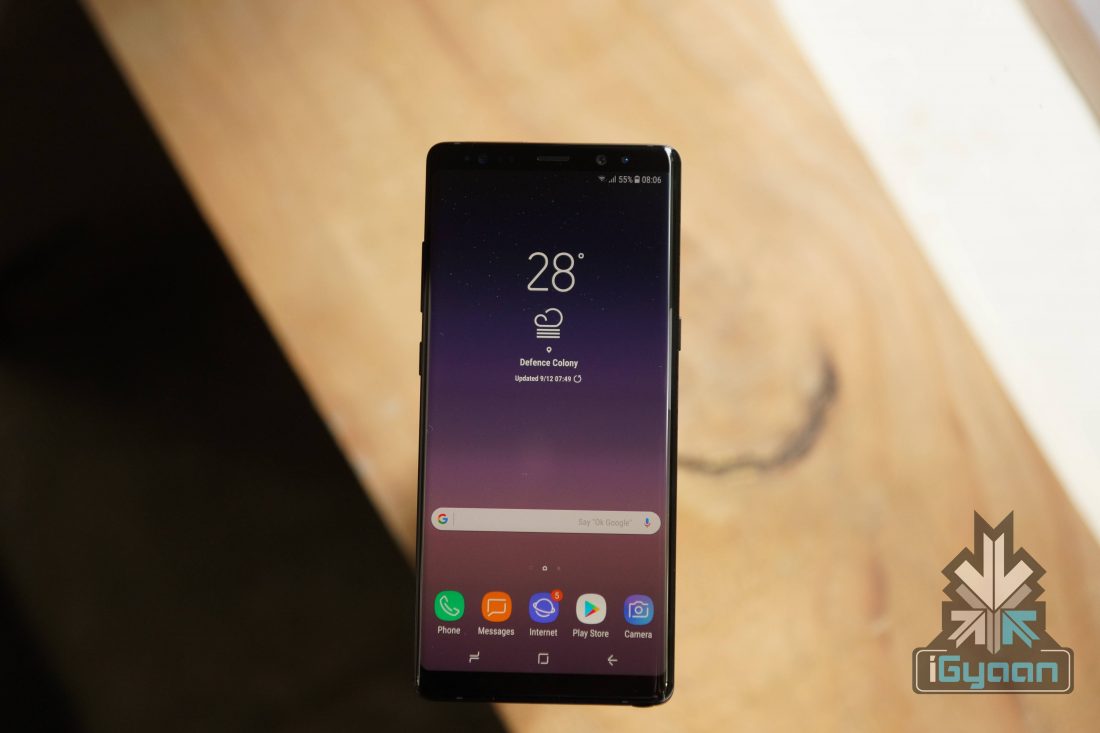
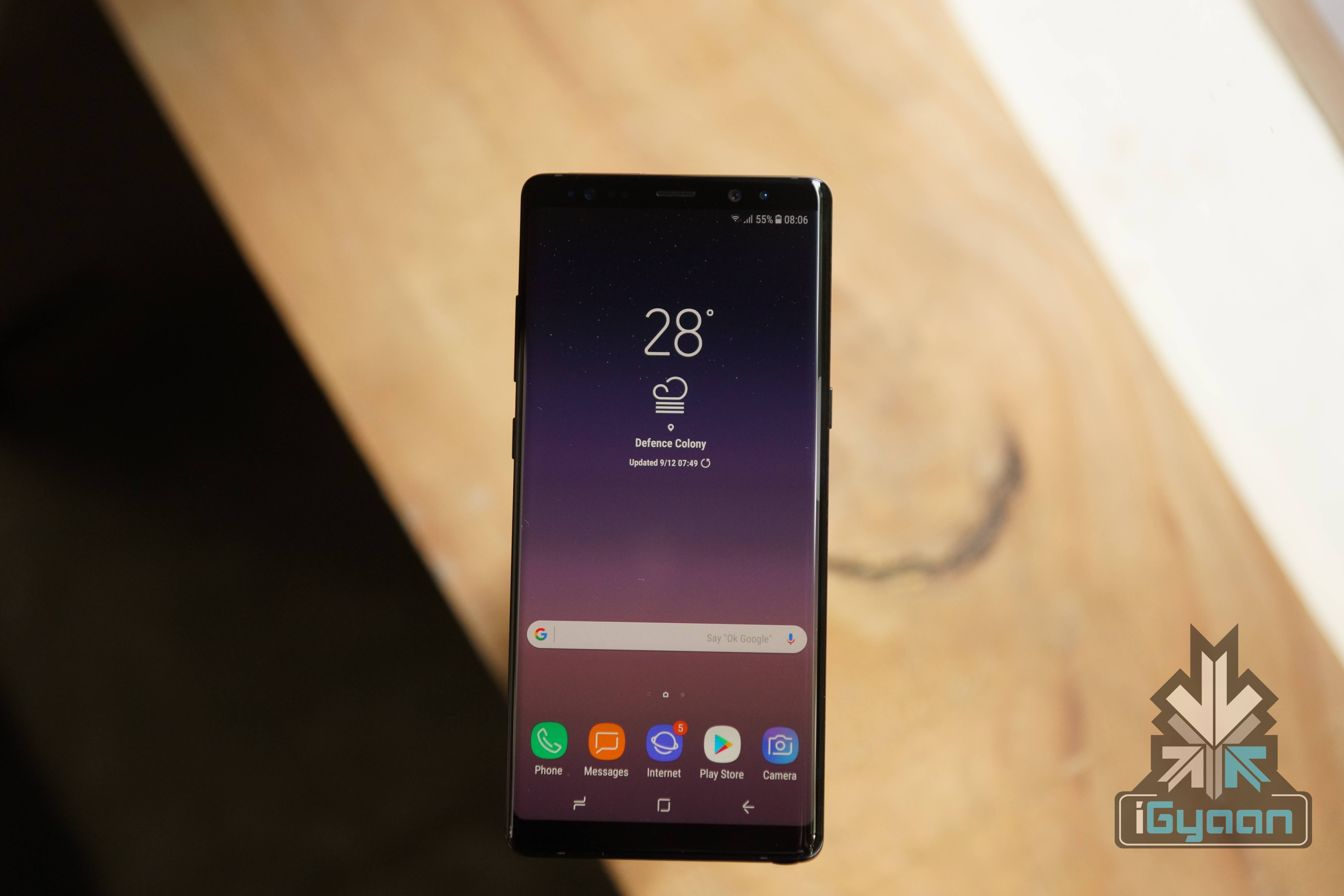
    Samsung launched the Galaxy S9 and the S9+ in India on the 6th of March and the devices went on sale on 16th of March. And now, the company has started updating their existing devices to Android 8 Oreo operating system. As the update was available for the Galaxy S8 and S8+, the Galaxy Note8 has started receiving the software update based on Android 8 Oreo.

    The update comes with the firmware version N950FXXU3CRC1, which includes security update for the month of March. The Android 8 Oreo update brings in some new features to the device with Samsung Experience UI 9.0. This update includes features like a customisable keyboard, new emojis, new stickers, and support for dual apps.

    Specifications of the Samsung Galaxy Note 8

    The Galaxy Note8 has a 6.3 inch 2960 x 1440 px Super AMOLED display with an 18.5:9 aspect ratio with an all-glass body and a metal frame. Powering the device is a 3300 mAh battery with wireless charging capabilities. The device has the Exynos 8895 chipset, 6GB of RAM and 128GB onboard storage. The graphics are handled by the Mali-G71 MP20 GPU. The Galaxy Note8 and the S Pen are both IP68 certified water and dust resistant and will be available in Midnight Black and Maple Gold colour variants.

    Galaxy Note 8

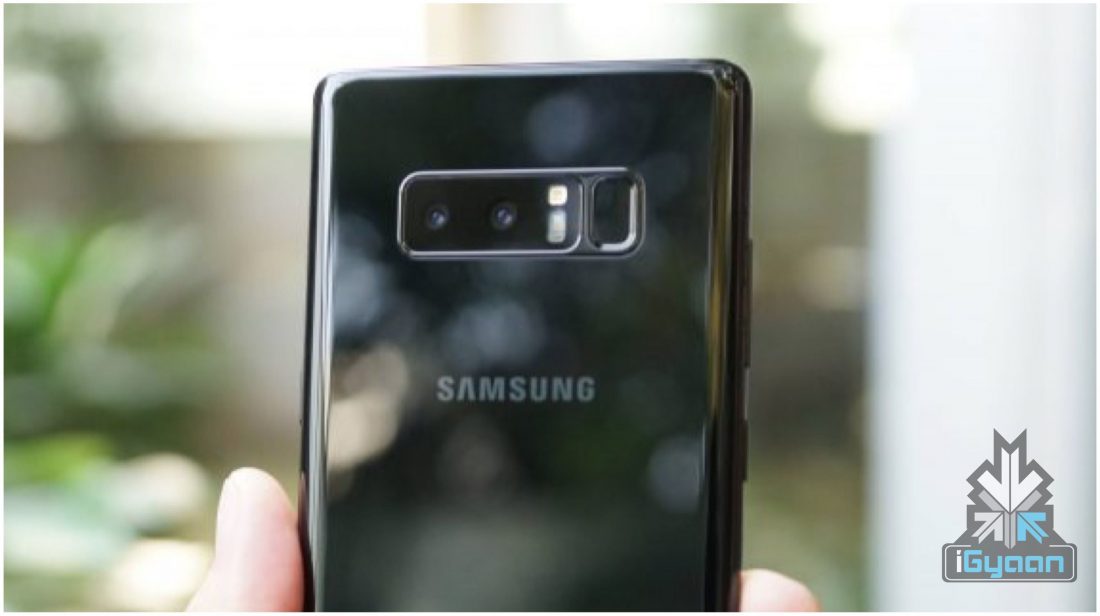
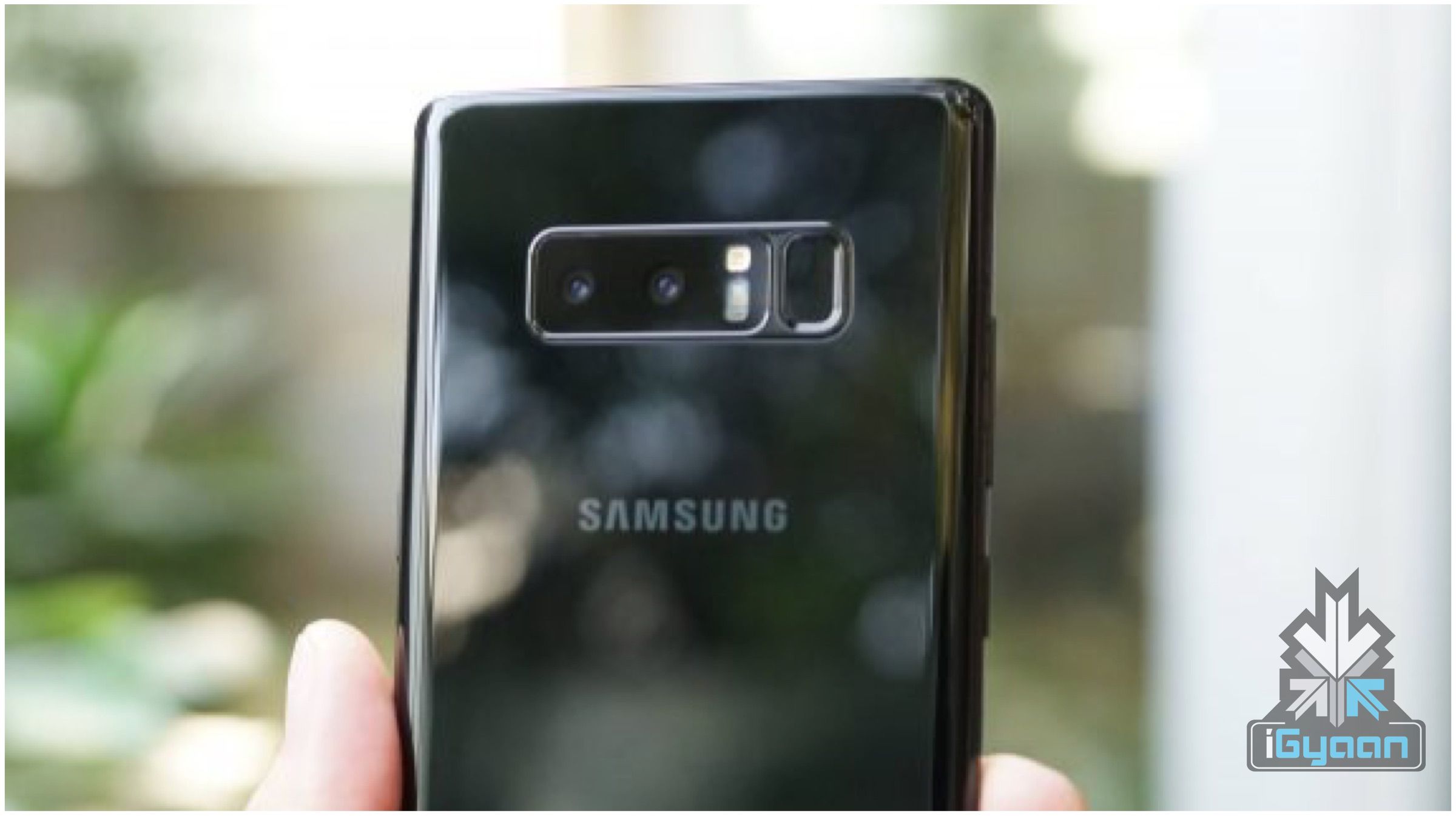
    The Galaxy Note8 is also the first Samsung smartphone to feature a dual-camera setup. The new Note8 has a 12MP dual-camera setup, one of which has a wide lens and the other a telephoto. The use of dual camera allows for the ability to blur out the background for bokeh effect shots. Samsung claims that the first smartphone to feature OIS in both the cameras at the back. The Samsung Galaxy Note8 also records 4K videos at 30 FPS along with high-speed video at a lower resolution. The front camera has an 8MP sensor with an f/1.7 aperture and also records 4K UHD videos at 30 FPS.

  • Mickey And Minnie Mouse AR Emojis Now Available For The Galaxy S9 & S9+

    Mickey And Minnie Mouse AR Emojis Now Available For The Galaxy S9 & S9+

    Over the years, emojis have become an integral part of one of the most common daily tasks, texting. Smartphone makers have now started incorporating AR with emojis for an even more personalised experience. It all with the Apple iPhone X and its Animojis. Apple used its 3D sensors for some very accurate AR emojis that have become quite famous. Samsung jumped aboard the bandwagon with Galaxy S9 and AR Emojis.

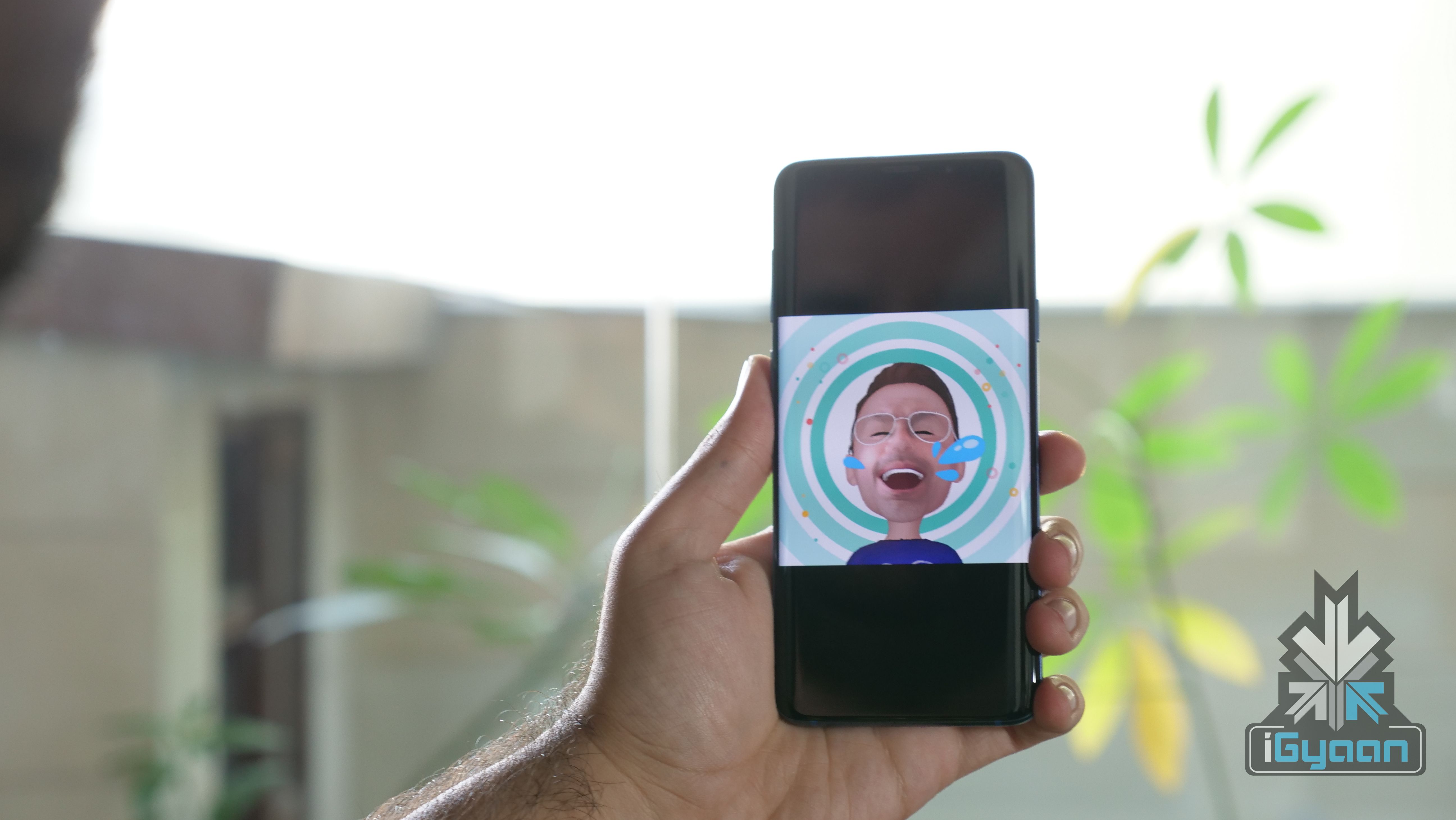
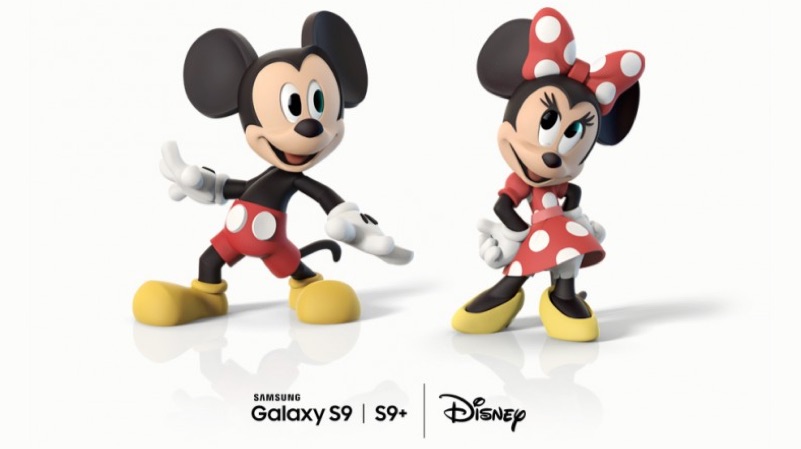
    To add more customisation options, the company has introduced Minnie and Mickey Mouse emojis as well. However, unlike Animojis, the AR Emojis doesn’t match the standard set by Apple, in terms of replicating the expression. In fact, we tried the AR emojis on the Galaxy S9+ and it doesn’t look anything similar to reality. This is possibly due to the lack of hardware required for accurate AR experience that the iPhone X possesses.

    One can download the Mickey and Minnie Mouse emojis using the camera on the Galaxy S9 and the S9+ for free of cost. Similarly, the company will add other Disney characters like The Incredibles, Zootopia, and Frozen in the coming days.

    The company launched the Galaxy S9 and the S9+ in India on the 6th of March 2018. While the overall design remains identical to its predecessors, there are are some major camera upgrades.

    What is AR Emojis?

    AR Emojis are animated characters, that can replicate a user’s facial expressions. According to Samsung, it works on:

    Deep learning and facial recognition technology to map more than 100 facial features to produce a 3D replica, allowing users to create fun, customized messages to send to friends.

    Unlike Apple iPhone X, these AR emojis can be shared with other smartphone users, who don’t have a Galaxy S9 or S9+. To make the sharing process simpler, the smartphone creates 18 custom AGIF file format. However, Mickey and Minnie Mouse emojis do not support this feature. This means that these emojis are not very customisable, however, can be shared with everyone. One can also pin the AR emojis to the lock-screen (always on display) as well.

  • Samsung Galaxy S10 Could Feature An In-Screen Fingerprint Sensor

    Samsung Galaxy S10 Could Feature An In-Screen Fingerprint Sensor

    Samsung launched the Galaxy S9 and the S9+ in India on the 5th of March. The Galaxy S9 devices are the latest flagship smartphones from the company that features a variable aperture for the first time ever. The smartphones went on sale today (16th March) and rumours about its successor have already started surfacing. According to a report, the Galaxy S10 will have an in-screen fingerprint sensor with 3D facial recognition.

    While it is fair to assume that the Galaxy S9 successor will be the Galaxy S10, nothing is certain right now. As the company might take the Apple route and end up calling it something else.

    The in-screen fingerprint scanner was expected to debut with the Galaxy Note 9. However, the technical challenges appear to have forced Samsung into pushing forward the technology for the Galaxy S10. This is because the company is seemingly working on the technology to eliminate its drawbacks.

    Galaxy S10 Expected Features

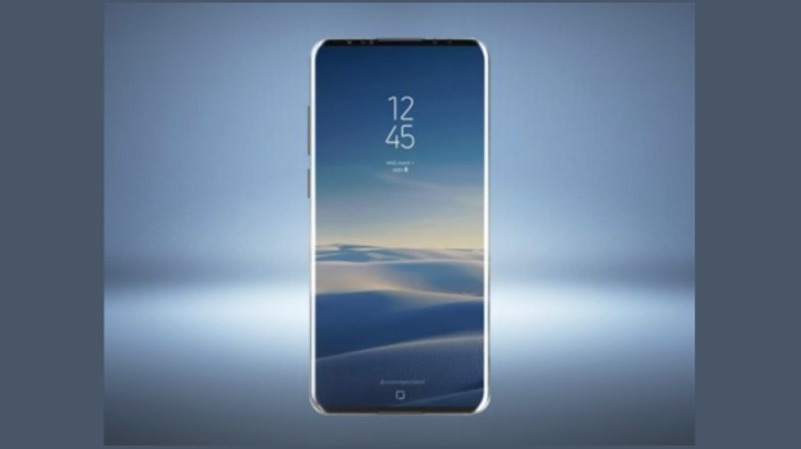
    The Galaxy S10 will have an in-screen fingerprint scanner with 3D facial recognition. The facial-recognition will be similar to the Apple iPhone X‘s Face ID. However, instead of placing it in a notch, the company will retain the bezels to house the required set of sensors.

    Samsung Galaxy S10
    Render image of the Galaxy S10


    The Samsung Galaxy S10 will be the first smartphone to offer 5G. The Galaxy S10 will be the worlds first chipset based on the 7nm manufacturing process. The company has signed a strategic relationship agreement with Qualcomm, which means Galaxy S10 could be the first smartphone to deploy 5G using Qualcomm’s upcoming Snapdragon 855 chipset.

  • Samsung Galaxy A6 And A6+ Specifications Leaked

    Samsung Galaxy A6 And A6+ Specifications Leaked

    Samsung might be getting ready to launch two more budget smartphones. This time, it is the Galaxy A6 and the A6+. In fact, these are the first set of Samsung smartphones to use the A6 nomenclature.

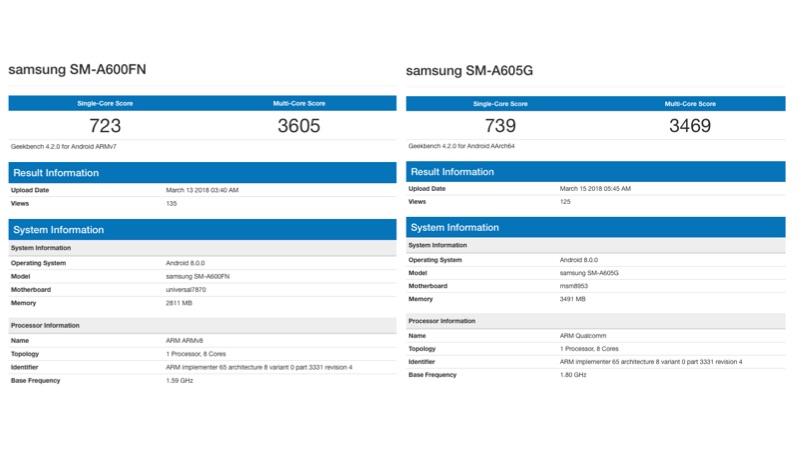
    The devices were spotted under the model number SM-A600FN, and SM-A605G. The first model has an Exynos 7870 Octa-core chipset, whereas the second model is powered by Qualcomm Snapdragon 625 Octa-core chipset. The Qualcomm model is expected to launch in Europian markets and the Exynos model will be launched in Asian markets.

    These devices are expected to have an 18:9 aspect ratio display, similar to the Samsung Galaxy A8+. However, the Geekbench listing doesn’t give a hint about the same.

    Galaxy A6

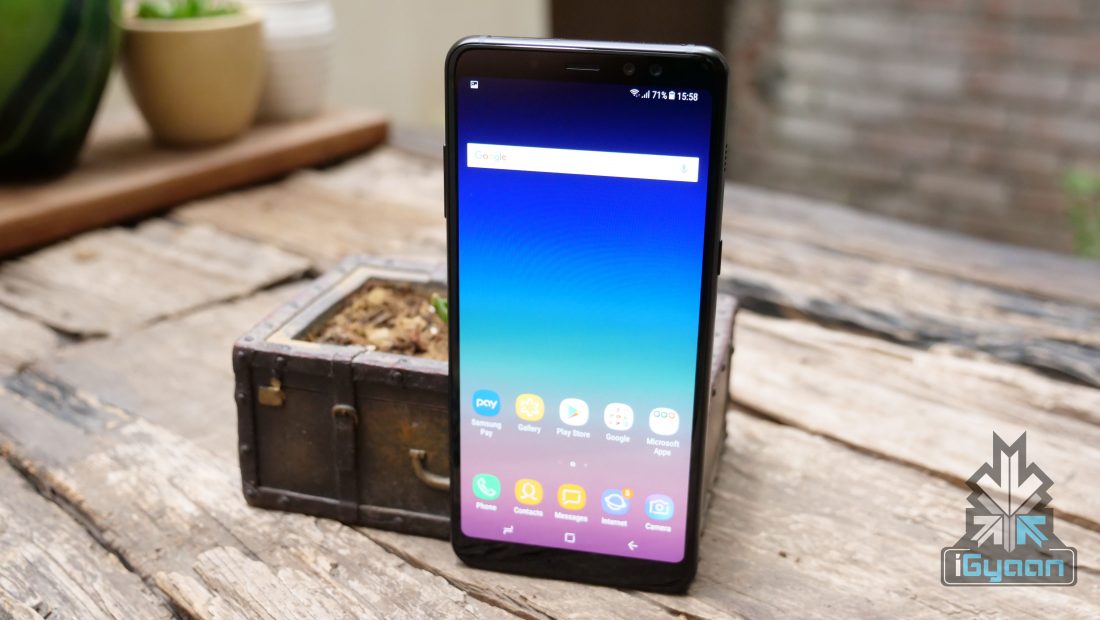
    Samsung Galaxy A6

    The Samsung Galaxy A6 comes with a model number SM-A600FN, which is powered by Exynos 7870 Octa-core chipset. The device comes with 3GB RAM and runs on Android 8 Oreo OS. Coming to the benchmark scores, the device gets 723 points on the single core and 3605 points on the multi-core performance.

    The Exynos 7870 chipset has been used in the earlier Galaxy J series smartphones. The chipset comes with Octa-core solution based on Cortex-A53 architecture.

    Samsung Galaxy A6+

    The Samsung Galaxy A6+ comes with a model number SM-A605G, which is powered by Qualcomm Snapdragon 625 Octa-core chipset. The device gets a boost in RAM, which comes with 4GB RAM and runs on latest Android 8 Oreo OS. In terms of benchmarking capabilities, the device scores marginally higher score on single core performance and go down in the multi-core performance. In fact, the phone scores 739 points on the single core and 3469 points on the multicore performance.

    The Qualcomm Snapdragon 625 Octa-core chipset is built on 14nm FinFET architecture with a base frequency of 2.0 GHz based on Cortex-A53.

    Galaxy A6
    Samsung Galaxy A8+
    Conclusion

    These devices follow the typical Samsung style of hardware. The Qualcomm variant will have the right model for the Europian markets. Similarly, the Exynos will have the right model for the Asian markets. Similarly, these devices are expected to go live in a month or two.

  • Xiaomi Redmi 5 Vs Samsung J7 Nxt Vs Moto G5s

    Xiaomi Redmi 5 Vs Samsung J7 Nxt Vs Moto G5s

    Xiaomi has officially launched the Redmi 5 in India for a starting price of Rs 7,999. The device comes with a metal unibody design with an 18:9 aspect ratio display. In fact, this is the cheapest Redmi smartphone to feature 18:9 aspect ratio display. And can be deemed as a downscaled version of the recently launched Xiaomi Redmi Note 5.

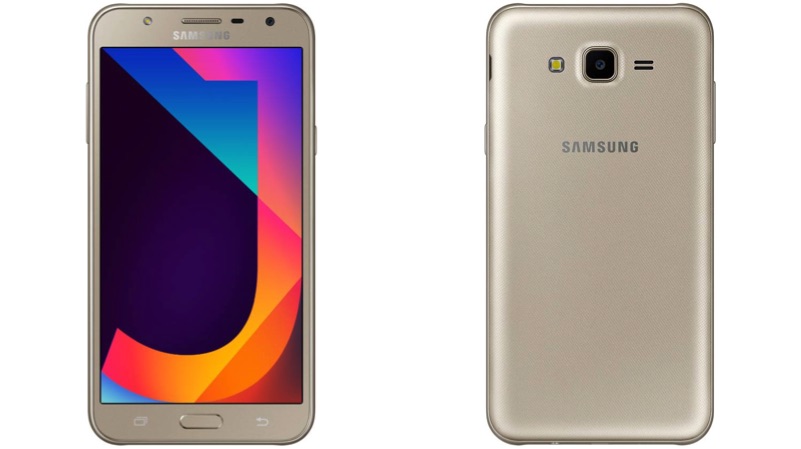
    At the time of launch, the device was compared to smartphones like the Samsung Galaxy J7 Nxt and Moto G5s. The Samsung Galaxy J7 Nxt is one of the most affordable smartphones from the South Korean smartphone maker. The smartphone has a 5.5 inch HD 1280 x 720 px Super AMOLED display with 16:9 aspect ratio. Though the device has prominent bezels compared to the Redmi 5, the OLED panel offers impressive black levels and high contrast ratio.

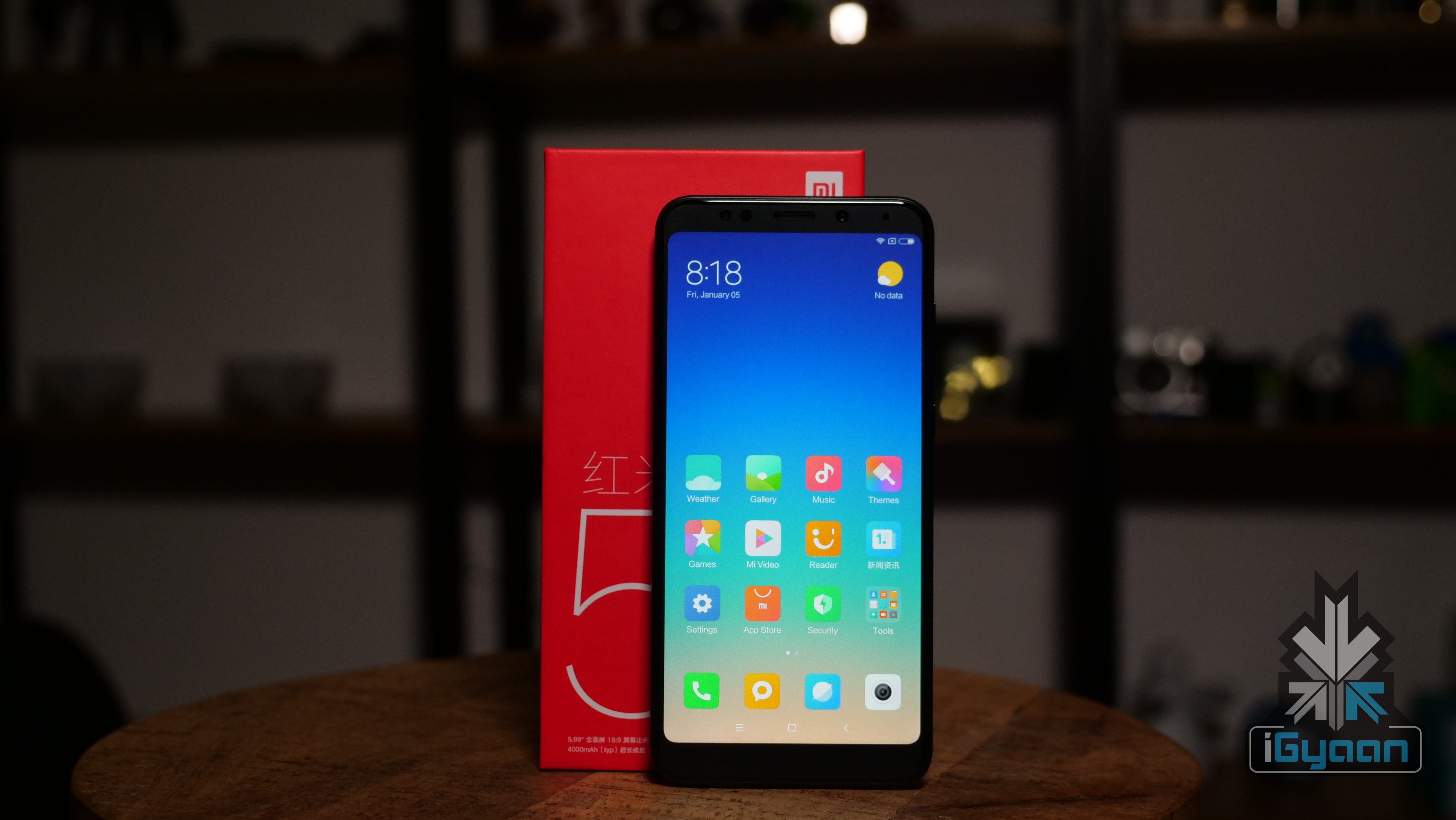
    Xiaomi Redmi 5


    The Galaxy J7 NXt is powered by Exynos Octa-core chipset with 2GB RAM and 16GB storage. However, unlike the Moto G5s and the Redmi 5, the device does not have a fingerprint scanner. Similarly, the Samsung Galaxy J7 Nxt also misses out on the full metal unibody design.

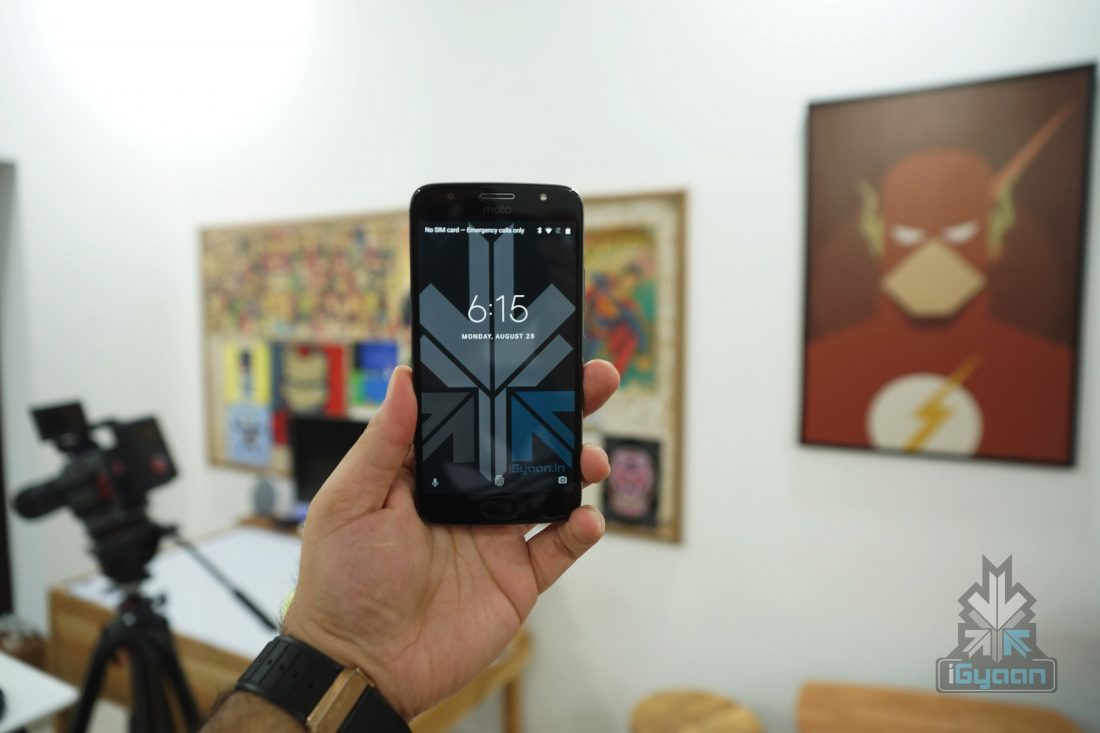
    The Moto G5S is the close contender for the Redmi 5. The smartphone has a full metal unibody design and a fingerprint sensor. Stock Android OS is also an added advantage for the Device. However, unlike other two devices, the smartphone has a full HD 5.2 IPS LCD display with Corning Gorilla Glass protection.

    Xiaomi Redmi 5


    Specifications Comparision
    Features Xiaomi Redmi 5 Samsung Galaxy J7 Nxt Moto G5S
    Price Rs 7,999 Rs 9,900 Rs 10,999
    Display 5.7 inch HD+ IPS LCD

    1440 x 720

    18:9 aspect ratio

    5.5 inch HD Super AMOLED

    1280 x 720

    16:9 aspect ratio

    5.2 inch FHD IPS LCD

    1920 x 1080

    16:9 aspect ratio

    Processor Snapdragon 450 Octa-core Exynos Octa-core Snapdragon 430 Octa-core
    RAM 2GB 2GB 4GB
    Storage 16GB 16GB 32GB
    OS Android 7 Nougat

    MiUi 9

    Android 7 Nougat

    Samsung Experience UI

    Android 7 Nougat

    Stock Android

    Primary camera 12MP 13MP 16MP
    Front-facing camera 5MP 5MP 5MP
    Battery 3300 mAh 3000 mAh 3000 mAh


  • Samsung Galaxy S9 Is Tougher To Repair Than Apple iPhone X

    Samsung Galaxy S9 Is Tougher To Repair Than Apple iPhone X

    Samsung Galaxy S9 and S9+ were launched in Barcelona on the 25th of February. While it is tough to figure out key differences between the S8 and S9 from the outside, the story doesn’t change much once you tear it down.

    The folks at iFixit have posted a detailed teardown of the Samsung Galaxy S9 and S9+ and the results are not too different from what we expected. The 2018 flagship smartphones get a score 4/10, just like the S8, while the Apple iPhone X got a score of 6/10. The higher the number, the easier it is to repair the device.

    [amazon_link asins=’B06Y3GYZKW’ template=’ProductAd’ store=’igyaan-21′ marketplace=’IN’ link_id=’c2ef695d-26c6-11e8-90b2-6342c4961ccb’]

    According to the teardown, the iris scanner found on the Galaxy S9 isn’t all too different from the one found on the S8. In fact, the front camera is comparable with its predecessor as well. This is an interesting revelation considering the company has hyped up its new “Intelligent Scan” feature. If almost the same hardware is used, then a future software update could introduce this feature on the likes of Galaxy S8 and Note8.

    Apart from that revelation, this is quite standard for an all glass and metal smartphone. While the industry is fast moving towards an all-glass build for a lot of devices, this does mean that more smartphones will be fragile. Subsequently, iFixit notes that:

    Display and rear glass increase the chance of breakage, and make repairs difficult to start. Replacing the screen requires removing the glass rear panel and disassembling the entire phone while battling tough adhesive.

    While the iPhone X does score a higher repairability score, the results are nothing to ride home about. In fact, in its teardown of the iPhone X, iFixit said:

    Glass on front and back doubles the likelihood of drop damage. If the back glass breaks, you’ll be removing every component and replacing the entire chassis.

    This just reiterates that with a premium smartphone, comes great responsibility. While the Galaxy S9 and S9+ cost lesser than the iPhone X, repair costs will differ.

    • 5.8 inch/6.2 inch Super AMOLED display
    • 2960 x 1440 px resolution, 18.5:9 aspect ratio
    • Exynos 9810 chipset
    • 4GB/6GB RAM, 64GB/256GB storage
    • Android 8 Oreo

  • Samsung Galaxy J8+ Spotted On Geekbench

    Samsung Galaxy J8+ Spotted On Geekbench

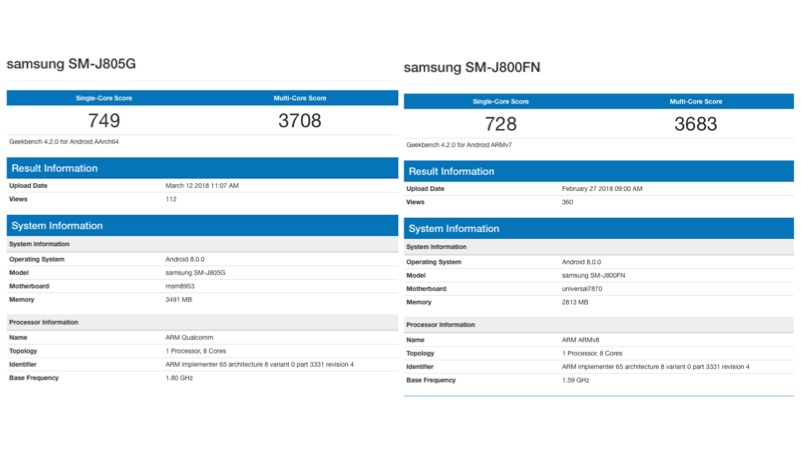
    Geekbench, a cross-platform processor benchmarking platform has a new visitor. This time, it is the Samsung Galaxy J8+. The device is expected to have similar specifications as of the Galaxy J8.

    One major difference between the Galaxy J8 and the J8+ is the processor. The Galaxy J8 was powered by Exynos 7870 chipset and the J8+ is powered by Qualcomm Snapdragon 625 chipset. In fact, the performance of these devices is almost head to head. The Galaxy J8 scores 726 points on single core performance and the J8+ scores 749 points. In terms of multi-core performance, the J8 scores 3643 points and the J8+ scores 3708 points.

    Though there is a difference in performance of both devices, these devices will perform identically under day to day usage. However, as Samsung always does the Exynos variant will be highly optimised to get most out of the chipset.

    Samsung Galaxy J8+

    Specifications of Galaxy J8+

    The Samsung Galaxy J8+ is expected to have a slightly bigger display, which comes with the model number SM-J805G. Under the hood, the device will have Qualcomm Snapdragon 625 Octa-core chipset with 1.8 GHz clock speed (could be Snapdragon 450) with 4GB RAM and double the storage of the Galaxy J8.

    The device runs on Android 8 Oreo with custom Samsung experience UI.

    Going by the model number, the SM-J800FN (Galaxy J8) is expected to launch in Europe, Asia and the Middle East. Similarly, the Galaxy J8+ with model number SM-J805G is expected to head towards South America.

  • Here’s A List of Samsung Smartphones To Get Android 8 Oreo Update

    Here’s A List of Samsung Smartphones To Get Android 8 Oreo Update

    Android and iOS are the two mobile operating systems that run on most of the smartphones. They do share a bunch of features, yet, they are unique in their own terms. When it comes to OS adoption rate, iOS has an upper hand over Android. In fact, 71.3% of the iOS devices are running on latest iOS 11.2 and less than 1.5% of Android devices are running on Android 8 Oreo. This is not Google’s fault, as Android smartphone makers customise the OS according to their liking. Not only that, the hardware fragmentation also makes it tough to push timely software updates.

    Android 8 Oreo
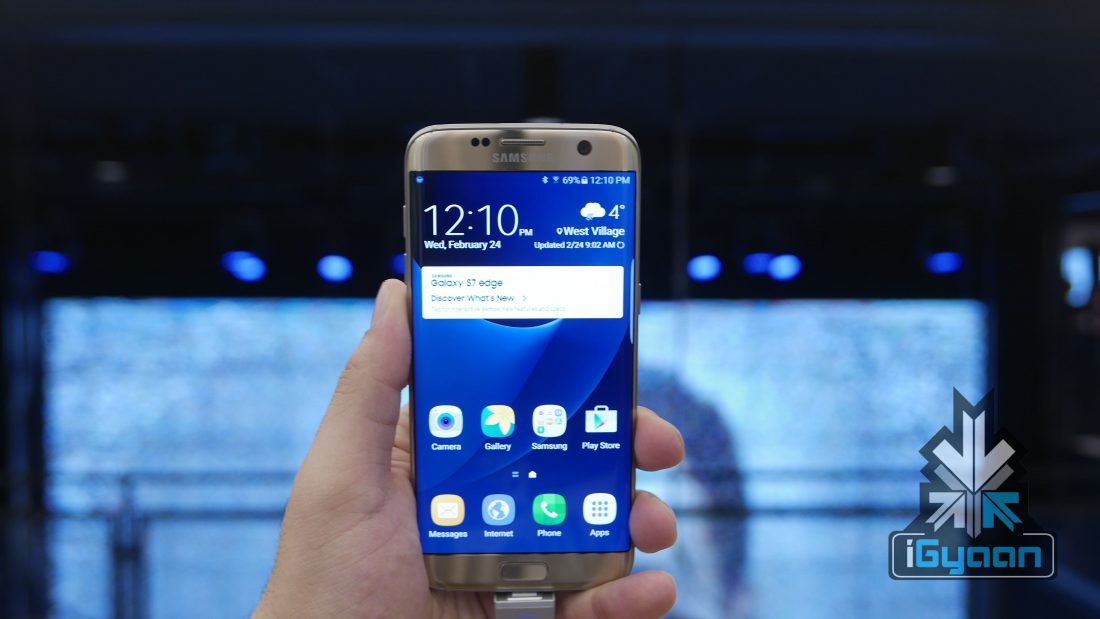
    Samsung Galaxy S7 Edge

    OEMs like Samsung and Xiaomi launches smartphones with custom UI which sits on the top of the Android OS. These custom skins offer additional features, at a cost of slower OS upgrades. In fact, the flagship Samsung Galaxy Note8 is yet to receive the Android 8 Oreo upgrade.

    Starting with 2018, Samsung might have taken the issue seriously, as the company has mentioned the list of smartphones that will receive Oreo update on Samsung Canada website.

    Android 8 Oreo
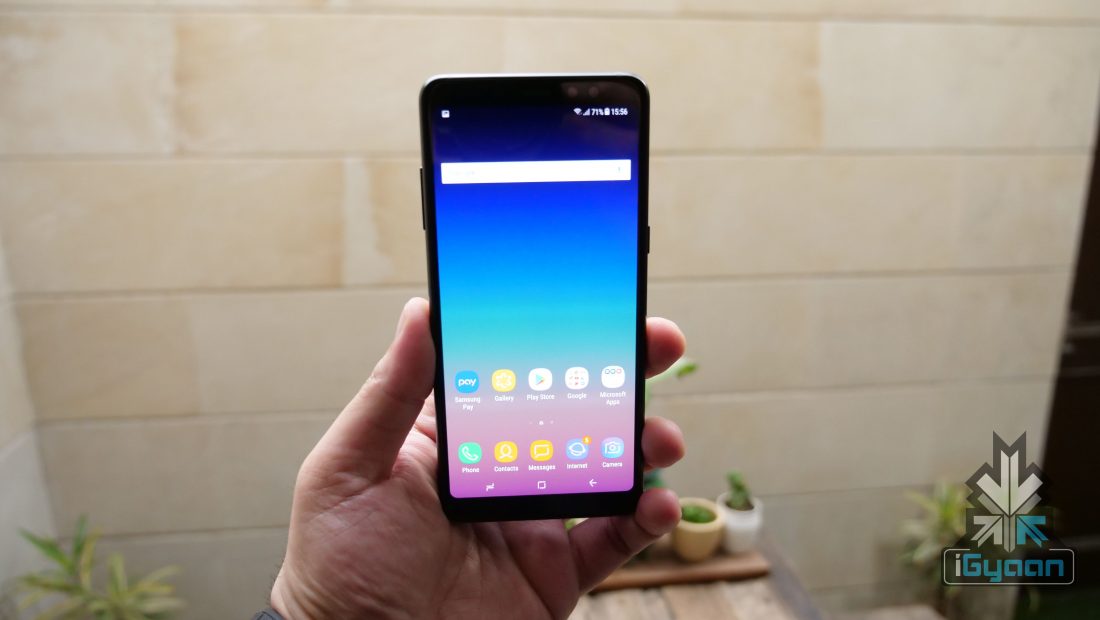
    Samsung Galaxy A8+
    List of Samsung smartphones to Receive Android 8 Oreo
    • The Samsung Galaxy S8 and S8+ will receive the update by the 18th of March. However, the Beta Android 8 Oreo is available for these models for the past two months
    • The Samsung Galaxy Note 8 will receive the update by the 28th of March
    • Galaxy S7, S7 Edge, A5 (2017), and the Tab S3 9.7 inch will receive Android 8 Oreo update by 2018 Summer
    • Galaxy A8 (2018), J3, Tab A (2017), Tab Active 2, and the Tab A (2016) will receive the update by the end of 2018
  • Samsung Galaxy Note8 Android 8 Oreo Update To Be Rolled Out By End Of March

    Samsung Galaxy Note8 Android 8 Oreo Update To Be Rolled Out By End Of March

    Samsung launched the Galaxy S9 and S9+ in India for a starting price of Rs 57,900. The smartphone comes with a new dual aperture camera with the latest software update. The company has already updated the Galaxy S8 and S8+ smartphones with Android 8 Oreo. However, the Galaxy Note8 is yet to receive Android 8 Oreo update, which was, in fact, is the newer model compared to the S8.

    Galaxy Note8

    Samsung’s official Turkey website lists the upcoming devices that will receive Android 8 Oreo update. According to the website, the Galaxy Note8’s update is scheduled to go live on the 30th of March. Similarly, the website also lists few other devices, which will receive the Android 8 Oreo update.

    Smartphone
    Date
    Samsung Galaxy Note8 30th of March
    Samsung Galaxy S7 13th of April
    Samsung Galaxy S7 Edge 13th of April
    Samsung Galaxy A7 2017 25th of May
    Samsung Galaxy A5 2017 25th of May
    Samsung Galaxy A3 2017 25th of May

    The above-mentioned smartphones will receive the Android 8 Oreo update. However, this does not mean that these are the only devices that are eligible for the Android 8 Oreo update.


  • Unboxing The Samsung Galaxy S9+

    Unboxing The Samsung Galaxy S9+

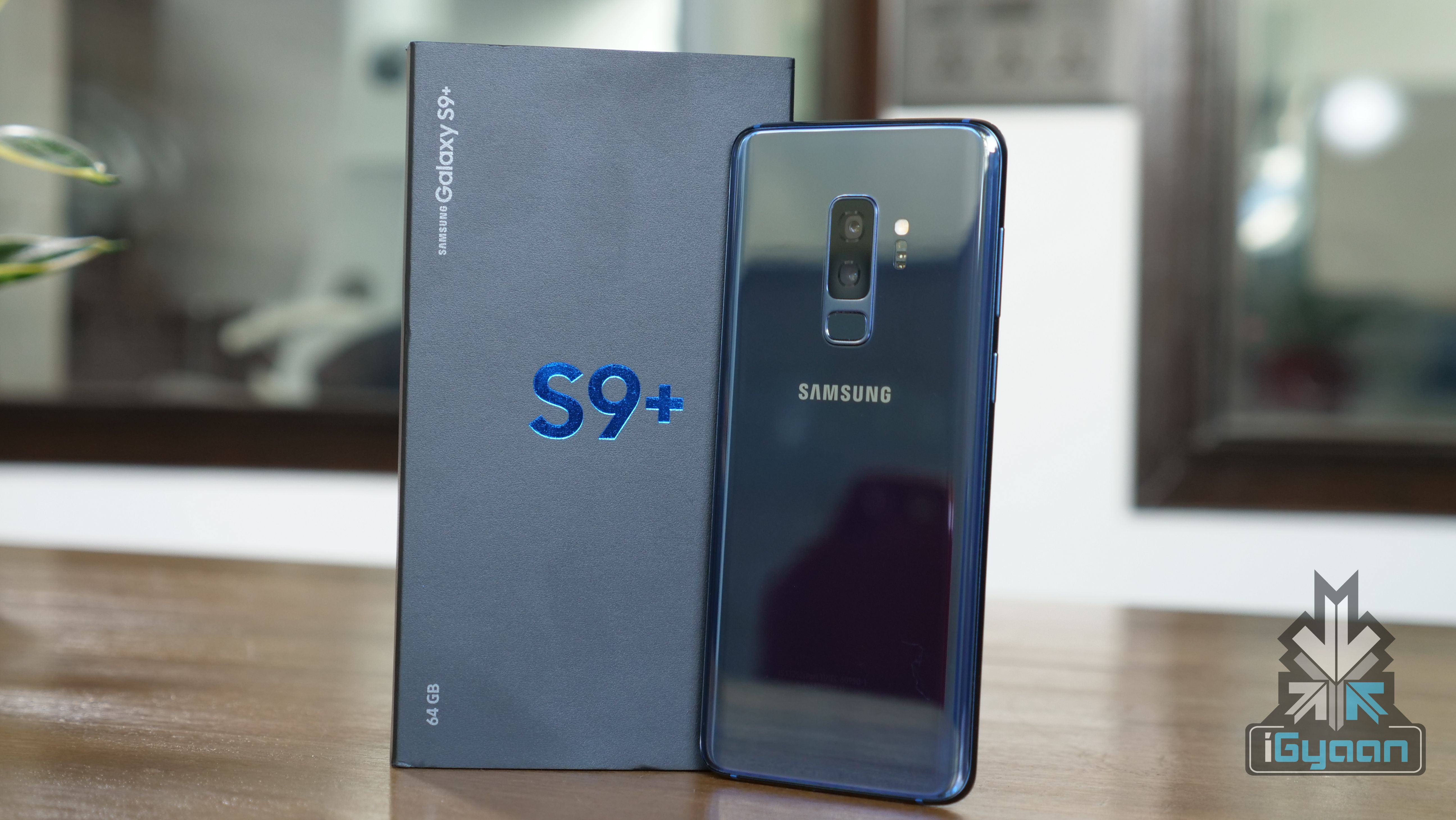
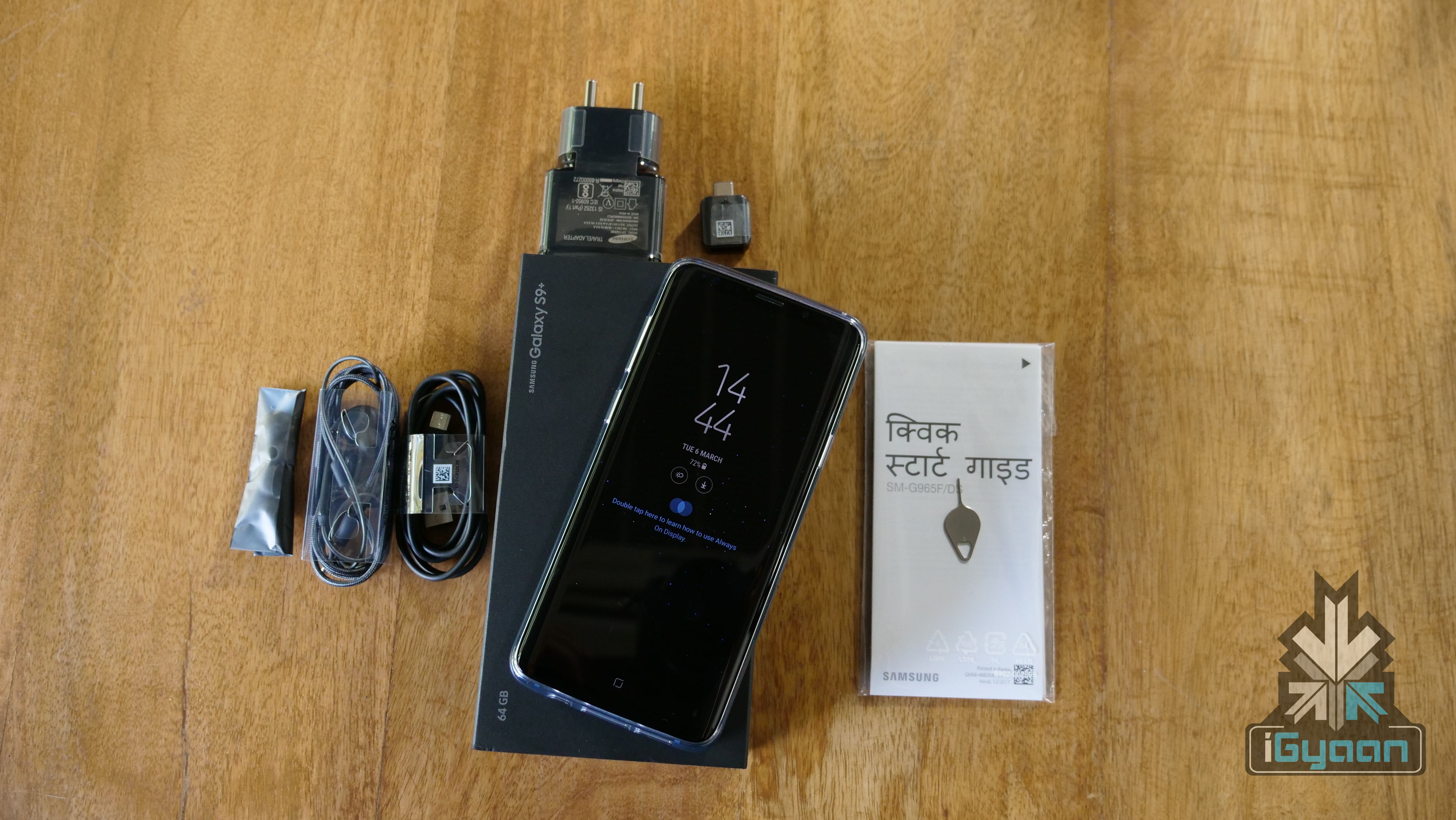
    Samsung has launched the Galaxy S9 and Galaxy S9+ in India at a starting price of Rs. 57900. Both the smartphones will go on sale via Flipkart and Samsung.com from the 16th of March. However, the preorders began a day after its official global launch. The Samsung Galaxy S9+ and S9 succeed the highly popular S8+ and S8 from early-2017. So, do the new Galaxy S9 flagship smartphones have enough to replicate the success of 2017?

    Let’s unbox the Samsung Galaxy S9+ and see what we get:

    Samsung Galaxy S9+

    • Samsung Galaxy S9+
    • Documentation
    • Sim Ejector Tool
    • AKG Earphones
    • Wall Charger
    • USB Type C Cable
    Samsung Galaxy S9+ First Impressions

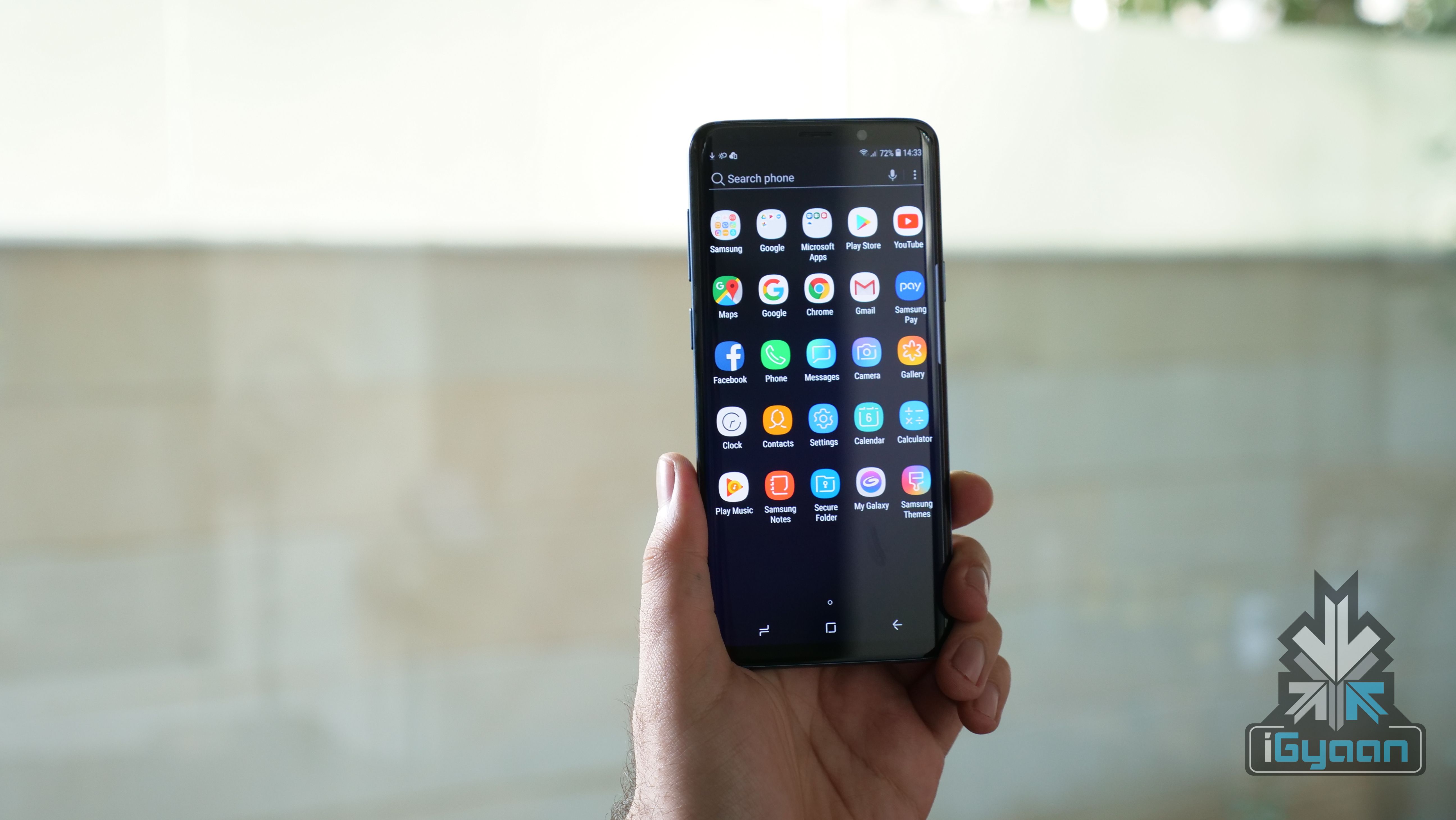
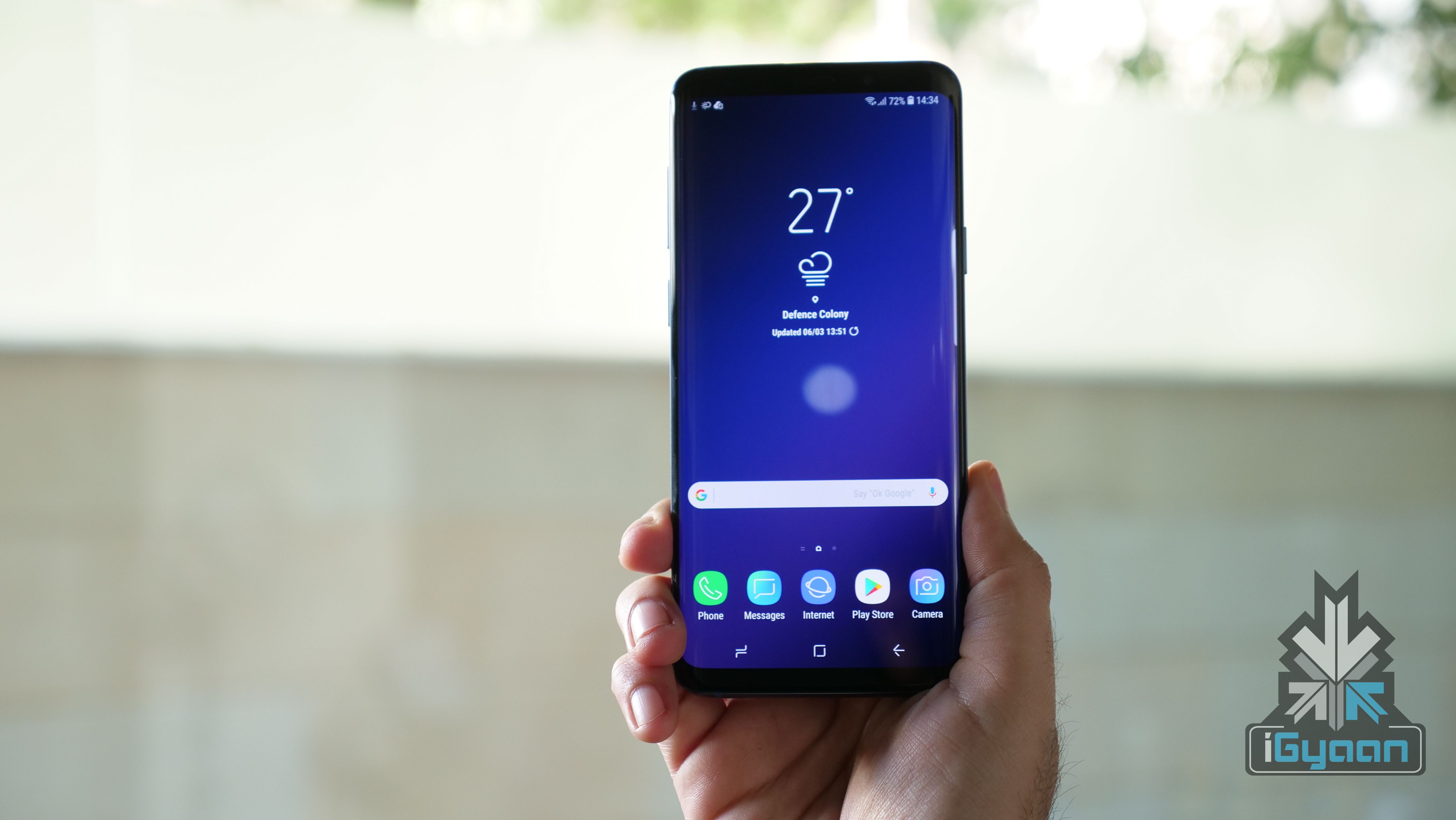
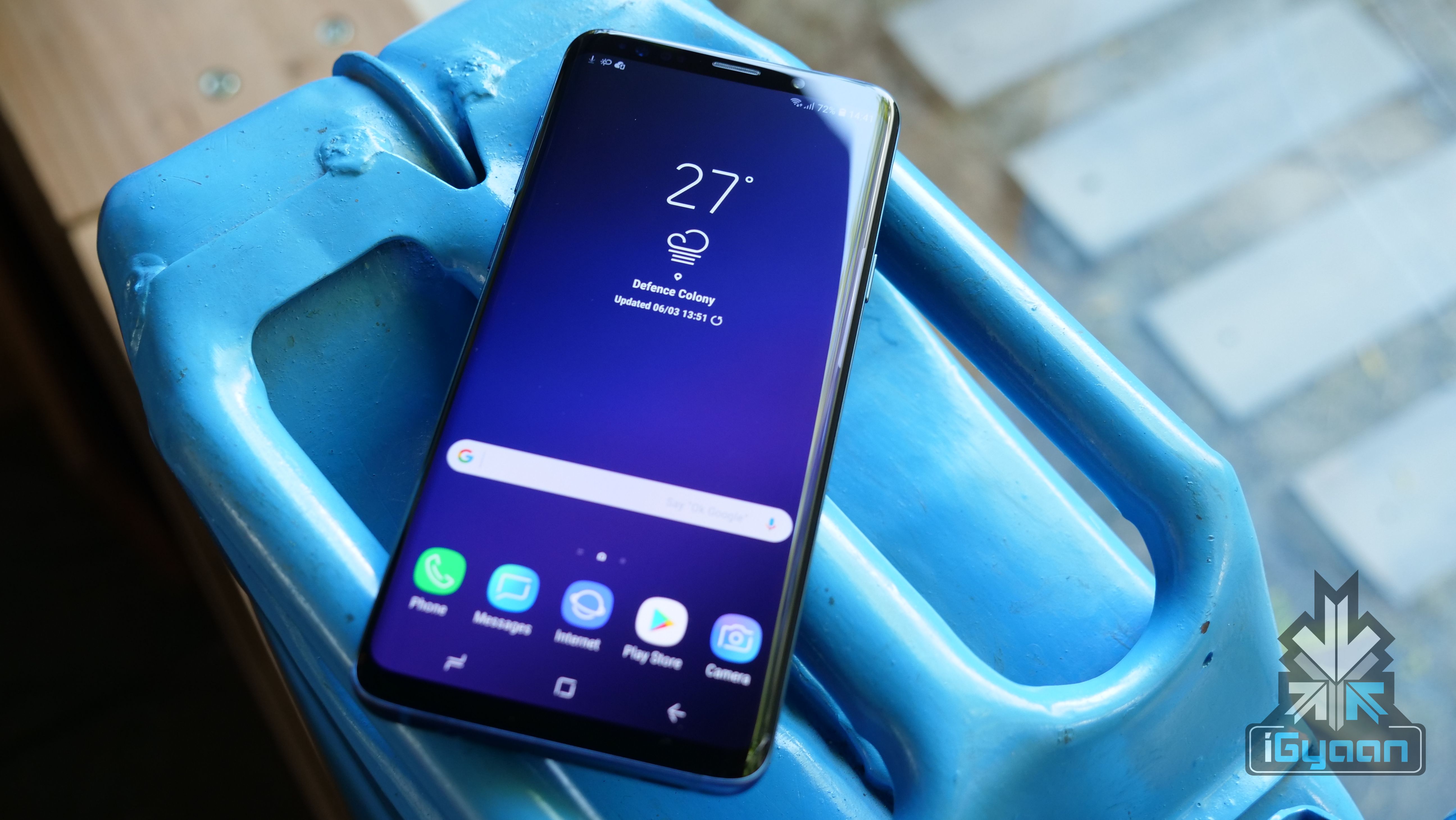
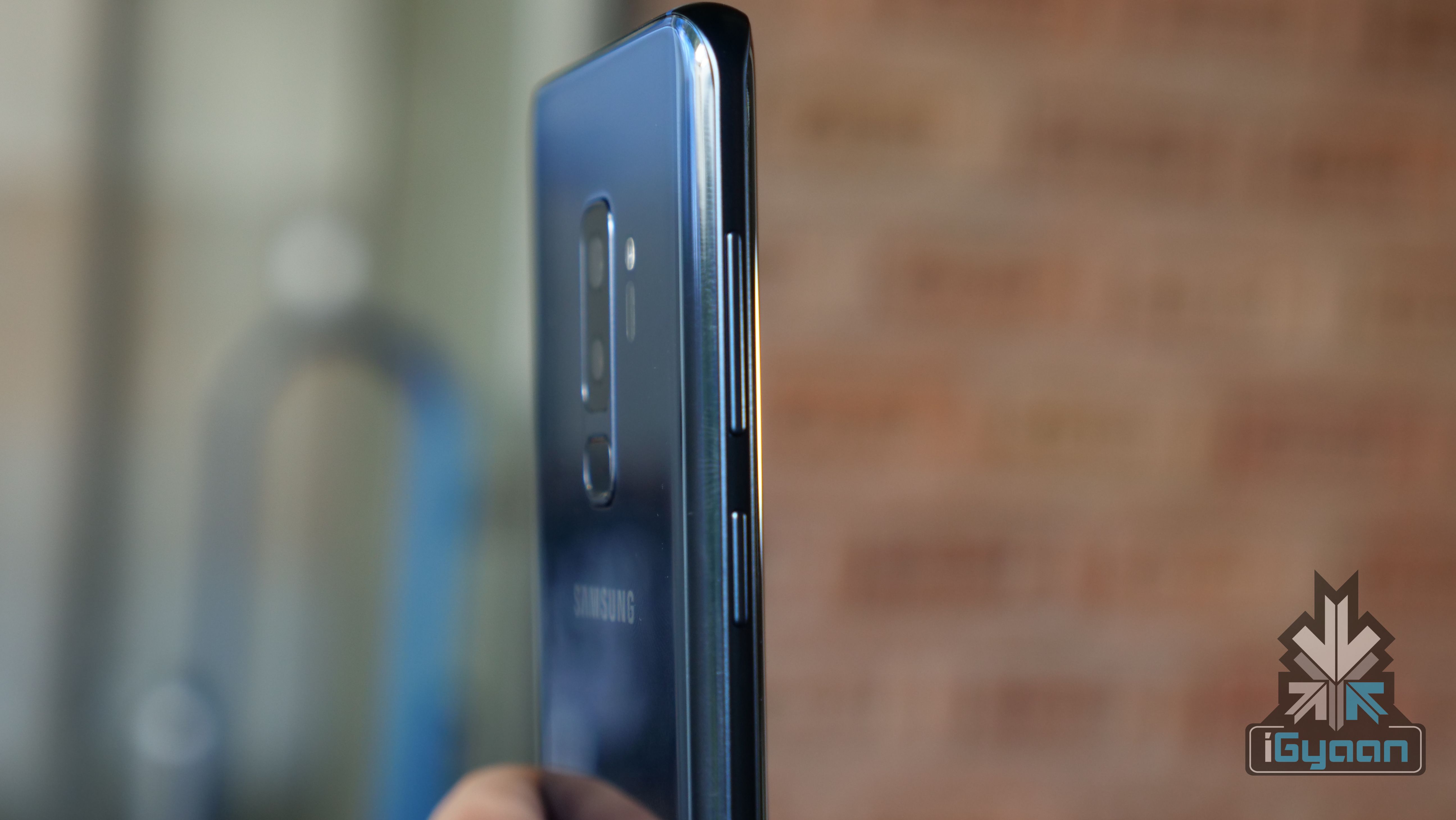
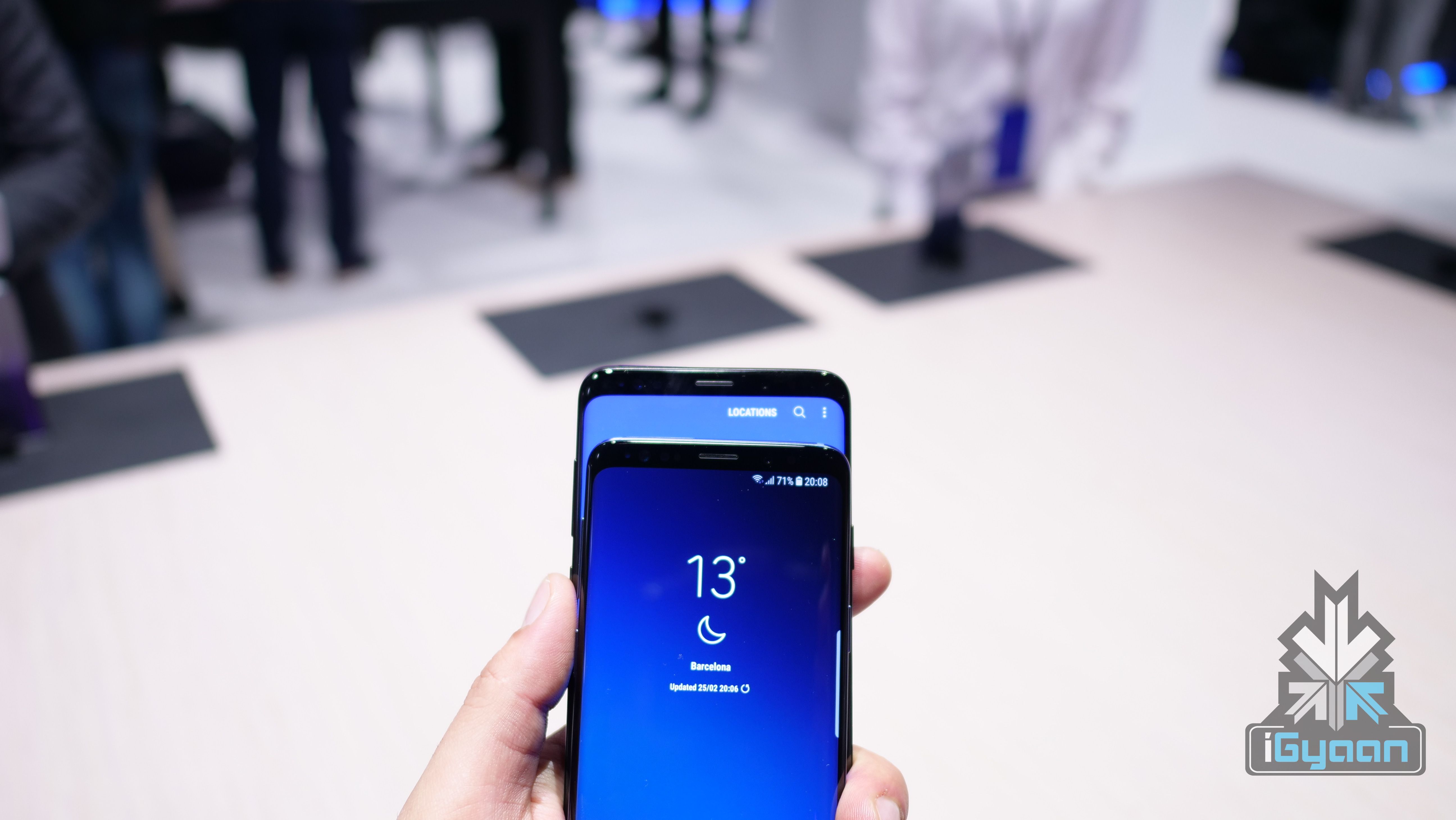
    The first noticeable aspect of the S9+ is its familiarity. If you’ve ever held a Galaxy S8+, this device won’t feel all too different. The screen size is the same while the bezels have been ever so slightly trimmed. The infamous Bixby button retains its place on the left side of the Galaxy S9+. The power button can be found on the right while the volume rockers are situated just above the Bixby button.

    Samsung Galaxy S9+
    Bixby Button

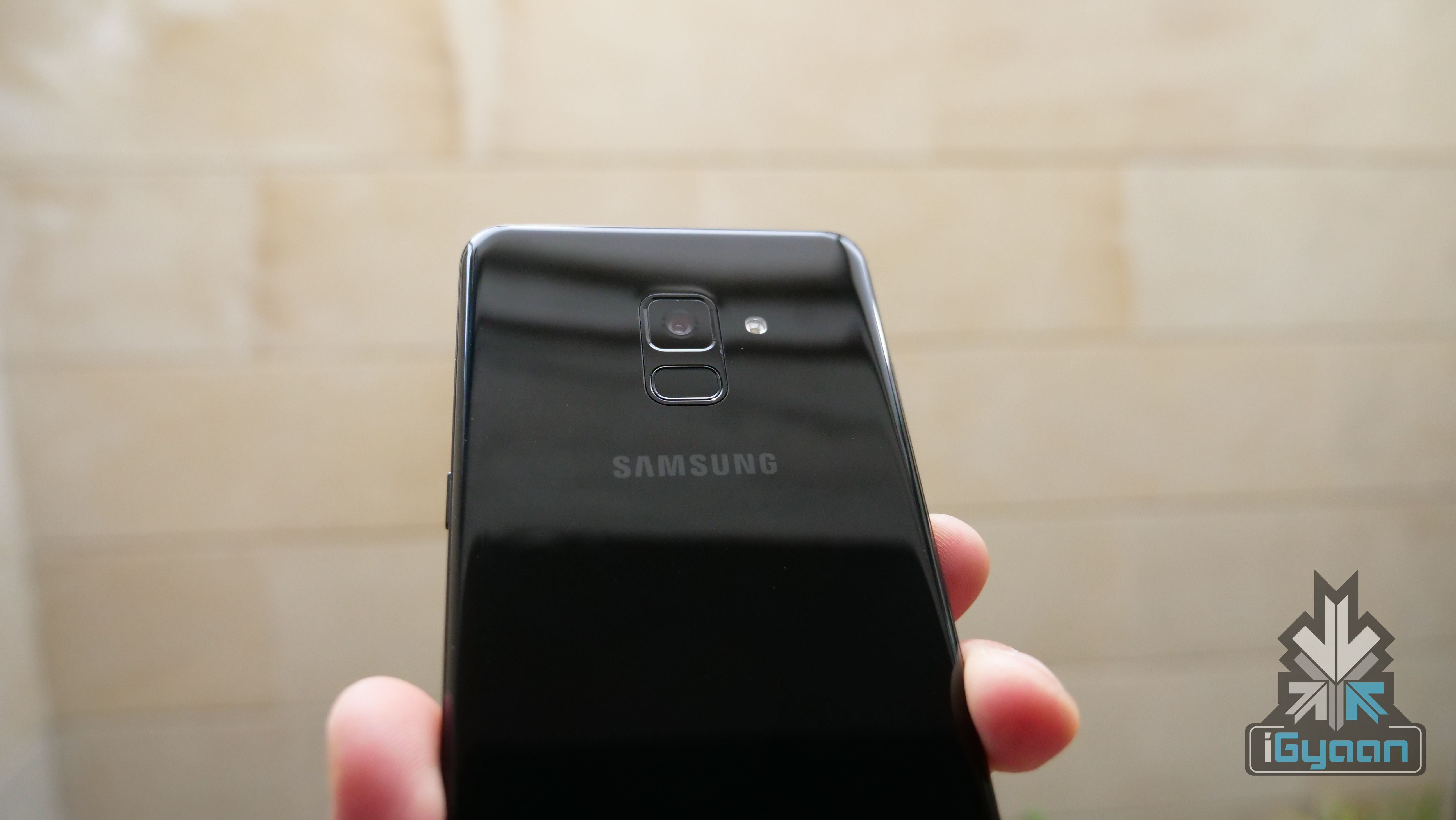
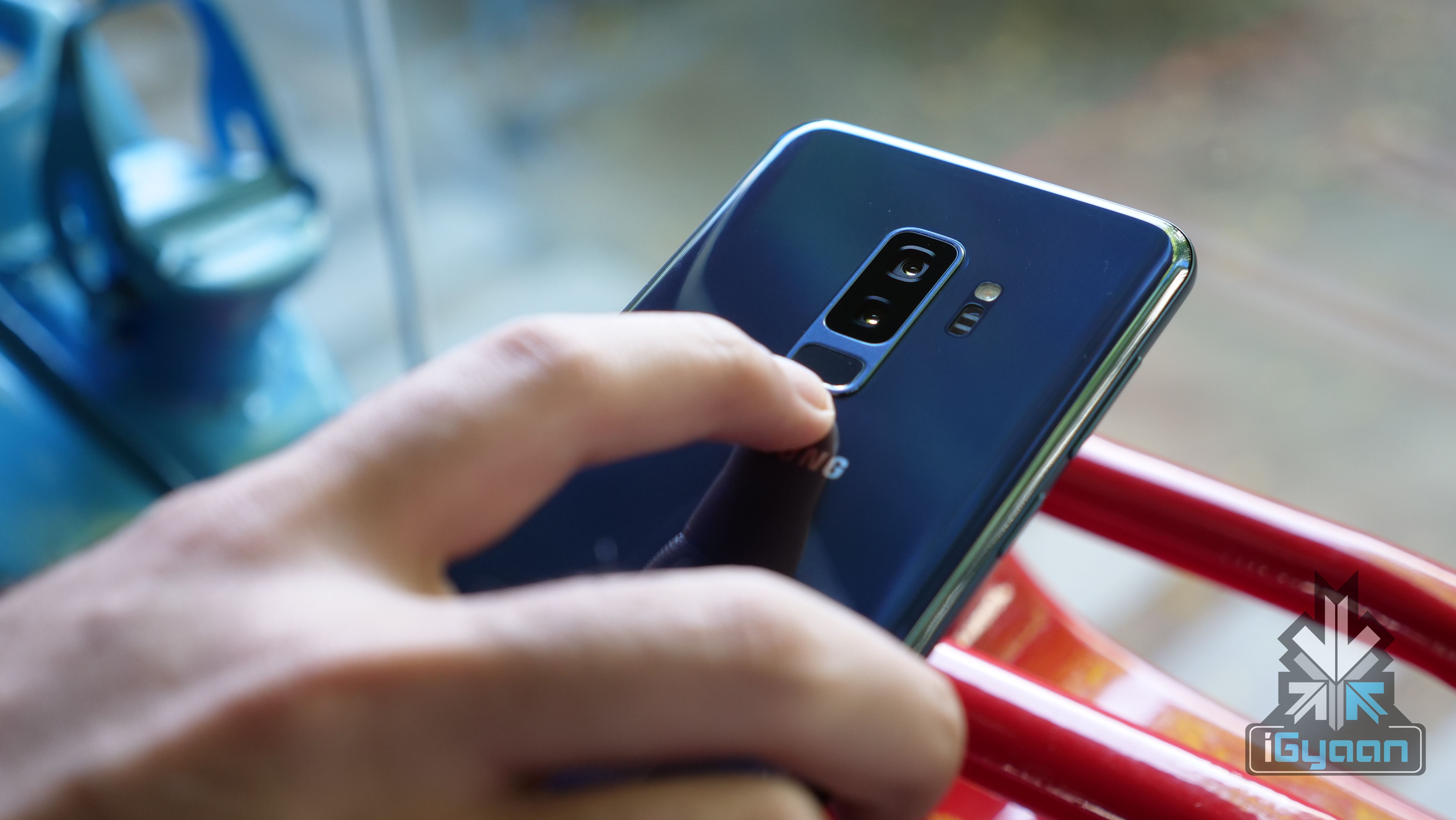
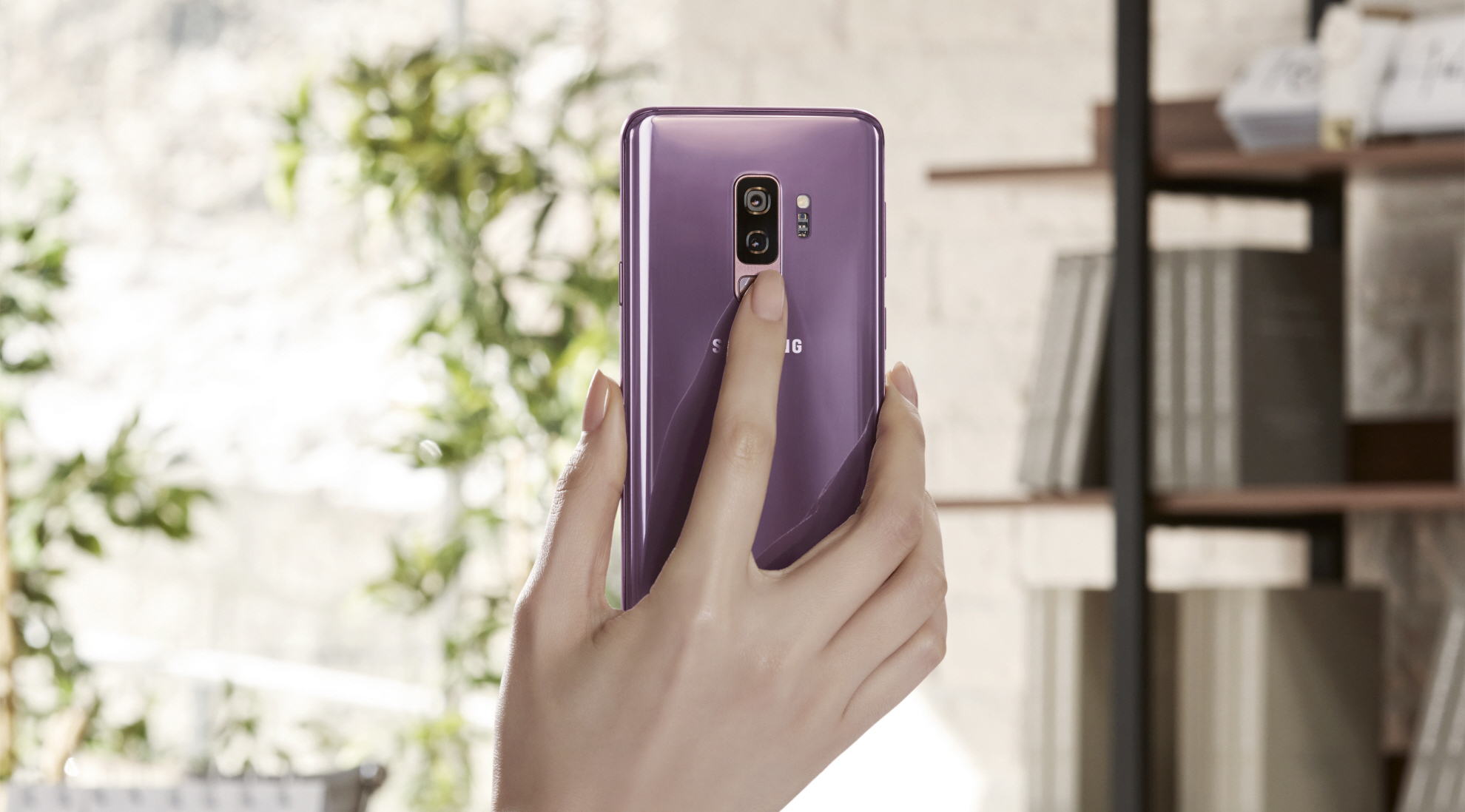
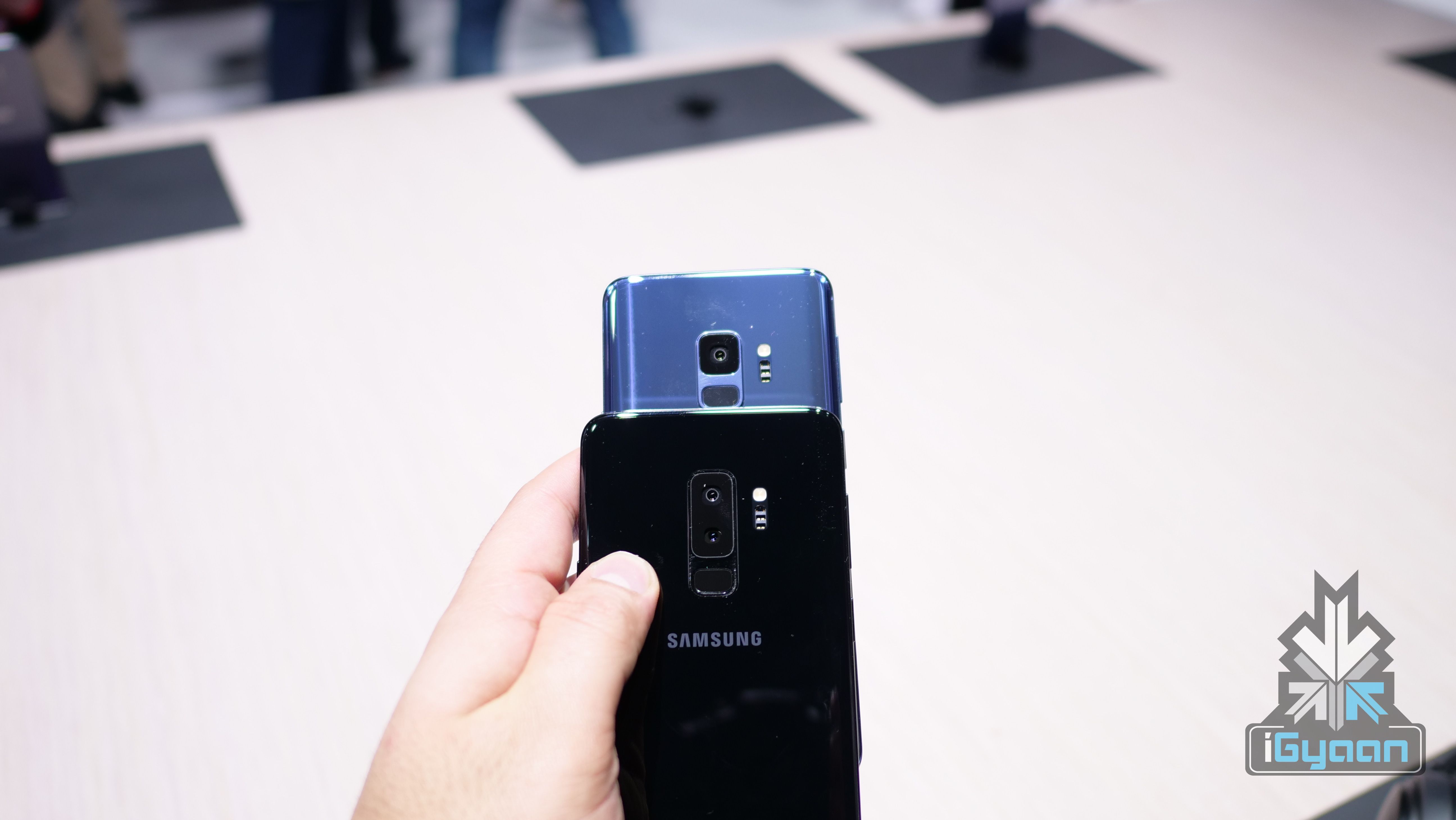
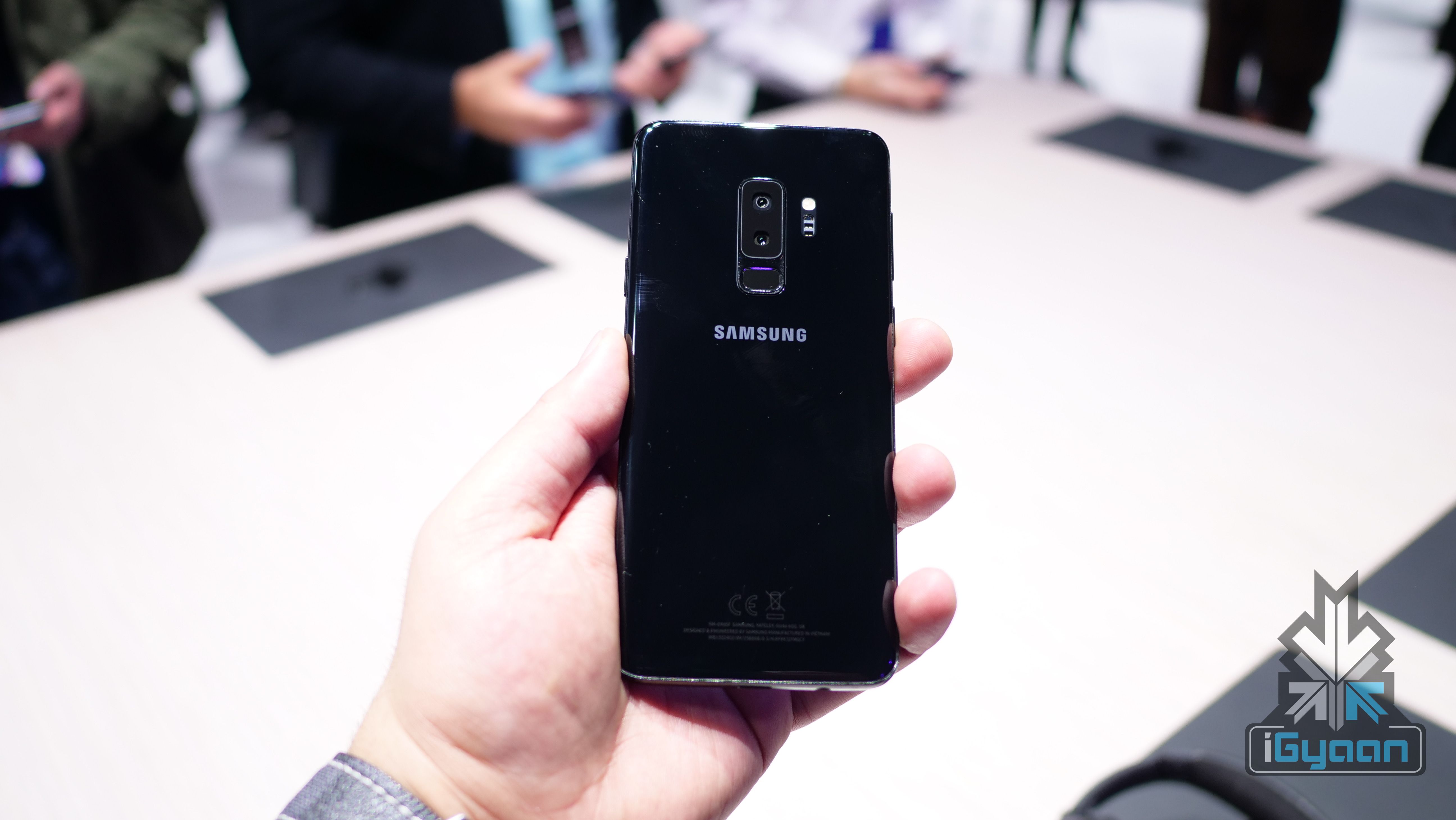
    One of the most requested changes in the Galaxy S9+ and S9 is the placement of the fingerprint sensor. In our review of the Galaxy S8 and S8+, we mentioned the unusual placement of the sensor which prompted many users to use the iris scanner instead. This time around, the fingerprint sensor is placed below the camera module. While there was barely any difference between the Galaxy S8 and Galaxy S8+, things are a bit different this time around.

    The Samsung Galaxy S9 has a single camera on the back while the Galaxy S9+ has a dual-camera setup, similar to the Galaxy Note8. Despite its large 6.2 inch display, it isn’t cumbersome to hold the S9+. One-handed usage will be tough for people with smaller hands and ghost touch is still an issue. Although Samsung has optimised its software to prevent accidental touches, it isn’t foolproof yet.

    Samsung Galaxy S9+

    Samsung Galaxy S9+ Specifications

    As is with its smaller sibling, the Galaxy S9+ has the same screen size as the Galaxy S8+. It sports a 6.2 inch Super AMOLED display with a 2960 x 1440 px resolution.

    Under the hood, it is powered by the Exynos 9810 chipset.The Galaxy S9+ is available in 6GB RAM/64GB storage and 6GB RAM/256GB models in India.

    Samsung Galaxy S9+
    Intelligent Scan

    Out of the box, the Galaxy S9+ runs Android 8 Oreo with Experience 9.0 on top. Powering the smartphone is a 3500 mAh battery, just like the Galaxy S8+. The smartphone will support wireless charging as well. Similar to its predecessor, the Galaxy S9+ also has an IP68 rating for water and dust resistance.

    The main difference between the two S9 models this year is in the camera department. Unlike its predecessor, the Galaxy S9+ has a dual-camera setup on the back. The Galaxy S9+ has one wide-angle 12MP camera with an f/1.5 aperture and the other is a 12MP telephoto lens with an f/2.4 aperture. The telephoto lens is the same one found on the Galaxy Note8, which means it has OIS. On the front of the smartphone is an 8MP camera with an f/1.6 aperture and records 4K videos.

  • Samsung Galaxy S9 Vs LG V30+ Vs Sony Xperia XZ1: Specs Comparison

    Samsung Galaxy S9 Vs LG V30+ Vs Sony Xperia XZ1: Specs Comparison

    Samsung launched the Galaxy S9 in India on the 6th of March, for the starting price of Rs 57,900. The latest flagship offering from Samsung has a premium glass design with new hardware. In fact, this is the first smartphone to have a camera with variable aperture. The smartphone is powered by the Exynos 9810 Octa-core chipset with 4GB RAM and 64GB or 256GB storage. Similarly, the storage is also expandable up to 400GB using a micro SD card.

    The LG V30+ is the one smartphone, that can match the premium Samsung flagship smartphone design. The smartphone is priced at Rs 44,990 and offers a premium glass design with an aluminium mid-frame. The LG V30+ is powered by the Qualcomm Snapdragon 835 chipset with 4GB RAM and 128GB storage. Just like the Galaxy S9, the storage of the V30+ is expandable using a micro SD card. One of the main features of the smartphone is its IP68 certification with MIL-STD 810G military certification.

    Another smartphone that is priced close to the LG V30+ is the Sony Xperia Xz1. Though the smartphone has an outdated boxy design, it has an impressive camera. The smartphone is powered by the same Qualcomm Snapdragon 835 chipset with 4GB RAM and 32GB storage. The Sony Xperia Xz1 is priced at Rs 44,200 and available across the e-commerce websites.

    Specifications
    Samsung Galaxy S9
    LG V30+
    Sony Xperia Xz1
    Price Starting at Rs 57,900 Rs 44,990 Rs 44,200
    Display 5.8 inch
    Super AMOLED
    6 inch
    POLED display
    5.2-inch
    HDR Display
    Resolution 2960 x 1440 px

    18.5:9

    570 ppi

    2880 x 1440 px

    18:9

    537 ppi

    1920 x 1080 px

    16:9

    424 ppi

    Chipset Exynos 9810 Snapdragon 835 Snapdragon 835
    RAM 4GB 4GB 4GB
    Storage 64GB
    256GB
    Expandable up to 400GB
    128GB

    Expandable up to 2TB

    32GB

    Expandable up to 256GB

    Battery 3000 mAh

    Fast charging

    3300 mAh

    QuickCharge 3.0

    2700 mAh

    QuickCharge 3.0

    Primary Camera 12MP Dual Pixel

    f/1.5 to f/2.4

    16MP f/1.6 Primary + 13MP f/1.9 wide-angle 19MP
    f/2.0 aperture
    Primary Camera Video 3840 x 2160 px @ 60fps
    1280 x 720 px@ 960fps
    1920 x 1080 px @ 240 fps
    3840 x 2160 px @ 30fps
    1920 x 1080 px @ 60fps
    3840 × 2160p @ 30fps
    1240 x 720p @ 960fps
    Secondary Camera 8MP f/1.7 5MP f/2.2 13MP f/2.0 aperture
    Ad-Ons Fingerprint Sensor
    IP68 Certification
    Wireless Charging
    Intelligent Scanner
    Samsung Pay
    Fingerprint sensor
    Facial and Voice Recognition
    Wireless charging
    ESS Quad DAC
    Fingerprint Sensor
    3D Scanning Mode


  • Top Samsung Galaxy S9, S9+ Pre-Booking Offers In India

    Top Samsung Galaxy S9, S9+ Pre-Booking Offers In India

    Samsung has officially launched the Galaxy S9 and the Galaxy S9+ in India on 6th of March. However, the devices will go on sale from the 16th of March via offline authorised sellers, Flipkart, and Samsung India’s official website.

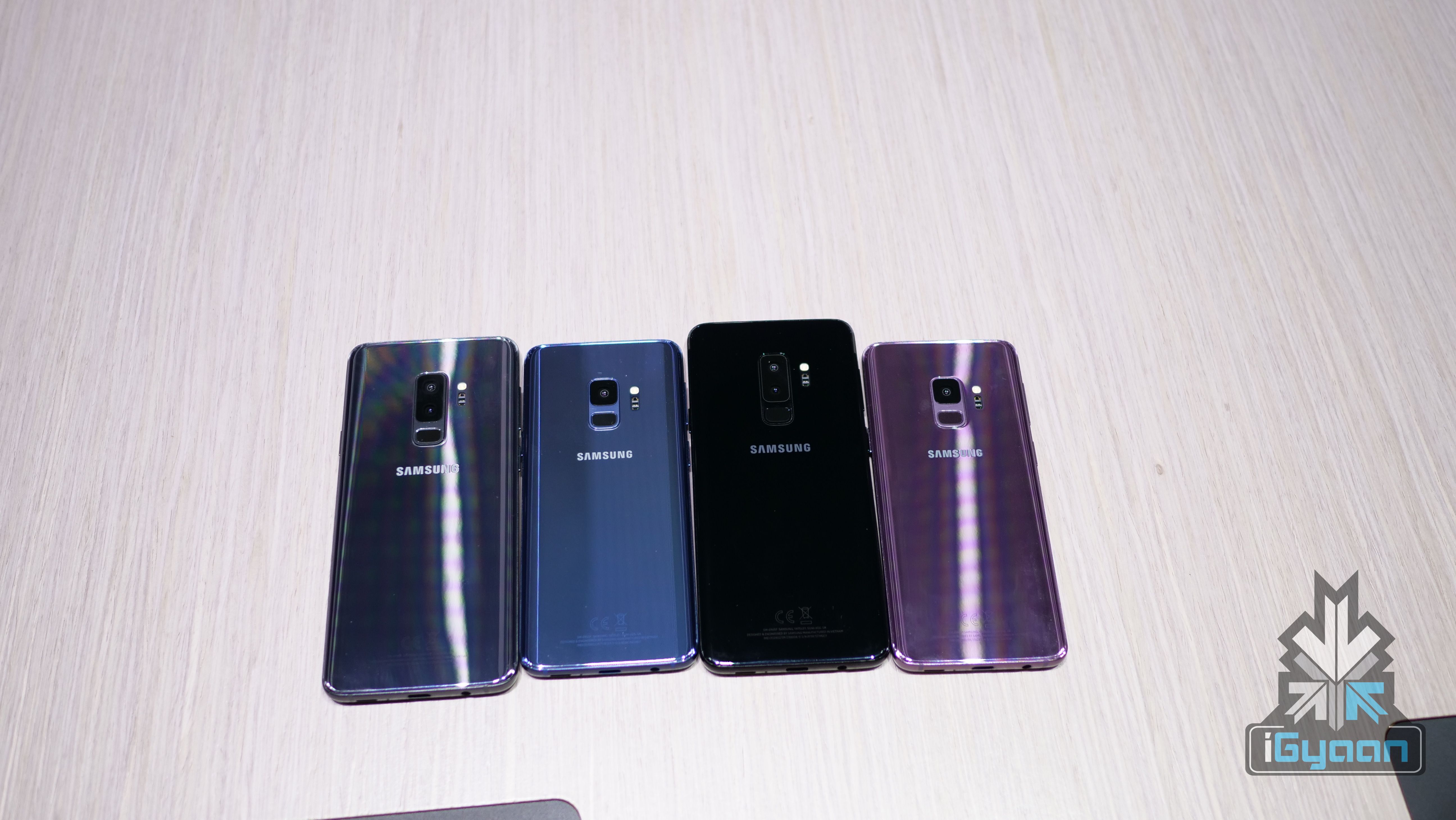
    The Samsung Galaxy S9 and the Galaxy S9+ will be available in Lilac Purple, Midnight Black, and Coral Blue. Here are the detailed Pre-booking offers on these smartphones.

    Model Storage Price
    Samsung Galaxy S9 64GB Rs 57,900
    256GB Rs 65,900
    Samsung Galaxy S9+ 64GB Rs 64,900
    256GB Rs 72,900
    Cashback for HDFC Card Holders

    If you pre-order the Samsung Galaxy S9 or the Galaxy S9+ using an HDFC credit card, you get Rs 6,000 cash back on all four models.

    No Cost EMI

    Samsung is offering no-cost EMI on all four variants for users, who opt for 3/6/12 months of EMI plans. This offer is applicable for credit card users from leading banks, as well as Bajaj Finance.

    Cashback on Paytm Mall

    Paytm Mall is offering Rs 6,000 cashback for those who purchase the smartphone from Paytm Mall.

    Exchange offer

    For exchange offers, Samsung is offering Rs 6000 plus the value of your current smartphone. Ex: if your old smartphone is worth Rs 5000, the total cash back value will be Rs 11,000. However, it is worth noting that the exchange is only applicable on Samsung smartphones.

    Samsung Galaxy S9
    Galaxy S9, S9+ Colour Variants
    Special telecom offers

    Airtel offers double data plans for postpaid users on Rs 499 and Rs 799 plans up to 30 months. This also includes a 1 year of Amazon Prime subscription with unlimited voice calls and SMSs.

    Jio has announced a special Rs 4999 annual subscription pack, which comes with 1 year of validity with 1TB data and complementary Jio streaming services.

    Vodafone offers a free subscription to Netflix for 12 months, for the users with Vodafone RED plan with 75GB LTE data per month.

  • Samsung Galaxy S9, S9+ Launched In India At Rs. 57,900

    Samsung Galaxy S9, S9+ Launched In India At Rs. 57,900

    On the 25th of February, Samsung officially launched the Galaxy S9 and S9+ at an event in Barcelona. The two flagship smartphones from Samsung have now been launched in India at a starting price of Rs. Both the smartphones will be Flipkart-exclusive and go on sale from the 16th of February along with the rest of the world. The pre-orders on Flipkart begin at 2 pm on the 6th of March. However, the 256GB variant of Galaxy S9+ will be sold exclusively at Reliance Digital stores, Samsung exclusive stores and on Samsung Shop.

    The Samsung Galaxy S9 will start a price of Rs. 57,900 and the 256GB variant will be priced at Rs. 64900. The Galaxy S9+, however, will start at Rs. 65,900 and the 256GB model will retail for Rs. 72,900. To put things into perspective, the Galaxy S8 was launched at a price of Rs. 57900 and the S8+ for Rs. 64900.

    The Samsung Galaxy S9 and its bigger sibling, the Galaxy S9+ succeeds the Galaxy S8 and S8+ as the 2018 flagship phones. Unlike the previous generation, the Samsung Galaxy S9 and Galaxy S9+ have more differences than just the display and battery sizes. Samsung has made the Galaxy S9+ a bit more feature-packed to justify the higher price tag.
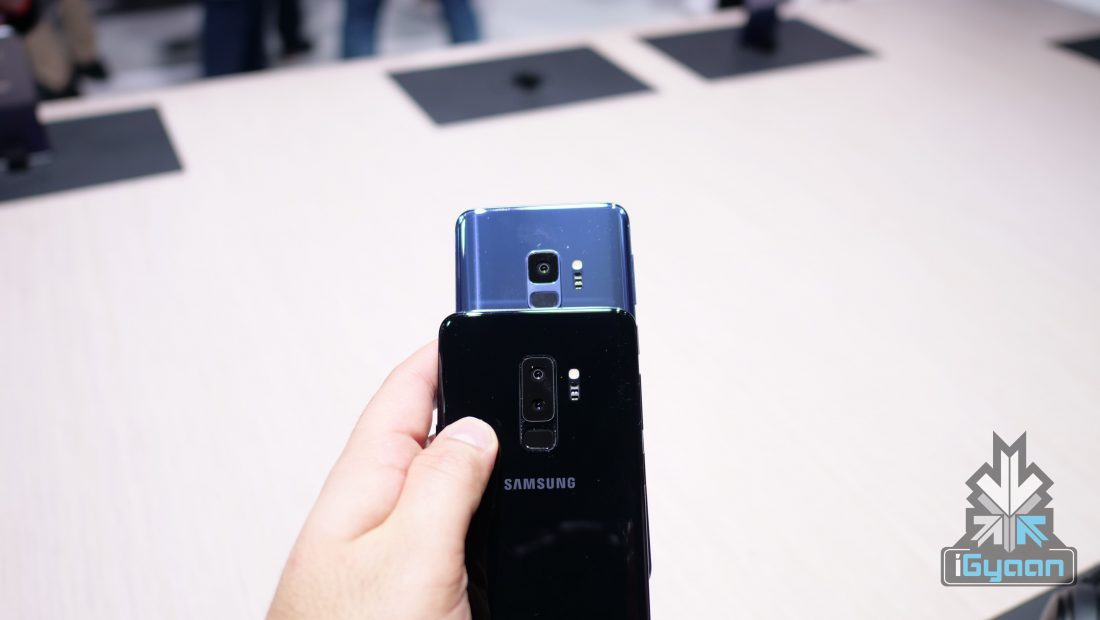
    As expected, the Samsung Galaxy S9 and Galaxy S9+ look extremely similar to their predecessors. The bezels are slightly thinner but, it is hard to differentiate between the two generations, at least from the front. To the back of the devices is where you see the difference. While the Galaxy S8 and S8+ were two of the most successful Android smartphones of 2017 and were lauded for their looks, there was an issue with the design.

    Due to the decreased bezels, Samsung had to move the fingerprint sensor to the back of the phone. However, the execution left a lot to be desired as the sensor was placed next to the camera module. It looks like Samsung took the criticism into consideration. The Galaxy S9 and S9+ come with a fingerprint sensor placed below the camera module. This is a much more ergonomic placement for a rear-facing fingerprint sensor.
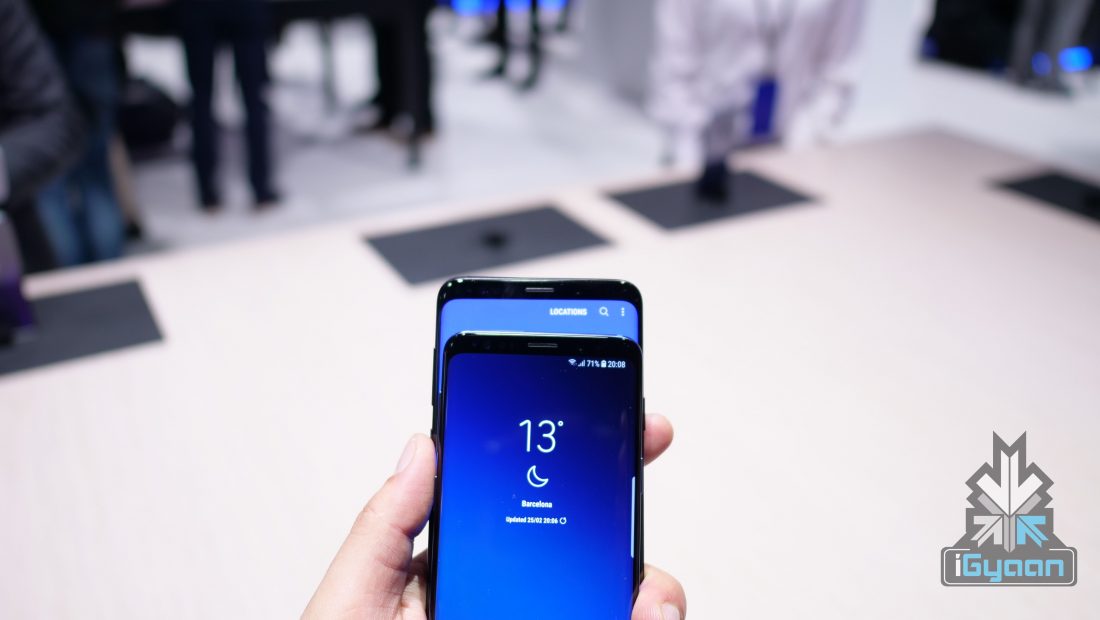
    The Samsung Galaxy S9 and S9+ have a new feature similar to Apple’s Animojis. It is called AR Emoji. Basically, the smartphone captures the face data, analyses it, which allows users to make animated versions of themselves. These can later be customised further.

    Samsung Galaxy S9

    The Samsung Galaxy S9 has a 5.8 inch Super AMOLED display with a 2960 x 1440 px resolution. This translates to an 18.5:9 aspect ratio, which means it is slightly taller than the usual bezel-less smartphones.

    Depending on the market, the Galaxy S9’s chipset will vary. For the US and South Korean market, the S9 will be powered by the Qualcomm Snapdragon 845 chipset. The Galaxy S9 and S9+ are the first-ever smartphones launched with the new flagship chipset. For India, it will be powered by the new Exynos 9810 chipset. Coupled with the chipset is 4GB of RAM and 64GB or 256GB of onboard storage. Similar to a lot of Samsung smartphones, the storage will be expandable up to 256GB via a MicroSD card.
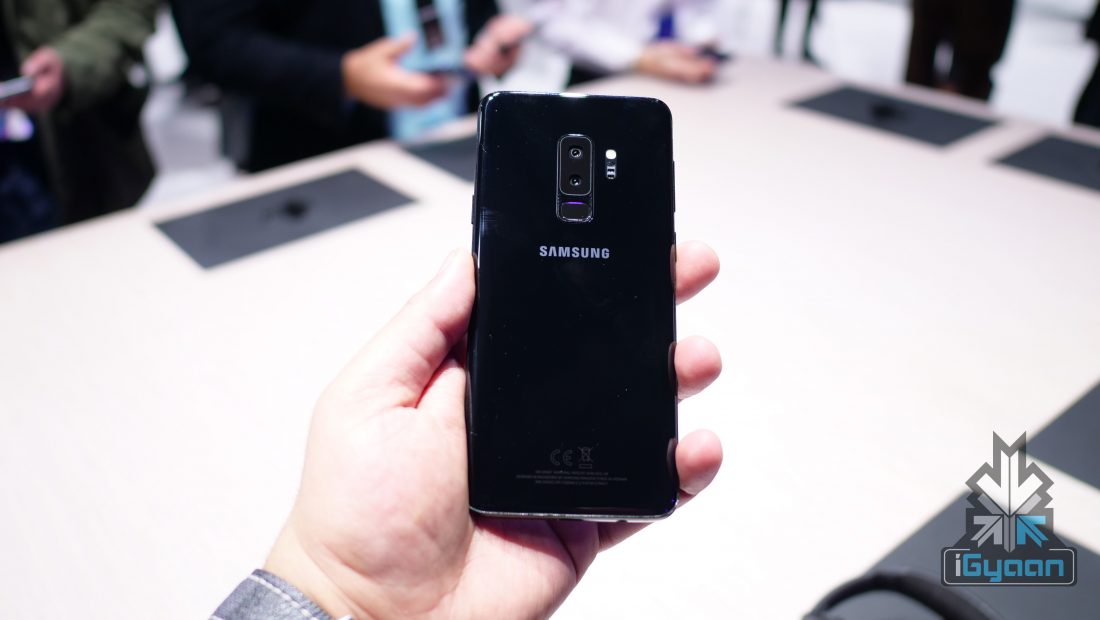
    Out of the box, the Samsung Galaxy S9 will run Android 8 Oreo with Experience 9.0 on top. Powering the smartphone will be a 3000 mAh battery, just like the Galaxy S8. The smartphone will support wireless charging. Similar to its predecessor, the Galaxy S9 also has an IP68 rating for water and dust resistance. The Galaxy S9 also has a dual stereo speaker system tuned by AKG and Dolby surround sound.

    The Galaxy S9 has a single Dual Pixel 12 MP sensor with dual /1.5 and f/2.4 apertures. In bright lighting conditions, the camera will use the f/2.4 aperture, while the wider f/1.5 aperture is used in dark lighting conditions. It also captures 720P videos at 960fps and 4K videos at 60fps, similar to the Apple iPhone X. On the front of the smartphone is an 8MP camera with an f/1.6 aperture and records 4K videos.

    Samsung Galaxy S9+

    As is with its smaller sibling, the Galaxy S9+ has the same screen size as the Galaxy S8+. It sports a 6.2 inch Super AMOLED display with a 2960 x 1440 px resolution.

    Under the hood, it will either be powered by the Exynos 9810 chipset. Unlike the Galaxy S9, the S9+ will be available in 6GB RAM/64GB storage and 6GB RAM/256GB models in major markets across the world.
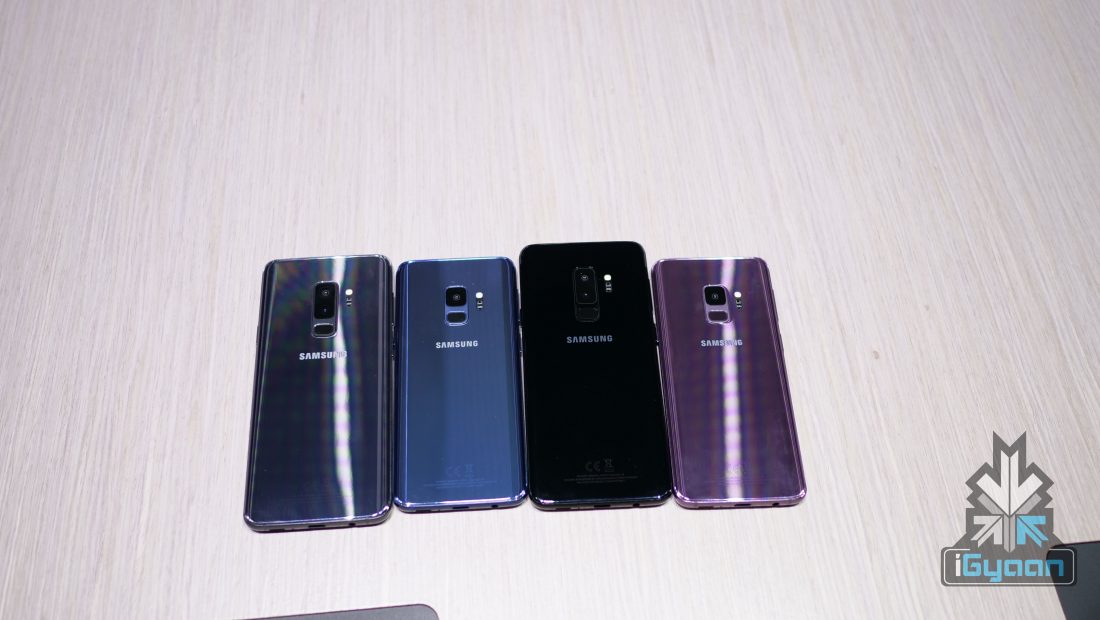
    Out of the box, the Galaxy S9+ will also run Android 8 Oreo with Experience 9.0 on top. Powering the smartphone will be a 3500 mAh battery, just like the Galaxy S8+. The smartphone will support wireless charging. Similar to its predecessor, the Galaxy S9+ also has an IP68 rating for water and dust resistance.

    The main difference between the two S9 models this year is in the camera department. Unlike its predecessor, the Galaxy S9+ has a dual-camera setup on the back. The Galaxy S9+ has one wide-angle 12MP camera with an f/1.5 aperture and the other is a 12MP telephoto lens with an f/2.4 aperture. The telephoto lens is the same one found on the Galaxy Note8, which means it has OIS. On the front of the smartphone is an 8MP camera with an f/1.6 aperture and records 4K videos.
  • Samsung Galaxy A8+ Available At An Effective Price Of Rs. 28990 On Amazon

    Samsung Galaxy A8+ Available At An Effective Price Of Rs. 28990 On Amazon

    Amazon is offering a limited-time price cut on various Samsung smartphones from the 5th to 8th of March. The Samsung Galaxy Note8 is now available for Rs 59,900 instead of Rs 67,900 and the Samsung Galaxy A8+ is available for Rs 28,990 instead of Rs 32,990. Amazon will credit the cashback of Rs 8,000 for the Note8 buyers and Rs 4,000 for the Galaxy A8+ buyers via Amazon Pay balance.

    Note:

    The offer is applicable for those, who make the payment via Amazon Pay. At the time of purchase, one has to make the complete payment, then Amazon will credit the cashback within 10 days.

    Specifications of Samsung Galaxy Note8
    Galaxy Note 8
    Galaxy Note8

    The smartphone has a 6.3 inch 2960 x 1440 px Super AMOLED infinity display with minimal bezels on the top and bottom of the phone. The device has the Exynos 8895 chipset with 6GB of RAM and 128GB onboard storage.

    The Note8 has a 12MP dual-camera setup, one of which has a wide lens and the other a telephoto. The telephoto lens allows a user to zoom in losslessly for an up to 2x magnification.

    Powering the device is a 3300 mAh battery which is smaller than the 3500 mAh battery found on the Galaxy Note7 with wireless charging capabilities, and runs Android Nougat 7.1.1 with Samsung’s custom skin on top. The Galaxy Note8 and the S Pen are both IP68 certified water and dust resistant.

    Specifications of Samsung Galaxy A8+
    Samsung Galaxy A8+

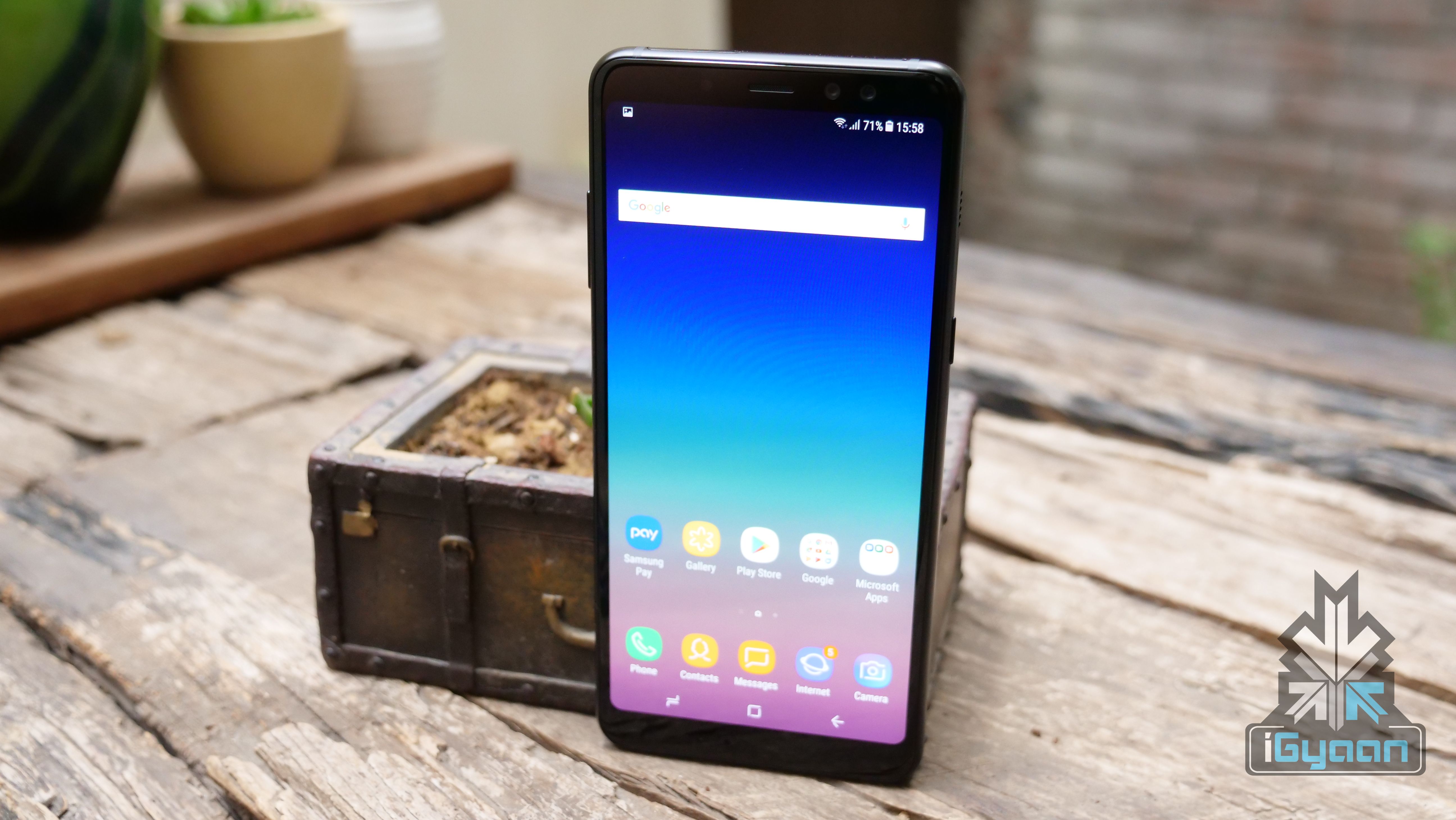
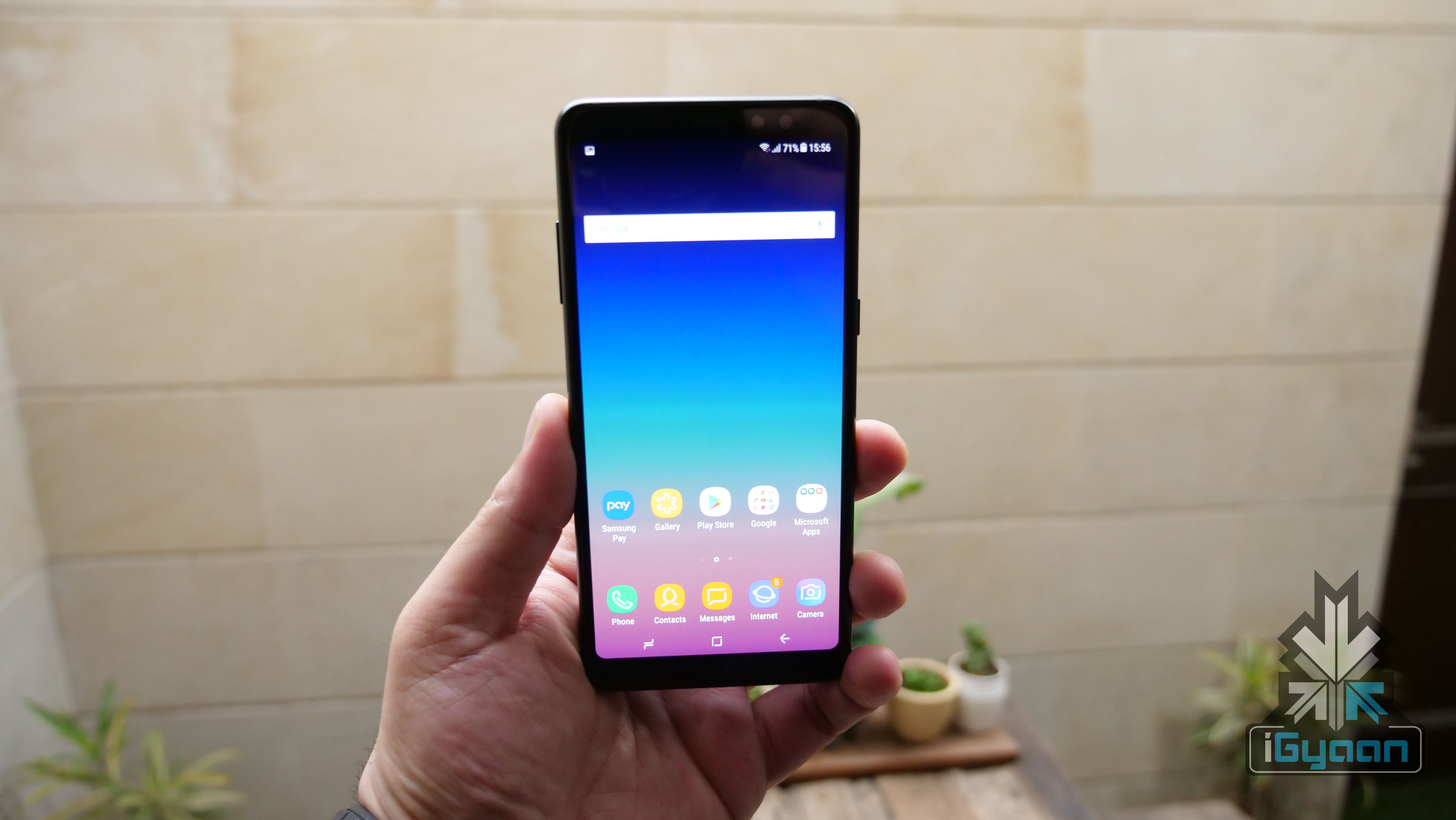
    The Samsung Galaxy A8+ has a 6-inch Super AMOLED display with a 2220 x 1080 px resolution which translates to an 18.5:9 aspect ratio. Under the hood, it has an Exynos 7885 chipset, an octa-core processor and Mali-G71 GPU.

    The Galaxy A8+ will run Android 7.1.1 Nougat out of the box with Samsung’s own custom skin on top. Powering the Galaxy A8+ is a 3500 mAh battery which is charged via USB Type-C port.

    he Galaxy A8+ is also the first of Samsung phone to have a dual-camera setup on the front. The Galaxy A8+ has a 16MP + 8MP camera setup with an f/1.9 aperture on the front.

  • Samsung Galaxy Xcover 5 Image Leaked

    Samsung Galaxy Xcover 5 Image Leaked

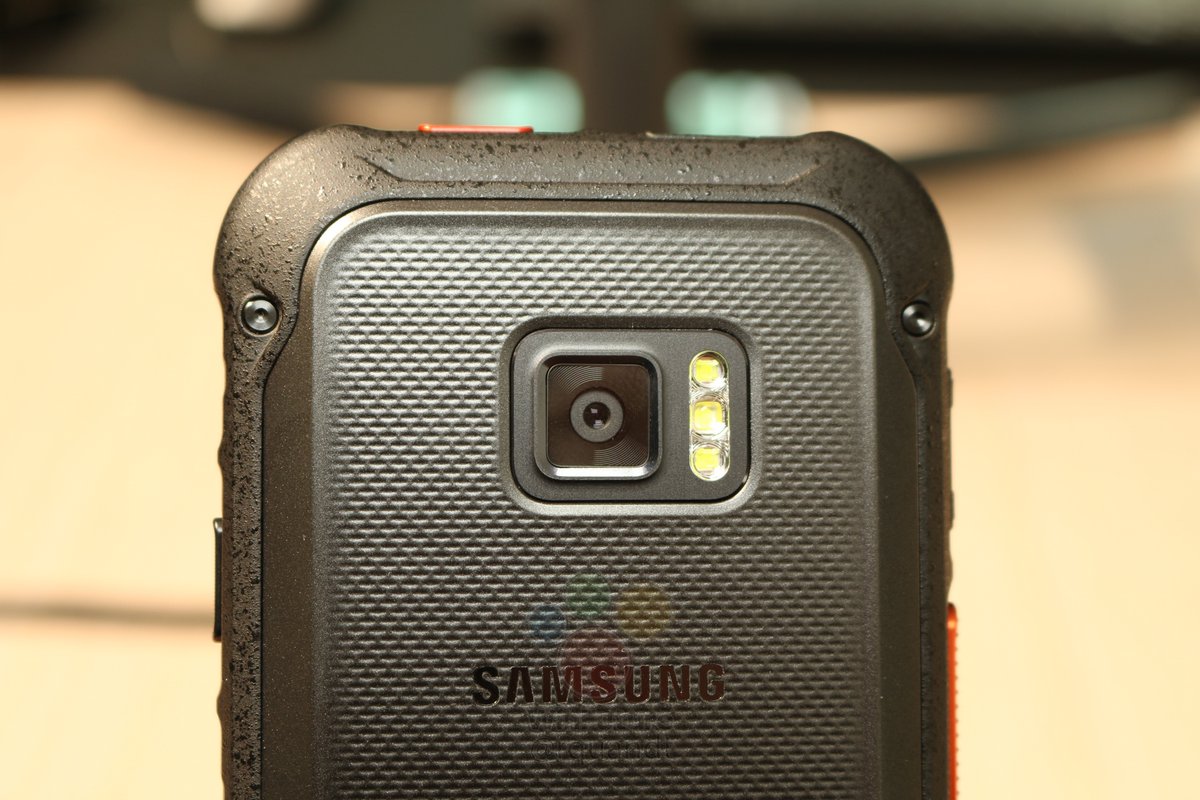
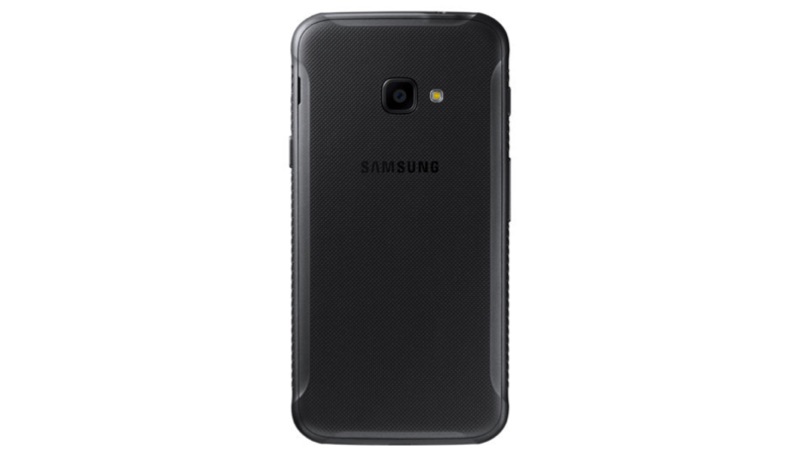
    Samsung unpacked the Galaxy S9 and the Galaxy S9+ at MWC 2018. Similarly, a new rugged Samsung has surfaced online. According to reports, this could be the Samsung Galaxy Xcover 5. Samsung is one of the major smartphone makers to launch rugged smartphones.

    The Galaxy Xcover 5 will be the successor of the Galaxy Xcover 4, which was launched in March 2017. Unlike the Galaxy S8 Active, the Xcover 4 had mediocre specifications. Similarly, the Xcover 5 is expected to continue the trend. However, for the most part, these devices will be limited to the western/European market. In fact, the Galaxy Xcover 4 was released in Germany only.

    Expected specifications of Galaxy Xcover 5

    The render shows a single primary camera bump with triple LED flash with a rugged unibody construction. The smartphone might have a 5 inch 1280 x 720p Super AMOLED display with Gorilla Glass protection.

    Under the hood, the smartphone is expected to be powered by the Exynos chipset with 2/3GB RAM and 16/32GB storage. Similarly, the device might have a 13 MP primary camera and a 5 MP front-facing camera. Finally, the device is expected to feature a 3000 mAh sealed battery.Galaxy Xcover 5

    Conclusion

    The Samsung Galaxy Xcover 5 will not be for the power users. In fact, this smartphone will be for those, who are looking for a solid smartphone. At least on paper, the device has all the bells and whistles for being a rugged smartphone.

iGyaan Network
Privacy Overview

This website uses cookies so that we can provide you with the best user experience possible. Cookie information is stored in your browser and performs functions such as recognising you when you return to our website and helping our team to understand which sections of the website you find most interesting and useful.