Category: Xiaomi

  • Are Gaming Phones Worth Buying?

    Are Gaming Phones Worth Buying?

    Gaming smartphones were fringe products till about two or three years back and have recently come into the limelight. A few years ago, smartphone research and development was going mostly into making the screens larger and better, increasing speeds for day-to-day work and increasing battery life. But since then a lot has changed, and phones have become even more powerful. Now, phones can support games that have high-end graphics and can run them without harming the CPU or the battery of the phones. However, there are certain drawbacks to buying and using gaming phones as well. In this article we will discuss the positives as well as the negatives of buying a gaming phone.

    What Are Gaming Smartphones
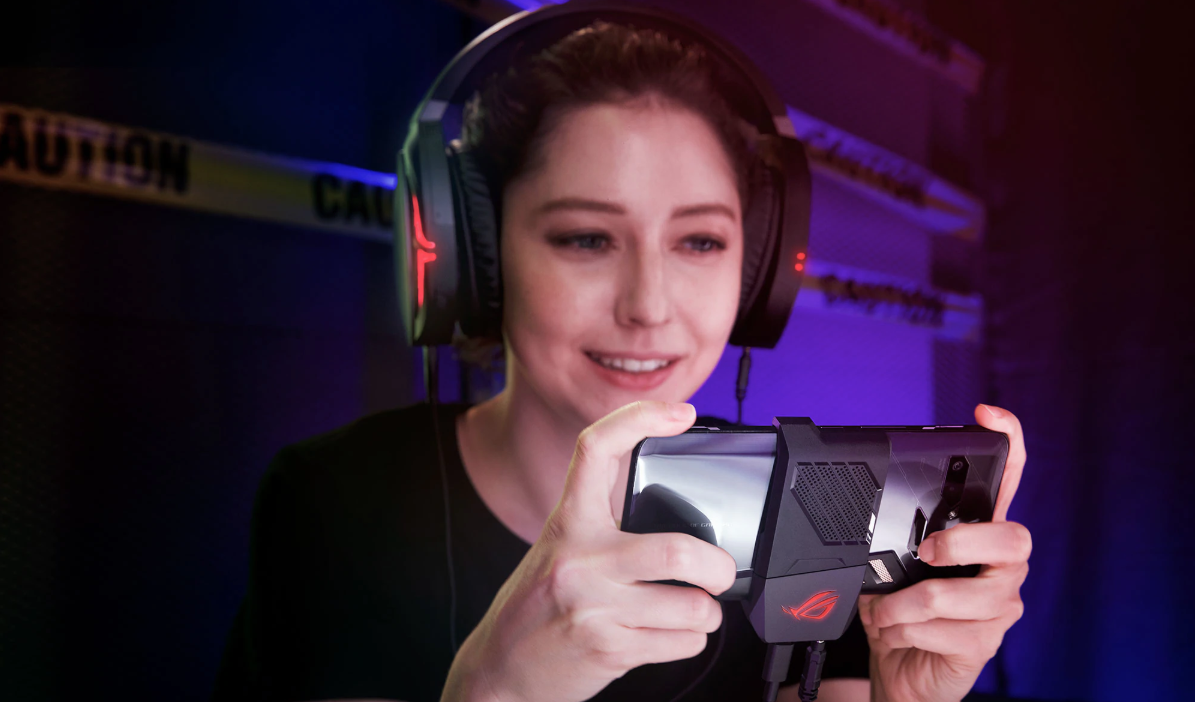
    Gaming smartphones are phones that are primarily built with a focus on gaming and are modified to suit gamers’ needs. They are usually higher-end phones with great batteries, more than decent RAM and memory and a number of other specifications like liquid cooling and overclocked CPUs. We will talk about these differences later in the article.

    How Did The Trend Start
    To understand how the trend started, we have to go a long way back to the time feature phones were a thing, maybe even before that. The history of Gaming as we know it can be traced back to the first interactive electronic game with an electronic display in 1947, the first true video games in the early 1950s, and the rise of early arcade video games in the 1970s. The first portable video game was introduced in the form of the Handy Game created by Epyx in 1987.  This device later turned into the Atari Lynx in 1989. Portable gaming consoles these days include Sony’s PSP, Playstation Vita and Nintendo Switch. Portable video game consoles were all the rage when they first came to the market a few years back. Every college or school kid had one and buying or trading games were considered a common phenomenon.

    However, when gaming consoles were selling like hotcakes, smartphone manufacturers were brewing up a storm. Video games however, weren’t new and had existed on phones for a long time. The first mobile phone game was introduced in 1994, with a pre-installed Tetris on a mobile phone called Hagenuk MT-2000. In 1997 however, things changed a lot for the mobile phone gaming industry when Nokia decided to redesign a game called Snake and put it in some of their phones. The game became widely popular and thus started a long and arduous journey towards the marriage of a telephonic device and a gaming device. The smartphones of today with their high-end games would not have been possible without these companies and their gamble into gaming.

    How Is It Different From Other High-End Phones

    We often get asked why one should consider buying a gaming phone and not buy a high or similarly specced top-end smartphone. There are both positives as well as negatives to buying a gaming phone. Let’s discuss the positives first.

    Positives

    Overclocked
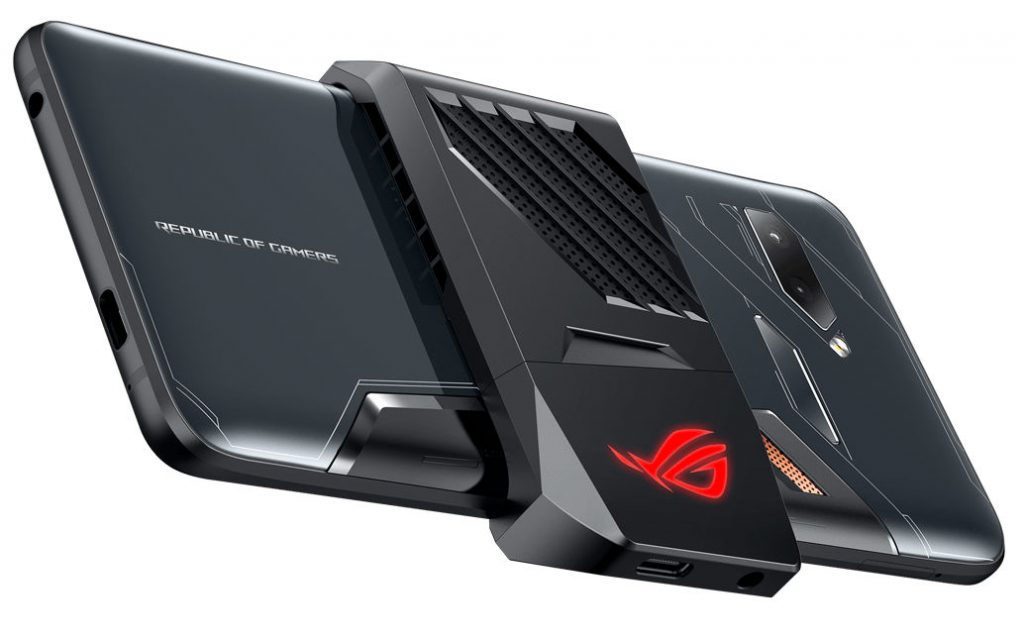
    Overclocking is the process of increasing a computer’s clock rate to make it run at a higher speed than it is supposed to. The term overclocking is usually used with regard to CPU and GPU but can be applied for other components as well. Most smartphones are under-clocked because, even though their CPU may support higher speeds, the phone might overheat and die. Most phones do not have a decent cooling system in place because our day-to-day functions on a smartphone do not generate so much heat. Overclocking generates a lot of heat as the CPU performs more tasks per second thus requiring better cooling. This brings us to our next point.

    Cooling system
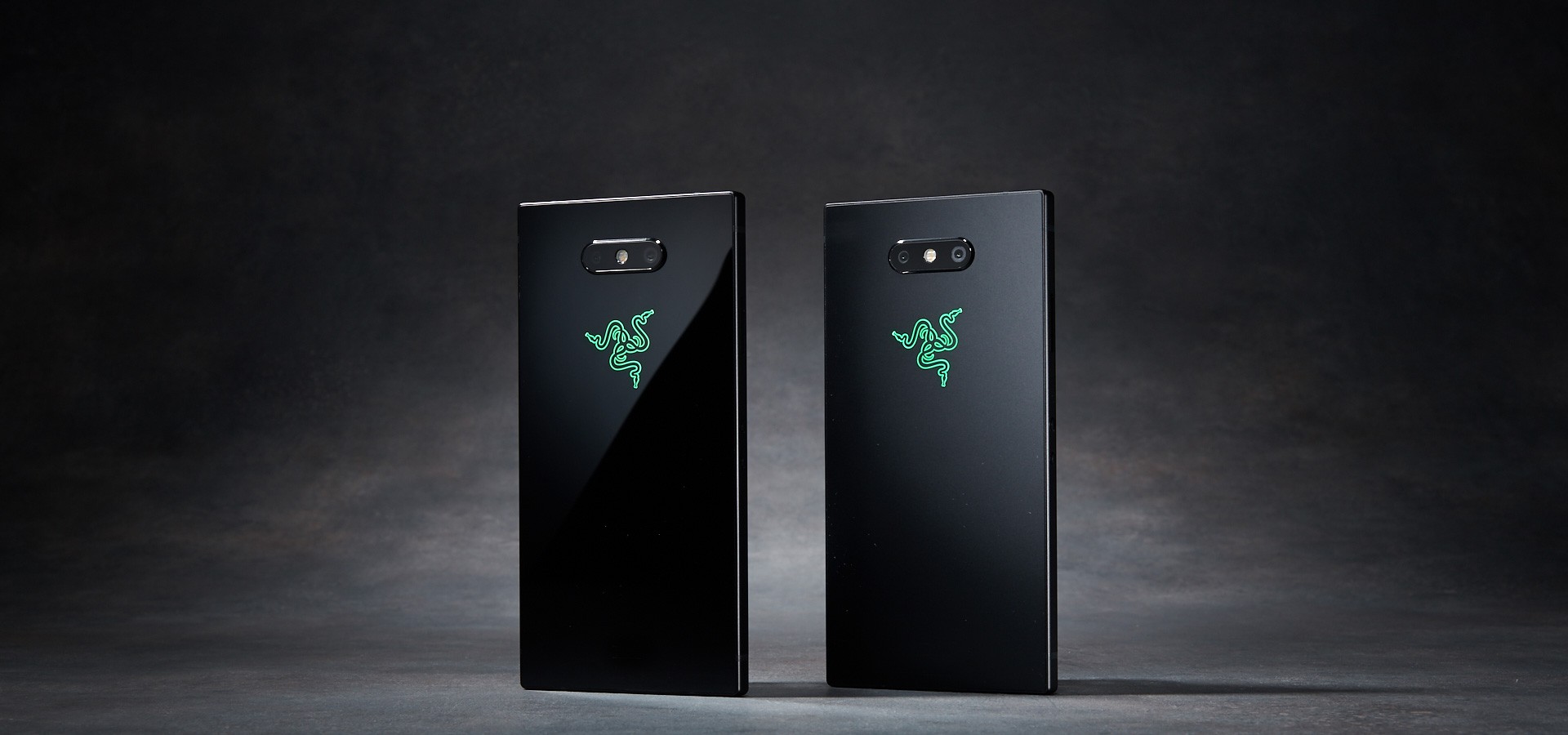
    Most computers use two types of cooling to keep the system at an optimum temperature. These are heat sinks and liquid cooling. But phones cannot really use a heat sink as phones need to be thin and light and everything from a battery to a motherboard and cameras need to be cramped in there. So gaming phones use heat pipes and liquid cooling instead. But most other phones have no cooling systems and use the metallic or aluminium back to dissipate heat. How this works is when the CPU heats up, the back of the phone heats up.

    The air outside is generally cooler than the phone, which absorbs the heat from the back of the phone. So, in short, gaming phones have a better and faster cooling system in place. These cooling systems are much more efficient in dissipating heat and will keep your phone cool while the phone performs at a much higher speed.

    Better Battery
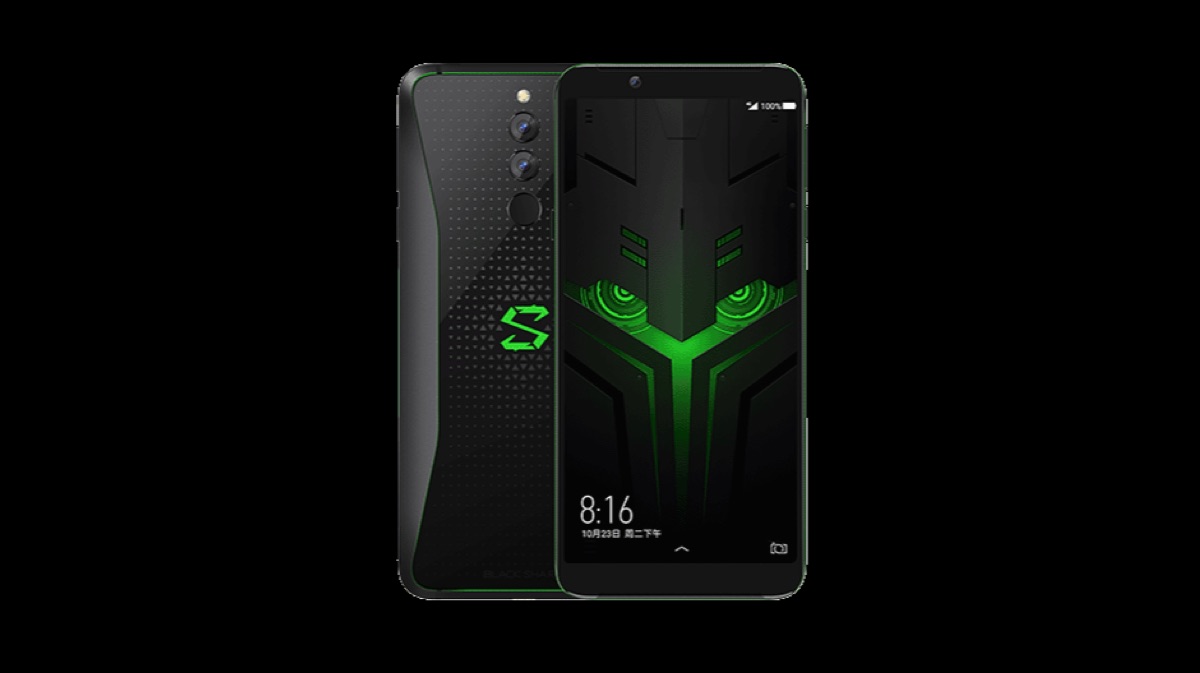
    Gaming phones, since they are generally built for performance draw a lot of battery. Thus, these phones need a lot of juice to keep running. Generally speaking, gaming phones have better batteries compared to other top end smartphones. While many lower end phones may match the same battery capacity, the gaming phones do indeed work for longer as they have optimised performance in terms of the screen and CPU drawing from the battery.

    RAM Optimisation
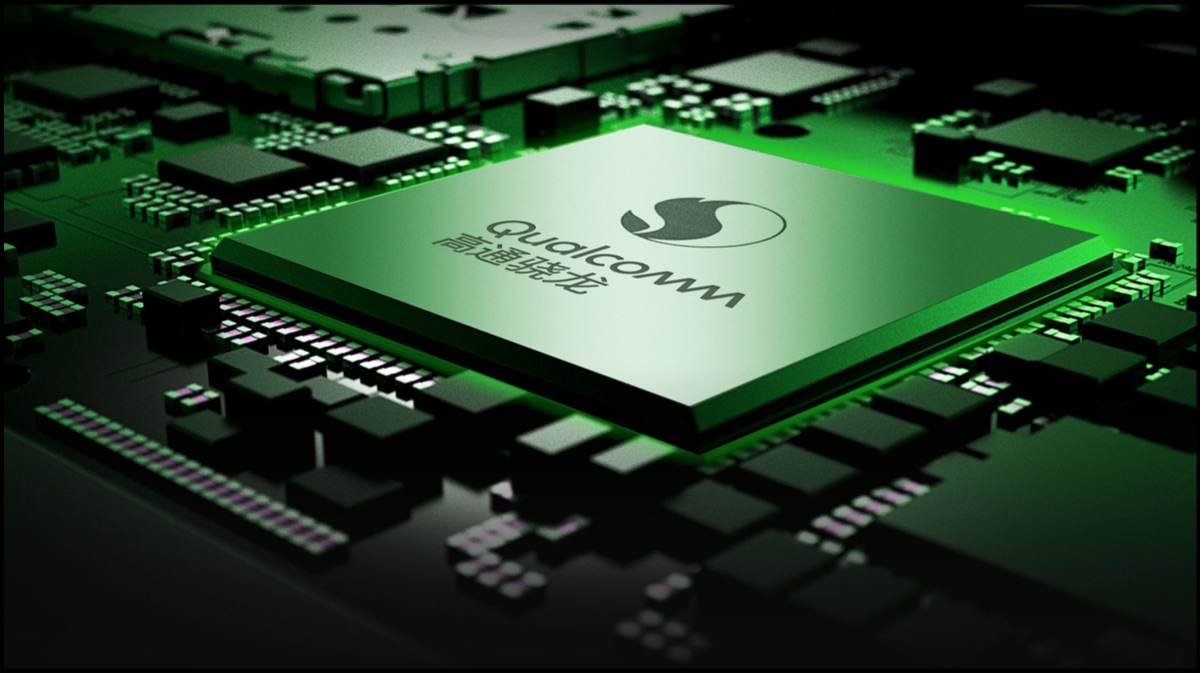
    Gaming phones have certain RAM optimisations through software that help the phone perform at it’s optimal best. This is done by better memory management. RAM optimisation enables a phone to clear up the RAM by killing unwanted Apps so that the gaming experience is unhindered.

    Gaming Mods
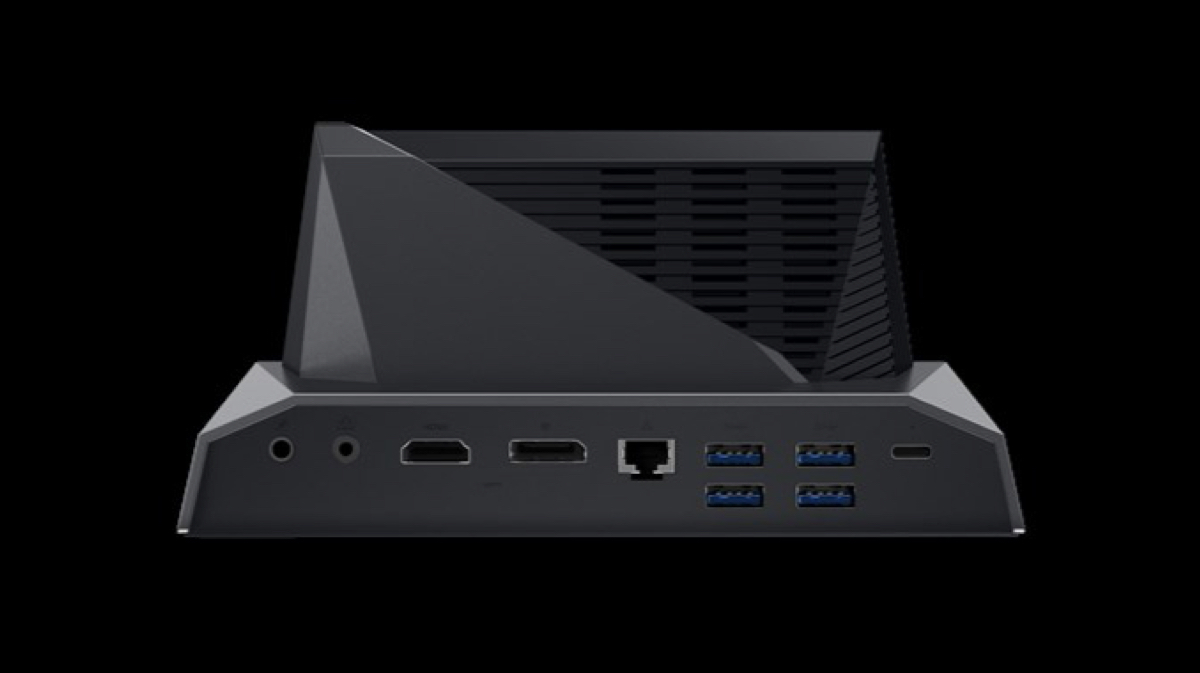
    Since these phones are made specifically for gaming, these are built from ground up. keeping the quirks of gaming in mind. For example, the Asus ROG Phone has a headphone jack both at the bottom of the phone as well as on the side of the phone. This allows a gamer to play games in the horizontal mode using two hands while charging the phone. There are several such modifications on gaming phones that make a gamer’s life much easier.

    High Quality Displays
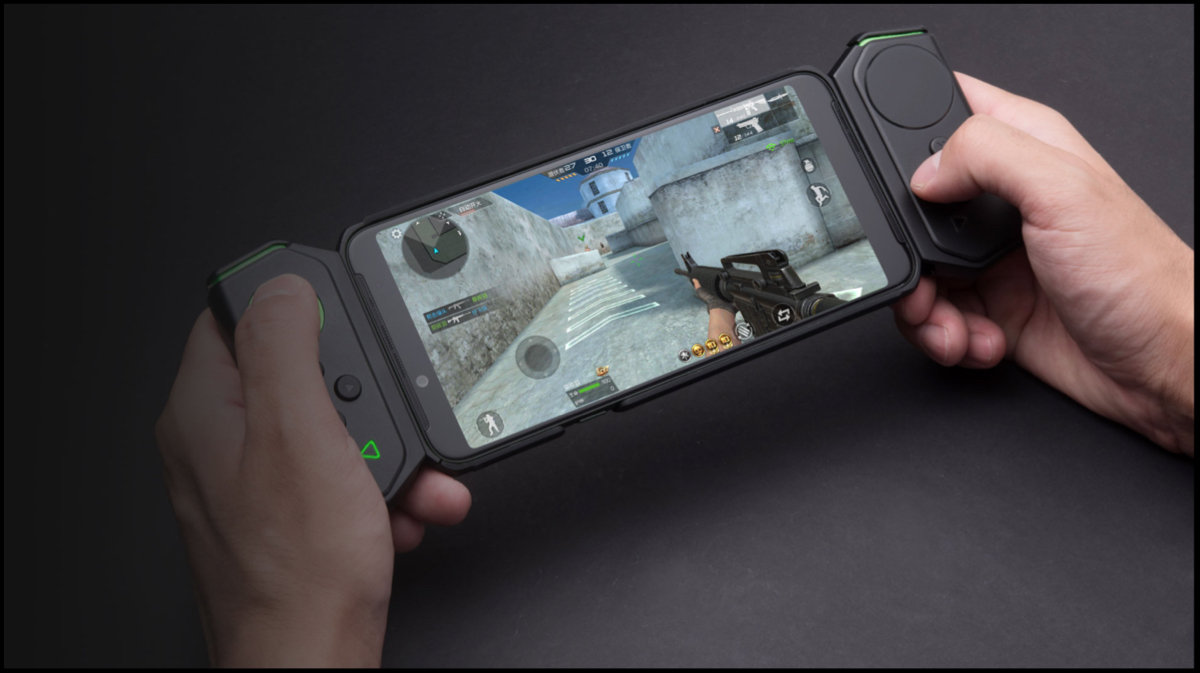
    Many high end phones these days have really good screens. Many have AMOLED displays or retina displays. But the gaming phones have an extra feature that in terms of the refresh rate. A refresh rate is the rate an LCD or LED panel changes a frame. It is calculated in frames per second (fps) and a higher refresh rate is extremely helpful for gamers since the images change faster compared to other screens giving gamers the extra edge to kill and spot enemies faster than others. Many gaming phones have a refresh rate of 120 Hz while normal smartphones usually have a refresh rate of 60 Hz.

    High Quality Speakers

    Gaming requires really great quality speakers. A good speaker can give you an immersive experience in gaming. Gaming smartphones usually feature great speakers with HD sound, dolby digital sound or Dolby Atmos stereo speakers. Some of these phones have great amplifiers as well.

    More Inbuilt Memory
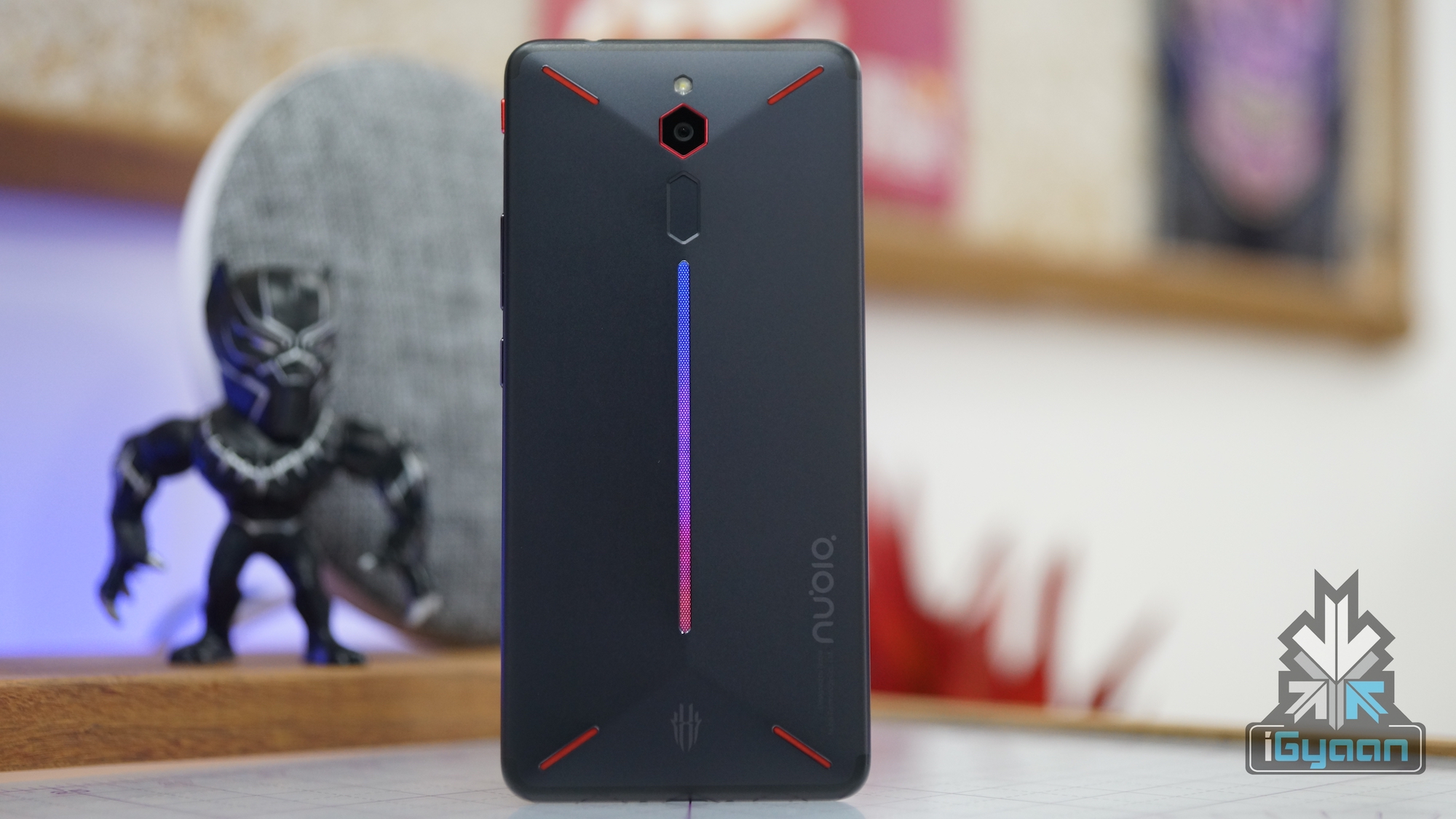
    Most high-end phones have a decent amount of RAM. For example, the latest iPhone XS has 4GB of RAM while the flagship Samsung Galaxy S9 has 4GB RAM. However, most gaming phones these days offer upto 10 GB of RAM. This makes day-to-day functions faster as well, apart from gaming of course!

    Added Accessories

    Gaming phones come with accessories that can be used to make the gaming experience better. These include extra battery packs, phone coolers, additional headphone jacks and more. These accessories might be expensive but they are quite helpful and can elevate your gaming experience overall.

    Negatives

    So what gives? If gaming phones are so good then why isn’t everyone buying it instead of a top end smartphone? Well, in making these high end hardware and software changes, the phone companies sacrifice other features. Let’s find out what the negatives are.

    Camera
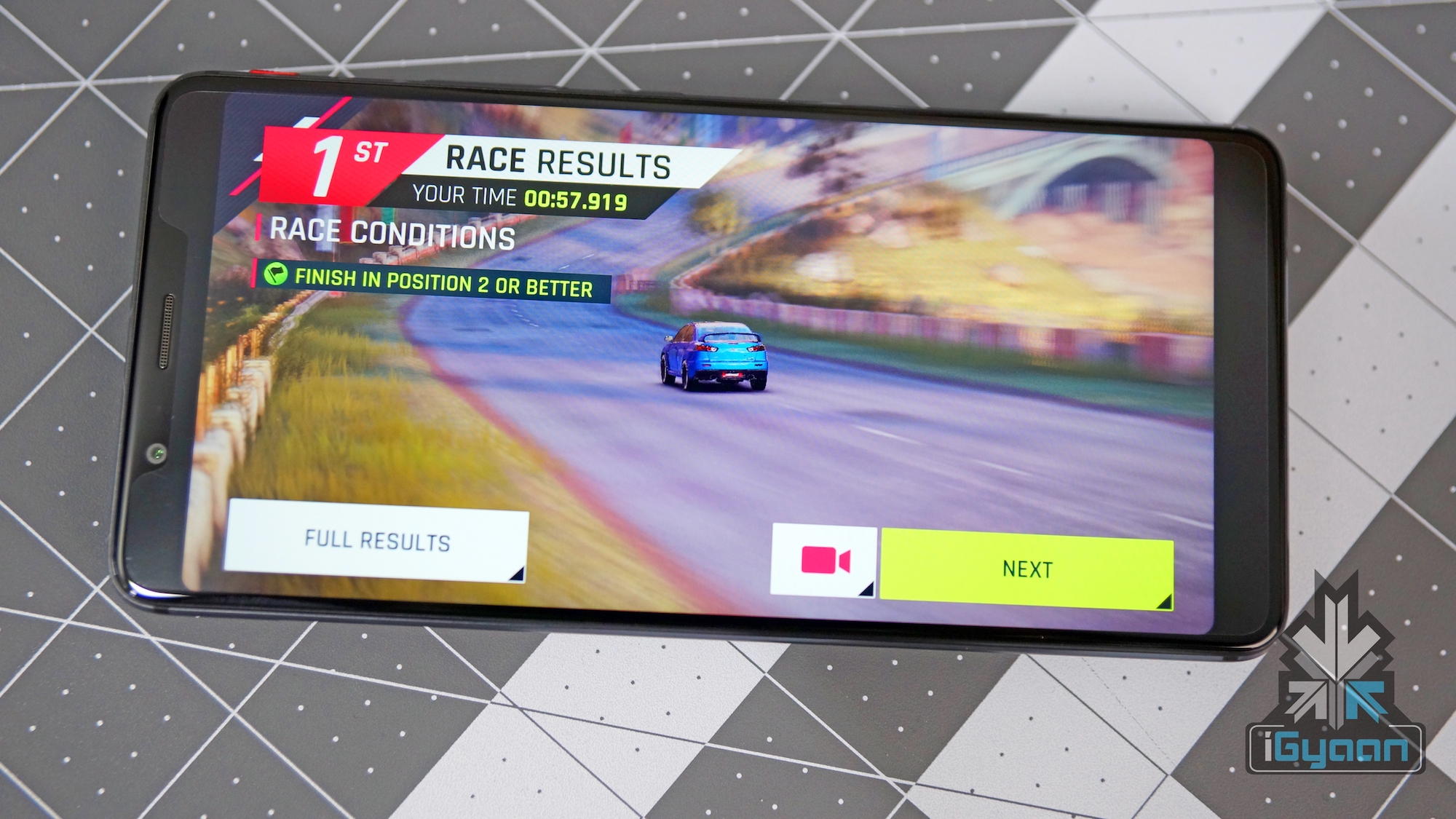
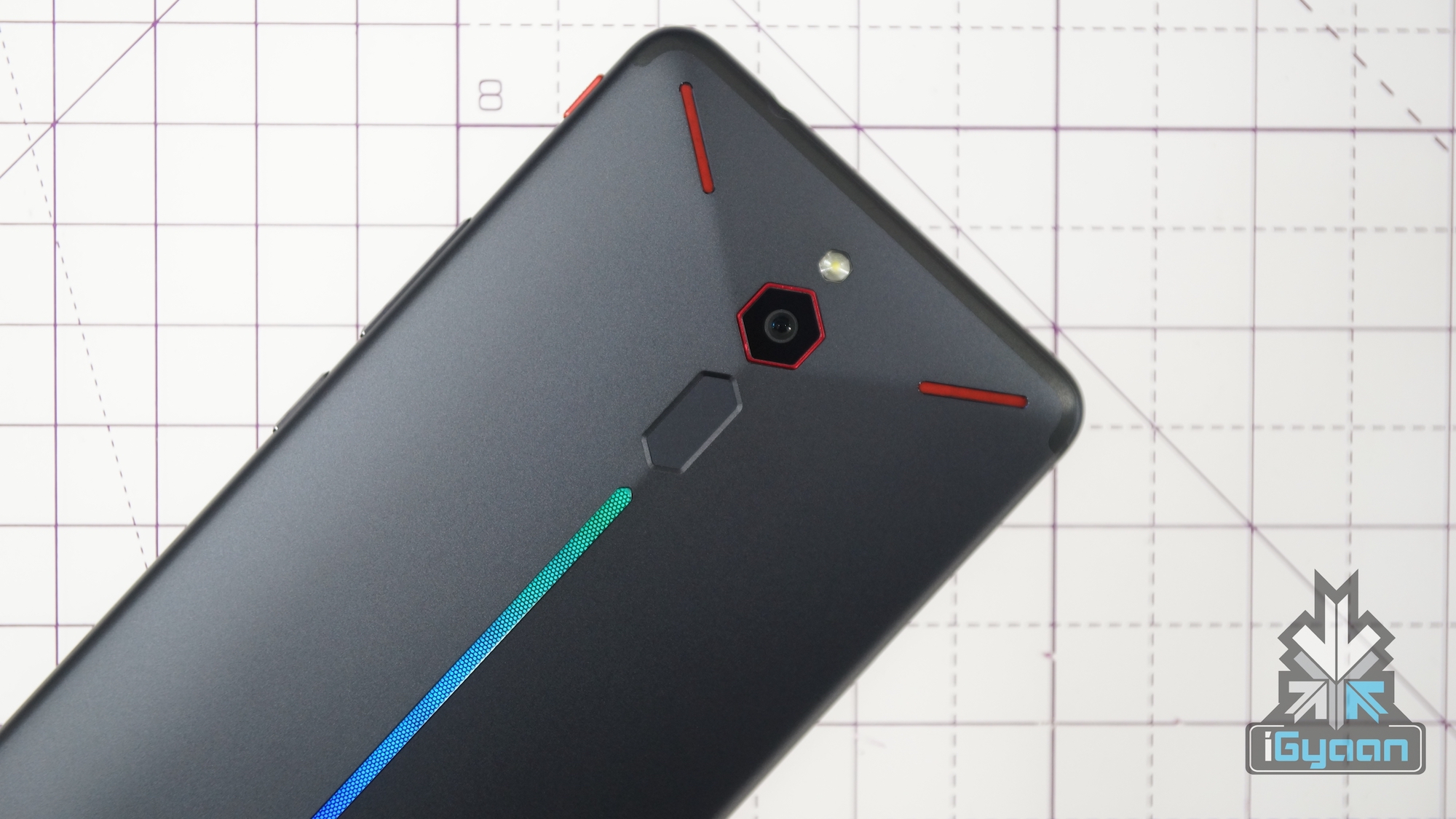
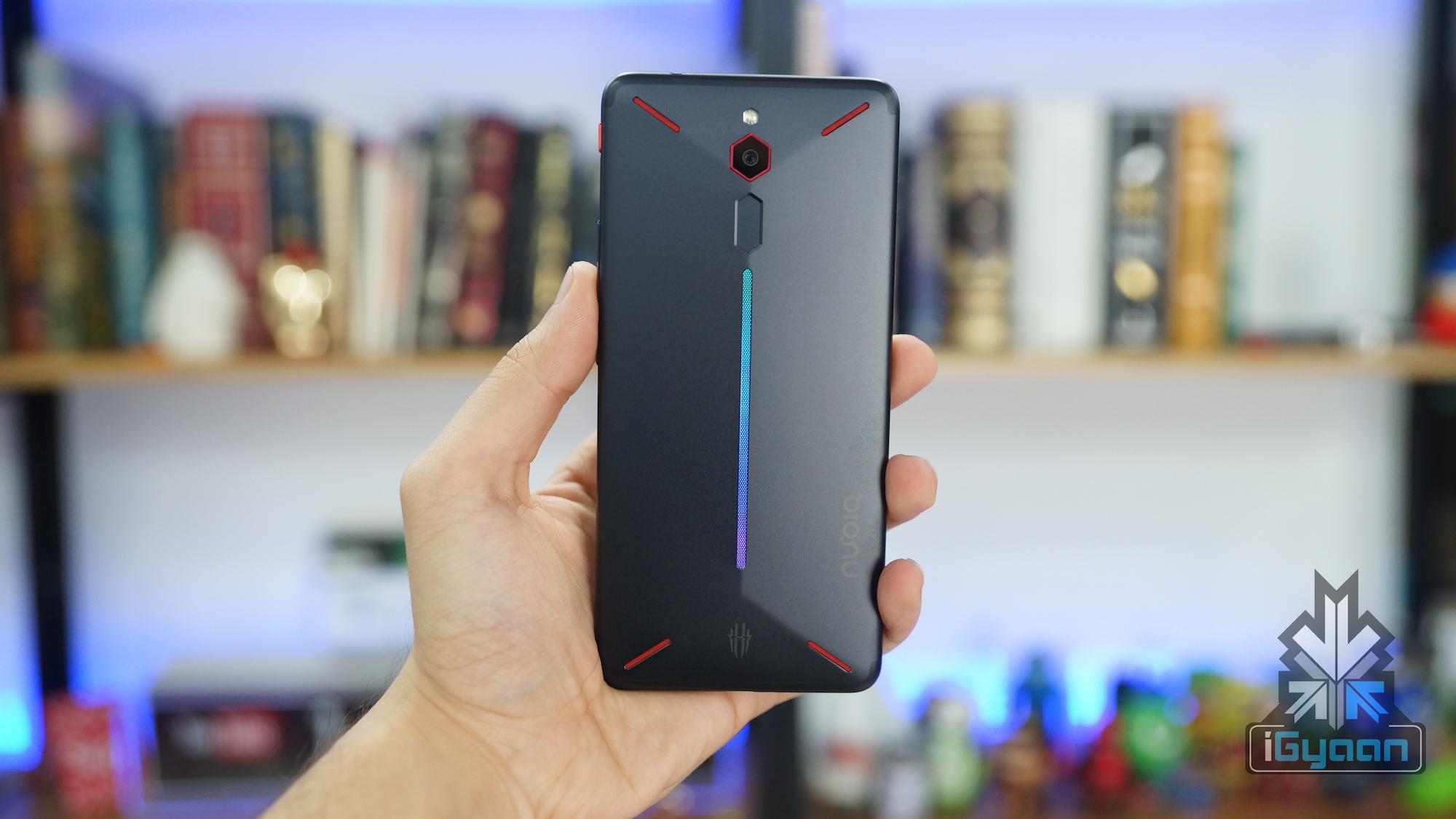
    Most gaming phones are not meant for taking photos or selfies, so their cameras are usually not that great. Many of the budget gaming phones usually sacrifice image quality by reducing the camera specifications. For example the Xiaomi Black Shark has a 20 Megapixel front camera but has a 12 megapixel and 20 megapixel back camera but the ZTE Nubia Red Magic has a single 24 megapixel sensor at the back. Even though the cameras are not bad, but compared to top of the line smartphones in the same price range, the image quality falls flat.

    Bulky

    These phones have a lot of modifications done in order to make it gaming friendly. These modifications take up space thus making these phones heavy and large. These are nowhere near the sleek smartphones that we see and use everyday and may feel like a brick at times. But it also sets you apart from the similarly designed phones that we see everyday. These phones have a dash of colour, look menacing and usually have glowing lights in the back. If you are a fan of sleek smartphones, gaming phones probably aren’t for you.

    Expensive
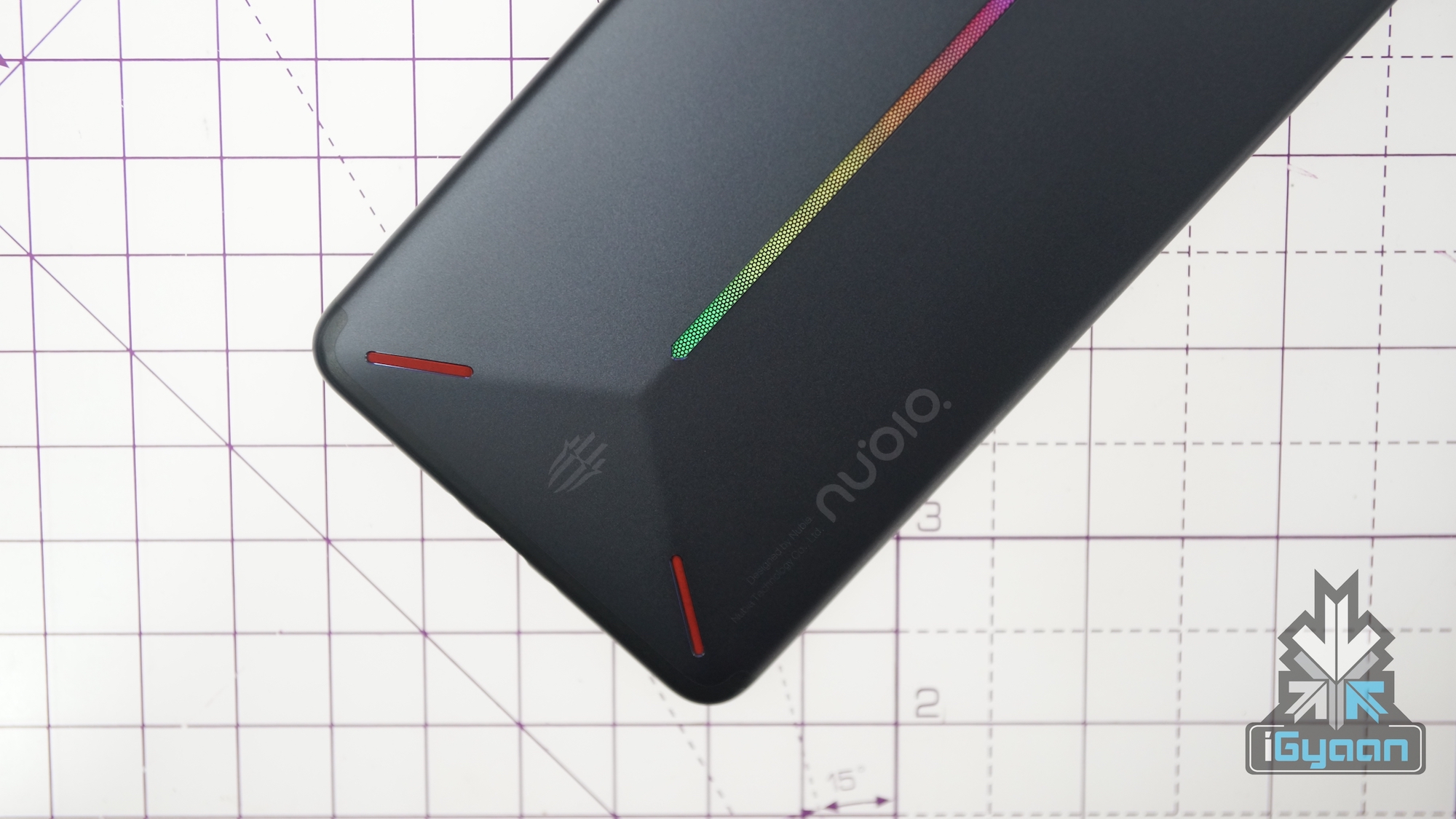
    These phones are specced to the brim and because of that, are expensive. They can be priced anywhere between $ 400 to $ 800 and are quite expensive. It is also to be noted that phones with similar specifications from manufacturers such as Apple and Samsung can go way above that reaching prices as high as $ 1500.

    Delayed Software Updates

    Gaming smartphones are generally not known for speedy software updates and OS updates. Since these phones have their own UI to make the phone look more like a gaming device, these UI changes take time for the company to implement on a new OS. This can be a hassle for people who like to get timely security and software updates.

    Best Gaming Smartphones To Consider

    Now that we have discussed both the positives and the negatives, here is a list of the best gaming phones available in the market that you can consider to buy:

    • The Razer Phone 2
    • ASUS ROG
    • Xiaomi Black Shark
    • ZTE Nubia Red Magic
  • Xiaomi Poco F1 Armoured Edition Launched In 6 GB / 128 GB Variant

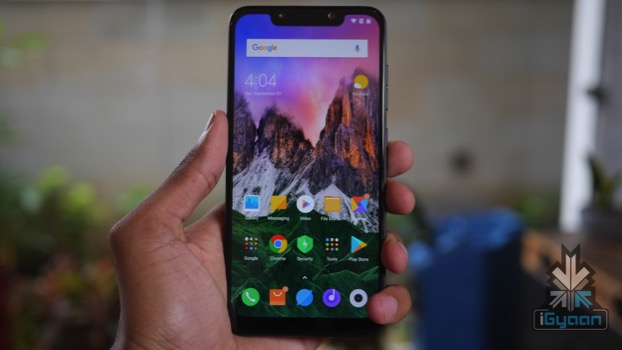
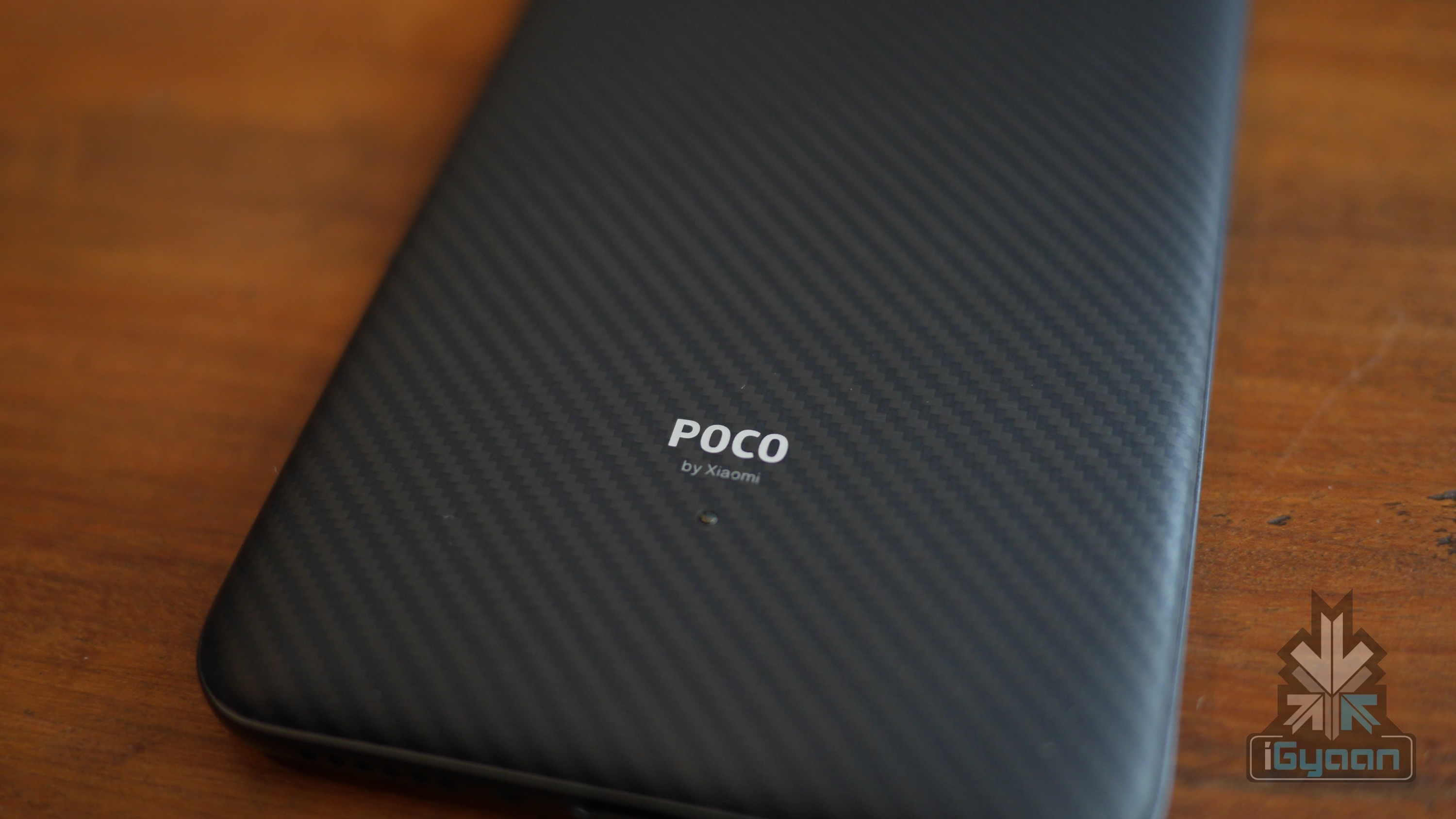
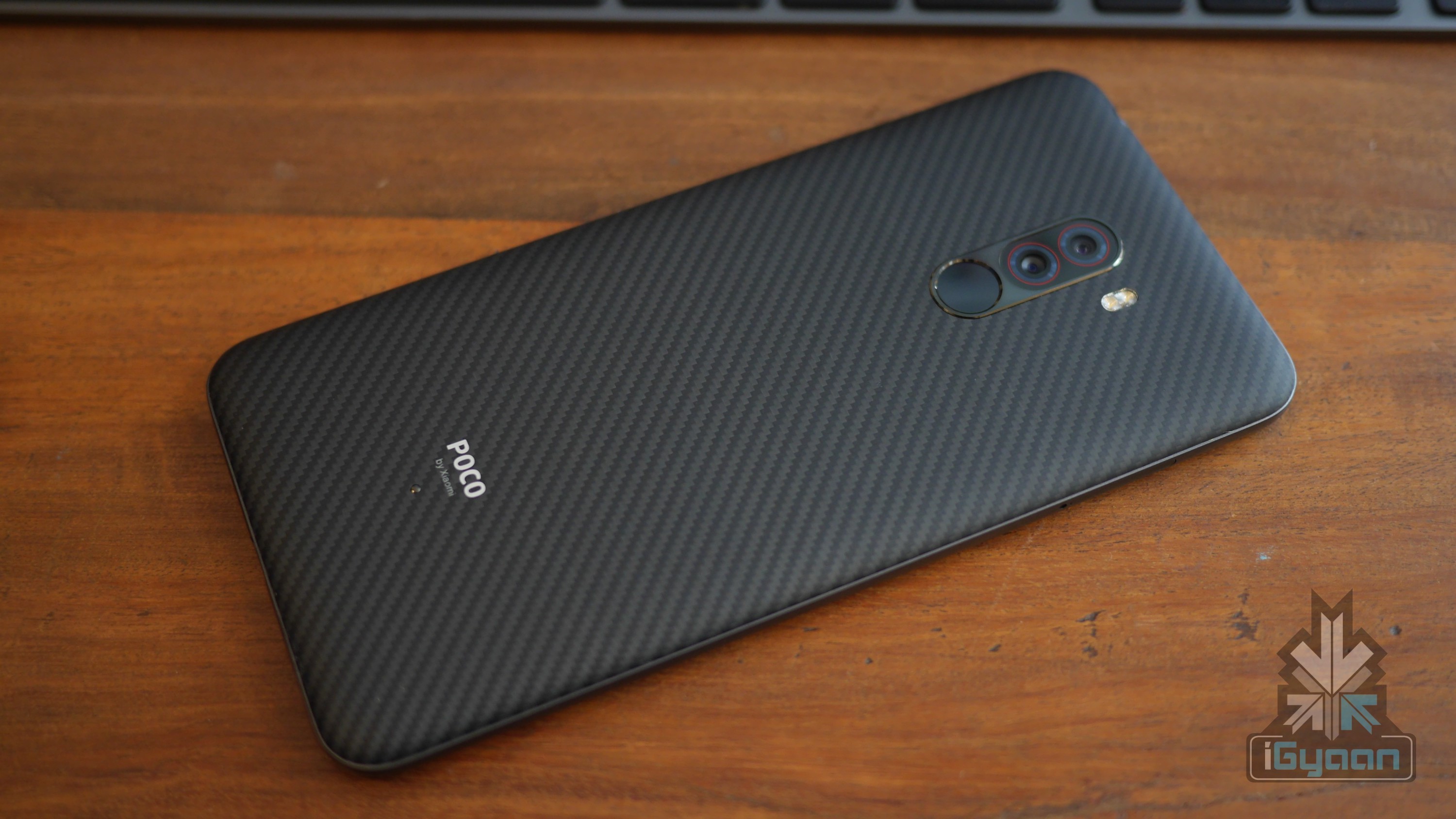
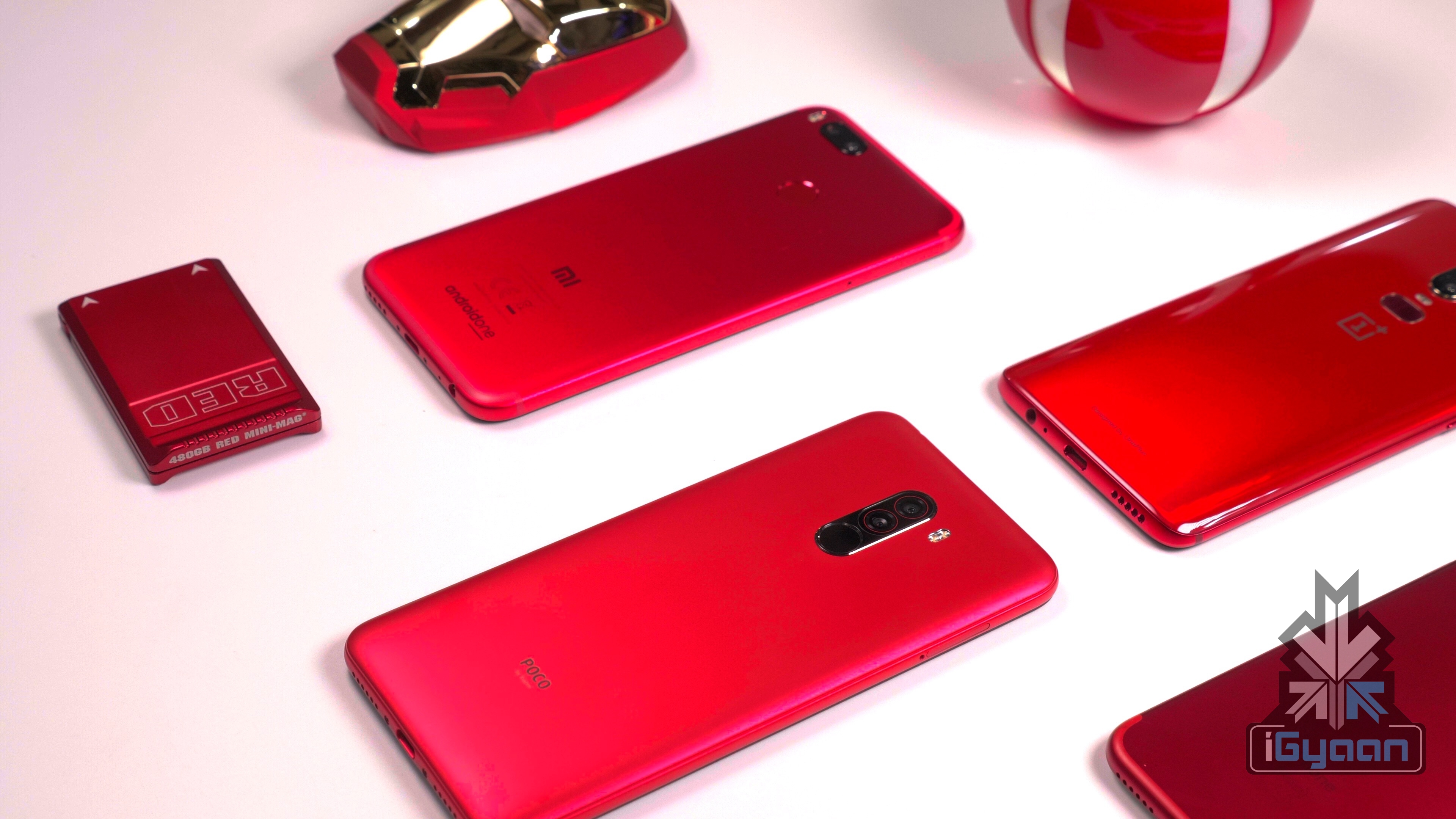
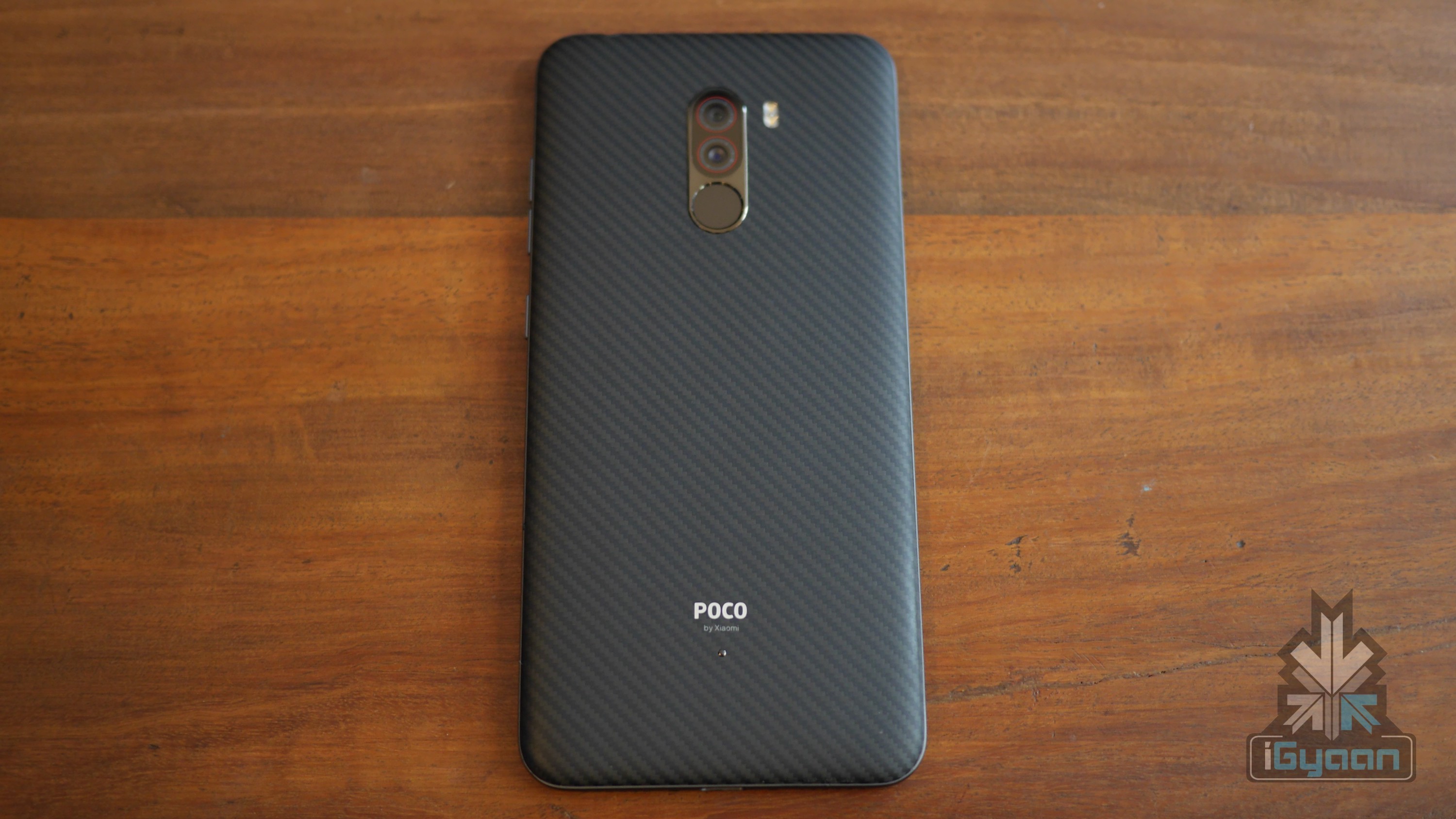
    Xiaomi’s secret weapon is the Poco phone F1. It released with a huge hype around the unbelievable price and amazing specifications. The phone features the top of the line Snapdragon 845 SoC at an amazing launch price of Rs. 20,999. This caused a lot of uproar because of the cheap price. The Poco F1 was previously launched with an armoured edition but it was only available in the pricier 8 GB RAM and 256 GB storage variant. This was however, out of the budget of many consumers. This is set to change now that Poco F1 Armoured Edition has been launched at a lower 6GB RAM and 128 GB storage configuration.Poco F1


    The Poco F1 featured a MIUI 9.6 based on Android 8.1 Oreo out of the box but has recently started receiving Android 9.0 Pie on top of MIUI 10. The phone has a 6.18-inch full-HD+ screen with 1080 x 2246 pixel resolution display. Although there was a lot of furore regarding the phone not being able to play HD videos from some video streaming websites, many consumers did not care. The phone has a 2.5D curved display with Gorilla Glass 3 which provides additional protection. But the main feature that attracted so many fans towards this phone was the Qualcomm Snapdragon 845 SoC which is the latest SoC available at the moment.

    Poco F1

    The Poco F1 Armoured Edition has a dual camera setup at the back and a single camera at the front. The rear cameras include a 12-megapixel Sony IMX363 primary sensor and a 5-megapixel secondary sensor. It also features a 20-megapixel camera along with HDR and AI Beautify features. Other notable features include 4G+ VoLTE, Wi-Fi 802.11ac, Bluetooth v5.0, USB Type-C, 3.5mm headphone jack. It has a 4,000 mAh battery that supports 18W charging and Quick Charge 3.

    The phone’s armoured edition will go on sale in the country through Mi.com and Flipkart. Starting 00:01am on December 26, 2018. The 6GB 128GB variant is priced at Rs 23,999 in India.

  • Xiaomi’s Mint Browser Is Now Available On The Play Store

    Xiaomi’s Mint Browser Is Now Available On The Play Store

    Xiaomi has lunched its Mint Browser on the Google Play Store. The browser is a lightweight version of an already existing browser which comes in-built along with MIUI. The Mint browser is however not restricted to just Xiaomi devices and can be installed on any Android smartphone. However, the browser is still not available in India, but should be made available soon.

    The Mint browser is a lightweight browser and it is designed to consume fewer resources. The browser is smaller and lighter in terms of download size, installation size, memory and data usage and many other arenas. The light weight nature and small size does have some issues as well. The browser isn’t really feature loaded, but it does have the bare necessities for every day use.

    The browser features an incognito mode. It also has a data sober mode which compresses images to save data. It does not have an ad-blocker which is a common feature among browsers these days. Also , the search engines which you can use is limited to Yahoo, which is the default and Google. To use an alternative like DuckDuckGo, you will have to set that as the default start page.

    It also features a night mode, which is a feature already found on the MIUI browser. This mode turns the webpages dark so as to decrease eye-strain at night. However, this night mode does have its drawbacks. The web page only switches to dark mode after the entire web page finishes loading. Until then, it stays in the original colours.

    Also Read : Apple Wont Ditch The iPhone’s Notch Till 2020

    However, unlike the other Xiaomi browser, this one is clean and free of annoying ads and pop ups. This means there are no notifications, promoted content, ads and pop ups. The app is available for free on the Play Store.

  • Xiaomi Redmi Note 5 Pro Running Android Pie, Snapdragon 660 Spotted Online

    Xiaomi Redmi Note 5 Pro Running Android Pie, Snapdragon 660 Spotted Online

    The Xiaomi Redmi Note 5 Pro is one of the most popular Xiaomi phones sold in India till date. Even though the phone was launched some time back and a successor, the Redmi Note 6 Pro has been launched, the phone still retains its popularity. The phone was launched with Android 7 Nougat. It got the Android 8 Oreo update within a few months, as promised by the company. And now, according to the latest listing, the smartphone will be receiving the Android 9 Pie update soon.

    Geekbench Listing

    The latest software upgrade that the Redmi Note 5 Pro had received was the MIUI 10 update. But it looks like the company is all set to take one of its most popular phones to the next level. The phone was spotted on Geekbench, running on Android 9. This means that the update for the same is around the same and will be rolled out to users soon. If this update will happen, it will make it the second major software update for the device, which is not very common in Xiaomi devices. Adding to that, it will also make it one of the most speediest updates to reach a device which is not so recent.

    However the Geekbench listing also provided another interesting bit of information. A version of the Redmi Note 5 Pro was spotted with the Snapdragon 660 processor. The Redmi Note 5 Pro was initially launched with the Snapdragon 636 processor. Interestingly, even the newly launched Redmi Note 6 Pro runs on the 636 chipset. It is possible that Xiaomi might be launching a second variant of the Redmi Note 5 Pro with the 660 chipset.

    Also ReadASUS May Launch Zenfone With Pop Up Camera And Punch Hole Camera

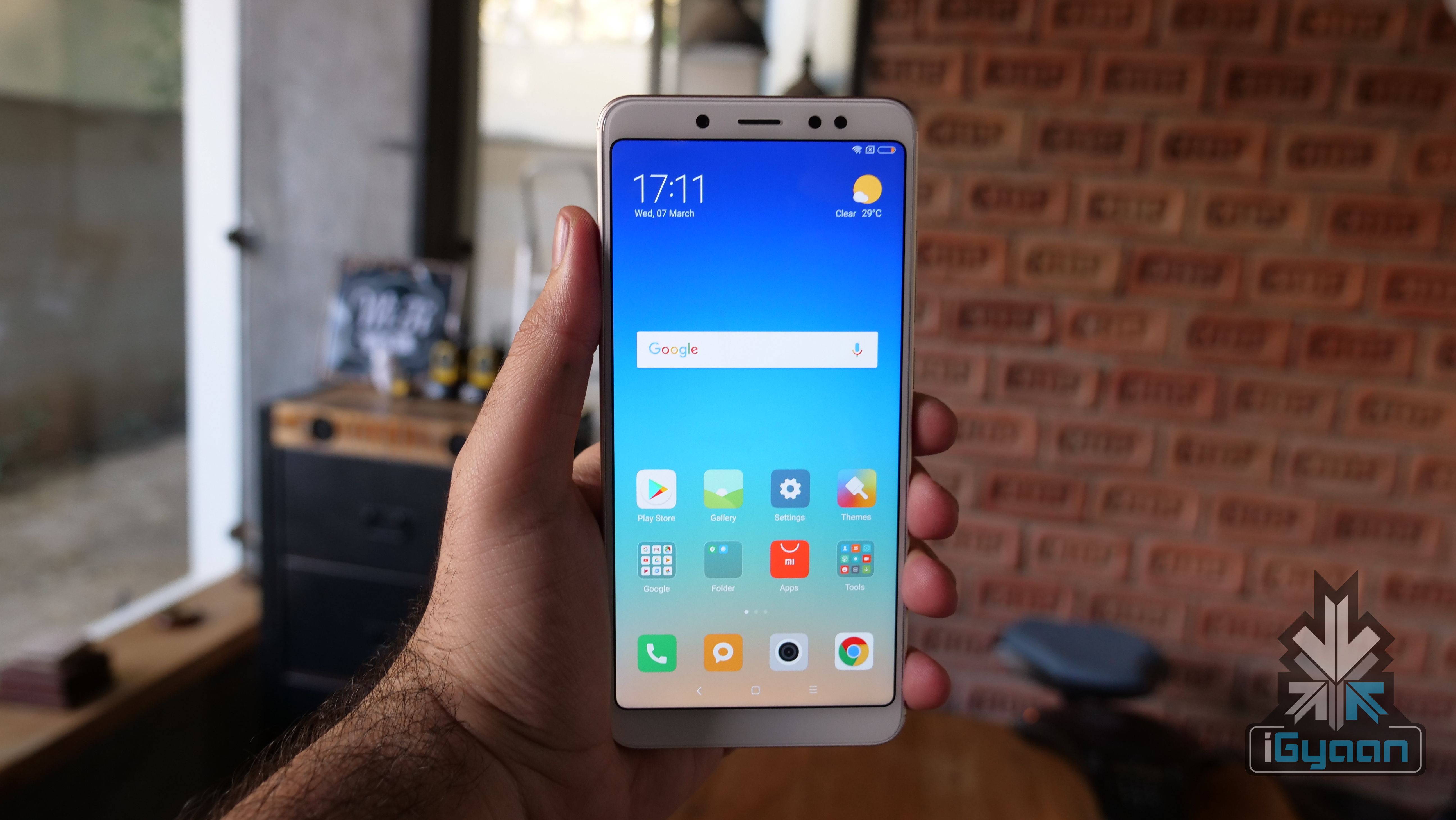
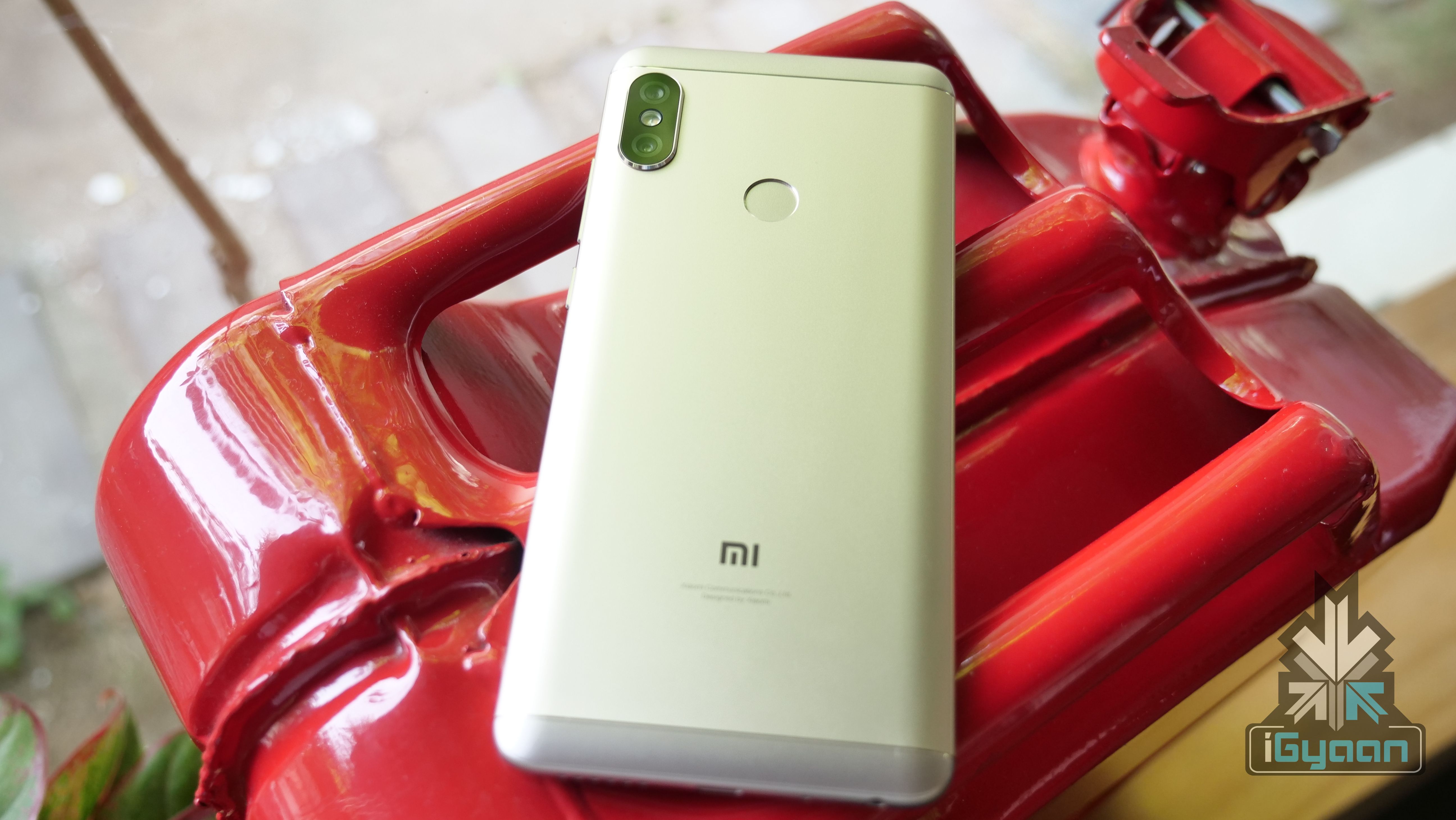
    Redmi Note 5 Pro

    The Xiaomi Redmi note 5 Pro has a 5.99 inch LCD display with a 2160 x 1080 px resolution. It runs on the Qualcomm Snapdragon 636 processor and has 3 GB, 4 GB and 6 GB RAM options. It has 32 GB and 64 GB storage variants, both with expandable memory of upto 256 GB. The phone sports a 12 MP + 5 MP dual rear camera and a 20 MP front facing camera.

  • Xiaomi Mi Car Charger Basic Released In India

    Xiaomi Mi Car Charger Basic Released In India

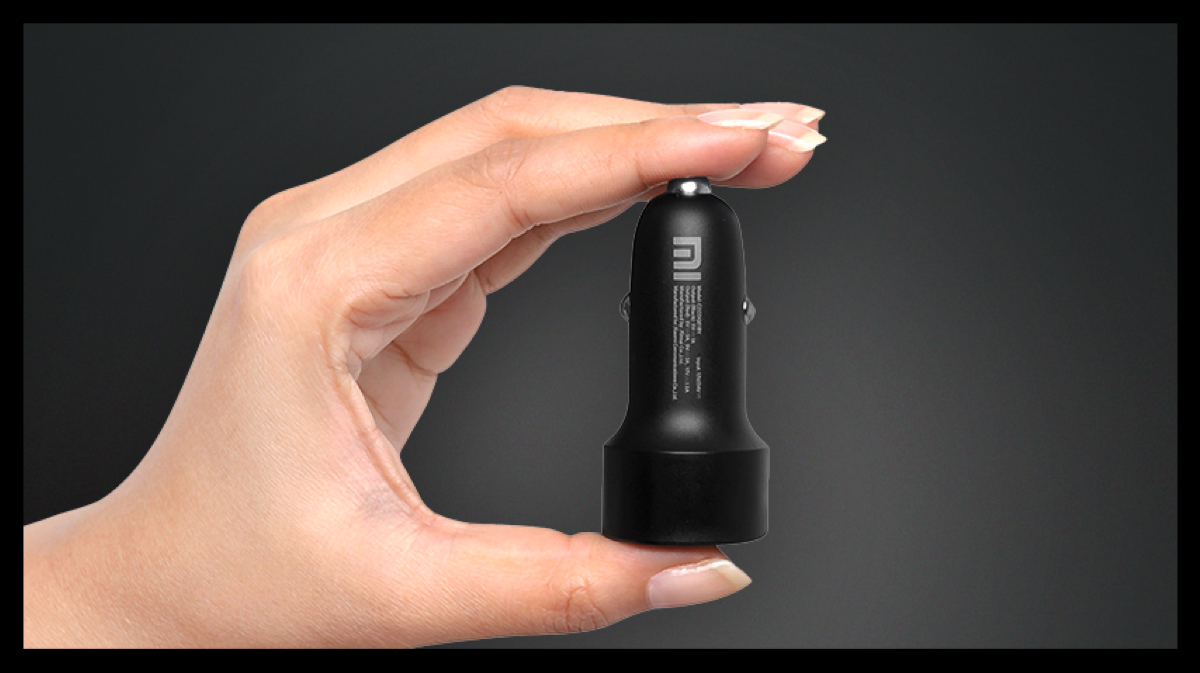
    Xiaomi has been known to introduce products ranging from home appliances to phones and even other tech accessories. They have a host of products that are currently available in other countries, but not in India at the moment. The company had previously introduced a car charger last year. This was expensive due to it being built with a metal body and two USB ports. But now they have introduced a new car charger that is made of a polycarbonate shell, thus reducing the price and increasing the cost effectiveness of the charger. We all have faced issues with our phones running out of juice when we most need it. The car charger charges your phone using the car’s outlet, thus ensuring you never miss a call while travelling.

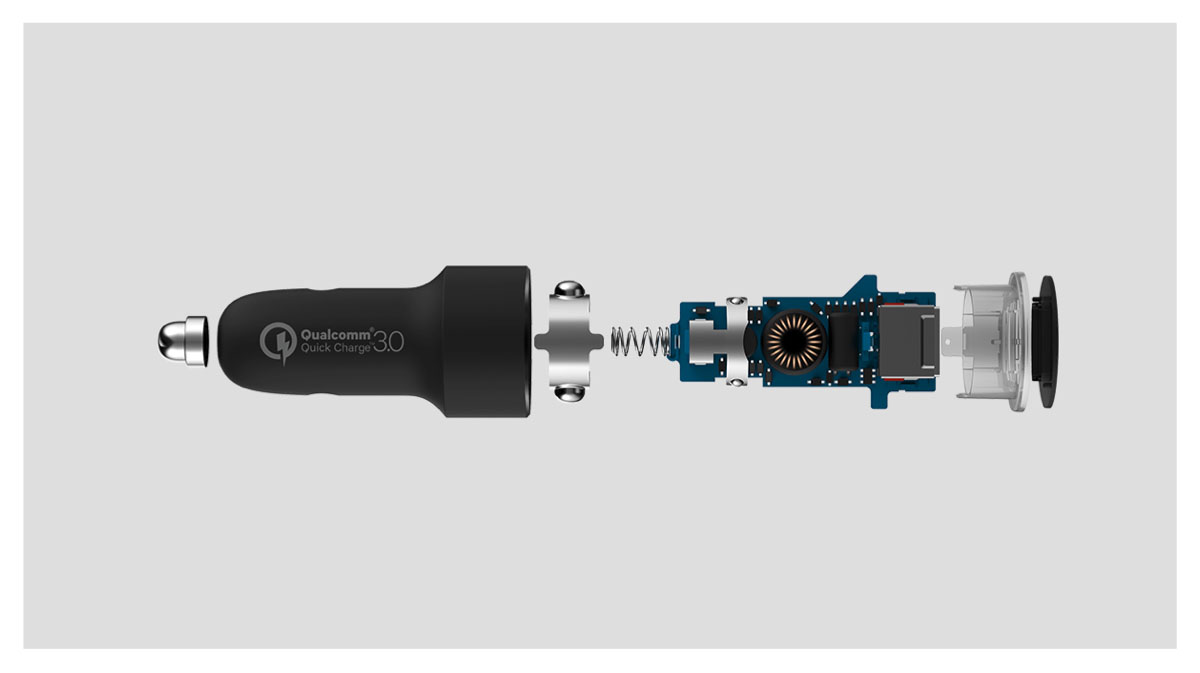
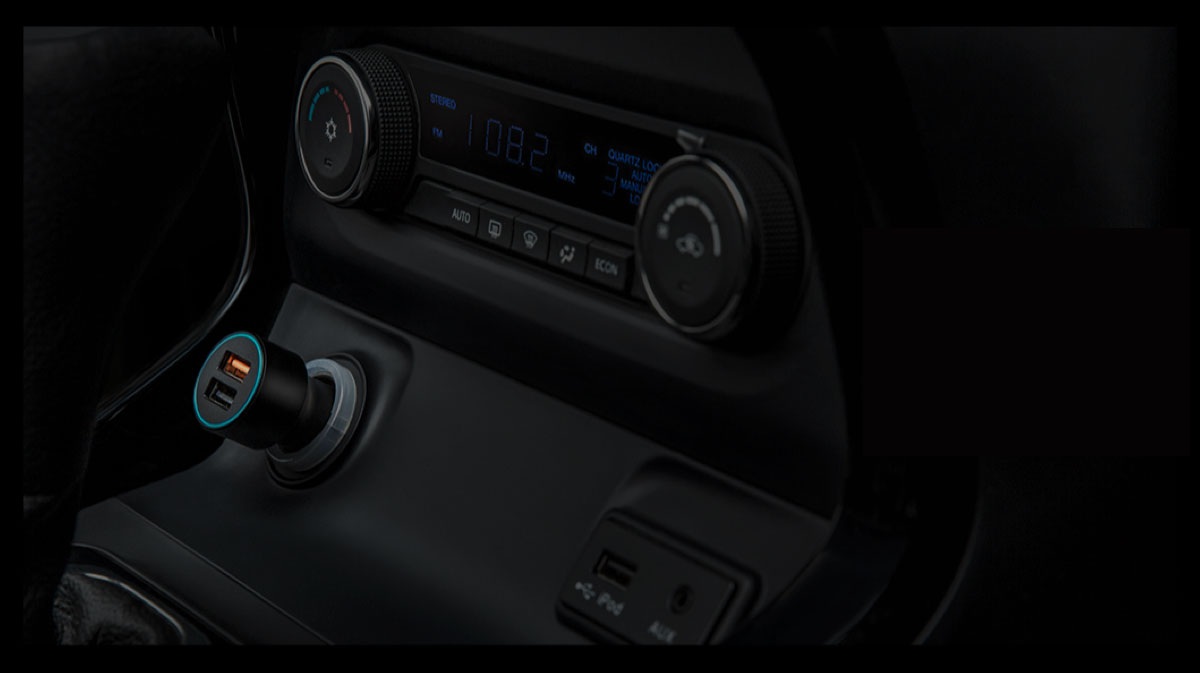
    Specifications The new charger that Xiaomi calls the Mi Car Charger Basic has two USB slots as well and can charge two devices simultaneously. It supports 12V and 24V input that are available in almost all modern cars. It features four layers of protection in output that prevents overcharge and over voltage while also ensuring protection from short circuit and higher temperatures while charging. The charger is extremely handy and has a very compact size. It is also lightweight since the charger is made of hard plastic or polycarbonate. The charger features a blue LED light ring as well.

    Also ReadXiaomi Mi Notebook Air With Intel Core i5 Launched

    The Quick Charge 3.0 compatibility ensures that your phone charges fast, even on a short distance journey. QuickCharge 3.0 supports USB Type-A, USB micro, USB Type-C and proprietary connectors. Qualcomm boasts of charging a battery to 80% in just 35 minutes with Quick Charge 3.0 as the charger optimises power transfer in the early stages of charging. This allows the charger to recharge the battery at a faster rate in case of a lower battery charge. The charger is available on Mi’s website for a price of Rs 499.

  • Xiaomi Mi Notebook Air With Intel Core i5 Launched

    Xiaomi Mi Notebook Air With Intel Core i5 Launched

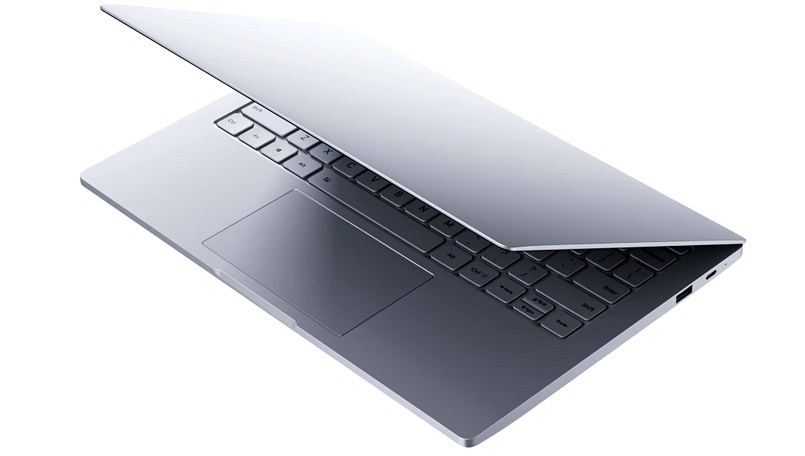
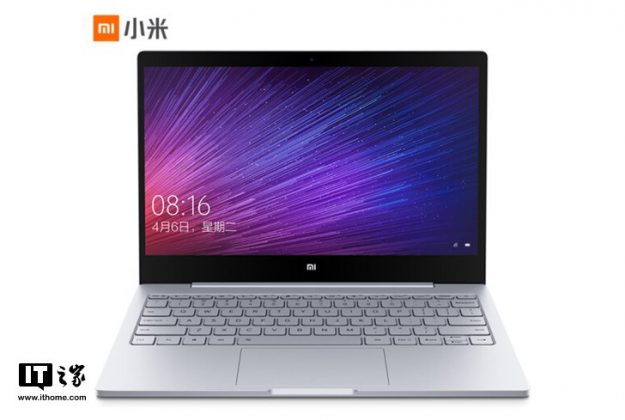
    Chinese smartphone manufacturer Xiaomi has launched yet another product, adding to its arsenal. The Mi Notebook 12.5 inch has been launched and it runs on the 7th generation Intel i5 processor. It is the latest in the impressive Mi Notebook series. The laptop has been launched at a price of RMB 3,999 which translates to about Rs 40,000. As of now, nothing is known about the Indian launch of the Mi Notebook Air.

    Specifications

    The Mi Notebook Air has a 12.5 inch Full HD display. The laptop is 12.9 mm thick and weighs 1.07 Kg, justifying its Air’ title. It runs on the seventh generation i5 processor. It has 4 GB of RAM along with 256 GB of storage. Xiaomi has not revealed much about the Mi Notebook Air’s battery, but claims that it has a 11.5 hour backup on a single charge. The laptop is based on Windows 10 and also features a USB Type-C port. This is used for connectivity and charging as well. The laptop also supports fast charging.

    The company is not offering any higher configuration options on the Mi Notebook Air. Which is disappointing as buyers would not even get the option to opt for a better processor. But, the existing 7th generation i5 processor is still quite a jump compared to the m3 processor on the previous model. The laptop has been launched in China as of now and though the company has not mentioned anything about the Indian launch, we can expect it sometimes not year.

    Also ReadPOCO Will Launch A New Smartphone On 25 December

    Now that the chinese smartphone giant has gained a strong foothold in India, it is looking forward to launch more and more products here as well. Earlier, top company brass had announced that they will bring more products to India and the Mi Notebook Air will surely be one of the best choices for the same.

  • POCO Will Launch A New Smartphone On 25 December

    POCO Will Launch A New Smartphone On 25 December

    Xiaomi launched the Poco F1 smartphone earlier this year in India which, was later followed by a lot of other markets. The smartphone shook the world due to its stellar features and killer pricing. It is the world’s first sub $ 300 smartphone to feature the Octa-Core Snapdragon 845 SoC. In comparison, other phones that feature the Snapdragon 845 chipset cost 2 – 3x the price of the Poco F1. As of now, the smartphone has received both positive and negative reviews. But, there is not much to complain because of its price. The company has posted a tweet which talks of a NewPOCO smartphone.

    The Poco F2?

    The tweet was posted on the company’s official Twitter account, therefore the piece of information is trustworthy. It indicates that POCO will soon launch a new smartphone in India. However, the tweet does not provide any information about which device the company will launch. Allegedly it could be the POCO F2 or even a revised variant of the currently available POCO F1.

    A famous leaker, Ishan Agarwal claims that the upcoming device is in fact just a Gradient colour Edition of the POCO F1. Additionally, the company will now offer the 6 GB + 64 GB and 6 GB + 128 GB variants with Kevlar back at a premium of Rs 1000.

    Poco F1 Specifications

    • Display: 6.18-inch LCD Full HD+ 2246 × 1080 pixels, 18.7:9 aspect ratio
    • Operating System: MIUI 10 Android 8.1 Oreo
    • Processor: Snapdragon 845
    • RAM: 6 GB/8 GB
    • Storage: 64 GB/128GB/256GB
    • Rear Cameras: 12 MP + 5 MP, Dual-LED Flash
    • Selfie Camera: 20 MP
    • Security: Rear Mounted Fingerprint Sensor, Infrared Face Unlock
    • Connectivity: Dual 4G VoLTE, Wi-Fi 802.11 ac, Bluetooth 5 .0 , GPS, USB Type-C
    • Battery: 4000mAh
    • Dimensions: 155.5 x 75.3 x 8.8 mm
    • Weight: 182 grams
    Launch Date And Pricing

    Also Read: Xiaomi Launches Mi Play With Deca Core MediaTek Processor

    The upcoming POCO smartphone is set to launch on 25th December. The company will officially lift the covers off the device then, which will clear up whether it is a brand new device or just a new variant of the current smartphone.

  • Xiaomi Launches Mi Play With Deca Core MediaTek Processor

    Xiaomi Launches Mi Play With Deca Core MediaTek Processor

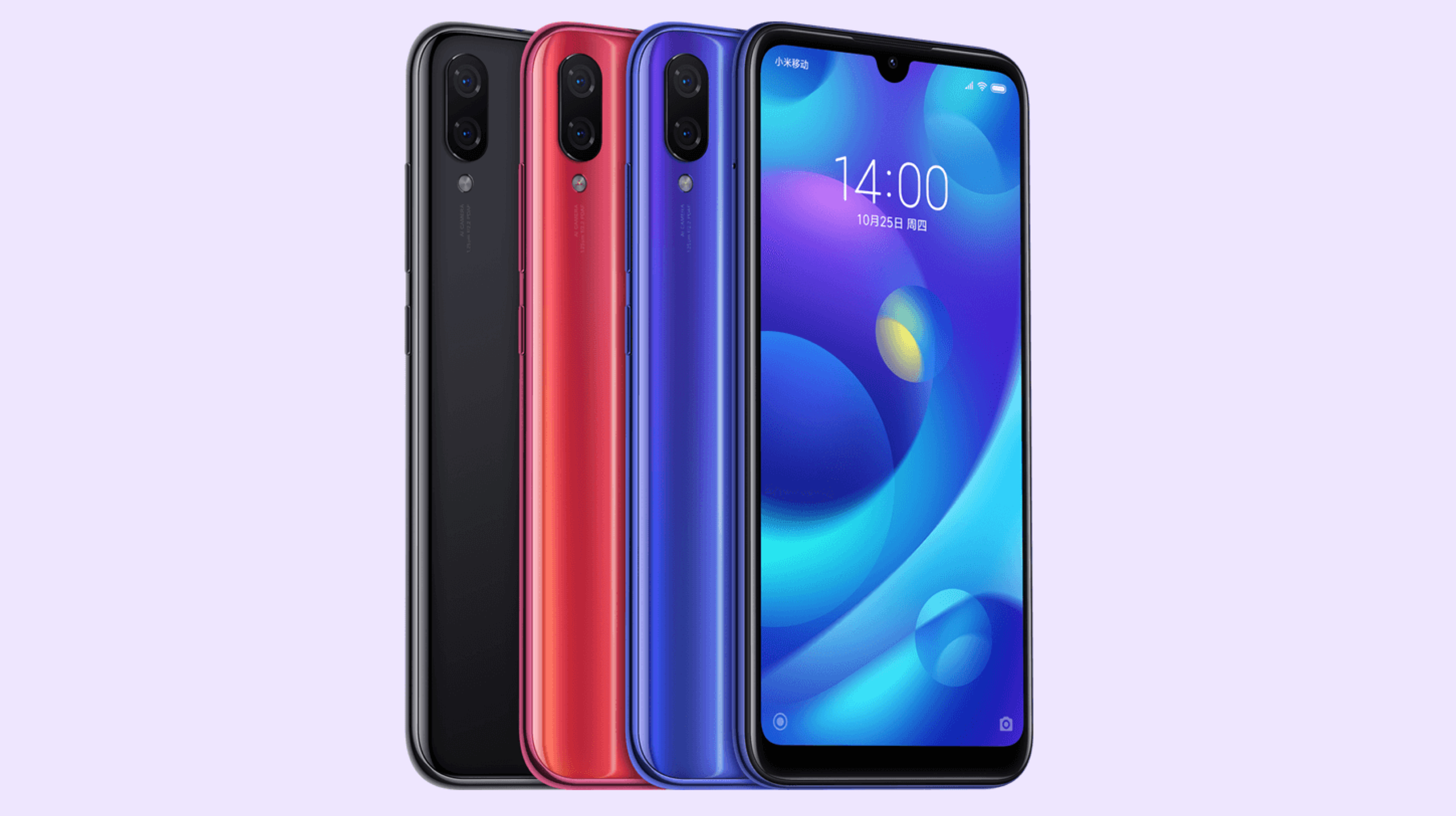
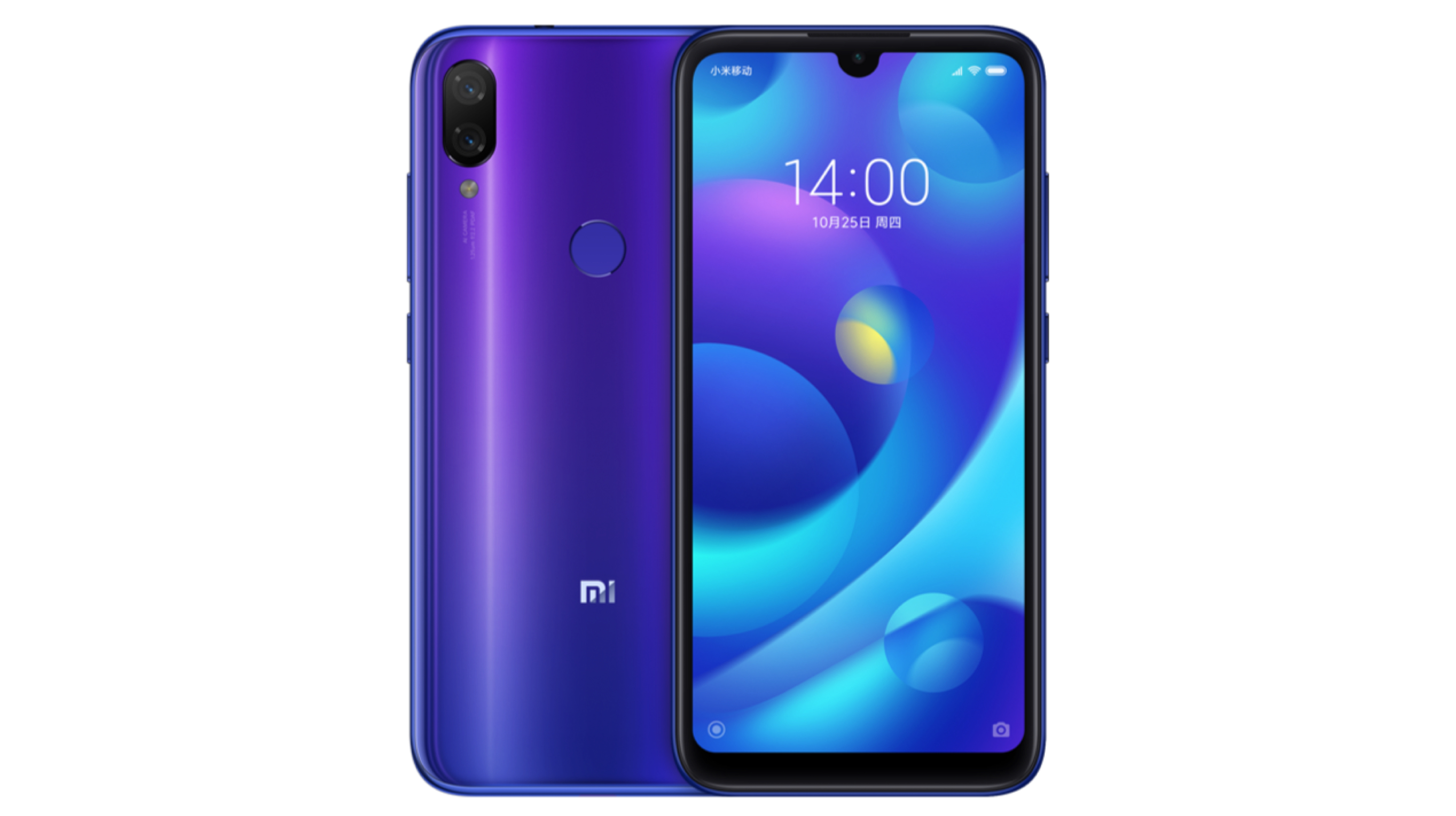
    Xiaomi held a launch event in China where they launched the Mi Play smartphone. The Mi Play is a budget smartphone with solid features and an attractive design that make it stand out of the crowd. To boost sales, the company has bundled the smartphone with 10 GB of monthly data.

    Design

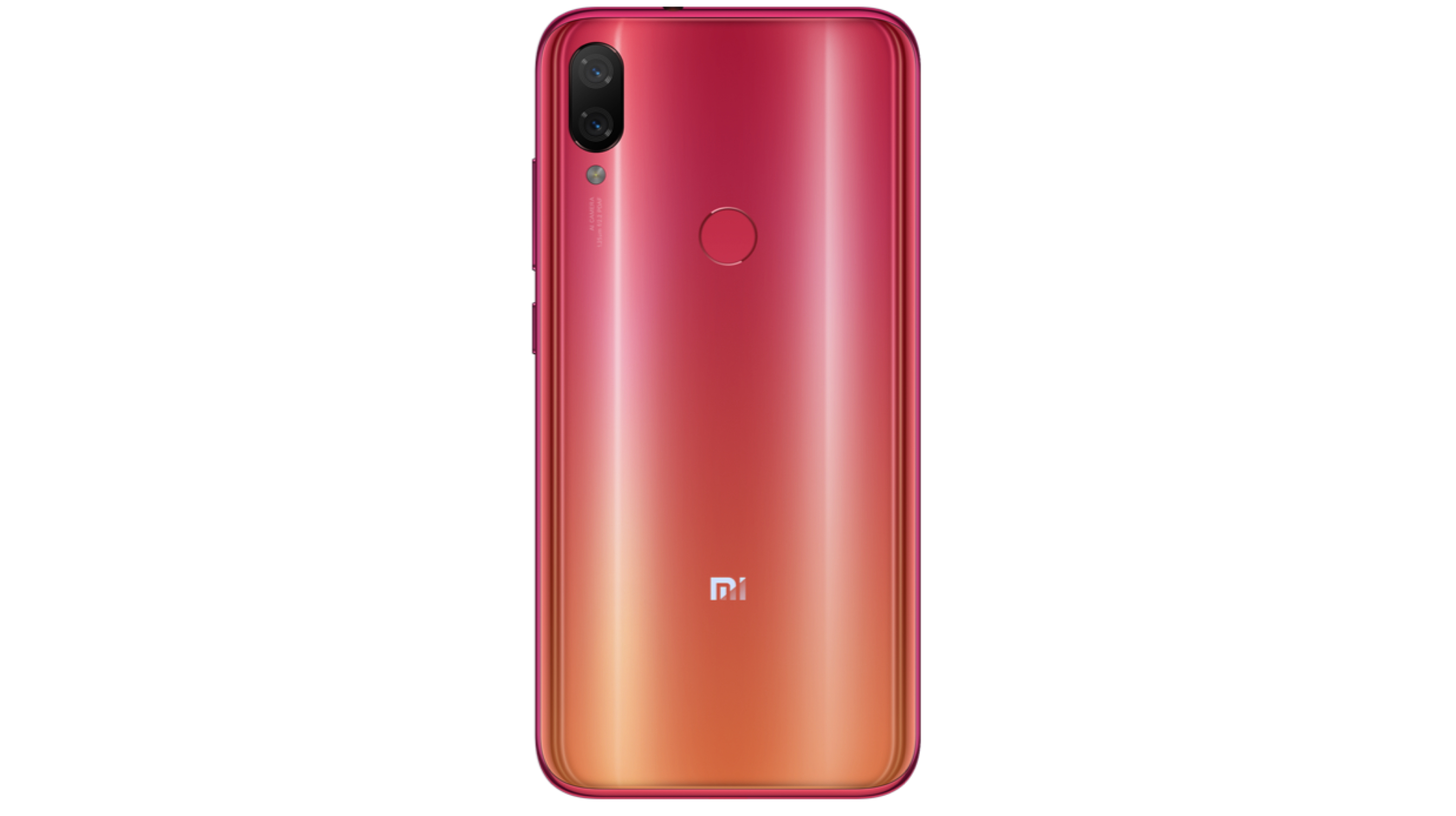
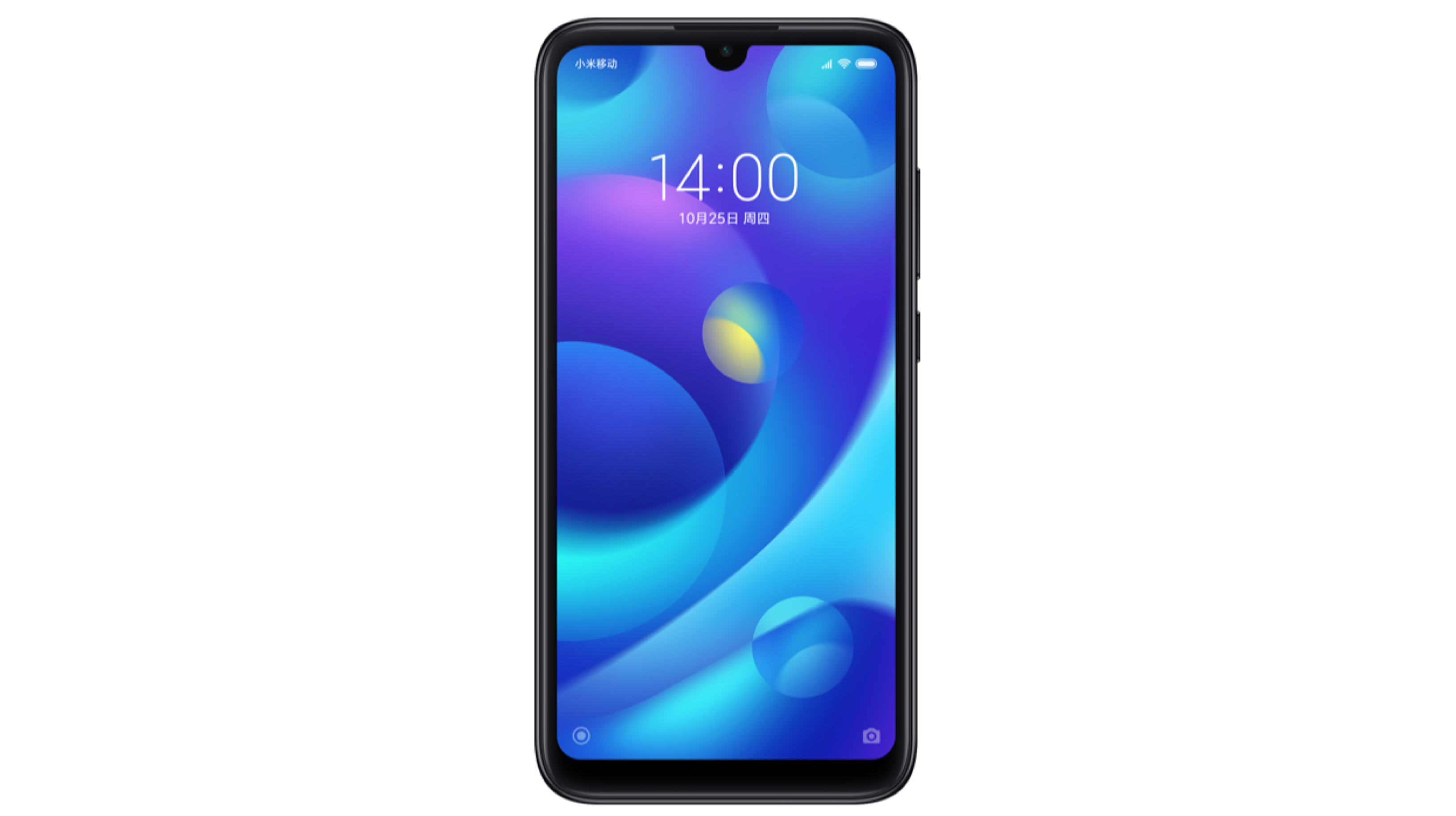
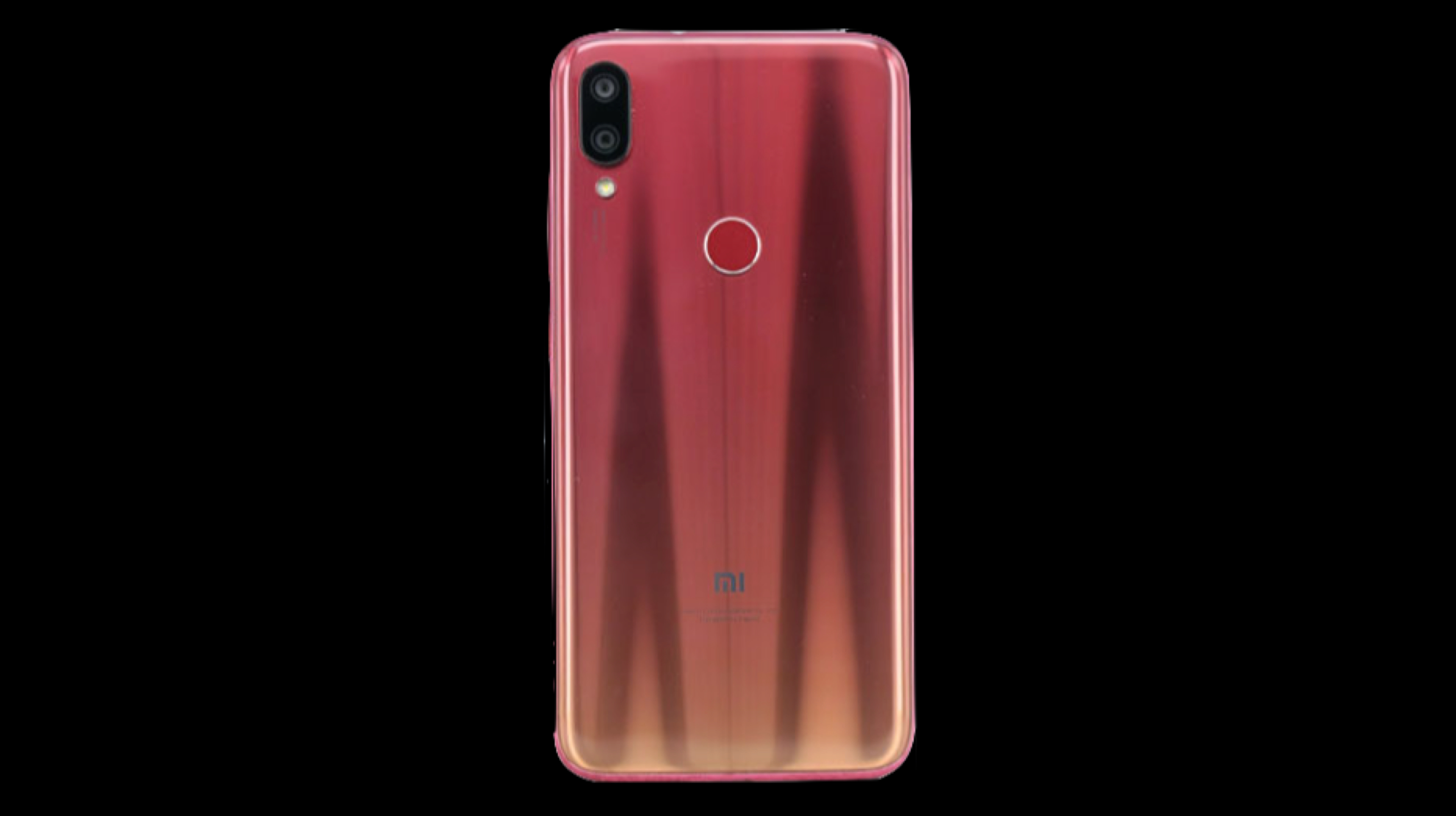
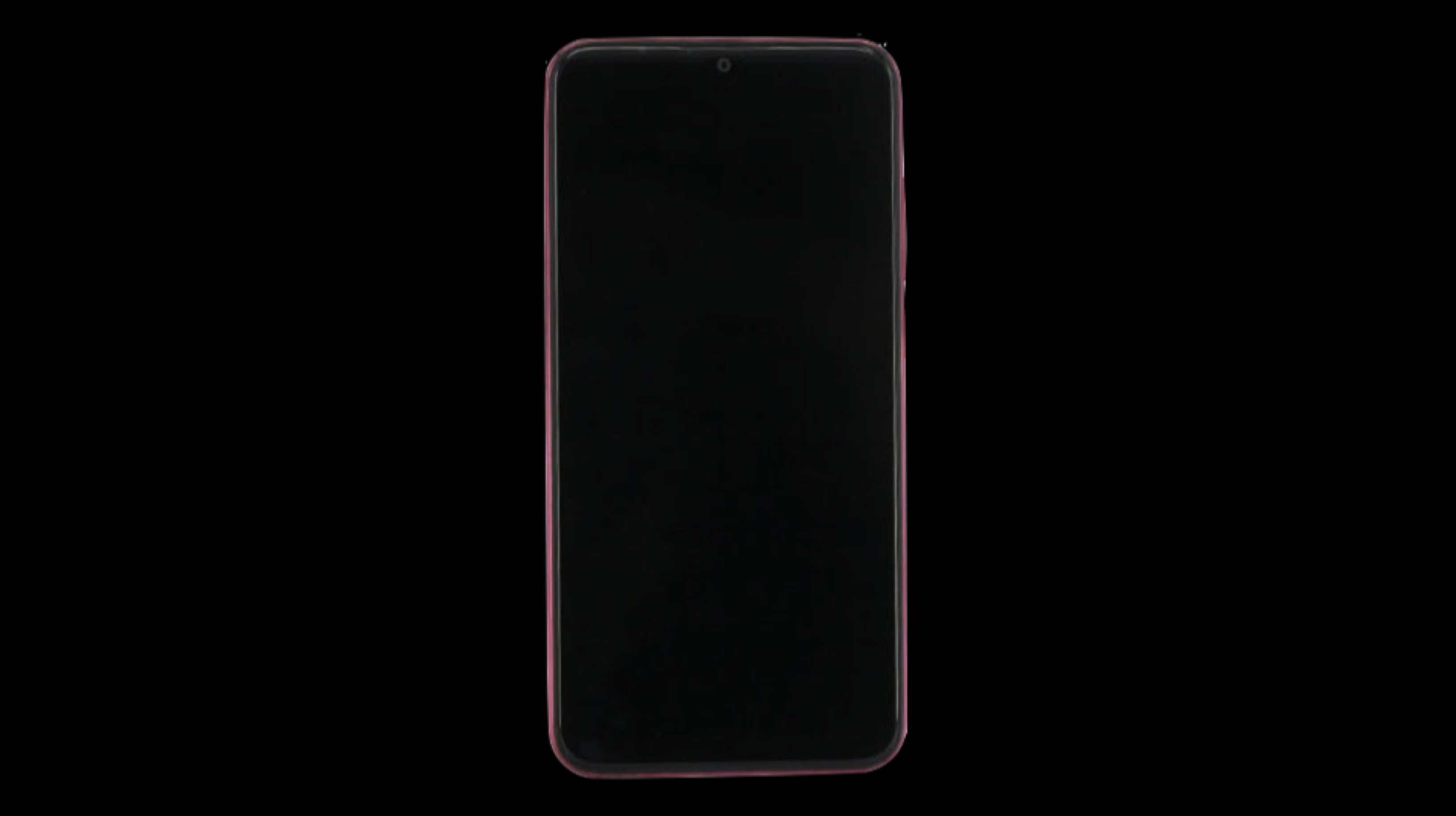
    The Mi Play has a completely different design when compared to any Xiaomi smartphone. The Mi Play has an all-glass front and rear build with a plastic chassis. The front of the smartphone has a high screen-to-body ratio display with a small U shaped notch up top. The volume rockers and the power button are situated on the right side of the smartphone while the dual SIM card tray is situated on the left. The bottom of the Mi Play is occupied by the USB Type-C slot and the speaker grille while the top is occupied by the 3.5 mm audio jack. The rear of the Mi Play has a clear back with a gradient design which houses the dual camera setup, the fingerprint sensor, and Xiaomi branding.

    Specifications

    The Mi Play tips the scale at 150 grams and measures 147.76×71.89×7.8 mm. It has a Full HD 5.84-inch display with a pixel density of 2280 x 1080 px. Under the hood, the smartphone features the Deca-Core P35 SoC which is clocked at 2.3 GHz. For photography, the smartphone has an 8 MP front facing camera and dual 12 MP + 2 MP  rear cameras with an LED flash. Most notably, the 12 MP rear sensor has a 1.25 ultra micron size pixel which helps in capturing better pictures. Additionally, both the rear and front cameras support AI functionality.

    The Mi Play is powered by a 3,00o mAh Lithium-Ion battery and it runs on latest Android 9.0 Pie. In terms of connectivity, it supports Dual 4G VoLTE, 802.11 ac Wi-Fi, Bluetooth, and GPS.

    Price

    Also Read: Huawei Will Soon Launch 10,000 mAh Power Bank With SuperCharge 40

    The Mi Play is available in three colour variants which are Blue, Black and Red. The smartphone is available in single RAM + ROM configuration for which the price is as follows:

    • 4 GB + 64 GB- 1099 Yuan (around Rs. 11,100)
  • Xiaomi Redmi Note 3 Gets MIUI 10 Stable Update In India

    Xiaomi Redmi Note 3 Gets MIUI 10 Stable Update In India

    MIUI 10, the latest version of Xiaomi’s UI was introduced back in June this year. Earlier, the update was only being rolled out to a few models manufactured by the company, but now the update has become more widespread. Now, the Redmi Note 3 is the latest Xiaomi device to receive the MIUI 10 stable update in India.

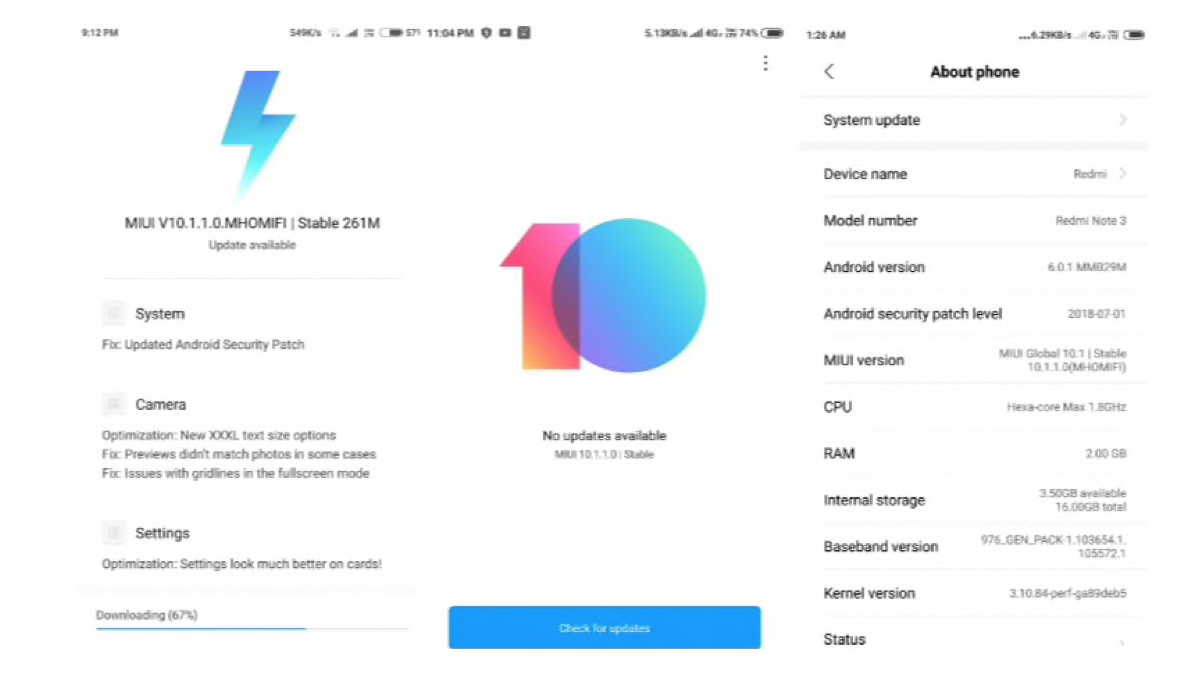
    Redmi Note 3 users have announced that they are receiving the MIUI Stable Update, on the Mi Forum and have shared screenshots of the same. This is the MIUI 10.1.1.0.MHOMIFI update and is based on Android 6.0 Marshmallow. It also has the July security patch update and is 261 MB in size. The stable version of an update is rolled out by Xiaomi after comprehensive testing. It is free from bugs and errors. This is different from beta versions which might have multiple bugs and issues.

    Update Features 

    The change log mentions the features and updates brought by MIUI 10. The update brings with it better camera optimisation. This includes a new XXXL text size option. There are also a few fixes for the camera. This include the issue where the previews didn’t match the photos in some cases and issues with gridlines in the fullscreen mode. With the new update, these issues will be fixed.

    The settings menu has also been optimised and now has a new design. A new, HomeScreen shortcut option has also been added with the update. The update also fixed an issue where the recording status wasn’t being updated int eh notification panel when a user paused the recording.

    Also ReadGoogle Increases Storage Limit To 20,000 Photos And Videos For Google Photos Albums

    The update is being rolled out over-the-air and therefore will take some time to reach all devices. However, you can keep checking for the update by accessing the ‘system updates’ option under ‘about phone’ in your settings menu.

  • Xiaomi Launches Mi Pay Mobile Payment Service In India

    Xiaomi Launches Mi Pay Mobile Payment Service In India

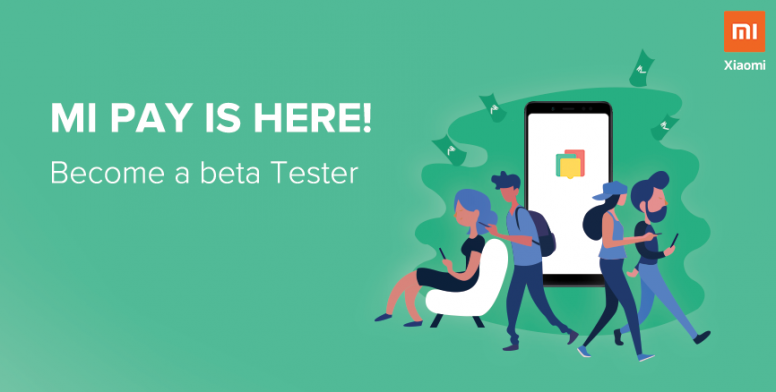
    With online payments and mobile wallets becoming the most favoured and popular method of payments in recent years, more and more companies are stepping into this arena. With Paytm, Google Pay and PhonePay already ruling the Indian market, a new player was nowhere in sight. However, in a surprising move, smartphone giant Xiaomi has now launched their mobile payment service. It is called Mi Pay and the beta testing for the same is now going live.

    Mi Pay

    The Mi Pay service is a platform that is supported by ICICI Bank and PayU in India. With the service you can make payments using UPI, debit cards, credit cards and internet banking. It also allows you to pay bills or do mobile and DTH recharges. It also includes phone bills, electricity bills and water bills. The service has been cleared by the National Payments Corporation of India (NPCI) for large group usage. 

    The beta testing will soon be available for MIUI users, according to Xiaomi. You can sign up for the beta testing for the same here. The company also announced that the service will support all leading credit and debit cards at the time of the launch.

    Additionally, Xiaomi highlights the advantages that Mi Pay has over other payment services. They say that the best feature is the deep integration with MIUI. This makes transferring amounts to contacts and vendors very easily. Mi Pay will also be integrated with Contacts, SMS, Scanner as well as App Vault in MIUI. According to the company, al user-generated data will be kept in a highly encrypted format ‘within the India- based cloud infrastructure’. The company has also provided an extensive guide to using the service.

    Also Read : Complete Motorola G7 Series Renders Leak Online

    Xiaomi’s Expansion

    With this, Xiaomi has stepped out from your homes and into your bank account. Over the years, it has taken gradual steps to ensure that it is not just a smartphone brand but a lifestyle choice foe consumers. Xiaomi now provides everything from toothbrushes to air purifiers, to t-shirts. In fact, there are more than 200 Xiaomi products which are not available in India right now, which can expand the company’s reach. What the future holds for a company like Xiaomi and where it will be in the next couple of years is sure something to watch out for.

  • Meitu M7 Tonino Lamborghini Edition To Launch Soon

    Meitu M7 Tonino Lamborghini Edition To Launch Soon

    Meitu is a Chinese company which came into the limelight after they announced a strategic partnership with Xiaomi. The company now holds an exclusive global license that allows them to make use of certain Xiaomi technologies and branding. Meitu is about to launch a luxury smartphone called the  Meitu V7. To launch a special Tonino Lamborghini variant, the company has partnered with Italian supercar maker Lamborghini. A listing of the smartphone was previously spotted on TENAA. The listing provides information regarding both, the design and specifications of the smartphone.

    Design

    The TENAA listing reveals that the Meitu V7 has a symmetrical design with a premium build. The front of the smartphone has an all-glass build with triple selfie cameras. The right side of the Meitu V7 is occupied by the SIM card slot, power button and an unidentified button which might be used to control the camera shutter while the right side of the smartphone is occupied by the volume rockers.

    The rear of the Meitu V7 has a very premium looking design with dual cameras which are flanked with dual flash on either side. Additionally, a thick copper coloured metal strip runs across the back which makes the smartphone very attractive. The back of the smartphone is to be made out of pink and green leather-like material.

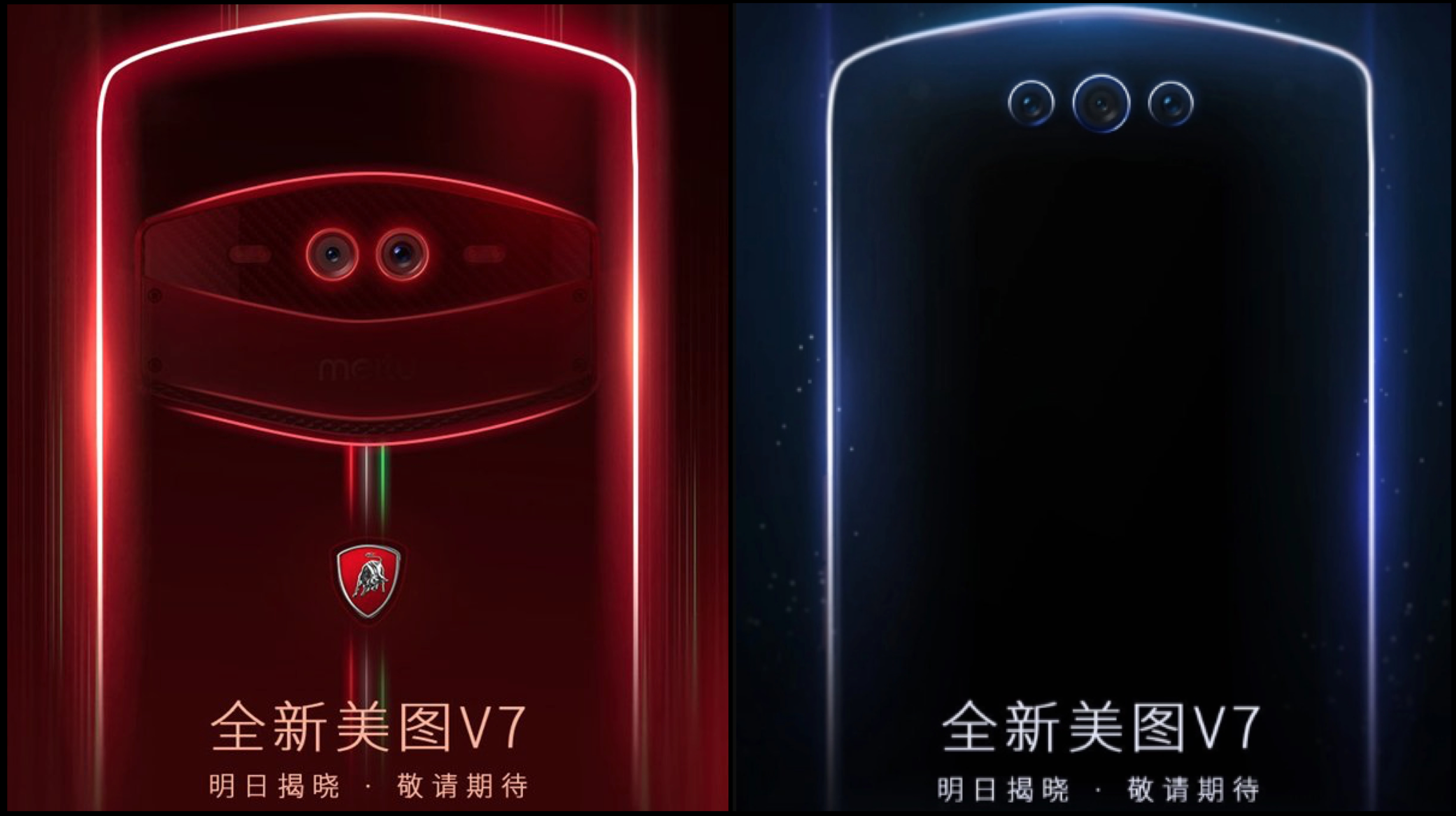
    According to the teasers, the Lamborghini Tonino Edition V7 looks very similar to the regular variant. Most notably, the rear of the special edition smartphone has Lamborghini’s signature Taurus Logo and triple Red, White, Green Racing Stripes. All in all, the smartphone seems to have a robust and stylish build that exudes luxury.

    Specifications
    • Display: 6.21-inch OLED Full HD+ 2248 × 1080 pixels
    • Operating System: Android 9 Pie
    • Processor: Snapdragon 845
    • RAM: 8GB LPDDR4x
    • Storage: 128GB/256GB
    • Rear Cameras: 12 MP + 8 MP, 2 x Dual LED Flash
    • Selfie Camera: 16 MP + 2 MP + 8 MP
    • Security: 3D Face Unlock + In-display fingerprint scanner
    • Connectivity: 4G VoLTE, Wi-Fi 802.11 ac , Bluetooth
    • Battery: 3400mAh
    • Dimensions:176.0×75.0×10.55 mm
    • Weight: 207g
    Launch Date

    Also Read: Galaxy S10 Lite And Galaxy S10 Plus Benchmarks Leak Online

    The poster of the Meitu V7 reveals that the smartphone will launch on December 21st. Although the price of the smartphone is not yet available, it will have a premium price tag.

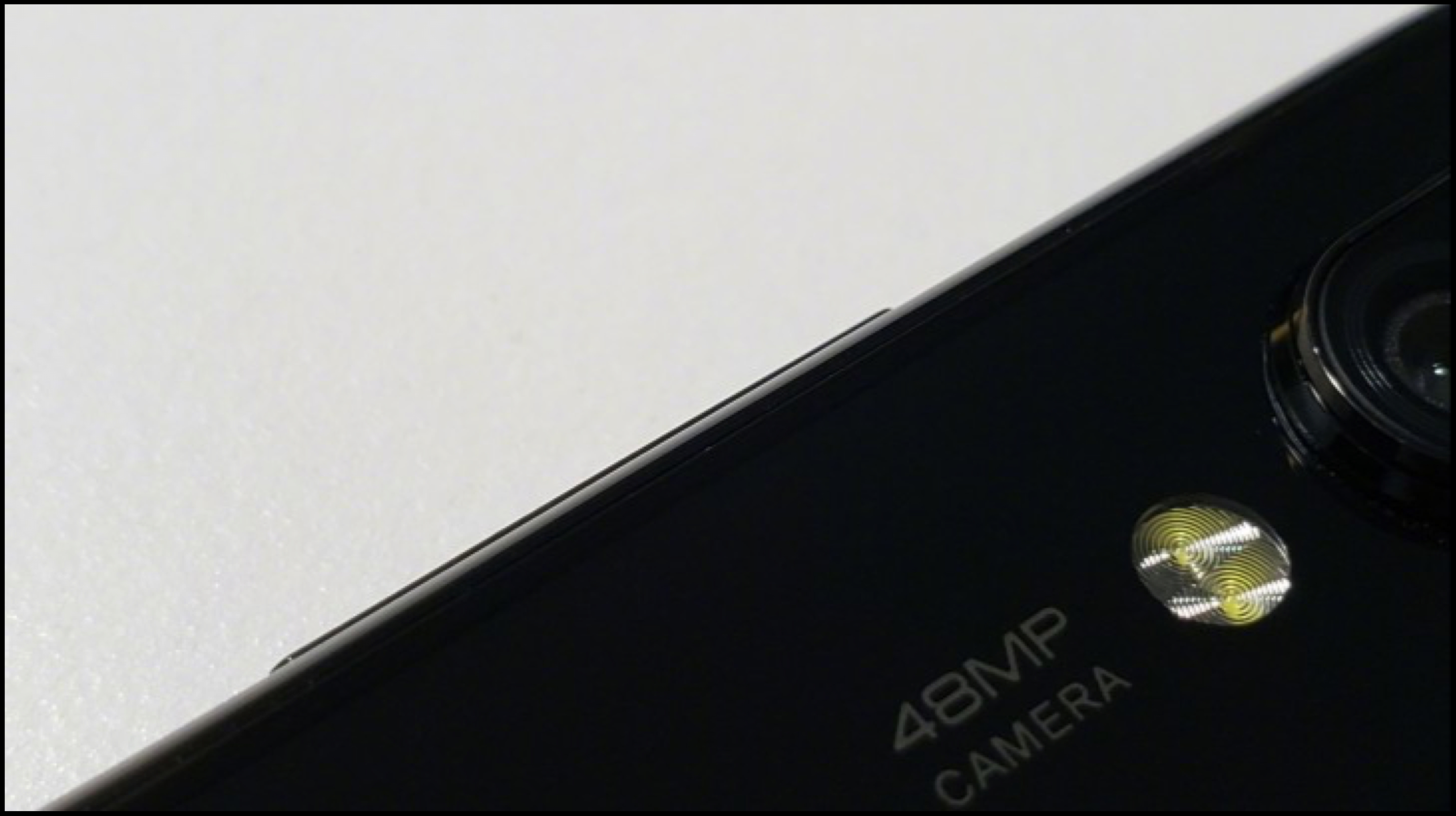
  • The Xiaomi Redmi Pro 2 Will Have A 48 MP Rear Camera

    The Xiaomi Redmi Pro 2 Will Have A 48 MP Rear Camera

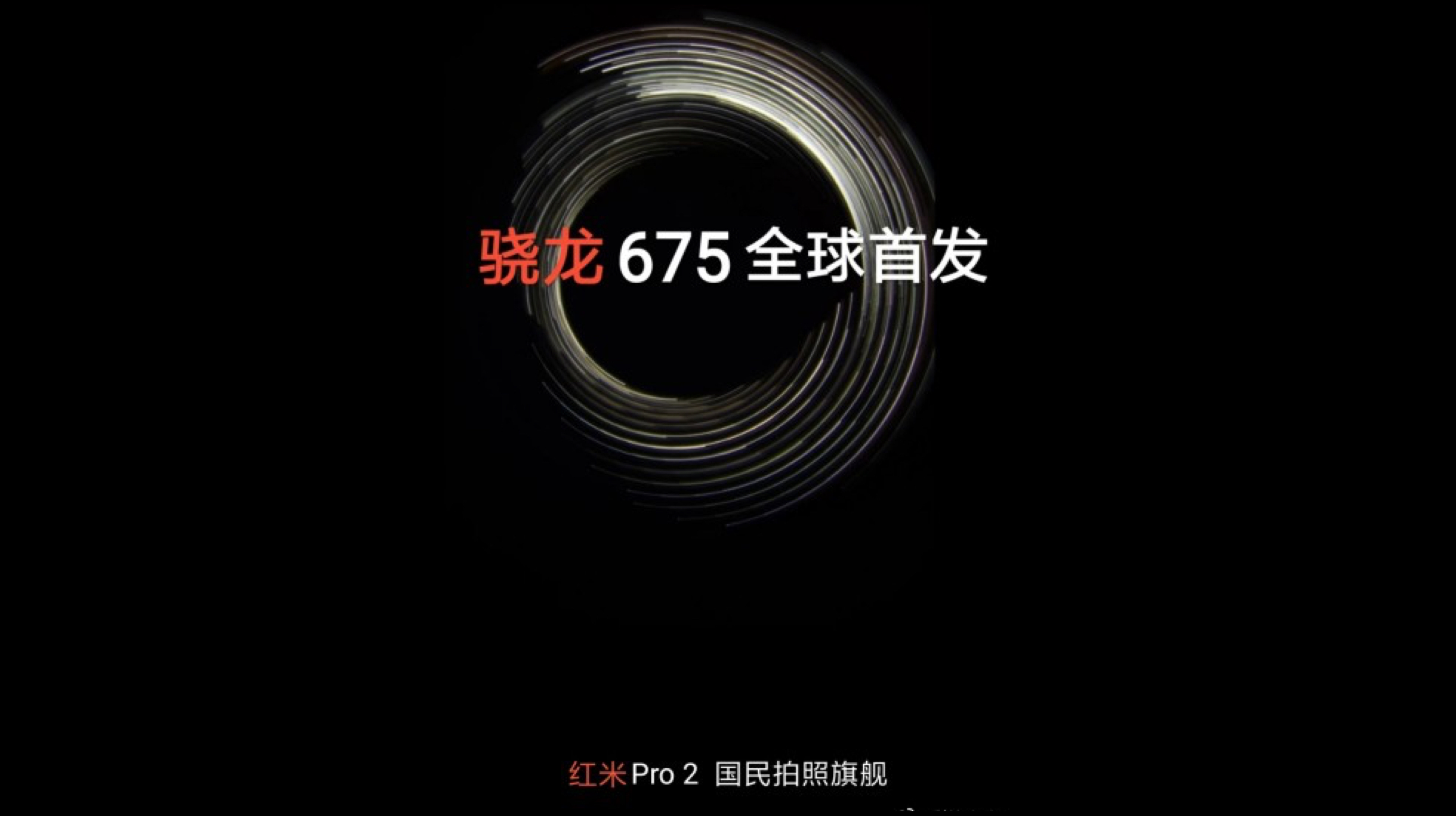
    Xiaomi has shared teasers for an upcoming smartphone on Weibo. The teaser reveals that the smartphone will carry the “Pro 2” suffix. According to the teaser, the smartphone will feature the Snapdragon 675 SoC and a massive 48 MP camera. Earlier this month, Xiaomi President Lin Bin shared a photo of a smartphone that had a 48 MP rear camera and a report claims that it will be a Redmi device. The same report also claims that the upcoming Redmi smartphone will have an in-display cutout for the front-facing camera like the Samsung Galaxy A8s and Huawei Nova 4.

    The Redmi Pro 2

    All the reports suggest that the upcoming smartphone is the Redmi Pro 2. It is the successor to the Redmi Pro which was launched back in 2016. The Pro suffix smartphones are the flagship devices for Xiaomi’s Redmi series and the same is expected from the Redmi Pro 2. Except for the camera and processor information, not many details of the Redmi 2 Pro are available. However, being the successor to the Redmi Pro, it is expected to have better specifications than the latter.

    Redmi Pro

    The Redmi Pro has a brushed aluminium back. The smartphone has wide top and bottom bezels. The bottom bezel houses the physical home button/fingerprint sensor and two capacitive touch buttons. The smartphone has a 72.2% screen to body ratio display.

    • Display: 5.5-inch AMOLED Full HD 1920 × 1080 pixels, 401 ppi, 16:9 aspect ratio
    • Operating System: MIUI, Android 6.0 (Marshmallow)
    • Processor: Deca-Core Mediatek Helio X25
    • RAM: 4 GB/3 GB
    • Storage: 32 GB/64 GB/128 GB
    • Rear Cameras: 13 MP + 5 MP, Dual-LED Flash
    • Selfie Camera: 5 MP
    • Security: Fingerprint Sensor
    • Connectivity: 4G VoLTE, Wi-Fi 802.11 ac, Bluetooth 4.2, GPS, Micro USB
    • Battery: 4050 mAh
    • Dimensions: 151.5 x 76.2 x 8.2 mm
    • Weight: 174 g
    Redmi Pro 2 Design

    The Redmi Pro 2 is expected to have a similar design and build quality as its predecessor. However, the new phone will have narrower bezels and the company might move the fingerprint sensor to the rear of the device. Alternatively, the official specifications and design of the smartphone will only be available after its official launch.

    Also ReadApple Accepts Some iPad Pros Ship Slightly Bent, Calls It ‘Normal’

    Launch Date And Price

    Although the launch date of the Redmi Pro 2 has not been announced, it is expected to launch soon. Like the Redmi Pro, it is believed to be a sub $400 smartphone.

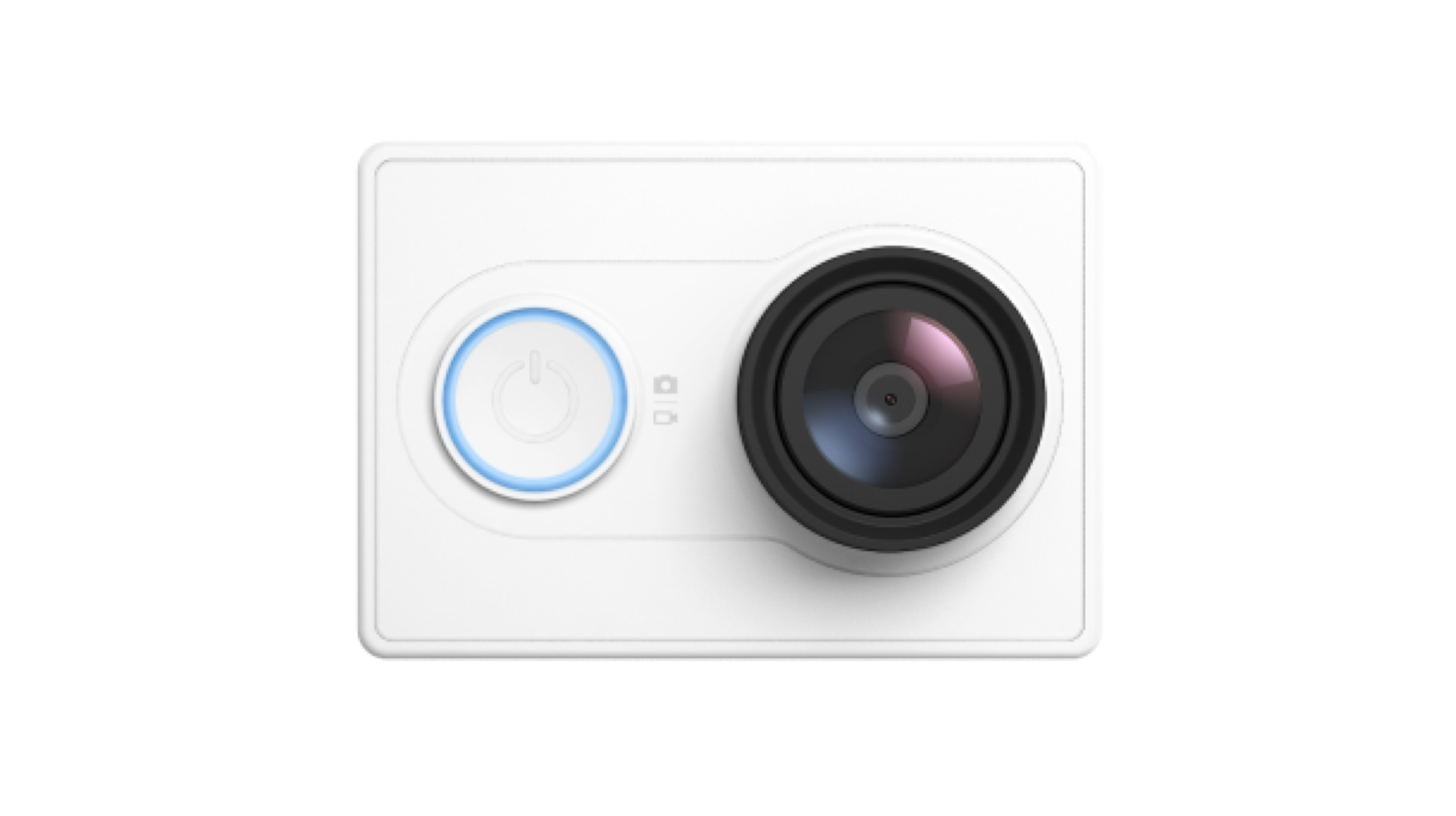
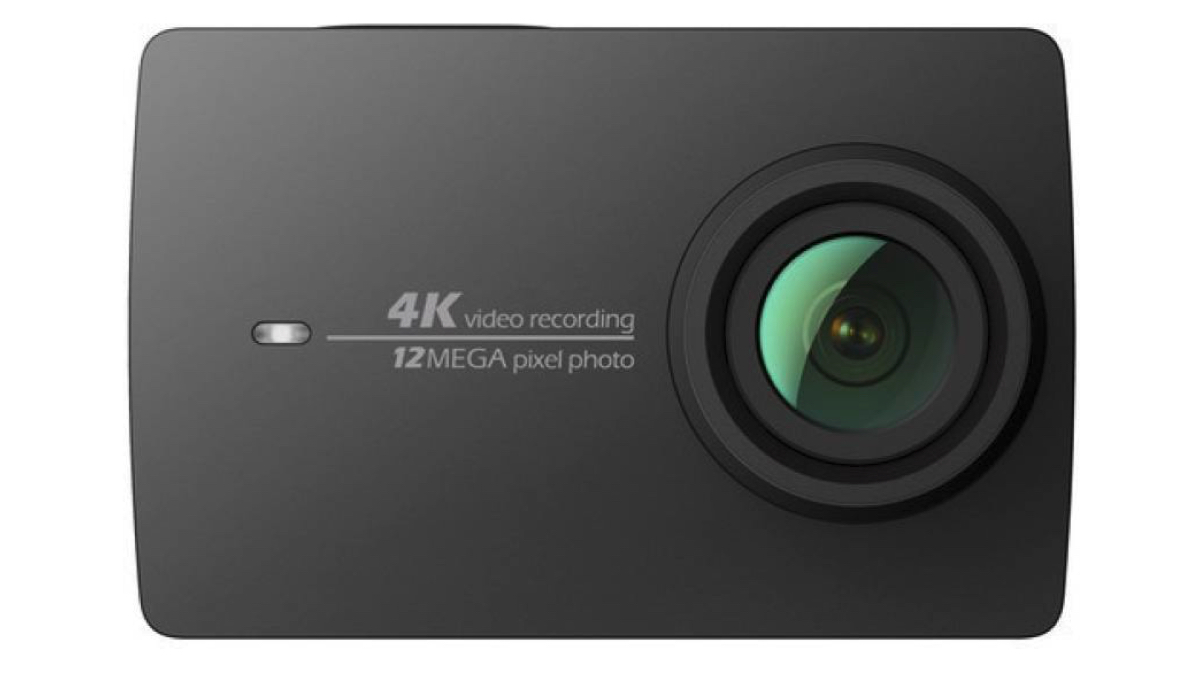
  • Yi Action And Yi 4K Action Cameras Go On Sale In India

    Yi Action And Yi 4K Action Cameras Go On Sale In India

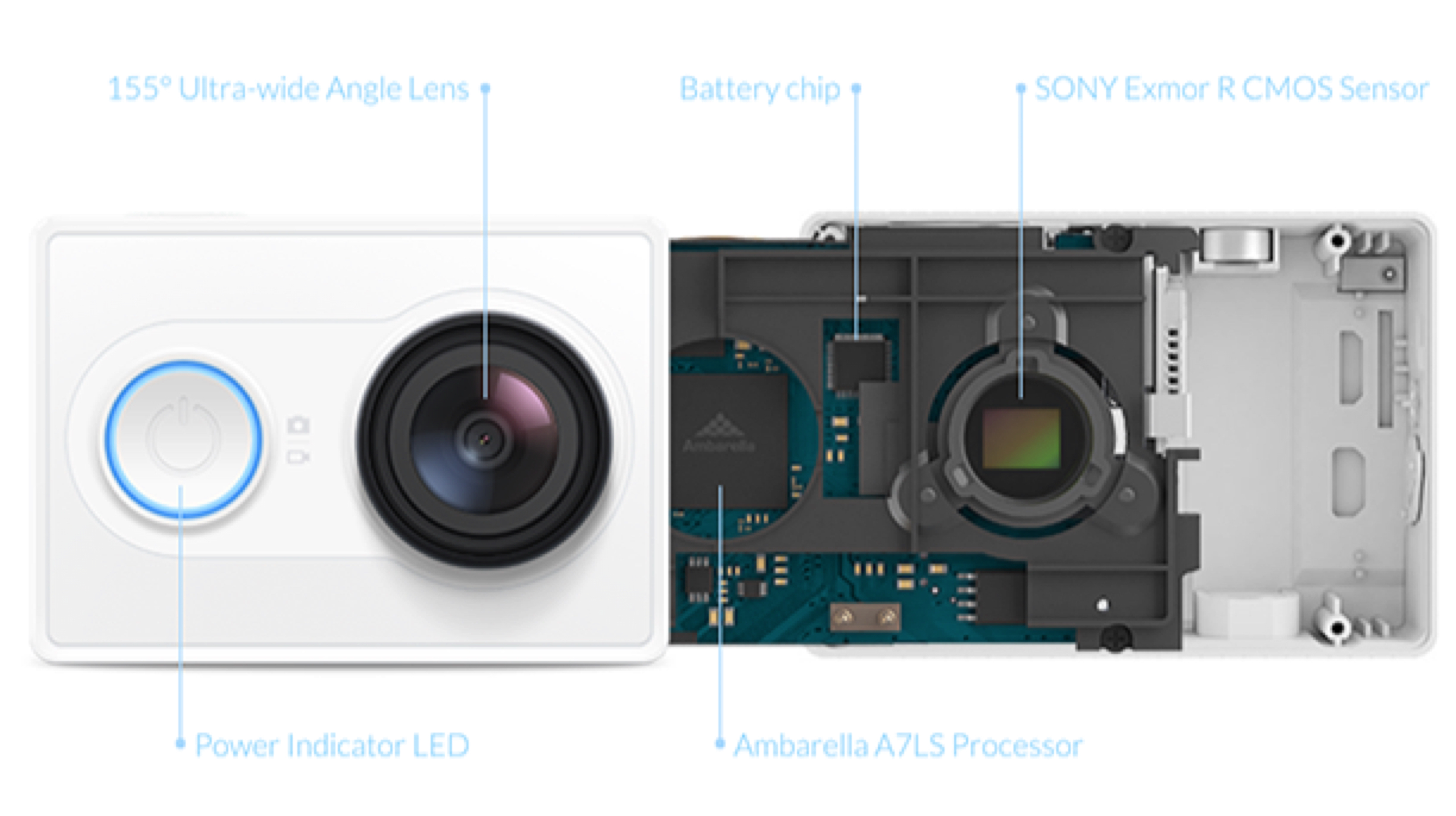
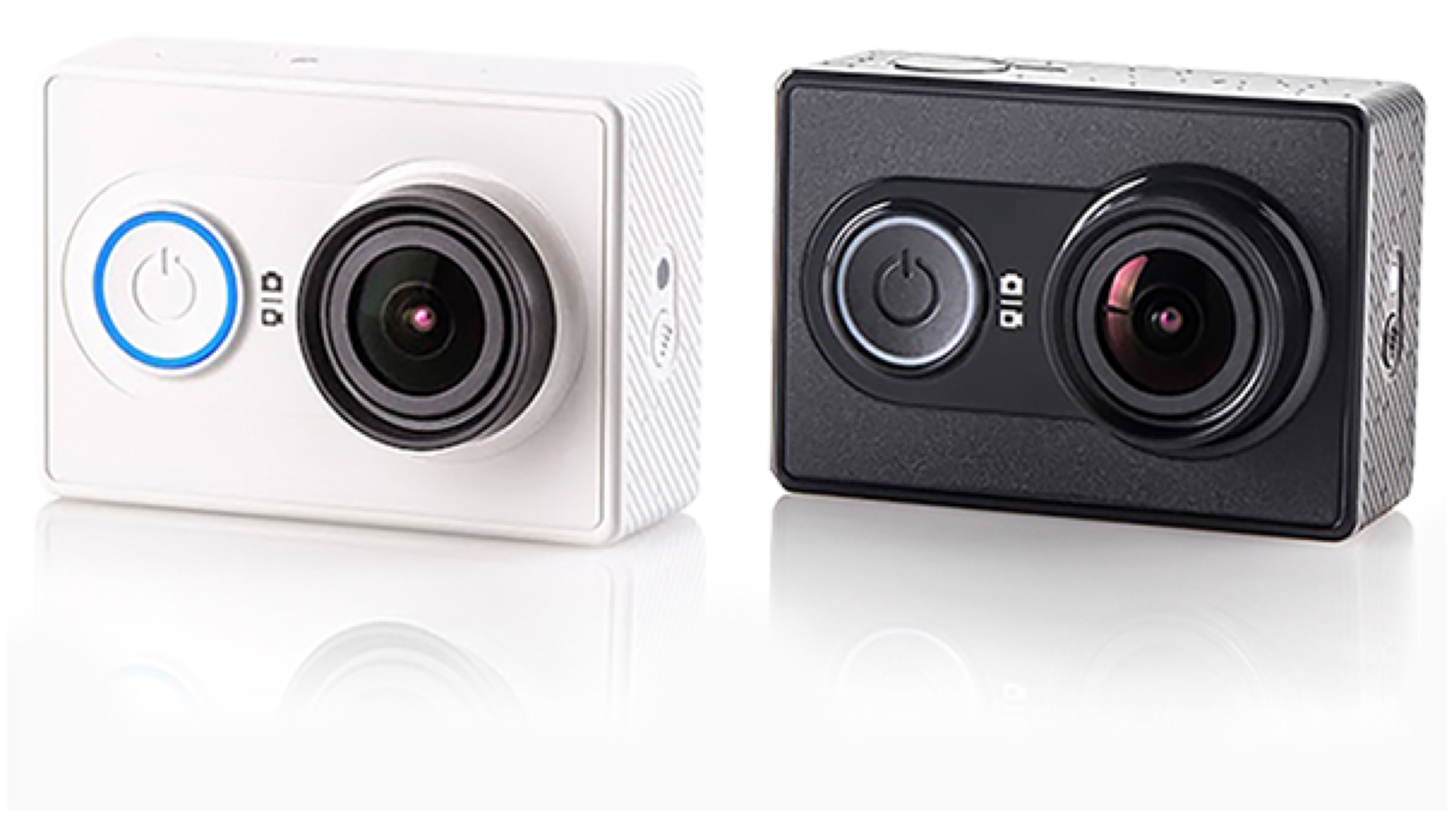
    Yi is a Chinese camera manufacturer that is backed by Xiaomi. The company had previously launched the Yi action and Yi 4K action cameras in China. The cameras have a small form factor and can be mounted to various surfaces with the help of brackets which are sold separately. Both the cameras can click still shots, capture videos and also shoot time lapse pictures. The cameras have been unoficially available in India from sites like Amazon and eBay but they were priced much higher due to import duties. Now Yi technology has officially launched the cameras in India which are exclusively available on Flipkart.

    Buy the Action Camera here.

    Design

    Both Yi Action and Yi 4K Action cameras have a cuboidal shape with a protruding camera lens from the front. The biggest difference between the two cameras is that the Yi 4K has a 2.19-inch touchscreen display which the Yi Action camera lags. The devices have side and top mounted buttons which allow for easy operability. The Yi Action camera weighs in at a mere 76 grams and the Yi 4K weighs in at 96 grams.

    Specifications And Optics

    The Yi Action camera has 16 MP Sony IMX 206 sensor and the Yi 4K Action camera has 12 MP IMX377 sensor. Sensors on both the camera are equipped with f/2.8 aperture and both cameras use Ambarella processors. Both the Yi Action and Yi 4K cameras have a 55-degree field of view. Most notably the former has 6 layered glass while the latter gets 7 layered glass. 

    The Yi Action cam can capture 1080p videos at 60 fps while the elder Yi 4k can capture 2160p videos at 60 fps. Both cameras have built-in Wi-Fi and Bluetooth that allows the user to wirelessly share files with a smartphone. The cameras also have a micro USB port which can be used for charging and data transfer. The Yi Action camera duo supports memory cards of up to 128 GB. The Yi 4K has a bigger 1240 mAh battery compared to Yi Action’s 1010 mAh.

    Price And Accessories

    Also Read: Xiaomi Mi Play Specifications Leak Prior To Launch

    The Yi action cameras are exclusively available on Flipkart. Price for the Yi Action cameras is as follows:

    • Yi Action Camera- Rs 4,999
    • 4K Action Camera- Rs 9,999

    Yi Technology also offers various accessories for the cameras like a waterproof case and action gimbal which are currently unavailable in India.

    Buy the Action Camera here.

  • Xiaomi Mi Play Specifications Leak Prior To Launch

    Xiaomi Mi Play Specifications Leak Prior To Launch

    Earlier this week, Xiaomi had sent out press invites for the launch of a new smartphone. The new smartphone is called the Mi Play and it is set to launch on December 24th. The company has shared a few teasers of the Mi Play which provide some information about its design.

    Design
    Mi Play Official Poster

    The display of the Mi Play has a high screen-to-body ratio with a small U shaped notch at the top. The rear of the smartphone has a gradient coloured glass back which houses the fingerprint sensor and the dual camera setup. Surprisingly, the design of Mi Play matches to that of a Xiaomi device which was leaked on TENAA. The Xiaomi smartphone with model no ‘M1901F9E/M1901F9E’, was earlier alleged to be the Redmi 7. But the listed pictures look very similar to the teasers of the Mi Play. Therefore, the leaked device could in fact be the Mi Play.

    Specifications
    Mi Play Leaked On TENAA
    • Display: 5.84-inch, Full HD+ 2280 × 1080 pixels
    • Operating System: Android 8.1 Oreo
    • Processor: Octa-Core 2.3 GHz
    • RAM: 3 GB/4 GB/6 GB
    • Storage:32 GB/64 GB/128 GB
    • Memory Expandability: up to 256 GB
    • Rear Cameras: 12 MP + 8 MP, LED Flash
    • Selfie Camera: 8 MP
    • Security: In-display fingerprint scanner
    • Connectivity: 4G VoLTE, Wi-Fi 802.11 ac 2.4G + 5G, Bluetooth 5 .0, GPS, USB Type-C
    • Sensors: Gravity sensor, Distance sensor, Light sensor
    • Battery: 2900mAH
    • Dimensions: 147.76×71.89×7.8
    • Weight: 150 g
    Launch Date And Price

    Also Read: Nubia Red Magic Gaming Phone Launched In India
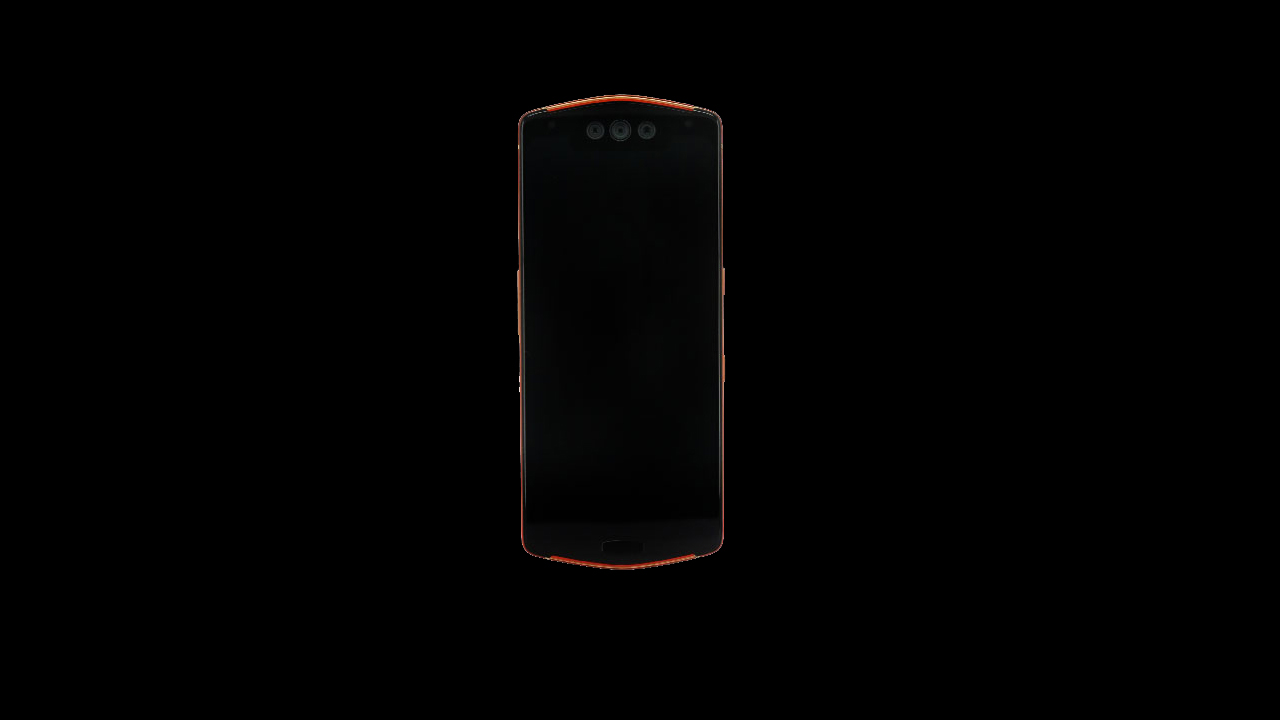
    The Mi Play is set to launch on December 24th and all the specifications will be made official by the company then. The specifications and features of the smartphone indicate that it will be a budget smartphone. It is expected to be priced between 11k-14k and it will compete with smartphones like the Realme U1 and the Asus ZenFone Max Pro M2.

  • Xiaomi To Re-launch Poco F1 In China As Mi Play

    Xiaomi To Re-launch Poco F1 In China As Mi Play

    Xioami unveiled their sub-brand Poco earlier this year in India. The first smartphone that the company launched is the Poco F1. The smartphone was launched in the month of September. Due to its killer pricing and flagship level specifications, it was able to turn a lot of heads globally. The Poco F1 was initially launched in India and it carried a sub 20k price tag for the base variant. Previously there have been claims that the smartphone will carry the Xiaomi branding when it is launched globally.

    Mi Play Teaser

    Xiaomi is set to launch a new smartphone on the 24th of this month which will be called the Mi Play. The ‘Play’ name suggests that the smartphones will have a focus on gaming, entertainment, and such ‘fun’ activities. There are rumors which claim that the Poco F1, in fact, is the first Mi Play series smartphone.

    Poco F1/ Mi Play Tech Specifications

    Poco F1

    • Display: 6.18-inch LCD Full HD+ 2246 × 1080 pixels, 18.7:9 aspect ratio
    • Operating System: MIUI 10 Android 8.1 Oreo
    • Processor: Snapdragon 845
    • RAM: 6 GB/8 GB
    • Storage: 64 GB/128GB/256GB
    • Rear Cameras: 12 MP + 5 MP, Dual-LED Flash
    • Selfie Camera: 20 MP
    • Security: Rear Mounted Fingerprint Sensor, Infrared Face Unlock
    • Connectivity: Dual 4G VoLTE, Wi-Fi 802.11 ac, Bluetooth 5 .0 , GPS, USB Type-C
    • Battery: 4000mAh
    • Dimensions: 155.5 x 75.3 x 8.8 mm
    • Weight: 182 grams

    Also Read: Lenovo Z5s With Triple Rear Cameras Launched In China

    Although it is not yet official that the Poco F1 is the Mi Play, fortunately, we won’t have to wait for long as the latter will launch soon. It will be officially launched in China on 24th December 2018.

    You can also watch our review video of the Poco F1 aka Mi Play

iGyaan Network
Privacy Overview

This website uses cookies so that we can provide you with the best user experience possible. Cookie information is stored in your browser and performs functions such as recognising you when you return to our website and helping our team to understand which sections of the website you find most interesting and useful.