Category: Xiaomi

  • Huami Launches Amazfit Pace & Amazfit Cor Smartwatches In India

    Huami Launches Amazfit Pace & Amazfit Cor Smartwatches In India

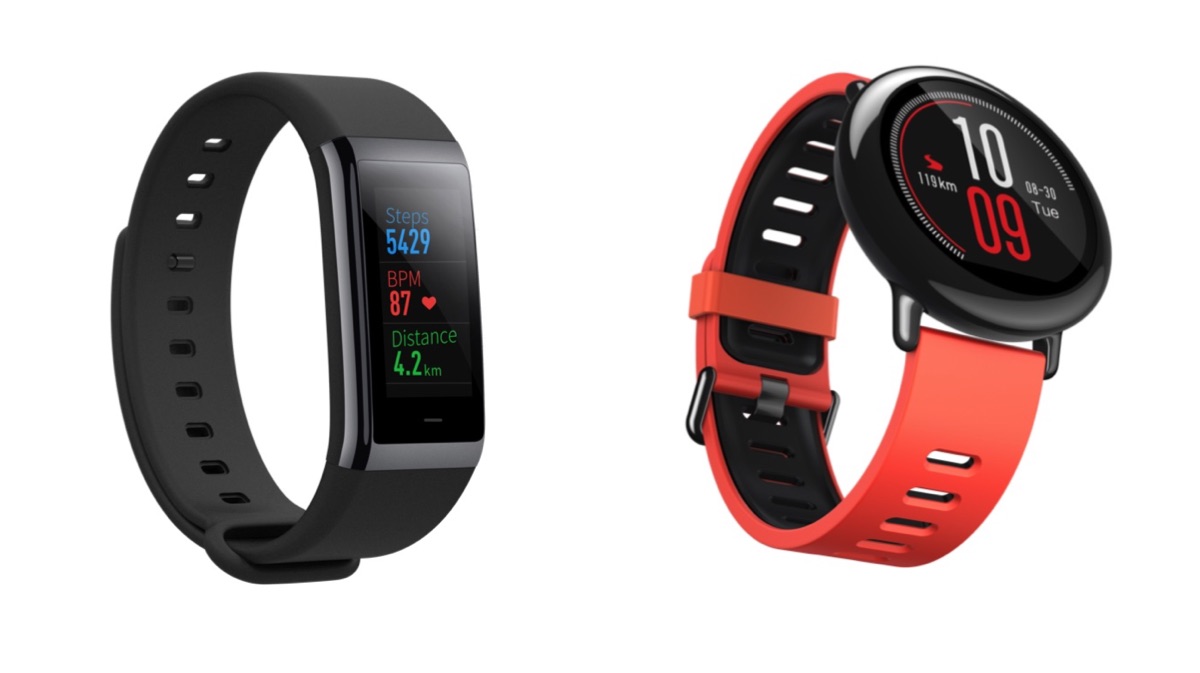
    Huami has launched two new smartwatches in India. The brand, which comes under smartphone maker Xiaomi has launched its Huami Amazfit Pace and Huami Amazfit Cor smartwatches . The Amazfit Cor is a fitness band while the round dial Amazfit Pace is a full fledged smartwatch. The devices are available for purchase exclusively through Amazon.

    Amazfit Pace:
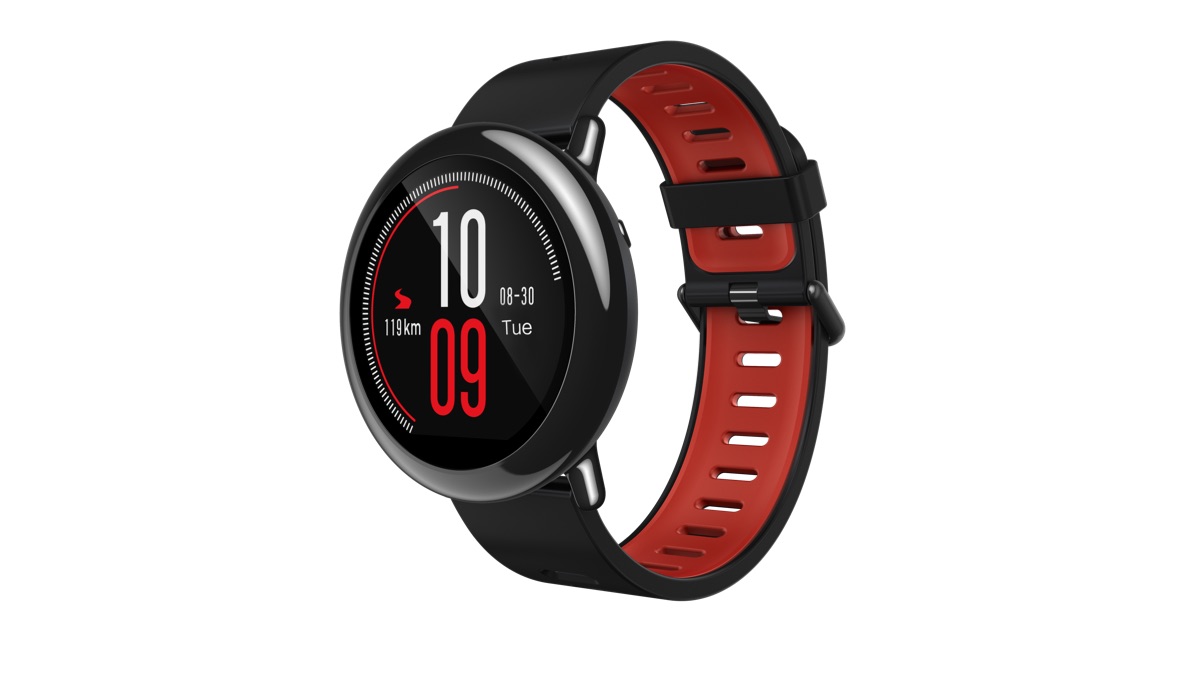
    Huami Amazfit Pace

    The Huami Amazfit Pace has a 1.2 inch IPS LCD touchscreen. The device is has 2.5D Corning Gorilla Glass 3. It also has IP67 certification making it resistant to dust, rain, splashing and accidental submersion. The device has a stainless steel frame.

    The Huami Amazfit Pace has an always on display which helps you view notifications at any time. It has a 3-Axis accelerometer for tracking activities, sports and sleep. The device also tracks your heart rate using an Optical heart rate sensor. The device can also be connected wirelessly to bluetooth earphones to play music.

    The Huami Amazfit Pace is compatible with iOs and Android devices and also has an internal memory of 2.4 GB. The device claims to have a battery life of upto 11 days on a single charge and normal use. The device is available exclusively on Amazon at a price of Rs 9,999.


    Amazfit Cor:
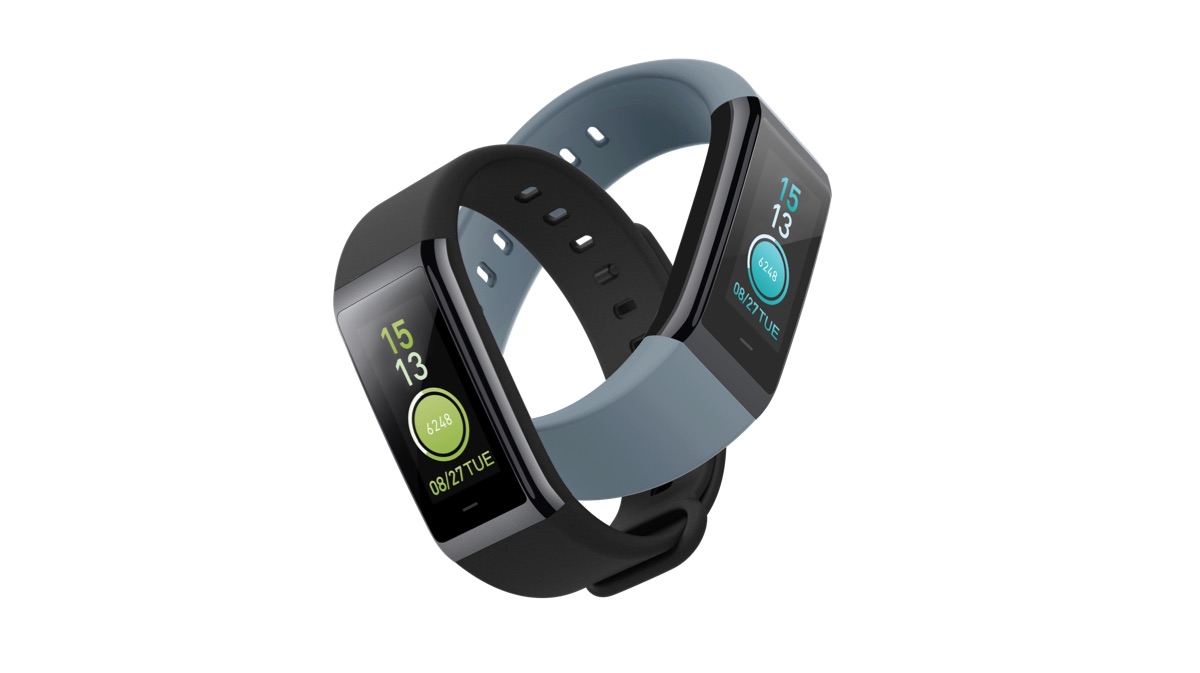
    Huami Amazfit Cor

    The Huami Amazfit Cor has a 1.2 inch IPS LCD touchscreen. The device has 2.5D Corning Gorilla Glass 3. It is water and dust resistant and has a stainless steel frame. It has a 3-Axis accelerometer for tracking activities, sports and sleep. The device also tracks your heart rate using an Optical heart rate sensor.

    The Huami Amazfit Cor also features exercise tracking with heart rate zones, 7-day weather forecast, alarms, timer and a stopwatch. It has comprehensive tracking when it comes to fitness with steps tracking, calorie tracker, sleep tracker and movement reminders.

    The Huami Amazfit Cor is compatible with iOS and Android devices. The device claims to have a battery life of upto 12 days on a single charge. The device is available exclusively on Amazon at a price of Rs 3,999.

    Huami is also the exclusive maker of Xiaomi’s Mi Band. However, the Amazfit Pace and Amazfit Cor will be under Huami’s banner.
  • Xiaomi Mi 8 Gets Android 9

    Xiaomi Mi 8 Gets Android 9

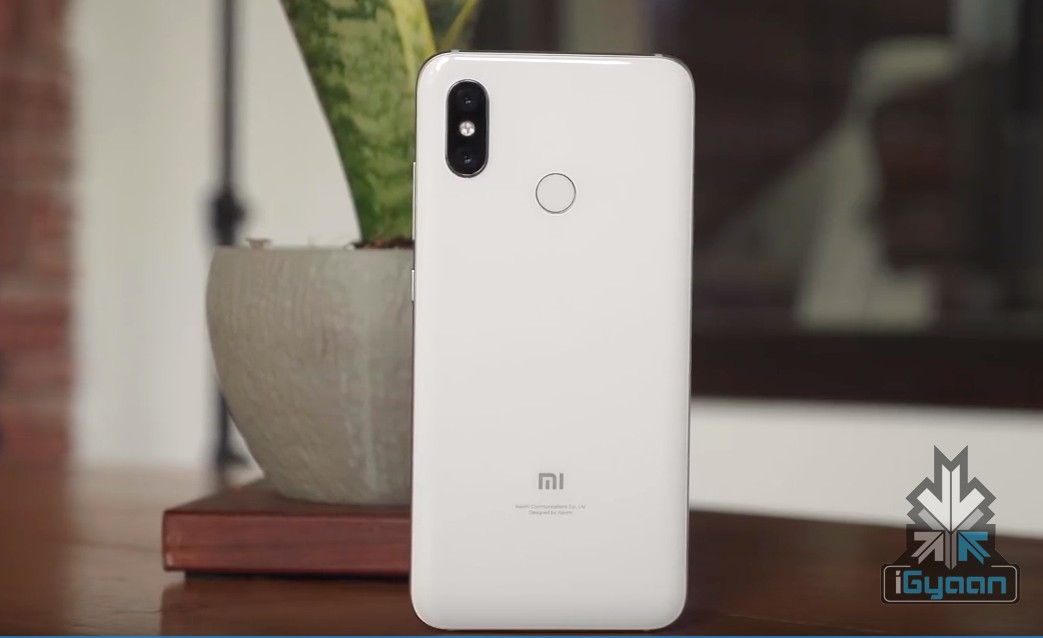
    The Xiaomi Mi 8 has received the much awaited Android 9 Pie based MIUI 10 as an insider beta in China. The MIUI 10 was released way back in May 2018 in China and was released globally in July.

    Xiaomi Mi 8 Android 9 MIUI 10

    The MIUI 10 packs a lot of new features such as full screen gestures, optimised performance of the system, new natural sounds. On 6th September, Xiaomi brought the latest version of Android to its users. The Mi 8 received the Android Pie update on the Mi 8 insider beta.

    Also Read: Google Has Announced The Android 9 Pie Go Edition

    The China version of the ROM can be installed on to your Mi 8 devices. This version, however does not have google play services and only supports Mandarin and English. The update can be found along with the instructions to download it on this website.

    More languages and additional google apps will be available as soon as the global release of the ROM rolls out.

  • Xiaomi Redmi 6 Pro Vs Honor 9N Vs Asus Zenfone Max Pro

    Xiaomi Redmi 6 Pro Vs Honor 9N Vs Asus Zenfone Max Pro

    Xiaomi launched the Redmi 6 Pro in India today. The company claims that the device offers the best specifications in its price bracket. We decided to put this to the test, so here’s a comparison between the Redmi 6 Pro, the Honor 9N and the Asus Zenfone Max Pro. For the review, we are comparing the base models of all the three devices.

    Design & Display:

    In terms of design, the three devices are a bit different. The Redmi 6 Pro and Honor 9N have a display notch on their 5.84 inch screens. The Asus Zenfone Max Pro has a 5.99 inch screen, without a notch.

    The Redmi 6 Pro and Honor 9N have a 19:9 ratio display with a resolution of 2280 x 1080 pixels. The Asus Zenfone Max Pro has a 18:9 aspect ratio with 2160 x 1080 pixels. The Zenfone Max Pro lags behind in pixel density with 403 ppi while the other two devices have a pixel density of 432 ppi.

    Also Read : Zenfone Max Pro 6GB vs Redmi Note 5 Pro vs Mi A2

    Processor:

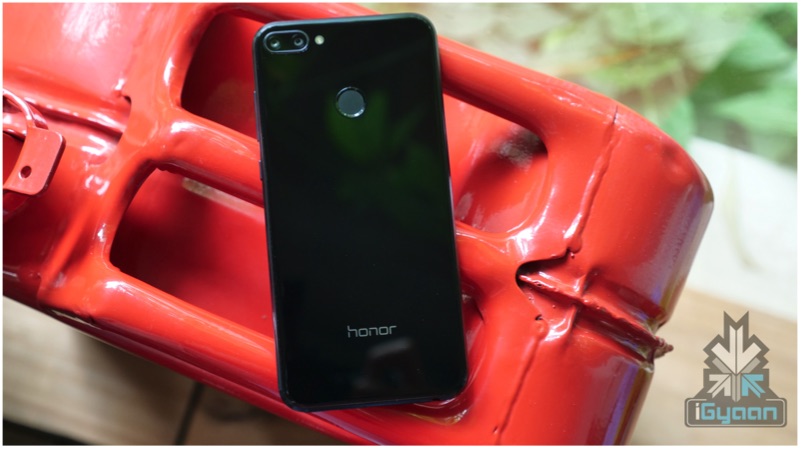
    Honor 9N

    The Redmi 6 Pro has a Snapdragon 625 processor while the Zenfone Max Pro has the superior Snapdragon 636 chipset. The Honor 9N runs the Kirin 659 SoC. Both the Redmi 6 Pro and Zenfone Max Pro have 3 GB of RAM while the Honor 9N has 4 GB of RAM.

    Battery & Storage:

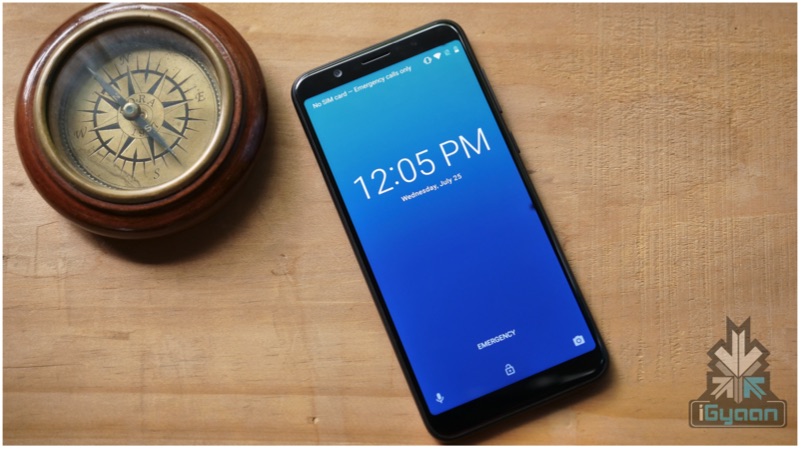
    Zenfone Max Pro

    The Zenfone Max Pro is clearly the winner with a massive 5000 mAh battery. The Redmi 6 Pro follows with a 4000 mAh battery while the Honor 9N has a 3000 mAh battery. In terms of storage, both the Zenfone Max Pro and Redmi 6 Pro have 32 GB of storage while the Honor 9N has 64 GB of storage. The Redmi 6 Pro and Honor 9N have expandable storage up to 256 GB. The Asus Zenfone Max Pro has an expandable memory of up to 2 TB.

    Camera:

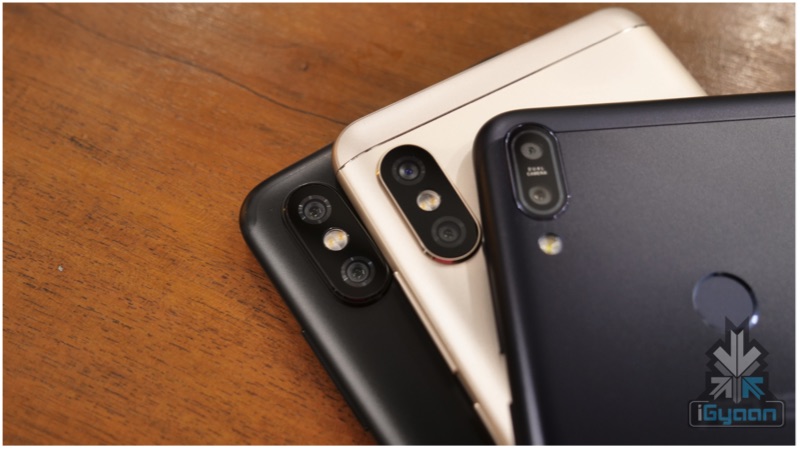
    Zenfone Max Pro Redmi Note 5 Pro Mi A2

    All the three smartphones have a dual primary camera setup. The Redmi 6 Pro uses a 12 MP + 5 MP dual camera sensor and has AI portrait mode and Image Stabilisation for video. The Honor 9N has a 13 MP + 2 MP setup with depth sensor.

    The Asus Zenfone Max Pro has a 16 MP + 5 MP setup with one of the sensors acting as a dedicated bokeh camera. The Redmi 6 Pro has a 5 MP front camera with AI integration. The Honor 9N and Asus Zenfone Max Pro both have a 16 MP front sensor. All three device use the front camera for their face unlock system as well.

    Verdict:

    All the three devices have clearly cut some corners when it comes to overall performance to appeal to certain segments of the market. While one offers superior performance, one offers extended battery life. All the three perform well in the camera segment, something they have in common.

    Specifications Redmi 6 Pro Honor 9N Asus Zenfone Max Pro
    Price Rs 10,999 Rs 11,999 Rs 10,999
    Display  5.84 inch

    2280 x 1080 pixels FHD+
    19:9 ratio
    432 ppi

    5.84 inches

    2280 x 1080 pixels FHD+

    19:9 ratio

    432 ppi

    5.99 inch

    2160 x 1080 FHD+

    18:9 ratio

    403 ppi

    Chipset 

    Qualcomm Snapdragon 625

    Adreno 506 GPU

    Kirin 659

    ARM Mali TR830 MP2


    Qualcomm Snapdragon 636

    Adreno 509 GPU

    RAM 3 GB 4 GB 3 GB
    Storage  32 GB, expandable up to 256 GB 64 GB, expandable up to 256 GB 32 GB, expandable up to 2TB
    Primary Camera 12 MP + 5 MP dual camera

    f/2.2 aperture

    PDAF

    AI Portrait mode

    Electric image stabilization

    Video: 1080 p @ 30 fps

    13 MP + 2 MP dual camera

    PDAF

    Depth Sensor

    Video: 1080 p @ 30 fps


     16 MP + 5 MP dual Camera

    Dedicated Bokeh Camera

    f/2.4 aperture

    PDAF

    Portrait Mode

    Video: 4K @ 30 fps

    Front Camera 5 MP sensor

    AI portrait mode
    AI beautify

    16 MP sensor

    3D beauty effect

    16MP sensor

    Beauty shot

    Portrait mode

    Bokeh mode

    Battery 4000 mAh 3000 mAh 5000 mAh
    Additional Features Face Unlock

    Fingerprint Sensor

    Dual Sim + Dedicated microSD slot


    Face Unlock

    Fingerprint Sensor

    Face Unlock

    Fingerprint Sensor

    Dual Sim + Dedicated microSD slot


  • Redmi 6 Pro Launched In India

    Redmi 6 Pro Launched In India

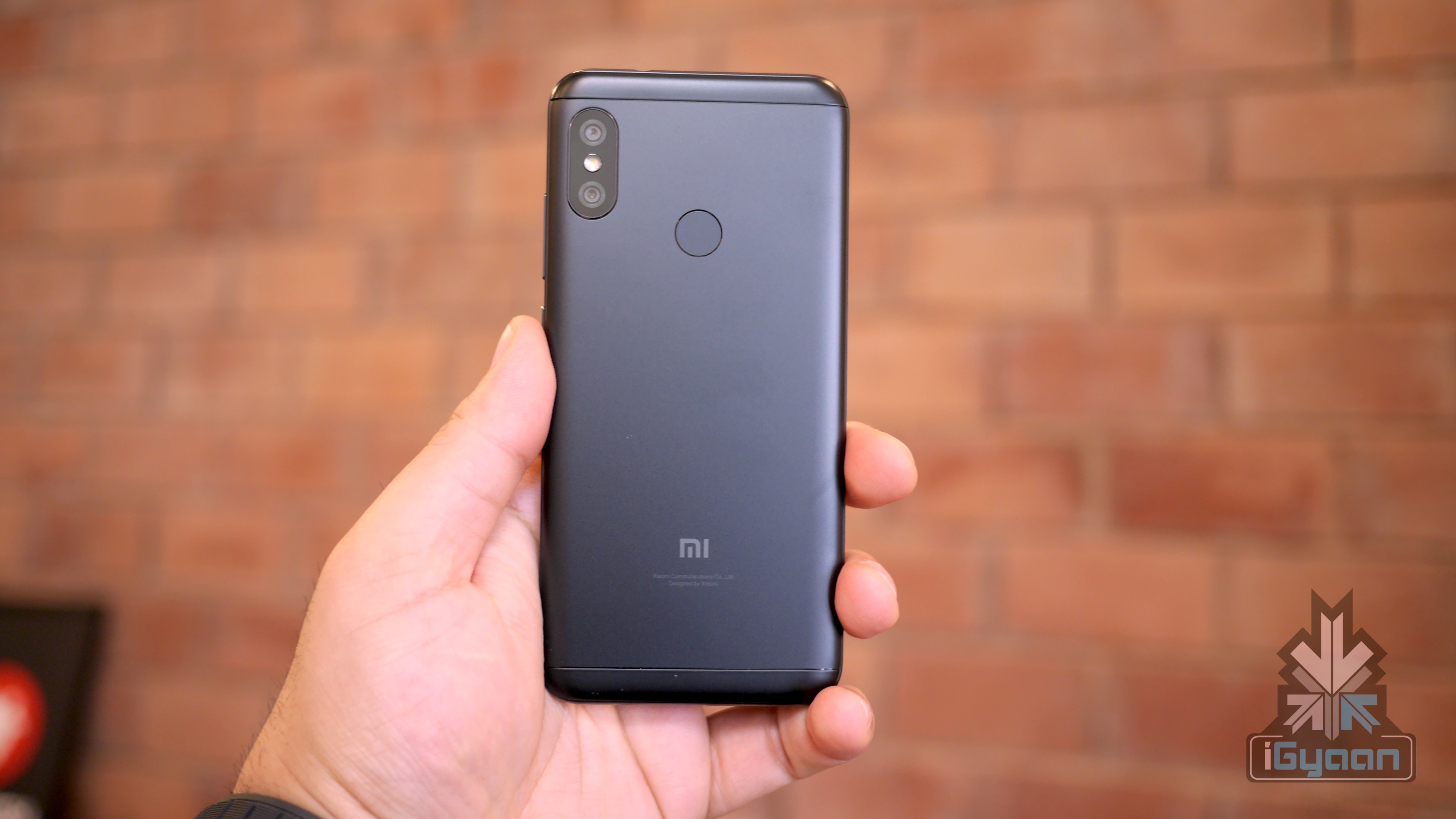
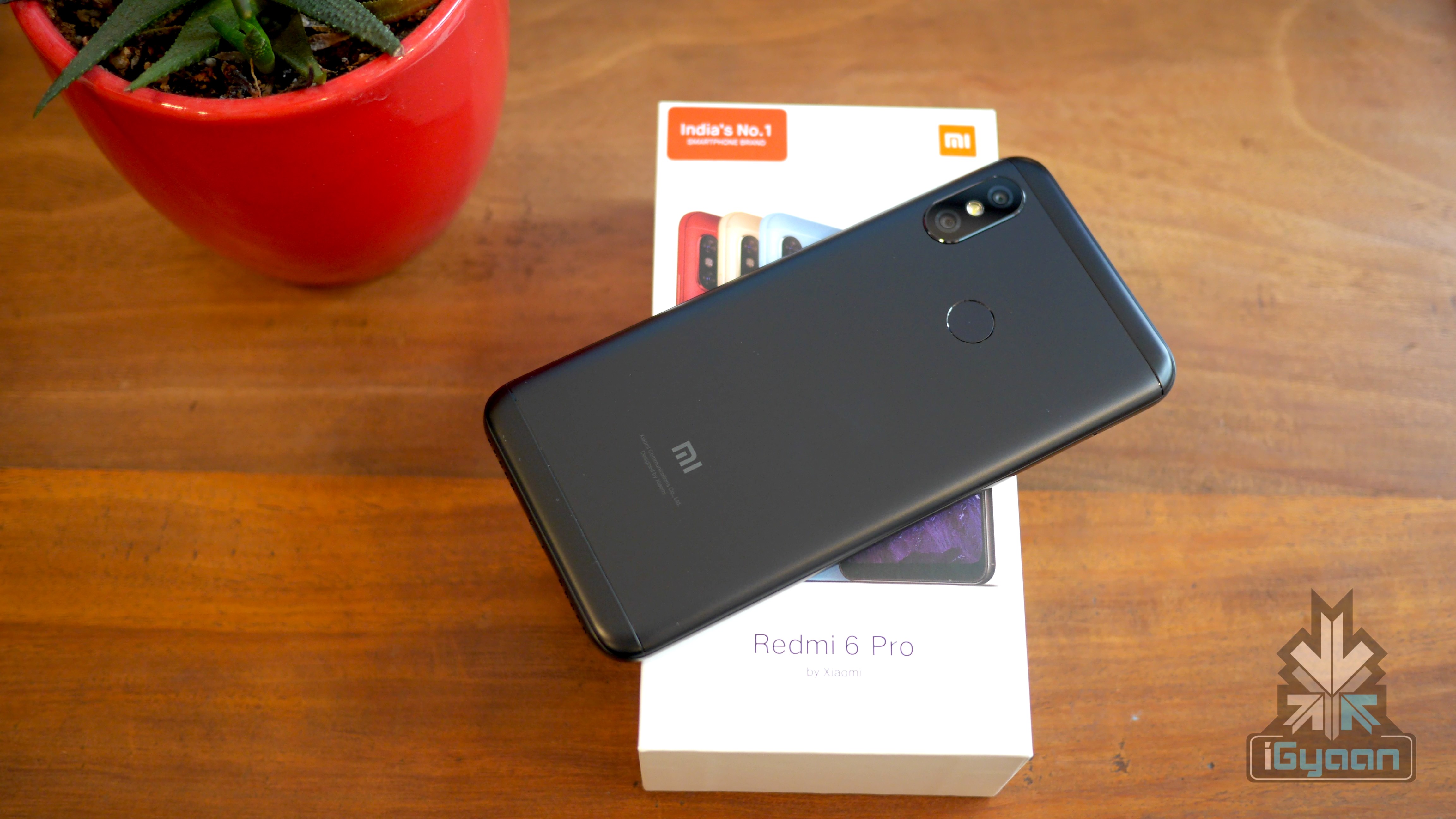
    The Redmi 6 Pro has been launched in India by Xiaomi, following a lot of anticipation. The Redmi 6 Pro is one of the three smartphones launched by Xiaomi today, the other two being Redmi 6 and Redmi 6A. Following a series of tweets and teasers on Amazon as well, we finally have our hands on the device. Xiaomi also announced that the device will be having dual VoLTE support. So here’s everything about the brand new Redmi 6 Pro.

    Display:


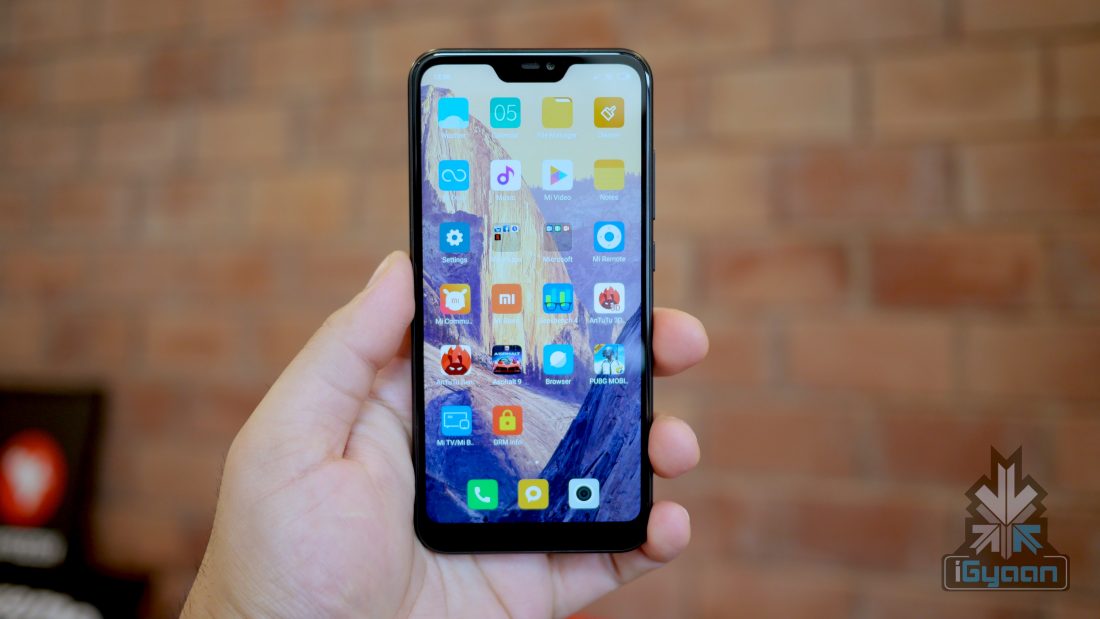
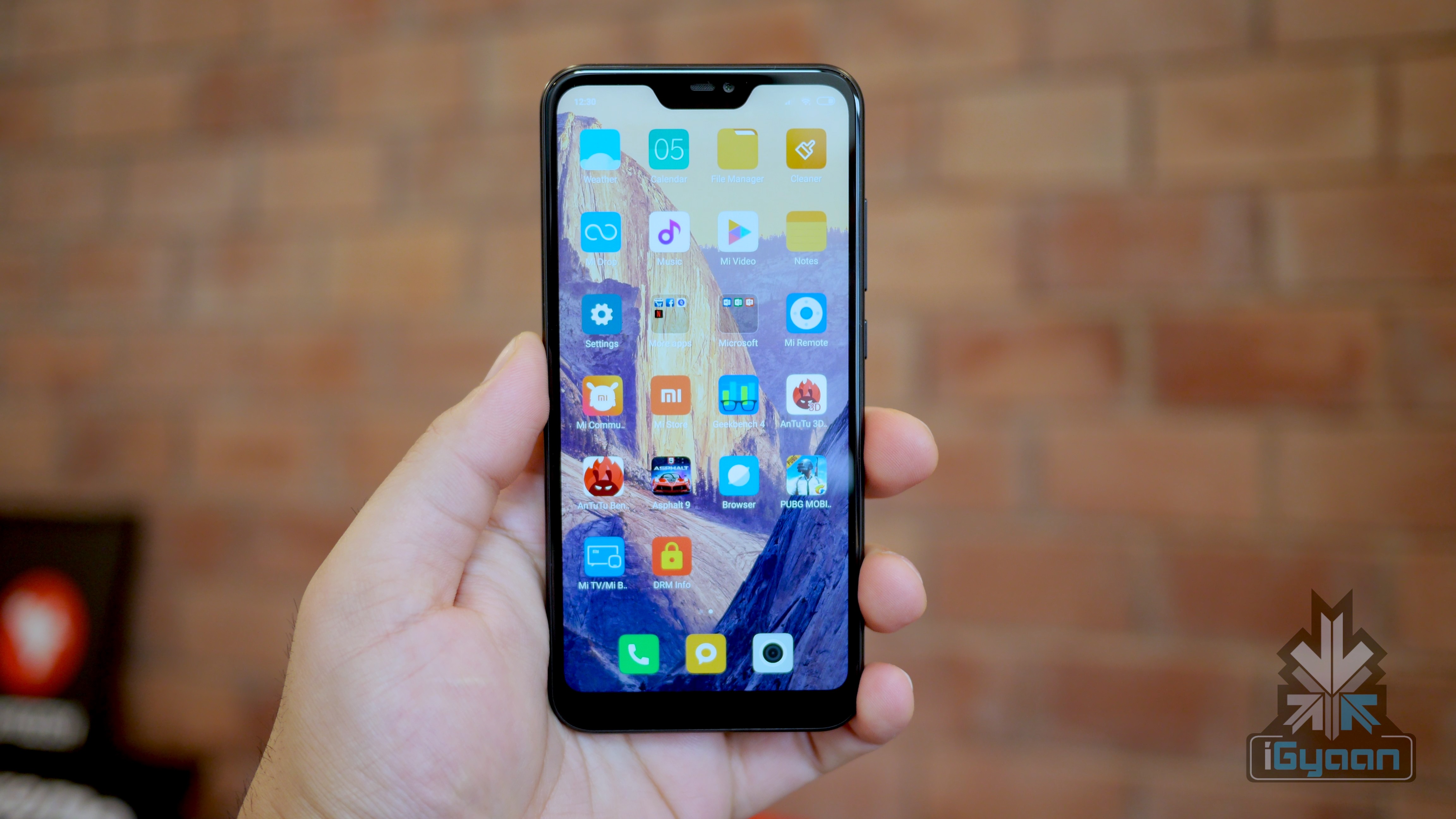
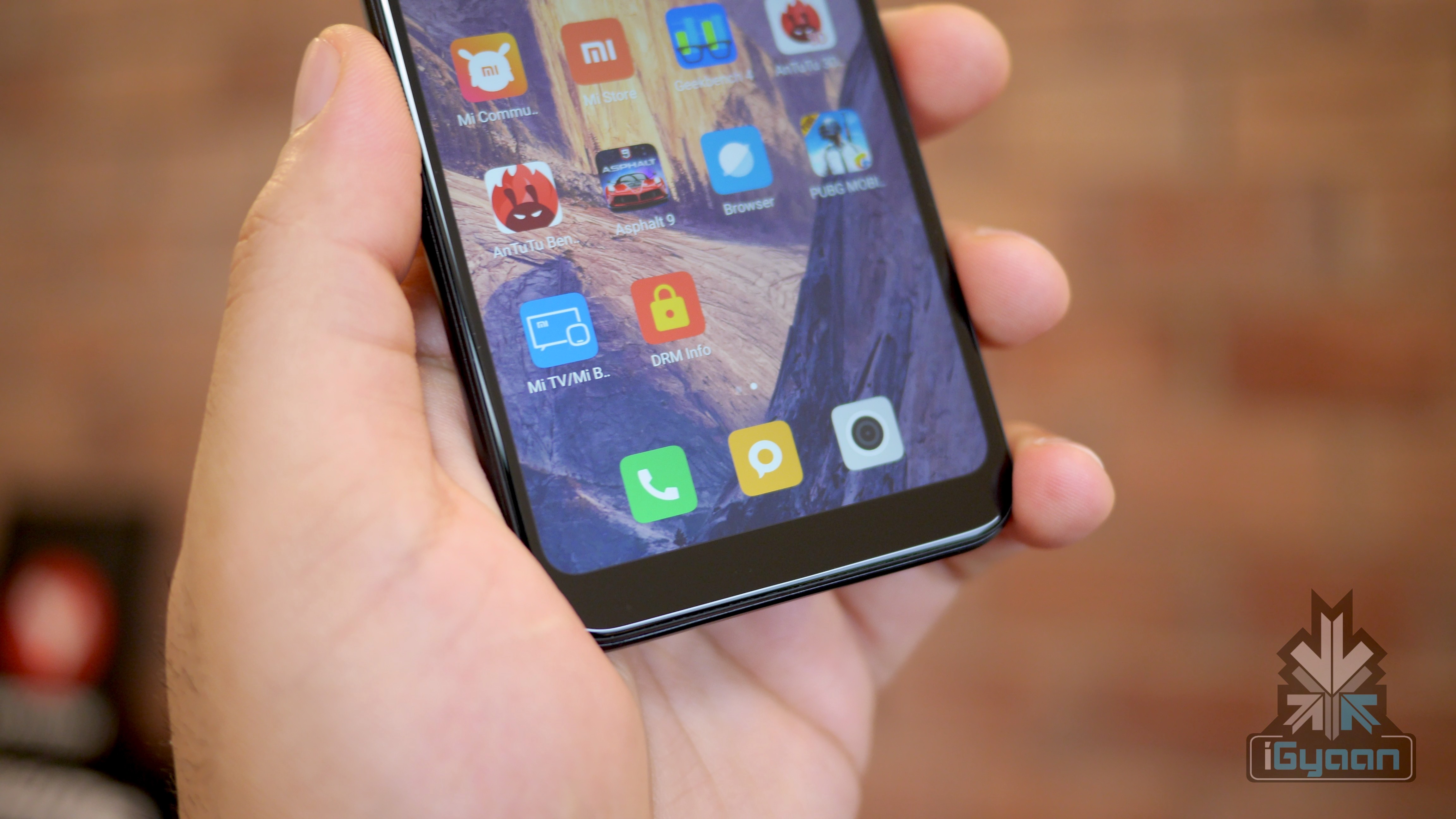
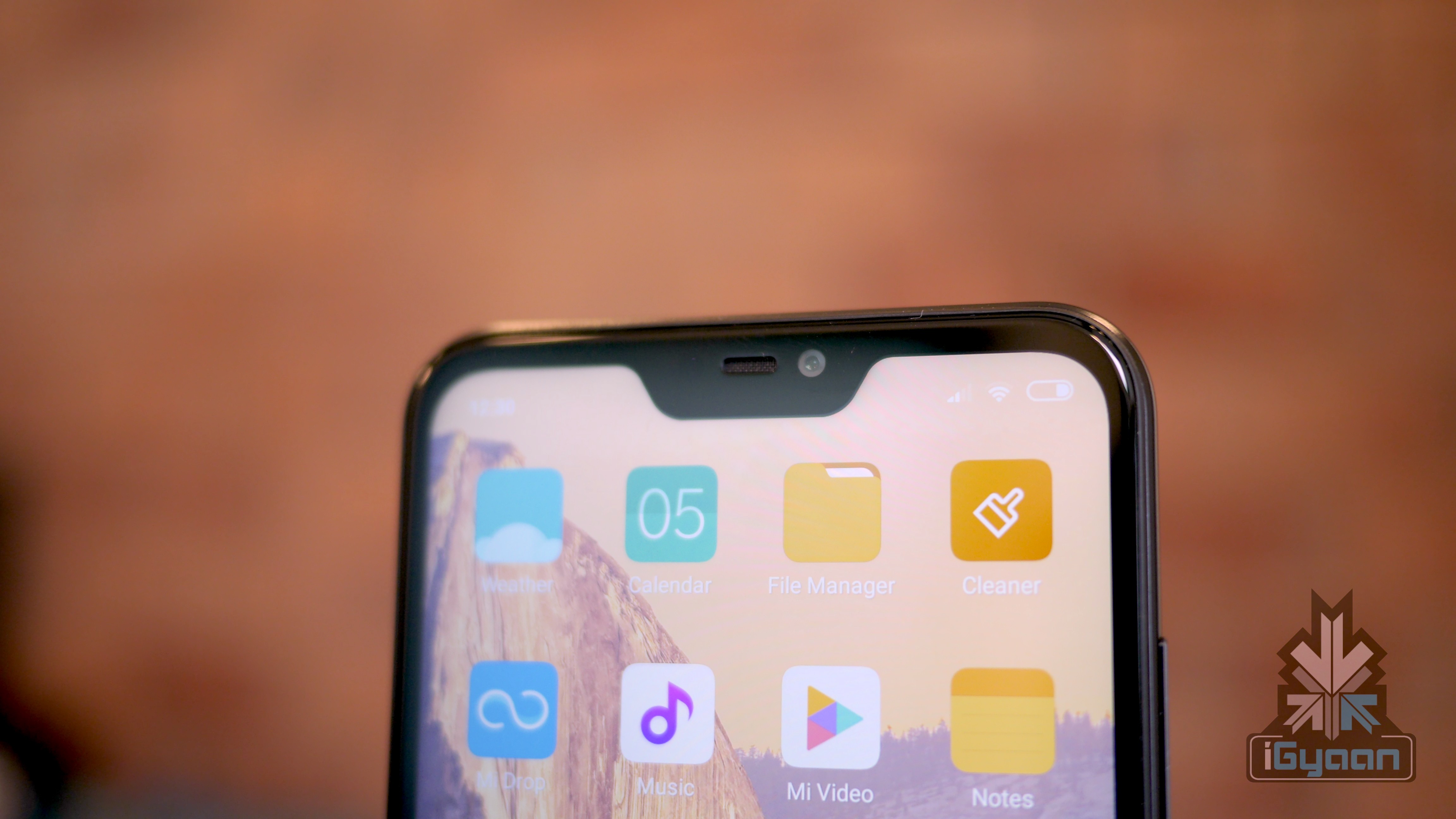
    The Redmi 6 Pro has a 5.84 inch LCD display and a 19:9 aspect ratio. It has a resolution of 1080 x 2280 pixels and thus a pixel density of 432 ppi. It is the only device of the three launched to sport a notch on its display. The notch is also quite visible and is complimented by a chin at the bottom of the screen. The notch can also be hidden via settings.

    Processor:


    Housing the octagon core Qualcomm Snapdragon 625 SoC, the Redmi 6 Pro has a clock speed of 2.0 GHz. It has the Adreno 506 GPU. The phone is available in two variants, offering 3 GB and 4 GB of RAM respectively. The device also has internal storage options of 32 GB and 64 GB, which is expandable up to 256 GB. Running the MIUI 9.6 which will be upgraded to MIUI 10 soon, the device has Android 8.1 Oreo.

    Camera:


    At the rear, an AI enabled dual camera setup with 12 MP + 5 MP sensors is present on the phone. The sensors also have an aperture of f/ 2.2 each. Having PDAF and depth sensors, the dynamic range of the camera increases. The AI portrait mode gives an enhanced experience.

    The Redmi 6 Pro can shoot videos in 1080p at 30 fps. The front facing camera has a 5 MP sensor with an aperture of f /2.0. It can shoot videos in 1080p at 30 fps as well.

    Battery:


    Running on a 4000 mAh battery, it is expected to pack quite a punch. The device also has fast charging.

    Price and Other Features:

    The Redmi 6 Pro is priced at Rs 10,999 for its 3 GB / 32 GB  variant and Rs 12,999 for its 4 GB / 64 GB  variant. The prices are introductory and may be revised after a period of two months.

    The device also has fingerprint scanner, face unlock and smart lock.The device also has 2+1 card slot, which includes a dedicated microSD slot. Xiaomi has also included a slim case for the phone in the box.  It is available from 11th September exclusively on Amazon and on Xiaomi’s official website and will come to Xiaomi’s retail stores soon.

    Buy the Redmi 6 Pro Here

    For more details, check out our detailed review below:


  • Poco F1’s Second Flash Sale Today Including The Armoured Edition

    Poco F1’s Second Flash Sale Today Including The Armoured Edition

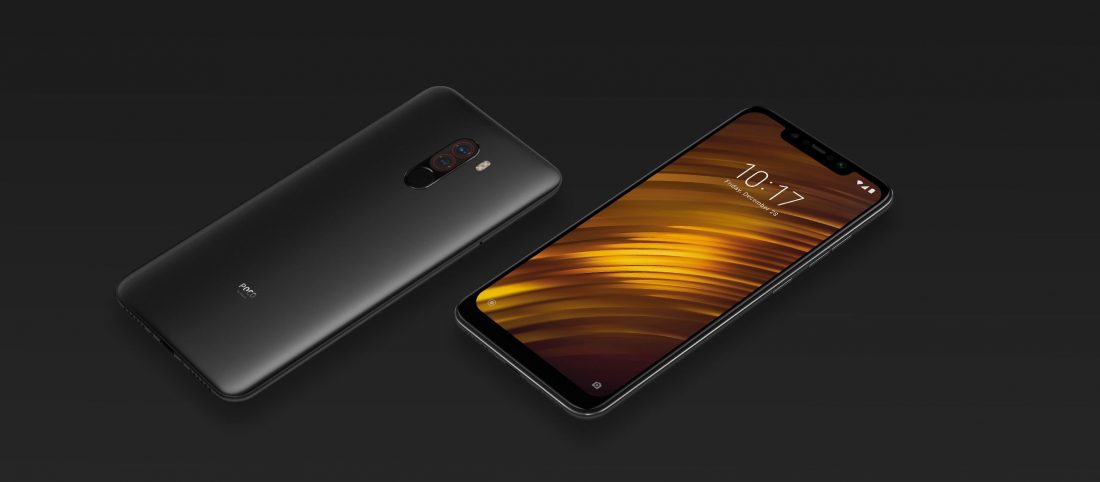
    The much awaited Xiaomi Poco F1 will have its second flash sale today. The Armoured edition of the Poco F1 will be available on sale today for the first time. The device has created a ripple in the smartphone market with its flagship specifications at a mid-range price. With the first sale of the Poco F1 being recorded as the biggest sale on Flipkart yet, it might not be so easy to get your hands on the device.


    The Poco F1 will be available on Flipkart and Xiaomi’s official website. Other than the armoured edition of the device, it will be available in Graphite Black, Rosso Red and Steel Blue colours. However, one has to be incredibly fast and lucky in order to get the device. The previous sale of the Poco F1 had Xiaomi earning over Rs 200 crore in less than 5 minutes and the device being sold out very soon. Poco however, did not reveal the number of smartphones it sold. But, if the amount is over 200 crores, then it’s pretty clear that they sold at least 68,000 devices. On the other hand, if all the devices sold were base models, the units sold can be close to 1 lakh.

    Going on sale at 12 PM today Buy the Poco F1 Here 

    Poco F1 Specifications:

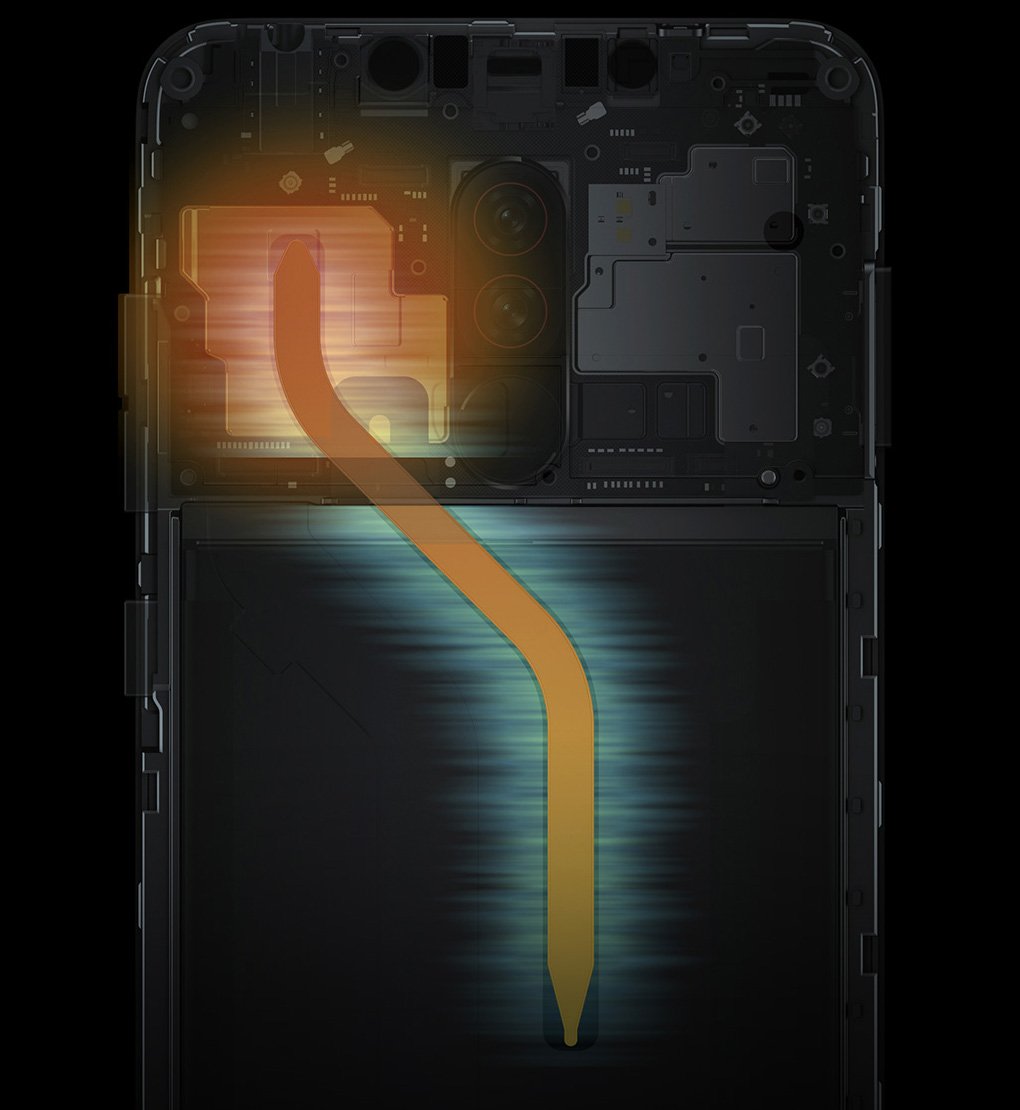
    The Poco F1 has a a 6.18-inch FHD+ display with a notch and an 18:9 aspect ratio. However, what really highlights the Poco F1 is the Snapdragon 845 chipset with the Adreno 639 GPU. The device is also liquid cooled, which prevents heating and offers peak performance with the chipset. The Poco F1 has four variants. The base variant offers 6GB of RAM and 64 GB storage and is priced at Rs 20,999. The second variant, priced at Rs 23,999, offers 6GB RAM and 128GB storage. The top variant comes with a 8GB RAM and 256GB storage and costs Rs 28,999.

    On the back, it has a dual 12MP+5MP camera setup which offers AI compatibility. The rear camera records video in 4K at 30 fps. The 20 MP front camera has an aperture of f/2.0.The device runs on a 4,000 mAh battery and supports Quick Charge 3.0. It has Android 8.1 Oreo and has an IR scanner for Face Unlock and uses USB Type-C for connectivity and charging. The Poco F1 was in the news recently as the device lacs support for HD video playback. This has happened due to the limitations on the hardware, which only supports a stream of upto 540p.

    For more details, check out our detailed review below:

  • Redmi Note 5 Pro Red Edition Launched

    Redmi Note 5 Pro Red Edition Launched

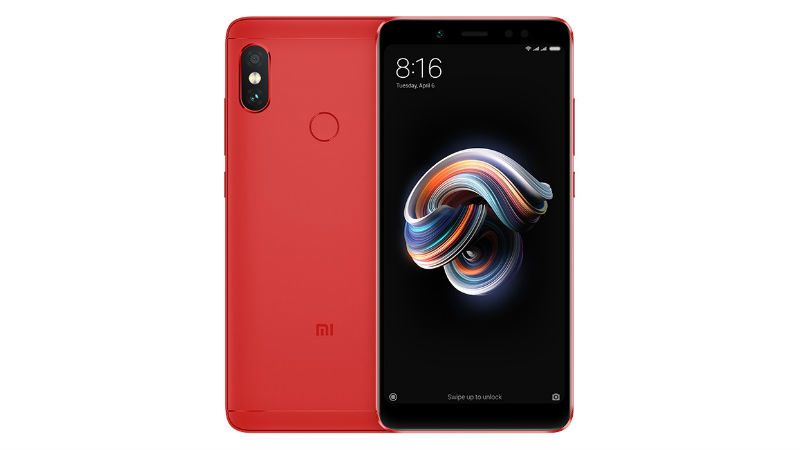
    After a series of tweets which hinted at its launch, Xiaomi finally unveiled the Redmi Note 5 Pro Red edition. The device is also available for sale on the company’s official website and will be available on Flipkart soon.

    The Redmi Note 5 Pro had been launched in India with four colours; black, blue, gold and rose gold. The red coloured variant had been released in China but was not made available in India. However, with a tweet this morning, Xiaomi announced the launch of the Red edition in India as well.

    The Red edition of the Redmi Note 5 Pro Red edition retains all the other specifications and features of the Redmi Note 5 Pro. The device has two variants, because of varying RAM. It has a 4 GB and 6 GB variant. The internal memory of the device is 64 GB. The memory of the device is expandable up to 256 GB.

    It runs on the Snapdragon 636 processor clocking out at 1.8 GHz. The device features a dual rear camera with a 12 MP and a 5 MP sensor. The Redmi Note 5 Pro Red edition packs a 4000 mAh battery and runs Android 7 Nougat and MIUI 9.

    The Redmi Note 5 Pro Red edition is already available on the official Xiaomi website and will soon be available on Flipkart. The device is priced at Rs 14,999 for the 4 GB/64 GB variant and Rs 16,999 for the 6 GB/ 64 GB variant.


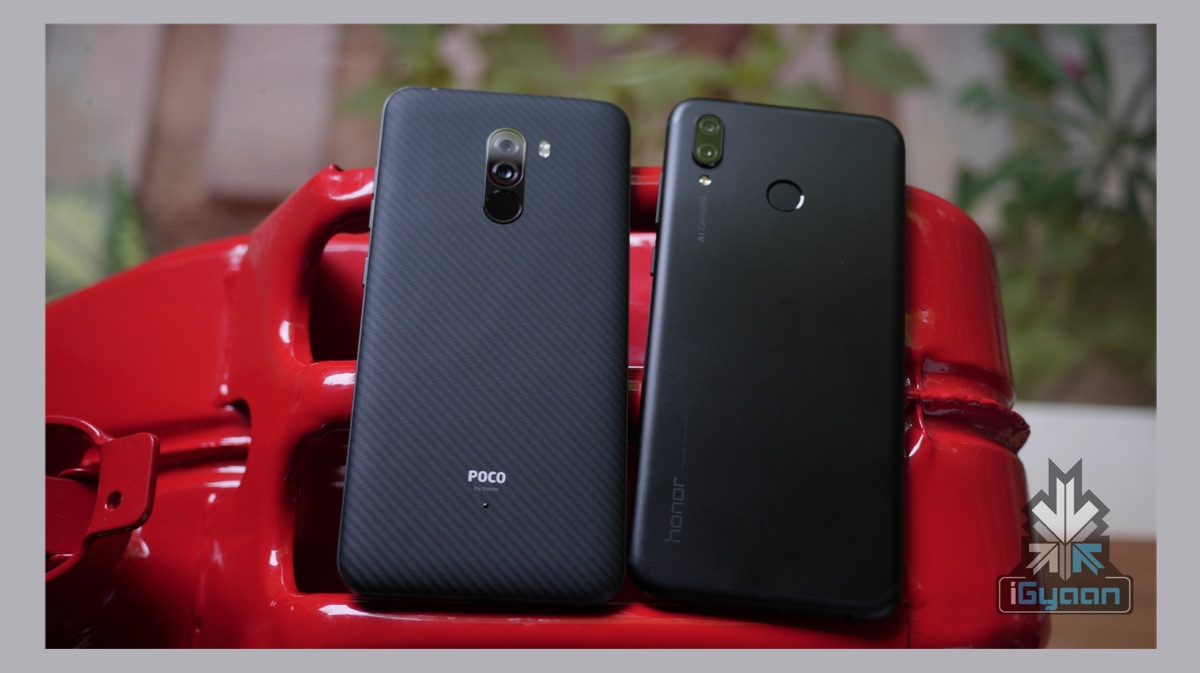
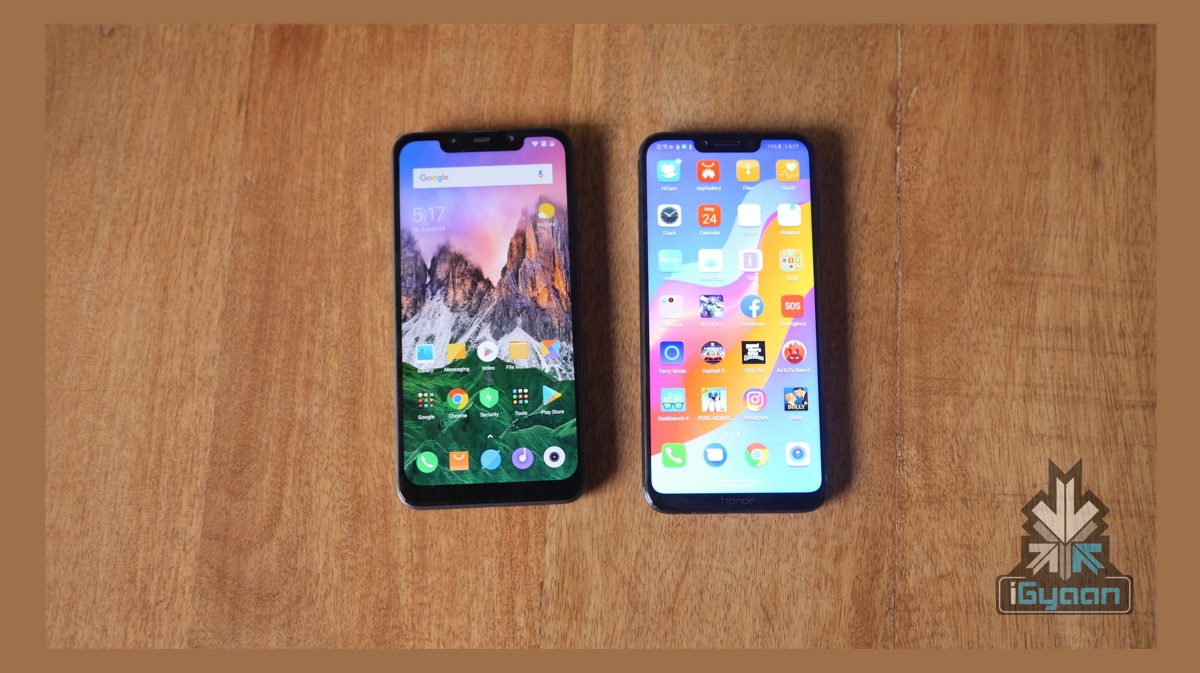
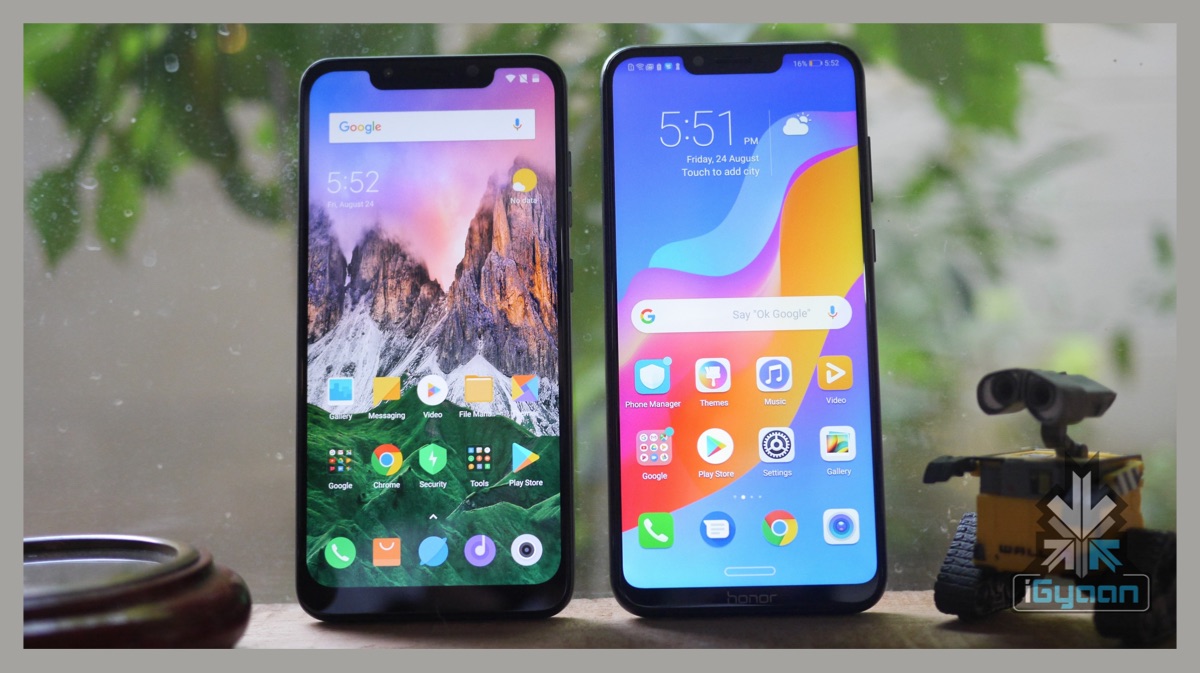
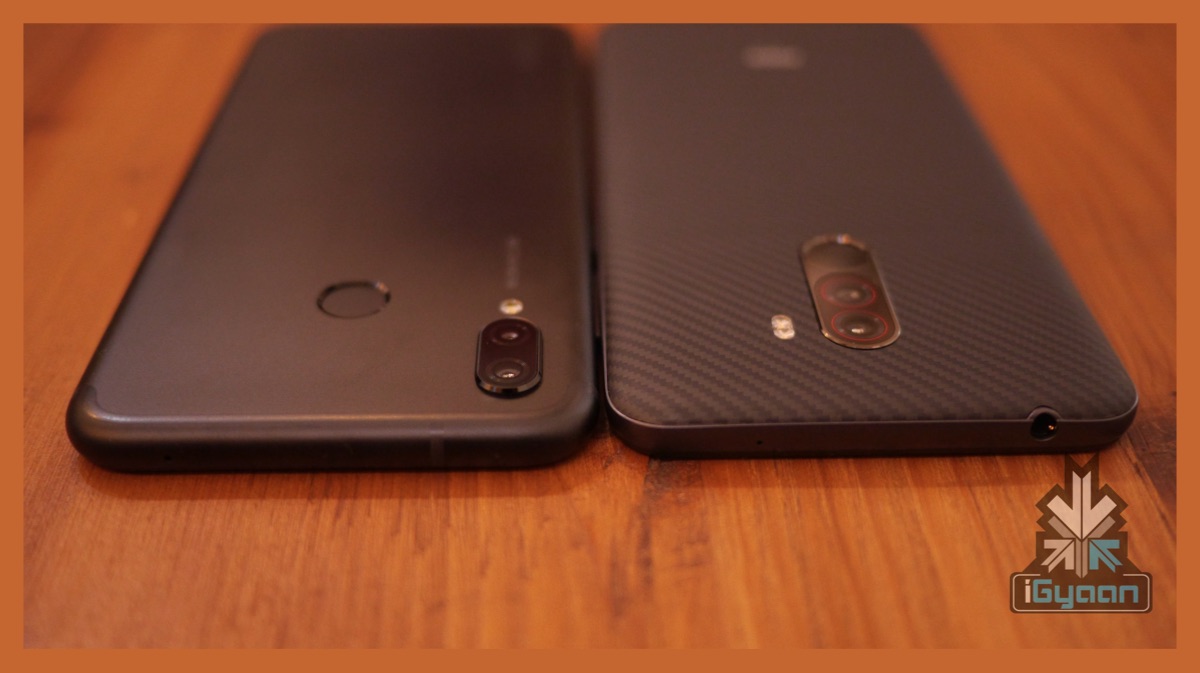
  • Honor Play Vs Poco F1: Clash Of The Best Budget Flagship Phones

    Honor Play Vs Poco F1: Clash Of The Best Budget Flagship Phones

    The Honor Play exploded into the market when it was released. The high performance device, set a benchmark for flagship killers and gives tough competition to higher-end devices. Everyone had come to terms with the fact that nothing could beat the Honor play when boom, the Poco F1 raced into the public sphere. The only phone to offer the Snapdragon 845 in this price range, it’s not just speed that sets the Poco F1 apart.

    While the pricing of the base model of the Poco F1 is directly competitive with that of the Honor Play, the two devices do have many differences. The Poco F1 offers its 6GB/64GB variant at a highly lucrative price of Rs 20,999. Sitting just a little away from this is the 4GB/64GB Honor Play. The 6GB/128GB and the 8GB/256Gb variants of the Poco F1 cost Rs 23,999 and Rs 28,999 respectively.

    Also Read: Honor Play Gaming Smartphone Launched

    Display:

    The Honor Play has a 6.3-inch Full HD display, complete with thin bezels on the side and a notch on the top. With a resolution of 2340×1080 pixels and a 19:9 aspect ratio, the Honor Play provides an immersive visual experience at 409 ppi. Not lagging behind, the Poco F1 gives a similar performance with its 6.18-inch, Full HD display. At 2246×1080 pixels, it gives us a density of 403 ppi.

    Processor:

    This is where Poco F1 really hits the sweet spot. With Qualcomm’s flagship Snapdragon 845 chipset and the Adreno 630 GPU, the specs speak for themselves. Also adding to this is the fact that it is liquid cooled, which Poco claims will ensure that the Processor gives out peak performance always. Honor also brings on the heat with its Kirin 970 chipset coupled with its GPU Turbo technology, which has been promised will change gaming experiences for everyone.


    RAM & Storage:

    Another segment in which the Poco F1 surges forward with its higher specifications, what really adds to this is the expandable storage. With a memory card, the Poco F1’s storage can reach more than half a TB in its top model, providing more power for the user. The Honor Play has upto 256GB of expandable memory, giving you all the space you need.

    Also Read: Xiaomi Launches Poco F1 With Snapdragon 845 

    Camera:

    While both the devices have AI enabled cameras which provide extensive scene detection and other smart features, they do differ fundamentally. The Poco F1 has with a 12MP and 5MP sensor for its rear camera with an aperture of f/1.9 and f/2.0 respectively. the Honor play at the same time only offers a 16MP and 2MP sensor with an aperture of f/2.2 and f/2.4 respectively. It can be seen that the Honor Play does not really bring flagship specs when it comes to the camera. The AI technology however, helps it overcome this hurdle. Another cool feature that we’re looking forward to is the special scene detection for India in the Poco F1 which shows that they went that extra mile.

    Both the devices house their front-facing cameras in the notch. They are similarly equipped with AI and an improved portrait mode. The Poco F1 has a 20MP, f/2.0 sensor while the Honor Play carries a 16MP, f/2.2 sensor.

    Battery:

    Neither of the phones come with flagship features like wireless charging but they do pack a punch. The Poco F1 packs a massive 4000 mAh battery and Quick charge 3.0. The Honor Play carries a 3750 mAh battery along with the Huawei Super charge 3.0. Each of the devices claim advanced AI and curated operating systems will ensure that battery life is further optimised.
    Is The Hunt Over?

    While the two smartphones bring an unbelievable amount of flagship features to us for great prices, will they really make their mark? As both the phones are sold in flash sales conducted from time to time, the impact they make on the audience may not be that concrete. Although it creates a buzz and ensures that anxious buyers are always lined up to buy the devices, companies like OnePlus are in the lead in this segment due to the availability of their phones in the market. Let’s wait and watch as to how these new entrants change the Indian Market.

    [table style=”table-hover”]

    Specifications Poco F1 Honor Play
    Price

    6GB+64GB : Rs 20,999

    6GB+128GB : Rs 23,999

    8GB+256Gb : Rs 28,999

    4GB+64GB : 19,999
    Display

    6.18 inch

    2246 x 1080 FHD+

    18:7:9  Aspect Ratio

    403 ppi

    6.29 inch

    2340 x 1080 FHD+

    19:5:9  Aspect Ratio

    409 ppi

    Chipset

    Qualcomm Snapdragon 845, Liquid Cooled

    Octa Core @ 2.8 GHz

    Adreno 630 GPU

    Kirin 970

    Octa Core @ 2.3 GHz

    GPU Turbo

    RAM

    6GB

    8GB

    4GB
    Storage

    64GB, Expandable storage up to 256GB

    128GB, Expandable storage up to 256GB

    256GB, Expandable storage up to 256GB

    64GB, Expandable storage up to 256GB
    Primary Camera

    Primary 12MP rear camera, f/1.9 + Secondary 5MP rear camera, f/2.0

    4K video, 30 fps

    AI Enabled

    Primary 16MP rear camera, f/2.2 + Secondary 2MP rear camera, f/2.4

    4K video, 30 fps

    AI Enabled

    Front- Facing Camera 20MP, f/2.0 16MP, f/2.2
    Battery

    4000 mAh

    Quick charge 3.0

    USB Type-C charger

    3750 mAh

    Huawei Super charge 3.0

    USB Type-C charger

    Additional Features

    3.5 mm Headphone Jack

    Fingerprint scanner

    Infrared Scanner  Face unlock

    3.5 mm Headphone Jack

    Fingerprint scanner

    Face Unlock

    [/table]

  • Xiaomi And Flash Sales: It’s Complicated

    Xiaomi And Flash Sales: It’s Complicated

    The flash sale model was pioneered by Xiaomi back in 2014 when it was using e-commerce platforms to slowly inch its way into the Indian market. They have come a long way since then and now hold the top position in the market share in India. Xiaomi is a respected brand and has carved out a huge fan following over time. However, they still use the flash sale method to sell some of their phones. Xiaomi now also aims to dominate the premium smartphone segment with the Poco F1. With so much at stake, is it a good idea for Xiaomi to stick to this or is it time to move on?

    The concept behind flash sales is very simple. Deliberately create a shortage in supply to ensure that the demand for the product goes up. This system has numerous positives compared to the few negatives it may have. Demand for the product increases in the first place, making sure that it creates a lot of hype. This hype therefore attracts more consumers as everyone wants to get a piece of something that is not easy to obtain. The biggest advantage it offers is for smaller companies.

    Redmi Note 5 Pro


    Small companies cannot afford to invest in producing large number of smartphones only to see them go unsold. Therefore, a flash sale will allow them to produce smaller quantities which they are sure will sell. The intervals between flash sales can also help the company to gauge the mood of the people and know if the hype to buy the device is still around.

    Also Read: Xiaomi Launches Poco F1 With Snapdragon 845

    After Xiaomi ushered in this concept to the Indian smartphone market, quite a few others have followed it. That is good for a company which is just stepping in, but for Xiaomi, it can be a cause of concern. A lot of customers are unhappy because even though they’re willing to buy a Xiaomi phone, its not easily available. While they did change that and moved to selling phones via other methods, the Poco F1 seems like Deja Vu.

    The Poco F1 is supposed to help Xiaomi establish itself in the flagship segment as well. We’ve already seen what the Poco F1 can do. It is also evident that Xiaomi holds the top spot in the Indian market share. If Xiaomi wants the Poco F1 to be its entry ticket to the premium segment, why is it holding back?

    Xiaomi Mi A2


    A few years back, not many people were trusting of Chinese brands like Xiaomi or OnePlus. Sales in India were low and it seemed uncertain as to how many devices could be sold. OnePlus, at the time, wasn’t big enough to take that risk and therefore started sales on an invite basis. Soon their sales grew, giving enough confidence and capital to move to a regular model of sales. OnePlus trashed the invites. This was a risky move as they weren’t sure as to how many people will buy the next flagship without the hype of an invite around it. OnePlus holds the top spot in the premium smartphone segment, having beaten Samsung and Apple.

    While Xiaomi holds back with its sales, frustrated customers might go in for an alternative phone. The Poco F1, despite being an excellent device might go off without making a mark. Considering the fact that Xiaomi now holds a powerful spot in the Indian market, it’s up to them to make the next big move.

  • Xiaomi Launches Poco F1 With Snapdragon 845 Starting Rs. 19,999

    Xiaomi Launches Poco F1 With Snapdragon 845 Starting Rs. 19,999

    Xiaomi has launched their new Sub brand Poco with their first phone the Poco F1. The phone is a Flagship Killers worst nightmare with specifications equalling Flagship tier 1 smartphones for as low as Rs. 20,999. The phone features a glass front and  polycarbonate back with a vertically placed dual camera setup at the back. The front of the phone has a 6.18 inch 18.7:9 display  with a 2246 x 1080 px  FHD+ resolution. The front also has Gorilla Glass ( but the version is unspecified ). The display has a max brightness of 500 nits, a contrast ratio of 1500 : 1 and 84% NTSC color coverage.

    The front also has a 20MP front camera with a 1.8  micron pixel  “4-in-1 Super Pixel” sensor an ƒ/2.0 aperture HDR, AI scene detection, AI Beautify, AI portrait mode along with Face unlock using Infrared illuminator and an infrared camera essentially allowing for Face unlock to work in low light.

    Inside the Poco f1 is the Qualcomm Snapdragon 845 with 8x KryoTM 385 cores- Up to 2.8GHz AIE 845 and the Adreno 630 GPU a new cooling technology that the company calls LiquidCool identical to what we saw with the Note 9. As the CPU heats, fluid inside the cooling module evaporates to vapour, moving to the cooler end, where it re-condenses as liquid.

    The Poco F1 will have options of 6GB+64GB, 6GB+128GB, 8GB+256GB The RAM used is the LPDDR4X DRAM while for storage the poco F1 uses UFS 2.1 storage. The storage can be further expandable up to 256GB microSD.

    The Poco F1 runs a new layer MIUI for POCO which is based on MIUI 9.6, and on Android O with the update to Android P soon after. The main camera layout has  12MP + 5MP AI dual camera setup. The primary 12MP camera is a Sony IMX363 ƒ/1.9 and 1.4?m Dual Pixel Autofocus with HDR, Multi-frame Noise Reduction and AI scene detection with the usual Beautify and portrait options .

    The Poco F1 also has 4000 mAh battery with Quick charge 3.0 and a 9V 2 Amp charger is included in the box. The Poco F1 also has USB Type C USB 2.0 port with support for OTG.

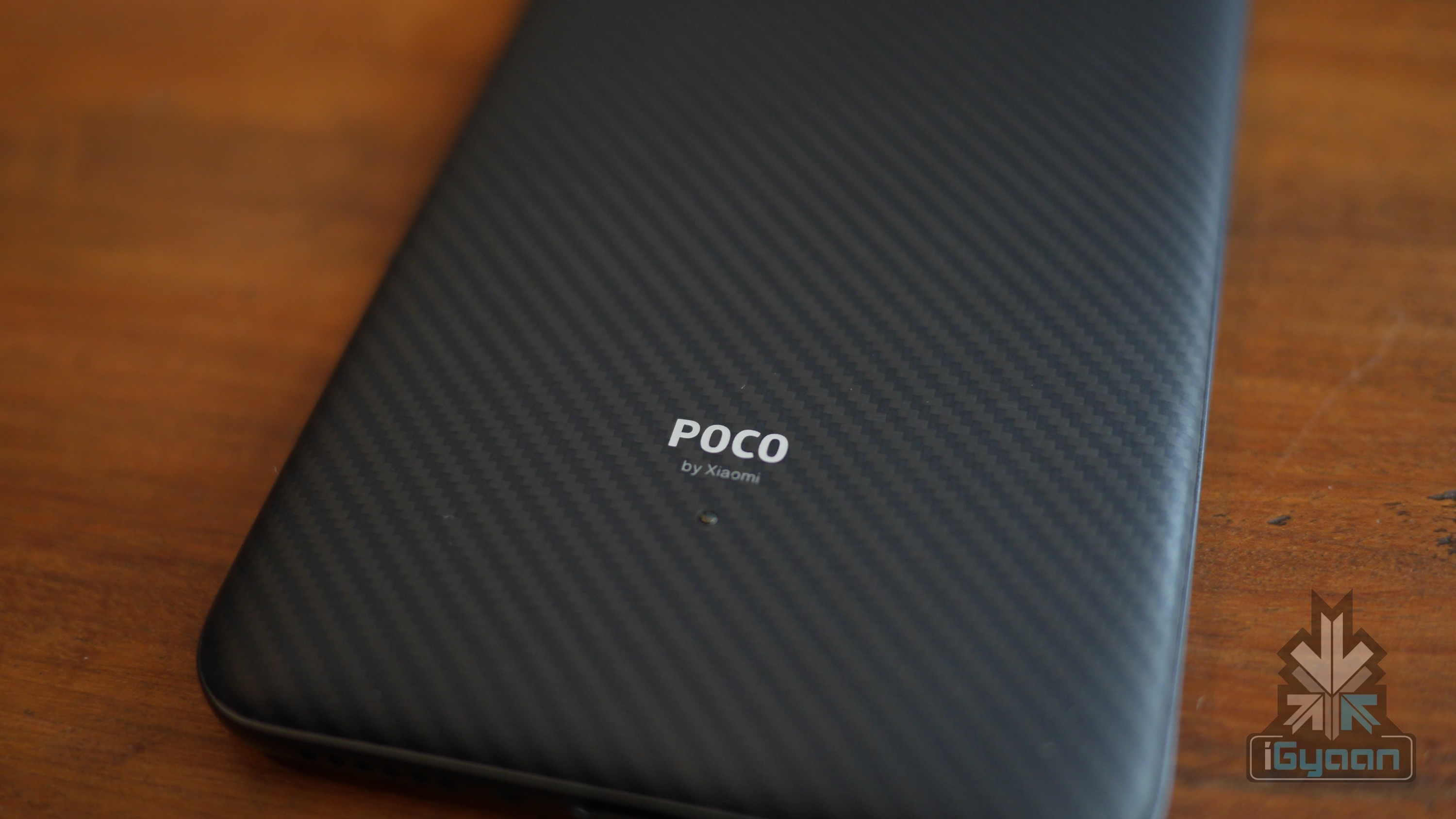
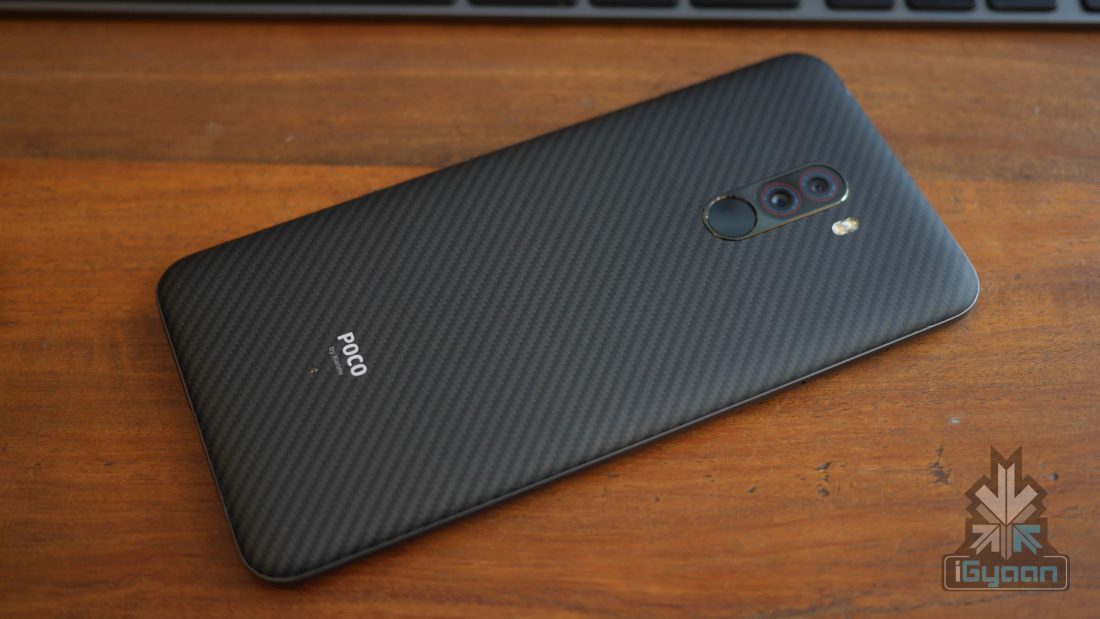
    The Poco F1 is a ridiculously well priced smartphone with a starting price of Rs. 20,999 ( Rs. 1000 cash back for HDFC card holders)  with great specifications that will trouble a lot of other brands. POCO F1 is available with polycarbonate backs in Graphite Black, Steel Blue, and Rosso Red.

    POCO F1 will retail at INR 20,999, INR 23,999, and INR 28,999 for the 6GB+64GB, 6GB+128GB, and 8GB+256GB respectively.

    The Armoured Edition Poco F1 has a back panel made of DuPont Kevlar and a 8GB+256GB configuration and will retail at INR 29,999. POCO F1 will go on sale on mi.com and Flipkart on 29th August 2018, starting 12 PM.


  • Xiaomi Mi Note 4 To Launch With Transparent Back

    Xiaomi Mi Note 4 To Launch With Transparent Back

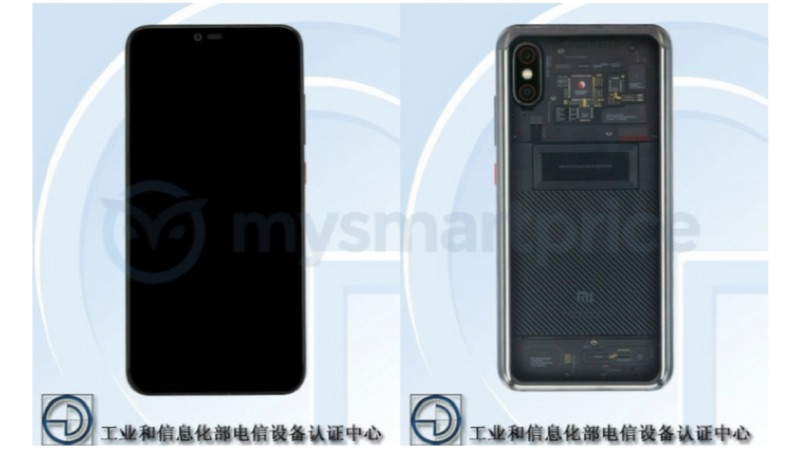
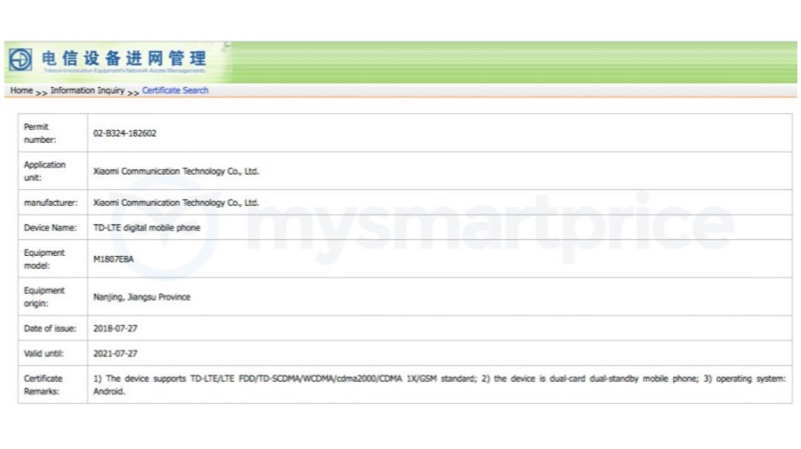
    The first Xiaomi smartphone to enter the Indian market was the Xiaomi Mi 3. The company launched the smartphone in July 2014. Since then, Xiaomi has produced smartphones in all the price segments. From budget-oriented devices to flagship smartphones.  A TENAA listing suggests that the company might soon launch the Mi Note 4. We expect that the device will first be launched in China and then the company will organize a global launch if it does well in the Chinese market.

    Mi Note 4
    Mi Note 4

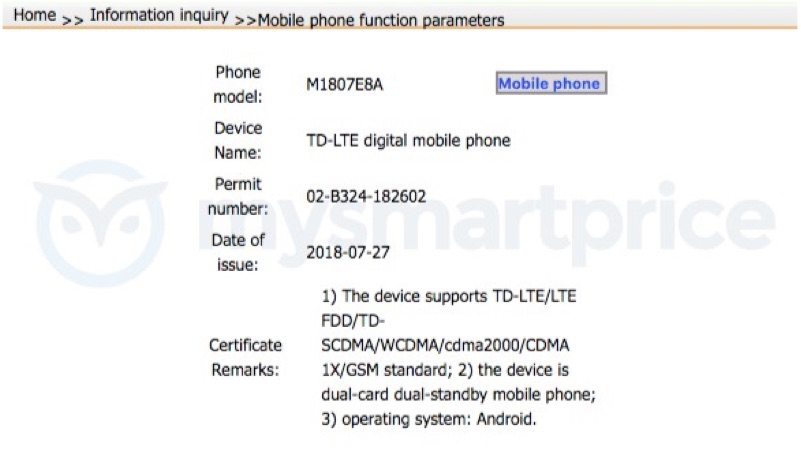
    The TENAA listing of the Mi Note 4 suggests that smartphone would have both LTE and GSM capabilities. The specific model number which the TENAA listing certified is M1807E8A. Also, the images for the device reveal that the smartphone may feature a transparent rear-panel. This rear-panel is similar to the one on the Xiaomi Mi 8 – Explorer Edition. We speculate that the Mi Note 4 could sport a notch display with an aspect ratio of 18.5:9. According to rumours, the smartphone may also sport an OLED panel and a 3,100 mAh Li-Ion battery.

    Mi Note 4
    TENAA Listing

    The trend with Xiaomi smartphones is that they run on a Qualcomm Snapdragon chipset. Regardless of whether the device belongs to the flagship or the budget segment. We think the trend of using a Snapdragon chipset will continue with the Mi Note 4 as well. The smartphone may either run on the Snapdragon 660 or the new Snapdragon 710 SoC. We can also see from the leaked TENAA images that the smartphone has a triple camera setup. Although not much is known about the specification of these sensors. We speculate that there will be three storage variants of the device. The smartphone may be available with 6/4GB RAM and 32/64/128GB storage.

    Mi Note 4
    TENAA Listing

    The Mi lineup has always been competitively priced. So, the Mi Note 4 should also follow the same trend. The price we expect the smartphone to launch at is CNY 1,999 (Rs. 20,115.94 approx). We will keep an eye out for further development on this story so stay tuned.

    Have something to add? Leave a Comment Below!
  • Xiaomi Mi A2

    Xiaomi Mi A2

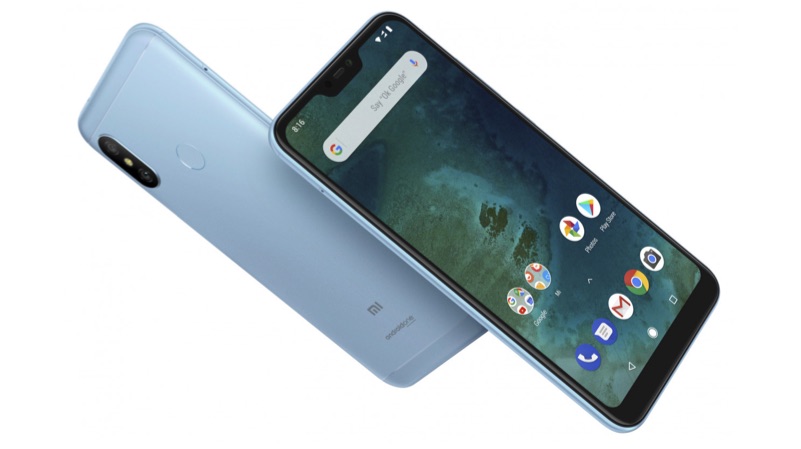
    The Xioami Mi A2 and A2 Lite are the latest smartphones in the Mi A lineup. The smartphones have launched on 24th July globally in Madrid, Spain. Xiaomi claimed that it had sold close to 10 million devices in the month of September alone, making the Mi A1 one of the most bought smartphones of the year. Now, in the month of July 2018, the company has launched the Xiaomi Mi A2 and A2 Lite.

    Xiaomi MI A2 and A2 Lite
    Mi A2

    [section label=”Specifications”]

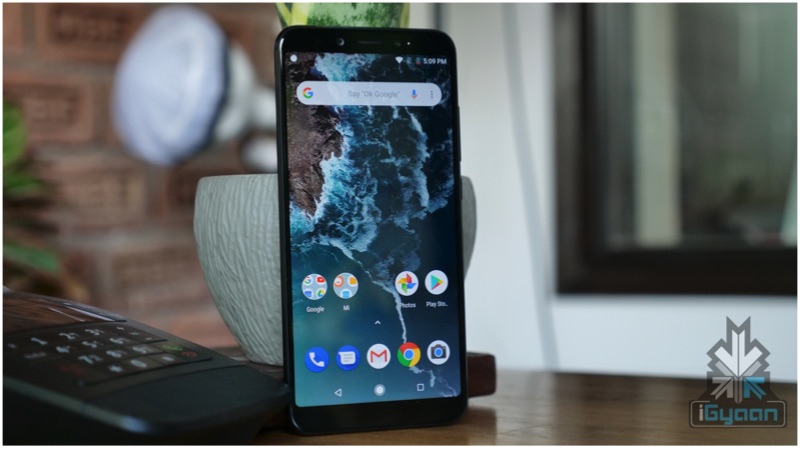
    The display on the Mi A2 is a 5.99-inch panel with an aspect ratio of 18:9 and a resolution of 2160 x 1080 px. The Xiaomi Mi A2 has an IPS LCD panel. The Xiaomi Mi A2 has a Qualcomm Snapdragon 660 chipset with the Adreno 512 GPU. The camera setup on the Mi A2 consists of a total of three sensors. The primary camera has a 12 MP sensor with a f/1.75 aperture and another 20 MP sensor with a f/1.75 aperture. Secondary camera of the device is a 20MP sensor with front-facing LED flash and a f/2.2 aperture. The smartphone is available with a 4GB RAM with 32GB storage or a 6GB RAM with 64GB or 128GB storage.


    [section label=”Videos”]

    [section label=”Latest News”]

    Latest News

    [loop included_categories=”29333″ included_tags=”33128,39940,45591″ loading=”paged” layout=”c” postsperpage=”3″ disable_excerpt=”true”]


  • Xiaomi Mi A2 Lite

    Xiaomi Mi A2 Lite

    The Xioami Mi A2 and A2 Lite are the latest smartphones in the Mi A lineup. The smartphones have launched on 24th July globally in Madrid, Spain. Xiaomi claimed that it had sold close to 10 million devices in the month of September alone, making the Mi A1 one of the most bought smartphones of the year. Now, in the month of July 2018, the company has launched the Xiaomi Mi A2 and A2 Lite.

    [section label=”Specifications”]

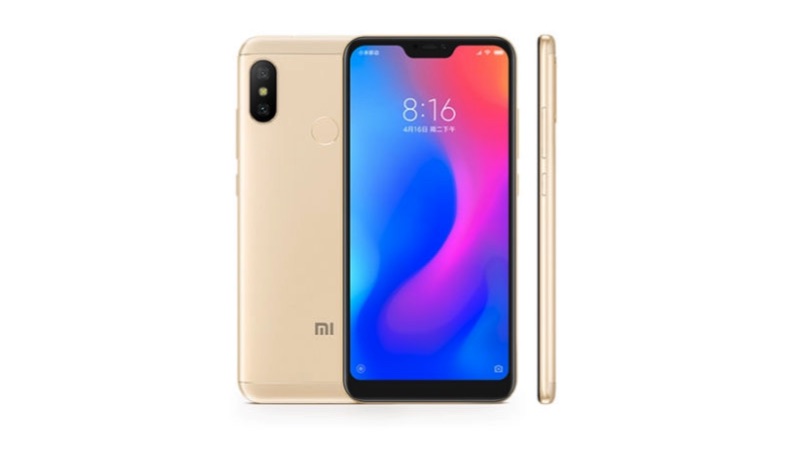
    The display on the Mi A2 Lite is a 5.84-inch panel with an aspect ratio of 19:9 and a resolution of 2280 x 1080 px. The Mi A2 Lite sports a notch-display. The Xiaomi Mi A2 Lite has an IPS LCD panel. The Mi A2 Lite is powered by the Snapdragon 625 with the Adreno 506 GPU. This chipset also featured in the Mi A1. The Mi A2 Lite 12 has a total of three camera sensors. The primary camera has a 12MP sensor with a f/2.2 aperture and a 5 MP sensor with a f/2.2 aperture. The Mi A2 Lite two storage variants, a 3GB RAM with 32GB storage and a 4GB RAM with a 64GB storage. The smartphone also supports storage expandability of up to 256GB.


    [section label=”Videos “]

    [section label=”Latest News”]

    Latest News

    [loop included_categories=”29333″ included_tags=”33128,39940,45591″ loading=”paged” layout=”c” postsperpage=”3″ disable_excerpt=”true”]


  • Xiaomi Mi A2 and A2 Lite Launched

    Xiaomi Mi A2 and A2 Lite Launched

    When Xiaomi launched the Mi A1 back in September 2017, it also revealed the company’s sales figure for the month. Moreover, the Mi A1 was also the company’s first Android One device. The was also the company’s first smartphone in the Mi A series. Xiaomi claimed that it had sold close to 10 million devices in the month of September alone, making the Mi A1 one of the most bought smartphones of the year. Now, in the month of July 2018, the company has launched the Xiaomi Mi A2 and A2 Lite. While not much has changed from the Mi A1 to the Mi A2, there are still a few things that the company has decided to differently with the latter. The smartphone has launched on 24th July globally in Madrid, Spain.

    Also Read: Xiaomi Mi Max 3 Price Revealed Before Launch On 20th July

    What’s Changed From The Mi A1 To The Mi A2?

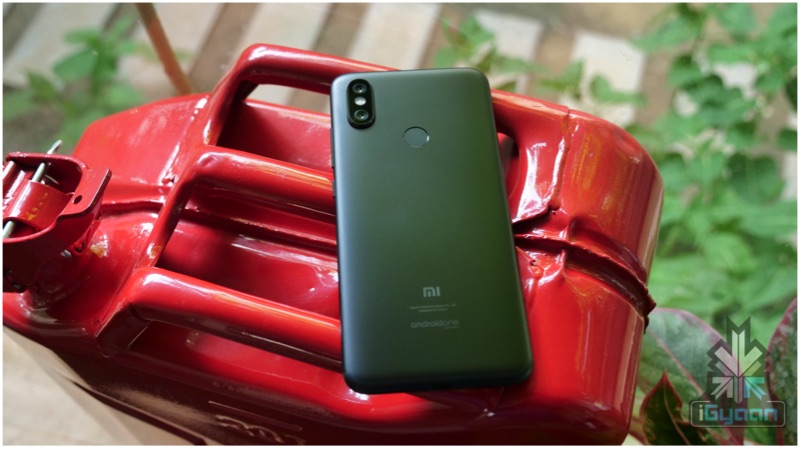
    The only similarity which both the Mi A1 and the Mi A2 share is that both of them are Android One devices, other than that, the company has introduced a lot of changes. The Xiaomi Mi A2 has a front glass design and an aluminum body. The display on the Mi A2 is a 5.99-inch panel with an aspect ratio of 18:9 and a resolution of 2160 x 1080 px. This display is an IPS LCD panel. Whereas, the Mi A1 has a 1920 x 1080 px IPS LCD panel.

    Mi A2 Lite
    Mi A2 Lite

    Powering the Xiaomi Mi A2 is a Qualcomm Snapdragon 660 chipset with the Adreno 512 GPU. Whereas, the Mi A1 had the Snapdragon 625 with the Adreno 506 GPU.

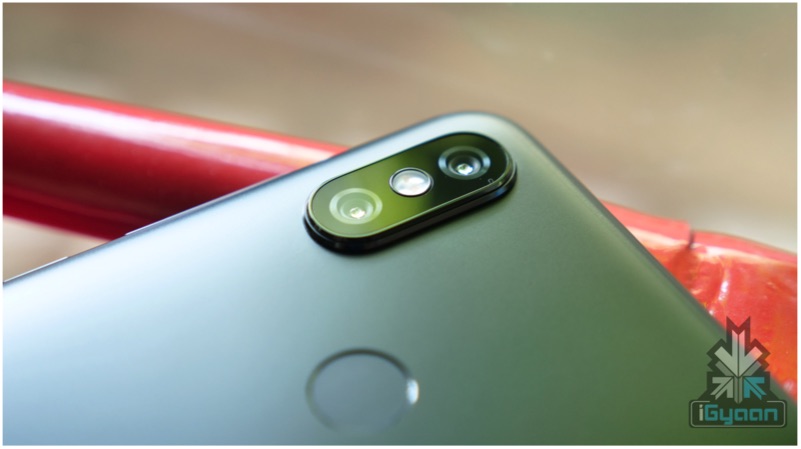
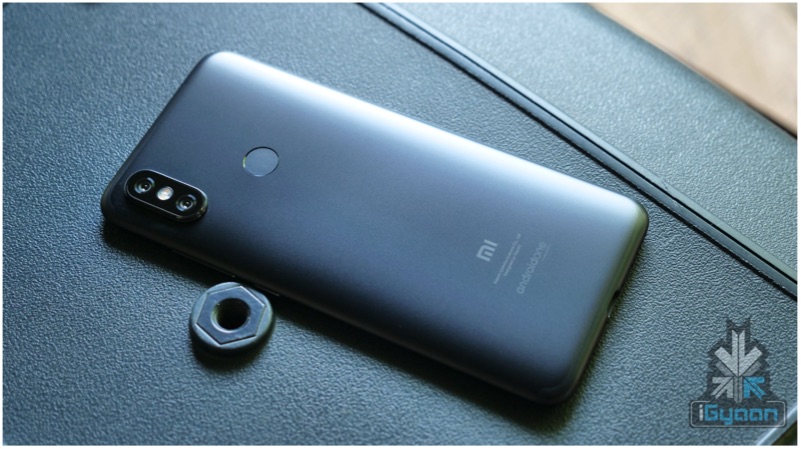
    The camera setup on the Mi A2 consists of a total of three sensors. The primary camera has a 12 MP sensor with a f/1.75 aperture and another 20 MP sensor with a f/1.75 aperture. Secondary camera of the device is a 20MP sensor with front-facing LED flash and a f/2.2 aperture. While the Mi A1 had a primary dual-camera with two 12MP sensors.

    Xiaomi Mi A2 and A2 Lite
    Mi A2 Camera

    What Xiaomi could have also done differently is add a fast charging capability to the Mi A2 since the chipset supports Qualcomm Quick Charge 4 technology. There are three storage variants of the Xiaomi Mi A2, a 4GB RAM and 32GB storage, 4GB RAM and 64GB storage, and a 6GB RAM and 128GB storage variant.

    Why The Mi A2 Lite?

    Even though the Mi A1 did really well, especially in the Indian market, many complained that the smartphone was slightly on the expensive side. To address this issue, Xiaomi has launched announced the Mi A2 Lite. The smartphone is advertised as the “entry-level Android One king”. Entry-level, because, the price of the Mi A2 could be under the Rs. 15,000 price bracket.

    Xiaomi MI A2 and A2 Lite
    MI A2

    While there is no word about whether this device will be launched in India, but we can expect it to arrive in India under another alias.

    The display on the Mi A2 Lite is a 5.84-inch panel with an aspect ratio of 19:9 and a resolution of 2280 x 1080 px. The Mi A2 Lite sports a notch-display. Both the Xiaomi Mi A2 and A2 Lite have an IPS LCD panel. The Mi A2 Lite is powered by the Snapdragon 625 with the Adreno 506 GPU. This chipset also featured in the Mi A1.

    Pricing And Availability

    The Mi A2 starts at a price of €249 (Rs. 20,071.20 approx) for the 32GB variant, with the 64GB costing around €279 (Rs. 22,500.42 approx), and the 128GB variant around €349 (Rs. 28,145.69 approx). While the Mi A2 Lite will start at €179 (Rs. 14,434.23 approx). The Mi A2 will go on sale in Spain starting 10th August, in France on 27th July, and in Italy and India on 8h August. While the Mi A2 will be available in India, the Mi A2 Lite will be sold in countries other than India.

    Xiaomi celebrated its first Android One anniversary with the launch of the Xiaomi Mi A2 and A2 Lite. The company has also emphasized the AI capabilities of both the smartphones through the launch. While you have to wait for our full review of the Mi A2, we already have an unboxing video ready for the smartphone. Take a look.

    Have something to add? Leave a Comment Below!


  • Xiaomi Mi Max 3 Officially Launched In China

    Xiaomi Mi Max 3 Officially Launched In China

    Big screen-size smartphones have been around for a while now, ever since the first Samsung Galaxy Note launched back in 2011. From the standards of 2011, the Galaxy Note 1 was a phablet. Nowadays, 5.3-inches is the average screen size for a smartphone. The Xiaomi Mi Max series was the first from the company to launch with a 6.44-inch display. On 19th July, the Chinese manufacturer launched the Xioami Mi Max 3 in China. The phone has a starting price of CNY 1,699 (Rs. 17305.44 approx). Currently, the smartphone is exclusive to China, but Xiaomi could launch this device globally soon.

    Also Read: Xiaomi Redmi 6 Pro To Launch In Late-2018

    Xioami Mi Max 3
    Mi Max 3

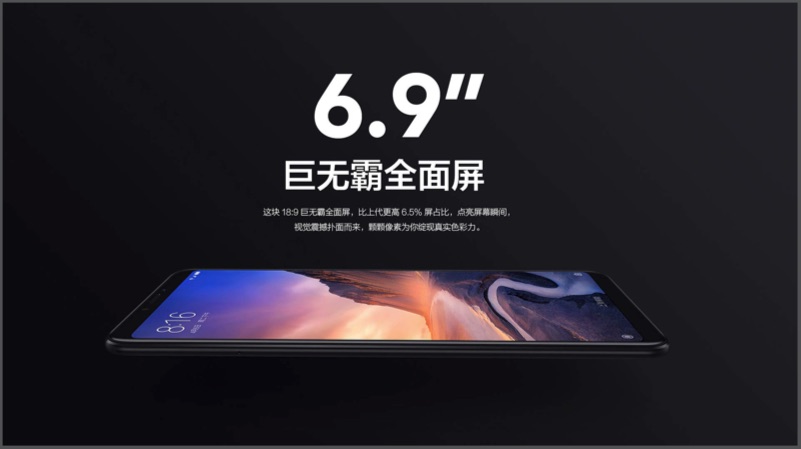
    Made with glass, the front panel of the Xiaomi Mi Max 3 houses the gigantic 6.9-inch display with 2160 x 1080 px resolution. The display is an IPS LCD panel with an 18:9 aspect ratio. The smartphone has an overall aluminum body.

    Xiaomi Mi Max 3

    The smartphone uses the MIUI 9.5 which is based on Android 8.1 (Oreo). The Xiaomi Mi Max 3 runs on the Qualcomm Snapdragon 636. This is an Octa-core 1.8 GHz Kryo 260 chipset. The SoC is paired with the Adreno 509 GPU.

    The Xiaomi Mi Max 3 will be available in two storage and RAM variants. The 64GB storage variant has a 4GB RAM and the 128GB variant has a 6GB RAM. The smartphone allows storage expandability of up to 256GB using MicroSD card. The price for the 64GB is CNY 1,699 (Rs. 17305.44 approx) and the 128GB variant will cost CNY 1,999 (Rs. 20361.14 approx).

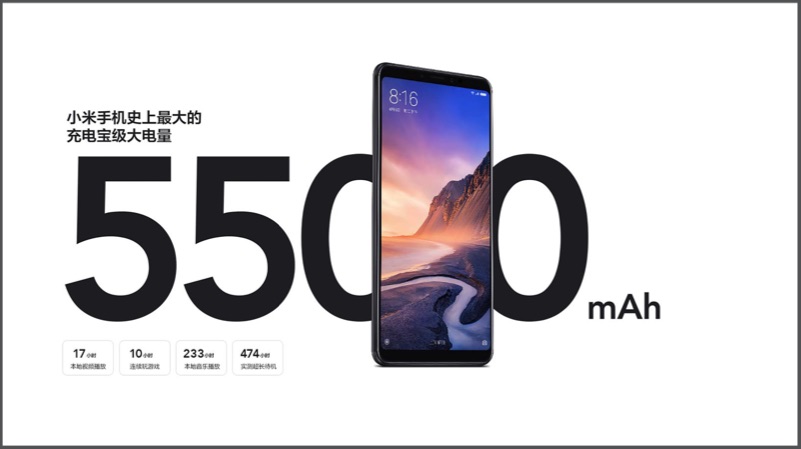
    For the first time, Xiaomi is introducing dual rear-facing camera for the Mi Max series. The primary camera for the Mi Max 3 has a 12 MP sensor with a f/1.9 aperture, and a 5 MP depth sensor. The secondary camera of the Xiaomi Mi Max 3 has a single 8MP sensor with f/2.0 aperture. The smartphone can shoot 2160p videos at 30fps, 720p and 1080p at 30fps gyro-EIS stabilization, and 720p@120fps. The phone will be powered by a massive 5,500 mAh Li-Ion battery.

    Mi Max 3 Battery

    Xiaomi is one of the top brands in India. With that said, there are already a lot of good smartphones in the price range at which the Mi Max 3 is sold in China. From the Samsung Galaxy J8 to the Huawei P2 Lite. We will have to wait until the device is officially launched in India.

    Have something to add? Leave a Comment Below!


  • Xiaomi Mi Max 3 Price Revealed Before Launch On 20th July

    The mid-range smartphone segment is a tough nut to crack for a manufacturer. There are already a lot of devices which offer value for money features. One such smartphone series is the Xiaomi Mi Max. The first phone to launch in this series was the Mi Max back in July 2016. Xiaomi is all set to launch a new device for the Mi Max series, the Xiaomi Mi Max 3. The device will launch on the 20th of July at 10.30 AM in China (8.00 AM IST). Before the launch, however, the price for two of the device’s variants are already available on Weibo.

    Also Read: Honor 10 To Launch In India On May 15th For Rs 32999

    Xiaomi Mi Max 3
    Mi Max 3 Price Reveal via Weibo
    Pricing

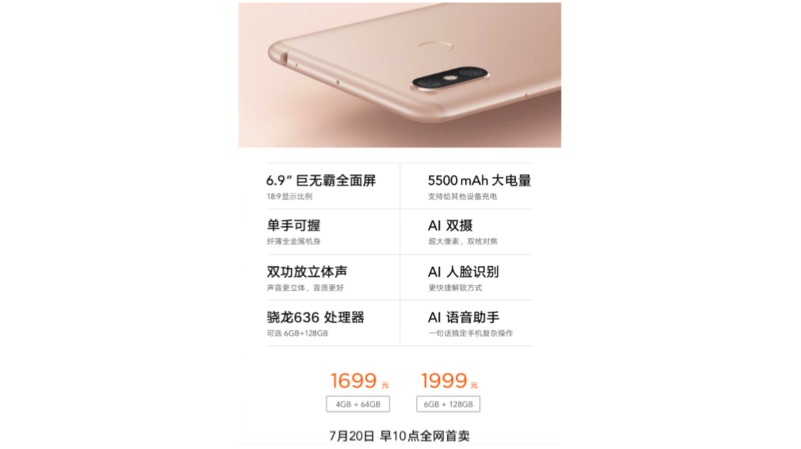
    We can get a rough idea of the Indian pricing of the smartphone from the Weibo post. The Xiaomi Mi Max 3 would cost CNY 1,699 (Rs. 17,335.89 approx) for the 4GB RAM and 64GB storage variant. While the 6GB RAM and 128GB storage variant would cost CNY 1,999 (Rs. 20,396.97 approx).

    Specs

    From the post, we also got a decent amount of information about some of the smartphone’s specifications. The Mi Max 3 could feature a large 5,500 mAh battery. This is by far the biggest battery Xiaomi has ever used in its devices. The smartphone’s predecessor, the Mi Max 2, featured a massive 5,300mAh battery as well.

    The Xiaomi Mi Max 3 will sport a 6.9-inch display, as suggested by the post. We can expect a 19:9 aspect ratio to go along with the display. The advertisement for the display size of the Mi Max 3 seems to be taking shots at what looks like an iPhone.

    Xiaomi Mi Max 3
    Mi Max 3 VS iPhone Look-Alike

    The post also confirms previous speculations regarding the Mix Max 3 featuring the Qualcomm Snapdragon 636 SoC. This chipset will be paired with the Adreno 509 GPU.

    Colour Variants

    The Xiaomi Mi Max 3 could launch in three colour variants. The usual Gold, Matte Black, and some shade of Blue. We will have to wait for the launch to find out the official names of these variants.

    Conclusion

    Xiaomi’s Mi Max series has always been big on screen-size, yet they are priced competitively. We can only expect the trend to continue with the Xiaomi Mi Max 3 as well. What do you guys think of the smartphone?

    Have something to add? Leave a Comment Below!
iGyaan Network
Privacy Overview

This website uses cookies so that we can provide you with the best user experience possible. Cookie information is stored in your browser and performs functions such as recognising you when you return to our website and helping our team to understand which sections of the website you find most interesting and useful.