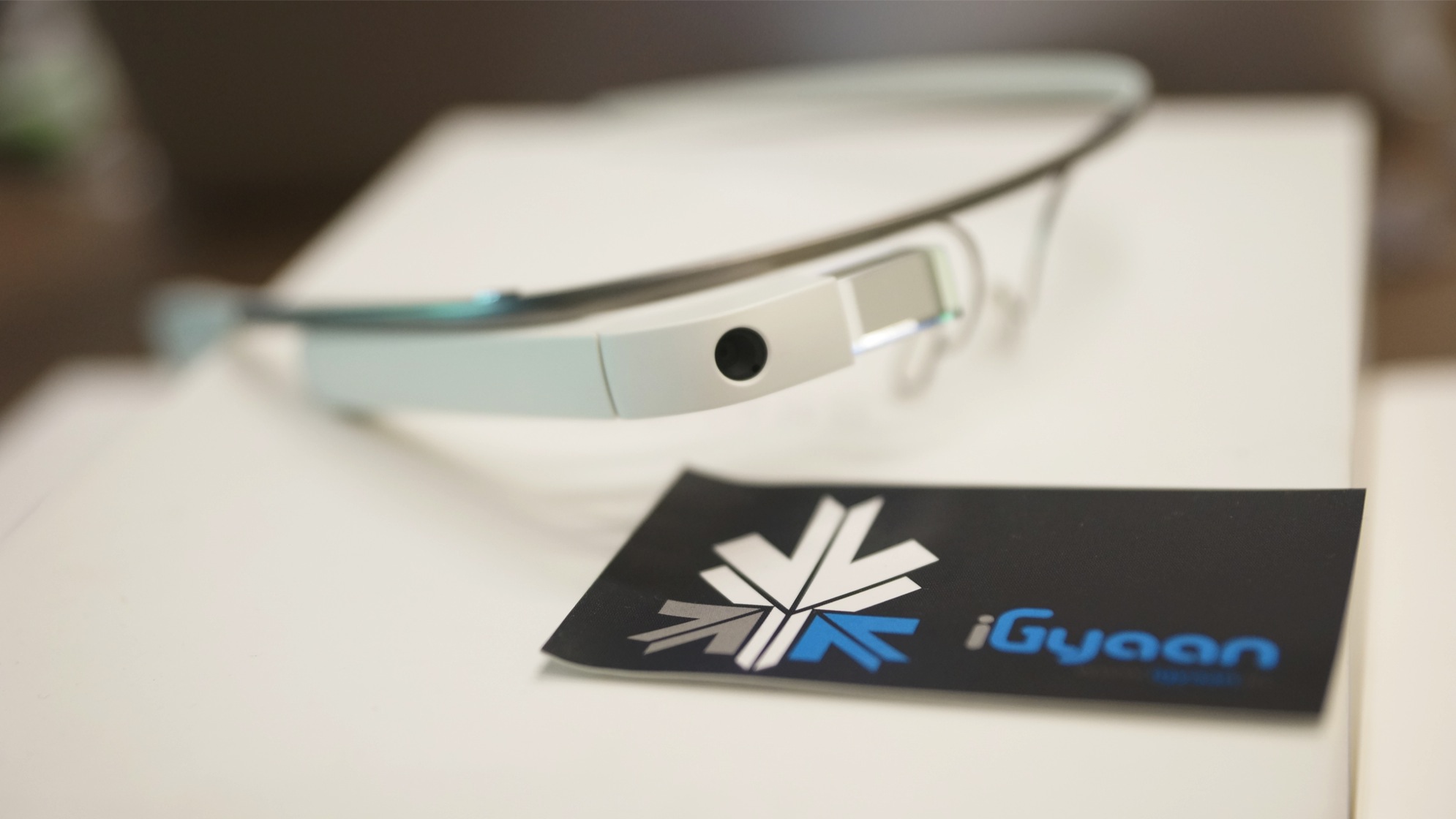
Between the frenzy of latest flagships and CES launches, Google Glass has been missing the action for quite sometime now. But not anymore, because Google is shaking its wearable up with some major changes.
The Google Glass team announced in a post to its Google+ page, that Glass is “graduating from Google[X] labs,” presumably still marching toward a “real” consumer launch. The Explorer program will come to an end on January 19th which is just three days away.
According to the post, the research project will move to own division. This new standalone Google Glass group will be led by Ivy Ross, who will report to Tony Fadell, the head of Nest Labs, Inc. The development process for the head worn wearables has been a bit slower than some might have expected when it comes to available glassware(apps for glass)but it was strong nonetheless and it seemed to give off a promising future.
Google Explorer Program has spanned years and seen plenty of awesome, annoying, and controversial moments as Glass has looked for a place in the hearts and minds of tech consumers. Many tech enthusiasts believe it has a place in the broader wearable ecosystem including fashion, medicines, navigation, research etc.
Google is also discontinuing consumer sales of the current Explorer Edition of Google Glass, beginning January 19. Google Glass will still be sold to approved developers and companies for both use and further development of the Glass ecosystem. This points again to the new version of Google Glass that will be arriving in 2015, though it is still unknown when it will arrive and whether it will be powered by an Intel Chip or not.
Apple and Ericsson are suing each other in the US court after failing to reach an agreement regarding the pricing of wireless-tech patents used by various smartphone manufacturers.
According to Apple, Ericsson is seeking excessive royalties for its LTE patents, even though, they are not essential to the industry cellular standards anymore. The iPhone maker has asked the Federal Court of California to rule that Ericsson’s patents are not essential for long term evolution.
Apple’s spokesperson said that the royalties should be based on the value of the processor chip that includes the technology, and not by hierarchy. However, if the court decides to deem the patents essential and charge Apple for its infringement, Apple wants the court to assign a reasonable royalty rate.
Both the companies currently have a license agreement that covers many of Ericsson’s allegedly standard-essential patents. The agreement was signed in 2008, soon after Apple launched the iPhone.
Ericsson has a long history of patent war, in 2012, it sued Samsung Electronics Co. for infringement, saying the South Korean phone maker failed to extend a licensing deal after years of negotiations. The two sides reached a settlement a year ago with a new licensing deal over wireless technology in smartphones, TVs, tablets and Blu-ray disk players.
You might recall, one of the recent patent wars Ericsson was involved in, was the Xiaomi patent infringement in India which led to the Chinese company’s temporary ban in the country. Ericsson sued Xiaomi saying the Chinese phone maker hadn’t licensed its inventions. Ericsson spokesman says that the company holds several essential patents for 2G, 3G and 4G wireless technology, which means any seller of products compliant with those standards must secure licenses.
Silicon Valley’s biggest names got together to a reach a settlement in an employee poaching lawsuit. The case was filed against Apple, Google, Intel and Adobe in 2011 by tech sector workers. It stated that these tech giants limited job mobility for workers and thus limited salary growth too. Now these companies have come together for an agreement to settle the case.
Last year, U.S. District Judge Lucy Koh in San Jose, California, rejected the settlement amount of $324.5 million, calling it too low. The settlement was rejected after one of the complainant objected to the amount. That complainant has agreed to the new undisclosed settlement amount which was offered by the tech giants. Judge Lucy Koh has said that to match the earlier settlement, the amount must be at least $380 million to address the loss of potential wages to the employees.
The case is mostly based on the emails between Apple Co-founder Steve Jobs and ex-Google CEO Eric Schmidt along with heads of other rival companies. The emails detailed their plans to resist from poaching each others’ top engineers. This would lead to limited opportunity for the engineers to grow in the market.
The complainants (plaintiffs) will be filing a detailed explanation of the new deal “imminently”. The Judge will then have the option of accepting or rejecting the settlement. Guess the lesson from this case is to be good at your job, but not that good that your employer will try to keep you in forever.
Apple has pioneered a lot of technological advancements that we giddily enjoy today. Think multiple font faces, personal computers and of course, their sweet smartphone. Having made its entry into the wearables segment last year with the Apple Watch, the Cupertino based giant has now patented a design for an action camera.
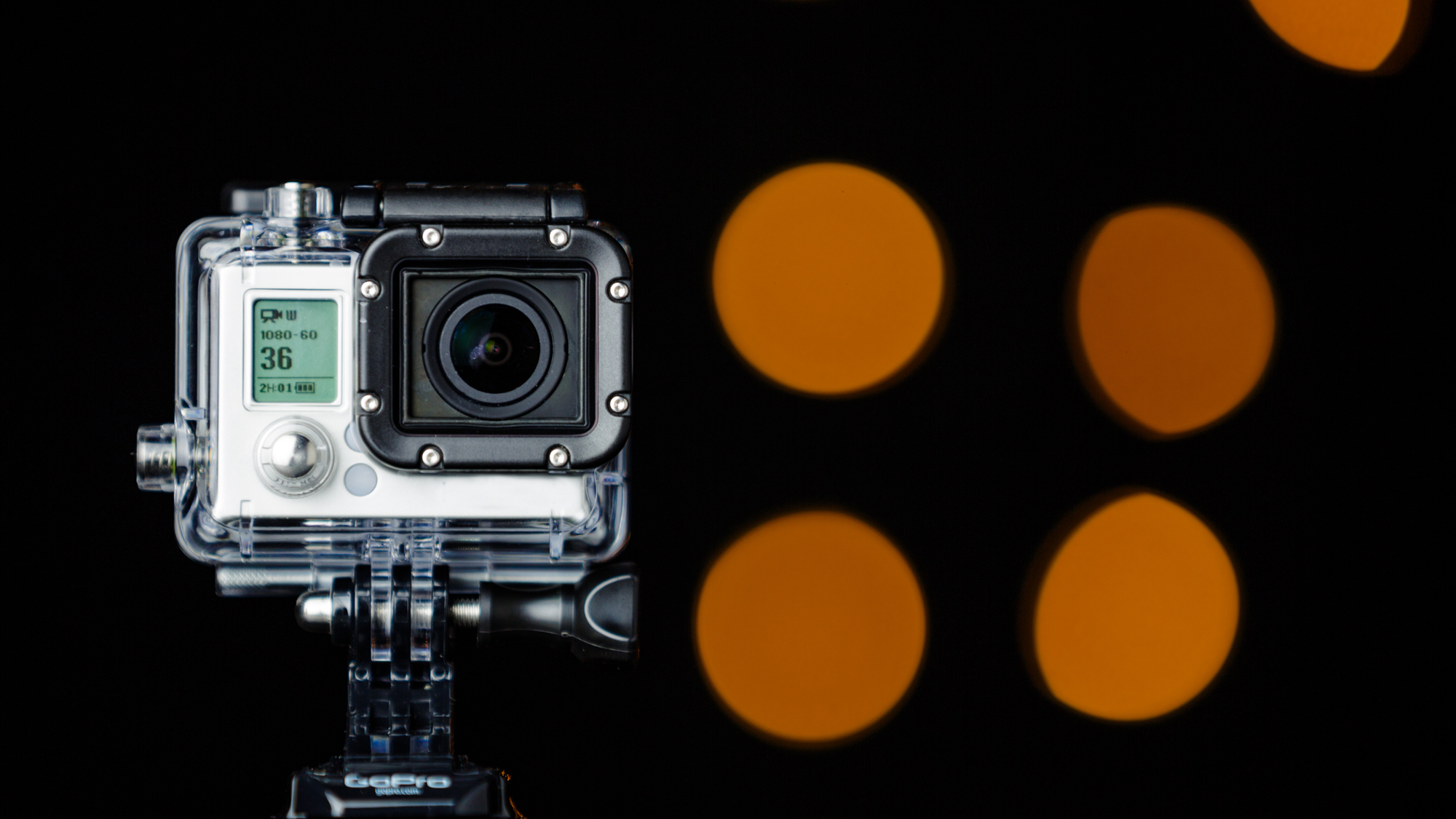
Apple will take a direct hit at GoPro with this one. In its patent document, the company calls out GoPro’s HD Hero2 cameras for creating “excessive wind resistance’” while mounted, and being “susceptible to damage” from vibrations.
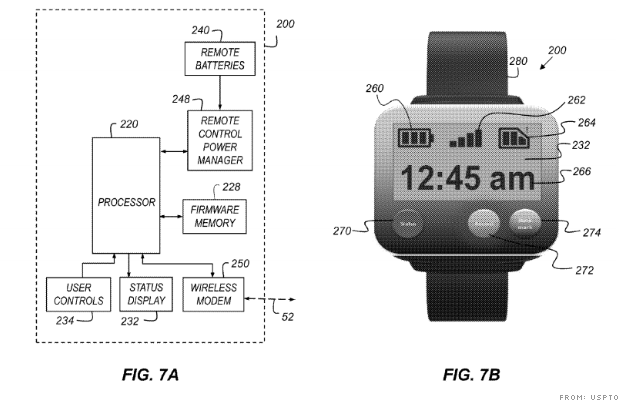
The design of the camera and accompanying wearable.
The new camera design is based on the patents that Apple acquired from Kodak in 2013. This camera can be controlled by a smartwatch. The designs indicate a system of multiple camera sensors that assist the device in covering multiple angles and also multiple directions. The device also describes multiple mounting options like the GoPro; it can be used as a handheld camera and can also be mounted on cars, jibs, bikes, etc. So it checks all the requirements to be an action camera and also comes with a wearable remote.
GoPro’s stock saw significant damage after the news of Apple’s patents. According to CNN Money, the stocks of GoPro fell by 10% on Tuesday. But it shouldn’t be a major cause of concern for GoPro, which is still the king of action cameras. Apple, just like any other major corporation, has a history of acquiring patents which rarely make it to the consumer’s hands. But it did manage to generate hype. GoPros phenomenal success has brought in a barrage of new action cameras like HTC Re, Poloroid Cube Mini, Sony HDR-AS20 HD POV Action Cam and others.
We don’t completely discount the chances of an Apple action camera. As the smartphone market and the wearables segment gets more saturated, companies might look at other areas of interest. Apple can also make use of its Apple watch as a controller, thus increasing its functionality.
It is a big day for foodies, as one of their favourite restaurant guide, Zomato, has entered the US market with the recent acquisition of UrbanSpoon. According to TechCrunch, the acquisition is worth $50-60 million, however, the company didn’t disclose the terms of the deal.
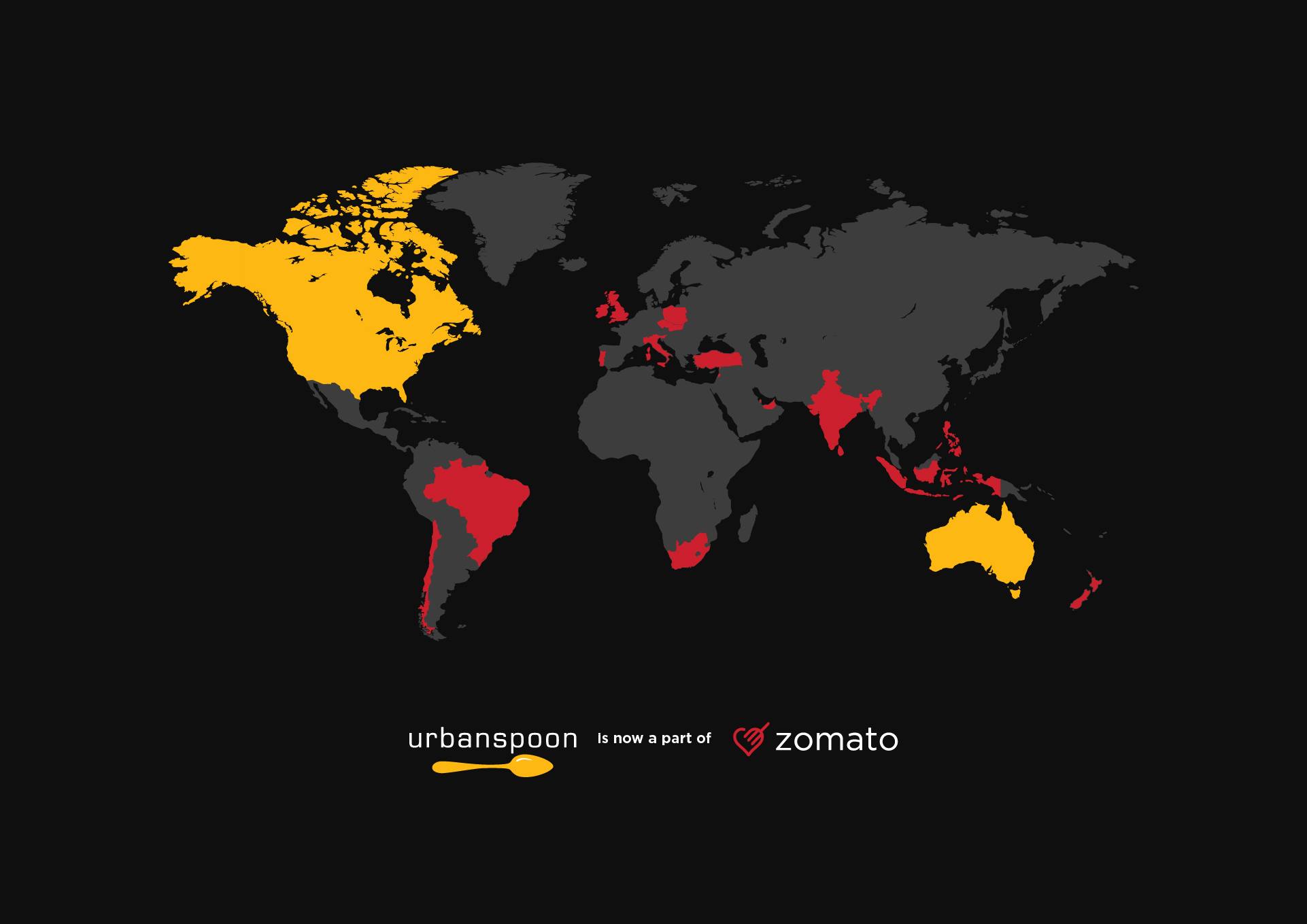
Urbanspoon is an IAC-owned restaurant information and recommendation service that operates in Australia, Canada, New Zealand, Ireland, the United Kingdom and the United States. Urbanspoon’s apps are known for their randomized Slot Machine. Users tap the ‘Spin’ button (or shake the device) to see new places to try based on neighborhood, cuisine or price.
This is one of the biggest deal in the food service industry as well as it marks the entry of Zomato in the USA market. Zomato claims that the deal is one of the largest purchases of a U.S-based consumer Internet company by an Indian start-up.
This latest deal, the sixth and biggest acquisition so far by Zomato, will be an all-cash transaction powered by the Gurgaon-based company’s most recent round of funding that closed in November. According to the founder and CEO Deepinder Goyal, most of Urbanspoon’s current staff will be retained, but its traffic and information will be redirected to Zomato’s apps and website by the end of March.
With US in its portfolio, Zomato has now reached 22 countries. Zomato last year acquired five restaurant search players in New Zealand, Poland, Czech Republic, Slovakia and Italy. The purchase should more than triple its database of restaurants, bringing the total up to over a million. In US, Zomato will compete with the likes of Google-backed online food listing portal Zagat and OpenTable. The deal will also help Zomato enter the Australian and Canadian market.
Zomato has recently revamped its online portal making it more like a Facebook for foodies. In the future, the company intends to add mobile payment options along with the ability to search among specific food items. Right now, Zomato’s biggest competition is Yelp which operates in about 28 countries and lists business ranging from restaurants to beauty salons and spas.
Flipkart is the king of the e-commerce space in India. In just a few years of its existence, it has made a name for itself as a trustworthy marketplace. The company has a base of more than 26 million registered users. But it found itself in an unfavorable situation when the Income Tax department slammed a penalty of Rs. 23.51 crore.
The Income Tax (IT) department from Noida and Ghaziabad carried out raids at the Dasna based warehouse of the company in Ghaziabad. The books of the firm were seized by the authorities, and several irregularities were observed. According to the officials the company collected taxes from the consumers but didn’t deposit it with the tax department.
The officials of the department also said that the trading partners listed by the company were also bogus firms. These are some serious allegations against Flipkart and all it said in return is that it would extend full support to the authorities.
E-commerce companies have worked under the government radar for a while but recently there has been an increased focus on their workings. E-commerce markets are also opposed by the conventional brick and mortar shop owners as they provide heavy discounts that discourage customers from buying the products from shops, especially in the electronics arena. We’ll be looking into this story as more details arrive; keep checking this space for more.
The Indian government will hold the auction of mobile spectrum in the month of February. The Indian Exchequer is expected to gain Rs. 80,000 crore(Rs 64,840 crore excluding 2100 MHz spectrum) from this auction. The bidding process is expected to start on February 23. But the industry association of GSM operators in India, COAI(Cellular Operators Association of India) are warning that the high spectrum costs would lead to higher mobile tariff for the consumers.
COAI has written a letter to the Minister of Telecom, Mr. Ravi Shanker Prasad saying that the high prices would adversely impact the business viability for the telecom operators. They also added that the high spectrum costs would lead to tariff hike and will also effect government’s Digital India initiative and hinder rural penetration. The letter is also said to be forwarded to the Prime Minister.
COAI claims that the high spectrum costs will lead to increased mobile tariff’s which will hamper government’s Digital India plan.
The cabinet of ministers approved the following reserve pricing for the various spectrums:
Rs. 3,646 crores for pan-India license per MHz in the 800 MHz band
Rs. 3,980 crores for pan-India excluding Delhi, Mumbai, Kolkata, and J&K in the 900 MHz band
Rs. 2,191 crores pan-India (excluding Maharashtra and West Bengal) in the 1800 MHz band.
COAI has also said that the government has priced the spectrum way above the pricing recommended by telecom regulator TRAI (Telecom Regulatory Authority of India). The pricing is said to be over 107% higher than the amount paid by the companies in the spectrum auction of 2010. TARI has also recommended a reduction of the license fee from 8% of adjusted gross revenue to 6%.
The government plans to bring 5 Mhz for auction and will release an additional 15 Mhz on a later date. This low availability of spectrum will lead to even higher final prices as the companies would have to try to ferociously outbid each other to stay in business. The last auction also lead to heavy price wars which lead to the telecom companies borrowing huge amount of money from the banks. COAI claims that the combined debt of the industry now stands at a staggering Rs. 2.5 lakh crores.
The present Indian government has some audacious plans to raise the standards of connectivity across India. For this a healthy cooperation with the telecom companies is essential. The issues raised by the telecom body seem valid, and the price is ultimately going to be borne by the consumers. We will await the government’s response for more updates on the story. Keep checking back on iGyaan.in.
Dr.Dre, Jimmy Lovine celebrated publicly on the acquisition of their audio company, Beats by Apple for a sum of $3 Billion. Beats has grown strong since its inception and with massive celebrity endorsements, these expensive (some may consider overpriced) headphones have been selling like hot cakes. Beats now commands over half of US headphone market worth $1 Billion. But now the company has run into legal troubles with Monster, which originally created the technology behind the Beats headphones.
Monster has been in the audio business since Noel Lee, an engineer and self professed audiophile founded the company in 1979. Since then it has grown to become a respectable audio brand. In 2008, Noel’s son Kevin Lee met Jimmy Lovine as he was looking for partners for a new line of prototype headphones. Jimmy brought Dr.Dre along on the deal and hence Beats audio came into existence. During the signing of the agreement, Monster gave permanent ownership rights to everything under the Beats brand name to Jimmy and Dr.Dre. This meant that even though the technology and designs were created by Monster, it was the Beats team who would reap the profits.
In 2011, HTC bought 51% stake in Beats which fetched Dr. Dre and Jimmy Lovine about $100 million each. Beats and Monster parted ways in 2012, the reason cited internally was ‘financial disagreement’. Now Monster is alleging that the team at Beats is actively trying to erase the contribution of Monster in the making of the successful brand.
Beats has fast grown to become the preferred audio brand for about half of the US market.
In the complaint filed at Superior Court in San Mateo County, Califorinia, Monster alleges that Beats basically robbed Mr. Lee out of his invention. During the HTC deal a change-of-ownership clause was added which meant that all intellectual property such as technology and designs were to be transferred to Beats brand. After the deal Monster CEO Noel Lee’s stake in Beats was reduced from 5% to 1.25%.
Monster has also called the HTC deal a sham, orchestrated by Dre and Lovine to cease control of the company. It is asserted in the complaint that Beats repurchased 25.5% of its own shares from HTC less than a month after the deal closed. HTC also sold back the shares of Beats in 2013 which made the complaint sound genuine but we’d rather the judge decide on the verdict.
Beats most major gain came when last year Apple acquired it for $3 Billion. It’s major focus is on the Beats music service as it tries to take on new generation competitors such as Pandora and Spotify. Apple hasn’t been named as a defendant in the case. It is alleged though that during the deal, the role of Monster in creation of the Beats brand was concealed. It is said that months before the Apple deal Mr.Lee was misled to sell his shares as he was told that there was no “liquidity event” on the horizon for the next year or two.
This case, if for anything shows the fierce nature of the technology industry. Here knowledge is power, but legal clauses are more powerful as they might make you compete against your own creation, as Monster has to now compete with Beats products. So it is important to not just be a good innovator, but also a good businessman!
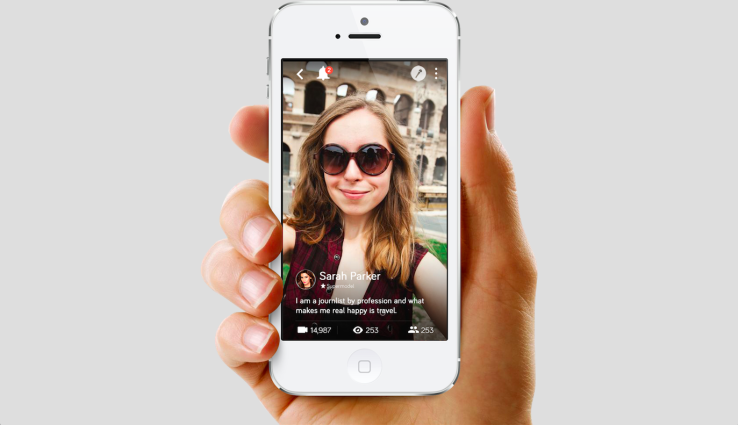
A Delhi-based startup called Frankly.me, which developed a video Q&A platform, just like VYou, has bagged a an investment of $600,000 from Matrix Partners, that would aid the company to carry its on going development and mark its presence in the Indian market.
Currently in beta, the app and website, Frankly.me, is a video Q&A platform that serves the purpose of connecting common people with public figures and eliminates the communication gap between them. The platform is compared to VYou which saw more than million answers posted and raised $3 million in funding before shutting its consumer site down in March 2013 due to lack of user engagement.
However, according to the founder Nikunj Jain and Abhishek Gupta, Farankly.me will not meet the same fate as there is a drastic difference between the social demographic of India and US. The startup hopes to take advantage of the country’s fast-growing mobile penetration rate with this week’s launch of its mobile app.
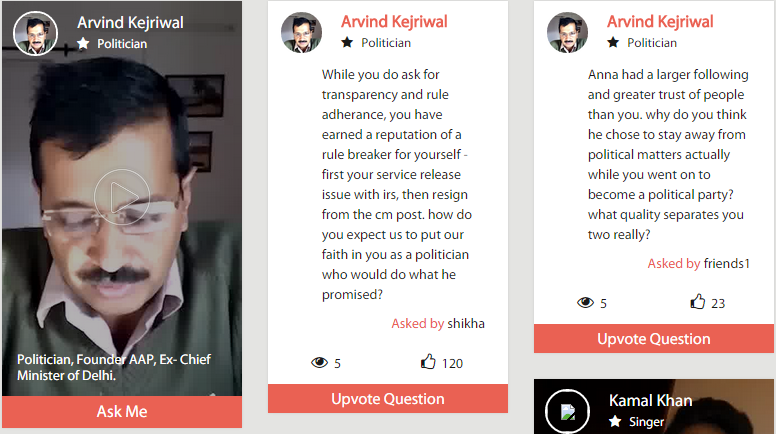
There is no similar platform in India for people to connect with public figures, such as government officials. Delhi’s assembly elections are expected to take place next month, and representatives from all major parties have already signed up to take questions on Frankly.
The founders hope the election scenario will help the startup to gain user base and users will stick around on the platform to communicate with other people even after elections. The people engaged with the startup, range from politicians like Arvind Kejriwal, the ex-chief minister of Delhi, to entertainment celebrities, astrologists, and top chefs.
Exposure from public figures on the platform has resulted in 1,000 to 2,000 new users each day since Frankly launched its beta last week, the company claims. Frankly is still considering different business models, but the company is focused on gaining users for now and founders believe that “if you have a good conversation going on, monetization should not be a problem.”
Chinese powerhouse Xiaomi refuses to look back in its pursuit to the top. The smartphone maker has become a major disruptive force in the industry. Industry Sales reports show that Xiaomi has reached the third spot in the global market, behind Samsung and Apple. That’s a phenomenal rise for a company that came into existence in 2010. Now, Xiaomi has taken a step ahead by raising $1.1 Billion in the latest round of funding, and its valuation now stands at more than $45 Billion.
The USP of Xiaomi is to provide devices with high specifications at prices comparatively lower than the competition. This coupled with an exclusive internet-based flash sale model makes the device more desirable for the users.
With more than $45 Billion in valuation, Xiaomi has now become the most valuable startup.
Investors in this round of funding included private equity firms like All-Stars Investment, DST Global, Hopu Investment Management, Yunfeng Capital, and Singapore sovereign wealth fund GIC. The company was previously been supported by Temasek Holdings Pte, Qiming Venture Partners, Morningside Venture Capital and DST.
Xiaomi has seen a meteoric rise in its valuation over just a year. Last year it garnered $10 Billion after the last round of financing. This year it crossed over $45 Billion, thereby towering over its contemporary startups like, Uber, Dropbox, Pinterest, etc. It can, in fact, be considered the most valuable startup right now.
In India, it faces some challenges, thanks to a patent infringement complaint by Ericsson. We’ll have to wait till January to know the fate of companies India plans. Xiaomi has said that India is an important market for them and by the looks of it, Indians have embraced the brand too. It just a matter of time that the company uses its new found wealth to devise a strategy to overcome its hurdles with amicable solutions, something rich corporations have done in the past. This is a rising horse that requires an equally formidable competitor to bring it down.
Galaxy Alpha marked the start of whole new design policy for Samsung. Even though, there were couple of shortcomings, such as the battery life and its full flagship price; it did compete in the high-end smartphone segment with more complete devices.
Now, just 3 months after its launch, Samsung has decided discontinue the Galaxy Alpha and replace it with more affordable successor Galaxy A5.
The 5-inch A5, which launched in China last month, is a continuation of the Alpha’s design philosophy, emphasizing its sleekness and high-quality metal construction. However, the Galaxy A5’s decent specs allow it to be more affordable and give the company a chance to garner larger market which Galaxy Alpha failed to do.
Samsung galaxy A5 sports a 5-inch display with HD (1280×720 pixels) screen resolution. Under the hood, a 1.2GHz quad-core Snapdragon processor runs the phone, paired with 2 GB of RAM, and 16 GB of internal storage, which can be expanded via microSD card. On the camera front, the phone packs a 13-megapixel shooter at the rear and a 5-megapixel snapper upfront. It comes with a 2,300mAh battery to keep the device running. On the software front, the phone comes with Android 4.4.4 KitKat out of the box. The phone will be available in five colour variants.
Galaxy A5 launched in China for 400,000 won (approx. Rs. 24,000). There’s plenty of work ahead for the company but if the company lives up to the promise made, 2015 will be a fundamentally different year to the repetitively iterative products the company has been serving up in recent times.
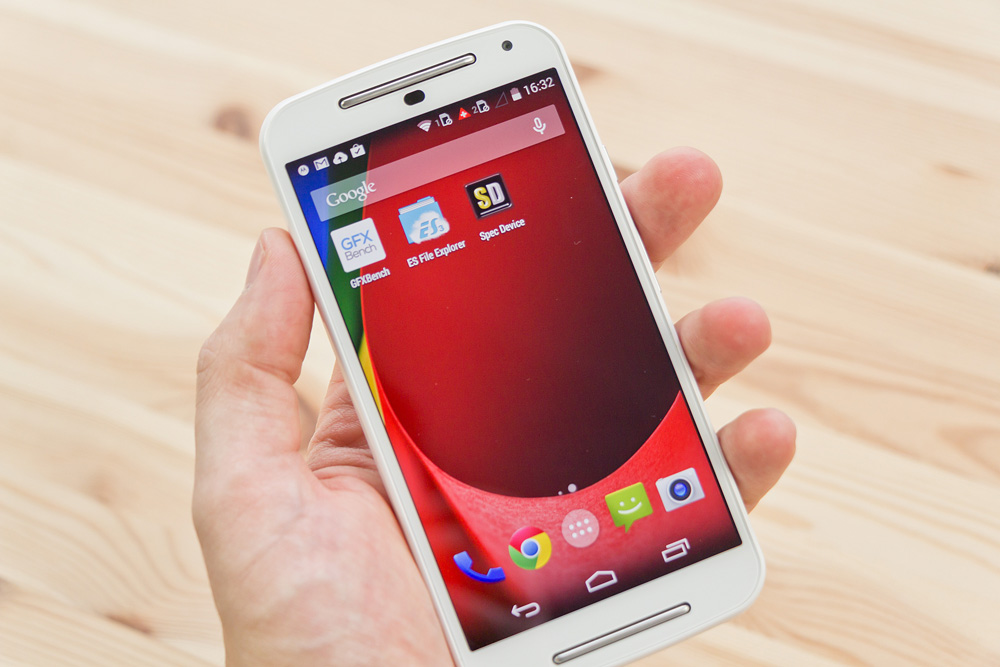
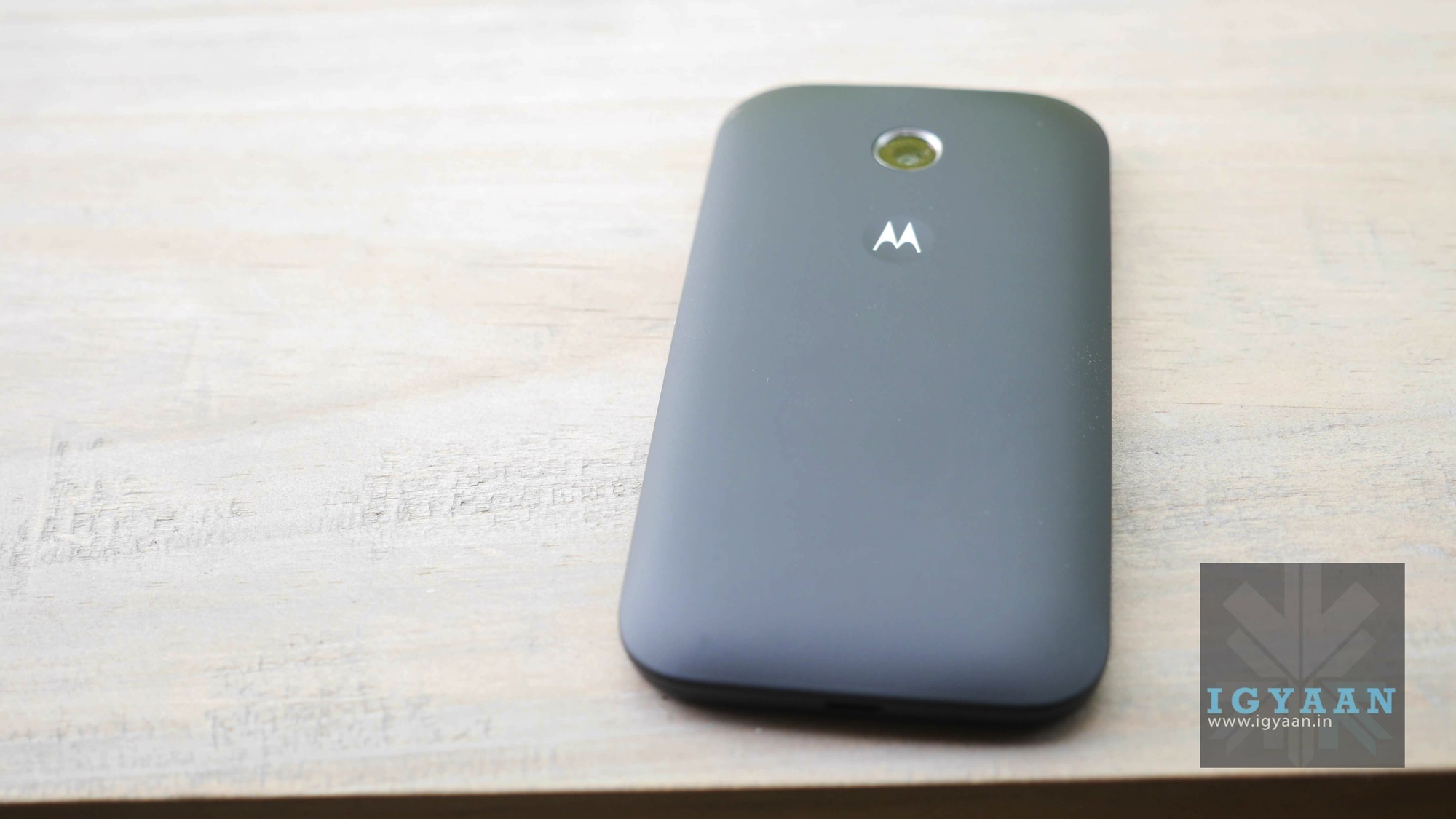
Motorola fans’ holidays just got merrier. The company has given a price cut to the second-generation Moto X and has also started an exchange offer on the smartphone.
The Moto X’s Flipkart listing has been refreshed by the company and the price has gone down to Rs.29,999 from Rs. 31,999. The models with wood and leather backs are also Rs 2,000 cheaper, now priced at Rs 31,999.
Along with this, the exchange offer lets you exchange your phones from various companies and offers price cut upto Rs 23,999 for the standard model and Rs 25,999 for the wood and leather variants. These discounts come the same day Motorola is scheduled to launch the 32GB variant of the new Moto X.
The new Moto X is not much bigger than the previous one, with a 5.2 inch AMOLED display. It is still protected by Gorilla Glass. The device runs on a Qualcomm Snapdragon 801 processor with a 2.5GHz quad-core CPU, an Adreno 330 578MHz GPU and 2GB of RAM. It is powered by 2,300 mAh battery which Motorola claims will last a full day.
The Moto X (gen 2) has four microphones to help reduce background noise, and comes in a “splash guard” water repellent coating and will be available in both 16GB and 32GB variants. At the back, it has an updated 13-megapixel camera lens with 4x zoom and a ring flash. The camera has the ability to capture 4K video instead of just 1080p.
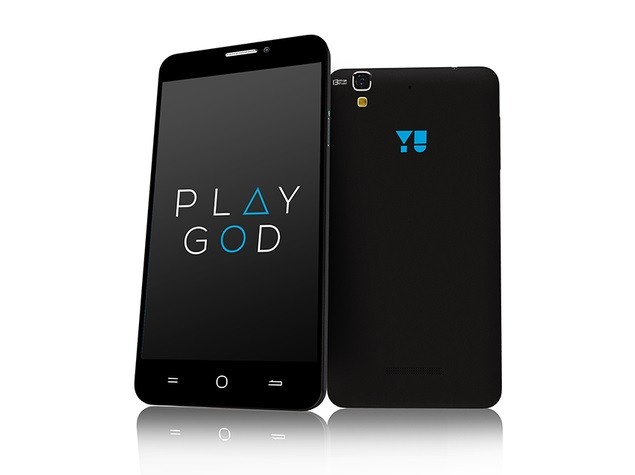
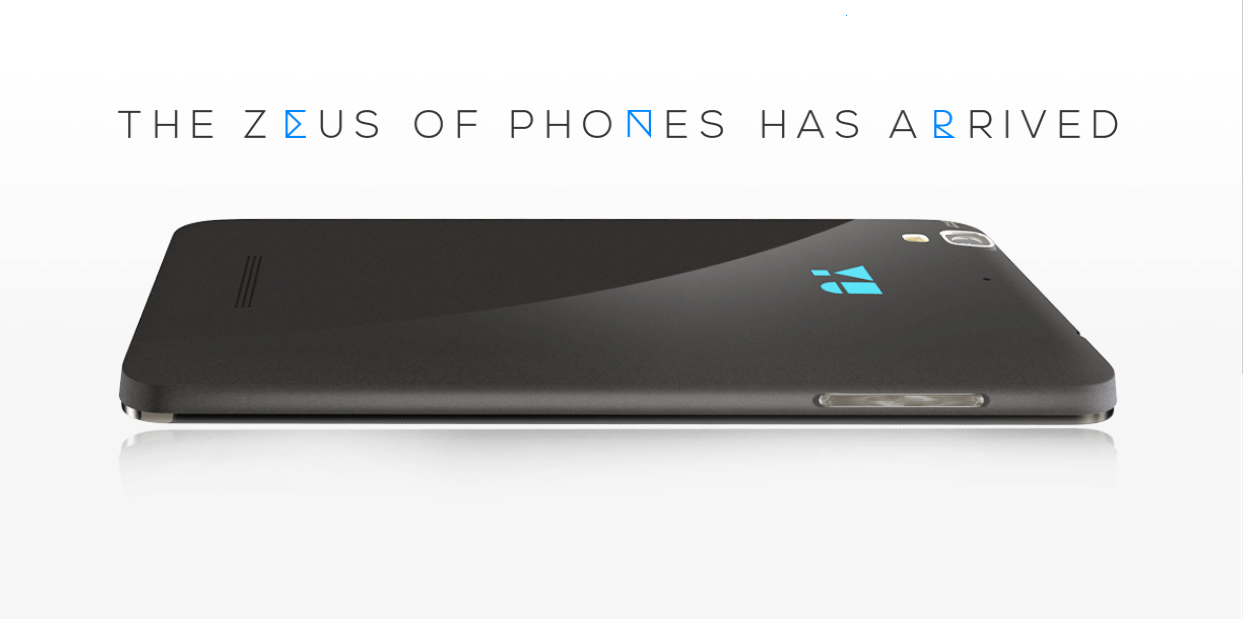
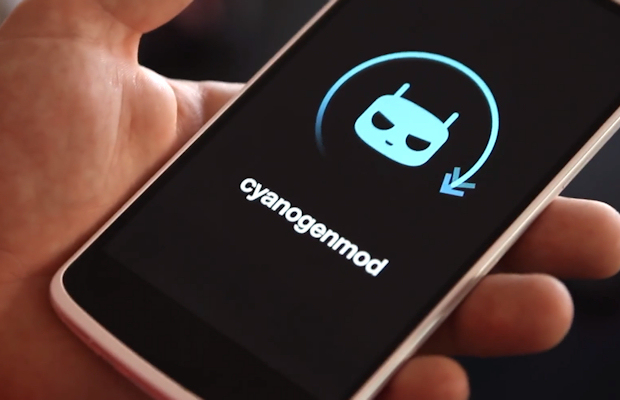
With the introduction of the YU brand, Micromax has shown that it has the potential to rise in the brutal global mobile market. The first phone from the brand, ‘Yureka,’ is packed with amazing specs and comes for a price that can induce goosebumps. YU televentures is a brand formed by a collaboration between Micromax’s founders and famed custom ROM maker, CyanogenMod. Cyanogen’s active support might help YU create a mass fan following for itself.
The first offspring of the collaboration is the ‘Yureka’. It flaunts a 1.5 GHz, 64-bit Snapdragon 615 processor, 2 GB DDR3, 16 GB internal storage and CAT-4 LTE. Yureka’s spec sheet looks better than any other release from Micromax’s stable.
Let’s look into why Micromax failed to be a brand that Indians could proudly call their own. Firstly, Micromax is not into the manufacturing business (if you didn’t already know), it rebrands handsets that it buys from China. This leads to a frequent disappearance or shortage of the devices from the market. Another adverse effect of this business strategy is the lack of spares for the devices. The company buys a limited quantity of devices by an estimation of sales numbers and if the Chinese manufacturer stops producing the model, the access to spares of that particular model also starts to dry up. This is the reason why sometimes phones with defects are stuck at their service center for weeks or even months.
Secondly, as the devices are bought from foreign manufacturers, there isn’t software support for them. The bootloader is locked, so advanced users find it tough to tweak around the device, unless someone takes the effort to unlock it. The lack of software updates is also a major bone of contention between the company and its customers. While products like the Motorola Moto G and E, which exist in Micromax’s home market, get almost instant updates; Micromax users are left fending for themselves.
Motorola, one of Micromax’s competitors, managed to deliver regular software updates whereas Micromax fell behind.
It isn’t like Micromax is short on cash. If we would have to bet our money on one company that could have become a stalwart of phone manufacturers in India, we would bet on Micromax. But instead, they took the easier approach by simply rebranding devices made by foreign manufacturers. The company has the resources and potential to become a respectable brand around the world, but it chooses to be an amateurish brand with no real long term strategy. It could have been India’s Xiaomi, but its choice of mediocrity and the lack of real effort is holding it back.
With YU televentures, Micromax hopes to take on the issues that have blown up its public perception. The new brand though is not setting up a manufacturing unit as of yet, which should be one of its top priorities. But at least Micromax has taken the first baby steps to answer its critics.
YU’s biggest strength, of course, is Cyanogenmod, the custom ROM brings improved functionality and provides immense convenience to the consumers. Running on CM OS 11 which is based on Android 4.4.4, the YU Yureka offers an immense amount of customizability. It provides themes, ability to manipulate the functions of the buttons, improved hardware performance and everything in between. Not just that, it adds features like Baton from Nexbit (a Silicon Valley partner of Cyanogen) that would make the transfer of data and apps from one device to another feel like a natural limb movement.
At the press event, the term ecosystem was used multiple times. The presenter spoke about establishing a common forum where customers and developers can interact with each other to improve the functionalities of the devices. This is also something Micromax could have created by itself in the past four years. But better late than never. With their new forum page, YU will be a collaborative effort between consumers and the company. Customers can discuss the issues that they have with their devices and the developers will try to address them. There will also be regular OTA updates every month which will keep these devices in sync with the latest developments.
Micromax’s collaboration with Cyanogenmod gives it an edge above others
For Micromax, the success of YU televentures can work as a great PR boost. For the business aspect of YU, the company is taking the approach of reducing distribution, advertising and retail end costs by releasing the device online. According to earlier reports the unit price of the imported device stood at Rs. 8301 and it is being sold at Rs.8999 so the margin for the company is minuscule. This is an effort to create a buzz for the device.
The service aspect of the Yu also garnered massive applause at the presentation. The company plans to begin a door-to-door service initiative by which professionals would come to the house of the buyer to service the device. This sounds like a far fetched plan for a device worth Rs. 9,000. To see if this initiative actually succeeds, we have to wait for it to arrive. But if it does succeed, we would be the first to applaud as it would raise the standard of customer support for mobiles in India.
The company also plans to get into the accessories segment (as it should). At present, it is only offering leather cases and a tempered glass screen protector but they plan to expand it further. They also plan to delve into producing devices like wearables and power banks. This would be an important step towards improving and expanding the ecosystem that the founders of YU wish to achieve.
YU’s grand plans sound amazing on paper, but we will still hold on to our skepticism. Micromax has always promised us grand things, but when it came to delivering, its past promises were found to be mostly empty. We do think that YU has the potential to revolutionize the mobile sphere in India, but bits like providing door-to-door services, still sound audacious for the company. We will keep a vigilant eye on the YU televentures in action to see if it stands true to the promises it has made. In the meanwhile, as a parent brand, Micromax should work towards fixing its follies to become a world-class brand that Indians could feel proud enough to flaunt. We are excited Micromax, don’t let us down.
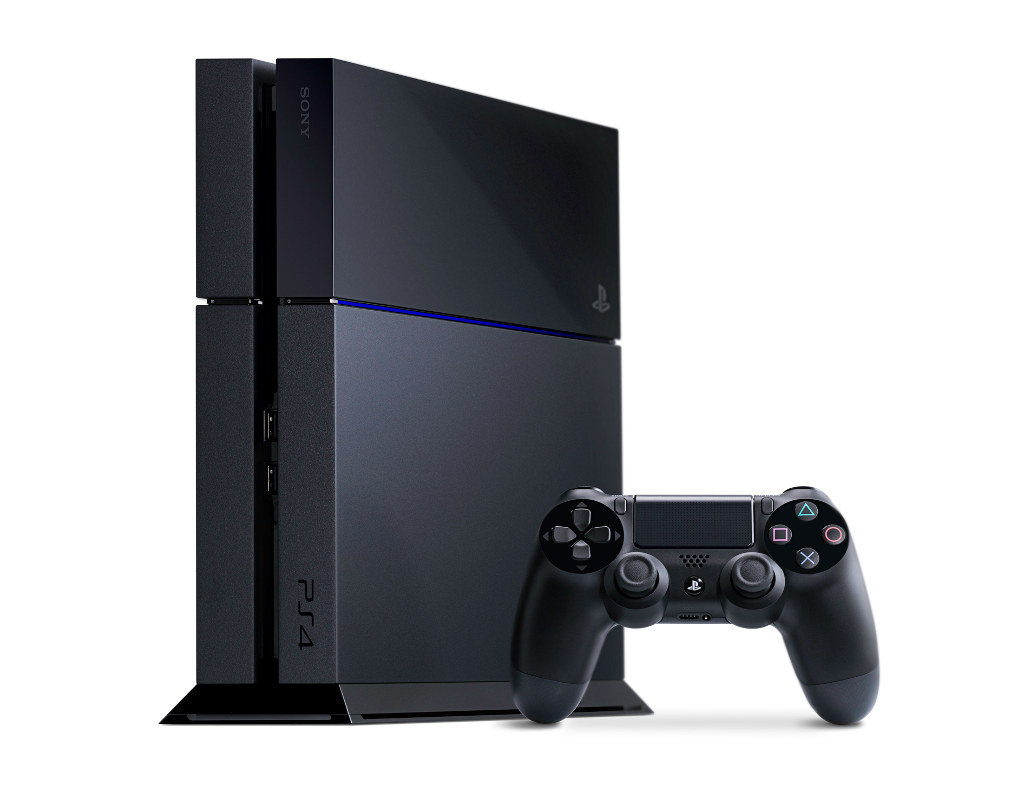
China is a country that practically produces almost everything available in the market. The country is the manufacturing hub of most of the world’s electronics. But it has serious distrust for foreign products. The People’s Republic of China (PRC) is a nanny state that is quick to ban anything that doesn’t stand up to its cultural standards. The country recently lifted a 14-year ban on foreign consoles in the country. This led to the arrival of the two gaming giants in the country who will now start a new battle in their war of console supremacy in the most populated country in the world.
About four months back, Microsoft’s Xbox One hit the Chinese shores. On January 11th its arch nemesis, Sony PlayStation 4 will arrive to begin the familiar war. Sony told Reuters that it would arrive with 30 titles and has already applied for licenses for them. In comparison, Xbox One has only 10 titles in the country.
It is rather difficult to get your gaming title passed through the scrutiny of the Chinese censors. The country is infamous for having a giant mechanism that constantly censors content throughout the media and the internet. The safest bet for the companies is to bring sports based titles to get past easily through the licensing process. It doesn’t seem like the Chinese gamers are going to get access to the likes of GTA 5 anytime soon.
These devices also come at a hefty price tag even though the consoles are made in the country. The PS4 comes for 2,899 yuan(Rs. 29,240) while Chinese buyers would have to shell out 3,699 yuan (Rs.37,300) for the Xbox One. Microsoft hopes to sell a million devices by October 2015.
It is good to see China opening its doors to the world one step at a time. It’s about time the country also imported democracy and let its people taste real freedom. Well, if freedom in 21st century means being a slave to the screen, guess the Chinese aren’t far from it.
The Delhi High Court has reportedly put a halt on Xiaomi’s surging sales in India by passing an ex-parte injunction order. Hearing a case filed by Ericsson India against Xiaomi, the court on Monday passed an ex parte order from “selling, advertising, manufacturing or importing devices” that infringe upon Ericsson’s patents. In fact, the judge also directed the customs officials to stop the imports under the IPR Rules, 2007. Moreover, local commissioners too have been appointed to visit Xiaomi India offices to ensure the implementation of the order.
The adverse order in the case seems to have come about after Xiaomi allegedly ignored Ericsson’s repeated communications. Reports indicate that Flipkart is also implicated in the case, and that the Delhi High Court granted the injunction after Xiaomi did not respond to Ericsson’s missives.
In an emailed statement to NDTV Gadgets, Xiaomi India Head, Manu Jain, responded to the Delhi High Court Injunction
While we haven’t received an official notice from the Delhi High Court, our legal team is currently evaluating the situation based on the information we have.
India is a very important market for Xiaomi and we will respond promptly as needed and in full compliance with Indian laws. Moreover, we are open to working with Ericsson to resolve this matter amicably.
Xiaomi had launched its India operations in July 2014 and the country is the second largest market for the company and also the fastest growing one. It sells phones exclusively through online marketplace Flipkart via flash sales in limited numbers. In such a limited span Xiaomi has made an unparalleled impact completely throwing the domestic smart phone players off their game.
Will this injunction imply the end of Xiaomi in India? A similar incident happened with Gionee, early this year when Ericsson had managed to halt sales for the brand, but the case was resolved out of court in a matter of hours.
In Xiaomi’s case, the company may not have enough “moolah” to get away with an out of court settlement. Will India witness the rise and fall of one of the most dynamic smartphone company all in a span of 6 months?
Only time will tell…!
Update :
Not just sales, Xiaomi now shuts down its Indian website too. Following the suspension of its handsets through Flipkart, Xiaomi shut down its Indian website. The company has put out an announcement, which now contains only one page that shows the letter from its global vice president Hugo Barra addressing the Xiaomi fans. On the brighter side, the facebook page of Xiaomi is still live, so all the Xiaomi followers can stay updated.