Before you wonder what the Hyperloop is, ask yourself this. How would it feel like to travel a distance of 150 kilometres in less than 15 minutes? Or covering a distance of 600 km in less than an hour? This sounds like something out of a science fiction movie, but in fact, it is a joint venture by the Space research and aerospace organization, SpaceX and electric automobile manufacturer, Tesla. The functional part is that it is a proposed mode of public transportation which can help people and cargo transit in small pods through vacuum tubes. The fun part is that the speeds inside the tube could exceed 600 miles per hour. Let that sink in.
About The Hyperloop One
The concept of the Hyperloop was promoted by Elon Musk, CEO of Tesla, SpaceX and Neuralink. Basically, the Hyperloop works by impelling the wheel-less pods through a tube which is maintained at near-vacuum or extremely low pressure. It ensures minimal air resistance and friction, implying that the power needed to propel such a pod is reduced massively. Magnetic Levitation or MAGLEV is the technology that ensures ‘zero contact’ between the pod and the tracks. As stated by the company, the pod glides at airline-like speeds for long distances, thanks to very low aerodynamic drag. The Hyperloop is currently being funded by organizations like DP World, Caspian VC and the Virgin Group. Till date, the project has raised almost US$295 million.
Safety Concerns Regarding Travel
Quite a fair amount of concerns surround the technology. For instance, questions arose regarding the construction of the tubes and the safety issues that accompany them. As per the company, Hyperloop is completely weatherproof, with tubes that can withstand almost 100 Pa of pressure without getting punctured. The tubes are made out of thick strong steel, and can safely stand strong against any forms of weather disturbances. In the rare case that there is any leak in the tube, a power boost would get the pod to the next station. Environmental concerns are not going to be a problem, the company states. It reports that carbon emissions are almost zero and the only sound you’ll hear from the pod travelling through the tube is a silent ‘whoosh’, something that you might hear when something fast passes by your ear.
Hyperloop’s Plans In India
The Hyperloop ‘one’ completed its first test ride successfully in July 2017. Currently, the company is initiating developmental stage oriented projects in India and Ohio. In July 2018, the Indian state of Maharashtra expressed their intent to construct a hyperloop route between Mumbai and Pune, which would enable a pod to cover the distance in under 25 minutes. Phase 1 of the demonstration is already underway, with the company already constructing experimental tubes and planning to complete a 7-mile (11.2 km) long tube soon.
According to the company, India has a multitude of factors that make it ideally suited to a Hyperloop system. It has a low cost manufacturing base, strong political support, excellent engineering talent and above all, infrastructure demands. The Hyperloop will be even more functional than metros and subways, as people will be able to travel between cities in the time that it takes to travel within a city.
The company believes that it will achieve extensive Hyperloop connectivity in different cities across the world by mid-2020s. India based DGWHyperloop suggests a Hyperloop corridor between Mumbai and Delhi, that would include the cities of Indore, Kota and Jaipur. A lot of certifications are still pending for this futuristic mode of transport, the company claims. Apart from transporting people, it can also make transporting goods faster than it ever was. Logistics will benefit a lot from the Hyperloop network. The company assures that once Hyperloop is on the roll, the tickets will be affordable as far as the pricing is concerned.
India is on the track to be host to one of the earliest Hyperloop networks in the world, with the first test ride to be implemented in an upcoming couple of years. Are you excited about it? Share your views with us in the comments below.
The term Bluetooth was officially coined in the year 1998. It is a global wireless communication standard that is used for connectivity and exchange of data over a limited distance. Over a time period of almost 20 years, this technology is not an option anymore. It’s a necessity for all mobile computing devices, such as smartphones, Laptops and Tablets. Bluetooth 1.0 specification was released in 1999, and in the very next year, the first v1.0 enabled mobile handset and headset was launched in the market.
After a long series of product integrations and new versions being rolled out almost every year, Bluetooth v5.0 was announced in 2016. By the next year, Apple, Samsung and other major smartphone brands had included v5.0 support in their devices. Currently, the company extends its support to almost 35,000 brands, all of which are members of the SIG (Special Interest Group). Most users associate the chronological Bluetooth versions with the increase in transfer speed, which is not entirely true. A lot has changed over the years, and it’s not just the data transfer speeds, it’s basically everything that the technology is built around.
The various factors that are involved in distinguishing between different Bluetooth versions are the range, data transfer speed and power consumption. See how the different iterations of the technology line up against each other.
Bluetooth 1.0 & 2.0
The first iteration of Bluetooth paved the way for wireless headsets, controllers and speakers that we still use today. Bluetooth 1.0 supported data speeds that capped off at just 1 Mbps. This is because Bluetooth 1.0 used a modulation scheme called Gaussian Frequency Shift Keying, or GFSK, which enabled the carrier to switch between two different frequencies (represented by 0 and 1). The two devices had to be placed within 10 meters of each other in order to facilitate communication between them.
The shortcomings of GFSK were attempted to be eliminated in the v2.0, which used two newer schemes, p/4-DQPSK and 8DPSK. Where Bluetooth 1.0 used frequency modulations to transfer data, v2.0 made use of changes in waveform phases to carry data. This led to a minimal yet significant upgrade in information transfer speeds, with devices communicating at speeds of up to 3 Mbps.
Bluetooth 3.0
Bluetooth 3.0 was the first iteration to be recognized as a “high-speed” data transfer norm. While offering a much higher transfer rate of almost 24 Mbps, it also reduced the power consumption of devices using the technology. The high data transfer speed was achieved by the addition of 802.11, which is a standard created by IEEE (Institute of Electrical and Electronics Engineers) for wireless connectivity. Bluetooth v3.0 revolutionized short-range wireless communication and lay the foundation stone upon which v4.0 was designed a few years later.
Bluetooth 4.0, 4.1 and 4.2
Bluetooth v4.0 boasted of a higher range of usage and better power management. It also introduced the Low energy protocol, which was highly appreciated by people who used Bluetooth headphones for longer period of times. Bluetooth 4.1 took this a step further. It introduced a power plan for Bluetooth devices that automatically adjusted the power consumption of the device depending on range and usage. Sure, 4G LTE and other communication technology interfered with its frequency bands, but updates have been introduced since then to get rid of that problem.
v4.2 brought some privacy updates to the table, which specified that tracking services cannot do what they are intended to do unless the user’s permission is granted. Also, it increased transfer speeds by almost 2.6 times, which was a huge step up from Bluetooth 4.1.
Bluetooth 5.0
Bluetooth 5.0 is the latest iteration in the series as of now. First announced in 2016, v5.0 was specifically designed to render a lossless and secure communication channel between devices. With twice the connection speed of Bluetooth 4.0 and 4 times the range, it is very responsive as compared to the previous versions. Also, a larger amount of data can be transferred using an increased message broadcast message size.
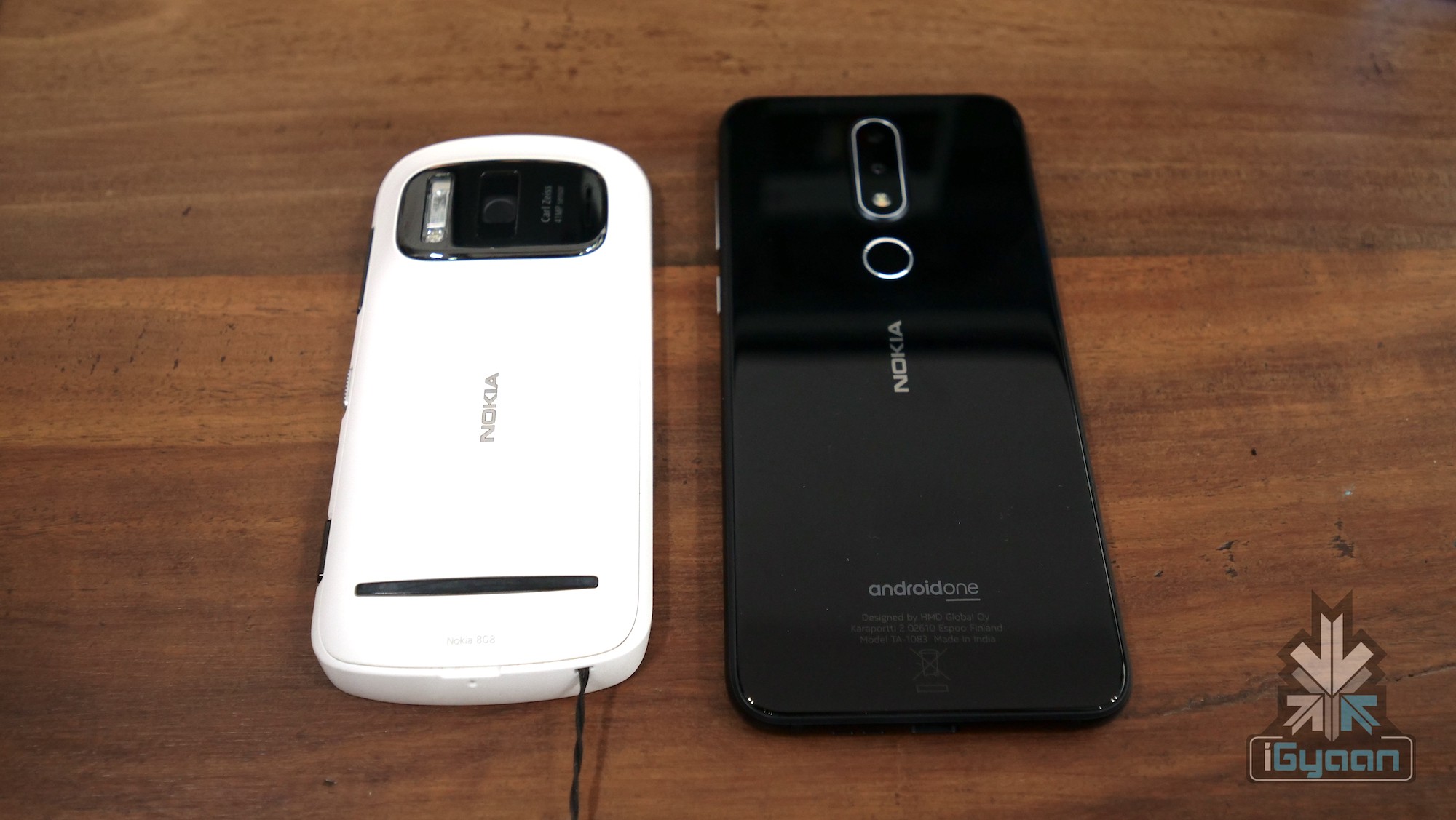
Cameras on smartphones have evolved so much so that the need for bulky camera equipment including DSLRs and digital cameras have reduced greatly. Apple’s iPhone has been one smartphone that is renowned for its camera quality ever since its launch. Nokia, another leader in smartphone technology has also manufactured devices in the past that had remarkable camera capabilities. One such device is the Nokia 808 PureViewfrom the year 2012 that featured a 41 MP rear camera sensor. Meanwhile, Taiwanese smartphone maker HTC launched the world’s first dual camera smartphone, the EVO 3D. This device kicked off the whole trend of multiple camera sensors on a smartphone. Having multiple cameras on a smartphone can surely provide its camera capabilities with a boost. However, Google with its Pixel lineup of smartphones have time and again proved that it is not necessary to have more than one camera sensors to capture excellent images.
Nokia, now owned by HMD global has unveiled its latest flagship smartphone, the Nokia 9 PureView. The smartphone was launched during the MWC 2019 which was held in Barcelona late last month. The newly launched smartphone is packed with high-end specifications, though its key highlighting feature is certainly the rear mounted Penta camera setup. Long before the launch of the Nokia 9 PureView, there have been boatloads of enigmas surrounding the camera setup it packs. In this article, we will spread some light on the strange-sounding man-made technological marvel to demystify all its element and aspects.
Composition Of The Penta Camera Setup
The Penta camera setup of the Nokia 9 PureView is located on the 2.5d curved rear glass panel. Its alignment mirrors that of a hexagonally shaped constellation. Out of the five sensors, two are RGB sensors that capture the image and video data in colour format. While the remaining three are Monochrome sensors which capture Black and White image and video data. Each of the camera sensors has a resolution of 12 Mega Pixel and use a 28 mm lens. The camera sensors have a pixel size of 1.25µm (ultra micron) which allows in capturing 1.25x the amount of light resulting in better lit pictures.
Uniquely, the Nokia 9 PureView also has a ToF (Time-of-Flight) imaging sensor which enables it in capturing the depth of field (DOF) in an image. As the name suggests, DOF is the distance between the farthest and nearest object in the frame. This additional information captured by the sensor is infused with the pictures captured with the five sensors resulting in an image that looks multi-dimensional. This image focuses mainly on the subject while de-emphasizing the other background elements. Supplementary, the focus of images captured on the Nokia 9 PureView can be readjusted after clicking the picture if need be.
Distinctive Camera Features
The Nokia 9 PureView, unlike most other smartphones, can also capture images in RAW and DNG format. This feature could be the sole reason to distinguish the newly launched device from its competition. RAW images, also referred to as ‘digital negatives’ are essentially unprocessed data that the sensor captures. RAW files preserve the most amount of information about an image and generally contain more colours and dynamic range than other formats. The prominent advantages of capturing images in the RAW file format are as follows:
RAW files contain full JPEG previews that were processed by the camera sensor dependent on the chosen settings.
In addition to basic exposure information, RAW files also store other camera-specific data such as picture controls and focus point.
DNG images are similar to RAW files except for the fact it is proprietary format developed by Adobe. Therefore, the software developed by Adobe including Lightroom can be used to manipulate DNG images. Additionally, DNG images can be previewed on most devices without the need for special software, unlike RAW format images. Noteworthy, the Nokia 9 can also edit both DNG and RAW format images.
Software and AI Algorithms
The Nokia 9 PureView with the combination of five cameras collects up to times more light in comparison to a single smartphone camera colour sensor. The smartphone captures images concurrently from all five sensors which with the help of software and AI algorithms are processed to produce the best output. Notably, the fusion process takes upto 30 seconds and occasionally, even longer. Nokia has partnered with a company called Light that in the year 2019 launched the L16 camera with 16 lenses. Nokia claims that the hardware and software of the Nokia 9 PureView work in perfect harmony to produce the greatest output achievable.
In today’s day and age of connectivity, one of the most common ways people connect to the internet is through Wi-Fi. The latest generation of this technology, Wi-Fi 6 has been freshly introduced. But what does Wi-Fi, a technology most people use to connect to the internet mean, and what changes does the new generation of Wi-Fi bring? Here is a brief history of Wi-Fi standards across generations and what improvements Wi-Fi 6 has to offer.
Wi-Fi Standards: A History
To understand what the different standards of Wi-Fi, first an understanding of what Wi-FI means is required. It is a popular wireless networking technology that uses radio waves to provide a high-speed network connection. The Wi-Fi Alliance is an organization which owns the trademark for the name and defines it as “wireless local area network products that are based on the Institute of Electrical & Electronics Engineers’ (IEEE) 802.11 standards. The number is a common sight in different generations of Wi-Fi, the original standard for which was released in 1997. Here is what changed in the different generations of Wi-Fi:
Wi-Fi Generation:
Wi-Fi 1 (802.11a)
Wi-Fi 2 (802.11b)
Wi-Fi 3 (802.11g)
Wi-Fi 4 (802.11n)
Wi-Fi 5 (802.11ac)
Wi-Fi 6 (802.11ax)
Released:
1999
1999
2003
2009
2014
2019
Maximum Speed:
54 Mbit/s
11 Mbit/s
54 Mbit/s
150 Mbit/s
800 Mbit/s
1,300Mbit/s
Frequency:
5.8 GHz
2.4 GHz
2.4 GHz
2.4 & 5 GHz
5 GHz
2.4 & 5 GHz
Wi-Fi 6: What’s New?
Like any new technology, the next generation of Wi-Fi standard offers significant improvements over its predecessor. Some of them are mentioned below:
Faster Speeds
As is the case with every generation, the new Wi-Fi 6 is all set to provide faster speeds on compatible devices. On a router connected to a single device, the maximum speed is up to 1,300Mbit/s.
Better Battery Life
With a new feature called Target Wake Time (TWT), the new generation can make use of the access point to tell a device like a smartphone to put the Wi-Fi radio to sleep and to activate it whenever required. This would help conserve battery life in the long run.
Performance In Congested Areas
The new standard has been designed to work better in congested areas, like an airport or a station. This is due to a technology called “spatial frequency re-use.”
However, to use the newest Wi-Fi 6, the user will need to have a router and a device supporting the technology. Considering the technology is fairly new, it will be a while before the industry adopts it as the standard for wireless connectivity.
Computers will overtake humans with AI within the next 100 years. When that happens, we need to make sure the computers have goals aligned with ours – Stephen Hawking
It’s impossible to exist in this world without admitting to the fact that Artificial Intelligence is slowly taking over the world. One machine at a time, byte streams are making their way to the cores, learning how they function, predicting future events (and accurately at that), and providing solutions that may seem unorthodox, but are eventually for the better. And instead of veering clear of this, we live in a misconception that we are enslaving Artificial intelligence for our needs. A better look suggests otherwise-AI is steadily breaking free of constraints and taking a road that has a “Dead End” signboard staring at us straight in the face.
How Is AI Affecting Humanity?
We are enabling AI enabled machines to make decisions on our behalf all the time. It is customizing our music playlists as per our taste because we are too lazy to do so. Applications are available which can scrutinize your resumes and documents, suggesting necessary changes which are actually for the better. Machine learning algorithms browse through the pictures on your phone, looking for patterns that help them to filter out your best images. And all this happens in a matter of seconds. We gape with surprise at such instances of technology. We are impressed because our lives are becoming easier. Little do people realize that an algorithm which can shuffle through thousands of pictures to pick a perfect image can do much more if it’s given the necessary amount of time.
Setting The Necessary Constraints
The question that arises in such a case is very simple. Where does this stop? Where do we set the limits for the applications of Artificial Intelligence? Should we do it as per our convenience or should we have larger interests in view? Elon Musk, CEO and Founder of SpaceX, Teslaand the recently unveiled project- ‘Hyperloop’ addresses the exponential growth of machine learning algorithms in our lives. “Unless you have direct exposure to groups like Deepmind, you have no idea how fast is AI developing”. Deepmind is the world leader in artificial intelligence research and its application for positive impact. Elon also mentions that the risk of something seriously dangerous happening is increasing every second, with AI revealing its dark side before 10 years from now.
The Areas At Grave Risk
Mentioned below are some of the major risks that accompany fully autonomous systems.
Social Manipulation: WhichFaceIsReal is a website which asks users to differentiate between real faces and AI generated faces. Almost all the users get more than half the answers wrong, which is a clear indication of the fact that AI is very, very capable of meddling around with your minds. The next stranger you see on social media may have a computer generated image. How would that make you feel?
Autonomous Weaponry: Weapons that identify targets and shoot them down are not even a science fiction gimmick anymore. Lethal Autonomous Weapons or LAWs do exist, and are as dangerous as you might think they are. On the surface, such weapons may seem like the perfect substitutes to human soldiers. No risk equals better and more efficient results. But what if an enemy or a hacker gets through the security system that protects such a weapon? Needless to say, the results to such an incident can be nothing short of catastrophic.
Misunderstanding Commands: Misalignment of goals and instructions between the human and the machine may sound like something petty, but in reality, it can be fatal. Say its 2030. Take an example of a businessman who’s late for a meeting. He instructs his self-driving car to get him to the venue as soon as possible. The goal is clear to the machine. It may accomplish what the person wanted. But in doing so, it may have ignored other factors which may have proven lethal to someone else on the road. Artificial intelligence is not half as considerate as you thought it was.
Monitoring Your Activities: If you use any device implementing Machine learning, it will identify your day-to-day patterns and suggest you routines that you may tend to follow, simply because you were the one who implemented the algorithms in the first place. Without realizing, Artificial Intelligence has modified you, a human, to follow its instructions.
There is no doubt regarding the fact that machine learning is necessary in order to explore a lot of areas unknown to mankind. Space exploration, fusion theories, advanced healthcare, DNA syndromes are just some of the areas in which Artificial Intelligence can prove its worth. Another quote from the late Stephen Hawking reads
AI is likely to be either the best or the worst thing to happen to humanity
Streaming is defined as “playing continuously as sound or moving images are sent in a flow directly from the Internet to a computer” as per the Cambridge Dictionary. In simpler terms, broadcasting your activities from your computer (or from your real life) across the internet so that viewers can interact with you in real time refers to as streaming. Over the past few years, streaming has seen a massive boost in terms of broadcasters and viewer base, thanks to some amazing platforms.
The first platform that comes to our mind when we talk about ‘game streaming’ is undoubtedly Twitch. Launched in 2011, a lot of factors contributed to its success. It had over 100 million unique monthly users by the year 2018. Out of those, 15 million were daily users. The fact that it encourages streamers and broadcasters to stream live, raw content without any sugar-coating was welcomed by viewers. And on top of that, the growing interest in ESports really helped fuel the platform, pushing it to the spot where it is today.
Youtube Gaming is fairly new. Launched in 2015, the platform was intended to break off from the mainstream Youtube ‘video uploading’ scenario and provide an environment where gamers can stream for specifically ‘game-oriented’ audiences. Given the mammoth viewer base of Youtube, the new platform gained popularity quickly, and after almost 3 and a half years later, its emerging as a strong contender to Twitch.
The questions that make their way into this scenario are very clear. If you’re a new streamer, which platform should you opt for? What are the pros of streaming on Twitch or Youtube? What are the cons of the same? See how both the streaming platforms line up against each other.
Content Discovery
If a new viewer heads over to Twitch, a multitude of channels greet him/her. Viewers usually find channels by browsing the games they are interested in. Now, upon reverse engineering this, its clear that if you are playing that specific game, a viewer MAY find you amongst a list of other streamers. And if you are a fairly new streamer, there’s a fair chance that the new visitors won’t even pay attention to your stream. This is because Twitch sorts the channels in descending order, depending on the number of viewers per stream. Established streamers benefit a lot from this, on the other hand, new streamers rarely get any attention.
A lot of Twitch users pointed out a serious flaw in the website: There are no thumbnails for live streams. Twitch picks out random screen captures from your stream and displays them as thumbnails to the viewers. There is literally nothing to set you apart from other channels, bringing forward the serious problem of not getting noticed in the crowd.
Youtube Gaming faces these issues too, but its algorithm helps new streamers get noticed by new viewers. For instance, if you make regular videos, stream regularly and have even a small number of subscribers, your chances of getting new viewers and subscribers are increased. Also, content creators can use standard videos to attract a viewer base. If a user has a couple of videos that have good statistics, he/she can use that video as the highlighted channel video to make that good ‘first impression’ on the new audience. Furthermore, Youtube allows the creation and upload of custom thumbnails, and even though they lead to clickbaits in some cases, its a better way to convey information regarding your stream rather than hoping that more random people join.
Rules And Guidelines
Since Twitch is primarily focused on gaming, they are expected to have strict guidelines because of the audience age range. A lot of streamers (and popular streamers at that) have been banned in the past for petty reasons. You could get banned if someone sends in an inappropriate donation. You could get your channel temporarily suspended if you say something that doesn’t comply with the guidelines.
On the other hand, YouTube lays down almost similar guidelines, but it isn’t as strict as Twitch when it comes to implementing them. Youtube content creators are allowed three copyright strikes on their channel before your channel disappears off YouTube. Demonetization of videos is also possible, if any non-compliant action takes place on the stream.
Earnings
Twitch has a very detailed and distinct monetary system. For every $5 the subscriber pays, 50 percent is claimed by Twitter. So, the streamer ends up getting $2.50 per subscriber. Donations account for the major chunk of the daily income. Streamers get a 100 percent of the donation money, and big streamers can earn insane amounts of money in a day just from donations. Viewers can also donate using Bits, which are Twitch’s built in donation system. Twitter takes a 29% cut per bit. And there are classic advertisements, which might not pay as much but are a steady source of income.
YouTube follows a comparitively simpler structure, where viewers can donate using Super Chats. YouTube charges 30 percent of the total super chat donation amount. Also, YouTube has sponsors where Twitch has subscribers. Again, YouTube takes a cut of 30% from each sponsor. Monetized YouTube channels earn a lot from advertisements too.
In the end, it’s all about audience and preference. If the majority of your audience loves a specific platform, you may have to stick to that. Or you could just stream as per your preference and let your audience decide the rest. Streamers like Shroud and Ninja are making it big on Twitch, with more than 150,000 users watching them stream daily. It’s a long road, but it may be worth it in the end.
Most modern flagship smartphone in today’s day and age are kitted with a plethora of features. In many ways, these devices couldn’t be more different than each other. But there is a feature that is slowly catching up to speed in most modern smartphones and is often one of the most sought out. Ever since Samsung advertised its Galaxy S5 as being water resistant, the past few years have seen more OEMs providing the feature in their offerings. This feature, a smartphone being water resistant, is also often referred to as being waterproof, which couldn’t be more misleading.
Understanding Water Resistance and IP Ratings
To certify a modern smartphone as water resistant, it is given an Ingress Protection (IP) rating. This rating is essentially measured by how protected the device is in letting natural elements such as dust and water inside it. Most modern smartphones like the Samsung Galaxy S10, iPhone XS and the LG V40 ThinQ have an Ingress Protection rating of 68. This implies that the devices are water and dust resistant.
However, to comprehend IP ratings, there is a need to understand how they are determined. The rating is composed of two digits out of which, each one implies different levels of protection from the aforementioned elements. An explanation of what each digit means is highlighted in the table below.
The first digit of the IP rating signifies:
Level
Certified to be protected against:
X
No data available to specify a protection rating
0
Not protected
1
Any large surface of the body (>50mm)
2
Fingers or similar objects (>12.5mm)
3
Tools, thick wires, etc. (>2.5mm)
4
Most wires, screws, etc. (>1mm)
5
Dust Protected
6
Dust Tight
The second digit of the IP rating means:
Level
Certified to be Protected against:
0
Not protected
1
Dripping water
2
Dripping water when tilted up to 15°
3
Spraying water
4
Splashing water
5
Water jets
6
Powerful water jets
7
Immersion up to 1 metre
8
Immersion beyond 1 metre
So, to define the IP rating of a device, both the digits of the said rating need to be taken into consideration. For example, an IP68 rating would imply complete protection against dust and submersion underwater beyond 1 metre. Such a device will be safeguarded from all possible entry points like the charging port, the microphone, the SIM card tray and the headphone jack, to keep the dust and water out of it. Noteworthy, OEMs don’t provide a warranty on damaged devices as susceptible electronic components on individual units can behave differently. Also, lab tested results are performed under a precisely controlled environment which is usually different from the real world scenarios.
So, What Does Waterproofing Mean?
It must be clear that water resistance and waterproofing an electronic device implies two completely different things. These terms suggest a similar protection method but are completely different in their approach. Waterproofing an electronic device, a smartphone, for example, means water and dust usually, will not get inside the device in any shape, form or manner. This is generally achieved by sealing all the entry ports shut with the help of rubber seals and flaps. Waterproofing a device is essentially a guarantee that liquid will not seep inside the device and if it does, the OEM has to repair or replace it.
The guarantee may be the reason most manufacturers don’t market their devices as waterproof, even if they are well protected against it. There is no rating on how waterproof an electronic device can be like it is the case with measuring resistance. Making a smartphone waterproof would just require a tight seal to not let allow a drop of liquid inside it. There are some smartphones, particularly from CAT, the brand known for its heavy machinery which is marketed as waterproof. But in order to make them so, the design takes the back seat and they often end up being more expensive.
So yes, it is possible to make a smartphone truly waterproof, but it takes a toll on design and often, the price. Therefore, the future of a sleek and modern looking smartphone which is completely impervious to liquids and dust seems a little too far fetched and distant at the moment.
If there is one unchangeable fact about Indians, it is their unconditional love for music. From Bollywood music to hip hop, Indian audience has a varied taste when it comes to music. With the launch of multiple music streaming platforms in the country, it’s tough to select one app which can fit all your music needs. The music streaming battle in India heated up when Apple Music, Google Play Music, and Amazon Prime Music stepped into the scene.
Potential users have recurring thoughts regarding the purchase of a dedicated music streaming service. Some users still prefer YouTube to listen to music, but that’s not very convenient as many of them will agree. For instance, you cannot minimize the YouTube app while playing a song. Doing so cuts off the music, so you have to keep the app awake at all times. This means that your battery drain is significant. Also, music applications don’t go very hard on your data plan, whereas 720p YouTube streaming consumes almost 1 GB per hour. Using YouTube for your music needs may be more hassle-free, but certainly not the best possible solution
We have compiled a list of the best music streaming applications available in India as of now. Audiophiles can pick a specific subscription as per their needs and taste. Read on to find what each of these applications has to offer.
1. Apple Music
Let’s not forget that Apple brought iPods into the market, changing the way music was played everywhere. Apple music is built on top of a similar infrastructure that focuses more on the ‘ease-of-use’ aspect than anything else. Agreed, it’s not the cheapest music streaming subscription out there, but it offers much more for the price what people pay. If you have an Apple ID, you can stream unlimited songs on all your devices. Furthermore, five people can use the Apple Music service at the same time. With one of the most sorted UIs, Apple Music is highly optimized for Android and iOS.
Apple Music has a massive library with over 45 million songs, and hundreds of songs are added every day. The library is especially tailored for Indian audiences, with the inclusion of songs from almost all Indian Languages. High quality music, Apple’s 24-hour radio and the social ‘Connect’ feature are useful features integrated into the app.
Platforms Supported : Android, iOS, Web, MacOS etc. Price :
Student: Rs. 60 per month Single Person: Rs. 120 per month Family: Rs. 190 per month
2. Amazon Prime Music
Amazon Prime Music was primarily launched in India with the motive of an Amazon Alexa integration. Eventually, Prime Music made its way on to newer platforms like iOS, Web, and Android. Amazon Prime also provides services for streaming movies and online shopping worldwide. The music streaming service has a huge music library with over 30 million tracks. Amazon Prime Music is also known for its seamless music playback over its popular voice assistant, Alexa. A person can easily manage playlists, queue songs and play/pause music using just voice commands. Prime music has full Chromecast support, unlike Prime Video. Also, the web app for Prime music is neatly designed to provide users with a good experience.
Platforms Supported : Android, iOS, Web, Amazon Alexa, Fire TV, etc. Price: Rs. 999 per year
3. Google Play Music
From a long time, the search giant has been trying to strengthen its foothold in the Indian Music Streaming service. The Google Play Music App is preinstalled on every Android phone, so almost every user notices the app one way or another. With competitive pricing, Google Play Music offers the solution of a single app for both online and offline music. It comes with both free and premium subscriptions, but the free version is limited to only Indian songs and radio stations. Once you start paying for a subscription, you’ll have access to a complete music catalog with a whole lot of international music and content.
The UI of the app follows the same design as the rest of the Google entertainment apps. On the first look, the application seems to focus more on radio station playback rather than music tracks. You can sync your music and playlists over multiple Google devices, which is quite convenient. On top of that, you get a free 14 day trial to experience the premium functions of the app.
Platforms Supported: Android, iOS, Web, Google Home etc. Price: Rs. 99 per month?
4. JioSaavn Music
Two popular music apps, JioMusic & Saavn Music integrated to launch the JioSaavn app on December 4. The app brought a host of features like interactive lyrics and live events to the user’s device. A lot of people confuse Saavn with an Indian app, but it was actually designed by two Indians in the US.
The music streaming service has a ad-based revenue model, but if you’re interested in downloading songs and getting rid of the advertisements at the same time, you can opt for the premium subscription. It offers an interactive UI with a Facebook integration, allowing you and your friends to see what you are listening to. You can adjust the music streaming quality as per your data connection. The application has a nice language filter which you can use to receive recommendations depending upon your selected region.
Platforms Supported: Android, iOS, Web, Google Home etc. Price: Rs. 99 per month
5. Gaana
Gaana was one of the earliest music streaming apps in India. Launched in 2010, the app had one of the largest music databases at that time. Over time, the minimal interface of Gaana was taken over by new features like on-screen lyrics and social media integration. Still, to this day, Gaana Music has one of the largest Indian Regional Music databases when compared to similar apps. Sure, it does have a wide selection of International music too, but it isn’t as extensive as its competitors.
The Gaana app has an option to turn off your profile activity if you like your music to be more personal. It also has a load of other features like a night mode, sleep timer, and gapless playback. If you’re a fan of Indian Music, Gaana could be your go-to app.
Platforms Supported : Android, iOS, Web, UWP etc. Price: Rs. 99 per month, Rs. 999 per year.
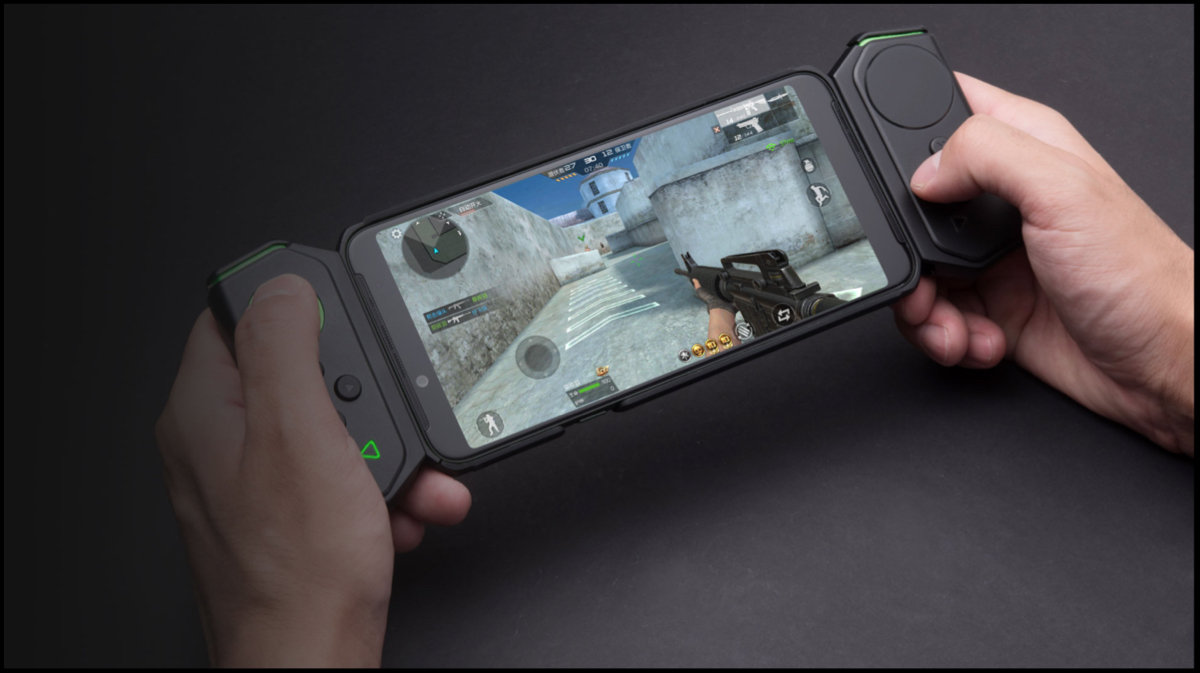
Gaming smartphones were fringe products till about two or three years back and have recently come into the limelight. A few years ago, smartphone research and development was going mostly into making the screens larger and better, increasing speeds for day-to-day work and increasing battery life. But since then a lot has changed, and phones have become even more powerful. Now, phones can support games that have high-end graphics and can run them without harming the CPU or the battery of the phones. However, there are certain drawbacks to buying and using gaming phones as well. In this article we will discuss the positives as well as the negatives of buying a gaming phone.
What Are Gaming Smartphones
Gaming smartphones are phones that are primarily built with a focus on gaming and are modified to suit gamers’ needs. They are usually higher-end phones with great batteries, more than decent RAM and memory and a number of other specifications like liquid cooling and overclocked CPUs. We will talk about these differences later in the article.
How Did The Trend Start
To understand how the trend started, we have to go a long way back to the time feature phones were a thing, maybe even before that. The history of Gaming as we know it can be traced back to the first interactive electronic game with an electronic display in 1947, the first true video games in the early 1950s, and the rise of early arcade video games in the 1970s. The first portable video game was introduced in the form of the Handy Game created by Epyx in 1987. This device later turned into the Atari Lynx in 1989. Portable gaming consoles these days include Sony’s PSP, Playstation Vita and Nintendo Switch. Portable video game consoles were all the rage when they first came to the market a few years back. Every college or school kid had one and buying or trading games were considered a common phenomenon.
However, when gaming consoles were selling like hotcakes, smartphone manufacturers were brewing up a storm. Video games however, weren’t new and had existed on phones for a long time. The first mobile phone game was introduced in 1994, with a pre-installed Tetris on a mobile phone called Hagenuk MT-2000. In 1997 however, things changed a lot for the mobile phone gaming industry when Nokia decided to redesign a game called Snake and put it in some of their phones. The game became widely popular and thus started a long and arduous journey towards the marriage of a telephonic device and a gaming device. The smartphones of today with their high-end games would not have been possible without these companies and their gamble into gaming.
How Is It Different From Other High-End Phones
We often get asked why one should consider buying a gaming phone and not buy a high or similarly specced top-end smartphone. There are both positives as well as negatives to buying a gaming phone. Let’s discuss the positives first.
Positives
Overclocked
Overclocking is the process of increasing a computer’s clock rate to make it run at a higher speed than it is supposed to. The term overclocking is usually used with regard to CPU and GPU but can be applied for other components as well. Most smartphones are under-clocked because, even though their CPU may support higher speeds, the phone might overheat and die. Most phones do not have a decent cooling system in place because our day-to-day functions on a smartphone do not generate so much heat. Overclocking generates a lot of heat as the CPU performs more tasks per second thus requiring better cooling. This brings us to our next point.
Cooling system
Most computers use two types of cooling to keep the system at an optimum temperature. These are heat sinks and liquid cooling. But phones cannot really use a heat sink as phones need to be thin and light and everything from a battery to a motherboard and cameras need to be cramped in there. So gaming phones use heat pipes and liquid cooling instead. But most other phones have no cooling systems and use the metallic or aluminium back to dissipate heat. How this works is when the CPU heats up, the back of the phone heats up.
The air outside is generally cooler than the phone, which absorbs the heat from the back of the phone. So, in short, gaming phones have a better and faster cooling system in place. These cooling systems are much more efficient in dissipating heat and will keep your phone cool while the phone performs at a much higher speed.
Better Battery
Gaming phones, since they are generally built for performance draw a lot of battery. Thus, these phones need a lot of juice to keep running. Generally speaking, gaming phones have better batteries compared to other top end smartphones. While many lower end phones may match the same battery capacity, the gaming phones do indeed work for longer as they have optimised performance in terms of the screen and CPU drawing from the battery.
RAM Optimisation
Gaming phones have certain RAM optimisations through software that help the phone perform at it’s optimal best. This is done by better memory management. RAM optimisation enables a phone to clear up the RAM by killing unwanted Apps so that the gaming experience is unhindered.
Gaming Mods
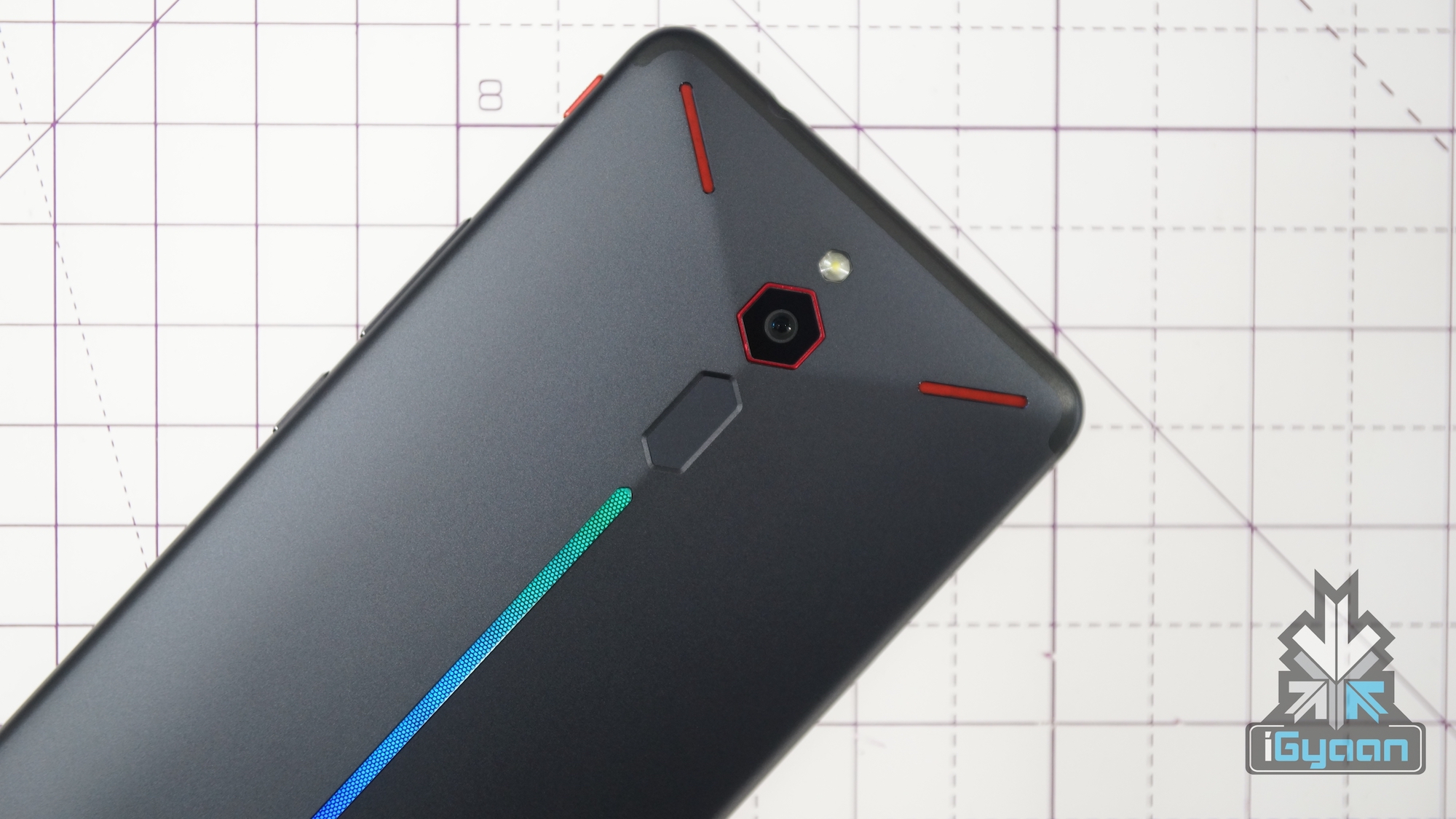
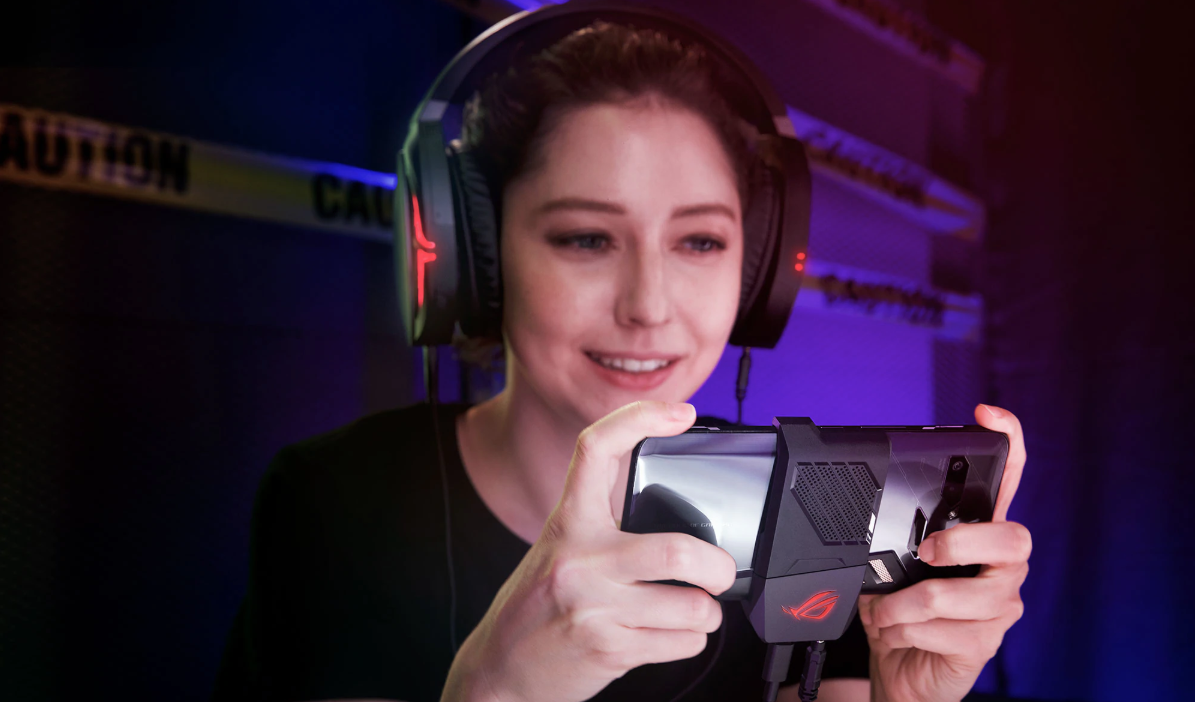
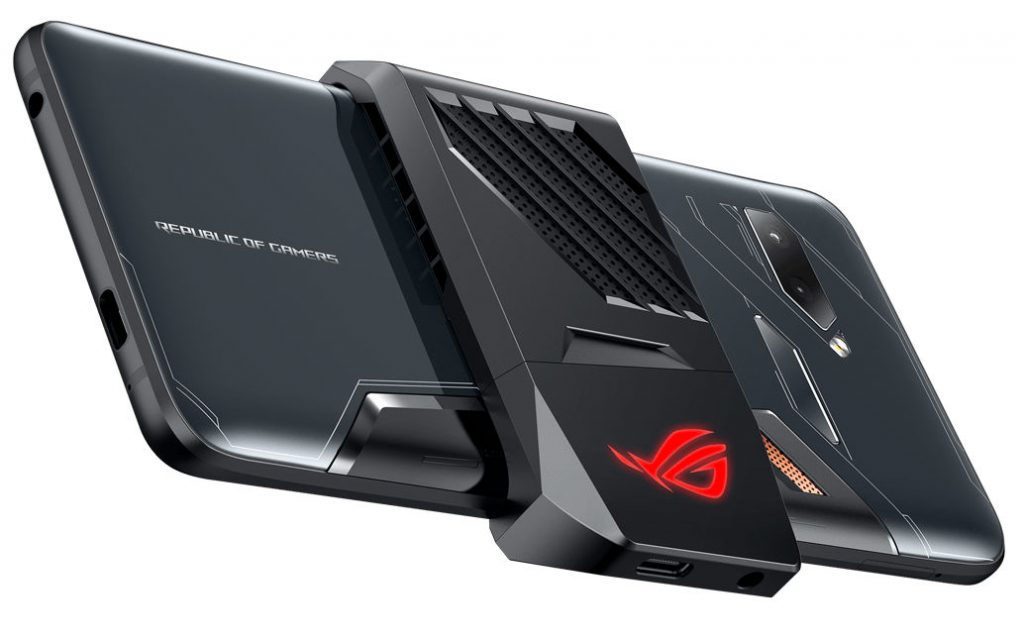
Since these phones are made specifically for gaming, these are built from ground up. keeping the quirks of gaming in mind. For example, the Asus ROG Phone has a headphone jack both at the bottom of the phone as well as on the side of the phone. This allows a gamer to play games in the horizontal mode using two hands while charging the phone. There are several such modifications on gaming phones that make a gamer’s life much easier.
High Quality Displays
Many high end phones these days have really good screens. Many have AMOLED displays or retina displays. But the gaming phones have an extra feature that in terms of the refresh rate. A refresh rate is the rate an LCD or LED panel changes a frame. It is calculated in frames per second (fps) and a higher refresh rate is extremely helpful for gamers since the images change faster compared to other screens giving gamers the extra edge to kill and spot enemies faster than others. Many gaming phones have a refresh rate of 120 Hz while normal smartphones usually have a refresh rate of 60 Hz.
High Quality Speakers
Gaming requires really great quality speakers. A good speaker can give you an immersive experience in gaming. Gaming smartphones usually feature great speakers with HD sound, dolby digital sound or Dolby Atmos stereo speakers. Some of these phones have great amplifiers as well.
More Inbuilt Memory
Most high-end phones have a decent amount of RAM. For example, the latest iPhone XS has 4GB of RAM while the flagship Samsung Galaxy S9 has 4GB RAM. However, most gaming phones these days offer upto 10 GB of RAM. This makes day-to-day functions faster as well, apart from gaming of course!
Added Accessories
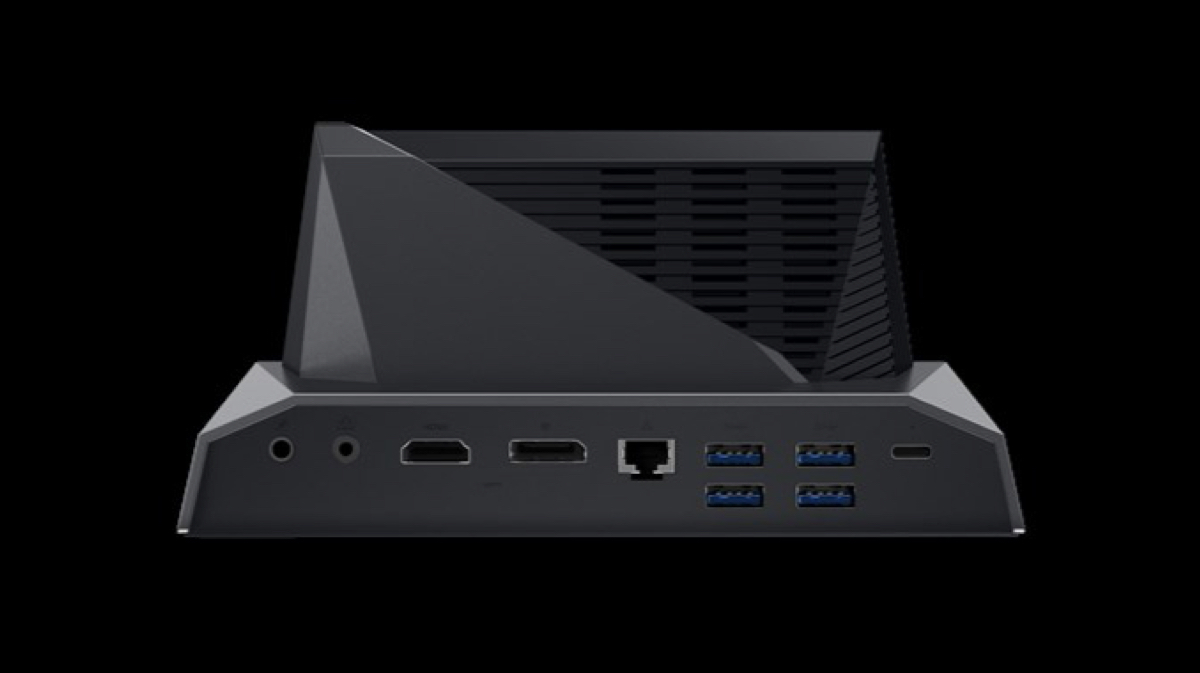
Gaming phones come with accessories that can be used to make the gaming experience better. These include extra battery packs, phone coolers, additional headphone jacks and more. These accessories might be expensive but they are quite helpful and can elevate your gaming experience overall.
Negatives
So what gives? If gaming phones are so good then why isn’t everyone buying it instead of a top end smartphone? Well, in making these high end hardware and software changes, the phone companies sacrifice other features. Let’s find out what the negatives are.
Camera
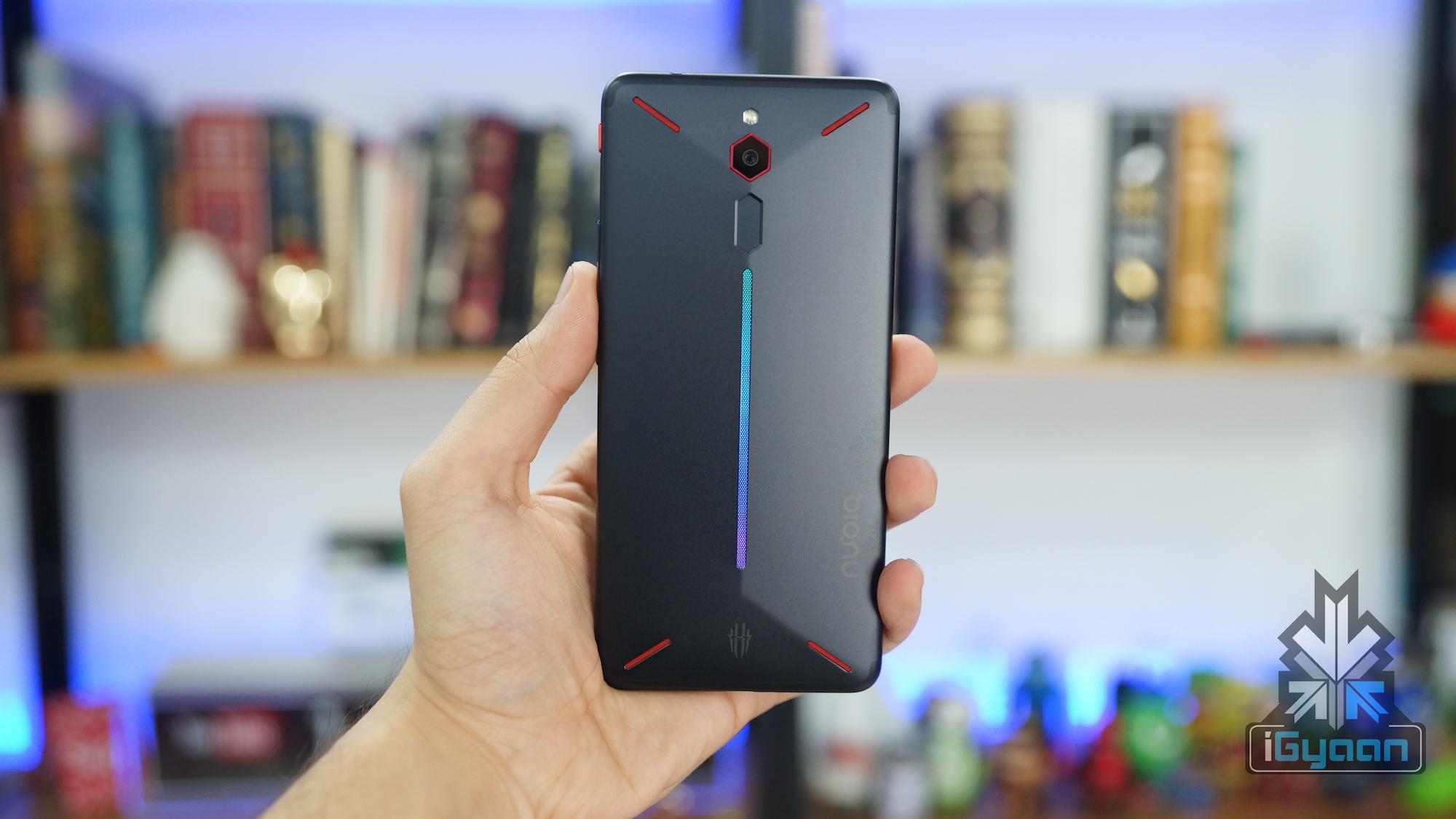
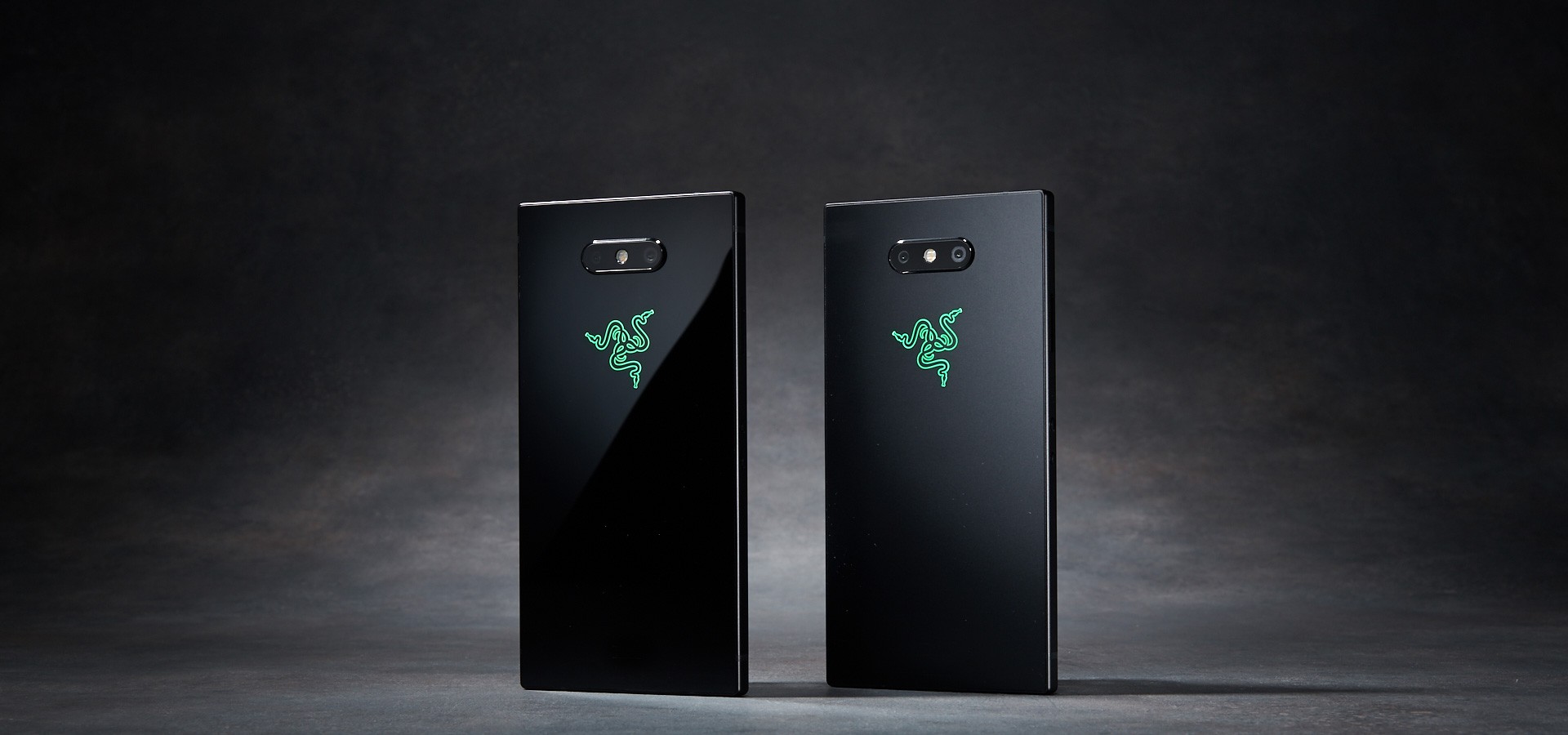
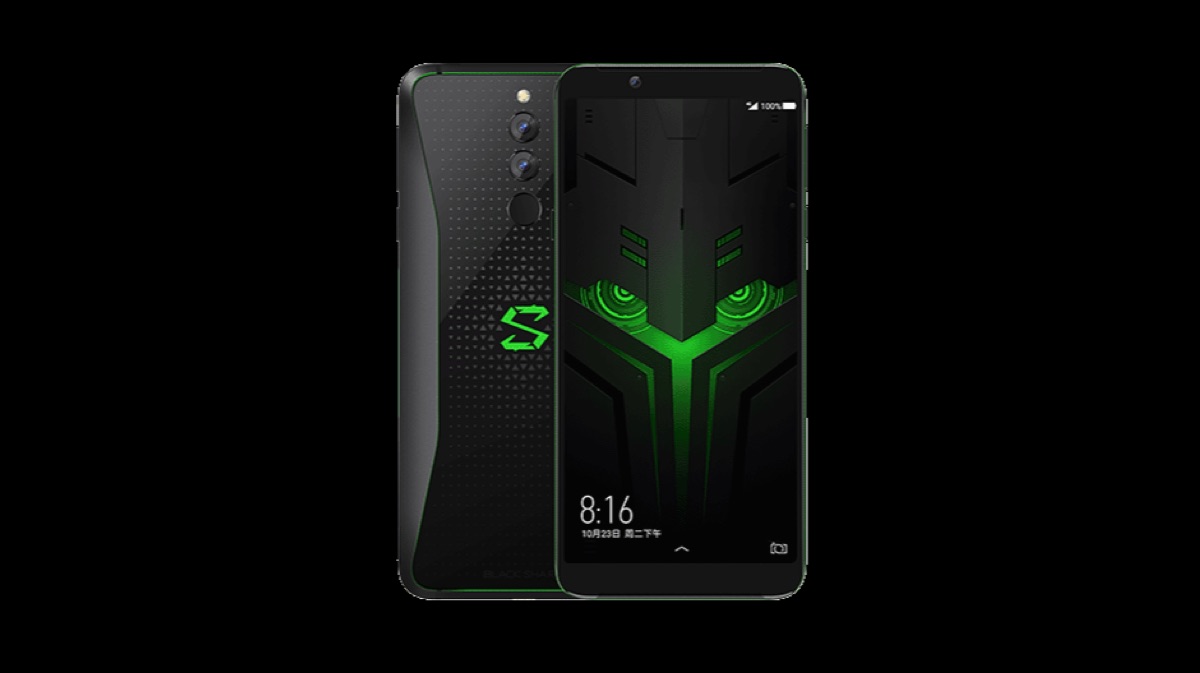
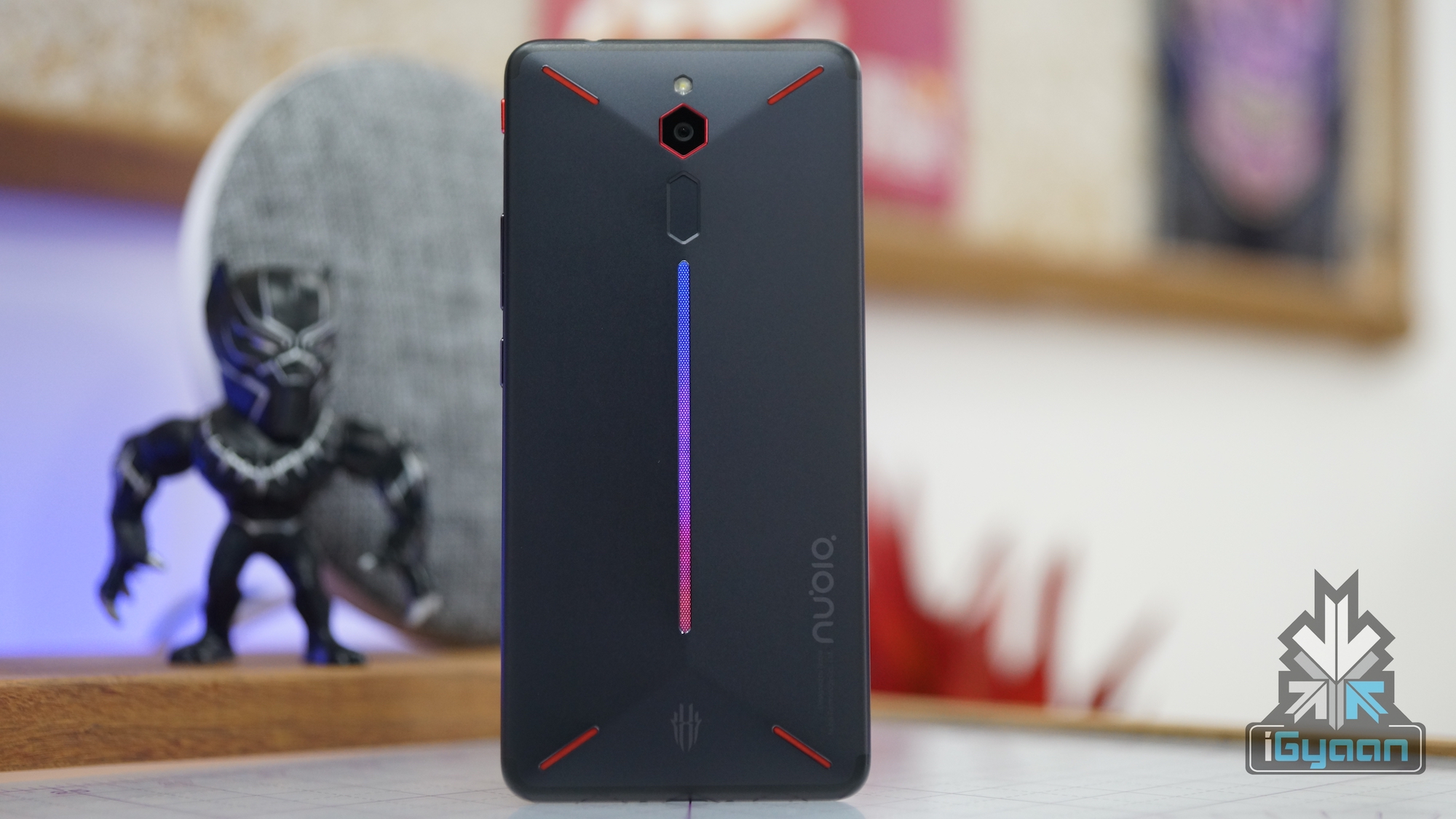
Most gaming phones are not meant for taking photos or selfies, so their cameras are usually not that great. Many of the budget gaming phones usually sacrifice image quality by reducing the camera specifications. For example the Xiaomi Black Shark has a 20 Megapixel front camera but has a 12 megapixel and 20 megapixel back camera but the ZTE Nubia Red Magic has a single 24 megapixel sensor at the back. Even though the cameras are not bad, but compared to top of the line smartphones in the same price range, the image quality falls flat.
Bulky
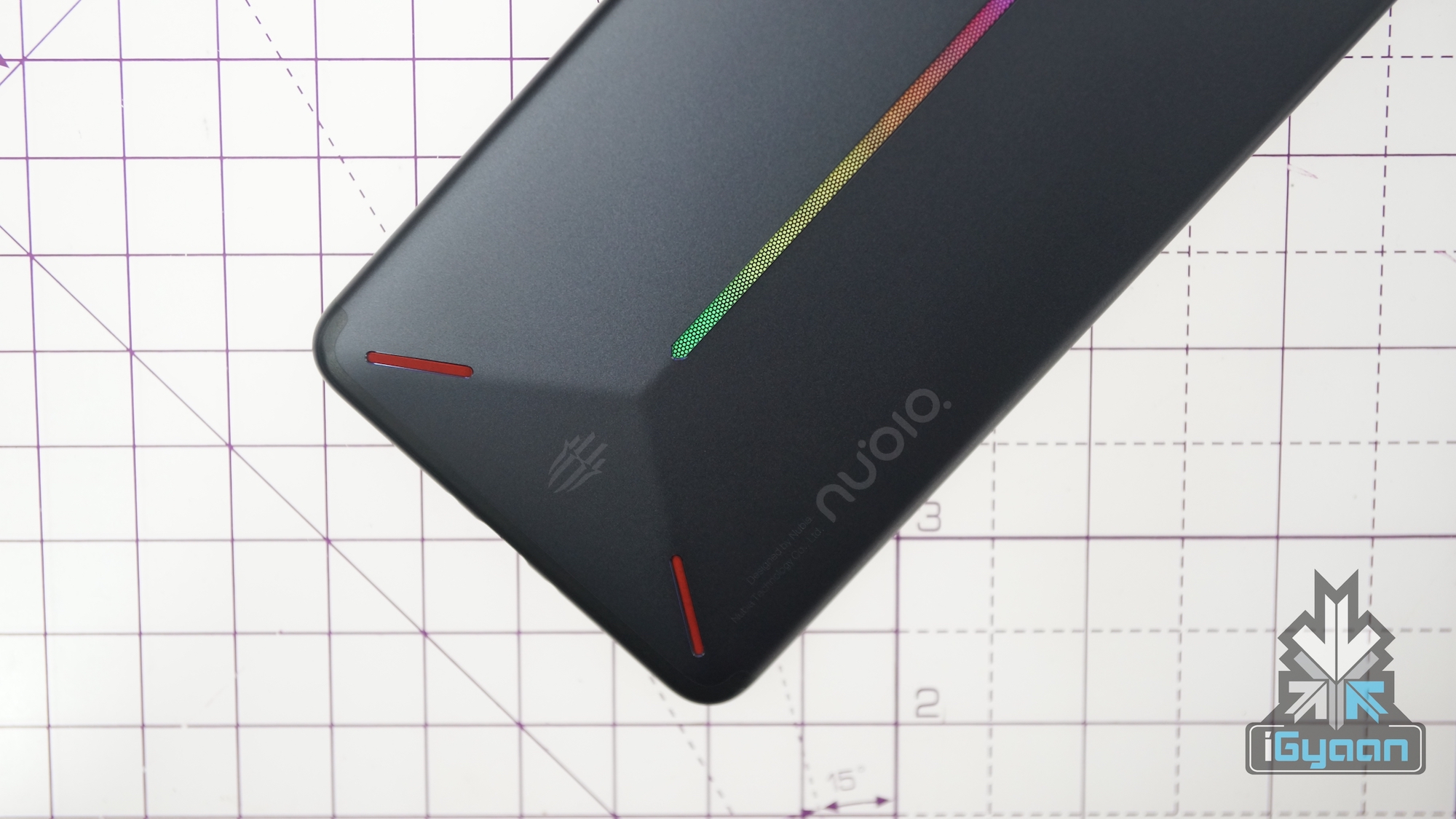
These phones have a lot of modifications done in order to make it gaming friendly. These modifications take up space thus making these phones heavy and large. These are nowhere near the sleek smartphones that we see and use everyday and may feel like a brick at times. But it also sets you apart from the similarly designed phones that we see everyday. These phones have a dash of colour, look menacing and usually have glowing lights in the back. If you are a fan of sleek smartphones, gaming phones probably aren’t for you.
Expensive
These phones are specced to the brim and because of that, are expensive. They can be priced anywhere between $ 400 to $ 800 and are quite expensive. It is also to be noted that phones with similar specifications from manufacturers such as Apple and Samsung can go way above that reaching prices as high as $ 1500.
Delayed Software Updates
Gaming smartphones are generally not known for speedy software updates and OS updates. Since these phones have their own UI to make the phone look more like a gaming device, these UI changes take time for the company to implement on a new OS. This can be a hassle for people who like to get timely security and software updates.
Best Gaming Smartphones To Consider
Now that we have discussed both the positives and the negatives, here is a list of the best gaming phones available in the market that you can consider to buy:
With phone prices sky rocketing, it is hard for an average consumer to buy new top end phones. One also often feels uneasy in buying used smartphones devices online. When buying a second hand phone, there are a lot of things that one needs to keep in mind, specially if they are being bought online. More often than not, if a deal is too good to be true, it probably isn’t. In this article, we will discuss the nuances of buying second hand smartphones online and how to make the right buying choices.
Where To Begin?
Before you start searching for a new phone, you need to be sure that you want a new phone. Decide on a budget that suits you and then convince yourself to stick to this budget. There may be instances when you might get a far better model at a price range that may be slightly above yours. Stay away from them as, if the price of a second hand phone is too good a deal, it may have other problems.
Try to stay within your budget. The next thing you need to decide on is the phone you want. If you are a light user and only use your phone to make calls and send text messages and like a little bit of social media time everyday, you may not require a very high end phone at all. But if you have the budget for a high end smartphone that is great too. Now let’s look at the two types of used phones that you will come across online.
Used Phone Sold By User
These are phones that are sold by people who have used the phone they are selling. These are people like us who are either looking to upgrade or switch their own phones for better models. You can often see listings like these on various websites and these sellers will usually not have any ratings. These users do not sell phones often and thus finding a trusting source can be a cause for concern. There will be some listings that use stock photos. You will need to be careful when buying from these sellers and if you do not see photographs of the actual phone then best avoid these sellers.
Always ask for the original product images as it will at least help you understand the condition of the phone from a cosmetic standpoint. If a phone is badly damaged from the outside, absolutely avoid it. A damaged phone from the outside will most certainly have damaged or dinged up interiors as it shows that the owner did not care for the device as much as he should have.
If the device shows normal wear and tear from prolonged use, that should be fine. Ask the user what he will be selling along with the phone. See to it that he shares the box, bill and charger. If you are buying from a website such as OLX or Quikr, then check the IMEI number to make sure it isn’t stolen from someone else.
Refurbished Phone Sold By Seller
These types of phones are relatively safer to buy. Many websites, Amazon being a big example, have sellers who are trusted and sell refurbished phones. They buy phones from other users and repair and sell them after fixing it both internally as well as cosmetically. They will also usually provide a 6 month or 1 year warranty or guarantee (differs from seller to seller) and will fix the phone for you if anything goes wrong. Remember that these warranties are not given by the manufacturer of the phone but the seller themselves. These phones are a little more expensive compared to the phones that are sold directly by the users since the sellers charge for buying, refurbishing and then selling the phone off. There sometimes will be underlying terms and conditions that you also need to look at. Read the description carefully before you buy.
Websites Where You Can Buy Used Phones In India
OLX
Olx is a classifieds website where you can both buy as well as sell phones in India. It has it’s presence in 45 different countries and is headquartered in Amsterdam. Although the website is meant for users to post items for sale, many small businesses also sell smartphones and laptops here. You can directly connect with the seller and meet and buy the phone. While it isn’t exactly an online transaction, it does help you find people who are willing to sell what you are buying. It is safer in a way because you get to hold the phone and test it out before actually buying.
Quikr
Quikr is another classified advertisement website, working on the same model as OLX. It is an Indian platform and is focussed on providing a better experience for buyers and sellers than many other similar platforms. Beware of fake sellers though as many have reported to have received phones with parts replaced with cheaper Chinese made counterparts inside the phone. One can recognise a fake post by looking at the price and images. If you see a Samsung S9 Plus available at Rs 8000, it is probably a copy or has replaced parts. If there are more than 1 phones of the same model, it might be a seller who is buying cheap copies and selling them at a profit.
Amazon
Amazon has a lot of refurbished phones from different sellers. Being a globally renowned website, their quality control for sellers on the platform will be better. The phones, as mentioned above will be a little more expensive but the quality and the description will be clearer. These listings generally have a “Certified Refurbished” tag on the image and are also written in bold letters. Many descriptions of these listings suggest that the phone is Amazon-qualified and performance managed where the reseller performs a full diagnostic test, replaces any defective parts, and thoroughly cleans the product. The products also reportedly will have minimal to no signs of wear. They also have no visible cosmetic imperfections when held 12 inches away and the batteries will have at least 80% capacity relative to new ones.
CEX
This is an extremely popular website and shop in UK and is slowly gaining ground in India. They have different models of different phones that can be viewed on their website. CEX both buys and sells phones and one can buy phones using CEX voucher or actual cash. There is a flat 2 year warranty on everything they sell. And there is a doorstep buying and selling process as well. You can visit their shop and see the phones and choose from them. The prices of each phone are listed on their website as well. These are also refurbished.
Facebook Groups
Facebook has become home to hundreds and thousands of buying and selling groups and these have thousands of members each. Every city has a group that sells phones. If you find the correct group, then you can chose from a variety of options and connect directly with sellers. You can also meet and see the products yourself. While this may be a great place for phones, do check the profile of the seller once and ensure that the post is not fake or the seller is genuine.
Remember when big Bollywood names would advertise for Micromax and a great cricket catch would be known as Karbonn Kamal Catch? These names had become synonymous with smartphones in every household in India. But what happened to them? Why are these names not right next to Xiaomi or OnePlus in the sales records in India? With Micromax just having launched it’s first smartphone with a notch, almost a year behind other smartphone makers, we delve deep into what really happened. In this article we find out, from various reports, previous interviews, sales reports, online user feedback and everything else, how these companies went from being at the pinnacle of smartphone sales to losing everything.
How Did These Companies Come Into Existence?
Back in the day, the US market was starting to move towards smartphones from feature phones. In 2007, the first iPhone was introduced to the world, and it revolutionised the mobile phone industry. India was still largely a feature phone market with very few devices from Blackberry and Nokia’s Nseries phones that were called ‘multimedia smartphones’ being sold. These devices were expensive and were sold in high-end stores which almost always had a different section for the customers of such phones. Priced anywhere between Rs 25,000 to Rs 45,000, these phones were the envy of people who couldn’t afford them, and pride of people who could. Feature phones were still a large part of sales for players such as Nokia, Sony and Motorola.
The dealers could make huge profits selling these phones. Now at that point in time, the market was open to any risk taker who could afford to get into the business of making their own brand. And so they did. Companies such as Micromax, Lava, Karbonn etc were all either dealers for smartphones, software companies or telecommunication ventures who wanted to make a mark on the emerging trends of smartphones. They, however did not have the production capability or the funding to start a production unit in India. This brings us to our next point, white labelling.
What Went Right?
White Labelling
To understand white labelling, one needs to know what OEM and ODMs are. Original Equipment Manufacturers are companies that sell product made by other manufacturers under their own brand name. Original Design Manufacturers are companies that design and manufacture a product according to a different company’s needs who sell them under their own brand. Brands like Lava, Micromax and Karbonn saw this OEM and ODM relationship as a great scope for a business model for smartphone manufacturing.
Chinese phones were already available in the Indian market, but they were not well received. No one wanted to invest in a ‘Chinese phone’ because these phones had no warranty and no after sales service. What the Indian companies did was ask manufacturers in China to design and build smartphones according to their needs and these manufacturers would build it and dump it in India. The Indian companies would then add their own branding to these phones and sell them in Indian markets with warranty and an after sales service promise. This was a great business model and these Indian brans gained ground quick!
Cost Effective
One of the several reasons for the success of these phones were their cost effectiveness. They were providing feature rich phones, dirt cheap, compared to their more expensive counterparts like Nokia and Blackberry. iPhones were also seen from time to time, but were rare. Motorola was a big hit with their RAZR and ROKR series models but these were also getting sloppy. At the time, 2G phones were reigning the market and calling and texting were quite expensive for Indian consumers. But with the introduction of 3G in and around 2008, Internet users suddenly blew up.
WhatsApp’s introduction a year or two later was also a major shift. Most of the expensive international brand’s phones wouldn’t support WhatsApp, and many would not support 3G. A massive number of people had to shift and so a great opportunity opened up for all manufacturers. Indian companies cashed in on this by introducing smartphones with bright LED touchscreens, Android based OS and a host of other features. These were priced at around Rs 10,000 – Rs 15,000. There was also one more feature that these companies, along with the internet boom, made famous. Let’s talk about that next.
Dual Sim
When we say that the Indian companies were the talk of the town back then, we really mean it. From students in high schools and colleges to working professionals, everyone was a consumer of these Indian brands. Many shops even raised their prices at one point of time for the Micromax Canvas series of phones because of the high demand and low availability. These phones, among other things, introduced a feature that has stuck on even now. That feature is Dual sim cards.
When companies such as BSNL and MTNL started providing cheap internet options, people wanted to use two sim cards in one phone.This was because porting phone numbers wasn’t really something one could do easily. The Indian manufacturers went to the Chinese ODMs and asked for a phone that could use two SIM cards. Thus in 2010, Spice mobiles launched India’s first dual SIM ( 3G + 2G) phone. Although Dual SIM isn’t a technology the OEM or the ODM invented, it was definitely seen as a useful feature for a particular market and brought into use by these companies.
Faster Turnaround Time
White labelling also worked for these companies because of another reason. These phone manufacturers had a faster turnaround time, compared to Nokia, Sony or Samsung. They did not have to do their own research and development, neither did they have to design the phone, they could just bring a new model to a market much faster. A company like Nokia had to design, manufacture, market and sell these phones. These took at least a few months to achieve, from scratch. The ODMs meanwhile, did not have to worry about marketing and selling their products while an OEM did not have to worry about the design and manufacturing. This symbiotic relationship helped them bring newer models with the latest features to the market faster than many other established phone makers.
What Went Wrong?
Chinese ODMs Started Their Own Branding
Many ODMs in China understood the fact that the real money was to be made in the distribution and marketing of phones in markets like India. Working with the Indian companies, they had already learnt a lot about the market and the distribution channels. Many other established Chinese companies like Xiaomi also set their eyes on India at the time. These ODMs and other smaller Chinese brands started shipping their own branded smartphones to the country with a promise of better after sales service. But in order to compete with the already established brands, they needed o keep the pricing to a bare minimum. This is where the next turning point in the market comes.
Online Sales
Flipkart had already set up a good service channel and delivery channel owing to it’s online model of selling books and then later selling other items. Amazon entered the Indian market in 2013 when they realised the scope this market had. They also started with books and movies and slowly gained the customer’s trust. Indians were sceptical of using online channels to buy expensive products, specially electronics. But as the online revolution progressed, Indians started to slowly indulge in online shopping.
One of the other factors for this was the introduction of 4G in 2012. This made internet services considerably faster and cheaper. These Chinese manufacturers saw the opportunity of cutting costs. Costs for establishment, delivery and distribution as well as a lot of other smaller expenses that the companies would’ve incurred if they sold through offline channels such as retail stores. Online selling allowed the Chinese players to bring phone prices down a lot.
Lack Of Vision
The Indian companies were heavily invested in marketing and advertising their products and failed to realise that time and technology was moving at a rapid pace. They did not expect that the Indian market would shift so drastically. India, at that time, had come out of recession and the industrial production was growing instead of slowing down. People were slowly getting back their jobs and many started earning more than they were spending. This caused online sales to grow as well. The introduction of 4G was a huge change, and it rolled out in a matter of just a few months. Reliance Jio rolled out 4G phones and 4G connectivity and 3G suddenly became a backdated technology.
Most Indian companies had a huge order booked for a lot of smartphone units. These suddenly became extremely hard to sell to the new customers who were looking to buy 4G phones. With 4G being extremely cheap, the Chinese manufacturers were ready for the 4G wave and they jumped in to sell their phones. This lack of vision for the future affected many companies and brought many more to their knees before their ultimate shut down.
No Or Very Little R&D
The Indian smartphone companies were headed by strong businessmen but not technical or product people. They knew how to conduct a business with a given set of rules. But the smartphone market changes extremely rapidly and they couldn’t catch up. The Indian companies had no proper R&D department put in place. They had no or very few factories and relied mostly on ODMs for their products. With ODMs going their own separate ways to create new models of 4G phones, all the while, marketing and selling their own smartphones. Meanwhile the Indian manufacturers were left stranded with a huge number of smartphones to clear. This was one of the many reasons why a huge corporation like Nokia also fell short. R&D is an integral part of smartphone manufacturing and big companies such as Samsung, Apple and Huawei have a lot of manpower as well as capital dedicated to this sphere.
Bad After Sales Service
There were several reasons for Indian consumers to buy Indian smartphones. But one of the top reasons was the guarantee of repair in case of any manufacturing issues. Most Indian companies failed on this promise. If you do a quick online google search, you will see that a majority of consumers were extremely unhappy with the after sales service. There are complaints of these companies taking the phone for months and not repairing or replacing it. Moreover, bad behaviour from the staff and a rampant complaint of overcharging were pushing customers away. This was the final nail in the coffin. Almost all smartphone users shifted to the newly launched Motorola, Xiaomi and OnePlus phones.
While the Indian companies are slowly dusting off their archaic ways and slowly investing in R&D, they have a long way to go. It would be best if they skipped a few of the popular trends right now. Instead, they should try to predict what trends are to come in the near future and work on that. We surely hope these companies get to play on a level playing field in the years to come, so that the Indian smartphone manufacturing market flourishes as a whole.
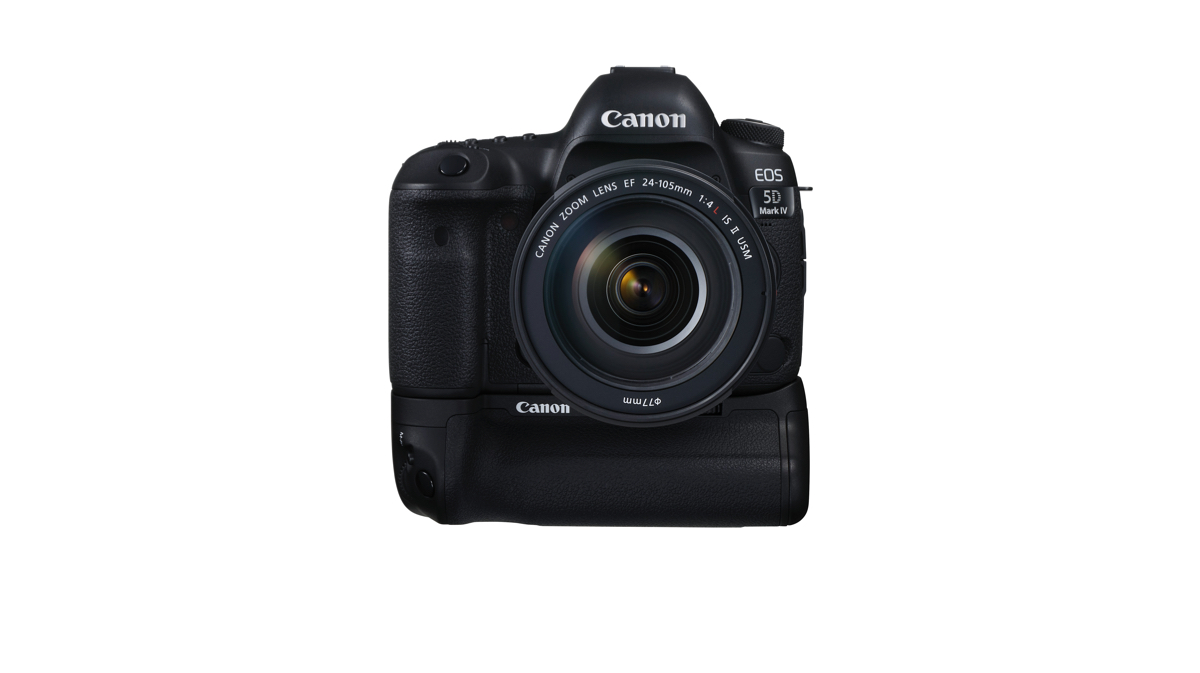
The photography industry is evolving rapidly and has seen a lot of ups and down in the past twenty years. With micro four thirds cameras giving way to 35mm film, film cameras giving way to point and shoot and then ultimately 35mm DSLRs and now Mirrorless cameras. The industry has changed as and when consumers have needed it to. During the war, cameras such as Zenit and Zorki were built robustly for the soldiers to take to war. As time went by, camera manufacturers started focussing on bigger image sizes, instant print cameras and so on. But now, we are knocking on the doors of 2019, which may dawn a new era in the camera and overall photography industry. Let’s find out which new camera technology we feel will emerge and will be in 2019’s photography trends.
More Mirrorless Cameras
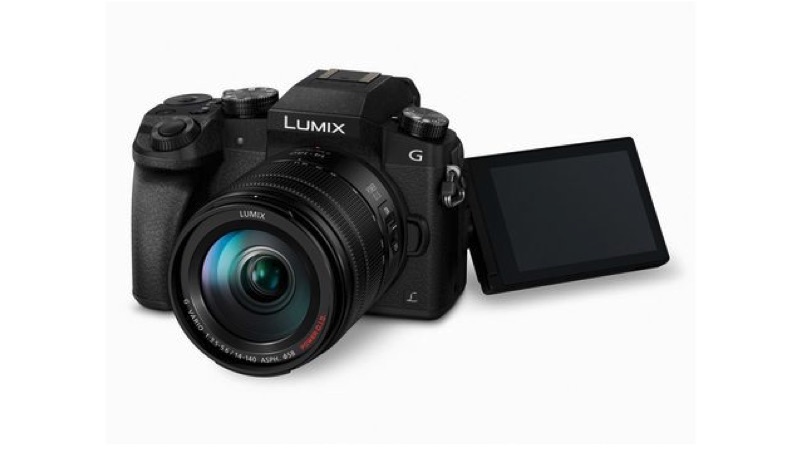
Sony and Fujifilm have been manufacturing mirrorless cameras for a while now and with technology advancing at a very fast pace, there cameras are now performing as good as, or sometimes better than DSLRs. Mirrorless cameras are smaller in size and easier to carry due to the lack of the mirror mechanism. The digital viewfinder also helps one see the exact output when changing the settings in a camera through their viewfinder. These cameras were generally avoided by professionals in earlier years since it’s inception because of the lack of it’s lens portfolios.
But with big players such as Canon and Nikon entering the mirrorless game this year, all manufacturers have stepped up and released a huge lens portfolio for their mirrorless line up. There are many users who hate switching brands and brand loyalty is something that will be put to test with the camera companies now competing in a level playing field.
DSLR Sales Will Decrease
DSLRs have been the choice of photographers for a long time now. These cameras have established lens lineups, are robustly built and can be built in all price ranges. But with mirrorless cameras slowly gaining ground in the market, DSLR sales may decrease drastically. Many news agencies use DSLRs from Canon and Nikon and were reluctant to shift to a new system till now. This was because a shift would mean changing lenses and accessories as well.
With the two major players entering the high end mirrorless segment, interchangeability might be possible between different systems. This means use of DSLR lenses on mirrorless cameras and vice versa. This can be done with the help of proprietary adapters. These adapters will not reduce the lens’ focussing speeds and other capabilities like Image stabilisation. In 2019’s photography trends, there is a good chance that a large chunk of the DSLR users will shift towards mirrorless. This will therefore decrease DSLR sales.
Video Centric Micro-Four Thirds Cameras
Since ages, filmmakers have used either 35mm or 16mm to shoot videos. Be it in film or in digital backs. The 35mm cameras have been the choice of many filmmakers. Great Hollywood films such as Black Swan, 127 Hours, Avengers, Whiplash and even TV series like Dexter and House have all used DSLRs for their shoot at some point. Documentary filmmakers use the 16mm format more often. But a new format is gaining ground and camera manufacturers are trying to push this format hard on the market. The Micro four thirds, is a format that sits between full frame cameras or 35mm and APS-C sensors. This format allows the camera to be less bulky but provides great quality footage.
The micro four thirds are also mirrorless cameras but differ in sensor size. These cameras have a sensor size equivalent to a 4/3-inch video tube. Having a digital viewfinder also helps filmmakers look at exposure and framing in real-time through the viewfinder itself and not have to look at the screen. Now, having a smaller sensor size has not reduced the resolution as many of these cameras provide the same, and at times more, resolution than a DSLR’s video. Cameras such as Panasonic’s GH5 or Olympus’ OM-D E-M1 Mark II are being made with filmmakers in mind. It will be great to see other companies joining the bandwagon. With the digital space growing at an alarming rate, Vloggers, Streamers and Youtubers can definitely take advantage of this format.
Artificial Intelligence In DSLRs and Mirrorless
If we can have a digital assistant at home for us to switch on and switch off lights and perform other tasks, why can’t we have artificial intelligence in our cameras? Cameras, like smartphones are becoming smarter by the day. Even a few years back, it was unimaginable to ask your camera “GoPro, take a photo” and the camera would follow. Well, now you can. With technology evolving at an alarming rate, camera manufacturers are including features like WiFi connectivity, bluetooth, voice commands and so on for cameras as well.
Artificial Intelligence is already present in many cameras that can detect faces, click photos when it sees smiling faces, connect to your phones and so on. While a personal assistant for all your photography needs may be a long time away, we feel that there may be a good chance that more AI features will be integrated into a camera in the coming year’s photography trends.
Fingerprint Sensors In Cameras
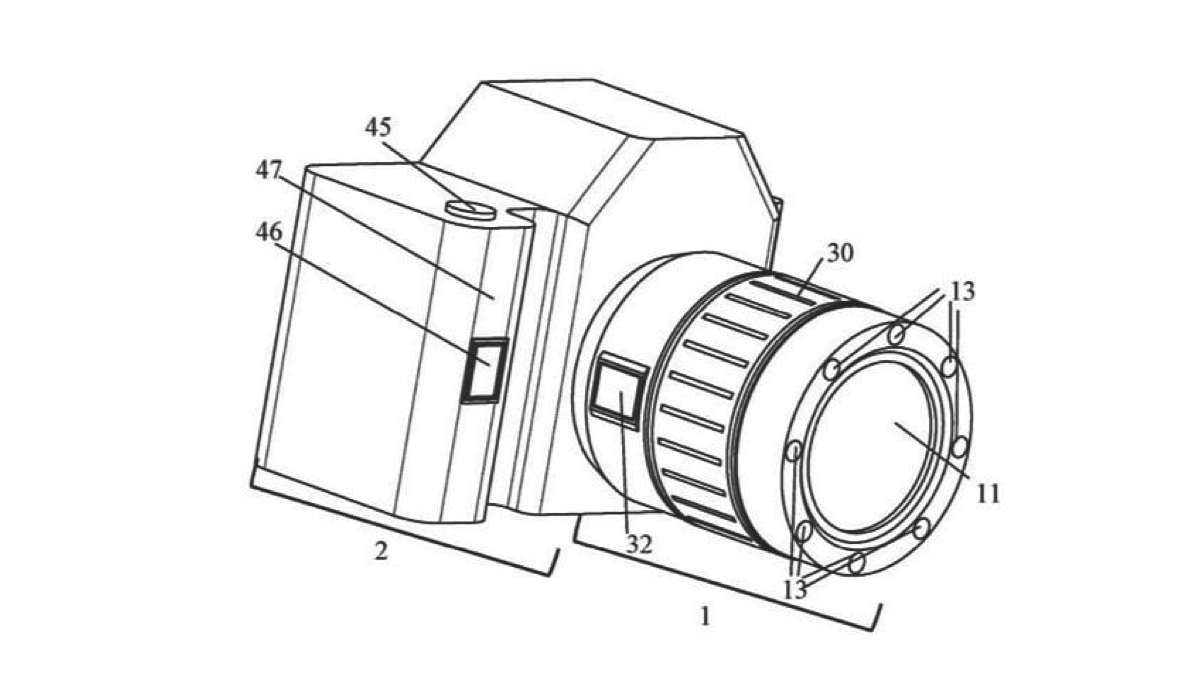
For photojournalists and studio photographers, for media houses and wedding photography teams, several users share a single camera in different times. And every user has his or her own preference. Be it the exposure setting, focus or colour settings and so on. This is where fingerprint sensors come in. Just like a computer has different user settings where a particular user can log-in to his or her user preferences a camera with a fingerprint sensor can scan the fingerprint of the user and immediately change the current settings to that.
This would be a great to see in 2019, if manufacturers do decide to include such a thing. Canon has already patented a fingerprint scanner technology for it’s camera. But it is unclear what they plan on doing with it. With the sensor, one can also be sure that the camera will not fall into the wrong hands and will prevent it from being stolen and used.
Better Lenses
Lenses are as important as the camera body itself. A photographer needs to choose his or her lenses carefully and according to the need. Lenses are also quite expensive so it is best to select expensive and well performing ones than buying cheap ones. Specially if you are a professional. In photography trends of 2019, we expect to see some really great lenses. One of the major complaints most photographers have with DSLRs are that the cameras don’t fare too well in extreme low light conditions.
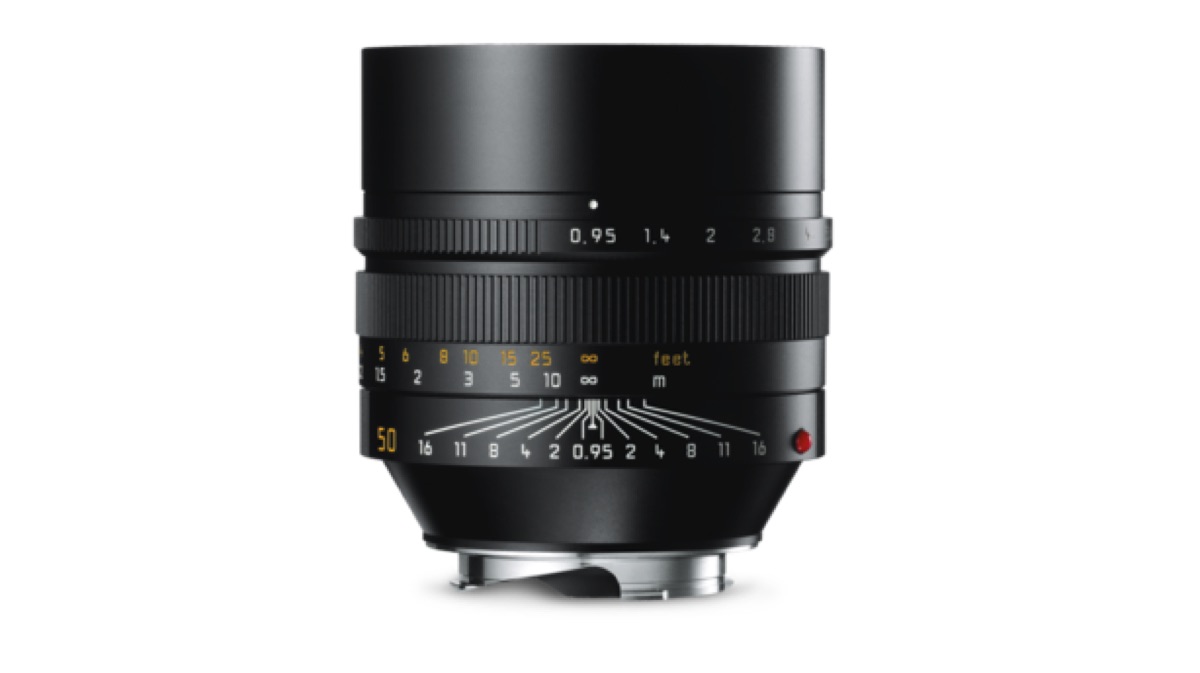
Next year can be a welcome change for them as many manufacturers, with meteoric advancements in optics, are now creating extremely wide aperture lenses. These lenses can go as low as f/1.2 or even f/1 or f/0.95. Canon’s 50mm f/1 or Leica’s 50mm f/0.95 are great examples. These lenses can shoot at extremely low lighting conditions with relatively lower ISOs providing great images without noise. This year we can expect more of these lenses from different manufacturers as well.
These were our predictions for photography trends of 2019. Let us know in the comments, what you feel should make it in this piece and we will try and include the same!
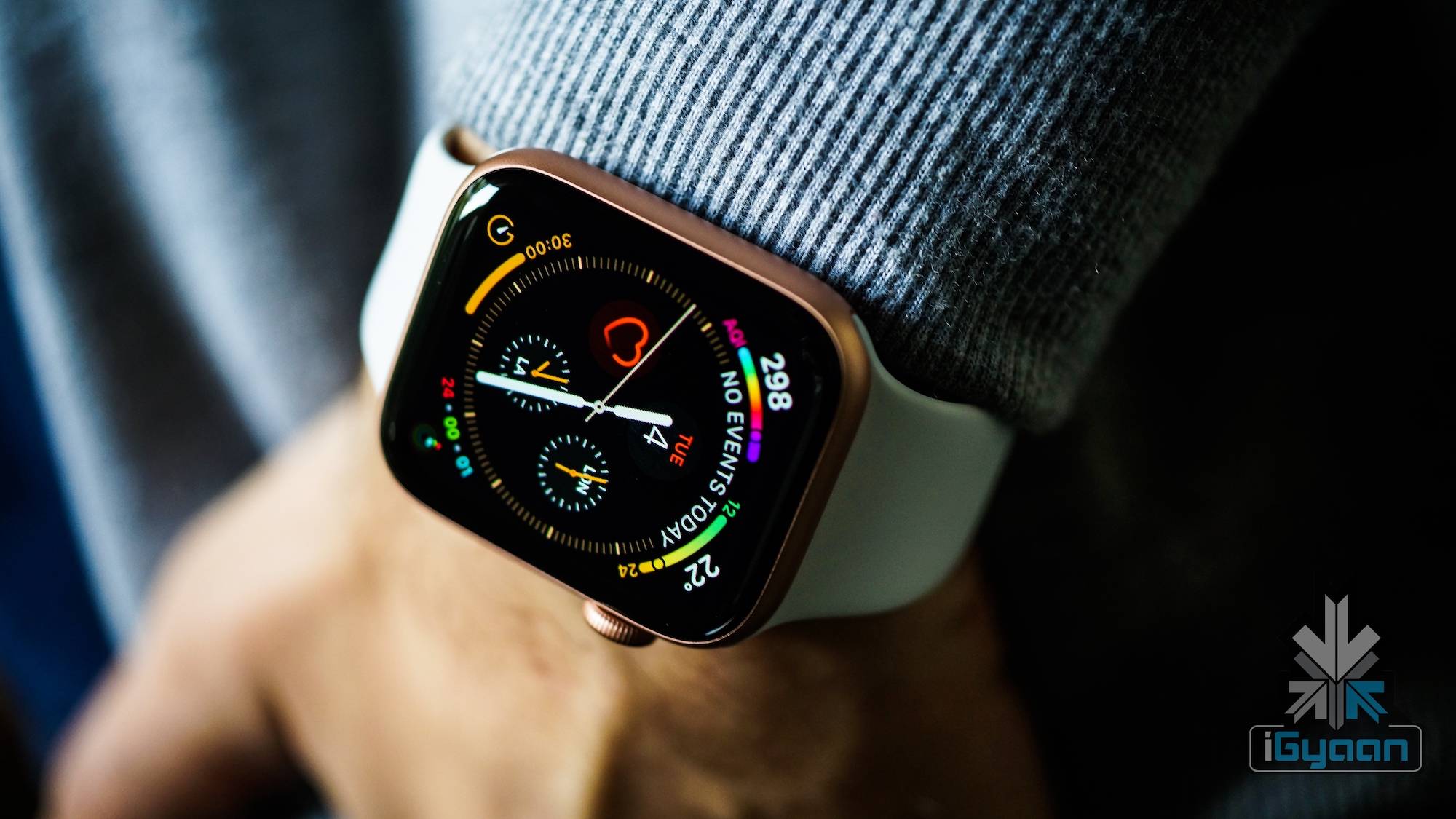
Humanity has always evolved and changed with technology. Since prehistoric times, humanity has taken major leaps every time they have learnt or mastered a new technology. Even though fire is not a technology, controlling fire is. Learning how to make and use tools and weapons is also a technological advancement. Just as Video has killed the radio star, we now have smart watches that are replacing normal Quartz and Mechanical movement watches. But the real question is do we really need it? In this article we debate on whether smart watches have any real use, as an individual technology, or partnered with the phone, that advances technology as a whole. But before we get into all of that, let’s first know what smart watches are and their history.
What Are Smart watches ?
Smart watches are wearable computing devices that can also be used to tell time, apart from a host of other features. They connect to your phone, or work independently and connect with the help of eSIM cards. Early models of smart watches could perform basic functions such as basic. math calculations, telling time digitally and even playing games.
Concise History Of Smart watches
Casio’s calculator watches were legendary and were used widely by many in the 90s. As technology advanced, computers became smaller and smaller, chips and processors became smaller and phones have become smarter. Nowadays, phones and tablets can perform at par or in some cases even outperform computers. Watches took a little longer to change though. In the early years, Seiko who were credited to making the first Quartz Watch – the Seiko Astron, also were one of the forerunners in smart watch technology. Seiko RC series, Timex’s Datalink, Sony Ericsson and Fossil’s MBW-100 were all notable milestones in the journey of smart watches that we have today.
But these watches were either underpowered or did very little in terms of usefulness. Pebble was also one of the brands that took the smart watch industry further. But many consider Motorola to be the first company to make a quantum leap into the future by introducing the Moto 360, an Android Wear based watch, that finally looked and felt like a wrist watch. With it’s round form factor and removable straps and day long battery, it had a balance of functionality and style, but it still wasn’t enough to be called a breakthrough. Then Apple came along and stole the show and the smart watch industry hasn’t looked back since.
What Category Does A Smart watch Fall Into?
Smart watches have lived a very difficult life. It is neither a watch, not a computer. It is neither dependent completely on phones, neither is it completely independent. This has been a topic for debate for a very long time. Smart watches nowadays can best be described as computers that one can wear, that also tell time.
Form Or Function?
We have always known watches to be circular in shape, well mostly at least, but a circular form factor restricts the usability of a smart watch. So many manufacturers go the rectangular way. From Zenwatches to the Apple Watch everyone has a form factor that is anything but traditional. These rectangular form factors restrict people with smaller wrists from wearing these smart watches. Most rectangular watches are noticeably smaller or thinner. For example many watches in the Titan Edge collection or even the most expensive ones such as Patek Philippe Gondolo or the legendary Richard Mille RM17 Extra Flat Tourbillon. But as technology improves, these watches are also getting thinner with lesser bezels.
They have become much more functional even though not a work of art as many Bauhaus inspired watches or most of the Tourbillon watches are. These are, as many horologists joke, timeless pieces of art. But since the inception of smart watches, their gaudy and eccentric looks have changed a lot. A CEO of a company can now look great in an Apple watch without having to worry about having a strange looking device on his or her wrists.
Functionally, however, these watches do a lot more than just tell time. A modern smart watch can make and receive phone calls, send texts, track your fitness, check your pulse, record your ECG and a lot more. But the question is when and why do we use it. Specially when most of these functions can be achieved by the smartphone in your pocket? Well, there are times when having a smart watch can be extremely useful. Features such as checking your heart rate and recording your ECG can be the difference between life and death.
While driving a car and stopping at a signal, one can quickly turn their wrist, check their notification and reply without having to take out their smartphone every time. Some smart watches also come with an eSIM feature. This allows the watch to work independently, without requiring a connection to the phone. These allow you to still see and reply to notifications even if you forget your smartphone at home. Sometimes, in meetings, taking out your smartphone to check an important text or notification can seem rude. This is also true for Movie theatres and hospitals and that is where smart watches might be ‘handy’.
In order to answer the question “So Do We Really Need Smart watches?”, one needs to emphasize on the ‘We’ more than the ‘Need’. Whether or not you need a smart watch depends on who you are. It depends on how you use your smart watch or even your smartphone daily needs to be reviewed. If you are a busy person who needs to be constantly alerted regarding your notifications or if you are driving long distances on a daily basis a smart watch might be great for you!
If you have had frequent health problems that need to be monitored or are a fitness fanatic, if you forget your phone at home often and a lot more can define your need for such a device. Some may use it as a watch more than a computer and use it occasionally. On the other hand some may use the other features more than the watch itself.
Even if you feel that you do not need a smart watch at the moment, it is great to learn how to use and operate it. Smart watches are here to stay and they are improving drastically every year. If not today, you might need a smart watch later on in the process. If you are not that tech savvy then you may have to learn a lot about it in order to catch up to this emerging technology. It is best to go to a store, try out a smart watch and then decide. But if you are a light smartphone user or a student, it would be wise to avoid smart watches as they will just stay as a timepiece in your drawer if they aren’t used to their full potential.
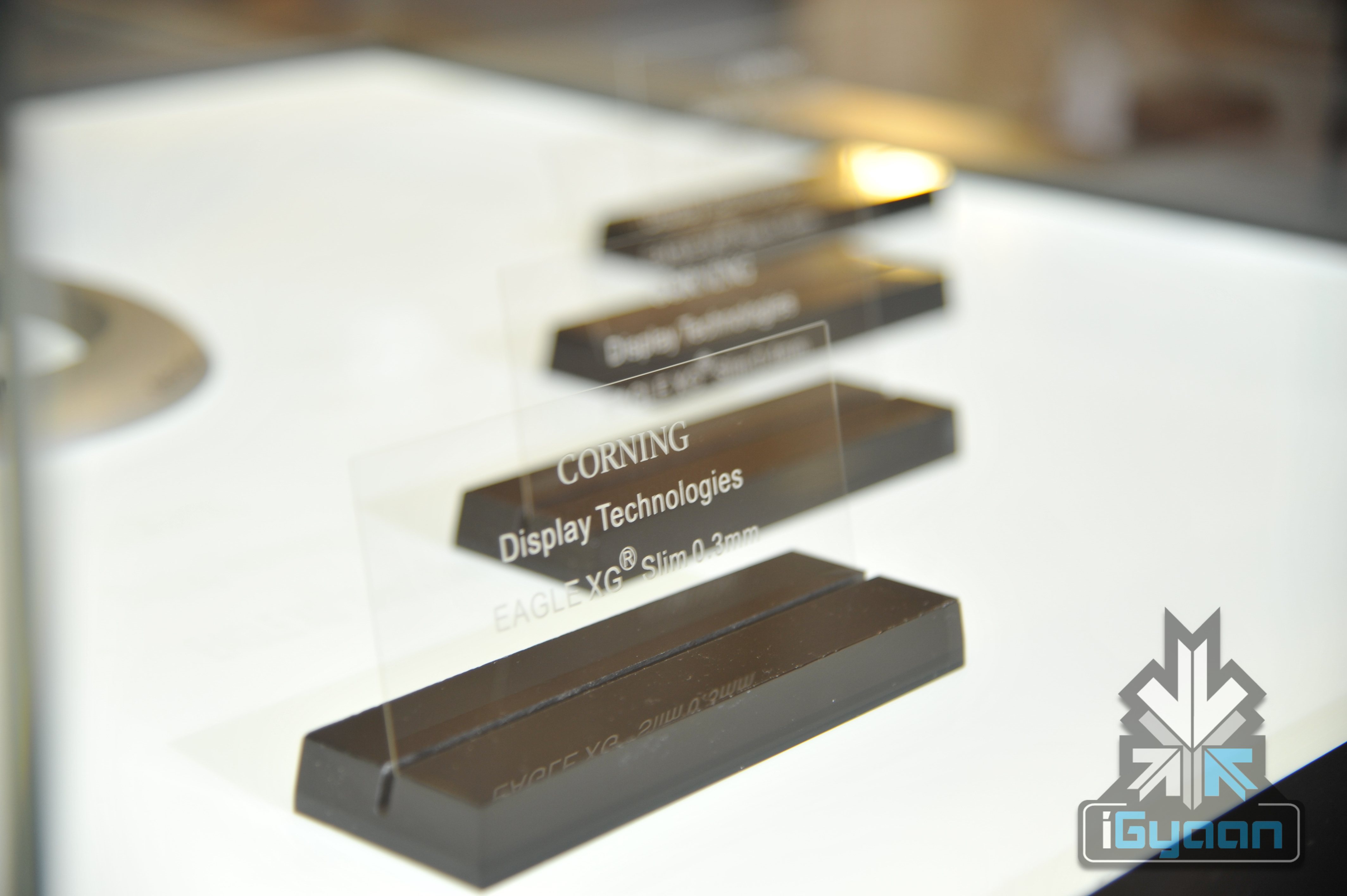
A couple of the more popular words for the young, tech-loving, connected generation today are “Gorilla Glass”. But what is the story behind Corning Gorilla Glass?
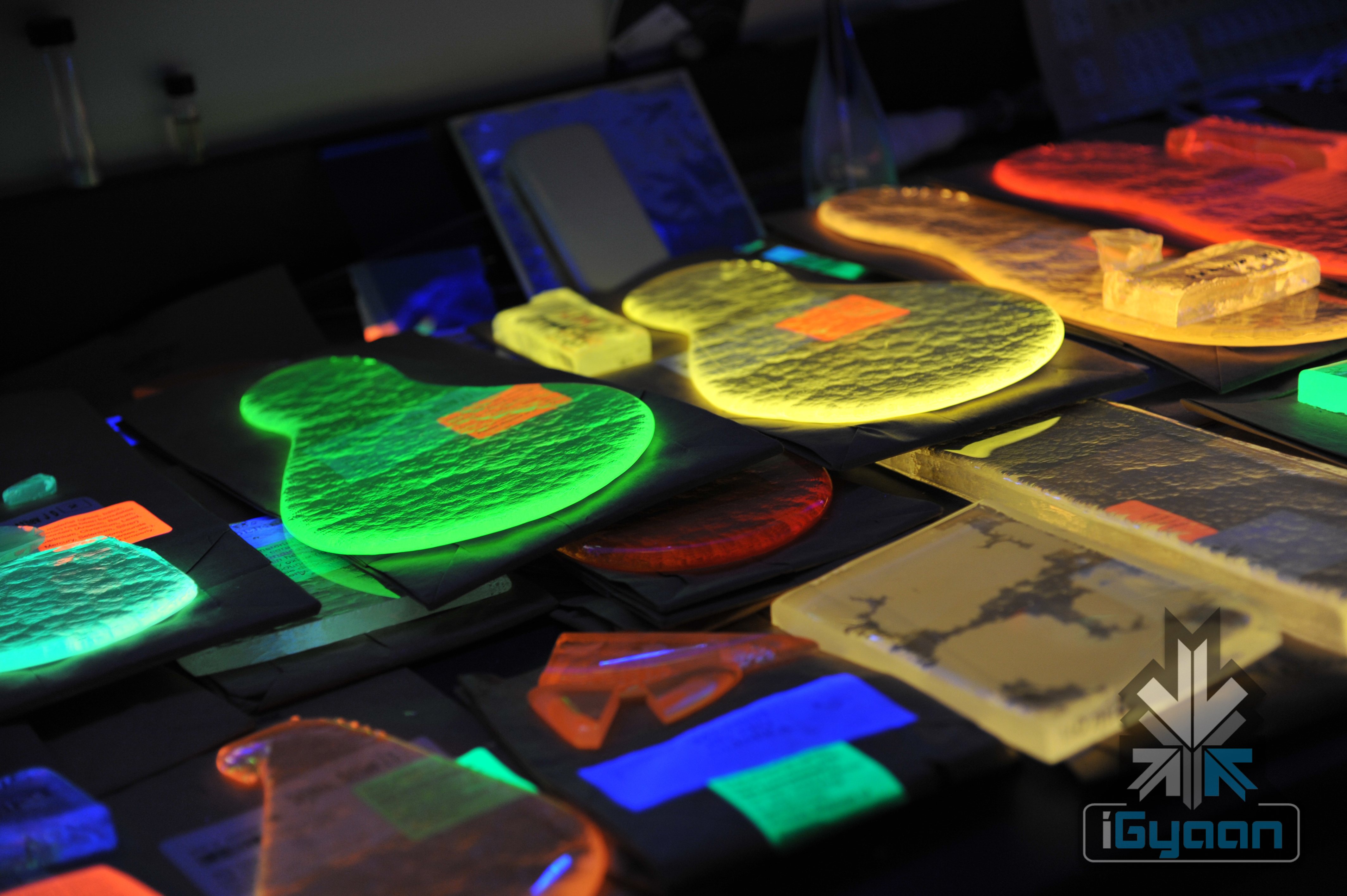
Situated in the city of Corning in the state of New York are the headquarters and research facilities of the world famous glass-maker, where Corning engineers are immersed in the future of glass. And while for most of us Gorilla Glass in itself is a magical creation, the team at Corning has a lot more up their sleeves.
Visiting the Corning lab and test centers is no joke. As one would expect, the high-security areas hold years of research worth billions of dollars and countless man hours.
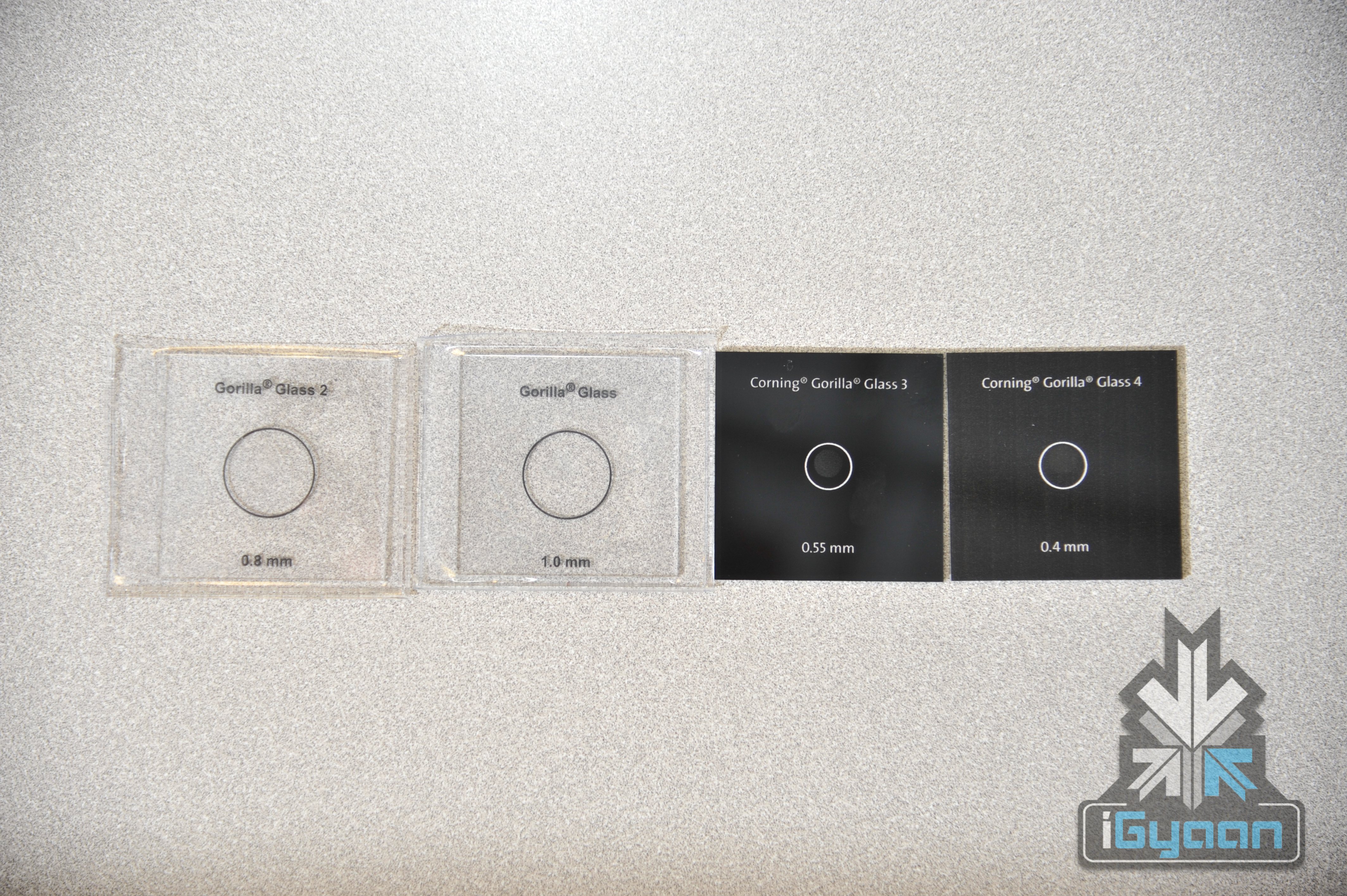
Corning’s journey in the glass industry spans much more than a century. In the year 1879, Corning worked with Edison to make the bulb-shaped glass for the incandescent light bulb. Fast forward to 2016 and you will find Corning Gorilla Glass specifically in many modern portable devices..
Gorilla Glass is made from a fusion draw process which was developed by Corning for the automotive industry. However, at that time, the glass technology designed by Corning and the fusion draw process turned out to be too expensive for an industry looking for a cheap solution, putting fusion draw on hold.
Corning decided to revisit fusion draw technology when a big manufacturer wanted to launch a smartphone in 2007 and needed a glass solution for a capacitive screen display. The fusion draw process was utilized along with an ion exchange process, which added compressive strength to the glass, helping it become resilient and resistant to breaks.
Corning develops various forms of glass even today, and Gorilla Glass is specifically meant for portable electronics. But it does not really stop there, as many applications for a light-yet-tough glass solution exist in our modern developed world. The technology is being used by architects for interior design, can be used by appliance manufactures and is even being designed into automobiles as part of interior touch panels, and windshields.
Corning also has improved the composition with each generation of Gorilla Glass. As the number increases, Corning is focusing on a specific customer need. Gorilla Glass 3 was designed to be more scratch resistant along with usual impact resistance and Gorilla Glass 4 was designed more to resist impacts from drops on rough surfaces.
Why Glass Breaks
One of the main reasons for glass breaking is the introduction of flaws on the surface of the glass. A tough single sheet of glass becomes vulnerable to cracking and breaking with the introduction of a single scratch.
Bend Test Gorilla Glass 4
Corning conducts tests on a daily basis to understand scenarios that could introduce flaws on the surface of the glass. Tests include tumble tests, scratch and bend tests along with concentrated tests like a steel ball drop test or a simple scratch test.
Today the smartphone industry is fighting to create slimmer phones, and the glass-maker is constantly under pressure to make its glass slimmer and slimmer. Reaching a 0.4mm thickness already with Gorilla Glass 4, Corning is expecting the market to be even more aggressive in demanding a thinner front glass solution.
While most of the components on the spec list of the best new smartphone tend to be from one manufacturer or another, it seems that the real innovation may lie more with component manufacturers like Corning rather than smartphone manufacturers who seem to just be putting it all together.
Under the UV light
While we are not sure how long it will take for a form of glass which will “never break” to be made, it is very interesting to see car companies take an interest in Gorilla Glass for their windshields. The technology has not only come full circle and achieved its original purpose, but it has found a better implementation in our daily lives. The Gorilla Glass name has become well-known in the glass industry and with smartphone and tablet owners globally
Samsung on the first day of the Mobile World Congress 2016 announced its new flagship, the Galaxy S7 and the Galaxy S7 edge phones to the world. While on the outside the phones might look very similar to their predecessors, but from the inside, the S7 series may well just be a much-awaited leap towards the future of mobile gaming.
With the Galaxy S7 phones, the company wants users to “rethink what a phone can do”. It has a vision of making mobile games look and feel as much like desktop games as possible on the Samsung Galaxy S7 mobile platform. This is an ambitious project, to say the least, and quite frankly there’s a huge difference between saying “we take games seriously” and delivering on such tall promises, but a quick look at the fancy tech that the Galaxy S7 series comes packing on both the hardware and software front sheds more light at what really Samsung has in store for mobile gamers across the globe.
Optimized for Performance
The core requirement for any graphics intensive game is raw processing power at the CPU and GPU’s end. The Samsung Galaxy S7 series phones depending on the variant availability come with the Qualcomm Snapdragon 820 SoC or the Exynos 8890.
These brand new SoCs will provide more than 30 percent faster CPU processing and more than 60 percent faster GPU processing capabilities when compared to the last generation of chipsets on the Samsung phones. The SoCs on the Samsung S7 series phones are paired with 4GB of RAM for seamless performance, and the Galaxy S7 and S7 edge as a result, have decent firepower to run games available on the Play Store.
These SoCs as the company claims are going to be great at power efficiency and that working in tandem with the 3000mAh and 3600mAh battery packs on the Galaxy S7 and S7 edge will mean longer gaming sessions.
Water Cooled Systems to Rival Desktop Machines
Phones running high-end multi-core CPUs are notorious for running a bit too hot under stress, and as we know, heat is the ultimate enemy of any gaming machine. No matter the exalted processing capabilities of a phone, or beefy battery packs that they come with, if it runs hot, you game not.
Samsung in its bid to fight this menace has come up with a system that’s not new to bigger desktop machines but is groundbreaking for mobile devices. The Galaxy S7 and S7 edge are equipped with a very thin sealed copper liquid based cooling system, enabling these phones to run cool and fast without facing any CPU or GPU throttling. The system keeping the internals of the phone cool will also result in better battery life.
Vulkan API
Mobile phones benefiting from the great advancements in silicon technology over the years have become smaller, thinner and at the same time grown more powerful. The latest generation of mobile phones bring with them specs which boast of computing power at times even surpassing that of the last generation consoles such as the Xbox 360, and PS3.
Though at the hardware end the industry has been able to cram in such advanced hardware inside the miniature chassis of these phones, but on the software end, owing to many bottlenecks the industry has not been able to put the hardware at hand to optimum use and recreate the truly immersive gaming experience that is often seen on desktop systems and consoles. With the Galaxy S7 Samsung is taking the first step at changing just that.
Galaxy S7 and S7 edge are the first smartphones to utilize Vulkan: the next generation graphics API. The Vulkan API was developed by the Khronos Group using the AMD’s Mantle API as a base.The switch to Vulkan API in the future with supported games will offer users significantly better performance and lesser CPU usage in the form of increased distribution of workload on the multiple cores of the chipset. Multi-Core processing will also see the phone being far more energy efficient at the same time.
This switch to Vulkan API will further allow processing of games utilising the full power of the Octa-Deca core CPUs, in comparison to the current generation OpenGL ES API which only allowed processing of games using a single core. This will result in more graphic intensive games making its way to the mobile platform, and in real life situations unlock the true potential that mobile devices in our hand hold inside them.
Game Launcher
https://www.youtube.com/watch?v=dnzQP8MJTCk
Just to show Samsung really cares about gaming and gamers on the Galaxy S7 platform, the South Korean tech giant has brought with the Galaxy S7 and Galaxy S7 edge an all new app which it fondly calls the “Game Launcher.”
It is essentially an evolution of the ” Game Tuner” already available on the last generation S6 devices, and comes with a suite of utilities and nifty tricks for improving user experience while gaming on the Galaxy S7 devices.
All games on your Galaxy S7 device will automatically be added to the Game Launcher folder and will be accessed from there for what Samsung claims will be a “better experience”, and that’s indeed what the Game Launcher really does.
A new “No Alerts” mode is added which tells the S7 to suppress all notification pop-ups so you can play uninterrupted without the fear of a notification of a SPAM mail ruining your immersive gaming experience. The Game Launcher also allows the user to lock the Recent and Back keys so that accidentally kicking yourself out of a game can be avoided.
The Game Launcher feature further allows the user to maximize game-playing time through instant downloads, shortcuts and power-saving options. In addition, it also helps you to take screenshots, record your game, scores and rankings, and share them with friends.
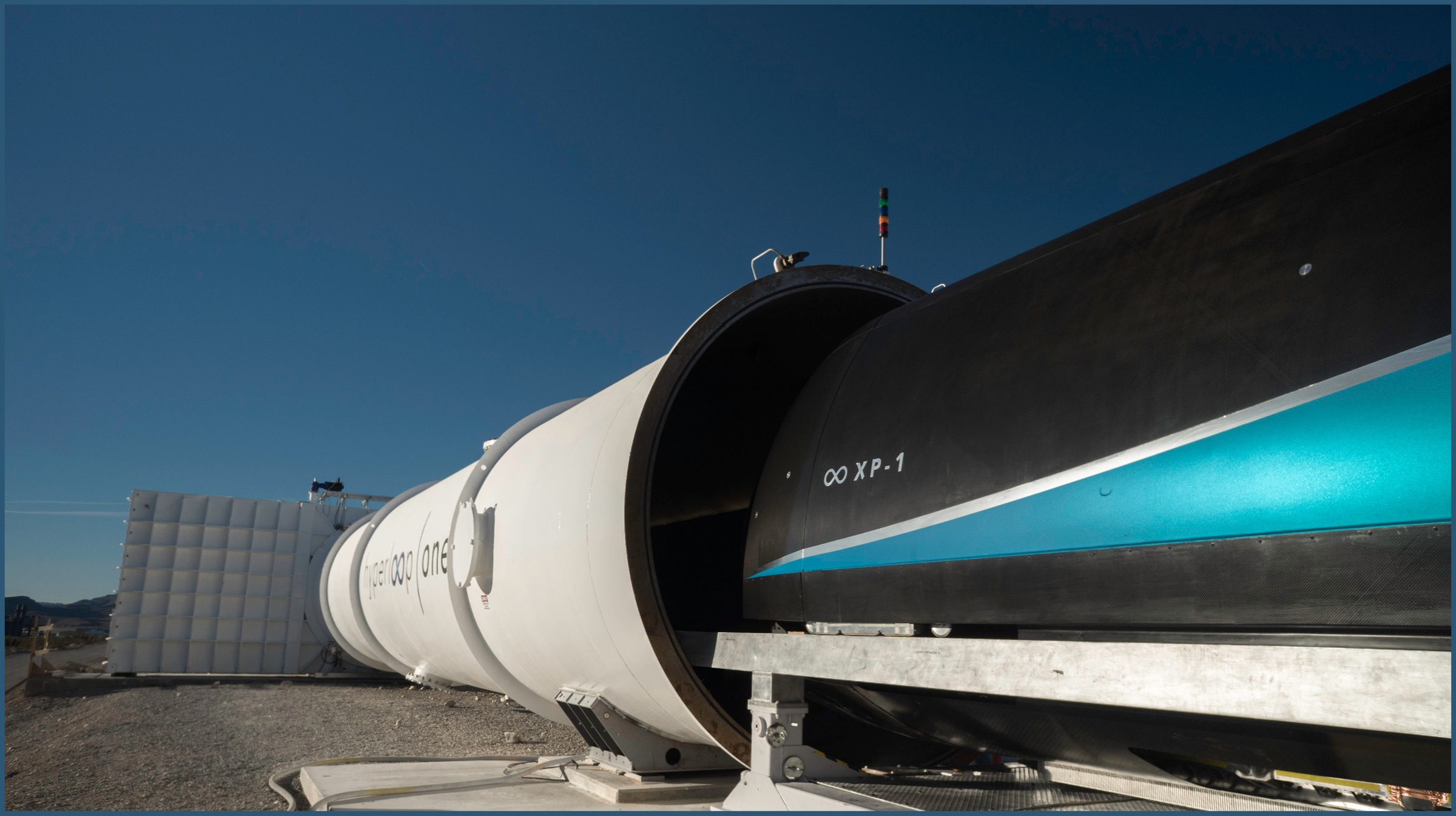
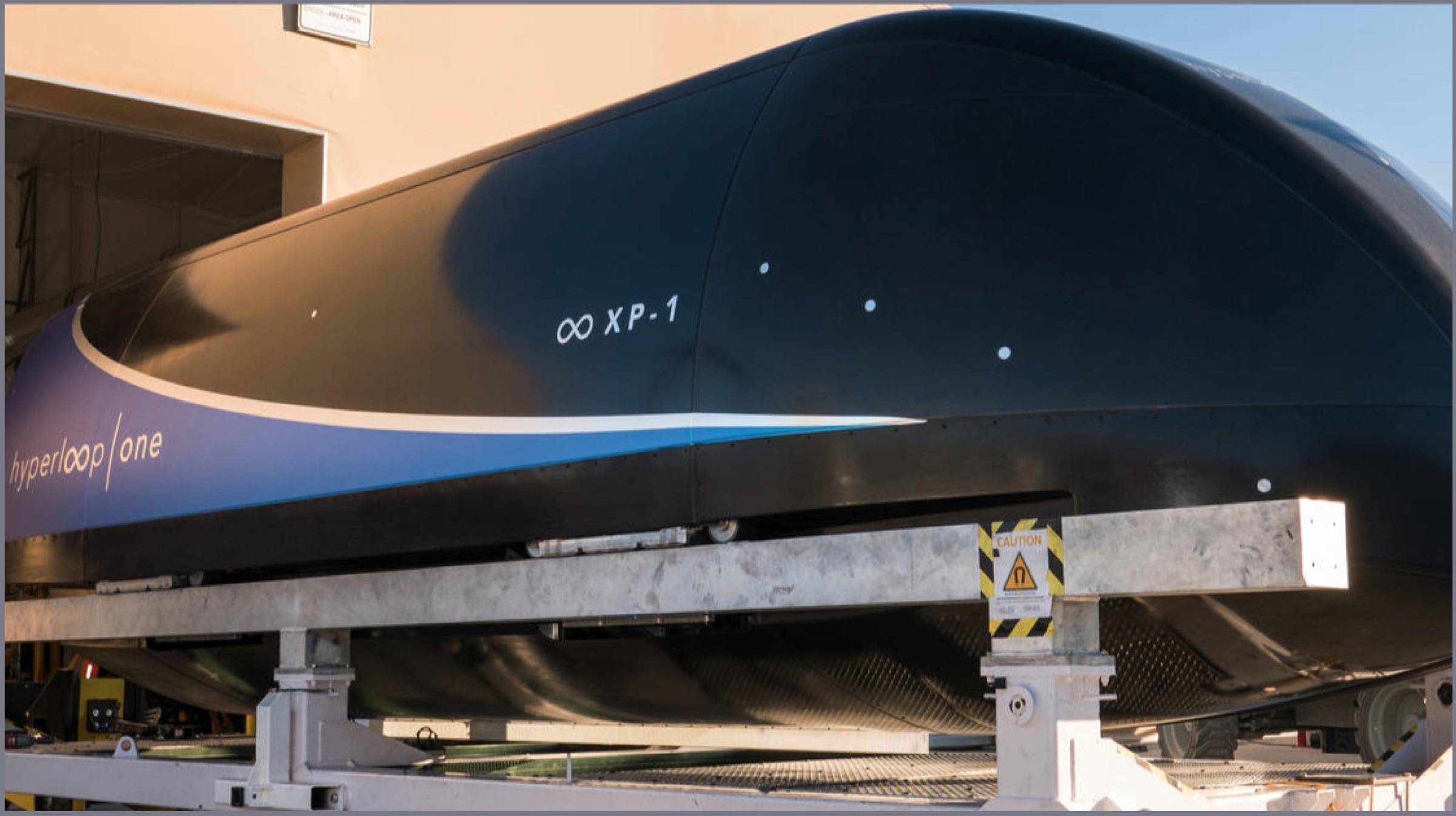 The concept of the Hyperloop was promoted by Elon Musk, CEO of Tesla, SpaceX and Neuralink. Basically, the Hyperloop works by impelling the wheel-less pods through a tube which is maintained at near-vacuum or extremely low pressure. It ensures minimal air resistance and friction, implying that the power needed to propel such a pod is reduced massively. Magnetic Levitation or MAGLEV is the technology that ensures ‘zero contact’ between the pod and the tracks. As stated by the company, the pod glides at airline-like speeds for long distances, thanks to very low aerodynamic drag. The Hyperloop is currently being funded by organizations like DP World, Caspian VC and the Virgin Group. Till date, the project has raised almost US$295 million.
 Quite a fair amount of concerns surround the technology. For instance, questions arose regarding the construction of the tubes and the safety issues that accompany them. As per the company, Hyperloop is completely weatherproof, with tubes that can withstand almost 100 Pa of pressure without getting punctured. The tubes are made out of thick strong steel, and can safely stand strong against any forms of weather disturbances. In the rare case that there is any leak in the tube, a power boost would get the pod to the next station. Environmental concerns are not going to be a problem, the company states. It reports that carbon emissions are almost zero and the only sound you’ll hear from the pod travelling through the tube is a silent ‘whoosh’, something that you might hear when something fast passes by your ear.
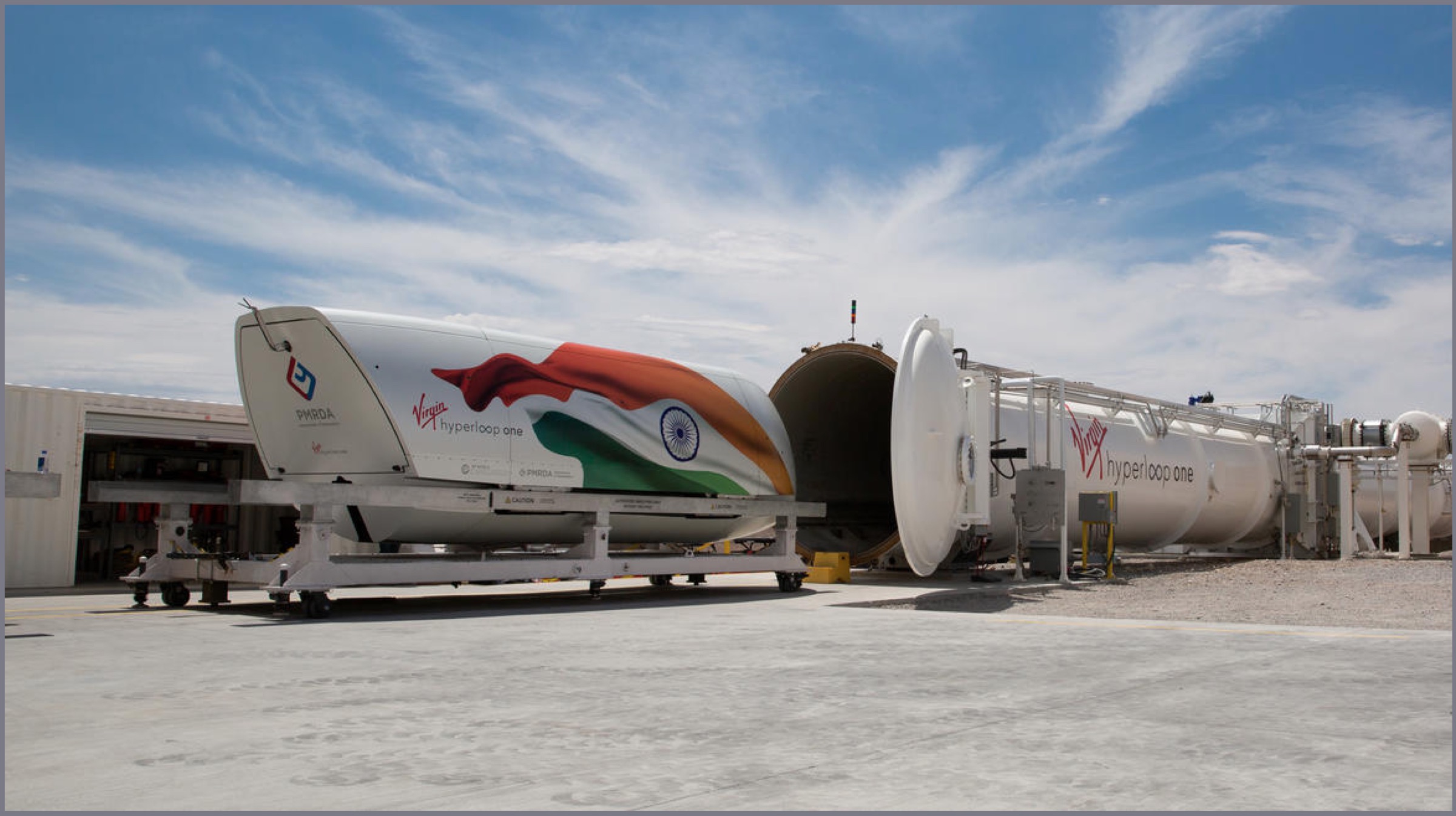 The Hyperloop ‘one’ completed its first test ride successfully in July 2017. Currently, the company is initiating developmental stage oriented projects in India and Ohio. In July 2018, the Indian state of Maharashtra expressed their intent to construct a hyperloop route between Mumbai and Pune, which would enable a pod to cover the distance in under 25 minutes. Phase 1 of the demonstration is already underway, with the company already constructing experimental tubes and planning to complete a 7-mile (11.2 km) long tube soon.
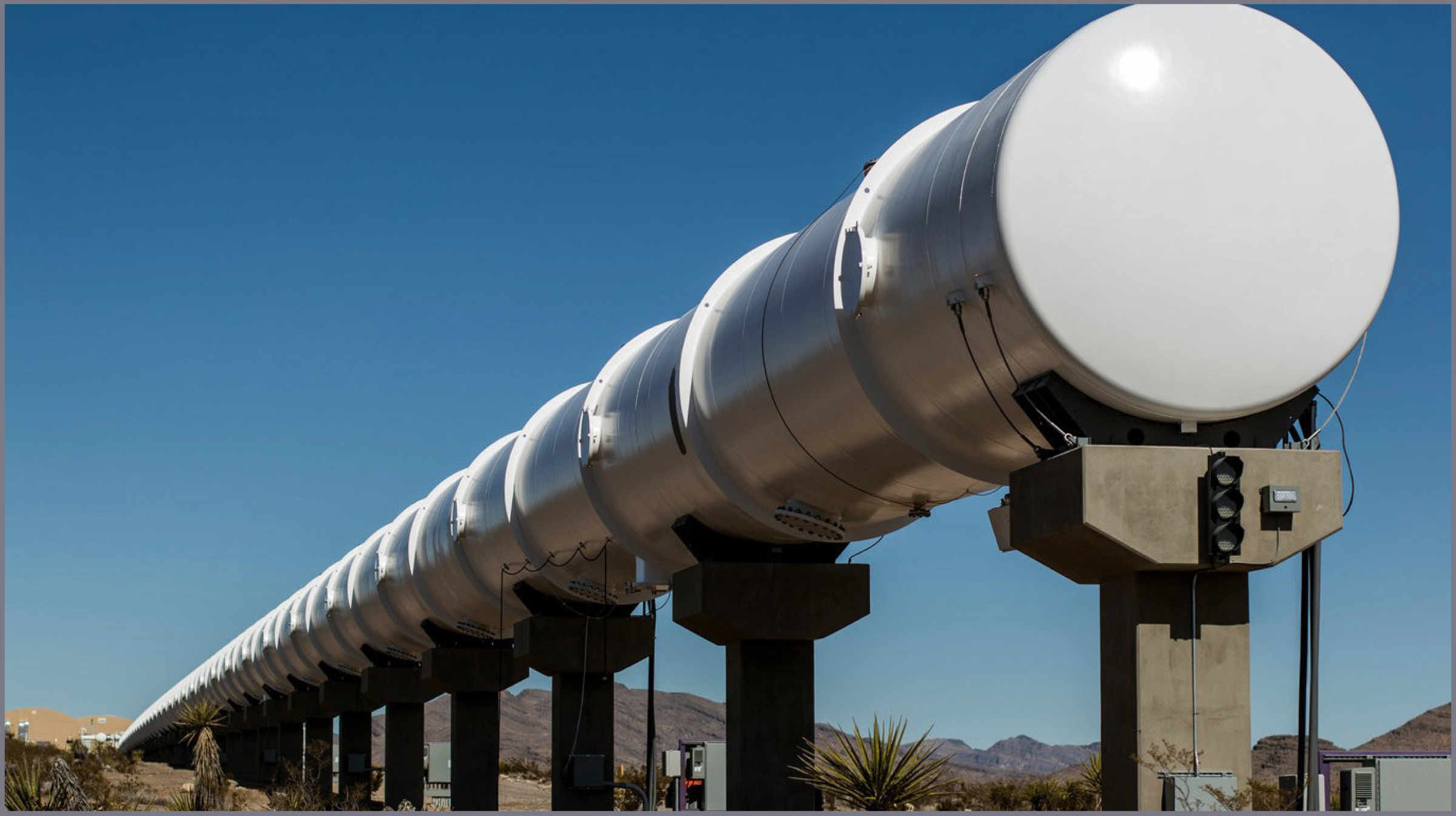 The company believes that it will achieve extensive Hyperloop connectivity in different cities across the world by mid-2020s. India based DGWHyperloop suggests a Hyperloop corridor between Mumbai and Delhi, that would include the cities of Indore, Kota and Jaipur. A lot of certifications are still pending for this futuristic mode of transport, the company claims. Apart from transporting people, it can also make transporting goods faster than it ever was. Logistics will benefit a lot from the Hyperloop network. The company assures that once Hyperloop is on the roll, the tickets will be affordable as far as the pricing is concerned.
  Also Read: Tesla Will Unveil The Model Y SUV On March 14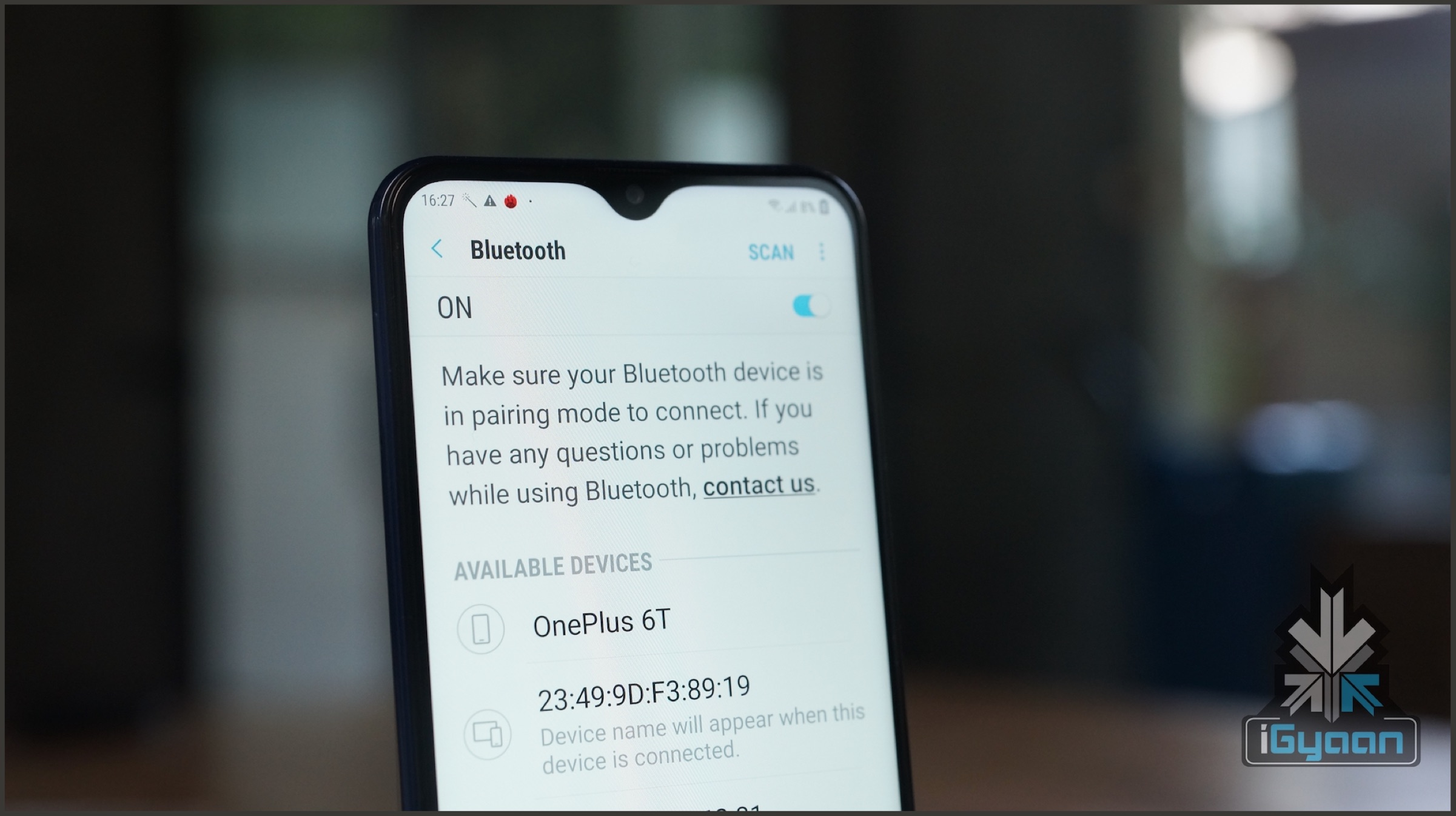
 After a long series of product integrations and new versions being rolled out almost every year, Bluetooth v5.0 was announced in 2016. By the next year,
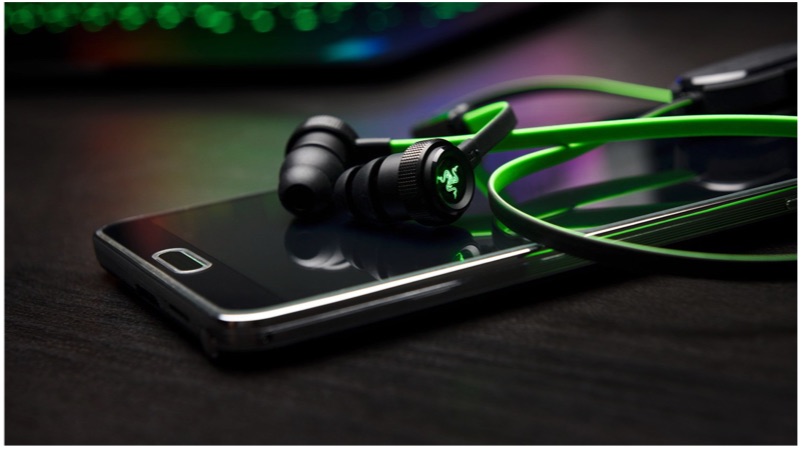
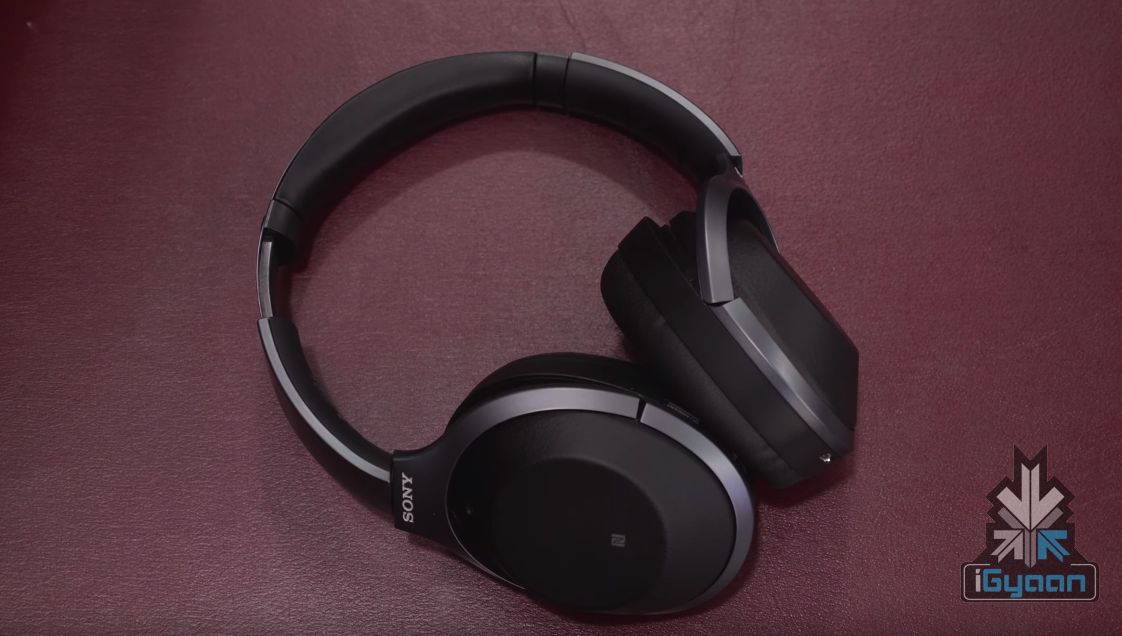 Bluetooth v4.0 boasted of a higher range of usage and better power management. It also introduced the Low energy protocol, which was highly appreciated by people who used Bluetooth headphones for longer period of times. Bluetooth 4.1 took this a step further. It introduced a power plan for Bluetooth devices that automatically adjusted the power consumption of the device depending on range and usage. Sure, 4G LTE and other communication technology interfered with its frequency bands, but updates have been introduced since then to get rid of that problem.
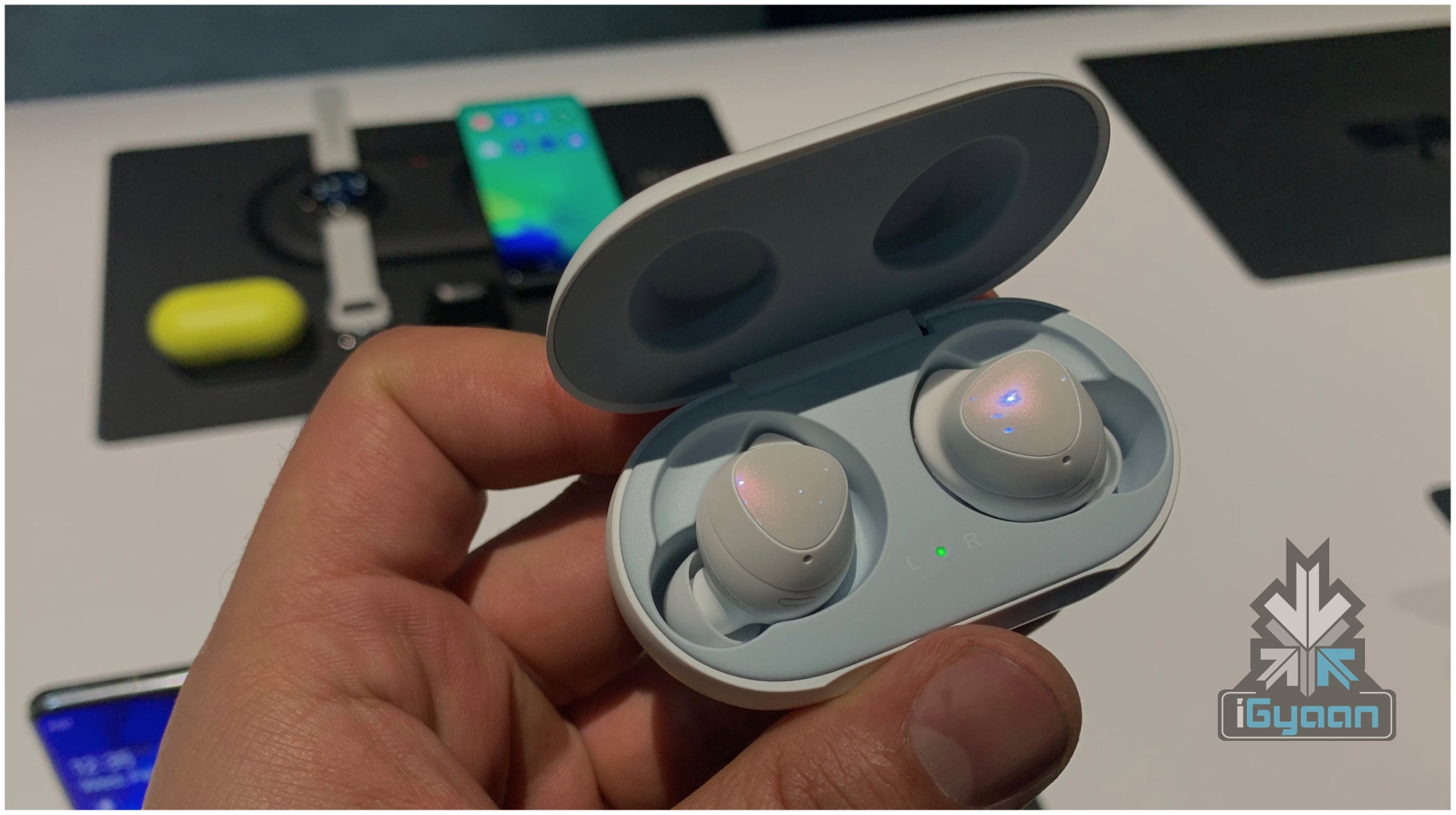 Bluetooth 5.0 is the latest iteration in the series as of now. First announced in 2016, v5.0 was specifically designed to render a lossless and secure communication channel between devices. With twice the connection speed of Bluetooth 4.0 and 4 times the range, it is very responsive as compared to the previous versions. Also, a larger amount of data can be transferred using an increased message broadcast message size.
 Also Read: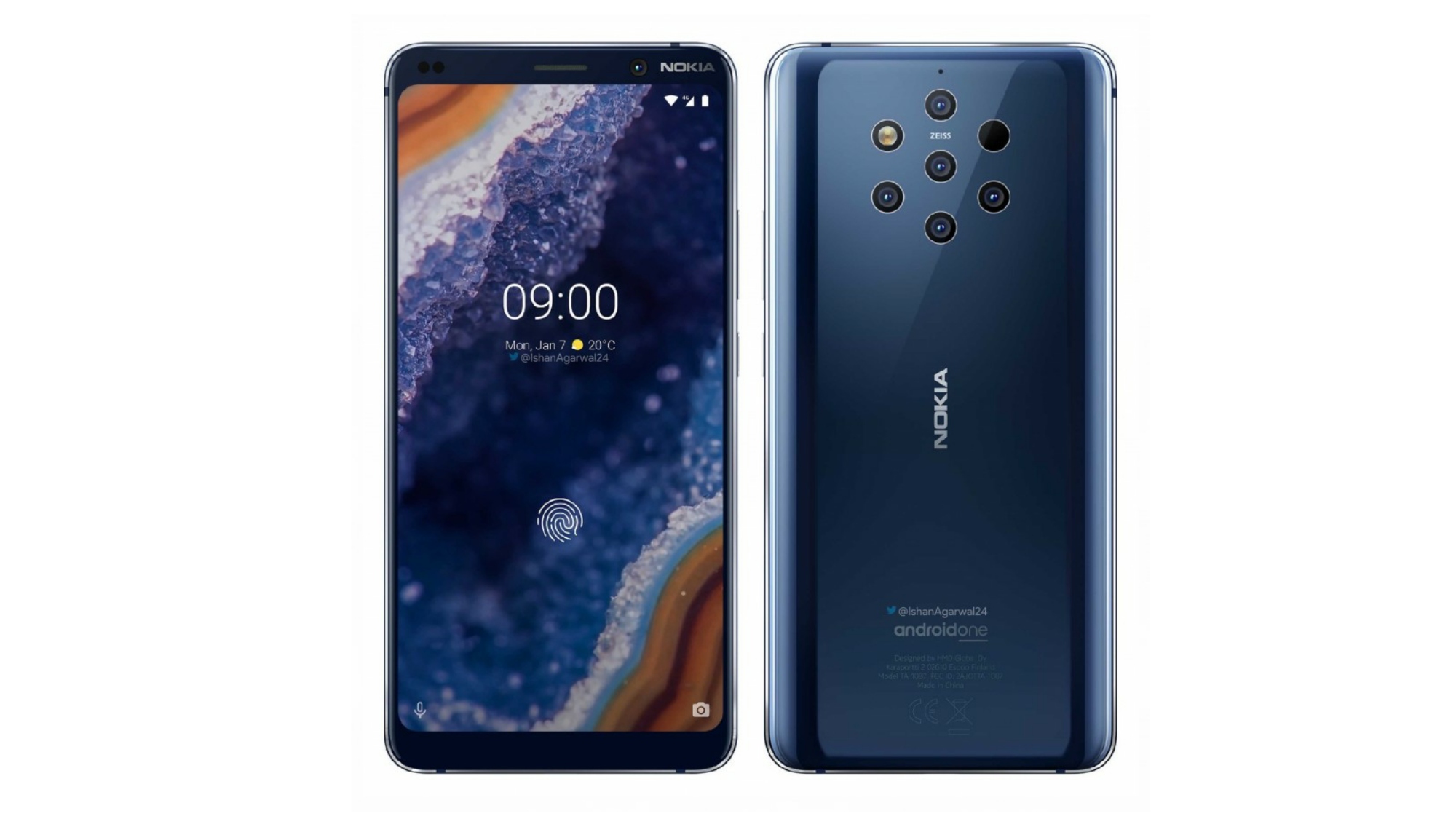
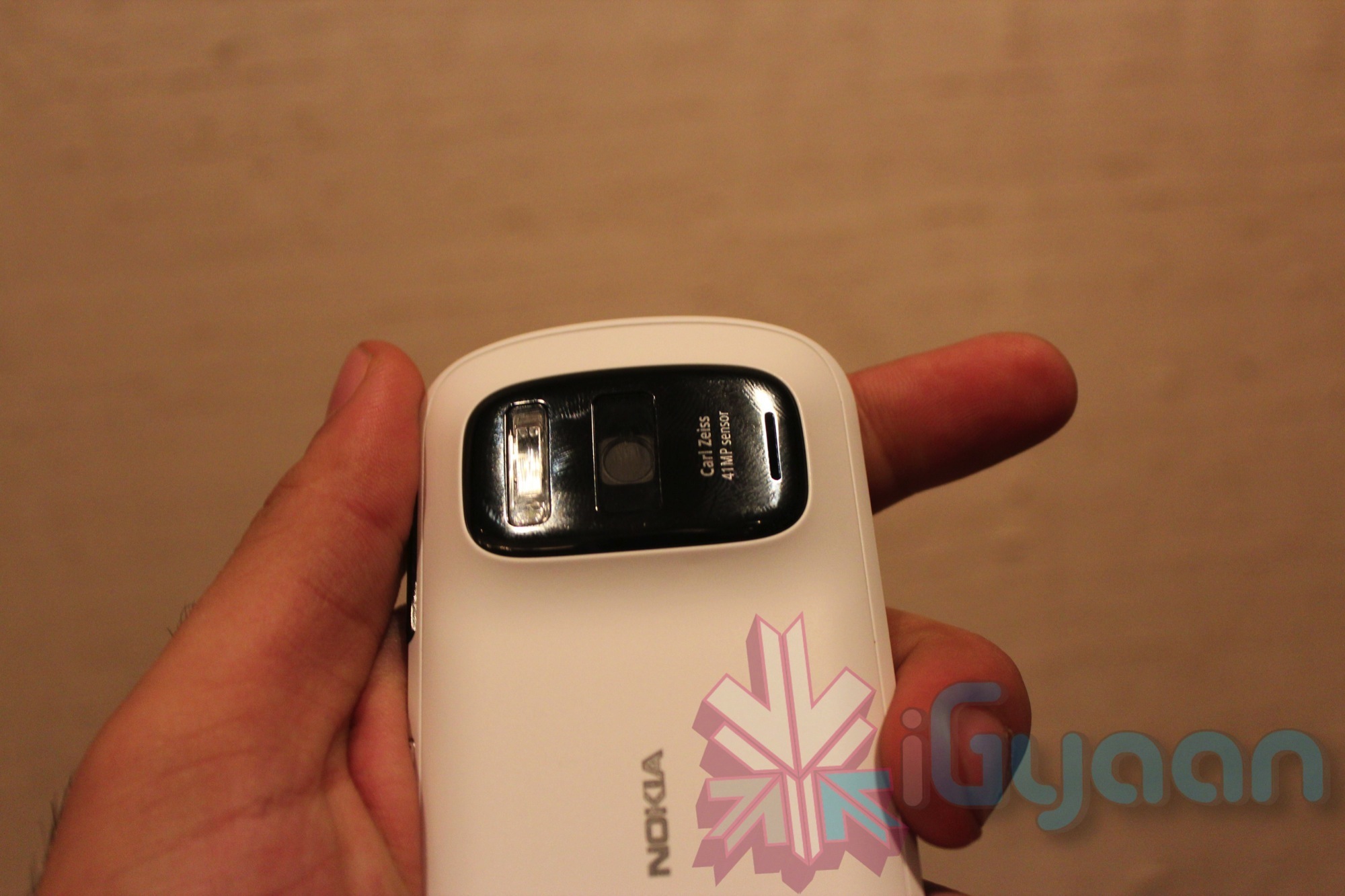
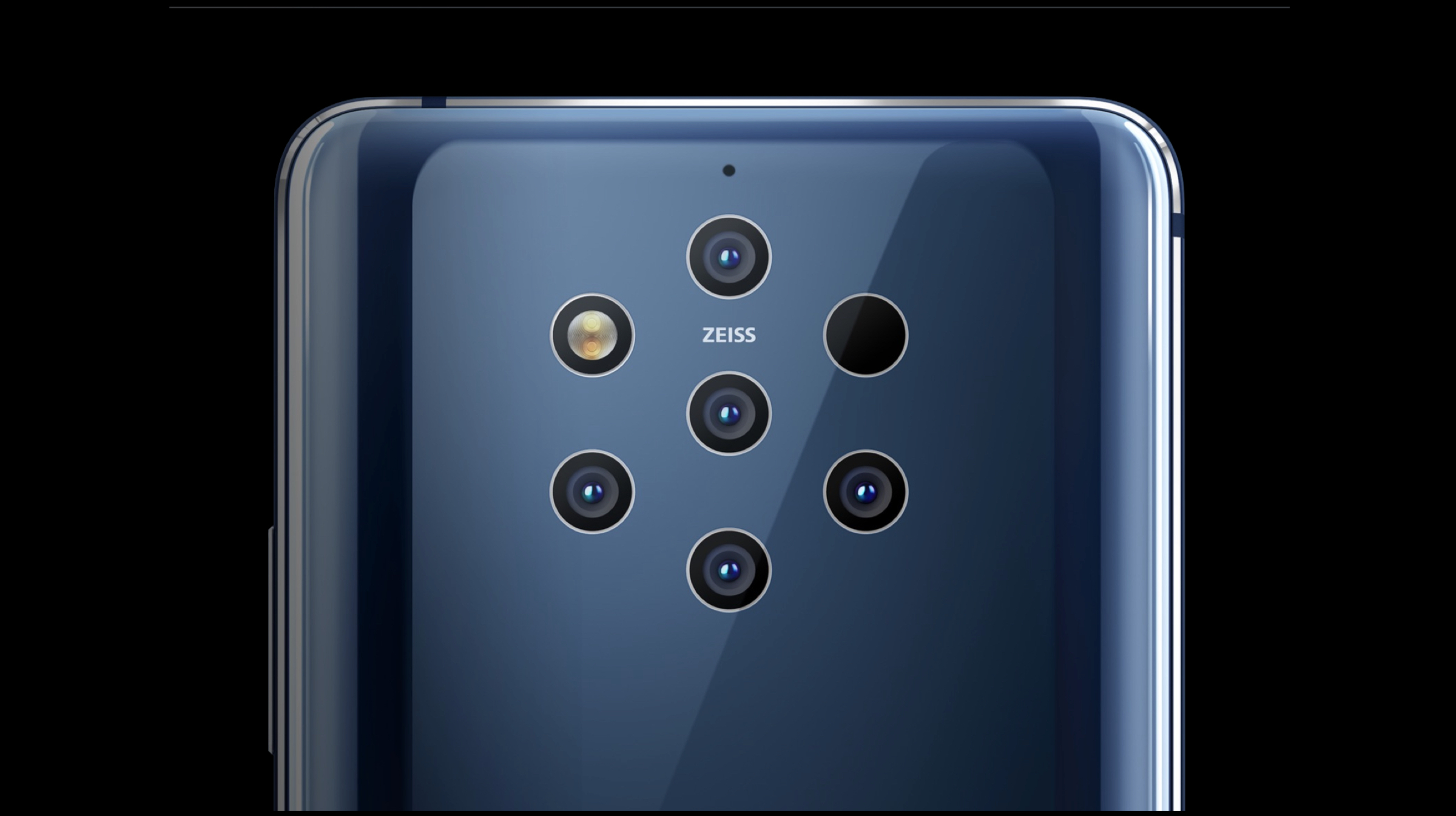

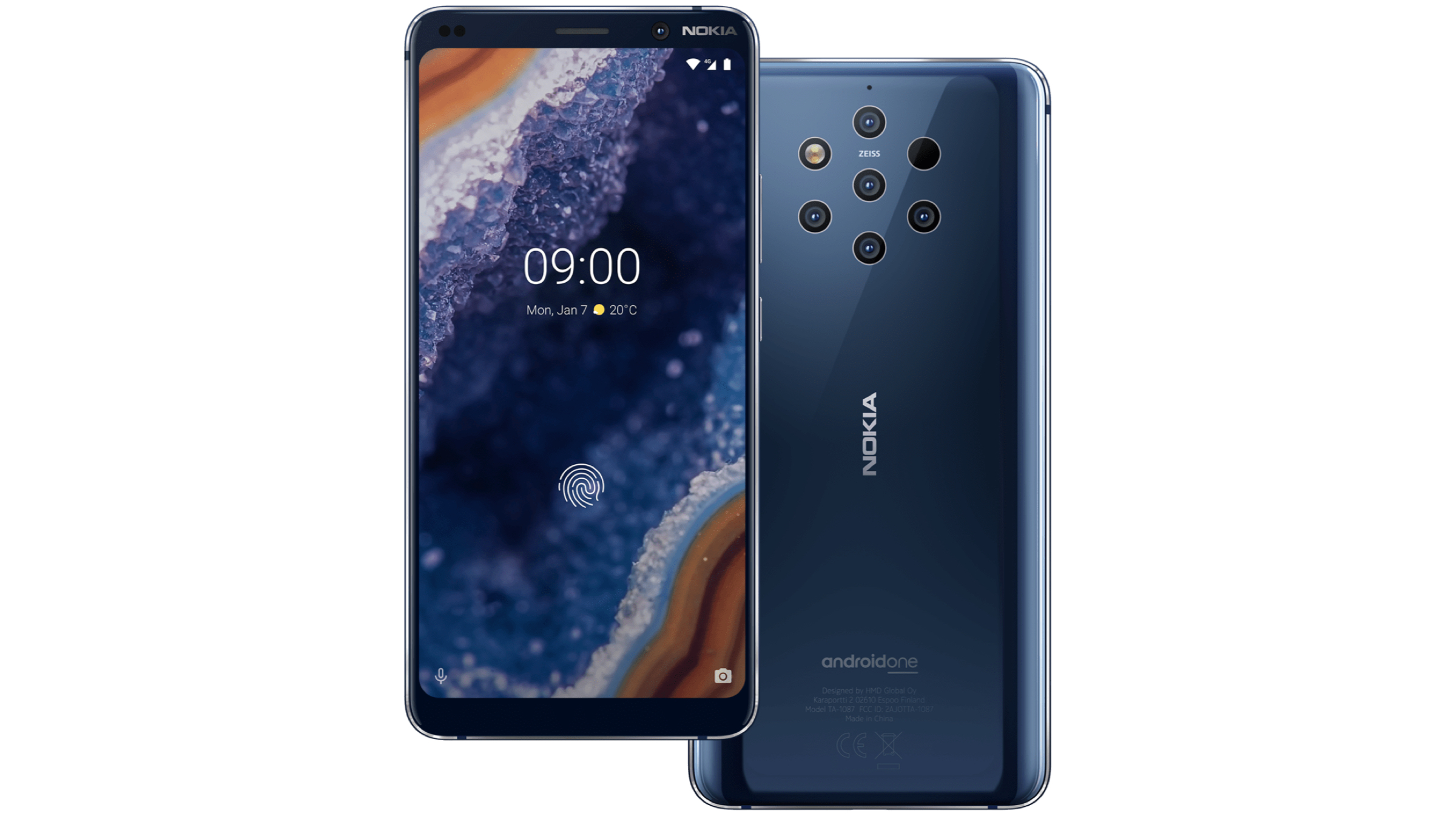
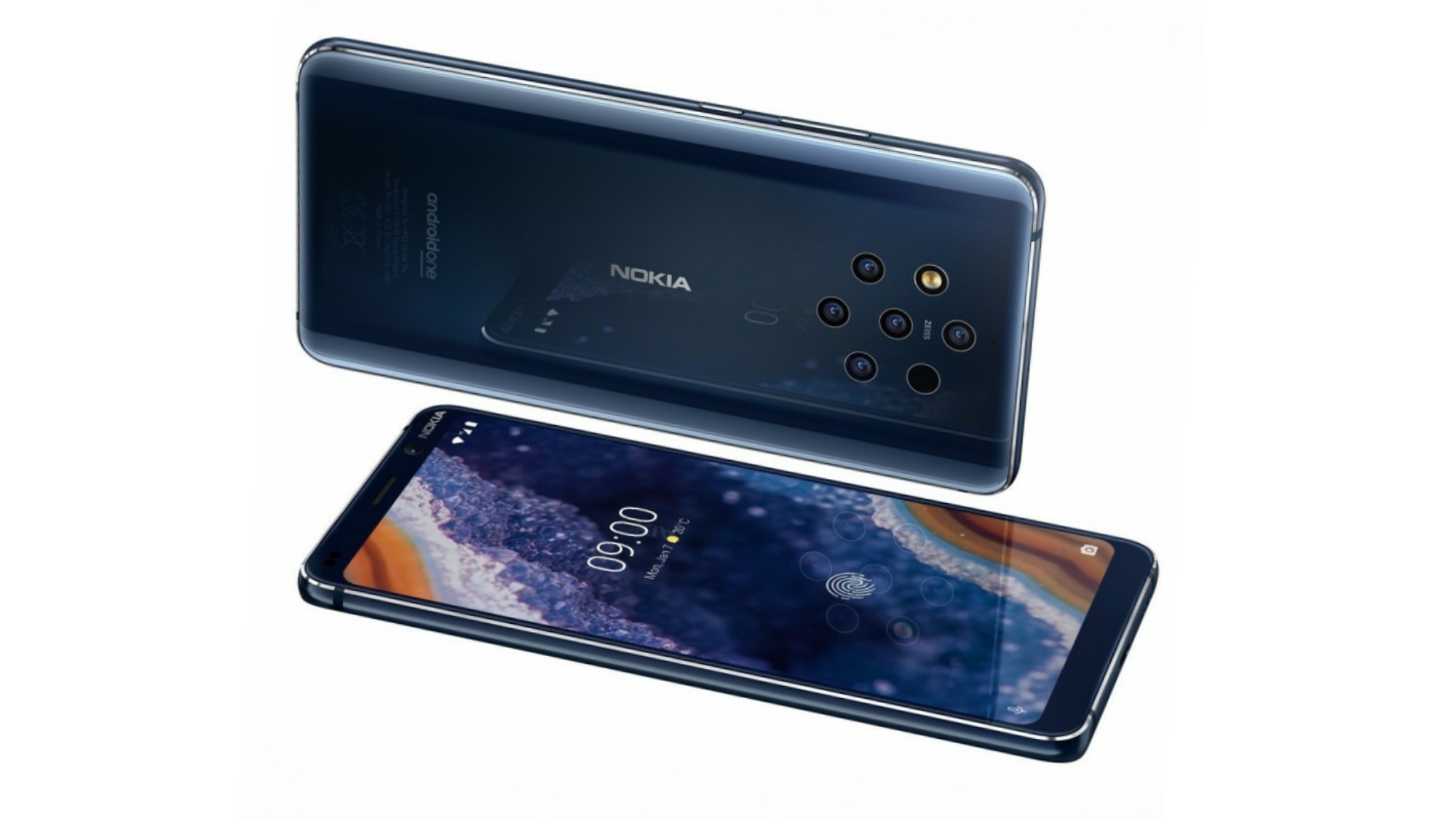
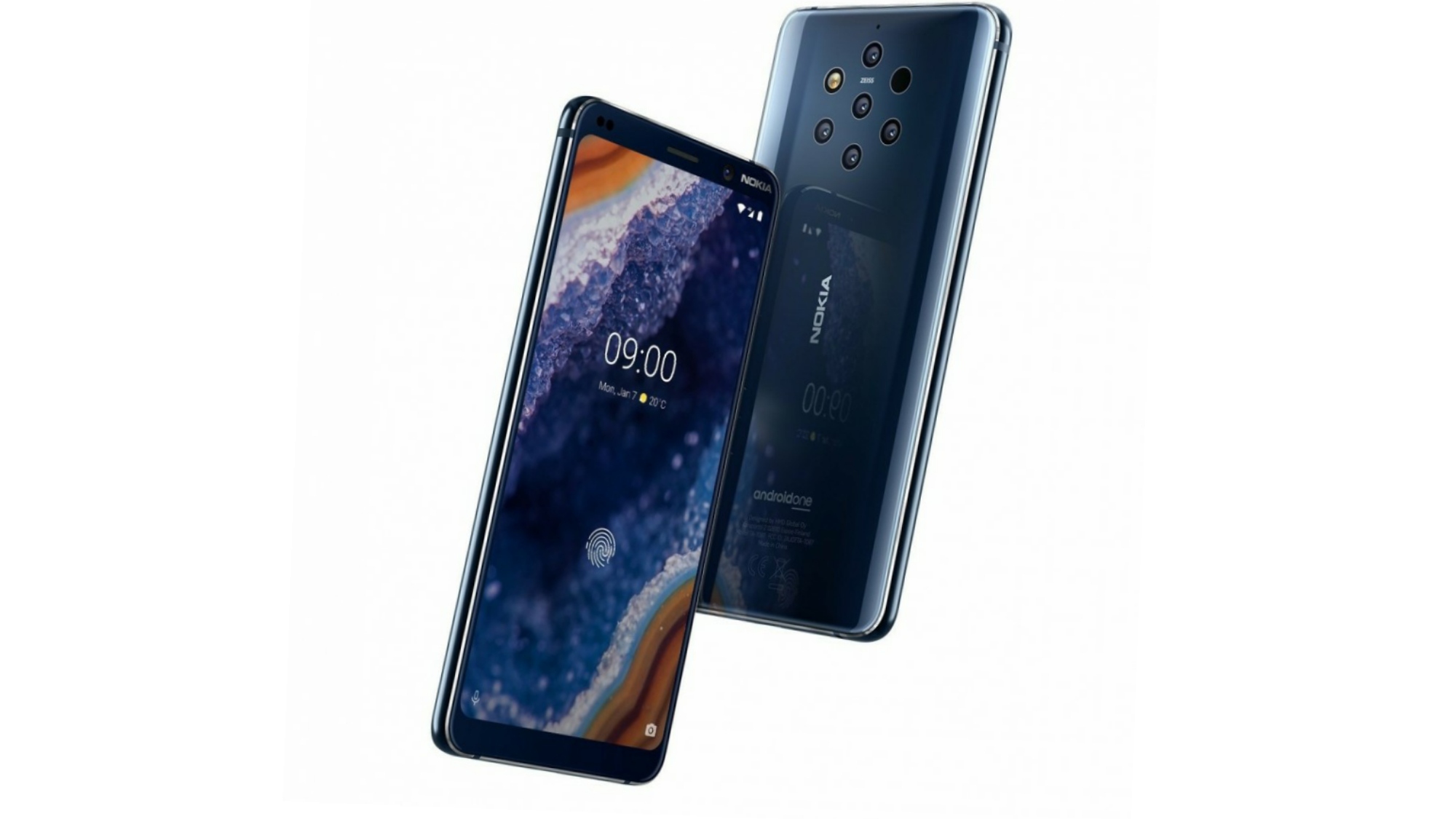
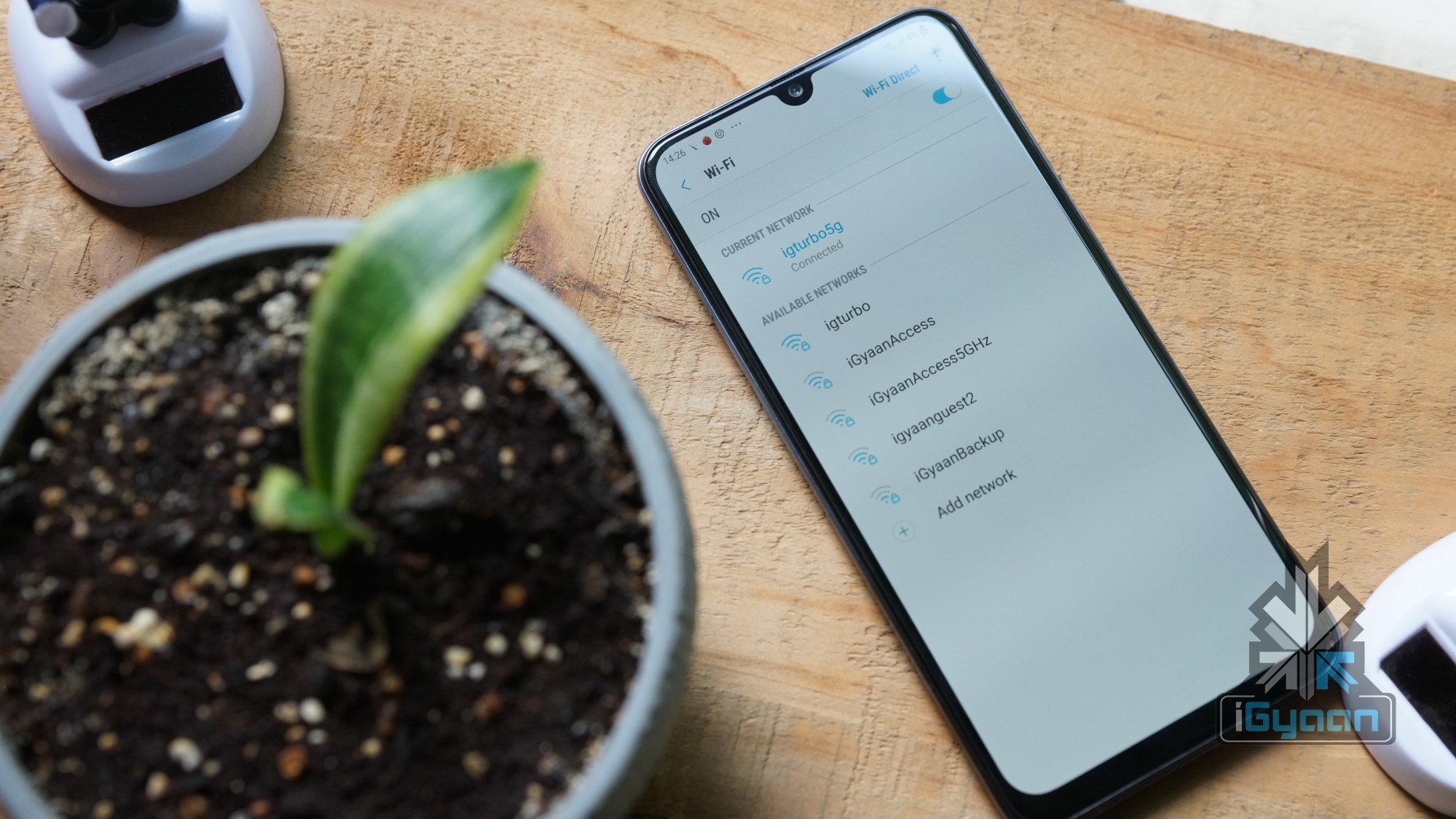
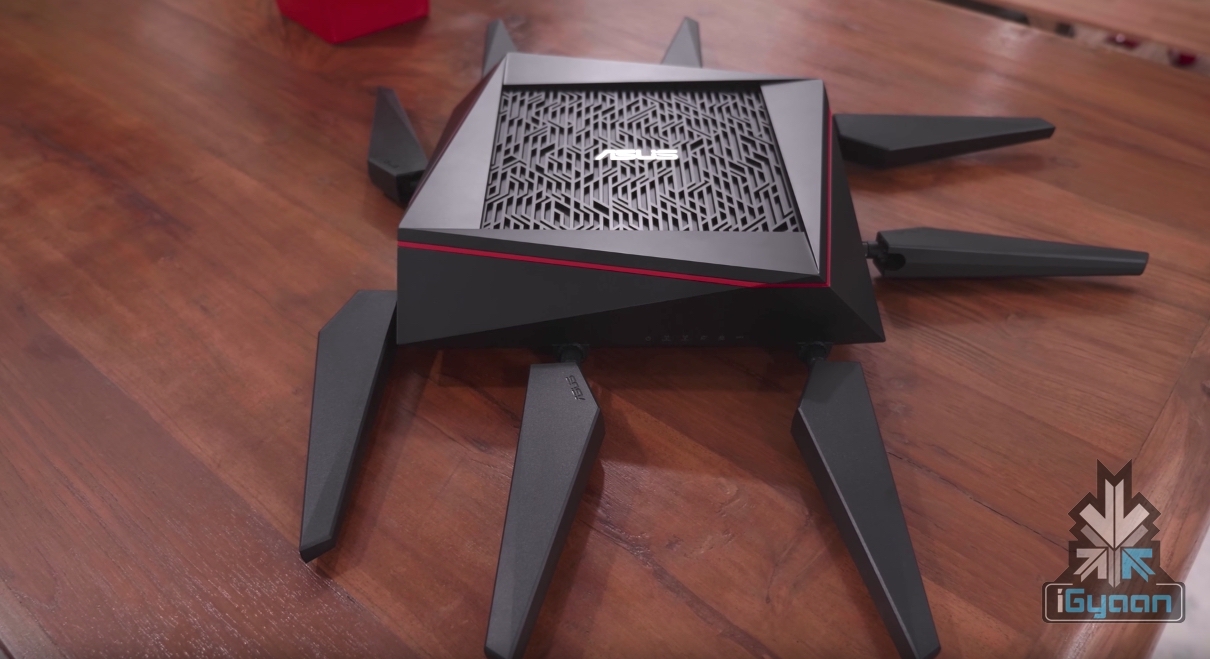
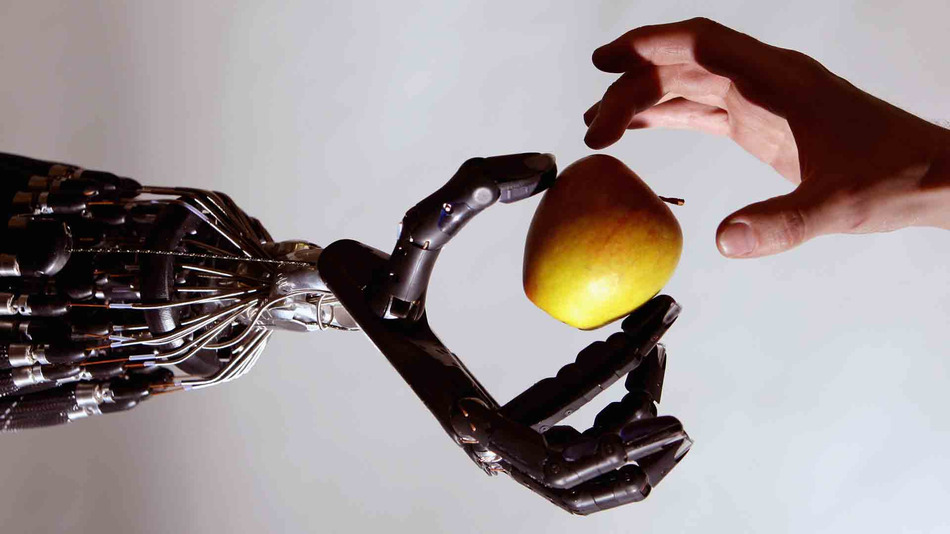
 We are enabling AI enabled machines to make decisions on our behalf all the time. It is customizing our music playlists as per our taste because we are too lazy to do so. Applications are available which can scrutinize your resumes and documents, suggesting necessary changes which are actually for the better. Machine learning algorithms browse through the pictures on your phone, looking for patterns that help them to filter out your best images. And all this happens in a matter of seconds. We gape with surprise at such instances of technology. We are impressed because our lives are becoming easier. Little do people realize that an algorithm which can shuffle through thousands of pictures to pick a perfect image can do much more if it’s given the necessary amount of time.
  The question that arises in such a case is very simple. Where does this stop? Where do we set the limits for the applications of Artificial Intelligence? Should we do it as per our convenience or should we have larger interests in view? Elon Musk, CEO and Founder of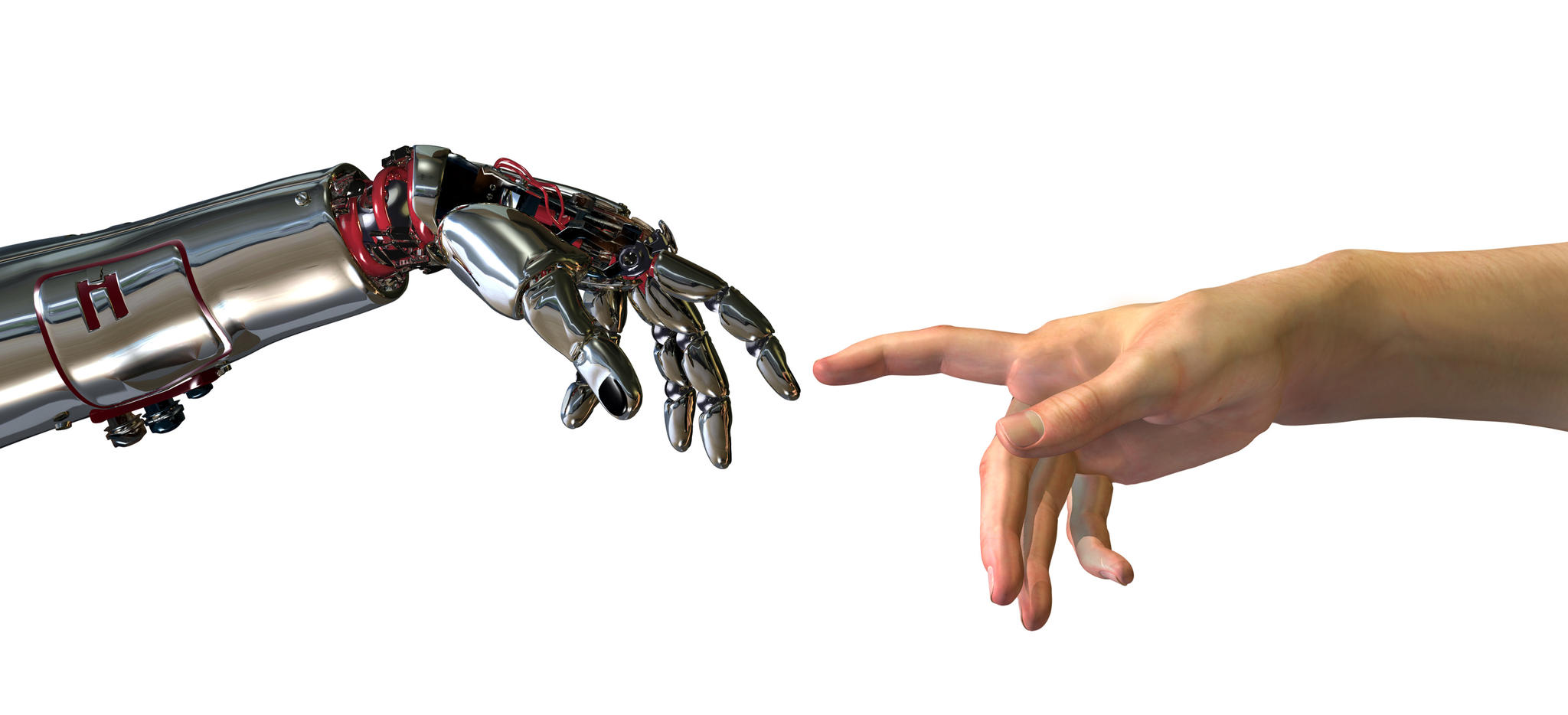
 Mentioned below are some of the major risks that accompany fully autonomous systems.
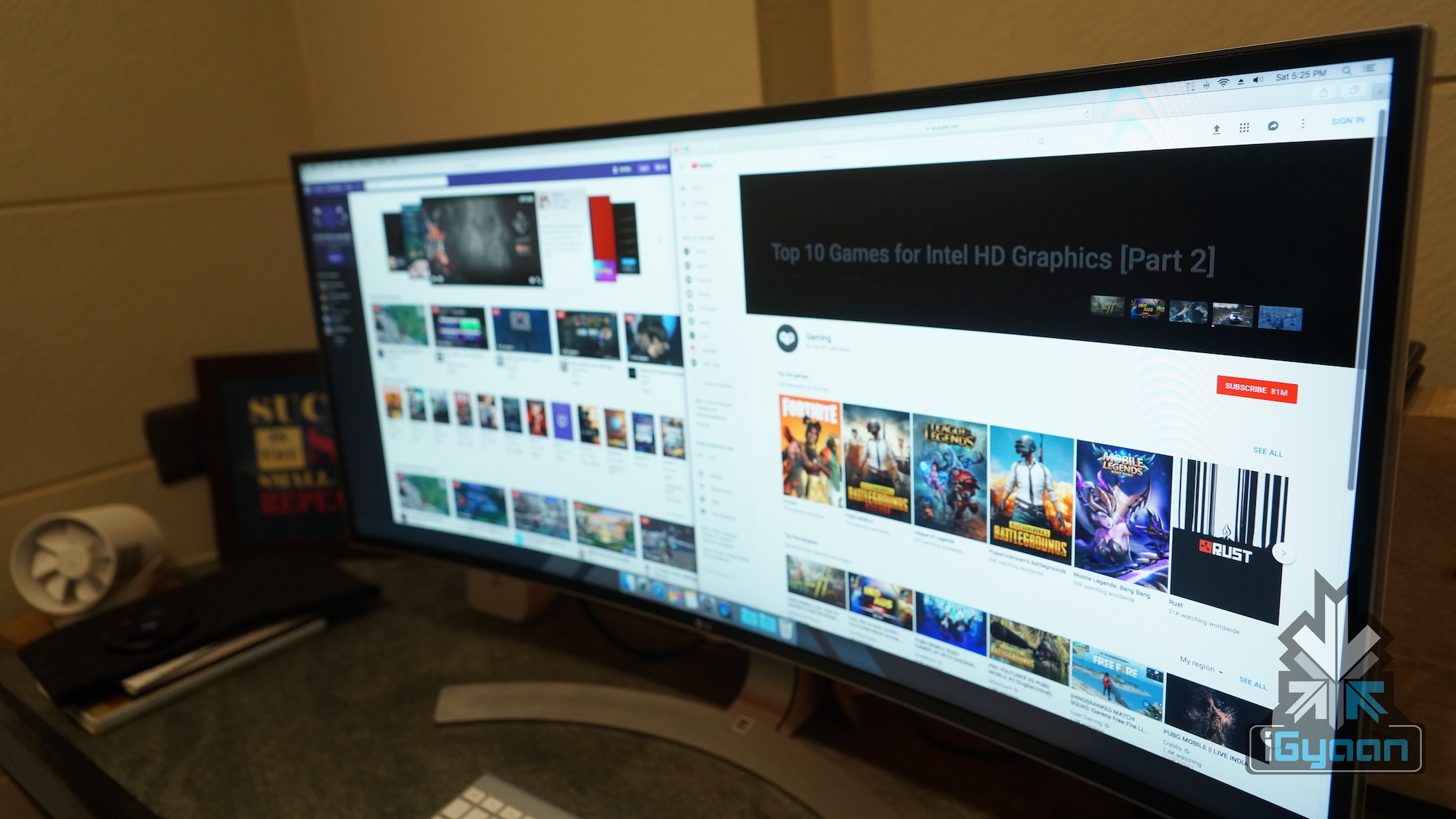
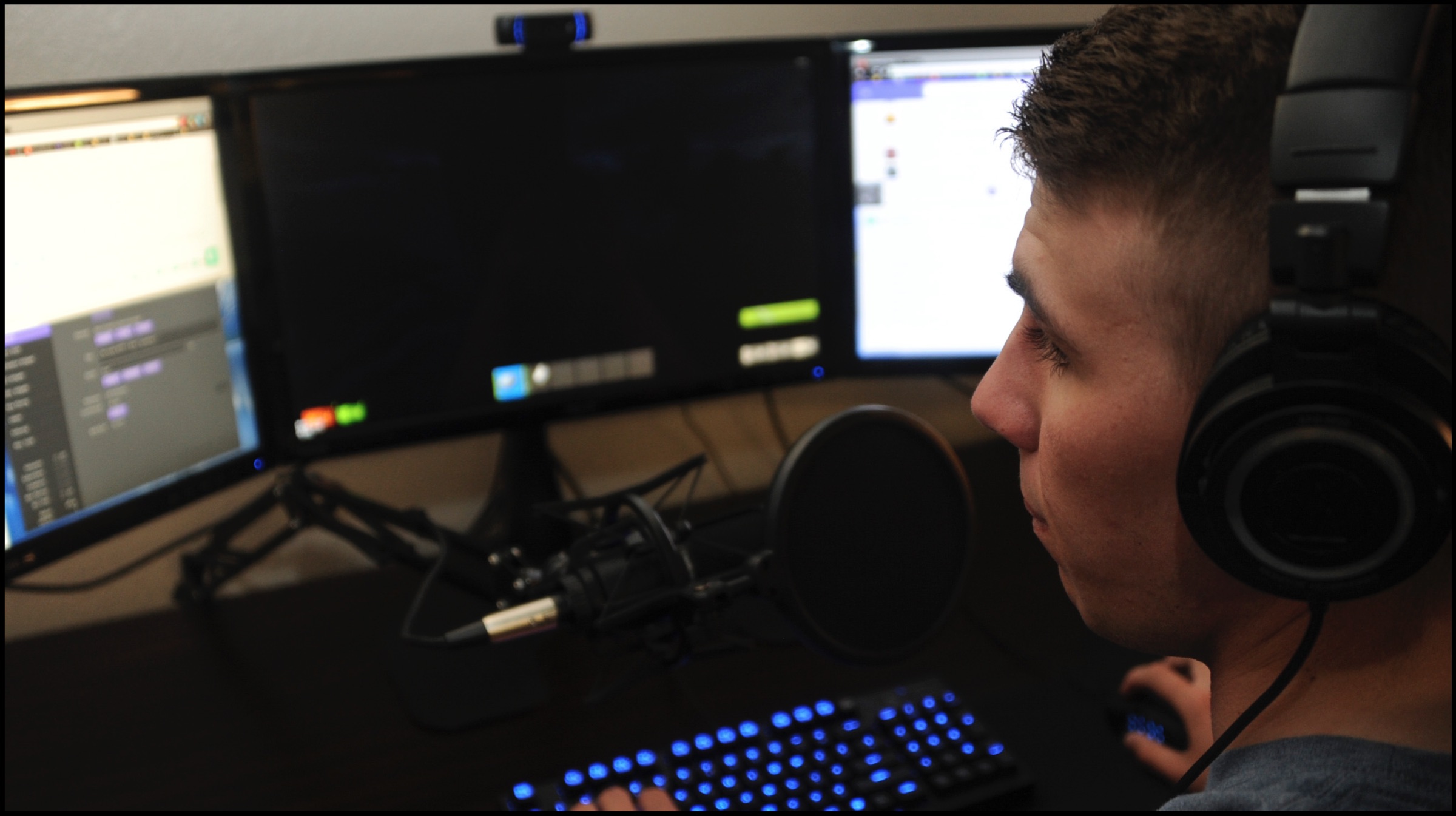 The first platform that comes to our mind when we talk about ‘game streaming’ is undoubtedly Twitch. Launched in 2011, a lot of factors contributed to its success. It had over 100 million unique monthly users by the year 2018. Out of those, 15 million were daily users. The fact that it encourages streamers and broadcasters to stream live, raw content without any sugar-coating was welcomed by viewers. And on top of that, the growing interest in ESports really helped fuel the platform, pushing it to the spot where it is today.
 The questions that make their way into this scenario are very clear. If you’re a new streamer, which platform should you opt for? What are the pros of streaming on Twitch or Youtube? What are the cons of the same? See how both the streaming platforms line up against each other.
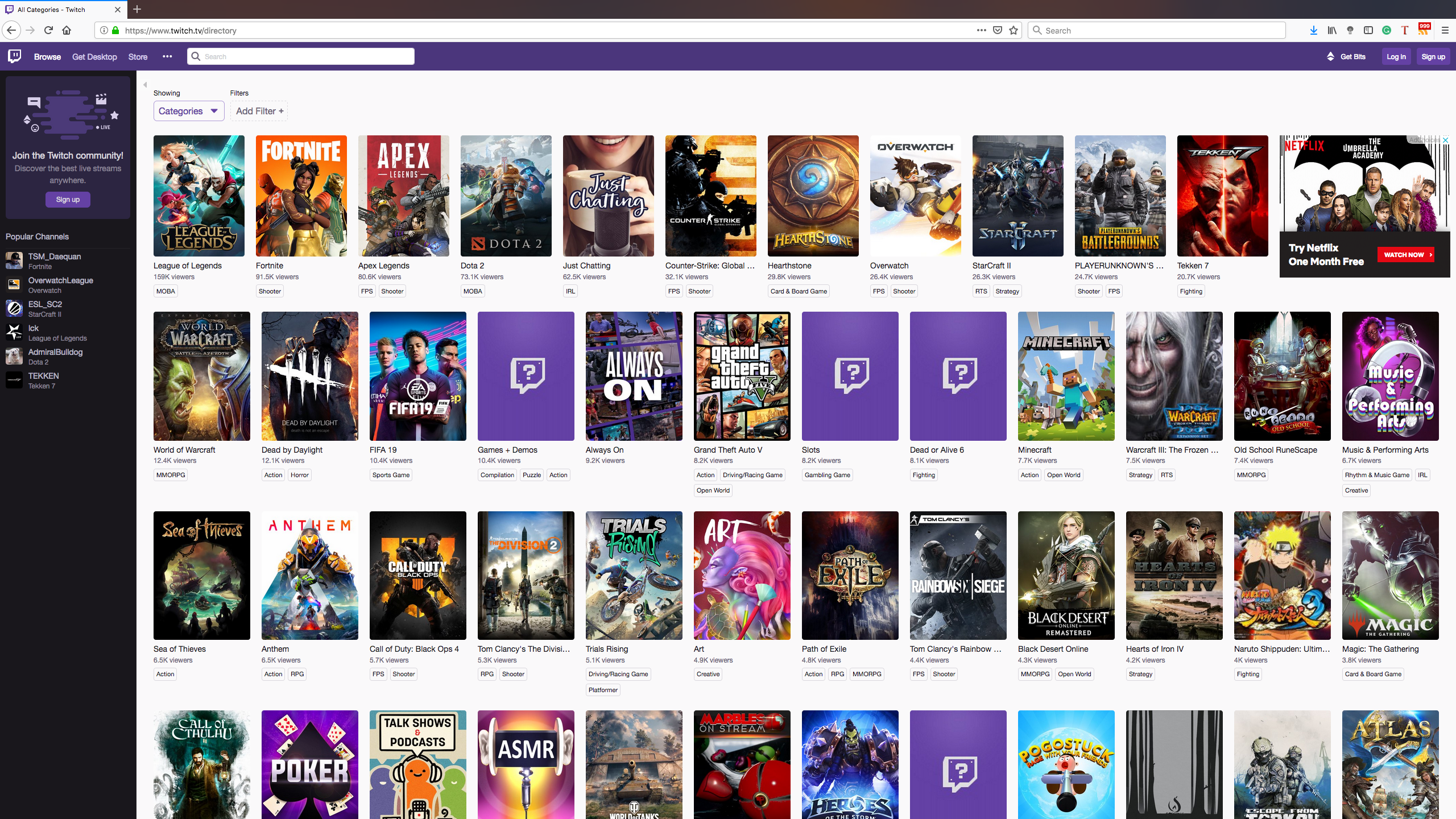 If a new viewer heads over to Twitch, a multitude of channels greet him/her. Viewers usually find channels by browsing the games they are interested in. Now, upon reverse engineering this, its clear that if you are playing that specific game, a viewer MAY find you amongst a list of other streamers. And if you are a fairly new streamer, there’s a fair chance that the new visitors won’t even pay attention to your stream. This is because Twitch sorts the channels in descending order, depending on the number of viewers per stream. Established streamers benefit a lot from this, on the other hand, new streamers rarely get any attention.
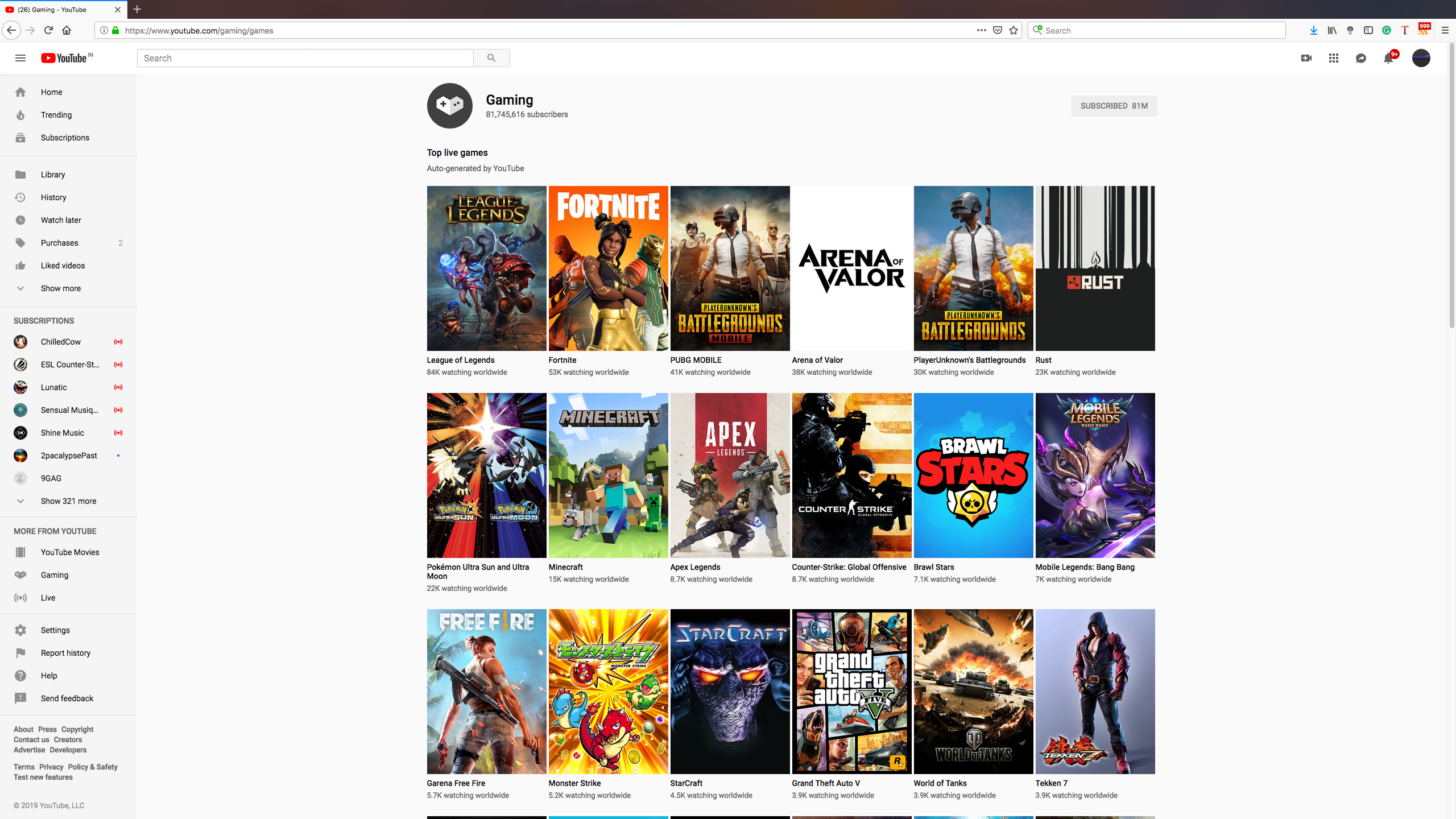 Youtube Gaming faces these issues too, but its algorithm helps new streamers get noticed by new viewers. For instance, if you make regular videos, stream regularly and have even a small number of subscribers, your chances of getting new viewers and subscribers are increased. Also, content creators can use standard videos to attract a viewer base. If a user has a couple of videos that have good statistics, he/she can use that video as the highlighted channel video to make that good ‘first impression’ on the new audience. Furthermore, Youtube allows the creation and upload of custom thumbnails, and even though they lead to clickbaits in some cases, its a better way to convey information regarding your stream rather than hoping that more random people join.
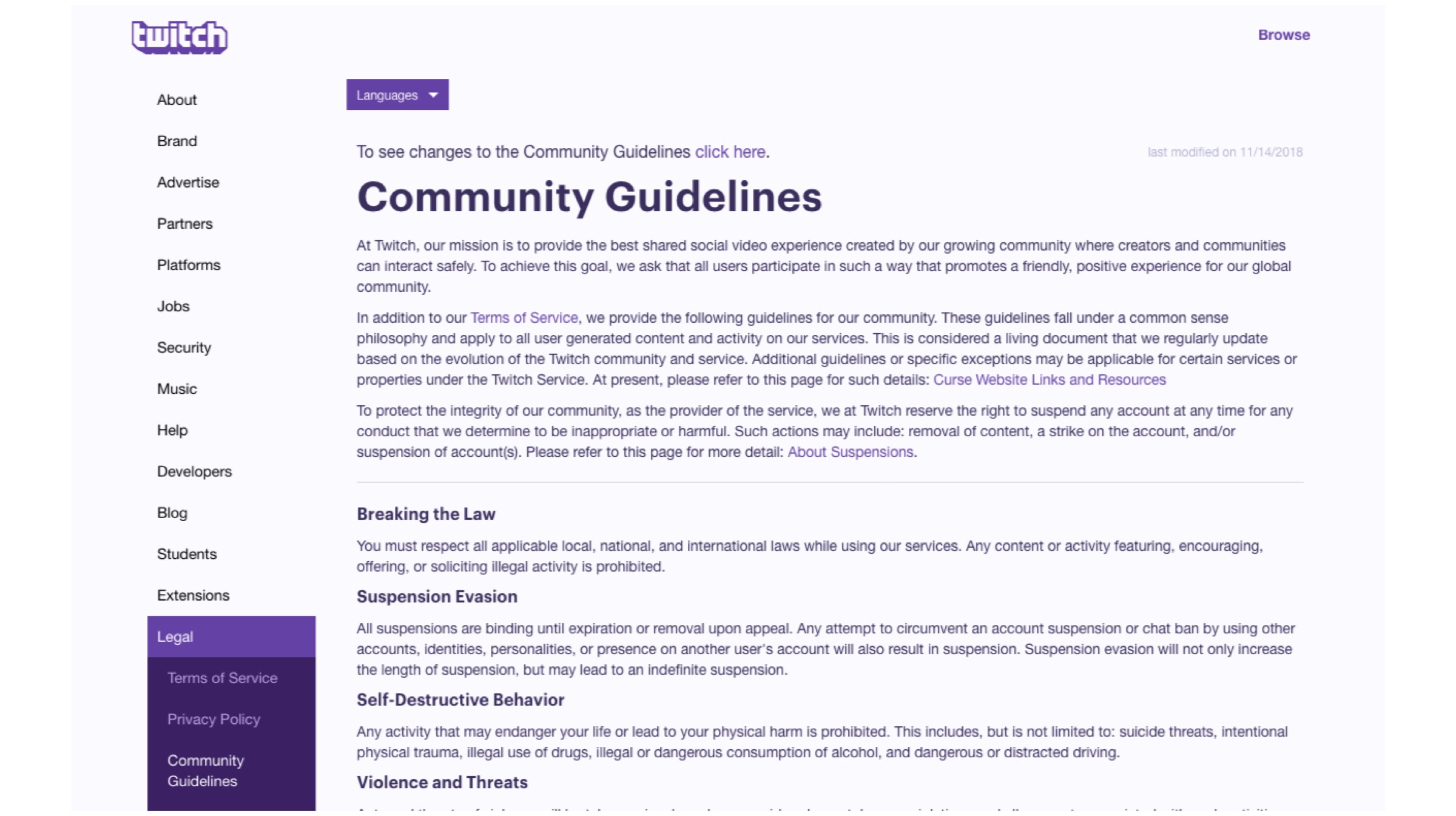 Since Twitch is primarily focused on gaming, they are expected to have strict guidelines because of the audience age range. A lot of streamers (and popular streamers at that) have been banned in the past for petty reasons. You could get banned if someone sends in an inappropriate donation. You could get your channel temporarily suspended if you say something that doesn’t comply with the guidelines.
 On the other hand, YouTube lays down almost similar guidelines, but it isn’t as strict as Twitch when it comes to implementing them. Youtube content creators are allowed three copyright strikes on their channel before your channel disappears off YouTube. Demonetization of videos is also possible, if any non-compliant action takes place on the stream.
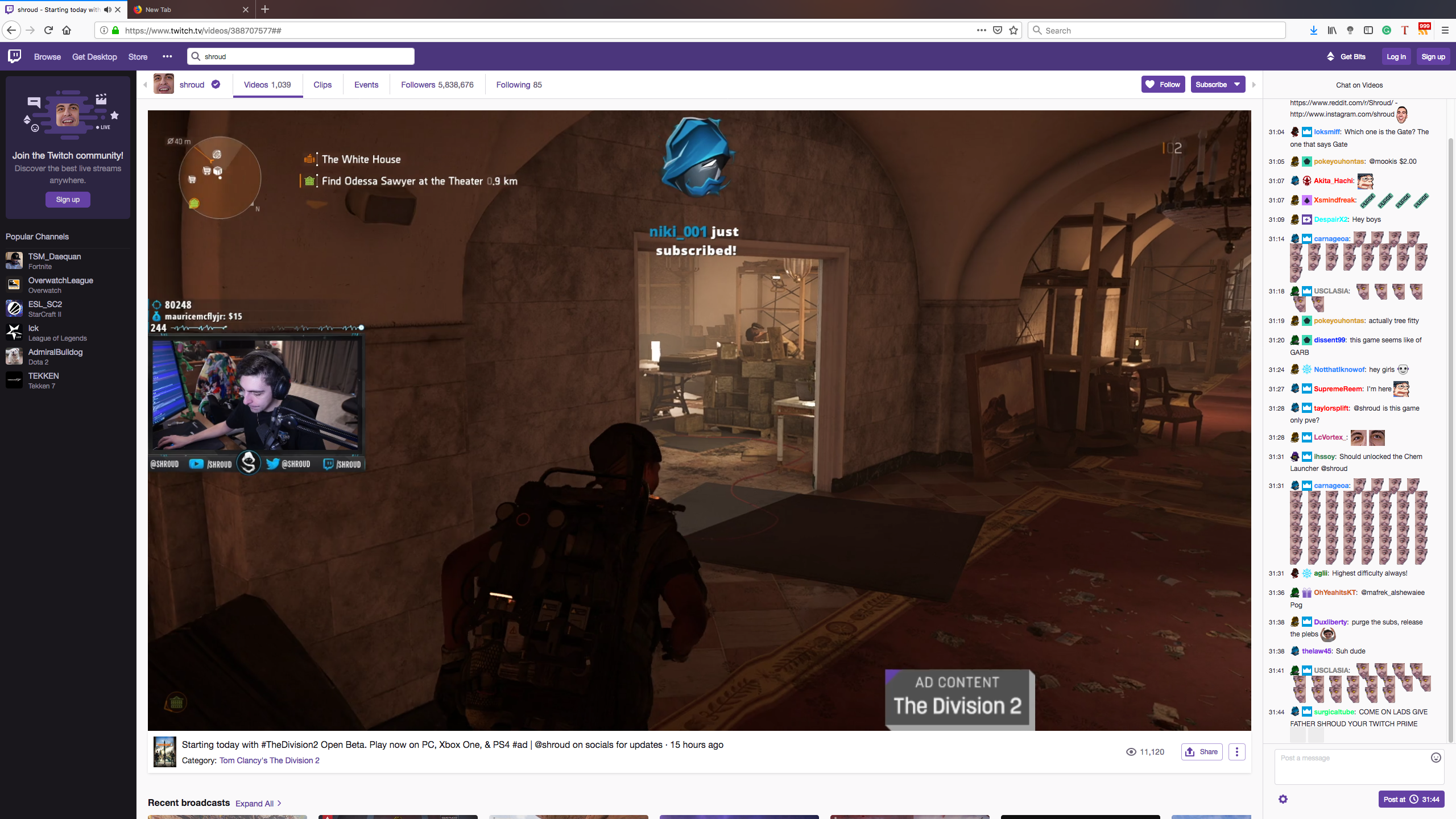 Twitch has a very detailed and distinct monetary system. For every $5 the subscriber pays, 50 percent is claimed by Twitter. So, the streamer ends up getting $2.50 per subscriber. Donations account for the major chunk of the daily income. Streamers get a 100 percent of the donation money, and big streamers can earn insane amounts of money in a day just from donations. Viewers can also donate using Bits, which are Twitch’s built in donation system. Twitter takes a 29% cut per bit. And there are classic advertisements, which might not pay as much but are a steady source of income.
 YouTube follows a comparitively simpler structure, where viewers can donate using Super Chats. YouTube charges 30 percent of the total super chat donation amount. Also, YouTube has sponsors where Twitch has subscribers. Again, YouTube takes a cut of 30% from each sponsor. Monetized YouTube channels earn a lot from advertisements too.
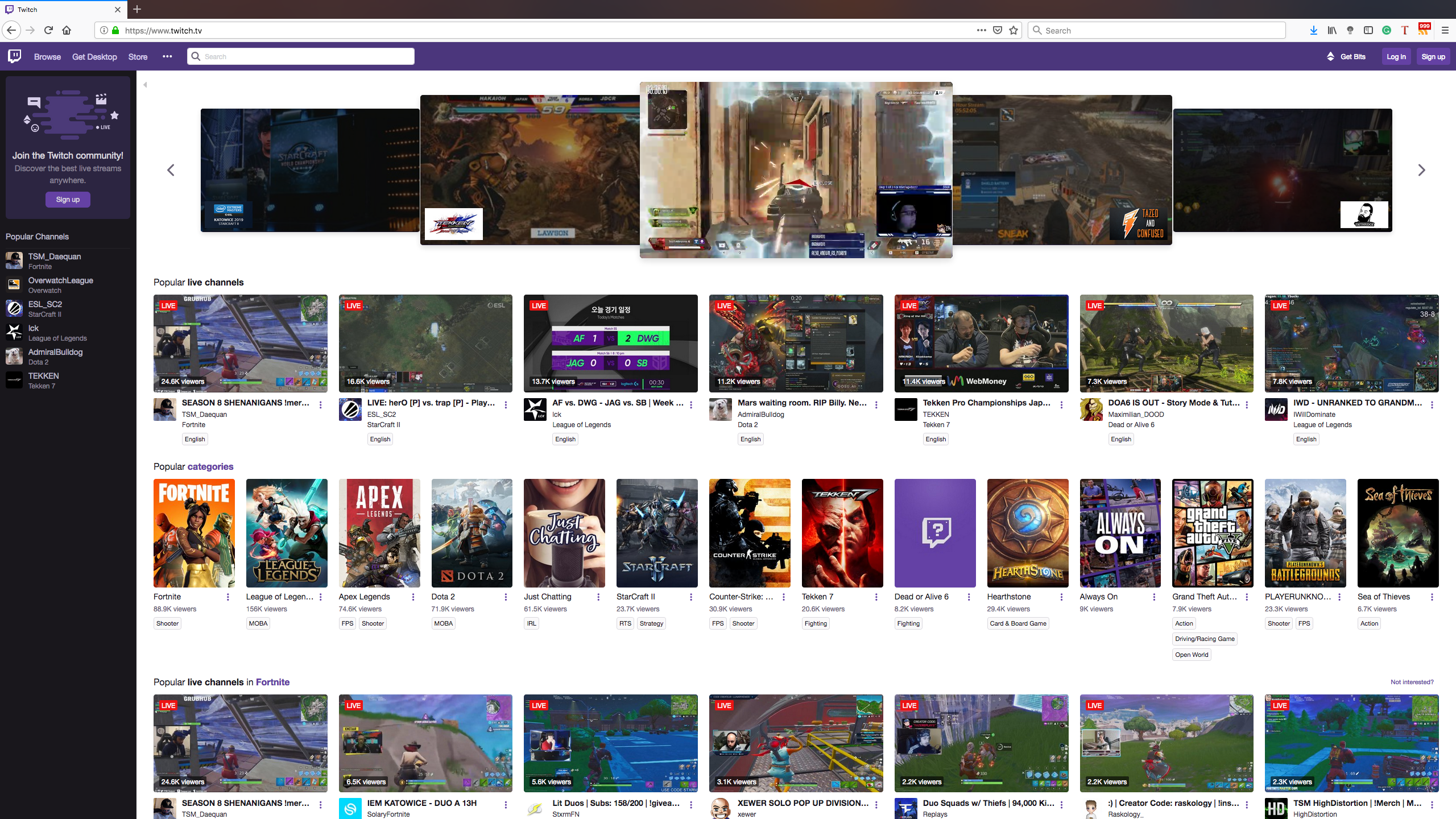 Also Read: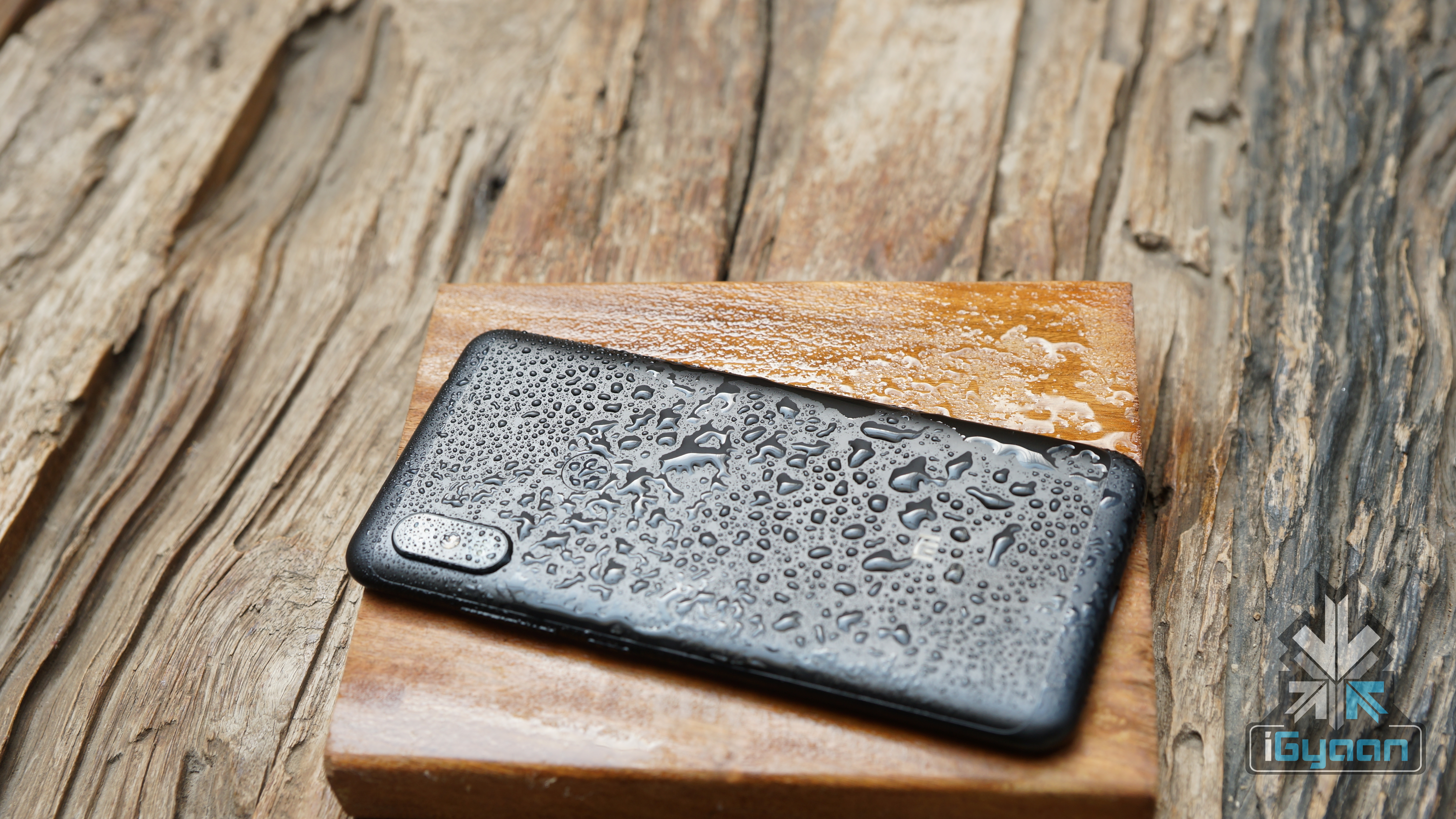
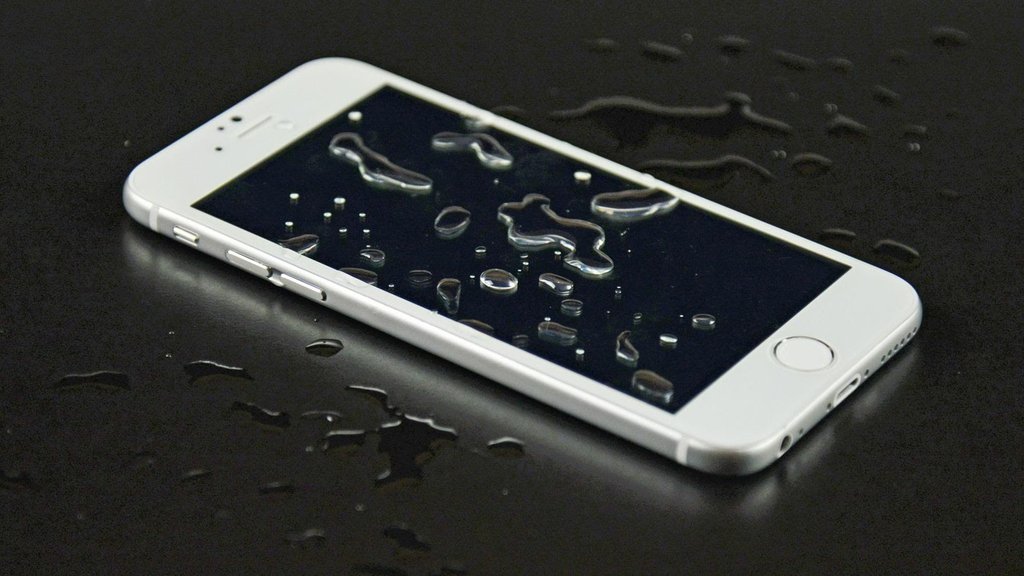
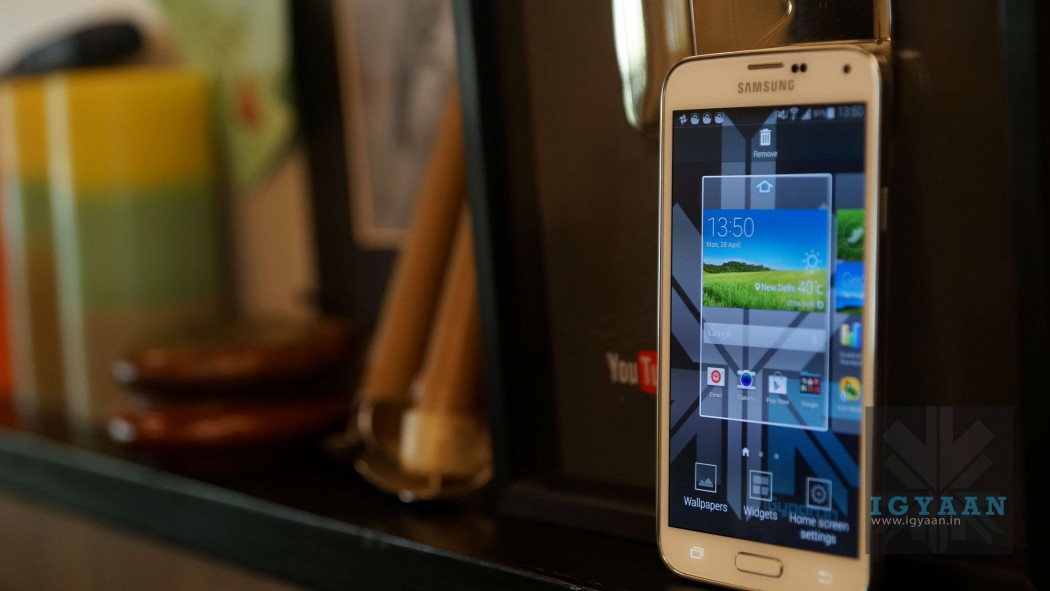
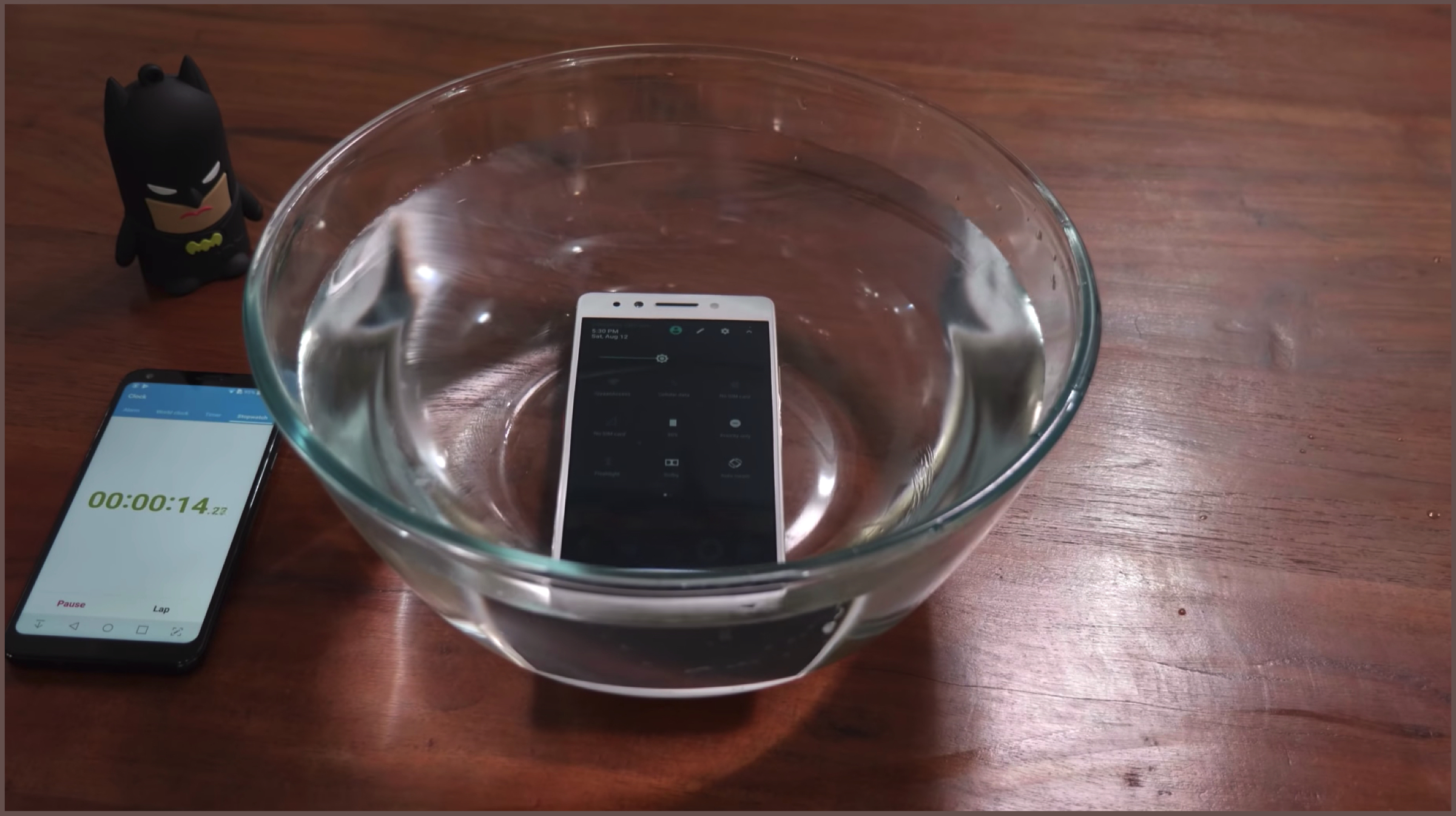
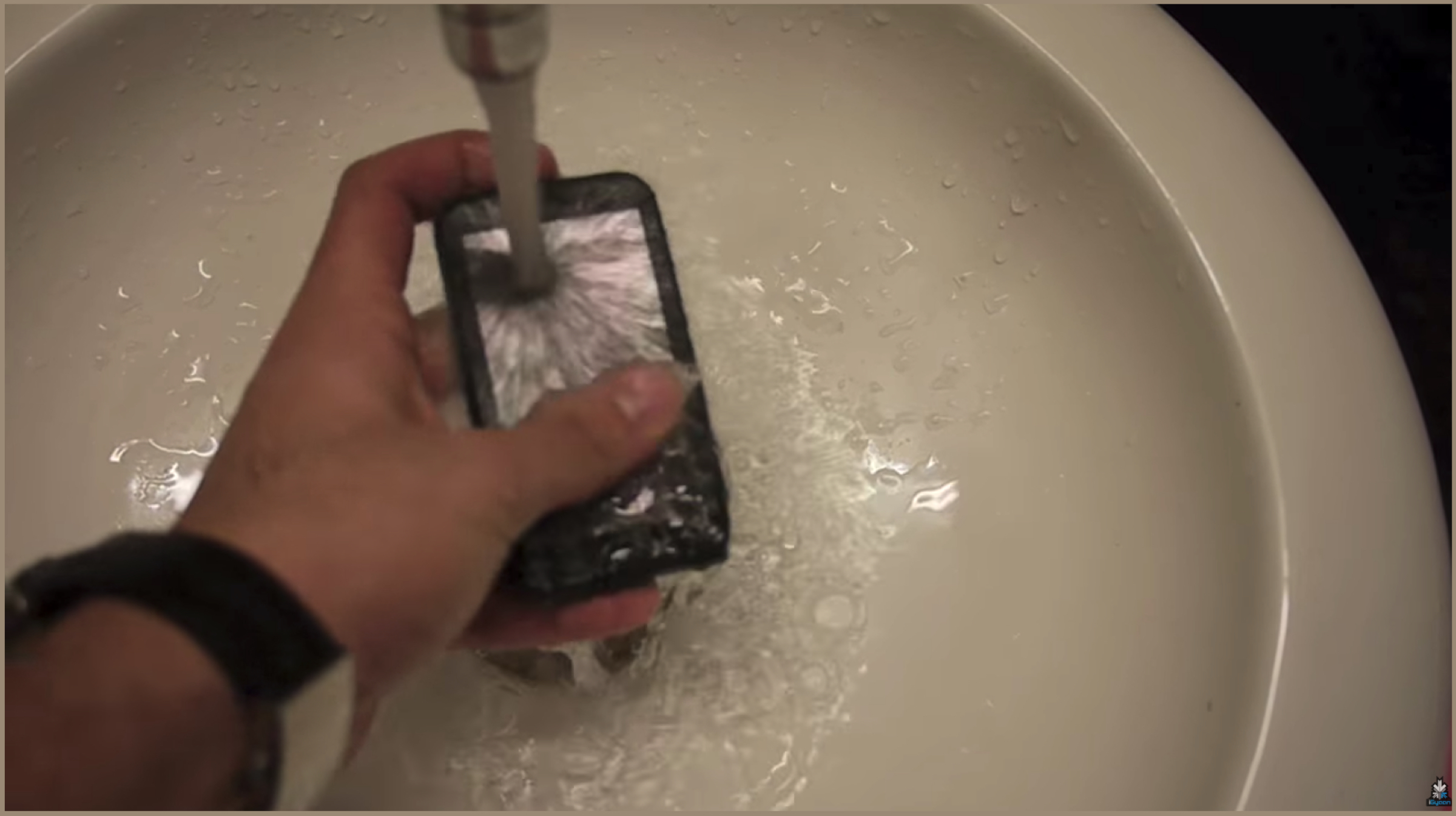
 Potential users have recurring thoughts regarding the purchase of a dedicated music streaming service. Some users still prefer YouTube to listen to music, but that’s not very convenient as many of them will agree. For instance, you cannot minimize the YouTube app while playing a song. Doing so cuts off the music, so you have to keep the app awake at all times. This means that your battery drain is significant. Also, music applications don’t go very hard on your data plan, whereas 720p YouTube streaming consumes almost 1 GB per hour. Using YouTube for your music needs may be more hassle-free, but certainly not the best possible solution
 Let’s not forget that Apple brought iPods into the market, changing the way music was played everywhere. Apple music is built on top of a similar infrastructure that focuses more on the ‘ease-of-use’ aspect than anything else. Agreed, it’s not the cheapest music streaming subscription out there, but it offers much more for the price what people pay.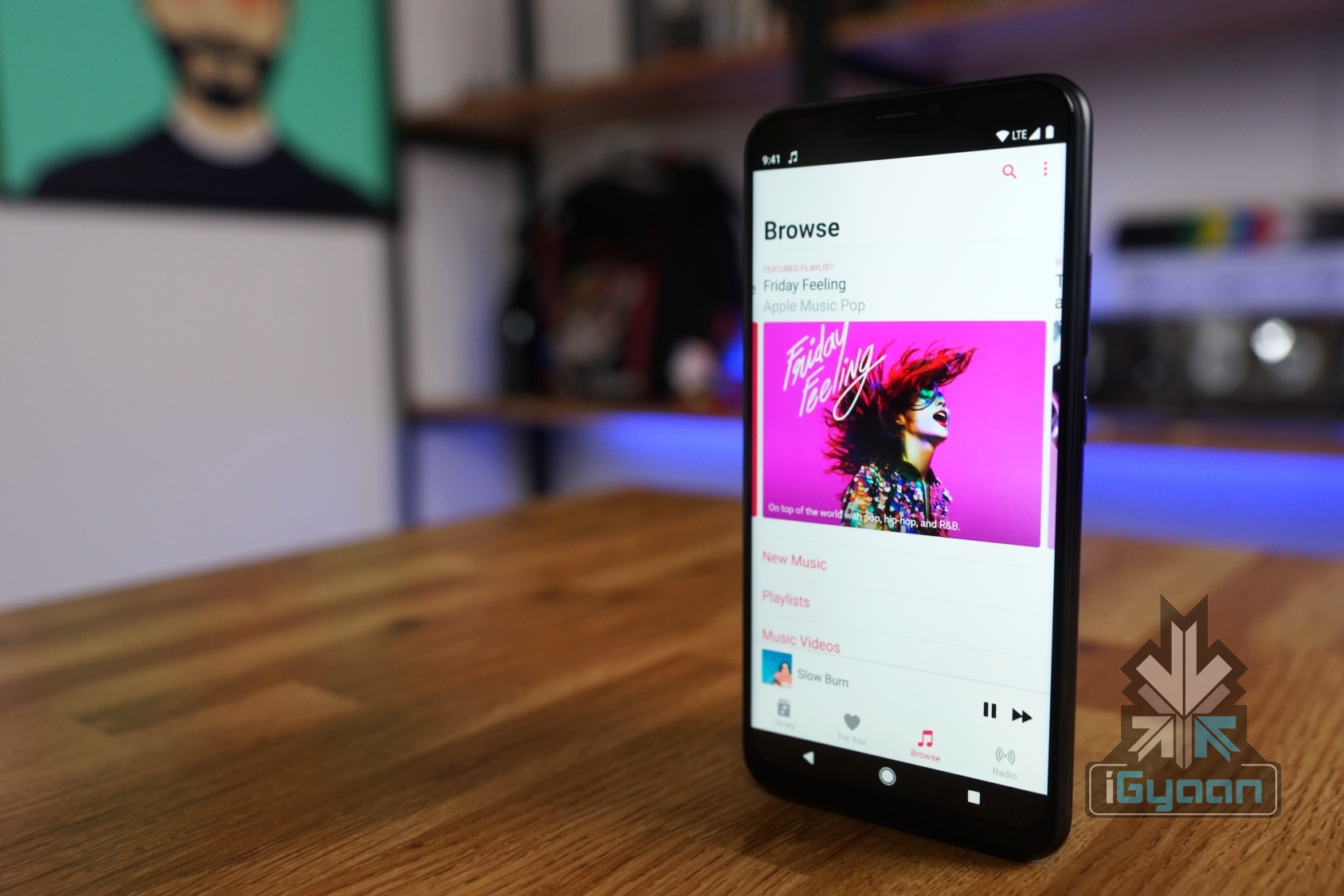
 Amazon Prime Music was primarily launched in India with the motive of an Amazon Alexa integration. Eventually, Prime Music made its way on to newer platforms like iOS, Web, and Android. Amazon Prime also provides services for streaming movies and online shopping worldwide. The music streaming service has a huge music library with over 30 million tracks. Amazon Prime Music is also known for its seamless music playback over its popular voice assistant, Alexa. A person can easily manage playlists, queue songs and play/pause music using just voice commands. Prime music has full Chromecast support, unlike Prime Video.
  From a long time, the search giant has been trying to strengthen its foothold in the Indian Music Streaming service. The Google Play Music App is preinstalled on every Android phone, so almost every user notices the app one way or another. With competitive pricing, Google Play Music offers the solution of a single app for both online and offline music. It comes with both free and premium subscriptions, but the free version is limited to only Indian songs and radio stations. Once you start paying for a subscription, you’ll have access to a complete music catalog with a whole lot of international music and content.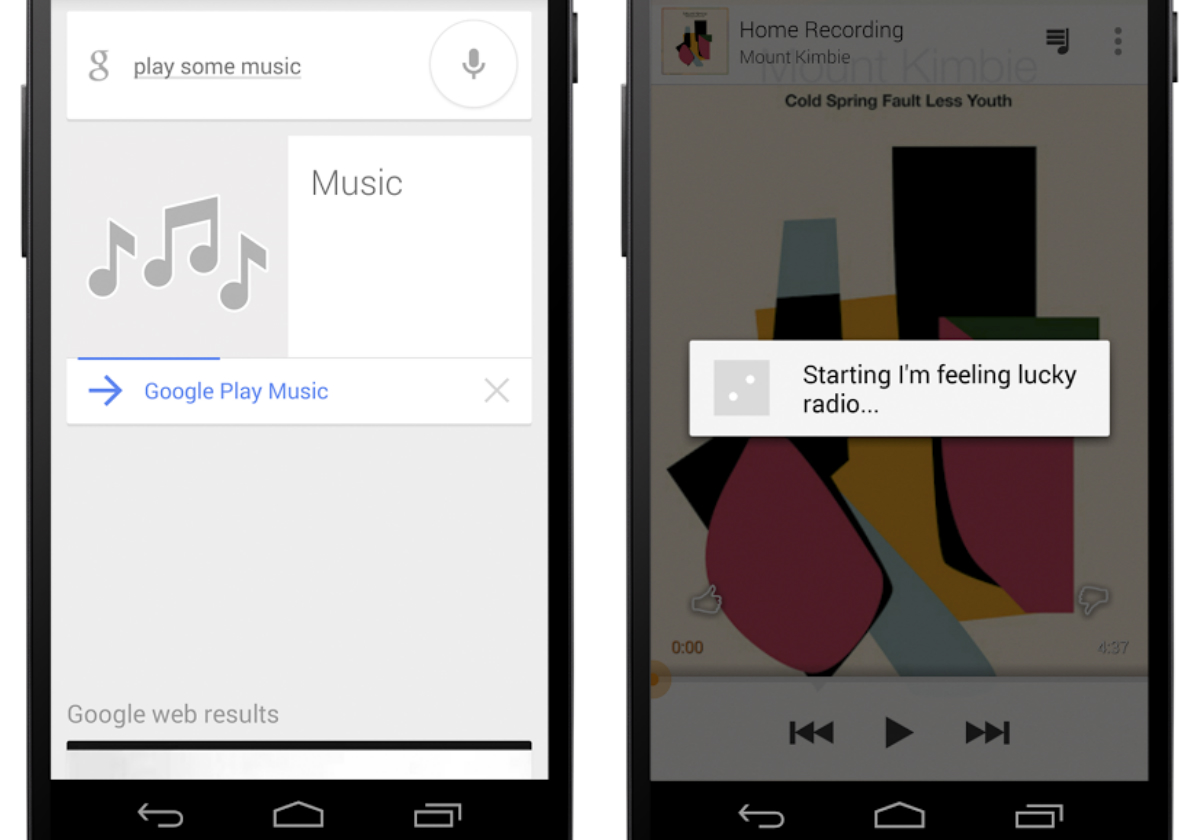
 Two popular music apps, JioMusic & Saavn Music integrated to launch the JioSaavn app on December 4. The app brought a host of features like interactive lyrics and live events to the user’s device. A lot of people confuse Saavn with an Indian app, but it was actually designed by two Indians in the US.
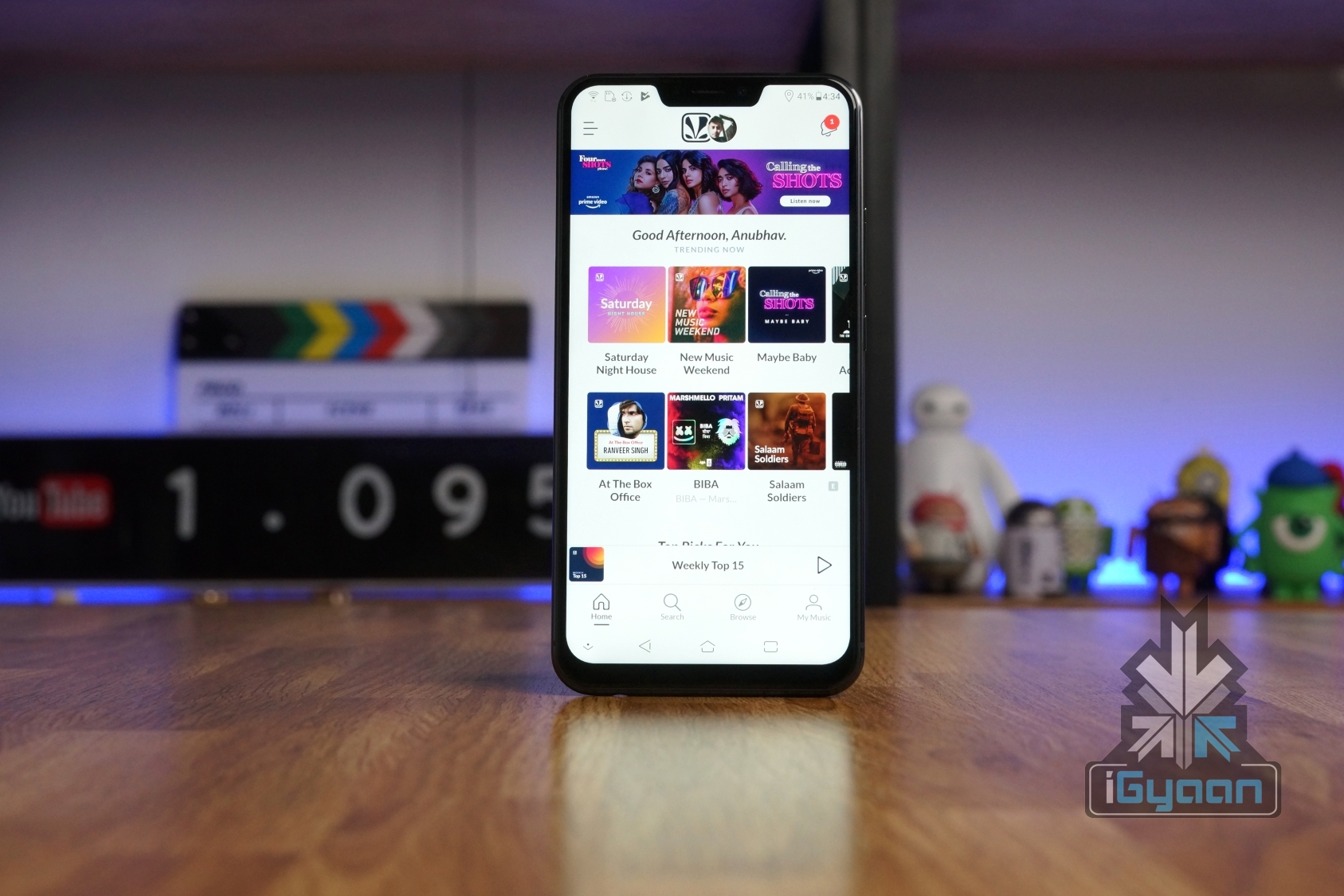 The music streaming service has a ad-based revenue model, but if you’re interested in downloading songs and getting rid of the advertisements at the same time, you can opt for the premium subscription. It offers an interactive UI with a Facebook integration, allowing you and your friends to see what you are listening to. You can adjust the music streaming quality as per your data connection. The application has a nice language filter which you can use to receive recommendations depending upon your selected region.
 Gaana was one of the earliest music streaming apps in India. Launched in 2010, the app had one of the largest music databases at that time. Over time, the minimal interface of Gaana was taken over by new features like on-screen lyrics and social media integration. Still, to this day, Gaana Music has one of the largest Indian Regional Music databases when compared to similar apps. Sure, it does have a wide selection of International music too, but it isn’t as extensive as its competitors.