Category: Hardware News

Latest news from the World of Hardware

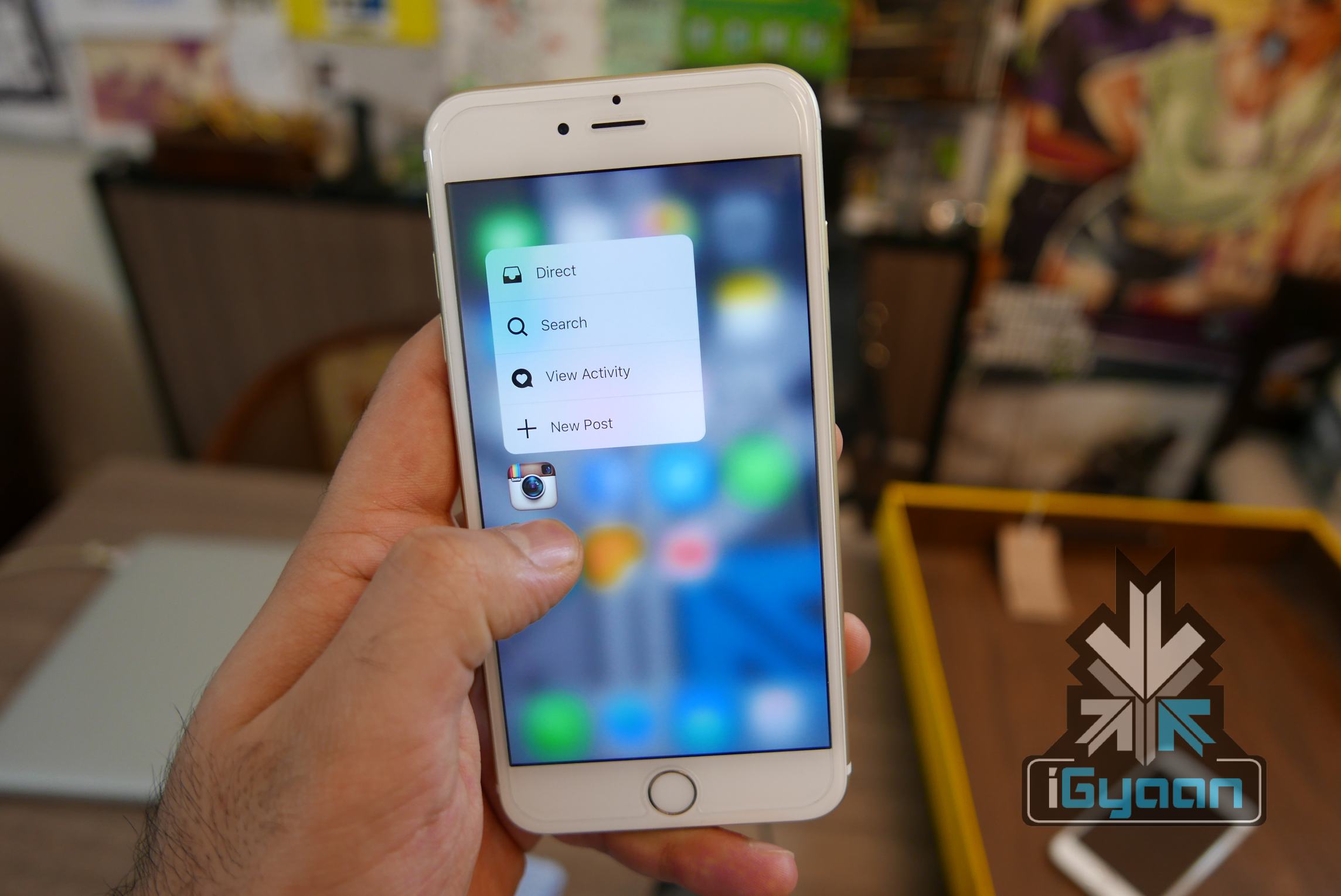
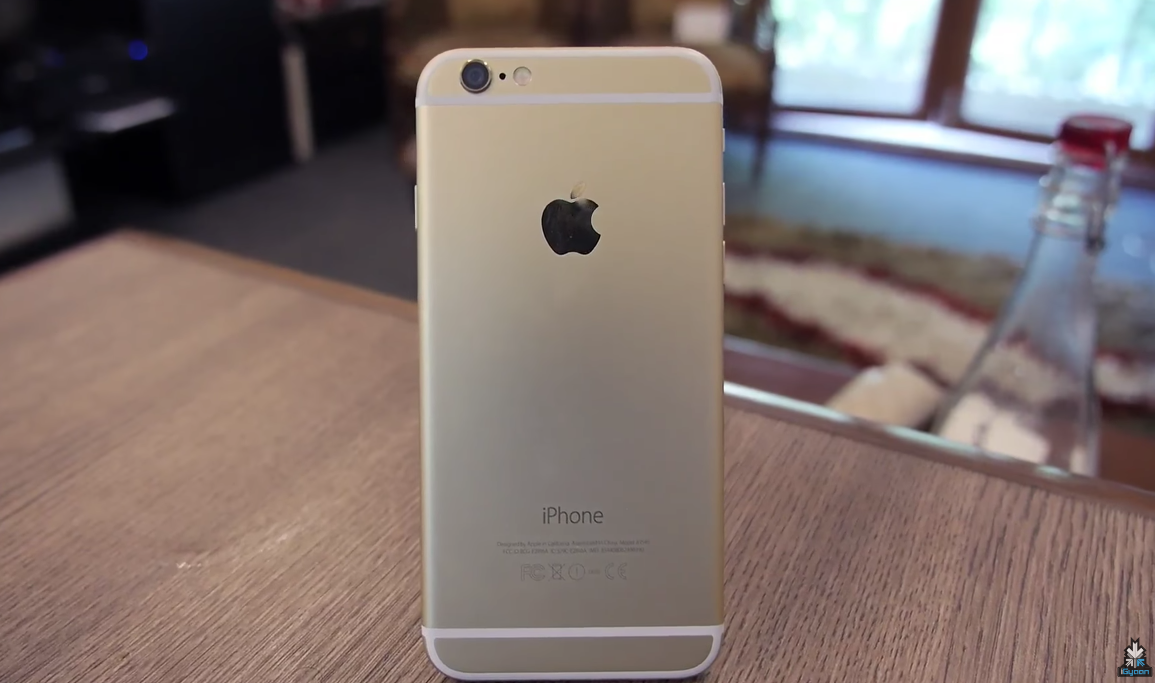
  • Apple Working On A Secret 5G Chip, Claims Patent

    Apple Working On A Secret 5G Chip, Claims Patent

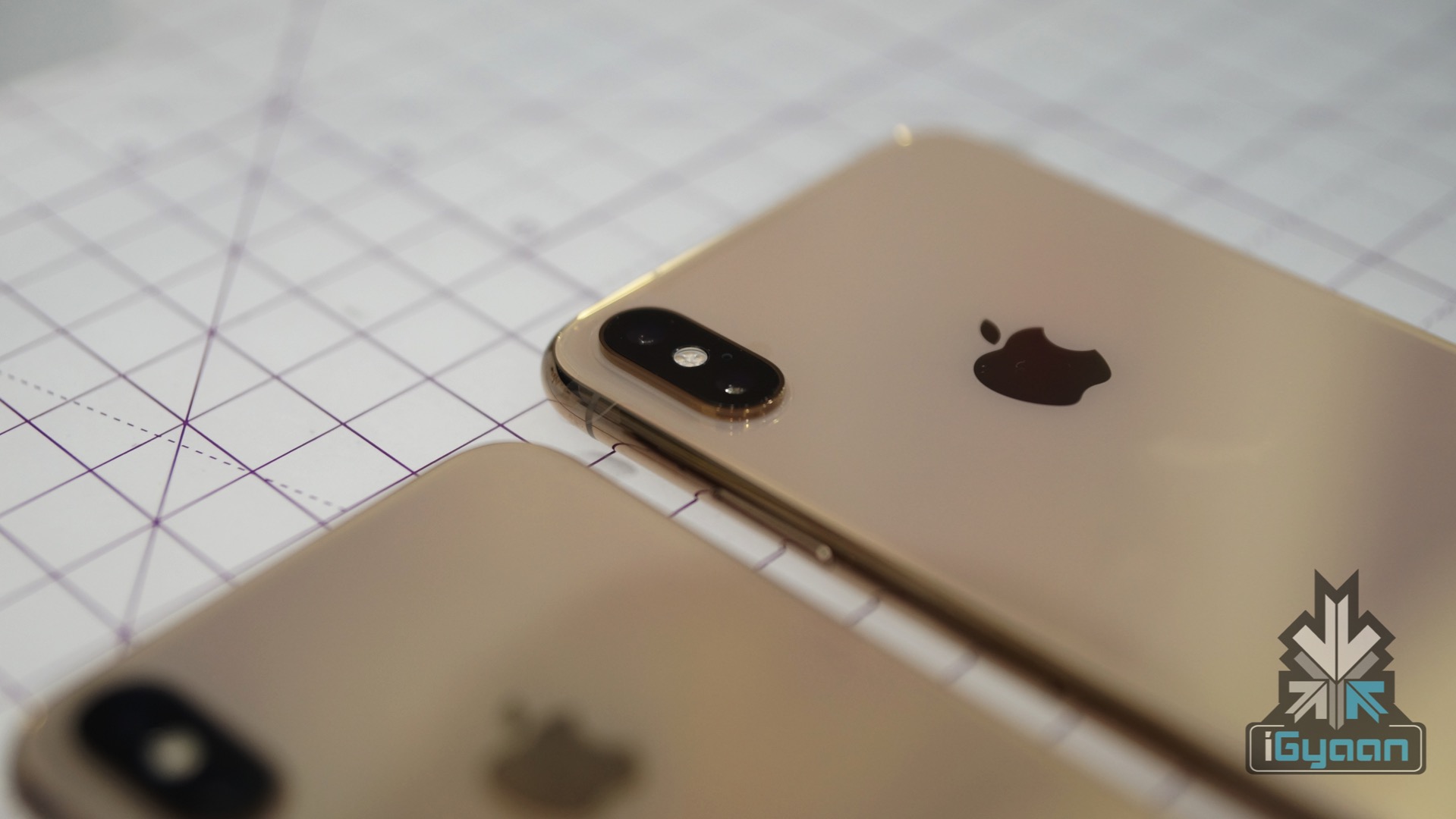
    The MWC 2019 will kick off soon in Barcelona in a few days. It is expected that a lot of new and unique technologies will make an appearance. The technology that most people are excited about, is the introduction of 5G. It is expected to enable faster mobile data and improved connections over mobile. Most smartphone manufacturers also have promised a device that will support 5G. One company that hasn’t is Apple. It is expected that Apple is not attending the MWC 2019 nor will it launch a 5G device in 2019. But rumors have started to rise up again as a 5G technology patent by Apple has been leaked.

    Apple has been silent about its stance on 5G and iPhones that will eventually support it. Apple has been known to patiently wait until a technology achieves near perfection to implement it. But this patent leak proves that Apple is working on some 5G technology secretly and has named it ‘Apple Bald Eagle 5G’. The patent was filed earlier this month at the Benelux Office for Intellectual Property or BOIP.

    iPhones With 5G in 2019?
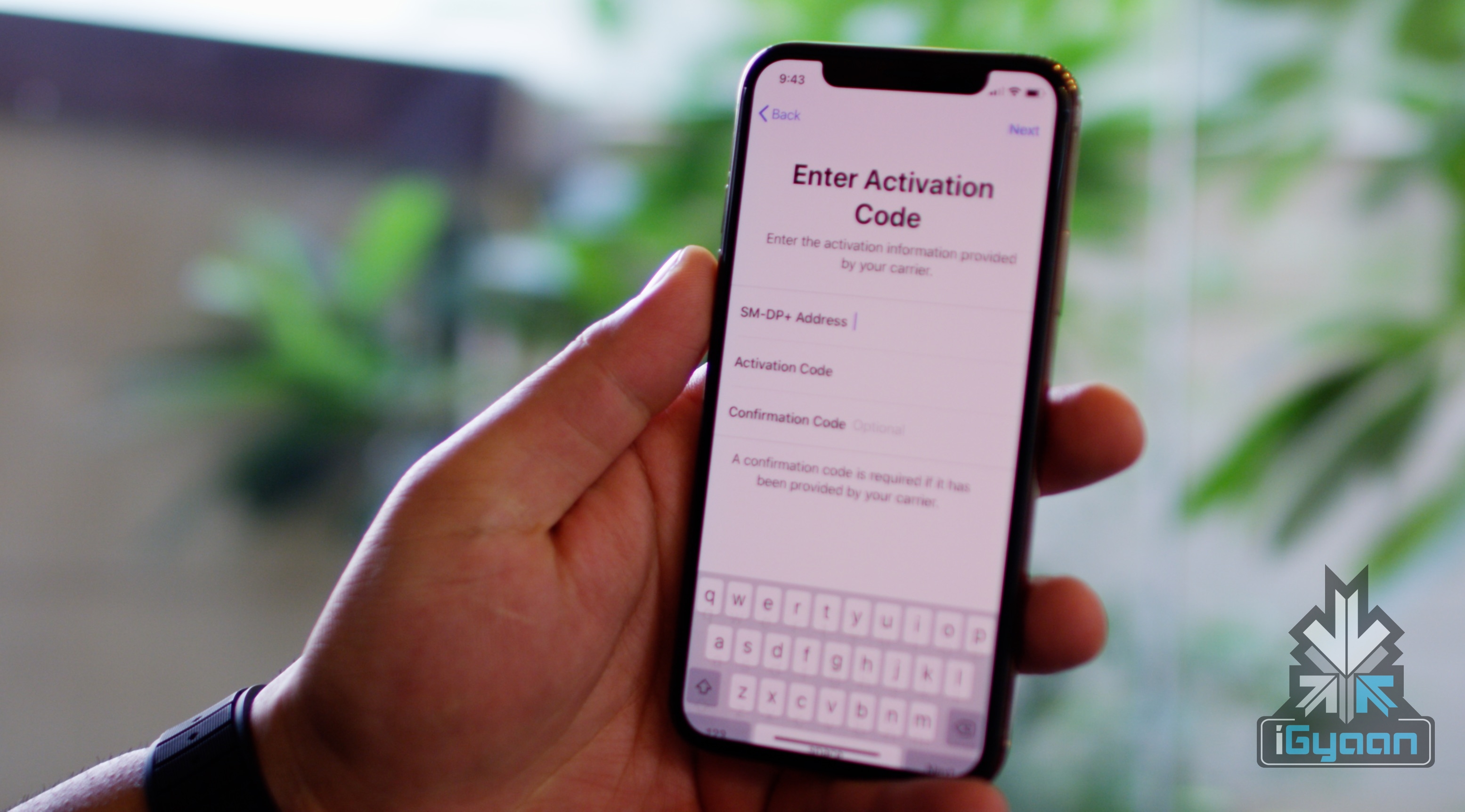
    Apple was earlier reported to skip the 5G hype bandwagon and wait until 2020 to implement it. It was attested to the fact that it would use Intel’s 5G modem in the 5G compatible iPhone. However, as Intel will not be able to supply the large number of Chips required by Apple, The implementation was expected to be pushed to 2020.  This patent leak suggests that Apple has been trying to make one on their own. This would also mean that Apple may be able to launch a 5G compatible iPhone in September 2019. 
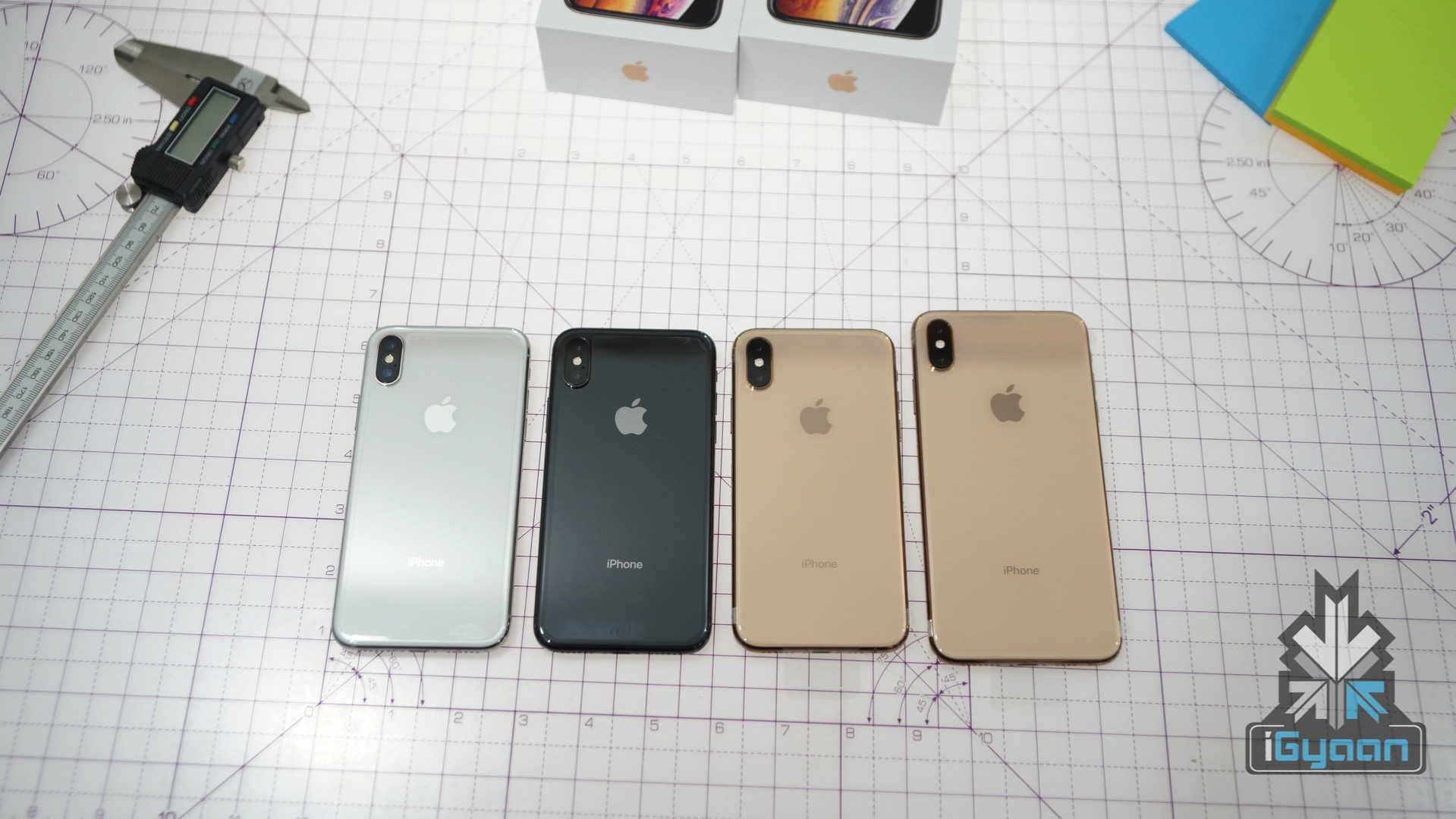
    The description offered with the patent said ‘Mobile telecommunication network services’. Apple has used the logo of the American Flag and its national symbol, the Bald Eagle combined with Apple Logo. This may be due to the fact that Apple is an American company and may name its modem after the national symbol.

    Also read: Xiaomi Mi 9 Confirmed, Certified By The IMDA In Singapore

    Apple doesn’t implement a piece of technology until it has been perfected for use to the general audience. So even if Apple decides to wait out till 2020 for 5G, it may be for the best.

  • AMD Has Launched The World’s First 7nm Based GPU, Radeon VII In India

    AMD Has Launched The World’s First 7nm Based GPU, Radeon VII In India

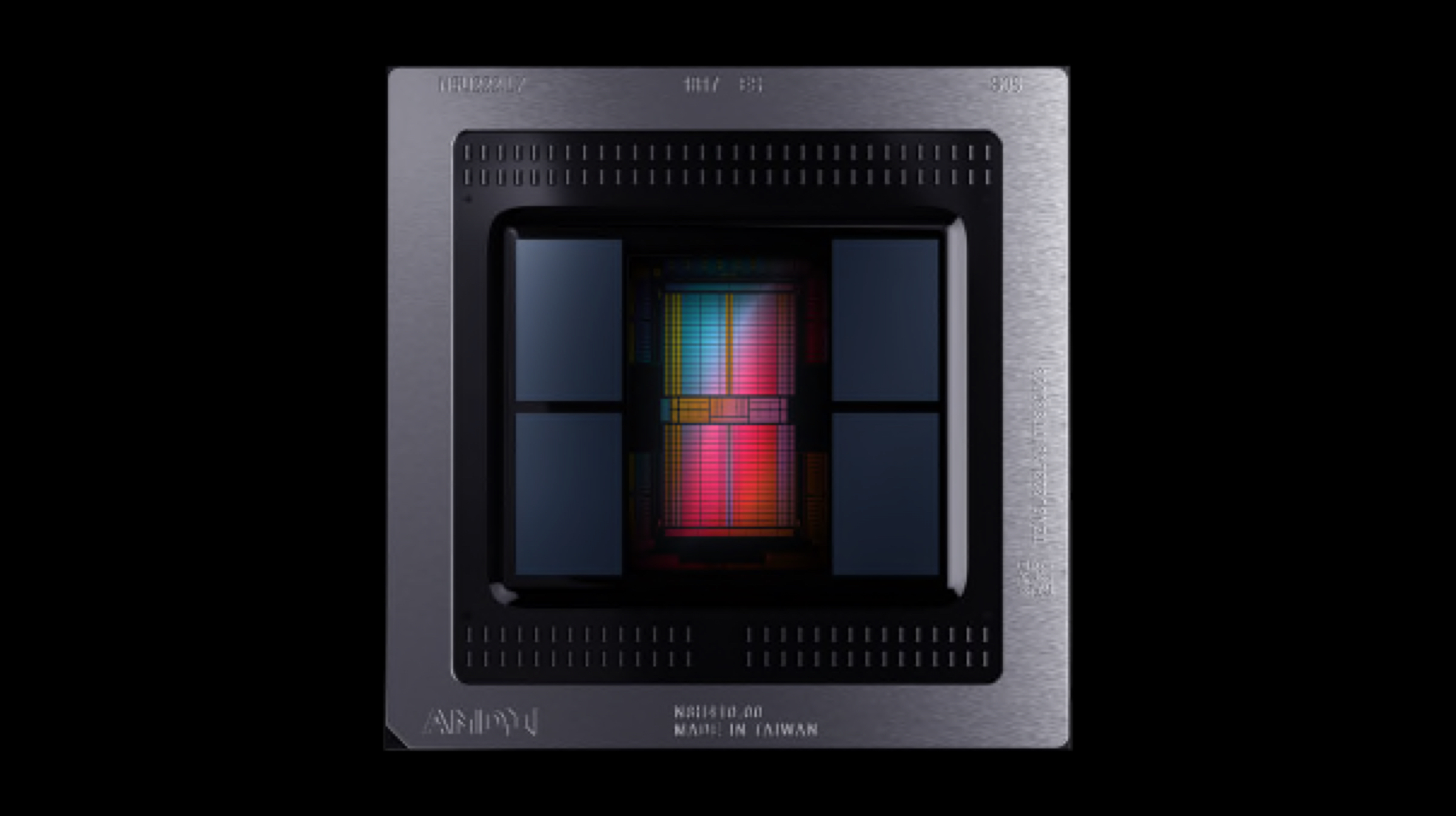
    AMD is an American semiconductor company that develops microprocessors, motherboard chipsets and graphics processors. The company has launched its new flagship GPU chip, the Radeon VII in India which is based on its second generation Vega graphics. Noteworthy, it is the world’s first consumer-grade GPU that is manufactured using 7 nm manufacturing technology. According to the company, the new graphics card has 29 per cent better gaming performance than its predecessor, the Radeon Vega 64. 

    Radeon VII Specs and Features

    The Radeon VII from AMD has a total of 60 compute units that have a base frequency of 1400 MHz and a boost frequency of 1750 MHz. The GPU has 16 GB of HBM2 onboard memory that allows it to smoothly run high-end games like Far Cry 5 and Resident Evil 2. The device has a maximum memory bandwidth of 1024 GB/s and an effective memory speed of 4 Gbps via the 4096-bit Memory Interface. The desktop component typically consumes 300W of board power and AMD recommends a PSU(Power Supply Unit) of 750W for the proper functioning of the unit. Connectivity options on the unit are as follows:

    • HDMI: 4K60 Support
    • DisplayPort: 1.4 HDR

    The Radeon VII GPU supports AMD’s FreeSync which is an adaptive synchronization technology for liquid-crystal displays that support a dynamic refresh rate. The technology is mainly aimed at reducing tearing and stuttering of the content which is caused by misalignment of frame rate. 

    The GPU also supports Vulkan application that is a cross-platform 3D graphics and computing API (Application Programming Interface) that is favoured in the computing industry due to its low overhead.  Some other noteworthy technologies that the Radeon VII supports are as follows: 

    • DirectX® 12 
    • AMD Eyefinity 
    • AMD ZeroCore Power 
    Price and Availability

    Also Read: Moto G7 and G7 Plus Launched

    Graphics cards based on AMD’s Radeon VII platform are now available for purchase globally, priced at $699 in the US and Rs. 54,990 in India. To lure in customers, the company is shipping the desktop component with three free PC games which are as follows:

    • The Division 2
    • Resident Evil 2 
    • Devil May Cry 5
  • Snapdragon 712 Announced With Faster CPU And Quick Charge 4+ Support

    Snapdragon 712 Announced With Faster CPU And Quick Charge 4+ Support

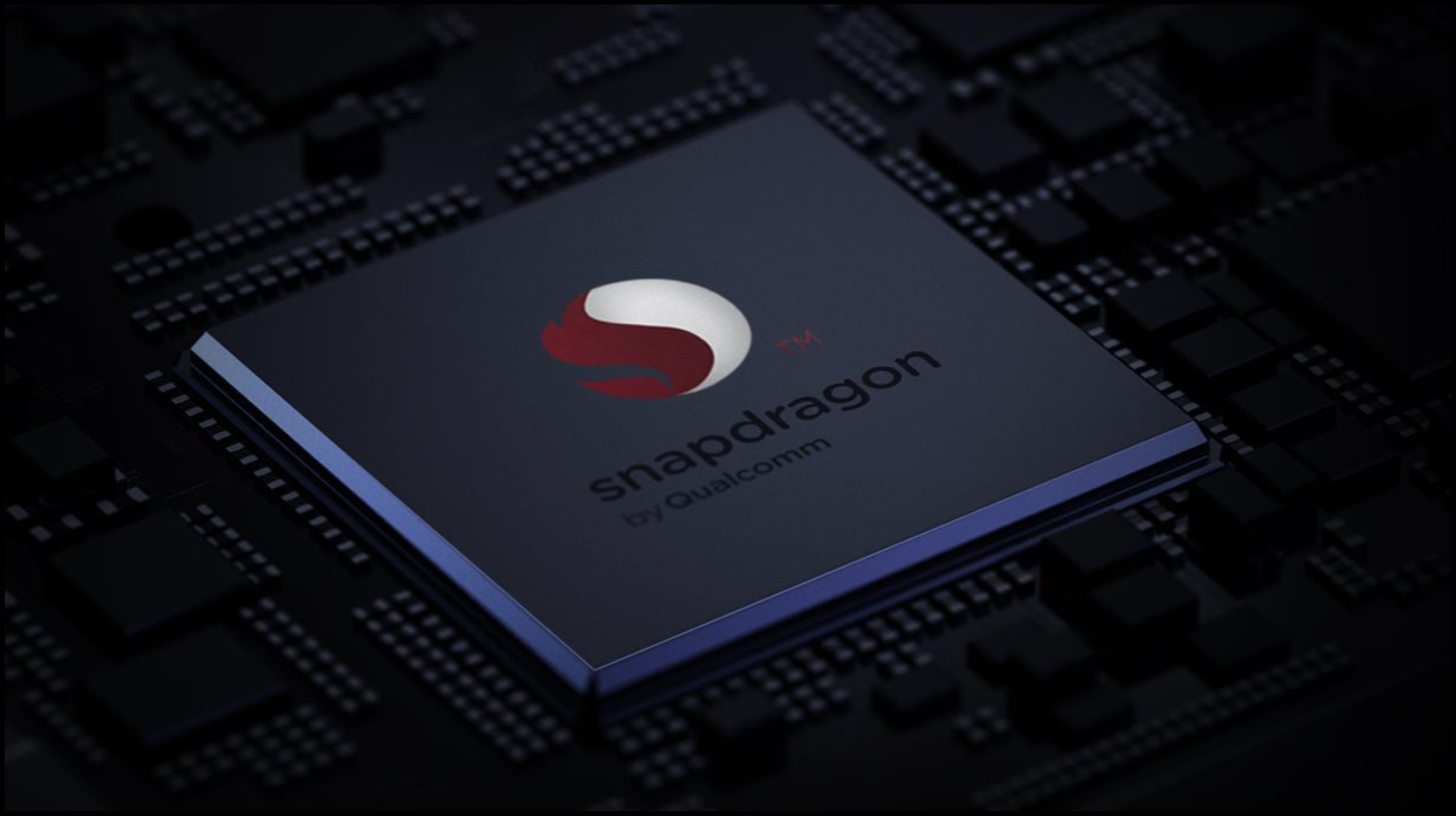
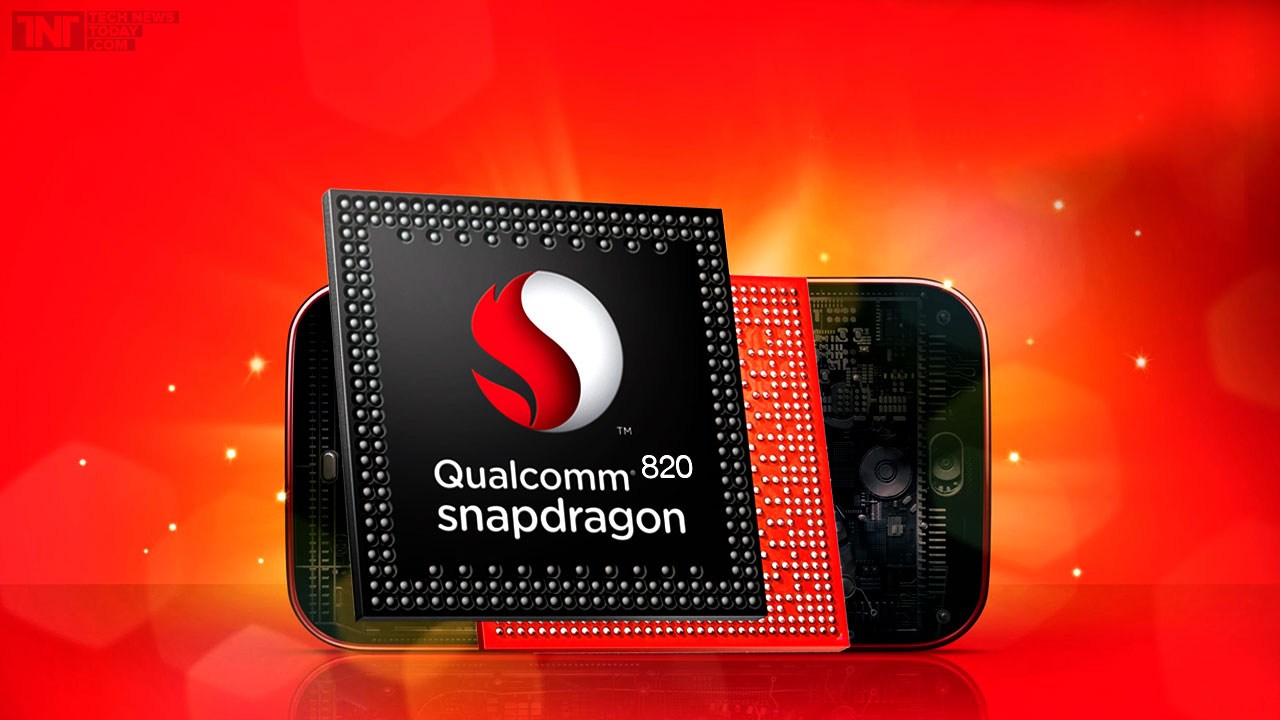
    Qualcomm has announced the latest Qualcomm Snapdragon 712 Mobile Platform. With performance boosts and support for the all-new Quick Charge, Snapdragon 712 is may end up being used for mid market gaming devices. 

    Performance Boosts

    The Snapdragon 712 retains the 10nm process of its predecessor and runs the multicore Qualcomm AI Engine. It consists of the Qualcomm Kryo 360 CPU, the Adreno 616 graphic unit, and the Qualcomm Hexagon 685 DSP. Talking about performance increase, the 712 offers up to 10 percent of more power over the Snapdragon 710. 

    Qualcomm claims that the Snapdragon 712 is designed for mid budget gaming devices. It also claims that the chipset can help render over a billion shades of colors. Qualcomm’s Aqstic audio technology will be added to the chipset for seemingly better audio experience. 
    What Is Quick Charge 4+?

    The Snapdragon 712 is targeted at improving your battery life. Now the real question that arises is how will 712 manage to do that?
    It is engineered in a way that it’s heterogeneous computing structure automatically works out the perfect balance between workloads, heat management & optimization. What’s more, it also supports Qualcomm Quick Charge 4+. This means what it can bring your phone battery from 0 to 50 percent in under 15 minutes. 

    More Features

    Snapdragon 712 has a ton of other enhanced features that already were present in the Snapdragon 710. It integrates the Qualcomm Snapdragon X15 LTE Modem. Qualcomm claims this offers almost double download speeds with LTE Advanced Capability.
    The new chipset offers video noise reduction and the Snapdragon 712 understands your settings and adapts to them, so you don’t have to lose battery over it. 

    Also Read : Sony Xperia XA3 Will Have A 21:9 Aspect Ratio Display

    Will the Snapdragon 712 be the next big mobile platform especially in the Low-mid market? With all the performance boosts and AI development, it sure looks that way. And the Quick Charge 4+ is a welcome add-on. 


  • Samsung Breaks Terabyte Threshold for Smartphone Storage

    Samsung Breaks Terabyte Threshold for Smartphone Storage

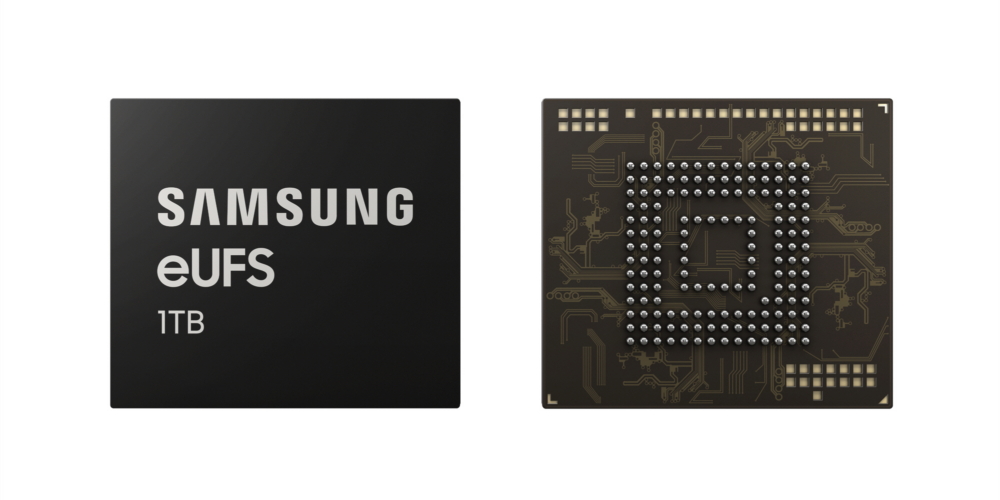
    The race has been heating up to increase storage on smartphones. Every smartphone manufacturer is trying to include more and more space due to the size of everything including music, photos, videos etc increasing. Turing Robotics Industries had introduced a phone with a whopping 12GB RAM and 1 TB space back in 2019. But the phone was big and hard to carry around. But latest Samsung news suggests that Samsung is finally breaking grounds and getting ready to introduce a 1TB storage on a smartphone. The company recently announced that it has begun mass producing the industry’s first one-terabyte (TB) embedded Universal Flash storage.


    Features

    Samsung suggests that customers will soon be able to enjoy similar storage capacities as a laptop on their smartphone. The technology used by the company can fit double the storage in the same package size (11.5mm x 13.0mm) as the 512GB.

    This is done by combining 16 stacked layers of Samsung’s advanced 512-gigabit (Gb) V-NAND flash memory which are vertically stacked NAND cells thus increasing density but not changing in size. Samsung also claims that the new eUFS features approximately twice the sequential read speed of a typical 2.5-inch SATA solid state drive (SSD). They claim the sequential read speed to be 1,000 megabytes per second. This means that 5GB-sized full HD videos can be offloaded to an NVMe SSD in as fast as five seconds, according to Samsung. The random read speed has reportedly increased by up to 38 percent over the 512GB version, clocking in at up to 58,000 IOPS. 

    This may be a much needed upgrade as cameras on smartphones have started to get better sensors with more megapixels. The images shot with higher megapixel phone cameras are much larger in size, and with most phones these days being offered without expansion options, the 1 TB storage may be the perfect solution. Whether Samsung uses it on their upcoming flagship Samsung S10, we will have to wait and see. 


  • Samsung Galaxy S10 Might Have A Secondary Display

    Samsung Galaxy S10 Might Have A Secondary Display

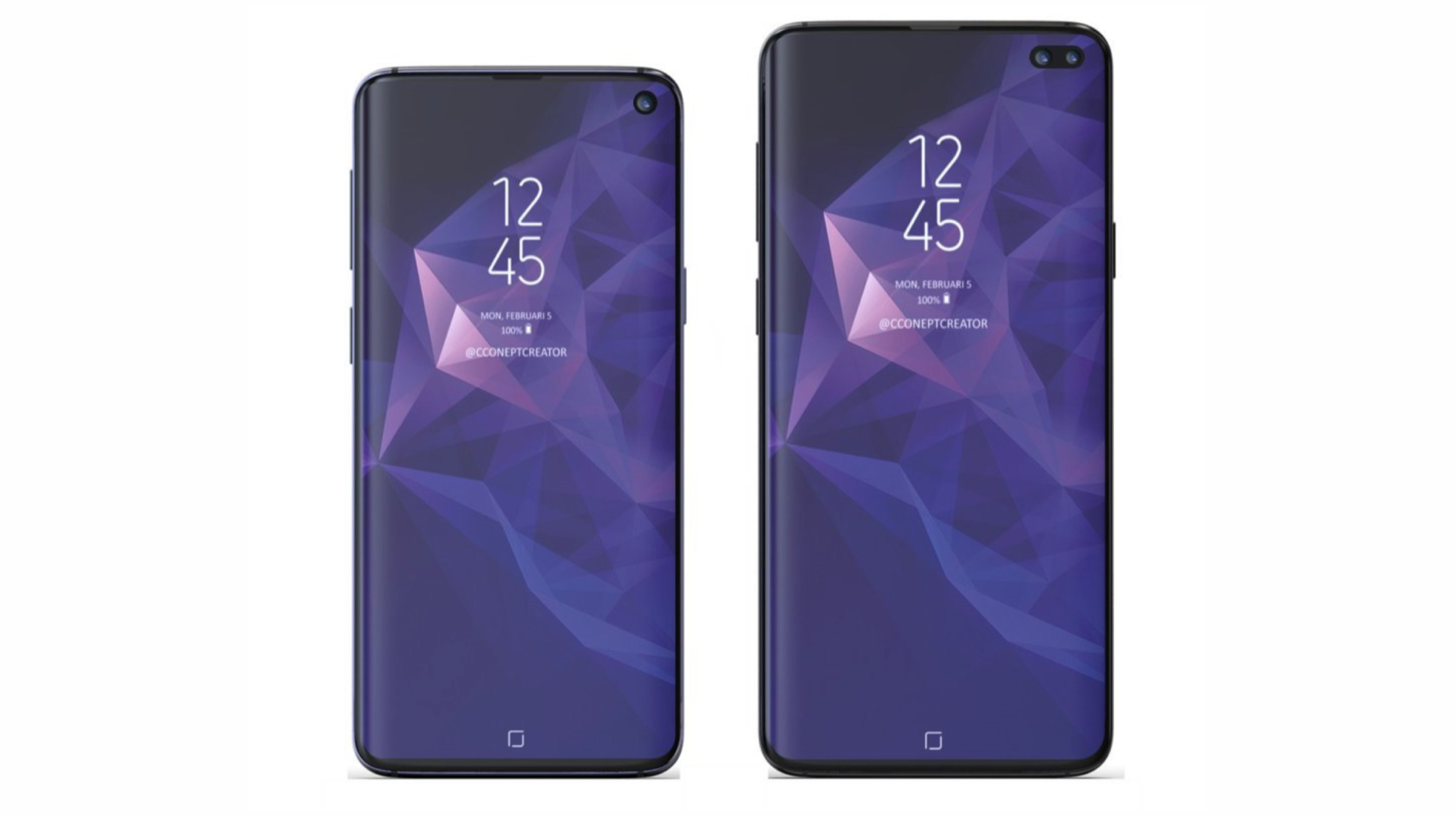
    Samsung’s Galaxy series of phones are the most anticipated high end smartphones along with Huawei, iPhones and Oneplus phones. So it does not come as a surprise that everyone has focused their attention on the new Galaxy S10 series of phones.

    According to a Dutch media source, Samsung had filed a new patent which includes the provision for a tiny second display. This isn’t the average display at the back of the phone, but a display overlay over the front camera. Most phones with punch hole cameras have to leave the lens part blackened out. The new patent wishes to put a screen on top of it. This is so that it can display relevant icons such as an animation of a heart when performing biometrics, a red outline if the camera is not ready, a green outline when it is and so on.  The transparent screen will hide various optical components which work with the help of light. These include proximity sensors, lighting sensors and the front camera. This will enable the phone to have a cleaner design and will be a much better experience for the users. 

    Details

    The second screen area will supposedly have a lower resolution than the main screen. The two display areas will work independently of each other. The display will also be able to show colours and the transparency of the small display will vary. 

    Samsung has spoken about correcting the image displayed on the second screen. This can be done using a technology they are calling ‘light path conversion device’. It is integrated as an additional display layer, in a grid pattern. The smartphone is also said to be able to detect if the area is being used for the camera or biometrics. We will have to wait and see if these new patents are in any way incorporated into new phones. Specially the the soon-to-be-launched galaxy S10 but it seems highly unlikely since many previous leaks suggest the phone to have a punch hole camera like any other phone. 

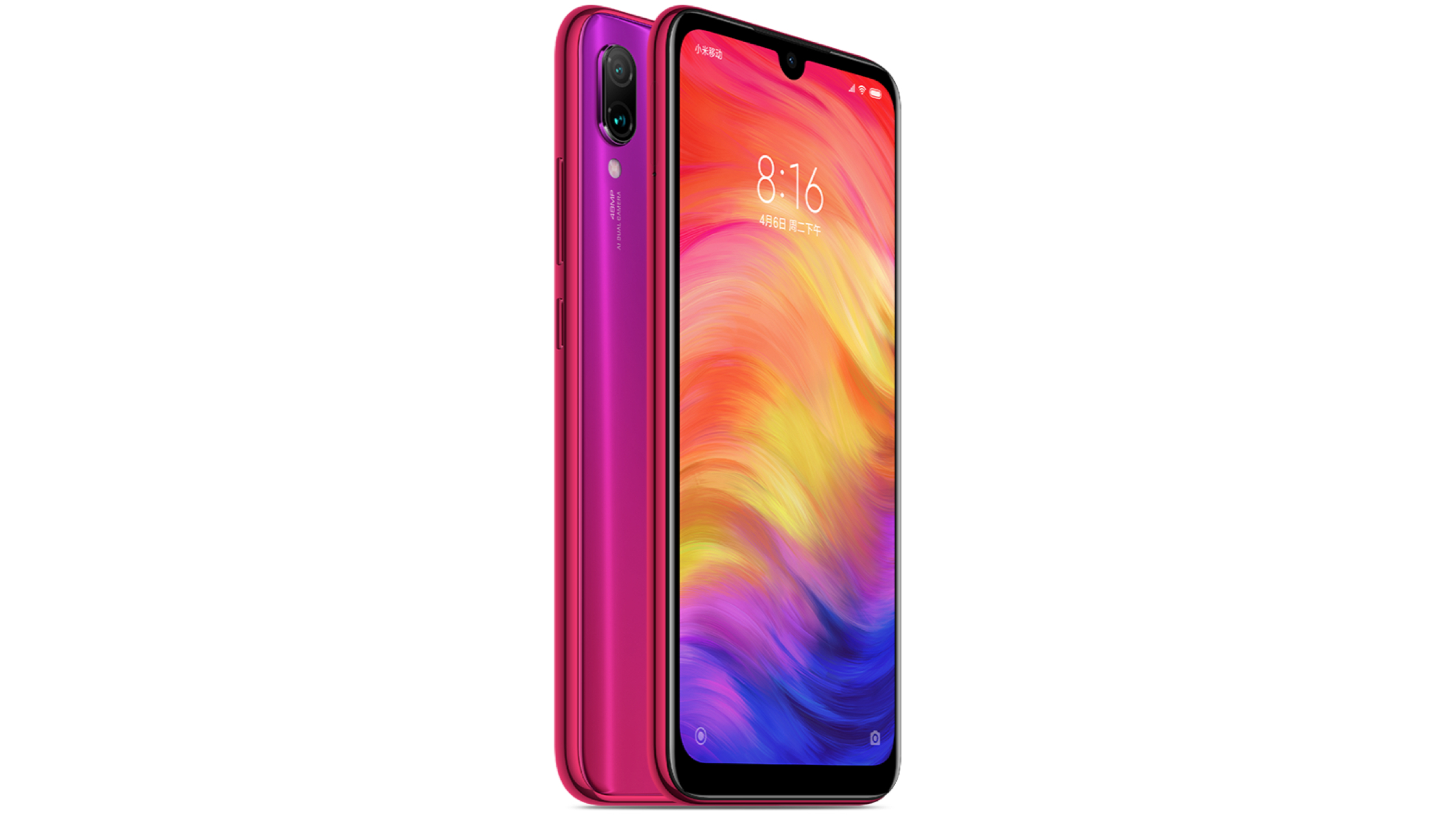
  • Redmi Note 7 Pro May Have Snapdragon 675, Price Leaked

    Redmi Note 7 Pro May Have Snapdragon 675, Price Leaked

    Redmi, since becoming a separate brand from it’s parent company Xiaomi has been working towards building a strong portfolio of phones. The Redmi Note 7 recently sold out in a matter of minutes in China and now it seems like new rumours have surfaced regarding the Note 7 Pro. Xiaomi had announced at the Redmi Note 7 launch that the Redmi Note 7 Pro will debut next month.

    The Note 7 Pro will reportedly feature a Snapdragon 675 SoC, as reported by a tipster on a popular Chinese social networking website. Like the Note 7, the new Note 7 Pro will also feature a 48-megapixel primary sensor at the back but instead of the Samsung ISOCELL GM1 sensor, it will use Sony’s IMX586 primary sensor.

    Redmi Note 7 Specifications

    The Redmi Note 7 was launched with a Snapdragon 660 chipset along with an Adreno 512 GPU. The phone’s screen is a 6.3 inch IPS LCD capacitive touchscreen with Gorilla Glass 5 for extra protection. The Redmi Note 7 came in two variants. This includes a 64 GB storage, 4 or 6 GB RAM variant as well as a 32 GB storage 3 GB RAM variant. We can expect the Redmi Note 7 Pro to pack atleast 6 GB RAM and 256 GB of space.

    Apart from that we can also expect a micro SD card support like the Redmi note 7. Qualcomm had launched the 674 SoC last year and it has support for Qualcomm’s Quick Charge 4+ technology. Whether or not the company decides to have wireless charging enabled on the phone we will have to wait and see. 

    The phone launch is scheduled for sometime around the Chinese New Year next month and according to another tipster, it might cost CNY 1499. 

  • Apple Replaced 11 Million iPhone Batteries In 2018 Up From 1-2 Million In The Past

    Apple Replaced 11 Million iPhone Batteries In 2018 Up From 1-2 Million In The Past

    Last year Apple apologized to customers for purposely slowing older iPhones via a software update. Angry iPhone users accused Apple of deliberately slowing down older iPhones that would force them to upgrade to a new device. However, the company later explained it was done in an effort to prolong the battery life of ageing devices. To make peace with anguished users, Apple offered battery replacement for the affected devices at highly discounted prices.

    Before the battery replacement program, it would cost US $ 79 to replace the battery on an iPhone 6 or later which was later brought down to US $ 29. A notable Apple blogger, John Gruber in a post reported that during the battery replacement program Apple swapped batteries on 11 million iPhones which are several folds compared to 1-2 million in previous years.  However, Apple is yet to confirm the actual figures. The replacement program was kicked off in December 2017 and it concluded on 31 December 2018. 

    Also Read: Samsung S10 Launch Billboards Suggest Galaxy Fold Will Launch In February

    Battery replacement on affected devices prior to the program would cost Rs 6,500 in India which later came down to only Rs 1995. This exchange program has hugely affected the revenue forecast for Apple. Analysts originally forecasted revenue of $ 91 Billion which fell sharply to $ 84 Billion for the first fiscal quarter of 2019. 


  • Qualcomm Refused To Sell Chips For Apple iPhones

    Qualcomm Refused To Sell Chips For Apple iPhones

    It was the talk of the town when Apple decided to ditch Qualcomm’s chips and go with Intel instead. However now, it has come to the forefront that Apple wanted to have Qualcomm chips on their iPhone XS, XS Max, and XR models but was refused a sale by Qualcomm themselves. Apple had originally wanted to give half the contract to Intel and half to Qualcomm. It was in 2016 when Apple started splitting the chip orders between Intel and Qualcomm. But this time they had to give the entire modem order to Intel. 


    These revelations have come out from a senior member of Apple who revealed these information during his testimony to the US Federal Trade Commission. Apple and Qualcomm have been at loggerheads for quite some time now with Qualcomm being on trial, accused of monopolistic practices. The case registered is based on a complaint brought by the Federal Trade Commission in 2017. Apple had also sued Qualcomm just three days after the FTC filed its complaint. The accusations were similar to that of the FTC stating Qualcomm strong- armed companies into paying royalties. 

    Apple Intel
    Image via 9To5Mac

    This however has not been a single sided battle and Qualcomm itself has accused Apple of patent infringement in China and Germany. This has led to a decision of banning a few older iPhone models in China as well. Intel and Samsung has also filed amicus briefs supporting the FTC. Both those companies being competitors of Qualcomm. 

    Implications On The Future Of Smartphone Industry

    While Qualcomm has already made strides in the 5G development, Intel’s 5G chips are not ready yet and may take another year. This means manufacturers who use Qualcomm’s hardware will be able to bring 5G ready phones to the market faster than Intel chip users. 

    On the other hand, if the prices in terms of royalties are reduced by Qualcomm, phone manufacturers may use that extra money to focus on other features. The royalty reduction however wouldn’t trickle down to reduction of phone prices for customers. 

  • Apple Suppliers Commence Production Of AirPower, Wireless Charging Pad

    Apple Suppliers Commence Production Of AirPower, Wireless Charging Pad

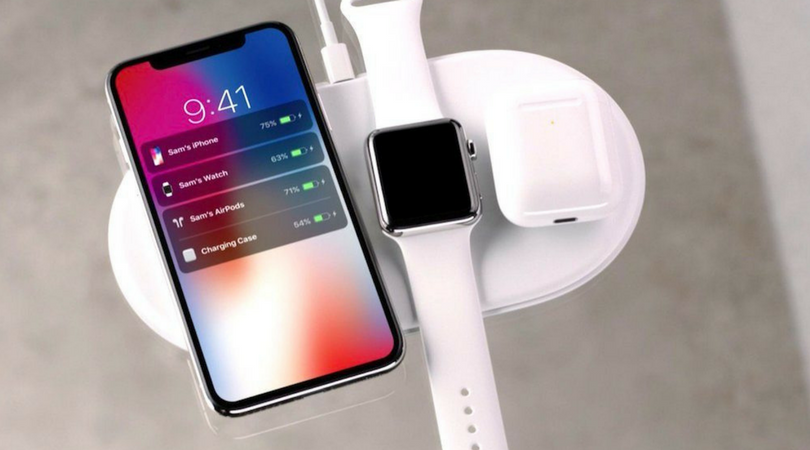
    Nokia was the first company to introduce wireless Qi charging with it’s Lumia 920 in 2012 which was later followed by LG Nexus 4. Apple previewed the AirPower, a wireless charging mat on 12 September 2017. Unlike conventional wireless charger, Apple AirPower mat can simultaneously charge multiple devices. Although AirPower uses Qi charging standard, concurrent device charging is a feature that has been developed by Apple. One year after the initial preview of the AirPower charging mat, Apple removed all mentions of the device from its website. Reportedly this was due to several development issues which involved heat management and inter-device communication. A fresh leak from a credible source suggests that Apple AirPower is finally coming. 

    The Leak

    A Twitter account, ChargerLab shared two tweets one after another that reveals that Apple has resolved the issues that setback the AirPower mass production. According to the source, Luxshare precision has already started mass producing wireless Apple mats. In addition to manufacturing AirPower, Luxshare Precision also manufactures AirPods and USB Type-C cable for Apple.   

    The second tweet exhibits that Apple has in fact partnered with another contract manufacturer, Pegatron. AirPower mass production at Pegatron will commence at 21 January. Pegatron employee revealed that the AirPower has three layers of coils which are set in 8-7-7 configuration. 

    Compatible Devices and Launch Date

    The AirPower can be used to any Qi wireless supported devices. Apple products that support wireless charging are as follows:

    • iPhone 8 and later models
    • Apple Watch Series 3 and later models
    • Apple AirPods

    Also Read: Nokia N9 Spotted Running KaiOS At CES 2019

    Alas, the source did not reveal any information about the official launch date of the Apple AirPower. However, to cheer up the customers the company is expected to launch it soon. 

  • OnePlus 7 May Have Wireless Charging

    OnePlus 7 May Have Wireless Charging

    Information for the next OnePlus device is already pouring in as the launch for the OnePlus 7 comes inevitably closer.  If industry trends are to go by, OnePlus phones might soon feature wireless charging. OnePlus is slowly moving from the budget flagship tag to becoming a full fledged flagship phone and in doing so they will slowly introduce features and benefits that other competing flagships have. These include wireless charging, IP Rating and better cameras. While we know very little about the upcoming phone from OnePlus, we do know that they like to share certain technology with their sister company Oppo.

    Oppo has joined the ‘Wireless Power Consortium’. The consortium is an an open, collaborative standards development group of more than 600+ company members around the globe. The members include big names such as Apple, Samsung and Huawei.

    Oppo had refrained from wireless charging so far. They have not used this charging technology citing that the technology is not upto the mark since their Super VOOC technology can charge faster. OnePlus’ reasons are similar and the company has said that they will include wireless charging when they figure out a way to include fast charging technology onto wireless chargers.

    Also Read: OnePlus 7 Leaks: What We Know So Far

    Oppo joining the consortium maybe a good sign as it might mean their next flagship featuring wireless charging which might eventually lead to wireless charging supported on OnePlus devices. While the industry suspects that this technology will be available on OnePlus 7, we feel it might be added to the OnePlus 7T six months from April/May 2019. 

  • Geekbench And AnTuTu Benchmarks Of Snapdragon 675 Surface Online

    Geekbench And AnTuTu Benchmarks Of Snapdragon 675 Surface Online

    American chipmaker, Qualcomm announced its Snapdragon 675 SoC late last year. It is a 64-bit chipset that is manufactured using 11 nm process technology. It consists of an Octa-Core CPU that has a maximum clock speed of up to 2.0 GHz and Adreno 612 GPU. The Geekbench and AnTuTu benchmarks were shared online that reveal an intriguing result. 

    Snapdragon 675 Geekbench Results

    A Chinese smartphone manufacturer, Hisense showcased it’s Snapdragon 675 smartphone, the U30. The leaker was able to install the benchmark app on the demo device and collect Geekbench results.

    The smartphone scores a single-core score of 2273 points and a multi-core score 5827. Shockingly, both the single-score and multi-core score of the Snapdragon 675 is better than its elder sibling, the Snapdragon 710. The latter is manufactured using 10 nm processing technology and is present on devices like the Nokia 8.1 and Lenovo Z5s.  

    Snapdragon 675 AnTuTu Results

    https://twitter.com/bang_gogo_/status/1083662014986149888

    The AnTuTu benchmark results of the Snapdragon 675 were shared by an Indonesian Twitter user, Bang Gogo. The smartphone gets a total score of 174402 which comprises CPU, GPU, UX and Memory points. A bar chart exhibits that the Snapdragon 675 has higher Memory, UX and CPU score than its cousins which include the Snapdragon 710, Snapdragon 670 and Snapdragon 660.  

    Also Read: Nokia 8.1 Plus Leaked Images Suggest It Has A Punch Hole Display

    However, the Snapdragon 710 comes out on top in the GPU department which is followed by the Snapdragon 670. It is self-explanatory as the 710 and 670 feature the Adreno 616 and Andreno 615 GPU which are better than the Adreno 612 on the Snapdragon 675. 


  • DJI Announces A $650 Smart Controller At CES

    DJI Announces A $650 Smart Controller At CES

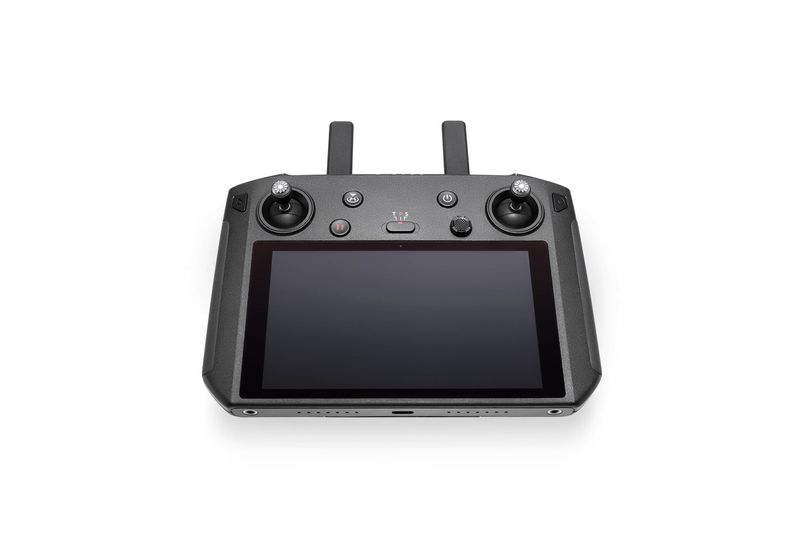
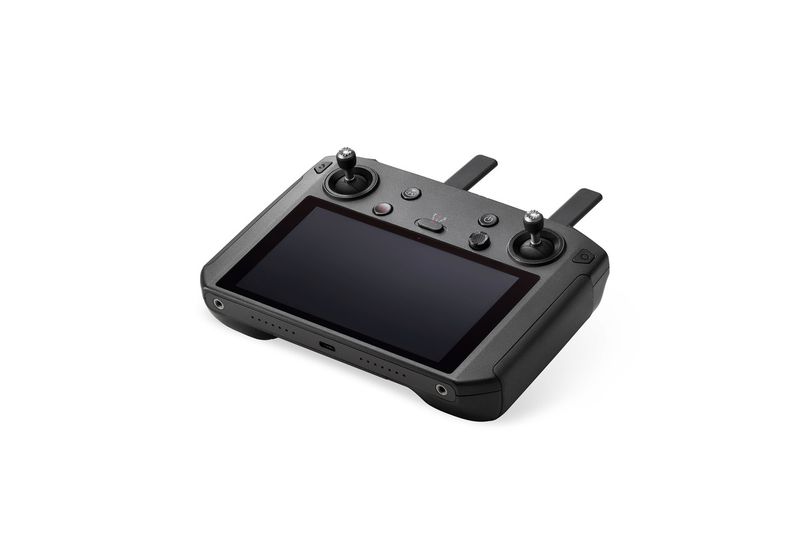
    DJI has been making new and innovative products in the drone and videography business for a long time now. This year, at CES they showcased a smart controller with a screen that can see what your drone sees, in realtime! 

    Features

    The controller supports its Mavic 2 Zoom and Mavic 2 Pro drones and it features a screen with which you can see the visuals captured by the drone in realtime. The said screen is a 5.5-inch 1080p touchscreen that runs Android. DJI knows the problems that drone pilots face and thus, has included features to prevent those issues. It has protection from harsh temperatures ranging from -20 degrees Celsius to 40 degrees Celsius which allows the pilot to fly drones in extreme temperatures. The smart controller also has a bright 1,000 cd/m2 screen thus allowing for a clear viewing experience even in harsh and direct sunlight. 

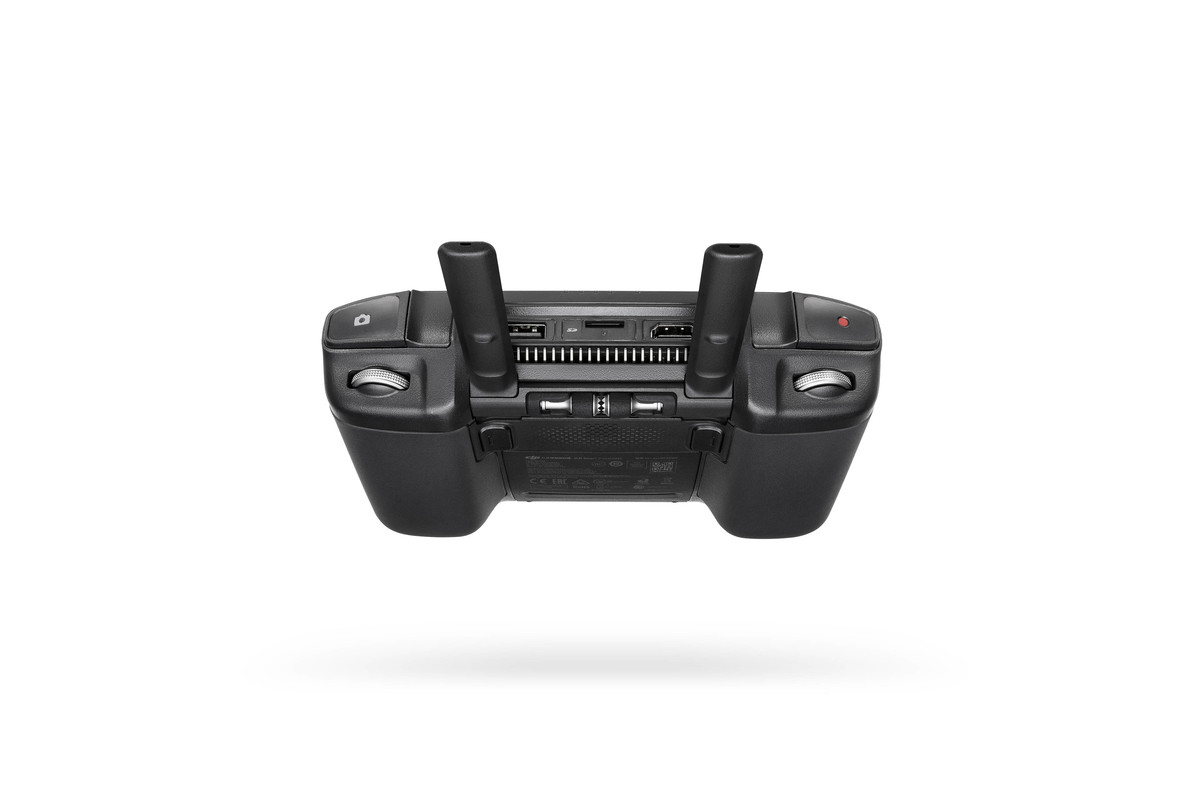
    It has Bluetooth 4.2, Wi-Fi, and DJI’s own OcuSync 2.0 video transmission technology. This technology for video transmission automatically switches between 2.4GHz and 5.8GHz to reduce interference. This allows the pilot assurance of a reliable long-range transmission. The Android loaded on the controller is a customised version with apps for sharing and editing. This includes DJI’s own Go Share app as well. 

    Additionally, it has a microphone and a speaker if anyone wishes to livestream the drone flight as well! If you want to playback your video directly on a bigger screen in 4K you can do that using the HDMI port on the controller. The in- built storage on it however, is just 16GB. The controller does however support a maximum of 128GB UHS-1 Speed Grade 3 card. Even at lower temperatures, the 5,000mAh battery with support for fast charging ensures that the controller lasts long enough for a flight. It can be fully charged in just 2 hours using a 12V/2A adapter and it lasts up to 2.5 hours on a single full charge. 

    The controller is priced at a hefty $650 and is available on the company’s website. 

  • Bose Introduces Noise Cancellation For Cars

    Bose Introduces Noise Cancellation For Cars

    Bose has been in the forefront of noise cancellation technology for a long time now and it seems the company is making strides into in- car noise cancellation as well. This technology will keep the sound of the car engine and other peripheral sound away from the passengers sitting inside. While some of might love the growling engine and exhaust of our cars, some do prefer a quieter journey, specially for long distances. 

    The new technology is called QuietComfort Road Noise Control. Bose is known worldwide for their excellent noise cancellation headphones also, aptly named QuietComfort series. This technology uses your vehicle’s audio system, accelerometers, microphones, and Bose’s own signal-processing software. While cars, up until now provided noise reduction, by increasing the insulation and use of specialised tires, the QuietComfort Road Noise Control works differently. 

    How It Works

    Bose headphones continuously measure, compare, and react to outside noise, then cancel it with the opposite signal. The car’s noise cancellation system works in a similar fashion. It uses an algorithm that counteracts noise produced by the body of the car with equal and opposing sound waves. These sound waves are transmitted through the car’s speakers. The technology also makes use of small microphones inside the cabin to generate the precise noise reduction signal that is required. 

    This technology will provide a quieter in- car environment. This will allow the passengers and the driver a chance to enjoy their music, calls or conversation without any disturbance. This technology is aimed towards the future, according to Bose, because it will substantially reduce noticeable road noise from electric propulsion and lighter cars. The technology will theoretically also help the car become lighter because noise insulation will not be required in cars anymore. 

    Bose has been pioneering the noise reduction technology and has several patents to its name. It will be interesting to see how the company changes in- car noise reduction as we know it. 

  • Lexar Announces World’s First 1 TB SD XC Card

    Lexar Announces World’s First 1 TB SD XC Card

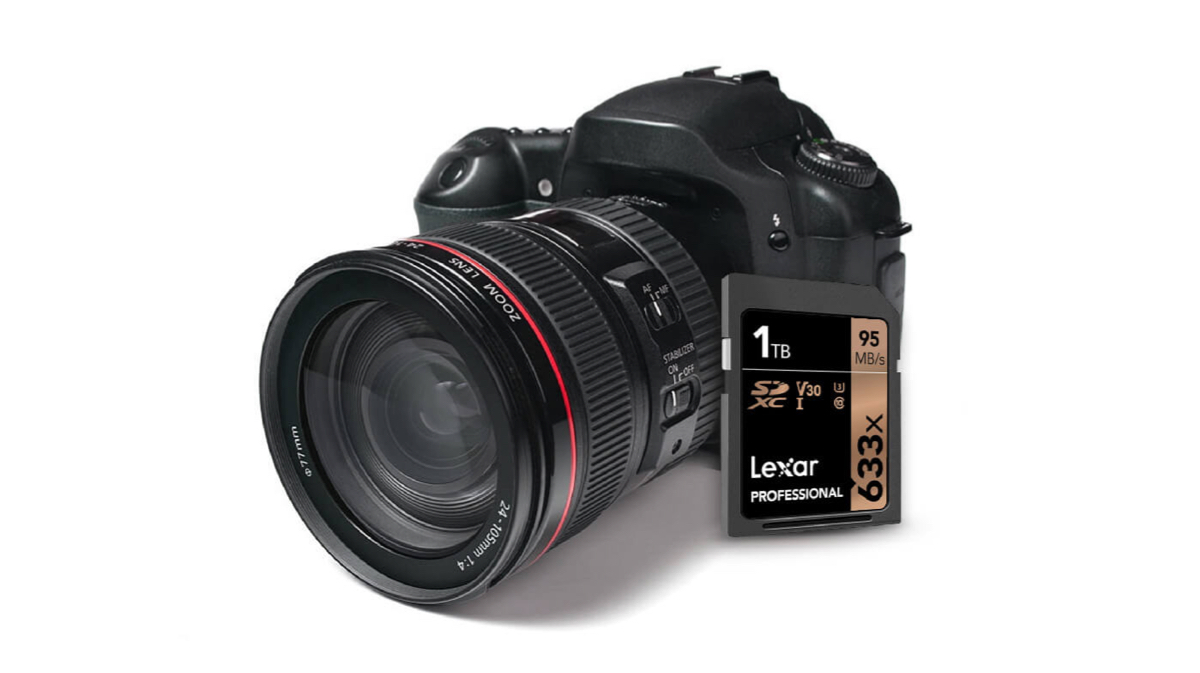
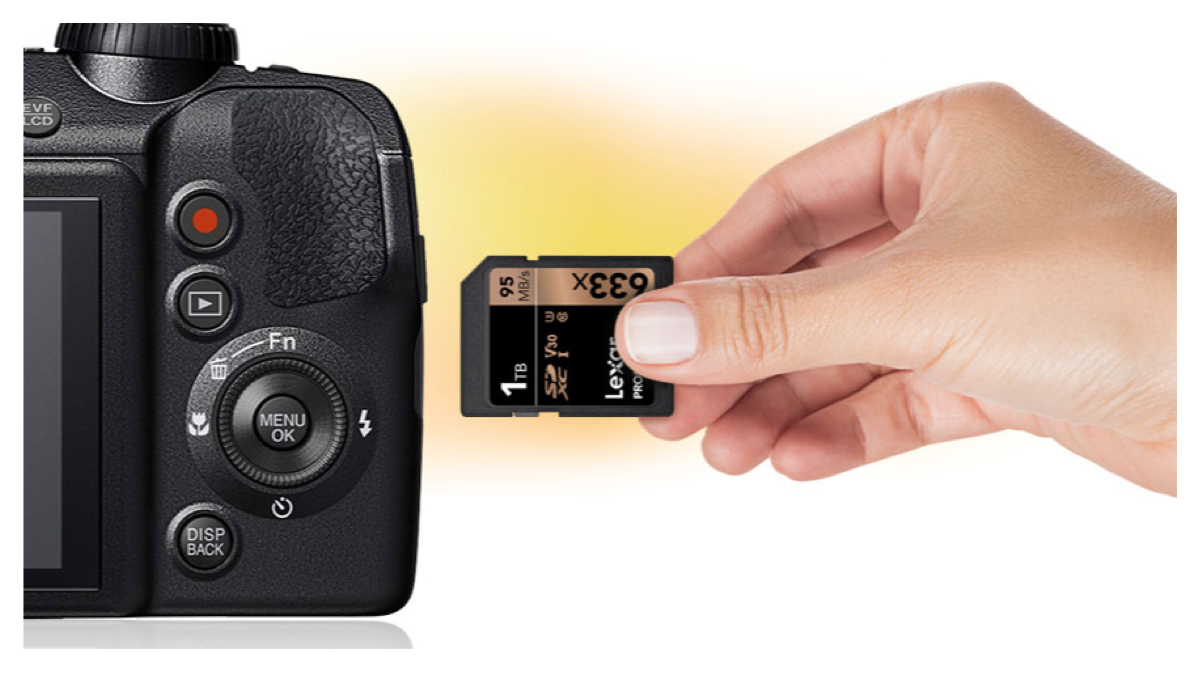
    Back in 2016, SanDisk had unveiled the world’s first 1 TB SD card, but unfortunately it never made it to the market. However, Lexar, a brand that was bought by Longsys two years back, has now released a 1 TB SD card that is available for purchase! It is noteworthy that the Lexar brand was shutting shop when Micron, the then parent company decided to discontinue the brand.

    Specifications

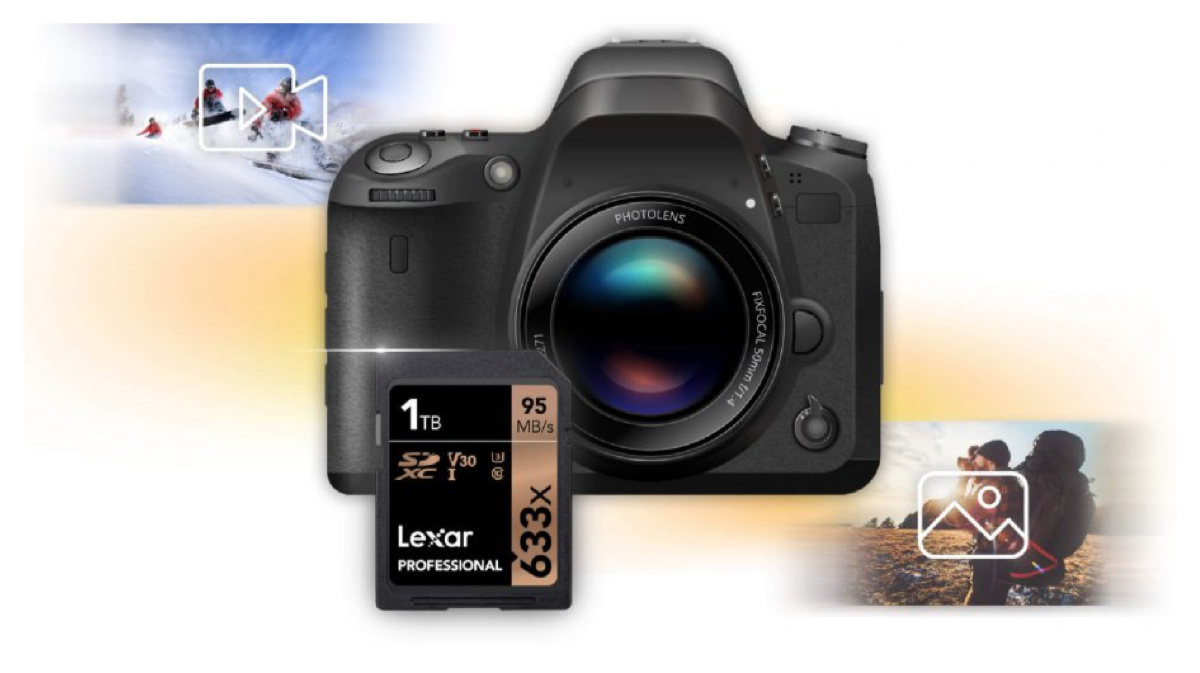
    The card promises to transfer high-quality photos and 1080p full-HD, 3D, and 4K video extremely fast. It promises to deliver read speeds of up to 633x (95MB/s). The card has a video recording speed class of V30. The main competition to this card will be Sand Disk’s 512 Extreme Pro SDHC/SDXC UHS-I memory card. 

    A senior official from Lexar stated that almost fifteen years ago Lexar had announced a 1GB SD card. And now the company has achieved to have a 1 TB storage capacity in the same convenient form factor. He also stated that as consumers continue to demand greater storage for their cameras, the combination of high-speed performance with a 1TB option now offers a solution for content creators. Specially those who shoot large volumes of high-resolution images and 4K video. 

    According to the company, all Lexar product designs undergo extensive testing in the Lexar Quality Labs. This occurs in facilities with more than 1,100 digital devices. This is done to ensure performance, quality, compatibility, and reliability.

    This card however, being a pathfinder of sorts, is quite expensive. The 1TB Lexar Professional 633x SDXC UHS-I card is available at an MRP of $499.99. Buying two 512 GB SD cards are still cheaper, but it might mean taking a cut in between recording footage  to change cards if you frequently record 4K videos.  The new 1 TB card also comes with a limited-lifetime warranty. 

  • AMD Ryzen 9 3800X ‘Matisse’ With 4.7 GHz Turbo Clock Listed Online

    AMD Ryzen 9 3800X ‘Matisse’ With 4.7 GHz Turbo Clock Listed Online

    AMD is an American company that design and markets computer processors. The CPUs offered by the company are usually overshadowed by their Intel counterparts. But in the year 2017, AMD launched the Ryzen series of processors which due to the high value for money factor has put the company in limelight. The Ryzen processors are available under three different lineups which are Ryzen 3, Ryzen 5, and Ryzen 7. Surprisingly, an all-new Ryzen 9 flagship CPU, the AMD 3800X has been listed on a Russian retailer’s website.

    AMD Ryzen 9 3800x

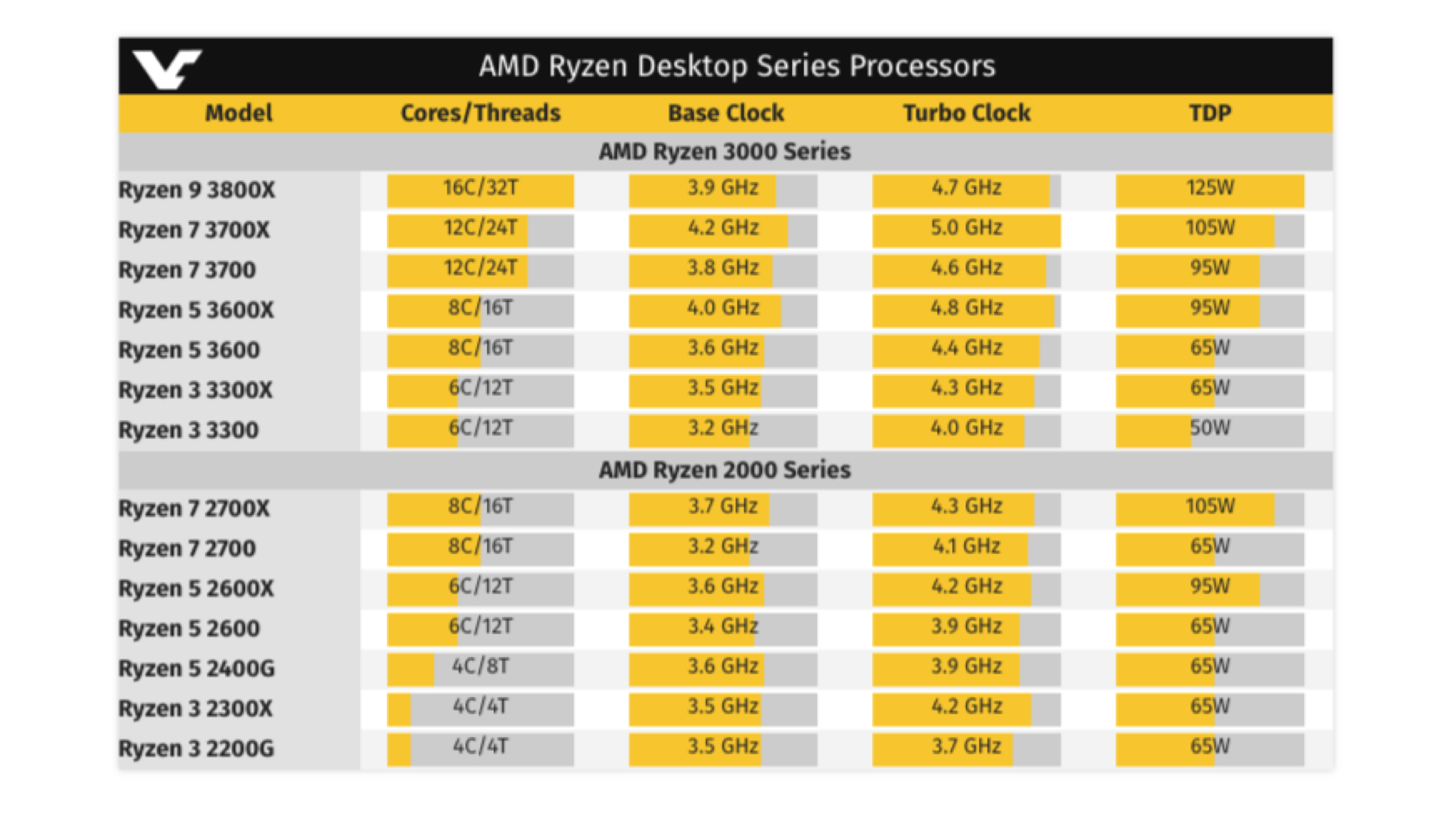
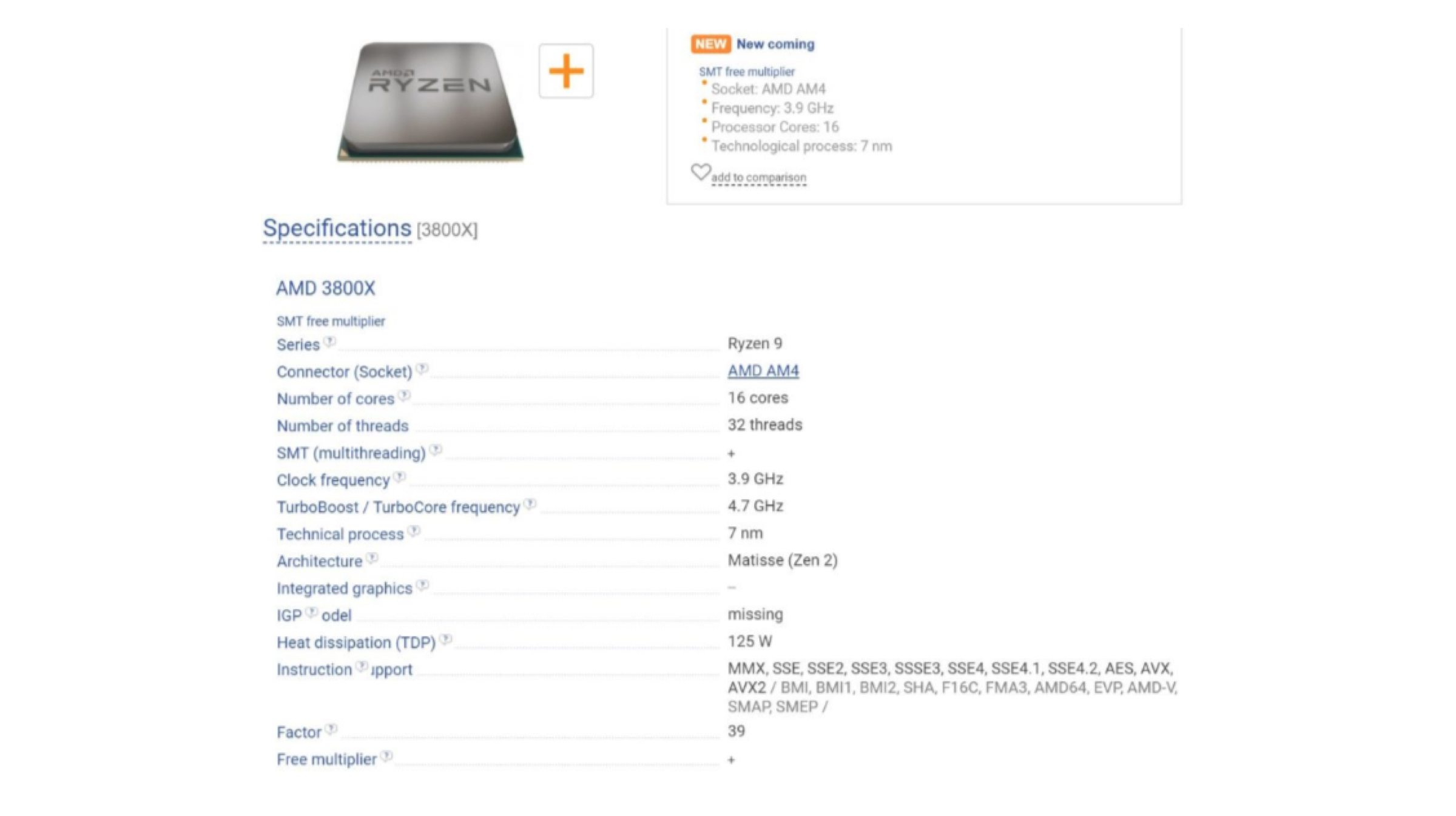
    The upcoming AMD Ryzen 9 3800x is the most powerful processor that the company has ever designed.  According to the leak, the 3800x CPU is manufactured using 7nm technology and is based on Matisse (Zen2) architecture. Reports in the past have claimed that AMD will showcase Zen2 architecture based chip at the CES 2019. Therefore, the Ryzen 9 might be unveiled during the tech event which is scheduled for 8-12 January. 

    The mighty AMD Ryzen 9 3800x CPU has 16 cores and 32 threads. It will be the world’s first computer chip to be manufactured using 7 nm FinFET technology. Most notably, the processor has a base clock speed of 3.9 GHz and a turbo clock speed of 4.7 GHz. This clock speed is 400 MHz higher than the current flagship Ryzen 7 2700X which can be clocked up to 4.3 GHz. The processor has a TDP (Thermal design power) of 125 watts which again is 20 watts higher than the current flagship.

    Ryzen 9’s Competition

    The Ryzen 9 with its 32 cores, super-high clock speed, and 125 W TDP will compete against the likes of Intel i9 processors which were launched late last year.

    Launch Date & Pricing

    Also Read: Sony Bumps Up 3D Camera Sensor Production

    Like the previous Ryzen processors, AMD is expected to aggressively price the Ryzen 9 3800X. The CPU will most likely be unveiled at the CES 2019. Along with the Ryzen 9, the company might also showcase the next-generation Ryzen 3,5 and 7 CPUs.

iGyaan Network
Privacy Overview

This website uses cookies so that we can provide you with the best user experience possible. Cookie information is stored in your browser and performs functions such as recognising you when you return to our website and helping our team to understand which sections of the website you find most interesting and useful.