Category: Videos

  • Editor’s Pick : The Week in a Video

    Editor’s Pick : The Week in a Video

    This week we saw a lot of excitement along with many highs and lows. Here are the past seven days summed up in a video:

    The biggest news of the week was the launch of the new brand by Micromax called YU. The brand is a result of a collaboration between Micromax’s founder Rahul Sharma and custom ROM maker Cyanogen. The first phone from the brand is called Yureka and it has an impressive spec sheet and comes at a mind-blowing price.

    Micromax was also in news for its infringement case against the Chinese phone manufacturer, OnePlus. This led to a temporary ban on the sale of OnePlus devices in India.

    OnePlus also launched a powerbank this week. Known as the OnePlus Power Bank, it supplies 10,000 mAh of power, enough to provide three full charges for your smartphone.

    The other major Chinese smartphone maker, Xiaomi had a better week than the last month. After banning the company from selling its devices in India, the court gave respite to the company to sell its Qualcomm chipset based devices. The first flash sale is scheduled for 23rd December.

    Xiaomi also had a good week globally as it reached the fourth spot on the points tally of phone makers and ended up kicking out LG from the fifth spot. In just a span of one year the company has raised its market share from 1.5 percent to 5.2 percent. It stands just 0.1 percent behind No.3 spot holder Huawei. Samsung managed to hold on to the first spot with 24.4 percent market share while Apple managed to keep a steady hold on the market with 12.7 percent share.

    Yet another Chinese manufacturer was in news. Gionee India head said that his company is ready to set up a manufacturing unit in India subjected to government clearance.

    World’s thinnest phone also arrived in India this week. With only 4.75 mm thickness, the Vivo X5 Max is priced at Rs. 32,980.

    Skype also brought good news for Indians when it offered free calling to US and Canada. Although this facility will last till 1st March 2015.

    It was reported that WhatsApp may soon be available online. A leaked screen shot shows the HTML coding for a potential online avatar of the popular messaging app.

  • Editor’s Pick : The Week in a Video

    Editor’s Pick : The Week in a Video

    Quite a few exciting things went down this week. So we decided to chart it out for you, here’s the weekly round up:


    1. OnePlus Launches in India – Read more about it here.

    2. We’re giving away 50 OnePlus invites. – Read more about it here.

    3. Micromax Brings Out ‘Yu’ – its own developers forum. – Read more about it here.

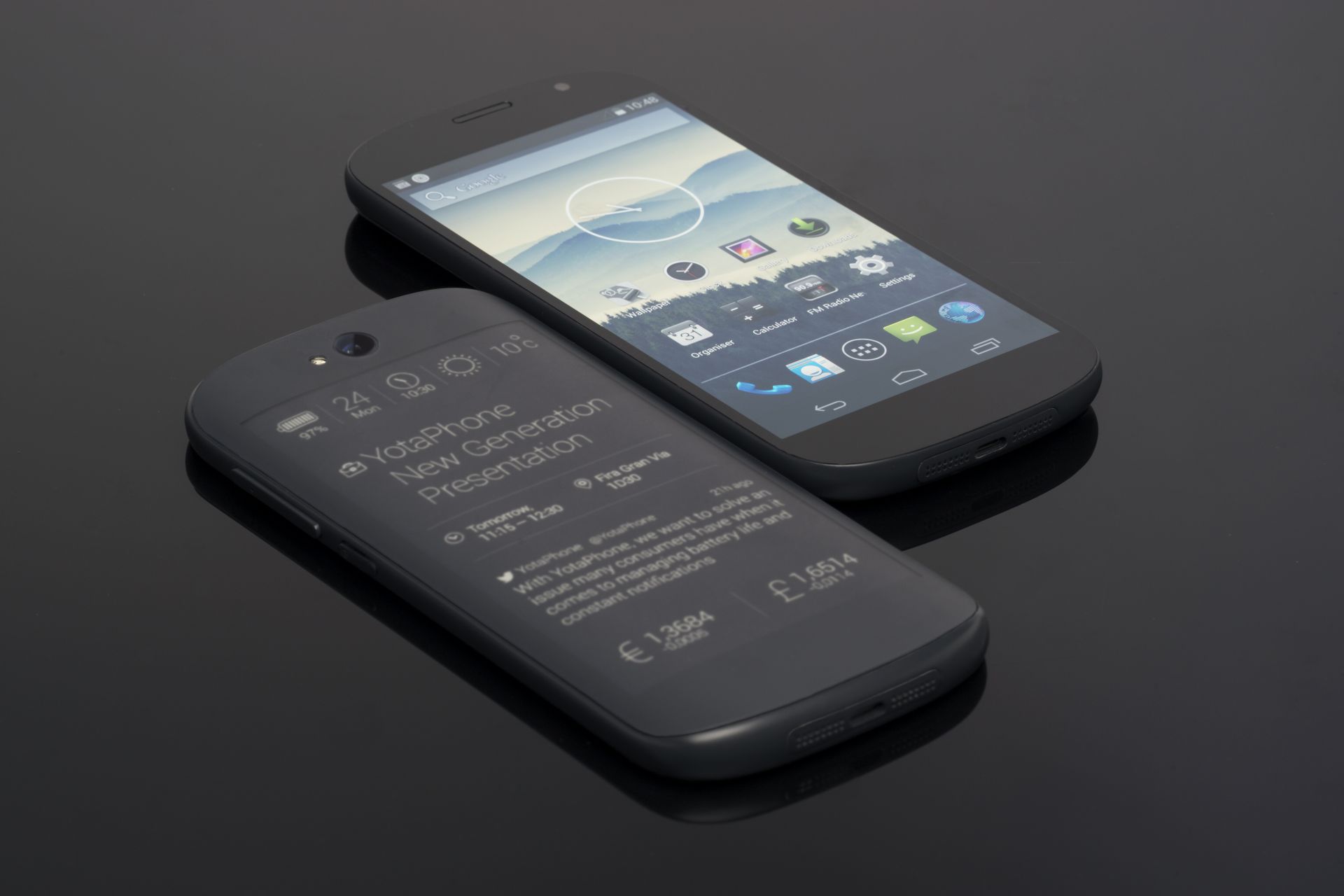
    4. Meet the YotaPhone 2-  Read more about it here.

    5. Apple Expected to Open Up 500 Retail Outlets in India – Read more about it here.

    6. Indian Government Plans Rs.10,000 Start Up fund – Read more about it here.

    7. Xiaomi banned in India- Read more about it here. 

    8. Google halts production of Nexus 5  – Read more about it here. 

    9. Nexus 6 Goes on Sale, Unavailable till Christmas – – Read more about it here.

  • Revisiting Nokia : Discovering Everything That the Fallen Titan Did For the World

    Revisiting Nokia : Discovering Everything That the Fallen Titan Did For the World

    With the release of the new Lumia branded phones by Microsoft, Nokia died as a mobile phone brand. For most, it’s not just a phone brand; it was a revolutionary change maker. It created, nurtured and took the mobile business to its maturity. We have now reached a point of tremendous concentration in the mobile market and the company who started it all has bid farewell. Nokia is like a grandparent; it did its part and then departed, leaving behind a lasting legacy of  a communication infrastructure that has brought gigantic leaps in the growth of human civilization.

    Journey To The Mobile Business

    Nokia's paper mill on the banks of River Nokianvirta in 1868.
    Nokia’s paper mill on the banks of River Nokianvirta in 1868.

    Nokia began as a paper mill back in 1865 with its second mill going up in the town of Nokia in Finland. The name ‘Nokia’ is derived from the river Nokianvirta, on the banks of which the company was established.

    The company expanded to working with rubber, electricity, and cables. Nokia rubber boots become a bona fide design classic, still on sale to this day by the name Nokian, albeit under new owners.

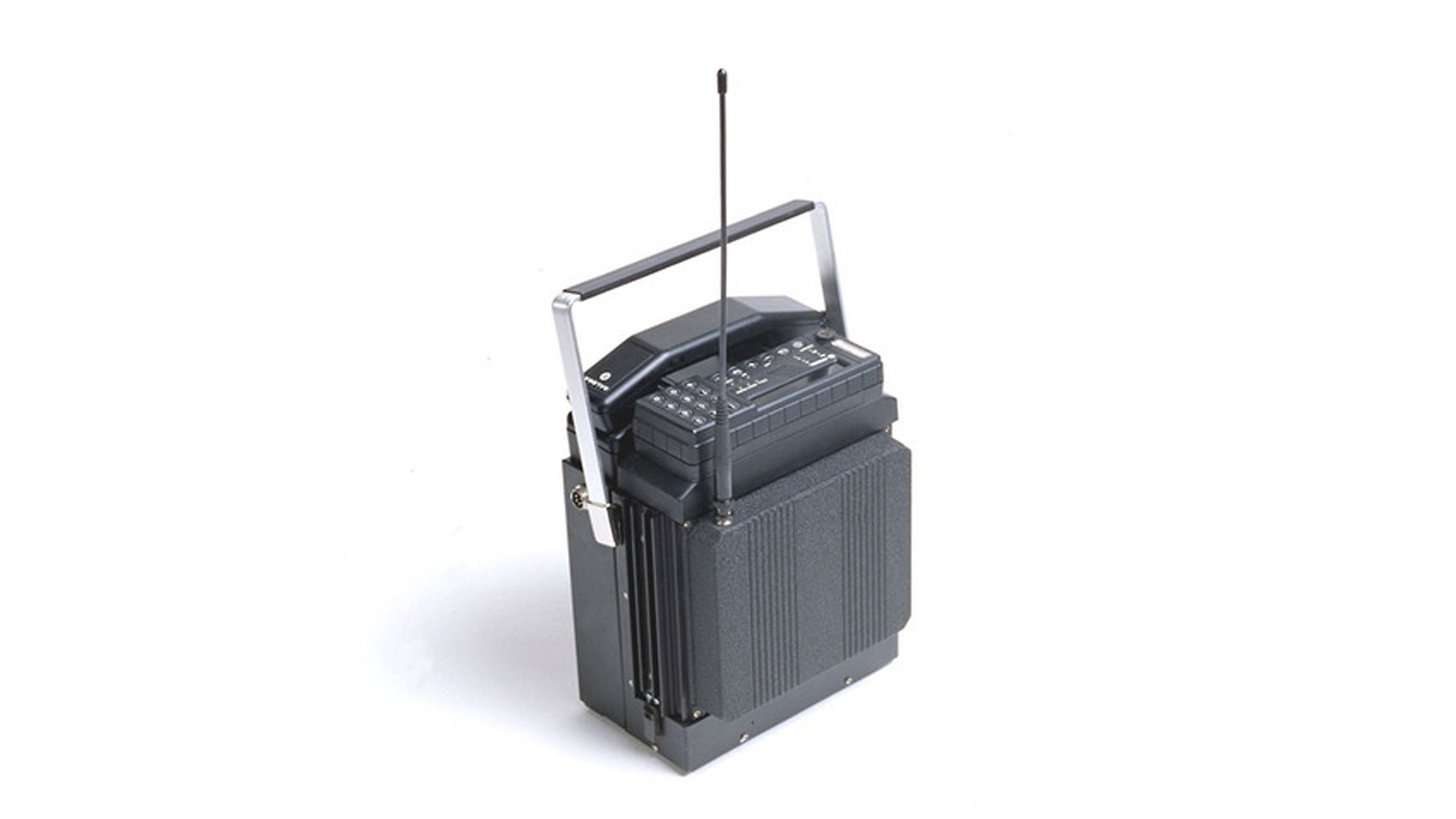
    Let’s fast forward to ’60s when the company made its foray into electronics. Nokia developed a host of electronic devices including radio telephones for the army. In 1979 Nokia took its first steps into telephony by creating Mobira Oy in a JV with Finnish TV maker Salora, and they created the Nordic Mobile Telephone (NMT) service. This was the world’s first international cellular network and in the 80s, Nokia launched its first car phone called the Mobira Senator.

    The Mobira Senator was the companies first car phone.
    The Mobira Senator was the companies first car phone.

    In the 1970s and 1980s, Nokia developed the Sanomalaitejärjestelmä (“Message device system”), a digital, portable and encrypted text-based communications device for the Finnish Defence Forces.

    In 1987, Nokia launched the Mobira Cityman, the first mobile phone that would run on the company’s NMT network. At 800 grams and priced at $6,308, it may be heavy and pricey by today’s standards, but the device soon hit cult status when Mikhail Gorbachev was photographed using the device.

    Nokia also tried its hands at personal computing.
    Nokia also tried its hands at personal computing.

    In the 1980s, Nokia’s computer division Nokia Data produced a series of personal computers called MikroMikko, which it later sold to Fujitsu. It briefly tried its luck again in the personal computer market in August 2009 with the introduction of the Nokia Booklet 3G mini laptop. It was not commercially successful but was appreciated for its integrated 3G modem, high-resolution screen, exceptional battery life and its fan-free design.

    World’s first commercial GSM call was made in 1991 in Helsinki over a Nokia-supplied network, by Prime Minister of Finland Harri Holkeri. Also, the first device to be used to make a satellite call in 1994 was a Nokia device. Nokia truly started the mobile revolution.

    The Devices

    Nokia 1011 was the first mass-produced device from Nokia. The design of the device was quickly copied into making pencil boxes for kids. The memory could hold 99 numbers and had a price tag of $1600.

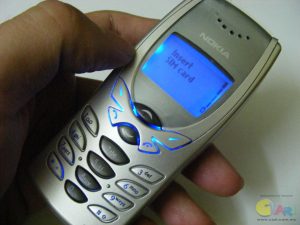
    Nokia 3310 announced on 1st September 2000, has now become a cult classic. There are unlimited internet memes based on the “Hulk-ness” of the device. Touted in humor as the only Man-Made thing that can incapacitate the Hulk. Nokia sold over 126 million pieces of the 3310 which had a 96×48 pixel display. You could take off the front and back panel and replace it with the color of your choice. It was the first phone to allow 459 character SMS messaging.

    Nokia 2110 was the first phone to come with the Nokia tune. It is estimated that the Nokia Tune is heard worldwide an estimated 1.8 billion times per day, approximately 20,000 times per second. It has been the icon of Finnish corporation Nokia since the 1990s.

    Introduced in 2002, the Nokia 3510 was the first color phone from the company. It was also the first mass market GPRS device.

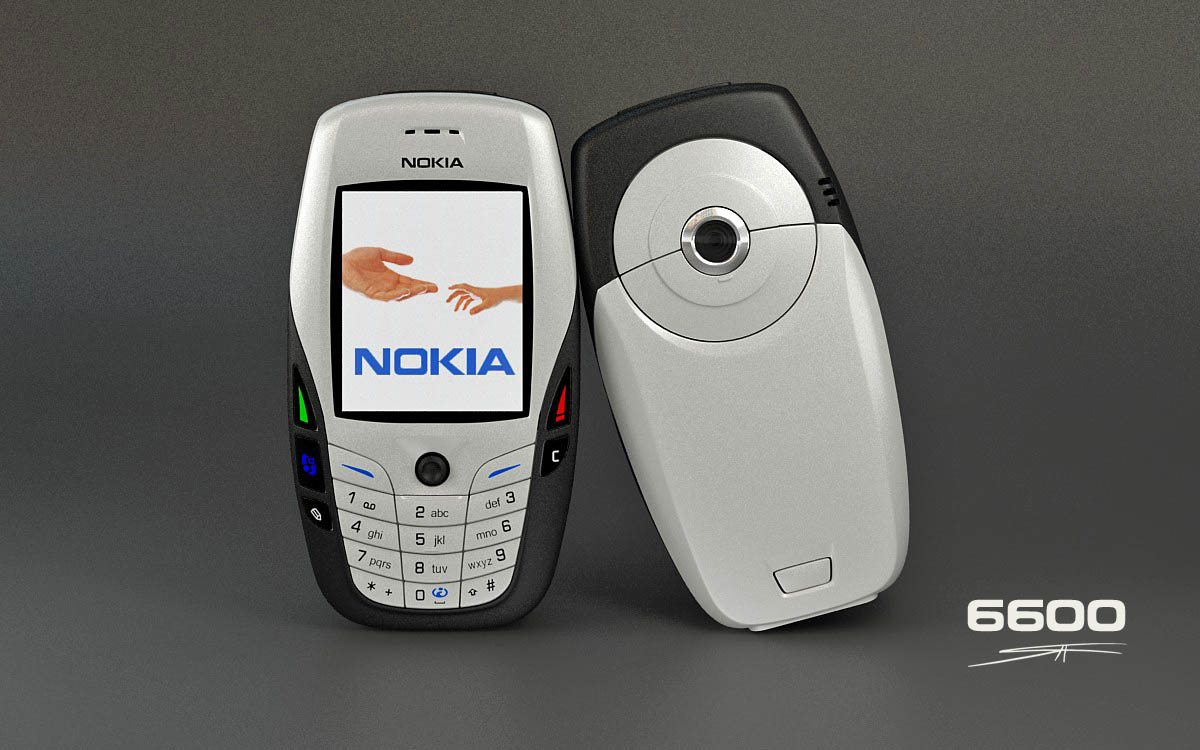
    The 6600 was one of the most popular devices and was almost the star of the movie, Cellular.
    The 6600 was one of the most popular devices and was almost the star of the movie, Cellular.

    The Nokia 6600 was a prolific device that was launched in 2003. The owners of the phone flaunted its VGA camera, Bluetooth and expandable memory. It was the first Nokia and Symbian device to sell over a million.

    The devices from Nokia were also known for its superior camera performance. Thanks to its popularity amongst the users worldwide, at one point Nokia was the biggest digital camera manufacturer in the world. It surpassed all other conventional camera makers.

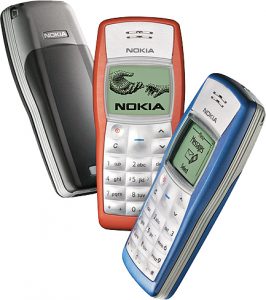
    The company has set records after records during its stint at the top of the food chain. In fact, the Nokia 1100 is the bestselling phone yet, selling over 250 million devices. At its peak the company sold 475 Million devices back in 2008, a feat that is still unchallenged.

    So What Remains of Nokia

    Following the departure of the mobile and services division of the company, the company is now has three business groups: Mobile Solutions, HERE, and Technologies. The company is currently headed by India-born Rajeev Suri.

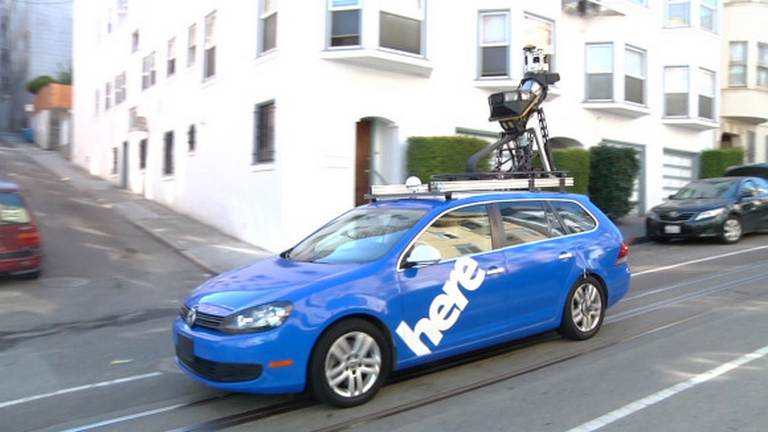
    Nokia's Mapping service Here is one of its remaining businesses.
    Nokia’s Mapping service Here is one of its remaining businesses.

    In 2007 Nokia acquired Chicago-based company NAVTEQ, which was the largest maker of automotive. This set the path to Nokia’s Here Maps. The mapping system is one of the few business retained by Nokia following its acquisition by Microsoft. Nokia will be now selling the mapping data to navigation providers like Garmin, BMW, Oracle and Amazon.com. It will now be available as a service across multiple platforms like Android and iOS.

    India born Rajeev Suri will be heading Nokia in its new era.
    India born Rajeev Suri will be heading Nokia in its new era.

    Nokia Networks, which is a wholly owned subsidiary of Nokia will also stay back with the company. It is a multinational data networking and telecommunications equipment company. They provide business services like Customer care support, fixed-mobile convergence, Hosting, IPTV, Mobile TV, WCDMA frequency reforming. It also provides connectivity solutions to governments, railways and airways.

    Nokia had developed a new operating system called MeeGo. When it shifted to Windows phone, the MeeGo team left Nokia to form an independent phone company called Jolla. The phones recently arrived in India.

    Another brand that is the offspring of Nokia is the luxury smartphone maker, Vertu. It was established by Nokia as a wholly owned subsidiary in 1998. For long the company used Symbian OS before shifting to Android recently. The phones are known for their stratospheric price and handcrafted luxury devices.

    nokia-logo-with-hands copy

    The journey of Nokia was long, arduous and for the most part rewarding. The company deserves credit and respect for spearheading the mobile revolution across the world. For the folks who saw the transition of the mobile world in the past two decades, the name Nokia brings a lot of memories of personal communications through what are now archaic devices. The mobile world has come a long way, but the fingerprints of Nokia will be visible everywhere. We don’t know what the future holds for Nokia, but we sure hope that it pulls a ” Motorola” and has a chance to rise from its ashes. RIP you Tech Giant.

    Timeline

    1. 1982: Nokia created the world’s first car phone, the Mobira Senator. It was paired with the Nordic Mobile Telephone analog standard and weighed around 22 pounds.
    2. 1987: the portable Cityman was Nokia’s first handheld mobile phone. It weighed a little over 1.7 pounds and cost about $5,456.
    3. 1994: Nokia launched the 2100 with the now iconic Nokia ringtone.
    4. 1997: Launches Snake, one of the most widely recognized mobile games of all time.
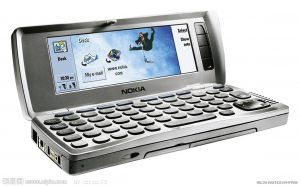
    5. 1996:  The Communicator 9000 of was the first all-in-one phone of Nokia’s kind. It had email, web browsing, fax, word processing and spreadsheet capabilities came for $800.
    6. 2000: Nokia 3310, the hulk of the mobile world is launched, and it sells 126 million units sold worldwide. Later becomes a popular internet meme.
    7. 2002: Nokia 7650 for around €600 was Nokia’s first Camera phone.
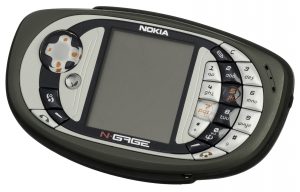
    8. 2003: N-Gage, World’s first gaming phone.
    9. 2008: 5800 Xpress Music release was Nokia’s first all-touch smartphone, but Apple was out with its iPhone and Android was coming up around this time.
    10. 2011, Nokia debuted its first Windows Phone, the Lumia 800.
    11.   2014, Microsoft acquires Nokia’s Mobile and Services business and puts an end to Nokia’s existence as a mobile brand.
  • Top 10 Tips and Tricks for Samsung Galaxy Note 4

    Top 10 Tips and Tricks for Samsung Galaxy Note 4

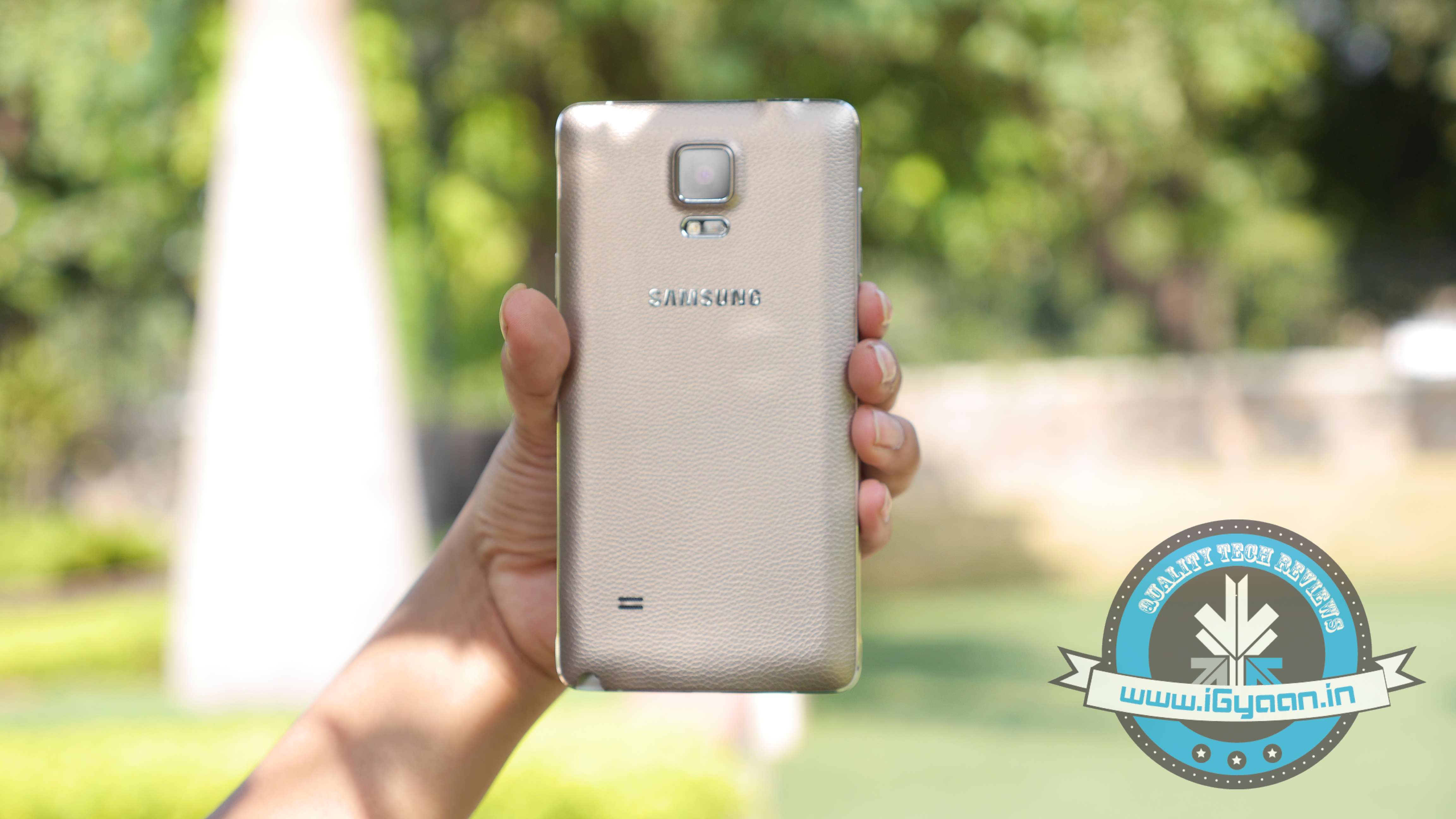
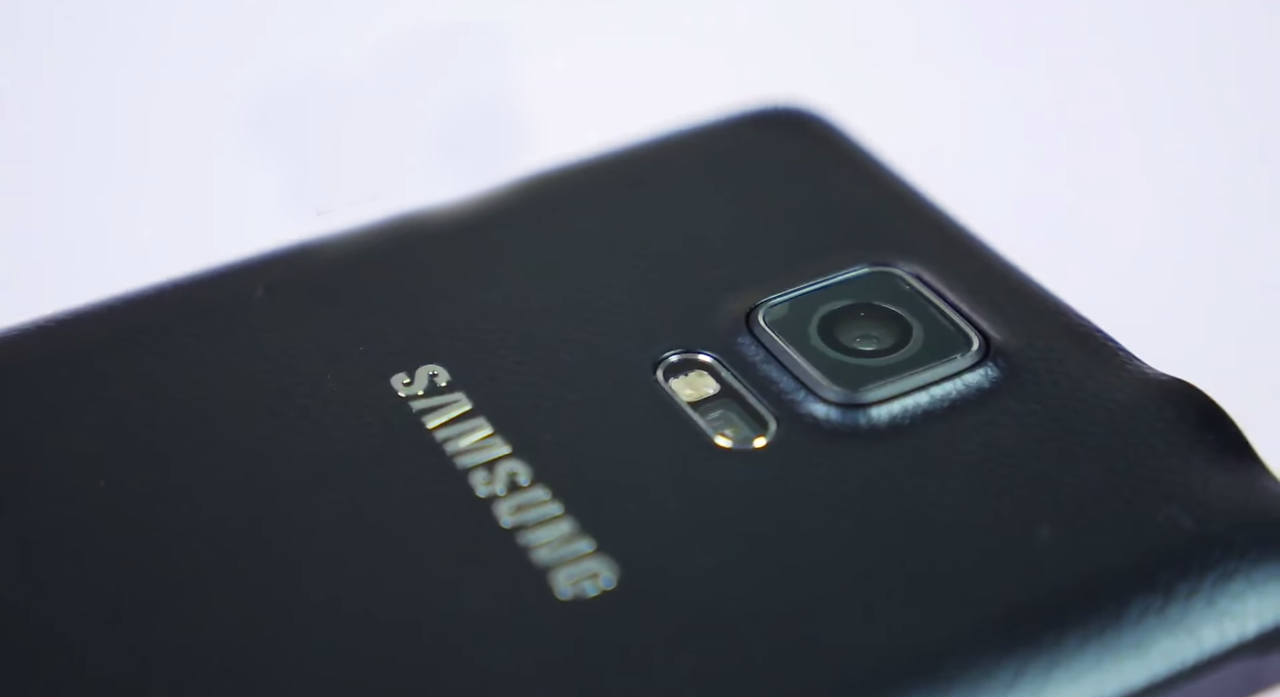
    Samsung’s Note franchise is known for its vast amount of features, which are equally useful for business and consumer purposes. The latest addition to this series, Galaxy Note 4, comes with a functionality that is overwhelming and a thoroughly cleaned-up TouchWiz interface that makes getting around the device straightforward and easy. However, there are fairly ample amount of things you’ll never come to know about your new Note 4 until you take a good look inside its menu.

    We are listing top 10 essential tips and tricks for Samsung Galaxy Note 4.

    1. Use of Motion Gestures

    Samsung Note 4 Features 2

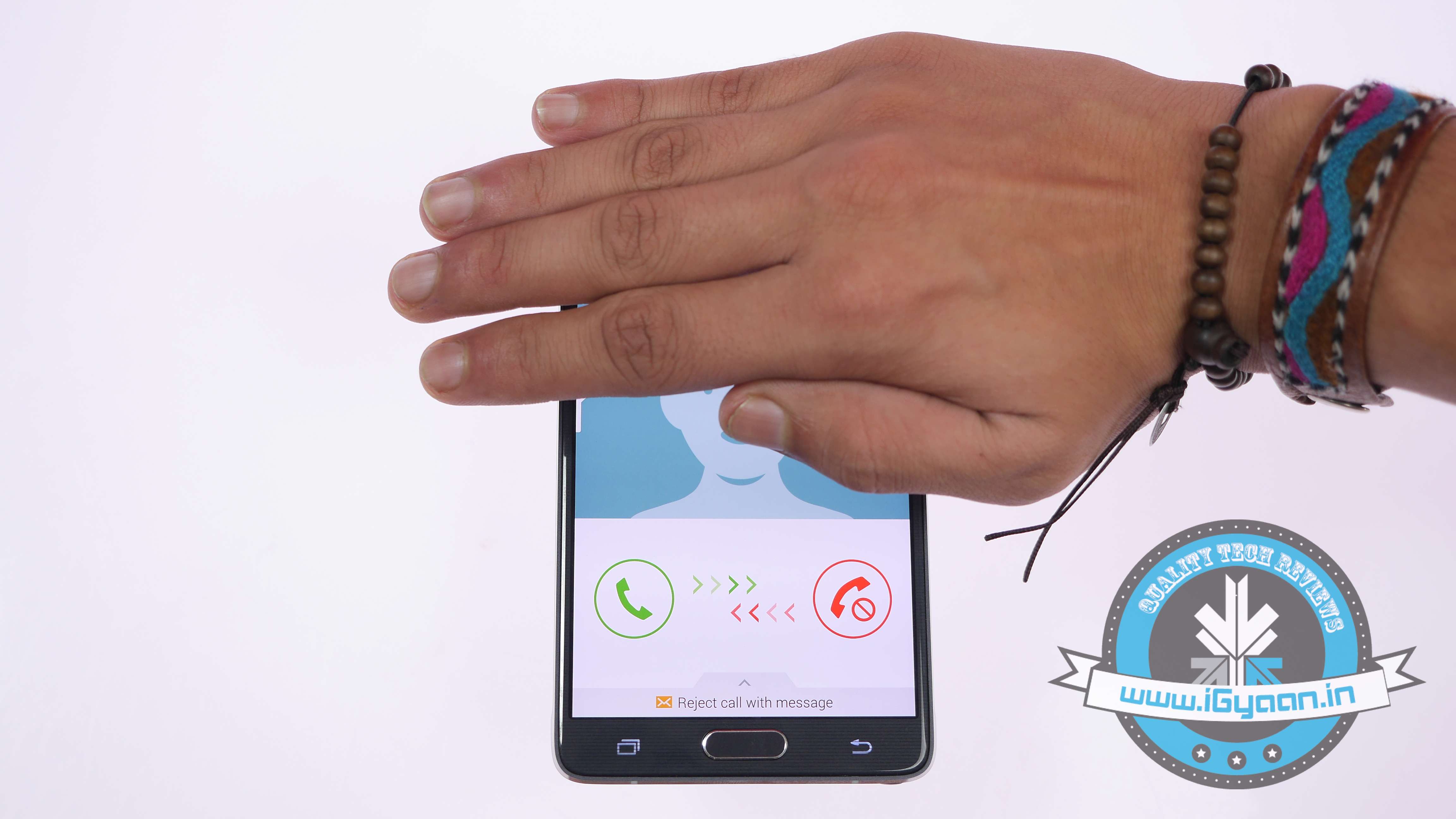
    Samsung has added some very convenient hand gesture controls in the new Note 4. The Note 4’s Motions and Gestures setting lets you customise a number of gesture controls. Switch on ‘Direct Call’ and it will let you pick up and hold the phablet to your ear to make a call to a predefined default number. The option of ‘Smart Alert’ will make your device vibrate to indicate new notifications and events when you pick it up. The ‘Mute/Pause’ option lets you mute incoming calls or alarms by turning the device over or placing your palm over it. Finally, ‘Palm Swipe to Capture’ lets you place the side of your hand on the screen and swipe it across to capture a screenshot.

    2. Customise your Notification Bar

    Samsung Note 4 Features 0

    You can customise the Quick Settings directly from the Settings panel. Also, you can drag the panel down from the top, tap the Quick Settings icon, and then tap the pencil icon to start editing.

    3. Use One-handed Operations

    Samsung Note 4 Features 12

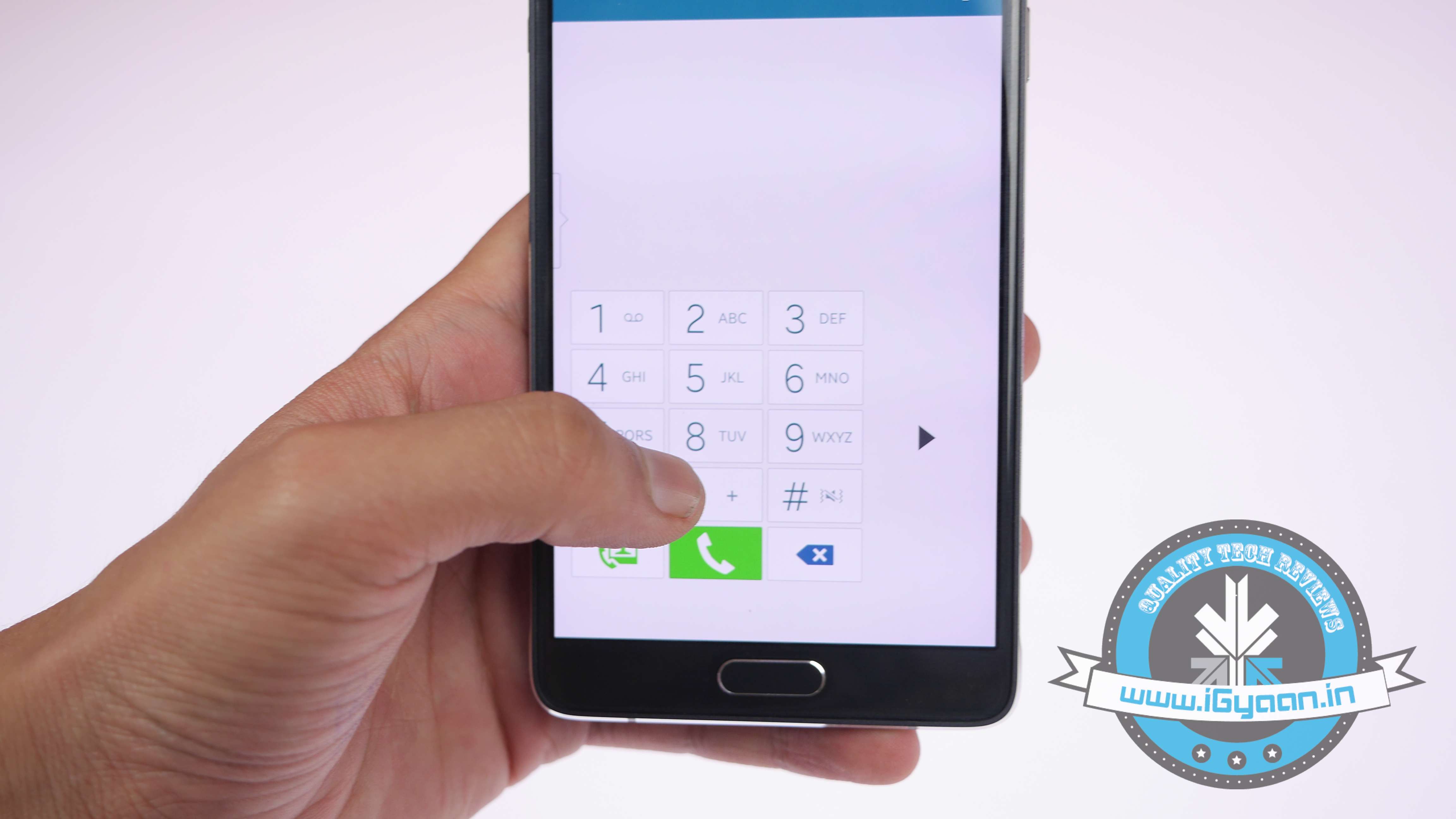
    Samsung has added loads of features to make one-handed operations more manageable. Under Settings > One-handed operation, you can choose from three different one-handed utilities. First one is the option of reducing the screen size that lets you adjust the screen size and layout by swiping out from the midpoint or either edge of the app. One-handed input compacts the apps down like the Dialer, in-call buttons, and Samsung keyboard. As soon as the on-going app compacts, the Side key panel will pop up Android’s navigation buttons on the screen so that you can access them quickly.

    4. Wider Selfies

    Samsung Note 4 Features 10

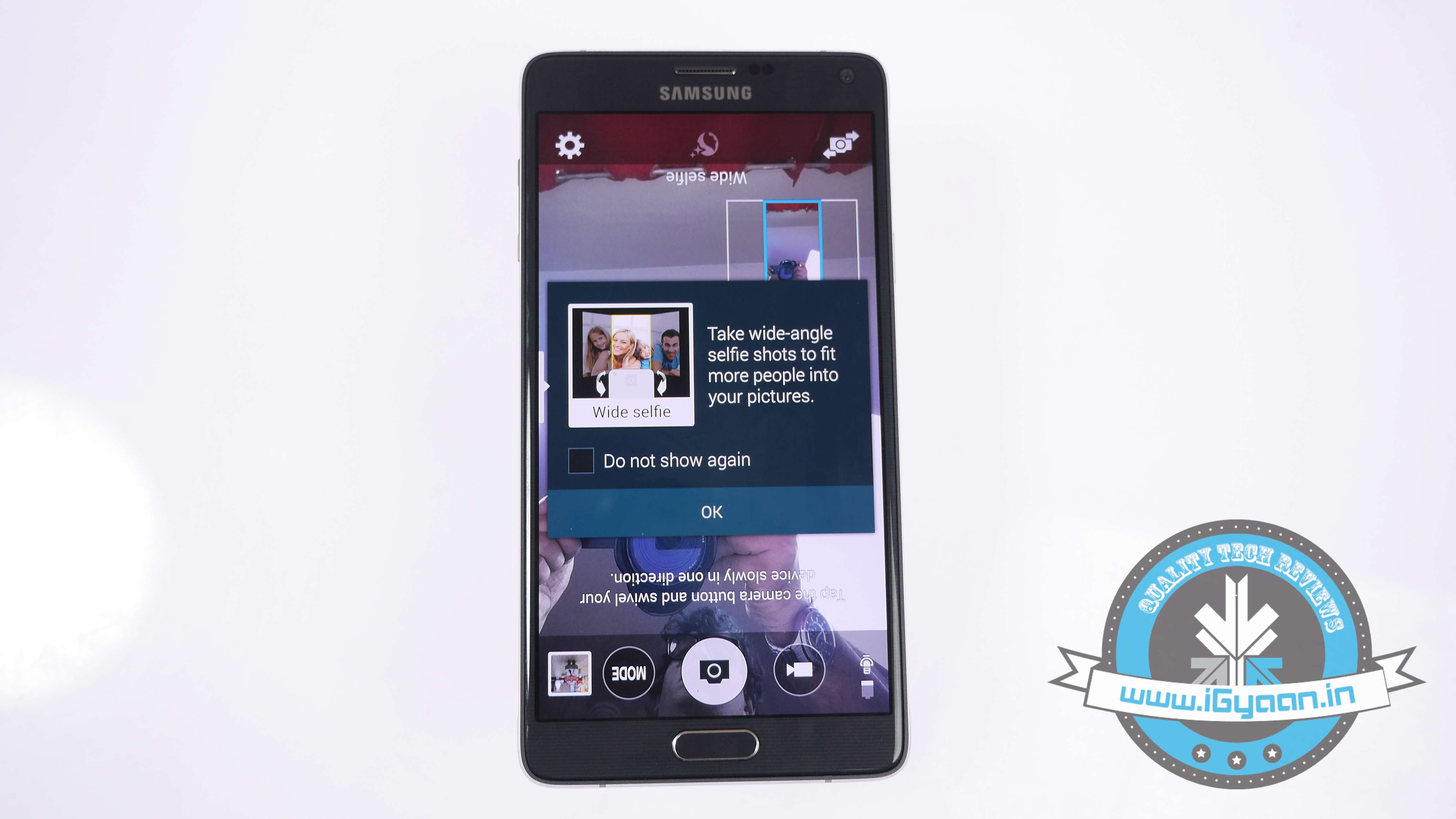
    Catering to the worldwide selfie trend, Samsung has added a Panorama-like selfie feature which lets you take wider selfies. Open your Note 4’s camera, switch to front camera, tap ‘Mode’ and hit the ‘Wide selfie’ option. Put your finger on the heart rate sensor and lift it to take a photo, and say ‘Cheese’. You’ll get a panorama-like outline which you have to fill by tilting the device left and right. When the blue frame has reached each end of the white frame, your spacious selfie is done.

    5. Use Alternative Commands to Snap Pictures

    Screenshot 2014-11-08 13.01.16

    Tap anywhere on the screen inside the camera app—just not on the shutter button—and then tap the Settings icon. Tap again for more settings. Tap on the volume key towards the bottom of the screen. From here, you can set the volume, whether it’s to snap a photo or record a video. Also, it acts as a zoom controller. In that same settings menu, you can turn on the voice control to take photos or record videos.

    6. S-Pen’s Improved Functionalities

    Samsung Note 4 Features 1

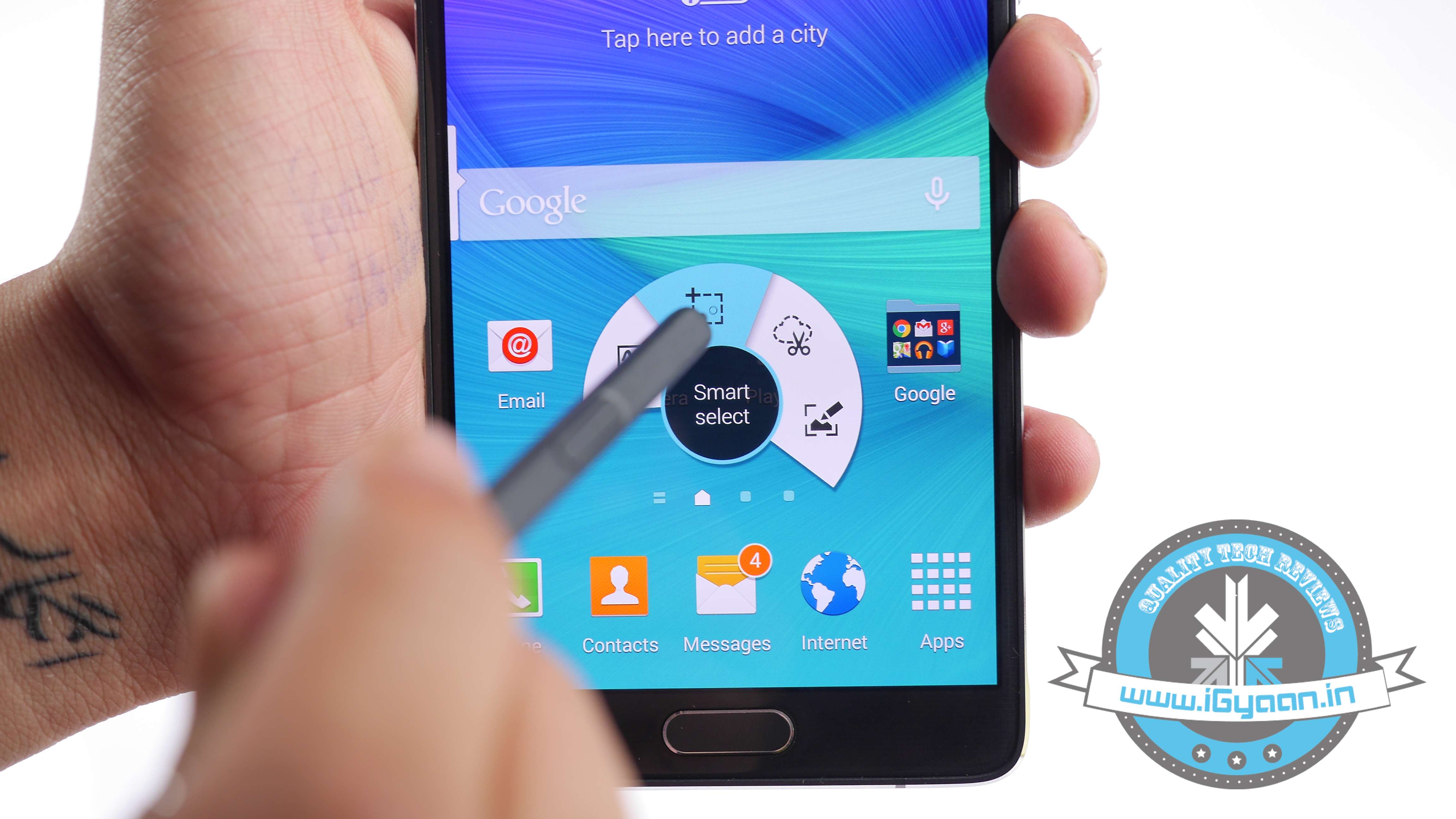
    One of the primary distinguishing features of Galaxy Note 4 is the integrated S Pen functionality. The S Pen has been around since the original Samsung Galaxy Note and has got better with every new release. The Air Command pop-up menu launched with the Note 3 and it has refined largely for the S Pen and large display of the Note line. One improvement that is tough to demonstrate is the increased pressure sensitivity from 1,000+ to over 2,000+ level. The most convenient feature is the ability of the S Pen to select multiple images by dragging it around the screen, more like you do it with your mouse on your desktop.

    7. Use your Note 4 with Gloves

    Samsung Note 4 Features 8

    Because, why not? It’s going to be winter soon and you’re probably going to be sporting gloves until next April. It’s hard to use a phone with gloves on. Fortunately, you can increase the Note 4 display’s touch sensitivity from the settings menu, so you don’t have to take those gloves off just to send a text message. And also, you won’t have to look forward to frost-bitten fingers anytime soon.

    8.  Play with Depth of Field

    Samsung Note 4 Features 4

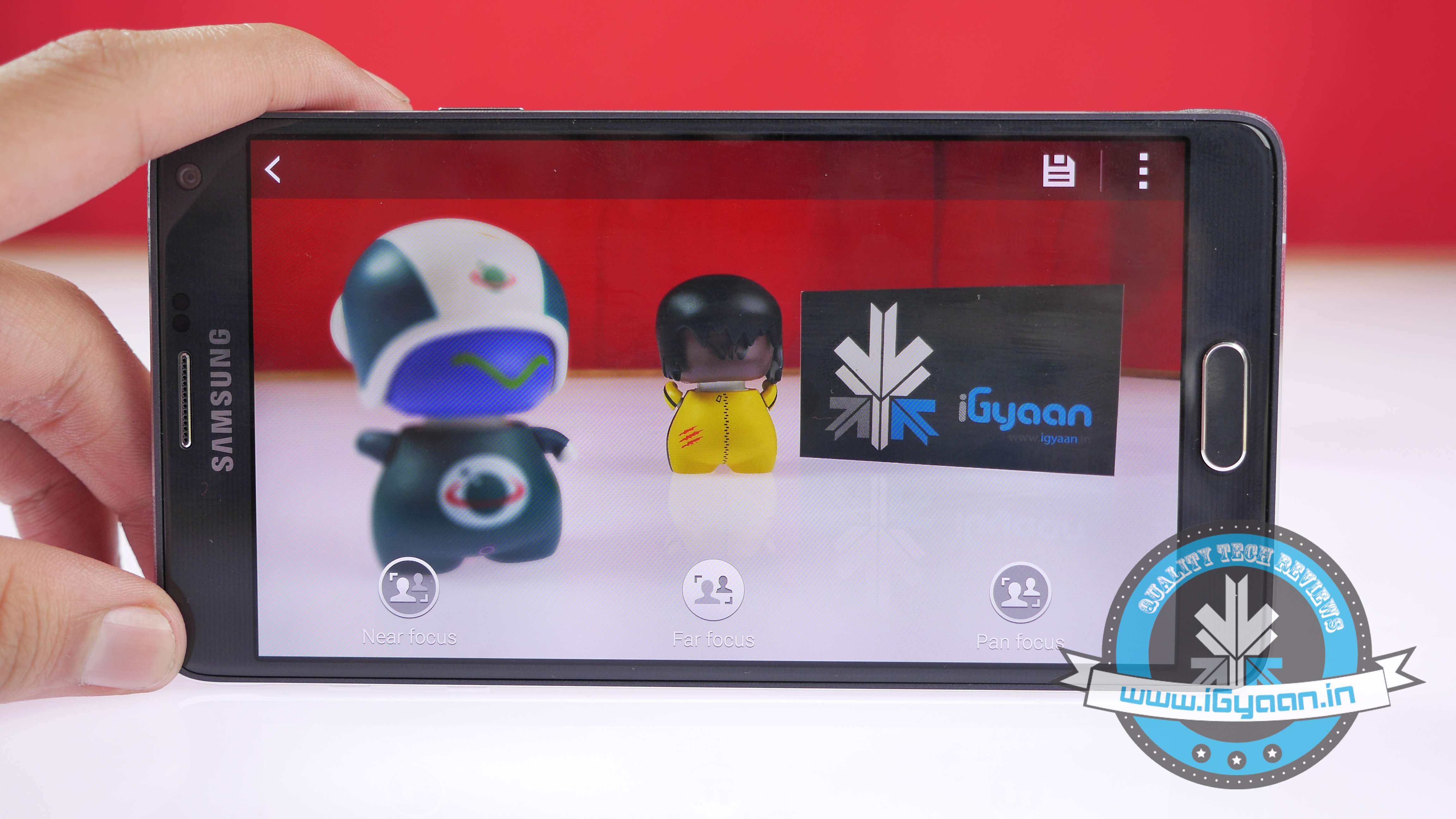
    Samsung followed suite of HTC by bringing in the Selective Focus feature. To enable it, open Camera, tap Mode, Selective Focus, and take a photo as usual. There are ‘Near focus’, ‘Far focus’, and ‘Pan focus’. The first makes the object of your photo stand out against a blurred background, the second does the opposite, and the last one makes both the subject and the background noticable.

    9. Get Notified when a Doorbell Rings or your Baby Cries:

    Samsung Note 4 Features 11
    There is built-in doorbell detector and baby crying detector in the new Note 4. When your phone detects these respective sounds, it makes the smartphone vibrate. You can find both these options in the Settings, Accessibility, Hearing, Sound detectors menu.

    10. The Music Square

    Samsung Note 4 Features 9

    Samsung has added an interesting feature in Note 4’s built-in Media player, called Music Square. You can find it inside the app’s three-square menu. The square has an algorithm which analyses your songs and matches them to four-mood categories. You can also create a mood-based playlist.

    Check out our video below and subscribe to our YouTube channel for the newest updates here:

  • Adobe Shows Off the Mind-Blowing Future of Photoshop

    Adobe Shows Off the Mind-Blowing Future of Photoshop

    These days Adobe is expanding its Creative Cloud offering with the new cloud based Photoshop software, which is on its beta testing stage right now. But, the company is not limiting itself to cloud and desktop software. In a recent video post, Adobe demonstrated some of the future possibilities for its creative applications Photoshop, Illustrator, and Premiere, when used on various professional devices.

    Through Adobe Creative Cloud, users are able to access the applications across smartphones, tablets, laptops and desktops, making the creative process seamless and intuitive. While some of the techniques shown in the video are very far from being released to the public, it’s still a good showcase of the exciting possibilities that could result from this partnership.

  • Moto G (Gen 2) vs Xiaomi Mi3 Comparison

    Moto G (Gen 2) vs Xiaomi Mi3 Comparison

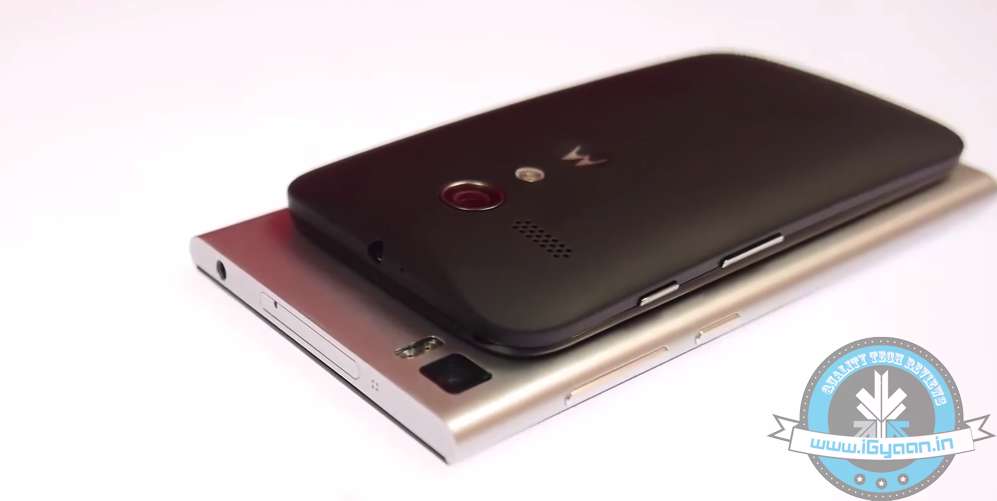
    Moto G (Gen 2) comes with considerable improvement over its trendsetting predecessor. Moto G had essentially set a foot forward in terms of bringing cheap Android devices with good built quality and great hardware. Xiaomi Mi3, also recently launched in India, belongs to the same price bracket.

    However, the latter has been facing problems in terms of availability , as it has been made available in limited stock exclusively on Flipkart. One of the main highlight of Mi3 is that it comes with quad core Snapdragon 800 processor which is quite an achievement in its price bracket. We are are comparing the Motorola Moto G (gen 2) and Xiaomi Mi3 head to head. Check out the video below:

    SPECS

    Motorola Moto G (Gen 2)

    XIAOMI MI 3

    Display 5 inch, 294 ppi 5 inch, 441 ppi
    Processor Qualcomm Snapdragon 400 processor,
    1.2 GHz quad-core CPU
    Qualcomm Snapdragon 800,
    2.3 GHz Quad-core
    RAM 1 GB 2 GB
    Storage 16 GB 16/64 GB
    Expandable Upto 32 GB
    Main Camera 8 MP  13 MP
    Front Camera 2 MP  2 MP
    Battery Non-removable 2070 mAh Non-removable 3050 mAh
    Operating System Android KitKat 4.4.4 Android 4.3 upgradable to 4.4.2 (KitKat)

  • Unboxing and Hands On : Micromax Canvas A1

    Unboxing and Hands On : Micromax Canvas A1

    Google yesterday finally unveiled its Android One line of phones. The phones are brought in cooperation with three Indian companies, Micromax, Karbonn and Spice.

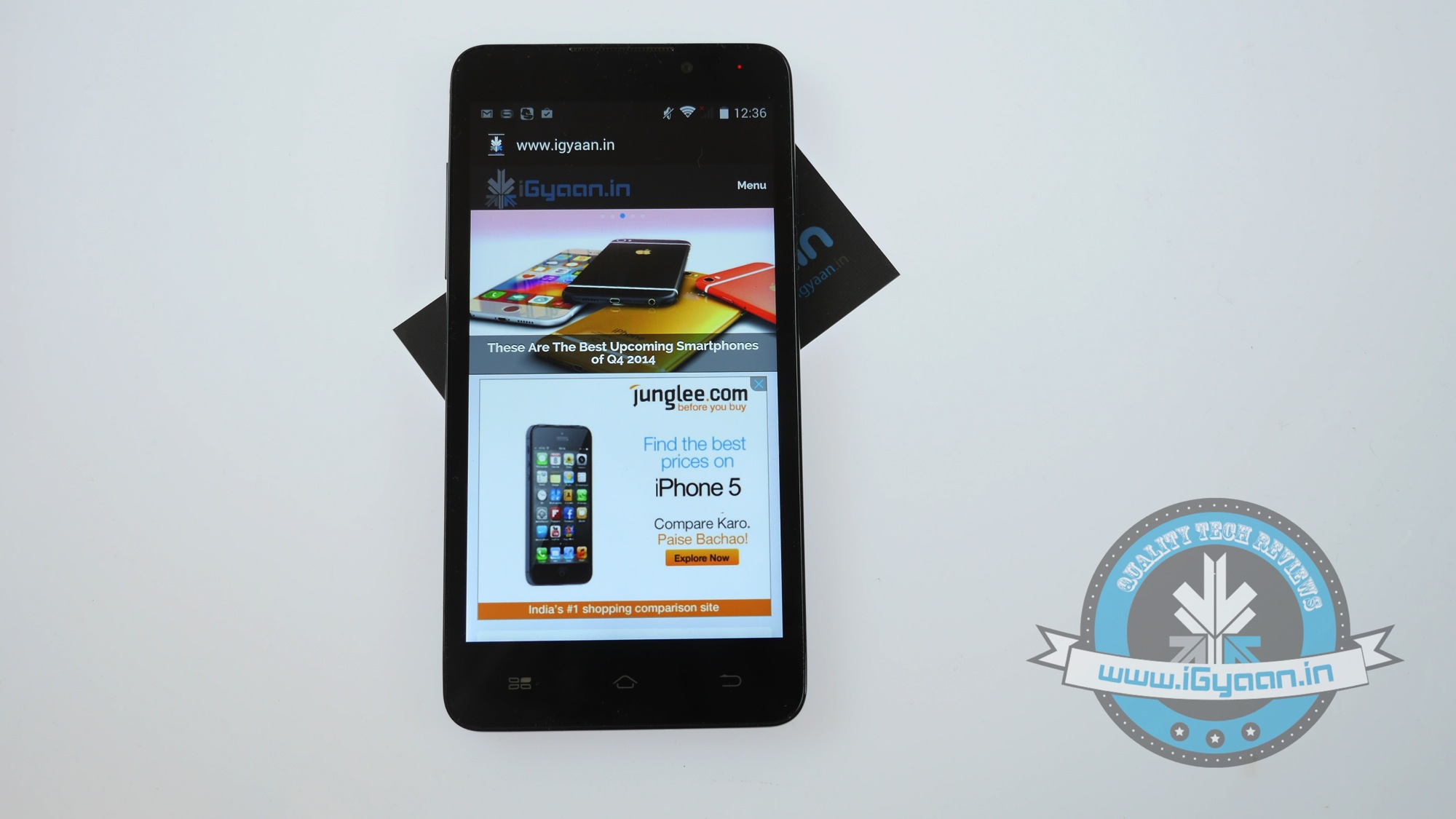
    We check out Micromax’s Android One variant called the Canvas A1. The phone comes with the latest Android Kitkat V4.4.4 which is a plus. The phones also get Airtel’s 6 month data pack through which users get automatic updates and free app download.  The specs are good for the price and it is a great buy for people shifting from feature phones to smartphones.

    Specs

    Micromax Canvas A1

    Display 4.5 inch, 480×854 pixels
    Battery capacity (mAh) 1700, removable
    Processor 1.3GHz, quad-core
    RAM 1 GB
    Memory 4GB, expandable up to 32 GB
    Camera 5 MP primary, 2 MP secondary
    Operating System Android 4.4.4 KitKat

  • Unboxing and Hands On : Xolo Play 8x-1100

    Unboxing and Hands On : Xolo Play 8x-1100

    The new Xolo Play 8X-1100 is a new edition of Xolo’s Play series. The new handset will be competing against the likes of Xiaomi Mi3 and Moto G (gen 2). Xolo Play 8X-1100 comes with a 5-inch 720×1280 display, powered by a 1.7GHz processor alongside 2GB RAM and a 13-megapixel rear camera.

    The device runs on Android 4.4 KitKat, supports USB OTG and is powered by 2100 mAh battery.

    Specs

    Xolo Play 8X-1100

    Display 5.00 inch, 720×1280 pixels, 294 ppi
    Battery capacity (mAh) 2100, removable
    Processor 1.7GHz  octa-core
    RAM 2 GB
    Memory 16GB, expandable uto 32 GB
    Camera 13 MP primary, 5 MP secondary
    Operating System Android 4.4 KitKat


  • Destiny PS4, First Impressions, Hands on Gameplay

    Destiny PS4, First Impressions, Hands on Gameplay

    From the Creators of Halo and the company that brought you Call of Duty. In Destiny you are a Guardian of the last city on Earth, able to wield incredible power. Explore the ancient ruins of our solar system, from the red dunes of Mars to the lush jungles of Venus. Defeat Earth’s enemies. The Experience of startup gameplay is amazing and the graphics lead you to understand what an adventure lies ahead.


  • Unboxing and Hands On : Xiaomi Mi In-Ear Earphones

    Unboxing and Hands On : Xiaomi Mi In-Ear Earphones

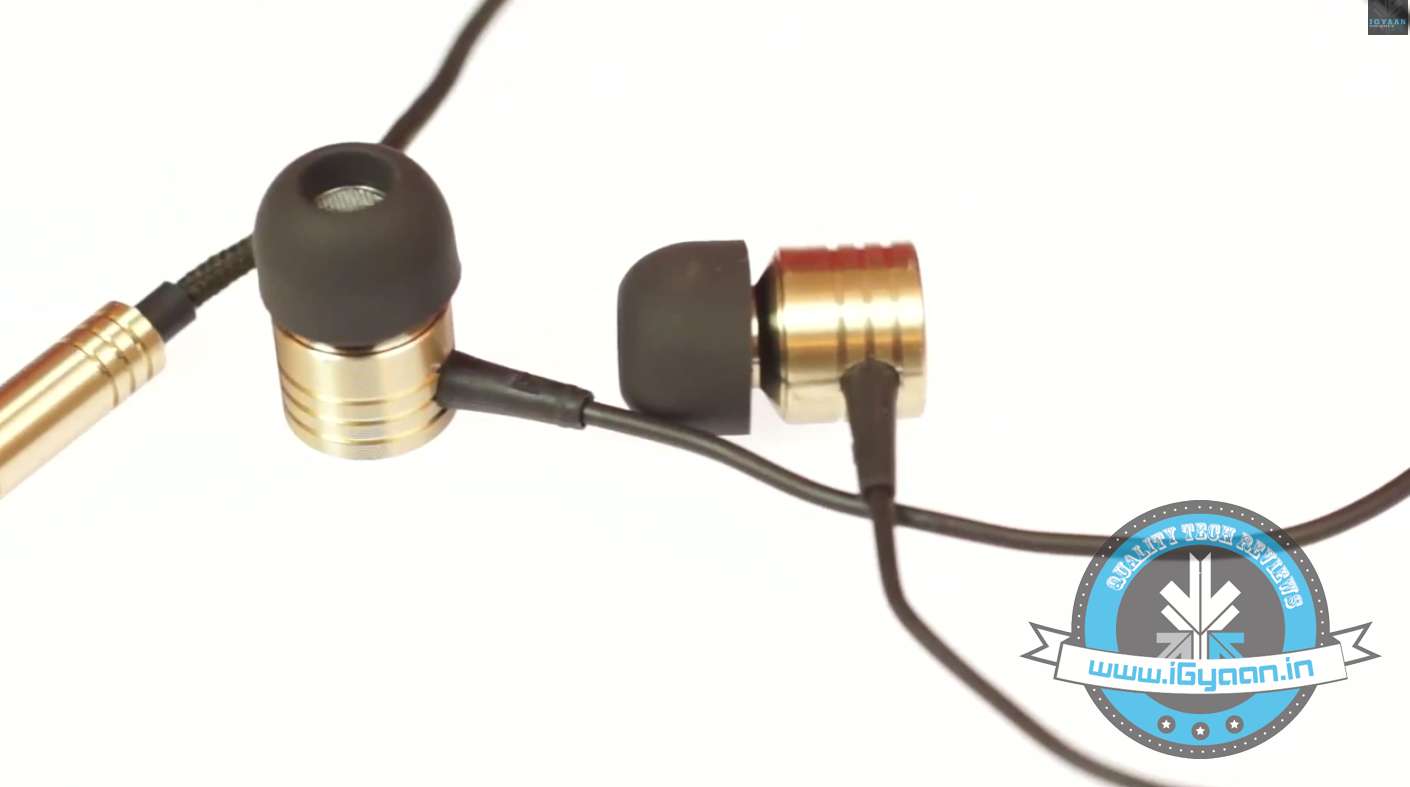
    We check out the uber affordable Xiaomi earphones. They’re priced at Rs. 999 and are available exclusively on Flipkart. You can buy a pair using the link below.

  • Review : Micromax Canvas Nitro A310

    Review : Micromax Canvas Nitro A310

    Micromax has been reworking strategies for quite some time, and after their launch of the Canvas Gold, the company has kept it low key. Meanwhile, Motorola with their Moto G and Moto E along with Xiaomi with their Mi3 and Redmi 1s have really made a dent in the market.

    The Micromax Canvas Nitro A310 is the company’s answer to all that, but does it really fulfil that goal? Lets find out!

    Overview

    The Canvas Nitro A310 is well built phone with good specs, in the right price bracket. However with the competition looming it may not match up in terms of hardware capabilities. The strategy to launch it with online partner Snapdeal is also similar to what we have seen in the past, Motos and the MIs and their launch with Flipkart.
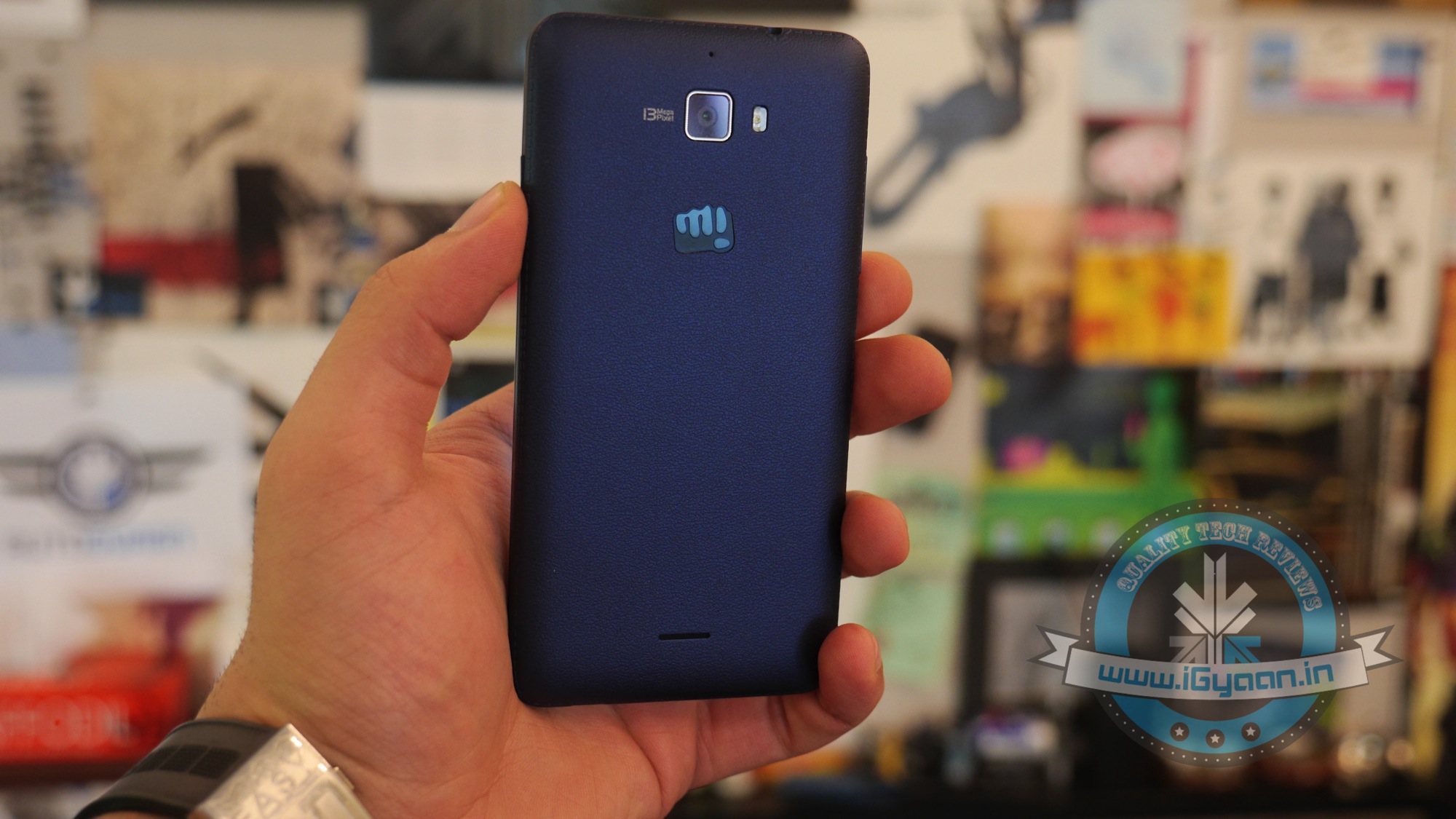
    Micromax Canvas Nitro A310 5

    Hardware

    The Micromax Canvas Nitro A310 comes with a Mediatek Mt6592 Octa Core Chipset clocked at 1.7 GHz on all eight cores. The phone also has 2 GB of RAM and a Mali 450 MP2 GPU. The Nitro runs on a 2500mAh battery and has 8 GB of inbuilt storage, out of which roughly 5.2 GB is available to the user.

    The front is laden with a vivid 5 inch IPS LCD display with a resolution of 1280 x 720 px, for optics on the rear the phone gets a 13 MP camera with auto focus and 1080p video capture, the front remains a fixed focus with a 5 MP resolution. Cameras are capable of HDR and low light photography, video has electronic stabilisation, and you can initiate the camera with a gesture “V” sign to click pictures from a far.

    Unboxing Video

    Build Quality and Design

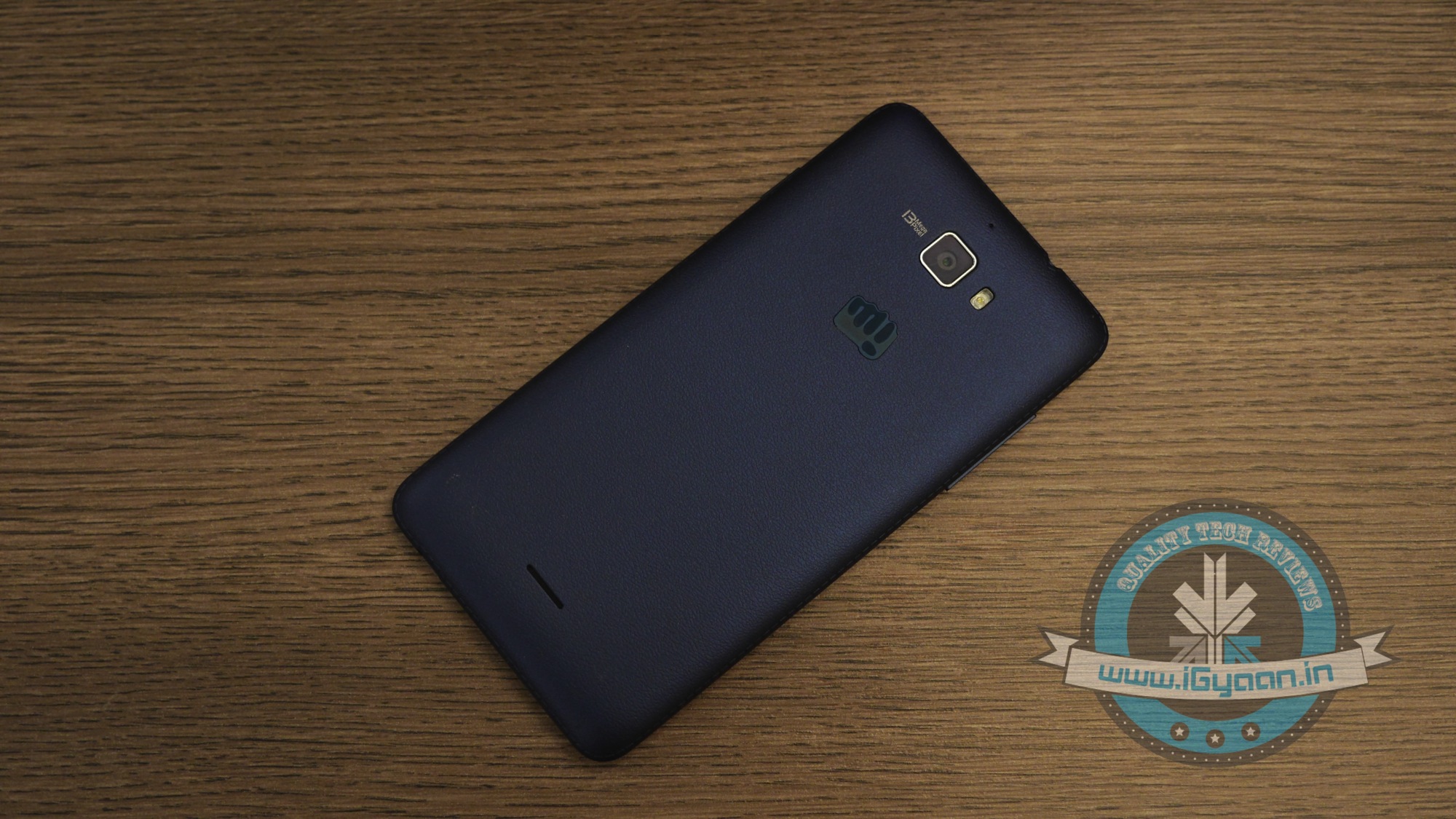
    Unlike its predecessors, the Canvas Nitro A310 is built on a plastic chassis, giving it a much lighter and less sturdy feel compared to the likes of the Canvas Gold. However the phone is still well built and feels like it can take a fall or two (not that we’d recommend it). The front has a tiny lip that nicely protects the front LCD of the phone, but on from a flat table placement or a flat drop. There is no mention of Gorilla Glass, although some generic “strengthened” glass has been used.
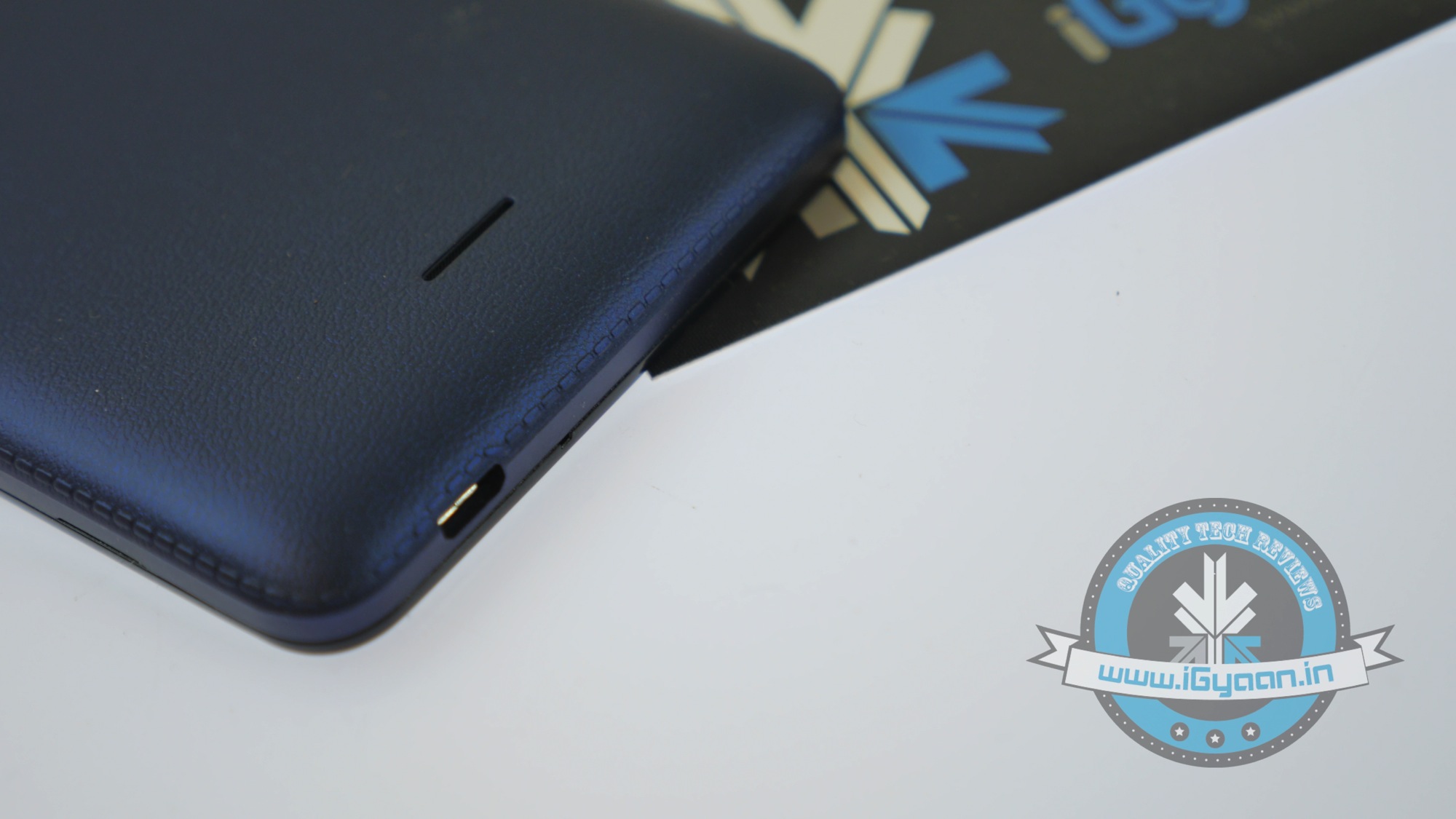
    Micromax Canvas Nitro A310 9The back panel has a leather look (read: exactly like the Note 3) however it has a much better defined design, overall appeal and touch. The back panel is also very sturdy and not flimsy at all, which one would expect. We are not too sure about this blue colour, as it may not appeal to every one, it’s how one would say “different”.

    Camera

    Micromax focused a lot with the camera on the new Micromax Canvas Nitro A310, they have added several new camera features as standard. Things mostly which can be had with an app, but its is always much better to have features integrated with the OS and UI. An inbuilt camera specific widget lets you take shots by focusing on what you want to do, selecting from 5 different modes.

    Front Back ; lets you take one picture from the front facing camera and one from the rear facing camera and combine it as a single image.

    Stable ; just like the name says, waits till your hands are stable before taking a picture.

    Selfie ; A selfie mode lets you click better selfies, however this works best with “V shot gesture” mode.

    Refocus; lets you add blur to all areas except the area you select, more like a software version of HTC’s dual camera setup.

    Coming to the hardware, the camera is based on a BSI Sony sensor with an f2.2 aperture and has excellent focus capabilities. Images captured indoors, as well as outdoors are accurate in colour reproduction and contrast. HDR was particularly good, and can really reproduce required details in the images.

    You get a good deal of details with the camera, especially up close to your subject.

    Performance and Gaming

    The Micromax Canvas Nitro handles day to day usage without any problem, and for once this phone does not heat up at all, mostly pertaining to the fact that the device is made entirely out of plastic. At any pint of time the total amount of free RAM is approximately 600+ MB, leaving you to wonder where the phone is utilising in excess of 1.3 GB of RAM. The included clean up app does open up about 120-140 MB of RAM, but that is still less considering that the device is running on KitKat.

    Benchmarks and Gaming Video

    We did see some hiccups in Gaming while gunning for high end games, and we also noticed quite a lot of frame loss, we plan to revisit gaming separately post the launch of the handset. Audio quality is excellent, however you might end up with your hand on the speaker ever so often, muffling up the sound.

    Phone, Networks and Battery

    Signal quality is excellent indoors as well as outdoors, audio is good on a call whether incoming or out going. As far as networks are concerned the plastic body definitely improves any WiFi connectivity issues faced by the previous generation of Canvas phones.

    Battery life if good for one day’s use with the included 2500 mAh battery, which is removable and replaceable by the user. You will get an average talk time of 5-6 hours with both SIM cards placed in the phone.

    If you are a light user you can easily run into the second day, however a charge a day would be recommended to keep you in a healthy battery position.
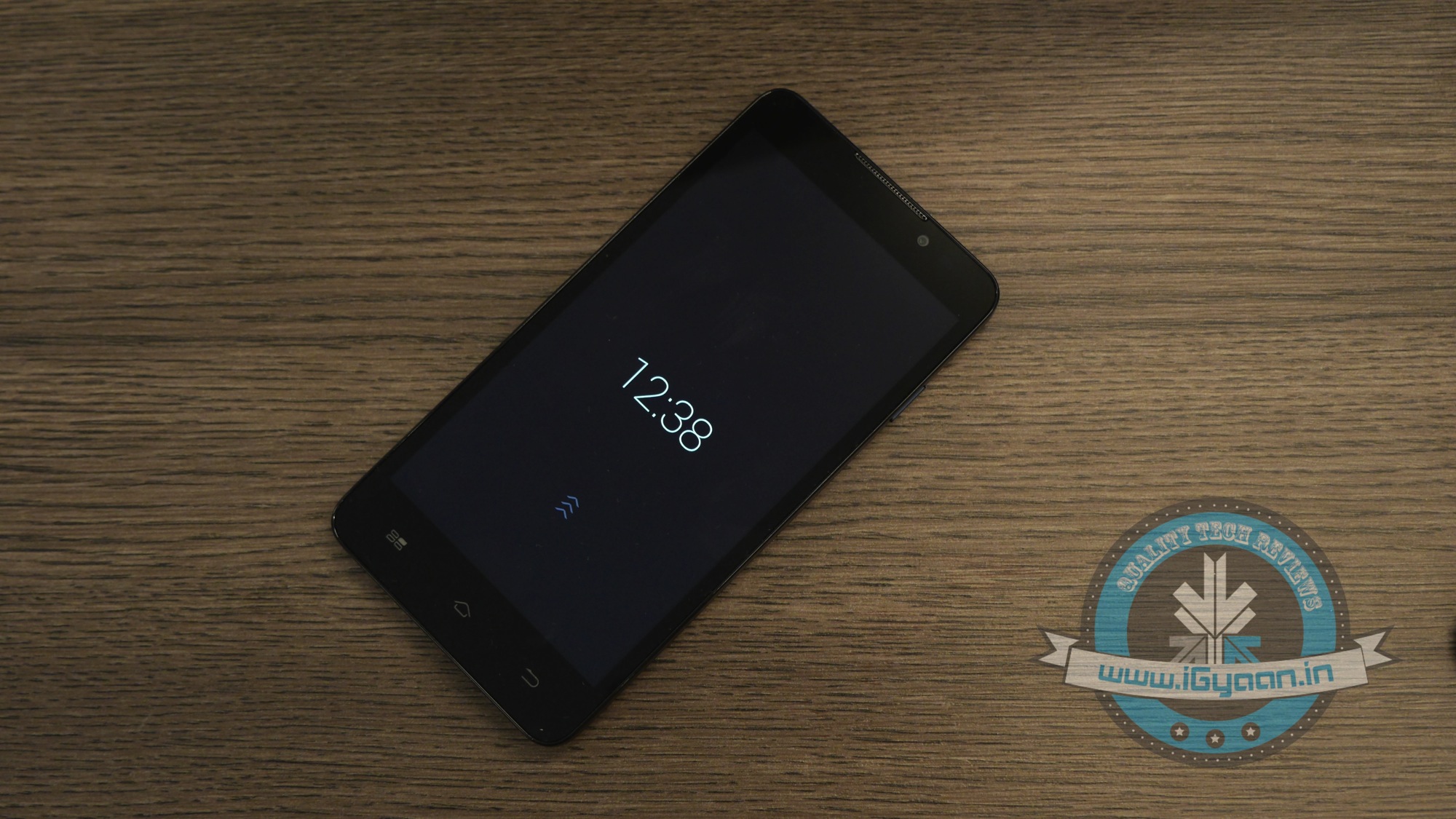
    Micromax Canvas Nitro A310 1

    Multimedia And Android

    The display is really good on the Micromax Canvas Nitro A310, it has excellent levels of black which are deep and blend in with the accurate blacks of the bezel. Video playback was good after the initial hiccups we faced (old version of Youtube App) and viewing angles are fantastic. The phone’s display works well indoors and outdoors and you will totally appreciate media consumption on the display, despite the fact that it is a 720p screen.
    Micromax Canvas Nitro A310 0The OS is mostly stock Android 4.4.2, with minor customisations and mostly preloaded applications by the company, the UI also looks clean and is responsive. The set of apps including Quick Look (aka Blinkfeed for non HTC devices)  and the new lock screen are excellent and work really well in providing notifications and quick update of news. Both of these can easily be turned off or replaced using custom launchers and lock screen replacements from the Play Store.

    Screenshots

    Conclusion

    While most will argue the hardware powers of the Xiaomi Mi3, the Micromax Canvas Nitro is aimed to be more for those who want a less hectic approach to buying a phone. With an octa-core chipset and 2 GB of RAM, bundled with a 13 MP camera and expandable storage, the Micromax Canvas Nitro does have it positives. The biggest being the fact that the phone will be available to those who want to buy it, easily and how.

    The Micromax Canvas Nitro is a step in the right direction for Indian manufacturers, especially considering they are taking huge flack from companies like Xiaomi and Motorola who are basically now playing in their space.

    [tw-column width=”one-half”]
    GOOD THINGS

    • Good Build
    • Good Specs
    • Great Pricing
    • Excellent 720p Display
    • Good Battery Life

    [/tw-column]
    [tw-column width=”one-half” position=”last”]
    BAD THINGS

    • Plastic Body
    • Gaming Shabby
      [/tw-column]
  • Xiaomi Redmi 1S Review : Can’t Beat This

    Xiaomi Redmi 1S Review : Can’t Beat This

    The Xiaomi Redmi 1S went on Sale for a price of Rs 5999, with a limited 40,000 phones for sale and the phone got the usual response. But is the phone worth the mega hype that it has created? Lets find out!

    Overview

    The Redmi 1S just like the Xiaomi phones in the past has built a burning desire in everyones hearts to own the phone, it comes with an impressive price tag and a good spec sheet. The performance on the phone is excellent and everything just seems to be too good to be true. The Redmi 1S will truly change the market perception for starting – lower end smartphones.

    Hardware

    [pullquote_left]Loaded with Hardware![/pullquote_left]

    Powered by a Qualcomm Snapdragon 400 chipset the Redmi 1S has a Quad Core 1.6 GHz CPU the Adreno 305 GPU, 1 GB of RAM and 8 GB of inbuilt storage. The front of the Redmi 1S has a 4.7 inch 1280 x 720 p display a total of 312 ppi it’s protected by Asahi Dragontrail glass and is an IPS panel. Cameras comprise of an 8 MP snapper with a wide f2.2 aperture and a 1.6 MP front camera. The Main camera is capable of a 1920 x 1080p Full HD video capture.

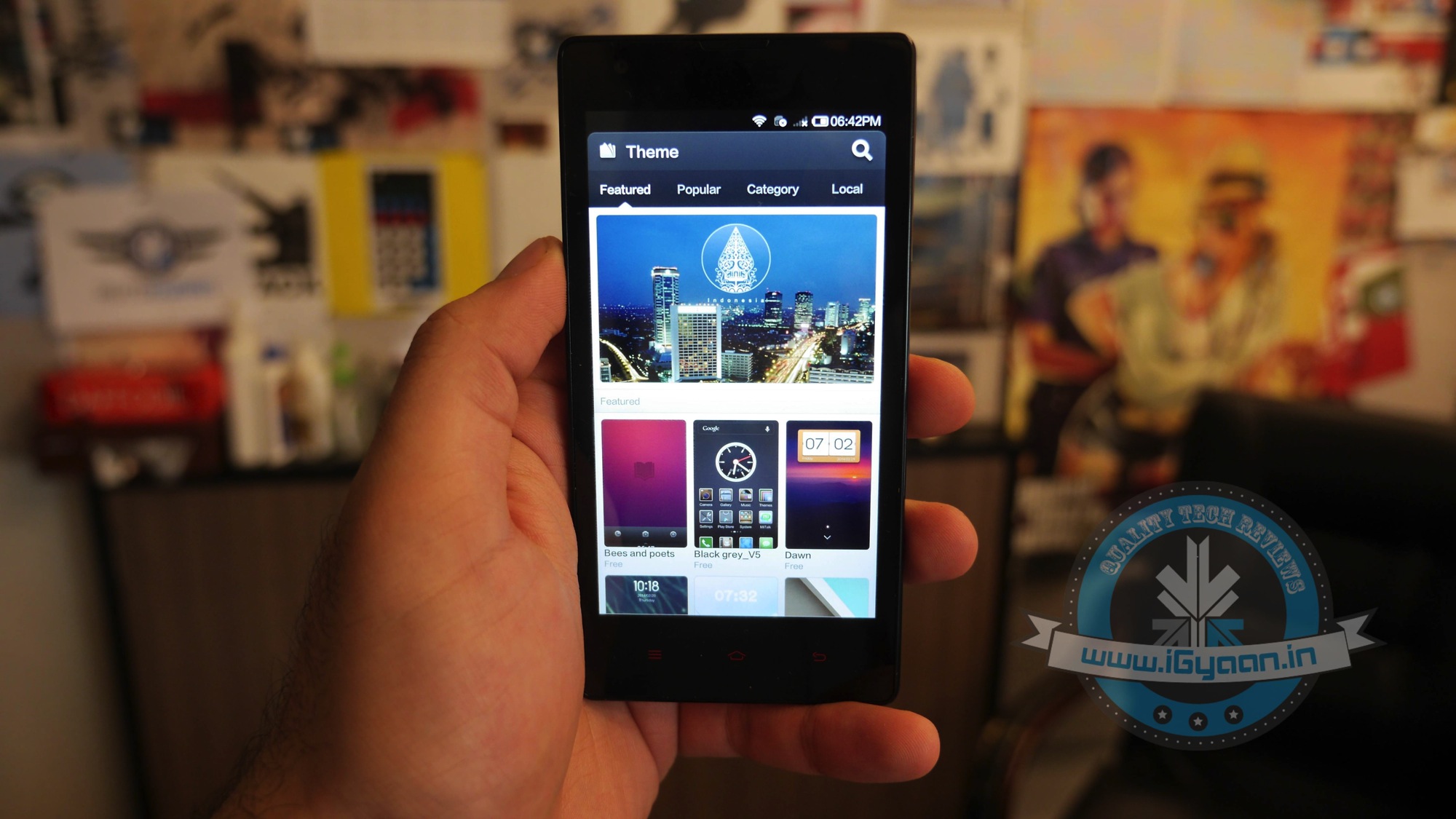
    Xiaomi Redmi 1s Unboxing 16

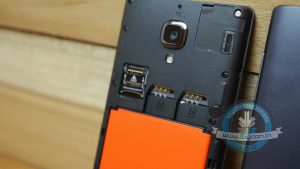
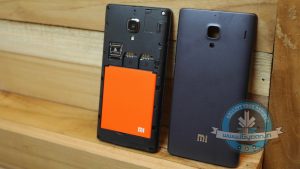
    The phone runs on a 2050 mAh battery pack, which is replaceable, has dual SIM card slots, one of which is a 3G (GSM-WCDMA) and one is 2G (GSM). The Redmi 1S also has a memory card slot to add a memory card upto 64GB.

    Build quality and Design

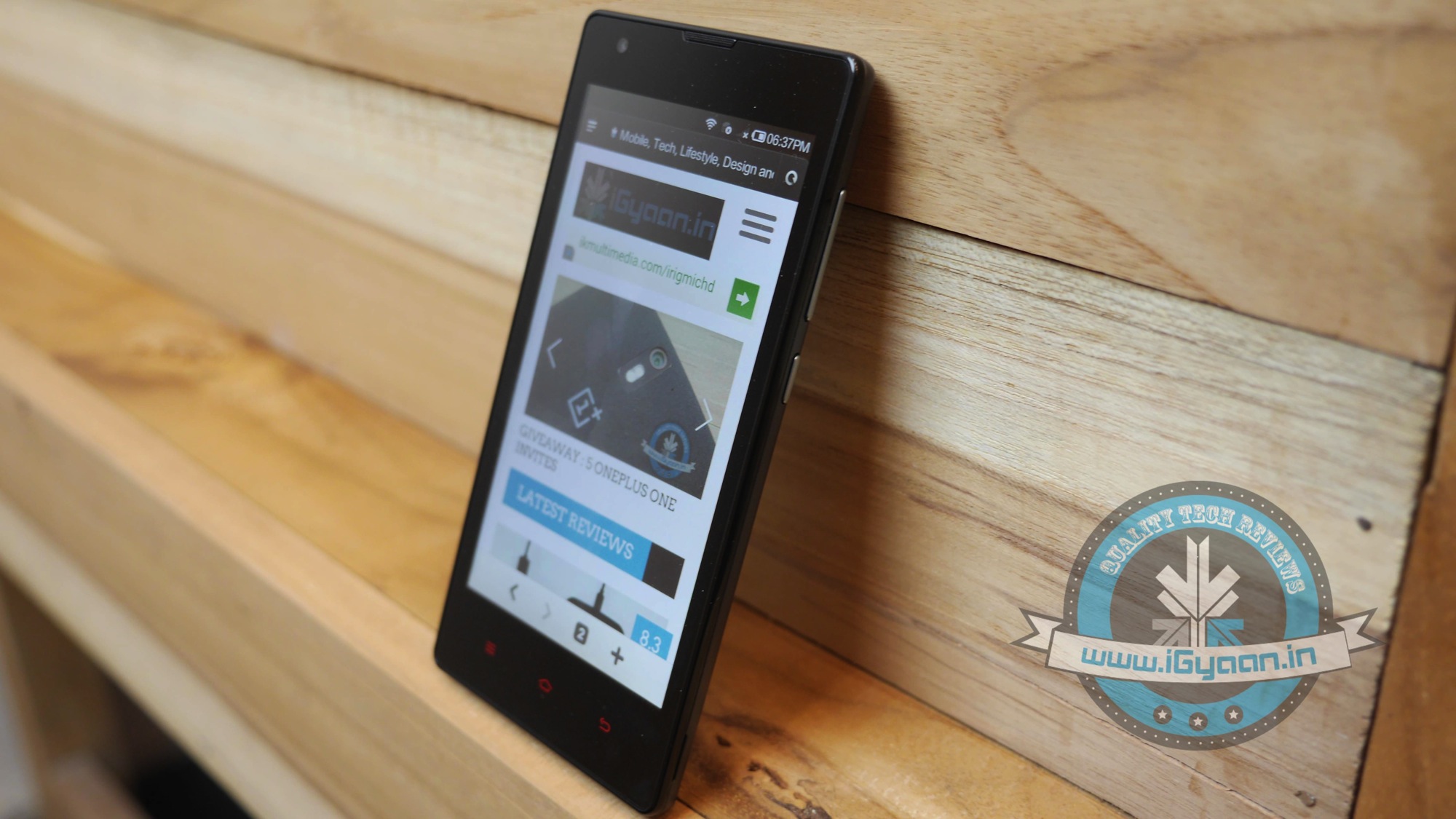
    The Redmi 1S is a pretty good looking phone, it’s not Moto G, but then it’s almost half the price.  The replaceable back panels give you the ability to give the phone a personal look and feel. The phone is essentially made out of plastic, but in no way does it feel cheap or poorly built. The front has a Asahi Dragontrail glass, which many argue that it is equally good when compared to Gorilla Glass variants.

    [pullquote_right]Buttons are not Backlit![/pullquote_right]

    The buttons are nice and tactile, for volume and power. The touch buttons are responsive and easily reached, they however are not backlit, which is rather disappointing, and difficult in low light situations and at night.  The phone has a good fit and feel in the hand, the edges are soft and the outsides curve to match the shape of your hand really well.

    Performance and Gaming

    We were surprised to see the performance from this sub Rs. 6000 handset. The UI is fast and responsive and you really cannot complain about the performance of this handset. Usually budget phones end up being turnoffs, however the Moto E changed that in the past and the Xiaomi Redmi 1S tops that by almost double.

    With an average of 330 MB of Free RAM available at all times, the Redmi 1S also has a built in app kill switch that frees up the RAM for usage. Overall the phone is capable of delivering more than you can expect from a phone in this budget. Our Benchmark and Gaming video shows you exactly that below.

    The Gaming is pretty good too, even though really graphic intensive games will not work on full graphics, the phone is able to handle gaming pretty decently and without duress. You will get good viewing angles, good touch response, and great gaming feedback. Audio from the speakers is a bit low but acceptable.

    Camera

    As far as the Camera is concerned, you will be surprised to see what this phone can achieve. You get the exact same UI from the Mi3 for the Camera app and an excellent 8 MP sensor that does Full HD video, where most struggle to even do video in the first place at this price. Composition of the shot is quick and autofocus is snappy, colours are a bit dull – and contrast is pretty acceptable. We like additional options like filters, HDR and delayed shots all of which works well and intuitively. You also get quick face detection and a zero lag shutter; mighty impressive.

    Android and MIUI

    [pullquote_left]MIUI is fantastic![/pullquote_left]

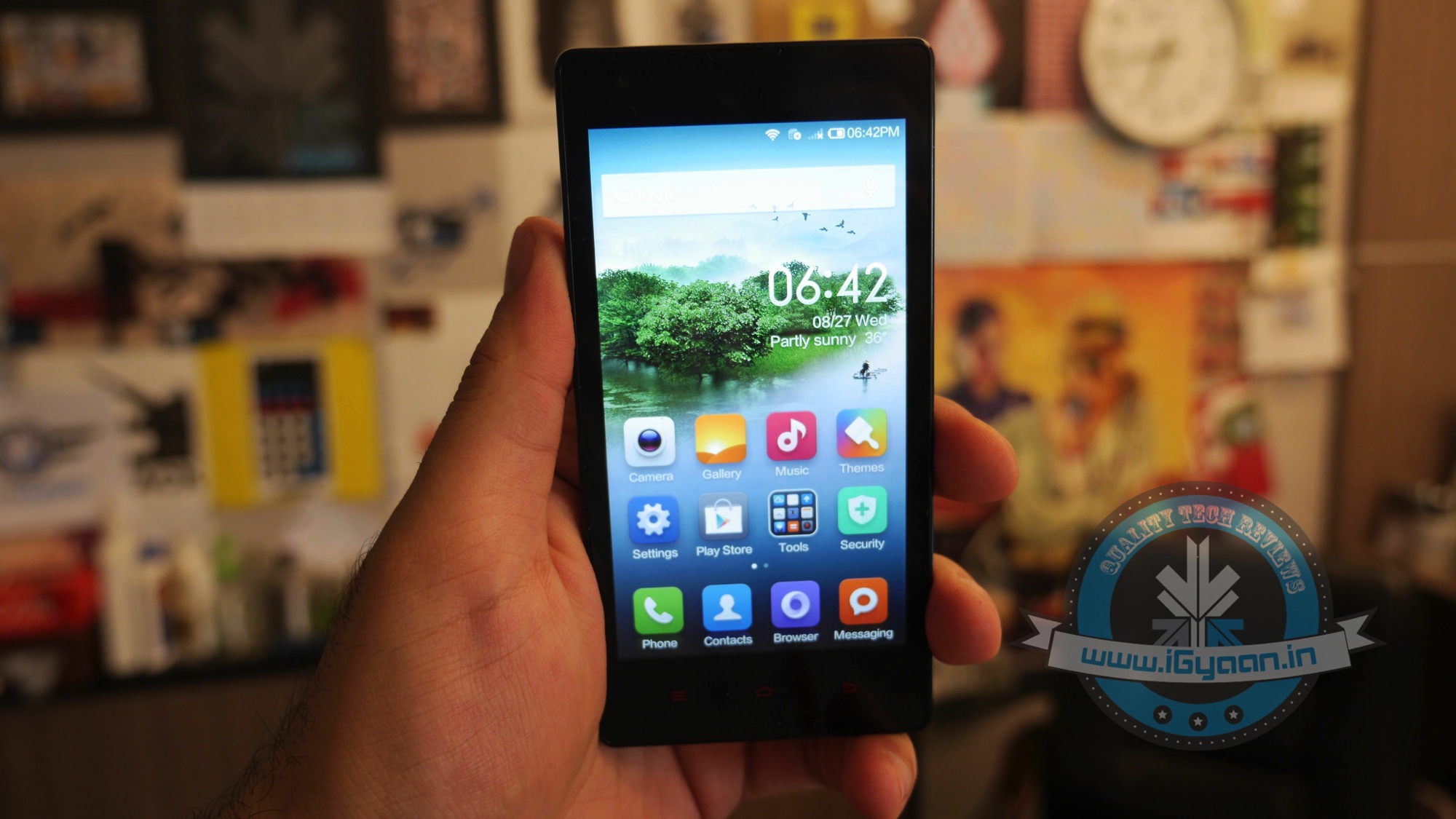
    Even though you get an older version of Android, I don’t see people complaining anytime soon. The phone is really fast and responsive and thanks to the awesome MIUI overlay, there are additional functions and shortcuts that one can really learn to appreciate.

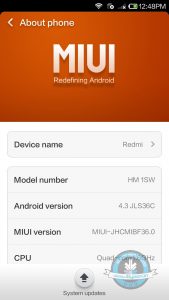
    The version of MIUI is also fairly old, however, there is an imminent update promised for the Redmi 1S to MIUI v6 by the end of the year. You get Google Now style weather updates and notifications, iOS style app layout and folders, and lots of skinning options. All of this with very little load on the RAM and the CPU department, ensuring smooth sailing throughout.

    Even though competition is currently offering Android KitKat and more soon, Redmi 1S has the capabilities of holding its own, mostly thanks to the enabled hardware. The future update is expected to free up some RAM on the phone making performance much better, giving you an average of 420 plus MB of free RAM vs the current average of 320-340.

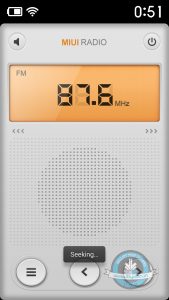
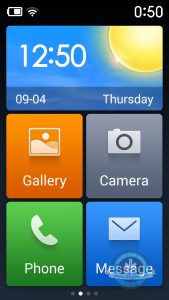
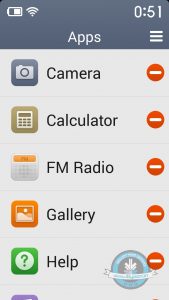
    The Phone also has a lite-mode which was initially intended for senior citizens, but however in the indian edition is been designed to give an easier usage experience to the first time user.

    Phone and Battery

    Phone networks ar good, but not great. We feel that there is a low network reception indoors with the Redmi 1S when compared to other devices. Outdoors however is great and we have no complaints with audio quality on the incoming or outgoing while on a call.

    Battery life is not the best, on an average the phone will run out before end of day, and if you are a heavy user, expect to carry a charger/ powerbank at all times. Xiaomi is also planning to sell additional spare batteries and external battery chargers.

    With the existing battery expect 5-6 hours of real talk time, or a mix of internet usage and apps with 3-4 hours of talk time.

    Conclusion

    While the Redmi 1S is going to have the same issues like the Mi3, i.e. the lack of available units to sell, service centre issues, Flipkart selling woes, and what not. The Redmi 1S still makes for one hell of a device for one hell of a price, that you can’t beat right now. The hardware is equivalent to devices almost twice the price and performance even better.

    [pullquote_right]You simply can’t beat this Phone![/pullquote_right]

    The phone is good looking, well built and supported with respect to the OS and UI, with the added advantage of cheap accessories and quick updates one really can’t complain. For the price you will not find a better device, even if you add another 50$.

    REVIEW VIDEO

    [tw-column width=”one-half”]

    GOOD THINGS

    • Super Cheap
    • Excellent Hardware
    • Flexible Software
    • Great Optics/Camera
    • Fast and Intuitive
    • High Resolution Display
    • Large Display

    [/tw-column]
    [tw-column width=”one-half” position=”last”]

    BAD THINGS

    • Lack of Units to Sell
    • Still on Android 4.3
    • Horrible Sale Method

    [/tw-column]

  • Xiaomi Redmi 1S Vs Moto E Vs Moto G Specs Comparison

    Xiaomi Redmi 1S Vs Moto E Vs Moto G Specs Comparison

    After the achievement of its Mi 3, Xiaomi is rolling out yet another affordable smartphone in India, exclusively through Flipkart. The company is all set to formally uncover the Redmi 1S valued at Rs 5,999. All things considered, as budget-friendly devices to come in this comparative price bracket and expect to contend with the ruling budget Android, the Moto E and Moto G which are sold at the price of 6,999 and Rs. 10,499.

    Xiaomi Redmi 1s Unboxing 0

    In terms of display, the Redmi 1S comes with a 4.7 inch display which has a 720 x 1280 resolution, giving it a total pixel density of 312 PPI. The Motorola Moto E come with a 4.3 inch which is not a IPS display and has a 960 x 540 resolution giving it 256 ppi, which is much lower than the Redmi 1S. On the other hand Moto has a 4.5 IPS display which has a  720 x 1280 resolution, same as the Redmi. However, the Moto G is at power here with 326 PPI.

    Moto G also has a Corning Gorilla glass, so does the Moto E, but Xiaomi Redmi 1S lacks it and has Dragontrail instead. All three devices i.e. Moto E, Moto G and Xiaomi Redmi 1S are Dual Sim GSM devices. So, they will work on 3G and 2G GSM networks.

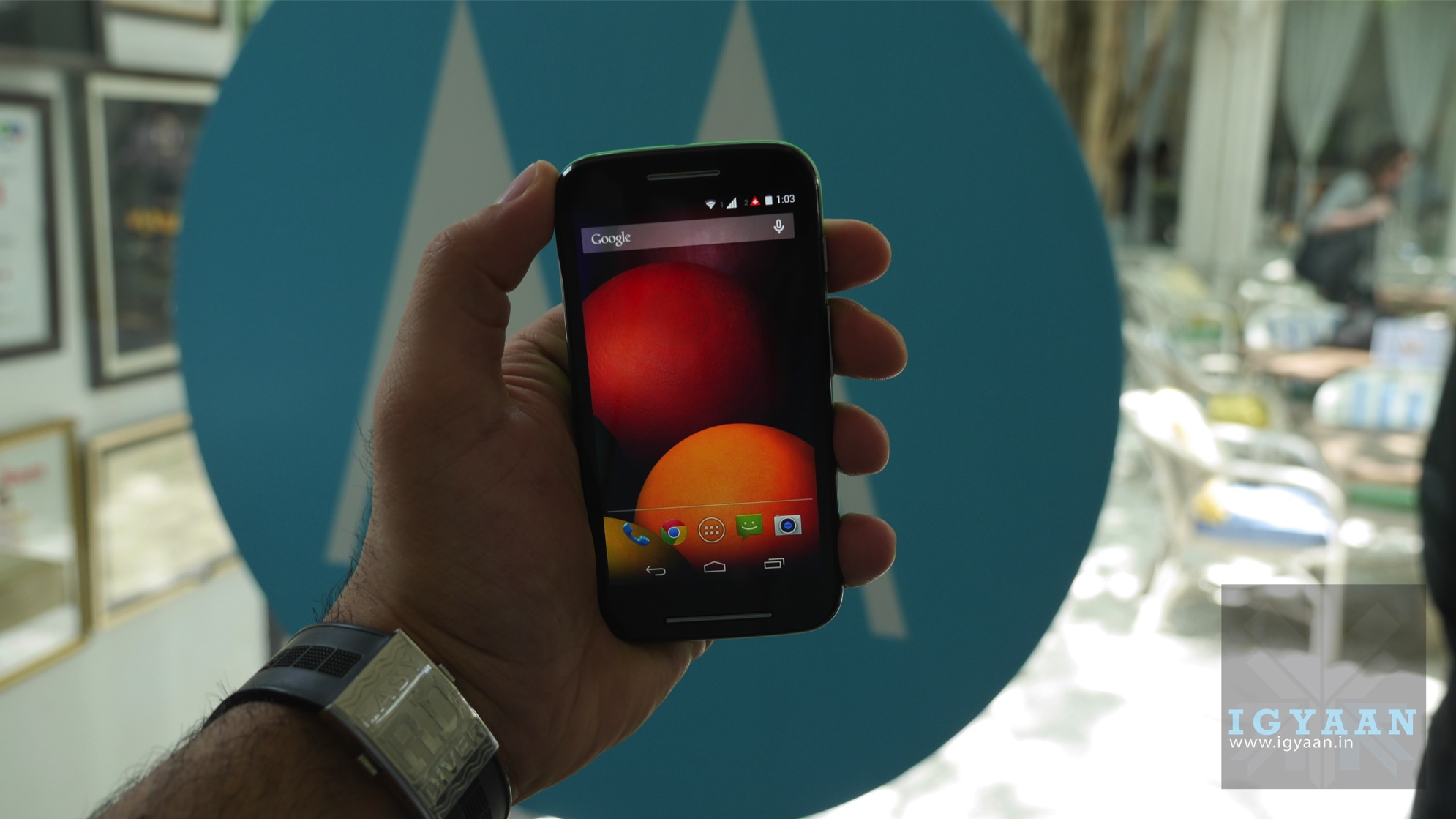
    Moto E 10

    On the hardware side, Redmi 1S comes with Qualcomm Snapdragon 400 on quad-cores at 1.6 GHz. Which is mighty impressive for the price bracket and compared to Moto E’s Snapdragon 200 at dual-core 1.2GHZ processor. Where as, Moto G packs a snapdragon 400 which is quad-code at 1.2 GHz. Having said that, Redmi 1S is undoubtedly leads the two Motorola handsets as far as the processor is concerned.

    All three have 1GB of RAM, and while the Redmi 1S along with Moto G has 8GB of Internal storage, Moto E lacks behind with 4Gb of internal storage. Also, the Redmi 1S does accept a micro-SD cards up to 64GB, while the Moto E accepts upto 32 GB micro-SD cards. The Moto G, despite being the most expensive handset in the lot, does not.

    As far as the battery is concerned, Redmi 1S sports 2050 mAh battery, the Moto E comes with comes with 1980 mAh battery and Moto G comes with 2070 mAh battery. So, there not a considerable difference between the batteries of the three handsets.

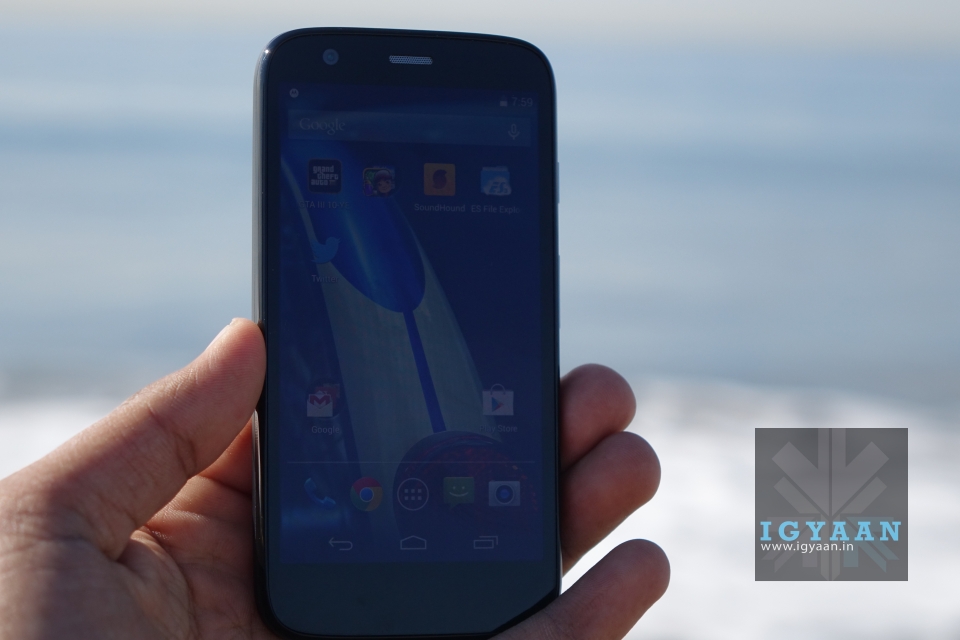
    Motorola Moto G 15

    The cameras of the devices are varied, the Xiaomi Redmi 1S fashions an 8MP primary camera that supports 1080p video shooting and the secondary camera of 1.6MP which supports 720p video shooting. Moto E disappoints us with no secondary camera  and the main camera of 5MP with only 480p video capability. On the other hand Moto G  has a similar 5 Mp camera but only does 720p videos along with a 1.3Mp secondary shooter. Moto E also lacks a flash light unlike other two devices. In terms of the camera and video quality Redmi 1S beats both the Motorola devices.

    Motorola’s devices take lead in one of the most important specs of any smartphone- OS and updates. Motorola devices comes with Android 4.4 out of the box where as redimi 1s comes with Android 4.3 out of the box with a promised upgrade soon. Moto E as well as Moto G are going to be one of the first devices to get Android LMP update after the Nexus devices.

    With respect to the specifications, pricing and overall usability of the device, we feel the Xiaomi Redmi 1S seems to be a value for money package. But with the limited 40,000 units going on sale on 2nd Sept, a lot of buyers and re-sellers are going to be in line to get their hands on the device, so be sure register first and wait for the device.

    One major advantage that Motorola devices bring, is that they are now readily available and also the company has an impressive service network along with good customer service support. This can’t be said for the Xiaomi at the moment because they are struggling with their service support which is kept down to low number of service centre and replacements offered by Flipkart.

    Key Specs-

    Specs/Devices

    Motorola Moto G

    Motorola Moto E

    Xiaomi Redmi 1S

    Dimensions (mm) 129.90 x 65.90 x 11.60 124.80 x 64.80 x 12.30 137.00 x 69.00 x 9.90
    Weight (g) 143.00 142.00 158.00
    Battery capacity (mAh) 2070, Non-removable 1980, Non-removable 2050, removable
    Display 4.5 Inch 720x1280px 329PPI  4.3 inch 540x960px 256PPI 4.7 inch 720x1280px 312PPI
    Processor Qualcomm Snapdragon 400 1.2GHz  quad-core Qualcomm Snapdragon 200 1.2GHz   dual-core Qualcomm Snapdragon 400 1.6GHz quad-core
    RAM 1GB 1GB 1GB
    Internal storage 8GB 4GB  expandable upto 32GB 8GB expandable upto 64 GB
    Rear camera 5-megapixel  5-megapixel  8-megapixel
    Flash Yes No Yes
    Front camera 1.3-megapixel No 1.6-megapixel
    Operating System Android 4.3 Android 4.4 Android 4.3 MIUI version 5
  • Unboxing : Redmi 1S And First Impressions

    Unboxing : Redmi 1S And First Impressions

    Xiaomi has really taken the Indian market seriously and has made products available quite promptly. With the new Xiaomi Redmi 1S, the company has broken the price barrier at Rs. 5999 and basically beat the Moto E and Asus Zenphone A450 by exactly Rs. 1000. The Phone will follow the same sale pattern as before , often referred to as #FailSale but, the company claims that the strategy is really working for them.


    Xiaomi Redmi 1s Unboxing 16

    The Xiaomi Redmi 1s will come with 2 Micro Sim to Regular Sim adapters in the box for the dual sim device. The phone will run one card on 3G GSM while one on 2G GSM. The Redmi 1S is powered by a Qualcomm Snapdragon 400 Chipset running at 1.6 GHz on Quad Cores and the Adreno 305 GPU. It accepts micro SD cards unto 32 GB and comes with an inbuilt storage of 8 GB and has 1 GB RAM.


    For the Price it is an amazing value, and definitely beats down the competition. The juicy bits include a 1280 x 720 px 4.7 inch IPS LCD Display along with an 8MP camera which can shoot 1080p footage and a front facing 1.6MP camera capable of 720p video.

    Xiaomi has started accepting registrations for the sale set to being on 2nd Sept on Flipkart here. The company claims that it has had no issues regarding service, and urges people to use the included sim adapters to tackle the sim card related problems. For the first flash sale of the Redmi 1S, Xiaomi will bring 40,000 units, which from the point of demand is still a meager stock.

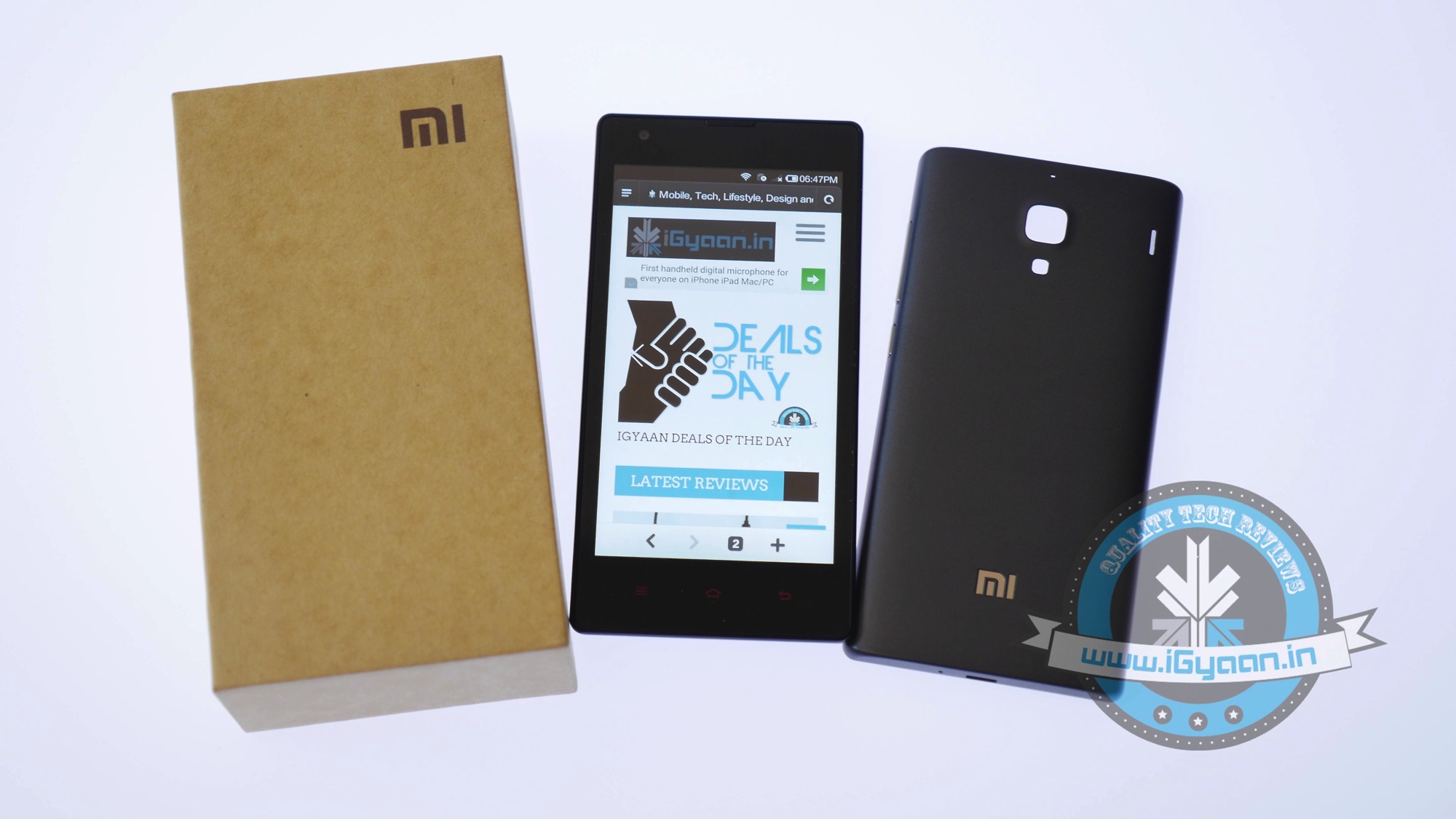
    Xiaomi Redmi 1s Unboxing 0

    The Phone will be made available along side a bunch of accessories including a screen protector, a gel case and a PU leather cover as well. Stay tuned for our review.

    Buying Options


  • How Do They Do It : Chinese Phone Pricing Explained

    How Do They Do It : Chinese Phone Pricing Explained

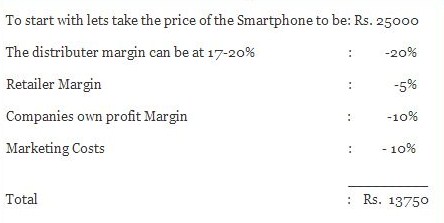
    Many of you have inquired as to how the Chinese smartphone manufacturers are capable of bringing high speced devices that are priced so low. Here we attempt to explain how the likes of Xiaomi and others go about their business of creating havoc in the mobile markets everywhere.

    Both Motorola and Xiaomi have kept prices low by using the e-tailing route
    Both Motorola and Xiaomi have kept prices low by using the e-tailing route

    It is estimated that companies like Xiaomi are selling their phones at a loss of Rs. 1000 so that they can create a market buzz around their products. Xiaomi is bringing in just about a 1,00,000 units of their phones to India and have been selling them out in periodic flash sales. By bringing in a limited number of device the company start a stampede and this causes other competitors to reduce their prices, something we saw Motorola do when they slashed Moto G’s price by Rs. 2000. By using this strategy, Xiaomi, with its limited marketing budget has made its name shine out in the market.

    However there is a downside to this marketing technique. The flash sales are now confusing and sometimes irritating the potential consumers who want the phone but cannot buy them. It has started to create a negative perception amongst such consumers. They are now seeking alternatives to the phone.

    chinese calNow here is where the internet marketing convenience adds in. Basically, by just using an online sales channel, a strategy devised by companies like Motorola, the companies get to save massive amounts in distribution, marketing, dealership and other costs. And hence these high speced products reach the consumers in what can be called shockingly low prices, well its shocking for big brands at least.

    It is also speculated that another Chinese smartphone manufacturer, One Plus, intends to try its luck in the Indian market. Their phone, the One Plus One is a high speced powerhouse which comes at mid segment prices. They too have limited stocks and might take the Xiaomi approach. But if these companies plan to stay in the Indian market for the long run, they need to come with stocks in accordance with the demand in the market. Or else they will just act as an inspiration to companies with already big reach to bring similar products and in turn, take away these companies potential customers.

iGyaan Network
Privacy Overview

This website uses cookies so that we can provide you with the best user experience possible. Cookie information is stored in your browser and performs functions such as recognising you when you return to our website and helping our team to understand which sections of the website you find most interesting and useful.