
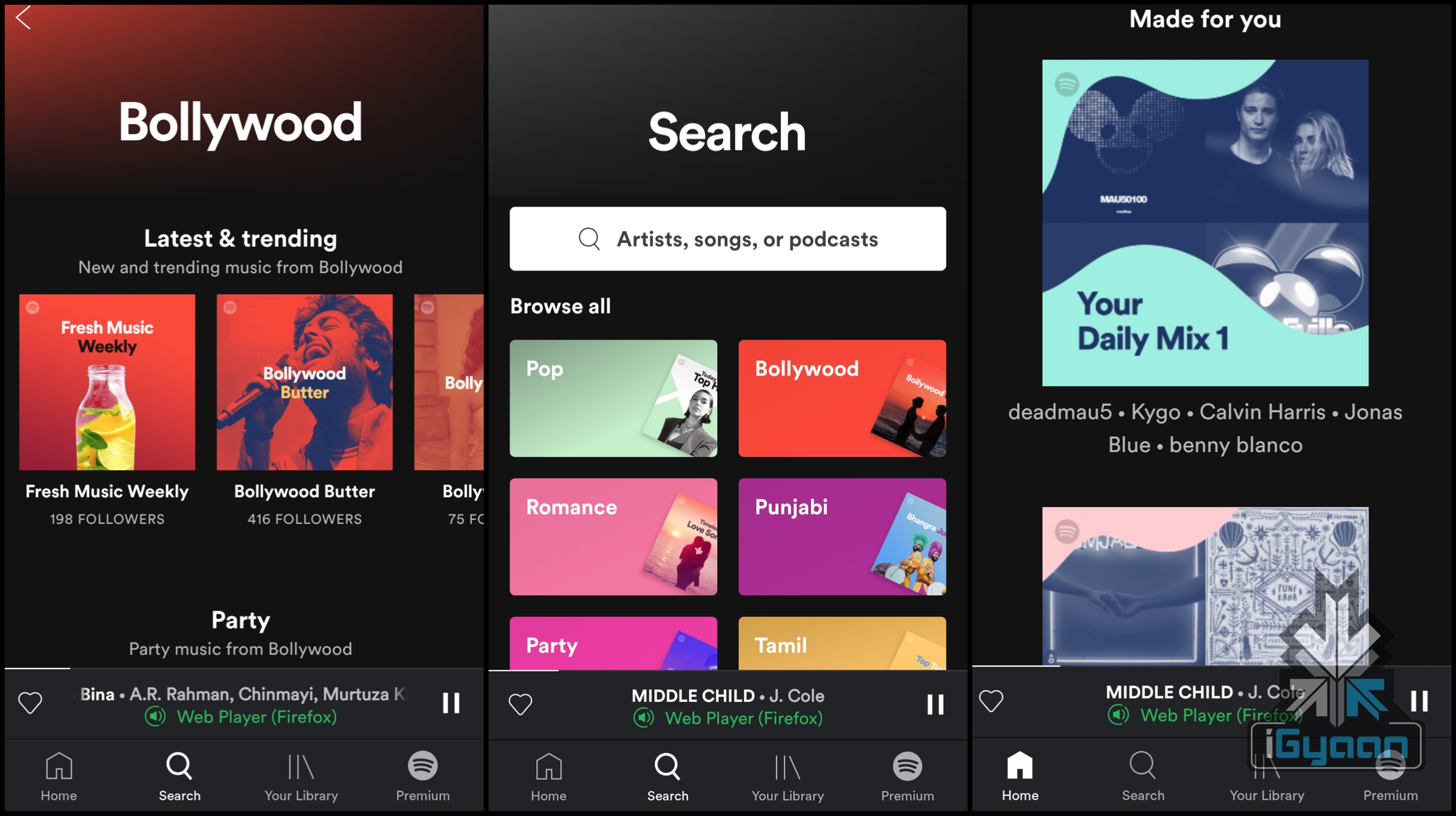
Spotify, the world’s most popular music streaming service was launched in India on February 26. Just before its launch date, the Bombay High Court directed the Swedish music streaming company to deposit a sum of Rs. 6.5 crore, after an infringement suit was filed by Warner/Chappell. breach
About The Suit
 Along with the suit, Warner/Chappell Music also filed a motion seeking an interim injunction to prevent Spotify from including its songs in the application without a valid license. Spotify claimed that it could offer the songs in the app in conformance with its request for receiving a statutory license under Section 31 D of the Indian Copyright Act.
Two rights fall under section 31 D, the right to communicate works to the public, and the right to reproduce the said works. It was argued by Warner/Chappell’s counsel that Section 31 D would only be applicable to broadcasting organizations, which means that Spotify will only be allowed to communicate the works, not reproduce them. So far, the application by Spotify hasn’t met its approval, so no statutory license has been granted to the company.
Conclusion
 Shortly after filing the Section 31 D application, Spotify had decided to give up a sum of 528,000 Euro to one of Warner/Chappell’s partners. There is no explanation of how Spotify arrived at this conclusion, but Warner Chappell refused this sum of money. The American Music publishing company then prompted Justice SJ Kathawalla to ask the Swedish music streaming service to deposit a lump sum of Rs. 6.5 crore with the Court. At the same time, the High Court also directed Warner/Chappell to return the 528,000 Euro back to Spotify.
 Also Read: Samsung Launches Galaxy A10 With Infinity-V Display
As of now, Spotify has been directed to keep a record of the inclusion of Warner/Chappell’s music and all forms of revenues. This is the exact reason why the Swedish music streaming service was allowed to launch in India. The hearing for further decisions will take place on March 25.
 Concerns arose on Twitter regarding the fact that this option will lead to users hiding obnoxious tweets. For instance, a user might get a different idea while reading a tweet if some of the replies are missing/hidden. People also said that controversial politicians can just hide tweets that they find outrageous or unacceptable. Unless a user actually clicks on the ‘View Hidden Tweets’ button, he/she might miss out on critical parts of the conversation.
 The positive aspects of integrating such an update are intended towards putting the user in control of his tweets. In a ‘toxic social media era’ where hate provoking comments can be found on almost every post, moderating the replies could impact user growth for the better purpose. It could also encourage people to debate or argue in a more ‘docile’ manner knowing that their tweets can be hidden any time.

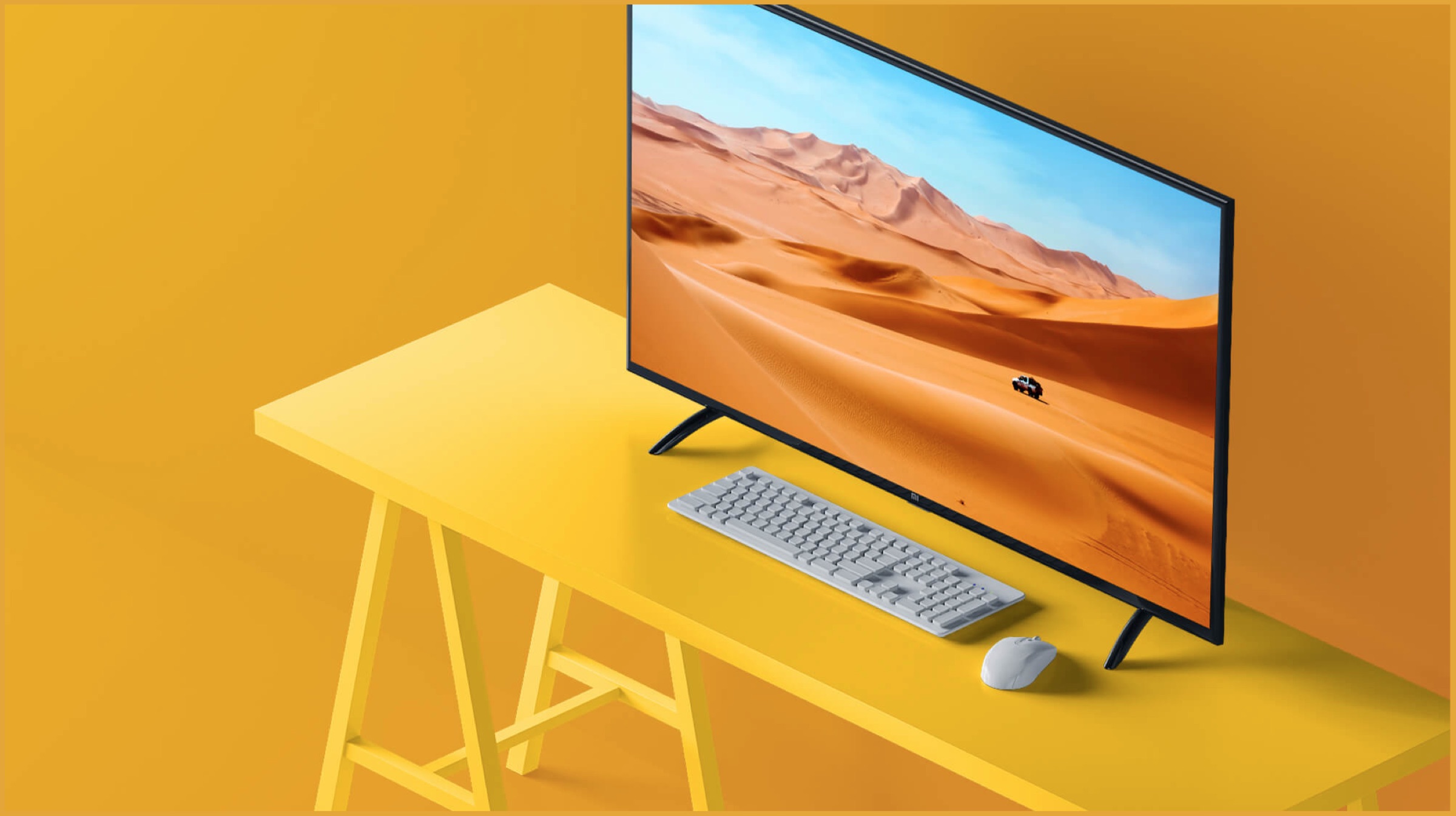
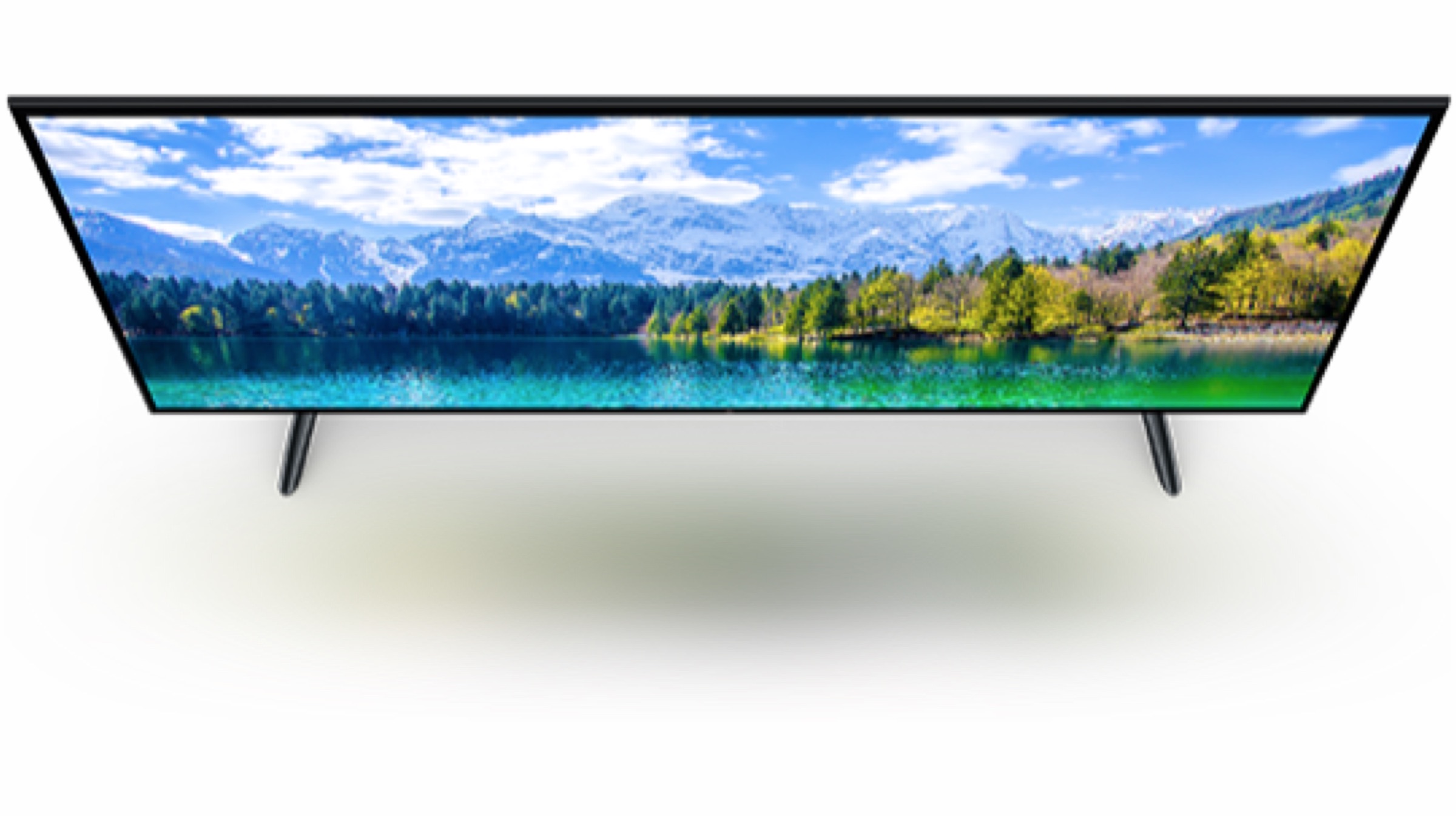
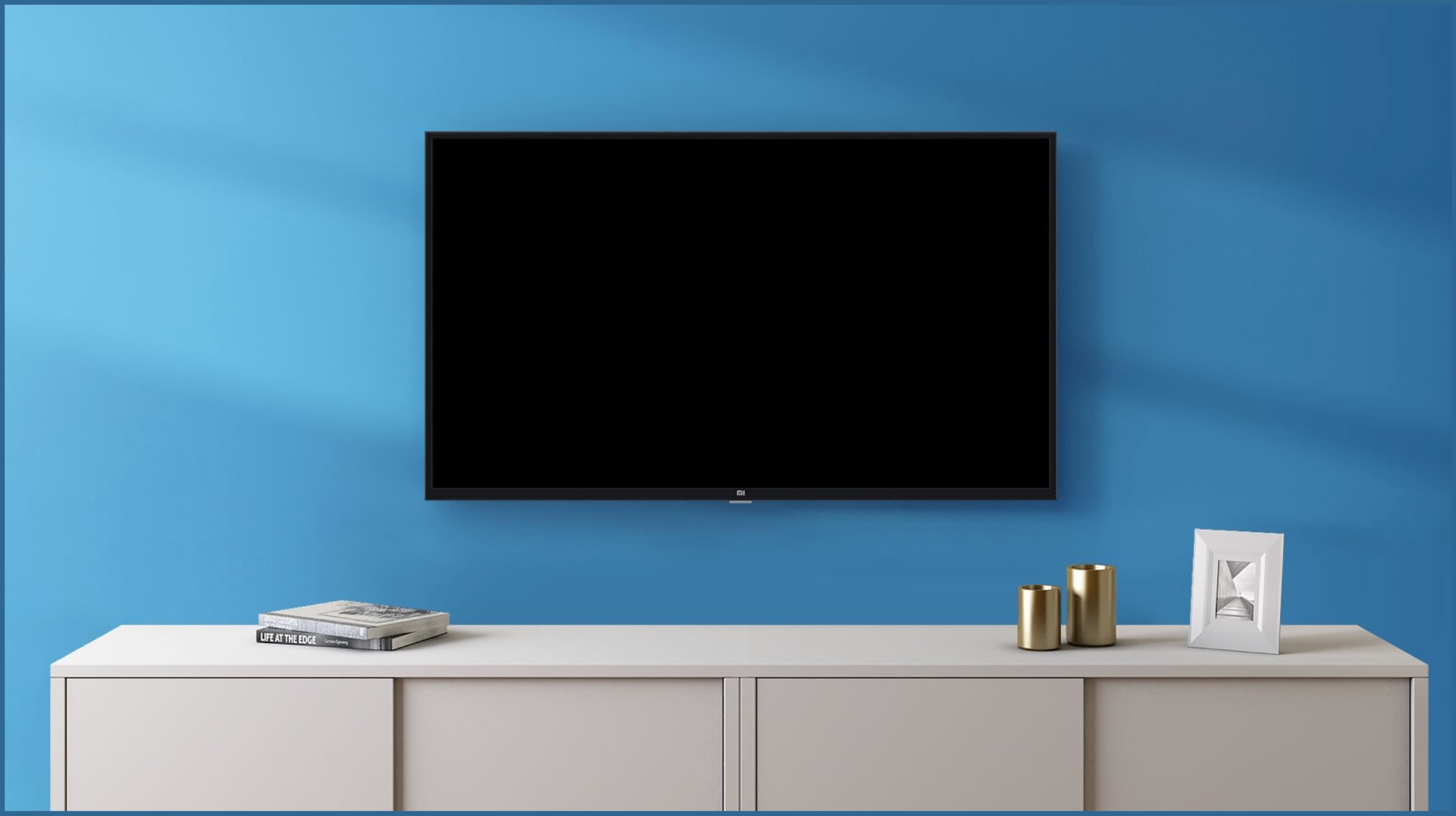 The Mi LED TV sports an Ultra-bright HD ready display, which promises vivid colours and enhanced brightness. The display is paired with 20W (10W x 2) stereo speakers with dts-HD support, which deliver a powerful sound experience. The LED TV has thin bezels giving it an elegant appearance. It also has inbuilt PatchWall to personalize content by curating shows and movies for the user.
 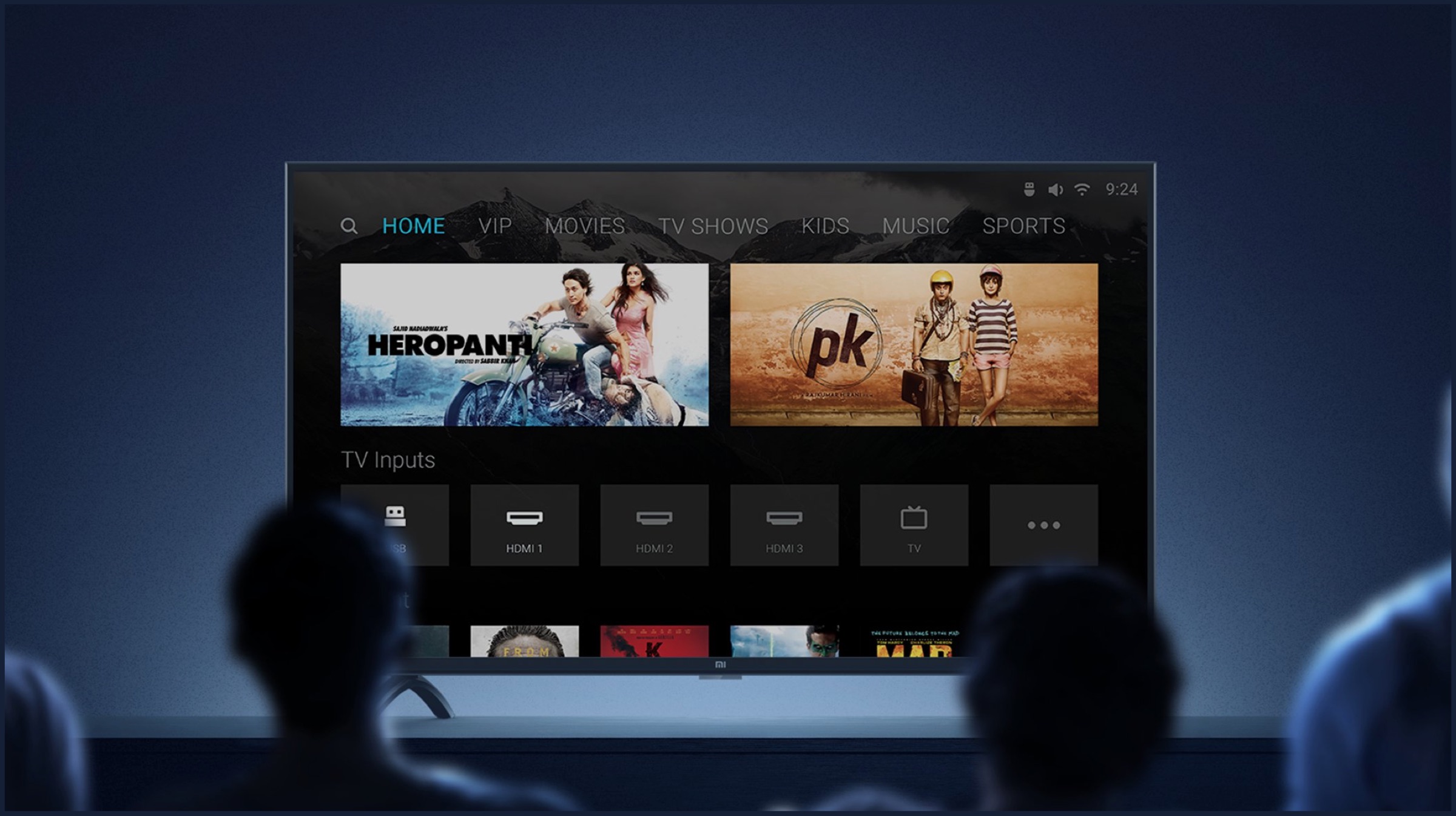 Xiaomi claims that the Mi LED TV 4A has more than 7,00,000+ hours of content available. All this content is available across streaming services like Hotstar, Voot, TVF and Sony LIV, which are preloaded on the Mi LED TV. It also features inbuilt Play Store Chromecast and the Google Voice Assistant for hands free operation. The TV runs on PatchWall and Android TV OS.
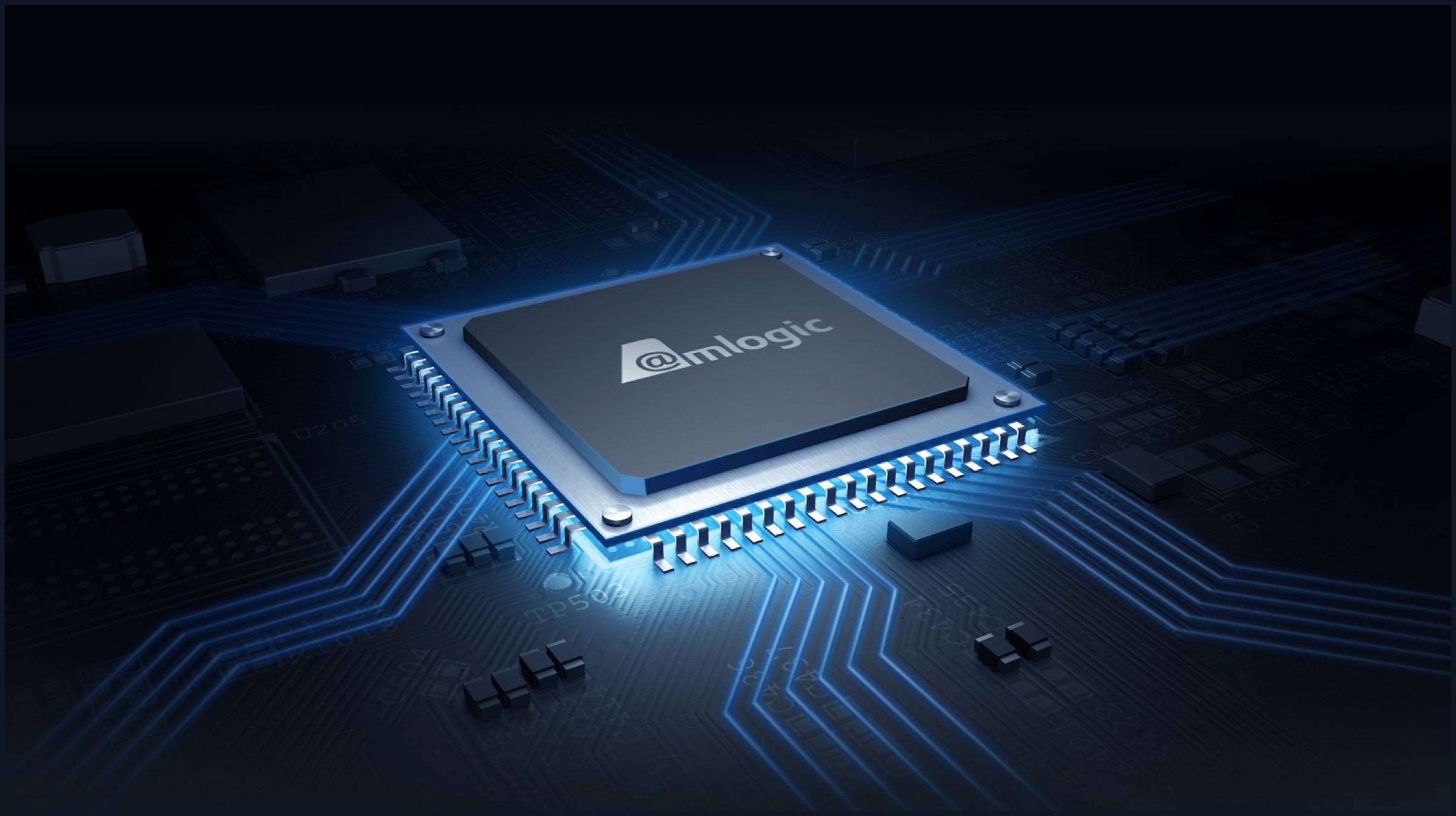 The Smart TV has a powerful 64-bit Quad Core processor to minimize system lag. Furthermore, Mi LED TV has 1GB RAM and 8GB of inbuilt storage. Multiple connectivity options such as HDMI, USB 2.0, AV and a 3.5 mm audio jack are available on the television. Wireless connectivity support includes Bluetooth v4.2 and Wi-Fi (2.4 GHz).
  Also Read:
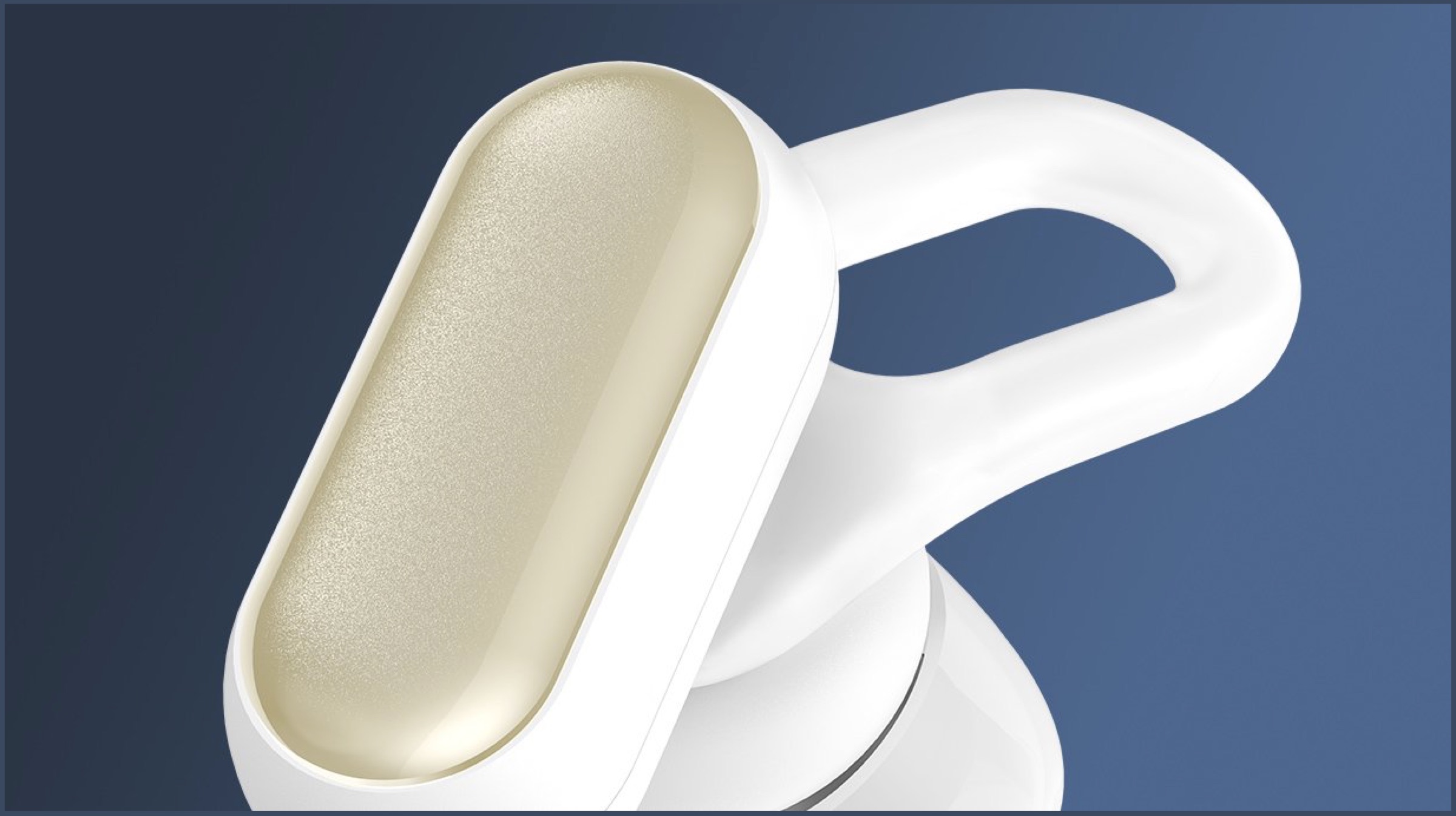 Xiaomi has released some quality earphones in the past, including the Mi Earphones and Mi Earphones Basic. The Mi Sports Bluetooth Earphones are the first ever wireless earphones that the company has launched in India. They sport a minimalistic design along with a ton of other features. Weighing in at 13.6 grams, the earphones are light and should be easy to carry around. They have a sleek reflective finish and the company claims to use reverse spray technology to make the earphones stand out. The earphones also sport an adjustable ear hook which can be rotated at a 360 degree angle as per user comfort.
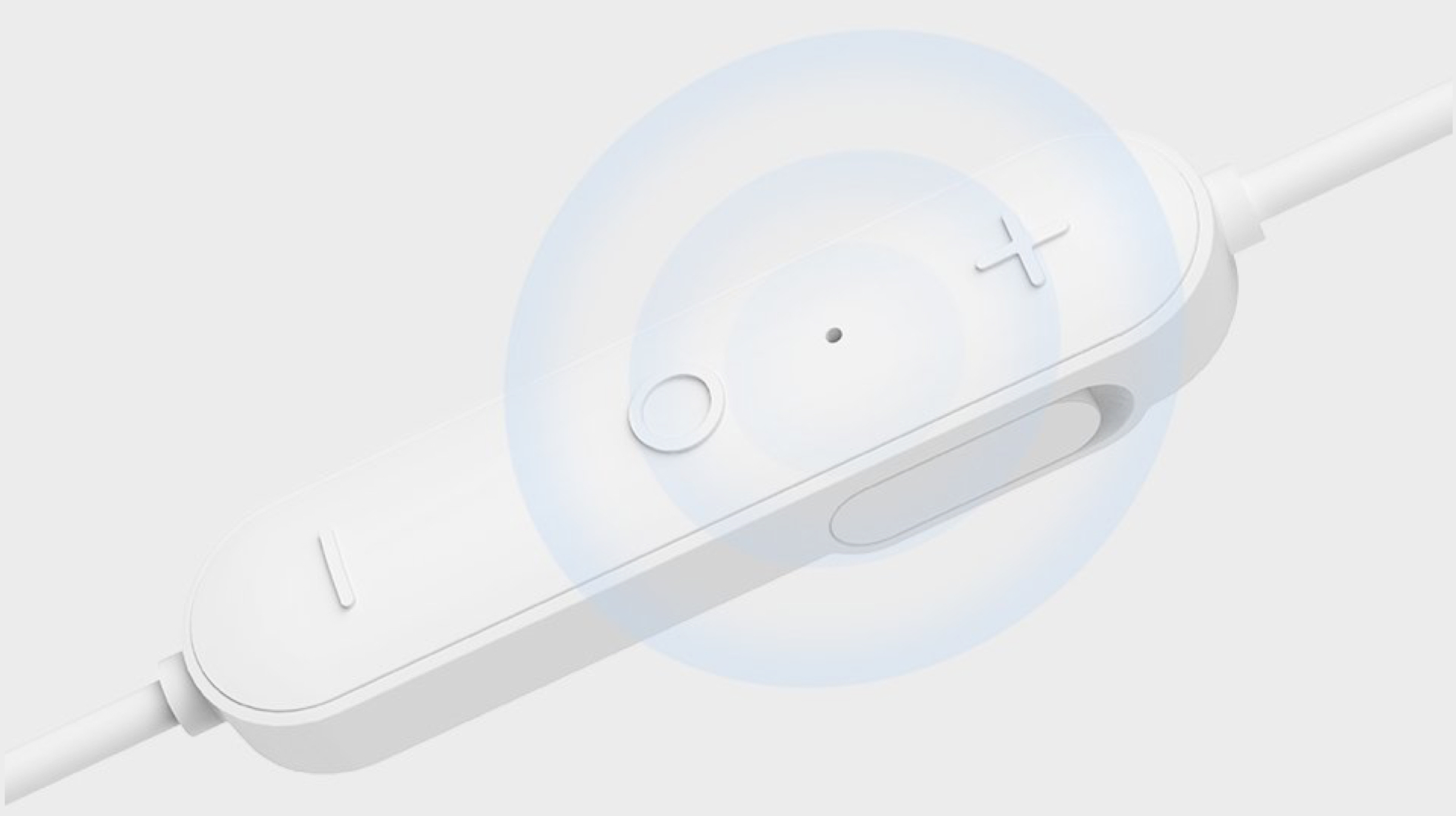 Regarding connectivity, the Mi Sports Earphones has Bluetooth v4.1 integration that offers a range of upto 10 meters. The earphones feature copper wired speakers and PET (
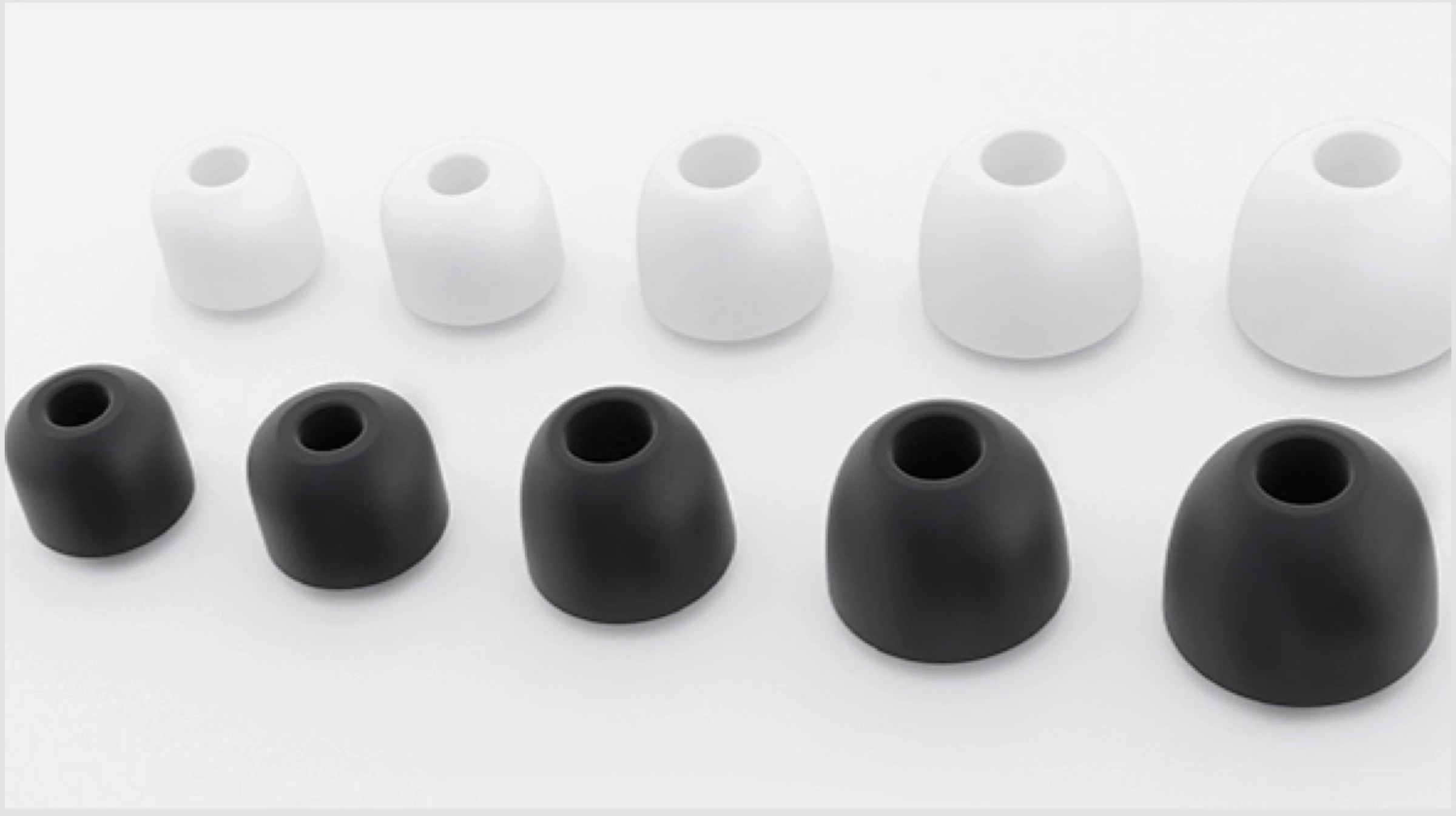 In terms of battery, the Mi Sports Bluetooth Earphones Basic can endure up to 9 hours of continuous usage before the 120 mAh battery runs out of juice. Apart from this, the earphones also have a standby time of 260 hours. The earphones can be charged via the microUSB 2.0 cable that is included in the package along with extra silicone buds for different ear sizes. Furthermore, the earphones are IPX4 sweat and splash proof to safeguard them against rain and accidental liquid splashes.
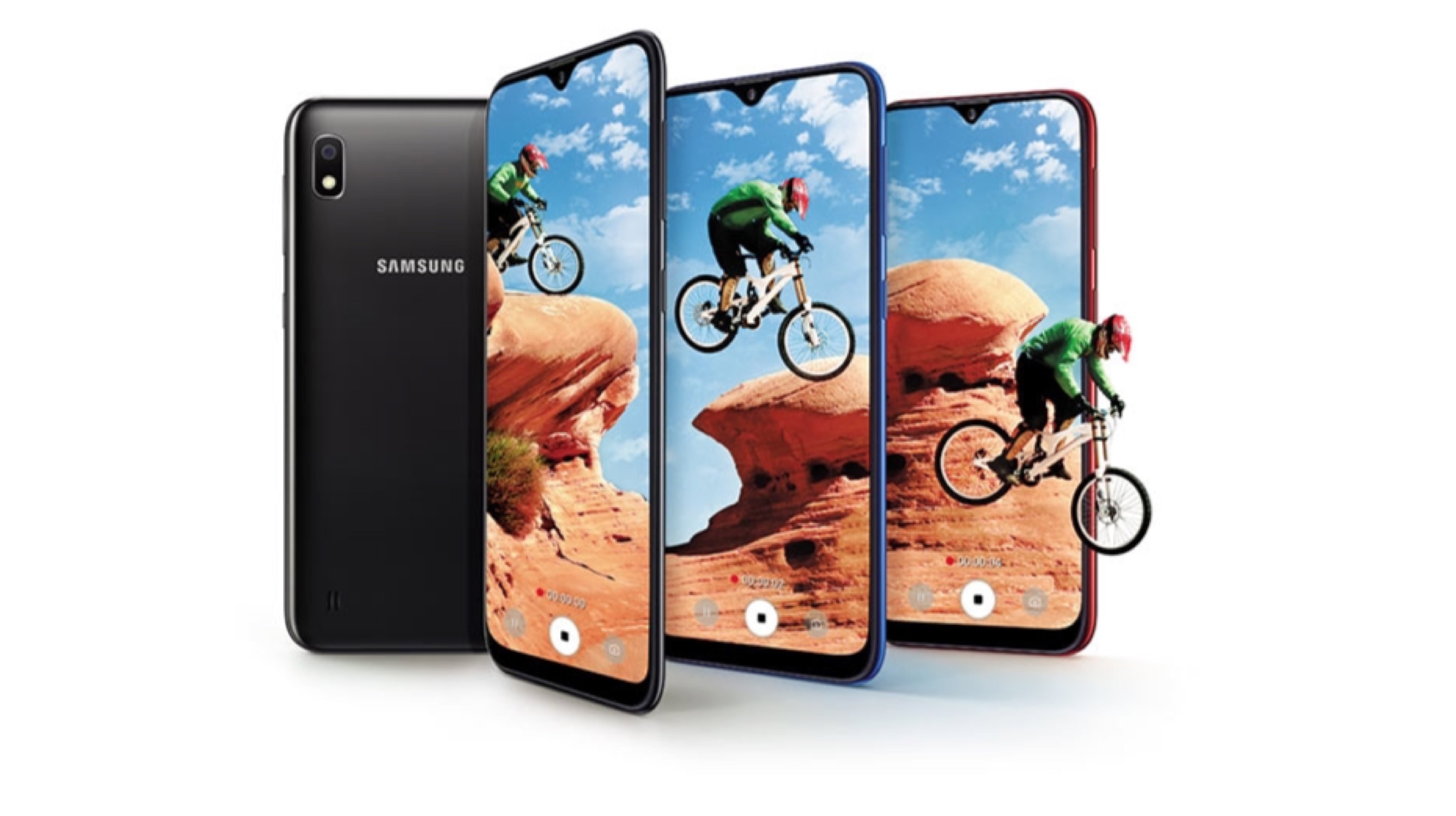
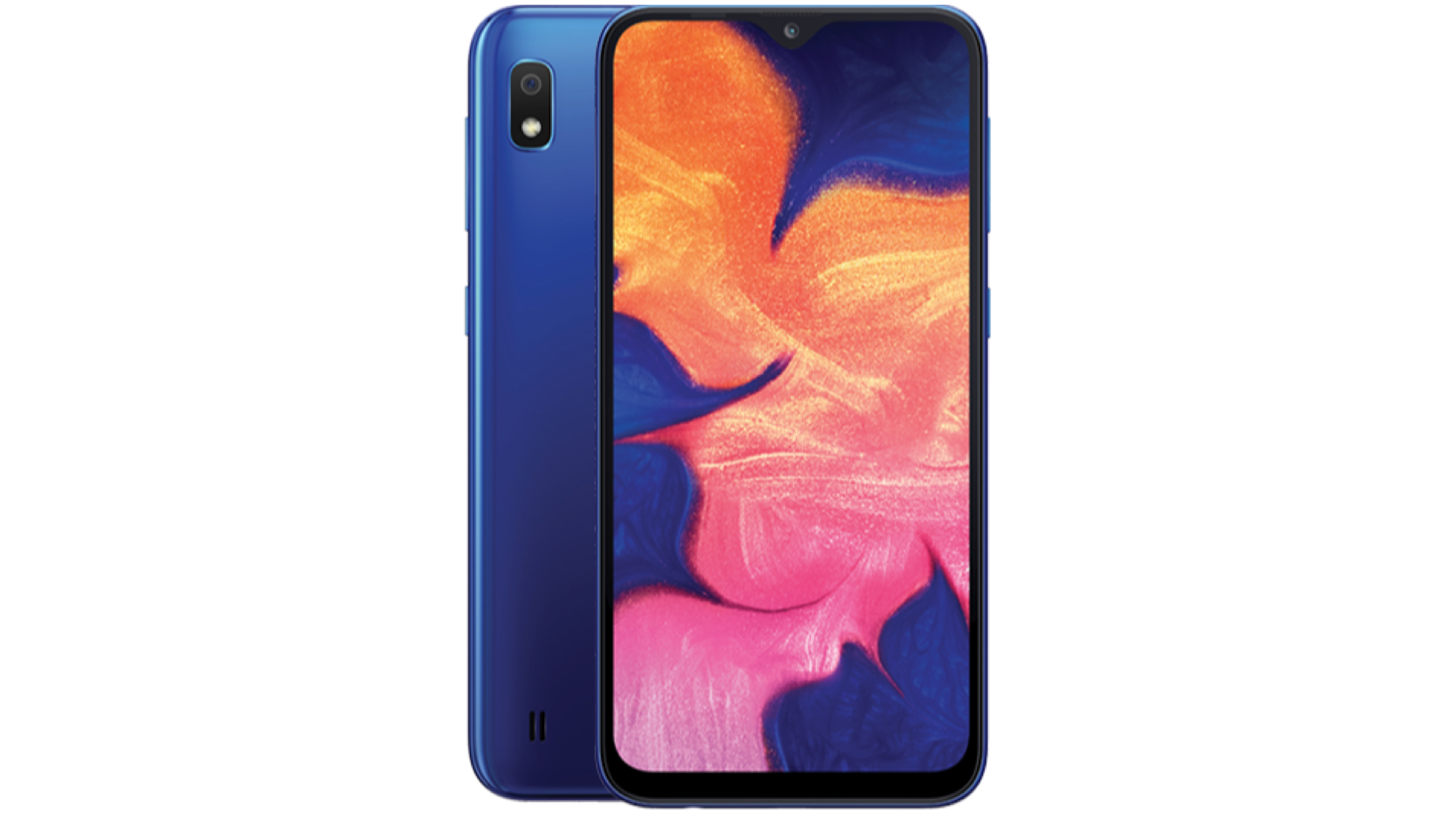 The Samsung Galaxy A10 features a 6.2 inch HD+ Infinity-V display. The smartphone measures at 155.6 x 75.6 x 7.94 mm. It sports a glossy plastic back panel, with a waterdrop notch on the front and a single camera module on the back. The speaker is present on the back near the bottom left corner of the panel. The right side of the smartphone houses the volume rockers and the power button, while the left side houses the SIM card tray. The bottom of the Galaxy A10 is occupied by a 3.5 mm headphone jack and micro USB 2.0 port which can be used for charging and data syncing.
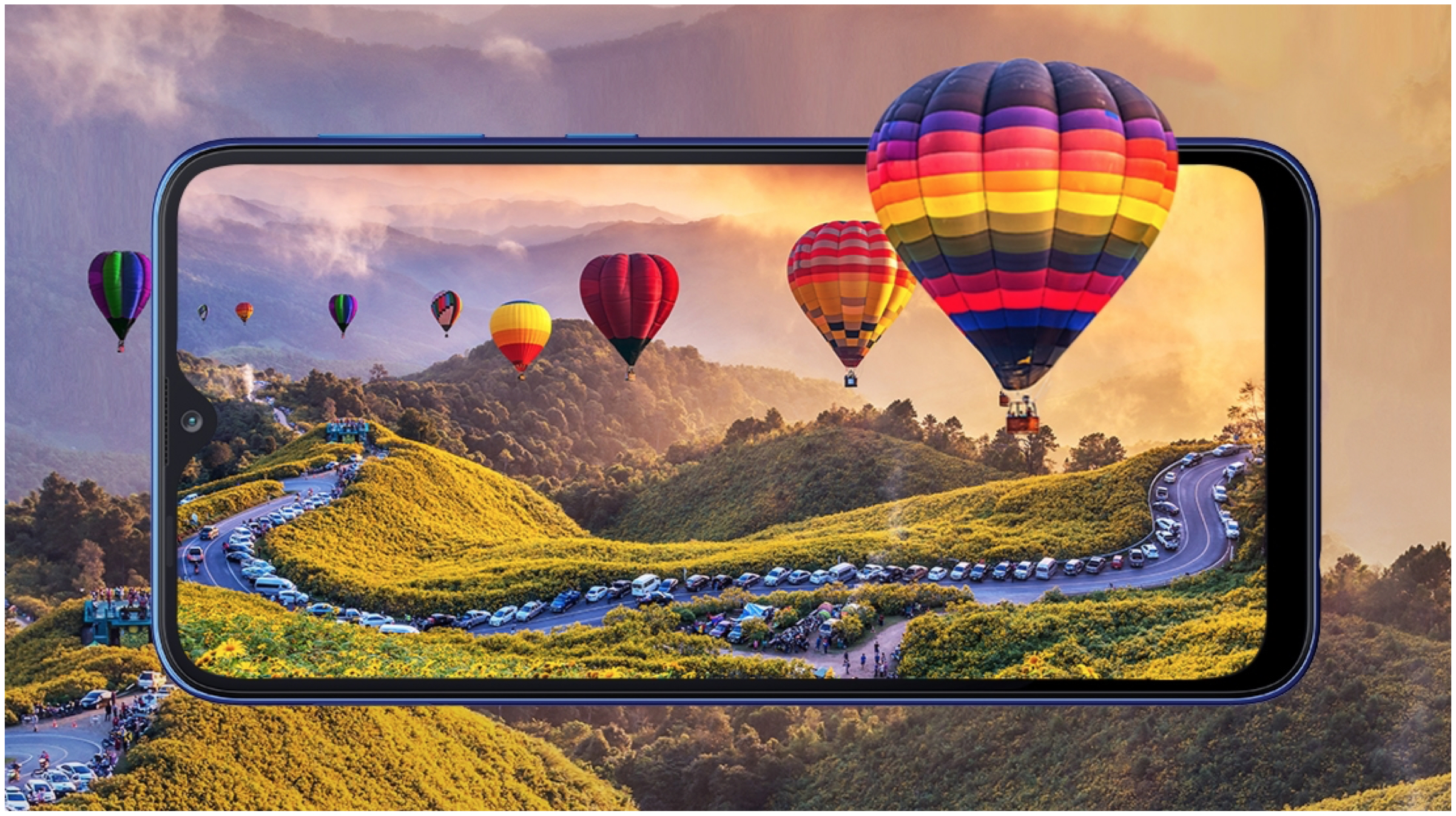 The Galaxy A10 packs the Exynos 7884 chipset, which comprises of an octa-core CPU. The device is available with 2 GB RAM and 32 GB of internal storage, which is expandable up to 512 GB via the dedicated microSD card slot. The smartphone runs on Android 9 (Pie) out of the box, with Samsung’s One UI on top. It sports a single 13 MP (f/1.9) rear camera with an LED flash and a single 5 MP (f/2.0) front facing selfie camera. The Galaxy A10 is powered by a 3,400 mAh battery.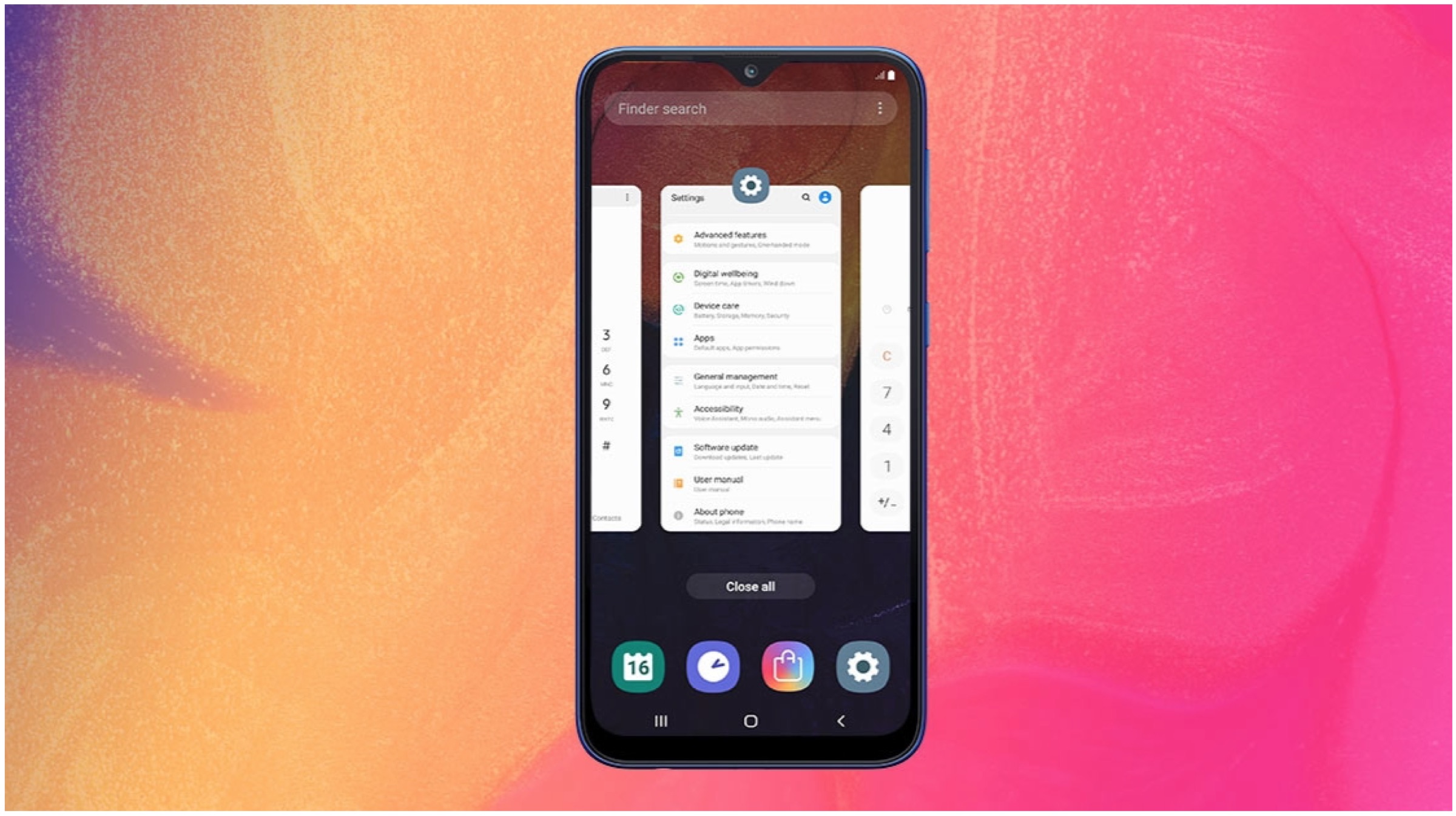

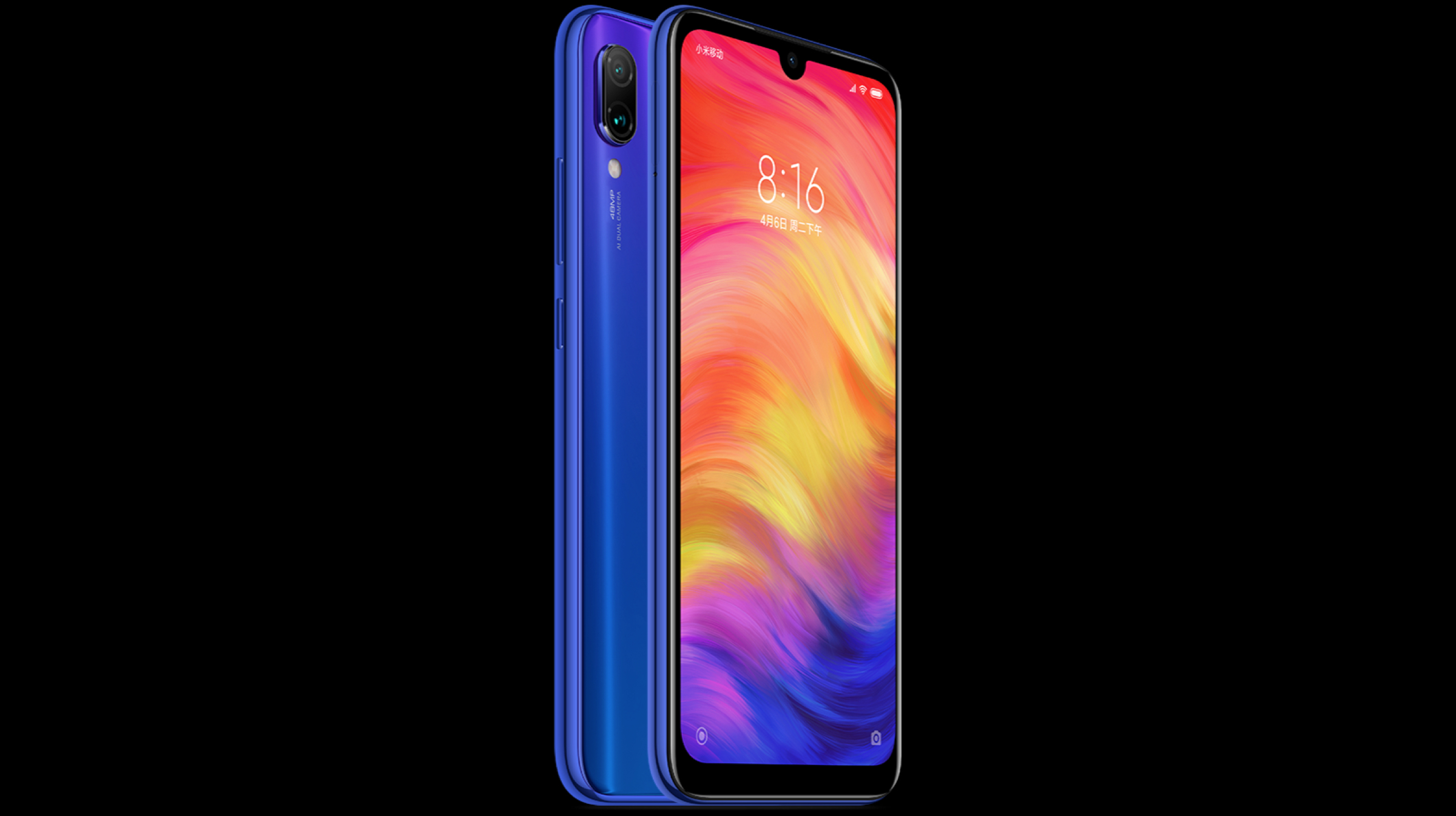
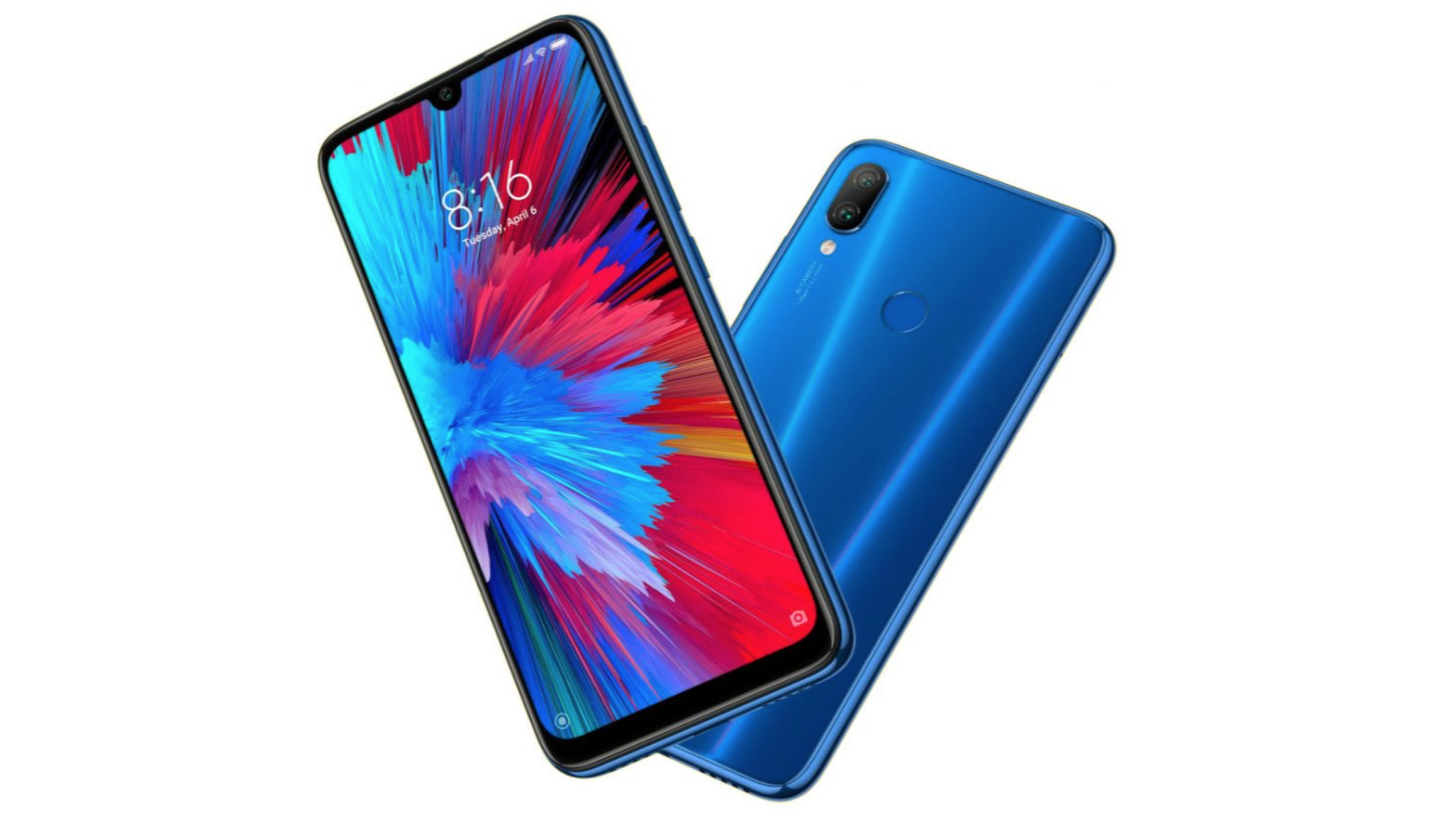
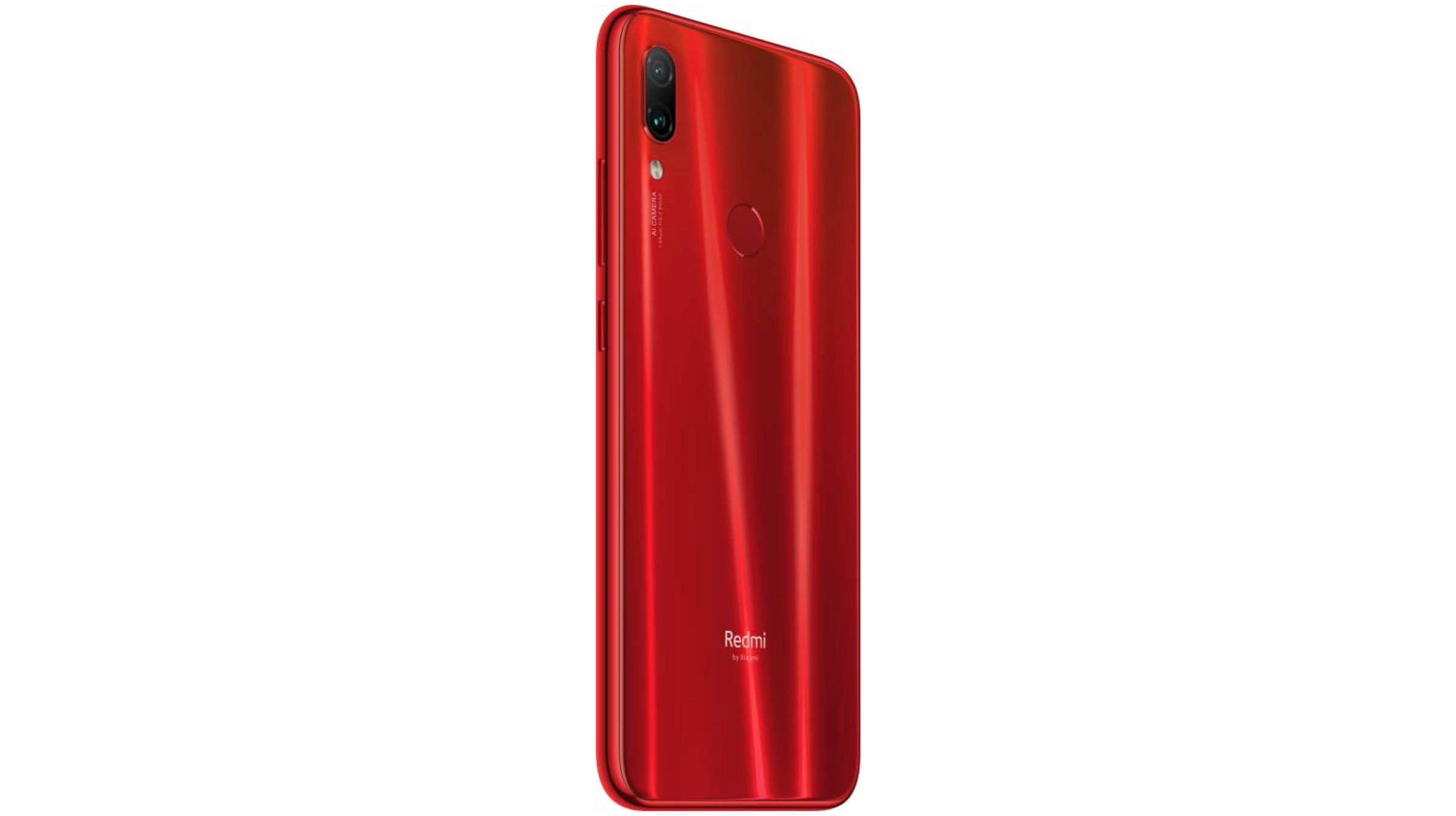
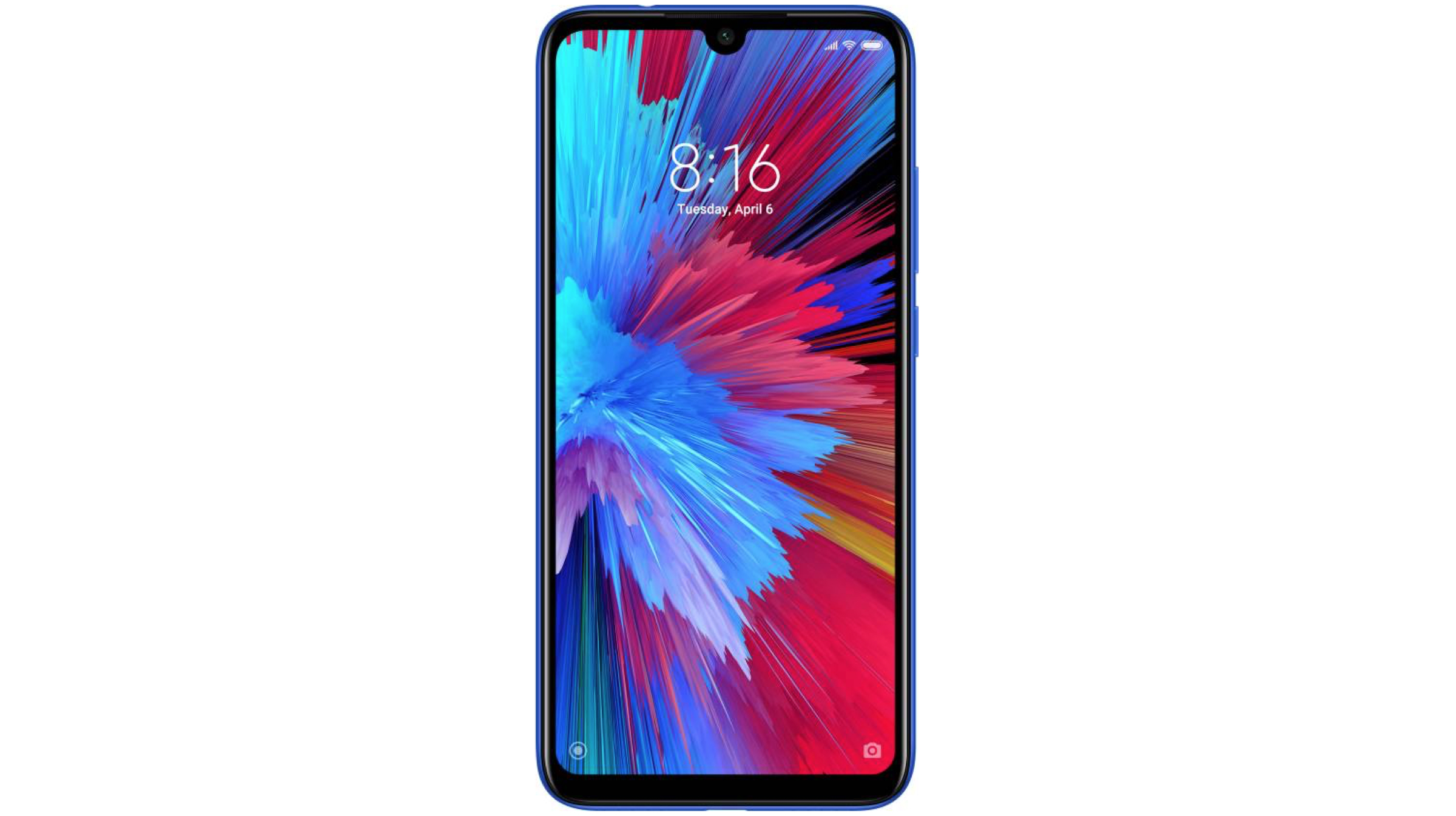
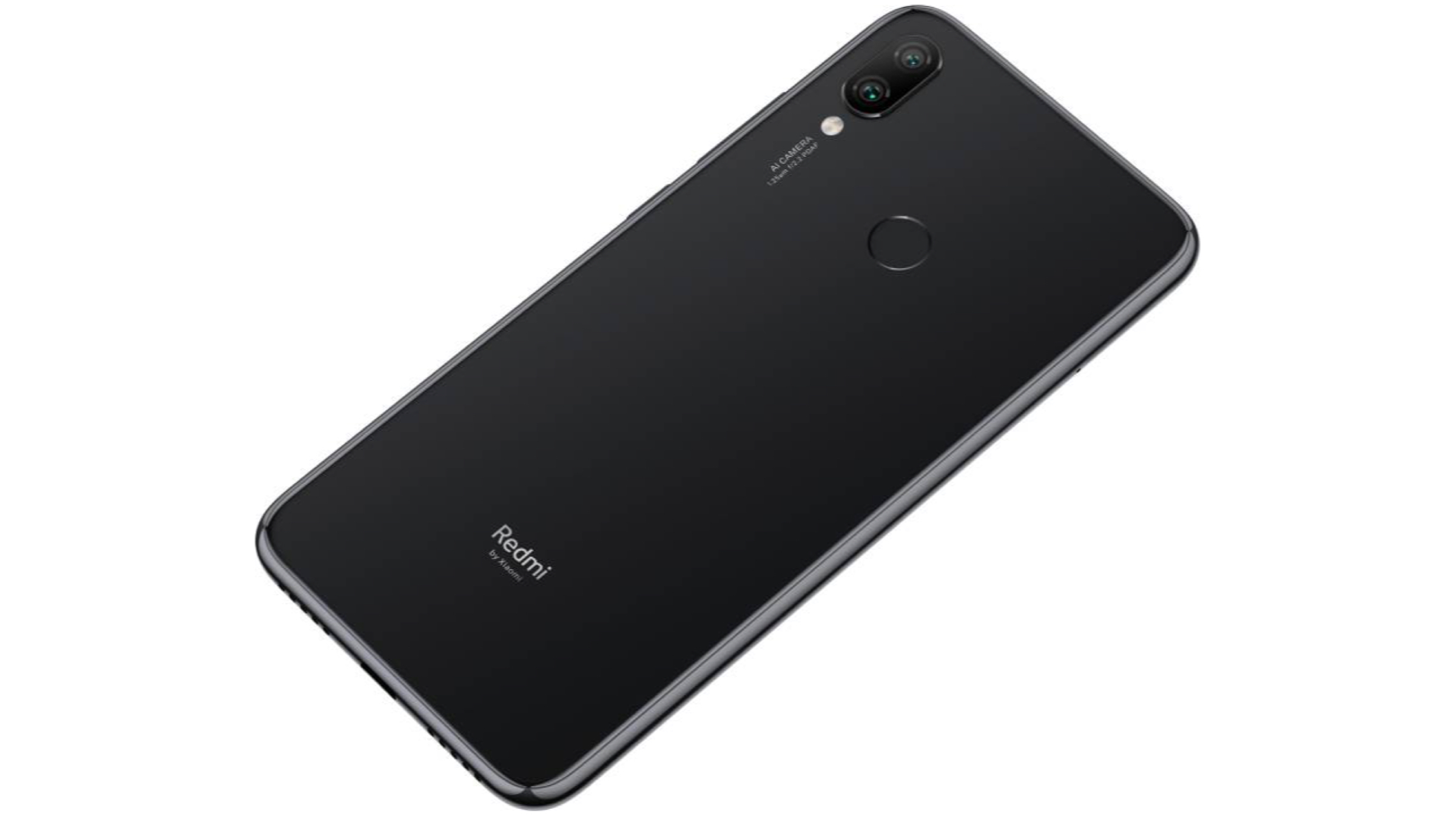
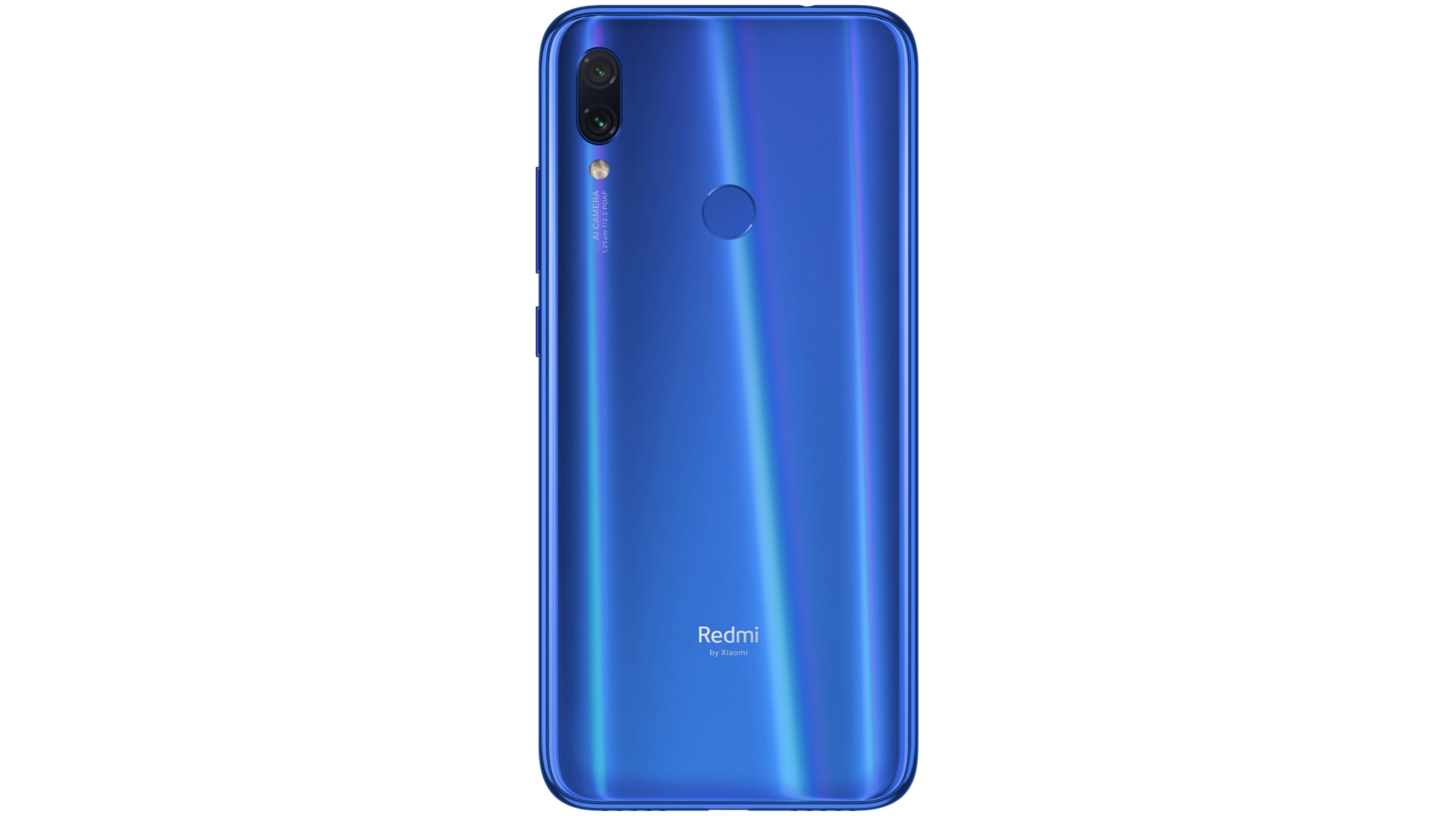
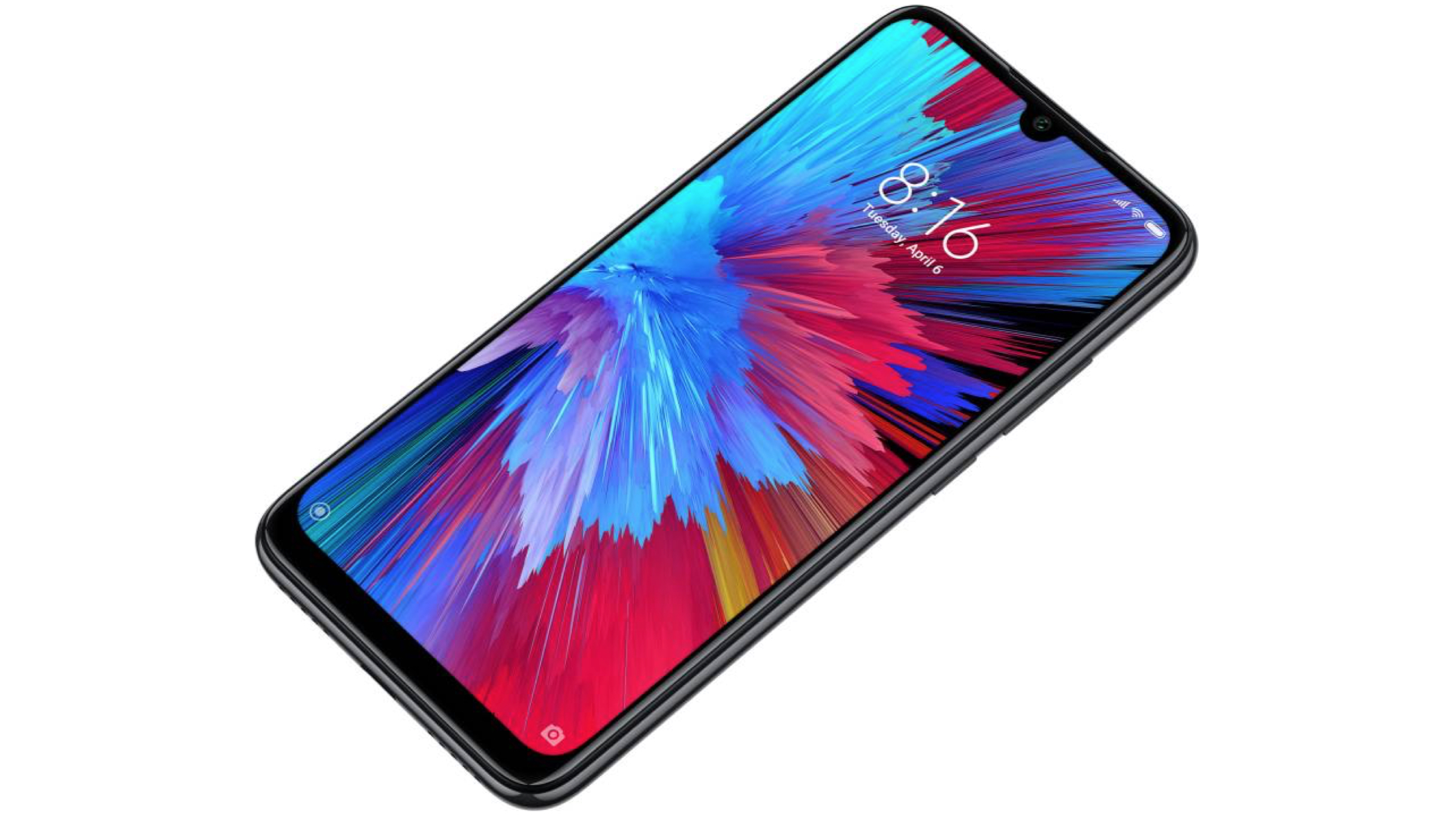
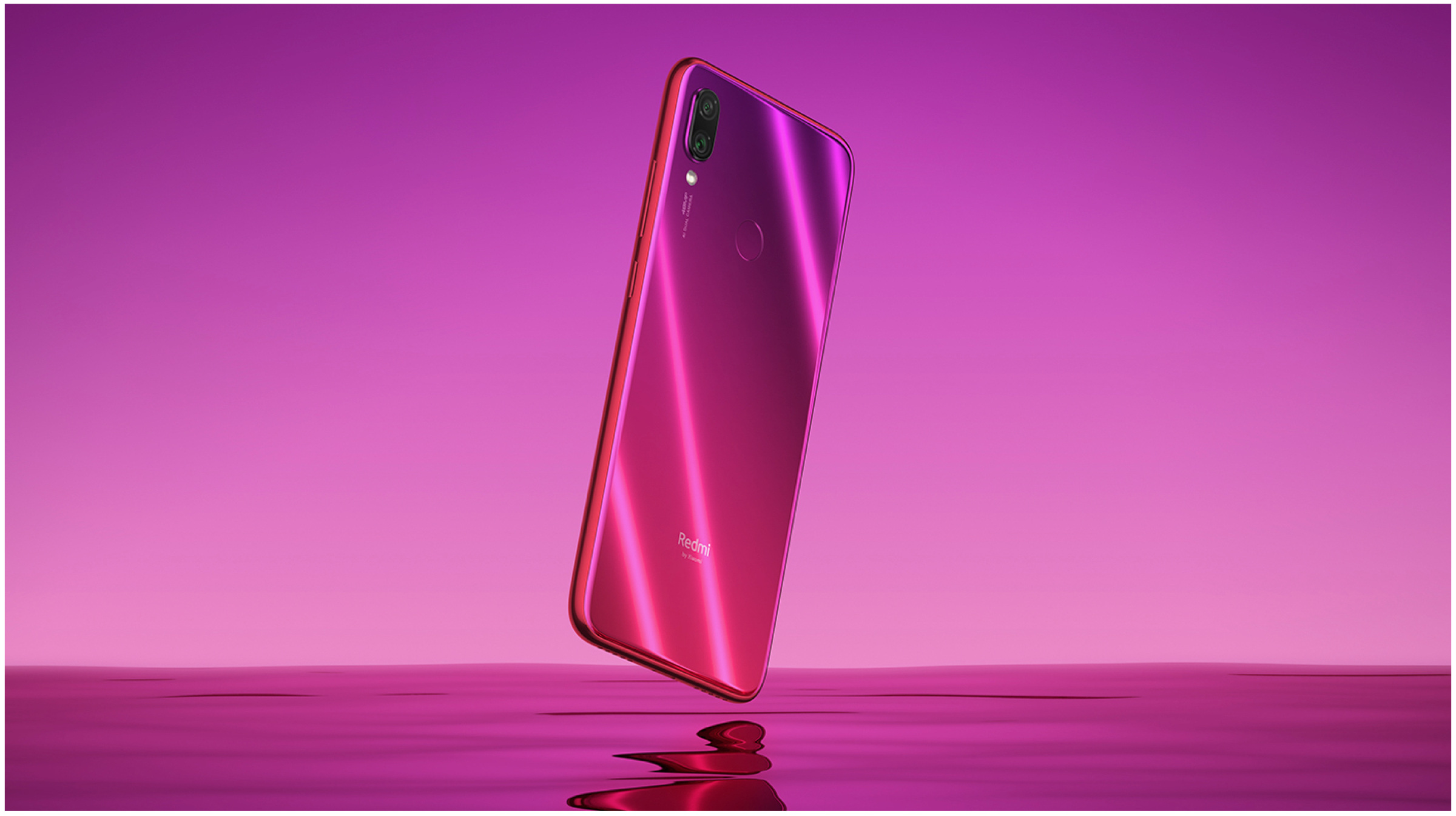 The Redmi Note 7 Pro sports the Aura Design, which features 1.95 mm thin bezels and a 2.5D curved glass design. The glossy curved frame houses the 6.3 inch LTPS FHD+, dot notch display. The screen has an aspect ratio of 19.5:9 with a 1500:1 contrast ratio. The device has Sunlight display for better outdoor viewing and a Reading mode to improve readability on the smartphone. The smartphone is protected on both sides by Corning Gorilla Glass 5. The Redmi note 7 Pro is the first Note device from Xiaomi to house a USB Type-C connector, which is placed on the bottom of the handset (right next to the speakers). It also retains the 3.5 mm audio jack and the IR blaster, both of which are present at the top of the phone.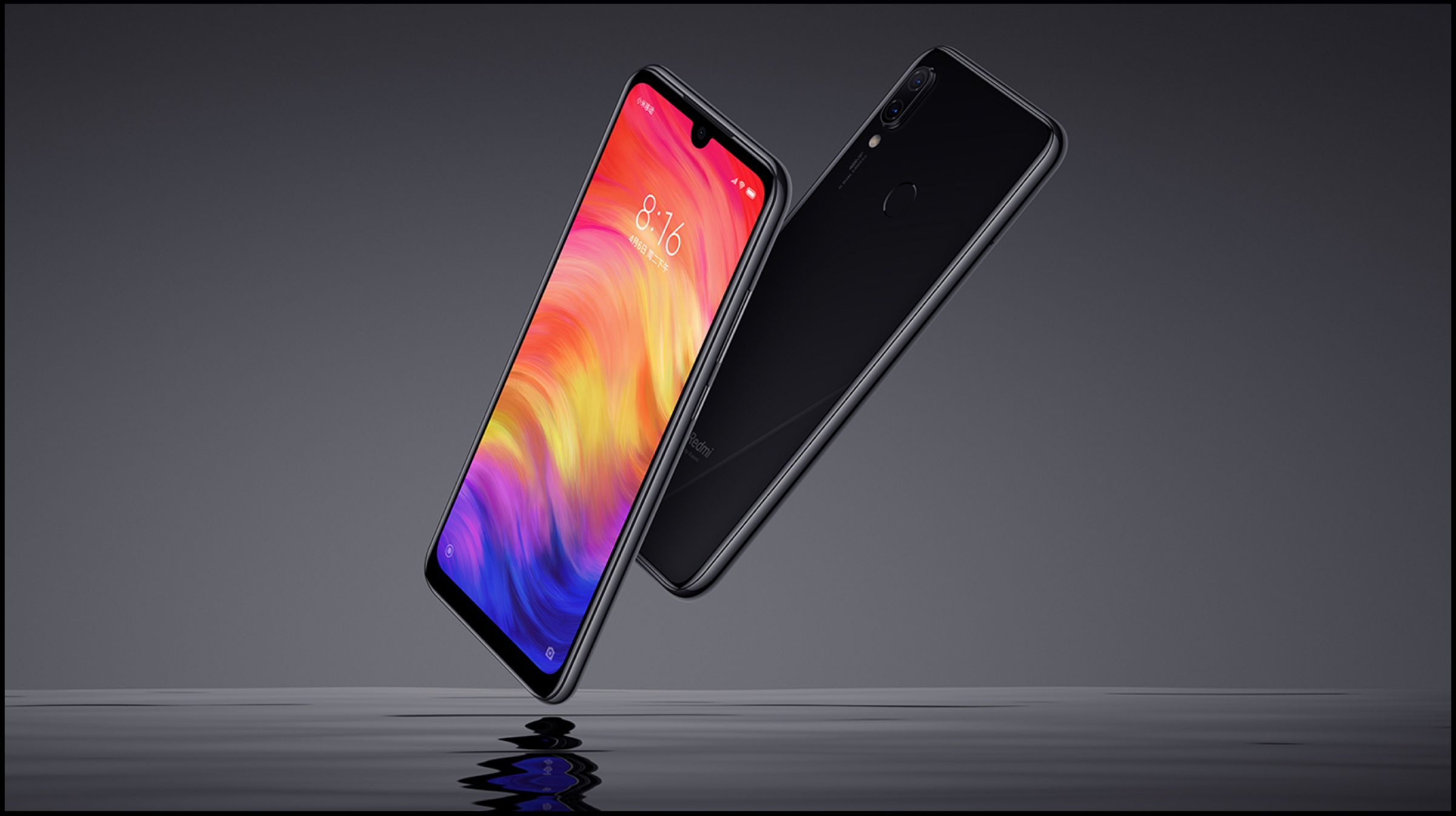
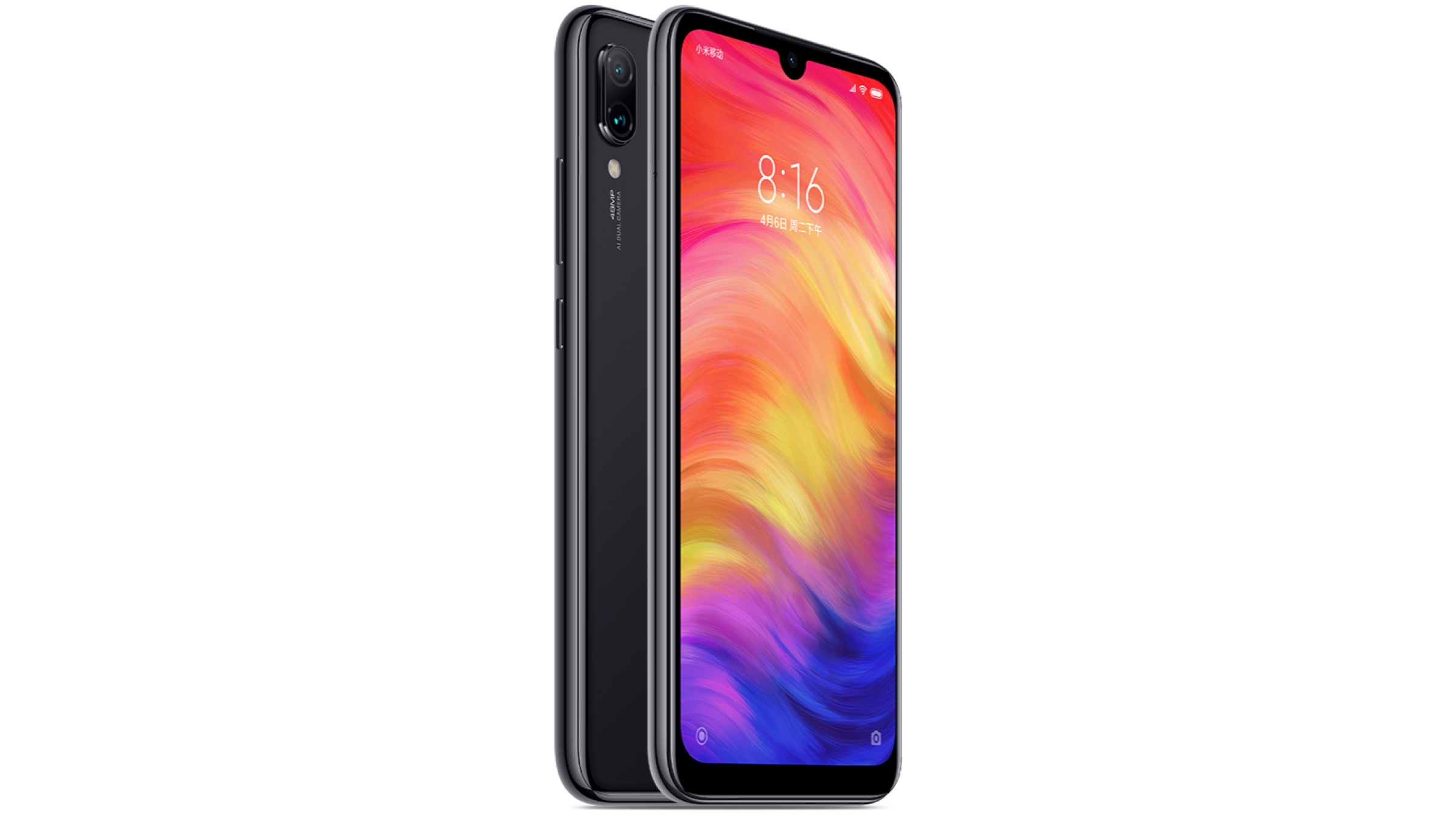
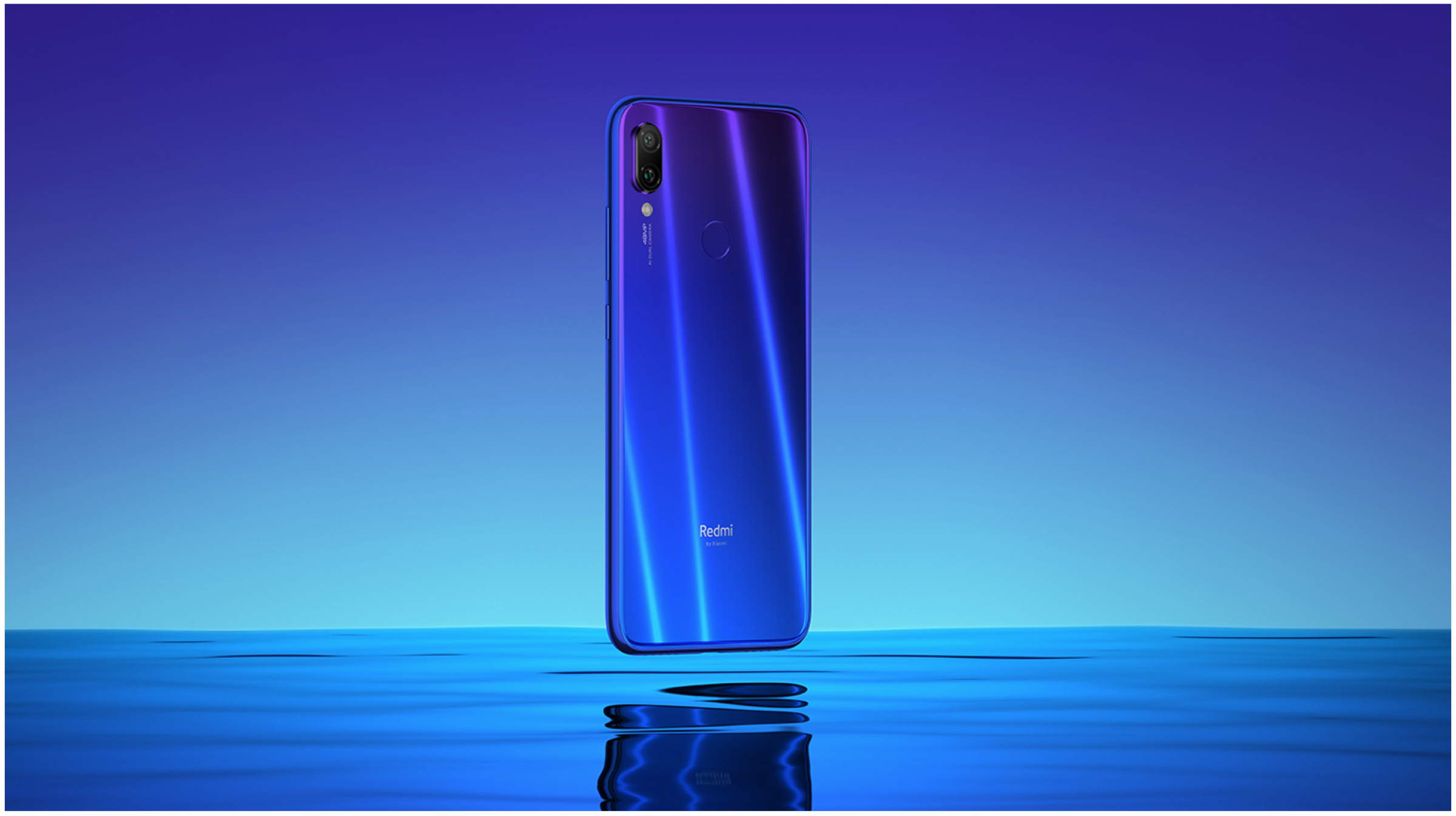 The Redmi Note 7 Pro is powered by a 4,000 mAh battery which supports 18W Quick Charge 4.0, although the device ships with a 10W charger in the box. As mentioned before, the device has an IR blaster, similar to the one seen in previous iterations of the smartphone. Biometric security is limited to a rear mounted fingerprint sensor. The smartphone is available in three colour options, Neptune Blue, Nebula Red and Space Black.

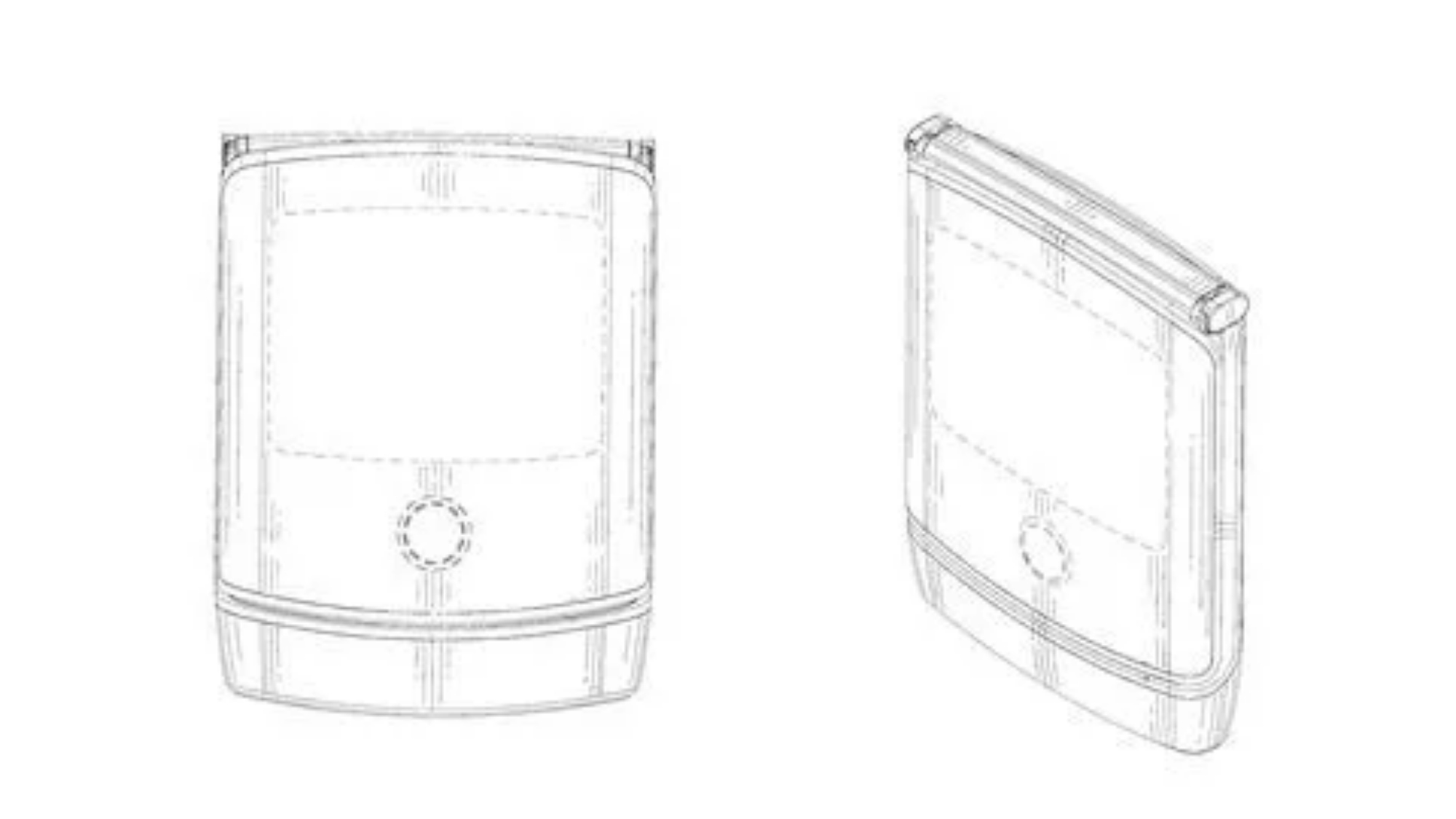
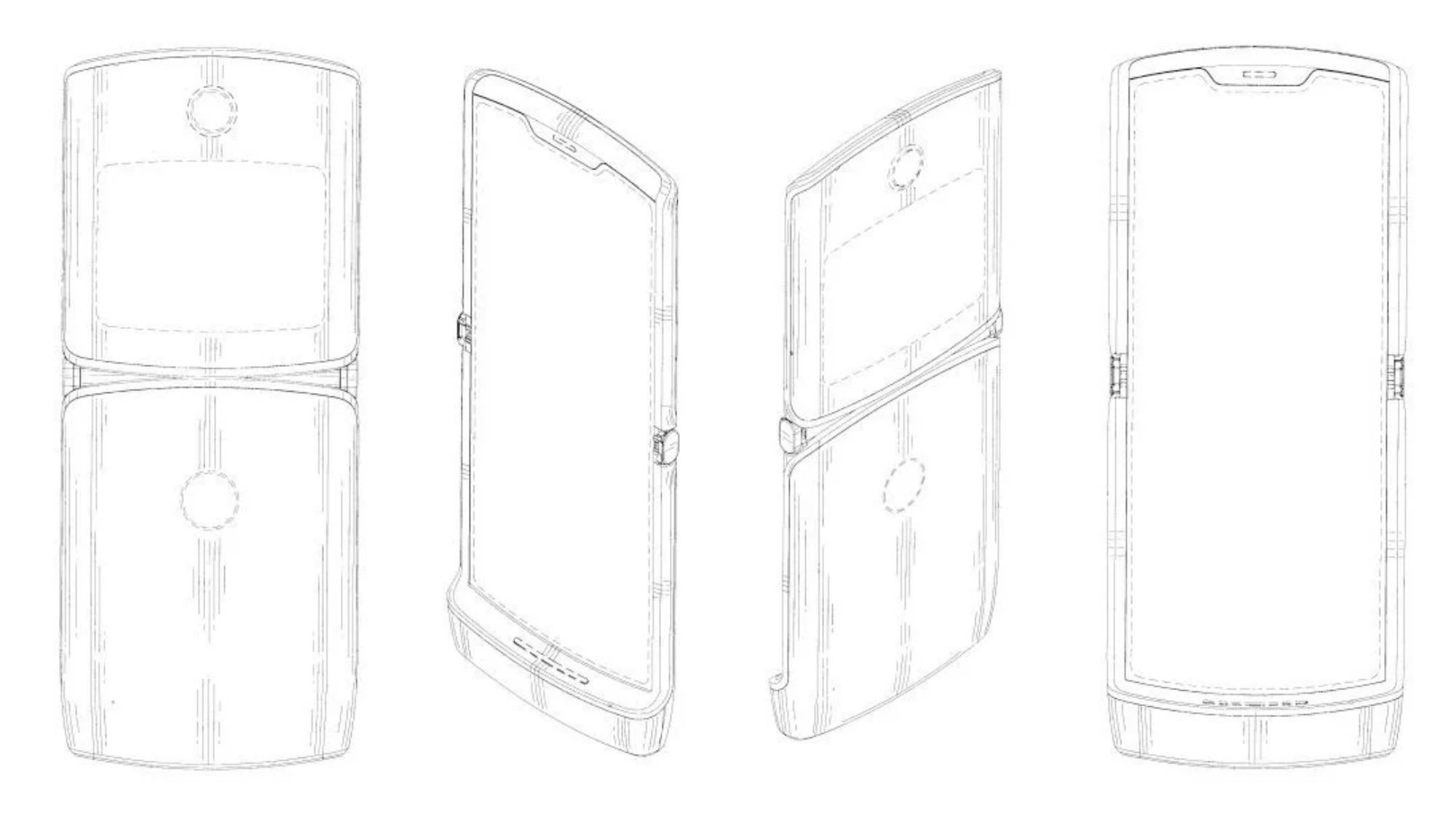
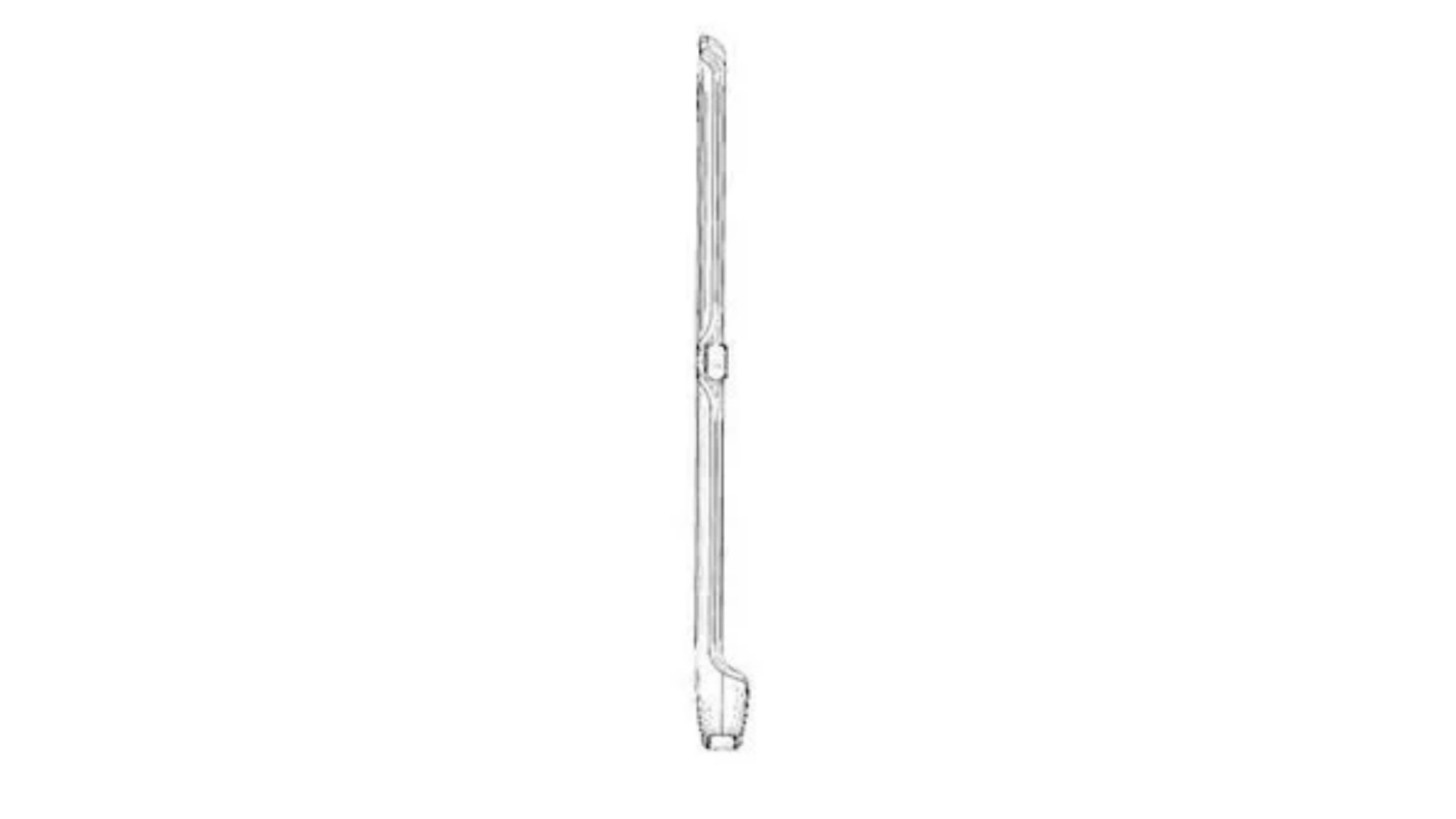
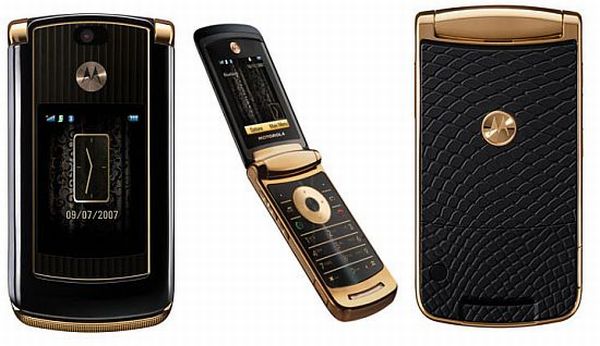
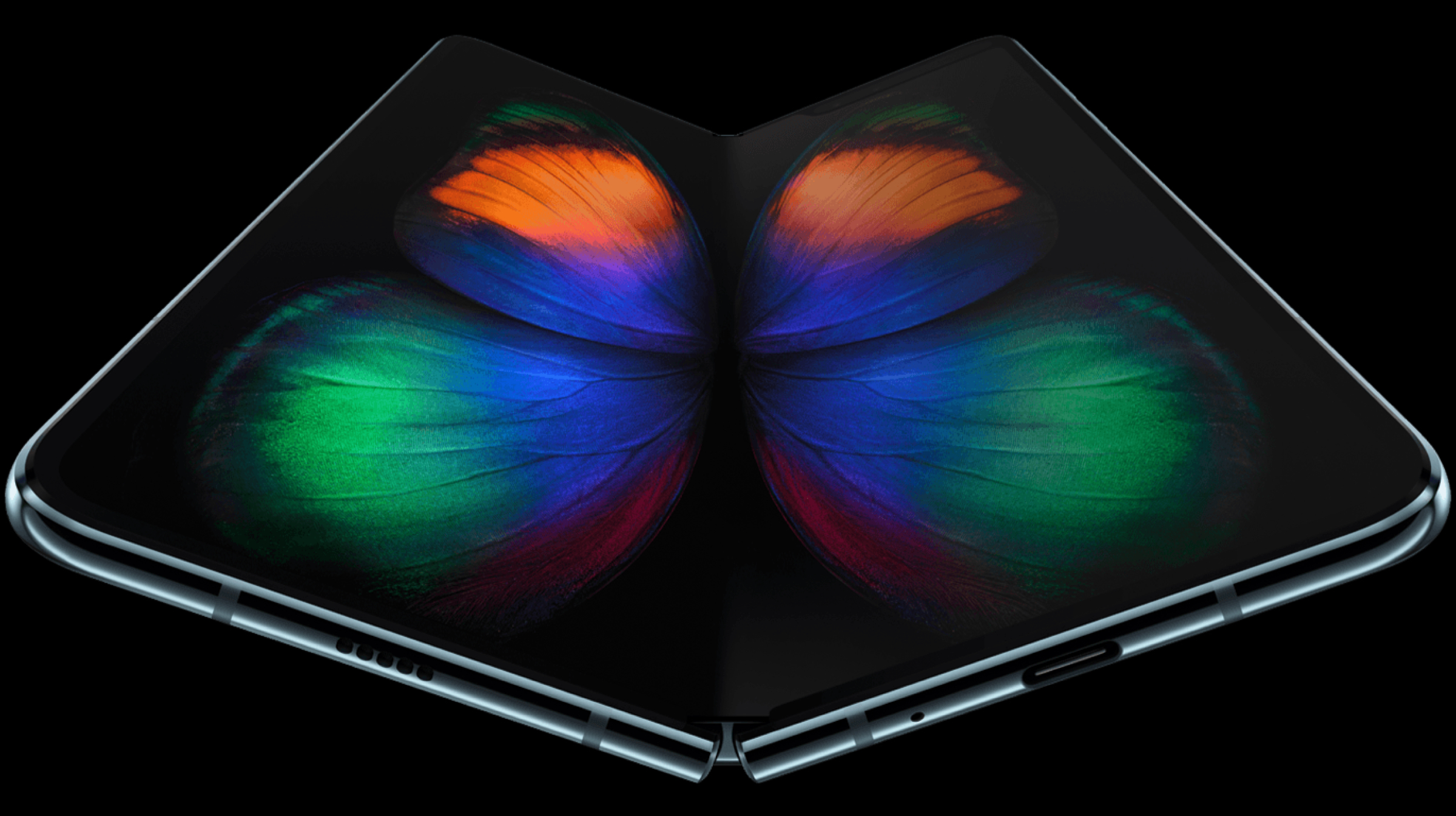 The upcoming Motorola foldable device will be up against the likes of
  Also Read:
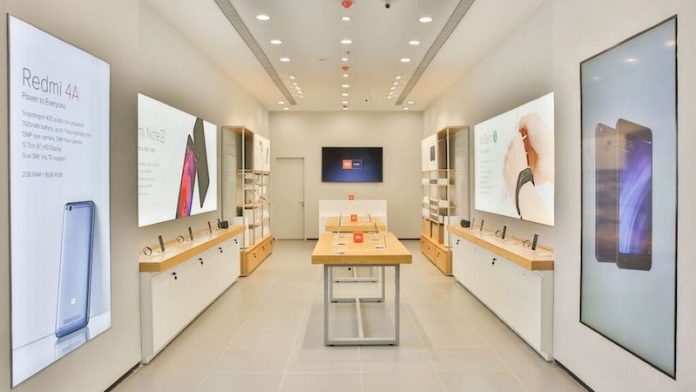 Xiaomi’s Vice President, Wang Xiang made it clear that the company wants to increase the number of offline stores in Europe by three times. As of now, the Chinese smartphone manufacturer has almost 50 stores in Europe, and it wants to take that number over 150. With budget-aggressive pricing across a large chunk of their smartphone range, Xiaomi thinks that it would be a wise decision to start selling directly to the customer via offline Xiaomi stores.
 Brand popularity is another factor that the company seems to be going for. Agreed, the brand is known for its affordability and competitive device specifications across products, but reportedly, the company wants to target high-end products at the same time. And expanding to a continent with a high GDP looks like a great idea for the brand. Furthermore, Europe is one of the best markets in the world when it’s about spending potential.
 Xiaomi’s last launch was the