Category: Camera

Camera, Camcorders, DSLR, Mirrorless, Lenses and Accessories. All Here

  • Yi Action And Yi 4K Action Cameras Go On Sale In India

    Yi Action And Yi 4K Action Cameras Go On Sale In India

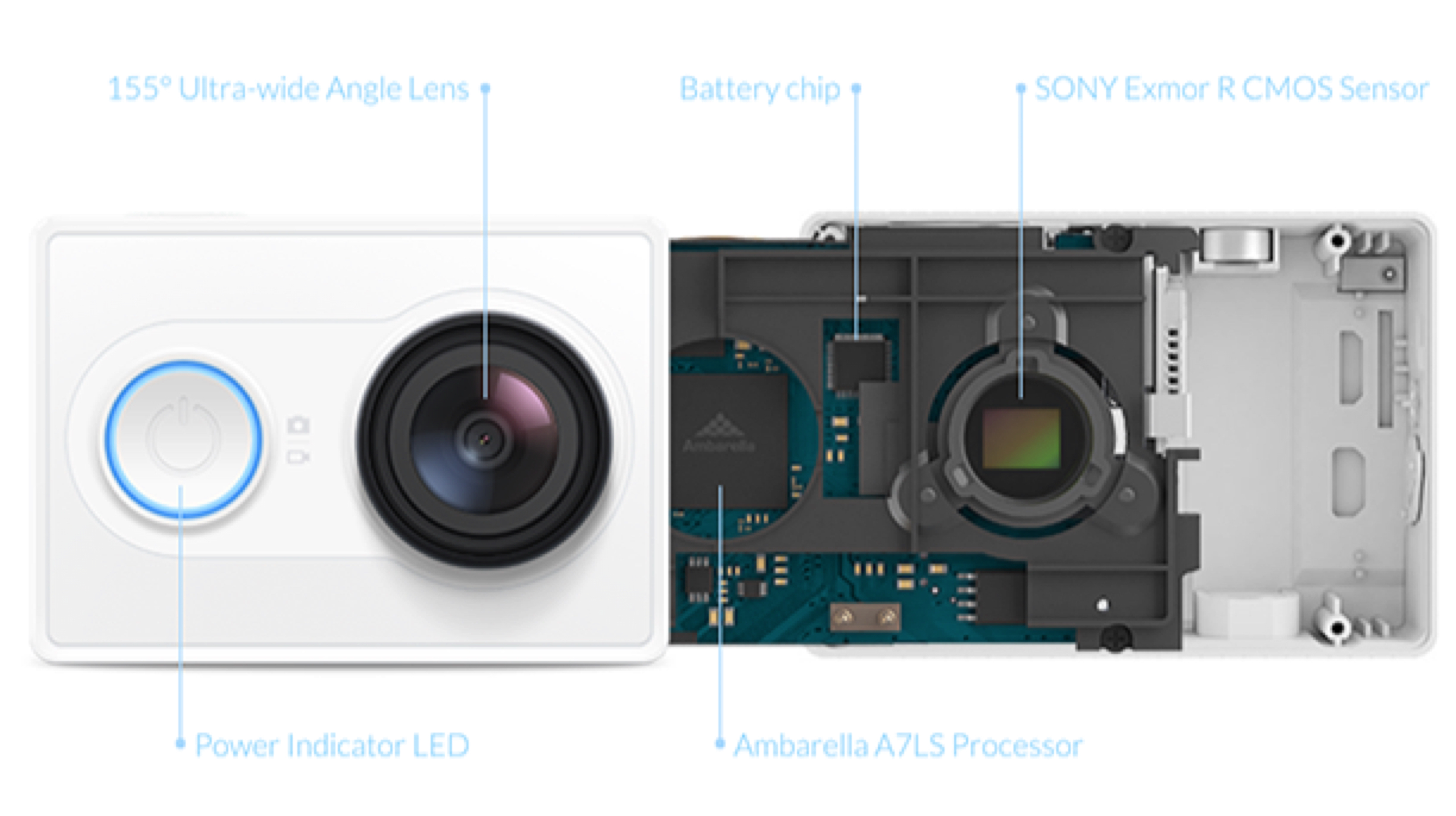
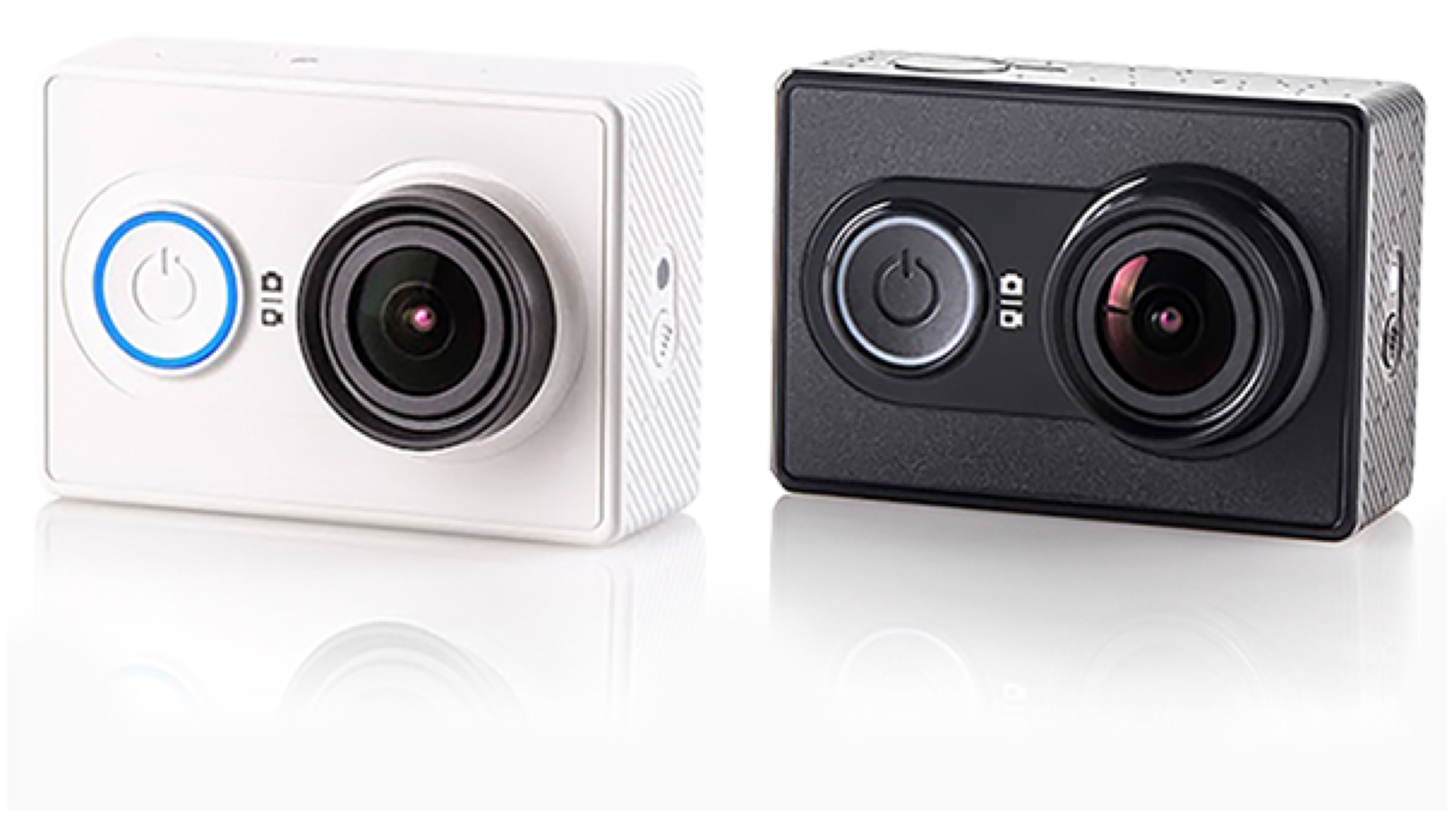
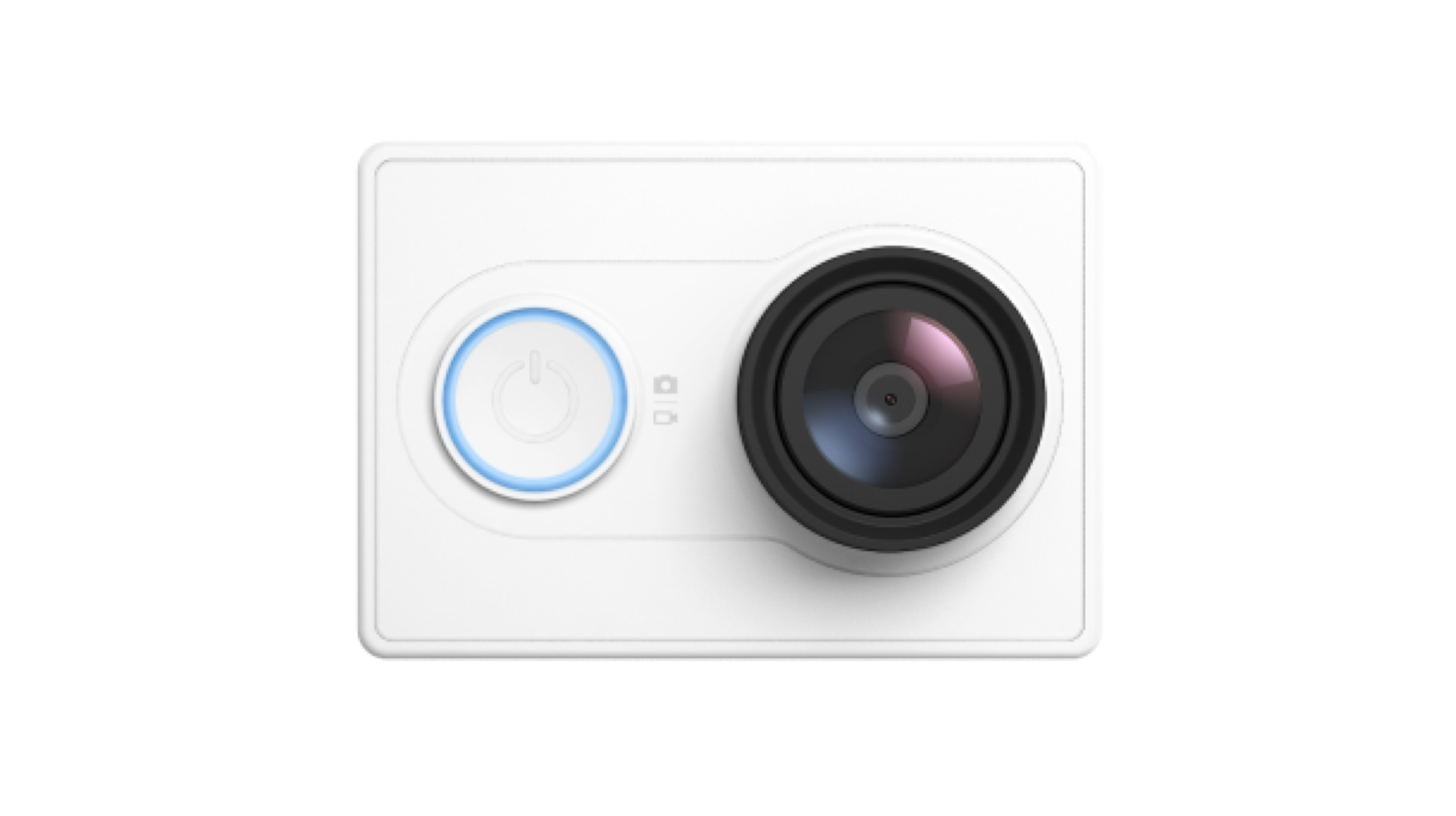
    Yi is a Chinese camera manufacturer that is backed by Xiaomi. The company had previously launched the Yi action and Yi 4K action cameras in China. The cameras have a small form factor and can be mounted to various surfaces with the help of brackets which are sold separately. Both the cameras can click still shots, capture videos and also shoot time lapse pictures. The cameras have been unoficially available in India from sites like Amazon and eBay but they were priced much higher due to import duties. Now Yi technology has officially launched the cameras in India which are exclusively available on Flipkart.

    Buy the Action Camera here.

    Design

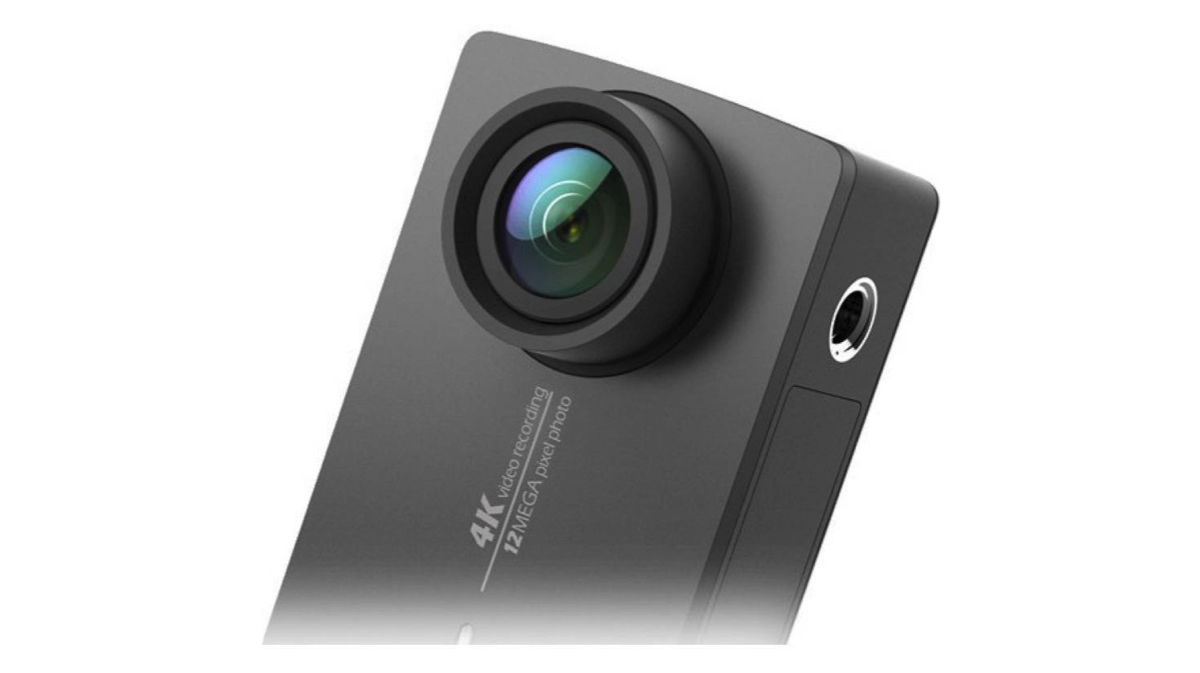
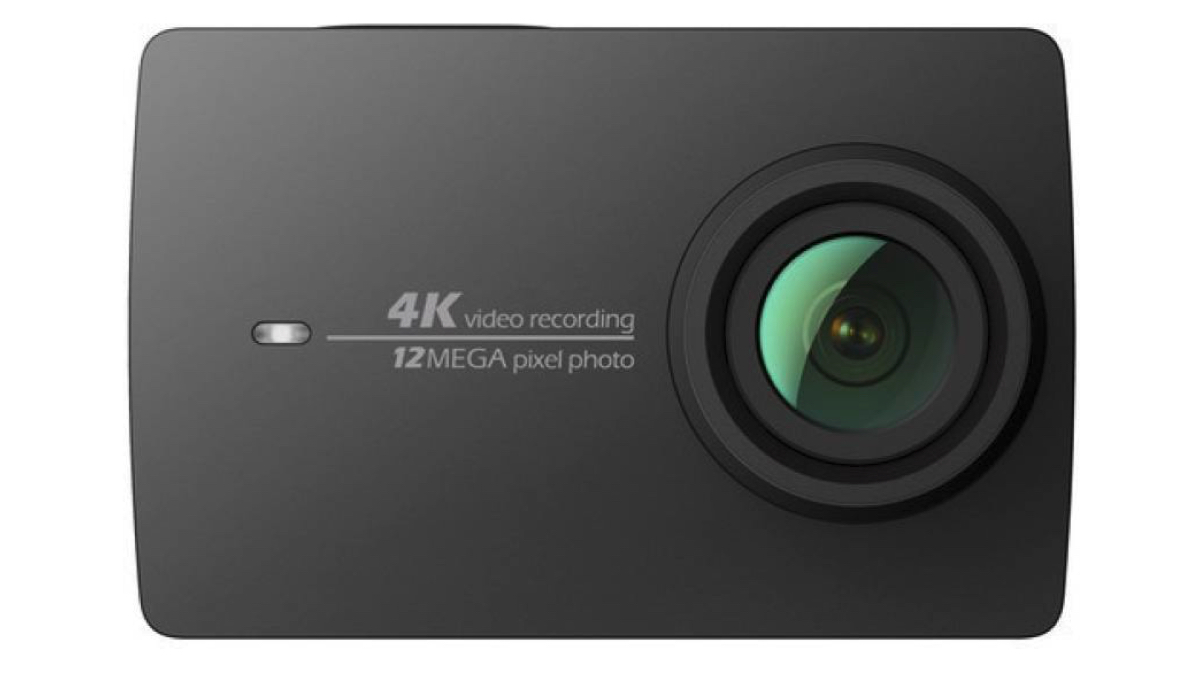
    Both Yi Action and Yi 4K Action cameras have a cuboidal shape with a protruding camera lens from the front. The biggest difference between the two cameras is that the Yi 4K has a 2.19-inch touchscreen display which the Yi Action camera lags. The devices have side and top mounted buttons which allow for easy operability. The Yi Action camera weighs in at a mere 76 grams and the Yi 4K weighs in at 96 grams.

    Specifications And Optics

    The Yi Action camera has 16 MP Sony IMX 206 sensor and the Yi 4K Action camera has 12 MP IMX377 sensor. Sensors on both the camera are equipped with f/2.8 aperture and both cameras use Ambarella processors. Both the Yi Action and Yi 4K cameras have a 55-degree field of view. Most notably the former has 6 layered glass while the latter gets 7 layered glass. 

    The Yi Action cam can capture 1080p videos at 60 fps while the elder Yi 4k can capture 2160p videos at 60 fps. Both cameras have built-in Wi-Fi and Bluetooth that allows the user to wirelessly share files with a smartphone. The cameras also have a micro USB port which can be used for charging and data transfer. The Yi Action camera duo supports memory cards of up to 128 GB. The Yi 4K has a bigger 1240 mAh battery compared to Yi Action’s 1010 mAh.

    Price And Accessories

    Also Read: Xiaomi Mi Play Specifications Leak Prior To Launch

    The Yi action cameras are exclusively available on Flipkart. Price for the Yi Action cameras is as follows:

    • Yi Action Camera- Rs 4,999
    • 4K Action Camera- Rs 9,999

    Yi Technology also offers various accessories for the cameras like a waterproof case and action gimbal which are currently unavailable in India.

    Buy the Action Camera here.

  • New Yi Action Cameras Launching On Flipkart On December 17

    New Yi Action Cameras Launching On Flipkart On December 17

    The Yi Action Camera and the Yi 4K Action camera will go on sale on Flipkart starting December 17th. Yi cameras were previously available on Amazon’s India website since 2017 exclusively.

    The 4K+ action camera can shoot 720p videos at 60/120 and 240 fps and 4K at 60fps. It can also shoot 1080p videos at 60/50/30 and 25 frames per second and 1440p at 30 and 25 fps. The 4K camera takes 2.5K videos at fps rates of 30 and 25 as well. The camera also has slow motion video capture and can record video and take time lapse pictures at the same time. The video length captured by this camera is 5 min, 20 min, 60 min and 120 min. It also features a built-in 3 axis gyroscope and 3 axis accelerometer. Yi 4K+ action camera reportedly also has video stabilisation built in. It uses a cross-border compensation algorithm to compensate the motion change to produce stable videos. The camera also senses the available light and adjusts the frame rate and parameters automatically.


    Also Read: Trends For The Photography Industry In 2019

    Yi is one of the biggest competitors for GoPro in the action camera segment and have been doing well in many markets owing to their low pricing.

    Inside the hood, the camera has a Sony IMX377, 1/2.3″, 12 megapixels CMOS image sensor with Exmor R ability. The Exmor R is a back-illuminated version of Sony’s CMOS image sensor. It boasts of a 2.19 inch touchscreen with a 640x 360 resolution. The screen’s aspect ratio is 16:9 and has a 160 Degree field of view. It also features a 128 GB flash memory. The camera has a 1400 mAh battery which is also decent. The two cameras are marked as “Coming soon” in Flipkart at the moment. While the current landing page for these cameras are displaying exorbitant prices, the two cameras will reportedly be priced at Rs 4,999 and Rs 9,999 respectively. It is available in two colours which are Black and White.

  • Trends For The Photography Industry In 2019

    Trends For The Photography Industry In 2019

    The photography industry is evolving rapidly and has seen a lot of ups and down in the past twenty years. With micro four thirds cameras giving way to 35mm film, film cameras giving way to point and shoot and then ultimately 35mm DSLRs and now Mirrorless cameras. The industry has changed as and when consumers have needed it to. During the war, cameras such as Zenit and Zorki were built robustly for the soldiers to take to war. As time went by, camera manufacturers started focussing on bigger image sizes, instant print cameras and so on. But now, we are knocking on the doors of 2019, which may dawn a new era in the camera and overall photography industry. Let’s find out which new camera technology we feel will emerge and will be in 2019’s photography trends.

    More Mirrorless Cameras

    Sony and Fujifilm have been manufacturing mirrorless cameras for a while now and with technology advancing at a very fast pace, there cameras are now performing as good as, or sometimes better than DSLRs. Mirrorless cameras are smaller in size and easier to carry due to the lack of the mirror mechanism. The digital viewfinder also helps one see the exact output when changing the settings in a camera through their viewfinder. These cameras were generally avoided by professionals in earlier years since it’s inception because of the lack of it’s lens portfolios.

    But with big players such as Canon and Nikon entering the mirrorless game this year, all manufacturers have stepped up and released a huge lens portfolio for their mirrorless line up. There are many users who hate switching brands and brand loyalty is something that will be put to test with the camera companies now competing in a level playing field.

    DSLR Sales Will Decrease

    DSLRs have been the choice of photographers for a long time now. These cameras have established lens lineups, are robustly built and can be built in all price ranges. But with mirrorless cameras slowly gaining ground in the market, DSLR sales may decrease drastically. Many news agencies use DSLRs from Canon and Nikon and were reluctant to shift to a new system till now. This was because a shift would mean changing lenses and accessories as well.

    With the two major players entering the high end mirrorless segment, interchangeability might be possible between different systems. This means use of DSLR lenses on mirrorless cameras and vice versa. This can be done with the help of proprietary adapters. These adapters will not reduce the lens’ focussing speeds and other capabilities like Image stabilisation. In 2019’s photography trends, there is a good chance that a large chunk of the DSLR users will shift towards mirrorless. This will therefore decrease DSLR sales.
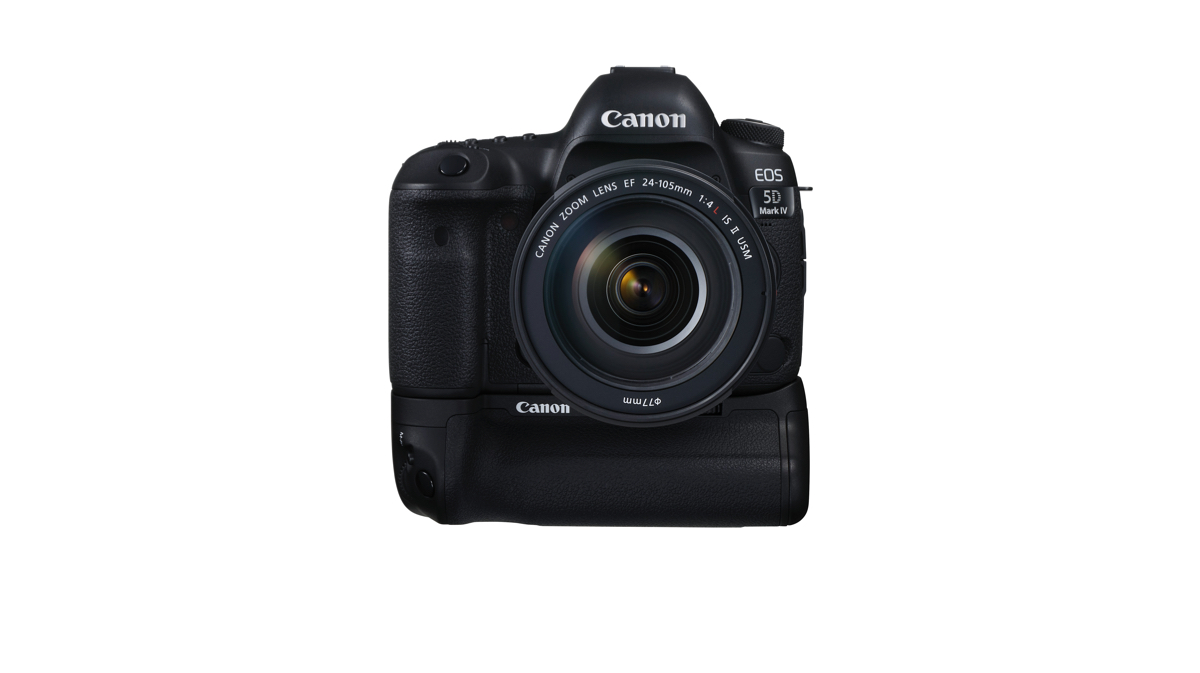
    Video Centric Micro-Four Thirds Cameras

    Since ages, filmmakers have used either 35mm or 16mm to shoot videos. Be it in film or in digital backs. The 35mm cameras have been the choice of many filmmakers. Great Hollywood films such as Black Swan, 127 Hours, Avengers, Whiplash and even TV series like Dexter and House have all used DSLRs for their shoot at some point. Documentary filmmakers use the 16mm format more often. But a new format is gaining ground and camera manufacturers are trying to push this format hard on the market. The Micro four thirds, is a format that sits between full frame cameras or 35mm and APS-C sensors. This format allows the camera to be less bulky but provides great quality footage.

    The micro four thirds are also mirrorless cameras but differ in sensor size. These cameras have a sensor size equivalent to a 4/3-inch video tube. Having a digital viewfinder also helps filmmakers look at exposure and framing in real-time through the viewfinder itself and not have to look at the screen. Now, having a smaller sensor size has not reduced the resolution as many of these cameras provide the same, and at times more, resolution than a DSLR’s video. Cameras such as Panasonic’s GH5  or Olympus’ OM-D E-M1 Mark II are being made with filmmakers in mind. It will be great to see other companies joining the bandwagon. With the digital space growing at an alarming rate, Vloggers, Streamers and Youtubers can definitely take advantage of this format.
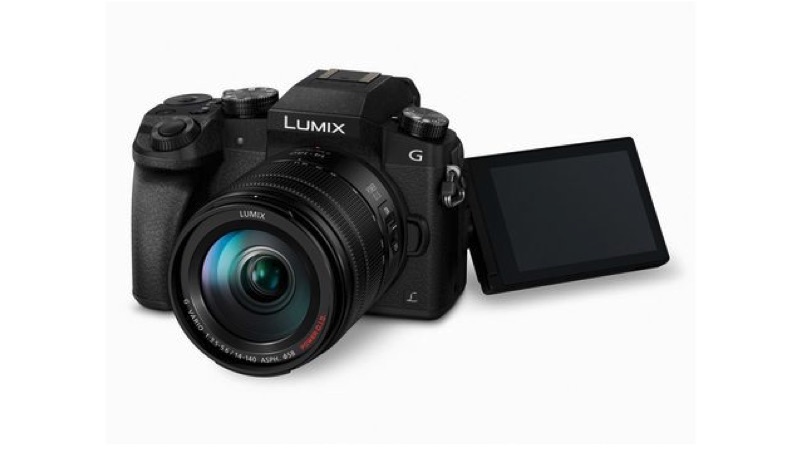
    Panasonic Lumix G85

    Artificial Intelligence In DSLRs and Mirrorless

    If we can have a digital assistant at home for us to switch on and switch off lights and perform other tasks, why can’t we have artificial intelligence in our cameras? Cameras, like smartphones are becoming smarter by the day. Even a few years back, it was unimaginable to ask your camera “GoPro, take a photo” and the camera would follow. Well, now you can. With technology evolving at an alarming rate, camera manufacturers are including features like WiFi connectivity, bluetooth, voice commands and so on for cameras as well.

    Artificial Intelligence is already present in many cameras that can detect faces, click photos when it sees smiling faces, connect to your phones and so on. While a personal assistant for all your photography needs may be a long time away, we feel that there may be a good chance that more AI features will be integrated into a camera in the coming year’s photography trends.

    Fingerprint Sensors In Cameras

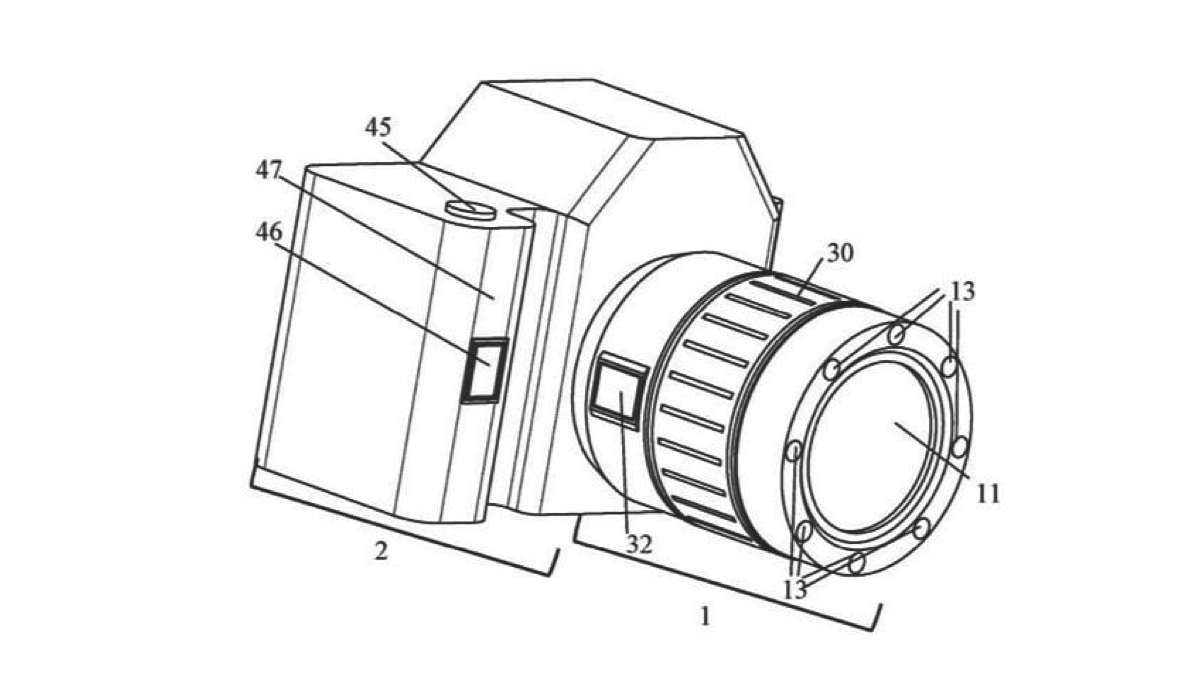
    For photojournalists and studio photographers, for media houses and wedding photography teams, several users share a single camera in different times. And every user has his or her own preference. Be it the exposure setting, focus or colour settings and so on. This is where fingerprint sensors come in. Just like a computer has different user settings where a particular user can log-in to his or her user preferences a camera with a fingerprint sensor can scan the fingerprint of the user and immediately change the current settings to that.

    This would be a great to see in 2019, if manufacturers do decide to include such a thing. Canon has already patented a fingerprint scanner technology for it’s camera. But it is unclear what they plan on doing with it.  With the sensor, one can also be sure that the camera will not fall into the wrong hands and will prevent it from being stolen and used.
    Better Lenses

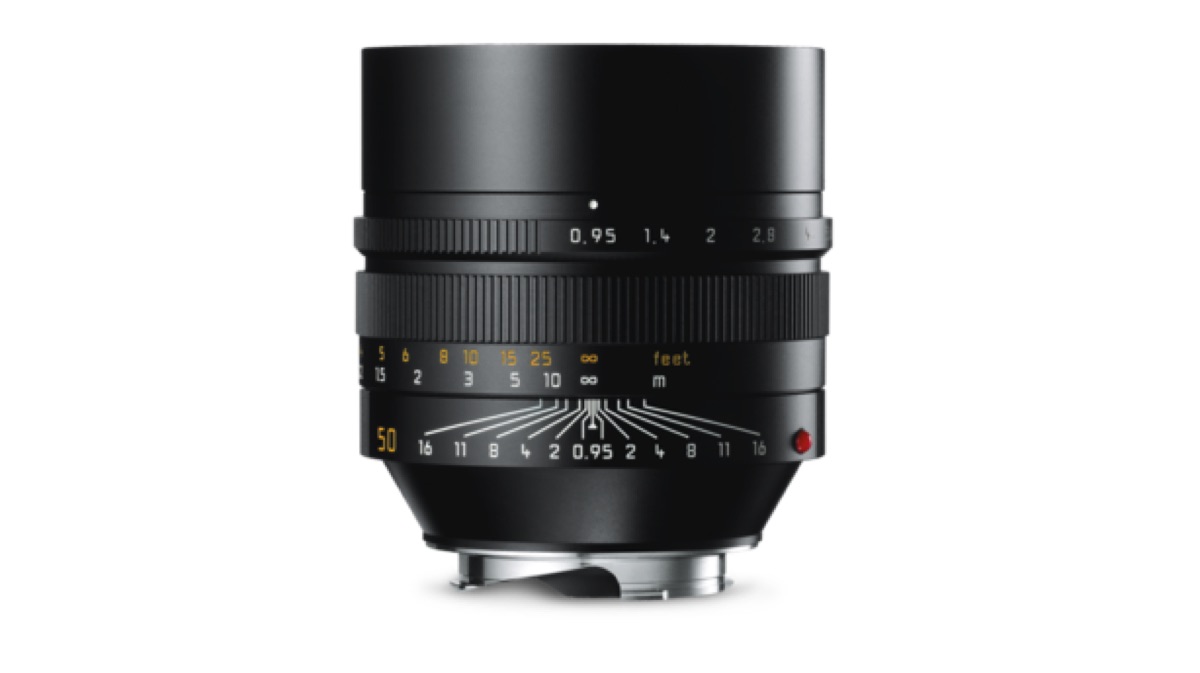
    Lenses are as important as the camera body itself.  A photographer needs to choose his or her lenses carefully and according to the need. Lenses are also quite expensive so it is best to select expensive and well performing ones than buying cheap ones. Specially if you are a professional. In photography trends of 2019, we expect to see some really great lenses. One of the major complaints most photographers have with DSLRs are that the cameras don’t fare too well in extreme low light conditions.

    Next year can be a welcome change for them as many manufacturers, with meteoric advancements in optics, are now creating extremely wide aperture lenses. These lenses can go as low as f/1.2 or even f/1 or f/0.95. Canon’s 50mm f/1 or Leica’s 50mm f/0.95 are great examples. These lenses can shoot at extremely low lighting conditions with relatively lower ISOs providing great images without noise. This year we can expect more of these lenses from different manufacturers as well.
    These were our predictions for photography trends of 2019. Let us know in the comments, what you feel should make it in this piece and we will try and include the same!
  • Arlo Goes Overboard With 4K Ulta High Definition Security Camera

    Arlo Goes Overboard With 4K Ulta High Definition Security Camera

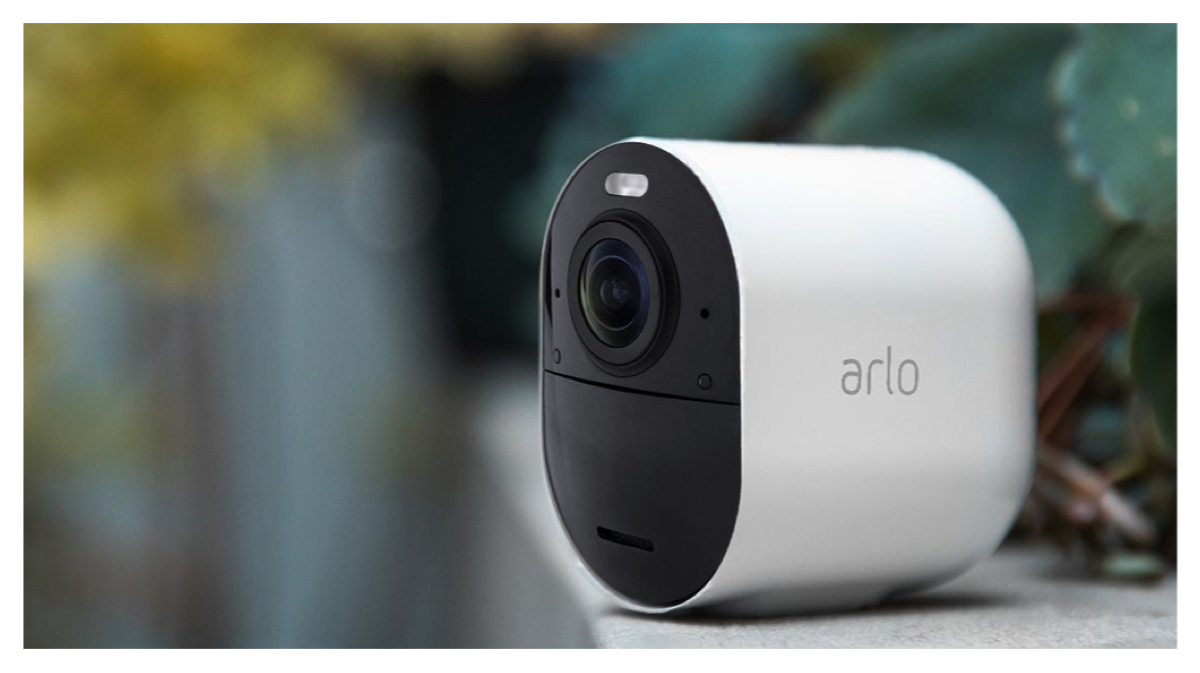
    The Arlo Ultra is a security camera but it isn’t your everyday security camera. It has a 4K sensor and is wireless. The Arlo Ultra features HDR image processing. But the question is do we really need a 4K security camera? It depends. There are several downsides to recording in 4K but there are a lot of great things too. Arlo’s 4K footage can help you to uncover critical information by getting better video quality when you zoom in. This may include information such as license plates, clothing, or other telling details or suspicious activities. The camera also features an integrated spotlight. It can illuminate an area in the night with a powerful LED light to see colour footage in the dark. This was previously not possible with most security cameras. The older cameras shot black and white night vision images in the dark. The camera also has dual-microphones.
    It also includes a newly designed rechargeable battery. It comes with a weather-resistant, magnetic charging cable for indoor and outdoor use. The camera has a panoramic 180-degree diagonal field of view. The Arlo Ultra also has a magnetic mount which makes it easy to attach in different surfaces. Arlo Ultra also has a built-in siren that can be automatically triggered by motion, audio detection, or manually activated remotely from the Arlo App for added protection.

    Also ReadApple Music Finally Coming To Amazon Echo Devices

    Free Arlo’s Smart Premier service

    The camera also comes with a free one-year subscription to Arlo’s Smart Premier service (worth $120), along with the Arlo SmartHub, for connecting to home Wi-Fi. This allows the user’s router to provide extended Wi-Fi range to Arlo cameras. It also manages data traffic to and from the camera out to the user’s cloud account. The Arlo Ultra records 4K images locally and stores it in a micro SD card. But you can pay an additional subscription fee if you want to store your security clips in maximum resolution in the cloud.

    The Arlo Ultra will set you back around $400 and will roll out to the market in the first quarter of 2019.


  • DJI Osmo Pocket Launched

    DJI Osmo Pocket Launched

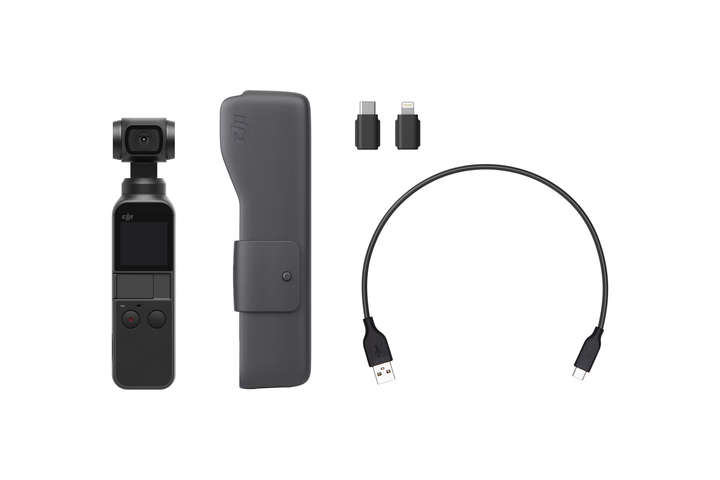
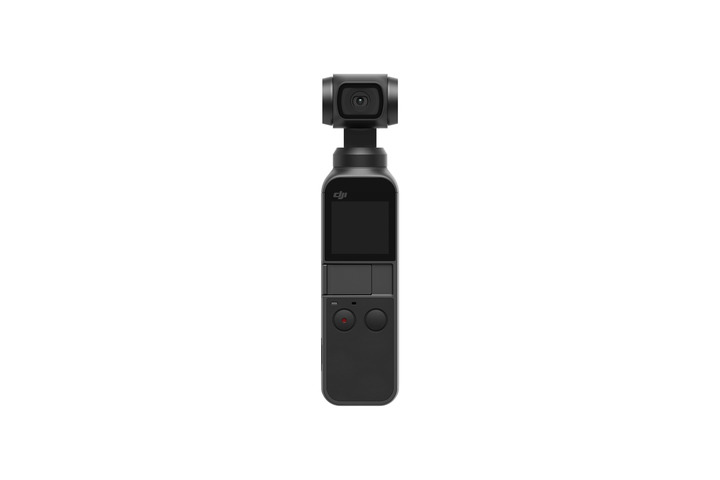
    DJI has been making handheld gimbals for a long time now and their latest gimbal has been launched which is smaller than your palm! Gimbals are a major part of the drone-manufacturer and they have successfully released several great products in their Osmo series. The gimbal is known as the DJI Osmo Pocket and is extremely tiny.

    The small gimbal measures in at 121.9 x 36.9 x 28.6 mm, and it weighs only 116g. This is great for people who travel frequently and shoot videos. Vloggers and other video content creators can now do away with lugging around huge bags if they want to shoot videos on the go. The camera is by no means a compromise in- terms of quality!

    DJI Osmo Pocket Camera Specifications

    The camera on the DJI Osmo Pocket shoots 4K 60fps video at 100Mbps with its 1/2.3″ 12 MP sensor. It is great for low light shooting as well owing to it’s f/2.0 aperture. the camera has an 80-degree field-of-view. It also has a 1 inch touchscreen in-built for one handed use and is available in black colour. The gimbal does have a few buttons on it and a scroll wheel. It supports 5V/2A charging


    The Osmo Pocket has dual mics, as well as an 875 mAh battery that can reportedly last up to 140 minutes. The battery charges from 0 to 100% in 73 minutes. There are several accessories available for the DJI Osmo Pocket. These include a charging case, wireless module, extension rod, waterproof case, ND filters, a controller wheel, a 3.5mm adapter for external mics and a lot more. There is also an unboxing video on Youtube and an advertisement on twitter that shows the product in it’s entirety.

    Also read: DJI Launches Mavic 2 Enterprise For Commercial Use

    The Osmo Pocket has NightShot,  motionlapse and timelapse. It also pairs with a companion app called the DJI MIMO App that is supported both on Android and iOS devices.  It also shoots 3×3 panoramas. The Osmo Pocket is sold with USB-C and Lightning adapters and connects directly into your smartphone. The Osmo Pocket is priced at USD 349 and is on sale now.


  • Leica Introduces New D- Lux 7 Compact Camera

    Leica Introduces New D- Lux 7 Compact Camera

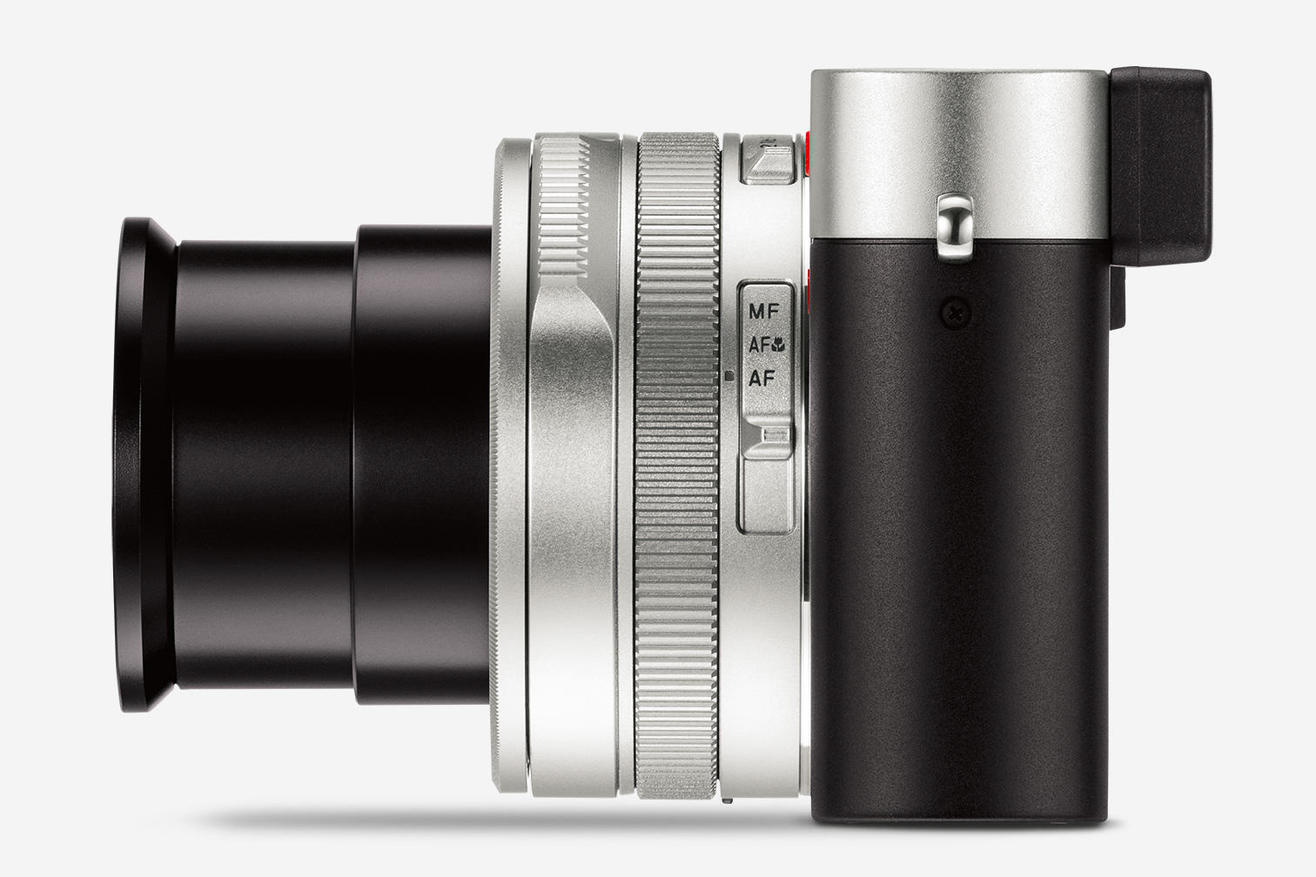
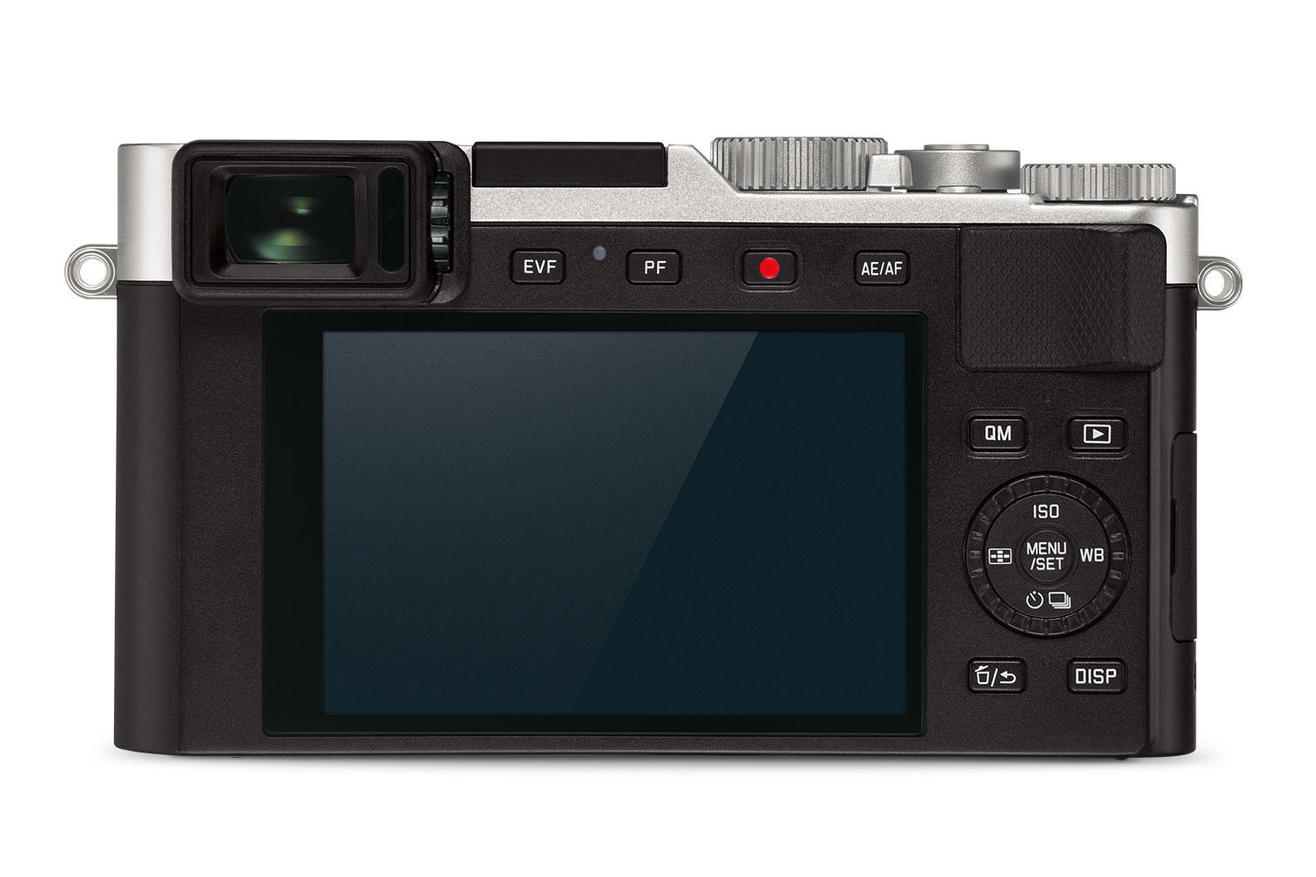
    Leica has recently set their sights on the Indian market and being a price sensitive market, luxury camera buyers are few. Leica recently announced a new smaller camera, the D- Lux 7, that focusses on low light photography and costs around just 1 Lakh!

    Features And Specifications

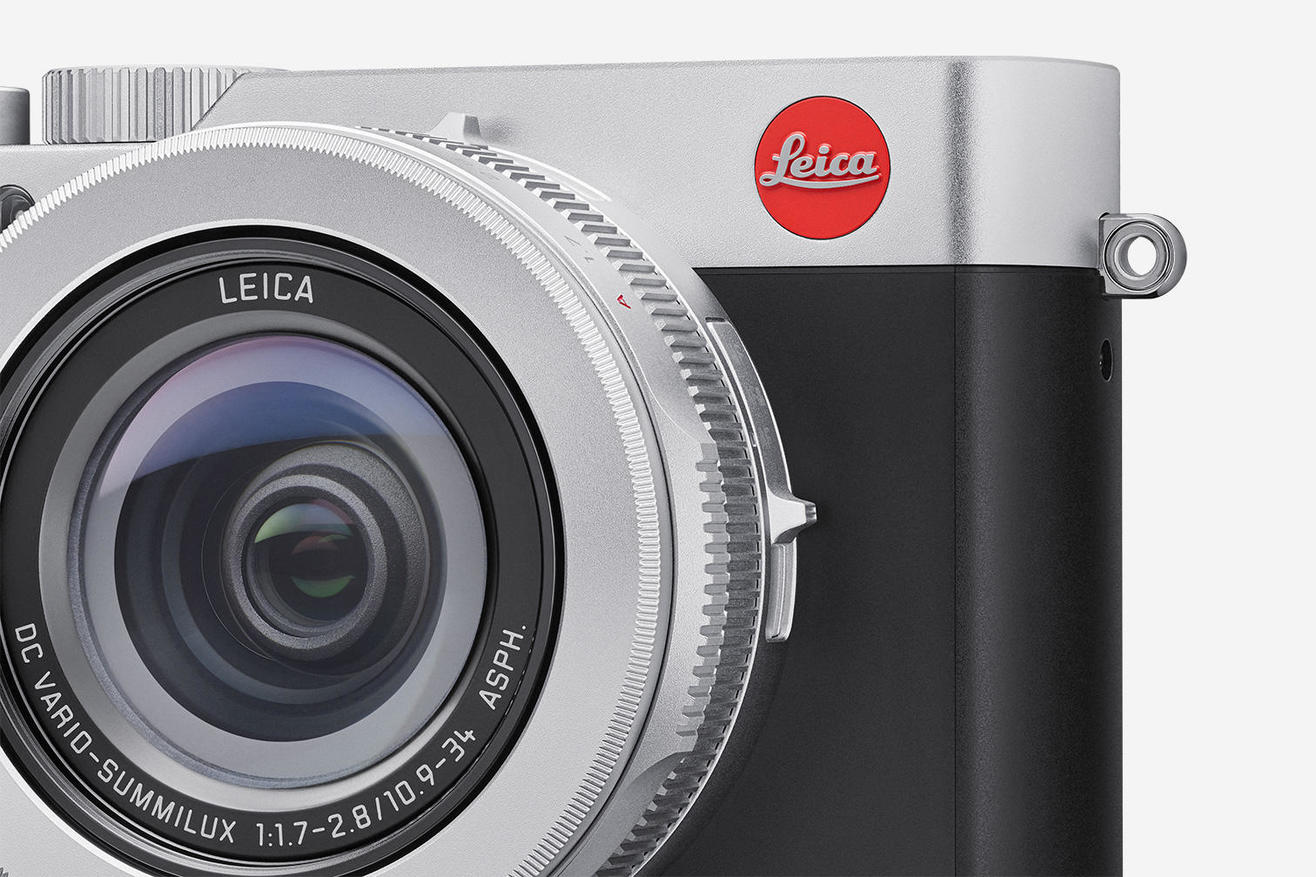
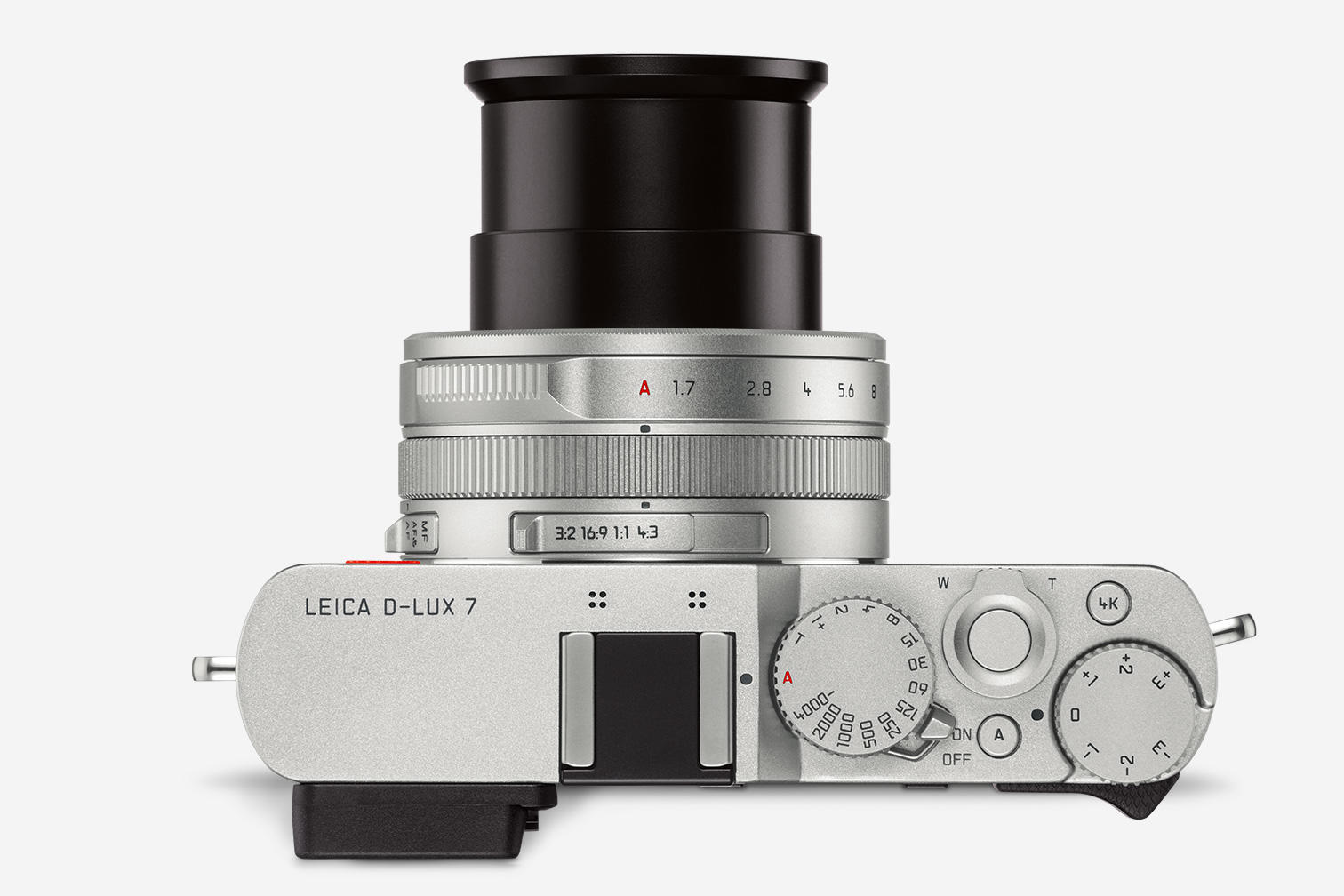
    The D- Lux 7 features a 17-megapixel sensor and automatic exposure mode. The camera also has manual setting options and a 4/3rd sensor. It comes with a Leica DC Vario-Summilux 10.9-34mm f/1.7-2.8 ASPH whose 35mm equivalent is 24 – 75mm. This camera will be the first in the D-Lux lineup that will support the Leica FOTOS App. The app can be used to transfer photos and videos instantly to iOS and Android devices.

    Delivering full resolution images, independent of the selected aspect ratio (3:2, 4:3, 16:9), the camera features a burst mode of up to 11 frames per second. It shoots both RAW and JPEG images. The company claims that it is great for beginners as they can use the automatic exposure mode to their advantage. Street photographers can use this camera quite comfortably given its compact size. It weights just 403 grams and can be easily carried in a small bag.

    The 3-inch touchscreen with a resolution of 1.24 million pixels is a great addition. Especially at a time when Leica is removing screens from cameras that support the Leica FOTOS app. The D- Lux 7 shoots 4K resolution videos at 30 frames per second in both MP4 and AVCHD-format. With a maximum ISO sensitivity of 25600, the low light performance is supposed to be great. Leica also claims that the 4/3rd sensor means larger pixels that are able to collect more light which reportedly reduces image noise.

    Connectivity features of the D- Lux 7 include Wi-Fi compliant WPA / WPA2 and Bluetooth 4.2. It also has AUTO/Red-Eye Reduction and can shoot in Program, Aperture-priority, Shutter-priority and Manual modes.

  • Yongnuo Teases Android Mirrorless Camera With 4G Connectivity

    Yongnuo Teases Android Mirrorless Camera With 4G Connectivity

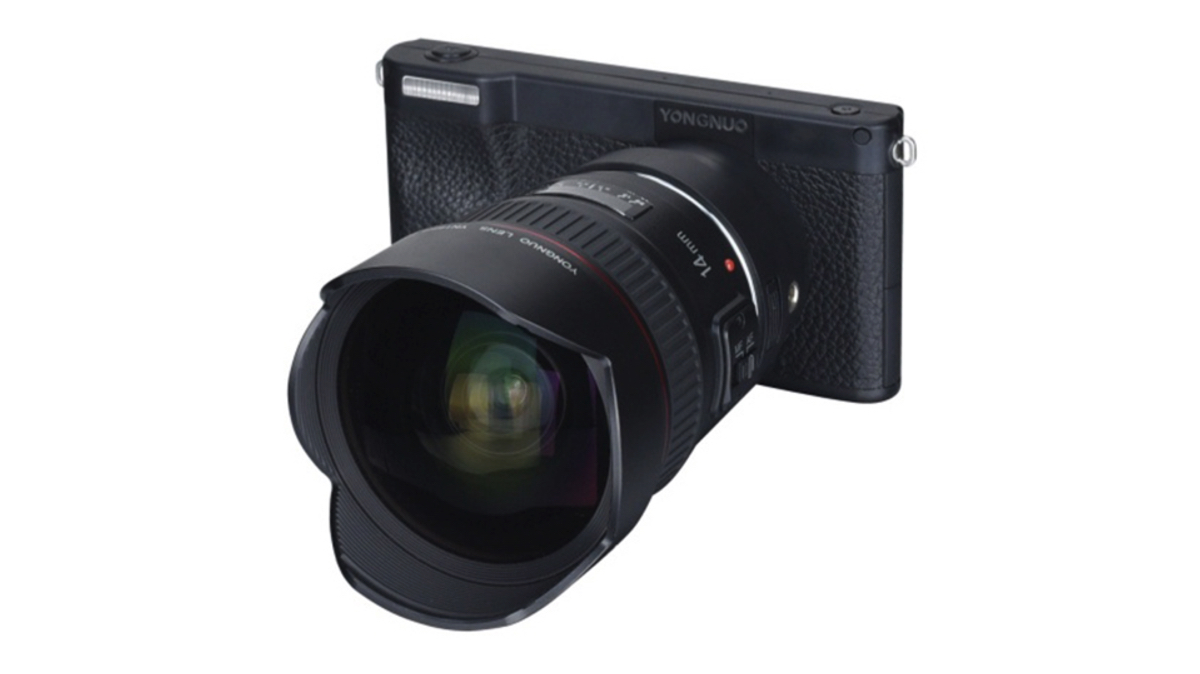
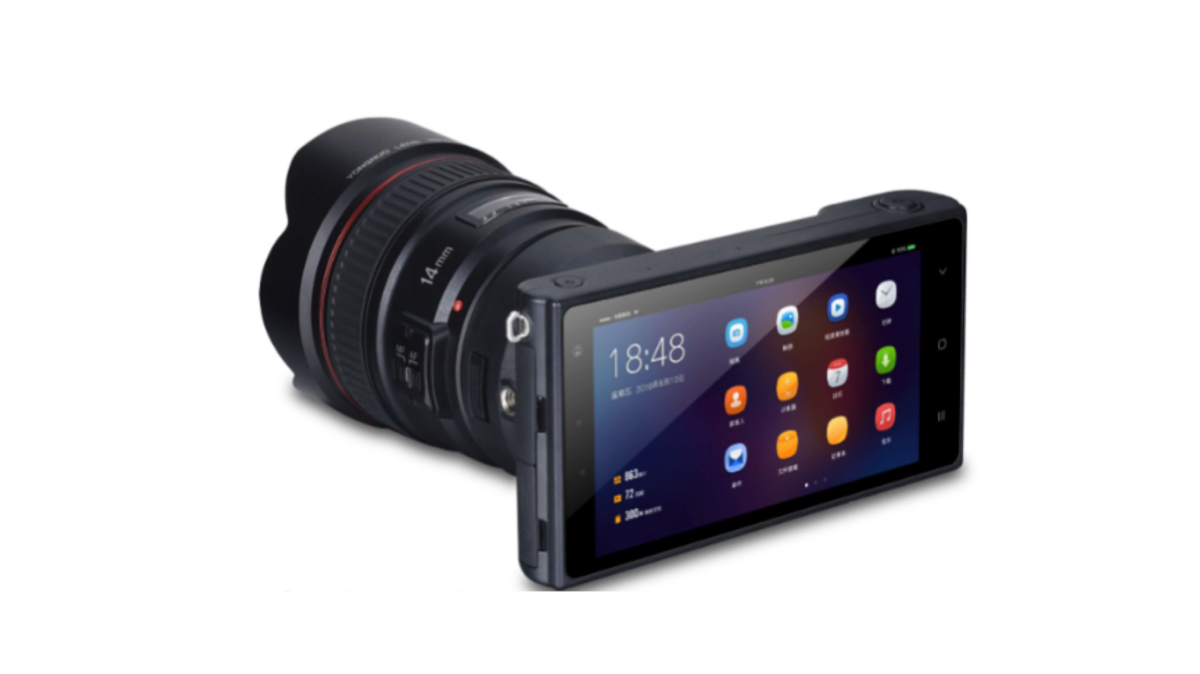
    Chinese camera and lens manufacturer Yongnuo has teased a mirrorless camera with 4G connectivity and the Android operating system loaded on it. According to a photography rumours website,  the new camera will have features such as 4k 30 fps video, GPS module and a headphone jack. The camera has memory card slots and will sport a full HD touchscreen. This is the first time that a camera will have Android 7.1 loaded into it.

    Possible Features

    The screen will reportedly be a 5 inch 1080p INCEL multi-touch screen. Other similarities to a phone include 4G/3G data network and WiFi support, a 4000 mAh battery, dual LED flash and 3 GB + 32 GB of memory. This camera has been codenamed “YN450,” and Yongnuo is looking for name suggestions on it’s facebook page. The last date for the submissions is January 2019 which leads us to believe the camera may see its launch at CES 2019. The card has support for Canon EF lenses and has an 8 megapixel sensor. They have also not let videography take a hit and have included a dual mic for stereo sound. The images of the camera suggest it will be very slim and handy. It will also feature a dual LED flash and will support RAW shooting.

    Being an Android device, the camera will be easy to use. Speculations also suggest that it may be a micro four thirds sensor. In May of 2018, the company had created a buzz around a lens that can turn a smartphone into a micro four thirds camera. The YN450 seems to be the next logical step into merging the two mediums together. Some photographers are also speculating that it will have a selfie cam at the back of the camera and a dedicated SIM slot but it is still unclear if it will or not.


  • Panasonic Announces First 8K Camera with Organic Sensor

    Panasonic Announces First 8K Camera with Organic Sensor

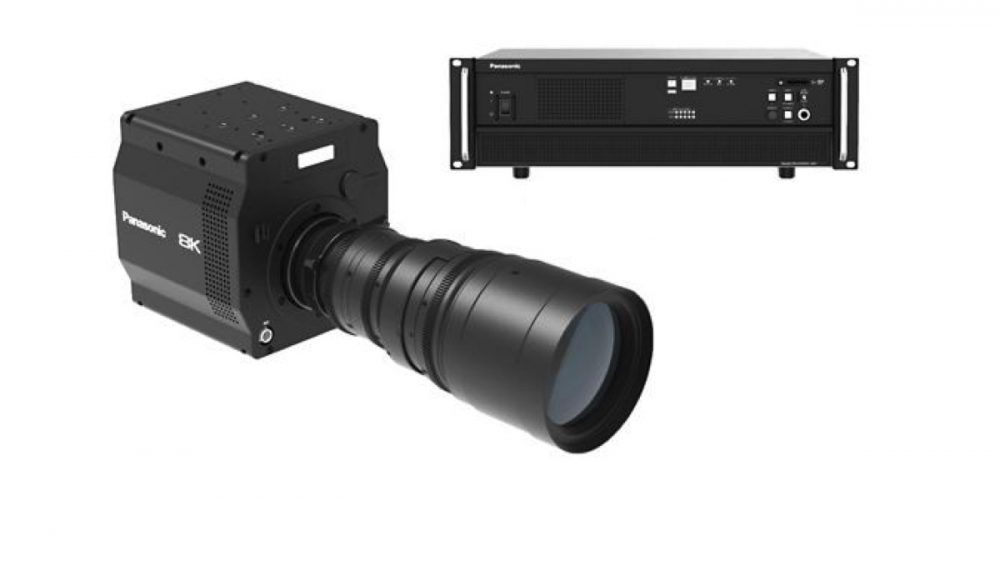
    Panasonic introduced an 8K camera in February, this year and recently an estimated date has been declared by the company for it’s launch. The 8K Multipurpose Camera AK – SHB 810 is a compact, lightweight, box – type camera that uses a PL lens mount. It features the world’s first organic sensor and arrives seven years after the technology was patented. The camera can shoot 8K / 4K / HD videos and shoots 8K at 60 fps.

    The 8K Future

    Panasonic is aiming to accommodate a wide range of applications for broadcasting and video production. The company has announced it’s future plans till 2020. They wish to continue to develop 4K / 8K devices / systems. These systems can withstand actual operation, support high image quality of broadcast production and efficiency of broadcasting services. They can also contribute to the development of the broadcasting industry. Panasonic had released another 8K Super Hi-Vision recorder, the AJ – ZS 0580 last year.

    Panasonic explains what an organic sensor is by stating that the sensor ‘realises a laminated structure in which an electric charge accumulation part is arranged in a lower layer by using an organic thin film for a photoelectric conversion part.’ The camera also boasts of other features such as prevention of skew distortion and flash band using a global shutter. This shutter simultaneously exposes all the pixels thus reducing the chance of any skew.

    Also Read: Samsung Galaxy S10+ To Have 93.4% Screen-To-Body Ratio

    They further informed that the organic sensors can change the sensitivity by controlling the voltage applied to the organic thin film. This acts as a constantly changing virtual ND filter so to speak. Panasonic has also said that the global shutter enables photographers to not worry about random flashes from creating partial bright bands in a video. The 8K multi-purpose camera will be available in the fall of 2019. 

  • Leica M10- D: A Digital Camera Without A Screen

    Leica M10- D: A Digital Camera Without A Screen

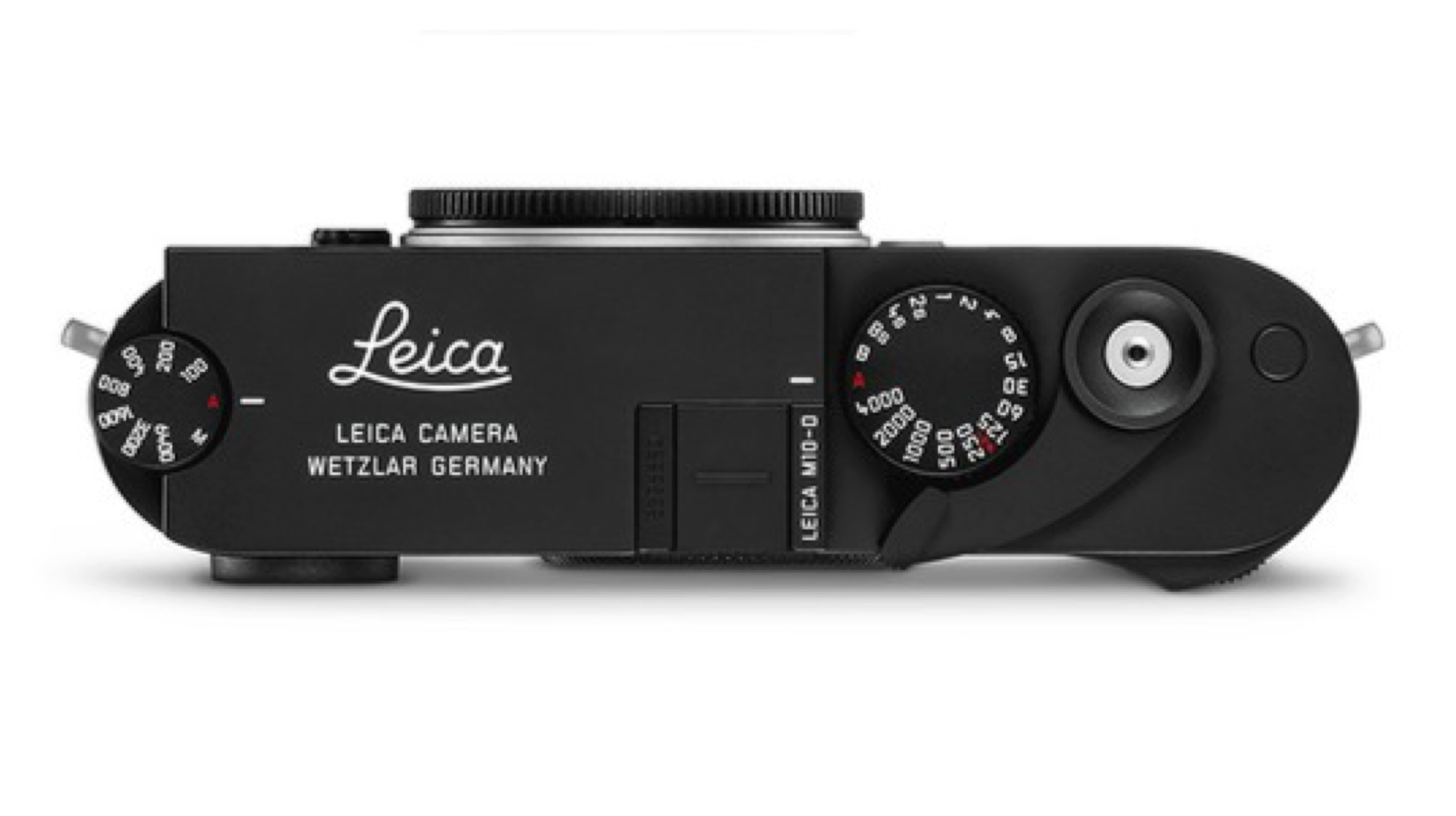
    Leica recently announced their latest version of the M10 and the camera does not have a screen! It is a digital camera with no screen to view your photos. For someone who has shot in film cameras, it will feel like a homecoming as the rangefinder has no clutter – just two dials on top, a shutter button and a dial at the back. The design shouts of the typical Leica trademark. The camera is controlled using the Leica Fotos app. The app works on both Android and iOS devices. It uses Wi-Fi to connect to the app.

    The 24-megapixel full-frame sensor camera is matte black in colour and looks like a film rangefinder to a tee. The M10- D also features the lever that film cameras use, to cock the film. Even though this lever does not do anything functional, it is a good place to rest your finger while shooting. The camera has dials to adjust Shutter speed and ISO and also features a few customisable buttons but has very little otherwise. The lens has aperture and focus rings and the camera also features an optical viewfinder.

    Purpose Of The Camera

    Leica has said, the camera was built to provide the convenience of shooting digital without the distractions of the same. One can easily avoid a common phenomenon in photography known as ‘chimping’ with this camera. Chimping is the practice of immediately looking at the photograph on the screen after shooting on a digital camera. Moments play a big role when shooting street photography. Chimping can cause a photographer to miss out on images from the action that is taking place in front of him or her. The company has previously released cameras without screens, like the Leica M- D. But this is the first camera that features Wi-Fi connectivity.

    While one needs to get used to using the M10- D , it seems like a great idea to remove unnecessary distractions! The app is quite clean, easy to use and can help you look at your images on the go instead of during a shoot. The Leica M10-D costs $7,995 and is available on the Leica USA website.

  • World’s Fastest Camera Shoots 10 Trillion Frames Per Second

    World’s Fastest Camera Shoots 10 Trillion Frames Per Second

    Technology is moving forward at the speed of light, literally. The latest innovation called the T-CUP, is the world’s fastest camera, records upto 10 Trillion frames per second. This means that it can record events in super slow mo, freezing time in the process. What is more, it even records light in slow mo, allowing you to view light, as it moves forward.

    What It Packs

    World's Fastest Camera

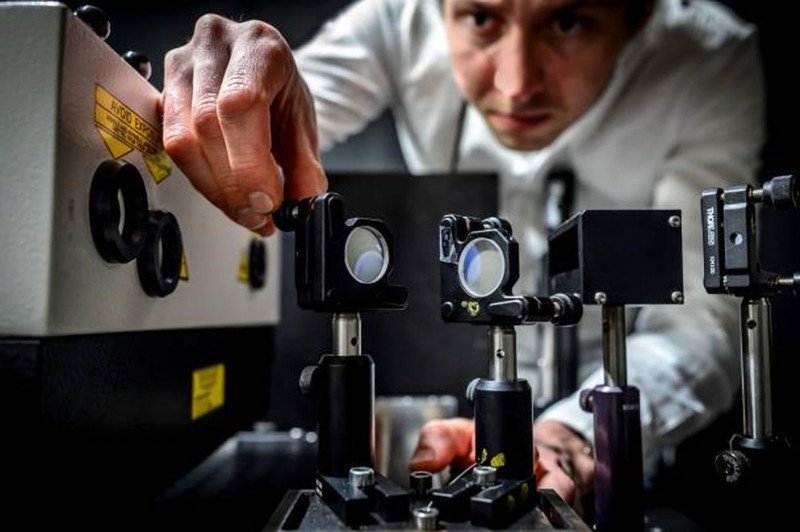
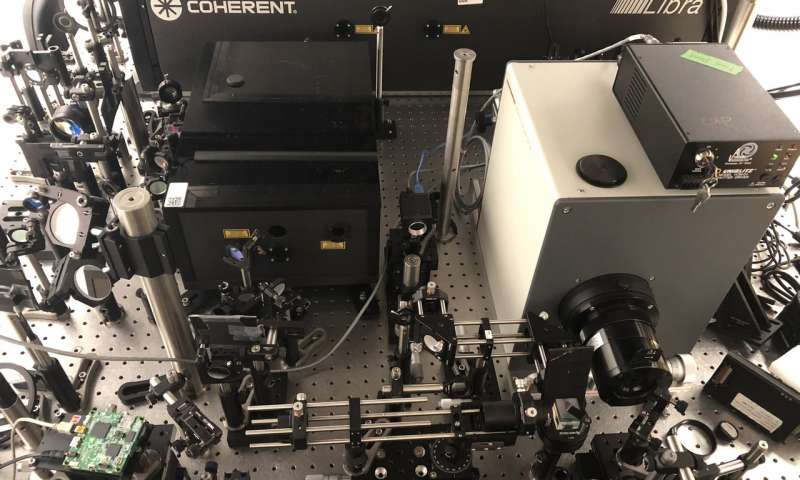
    A group of researchers at the Institut national de la recherche scientifique (INRS) in Canada have developed this technology. It uses lasers which produce ultrashort pulses in the femtosecond range, which is 10-15 seconds. This frame is far too short for human beings to visualise. This allows for microscopic analysis of dynamic phenomena in biology and physics. The breakthrough is sure to ensure some interesting finds. For example, a laser-engraved glass can tolerate a single lens pulse , which leaves less than a picosecond (10-12) which makes the entire process very difficult to capture. With this new camera, scientists and researches can capture, observe and make deductions based on the footage.

    The setup uses more than a single camera. It uses a femtosecond stream camera and a camera that acquires a static image. Combining these two images together, they then use a Radon transformation to obtain high-quality images. In simple language, what all this does is enable them to record it in high-quality, without losing the possibility of a clear image. The T-CUP will power an entire generation of microscopes which will change the way researches work. It makes it possible to analyse interactions between light and matter at an unparalleled temporal resolution.

    The T-CUP ultra fast camera has already been used as a part of many experiments and broke records the first time it was used. It is exciting to see what new innovations will brought with the help of this camera.

  • Insta360 Launches ONE X Camera With 5.7K Video Capture

    Insta360 Launches ONE X Camera With 5.7K Video Capture

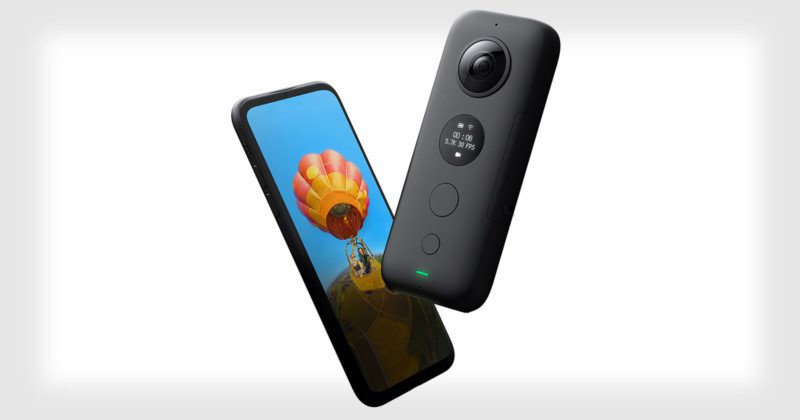
    Major players in the industry like Samsung, Nikon, Kodak, LG  have tried their hands on a 360 degree camera. However, it still hasn’t taken off as expected. Insta360, which is a China based company has been a major influence in this sphere. They recently launched the Insta360 ONE X with loads of unbelievable features. These include 5.7K Video + 18MP Photo which allows the user to get great output images as well as videos. The FlowState Stabilisation works great when walking and shooting. Apart from that it also has Cinematic Slow-Mo, WiFi Preview & Transfer, TimeShift and HDR.

    Also Read: LG V40 ThinQ Launched With Five Cameras

    It shoots video in three different resolutions – 5.7K at 30 fps, 4K at 50 fps and 3K at 100 fps. We feel a perfect slow motion needs to be more than 100 fps and we hope the company improves on the same in their next generation cameras. As we all know, when shooting in a 360 degree camera, sometimes the camera overexposes the parts with more light and underexposes parts with less light or vice versa. The HDR mode promises to solve this problem in the ONE X. The Invisible Selfie Stick feature hides your selfie stick from the shot when showing you the final 360 degree output.

    [embedyt] https://www.youtube.com/watch?v=UVrnYOFEBOA[/embedyt]

    It also has a drifter accessory that looks like the paper aeroplanes we all loved and made in school. The camera can be put inside the accessory and thrown when shooting action shots like skateboarding, roller blading and so on. One can control the video timings and slow or speed up certain parts. The ONE X also shoots hyperlapse videos. This camera suits the active lifestyle as well, with features like recording GPS data, on-screen stats like speed, altitude, direction etc. The camera also provides a unique perspective when using the Bullet- Time accessory. This accessory is like a selfie stick that can rotate. It takes rotating shots from the top of your head to provide amazing videos with you in the centre of the action. This accessory is available for $39.99. The ONE X camera costs $ 400, nothing is known about its availability in India as of now.


  • Digital Photo Professional Software From Canon Now Available In iOS

    Digital Photo Professional Software From Canon Now Available In iOS

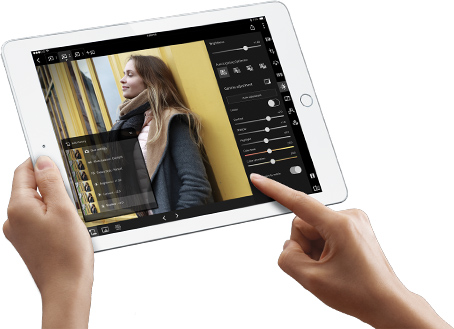
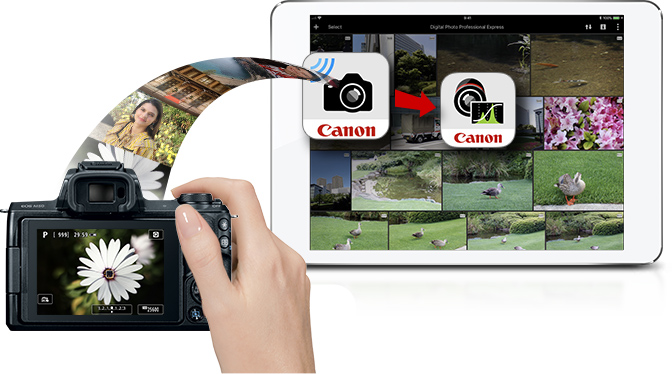
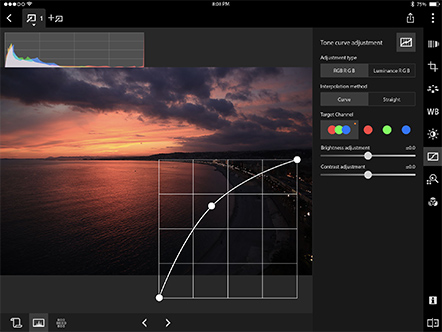
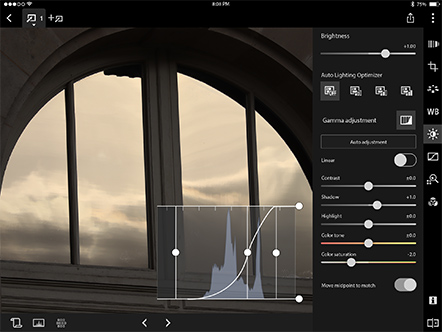
    Given that most photographers use Macbooks, iPads and other Apple devices, Canon’s entry into the iOS eco-space is quite late. A large part of Canon’s DPP software has been finally ported to iOS App Store. This will allow a Canon camera to connect to Macbooks and iPads. Users can now edit CR3 and JPEG files. The images can be viewed and saved on the cloud as well. The Camera connect app, which is widely used by photographers as well, can be used to remotely control your camera. When one shoots images on the camera, it can directly be viewed on the iPad. This lets photographers to see the details in their images on a bigger screen. Apple is known for their great display and photographers can see their images live using Canon’s software.


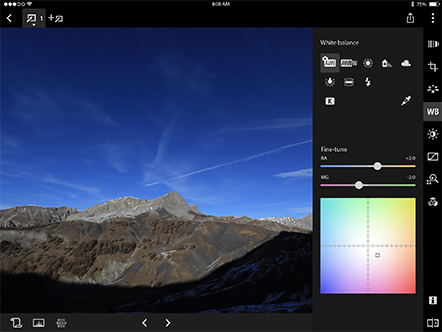
    With this software one can work on Cropping, Picture Style, White Balance, Brightness, Gamma level, Saturation, Tone Curve, Colour and more. It is also compatible with Android smartphone and tablet versions 4.4/5.0/5.1/6.0/7.0/7.1/8.0/8.1. The Camera Connect app also makes it easy to change camera settings, take pictures and video and even apply GPS data. It is however advisable to switch off user data if one is concerned about security.

    Another great feature of this software is DPP express which allows you to process and edit the images on your tab or laptop. It offers multiple editing history which can help a person to retrace and delete certain steps along the way while editing. One can create upto four editing histories and mix and match certain editing steps. The software will be compatible on newer iPads running running iOS 11 or higher. DPP Express can be downloaded from the App Store.

  • Google Camera App APK Available For Download

    Google Camera App APK Available For Download

    It has just been a few hours since the Pixel 3 and 3 XL launch and we are seeing the Google Camera app APK popping up on the internet. The APK won’t have all the features that a Pixel 3 device can utilise and most devices haven’t been listed in the Google Camera Port list yet.

    What’s different?

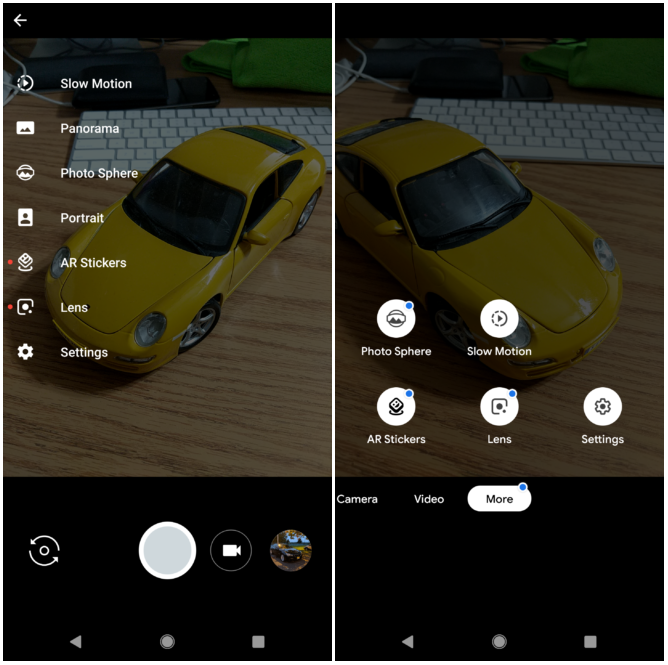
    The first thing that one notices is the redesigned UI. Swiping right opens up options for slow motion, Panorama, Photo Sphere, Portrait, AR Stickers, Lens and Settings. Instead of appearing as a list, it now appears as round icons on the bottom half of the screen. The bottom half also has the Camera, Video and More options. This looks much cleaner and makes it easier to swap between modes easily and quickly. The Panorama mode has arrows instead of dots which many phones like the Oneplus 6 already use. Top Shot and Night Sight will only work on Pixel devices but most features other than that are usable on other devices as well.

    Here is a before/after photo of the camera app as published by a developers website and these are the changes:

    The Pixel 3 will start at $799 and £739. The 3 XL starts at $899 and £869. The Pixel 3 and Pixel 3 XL have a 5.5-inch and 6.3-inch display respectively. They are available in 64GB and 128GB storage options. Many are speculating if the 4GB RAM would be enough for a flagship device. The Snapdragon 845 chip is a welcome change to see. Of all the features that got consumers excited about, the Google Camera app and dual front cameras drew significant attention. It will be great to see if the new app and it’s AI are able to improve image quality in future.

    The Pixel camera hardware features a 12-megapixel sensor with autofocus, dual pixel phase detection, OIS, EIS, f/1.8 aperture. On the front, it has dual 8-megapixel cameras with one wide angle lens for selfies. Google Pixel Slate, Pixel Stand and Home hub were some of the best devices at the show.  Let us know what you think about the new Pixel 3 and 3XL in the comments below!


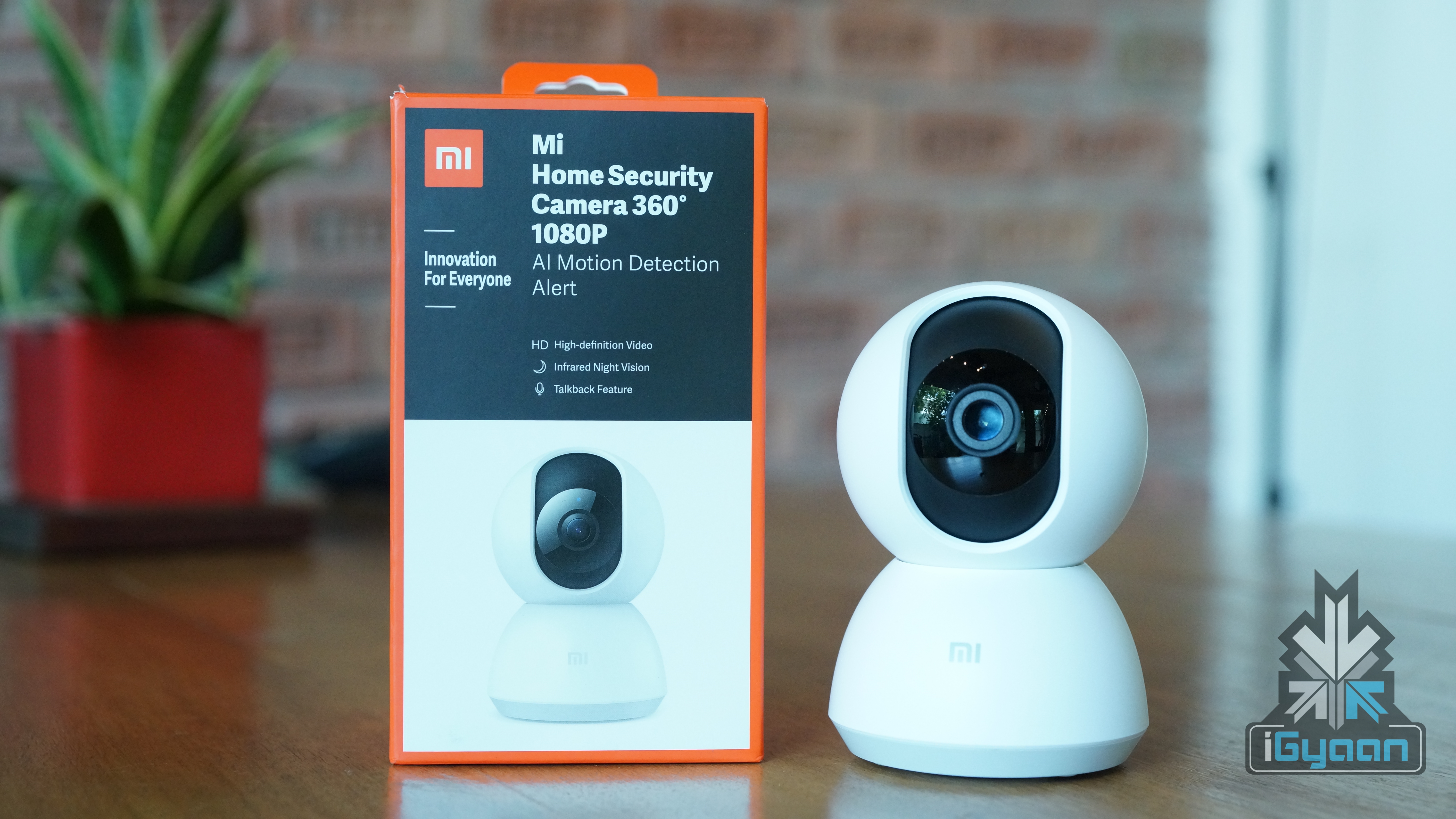
  • Xiaomi’s New Mi Home Security Camera : A Feature Packed Device

    Xiaomi’s New Mi Home Security Camera : A Feature Packed Device

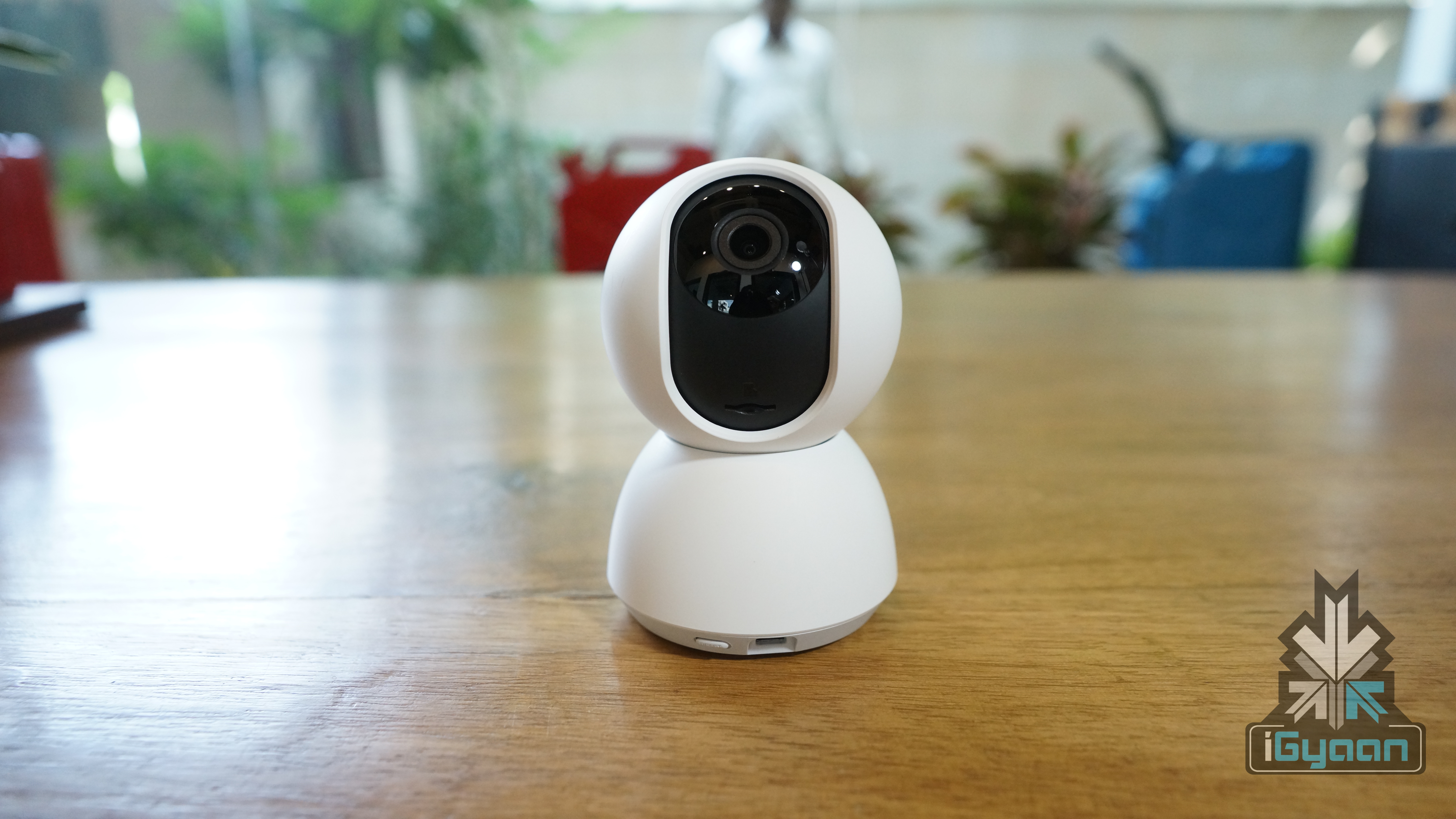
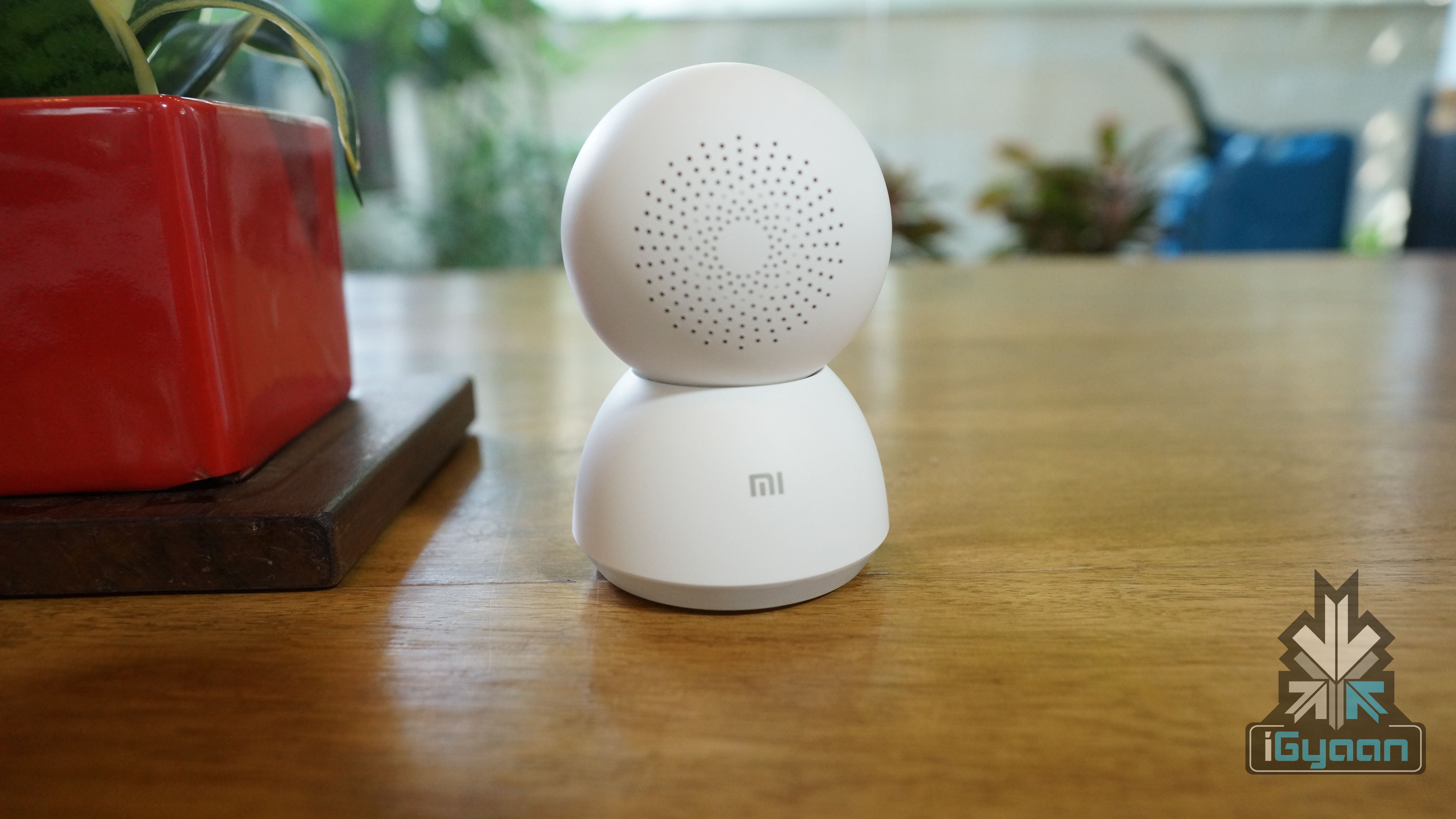
    Xiaomi has launched its new Mi Home Security Camera. The small device is power packed and offers great security for your house. The camera is meant for home use and can also be utilised as a monitor for your kids or pets. The device has been designed for India specific usage. The camera is primarily designed for indoor usage.

    The Mi Home Security Camera records video in 1080p and is quite impressive. The device a PTZ (Pan, Tilt, Zoom) feature. With this the camera can pan 360 degrees, tilt almost 90 degrees and has a digital zoom. The Mi Home Security camera is connected to your phone via the Mi Home app. This lets you control the device fully and view the feed.

    Features:

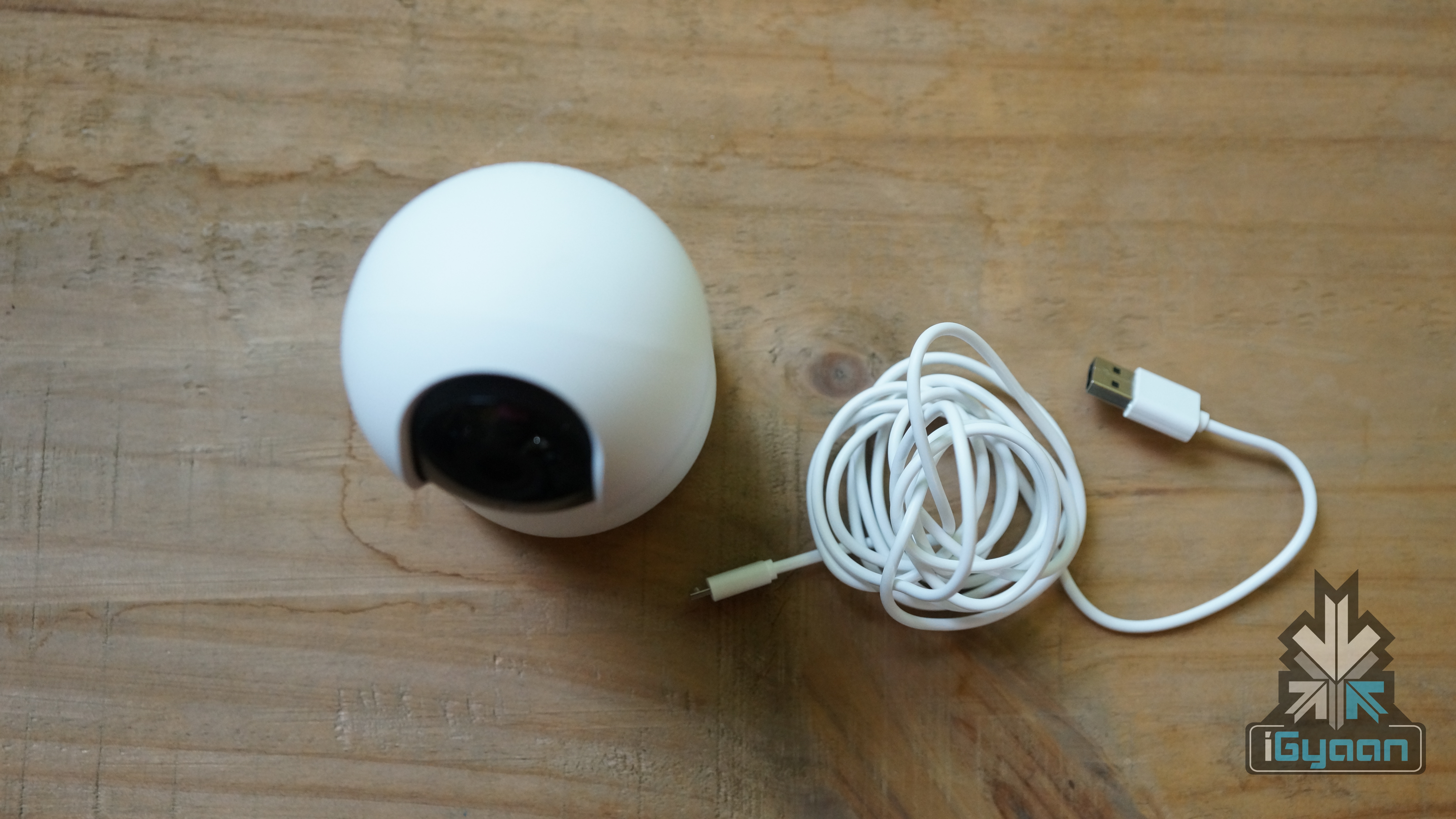
    The device draws its power externally through a USB port. It has an extra long USB cable in the box, which helps you mount it anywhere you please, away from easy access. The camera has an impressive Infrared night vision mode which lets you see the feed with clarity even if there is absolutely no light. The device also has a built in microSD card slot. You can use cards upto 64 GB to store your feed. The camera also has a rotating backup feature, which continuously overrides the memory card to replace the feed after a while, ensuring it is up to date. The feed can also be synced to an an external device or a cloud which ensures that your data is safe. This can come in handy in an event where your camera itself gets stolen.

    The device also has an extra long USB cable

    The Xiaomi Mi Home Security Camera also has other cool features such as talkback. This lets you converse with the person standing in front of the camera, through your mobile. This can come in handy in many situations and is efficient as well. The device also has a Motion Detection feature. If you activate this feature, the device will only record when it detects movement. This is helpful for people who do not want 24 hour surveillance and also prevents your memory card from getting filled up too soon. The feature also sends an alert to your smartphone when it detects any motion. The Camera also has a live preview feature which lets you view the feed even in a lower quality incase your internet connection is poor.

  • Panasonic Introduced Its First Full-Frame Mirrorless Camera And It Could Be A Game-changer

    Panasonic Introduced Its First Full-Frame Mirrorless Camera And It Could Be A Game-changer

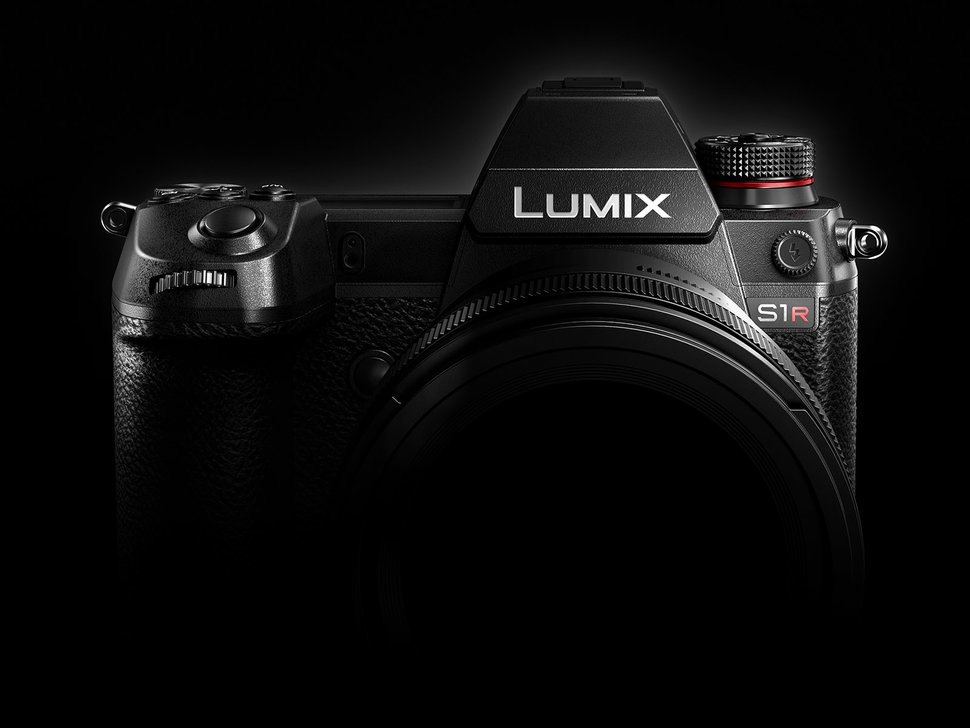
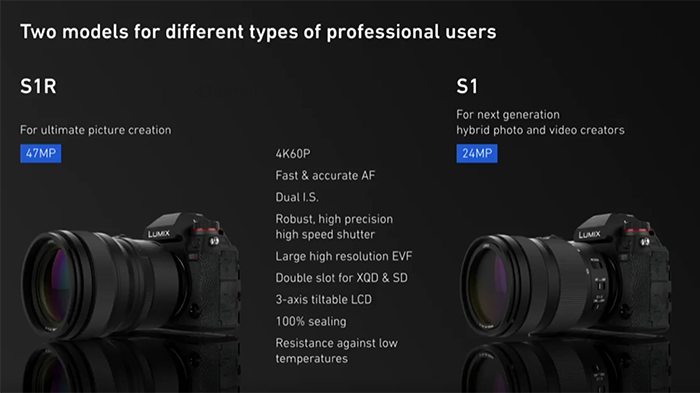
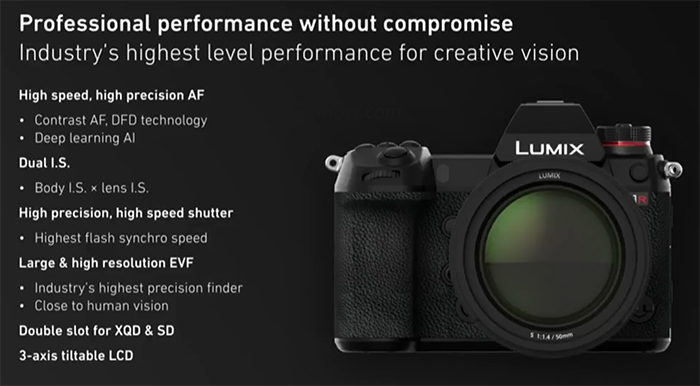
    Panasonic has announced two models of its first full-frame mirrorless camera. The Lumix S1 and S1R cameras support 4K video at up to 60 fps. The devices will use the new L-Mount lenses from Panasonic and have a 35 mm full-frame image sensor.

    The cameras were introduced at Photokina 2018 is claimed to be ‘dedicated to professionals’ by the company and form the base of the Lumix S series of cameras. The Lumix S1R has a massive 47 Megapixel sensor while the S1 has a 24 Megapixel sensor. The cameras are also equipped with Dual I.S image stabilisation. This enables handheld shots for dark or distant scenes which would otherwise require a tripod.

    Along with this, the devices have a triaxial tilt LCD for ease of use during both photography and videography. The cameras have a double slot for memory cards and SD cards, which is a first for Panasonic.

    New Cameras, New Lenses:

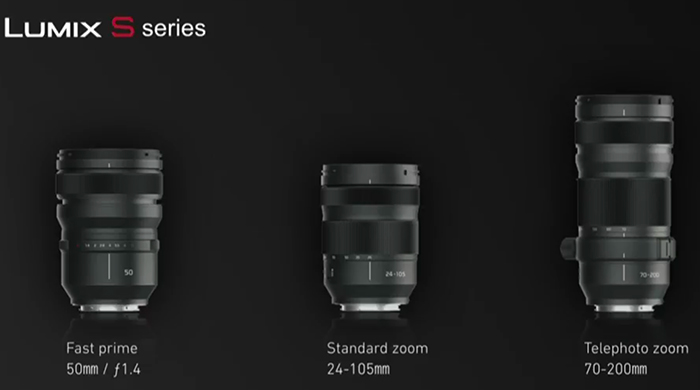
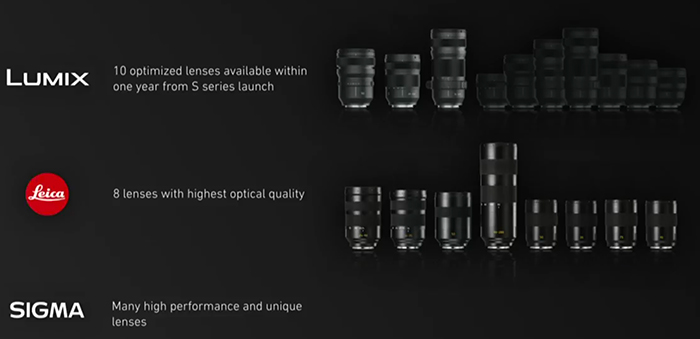
    The Lumix S1 and S1R work with a new range of lenses from Panasonic. The L-Mount series of lenses has been made in partnership with Leica and Sigma. The series will also be compatible with Leica’s L-Mount. This means that the cameras are compatible with eight high- quality Leica lenses, other than the three lenses available from Lumix. Sigma will also add to the list of compatible lenses. The launch will see the availability of three lenses. This includes a 50mm f/1.4 prime, a 24-105mm zoom lens and a 70-200mm telephoto zoom lens. Panasonic guarantees at least 10 compatible lenses within a year of the launch of the Lumix S series.

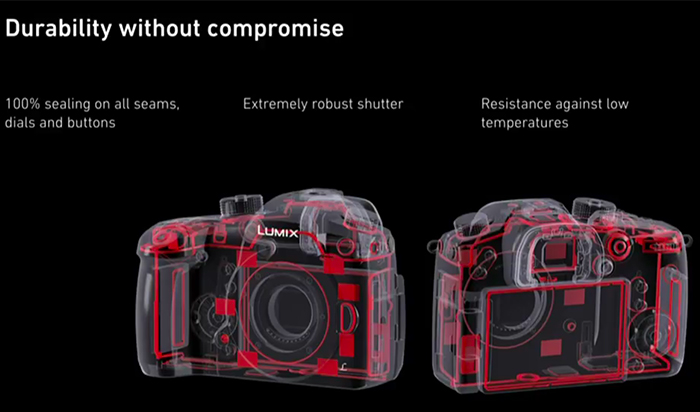
    The Lumix S1 and S1R cameras are extremely durable as well, according to Panasonic. The cameras have weather sealing on all seams, dials and buttons. The company also claims that a Lumix S camera has worked perfectly in temperatures as low as minus 40 degrees Celsius.

    Panasonic has not revealed anything more about the specifications of the device or the price. This was just an introduction to probably the next big thing in the mirrorless segment. The Lumix S1 and S1R will be launched around March next year.


iGyaan Network
Privacy Overview

This website uses cookies so that we can provide you with the best user experience possible. Cookie information is stored in your browser and performs functions such as recognising you when you return to our website and helping our team to understand which sections of the website you find most interesting and useful.