All Gadget News on iGyaan, latest gadgets, top new gadgets, cheapest gadgets and expensive gadgets all the latest gadget news , reviews and featured stories
Some stories can melt your heart in an instant. Disney has always been something for children and the child in you. So, it pleases one to hear that the mass media and entertainment giant will be helping a UK-based start up in making prosthetic hands for children more appealing. And how will Disney help with that? By doing it the Disney way, of course.
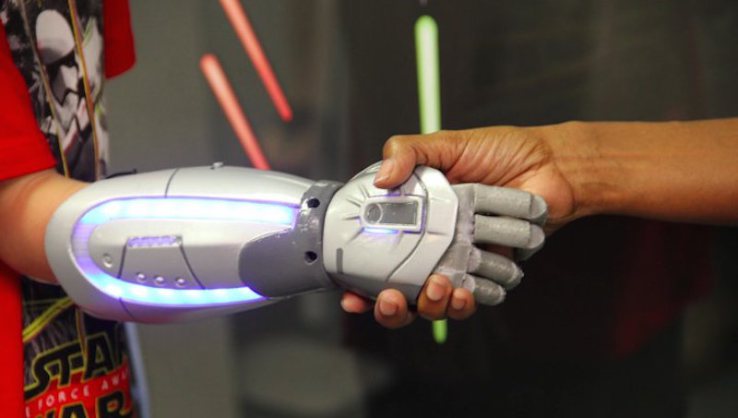
Open Bionics is the name of the UK-based start up that focuses on low-cost 3D-printed prosthetics. The company is also a part of Disney’s Techstars Accelerator program. Disney is giving Open Bionics royalty-free licenses to create prosthetics modeled off of Iron Man, Elsa from Frozen, and a glowing, buzzing ‘lightsaber hand’ familiar to millions of Star Wars fans.
But the fun doesn’t just end with the design. It also does things, too. Take the lightsaber hand, for example. You can turn on a set of LED lights that illuminate the prosthetic which also give off the lightsaber-like buzzing sounds. A button also lets you change the saber’s colour because fans know that characters like Luke Skywalker, Yoda and Darth Vader favour different couloured lightsabers.
Similarly, the Iron Man gauntlet will let the child shoot off “rockets”. Well, not really, but with the LED lights and sounds and a vibrating motor it does give off that feeling. But the prosthetics aren’t just expensive toys. They’re made to help the child and provide physical therapy while having fun. The motor gives a haptic feedback to the child when he non-threateningly fires from the Iron Man gauntlet and also serves to indicate the strength of the grip being exerted by the child. Apart from serving a fun light show, the LED lights also lets parents and doctors understand what signals are being sent to the device.
Open Bionics CEO Joel Gibbard told Independent that, “the power of these prosthetics is that the public perception is completely different. All of a sudden they’re not being asked how they lost their hand, they’re being asked where they got their cool robot hand, how does it feel, and how does it work?”
Earlier this year, Iron Man (Robert Downey Jr.) himself paid a visit to a seven-year old boy and gave the kid a custom-made Iron Man prosthetic gauntlet. Watch the video below that is sure to bring a smile to your face today.
https://www.youtube.com/watch?v=oEx5lmbCKtY
Open Bionics is hoping to make a big difference with these prosthetic hands and is aiming to have them available by the end of next year at a reasonable price of around $500.
It’s a little frightening when you start looking at how many electronic gadgets you own. Today, our most precious personal possession has got to be our phones. And the more expensive the phone, the more precious (in Gollum’s voice) it gets.
We all take that extra bit of care when it comes to our laptops and smartphones, or at least we try. But sometimes we tend to do things that have been subject to so many paranoid and not-so paranoid theories. We have decided to take a look at some of them and bust those that have worried you for a long time.
1. Charging Your Phone Overnight Can Damage Battery Life
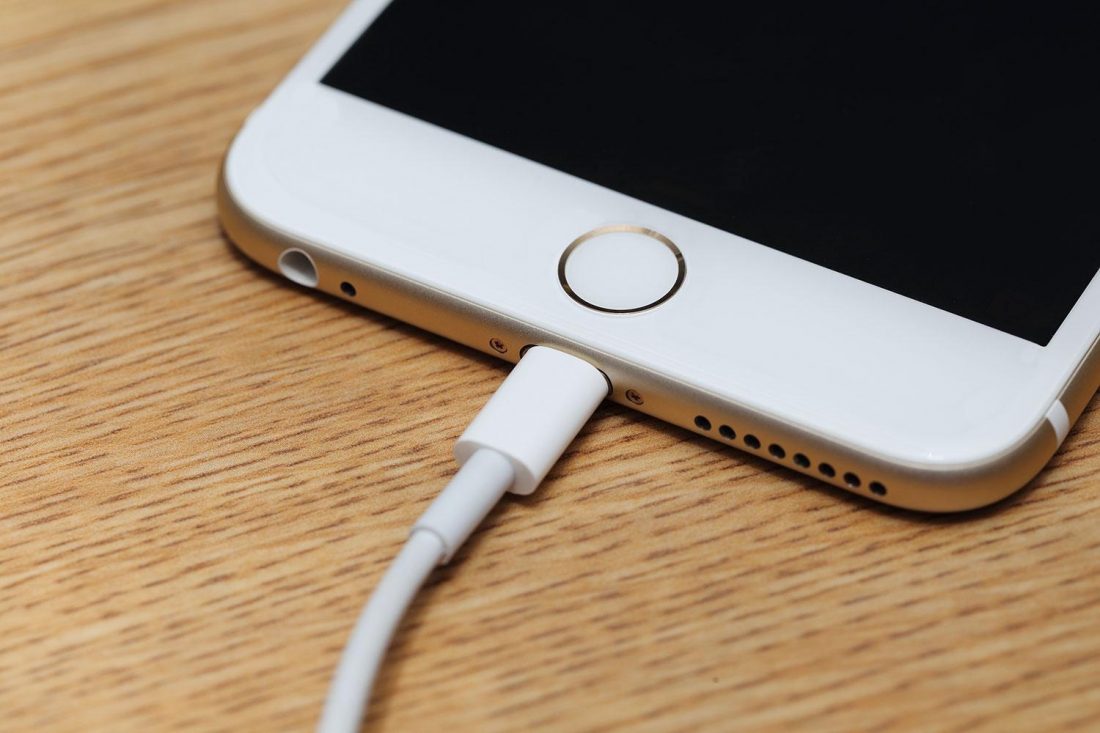
Not everyone remembers to remove the phone from the charger just before bed time. And in the morning you tend to freak out because you feel you’ve damaged the battery. There is a long running myth that charging your phone overnight can reduce the battery life of the phone or even cause your battery to explode. But is this really true?
This may have been the case for older nickel-cadmium and nickel-metal hydride rechargeable cells that came before the introduction of the li-ion batteries. Now, every phone is fitted with a li-ion battery and rest assured these batteries will not explode. The phones are smarter today. It automatically cuts off the charger once your phone has reached full charge. Apple has stated that “You can recharge a lithium-ion polymer battery whenever convenient, without requiring a full charge or discharge cycle.”
2. Using Third-Party Chargers Will Cause Your Phone to Burst Into Flames
Don’t buy unbranded, cheap knockoffs.
We tend to buy cheaper chargers sometimes because original, company made chargers are a little pricey. And as long as it charges the phone, we assure ourselves that it’s all right. But knockoffs are the reason you hear about gadgets catching fire or bursting. Third-party chargers are alright as long as they aren’t ridiculously cheap. A charger from Belkin, for example, is okay to buy, but it may not charge your device as fast as an original charger.
Knockoffs don’t usually have a brand name, and if they do, they’re pretty much an unknown brand. These are the chargers you want to avoid at all cost. It’s easy to tell the knockoffs from the trustables. You just need to keep your eyes open. Though, we would suggest always going for an original. It might be a little expensive but it’s worth it if you don’t want your phone going all ‘flame on’ on you.
3. Going Incognito is Cool
Not. We all know that every web browser has an incognito mode or private browser. Private browsers do not save your search history and it won’t record where you go and what you do. Usually people use it if they don’t want unnecessary ads popping up since nowadays ads on Facebook, for example, are tailored to what you search on the internet; or it’s used to browse sites that are…questionable.
But what you might not be aware of is that your browser isn’t completely private. Your internet service provider will still know about the sites you visit. Even the law enforcement will know about it, if they’re looking into it. So the next time you visit a site that you’re not really supposed to, remember who’s watching. Just saying.
4. Password Protected WiFi Networks Are Safe From Hackers
Well, it depends on the network really. There’s a home network and a network that is used when you’re not at home. Your home network is usually very safe if it’s password protected (as long as the password is not PASSWORD) and employs WPA or WPA/2 encryption.
Outside networks, though, are a little different, and a little more open to hacking. It’s incredibly easy for hackers to download just the right software to eavesdrop into your network. Once that is done, they can look into any data that is being transferred over the net. “Hackers can launch ‘evil twin’ networks that look like the real thing, grab your password and go to town compromising your security,” said Rich Sootkoos, Boingo’s VP.
So for office networks and other outdoor networks it’s always advisable to protect your info using VPN companies such as Express VPN or IP Vanish.
5. Prolonged Mobile Usage Can Cause Cancer
This and the next one are for the health crazies out there. Years ago some reports suggested that prolonged exposure to the phone over time can cause cancer because of the radio frequencies they emit. It was believed that the radiation from your cellphone could cause certain types of cancer.
While there are many scientific papers on this study, there have been no cases over the years to suggest the authenticity of this. Every electronic device gives off a certain amount of radiation right from your microwave to your refrigerator. While we agree that they can be harmful, you do not need to panic as much as the reports suggest.
So far there have been no documented case that suggest cancer caused by cellphone radiation. Cancer Research UK said that, “So far, the scientific evidence shows it is unlikely that mobile phones could increase the risk of brain tumours, or any other type of cancer. But we do not know enough to completely rule out a risk.”
6. Laptop On The Lap Can Cause Impotency
Apart from the cancer scare, impotency is the next big concern when it comes to using electronic devices. There were theories that keeping your laptop on your lap or a phone in your pocket may result in decreased male fertility. The worry was that laptops could increase scrotal temperature.
These researches were widely declared as “speculation”and that further studies were needed to prove this contention. There is no correlation between increased scrotal temperature and infertility as of now and there have been no such cases that suggest the same. However, a word of caution must be given for anyone who keeps the laptop on their laps for a long time as the heat from the device cannot be a good thing, according to gut feeling. So we’ll just go with ‘mostly false’ regarding this story.
7. More Megapixels Mean Better Camera
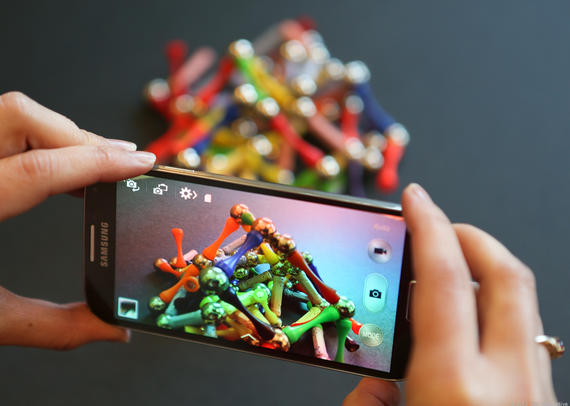
Not really. We have come to believe that a camera having a higher megapixel results in better quality images. That’s not the case at all. Megapixels have nothing to do with quality, and only helps if you plan on blowing up the photo. What’s important for quality is the camera lens and light sensor, its processor and its optics.
This is why an iPhone 6, for example, with only 8-megapixel camera can take on those that come with 12 or 16 megapixels. And remember the whopping 41-megapixel Nokia Pureview 808? If you zoomed in on a photo taken by that up to four times, you won’t find any loss in image quality. However, the Pureview 808 actually offers a default 5-megapixel resolution, and you could easily go for an 8 megapixel camera over that and still get the same quality images.
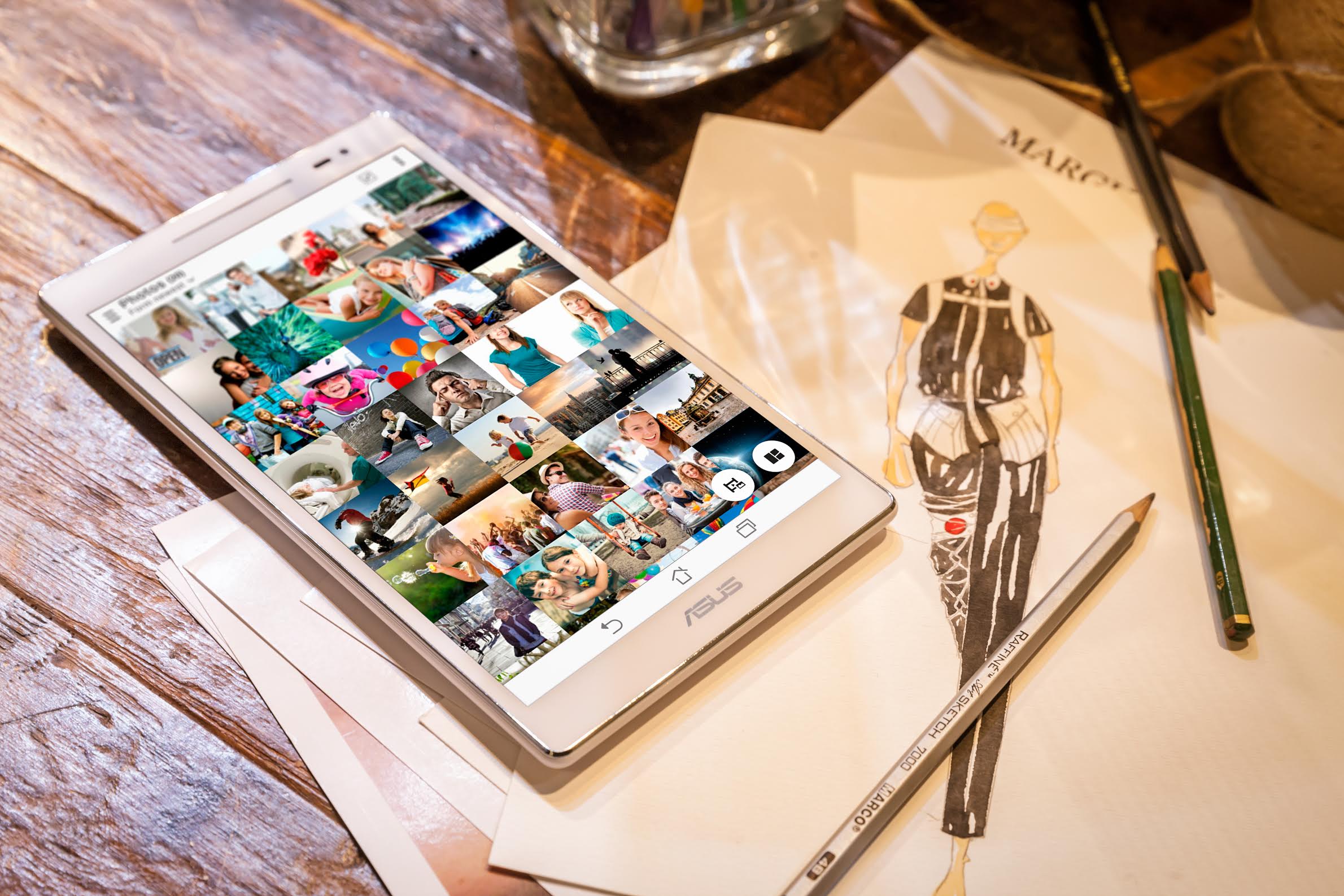
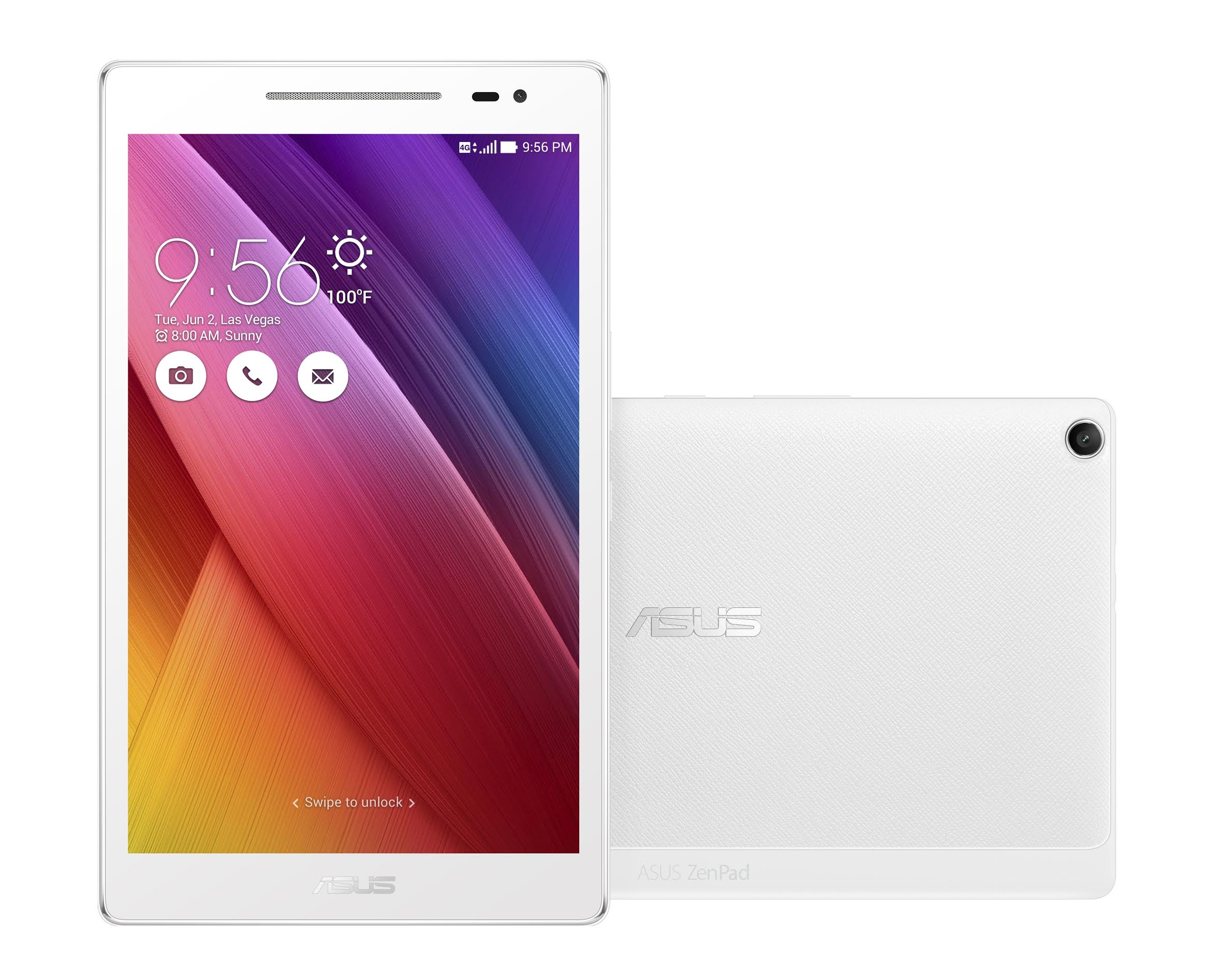
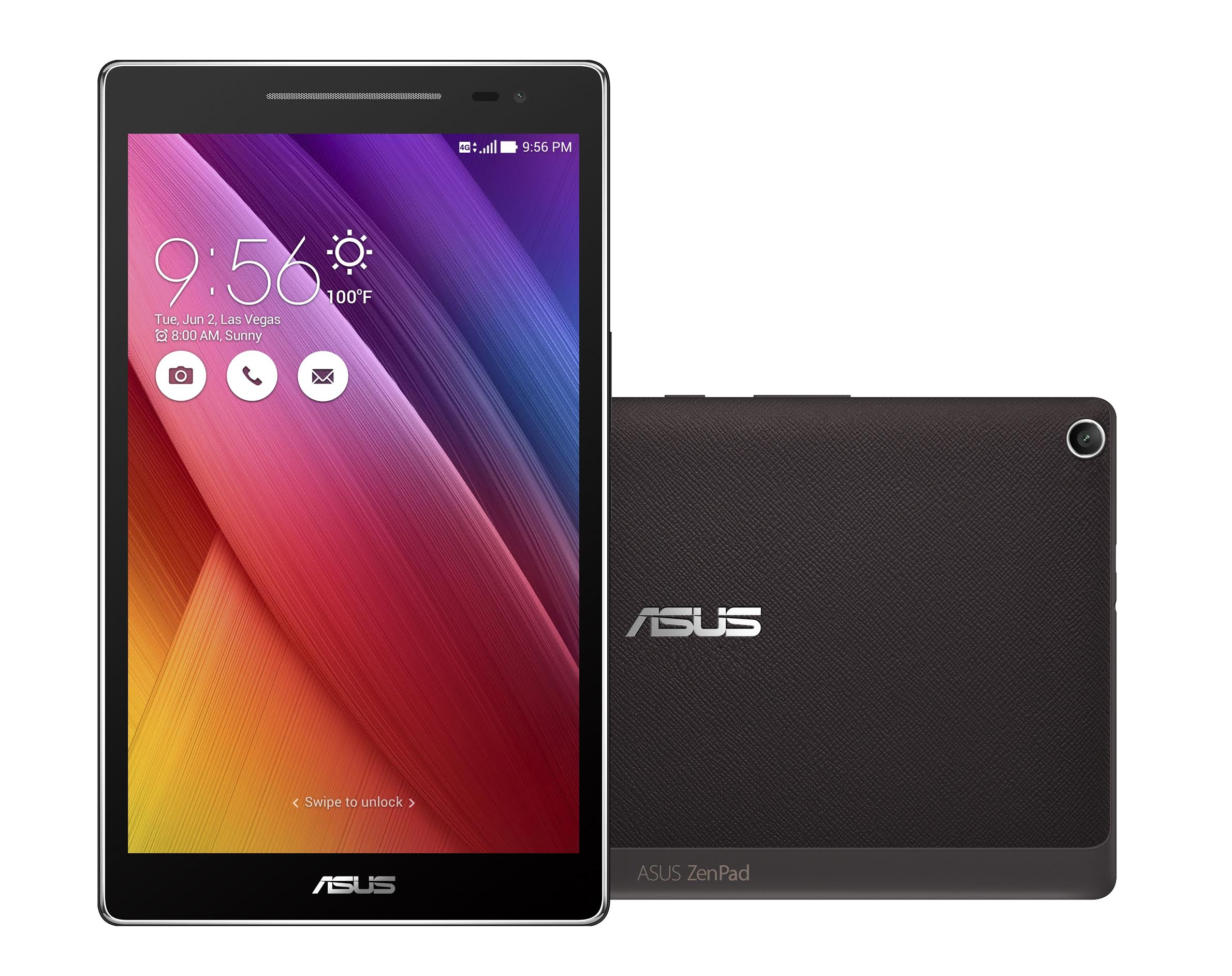
ASUS today announced the launch of its ZenPads in the country. The devices which had been released earlier in August at the Zen Fest have finally made their way here and will be available on sale on Flipkart and in exclusive ASUS stores. Out of the three variants of the device, ZenPad 7.0 has been made available immediately while ZenPad 8.0 and ZenPad C 7.00 will be up for sale by the end of October.
The three variants are as follows:
1. ZenPad 8.0
The device has a display of 20.3 centimetres and a Qualcomm MSM8929 64-bit Octa Core Processor. The inbuilt memory is marked at 16 GB, the main camera at 8 MP and front camera at 2 MP. ZenPad 8.0 is available in 2 colours Obsidian Black and Aurora Metallic and comes at a price of Rs.17,999 with audio cover, and Rs.14,999 without audio cover.
2. ZenPad 7.0
With a display of 17.7 centimetres, ZenPad comes with an Intel Atom x3-C3230 Quad Core Processor. The internal memory is of 16GB, main camera of 8 MP and front camera of 2 MP. ZenPad 7.0 is also available in the same colours – Obsidian Black and Aurora Metallic – and is priced at Rs.14,999 with audio cover, and Rs. 11,999 without audio cover.
3. ZenPad C 7.0
This gadget has the same display size as ZenPad 7.0 and is equipped with an Intel 64-bit x3-C3230 Quad-core Processor. The device has a 5 MP main camera and a 0.3 MP front camera. ZenPad C 7.0 is available in three colors – Obsidian Black, Glamour Red, Aurora Metallic, and is priced at Rs.8,999.
The arrival of the ZenPads is followed by ASUS’ decision to manufacture its smartphones, Zenfone 2 Laser and ZenFone Go in India. As for the ZenPads, the price seems to be a comforting factor, especially in the wake of the latest Apple and Googe devices about to be launched in the country. Let’s see how the Indian market respond to them.
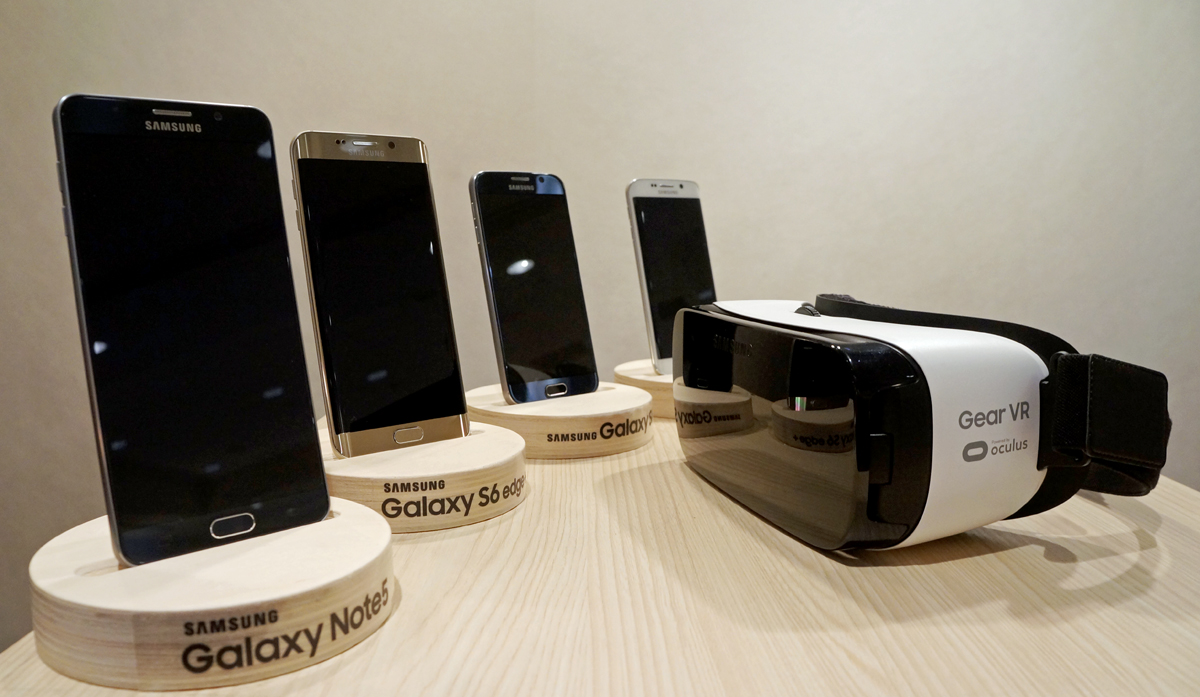
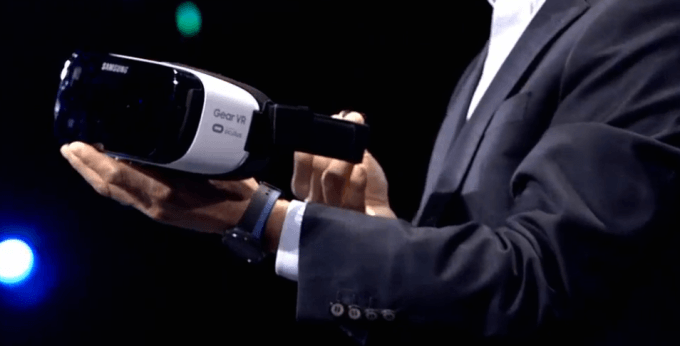
The Netflix experience is about to get a whole lot better. Samsung announced the newest edition to Gear VR in collaboration with Oculus , along with a slew of new features and apps. The headset will have a redesigned trackpad, a new Xbox-style Gamepad with dual analogue design, and a new, lower price that’ll be available this November in the United States.
The Gear VR is also getting a major media boost with Netflix, Hulu and Twitch among the few new services that will be available for the headset. The Netflix app, for example, creates a virtual living room for the viewer to watch in. The virtual television in front of you will have the Netflix UI on the screen. You simply look to move the cursor and tap the touchpad on the side of the Gear VR to make your selection. Currently the app allows almost no choice for the user in terms of the environmental changes or the distance of the screen.
The Oculus -made Samsung Gear VR will work with the whole 2015 line of Samsung Smartphones including the Note 5, S6, S6 Edge, and S6 Edge+, and will be priced at $99, a $100 less than the previous Gear VR.
“Virtual reality that’s accessible to consumers is still very young and so it was all about developing the ecosystem,” said Jim Willson, director of immersive products and VR at Samsung. “We had to make sure there was enough content, both in terms of video content … and on the gaming side.”
Wilson hinted at a captive audience that an app like Netflix can provide with more number of hours being spent with these media apps. Apart from Netflix, Oculus also announced 20th Century Fox and Lionsgate, as well as Hulu, Twitch, TiVo and Vimeo for VR apps.
Samsung is looking to expand its consumer base and is looking to make the Gear VR not just a device for niche audience. It may take a while before people take to the virtual reality experience, but with PlayStation also working on its VR gaming technology, the future of media technology looks pretty clear. So, for those who want to experience the next season of Daredevil in virtual reality can get their hands on the Gear VR from November.
Essentially, a drone is an aircraft without a pilot which is also known as unmanned aerial vehicles (UAVs.) A drone can be remotely controlled or can fly autonomously by onboard computers. Drones were seen to have a wide range of purpose. From delivering goods and products to your doorstep to aiding during a natural disaster.
Drones were used in search missions in inaccessible locations and were equipped with thermal cameras to locate people trapped under rubble or snow. However, the Nepal government later banned the use of drones as they were concerned over illegally leaking images of national heritage sites.
Last year in October, the Directorate General of Civil Aviation (DGCA) prohibited the use of unmanned drones citing safety reasons. Drones had made headlines when a pizza outlet used the device for one of its deliveries. Soon after that many commercial organizations started showing interest in using drones.
The DGCA, however, stated in a circular that “the UAS (unmanned aerial system) has potential for a large number of civil applications. However, its use, besides being a safety issue, also poses a security threat. The airspace over cities in India has high density of manned aircraft traffic. Due to lack of regulation, operating procedures/ standards and uncertainty of the technology, UAS poses threat for air collisions and accidents,”
But the DGCA never mentioned anything about manned drones. In a recent video posted on YouTube, a man is found standing on top of a drone, which seems to be the first ever manned drone to take flight, and it is indeed a spectacle.
The video shows a man hovering well above water and controlling the drone with ease. Though this drone seems to be only a one-off at the moment, chances are this could be approved for the masses. The quad copter shows it is powerful enough to carry a man.
Unless the DGCA announces new rules and regulations for drone flying (which it had planned to do since October last year), even if a manned drone such as the one in the above video were to be mass produced, it would not be seen hovering over India any time soon.
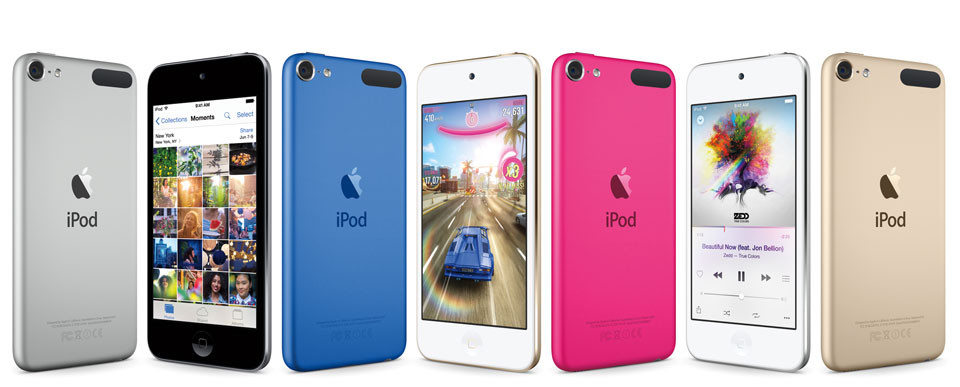
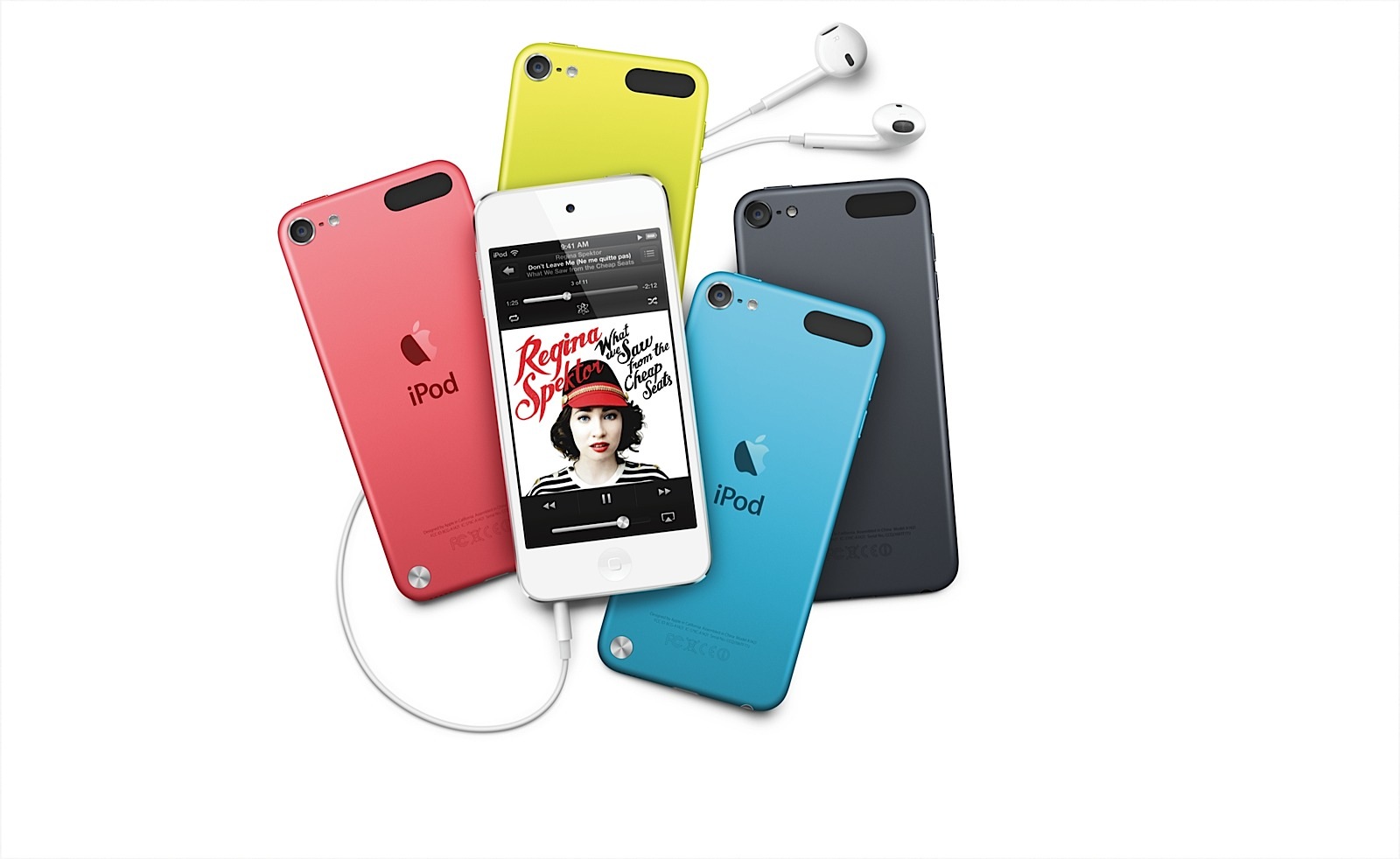
Apple’s iPod was once their hero product, now however, the story is completely different. Apple has ignored the iPod for two cycles of the iPhone. This time around the iPod gets an internal overhaul, with the new chipsets form the iPhone 6.
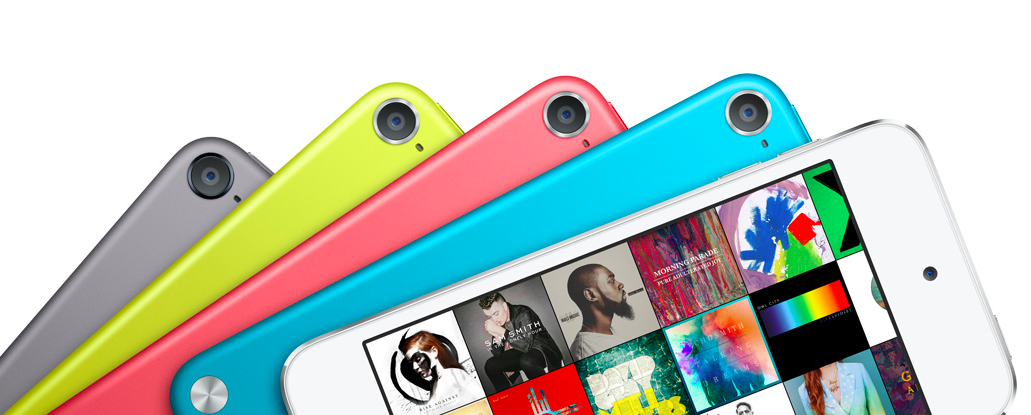
The new iPod also gets new colours along with some noticeable upgrades as well. The camera has been upgraded to a new 8 megapixel iSight camera. The new iPod Touch will also get an improved FaceTime HD camera, because who doesn’t want selfies on an iPod.
Apple’s A8 chip found in the iPhone 6 is used in the iPod Touch 2015, along with the old 4-inch Retina display. The new iPod touch starts at INR 18,900 for the 16GB model, INR 22,900 for 32GB and INR 26,900 for 64GB.
If you are in the US, 16GB edition will cost you back $199, you can get a 32GB option for $249, a 64GB variant priced at $299 and a first time 128GB model for $399.
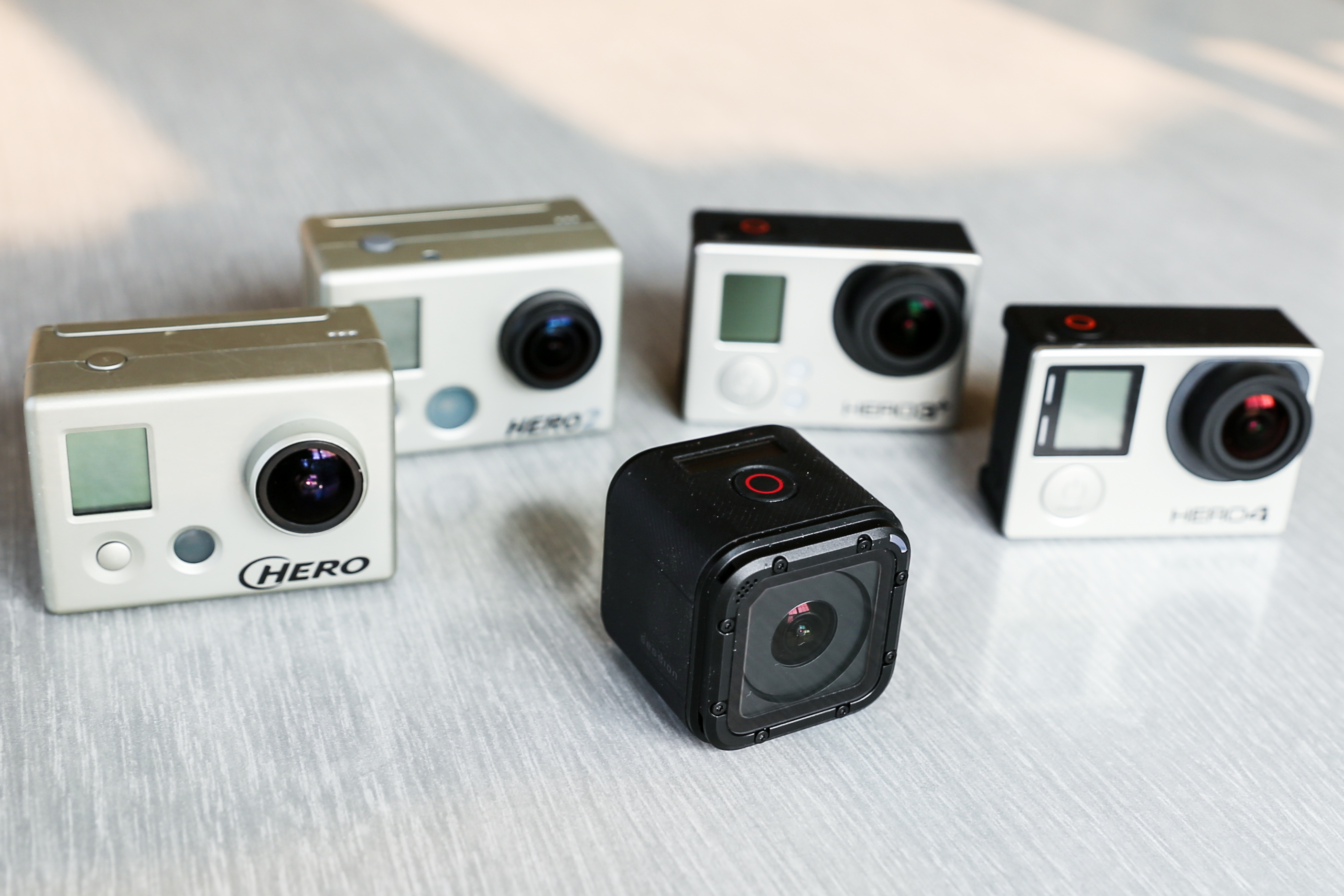
GoPro, the company well known for making incredible cameras for adventure and sports terrain, has unleashed their newest and the smallest beast yet, the GoPro Hero4 Session. After a gap of 9 years, this new camera is the first significant redesign of the company’s omnipresent camera since the first Digital Hero launched in 2007.
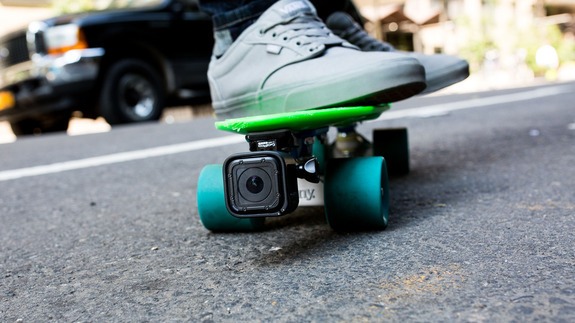
The Hero4 Session is the tiniest GoPro yet. It is a one and a half inch cube and weighs just 0.07kg. That is more or less half the weight of an iPhone 6. And users will not need to carry around several cases to use the camera. It is waterproof up to 33 feet. This is part of the company’s endeavors to reduce the amount of stuff needed to use a GoPro camera. The California-based company said the camera is easier to use, because it has one button to put the camera on and begin recording.
Other specs and features of the camera include 8MP photos (in single, burst, and time-lapse modes), 1080p60/720p100/1440p30 video recording, a dual microphone system, built-in Wi-Fi and Bluetooth, SuperView, Protune, and Auto Low Light.
GoPro is placing the Hero4 Session as a camera for users who want something smaller than the Hero4 Silver or Black, but who don’t want to give up much when it comes to features.
While it weighs less, the new camera hasn’t flinched at the price: The Hero4 Session will distribute from 12th July and will be priced at $399.99, about the same price as previous models.
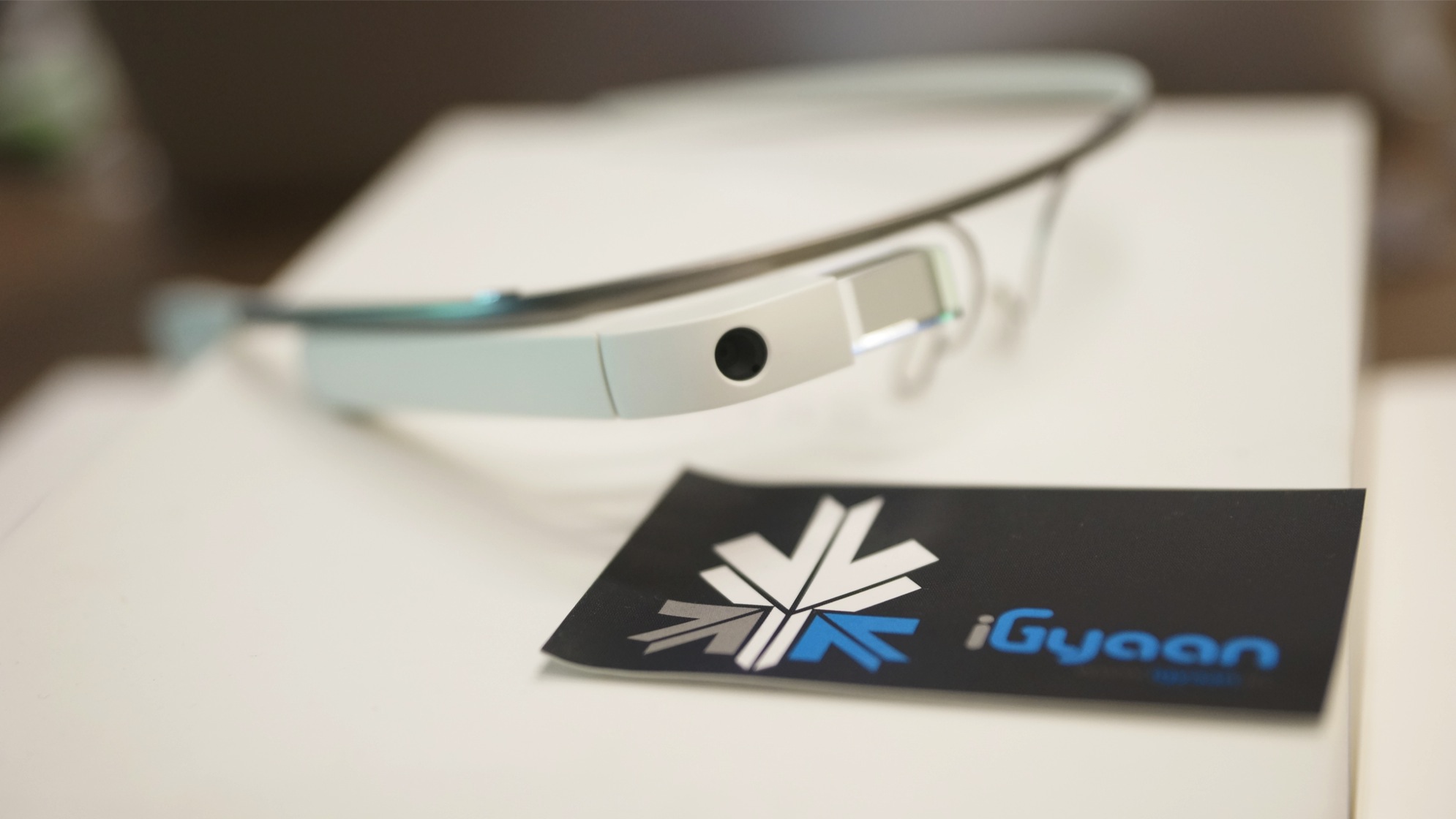
It’s been a long time since we heard anything about Google Glass. Yes, we are talking about that spectacle containing a tiny computer, whose production was stopped by Google earlier this year. It could have been the end of it, but Google never stopped developing the project. Today, a report has came out that says Google Glass could resurface again.
According to Droid Life, an FCC (Federal Communication Commission) filing by Google indicates that the company is working on a new version of Google Glass. Filed under the FCC ID A4R-GG1, the term ‘GG’ indicates Google Glass. Unlike most devices, which are labelled in FCC as mobile or a wearable, this one has been labelled as “BLUETOOTH & DTS/UNII a/b/g/n/ac” with model name “GG1”.
According to the website, the device has Bluetooth LE and rechargeable, non-removable batteries that can’t be accessed…. the product comes with an AC charger and USB cable that when connected to a PC, can provide a “path for charging and data transfer.”
For all we know, the device could be a smartphone or a tablet, but the fact that it hasn’t been labelled as a phone or wearable and Google used the initials GG, this could be the next version of Google Glass. Of course, it’s all speculation until and unless Google announces it.
With Oculus Rift expected to make a huge entry by 2016 and Microsoft HoloLens getting attention for its innovative holographic interface, Google has the perfect opportunity to make strides in the augmented reality wearable segment.
Father’s Day is just around the corner; so the question everyone is asking is have you planned on buying a gift? Hey, if you are considering giving him another necktie or wristwatch this year, we’d strongly recommend you to reconsider. After years of Father’s Day gifts, he’s sure to have a cupboard full of those. This year, gift him a piece of tech which he could never say no to.
Here are iGyaan’s recommendations:
Xiaomi Mi 4
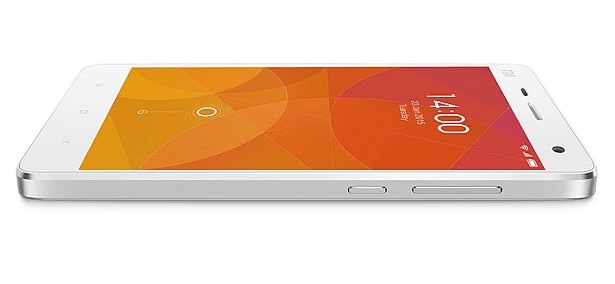
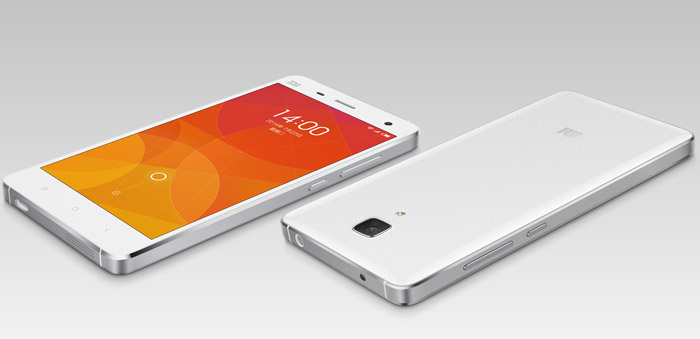
A brand new smartphone is a gift that no one can refuse. The Mi 4 is a flagship by Xiaomi, currently being offered at Rs. 5,000 off. The price has now come down to Rs. 14,999 from the Rs. 19,999 launch price. The exchange offer will further lessen its cost to Rs. 9,999. The Mi 4 has 5-inch 1080p display, 2.5GHz quad-core Snapdragon 801 SoC, 3GB of RAM and comes with 16/64 GB internal storage options. The rear camera is a 13MP, while the front boasts a massive 8MP shooter.
Give your father’s power hungry phone a wireless, powerful, and lightweight way to fuel up. QiStone+ is a compact, wireless power bank entailing Qi+ technology to top up the device with Qi Receivers. It stores 4000mAh of power, which means a Galaxy S6 can be charged more than once on one full charge.
The 135g power bank turns to Sleep Mode after 30 seconds of inactivity and wakes up through a capacitive touch sensitive switch. There is an option to charge two devices at a time, one phone can be placed on the QiStone+ and another can be connected to the USB socket via cable.
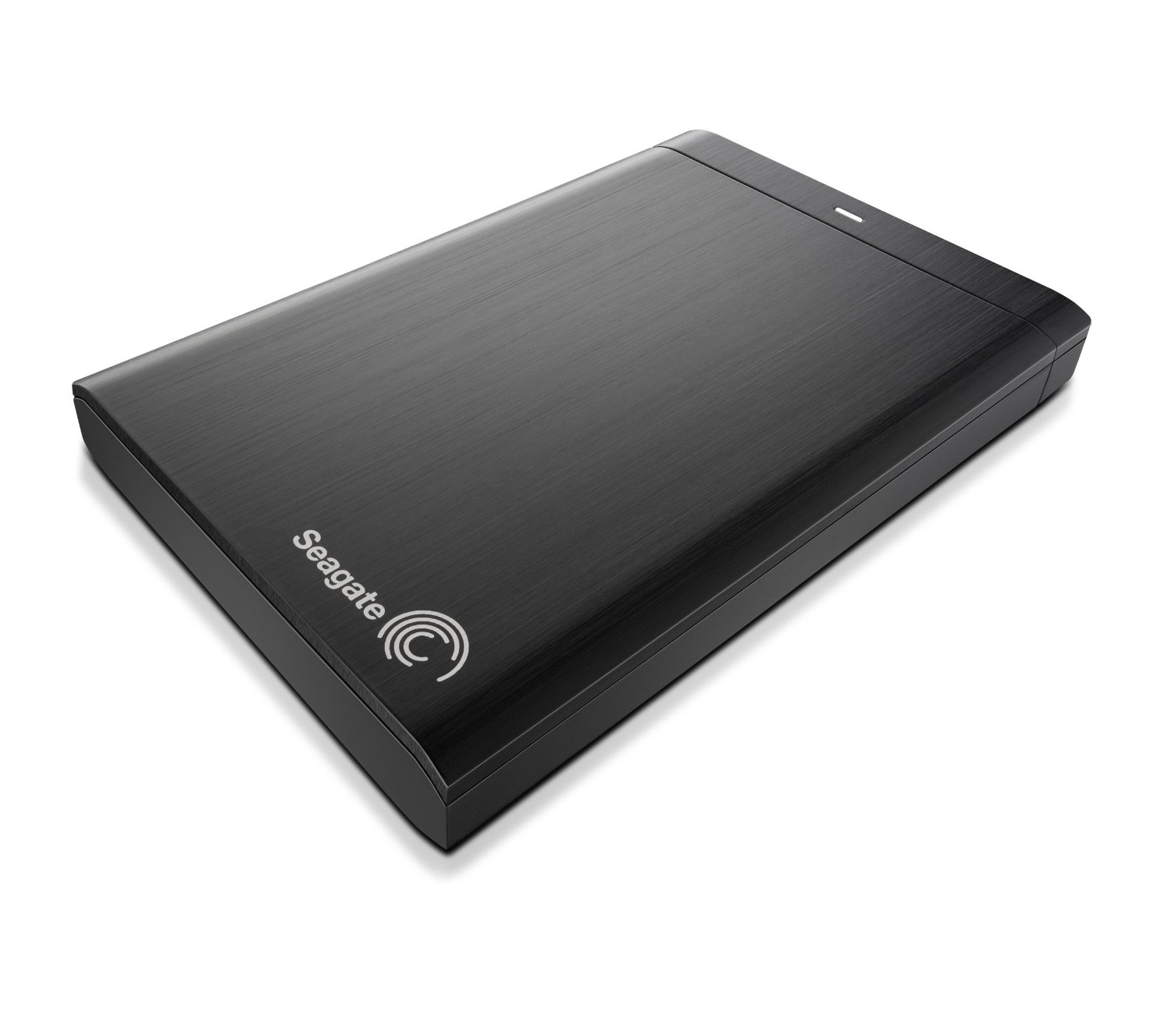
The need for storage never dies. Amazon India is offering a 1TB portable hard drive at 44% discount. Coming at an original price tag of Rs. 7,680, Seagate hard drive is presently available for Rs. 4,264. Weighing just 159g, the hard drive is compatible with PC and Mac. It transfers your data faster by upgrading to Thunderbolt technology or FireWire 800. When shared online, it automatically backs up photos. Colour options available are blue, red, black, white, and grey.
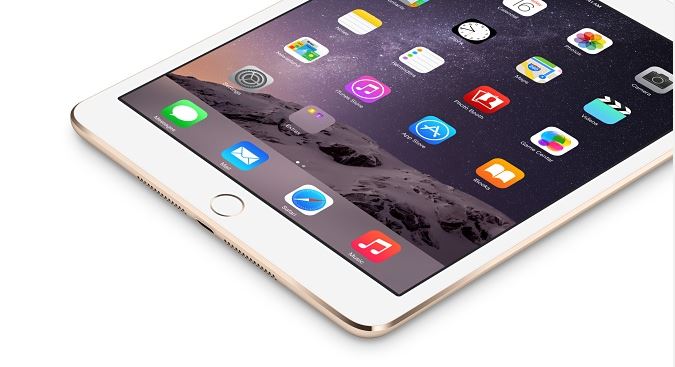
If you wish to impress your dad on Father’s Day, iPad Mini is the perfect gift. At Rs. 15,900, you will get a 16GB Wi-Fi enabled Apple iPad, which is no less than a pc when attached to a keyboard. It’s 7.9mm in size, packs Dual-core A5 processor, runs on iOS 6, and houses 512MB RAM. The rear camera of iPad Mini is 5MP and the internal storage space is 16GB.
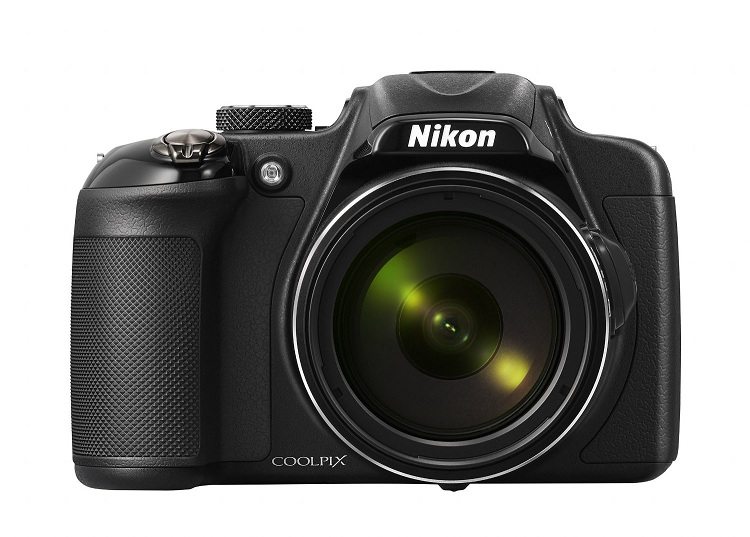
If your dad is often clicking pictures from his phone, then this might be the best you can gift him. Nikon Coolpix P600 is sleek and comes at 8% discount, at Rs. 21,950. The camera has advanced vibration reduction feature and allows you to share images over Wi-Fi. The 16.1MP camera lens is said to offer unprecedented close-ups with 60x optical zoom super-telephoto capability.
At a time when Virtual Reality has taken centre stage in the tech industry, there is a lot to be done to make this revolutionary innovation reach to every corner of the world. The advanced technology that can recreate sensory experiences, designs an environment and sends users to the virtual world making them feel as if they are physically present there.
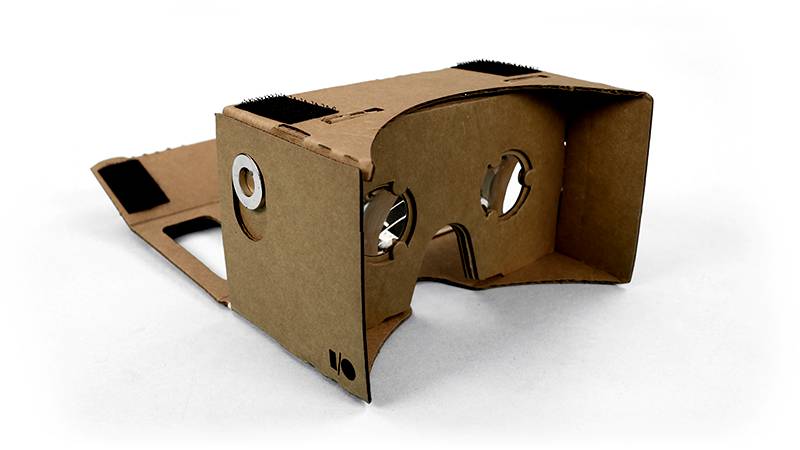
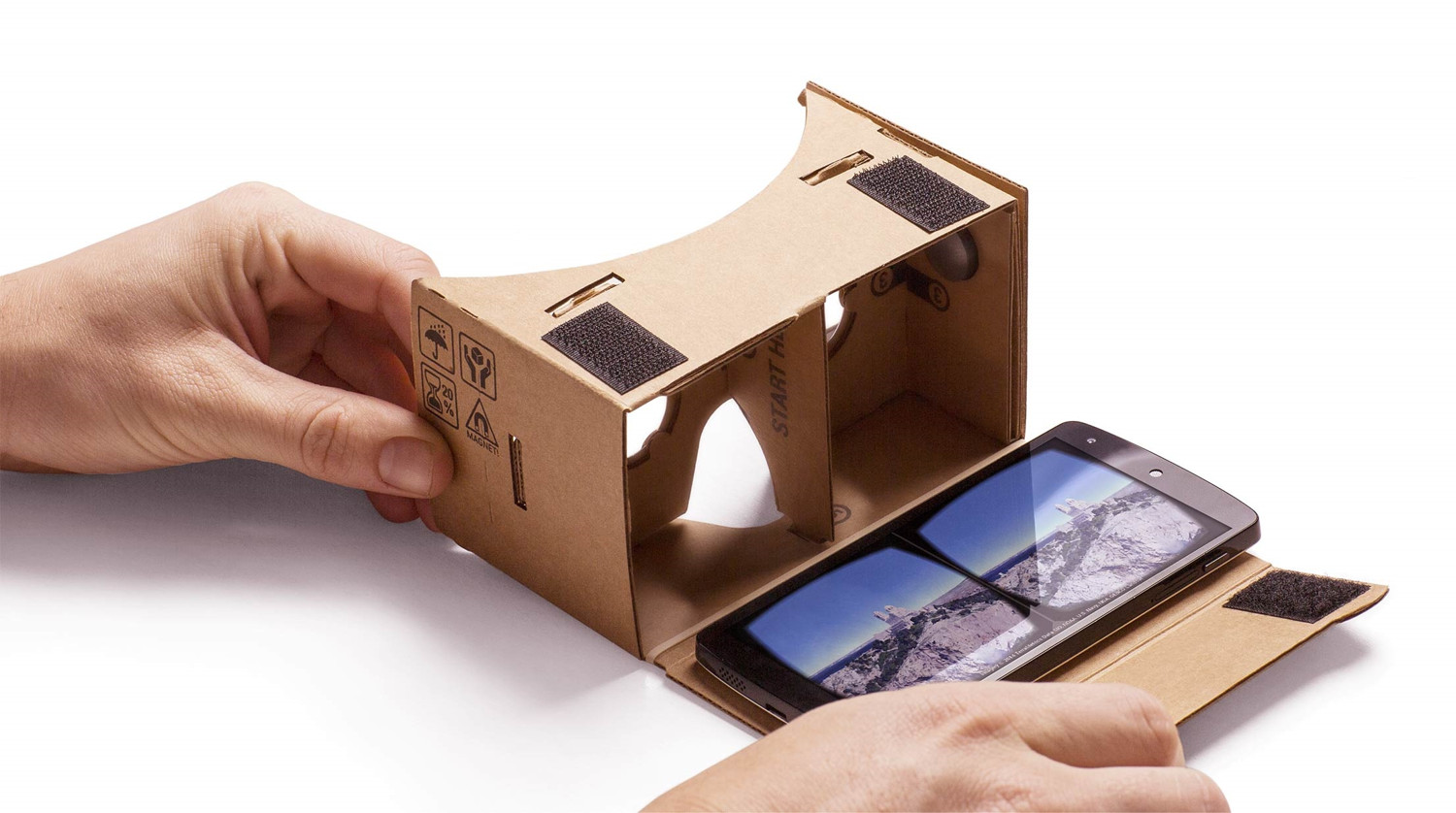
Many smartphone companies are pushing the unexplored division, by offering Virtual Reality (VR) headsets at special prices along with the smartphone. Some of these handsets include Samsung Galaxy Note, Galaxy S6 and Galaxy S6 Edge. More choices in VR headsets include Galaxy Gear VR, HTC Vive, Oculus Rift, Microsoft HoloLens and few more, but their market is limited to developed nations. This is where Google Cardboard comes into action. The low-cost, hand-made Google Cardboard requires only a bunch of things for its construction, and your smartphone is then ready to mount on the fold-out cardboard.
Follow the below-given steps and make one now:
List of Things Required
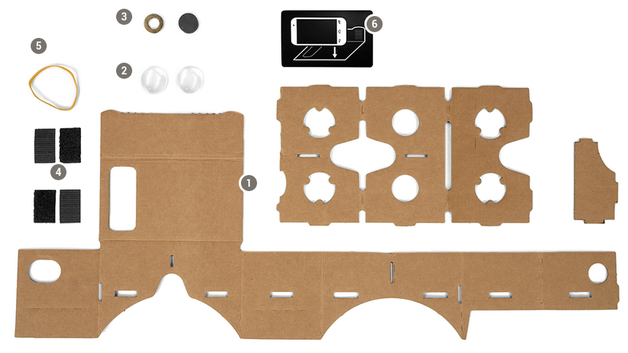
First of all, collect all the articles necessary for its preparation. You will need:
Cardboard: You will need a corrugated cardboard that is 9-inches by 22-inches. A pizza box, shoe box or any thin, rigid sheet would do.
Lens: The second thing is the lens. The lenses to affix the cardboard need to be 25mm in diameter with 40mm focal length. In case you don’t find lenses of these measures, 50mm focal length will do, but then you have to increase the length of your cardboard. You can also go for a plano-convex lens or biconvex lens, Google recommends the latter. So, first find out the lens available and accordingly start the project. [tw-button size=”medium” background=”#07ABE2″ color=”” target=”_blank” link=”http://www.amazon.in/Alian-Biconvex-Lens-Google-Cardboard/dp/B00UYG3G5G/ref=sr_1_10?ie=UTF8&qid=1434185814&sr=8-10&keywords=google+cardboard&tag=igyaan-21″]Buy Now[/tw-button]
Magnet: Two small ring-shaped magnets.
Velcro strips: Two velcro strips with adhesive on the plane surface. [tw-button size=”medium” background=”#07ABE2″ color=”” target=”_self” link=”http://www.ebay.in/itm/10-METRE-Sew-on-type-Polyster-Velcro-Hook-Loop-Tape-1000-CM-BLACK-COLOR-/111678681852?pt=LH_DefaultDomain_203&hash=item1a009172fc”]Buy Now[/tw-button]
Other things are a rubber band, glue, a pair of scissors, and a cutter.
Steps to Make Google Cardboard
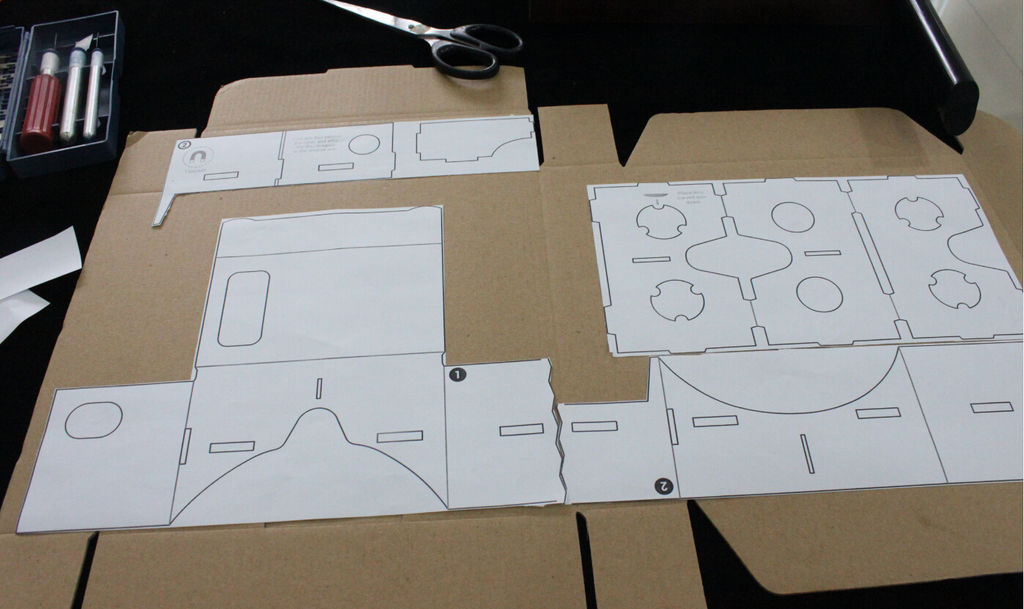
1. Print out the cardboard template by clicking on “Download the Kit” on the provided link. Apply some glue on the back of the template and paste it onto the cardboard with light numbers on top of the darker ones.
2. Now start cutting along the edges and fold the area marked by the red line.
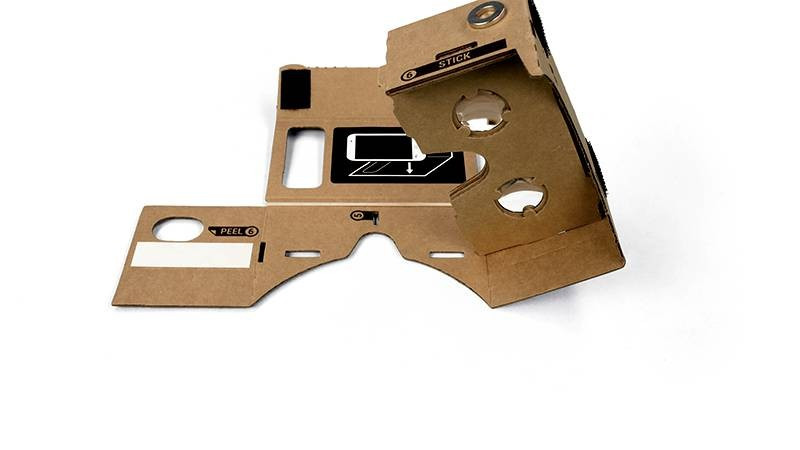
3. Once you are through with cutting the cardboard, place the lens in the curved area and magnet at the other side of the cardboard mentioned on the template. Glue the area that’s done and affix the Velcro strips where you’ll be slipping your phone.
4. If you have followed the steps mentioned above, your cardboard is almost ready.
5. Put your smartphone in the cardboard and tie a rubber band so that your phone doesn’t slip through.
6. One more thing left is the installation of Cardboard app from Google Play Store that provides you content to see through the hand-made Google Cardboard. Launch the app and click the desired category by sliding down the magnet, placed on the side. You can get back to the main menu just by holding your VR headset upright.
In case everything fails, you could order one online:
It seems to be the sale season in the tech world. Recently Motorola reduced the price of its line of smartphones, which has been followed by OnePlus (albeit not for India.) Now Xiaomi has announced that they’re following suit. That’s right, the Xiaomi Mi 4 will now be available for 4,000 rupees lesser. The price will now be Rs.19,999 instead of Rs. 23,999. Which is a substantial drop.
These companies are now getting ready to bring in their fresher 2015 line-up of devices. OnePlus will be launching the OnePlus Two soon, and the 3rd Gen of Motorola devices are also on their way. That brings up the question, which smartphone is Xiaomi planning on bringing to India now? The company is evidently clearing out stock to make room for another smartphone’s arrival. We’d vote for the Xiaomi Mi Note, the company’s current flagship.
Coming back to the Mi4. The smartphone known for its exemplary features and boasts a sleek look. Hence, fans will be happy to hear that the Mi 4, that too 64 GB, is going to be become even more affordable. The specifications includes Qualcomm Snapdragon 801 2.5 GHz, a 3GB RAM and 64GB Flash. The phone also possesses a 5″ IPS full HD display at 441 PPI. It has a battery life of 3080 mAh and includes quick charge 2.0 support. The phone lastly, boasts of a 13 MP rear camera and an 8 MP front camera (both with f/1.8 aperture)
If you’ve been planning to buy a new smartphone; now would be the best time.
In the world of technology, there is no space for redundancy. Technology is getting updated time after time since tech fanatics are always carving out the next great gadget. The major number of brains swell up for innovating and creating such devices. Gadgets are continuously upgraded and tweaked, but some do not turn out as planned.
We will see some of the weirdest patents filed by the biggest tech powerhouses today:
Nokia’s Vibrating Tattoos
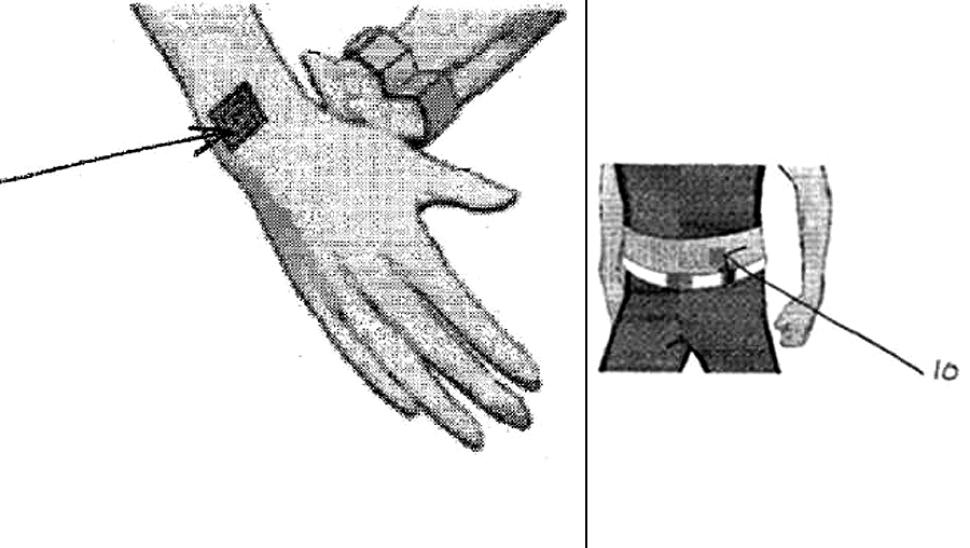
In 2011, Nokia signed a patent for the first vibrating tattoo. Yes, a vibrating tattoo that alerts users when their phone is ringing. According to the official patent, the apparatus would be able to detect a magnetic field and transfer a ‘percievable stimulus’ to alert its users about an incoming call, text ot dead battery.
But for some people, getting inked for the sake of technology was too much. People said the device plunges into a ‘creepy territory’. In an era of iPhones and Android devices, what would be the cost of unplugging a permanent tattoo?
Nokia never discussed anything about the tattoo including the potential health risks.
Google Background Advertising
Google, in 2012, signed a patent that would enable the search giant to base advertisements on background noise. According to the patents, Google would install sensors on handsets that would detect temperature, humidity, sound, light or air distribution near a device and ads would be served accordingly.
For example, if you are at the gym and make a call, Google will be able to catch the gym machinery in the background and then serve up adverts for home gym equipment. If it is 30 degrees or more outside, Google will throw in adverts for sun cream, air conditioning units or ice creams.
But it raised the question of privacy. People were not pleased with the idea of Google tracking down their location wherever they went. Although from the use and productivity aspect, this patent was quite useless.
Amazon Airbag
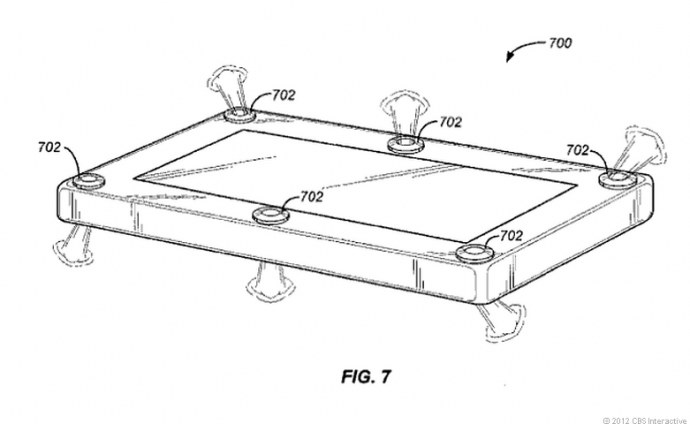
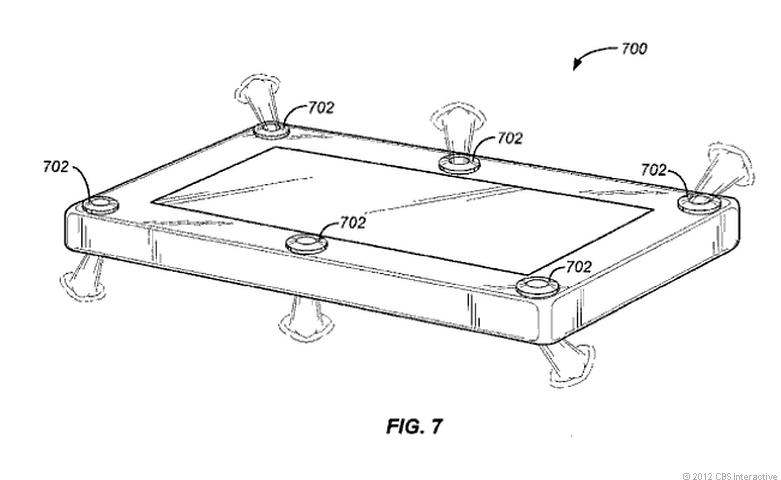
Amazon came up with this idea in 2012 for a protective system for mobile phones. The patent describes a system that utilizes a gadget’s built-in gyroscope, camera, accelerometers and other onboard sensors to decide if the device has entered an airborne state. If it has, the technology will release airbags to decrease potential damage – or possibly even alter the trajectory of its fall by firing jets of air.
But this idea gathered much criticism like ‘What’s next, smartphones with built-in parachutes? Or maybe handsets with wings and propellers?’ and ‘From a logistical point of view, the handset would have to be rather big to hide an airbag.’
There has been no track of progress regarding this airbag. Let’s wait and find out!
Microsoft Remote Control Charging Patent
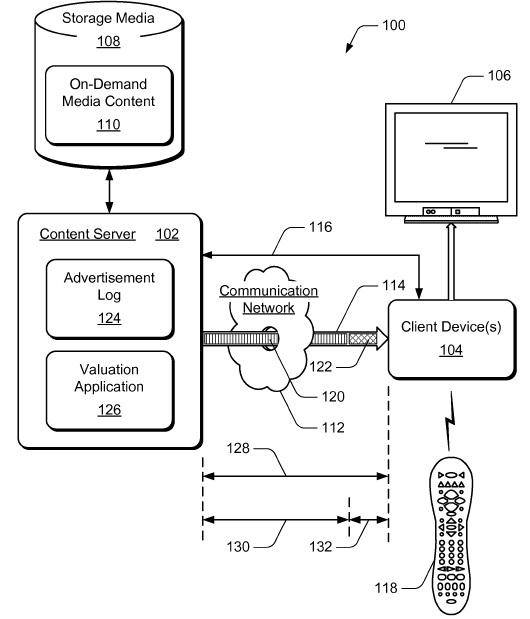
Imagine a situation where you have to pay more for skipping an ad while watching a movie or watching a sporting event and you have to pay extra for accessing the replay. Luckily, this patent did not fly off as imagined by Microsoft when they filed this patent back in 2004. This wasn’t very welcomed by the masses because these charges would be on top of the base price as a way to boost up profits.
Apple Air Jet Keyboard Patent
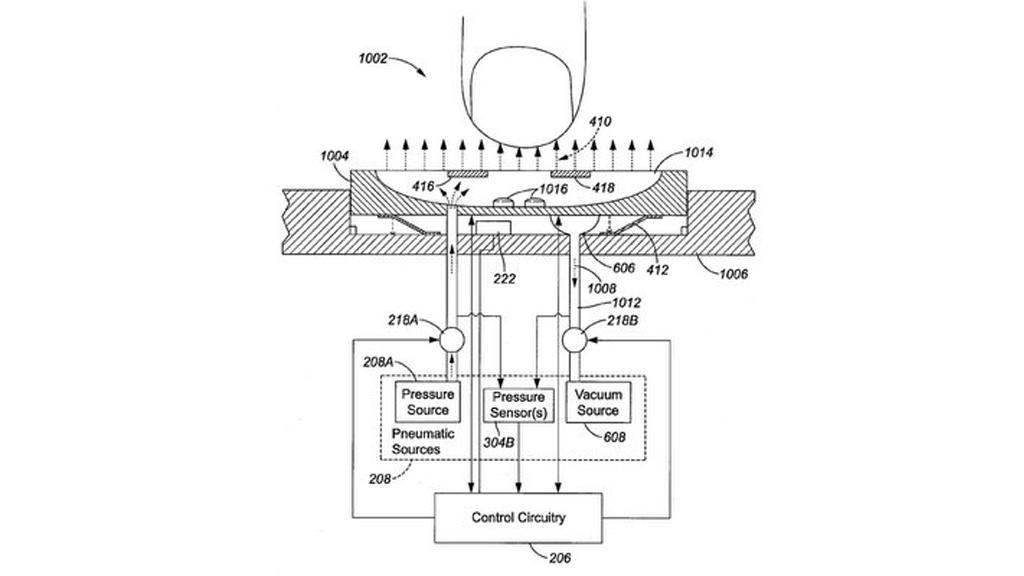
It isn’t too hard to imagine a flat keyboard without keys- we don’t really look at our fingers when we type, ourselves. But, it’s still a little hard to imagine actually using one. In 2011, Apple patented a unique keyboard design that uses micro-perforations to shoot air at the user’s fingers upon touch, giving tactile feedback to whoever is. One of the biggest objections about virtual keyboards is the lack of tactile feedback, making it much laborious to touch-type at any speed, with much accuracy.
Despite being a young player, Xiaomi has become a brand that needs no introduction. The reason is that it sets a reasonable price for its dependable and feature-rich products. People all over the world are eager to get their hands on Xiaomi products, but only some nations have been able to get hold of its exciting offerings.
We have curated a list of devices that are available in Xiaomi’s home ground, but are yet to arrive in India. Here are the 5 devices most-desired products by Xiaomi, we can’t wait to get our hands on:
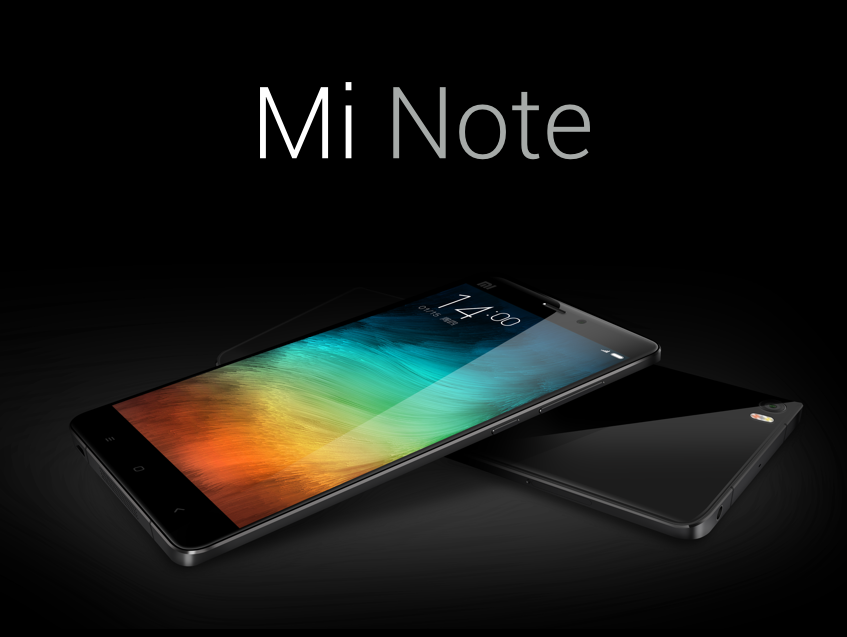
Mi Note
Launched mid-January, Xiaomi Mi Note is one device that challenges the likes of Apple, Samsung and OnePlus. The device flaunts a 5.7-inch 1080p display with Snapdragon 801 processor and 3GB RAM. The phablet will be available in 16 and 32 GB variants. The phone runs on Android 4.4 KitKat with MIUI 6 on top. It sports a 13MP primary camera with Optical Image Stabilization (OIS) and a 4MP front-facing selfie camera. Powering the phone is a 3000mAh battery, which is sufficient enough to power the device for one full day. The Mi Note retails for 2,299RMB, which is about $371 or Rs. 22,893.
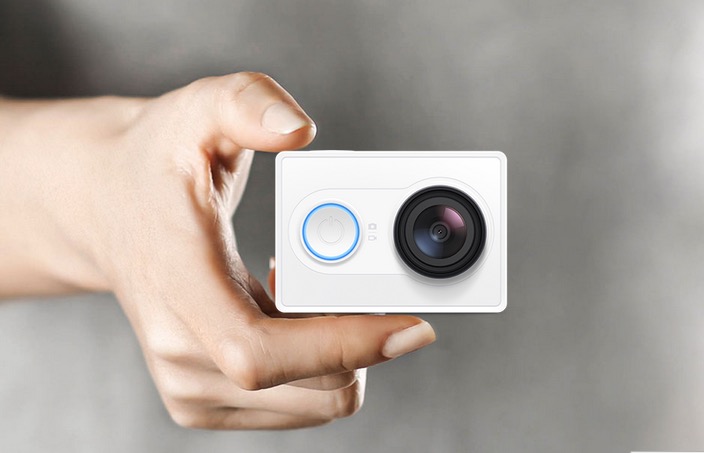
Yi Action Camera
Unveiled at Mobile World Congress (MWC) 2015, the Xiaomi-manufactured Yi Action camera is a device taking the Chinese brand into a new arena, ruled by GoPro. The camera priced at CNY 399 (approximately Rs. 3,900) holds 16MP camera with Sony’s Exmor R BSI CMOS image sensor that records a video at 1080p (60fps). Weighing a mere 72 grams, Yi Action waterproof camera holds a storage capacity of 64GB.
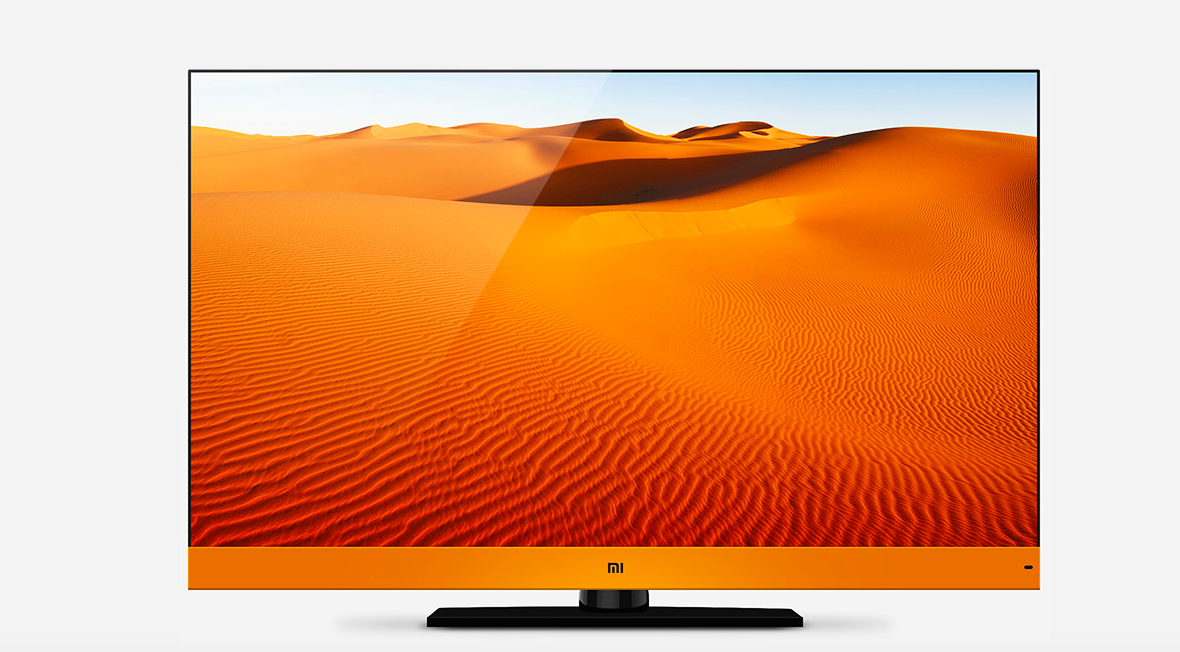
Mi TV
A series of Mi TVs have been launched by Xioami in the international market. The 47-inch 3D Mi TV is virtually frameless with 8.4mm frame and features a 1920x1080p Full HD display. Inside the TV is Qualcomm’s Snapdragon 600 quad-core 1.7G processor, an Adreno 320 GPU, 2GB DDR3 of memory and 8GB of storage. Users can connect their gaming controller and headphones via Bluetooth 4.0 to their television sets. Along with that, Xiaomi’s TV supports Dolby Stereo and DTS.
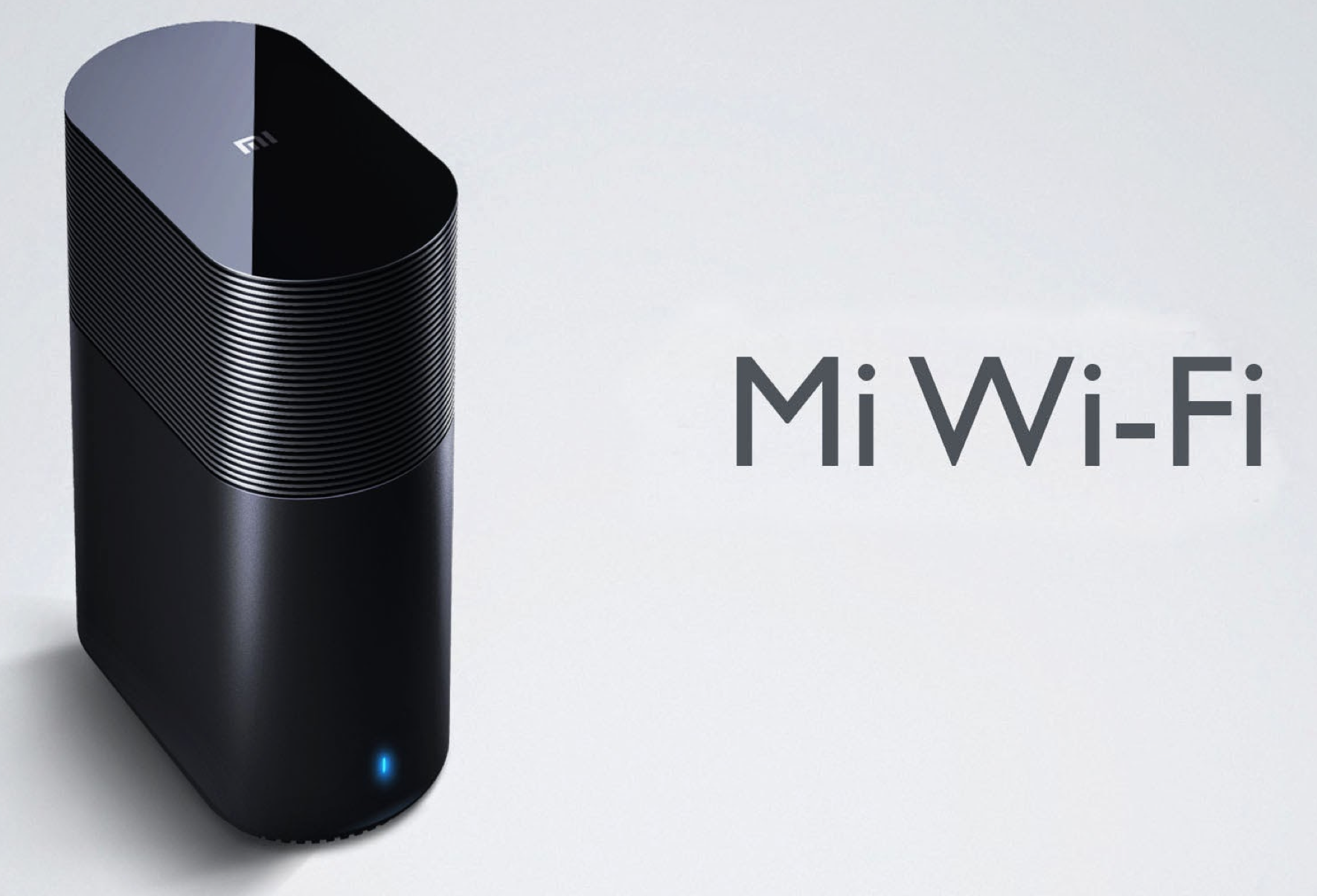
Mi Wi-Fi 6TB Router
Firming foothold deep into the consumer electronics market, Xiaomi recently launched a new Wi-Fi router that offers high-speed connectivity and is claimed to improve 2.4G performance by 100 percent and 5G connectivity by 30 percent. The device holds a 1.4GHz Broadcom 4709c dual-core chipset and 512MB flash memory along with offering 6TB hard drive for content storage. The 6TB Mi Wi-Fi will cost 2,999 Yuan (approx. Rs. 30,800). Xiaomi also introduced Mi Wi-Fi Amplifier along with Mi Wi-Fi. When the Amplifier is plugged into the router, it expands the Wi-Fi range without any hassle of wires. The Mi Wi-Fi Amplifier is priced at 39 Yuan (somewhere Rs. 400).
Yi Smart Webcam
Yi Ants Smart Webcam, is a multi-purpose camera that works as a webcam for chatting as well as security camera with recording capabilities. With 111 degrees wide-angle lens and 4x zoom, the Yi Smart Webcam offers a resolution of 720p and allows users to make two-way voice calls. Xiaomi has also launched a night vision edition, which can record even in the dark with 940mm infrared sensor. It is priced at 149 RMB, which translates to Rs 1,532 (approx.)
It all started last year in July when Xiaomi entered the Indian market with a bang. Our country was happily surprised when the Chinese tech company decided to launch the Mi 3, priced at a mere Rs. 13,999. It was the first time, potential Indian buyers were asked to pre-register and patiently wait at a particular time and e-commerce website, to try and buy a smartphone. Flash sales by Xiaomi caused such an uproar that even Flipkart was unable to cope with the traffic. Xiaomi brought the smartphone in small stocks, which only helped increase the enthusiasm of the Indian market to get their hands on the device.
This wildly successful (and frustrating) practice has since been adopted by Asus, Yu, Honor, Micromax and many more companies. The latest one to join in the flash sale madness is Coolpad.
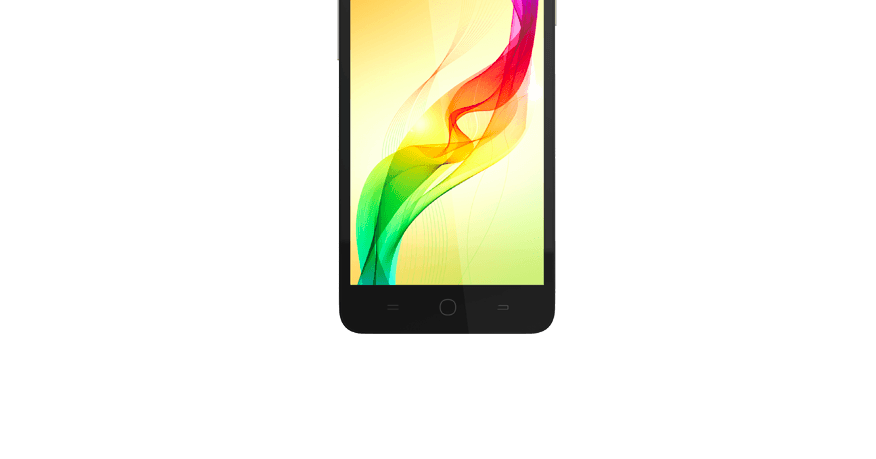
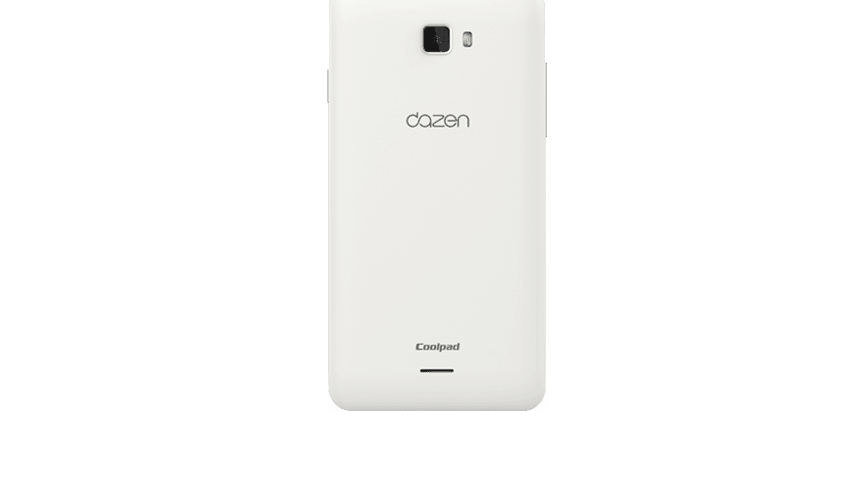
Chinese manufacturer Coolpad had announced that it will be bringing in the Dazen 1, a week back, and it went on sale today at 12pm on Snapdeal. The company claimed that the smartphone had already received over 1 lakh registrations since the window opened.
Keeping up with the trend, this smartphone also comes with high specs at a low price. As a direct competition to Xiaomi Redmi 2, Yu Yuphoria and Moto E Gen 2, the Dazen 1 has been priced at a mere Rs. 6,999.
Specs-wise, the smartphone stocks a 1.2GHz quad-core Qualcomm Snapdragon processor coupled with 2GB of RAM along with 8GB of built –in storage, which is expandable upto 32GB via a microSD card. The LTE capable phone comes with a 8MP rear camera, and a 5MP front camera. The Dazen 1 is powered by a 2,500mAh battery.
While there were 1 lakh people eagerly waiting to add a device in their digital cart, the company put out only 10,000 pieces on sale. We wish these companies soon realise that week after week, impressing an audience with the news that their “stock was sold out in seconds” will get old. While it may create a temporary hype, potential buyers would rather go for a device which wasn’t using an old marketing gimmick to persuade them.
The annual Worldwide Developers Conference begins tonight at 10.30PM IST, with a special event hosted by Apple. Every year, the company hosts the event in the first week of June, to unveil major changes in software and relatively minor hardware upgrades. While the iPhone launches are slated for later in the year, the company uses this event as an opportunity to announce the upgrades they’ve made to their various software offerings. Last year, Apple introduced us to the iOS 8,OS X Yosemite and a range of continuity features. This year, we expect them to announce iOS 9, a revamped music service and something more. Having tracked Apple’s movements closely, we’re wondering if we’re in for a surprise iPod announcement.
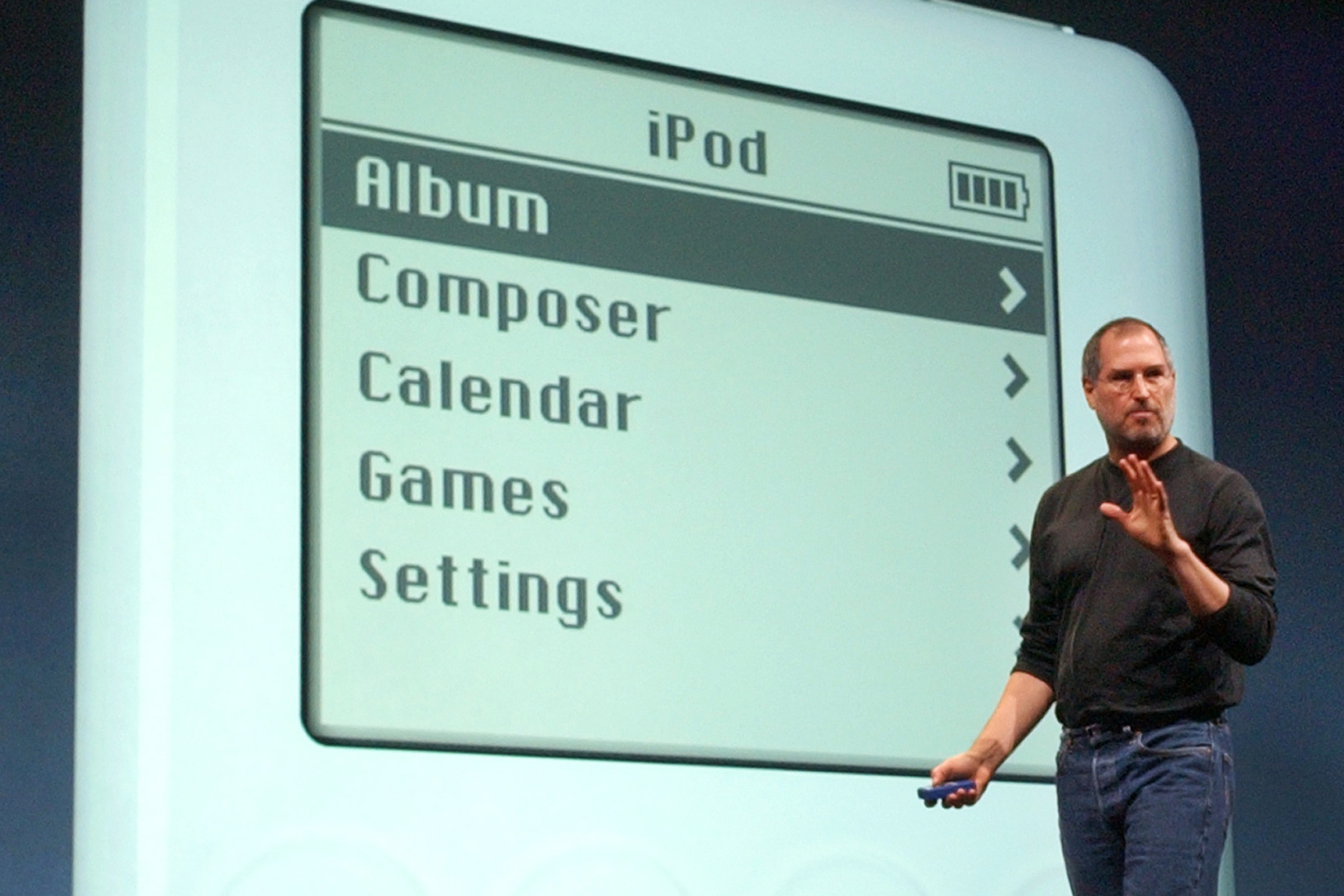
The Apple iPod, when it was first introduced by Steve Jobs in 2001, single-handedly took over the online music industry, subsequently killing the MP3 CD movement. A music device, which could hold a 1000 songs and portable, was unheard of at the time. Much like the iPhone, it was a game-changer in its own field.
Apple Computer Inc. chief executive Steve Jobs gestures as he introduces the new iPod during Apple’s launch of their new online “Music Store” in San Francisco, Monday, April 28, 2003. (AP Photo)
Since our smartphones are now compact devices that have been designed to cater to our every need (including music), the spotlight on the iPod has faded. Apple continues to retail the iPod Touch, iPod Nano and iPod Shuffle, however, the last time the Cupertino-based tech giant announced an iPod was back in 2012. The 5th Generation iPod arrived the same year iPhone 5 did. In the past three years, the company has advanced by leaps and bounds, to say the least. We’re now impatiently waiting on the next iteration to arrive.
The 5th generation Apple iPod Touch comes in 16GB, 32GB and 64GB variants, with a 4-inch retina display. The device comes with a 5MP iSight Camera and a 1.2MP FaceTime camera.
Evidently, Apple currently has an empty canvas to paint on. There is a buzz that the 6th generation iPod will be made available in two sizes – a choice between a 4.7-inch and a 5.5-inch display. The multimedia device would come with iOS 9, out of the box; and may even come with the Apple Pay feature. There is also a high possibility we will see more action from Apple’s go-to ingredients such as USB Type-C, Force Touch and their ever-favourite, Finger-Print Scanner.
According to the rumour mill, the sixth-generation iPod is expected to arrive until later this year, along with the iPhone 6s. However we suspect otherwise; although tonight’s conference focuses on developers, Apple is known to make surprise hardware announcements. While the company is yet to confirm the details, we think it’s about time that Apple unveils another consolidated entertainment device. One with an endless battery life and a massive storage capacity.