Smartphone News and Reviews, Latest Cellphones, Accessories, New Launches, Specifications, Details with Image and Video from Apple, Samsung, Lenovo, Moto, HTC, Xiaomi, Oneplus, Meizu, Sony, Lava, Micromax Yu Mobile and More.
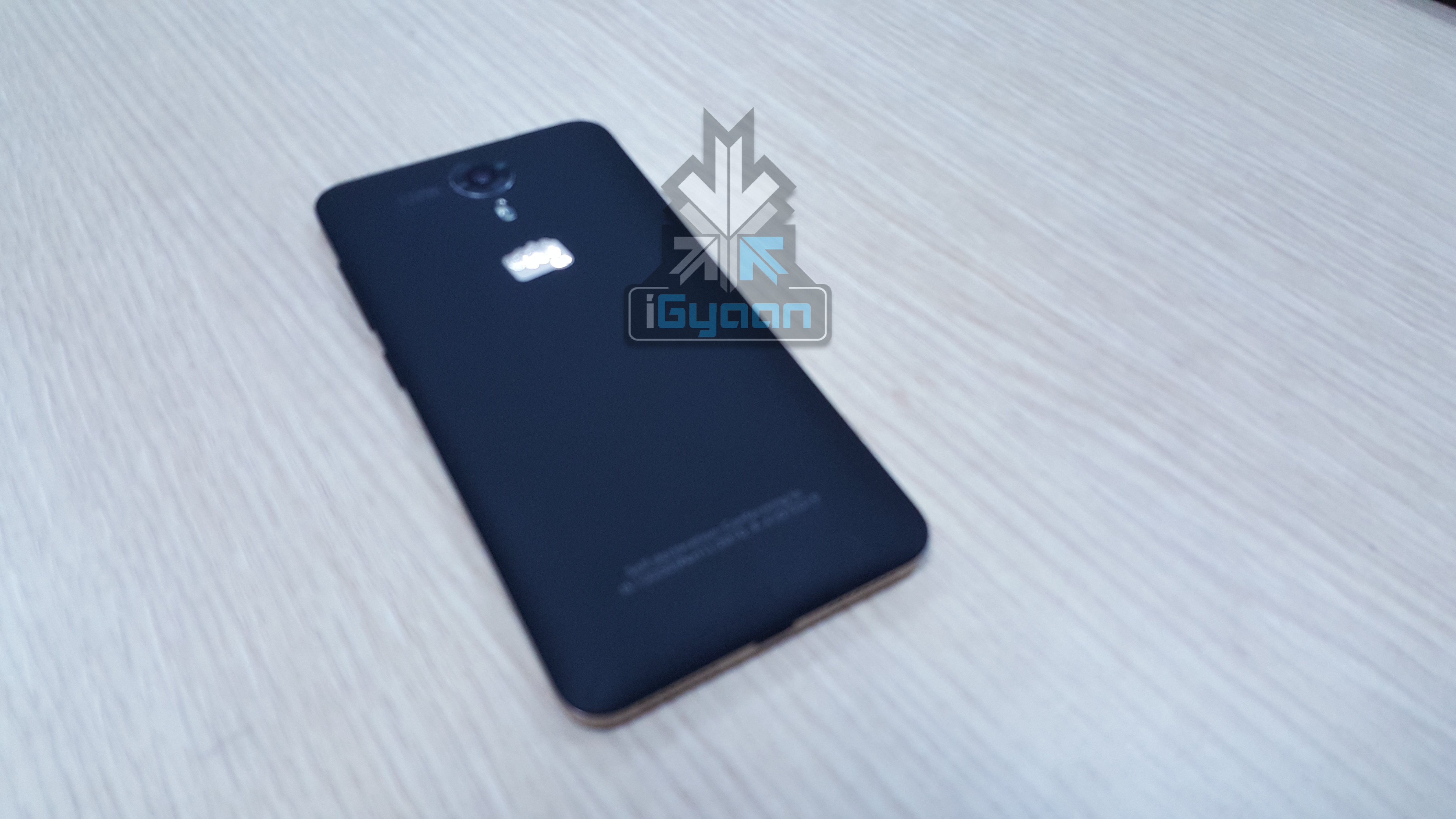
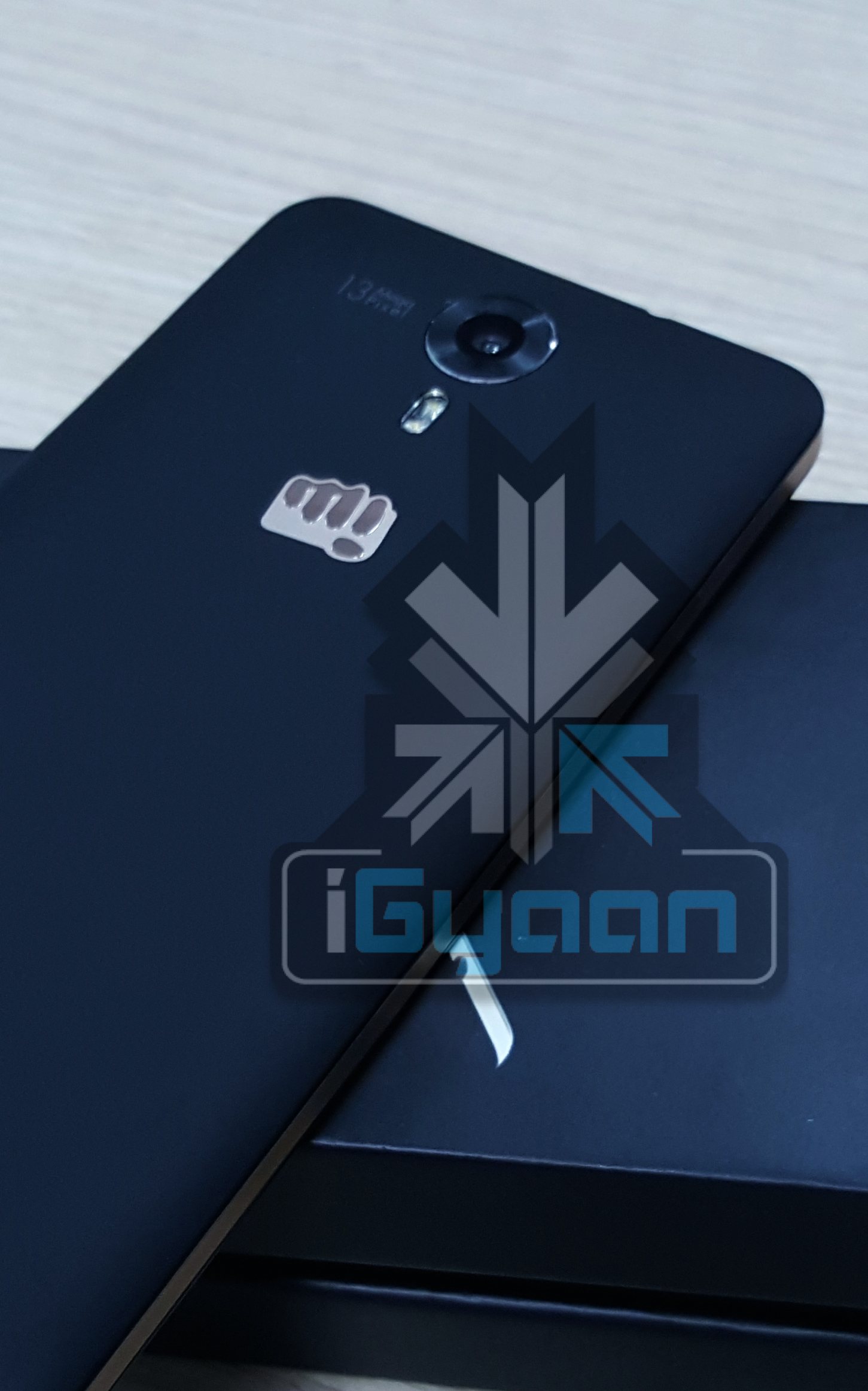
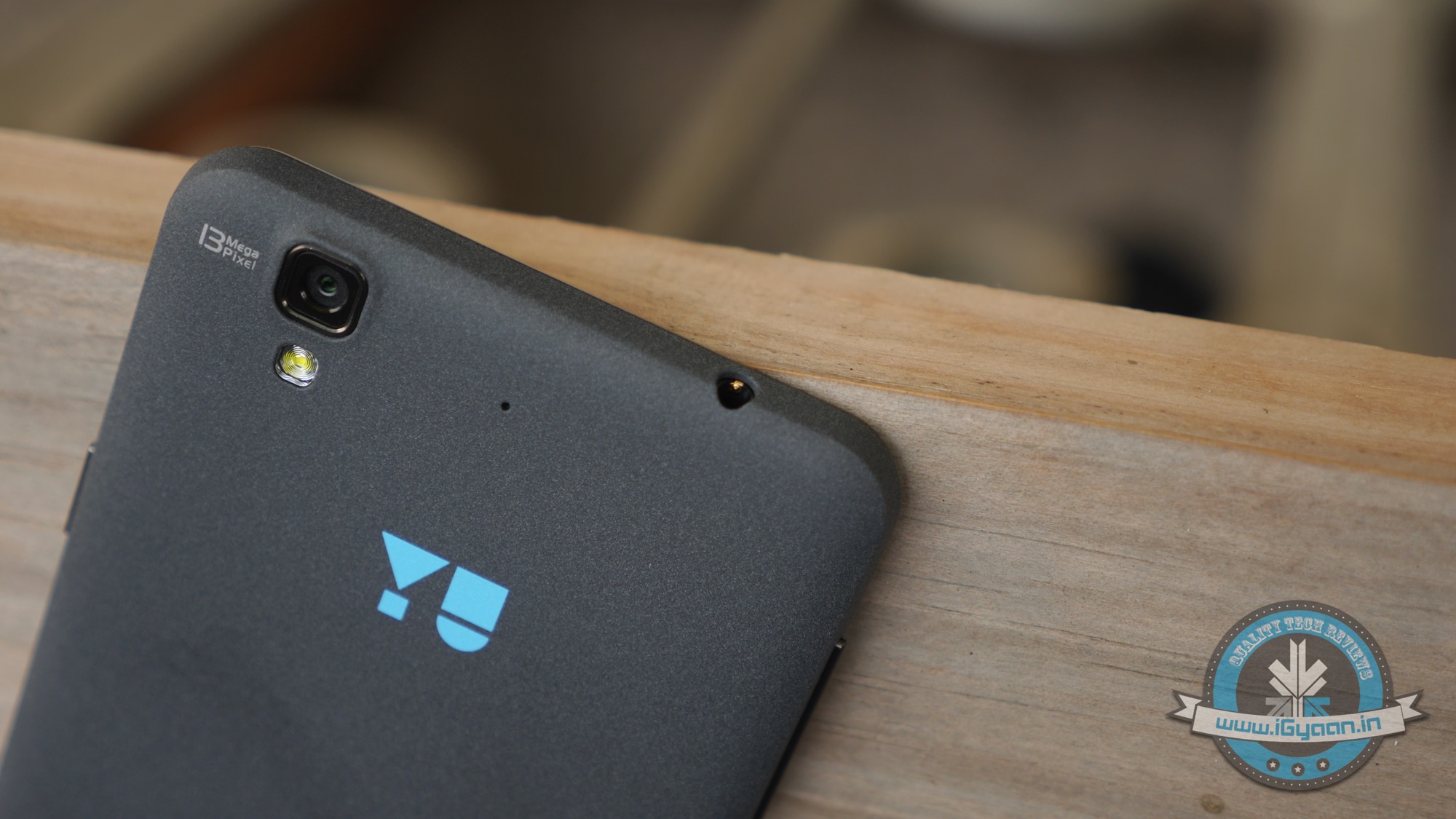
If our source is to be believed, this is Micromax’s next big thing. However it is going to be an ultra budget device. Details are sketchy at the moment, however it appears to have a black and gold design with a metal frame. The phone is expected to be below the 10k price bracket considering their own Yureka sells for Rs. 8,999.
The second image illustrates the device slightly better and also shows off the 13MP rear camera. The Micromax logo appears to be in a gold colour as well. The rear appears to have a rubberised back cover. Our source (who refuses to be named) also tells us that the device will be a Snapdragon 615 handset and may possibly run Cyanogen OS.
We know that this device will be competitively priced and may be sold through an online exclusive partner. The details of RAM, storage and display etc. are presently unknown. We are trying to get more information or at least a name for the handset. The leaked smartphone is expected to launch soon, however, all this must be taken with a pinch of salt. It is just as likely that this could be a prototype or a test device.
Micromax officially declined to comment on the same.
This news hardly comes as a surprise. India has fast held second place in the list ranking the countries of the world by the number of mobile phones in use (China is on top). A report released by COAI, stated the all India GSM cellular subscriber figures for the month of June 2014 and the figures were very grand for the fast developing country that we live in today.
As per the report, that included Telecoms like Airtel, Idea, Vodafone etc. We were at 720 million till December. Once they added other GSM subscribers in June, the figure stood at a whooping 932 million.
The most recent report submitted by TRAI on 10th April states that India has 960 million mobile subscribers.
Therefore, seven months into 2015, and a quick calculation using the growth rate, it’s easy to conclude that atleast 1 billion people out of a population of 1.2 billion, possess mobile phones. That’s almost the whole of India.
As the population increases and as we go into various technological developments, mobile phone usage will also increase. We see everyone from three year old toddlers, grandparents and even people living in remote villages, with a phone today. It’s surprising that we hadn’t crossed the 1 billion mark, already.
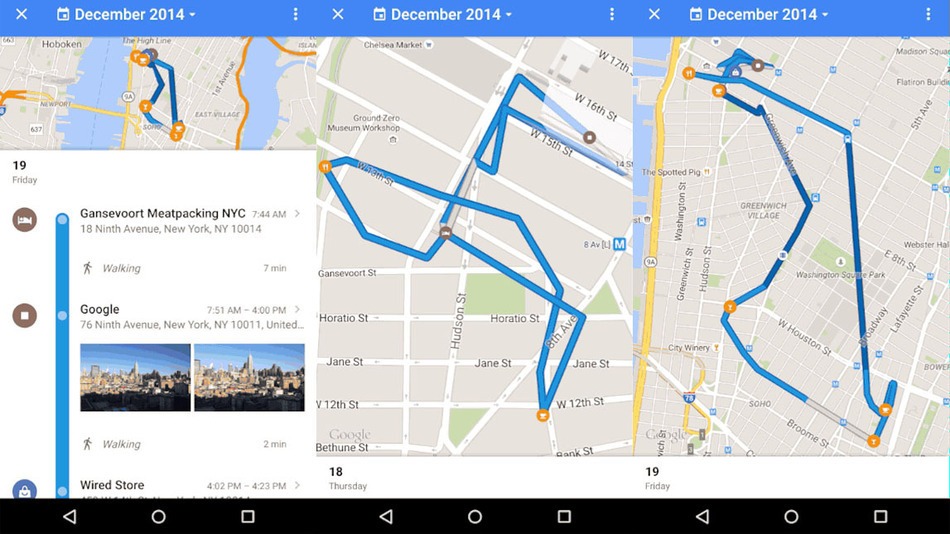
One of the features of the modern day lifestyle is the GPS tracking devices on our Android or iOS phones and laptops, with the most famous tracking app being, Google Maps. We all know how this works regardless of whether we own a smartphone or not. Google Maps already knows your location so you just have to add your destination address and voila, it shows you the way.
Image Source: Mashable
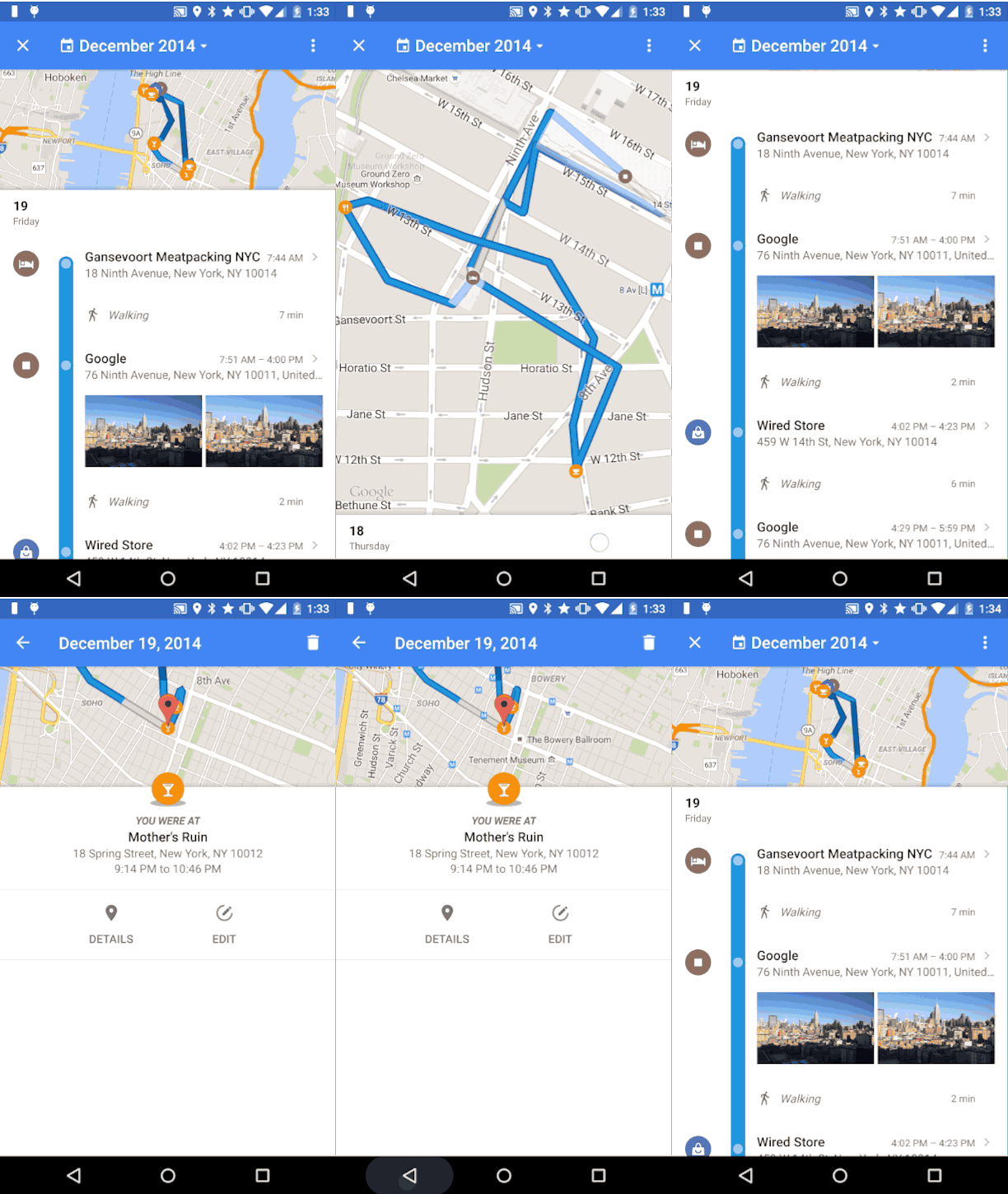
This app is usually helpful, but there are times when Google Maps either takes you to some remote location or you forget which road to take etc. Although, Google Maps previously did have a location history setting, now, it has come out with a new feature called Your Timeline.
The new Timeline is curated in a more efficient way than the location history and allows you to rename a location or remove a location and allows you to check where you were at any given time.The location history of the Timeline is private and can be deleted by the user from the settings menu. The new feature also allows you to control your account settings if you don’t want Google to track your location history.
The new Your Timeline feature is soon to be out for desktop users too.
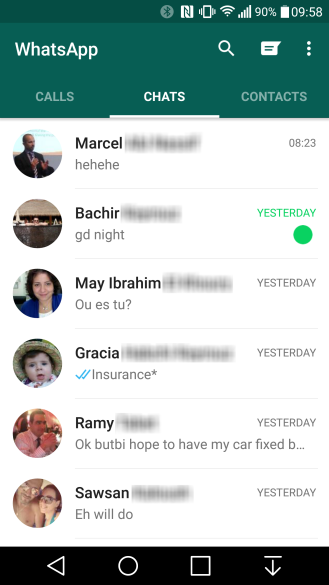
Few months back, WhatsApp announced a much talked about ‘calling’ update, and just recently it announced another update that enables you to mark a conversation as unread. To activate the updated feature you have to tap and hold the conversation you wish to respond to later. This doesn’t change the status of the conversation if you have already read it, rather, it acts as a reminder for a conversation you didn’t have the time to respond to immediately, and in the process, avoids many a conflict that has been caused by the little blue tick marks.
Image Source: AndroidPolice
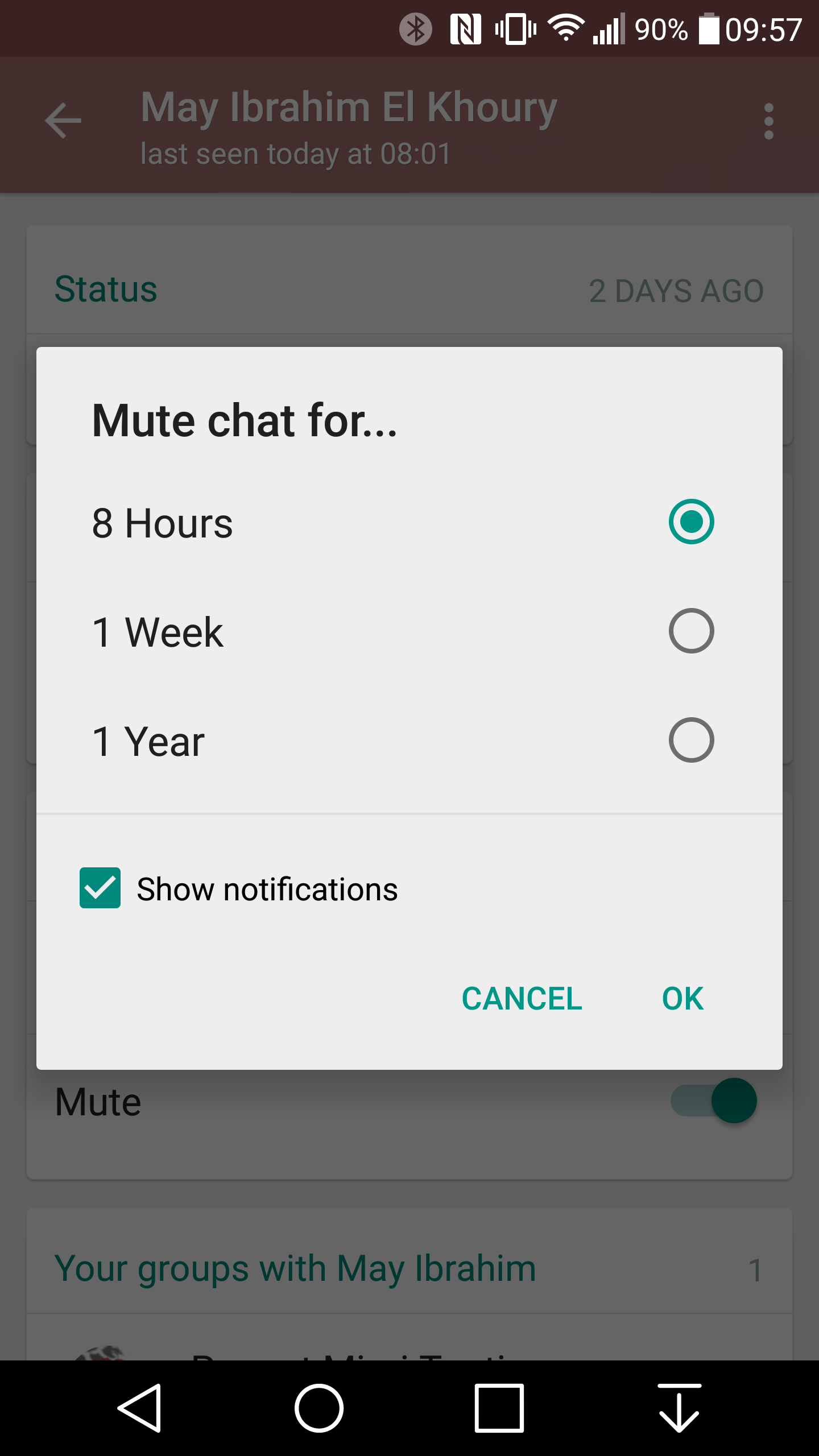
Apart from this WhatsApp has made itself very efficient by introducing other updates such as the low data usage feature for voice calls, useful when you’re on a limited or slow data plan and the ‘mute’ button on the customized settings options. This feature enables you to mute a group conversation for up to a full year! One can also customize settings for specific tone, vibration length, light, popup notification, as well as the call ringtone and vibration.
With multiple updates and new features it seems like WhatsApp is here to stay, at least till the near future.
Mobile phones have become an extended appendage to our bodies. Today though, with the stable establishment of the Smartphone, our lifestyle and etiquette has entirely changed. We embraced this change of modernity without much resistance, although it doesn’t hurt to wonder what it would have been like otherwise.
The Word ‘Selfie’ Would Not Be a Part of the Dictionary
The still trending culture of the ‘selfie‘ would be non-existent and one would have to learn how to perfect the art of holding one’s digital camera awkwardly. It helps that the new smartphones now come with a good front camera with up to 8MP HD clarity.
We Would be Rolling Down Our Car Window to Ask for Directions
Shopkeepers and road signs or even a REAL map would show us the way instead of the GPS or Google Map.
Image Source: Raising Gentlemen
Our Pictures Would Have #NoFilter
Instagram has nothing less than a cult following since its introduction. The App allows people to publish their photographs and has by far, the most aesthetic editing options that any photo editing app could offer. Although saying that it revolutionized picture quality and the art of photography would be going too far.
Source : Emarketing Blog
No Video Chats On-the-Go
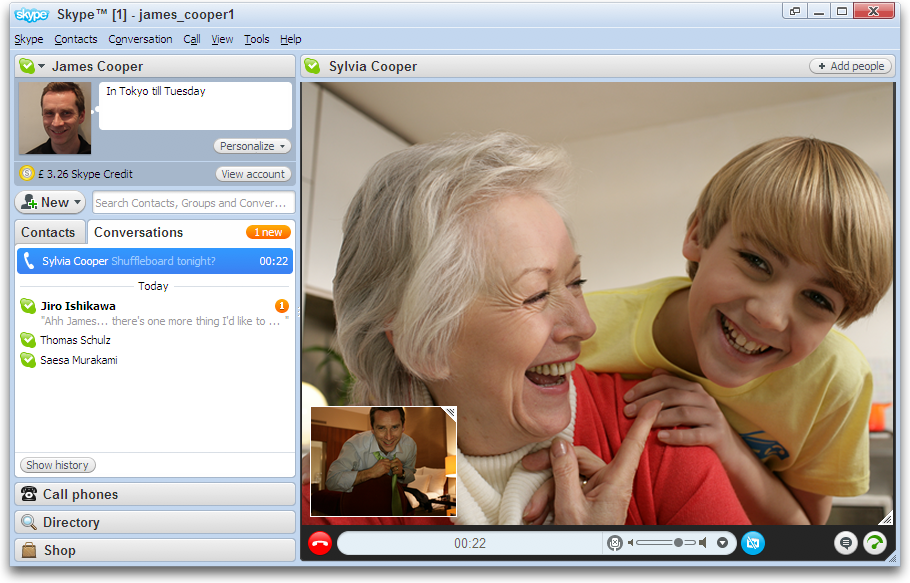
At one point Skype was the only means to video chat across the world. It seemed like a revolutionary idea until the advent of the smartphone and along with it multiple video chatting apps such as FaceTime, Viber etc.
Remember SMS?
Two of the most popular apps for informal communication have changed the world of text messaging. Now we barely ever fill up our texting balance because we would rather use the Wi-fi to text, call, send jpeg images, voice notes etc.
Source : Mashable
We’d Still be Buying Cookbooks, Dictionaries, and Books in General
With the introduction of reading apps like Kindle, Aldiko Book Reader, Cool Reader etc. we have almost stopped opening Dictionaries, Cook Books and buying special edition magazines and novels. The reading app has become so much a part of our culture that Sunday morning Church services also involve the congregation taking out their mobile phones instead of The Bible. The mantra being, ‘less is more’.
Downloading and Storing Music
Today music enthusiasts don’t need to go to Music Stores in order to buy their favourite albums. In fact they don’t even need to buy an MP3 player or even the life changing iPod. All one needs to do is own a smartphone with apps such as SoundCloud, Apple Music, Spotify etc and you have it all in tow.
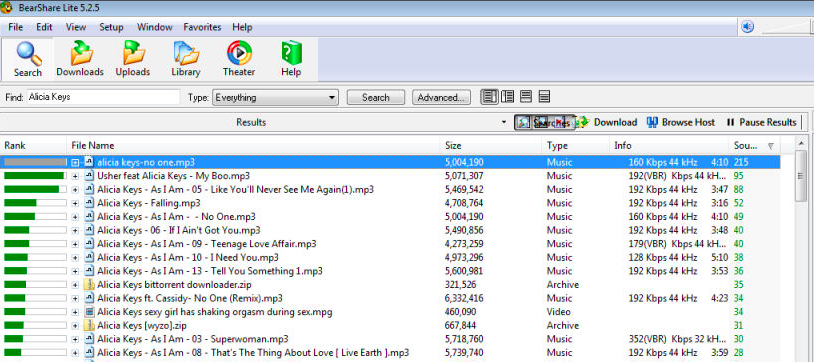
We should also be thankful that we’re no longer downloading music (along with a hundred viruses) from Limewire or Bearshare.
Candy Crush and Angry Birds Probably Wouldn’t Exist
Long ago in the 90s, if we wanted to play computer games we would have to go to the gaming parlours to experience the ultimate fun of gaming. Even when the feature Nokia mobile phone arrived the only game they had was called Snakes and it was joyous!
Arguments Wouldn’t Be Resolved Until Someone Located a PC/Laptop
Initially internet access would only be available to computer users and those who did not own one would have to visit Cyber Cafes. The feature phone too did not have a Wifi or data connection option and therefore the Cyber Cafés and computer business thrived. But with the coming of the smartphone and all its internet options most people now choose to buy a smartphone which has all the functions of a laptop or PC and have internet access on the go.
Without our smartphones, everytime anyone got into an argument, it wouldn’t be resolved till someone located a PC/Laptop.
To-Do Lists
The emergence of reminder apps have alone perhaps dropped the sales of efficient and creative stationary like sticky notes, labels, notebook fridge magnets etc.
In conclusion, a world without the smartphone would still be beautiful but perhaps won’t be able to keep up with the notoriously infamous ‘fast-paced modern’ lifestyle.
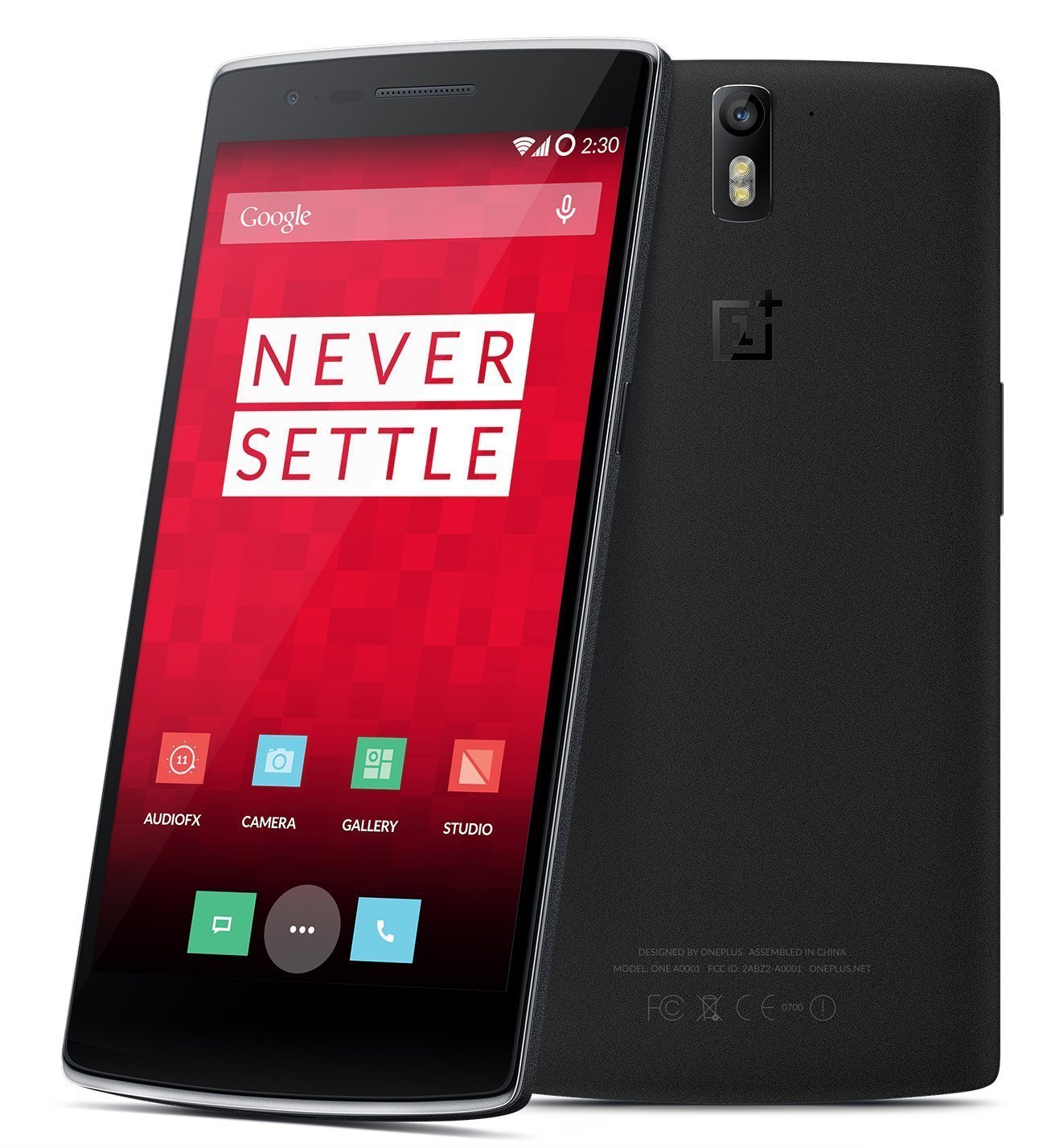
OnePlus, a modern age gift from China, had come out with its new Smartphone OnePlus One in April 2014. It launched itself in India exclusively via Amazon, with all transactions being carried out online. And even though it has been the shining star of 2014, it continues to strive towards bettering its marketing capacity and widening its horizon, especially in the Indian market where it has thrived.
A week before the release of its upcoming model OnePlus 2, it announces the launch of 9 offline customer care services around India. Partnering with Regeneris, a global provider of diagnostics and repair services to top brands in the consumer electronics industry, they aim to reach people all over the country offline. The customer care centres will be located in Bangalore, Chennai, Cochin, Hyderabad, Pune, Mumbai, New Delhi and Kolkata.
The OnePlus Two releases on the 27th of July 2015, worldwide, with the latest android version, longer battery life, a 16MP camera with 5MP front camera, dual sim, a full HD display and other features enhanced from the first model OnePlus One.
The OnePlus goal according to Founder Pete Lau was to design a smartphone that would balance high-end quality with a lower price than other phones in its class. Lau explains that that they will never be different just for the sake of being different and that everything done had to improve the actual user experience in day-to-day use.
By introducing 9 offline customer care services in India, they actually might be true to their goal of improving the day-to-day experience of the daily user.
For more details on the new 9 offline customer care centres in India, click here.
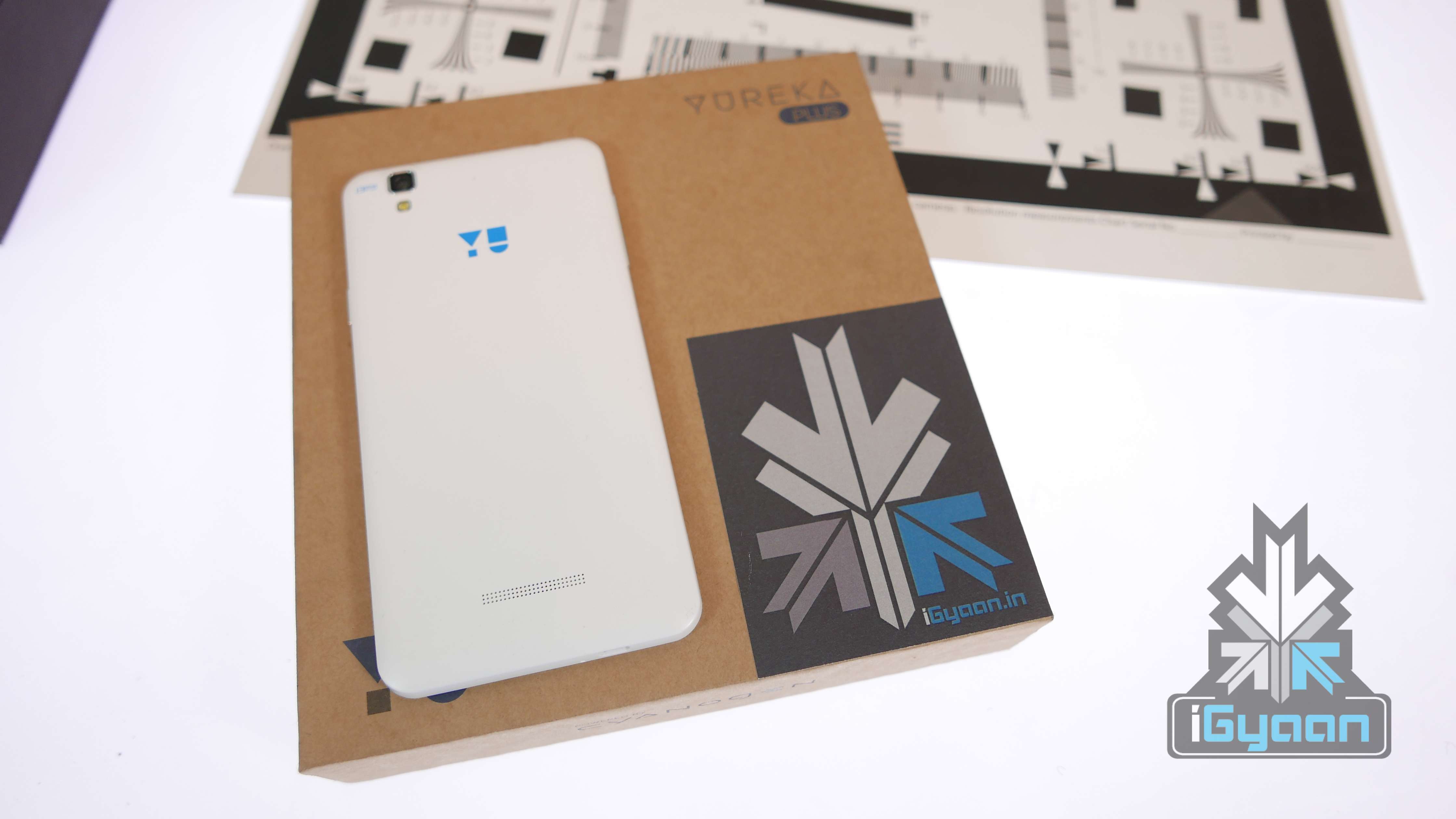
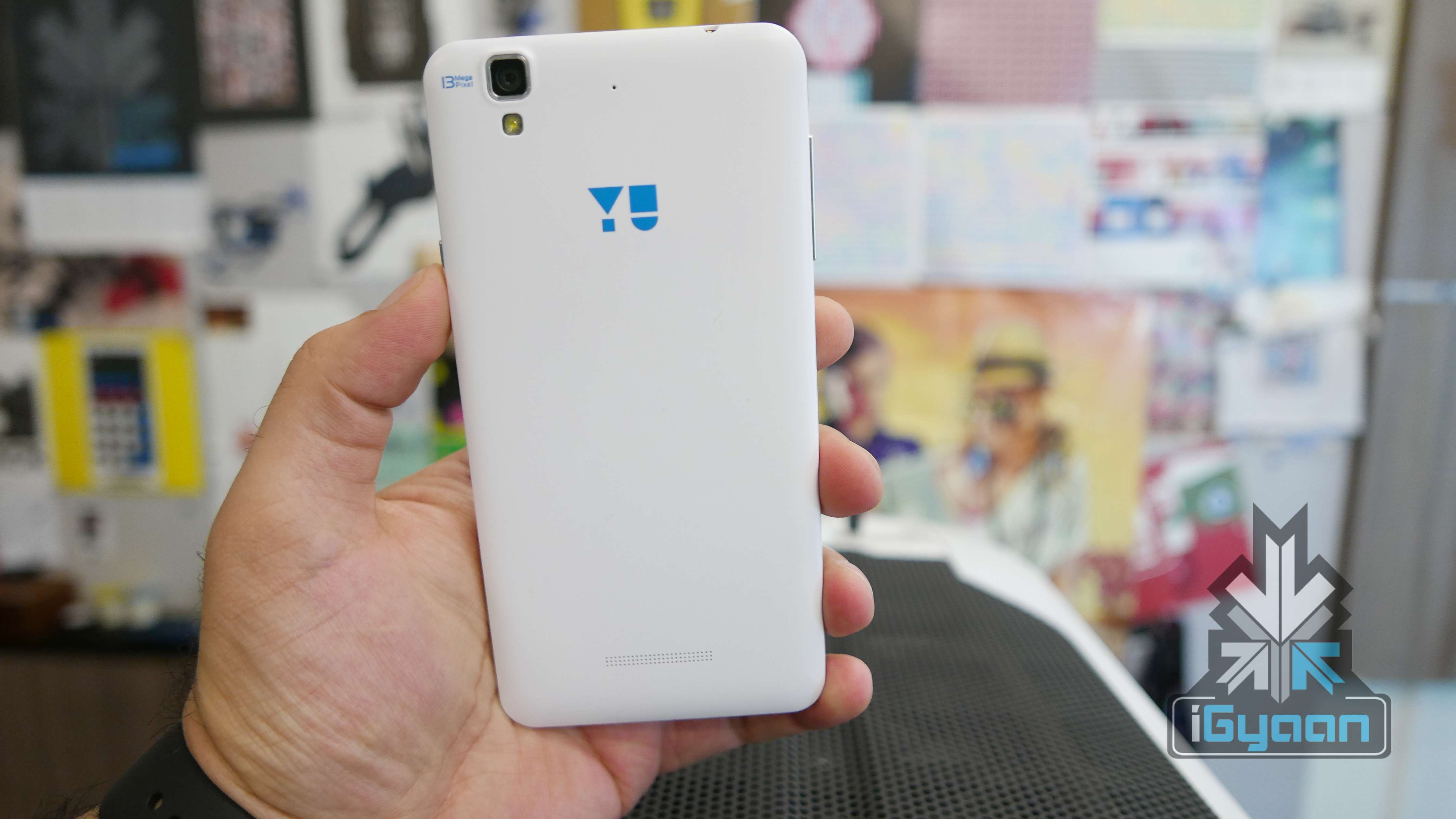
Micromax-owned Yu Televentures has just launched the new Yu Yureka Plus. Aesthetically the Yureka Plus is quite identical to the original Yureka. However, there are few changes which may be oblivious to the eye, and one change which is majorly apparent.
Alabaster White
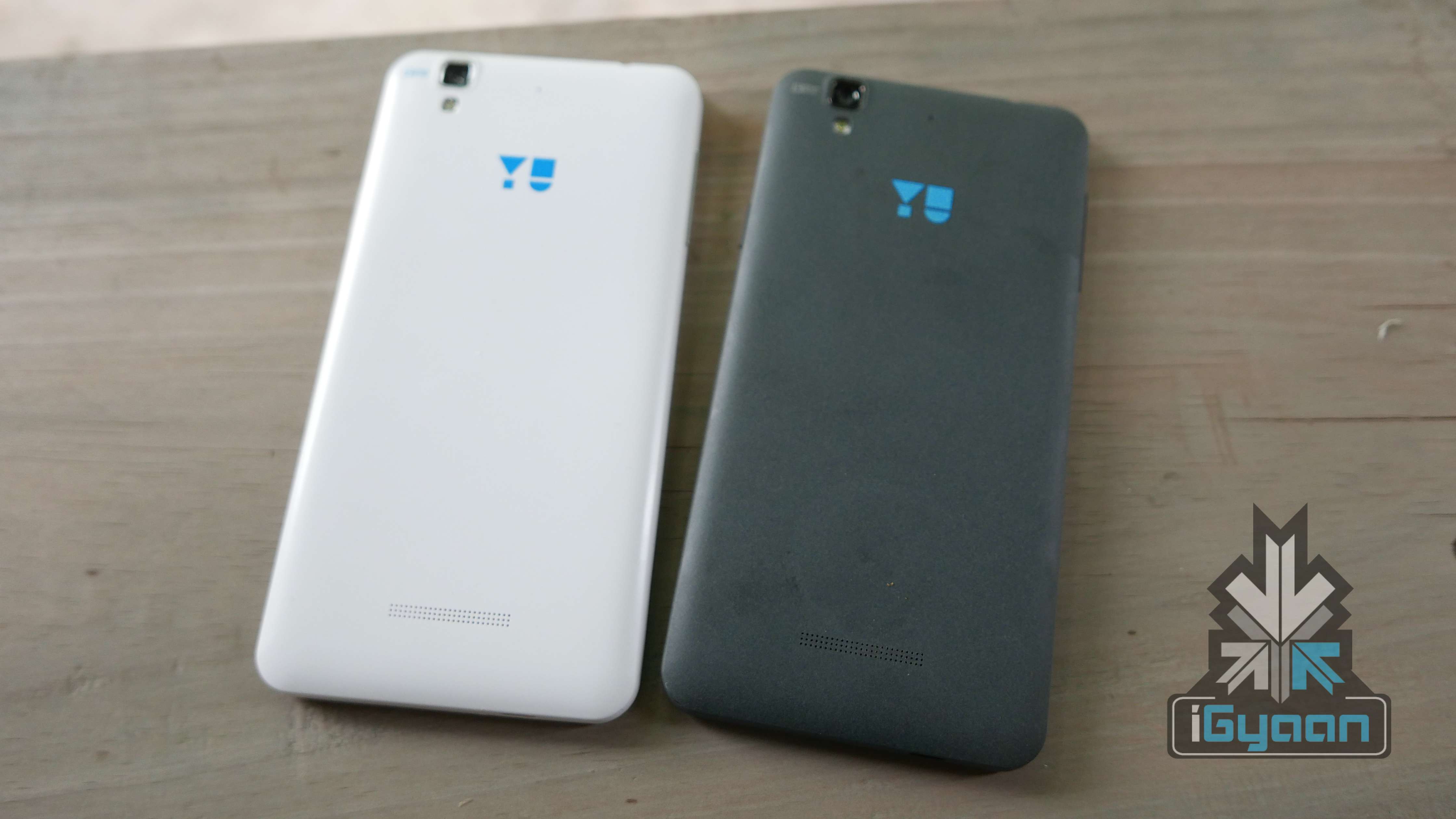
The alabaster white colour, reminds us of the the remaining out of the two colours that Oneplus One launched with (Silk White and Sandstone), since moonstone grey took care of the rest.
Hardware Specs
Yu Yureka Plus
Display
5.5-inch FHD Gorilla Glass 3
Resolution
1920 x 1080px 400ppi
Chipset
Qualcomm Snapdragon 615
Processor
1.5GHz Octacore | 64 Bit
GPU
Adreno 405
RAM
2GB
Primary Camera
13MP Sony Sensor
Front Camera
5MP
Video Recoding
1080p Full HD
Storage
16GB
Expandable Up to
32 GB
Battery
2,500 mAh
Operating System
Android 5.1 Lollipop with Cyanogen 12
Bluetooth
4.0
Price
Rs. 9,999
Alabaster White and Moonstone Grey
The Yu Yureka Plus comes with similar things inside the box – a Handset, Charger, Earphones, USB Cable and Documentation. Specs wise, the Yu Yureka Plus gets a FHD display with Gorilla Glass 3 in the same 5.5 inch size making the pixel density reach 400ppi. New improved camera sensors from Sony will improve picture quality drastically, and a new improved chassis is said to be more resilient. The smartphone is up for registrations on Amazon.
December of 2014 was when Micromax formed and launched their fork called Yu Televentures. The online sale company, is designed completely to take on the likes of Xiaomi and OnePlus. The company had great ambition and a unique business model. It brought in the best of Xiaomi and OnePlus to the Indian masses for a budget.
The first device, the Yureka, was a huge success for the company and a great product to launch with. At their most recent launch, Rahul Sharma, CEO Yu Televentures, revealed his plans for the company and launched the Yuphoria along with several other devices. This included the recently launched YuFit Fitness band.
Alabaster White and Moonstone Grey
Today the company has announced the Yu Yureka Plus, priced at Rs. 9,999. Do not be confused by the name, the handset is not larger than the previous Yureka, nor is it bumped up in specs. It does have some minor, yet significant, upgrades. The Yureka Plus comes with a 1920x1080px display vs the 720px on the original Yureka. The Plus version also gets the Corning Gorilla Glass 3 protection layer added to the top of the display. All this is on the same size 5.5-inch display which bumps up the pixel density to 400 ppi.
The new Yu Yureka Plus also has a new camera sensor, made by Sony, keeping the Mega Pixel count intact at 13 MP. The company is also touting a new improved chassis and better build qualities.
However, the most important change to us is the new white colour finish back panel option. Which not only gives this handset a distinctive look but a slightly more premium one.
Registrations for the handset have begun today, and the phone will go on sale on the 24th of July at 12:00 Noon, at Amazon.in. The Yu Yureka Plus comes in two colour options, the Moondust Grey and Alabaster White.
Micromax subsidiary, YU Televentures, will launch a new smartphone today. The company had recently tweeted “Your prayers shall be answered…”, featuring a graphic poster of a phone with the caption “The God Shall Return”.
The company has had it’s share of the limelight since the launch of the Yureka in December 2014. Now the company is expected to launch a sequel to the Yureka. With the videos released in the past by Yu CEO Rahul Sharma, it is expected that the handset will be better built and sturdier.
A bump up in specs is expected too, with possibly a larger display with better hardware on the inside. A beefier battery and camera are always welcome. A increase in price however may not be appreciated, so hopefully the company can play it well when they announce the new handset later today.
See the two videos below, and let us know in the comments what you expect from YU today.
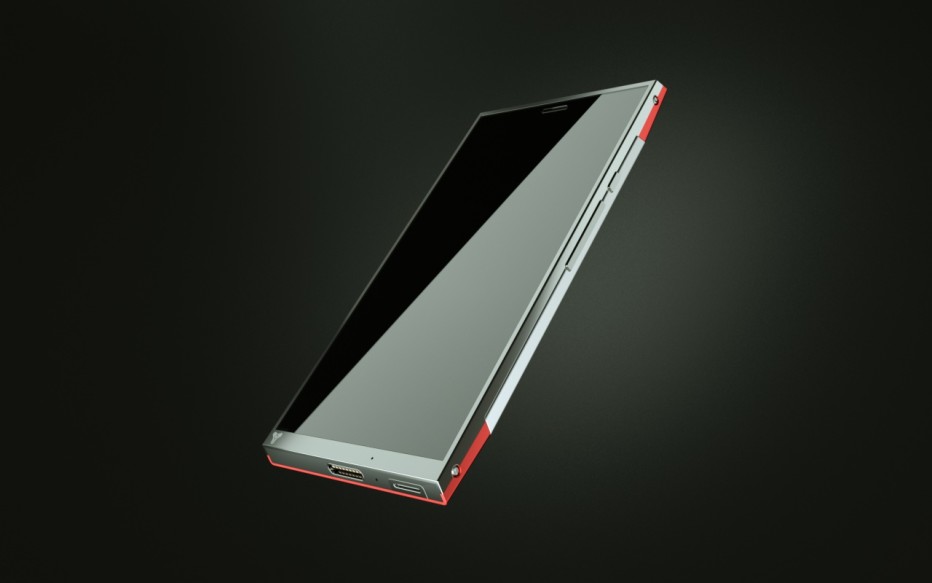
In a post-Snowden world, privacy has become an integral part of our lives. We have seen in TV shows and movies where the protagonist and spies carry an uncrackable, heavily encrypted phone. Turing Robotics Industries has launched a smartphone, the Turing Phone, which the company claims is unhackable and unbreakable. Appropriately named after Alan Turing, the first person to develop cryptographic machines, otherwise known as computers, the device will launch in India by the first week of September, starting at a price of Rs. 55,000.
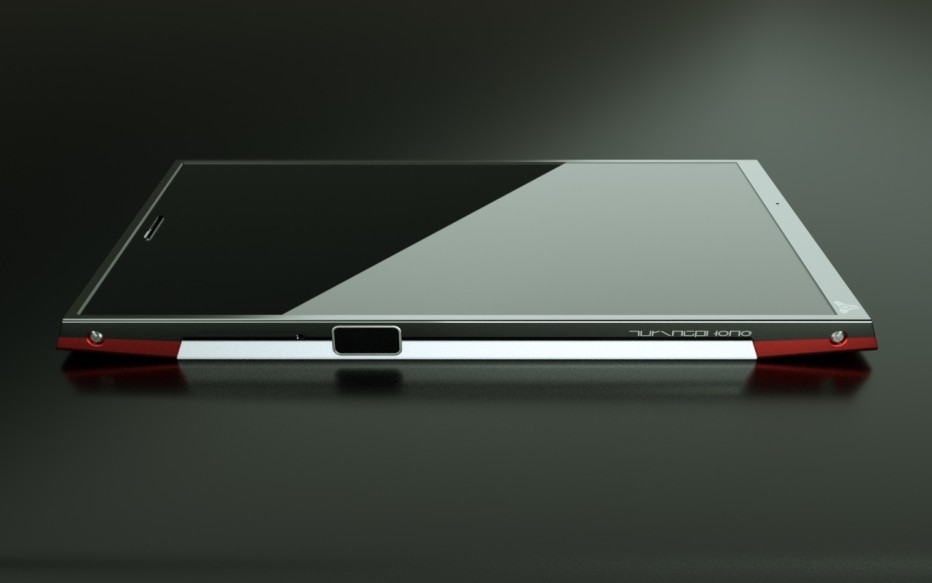
If the price seems too steep, there is a reason behind it. The Turing Phone has been constructed from a material called Liquidmorphium, which is stronger than titanium and steel. It uses nano-coating to cover the internal parts, which makes it waterproof. To round off its main selling point, the phone has built-in end-to-end encryption in its core apps, which means servers and third parties cannot intercept your calls and messages. The phone has been built keeping security in mind. To that extent, it doesn’t even has a headphone jack or a USB port. It is meant to be unhackable.
The Turing Phone lacks a headphone jack and USB port. Source: Turing Robotics Industries.
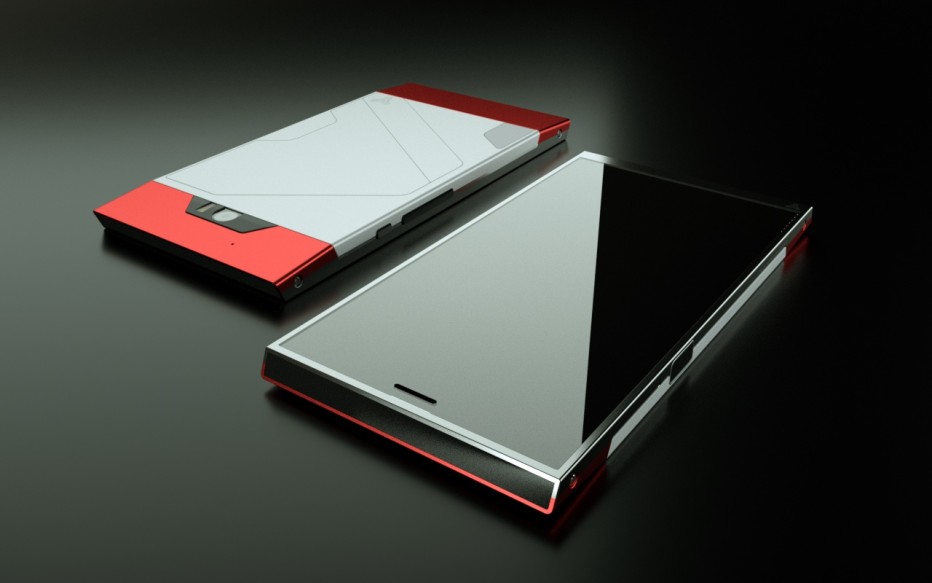
On the specifications front, the Turing Phone runs on the 2.5 GHz Snapdragon 801c processor with 3GB of RAM. The phone supports 4G LTE and is powered by a 3000 mAh non-removable battery. The rest include a 5.5 inch full HD display, a 13MP rear and an 8MP front camera and a fingerprint scanner on the left side of the phone. The phone runs on Android 5.1 Lollipop with Turing Aemaeth UI. The phone can be charged via a magnetically attached power connector, like Apple’s MagSafe.
Source: Turing Robotics Industries
It is available in three variants – 16GB, 64GB and 128GB. In India, the 64GB variant will be available for a price of around Rs. 55,000 and the 128 GB variant will be available at a price of around Rs. 68,000. The Turing Phone comes in three models – Pharaoh, Cardinal, and Beowulf, each one taking colour and texture cue from the source material.
Turing Robotics’ CEO SYL Chao hopes that the material used in the Turing Phone will become standard in the near future. In the present, it seems that the phone will only attract businessmen and people working at higher positions in corporate sectors, considering its steep price tag.
Yesterday, Music gear and accessory company Marshall audio released information about their upcoming smartphone called the London. While the news made waves, the phone specifications itself are not that appealing.
[pullquote_left]What Android Needs Today is More Personality Not More Performance[/pullquote_left]
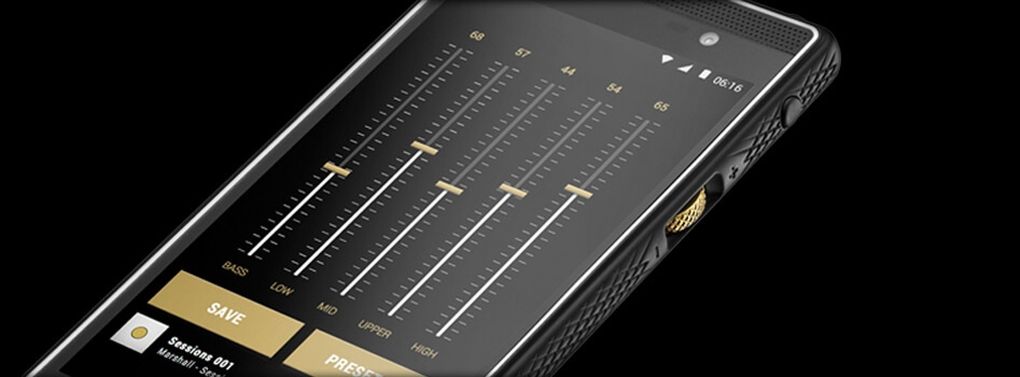
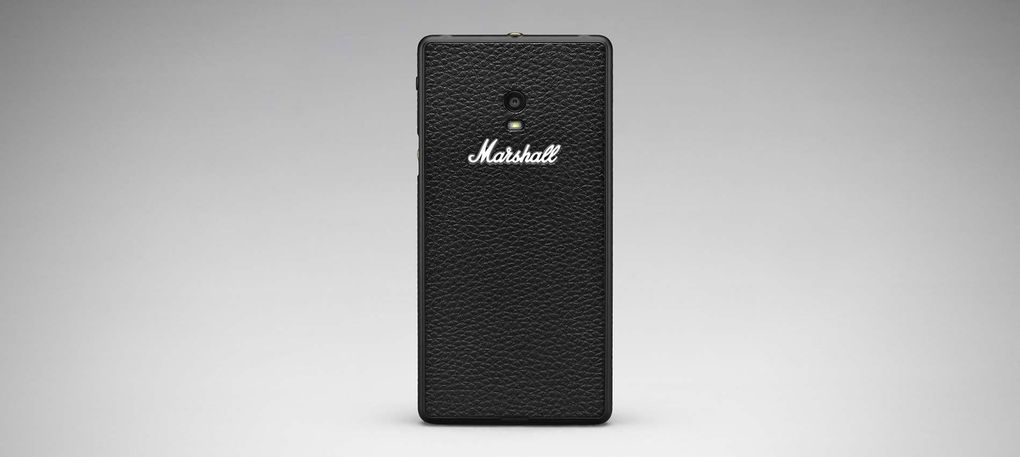
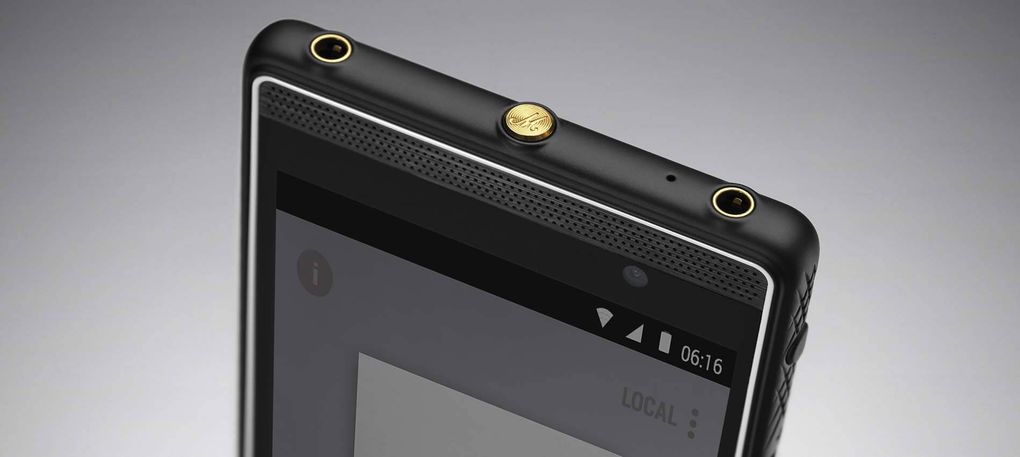
However the Marshall London is designed not to impress the spec-hungry but more the music hungry. The company claims that Android today needs more personality, and not more performance. The phone is relatively low end with a 4.7-inch, 720p display. Dependant on 2GB of RAM, a 2500 mAh (removable) battery, and a Snapdragon 410 processor which is seen in some of the most popular low end phones.
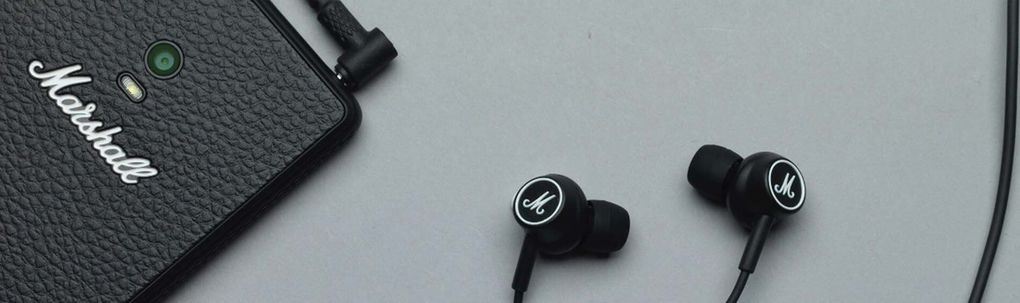
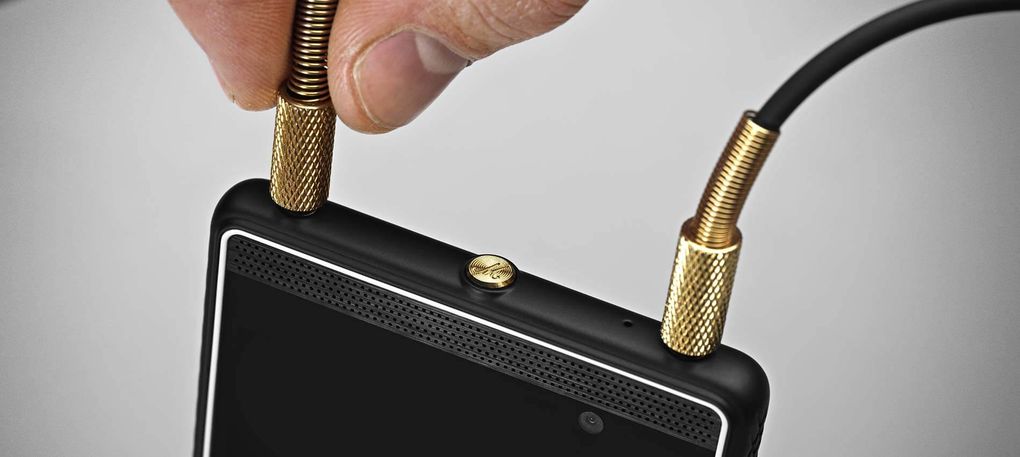
The London has been priced higher than expected for roughly US $ 549 or Rs. 35000. But, the intention that the phone serves is different. Apart from being completely brilliant to look at, the music centric London has excellent audio processing. Dual headphone outputs, Dual front speakers and a jog dial for precise controls. There is a dedicated “M” button on the top for easy access to music.
There, However, seems to be various implications of the dual headphone jacks. Thick of multi track mixing or recording. Dual independent outputs to separate devices, and dual monitoring when mixing tracks on a DJ app. From a use case point of view, it eliminates quite a few hurdles. The phone won’t be available till late Aug, in the meanwhile however, you can check out the pictures of the beautiful Marshall London below.
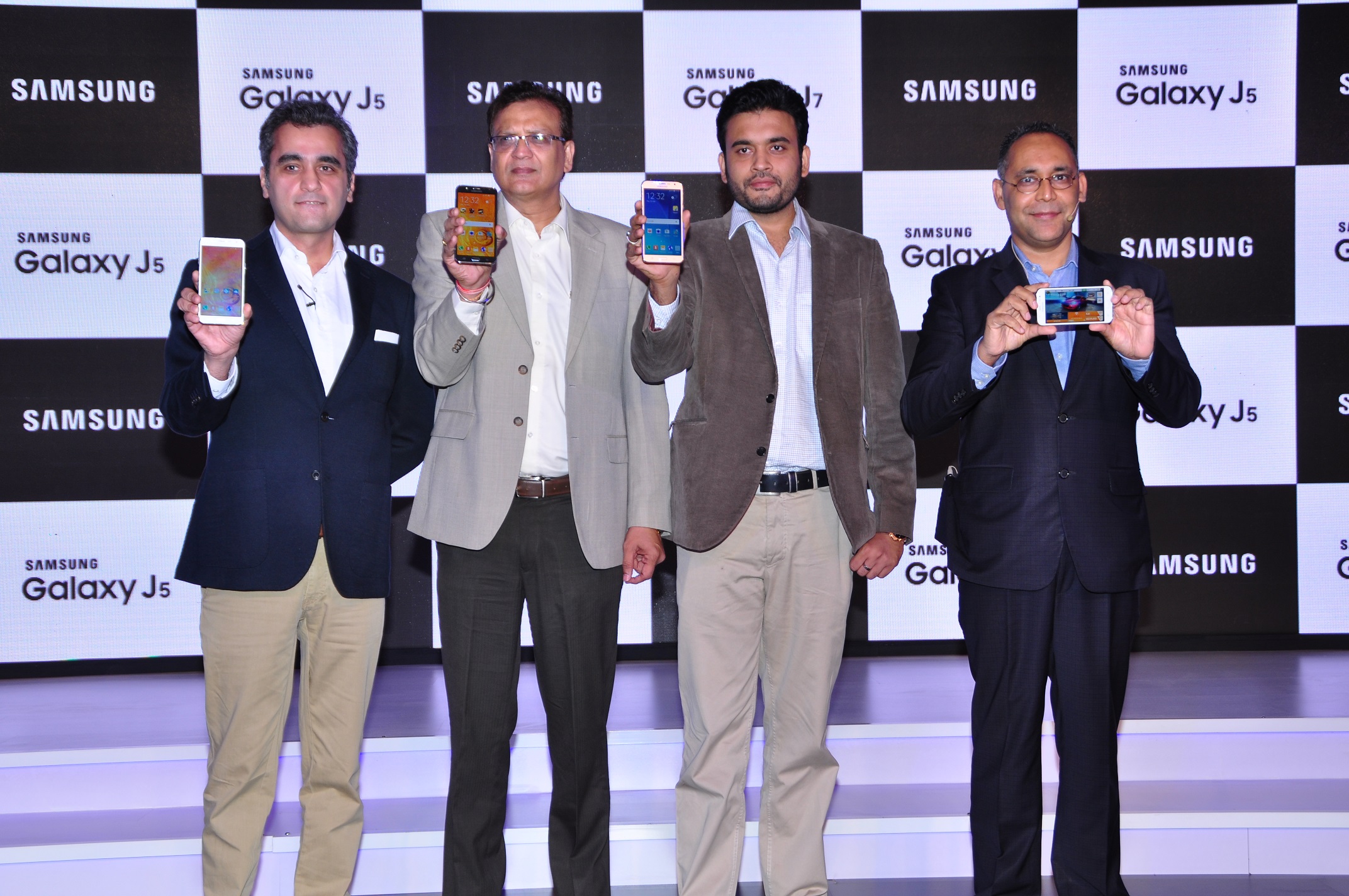
If there is ever an award for the ‘The Manufacturer With The Most Handsets’, it should go to Samsung. The company has launched two new handsets under the Galaxy brand, named J5 and J7. According to Samsung, the phones have been oriented towards gamers. By pricing Galaxy J5 and J7 at Rs.11,999 and Rs. 14,999 respectively, the Korean giant aims to rival the likes of Xiaomi Redmi 2 and Lenovo K3 Note.
Asim Warsi, Vice President, Marketing, IT & Mobile at Samsung India; Manu Sharma, Director, Mobile at Samsung India; Ankit Nagori, Chief Business Officer – Flipkart and Ajai Puri, Director-Market Operations, Bharti Airtel (India and South Asia) at the launch of the Samsung Galaxy J5 and Galaxy J7
“Galaxy J5 and Galaxy J7 aim to give consumers options in the mid-range price segment. With optimal features and great value proposition for our consumers, the new devices will offer an uncompromised smartphone experience, at very competitive prices,” said Asim Warsi, Vice President, Marketing, IT & Mobile at Samsung India.
Samsung Galaxy J7
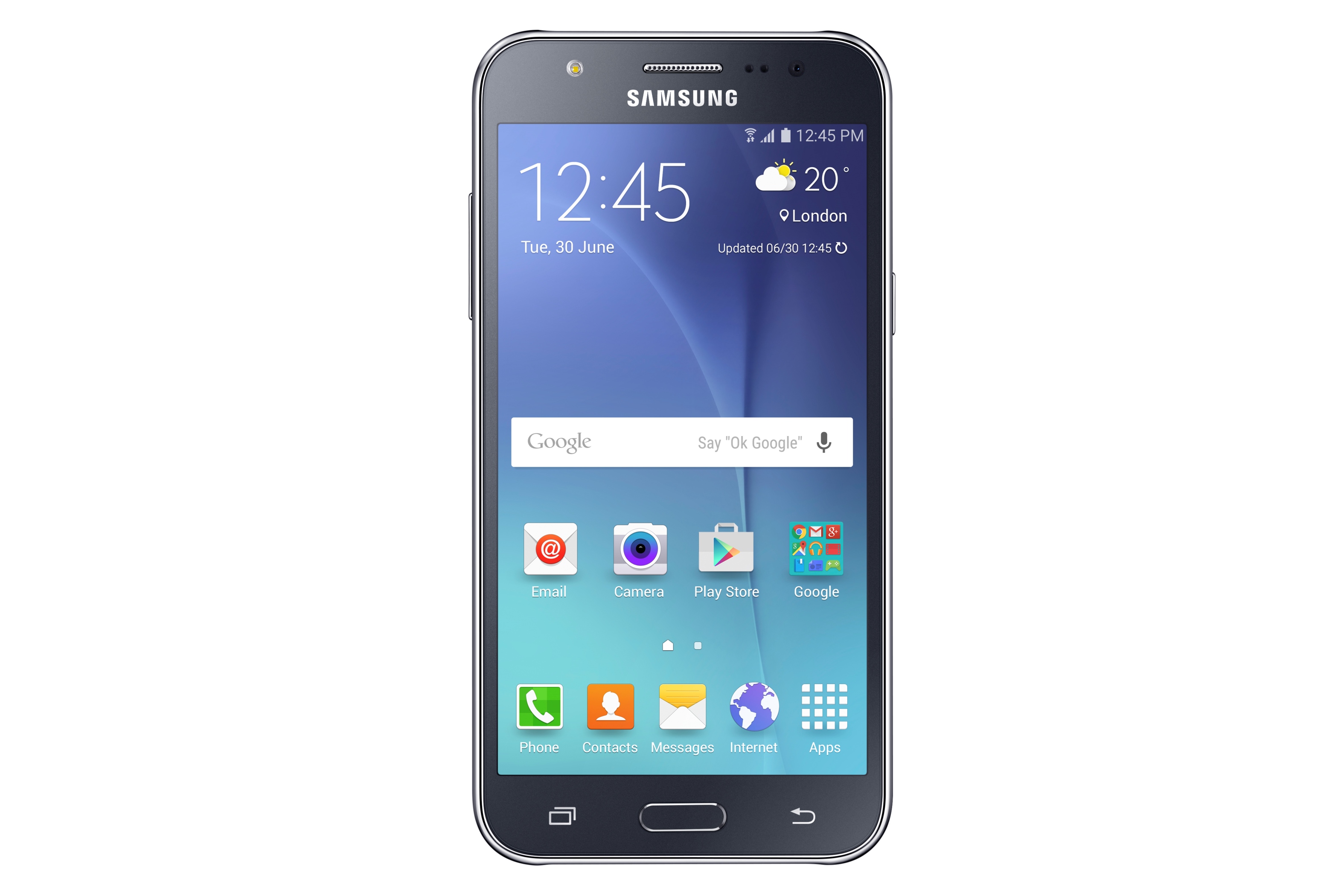
Let’s begin with common features. Both phones are dual-SIM and support 4G LTE. Both phones feature the same camera, that is, a 13 MP rear camera with LED Flash and a 5 MP front camera with LED Flash. The phones are capable of full HD recording. Both run on Android 5.1 Lollipop and feature 1.5 GB of RAM.
Galaxy J5 runs on 1.2 GHz Quad Core Qualcomm Snapdragon processor. It has 8GB of storage which can be expanded upto 128 GB. It sports a 5 inch HD AMOLED display. The Galaxy J5 runs on a 2600 mAh battery.
On the other hand, Galaxy J7 runs on 1.5 GHz Octa-Core Exynos processor. It has 16GB of storage which can be expanded upto 128 GB and sports a 5.5 inch HD AMOLED display. The Galaxy J5 runs on a 3000 mAh battery and weighs more than the Galaxy J5.
Samsung unveiled the J5 and J7 in China last month and as NDTV points out, they are slightly different, considering the Indian market. Samsung has opened up pre-orders for the Galaxy J5 and Galaxy J7 from 4 p.m. today.
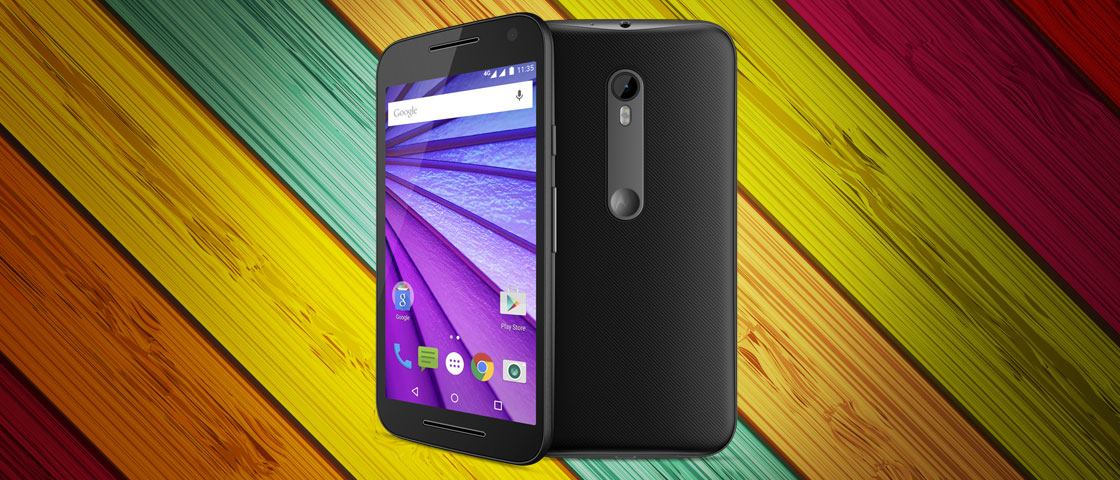
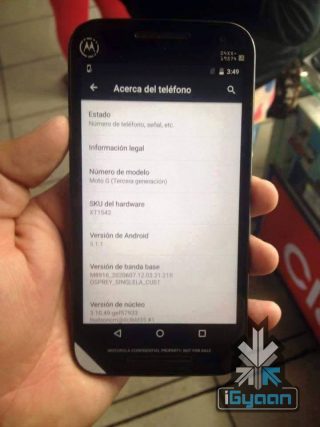
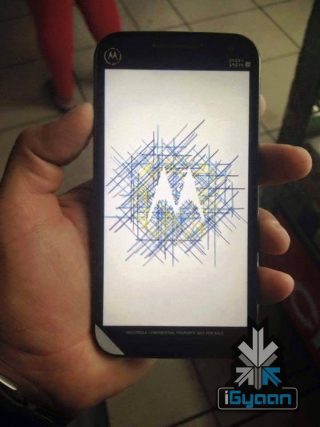
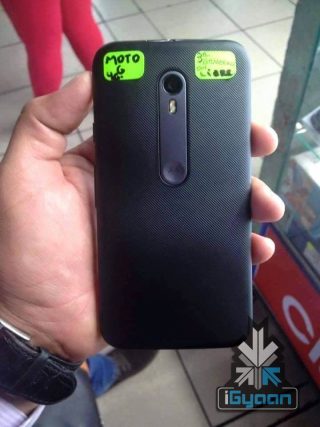
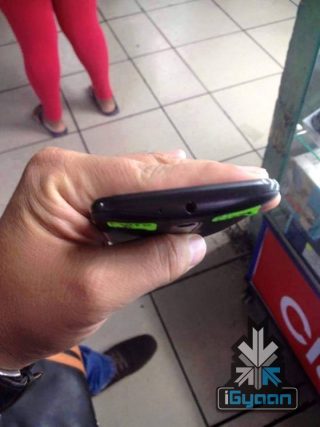
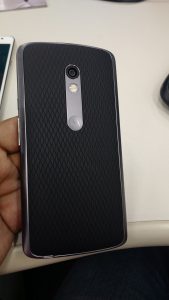
What appears to be an accurate leak, shows off the next generation Moto G and Moto X by the Lenovo owned Motorola. The Moto X and Moto G for 2015 have been leaked before, but here you can see a lot more information.
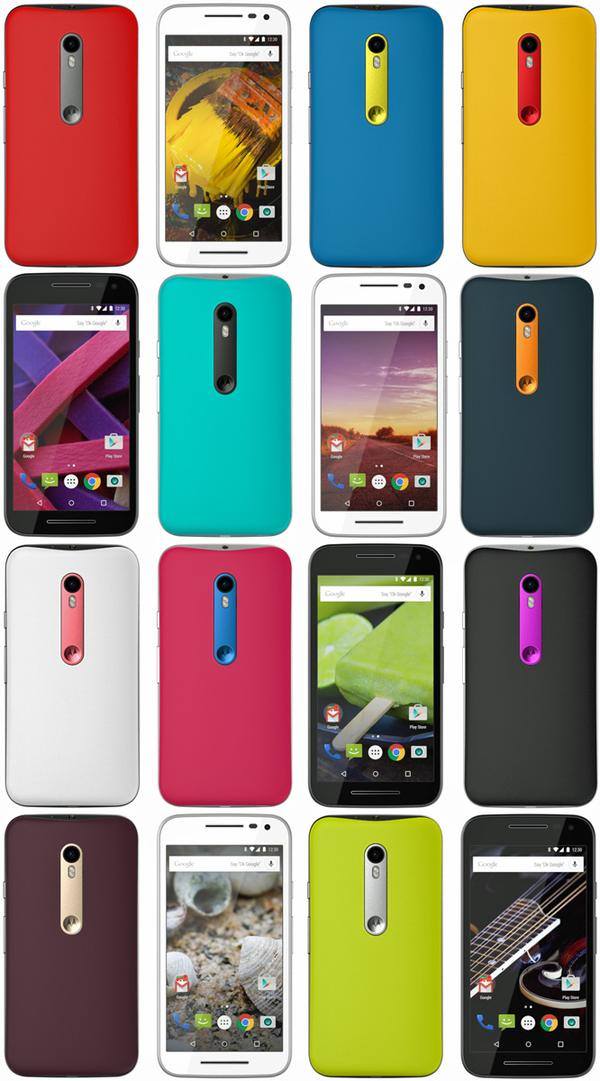
The new Moto G (3rd Gen.) seems to have identical hardware Snapdragon 410, 2GB RAM and Android 5.1.1 out of the box. According to rumours the Moto g (3rd Gen.) will be released on July 28, it will have 4G + dual SIM versions. Moto g (3rd Gen.) is IPX7 waterproof cell phone.
The new Moto X will supposedly has a 5.64-inch QHD display, running on the Qualcomm Snapdragon 808 chipset with 3GB of RAM, USB Type C port, 21GB of user available storage. A 16MP main camera with an f2.0 lens, a 5MP front camera and 3,280 mAh non removable battery. It will run Android 5.1.1 Lollipop out-of-the-box just like the new Moto G.
Motorola will this time offer up the Moto G with various options. The Moto G 8 GB variant will come with 1 GB of RAM whereas the Moto G 16 GB variant will come with 2 GB of RAM. The Moto G will be equipped with a 13 MP main camera and a 5 MP front-facing camera. The company will also extend the Moto Maker to the Moto G which was recently outed by notorious tipster @eveleaks.
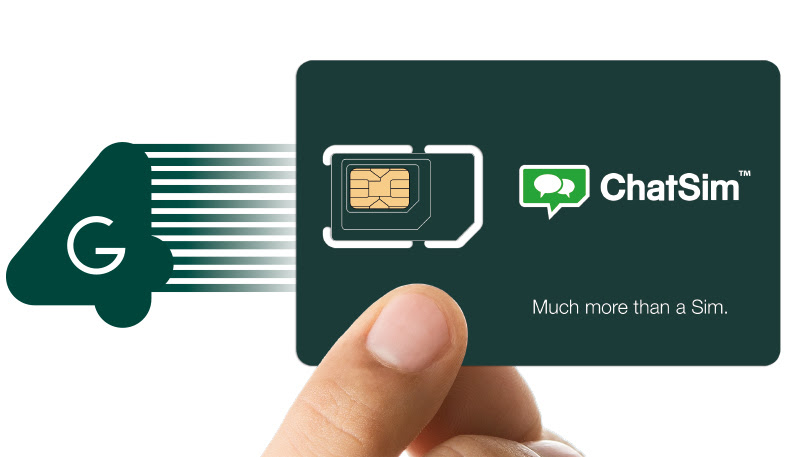
ChatSim World has launched what it calls the world’s ‘most advanced SIM card for chatting’, known as ChatSim. The SIM card allows you to chat free of charge with anyone, anywhere in the world and is compatible with popular chatting apps like WeChat, Facebook Messenger and Whatsapp, all for €10 (approximately INR 695). The company claims that the SIM can let you chat free of charge, anywhere (even without Wi-fi) and no limits.
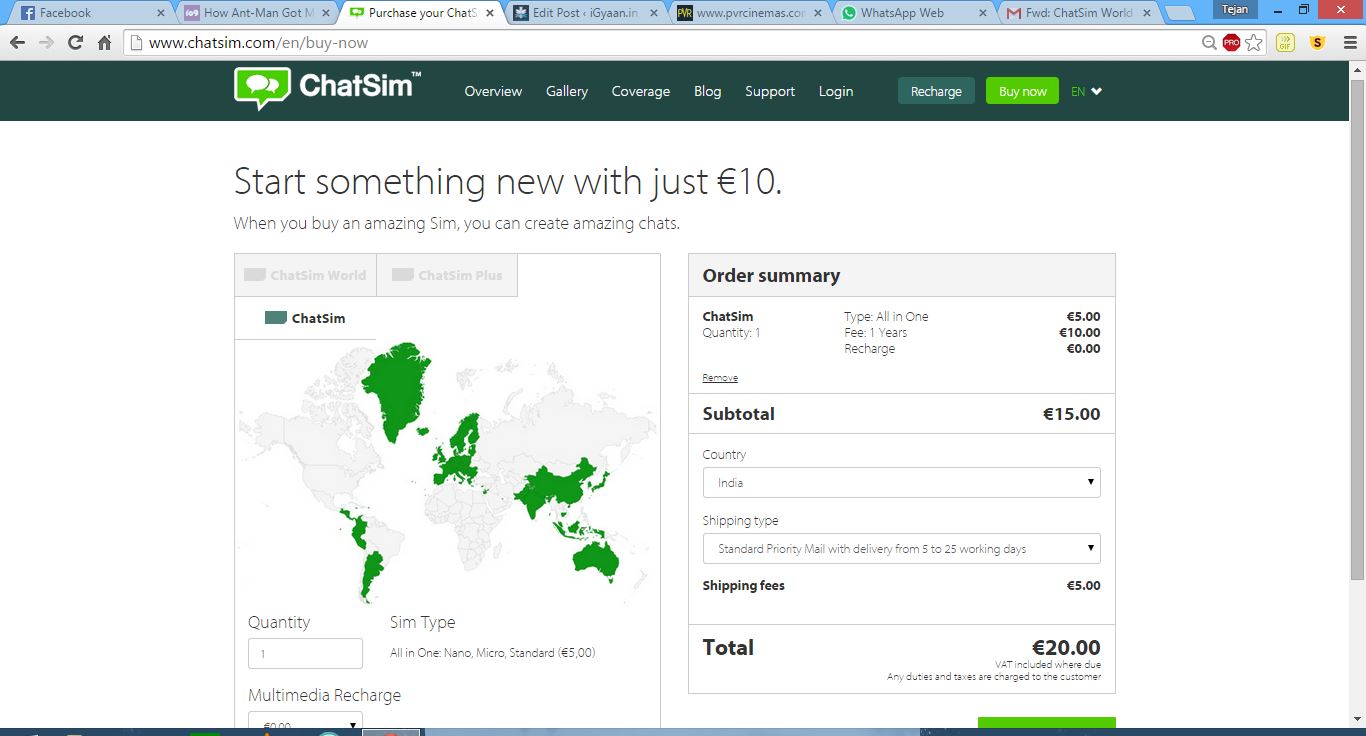
For 10 Euros per year, ChatSim allows you to chat for free and gives you 2000 credits, which can be converted into MBs, evaluated on the world zone set by company. For example, if you live in India, which comes under Zone 2, your 2000 credits convert into roughly 20 MBs. So, for 10 Euros per year, you are getting 20MB data which you can use for sending photographs and other multimedia files. Also, you get 100 minutes of voice calls. Additional recharge of €25 will give you 250 MB and 500 minutes of voice call for 30 days.
Chat Sim costs 20 Euros including shipping charges.
For Indian users, the price of ChatSim might look quite steep, but is actually a boon for those who frequently travel abroad. According to the European Commission, the roaming rate per MB is €0.20 while the roaming rate for making outgoing voice calls is €0.19. Thus, ChatSim will appeal to travellers who are tired of paying steep roaming rates.
As Manuel Zanella, CEO of ChatSim puts it, “It is an excellent tool for people travelling abroad for business to always keep in touch with colleagues and acquaintances. The most advanced instant messaging apps and super-fast networks let you stay connected, always. ChatSim lets you do it at very affordable prices too.
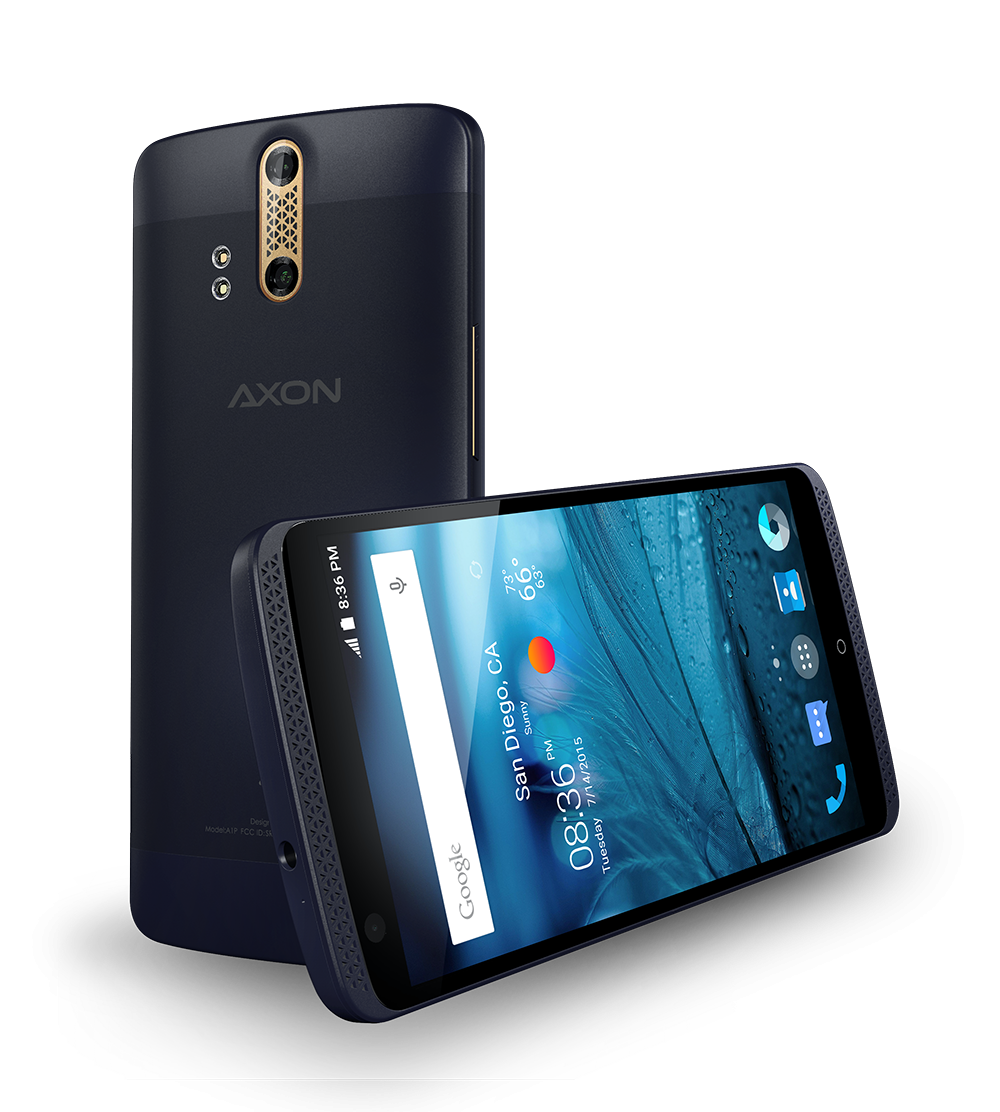
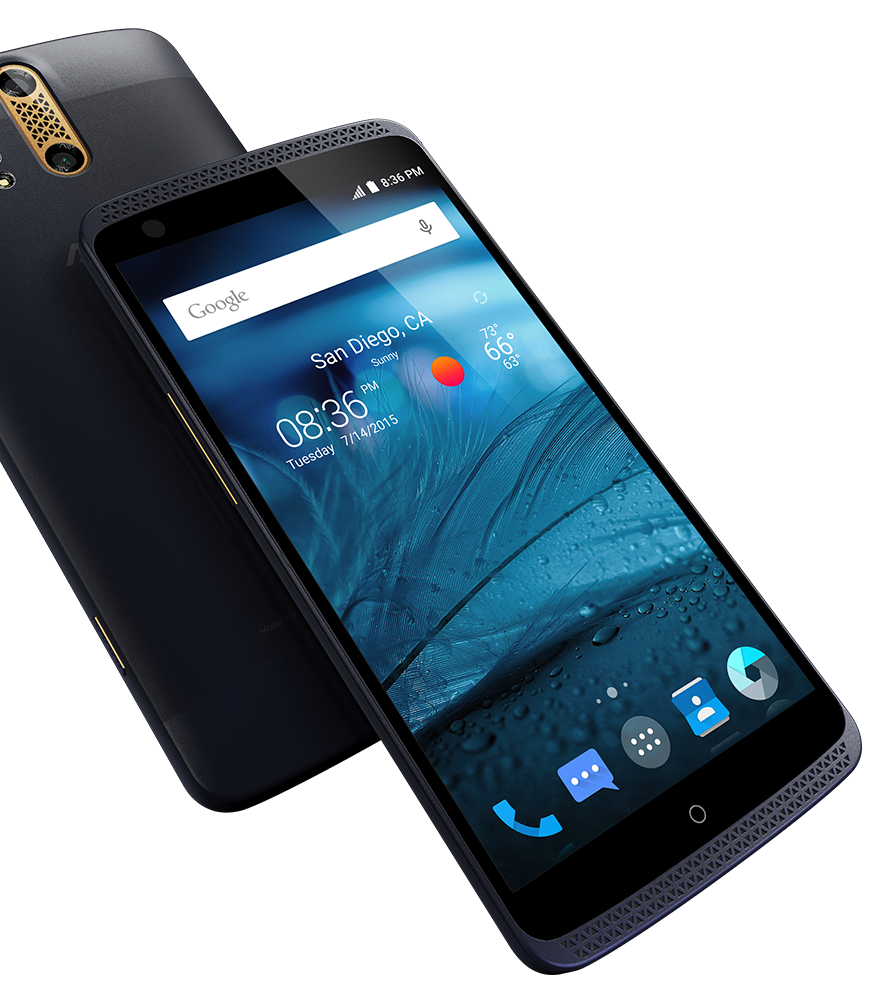
Chinese smartphone manufacturer ZTE has unveiled its new phone, “Axon” in New York, which the company says is the “first phone made in the US, for the US”.
Lixin Cheng, chairman and CEO of ZTE USA, said: “We put consumers at the heart of everything we design, build and deliver, and our phones reflect what consumers want, value, and use. ZTE AXON is a product that devotes to meet all of consumer’s’ requirements.”
The phone runs on a 64-bit octa-core 2Ghz Qualcomm Snapdragon 810 processor with 4GB of RAM. Axon has 32GB of inbuilt storage which cannot be expanded. The 3000 mAh non-removable battery should deliver up to 12 hours of talk time and 240 hours of standby time on a single charge.
The device sports a 5.5 inch display and uses a “dual-lens” system for the rear camera. According to Xinhua, the combination of 13 MP and 2 MP rear camera will lead to sharper video capture. The dual-lens system will also allow users to focus before and after taking a shot.
Dubbed as “a Hi- Fi audio phone”, the features of the Axon include low-light and fast-image capture and high-quality audio. Priced at $449.98, it is available for order directly on ZTE, Amazon and Ebay starting Tuesday, with shipping beginning on July 27.


























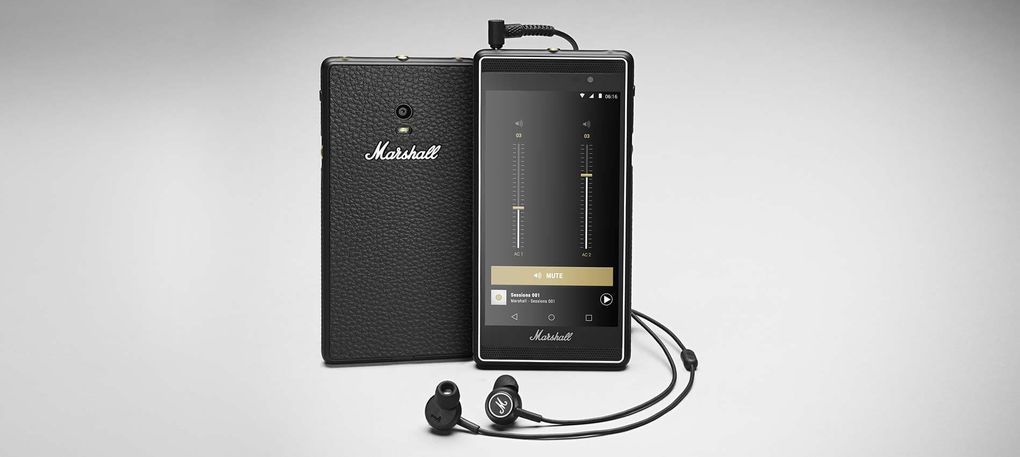
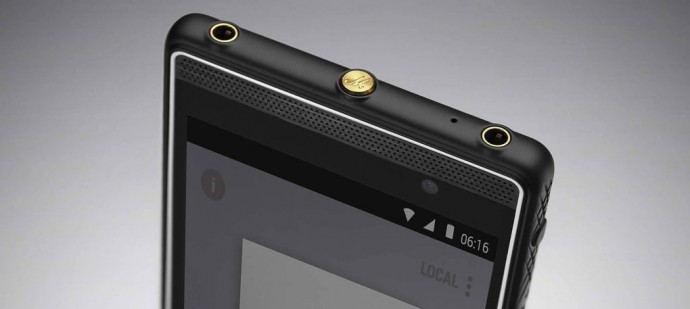 [pullquote_left]What Android Needs Today is More Personality Not More Performance[/pullquote_left]
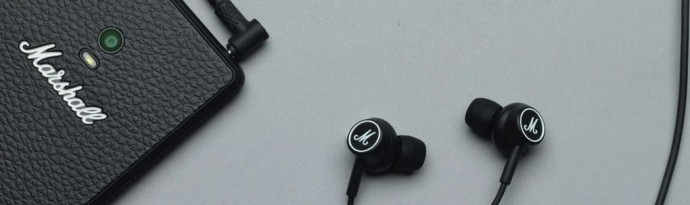 The London has been priced higher than expected for roughly US $ 549 or Rs. 35000. But, the intention that the phone serves is different. Apart from being completely brilliant to look at, the music centric London has excellent audio processing. Dual headphone outputs, Dual front speakers and a jog dial for precise controls. There is a dedicated “M” button on the top for easy access to music.