Smartphone News and Reviews, Latest Cellphones, Accessories, New Launches, Specifications, Details with Image and Video from Apple, Samsung, Lenovo, Moto, HTC, Xiaomi, Oneplus, Meizu, Sony, Lava, Micromax Yu Mobile and More.
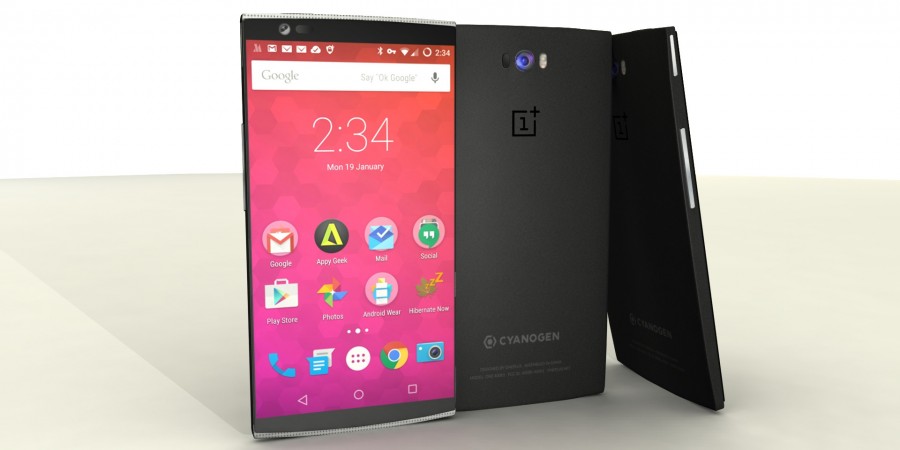
Barely one and a half years old, and OnePlus is already catching up in the department of suave marketing, which was once the exclusive domain of Apple. In 12 days, OnePlus will launch the OnePlus Two through a VR launch event, which might be the most unique launch since Steve Jobs introduced the iPhone in 2007.
Over the past few weeks, we have heard rumours, seen reports and official confirmations from the company about the OnePlus Two. Here’s what we know so far:
1. OnePlus Two Confirms its Screen Size
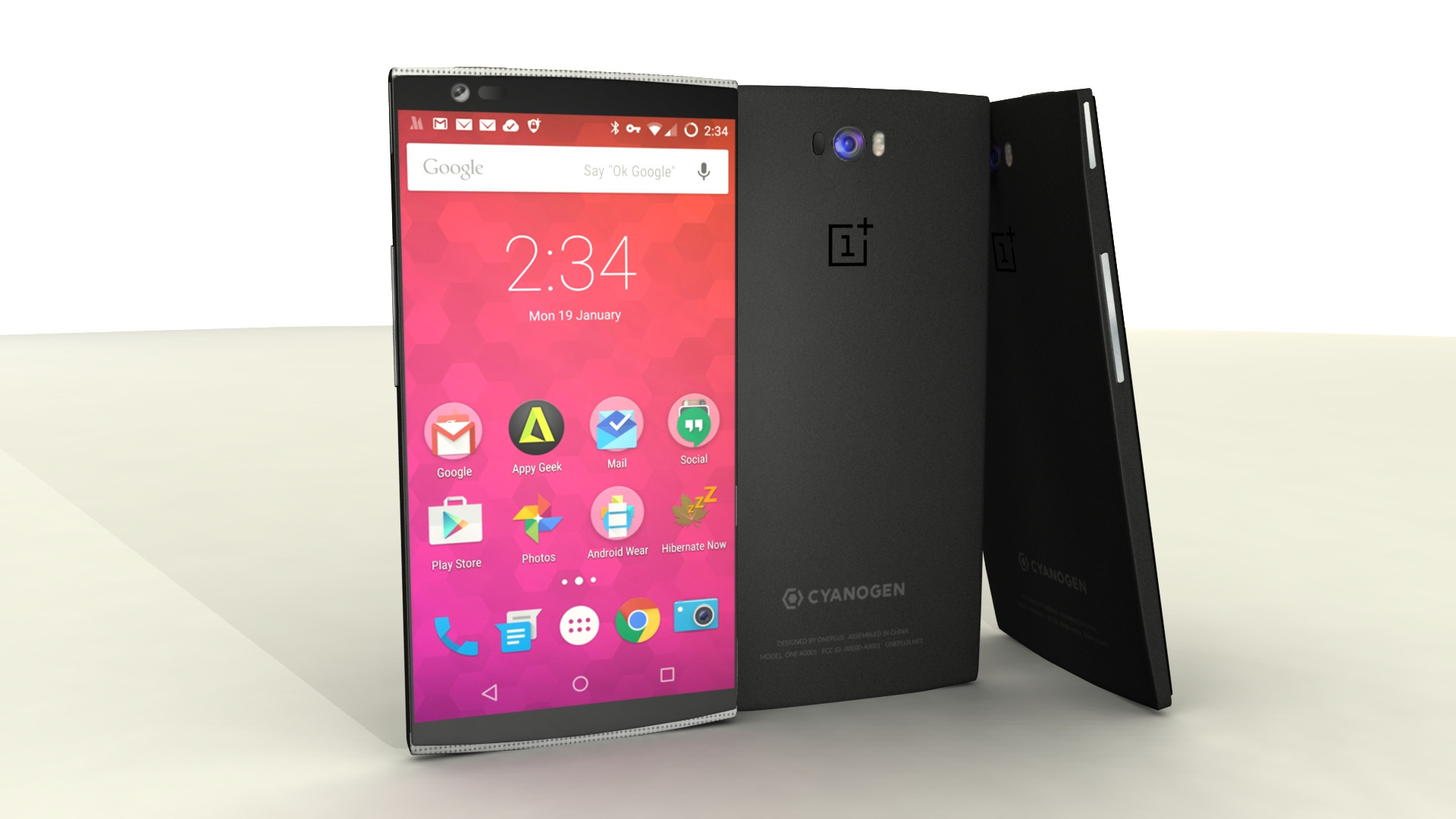
The phone will sport a display ranging between 5.5 and 5.7 inches and will have a black matte border, as leaked on Weibo.
2. OnePlus Reveals the Launch Date
OnePlus Two will launch on 27th July through a virtual reality event. Their live streaming of the event will take place in Virtual Reality, starting at 7 pm PDT. For this occasion, OnePlus has engineered their own ‘cardboard’ VR headgears that allow you to slip in your mobile handset inside the little box.
3. OnePlus Two Will Use USB Type-C
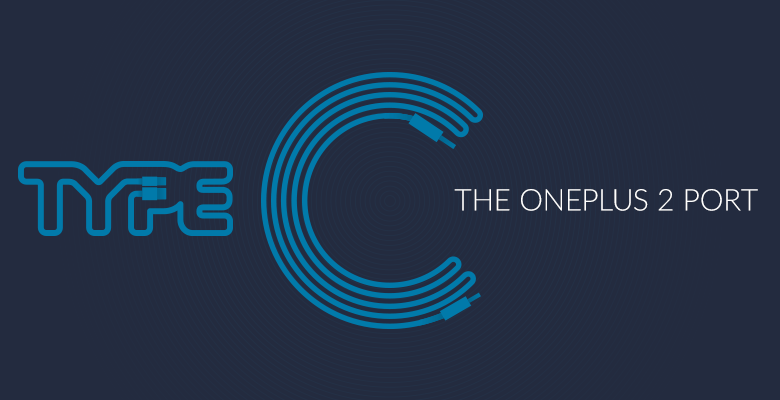
The company announced in a tweet that OnePlus Two will use a Type-C USB port and will become the first flagship phone from a mainstream company to use this USB port.
4. OnePlus Two will Run Second Gen Snapdragon 810
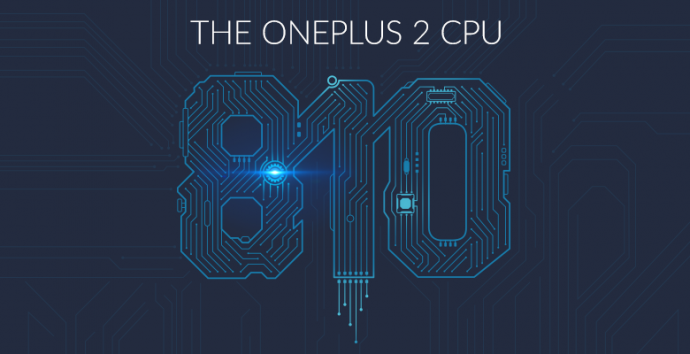
Pete Lau (CEO, OnePlus) has confirmed that the OnePlus 2 will come with the Qualcomm Snapdragon 810 v2.1 processor. Key reasons that this particular chipset was selected include the capability of streaming 4K Ultra HD video, impressive image processing and more.
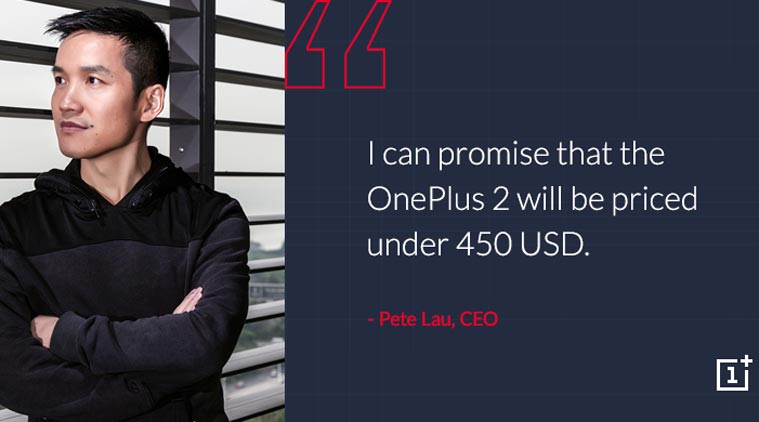
5. OnePlus Two Pricing Will Not Cross More Than Rs 28,500
OnePlus posted on Twitter confirming that the device won’t cost higher than $450 (Rs 28,586).
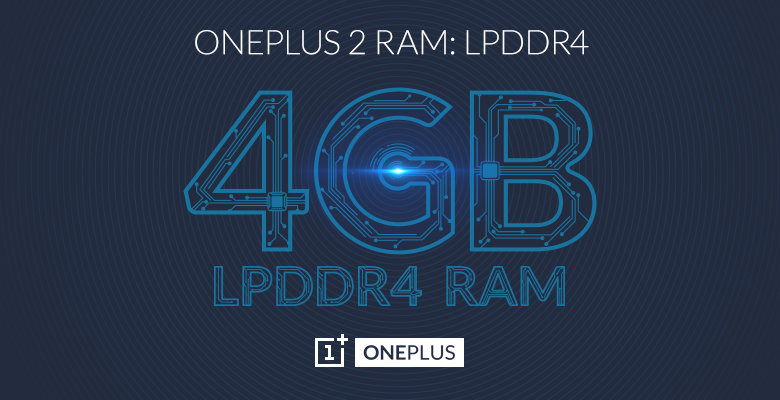
6. OnePlus Two Is Confirmed To Arrive With a 4GB RAM
OnePlus has announced the upcoming smartphone will sport a 4GB RAM. It will sport the next-generation LPDDR4 memory chips, which are also packed with Samsung Galaxy S6 and S6 Edge only, for now. No other smartphone, apart from the Asus Zenfone, in the Indian market, comes with 4GB of RAM.
7. OnePlus Two Will Feature Fingerprint Scanning Technology
The company has revealed that the new handset will have a fingerprint sensor, and it is slated to be better than the Touch ID.
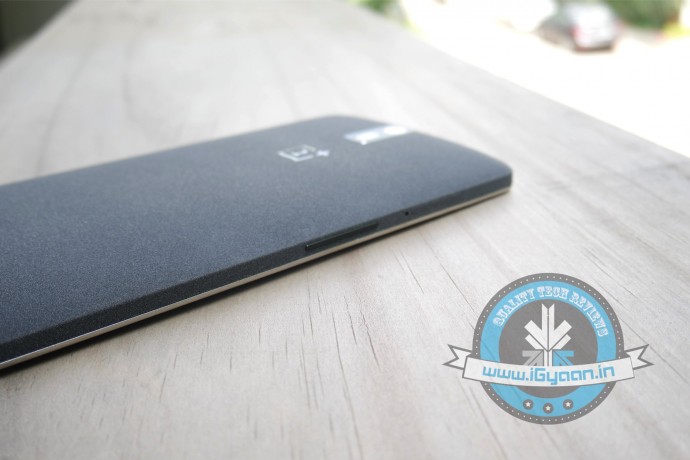
8. OnePlus Two May Sport a New Metal Body
According to a tease by OnePlus’ CEO on Weibo, OnePlus Two will supposedly don a metal frame, instead of a polycarbonate body, the current one sports. By ditching the polycarbonate, OnePlus Two may go for a premium look, like an iPhone. Moreover, given that the Two will cost more than the One, it may be possible that the phone will arrive with a metal body or may be a mix of both polycarbonate and metal.
9. OnePlus Two will sport a bigger battery
A few days back, OnePlus executives revealed in a Reddit AMA session that the OnePlus Two will sport a bigger battery. The 3,100 mAh battery has been upgraded to a 3,300 mAh battery.
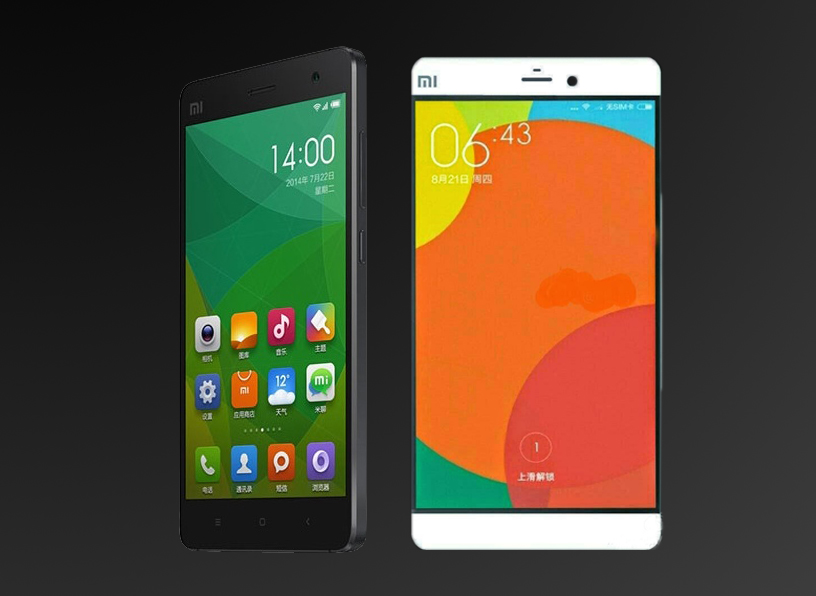
The Xiaomi Mi 5 and Mi 5 plus have already been the talk of the town, in recent times. While everyone anticipates its release into the market, the China based firm has let out yet another secret that will come as an exciting new upgrade to its devices.
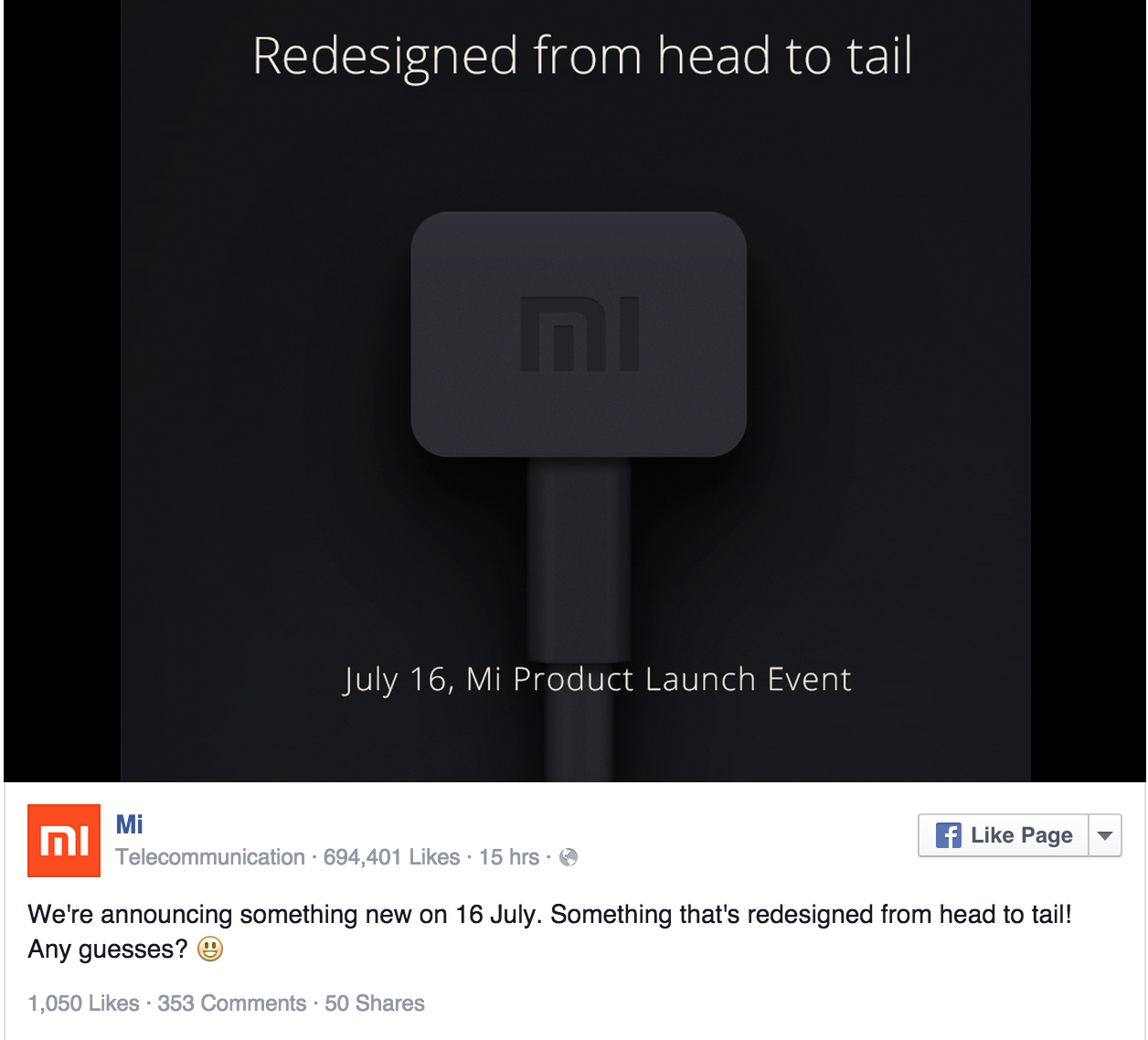
Apart from the phones releasing tomorrow, which is good news enough, the Mi 5 and Mi 5 plus are likely to have wireless charging as the company revealed an image on social media sites, asking its fans to ‘take guesses’ on what is going to be unveiled tomorrow.
While it is clear that the Mi 5 and Mi 5 plus will be reasonably priced (not more than 30,000 thousand rupees), this new speculated feature will surely add a competitive edge to the devices as we saw Samsung playing its wireless charging card earlier, this year.
The Mi 5 and Mi 5 plus are touted as the most anticipated phones of the year as there have been many rumours and leaks regarding their specs as well as the release date. Xiaomi released the Mi 4i, this May and sold a staggering 40,000 units within 15 seconds due to its raging popularity.
Hence, we are presumably excited about the launch of the Mi 5 and Mi 5 plus. Let’s see how Xiaomi fares with the coming of these devices.
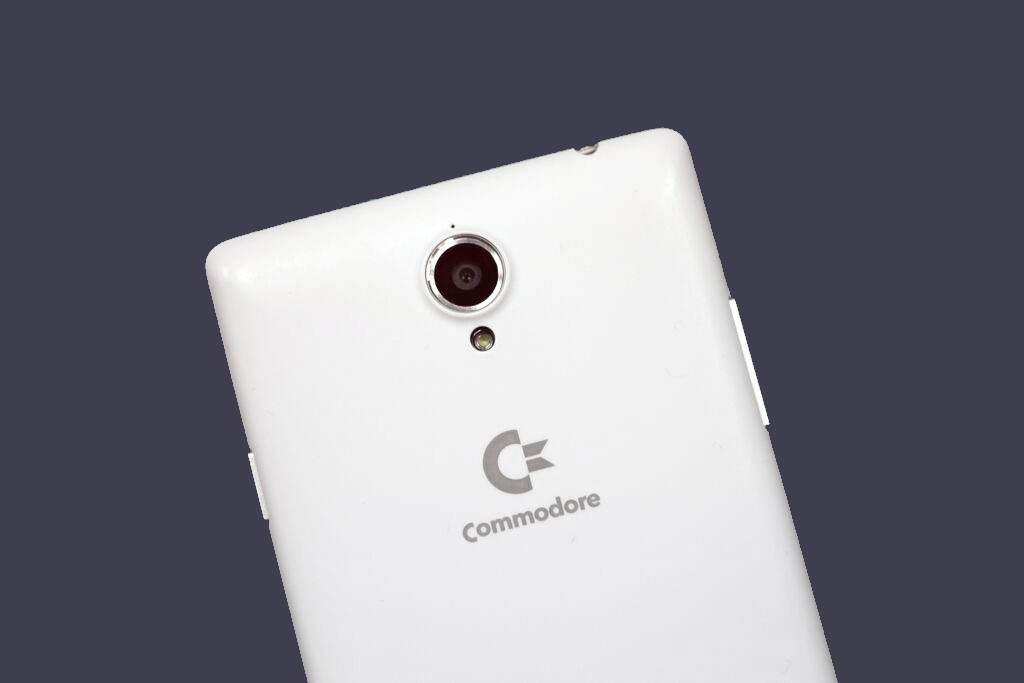
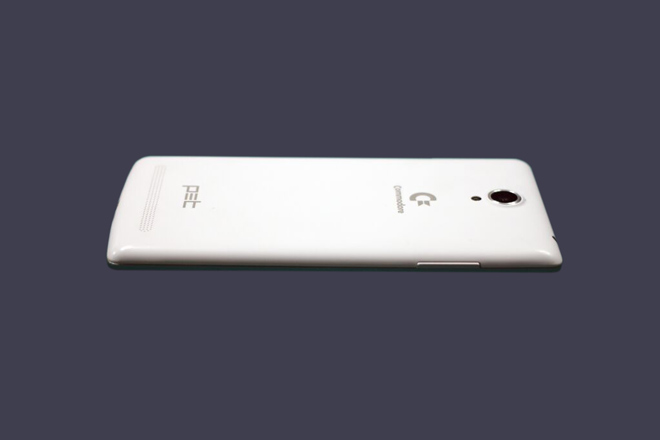
From today, The Terminator will not be the only property revived from the 80s this year. Commodore, a North American company that holds the Guinness World Record for the best-selling single computer model of all time, has unveiled its new project – a smartphone named PET. So why should you care? The company became bankrupt almost 20 years ago, which is why no one was expecting it to make a comeback. In fact most of us (including the author) haven’t even heard of Commodore.
Source: Wired
Nostalgically named after the company’s 1977 PET computer, the smartphone runs on a 1.7 GHz Mediatek 64-bit octa-core processor with ARM Mali T760 GPU for graphics. PET is powered by a 3000mAh battery. According to Wired, the phone’s main camera uses a 13-megapixel Sony sensor with a bright f/2.0 aperture and can capture full HD, 1080p videos. The front camera is an 8MP camera, with an 80 degree wide angle lens.
Commodore PET is a dual-SIM phone and supports 4G connectivity. The phone runs on a customised Android Lollipop 5.0. The phone is available in two variants – 16GB storage/2GB RAM and 32GB/3GB RAM. The former costs around $300 while the latter will cost $65 more.The phone will be available in a variety of colours, such as white, black and classic biscuit-beige.
Commodore will release PET in Italy, France, Germany, and Poland later this week. The company is planning on expanding to international markets soon.
HTC has had a tough year, tough decisions and a lot of devices. The company has had the slowest quarter yet and the stock prices have dropped to an all time low. The company also reported a net loss of $258 Million, which points to the fact that the company is not doing well.
However that has not stopped HTC from making new handsets, and in countries like India, the HTC market share is growing considerably.
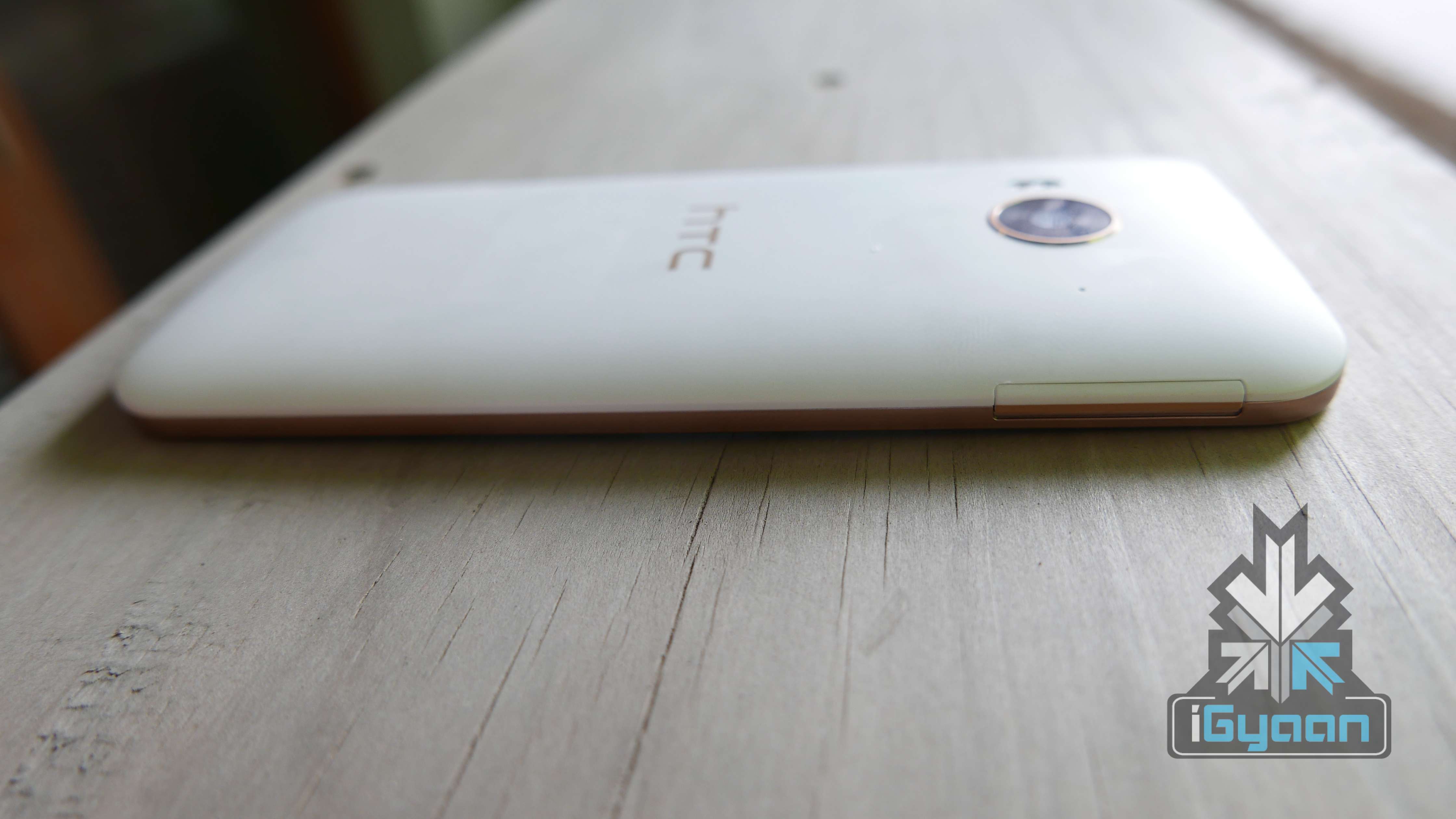
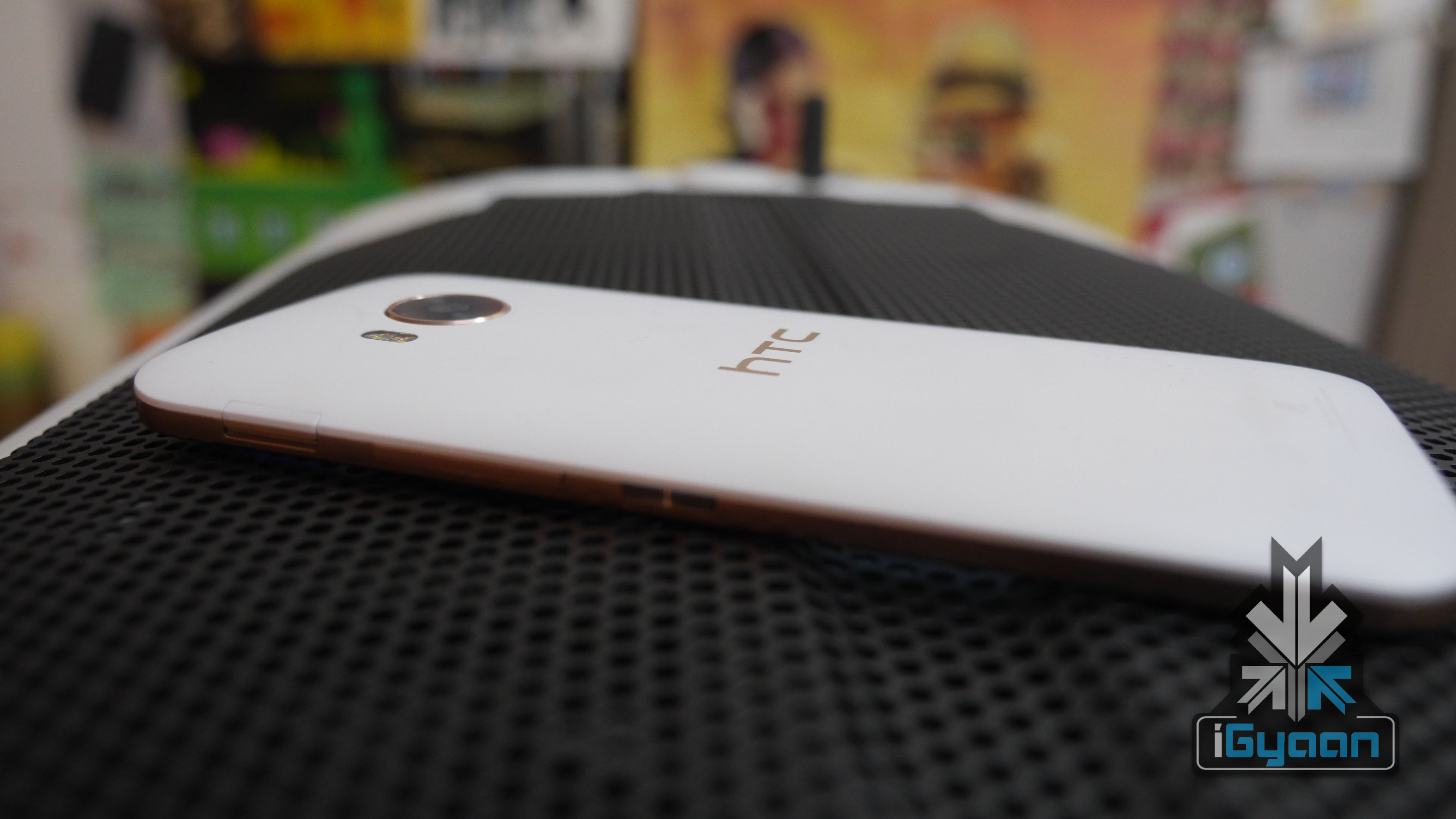
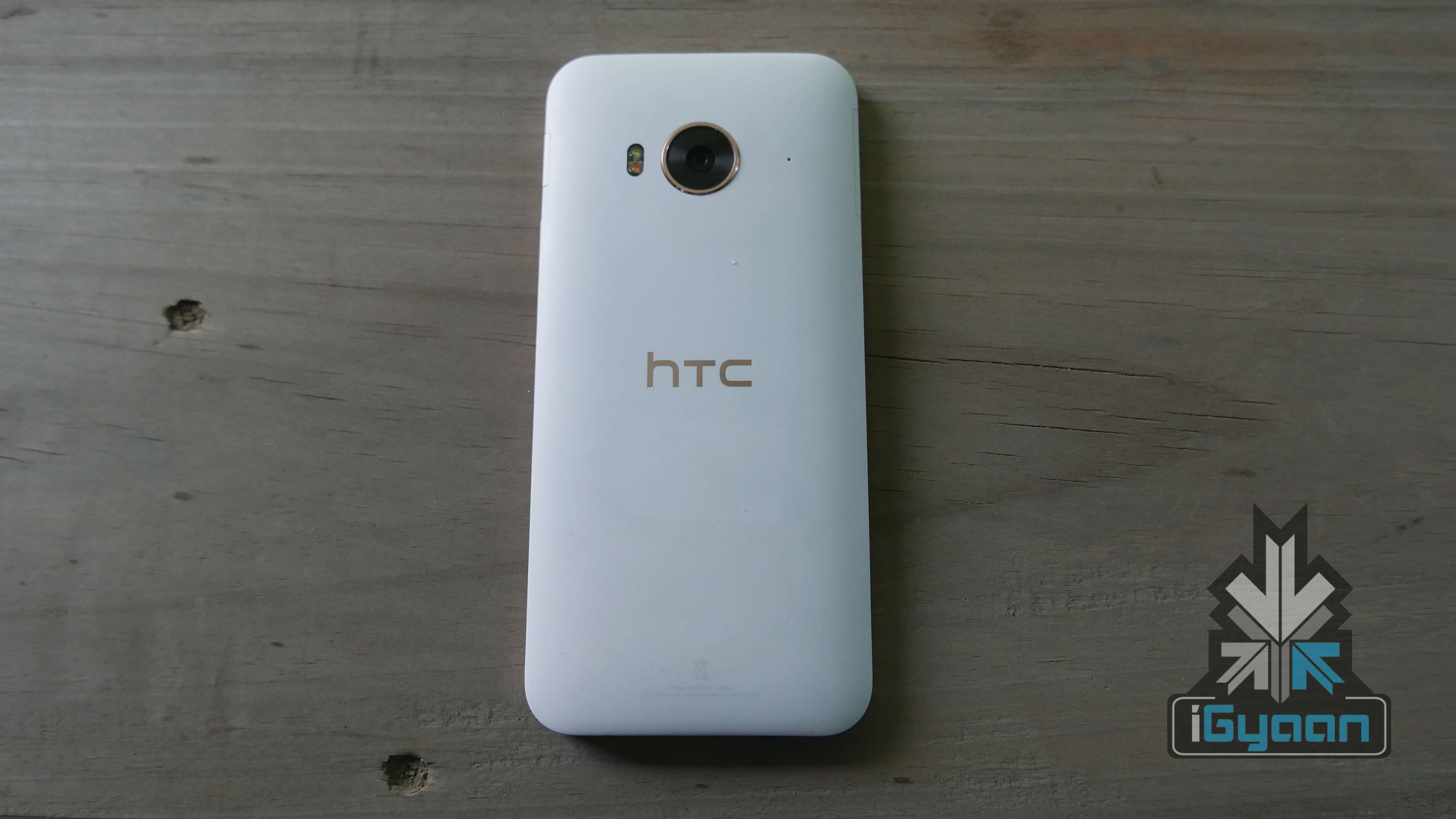
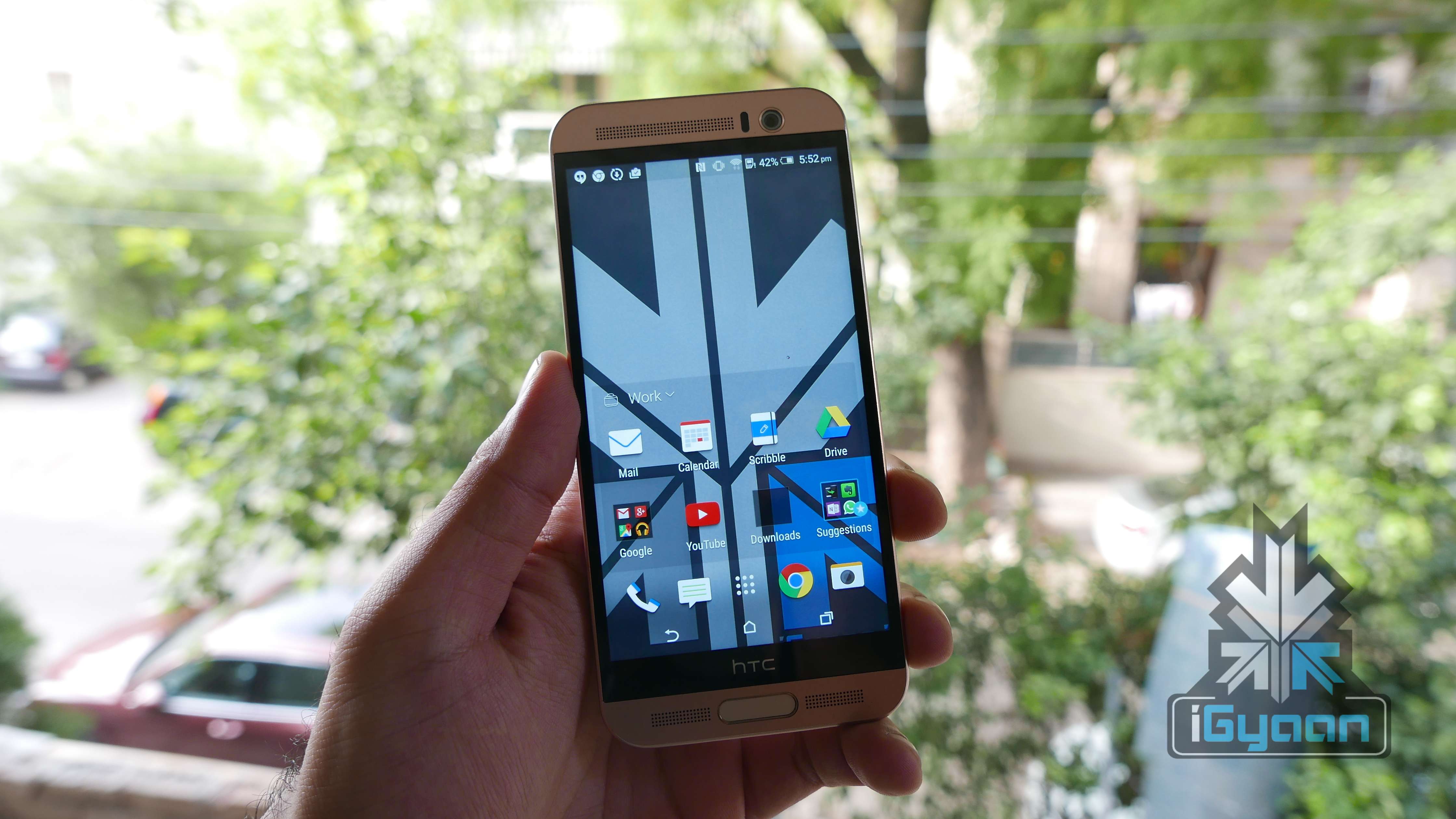
The HTC One ME, adds fuel to the HTC fire in India, a handset that brings the best of the flagship world at a relatively lower cost.
Overview
The HTC One ME is a good mix of things from HTC. Priced at Rs. 40000 or US $ 630 (outright) the phone makes a lot of sense to people. However the use of mediate is slightly bothersome to the tech crowd, especially at such high prices.
Hardware
The HTC One ME has almost everything from the HTC One M9+ including most of the hardware. What differs is the chipset. The One ME uses the new MediaTek Helio X10 and is also the first phone with the said chipset. This enables devices to utilise full octal-cores at 2.2 GHz in 64 bit and also shoots high quality videos at upto 480 frames/sec. It allows a 120 Hz video display rate too.
Apart from that you will get 3 GB of RAM, a brilliant 2k display with 5.2 inch size, a 2560×1440 px resolution and 565 ppi.
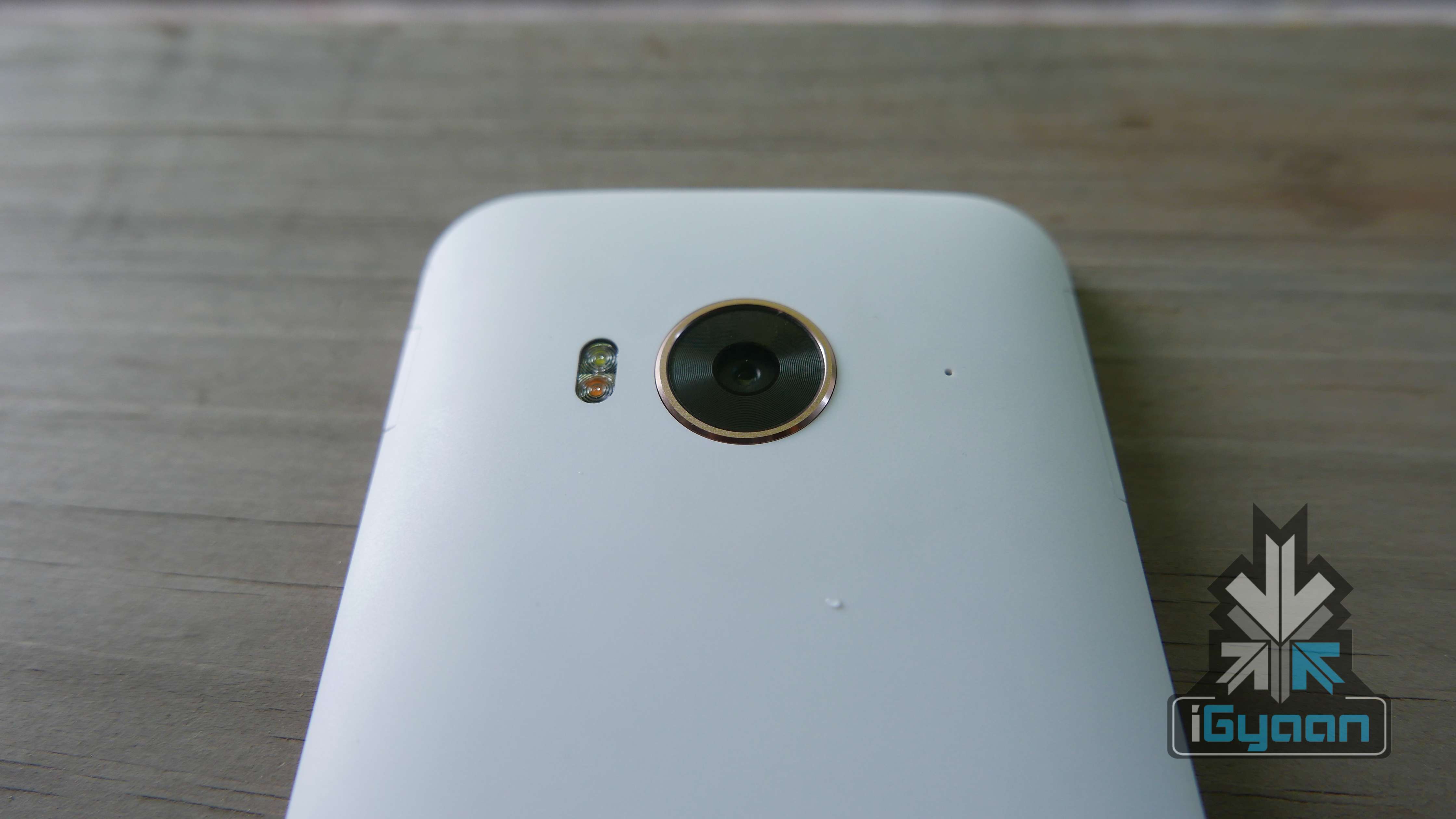
The same camera as the One M9, a 20 MP f2.2 lens equipped sensor, and an HTC ultra pixel sensor for the front.
Specifications
HTC One ME
Display
5.2-inch Super LCD3
Resolution
WQHD 1440×2560 pixels : 565 ppi pixel density
Chipset
MediaTek Helio X10
Processor
Octa-Cora 2.2 GHz
GPU
PowerVR G6200
RAM
3 GB
Storage
32 GB
MicroSD Support
Yes, Upto 2TB
Rear Camera
20MP, f2.2, BSI Sensor, 4K Video Recording
Front Camera
HTC Ultrapixel, f2.0
Battery
2,840mAh
Operating System
Android Lollipop 5.0.2 with HTC Sense 7.0
Misc
Boom Sound Speakers / Fingerprint Scanner
Price
Rs. 40,500
Display, Multimedia and Camera
The display on the new ME is the same as the M9+, excellent colours, deep blacks and great outdoor visibility. The touch is highly sensitive and even works when there is water on the display or if your fingers are wet. You will also get features like double tap to turn on. The display is great for all sorts of usage like watching movies, playing games or even browsing the internet. The high resolution makes content optimized for this look, great and the strain on the eyes is reduced considerably.
Boomsound speakers have always had this ability to be better than the remaining devices in the price segment and that continues with the new One ME. Sound is excellent in the headphones, out speakers or via bluetooth. Volumes are kept high and bass levels deep, almost as if the profile is the same as the old ones when HTC handsets would ship with “Beats Audio,” however, only better.
The camera lens and sensor are relatively large, hence a lot of light passes through to get a really high detail image. The images have excellent contrast and sharpness, shallow depth of field on close ups and a large zoom ratio thanks to the large 20.1 MP size of the rear camera.
4k video can be captured in 5 minute bursts, which gets annoying for those looking for a seamless solution. There are alternatives, devices which do not have said limits including the one we chose for our project here. Video is jitter free and captured at 30fps and it looks good, as the colour is deep and light is aptly adjusted.
Camera App
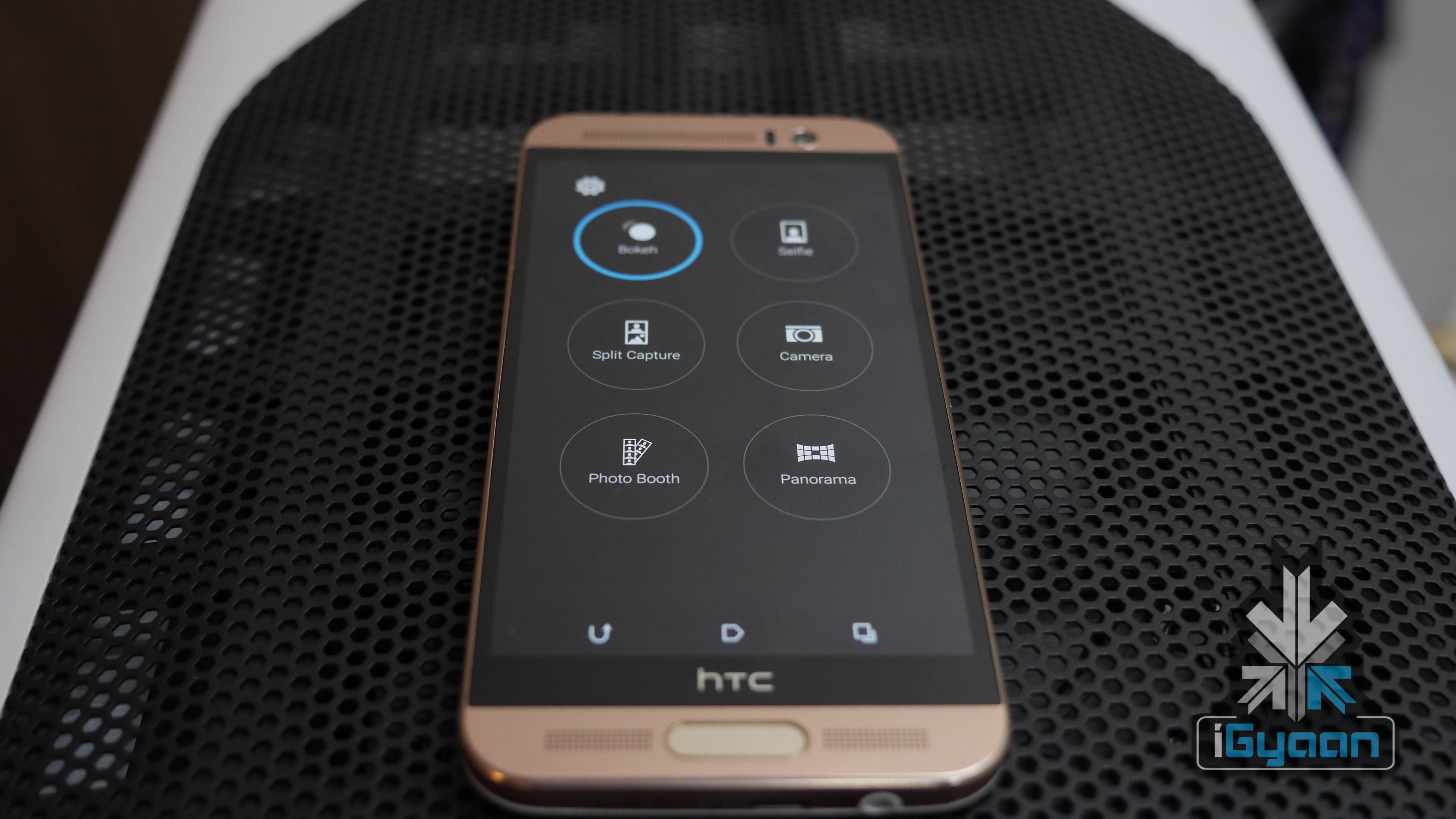
The Camera App is in-depth and features a lot of the capabilities of HTC devices seen in the past, galleries and Zoe are now independent apps with independent cloud storages. This complicates things for first time users, but in the longer run, makes sense. You also get the usual filters and effects along with post capture edits, which were all a part of HTC’s Sense.
Rear Camera Bokeh Effect
Rear Camera Indoor
Wide Front Camera
Front Ultrapixel Camera
Performance and Gaming
The handset scores roughly 46-48k on Antutu 64 Bit benchmark, which is impressive taking into consideration, the price. However, most of the performance which may not appear on benchmarks can been seen in real time usage.
The handset will almost never lag. In the 2 weeks of usage, the handset has not slowed down and transitions remain smooth, despite consuming large parts of the storage and or RAM.
Gaming remains impressive, the 120 Hz refresh rate of the display helps tremendously. Boom sound adds to the experience and so does the impressive touch screen. The good thing is that the device does not heat up despite increased usage, or high periods of gaming.
Phone Networks and Battery
The HTC One ME accepts dual LTE sim cards, both of which need to be nano sim cards. Network strength is great and so is the audio on both sides. Both sim cards can run LTE data packs and can be switched, depending on your convenience or usage scenarios.
Battery life was impressive due to high levels of optimizations and range point locks. Despite several rumours of poor battery life, we did not face any such issues with the handset. On our handset, the battery life was rather impressive. We got an average of One day plus use. Another thing to brag about is the quick charge capability of the handset. The One ME reaches a full charge in just over an hour, 50% recharge can be achieved in about 15 minutes of time.
Type of Usage
Battery Life Expectancy
Phone Calls
5 Hours
Standby
3 Days
Gaming
3.5 Hours
Music Playback
11 Hours
Internet
7.5 Hours
Fingerprint, Blinkfeed and New Sense 7
The new style fingerprint scanner utilised by HTC is better by leaps and bounds. Versus the previous ten scanners, which required you to slide your finger across, the new “Apple Touch ID” style scanners are efficient and very usable. This makes your phone private and safe. You can easily unlock your device in the presence of others, without revealing your passwords or unlock patterns.
Fingerprint Sensor
The new Blinkfeed is far more seamless and smooth. The UI is easy and very pleasing to the eye, HTC has improved the layout of the content and things like fonts and colours have been tweaked to appear easy to the eye. You can now simplify content and chose what feeds you want, within your Blinkfeed. You can also set up custom channels for the same, to allow you to reach directly to your favourite feeds.
Sense 7 is a mega improvement over previous Sense UIs, more because of the way pure android is available to the consumer. The UI is far more simplified and streamlined, less invasive and does not come loaded with bloatware. Essentials like the “Zoe” feature and the “One Gallery” are cloud-only apps that serve a simple purpose.
Customisation has been HTC’s forté and it remains so, in the new Sense 7 on the new HTC One ME. The UI is extensively modifiable, and if you don’t like the BlinkFeed on the left you can simply use a third party launcher and replace it all.
Conclusion
HTC may not have gotten a lot of things right this year, but their devices in the Indian market show that the company has chosen the right things at the right time.
The HTC One ME is one such example. With Snapdragon not performing well on their current lineup of chipsets, HTC went with MediaTek and their latest “premium” chipsets. This has made the devices a lot more stable. However, this has also made one handset considerably vary from another. Some report of lag and battery drain while others, like us, appreciate the long battery life on our handset.
MediaTek aside, the HTC One ME is the plastic equivalent of the all round phone. The impressive display, great camera, excellent battery and seamless performance on our handset, makes us want to like it a lot. Just like any other scenario alternates do exist and with the S6 becoming cheap, a fixed storage and single sim is something that may make you pick the HTC One ME with its Dual Sim and 2TB expandability. However the S6 performs better and looks damn good.
This week was loaded with new product releases and announcements from around the world. We have compiled a list of news that made the rounds.
Here are the top highlights of the week:
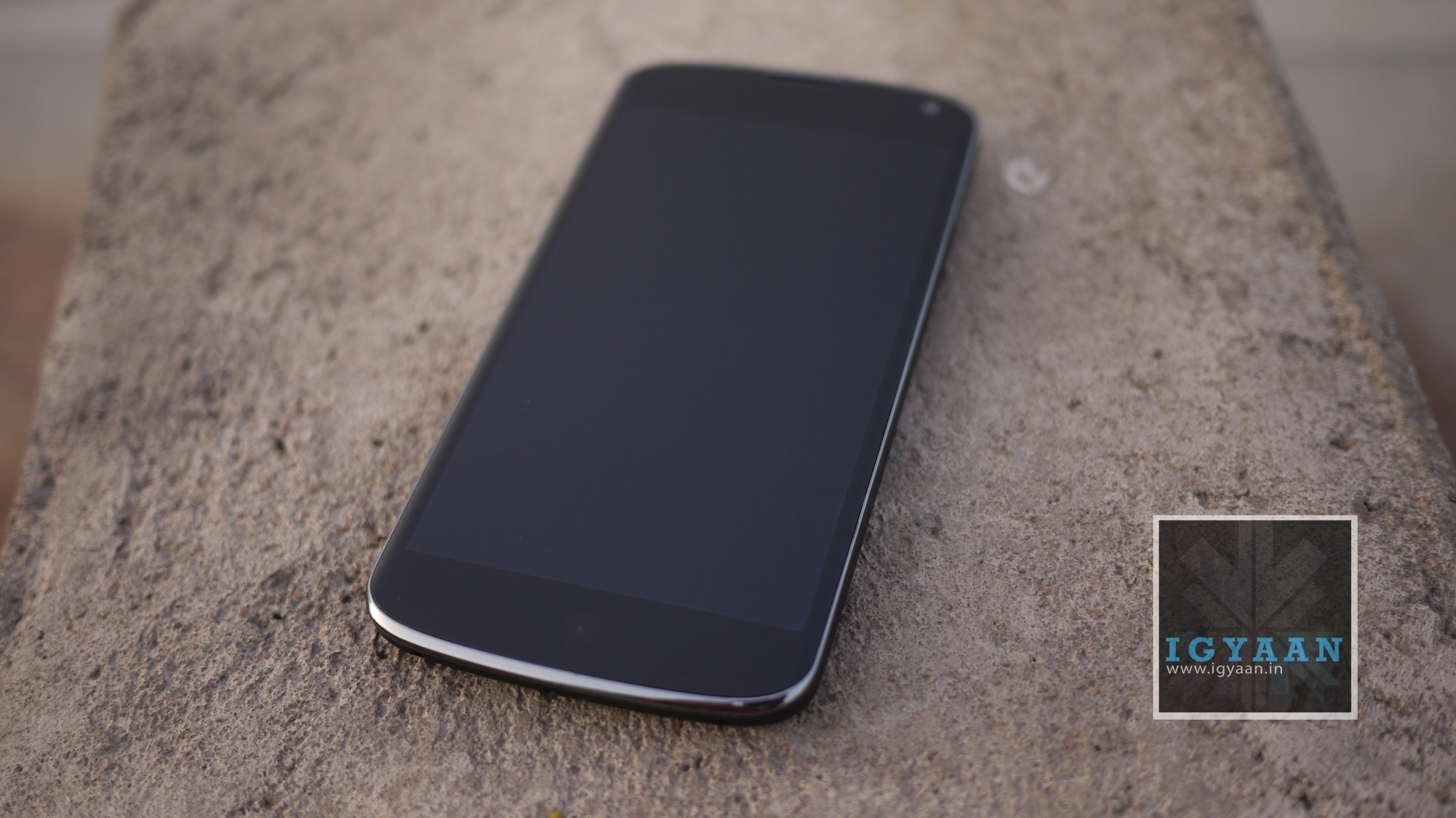
LG hints at Google Nexus Handset
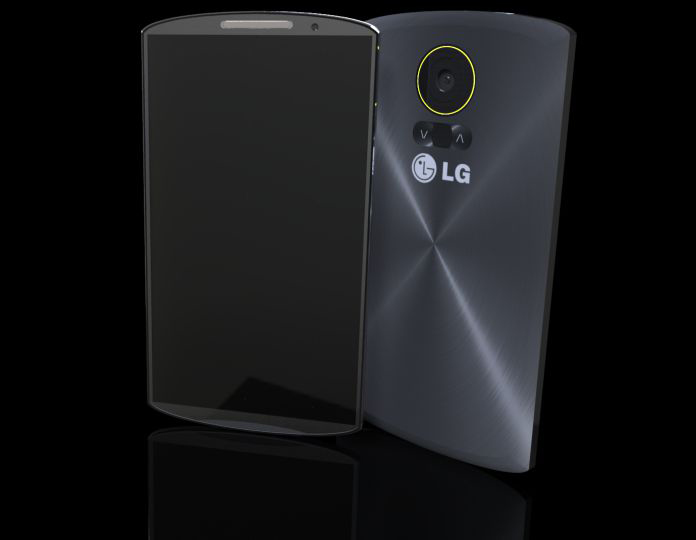
According to rumors, Google has teamed up with LG to produce the next Google Nexus handset. The device will reportedly sport a 5.2-inch screen display, six-core Snapdragon 808 processor by Qualcomm, and 2700mAh battery pack. It seems Google wants to recreate the success of Nexus 5, which was manufactured by LG.
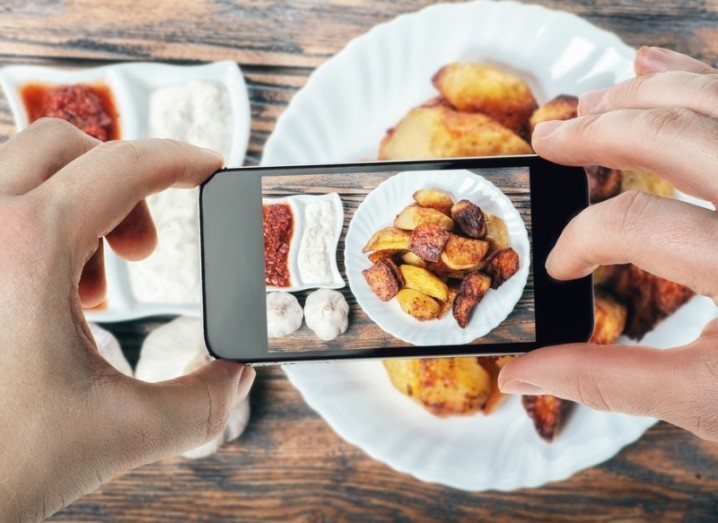
Instagram Now Allows 1080x1080p Squares
What’s the point of clicking photographs in HD if you can’t view it in Instagram? Instagram users can now rejoice as they can store images in HD resolution. The app has upgraded the resolution from 640 x 640 pixels to 1080×1080 pixels.
Truecaller Launches Messaging App to Keep Your Inbox Spam Free
Truecaller has launched its messaging app, Truemessenger, which basically serves the same function as its parent app – filter out spam and messages from unknown numbers.
OnePlus Two Details
With just two weeks left for the OnePlus 2 launch, here are some of the key details that have been revealed about the upcoming phone –
The phone will not be priced more than Rs. 28,500, OnePlus confirmed on Twitter.
OnePlus 2 will arrive with a 4GB RAM and may sport a metal body.
LG G4 Review
Check out our review of the LG G4 and find out if it is worth a hole in your pocket.
LG launches two new G4 variants
LG has released two new variants in its G4 lineup, the LG G4 Stylus and the G4 Beat.
Xolo Launches Black
Xolo has launched “Black” through Flipkart priced at Rs. 12,999. The company hopes the phone will be able beat to rivals Motorola and Xiaomi.
iOS 9 beta released for public
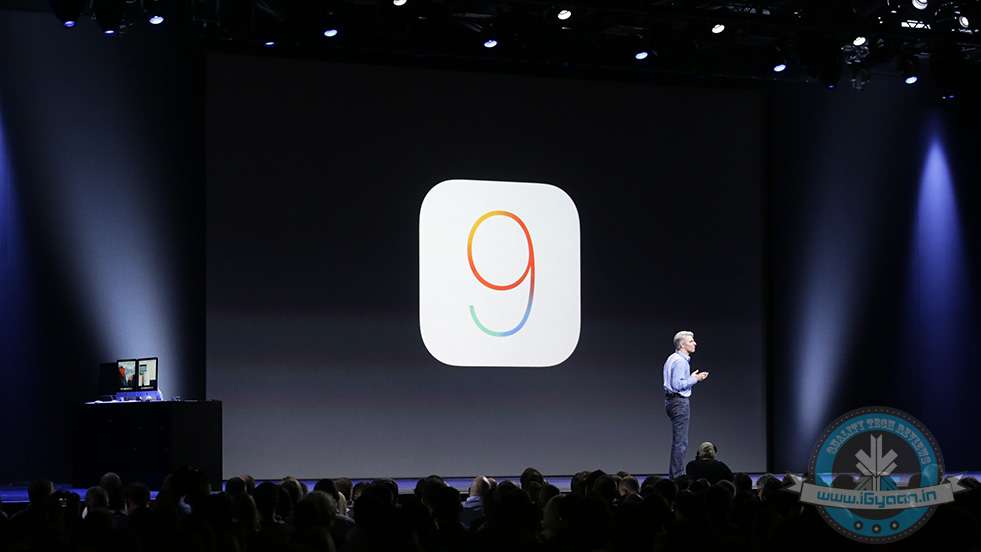
Apple has released the beta version of iOS 9 for the public. The company has introduced some new features such as separate folder for selfies and screenshots and Apple News.
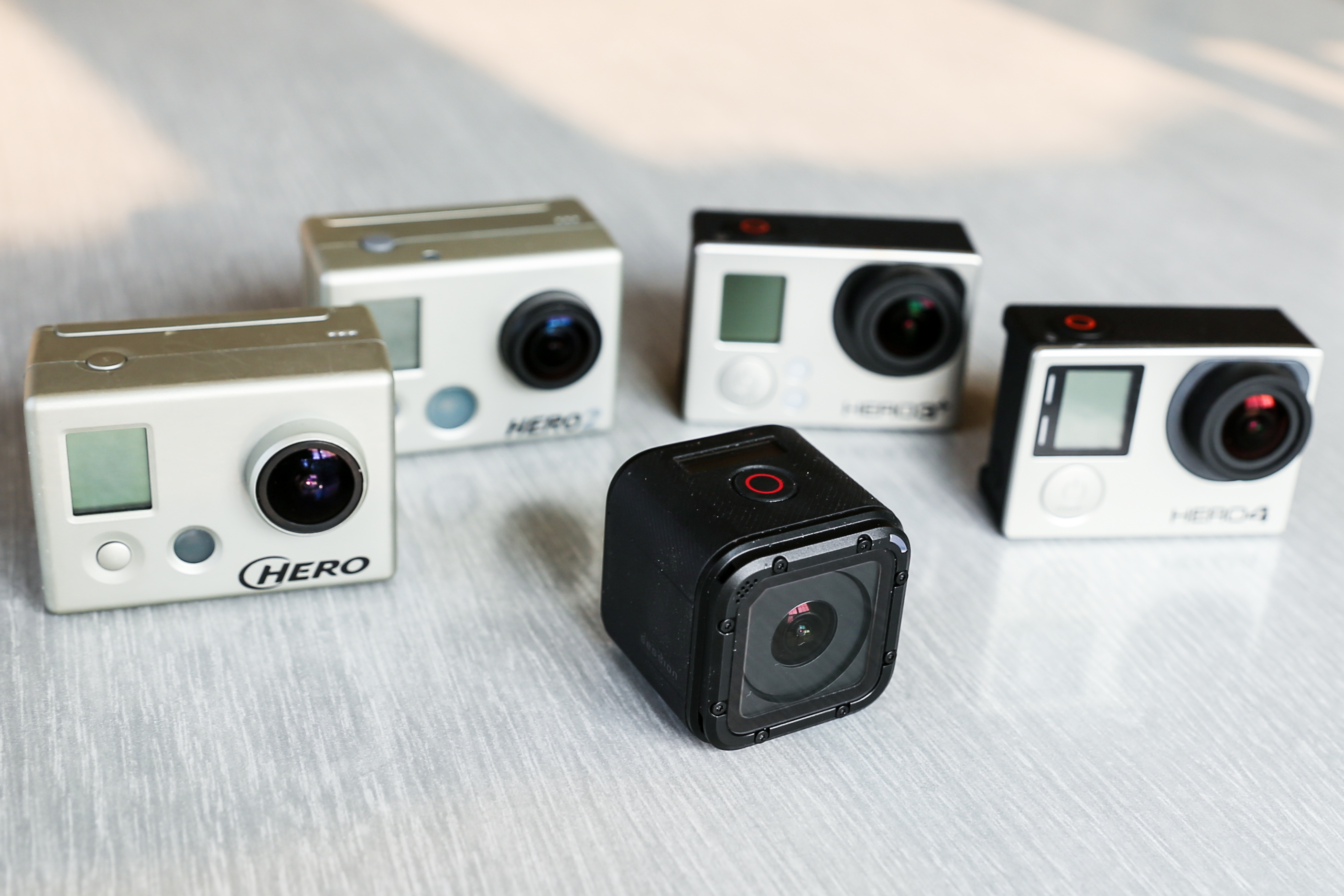
GoPro Is Back With the New Tinier GoPro Hero4 Session
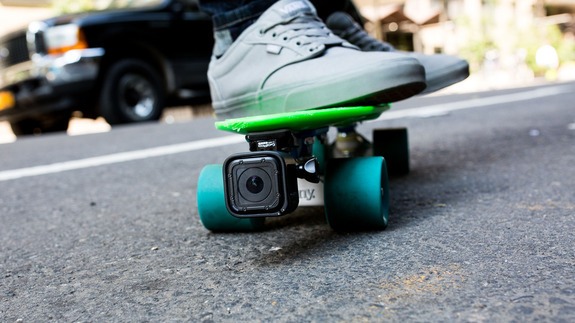
GoPro, the company well known for making incredible cameras for adventure and sports terrain, has unleashed their newest and the smallest beast yet, the GoPro Hero4 Session. The new camera is the first significant redesign of the company’s omnipresent camera in nine years.
The smartphone train keeps on moving forward as time passes by. With almost half of the year gone by, we’ve seen many new devices like Samsung Galaxy S6 and S6 Edge and HTC One M9. But the year is far from ending, and many companies have given out hints of their new unnamed devices. Let us check them out below
Apple iPhone 6s
The iPhone 6 and 6 Plus were released in September, and in the months leading up to that, the gossip mill went mental. Be ready for more of the same with the iPhone 6S, which will launch in September 2015 running iOS 9. As always, we’re presuming a faster processor and some upgraded specs, but little change to the design. According to rumours, the new devices will have a faster A9 processor, 2GB of RAM, a 12-megapixel camera, an additional microphone to enhance voice quality, and a new interior mechanical design to address some bending issues users experienced with the iPhone 6 and iPhone 6 Plus.
OnePlus Two
OnePlus One was one of the most successful Chinese electronic startup stories of 2014. This handset captured an enormous chunk of the mid-segment smartphone market. OnePlus announced a new device on June, which is expected to be the next OnePlus handset. According to OnePlus co-founder Carl Pei, the OnePlus 2 will surprise us, and is likely to focus on flagship-rivalling design rather than specs. The OnePlus 2 launches on 27 July, and will be the first product ever to do so in virtual reality. We already know it will feature OxygenOS, an upgraded Snapdragon 810 processor, USB Type-C and a fingerprint scanner; also expect 4GB of RAM, a 3300mAh battery and a 5.5in 2K screen.
Samsung Galaxy Note 5
Everyone always brags on about Samsung’s Galaxy S lineup, but it’s the Note series that really impresses. The Note 4 was unveiled at a Samsung Unpacked event prior to September’s IFA trade show (3 September 2014), and right now sits at the top of our fastest smartphone and best phablet charts. Traditionally Samsung’s Note launches are held at IFA in September, but rumours suggest we might see the Samsung Galaxy Note 5 as early as July to give it a headstart on the new iPhones.
Mi5 and Mi5 Plus
Reports from Gizmochina claim two more devices will be joining Xiaomi’s line-up later in June 2015. These devices are larger copies of the Mi 4, expected to be named Mi 5 and Mi 5 Plus. The claimed specs of the devices were leaked on the Chinese social media site, Weibo. The Mi 5 is touted to have a 5.2-inch display with a resolution of 1440×2560 pixels. It is believed to be powered by the latest Qualcomm Snapdragon 810 chipset with either 3GB or 4GB RAM and will be juiced by a 3,000mAh battery. Its camera specification includes a 16MP primary camera.The device will also be infused with fingerprint technology. Its larger cousin, named as Mi 5 Plus, will feature a 6-inch screen with 4GB RAM, 32GB internal memory and a 16MP primary camera. While nothing has been mentioned about the price, some rumors claim that Mi5 is slated to be priced around Rs. 23,900. Should the rumor turn out to be true, Mi5 will become one of the strongest performing phones in the market. We hope Xiaomi announces Mi5 as early as possible.
LG G5
Rumours say that LG is now working on the successor of the G4, and will be bringing iris recognition system into play. Reports from Korean publications state that LG has teamed up with local biometrics specialist Irience to implement this feature in its next smartphone. Reports also indicate that the phone will be released in the last quarter of 2015. For now, this is the only information we have found out.
Samsung Galaxy S6 Mini and Galaxy S6 Plus
Samsung Galaxy S6 Mini
It seems like Samsung is on the move to expand its range of Galaxy lineups. The Korean company is reportedly working on a smaller version and a larger version of the Galaxy S6 and S6 Edge, namely, Galaxy S6 Mini and Galaxy S6 Plus respectively. Both the rumours emerged this week.
According to GSMArena, the smaller version, Galaxy S6 Mini, or ‘SM-G9198′, the device will be an iPhone 6 competitor. It will have a 4.6-inch HD display and run on Snapdragon 808 chip with 2GB of RAM. It will be equipped with a 15MP primary camera and a 4.7MP front camera.
Galaxy S6 Plus
Meanwhile, Italy’s HDBlog revealed that the company is working on a bigger version, possibly a phablet, on the Galaxy S6 line. For now, the device has been codenamed as ‘Project Zero 2?. Interestingly, the S6 and S6 Edge were codenamed ‘Project Zero’. According to the rumours, the device will just be like the Galaxy S6, only bigger and with a more powerful battery.
Microsoft Lumia 940XL
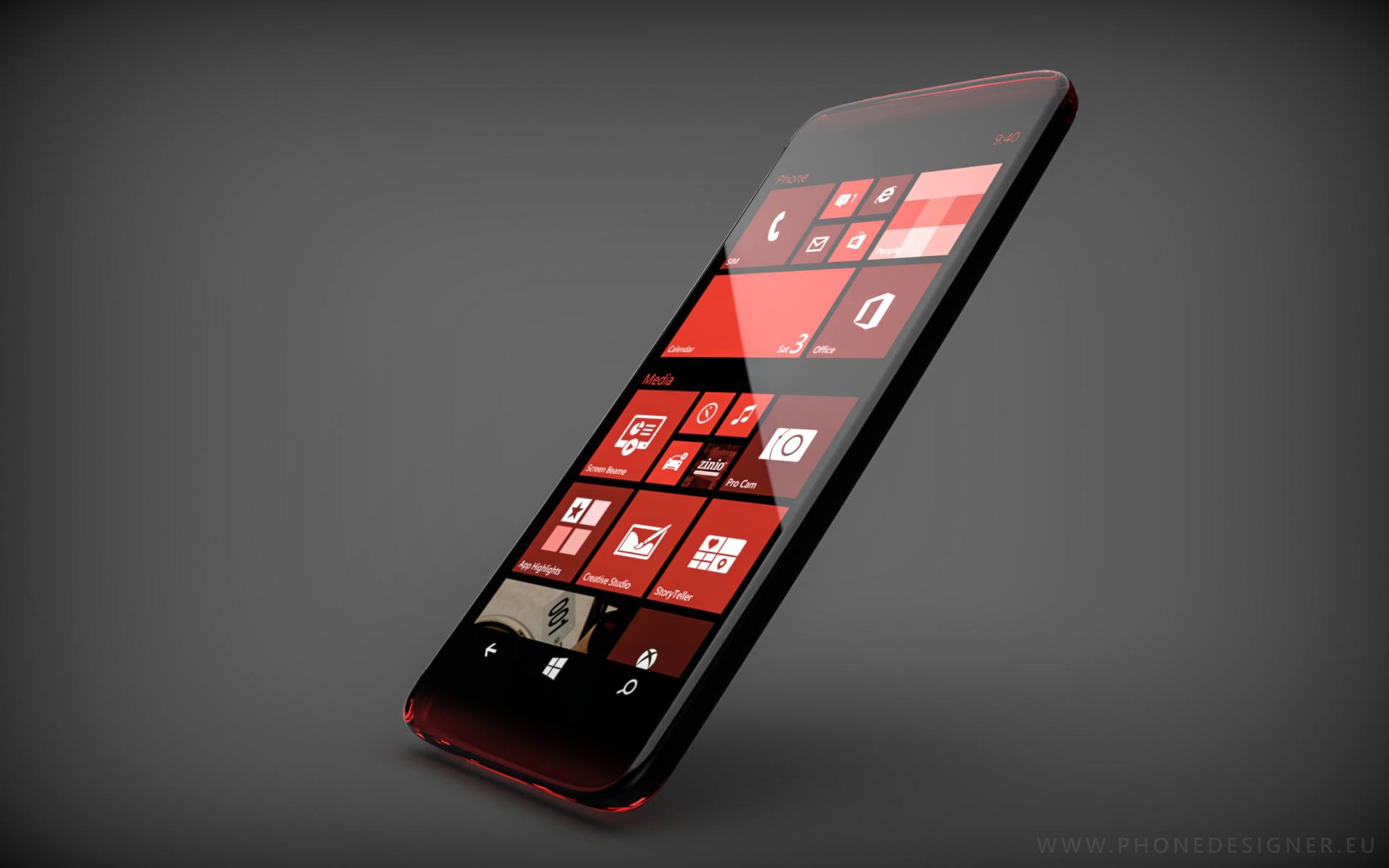
Microsoft had launched the Lumia 930 almost a year ago, and now, the company is back with its newest smartphone, the Microsoft Lumia 940XL. According to NokiaPowerUser, the device is a larger version of the Lumia 940. The device is expected to have a bigger 5.7-inch display with a slim design and a metal frame. The processor will feature a Qualcomm Snapdragon 810 processor paired with 3GB of RAM and 32GB of internal storage, a microSD card slot for expandable storage, a 5MP front-facing camera, a 20MP main PureView camera for photos and videos, and will feature native pen support as well.Further, it will also support USB C-Type and an Iris Scanner too. The specs sound very exciting, but the company has not officially confirmed the existence of such a device.
Motorola Moto X (third-gen)
Motorola may launch the third generation of its flagship Moto X smartphones in the coming few months. According to STJS Gadgets, the third-generation Moto X is leaked by a Motorola insider, who claims to have a hold of details about the next Moto X. The upcoming smartphone on the Moto X series will sport a 5.2-inch QHD AMOLED display, used on the Droid Turbo. Under the hood will be a Snapdragon 808 chipset bundled with a massive 4GB RAM. The device will come pre-installed with Android 5.1.1 Lollipop.The front camera will be 5MP while the back will house a 16MP snapper with Clear Pixel Technology. The battery powering the device will also be mammoth at 3280mAh. The device will come in two storage variants – 32GB and 64GB.
Bonus
Nexus 5 2015
New reports have emerged that after months of speculation about with whom will Google team up with for its next Nexus device, it seems that LG could be the one to build the next, temporarily named, Nexus 5 2015. According to Android Pit, rather than basing the Nexus 5 2015 on the LG G4, LG will be creating the new handset from the scratch. The device would sport a 5.2-inch screen display, six-core Snapdragon 808 processor by Qualcomm, and 2,700 mAh battery pack, according to the rumours. It may also come in 64 GB and 128 GB variants and have a 16-megapixel rear camera and a five-megapixel wide-angle camera in front.
However, for now, neither Google nor LG has confirmed the news. Also, Google’s next mobile OS, Android M is set for an August release date. Hence, details regarding how many Nexus devices are going to be released and who would be building them will be out really soon.
Keep on checking iGyaan for more updates regarding these future devices!
LG in the past years has emerged as a true Android champion. A South Korean counter brand to the kingship of Samsung, especially in the Android smartphone market.
LG came into light after their partnership with Google on building the Nexus 4 and then the Nexus 5 along with LG’s own iterations of the handsets for the global consumer markets. All four of the devices by LG led them into a high stake position in the Android rat race.
Last year however, LG fell off the map with the LG G3, it also had a fall out with Google, who then decided to go with Motorola to manufacture the Nexus 6.
This year LG is back and they want vengeance, pitting up points in almost all areas, LG tried to reach the top of the ladder with their new flagship, the LG G4. But, just as the relevance of Mr. Amitabh Bachchan, on the stage at the time of launch, LG didn’t seem to think this through.
Hardware
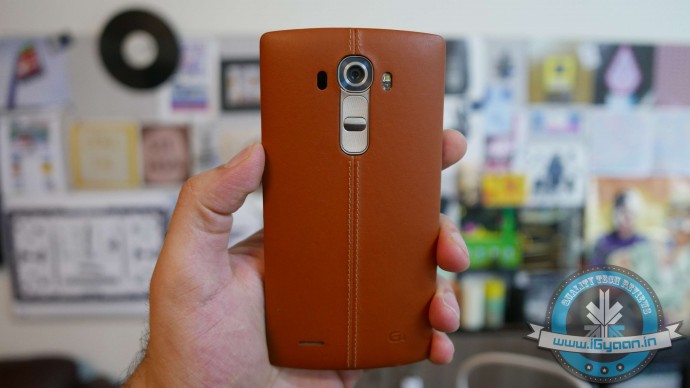
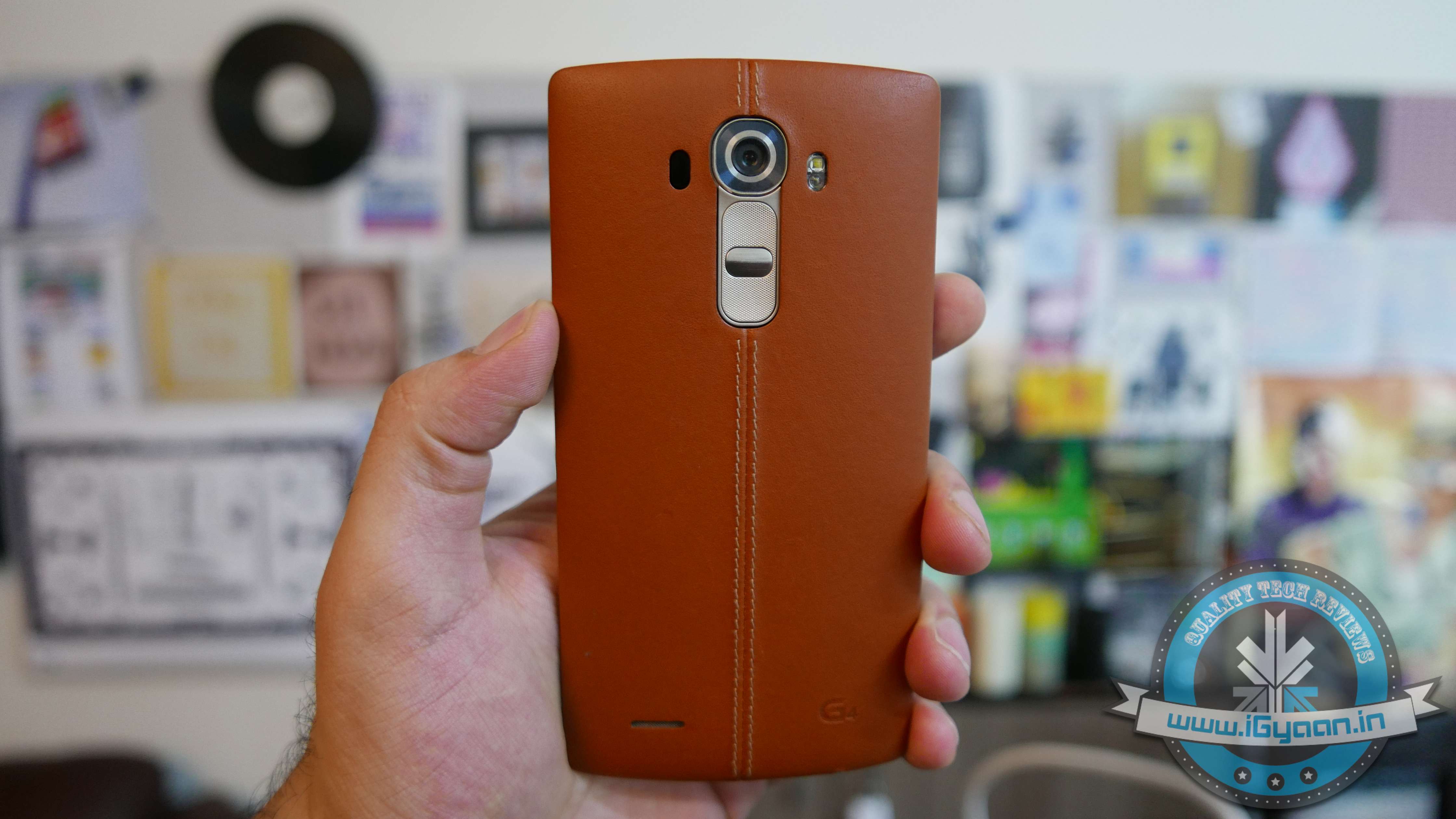
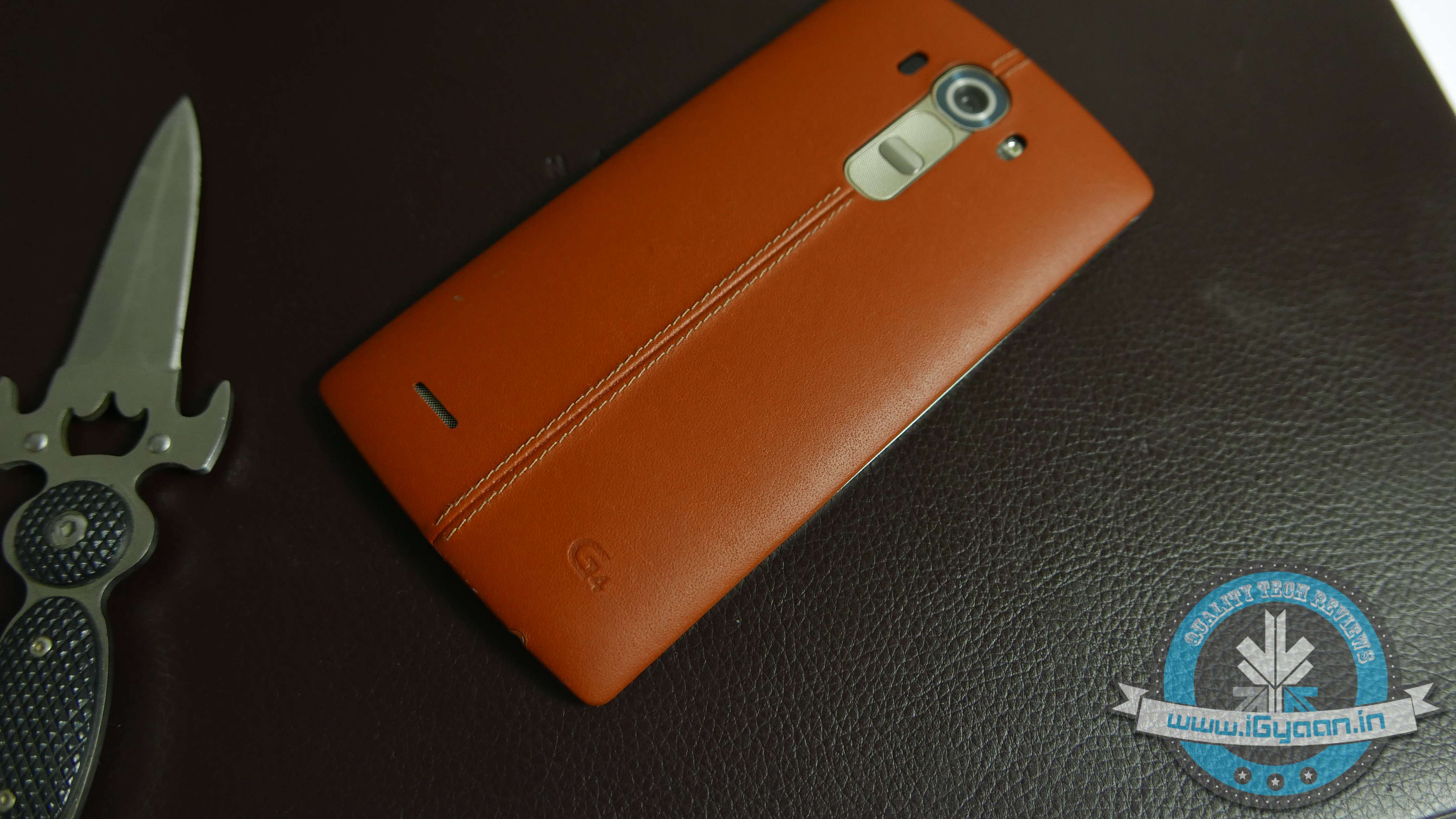
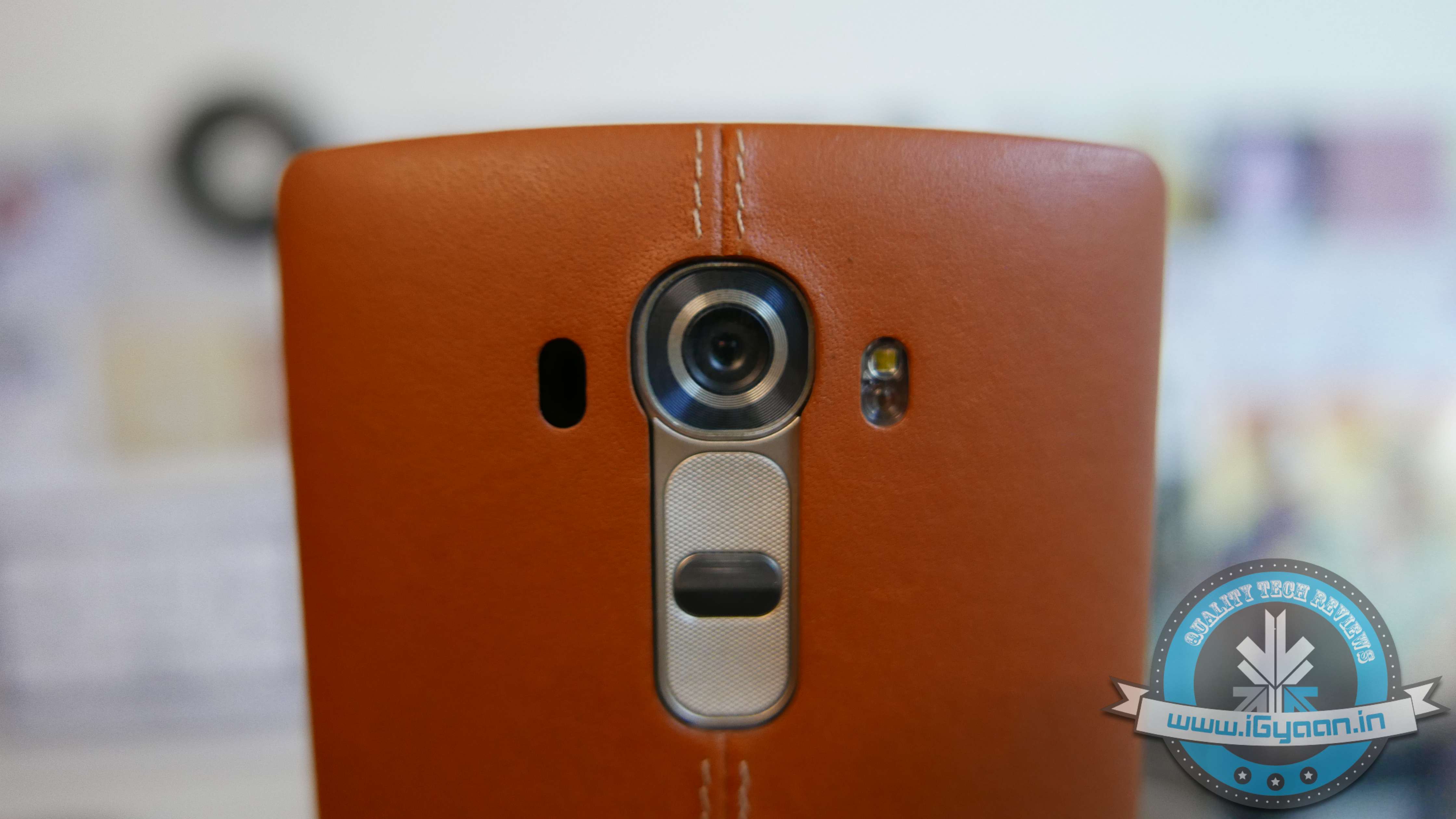
The LG G4 is an iconic design from LG, while many companies have attempted to make leather looking handsets (Note 3 and Galaxy S5), LG actually made a smartphone with a genuine leather back panel.
LG also one upped Samsung with their interesting fast aperture camera and lens, with 16 MP and a f1.8 lens setup vs the f1.9 on the Galaxy S6 and Edge.
The LG G4 also has dual sim (certain regions) and a removable and replaceable battery along with micro-SD expansion all of which is lacking in the Galaxy S6 and S6 Edge.
Hardware Specs
LG G4
Display
5.5-inch Quad HD LCD
Resolution
2560 x 1440 PX
Chipset
Qualcomm Snapdragon 808 with X10 LTE
Processor
1.8GHz Hexa-core
GPU
Adreno 418
RAM
3GB
Primary Camera
16MP f/1.8 aperture
Front Camera
8MP f/1.8 aperture
Storage
32GB
Expandable Up to
2 TB
Battery
3,000 mAh
Operating System
Android 5.1 Lollipop with LG UX 4.0
Bluetooth
4.1 LE (APT-x)
Design, Build and Aesthetics
The LG G4 is designed in a new way, the introduction of a genuine leather back panel may have mixed reactions in certain religious countries. For example in India, LG has refrained from mentioning that the leather back panel is made from cow hide, which may prevent some people from buying the handset. The use of leather however is done in a brilliant way. The back panel takes 12 weeks to manufacture and uses a new technology for a process which normally takes a few days.
Leather Back Panel
Made from only the top layer (epidermis) of high quality cow leather, the back features tiny 0.001 micrometer pores for breathability. The end result is a smooth, soft touch back that should feel unlike any other smartphone on the market, while still allowing heat to dissipate.
Although some have mixed opinions about the design and use of leather, LG has done it rather tastefully and not only does is look impressive, but also feels great in the hand. There is also a Ceramic white which might become the preferred option, also because it is about 100$ cheaper (Rs. 6000 approx)
The front houses a LG G3-esque minimal bezel design from LG which is highly applauded on their previous smartphones, and the LG G4 is expected to have the same outlook.
The construction, however seems a lot less sturdy compared to previous generation G phones from LG. Gorilla Glass 3 has been used in place of Gorilla Glass 4 found on the Galaxy S6 and Edge.
The back panel is removable and replaceable, which means that it can be swapped out if damaged. Also reports of the leather weathering faster than ever, however we faced no such nuisance.
The buttons remain on the back, volume rockers and the main power button, which can also be used as a selfie mirror, sort of.
The phone also lacks premium materials, made mostly from plastics. In an age where Samsung’s flagship is a premium metal and glass device the LG G4 is sub-standard, and less premium.
Performance, Gaming and Display
Here is where the leather laden phone from LG, faces the first from the competition. The underpowered Hexa Core Snapdragon 808 is far inferior than expected. LG’s optimizations to improve battery have further reduced the performance output of this chipset.
In our Benchmark test the G4 stood last with the poorest score. when compared to HTC’s devices and Samsung devices.
The GPU works overtime to deliver high resolution to the 2K display, therefore reducing the graphics quality displayed during gaming.
Although the affect is minimum, but if have been playing on other devices like the HTC M9+ and the S6 you will notice the considerable amount of difference.
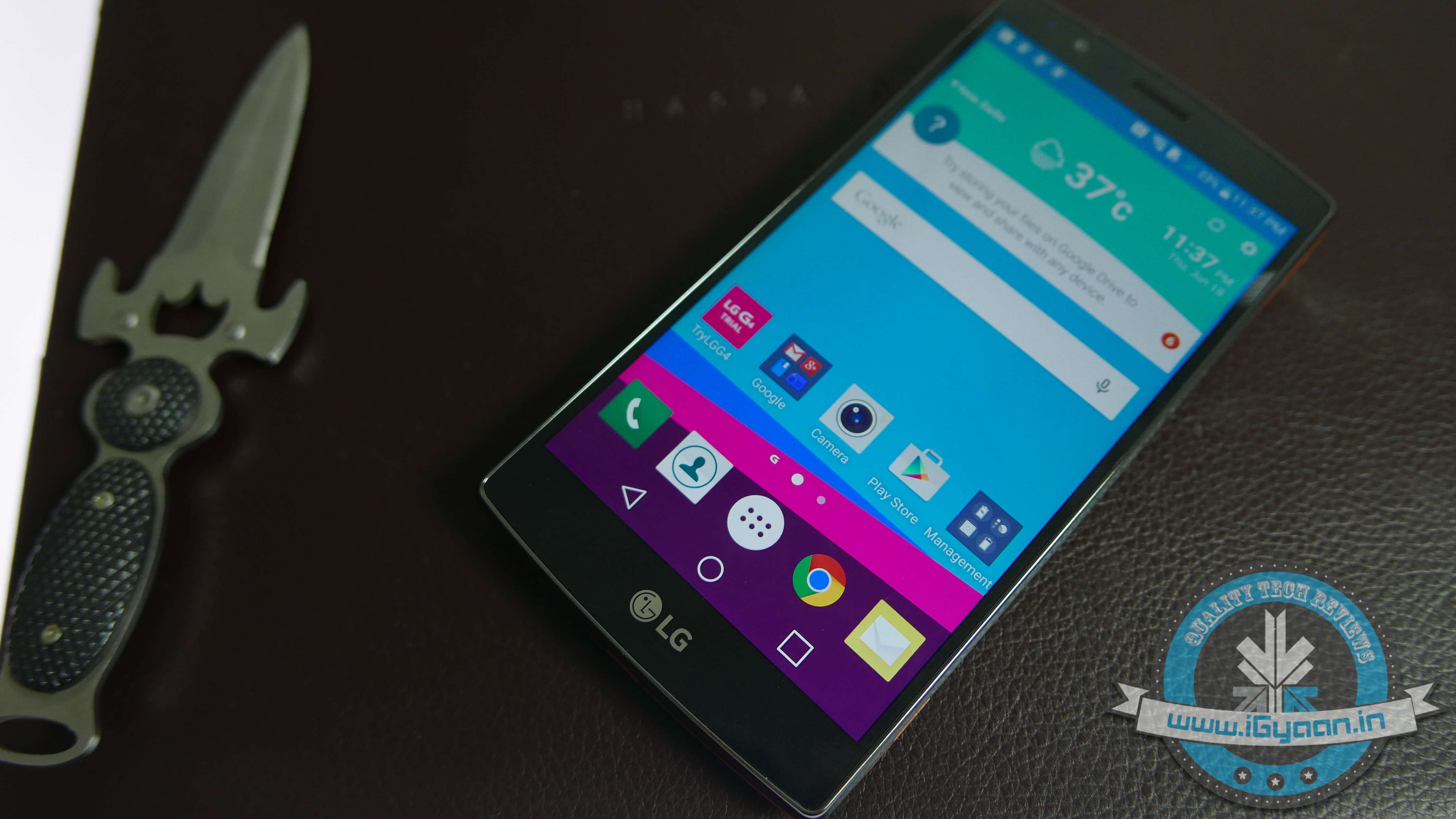
The UI is fast and snappy, transitions are quicker and lag is virtually non existent. We still find LG’s UI a little cluttered, and non easy to navigate.
Phone and Battery
The LG G4 in India comes with Dual Sim LTE, which means that both cards can run LTE networks. Networks speeds are weak, due to network strength issues, but we got 14 Mbps downloads in health network areas.
The dual sim setup is handy for a lot of people and on the LG G4 works well. However battery life is adversely affected by the G4 SIM usage, mostly from network searches.
LG is offering a spare battery with an external charger in many countries, this is justified thanks to the poor battery performance. The battery will barely last you a day, and the drain is massive due to the display and the network searches.
Talk Time : 3 Hours
Standby : 24 Hours
Internet : 3.5 Hours
Music : 9 Hours
Gaming : 2 Hours.
Honestly, the battery is a big let down for us. You cannot have a flagship, running lower spec hardware, with a poorly performing battery.
16MP f/1.8 aperture
Camera
The highlight of LG’s new-gen smartphones, and especially the G series smartphones has been the camera and optics. With the new G4, LG continues to use laser autofocus, but improves the camera considerably. Low light performance is excellent, thanks to a f1.8 lens, whereas the Galaxy S6 only manages a f1.9. The front camera however is not as wide on the G4 as on the S6/edge, but seems to have great capture capability.
Dynamic range is much improved, however we feel that indoor image quality needs to be better. The way the software is processing the images, they feel a lot more digital. Outdoor images are high in detail and contrast.
Images will almost always be in focus and sharp, thanks to the laser sensor, which is accurate and super fast.
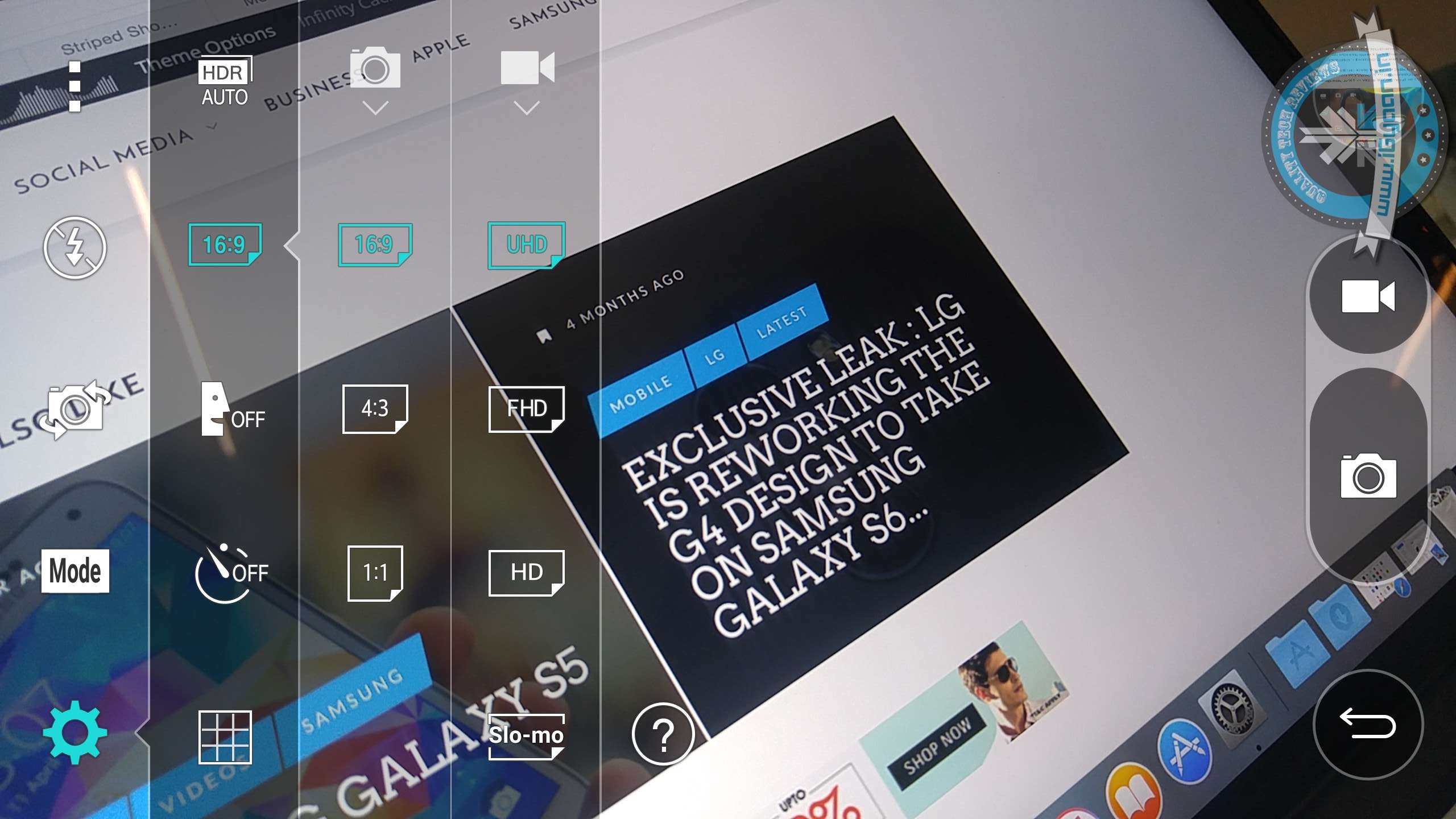
Video is captured at 4k but to limits of 5 minutes to prevent the chipset from overheating. Finding the 4k option is slightly difficult for the first time around, as the phone records 1080p out the box.
4k Video Option
The front camera has a brilliant image quality and works well for “selfies” in low light conditions. The gesture shot allows you to click a picture by making a fist in front of the camera. This allows for a better image, which is less shaky.
Android and UI
With a lot of things built in as smart features, the usability of the LG G4 as a daily driver is easy. Android 5.1 comes out of the box and the UI is highly customizable.
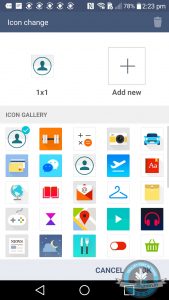
Lg also allows you to customize individual icons, using inbuilt set of icons or your own images can be converted into an icon for any App.
Smart features also allow you to auto-magically enable or disable features as per your usage requirements. For eg. “When at Home turn on Wi-Fi” will automatically enable Wi-Fi on the G4 when you arrive at your’s home’s geolocation. While these features can be really handy, they are an added drain on the battery.
There is still a lot of clutter on the UI as LG is trying to do a lot. Qslide Apps sit in the notification panel, along with quick toggles. There is just so much happening on the G4, that you really want to simplify the usage.
LG’s included apps are also handy, like LG Health for fitness enthusiasts and LG Backup for security of data. Qremote lets you use the inbuilt IR blaster on the top of the phone to control your electronics and appliances, like a TV, Dish box, Air-Con etc. The Qremote turns out to be more useful than mentioned.
Conclusion
Just like each year before this, LG has maintained high quality and managed to make the phone good looking. However, the leather back restricts buyers and the phone may be too any for the female audience.There is a pink leather back cover as well as a red one, which also are more easily handled by men than women. The ceramic white drops the leather for a more LG plastic (they call it polycarbonate) approach.
It is distinctively a man phone, with features which are slightly lower than the competition. A price tag which is higher than the competition and a not so impressive performance and battery life. It does excel in the camera department, only if you are an outdoorsy kind of person. The UI is much more refined than seen in the past and the array of customizations is extensive. But, our money is well spent elsewhere.
It is impossible to overlook the fact that mobile cameras have changed a lot in the last few years. Far before the now memorialized words of “Let me take a Selfie,” having a camera in your back pocket or purse was something most of us took for granted. But just how far have mobile cameras actually come, and where are they headed in the future?
The first instant camera was made back in 1923. But, it wasn’t until 1948 that these devices gained popularity when the Polaroid camera came out, enabling the user to print instantly a photo in less than a minute.
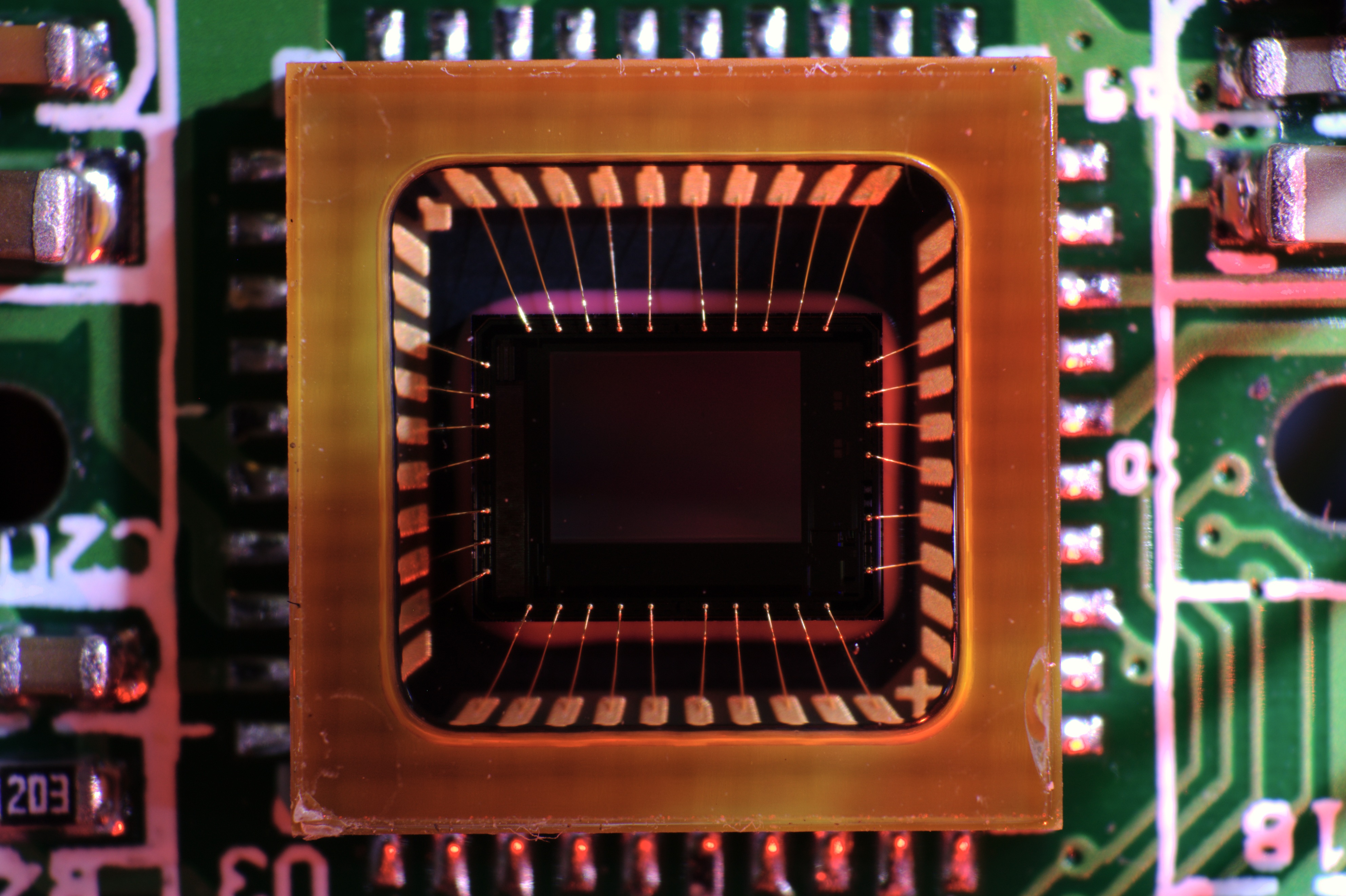
But that was just it. Enter Willard Boyle and George Smith, who invented the CCD Chip (Charge-Coupled Device Chip), which paved the way for digital cameras in 1969.
CCD Chip
However, it wasn’t until 1981 that a commercially available version would hit the market in the form of the Sony Mavica. This monster of a camera let users save up to 50 images on a video floppy disk and view them on a television screen. It paved the way for digital cameras to go mainstream, and it changed how photography would be perceived both literally and metaphorically.
The First Camera Phone
Just as digital cameras began to rise in popularity, cell phone manufacturers could not help but notice the rising trend. In 2000, Sharp produced the J-SH04, the very first phone with an inbuilt camera. It was a 0.1MP camera and was priced at $500.
Sharp J-SH04
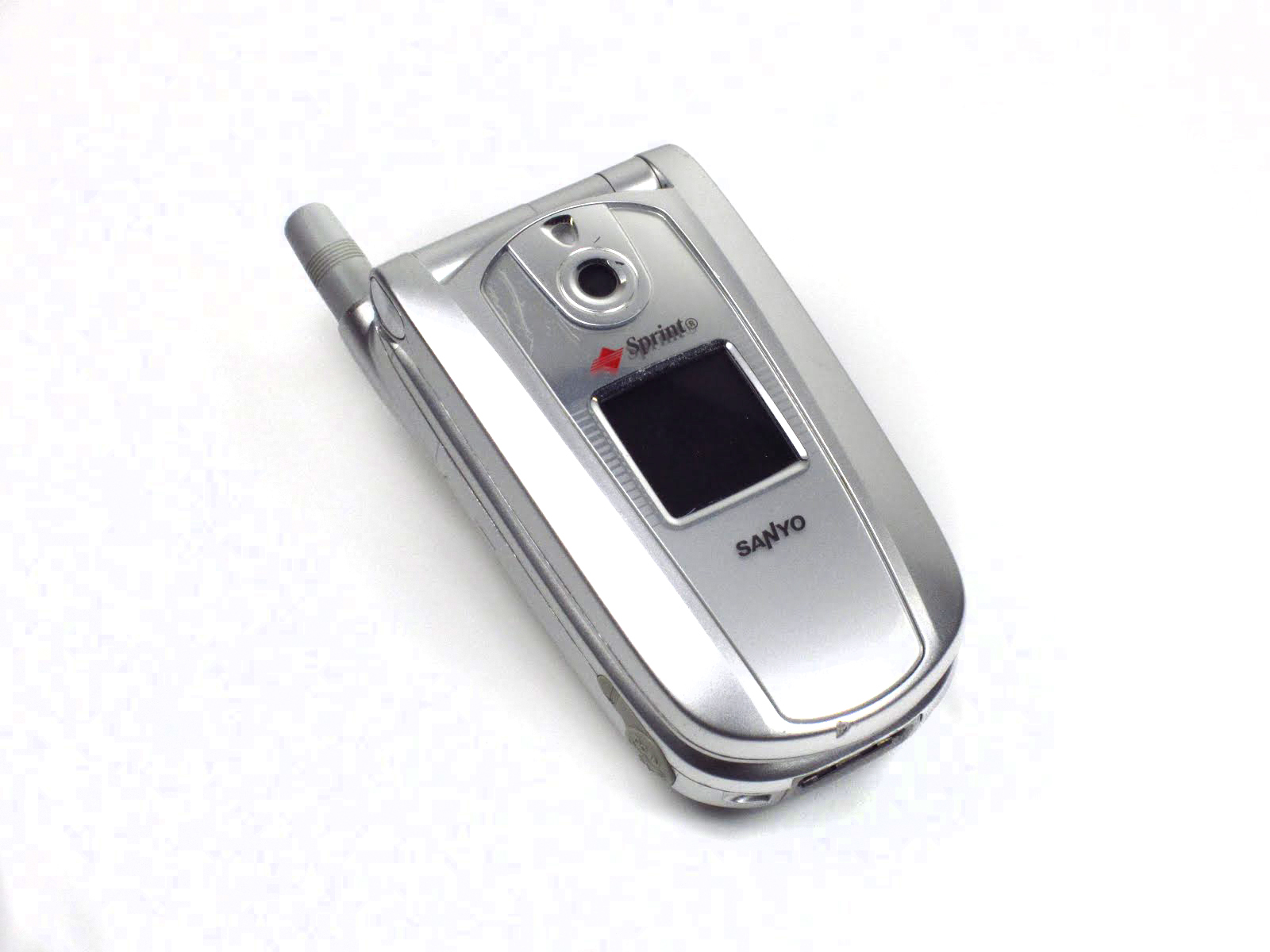
This device became so popular that within two years, Sharp’s device served 40% of J-Phone users around the world. American phone businesses took note of the phone’s success and brought the technology to the U.S. in 2002, in the form Sanyo 5300 flip phones. The camera phone wars had officially begun.
The Second Camera Phone
It was November 2002 before the U.S. embraced the crazy Japanese trend with the Sanyo SCP-5300 handset. It costed $400, and it highlighted a chunky clamshell design.
Sanyo SCP-5300
With a 0.3MP capability, it could capture shots at 640 x 480 pixels.The Sanyo SCP-5300 also had a basic flash, white balance control, self-timer, digital zoom, and several filter effects like sepia, black and white, and negative colors.
By the end of 2004 the camera phone was riding high. Over half of the phones sold worldwide had cameras in them in the first nine months of 2004, and two-thirds of all the phones shipped in the third quarter were camera phones. Leading the way was the Finnish manufacturer, Nokia.
Nokia Battles Its Way To The Top
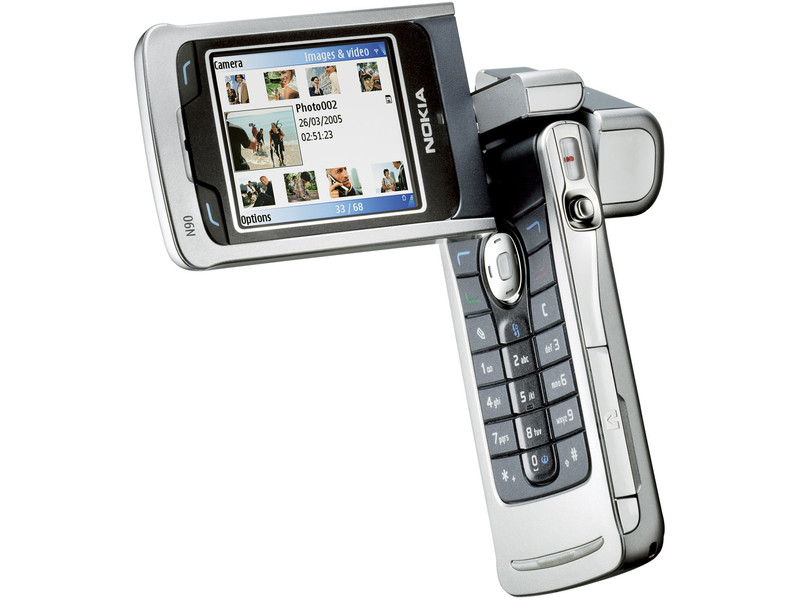
Nokia released the N90 in 2005, thus landing the camera phones to new heights. It featured a 2MP camera, along with Carl Zeiss optics, autofocus, and an LED flash. It instantly became famous because the rotating screen gave a feel of a camcorder.
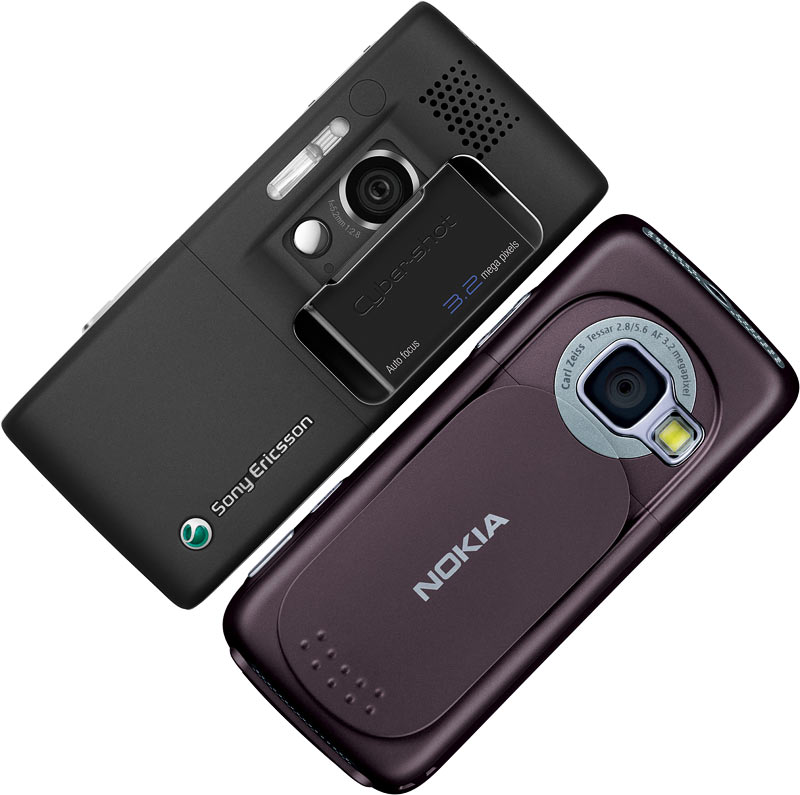
But, Nokia was not the only one who was reaching new heights of mobile cameras. Sony Ericsson’s K800i that was released in 2006 had a 3.2MP camera with auto-focus, image stabilization, and a Xenon flash. Naturally, Nokia countered with models like the 3.2MP N73, but in 2007 the feature phone reached its zenith.
Sony Ericsson’s K800i that was released in 2006 had a 3.2MP camera. Later, Nokia countered with models like the 3.2MP N73.
Nokia 95 was the first phone to feature a 5MP camera with the Carl Zeiss lens. It took excellent photos, and it could record video at 30 frames-per-second. In fact, 5MP remained as a high-end standard for several years. Sadly for Nokia, the smartphone debacle was just around the corner, and a good camera would not be adequate to keep Nokia on the rise.
Next In Line, Samsung and LG
In 2008, the Samsung i8510, also known as the INNOV8, held the first 8MP camera to hit the market, but in design terms, it looked like part of Nokia’s N range, which were getting steadily less popular.
Sample Photo using a Samsung i8510
Nokia followed suit with the N86, but it was LG that released the first touchscreen camera phone with an 8MP camera. It was called the LG Renoir.
The competition for megapixels proceeded, and Samsung hit 12MP first with the M8910 Pixon12 in 2009. It was soon surpassed by Nokia’s N8 in 2010 and the 16MP Sony Ericsson S006 at the end of the year.
The Rise Of Software Features For Cameras
Google gave Photosphere; Apple came out with Panorama mode, even BlackBerry came out with TimeShift. We have seen a lot of filters and effects mixed into various mobile platforms and are proving great for people who click photos in a not-so-normal perspective.
Shot by David K. in Dubai, United Arab Emirates as a part of Shot on iPhone 6 campaign
Camera Phones are not just developing the sensors and resolutions. They are also improving on the lenses, flashes, focussing capabilities and zooming capabilities too.
Apple’s Autofocus feature
We are observing today the acceptance of xenon flash, Dual-LED flash, Carl-Zeiss lens on camera phones. Camera phone hardware is bettering the hardware specs of stand-alone digital cameras. With the improved availability of raw processing power, location-awareness and the brilliant touchscreen displays, today’s camera phone’s are equipped to manipulate blink-detection, face-detection, smile-detection, touch-focus (sheer ability to focus on a particular spot on the frame by just tapping the touch-screen), Geo-tagging (thanks to GPS capabilities), Image stabilizer, Video Stabilizer, HD image resolutions, 4K Video Recording and much more.
We should talk about the full-HD Video recording capabilities that are made possible now. Optical Zoom and stand-alone camera capability (using a camera while the phone is switched off) are getting upgraded as well. In a new experiment, we mounted the Moto Turbo on a drone and got phenomenal results.
As smartphones become universal, they are quickly replacing traditional point-and-shoot cameras as the go-to devices for capturing quick photos. But not all smartphone cameras are designed equally. The iPhone 6 Plus, for example, has extremely fast autofocus and a dual-LED flash, and the Samsung Galaxy S5 Active can withstand dunks underwater and drops to the ground. In a high-tech world driven by steady consumer demand for bigger and better, it will be exciting to see where our tech will take us next!
Let us look at some of the brilliant iPhone photography that may give professional photographers a run for their money.
Shot by Brendan Ó. in Copenhagen, Denmark
Shot by Renee M. in Union City, CaliforniaShot by Satoshi H. in Tokyo, JapanShot by Dudley W. in Glen Etive, ScotlandShot by Robyn W. in Corvallis, Oregon
You can check out more of these amazing photographs here.
After launching the LG G4 Stylus yesterday, LG has released another variant called the LG G4 Beat. The new phone is the latest in the G4 line-up after the G4 Stylus and G4c. With this phone, it seems LG is trying to imitate Samsung’s successful Galaxy series, which offers a wide range of affordable and premium phones.
Juno Cho, president and CEO of LG Electronics said
Too often, mid-tier phones sacrifice overall usability in order to include that one killer feature. Our goal with the LG G4 Beat was to create a phone that was not only well- balanced in terms of display, camera, performance and design but delivered terrific value and satisfaction.
The G4 Beat sports a 5.2-inch full HD IPS LCD display with 423 ppi. The phone is powered by a 1.5GHz Snapdragon 615 octa-core processor with 1.5GB of RAM. The internal storage of 8GB can be expanded, allowing you to store more images, music and videos. The G4 Beat will run on Android 5.1.1 Lollipop with LG UX 4.0.
The phone will sport an 8MP rear camera and a 5 MP front camera. For some reasons, LG has decided to include a 13 MP rear camera in the G4 Beat for select Latin America countries. A 2,300mAh removable battery will power the phone. As far as connectivity is concerned, the phone supports LTE, Bluetooth 4.1 and NFC.
LG has not disclosed any pricing for the G4 Beat, which is expected to be launched first in countries like France, Germany and Brazil followed by Canada, India, Russia, Singapore, South Africa and Turkey, among others.
Specification
LG G4 Beat
Display
5.2-inch full HD IPS LCD display
Resolution
1920 x 1080 pixels, 423 ppi
Chipset
Qualcomm Snapdragon 615 chipset
Processor
1.5GHz octa-core processor
RAM
1.5 GB
Storage
8GB
Rear Camera
8 MP Laser Autofocus, LED Flash, 13 MP in select Latin America countries
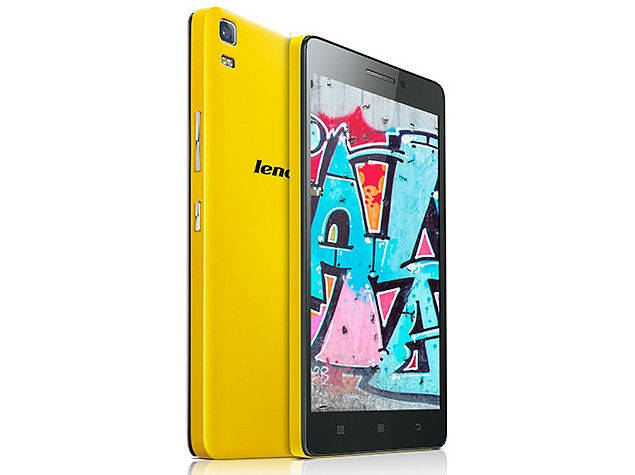
How long does it take to become a bestseller? As Lenovo found out, apparently 5.2 seconds. Seconds after the first online sale kicked off, the Lenovo K3 Note smartphone was sold out on Flipkart. Lenovo sold about 47,440 smartphones over 5, 38,096 registrations the company received for the first flash sale.
The next sale will be held on 15th July. Two versions of the phone – black as well as white – will be sold at 12 noon and 3pm respectively. Registrations are already open.
The K3 Note joins a long list of affordable 4G handsets provided by Lenovo, such as A6000, A7000 Plus and S60. The phone has Dual SIM card slots and supports both LTE bands in India. The phone sports a 3,000 mAh battery, which is replaceable. The K3 Note sports a 13 MP rear camera with Dual LED flash and a 5 MP front camera.
The specifications for the phone are reminiscent of the Xiaomi Mi4i, which is currently in demand and has a dedicated fan base. Like Mi4i, the K3 Note boasts a 5.5-inch full HD display. Also to that, the K3 Note costs less than the Mi4i.
Launched in India in late-June, the Lenovo K3 Note was first unveiled for China in March. It competes against the likes of budget contenders – Yu Yuphoria and Xiaomi Redmi Note. Yu Yureka and Xiaomi Redmi Note 4G have ruled this price segment, but it looks like Lenovo is finally going for the kill with the K3 Note.
Check out the specifications for the Lenovo K3 Note before you register:
Specs
Lenovo K3 Note
Display
5.5 inches IPS capacitive touchscreen
Resolution
1080 x 1920 pixels
Chipset
1.7GHz MediaTek MT6752
Processor
Octa-core 64-bit processor
RAM
2 GB
Storage
16 GB
Expandable Upto
32 GB
Main Camera
13 MP
Front Camera
5 MP
Battery
3,000 mAh
Operating System
Android Lollipop 5.0 out-of-the-box, wrapped under Lenovo Vibe 2.5 UI
Miscellaneous
Active noise cancellation with dedicated mic, Lenovo Vibe 2.0
Since its launch in 2012, XOLO has tried but never been able to achieve the level of popularity like its rivals Motorola and Xiaomi have. XOLO hopes to change that through its upcoming phone “Black”, which will be exclusively sold on Flipkart.
According to BGR, the Xolo Black will be released on July 10 through Flipkart. Xolo is adopting the online business model considering how it has expanded fanbase for companies like Xiaomi, OnePlus, Yu and even Motorola, which was struggling until it launched Moto X, in India.
According to reports, the Xolo Black is priced under Rs. 15,000. The phone sports dual-rear cameras, a glass rear panel at the back, supports 4G LTE, and runs on the new Hive 1.5 UI based on Android 5.1 Lollipop.
Unlike its competitors, Xolo will not sell the phone in a flash sale. The Xolo Black will be sold in an open-sale and will follow the online-only business model. Xolo plans to launch a new handset every quarter under the Brand series. The phones will be priced between Rs 10,000 – Rs 20,000 and all of them would be 4G enabled.
From Friday, you will be able to retain the same number anywhere in India, without changing your network operator. Today, mobile operators Bharti Airtel and Vodafone said that they would roll out nationwide mobile number portability (MNP) from July 3.
Telecom operators were supposed to roll out nationwide MNP in May. However, due to the technical challenges faced by telecom operators, the deadline of May 3 was extended by two months by Department of Telecom (DoT). According to COAI, the telecom industry body, telecom operators needed 8 weeks to make some technical changes to their networks due to changes in national numbering plan (NNP), resulting in delay.
Ajai Puri, Director, Market Operations, Bharti Airtel, said
With our complete readiness to launch National Mobile Number Portability, we aim to empower customers enabling them to retain this identity as they move across anywhere in the country. To facilitate a seamless transition we will also allow our customers to enjoy free incoming on roaming while their number portability request is being processed.
Now that Airtel and Vodafone have implemented full MNP, subscribers will be able to switch to the same or different network in a different state while retaining the same mobile number. Airtel promises that the porting request will take effect in 24 hours, which is fast when compared to the 8 days it usually takes.
To make the MNP process even more smooth, Airtel customers will enjoy free incoming on roaming while their request is processed and can transfer their prepaid balance & carry forward postpaid unbilled/billed amount. The process for national MNP will be the same as intra-city MNP.
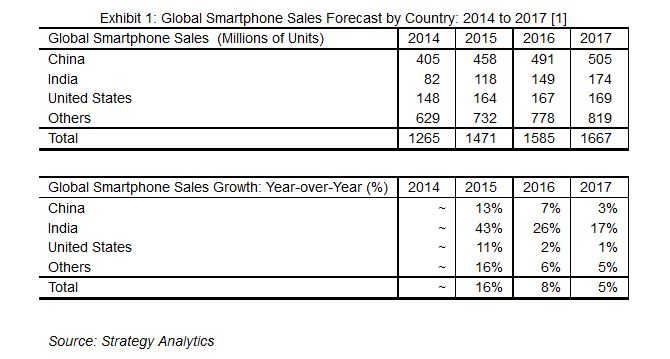
India, the world’s 7th largest country and with the second largest population in the world, may soon have one more tag to its name. According to a study conducted by Strategy Analytics, an international research firm, India is on the road to becoming the second largest smartphone market in the world by 2017.
The first position will be held by China, but India will push down USA from the current second place to the third place in the smartphone sector. Linda Sui, director at Strategy Analytics, says
China has been the engine of global smartphone growth in recent years, but China is now maturing and slowing. India is fast becoming the next major growth wave. We forecast 118 million smartphones will be sold in India in 2015, increasing strongly to 174 million in 2017.
The rise of the smartphone industry in India has been directly proportional to the Internet growth here. As of 2014, India had 243 million people in the Internet grid, the third largest in the world. The US had 279.8 million online in the same year, putting it in the second place.
Linda Sui added that India is driven by the growth of low smartphone invasion, expanding retail availability of devices, prosperous middle-class consumers, and dynamic advancements from local smartphone brands like Micromax.
According to the report, 118 million smartphones will be sold in India this year. About 458 million smartphones will be sold in China in 2015 and will rise steadily to 505 million in 2017. About 164 million smartphones will be sold in the US in 2015, climbing marginally to 169 million in 2017.
Clearly, we can see that in the past decade, US was in the middle of the tech world. But now, companies are trying to get into different and untouched markets in many ways, since most of them are at a disadvantage to the local brands, anyways.
It seems Samsung has not lost hope yet with Tizen. Z1, the company’s first phone to run on Tizen OS, got negative responses from critics and consumers alike. It seemed the low price of Rs. 5,000 wasn’t enough to save the phone from extinction. As we previously stated, the phone was barely unique and failed to find space for itself in the brutal smartphone marketplace. Still, Samsung never lost hope in its homegrown OS, also known as the company’s answer to Android One.
It seems Samsung’s faith in Tizen has paid off.
Today, Samsung India said that it has sold a record 1 million Tizen-powered Samsung Z1 smartphones since its launch in January 2015.
Asim Warsi, vice-president-marketing, Mobile and IT, Samsung India, said:
Our insights have shown that consumers hesitate to move beyond the familiar basic and simple interaction with their mobile devices. Keeping this in mind, Samsung Z1 features an easy to use UI that offers a smooth and fast experience to ensure a seamless migration to smartphones.
Samsung is reportedly developing Z2, the successor to Z1. The phone is speculated to feature a 4-inch WVGA display, 1.2 GHz dual-core processor, 768 MB RAM, 4 GB inbuilt storage, and 1500 mAh battery. If the company plays its cards right, Z2 could strengthen the future for Tizen OS.
It has been ages since we last heard anything about the rumored Mi5. It was speculated that Xiaomi would launch the successor to Mi4 earlier this year, but instead the company released the Mi4i, which soon became a bestseller. Today, a report has emerged which says that the company will launch Mi5 in the November.
Codenamed “Libra”, the phone will sport a 5.3 inch QHD display, which is consistent with the previous rumors about Mi5. The phone will be powered by Qualcomm Snapdragon 820 64-bit chipset paired with a 4GB RAM. Xiaomi Mi5 will come in two variants -16GB and 64GB version. Since Xiaomi always considers Apple its main competitor, the phone will include fingerprint scanner and run on a 3,030mAh battery. Also, it will have a 16-megapixel rear camera, and a 6-megapixel front camera.
The phone will run on Android Lollipop based MIUI OS. Xiaomi will also offer another variant, Mi5 Plus, which would basically be a bigger version of Mi5, just like Samsung Galaxy S6 Edge. The phone is rumored to come with a 6 inch display with 2K resolution, 4GB RAM with 32GB storage capacity and 16 MP rear camera. While nothing has been mentioned about the price, some rumors claim that Mi5 is slated to be priced around Rs. 23,900.
Should the rumor turn out to be true, Mi5 will become one of the strongest performing phones in the market. We hope Xiaomi announces Mi5 as early as possible.