Category: Mobile

Smartphone News and Reviews, Latest Cellphones, Accessories, New Launches, Specifications, Details with Image and Video from Apple, Samsung, Lenovo, Moto, HTC, Xiaomi, Oneplus, Meizu, Sony, Lava, Micromax Yu Mobile and More.

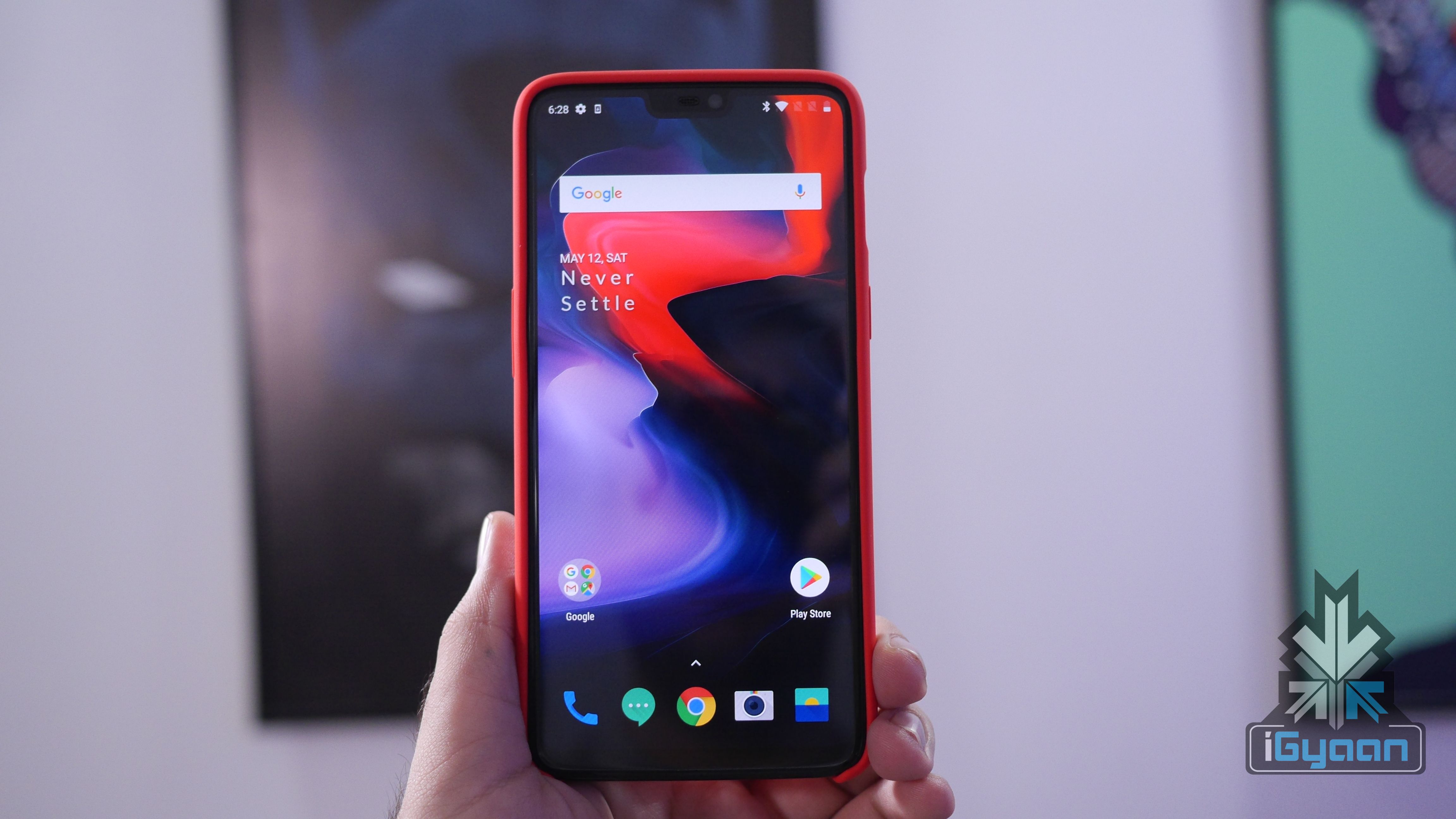
  • OnePlus 6 Gets OxygenOS 9.0.3 OTA Update

    OnePlus 6 Gets OxygenOS 9.0.3 OTA Update

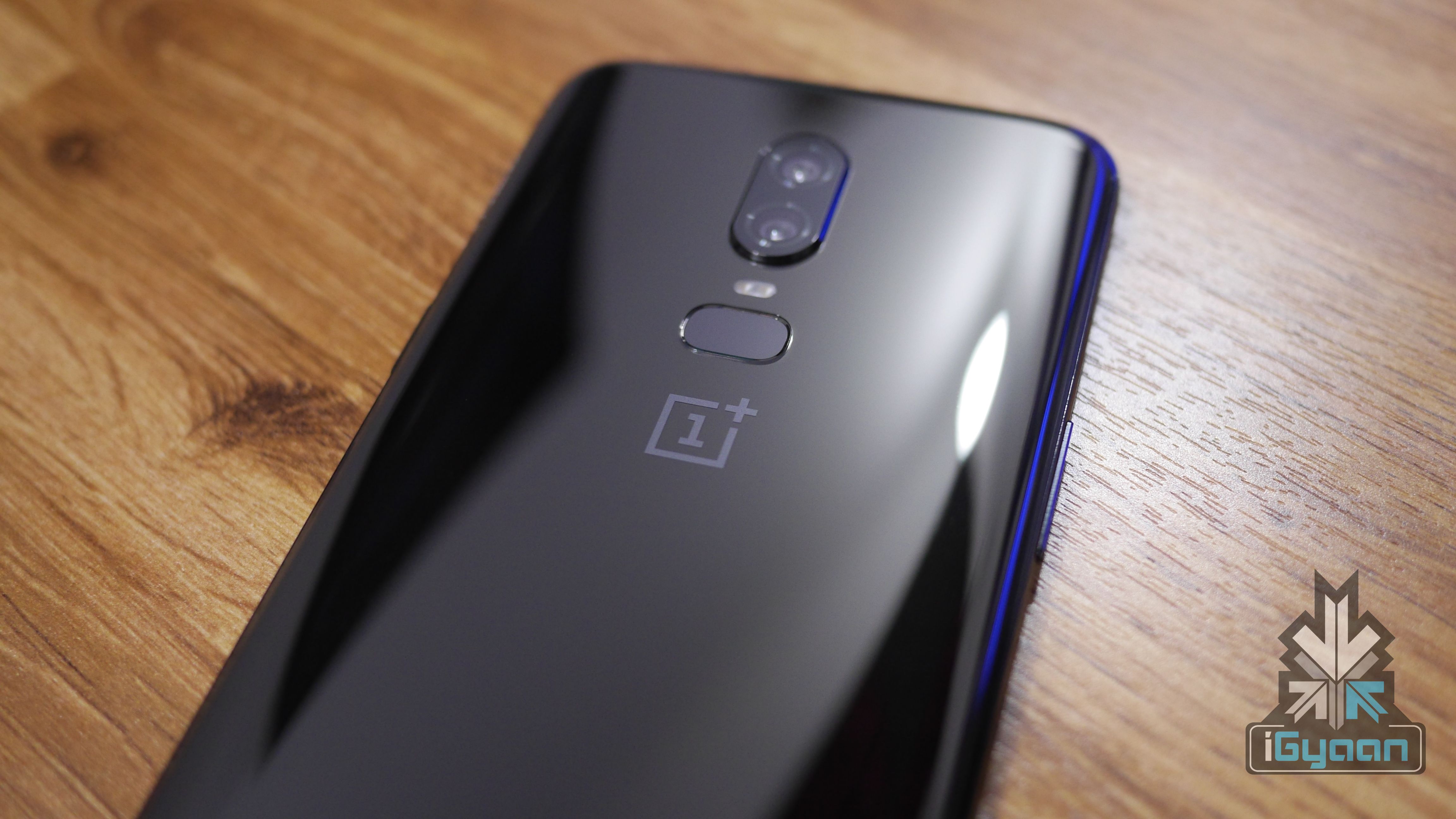
    OnePlus launched the OnePlus 6 smartphone in the year of 2018. Before the OnePlus 6T, it was the flagship model offered by the company. The OnePlus 6 was originally launched with Android 8.1 Oreo. Late last year the company rolled the OxygenOS 9 OTA update for the device. The OxygenOS 9.0.3 incremental update is now available for the smartphone which improves various existing features.  

    OxygenOS 9.0.3 Changelog

    • System- The latest update improves both Wi-Fi and Bluetooth stability for better connectivity. It adds the latest December 2018 Android security patch to the device along with some minor bug fixes.
    • Camera- The 9.0.3 update for the OnePlus 6 also improves a lot of camera features. It improves the Nightscape performance and slow-motion video capture performance. Additionally, image processing is more optimized than before.
    • Earphone and Communication- One major change that the update brings is the addition of an Audio tuner for Bluetooth earphones. This will allow the users to manually control each settting like bass, and treble. Another minor change is the VoLTE support for Boygue France network. 
    OnePlus 6 SpecificationsTop 10 Features

    Also Read: Vivo Nex Dual Screen Edition With Snapdragon 710 Spotted On TENAA

    • Display: 6.28-inch AMOLED Full HD+ 2280 × 1080 pixels, 19:9 aspect ratio 
    • Operating System: OxygenOS based On Android
    • Processor: Snapdragon 845, Octa-Core
    • RAM: 6 GB/8 GB LPDDR4x  
    • Storage: 64 GB/ 128 GB/256 GB 
    • Rear Cameras: 16 MP + 20 MP, LED Flash 
    • Selfie Camera: 16 MP 
    • Security: Face Unlock + Rear-Mounted fingerprint scanner 
    • Connectivity: 4G VoLTE, Wi-Fi 802.11 ac 2.4G + 5G, Bluetooth 5 .0 + LE, NFC, GPS, USB Type-C  
    • Battery: 3300mAh, Dash Charge Support
    • Dimensions: 155.7 x 75.4 x 7.8 mm 
    • Weight: 177 g 


  • OnePlus 5 And 5T Receive OxygenOS 9.0.1 Update

    OnePlus 5 And 5T Receive OxygenOS 9.0.1 Update

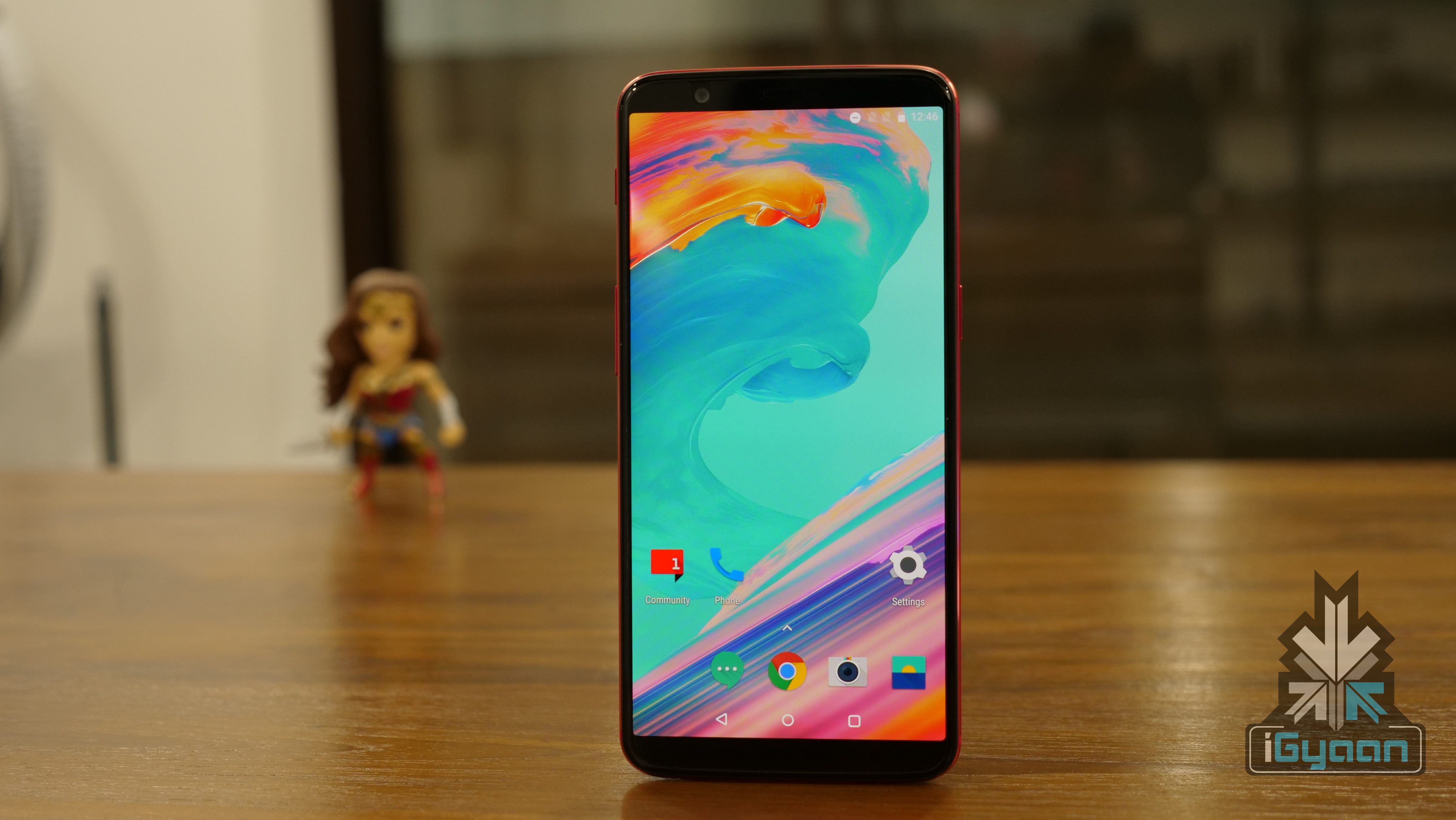
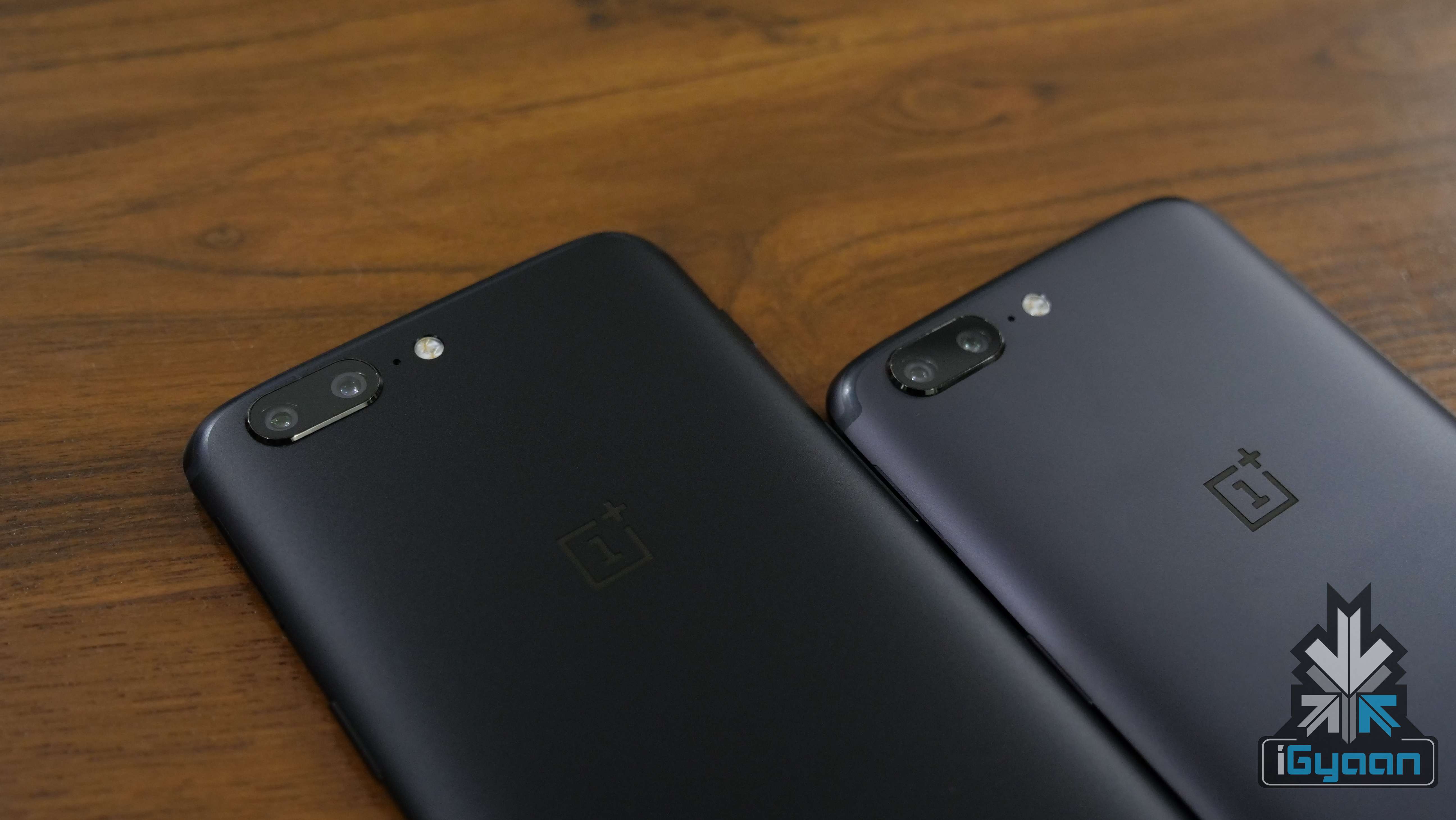
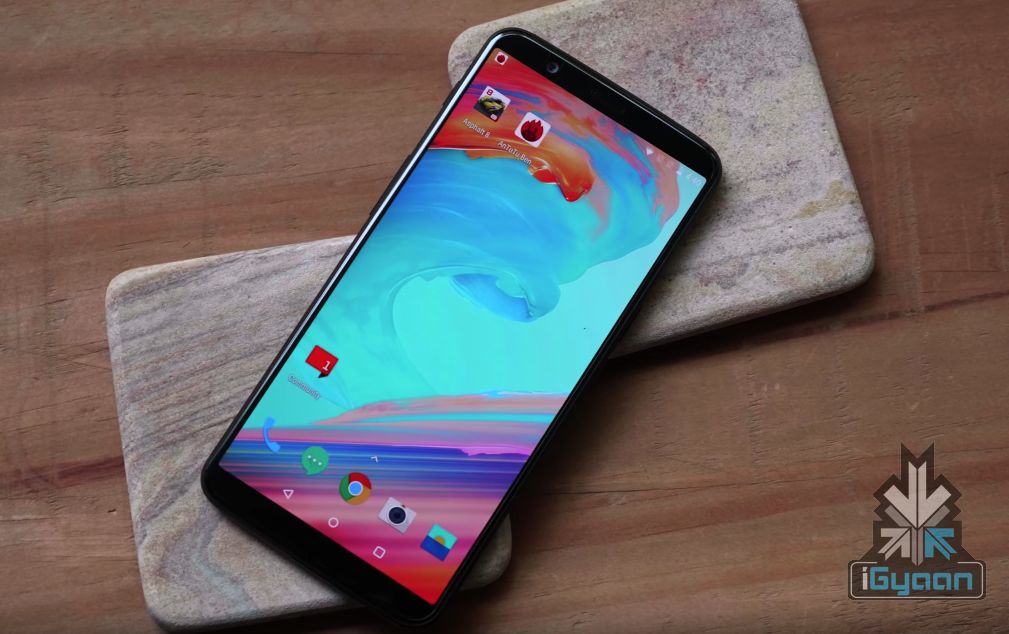
    OnePlus launched the OnePlus 5 and the OnePlus 5T smartphones in the year 2017. The smartphones were originally launched with Android 7 Nougat which later received the Android 8 Oreo update. On 25 December 2018, the company rolled out the Oxygen OS 9.0 OTA update which is based on the latest Android 9.0 Pie for both the smartphones. Although the update was a pleasant Christmas surprise for device owners, some users complained about glitches they faced after the software update. OnePlus has rolled out an Oxygen OS 9.0.1 OTA update that addresses the issues faced by the users. 

    Changes With OxygenOS 9.0.1

    The complete changelog with the latest update is as follows:

    • Improved stability for Wi-Fi connection
    • Optimized sRGB display mode
    • Optimized Reading mode
    • Fixed issue with 4G VoLTE toggle missing
    • Fixed random reboots when Screen Casting

    This update does not add any new features to the devices but is a minor update to the previously released OxygenOS 9.0.0 update. 

    OxygenOS 9.0.0 Changelog 

    The OxygenOS 9.0.0 for the OnePlus 5 and the OnePlus 5T updated the system to the Android 9.0 Pie with a brand new UI (User Interface). It added new swipe navigation gestures which are only available on the 5T. Other added features are as follows:

    New Gaming mode 3.0

    • Added text notification mode
    • Added notification for 3rd party calls

    Do Not Disturb mode

    • New Do Not Disturb (DND) mode with adjustable settings

    Camera

    • Integrated Google Lens mode
    OnePlus 5 And OnePlus 5T Specifications

    Also Read: Samsung Is Developing Smart Running Shoes With Fitness Tracking Capabilities

      OnePlus 5 OnePlus 5T
    Display 5.5 inch, AMOLED 6.01-inch, AMOLED
    Dimensions 154.2 x 74.1 x 7.3 mm  156.1 x 75 x 7.3 mm
    Weight 153 g  162 g
    Processor Snapdragon 835  Snapdragon 835 
    RAM And ROM 6 GB + 64 GB, 8 GB + 128 GB 6 GB + 64 GB, 8 GB + 128 GB
    Rear Camera 16 MP + 20 MP 16 MP + 20 MP
    Front Camera 16 MP 16 MP
    Security Front-Mounted  Fingerprint Sensor Rear-Mounted Fingerprint Sensor
    Battery 3300 mAh 3300 mAh
  • Moto G7 Leaks Out In Full Glory

    Moto G7 Leaks Out In Full Glory

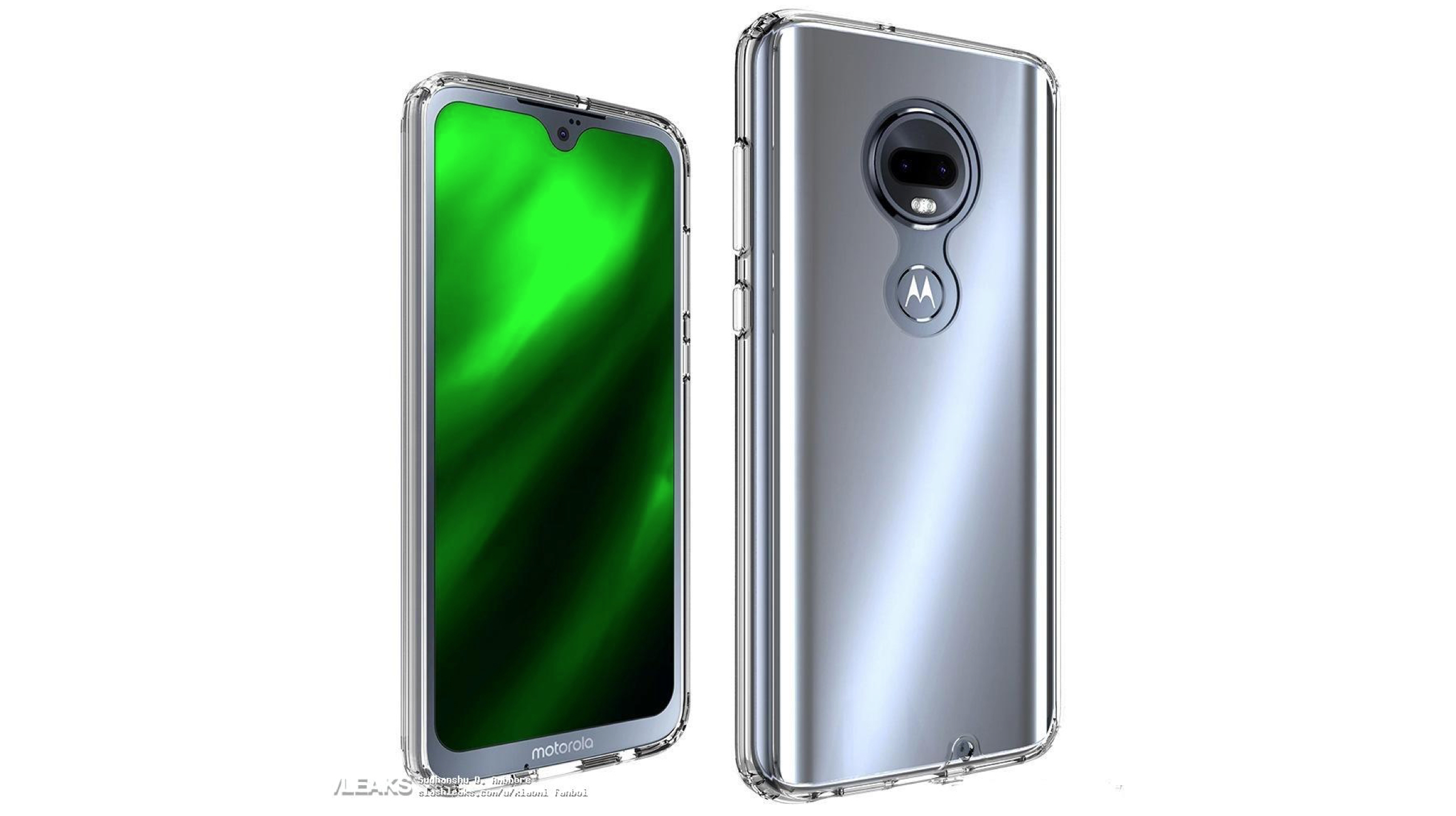
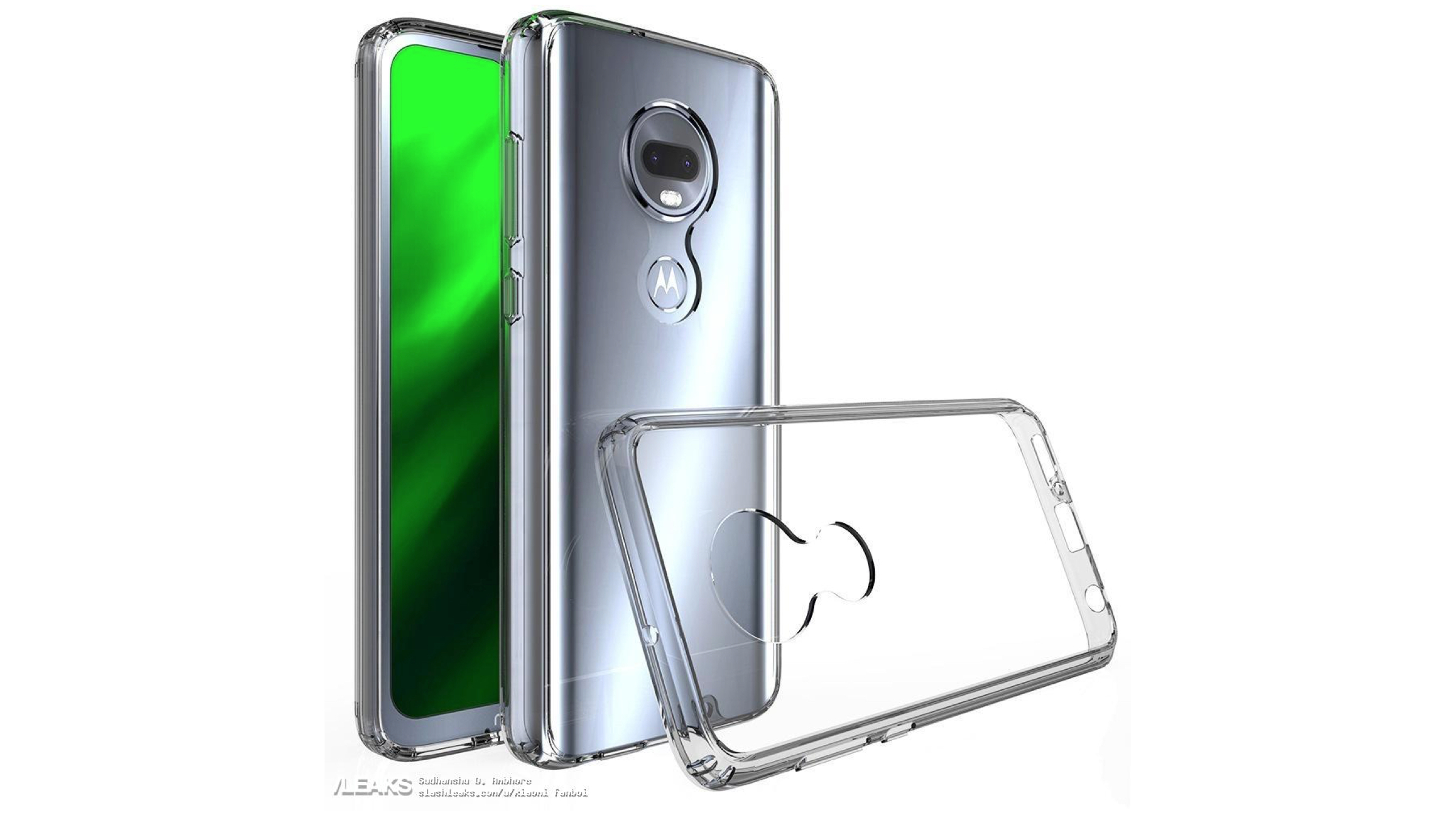
    Motorola is expected to soon launch the all-new Moto G7 series of smartphones. The Moto G7 which is the successor to the Moto G6 has leaked before its official launch. The leak reveals that the upcoming device will have an all-new front design.

    Moto G7 Design

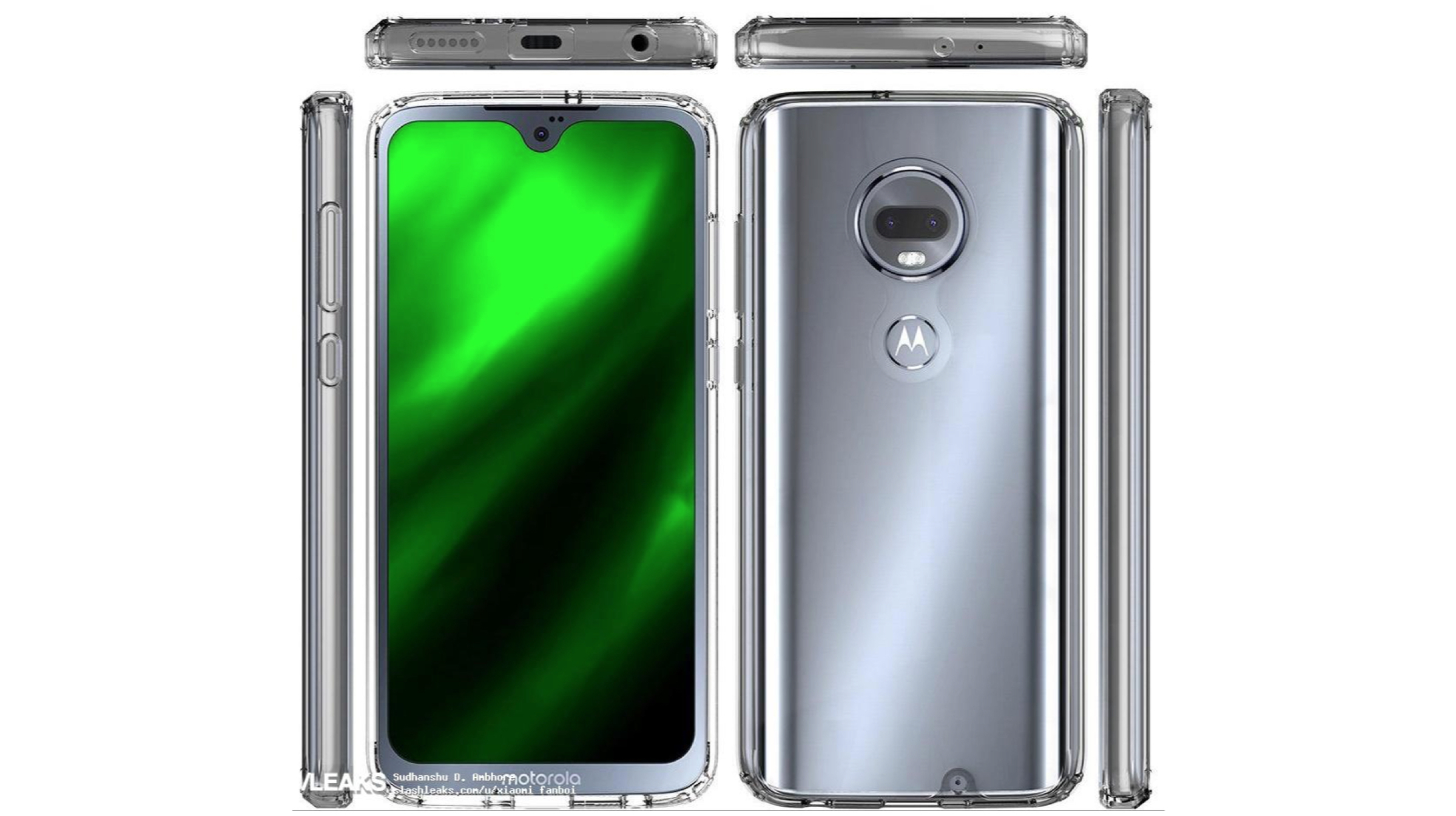
    The Moto G7 has an all-glass front and rear build like its predecessor. However, the front of the new smartphone has a small waterdrop notch that houses the front-facing selfie camera. The earpiece for listening to phone calls is built into the top bezel above the display. The chin below the display is quite chunky and it carries the Motorola branding. 

    The right side of the Moto G7 accommodates the power button and the volume rockers while the left side is free from any controls or slots. The top of the device houses the SIM card slot and a small secondary microphone pinhole. The USB Type-C port, the 3.5 mm audio jack and the loudspeaker grille are placed at the bottom of the smartphone. 

    The rear side of the Moto G7 looks very premium with a gloss silver finish. The back panel of the device harbors the fingerprint sensor, main microphone pinhole, and the dual camera set up along with an LED flash. 

    Moto G7 Specifications

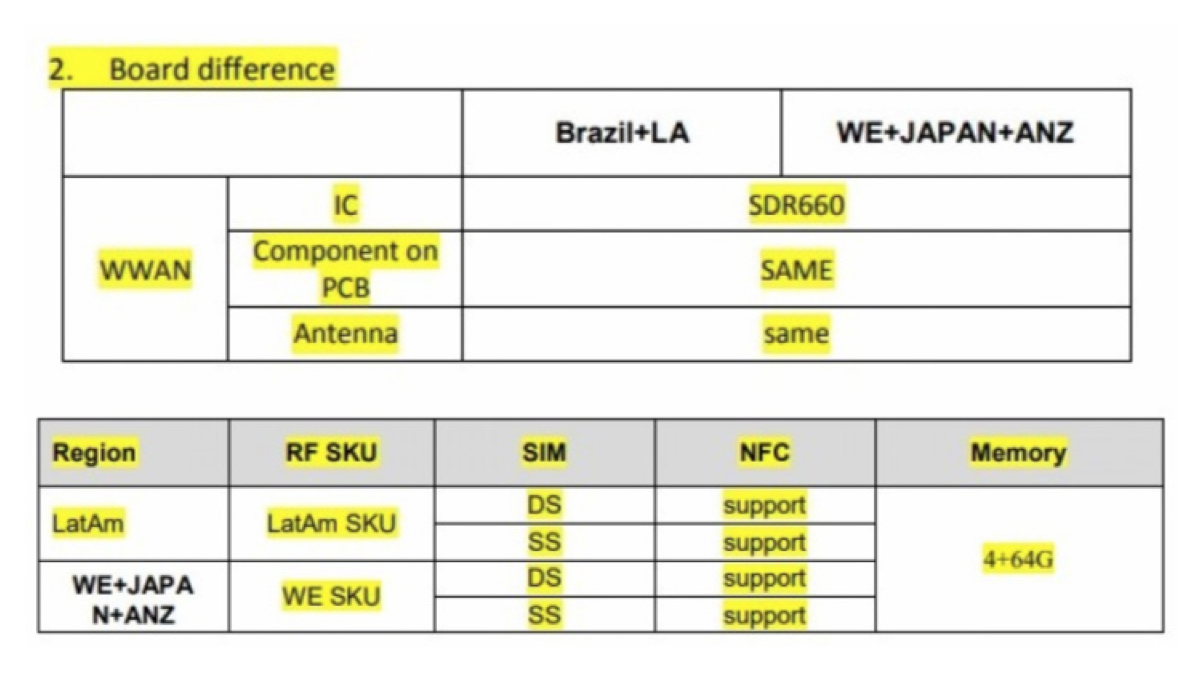
    The Moto G7 was previously spotted on FCC’s website which revealed key specifications of the handset. The smartphone features the Snapdragon 660 SoC which consists of an Octa-Core CPU and the Adreno 512 GPU. According to the FCC listing, the smartphone has support for dual SIM cards. The smartphone from the listing has 4 GB of RAM and 64 GB of ROM. However, the company is also expected to launch higher storage capacity variants of Moto G7. Other details like the resolution of the camera sensors, screen size, and the battery capacity will be made public once the company officially announces the smartphone.

    Moto G7 Launch Date

    Also Read: Samsung Is Developing A Rollable TV

    Motorola has not officially announced the launch date of the Moto G7. However, the Moto G7 along with other members of the G7 family is expected to launch in the month of April as the current Moto G6 smartphones were also unveiled in the month of April. Going by the specifications of the device it will be priced around Rs 15,000. 


  • Huawei Y9 2019 Will Soon Launch In India

    Huawei Y9 2019 Will Soon Launch In India

    Huawei launched the original Y9 smartphone in the Q2 of 2018. A teaser shared by the company reveals that the Y9 2019, successor to the Y9 2018 will soon launch in India. The smartphone will be exclusively available on Amazon India and the ‘notify me‘ page of the device is already online. 

    Specifications And Design


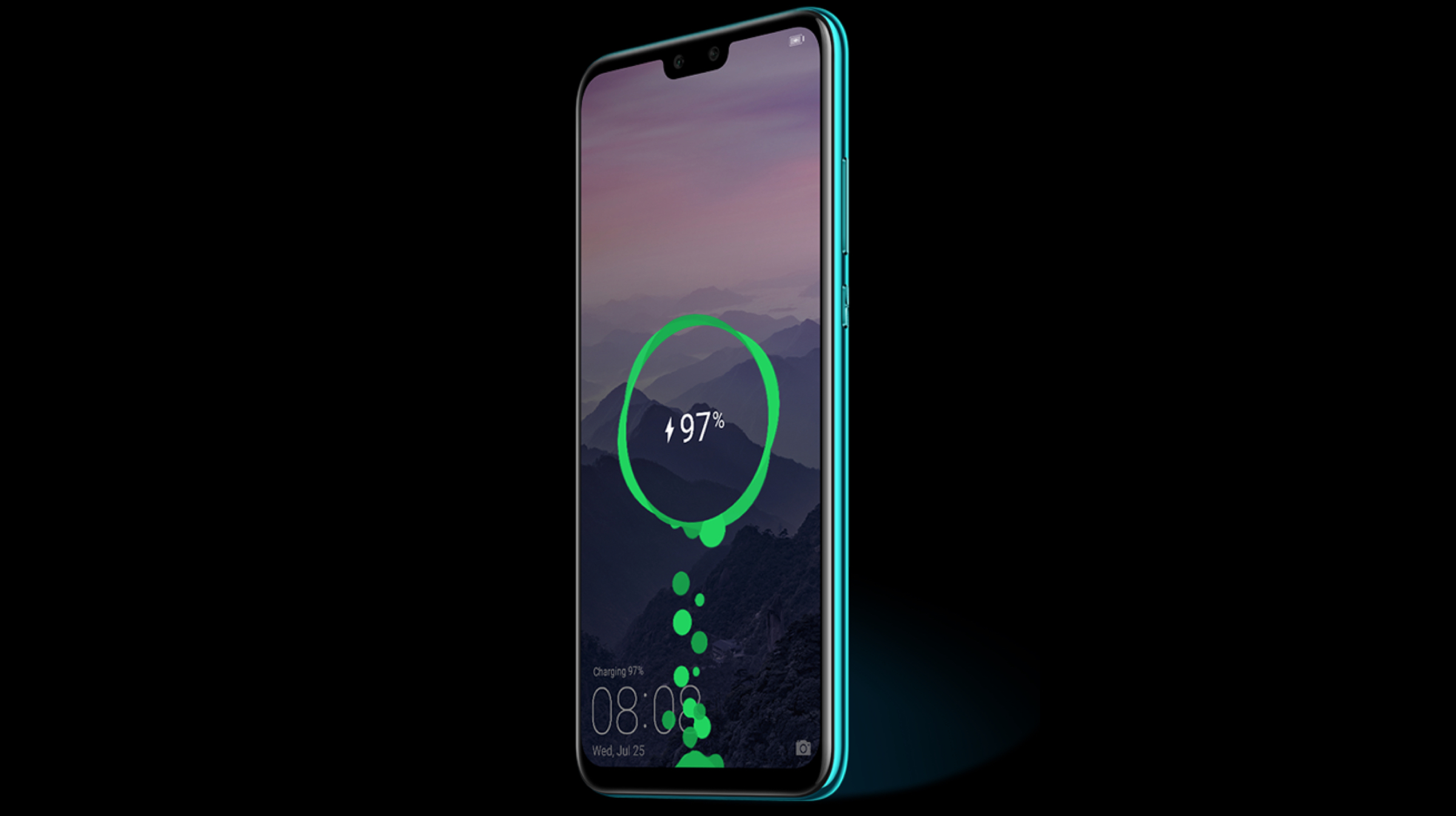
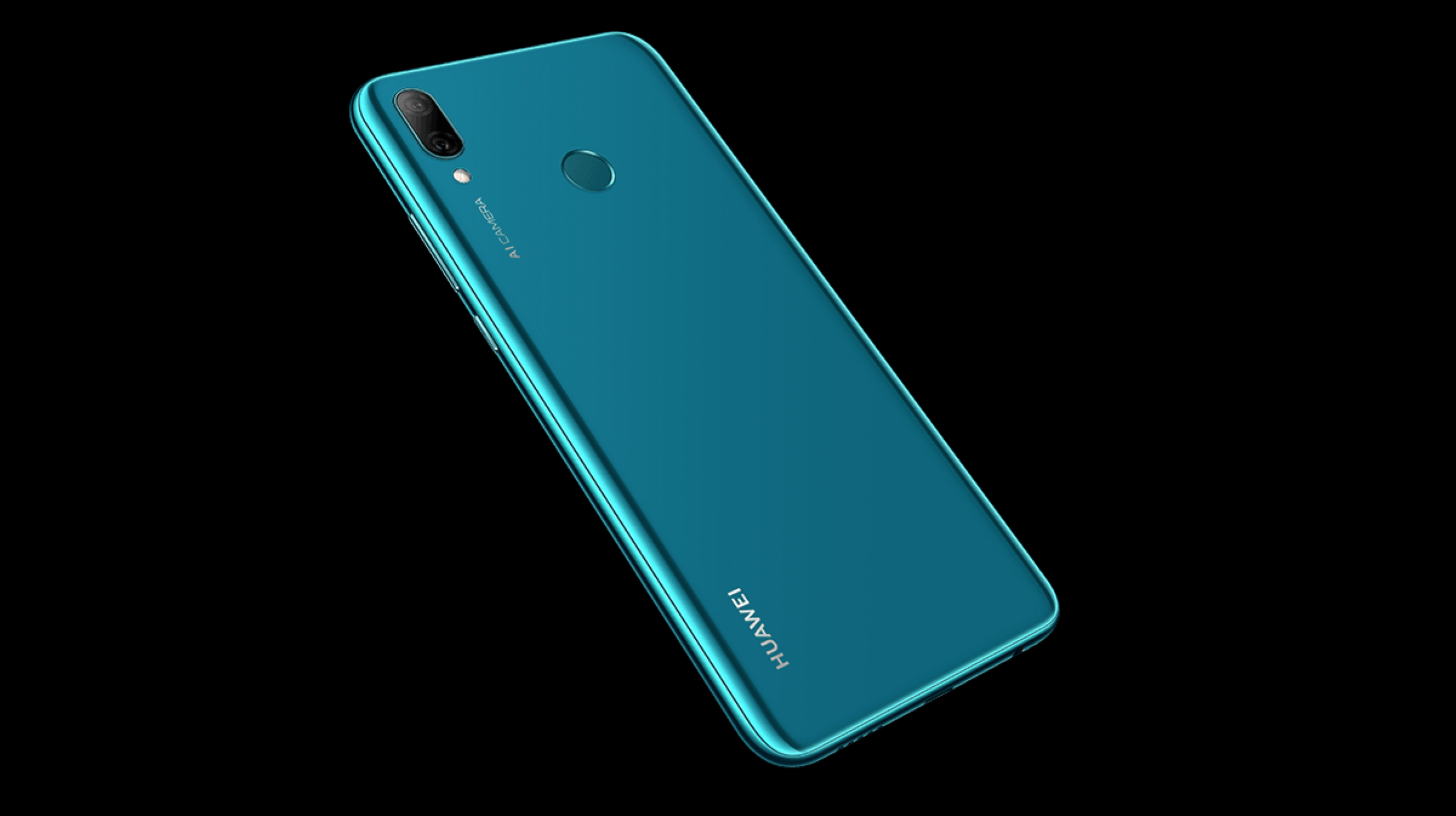
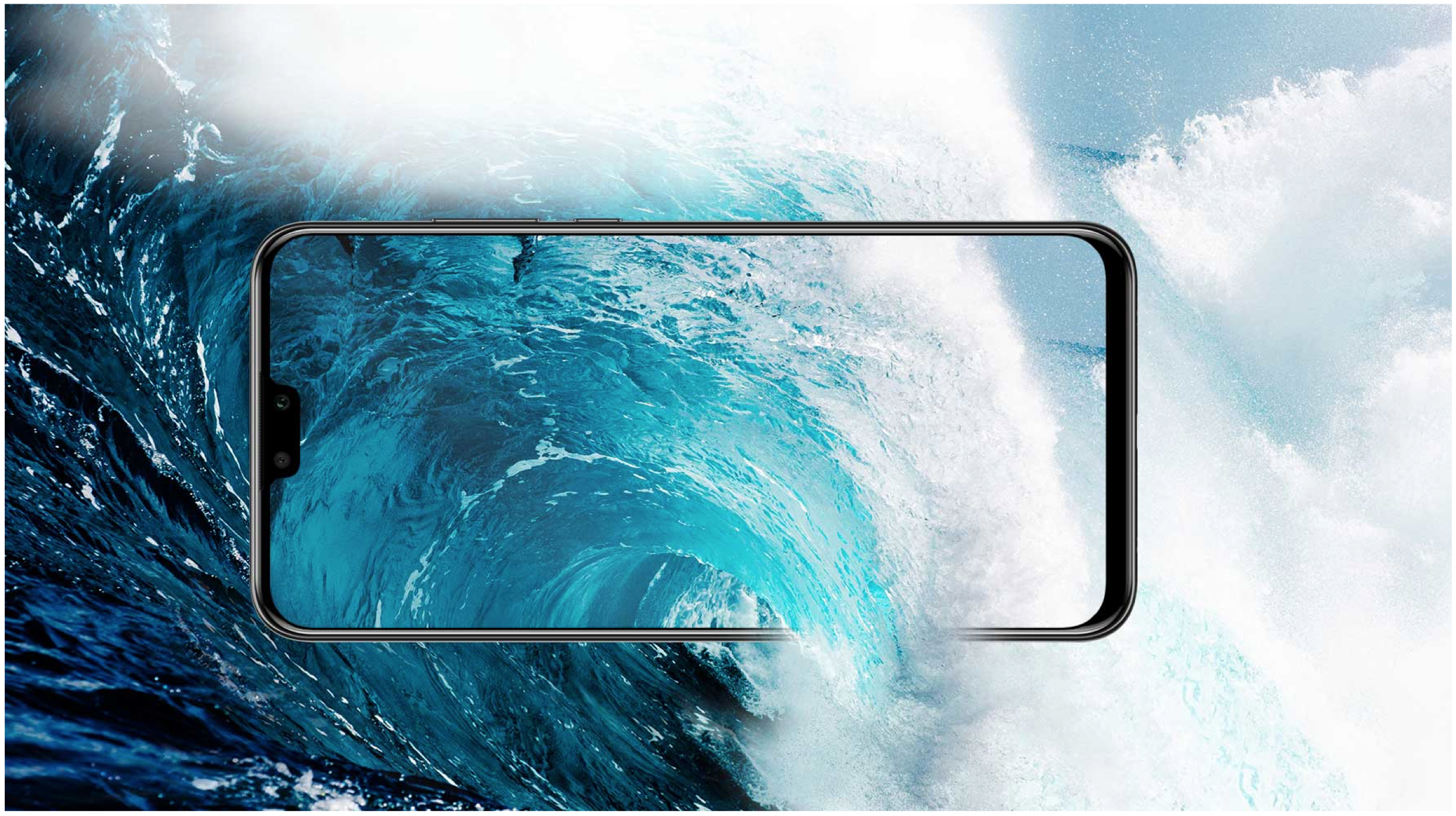
    The Huawei Y9 2019 has a modern design with a notch display. The smartphone measures 162.4 x 77.1 x 8.1 mm and weighs in at 173 grams. The front of the handset accommodates a 6.5-inch LCD display with a 19.5:9 aspect ratio. The display panel has a resolution of 2340 x 1080 px and a pixel density of 396 ppi. 

    The Huawei Y9 2019 is powered by a 4,000 mAh battery and it runs on EMUI 8.2 which is based on Android 8.1 Oreo. The smartphone features the Hisilicon 710 SoC which is manufactured using 12 nm FinFET technology. The chipset consists of an Octa-Core CPU along with the Mali-G51 MP4 GPU. In terms of storage, the smartphone is available in two different RAM + ROM configurations which are as follows:

    • 4 GB + 64 GB
    • 6 GB + 128 GB

    In addition, the Huawei Y9 2019 also supports memory expandability up to 400 GB via a microSD card. 

    For photography, the smartphone has dual 13 MP + 2 MP front cameras and dual 16 MP + 2 MP rear cameras. The smartphone can also capture 1080p videos at 30 fps from both the front and rear camera setup. Connectivity options on the device include 802.11 ac Wi-Fi, Bluetooth 5.0, 4G VoLTE and a bottom mounted micro USB 2.0 port.  For safely and securely unlocking the handset, it also has a rear-mounted fingerprint sensor.

    Price And Launch Date

    Also Read: Sony Bumps Up 3D Camera Sensor Production

    The Huawei Y9 2019 will be unveiled at a launch event in New Delhi which is scheduled for 7 January 2019. The official price of the smartphone will be revealed then. However, going by the specifications it will be a sub 15k smartphone. 

  • Vivo Nex Dual Screen Edition With Snapdragon 710 Spotted On TENAA

    Vivo Nex Dual Screen Edition With Snapdragon 710 Spotted On TENAA

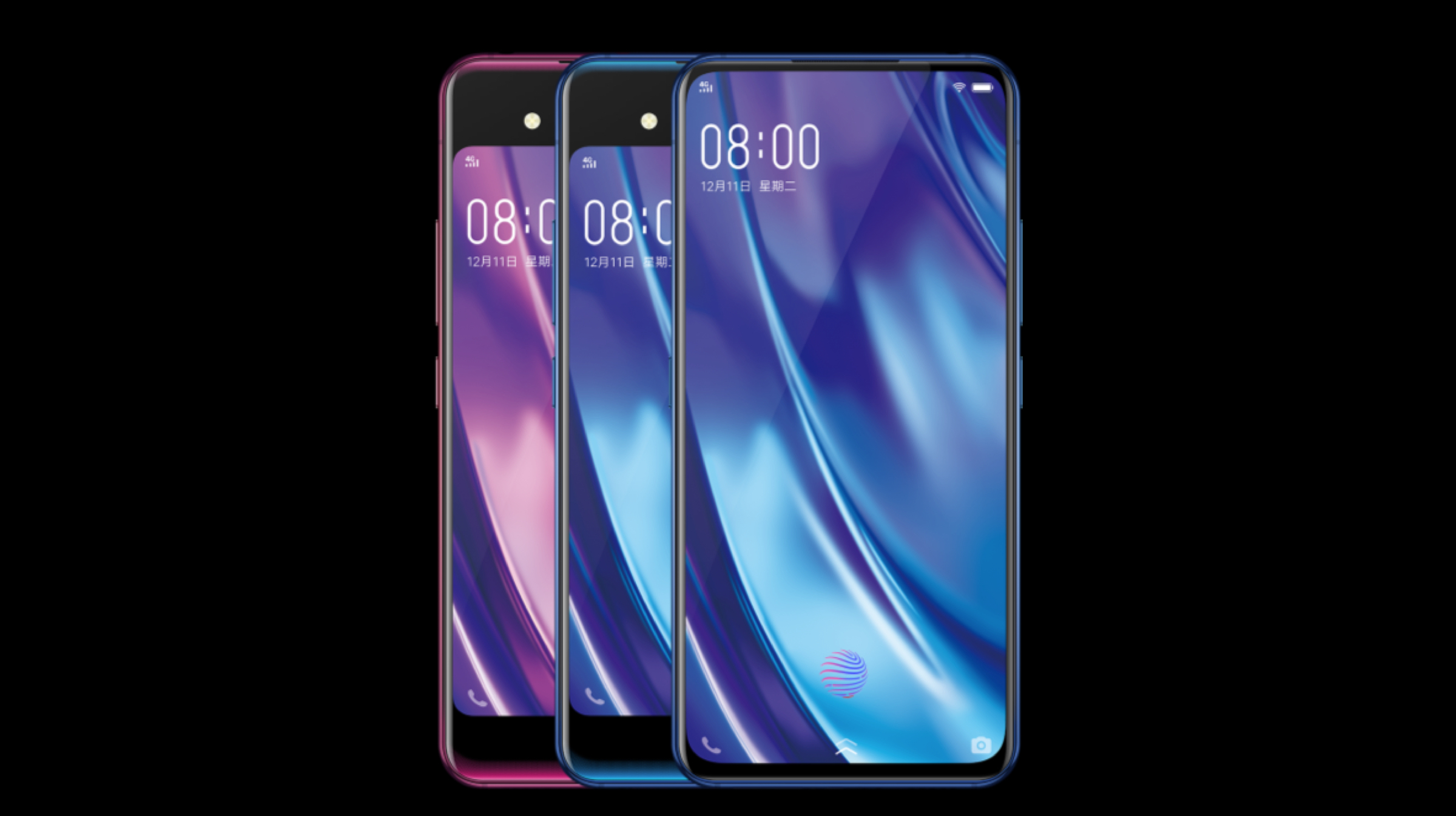
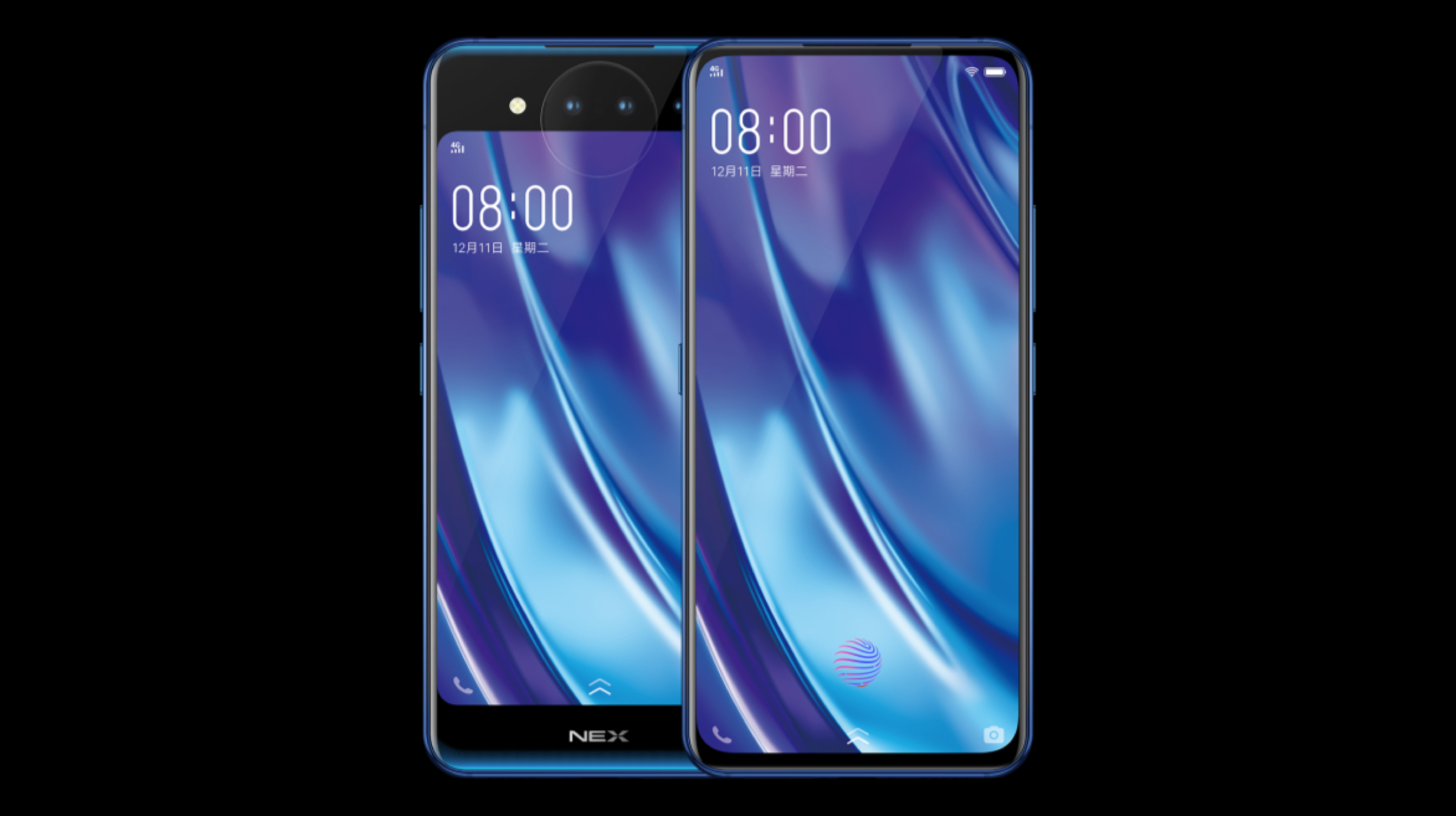
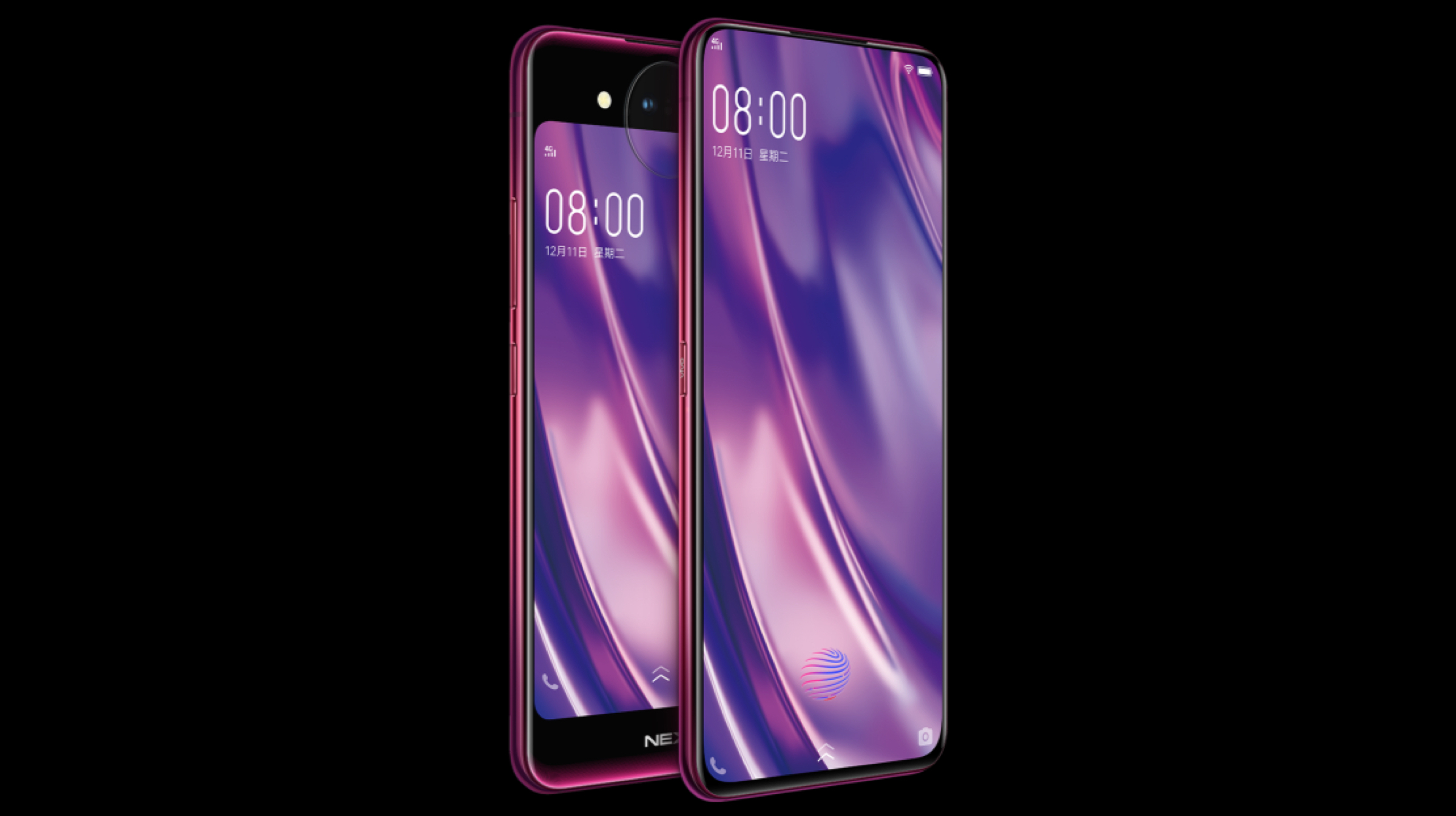
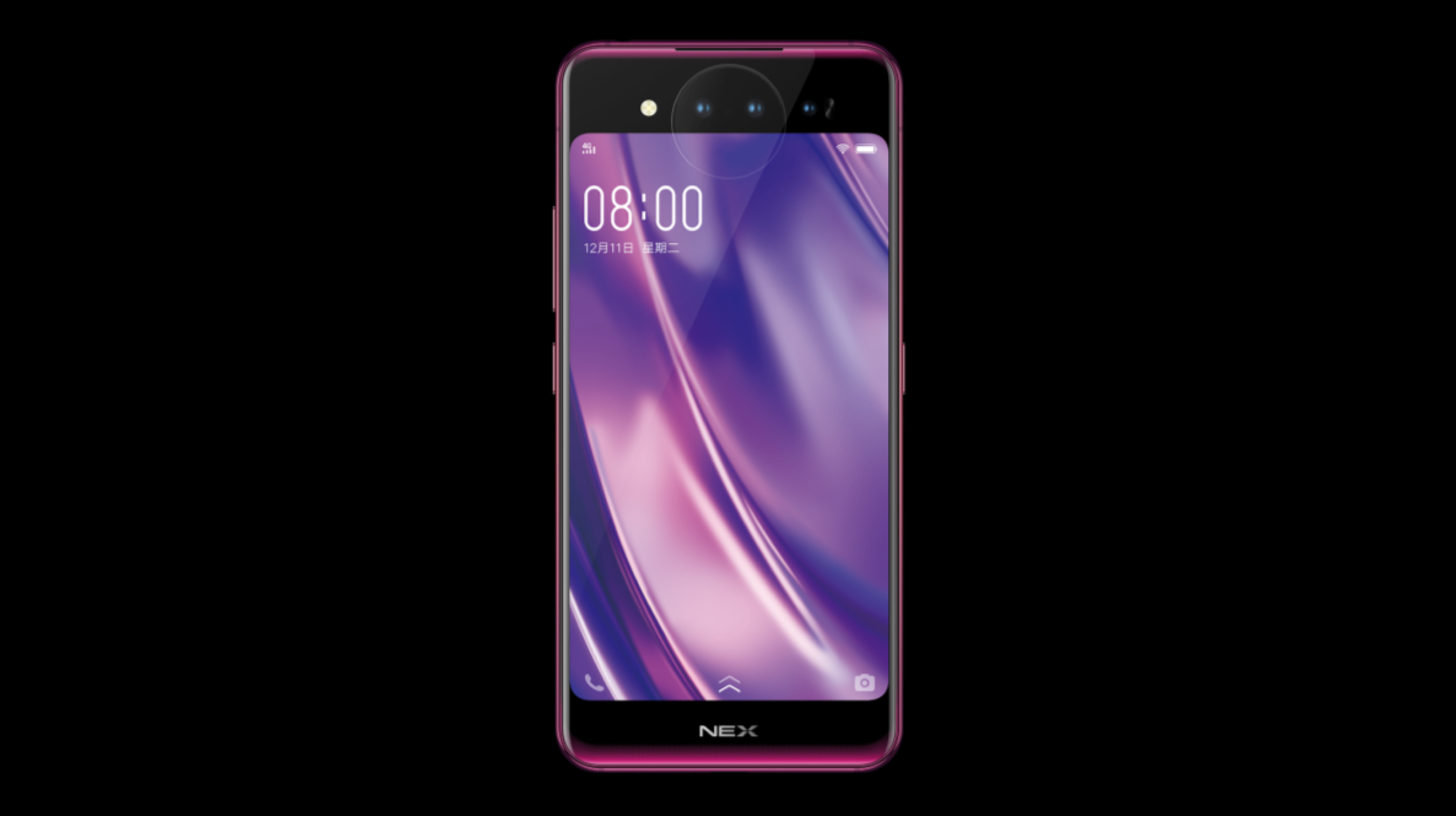
    Vivo launched the Vivo Nex smartphone with an edge-to-edge display and pop-up camera earlier this year. The smartphone due to its impressive specifications and design turned a lot of heads. After the success of the former, the company launched the Vivo Nex dual screen. A smartphone that is as revolutionary as its name. The Nex Dual features dual touchscreen display one at the front and the second at the rear. The New Dual has flagship specifications and a hefty price tag. 

    An affordable and less powerful variant of the New Dual Screen featuring the 12 nm Snapdragon 710 has been spotted on TENAA.

    Specifications

    The affordable Vivo Nex Dual Display smartphone is listed as model number V1280A on TENAA. Allegedly the device will carry the Vivo Nex A moniker. The smartphone measures 157.19×75.3×8.09 mm and tips the scale at 200 grams. The front of the device has a 6.39-inch AMOLED display with a resolution of 2340 x 1080px while the secondary rear display uses a smaller 5.49-inch OLED display with a resolution of 1920 x 1080 px. The smartphone is powered by a 3425 mAh battery and runs on the latest Android 9 Pie. 

    The Vivo Nex A has 8 GB of RAM and 128 GB of inbuilt storage. For photography, the smartphone has triple rear cameras out of which one has a resolution of 8 MP. Like the Vivo Nex S, it might have a 2 MP night vision camera and a TOF 3D camera. While there is no camera on the front, users will simply be able to flip the phone to take a selfie on using the rear camera and display. 

    In terms of connectivity, the smartphone supports 802.11 ac WI-Fi, Bluetooth 5.0, 4G VoLTE and USB Type-C port for charging and data transfer. The listing also affirms tha the Vivo Nex A has an In-display fingerprint sensor. 

    The Vivo Nex A features the Octa-Core Snapdragon 710 CPU which is clocked at a frequency of 2.2 GHz. Sadly the listing does not provide any images of the device. However, going by the dimensions and screen size it will look like the Vivo Nex S.

    Launch Date

    Also Read: Sony Bumps Up 3D Camera Sensor Production

    Vivo has not announced the launch date of the Vivo Nex A but usually, smartphones are listed on TENAA only days before ofiicial their launch. Therefore, the company is expected to launch it soon and might showcase it at CES which is scheduled for 8-12 January. 

  • Sony Bumps Up 3D Camera Sensor Production

    Sony Bumps Up 3D Camera Sensor Production

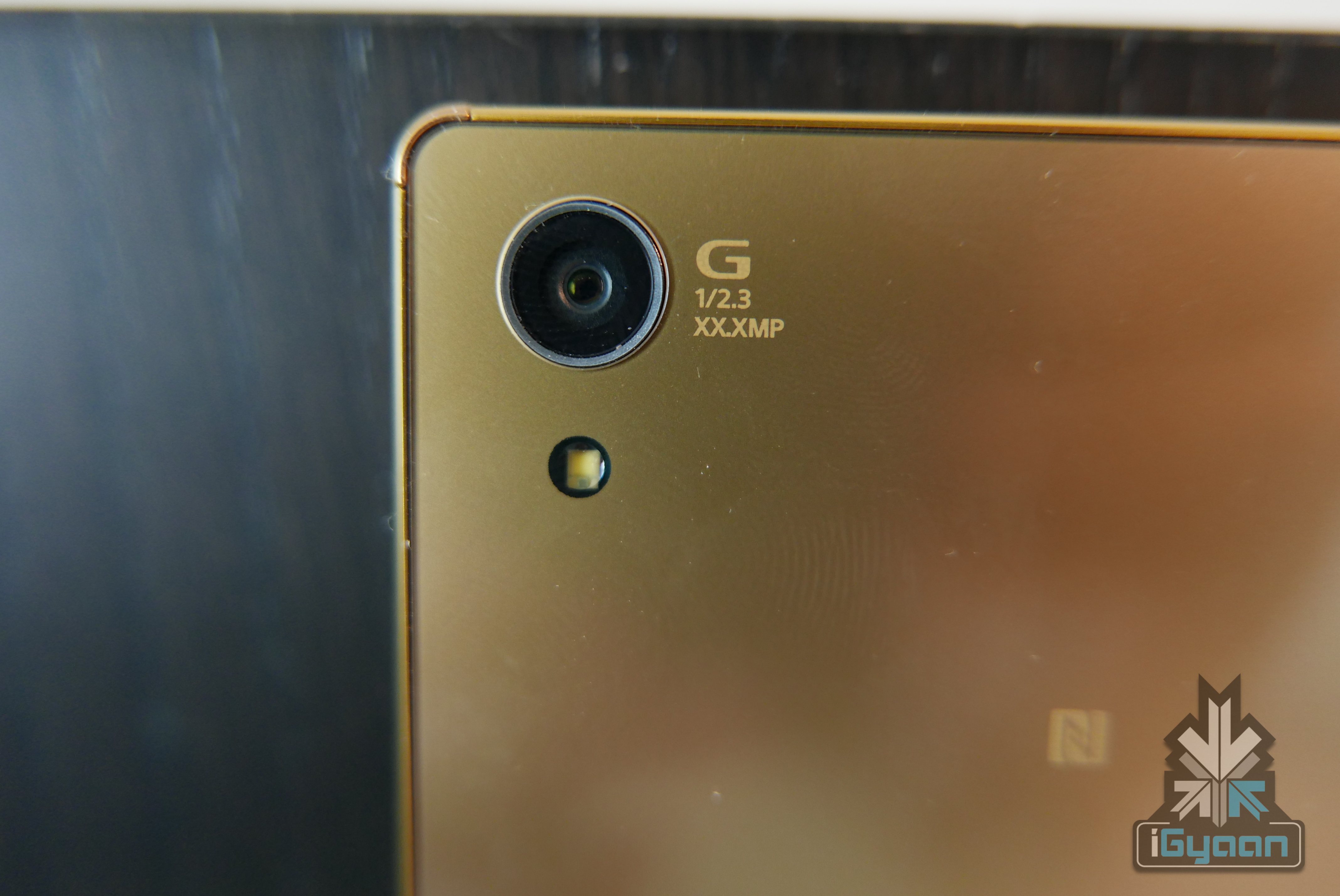
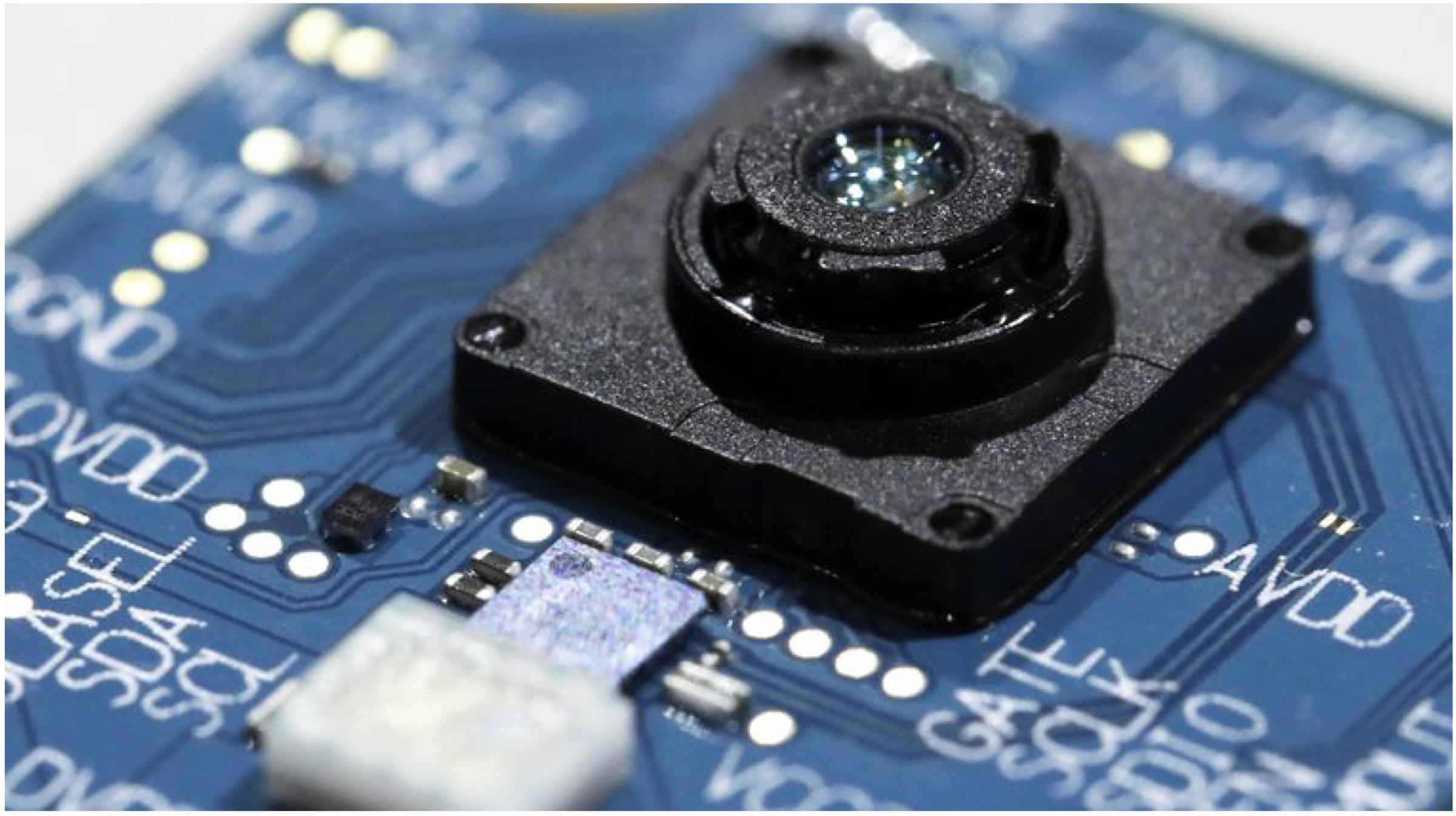
    Sony’s smartphone and consumer electronics division might be facing tough times but the company is undoubtedly the world’s biggest smartphone camera chip manufacturer. More than 50 percent of the smartphones in the market use camera sensors that are manufactured by Sony which includes Apple, Samsung and Google. A Bloomberg report suggests that Sony is now gearing up to ramp up the production of 3D camera sensors. 

    What Is A 3D Camera Sensor?

    A 3D camera is an imaging device that allows to replicate three dimesional  objects with the help of depth sensing technologies. Digital cameras with 3D sensors have been available in the market for quite some time. These cameras are bulky and hard to carry but Sony seems to be developing miniscule 3D sensors that can be embedded in to smartphones. 3D sensors on a smartphone can open a whole new world of possiblities.

    Few uses of smartphones with 3D sensors are as follows:

    • Smartphones with 3D sensors can be used to create a virtual 3D model of a user that has the potential to change the future of shopping. The users can easily scan their body parts like the face and head to virtually try on accessories like hats and spectacles.
    • 3D camera sensor featuring smartphones can also help in pushing the boundaries of mobile gaming further. Mobile game corporations can use these sensors to make a virtual 3D model of the player which can be loaded in to the game. This would help the companies to create an even immersive expereience to the users.
    Sony’s Competition And Production Bump

    Also Read: Mi TVs Get Price Cut In India

    Except for Sony, companies like Lumentum Holdings Inc. and STMicroelectronics NV also make 3D chips that are used for accurate facial recognition and clicking photographs with enhanced depth effect. However, Sony claims their technology is more accurate than the offerings of their competitors. Sony uses a method called ‘time of flight’ of TOF that sends out out invisible laser pulses and measures how long they take to bounce back. This technology is used to take precise 3D pictures of objects. According to Sony officials, the company’s sensors can even capture pictures at a distance of five meters. 

    Sony seems to be optimistic about the future of this technology and predicts this feature can boost the sinking smartphone sales. In the interview with Bloomberg, the company reported that the upcoming Huawei phone will employ 3D sensors made by Sony. Additionally, Sony revealed that the company is getting interest from Apple perhaps future iPhones will makes use of this type of sensors. To meet the high prediction of demands, Sony will kick off mass production in late summer of 2019. 

  • Samsung Galaxy M10 Spotted At FCC

    Samsung Galaxy M10 Spotted At FCC

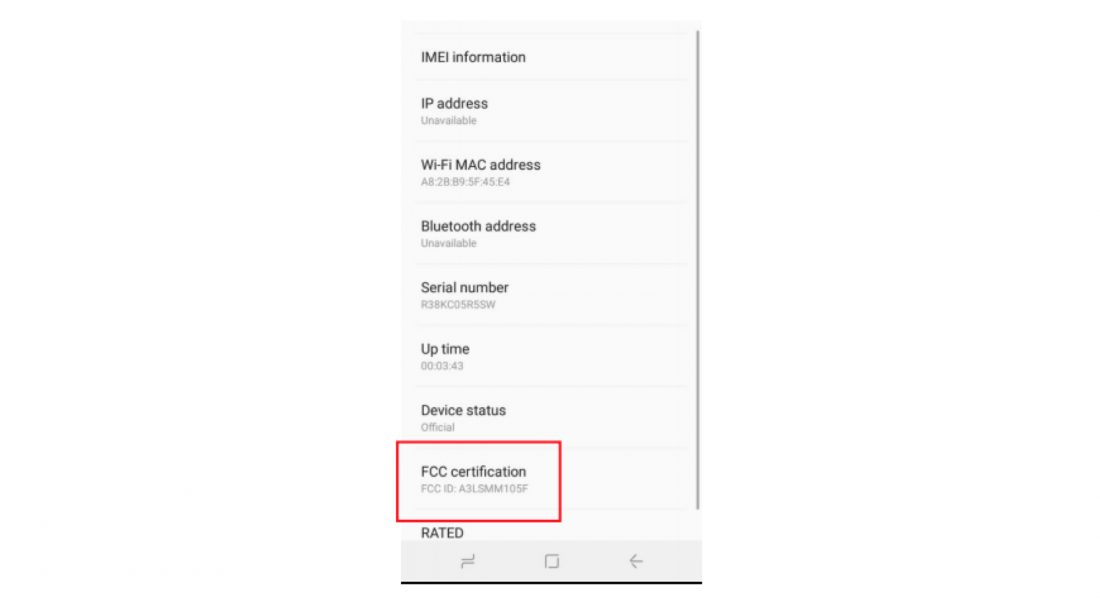
    Samsung is all set to launch a new mid-series of smartphones that will carry the ‘Galaxy M’ branding. The Galaxy M20 was previously leaked with an octa-core processor and a jumbo 5,000 mAh. It’s younger sibling, the Galaxy M10 has also received FCC’s approval. The FCC listing provides information about the key specifications of the Galaxy M10. 

    Galaxy M10 Specifications

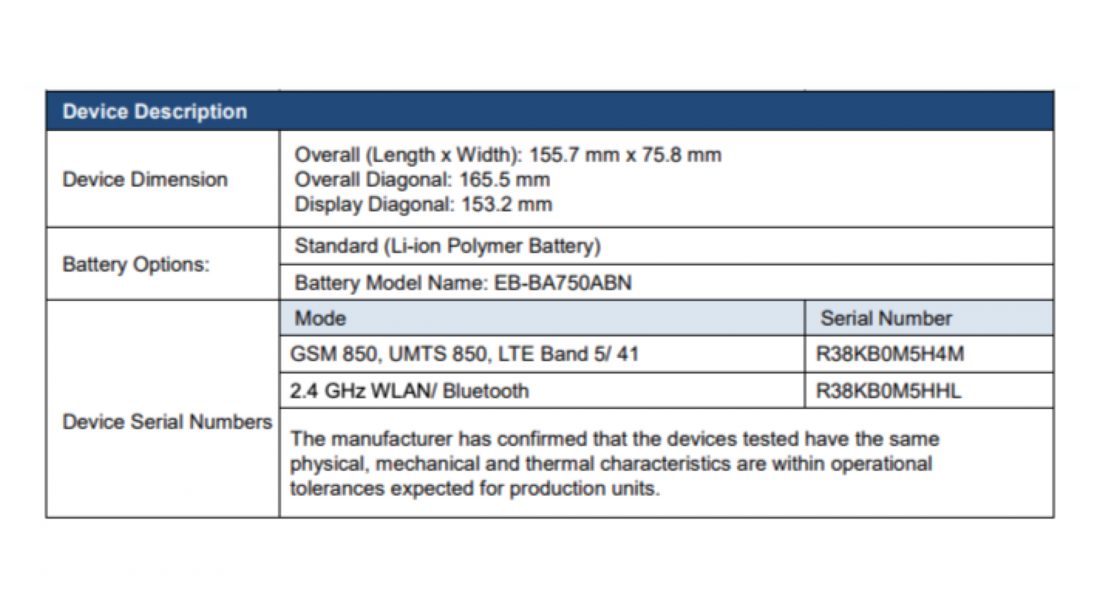
    According to the FCC listing, the upcoming Galaxy M10 has a length of 155.7 mm and a width of 75.8 mm. However, there is no information about the thickness and weight of the device. The front of the smartphone has an overall diagonal length of 6.5 inches or 165.5 mm while the size of the display is 6.03 inch or 153.2 mm.

    In terms of connectivity, the Galaxy M10 supports 4G VoLTE, 802.11 Wi-Fi and Bluetooth 4.2. Although the listing does not provide the battery capacity details of the device, it does provide the model number of the battery which is “EB-BA750ABN”. The same battery is also present on the previously launched Galaxy A8s and it has a capacity of 3,400 mAh.

    Under the hood, the Galaxy M10 features the Exynos 7870 SoC. The Exynos 7870 is manufactured using 14 nm FinFET process and it consists of an Octa-Core CPU along with the Mali-T830 GPU. The eight Cortex-A53 cores are clocked at a frequency of 1.6 GHz. While the FCC listing does not reveal the camera details, but according to Nashville Chatter Galaxy M10 will have a 13 MP rear camera and a 5 MP front selfie camera. 

    Price And Launch

    Also Read: Huawei Y7 Pro Launched With Octa-Core Processor

    The official price of the Galaxy M10 will only be revealed at the time of its launch but going by the specifications it can a sub 15k smartphone. The smartphone is expected to launch in Q1 of 2019.

  • Most Anticipated Smartphones Of 2019

    Most Anticipated Smartphones Of 2019

    The year 2018 is over and it has been a great year for smartphones around the world. From the notch becoming a trend to retractable cameras and in-display fingerprint sensors. Smartphones saw a lot of innovations this year. However, for 2019 there is a lot more to be seen! Each and every company is racing towards making the experience of using a smartphone better and more immersive and that means the notch has to go. Everything from foldable displays, dual displays, in-display cameras and a lot more can be expected from the year to come. In this article, we find out what the most anticipated phones of 2019 are.

    Samsung Galaxy S10

    Rumors were doing the rounds that the Galaxy S10 would have a folding display that Samsung is working on. But now it seems Samsung will have two separate products – the smartphone and the tablet that folds up to become a phone. In a recent event, the company showed us an early prototype of the folding tablet and we might see it sooner than expected.
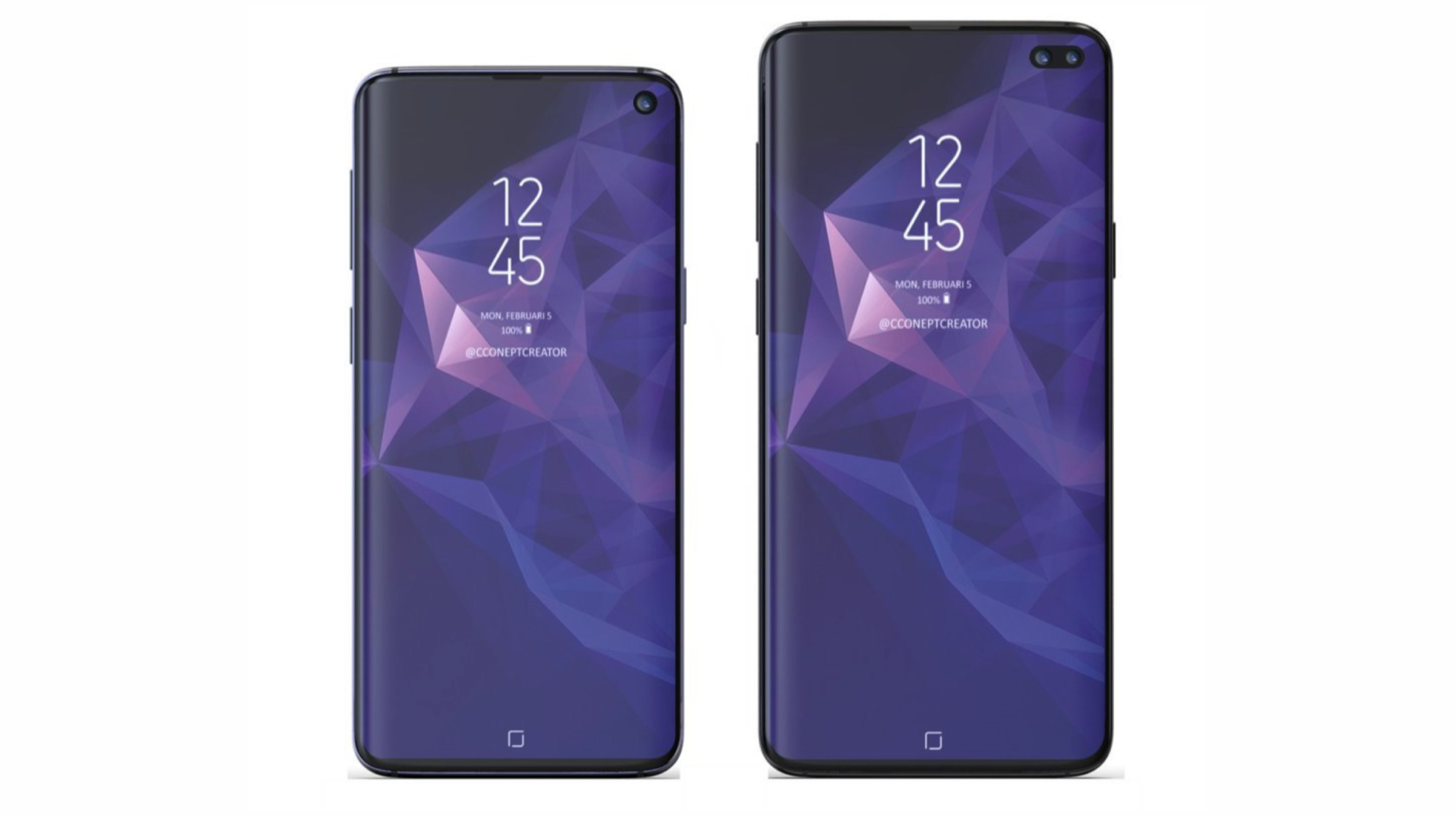
    The base model Galaxy S10 will have a flat screen design with in-display front cameras and will have an edge to edge screen. Leaks also suggest that there will be three different variants of the phone. Two with an Edge display while one without.

    Apple iPhone XI

    Apple has always been tight-lipped about their new phones but the 2019 upgrades might not be too revolutionary. It has been widely reported that the iPhone will still feature the notch in its 2019 version and may finally do away with it in 2020. A recent report suggests that Apple is teaming up with Sony to build 3D cameras that will provide more security and will bring about change in the way we photograph and view things.

    Sony has also revealed that their 3D camera technology will be ready in 2019 itself and will be mass produced for consumers this year. Apple iPhones are known for their security features and great cameras. the company may use this technology this year itself or save it for the next big design change in 2020.

    OnePlus 7

    Oneplus devices are one of the most anticipated devices every year due to their ‘budget flagship’ tag. OnePlus 7 will most probably see it’s launch around midsummer in 2019. The device is anticipated to have a small camera hole under the screen and is rumored to have smaller bezels. The in- display fingerprint sensor stays.

    We are still not sure if Oneplus 7 will finally see an IP rating and a wireless charging feature or not but a recently leaked photo shows the company’s executives holding a phone with a huge circular shaped camera design at the back that is reminiscent of the Lumia 1020.

    Pixel 3 Lite and Pixel 4

    Users were extremely unhappy to see the hideously big notch on this years Pixel device. Google being new to the hardware space, might take a little time to understand the trends in the smartphone industry. However, we can expect great things from the Pixel 4.

    Keeping to the tradition, we can expect one of the best cameras on a smartphone from the Pixel 4 as is the case with all Pixel devices. We can also expect a bigger screen and no notch or a very small notch. There have been no leaks so far regarding the next generation Pixel.

    Huawei P30

    As 5G knocks on the door of technology, most manufacturers are trying their best to re-imagine their upcoming phones with 5G. Huawei is no exception and the company’s new phone, the Huawei P30, will be 5G enabled. According to some renders, the Huawei P30 might feature 4 cameras at the back with a teardrop notch in front. The phone will look sleek and have very little in terms of bezels. It is expected to feature a Kirin 985 CPU and might sport 8GB/10GB of RAM. Reverse Wireless charge is expected to come to the P30.

    Xiaomi Poco F2

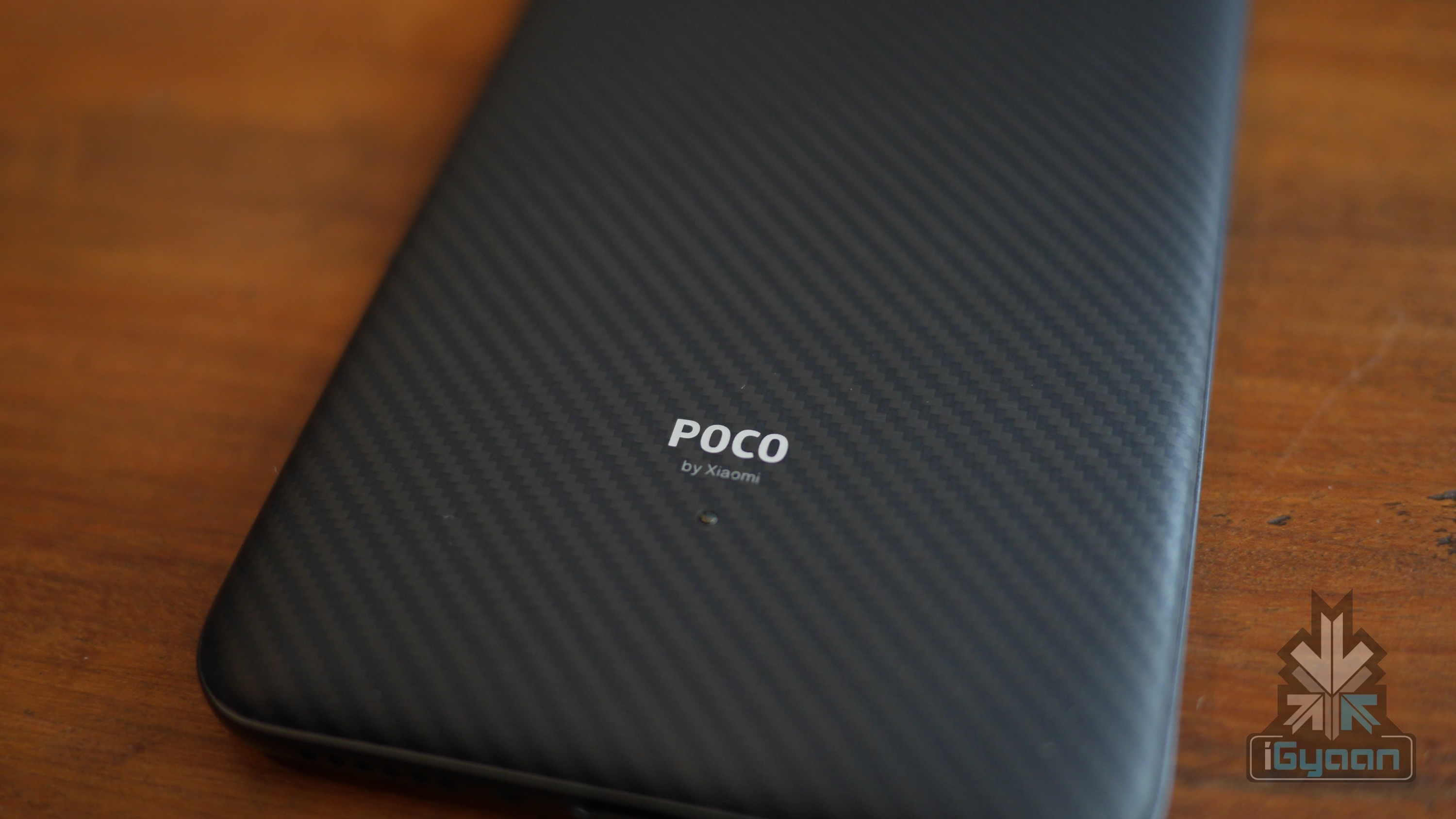
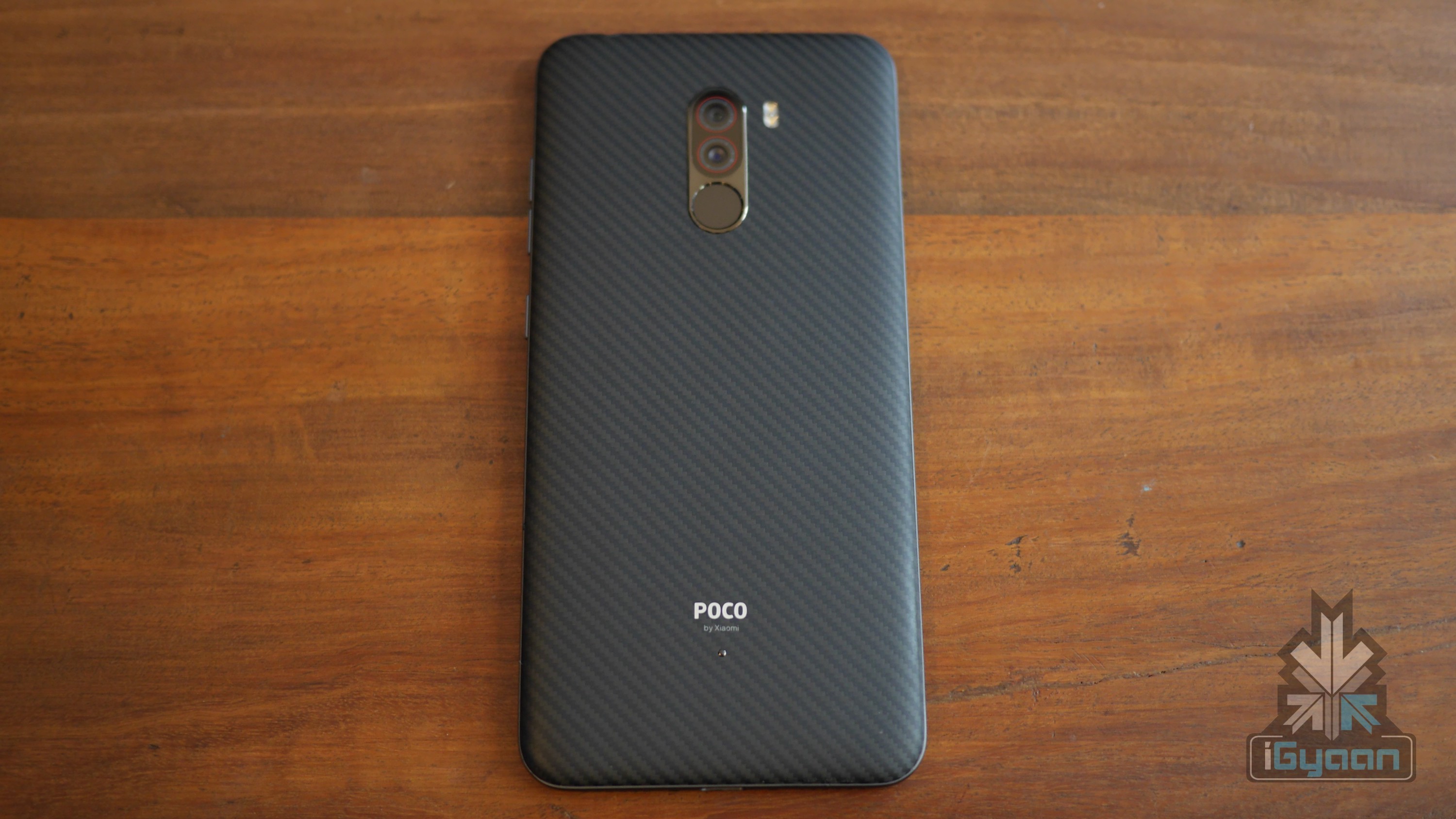
    Xiaomi created a revolution with the launch of the Poco F1 which featured a Snapdragon 845 on a budget smartphone. The Snapdragon 845 was always seen in expensive flagship phones and a few lower price point flagships but a budget phone with the latest CPU offering was unheard of. Xiaomi quickly garnered a lot of support for the Poco lineup and now 2019 might see the second version of the phone.
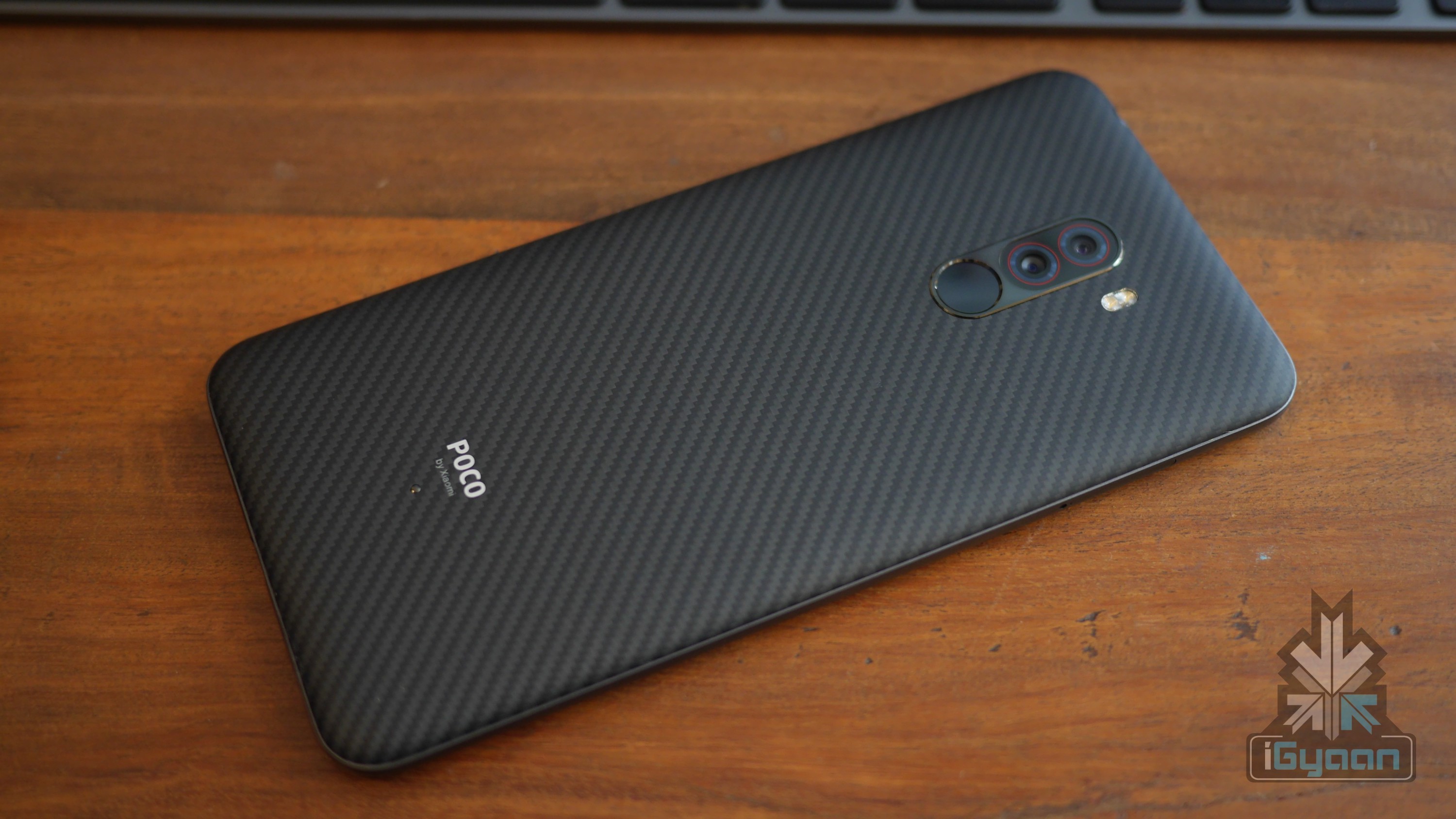
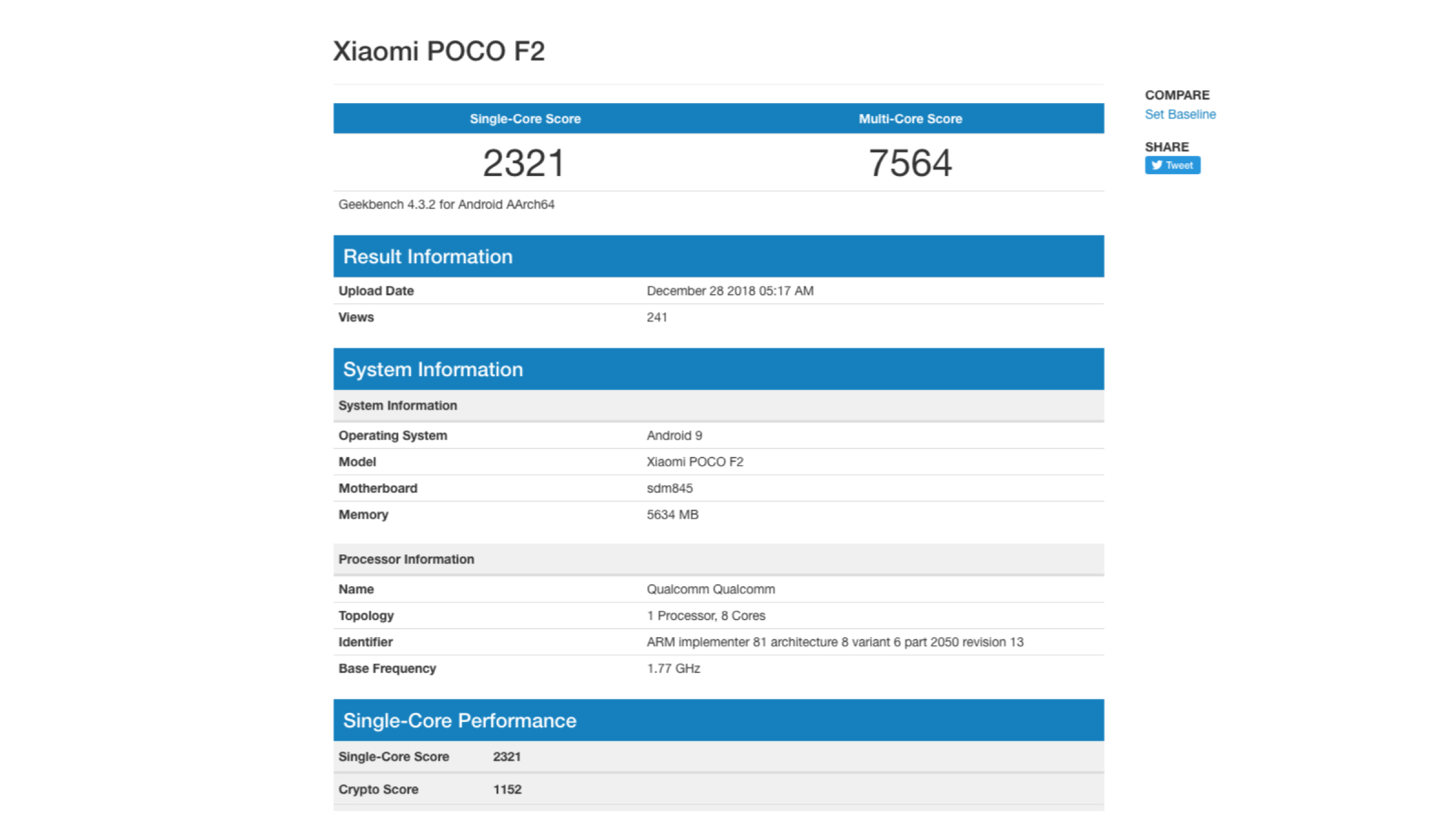
    According to a Geekbench listing, Poco F2 might not sport the latest Snapdragon 855 that almost all high end phones will feature in the coming year. The Poco F2 is reported to receive very little changes compared to its predecessor. The phone will have 6GB of RAM and will be loaded with Android Pie out of the box. It will be interesting to see what price point Xiaomi places this phone at and how it is welcomed by the Poco F1 fans.

  • Huawei Y7 Pro Launched With Octa-Core Processor

    Huawei Y7 Pro Launched With Octa-Core Processor

    Huawei launched the original Y7 Pro smartphone earlier this year. The company has now launched its successor, the Y7 Pro (2019). The smartphone is currently available in select regions and the company might soon launch it in other regions as well.

    Design & Performance

    The Huawei Y7 Pro has an all-glass front and back panel which gives it a premium look. On the front of the smartphone sits a 6.26-inch HD+ display that has a pixel density of 1520 x 720 px and a 19:9 aspect ratio. The smartphone also has a small waterdrop notch at the top of the display which houses the 16 MP selfie camera. Except for the chunky bottom chin, the smartphone has thin bezels on all sides. The earpiece for listening to voice call is built-into the top bezel above the display. The top side of the Huawei Y7 Pro is occupied by the 3.5 mm audio jack while the bottom side is occupied by the Micro-USB 2.0 port and the loudspeaker grille.

    The rear side of the Huawei Y7 Pro has a similar design to a lot of other Huawei smartphones. The smartphone is available in two different coloured back panel options which are Black and Aurora Green. The rear of the device houses the dual camera setup and the vertically placed Huawei branding. The rear camera setup consists of dual 13 MP + 2 MP camera sensors along with an LED Flash. Additionally, the smartphone has AI camera assistance which helps to click better pictures.

    Under the hood, the Huawei Y7 Pro features the Octa-Core Snapdragon 450 CPU along with the Adreno 506 GPU. The smartphone runs on EMUI 8.2 and is powered by a large 4,000 mAh battery. In terms of connectivity, it supports 4G VoLTE, 802.11 ac Wi-Fi, and Bluetooth 4.2. The phone also supports facial unlock technology for quickly and securely unlocking the device.

    Price & Availability

    Also Read: Press Renders Of Nokia 9 PureView Leak

    The smartphone is available in single RAM + ROM configuration and is currently available in Vietnam. The price of the smartphone for 3GB RAM + 32 GB ROM is 39,90,000 Vietnamese Dong (around Rs 12,000 INR).

  • Press Renders Of Nokia 9 PureView Leak

    Press Renders Of Nokia 9 PureView Leak

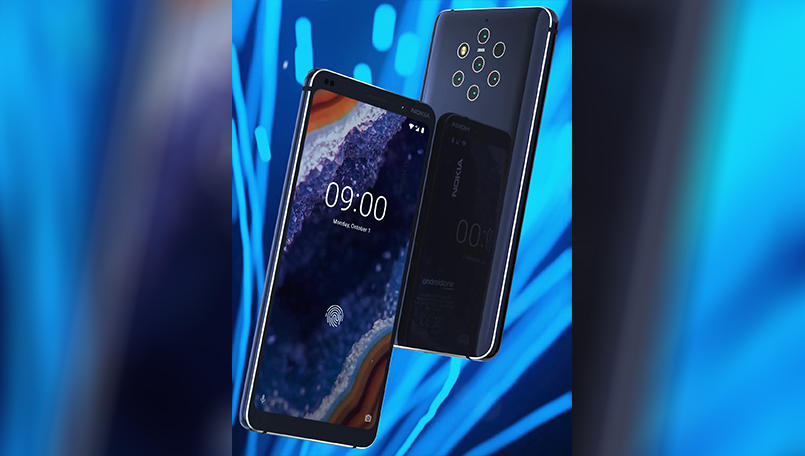
    Nokia is reportedly working on a camera-centric smartphone, the Nokia 9 PureView. The specifications and accessories of the smartphone have leaked on several instances. A latest leak of the Nokia 9 PureView provides detailed information about the design of the smartphone. The renders of the smartphone were shared on Twitter by notorious leakster EvLeaks.

    Nokia 9 PureView Design


    The Nokia 9 PureView seems to have an all glass front and back build with an aluminum chassis. The aluminum chassis has chamfered edges that look very attractive. The front of the Nokia 9 PureView has a large screen display with minimal right and left bezels. However, the top and bottom bezels are quite notable. The top bezel of the smartphone accommodates a single selfie camera, earpiece, light sensors, and the Nokia branding. Most notably, the display of the Nokia 9 PureView has a fingerprint indicator that states the smartphone will have an In-display fingerprint sensor. 

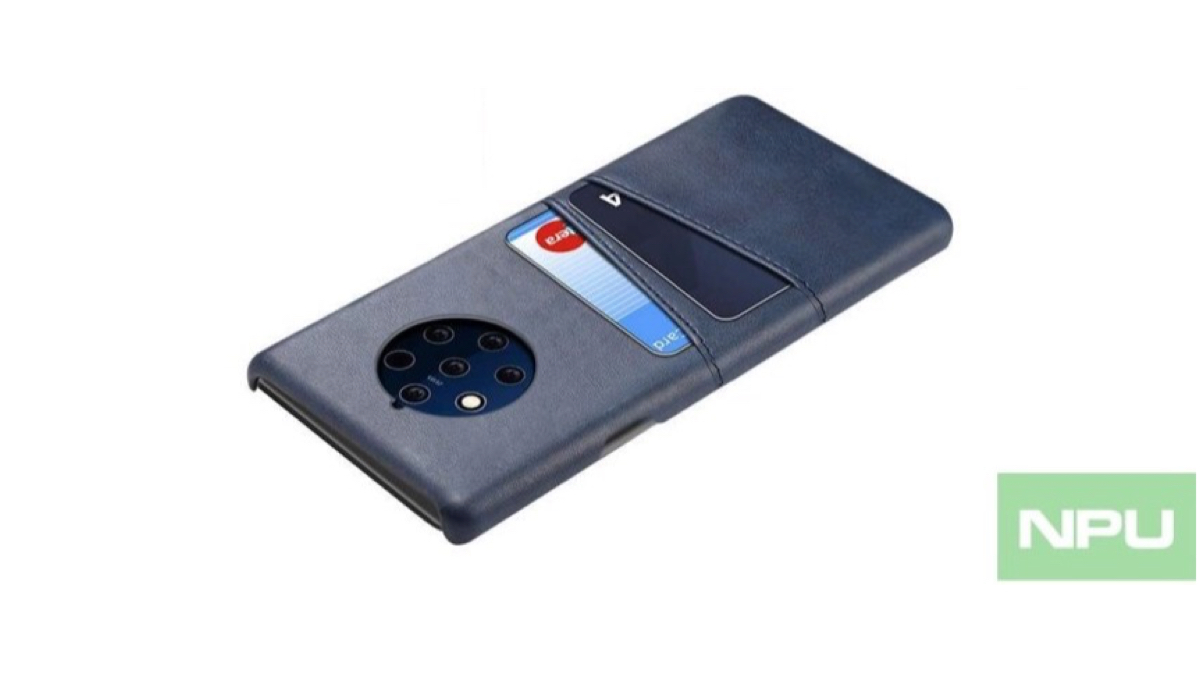
    The glass back of the Nokia 9 PureView tapers towards the sides and houses it’s key highlighting feature, the five camera setup. Additionally, the rear of the smartphone carries the Nokia logo and the android one marking. The android one marking ensures that the smartphone will receive prolonged Android updates. The five rear camera setup has an unconventional placement and reportedly each camera lens will serve a dedicated purpose. In addition to the five camera lenses, the rear camera setup also has an LED flash and a circular sensor which could be some kind of a light sensor. The detailed specifications of the smartphone will only be revealed after its official launch.

    Launch Date

    Also Read: Samsung Galaxy A50 Will Feature A 4,000 mAh Battery And 24 MP Main Camera

    Although Nokia is yet to officially announce the launch date of the Nokia 9 PureView, reports suggest that the smartphone will launch in the last week of January 2019.

  • Samsung Galaxy A50 Will Feature A 4,000 mAh Battery And 24 MP Main Camera

    Samsung Galaxy A50 Will Feature A 4,000 mAh Battery And 24 MP Main Camera

    Samsung is expected to launch a new Galaxy A series smartphone, the Galaxy A50. Earlier this month, the smartphone was spotted on Geekbench’s website. According to a latest leak, the upcoming Samsung handset will feature a large capacity battery and a high-resolution main camera.

    Battery And Camera

    The alleged details about the battery and the camera of the Galaxy A50 were revealed by a Dutch website, Galaxyclub which happens to be a trustworthy source. According to the source, the Galaxy smartphone will have a 4,000 mAh Lithium-Ion battery like the Galaxy Note 9. In addition, Samsung is expected to launch the Galaxy M20 smartphone which reportedly has a massive 5,000 mAh battery. It seems Samsung has started to realise that smartphones with large battery capacities can help the company to gain traction and boost sales.

    Furthermore, the source claims that the Galaxy A50 will have a 24 MP rear camera. Other Galaxy A series smartphones including the Galaxy A9 and the Galaxy A7 have more than one rear camera. Perhaps, the Galaxy A50 will have additional rear camera sensors except for the 24 MP main sensor.

    Past Leaks

    The Galaxy A50 was previously spotted on Geekbench’s website that revealed the chipset, RAM details and Android version of the smartphone. According to the Geekbench listing, the handset runs on the latest Android 9.0 Pie which is likely to be skinned with the company’s latest One UI. It features the Octa-Core Exynos 9610 SoC which is paired with 4 GB of RAM. However, the company might as well launch higher RAM capacity variants of the device. The smartphone registers a single-core score of 1615 points and a multi-core score of 4380 points. Going by the Geekbench scores, the device will compete against smartphones that feature the Snapdragon 660 SoC.

    Launch Date

    Also Read: Apple iPhone Flagships To Be Manufactured At Foxconn Chennai Plant

    Samsung is yet to comment about the launch date of the Galaxy A50. Albeit the company is expected to launch the A50 after the launch of the Galaxy S10 lineup which will reportedly launch in the Q1 of 2019.

  • Essential Phone Discontinued But Not Quite

    Essential Phone Discontinued But Not Quite

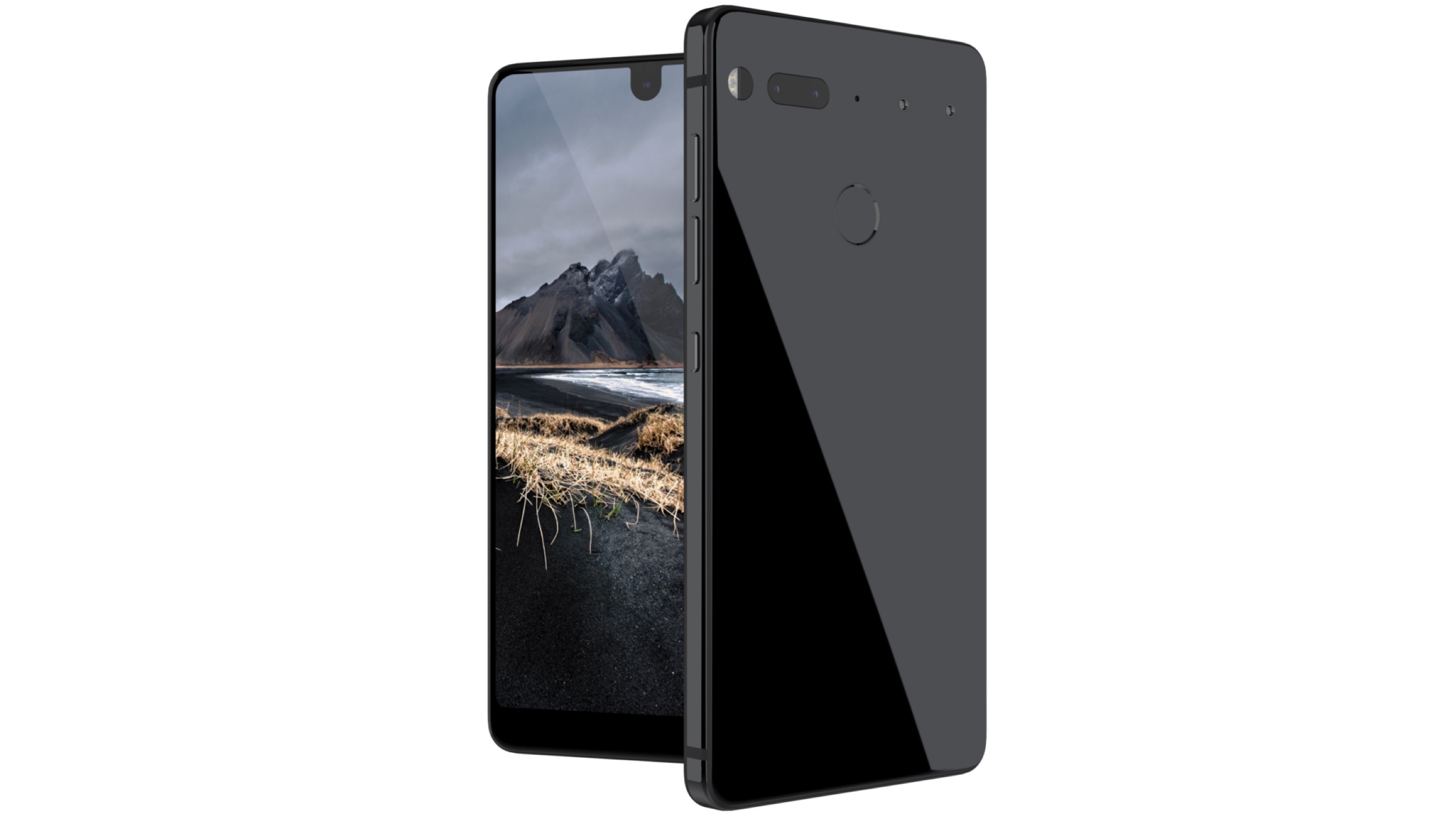
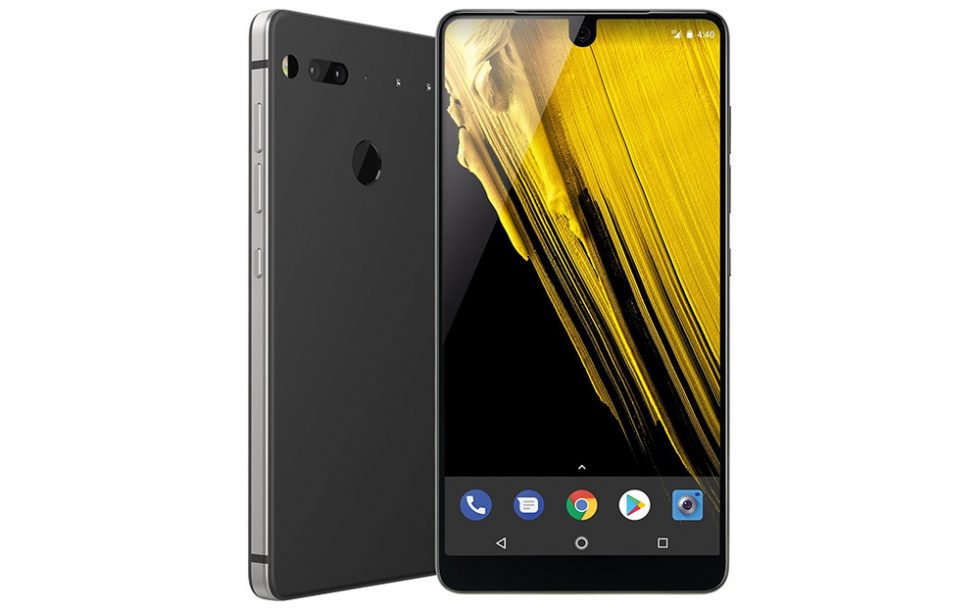
    Essential phone was one of the fist mainstream phones to come with a notch. Essential phones had gone out of stock everywhere in the last few months. And this had led to speculation that Essential Phone 2 was on it’s way into the market. But now, we have received news that Essential phone is no more. The company has now confirmed that they will not add any more stock to the inventory. While the Essential Phone was launched way back in 2017 it was receiving updates regularly and customers were waiting for a new version of the phone. However, all hope is not lost yet!

    While the discontinuation of the Essential phone does not come as a shock, since they had only sold 88,000 units in 2017, it does disappoint the cult following that the phone had. The company has however revealed that they are working on another phone. Just last month, it was reported that Essential was working on an AI based phone. The company recently acquired the company behind Newton Mail. Only time will tell if that means they are going into software designing and internet space or not. Essential did have a rocky start with data breaches, sexual scandals and layoffs, but they struggled against all odds and survived.

    Essential PH-1 Features

    The Essential phone had a strong built with front glass, titanium frame and a ceramic back and had an Octa- core Snapdragon 835 SoC with an Adreno 540 GPU. While the cameras were not upto industry standards, the phone was one of the fastest to receive Android updates, right after Google themselves. Many Nexus users who loved to have a stock Android experience were known to have shifted to the Essential Phone.

    The company however has assured that they will continue to sell accessories and provide speedy software updates. Customer support will also be available to the existing community of Essential Phone users. It will be interesting to see what mobile device they work on and how the market accepts it in future.

  • Huawei P Smart (2019) Officially Announced

    Huawei P Smart (2019) Officially Announced

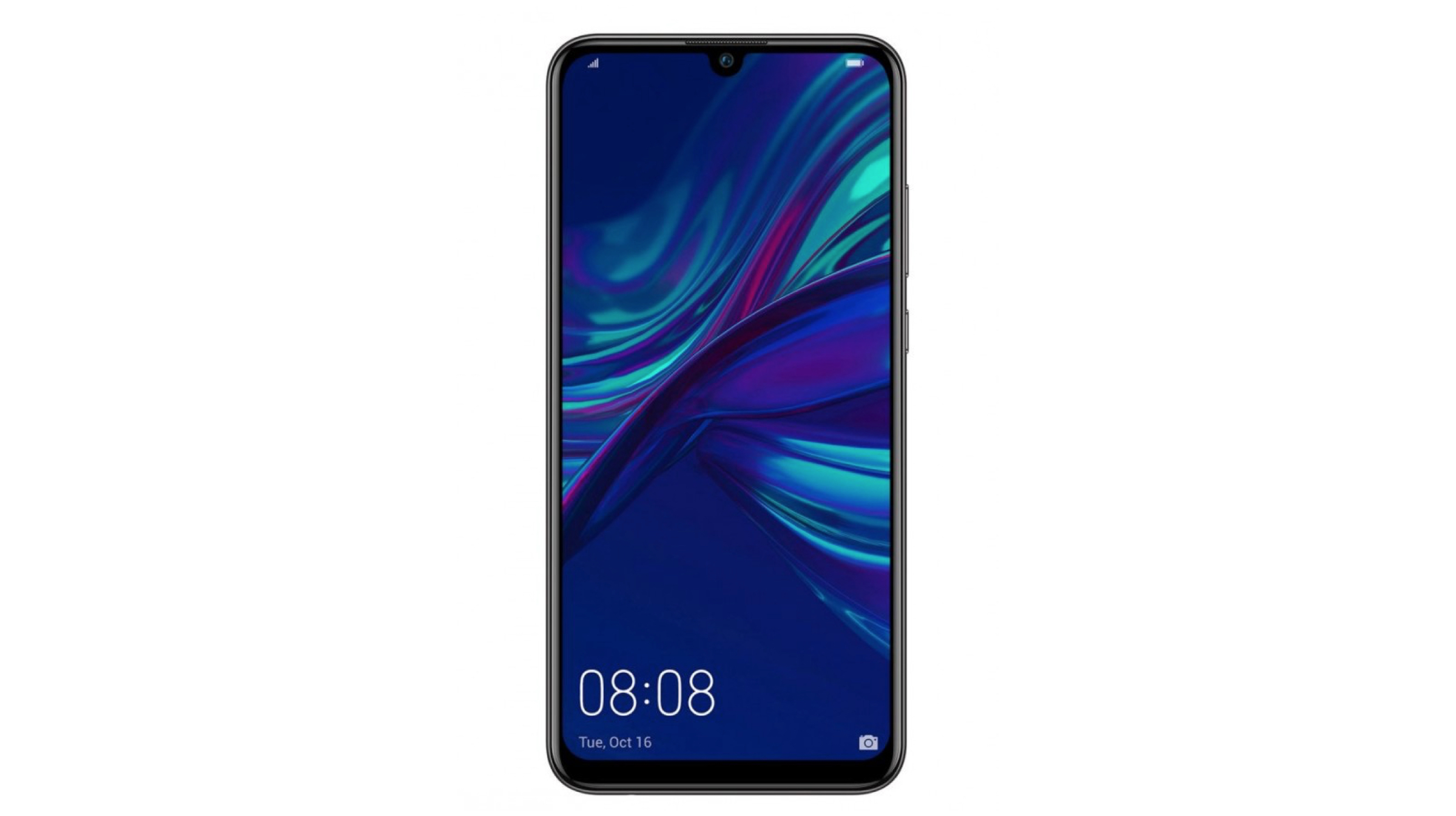
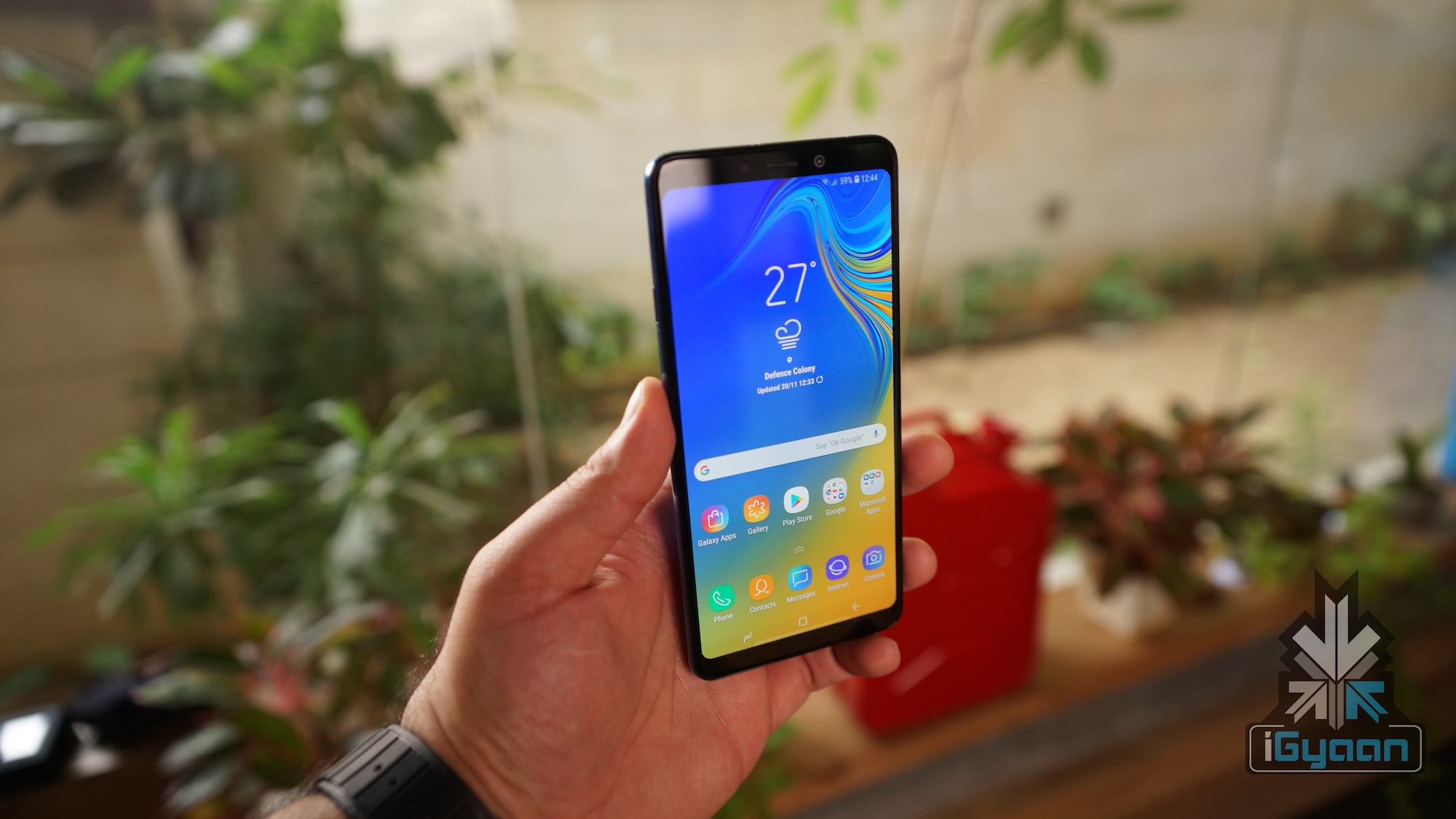
    Huawei launched the original P Smart back in 2017. It’s successor, the P Smart (2019) was previously listed on a French retailer’s website prior to its official launch. However, the company has now officially taken off the curtains from the smartphone. The smartphone is set to go on sale early next year.

    Looks And Features

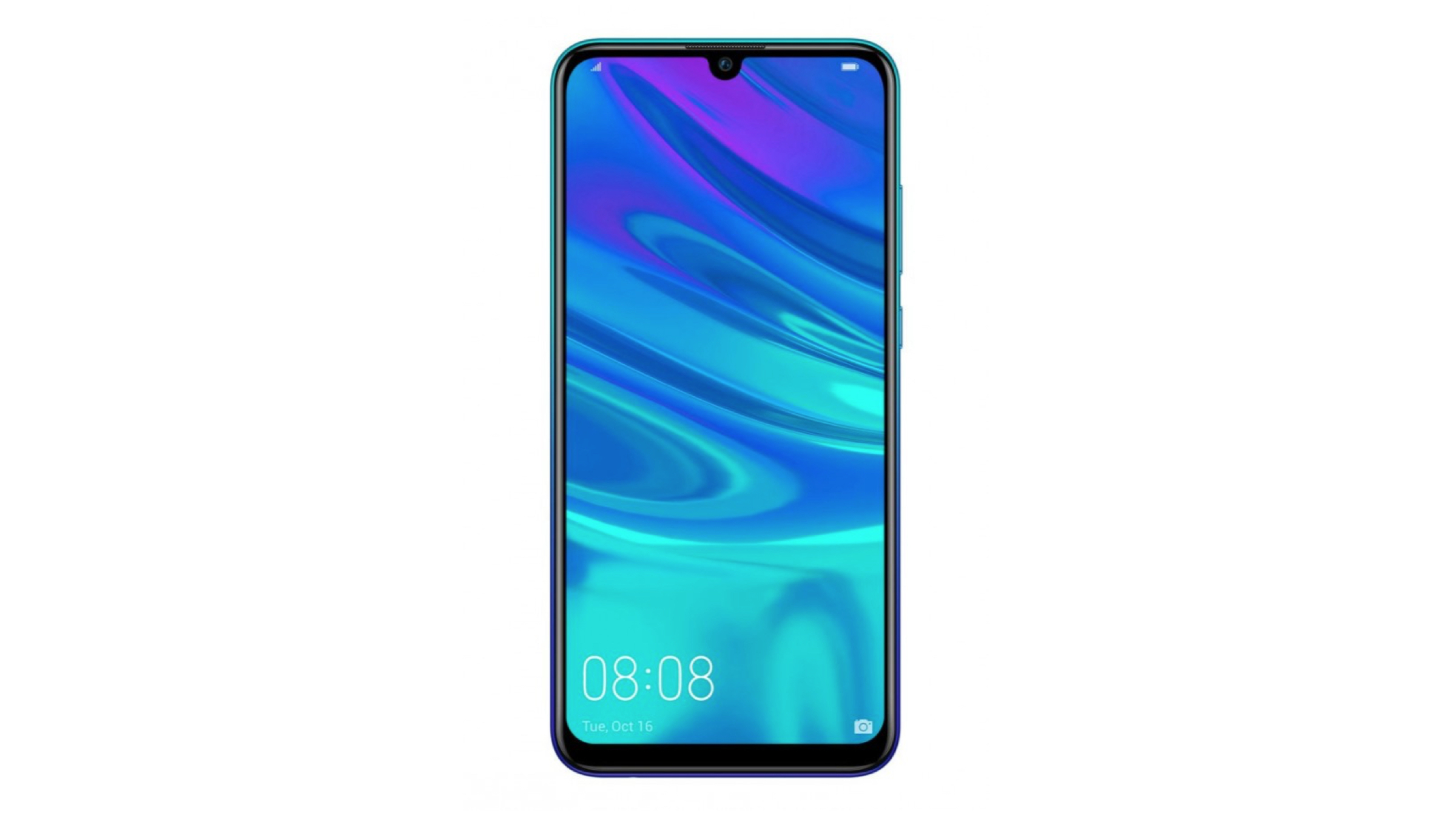
    The design of the Huawei P Smart is reminiscent to a lot of other Huawei smartphones. The front of the smartphone accommodates a 6.2-inch Full HD display with a resolution fo 2340 x 1080 px and a pixel density of 415 ppi. The front of the smartphone also has a small U shaped notch at the top of the display which houses the 8 MP selfie camera that can also capture 1080p videos at 30 fps. The earpiece for listening to the phone calls is built into the top bezel above the screen.

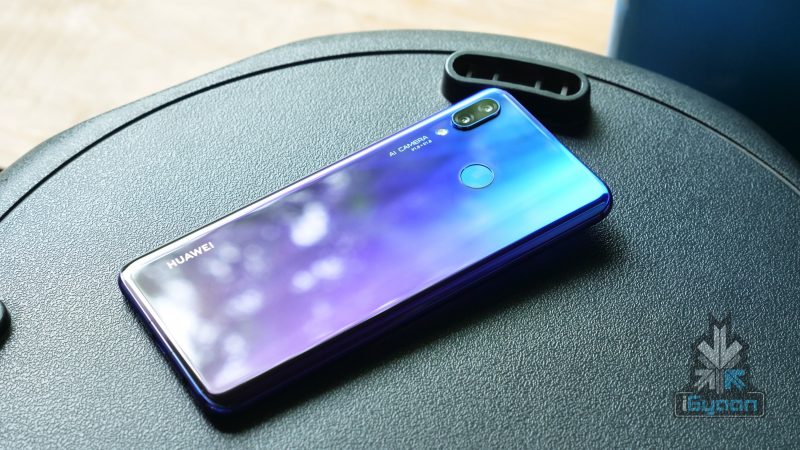
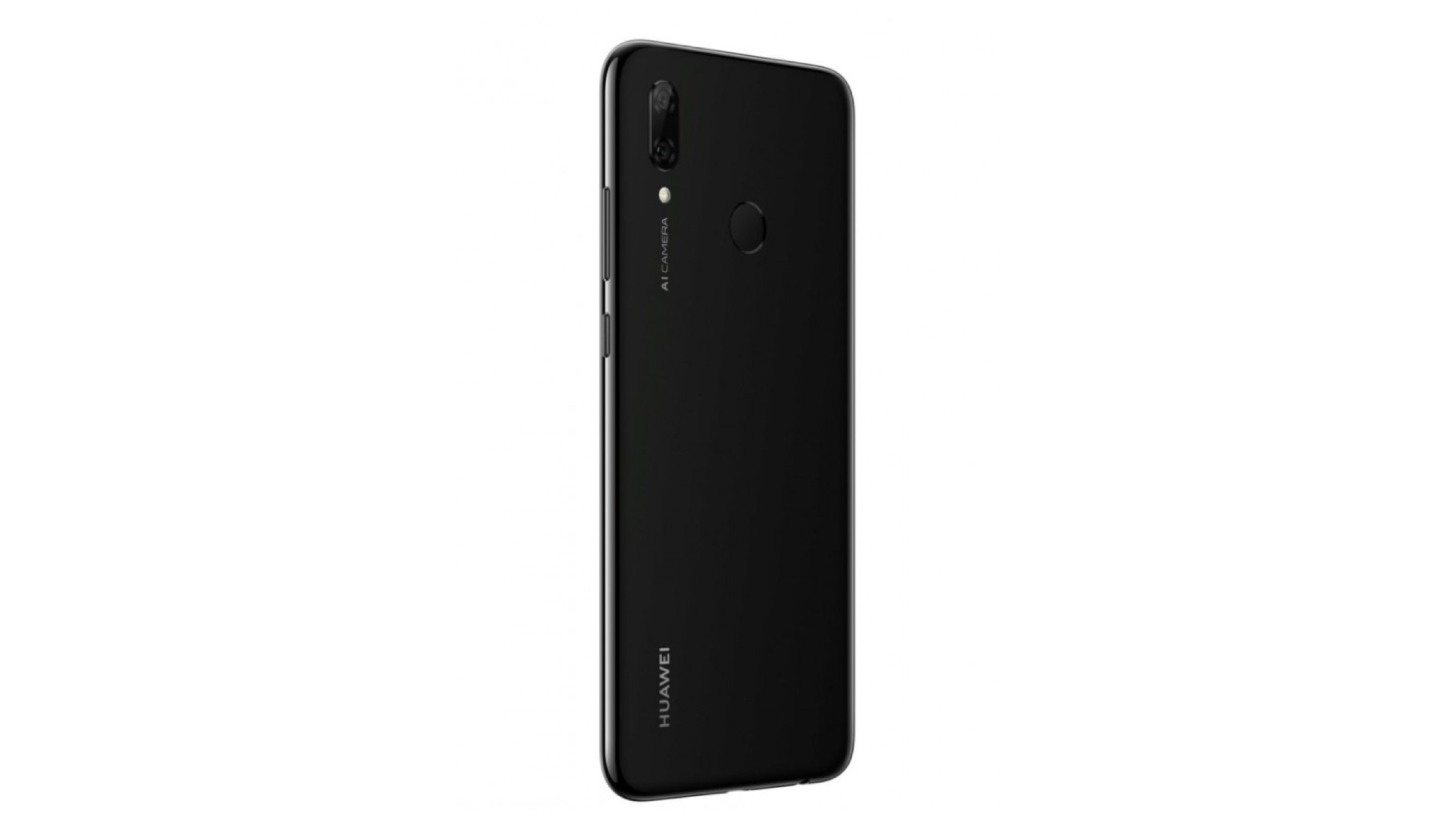
    The bottom chin at the front of the Huawei P Smart is a bit chunky while the top, right and left bezels are negligible. The volume rockers and the power button sit on the left side of the smartphone while the 3.5 mm audio jack, Micro-USB port, and the loudspeaker grille are placed at the bottom. The rear of the P Smart harbors the dual camera setup, fingerprint sensor, and the Huawei branding. The smartphone is available in two colour options. One has a blue gradient back panel and the other has a solid black finish. The dual rear camera setup of the smartphone consists of a 13 MP + 2 MP sensor along with an LED flash. Like the selfie camera, the rear cameras can also capture 1080p videos at 30 fps.
    Under the hood, the Huawei P Smart features the Kirin 710 SoC. The Kirin 710 consists of an Octa-Core processor and the Mali-G51 GPU. The smartphone is powered by a 3400 mAh battery and runs on EMUI 9 which is based on Android 9 Pie. For connectivity, the handset supports 802.11 ac Wi-Fi, Bluetooth 4.2, NFC and Dual 4G VoLTE.
    Price, Storage Options And Availablity

    Also Read: Indian Government Bans Smartphone Online Exclusive Sales

    The Huawei P Smart will initially be offered in select European markets from 2 January 2019. It is available in a single 3 GB RAM + 64 GB ROM variant. The device also supports memory expandability up to 512 GB via the microSD card which uses the SIM 2 slot. The Huawei P Smart is priced at  which roughly translates to Rs 20,000 in India.

  • Xiaomi Poco F2 Spotted On Geekbench, SD845 And 6 GB RAM In Tow

    Xiaomi Poco F2 Spotted On Geekbench, SD845 And 6 GB RAM In Tow

    Xiaomi launched the Poco sub-brand earlier this year. The company’s first smartphone, the Poco F1 was initially launched in India and was later introduced in other regions as well. Due to its flagship specifications and aggressive pricing, the device quaked the smartphone market. The latest leak of its successor, the Poco F2 has been spotted on geekbench’s website.

    Poco F2 Geekbench

    The Geekbench listing of he Poco F2 was first uploaded on 28 December. The listing reveals information like the processor and RAM capacity of the smartphone. Like its predecessor, the Poco F2 features the Octa-Core Snapdragon 845 SoC that has a base frequency of a 1.77 GHz. The particular device from the listing only has 6 GB of RAM. However, the company might offer the Poco F2 in higher RAM capacities like 8 GB or 10 GB as well. The smartphone runs on the latest Android 9 Pie which is most likely to be skinned with MIUI 10. 

    The Xiaomi Poco F2 scores a single core score of 2321 points and an multi-core score of 7564. Shockingly both the single-core and the multi-core of the Poco F2 is less than the 8 GB variant of the Poco F1. The 8 GB Poco F1 variant registers a single-core score of 2504 points and a multi-core score of 8174 points. However, it is possible that the preproduction Poco F2 is not optimised for maximum performance. Other key details like the camera resolution, screen size, and the battery capacity will only be released after the official launch of the smartphone.

    Problems Of The Poco F1 And Expectations From The Poco F2

    Also Read: Apple iPhone Flagships To Be Manufactured At Foxconn Chennai Plant

    There is no such thing as a perfect product and same is the case with the Poco F1. Although the Poco F1 packed the latest processor, it fell short in some departments. We expect Poco to fix these issues with the upcoming Poco F2:

    • HD Support- To keep the price low of the Poco F1, the company cheaped out and skipped the Widevine L1 support that disables the users from streaming HD content from Net Flix on their smartphone.
    • Better Build- The Poco F1 might be an excellent value for money smartphone, albeit it has an inferior build quality compared to other flagship smartphones.
    • Better Optimisation- Some might advocate Xiaomi’s MIUI as a comparatively better option to other Android skins. But the unwanted apps and bloatware like random advertisements in the notification tab or while viewing a folder is disliked by most.
    • Better Camera Performance- The dual rear cameras and the single front camera can capture satiable pictures. But the MIUI’s optimation does not do justice with the hardware. As some unofficial vanilla Android ports on the Poco F1 suggest that the cameras on the device are quite capable.
  • LG Is Developing A Smartphone With Rollable Display According To A Patent

    LG Is Developing A Smartphone With Rollable Display According To A Patent

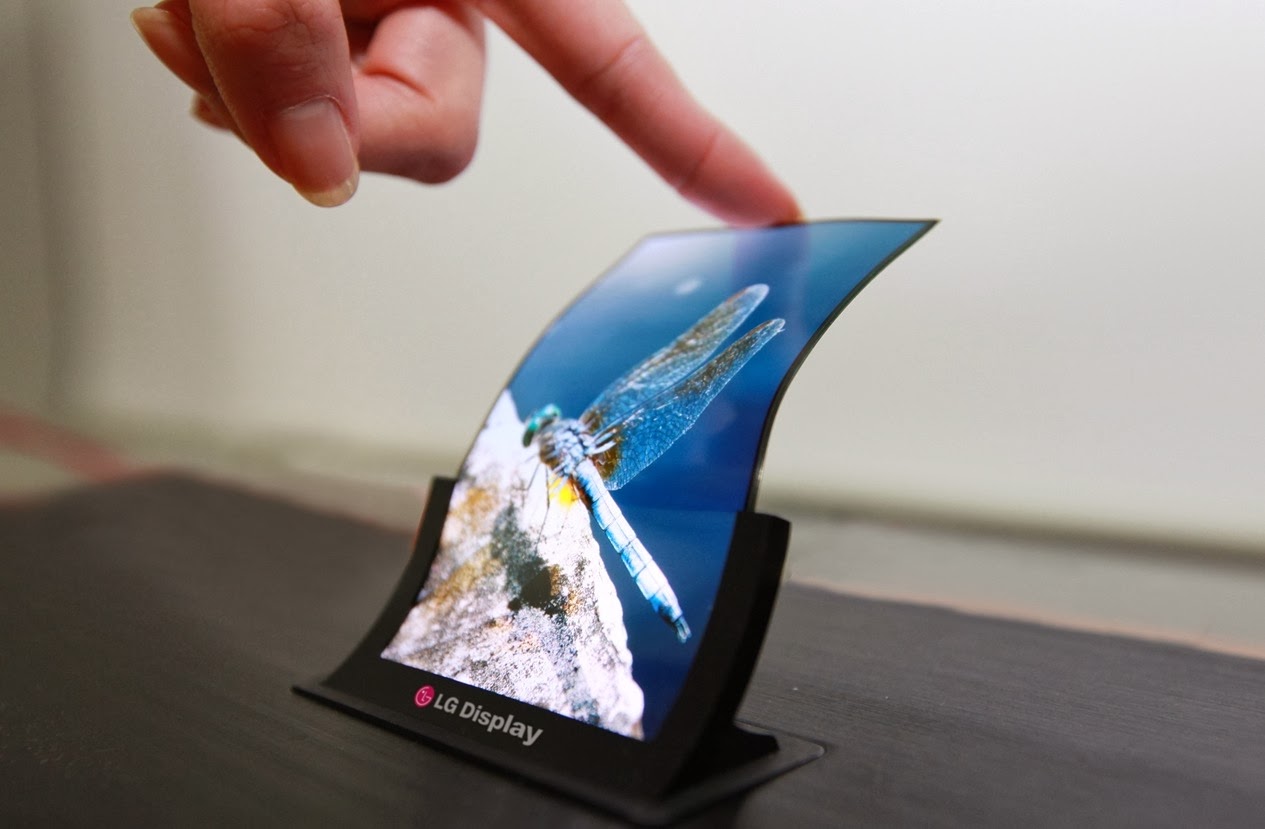
    Smartphones with touchscreen displays were first launched in the late last decade. Brands across the globe have launched innumerable smartphones with this rectangular form factor. Although the size, thickness, weight of these devices vary from company to company; the overall design has not seen any radical changes. However, it is expected to change soon as manufacturers are developing smartphones with all new form factors. One notable form factor is smartphones with foldable displays that are about to launch soon. An LG patent reveals yet another type of smartphone form factor. According to WIPO (World Intellectual Property Office), LG has been granted a patent for a smartphone that has a rollable display.

    Possibilities and Advantages Of A Rollable Display

    LG’s patent provides a small pointer about the form factor of the future smartphones. It can open a whole new world of possibilities for a portable device. The concept smartphone from LG when in its rolled state will be small enough to easily fit inside a pocket which can be easily rolled out to reveal the main display. Although the LG device is quite small, due to its rollable form factor it can offer a similar experience to that of a large screen tablet. This type of device from LG will further blur the lines between a smartphone and a tablet as it will be capable to serve the purpose of both.

    LG Patent Revelations

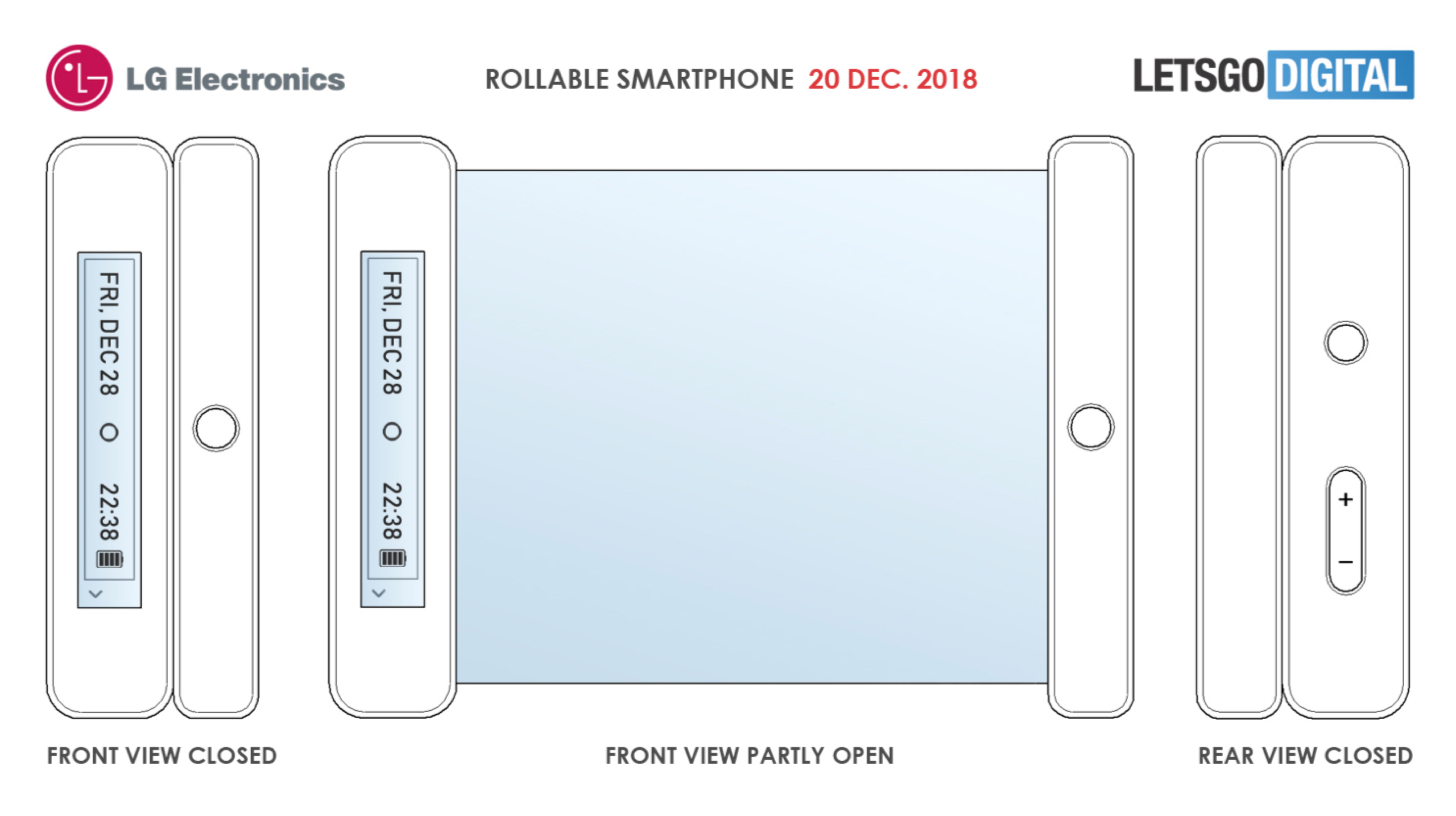
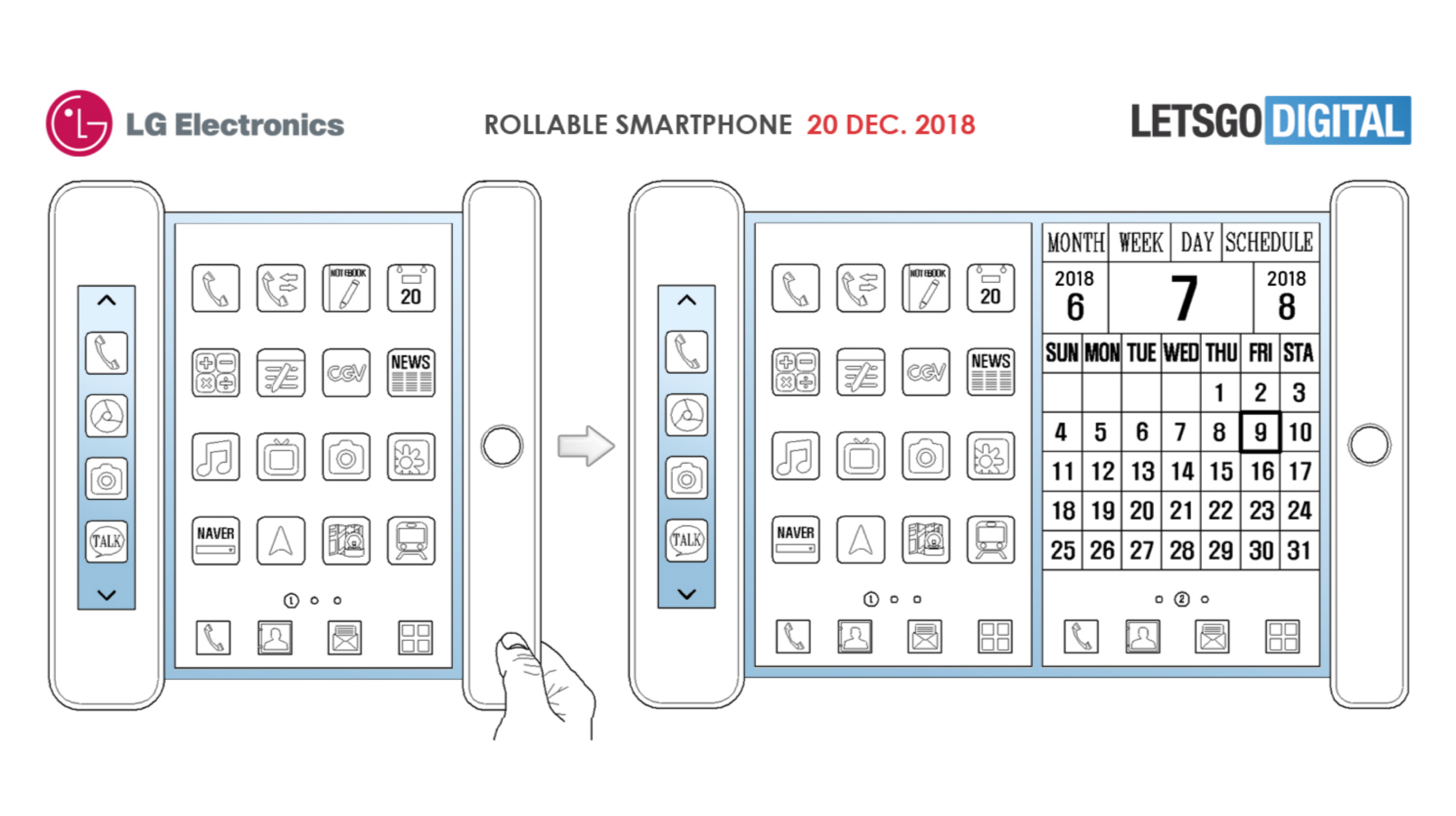
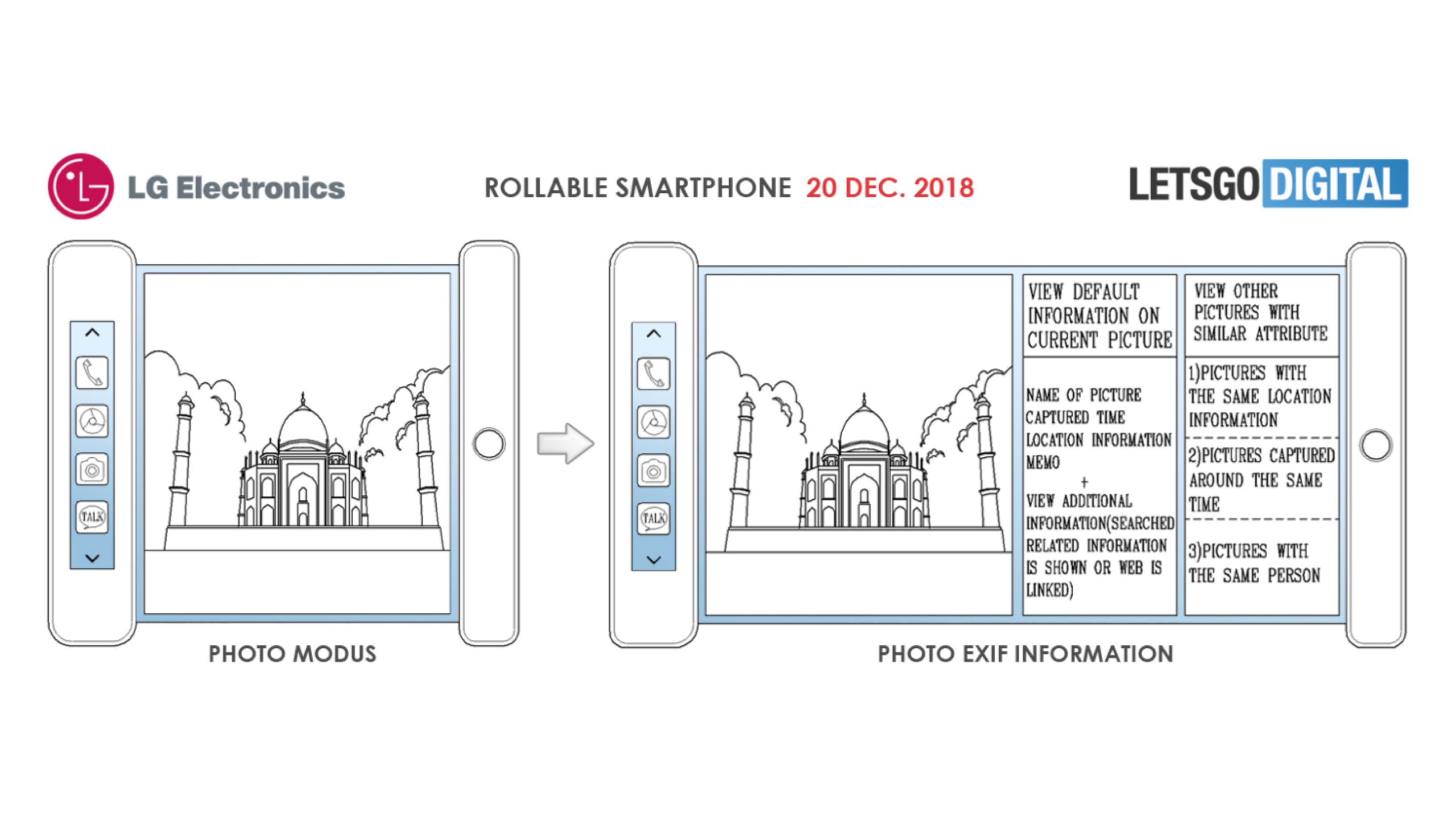
    The patent for the LG smartphone with a rollable display was spotted by a Dutch website, Letsgodigital. The patent is detailed enough to reveal the functioning of the conceptual smartphone. LG has previously demonstrated a 77-inch transparent flexible OLED display which indicates that the company surely has the know-how of this technology. The patent reveals an intriguing device with two halves that are conjoined with a rollable display panel. 

    The left half of smartphone from the patent has a tall and narrow display which shows date, time and battery details. On the other hand, the right half seems to have a small circular button in the middle which might function as the home button. According to the patent, the rollable display can be stretched to multiple lengths. Each length showing a separate set of controls and icons. The left rear view of the device is completely free from any controls or buttons while the right half houses the volume controllers and another small circular button.

    Expected Launch Date

    Also Read: Apple iPhone Flagships To Be Manufactured At Foxconn Chennai Plant

    The patents are just an indistinct description of how LG conceptualises a smartphone with a rollable display. Therefore, it is hard to guess when such devices can make their way to the real world. However, LG can surprise the world by showcasing such a device at upcoming tech events like MWC, Design Thinking and Innovation Week.


iGyaan Network
Privacy Overview

This website uses cookies so that we can provide you with the best user experience possible. Cookie information is stored in your browser and performs functions such as recognising you when you return to our website and helping our team to understand which sections of the website you find most interesting and useful.