Category: Tech

Latest Technology News, Alternative, Bio-Tech, Medical, R&D and Innovations

  • OnePlus 5 And 5T Receive OxygenOS 9.0.1 Update

    OnePlus 5 And 5T Receive OxygenOS 9.0.1 Update

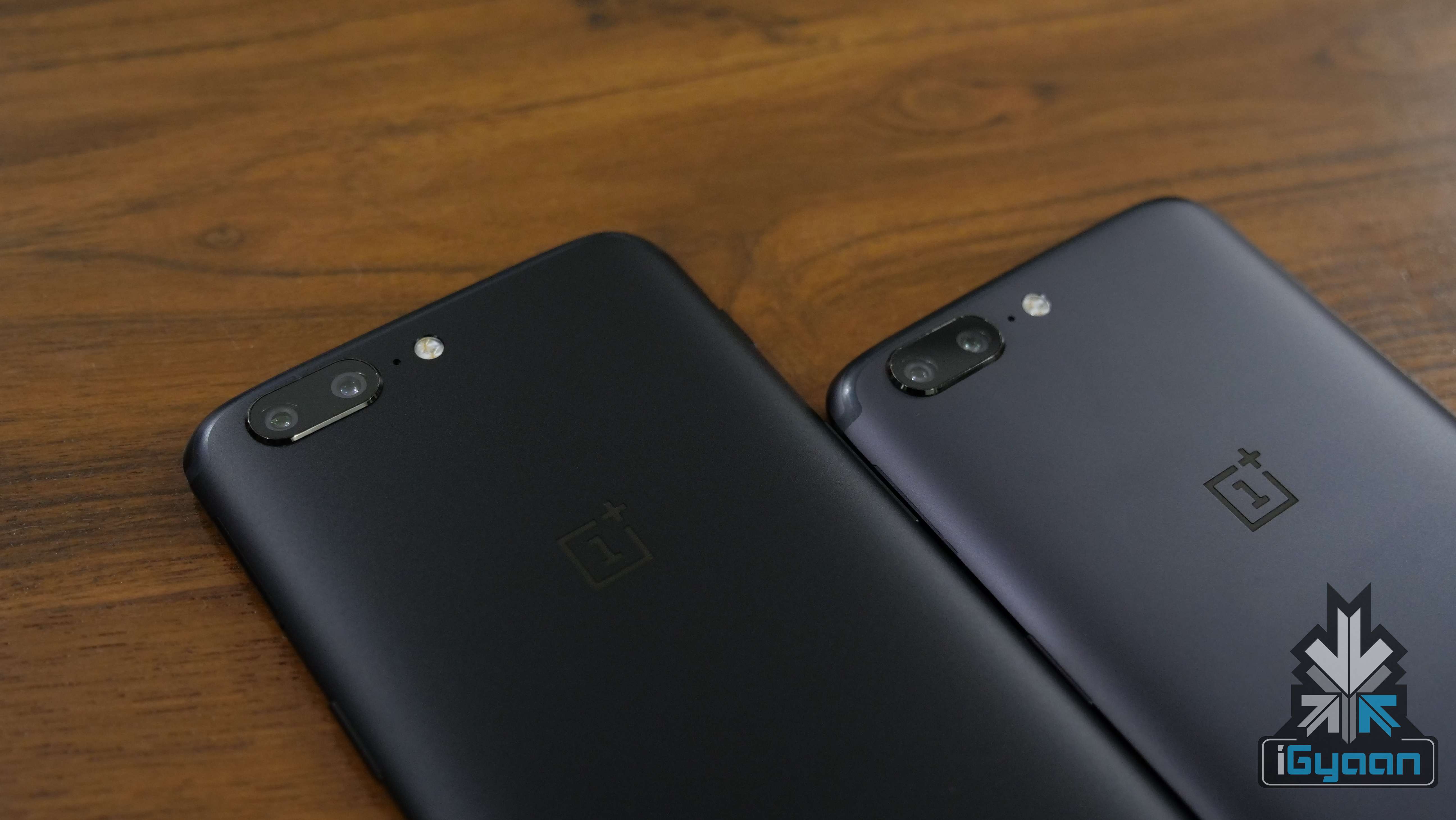
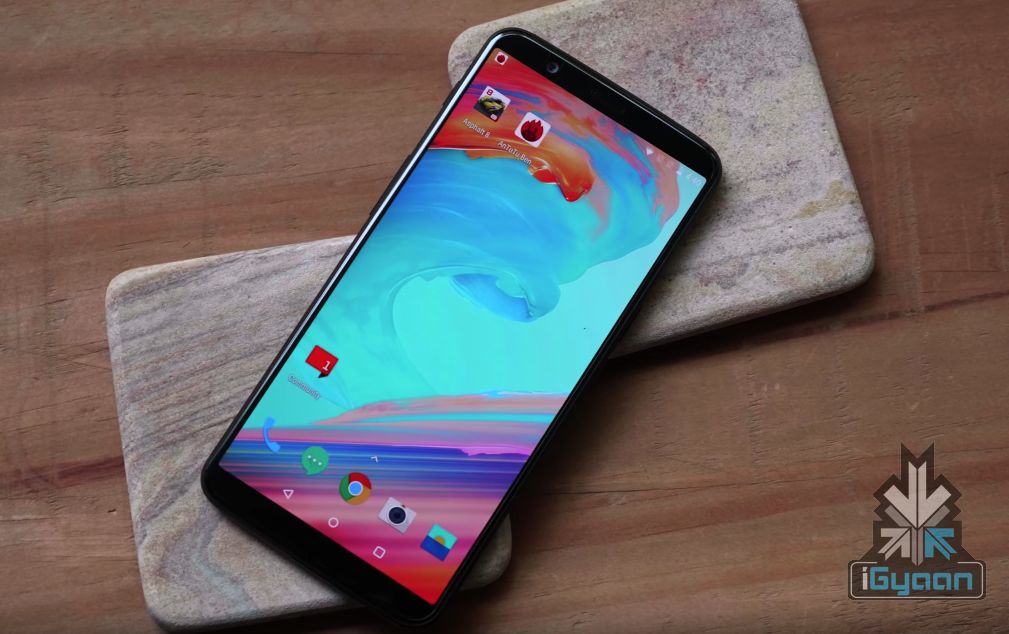
    OnePlus launched the OnePlus 5 and the OnePlus 5T smartphones in the year 2017. The smartphones were originally launched with Android 7 Nougat which later received the Android 8 Oreo update. On 25 December 2018, the company rolled out the Oxygen OS 9.0 OTA update which is based on the latest Android 9.0 Pie for both the smartphones. Although the update was a pleasant Christmas surprise for device owners, some users complained about glitches they faced after the software update. OnePlus has rolled out an Oxygen OS 9.0.1 OTA update that addresses the issues faced by the users. 

    Changes With OxygenOS 9.0.1

    The complete changelog with the latest update is as follows:

    • Improved stability for Wi-Fi connection
    • Optimized sRGB display mode
    • Optimized Reading mode
    • Fixed issue with 4G VoLTE toggle missing
    • Fixed random reboots when Screen Casting

    This update does not add any new features to the devices but is a minor update to the previously released OxygenOS 9.0.0 update. 

    OxygenOS 9.0.0 Changelog 

    The OxygenOS 9.0.0 for the OnePlus 5 and the OnePlus 5T updated the system to the Android 9.0 Pie with a brand new UI (User Interface). It added new swipe navigation gestures which are only available on the 5T. Other added features are as follows:

    New Gaming mode 3.0

    • Added text notification mode
    • Added notification for 3rd party calls

    Do Not Disturb mode

    • New Do Not Disturb (DND) mode with adjustable settings

    Camera

    • Integrated Google Lens mode
    OnePlus 5 And OnePlus 5T Specifications

    Also Read: Samsung Is Developing Smart Running Shoes With Fitness Tracking Capabilities

      OnePlus 5 OnePlus 5T
    Display 5.5 inch, AMOLED 6.01-inch, AMOLED
    Dimensions 154.2 x 74.1 x 7.3 mm  156.1 x 75 x 7.3 mm
    Weight 153 g  162 g
    Processor Snapdragon 835  Snapdragon 835 
    RAM And ROM 6 GB + 64 GB, 8 GB + 128 GB 6 GB + 64 GB, 8 GB + 128 GB
    Rear Camera 16 MP + 20 MP 16 MP + 20 MP
    Front Camera 16 MP 16 MP
    Security Front-Mounted  Fingerprint Sensor Rear-Mounted Fingerprint Sensor
    Battery 3300 mAh 3300 mAh
  • Moto G7 Leaks Out In Full Glory

    Moto G7 Leaks Out In Full Glory

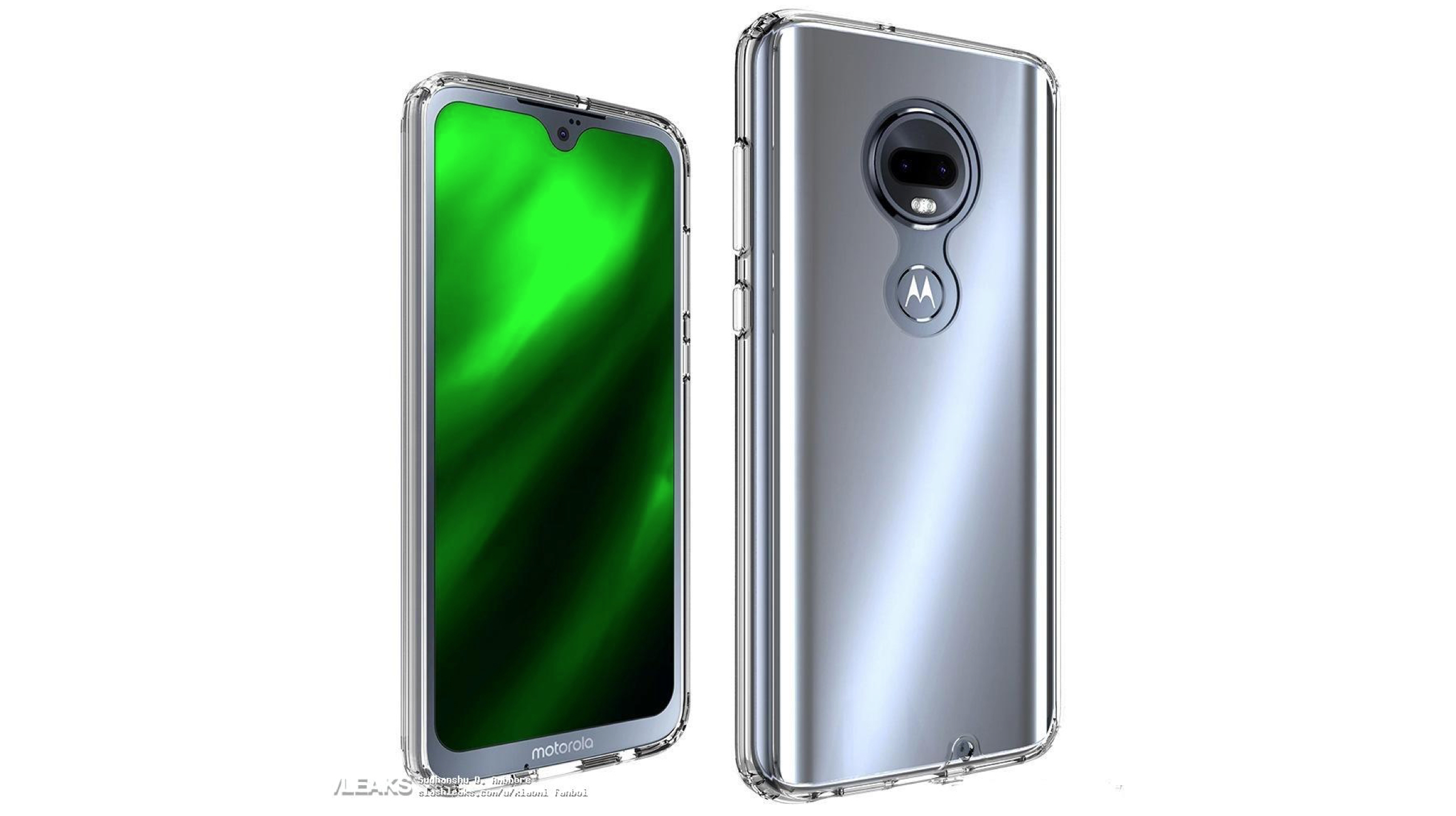
    Motorola is expected to soon launch the all-new Moto G7 series of smartphones. The Moto G7 which is the successor to the Moto G6 has leaked before its official launch. The leak reveals that the upcoming device will have an all-new front design.

    Moto G7 Design

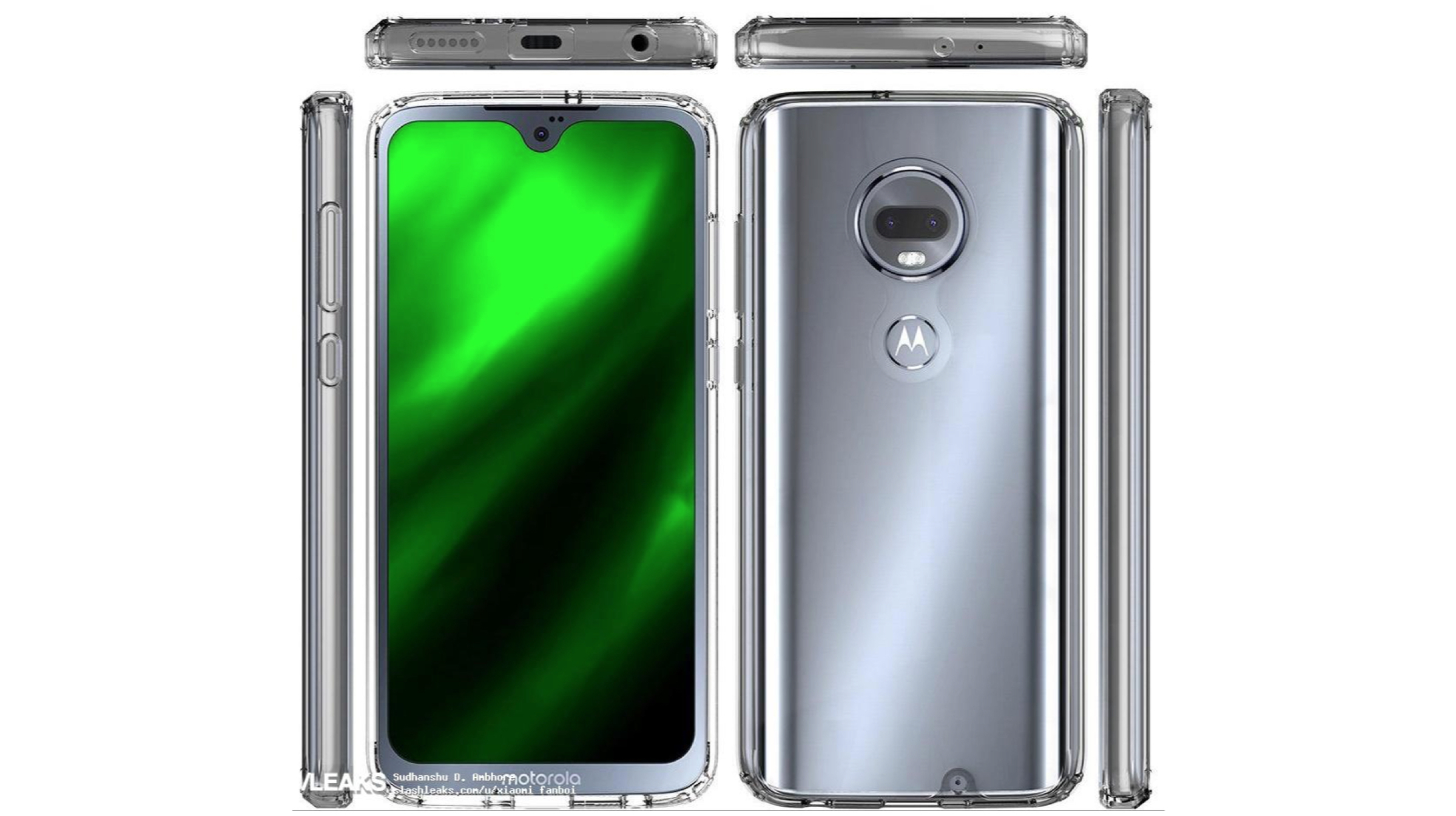
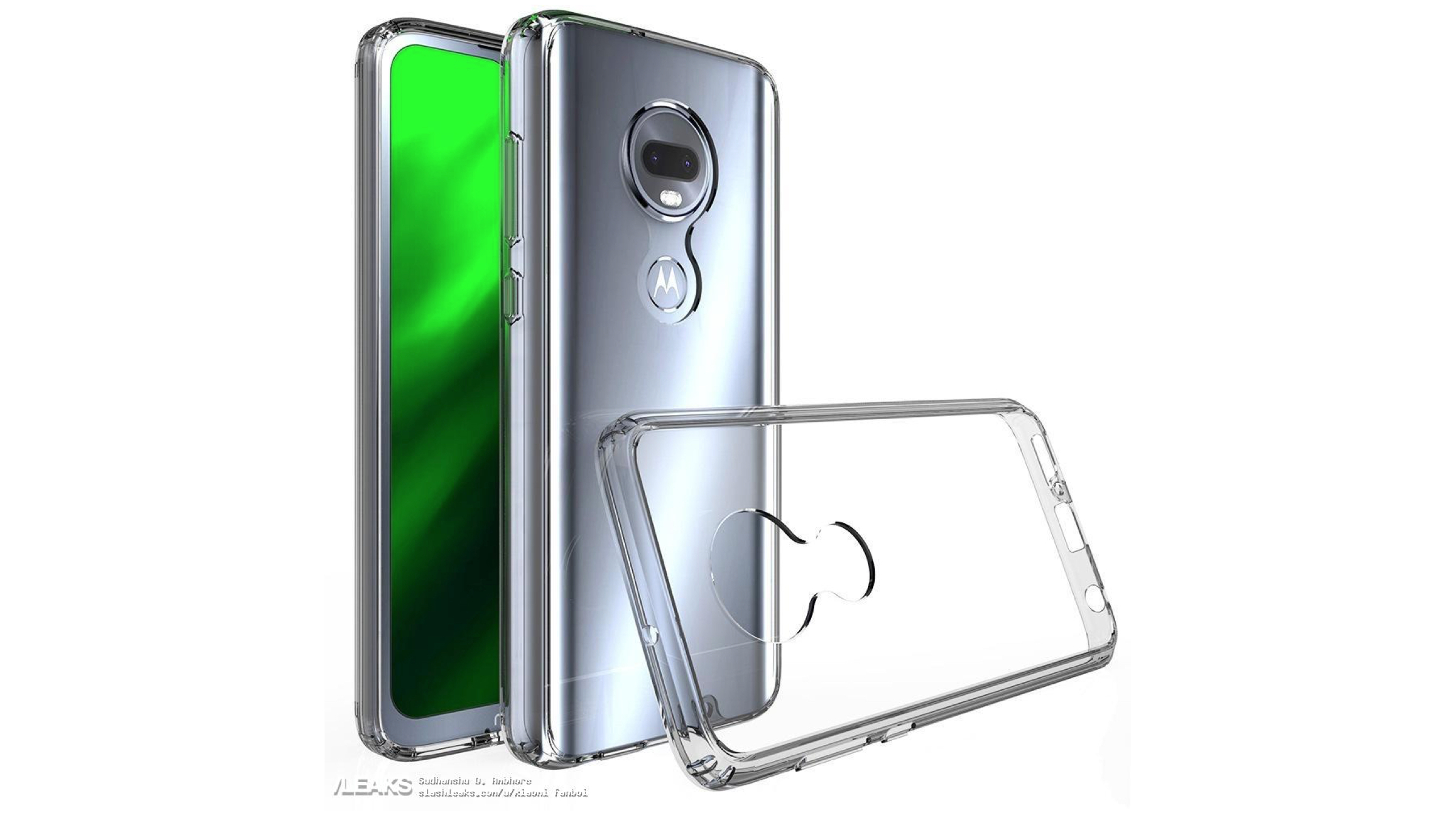
    The Moto G7 has an all-glass front and rear build like its predecessor. However, the front of the new smartphone has a small waterdrop notch that houses the front-facing selfie camera. The earpiece for listening to phone calls is built into the top bezel above the display. The chin below the display is quite chunky and it carries the Motorola branding. 

    The right side of the Moto G7 accommodates the power button and the volume rockers while the left side is free from any controls or slots. The top of the device houses the SIM card slot and a small secondary microphone pinhole. The USB Type-C port, the 3.5 mm audio jack and the loudspeaker grille are placed at the bottom of the smartphone. 

    The rear side of the Moto G7 looks very premium with a gloss silver finish. The back panel of the device harbors the fingerprint sensor, main microphone pinhole, and the dual camera set up along with an LED flash. 

    Moto G7 Specifications

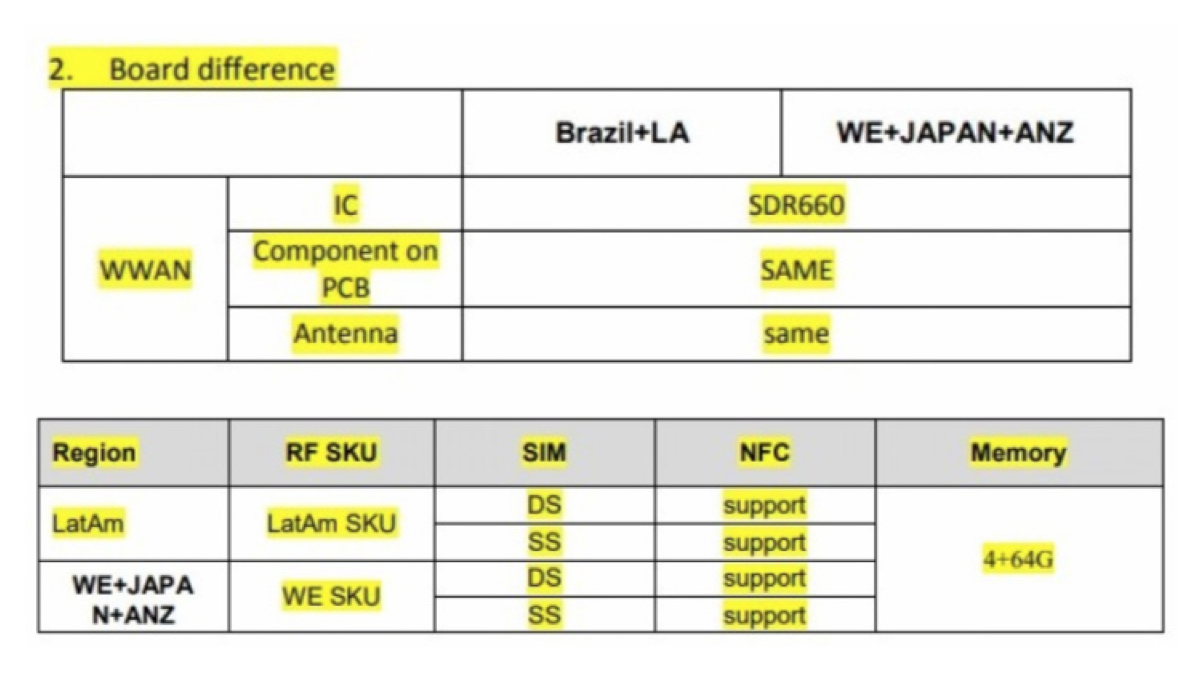
    The Moto G7 was previously spotted on FCC’s website which revealed key specifications of the handset. The smartphone features the Snapdragon 660 SoC which consists of an Octa-Core CPU and the Adreno 512 GPU. According to the FCC listing, the smartphone has support for dual SIM cards. The smartphone from the listing has 4 GB of RAM and 64 GB of ROM. However, the company is also expected to launch higher storage capacity variants of Moto G7. Other details like the resolution of the camera sensors, screen size, and the battery capacity will be made public once the company officially announces the smartphone.

    Moto G7 Launch Date

    Also Read: Samsung Is Developing A Rollable TV

    Motorola has not officially announced the launch date of the Moto G7. However, the Moto G7 along with other members of the G7 family is expected to launch in the month of April as the current Moto G6 smartphones were also unveiled in the month of April. Going by the specifications of the device it will be priced around Rs 15,000. 


  • Apple Misses AirPower Release Window

    Apple Misses AirPower Release Window

    Apple is known for their timely product releases and the exceptional quality of the products. But it seems like Apple has been having some issues with the AirPower – A wireless charger that will reportedly charge multiple devices. In all the Apple events in 2017, the company had said that consumers can expect the AirPower to be released for purchase by 2018 itself. 


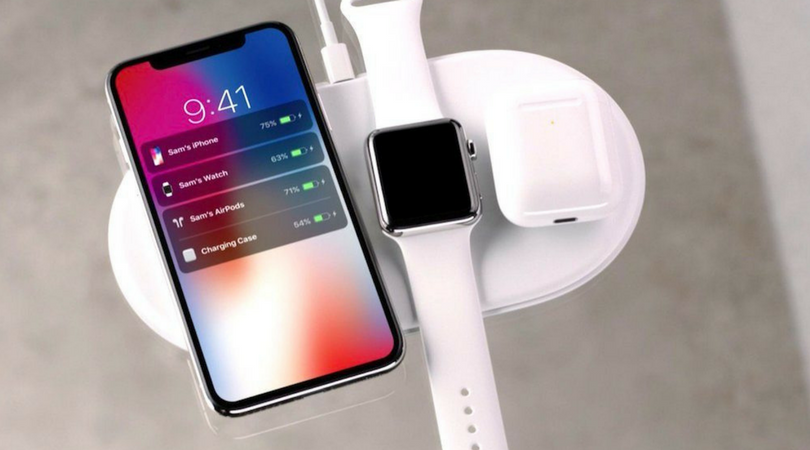
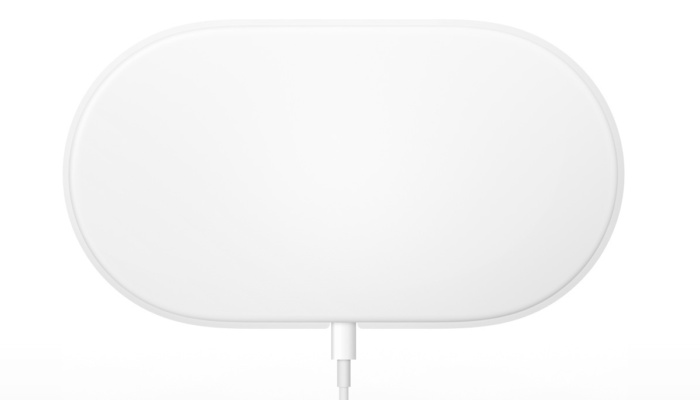
    AirPower is a wireless charging mat-like device that can charge more than one device. Most wireless chargers available in the market now are capable of charging one device at a time. The Apple wireless charger was shown to charge an Apple Watch, an iPhone and their proprietary wireless earbuds.

    What Happened?

    The AirPower device was also supposed to coordinate with all the Apple devices being charged and show percentages of charge in each device on the iPhone. The company had expressed interest to work with Qi Standards team. Th aim is to incorporate these benefits into the future of the standards. But no news about any cooperation has come up yet either. 

    Apple has also not set a price down for the AirPower charger and have not given out a statement regarding the same. It is believed that some internal development difficulties has caused this delay. It is very unlike of Apple to miss deadlines as they hold to higher standards and have set timelines for every device they make. However, it is unclear if the AirPower project has altogether been scrapped. Apple might also be making further improvements to the product itself but our guess is as good as yours.

    When Will We Know?

    Apple usually has three or four events in a year. One in March which revolves around education and creativity themes and are often known to include iPads. There is also a big event in June known as WWDC which sees mostly softwares and sometimes, although rarely, high-end hardware.

    The other two events are in September which is the most anticipated event in all year. The reason behind it is because this event usually features new iPhones and Apple Watches and one in October. The October event usually releases iPads and sometimes consumer focused Macs. We will hopefully come to know the status of the AirPower in the next Apple event in 2019, if not before. 

  • Huawei Y9 2019 Will Soon Launch In India

    Huawei Y9 2019 Will Soon Launch In India

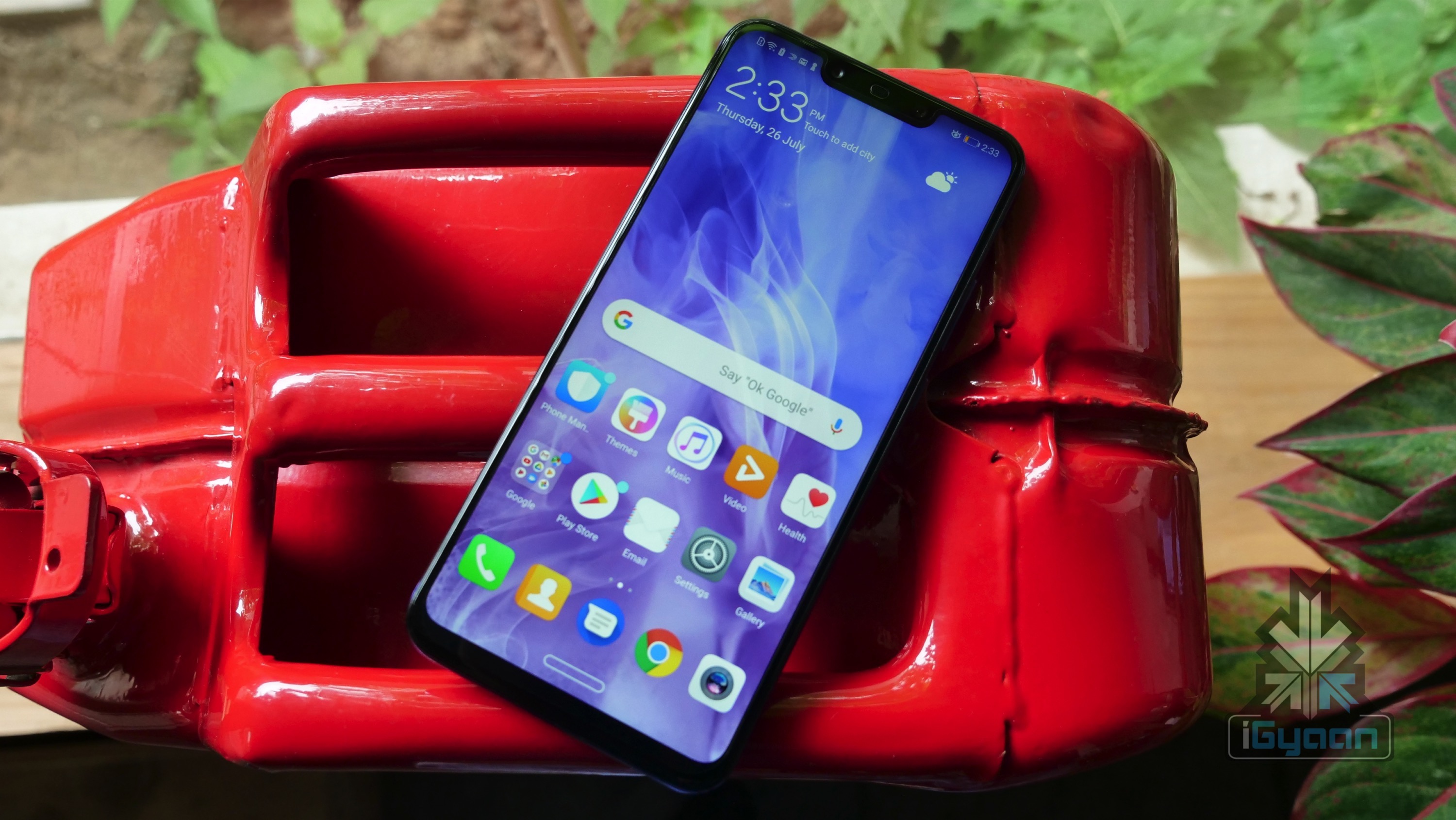
    Huawei launched the original Y9 smartphone in the Q2 of 2018. A teaser shared by the company reveals that the Y9 2019, successor to the Y9 2018 will soon launch in India. The smartphone will be exclusively available on Amazon India and the ‘notify me‘ page of the device is already online. 

    Specifications And Design


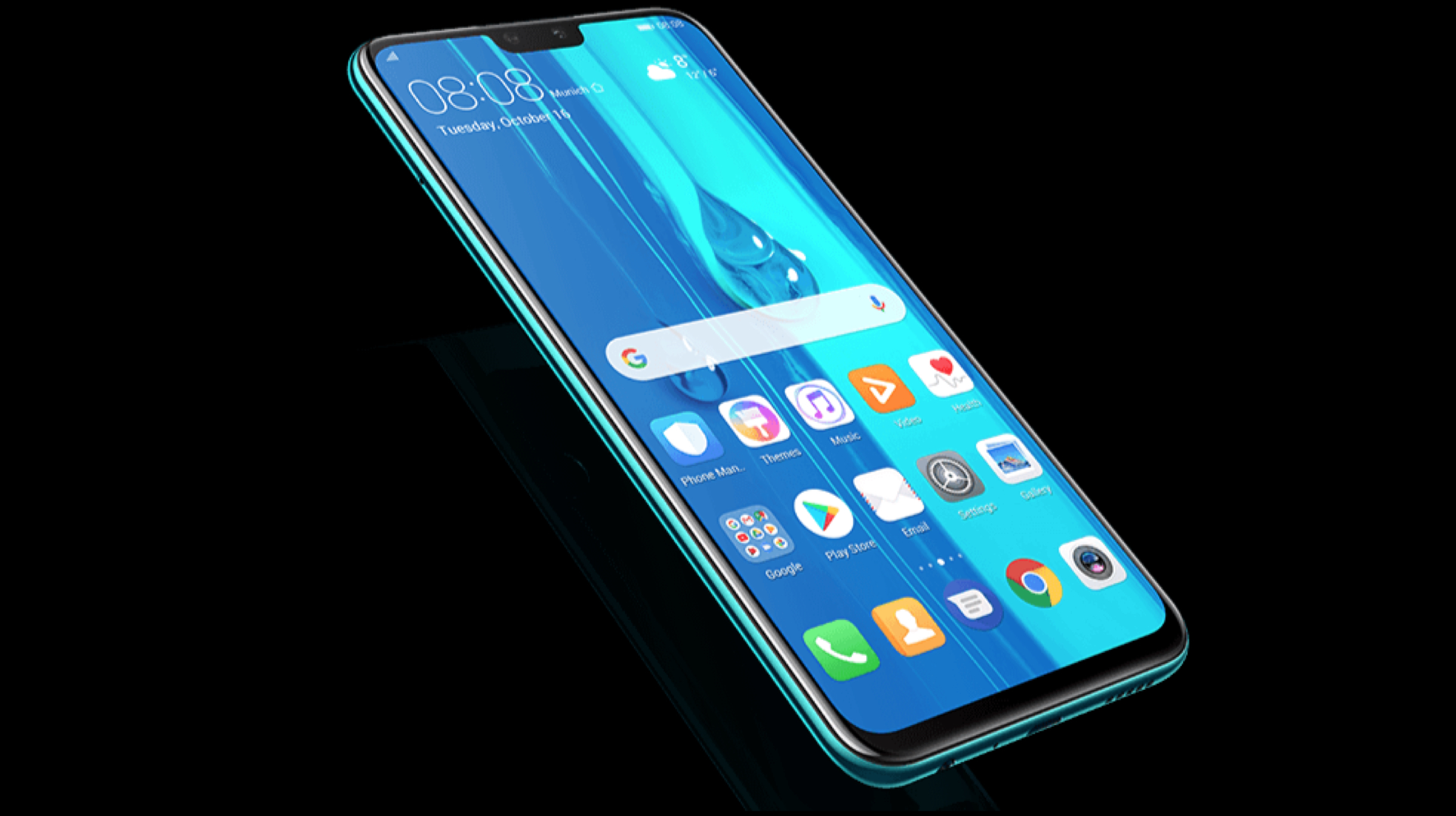
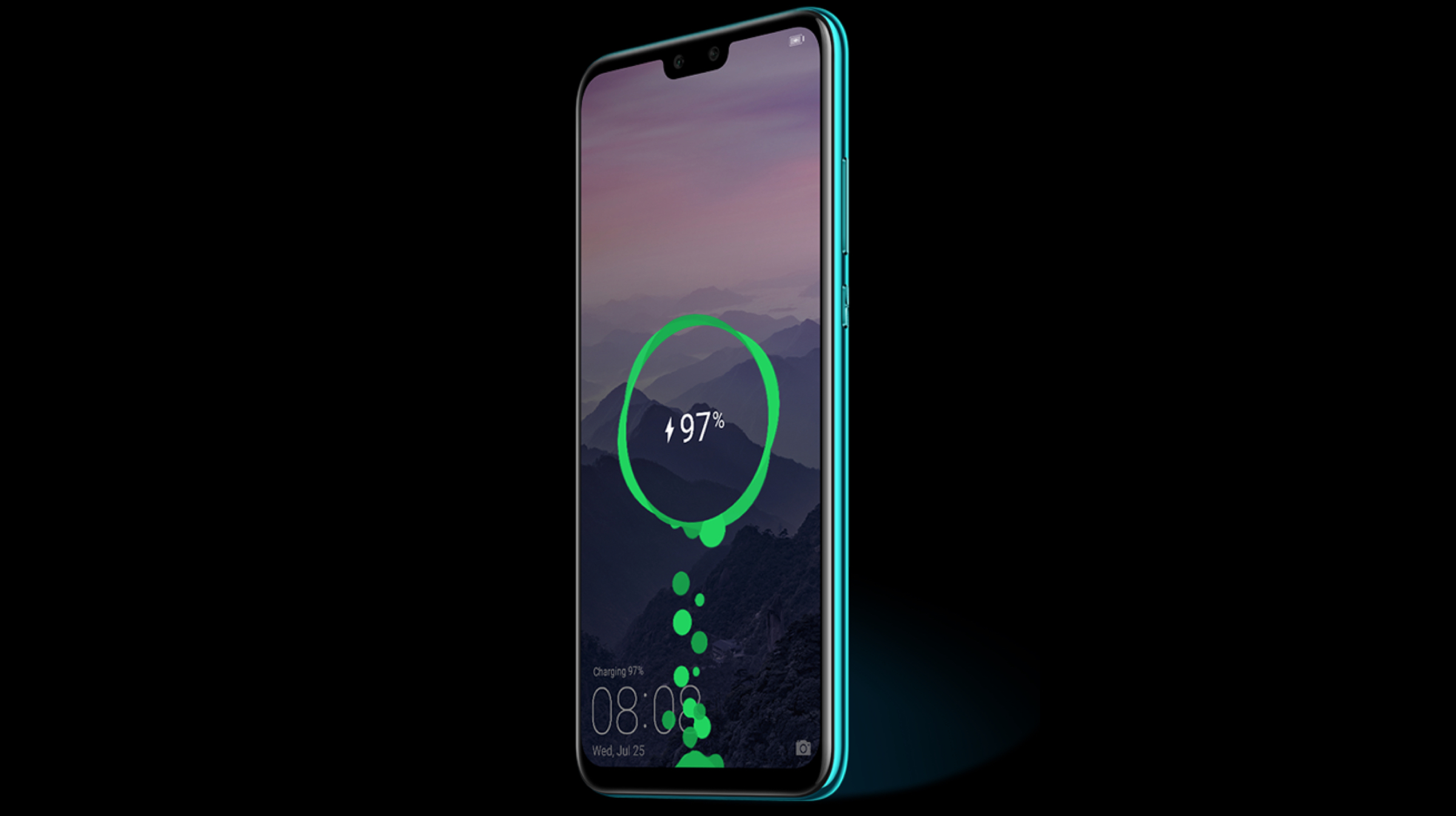
    The Huawei Y9 2019 has a modern design with a notch display. The smartphone measures 162.4 x 77.1 x 8.1 mm and weighs in at 173 grams. The front of the handset accommodates a 6.5-inch LCD display with a 19.5:9 aspect ratio. The display panel has a resolution of 2340 x 1080 px and a pixel density of 396 ppi. 

    The Huawei Y9 2019 is powered by a 4,000 mAh battery and it runs on EMUI 8.2 which is based on Android 8.1 Oreo. The smartphone features the Hisilicon 710 SoC which is manufactured using 12 nm FinFET technology. The chipset consists of an Octa-Core CPU along with the Mali-G51 MP4 GPU. In terms of storage, the smartphone is available in two different RAM + ROM configurations which are as follows:

    • 4 GB + 64 GB
    • 6 GB + 128 GB

    In addition, the Huawei Y9 2019 also supports memory expandability up to 400 GB via a microSD card. 

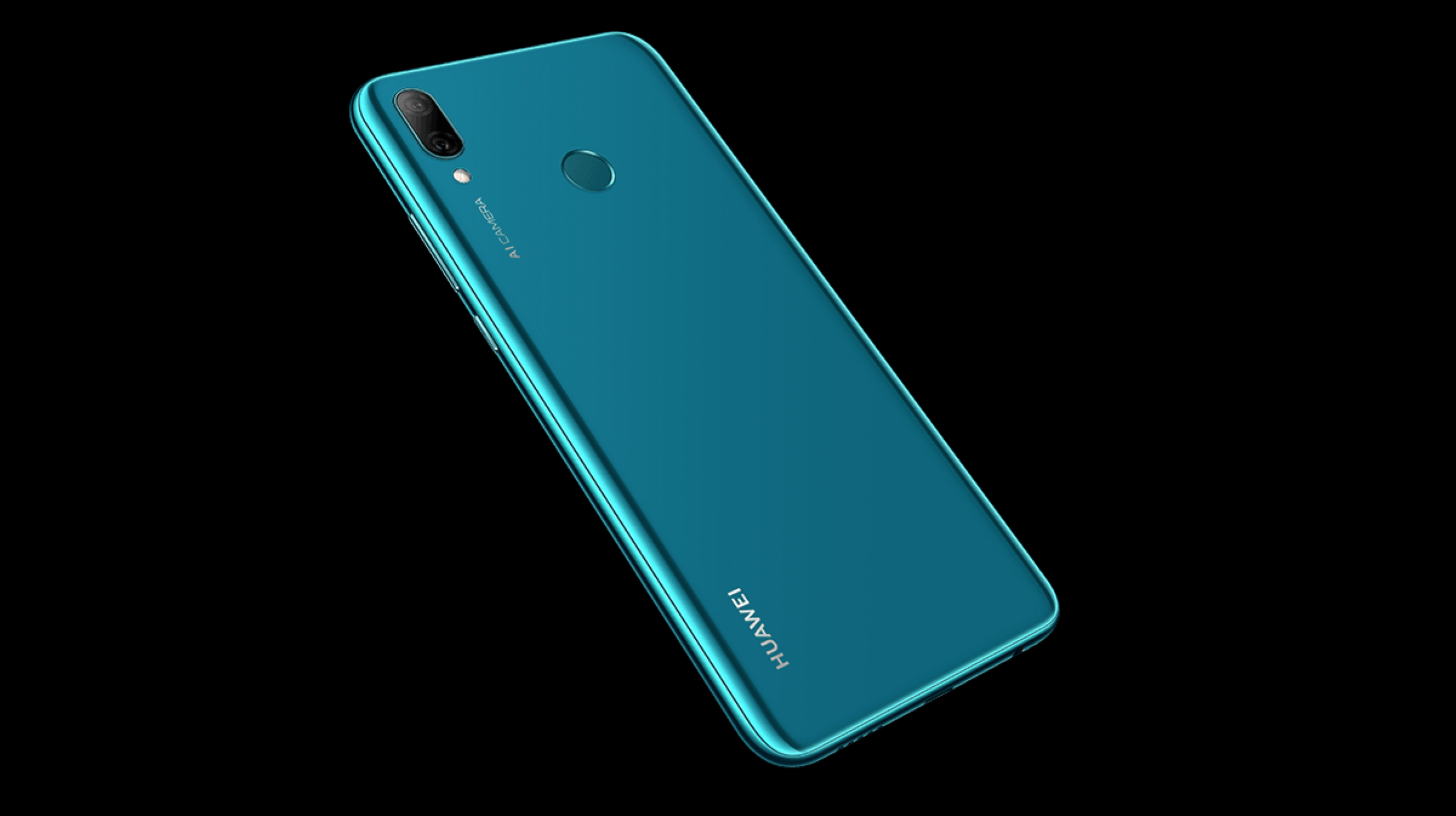
    For photography, the smartphone has dual 13 MP + 2 MP front cameras and dual 16 MP + 2 MP rear cameras. The smartphone can also capture 1080p videos at 30 fps from both the front and rear camera setup. Connectivity options on the device include 802.11 ac Wi-Fi, Bluetooth 5.0, 4G VoLTE and a bottom mounted micro USB 2.0 port.  For safely and securely unlocking the handset, it also has a rear-mounted fingerprint sensor.

    Price And Launch Date

    Also Read: Sony Bumps Up 3D Camera Sensor Production

    The Huawei Y9 2019 will be unveiled at a launch event in New Delhi which is scheduled for 7 January 2019. The official price of the smartphone will be revealed then. However, going by the specifications it will be a sub 15k smartphone. 

  • Vivo Nex Dual Screen Edition With Snapdragon 710 Spotted On TENAA

    Vivo Nex Dual Screen Edition With Snapdragon 710 Spotted On TENAA

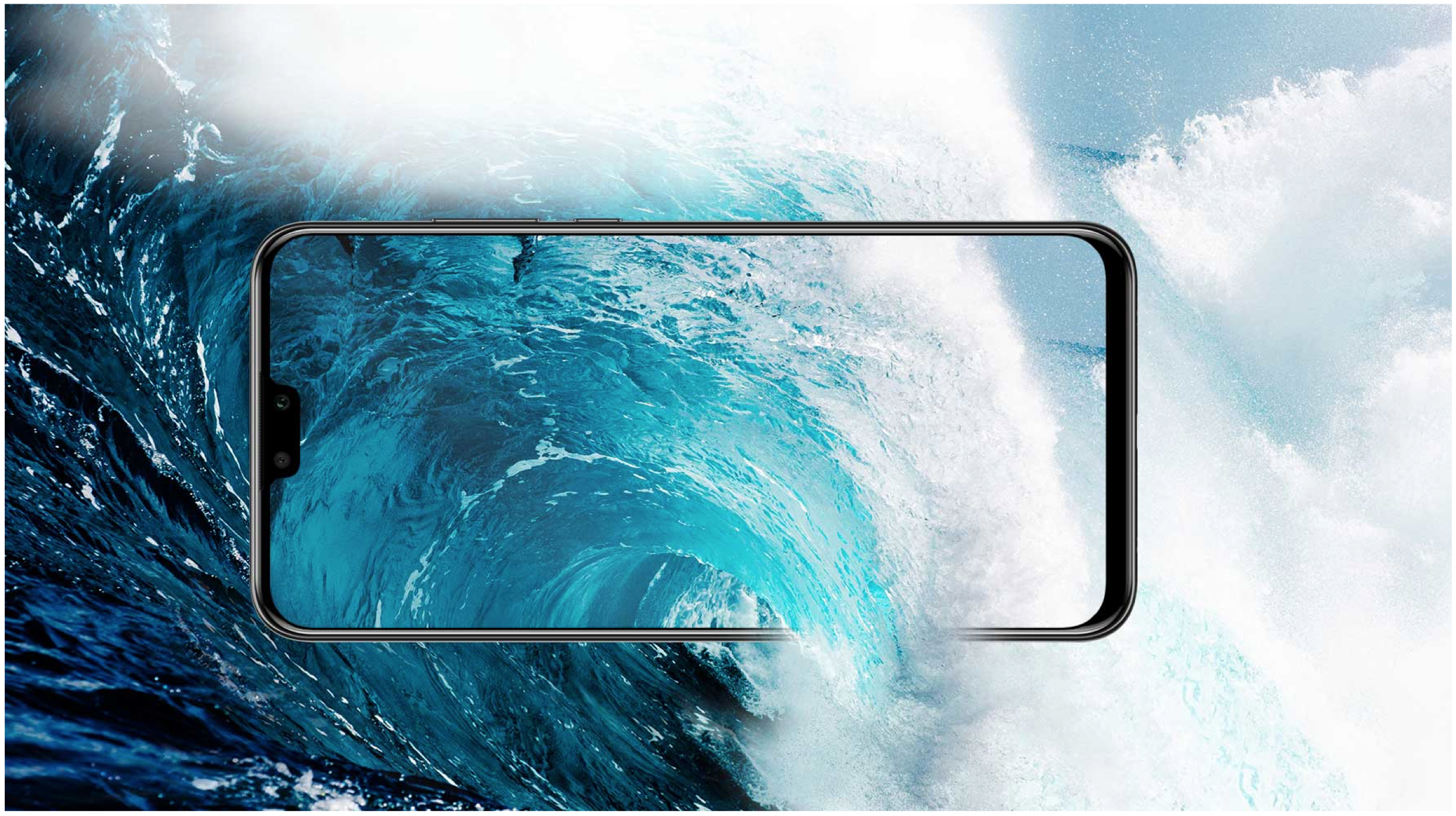
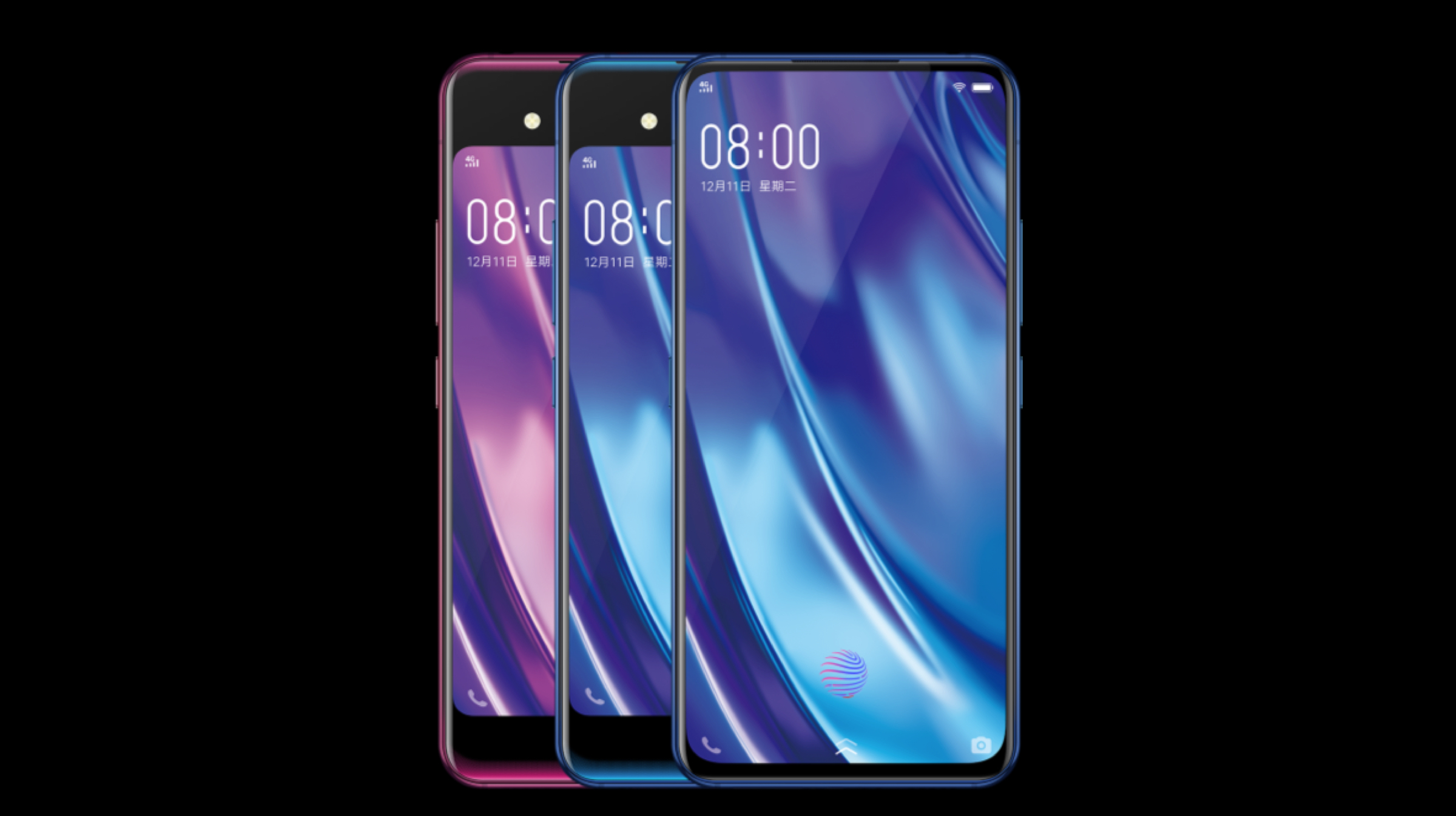
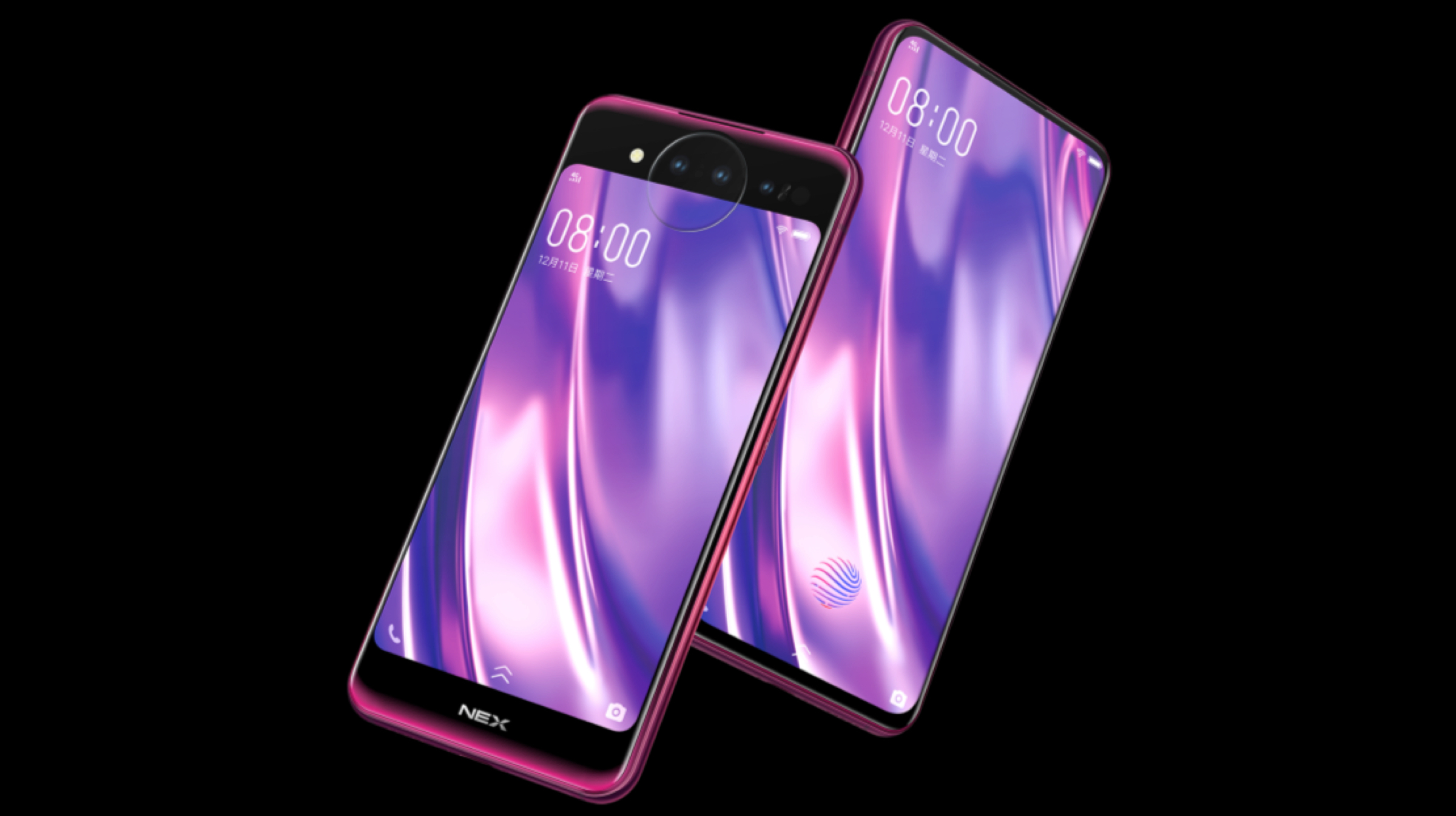
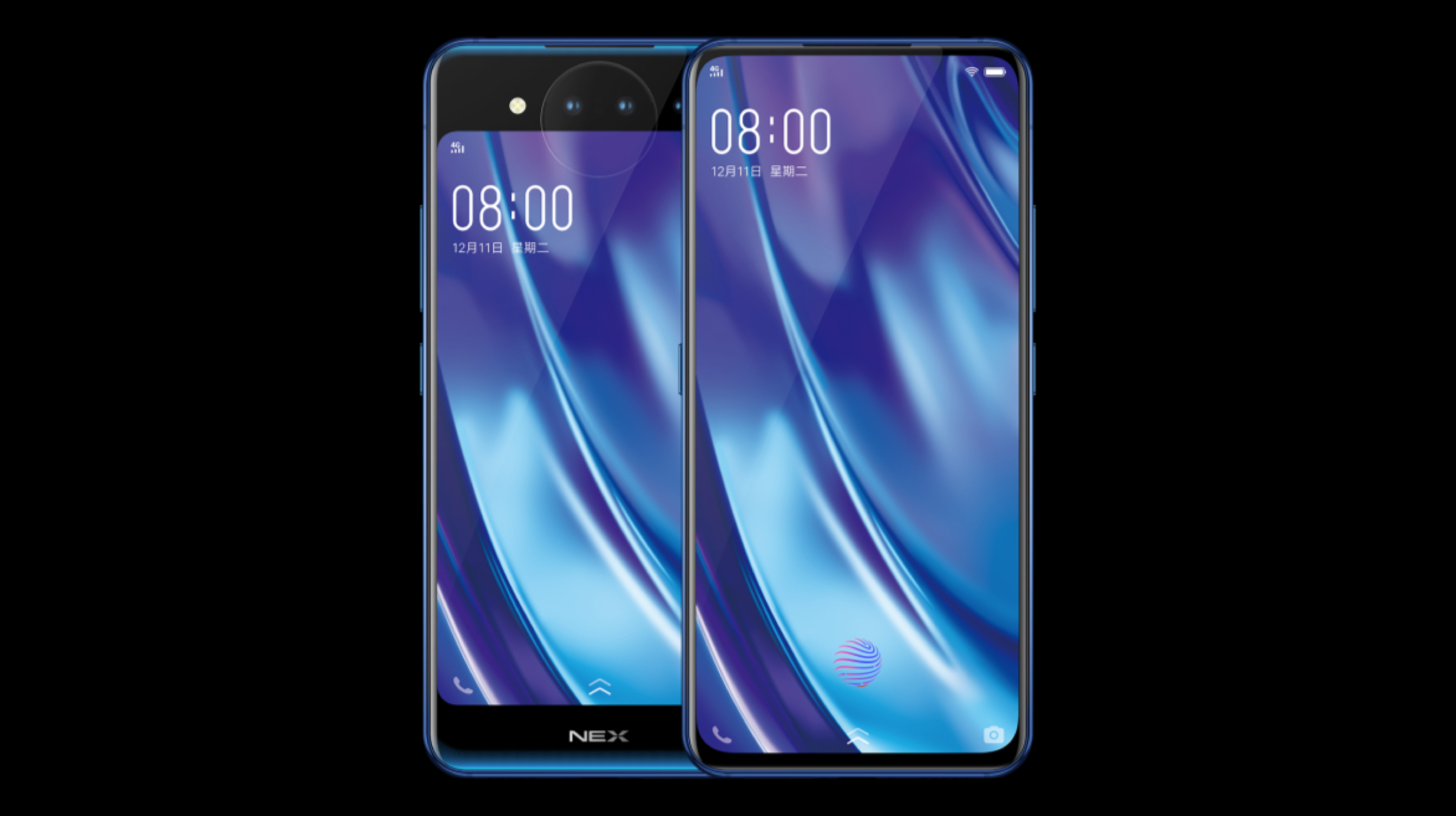
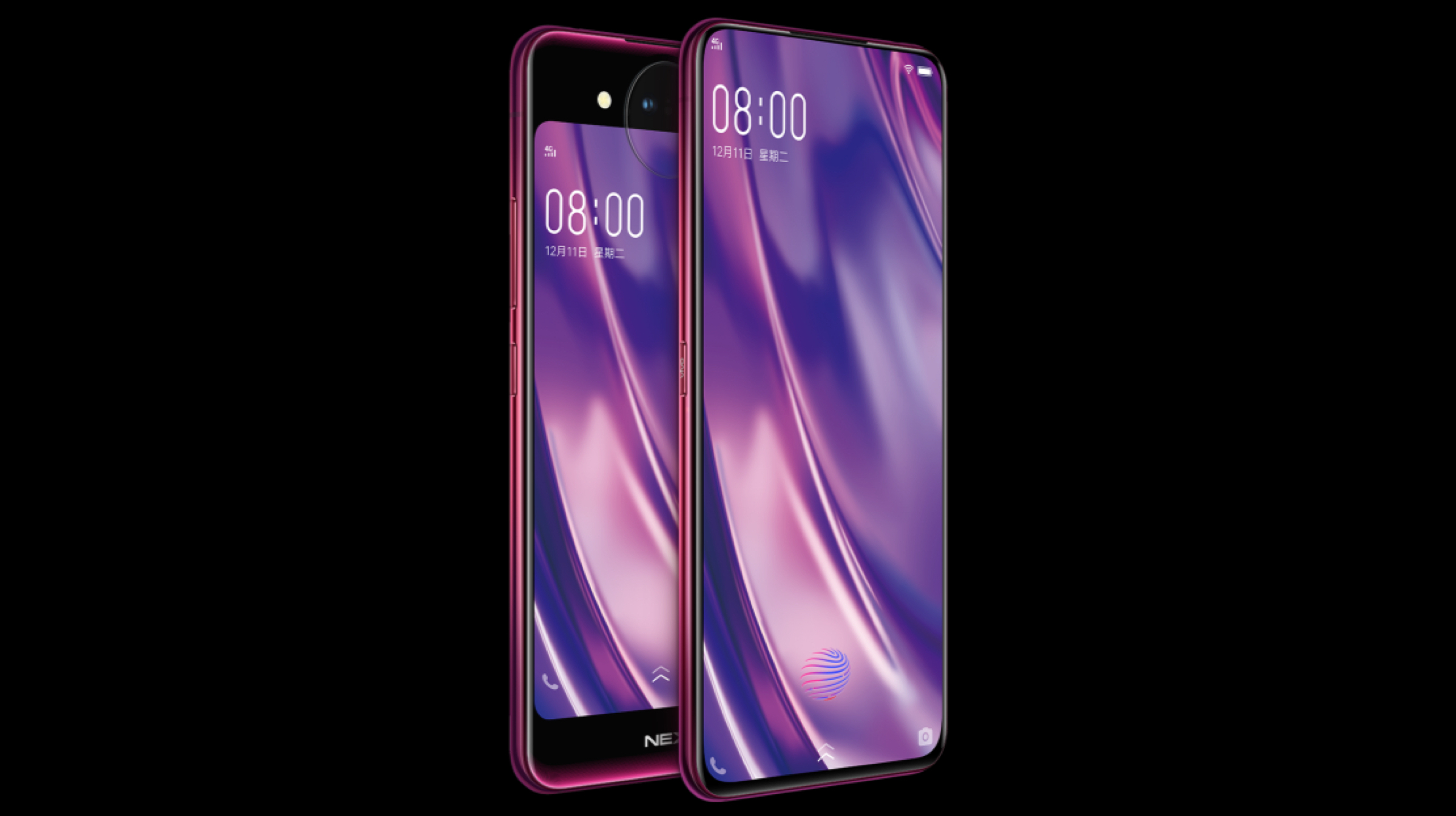
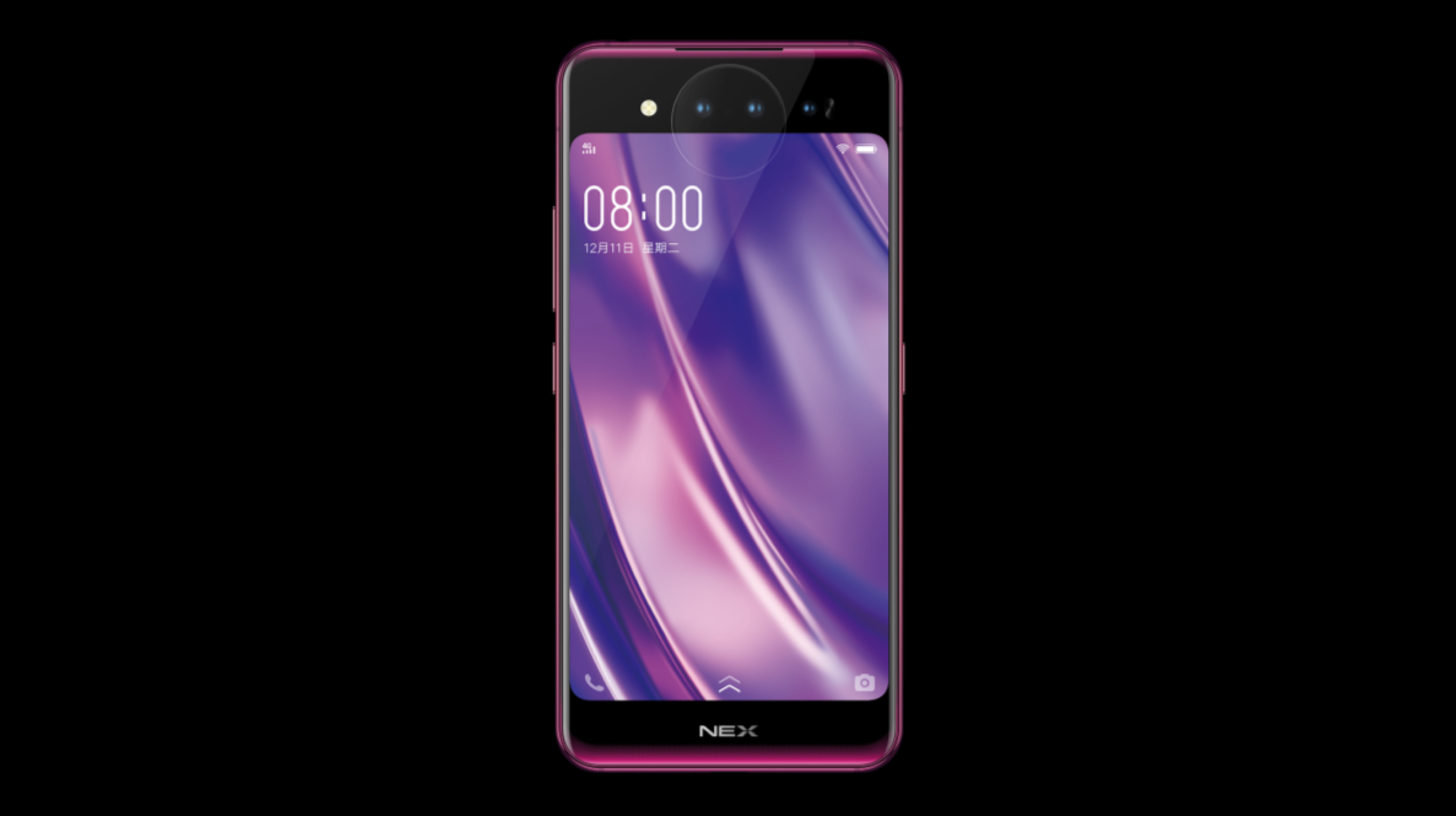
    Vivo launched the Vivo Nex smartphone with an edge-to-edge display and pop-up camera earlier this year. The smartphone due to its impressive specifications and design turned a lot of heads. After the success of the former, the company launched the Vivo Nex dual screen. A smartphone that is as revolutionary as its name. The Nex Dual features dual touchscreen display one at the front and the second at the rear. The New Dual has flagship specifications and a hefty price tag. 

    An affordable and less powerful variant of the New Dual Screen featuring the 12 nm Snapdragon 710 has been spotted on TENAA.

    Specifications

    The affordable Vivo Nex Dual Display smartphone is listed as model number V1280A on TENAA. Allegedly the device will carry the Vivo Nex A moniker. The smartphone measures 157.19×75.3×8.09 mm and tips the scale at 200 grams. The front of the device has a 6.39-inch AMOLED display with a resolution of 2340 x 1080px while the secondary rear display uses a smaller 5.49-inch OLED display with a resolution of 1920 x 1080 px. The smartphone is powered by a 3425 mAh battery and runs on the latest Android 9 Pie. 

    The Vivo Nex A has 8 GB of RAM and 128 GB of inbuilt storage. For photography, the smartphone has triple rear cameras out of which one has a resolution of 8 MP. Like the Vivo Nex S, it might have a 2 MP night vision camera and a TOF 3D camera. While there is no camera on the front, users will simply be able to flip the phone to take a selfie on using the rear camera and display. 

    In terms of connectivity, the smartphone supports 802.11 ac WI-Fi, Bluetooth 5.0, 4G VoLTE and USB Type-C port for charging and data transfer. The listing also affirms tha the Vivo Nex A has an In-display fingerprint sensor. 

    The Vivo Nex A features the Octa-Core Snapdragon 710 CPU which is clocked at a frequency of 2.2 GHz. Sadly the listing does not provide any images of the device. However, going by the dimensions and screen size it will look like the Vivo Nex S.

    Launch Date

    Also Read: Sony Bumps Up 3D Camera Sensor Production

    Vivo has not announced the launch date of the Vivo Nex A but usually, smartphones are listed on TENAA only days before ofiicial their launch. Therefore, the company is expected to launch it soon and might showcase it at CES which is scheduled for 8-12 January. 

  • Sony Bumps Up 3D Camera Sensor Production

    Sony Bumps Up 3D Camera Sensor Production

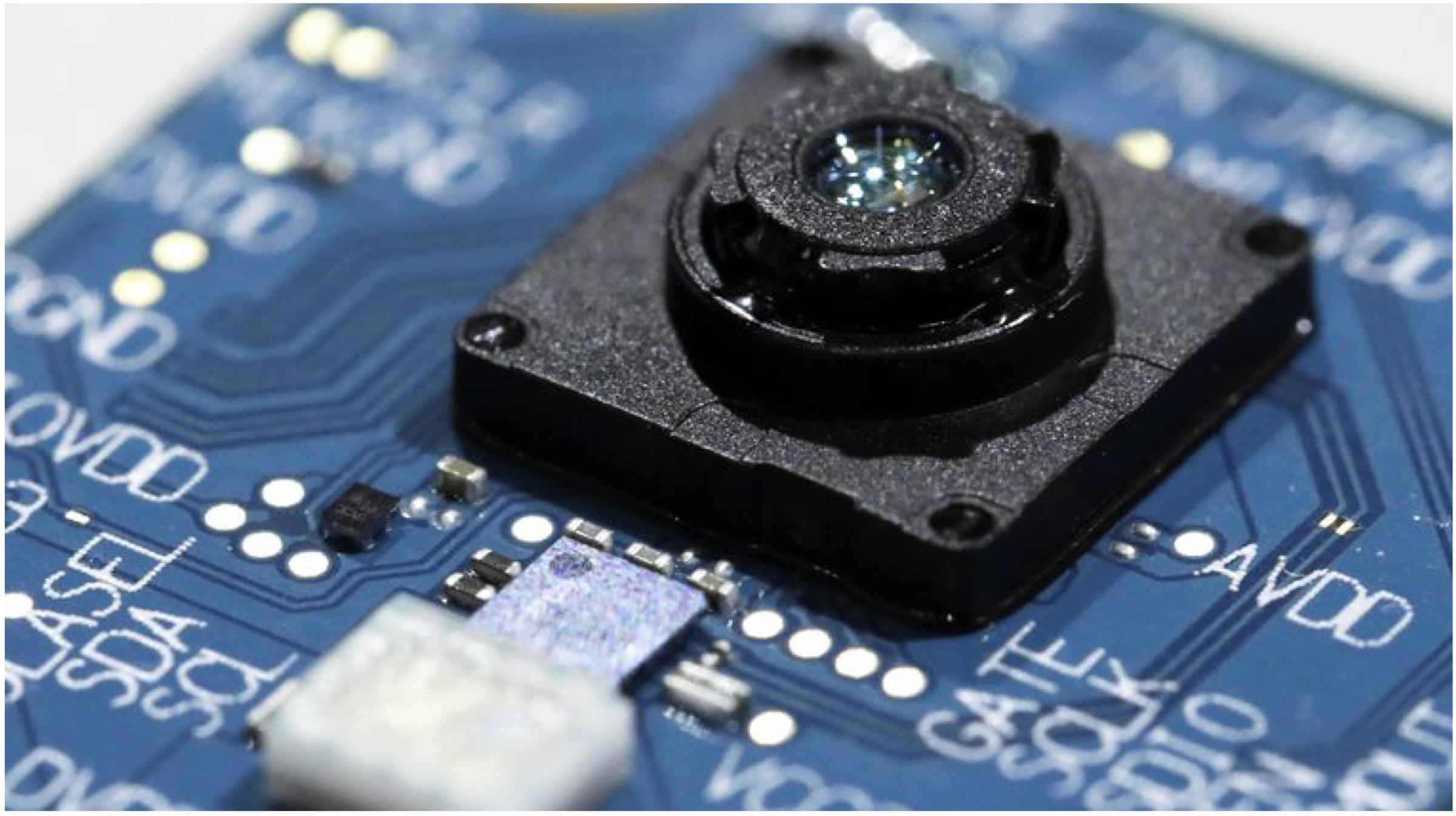
    Sony’s smartphone and consumer electronics division might be facing tough times but the company is undoubtedly the world’s biggest smartphone camera chip manufacturer. More than 50 percent of the smartphones in the market use camera sensors that are manufactured by Sony which includes Apple, Samsung and Google. A Bloomberg report suggests that Sony is now gearing up to ramp up the production of 3D camera sensors. 

    What Is A 3D Camera Sensor?

    A 3D camera is an imaging device that allows to replicate three dimesional  objects with the help of depth sensing technologies. Digital cameras with 3D sensors have been available in the market for quite some time. These cameras are bulky and hard to carry but Sony seems to be developing miniscule 3D sensors that can be embedded in to smartphones. 3D sensors on a smartphone can open a whole new world of possiblities.

    Few uses of smartphones with 3D sensors are as follows:

    • Smartphones with 3D sensors can be used to create a virtual 3D model of a user that has the potential to change the future of shopping. The users can easily scan their body parts like the face and head to virtually try on accessories like hats and spectacles.
    • 3D camera sensor featuring smartphones can also help in pushing the boundaries of mobile gaming further. Mobile game corporations can use these sensors to make a virtual 3D model of the player which can be loaded in to the game. This would help the companies to create an even immersive expereience to the users.
    Sony’s Competition And Production Bump

    Also Read: Mi TVs Get Price Cut In India

    Except for Sony, companies like Lumentum Holdings Inc. and STMicroelectronics NV also make 3D chips that are used for accurate facial recognition and clicking photographs with enhanced depth effect. However, Sony claims their technology is more accurate than the offerings of their competitors. Sony uses a method called ‘time of flight’ of TOF that sends out out invisible laser pulses and measures how long they take to bounce back. This technology is used to take precise 3D pictures of objects. According to Sony officials, the company’s sensors can even capture pictures at a distance of five meters. 

    Sony seems to be optimistic about the future of this technology and predicts this feature can boost the sinking smartphone sales. In the interview with Bloomberg, the company reported that the upcoming Huawei phone will employ 3D sensors made by Sony. Additionally, Sony revealed that the company is getting interest from Apple perhaps future iPhones will makes use of this type of sensors. To meet the high prediction of demands, Sony will kick off mass production in late summer of 2019. 

  • Car Technology That Will Wow You In 2019

    Car Technology That Will Wow You In 2019

    Technology and Automobiles have been inseparable partners since the inception of automotive technology. In 2019, these two will be further integrated to create some amazing and very useful features that will make the driving experience much smoother.

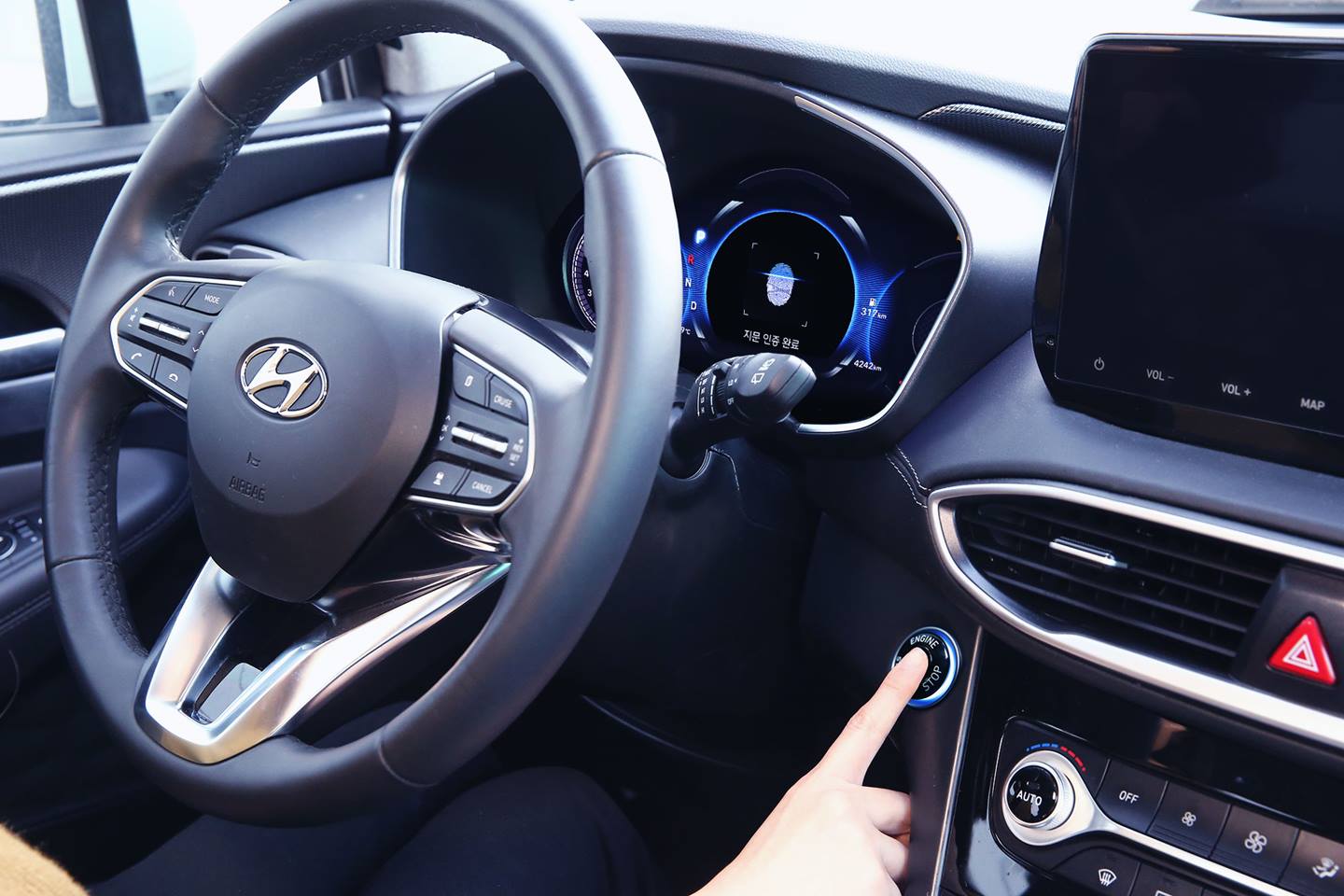
    On Steering Fingerprint Sensor

    Hyundai has announced that their SUV Santa Fe will receive a fingerprint sensor that will not only unlock their cars but also start them. There will be fingerprint scanners on the exterior door handle as well as the start button. There are immense possibilities of different use cases. A car that is driven by multiple people in a household can be configured according to the fingerprint. Everything from Air conditioner settings, music playlists to seat settings can be modified according to the user and saved in memory. It has possibilities of getting configured according to different fingerprints of different drivers. However, that is a faraway dream at the moment. Nevertheless, we would love to see some aspects of this car technology in 2019. 

    Smarter Parking Sensors

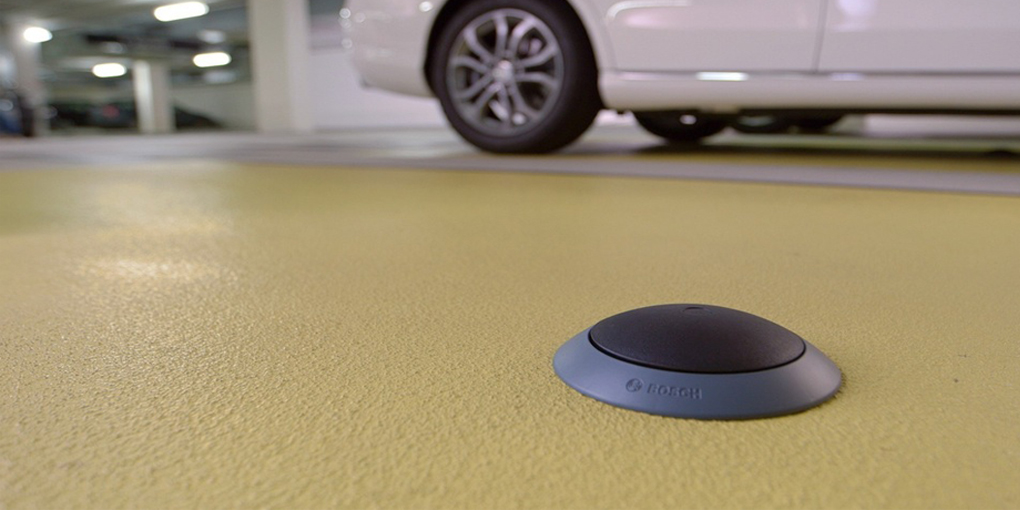
    One of the biggest problems of driving, specially in bigger and more populated cities, is parking your car. From finding a space that would fit your car to parallel parking without scratching others’ or your own car. Parking sensors will definitely become smarter in 2019. German parts supplier Bosch recently showcased a technology that let’s your car measure spaces between cars and finds your parking spot for you as you drive along. Showcased at CES, this technology is being currently tested in Germany and later this year in LA, Miami, Boston and more American cities. 

    Personal Assistants in car

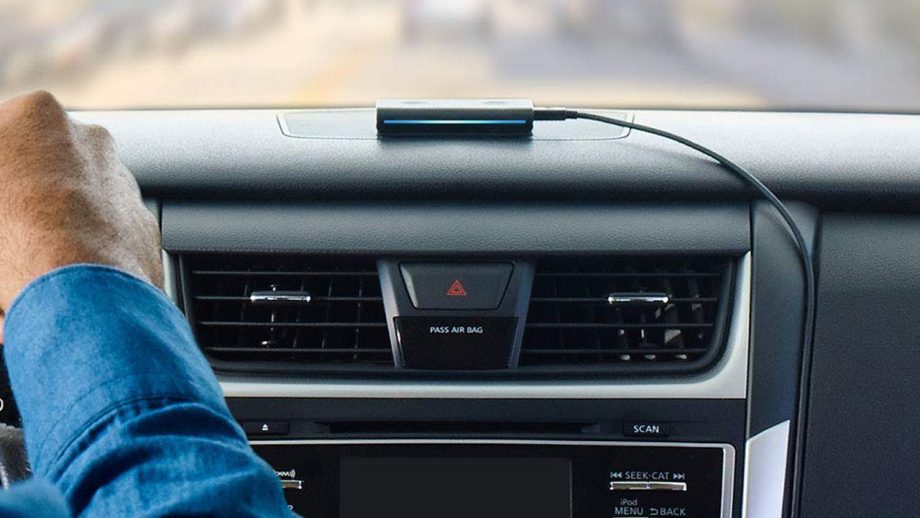
    In 2018, personal assistants invaded our houses and now most of us cannot live without them. Why not have the same for our cars? Amazon Alexa is said to be soon integrated into cars where you can ask Alexa about the weather, make a call on the speakerphone, change music and more. All of this while you keep an eye on the road. Toyota is the latest manufacturer to introduce Amazon’s Alexa cloud-based voice control to some of its vehicles while many others such as Ford, BMW, and Volkswagen have already announced partnerships. This car technology will be great in terms of driver safety and will also be a handful feature for passengers as well. 

    X-Ray Vision and Enhanced HUD’s for your car

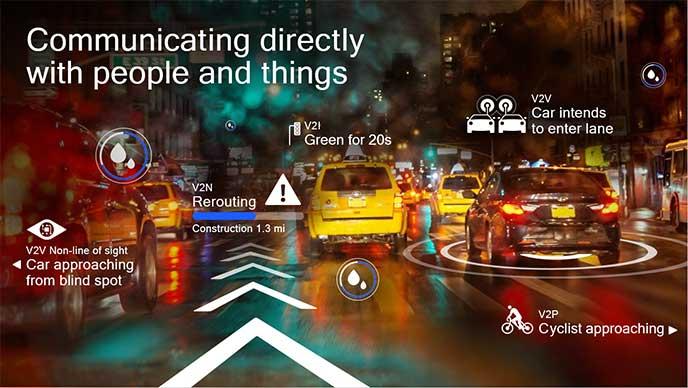
    Well, when we mean X-Ray vision, we don’t mean Batmobile-esque features that will let you see through cars. In-fact if you could see through cars you would crash more often. If anything, this feature helps you prevent crashes. Chip manufacturer Qualcomm recently revealed a concept called “Vehicle to Everything”. This will integrate a chip on every car allowing cars to communicate between one another and avoid crashes. The chip will also be able to communicate with infrastructures such as traffic lights or road signs up ahead warning the driver of incoming dangers or alert the driver in general. Trials of the tech will take place in San Diego and Detroit. 

    Smarter, faster electric cars

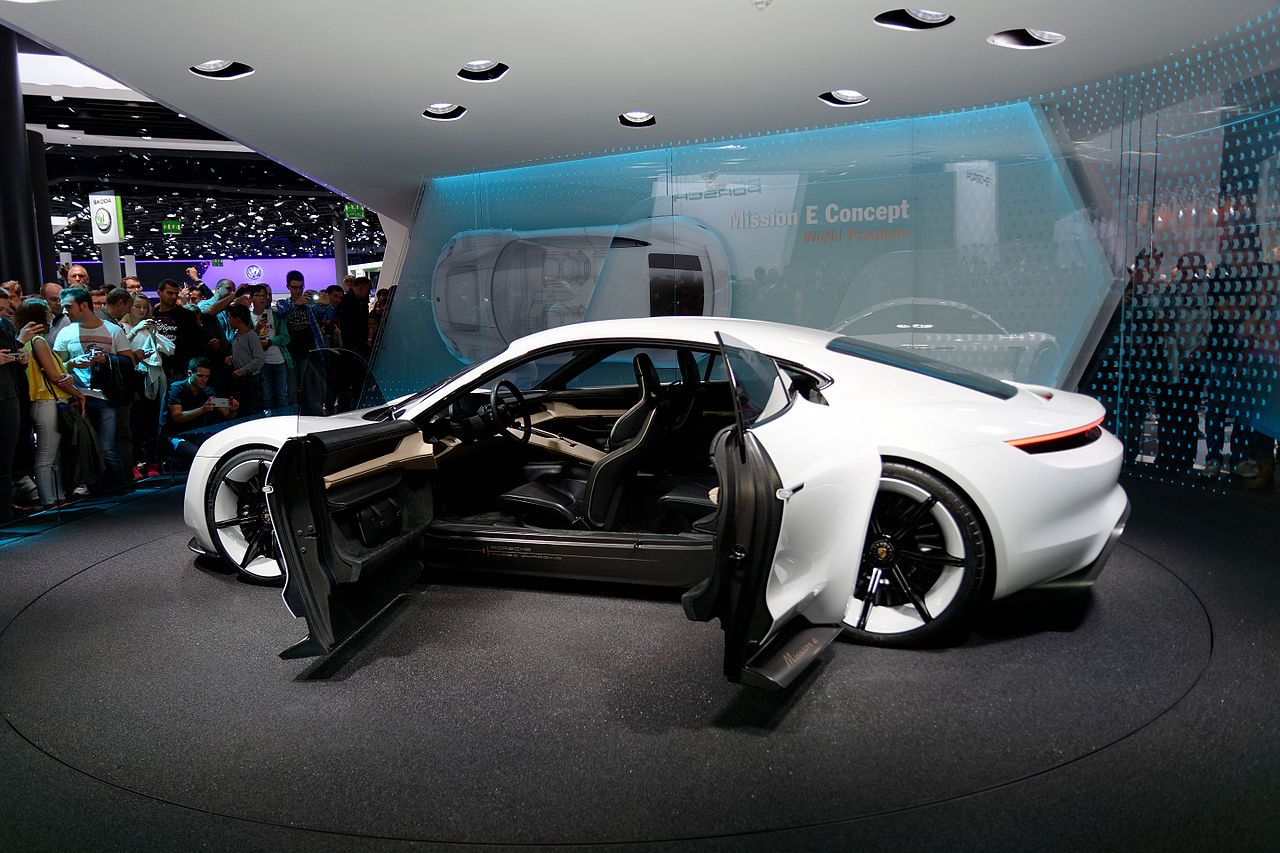
    Tesla fought the hard battle of bringing electric cars and trying to make it mainstream when the entire industry scoffed. Now the power of electric vehicles have become apparent and the technology has evolved substantially. This has led to many manufacturers including luxury car and sports car manufacturers such as Audi, Porsche, Mercedes and even BMW have joined the bandwagon. Cars such as BMW i3, Mercedes-Benz EQC, Audi e-tron and Porsche Taycan are all set to be launched in 2019. These cars and the more number of players in this category will make electric vehicles smarter, faster and better performing.

  • App Of The Day : Island : Secure Your Data And Apps

    App Of The Day : Island : Secure Your Data And Apps

    Data security is a big concern not only for governments and big corporations but the average smart device users as well. There have been several incidents of a data breach that have affected people from around the globe. Both iOS and Android operating systems are quite good at securing user data but certain apps can steal sensitive information stored on the user’s smart device. Even though Android operating system uses a sandbox environment that restricts applications from accessing unauthorised data. Some applications, however, can get a hold of user data and send it to offshore locations for malign purposes.

    Island

    Click Here To Download Island App

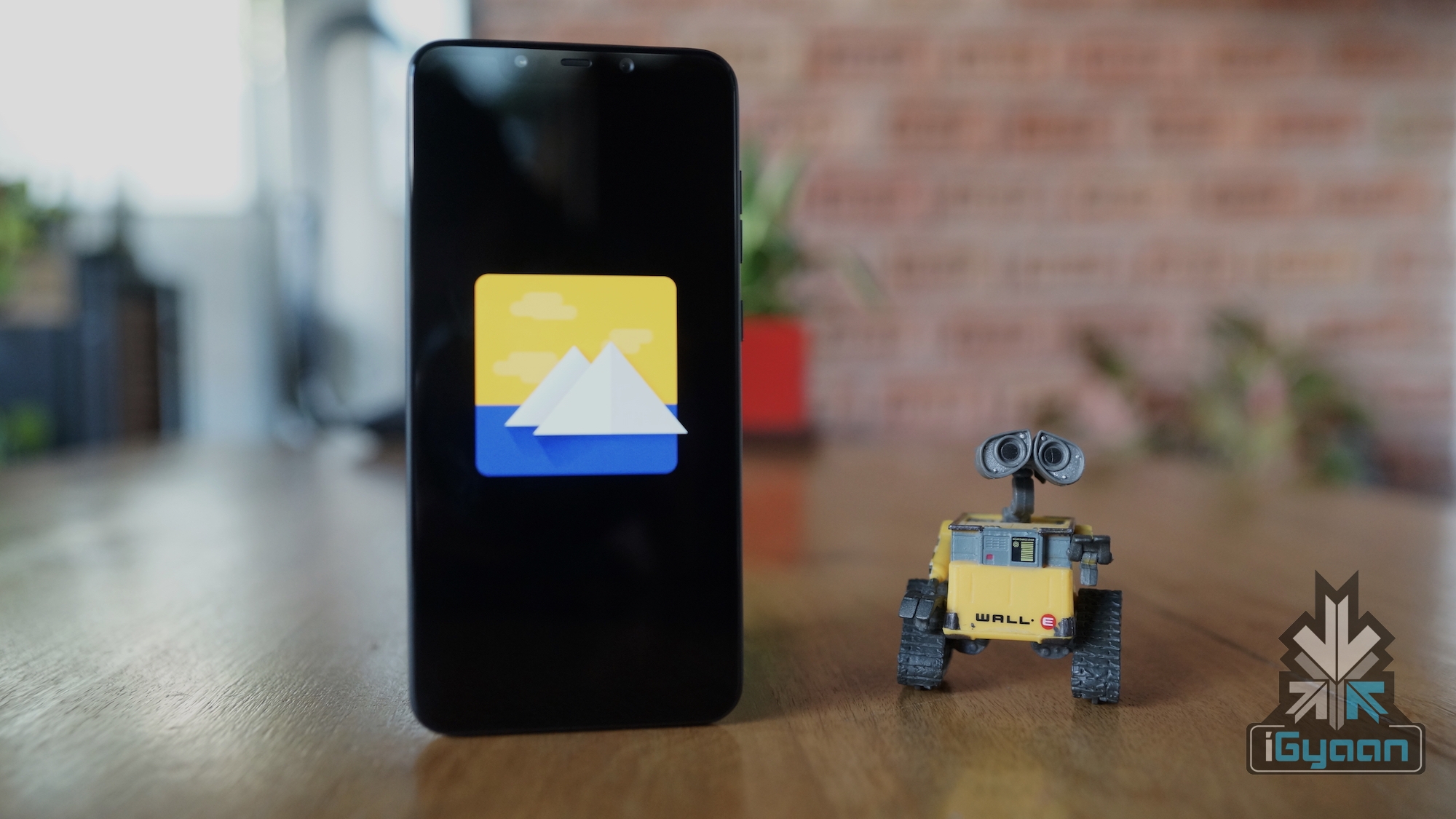
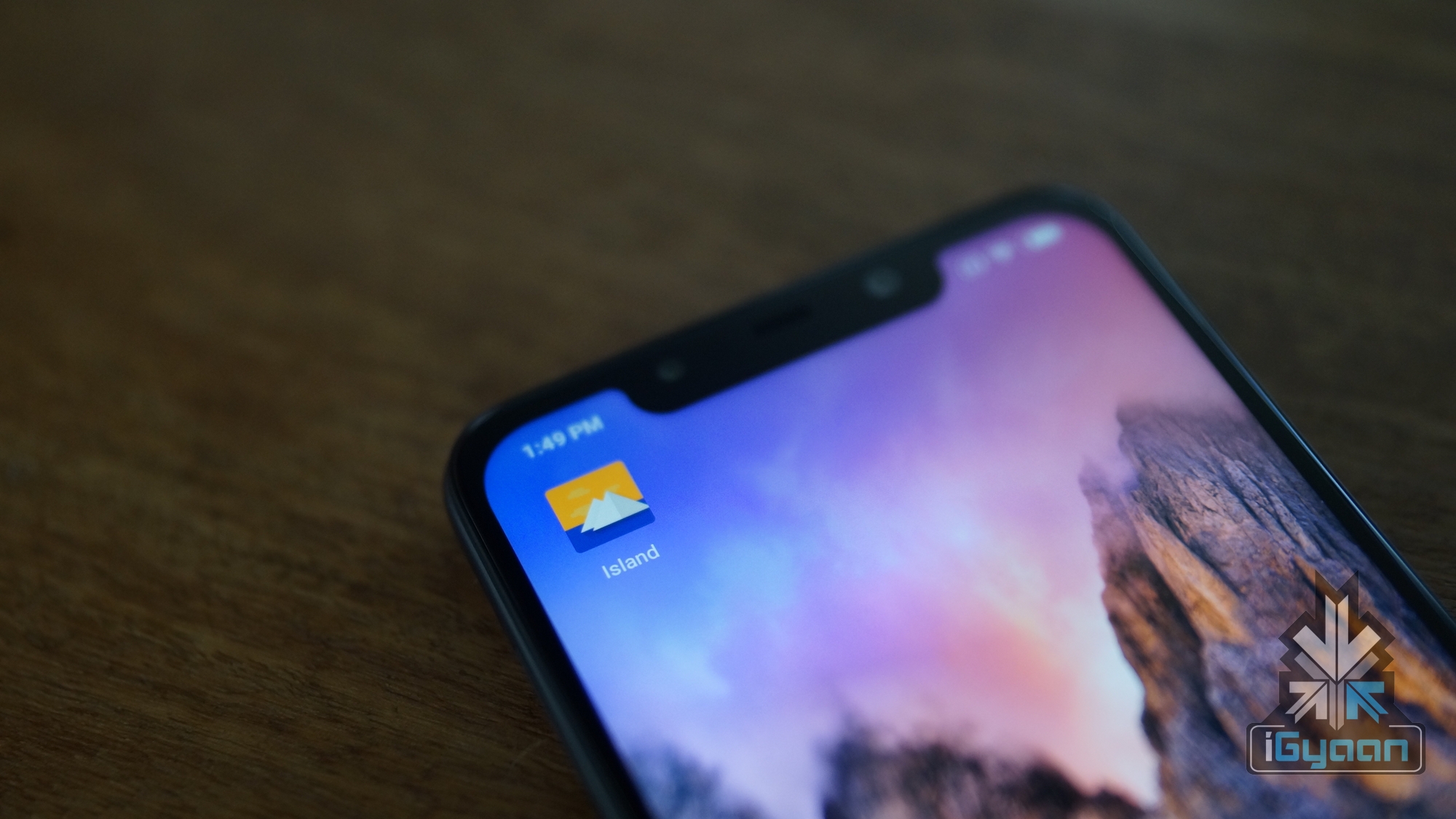
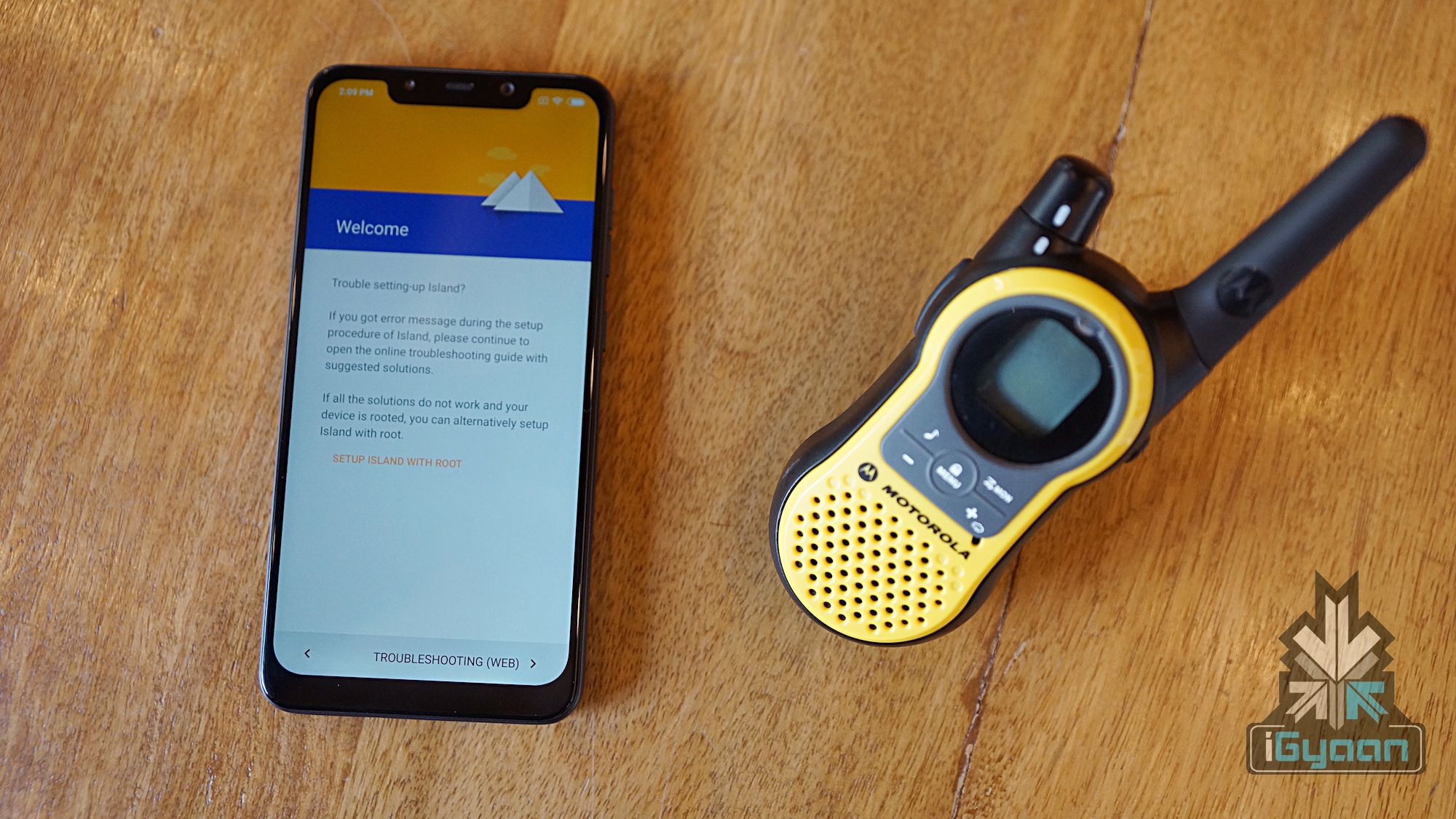
    Island is an application for the Android OS that allows users to manage data usage privileges of particular applications. The application is freely available from the Google Play store and it creates an isolated domain that the user can manage in accordance with their requirements.

    How Does It Work

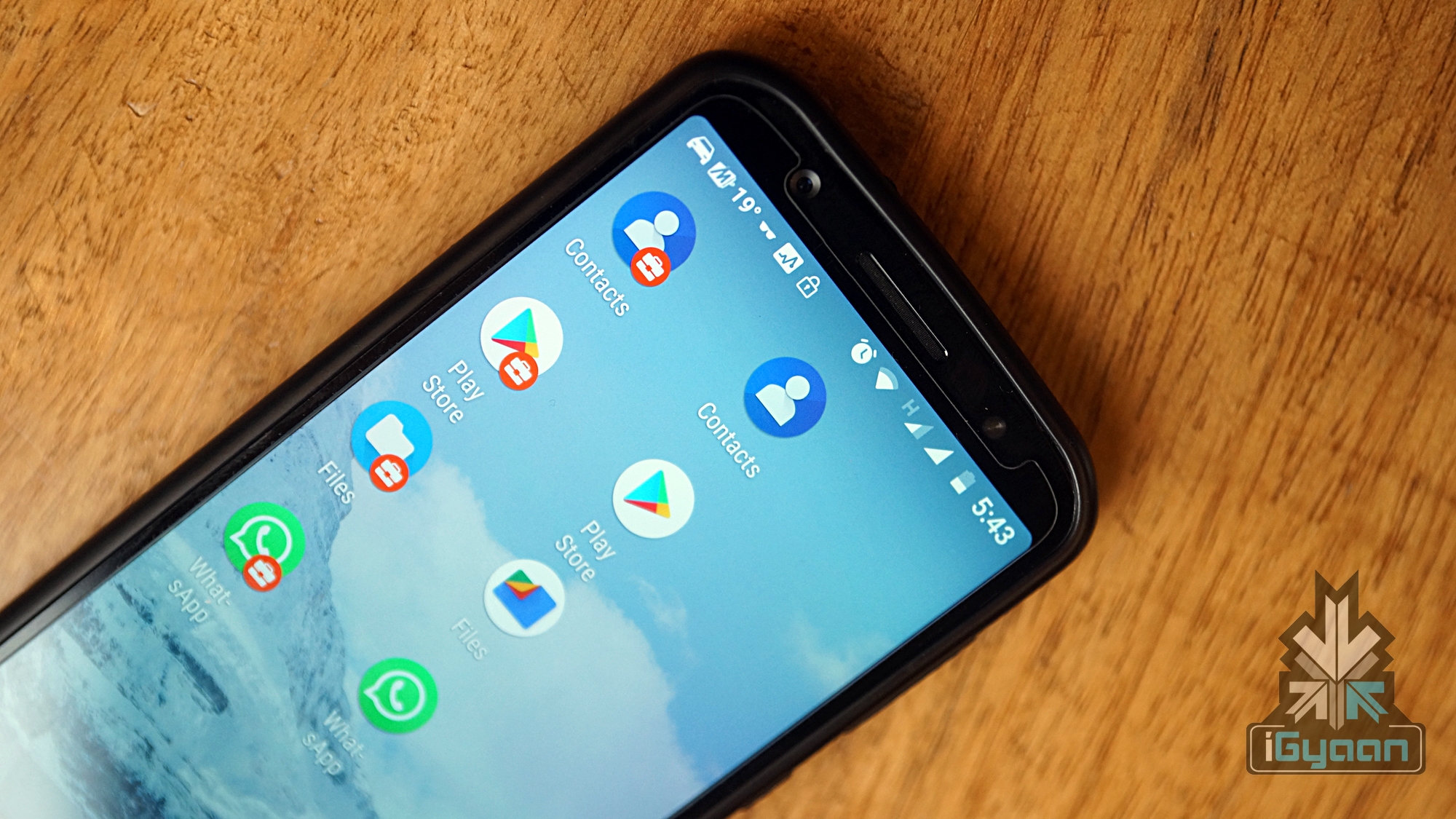
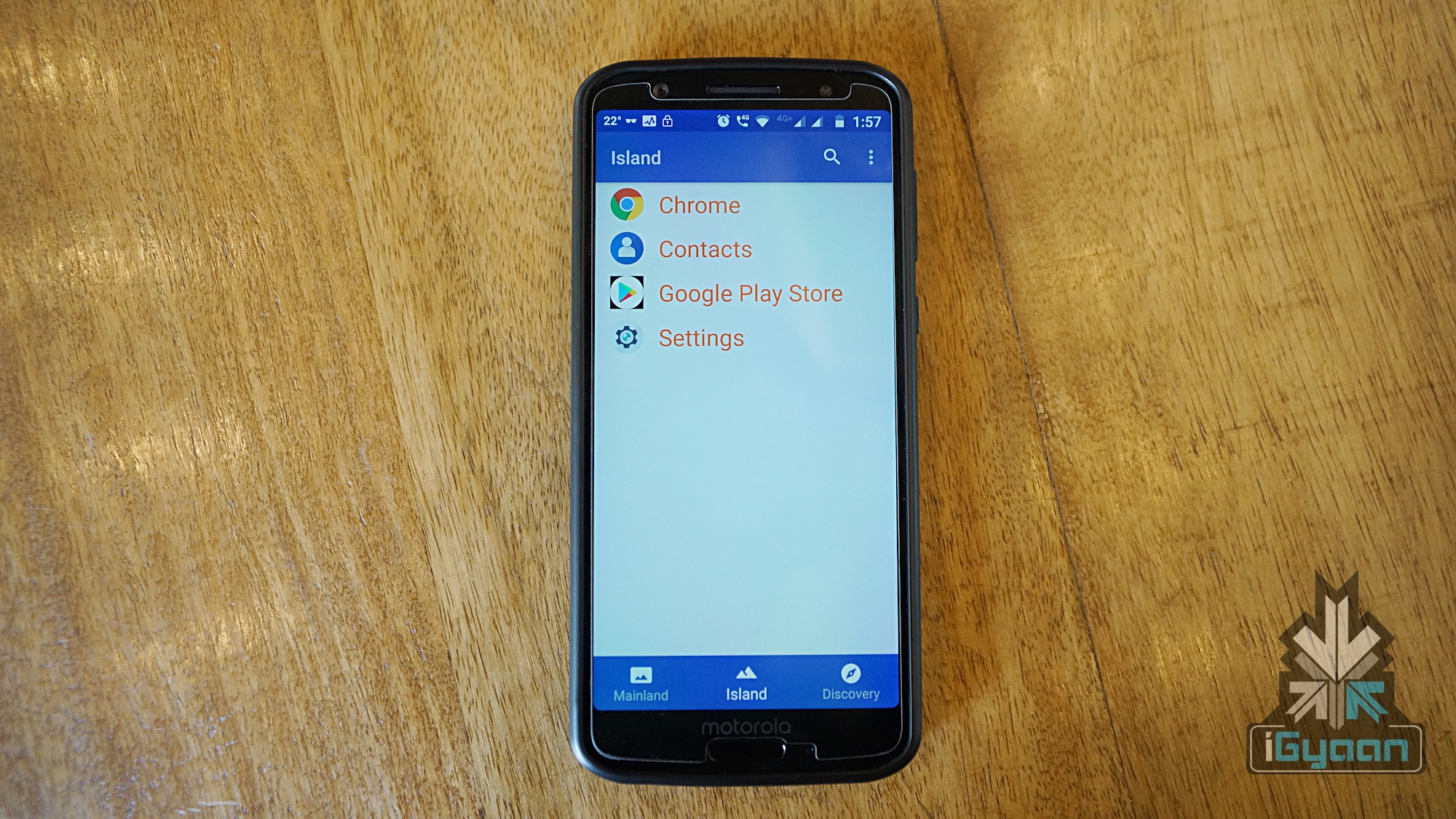
    The Island application for Android makes a clone of all the essential applications like the Play Store, file storage, and contacts. These applications reside within the same user account as the original applications however the data stored on both instances of application varies. The Island app has two tabs which are Mainland and Island. As the name suggests, the Mainland tab inhibits all the applications that are present on the device. Whereas, the Island tab only inhibit the applications that have been manually cloned by the user. The applications in the Island tab can only exchange data with other Island applications.

    The user can log into the Island Play Store with different mail id and download applications. The applications downloaded will only have access to the cloned apps that were also created by the Island app. Therefore, the user can store bogus contacts and files on the Island filesystem. This will allow the user to run potentially hazardous apps by providing them access to private user data.

    How Is It Different And Top Features

    Also Read: Samsung Galaxy A50 Will Feature A 4,000 mAh Battery And 24 MP Main Camera

    A lot of other applications like parallel space and dual space are also available on the Google Play Store. However, they do not provide the level of control that Island does. The list of top features is as follows:

    • It allows the user to manually freeze certain applications. The applications when in a frozen state will stay as is and cannot access the internet or perform any tasks in the background.
    • The bogus contact and file storage apps can trick applications to work smoothly. Other applications would not function normally if the user deprives an application from particular access rights.
    • Certain applications can be enforced to channelise data via a VPN server. Good use of this could be accessing a website from another region that is restricted in the user’s region. A lot of media corporations limit users from other regions to access their content.

    Additionally, Island app on a rooted device provides an even higher level of control in comparison to a non-rooted device.

  • Samsung Is Developing Smart Running Shoes With Fitness Tracking Capabilities

    Samsung Is Developing Smart Running Shoes With Fitness Tracking Capabilities

    Samsung is a massive company that develops and manufactures a wide variety of products. It was one of the first companies to integrate smart health tracking sensors on modern smartphones. A leak reveals that Samsung is working on two different models of smart Running shoes.

    Samsung Smart Shoe Patents

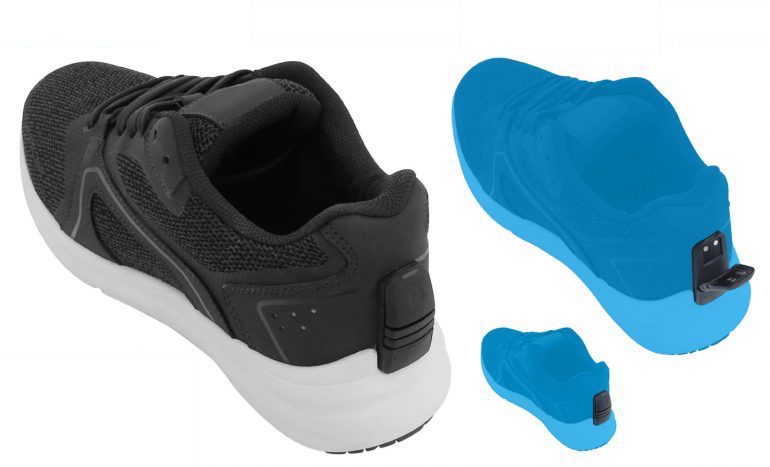
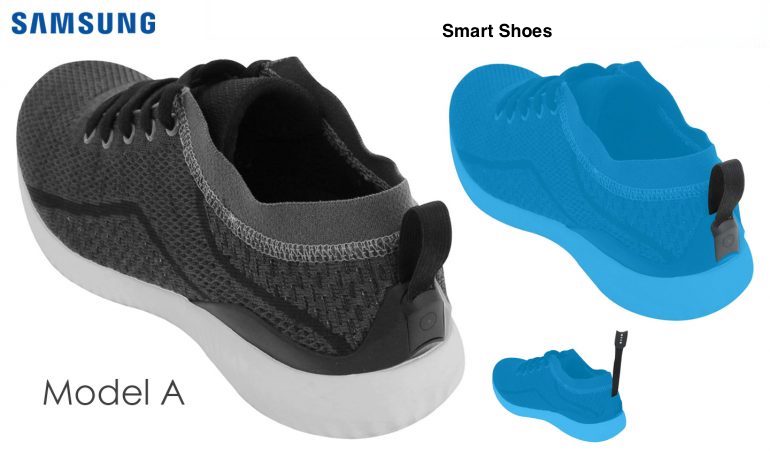
    Earlier this year, Samsung applied for two design patents for smart running shoes to KIPO (Korean Intellectual Property Office) which have now been granted. Both models of the smart shoes seem to be made out of leather and synthetic materials. The Model A smart shoe has a sleek design with an elastic style ankle area. The shoes have a pull tab at the back that can be used to toggle the smart sensor. The Model B shoe has more of conventional sports shoe design with a back-mounted smart sensor. Unlike the Model A shoe, the smart sensor on the Model B has a plastic flap which when opened reveals two metal connectors. Perhaps these metal connectors will be used to charge the battery that powers the sensor. ( See top image)

    Alas, the patent does not provide information about the functionality and features of the smart shoes. However, according to the source, these shoes will also have pressure sensors that will give users real-time feedback. In addition, Samsung can develop an ecosystem built around fitness which with the help of Artificial Intelligence can coach the user as per their custom goals.

    Launch Date

    Also Read: Press Renders Of Nokia 9 PureView Leak

    Even though Samsung has not yet commented about the launch date of the Smart running shoes, the company is expected to showcase them at the upcoming CES 2019 which is scheduled for 8-12 January.

  • Samsung Is Developing A Rollable TV

    Samsung Is Developing A Rollable TV

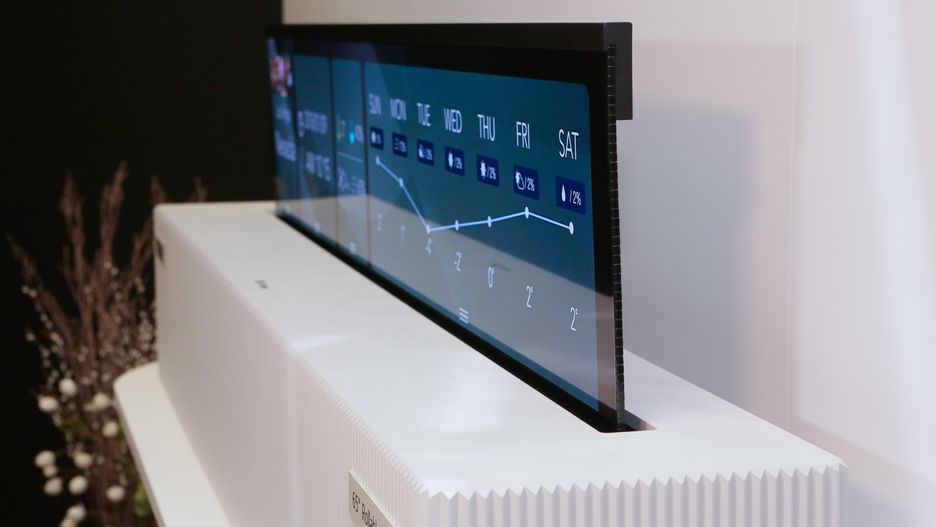
    Samsung is not only the worlds number one smartphone manufacture, it is also a leader in display technologies. A patent granted to the company reveals they are working on a TV with a rollable display. 

    Rollable TV Patent
    • Space Saving- This is one apparent benefit of owning a television with a rollable dipslay. Such a TV can be rolled into its casing which will free up the space surrounding the TV set. In addition, transporting a compact rollable TV would be much easier in comparison to a conventional flat screen TV. This will reduce logistics and costs to allow the TV to become cheaper.
    • Tough – Due to its flexible nature, the display panel wont break easily unlike glass panels on currently available Televisions. The currently available TVs are prone to breaking if hit by a sharp object. Whereas the flexible panel would be harder to break and the shell protecting the display can further increase its life. Such a device would be a perfect fit of homes with toddlers and growing up teens.   
    • Variable Aspect Ratio- Future TVs with rollable display can have variable aspect ratio as the outer shell can be opened to a particular width to alter its aspect ratio. 
    Samsung’s Rollable TV Patent

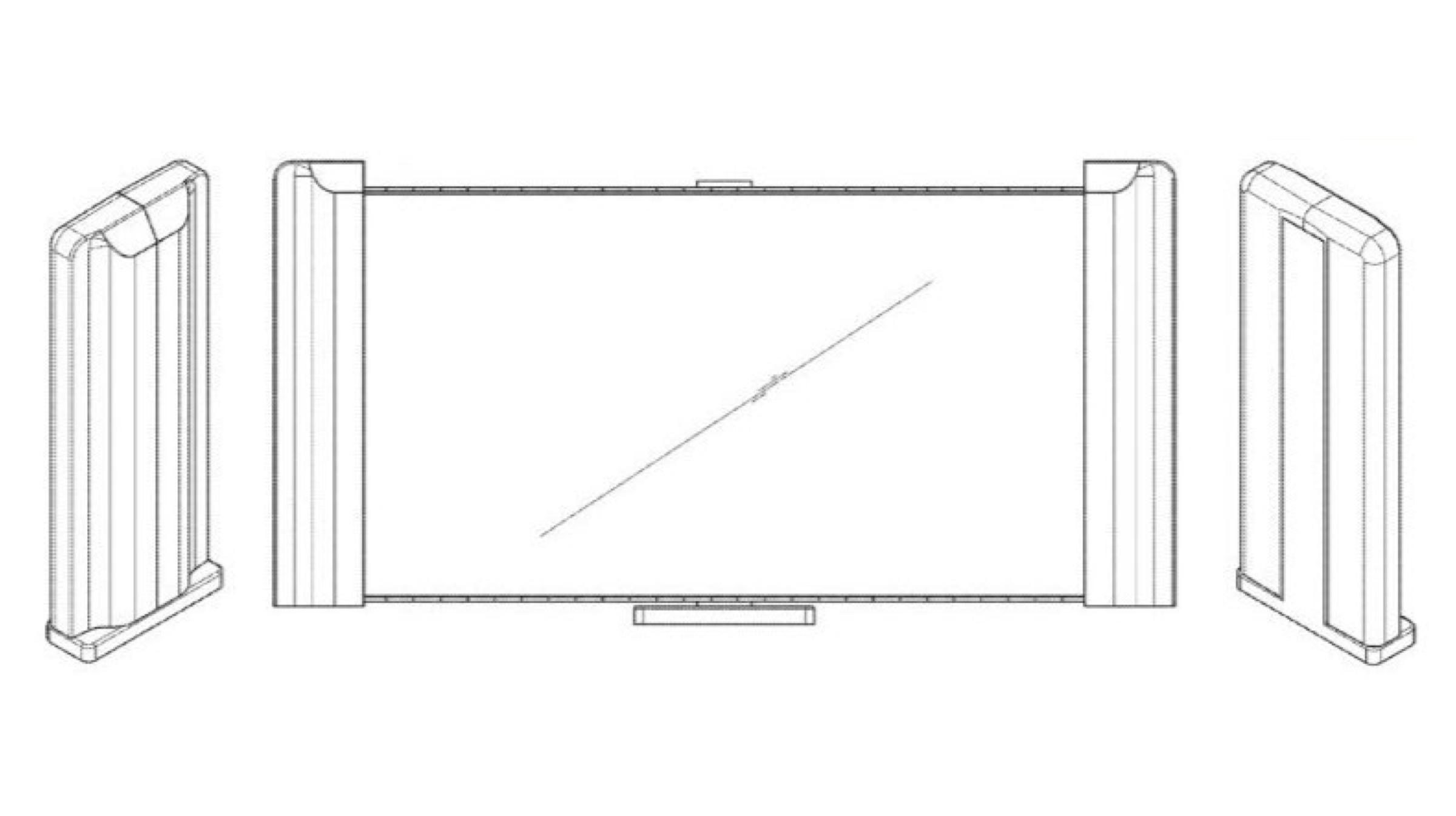
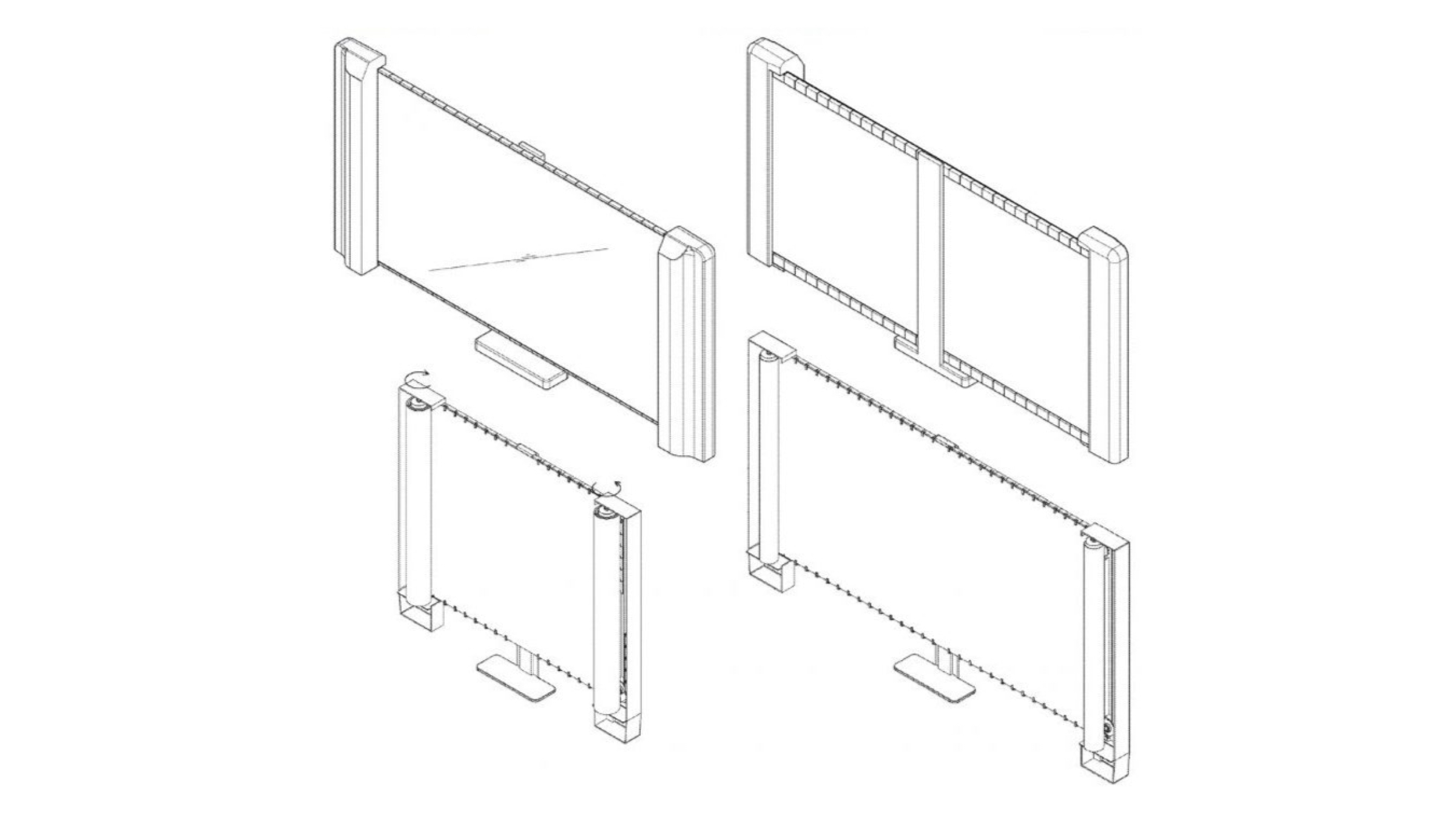
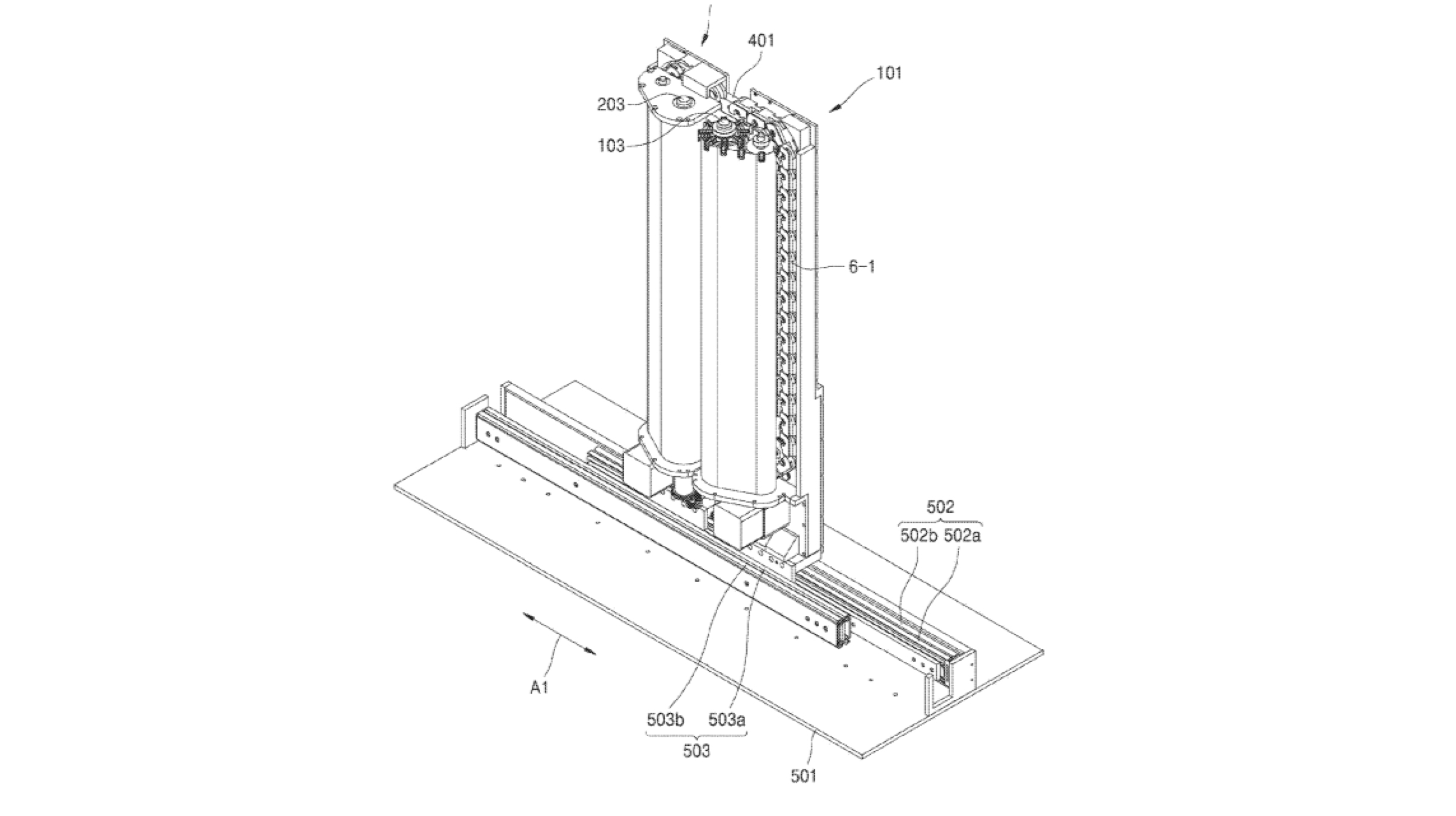
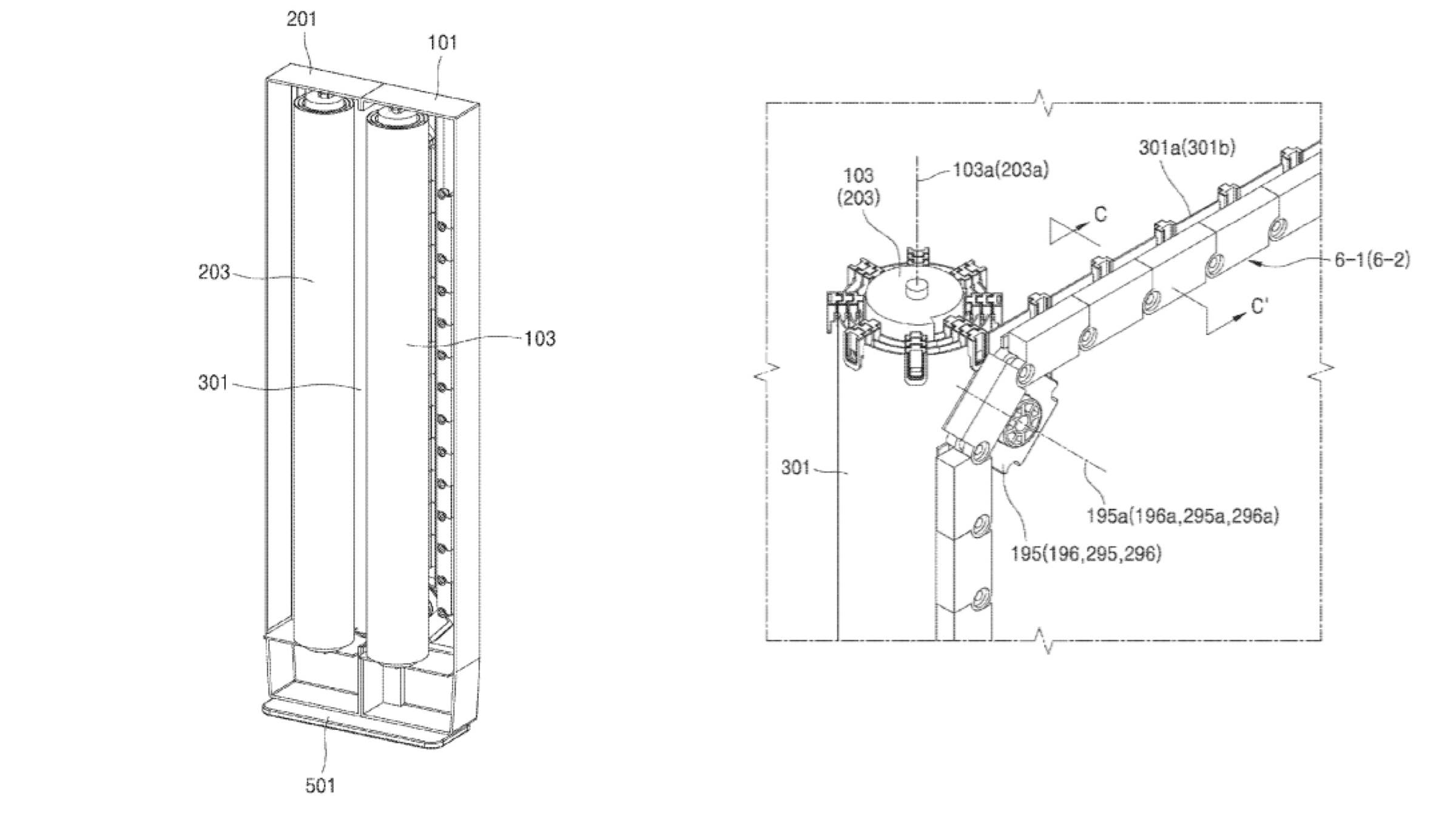
    Samsung Electronics filed a patent with USPTO (United States Patent and Trademark Office) for a TV with a rollable display which has been granted. The patent reveals a wide screen television that can fold in to a close packed form factor. The stand of the TV with rollable display acts as the base when it is in the closed state. The rollable display and the rolling mechanism is concealed behind the side protection covers of the device.

    The flexible LED panel rolls out on either sides to transform into a full screen television. The mechnaism of the TV from Samsung’s patent is quite similar to that of a roller blind. The top and bottom sides of the  flexible LED panel has grooves that interlock when in closed state. Another patent illustration reveals that the base of the stand has a rack and pinion cogged mechanism which will likely be controlled with the help of motors. 

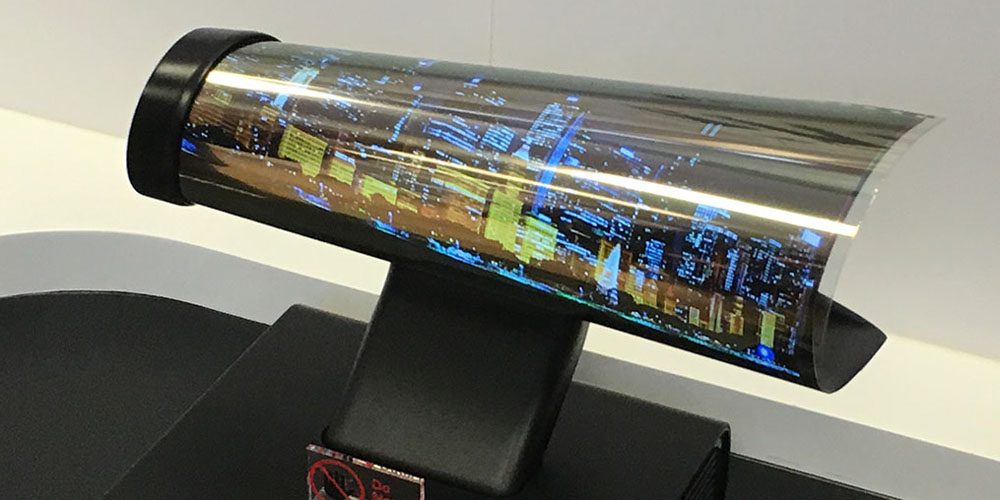
    Lg Already showcased a vertically rollable POLED based TV which has a different design from this patent. ( See Top Image.) 

    Launch Date

    Also Read: Samsung Galaxy M10 Spotted At FCC

    Even tough Samsung has not announced the launch date of a Television with a rollable display. The details of the patent indicate that such a device could launch soon. Perhaps the company can showcase a rollable TV at one of the upcoming tech events like CES or IFA 2019. 

     
  • Mi TVs Get Price Cut In India

    Mi TVs Get Price Cut In India

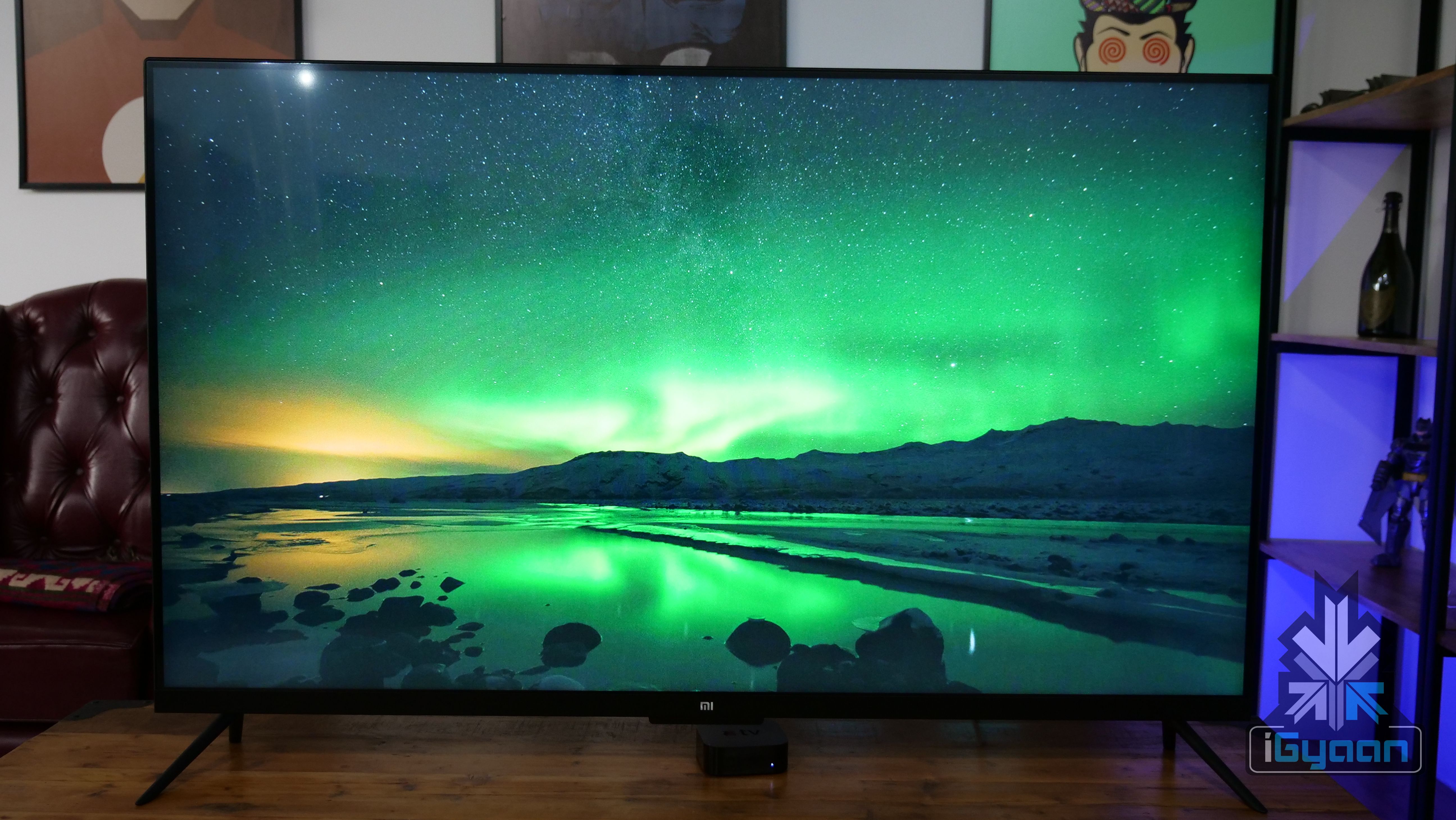
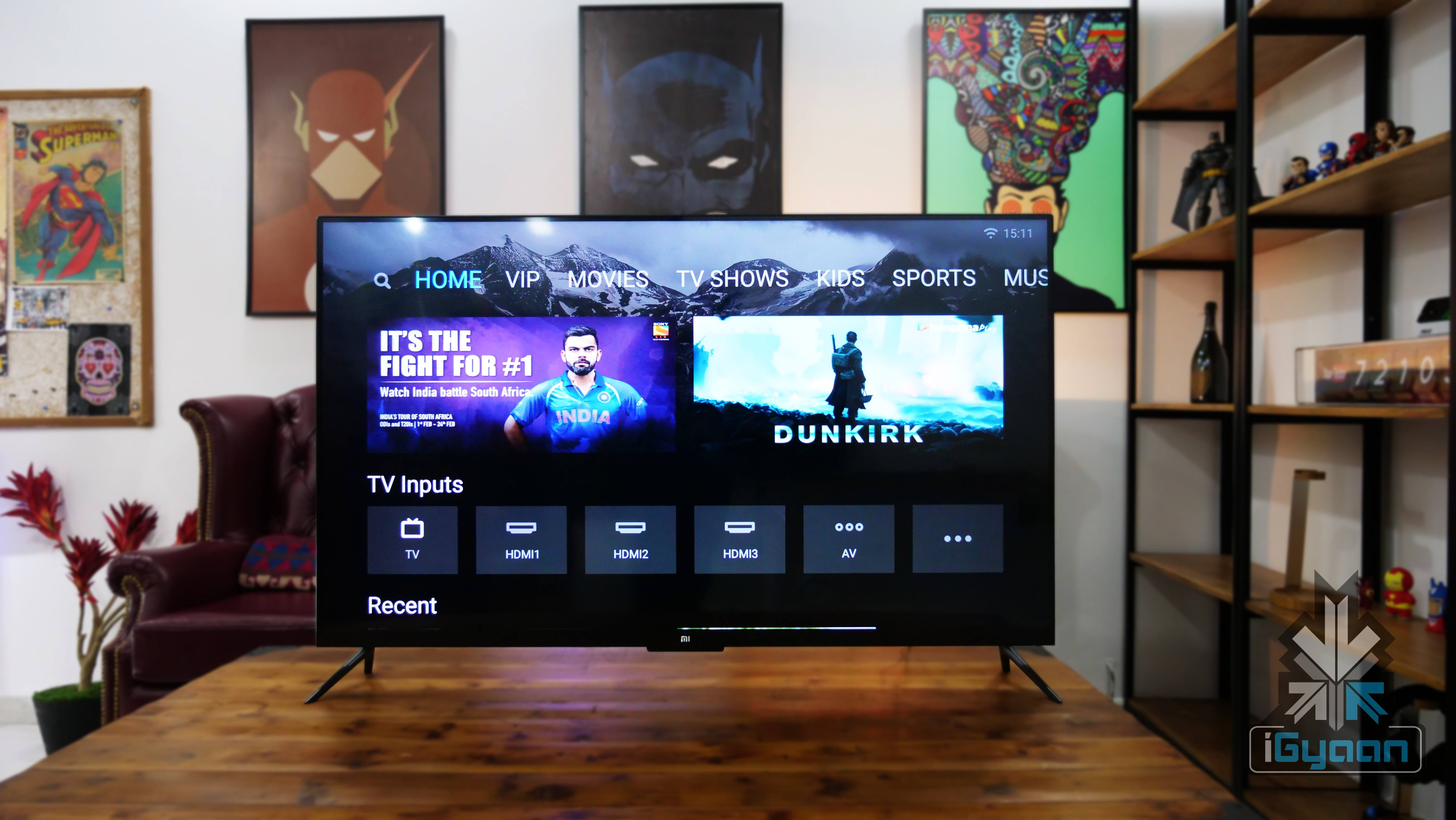
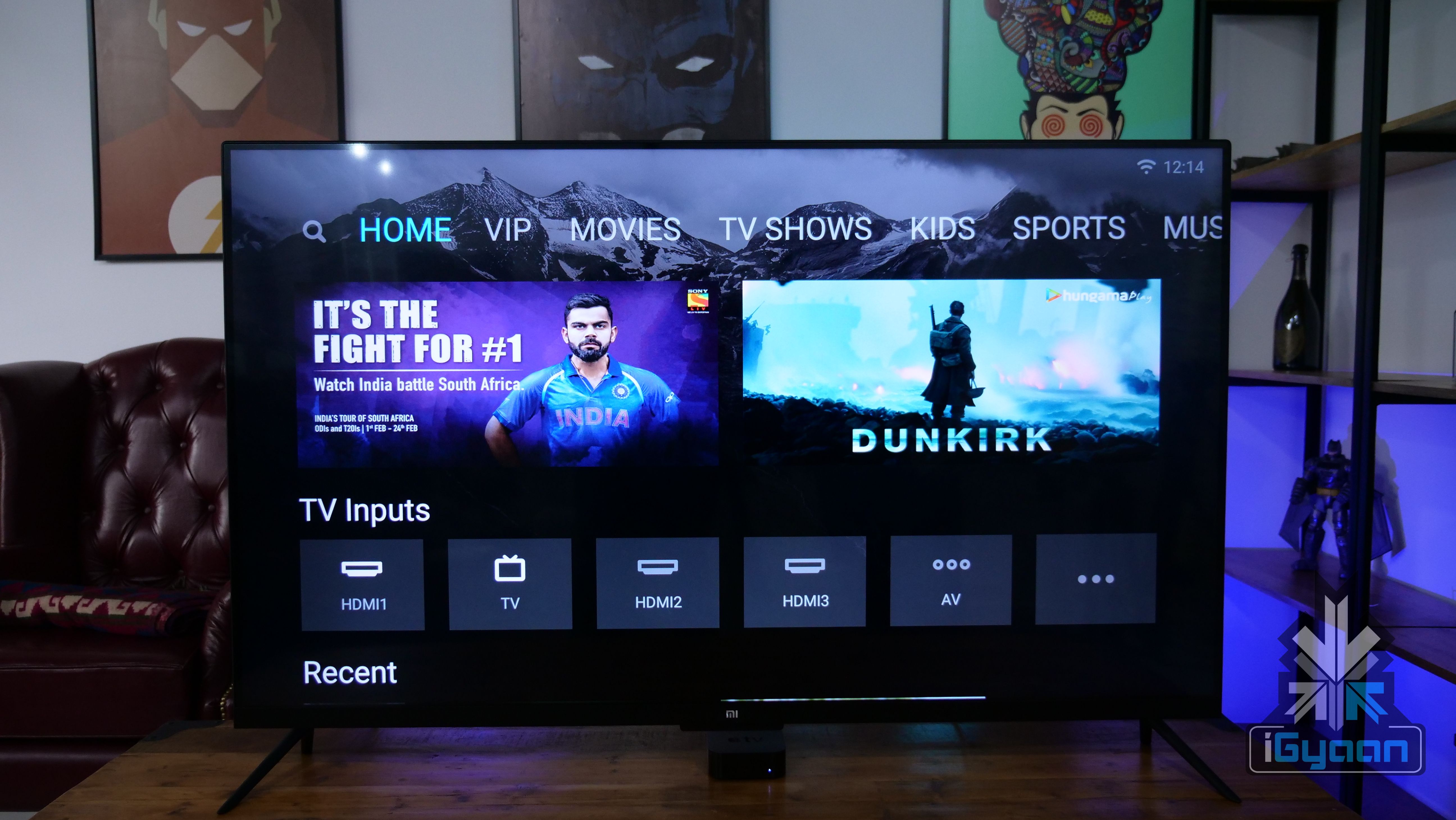
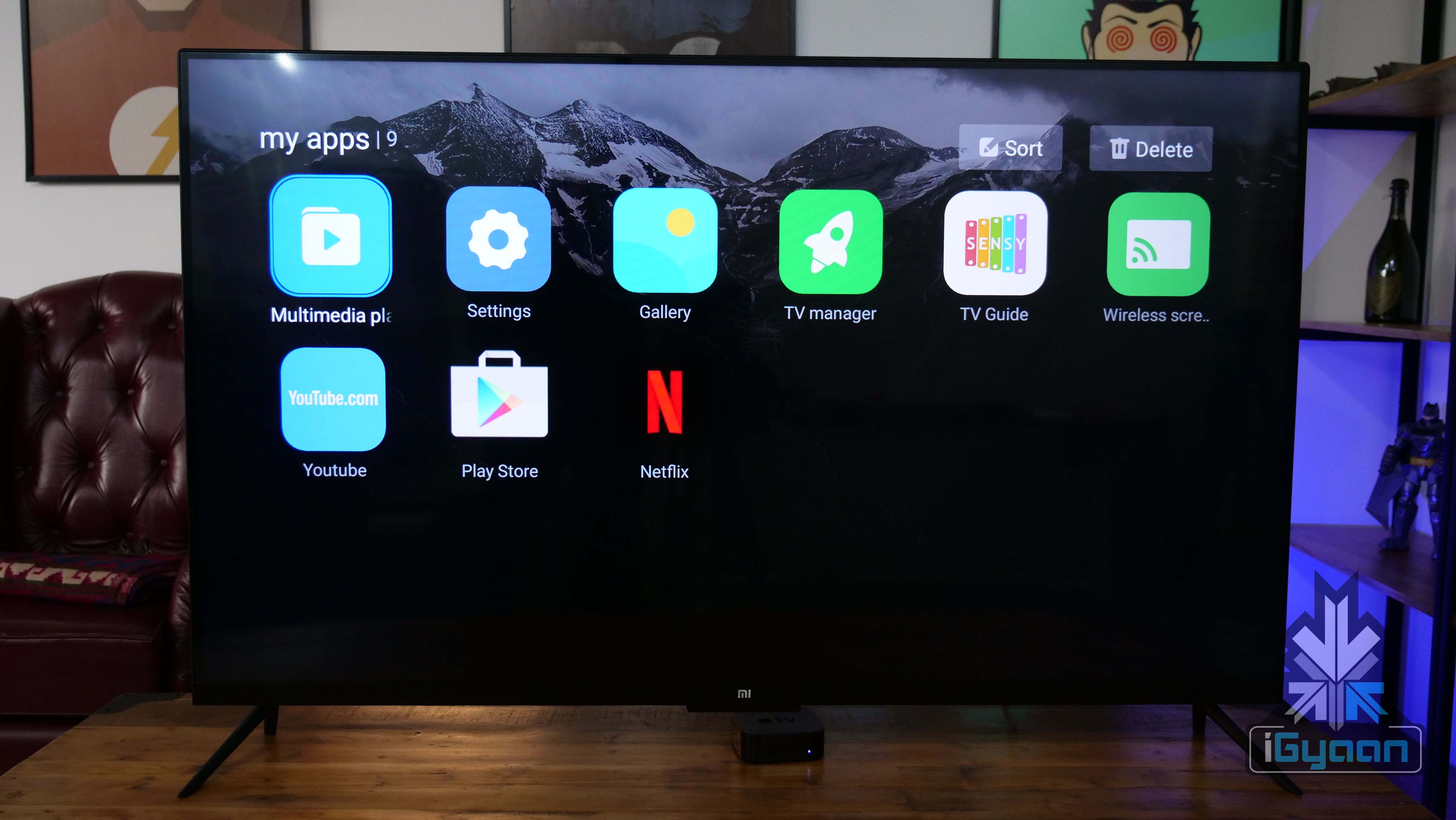
    Apart from smartphones, Xiaomi sells several products in India. Mi Televisions in India are very competitively priced. The Mi LED TVs range between a screen size of 32-inch to 55-inch. A tweet shared on Mi India’s Twitter page states that a variety of Mi TV models have received a price cut of up to Rs 2,000.

    Mi TV Price-cut

    Mi is able to reduce the price of following TV models due to relaxation in Government policies and strong performance of Rupee in comparison to the US Dollar. Following is the list of all Mi TVs that will receive a price cut.

    1.) Mi LED Smart TV 4A 32

    As the name suggests, the Mi TV 4A has a 32-inch HD display panel with a resolution of 1376 x 768 px. The TV has 2×10 watts stereo speakers and feature a 64-bit quad core processor. The Mi TV 4A has 1 GB of RAM and 8 GB of inbuilt storage. Prior to the price cut, the LED TV was available at a price of Rs 13,999. After a Rs 1500 price drop, it will be available for Rs 12,499.

    Click Here To Buy Mi TV 4A 32

    2.) Mi TV 4A Pro 49

    The Mi TV 4A Pro has a 49-inch Full HD display panel with a resolution of 1920 x 1080 px. It also features the 64-bit quad-core Amlogic SoC which is present on other models. Most notably, it has 2 GB of RAM and 8 GB of inbuilt storage. The Mi TV 4A Pro 49 run on Android operating system. The TV was previously available at a price of Rs 31,999 and after the 1000 Rs price cut it will be available for Rs 30,999.

    3.) Mi TV 4C Pro 32

    Also Read: Most Anticipated Smartphones Of 2019

    The Mi TV 4C Pro has similar specifications to the Mi TV 4A. The major difference between the two is that the 4C Pro runs on Android OS while the latter has Xiaomi’s in-house developed operating system. It also has a 32-inch display panel with a resolution of 1376 x 768 px. In addition, the remote control of the 4C Pro can be used to interact with Google voice search. The TV was originally available at a price of Rs 15,999. After the price drop of Rs 2,000 it will be available for Rs 13,999.

  • SpaceX’s Starship Prototype Being Built At Breakneck Speeds

    SpaceX’s Starship Prototype Being Built At Breakneck Speeds

    In September 2016, Elon Musk had revealed his plans to build a super-heavy launch vehicle that could transport people in space. It was called the Interplanetary Transport System (ITS). Then in 2017, Musk showed the world an updated design of that space ship. He also renamed it to Big Falcon Rocket (BFR) and the Big Falcon Spacecraft (BFS). Now the name has changed again. The new name of the craft is Starship and the work is already in progress.

    What has changed?

    The rocket will be made out of polished stainless steel. Elon Musk has already shown off that rockets can be reused upon re-entry to earth, thus reducing the cost of space travel. According to Musk, a smaller version of the Starship will also be built for testing. The ship is being built at their South Texas launch site. This is also where the first hop test will be conducted in June 2019.

    The hull of the ship was originally supposed to be built with carbon composites (CCs) but a recent image shared by Elon Musk on Twitter suggests that it is being built with stainless steel alloy. The company is using 300 Series Stainless steel for the hull.

    On being questioned if stainless steel would make the ship heavier, Elon Musk stated that the alloy is heavier compared to carbon composites at room temperature. However it is lighter and stronger at cryogenic temperatures ranging from –150 °C (-238 °F) to absolute zero (-273 °C; -460 °F).

    Why Stainless Steel?

    Stainless steel’s natural reflectivity also has it’s positives since it will require less heat shielding. The steel is coldformed at cryogenic temperatures. This process allows for the end product to be lighter and tougher than traditional hot-rolled steel.

    SpaceX is also working on a staged combustion, methane fuelled rocket engine called Raptor. On being asked of be Raptor will be powered by electric turbo pumps, Elon further tweeted that the Raptor will not feature the electric pump fed engine. According to Musk, the Raptor turbopumps need 100,000 horsepower per engine.

    The image shared by Elon looks like it is directly out of a Sci-fi movie and we hope Space X achieves what it has set out to achieve. 2019 will be a very important year for the company as it has set various goals in this year. 

  • Samsung Galaxy M10 Spotted At FCC

    Samsung Galaxy M10 Spotted At FCC

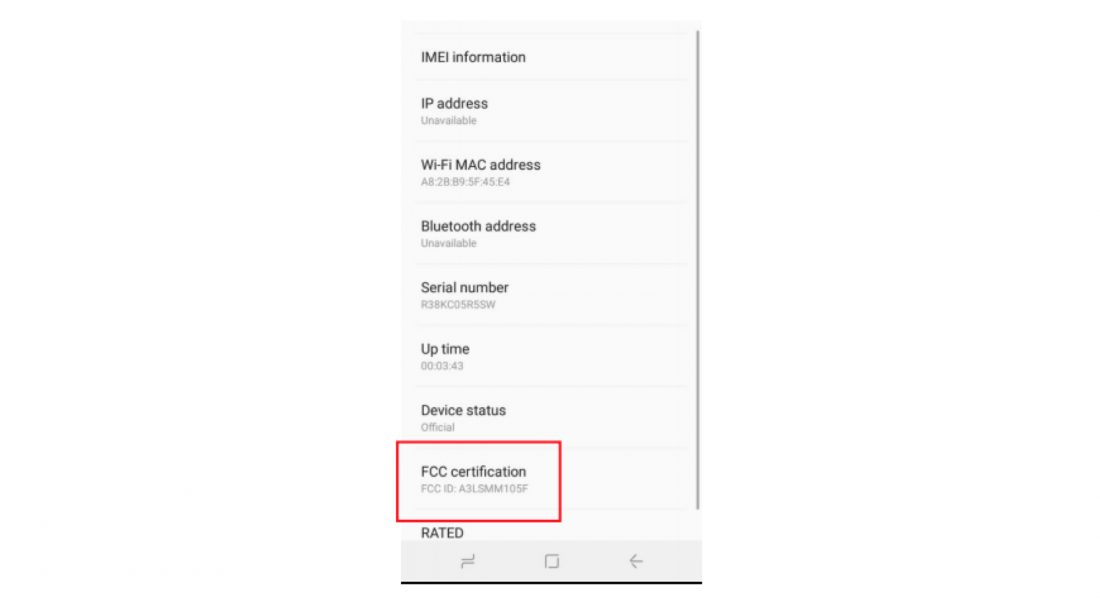
    Samsung is all set to launch a new mid-series of smartphones that will carry the ‘Galaxy M’ branding. The Galaxy M20 was previously leaked with an octa-core processor and a jumbo 5,000 mAh. It’s younger sibling, the Galaxy M10 has also received FCC’s approval. The FCC listing provides information about the key specifications of the Galaxy M10. 

    Galaxy M10 Specifications

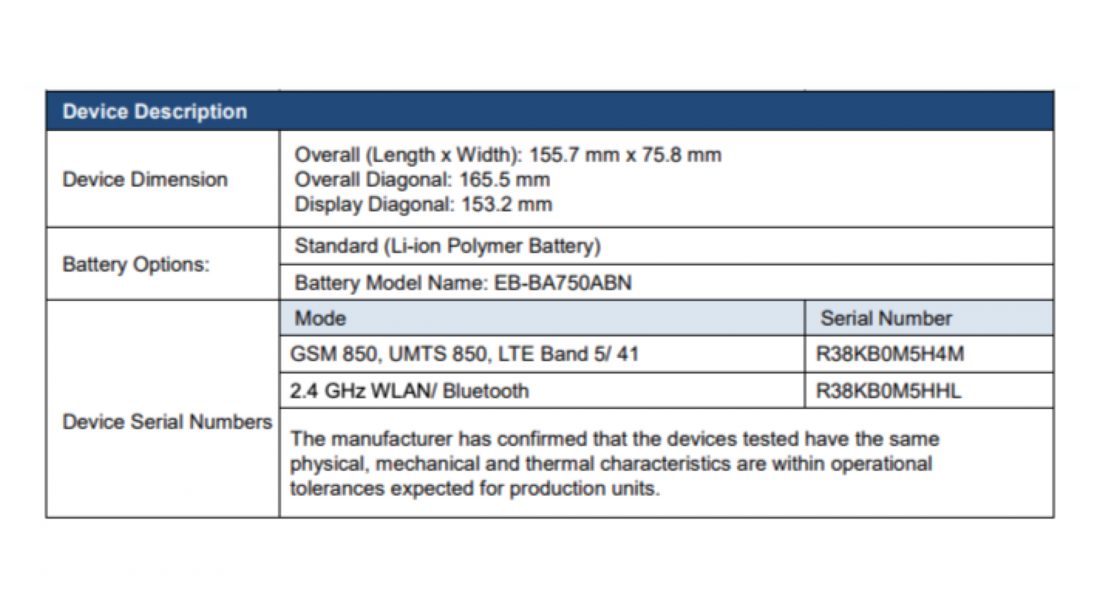
    According to the FCC listing, the upcoming Galaxy M10 has a length of 155.7 mm and a width of 75.8 mm. However, there is no information about the thickness and weight of the device. The front of the smartphone has an overall diagonal length of 6.5 inches or 165.5 mm while the size of the display is 6.03 inch or 153.2 mm.

    In terms of connectivity, the Galaxy M10 supports 4G VoLTE, 802.11 Wi-Fi and Bluetooth 4.2. Although the listing does not provide the battery capacity details of the device, it does provide the model number of the battery which is “EB-BA750ABN”. The same battery is also present on the previously launched Galaxy A8s and it has a capacity of 3,400 mAh.

    Under the hood, the Galaxy M10 features the Exynos 7870 SoC. The Exynos 7870 is manufactured using 14 nm FinFET process and it consists of an Octa-Core CPU along with the Mali-T830 GPU. The eight Cortex-A53 cores are clocked at a frequency of 1.6 GHz. While the FCC listing does not reveal the camera details, but according to Nashville Chatter Galaxy M10 will have a 13 MP rear camera and a 5 MP front selfie camera. 

    Price And Launch

    Also Read: Huawei Y7 Pro Launched With Octa-Core Processor

    The official price of the Galaxy M10 will only be revealed at the time of its launch but going by the specifications it can a sub 15k smartphone. The smartphone is expected to launch in Q1 of 2019.

  • Most Anticipated Smartphones Of 2019

    Most Anticipated Smartphones Of 2019

    The year 2018 is over and it has been a great year for smartphones around the world. From the notch becoming a trend to retractable cameras and in-display fingerprint sensors. Smartphones saw a lot of innovations this year. However, for 2019 there is a lot more to be seen! Each and every company is racing towards making the experience of using a smartphone better and more immersive and that means the notch has to go. Everything from foldable displays, dual displays, in-display cameras and a lot more can be expected from the year to come. In this article, we find out what the most anticipated phones of 2019 are.

    Samsung Galaxy S10

    Rumors were doing the rounds that the Galaxy S10 would have a folding display that Samsung is working on. But now it seems Samsung will have two separate products – the smartphone and the tablet that folds up to become a phone. In a recent event, the company showed us an early prototype of the folding tablet and we might see it sooner than expected.
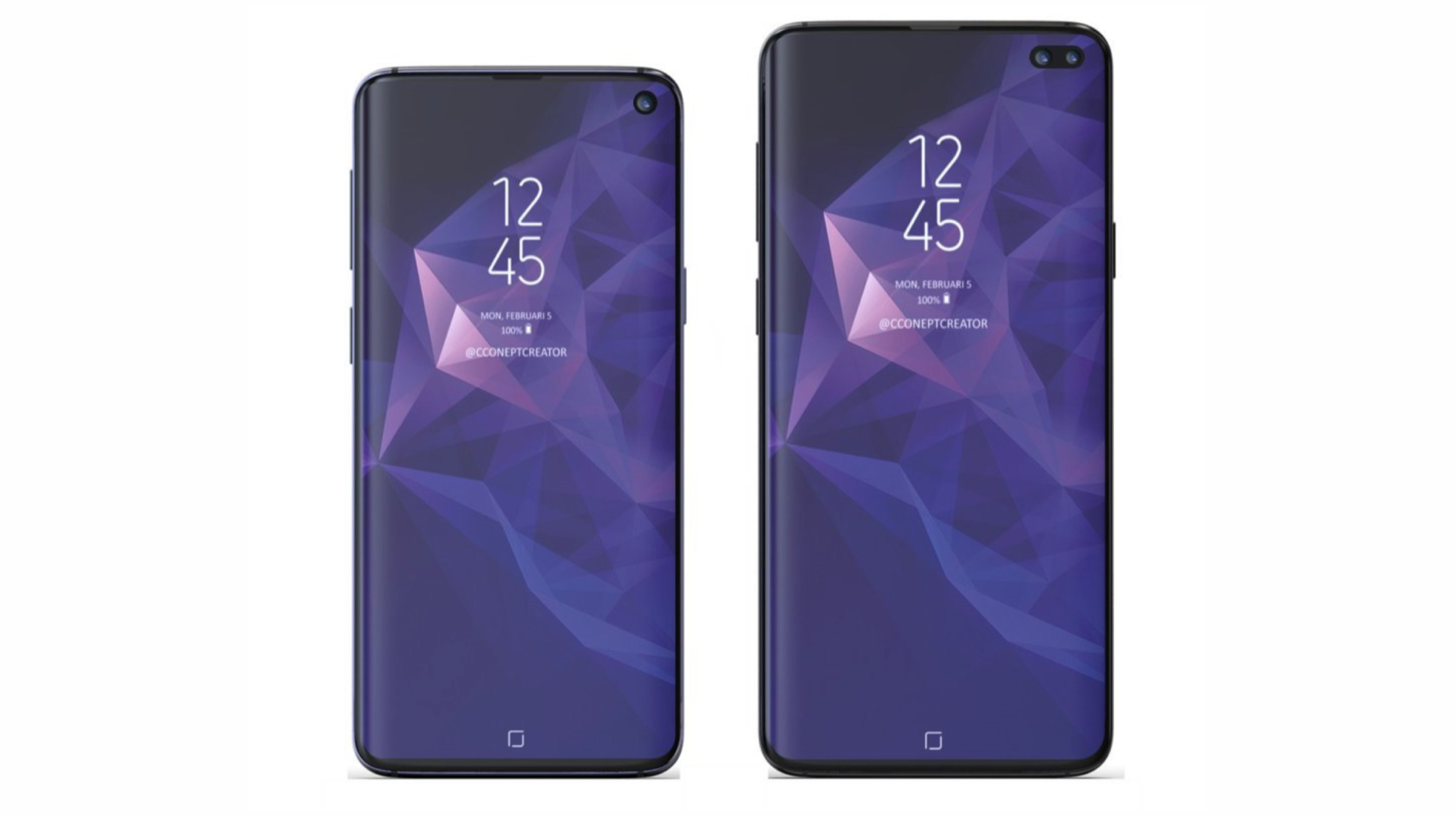
    The base model Galaxy S10 will have a flat screen design with in-display front cameras and will have an edge to edge screen. Leaks also suggest that there will be three different variants of the phone. Two with an Edge display while one without.

    Apple iPhone XI

    Apple has always been tight-lipped about their new phones but the 2019 upgrades might not be too revolutionary. It has been widely reported that the iPhone will still feature the notch in its 2019 version and may finally do away with it in 2020. A recent report suggests that Apple is teaming up with Sony to build 3D cameras that will provide more security and will bring about change in the way we photograph and view things.

    Sony has also revealed that their 3D camera technology will be ready in 2019 itself and will be mass produced for consumers this year. Apple iPhones are known for their security features and great cameras. the company may use this technology this year itself or save it for the next big design change in 2020.

    OnePlus 7

    Oneplus devices are one of the most anticipated devices every year due to their ‘budget flagship’ tag. OnePlus 7 will most probably see it’s launch around midsummer in 2019. The device is anticipated to have a small camera hole under the screen and is rumored to have smaller bezels. The in- display fingerprint sensor stays.
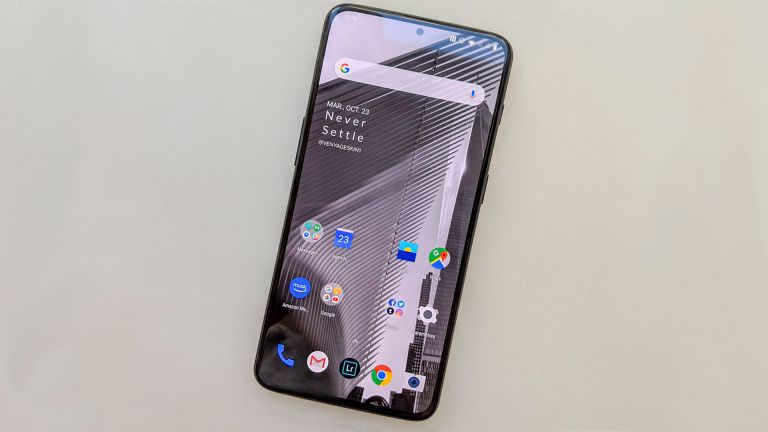
    We are still not sure if Oneplus 7 will finally see an IP rating and a wireless charging feature or not but a recently leaked photo shows the company’s executives holding a phone with a huge circular shaped camera design at the back that is reminiscent of the Lumia 1020.

    Pixel 3 Lite and Pixel 4

    Users were extremely unhappy to see the hideously big notch on this years Pixel device. Google being new to the hardware space, might take a little time to understand the trends in the smartphone industry. However, we can expect great things from the Pixel 4.
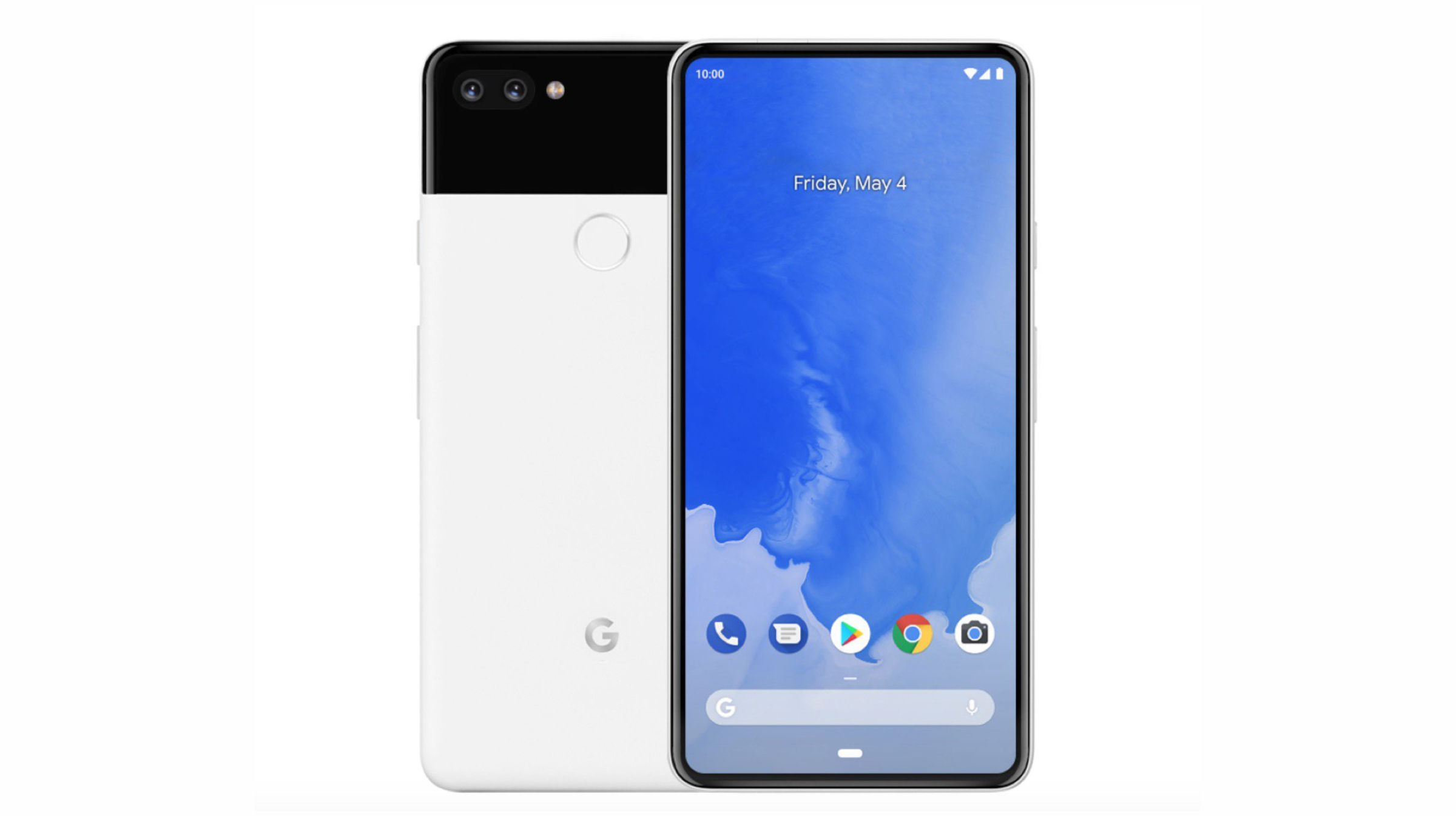
    Keeping to the tradition, we can expect one of the best cameras on a smartphone from the Pixel 4 as is the case with all Pixel devices. We can also expect a bigger screen and no notch or a very small notch. There have been no leaks so far regarding the next generation Pixel.

    Huawei P30

    As 5G knocks on the door of technology, most manufacturers are trying their best to re-imagine their upcoming phones with 5G. Huawei is no exception and the company’s new phone, the Huawei P30, will be 5G enabled. According to some renders, the Huawei P30 might feature 4 cameras at the back with a teardrop notch in front. The phone will look sleek and have very little in terms of bezels. It is expected to feature a Kirin 985 CPU and might sport 8GB/10GB of RAM. Reverse Wireless charge is expected to come to the P30.

    Xiaomi Poco F2

    Xiaomi created a revolution with the launch of the Poco F1 which featured a Snapdragon 845 on a budget smartphone. The Snapdragon 845 was always seen in expensive flagship phones and a few lower price point flagships but a budget phone with the latest CPU offering was unheard of. Xiaomi quickly garnered a lot of support for the Poco lineup and now 2019 might see the second version of the phone.
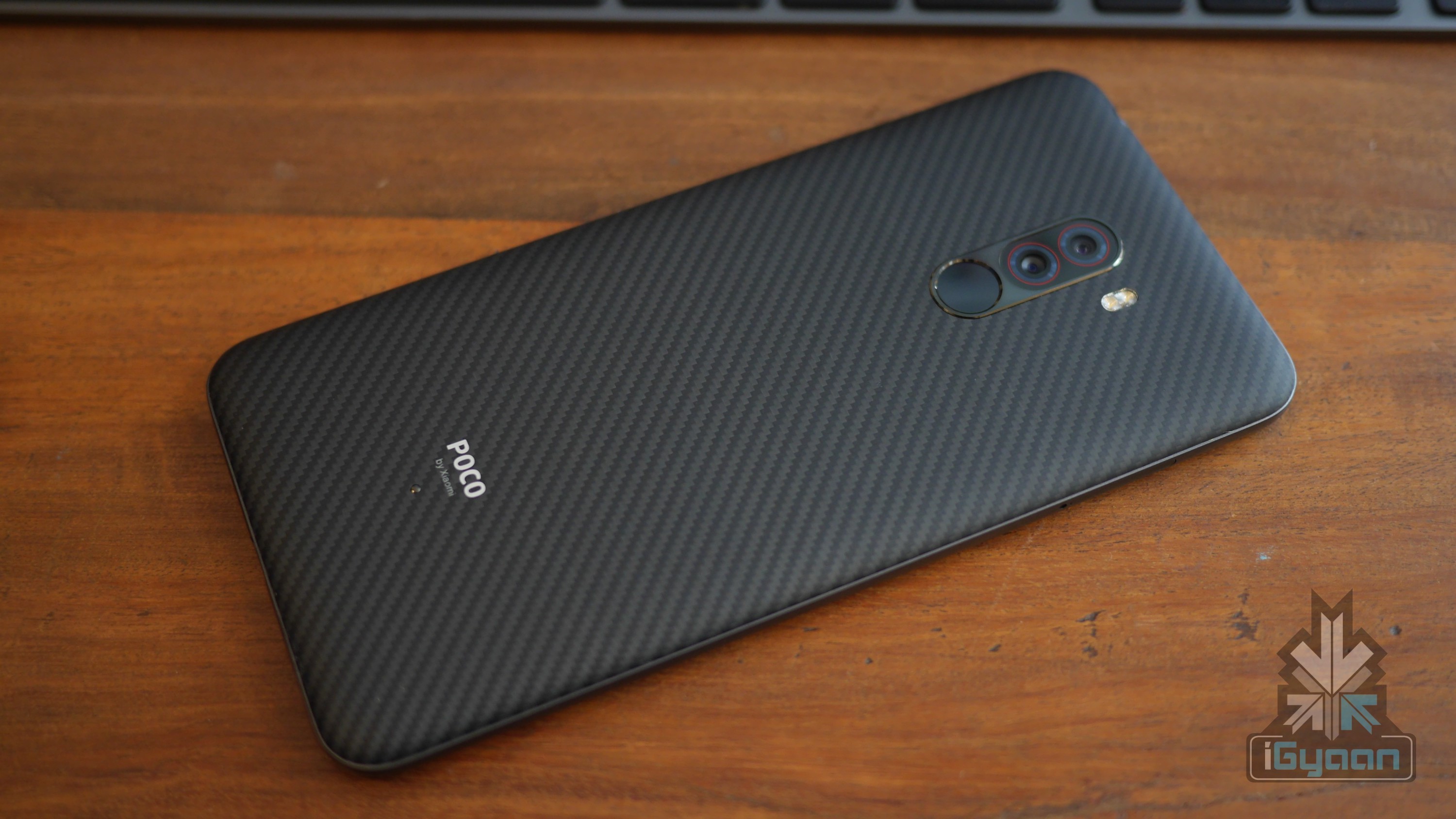
    According to a Geekbench listing, Poco F2 might not sport the latest Snapdragon 855 that almost all high end phones will feature in the coming year. The Poco F2 is reported to receive very little changes compared to its predecessor. The phone will have 6GB of RAM and will be loaded with Android Pie out of the box. It will be interesting to see what price point Xiaomi places this phone at and how it is welcomed by the Poco F1 fans.
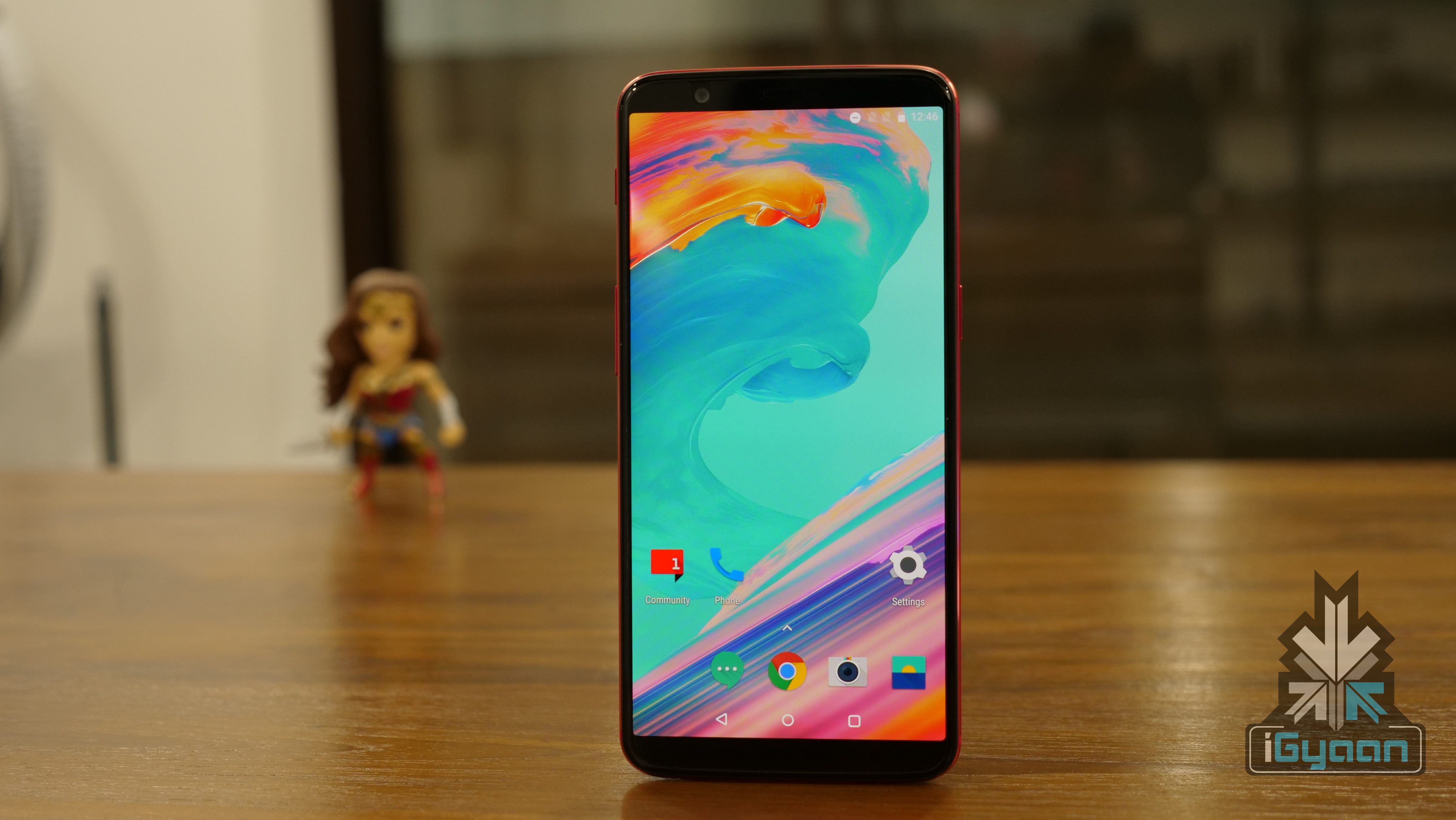
  • Huawei Y7 Pro Launched With Octa-Core Processor

    Huawei Y7 Pro Launched With Octa-Core Processor

    Huawei launched the original Y7 Pro smartphone earlier this year. The company has now launched its successor, the Y7 Pro (2019). The smartphone is currently available in select regions and the company might soon launch it in other regions as well.

    Design & Performance

    The Huawei Y7 Pro has an all-glass front and back panel which gives it a premium look. On the front of the smartphone sits a 6.26-inch HD+ display that has a pixel density of 1520 x 720 px and a 19:9 aspect ratio. The smartphone also has a small waterdrop notch at the top of the display which houses the 16 MP selfie camera. Except for the chunky bottom chin, the smartphone has thin bezels on all sides. The earpiece for listening to voice call is built-into the top bezel above the display. The top side of the Huawei Y7 Pro is occupied by the 3.5 mm audio jack while the bottom side is occupied by the Micro-USB 2.0 port and the loudspeaker grille.
    The rear side of the Huawei Y7 Pro has a similar design to a lot of other Huawei smartphones. The smartphone is available in two different coloured back panel options which are Black and Aurora Green. The rear of the device houses the dual camera setup and the vertically placed Huawei branding. The rear camera setup consists of dual 13 MP + 2 MP camera sensors along with an LED Flash. Additionally, the smartphone has AI camera assistance which helps to click better pictures.

    Under the hood, the Huawei Y7 Pro features the Octa-Core Snapdragon 450 CPU along with the Adreno 506 GPU. The smartphone runs on EMUI 8.2 and is powered by a large 4,000 mAh battery. In terms of connectivity, it supports 4G VoLTE, 802.11 ac Wi-Fi, and Bluetooth 4.2. The phone also supports facial unlock technology for quickly and securely unlocking the device.

    Price & Availability

    Also Read: Press Renders Of Nokia 9 PureView Leak

    The smartphone is available in single RAM + ROM configuration and is currently available in Vietnam. The price of the smartphone for 3GB RAM + 32 GB ROM is 39,90,000 Vietnamese Dong (around Rs 12,000 INR).

iGyaan Network
Privacy Overview

This website uses cookies so that we can provide you with the best user experience possible. Cookie information is stored in your browser and performs functions such as recognising you when you return to our website and helping our team to understand which sections of the website you find most interesting and useful.