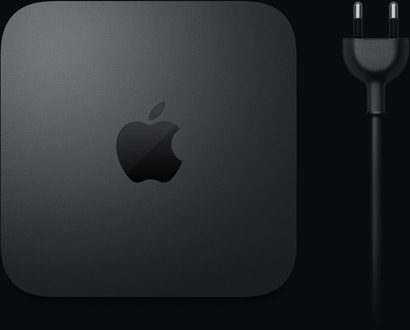
Apple has finally brought an upgrade to its 4-year-old Mac mini. The new Mac mini is made from 100% recyclable aluminium, just like the new MacBook Air. It is available in a space grey finish. Apple claims that the new Mac mini offers 5x better performance than its predecessor with bigger and better specifications. The Mac mini starts at a price of $ 799 and goes up to $ 4,199 for its top variant.
What’s New
The upgraded Mac mini has Quad and 6 Core, 8th generation Intel Core Processors. This consists of a 3.63 GHz, Quad Core i3 processor and a 3.0 GHz, 6 Core i5 processor. The device has Turbo Boost up to 4.1 GHz. It has 8 GB of DDR4 RAM and has 128 GB and 256 GB SSD-only storage options. The Mac mini uses the Intel UHD Graphics 630 GPU and offers a 60% boost over the previous generation in terms of graphically-intensive tasks.
The Mac mini has a lot of ports to ensure greater connectivity. It has a 10Gbps capable ethernet port, a full-sized HDMI 2.0 port, 2 USB 3 ports and 4 Thunderbolt 3 ports, along with a 3.5mm audio jack. Additionally, it features Wi-Fi and Bluetooth 5.0.
The device also has the T2 security chip from Apple for added security and encrypting your data. The Mac mini also connects to a MacBook to split the load of your laptop while rendering or running intensive tasks. The device weighs in at 1.3 kg and has 19.7 cm x 3.6 cm x 19.7 cm dimensions.
The Mac mini will available starting November 7th, while pre-orders for the device start tomorrow. The base model of the device costs $ 799 compared to the $ 499 base model of the previous generation. No comment about the India launch or price has been made by Apple.
Apple has launched an upgraded version of the MacBook Air at an event held by the company in New York. The laptop has a 13.3 inch Retina display with a resolution that is four times higher than the previous model. The new MacBook Air is also slimmer and lighter. Most notably, the laptop is made from 100% recycled aluminium, and is Apple’s ‘Greenest laptop ever’.
The new MacBook Air has a 13.3 inch display with a 2560 x 1600 px resolution. The laptop has a Retina display, making it the cheapest laptop in Apple’s lineup with a Retina display. The display also has thinner bezels, as Apple has made them 50% thinner than before. It also has 48% more colours compared to the previous generation, making the display more colourful.
The new MacBook Air also has Touch ID built-in. You can use this to unlock the device, access locked documents, notes, system settings and more. Additionally, it features the Apple T2 security chip, to make it more secure. This stores all the data on the SSD automatically, including the Touch ID data, and encrypts it as well. Another addition made by the T2 Chip is that of Siri, who can now be accessed through the MacBook Air.
For improved usability, the MacBook Air features the butterfly keyboard by Apple. This offers lesser travel and more key stability when compared to traditional keyboards. The keyboard has backlit keys with ambient sensors, helping you type in low-light conditions. The laptop also features a Force Touch Trackpad which performs different tasks based on the pressure applied. The new trackpad is also 20% larger, offering more room for Multi-Touch gestures.
The MacBook Air runs on the eighth generation i5 processor by Intel and has 8 GB or 16 GB of RAM. The device has storage options of up to 1.5 GB of SSD storage. It runs on the latest macOS Mojave and claims a battery life of up to 12 hours.
The laptop has two Thunderbolt 3 ports for connectivity and charging, along with a 3.5mm headphone jack. In terms of sound, it has 2x more bass than the previous generation, coupled with 25% more volume. Additionally, it has a three-microphone array to capture your voice and an HD camera for video calling.
The new MacBook Air starts at a price of $ 1,199 in the US. Details about the availability and price in India are yet to be revealed.
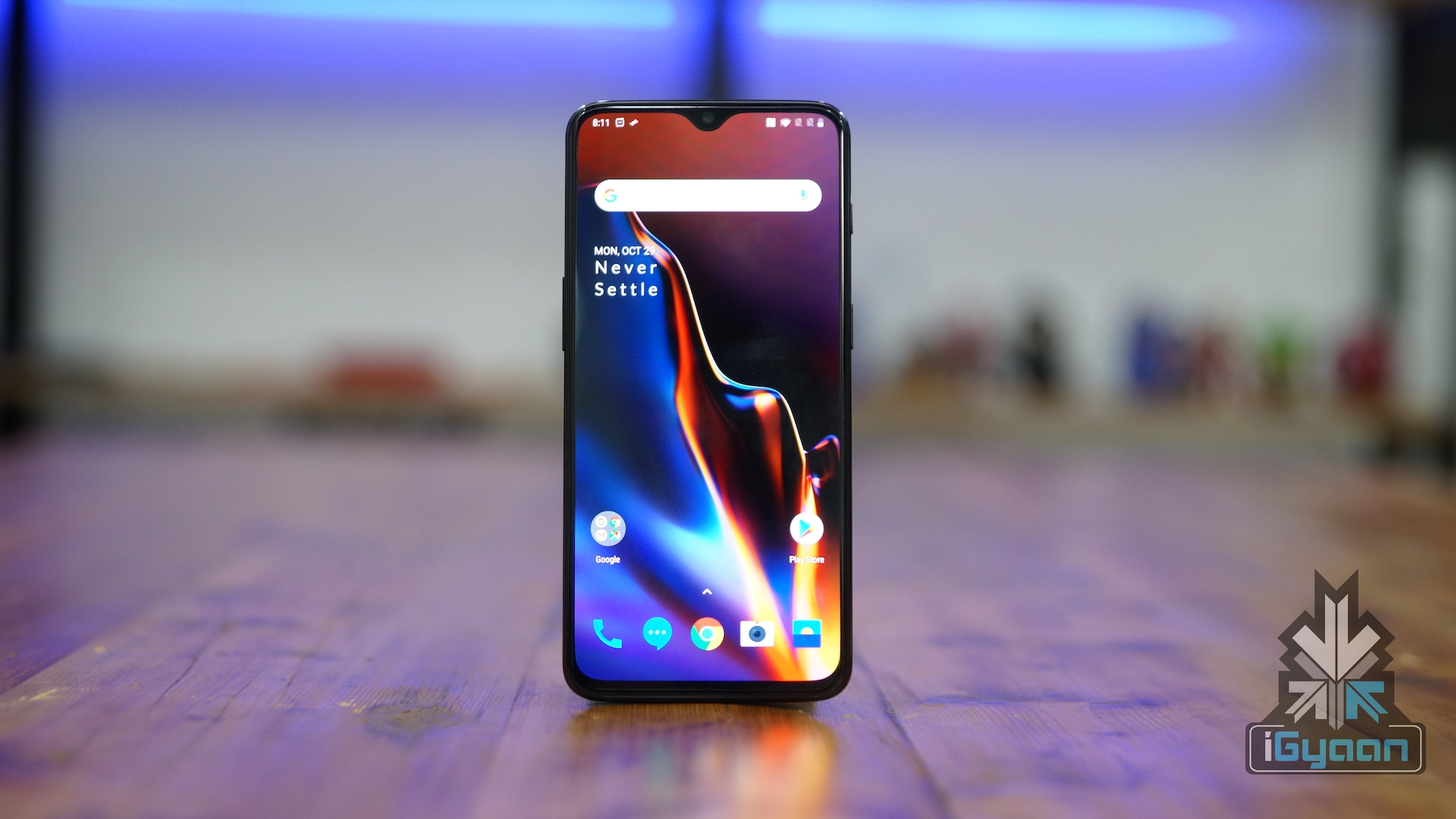
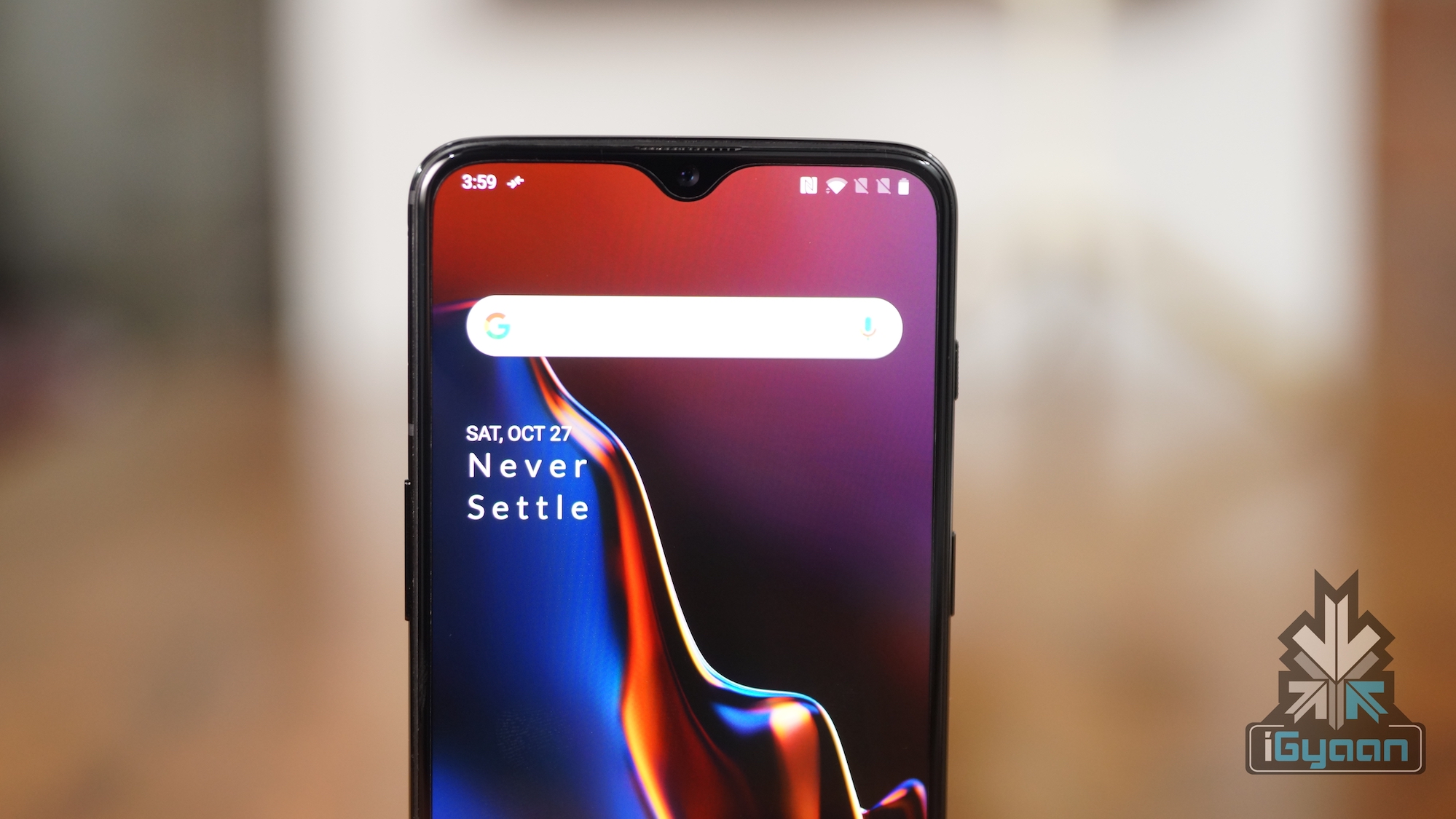
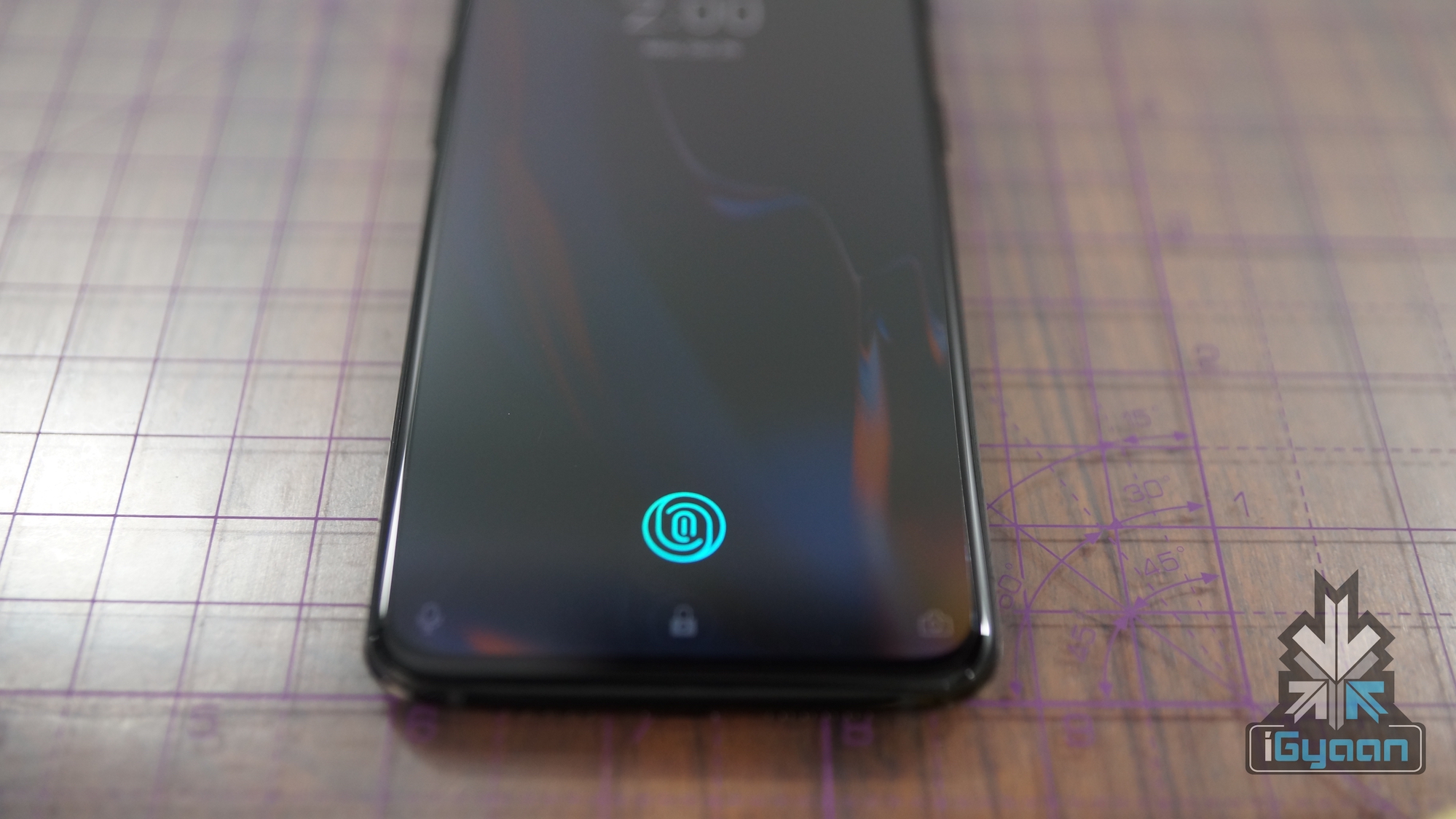
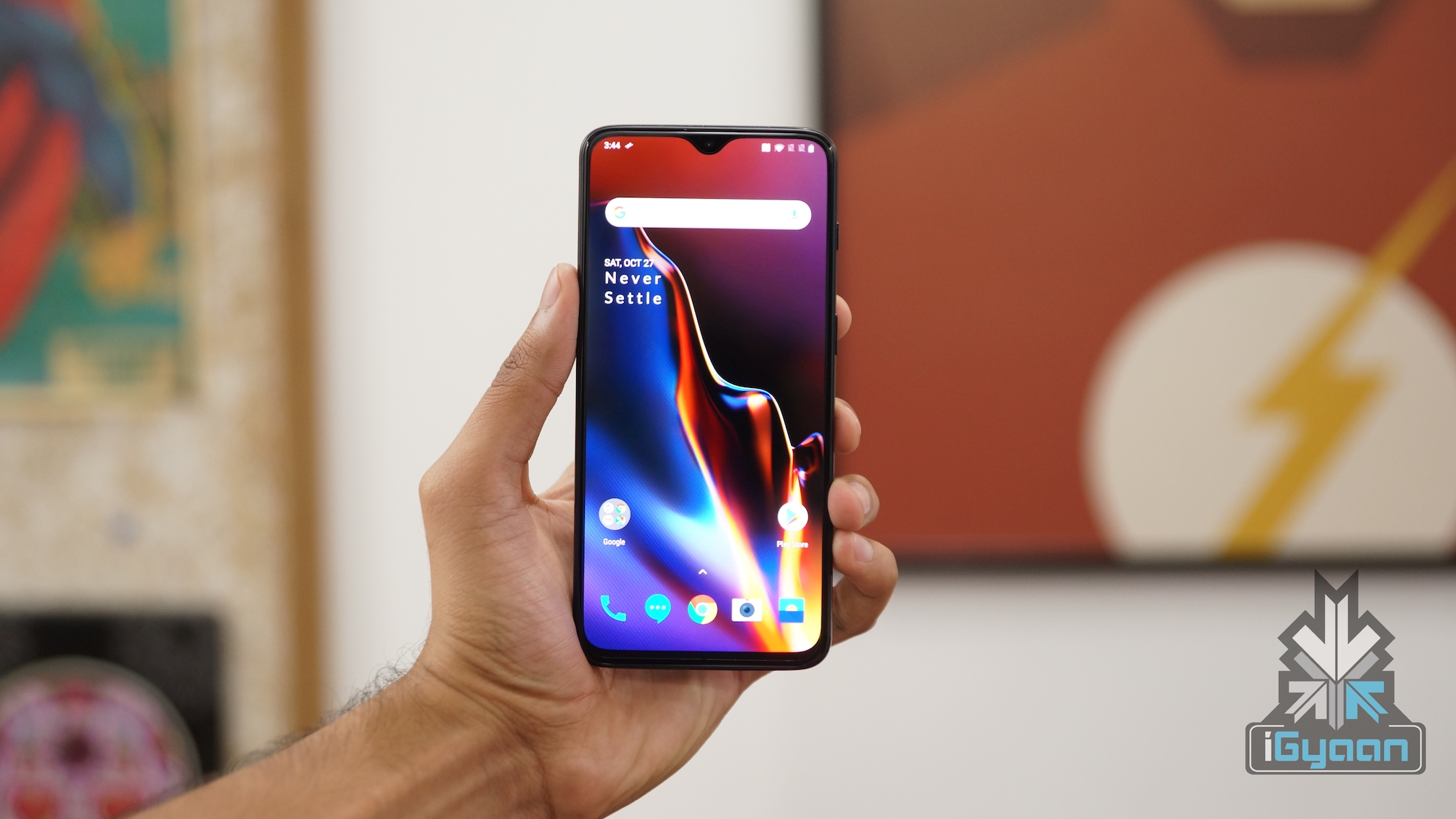
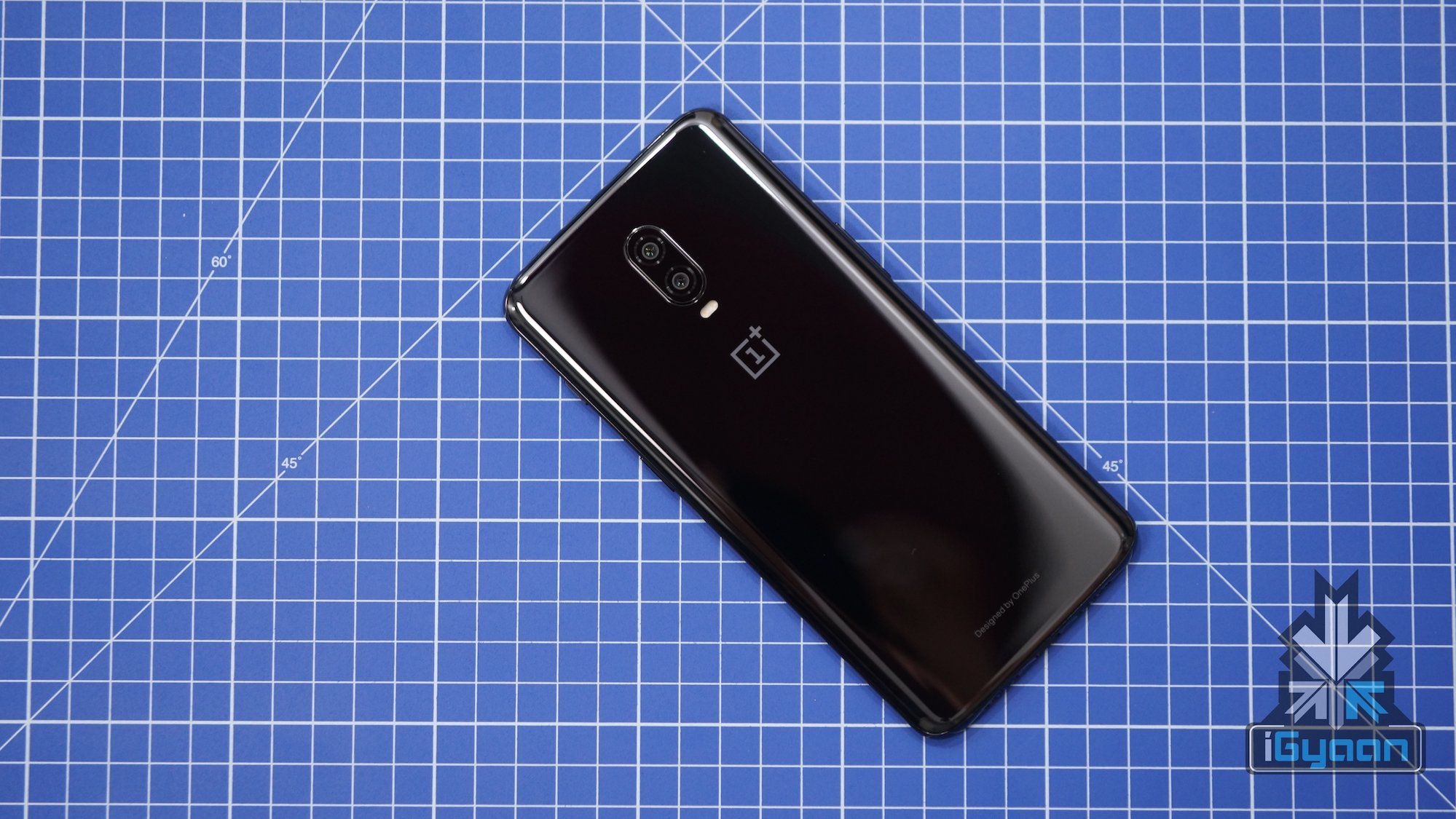
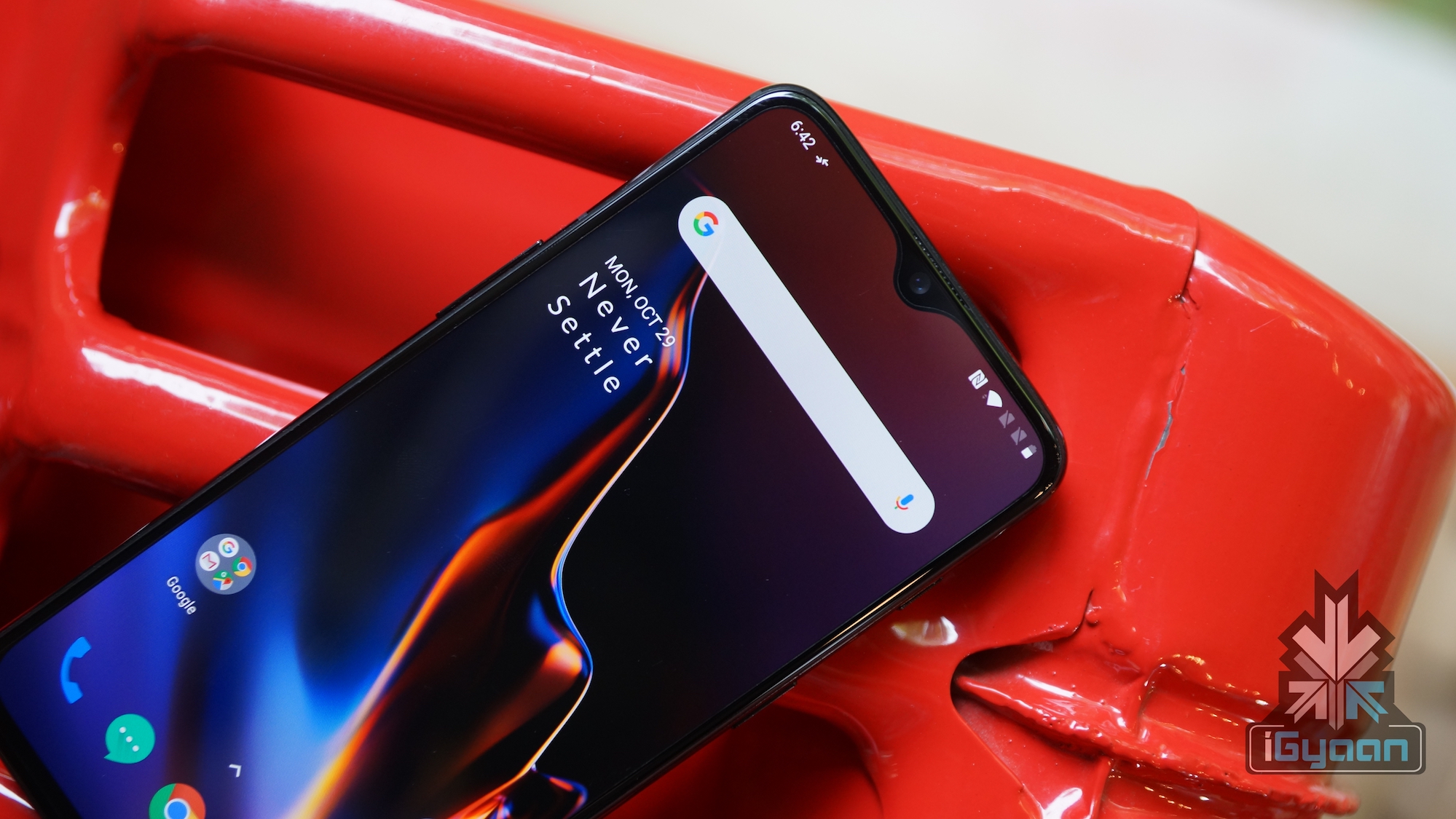
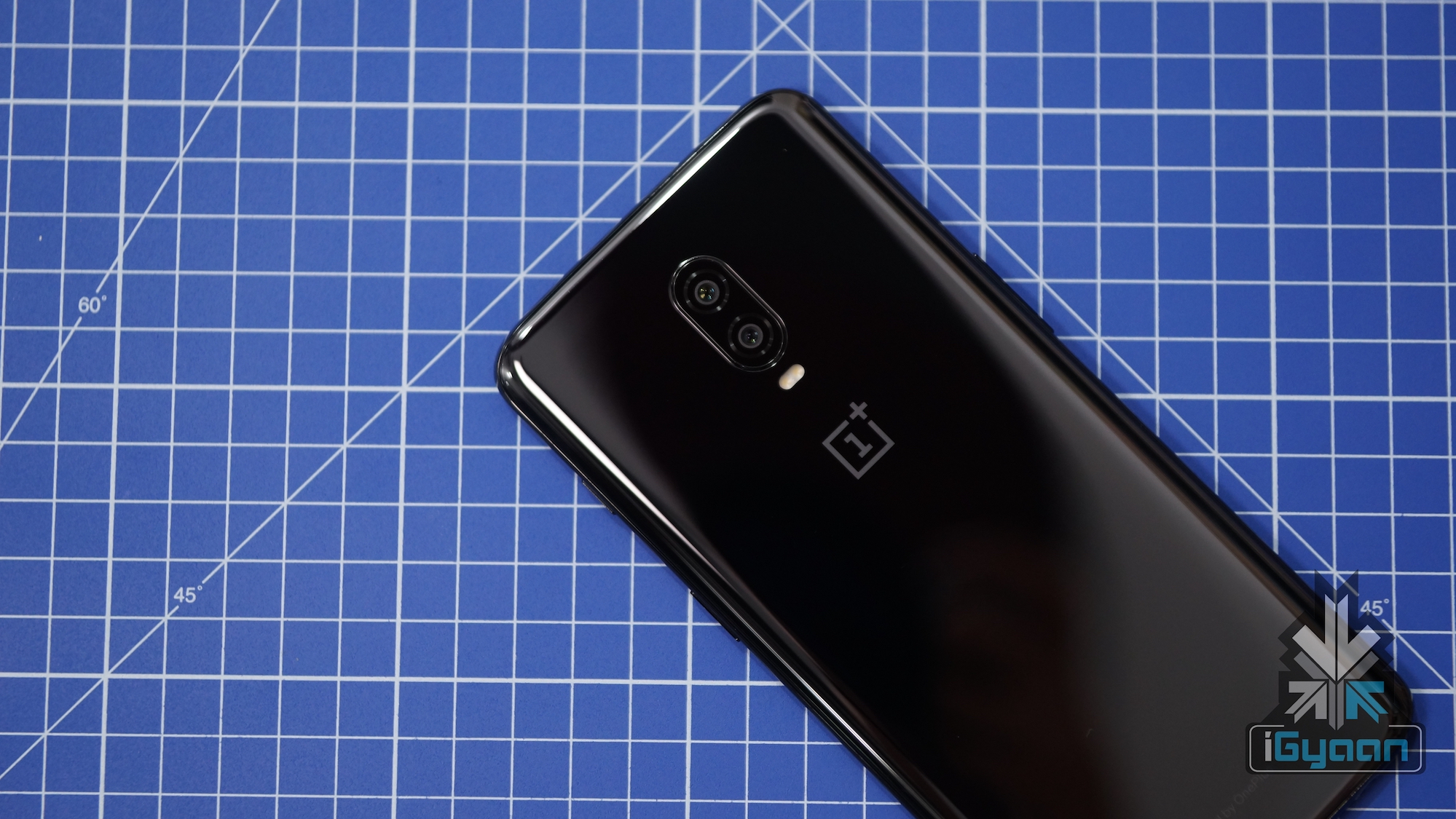
The OnePlus 6T has been launched in India at an event held by OnePlus in New delhi. The phone is the successor to the OnePlus 6 and has a larger display, which replaces the traditional notch with a water-drop notch, which is less invasive. The fingerprint sensor has also been moved into the display. Internal specifications mostly remain the same, apart from a few distinct features.
The device has been launched at a starting price of Rs 37,999 and will be available starting November 1st on Amazon and the OnePlus website .
What’s New
OnePlus has worked hard in the design of the 6T to make sure that they deliver something unique. Apart from changes in the display, the phone is also now better water-sealed thanks to the lack of a headphone jack. Although it does not have an official rating yet, company officials claim that it is close to an IP 67 rating which will protect it from submersion in depths upto 1 metre. The display has Corning Gorilla Glass 6 which offers a high degree of protection, but OnePlus has pre-applied a screen protector to the device to ensure more safety.
The company has also gotten rid of the 64 GB storage variant due to lesser demand of the same. The RAM configurations of the phone remains the same as the OnePlus 6, with 6 GB and 8 GB options. Rumours about the microSD card slot in the 6T turned out to be false as the device does not have a slot for the same, but has a dual SIM card slot with 4G capability in both.
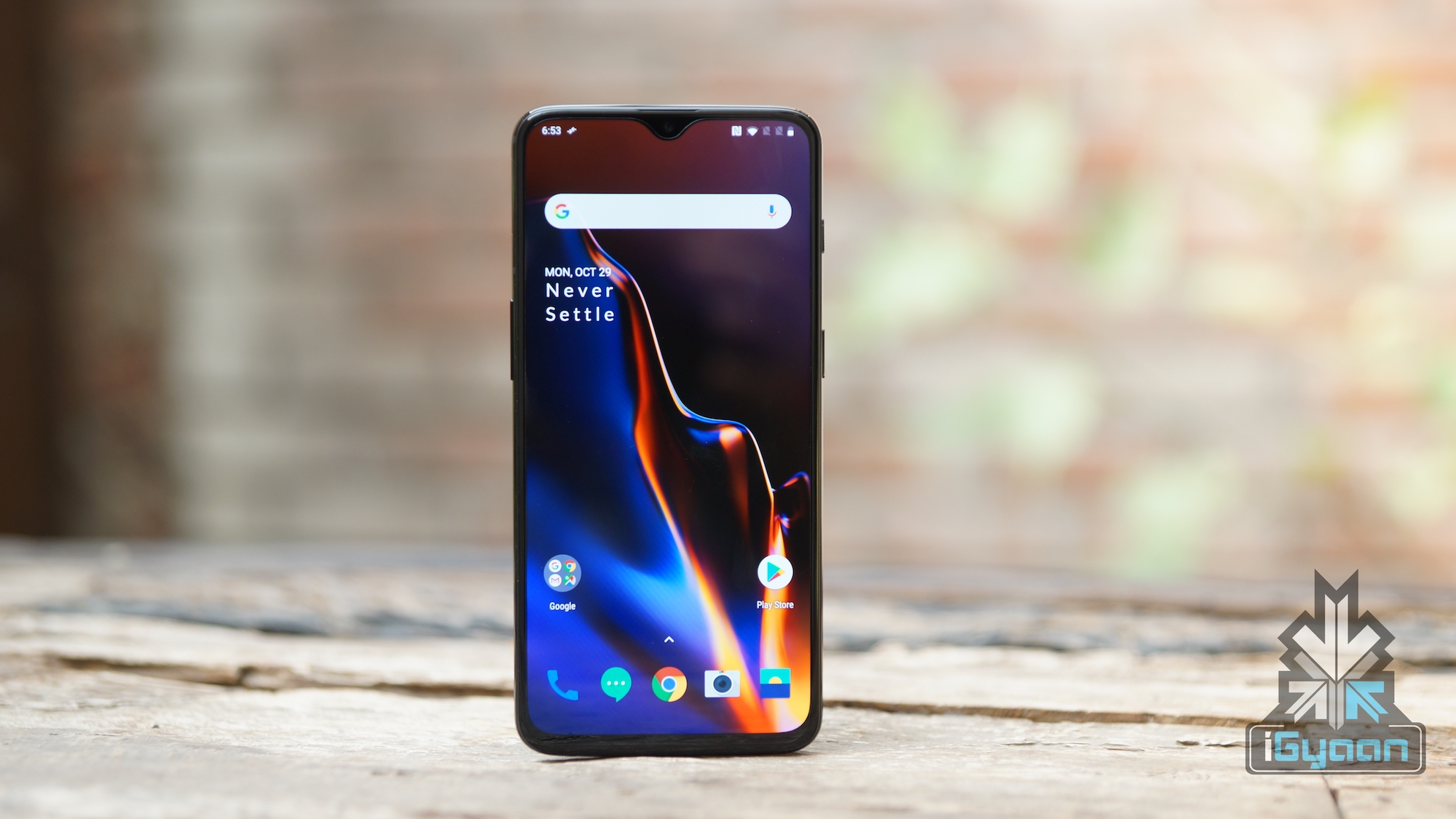
The display is a bigger, 6.41 inch Optic AMOLED display with a 2340 x 1080 px resolution and 402 ppi pixel density. The device has a 19:5:9 aspect ratio, owing to the water-drop notch which can also be hidden by accessing settings. The phone has a greater, 86% screen-to-body ratio compared to the 83% on the OnePlus 6.
What’s Same
The Qualcomm Snapdragon 845 SoC is the same as seen on the OnePlus 6. Despite firing at the same speed, the phone is expected to be faster, thanks to performance and gaming improvements. It has Smart Boost which claims to improve the app cold start speed by 5-20 %.
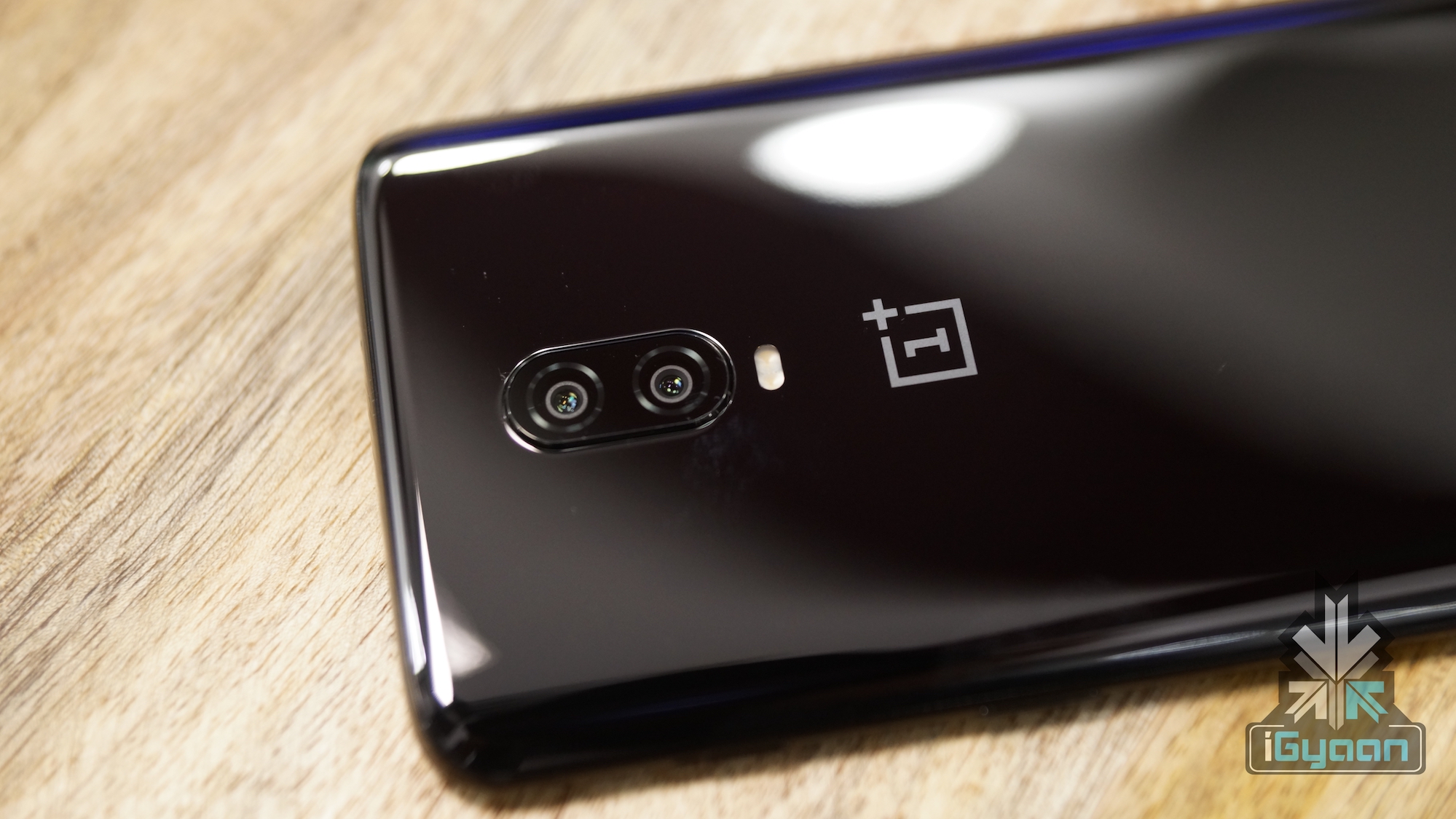
The 6T uses the same sensors as its predecessor for its camera. It has a 16 MP + 20 MP dual camera setup at the back. Both the cameras have an f/1.7 aperture. The 6T records 4K 2160p video at 30 or 60fps. There are improvements in the main camera which does boost its performance. These include Nightscape, which make images taken in extreme low-light better by improving the sharpness, quality and the amount of light that in the scene. The main camera also has portrait mode and continuous to get OIS. The front camera has a 16 MP sensor with an f/2.0 aperture. It can record 1080p video at 30 fps.
The OnePlus 6T runs Oxygen OS based on Android 9 Pie with a 3,700 mAh battery. This is bigger, compared to the 3,300 mAh battery on the OnePlus 6.
Price & Availability
The phone has been launched at a price of Rs 37,999 for its 6 GB RAM + 128 GB Storage variant. The smartphone ships bundled with the OnePlus Type-C Bullets free. Additionally, you can avail Rs 1000 cash back on Citi Bank cards and a Rs 2000 discount on ICICI cards.
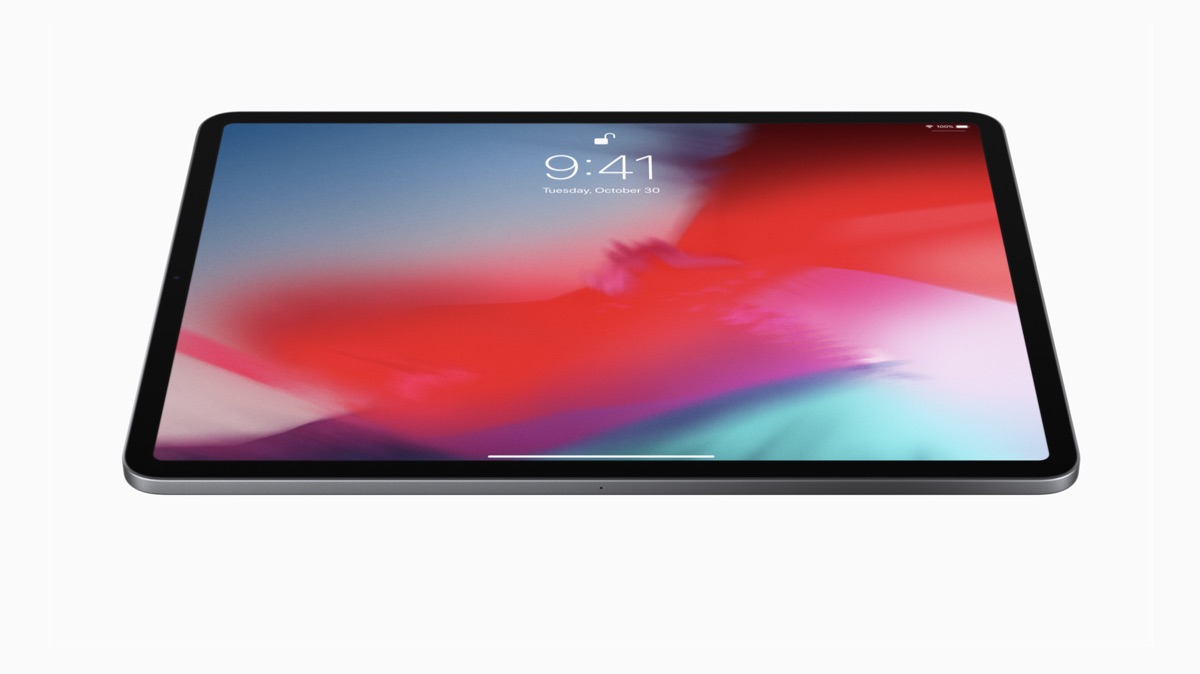
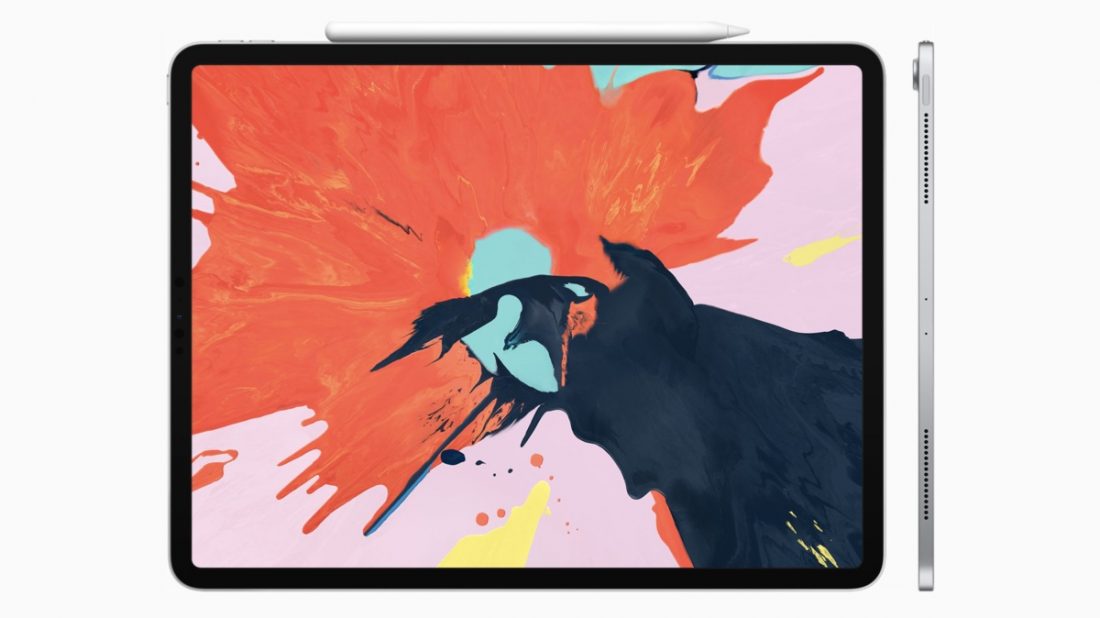
Apple has updated the iPad Pro models and removed the Touch ID and Home Button. Apple has also replaced the lightning connectors with a more efficient USB C port and added Face ID with a 3D depth camera. Apple claims that the company sold more iPads last year than the entire notebook lineup of all of the biggest notebook vendors.
The new iPad Pro models will be available in two sizes 11-inch and 12.9-inch. The 11 inch model has an 11 inch display that fits in the same size as the 10.5 inch iPad Pro and prices start at $799. The 12.9 inch has reduced dimensions because the screen size remains the same but Apple has considerably reduced the bezels on the iPad. The larger 12.9 inch iPad Pro will start at $999.
Apple calls the display, same as the iPhone XR, the “Liquid Retina” display. And has reduced the bezels on all sides. The iPad Pro models become the first iPad’s without Apple’s Home Button, or Touch ID. Apple has also removed the headphone jack and now apart from the quad speakers the iPad Pro also have USB C ports.
The Face ID is available both horizontally as well as vertically and will allow Apple to bring Animoji’s and FaceTime calls filled with emojis for iPad users. The iPad Pros get Apple’s new A12X Bionic chip with an 8-core CPU and 7-core GPU which is basically an upgraded version of what was launched with the iPhone XS, XS Max and XR.
The iPad Pro’s now offer great functionality for additional usage throughout the USB C ports for example all MacBook dongles will now work on the iPad Pro. This port will also allow external monitors to be connected to the iPad Pro. User will also be able to charge their iPhones, or any other devices through the USB C ports.
https://www.youtube.com/watch?v=LjaKHqDbzSA
The 12 MP main camera allows 4K 6-fps video and is the same sensor seen on the wide side on the iPhone XS, or the exact same sensor in the iPhone XR. Apple includes an 18 watt charger in the box, and users will be able to use after charger like, MacBook chargers to charge up the iPad Pro quicker.
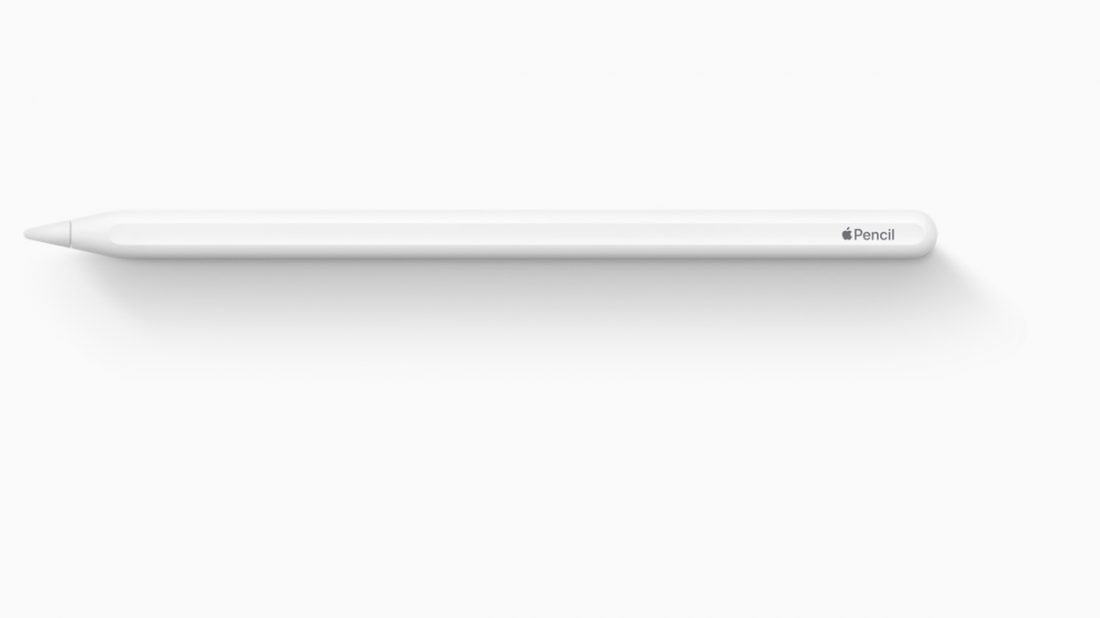
The new Apple Pencil also is redesigned, it attaches to the iPad Pro magnetically and charges wirelessly. Tapping the screen with the pencil will wake the iPad Pro and Apple has included other gesture capabilities for the Apple Pencil.
Samsung is a leading electronic component supplier and the largest smartphone manufacturer globally. The South-Korean giant’s success dates back to the inception of the first Android smartphones. The company has been struggling to keep up its number one global position due to fierce competition from their Chinese counterparts. Ever since the launch of Galaxy S1 and Galaxy Note 1, Samsung has produced top of the line Android smartphones. And now the company is about to launch its latest Galaxy S10 smartphone.
Samsung’s Android Dominance
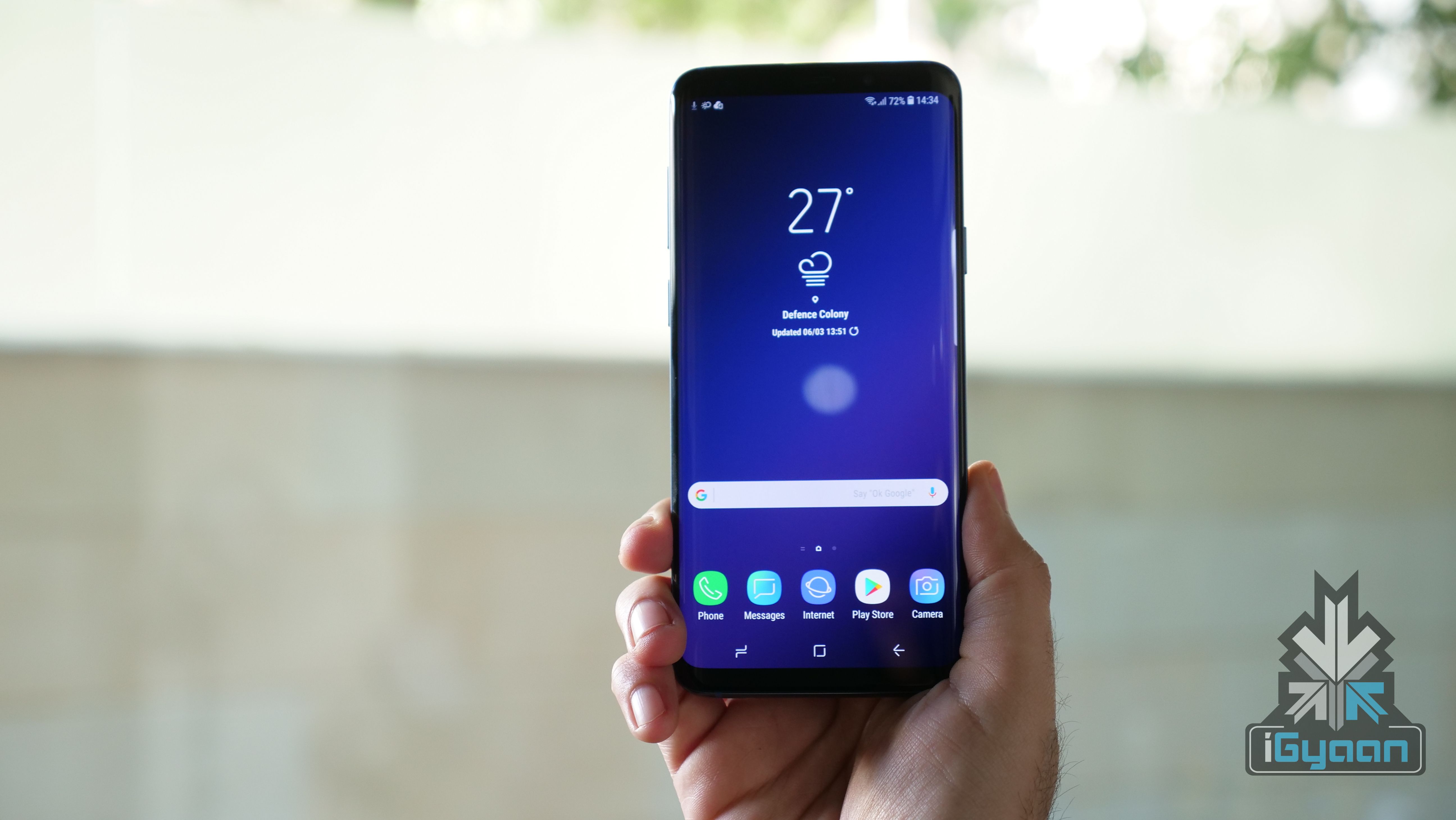
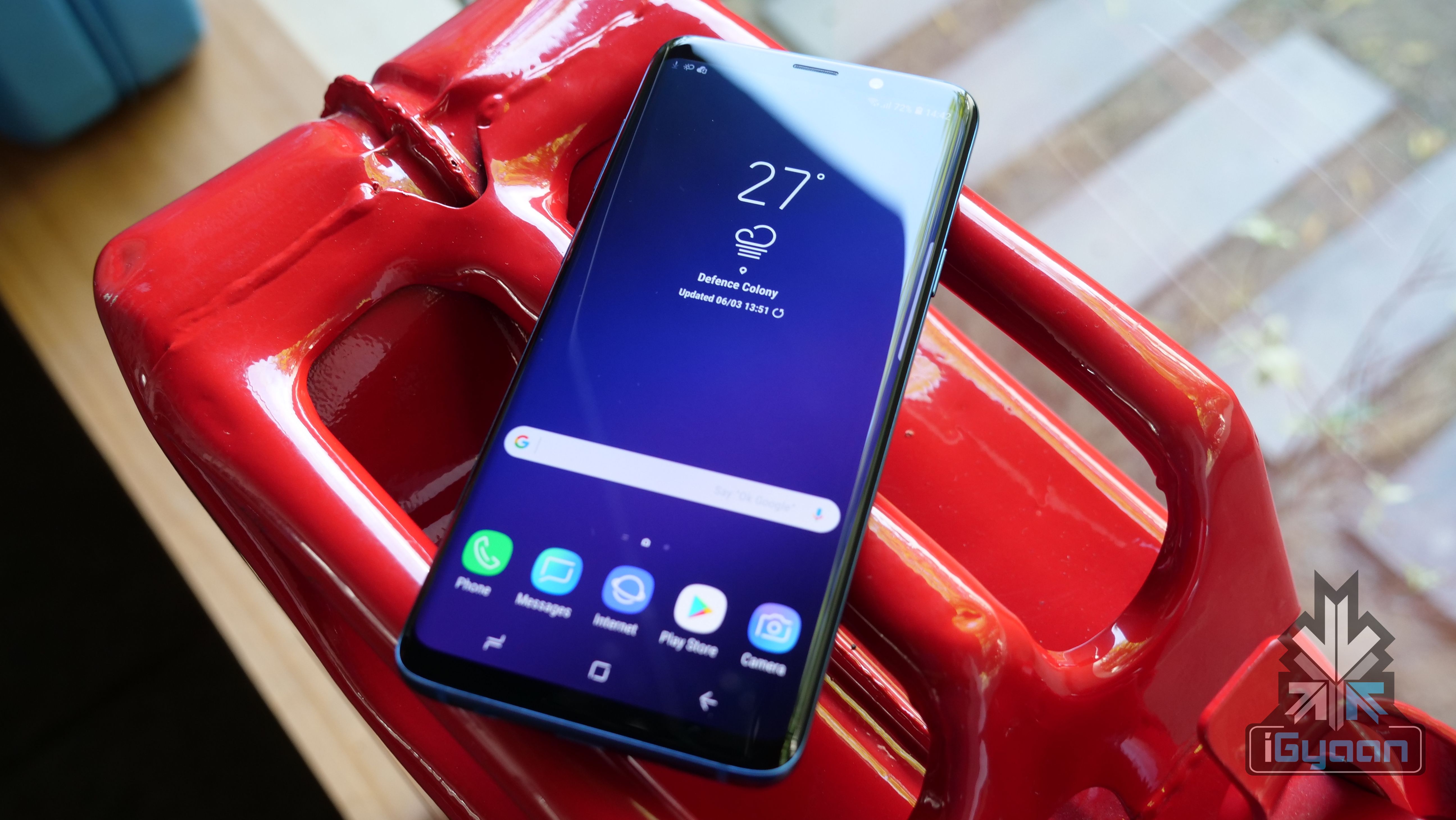
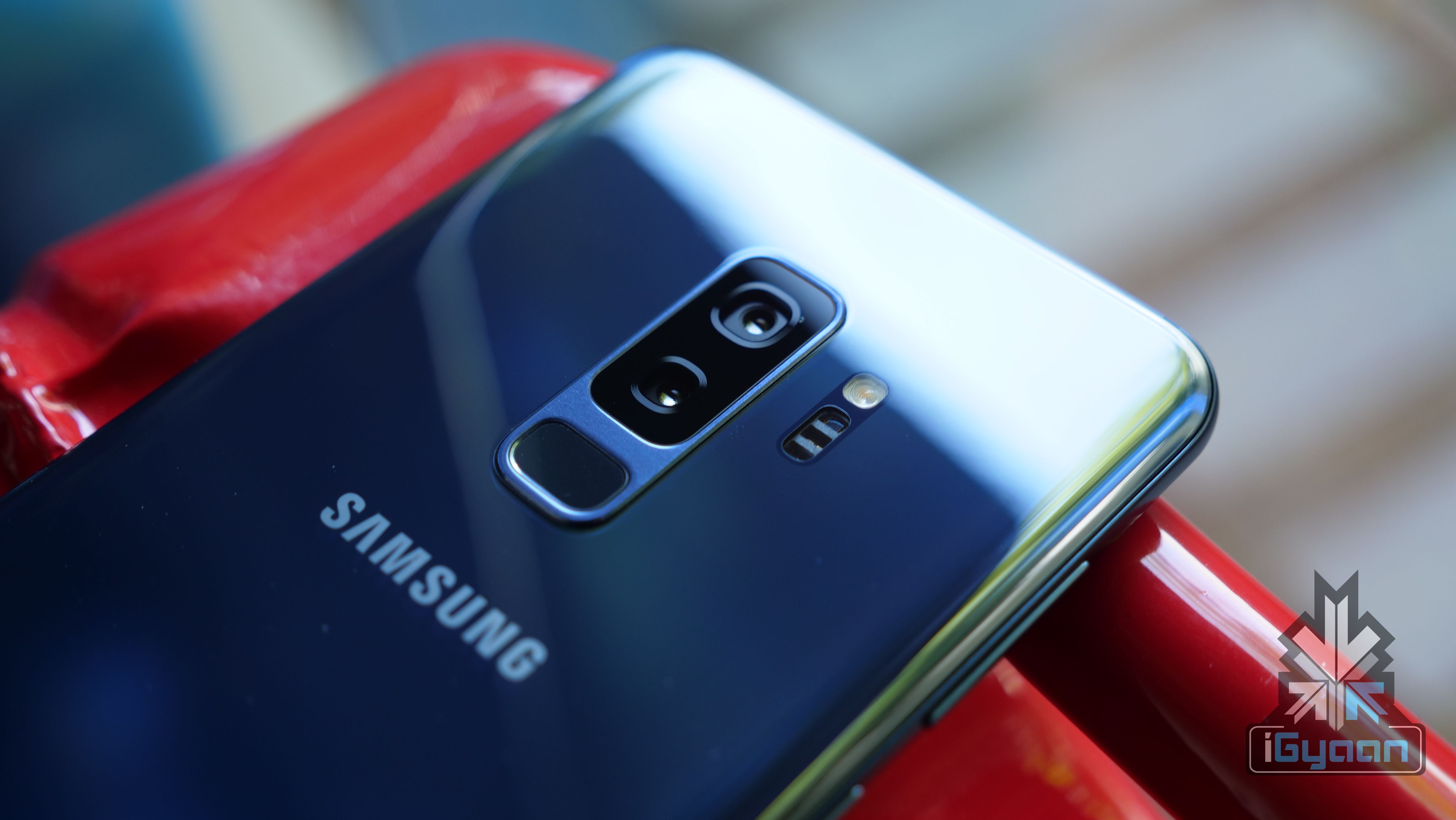
Galaxy S9+
In the past, Samsung smartphones have been the standalone Android competitor to Apple iPhone’s prowess. But in recent times, new companies like OnePlus, Huawei and Xiaomi have grown rapidly hampering Samsung’s sales. However, Samsung being a leading component supplier can develop new innovations to regain lost market share.
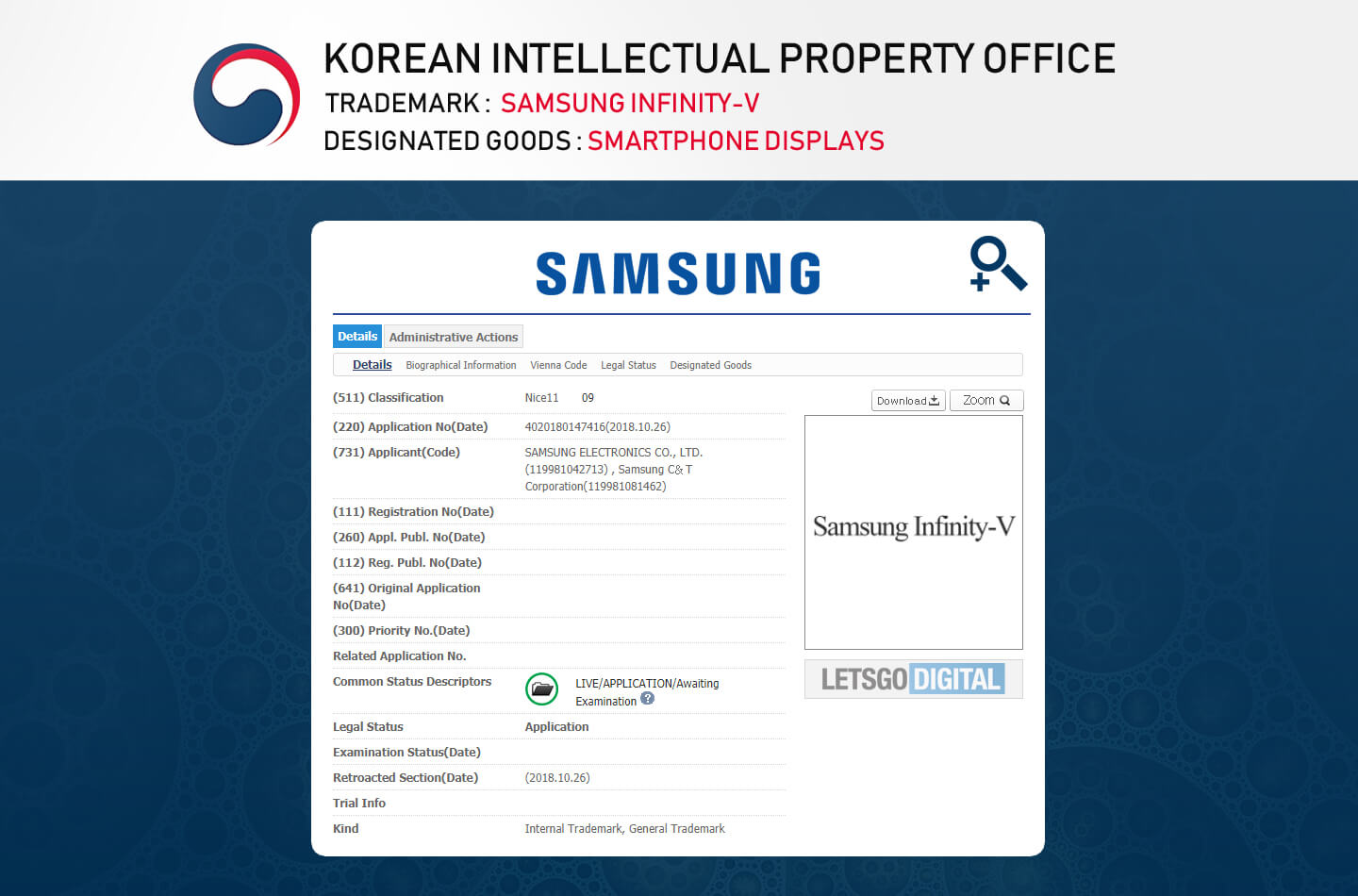
Recently Samsung has filed a trademark with the Korean Intellectual Property Office (KIPO) for the Infinity-V display technology. The trademark is filed under category 9 which includes ‘smartphones and displays for smartphones’. This might be a new edge to edge display for the upcoming Galaxy S10.
Galaxy S10: Infinity-V display?
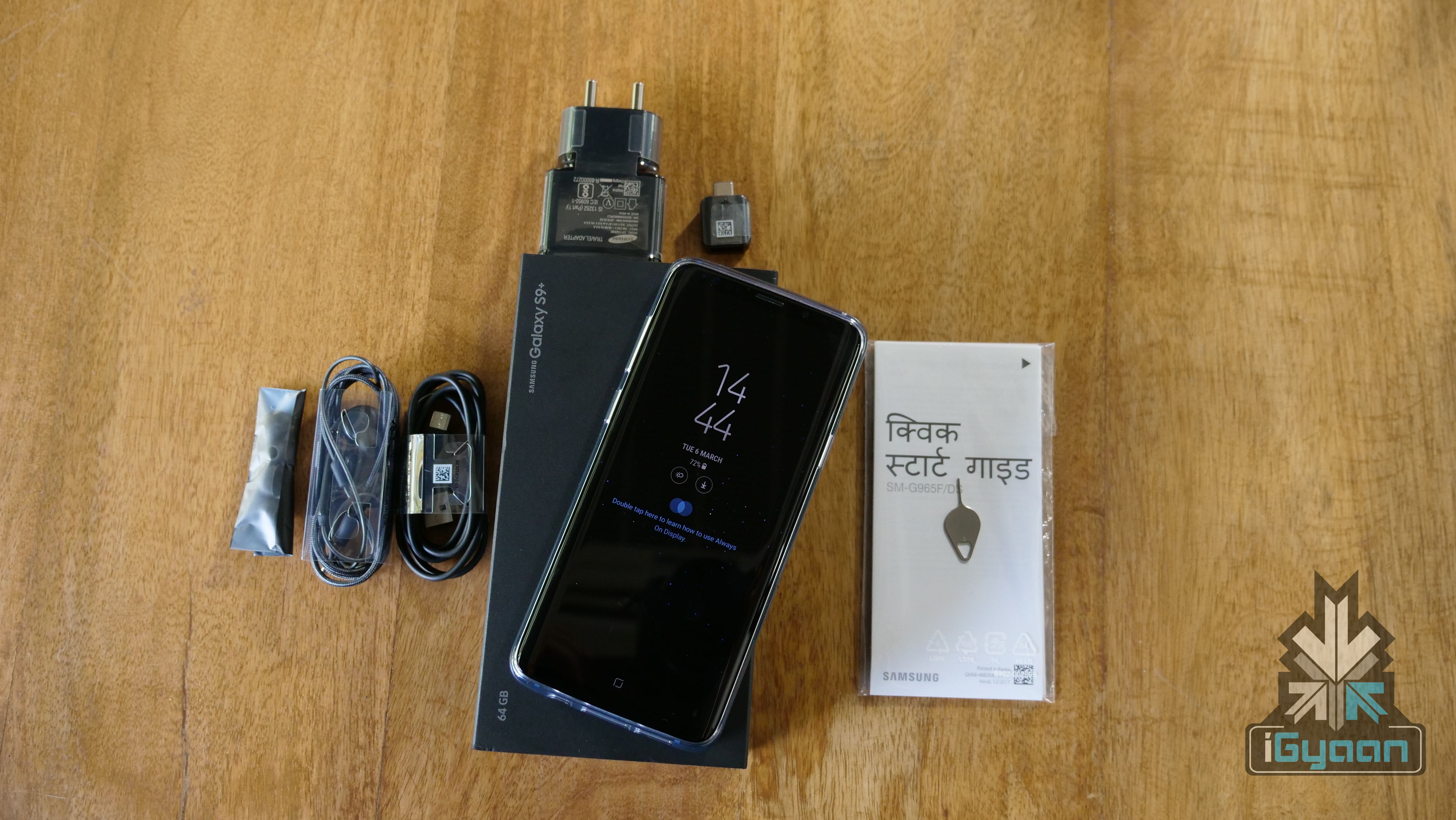
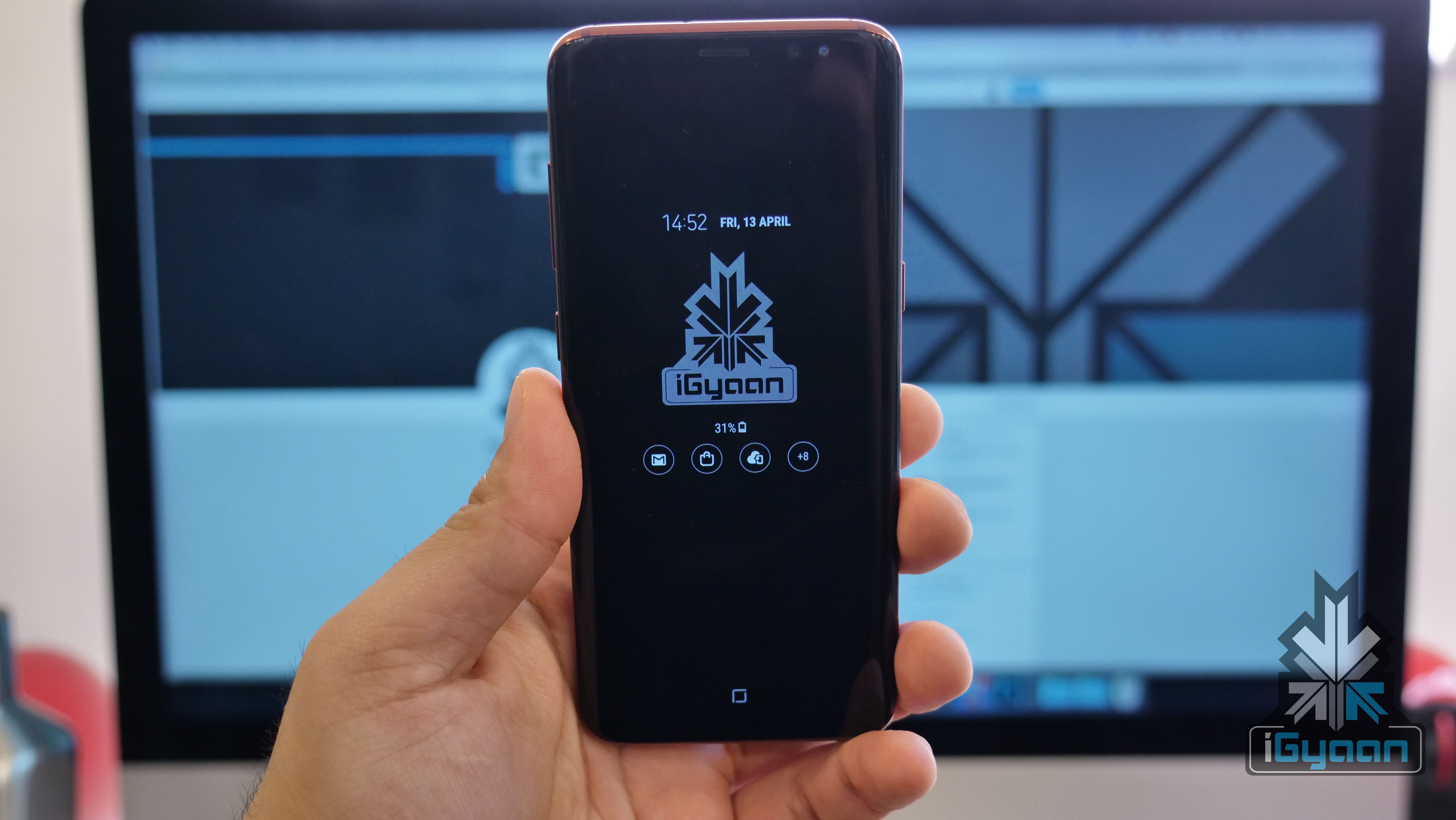
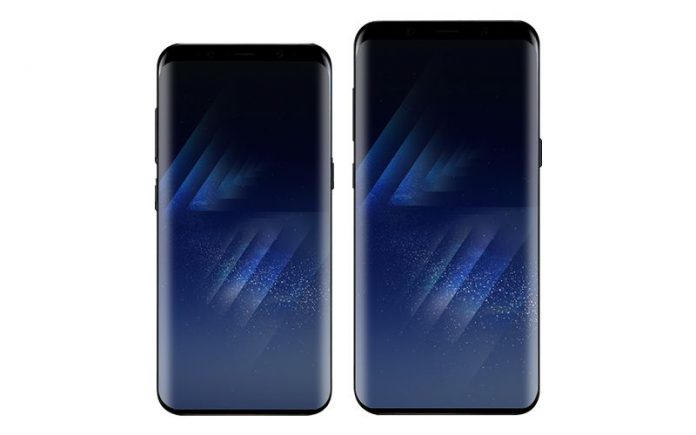
Galaxy S8 in Burgundy Red
The Galaxy S10 will be the successor to the Galaxy S9 which was launched earlier this year. The last Samsung flagships S9 & S8 have not performed very well in terms of sales. So, it is expected with the Galaxy S10, Samsung will pull out the big guns and fully load the upcoming smartphone with the latest technology. The trend for smartphones with slim bezels is flourishing rapidly, Samsung’s competitors have launched devices that follow the same philosophy. The recently launchedOnePlus 6T and Xioami Mi Mix 3 have marginally thinner bezels compared to what Samsung’s current flagship S9 has.
So, it is apparent to fight back and maintain traction in the industry, Samsung has to launch devices with thin or no bezels. This is where the latest trademark of the Infinity-V display is put to use.
Finally, the Samsung Galaxy S10 is expected to launch in the first quarter of 2019. Not many specifications for the device are currently available but it will surely have better features than the Samsung Galaxy S9. For reference:-
Galaxy S9 Tech Specs
Display: 5.8-inch Super AMOLED Full HD+ 2960 × 1440 pixels, 18.5:9 aspect ratio
Operating System: Android 8.0
Processor: Exynos 9810 Octa Core
RAM: 6GB
Storage: 64GB/128GB/256GB
Rear Cameras: 12 MP, LED Flash
Selfie Camera: 8 MP
Security: Rear fingerprint scanner
Connectivity: 4G VoLTE, Wi-Fi 802.11 ac 2.4G + 5G, Bluetooth 5 .0, GPS, USB Type-C
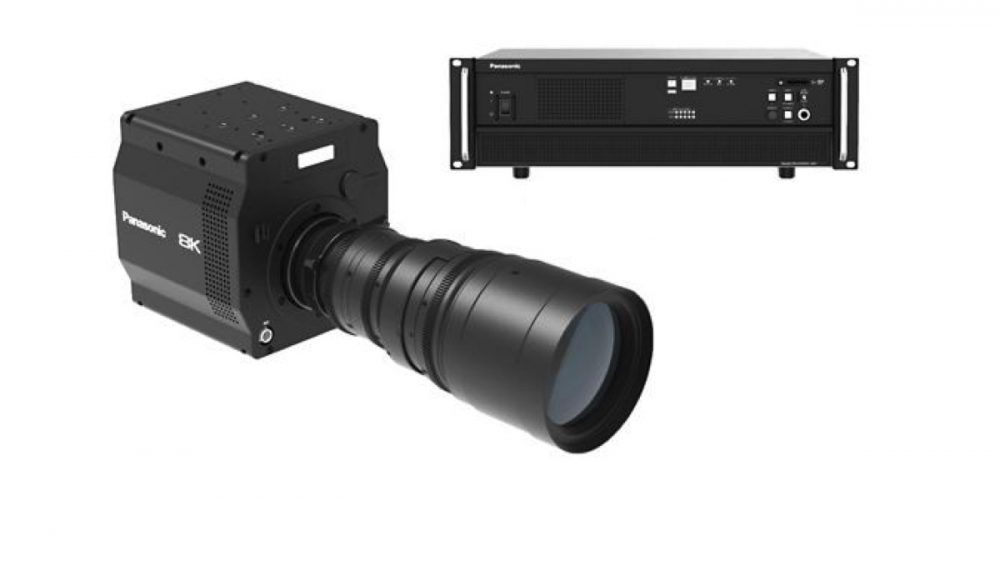
Panasonic introduced an 8K camera in February, this year and recently an estimated date has been declared by the company for it’s launch. The 8K Multipurpose Camera AK – SHB 810 is a compact, lightweight, box – type camera that uses a PL lens mount. It features the world’s first organic sensor and arrives seven years after the technology was patented. The camera can shoot 8K / 4K / HD videos and shoots 8K at 60 fps.
The 8K Future
Panasonic is aiming to accommodate a wide range of applications for broadcasting and video production. The company has announced it’s future plans till 2020. They wish to continue to develop 4K / 8K devices / systems. These systems can withstand actual operation, support high image quality of broadcast production and efficiency of broadcasting services. They can also contribute to the development of the broadcasting industry. Panasonic had released another 8K Super Hi-Vision recorder, the AJ – ZS 0580 last year.
Panasonic explains what an organic sensor is by stating that the sensor ‘realises a laminated structure in which an electric charge accumulation part is arranged in a lower layer by using an organic thin film for a photoelectric conversion part.’ The camera also boasts of other features such as prevention of skew distortion and flash band using a global shutter. This shutter simultaneously exposes all the pixels thus reducing the chance of any skew.
They further informed that the organic sensors can change the sensitivity by controlling the voltage applied to the organic thin film. This acts as a constantly changing virtual ND filter so to speak. Panasonic has also said that the global shutter enables photographers to not worry about random flashes from creating partial bright bands in a video. The 8K multi-purpose camera will be available in the fall of 2019.
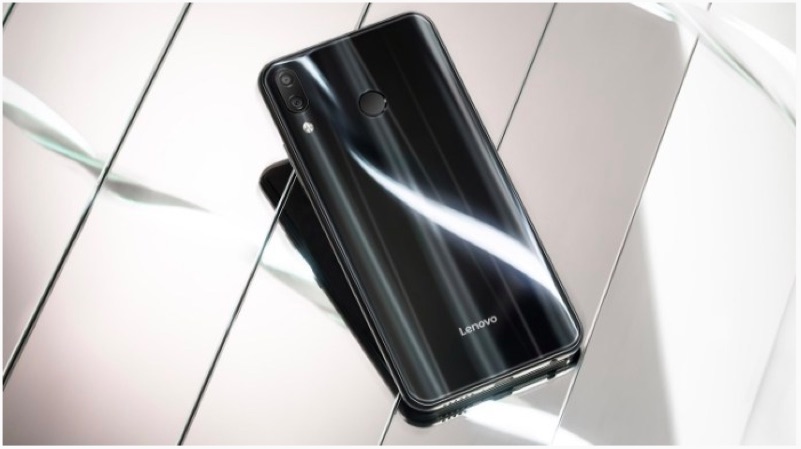
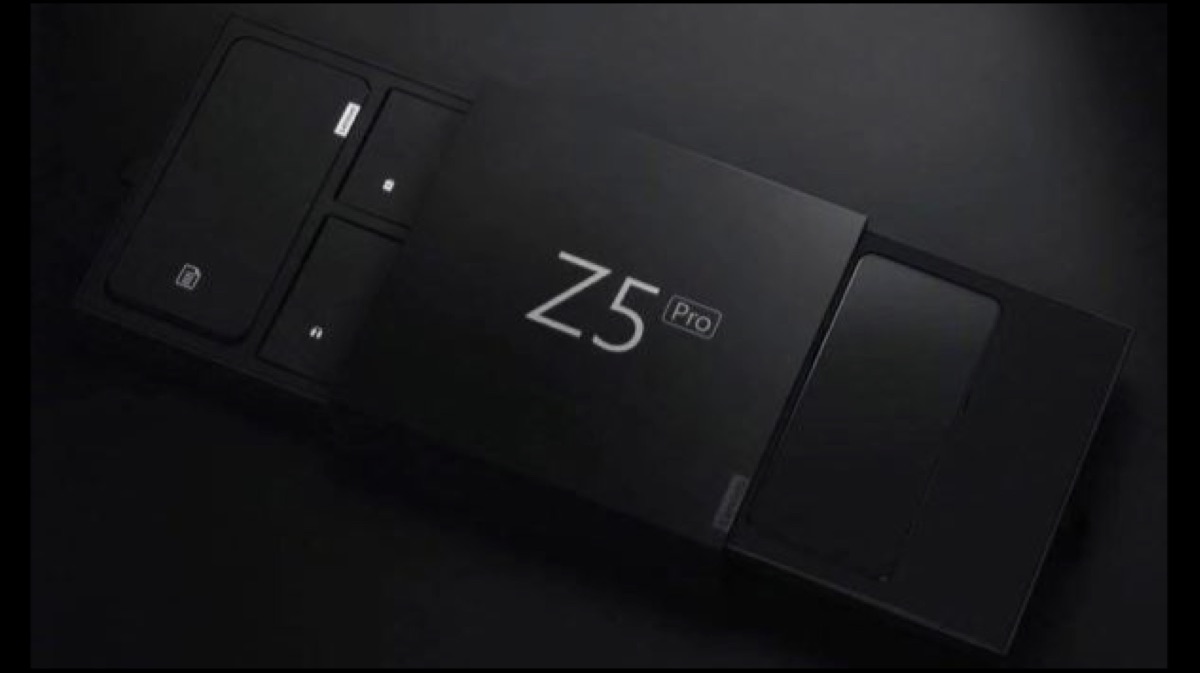
Lenovo will launch the highly anticipated Z5 Pro on the 1st of November. The Lenovo Z5 Pro will be the successor to the previously launched Z5 and as per reports, it will be a significant update to the latter. Lenovo’s Vice President has been continuously sharing updates on Weibo which provide a good idea about the upcoming flagship. The upcoming Lenovo Z5 Pro has a similar design to theMi Mix 3 & the upcoming Honor Magic 2.
Sliding Cameras
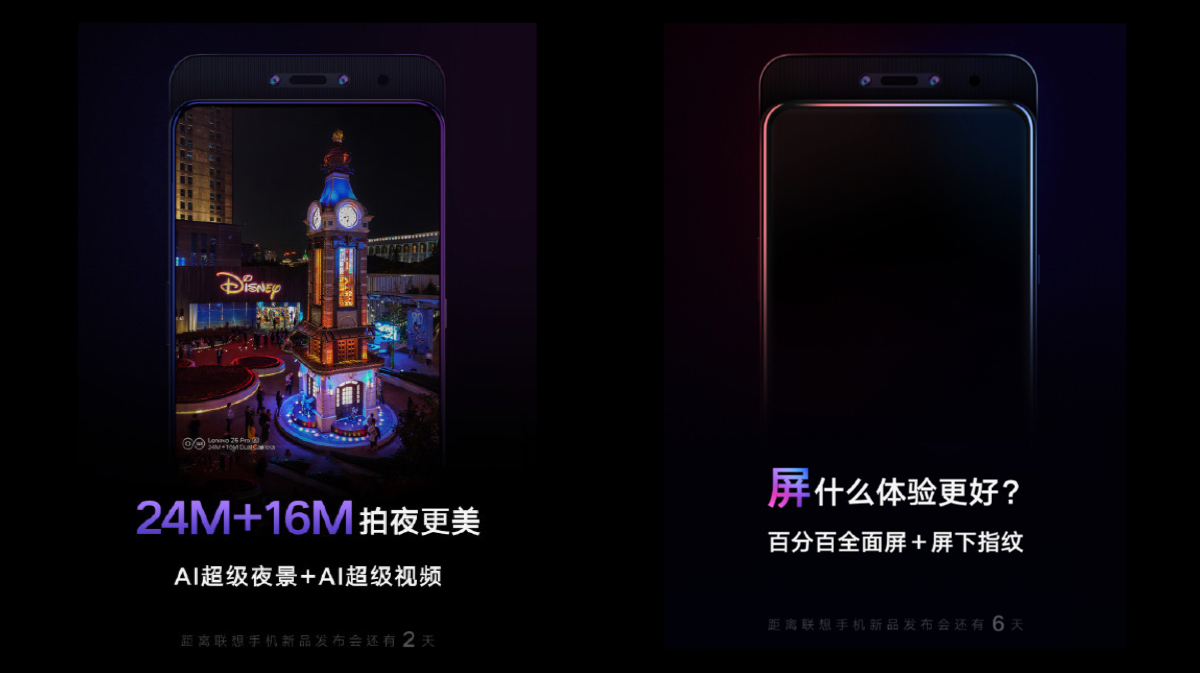
One of the key highlights of the Lenovo Z5 Pro will be the display which the company claims is a 100 % Full View screen. The smartphone has a sliding screen which reveals the concealed dual front cameras and the speakerphone. It has dual 24 MP + 16 MP front-facing cameras which also might support facial recognition. Yet another cool feature is the fingerprint scanner which is placed under the display.
Double Helix Slider
The poster translated from Chinese reads that the Lenovo Z5 Pro employs six double helix springs to operate the sliding mechanism. The poster also reveals the slider has a life cycle of more than 3,00,000 slides which is similar to Xiaomi’s claims for the Mi Mix 3. Although, it is noteworthy that the Mi Mix 3 uses neodymium magnets instead of springs to operate it’s sliding mechanism.
Hardware Level Security Chip
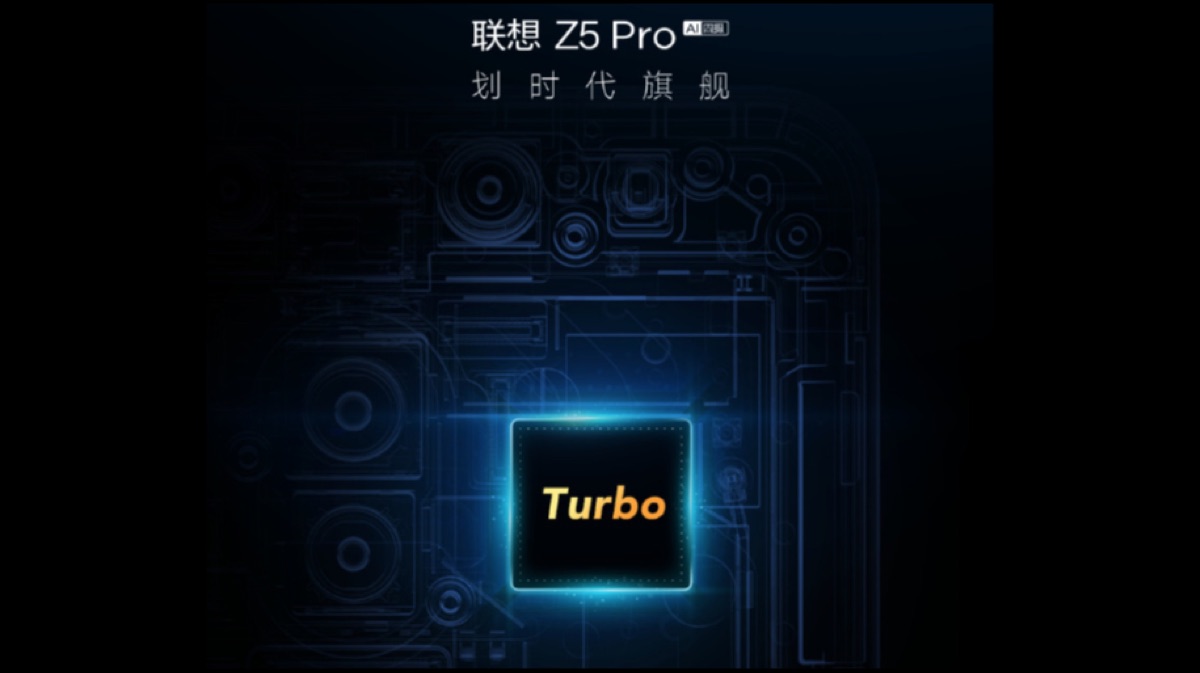
Another teaser reveals that the Lenovo Z5 Pro has an embedded hardware-based security chip like the Google Pixel 3 XL. The hardware-based chip in the Google Pixel 3 XL adds an additional level of security to the smartphone. The chip stores sensitive information like fingerprint data and banking details and is designed to be tamper resistant. It is expected the Lenovo Z5 Pro will have a similarly conceptualised chip to secure the latest flagship.
Dolby Atmos Sound Support
The latest poster adds to the already feature-rich smartphone as it reveals the smartphone has Dolby Atmos Sound support. Dolby Atmos delivers a rich, immersive sound experience while watching movies and playing games making the smartphone experience even better. The text translated from Chinese also points out some noise reduction technology but, no detailed information is unavailable.
Alleged Specifications
The Lenovo Z5 Pro will likely have the Octa-Core Snapdragon 845 SoC with 6 GB or 8 GB of RAM. The device might have a larger than 6-inch display and 128 GB or 256 GB of internal memory. As it has become the industry standard for flagship smartphones.
To conclude, the Lenovo Z5 looks like a powerful flagship smartphone. To get the exact details and features, we won’t have to wait for long as the device officially launches on November 1.
The upcoming Samsung Galaxy S10 flagship is one of the most anticipated devices, set to launch next year. Samsung is has set its focus on a lot on innovations this time around and the numerous leaks and rumours about the device seem to hold that true. The phone might have three variants, varying screens, an in-display fingerprint sensor. Most recently, reports of a 93 % screen-to-body ratio have surfaced.
Such a high screen-to-body ratio can only hint at one thing, a bezel-less, notch-less display. It is well known that Samsung will not be adapting the notch, especially for their next flagship. So the obvious conclusion is that Samsung has actually developed the in-display camera technology for its upcoming flagship. The in-display camera sensor will eliminate the need for a notch or a bezel, thus ensuring that the device can reach the said screen-top-body ratio. To put things into perspective, the Xiaomi Mi Mix 3, with its sliding camera has a 93 % screen-to-body ratio.
The Latest In Innovation
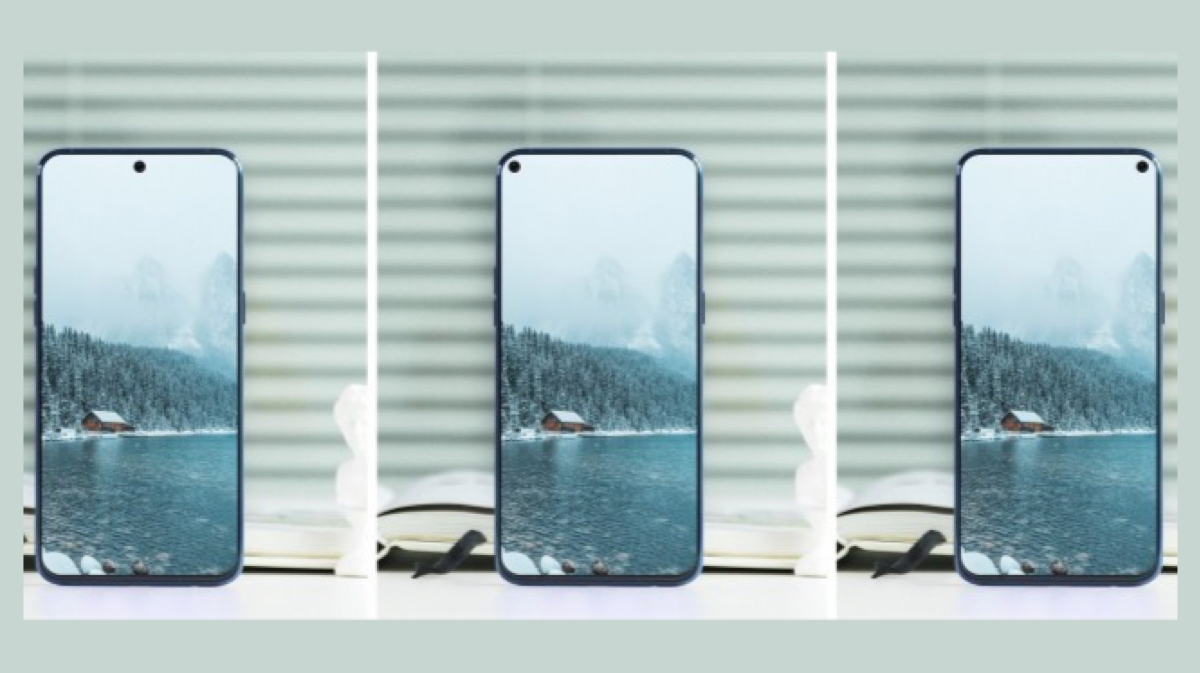
Samsung is said to be working on an in-display front facing camera as well. The company had introduced this concept at the 2018 Samsung OLED forum. The company had not only spoken about the in-display front camera, but also other OLED technologies such as a screen sound technology. Recently, a Samsung patent surfaced which showed a way to turn the entire display into a fingerprint sensor. This could have multiple possibilities in the future such as using any part of the display to unlock the phone. Along with using multiple fingers for authentication and not just one and also the ability for the device to constantly read your fingerprint while you sue it, for advanced security.
Recently, Samsung had teased the Galaxy A8s which is sad to have a camera cut-out for on its screen. While this is not exactly an in-display camera sensor, it might be the first step towards it. Samsung might be saving all of its best features for the flagship galaxy S10.
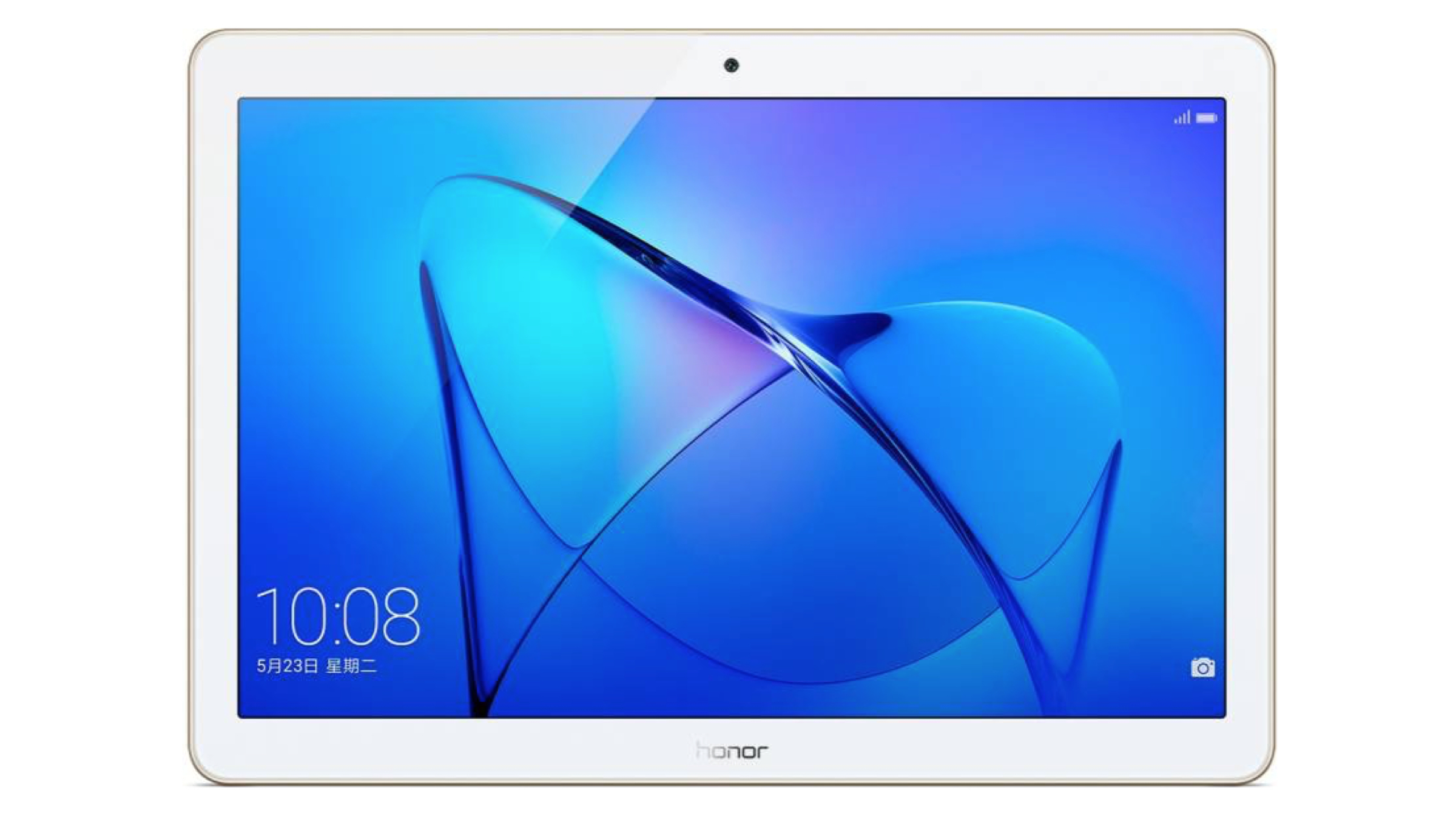
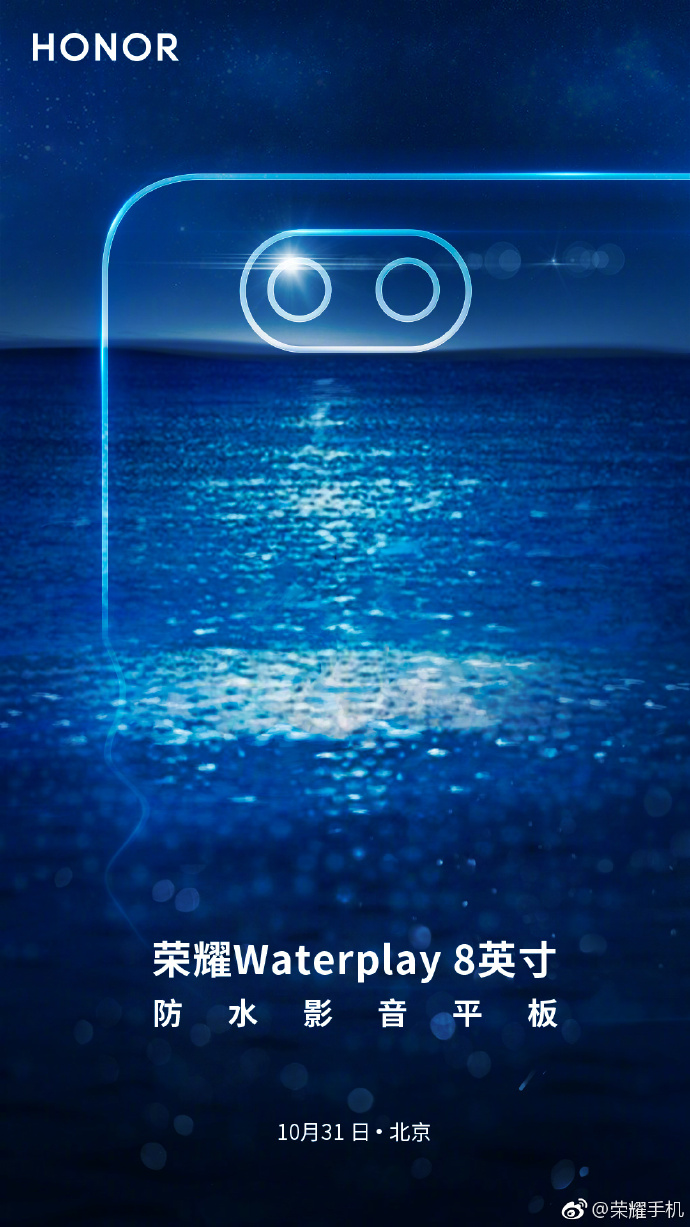
Huawei has been launching some really attractive smartphones recently, and is undoubtedly one of the market leaders in this sphere. Rumours are rife regarding Apple’s launch of a new iPad and Huawei’s sub-brand Honor is also set to launch a new tablet on October 31. This will be a new version of their WaterPlay series, which was launched back in October last year and boasted of a 10.10-inch display with a resolution of 1200 x 1920 px and an IP67 rating. The new tablet will have an 8-inch display, according to reports.
The Honor WaterPlay 8 will have dual rear cameras, which is quite uncommon for tablets. It is also waterproof but no other features have been revealed yet. Last year’s model featured a Kirin 659 processor and had 3 GB and 4 GB RAM variants. It was available in 32 GB and 64 GB variants. We can definitely expect a better processor and more memory. Specially since the industry standard has now become 64 or 128 GB for most manufacturers. A waterproof tablet can be great for pool parties or at the beach. This might be a great product for people who like being outdoors and enjoy the same. Honor will also launch the Honor Watch and the Honor FlyPods wireless earbuds soon.
However the main attraction of the launch event will the the Honor Magic 2. The Magic 2 will feature a sliding mechanism and a screen-to-body ratio of 95 percent. Featuring a Kirin 980 chipset, the Magic 2 will have 8 GB of RAM and 128 GB storage. Another highlight of the Magic 2 will be the graphene battery technology that will supposedly charge a 3,000 mAh battery in 12 minutes. One of the images leaked also feature a DJI Mavic drone which may mean a possible collaboration between DJI and Honor. It will be interesting to see what other products Honor will introduce.
The highly anticipated OnePlus 6T has been launched at an event held by the company in New York. The device brings some upgrades including an in-display fingerprint sensor, a bigger display, a water-drop notch, a bigger battery and more. The OnePlus smartphones have been nicknamed ‘Flagship Killers’ for their unbeatable specifications at a relatively lower price. So we compare the specifications of the latest OnePlus 6T with some of the hottest flagship devices in the market right now.
Design & Display
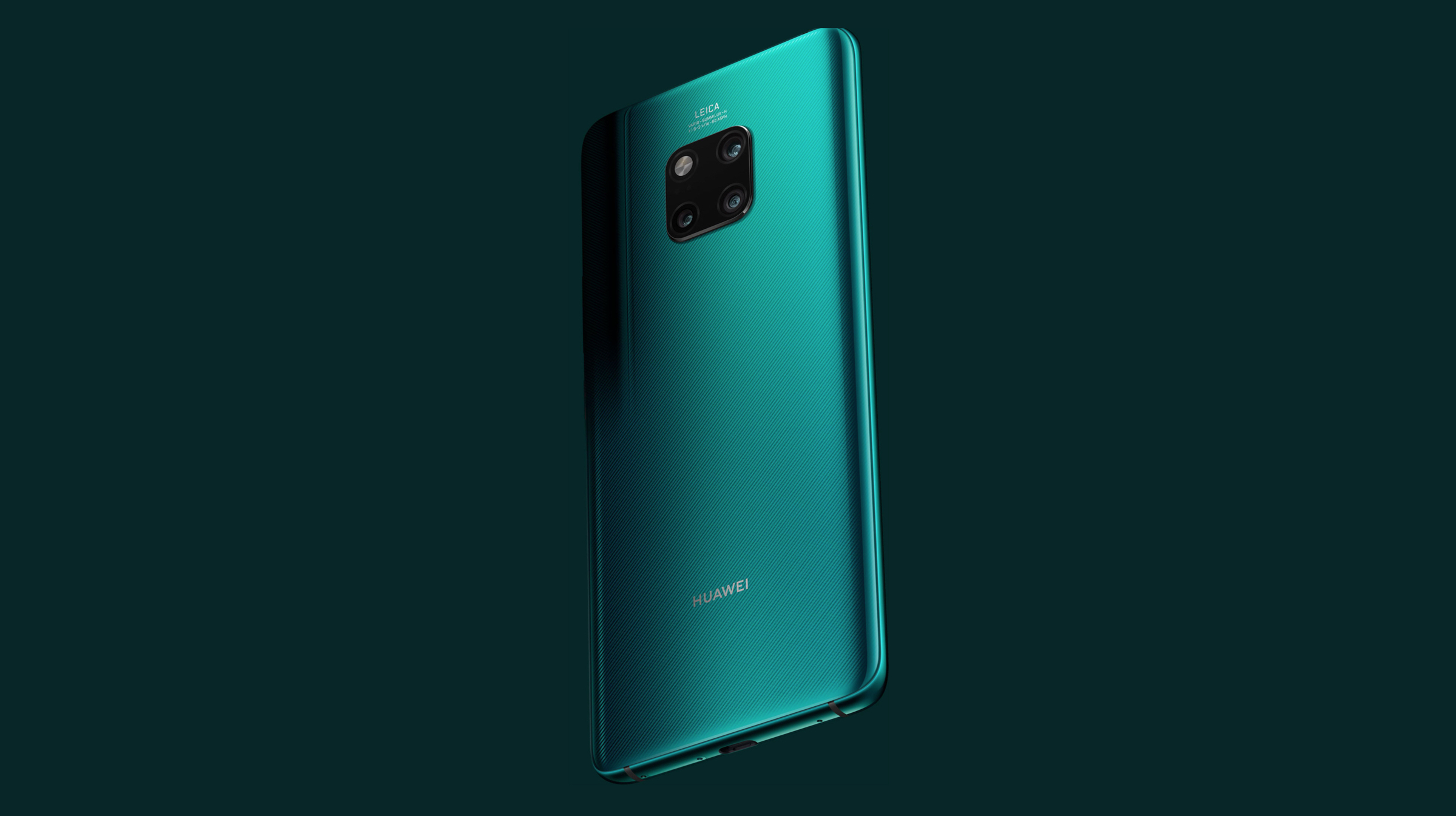
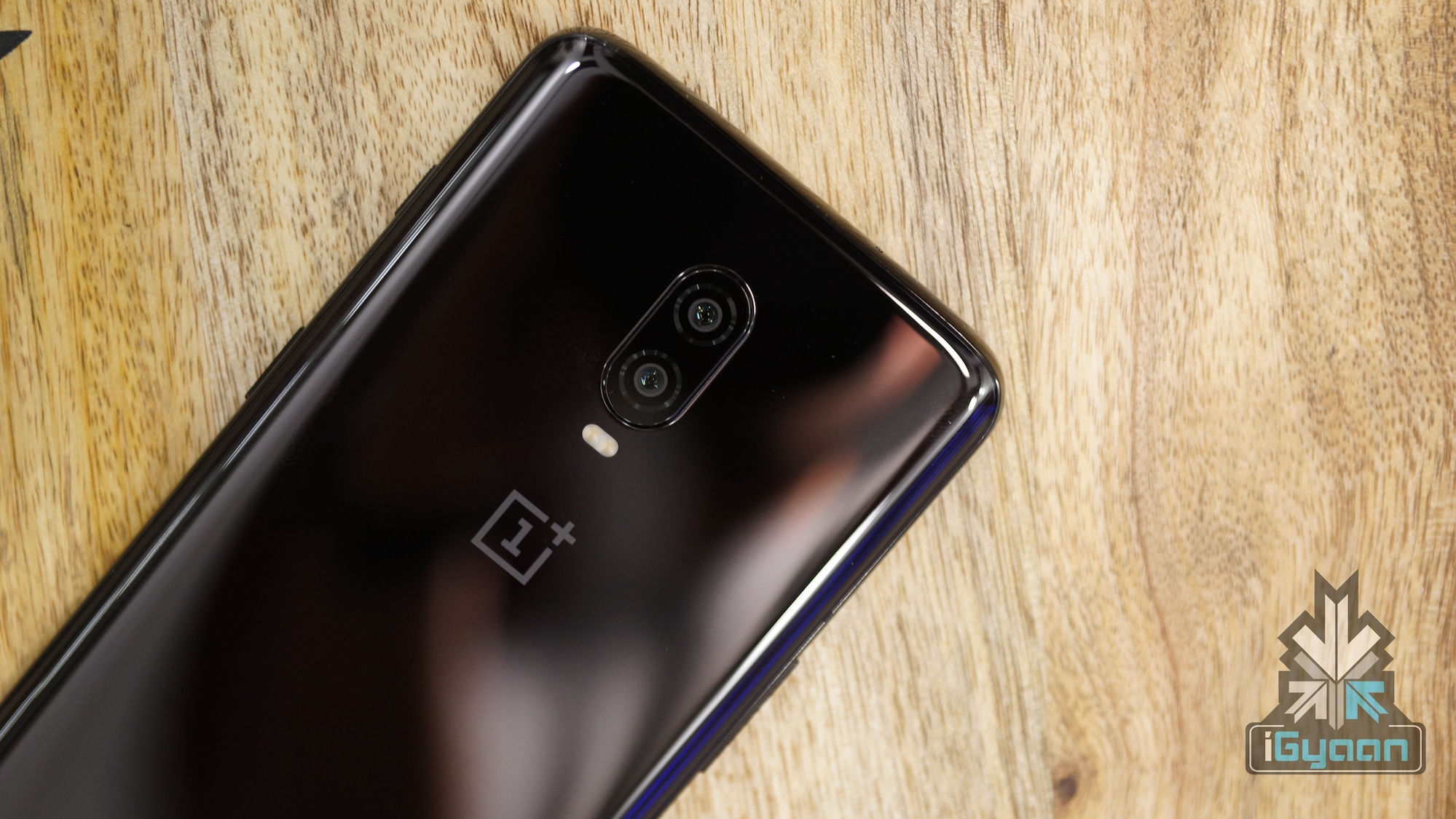
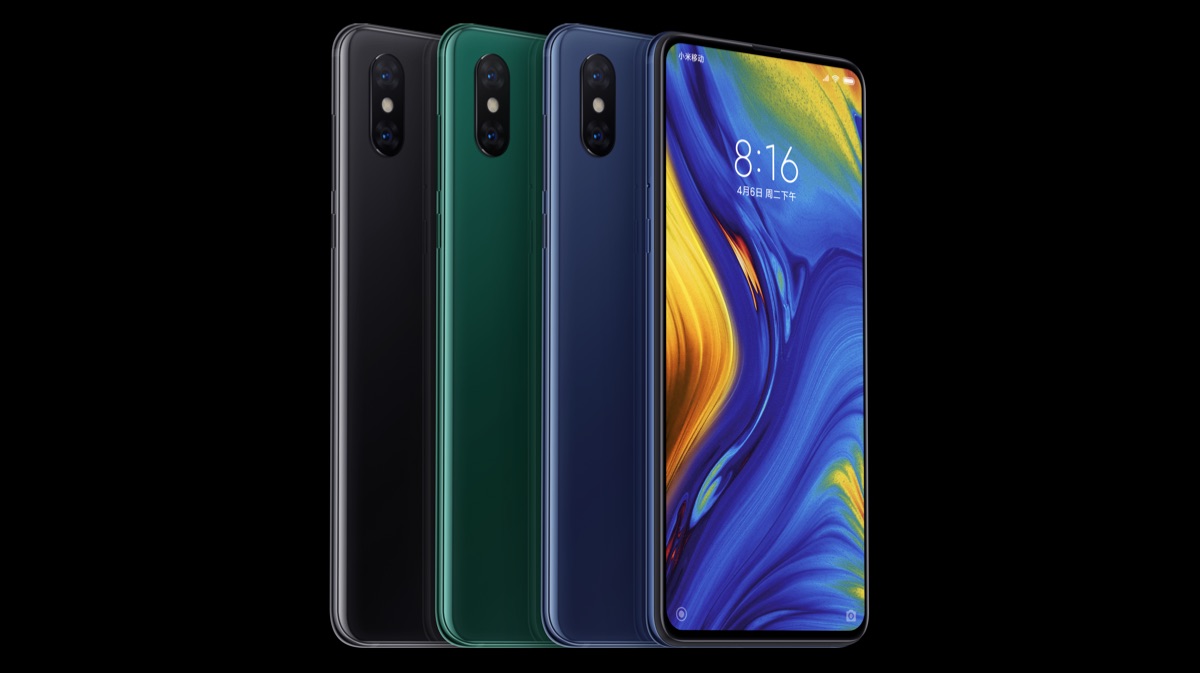
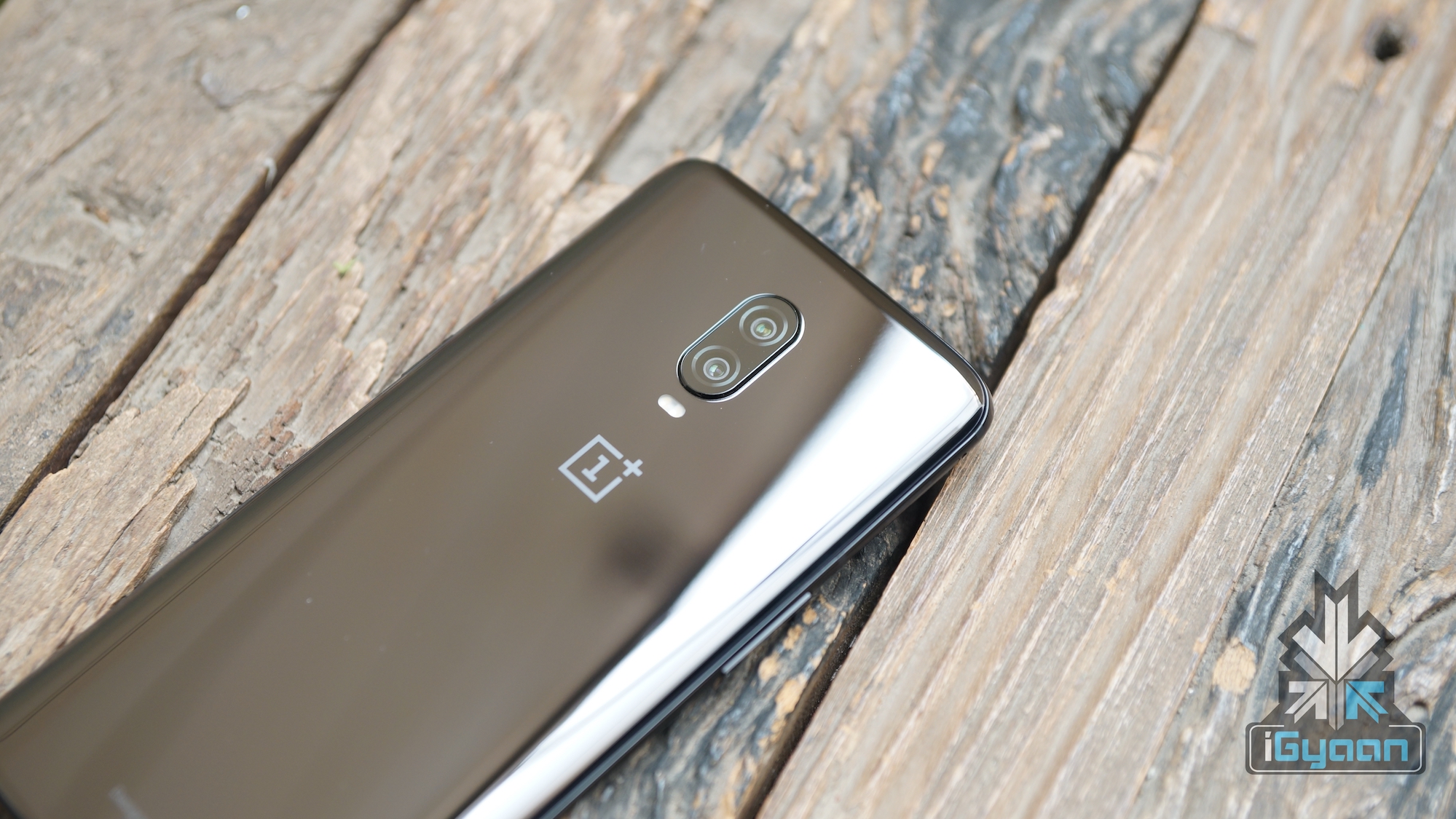
Each of the three devices sports a unique design. The Huawei Mate 20 Pro has a triple camera setup on the back with a traditional notch on its display. The OnePlus 6T has a dual camera setup on the back with a smaller, water-drop notch on its display. The Xiaomi Mi Mix 3 on the other hand, is totally different with a dual camera setup and a ‘sliding panel’ which houses the front camera and other sensors, eliminating the need for a notch or bezel.
All the three devices sport a glass back while the OnePlus 6T and Huawei Mate 20 Pro have an in-display fingerprint sensor.
Processor
The OnePlus 6T and the Xiaomi Mi Mix 3 run on the Snapdragon 845 SoC which is the flagship processor by Qualcomm. The Huawei Mate 20 Pro runs on the Hisilicon Kirin 980 chipset which is the latest offering by Huawei. The Snapdragon 845 has proven its worth and is adopted by almost all Android flagships. The Kirin 980 on the other hand is fairly new, so a comparison between the two is not possible at this time. However, it is noteworthy that the Kirin 980 is manufactured using the latest 7 nm process while the Snapdragon 845 uses the 10 nm manufacturing process.
The Xiaomi Mi Mix 3 offers RAM options upto 10 GB when compared to the maximum of 8 GB offered by the other two devices. All the three devices boast superior gaming capabilities as well and are supported by capable GPUs.
Camera & Battery
The Mi Mix 3 and OnePlus 6T have dual rear cameras while the Mate 20 Pro has a Leica triple camera setup. This consists of an ultra wide, wide and a telephoto lens. The OnePlus 6T has a 16 MP front camera while the Mate 20 Pro has a 20 MP front facing camera. The Mi Mix 3 has a 24 MP + 2 MP front camera setup in its sliding panel.
The Mate 20 Pro has a 4,200 mAh battery, which is the biggest out of the three. The OnePlus 6T has a 3,700 mAh battery and the Mi Mix 3 has a 3,200 mAh battery. The Mate 20 Pro also supports fast charging, fast wireless charging and reverse wireless charging. With this, you can charge another device with wireless charging capability using your Mate 20 Pro. The OnePlus 6T has Dash Charge for quick charging and the Mi Mix 3 has fast charging as well.
All the three devices have a fingerprint sensor and face unlock. While the Mi Mix 3 has a physical fingerprint sensor, the other two have it within the display. Additionally, the Mate 20 Pro has an IP68 rating for water and dust resistance.
You can also refer to the table below to compare the specifications of the devices.
OnePlus 6T
Huawei Mate 20 Pro
Xiaomi Mix 3
Price
6 GB + 128 GB – $ 549
Rs 40,304 (Approx)
6 GB +128 GB – EUR 1049
Rs 87,851 (Approx)
6 GB + 128 GB – 3,299 CNY
Rs 34,827 (Approx)
Display
6.41 inch
2340 x 1080 px
402 ppi
6.39 inch
3120 x 1440 px
538 ppi
6.39 inch
2340 x 1080 px
403 ppi
Chipset
Qualcomm Snapdragon 845
Hisilicon Kirin 980
Qualcomm Snapdragon 845
CPU
Octa Core
4 x 2.8 GHz Kryo 385 Gold
4 x 1.7 GHz Kryo 385 Silver
Octa Core
2 x 2.6 GHz Cortex-A76
2 x 1.92 GHz Cortex-A76
4 x 1.8 GHz Cortex-A55
Octa Core
4 x 2.8 GHz Kryo 385 Gold
4 x 1.7 GHz Kryo 385 Silver
RAM
6 GB
8 GB
6 GB
8 GB
6 GB
8 GB
10 GB
GPU
Adreno 630
Mali G76
Adreno 630
Primary Camera
16 MP
f/1.7
20 MP
f/1.7
40 MP
f/1.8
20 MP
f/2.2
8 MP
f/2.4
12 MP
f/1.812 MP
f/2.4
Front Facing Camera
16 MP
f/2.0
24 MP
f/2.0
24 MP
2 MP
Battery
3,700 mAh
4,200 mAh
3,200 mAh
Other Features
In-Display Fingerprint Sensor
Water-Drop Notch
Face Unlock
In-Display Fingerprint Sensor
3D Face Unlock
Wireless Charging
Reverse Wireless Charging
IP68
The OnePlus 6T, as a revision, is one of the most anticipated phones to be launched this year. The phone is the successor to the OnePlus 6 which has proven to be a tough competition for even flagship devices. The update is in the typical OnePlus fashion, but this time around, it features a lot of changes.
[modal heading=”OnePlus 6T: What’s New ” text=”OnePlus 6T : What’s New?” variation=”btn-success”]In-Display Fingerprint Scanner 6.41 inch Display 3,700 mAh Battery Oxygen OS With Android 9.0 Pie Smart Boost 128 GB Storage Base Model [/modal]
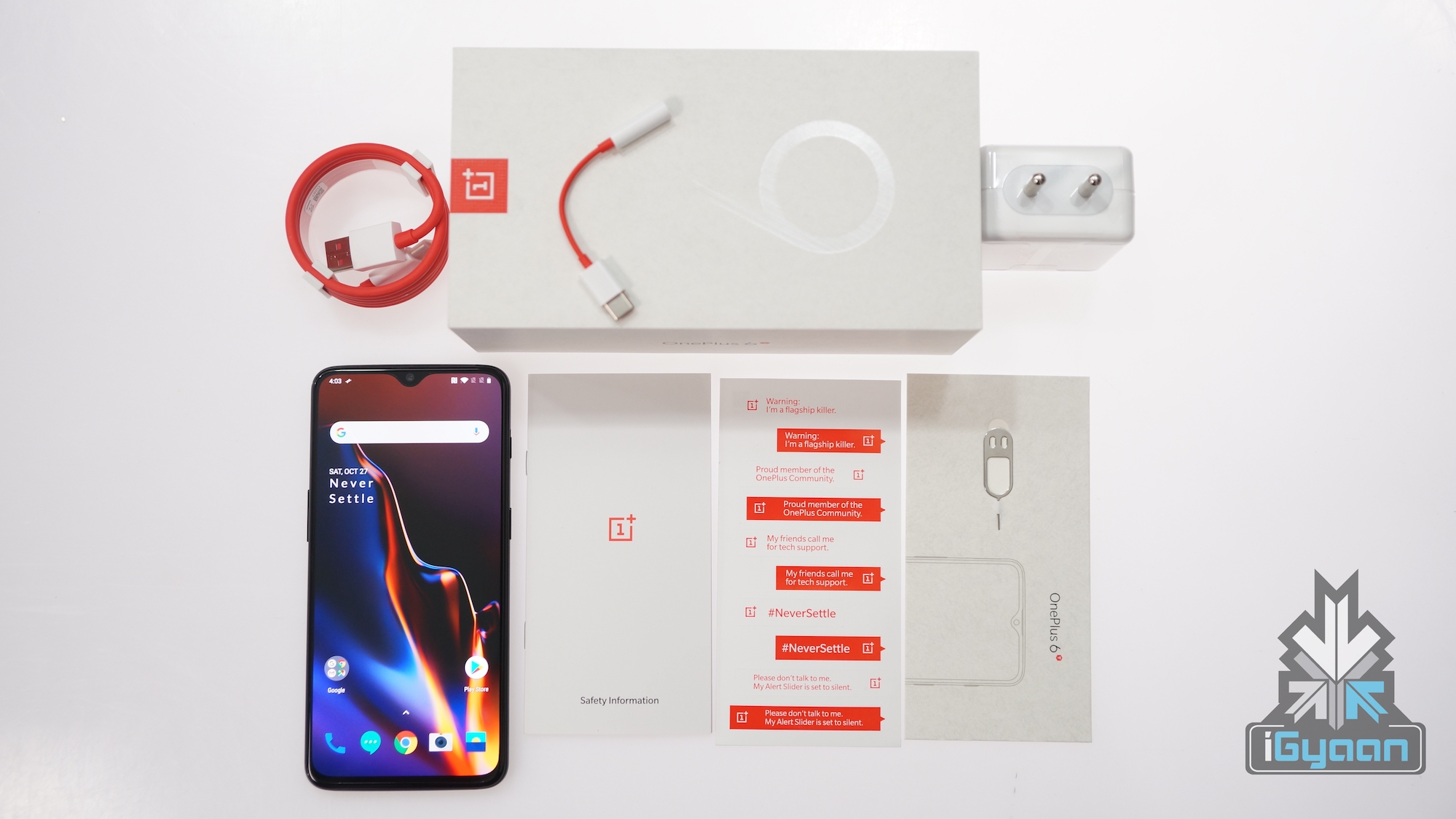
Inside The Box
USB Type-C to 3.5 mm Adapter
Translucent Phone Case
Fast Charging Adapter and Type-C Cable
SIM Tray Ejector
Quick Start Guide
Safety Information
What Has Changed
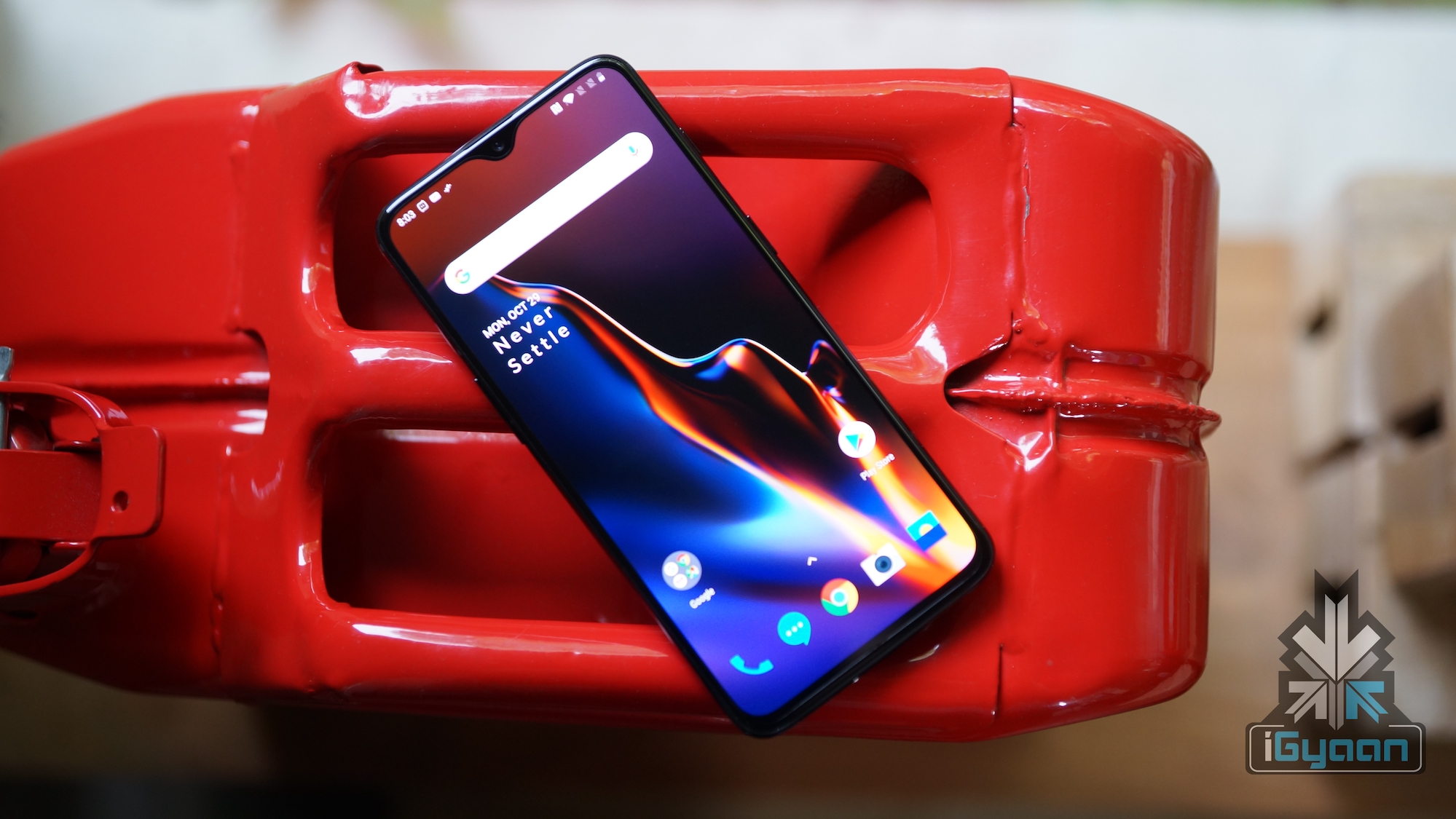
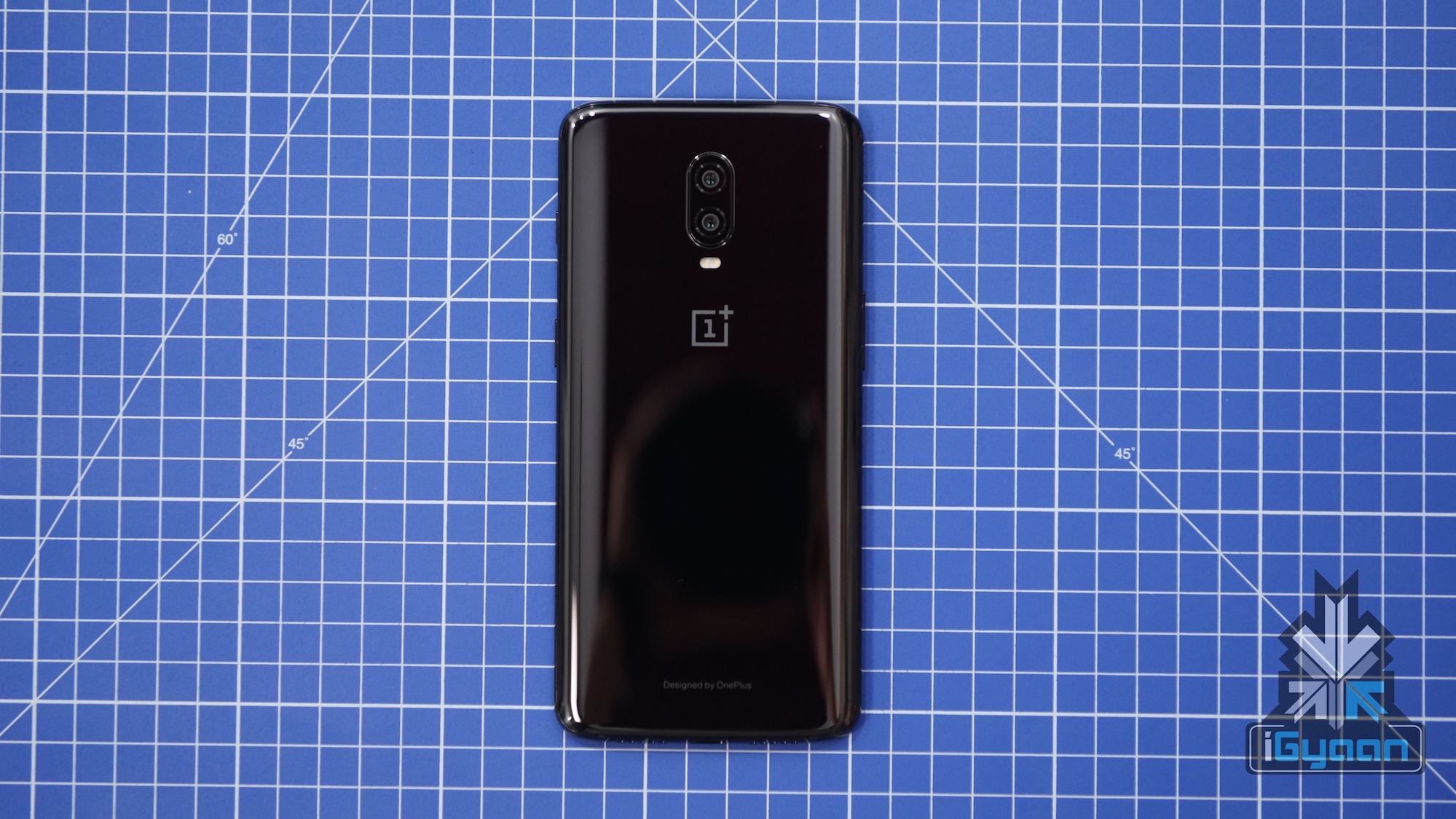
In terms of look and feel, the OnePlus 6T is slightly different. The phone weighs a tad bit more than the OnePlus 6 and is also a bit thicker. However, when you hold and use it, it has the same feeling with its glass finish and good build quality. The 6T has a larger, 6.41 inch display, making it a bit taller than the OnePlus 6. The display sports a much smaller water-drop notch which houses the 3-in-1 ambient, distance/RGB sensor and front-facing camera.
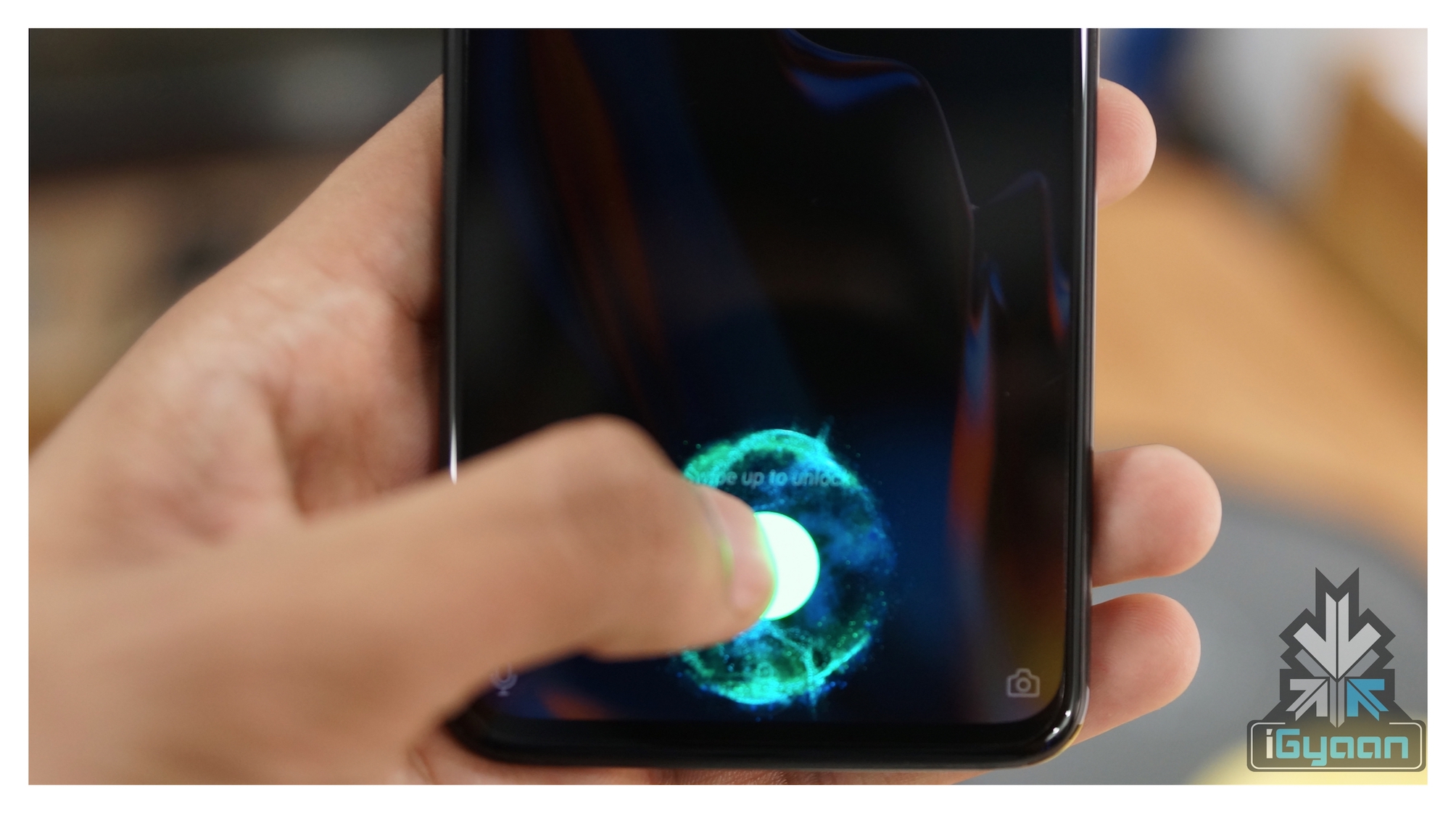
The fingerprint sensor on the phone is now present under the display, which is one of the biggest changes brought around by the 6T. Using the sensor present on the display takes some time to get used to, but it is very responsive. One must make sure to use the entire thumb while setting up the fingerprint sensor. If you use just the tip of your thumb, the sensor might not be able to read your thumb when you use it. Although we need more time to test the fingerprint sensor completely, we are sure of the fact that it is better than other in-display sensors we have tested before. You can also continue to hold the area of the fingerprint sensor to access a quick access app drawer which is customisable, to get to your favourite apps.
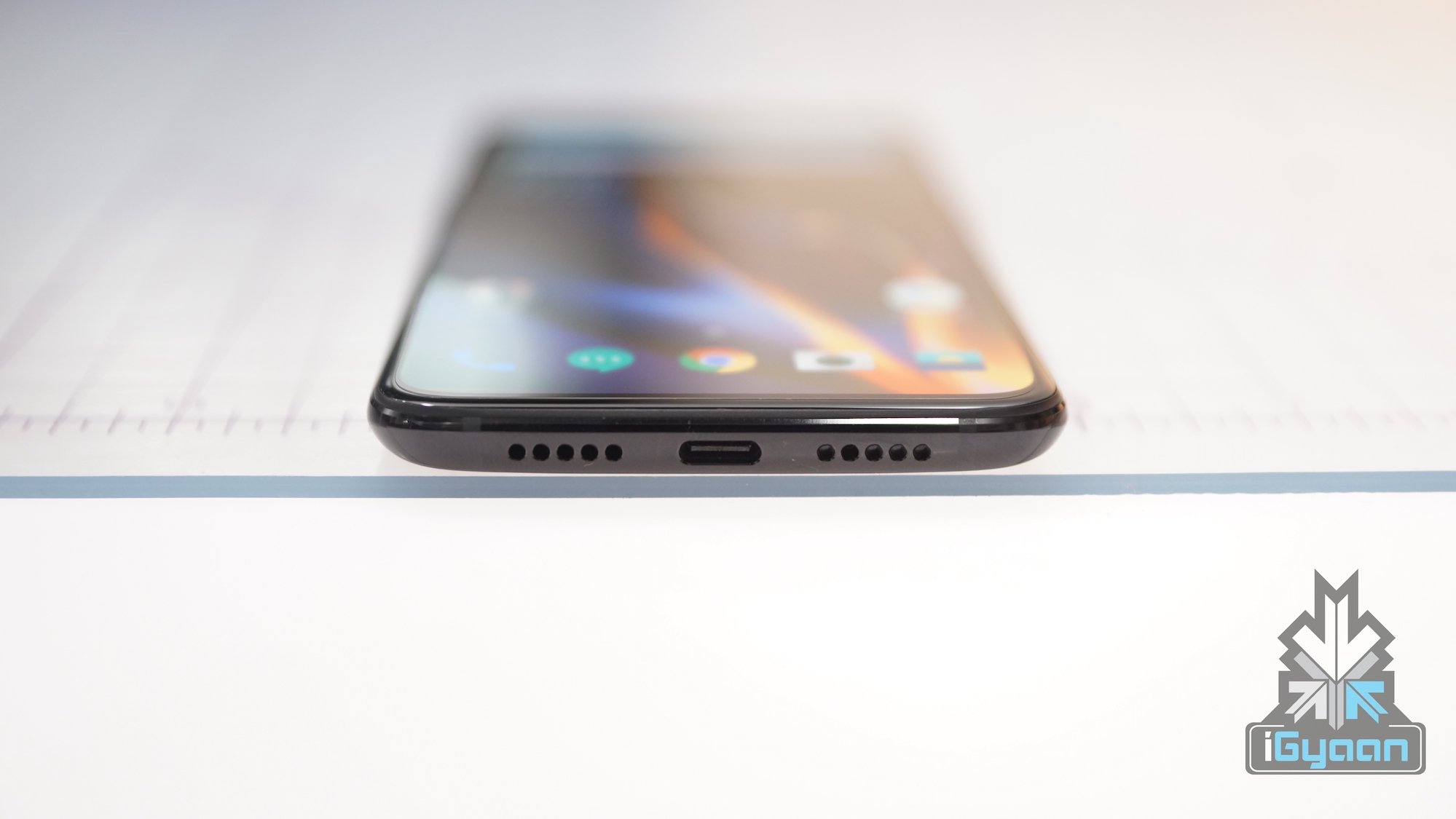
Another big change is the lack of the 3.5 mm headphone jack. The fact that most of the companies are doing the same, and now that OnePlus has also adopted it, might hint at the fact that the headphone jack will be obsolete in some time. Another physical change is the ability to long press the power button to launch the Google Assistant. Which is similar to activating Siri on the iPhone.
The phone has a new Smart Boost feature which improves the app cold start speed by 5 to 20 percent. Its does so by storing the data from frequently used apps in the phones RAM. Currently, the device applies it to gaming apps but the feature reach other apps with future updates.
Under The Hood
The internals on the OnePlus 6T are the same as the OnePlus 6. It runs on the Qualcomm Snapdragon 845 SoC with the Adreno 630 GPU. The device has 6 GB and 8 GB RAM variants. There is a slight change in terms of internal storage with the OnePlus 6T having a 128 GB base model and another 256 GB variant. Under the hood, the OnePlus 6T packs a bigger, 3,700 mAh battery.
The OnePlus 6T has the same 16 MP + 20 MP f/1.7 dual camera setup as the OnePlus 6. The front camera is also, the same 16 MP f/2.0 sensor as before. However, the company has made software improvements which it claims have improved camera performance. The device has a new Nightscape mode which claims to offer better images in low light conditions without losing sharpness and improving the image output. The device also offers overall improvements in terms of image quality and dynamic range.
Overall, when compared to the OnePlus 6, the one can’t really see a big difference in terms of performance.
Price & Availability In India
The OnePlus 6T has been launched at a starting price of $ 549, globally. The Indian launch of the device is set for the 30th of October. The 6 GB + 128 GB variant costs Rs 36,999 in India. The OnePlus 6T ships bundled with the OnePlus Type-C Bullets for free. Additionally, you can avail Rs 1000 cash back on Citi Bank cards and a Rs 2000 discount on ICICI cards.
The OnePlus 6T is the latest flagship offering from OnePlus. It has been launched at an event held by the company in New York and is the successor to the OnePlus 6. The phone is just an alphabet update and not a number update by OnePlus. This usually entails a few changes and upgrades here and there but nothing major. However, OnePlus has gone ahead and made sure that the 6T stands apart from its predecessor.
Larger Display, Smaller Notch
The OnePlus 6T sports a 6.41 inch AMOLED display with a water drop notch. The display has a 2340 x 1080 px resolution and a 402 ppi pixel density. The display is not only bigger, but is also a bit better. It has an 86% screen-to-body ratio, compared to the 83% on the OnePlus 6. The colour reproduction on the display seems to be more accurate and realistic. The water drop notch also offers more screen real estate on the device and looks much better as well. The Display is also protected by Gorilla Glass 6.
Fingerprint, On The Inside
The trend of a physical fingerprint sensors is getting a ‘bit out of touch’ as more and more manufacturers are doing away with it. The OnePlus 6T has an in-display fingerprint sensor which is a first for the company. This is the fourth generation of in-display fingerprint sensors and the best, according to the company. The sensor is very responsive, especially when compared to other in-display fingerprint setups.
The fingerprint sensor also lights up in a bright green colour which is powered by the AMOLED display. The green light is projected on to your finger, which helps the sensor to read your fingerprint faster. Do bear in mind to ensure you place the entirety of your finger or thumb while setting up the device. This is important as if you just register the tips, the sensor might not be able to work as efficiently.
Boosted Performance
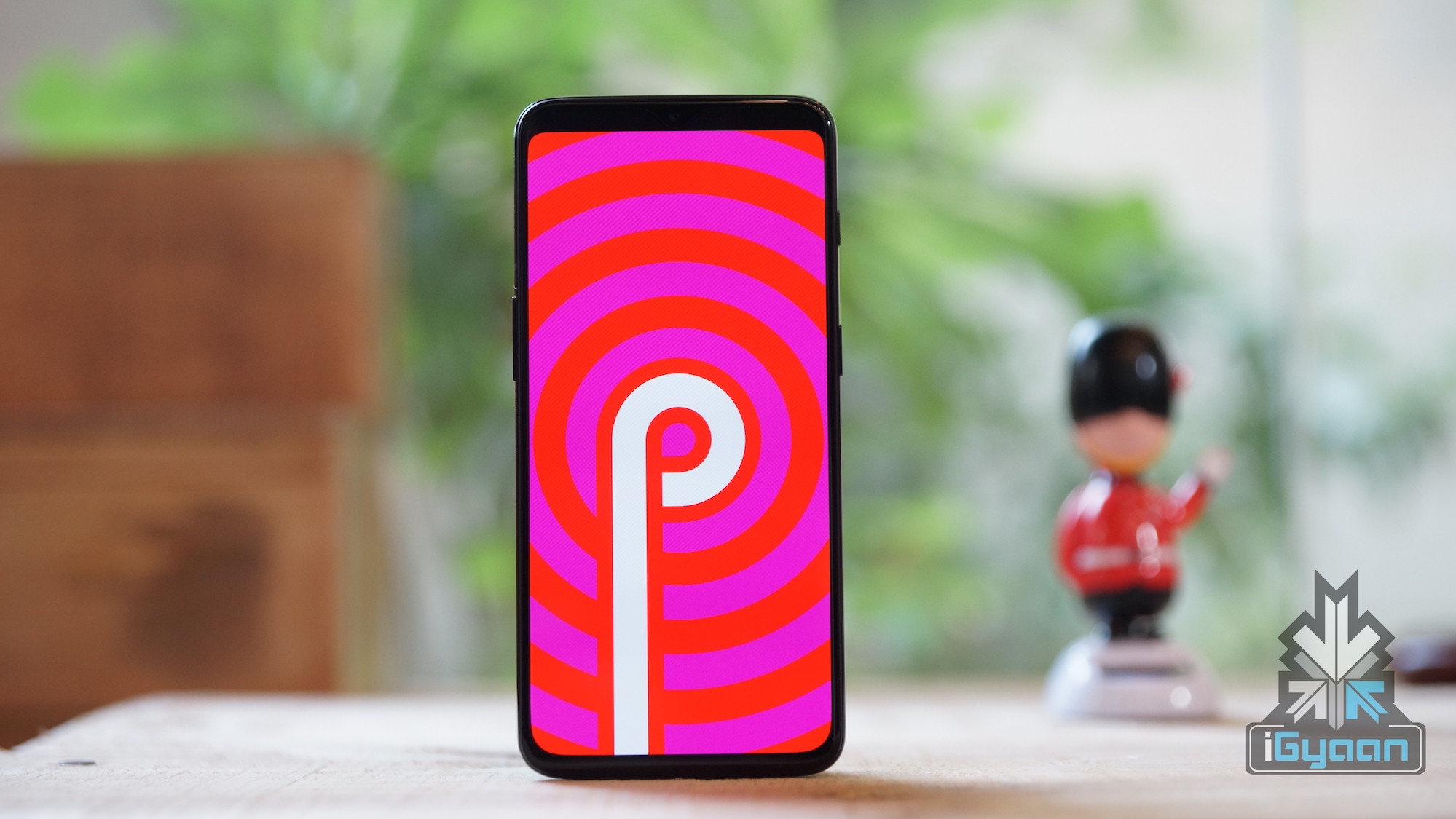
The OnePlus 6T has a 3,700 mAh battery, larger than the 3,300 mAh battery on the OnePlus 6. Coupled with OnePlus’s proprietary Dash Charging technology, the battery will power you through the day. The 6T also has an improved version of the Oxygen OS, the best till date, according to OnePlus. The OS is based on Android 9 Pie and includes advanced gestures and a feature to activate Google Assistant by long-pressing the power button. Additionally, the smartphone also has a Smart Boost feature which claims to improve the app cold start by around 5-20 %.
Although the hardware is the same, OnePlus has boosted the camera performance of the device with some software changes. The phone now includes sharper images and also a new Nightscape mode. The Nightscape mode increases the amount of light in the image in extremely low-light conditions while ensuring that the sharpness of the image is not lost.
What Else?
OnePlus has done away with the 64 GB version of the phone and now offers a 128 GB base model. The device has also bid adieu to the 3.5 mm headphone jack .
Other than the aforementioned changes, the 6T is pretty much the same as the OnePlus 6. With some major changes and some minor, the Oneplus 6T is sure worthy of being called an update. The device has been launched globally at a starting price of $ 549. The India launch of the OnePlus 6T is set for 30 October. The Indian price of the 6 GB + 128 GB variant is Rs 36,999. The OnePlus 6T ships bundled with the OnePlus Type-C Bullets free. Additionally, you can avail Rs 1000 cash back on Citi Bank cards and a Rs 2000 discount on ICICI cards.
The OnePlus 6T has been launched at an event held by OnePlus in New York. The phone is the successor to the OnePlus 6 and will carry forward the title of the ‘flagship killer’. The OnePlus 6T has features which set it apart from not only its predecessor but also other similarly priced devices. The new design has a larger display, which replaces the traditional notch with a water-drop notch, which is less invasive. The fingerprint sensor has also been moved into the display. This is the 4th generation in-dispaly fingerprint sensor and is expected to be much faster than the ones seen on the likes of the Vivo Nex. Internal specifications mostly remain the same, apart from a few distinct features.
What’s New
OnePlus has worked hard in the design of the 6T to make sure that they deliver something unique. Apart from changes in the display, the phone is also now better water-sealed thanks to the lack of a headphone jack. Although it does not have an official rating yet, company officials claim that it is close to an IP 67 rating which will protect it from submersion in depths upto 1 metre. The display has Corning Gorilla Glass 6 which offers a high degree of protection, but OnePlus has pre-applied a screen protector to the device to ensure more safety.
The company has also gotten rid of the 64 GB storage variant due to lesser demand of the same. The RAM configurations of the phone remains the same as the OnePlus 6, with 6 GB and 8 GB options. Rumours about the microSD card slot in the 6T turned out to be false as the device does not have a slot for the same, but has a dual SIM card slot with 4G capability in both.
The display is a bigger, 6.41 inch Optic AMOLED display with a 2340 x 1080 px resolution and 402 ppi pixel density. The device has a 19:5:9 aspect ratio, owing to the water-drop notch which can also be hidden by accessing settings. The phone has a greater, 86% screen-to-body ratio compared to the 83% on the OnePlus 6.
What’s Same
The Qualcomm Snapdragon 845 SoC is the same as seen on the OnePlus 6. Despite firing at the same speed, the phone is expected to be faster, thanks to performance and gaming improvements. It has Smart Boost which claims to improve the app cold start speed by 5-20 %.
The 6T uses the same sensors as its predecessor for its camera. It has a 16 MP + 20 MP dual camera setup at the back. Both the cameras have an f/1.7 aperture. The 6T records 4K 2160p video at 30 or 60fps. There are improvements in the main camera which does boost its performance. These include Nightscape, which make images taken in extreme low-light better by improving the sharpness, quality and the amount of light that in the scene. The main camera also has portrait mode and continuous to get OIS. The front camera has a 16 MP sensor with an f/2.0 aperture. It can record 1080p video at 30 fps.
The OnePlus 6T runs Oxygen OS based on Android 9 Pie with a 3,700 mAh battery. This is bigger, compared to the 3,300 mAh battery on the OnePlus 6.
Price & Availability
The phone has been launched globally today and will launch in India on the 30th of October. The OnePlus 6T starts at a price of $ 549 for its 6 GB RAM + 128 GB Storage variant. The Indian price for the 6 GB + 128 GB variant is Rs 36,999. The smartphone ships bundled with the OnePlus Type-C Bullets free. Additionally, you can avail Rs 1000 cash back on Citi Bank cards and a Rs 2000 discount on ICICI cards.
Nubia Technology is a smartphone manufacturer based in Shenzhen, China which was first started by ZTE in 2012. But in 2017, ZTE reduced its stake in the company after which Nubia became an independent company. Previously Nubia has manufactured some cool looking smartphones in black colours with red accents. Though the company offers good smartphones they have not seen substantial growth in the Indian market. That could also be due to almost non-existent marketing and availability of the smartphones in India.
Nubia launched a gaming niche specific Red Magic smartphone in Europe & China earlier this year. The company initially offered 10,000 units of the gaming smartphone on a Chinese vendor jd.com which got sold out in a mere 37 seconds. The gaming phone was also put on sale on the crowdfunding website, Indiegogo where it surpassed its initial goal by 240%.
Red Magic Design
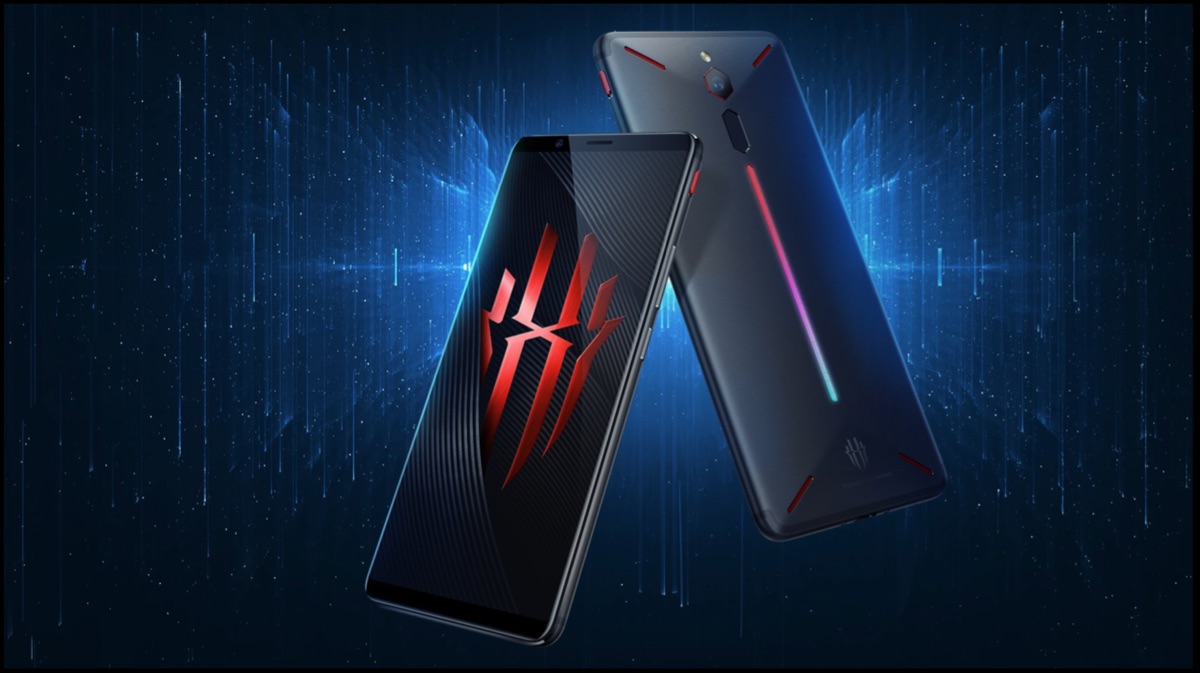
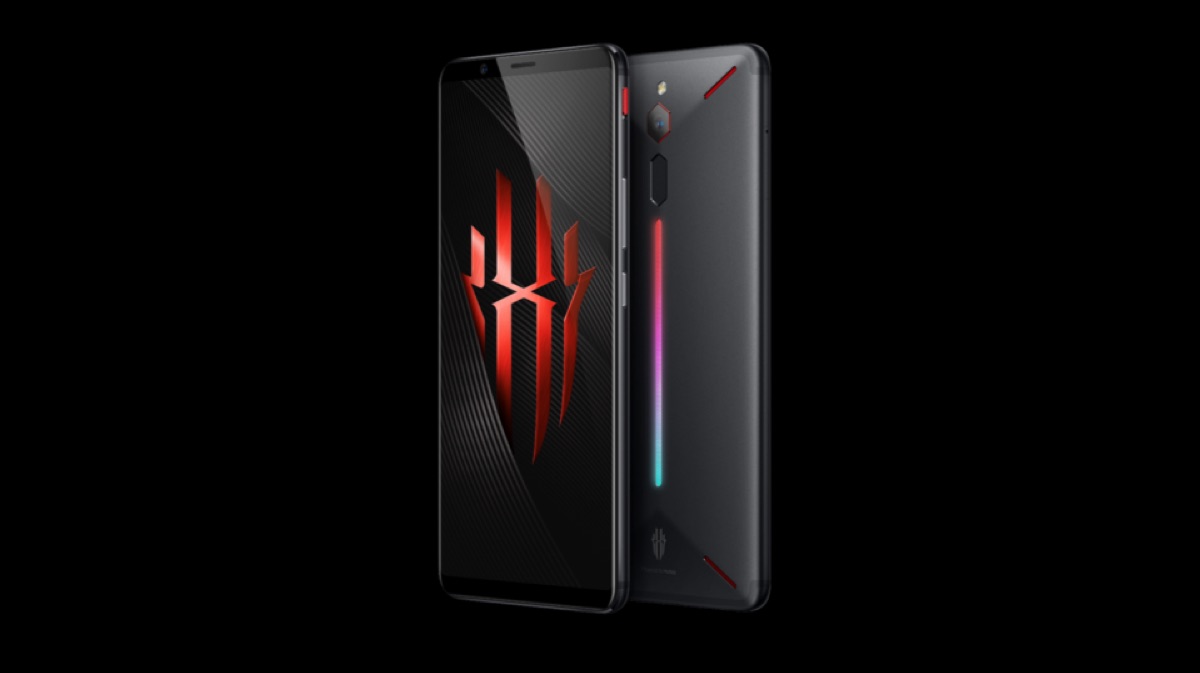
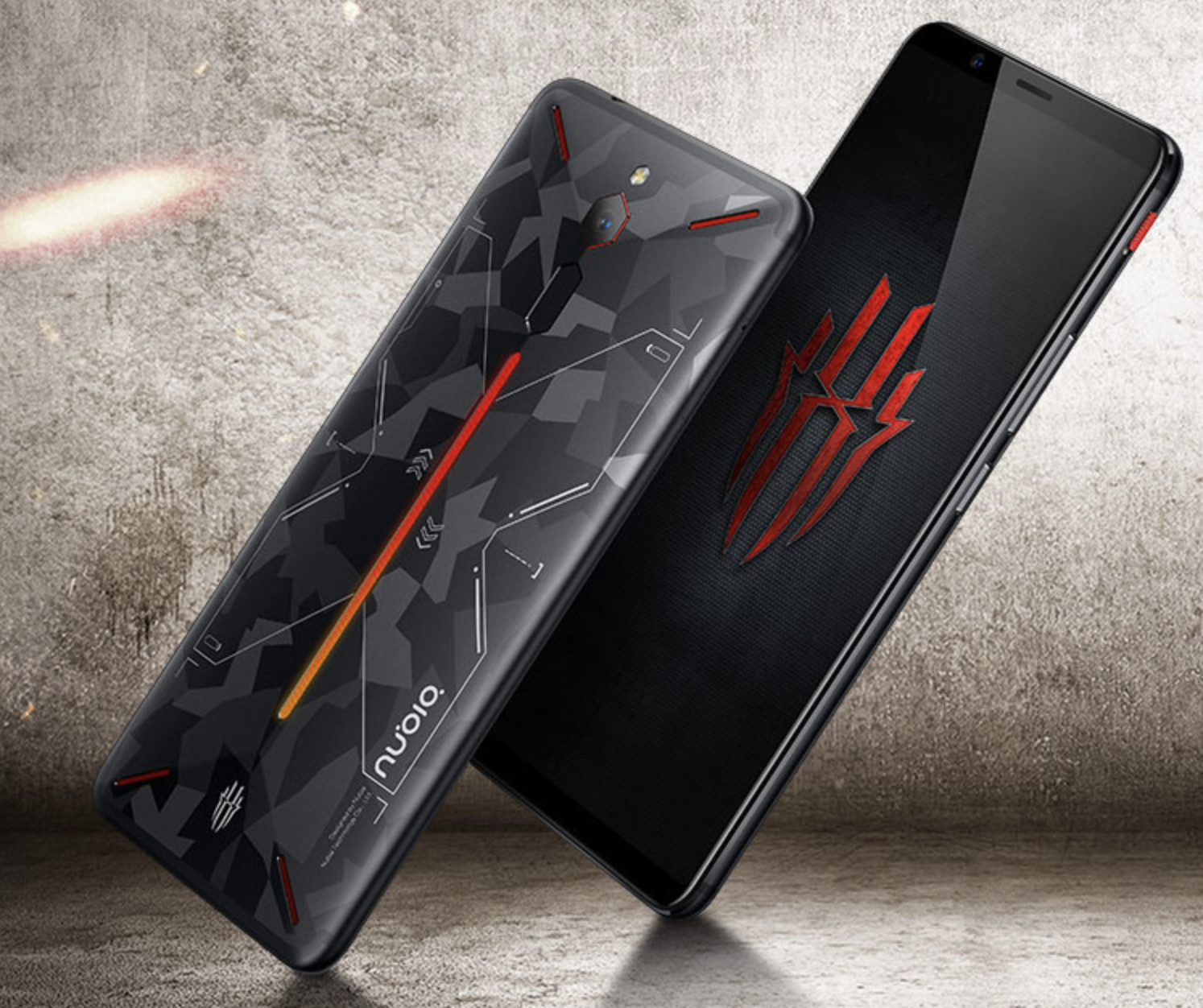
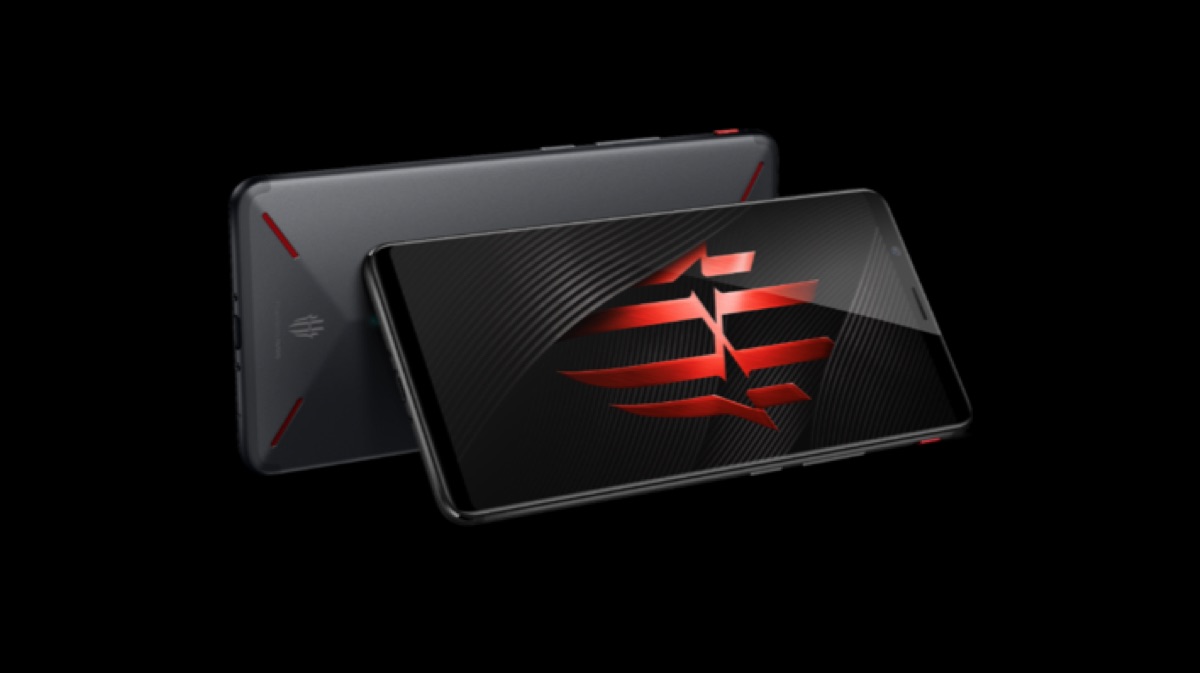
The smartphone has a front glass and rear aluminum build which looks really good in the black and red color with an RGB led bar running across the back. The front of the glass has prominent top and bottom bezels. The front camera and speakerphone are also placed on the top bezel.
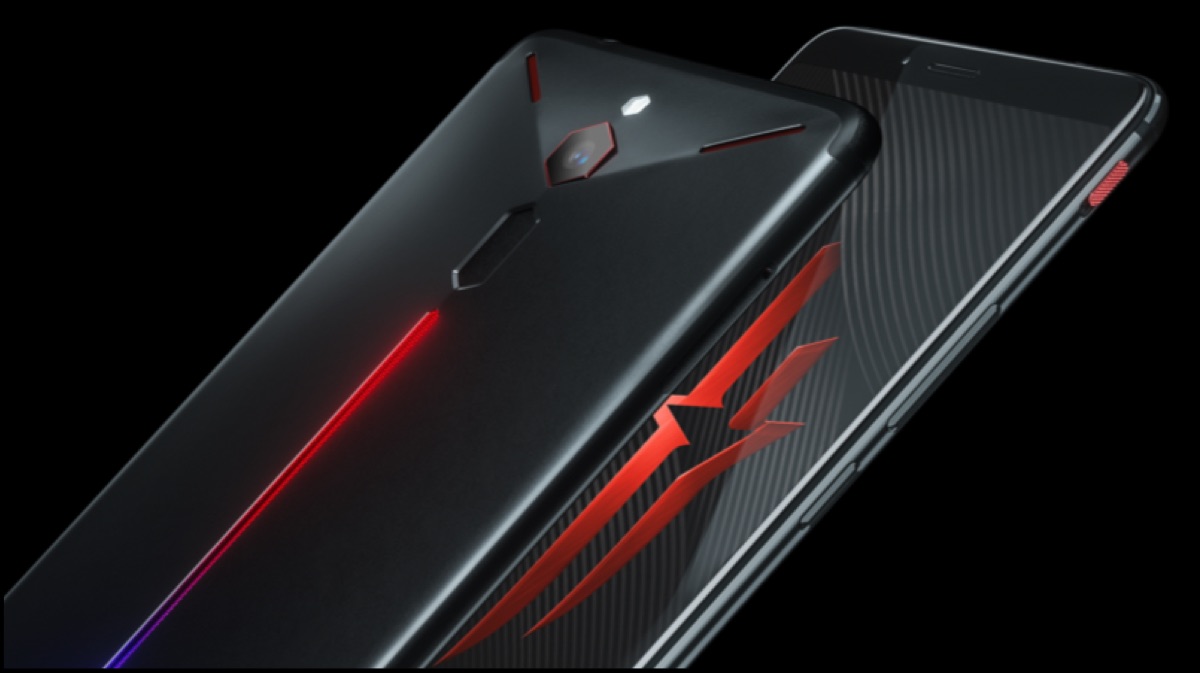
The Red Magic has 4 red colored mesh grills on the back of the device. Out of which the top two act as exhaust holes for the multilayer cooling technology. While the bottom right mesh acts as the loudspeaker for the phone. The back of the device also houses the hexagonally shaped camera, LED flash and the fingerprint sensor. The RGB light bar is placed below the fingerprint reader and can be set to the choice of the user or changes according to the colours on the display. The company logo and branding is also engraved onto the rear aluminium panel.
The power button and the volume rockers are present on the right side of the device. Additionally, the Red Magic also has a dedicated Compete mode button that is placed over the volume rocker. The gaming button when slid up, closes the background applications and enters a dedicated gaming space for maximum gaming performance. The handset also has a 3.5 mm jack to connect to your favorite headphones and a bottom mounted USB Type-C port for data sync and charging.
In terms of the user interface, the Red Magic uses Nubia’s custom skin which is built on top of Android.
Gaming Accessories
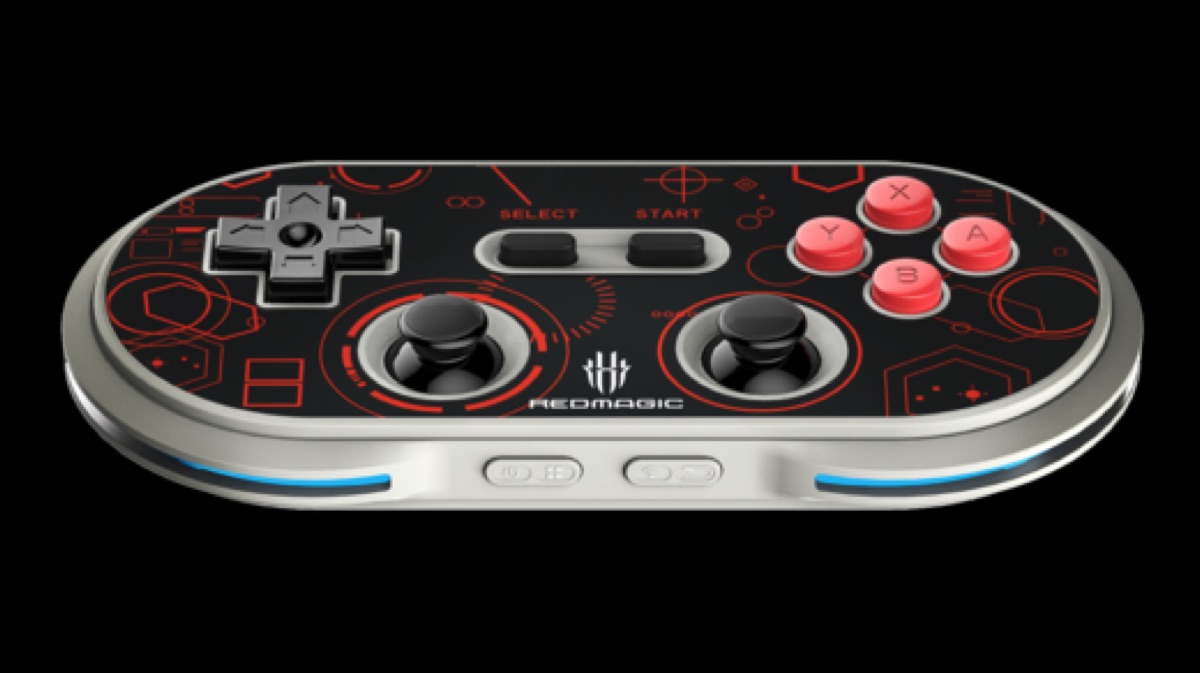
As it is a gaming centered smartphone the company also offers some accessories which include a Bluetooth controller, extra long charging cable and protective cases. However, the accessories are sold separately.
Red Magic Specifications
Display: 5.99-inch Full HD+ 2160 × 1080 pixels, 18:9 aspect ratio
Operating System: Android 8.1 Oreo
Processor: Qualcomm Snapdragon 835
RAM: 6 GB / 8 GB LPDDR4x
Storage: 64 GB / 128 GB
Rear Cameras: 24 MP, LED Flash
Selfie Camera: 8 MP
Security: Rear fingerprint scanner
Connectivity: Dual 4G VoLTE, Wi-Fi 802.11 ac 2.4G + 5G, Bluetooth 5 .0 + LE, GPS, USB Type-C , 3.5 mm audio jack
Battery: 3800 mAh
Dimensions: 158.1 × 74.9 × 6.8 mm
Weight: 185 grams
Price & Availability
The smartphone has a price tag of CNY 2,499 (around Rs. 26,400) for the 6 GB / 64 GB variant and CNY 2,999 (about Rs. 31,600) for the 8 GB / 128 GB variant in China.The price in India is reported to be under Rs 30,000 and it might be available in India soon after the festive season.
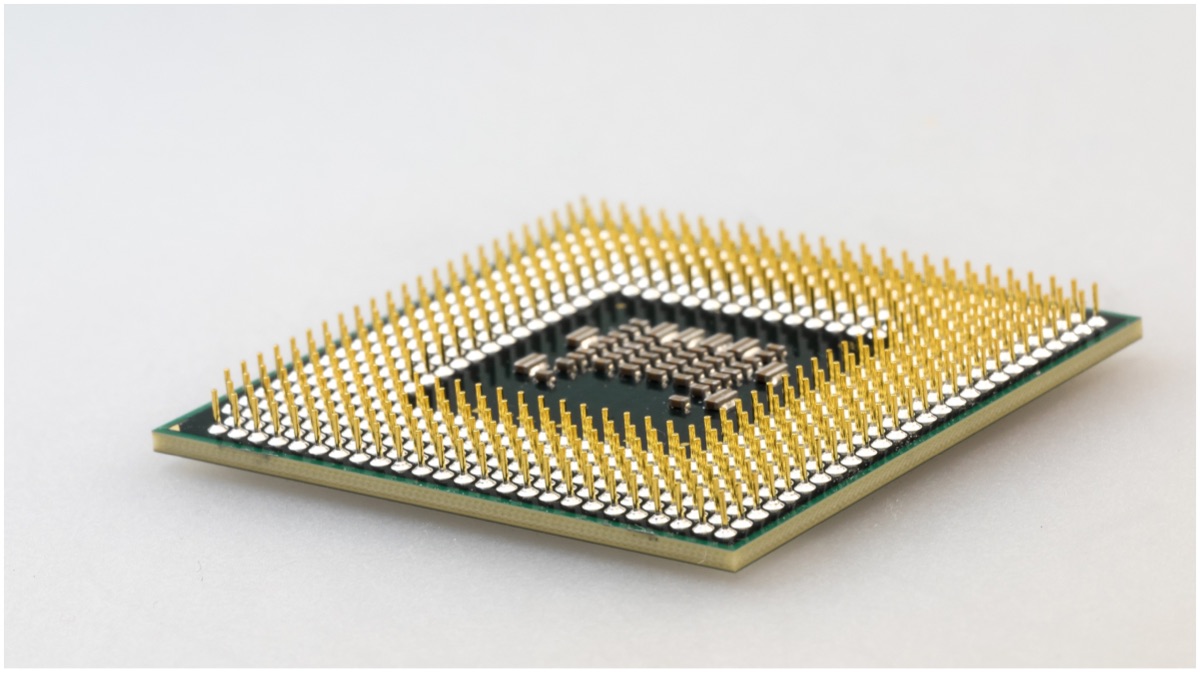
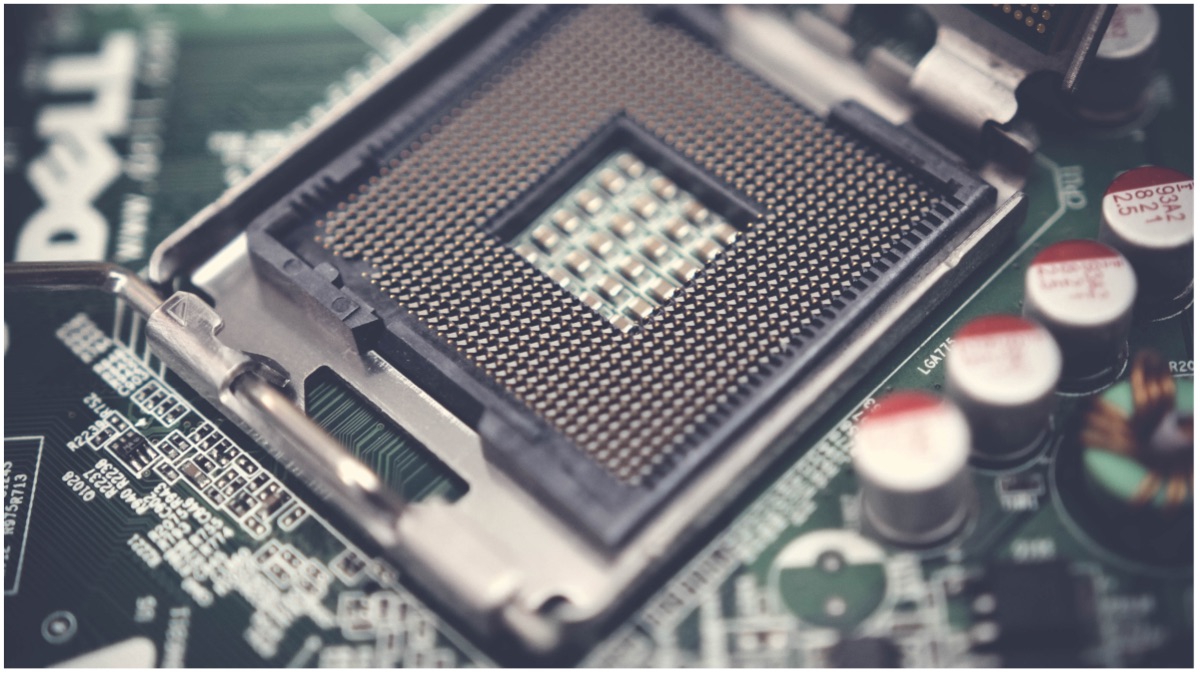
Researchers from the Indian Institute of Technology, Madras have designed and developed India’s first indigenous microprocessor for mobile computing devices. As a result, it will help to diminish India’s reliance on foreign microprocessors. The microprocessor is on par with International standards hence, it is fit for sectors like Defence and Communication.
Indian Shakti!
The chip is developed under project ‘Shakti’ and was manufactured at the Indian Space Research Organisation’s (ISRO) Semi-Conductor Laboratory (SCL) in Chandigarh. It is the first RISC V (Reduced Instruction Set Computer) microprocessor that is fully designed and developed in India. Shakti microprocessors are built on an open and free programming language ISA which stands for Instruction Set Architecture. The RISC-V ISA provides hardware and software freedom for future developments, due to its open source nature.
India’s Latest Computing Achievement
Most noteworthy, the Indian chips eliminate the risks of backdoors or trojan infested hardware which is significant as these will be used in sectors by defence and government agencies where security is a major concern.
Kamakoti Veezhinathan, who is the lead researcher at RISE (Reconfigurable Intelligent Systems Engineering ) laboratory states that the Digital India movement will be hugely benefited by this feat as many applications require task-specific processor cores.
The clock speeds of Shakti processors are designed to suit various electric devices like consumer electronic devices, networking systems, and embedded low power wireless systems. Project Shakti is financed by the Ministry of Electronics and Information Technology, Government of India.
IIT Madras officials said that this homegrown microprocessor is a major step towards computing self-sufficiency in the future. The Shakti processors use Bluespec open-source High-Level Synthesis (HLS) language.
Even more, the first batch of 300 chips was manufactured in July 2018 at Intel’s facility at Oregon, US. The processor is called the RICE CREEK and it was successfully able to boot the Linux operating system. Above all, the latest chips are manufactured in India.