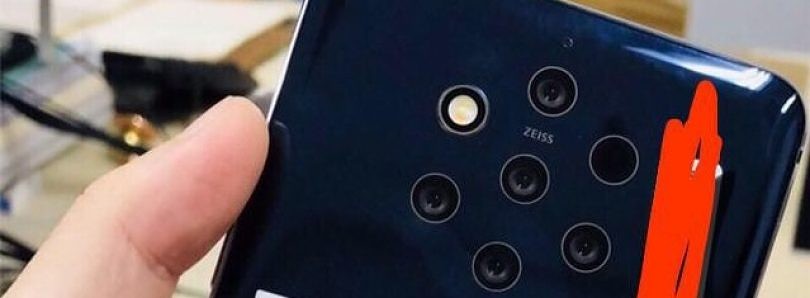
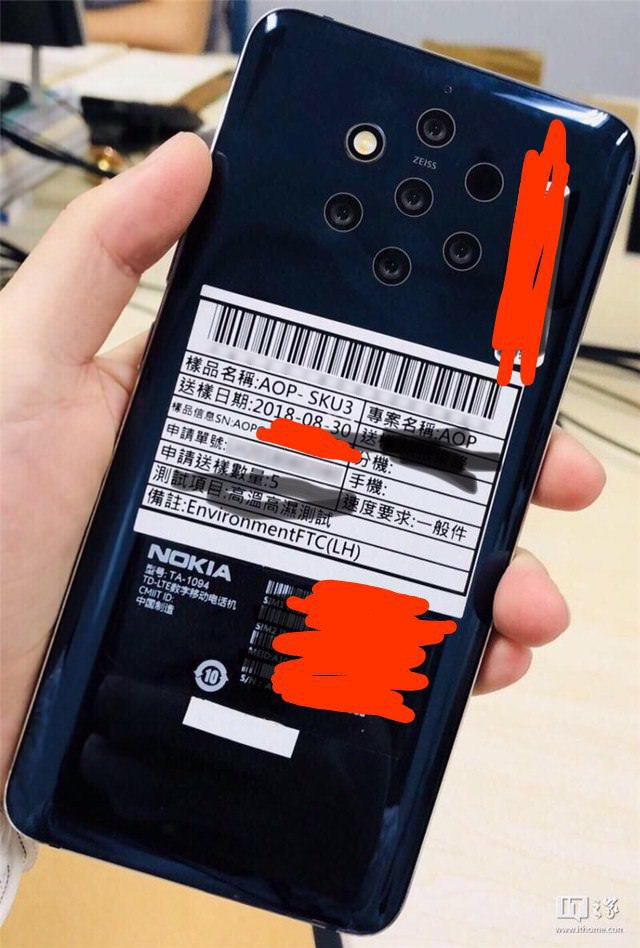
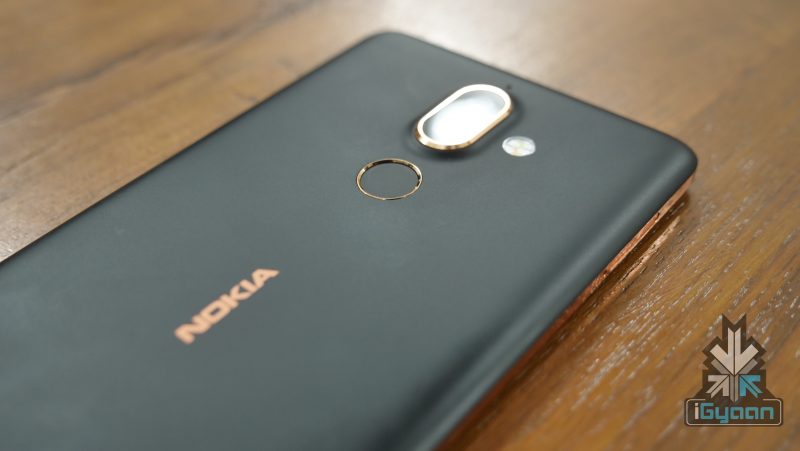
The leaks surrounding the Nokia 9 have been increasing, and so has the excitement. The latest images give us another look at the rather unorthodox design and also a hint that the device will be packing a massive battery. Adding to this, with the penta camera setup, Nokia’s flagship is turning out to be more exciting with each leak.
This image shows off the penta camera setup and also mentions a massive 4150 mAh battery. This probably means that we could be seeing a bigger device. The highlight of the Nokia 9 has been the penta camera setup. For those unfamiliar with this, it refers to a setup with 5 rear lenses. This is very similar to the ‘Miniature Zoom Camera’ patent held by Zeiss. It is well known that Zeiss has been the choice for cameras when it comes to Nokia devices. Therefore, it is safe to assume that this leak is somewhat true.
The technology by Zeiss uses an arrangement of multiple smaller lenses in a circle. This consists of an image sensor, normal lenses and a second group of rotating lenses with different focal lengths. Therefore, these would ensure different zoom levels without the need to use a larger module. In the pictures, we can see three vertically arranges sensors, and two on the sides. These are accompanied by a flash.
Specifications:
The device will have a 6 inch AMOLED display with an in display fingerprint scanner, according to reports. The lack of a fingerprint scanner in the leaked image could point to the same. The device has the Snapdragon 845 SoC with 8 GB of RAM, according to reports. Along with this, it will reportedly have IP68 certification, 256 GB of storage and a 3900 mAh battery. The device will reportedly run Android One, giving a stock android experience.
All these specifications put together, make the Nokia 9 a very exciting device, if the leaks turn out to be true. The upcoming flagship by HMD is expected to launch towards the end of this year. This could be a possible game changer for Nokia and HMD and speed up its slow comeback into the smartphone market.
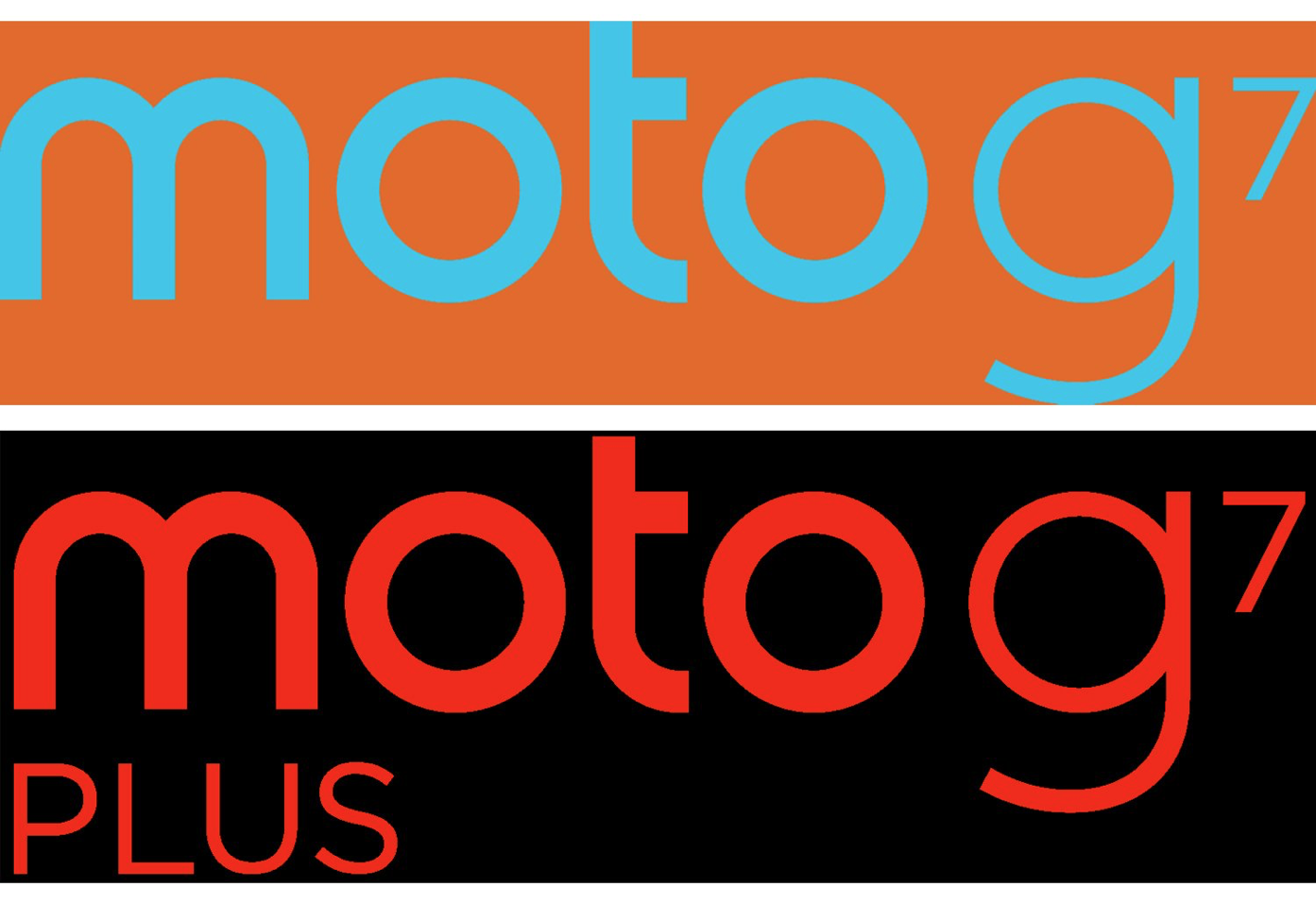
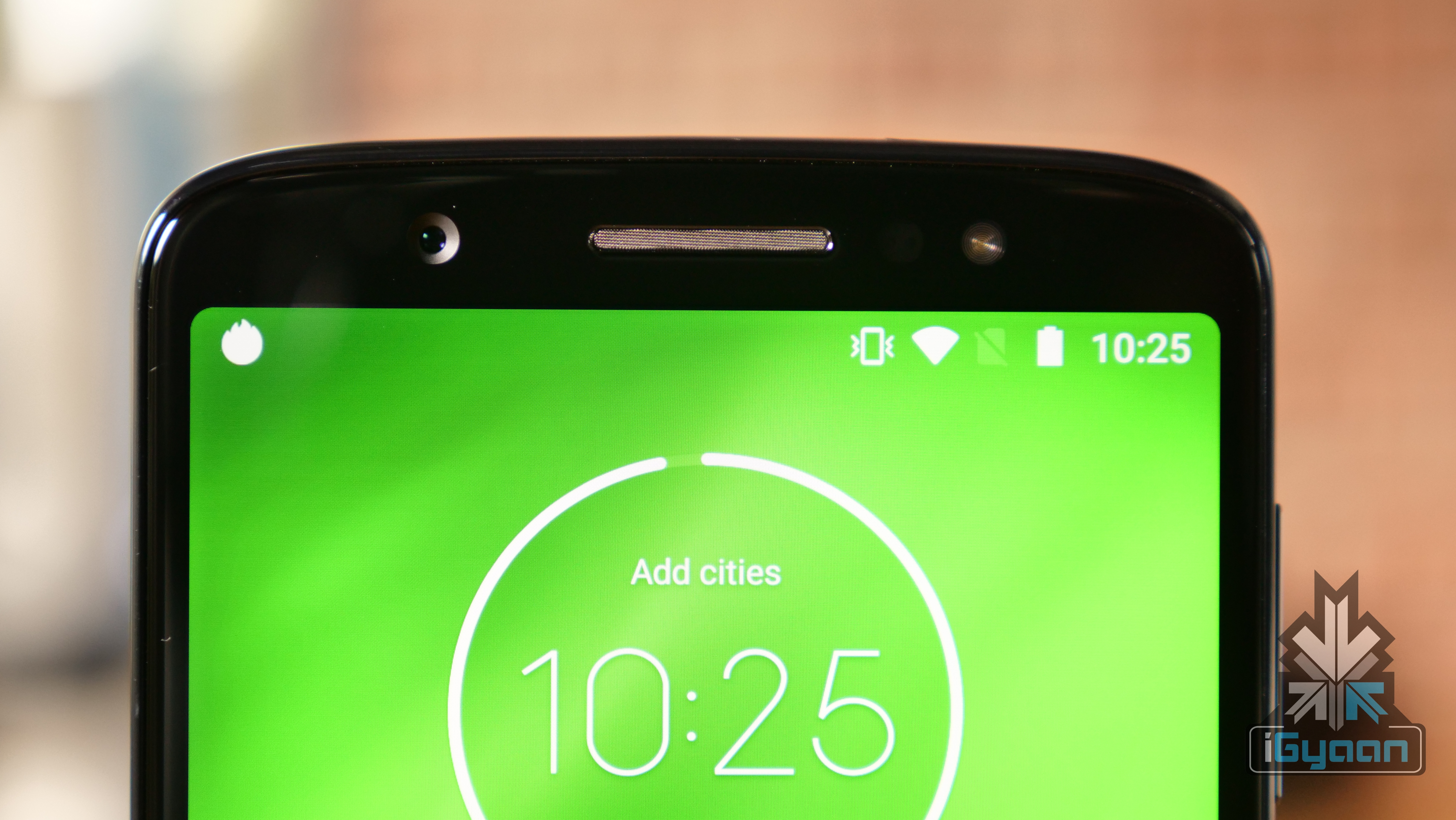
With the Motorola G6 Plus having released just a few days back, it is a little early for this announcement. However, it is confirmed that the Motorola G7 and Motorola G7 Plus will be launching in 2019. What is surprising is that the company will not be launching the G7 Play.
The launch of the devices will be seen in either by the end of Q1 2019 or in the beginning of Q2 2019. The Morotola G6 Plus had been launched in India with a price tag of Rs 22,499. This is a bit high considering the features it packs, compared to other models at this price range. We did not see much novelty with the Motorola G6 Plus. However, it is expected that the company will be working harder on the next-gen G7.
The decision to drop the Play variant in the next series can be justified. As seen earlier, the Moto G6 Play and the Moto E5 Plus are almost the same in terms of hardware. This makes it difficult to distinguish between the two.
Judging by its present devices, Motorola will have to work really hard to match up with the standards set by its competitors. The G7 devices should ideally be running more powerful chipsets, unlike the G6 devices. The G7 and G7 Plus should respectively offer 4 GB and 6 GB of RAM as a standard. A better screen to body ratio and larger, sharper displays can also be expected from these devices. With the Motorola One and One Power already sporting notches, it is possible that they may show up on the G7 next year.
Based on the pricing of previous Motorola devices, the G7 can be expected to cost around Rs 15,000 while the G7 Plus will take over the Rs 20,000 segment.
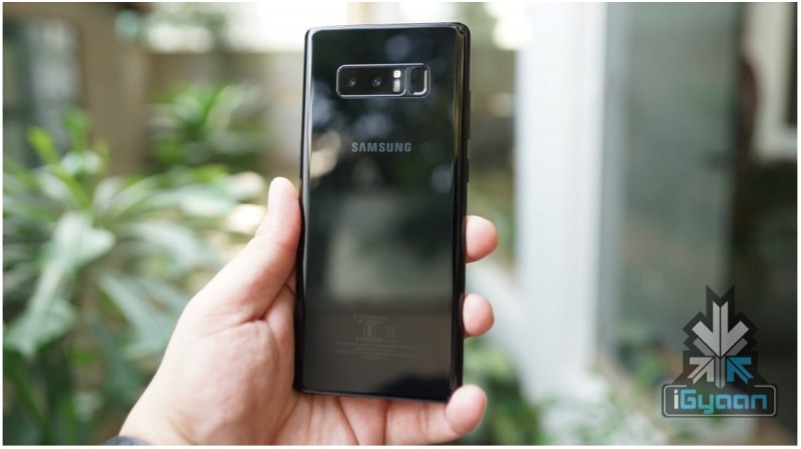
Samsung just tweeted an invite for its special event and its got everyone buzzing. The event will be held on 11th October and will see the launch of a new Galaxy device. It is highly unlikely that Samsung will be announcing a new flagship at this time of the year. We can expect an A- series device .
What is interesting though, is the content of the tweet. Samsung has highlighted the words “4x the fun”, which could be the rumoured 4 camera device. This could also mean the launch of a device with a 4x optical zoom. What is clear though, is that the highlight of the device is going to be the camera.
Rumours of all kinds have been afloat about Samsung’s new camera setup. Reports of 4 rear cameras, 3 rear cameras and a single front camera and also 2 rear and 2 front cameras have emerged. This basically covers all the permutations associated with 4 cameras. We can be expecting a 4 rear camera setup, though. With Huawei all set to announce their triple rear camera phone on 16th September, 4 cameras is not a long shot.
The possibility of a 4x optical zoom support on the device is also another possibility. No other smartphone has this capability as of now and Samsung itself has 2x optical zoom even in its latest flagship devices. However, the possibility of a non-flagship device having such extensive and groundbreaking features is slim. Especially, considering the fact that the A series is a mid-range device. This also leads to the possibility that Samsung could announce a new series in the Galaxy segment, dedicating it to camera performance.
Alleged Nokia 9 with penta camera setup
The race to get ahead with camera setups has been the most crucial for manufacturers. With a dual camera setup becoming common even in low range phones, its time to step up the game. Rumours of HMD’s flagship Nokia 9 with a penta lens setup have been doing the rounds. Samsung’s Galaxy event will come just a few days after the Google’s special event, which will see the launch of the Pixel 3 and Pixel 3 XL smartphones.
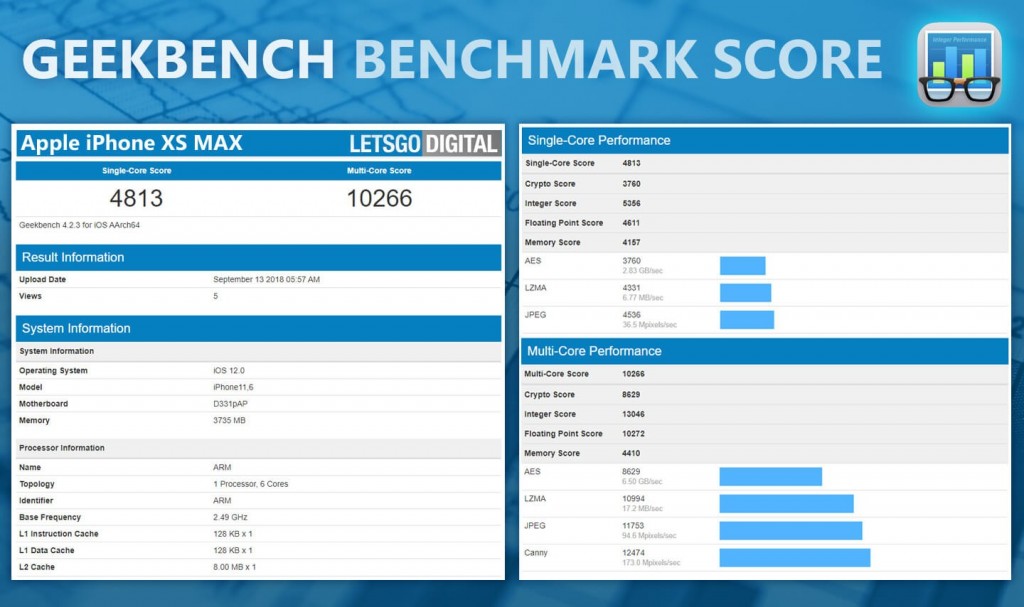
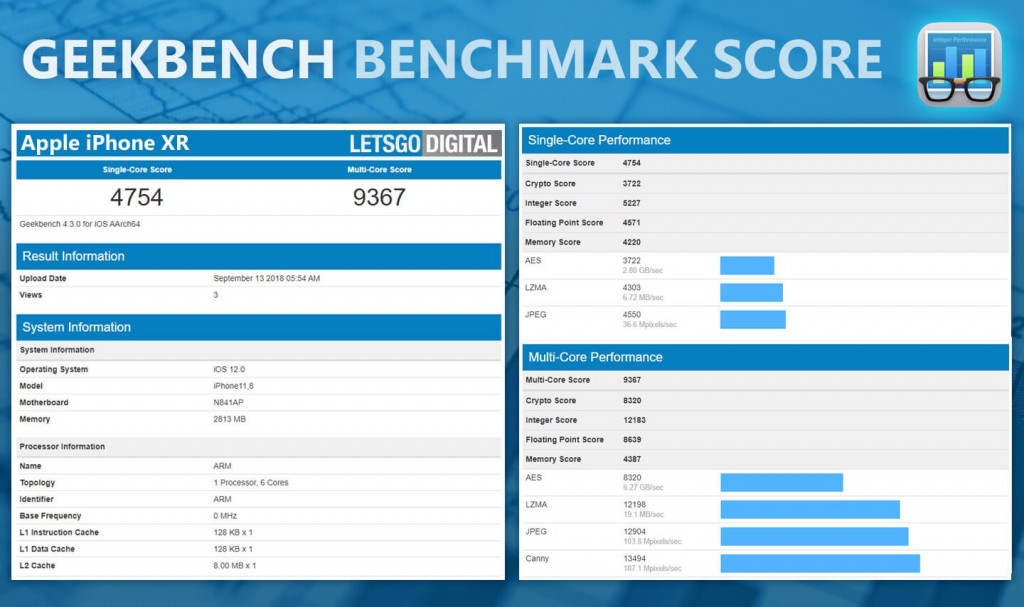
During the highly anticipated launch event of the new Apple iPhone XS, XS Max and XR, apple laid a lot of emphasis on the new A12 Bionic chip. What it did not mention was the RAM and clock speeds of the devices. However, GeekBench is here to our rescue and the scores of the devices are out.
The A12 Bionic chip powering all the three devices has a clock speed of 2.49 GHz. This is a slight increment, compared to the A11’s 2.39 GHz. The device listed has 4 GB of RAM. Comparing the A12’s scores to the A11, the A12’s performance is a bit poorer in multi-core testing. However, in real- world operations, it is estimated that the A12 will perform much better thanks to its new Neural Engine and machine learning capability.
The iPhone XR has a lower 3 GB RAM compared to the other two devices. It does score lesser than the other two on benchmark scores as expected, but it is not very far behind. The devices are running the iOS 12.
Specifications:
The iPhone XS and XS Max have a Super Retina OLED display. While the display on the iPhone XS measures 5.8 inches, the iPhone XS Max has a, 6.5 inch display. The iPhone XR has a 6.1 inch, LCD display with Apple’s new Liquid Retina display. All the three devices run on the new A12 Bionic chipset from Apple.
The iPhone XS and XS Max have 4 GB of RAM while the iPhone XR has 3 GB of RAM. In terms of storage, the iPhone XR is available in 64 GB, 128 GB and 256 GB variants. The iPhone XS and XS Max are available in 64 GB, 256 GB and 512 GB variants. The iPhone XS and XS Max have a 12 Mp dual rear camera setup while the iPhone XR has a 12 MP single rear camera.
In India, the iPhone XS will start at Rs. 99,900, the iPhone XS Max will start at Rs. 109,900 and the iPhone XR will start at Rs. 76900.
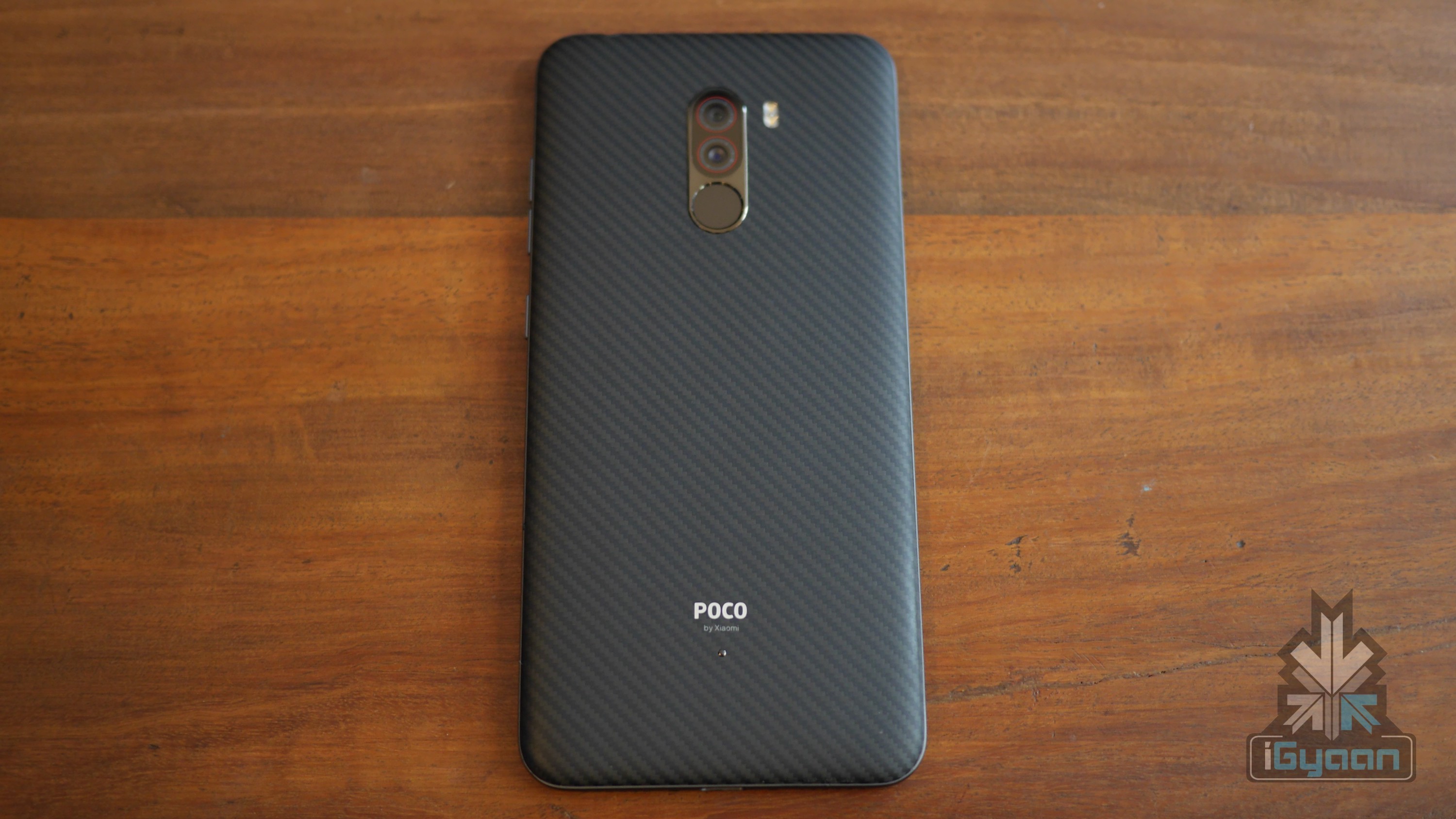
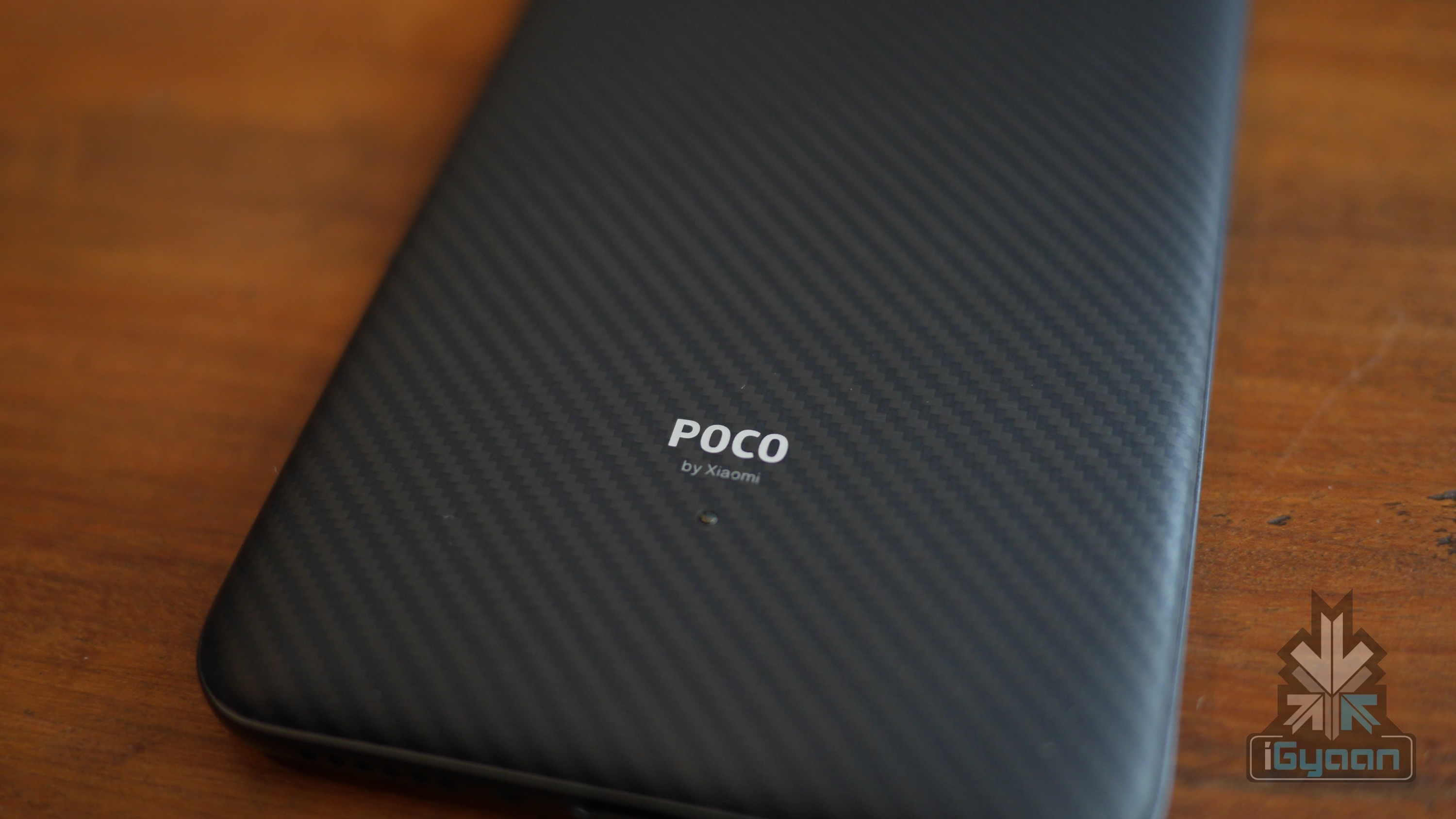
The Poco F1 has been the hottest topic in the Indian smartphone market in the past month. Offering flagship features at a mid-range price, it created a tiny revolution in the market. It forced competitors to be more critical in terms of pricing and has added to ongoing the innovation race. However, the device has been really hard to get one’s hands on due to the flash sale model followed by Xiaomi. In an unexpected announcement, Xiaomi announced that starting tonight, the Poco F1 will be available in an open sale.
Through a video on twitter, the company announced that it will be selling the Poco F1 in an open sale, ditching the flash sale format. Only the 6 GB/ 128 GB variant will be available for now, and the other two variants will soon follow. The device will be available exclusively on Flipkart and Xiaomi’s official website.
The Poco F1 has a a 6.18-inch FHD+ display with a notch and an 18:9 aspect ratio. However, what really highlights the Poco F1 is the Snapdragon 845 chipset with the Adreno 639 GPU. The device is also liquid cooled, which prevents heating and offers peak performance with the chipset. The Poco F1 has four variants. The base variant offers 6GB of RAM and 64 GB storage and is priced at Rs 20,999. The second variant, priced at Rs 23,999, offers 6GB RAM and 128GB storage. The top variant comes with a 8GB RAM and 256GB storage and costs Rs 28,999.
On the back, it has a dual 12MP+5MP camera setup which offers AI compatibility. The rear camera records video in 4K at 30 fps. The 20 MP front camera has an aperture of f/2.0.The device runs on a 4,000 mAh battery and supports Quick Charge 3.0. It has Android 8.1 Oreo and has an IR scanner for Face Unlock and uses USB Type-C for connectivity and charging. The Poco F1 was in the news recently as the device lacs support for HD video playback. This has happened due to the limitations on the hardware, which only supports a stream of upto 540p. Recently, users also took to social media to report screen bleed on the device. Other than this, there are numerous issues which seem to be arising regarding the device and Xiaomi is not seen responding.
The flash sale model has been a part of Xiaomi’s strategy ever since it entered the Indian smartphone market. It had slowly started to shift out of this model with the presence of open sale of its devices and physical stores. However, Xiaomi went back to the strategy for the launch of the Poco F1. This could have been for many reasons. Xiaomi could have been creating a hype for the device or simply just been gauging the reaction of the audience. Whatever, the plan might have been, Xiaomi now seems comfortable enough to move the device to an open sale. While this could be great for Xiaomi, the numerous problems plaguing the device will be a slight setback.
After months of excitement, speculation and rumours, Apple revealed its new lineup of iPhones. The iPhone XS is the successor to the iPhone X. However, what has Apple really changed with the new iPhone?
The biggest difference and Apple’s only selling point is the A12 bionic chipset. The iPhone X has the A11 bionic, which was the pinnacle of speed when it launched, according to Apple. Apple has made an obvious upgrade to the chipset, with an improved manufacturing process. This makes the A12 faster, smoother and more energy efficient than the A11. The A12 also has advanced AI integration which improves battery and camera performance as well.
iPhone Xs
Differences other than the chipset, cannot be defining factors for a new phone. The iPhone XS is water resistant up to 2 meters for up to 30 minutes, compared to the 1 metre for up to 30 minutes in the iPhone X. The iPhone XS has a 512 GB model as well, opposed to the 256 GB of the iPhone X. Additionally, the iPhone XS claims a battery life which is 30 minutes more than the iPhone X.
Specifications
iPhone X
iPhone XS
RAM
3 GB
4 GB
Processor
A11 Bionic
A12 Bionic
Camera
12 MP Sensor
12 MP sensor + Bokeh Mode
Storage
256 GB
512 GB
Battery
2716 mAh
Lasts 30 Minutes more than iPhone X
Connectivity
Single SIM
Dual SIM
Protection
IP67
IP68
Something which is a change however, is the fact that the new iPhone XS has dual SIM support. Other than this, the devices have the same design, the same camera setup and the same display.
With the iPhone XS starting in India at a price of Rs 99,999, this begs the question as to whether it is worth the upgrade. Apple, which has defined itself through constant, groundbreaking innovations seems to be limping forward on former glory and its belief that customers will purchase whatever is thrown at them. With rising competition in the global smartphone market, taking consumers for granted could prove risky for the tech giant.
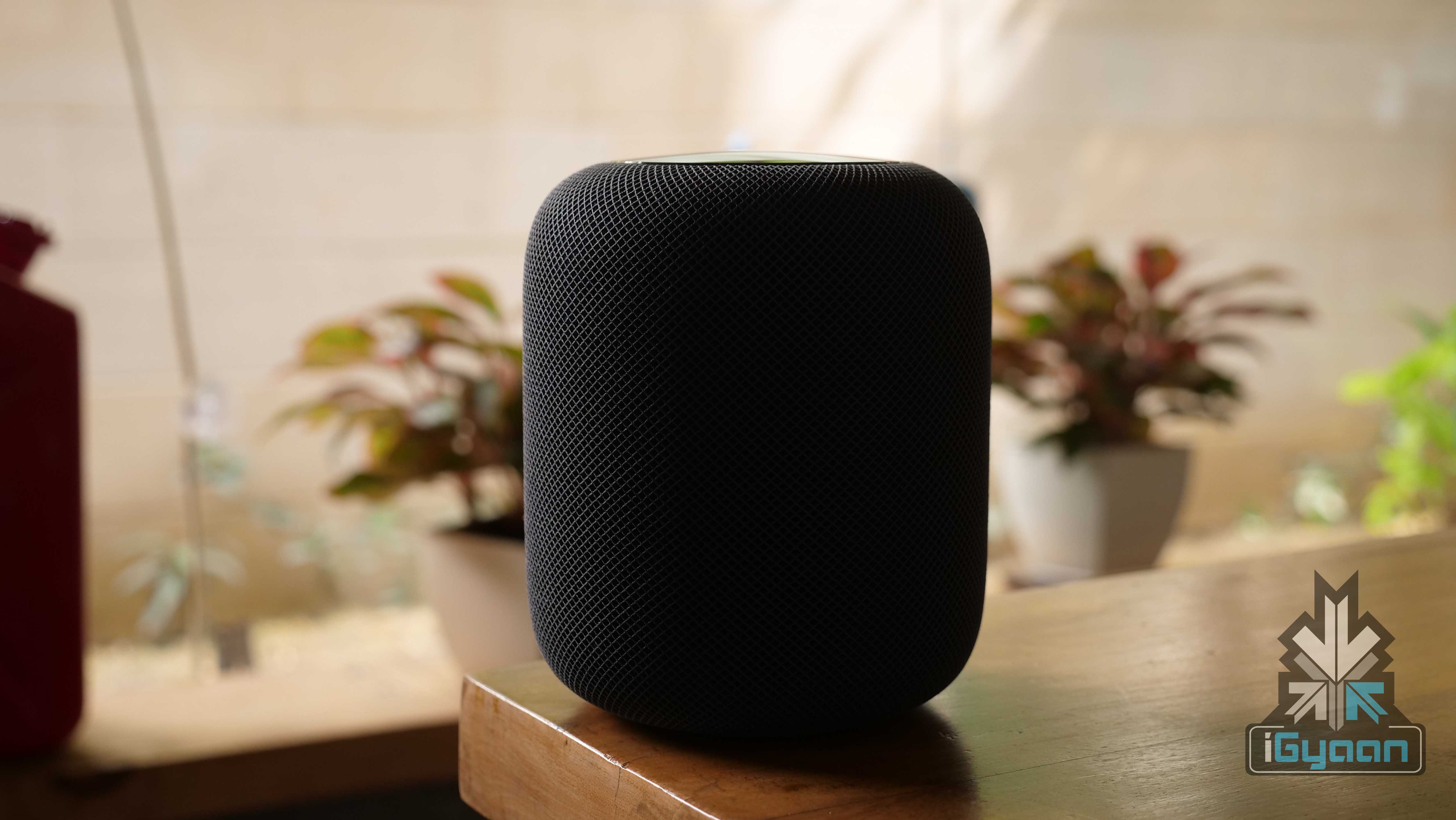
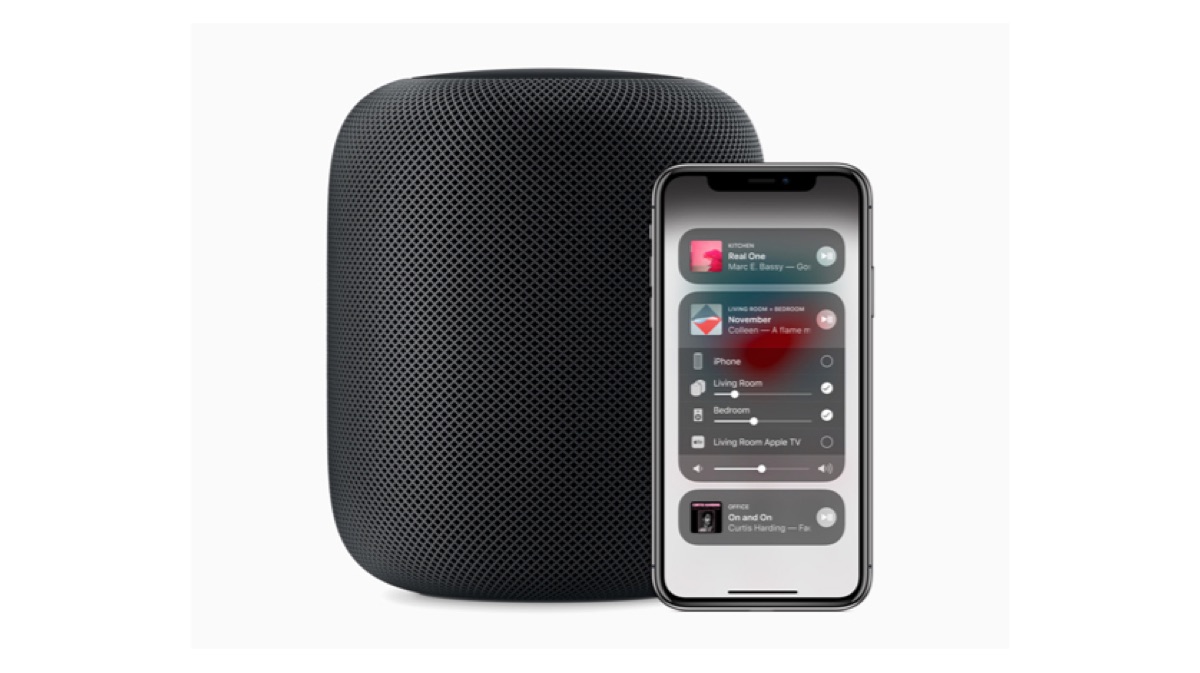
Although the highlight of the Apple Special event last night was the lineup of new iPhones, Apple did manage to slip in a little bit extra. The Apple HomePod is going to be receiving a few new features. These will probably bring it up to speed with its competition in the smart speaker segment.
The update involves increasing the capability of Siri with respect to the HomePod. Other than these features, Apple has also added support for a few languages in the HomePod. The device now supports Spanish in the US, Spain and Mexico and expands support in Canada with Canadian French.
With Siri on HomePod, you can also access these new features:
Search by lyrics: Until now, users could ask Siri to play a specific song. Now, you can ask Siri to play any song. Even if you can’t remember the name. Just say “play the song that goes like this…” and Siri will do the needful.
Set multiple timers: This is a big boon for those who are working on a project with multiple steps or someone setting up for a big dinner party. With multiple timers, you can ask Siri to keep you on track for getting that cake out of the oven, making sure you switch on those new lights and much more.
Make and receive phone calls: Now, HomePod lets you make and receive calls directly. You can also ask Siri to know who called incase you missed a call. To make a call, you can speak out a number or the name of the person you want to call.
Find my iPhone: This feature lets you ping for your iPhone in case you cannot figure out where you left it. This is already available in the Apple Watch.
Siri Shortcuts: HomePod users will now be able to set multiple actions into play with just one command. This is pretty similar to Alexa and Google Routines. What this means is you can program Siri to perform multiple actions using a single command. For example, “Hey Siri, good morning” is a single command. With this Siri could order your morning coffee, turn on your kitchen lights and share your calendar appointments for the day.
The launch date for this update is not known. It is expected around the time the iOS 12 is rolled out. That is on 17th September. Apple has not announced the update for India.
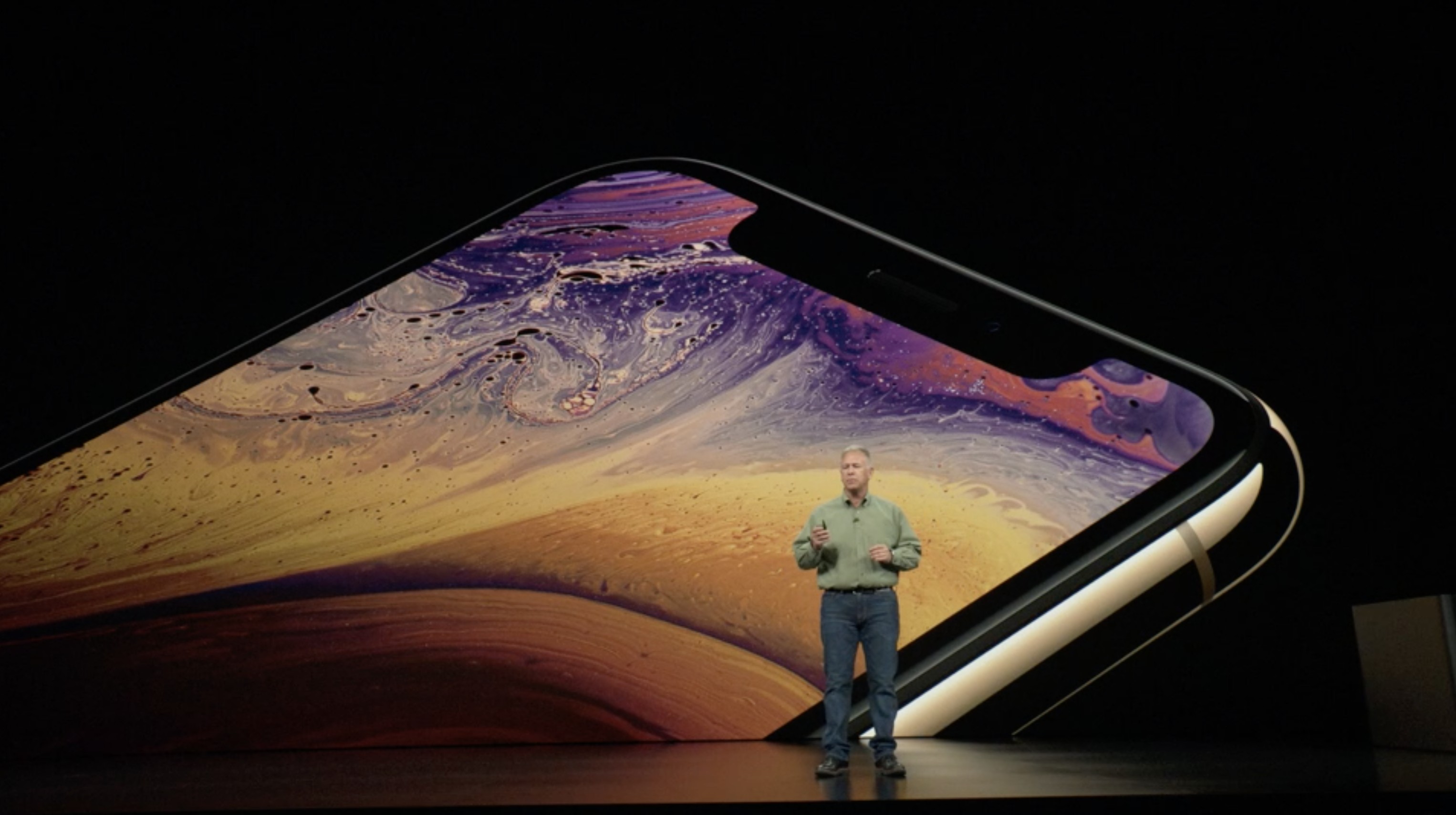
The much awaited successor to the iPhone X is here. Apple has launched the brand new iPhone XS and iPhone XS Max, shedding the ‘Plus’ tag for its smartphone.
Design:
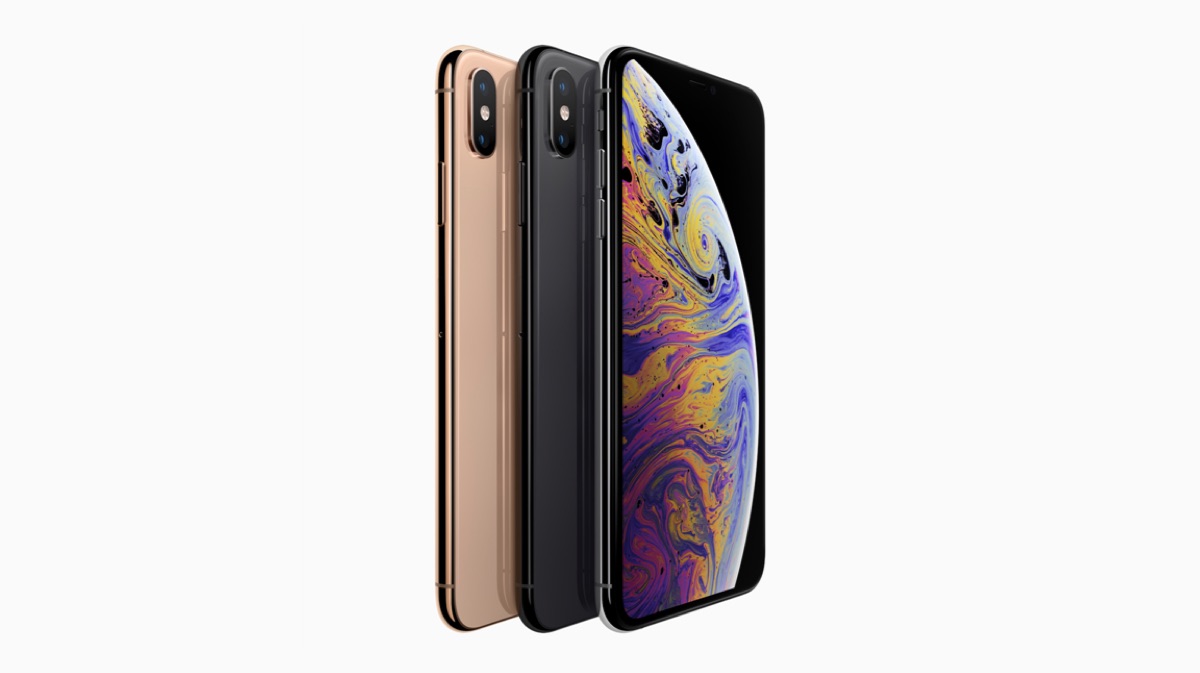
The devices are made of surgical grade stainless steel and have a gold finish on the front and glass back. The devices also have rounded corners. Apple claims to have used the most durable glass ever in a smartphone for the display. The devices also have a silver and space grey finish other than the gold finish. The iPhone XS and iPhone XS Max have IP68 dust and water protection.
Display:
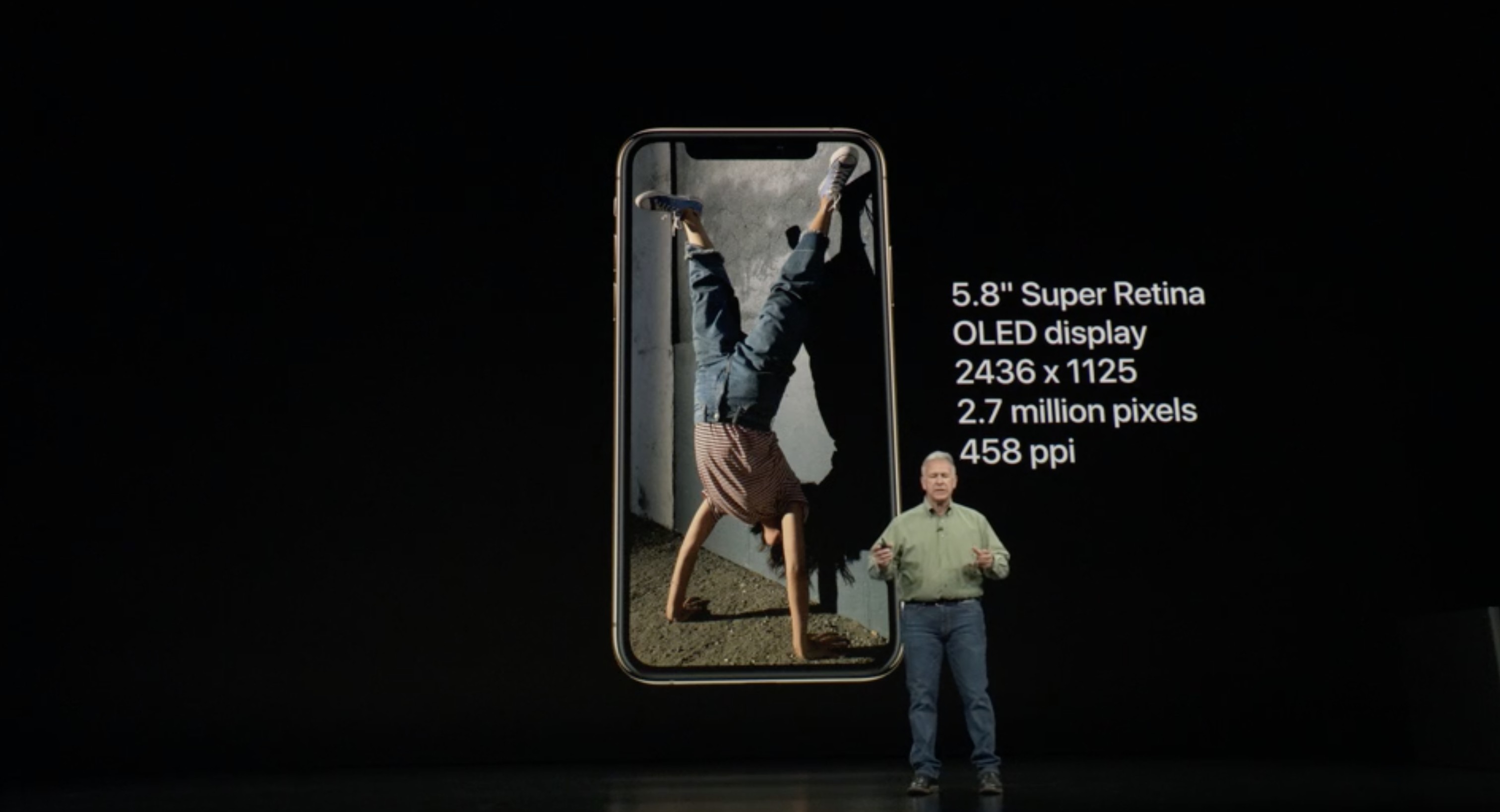
The iPhone XS has a Super Retina OLED, 5.8 inch display. This is a bigger display than the iPhone 8 Plus but an overall smaller device in size. The device has a native resolution of 2436 x 1125 pixels and a pixel density of 458 ppi.
The iPhone XS Max has a massive 6.5 inch with a Super Retina OLED display. The display has a resolution of 2688 x 1242 and a pixel density of 458 ppi. The massive size of the iPhone XS Max allows for a ‘split view’ in some apps while the device is in the horizontal position. This allows for more utility in one app.
The screen on both the devices have a 60 % greater dynamic range, offering better experiences than before.The devices also continue to support 3D touching and have True Tone display.
Processor:
The iPhone XS and iPhone XS Max use the highly anticipated A12 Bionic chip. This is the first 7 nanometer production chip in a smartphone and houses 6.9 billion transistors. The iPhone XS and iPhone XS Max have a 6 core CPU. This consists of 2 high performance cores and 4 high efficiency cores. This makes the new iPhone 15 % faster while using 40 % lower power.
The GPU has 4 cores and is 50 % faster than A11 bionic. This gives a huge jump in graphics, according to Apple. The Neural engine has an 8 core design compared to 2 cores on the A11. It also has Dedicated Machine Learning.
The new A12 bionic can process 5 trillion operations per second. The devices will be available in storage options of upto 512 GB internal storage.The A12 bionic also improves the daily use of the device. It helps apps launch upto 30% faster. Providing a smoother every day experience.
Camera:
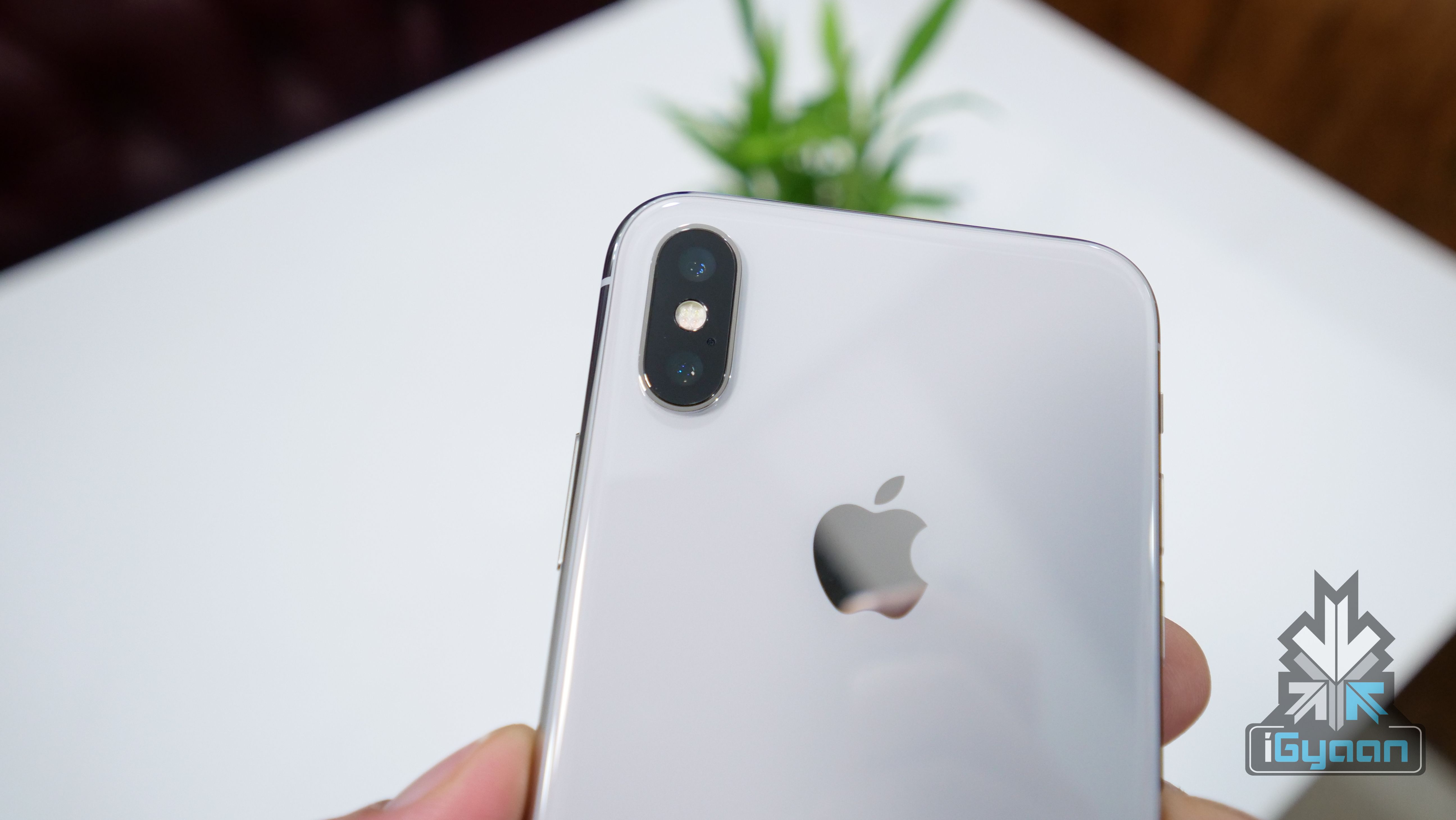
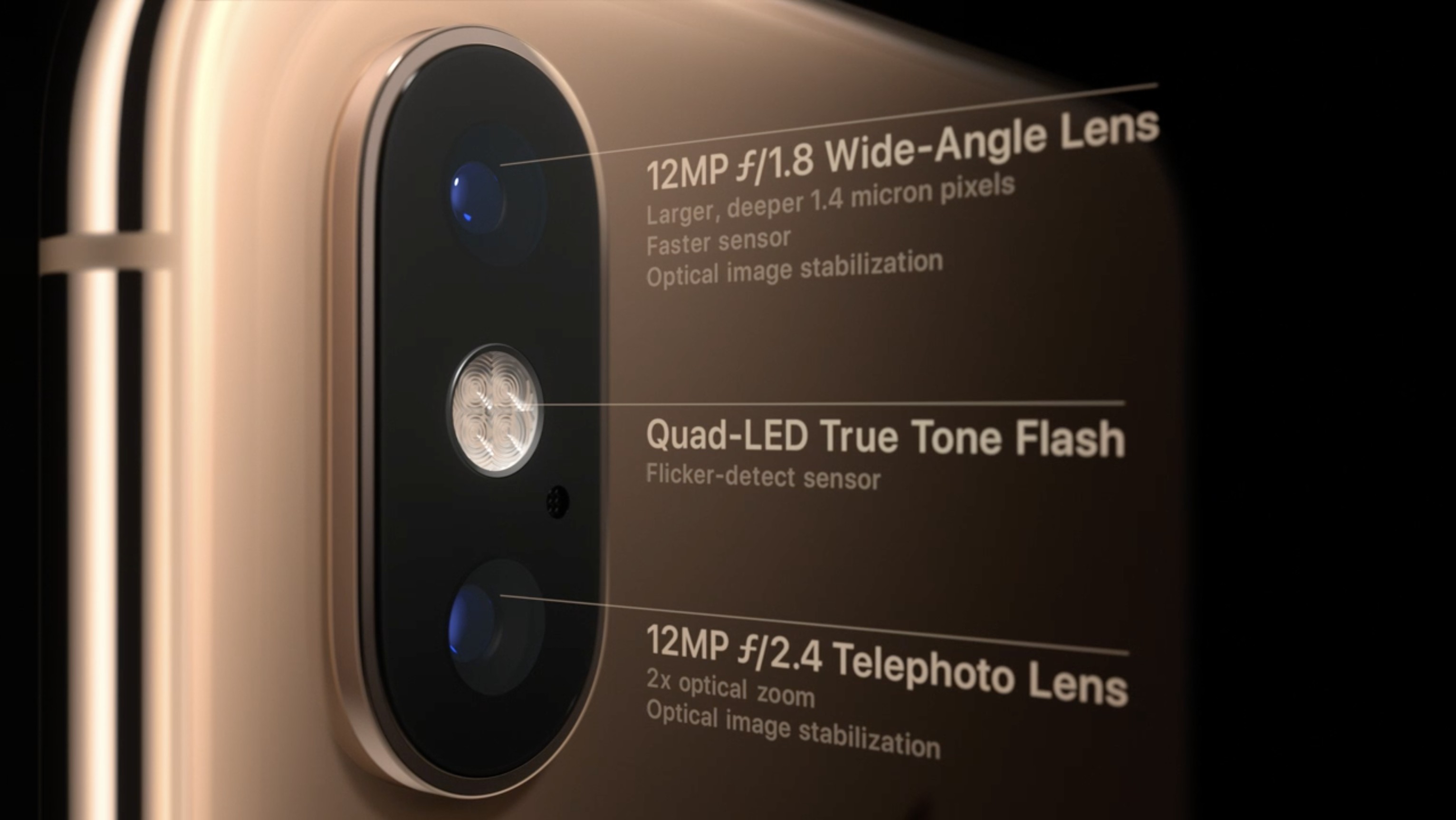
The iPhone XS and iPhone XS Max have a dual rear camera setup. Apple has improved this setup and it features a 12 MP wide lens and a 12 Mp telephoto lens. This is supported by an improved true tone flash.The devices use larger sensors and the lenses have an aperture of f/1.8.The smartphones also have Optical Image Stabilisation
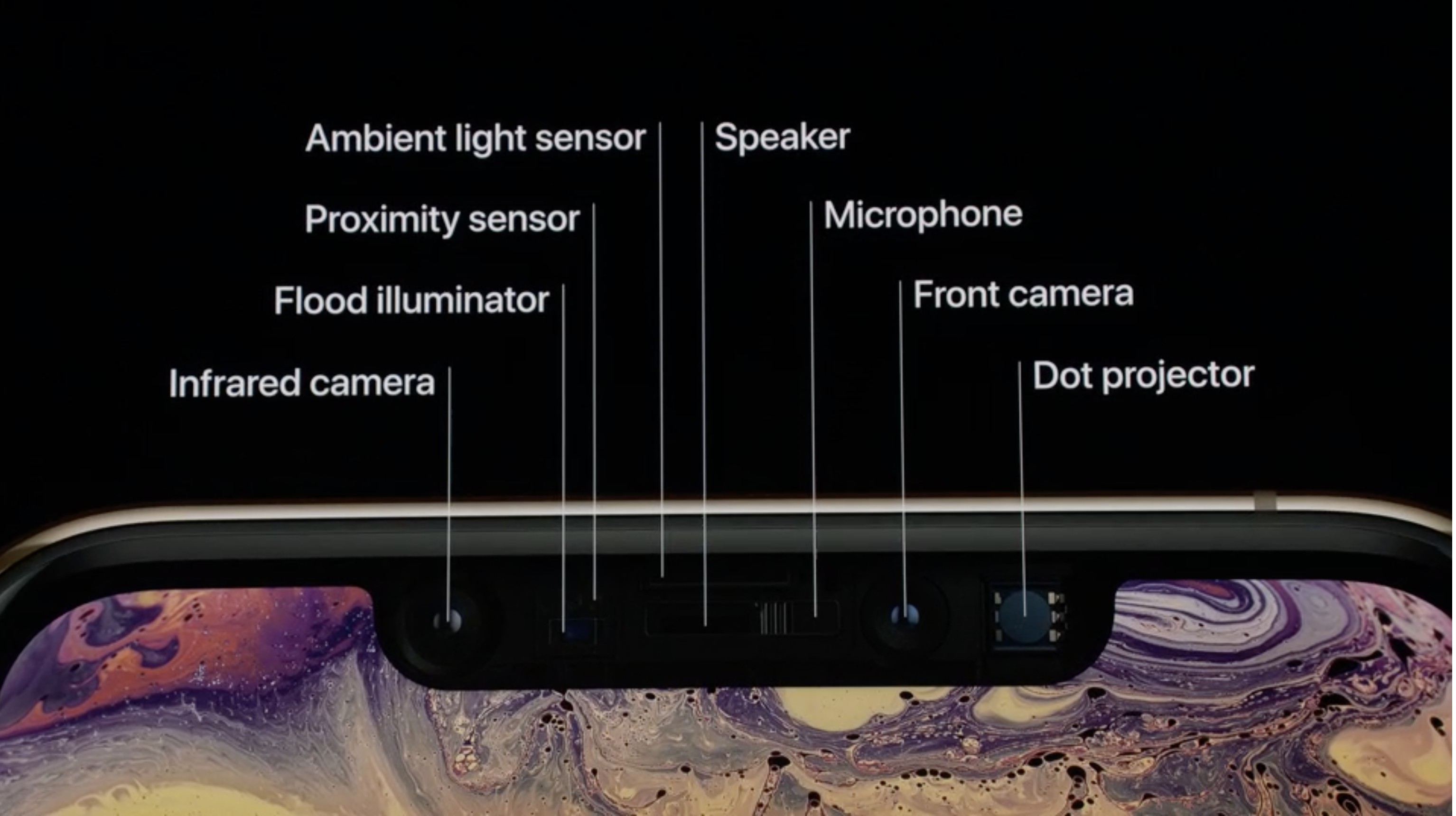
The front camera setup hosts a 7 MP sensor. The front true depth system contains the sensor along with an IR camera and dot projector. This also provides depth in selfie portraits.
The new A12 bionic has an Image signal processor (ISP). This works to automatically adjust exposure, white balance, focus, noise reduction, and many more features whenever an image is taken.The chip also connects the ISP to the neural engine to make images better. It features Face and body detection, scene recognition, feature mapping and reduces red eye instantly. It can also perform 1 trillion operations per photo.
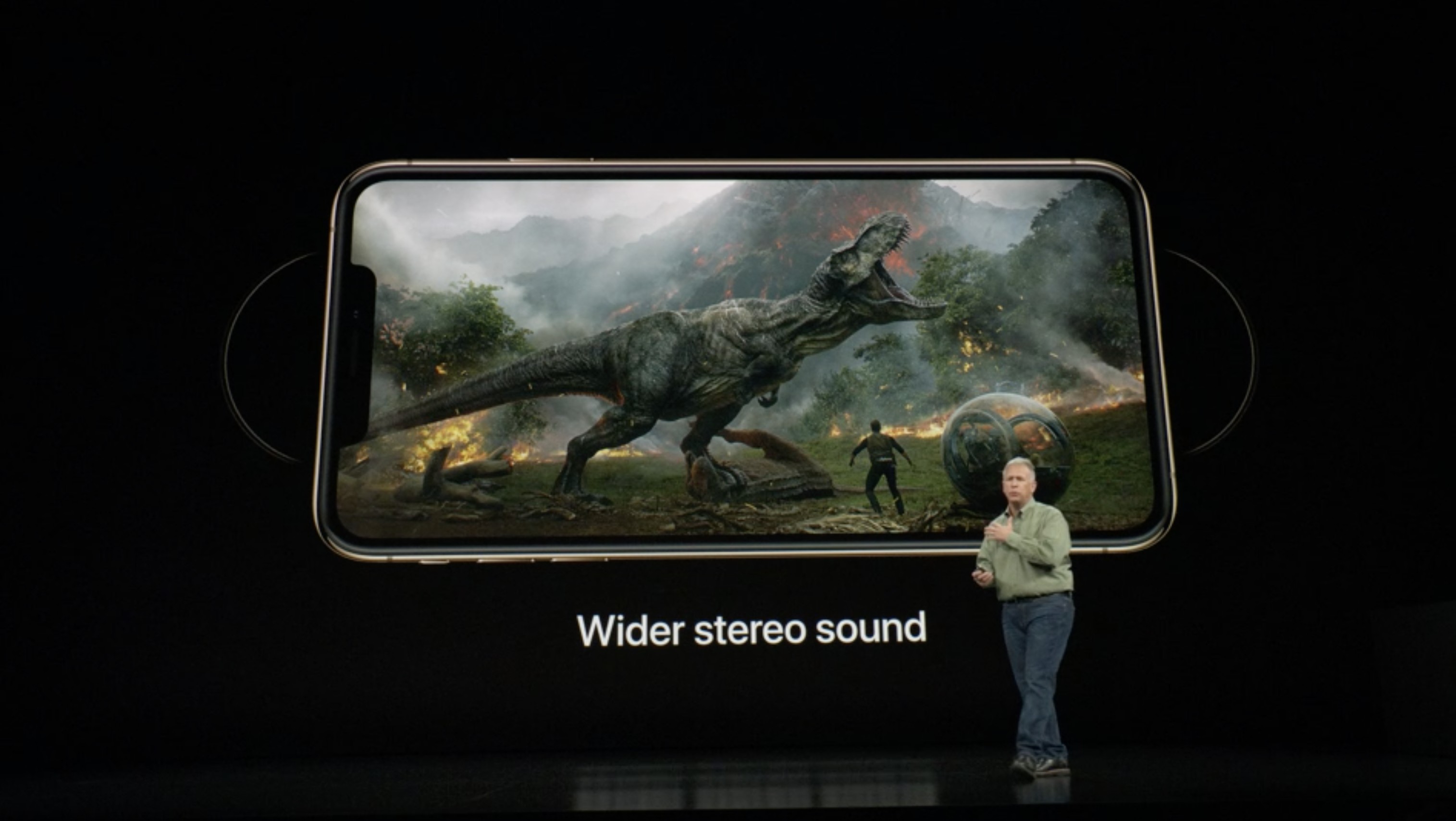
The camera also features Smart HDR. This ensures zero shutter lag. What this does is, it captures secondary inter frames and long exposure shots to bring out more details, finding all the best parts and merging them into one image.The devices also feature advanced portrait mode and bokeh mode. This allows you to adjust the depth of field even after taking the picture. The new sensor is 2x faster and records stereo sound while shooting video.
Battery:
Apple claims that the devices run on the best batteries any iPhone has featured. The iPhone XS has a battery which lasts 30 minutes longer than the iPhone X. The iPhone XS Max has the biggest battery featured in an iPhone and lasts an hour and a half longer than the iPhone X.
Other Features:
The new devices are Dual SIM with Dual Standby. They also use the eSIM technology. This uses a single physical SIM and one eSIM. Apple will also launch a special Chinese model, with two physical SIMs.
The Face ID is faster with better algorithms and a faster secure enclave. It is the most secure facial authentication ever in a smartphone, according to Apple.
The technology also helps to provide the use of Animoji over a live video call. It also helps in a better selfie scene option. The iPhone XS and iPhone XS Max also feature Siri Shortcuts on iOs 12 . The devices feature the core ML, which is 9x faster and runs on 1/10th of the energy.
There are huge jumps in Augmented Reality. The ARkit 2 , provides enhanced surface and object detection. AR quick look, can bring out an object you were looking at in your browser. This basically superimposes any object on to your surroundings to get you a better look at any object you might be wanting.
Price:
The iPhone XS is available in three storage options of 64 GB , 256 GB and 512 GB and starts at $ 999. In India the phone will start at Rs. 99,900.
The iPhone XS Max will be available in the same three variants and starts at $ 1099. In India the iPhone XS Max will start at Rs. 109,900.
Pre orders for the devices starts on 14th September and shipping begins on 28th September. The devices will go on sale in India a week after the global sale begins.
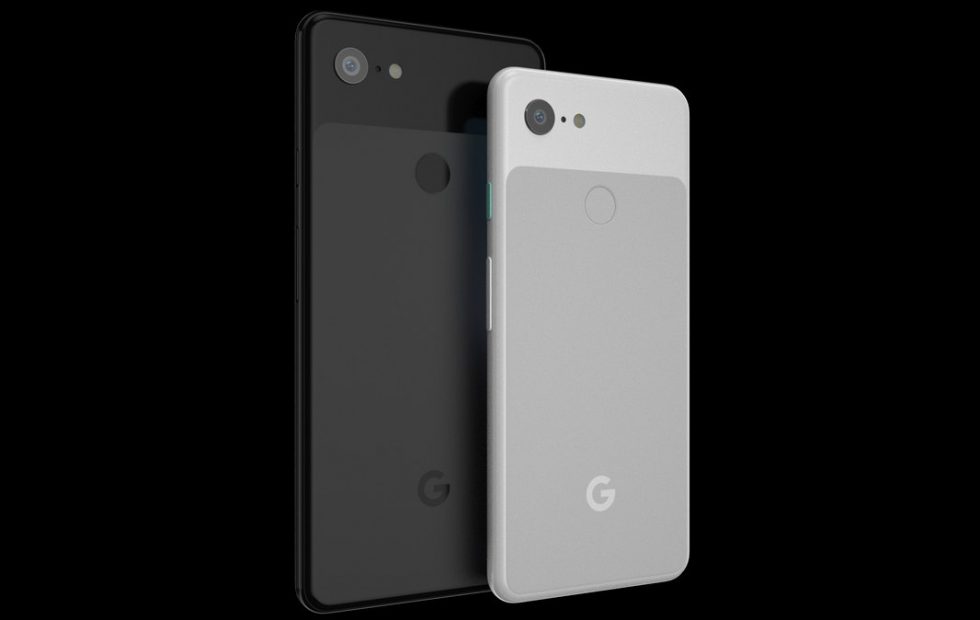
Over the past month, we saw a series of leaks which seem to have set the entire Google Pixel 3 XL device bare before us. The leaked devices went through tests, photoshoots and even elaborate unboxing videos. Numbers regarding the performance, design and features of the device are all over the internet. But, two recent events have us thinking that the Pixel 3 XL might not be anything close to what we’ve seen in the leaks.
The first incident which hints at such a possibility is a video on YouTube. We know that a YouTube video cannot be a trusted source, but hear us out. The user who uploaded this video has laid out some facts which are worth looking into. To give you a background on the user, he posted a few videos making fun of and hating on the design of the alleged Google Pixel 3 XL. Even after doing so, he received a mail from a Google employee asking for permission to use a part of his video for the purpose of the Google launch event which is coming up in October. It is possible that Google might be playing a montage of such clips right before they launch the completely different Pixel 3 XL.
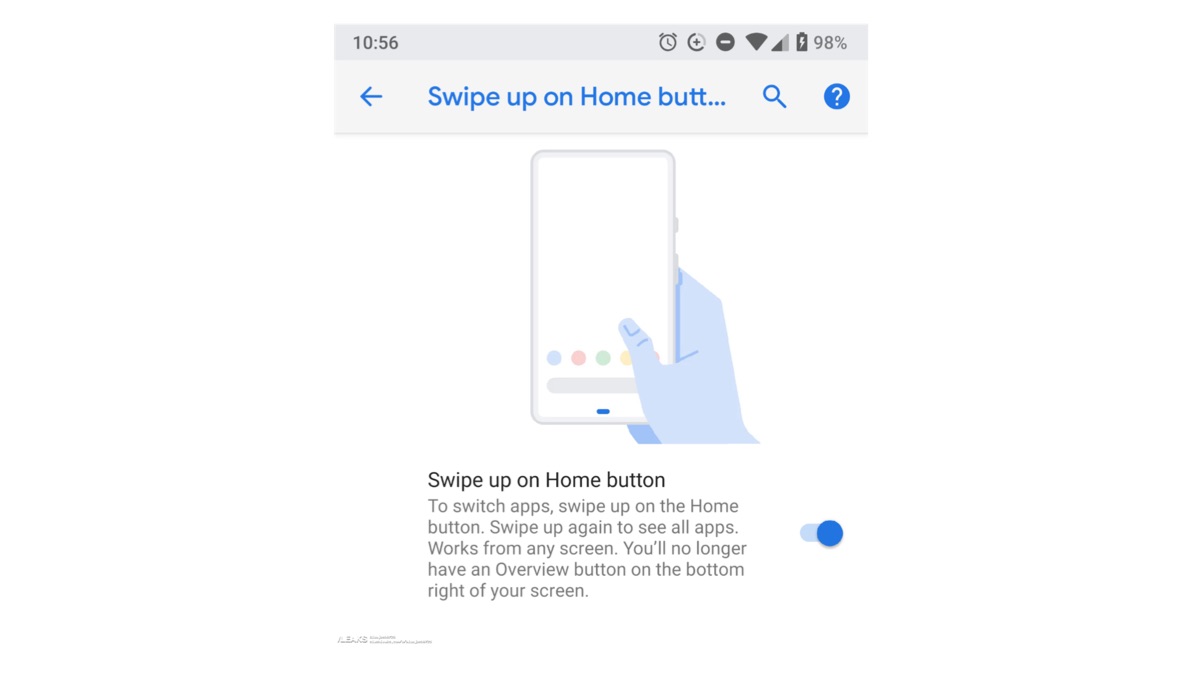
Spotted on the Android Pie Setup screens in a Pixel 2 device, this Google Device is seemingly bezel-less.
The second reason which adds strength to this crazy theory is a leak by Slashleaks. This recent leak shows us screenshots on a Pixel 2 device with the illustrations of a seemingly bezel less phone. This phone is completely different from the Leaks of the Pixel 3 and the Pixel 3XL which we have seen in the past. The leaked Pixel 3 XL has a notched display while the leaked Pixel 3 has a conventional smartphone design with thick bezels. This device has the nickname ‘Ultra Pixel’ and could be the Pixel 3 XL.
What Does This Mean:
Putting two and two together, we can see good reason for a possible theory emerging. Even though it seems highly unlikely, it is possible that all the leaks of the Pixel devices until now were in fact staged by Google. Think about it, the ‘theft’ of a Google Pixel 3 XL shipment in Russia, a customer ‘accidentally’ leaving behind a Pixel 3 device in a Lyft cab. If you were tasked with testing a device which has still not been revealed, wouldn’t you be careful enough to not leave it behind in a cab? Also, one of the unboxing videos of the alleged Pixel 3 XL is of suspiciously high production quality, which throws open the possibility that Google itself could have purposely ‘leaked’ this video.
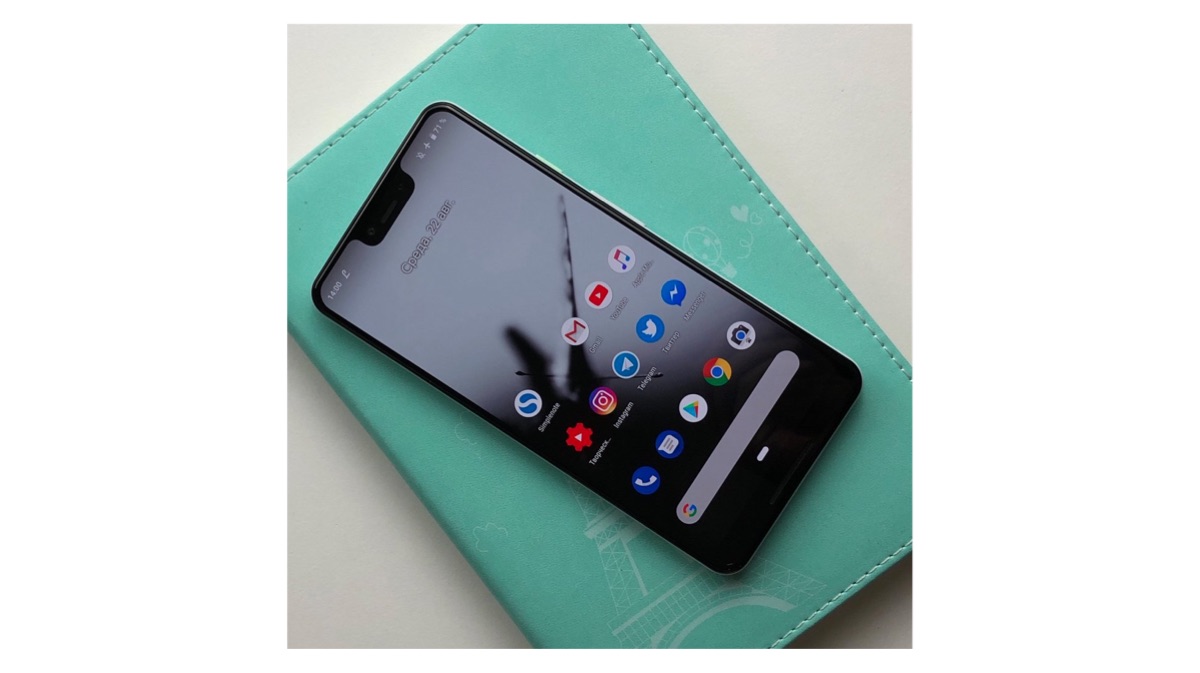
A device which is different from the alleged Pixel 3 XL with a notch would be a welcome change. Via Wylsacom
If all this is actually true, we could be witness to a masterstroke by Google in the upcoming event. Google could have been fooling everyone with the notch on the alleged Pixel 3 XL and might have possibly developed the first truly bezel less phone. All this is based on a few possibilities from here and there. The possibility of such a move from Google surely excites us and we’d love to see how this finally ends up.
One of the most anticipated events of 2018 is right around the corner. Apple’s September 12th event is what is on everyone’s mind and the new iPhone range is due to take centre stage. Apart from this, Apple is also rumoured to unveil the AirPods 2 and the Apple Watch 4 and possibly some more devices.
Launch Event:
The Apple Launch event will take place at the Steve Jobs Theatre on 12th September at 10:00 AM PDT. This converts to 10:30 PM Indian Standard time. This is 6:00 PM in the United Kingdom, 9:00 PM in UAE and 3:00 AM in Australia. The event can also be live streamed using various methods.
Those owning any apple device such as iPhone, iPad, Mac, or iPod can view it on the Apple TV app. The event can also be live-streamed on Safari and Microsoft Edge for Windows users.
iPhone:
The iPhone lineup for this year is arguably the most exciting thing about the event. Apple is bound to take a few steps to ensure the growth of its smartphone sales. Which have started to see a slight decline after the initial buzz of the iPhone X. The only solution which will help Apple out of that situation is to expand its customer base.
Via Spigen
For years, Apple stuck to manufacturing devices and delivering it to consumers. Unlike other manufacturers, Apple doesn’t focus much on market trends and what the consumers exactly want. They focused on bringing the best experience for users, but users never got much of a say in it. This might have started pinching them a little but as Apple is now looking to change their approach and cater to consumers.
We expect to see 3 variants of the iPhone which will cover a wide range of features, sizes and price. The devices will be called the iPhone Xs, the iPhone Xs Plus and the iPhone XC, according to reports. The iPhone Xs and Xs Plus will feature the same design as the iPhone X and will have OLED screens. The iPhone XC on the other hand, will feature an LCD display.
The sole reason for Apple to go in for the iPhone XC is to try to expand their market by offering a cheaper version of the iPhone. So lets find out all the rumours about these devices:
Design:
The iPhone Xs will sport a 5.8 inch screen while the iPhone Xs Plus has a 6.5 inch display. Both the devices sport a notch and design elements drawn majorly from the iPhone X. They will sport OLED displays and with glass bodies and stainless steel casing.
The cheaper, 6.1 inch iPhone XC on the other hand sports an LCD display. The display design is also based on the iPhone X. The device will sporting a glass body with an aluminium casing. The major design difference with the iPhone XC and the other two variants is the presence of only a single camera on the back.
All three of the devices will reportedly not have a Touch ID button and will fully depend on Face ID for its security. It is also rumoured that Apple will discontinue the 3D touch feature on the devices.
Processor:
The highlight of the new series of iPhones is the A12 bionic chipset from Apple. This is supposed to be a step up from the existing A11 bionic chip, which is already one of the fastest and most efficient chipsets out there. This is due to the manufacturing process behind the A12 chipset. The A12 chip uses the 7nm process as compared to the A11’s 10 nm process. This reduces the size of the transistors in the chip, allowing more transistors to fit into the same space. Therefore allowing for a better, smoother performance.
The A12 reportedly offers an increase in multi-core usability, supposed to bring up multi-core performance by 25-30%. The GPU performance is reported to have an even higher increment at 40%. This might not directly translate to gaming performance, according to experts. Analysts predict a real time number of around 25%. The A12 chip also gives a big boost to AI and machine learning. This will incorporate with the operating system to give better battery performance and camera results, according to reports.
Camera:
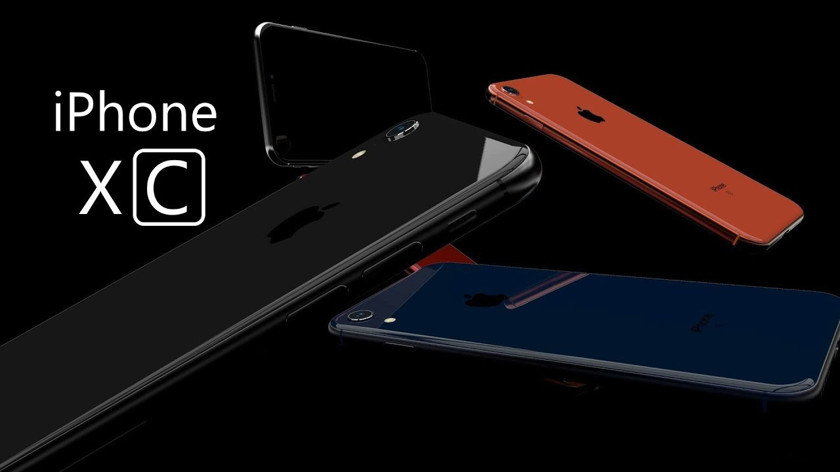
Alleged iPhone XC spotted
It is highly improbable that we will see a triple camera setup on the new iPhone. Reports indicate an improved sensor on the dual camera setup on the iPhone Xs and iPhone Xs Plus. Renders and leaks also reveal that the iPhone XC will however, only have a single rear camera. The camera sensors will be an improvement over last year’s devices in all senses. There will be better low light performance and enhanced AI integration to offer support in the portrait mode of the devices.
Battery:
All the three variants might have improved battery performance, more importantly they should. A flagship device in 2018 should meet numerous requirements to live up to tis name. One of the most important ones is a better battery life. It is obvious that the 6.5 inch iPhone Xs Plus will house a high battery, given its size and the demand from its display unit. Apart from this, the A12 bionic chipset will ensure better optimisation and longer battery life. Reports also suggest that Apple has worked on improving the idle battery life of the iPhones.
Price & Other Features:
Recent leaks also show that the devices will have dual SIM capabilities. The pricing of the devices is expected to cover a larger area so as to cater to a bigger consumer base. The iPhone XC is reported to be priced at CNY 5,888 which is around Rs 62,000. The iPhone XS is listed at CNY 7,388 and the iPhone XS Plus is at CNY 8,388 which are around Rs 77,980 and Rs 88,535 respectively.
iPad Pro:
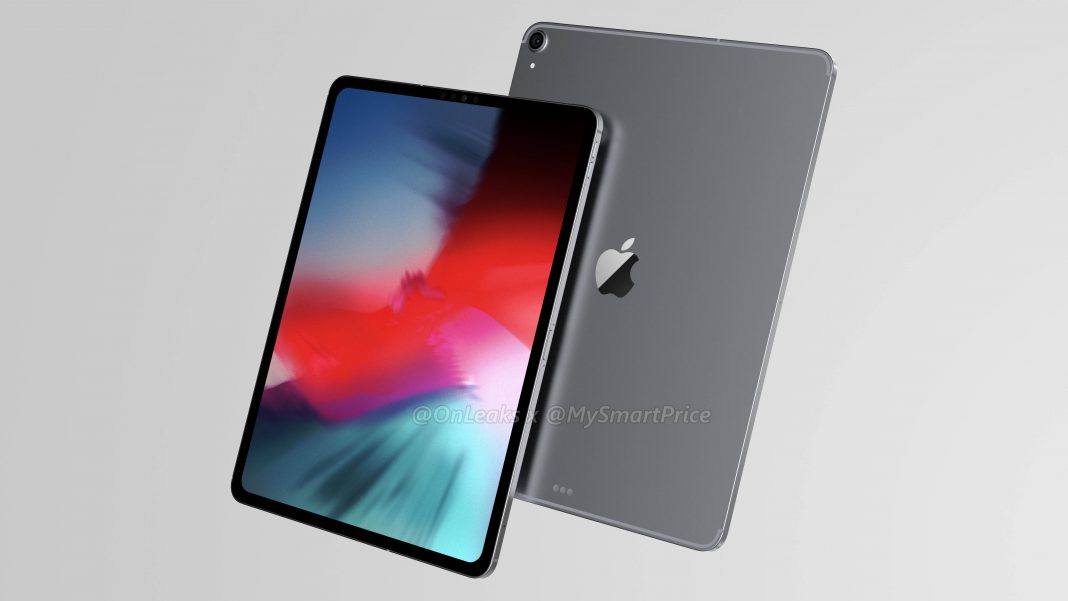
The iPad Pro is expected to launch in a 12.9 inch and 10.5 inch variant. Numerous leaks and renders based on the said leaks have given us a fair idea about what the device may look like. The new iPad Pro will reportedly sport a sharper, bezel less design. We can also see the absence of a home button which could mean that the device is getting Face ID and that we won’t see touch ID anymore. However, the device will have to be vertical whenever you use Face ID as it doesn’t work horizontally.
It is also reported that the devices will sport an LCD display and not an OLED panel which is a bit disappointing. The iPad Pro will use the new A12X chipset and have 4 GB of RAM, according to reports. Storage will be variable, with options going up to 512 GB.
The iPad Pro will reportedly continue to offer Apple Pencil support and the smaller bezels will mean we will see a smaller device, despite the same screen size. The device is also rumoured to be dumping the lightning port to make way for a USB Type-C port.
The iPad Pro is expected to launch at Rs 54,999 for the 10.2 inch variant and Rs 64,999 for the 12.9 inch variant.
Apple Watch 4:
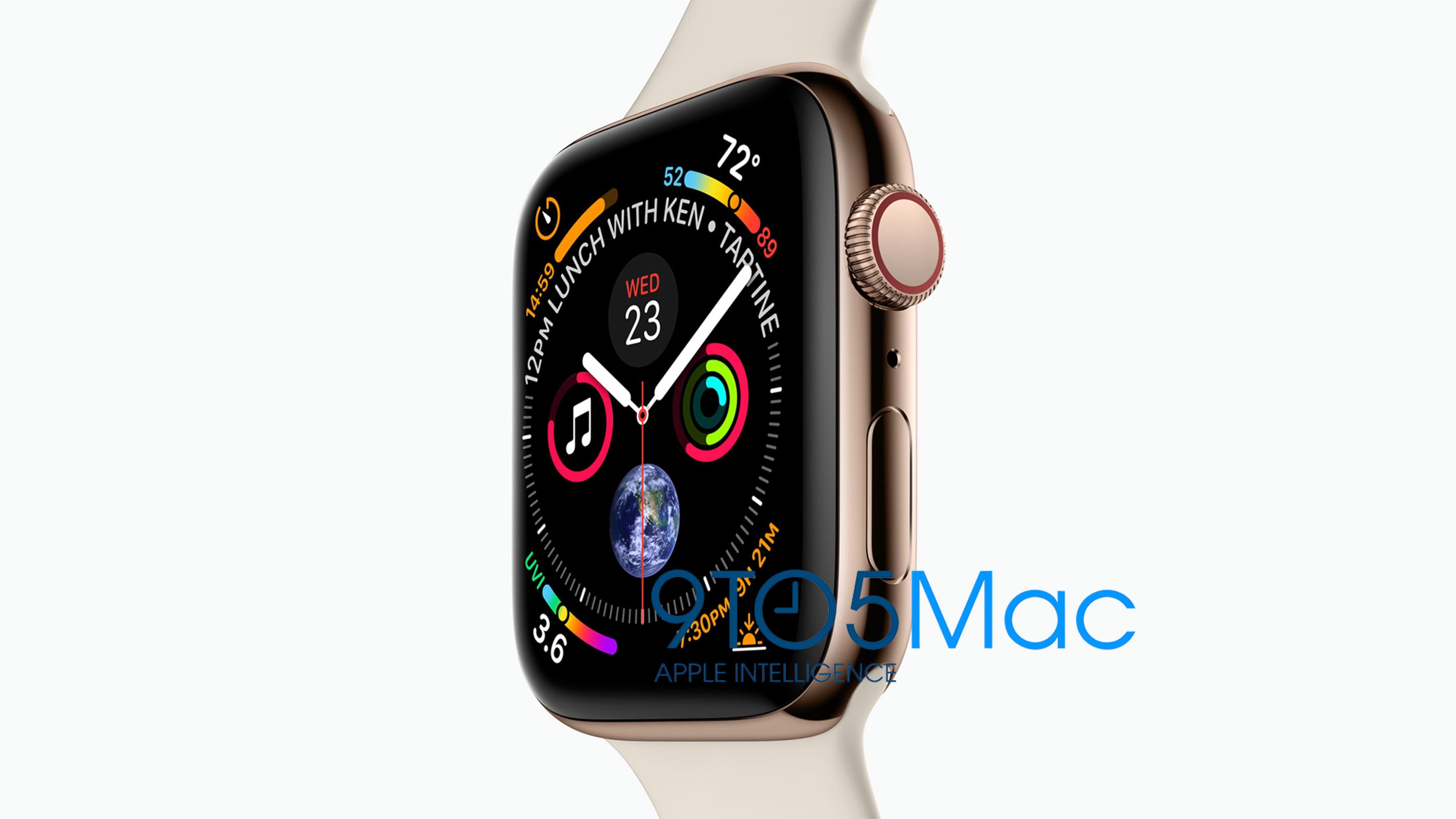
Latest reports suggest that Apple will be launching six brand new Apple Watch 4 models at the upcoming event. It is also reported that the devices will all sport ceramic backs and could possibly support LTE.
The device is also said to sport thinner bezels and will reportedly support electrocardiography (ECG) for advanced health tracking. The thinner bezels mean that we will get to see a larger display on a device the same size. The larger display can house more information and better optimisation of apps.
AirPods 2 & AirPower:
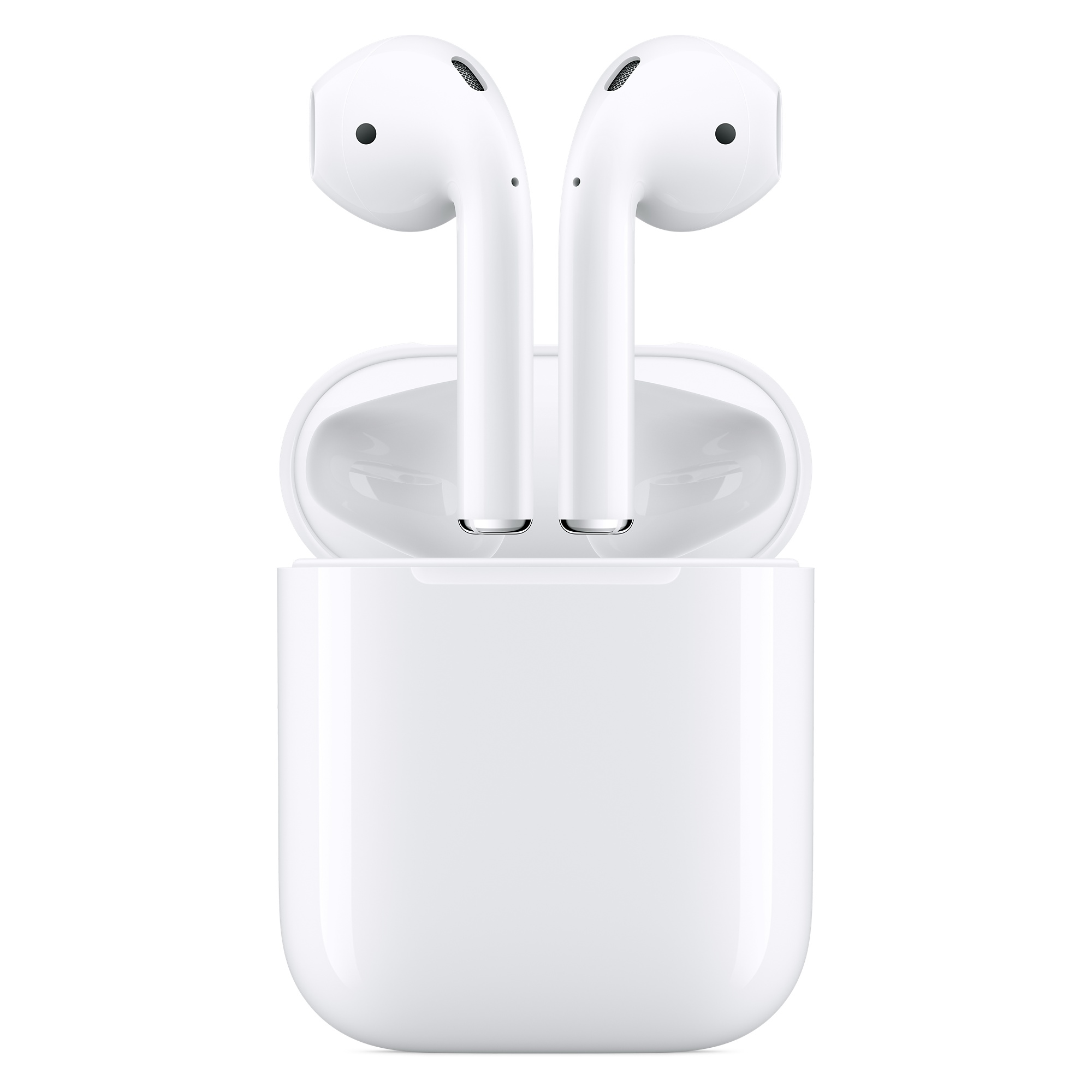
According to multiple reports, Apple is coming up with a successor to the already successful AirPods. The devices are said to sport a series of new features which will enhance the experience further. It is said that we will be able to summon Siri through the “Hey Siri” command rather than tapping the sides of the AirPods. Another widely expected feature is that of the launch of Apple’s AirPower wireless charging mat. This is highly relevant to the AirPods as it is rumoured that the AirPods 2 will support wireless charging.
And that’s not it, the new AirPods 2 are reported to support noise cancellation as well. Adding to this list is a report that they will be splash proof but not entirely waterproof.
MacBook:
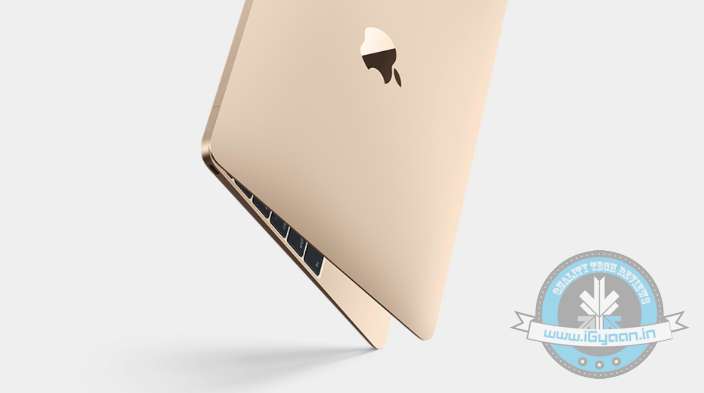
We may be witness to the launch of an upgraded version of the MacBook. However, it is not clear whether this would replace the current 12 inch MacBook or whether it will be a totally different lineup. The new MacBook is reported to have a Touch ID sensor. The MacBook will also lack a TouchBar which we had seen in the MacBook Pro.
Certain speculations about an upgraded version of the MacBook Air is also doing the rounds, but this doesn’t seem too probable in the near future. Following the release of thinner, bezel less laptops at the IFA 2018, Apple might be looking as the new MacBook as an answer to the same.
With a wide range of products expected to be launched at this event, the level of excitement is higher than ever. With the power to change the course of the smartphone market, its time for Apple’s next big move.
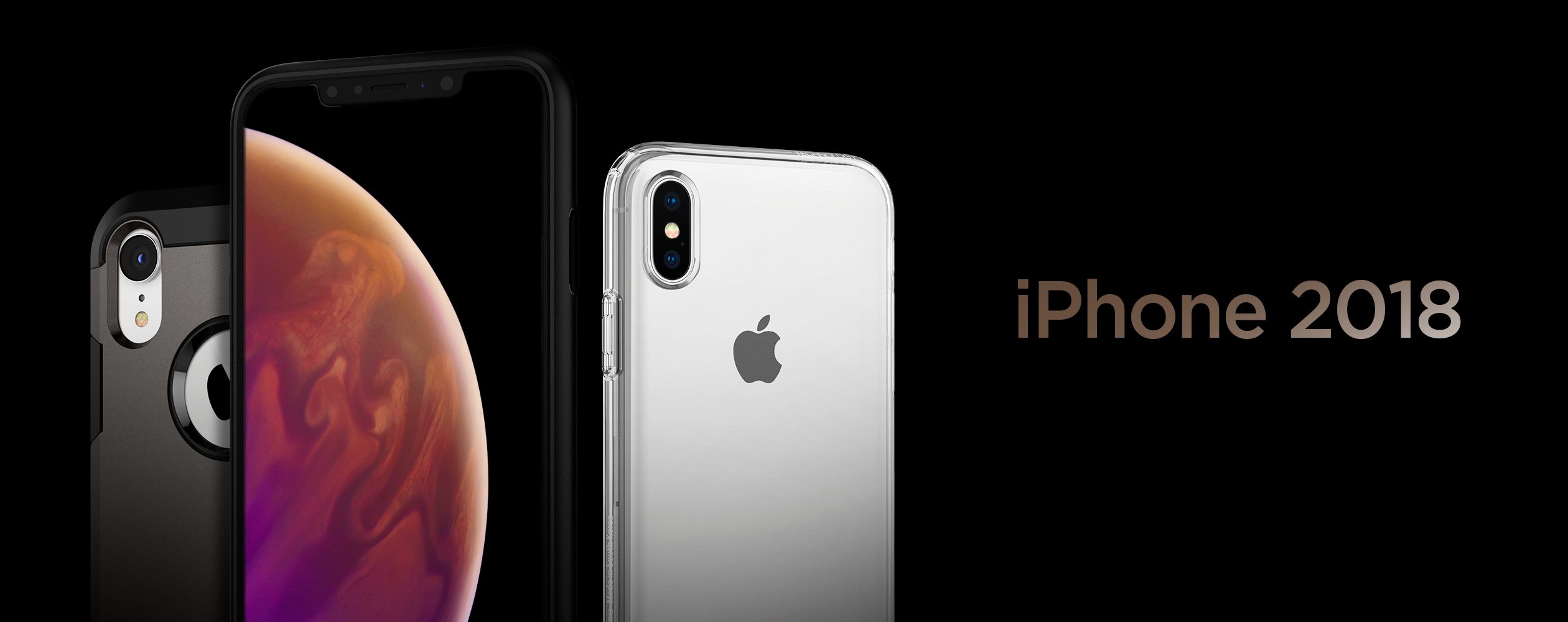
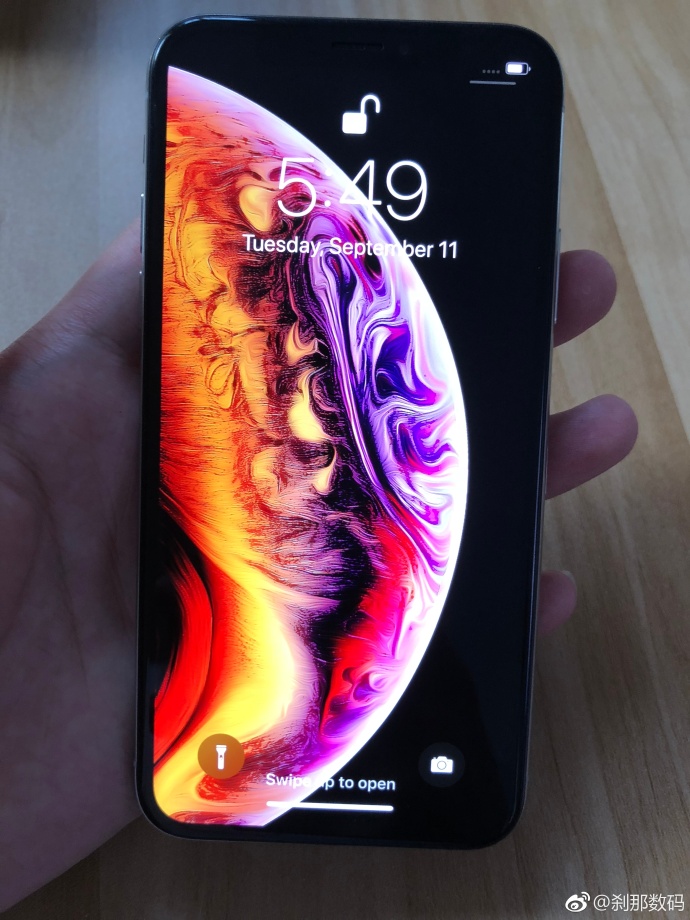
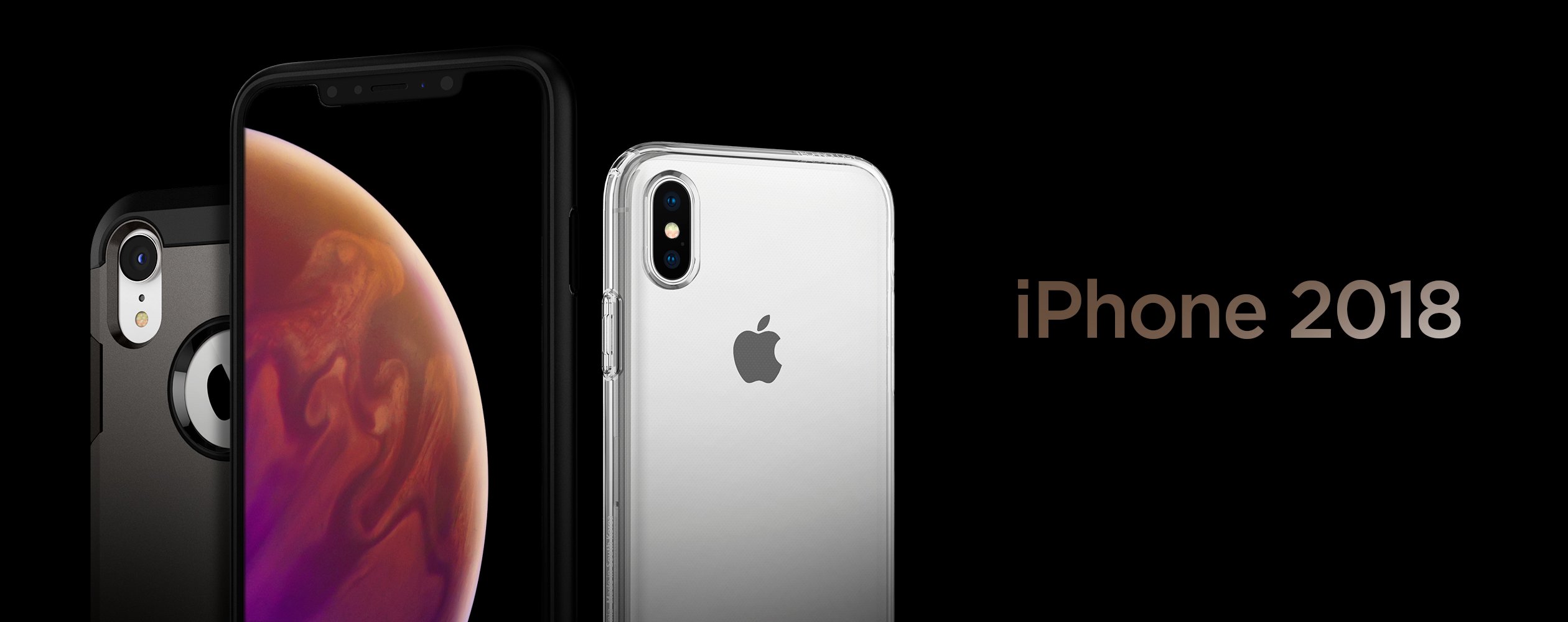
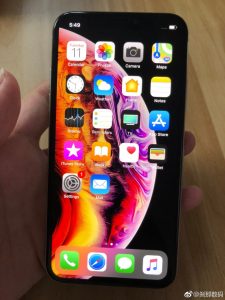
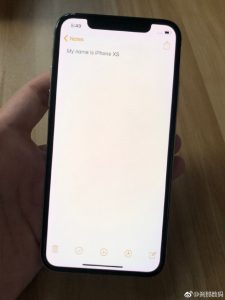
After a series of leaks regarding the upcoming Apple iPhone, we finally have something promising, on the very day of the launch. A series of images which showcase the alleged iPhone Xs and iPhone XC, has emerged. Supplementing the images is a listing of Spigen Cases for the iPhone Xs.
iPhone Xs:
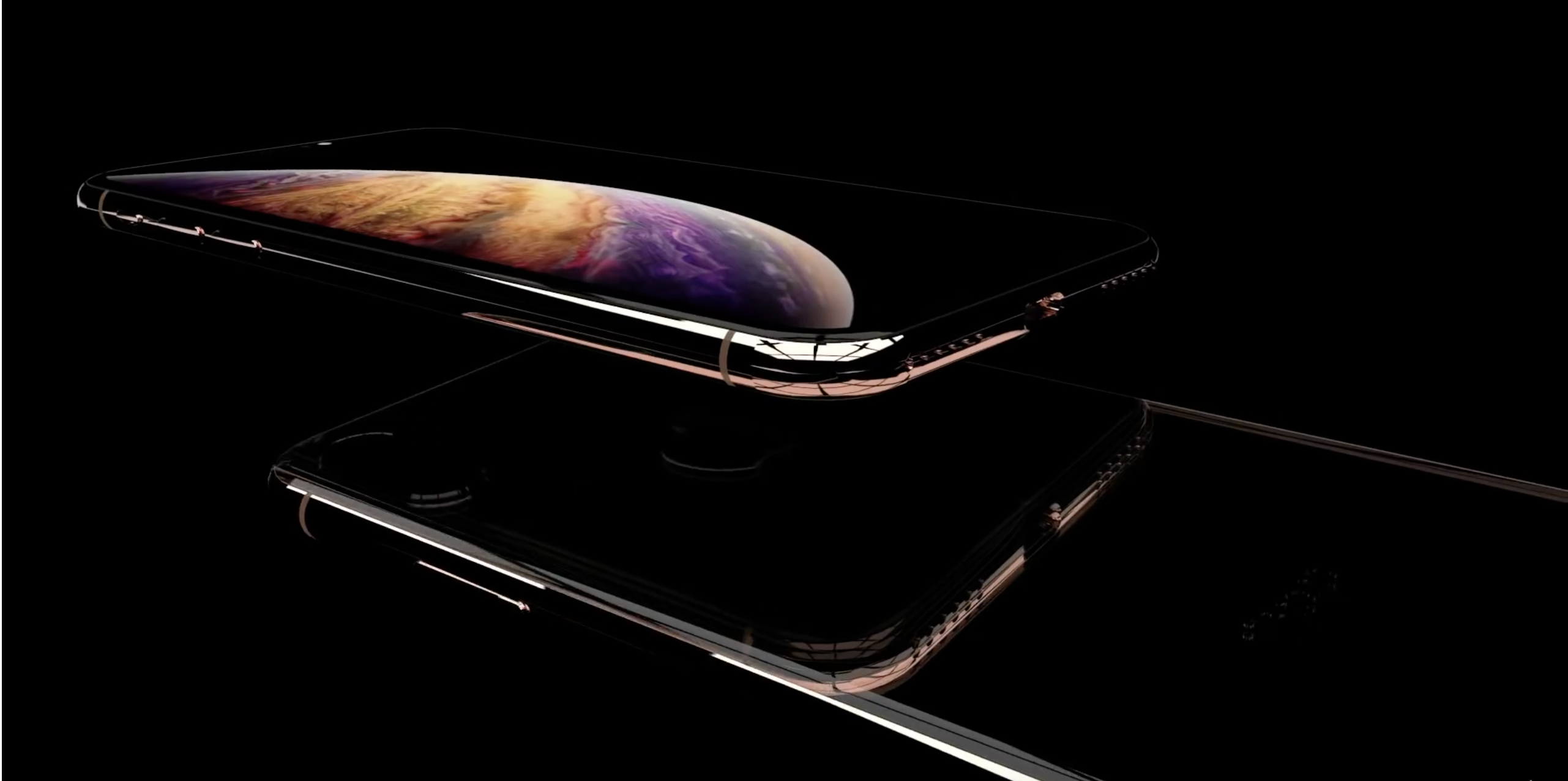
From the images we can see that the iPhone Xs is similar to the existing iPhone X in terms of design. The changes we can expect, will all be under the hood. The iPhone Xs is expected to sport a 5.8 inch OLED display and a dual camera setup on the rear. The device is rumoured to have the new A12 bionic chipset. This will provide a boost to the performance, battery life and a camera of the device, according to reports.
One of the most anticipated iPhone models of this year, because of the fact that it will be comparatively cheaper. The 6.1 inch iPhone XC will have a LCD display and a single rear camera setup. This has been done to cut costs and provide it at a lower rate, according to reports. The possibility that the above picture is an existing iPhone 8 is very low. The device seen here sports a way larger camera sensor than the iPhone 8.
Apart from these two devices, Apple will launch a third, ‘Plus’ variant of the iPhone Xs. The device will have a large 6.5 inch OLED display, while all other design elements will be based on the iPhone X.
The launch event will also have Apple revealing a new MacBook, the Apple Watch 4, AirPods 2, and the AirPower wireless charger, making it an exciting lineup.
With the Apple Launch Event right around the corner, anticipations and leaks are on the rise. The latest leak gives us the names and some new features about the upcoming iPhones. The leaks are based on images from Weibo and give us some interesting insights.
Via Slashleaks
First off, we have the names. The iPhones are going to be called the iPhone XS, iPhone XS Plus and the iPhone XC. This report comes from an alleged slide from an internal China Mobile presentation. The image can be seen having listed the 5.8 inch iPhone as the XS and the 6.5 inch device as the XS Plus. The LCD 6.1 inch device is listed as the iPhone XC. Earlier reports suggested that Apple will be dropping the “plus’ tag and going with the name iPhone XS Max. However, if these images are to be trusted, that doesn’t seem to be true.
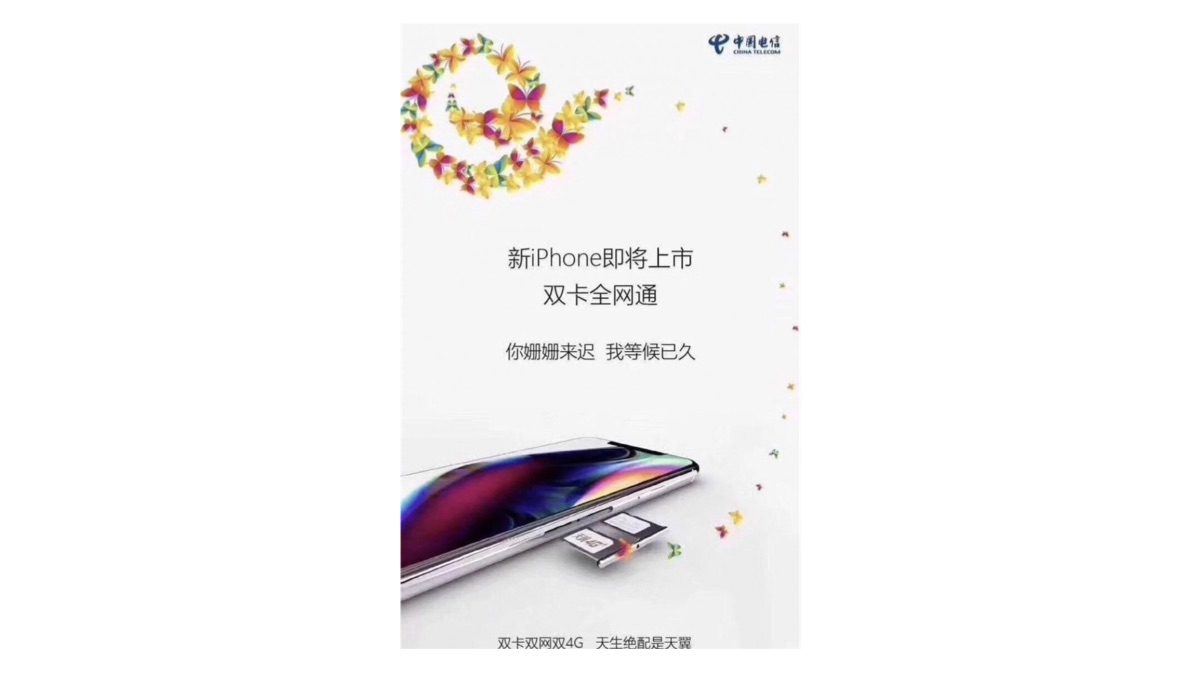
The same slide also reveals plenty of other details. The new Apple iPhone XS will have a dual sim option, as can be seen in an ‘advertisement’ for China Mobile. Reports say that the dual sim version of the iPhone XS will be available only after 21st September.
Via Slashsleaks
Price:
The prices for the three models are also listed, in the alleged leak. The slide lists the iPhone XC at CNY 5,888 which is around Rs 62,000. The iPhone XS is listed at CNY 7,388 and the iPhone XS Plus is at CNY 8,388 which are around Rs 77,980 and Rs 88,535 respectively.
It is expected that the cheaper, 6.1 inch LCD iPhone XC will be launched exclusively in India and China. Experts say so as these markets have maximum potential in these price ranges and consumers will also be looking forward to them. Apple is also expected to launch a new series of MacBooks and a new Apple Watch. The launch event is on 12th September.
The upcoming Nokia flagship has been a subject to a lot of attention recently. With reports about the Nokia 9 pointingat a penta camera setup, in-display fingerprint scanner and more. It seems that the stakes seem to be very high for HMD. However, in an unlikely turn of events, Samsung has accidentally leaked the specifications of the upcoming Nokia 9.
The Leak
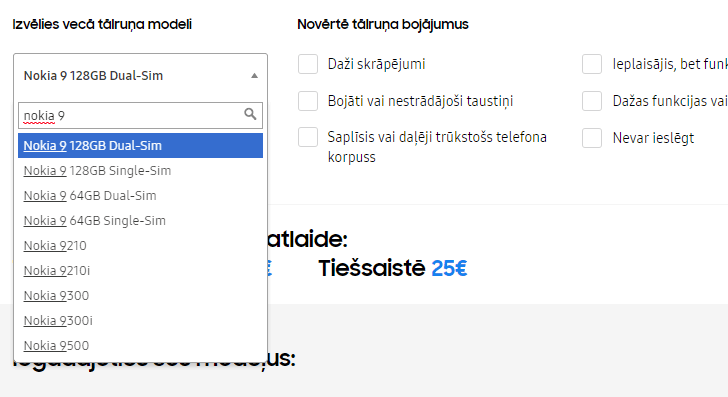
Yes, we know this is a very odd source to get information about the next Nokia device. But, the website of Samsung’s buyback program in Latvia has revealed some interesting figures. In a section of the webpage which tells you how much you can save on your next Samsung Galaxy phone, multiple options of a ‘Nokia 9’ can be seen. The page shows models with 128 GB and 64 GB of storage. Both the variants also seem to have a dual SIM and single SIM option.
While this could be a simple typo on Samsung’s part, it is also likely that it is not. Smartphone manufacturers are known to have knowledge of the upcoming devices form their ‘rivals’ way before it is announced or released. This being said, it is possible that Samsung, the leader in smartphone sales globally, might have a clue about HMD’s next flagship.
Flagship Woes
If that is the case and this information is true, we can brace ourselves for more upsetting news. The plain 64 GB and 128 GB options don’t comply with the earlier leaks. The Nokia 9 will reportedly have a 5 camera setup which might just shake up the smartphone world. Rumours say that this will be done in partnership with Zeiss. Also adding to the list is the rumour of an in-display fingerprint reader on the Nokia 9. With such flagship features and groundbreaking camera setups, it is hard to believe that storage options will be restricted to just mid range specs.
The fact is that HMD needs to pull out their best trick in order to make a proper comeback. While a steady sale has greeted the mid range and low range Nokia devices which have been launched recently, a great flagship might be the game changer for HMD.
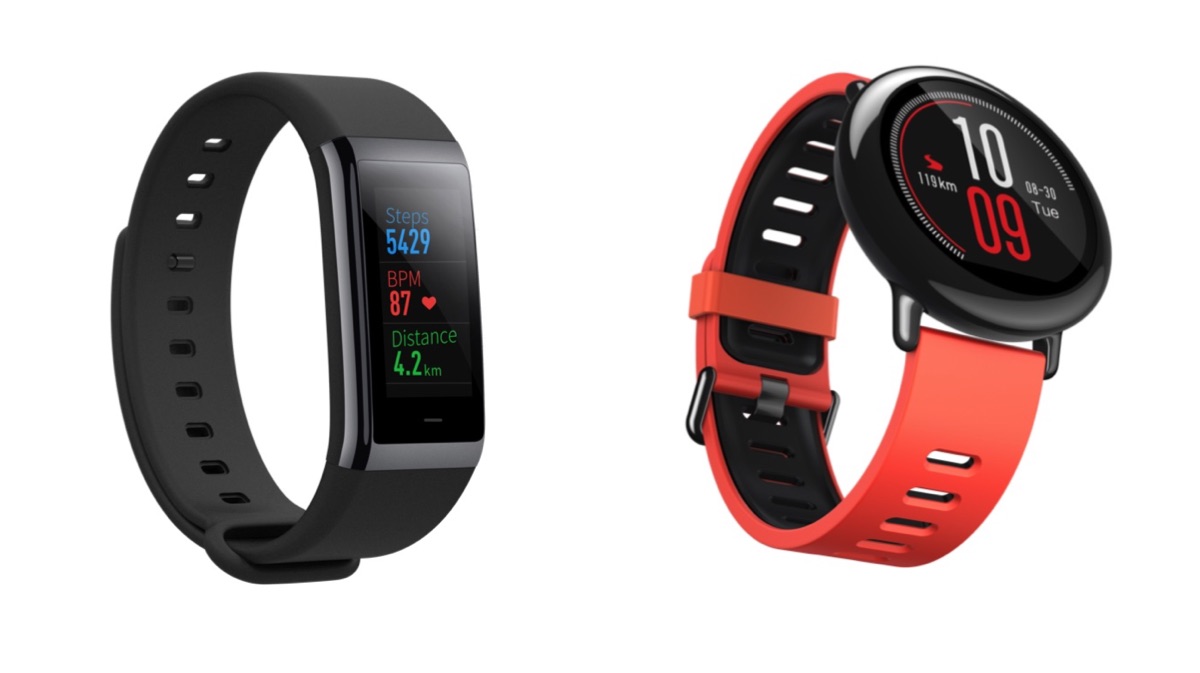
Huami has launched two new smartwatches in India. The brand, which comes under smartphone maker Xiaomi has launched its Huami Amazfit Pace and Huami Amazfit Cor smartwatches . The Amazfit Cor is a fitness band while the round dial Amazfit Pace is a full fledged smartwatch. The devices are available for purchase exclusively through Amazon.
Amazfit Pace:
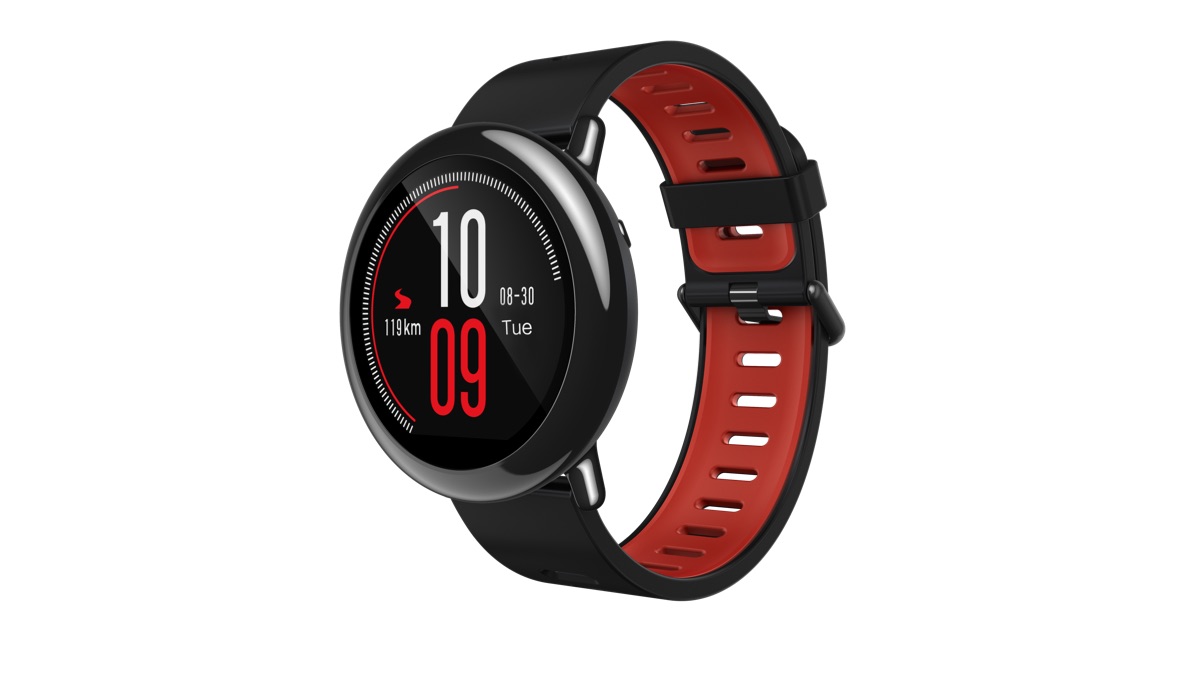
The Huami Amazfit Pace has a 1.2 inch IPS LCD touchscreen. The device is has 2.5D Corning Gorilla Glass 3. It also has IP67 certification making it resistant to dust, rain, splashing and accidental submersion. The device has a stainless steel frame.
The Huami Amazfit Pace has an always on display which helps you view notifications at any time. It has a 3-Axis accelerometer for tracking activities, sports and sleep. The device also tracks your heart rate using an Optical heart rate sensor. The device can also be connected wirelessly to bluetooth earphones to play music.
The Huami Amazfit Pace is compatible with iOs and Android devices and also has an internal memory of 2.4 GB. The device claims to have a battery life of upto 11 days on a single charge and normal use. The device is available exclusively on Amazon at a price of Rs 9,999.
Amazfit Cor:
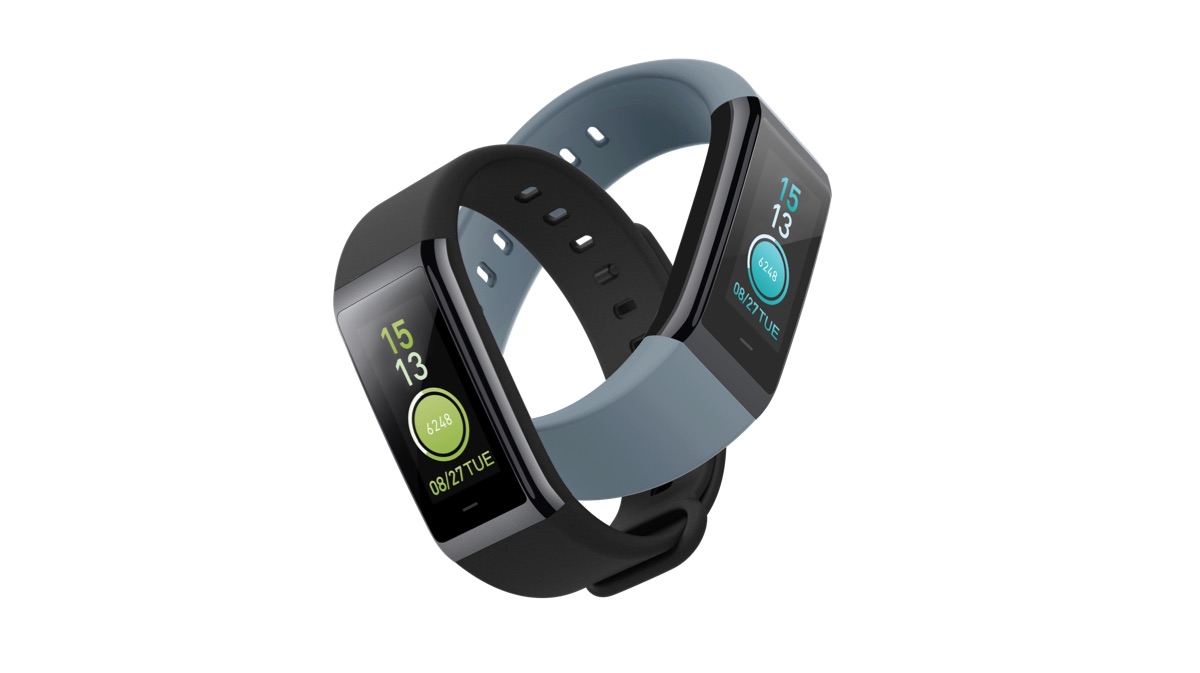
The Huami Amazfit Cor has a 1.2 inch IPS LCD touchscreen. The device has 2.5D Corning Gorilla Glass 3. It is water and dust resistant and has a stainless steel frame. It has a 3-Axis accelerometer for tracking activities, sports and sleep. The device also tracks your heart rate using an Optical heart rate sensor.
The Huami Amazfit Cor also features exercise tracking with heart rate zones, 7-day weather forecast, alarms, timer and a stopwatch. It has comprehensive tracking when it comes to fitness with steps tracking, calorie tracker, sleep tracker and movement reminders.
The Huami Amazfit Cor is compatible with iOS and Android devices. The device claims to have a battery life of upto 12 days on a single charge. The device is available exclusively on Amazon at a price of Rs 3,999.
Huami is also the exclusive maker of Xiaomi’s Mi Band. However, the Amazfit Pace and Amazfit Cor will be under Huami’s banner.
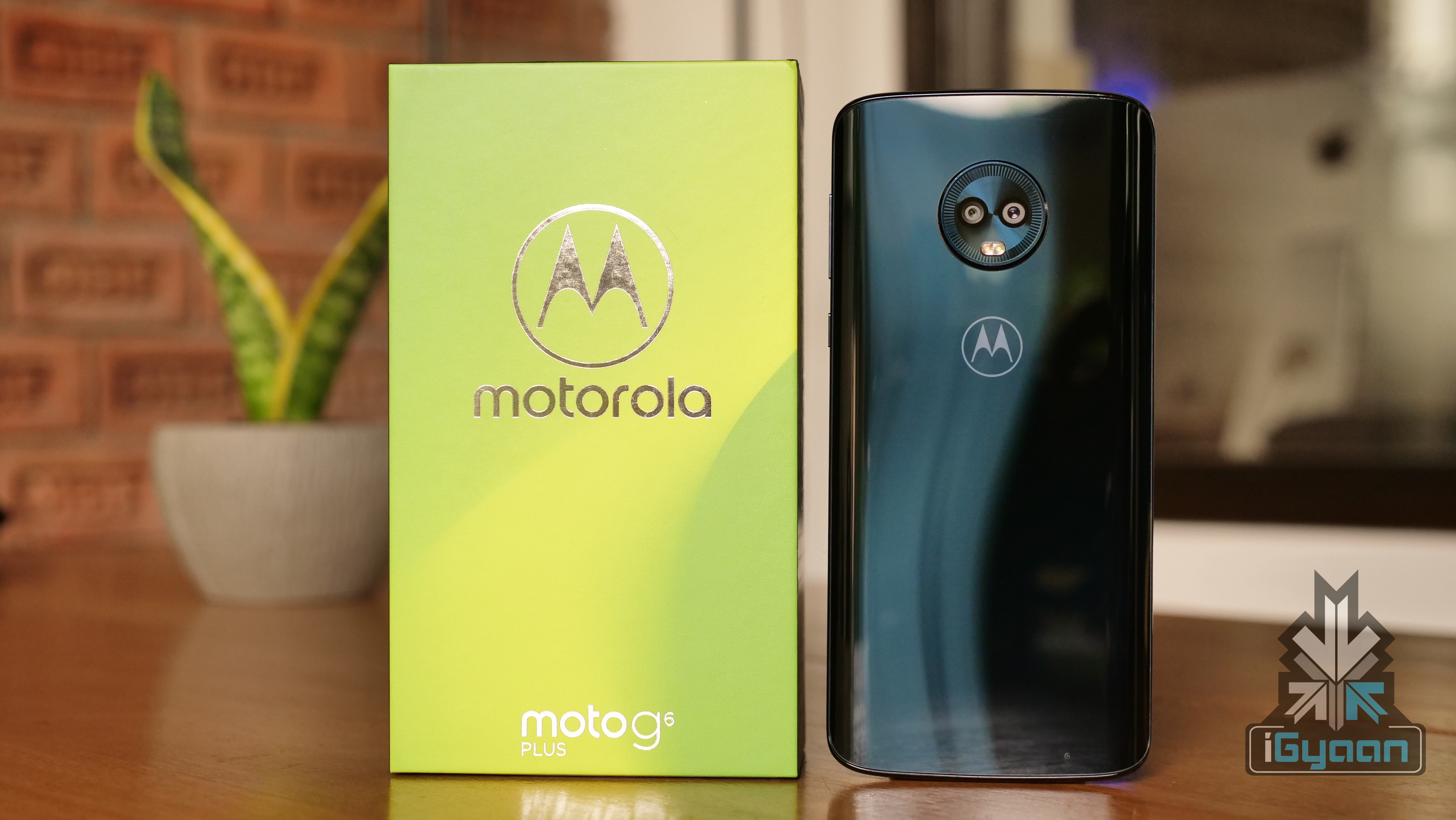
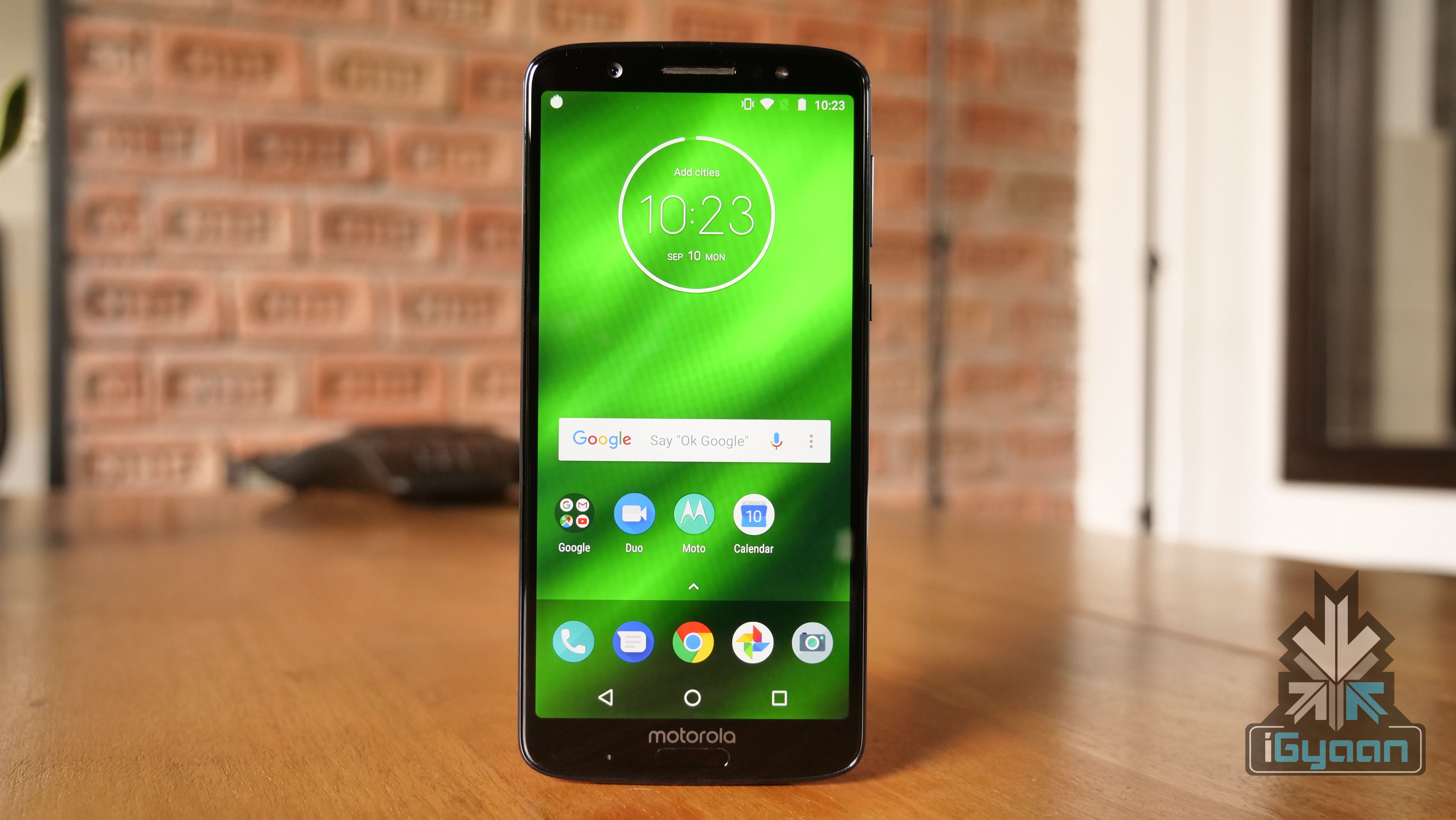
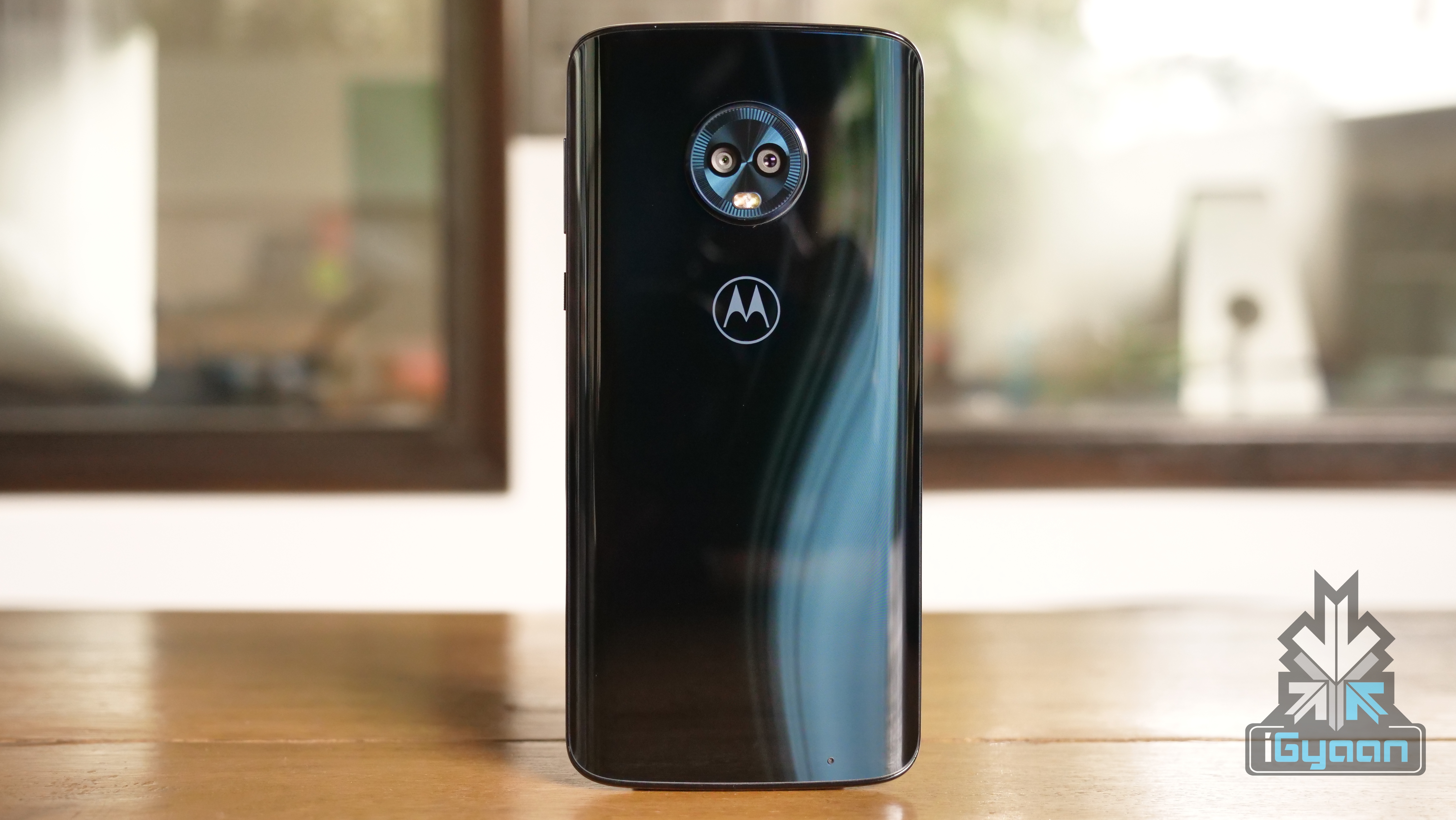
Motorola launched the Motorola G6 Plus in India, today. The device is the third of the G6 segment in India after the G6 and G6 Play. The Motorola G6 Plus has been released globally. The Indian variant is different from the Global Variant.
Display:
The Motorola G6 Plus has a 5.9 inch FHD+ display. The screen has an aspect ratio of 18:9 and a native resolution of 1080 x 2160 pixels. This gives the device a pixel density of 409 ppi. The display sports thick bezels and the fingerprint sensor rests on the front.
Processor:
Running the Qualcomm Snapdragon 630 chipset, the Moto G6 Plus has the Adreno 508 GPU. The device offers 6 GB of RAM. The internal storage of the device is 64 GB, which is expandable upto 256 GB. The device runs the Android 8 Oreo operating system, which will be upgraded to Android 9 Pie soon.
Camera:
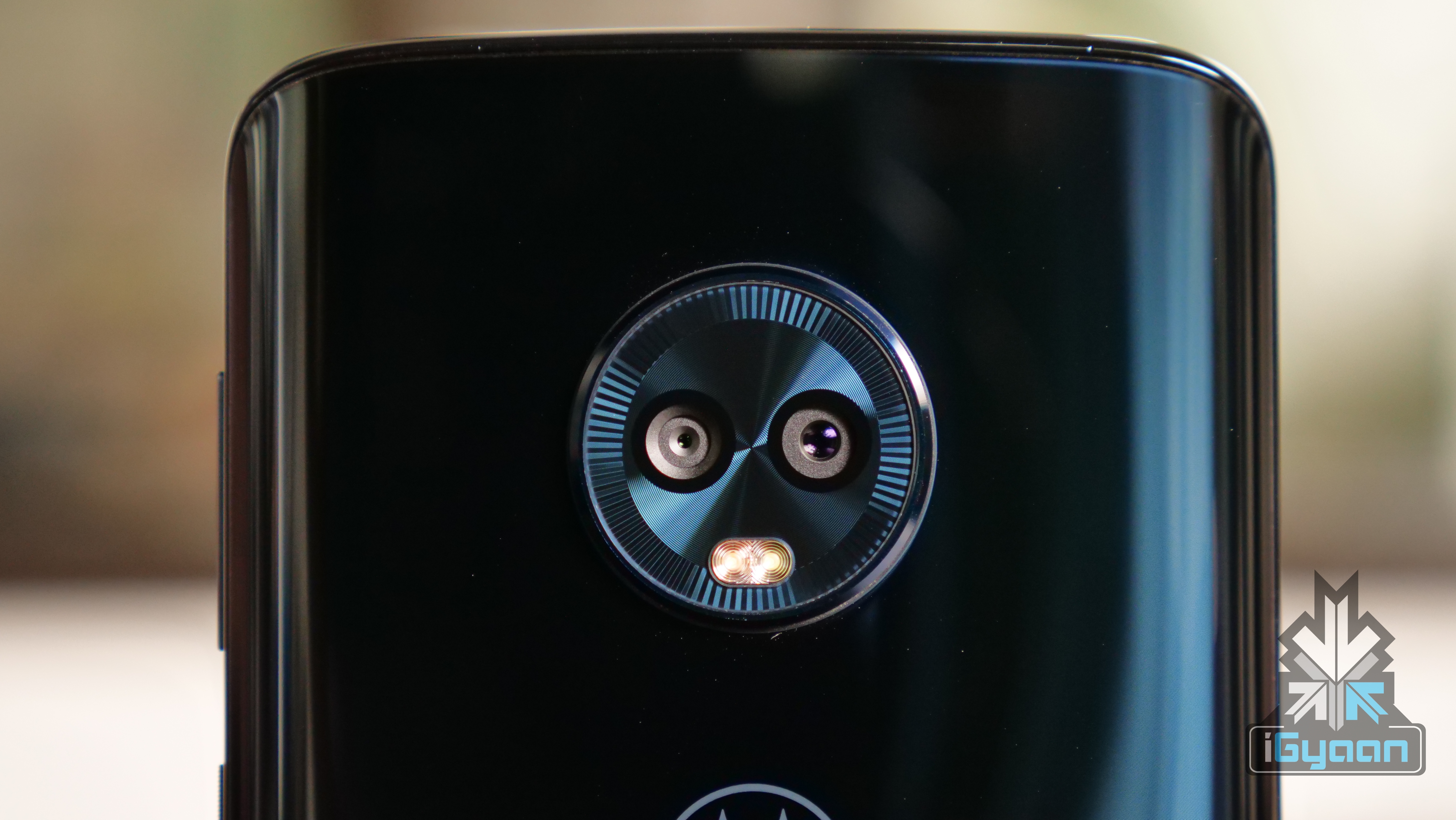
The Motorola G6 Plus has a dual rear camera setup. It sports a 12 MP + 5 MP camera with apertures of f/1.7 + f/2.2 respectively. This is a ‘smart’ dual camera setup, according to the company. The dual pixel autofocus technology promises incredibly fast focus and amazing low light performance. The Motorola G6 Plus records 4K video at 30 fps.
The front camera of the device houses a 16 MP sensor with an adaptive low light sensor. This will give the front camera better low light performance, according to Motorola. The front camera records video at 1080p at 30 fps.
Battery:
The Moto G6 Plus has a 3200 mAh battery along with turbo charging to provide all day usage, according to Motorola.
Price & Other Features:
The Motorola G6 Plus is available at Rs 22,499 in India.
The Motorola G6 Plus also comes with NFC, a USB Type-C port and a fingerprint scanner.