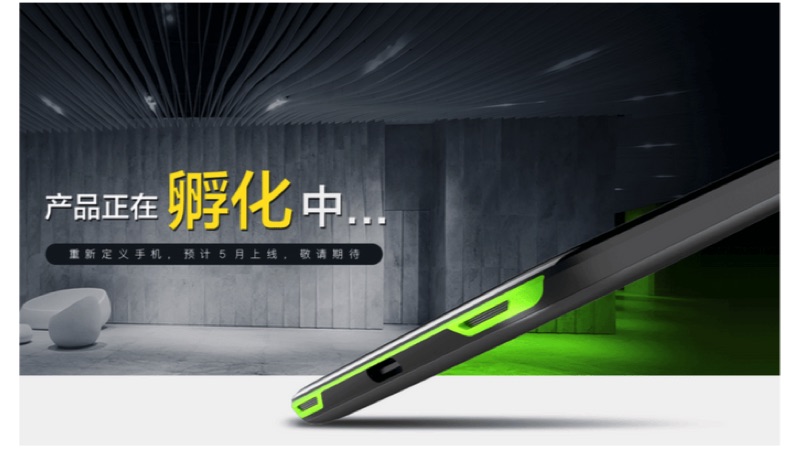
A lot of smartphone makers are working on gaming-centric smartphones. A few months ago, he Razer Phone was launched, and there are rumours of Asus working on one as well. The latest entrant into the gaming-centric smartphones segment appears to Xiaomi. As per a leak, the company might launch a gaming-centric smartphone called BlackShark.
Xiaomi is known for budget and affordable flagship smartphones. However, it will be interesting to see if the company will retain the pricing strategy for this device as well.
The teaser image from the website doesn’t say much, but, it indicates the dual stereo speakers at the bottom with a USB type C port. In fact, the design of the phone does not look anything similar to any of the Xiaomi smartphones. The company might have gone for a complete redesign of its new device.
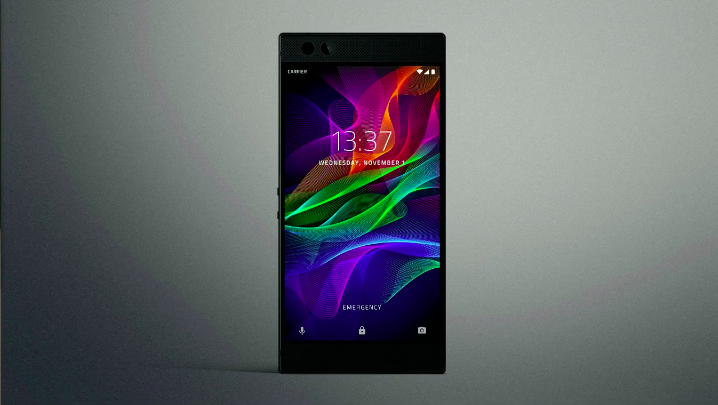
Razer Phone
The features of Xiaomi BlackShark are expected to match with the features of the Razer Phone, which offered top of the line specifications with gaming-centric features like the dual stereo speaker, 120Hz refresh rate, and the Snapdragon 835.
Specifications of Xiaomi BlackShark:
The Xiaomi BlackShark is expected to have a 6 inch display with 2160 x 1080p resolution. Under the hood, the smartphone will be powered by Snapdragon 845 chipset with 8 GB RAM and 32 GB storage. However, the company is expected to Xiaomi BlackShark with either 64GB or 128GB storage.
The BlackShark might offer a full metal unibody design with dual stereo speakers at the bottom. Out of the box, the smartphone will run on Android 8.0 Oreo. However, it might feature either MIUI or stock Android. As this is a gaming smartphone, it comes with one of a kind aviation class cooling system with additional tweaks. The smartphone scores an impressive 270680 points on Antutu, in fact, it is more than that of the Galaxy S9’s 265267 points.
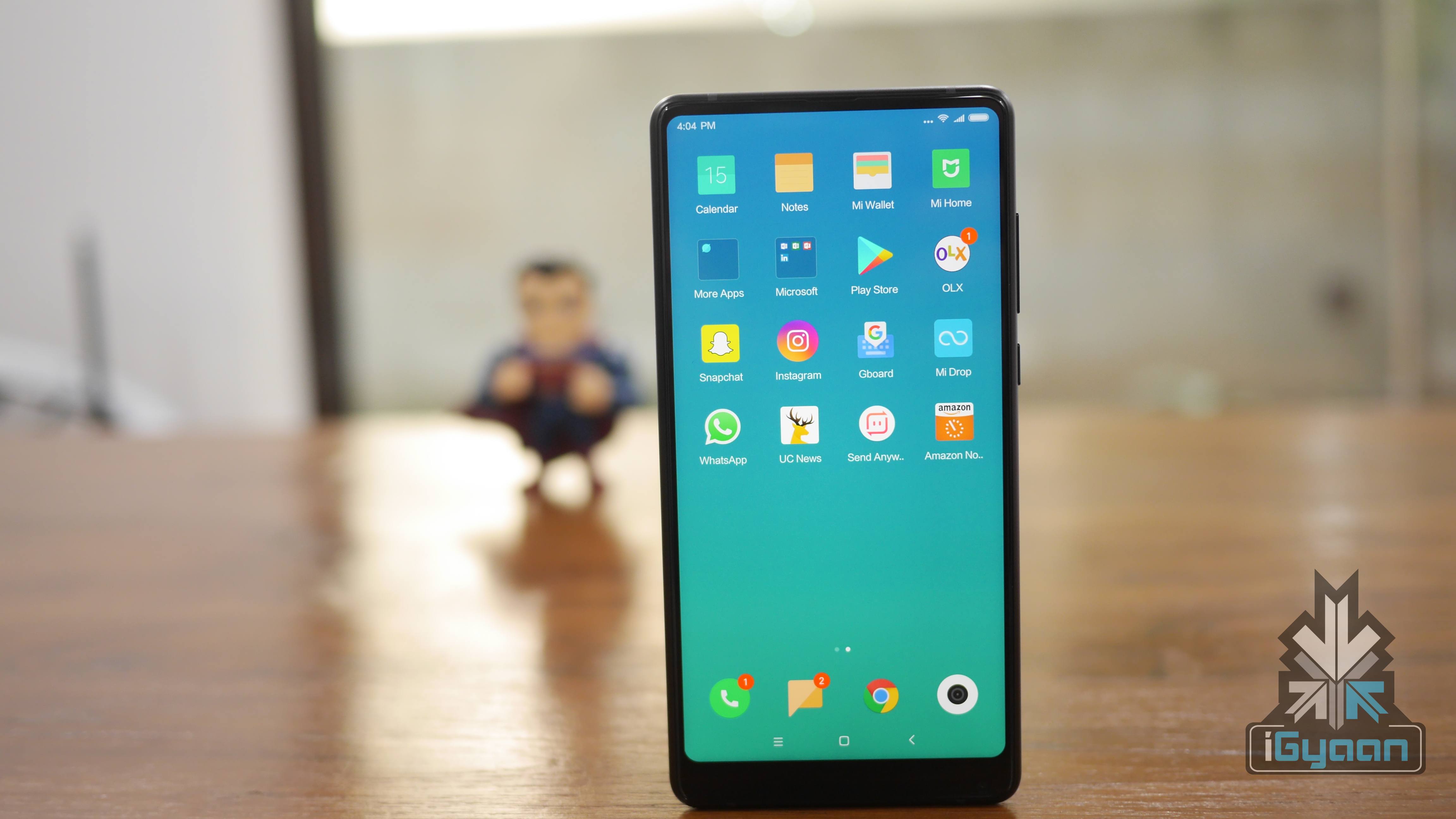
Mi Mix 2
Conclusion:
Going by the company’s pricing strategy, the Xiaomi BlackShark should be priced competitively. However, the company might not launch this smartphone at MWC 2018, instead, it might have a separate launch event in China sometime later in 2018. Therefore, if true, the Mi BlackShark will surely give the Razer Phone and Razer Phone 2 a run for its money.
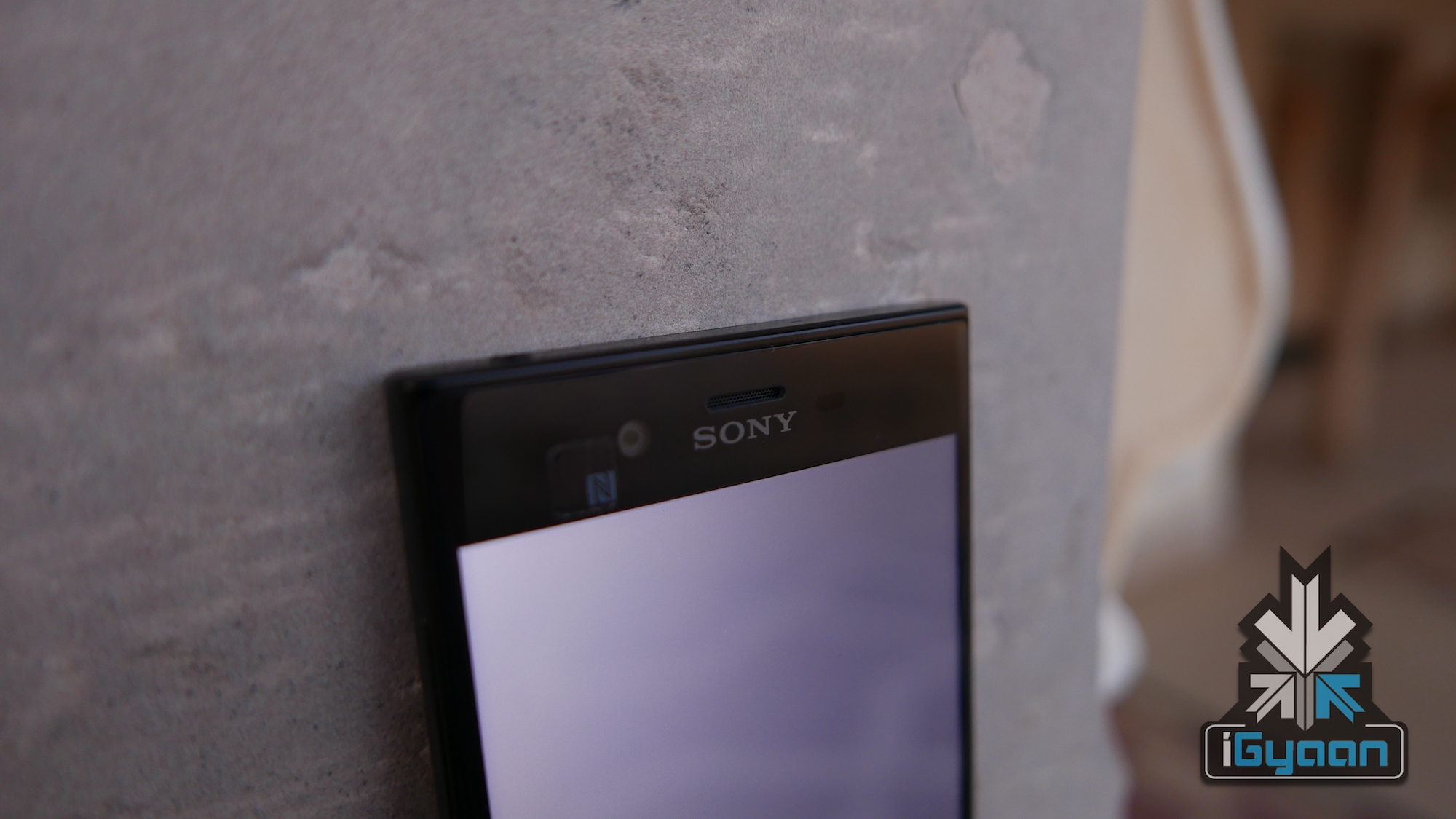
Sony is expected to launch a couple of smartphones at MWC 2018. The launch is significant in more than one way. Apart from the flagship devices on display, the company will also finally move on to an 18:9 aspect ratio. However, the company is in no rush to give anything away before the launch event. Hence, Sony’s social media team decided to post a cryptic video on Twitter to announce the launch event.
The video shows a hand with Sony’s iconic wallpaper in front of a grey background. It doesn’t seem necessary to delve too deep into the video. However, the decision to put up a cryptic video is very interesting. There is a lot of speculation around the Sony devices launching at MWC 2018. Hence, the company’s admission to a launch event that too with a minimalistic video appears to be a smart choice. It has certainly made people talk about the Sony devices again.
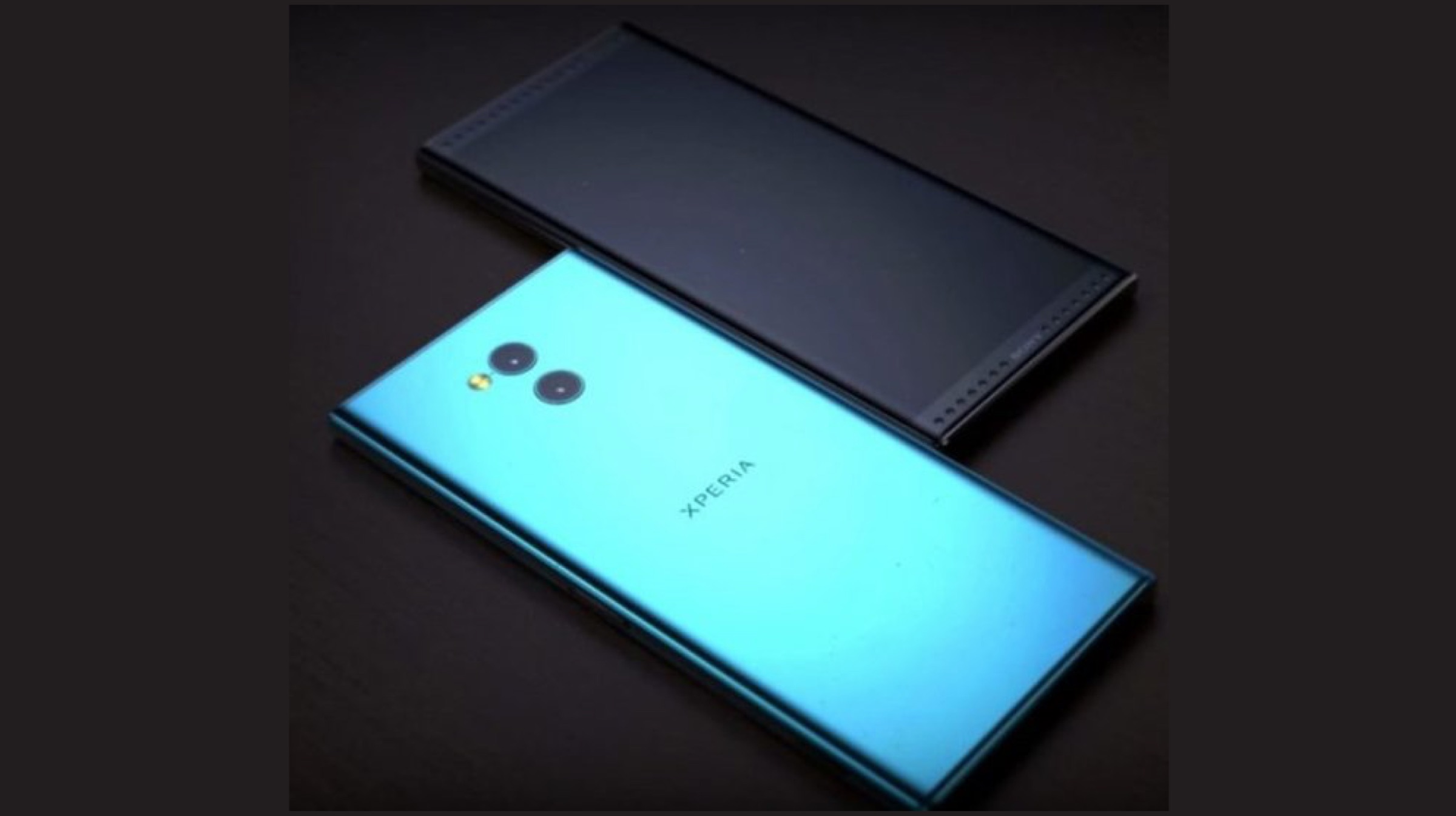
The smartphone maker is known to launch new smartphones at MWC every year. This year, the company might launch the Xperia Xz2 Pro and the Xperia Xz2 Compact. These devices are expected to offer newer design language called as “Plate + Human”.
The Sony Xperia Xz2 Pro is expected to have a 5.7-inch 4K OLED display with dual front-facing stereo speakers. Under the hood, the smartphone will be powered by Qualcomm Snapdragon 845 Oct-core chipset with 6GB RAM and 128GB storage. However, this could be untrue and the company could launch the XZ2 Pro with a Snapdragon 835 chipset. Although not public, there is a possibility of Samsung having early access to Snapdragon 845 chipsets.
Hence, the launch of the Xiaomi Mi 7 has also been pushed to later. Since the company confirmed that the Mi 7 will be powered by the Snapdragon 845 chipset.
This might be the first Sony smartphone to feature dual camera at the back with a 16 MP + 13 MP camera setup. There will be a 12 MP front-facing camera at the front.
Sony Xperia Xz2 Compact:
The Xperia Xz2 Compact might have a 5 inch display with a 2160 x 1080 px resolution. Just like the Xperia XZ2 Pro, it could either be powered by the Snapdragon 845 or 835 chipset. The Xperia Xz2 Compact might feature thin bezels along with an 18:9 aspect ratio display.
The Xperia Xz2 Compact is expected to run on Android 8.1 Oreo with Sony’s Xperia Interface. As of now, there are no other details about the Xperia Xz2 Compact.
Conclusion:
Sony has been known for its premium smartphone. The smartphones are known to have a plenty of features like flagship grade display, premium camera, and even IP certification for water and dust resistance.
With the new Xperia Xz2 series, finally, the company might refresh its blocky slab design with an interesting curvier design.
On the 26th of February in Barcelona, Spain, MWC 2018 will kick off. Companies from around the globe are expected to announce and showcase all kinds of smartphones. One of the most anticipated launches is that of Samsung devices. The Galaxy S9 and S9+ will be launched a day before MWC 2018 commences. However, companies like LG are expected to not host a marquee event. This is mainly because of the presence of the Galaxy S9 devices and the media frenzy that surrounds them.
Xiaomi is also expected to make an important announcement pertaining to the Mi Mix 2S. HTC, which appeared to give MWC 2018 a miss, might launch a couple of important smartphones as well. However, the most exciting lineup, after Samsung, appears to be of Nokia. HMD Global is expected to launch at least three devices at MWC 2018.
So, here is a list of the top smartphones launching at MWC 2018!
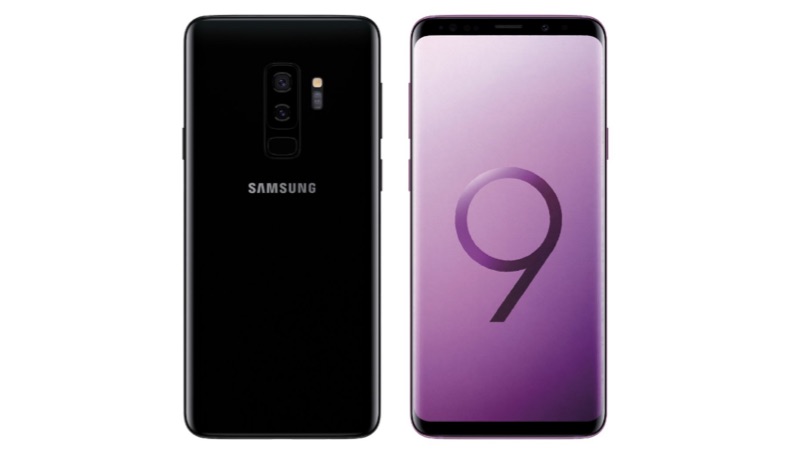
The Galaxy S9 and S9+ will be the marquee launches at MWC 2018. As always, Samsung’s flagship devices are always hyped and same has happened in 2018 as well. There have been numerous leaks of the two devices over the past two weeks. However, Samsung might have a couple of surprises planned even though we know almost everything about the devices.
The Galaxy S9 and S9+ are expected to retain the display sizes of their predecessors. The design of the Galaxy S8 devices was highly appreciated and it looks like the company won’t tinker with it too much. The bezels will be slightly smaller but, nothing too major.
Under the hood, the smartphones will either run on the Snapdragon 845 chipset or Exynos 9810. The storage variants of the Galaxy S9 and S9+ have leaked a while ago and a recent image corroborated that. Fortunately, Samsung has worked on the fingerprint sensor and this time around, it will be placed in a more ergonomic position.
The Galaxy S9 will have a single camera while the S9+ will have a dual-camera setup. This is different from the previous generation where the only differences between the regular and ‘Plus’ devices were battery and display sizes. This time around, Samsung will pack extra features in the S9+ to justify the steeper price tag.
Xiaomi Mi Mix 2S
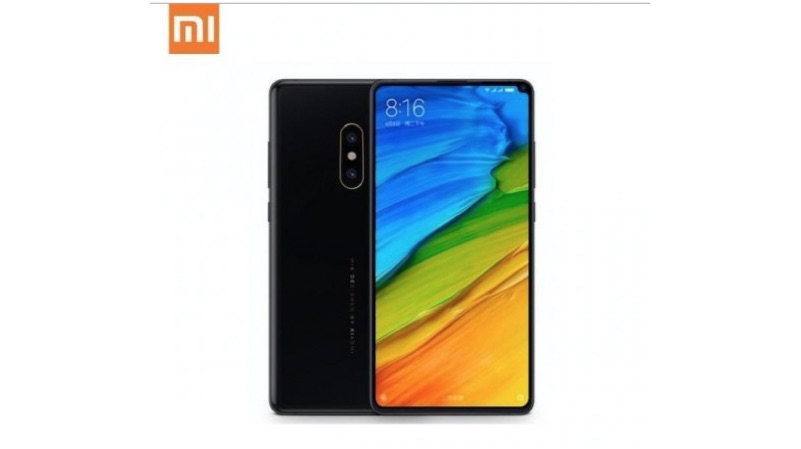
Unlike the Galaxy S9 and S9+, this launch isn’t that obvious, yet. There are a few days to go for MWC 2018 which means Xiaomi has time to confirm a launch event. Up until a few weeks ago, the Mi Mix 2S looked like a result of someone’s wild imagination. That weird notch on the top right corner did not seem real and there were rumours of the Mi 7 flying around.
However, the Mi Mix 2S rumours have picked up since then and it looks more likely to be launched. There are reports that the company will launch the Mi 7 later. The Mi Mix 2S will have thinner bezels and the Mi Mix 2 along with a notch on the top right corner. That small notch will house the front camera.
Xiaomi has already used radical methods to tackle with the front camera. It placed the front camera on the bottom bezel in the Mi Mix and Mi Mix 2. Under the hood, it is expected to run on the Qualcomm Snapdragon 845 chipset along with 8GB of RAM and 256GB of storage. The Mi Mix 2S will also have a dual-camera setup on the back. Also, it might feature Clear ID technology as well. Although, that seems highly unlikely right now.
Nokia 7 Plus
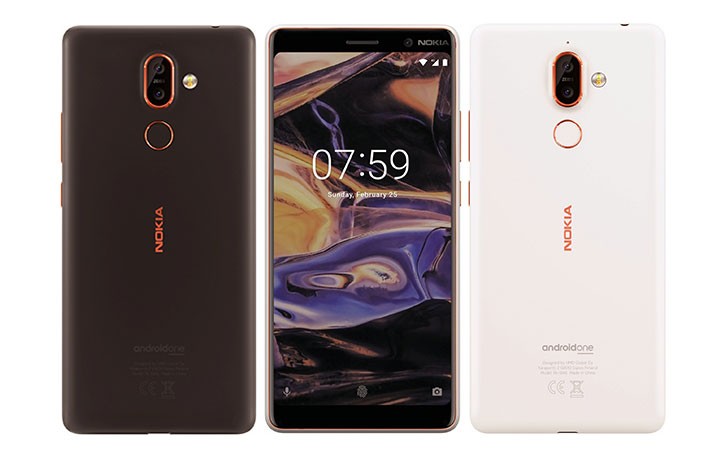
Nokia 7 Plus Renders Courtesy: @evleaks
A continuation of the Nokia 7, the Nokia 7 Plus might be the international variant of its predecessor. The Nokia 7 did really well in China and HMD Global might launch the Nokia 7 Plus internationally. It is expected to have a new design with an 19:9 aspect ratio and thin bezels. The Nokia 7 Plus, according to the renders, appears to have a stunning design and will impress a lot of people.
The fingerprint sensor along with the dual Zeiss branded cameras are located on the back, with a hint of an orange accent around the camera ring. According to the renders, it could sport an all-glass design, similar to the Moto X4 and Nokia 7.
It is worth noting that the Nokia 7 Plus will run on the Qualcomm Snapdragon 660 SoC, coupled with 6GB RAM and 64GB storage. The “Android One” branding on the back of the phone guarantees that the device will launch with Android 8 Oreo out of the box. Hence, you can expect regular software updates for the next two years.
Renders suggest that the company has decided to retain 3.5 mm headphone jack and a USB type C port charging and data syncing. At least on paper, the Nokia 7 Plus looks like a well-balanced smartphone, with a smart set of specifications.
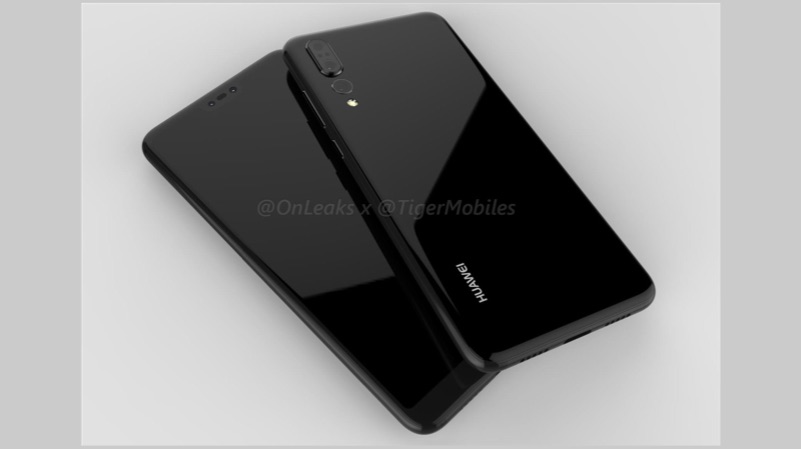
There is still a lot of confusion regarding the name of this device. But, what is for certain is that Huawei will launch a new smartphone at MWC 2018.The Huawei P11/P20 Lite was recently leaked in 3D renders which revealed a very interesting design. The Huawei P11 Lite, along with the P11 and P11 Plus, is expected to have an iPhone X-like notch.
Not just that, even the dual camera setup on the back is placed vertically, resembling the iPhone X. The Huawei P11 Lite is expected to be launched globally.
With bezels getting thinner, the standard size of a smartphone has increased from 5.5 inches to 6 inches. The Huawei P11 Lite is expected to have a 6 inch display with a 2880 x 1440 px resolution. Just like the Mate 10, Huawei could use an OLED panel as well. As seen in the renders, the corners are curved which means an OLED panel is expected on the Huawei P11 Lite as well.
Under the hood, it will have the HiSilicon Kirin 970 chipset along with 6GB or 8GB of RAM. The dual-camera setup might be similar to previous Huawei phones with an RGB+Monochrome combination.
Conclusion
MWC 2018 will play host to a lot of great smartphones. iGyaan will keep you posted on all the exciting launches! What are you most excited about?
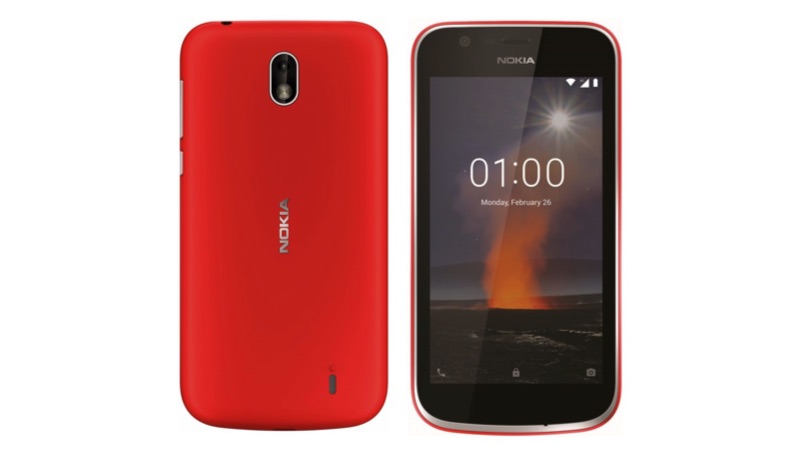
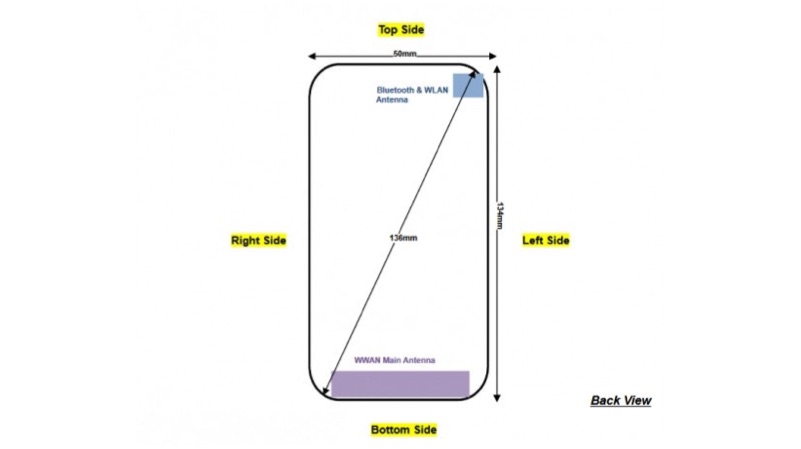
FCC listing reveals a new Nokia smartphone with model number TA-1071. As per the details, the listed device is likely to be the upcoming Nokia 1, which was leaked last week along with the Nokia 7 Plus. With MWC 2018 around the corner, the certification might just have confirmed the launch of the Nokia 1.
The Nokia 1 could be the most affordable Android smartphone to date from HMD Global. Considering the price of the Nokia 2, it could be priced at under US$ 100. As per the listing, the Nokia 1 has an overall size of 5.35-inch body, which might house a 5.0-inch or a smaller display. The smartphone will have prominent bezels with a 16:9 aspect ratio screen.
The Nokia 7 Plus is also expected to be launched at MWC 2018. It will, however, be a more premium offering than the Nokia 1. The Nokia 7 Plus is expected to offer a 6-inch display with the bezel-less design. It is likely to be powered by Qualcomm Snapdragon 660 SoC with at least 4GB RAM and 64GB storage. In terms of camera capability, the smartphone might have a dual camera setup on the back with Zeiss optics.
Nokia 7 Plus Renders Courtesy @evleaks
Features:
The Nokia 1 will be powered by an entry-level Qualcomm SoC with 1GB RAM and 8GB storage. Similarly, the smartphone is expected feature single cameras on both the sides of the device.
The device is expected to feature dual SIM card slots with 4G LTE and Volte support. Additional connectivity features like Bluetooth 4.0, Wifi, Wifi Hotspot are also supported out of the box. The smartphone will run on customised Android Oreo Go OS, based on Android Oreo 8.1 for the entry-level smartphones.
Conclusion:
HMD Global has already confirmed its presence at MWC 2018. However, there are no official words about any products. If everything goes well, then HMD Global might launch Nokia 1, Nokia 4, Nokia 7 Plus, Nokia 9, and Nokia 10.
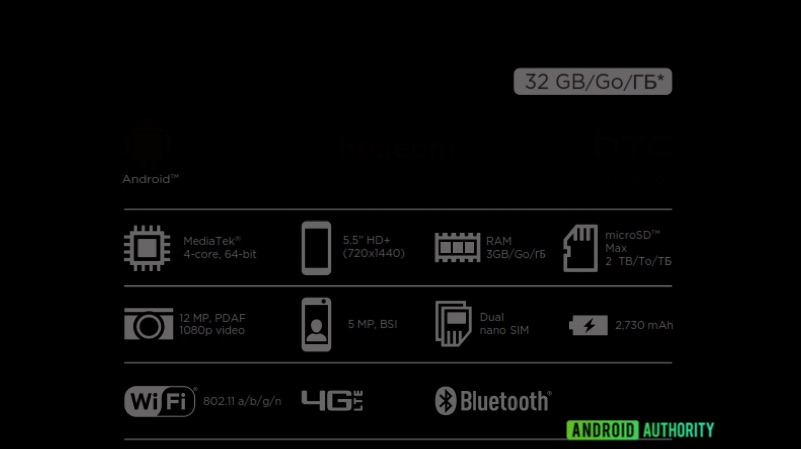
HTC is expected to launch its 2018 flagship, the HTC U12 at MWC 2018. Along with the flagship smartphone, there have been rumours of an entry-level device as well. HTC might launch the HTC Desire 12 at MWC 2018 with an 18:9 aspect ratio and entry-level specifications. However, a new image of the retail box has revealed the key specifications of the HTC Desire 12. This also seemingly confirms that the device is real and will be launched at MWC 2018.
HTC Desire 12 Specifications
According to the leaked image of the box, the HTC Desire 12 will have a 5.5 inch display with a 1440 x 720 px resolution. This translates into an 18:9 aspect ratio. The industry has certainly moved on from the 16:9 aspect ratio and it won’t be long before even entry-level devices start launching with this aspect ratio.
Under the hood, the smartphone will have a MediaTek chipset with a quad-core chipset, 3GB of RAM and 32GB of onboard storage. The storage will be expandable up to 2TB via a microSD card. Powering the device will be a 2730 mAh battery. The box doesn’t reveal the version of Android it will run out of the box. However, it is possible that the HTC Desire 12 will run Android 8 Oreo out of the box.
The Desire 12 will have a 12MP camera on the back. It will record 1080P videos at 30fps. On the front will be a 5MP BSI sensor which will, in all probability, record 720P videos.
However, these are still leaks and nothing can be absolutely certain right now. Hence, until HTC launches the Desire 12 at MWC 2018, these are all speculations.
Conclusion
It is yet to be seen whether the HTC Desire 12 will be launched in India. The Indian smartphone market extremely price sensitive where companies like Xiaomi has shone. If HTC does launch the Desire 12 in India with a MediaTek chipset, it will have to be priced very competitively. However, the HTC Desire 12 might bring something else to the table with its 18:9 aspect ratio. Therefore, the price will be really important for it to succeed in the India market, at least.
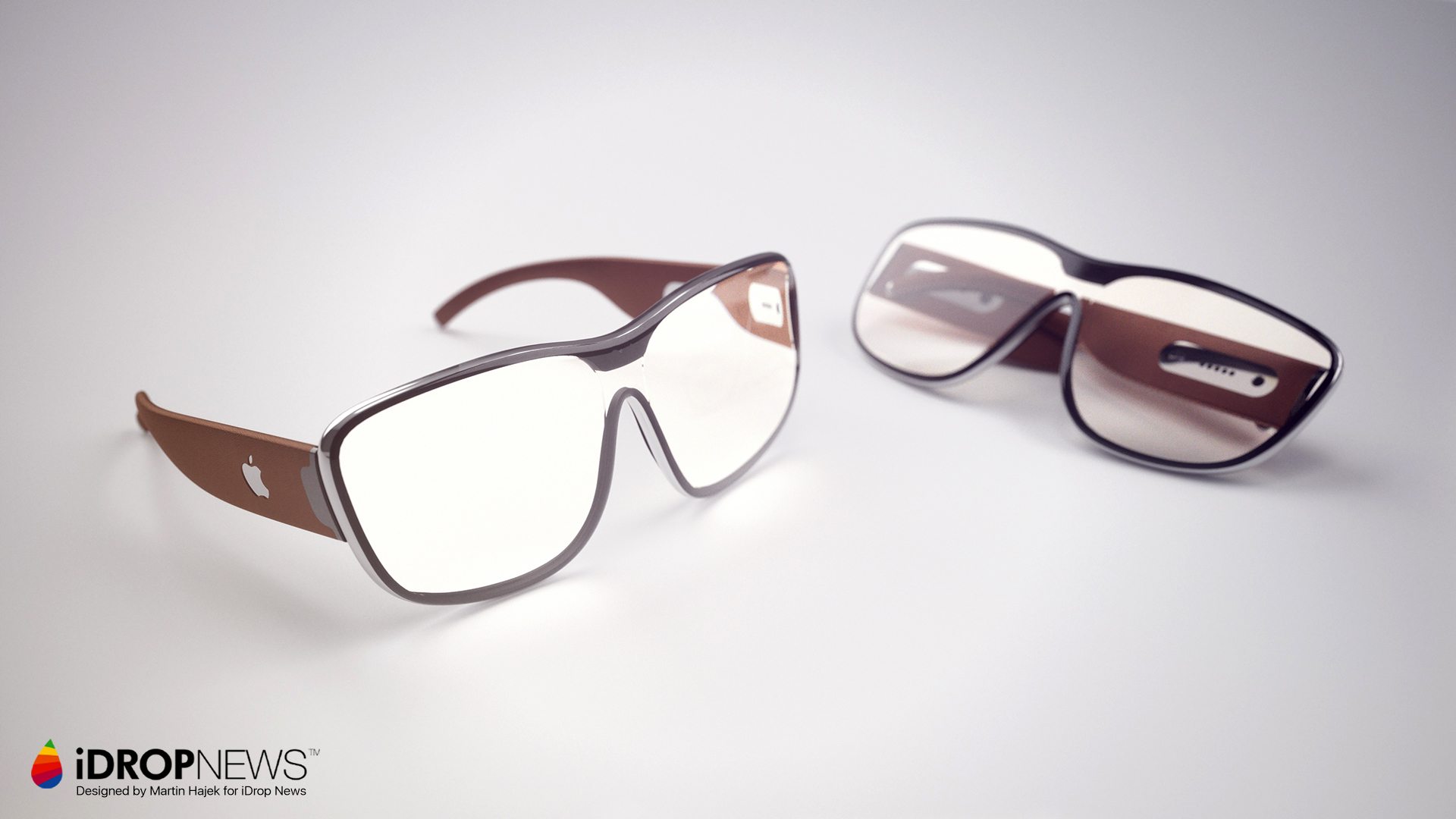
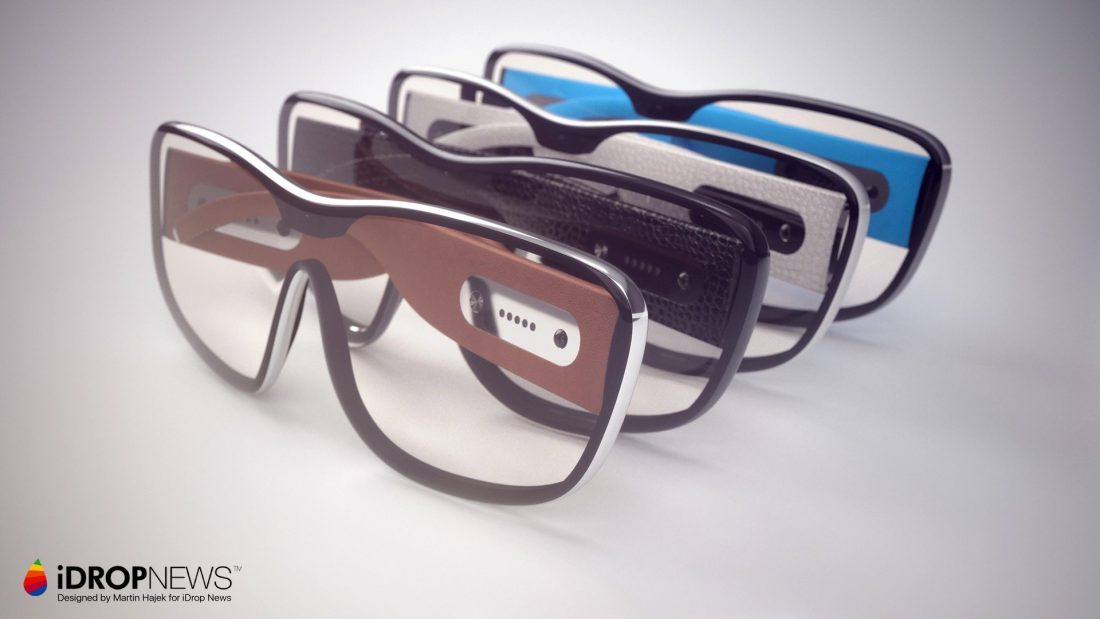
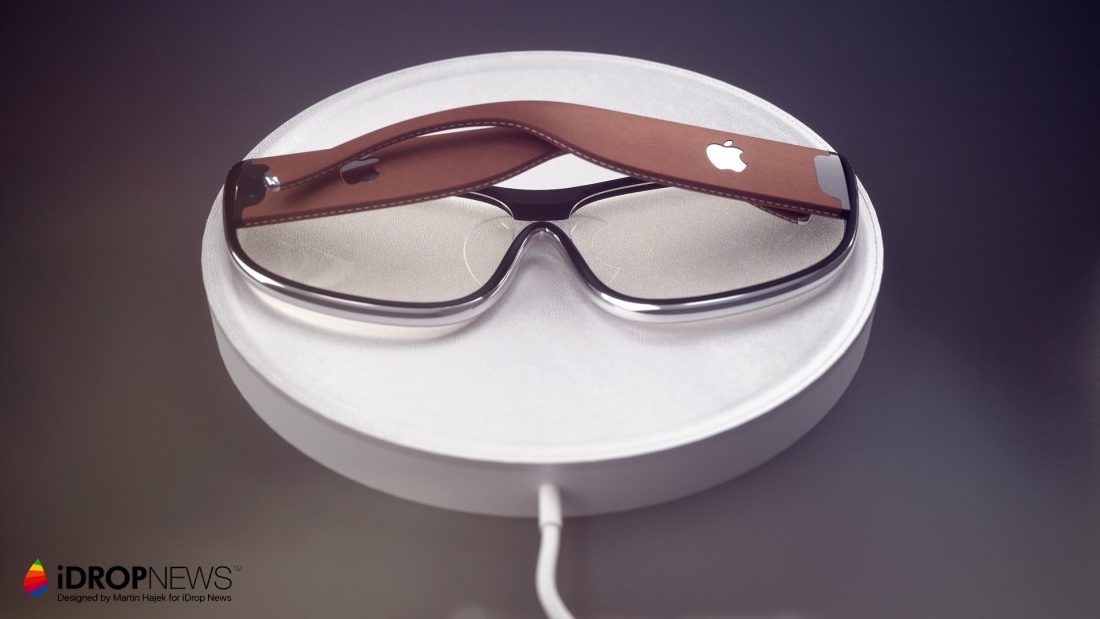
A Dutch-based designer has come up with a concept render for the Apple AR Glasses. The concept images are very realistic, which showcases the aesthetics and the function of the glass. Unlike the Google Glass, Apple AR Glasses looks like regular sunglasses with Apple logo on both sides of the frame.
Google was the first company to release a pair smart glasses. However, owing to its unusual appearance and intrusive features, it failed to take off. Intel recently came up with a concept called Vaunt, which uses retinal projection technology to project an image directly on your eyeball. One of the main features of the Vaunt is how simple they look. Unlike the Google Glass, it will be hard to notice these smart glasses in a crowd. Also, they aren’t as intrusive either, since there are no cameras to secretly record footage.
Intel’s new smart Vaunt Glasses. Image courtesy: Verge
Even Snapchat came with Spectacles, which comes with a dedicated camera to record videos. The Snapchat Spectacles also have a glowing LED ring, which notifies that the user is recording a video.
If Apple does launch the Apple AR Glasses, it has to be minimalistic. The glasses cannot have an in your face design, like the Google Glass. The renders reveal that the Apple AR Glasses will look close to regular spectacles. If the design is anywhere near the final product, the Apple AR Glasses could be a success.
Features of Apple AR Glasses:
According to Martin, the Apple AR Glasses uses a micro-projected to project the images on the lens. So, the Apple AR Glasses user will be able to see real-world information and the smart information from glass simultaneously.
These glasses will be based on Augmented reality, rather than the virtual reality. With the help of smart glasses, the user will be able to check phones battery percentage, network reception and notifications with a blink of an eye. Like Apple Watch, the Apple AR Glasseses are expected to support wireless charging using Qi-wireless compatibility.
The glass frame is expected to feature sensors like camera, GPS, and light sensor. There will be complete Siri integration with all the functionality. The Glasses are also expected to feature dual speakers, which can transfer the sound to the user directly.
These Glasses will be powered by Apple’s rOS, which will be based on iOS, with a battery efficient chipset. The rOS stands for reality operating system, focused on AR capabilities.
GBH Insights analyst said:
While this has been a late entrant from an AR/VR perspective, we believe Apple AR Glasses will be the next step in the wearable category for Apple.
Conclusion:
So far, there have only been rumours about this. Some reports claim that the Apple AR Glasses might start shipping as early as 2020.
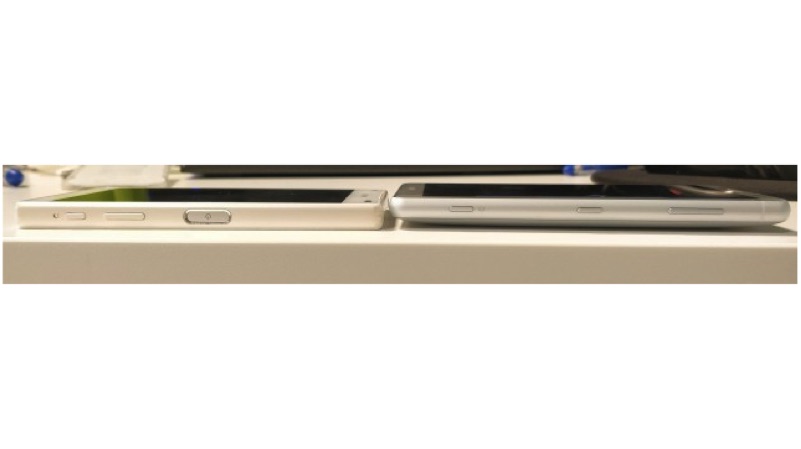
Sony will be launching a couple of new devices at MWC 2018. The Xperia XZ2 is expected to be the first Sony smartphone with an 18:9 aspect ratio. ALong with the Galaxy S9 devices and Mi Mix 2S, it will also run on the Snapdragon 845 chipset. However, it’s smaller sibling, the Xperia XZ2 Compact is expected to maintain the 16:9 aspect ratio. Recently, a prototype of the Xperia XZ2 Compact showed up online with an interesting design.
Someone named Grisha left a comment on an Xperia Blog with the image of the upcoming device. In the image, the Xperia XZ2 Compact is placed next to the Xperia X5 Compact. Although the image is taken from a side angle, it reveals that even the Xperia XZ2 Compact will have a new design, despite the 16:9 aspect ratio.
The Sony Xperia Z5 Compact featured a 4.6-inch IPS LCD display. Under the hood, the smartphone was powered by Snapdragon 810 SoC with 2GB RAM and 32GB storage.
It offered a 23 MP main camera and a 5.1 MP front-facing camera with a dedicated shutter button. In fact, it was the most powerful compact smartphone in the market at the time of launch. As a result, the smartphone was highly appreciated for its one hand usability.
Alleged features of Xperia XZ2 Compact:
The Xperia XZ2 comes with a radically redesigned body. Most of the Sony flagship smartphones offered a blocky slab design, while the XZ2 Compact will offer a curved design. Interestingly, the company might also ditch the 3.5mm headphone jack. Although these are still rumours, the XZ2 and XZ2 Compact might follow the industry trend of getting rid of the headphone jack.
The leaked design of the XZ2 Compact resembles the “Plate + Human” concept from 2015.
As per the renders, the smartphone has a metallic frame with a soft material like the finish on the back with a pillow effect. The design is reminiscent of the Nokia Lumia 930 with a metallic frame and a soft shell.
Similar to the Sony Xperia XA2 series, the XZ2 Compact is speculated to house a rear-facing fingerprint scanner. However, this is still a prototype, which means the final design might vary. As quoted by the commenter, the final product will be different from what we see in the image.
Samsung will launch the Samsung Galaxy S9+ and S9 on the 25th of February. Both the smartphones have been heavily leaked and there is barely anything left that Samsung can surprise us with. We know that devices will be powered by the Qualcomm Snapdragon 845 chipset in the US and South Korean markets. However, in the other markets, the devices will run on the Exynos 9810 chipset.
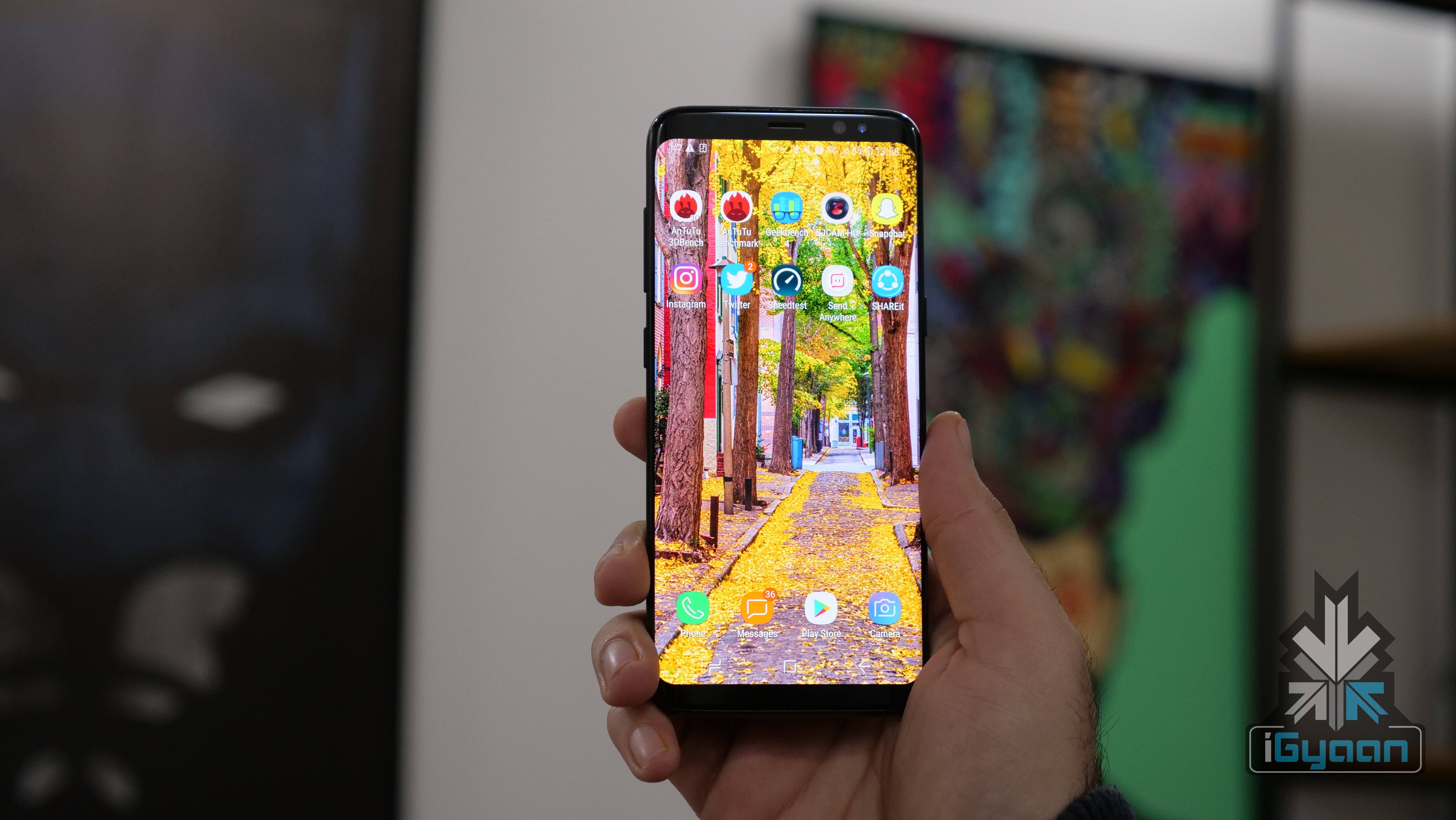
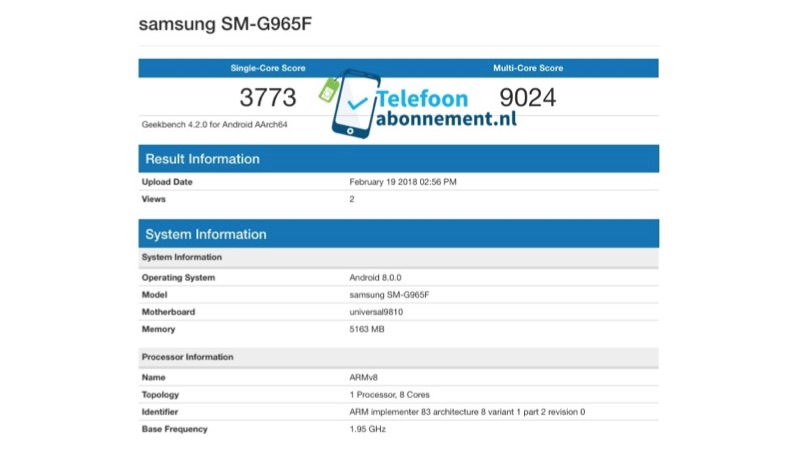
A new benchmark listing reveals that the Galaxy S9+ could be the fastest Android devices yet. The Galaxy S9 showed up on GeekBench and had a good result, with a single-core score of 3648 and a multi-core score of 8,894. However, the Galaxy S9+ just took it a notch higher. The listing has revealed an incredible score of 3773 and 9024, respectively.
For context, the image below shows the most recent GeekBench scores. The Galaxy Note8 and the Galaxy S8+ have very good single-core results of 1960 and 1953, respectively. However, the Galaxy S9+ almost doubled that with 3773 in the single-core test. In the multi-core test, the device the Galaxy Note8 and S8+ score6474 and 6427, respectively, Again, the Galaxy S9+ blows that out of the park with a score of 8894.
Samsung Galaxy S9+ Expectations
The device will be launched along with its smaller sibling. While back in 2017, there was a difference of screen and battery size between the two phones, the case won’t be the same this time around. Samsung will be adding a few extra features in the Galaxy S9+ to justify the higher price tag.
The Galaxy S9+ will have the same 6.2 inch Super AMOLED display with slightly thinner bezels than its predecessor. The aspect ratio will remain the same at 18.5:9.
Under the hood, the smartphone will run on the Qualcomm Snapdragon 845 or the Exynos 9810 chipset. This will depend on the country you buy the device from. It will run Android 8 Oreo out of the box with Experience 9.0 UI on top.
Apple has rolled out a new software update for iOS devices. The new iOS 11.2.6 update fixes the Telugu character bug, that we reported a few days before. The software update patches the vulnerability of iOS devices, which crashed upon using a specific character combination. The update comes with a size of 163.2 MB and the users have to connect their devices to a Wifi network to download and install the update.
The new software update also patches connection of third-party apps with the external accessories. This is a critical software update and all the iOS users are prompted to install the latest patch as soon as possible to prevent crashing of certain apps.
The company is also expected to roll out iOS 11.3 soon, which brings in new animoji and support for AR. The iOS 11.3 will also enable users to toggle the performance of the device on older iPhones. With this update, the user can switch between performance or balanced mode depending on one’s requirement. This will also enable a transparent layer to check the health of the battery on iPhones.
How to install iOS 11.2.6?
Plug your device into power socket
Connect to a wireless Wifi network
Go to setting > General > Software update
Tap download and install
If it prompts for password, then enter your password
Do not turn off your device at the time of installation at any cost
After successful software installing, the device will reboot itself
Vila, you have updated your iPhone or iPad to the latest available software
With several television brands in the country trying to cash in on the big screen market, Xiaomi has finally launched their Mi TV 4 in India. The LED panel is Xiaomi’s first entrant into the market of television displays in the country but not the last. The television goes on sale on the 22nd of February at an aggressive price of Rs. 39999. This price point allows Xiaomi to capture a market that traditionally chose smaller displays for a better feature set. But, is the Xiaomi TV worth the money? Let’s find out!
Design and Build
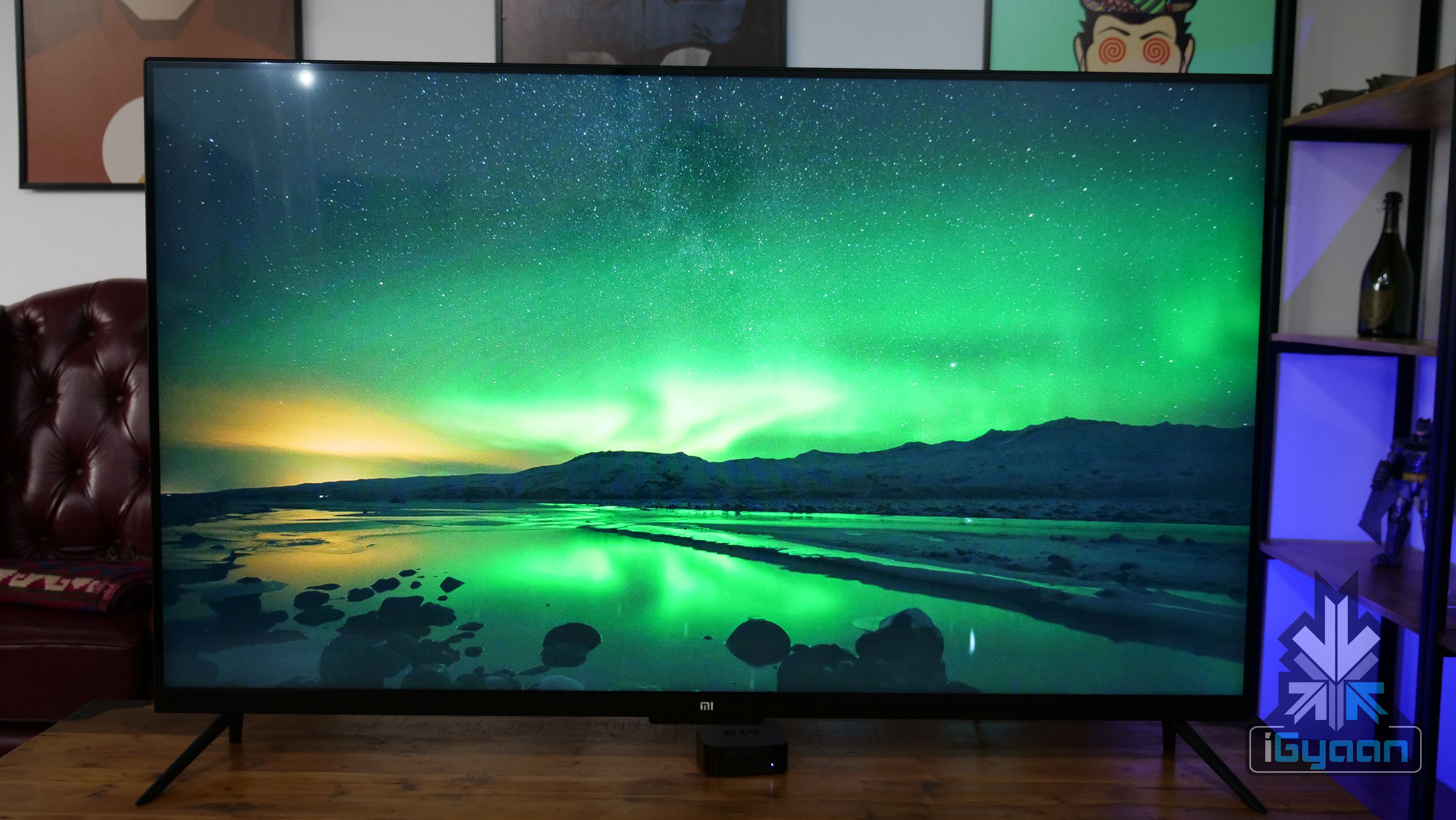
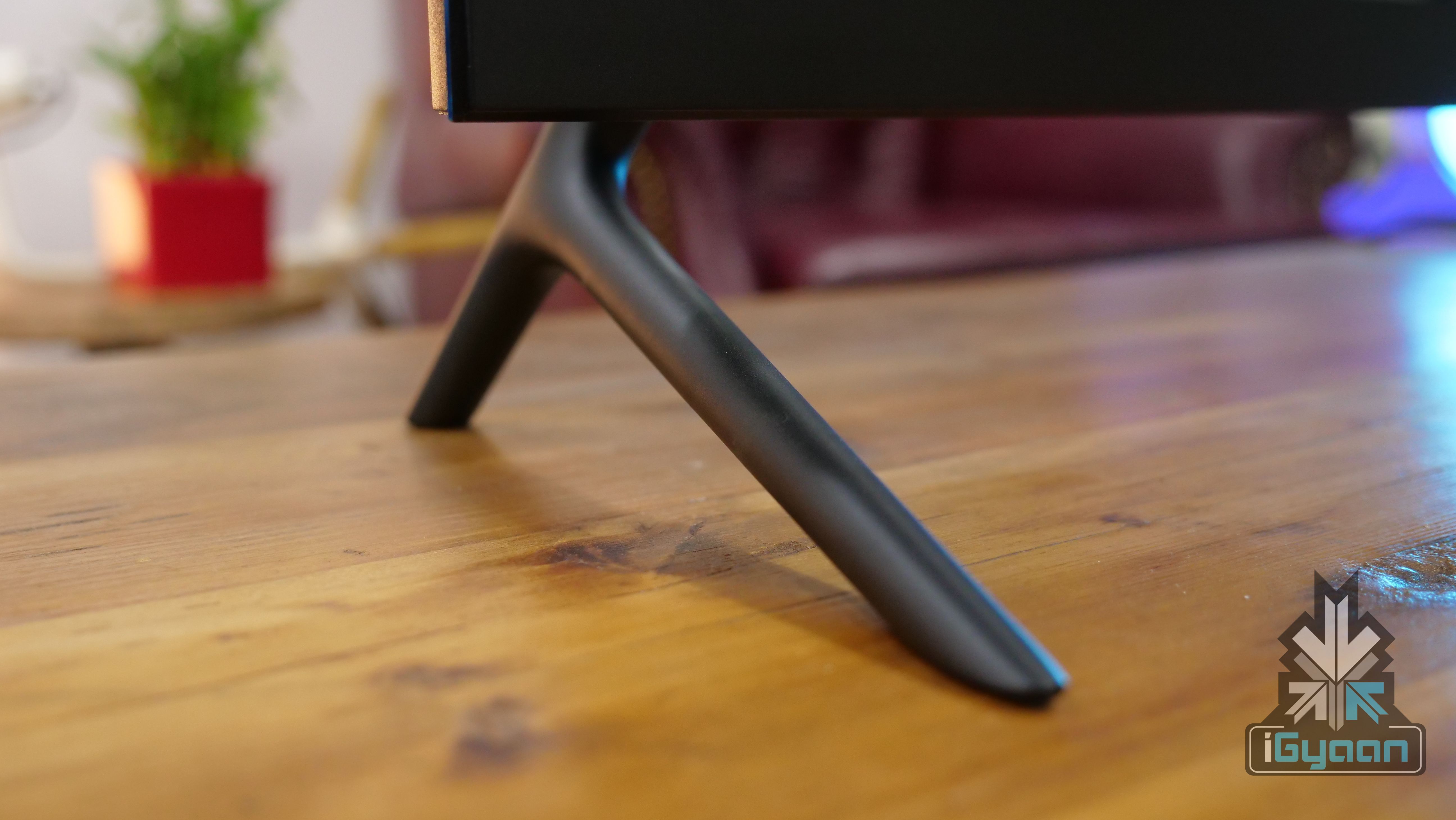
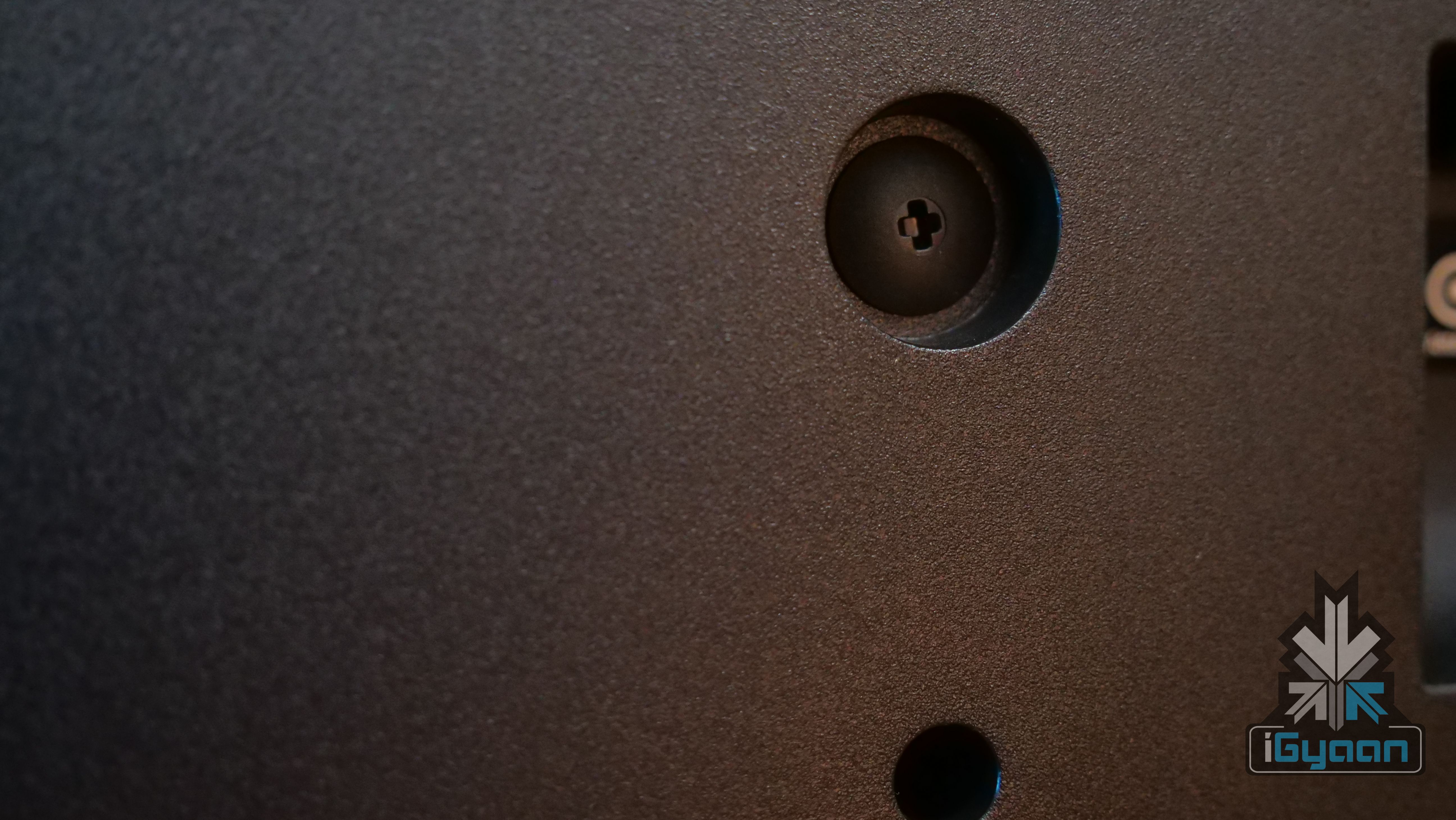
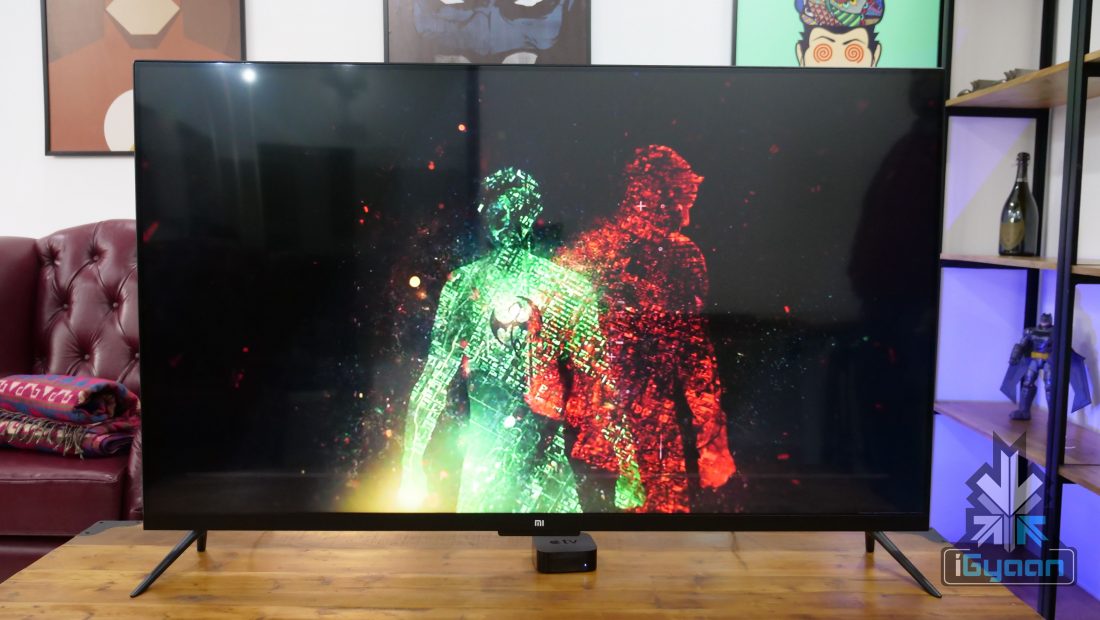
The Mi TV 4 has a brilliant design with minimal use of materials. The panel is left mostly bare and is strengthened by a single sheet of brushed steel backing to Add support to the otherwise flimsy screen. At the thinnest point, the television is only 4.9mm thin. While the television does widen out at the bottom where most of the electronics are housed. The stand is also made out of solid metal and is extremely sturdy, with it the television weighs in at 17.8 Kilogram. Without the stand at a comfortable 17.2 KG, the television is easily wall mountable using the 400 x 200 mm bracket at the back. The wall mount is not included.
Stand
Wall Mounting screws
Design wise the television has a pleasing look. The TV is mostly black in colour with no real flashy materials and a subtle Mi logo at the bottom front. This allows the TV to fit into the best of living spaces. There is no doubt that most wouldn’t mind installing this TV in their homes.
The MI TV Supports HDR10
The Panel
The Mi Tv 4 uses a premium range 54.6 inch Samsung VA panel. It has a static contrast ratio of 6000:1 and a viewing angle of 178º (vertical and horizontal). The Panel boasts a 85% NTSC colour gamut which is more than its sRGB sibling, however not as wide as the P3 colour gamut now becoming popular. With a 3820 x 2160 px resolution, the panel boasts a solid pixel density of 80 ppi considering its 54.6 inch display size. The screen offers a 60Hz refresh rate (vertical frequency) and does also support HDR. This makes the Mi TV 4 a unique proposition at the price point it sells at.
The Smart TV
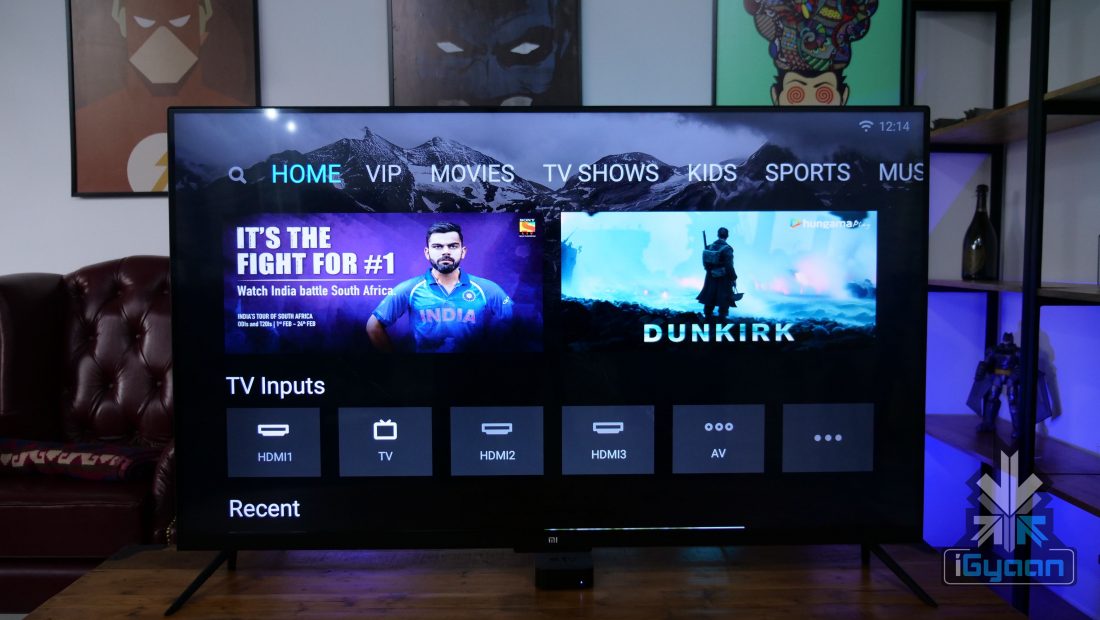
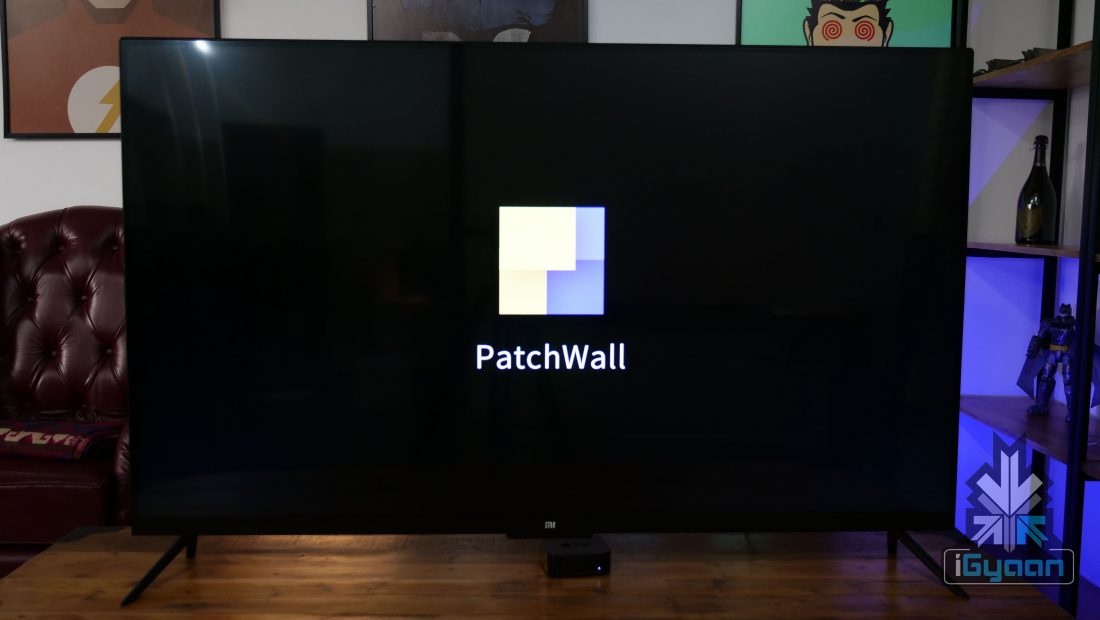
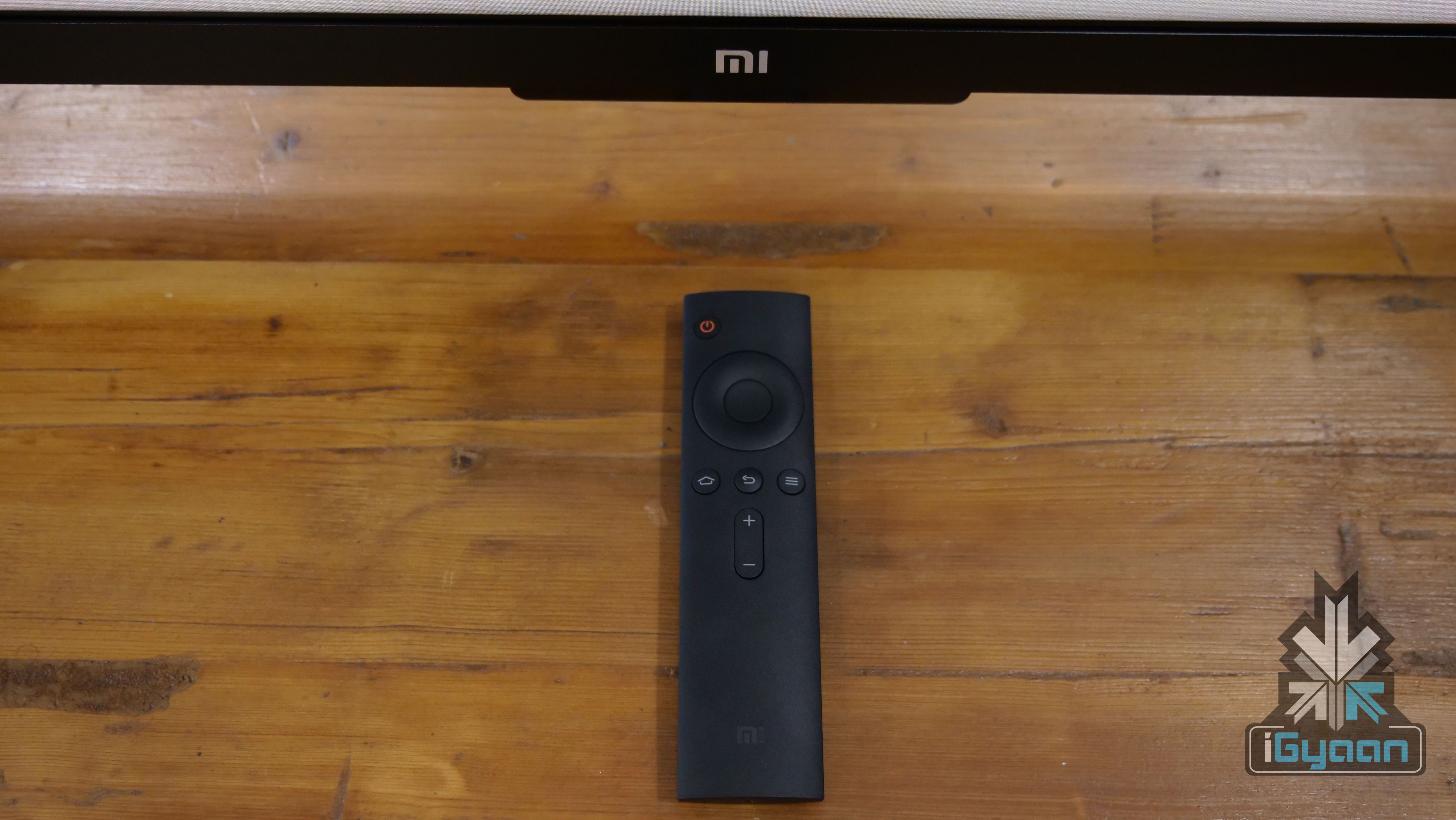
The Mi TV 4 runs Android TV with a MIUI TV skin and a Patchwall interface. This allows for Xiaomi to display content for viewers in a unique way. The included IR controller allows the TV to also natively control your Set Top boxes. Interestingly, almost all Set-Top box providers of the country are already supported.
Patchwall AI Allows For Better Content Curation
The Patchwall interface uses AI (according to Xiaomi) to display your content in easy to view boxes on the Home screen. What is also great is that the Mi TV 4 can display content not only from the streaming services but from your Set Top Box as well. So , if there is a show that you may want to watch, it will display the current run duration of the show and also the reaming time, so that you can decide whether you want to catch it now or wait for the Re-run.
Content-wise at the moment the MI TV 4 only supports content from Hungama Play, and does not presently support streaming apps like Spuul, Netflix or Prime Video. Because it is a Android TV based television we were able to Side-load the play store and Netflix on the TV, both of which did not run properly on the television.
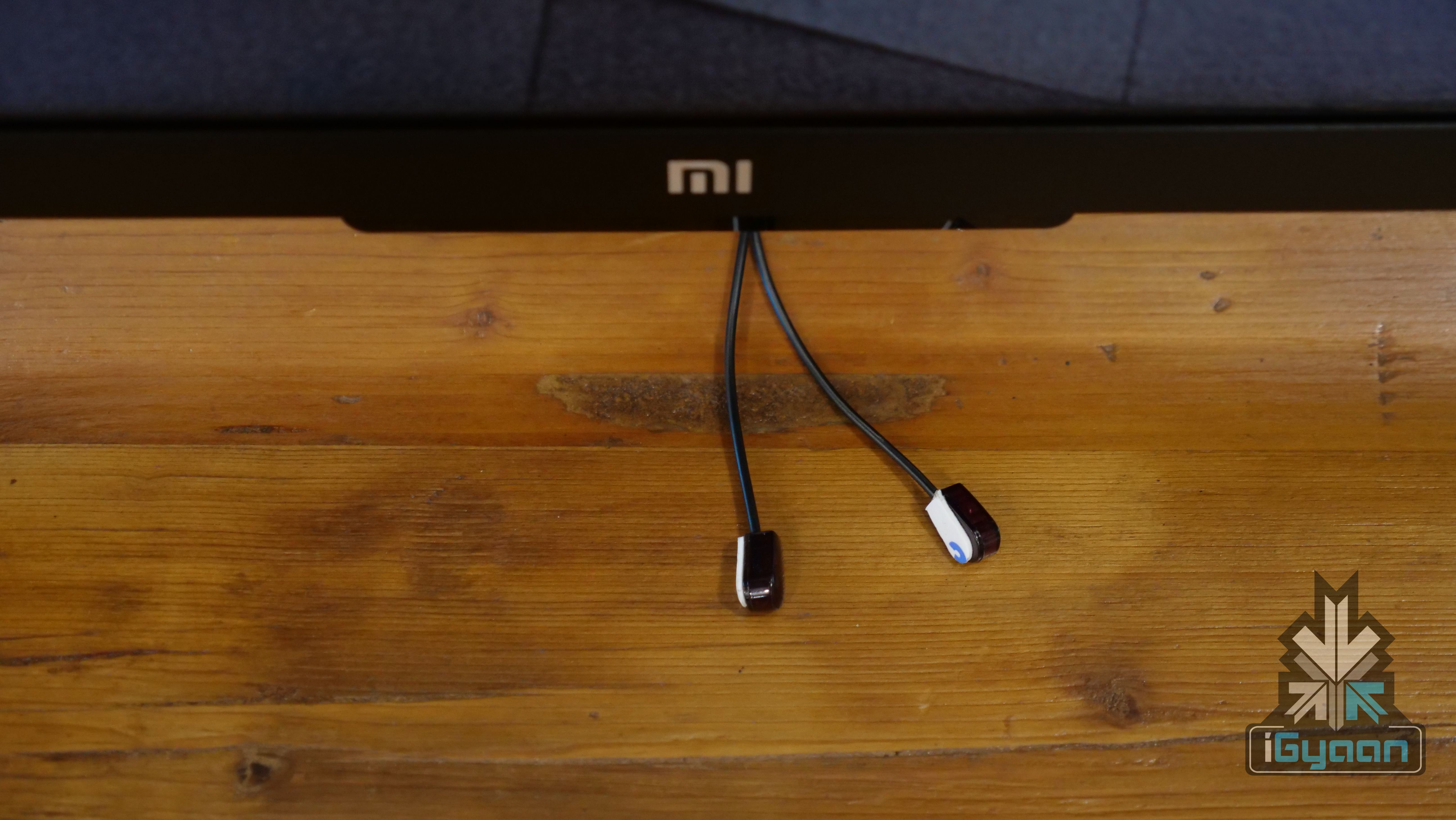
IR Transmitter for Set Top Box
The Remote
Xiaomi is said to be working with providers like Netflix and Prime Video to get those apps fully available on the Mi TV 4 and that may happen soon.
Display Performance and Gaming Capability
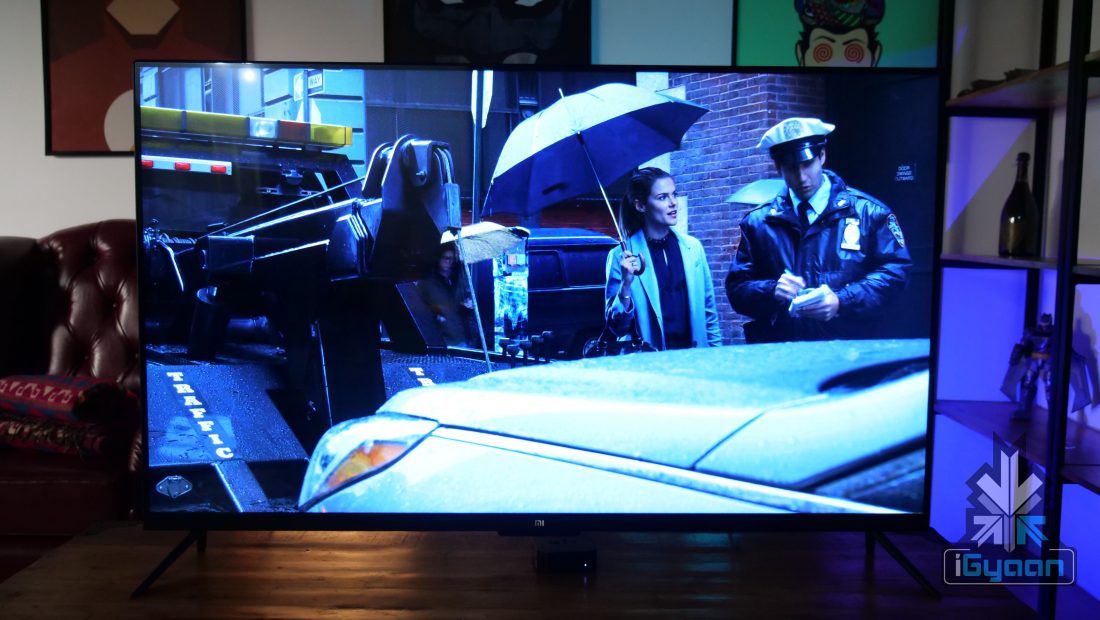
The display despite being an EDGE LED lit panel has really good local dimming, and control over black levels. The colour reproduction is vivid and accurate, being based on the NTSC color gamut the TV supports a wide 85% range. You will truly enjoy the HDR experience on the TV if you can manage to get your hands on a device which will allow you to score some HDR content on this display. We used an Apple TV 4th Gen with 4k HDR and it works flawlessly. The television also supports Amazon’s Fire stick with 4K and HDR along with PS4 pro with HDR. Users can also easily connect and use traditional PS4 consoles or regular 1080p streaming or casting devices like Chromecast.
The Panel supports HDR10 and plays back Dolby Vision content. However, does not support the full range of Dolby vision. According to Xiaomi, if there is enough content and demand the company will enable Dolby-Vision on the panel, and it should co-incide with the enabling of apps like Netflix which stream Dolby Vision content. The display performance especially in HDR, with how much it enhances the viewing experience is truly impressive. The Mi TV 4 also has 3 HDMI 2.0 ports which means that you are future ready to plug in HDR capable devices into the unit.
Due to the 60hz refresh rate and an 8ms response time, it also makes for a good Gaming TV. But, definitely not something seasoned gamers will enjoy. There is an input lag of 38ms according to our testing.
However, for simply plugging in your PlayStation (especially Pro with HDR outputs) or connecting it to a gaming rig, the TV can add a giant screen experience to an otherwise dull gaming environment.
Conclusion
The Mi TV 4 is exactly what India needs to bring down the crazy prices of the TV market. The Mi TV 4 shows that quality panels can be manufactured at really user affordable prices and that they can perform equally well. Expect this TV to sell out quickly, and aggressively in every flash sale that the company holds. Once enough televisions are out there, streaming services like Netflix and Prime Video will have no option but to get on board.
With such a demand for this TV, also come a lot of questions.
FAQ
Does the Mi TV 4 run on Android?
Yes, the Mi LED Smart TV 4 runs on MIUI TV with a Patchwall AI interface which is based on Android TV. Patchwall is different from a standard Android TV UI and is definitely much more intuitive. It has features such as endless scroll and single page content display.
What is the Refresh Rate of the TV?
The refresh rate of the Mi LED Smart TV 4 is 60Hz.
What Streaming Services does the Television support?
Right now, the TV supports Hungama Play and YouTube (though a browser). Xiaomi has confirmed that it is working on bringing more content providers on board.
Does the Television support downloaded Apps?
No, you do not need to download any apps. Xiaomi has said that it will push out consistent updates and that users don’t have to manually update the TV. The TV will automatically get updated as long as it is connected to the internet. If and when Xiaomi adds Netflix, a new update will automatically add it to the list and you can simply just log in.
How thin is the Mi LED TV 4?
At its thinnest, the Mi LED TV 4 is only 4.9mm thick (or thin).
Does the Television work with Bluetooth Headphones?
The Mi TV 4 has Bluetooth 4.2, hence, it works with Bluetooth headphones and Bluetooth speakers. However, there is no headphone jack on the TV. It also works with Bluetooth receivers.
Does the Mi TV 4 come with a Soundbar?
The Mi TV 4 in China and certain other markets was launched with a sound bar. However, the Soundbar will be sold separately at a later date in India.
What is the Input Lag of the Mi TV 4?
The input lag of the TV is 38ms while the response time is 8ms.
Does the Mi LED TV 4 Support Sideloaded apps?
You can sideload apps, however, they are not working right now. Maybe the support will come in a future update. We tried installing Netflix and Google Play store, which did install, but, did not work.
Warning: Sideloading apps like Google Play services at this moment breaks the functionality of the TV.
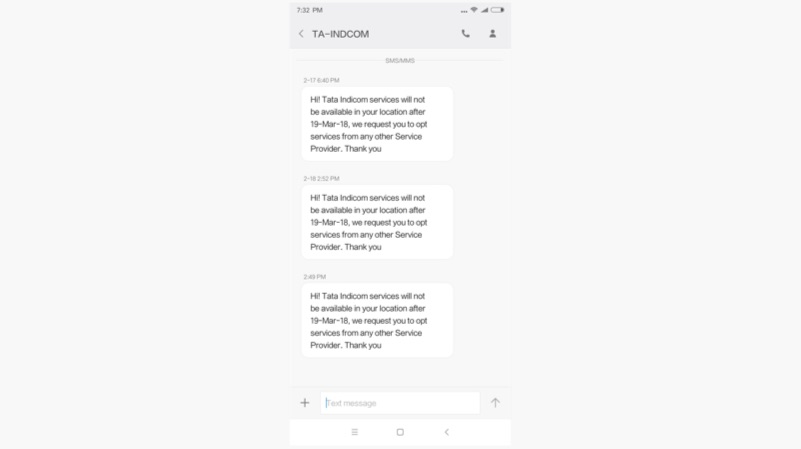
Due to the continuous number of subscriber loss, Tata Indicom is shutting down its CDMA services in Delhi. In fact, in 2016 alone, the company has lost 19,08,994 customers. The company will be scrapping of the operation from 19th March 2018. Due to continues subscriber fall and financial losses, the company is all set to wrap of the services to prevent the financial burden.
Reliance and Tata Indicom were the major CDMA service providers in India. Reliance recently shut down its service and now its Tata Indicom’s turn to do the same.
All active customers are receiving a text message to opt out of the service within the above-mentioned date. If not, the user will witness the permanent disconnection from the services.
If a user likes to retain his number, then he has to use Mobile number portability service.
How to use MNP to opt out of Tata Indicom services?
Send a message PORT<space> your mobile number to 1900
You will receive alphanumeric unique code (do not disclose the code to anyone)
Get a customer Aquisition form from the cellular provider of your choice
Fill in Your details and complete KYC to active your new connection.
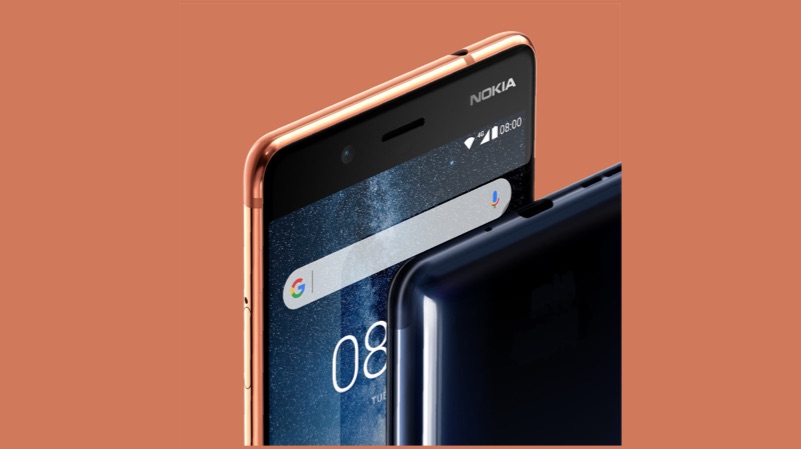
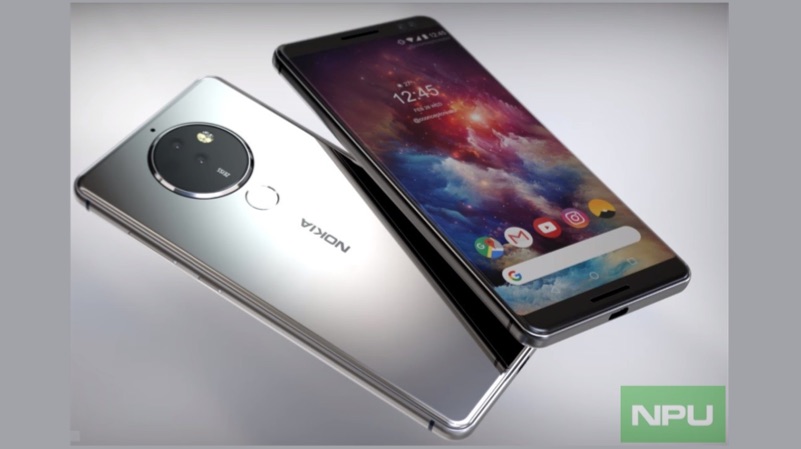
The alleged Nokia 10 might, in fact, be the Nokia 8 Pro. A new report claims that the company will soon launch the Nokia 8 Pro. The device will have a camera setup, originally rumoured for the Nokia 10. The Nokia 8 Pro will succeed the Nokia 8, which was the flagship device of 2017 for Nokia.
The Nokia 8 was the first flagship smartphone from HMD Global, which offered flagship grade specifications. Nokia 8 was bested by the likes of the OnePlus 5T and Xiaomi Mi Mix 2. This was largely due to their superior design. The Nokia 8 also did not impress with its camera quality which was hyped by the company.
It looks like HMD Global’s plan of launching a Penta-lens smartphone will be more than just a concept. It was rumoured that the Nokia 10 will be unveiled as a concept phone at MWC 2018 and go into production in late-2018. However, it looks like the Nokia 8 Pro will be launched alongside the likes of Nokia 7 Plus at the upcoming event.
If true, the Nokia 8 Pro will definitely grab quite a few headlines. It is also expected to run on the latest Snapdragon 845 chipset. However, the Nokia 8 Pro won’t be the device running on this chipset. Smartphones like the Galaxy S9 and Mi Mix 2S are also expected to be unveiled running on the Snapdragon 845 chipset.
Specifications:
Like the Nokia 8, the Nokia 8 Pro is expected to offer top of the line specifications. As per the leaks, the smartphone will be powered by Qualcomm Snapdragon 845 SoC, coupled with either 4 or 6GB RAM. Like most other flagship smartphones of 2018, the Nokia 8 Pro will offer an 18:9 aspect ratio with minimal bezels. The exact screen size of the device is yet to be revealed, but, as per the trend, we might see a 6 inch display with rounded corners.
The smartphone might house a dual-camera setup at the back, with a possible wide angle sensor and a telephoto sensor. The smartphone does offer dual front-facing camera which is expected to offer features like portrait mode.
Design:
Nokia 8 Pro is expected to follow the trend by offering all glass back panel, with a possible support for Qi-based wireless charging. The dual grills on the front also suggest that the smartphone might offer dual front-facing stereo speaker like the Google Pixel 2 XL.
Conclusion:
We expected this smartphone to go live at MWC. But the recent APK tear-down suggests that the Nokia 8 Pro might get launched in August-September of 2018. However, the company might showcase a prototype at the mobile world congress.
Music is the strongest form of magic. Listening to music cheers any soul that requires relaxation. In fact, we have multiple genres of music. Hindustani, Karnatik, Folk are originally from India, whereas Hip-Hop, Rock, Pop, and RAP belongs to western countries. Be it the 90s Jazz or the latest I am in love with the shape of you, everyone has a different taste in music.
With the mobile data plans getting cheaper day by day, these music players not only play locally saved tracks but can stream the latest song at free of cost.
Here are the top music players that are available for Android smartphones for free of cost.
Hungama:
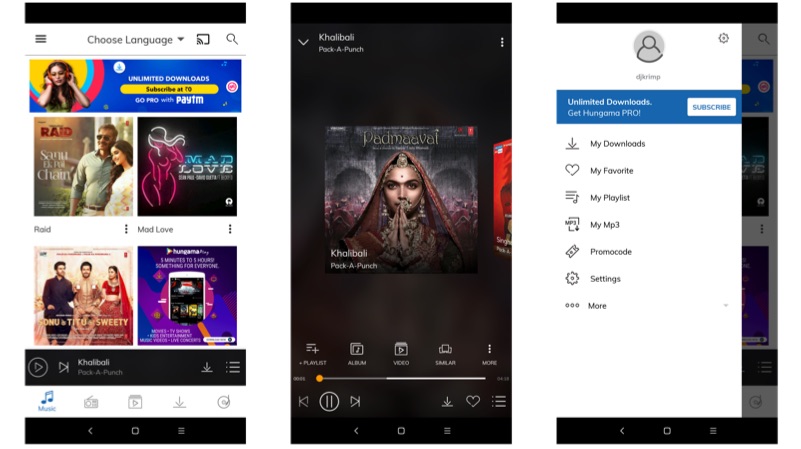
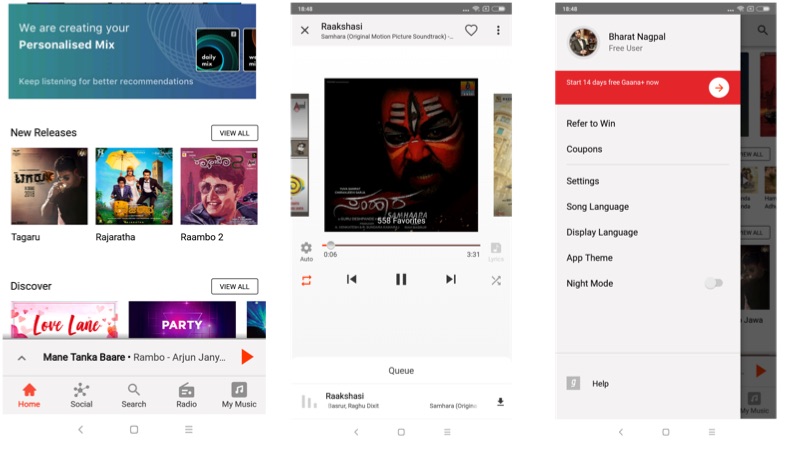
Hungama is one of the oldest music player, that exists. The clean user interface is one of the highlights of the Hungama. One can play songs which are locally saved on the smartphone or just search for newer song altogether. The app is free to download, however, one can also choose a premium version which offers ads free user experience with the free MP3 download. In fact, this is the only app that allows the native MP3 download. The app looks a bit dated, with an unpolished user interface. The Hungama Pro plan stars at Rs. 99 per month.
Pros: Free music streaming + offline download
Cons: Boring user interface with annoying ads
Gaana:
Gaana is pretty similar to Hungama, with a few drawbacks. One can stream free music on Ganaa, but one has to subscribe to Gaana+ to save tracks offline. The app is free for download, which plays in-app ads in the free version. If we look at the UI, the Gaana looks more polished than that of the Hungama. The choice of music is unlimited, you can choose from Hollywood to Bollywood. One can experience premium Gaana Plus service for free for the first 14 days, later on, one has to pay Rs. 99 per month.
Pros: Modern user interface
Cons: No option for offline downloads for free
SoundCloud:
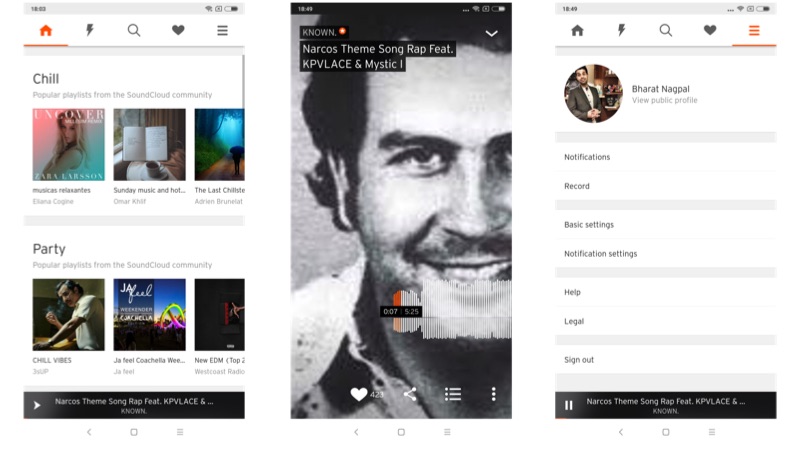
SoundCloud is one of the most used music distribution services. The Berlin-based company provides a platform for users to create, record, or to share the originally created music or sound bits. Most of the music found on SoundCloud is created by users. It also gives a platform for the new music creators with free access to the ever-growing library. However, this app cannot play native MP3 files, which makes it a bummer.
Pros: Brilliant UI with unique music collection
Cons: Doesn’t support native MP3 playback
JioMusic:
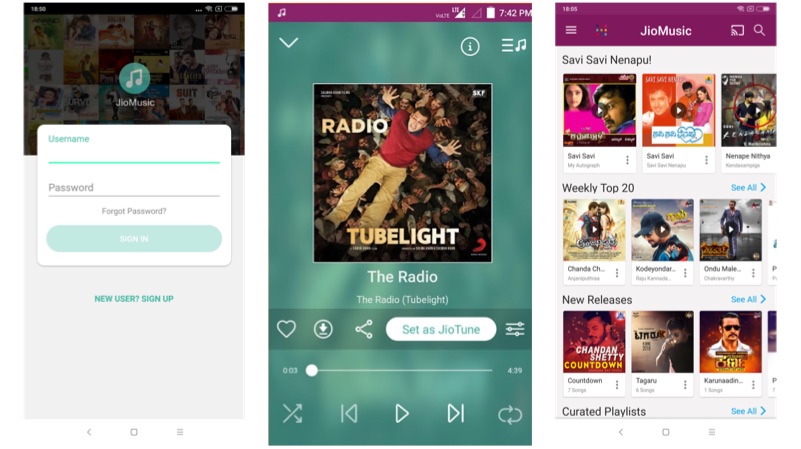
This is one of the best free music apps for the Android platform. It offers ad-free user experience, free streaming, free offline-downloading. However, the access is limited to Jio network users. One has to have a Jio SIM card with an action plan to use this application. Using Jio Music, one can set caller tune for free of cost at a click of a button.
Pros: Ad-free UI with extensive library of music
Cons: Restricted to Jio network
Wynk:
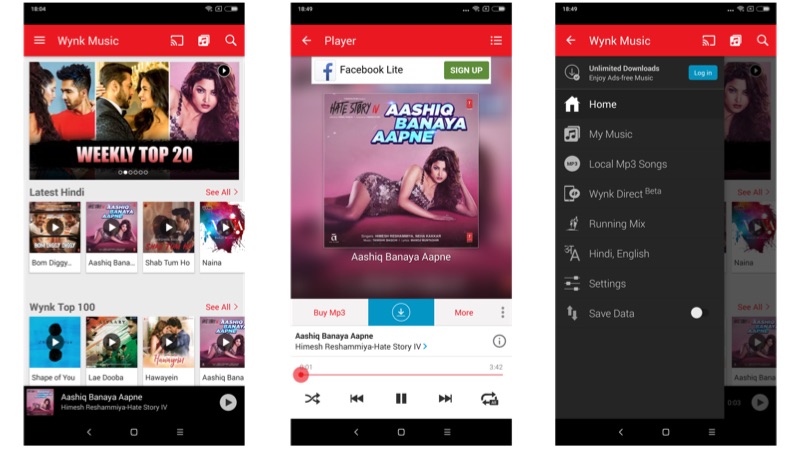
This music service is run by Airtel. Users of Airtel network will get free access to millions of songs, but the experience is not ad-free. To get ad-free user experience, one has to make get a premium account by paying Rs.99 per month. If you are an Airtel user, then Wynk is a must-have application, which can fulfil all your music needs.
Pros: Open to all with a privilege for Airtel users
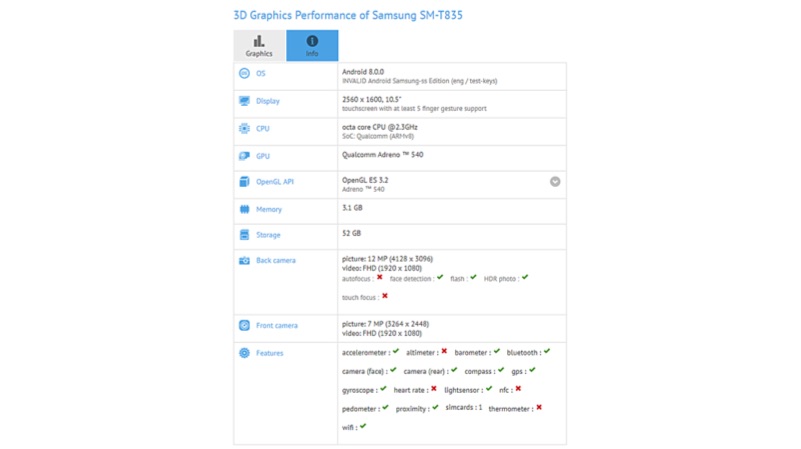
A new tablet from Samsung was recently listed on GFXBench with the model number SM-T835. The last year’s Samsung Galaxy Tab S3 came with a model number SM-T835. Which suggests that this is indeed the upcoming Samsung Galaxy Tab S4.
The Samsung Galaxy Tab S3 came with a glass sandwich design with flagship specifications. In fact, the sound profile of the tablet was fine-tuned by AKG. The flagship tablet from Samsung offered a unique user experience with the latest specifications and a 2k display. Visually, the Tab S3 was one of the most appealing tablets in its times. In fact, it is the only tablet, which offers a 10.5-inch Super OLED panel with rich blacks and punchy colours. So, the Samsung Galaxy Tab S4 is also expected to feature flagship specifications with a premium design.
The Galaxy Tab S3 was originally launched in India for a price of Rs. 47,990, so, the Galaxy Tab S4 is also expected to be priced on the same line.
Tab S4 listed on GFXBench
Specifications:
The Galaxy Tab S4 features a large 10.5-inch 2560 x 1600 QHD+ Super AMOLED display, protected by tempered glass. The device is powered by Qualcomm Snapdragon 835 Octa-core processor, paired with 4 GB RAM and 64 GB storage with a dedicated SD card slot.
Coming to the optics, the device is fitted with a single 12 MP main camera and a 7 MP front-facing camera. The video recording capability is limited to 1080p on both the cameras.
Galaxy Tab S3
The Samsung Galaxy Tab S4 does offer a single SIM card slot, which is expected to support 4G LTE and VoLte, 3G, and 2G networks. The tablet is powered by Android Oreo 8.0 OS with custom Samsung UX on the top.
Conclusion:
Along with the Samsung Galaxy S9 and the Samsung Galaxy S9+, the company might also unveil the Samsung Galaxy Tab S4 at MWC 2018. This seems possible since the Galaxy Tab S3 was launched at MWC 2017.
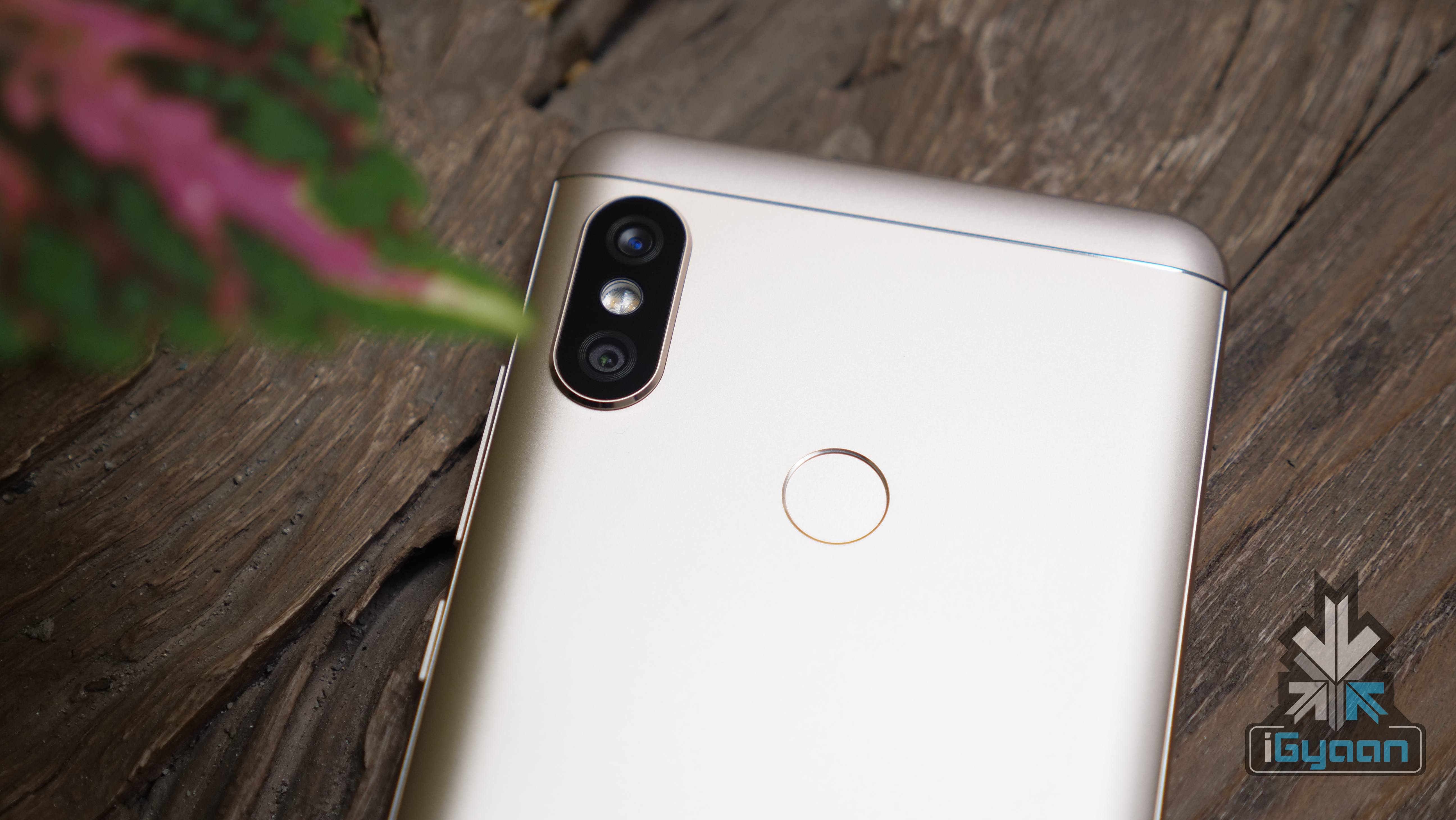
Xiaomi recently launched the Redmi Note 5 Pro in India at a starting price of Rs. 13999. Keeping up with the industry trends, the Redmi Note 5 Pro has an 18:9 aspect ratio and a dual-camera on the back. Unlike a lot of other smartphones with a dual camera setup, the Redmi Note 5 Pro has two RGB sensors.
Dual-Camera Redmi Note 5 Pro
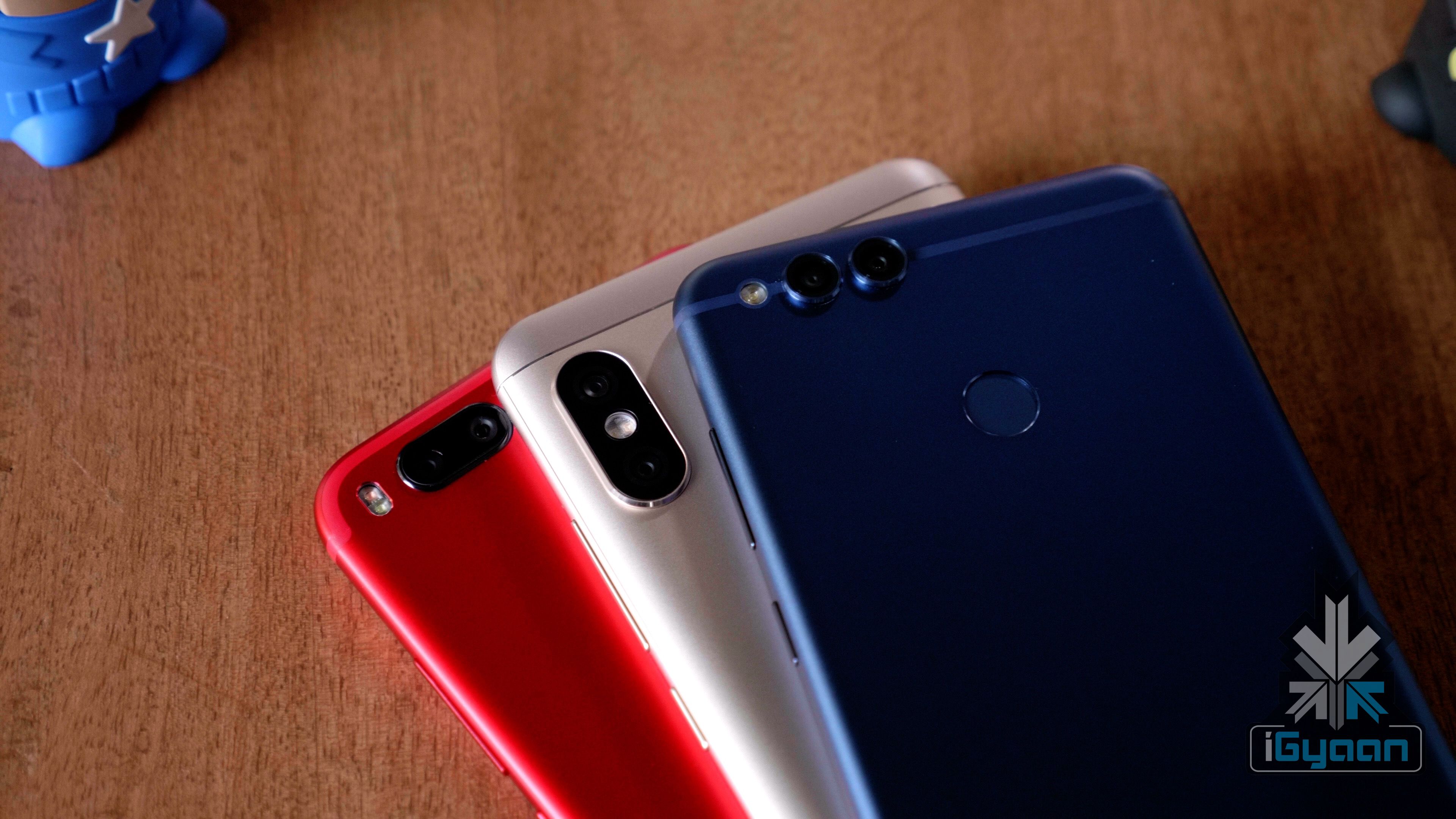
At this price tag, the Note 5 Pro directly competes with the likes of the Honor 7X and Xiaomi’s own Mi A1. The Honor 7X and Mi A1 also have the best cameras in this price segment. Despite the 18:9 aspect ratio, the Redmi Note 5 Pro has thicker bezels than the Honor 7X which are even more prominent in the Gold colour variant. The Mi A1 has a 16:9 aspect ratio and definitely looks archaic when put next to the Note 5 Pro and Honor 7X.
Where the Mi A1 one-ups the other two devices is the software. It runs stock Android OS and is part of the Android One program. Hence, it will get the latest software update for the next two years at least. However, the same cannot be said about the Honor 7X and Redmi Note 5 Pro since they run custom UI on top of Android. In fact, the Honor 7X and Note 5 Pro still run Android 7 Nougat, while the Mi A1 has been updated to Android 8 Oreo.
With the three devices priced similarly, we decided to put them through their paces. Let’s see which one came out on top: