Category: Tech

Latest Technology News, Alternative, Bio-Tech, Medical, R&D and Innovations

  • LG Q6+ Launched In India At A Price Of Rs. 17990

    LG Q6+ Launched In India At A Price Of Rs. 17990

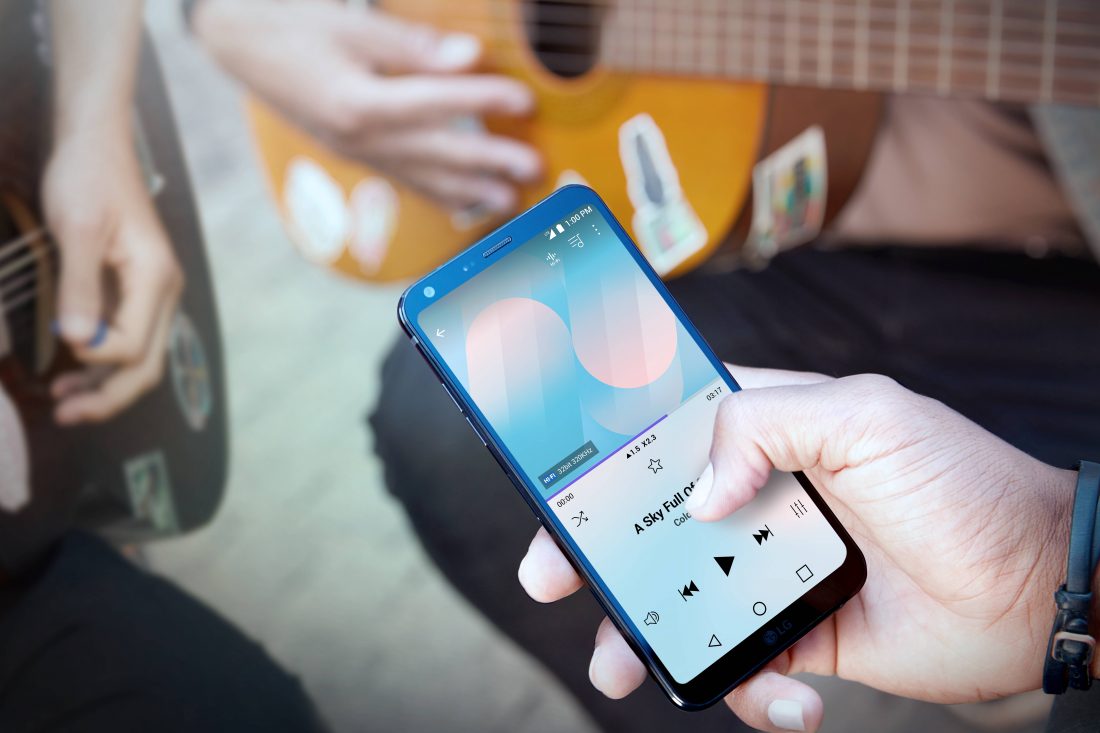
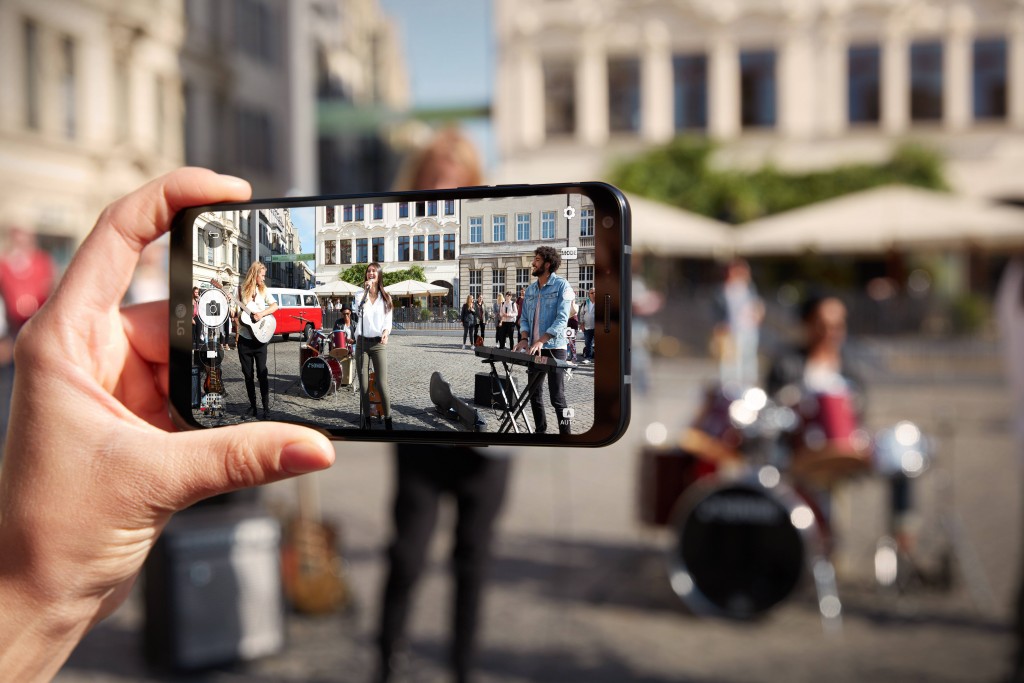
    LG has launched a new variant of the LG Q6, the LG Q6+ in India. The new smartphone looks identical to the LG Q6 and is priced at Rs 17990. The LG Q6+ will be available across retail outlets, while the LG Q6 will remain an Amazon exclusive and retail for a price of Rs 14990.

    As far as the specifications go, the LG Q6+ has the same 5.5 inch 2160 x 1080 px display with an 18:9 aspect ratio found on the LG Q6. The device is powered by a 3,000mAh non-removable battery and runs Android 7.1.1 Nougat with LG’s custom skin on top of it. The LG Q6+ packs the Qualcomm Snapdragon 435 chipset with a 1.4GHz octa-core processor and Adreno 505 GPU along with 4GB RAM and 64GB onboard storage which is expandable via microSD card up to 2TB. The handset lacks a fingerprint sensor but LG has introduced face unlocking feature instead. There is no confirmation on the presence of Corning Gorilla Glass.

    The resemblance with the LG Q6 continues, as it also features a single 13MP rear-facing camera with a single LED flash and on the front is a wide-angle 5MP sensor. The rear camera records video at 1920 x 1080 px at 30 FPS. LG also claims that the Q6 has US Military Standard-810G Certified which means that it can survive quite a few drops.

    The LG Q6+ brings in an extra 1GB of RAM and 32GB of onboard storage. It will be interesting to see whether the widespread availability will push consumers into splashing an extra Rs 2000 for the LG Q6+ or the LG Q6 will continue being a top seller for LG in this price bracket.

    Click Here For Best Price

  • Top Tech Deals At The Amazon Great Indian Festival Sale

    Top Tech Deals At The Amazon Great Indian Festival Sale

    The Amazon Great Indian Festival Sale for Amazoon Prime members is now live and we take a look at the top 10 tech deals available during the sale. People without Amazon Prime membership will be able to access these deals from September 21.

    Seagate Backup 4TB Hard drive
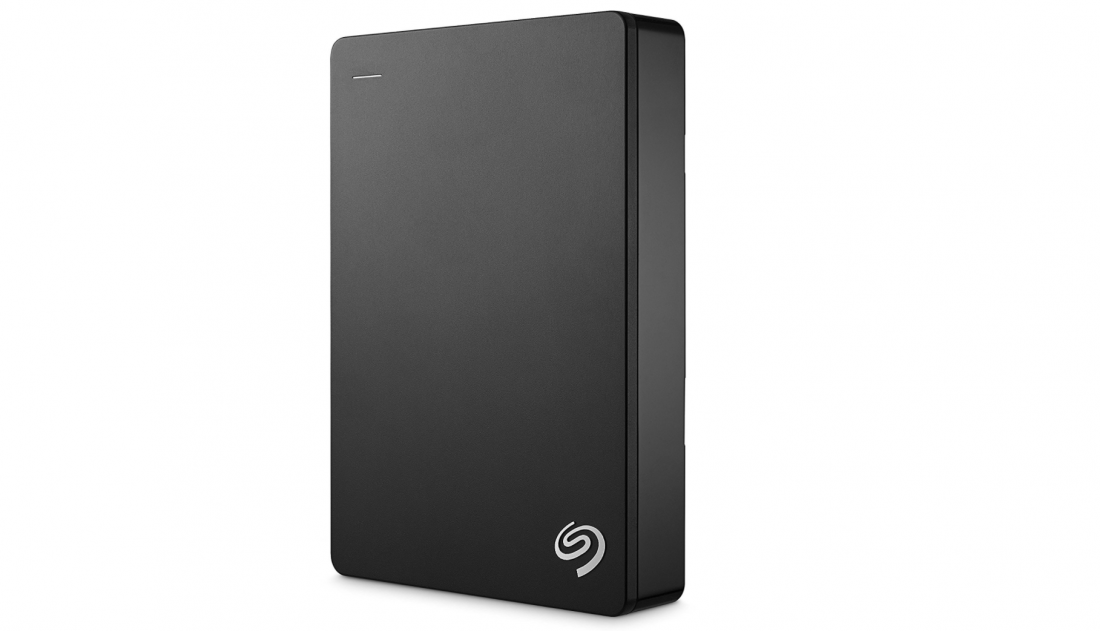
    This Seagate 4TB storage hard drive is ideal for people who hate deleting their old data and like to carry it with them wherever they go. The hard drive has USB 3.0 transfer speeds and is backward compatible with USB 2.0 ports at USB 2.0 transfer speeds. The hard drive comes with 3 years of warranty as well. It retails at a price of Rs 22,199 but, during the sale, it will be available for a price of Rs 9,499. 

    WD Elements 1TB Hard Drive
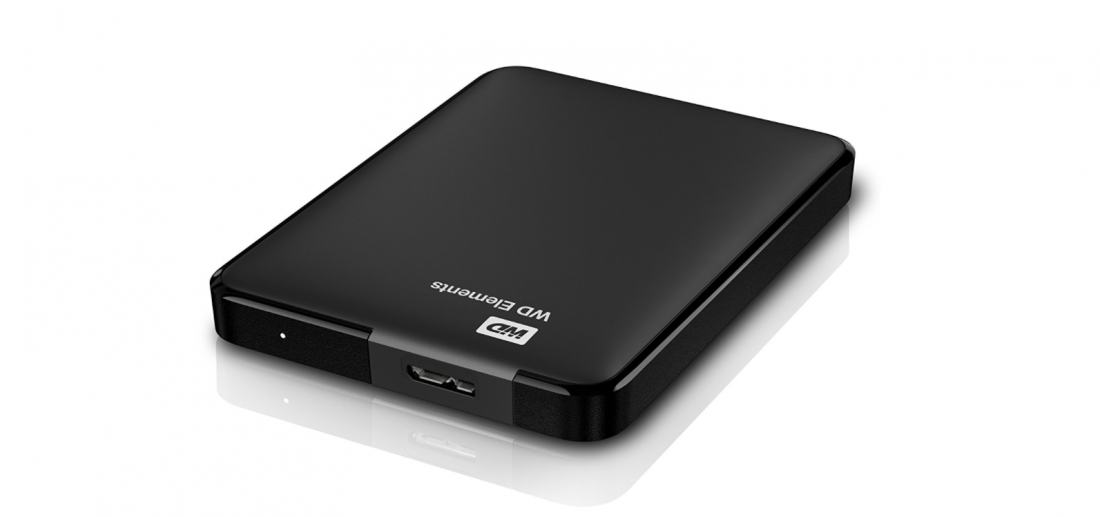
    This WD hard drive is light, portable and gives you an extra 1TB of storage in case you run out of the onboard storage on your desktop or laptop. This hard drive also has USB 3.0 transfer speeds and a 2-year warranty.

    SanDisk 64GB Class 10 Memory Card
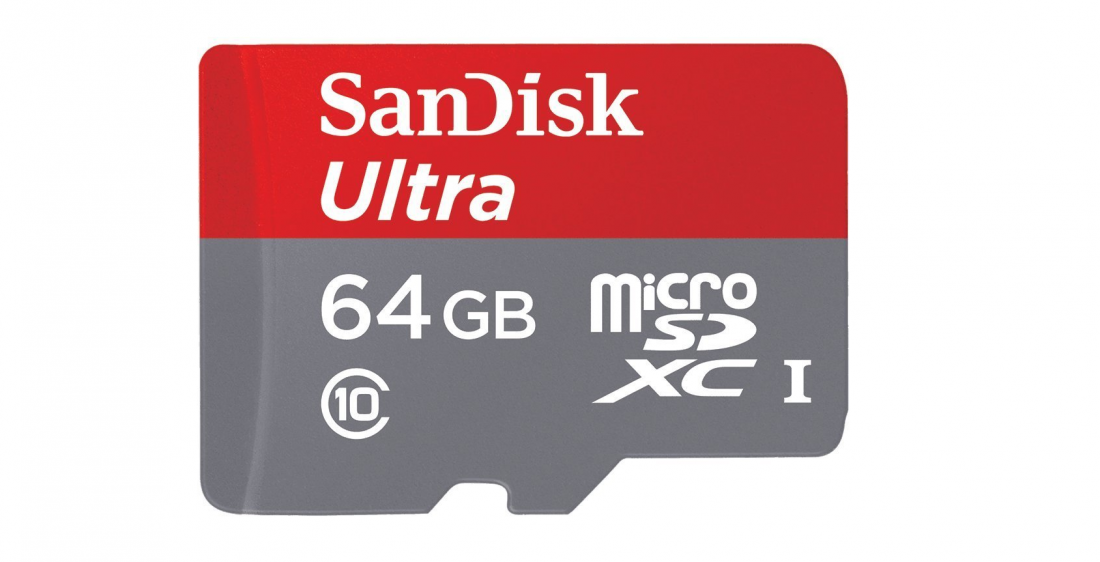
    The SanDisk 64GB Class 10 Memory Card is water, dust and shock proof. If you need more storage in your smartphone and your phone has a microSD card slot, this memory card is ideal. Even if your phone doesn’t support microSD card, yiu can store your media in this card and carry it with you along with a USB OTG card reader and consume media on the go without hampering your phone’s onboard storage.

    Samsung Gear S3 Smartwatch
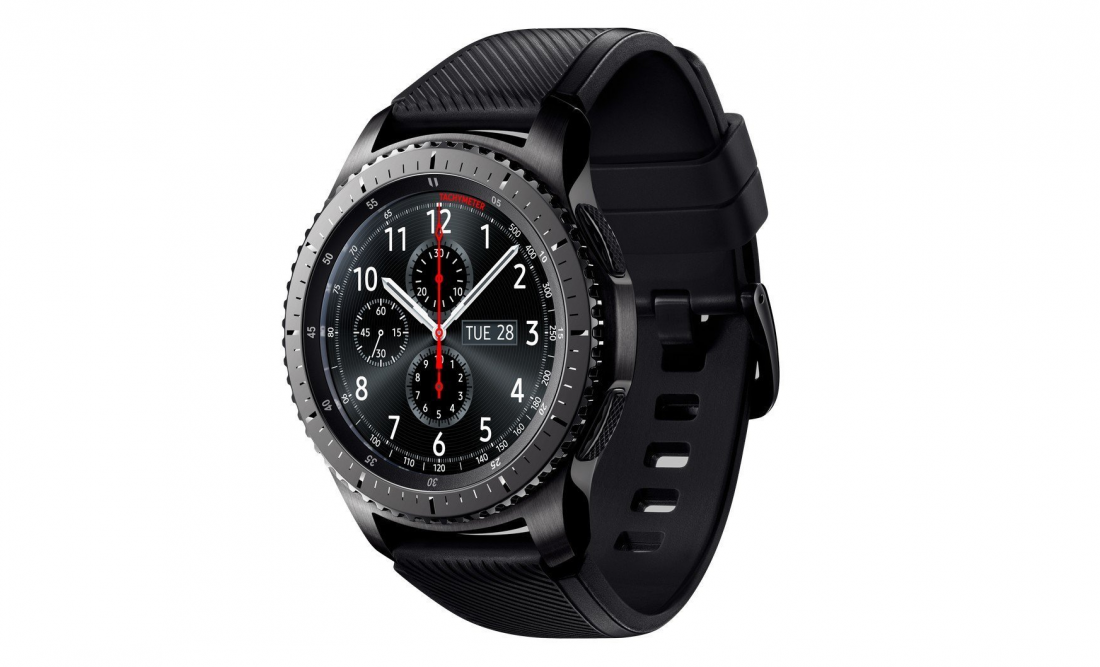
    The Samsung Gear S3 is an ideal smartwatch for you if you have an Android smartphone. The smartwatch has 1.3-inch 360×360 Super AMOLED capacitive touchscreen display, Corning Gorilla Glass SR+ and is IP68 certified water and dust resistant. It has a dual-core 1GHz CPU, 768MB RAM, and 4GB onboard storage.

    Honor Band 3
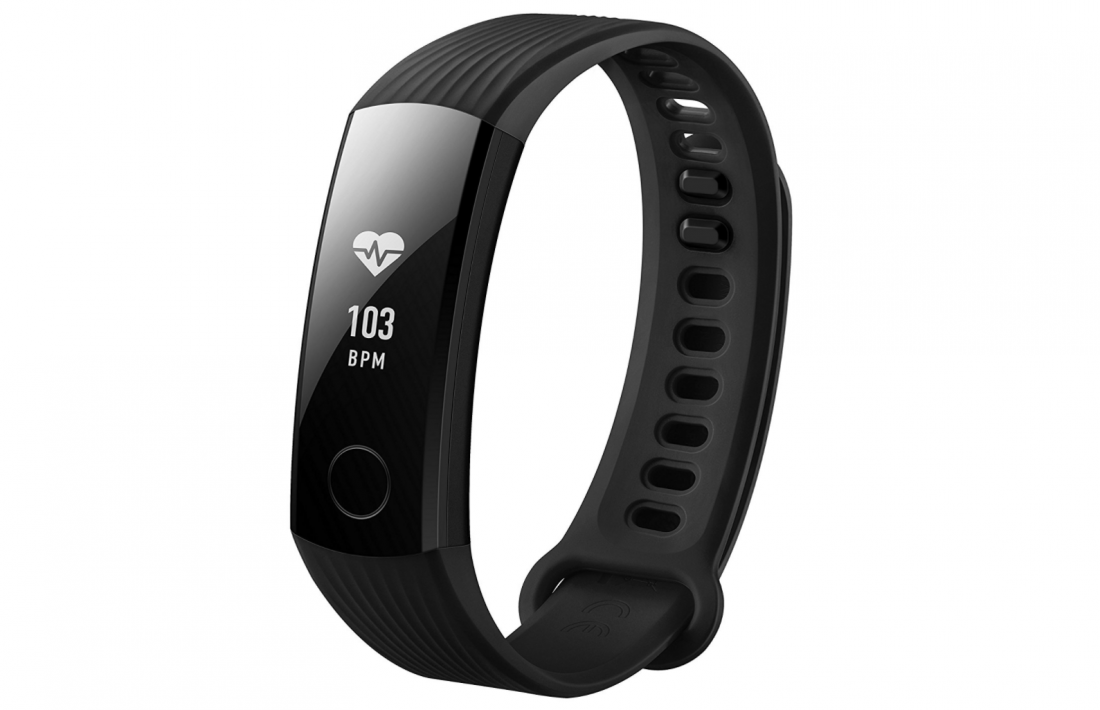
    The fitness tracker is ideal for people who want to keep a track of their activity but do not necessarily need a fancy smartwatch. The Honor Band 3 tracks your steps, sleep and is water resistant up to 50m.It has a heart rate monitor and a battery life of up to 30 days. Moreover, it has smart notifications to reduce your interaction with your smartphone while you’re busy or driving.

    Lenovo Yoga Tab 3
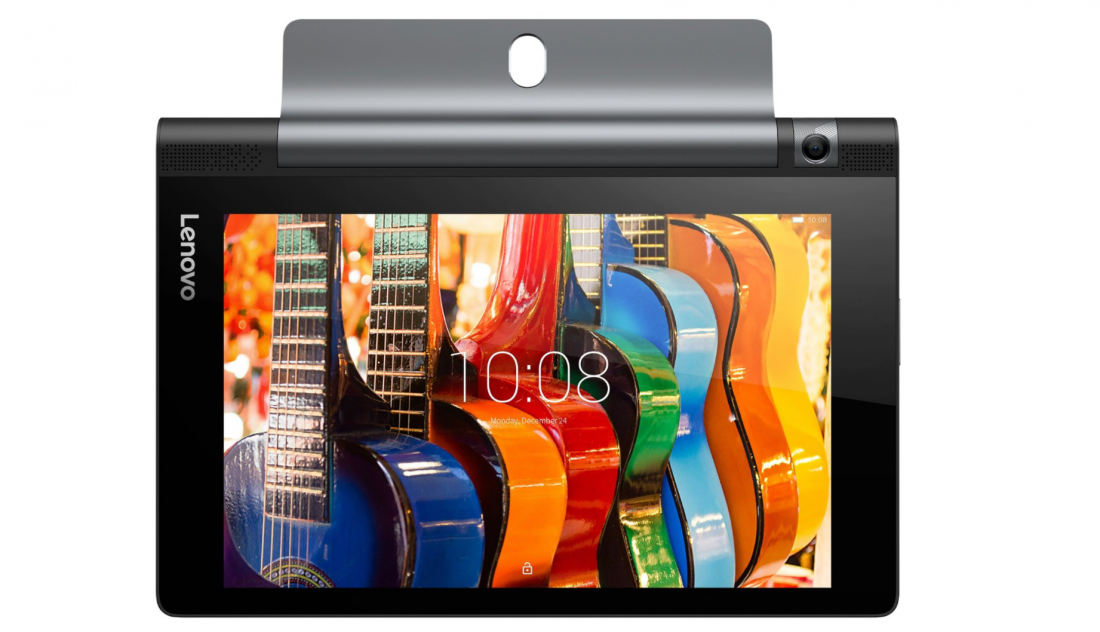
    The Lenovo Yoga Tab 3 has 4G LTE connectivity and an 8-inch 1280 x 800 px display. It has an 8MP primary camera with autofocus and an 8MP front-facing camera, 1.3GHz Qualcomm APQ8009/MSM8909 quad-core processor, 1GB RAM, and 16GB onboard storage. The tablet is powered by a massive 6200 mAh battery and runs Android 6.0 Marshmallow out of the box.

    Samsung Evo Plus 32GB Memory Card
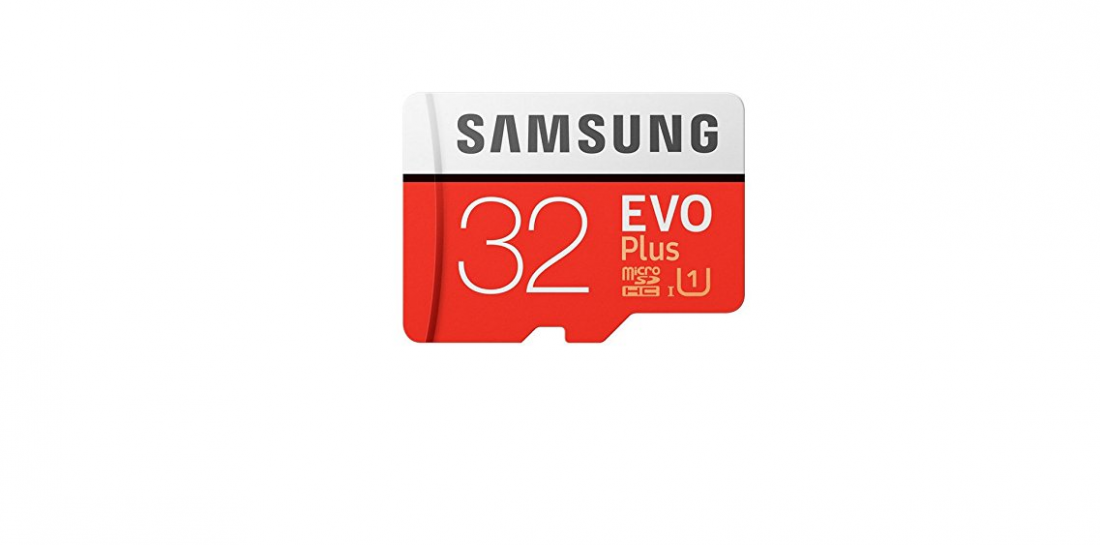
    If you’re looking for a memory card with high transfer speeds and durability, the Samsung Evo Plus memory card is for you. The microSD card has a 32GB storage and fast read and write speeds up to 95mbps and 20mbps respectively. The included SD adapter makes it compatible with even more devices whilst retaining the high transfer speeds. 

    SoundBot Bluetooth Speaker
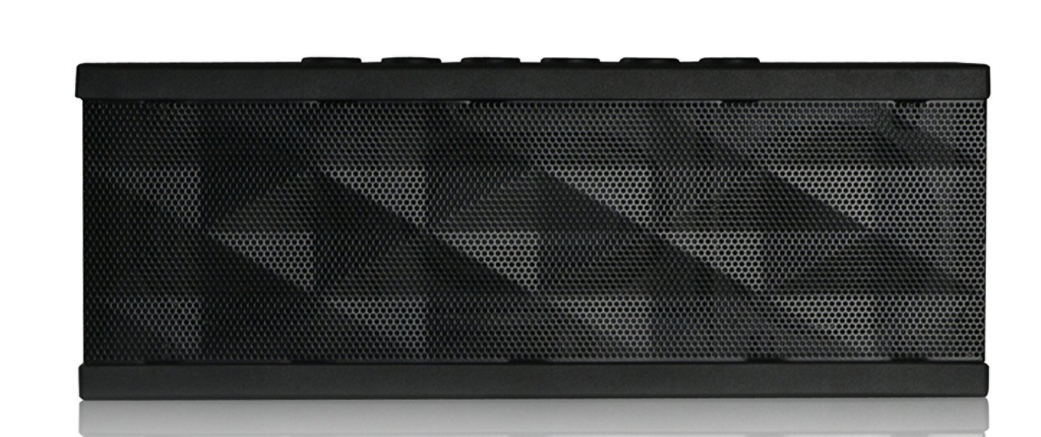
    The Soundbot Bluetooth Speaker has 40mm premium drivers for both active outdoor and indoor use. The speaker comes equipped with Bluetooth 3.0 and has a 3.5mm AUX output as well. The speaker is shipped with 1 year of manufacturer’s warranty as well. The average battery life of the Soundbot Bluetooth Speaker is 10 hours. 

    Acer Switch 10.1 inch Laptop
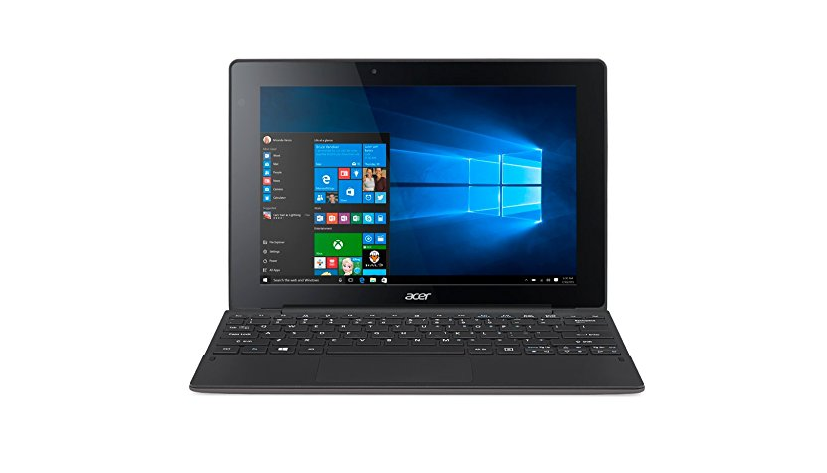
    This laptop is ideal for people who are not power users and just need a device for general media consumption and document editing. The Acer Switch has a 1.44GHz Intel Atom x5-Z8300 processor, 2GB DDR3L RAM, and 32GB flash storage. The laptop runs Windows 10 Home and has a battery life of 12 hours.

    Apple MacBook Air 13.3 inch
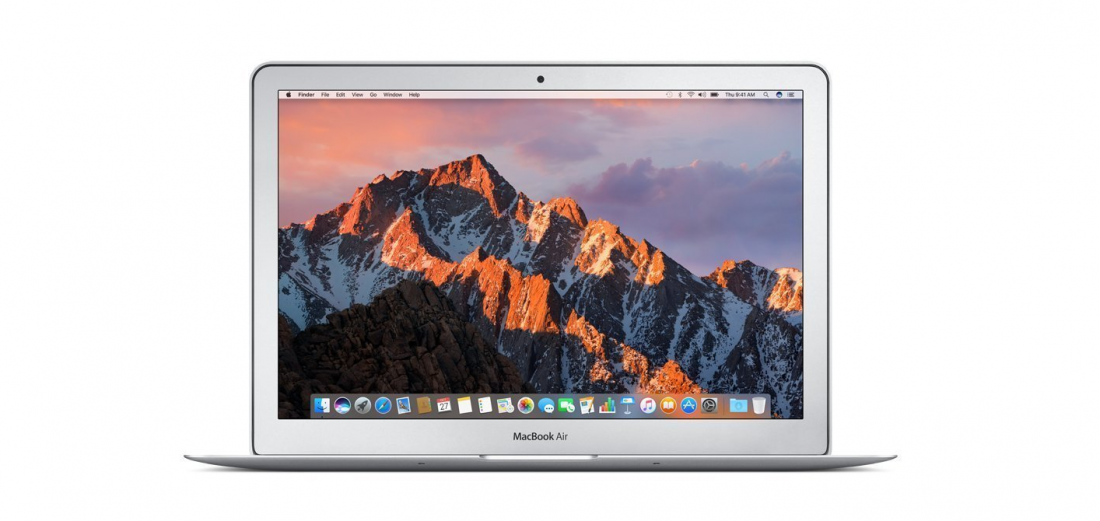
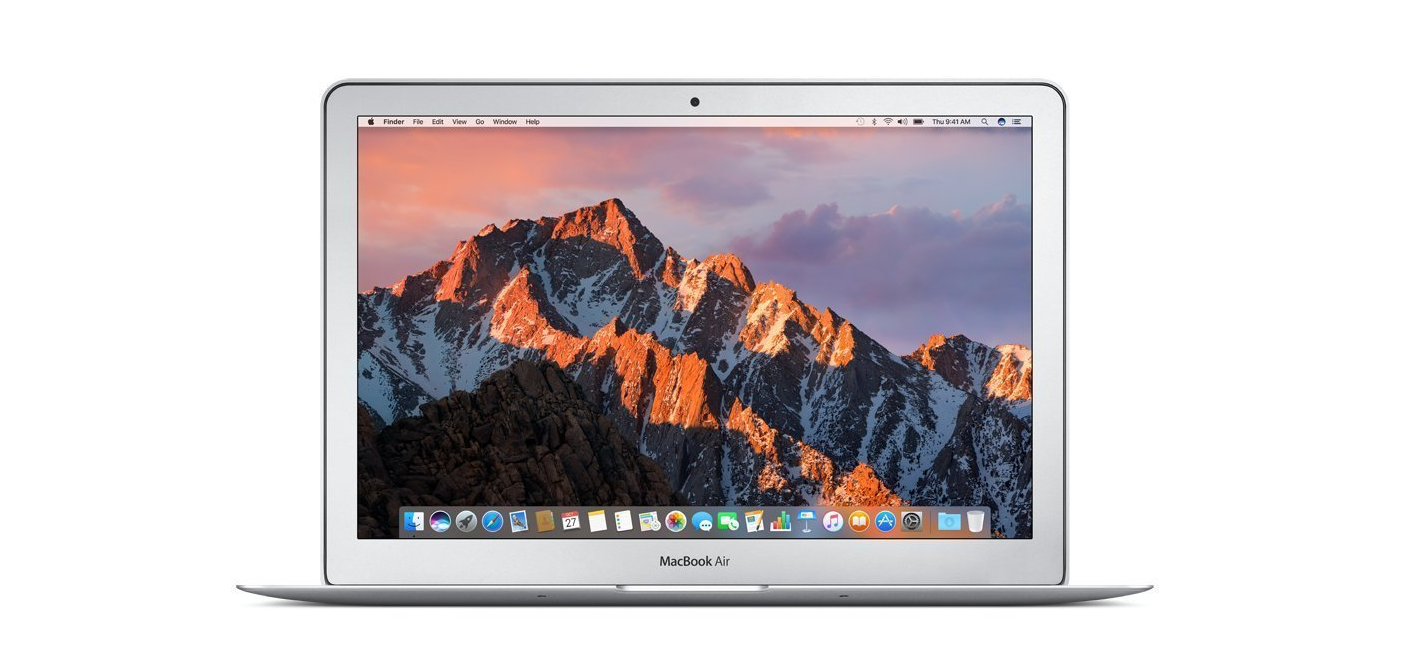
    The Apple MacBook Air for people who want to be a part of the Apple ecosystem but, do not need the power of a MacBook Pro. The MacBook Air has a 1.8GHz Intel Core i5 processor, 8GB LPDDR3 RAM, 128GB Solid State hard drive and, Intel HD Graphics 6000. The MacBook Air is light, portable and efficient. It usually retails for a price of Rs 77,200 but, during the sale it will be available for Rs 55,990.
     

  • Xiaomi Mi Max 2 To Go On Sale On Amazon At A Price Of Rs 12999

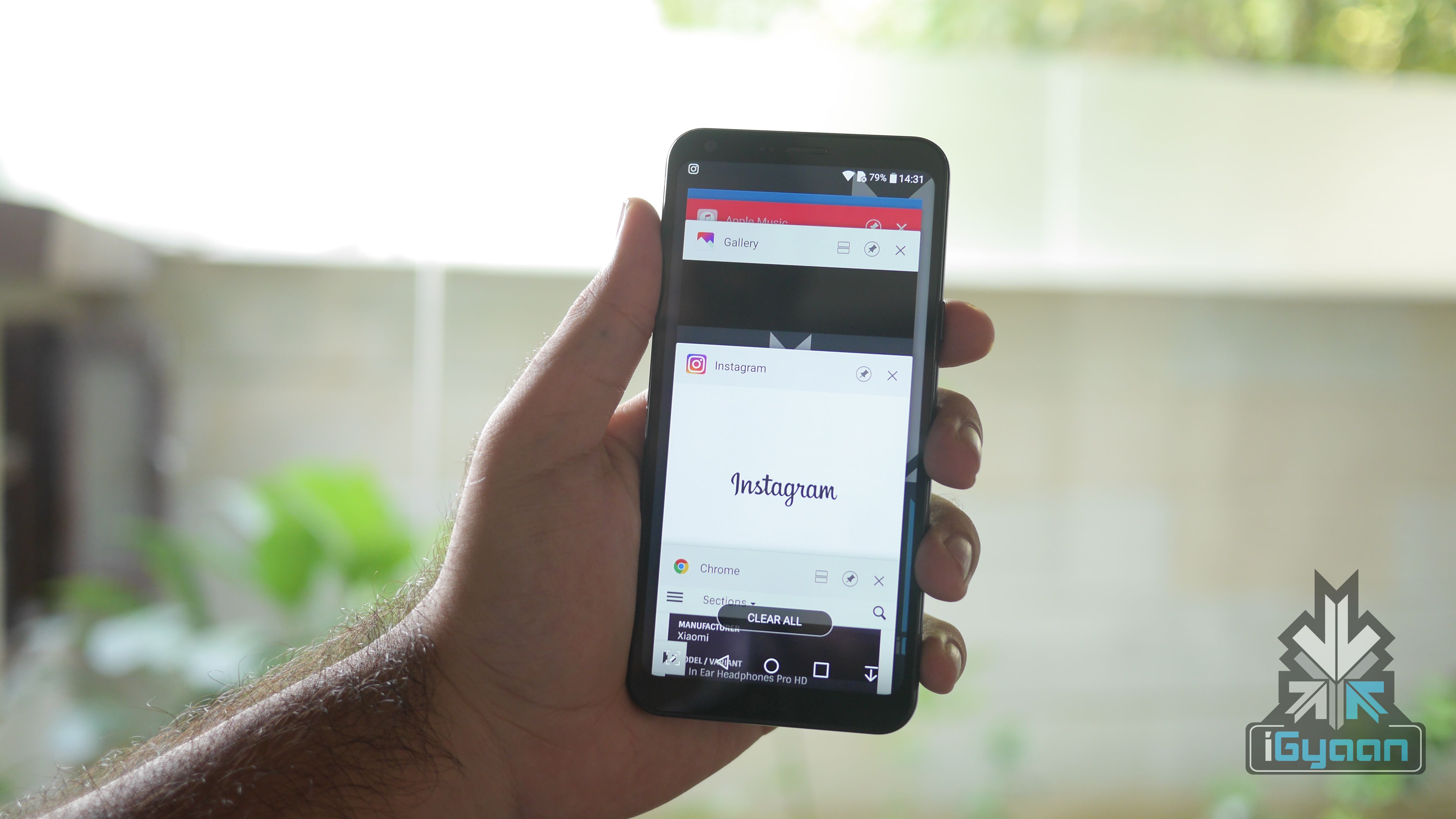
    Xiaomi Mi Max 2 To Go On Sale On Amazon At A Price Of Rs 12999

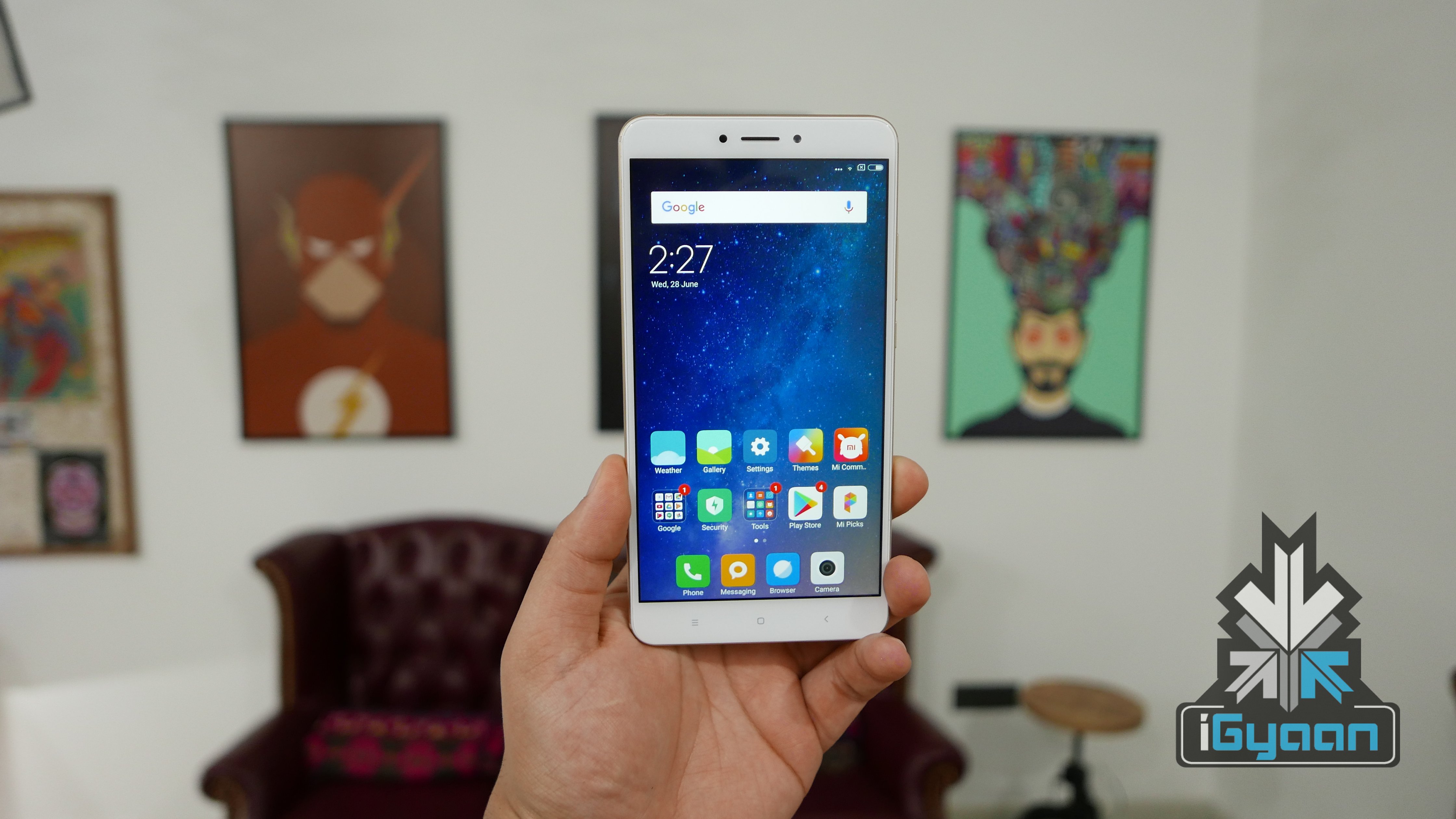
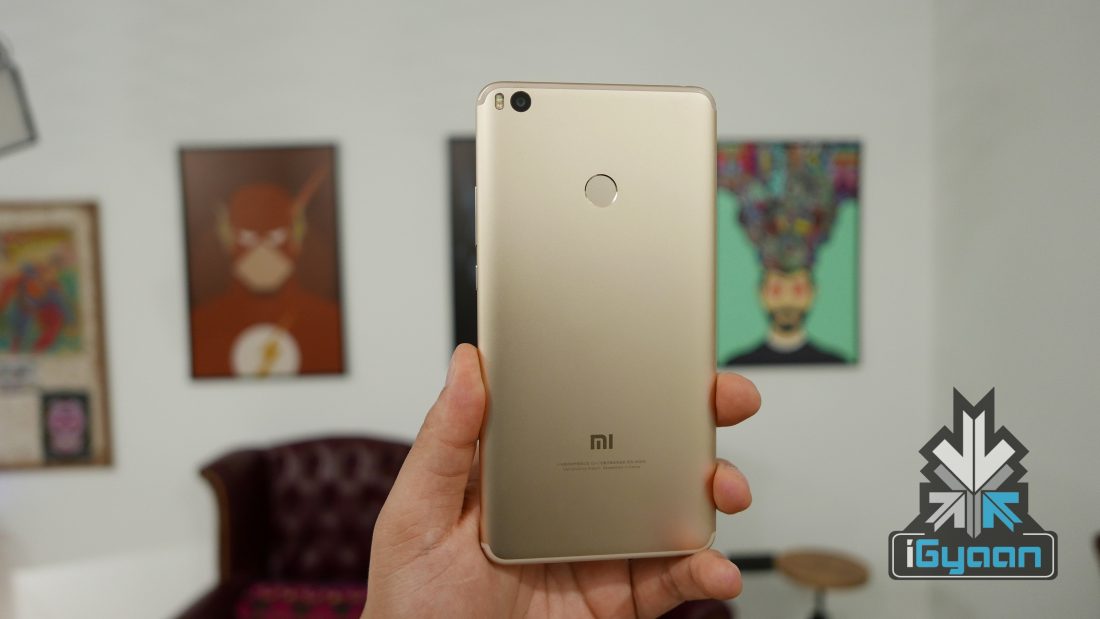
    Xiaomi launched its second iteration of the mid-range phablet lineup, the Mi Max 2 in India on July 18th. The smartphone went on sale on Xiaomi’s official website for a price of Rs14999 for the 32GB onboard storage variant. On September 20th, the Mi Max 2 will go on sale on Amazon India for the first time and will be priced at Rs 12999 for the 32GB storage variant.

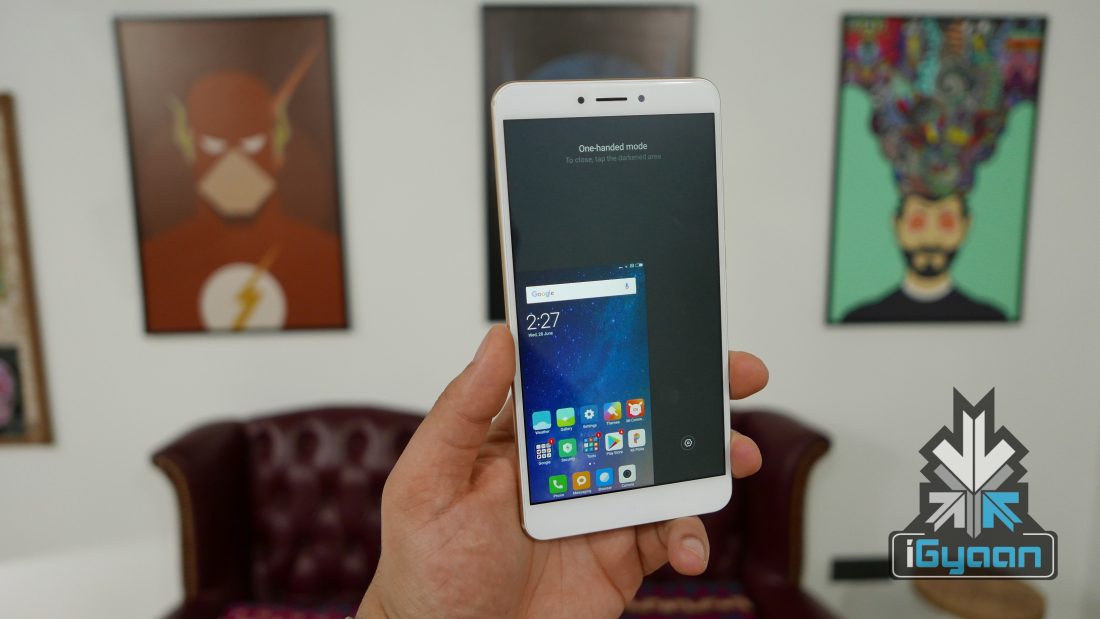
    The Xiaomi Mi Max 2 has a 6.4 inch 1920 x 1080 px display with Corning Gorilla Glass 3 on top for added protection. The smartphone is powered by a massive 5300 mAh with QuickCharge 3.0 and runs Android 6.0 Marshmallow with Xiaomi’s custom skin MIUI 8 on top. The phablet has a one-hand usage mode as well. Under the hood, the phablet has the Qualcomm Snapdragon 625, Cortex-A53 octa-core processor, 4GB of RAM and 32GB/64GB onboard storage options. The fingerprint sensor is placed at the back of the device and sits just below the cameras. The Mi Max 2 switches to dual-audio speakers when in landscape mode.

    On the optics front, the Mi Max 2 has a 12-megapixel camera with an f/2.2 aperture, equipped with the Sony IMX386 sensor with PDAF and dual-LED flash. On the front, the phablet has a 5MP camera with an f/2.0 aperture.

    The Mi Max 2 has a big screen and a massive battery, ideal for people who primarily consume media on their smartphones. The price cut of Rs 2000 on Amazon makes this phone an interesting deal and is now priced at par with the Lenovo K8 Note which features dual-cameras and a 4000 mAh battery.

  • Google Pixel 2 XL Images Leaked

    Google Pixel 2 XL Images Leaked

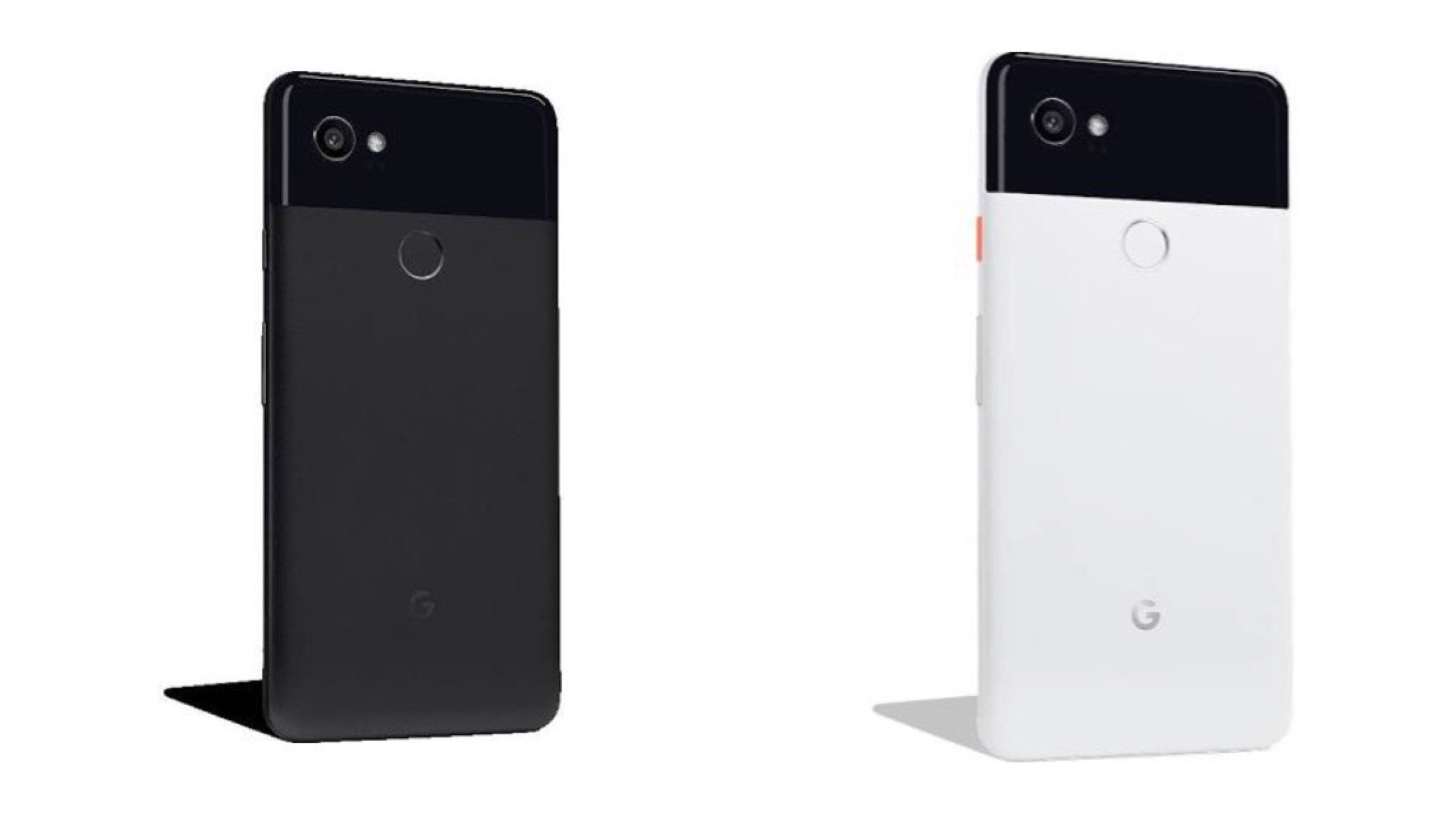
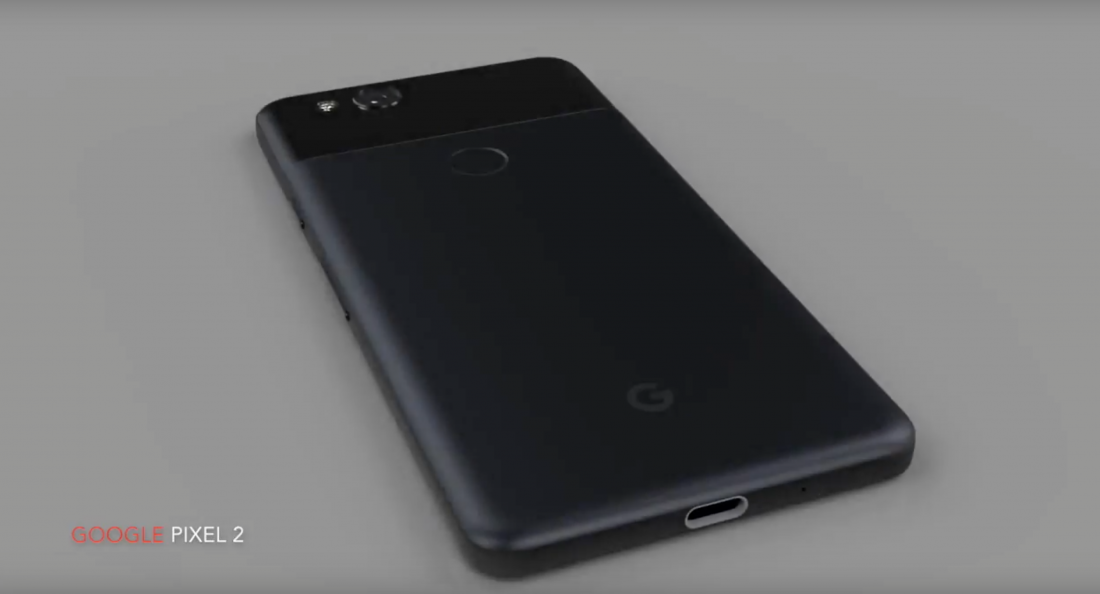
    Google will launch the new Pixel 2 and Pixel 2 XL on 4th October. There have been a number of leaks about the specifications of both new Pixel devices and now, new images of the Pixel 2 XL have been leaked by Droid Life. The images reveal that the Pixel 2 XL will come in two colour variants – Black and White, and Just Black.

    Along with the images, the website also revealed that the Pixel 2 XL will be priced at US$849 for the 64GB variant and US$949 for the 128GB storage variant. Google, in its teaser for the new phones, hinted at a solution for phones running out of storage, which means that there might be microSD card slot for storage expansion on the new Pixel devices. Google will offer to finance both the phones as well. The 64GB Pixel 2 XL will cost US$35.38 per month over 24 months and the 128GB version will cost US$39.54 per month over 24 months.

    The black and white colour variant looks like an interesting choice for the new Pixel 2 XL and will definitely help the phone stand out from the crowd of the same old black and gold coloured phones. The all-black colour variant also has a two-toned shade and with the “glass window” at the back being black and the rest of the back is dark gray.

    As far as specifications go, the Pixel 2 XL is expected to have a 5.99 inch QHD display with an 18:9 aspect ratio and minimal bezels around the screen. The smaller variant, the Pixel 2 will have a 4.99 inch 1920 x 1080 px display with the same thick bezels around the display like last year’s Pixel and Pixel XL. Under the hood, both the phones will have the Qualcomm Snapdragon 835 chipset and 4GB RAM. The new Pixel smartphones will run Android 8.0 Oreo out of the box and will be the first devices in line to receive Android P update next year. The Pixel 2 and Pixel 2 XL will also ditch the 3.5mm headphone jack this time.

    There isn’t much known about the cameras on the Pixel 2 devices except the fact that both the phones will have a single-camera setup. If last year’s Pixel cameras are anything to go by, the new phones will have a great camera performance.

    In 2016, India was among the first 6 countries to receive the Google Pixel and Pixel XL, and it is expected that this year as well, the Pixel 2 and Pixel 2 XL will be launched in India soon after the global launch.

  • OnePlus And Castelbajac Releases A Limited Edition Variant Of The OnePlus 5

    OnePlus And Castelbajac Releases A Limited Edition Variant Of The OnePlus 5

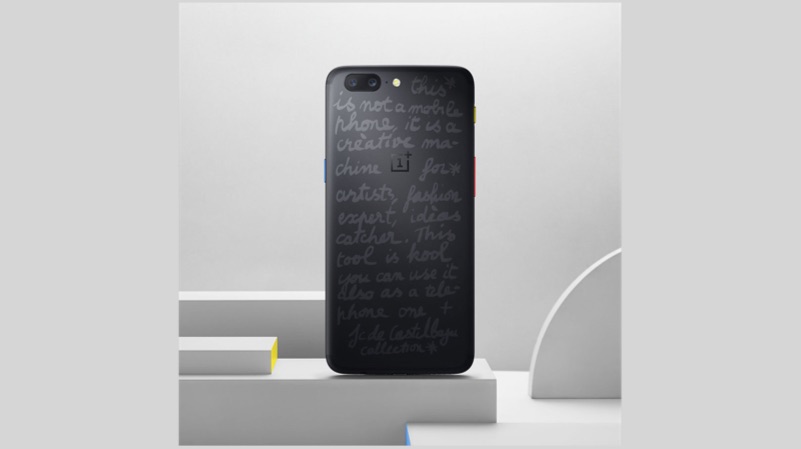
    OnePlus, in collaboration with renowned French designer and artist Castelbajac announced a limited edition variant of the OnePlus 5 at an event in Paris. The limited edition device will be launched at a pop-up event on September 22, at the Colette gallery in Paris.

    Contrary to popular belief, OnePlus did not launch a OnePlus 5 variant with an overpowering vibrant colour, but, the phone has a unique colour scheme for the hardware buttons, and sports a mantra on the back. The custom wallpapers too, follow the design language inspired by the work of Castelbajac. The wallpapers are vibrant, unique, have loose designs and thick lines. The accessories unveiled along with the phone have a similar colour scheme and continue the trend of being reminiscent of the work Castelbajac. There are two different T-shirts available, a dual-layered tote bag, a Never Settle baseball cap, a red, blue and yellow phone holster that’s worn much like a gun holster, and colorful waist-worn case bag that seems fit to be worn on the front.

    As far as what’s inside the phone is concerned, OnePlus did not touch upon that during the event. This means that the OnePlus 5 Castelbajac Limited Edition will have the same 5.5-inch 1920 x 1080 px Super AMOLED display. The smartphone runs Android 7.1.1 Nougat with OnePlus’ Oxygen OS on top. The 2017 flagship has the Qualcomm Snapdragon 835 chipset with a combination of either 6GB RAM and 64GB of storage or a whopping 8GB RAM and 128 of storage which can not be expanded. The OnePlus 5 also features dual cameras on the back, one of the main cameras is a 20 MP sensor with an f/2.6 aperture, while the other is a 16 MP camera with an aperture of F/1.7.

    The limited edition OnePlus 5 will be a hard device to get your hands on and how many pop-up events will be organised for the device is yet to be seen. As far as the price goes, there is no official word on the pricing yet, and the final price will be unveiled at the pop-up event on September 22nd.

  • iOS 11: Top 5 Features, Eligible Phones And How To Upgrade

    iOS 11: Top 5 Features, Eligible Phones And How To Upgrade

    On September 12, Apple launched the iPhone 8, 8 Plus and the much awaited iPhone X. Along with the high-profile launches, Apple also announced that the global rollout of iOS 11, which was announced at the WWDC 2017, will start seeding to compatible iPhones and iPads on September 19. Apple has always supported older devices unlike Android, and there is no surprise in the case of iOS 11 update as well, as the iPhone 5s will also updated to the new OS. A

    As the official rollout has now begun, let’s take a look at the Top 5 new features of iOS 11 that should get you excited:

    New Control Center

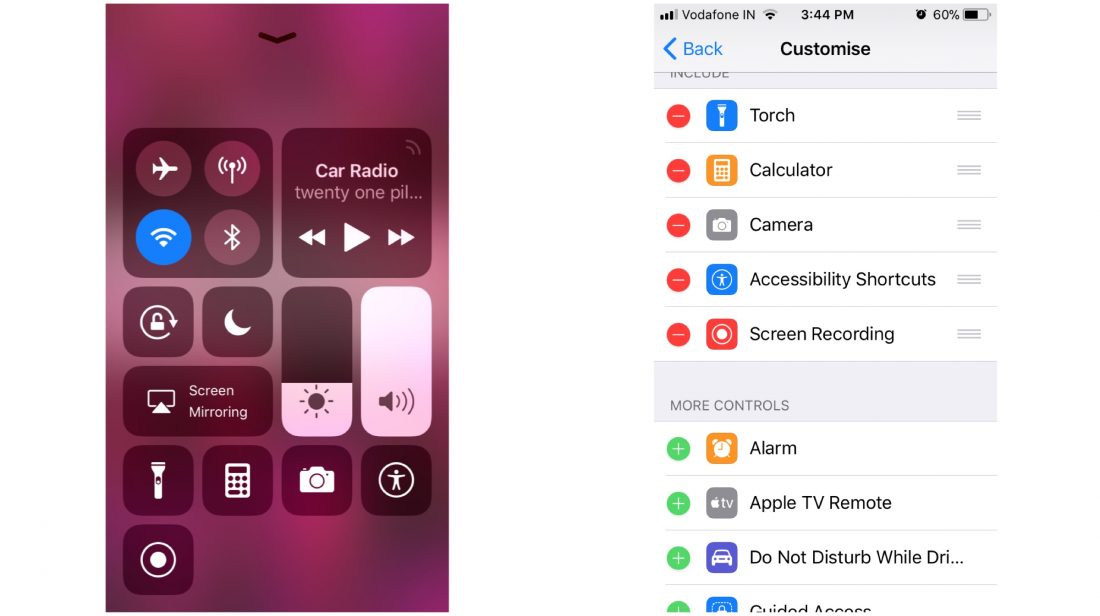
    The control center gets an overhaul here in iOS 11. You still have to swipe up from the bottom of the screen to bring up the control center, but, you have the ability to add or remove a lot of shortcuts and toggles. From the settings app, you can fill up the control center to the brim or keep it clean and empty. There are two vertical sliders, one for brightness and one for sound. You can tap and hold an icon for further settings even if your phone doesn’t have 3D touch. There is a new feature called screen recording which can be triggered directly from the control center. Tapping on the WiFi or Bluetooth icon disconnects you from the current device, rather than switching off the WiFi or Bluetooth.

    Siri

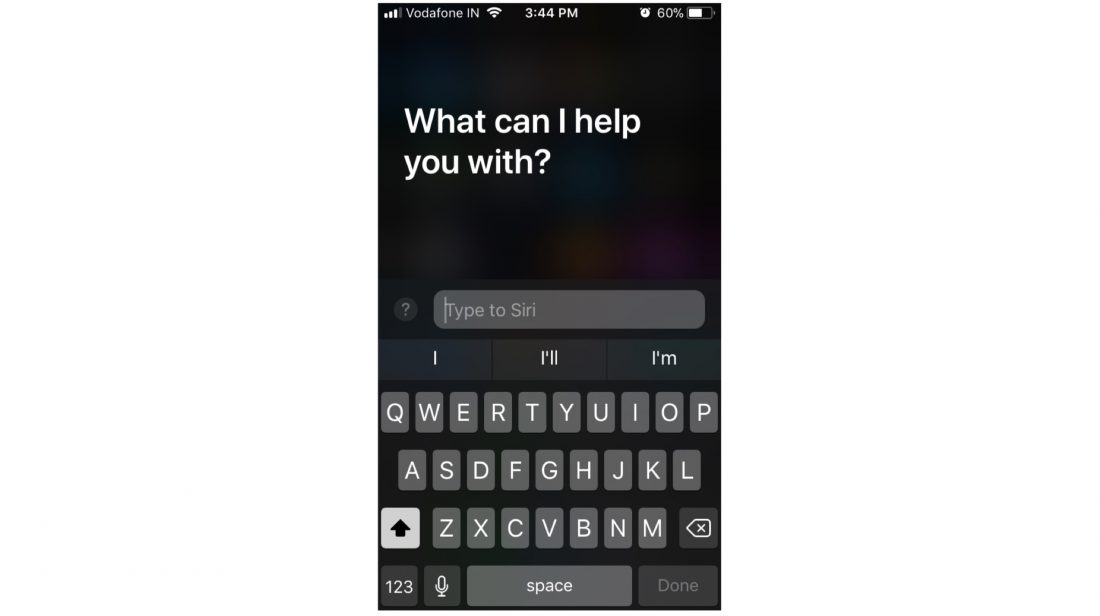
    Siri has received a massive overhaul as well. The Voice Assistant, since it was launched with the iPhone 4s, has become better with every iteration of iOS. In iOS 11, Siri is going to sound better, and it’ll have new capabilities, such as translating a lot of different languages, which can come in handy if you’re traveling to a foreign land. But, one of the most useful features Siri received in iOS 11 is the ability to respond to texts, which will come in handy when you can’t talk to the phone.

    Notes

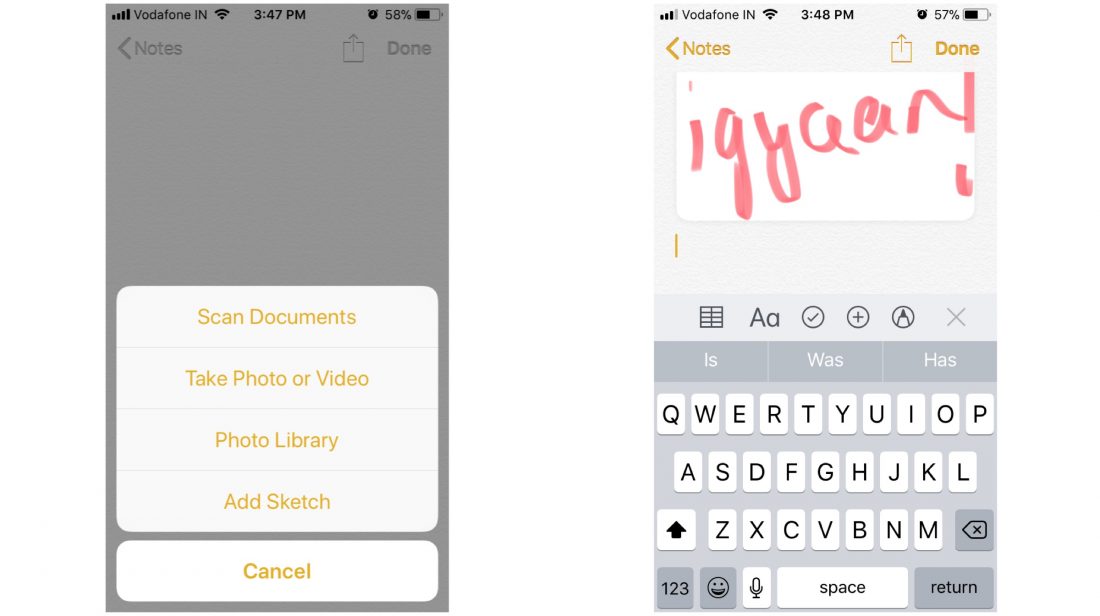
    One of the most used in-built apps is the Notes app. In iOS 11, Apple has added a lot of new features to the Notes app that can help the app stack up against other famous third-party note-taking apps. The notes app includes support for drag and drop, a built-in document scanner, markup tools (handwriting support included) and adding tables to your notes. These features will shine even more in the iPad because of a larger screen.

    Storage

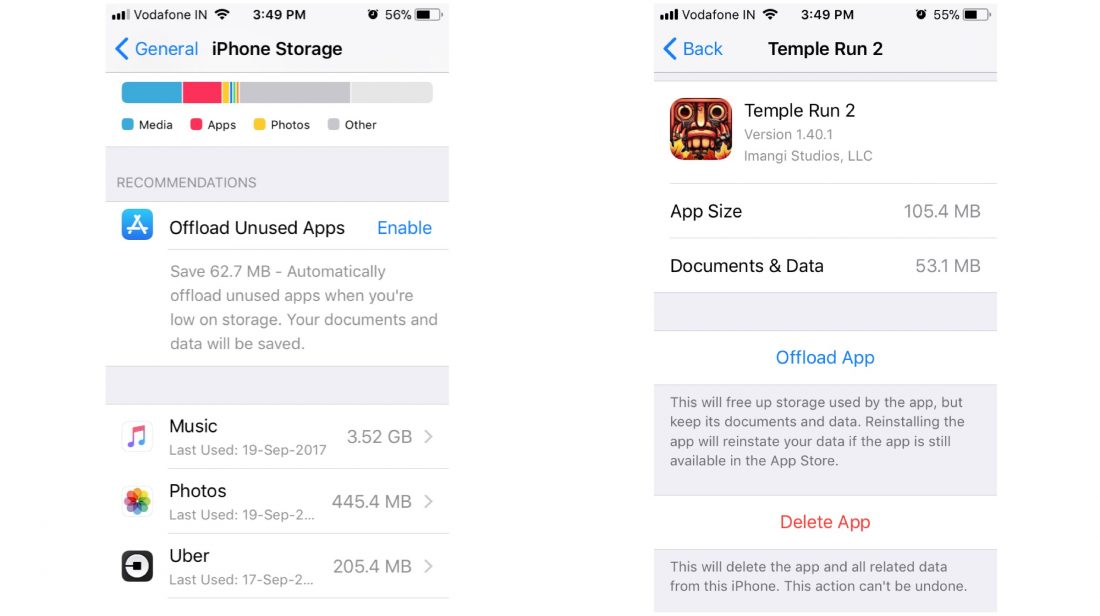
    The storage window in the settings app gets a new look as well. In addition to showing you what kind of data is cluttering your memory, the iPhone Storage menu in the Settings app will let you instantly free up space that you’re not actually using. At a glance, you’ll get suggestions for deleting old messages and pictures, as well as apps that you don’t really use. The menu also shows you all the videos and attachments you can remove to free up space, and lets you act on it.

    Files

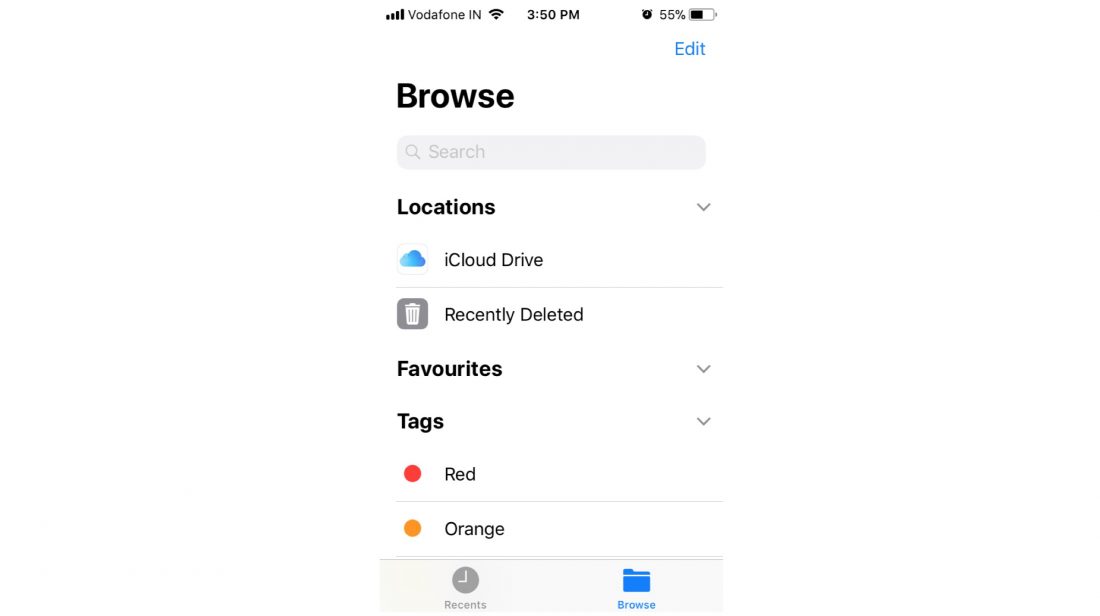
    Apple has introduced a new standalone Files app, which essentially replaces the iCloud Drive app. The Files app lets you browse the files stored in your devices locally and in your iCloud account. It is an app which has featured in Android devices for the longest time and now, iOS users will be able to manage their onboard storage better.

    All devices which will receive the iOS 11 update

    • iPhone 5s
    • iPhone 6/6 Plus
    • iPhone 6s/6s Plus
    • iPhone 7/7Plus
    • 12.9-inch iPad Pro (2017)
    • 12.9-inch iPad Pro (2016)
    • 10.5-inch iPad Pro
    • 9.7-inch iPad Pro
    • iPad Air 2
    • iPad Air
    • iPad (2017)
    • iPad Mini 4
    • iPad Mini 3
    • iPad Mini 2
    • iPod touch 6th generation

    How to install iOS 11:

    You need to back up your data before beginning the installation process. Connect your device to WiFi in order to download the software update file.

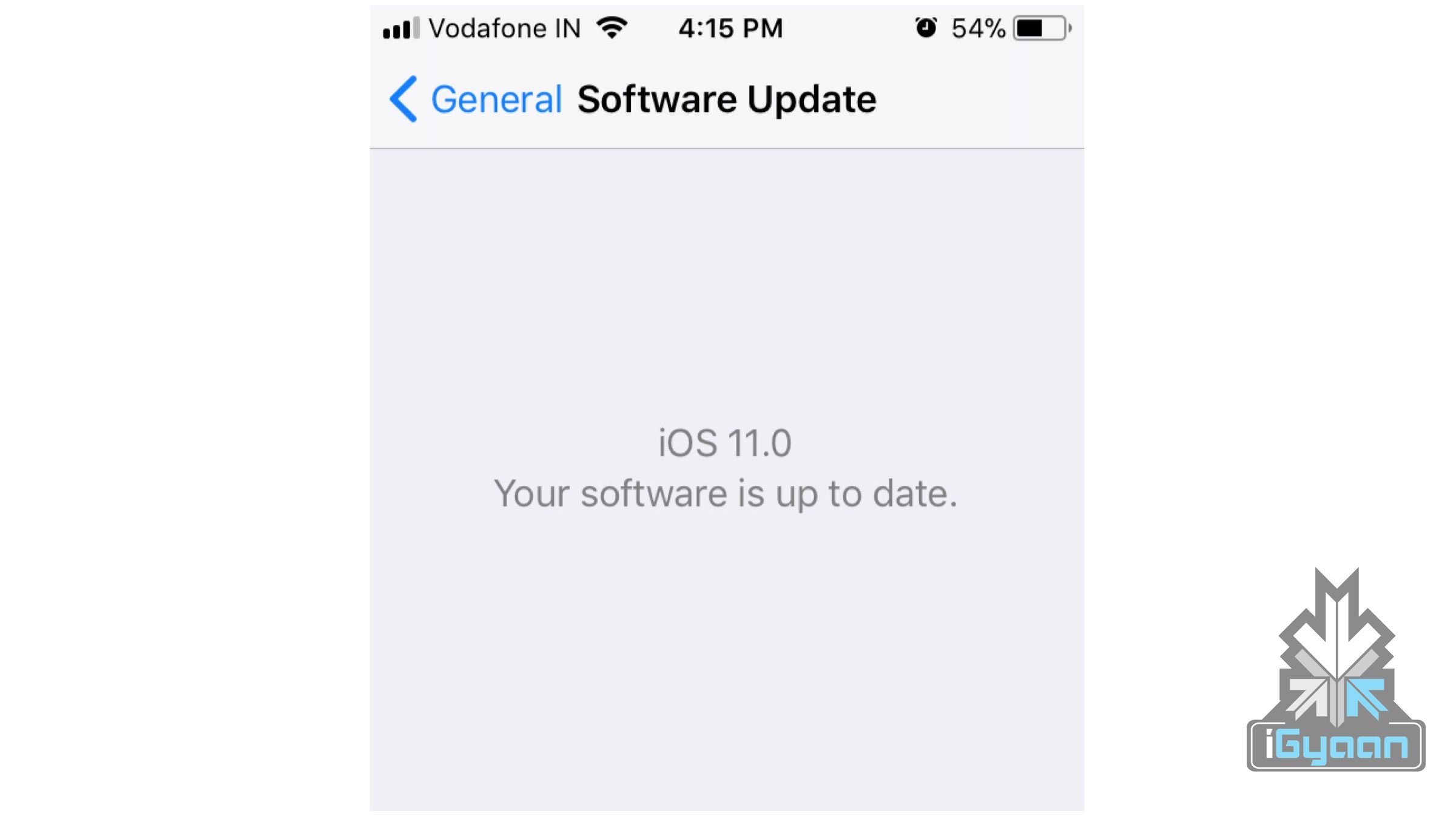
    • Go to Settings>General>Software Update. Your phone will now look for a software update and ask your permission to install the update.
    • Once downloaded, your phone will again ask permission to install the update.

    Once the necessary permissions are granted, your phone will restart and iOS11 will be installed.


  • Sony Xperia XZ1 Set To Launch In India On 25th September

    Sony Xperia XZ1 Set To Launch In India On 25th September

    Sony unveiled its new flagship, the Xperia XZ1 along with XZ 1 Compact during the IFA 2017 in Berlin in August. At the time of its unveiling, Sony announced that the smartphone will be available globally in the coming month and it looks like Sony is set to launch the XZ1 in the Indian market on September 25th. Sony has sent out press invites for a launch event in Delhi on 25th September. Whether the compact variant will be launched along with the XZ1 is yet to be seen.

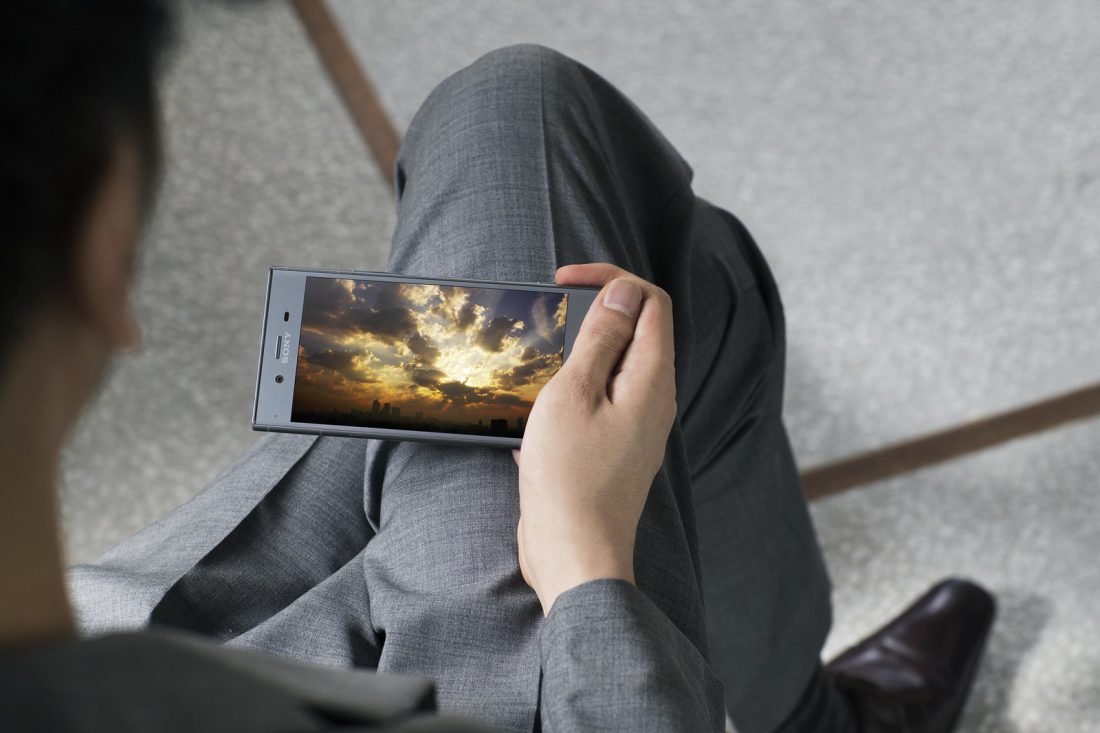
    The Sony Xperia XZ1 has a 5.2 inch 1920 x 1080 px display with Corning Gorilla Glass 5 on top for protection. The design of the phone is reminiscent of a lot of previous Sony flagships, dating back to 2013’s Xperia Z. The display still has thick bezels around it and doesn’t look like a 2017 flagship smartphone. Sony claimed during the launch of the XZ1 that the device will run Android 8.0 Oreo out of the box, whether that will be the case with the Indian variant has not been confirmed yet. The device is powered by a 2,700 mAh battery, which is considerably smaller than a lot of smartphones in the market. Under the hood, the device has the Qualcomm Snapdragon 835 chipset, similar to the one found in XZ Premium, 4GB RAM, and 64GB onboard storage.

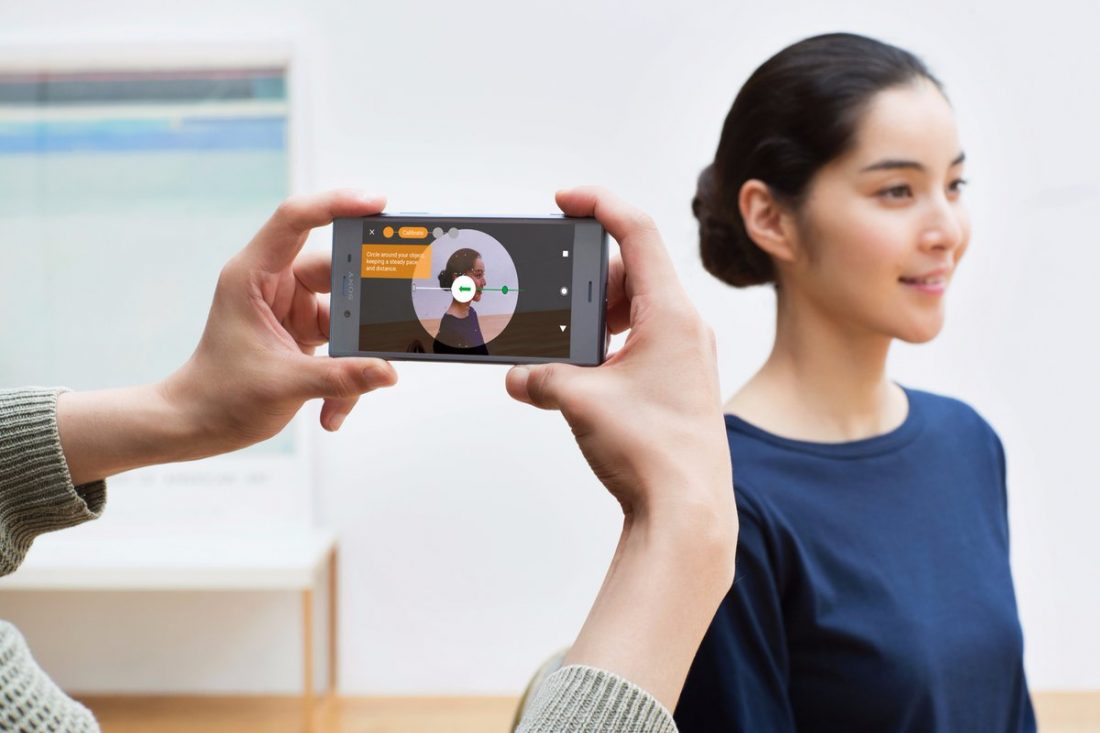
    Sony has used its “Motion Eye” camera system in the XZ1. According to Sony, “Motion Eye” system uses a 1GB memory-stacked camera which has five times faster image processing than other smartphones. Ditching the trend of the dual camera setup, Sony went with a single camera at the back with a 19MP 1/2.3? Sony IMX400 camera lens with an f/2.0 aperture. Sony has pointed out that the phone’s 3D scanning capability is one of its highlights. The camera app includes features like Predictive Capture which will click the picture seconds before you actually hit the shutter button. Sony has used SteadyShot electronic stabilization for video instead of optical image stabilization for images. The primary camera can also record super slow motion 720p video at 960fps in addition to recording 4K videos at 30fps. On the front, the XZ1 has a 13MP camera with an f/2.0 aperture and 22mm wide-angle lens.

    The Sony Xperia XZ1 is priced at US$699 (Rs 45000 approx.) in the global market and the price in India could well cross the Rs 50,000 mark.

  • Moto X4 Set For October 3rd Launch In India

    Moto X4 Set For October 3rd Launch In India

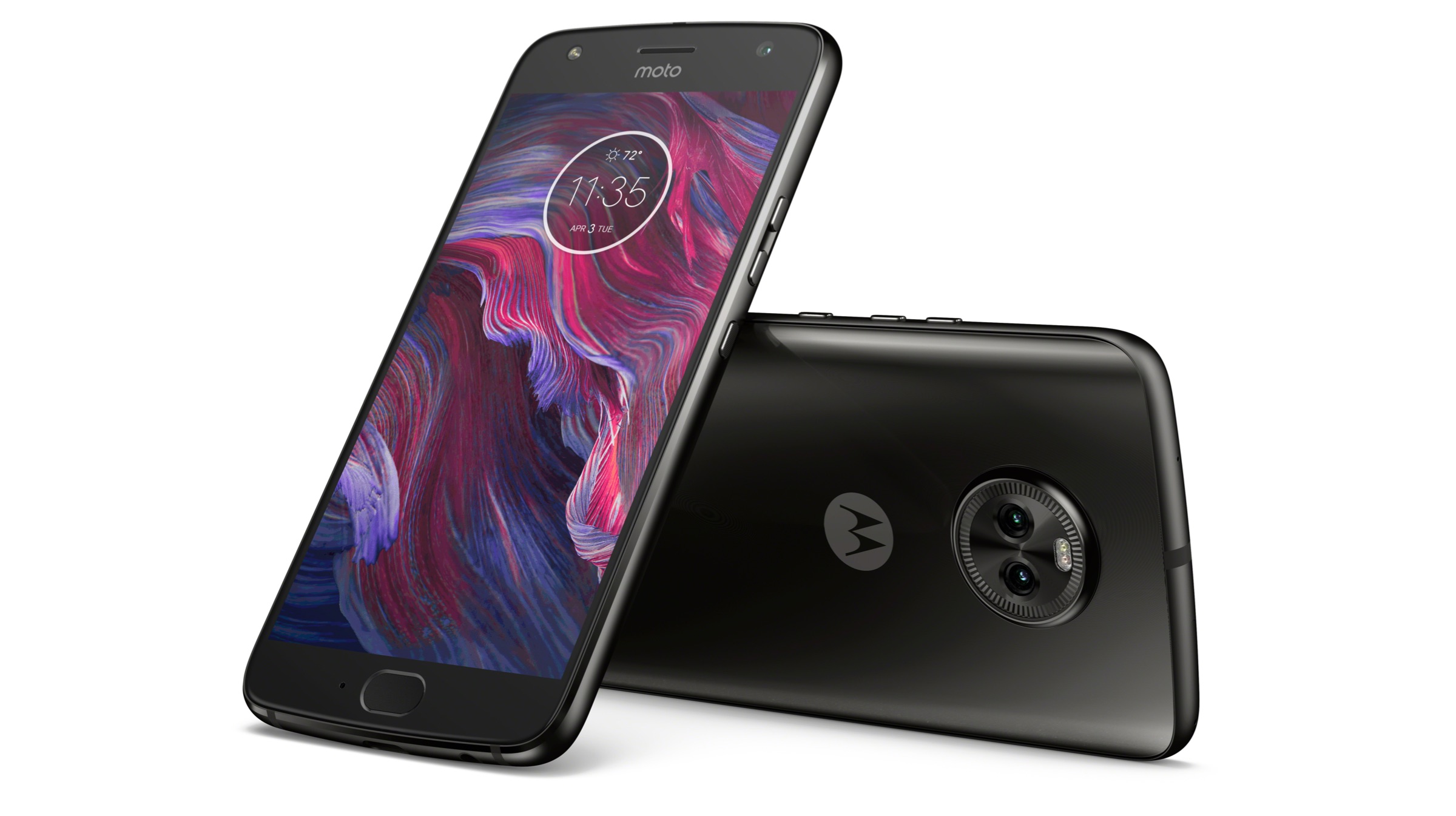
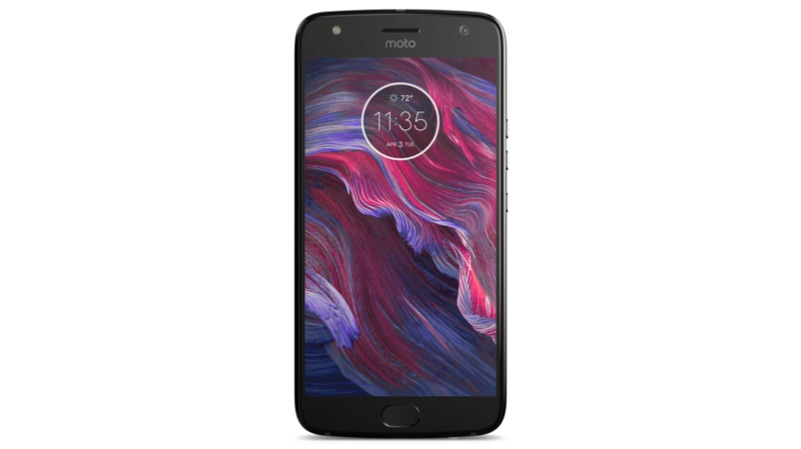
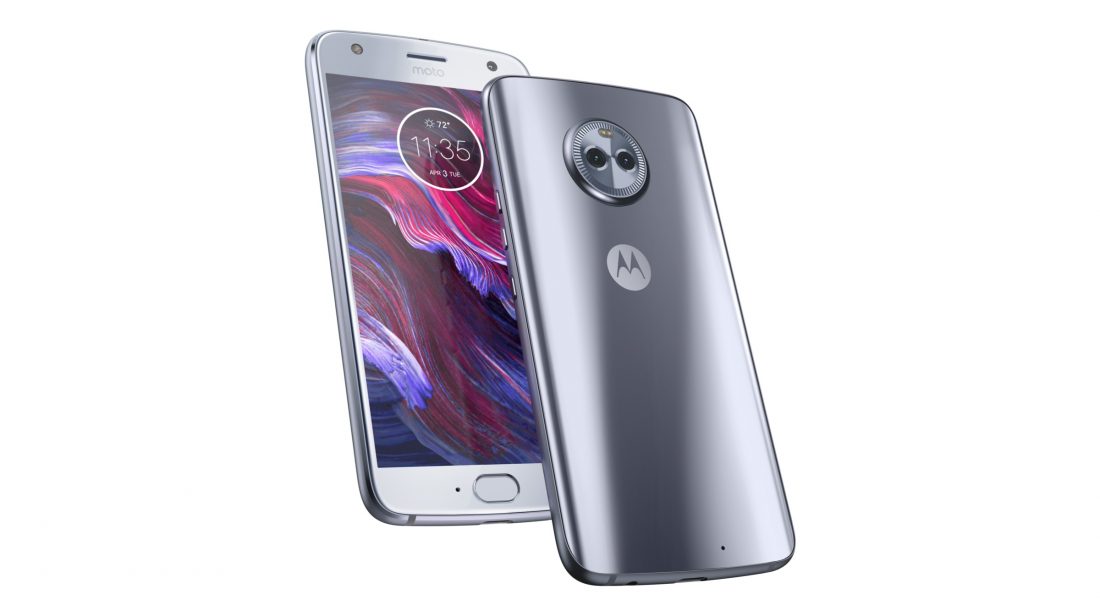
    Lenovo-owned Motorola launched the Moto X4 at IFA 2017 in Berlin in August. The launch of the Moto X4 will take place in India on October 3rd after the company sent out press invites for an event in New Delhi. The launch of the Moto X4 will be Motorola’s third in quick succession in India after the Moto G5S and G5S Plus were launched in August in the sub 20K category. Motorola has been teasing the launch of the X4 on Twitter and even hosted a giveaway contest.

    The Moto X4 has a 5.2 inch 1920 x 1080 px IPS LCD display with Corning Gorilla Glass on top for protection. The smartphone runs stock Android 7.1.1 Nougat and is powered by a 3,000 mAh battery with TurboCharge capabilities. Motorola recently announced that the Moto X4 will receive an update to Android 8.0 Oreo by the end of the year. The company claims that the 15 mins of charge can give up to 6 hours of talk time. The Moto X4 has the Qualcomm Snapdragon 630, 2.2 GHz octa-core processor and Adreno 508 GPU, along with 3GB RAM and 32GB onboard storage which can be expanded up to 2TB via microSD card. The phone has an IP68 rating for water and dust resistance.

    The new smartphone will also feature Alexa, the Amazon AI voice assistant. This isn’t the first time that Alexa has made its way onto a smartphone, the Huawei Mate 9 was the first smartphone to feature the voice assistant. Since then, we have also seen Alexa make its way to the HTC U11.The 4 in Moto X4 signifies that the new smartphone will be able to share the sound with up to 4 devices, thanks to the presence of Bluetooth 5.0.

    The Moto X4 has a dual-camera setup at the back. The main camera is a 12MP sensor with an f/2.0 aperture, and the 8MP secondary camera with an f/2.2 aperture is equipped with a wide-angle lens. The dual-cameras allow users to have depth effect shots, bokeh effect shots, ultra-wide angle shots, and selective focus shots. On the front of the device is a 16MP camera with an f/2.0 aperture and an LED flash. The cameras record 4K videos at 30 FPS.

    The Moto X4, is expected to be priced at around Rs 25000 even though its European price is higher. The promotional poster doesn’t give away any other information but, the smartphone is expected to go on sale on Amazon and Motorola’s recently launched Moto Hub retail stores.

  • GPD Pocket : Portable Laptop Review

    GPD Pocket : Portable Laptop Review

    Not often do you get devices that give you simple joy of portability. While on one end of the spectrum Smartphones are getting bigger, the need for sleeker and more portable laptops is one that only ultra-light notebooks like the MacBook Air, HP Envy and Lenovo Yoga have been able to solve.

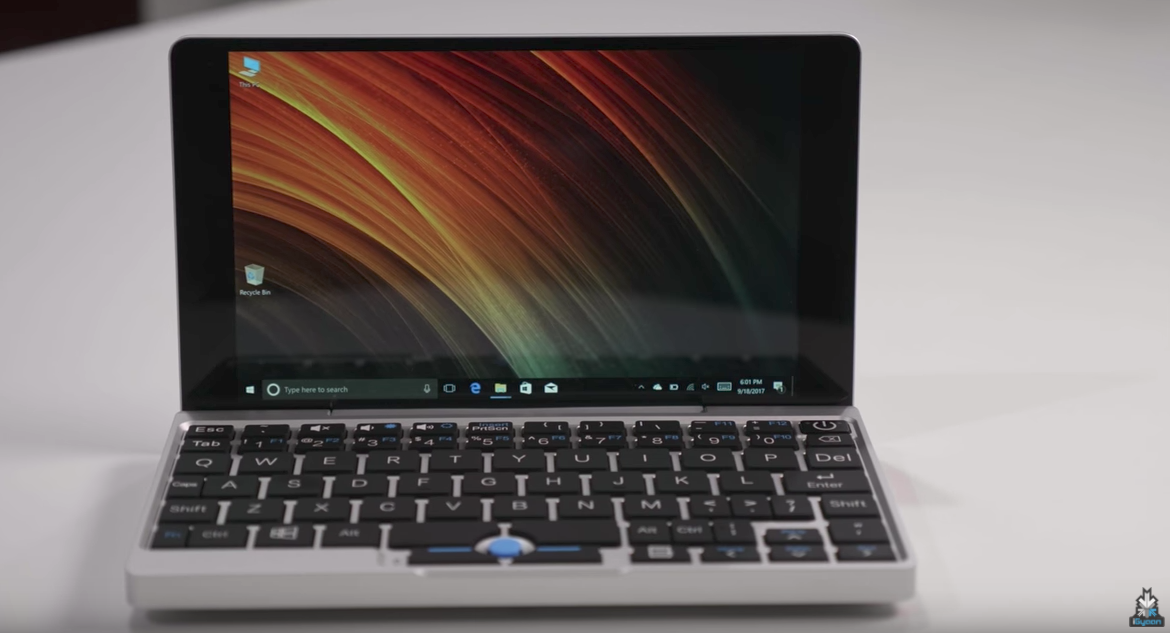
    This new entrant in the space tackles the problem in a different respect all together, The GPD Pocket is one laptop that has received 3.5 million dollars in funding on Indiegogo and it hasn’t stopped there. The laptop is available for a price that is just shy of US $ 500 or approximately Rs. 31000 but offers a full Windows 10 experience.

    Build Quality and Design

    With no marks or logos on the actual hardware the GPD pocket’s sleek unibody magnesium design makes it good to look at. the boxier than your usual ultra light, and that is because it is not ultra or light. At almost 20mm thick and weighing it at 500 gm the GPD pocket will most likely not fit in your pocket.

    The build is robust and extremely satisfying, unibody design, a strong hinge and copper radiator cooled internals.

    Buy the GPD Pocket here

  • This App Gives Your Android Device The iPhone X Notch

    This App Gives Your Android Device The iPhone X Notch

    Apple launched the much awaited iPhone X on September 12th. One of the most talked about features of the phone before and even after the launch is its display. The iPhone X’s design is a huge departure from the previous gen iPhones and looks like a 2017 flagship device with minimal bezels. A notch at the top of the display, which has already become synonymous with the iPhone houses all the sensors and the cameras. The iPhone X however, is not the first phone to have a notch, the Essential Ph-One also has a notch at the top which houses the front camera and looks like a cyborg’s eye.

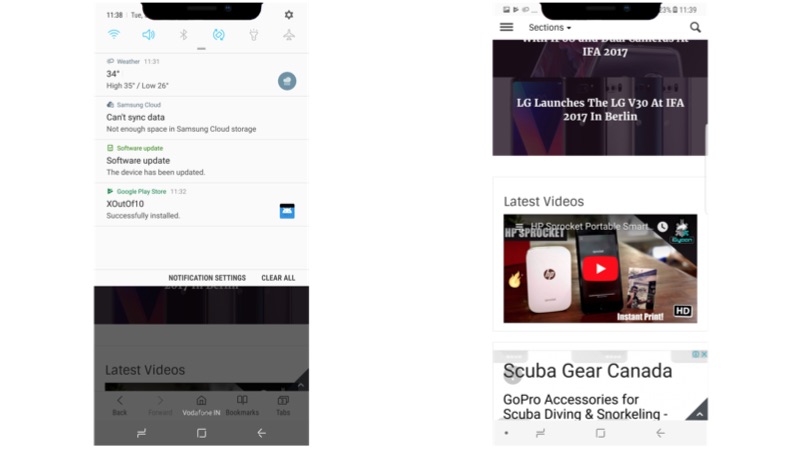
    If you are someone who is a fan of that notch on the iPhone X but, do not want to wait until November to see how a display with notch looks like, there is an app for you to experience it right now. Developed by Github user idoideas, XOutOf10 is an app that lets you simulate the iPhone X notch on practically any Android device. The developer believes that this app will save your $999.

    If you want to know how the iPhone X notch will look like on your Android device, you can download the app from here. You need Android 6.0 Marshmallow or above to run this app. The developer warns Marshmallow users that the notch will disappear when the status bar is expanded due to Android API limitations set by Google.

    This is how the notch looks like on the Samsung Galaxy Note8

  • Sony Flagship Device With A Bezel-Less Display Leaked

    Sony Flagship Device With A Bezel-Less Display Leaked

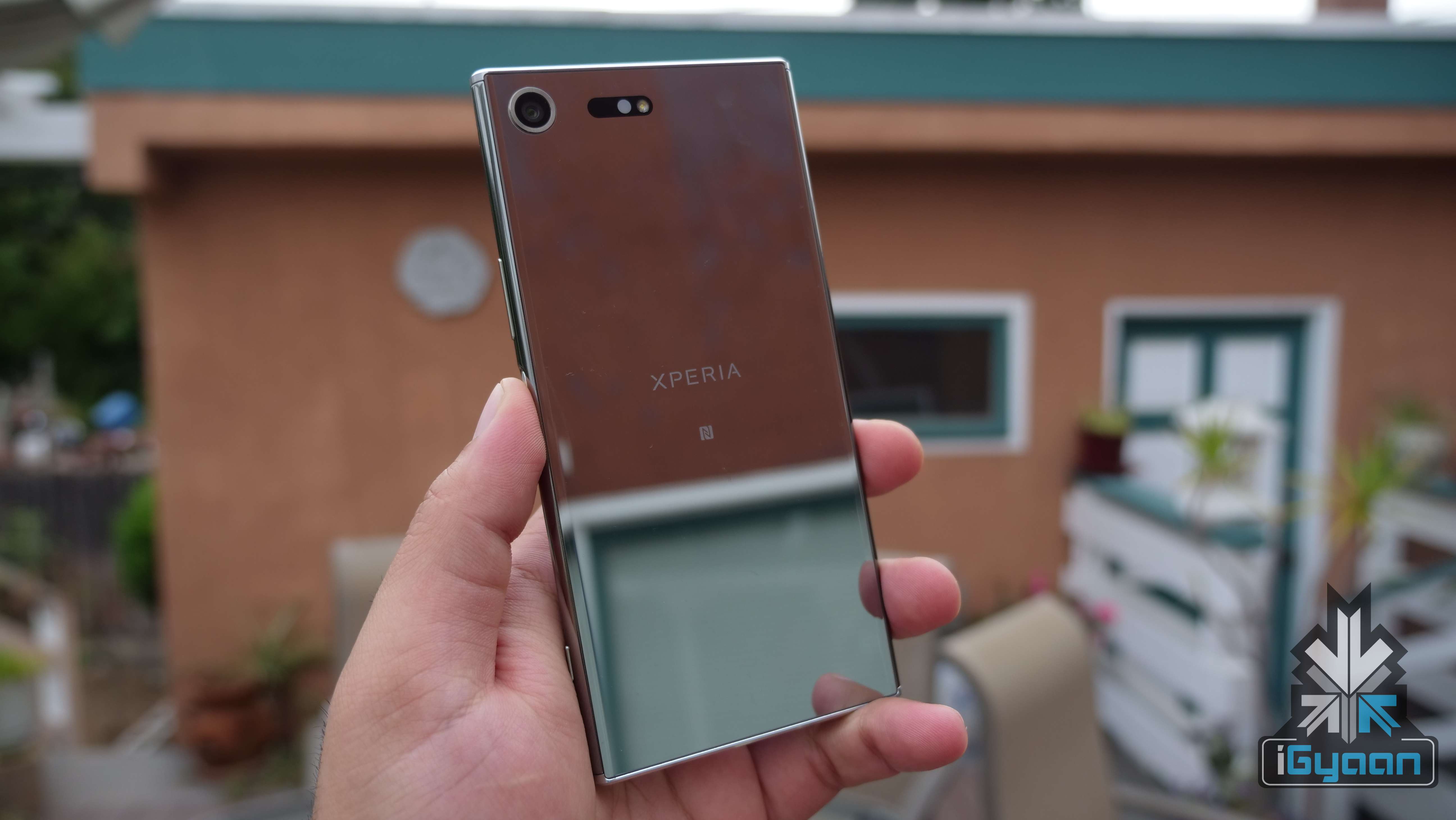
    Sony recently launched its new flagship, the Xperia XZ1 at IFA 2017 in Berlin. Although the phone has top-notch specifications and a promising camera, the design of the phone is still reminiscent of all Sony devices since the 2013 Xperia Z. When all the big smartphone manufacturers are moving towards a bezel-less display, the Sony Xperia XZ1’s design looks dated. However, it seems like 2018 will be the year when Sony finally ditches the top and bottom chins and launch a flagship Android smartphone with an 18:9 aspect ratio display.

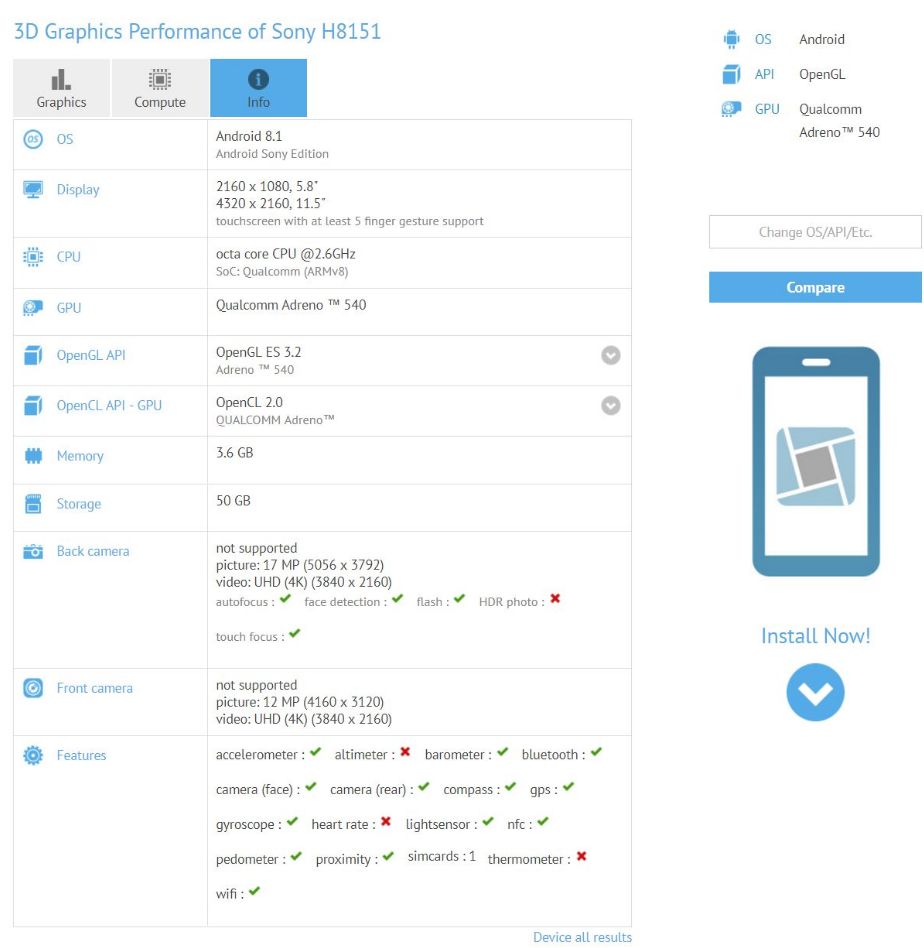
    A recent leak on GFXBench reveals that the new Sony smartphone, named Sony H8151 will have a tall display with an 18:9 aspect ratio. The phone will have a 5.8 inch 2160 x 1080 px display. In the display column, there is another 11.5-inch 4320 × 2160 resolution display listed, which will be a 4K display and succeed the Xperia XZ Premium next year. The smartphone will run Android 8.1 Oreo out of the box. The CPU column mentions a 2.6GHz octa-core processor, but, the Snapdragon 835 is clocked at 2.4GHz. This means that the new device might have the Qualcomm Snapdragon 836 chipset, should Qualcomm change their mind and announce the chipset before the launch of the Sony smartphone. The phone will have 4GB of RAM and 64GB internal storage.

    On the camera front, it looks like Sony will continue producing smartphones with a single camera. On the back will be a 17MP camera which will record 3840 x 2160 px (4K) videos. The front camera will have a 12MP sensor with 4K video recording capabilities as well.

    The design of the smartphones will be marketed as the ‘Mirai’ design, which means ‘the future’ and will be unveiled at the Mobile World Congress 2018.

  • Samsung Galaxy S9 May Have A 1000fps Camera

    Samsung Galaxy S9 May Have A 1000fps Camera

    The South Korean tech giant, Samsung, has built a camera that clicks a thousand images in a second. Samsung has completed the test phase and may move into mass production in November. With the Samsung Galaxy S9 expected to launch in Q2 of 2018, the next year’s flagship might just feature this camera.

    Samsung is working on a “three-layered image sensor.” In a normal setting, there is a camera sensor and a logic board that is responsible for the process of taking pictures. The logic board takes the image passed through the sensor, does some calculations, and turns what the human eye sees into data to be stored on the phone. Samsung is adding a DRAM chip into that equation to allow the camera to capture video at 1000 fps. If Samsung delivers this, it will join Sony as the slowest slow-motion camera right now.

    Sony was the first company to commercialize the ‘three-layered image sensor’ with the XZ Premium. The Sony XZ Premium features a camera that records 720p videos at 960fps. It is reported that Samsung’s implementation of the same costs way more than Sony’s. Samsung decided to go with a different method in order to avoid paying a royalty fee to Sony for using their method.

    The manufacturing process of a three-layered chip can be tedious and costly. If any of the three layers are bad, the whole chip will have to be tossed, which can be quite costly. Samsung’s process even though costlier, has its positives. The South Korean tech giant is a conglomerate, and therefore, can get its hands on the chip it needs internally. Whether this process yields in better performance than Sony is yet to be seen. Samsung uses Sony’s sensors in a lot of its flagship devices, especially for the US market. If the 1000fps camera makes its way to the Galaxy S9, we may see a high-performing Sony sensor for the American market and an in-house sensor for the South Korean market.

  • The New HP Z820 Work Station Is For Professionals Who Need Raw Power

    The New HP Z820 Work Station Is For Professionals Who Need Raw Power

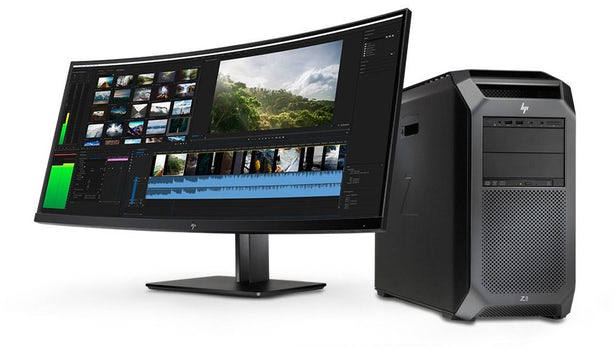
    HP has announced the latest iteration of its workstation and it packs a lot of power. The new Z workstations have been developed with product designers, architects, digital creators, scientists, educators, healthcare workers, and financial traders in mind, but could also be a good fit for home-based content creators who value processing power more than anything else.

    The flagship of the Z workstations is the HP Z820. The Z8 packs in two Intel Skylake-SP processors, with twinned Xeon Platinum 8180 chips: 28 cores/56 threads and 38.5MB cache each running at 2.5-3.8GHz, along with support for up to 1.5TB RAM. Those processors and memory can be combined with up to three Nvidia Quadro P6000 GPUs or AMD Radeon Pro WX 9100 parts. The desktop system has four internal drive bays, two external (and a third external for an optical drive), and nine PCIe slots. Storage options include up to 4TB of PCIe-mounted SSD, and 48TB of spinning disks. A range of gigabit and 10 Gigabit Ethernet adapters are available; the machine also supports 802.11a/b/g/n/ac Wi-Fi and Bluetooth 4.2. Thunderbolt 3 is available with an add-in card. HP says that novel ducting ensures a second CPU is cooled with fresh air rather than recycled (warm) air from the first CPU’s ducting.

    The desktop system has four internal drive bays, two external (and a third external for an optical drive), and nine PCIe slots. Storage options include up to 4TB of PCIe-mounted SSD, and 48TB of spinning disks. A range of gigabit and 10 Gigabit Ethernet adapters are available; the machine also supports 802.11a/b/g/n/ac Wi-Fi and Bluetooth 4.2. Thunderbolt 3 is available with an add-in card.

    The HP Z820 is expected to be released in October at a starting price of US$2439 (Rs 156,000 approx.) in the United States. There is no official word on its global release yet.

  • Apple Pay Will Enter India By The End Of 2017

    Apple Pay Will Enter India By The End Of 2017

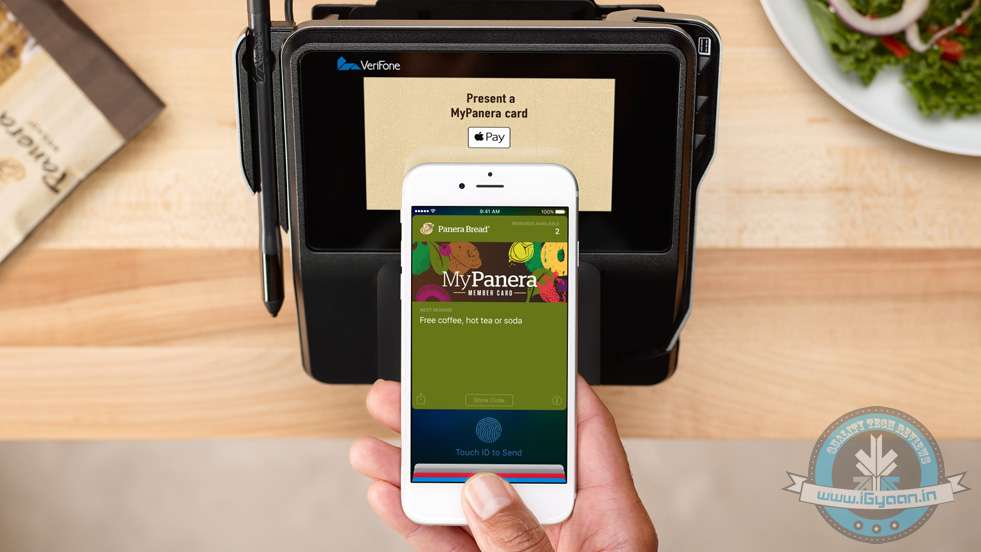
    On September 12, Apple launched the iPhone 8, 8 Plus, the eagerly awaited iPhone X along with Apple Watch Series 3 and Apple TV 4K. Apple also announced that the global rollout of iOS 11, which was announced at the WWDC 2017, will start seeding to compatible iPhones and iPads on September 19. One of the most popular features available on iOS devices is Apple Pay, which is not yet available in India. However, sources close to iGyaan tell us that Apple has begun testing Apple Pay in India and will be introduced in the country by the end of 2017. Sources tell us that Apple is in talks with several merchants like Starbucks and Croma stores, and banks like HDFC Bank, Standard Chartered, and Citi Bank to introduce the contactless payment machines compatible with Apple Pay at their outlets. 

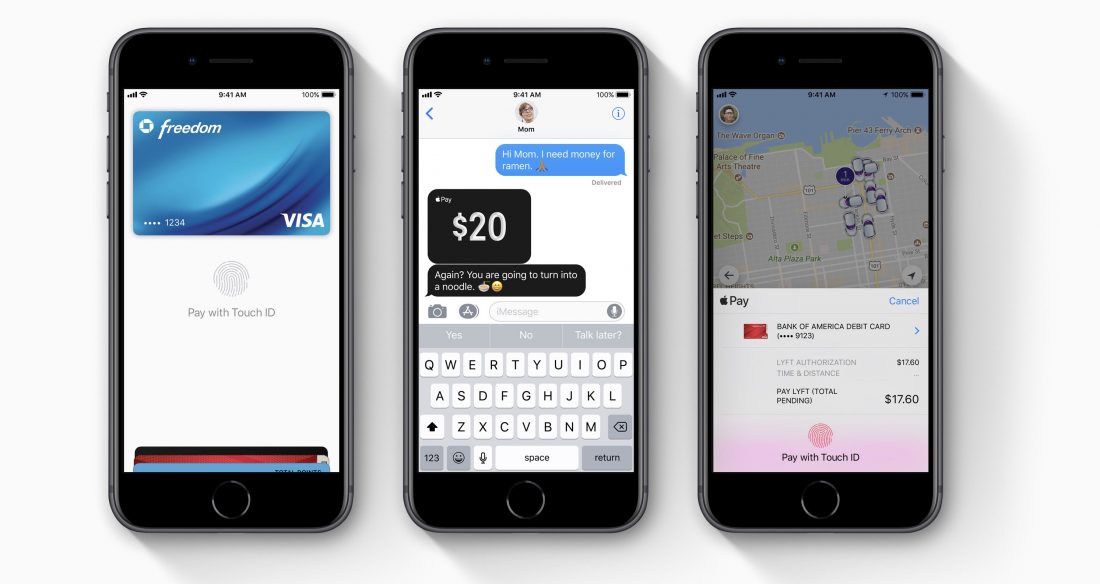
    Apple Pay securely stores credit cards, debit cards, or other sensitive payment information from the Wallet app and lets the user pay for goods directly from their mobile device. For Apple Pay to work, the merchant needs to have a contactless machine which is compatible with Apple Pay. During the transaction, TouchID or FaceID is required to authenticate the payment. Once the authentication is successful, a subtle vibration confirms that the transaction was successful.

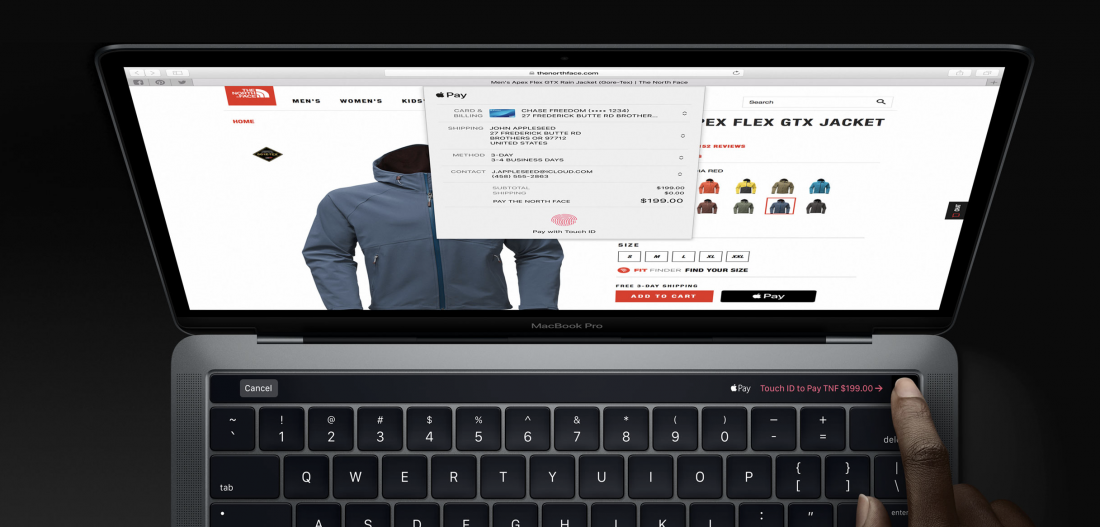
    The cardless payment service works on the new MacBook with TouchID and all iOS devices launched after iPhone 6, including the iPhone SE which is one of the most popular iOS devices in India and also the only Apple product currently being manufactured in India at the company’s Bengaluru Campus. Devices compatible with Apple Pay are:

    • iPhone 6/6 Plus
    • iPhone6s/6s Plus
    • iPhone SE
    • iPhone 7/7 Plus
    • iPhone 8/8 Plus
    • iPhone X
    • iPad Pro
    • iPad Air 2/iPad Air 3
    • iPad Mini 3/iPad Mini 4
    • Apple Watch Series 1/ Series 2/ Series 3
    • MacBook Pro 2017 with TouchID

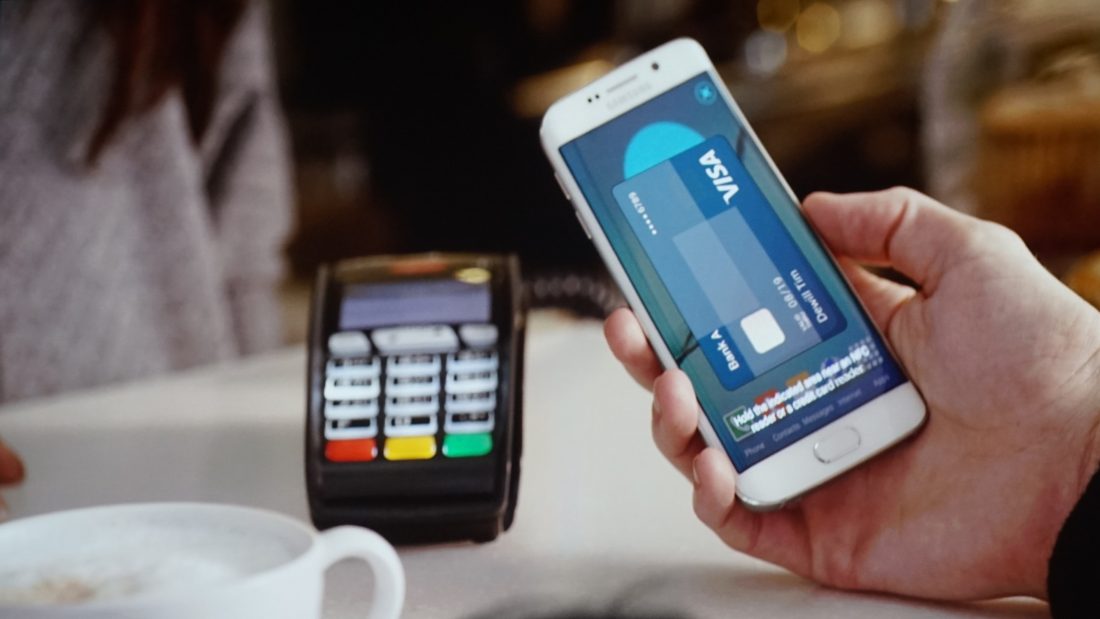
    Samsung has already introduced Samsung Pay in India which works exactly like Apple Pay, except that it doesn’t need a compatible contactless machine to work. Samsung Pay works with any card payment machine, giving it an advantage over Apple Pay. Other online payment apps like PayTM also allow its users to make cardless payments directly through the PayTM app, although, you need to top up your PayTM balance before making any transactions. In the case of Samsung and Apple Pay, transactions are made directly from the credit or debit card synced with your account.

    Google also launched its own UPI based mobile payments app, Tez in India on September 18th. The app has a widespread support of banks and the Finance Minister of India, Mr. Arun Jaitley himself launched the app and even made the first ever Tez transaction. It will be interesting to see how many banks come on board with Apple Pay and how Indian consumers react to the service as the convenience of PayTM and a surge of Google Tez by December may hamper the popularity of Apple Pay. However, considering Apple is India’s second largest premium smartphone maker along with Apple Pay’s integration with iOS 11 and the Apple ecosystem may persuade iPhone and other Apple product owners to switch to Apple Pay.

  • Google Tez, A UPI Mobile Payments App Launched In India

    Google Tez, A UPI Mobile Payments App Launched In India

    Google has announced the launch of its new India-centric UPI based mobile payments app, Tez. The search engine giant’s new app will let users link their smartphones to their bank accounts to pay for goods securely in physical and online stores, and for person-to-person money transfers.

    The information portal of Tez reads

    Send money home to your family, split a dinner bill with friends, or pay the neighbourhood chaiwala. Make all payments big or small, directly from your bank account with Tez, Google’s new digital payment app for India

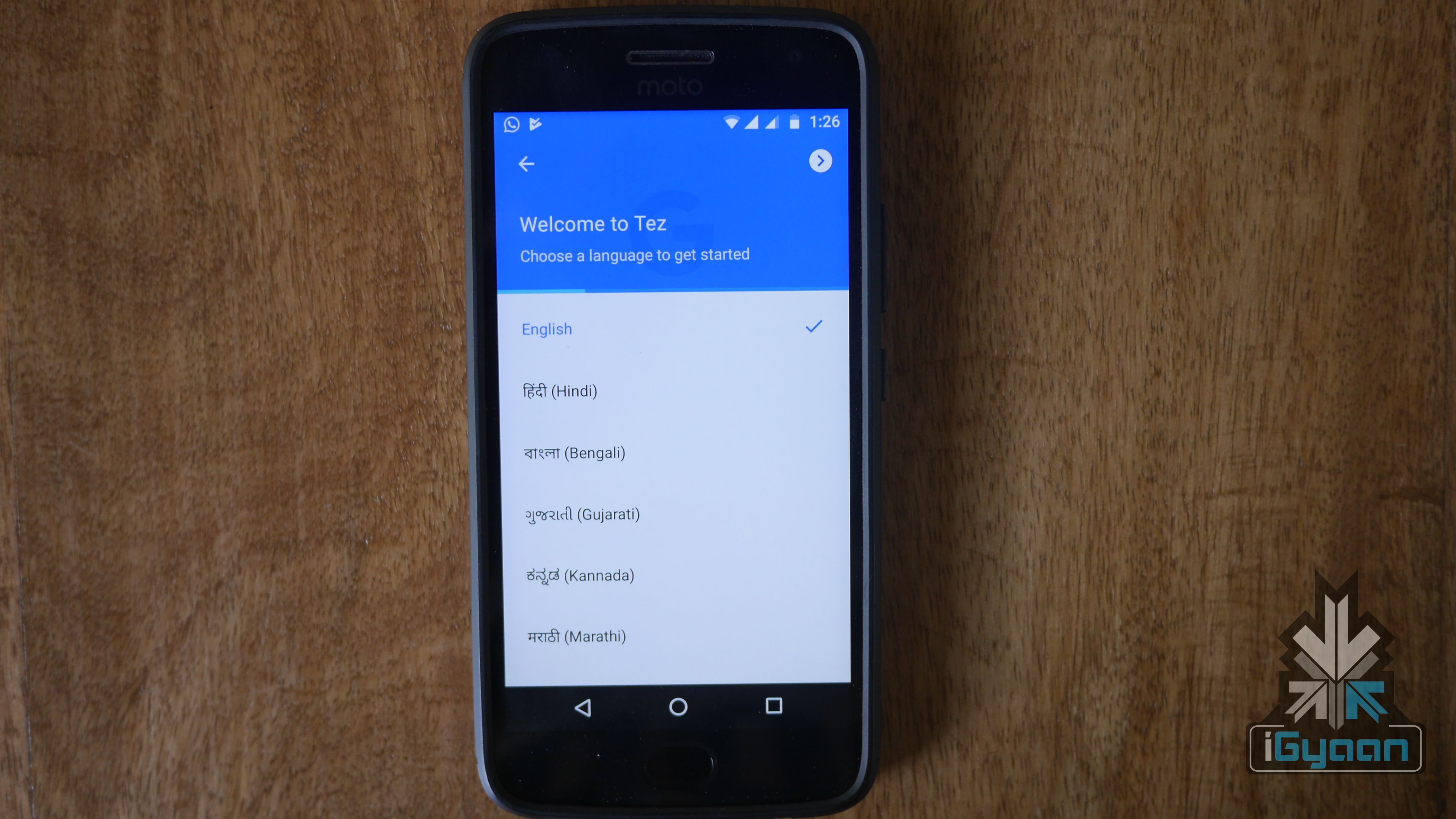
    The app will be available to download on all iOS and Android devices. The payments app will tie up with several banks through Unified payments Interface (UPI), a payment system backed by the government in its push to bring more integrated banking services in the Indian market. Supported banks include Axis, HDFC Bank, ICICI and State Bank of India and other banks that support UPI. Online payment partners include food chains like Dominos, transport services like RedBus, and Jet Airways. To help address one of the most important factors that make or break an online service in the Indian market, the app has support for English, Hindi,  Gujarati, Kannada, Marathi, Bengali, Tamil, and Telugu. Tez features a technology called audio QR that allows users to transfer money using sounds to pair two devices. Called the “cash mode option,” phones negotiate a connection using audio to identify the payer and payee.

    It is worth noting that the app is not a digital ‘wallet’ like PayTM wherein the money is stored in the app and is topped up for purchases. The Google Tez is more like Apple Pay where the app links your phone with your bank accounts to let you use your phone as a way to deduct payments from those accounts. There is also has a separate business portal for sellers to register themselves and accept payments through Tez itself.

    India has seen a fast growth of online payment apps like PayTm in the past few years and last year’s demonetization further fueled this growth. UPI is a payment system launched by the National Payments Corporation of India (NPCI) and regulated by the Reserve Bank of India which makes the instant fund transfer between two bank accounts on the mobile platform possible. There have been reports suggesting that the infrastructure of digital payments in India is expected to grow three-fold by the end 2017. Talking about the meteoric growth of online payments in India, Secretary of the Ministry of Electronics and IT said

    We expect that by December, the number will actually go up to five million PoS(Point of Sales), which means that the infrastructure for digital payments is going to grow three times in the short span of one year.

    Tez enters the Indian market at a time when the online payment industry has just started seeing an exponential rise. The app offers a different service than PayTM, the most successful UPI payments app in India right now and might be able tp differentiate itself from PayTM but it may take a while before people accept Tez as their primary mobile payments app.

iGyaan Network
Privacy Overview

This website uses cookies so that we can provide you with the best user experience possible. Cookie information is stored in your browser and performs functions such as recognising you when you return to our website and helping our team to understand which sections of the website you find most interesting and useful.