Category: Tech

Latest Technology News, Alternative, Bio-Tech, Medical, R&D and Innovations

  • Nikon Announces D810A, a Full-Frame DSLR to Help Capture Celestial Bodies

    Nikon Announces D810A, a Full-Frame DSLR to Help Capture Celestial Bodies

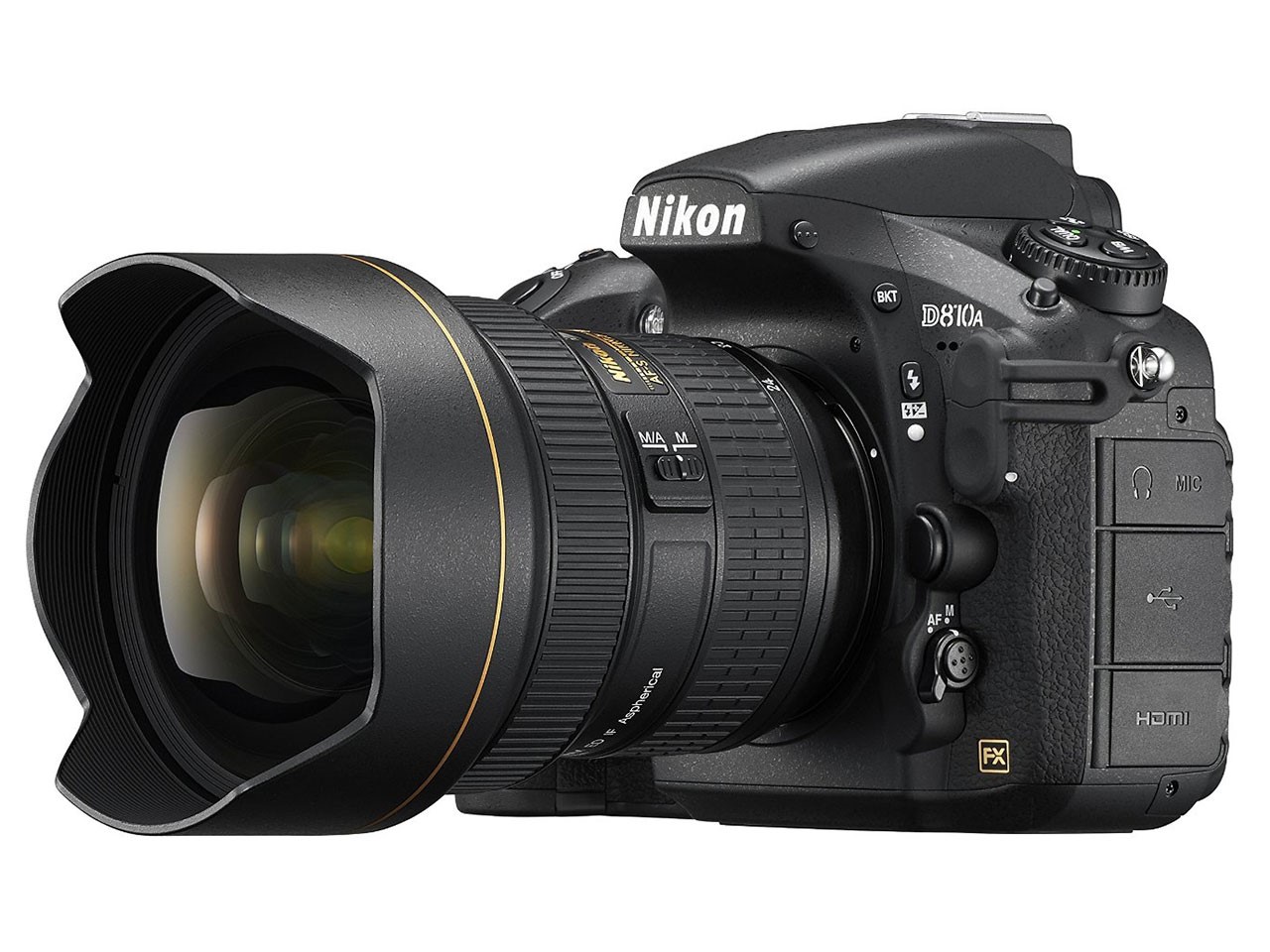
    Today, Nikon India launched a camera that astrophotographers would like to get their hands on. The imaging technology beast showcased a high-definition D-SLR D810A, which has been designed to shoot stars.

    The D810A, a variant of D810 DSLR, is a 36.3 MP camera with a special optical filter. It is sensitive to emissions of the Hydrogen-alpha wavelength and increases its transmission four times. This allows astrophotography enthusiasts to capture detailed shots of nebulae, constellations and other celestial bodies. The unique long exposure on Manual mode allows capturing pictures in the low-light conditions, offering a shutter speed of up to 900 seconds.
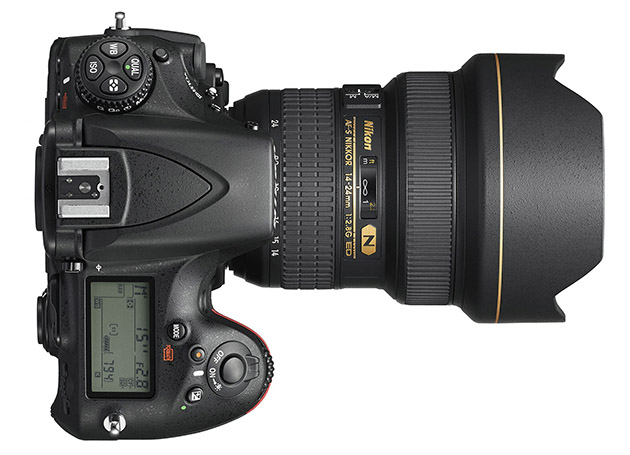
    Nikon-D810A

    Other features that can enthral photographers are longer exposures in low-light conditions (with minimal noise), and a live view preview function.

    Nikon India Vice President Sajjan Kumar briefed about the Nikon D810A –

    The Nikon D810A has been designed keeping in mind the obstacles that astrophotographers face; it is a result of an amalgamation of advanced imaging technology and suite of outstanding features. Nikon D810A is a 36.3 megapixels camera crafted with unique ability to capture subjects with H-alpha wavelengths, ensuring rich vibrant capture for images of the cosmos that are true to the eye.

    The Nikon D810A will be available from late May and will cost a hefty $3,799.95. However, there have been cameras like this around, but this is the first full-frame DSLR exclusively designed for photographers. So, astrophotography hobbyists can consider it as an option to go for.
    However, there have been cameras like this around, but this is the first full-frame DSLR exclusively designed for photographers. So, astrophotography hobbyists can consider it as an option to go for.
  • Google Glass Finds New Userbase in the Airport Industry

    Google Glass Finds New Userbase in the Airport Industry

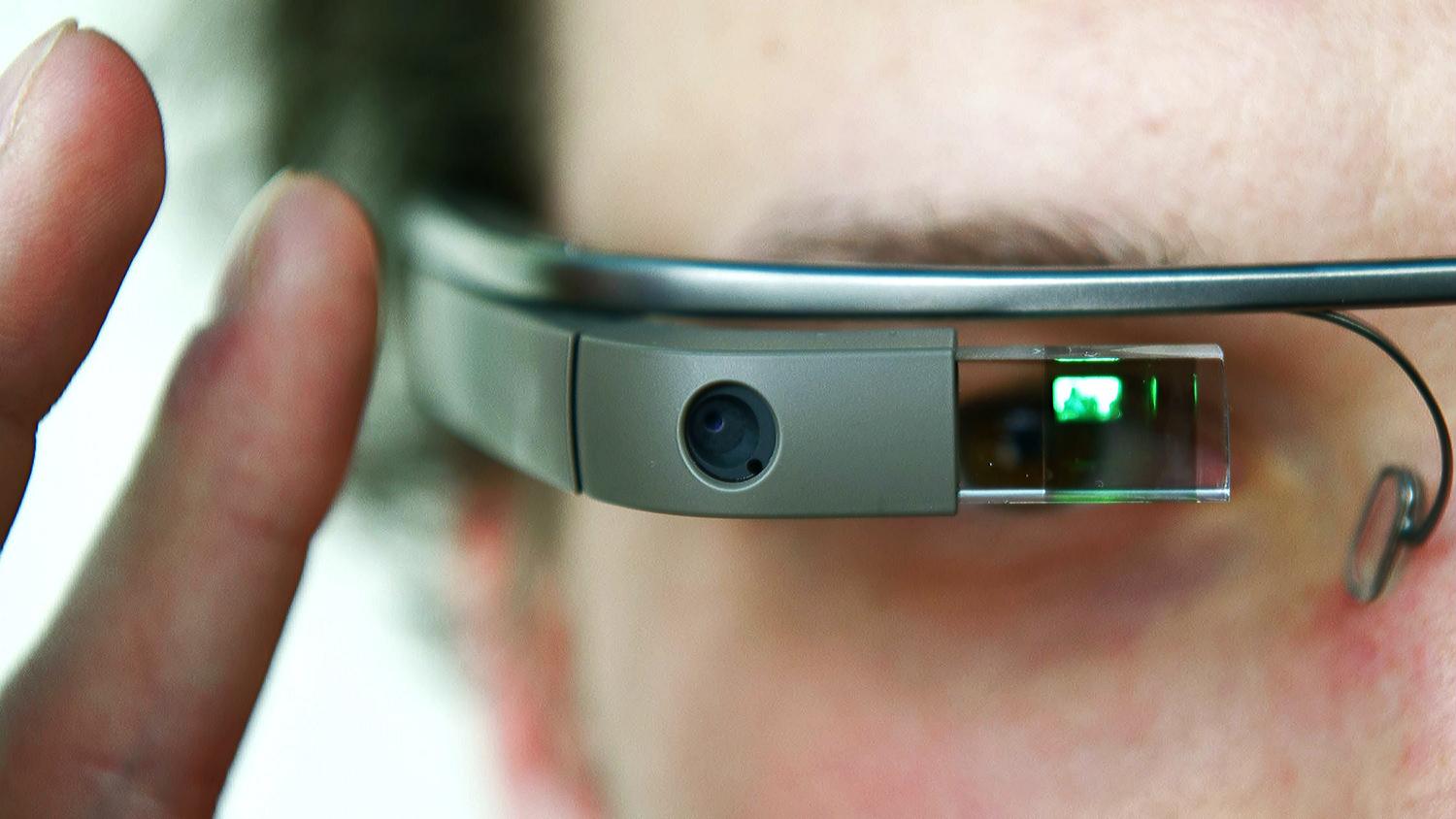
    Google Glass is one spectacular device which failed to find an audience. The Glass had received unprecedented hype and was almost touted to replace all our other devices. But the technology felt victim to the “Bluedouche” legacy as people with the glasses were seen as intrusive. Maybe the Glass was too nerdy and ahead of its time to find a mass appeal. But Google seems to have found a new arena where its futuristic eyewear can find utility and that arena is the airport.

    Virgin Atlantic, one the major names in aviation had begun using the device mainly for its gate attendants. Now Amsterdam’s Schipol Airport is providing the Google Glass to its staff and security professionals. Airport staff can coordinate with ease and share the information using the device.

    Google Glass is being used to research the behaviour of passengers to offer them more convinence in the future.
    Google Glass is being used to research the behavior of passengers to offer them more convenience in the future.

    The airport is also put an initiative on trial to assist the passengers by providing them the Google Glass. The camera records what the passengers are looking at and records their voices too. The data is recorded for research purposes. The research will try to find out ways to make the travel more comfortable by providing the right information to them.

    Airports have previously absorbed technology that didn’t find enough takers in the market. One shining example is the Segway, which was supposed to replace all other forms of travel, but was rejected by the market. It became a great tool for security personals who get to move around quickly in the massive airport terminals. Google Glass seems to be getting its second life in the airport too and being a good piece of technology it might just find a way back to the consumers. Google is also working on “Glass for Work” initiative with which its exploring utilities to promote the device in the enterprise environment. The Glass is clearly not dead yet.

  • LG Showcases Low-Cost, Plastic Version of Google’s Cardboard VR Headset

    LG Showcases Low-Cost, Plastic Version of Google’s Cardboard VR Headset

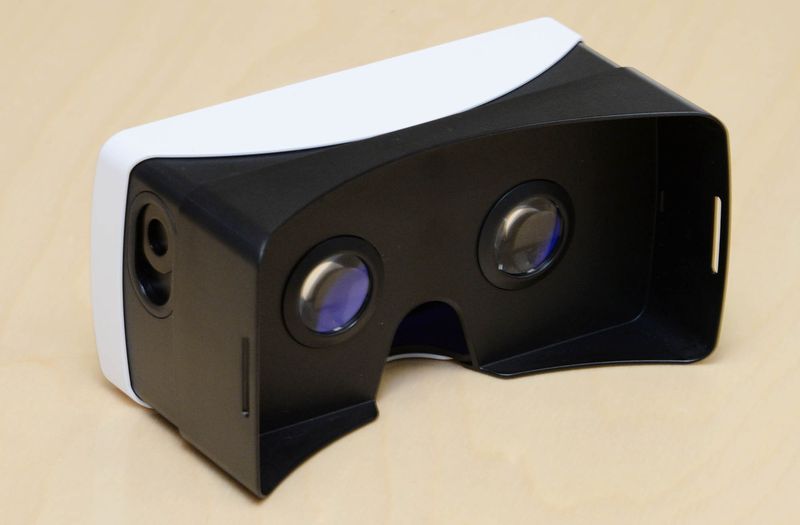
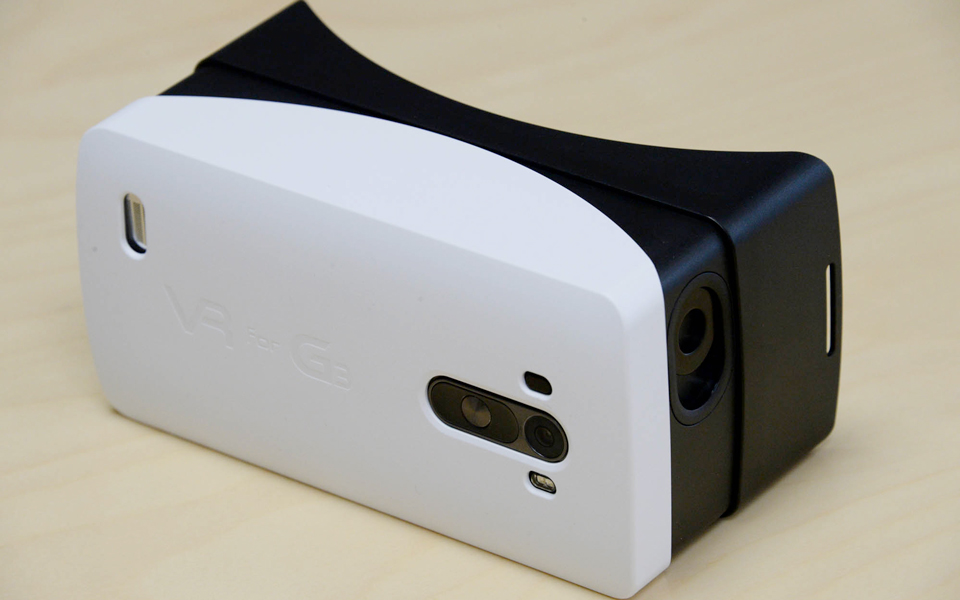
    Virtual Reality headsets are the new tech every firm is betting on. But as it tuns out, none of them are available at a budget price – except one. At a mere $20, Google VR is super economical but it’s made out of cardboard. Quality would be no issue with the new VR headset by LG. The South Korean company has made a plastic version of the Google Cardboard that would be low in price. Called VR for G3, the headset will give virtual reality experience using the phone’s internal hardware.

    lg vr

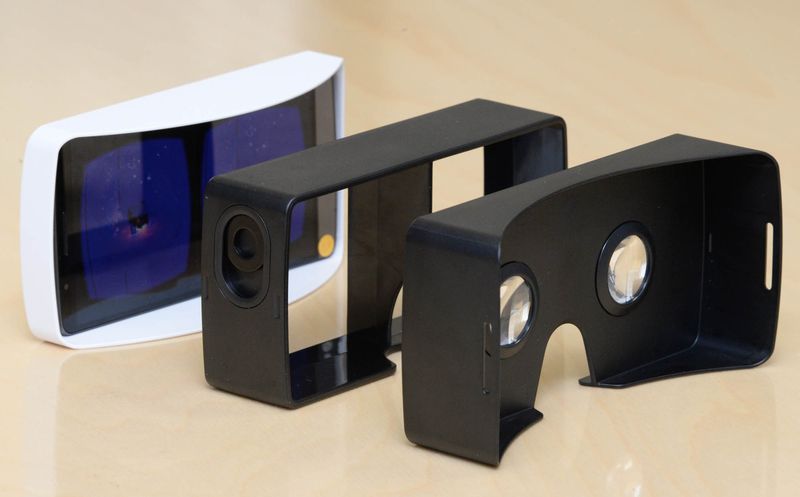
    Based on Google Cardboard VR, the VR for G3 is a mere shell with lenses. The LG VR headset has three pieces which come assembled. A ring magnet like in the Cardboard VR headset sits on the left to select menu. A cutout on the back of the device reaches the volume rockers. Also, there are small cutouts for flash, laser autofocus, and speaker. The two slots are seen at the either ends, which can be used for a head strap.

    lg gr 2

    Just strap your phone in the headset and it will send you right in the virtual world. As its plastic, it will cost low, but it is speculated that it may be available for free. Meanwhile, there is no word about its availability and price, and users have to wait till the next announcement.

    lg vr 1

    Samsung released a Gear VR headset last year, but it costs $199. Not only this, one need to buy a Galaxy Note 4 as it is compatible with the Note 4 only.

    The VR for G3 is definitely a good step to encourage the virtual reality concept to come into the mainstream.

  • Facebook Brings Internet.org to India to Provide Free Basic Internet

    Facebook Brings Internet.org to India to Provide Free Basic Internet

    Facebook founder has been working on an audacious initiative to provide free internet to people who haven’t yet received the benefits of the information superhighway. Internet.org was launched on August 20, 2013 and has till now provided services more than 150 million people total across Africa and Latin America. Now the biggest social network has introduced the service in India.

    Internet.org is in partnership with Facebook and six mobile phone companies, namely Samsung, Ericsson, MediaTek, Microsoft, Opera Software, and Qualcomm. It is one of the initiatives along with Google’s Project Loon and Space-Internet plans by Tesla founder Elon Musk. They intend to reach the last 3 Billion people untouched by the internet.

    mark zuckerberg

    Mark Zuckerberg in a post on Facebook has announced the introduction of the initiative in India. The initiative will begin offering services on the Reliance network in the states of Tamil Nadu, Maharashtra, Andhra Pradesh, Gujarat, Kerala and Telangana. The users will now have free data access to more than three dozen services.

    Mr. Zuckerberg also hoped to one day connect everyone, and the power of the internet will serve every community across India and the world. He added that the day is coming soon. This initiative from Facebook is surely appreciable and will help empower the vulnerable communities in the world.

    Want to know more about Internet.org? Click here.

  • Unboxing | Lava Iris X1 Grand | Hands On

    Unboxing | Lava Iris X1 Grand | Hands On

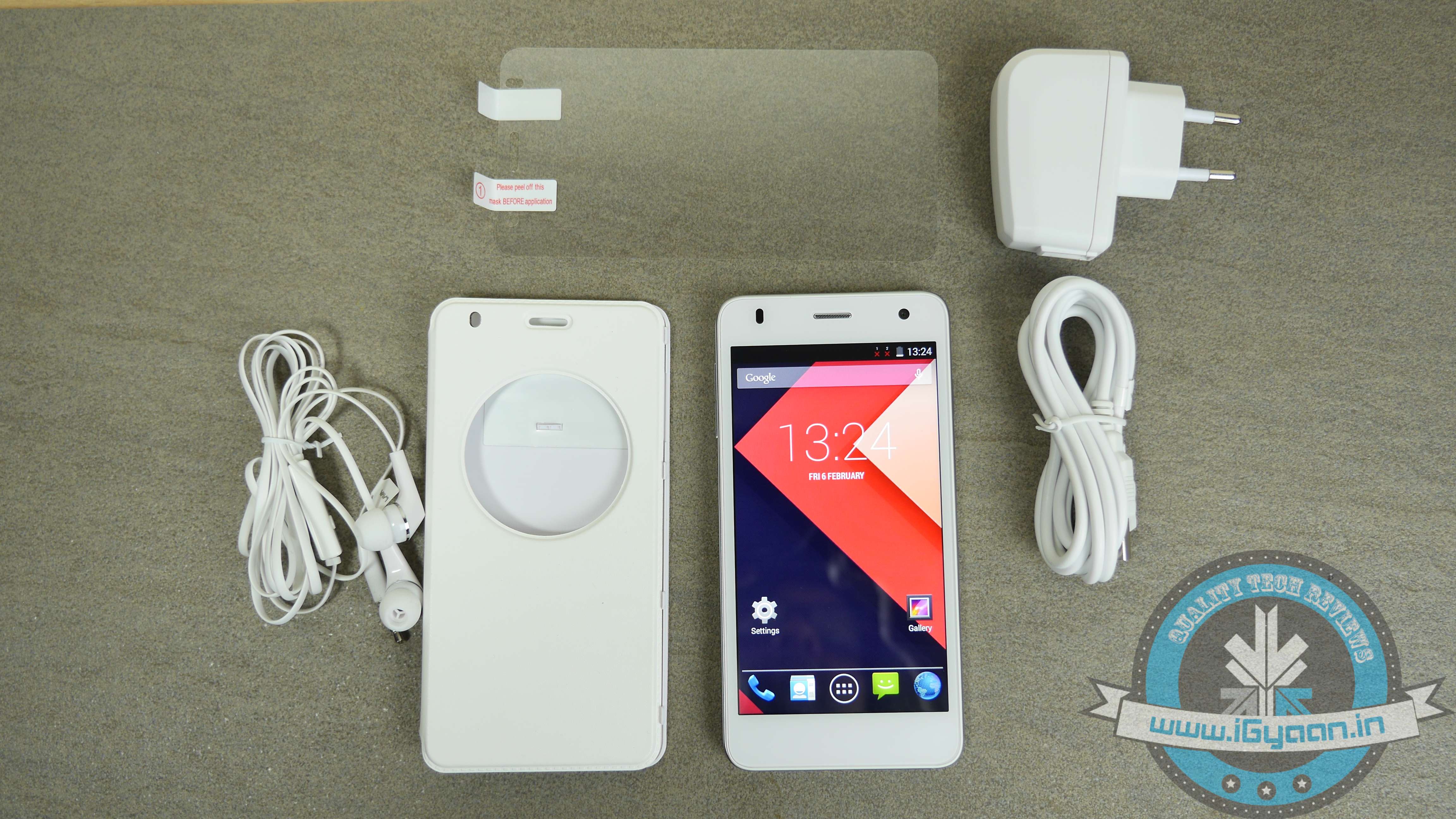
    Indian smartphone brand Lava recently brought out their new offering in the sub-Rs.10,000 market in the form of the Iris X1 Grand. This is a successor to the Lava Iris X1 that the company launched in the May of 2014. We unbox the device for you.

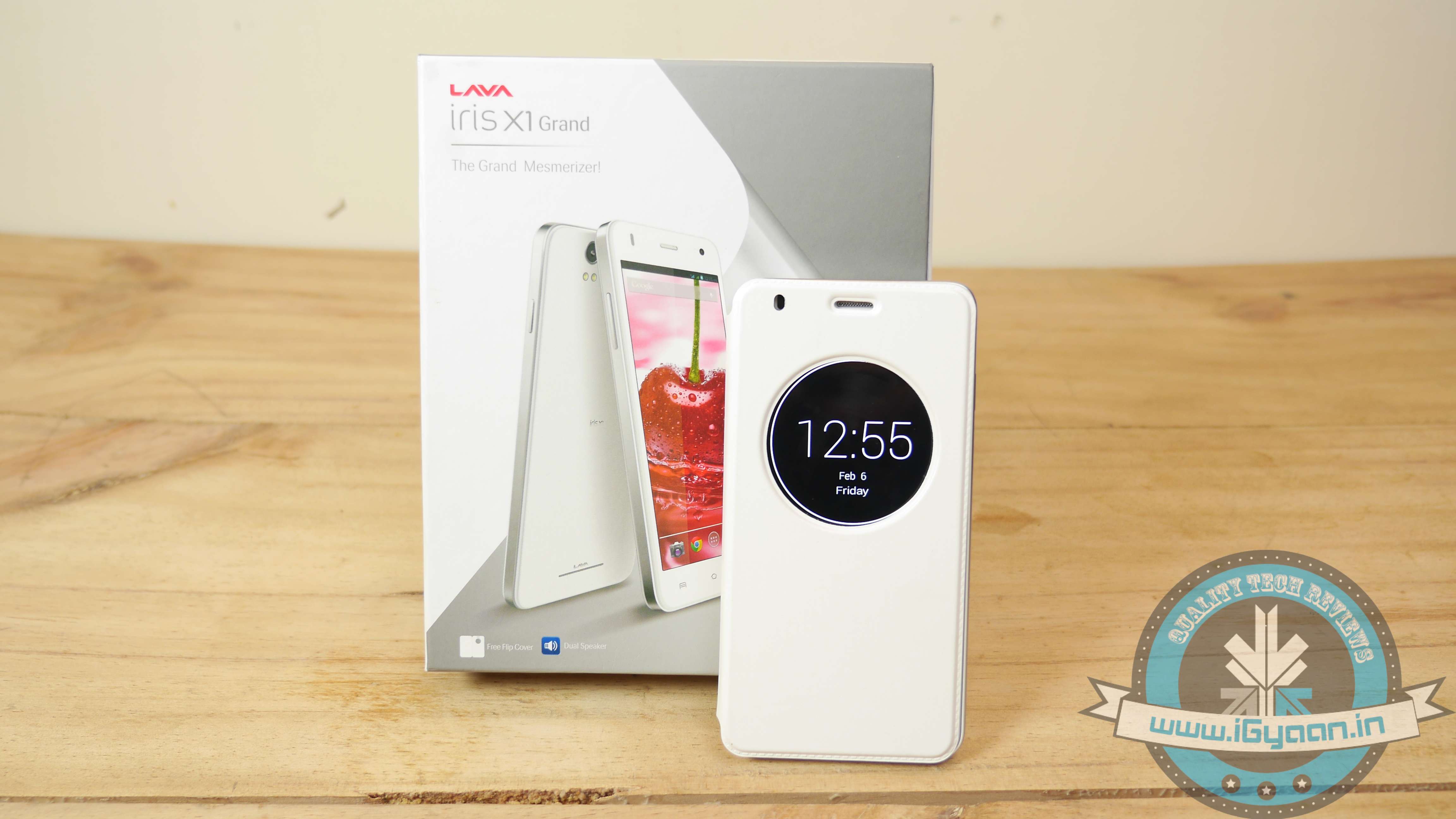
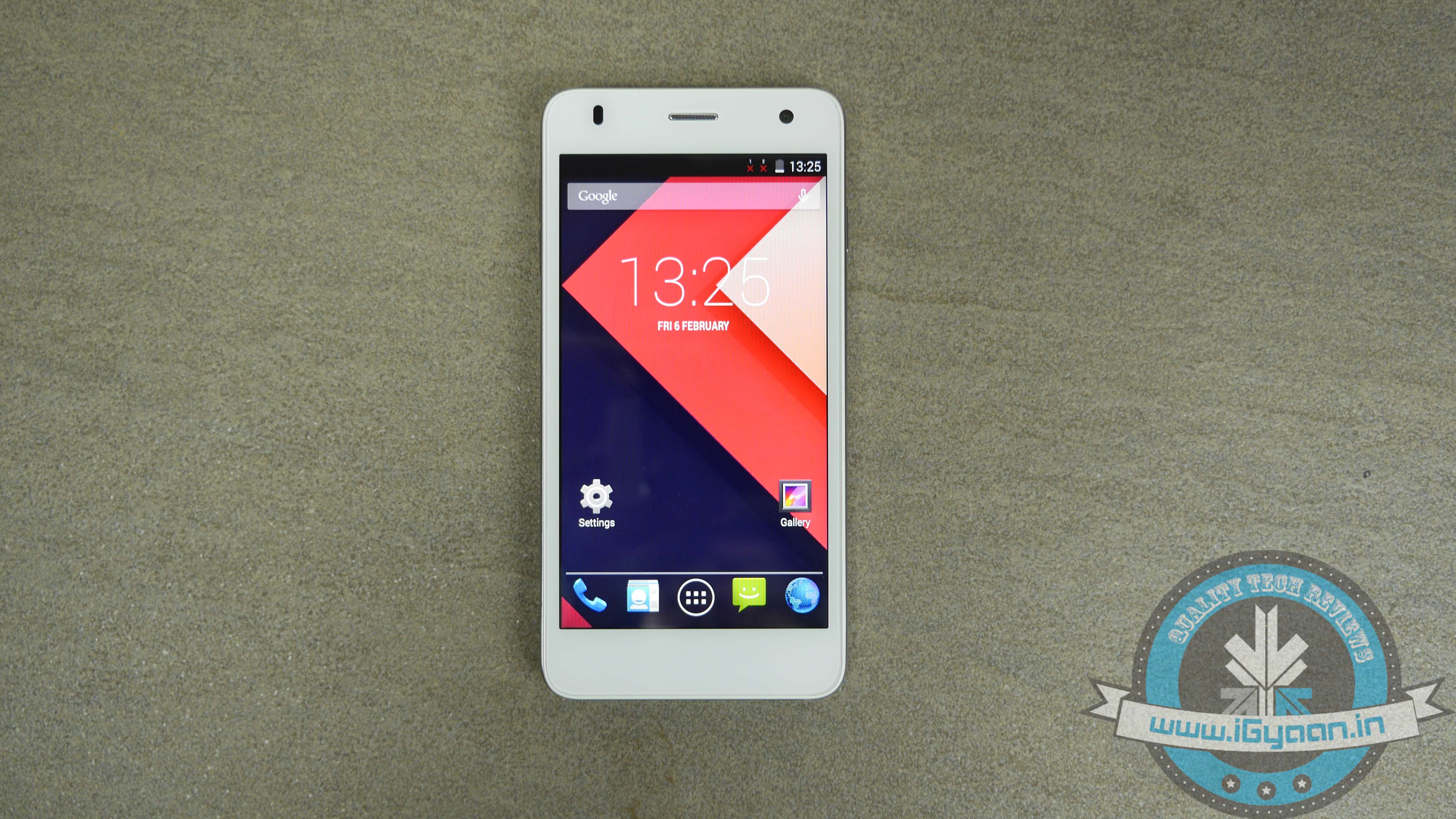
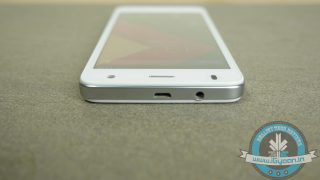
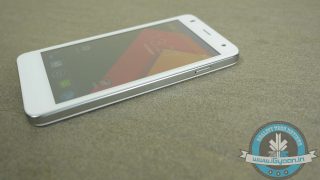
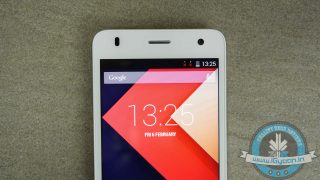
    The device looks like an elder sibling to the Iris X1. It sports a 5-inch display with a resolution of 480×854 pixels. The power button is located on the right while the volume rockers are placed on the left. The flip cover provided with the device has markings on it which lets you manipulate the volume without opening the case.

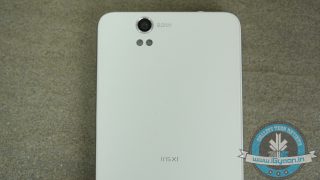
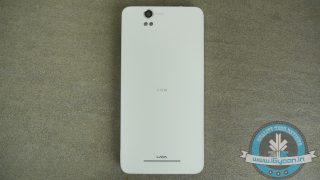
    The Lava Iris X1 Grand
    The Lava Iris X1 Grand

    In the Box you get:

    • Lava Iris X1 Grand Handset
    • In-ear Earphones
    • Charger and USB cable
    • Flip cover
    • Screen Protectors
    • Information booklet
    The Iris X1 Comes along with a free Flip case and screen protector.
    The Iris X1 Comes along with a free Flip case and screen protector.

    The device runs Android KitKat 4.4.2, out of the box, but it promises a guaranteed upgrade to Android Lollipop 5.0 which makes the deal attractive for the price. There aren’t a lot of bloatware on the device and the interface felt snappy and responsive.

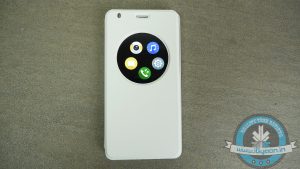
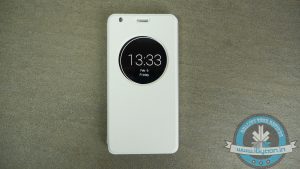
    Lava offers a free flip case with a round opening in the front which looks “inspired” from LG G3. The case is magnetic, so the screen shuts off when the case is on. You get quick access to the phone log, messages, music, settings and camera from the round screen so it would come handy when you are on the move.

    The Lava Iris is priced at Rs. 6,500 which along with all the freebies such as flip case and the screen protectors makes it a bargain. Overall, the Lava Iris X1 Grand felt great in its first impressions, and we’ll take the device to task in our in-depth video, so stay tuned for that.

    Specs

    Lava Iris X1 Grand

    Operating System Android 4.4.2
    Screen Size 5.0 inch
    480×854  pixels
    RAM 1 GB
    Battery 2200 mAh
    Processor  MediaTek MTK6582M
    CPU Quad-core 1.3 GHz
    Internal Storage 8 GB
    Expandable Up to 32 GB
    Front camera  2 MP
    Rear Camera 8 MP
    Price Rs. 6,500


  • Report : Motorola is Getting Ready to Launch the Refreshed Version of Moto E

    Report : Motorola is Getting Ready to Launch the Refreshed Version of Moto E

    Yesterday we heard that Motorola slashed the price of the Moto E by Rs.1000, reducing the price of the handset to a mere Rs. 5,999. Today, we can tell you why.

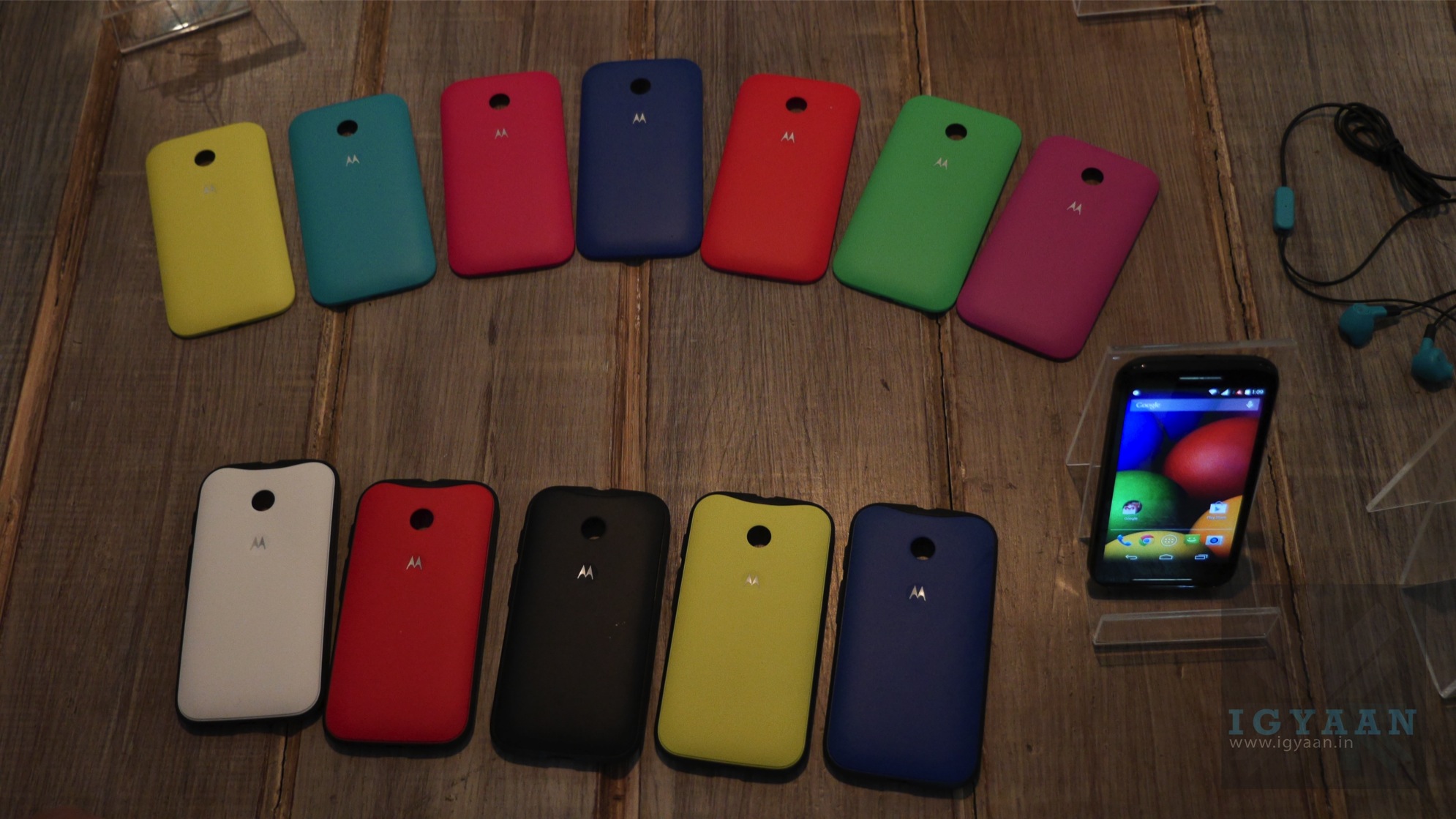
    Motorola devices are doing well in the smartphone market. Moto G, Moto X and Moto E have made a good name for themselves in the industry. These devices offer specs of a high-end phones at relatively low prices; the fool-proof winning formula. Now, sources close to iGyaan have said that Motorola is working on releasing the successor of the Moto E handset.

    Seeing the positive response to the E range, the US-based telecommunication firm is likely to release Moto E (Gen 2) soon. There is no word about the specifications of the rumored phone, but it is likely to flaunt a 4.5-inch qHD display (540x960p resolution). The second gen phone might be powered by 1.2GHz Snapdragon 400 processor coupled with 1 GB of RAM. Talking about the camera of the device, the Moto E (Gen 2) may sport a 5MP main camera with LED flash and LTE connectivity, along with 2 MP front snapper.

    Moto E was appreciated in its first generation because of its feature and price. But soon the market saw the arrival of the Redmi 1S which offered even more features for a price of Rs.5,999. Like its bigger siblings the Moto G and X, the E needs to offer a little more in terms of features or at least style to beat the competition this time around.

  • Xiaomi Mi 4 64 GB Variant is Coming to India on 24th February

    Xiaomi Mi 4 64 GB Variant is Coming to India on 24th February

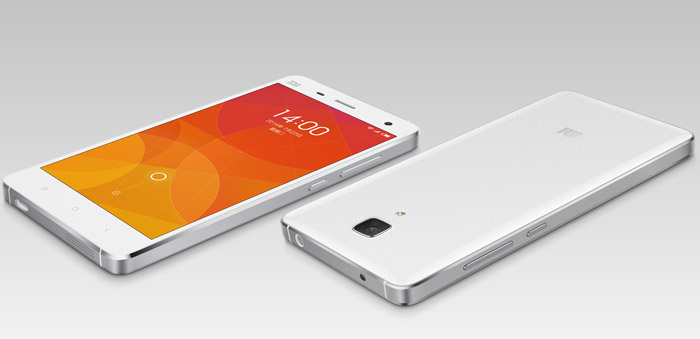
    Xiaomi recently launched its last flagship, the Mi4 in India. As with all the other Xiaomi launches, it was embraced warmly by the fans of the company. One major complaint with the device was the lack of expandable storage on the device and the lack of a 64 GB variant in the market. Heeding to the complaint Xiaomi will be launching a 64 GB variant of the Mi 4 on the 24th of February.

    On their Facebook page, the company has announced that the 64 GB variant of Xiaomi Mi 4 will be available for a price of Rs.23,999.

      The Mi 4 features 5-inch Full HD Display. It is powered by a 2.5 Snapdragon 801 processor along with 3 RAM. The handset sports a 13 MP camera on the back and an 8 MP selfie snapper on the front. It gets its juice from 3080 mAh battery and runs on the latest MIUI 6. With this device, Xiaomi will be directly competing against the OnePlus One in India.

  • Lower-End Microsoft 8.1 Smartphones May Also Get Windows 10

    Lower-End Microsoft 8.1 Smartphones May Also Get Windows 10

    Microsoft has presented its new operating system, Windows 10, and it has impressed a lot of its critics. The latest Windows offering will act as Microsoft’s initiative to create an ecosystem for its devices. It will work on all the Microsoft devices – from desktops to tablets to smartphones. Microsoft just announced that even the lower end smartphones running on Windows 8.1 will also be getting the Windows 10 upgrade.

    In a tweet, Joe Belfiore, the Corporate Vice President of Operating Systems Group for Microsoft has said that they are making a version of Windows 10 for devices running on 512 MB RAM. The tweet specifically mentions the Lumia 520. But he also added that the features would vary in these devices. It would probably be a stripped down version of the operating system made to run on devices with lower specs.

    Microsoft has been struggling with its smartphone business. Its smartphone operating system runs in just about 3% of the devices sold. It has some good features, but the mass appeal of Android and iOS from Apple has not given it a chance to grow.  Joe also announced that the insider build announced at the Windows event would be coming out sometime in February.

  • Flipkart Offers Big Discounts on 2nd Gen Moto X and Moto G, Moto E Price Slashed

    Flipkart Offers Big Discounts on 2nd Gen Moto X and Moto G, Moto E Price Slashed

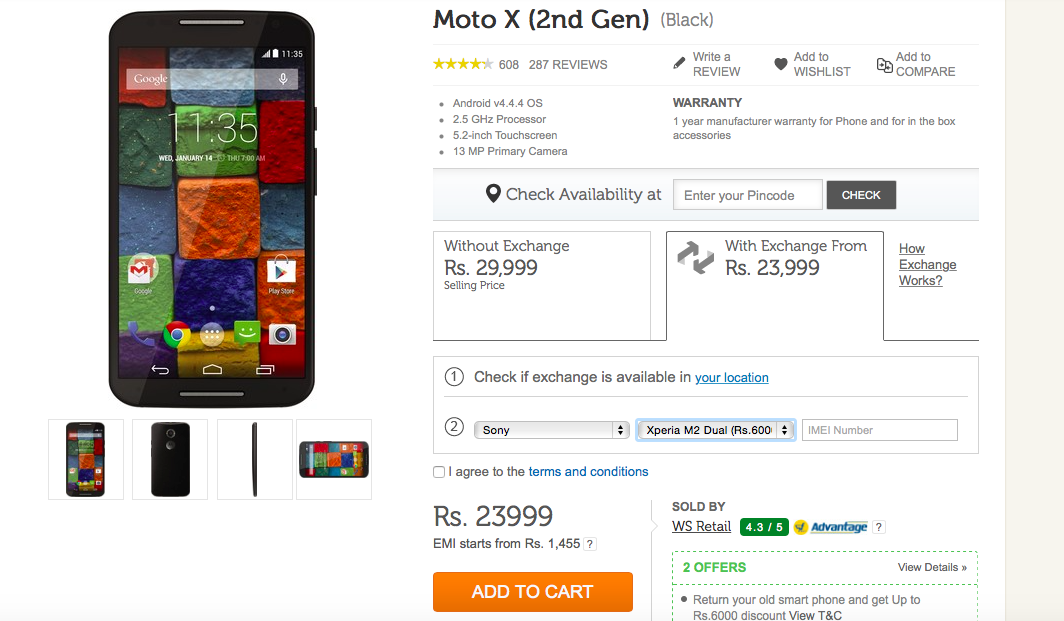
    If you’ve been mulling over the idea of switching up your device to a better model, this might be the good news you needed to brighten up your Monday. To celebrate Motorola’s one-year tie-up with Flipkart, the two have joined hands to bring out offers. You can now exchange your old smartphone for a brand new Motorola handset at a discounted rate.

    Motorola is offering discounted rates up to Rs. 4,000 on Moto G (2nd Gen) phones and Rs. 6,000 on the Moto X (2nd Gen). In short, the discount brings down the price of the Moto X and the Moto G to Rs. 25,999 and Rs. 8,999, respectively. Another exciting offer is that Motorola is giving out free Moto Deck Speakers, if you decide to go for the Moto X (2nd Gen). As always, the discount rate depends on the phone model you are exchanging.

    moto x flipkart

    Other than the Motorola range, the Google Nexus 6 phones are also available discount of up to Rs. 10,000 on exchange, another offer with Rs. 10,000 off if bought along with a Moto 360 Smart Watch – the two offers cannot be combined. These exchange offers are valid only till 15th February, so make sure to spread the word.

    Though there are no exchange offers available on the Moto E handsets, price of the phone has been been slashed by Rs. 1000 and is now priced at a mere Rs. 5,999 on Flipkart.

    Want to get a user feedback on the devices? Click here for our full reviews.

  • Alibaba Invests Heavily in Chinese Smartphone Maker Meizu

    Alibaba Invests Heavily in Chinese Smartphone Maker Meizu

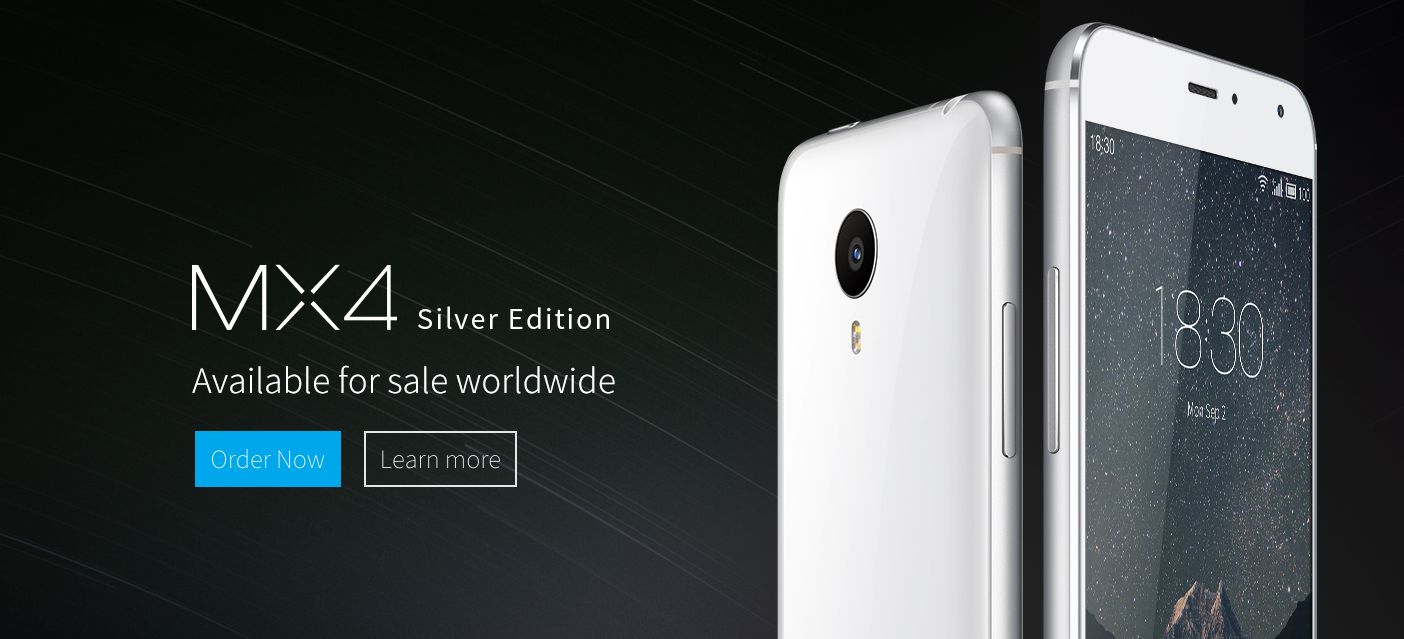
    Alibaba, the Chinese e-commerce giant, has been trying for a while to put its foot in the profitable smartphone business. The company created a record last year with the biggest IPO ever worth $25 Billion. Alibaba is now betting big on Chinese smartphone maker Meizu and has invested a sum of $590 Million in the company.

    Through this merger, Alibaba would try to take its operating system Yun OS further in the market. The os is based on the Android platform and provides cloud-based features like e-mail, Web search, weather updates, and GPS navigation tools. It is also called Aliyun OS. Google had previously dissuaded Acer to ship devices based on Aliyun as it was incompatible with other Android devices, and Acer is a signatory of the Open Handset Alliance (OHA).

    Meizu like Xiaomi, gets its  design "inspirations" from Apple
    Meizu like Xiaomi, gets its design “inspirations” from Apple

    Meizu has tried to emulate Xiaomi, which in turn “borrows” from Apple. This deal might also help Meizu to take on Xiaomi, which has replaced Samsung in China as the biggest smartphone brand. Meizu isn’t even in the top-5 of that points tally, and a push by Alibaba might work in its favor.

    [quote text_size=”small” author=”Alibaba “]

    Alibaba Group will provide Meizu with resources and support in the fields of e-commerce, mobile Internet, mobile operating system and data analysis with the aim of developing Meizu’s smartphone ecosystem.

    [/quote]

    Alibaba has, in the past, invested $280 million in a messaging app called Tango and $120 million in US game maker Kabam. But these investments are yet to bear fruit for the company. It makes sense for it to invest in an established brand rather than starting a brand from scratch.

  • Flagship-Killer OnePlus One to Go Invite-Free for a Day in India

    Flagship-Killer OnePlus One to Go Invite-Free for a Day in India

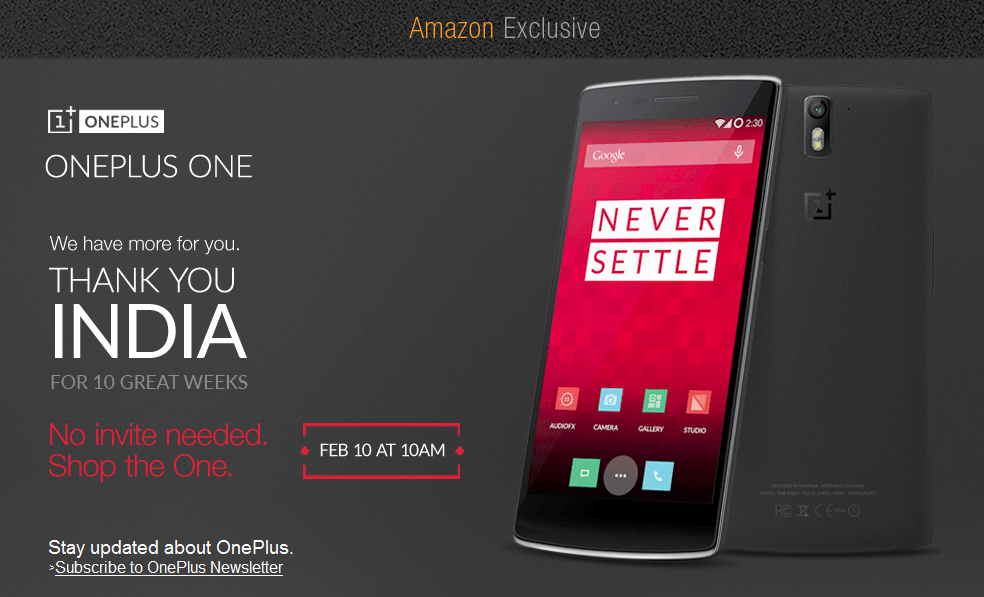
    All OnePlus One fans, hold your breath. The flagship killer is going on open sale tomorrow on Amazon India. The handset will be available without an invite on 10th February and the sale will kick off at 10am IST.

    The company confirmed the same via Twitter saying –

    The open sale is to celebrate the 10 brilliantly successful weeks of OnePlus in India. The same can be confirmed through the Amazon India website that reads – No invite needed. Shop the One. There is no announcement about the number of units going up for sale, however, the company has hinted limited stock with the statement ’till stock lasts’.

    oneplus one

    Amazon India egged the willing customers to hurry with the statement, “The sale would be for limited quantity which is expected to run out quickly given the high demand for the phone.” The flagship One will be available for Rs. 21,999 for the 64 GB model.

    OnePlus embarked on similar sales in other countries, but Indians haven’t had the opportunity to buy it without an invite. It’s the first time the One smartphones are going on open sale in our country.

  • Future iPhones May Have Touch ID Right on the Display

    Future iPhones May Have Touch ID Right on the Display

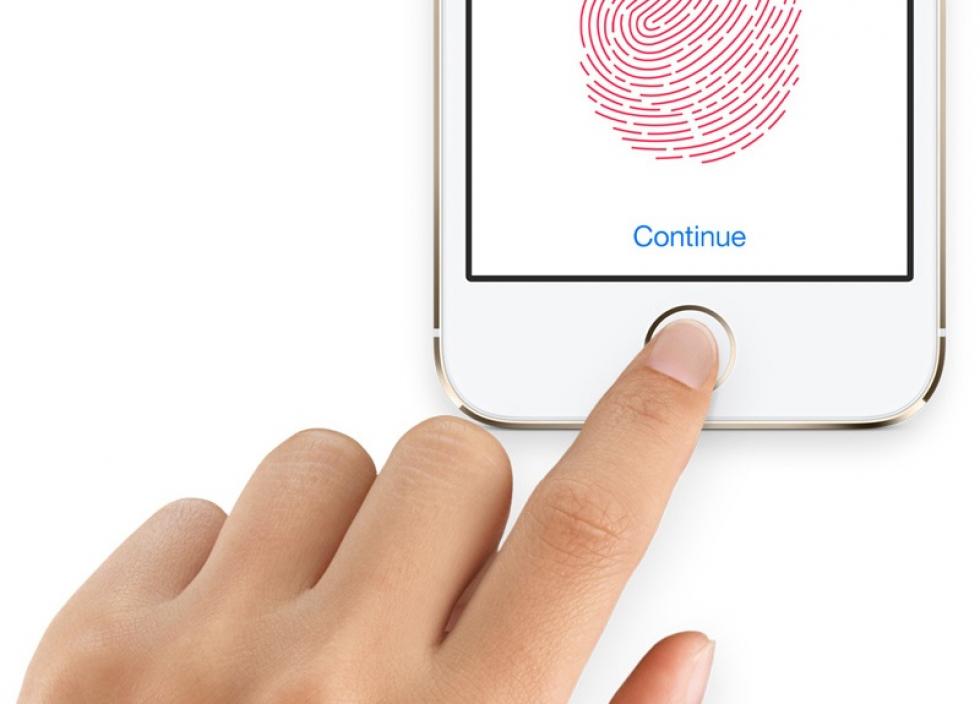
    We have all seen those lame fingerprint sensor apps available on various app stores. They have been able to prank a lot of folks into downloading them. But Apple seems to have cracked the code to bring display-based Touch ID into reality.

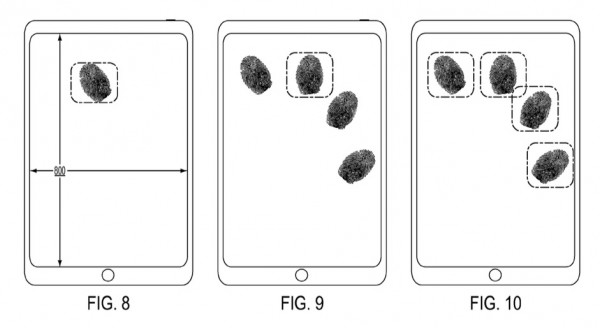
    In a patent titled “Fingerprint Sensor in an Electronic Device,” the company explains the technology. According to the abstract, a fingerprint sensor may capture fingerprint at a single pre-defined fixed location on a display, or they can opt for a full panel fingerprint sensor to capture multiple fingerprints.

    The Fingerprint sensor can be placed at one spot or it can be used to scan multiple fingers at once.
    The Fingerprint sensor can be placed at one spot on the display or it can scan multiple fingers at once.

    Users may be able to unlock their device by placing a thumb at a predetermined spot on their iOS displays. On bigger displays like the iPad, there can be multiple fingerprint detection where you may scan with all five fingers.

    To keep the sensors sensitive enough, Apple plans to implement the sensor as an integrated circuit connected to a bottom surface of a cover sheet. They can also place it near the bottom surface of the cover sheet, or connected to a top surface of a display.

    This initiative will let Apple take off the round home button and make the device even slimmer. The technology still seems to be in the beginning stage and may not show up immediately on the next device by Apple. There will surely be some privacy concerns with this technology though as a thief could gain access to a person’s information by just acquiring their fingerprints. Apple would have to work seriously on the security features before it can bring the technology in the mainstream.

  • BlackBerry 10.3.1 Expected to Arrive on 19th February

    BlackBerry 10.3.1 Expected to Arrive on 19th February

    BlackBerry launched its latest operating system (OS) 10.3.1 few days back, but it was accessible to the privileged users of Classic only. The users of the previously released devices were eagerly waiting for the upgrade and now the Canadian telecommunication company is rolling out the official OS for their BlackBerry 10 models.

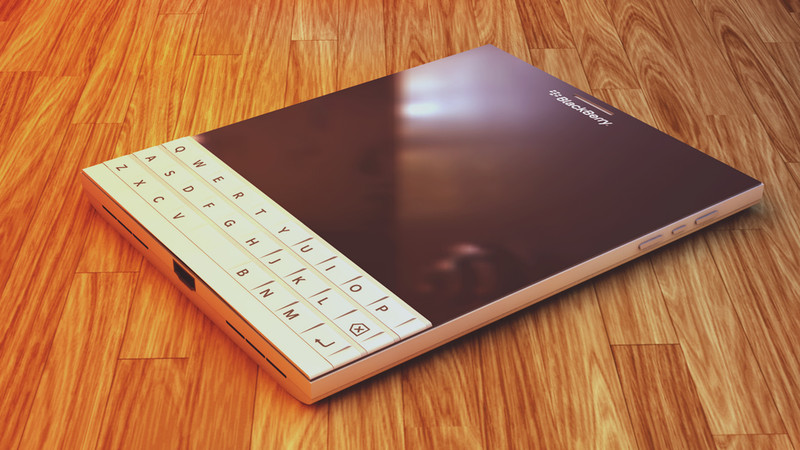
    blackberry passport
    The update will bring the Siri-like BlackBerry Assistant to the handsets. Along with that there are many other features that diminishes the need of app installation. There is reverse contrast mode which is extremely good for viewing at night. It turns the screen from black on white, and to white on black. One can also block contacts from calling or texting. One can hide their private pictures with the new OS for which users need to install save gallery tool. The BlackBerry 10.3.1 also claims to have resolved the persisting battery issue. The Battery Saving mode cuts back the unnecessary features that takes a toll on the battery.

    The roll out was scheduled for yesterday, but a bug was spotted early on. BlackBerry seems to have resolved the issue. The company hasn’t made any official announcement about the release, but it is likely to happen on 19th February.

  • Google Acquires a Private Photo Sharing App, Team to Join Google+

    Google Acquires a Private Photo Sharing App, Team to Join Google+

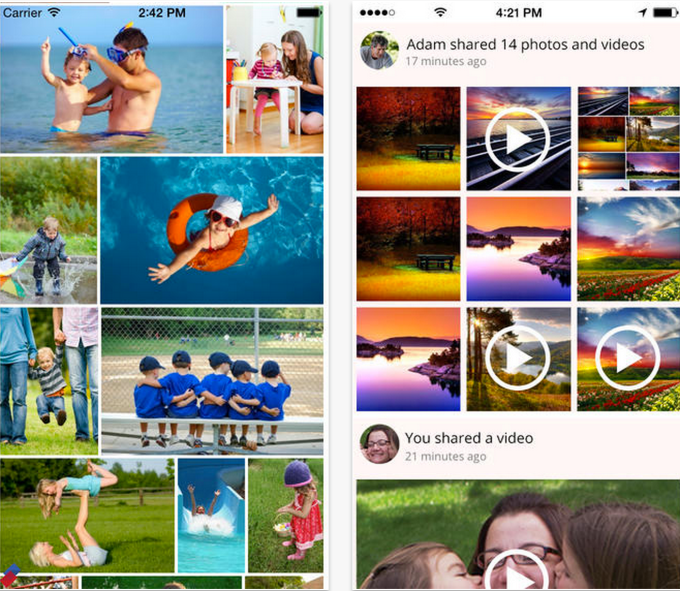
    Google, the company that stores almost all of our information has now hired the makers of an app that lets user send images privately. Odysee is an iOS and Android app that lets user automatically back up the photos and videos they’ve taken on their cameras or tablets on to their home computers. The creators of this app will now join the team at Google+.

    The feature that sets Odysee apart is its ability to share photos privately and automatically with other people. It gives the option to share with followers or a follower group so your pictures only reach the people you intend to share with. The app keeps the content in full quality on the home computer.

    The app was co-founded by Raghavan Menon and Shiva Javalagi. On their homepage, the Odysee team thanked the users and informed them that the service will come to a close on the 23rd of February. The current users will be able to download their photos and videos as archives.

    Google is rumoured to be transitioning Photos into an independent app. Giving an option to save content directly on a home computer sounds much safer than a cloud server after the entire iCloud fiasco last year. The photo sharing app space is really crowded right now with Instagram ruling the roost, so Google would have to offer a lot more features in the new independent app to get ahead in the race.

  • MediaTek Aspires to Expand Business in India

    MediaTek Aspires to Expand Business in India

    MediaTek is an established name in the field of technology. Its chips power to many low-priced phones. The Taiwan-based firm wants to expand at our home ground and affirmed the same in a meeting with the Telecom Minister Ravi Shankar Prasad today.

    The company aspires to make technology accessible to everyone and remarked in an official statement –

    MediaTek chairman (MK Tsai) shared his commitment to make technology more accessible for people. He was encouraged by the great market potential that India holds in the field of technology and high tech services. He shared with the Minister that MediaTek is keen on expanding its presence in India.

    The maker only designs chips and doesn’t manufacturer them on its own. It gets the products made from its vendors. The Telecom minister made it known the flexible policies and great demand for technology in the country and highlighted the ‘Make in India’ program in which accessible technology is the prime criteria.

    Mr. Shankar shared the views of establishing BPOs in rural areas and creating more IT hubs in small towns, which in turn will bring prosperity and growth to the lesser developed parts of India.

iGyaan Network
Privacy Overview

This website uses cookies so that we can provide you with the best user experience possible. Cookie information is stored in your browser and performs functions such as recognising you when you return to our website and helping our team to understand which sections of the website you find most interesting and useful.