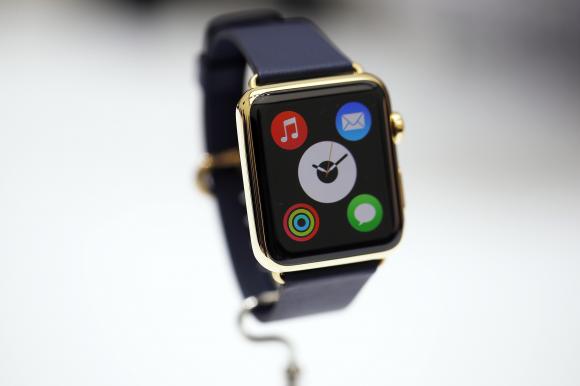
The smartwatch by Apple is the next big awaited announcement from the Cupertino-based giant. The Apple Watch will make a debut in April this year, confirmed the CEO of Apple, Tim Cook.
Tim stated that the Apple Watch is under development, and that he has high expectations from its upcoming debut-
My expectations are very high on it. I use it every day. I love it and can’t live without it.
This statement condemns the earlier rumours which assured that the Apple Watch would launch in the first quarter of 2015.
The revelation has come at the time when Apple is riding high on success. Recently, Apple witnessed a record-breaking sale of over 74 million iPhones.
Users will see three variants of the Apple Watch: first is the regular Apple Watch that would have a case of stainless steel, second variant is the Apple Watch Sport that will hold a fluoroelastomer band and anodised aluminium case, and the last one is the Apple Watch Edition with an 18-karat gold case. The device will be compatible with the latest iPhone models – iPhone 5, 5S, 5C, 6 and 6 Plus.
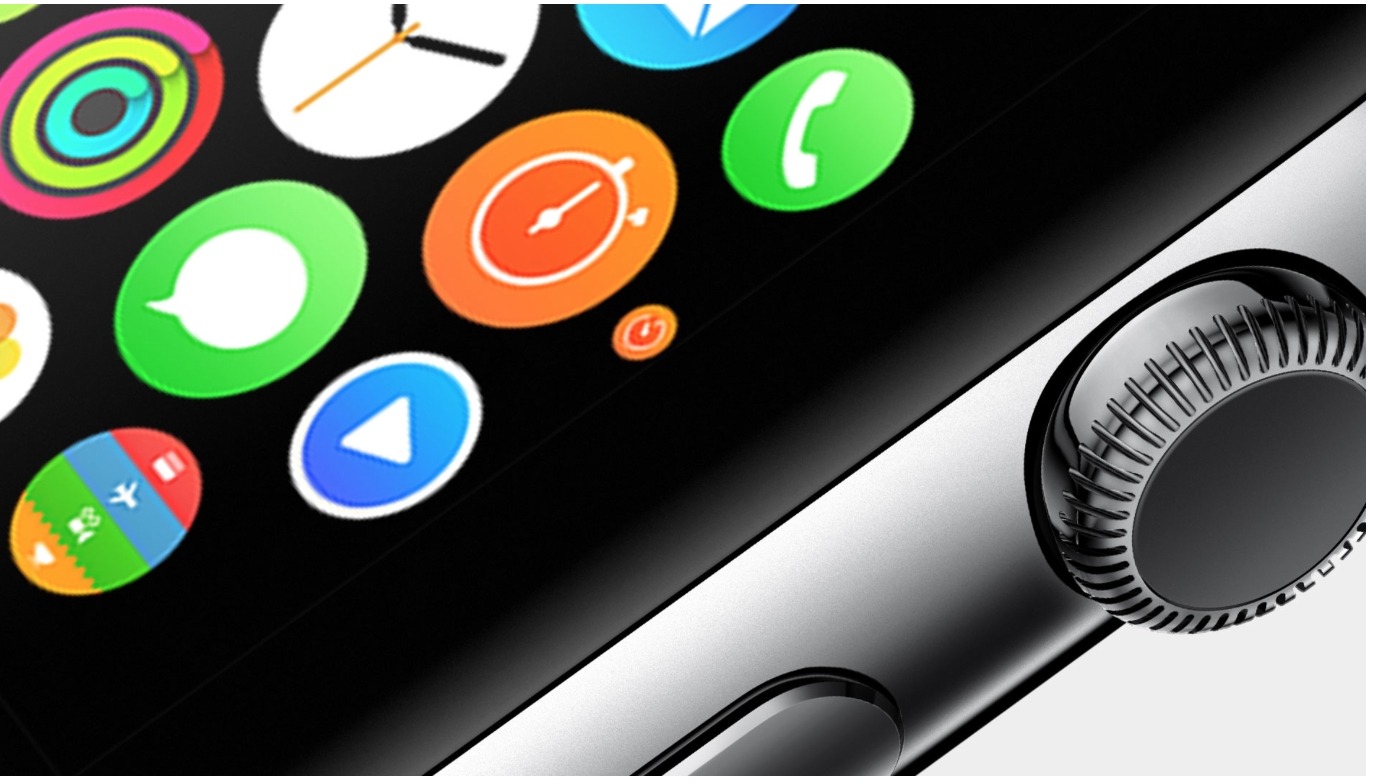
Apple Watch has a personalised interface and a Digital Crown that sits at the right side of the watch to help navigate better. The Apple Watch will be available in six designs with interchangeable straps. The built-in speaker phone and microphone can be used to receive calls.
We are all familiar with Apple’s soaring sales of iPhone 6 and iPhone 6 Plus. Apple recently revealed its record Q1 sales, surpassing even the highest analyst iPhone sales expectations as it set new iPhone sale records and new company record, too.
Now, a Chinese data firm Canalys has released its latest report that the Cupertino based manufacturer has risen to the top spot in the highly competitive Chinese market for the first time. The report also mentioned that it is highly surprising considering the price of its devices is ‘nearly double those of its nearest competitors’.
While the home grown smartphone giants of China are aiming for global expansion, the iPhone maker has turned the table towards the domestic market. The report highlights that the major reason of the success is the that Apple is finally embracing the LTE and large screen trends which are the most vital parameters in Chinese market.
Apple captured a record 33 percent market share in South Korea in November 2014, according to Hong Kong-based market research company Counterpoint. Samsung, arch-rival of Apple has been shunned to the third place, tailing behind Apple is China’s Xiaomi.
Apple will be reporting it last quarter earning next Tuesday in detail.
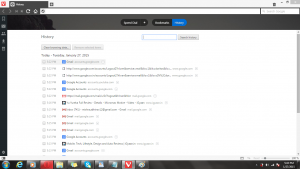
Former CEO and Co-Founder of Opera, Jon von Tetzchner has announced the first preview of ‘Vivaldi’, a new Chromium based browser built primarily for power users. The new browser is still in its Beta phase, and is available for Windows, Mac and Linux.
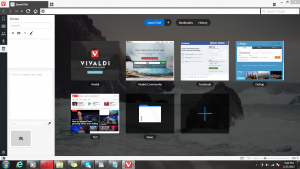
It features utilities like Quick Commands, the familiar Speed dial that shows your favourite tabs on the new tabs page along with gesture-based mouse controls. In addition, it gets some new nifty tricks like organising multiple tabs into one stack for easy and clutter free browsing. Another new feature allows users to take notes right in the browser along with taking screenshots.
The new browser takes a lot of inspiration from Opera, and von Tetzchner duly acknowledges that. Vivaldi uses the Chromium (Blink) rendering engine found in Chrome and is built entirely using the latest web technologies including React, Node.js along with a number of node modules.
As of now, only the technical preview for the browser is available. Though in the coming months, it is likely to add sync, mail support, improved performance and extensions. In addition, the browser will be shaped by the community; hence it will be driven by user demands.
You can download a technical preview of the Vivaldi browser here. We tried it out for a while, and it seems to be a rather snappy browser that pays homage to Opera. The browser’s interface subtly changes colors as you navigate from one site to another to match the dominant color on the page. It’s certainly got a potential for power users, with nifty features like ‘quick commands’ that helps you search or run commands, identical to OS X’s Spotlight.
Telecom Regulatory Authority of India (TRAI) is perhaps tightening the noose on service providers in India, as mobile phone subscribers from now on can give instant feedback to TRAI about the quality of services provided by operators via an Android based app. Operators will be penalised if they fail to meet minimum service quality benchmarks set up by the regulatory authority.
Considering the growing penetration of Internet and smartphones, Trai has introduced a Web-based application as well as an Android-based app for assessing customer perception of cellular services.
[/quote]
Under current regulations, TRAI can levy a penalty of upto Rs.50,000 on mobile service providers in an event when they fail to comply to a service parameter, the amount is doubled if they repeat the same shortcomings again.
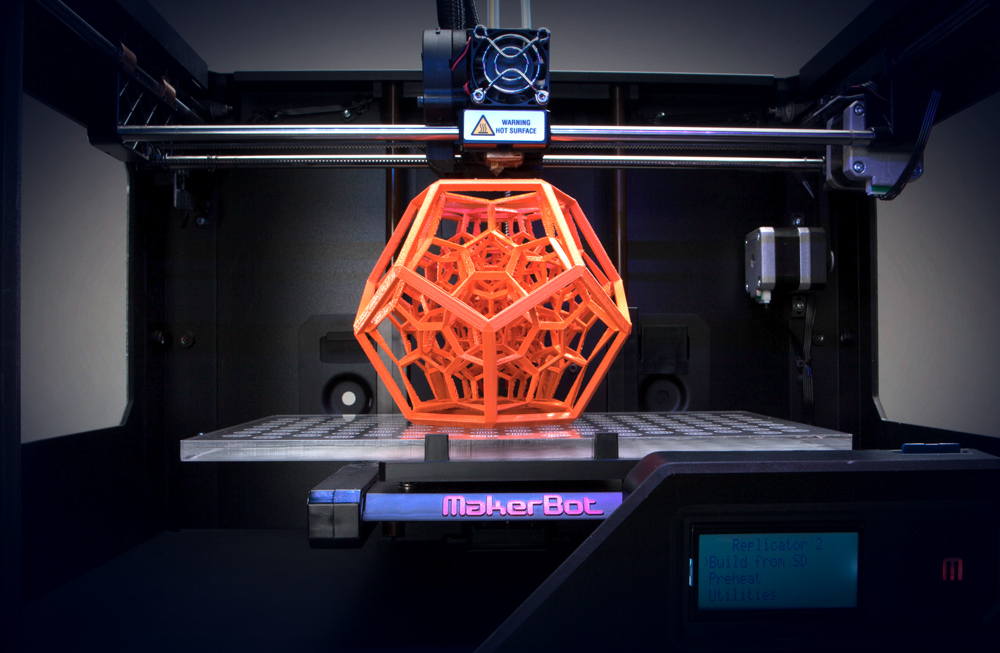
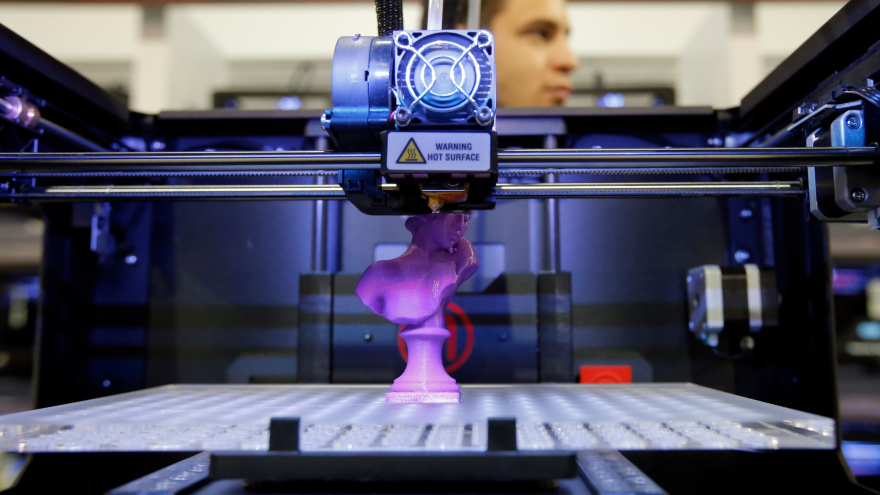
Every where people are using 3D printers to make plastic figures and Yoda heads. However, 3D printing is not limited to these small DIY projects. Many designers and engineers are taking this growing technology to even more amazing (and useful) levels.
3D printing may not be quite there yet, but in three decades the technology has progressed leaps and bounds in terms of the scope and utility of 3D-printed objects.
We are listing 5 things that have evolved with this exciting technology – in ways we could have hardly imaged.
1. Makeup
Makeup is all about color, and printers can print millions of color combinations. Why not combine traditional inkjet printing with 3D printing and print your own makeup? Well, Grace Choi, a former student of Harvard Business School, came up with this idea. She has constructed a 3D printer which can make powders, creams, and just about any type of cosmetic you might need.
2. Vinyl Records
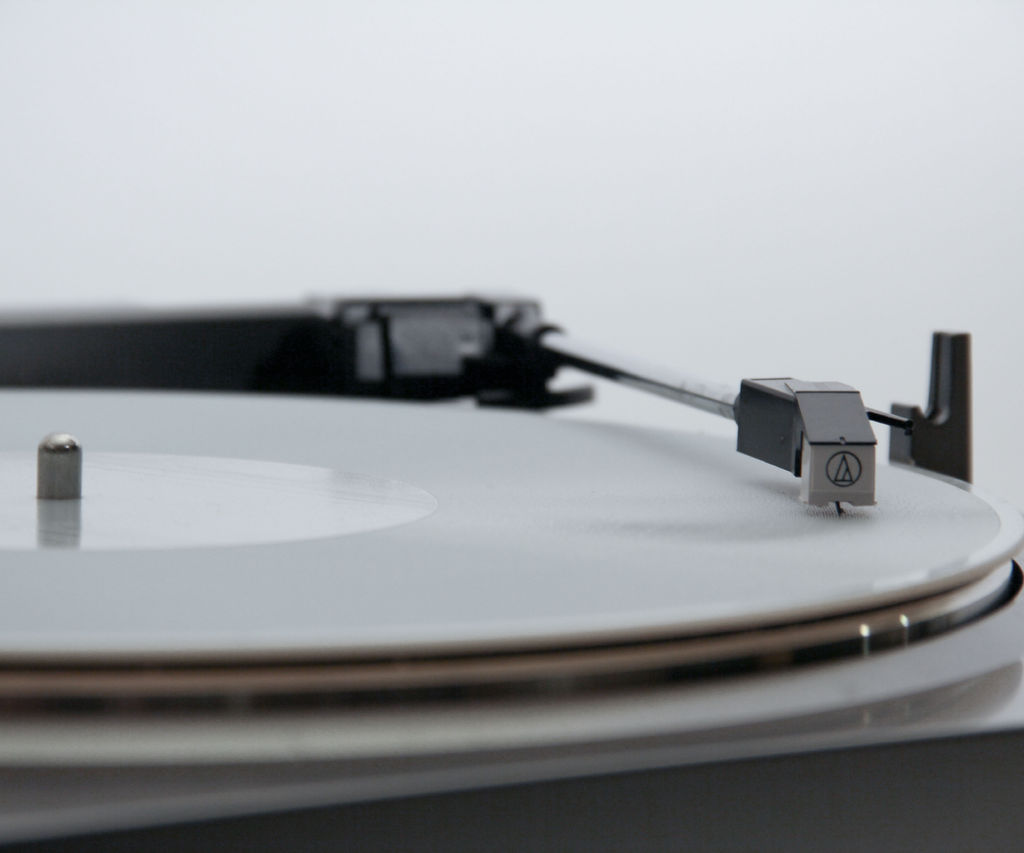
Amanda Ghassaei, a software engineer, developed a way to take any piece of digital music and 3D print an LP record that actually plays on a standard turntable. Even though vinyl records are old school, plenty of people still prefer them to digital music files and mp3 players.
3. Food
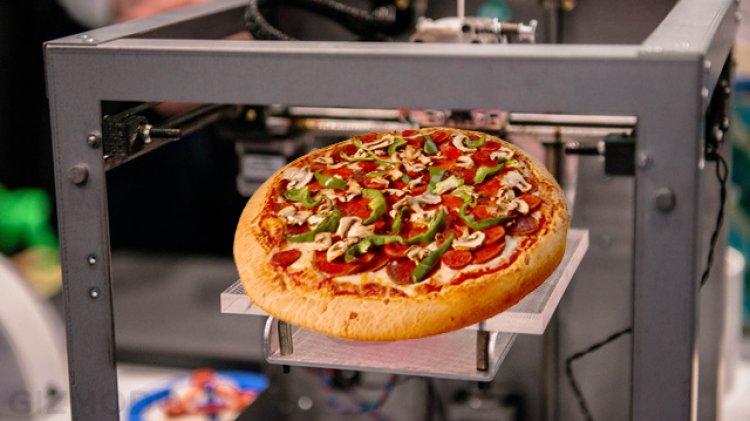
Honestly, 3D printed food doesn’t sound appetizing at all. But believe it or not, 3D printing tech has started delving into printing actual meals. NASA has funded an initiative to print food that astronauts can consume in space, and food scientists have been working with the U.S. military to prepare ready-to-eat meals. Also, 3D chocolates, pancakes and pastas has been successfully printed, however, we have our reservations about it.
4. Organs
As crazy as it sounds, 3D printed organs have been a major part of medical research lately. Ears, kidneys, blood vessels, skin and bones have all been successfully 3D printed by scientists. Instead of the typical plastic normally associated with 3D printing, these 3D medical “bioprinters” use a gel-like substance made from cells.
5. 3D printers
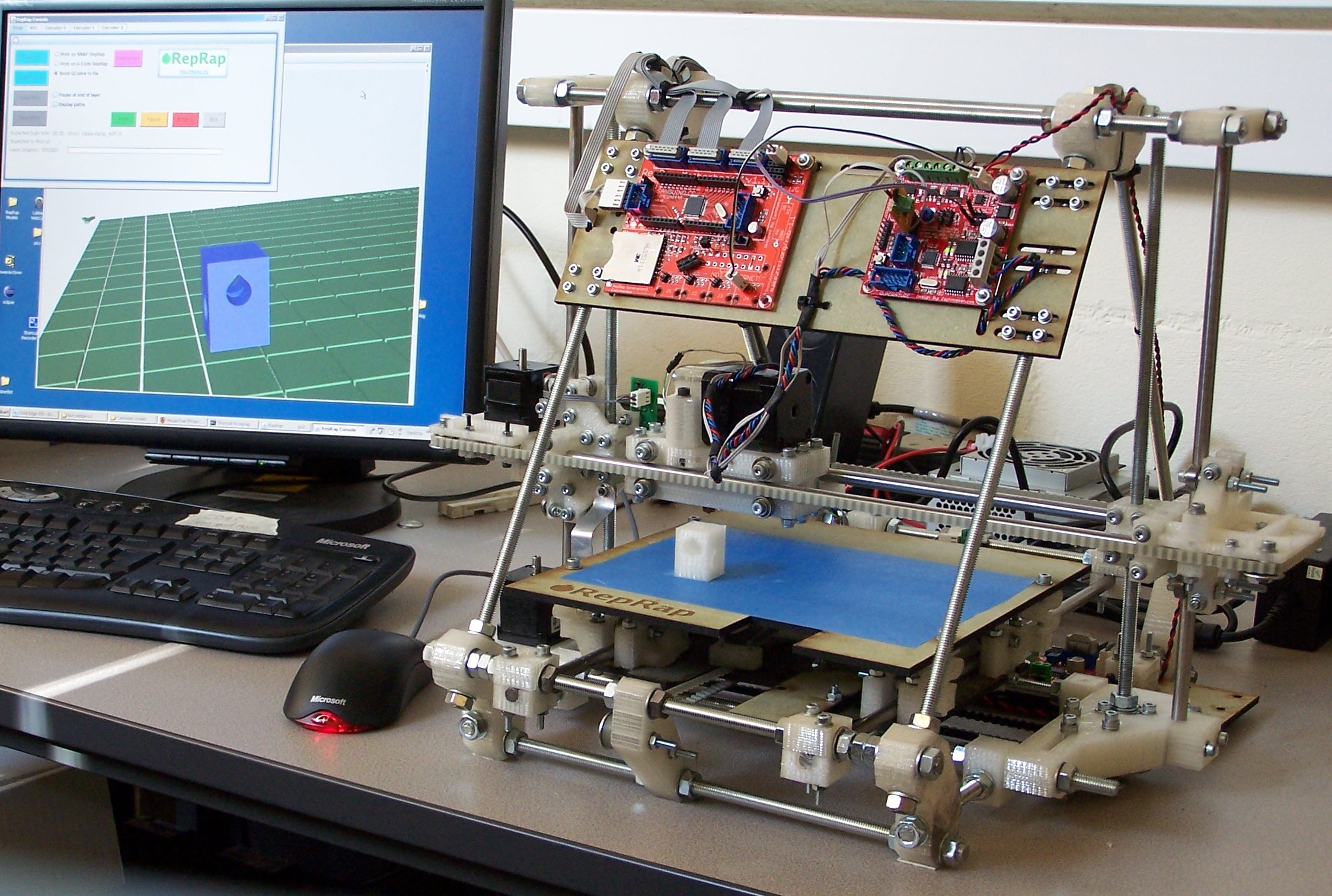
Yes, you can even print out a 3D printer with a 3D printer. A DIY project called RepRap is an open source printer that does just that. RepRap takes the form of a free desktop 3D printer, capable of printing plastic objects. Since many parts of RepRap are made from plastic and RepRap prints those parts, RepRap self-replicates by making a kit of itself – a kit that anyone can assemble given the required time and materials.
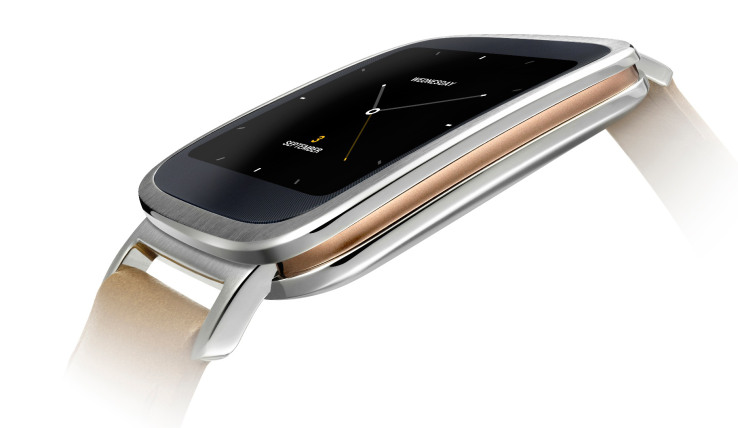
Smartwatch battery is a big issue that has taken centre stage and it seems like ASUS is taking this matter gravely. The Taiwanese multinational company is working on its ASUS ZenWatch successor, which is said to be have a battery life which would last an entire week. Smartwatches are judged on the basis of their battery life; no one wants another device that needs constant recharge.
The ASUS Chairman has hinted of the extended lifespan of the next smartwatch saying that the forthcoming ZenWatch will have a more simplified central processing unit (CPU) and operating system (OS). The lighter version will lead to a battery support that can go for up to seven days on a full charge. If the company stands true to its words then the ZenWatch 2 can hold the limelight this year as usually all smartwatches have a battery support of maximum two days. Recently Apple faced the heat when rumours emerged about Apple Watch’s terrible battery life.
The electronics giant also stated that the upcoming smartwatch will be independent and one will be able to make voice calls without being tethered to a smartphone. The original ASUS ZenWatch touts a 1.63-inch AMOLED touch display, 1.2GHz Snapdragon 400 processor, 512 MB of RAM, and 4 GB of internal storage capacity.
ASUS is geared to launch two low-price wristbands this year. These wristbands will combine health tracking features like keeping a record of footsteps, heartbeat, pulse and blood sugar.
The ZenWatch 2 (temporarily titled) will only be available by the third quarter of 2015. It is expected to launch at a price tag of $199.
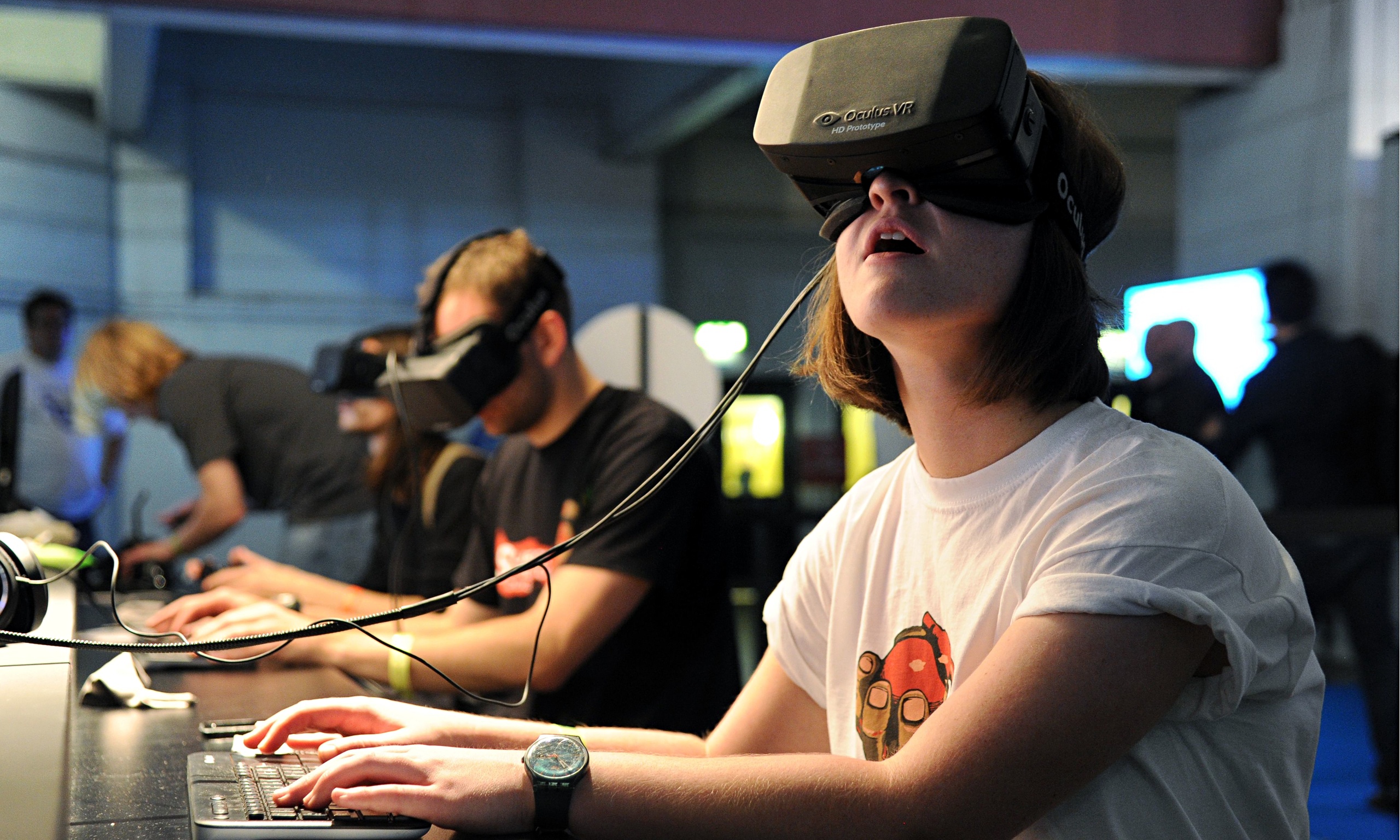
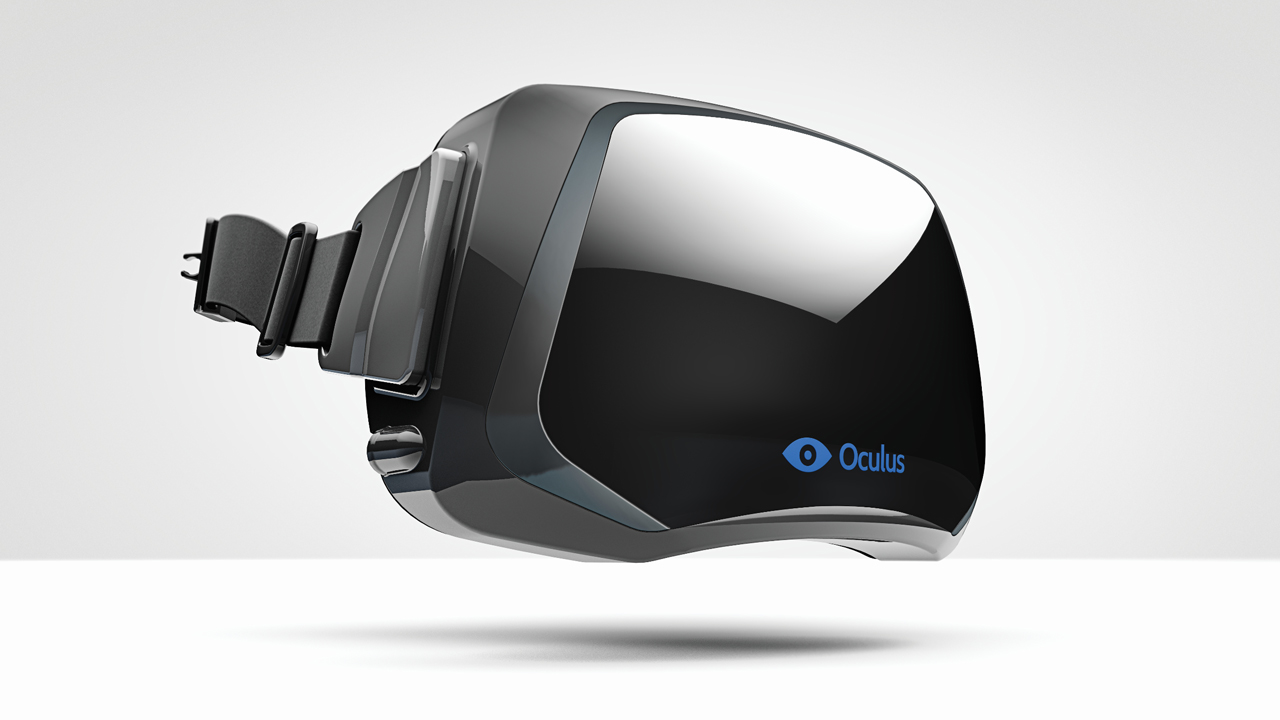
The independent cinema fair of 2015, Sundance Film Festival, showcased some top-notch films. The one that left the world awestruck was the first virtual-reality film by Facebook-acquired Oculus. Facebook premiered its first short piece titled ‘Lost’. It is the first of five short animated flicks the company will be making this year.
Oculus has built in-house studio called Story Studio, where the company will be creating virtual reality films and research on the story telling.
By developing content for virtual reality, Oculus aims to attract more filmmakers to invest in the new technology. To start with, the company has tapped the highest talents from both the film industry and video gaming world. Veteran of Pixar Animation Studios and Lucasfilm Ltd., who were responsible for films like Toy Story and Monsters Inc., will be attached to the upcoming five-film project.
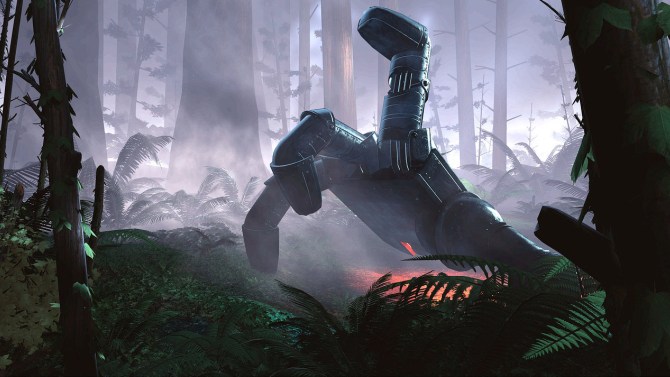
The premiered movie Lost is helmed by former Pixar artist Saschka Unseld, who is now the creative director of Story Studios. The film takes the viewers to the middle of the forest where a mechanical creature bounds into the scene. The Chief Executive of Oculus Brendan Iribe described the flick as ‘a real-time version of a Pixar experience that you’re inside of.’
Iribe further added to his statement –
This is really tuning into what a lot of people who are extending 360-degree film into VR cannot do yet. It’s getting into the heart and soul and magic of VR.
Virtual Reality films are the real-time cinema where you can not only see, but also feel your presence in the space. However, the concept of experiencing 360-degree panoramic view using a gadget that fixes at the head has not reached the masses as of yet. In spite, Samsung and Google have developed products like Galaxy Gear VR headset and Google’s Cardboard VR device, the journey of it to be available mainstream will take some time.
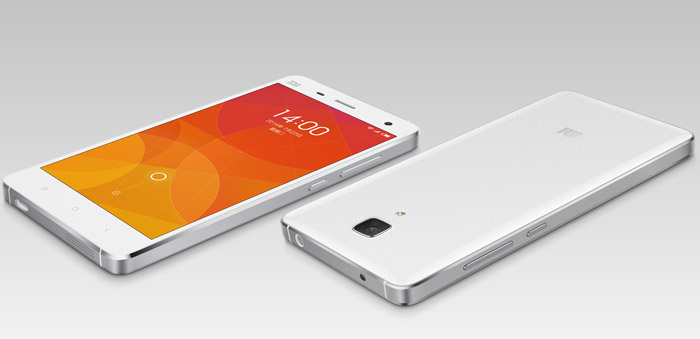
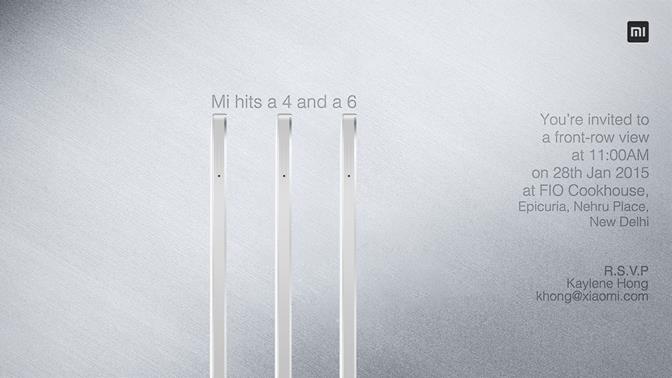
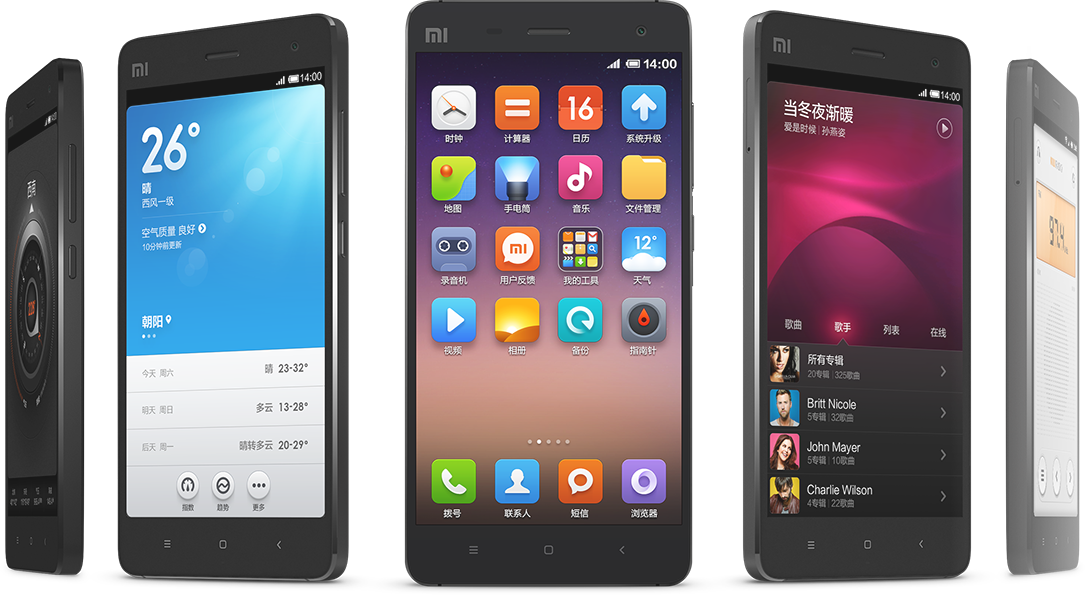
The Mi4 has been the next most awaited flagship by Xiaomi and without testing more patience of its fan base in India, the company is geared to launch the Mi4 tomorrow. The world’s third largest smartphone manufacturer has sent out media invites for the same.
The press invite adds a photo that depicts three similar devices in a row. On the top of them is a quote “Mi hits a 4 and 6.” Xiaomi has tapped on the right nerve to entice Indian customers by talking the language of cricket. It can be said that the Chinese smartphone maker might have special plans for Mi4 and a collaboration with sports can be expected.
Xiaomi unveiled the Mi4 in July last year. The phone flaunts a 5-inch (1920 x 1080 pixels) IPS display. The device is powered by a 2.5 GHz quad-core Snapdragon 801 processor paired with 3 GB of RAM. Packing a massive battery of 3,080mAh, the handset comes with 16 GB or 64 GB of nonexpendable internal storage capacity.
On the camera front, the Mi4 has a power packed 13MP rear snapper with LED Flash, Sony IMX214 BSI sensor and 4K video recording, along with a whopping 8MP front shooter with Sony Exmor R sensor. The phone runs on Android 4.4.3 KitKat and includes connectivity options like 4G LTE, 3G, Wi-Fi, Bluetooth, GPS and Wi-Fi Direct. The handset is likely to be priced under Rs. 20,000.
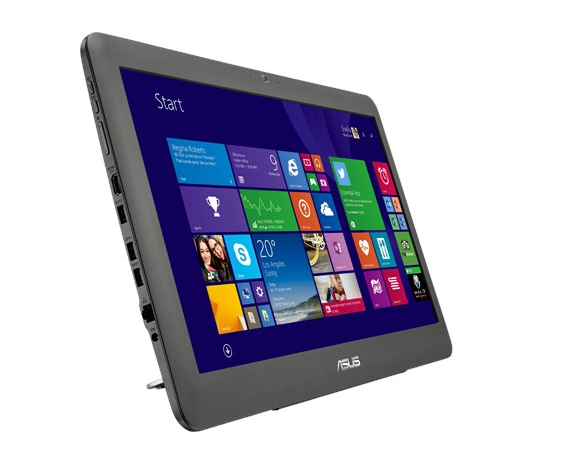
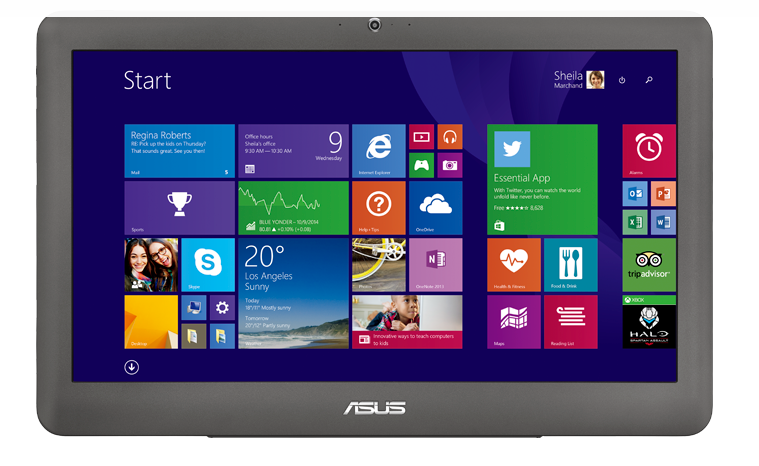
ASUS India has added one more laptop to its range of next-gen computers. The new addition called All-in-one PC ET2040INK is priced at Rs. 25,999 and will be available online through Amazon and ASUS exclusive stores.
It sports a widescreen 19.5-inch HD LED display which is an excellent size to enjoy movies. Running on Windows 8.1, the device houses an Intel Pentium J2900 2.41GHz quad-core CPU along with 2 GB of RAM, which should give users a fine computing speed. Along with that, it has a 500GB hard drive and comes bundled with 100 GB of cloud storage capacity on ASUS WebStorage and smart backup power to prevent data loss.
The highlight of the computer, other than its 19.5-inch HD widescreen, is the innovative Hand-Gesture Recognition Software (HGRS) that allows you to navigate within the interface through hand movements. The technology uses the in-built webcam of 1M to interpret hand movements. The company claims that the software makes hands-free entertainment possible. Users can play songs, adjust player settings, zoom or rotate photos through hand gestures.
The ASUS laptop is quite a good option for those who wish to replace their old PCs with something which is not too heavy on the pocket.
Apps help us stay connected, book movie tickets, message our loved ones and improve our overall daily efficiency. But it’s not all pretty; they also tend to suck up our phone’s battery life. As apps improve and become more sophisticated, they tend to drain more battery from your smartphones. Well, there’s an easy way out to this problem, there are plenty of free ‘lite’ versions you can use as alternatives.
We are listing top 5 Lite-versions of your favorite apps that will help save your smartphone’s battery life.
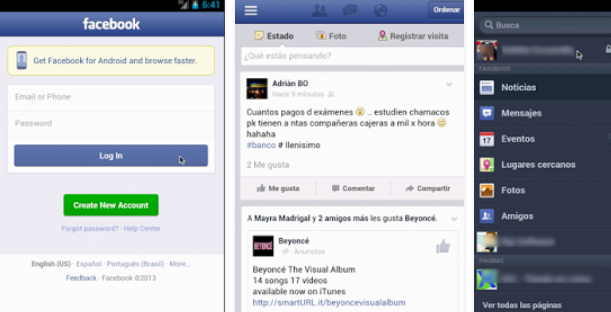
As much as we appreciate Facebook’s strategy to continuously keep updating their app with new features, we have to admit that the official Facebook app slows down and exhausts our smartphones. Lite WebApp is a Facebook look-alike app designed for phones with low memory and can save some of your battery. The best part that you’re sure to appreciate, it still syncs your Facebook inbox, which Facebook recently dropped in the favour of their standalone Messenger App. Since we still don’t have access to the newly launched Facebook Lite, we’ll have to make do with this one.
2. Tweedle for Twitter
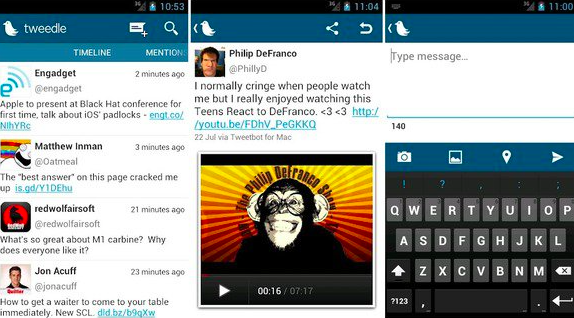
The worst part about the official app for Twitter is that it constantly refreshes the feed. This is the reason it consumes a ton of battery life. Tweedle, an alternative to Twitter, runs smoothly, consumes less battery and has a clean interface. The app saves battery as the user needs to manually refresh the feed to use it.
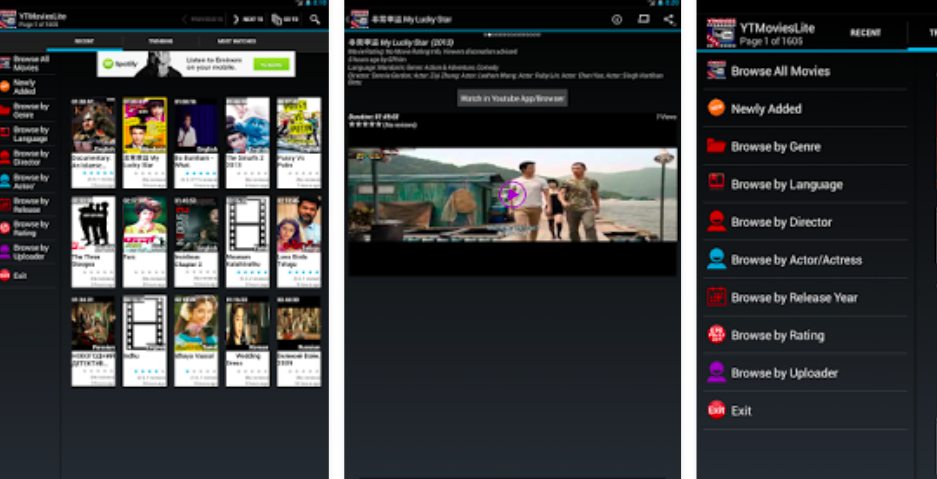
YT Movies lets you watch YouTube clips and send them to your smart TV and other media players. YTMovies(Lite) is ad-supported with limited options, and is only available for Android devices. It also offers a pro version called Pro YT Movies, which however, is not free.
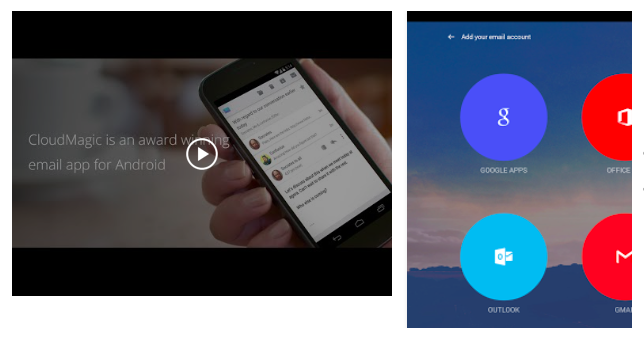
Mail apps can destroy your battery life as they are constantly synced to the e-mail websites to refresh the feeds. A great alternative to your e-mail apps is CloudMagic, which simply merges all of your email accounts into one app. You can find emails quickly and, most importantly, it’s easy on battery life.
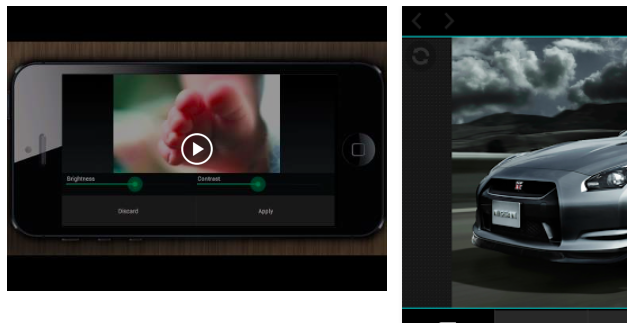
Smartphones come handy when you need to edit photo directly from the phone gallery. There are loads of photo-editing apps available in the app store such as Hipstamatic, Snapseed, Pixlr-o-matic and many more. But on-the-go photo editing apps eat up your phone’s memory and suck battery really fast. PicShop Lite app massively reduces memory usage and allows you to edit, add filters and frames, and share your photos.
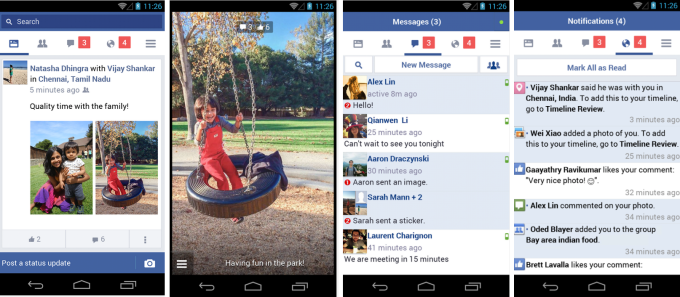
Facebook launched a handful of standalone apps last year including the newest offerings called Rooms. Facebook’s strategy to monopolize and drive funds from its already established multi-billion user base is quite clear. Now, another app, called Facebook Lite has been launched by the company for emerging markets.
Technically, Facebook Lite is specifically designed for low-end Android devices in emerging markets. The app has been quietly rolled out in a handful of countries such as Asia and Africa over the weekend (Bangladesh, Nepal, Nigeria, South Africa, Sudan, Sri Lanka, Vietnam and Zimbabwe to be precise) where it is being tested with the aim to further expand.
Facebook Lite is only 252k in size and look quite similar to the simplified version of the mobile website launched in 2009. The smaller size will accommodate low-end and dated Android devices and those on 2G/poor quality internet connections.
The app is based on Snaptu, Facebook’s feature phone client, however, it includes some familiar Android features such as push notifications and camera integration, to make the experience a more sophisticated one.
Primary focus of the app will be tapping soaring sales of low-end smartphones in Asia. A stand alone app seems to be a perfect way out and taking advantage of the emerging markets. Apparently, the move has seen fruitful results already. It has already crossed 10,000 downloads, with a 4.6 rating from an initial 693 reviewers.
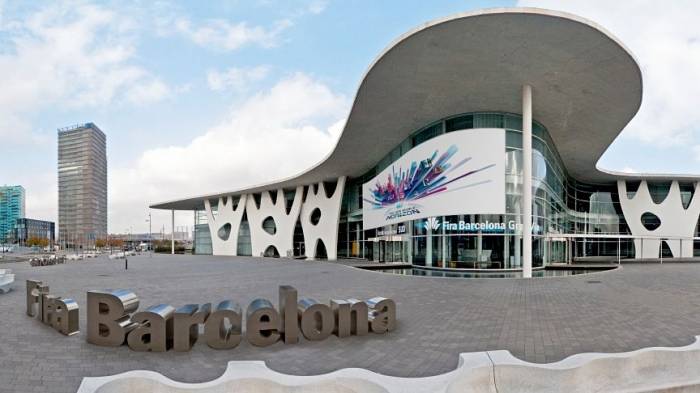
Mobile World Congress (MWC) kicks off on March 2nd in Barcelona. One of the most important events of the tech industry, the event is the biggest mobile phone exhibition on the calendar. There is no doubt that some of the biggest manufacturers will choose to announce new devices the event this year.
MWC 2015 is expected to be every bit as big and there are already rumblings of what might be shown. So, what does MWC 2015 have in store for us? Here’s the round up of the rumours.
1. HTC
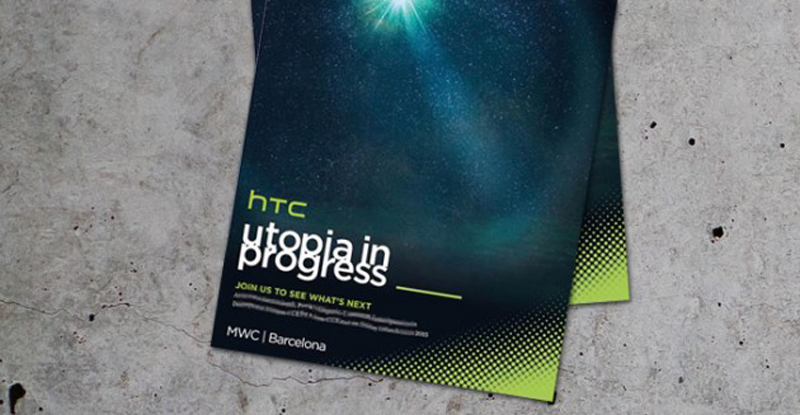
It is loud and clear that the Taiwanese smartphone manufacturer will be unveiling ‘what’s next’ for the company. The event invite shows a bright star in the background with the tagline “Utopia in Progress”. HTC is the first amongst major Android phone makers to set a date and time for its next big launch.
There has been various leaks surrounding the company’s new flagship HTC One M9. The expected HTC One M9, which is also referred to as ‘Hima’ is said to feature a 1440X2560 QHD screen, 3GB of RAM and an Octa-core Snapdragon 810 CPU. A recent leak also suggested that HTC might launch two variants of its flagship. Second one, according to the reports is HTC One M9 Plus.
It has also been reported that HTC might enter the wearable industry this year. We won’t be surprised if HTC decides to debuts the wearable device it’s been reportedly working on for sometime now.
2. Samsung S6
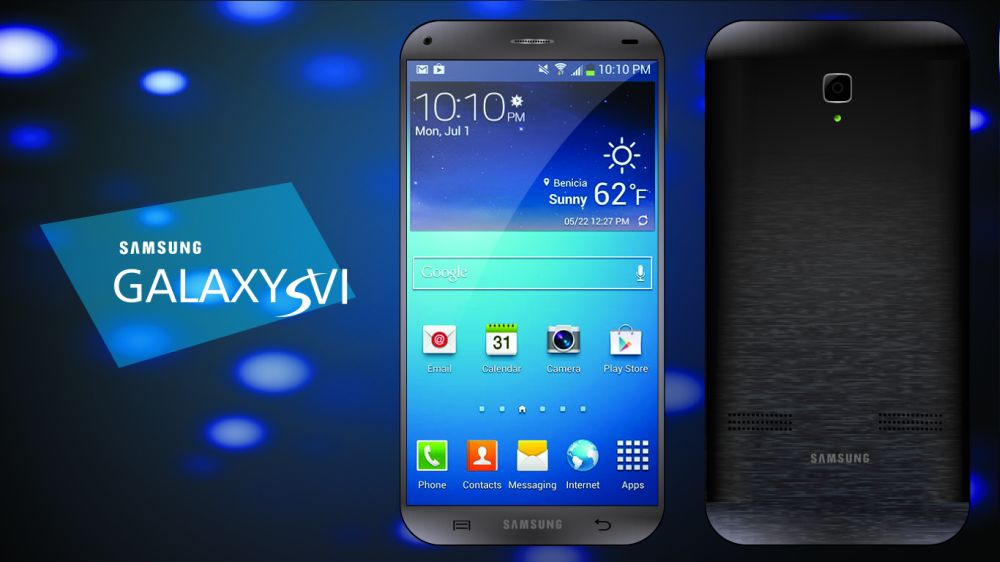
Last year, Samsung announced the Samsung Galaxy S5, on the first day of MWC 2014. We’re expecting to hear about the follow-up at MWC 2015 which is likely to be called the Samsung Galaxy S6. Rumours surrounding the new Samsung flagship has been making rounds of the internet for several months now. It is reported that Galaxy S6 is codenamed Project Zero, signifying the development of the device from scratch — putting a lot of thought into its design and materials.
A recent report from Bloomberg suggested that electronic giant, Samsung, will not use Qualcomm processors for the next version of the South Korean technology giant’s flagship Galaxy S smartphone. The report added that the South Korean company will use its own microprocessors in the upcoming flagship.
Another Smartwatch by Samsung?
Samsung is also rumored to be working on a circular smartwatch which is codenamed as Orbis. Recently, there has been leaks which have hinted that Samsung is working on a smartwatch with a rotating bezel ring on the top of the watch.
The functionality of the bezel ring is not clear. Like Apple’s digital crown, features like zooming in and out of pictures and scrolling through lists could be achieved by rotating the ring; it could also allow for functions like selecting the time when setting an alarm.
3. LG
LG enjoyed great success in 2014 with the LG G3. So how do you follow up on the best smartphone of 2014? That’s what LG’s showcase at the MWC 2015 will answer for us, hopefully. The LG G3 is undoubtedly a truly brilliant phone, offering a perfect mixture of usability and cutting edge features, including the first major example of the kind of QHD display that every phone will be sporting in 2015. But there are also rumours that LG will keep up the good work on the look and feel of its flagships, with thinner-than-ever bezels compensating for its larger-than-average screen.
Some other reports have hinted that G4 will come with a Note 4 like stylus. There is also a possibility that the G4 will come with a metallic frame which was one of the few things that was missing in the G3.
Like Samsung and HTC above, MWC 2015 could also see LG announcing a new smartwatch. The key point of interest here is the suggestion that LG’s new watch (dubbed by some as the LG G Watch R2) could come with 4G connectivity.
4. Sony
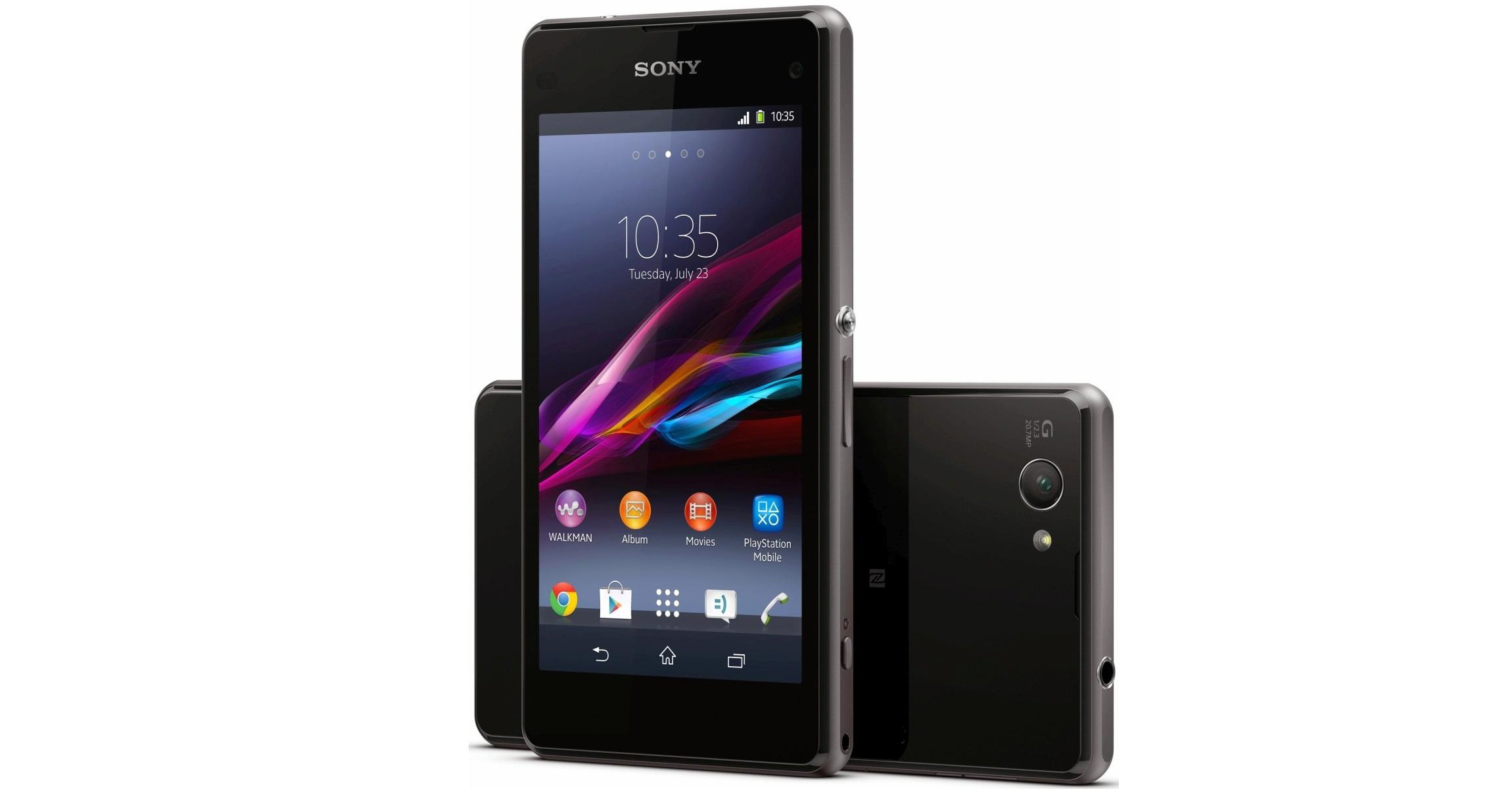
The Sony Xperia Z2 launched at MWC 2014 so we’re expecting the Sony Xperia Z4 to launch this year. Sony did a great job with the rightly-priced Xperia Z3 and Xperia Z3 Compact. However, recent chatters in the industry has hinted that the company may let the Xperia brand meet the same fate as Vaio.
Anyway, according to the rumors, QHD display and Snapdragon 810 is in the check list for the latest flagship. Also, the smartphone is expected to come with familiar 20.7-megapixel camera. It is also said that we can expect the compact version of Z4.
Education is an essential requirement for the growth of a nation. Especially in a democracy, education matters the most because we are ruled by our ideas, and an illiterate or ignorant population is easy to influence and misdirect. India has a massive population, a considerable percentage of which is illiterate (25.6% according to 2011 Census). It is shameful for a nation with the third biggest economy in the world that a quarter of its population is not capable of becoming informed and empowered citizens. The technology age can provide solutions to this problem and young entrepreneurs across the country are working to take on the problem of illiteracy. One such company is Nayi Disha Studios.
Founded by graduates of BITS-Pilani and Stanford University, Nayi Disha uses motion-sensing technology based games to bring a new approach to the art of teaching. Classroom teaching can get mundane especially for the preschoolers who are not used to sitting at one spot for an extended period of time. Here, Nayi Disha’s game-based education helps them learn while having loads of fun. Their products are currently installed at several prestigious schools and pre-schools in Mumbai, Pune, Ahmedabad, Bangalore, Hyderabad, Jaipur, Delhi, Gurgaon, Noida and many more cities throughout India.
We had a conversation with the Co-founder of Nayi Disha; Mr Kartik Aneja. He walked us through the workings of this innovative new pedagogical experiment.
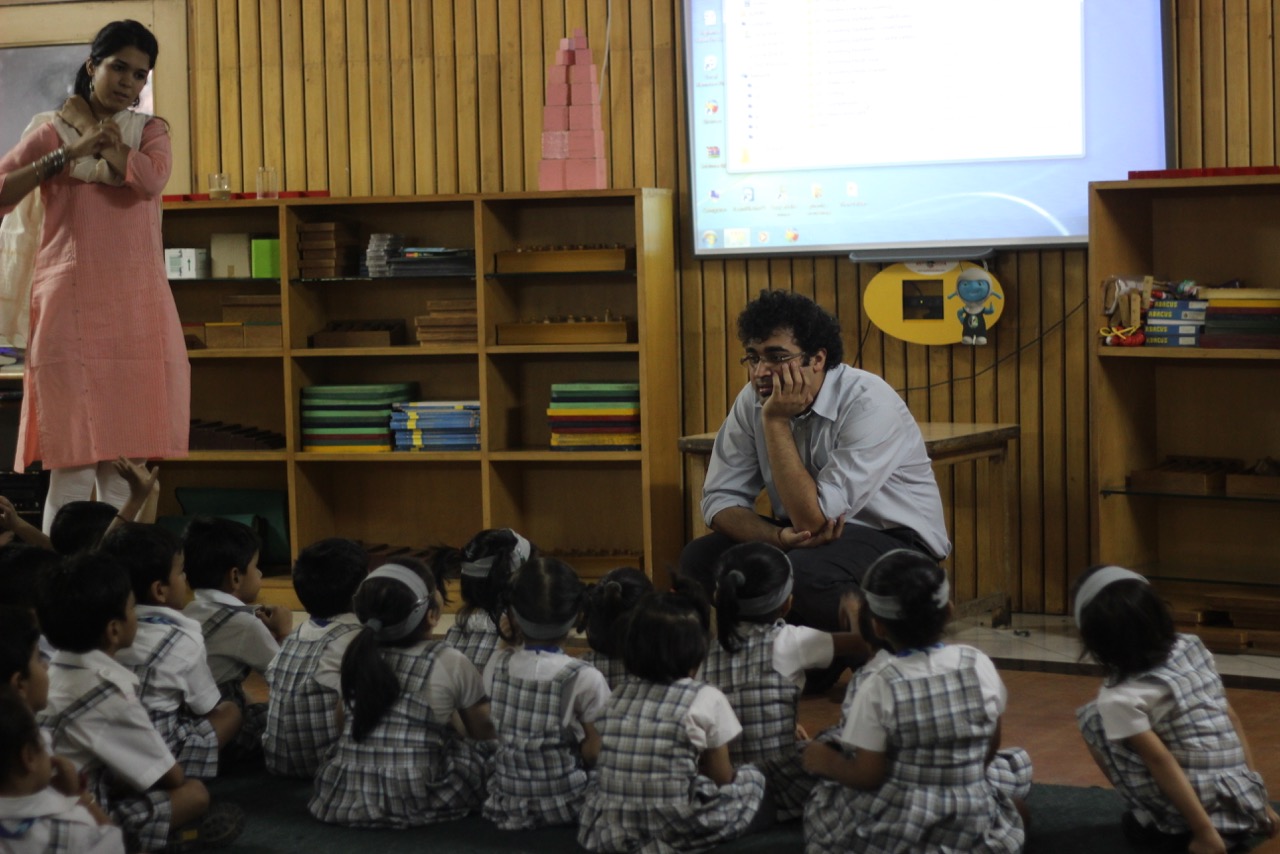
Founder of Nayi Disha, Kartik Aneja, at work
At present, Nayi Disha caters to preschoolers. What makes their systems special is that there is no keyboard, mouse or touch involved. Using sensors like Leap motion, Intel RealSense, and Microsoft Kinect, these games track and react to the child’s movement.
Kartik says that he had his ‘light bulb’ moment while he was interning at HP Labs. There he came across the Aakash tablet which was yet to arrive in market back then. He says that he was excited at first but after spending thirty minutes with the device he realized that it wasn’t that great, and he had a splitting headache. That’s when he thought that even he can make something better than the tablet and so got into creating his own product.
All the games of Nayi Disha are centered around a character called Kaju. Each game starts with Kaju going on an adventure or getting into trouble, which then transforms into a fun lesson. The games are based on concepts like number line, flying through space, comparisons, heavy and light, water cycles and more.
When asked about the feedback from children, he had just this to say, ”Kids love it, it’s as simple as that.” He further added,“ these kids are sitting all day at one spot and even in the most hands-on class; they are still sitting in a confined place. They have so much energy in them, and they are only waiting for the Kaju period or Nayi Disha period where they can just jump around and do whatever they want.”
Kaju, the lead character of the games.
The games are fun, but what are long term prospects of this kind of education? Kartik replies that it’s evident in research that kids learn at different paces. Some kids learn by looking, some by listening and there are some who learn by moving around. Each class has a category of learners called kinesthetic learners; children who don’t learn in regular classrooms, who are termed the naughty ones. For them, this technology is great.
Research is an important aspect for educational game creation and Nayi Disha pays active attention to it. Kartik’s team regularly interacts with teachers from a lot of different schools. Even before beginning any work on their project, Kartik and his co-founder spent a considerable time at a school in Ahmedabad to gain first-hand experience with the kids. They rode with the kids in the bus to school and then spent the entire day with them. They observed their needs and capabilities through the course of the day.
After that, they returned to conduct focus groups with the teachers. They also checked out curriculums from different parts of the country and different parts of the world for their research. They even hire child psychologists to assist them in designing their courses.
On the hardware front, Nayi Disha builds on the available resources in the market. The games don’t require heavy hardware configurations. They recommend PC’s with Intel i3 processors and above, 2 GB plus RAM, and a GPU to run the games optimally. So there is no requirement of expense gaming consoles to run these motion based games.
Nayi Disha’s team is also working on bringing the games directly to the market. They did a small experiment in which they uploaded one of their games on the Microsoft Windows Store, and they got some good responses there. Even though the games cater to a niche platform, they were downloaded all around the world. They are also working on bringing the games on Android and other popular formats.
The path ahead looks good for the studios. They are presently working to introduce more games in their arsenal. Also starting next month (January 2015) the company will be beginning classes in the United States. Nayi Disha Studios shows us that if you have an idea and work diligently towards making it a reality, you can achieve great things. We hope to see more such entrepreneurial initiatives from the young minds of India.
If you or someone you know has an engaging initiative such as this, feel free to tip us on our website.
This week all the major e-commerce websites are celebrating Republic Day with loads of offers and flash sales.
We’ve picked out some of the best offers from these sales for you. Check them out.
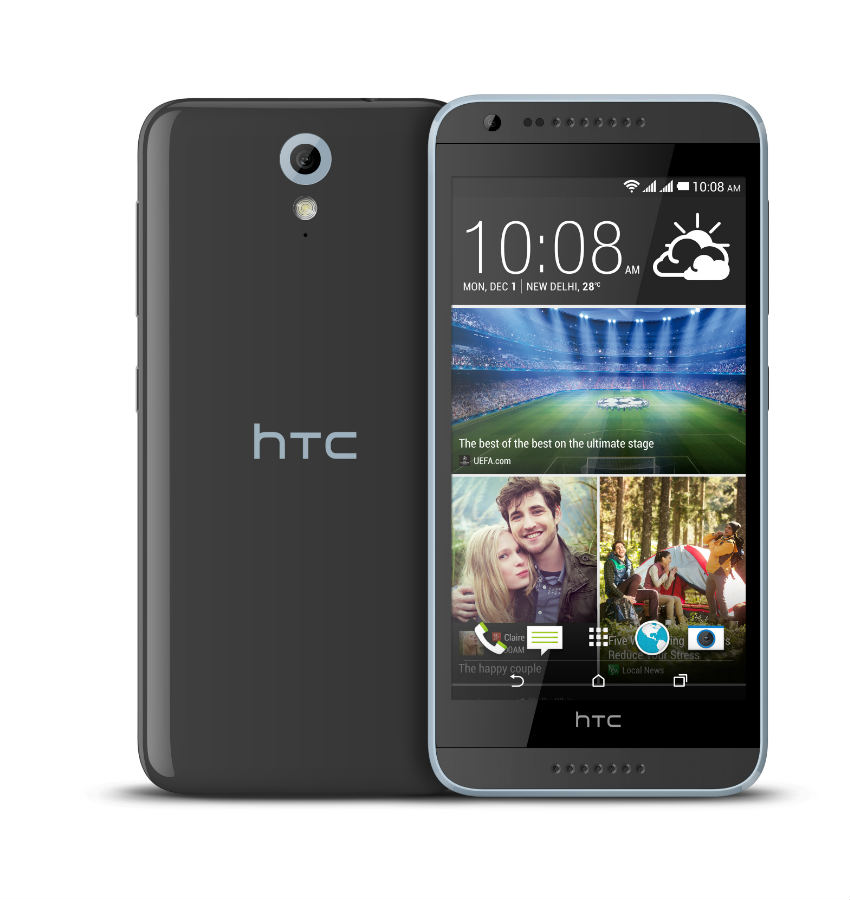
1. HTC Desire 620 G – (23% off)
HTC Desire 620G Dual SIM smartphone comes with a 5-inch 720×1280 display. The budget handset is powered by a 1.7GHz processor alongside 1GB RAM and 8-megapixel rear camera. Snapdeal is offering 23% off on the handset and will cost you around Rs. 13,500.
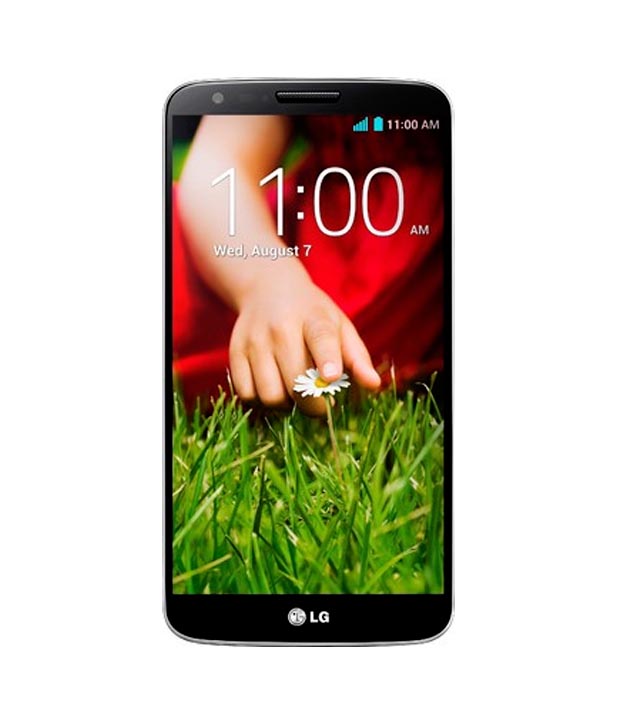
LG’s second gen flagship is still a decent smartphone to own. It comes with 5.20-inch 1080×1920 display powered by 2.26GHz processor alongside 2GB RAM and 13-megapixel rear camera. The handset will cost you Rs. 23,765 after the discount.
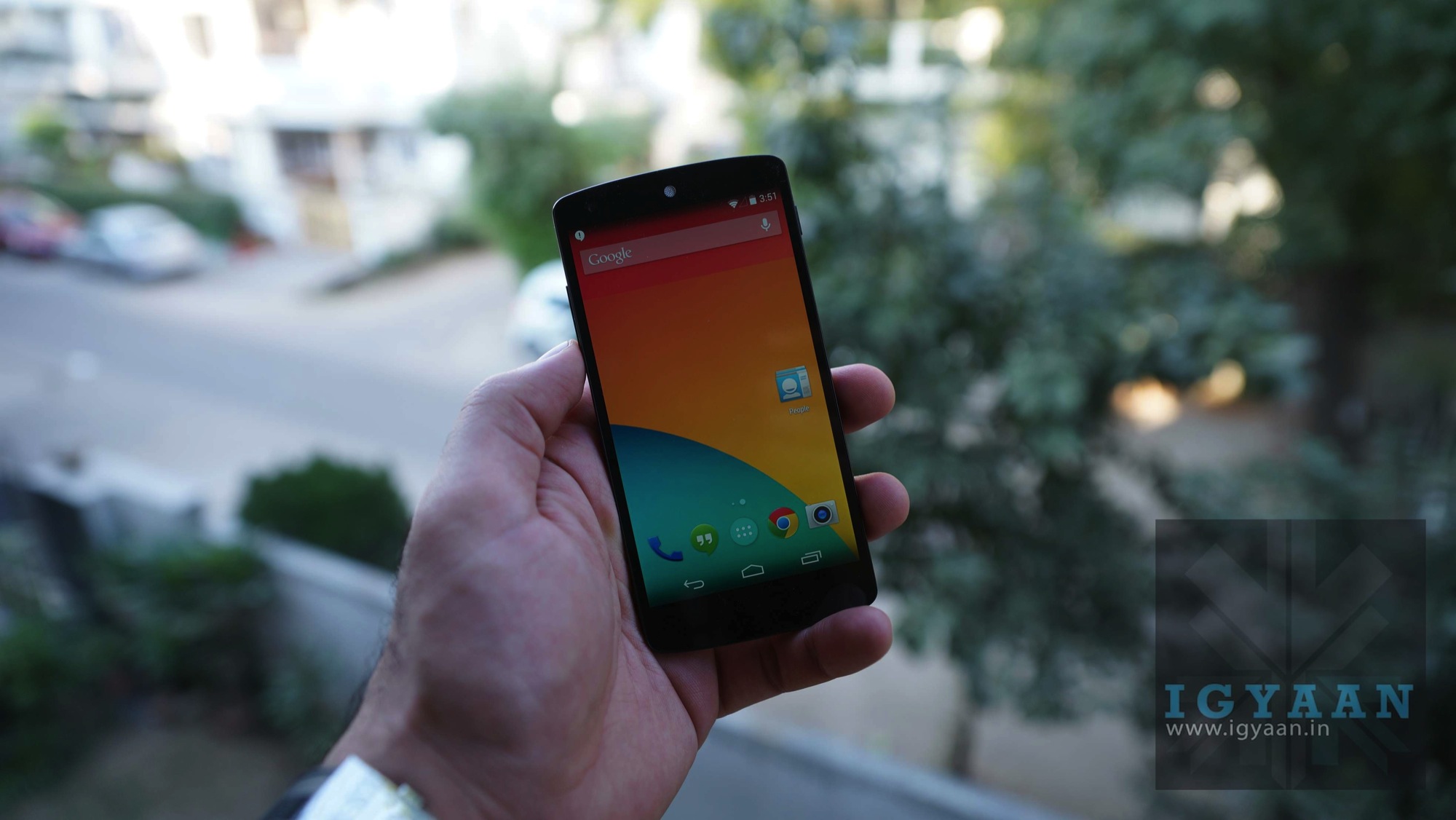
LG-built Google Nexus 5 is a great smartphone, especially if you can’t wait to get your hands on Android 5.0 Lollipop. Google Nexus 5 comes with a 4.95-inch 1080×1920 display. It is powered by 2.26GHz processor alongside 2GB RAM and comes with a 8-megapixel rear camera.
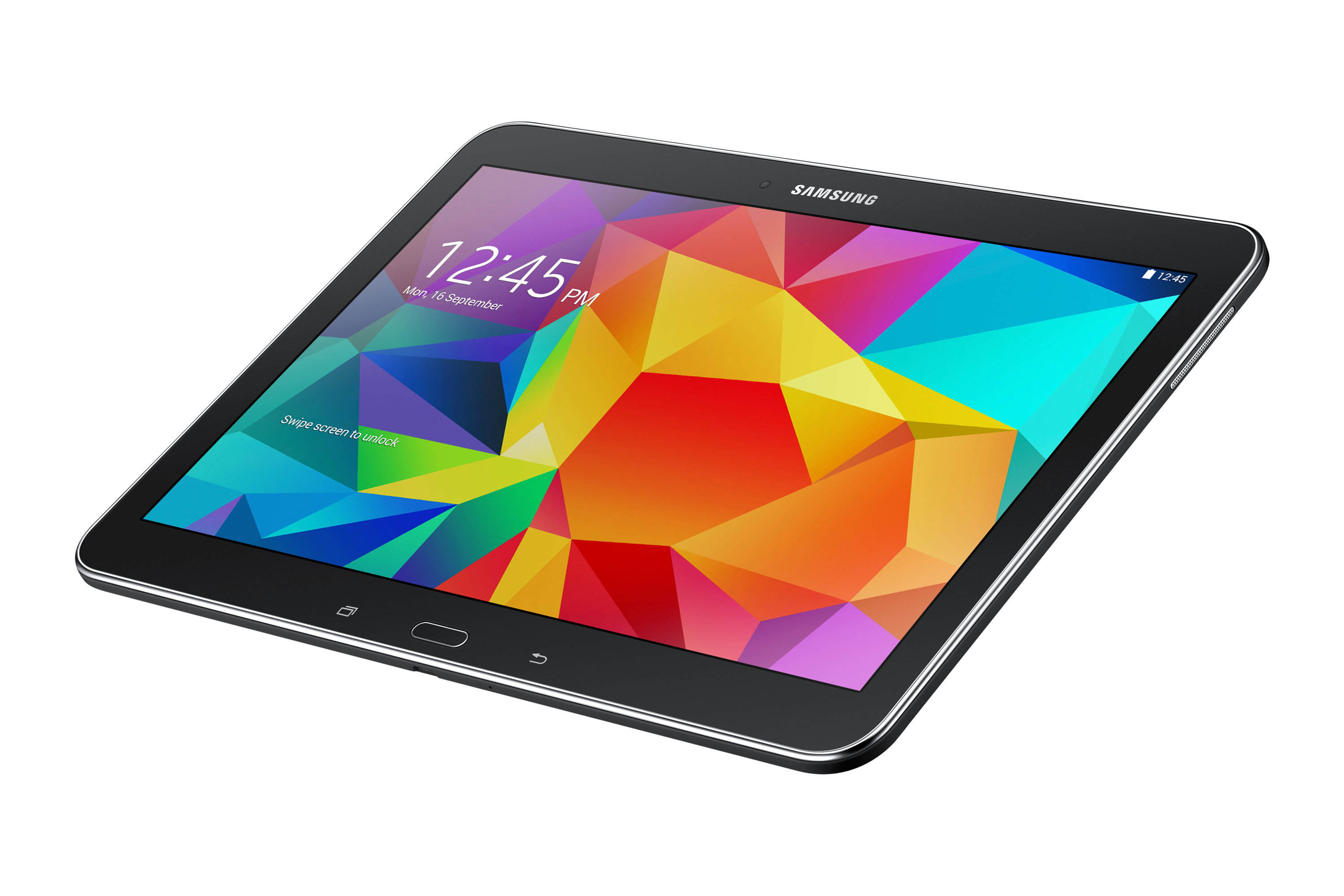
Samsung Galaxy Tab4 7.0 3G tablet comes with a 7-inch, 1280×800 display powered by 1.2GHz processor alongside 1.5GB RAM and 3-megapixel rear camera. The 7-inch slate is available on Snapdeal for Rs 14,899.
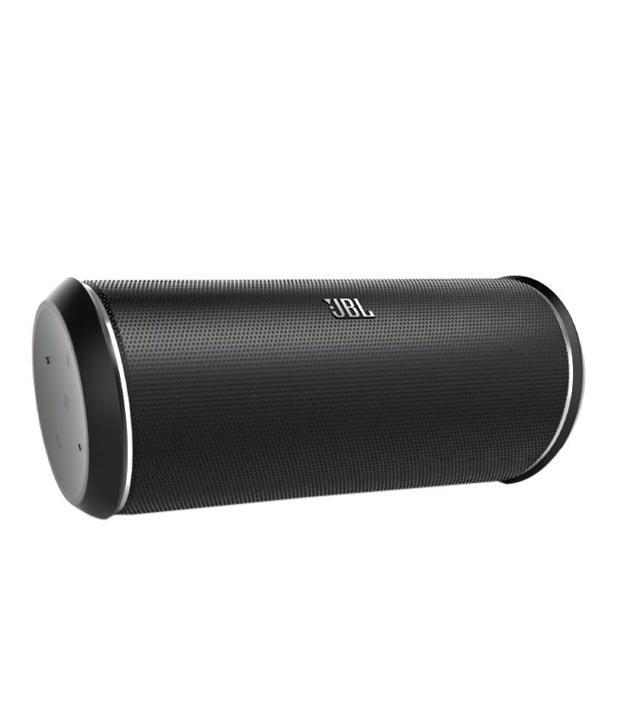
JBL’s much loved Flip series are a must for music lovers who travel a lot. The portable is equipped with NFC for quick Bluetooth Pairing, SoundClear Echo, Noise Cancellation and a battery that can last upto 5-hours on a single charge.
Festive season offers are a great time to make purchases. Amazon has organised a special clearance parade on the occasion of Republic day where you will get electronic devices at discounted rates. You can get from memory carda to phones to tablets and lots more.
Here’s a collection of top 5 deals you can go for this Republic day: