Microsoft’s new Windows 10 internet browser, codenamed Spartan, has started to garner attention. Various leaks and rumors suggest that Spartan will be one of the major elements of Microsoft’s upcoming Windows 10 operating system and will come with some ground-breaking features which are currently missing in competing browsers such as Chrome and Firefox.
We’ve listed the top 5 expected features of the Windows 10 internet browser, Spartan.
1. Digital Inking Support
Word has it that Spartan will include digital inking support which allows Windows 10 users to annotate a web page with a stylus and send the notes and annotations to a friend or colleague. According to The Verge, the annotated Web pages will be capable to be stored on OneDrive, “which can be accessed by any browser across multiple platforms”.
2. Cortana Integration
The recent rumors claim that the Spartan web browser will be heavily linked to Microsoft’s Cortana digital assistant. Moreover, current features that work with Bing on Internet Explorer will be used on the Cortana interface in Spartan. Given that the company has already revealed that Cortana will form an integral part of the Windows 10 operating system, this speculation makes sense.
3. Group Tabs
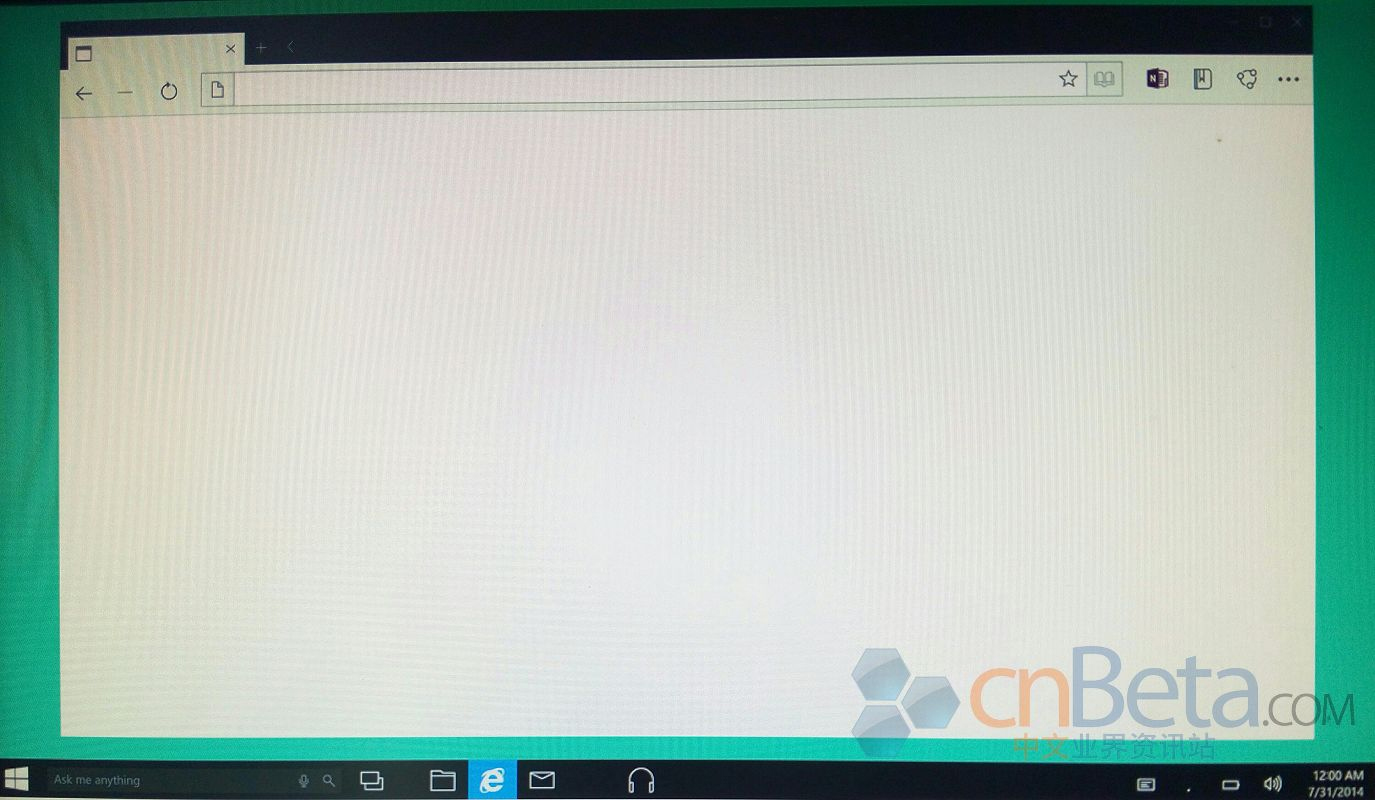
Leaked images of Spartan by Cnbeta
A third major feature of Spartan will be a new way to group tabs together which will help declutter the occasionally messy interface of multiple browser tabs. Spartan may allow users to open multiple sites in grouped tabs together, so they can do things like compare prices of a new phone without having to switch between tabs or split up personal tabs from work ones.
4. Fast Updates
According to leaks, Microsoft is planning to feature Spartan as an app in order to facilitate smooth and faster updates. Right now, Internet Explorer isn’t an app that Windows 8 or Windows Phone users get via the Windows Store or Windows Phone Store; it’s part of the OS platform. By making Spartan an app, Microsoft should be able to update it more quickly.
5. Minimalistic Design
Spartan will use the Trident rendering engine and the Chakra JavaScript engine that are a part of the Internet Explorer. It is expected to look and work more like lightweight browsers such as Google’s Chrome and Mozilla’s Firefox. It will allegedly support extensions. Also, the company originally was expected to add custom themes to the new browser. It appears that will not be the case at launch. However, it is possible custom themes may come in future updates.
Microsoft has said that the browser is not just a newer version of the Internet Explorer but a different browser altogether. Microsoft is expected to show off and discuss Spartan during the 21st January Windows 10 preview event it is hosting in Redmond, Wash.
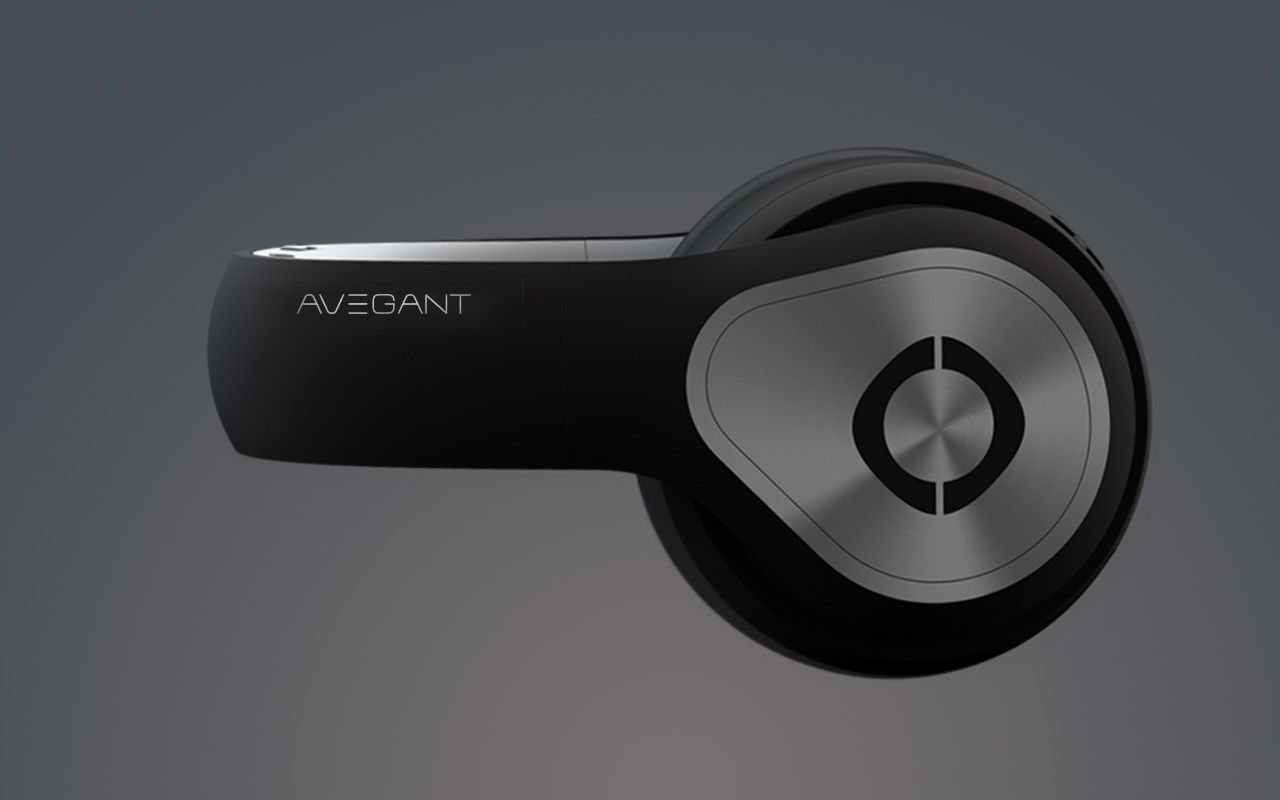
Virtual Reality (VR) headsets are fast gaining ground in the consumer electronics market. This year’s edition of CES saw many players showcasing their versions of VR headsets. They came in all shapes and sizes and offered different features. One such headset was the Avegant Glyph, which takes a new approach to providing a VR experience.
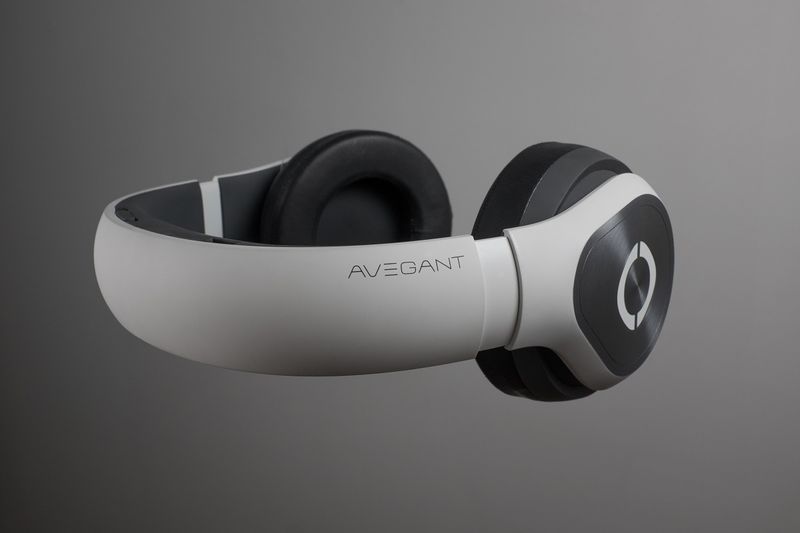
Avegant Glyph arrived last year at CES and presented a unique device. It was a bit bulky and had massive earphones. This time around, the device gets a lot sleeker and sexier. On the first look, the device looks like a headphone that slipped off your head and is now sitting in front of your eyes. It almost makes you feel like Cyclops from X-men.
The device is available in White and Grey color variants.
The device uses Virtual Retinal Display technology which is presented without any screens. The device projects an image that is directly formed on the retina of the user’s eyes. The developers say that their intention is to mimic natural vision and thus brings down the eye strain that is felt in most of the VR headsets after continual use.
One other aspect, in which the Glyph is different from its competition, is its 45-degree field of view. According to the developers, this will help the users to start playing content they already own instead of trying to find content made specifically for the VR headsets. When you have the headset on, you’ll get the experience of sitting in a movie theatre with your giant displays. It even runs 3D videos, so it’s an all-round visual entertainment option. It plays almost all your content and connects to your smartphone so you could actually be engaged in your virtual big screen on the move. So now, instead of watching Avatar or Gravity on your tiny display, you can watch on a giant virtual display in your own time.
The device is up for preorder at a price of $524 which might be a bit steep but it sure gets style points. The deliveries are supposed to begin for Kickstarter backers from the fall of 2015 and will be available for the general public by the end of this year. So if you are looking for a movie theatre experience that you can enjoy on the move, the Avegant Glyph maybe an option for you. Just be ready to attract a lot of stares wherever you wear it.
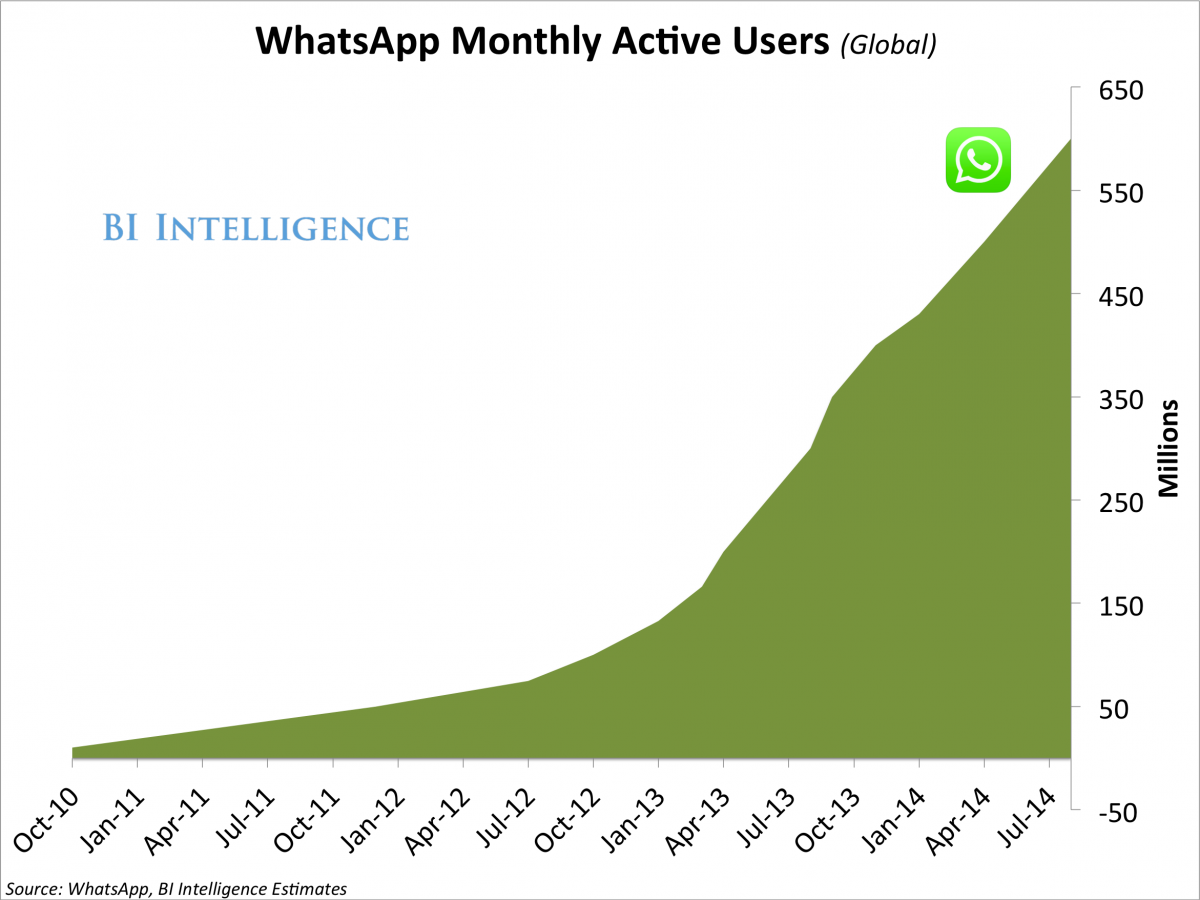
WhatsApp has rapidly grown from a meager messaging app to a formidable force that has made SMS nearly obsolete. The app is available on all the prominent mobile platforms. The app is rapidly gaining a massive user base and a new report by BI Intelligence shows, at present, it is being used by over 700 Million folks.
WhatsApp co-founder and CEO Jan Koum wrote a Facebook post where he made the announcement of the 700 million strong user base. He also mentioned that the users of WhatsApp send over 30 Billion messages every single day. This clearly shows why the network providers are so infuriated by the free messaging services as these apps are causing a massive dent in their revenues.
In four months since August last year Whatsapp has added 100 Million new users
The rate of growth of WhatsApp is exponential too. Just last August the company had announced that it had gathered 600 Million subscribers. The speed of adoption is similar to its parent company, Facebook, which now hosts the profile of over 1.28 Billion monthly users and which is rapidly growing.
WhatsApp is not just a messaging app anymore. It is being utilized for political, marketing, spreading information and even entrepreneurial collaboration. It will, in the coming future face some challenges from the network providers and vested interests, but if the past and the latest report is any indication, WhatsApp is only going to get stronger.
Samsung has been ruling the smartphone market with its high-end Android devices, but it has recently been learnt that the company is keen on including Windows-based phones in its smartphone line-up. According to a report by Korean Times, the South Korean multinational giant is interested in making an affordable Windows Phone.
According to their source, the company is testing a “pilot programs on the stability of Windows 8.1 software on devices.” However, it cannot embed Windows onto the devices until the company settle down on the previous dispute with Microsoft. For those who don’t remember the story; Microsoft sued Samsung in August saying that the company had failed to make payments as per the signed contract.
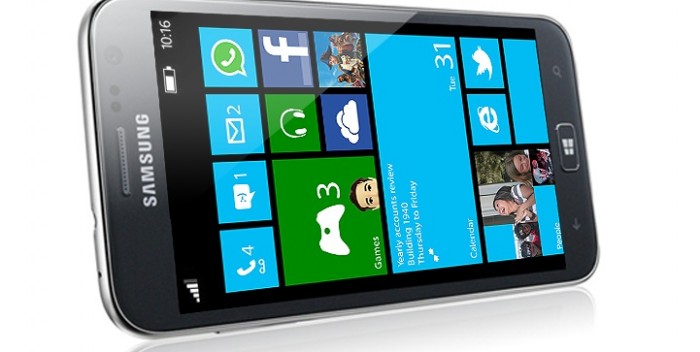
Samsung ATIV SE, The Last Windows Phone by Samsung
It seems like the firm is reducing its dependability on Google’s Android and is prepping to get a stronghold on the Windows platform.
If the report turns out to be true, then customers can expect a Windows-based device as early as this fall. It might run on Windows 8.1 or the upcoming Windows 10. We’ll still emphasise the fact that it’s just a report and neither Samsung nor Microsoft have confirmed the story. The last Windows Phone by Samsung was Samsung ATIV SE, a Verizon Wireless exclusive based on Windows 8. The firm hasn’t released any Windows devices since.
Artificial Intelligence (AI) has become a popular topic of public conversation. It all started since SpaceX and Tesla chief Elon Musk, and Physicist Stephen Hawking warned against creating an AI system that can think on their own. Now the experts in the field of AI research are coming together to sign an open letter to pledge for the creation of AI that can be controlled by humans and is beneficial to our lives.
The letter was released by the Future of Life Institute (FLI) which is a volunteer-only research organization. It focuses on potential risks from the development of human-level Artificial Intelligence. The founders of the institute include Jaan Tallin, who is the co-founder of Skype and “Mad” Max Tegmark, who is an MIT professor known for his unorthodox ideas. The Scientific Advisory Board of the Institute includes folks such as Morgan Freeman, Alan Alda, Stephen Hawking, Elon Musk and some other great minds. So when the letter comes from people who are held in high honor in science, the letter gains credibility and needs to be taken seriously.
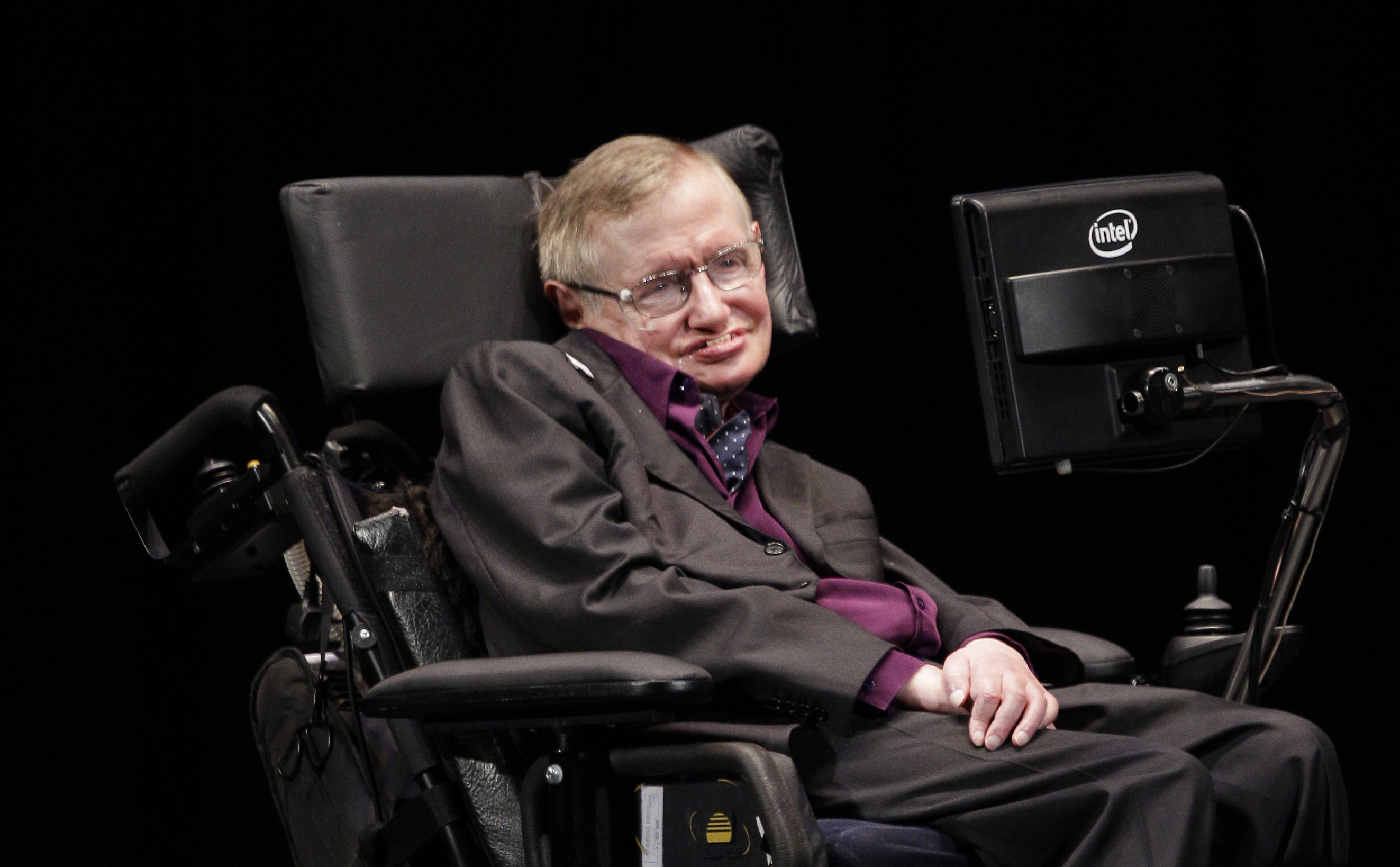
The letter is signed by the top experts in the field including Prof. Hawking and Elon Musk
In essence, the letter asks researchers to put more emphasis on the creation of an AI system which helps humanity but can also be controlled by humanity. AI-based systems such as voice recognition and self-driving cars are close to being accepted by the masses, at this juncture, it’s important to understand the potential challenges it might pose.
The team at FLI has also attached a research document which highlights the priorities in AI research. The paper shows the multitude of uses of AI and how it can be robust as well as beneficial to humanity. The document encourages the fields of law, philosophy, economics, computer security and other fields of AI to be involved in interdisciplinary collaboration to set the priorities for AI research.
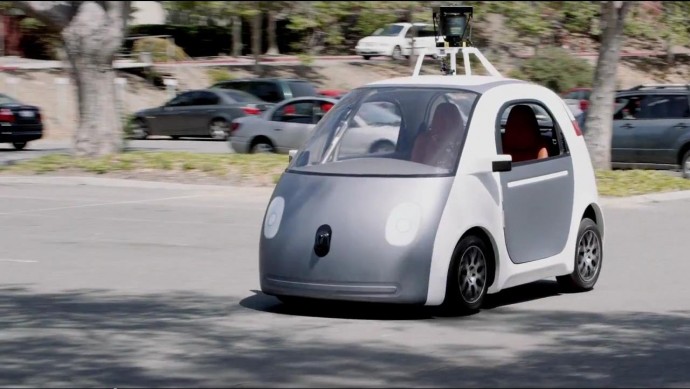
Several AI based system such as autonomous cars are reaching the masses, so it’s important to research on potential challenges of the thechnology in the future.
The signatories of the letter are also some of the prominent folks in science. A number of professors MIT, Oxford, Harvard and other premier institutions have signed the letter. Also, several researchers from the industry, such as experts from IBM’s Watson Supercomputer team and Microsoft research have showed their support to the letter.
Artificial Intelligence is already involved in many aspects of our lives such as speech recognition, translation and is expected to be more intertwined with our lives. It is important to put heavy focus on the topic and have a public conversation about it. There have been warning’s about the potential fallout of these systems, and they may end up taking charge over their human masters someday. Experts agree that a framework needs to be established to prevent a probable future that looks like something out of the Terminator or Matrix films.
Xiaomi has already started rolling out the invitations for its January 15th event in Beijing. So far the rumours adamantly insist that we will see the Mi5 or the Mi4s for the first time. However, an online listing of a new Xiaomi handset has added new speculations.
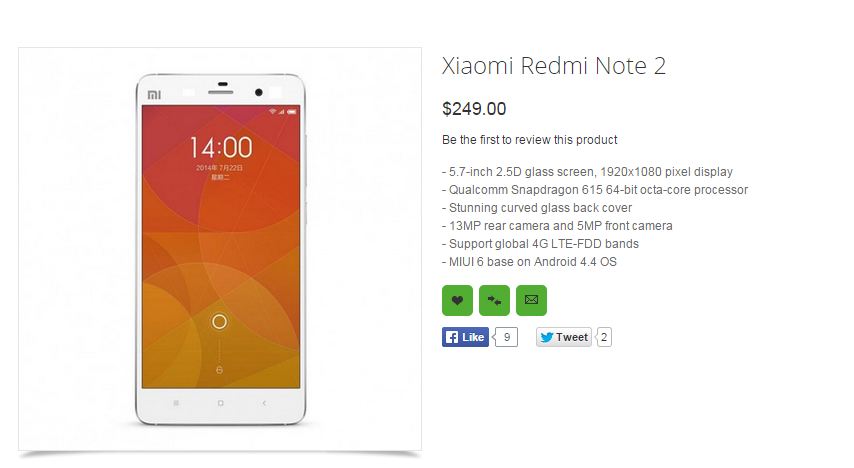
A listing on Oppomart, an online reseller of smartphones, has revealed the complete specifications and pricing of the Remi Note 2. This implies that either the Redmi Note 2 will be launched along with the Mi5 or the company will launch Redmi Note 2 instead of Mi5.
It is said that the Redmi Note 2 will look nothing like its predecessor. In fact, it might take its design inspiration from the current Mi flagship i.e. Xiaomi Mi4. The front will be protected by Gorilla Glass; the rear Gorilla Glass body might be curved, according to rumours.
According to the listing, the Xiaomi Redmi Note 2 will come with a 64-bit Snapdragon 615 octa-core processor with 2GB RAM and 16GB/ 32GB storage options. The screen size will be 5.7-inches and will be made of 2D glass, (an upgrade from the 5.5-inch screen on the current Redmi Note) and will feature a resolution of 192ox1080 pixels. There will be a 13MP rear camera (Sony IMX214 with zero shutter lag) and a 5MP front shooter on the device.
The invite only says that Xiaomi will unveil a new device on Jan 15.
Along with this, more details about another mysterious handset from Xiaomi have emerged. A $65 (approx Rs 4,000) Xiaomi smartphone has passed TENAA, which is the Chinese equivalent of the FCC. Going through the listing, this $65 handset may be the same handset which is expected to launch with the low cost Leadcore LC1860 CPU (clocked at 1.6GHz).
Other specs include the 4.7-inch, 720 x 1280 resolution display, 1GB of RAM and 8GB storage. An 8MP camera is said to be found on back of the handset, while a 2MP shooter adorns the front of the phone.
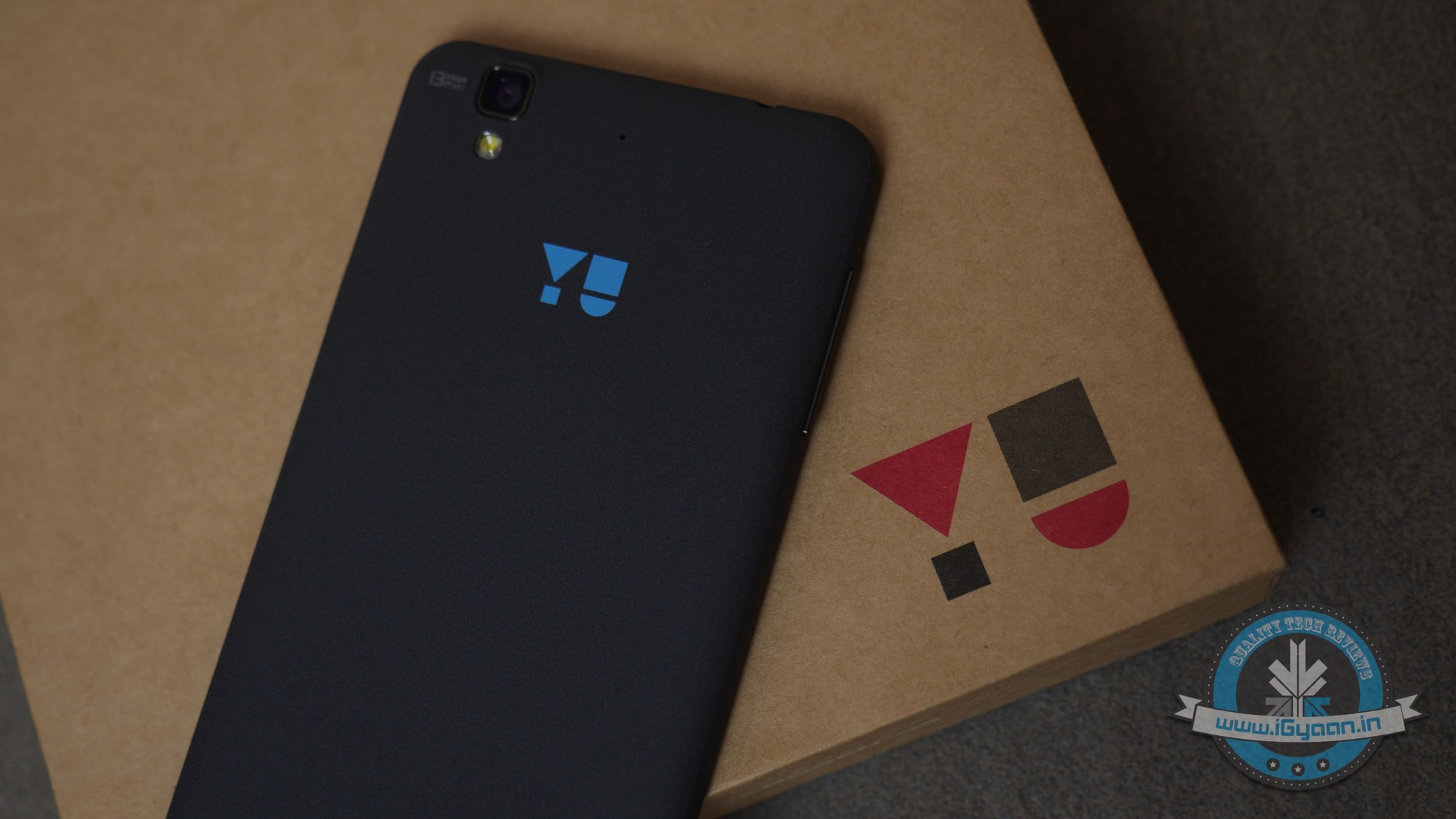
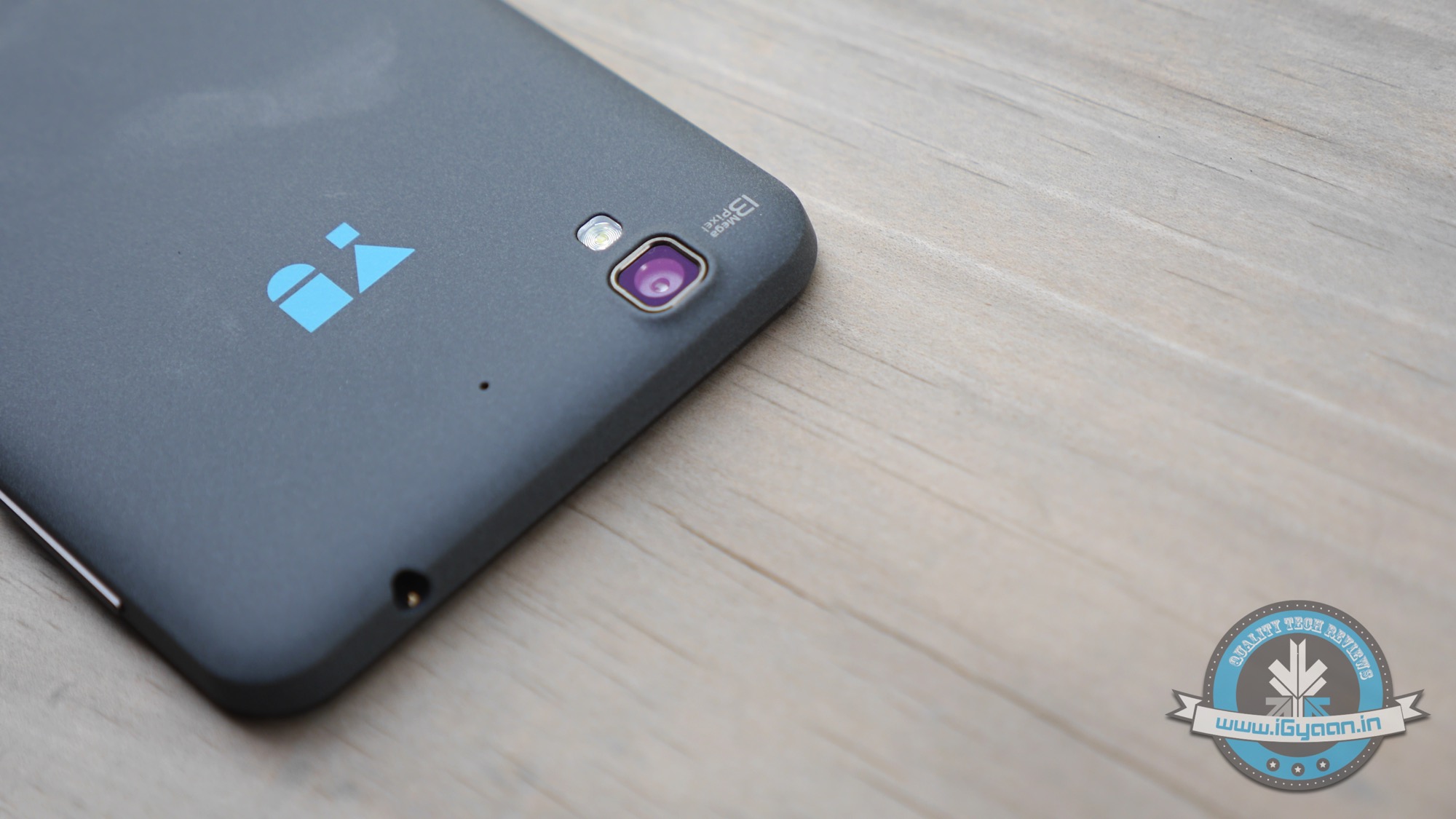
The most anticipated device of the year, Yu Yureka, will go up for sale tomorrow. In spite of the huge registrations, the company said that, for now, they will be putting only 10,000 units of its 4G device on Amazon. The smartphone, unveiled last month, boasts a set of specs seen on many high-end devices while it comes at a price of Rs. 8,999.
[quote text_size=”medium” author=”Rahul Sharma” author_title=”Co-Founder of Micromax”]
We saw unprecedented response with over three lakh registrations. Registrations were to be open till 25th December. However, owing to the mega response they had to be closed a day earlier.
[/quote]
If we talk about its specifications, the Yu Yureka has a 5.5-inch display with 1280 x 720p resolution. The screen is protected by Gorilla Glass 3. It is powered by Snapdragon 615 CPU along with Adreno 405 GPU. The device features 2 GB of RAM and 16 GB of internal storage capacity, out of which 12 GB is free. The phone gets its juice from the 2500mAh battery.
On the camera front, the handset has a 13MP rear snapper along with a 5MP shooter on the front. The most significant feature of the device is the attractive Cyanogen OS 11.
Rahul further talked about the phone units, “We are working on ramping our capacities. Given the kind of enthusiasm that we have seen, we will increase the number of units put out for sale gradually.” It was also learnt that Cash-on-Delivery System will be available to Yureka buyers. Do read the full review of the Yu Yureka here.
You may have seen Robots in movies and wondered about how awesome it might be to have a mechanised friend of your own. In the real world you’ve seen Asimo, which has some really awesome features but is still in the prototype stage. There are many companies who are working towards making a good personal assistant endowed with Artificial Intelligence(AI). Well, it seems like the wait for a personal robot is about to come to an end thanks to the efforts of a New York-based company.
Robotbase is made up of a team of engineers based in New York who unveiled an AI robot at CES 2015 to kick-off its Kickstarter campaign. They call it the ‘Personal Robot’ and are keen on putting a robot in every home. The company touts its Personal Robot to be a multi-talented personal assistant. She’s a hands-free helper, an awesome photographer, a reliable security guard, a wonderful storyteller, and much more.
It’s apparently the world’s first Artificial Intelligence based Personal Robot with the ability to detect faces, recognise emotions and everyday objects. According to the company, this PERSONAL ROBOT does everything for you from understanding what’re you’re saying and then replying back to you. She can even navigate around the house by herself with navigation and mapping algorithms. In addition, the device comes equipped with sensors to detect the outside environment and can communicate via your connected devices.
On the design front, the Personal Robot looks like the Mobile Virtual Presence Device that Sheldon Cooper created on the popular sitcom Big Bang Theory. A giant oval display is attached to a movable platform. The avatar on the display looks like one of the characters from a Japanese anime show. It might feel a bit creepy at first to interact with a cartoon who knows everything about you before you even ask.
Barring all that, she’s got a few special talents too, she can place food orders, act as a personal assistant and can even be a storyteller for your kids. It’s also an emotionally responsive personal assistant and can remind you about appointments. As of now, the company’s primary focus is the consumer version of the Personal Robot, however they are also getting keen interest from businesses as well, especially department stores.
The campaign seems quite promising, the company has already scooped up around $25,000 and promises that early takers can get the device for $995, delivery for which will begin by late 2015. You can head over to the Kickstarter campaign for more information. Check out the video below to find what this innovative device can do for you.
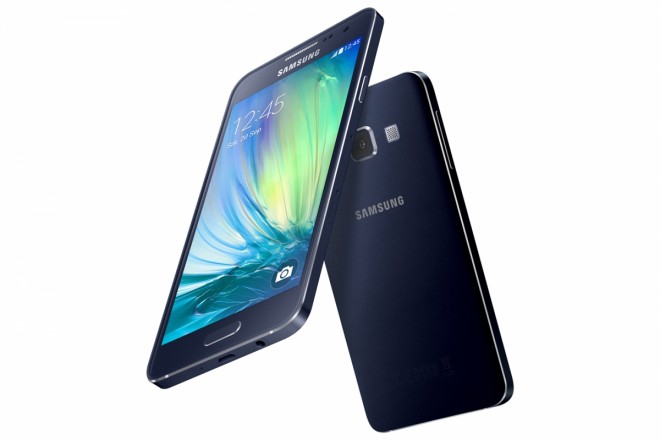
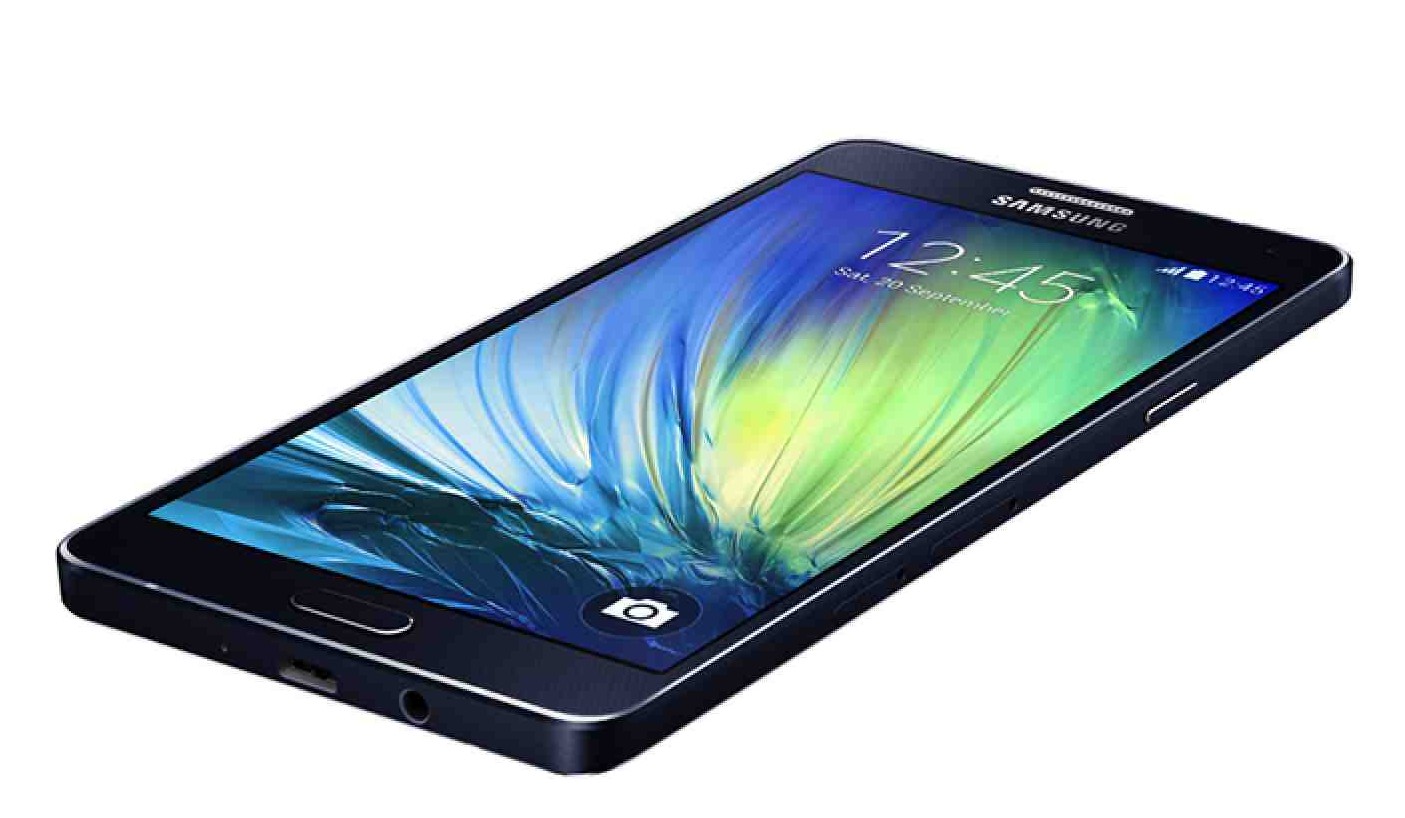
After months of speculations and rumours, Samsung has finally unveiled the much-awaited Galaxy A7 in Philippines. The metal-clad smartphone with optional dual-SIM functionality will be available at the end of Q1 this year in two different chipset configurations.
The slimmest Samsung smartphone yet, Galaxy A7 measures 6.3 mm in thickness and sports the same metallic uni-body design we see in the flagship Alpha series. The smartphone flaunts a 5.5 inch AMOLED display and runs on Android 4.4 KitKat OS skinned under Samsung’s own Touchwiz UI.
The Galaxy A7 comes with 64-bit Qualcomm Snapdragon 615 SoC or a 32-bit Exynos 5430 with both chipsets featuring octa-core CPU. Both versions of the smartphone will offer 2GB of RAM and 16GB of built-in memory. A microSD card slot for further expansion will also be available.
On the imaging side, the slim smartphone sports a 13MP main camera and 5MP front-facing unit with several Samsung customizations. It includes several selfie features, including Wide Selfie and Rear-cam Selfie. A 2,600mAh battery powers the device.
Considering it is the slimmest phone by Samsung sporting a metallic design, it is quite likely the handset will do good in the market. While some folks would prefer a higher-resolution display, the rest of the A7’s spec list looks good for an upper mid-range/lower high-end Android smartphone.
Samsung Galaxy A7 will be available in dark blue, white, and gold color schemes. The Korean giant promises a “competitive price point” for the device. While we have no official date or price, the Samsung Galaxy A7 should be available at the end of Q1 2015 for an expected price of Rs. 35,000.
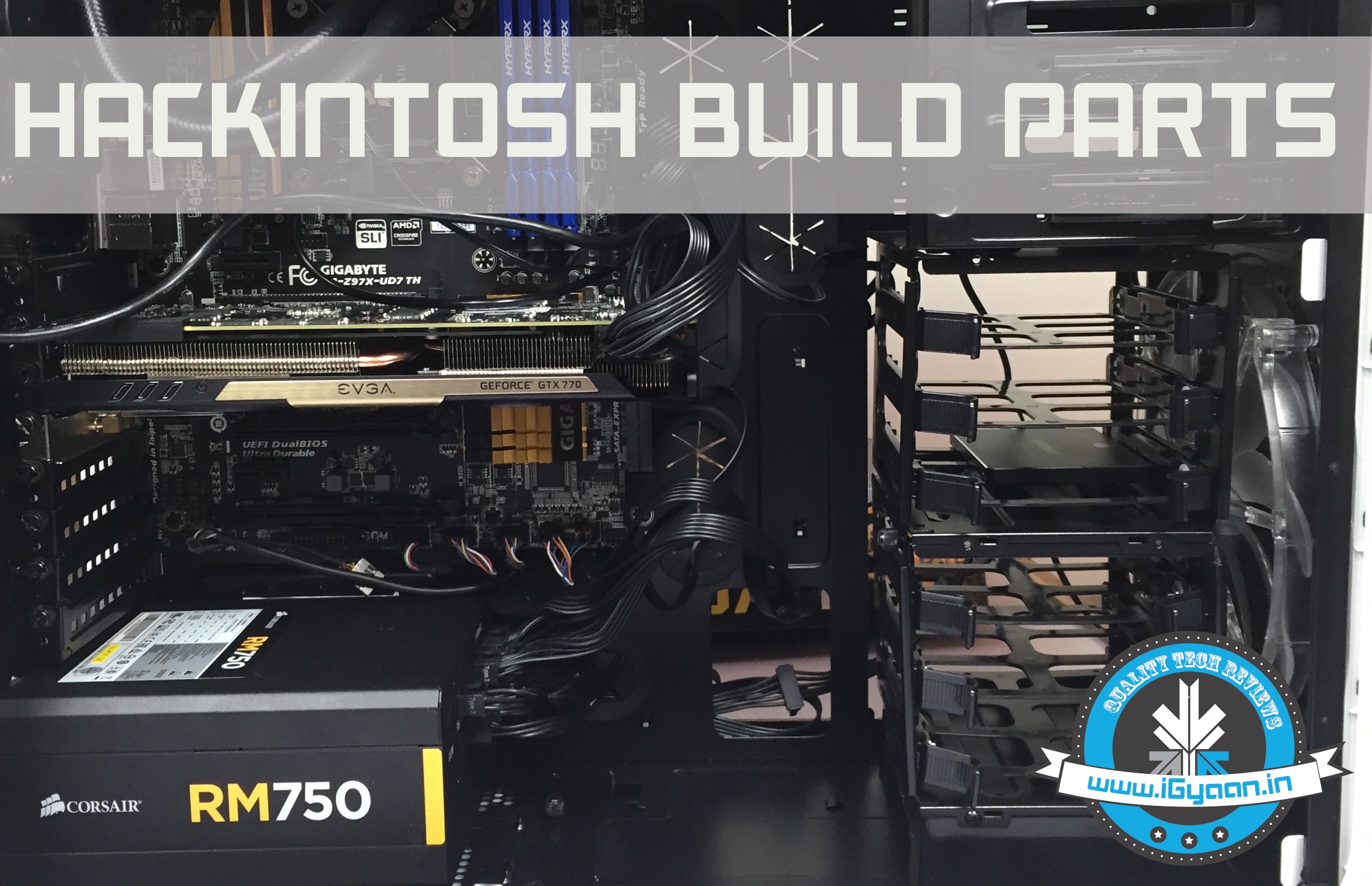
We recently decided to build us up a hackintosh, and while the project is slightly time consuming and laborious, the outcome truly makes it worth your while.
We were highly conflicted between a mac-pro and a hackintosh, and the latter made sense for the kind of ‘on the fly’ upgradability we need.
Here are the parts that we used, and we are listing both INR and Dollar Prices for the convenience of easy purchase.
While there are many upped GPUs available, this one works out of the box with a mackintosh and is SLI ready so it works well with a similar card over the bridge. We got two of these so it made sense. Although EVGA cards are slightly difficult to find, you do get similar cards, also 2GB cards are available easily. Linked below.
5. Kingston HyperX Fury 8 GB DDR3 RAM ( 4 Slots)
No particular reason we chose this RAM. The Corsair Vengeance is alternative incase you don’t like the Kingston units.
6. Samsung 850-pro SSD
We got a 256 GB drive that we will use for a boot up and main app drive, we used a Thunderbolt RAID which was bought separately.
7. LG Ultrawide 25 inch monitor
We almost dropped our money for the Samsung 4k Monitor, but with the rumor mill abuzz about a Apple 5k Thunderbolt display, we wanted to wait just a bit longer. This monitor has a great 21:9 aspect ratio for editing and also does screen split, which is useful for better multitasking.
8. Thunderbolt Raid
This raid allows for 4 Full-Size Hard-Drives or SSDs and connects via Thunderbolt 2, also has a Thunderbolt out, for convenience of Daisy chaining.
9. Drives for RAID
We bought the HGST 7200rpm Deskstar 4TB drives for the Above Raid, and they work really well. They are designed for a commercial desktop NAS systems, so you can expect them to last long.
10. Bluetooth Dongle
The Motherboard does not come with Bluetooth, and most of the locally available adapters/dongles don’t work. Here are few that do.
11. TP-LINK TL-WDN4800 Wi-Fi Card
This is the most compatible card and it works out of the box.
12. Corsair RM 750 PSU
This 750watt PSU is powerful, efficient and easily available.
13. Corsair H100i CPU Cooler
This fits perfectly in the cabinet we chose, and is pre sealed with the cooling liquid, radiator and pipes come pre installed. So it’s a complete package ready to install, and it works well.
14. Apple Magic Mouse
What the heading says, it’s Apple’s mouse, so it just works, provided you get your bluetooth up and running.
15. Apple Magic Trackpad
You learn the importance of this trackpad once you start using it. Improves efficiency during multitasking. This is optional for those who want it. Works like a Charm.
16. Apple Bluetooth Keyboard
This final piece of the puzzle is highly recommended. You can also find any alternative Apple compatible keyboard. i.e. one which has a “cmd” key.
That is basically the list of parts for our Hackintosh build. Our Install guide will be up shortly.
You will also need a 16 GB USB 3 pen drive to make the install boot disk. It’s great if you have one lying around. Else we recommend :
What we ended up Spending? A Whopping Rs. 3,13,000!
Not all Mac-Hackintosh builds are or need to be this expensive. However this one worked the best for us. and we are happy.
At a time when other companies are bidding CES goodbye, Toshiba still has some offerings left in stock. The Japanese multinational company rolled out a trio of Windows devices at CES 2015 that puts to use the rarely-used digital stylus. The launched devices include a Portege Z20t Ultrabook and a pair of Encore 2 Write tablets.
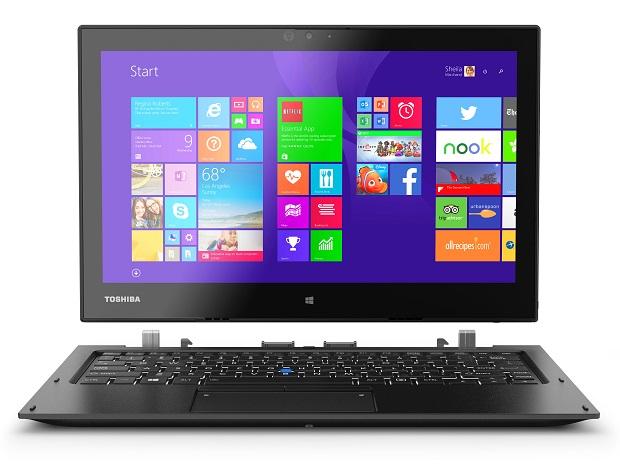
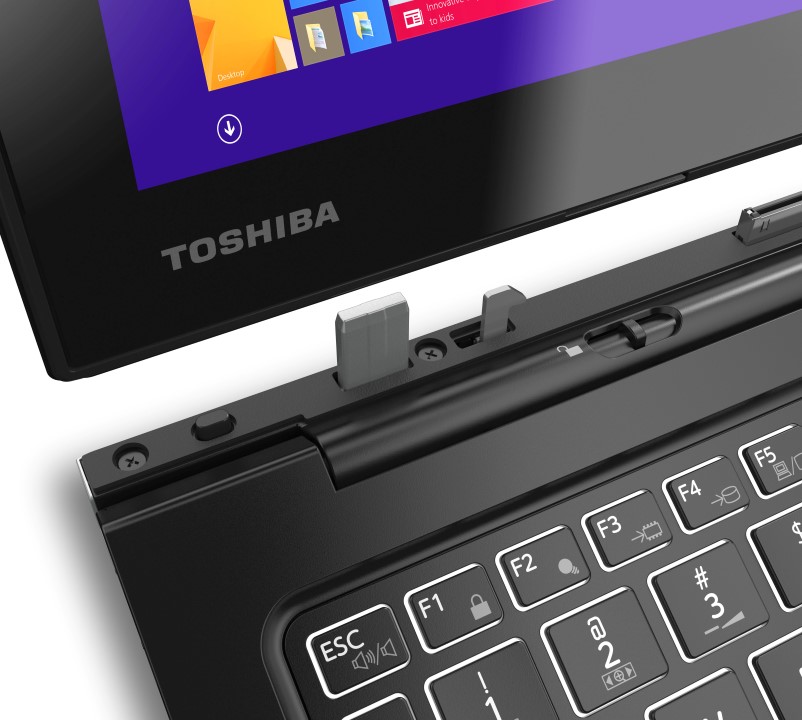
The Portege Z20t Ultrabook by Toshiba is a hybrid laptop that detaches to transform into a tablet. The device features a 12.5-inch display with 1920×1080 (1080p HD) resolution and is powered by an Intel Core M-5Y51 processor paired with up to 8 GB of RAM. The SSD of the Ultrabook is capable of storing as much as 256 GB of data. It comes preloaded with either Windows 8.1 or an upgradable Windows 7 Professional version. On the hardware front, the Portege Z20t has a spill-proof keyboard and weighs a mere 3.3 pounds, which includes the keyboard. Even though it’s a detachable gadget, the hinges don’t bother as they turn to switch the screen into presentation mode.
Toshiba claims that the Z20t can last 17.4 hours on one full charge. The ultrabook adds Toshiba’s key input device Digitizer Pen together with an Eraser. Coming to its price, this Toshiba ultrabook will cost you $1,399.99, for 4 GB of RAM and 128 GB SSD.
The Encore 2 Write series tablets comes with the same set of specs and varies just in price and display size. The 8-inch Encore 2 Write comes at a cost of $349.99, while the 10.1-inch variant of the Encore 2 can be purchased at $399.99. The devices hold a display resolution of 1,280x800p and are powered by Atom Z3735F processor from Intel. They pack 2 GB of RAM, 64 GB of solid-state storage and come preloaded with Windows 8.1. Along with that, the tablets make use of Active Electrostatics pen technology through the company’s innovative product TruPen that has 2,048 points of sensitivity.
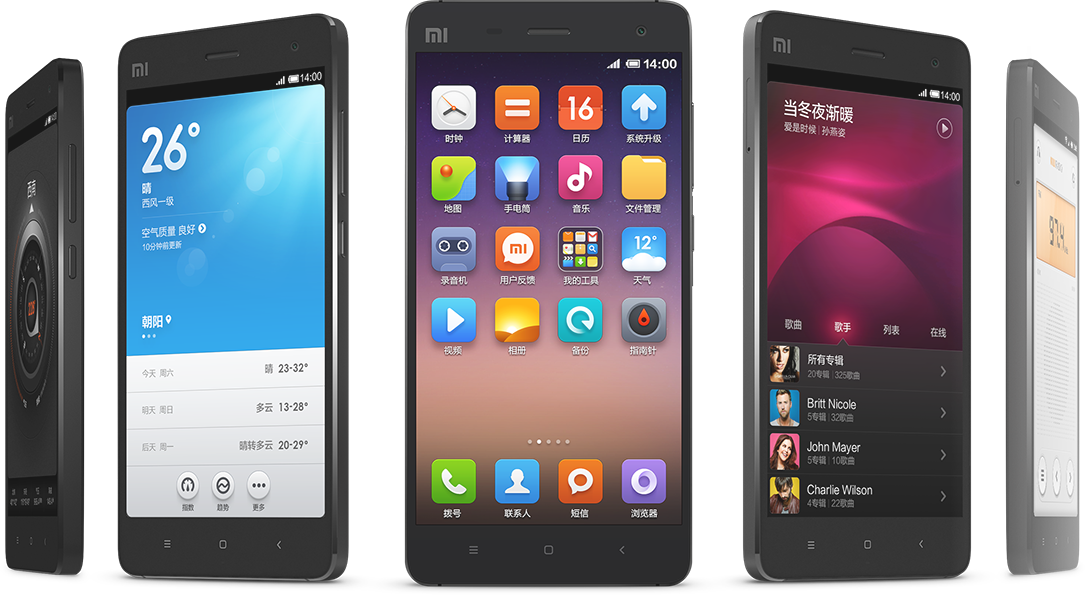
After a very successful year, where Xiaomi managed to became the most valued startup, the company is now about to bring out its next flagship product. The company has sent out invites for the launch event set for 15th of January. According to the office MIUI thread, the launch will take place at 2.00 PM Beijing time. The page doesn’t specifically state what new device they’re launching, but the general agreement is that this launch is for the Mi5.
The post asks the users on the thread to vote on what phone they expect Xiaomi is launching with the option given as Mi4s, Mi5 and others. With 70% in favour, Mi5 leads the polls.
The invite only says that Xiaomi will unveil a new device on Jan 15.
This upcoming premium launch by Xiaomi is expected to sport a 5.7 inches QHD display. It will get is processing might from the 64-bit Snapdragon 810 SoC which will be supported by Adreno 430 graphics engine and 3 GB RAM. It will offer 16 GB internal memory and feature a fingerprint sensor. It is also expected to flaunt a 20.7 MP camera with Sony Exmor RS sensor.
There are also speculations that Xiaomi might unveil the new Mi Pad 2. It is expected to feature a 7.9-inch display with 2048X1536 resolution. It will come with 2 GB RAM and 16 GB internal storage. This does look like a quality update to the Mi Pad line and the resolution of the display might attract a good number of consumers.
If Xiaomi prices it as competitively as it usually does, then it sure would have a winner on its hands. With the specs being offered in this edition of Mi smartphone, Xiaomi is directly challenging the authority of the flagship devices. Having knocked off Samsung from the top spot in China, Xiaomi has seriously taken a bullish approach to the market. Let’s hope it lasts long and encourages other manufacturers to duplicate Xiaomi’s business model and give consumers more functionality at affordable costs.
The Consumer Electronic Show (CES) has been a podium of futuristic innovations for years. Almost all big tech giants take part in this 3-day long event to showcase their prototypes.
This year’s CES also saw some really amazing gadgets; from Samsung to HTC, from mobiles, TVs to wearables, from devices to concepts, we have summed up the CES 2015 in this list of top 15 gadgets. The below listed technologies gathered the limelight at this year’s CES:
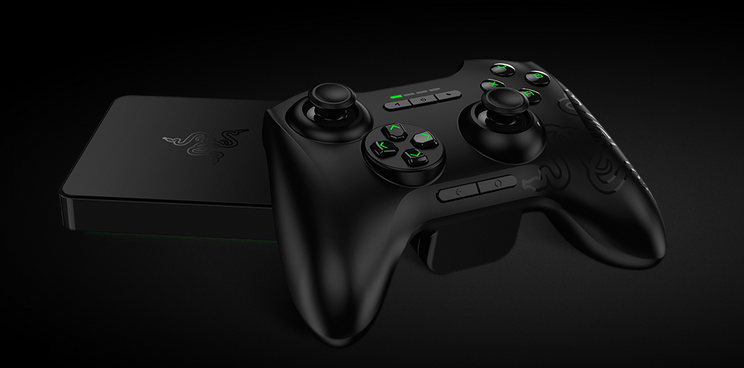
The one that tops the list is Forge TV by Razer that has won the People’s Choice Award for Best of CES 2015. It’s an Android-powered console for hardcore gamers. Its compact size brings gaming to your living room. The console is powered by a Snapdragon 805 processor, quad-core Krait 450 CPU, and Adreno 420 GPU. The device has 2 GB of RAM along with 16 GB of internal storage capacity and runs on Android 5.0 Lollipop.
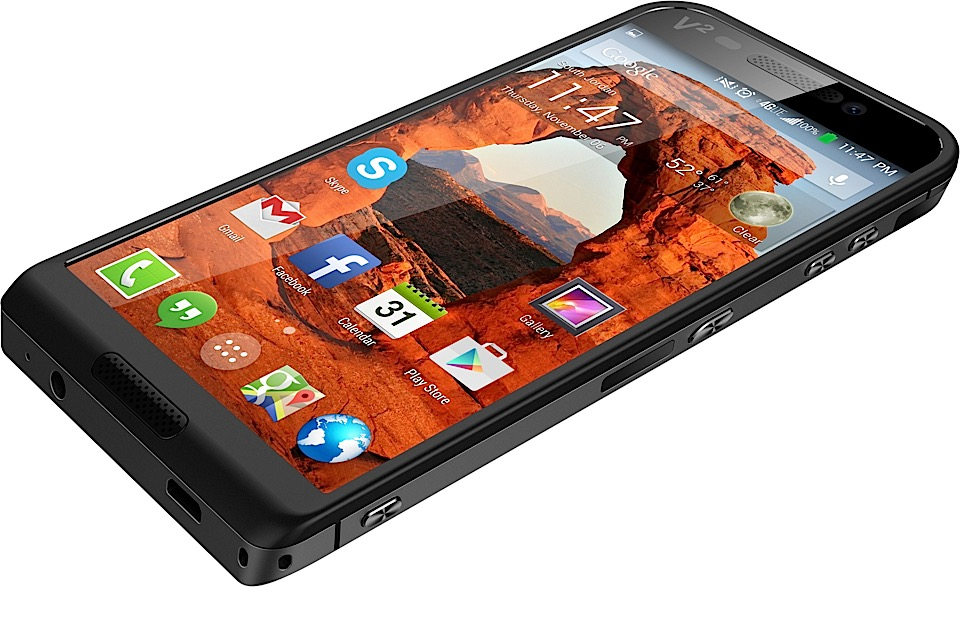
This one nearly broke the internet. Saygus took the centre stage at the event with its V2. The device has a mammoth storage capacity of 320 GB. It has 64 GB of in-built storage capacity and comes with support to two MicroSD cards that can store 128 GB each. The V2 is an Android-based handset with a 5-inch 1080p display, 2.5 GHz Snapdragon 801 quadcore processor and 3 GB of RAM. It runs on Android 4.4.4 KitKat with a 21 MP primary camera together with dual LED flash and a 13MP selfie snapper upfront.
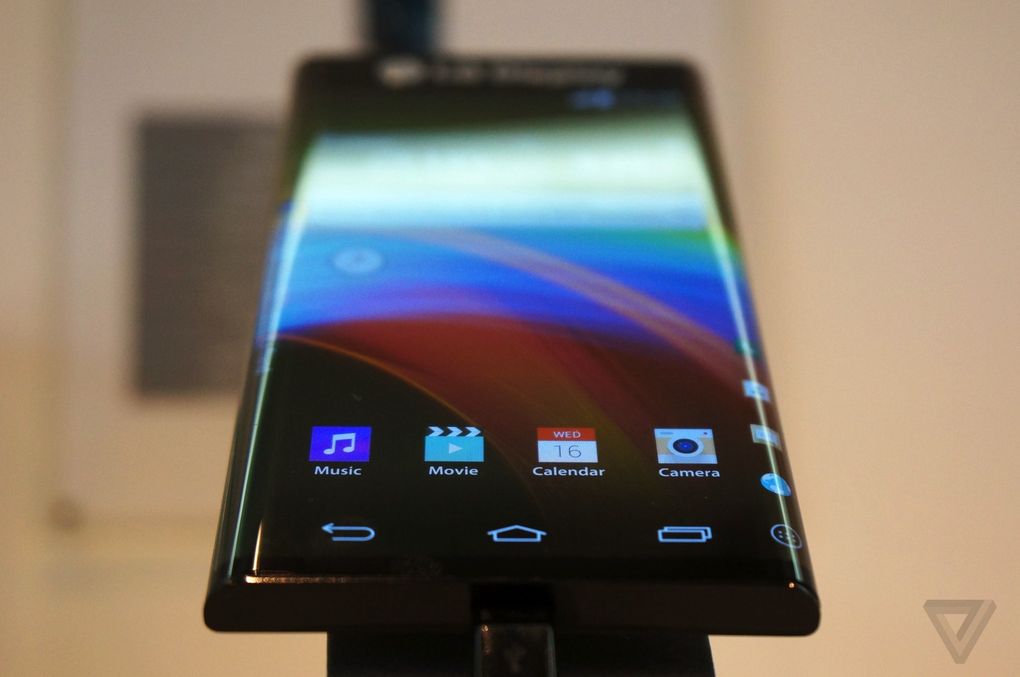
LG released a smartphone, which can takes a step further from the Galaxy Note Edge. LG’s new phone has a sloping display on both sides of the screen. It flaunts a 6-inch display with 1280x720p resolution and is 0.7 mm thick. It has extra peril on the side screen that will help users navigate their way through the phone without accidental tapping.
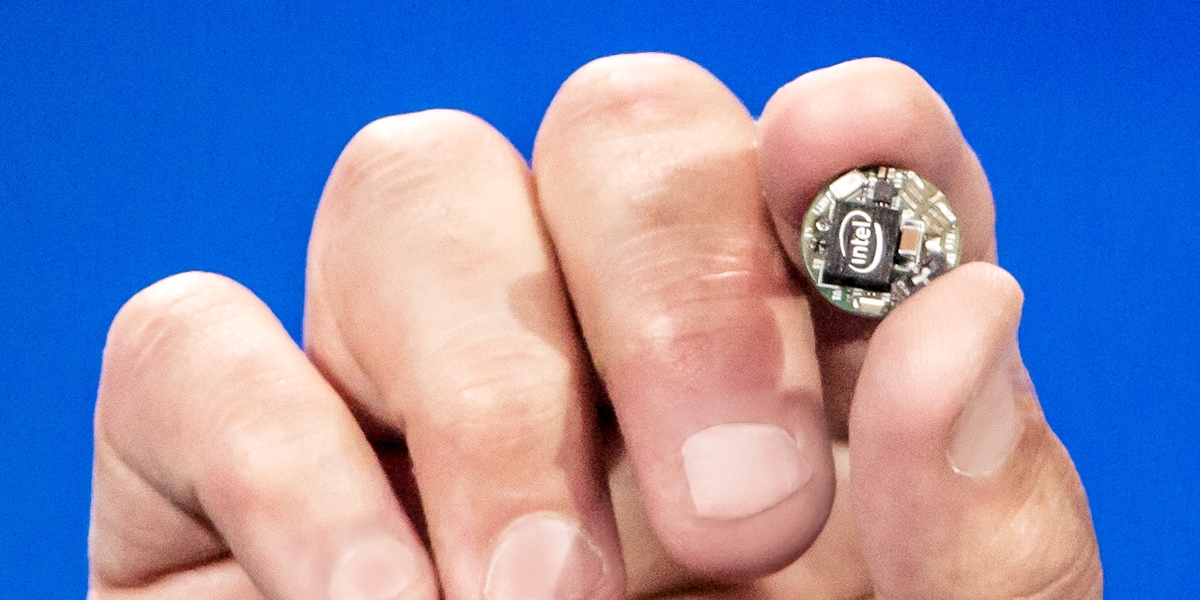
Intel announced a new tiny chipset for wearable devices which is the size of a coat button. It’s a low power 32-bit micro-controller called the Quark SE, which has 384 KB of flash memory and 80 KB SRAM. In addition to that, the chipset comprises a plethora of sensors including accelerometer, gyroscope and Bluetooth LE support. The company claimed that one could build a wearable device out of anything from rings to handbags, pendants and even glasses through this chip.
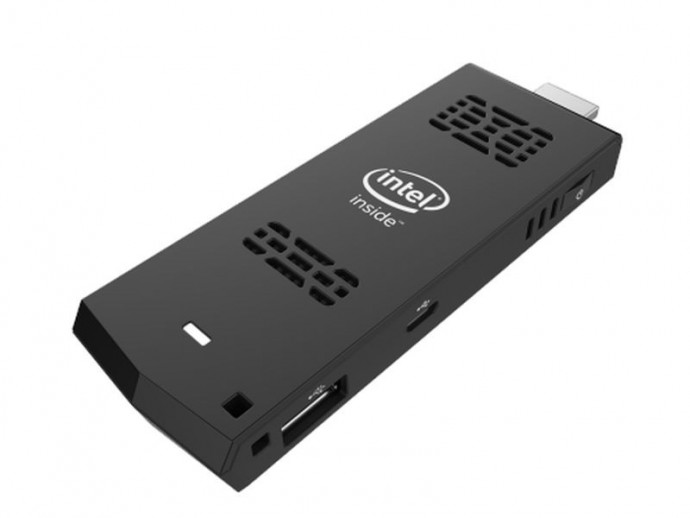
The Compute Stick by Intel is a piece of brilliant innovation. It can turn your regular TV into a computer. It is available in Windows and Linux variants. The stick sports a USB port, micro USB port, and supports Bluetooth 4.0, and 802.11b/g/n Wi-Fi. You can connect a Bluetooth keyboard and mouse and begin your task where ever you go. The Windows version comes with 2 GB RAM and 32 GB Flash storage, while the Linux version comes with 1 GB RAM and 8GB storage. Both the devices are powered by a quad-core Atom CPU. The Linux variant comes at a price of $89.
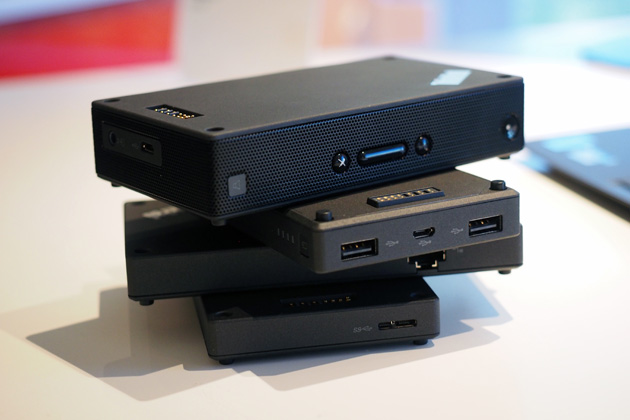
Lenovo ThinkPad Stack is yet another useful and compact accessory released at CES. This device is a compilation of many accessories that demand extra space in your laptop bag. It’s best for frequent commuters. The list of peripherals includes a 10,000mAh battery pack, a 1TB USB 3.0 hard drive, a Bluetooth speaker and an LTE data hotspot. The modules are piled one over another and they share power and data.
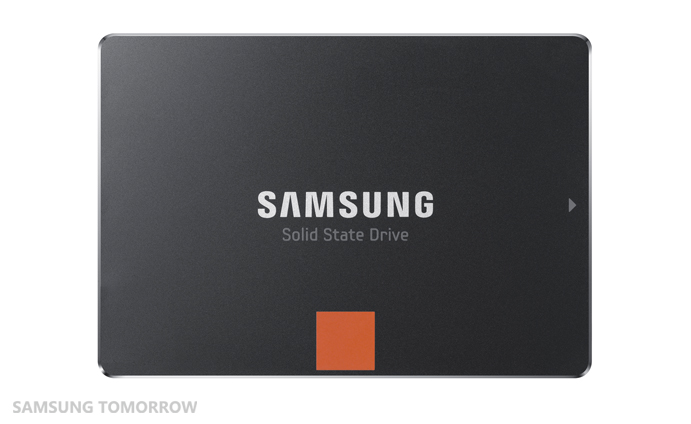
Samsung has released three new versions of SSD T1. Available in 250GB, 500GB and 1TB variants, the drives measure a mere 71×53.2×9.2 mm, which is smaller than a business card. It supports AES 256-bit encryption, USB 2.0 and USB 3.0 along with transfer speeds of up to 450MB/s. The SSD T1 models will be made available later this year.
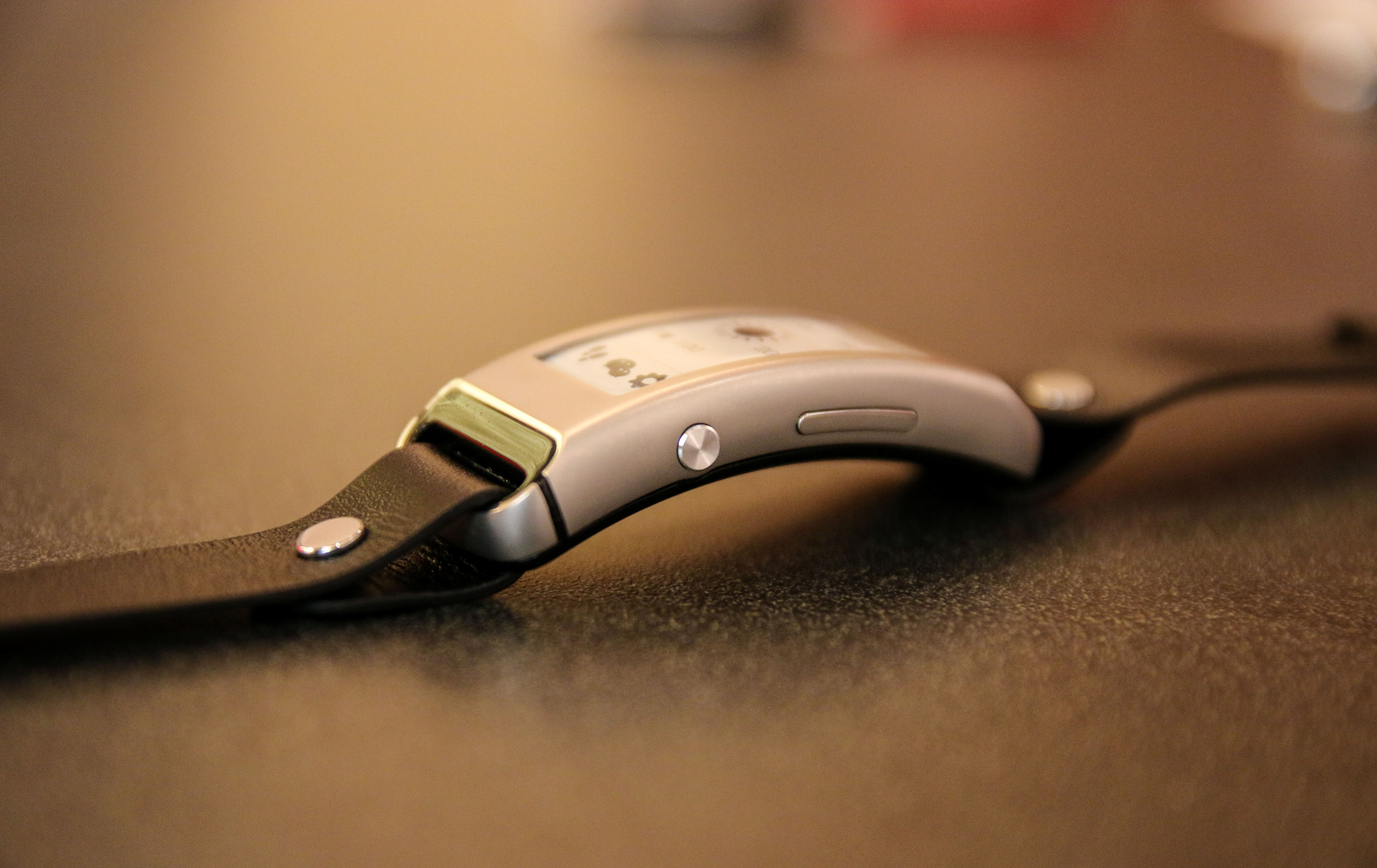
The VB10 Band by Lenovo is a fitness track with good battery life. It sports an E-ink display and its battery can last more than a week on a single charge. The Band features full fitness tracking functions and works with a phone via always-on Bluetooth. It warns you when the phone moves too far away from the Band. The Vibe Band will be available in April 2015 for $89, making it one of the cheaper wearables in the market.
HTC Desire 826 with a 5.5-inch display, Qualcomm Snapdragon 615 octa-core processor and 2 GB RAM
HTC Desire 320 with 4.5-inch LCD display and 1.3 GHz quad-core MediaTek processor.
Both the devices by the company are amazing. While Desire 826 is a selfie-friendly handset, the Desire 320 is a device that’s affordable. The Desire 826 sports a 5.5-inch 1080p display, 64-bit Qualcomm Snapdragon 615 octa-core processor, 2GB of RAM and 16 GB of internal storage capacity. Running on Android 5.0 Lollipop, the device has 13MP of rear camera and 4-UltraPixel upfront.
On the other hand, Desire 320 has a 4.5-inch LCD display, 1.3 GHz quad-core MediaTek processor, Android 4.4 KitKat, 4 GB or 8 GB internal storage and 2,100mAh battery. It has a 5 MP rear camera and 0.3MP secondary shooter.
Sony revived its music player with the launch of NW-ZX2 Walkman. It boasts 128 GB of storage space with up to 60 hours of battery life. The company claims that the device gives better sound output than other conventional smartphones. It supports high-quality audio codecs like DSD, WAV, AIFF, FLAC, Apple Lossless, and more. The Walkman also provides you with a Micro SD slot which lets you extend the storage beyond 128 GB. It also supports Bluetooth and NFC output, making this a full-package entertainment device.
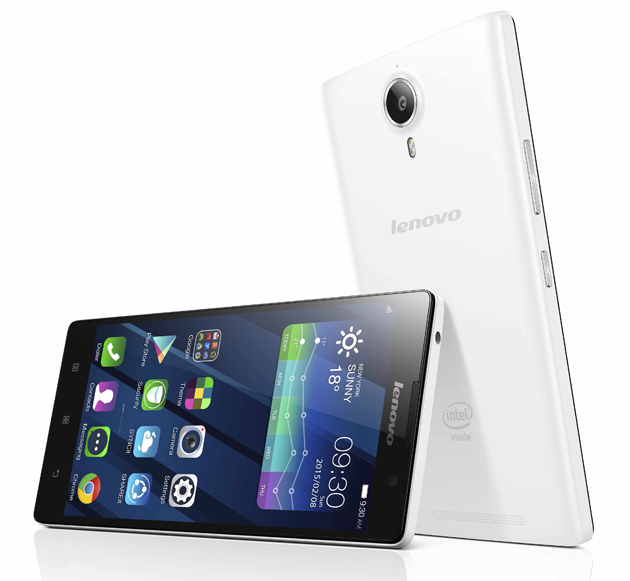
Lenovo refreshed its smartphone list with two new devices; the Lenovo P90 and Vibe X2 Pro. The first sports a 5.5-inch 1920×1080 IPS display, 2 GB of RAM, 32 GB of internal storage, 13 MP rear camera with OIS (optical image stabilization), front-facing 5 MP camera and a massive 4,000mAh battery. The latter is a limited edition offering by the company. The X2 Pro comes with a 5.3-inch display, a 64-bit 1.5GHz Snapdragon octa-core processor, a 13MP rear camera with optical image stabilisation along with a matching 13MP front facing camera.
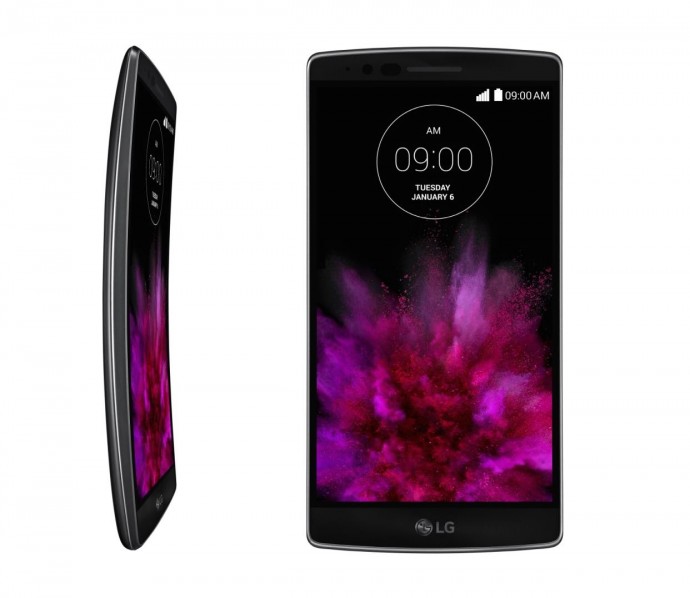
LG brought out the next installment in the G Flex series, the LG G Flex 2. It retrieves its original position in seconds compared to the original G Flex which takes around three minutes to heal. The device boasts a 5.5-inch full HD Curved P-OLED 1920×1080p display, a 64-bit Snapdragon 810 Octa-core processor, 2 GB of RAM and Android 5.0 Lollipop. Its camera specs include a 13MP rear shooter along with OIS+ and laser auto focus capacity and a 2.1MP front snapper for your selfie needs.
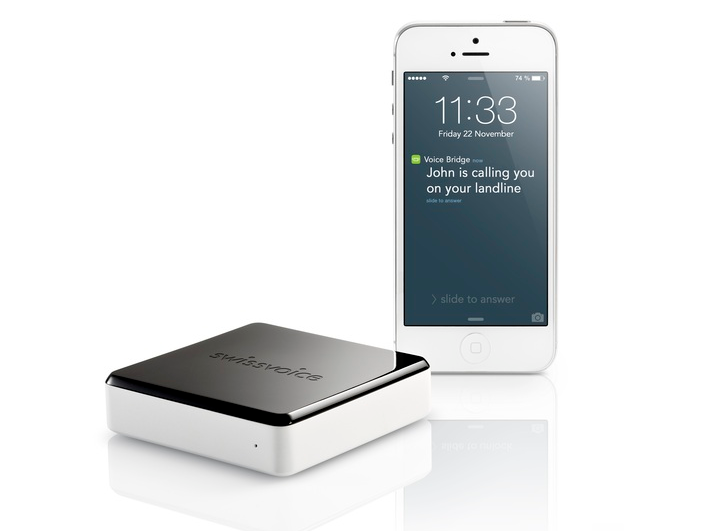
SwissVoice came up with a new device called Voice Bridge, through which you can make and receive calls on their mobile devices using their existing fixed line. This doesn’t charge any additional cost. The device has a box-like structure that can connect your landlines to smartphones and tablets. It can connect up to 5 devices to a fixed line. Through this, multiple users can have a conversation in conference mode. The device uses PSTN line and acts like a standard PSTN line, so there’s no need to modify the home setup. There is no need for Wi-Fi pairing or setting up a user account and also, it’s really easy to setup.
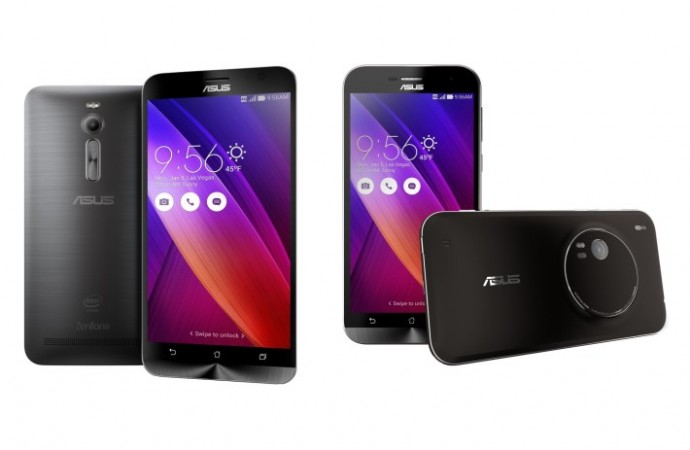
The Taiwanese smartphone maker Asus released two new variants at the show. The Zenfone 2 flaunts a 5.5-inch full HD (1920×1080 pixels) IPS display, 64-bit Atom Z3580 quad-core processor clocked at 2.3GHz, 4GB of RAM, Android 5.0 Lollipop and a 3,000mAh battery. It features 13 MP of primary camera, which is said to be the world’s best HDR technology and a 5MP of front snapper.
The Zenfone Zoom packs the same set of specs as of Zenfone 2, but it has a superior camera. The Zoom sports a 13MP camera that has 10-element lens, 3X optical zoom, and Optical Image Stabilisation.
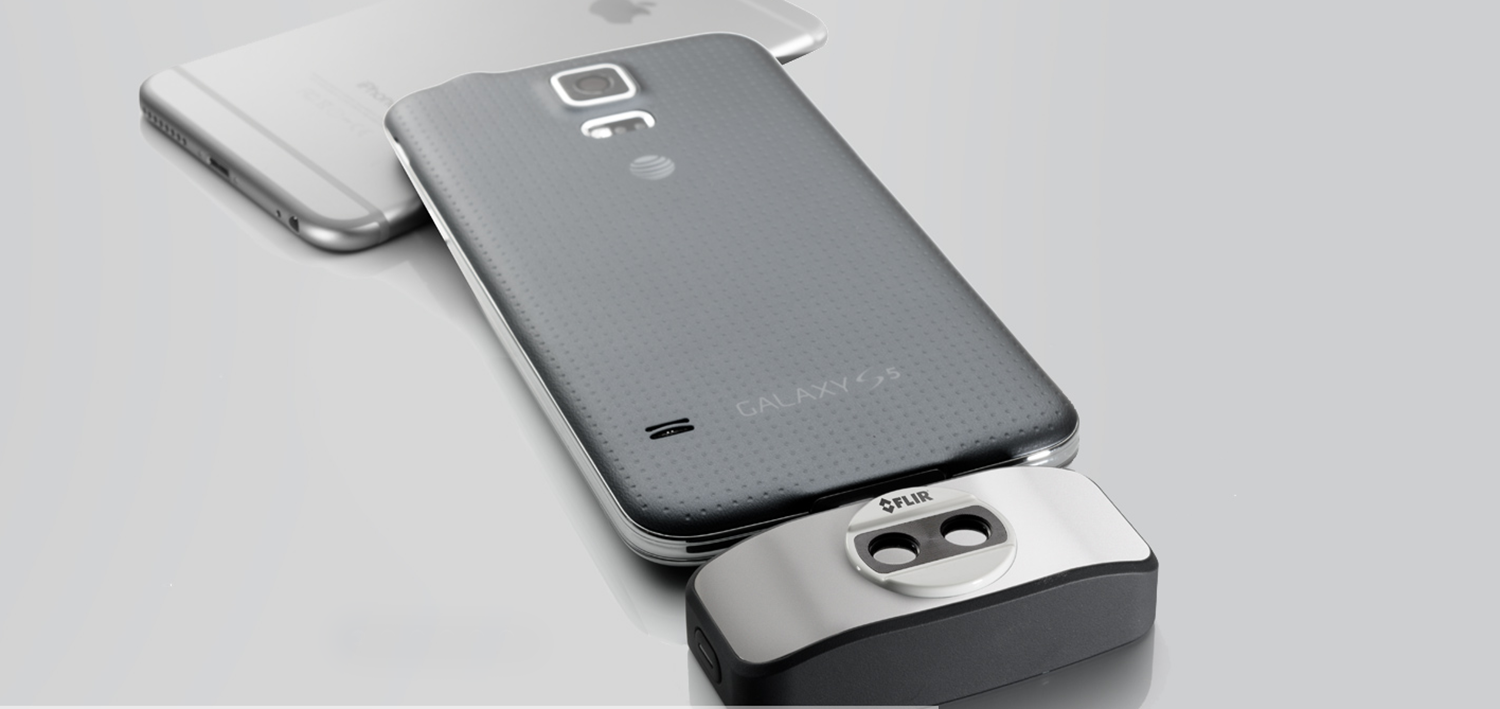
FLIR specialises in making thermal image sensors. Now the company has come up with a gadget that works with just about any smartphone. Titled FLIR One, the attachment can be plugged into a lighting port for Apple devices and the micro USB port for the Android devices. The device comes with two cameras and an internal battery. One camera called Lepton camera shoots thermal images while a standard camera shoots a normal image. Both the images are blended together to give a better thermal image output. The FLIR One is expected to come into the market by the mid-2015.
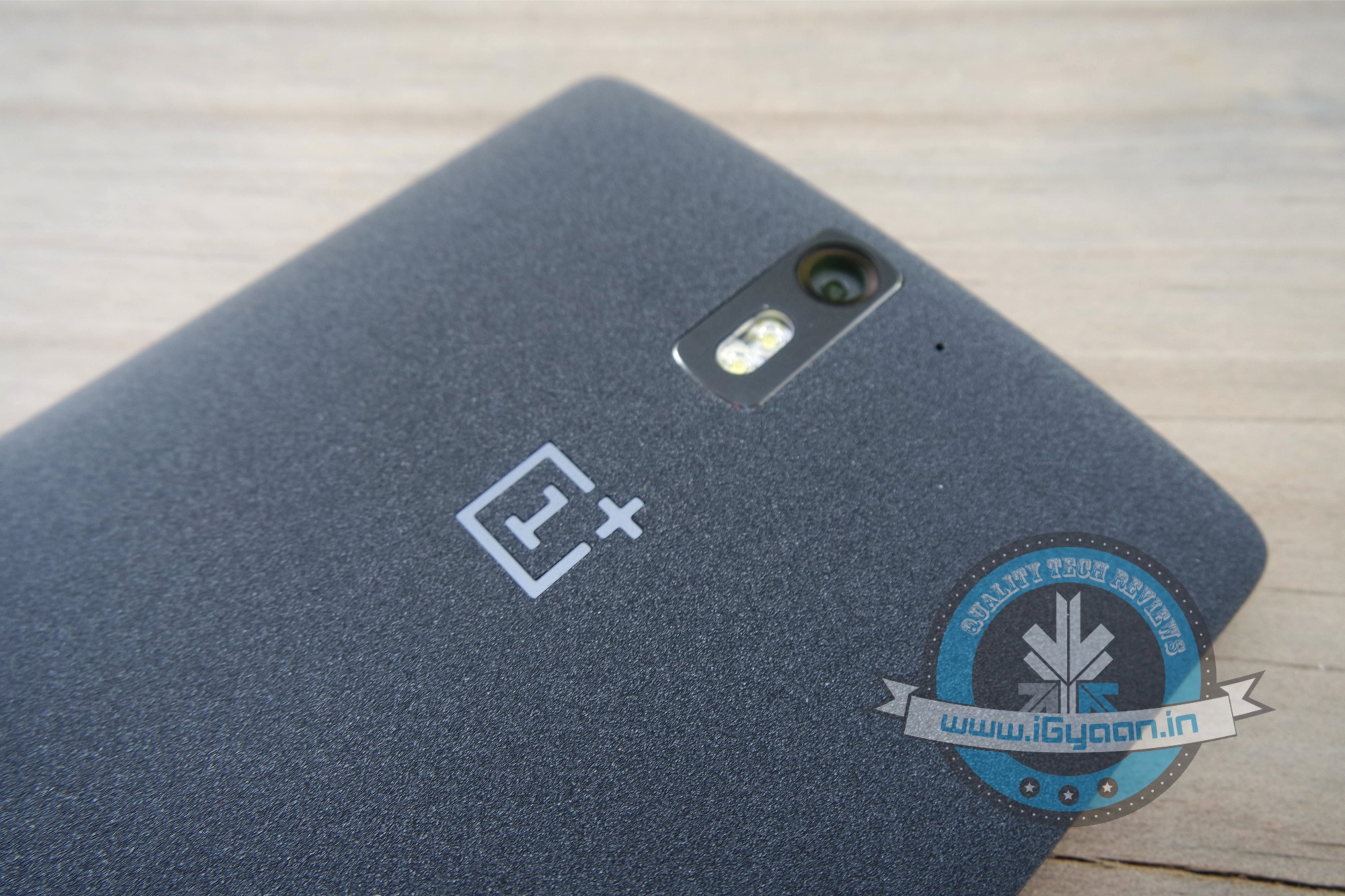
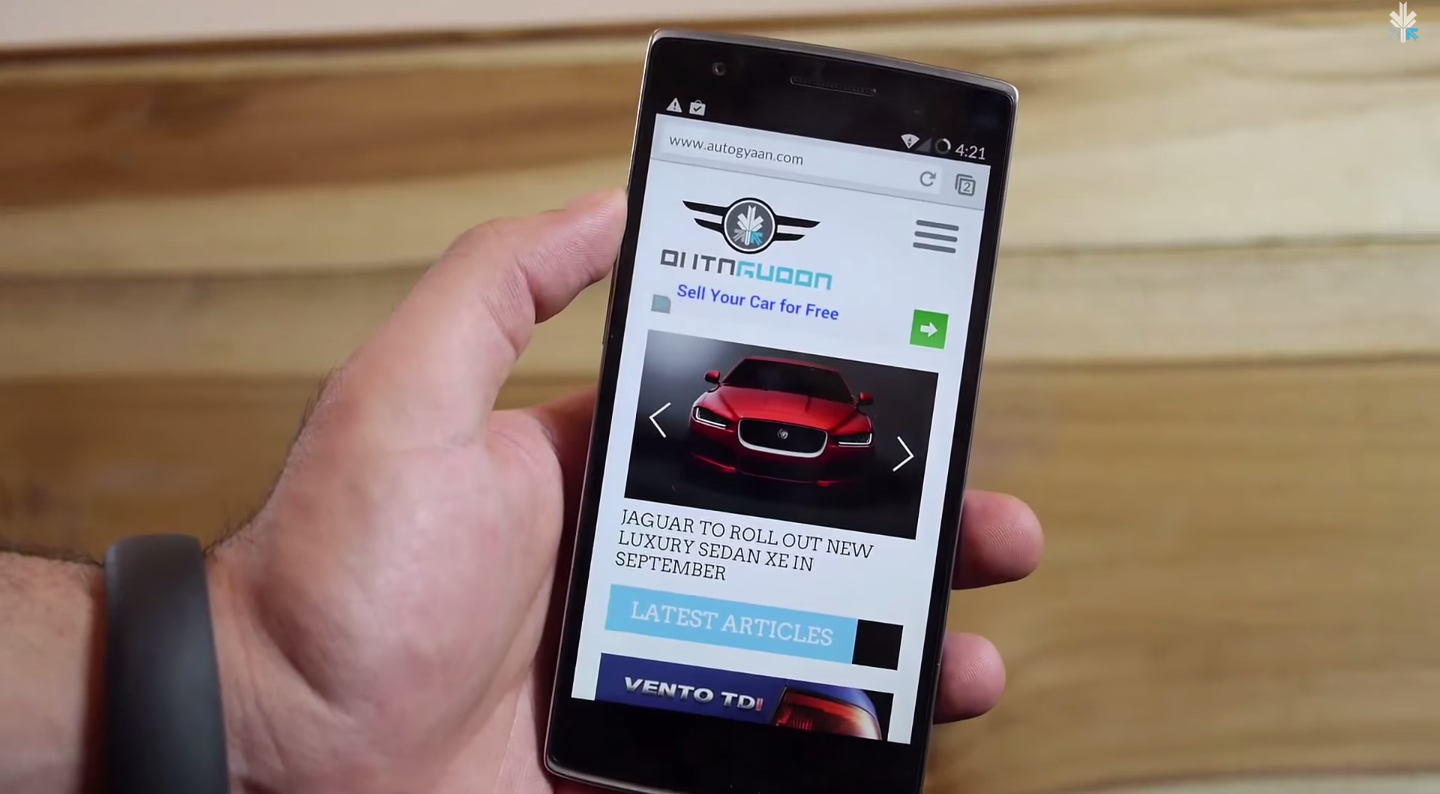
Seems like the recent allegations regarding Cyanogen haven’t deterred the Chinese manufacturing firm, OnePlus. Few days back, the Director of OnePlus Global, Carl Pei, revealed that they will soon be launching OnePlus Two and India will be one of the first countries to see the phone. Now, Carl has come up with yet another statement that confirms that the company will be releasing another phone, other than the Two, this year.
While in conversation with PC World, Pei revealed that another phone by the company will cater to the audience for whom design is more prior than the specifications.
I think it’s going to be a phone catering to a different type of audience. Perhaps for those who appreciate design over specs.
The news has come as a surprise and the device is still under wraps (and probably still under works). No statement has come about the specifications, price and availability of the yet untitled gadget, but through the statement, it can be estimated that the handset is in early stages. We will soon update you as soon as we dig out information about the same.
Meanwhile, rumours are still hot about the upcoming flagship OnePlus Two. It is said that the device will sport a 5.5-inch display powered by Snapdragon 805 processor. The internal storage capacity of the handset will be 32 GB and it will house a battery of 3,300mAh. On the camera front, it may have a 16MP shooter along with 5 MP snapper on the front.
Seems like OnePlus has done its research well. In a country like India, a stylish smartphone (even with low specs) will definitely work well. Let’s see where this move takes the company.
The Indian government will hold the auction of mobile spectrum in the month of February. The Indian Exchequer is expected to gain Rs. 80,000 crore(Rs 64,840 crore excluding 2100 MHz spectrum) from this auction. The bidding process is expected to start on February 23. But the industry association of GSM operators in India, COAI(Cellular Operators Association of India) are warning that the high spectrum costs would lead to higher mobile tariff for the consumers.
COAI has written a letter to the Minister of Telecom, Mr. Ravi Shanker Prasad saying that the high prices would adversely impact the business viability for the telecom operators. They also added that the high spectrum costs would lead to tariff hike and will also effect government’s Digital India initiative and hinder rural penetration. The letter is also said to be forwarded to the Prime Minister.
COAI claims that the high spectrum costs will lead to increased mobile tariff’s which will hamper government’s Digital India plan.
The cabinet of ministers approved the following reserve pricing for the various spectrums:
Rs. 3,646 crores for pan-India license per MHz in the 800 MHz band
Rs. 3,980 crores for pan-India excluding Delhi, Mumbai, Kolkata, and J&K in the 900 MHz band
Rs. 2,191 crores pan-India (excluding Maharashtra and West Bengal) in the 1800 MHz band.
COAI has also said that the government has priced the spectrum way above the pricing recommended by telecom regulator TRAI (Telecom Regulatory Authority of India). The pricing is said to be over 107% higher than the amount paid by the companies in the spectrum auction of 2010. TARI has also recommended a reduction of the license fee from 8% of adjusted gross revenue to 6%.
The government plans to bring 5 Mhz for auction and will release an additional 15 Mhz on a later date. This low availability of spectrum will lead to even higher final prices as the companies would have to try to ferociously outbid each other to stay in business. The last auction also lead to heavy price wars which lead to the telecom companies borrowing huge amount of money from the banks. COAI claims that the combined debt of the industry now stands at a staggering Rs. 2.5 lakh crores.
The present Indian government has some audacious plans to raise the standards of connectivity across India. For this a healthy cooperation with the telecom companies is essential. The issues raised by the telecom body seem valid, and the price is ultimately going to be borne by the consumers. We will await the government’s response for more updates on the story. Keep checking back on iGyaan.in.