Category: Tech

Latest Technology News, Alternative, Bio-Tech, Medical, R&D and Innovations

  • Samsung Galaxy Note 4 to Get New Fingerprint Features

    Samsung Galaxy Note 4 to Get New Fingerprint Features

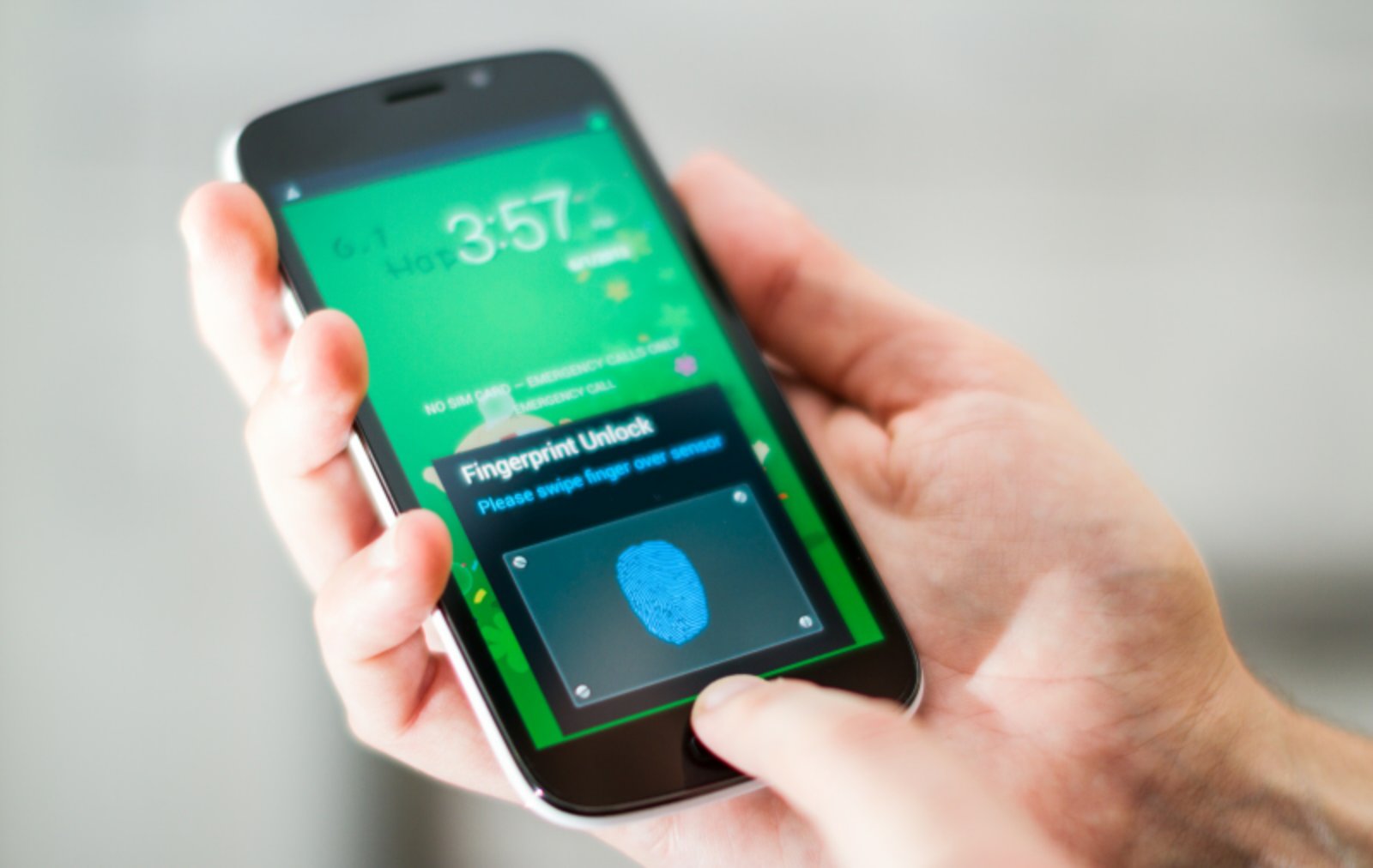
    Since it’s debut on the Galaxy S5, Samsung  has included a fingerprint scanner on a number of devices. There is no surprise that the Samsung Galaxy Note 4 will come with one as well, but this time it could be in for better features.

    Recently Sammobile, popular leakster, claimed that Samsung will use the Synaptics’ Natural ID solution, just like the Galaxy S5 and the Galaxy Alpha in Galaxy Note 4. Presently the Galaxy S5 and Alpha come with Private Mode authentication, and Samsung and PayPal account verification. However, the Galaxy Note 4 will sport some add on features like a Fingerprint Shortcuts and Web sign-in feature. The new feature will  allow users to assign specific application launches and functions to swipes of individual fingers.

    91

    Leaked Galaxy Note 4 tutorials have revealed  phone’s Fingerprint Shortcuts feature in full detail. “When you unlock the device with the registered fingers, you can make the finger shortcut to any applications or other functions directly from the lock screen,” the instructions read.

    Another new feature that’s said to be coming to the Galaxy Note 4 is ‘Web Sign-in’. This feature allows you to sign in to websites that can remember passwords by swiping your finger over the home key, thus saving your time and trouble of typing while being more secure alternative than simply leaving sites signed in.

    Since they’re software features, it’s quite possible that Web Sign-In and Fingerprint Shortcuts could make their way to the Galaxy S5 and Galaxy Alpha following the launch of Galaxy Note 4.

    The Samsung Galaxy Note 4 is expected to launch at  a pre-IFA 2014 event on September 3. Note 4 is stated to have a 5.7 inch QHD display and is expected to be powered by a Snapdragon 805 or an Exynos 5 Octa SoC. The device is also expected to sport a 16 MP camera on the back and a 3.7 MP front selfie shooter.

  • Apple Slated to Launch 12.9 inch iPad Next Year

    Apple Slated to Launch 12.9 inch iPad Next Year

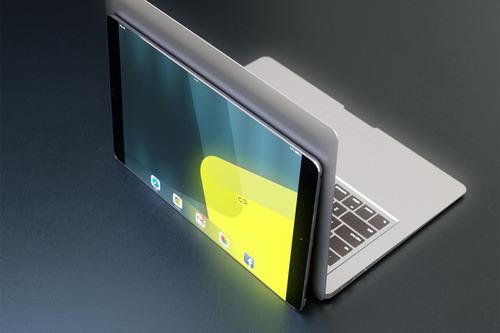
    With Samsung and Google taking over the tablet market with high-end devices, Apple is preparing to give them a tough competition. Recent reports illustrates that the company is planning to launch a larger 12.9 inch iPad in early 2015.

    d9a1023218b5eb230fa722f91d059a24da00cf30We first heard of this tablet, which has been dubbed the “iPad Pro” in rumors,  in mid-2013 with a prospective 2014 launch date. However, recent rumors suggests that the plans for the tablet had been put on hold. The new 12.9-in. iPad will be launched in the spring, as reported by Bloomberg, following the company’s release of new iPhones next month.

    Apple has been struggling with the declining sales of 10 inch and 7.9-inch tablets.  The plan to launch this new iPad pro is said to be the outcome of this sluggish market scenario which has been replaced by large smartphone and tablets from likes of Google and Samsung.

    According to rumors, the larger 12.9-inch iPad will include a high pixel density display that is almost of an ultra high-definition quality. It will likely adopt many of the design elements offered in the current iPad Air and iPad mini, like an ultrathin chassis and narrow side bezels.

    ipad4

    Mass production of Apple’s iPad Air with a 9.7-inch (24.6-cm) screen has already started, and it is likely to be unveiled by the end of current quarter. Along with this, a new version of the 7.9-inch iPad mini is also entering production and is likely to be available by the end of the year. Both of these devices are expected to include upgraded processors and support for the Touch ID fingerprint sensor.

    Apple is shaking up the iPad line to increase the sales. Also company is trying to revive iPad sales by selling the devices to large companies through its new partnership with IBM. IBM will use its sales-force to sell iPads to large enterprises. It’ll also make enterprise specific apps for the tablets.

  • Unboxing : Redmi 1S And First Impressions

    Unboxing : Redmi 1S And First Impressions

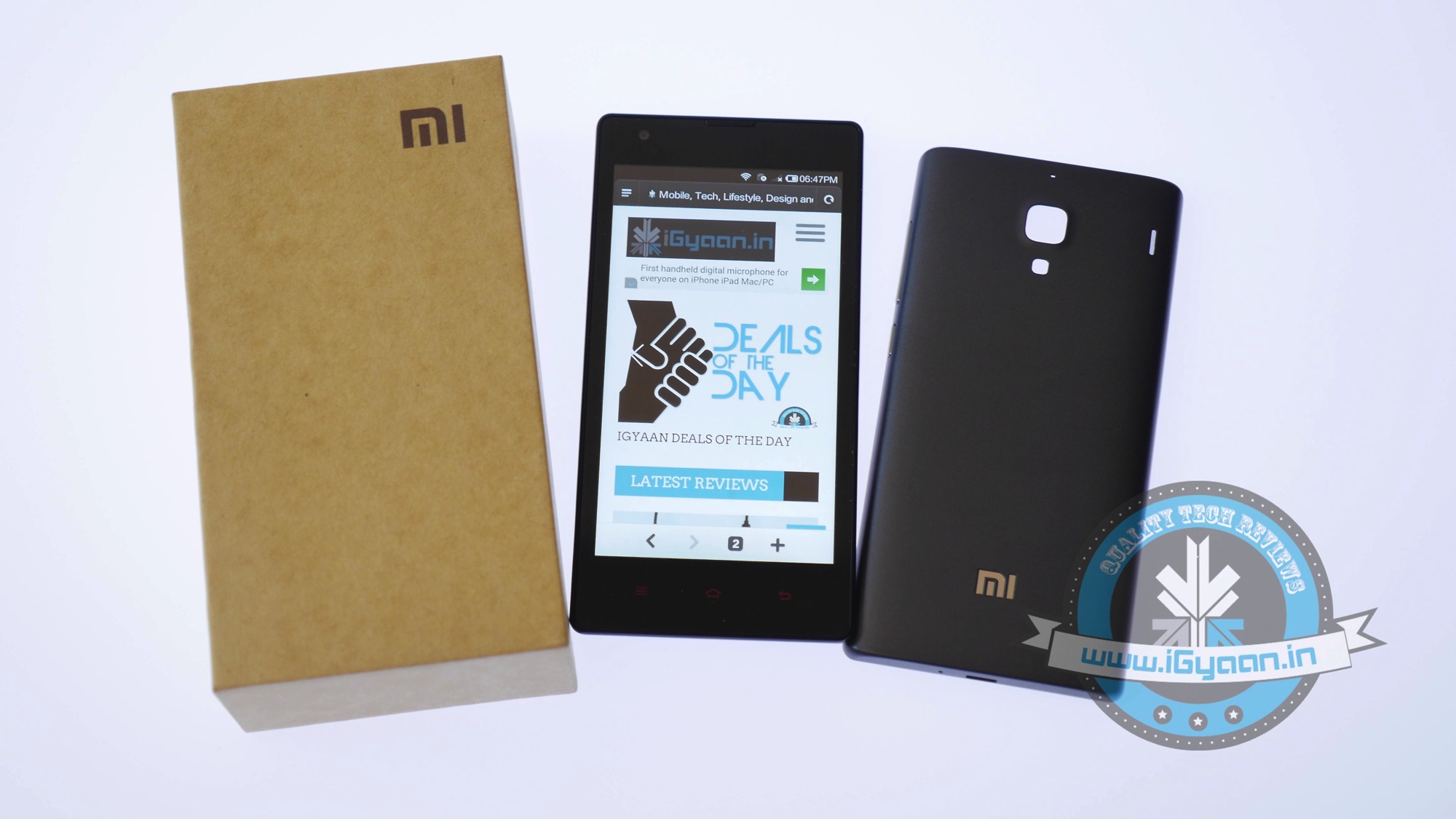
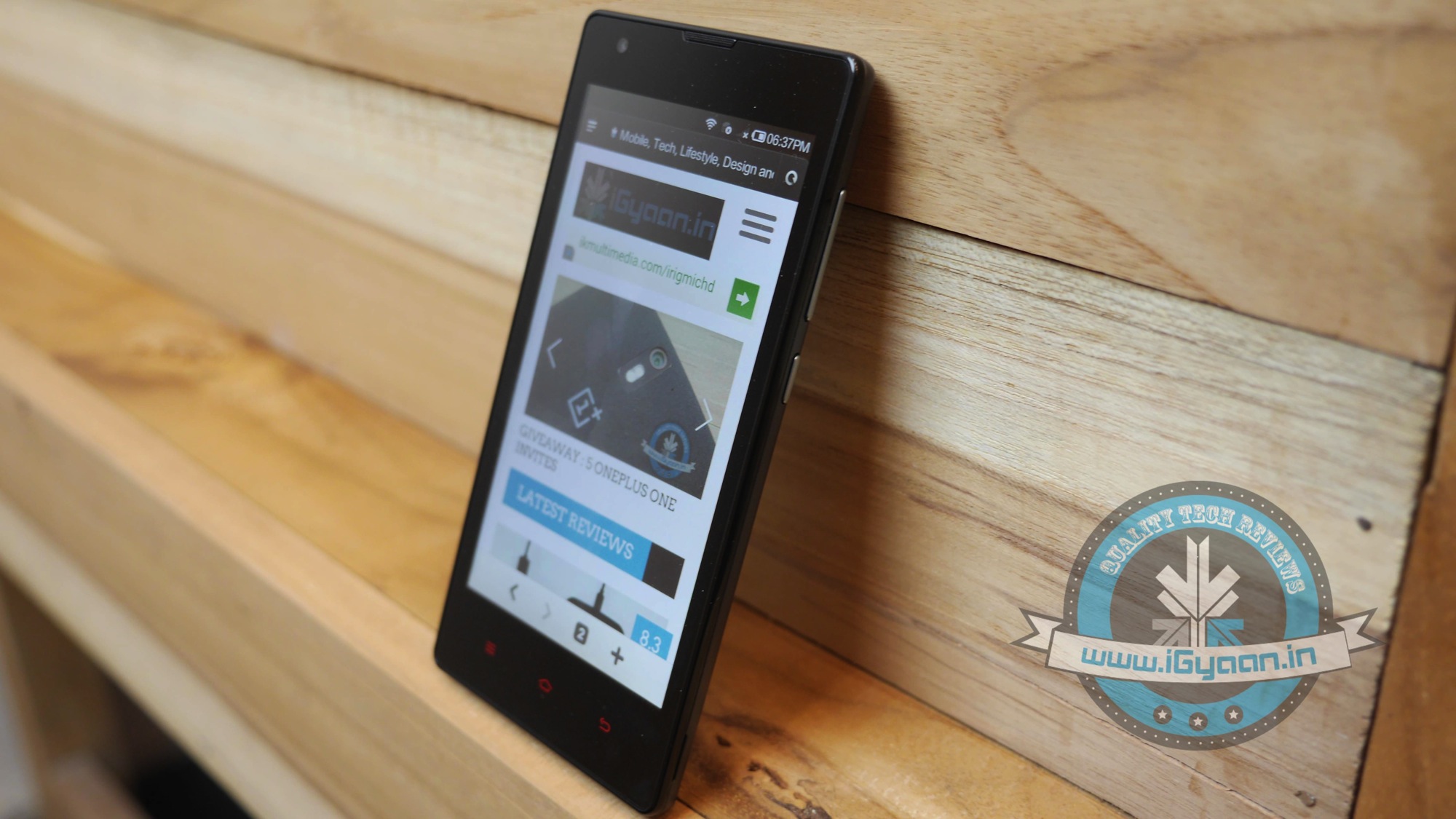
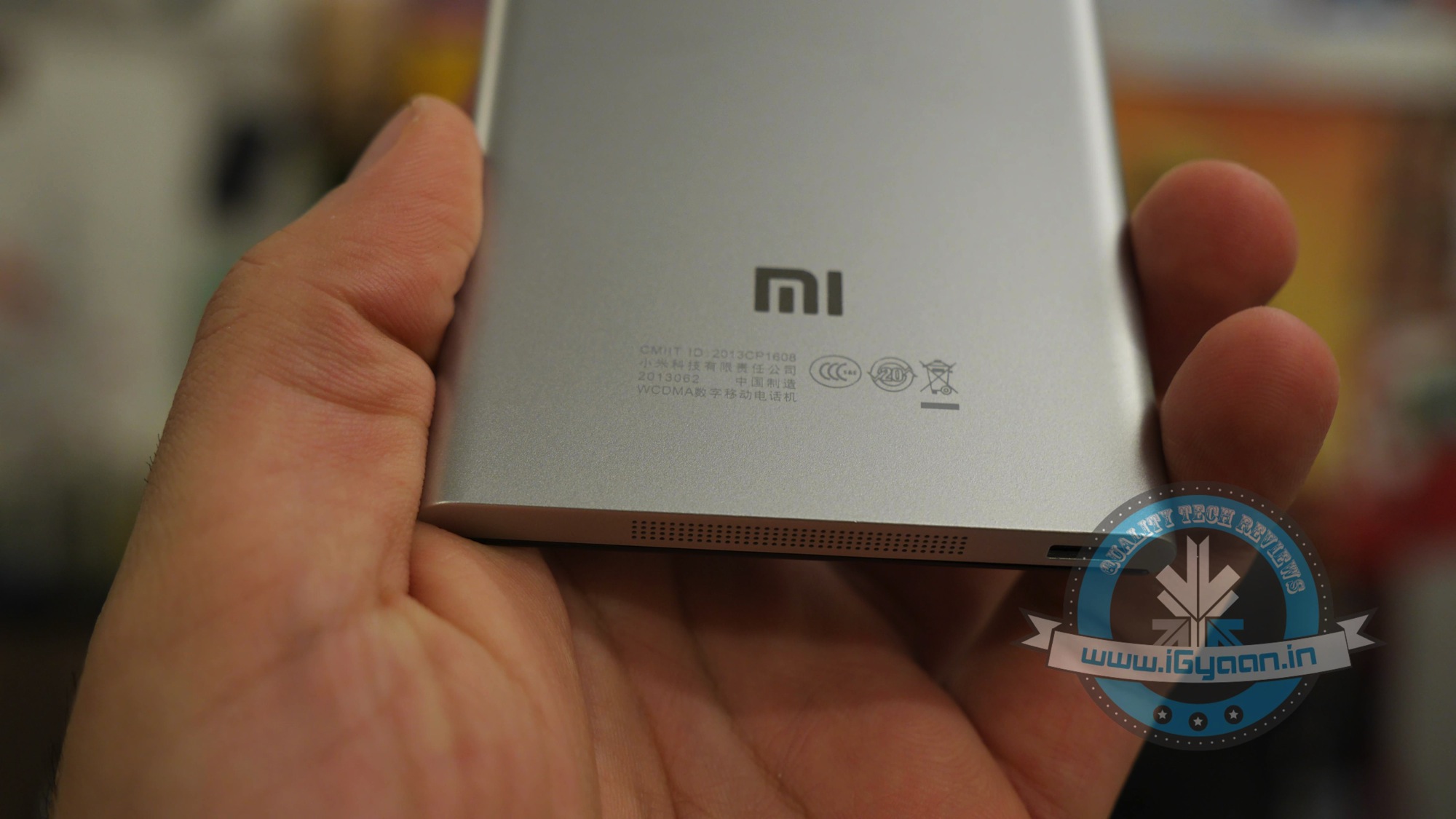
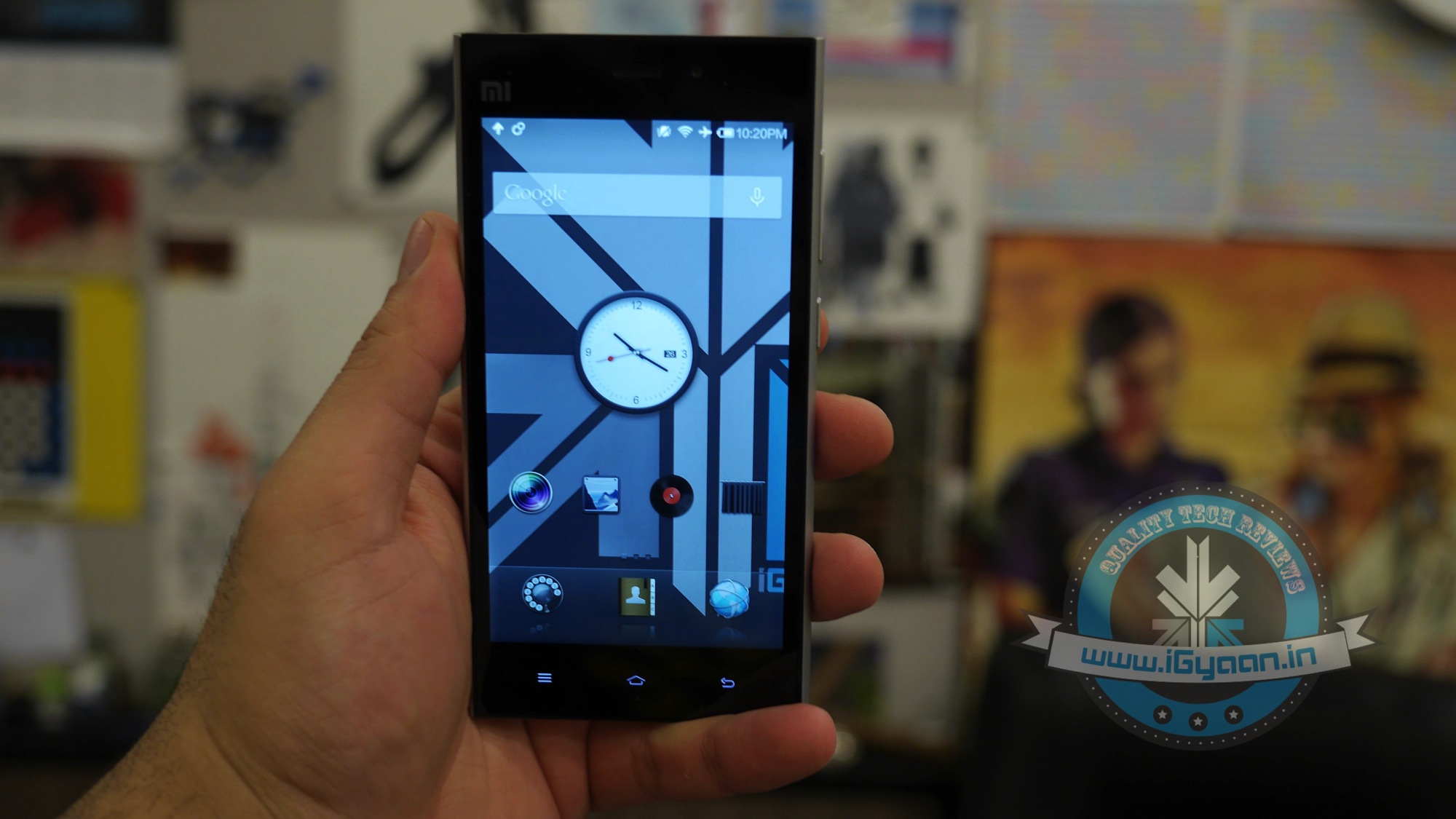
    Xiaomi has really taken the Indian market seriously and has made products available quite promptly. With the new Xiaomi Redmi 1S, the company has broken the price barrier at Rs. 5999 and basically beat the Moto E and Asus Zenphone A450 by exactly Rs. 1000. The Phone will follow the same sale pattern as before , often referred to as #FailSale but, the company claims that the strategy is really working for them.


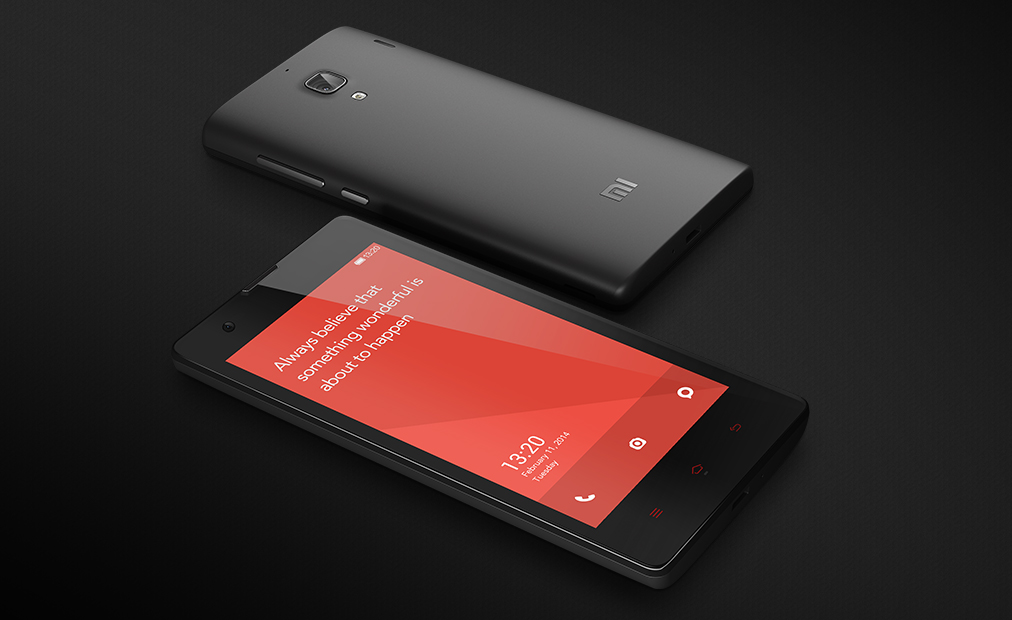
    Xiaomi Redmi 1s Unboxing 16

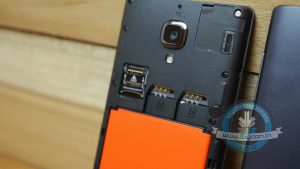
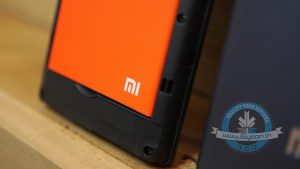
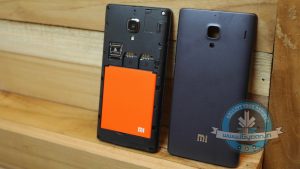
    The Xiaomi Redmi 1s will come with 2 Micro Sim to Regular Sim adapters in the box for the dual sim device. The phone will run one card on 3G GSM while one on 2G GSM. The Redmi 1S is powered by a Qualcomm Snapdragon 400 Chipset running at 1.6 GHz on Quad Cores and the Adreno 305 GPU. It accepts micro SD cards unto 32 GB and comes with an inbuilt storage of 8 GB and has 1 GB RAM.


    For the Price it is an amazing value, and definitely beats down the competition. The juicy bits include a 1280 x 720 px 4.7 inch IPS LCD Display along with an 8MP camera which can shoot 1080p footage and a front facing 1.6MP camera capable of 720p video.

    Xiaomi has started accepting registrations for the sale set to being on 2nd Sept on Flipkart here. The company claims that it has had no issues regarding service, and urges people to use the included sim adapters to tackle the sim card related problems. For the first flash sale of the Redmi 1S, Xiaomi will bring 40,000 units, which from the point of demand is still a meager stock.

    Xiaomi Redmi 1s Unboxing 0

    The Phone will be made available along side a bunch of accessories including a screen protector, a gel case and a PU leather cover as well. Stay tuned for our review.

    Buying Options


  • Xiaomi Plans to Set Up Shop in Bangalore to Make India-Specific Phones

    Xiaomi Plans to Set Up Shop in Bangalore to Make India-Specific Phones

    After seeing tremendous market potential for itself in the neighboring land, Chinese smartphone maker, Xiaomi is planning an R&D center in India. The company has seen phenomenal opening of its innings in India with its one of kind phones falling short of supply for the massive demand.

    The R&D center will primarily focus on customizing the devices for the Indian consumers. The company said that they intend to have a team of engineers, designers and product managers who will build features that are specific to the needs of the Indian population.

    The company is still a beginner in the smartphone game by market standards, but it was confident of its audacious product. The company took on the climb and has made it onto the list of the most appreciated products in the market. Its mid-segment priced products are capable of taking on the flagships. The company has made its mark in the markets of Singapore, Malaysia, and the Philippines and is now planning to wreak havoc in the markets of Indonesia, Thailand, Russia, Turkey, Brazil and Mexico.

    Xiaomi claims the specific hardware requirements for  Indian market caused the low supply.
    Xiaomi claims the specific hardware requirements for Indian market caused the low supply of the Mi3

    One of the major reasons cited for the R&D center is the heterogeneous network requirements of India. This country has different hardware and antenna calibrations which require physical calibration in the devices meant for the country. It was this reason that the phones meant for markets of China and Taiwan couldn’t be directed to India thereby leading to a shortage of products.

    Apart from this, the company is planning on setting up its own consumer call centre to answer the queries of the consumers. Currently, the consumer support has been outsourced, and even the company runs on a bare minimum workforce in India under Head of Operations, Manu Jain.

    This development shows the seriousness of the Indian market, in Xiaomi’s scheme of things. The company plans to prioritize both India and China as just catering to these two markets would be immensely profitable considering the massive population. The company will release its LTE enabled MI4 in India probably by December end. So if you want to have the full Xiaomi experience, there might be a job waiting for you in Xiaomi’s upcoming Banglore facility.

  • Leaked iPhone 6 User Manual Confirms Specs and Launch Date

    Leaked iPhone 6 User Manual Confirms Specs and Launch Date

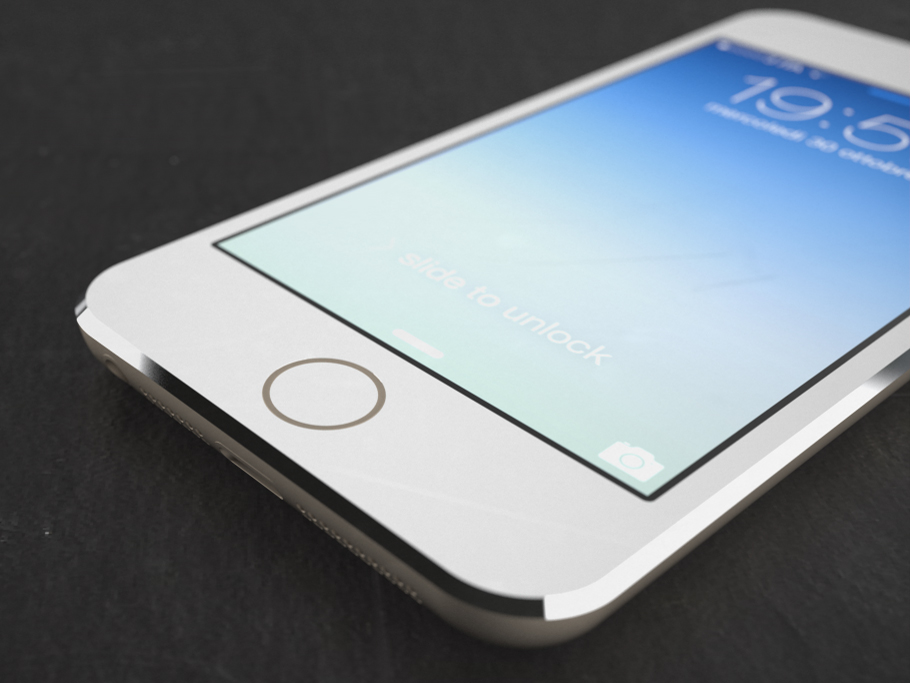
    Everyone is eagerly waiting for the rumored September 9th launch of the new revamped iPhone 6. As the date creeps closer, the World Wide Web is flooded with rumours and leaks. The most recent buzz was that the screen of Apple’s new monster was creating problems for the company, and this might delay the launch of the product.

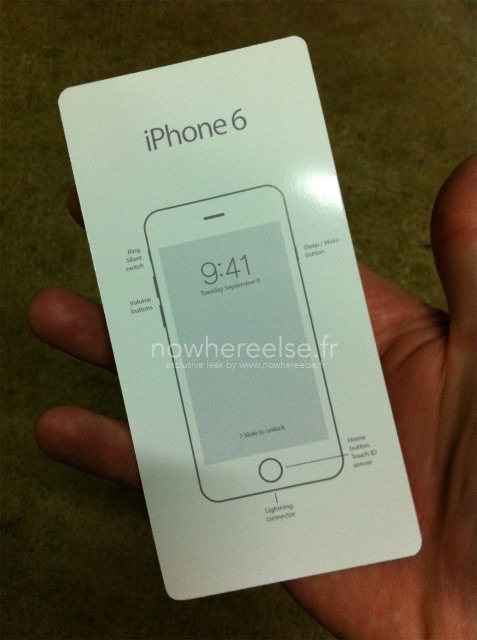
    Well, Apple enthusiats can breathe easy, one of the most recent leaked images points to the same predicted date: Tuesday, September 9.

    The image is leaked by a French website called Nowhereelse.fr, which has a strong record of getting its hands on new Apple devices before its public unveiling. The image leaked is a shot of the front of the device’s quick start manual. The device printed on the front has a set date of Tuesday, September 9.

    It doesn’t come as a surprise, since Apple likes to remain consistent to its history. It typically launches its smartphones in September, and last year, the iPhone 5S and iPhone 5C reared their heads on the second Tuesday of September (10th Sept. to be precise).

    iPhone6-manual leak

    If the image is to be believed, the image on the cover of the guide for the presumed iPhone 6 is different than the current model. The shape of the volume buttons have been changed, as have the Sleep/Wake button on the right. The Lightning connector appears to be centered below the home button, which still includes the Touch ID sensor, as marked on the manual.

    However, other leaksters have found reasons to believe that this may not be a legitimate product manual. In the past, Apple has used the original product images on the front of the manual. Also, it is said the font is not in line with Apple’s style.

    We will only know on September 9th if the image is authentic. The company is expected to launch two devices, the 4.7-inch and 5.5-inch smartphones. Rumors suggests that the name of the large device might be  iPhone 6L. Apple is also rumored to include a reversible Lightning cable for the iPhone 6 that allows you to plug it into USB ports from either end. The existing Lightning connector can plug into an iPhone or iPad in any way, but the latest design will bring the flexibility to both ends of the cable.

  • New Leak Confirms Nexus X Specs and Reveals an Important Detail about Android L

    New Leak Confirms Nexus X Specs and Reveals an Important Detail about Android L

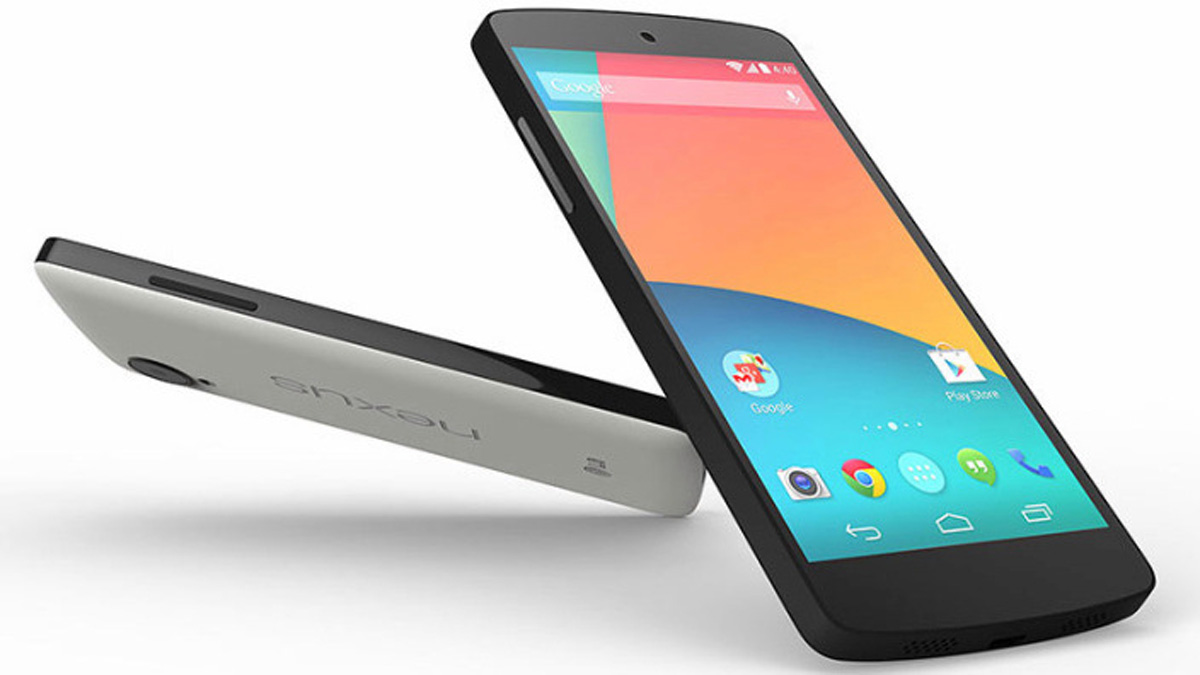
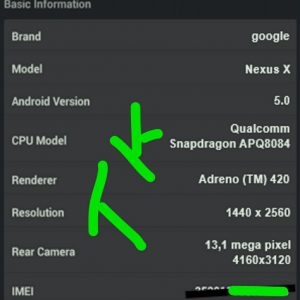
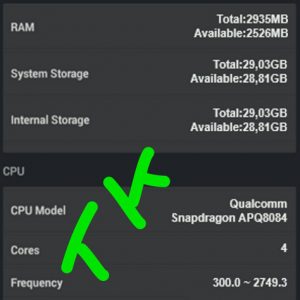
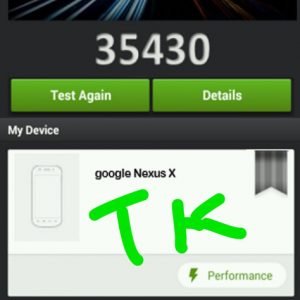
    We’ve already established the fact that Google’s upcoming Nexus device will not be called Nexus 6. Also, at this point we’re pretty certain that the device will be brought to us by Motorola. Now, popular tech blog TKTechNews has leaked some interesting information about the upcoming Nexus X. The leaked images show several AnTuTu benchmark screenshots for the handset, which also seem to reveal an important new detail about Android L.

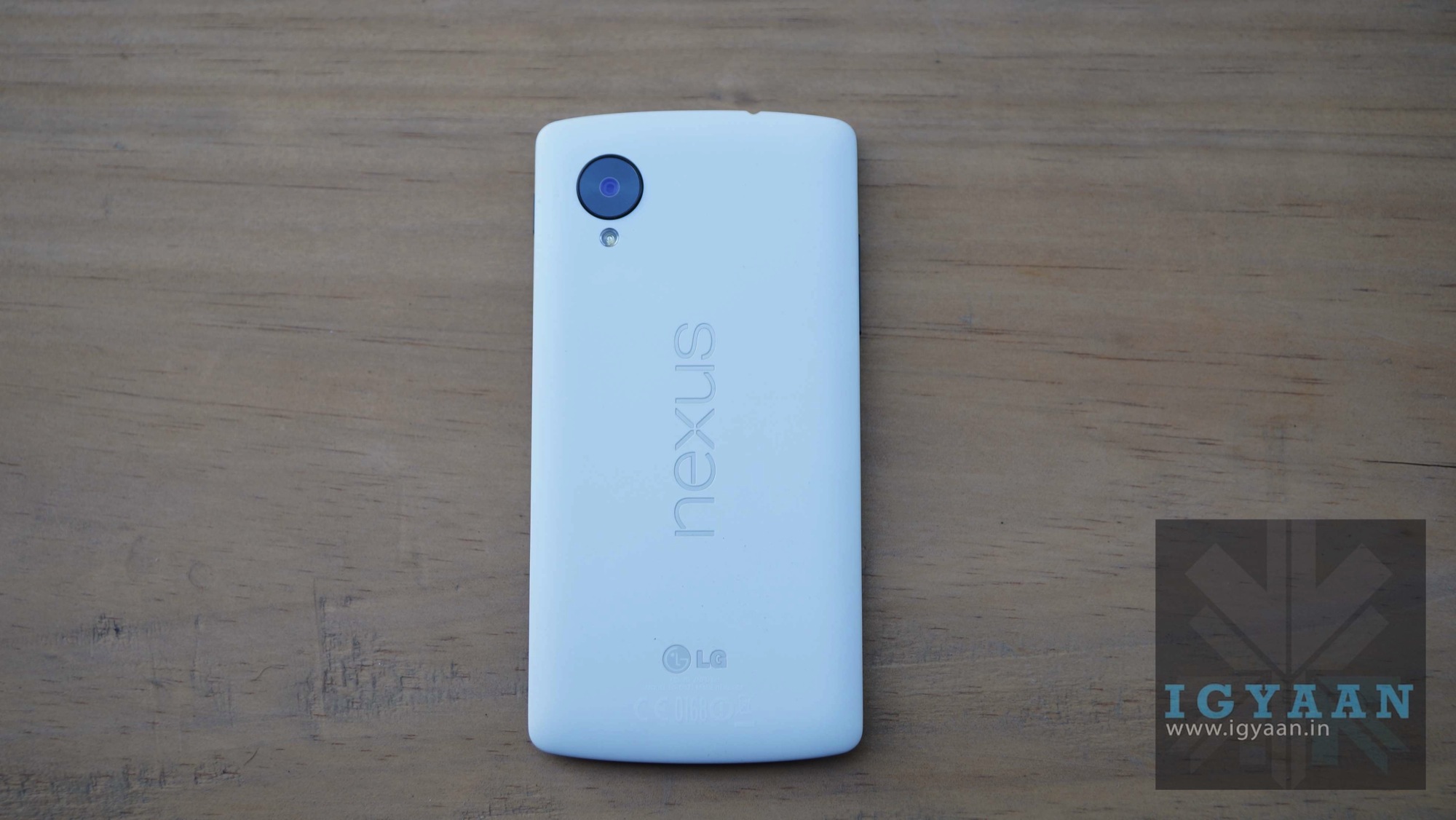
    nexus5

    The screenshot reveals the hardware details about the device. The leaked information is in line with the previous reports, which includes a 2K display, 2.7GHz quad-core Qualcomm Snapdragon 805 processor, 3GB of RAM, 32GB of storage and 13-megapixel camera. As mentioned earlier, the AnTuTu app refers the device as Nexus X and the device scored  35,430 in the test.

    What’s interesting is that the leaked images of the benchmark lists Android version as ‘5.0’. However, in contrast, other recent leaks had suggested that the new updated version of Android will be called LMP or Lemon Meringue Pie.

    The company is yet to confirm what will be the name of the new version of Android once it will be officially launched. Considering that these images are true, this Nexus X benchmark seems to confirm what every Android fan has been waiting for Google to reveal. Android will upgrade itself from Android 4.x (used since Ice Cream Sandwich) to Android 5.x.

    Another rumor surrounding the Google’s Nexus X had surfaced recently. According to the leaked Best Buy listing, the Nexus X will be available on Sprint networks for $500 with a two-year contract. The listing for the Nexus X claims that the device has a 5.9-inch Quad-HD display that has a resolution of 1440×2560, a 2.7GHz quad-core processor and the Android L operating system. Google Nexus devices were expected to get an Andoird L update sometime in October followed by Motorola handsets.

  • Moto ‘Skip’ is a Tiny Accessory That Will Help You Find Your Smartphone

    Moto ‘Skip’ is a Tiny Accessory That Will Help You Find Your Smartphone

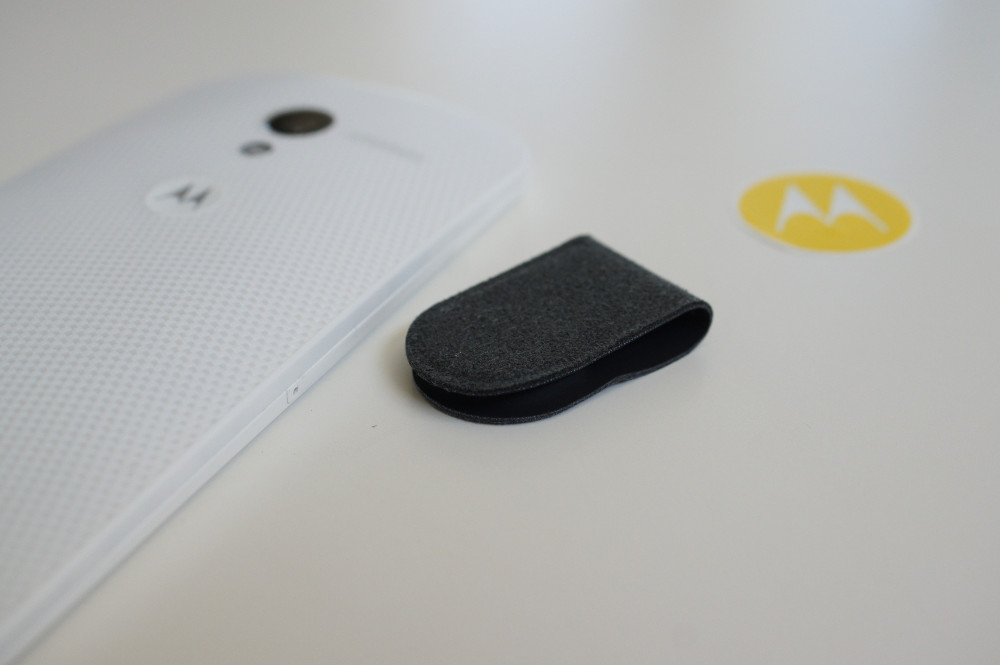
    Remember Skip? The petite accessory by Motorola that lets you bypass your phone’s lock screen entirely and “skip” the step of entering a passcode or pattern to use your phone. It was introduced last year alongside Moto X. And now, the word is Motorola is working on the second version of ‘Skip’ which is said to be more useful than its predecessor.

    moto-skip

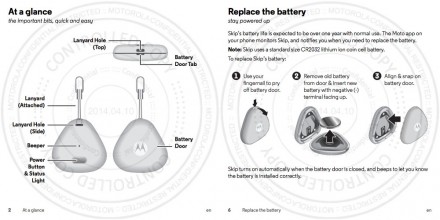
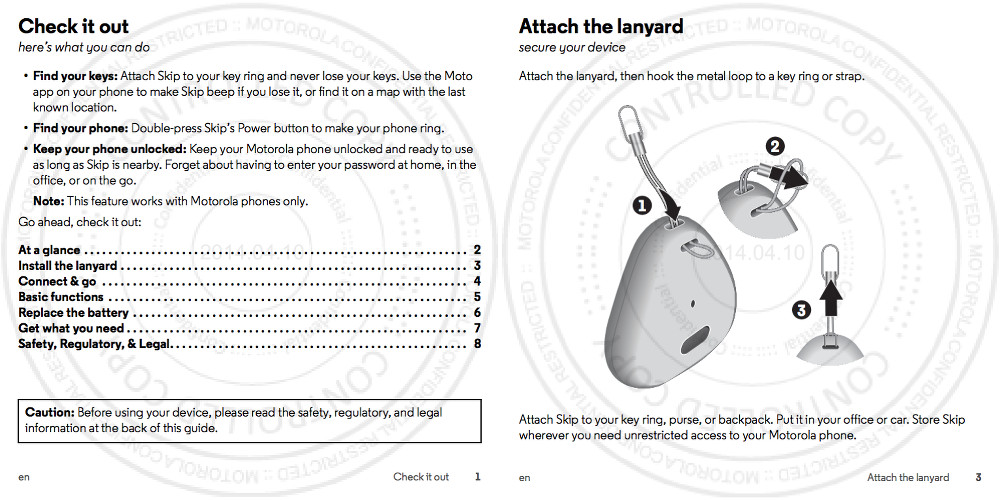
    According to new filings at the FCC, the next version of the Skip will use Bluetooth instead of NFC and will become more mature from just being a quick access key to your smartphone. The updated version of Skip will also be capable of helping you locate your misplaced keys if the device is attached to your keychain.

    moto-skip1-440x220

    moto-skip3-440x220

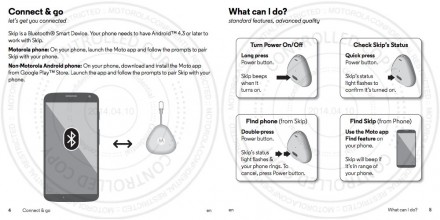
    It works the other way round too, double-pressing the power button will make your nearby Android phone ring so it’s easier to locate. This could prove to be of huge help if you’re one of those who always loses their phone. It is pointed out that Motorola is also working on an app which will be available for all Android devices, through which  you’ll be able to see where your Skip was last connected.

    moto-skip2

    When you get within the range of finding it, Skip will start beeping to help your search. According to Motorola’s user manual, the small device will last about a year on a single battery, and it relies on Bluetooth to pull off most of its functionality.

    No information has been made available in terms of pricing or availability. It is said that the probabilities are high that we will see this device at the September 4th event where we expect Moto X+1 and Moto G2 to launch.

  • 5 Reasons Why You Should Consider Buying a Windows Phone

    5 Reasons Why You Should Consider Buying a Windows Phone

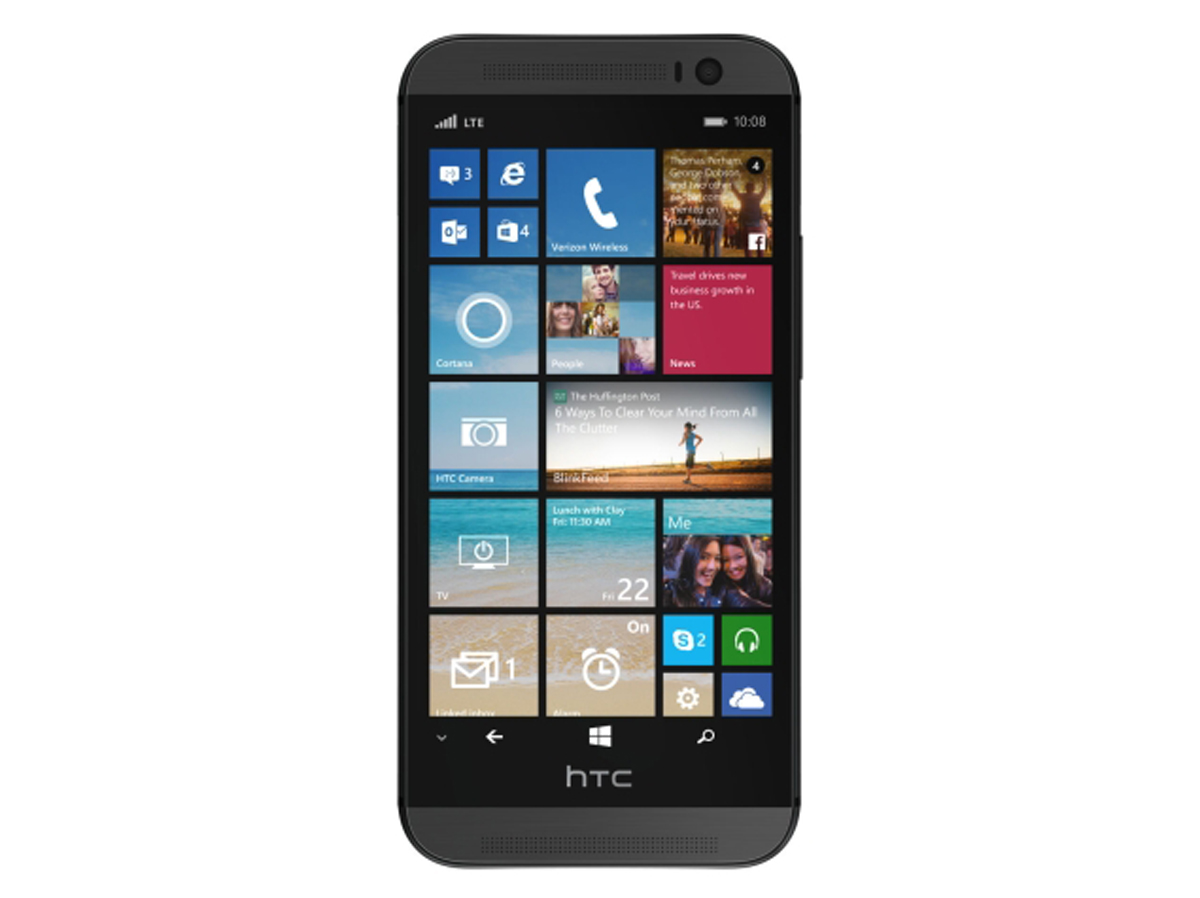
    The Windows Phone is making a comeback. This time the operating system has found a home in one of the most appreciated smartphones in the business. The new HTC One M8 with Windows has given a fresh new breath of life to the Windows Phone 8.1 and given users a chance to experience the operating system on a brilliantly designed phone. The success of this phone will definitely encourage other manufacturers to bring out Windows variants in their flagship space.

    So we dug deep, scoured through and looked into the Windows Phone 8.1 operating system. With this new Windows Phone 8.1 update the OS is catching up to the giants. We check out how a Windows phone can score over the champions of the smartphone game, Android and iOS.

    With the HTC One M8 running Windows Phone 8.1, the OS is back in view
    With the HTC One M8 running Windows Phone 8.1, the OS is back in view

    5. Its Customizability

    Windows phone 8 didn’t have many customizability features but much has changed since. The Windows phones of course don’t have as many customizability features as Android but it surely has more than the iOS. The  ‘Start background’ lets you personalize the homepage. The homegrown apps on the Windows Phone 8.1 are ready to take on the world and the OS is as competitive as others.

    4. Cortana

    Cortana has some nice quirky attitude.
    Cortana has some nice quirky attitude.

    This one will definitely be a plus for Microsoft. The digital assistant inspired by the widely acclaimed character from Halo is a lot of fun. Cortana is anthropomorphic which means that you can have a conversation with her and because of this, she wins over the robotic Google Now responses. Cortana is capable of doing what Google Now does but with a quirky attitude that you would love. Cortana’s Notebook is a feature worth mentioning. The user customizable Notebook is used by Cortana to find the best results for you.

    3. The Action Centre

    Action Center
    Action Center

    The only thing missing from the main screen of a Windows phone was a notification menu. It’s here, Microsoft has brought the ‘Action Center’ in Windows Phone 8.1 which makes the OS fully functional now. The Action Center can be accessed by swiping down the screen from top, just like in Android.

    2. Integrated Skype

    skype

    Skype’s Video calling prowess is globally known. On a Windows system, Skype is the default video dialing client on the Windows Phone 8.1. The app is also integrated with Cortana so you can ask Cortana to video call someone from your contacts.

    1. Faster Software Updates

    windows-phone-update

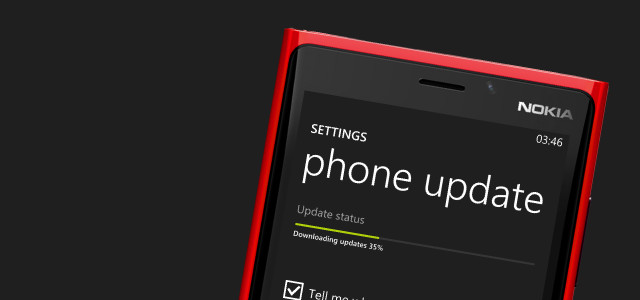
    Microsoft has said that the cycle of the updates delivery will be sped up to one new update every 6-8 months. The OS upgrade will take place every in one or two years. By speeding up the updates process, the company can generate trust in its consumers of a quality product.

    Overall, Windows Phone 8.1 update was one of the most advantageous updates over its predecessors. With Microsoft getting into the mobile game and taking its mobile operating system seriously, it will be interesting to see how the market treats it. With the promise of frequent updates, Windows Phone can surely attract enthusiasts first who are bored of the usual iOS and Android fare. There is a need for a third alternative in the OS market and Windows seems like a good option as it is backed by one of the biggest tech giants. The more attention given to the OS, more the developers will be interested in creating apps for the system.

    Now that the update to the Windows Phone 8.1 is days away, we hope to see it grow and give us viable alternatives in the market.

  • China to Bring Out its Own Operating System and Take On US-Based Systems

    China to Bring Out its Own Operating System and Take On US-Based Systems

    The Chinese, can be called the shop floor for all of the world’s smartphone needs. If it’s an electronic product, at least one bit of it is produced in China. The communist nation has seen phenomenal economic growth ever since the technocrats running the country transformed the country into a manufacturing giant. Inspired by the boom that the Chinese economy has seen, the Indian government urged the world to manufacture in India.

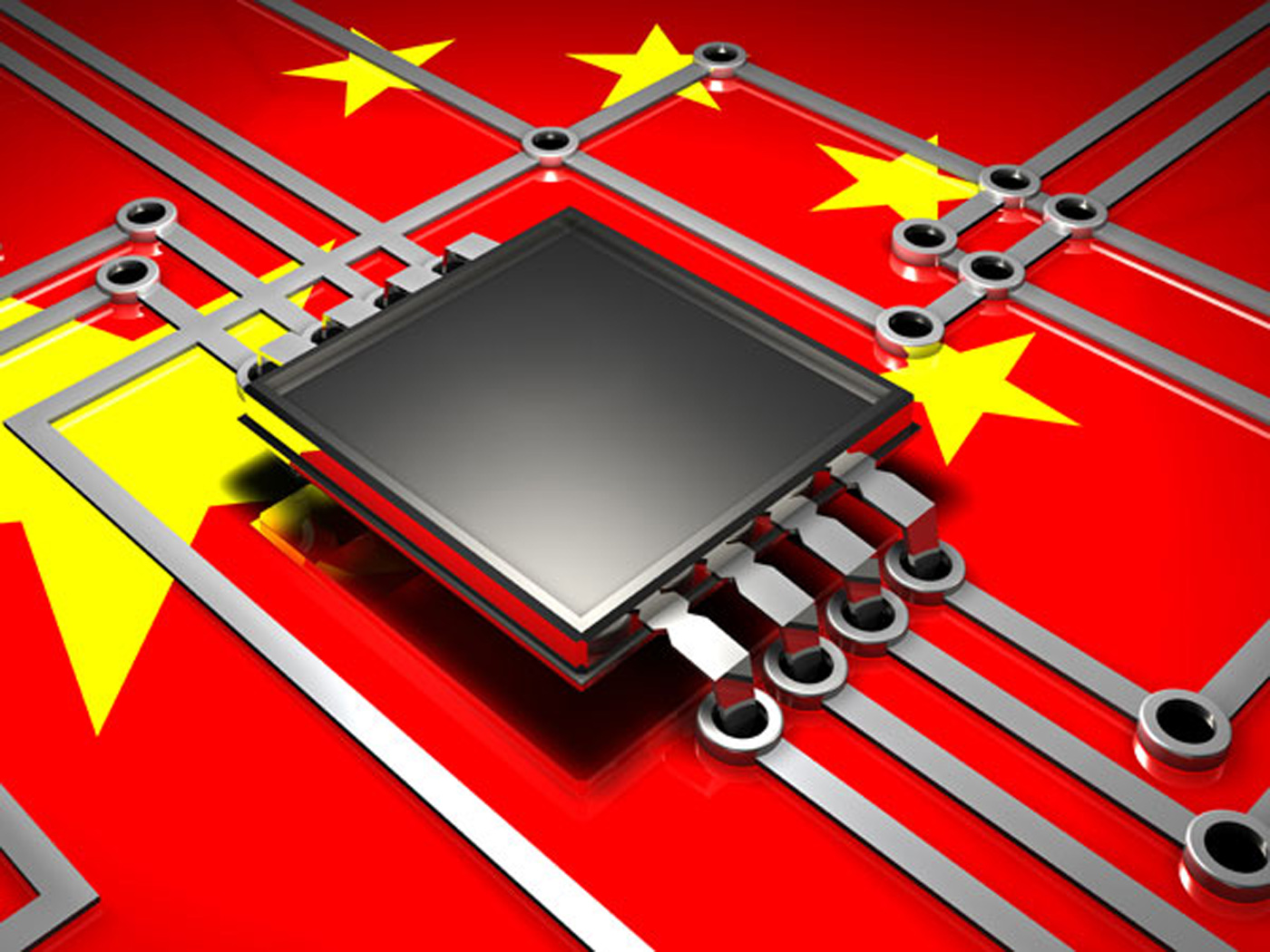
    The Chinese are now trying to stake a claim in one more important arena in the international business, the Operating System. China is proactively developing an operating system that will help it decrease its reliance of US-made OS like the ones from Windows, Apple and Google. In fact, China wants to take on the OS giants with their version.

    The new OS will be based on Android. It is being developed by a team which is headed by the co-founder of Lenevo, Guangnan Ni. It will be released this October. The OS will be available for the Chinese government offices as well as fr consumer use.

    Spying concerns have been cited a reason for China opting for its own OS
    Spying concerns have been cited a reason for China opting for its own OS

    China, in recent years, has tried to create an alternative to the US based OS’s. The Chinese Academy of Sciences released the China Operating System (COS), in January of this year, but it wasn’t appreciated as much. This new OS will be first released for desktop and later a mobile version will also be released.

    The recent revelation of software backdoors that can be used by agencies like NSA to spy on users was cited as one of the major reasons for the development of the OS. China had recently banned all Windows 8 systems in its government offices after terming Microsoft a monopolistic company.

    The country has intense information restrictions and prefers to use systems developed within the country. Getting an OS made at home will also add to the nationalistic pride in the communist nation.

    In India, the Rs. 1,13,000 Crore Digital India Project will work towards constructing a informational highway that connects the whole of India. The project will also encourage software systems to be programmed in India for the use of the nation. Clearly the goal of the government of India too is to reduce the dependency on foreign based products. This is a valid thought and if the government puts its money where its mouth is, it will be able to encourage a generation of tech entrepreneurs who are presently working to make foreign enterprises profitable. These entrepreneurs will help create a powerful economy for the future India.

    The Dragon has made its mark on the world and is standing as a formidable adversary. It’s for us to see if the Tiger can ever catch up.

  • 7 Reasons Why Android is The Undefeated King in India

    If you ever raise the question, ‘Which is the best OS for smartphones?’, it is inevitable that you will end up in an endless argument that is likely to turn into name-calling. While there are other mobile platforms, Apple’s iOS and Google’s Android have been dominant contenders in the game.

    Both companies enjoy the support of loyal fans who religiously follow every minute update and change made to the mobile platforms. But, we are the country of budget phones and a ‘value for money’ market. Android makes a perfect companion of these ideals.

    Here we are listing 7 reasons why Android is the undefeated king in the Indian smartphone market.

    7. Google Now works better than Siri in India

    google now

    Even Apple acknowledges this. Google Now is much better and functional in our country. It is not only faster than Siri at answering your questions but it also does a much better job at recognizing Indian accents. Furthermore, you also have an option of downloading the speech recognition files to the device for offline use in Android devices.

    6. App publishing in Android is a lot easier
    Android-Apps-Games

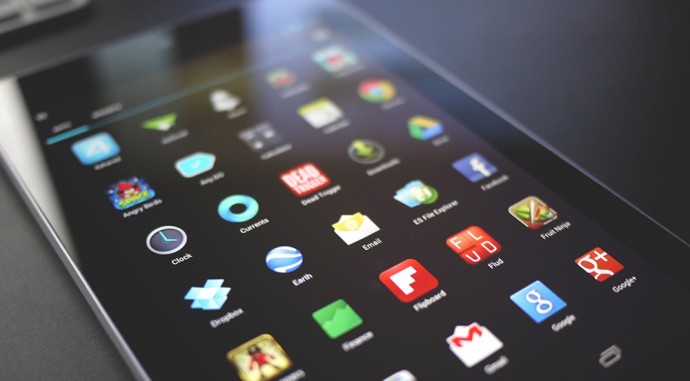
    Publishing an Android app is as easy as child’s play. Once you are done making the app, you just have to sign up via a handy Eclipse wizard, and you have an APK file that can run on any device. You can email it, put it up on a web site, or upload it to Google Play and make it available worldwide within the hour. Even better, you can check install statistics and crash reports, including stack traces which identify the exclusive line of code that went wrong, and you can upload a bug-fix version immediately. On the other hand, it is a nightmare to publish an Apple app.

    5. Wide range of sharing options

    sharing-icons-13

    Android powered devices gives option of sharing media files through any installed app with sharing capabilities. That means if you want to share media file through Blogger, Tumblr, Instagram or Pinterest or any other social media app you can do it easy on Android OS devices. However, iOS restrict you to the pre-installed apps such as Message, Mail, Twitter, Facebook, and Flickr for media sharing.

    4. No mandatory Multimedia apps for Android
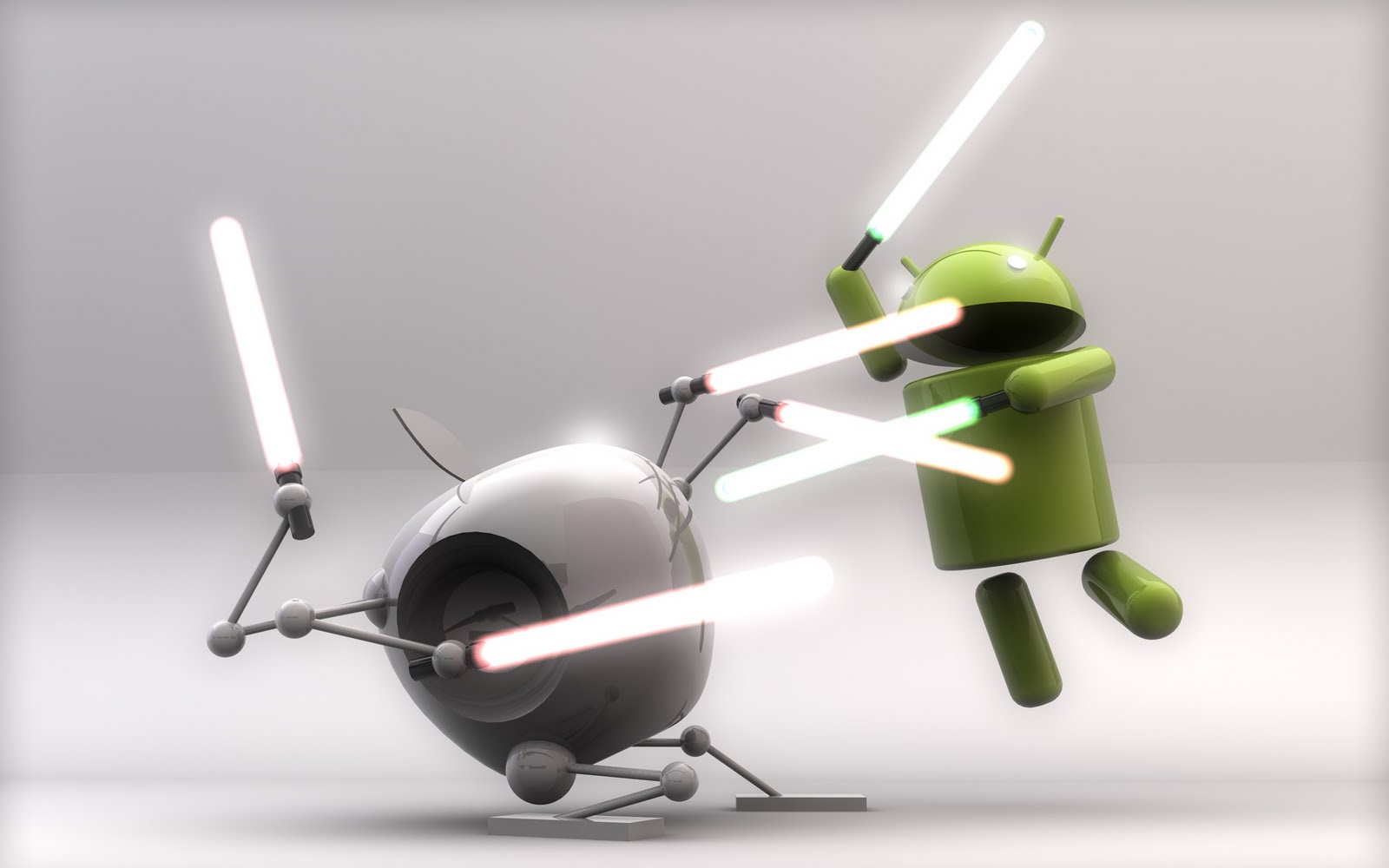
    android-vs-ios-lightsaber

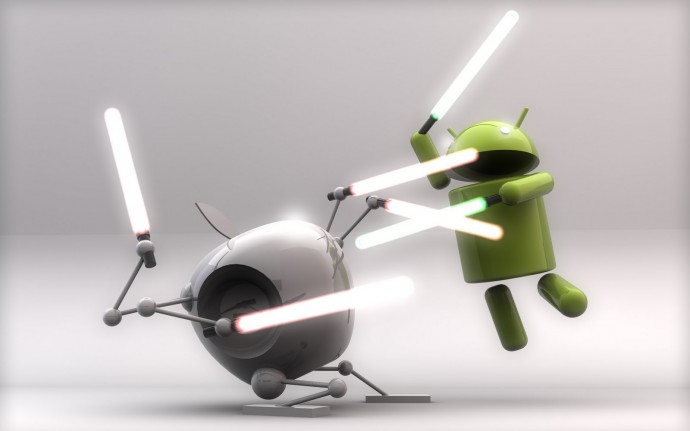
    Apple needs iTunes to sync your music and iPhoto for pictures to your iOS smartphones which is a huge drawback especially for people who use Windows on their PCs and Laptops. On the other hand, Android isn’t as bothered about where your music or pictures comes from. You can just plug in your device to your laptops or PC using a USB cable and transfer music and other multimedia files with an ease.

    3. Its customizability
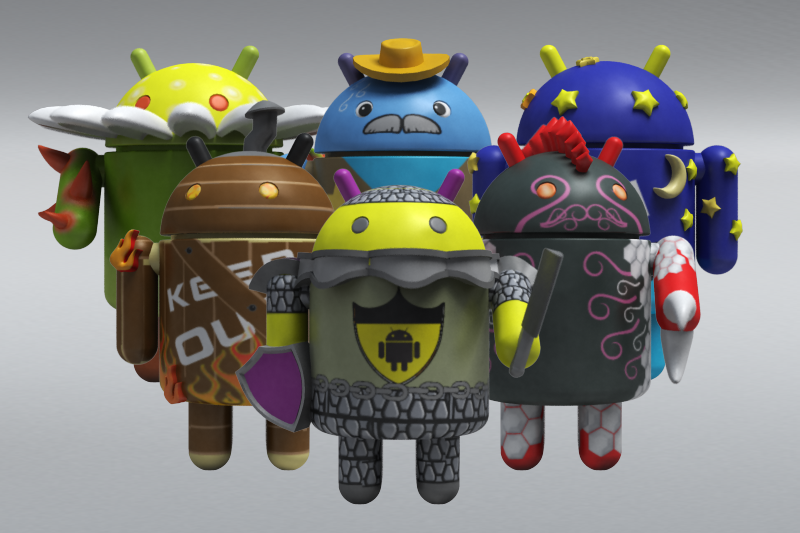
    appdroids

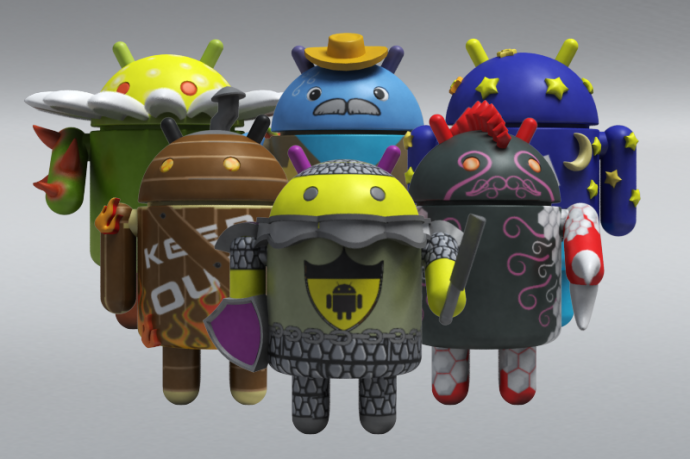
    If the stock Android look doesn’t suit your taste you can customise your Android smartphones. Sky is the limit with various launchers, themes and what not, available on the Play Store. You can even download an iOS 7 theme, if that is what you are into. And yes, on most Android phones, you can unlock your device to any app you want, which comes handy when you use certain apps regularly.

    2. Free Apps vs Premium Apps
    android-apps

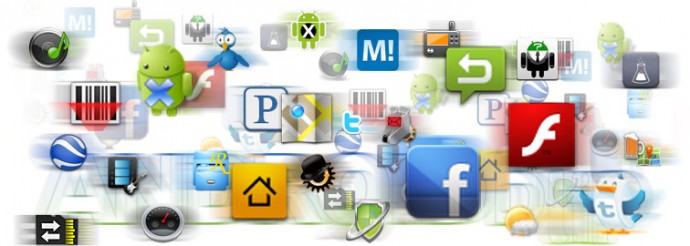
    It’s true Apple App store offer you many premium quality apps but most of them are paid. On the other hand, Google’s Play Store offers far more options than the App Store. Play Store has an array of genres and categories which offers amazing app (including third party apps) mostly for free or for minimal charges.

    1. Android comes in Budget Friendly phones
    android kitkat igyaan

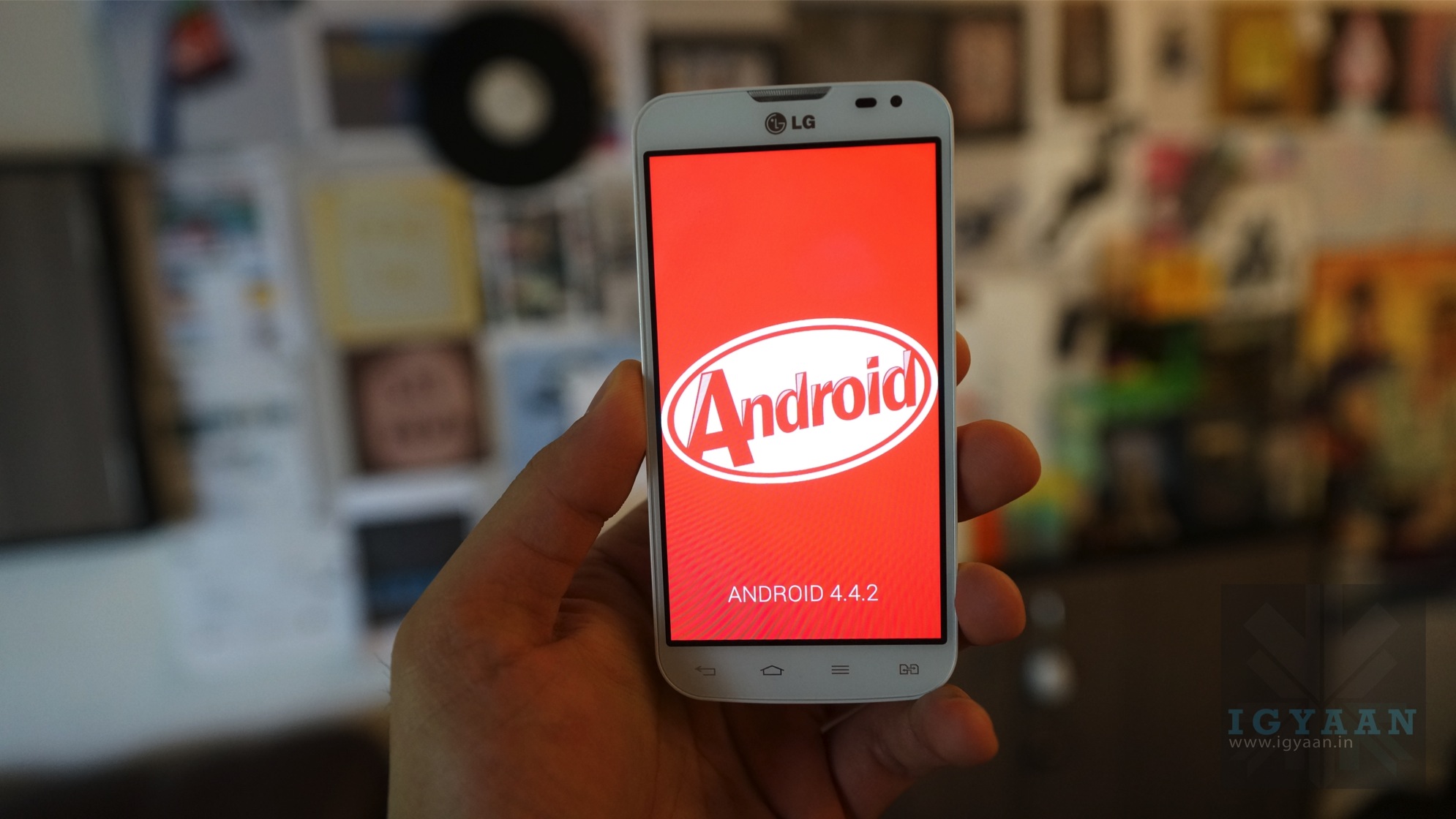
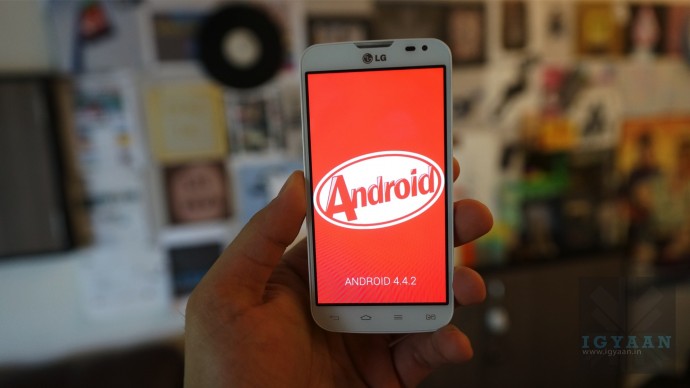
    Android is an open source OS and is available for any manufacturer to use, while iOS is available exclusively on the devices that Apple manufactures. This makes a huge difference as Apple’s iPhones are high-end expensive phones. For an Indian, value for money matters. You can find Android OS in the extensive price range from Rs. 3,000 to 70,000. Hence, we conclude, Android is the true king of smartphones in India.
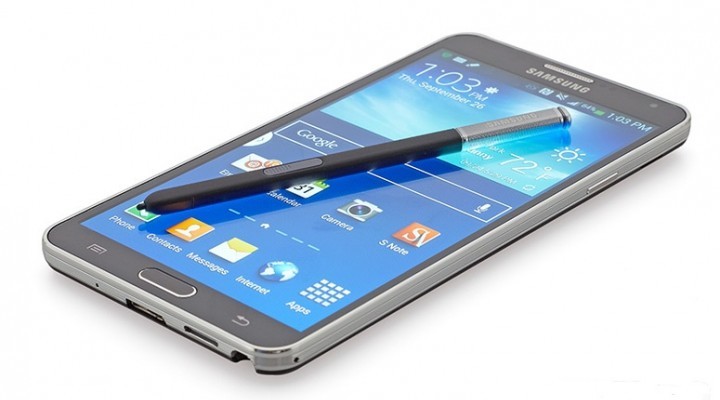
  • Mozilla and Intex Launch India’s First Firefox OS Smartphone

    Mozilla and Intex Launch India’s First Firefox OS Smartphone

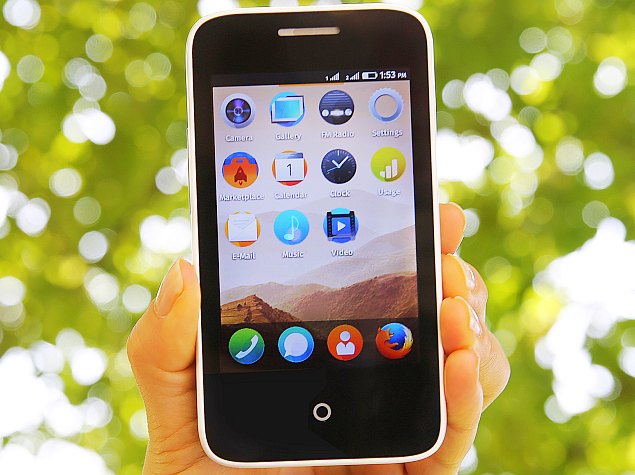
    Back in June, Mozilla announced that it was bringing the Cloud FX to Indian and Indonesian markets at this year’s Mobile Asia Expo. Now, the Firefox maker, has launched India’s first Firefox OS smartphone dubbed as ‘Cloud FX’.

    The device is a fruitful result of the partnership between Mozilla and Intex. Touted as the cheapest smartphone in the country, the handset was first introduced to India at the Mobile World Congress in February.

    [quote text_size=”small” author=”Keshav Bansal” author_title=” Intex Technologies Director (Marketing)”]

    This dual SIM-handset is for those looking to upgrade from feature phones without worrying about the price or complexity of a smartphone. We are confident that it will find great traction, especially in tier II and III towns

    [/quote]

    Bansal also added that the company is targeting rural areas and small cities. The company is aiming to sell more than 5 lakh units in the next three months.

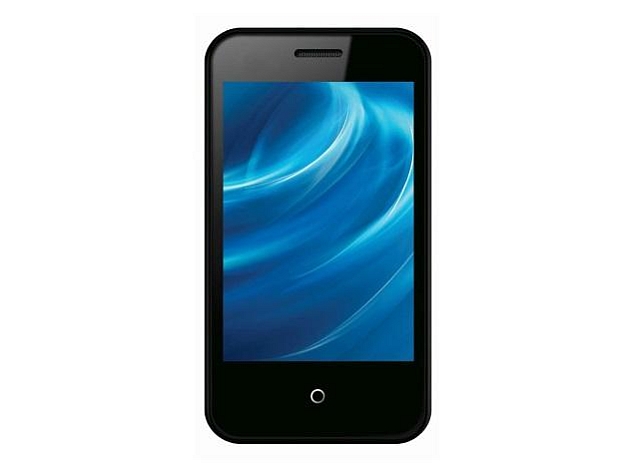
    In terms of specs, the smartphone is nothing special. A 2 megapixel camera, 128 MB RAM, a 3.5-inch screen. It’s got a 3.5-inch capacitive touchscreen with 480×320 pixels resolution. Intex has packed in a 1GHz Spreadtrum processor along with 256 MB total memory. It is also got dual SIM support.

    intex_cloud_fx

    However, this is a 2G-only phone with support for Wi-Fi. The Cloud FX takes in microSD cards, but support is limited up to 4GB only. It comes with a 1250mAh battery. The company is clearly not offering a dream phone; Firefox and Intex are targeting an audience that is buying their first smartphone.

    “The positive consumer feedback from other markets tells us that people like the unique user experience and openness we’re building with Firefox OS,” Mozilla President Li Gong said in a statement. “Firefox OS smartphones in the ultra-low-cost category will redefine the entry-level smartphone and create strong momentum in Asia.”

    The Intex Cloud FX is priced at Rs 1,990 and will be exclusively available on Snapdeal. Intex has also teamed up with Aircel to provide Aircel users who buy the phone 1GB Data free for two months.

  • Xiaomi Redmi 1S Goes on Sale 2nd September for Rs. 5999, Registrations Start Today

    Xiaomi Redmi 1S Goes on Sale 2nd September for Rs. 5999, Registrations Start Today

    Xiaomi’s Vice President of International, Hugo Barra officially introduced the Xiaomi Redmi 1S in India. The invite for the event was sent out last week. The specs of the device got a lot of folks excited. Some went ahead and called the device the Moto G killer, well the phone is here and it sure looks worth its hype.
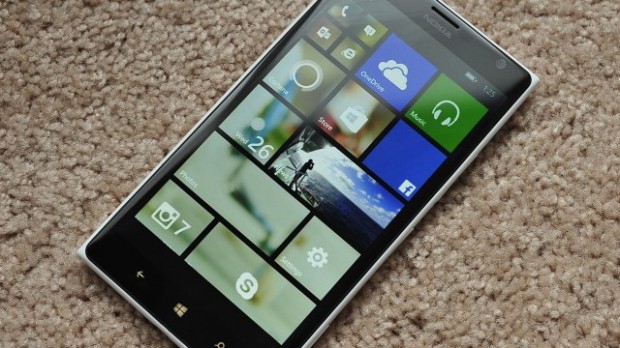
    The Redmi 1S is a dual SIM phone. Though the device uses standard SIM, it provides adapters for nano SIM to regular SIM and mini SIM to regular SIM. Xiaomi has also brought spare batteries to India. These batteries come with their own charger, so you can be fully packed on juice when you are on the move.
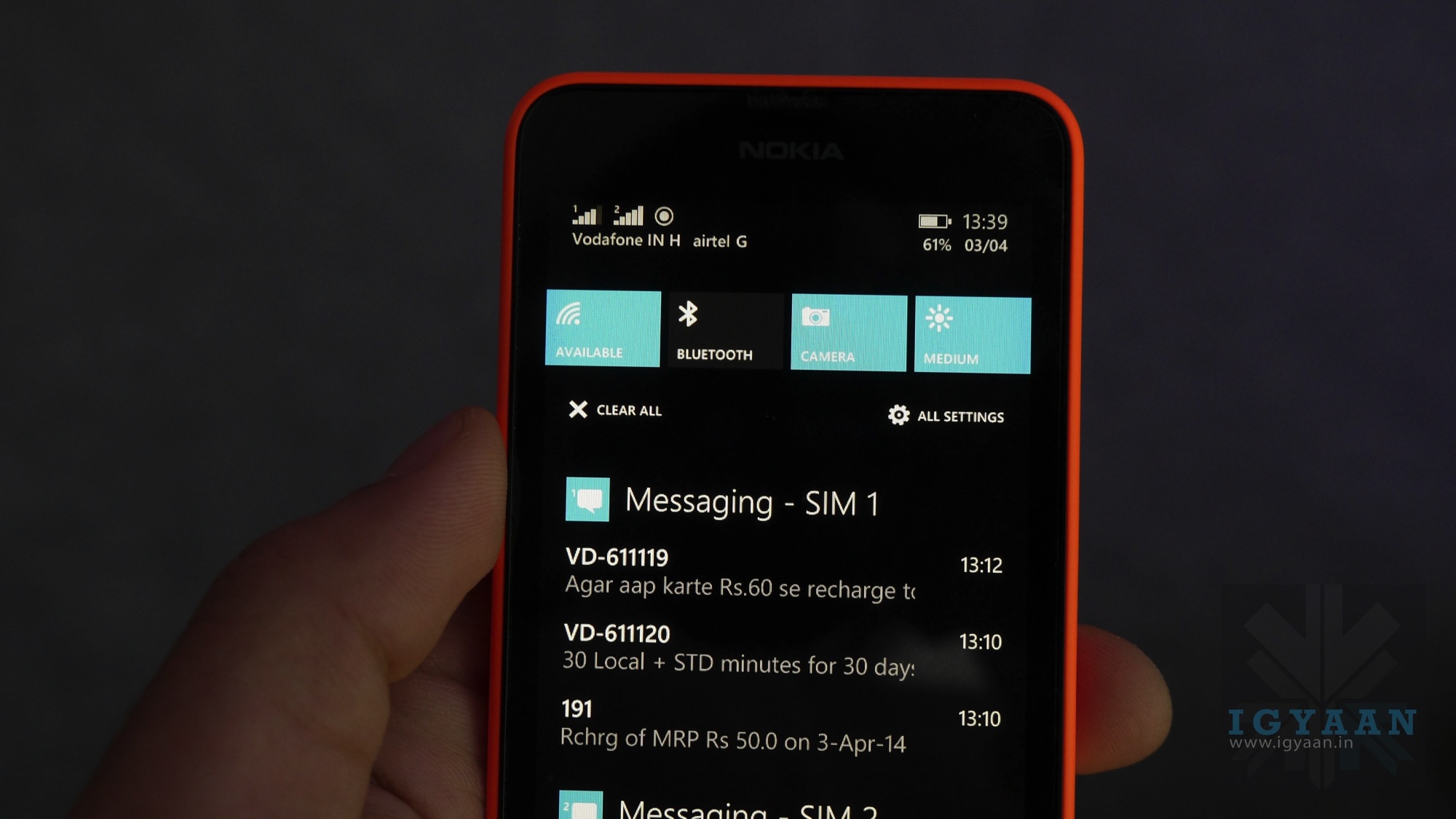
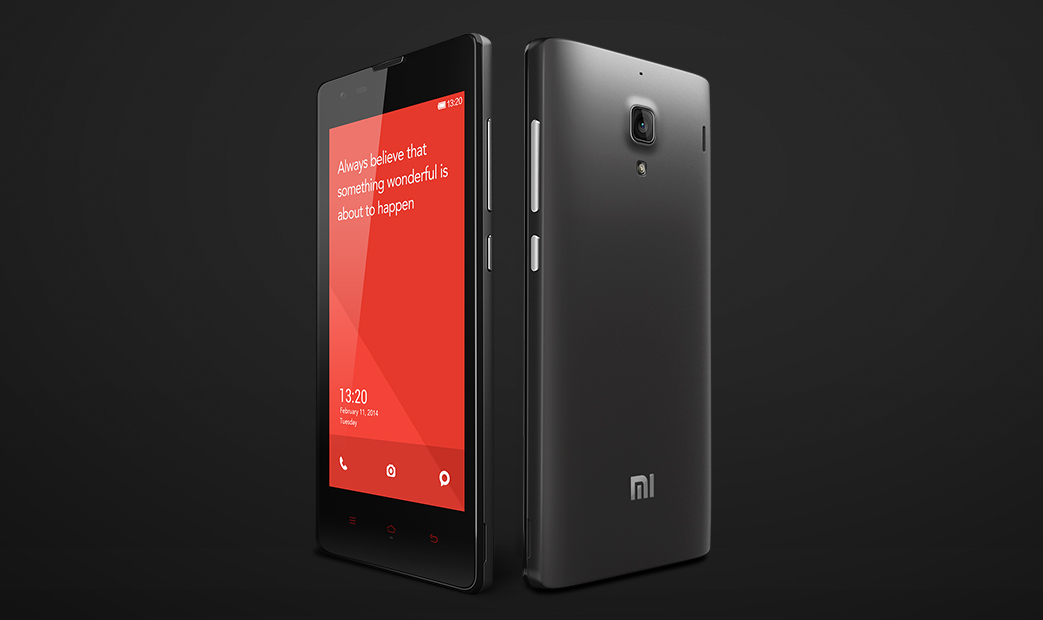
    Xiaomi Redmi 1s 1
    The affordable device takes on the phones in the above Rs 10000 segment too

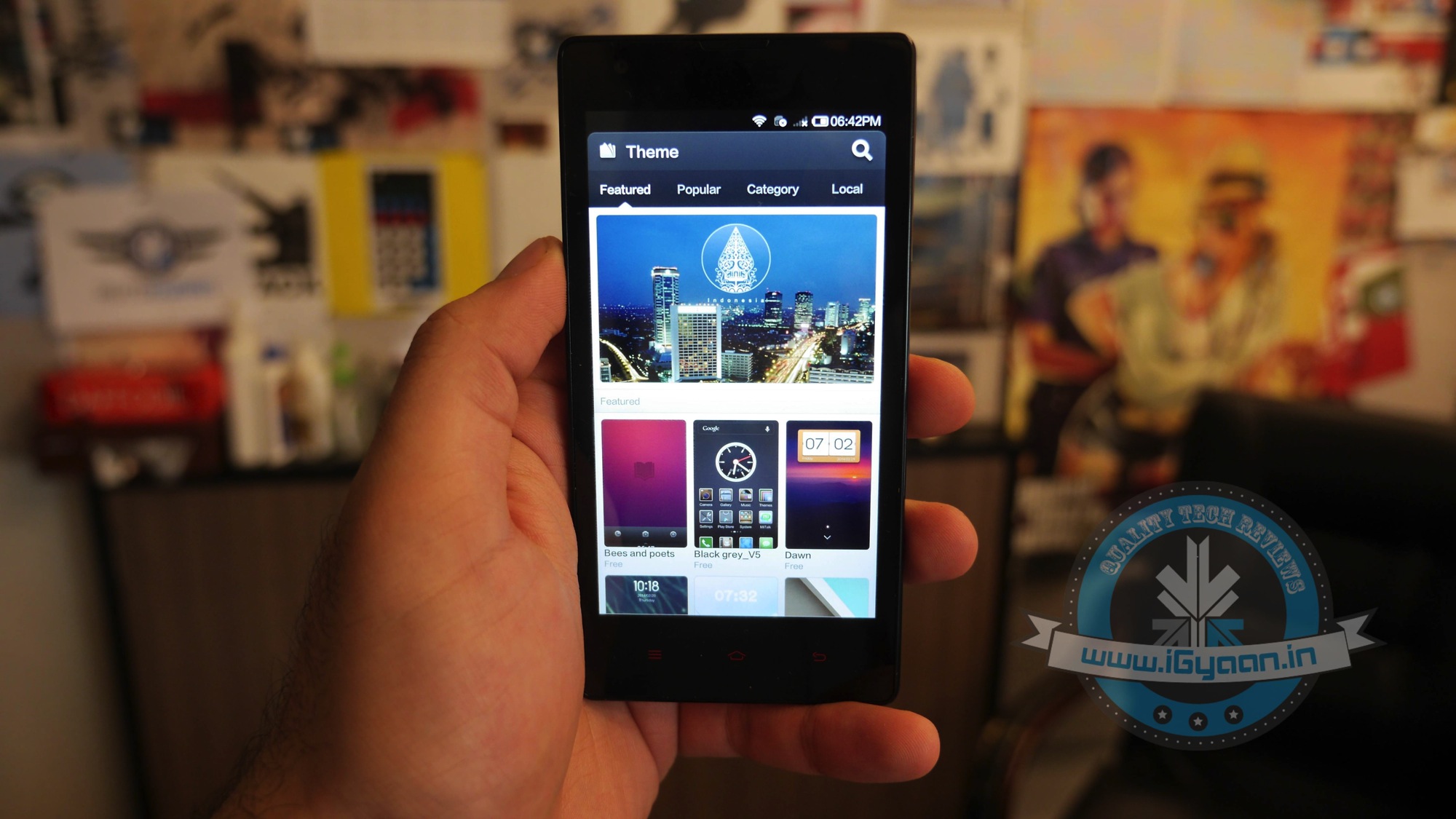
    The Xiaomi Redmi 1S has a 4.7 inch IPS display with 1280×720 pixel resolution. It is powered by a quad-core 1.6 GHz Qualcomm Snapdragon 400 mobile chipset. The phone has 1GB RAM and internal storage of 8 GB. The part that will make multimedia enthusiast jump with joy is the fact that Redmi 1S gives you an expandable storage option up to 64 GB. It runs on a version of MIUI that is based on Android 4.3 Jellybean.

    The device comes with an 8-megapixel camera with a wide f/2.2 aperture and a LED Flash. It offers burst mode, auto-focus, zero shutter lag, HDR and real-time filters. For the selfie lovers the front sports a 1.6 megapixel camera.
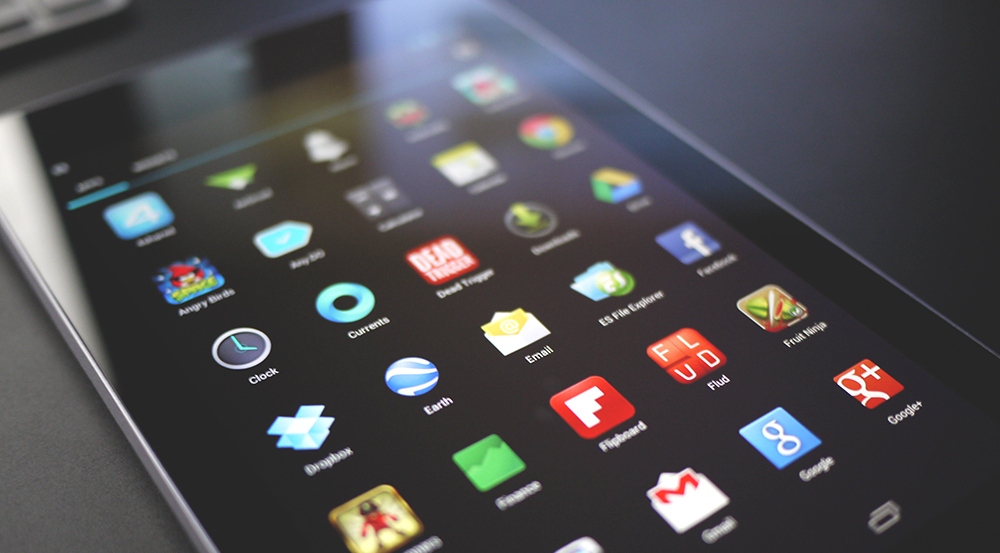
    The device has a feature called the ‘Light Mode’ which gives the UI a simple look. The icons are bigger in this view and the phone almost turns into a feature mode. The device gets its juice from a 2000 mAh battery which is perfect for the price.
    The Redmi 1S will go on sale on Flipkart on the 2nd of Spetember. The registration for the device will begin at 6 PM today. Xiaomi will also provide accessories for this device like cases and screen protector. While the leather case comes at a price of Rs 599, the screen protector can be bought for Rs. 179.

    The icing on the cake was the announcement that the device is a 1000 Rupees cheaper than previously anticipated. Hugo Barra said, “We were able to reduce the price to Rs.5999 by eliminating the marketing budget.” The incredible specs at that price are an amazing deal. Guess Xiaomi wishes to take on both the Motorola champions, the Moto G and E at once.

  • Nexus 6 May Be Called ‘Nexus X’, Possible Launch Date Revealed

    Nexus 6 May Be Called ‘Nexus X’, Possible Launch Date Revealed

    With many interesting devices in the market, the smartphone space looks bustling with energy of an overcrowded market. But a lot of people still waiting for that time of the year when the makers of Android, bring out their own device, the Nexus series. Google’s Nexus phones are one of the most looked forward devices as they bring a native Android experience as intended by Google.

    This time around Motorola has been roped in to make the next Nexus device. TKTechNews and Phone Arena say they have received information about this device; the Nexus 6 may be called the ‘Nexus X’ as that is the codename being used internally by Motorola. The model number of the device is XT1100.

    There is a bit of conflict between the sites regarding the screen size. While TKTechNews claims that the device has a massive 6.3 inch screen, PhoneArena reports on a slightly conservative screen size of 5.9 inch. Previous leaks have also reported on a 5.9 inch 2K screen. Anyway, the phone will still take on the Note 4’s screen so it will be interesting to see who brings out a better 2K screen, Motorola or Samsung.

    The 5.9 inch phone is expected to tun Android L
    The 5.9 inch phone is expected to tun Android L

    The Nexus X is expected to be based on the upcoming Moto S. It will be powered by the 2.7 GHz Snapdragon 805 processor. The camera on the device is a 13 megapixel shooter with optical image stabilization, and on the front it sports a 2.1-megapixel camera. It will also come with the Google’s next mobile OS, the Android LMP (Lemon Meringue Pie) as it’s expected to be called.

    One of the main reasons cited for the change of name is trade mark issues. Nexus 6 was the name of the Androids (robots) in Philip K Dick’s novel Do Androids dream of Electric Sheep? The novel was later produced as the famous Blade Runner films.

    The Nexus device will come with the carrier Sprint and it will be priced at $499 with a 2 year contract. In Europe, the phone will cost 419 Euros. The device is expected to arrive by Halloween as a pleasant ‘treat’. As Google did last year, the phone will be released without an announcement. Now we know what we want Christmas, hope Google brings it to a major market like India as soon as possible.

  • Microsoft is Working on Chromecast-Like Dongle Called Miracast

    Microsoft is Working on Chromecast-Like Dongle Called Miracast

    Google’s Chromecast was a surprise hit when it was launched. And now it appears Microsoft is working on something similar for Windows Phone and probably Windows PCs.

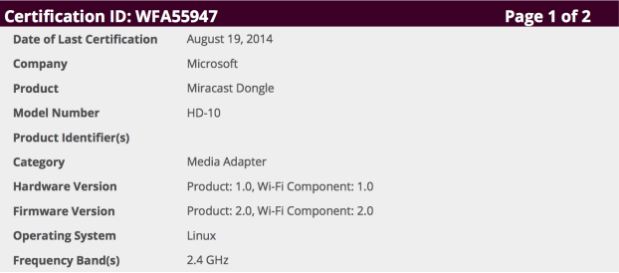
    A document filed with the FCC (Federal Communication Commission) by Microsoft has been spotted for a “Miracast Dongle” media adapter. The filing reveals that the device comes with a HDMI port, Wi-Fi and a USB connection for power supply. Miracast is a screencasting standard for connected devices over Wi-Fi Direct. Microsoft recently added Miracast support to Windows Phone via the Lumia Cyan firmware for Windows Phone 8.1.

    However, Miracast doesn’t seem like a direct Chromecast competitor. It is said that the two devices work a bit differently with Chromecast pulling streaming data from the cloud while Miracast, as its name suggest, just mirrors the display. The big advantage of mirroring a display on your TV is that you don’t have to wait for developers to add Miracast support to their apps, because it’s a system-wide feature.

    miracast microsoft

    It is said that the new dongle would take advantage of Windows Phone 8.1’s Miracast-based Project My Screen feature to broadcast your screen to a TV. This could be used for putting anything from videos and games to presentations and photos on your living room’s big screen. Adding a dongle to support Miracast on TVs is key, because the technology has yet to see wide adoption despite being supported in the latest build of Windows.

    With Microsoft expected to launch a couple of Lumia mobile devices at its upcoming IFA press event in Berlin on September 4th, we will not be surprised if Miracast also get officially unveiled at the same event. Also, we expect that device will support Windows PCs as well.

    Microsoft is also planning to dispatch a Windows 8.1 PC for $199 to contend with the Chromebook. As per reports the laptop will be made by HP and will be known as the HP Stream 14. It will have a 14 inch show with 1366 x 768 pixels determination. It will be accessible in 32 GB and 64 GB variations and will weigh only 1.75 kgs.

    Microsoft has recently lagged behind in offering a universally appreciated user experience. It has a lot of catching up to do. The company is still in its restructuring phase and it will be interesting to see if those massive job cuts would get Microsoft back to tech glory. Also the evolved interconnected ecosystems offered by Chrome and Android on Google’s side and OSX and iOS provided by Apple stand as a formidable opponent in the path of Microsoft. Miracast shows promise but nothing can be said until we lay our hands on the device, so keep checking out this spot.

iGyaan Network
Privacy Overview

This website uses cookies so that we can provide you with the best user experience possible. Cookie information is stored in your browser and performs functions such as recognising you when you return to our website and helping our team to understand which sections of the website you find most interesting and useful.