Realme launched its latest smartphone, the Realme 3 at an event last month. The smartphone features competitive specifications and carries a lucrative price tag. At the event, the company also announced the successor to the Realme 2 Pro flagship smartphone will launch in April. While no information was shared regarding the announcement date and specifications of the handset; the company has started sending out invites for the launch of the aforementioned device. Its flagship smartphone, the Realme 3 Pro will be launched on the 22nd of April.
Realme 3 Pro
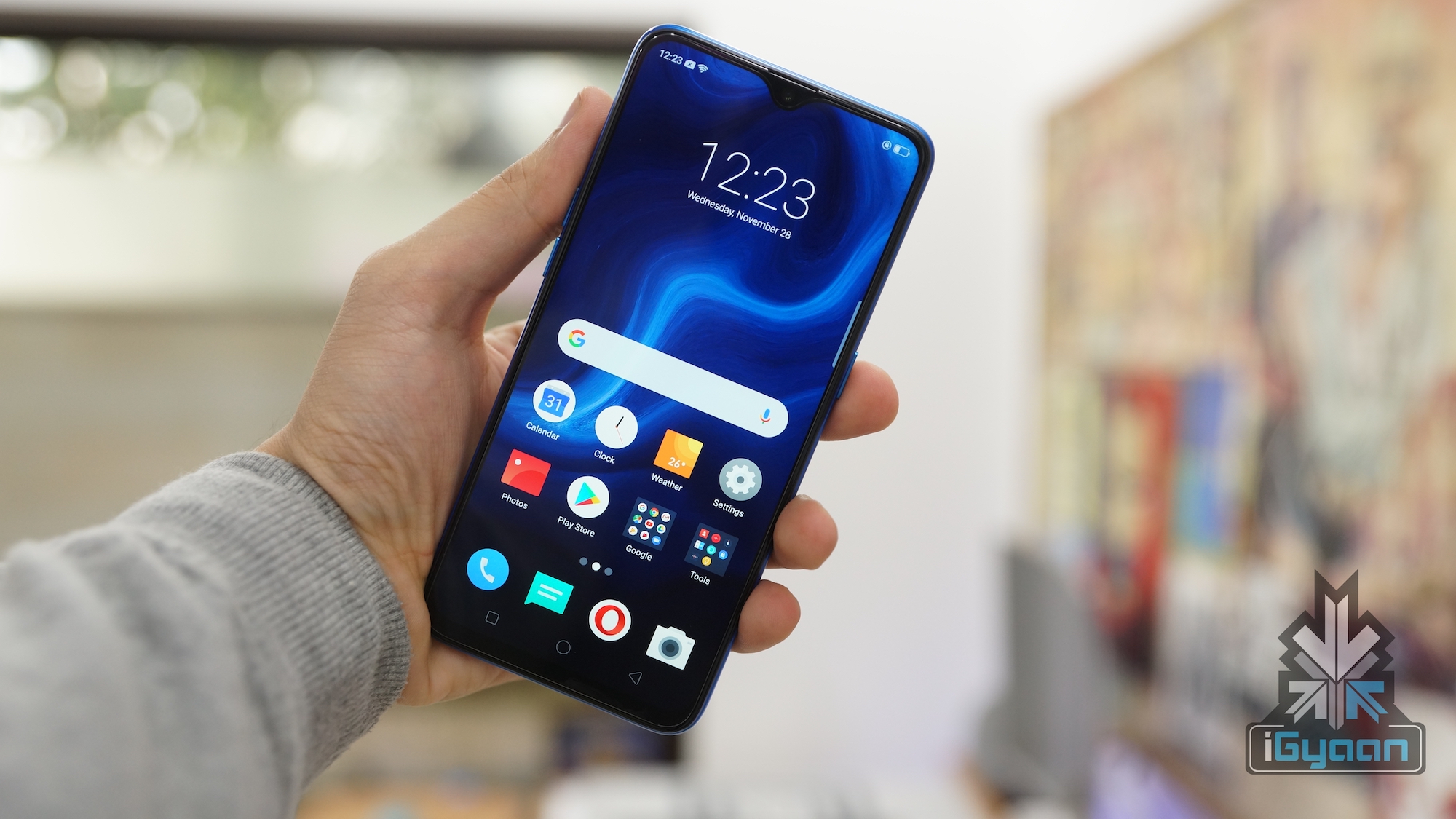
The Realme 3 Pro as mentioned above, will be a flagship offering by the company and will compete with the Redmi Note 7 Pro launched in February. Leaked specifications of the smartphone reveal it will have a 6.3-inch LCD display with an FHD+ resolution. A waterdrop notch is expected like its predecessor to maximise the screen real estate. For biometrics and securely unlocking the device, it has a rear-mounted fingerprint sensor and will support face unlock technology.
Realme U1
The leaks reveal Realme 3 Pro will run on the 10nm Snapdragon 710 SoC. The chipset is comprised of an Octa-core CPU and the Adreno 616 GPU. In terms of optics, the smartphone is expected to feature dual rear cameras. The setup may comprise of a 12MP sensor combined with an additional depth sensor. For selfies, the device will have a 20MP front-facing camera housed in the waterdrop notch on top of the display. For memory and storage, the Realme 3 Pro may be available in the following variants.
Reports claim the Realme 3 Pro will be powered by a 4100 mAh battery with support for VOOC fast charging. It will run on Oppo’s latest ColorOS 6.0 on top of current Android 9 Pie. While there are no details regarding the price of the smartphone, it is expected to start at a price of Rs. 13,999.
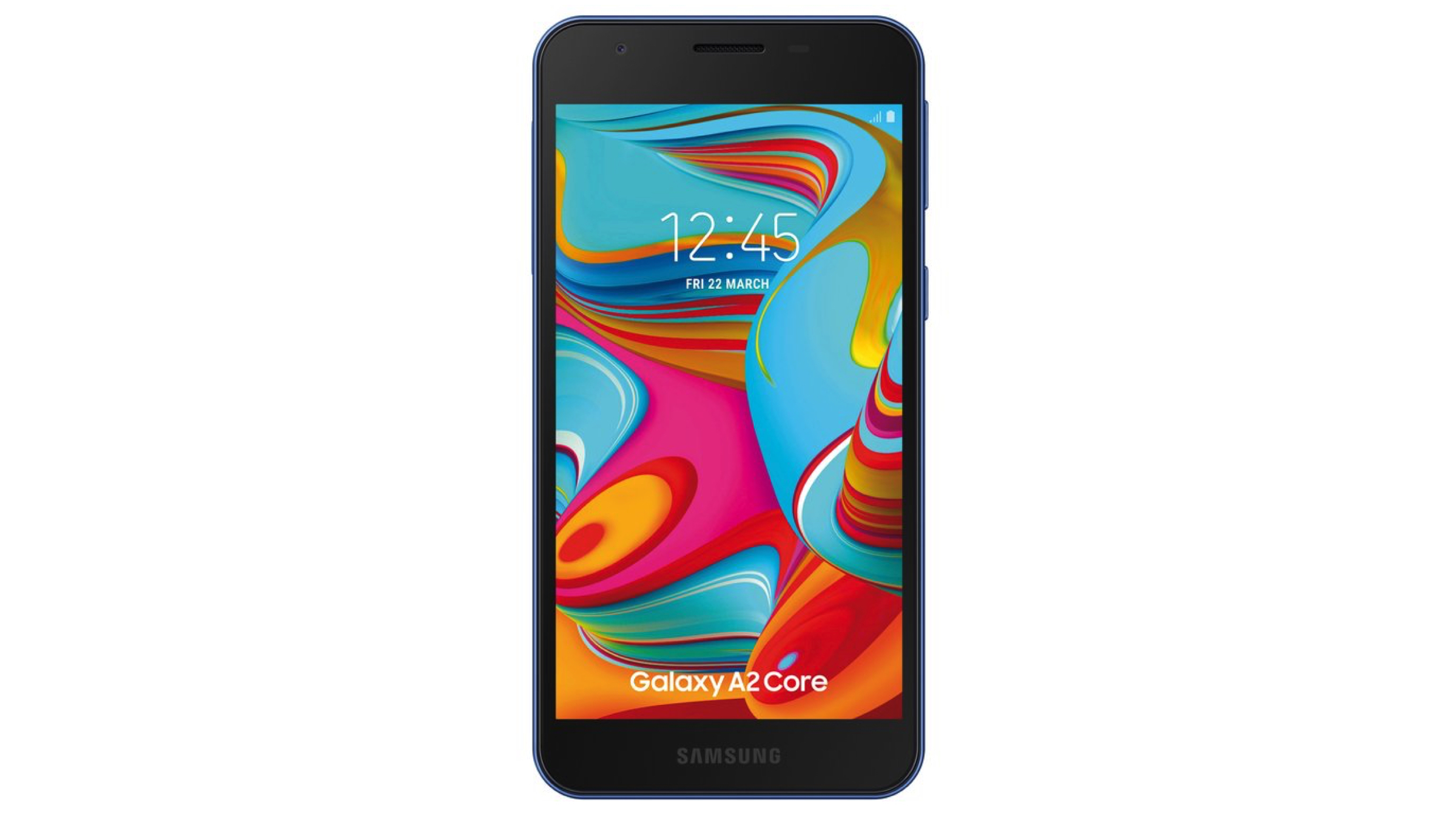
Amidst the trend of budget Android Go powered smartphones, a lot of reports have been directed towards Samsung’s initiative towards the same. After making its presence of multiple certification agencies worldwide, Samsung’s Galaxy A2 Core is all set to debut in India very soon. Ahead of its imminent launch, sources have revealed the detailed specifications and pricing of the aforementioned smartphone.
The budget smartphone will feature a glossy plastic design on the back. The Galaxy A2 Core will measure at 141.5 x 70.9 x 9.1 mm, with a 5-inch qHD (quarter HD) display. The smartphone will run on the 14nm Exynos 7870 chipset, which comprises of the 1.6 GHz octa-core Cortex A53 CPU and the Mali T830 MPI GPU. It is bundled with 1GB of RAM and 16GB of internal storage.
The Samsung smartphone will run on Android 9 (Go Edition). In terms of optics, the Galaxy A2 Core will feature an f/1.9 equipped 5MP primary camera sensor in combination with an f/2.2 equipped 5 MP front camera for selfies. The selfie camera will be integrated with the “beauty mode” feature. The device will pack a 2600 mAh battery, and will be available in three colour options, which are listed below:
The Samsung Galaxy A2 Core will not feature biometric security options, so users will have to stick to conventional security methods such as pattern and PIN. The rear camera module includes an LED flash, and the speaker module is placed just below the aforementioned camera setup. In terms of connectivity, the device has a microUSB slot placed at the bottom, right next to the 3.5mm headphone jack. The Galaxy A2 Core (bearing model number (A260GG) will be priced at INR 5,290 at the time of launch and will go up against the recently launched Redmi Go smartphone. The company is expected to make an official announcement regarding the launch date of the device soon enough.
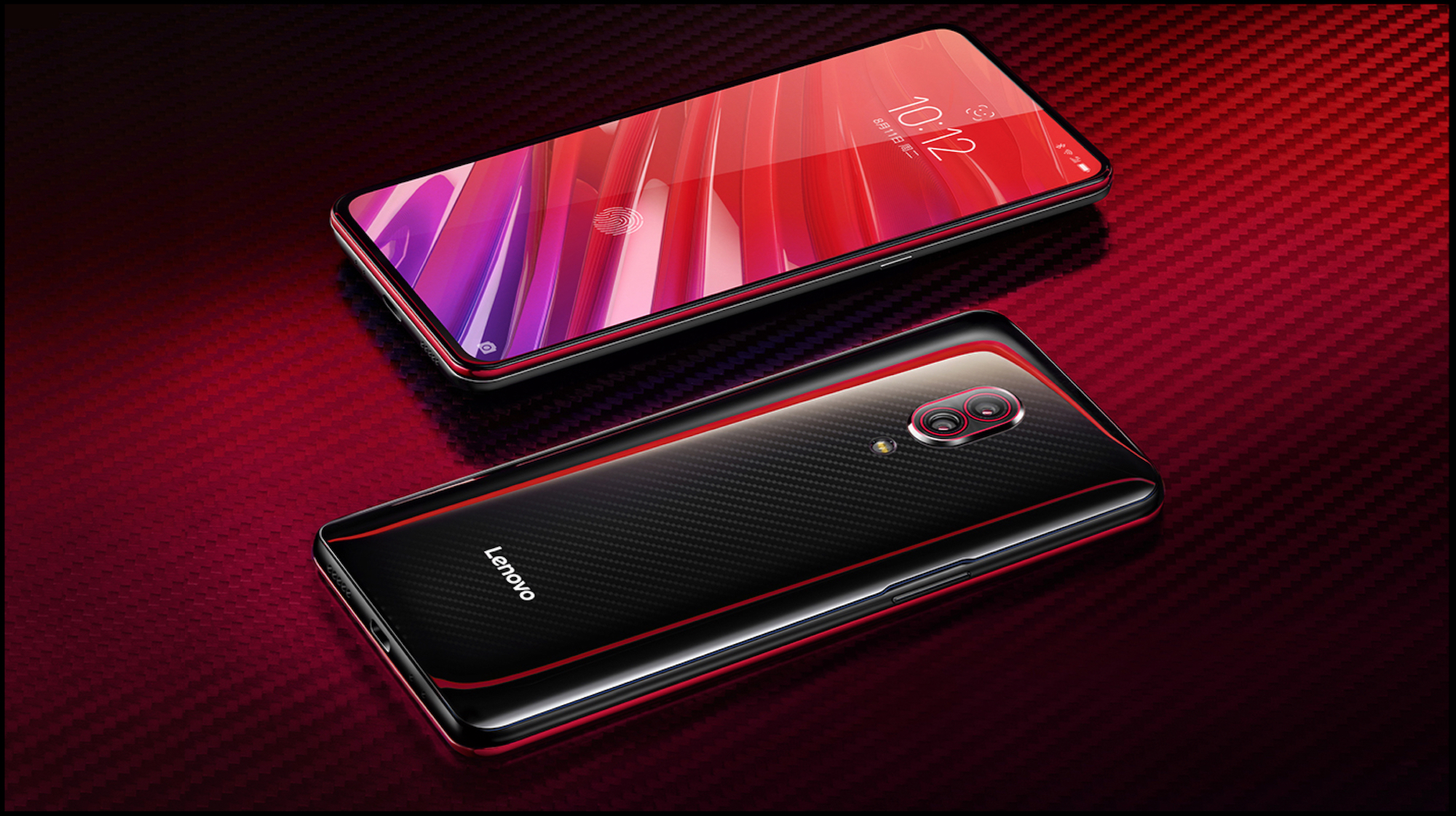
The Chinese smartphone manufacturer, Lenovo wants to keep the upcoming Z6 Pro in the shadows for now, but at the same time, the company is constantly teasing its features ahead of the upcoming launch at an event on April 23 in Beijing, China. Some extraordinary features have already been unveiled, such as the “Hyper Video” feature which may enable the user to shoot super smooth slow-motion videos at frame rates of 960fps. On April 11, the company posted some camera samples from the upcoming smartphone.
The images are taken during the phase of dusk and the night, and they bear watermarks in Chinese, which when translated, reveal significant information regarding the Z6 Pro’s camera. The images exhibit detailed levels of colours and brightness. The faint layer of light on top of the images give them a natural look. As deduced from the overlaid watermarks, the camera has a pixel size of 2.9 ?m, indicating towards a camera with advanced night mode capabilities. Moreover, the second watermark exhibits an 80dB over-motion map, which hints towards the fact that the camera has a large photosensitive area.
Expected Features And Specifications
Previously, the company confirmed that the Lenovo Z6 Pro will feature the powerful 7nm Snapdragon 855 chipset. Currently one of the fastest SoCs in the market, it comprises of an octa-core CPU and the Adreno 640 GPU. Even though detailed specifications of the device are not known as of now, the smartphone is expected to include a display with a high refresh rate (possibly 120 Hz). As reported previously, the device may launch as Lenovo’s gaming smartphone, so the handset is expected to feature a huge battery with support for fast charging. Additional support for gaming may include an inbuilt cooling system and support for gaming accessories such as Bluetooth gamepads and gaming-oriented Bluetooth earphones.
Z5 Pro GT
As mentioned before, Lenovo is seemingly directing the focus of its fans and customers towards the camera of the Z6 Pro, which is speculated to be integrated with features such as super-anti shake, ultra-wide angle lens, super night-mode and Super-slow-motion video mode. Moreover, the 100-megapixel camera mode, which is being teased by the company would be an interesting feature to watch out for, even though Lenovo may use an AI workaround for the same on the Z6 Pro.
The Lenovo Z6 Pro is expected to be priced under INR 50,000, which will make it a strong contender to other premium mid-range devices in the same segment. Detailed specifications of the smartphone will be available on 23rd April.
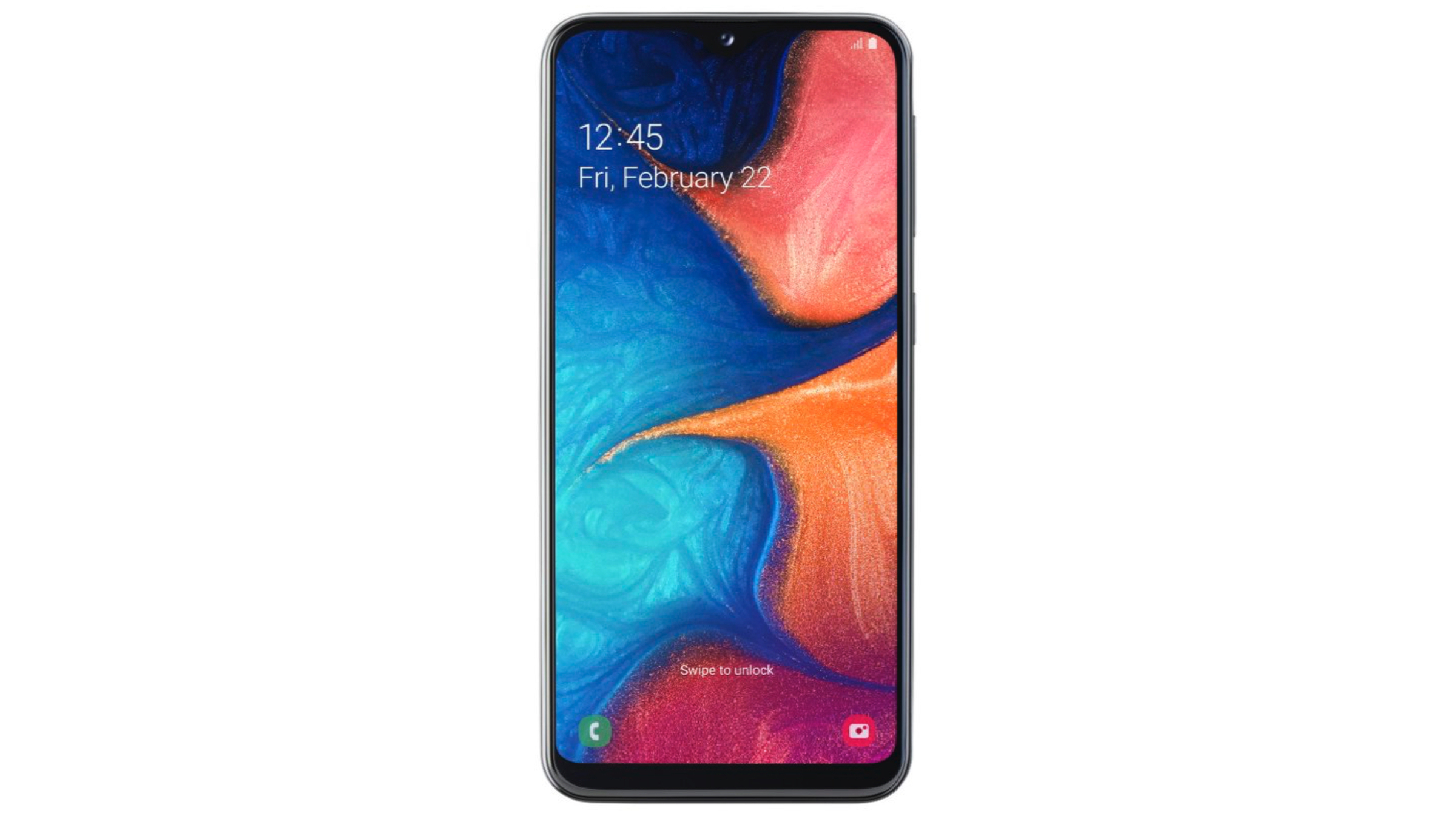
Samsung, the largest smartphone OEM in the world, has been on a launching spree lately. The company has tried to completely reinvent its budget and mid-range segment with the current Galaxy A lineup. It has now freshly announced the Galaxy A20e budget smartphone in the series to target emerging markets. The device was launched on the 10th of April alongside the Galaxy A80, Galaxy A70 and Galaxy A40 smartphones. The Galaxy A20e features a new design language adopted by Samsung and offers humble specifications at a lucrative price.
Galaxy A20e
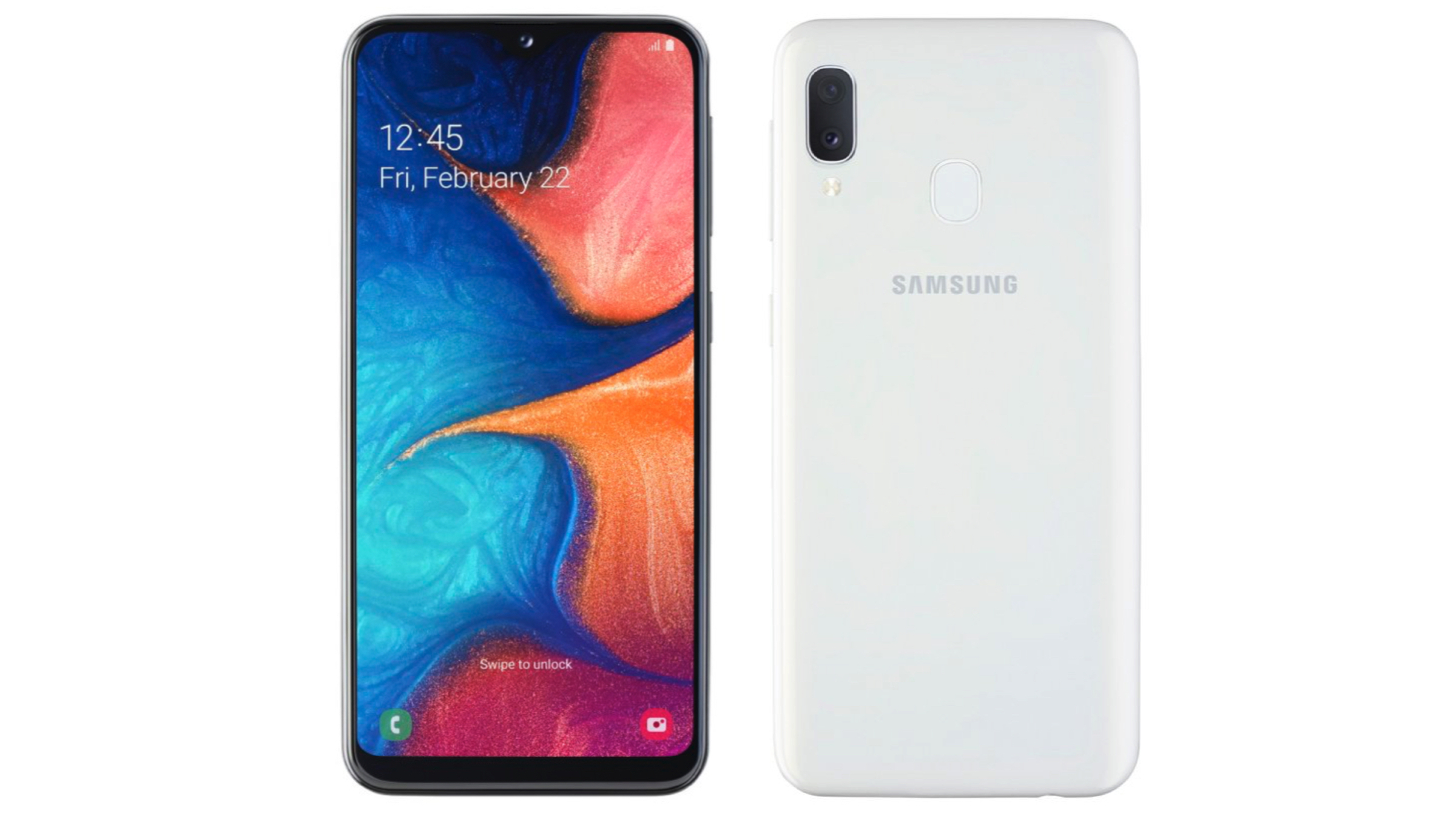
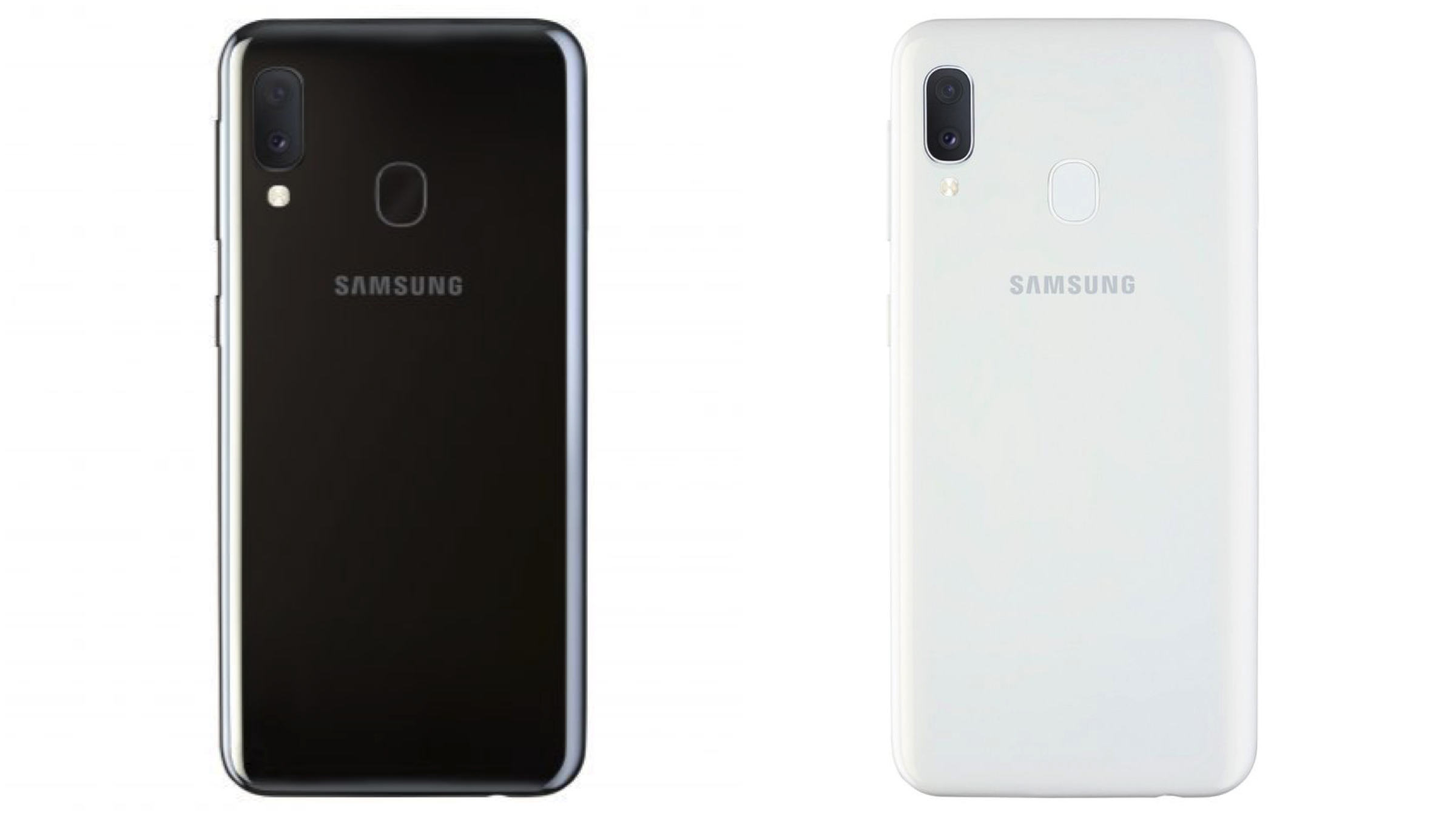
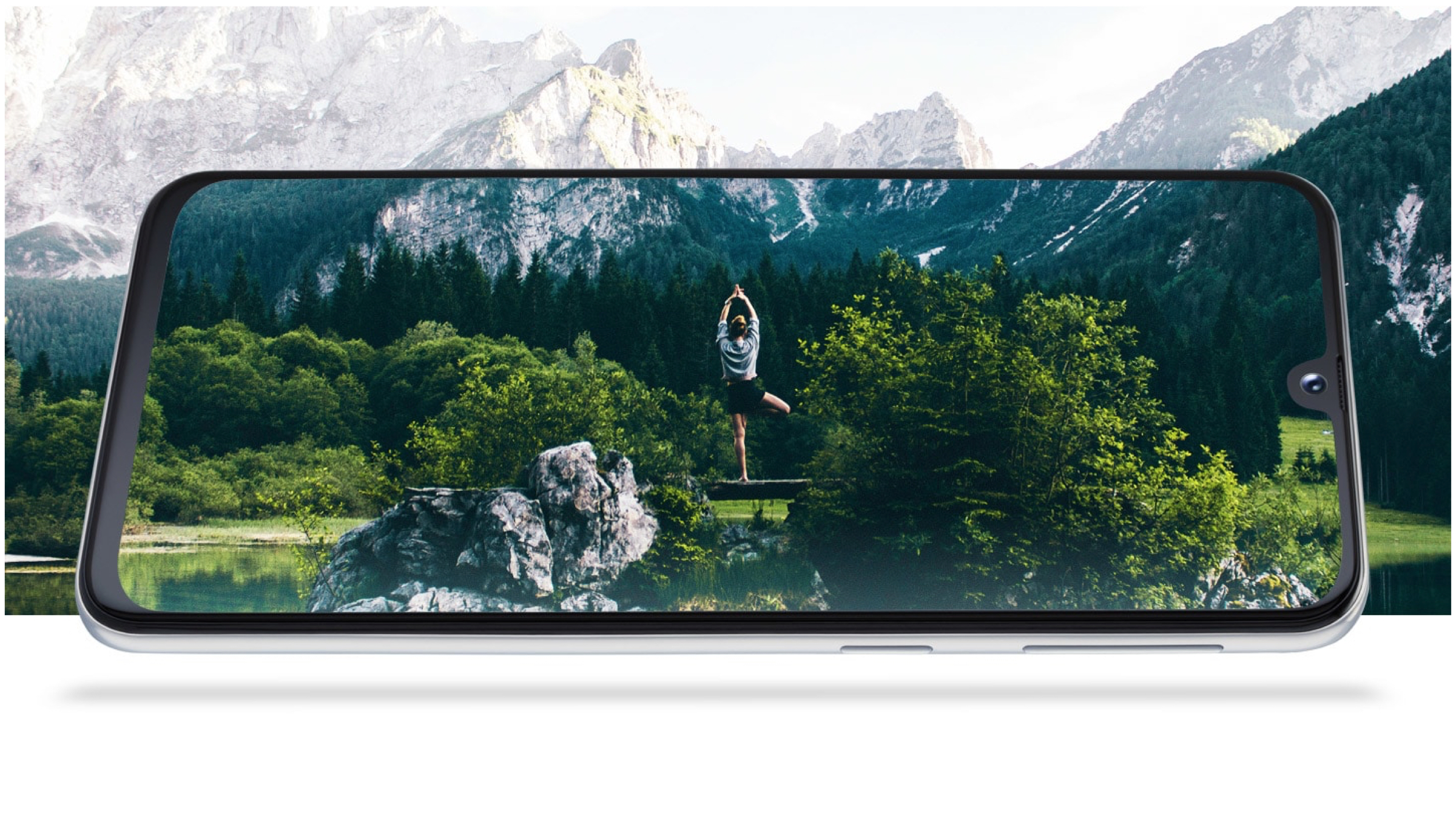
The Galaxy A20e features a polycarbonate body with a similar design language to the Galaxy A20 launched a few days ago. The device measures 147.2 x 69.5 x 8.3mm and has a 5.8-inch TFT display with a resolution of 1560 x 720 px. The front has minimal bezels all around the display with a small Infinity-V style waterdrop notch on top. The rear of the smartphone houses a fingerprint sensor which allows it to be unlocked securely. Additionally, it also supports face unlock technology.
Under the hood, the Galaxy A20e is kitted with the Exynos 7885 SoC which consists of an Octa-core CPU and the Mali-G71 GPU. The device has a dual rear camera setup comprised of an f/1.9 aperture equipped 13MP sensor, an f/2.2 aperture equipped 5MP sensor and an LED flash. For selfies, it has an f/2.0 aperture equipped 8MP camera housed in the notch on top of the display. The smartphone is available with 3GB of RAM and 32GB of internal storage which is further expandable up to 512GB via the dedicated microSD slot.
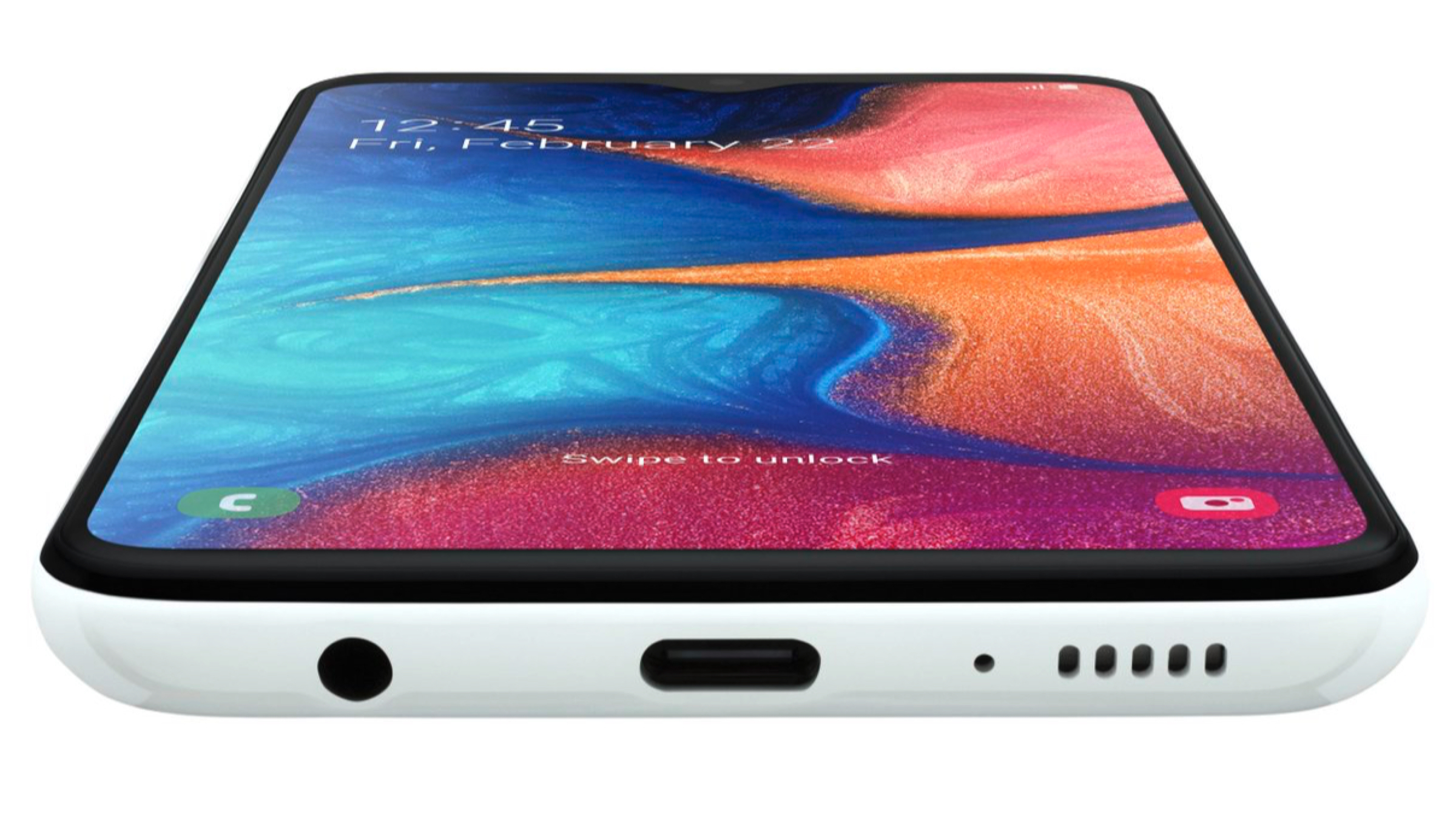
The Galaxy A20e is powered by a 3000mAh battery which supports 15W fast charging via the bottom mounted USB port. The smartphone runs on the latest OneUI on top of the current Android 9 Pie. It will be available in two colour variants, namely Black and White. Unfortunately, Samsung hasn’t announced the pricing and availability of the Galaxy A20e, but it is expected to cost Rs 8,990 when it arrives in India.
Korean electronics giant, Samsung has been on a smartphone launching frenzy lately. The company has populated its Galaxy A lineup with numerous smartphones which range from the budget segment to the premium segment. On the 10th of 2019, Samsung launched two premium smartphones, namely the Galaxy A70 and the Galaxy A80 at an event in Thailand. Later that evening, the company unveiled two other smartphones in the UK which include the Galaxy A40 and the A20e.
Galaxy A40 Design And Features
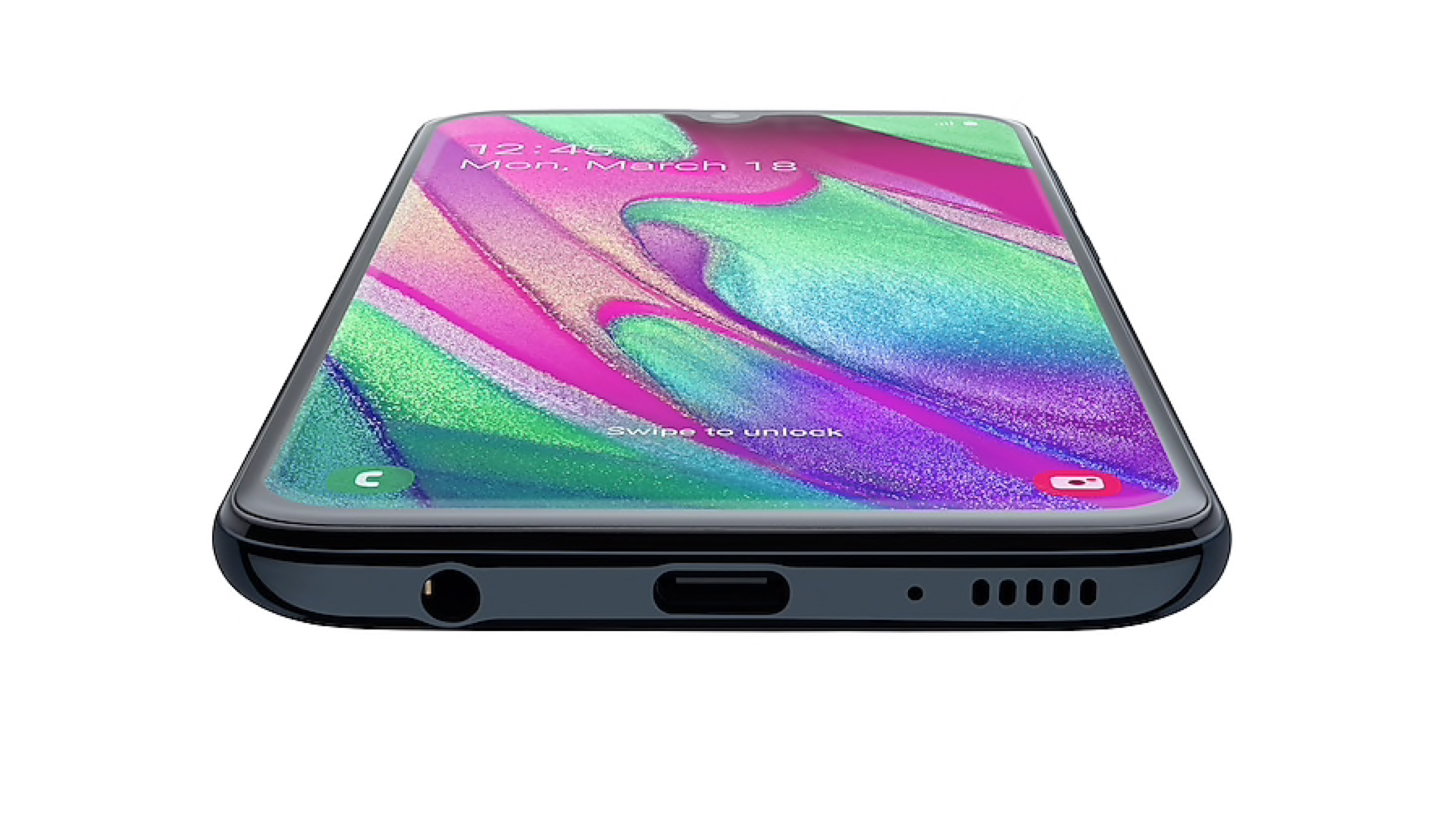
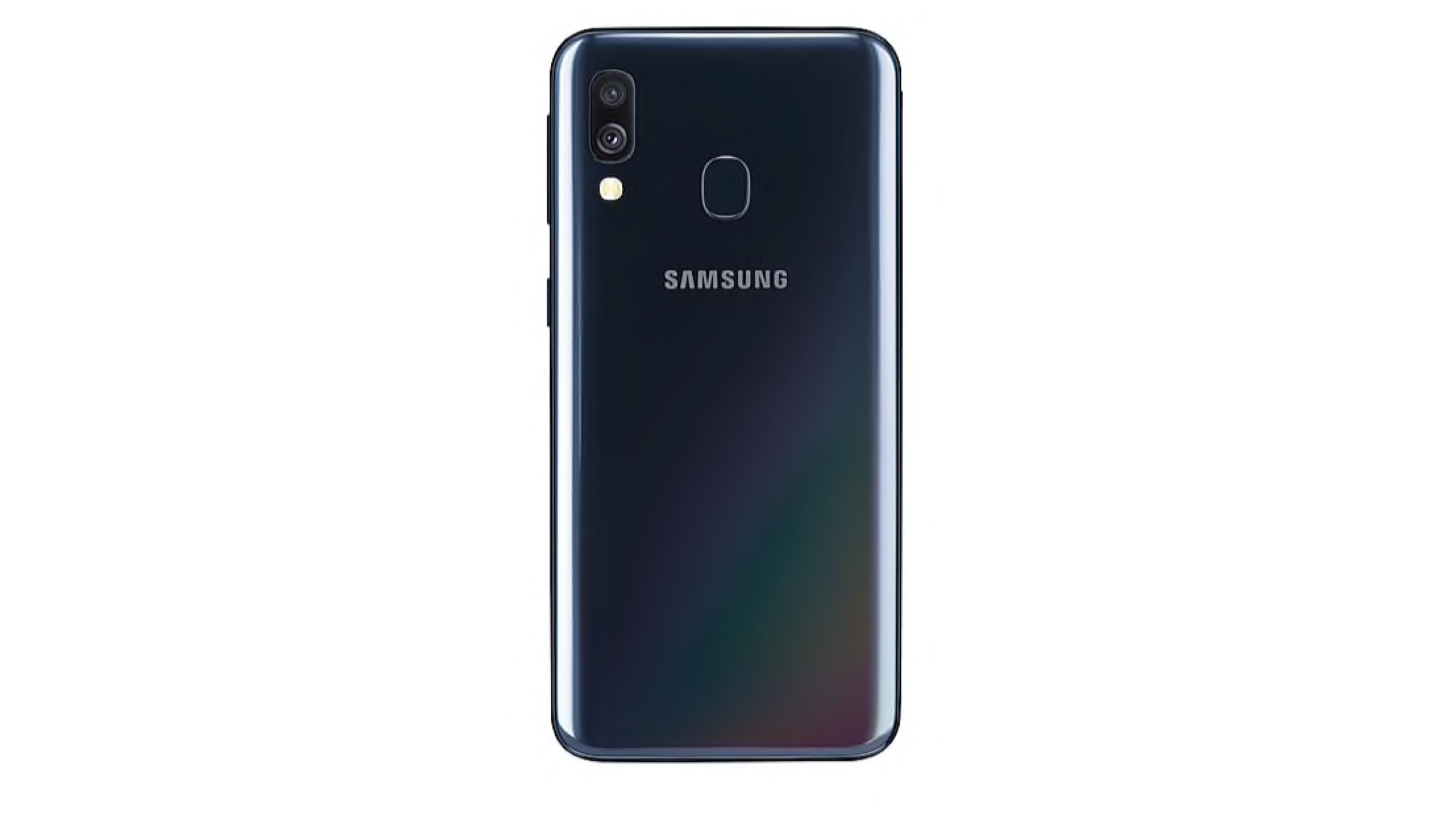
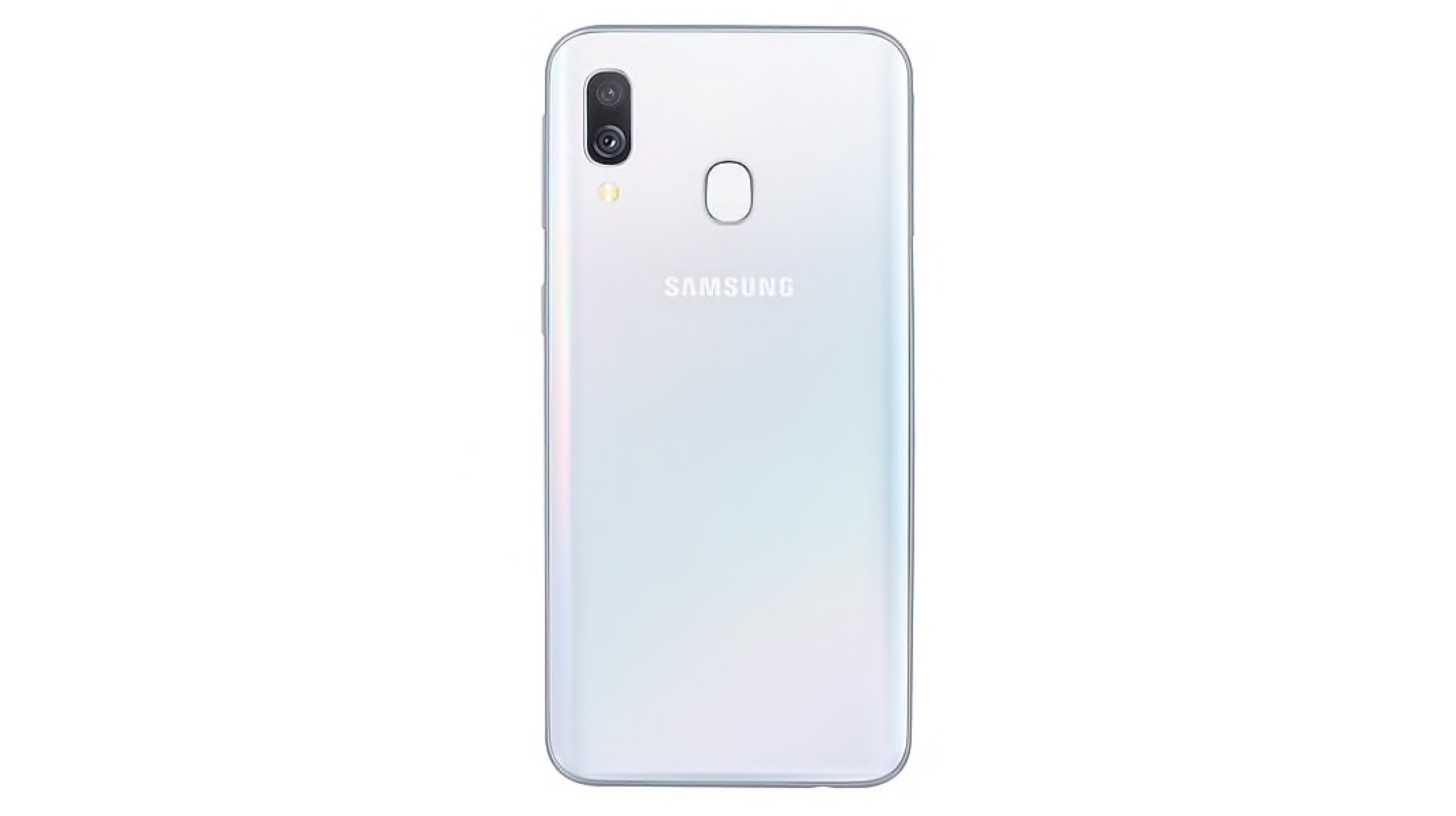
The newly launched Galaxy A40 is highly reminiscent of its siblings from the Galaxy A lineup. The front of the smartphone accommodates a 5.9 inch Super AMOLED display with Infinity U notch which houses an f/2.0 aperture equipped 25 MP sensor. The rear panel of the handset is made out of glossy plastic which Samsung refers to as a ‘3D Glasstic’ design. The rear side of the smartphone harbours the company branding, oval shaped fingerprint sensor and dual camera setup.
The dual rear camera setup of the Samsung Galaxy A40 is comprised of an f/1.7 aperture equipped 16 MP sensor, f/2.2 aperture equipped 5 MP sensor and an LED flash. In addition to the rear-mounted fingerprint sensor, it also supports face unlock technology. The smartphone is powered by a 3,100 mAh battery which supports 15 w fast charging.
Under the hood, the Samsung Galaxy A40 features the Lassen O+ octa-core processor which has a clock speed of 1.8 GHz. Connectivity options on the smartphone include Dual 4G VoLTE, 802.11 ac Wi-Fi, 3.5 mm audio jack, NFC, GPS and a bottom mounted Micro-USB port for charging and data transfer. The handset runs on Samsung’s One UI which is built on top of the latest Android 9 Pie.
The Samsung Galaxy A40 is available in four colour options which include Black, White, Coral and Blue. In terms of memory and storage, the handset has 4 GB of RAM and 64 GB of inbuilt storage which is further expandable up to 512 GB via the dedicated MicroSD slot. The handset is currently available in the UK at a price of € 250 (Rs 19,500) and is soon expected to debut in India.
Xiaomi launched its first selfie focussed smartphone, the Redmi Y1 back in the year 2017. The device features a high-resolution front-facing camera and competitive specifications. The handset was followed by its successor, the Redmi Y2 the next year. A fresh tweet by a senior Xiaomi executive insinuates the launch of yet another successor, purportedly called the Redmi Y3 is imminent.
Redmi Y3
Mi fans! I got my hands on upcoming #Redmi phone & it is amazing! Went on a selfie rampage & the results are totally incredible.?
'Y' am I taking so many selfies? BTW I clicked '32' selfies with 32 @XiaomiIndia colleagues! ?
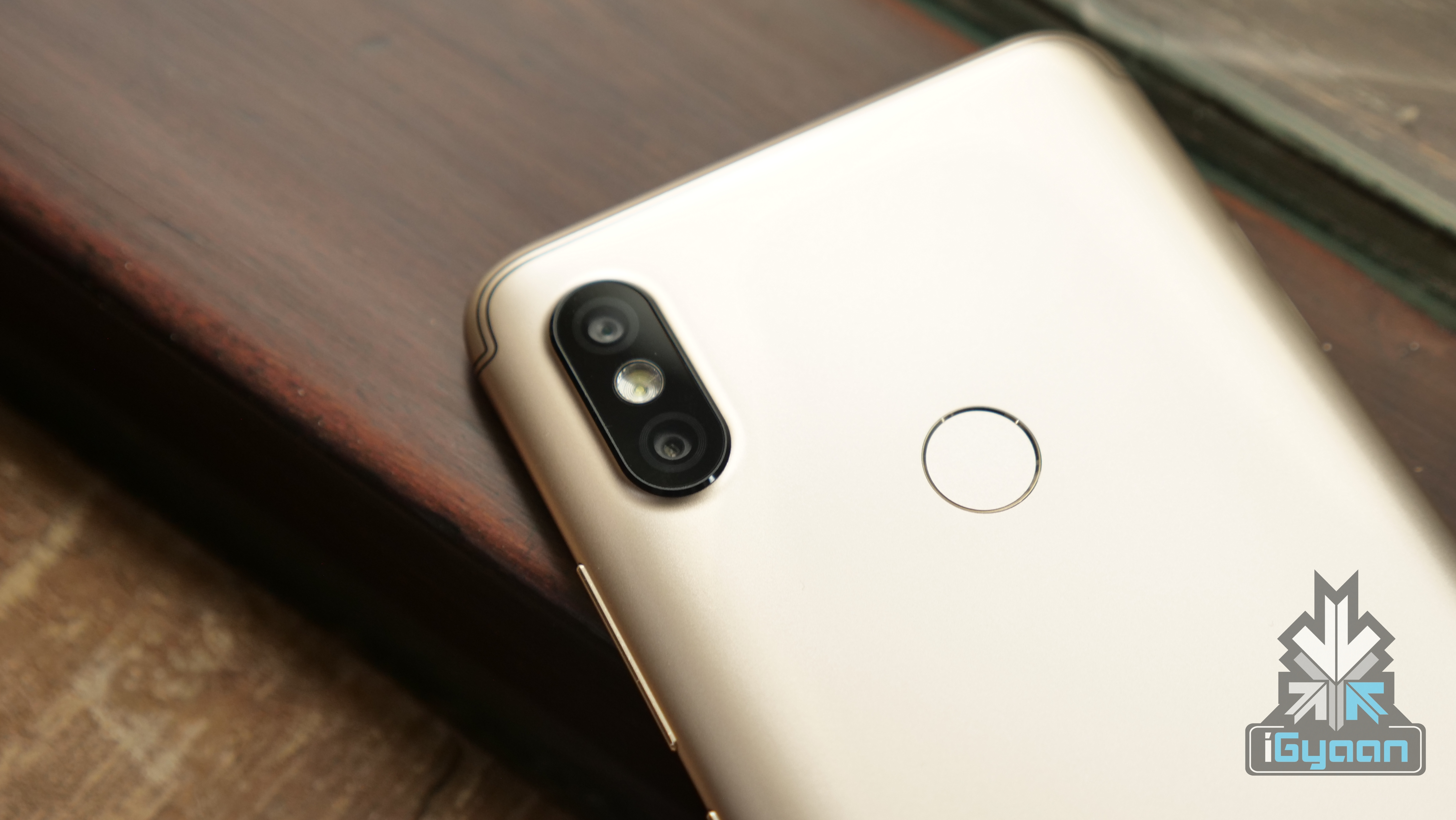
The upcoming smartphone from the company, the Redmi Y3 is expected to carry over a lot of features from its sibling, the Redmi Note 7. As previous versions of the selfie-centric series have featured a metal construction, the Redmi Y3 may also have a similar build. A 6.3-inch display with an FHD+ resolution is expected. Like its siblings, the device may have a waterdrop notch to maximise the screen to body ratio. For biometrics and security, the Redmi Y3 will have a rear-mounted fingerprint sensor with support for face unlock technology.
Reportedly, the upcoming Redmi Y3 will run on the 14nm based Snapdragon 660 SoC. The chipset has an Octa-core CPU and Adreno 512 GPU. In terms of optics, the smartphone will have a dual rear camera setup consisting of a 12MP and a 2MP depth sensor. The tweet by the senior Xiaomi executive reveals the device will have a 32MP selfie camera. In terms of memory and storage, the handset may be available in the following variants.
Previous leaks of the Redmi Y3 revealed it will run on the latest MIUI 10 on top of Android 9 Pie. In terms of connectivity, the smartphone will support Wi-Fi 802.11 b/g/n connectivity. Unfortunately, the company hasn’t announced the launch date and the price of the device, but it is expected to cost starting Rs. 9,999 and will launch later this month.
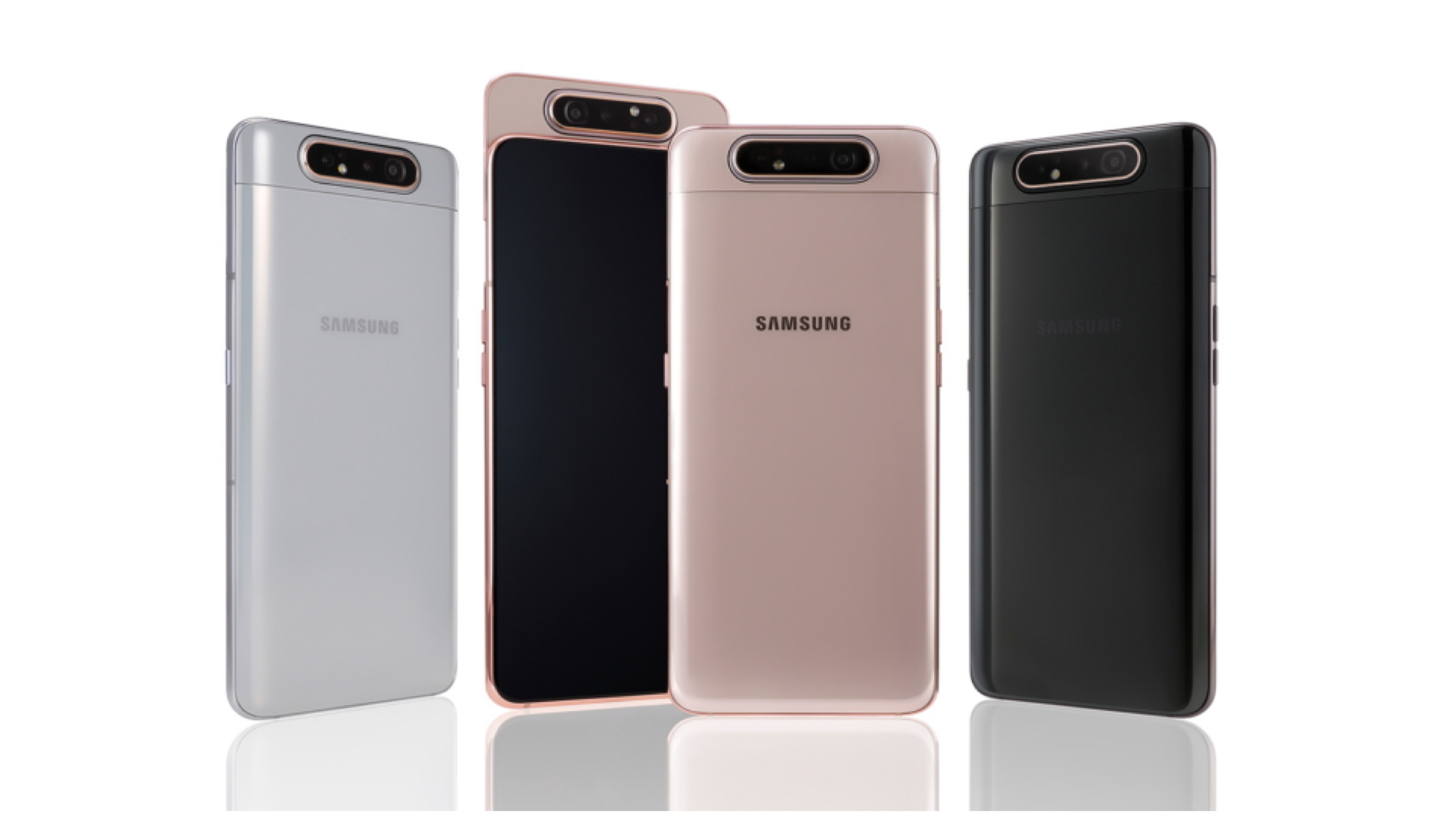
Samsung at an event in Bangkok, Thailand launched the Galaxy A80 smartphone. The device is the latest and the most premium entrant in the current Galaxy A lineup and was launched alongside the Galaxy A70. The Galaxy A80 sports many technological firsts for Samsung, including the design, display and the camera setup.
Galaxy A80
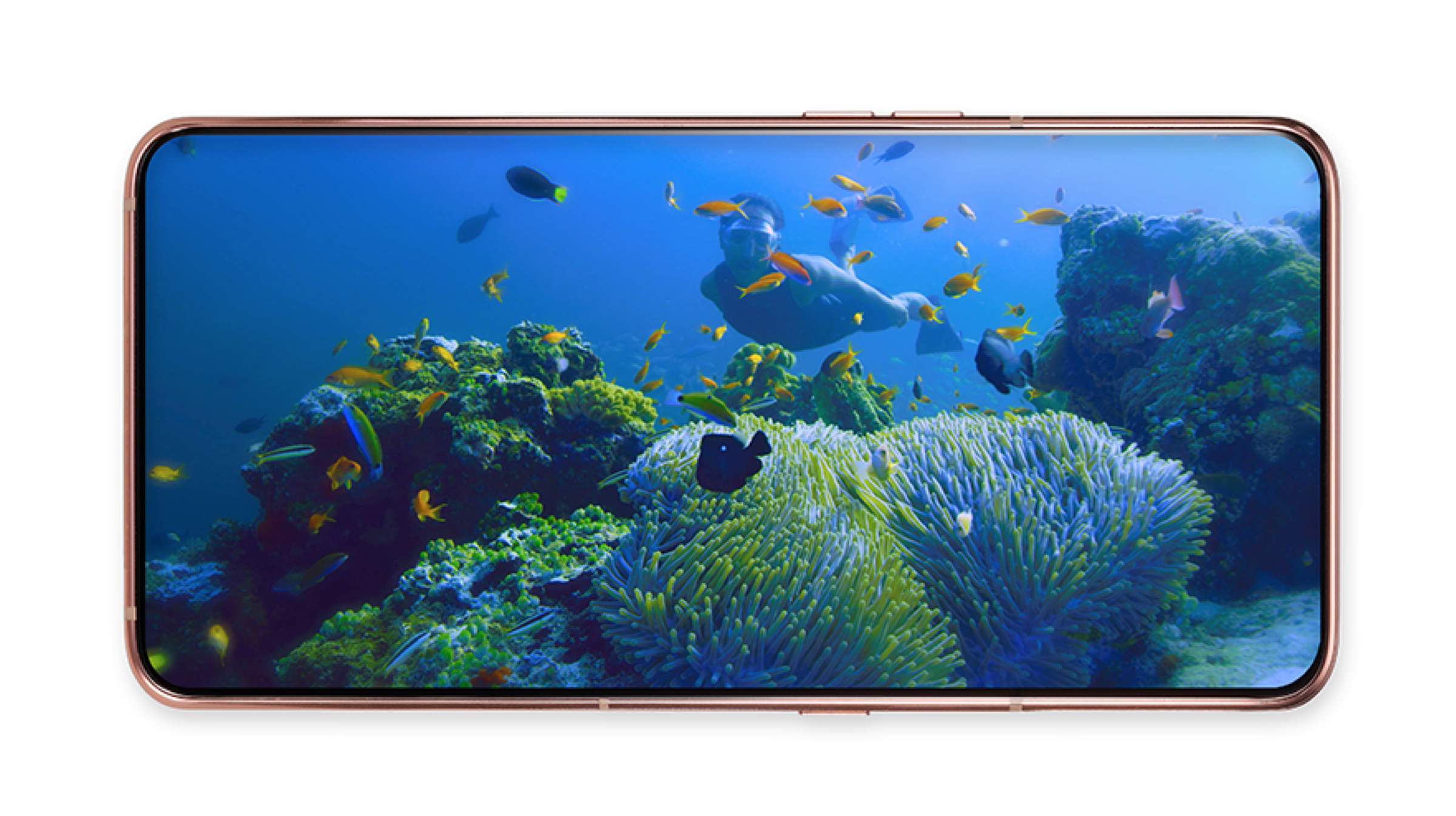
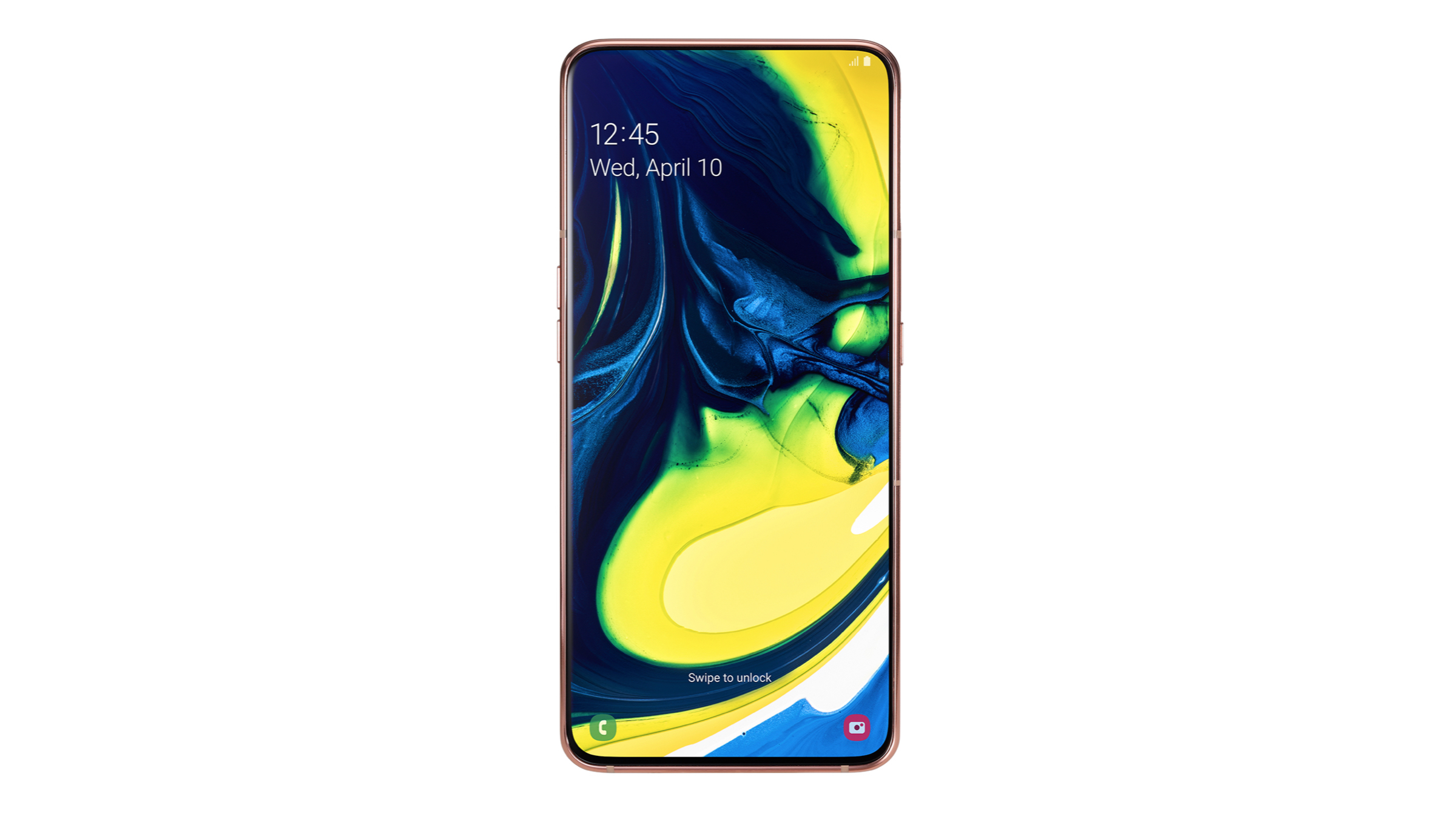
The Galaxy A80 features a modern and unique looking design for the company. It measures 165.2 x 76.5 x 9.3 mm and is made out of 3D Glass with a metal chassis. The front of the smartphone is dominated by a ‘New Infinity’ 6.7-inch Super AMOLED display with a resolution of 2400 x 1080 px. There are minimal bezels around the display with no obstructions like a notch or a hole-punch in sight. For biometrics and security, the device has an in-display fingerprint sensor, like the Galaxy A50.
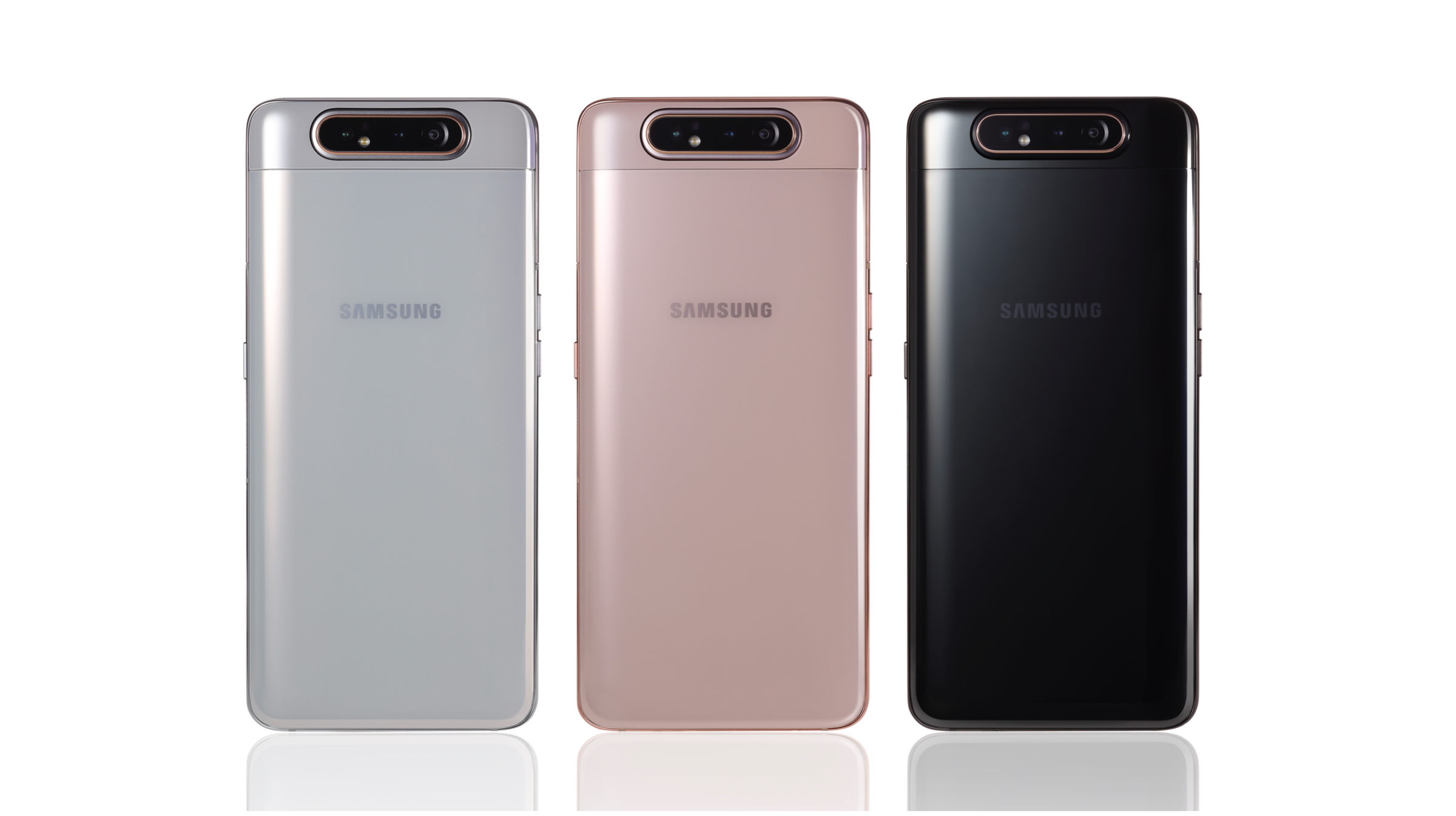
Under the hood, the Galaxy A80 is kitted with the freshly announced 8nm Snapdragon 730G SoC. The chipset has an Octa-core CPU and Adreno 618 GPU. The processor has two cores clocked at 2.2Ghz and Six cores clocked at 1.8Ghz. The highlight of the smartphone is its unique camera setup. It has a slider rotating camera system to capture images and videos from the front as well as the rear of the handset. The setup consists of an f/2.0 aperture equipped 48MP sensor; combined with an f/2.2 aperture equipped 8MP sensor and a 3D Time of Flight (ToF) sensor for capturing the depth information. In terms of memory and storage, the Galaxy A80 will be available with 8GB of RAM and 128GB of internal storage.
The Galaxy A80 is powered by a 3700 mAh battery with support for 25W fast charging. It runs on Samsung’s OneUI on top of latest Android 9 Pie. Unfortunately, the smartphone doesn’t support memory expansion. The device will be available in three colour variants, namely Phantom Black, Angel Gold, Ghost White. The Galaxy A80 will be available for sale starting May 28 but the company has not announced the pricing of the smartphone.
Samsung is on a roll, with the Korean company expanding its Galaxy A lineup. The company unveiled the Galaxy A10, Galaxy A30 and Galaxy A50 last month. Amidst rave reviews, Samsung’s new devices were looking to create a dent in the entry-to-mid level smartphone segment. On April 10, 2019, the company launched the much-anticipated Galaxy A70 at “A Galaxy Event” in Bangkok, Thailand. The device has innovative features and a modern design.
Galaxy A70 Specifications And Features
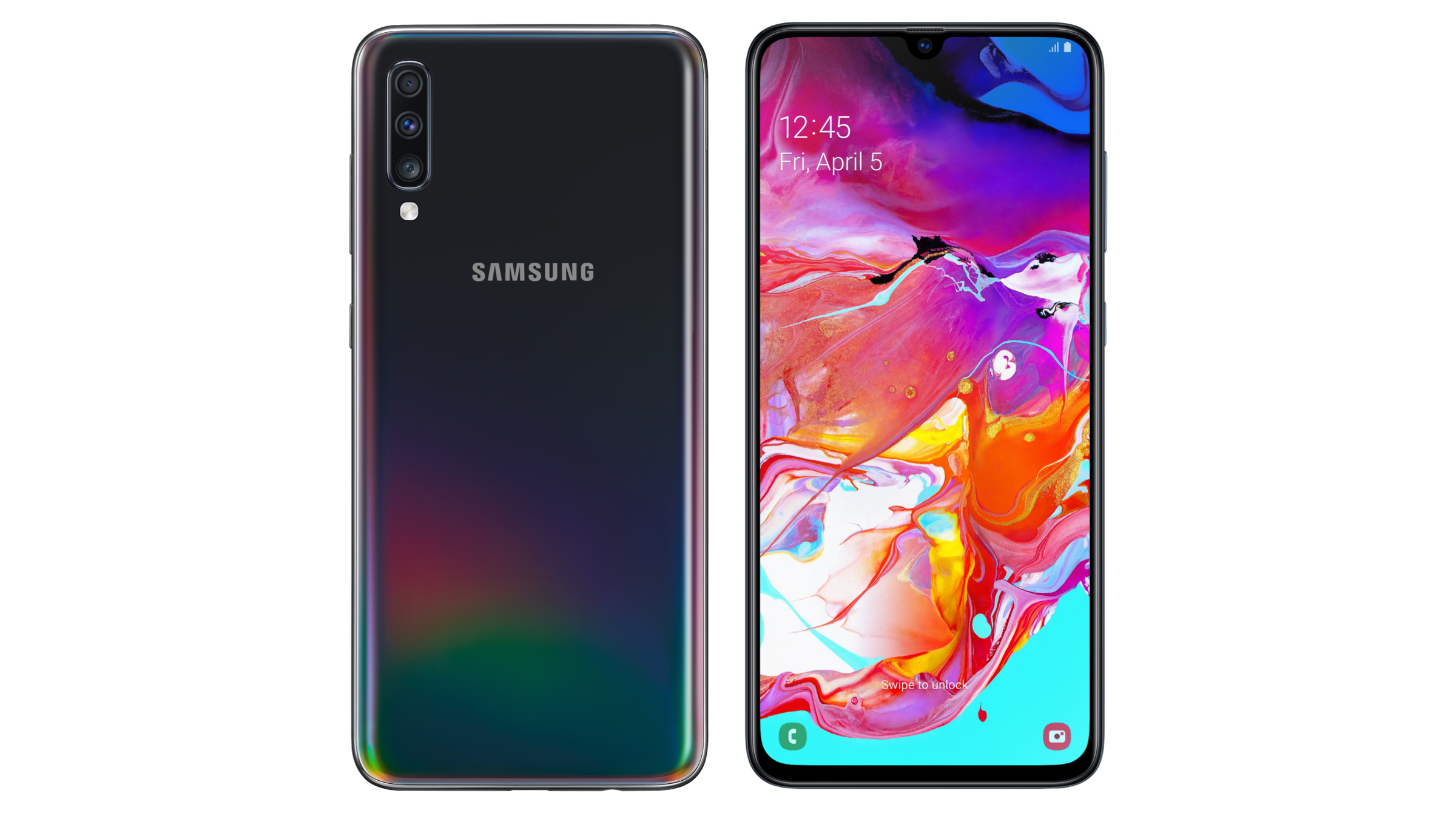
The Samsung Galaxy A70 is the elder sibling to the Galaxy A50. It features a similar design to the A50 with a ‘3D Glasstic’ gradient at the back. The front is dominated by a huge 6.7 inch Super AMOLED display with a resolution of 2400 x 1080 px. It has ultra-narrow bezels all around the display and an Infinity-U style notch on the top. For biometrics and security, the smartphone features an in-display fingerprint scanner and support for face unlock technology.
The Samsung Galaxy A70 runs on the 11nm Snapdragon 665 chipset which consists of the octa-core Kryo 260 CPU. Two of the eight cores are clocked at 2.0 GHz and the rest are clocked at 1.7 GHz. Regarding graphics, the SoC has the Adreno 610 GPU. For optics, the smartphone has a triple rear camera setup consisting of a 32MP sensor with an f/1.7 aperture; combined with an 8MP ultra-wide angle sensor with an aperture of f/2.2 and a 5MP f/2.2 depth sensor. For selfies, it has an f/2.0 aperture equipped 32MP camera which is housed in the Infinity-U notch on top of the display. In terms of memory and storage, the device will be available in the following variants:
6GB RAM and 128GB ROM
8GB RAM and 128GB ROM
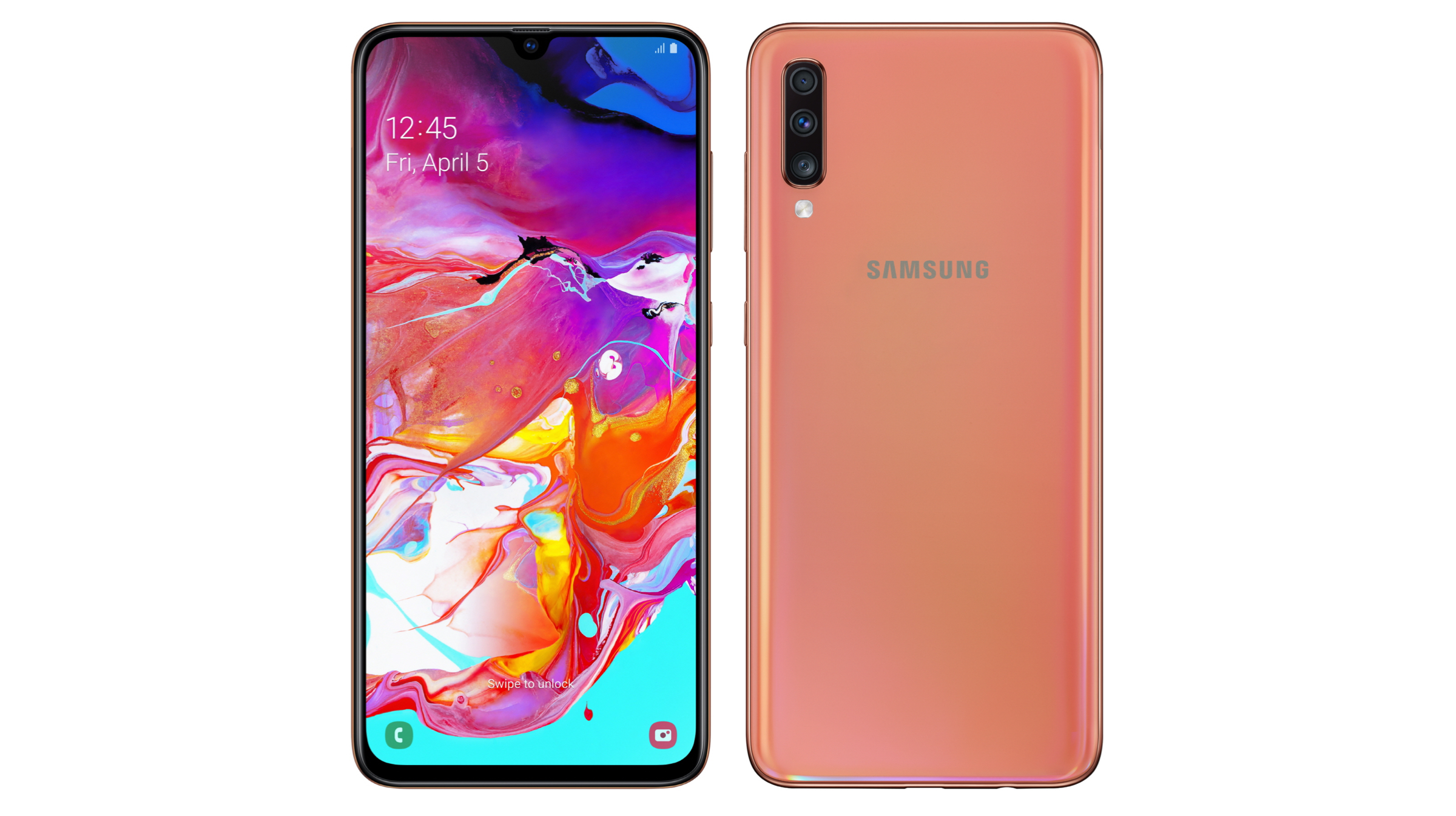
The Galaxy A70 is powered by a large 4500 mAh battery with support for 25W fast charging via the bottom mounted USB Type-C port. It also has a dedicated microSD card slot for memory expansion up to 512GB. The smartphone runs on Samsung’s OneUI which is built on top of the latest Android 9 Pie. It is offered in four colours, namely Black, Blue, Coral and White.
The smartphone will be available for purchase April 26 onwards. The pricing of the device isn’t unveiled yet, however, Samsung is expected to make an announcement regarding the same very soon.
In answer to “Is there any more innovation left for future devices?”, smartphone brands are patenting technologies that were never-heard-of-before. For instance, Lenovo previously patented a clamshell foldable design with a narrow display, and Xiaomi was granted a patent for a smartphone with a bottom notch. South-Korean multinational technology company, LG has been granted a patent for a smartphone with a foldable transparent display.
The company has been experimenting with the transparent screen design for quite some time now, which was last spotted at CES 2019 (Consumers Electronics Show) when LG showcased a transparent OLED television. Its display had a transparency of 40%. Previously, on SID (Society for Information Display), LG unveiled a flexible and transparent 4K UHD OLED display with a screen size of 77 inches. It may be possible that the company incorporates a similar technology in its future smartphone designs.
About The Patent
On April 9, 2019, a patent was published by the United States Patent and Trademark Office (USPTO). Originally filed by LG Electronics more than three years ago, the patent clearly depicts a smartphone with a flexible transparent display. A lot of details are included in the patent, such as the UI (User Interface), operation and the materials required to make the display. This may very well be the first foldable transparent smartphone of its kind.
Design And Features
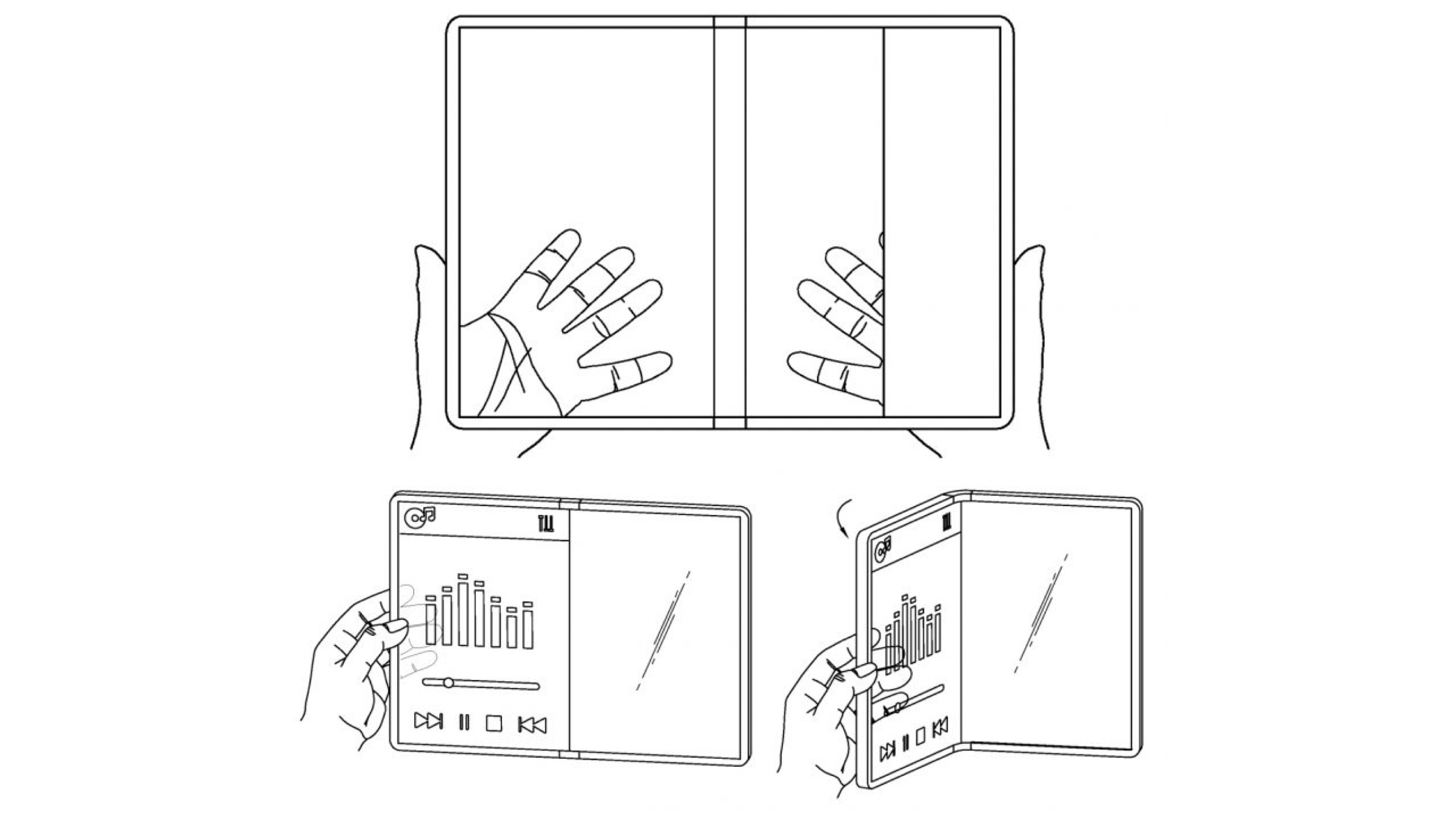
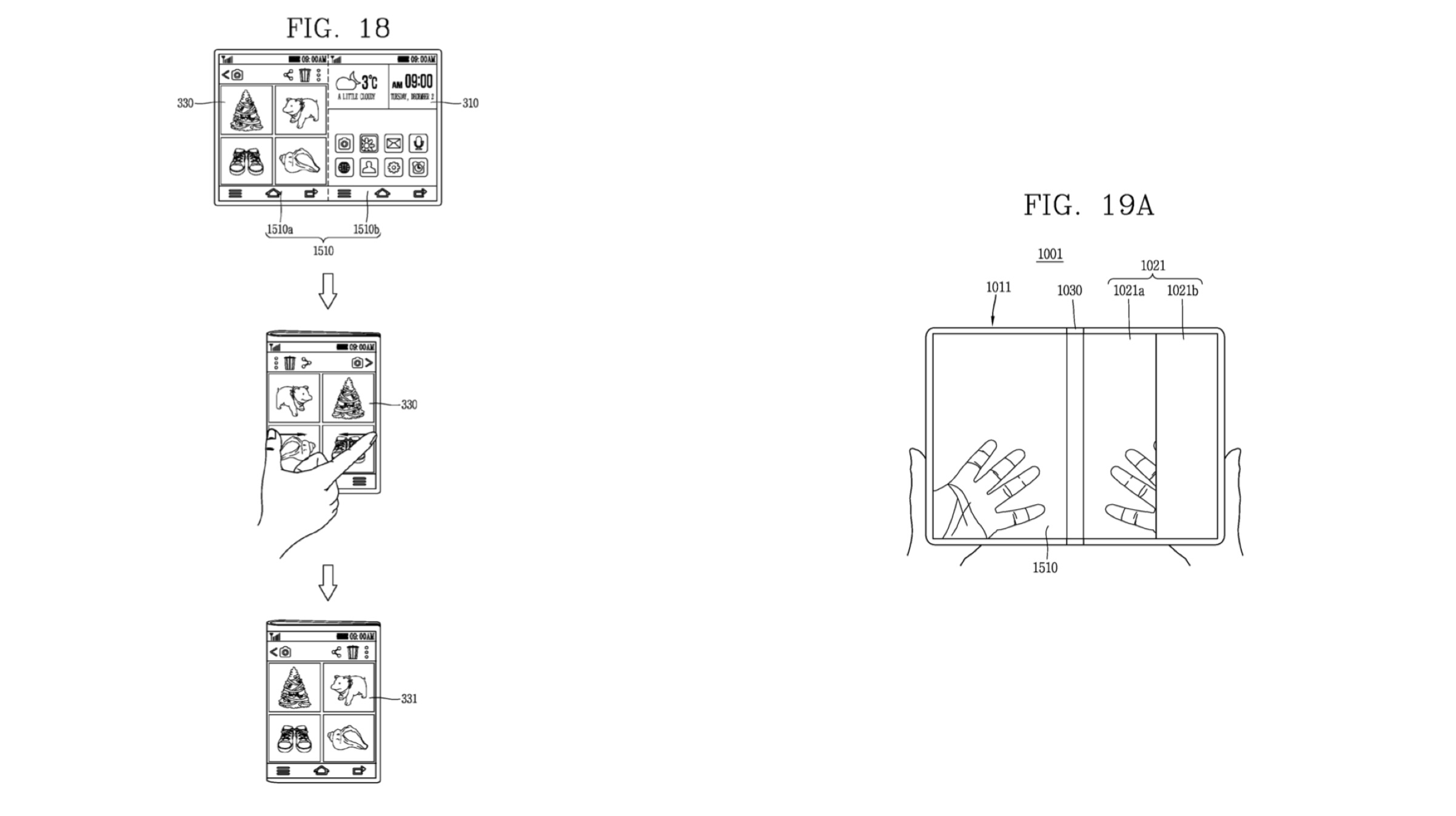
As per the patent, the smartphone is entirely made of the flexible display, which is incorporated both on the inside and outside the foldable smartphone. The handset can be unfolded to almost double its size, which then enables the user to operate it in the tablet mode. While unfolded, both the left and the right parts can independently turn opaque or transparent, indicating that separate modules will be used for the two adjacent sides of the device. As per the patent, the transparency of the smartphone changes with the way it is held, which is quite interesting.
If the smartphone is lying flat on a surface, the display will exhibit a very low degree of transparency. However, when the smartphone is picked up and folded, the transparency will be clearly visible. Upon increasing the transparency beyond 20%, the rear touch sensor of the device is enabled, with the help of which users can operate the flexible transparent display from the rear. This feature seeks to maximize functionality in such a smartphone.
The device will feature a multi-lens camera system, with a multi-camera rear module and a single front camera. A piece of technology like this can still take a lot of time before being commercialized and incorporated in a smartphone. However, considering that foldable smartphones were not even a viable idea some years before, we could see LG releasing their very own flexible transparent smartphone over the course of the next few years. And of course, it will be nothing like any other smartphone released till now.
The detailed patent can be viewed by clicking here.
Amazon is back with the Fab Phone Fest sale of the year 2019 which will be held between 11 and 13 April. Top smartphones from companies including OnePlus, Xiaomi, Realme, Samsung and many more will be available at huge discounts. Here is a list of all the top smartphones that will be available at discounts during the Amazon Fab Phone Fest Sale.
Xiaomi Smartphones
Mi A2
To recollect, the Mi A2 has a 5.99-inch display with a resolution of 2160 x 1080 px. The smartphone runs on the Snapdragon 660 Octa-core SoC. It is powered by a 3010mAh battery which supports fast charging. As mentioned before, the Mi A2 is Android One certified which implies that it has a clean, stock UI atop Android 9 Pie. For optics, there is a dual rear camera setup comprising of a 12MP and a 20MP sensor. The front facing camera is a 20MP sensor.
Regular price: Rs. 11,999/-
Amazon Fab Phone Fest price: Rs. 11,999/- (Additional Rs. 2,000 off on exchange)
Redmi 6 Pro
The eldest sibling of Redmi 6 Series, the Redmi 6 has pro has a 5.84-inch notch LCD display with 432 ppi pixel density. It has a huge 4,000 mAh battery and runs on the Octa-Core Snapdragon 625. The device has 12 MP + 5 MP dual rear cameras and a 5 MP front-facing camera. The Redmi Note 6 is available in two storage variants: 3/4 GB of RAM paired with 32/64 GB of inbuilt storage which is expandable up to 256 GB via a microSD card.
Regular price: Rs. 8,999/-
Amazon Fab Phone Fest price: Rs. 7,999/-
Redmi Y2
The Redmi Y2 is the successor to the Redmi Y1 and features a 5.99-inch display with HD+ resolution. It runs on the Snapdragon 625 Octa-core chipset and is powered by a 3080mAh battery. The smartphone runs on Android 8.1 Oreo out of the box. In terms of optics, there is a dual 12MP + 5MP camera set up at the back while a 16MP sensor is responsible for selfies.
Regular price: Rs. 8,999/-
Amazon Fab Phone Fest price: Rs. 7,999/-
Redmi 6A
Xiaomi’s affordable offering, the Redmi 6A has a 5.45 inch LCD display with a 295 ppi pixel density. It runs on the Quad-Core Mediatek Helio A22 chipset and is powered by a 3,000 mAh battery. The phone has a 13 MP, f/2.2 aperture equipped rear camera and a 5 MP front camera. The device is available two variants: 2/3 GB of RAM paired with 16/32 GB ROM which is expandable up to 256 GB via a microSD card.
Regular price: Rs. 5,999/-
Amazon Fab Phone Fest price: Rs. 5,499/- (additional Rs. 500 off on HDFC Bank Cards)
OnePlus 6T
OnePlus launched the OnePlus 6T late last in India. It has a 6.4 inch AMOLED display with 492 ppi pixel density. It runs on the Octa-Core Snapdragon 845 chipset and is powered by a 3,700 mAh battery with dash charge support. The phone has 20 MP + 16 MP dual rear cameras and a 16 MP selfie camera. The device has two variants 6 GB/8 GB of RAM paired with 128 GB/256 GB of ROM.
Regular price: Rs. 37,999/-
Amazon Fab Phone Fest price: Rs. 34,999/- (Additional Rs. 1,500 discount on HDFC cards)
Huawei/Honor Smartphones
Honor View20
The flagship smartphone from the company, Honor View20 is its first device to sport a hole-punch display. It has a 6.4 inch IPS LCD display with a FullHD+ resolution. It runs on the flagship grade Kirin 980 SoC coupled with either 6GB or 8GB of RAM and an internal storage option of 128GB and 256GB. Optics in the smartphone include a 48MP Sony IMX586 sensor and a Time of Flight (ToF) sensor at the back and a 25MP selfie camera. It is powered by a 4000mAh battery.
Regular price: Rs. 37,999/-
Amazon Fab Phone Fest price: Rs. 37,999/- (No Cost EMI starting INR 4,222 per month + INR 3,000 extra off on exchange/-)
Honor Play
One of the fastest smartphones in the price range, Honor Play is powered with Huawei’s last year’s flagship Kirin 970, AI processor and GPU Turbo enabling great speed and efficiency. It boasts of dual primary cameras of 16MP + 2MP with AI scene recognition and 16MP AI selfie. Up to 6GB of RAM will ensure phone runs smoothly, even the most memory intensive applications show no signs of lag. 64GB of internal storage will be open for expansion up to 256GB via a microSD card. The phone comes with large 3750 mAh battery to support its 6.3-inch FHD+ screen with IPS LCD display having a resolution of 1080 x 2340 at 409 PPI.
MRP: Rs. 19,999/-
Amazon Fab Phone Fest price: Rs. 13,999/-
Honor 8X
Honor recently launched the mid-range Honor 8X smartphone in India. It has a 6.5 inch IPS LCD display with 396 ppi pixel density. It runs on the Octa-Core Hisilicon Kirin 710 chipset and is powered by a 3,750 mAh battery. The phone has 20 MP + 2 MP dual rear cameras and a 16 MP selfie camera. The device has 4 GB of RAM paired with 64 GB of ROM which is expandable up to 256 GB via a microSD card.
MRP: Rs. 17,999/-
Amazon Fab Phone Fest price: Rs. 12,999/-
Huawei Y9
The Huawei Y9 is a budget offering from the Chinese smartphone OEM. It has a 6.5-inch LCD display with FullHD+ resolution. It runs on the Octa-Core Hisilicon Kirin 710 chipset and is powered by a 4,000 mAh battery. The phone has 16 MP + 2 MP dual rear cameras and a 13 MP + 2 MP selfie camera setup. The device has 4 GB of RAM paired with 64 GB of ROM which is expandable up to 256 GB via a microSD card.
Regular price: Rs. 15,990/-
Amazon Fab Phone Fest price: Rs. 14,990/- (Additional No Cost EMI Staring Rs. 4,996 per month)
iPhone X
Apple’s last year flagship, the iPhone X has a 5.8 inch Super AMOLED display with 458 ppi pixel density. It runs on the Hexa-Core 2.39 GHz Apple A11 Bionic chipset and is powered by a 2,716 mAh battery. The phone has 12 MP + 12 MP dual rear cameras and a 7 MP front camera.
Regular Price: Rs. 91,900/-
Amazon Fab Phone Fest price: Rs 73,999/- (Additional No Cost EMI Starting Rs. 8,222 per month)
Samsung Smartphones
Galaxy S9
The last year’s flagship smartphones from Samsung have also been discounted on the Amazon Fab Phone Fest 2019. To recall, the Galaxy S9 has a 5.8 inch Super AMOLED display with a resolution of 2960 x 1440 px. It runs on the Exynos 9810 SoC coupled with 4GB of RAM and internal storage up to 256GB. The smartphone has a 12MP dual aperture rear camera and an 8MP front-facing camera. It is powered by a 3000 mAh battery.
Regular price: Rs. 62,500/-
Amazon Fab Phone Fest price: Rs 49,990/- (Additional Rs. 9000/- off on exchange)
Galaxy M10
The Galaxy M10 is the most affordable entrant in the new Galaxy-M lineup of smartphones by the company. It has a 6.22 inch TFT display with an HD+ resolution. The smartphone runs on the Exynos 7870 SoC which is coupled with 2/3GB of RAM and 16GB/32GB of internal storage options. In terms of optics, the device has a 13MP + 5MP dual rear camera setup and the front-facing camera is a 5MP sensor. It is powered by a 3400 mAh battery.
Amazon Fab Phone Fest price: Rs 7,990/- (No Cost EMI starting Rs. 1,331 per month)
Galaxy M20
The Galaxy M20 is a budget smartphone in the new Galaxy-M lineup of devices by the company. It has a 6.3 inch TFT display with an FHD+ resolution. The smartphone runs on the Exynos 7904 SoC which is coupled with 3/4GB of RAM and 32GB/64GB of internal storage options. In terms of optics, the device has a 13MP + 5MP dual rear camera setup and the front-facing camera is an 8MP sensor. It is powered by a 5000 mAh battery.
Amazon Fab Phone Fest price: Rs 10,990/- (No Cost EMI starting Rs. 1,831 per month)
Vivo/Oppo/Realme Smartphones
Realme U1
The selfie focussed smartphone from the company, the Realme U1 is available at a discounted price in the Amazon Fab Phone Fest 2019. The device sports a 6.3 inch IPS LCD display with a resolution of FHD+. It runs on the MediaTek Helio P70 SoC and is coupled with 3/4GB of RAM and internal storage of 32GB/64GB. In terms of optics, the smartphone has a dual 13 MP + 2 MP rear camera setup and a 25MP front-facing camera. It is powered by a 3500 mAh battery.
Regular price: Rs. 9,999/-
Amazon Fab Phone Fest price: Rs. 8,999 (Additional No Cost EMI starting INR 1,500 per month including INR 1000 Instant Discount on all bank credit cards and debit cards)
Oppo F9 Pro
The Oppo F9 Pro was launched last year, featuring a striking gradient back and a teardrop notch on the front. It has a 6.3-inch IPS LCD display with a resolution of FHD+. The device runs on the MediaTek Helio P60 SoC combined with 4/6GB of RAM and 64GB of internal storage. In terms of optics, there is a 16 MP + 2 MP dual rear camera setup and a 25MP sensor for selfies. It is powered by a 3500 mAh battery.
Regular MRP: Rs. 25,990
Amazon Fab Phone Fest price: Rs. 17,990 (Additional No Cost EMI starting INR 2,221 per month + INR 2,500 extra off on exchange)
Oppo F11 Pro
The latest smartphone from the company, the Oppo F11 Pro has a pop-up selfie camera to provide it with a high screen to body ratio display. The device has a 6.53-inch IPS LCD display with an FHD+ resolution. It runs on the MediaTek Helio P70 SoC and is coupled with 6GB of RAM and 64GB of internal storage. In terms of optics, there is a dual rear camera setup consisting of a 48 MP + 5 MP sensors and a 16 MP front-facing camera. The device is powered by a 4000 mAh battery.
Regular price: Rs. 24,990/-
Amazon Fab Phone Fest price: Rs. 24,990/- (Additional No Cost EMI starting INR 2,083 per month + INR 2,500 extra off on exchange)
Amidst heavy rumours, Canon launched the new EOS Rebel SL3 DSLR on April 10, 2019. The company claims that the Rebel SL3 is its smallest and lightest DSLR so far. It offers almost similar specifications to the mirrorless EOS M50 but has some significant upgrades that give it an edge over its predecessors. Moreover, the DSLR is Canon’s first DSLR model to feature Dual Pixel Autofocus with eye detection during live-view shooting mode.
Canon EOS Rebel SL3 Features And Specifications
Weighing at 449 grams, the Rebel SL3 packs a DIGIC 8 Processor, along with a 3.0-inch touchscreen (that flips around for selfies or vlogging) and 4K video support. The camera features a 24.1 megapixel APS-C (Advanced Photo System Type-C) sensor, which is also used in Nikon and Sony DSLRs. Furthermore, the Rebel SL3 offers a 9AF point-optical system and spot focus feature, so that users can accurately select their subjects while capturing images.
The Canon EOS Rebel SL3 offers an on-sensor Dual-Pixel system, which may not be as efficient as the optical system, but still provides accurate eye-tracking Auto-Focus in 1080p videos considering the price of the budget DSLR camera. The SL3 also takes the spot for being the first Canon Rebel Series camera that can shoot in 4K resolution. A downside of the camera is the lack of sensor-based-in-body stabilization, which forces the Rebel SL3 to use Digital Image Stabilization. Moreover, the camera supports wireless image transfer via built-in Wi-Fi and Bluetooth across smartphones and tablets.
Photographers can utilize the Burst Shoot feature at a rate of 5fps. The DSLR has a native ISO range of up to 25,600 and an expanded ISO range of 51,200. In terms of the battery, Canon claims that the camera can shoot a total of 1,630 images on a single charge, and the number comes down to 350 shots with the Live View feature turned on. Talking of features, another nice addition to the camera feature list is the “smooth skin” mode, which enables the user to blur the background (similar to portrait mode in smartphones) without the presence of a fast lens.
The Canon EOS Rebel SL3 will be available by the end of April. The DSLR will be priced at US$ 599.99 (~ INR 41,500) for just the body, and US$ 749.99 (~ INR 51,900) for both the camera and the EF-S 18-55 f/4-5.6 IS lens. The camera is expected to go up against the Nikon D3500 and the Nikon D5300, which are priced at a lower point than the EOS Rebel SL3.
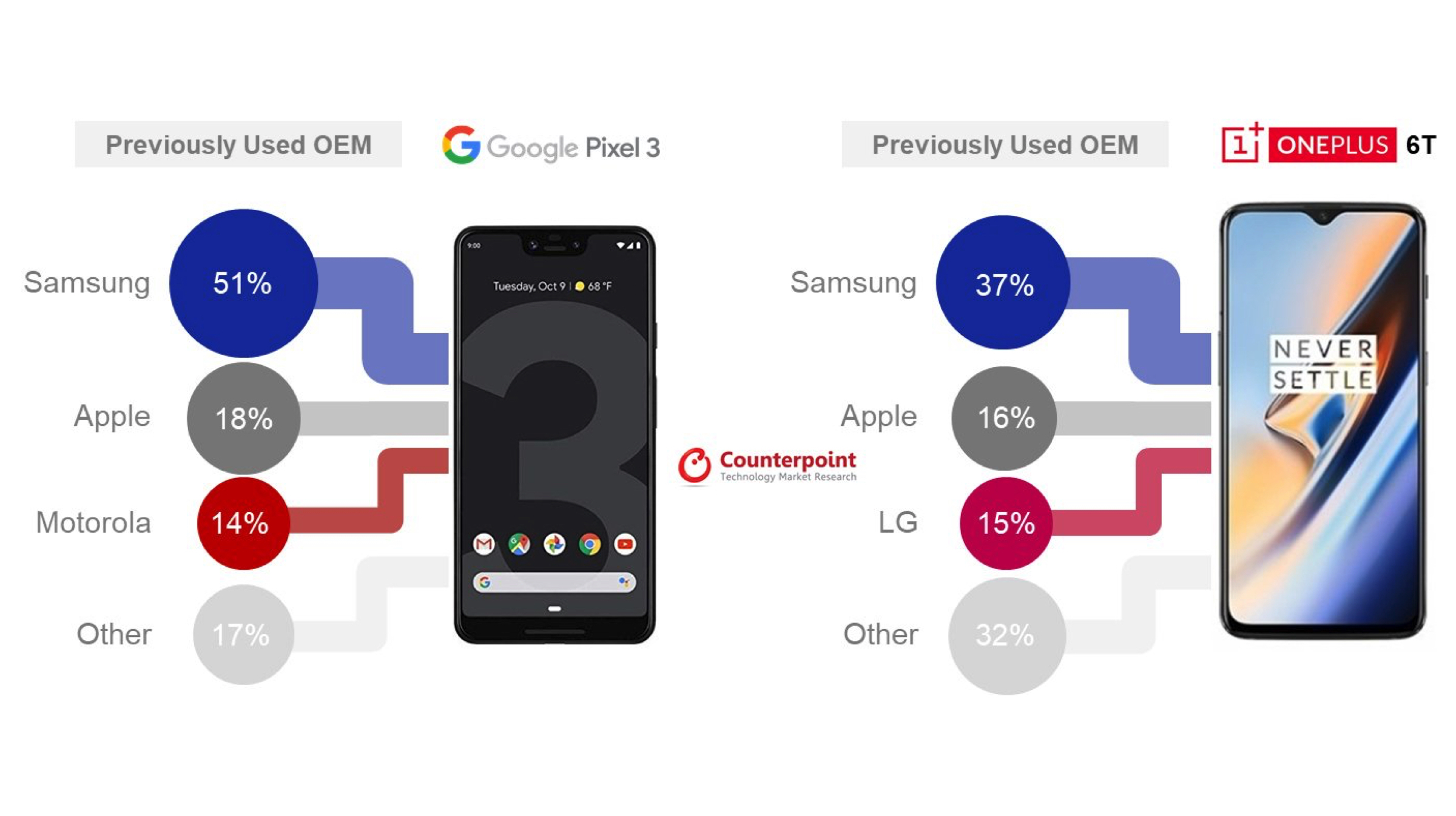
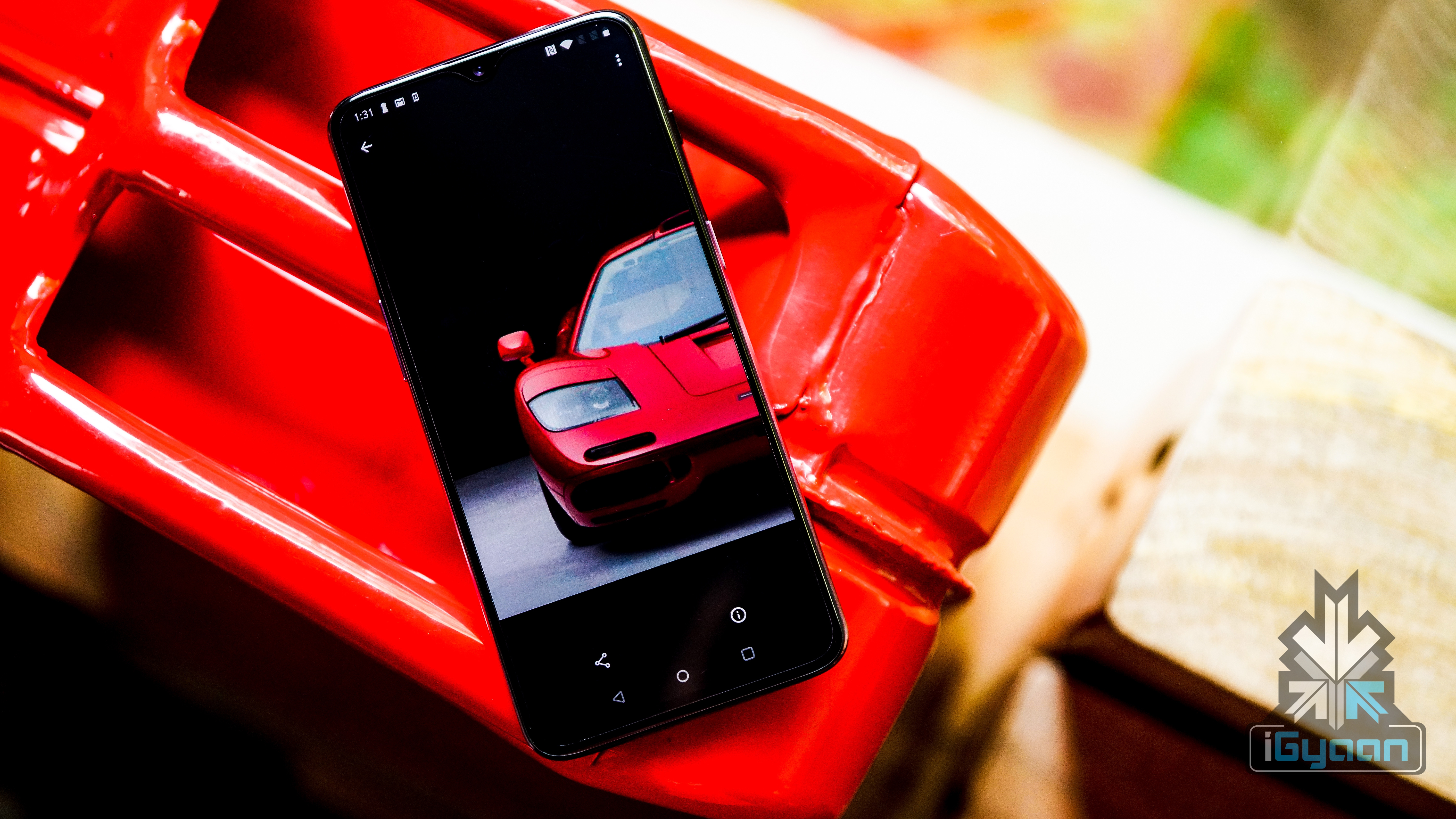
Google first launched its Pixel lineup of smartphones in the year 2016. The devices were targeted at the premium segment and were intended to lure the buyers of the Apple iPhones. Like the latter, Google handsets promised a clean, software experience with reliable hardware integration and optimisation. While the Pixel smartphones have reached their third iteration with the Pixel 3/3 XL last year, their original goal still seems far fetched. In a fresh report by known research organization Counterpoint, it is claimed the major Pixel and OnePlus smartphone buyers are former users of Samsung devices.
The Results Of The Research
The aforementioned research was conducted by Counterpoint in the US during Q4 of the year 2018. Smartphones that the study was administered on were the Pixel 3 duo and the OnePlus 6T. The results of the research showed almost 51 percent users of the aforementioned Pixel devices were former users of Samsung smartphones. On the other hand, around 37 percent of OnePlus 6T users are past users of Samsung devices. This was followed by former Apple smartphone users in both cases with an 18 and 16 percent share respectively. It is further followed by Motorola by a 14 percent stake in case of the Pixel; and LG by a 15 percent share in case of OnePlus.
Interestingly, both the Pixel and OnePlus smartphones represent a different price segment. While the former is priced at a premium, the latter is a more affordable flagship handset. The research notes that the aggressive marketing strategy adopted by Google and the affordability of OnePlus handsets is the major reason behind the above results. Samsung smartphones have also always been rated behind the above-mentioned devices in terms of software experience. Notably, the main competition of Google, as mentioned above is Apple, whose users still hold an 18 per cent share in terms of switching to a Pixel handset. Therefore, in the case of both the OEMs, the share of former Android users is more than 80 percent.
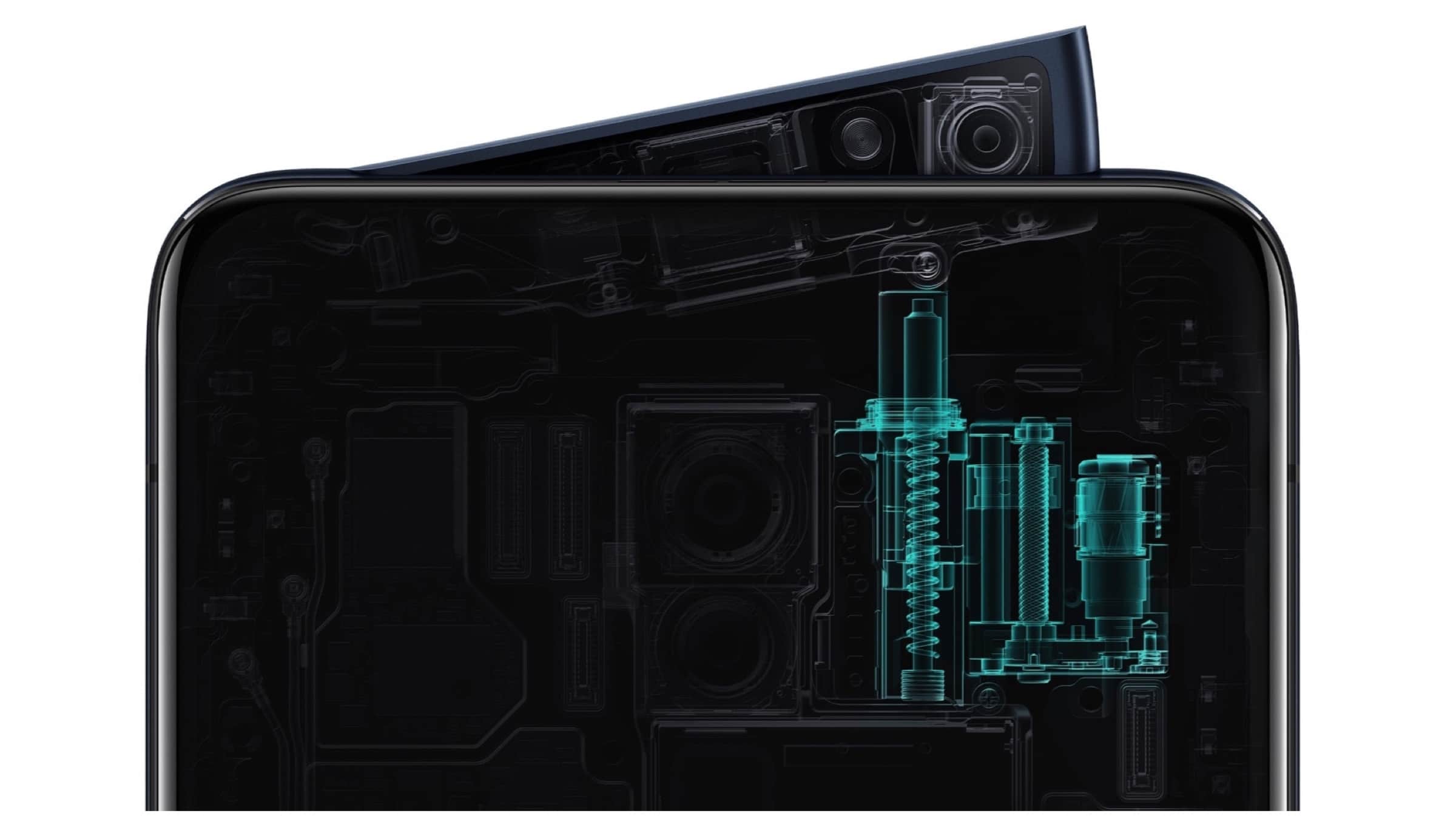
Chinese smartphone maker, Oppo has finally launched its highly teased smartphone, the Oppo Reno in China. Surprisingly the company has launched two different variants which have a similar design but different features and price tag. The more affordable and less feature rich variant carries the ‘standard’ suffix while the high-end variant carries the ’10x Zoom’ suffix. One stand out feature that both the smartphones have is a shark fin style pop up camera. As the name suggests the selfie camera of the smartphone extends from the top side which is reminiscent of a shark fin. Except for price, the main differences between the two newly launched smartphones are battery capacity, screen size, processor and number of rear cameras.
Oppo Reno Design and Features
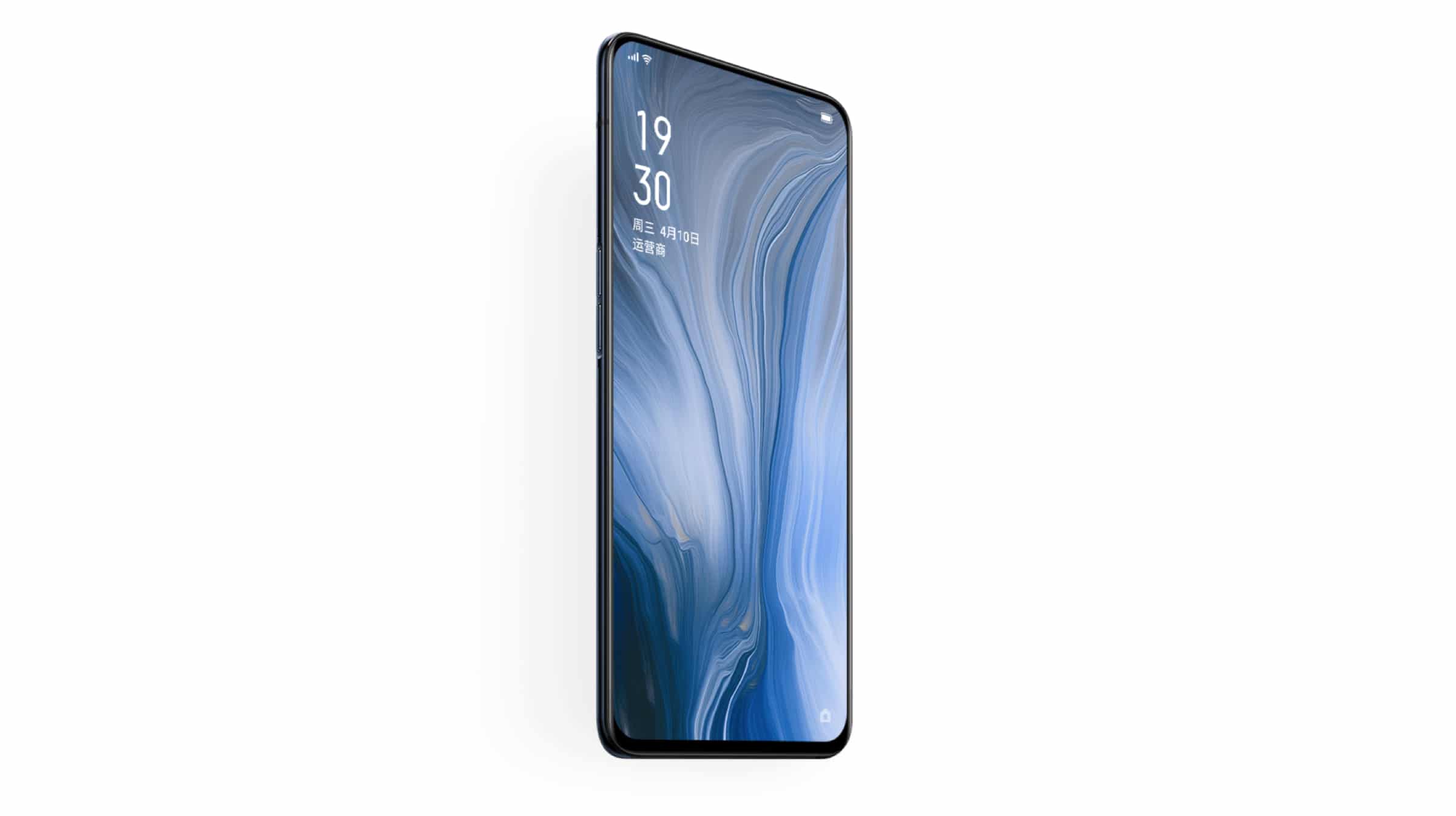
Both Oppo Reno smartphones, the standard variant and the 10x have an elegant design accrediting to their large screen display which is surrounded with ultra-thin bezels. The former has 6.4 inch AMOLED display while the latter has a 6.6 inch AMOLED display. The smartphones have an impressive screen to body ratio of 93.1% which they are able to attain due to the aforementioned shark fin styled selfie camera. The shark fin style extension house a 16 MP camera sensor and is operated electronically. Oppo claims that the popup selfie camera can easily last a lifecycle of 3,00,000 times. Therefore, users do not need to worry about its durability.
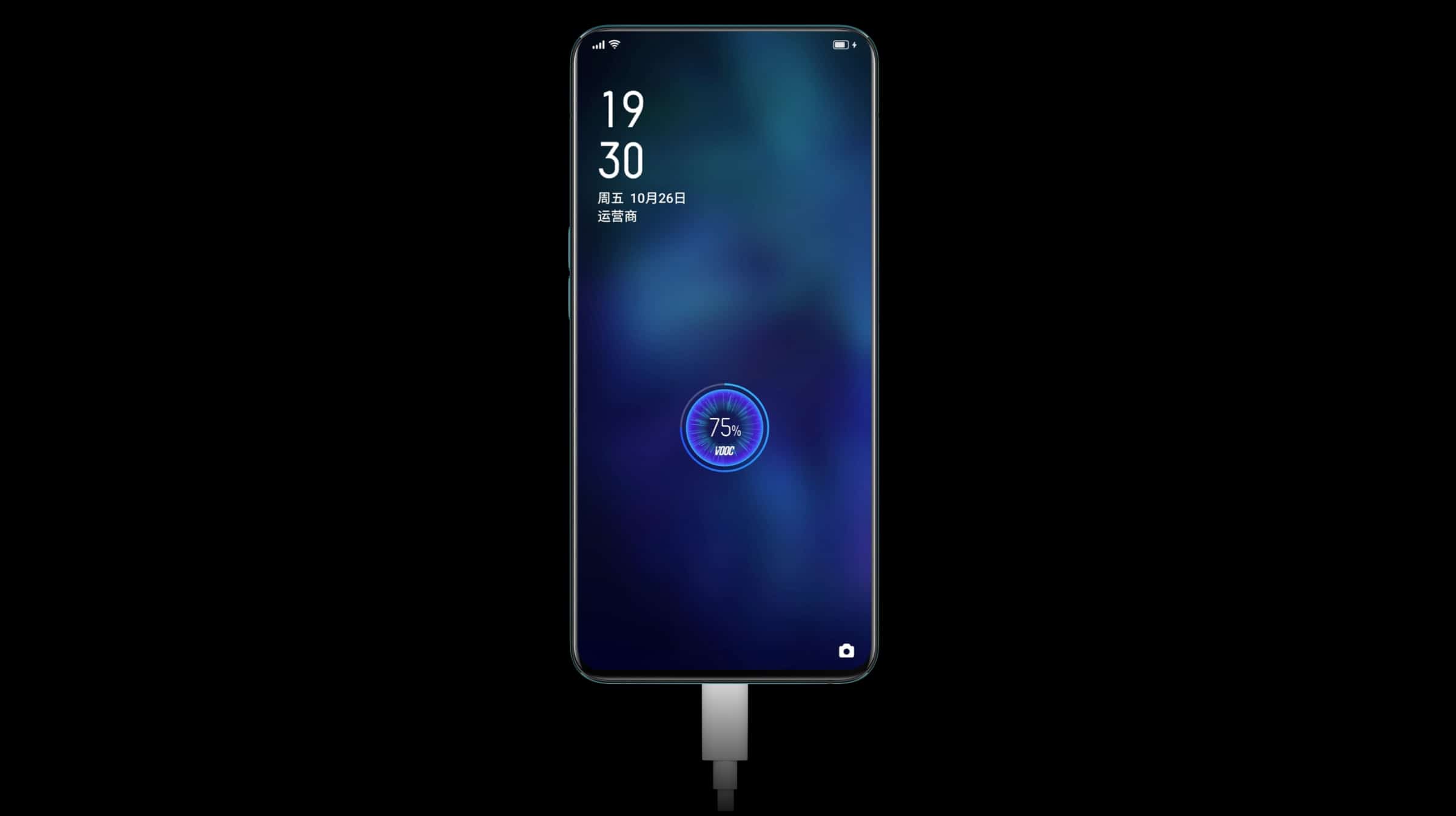
The Oppo Reno ’10x zoom’ variant is kitted with the Snapdragon 855 SoC while the ‘standard’ variant is kitted with Snapdragon 710 SoC. Chipsets on both the smartphone variants have worthy Octa-Core CPU which can perform intensive tasks smoothly. The more affordable variant is powered by a 3765 mAh battery while the premium variant is powered by a 4065 mAh battery. Notably, both the variants support Oppo’s proprietary VOOC 3.0 charging technology. VOOC 3.0 allows the device to be charged with a maximum power of 20 w which is equivalent to OnePlus’s dash charge.
Oppo Reno Standard Variant
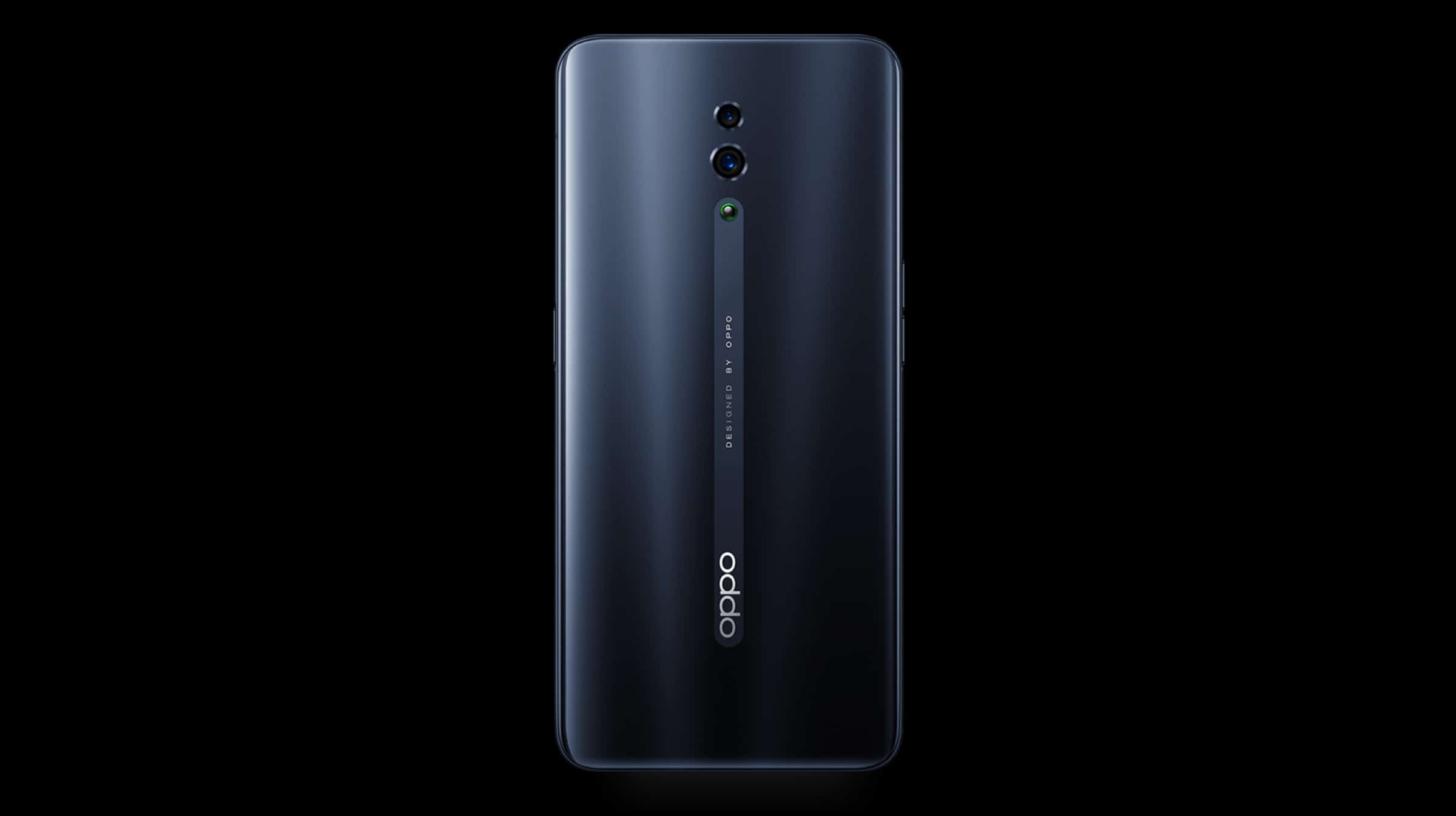
The rear panel of both the Oppo Reno variant is made out of glass which houses the rear camera setup and the company branding. One key difference between the two devices is the number of rear-facing cameras. The ‘standard’ variant of the newly launched smartphone has 2 rear facing cameras while the ’10x zoom variant’ has an addition 13 MP periscopic camera which offers 10x lossless zoom capabilities. Except for the periscopic camera, both variants have a 48 MP Sony IMX586 sensor, an 8 MP ultrawide sensor.
Both variants of the Oppo Reno run on ColosOS 6.0 which is based on top of Android 9 Pie. Connectivity options on both variants of the smartphone include Bluetooth 5.0, 802.11 ac Wi-Fi, 4G VoLTE, NFC and a bottom mounted USB Type-C port for charging and data transfer. Both the ‘standard’ and ’10x zoom’ variants of the Oppo Reno also have an in-display fingerprint sensor.
Both the models of the Oppo Reno are available in four colour options which include Nebula Purple, Extreme Night Black, Peach and Sea Green. Both handsets are available in three storage variants for which the price is as follows:
On April 9 2019, American technology company Qualcomm added three new chipsets to its mobile SoC lineup which include the Snapdragon 665, Snapdragon 730 and the Snapdragon 730G. The ‘G’ suffix in the newly launched chipset stands for ‘Gaming’, which means that the Snapdragon 730G is intended for gaming smartphones. Overall, the company claims that the aforementioned chipsets will primarily focus on Artificial Intelligence, Camera and Gaming.
Qualcomm Snapdragon 665
The Snapdragon 665 chipset is the base model in the lineup unveiled on April 9, however, it has significant improvements over the Snapdragon 660. The new 11nm chipset comprises of an octa-core Kryo 260 CPU. Four cores of the aforementioned 8 cores are dedicated to performance, while the other cores enhance the efficiency of the device, the company claims. For graphics, the chipset packs an Adreno 610 GPU with the Vulkan 1.1 graphics driver. Furthermore, the chipset features Qualcomm aptX Adaptive Audio and Aqstic to improve the gaming experience of the user.
The company has included the Spectra 165 ISP, which integrates support for triple cameras and AI while capturing images. Also, the chipset enables features such as Hybrid autofocus, zero shutter lag and optical zoom, in addition to 48-megapixel image support. The SoC has the third-generation Qualcomm AI Engine, providing support for features such as 3D Face Unlock. Qualcomm claims that the chipset will deliver almost 2x faster AI device processing than the Snapdragon 660. Moreover, the SoC is enabled with Quick Charge 3.0 Fast Charge technology.
Qualcomm Snapdragon 730 and 730G
Qualcomm made it quite clear that the Snapdragon 665 will be targeted towards smartphones lying in the entry-level segment. For mid-range segment devices, the San-Diego company unveiled the Qualcomm Snapdragon 730, which is built on an 8nm process. Some features that were previously only present on Snapdragon’s 8xx series have been carried over to the Snapdragon 730. The SoC comprises of Kryo 470 octa-core CPU, which have a maximum clock speed of 2.2 GHz. Six cores are dedicated to regulating the power and efficiency of the smartphone, whereas the other two cores are dedicated solely to performance. The chipset has the Adreno 618 GPU, which is claimed by the company to provide a 25% performance boost over its predecessor.
In addition to Qualcomm aptX Adaptive audio and Qualcomm Aqstic audio, the chipset has the Spectra 350 ISP, which features a dedicated Computer Vision ISP. This will enable the capture of 4K HDR videos in portrait mode, that can be further mingled with bokeh effects. The Snapdragon 730 SoC has an inbuilt X15 LTE modem which claims to provide downloads up to 800Mbps. The chipset is Wi-Fi 6 ready and features Qualcomm Quick Charge 4+ technology.
The Snapdragon 730G shares most of its features and specifications with the 730, but as mentioned before, the ‘G’ means that it has significant upgrades with regard to mobile gaming support. For instance, it features an overclocked version of the Adreno 618 GPU, providing a 15% graphic rendering boost over the Snapdragon 730. The company claims that the gaming-focused chipset can offer True HDR gaming, with more than 1 billion shades of colours. Other features include a “Jank-Reducer” (which reduces game-quality-drops by almost 90 percent during the game), Anti Cheating extensions and an integration to manage Wi-Fi Latency to provide lag-free gameplay experience. Furthermore, the chipset includes support for HD super-slow-motion video recording at 960 fps.
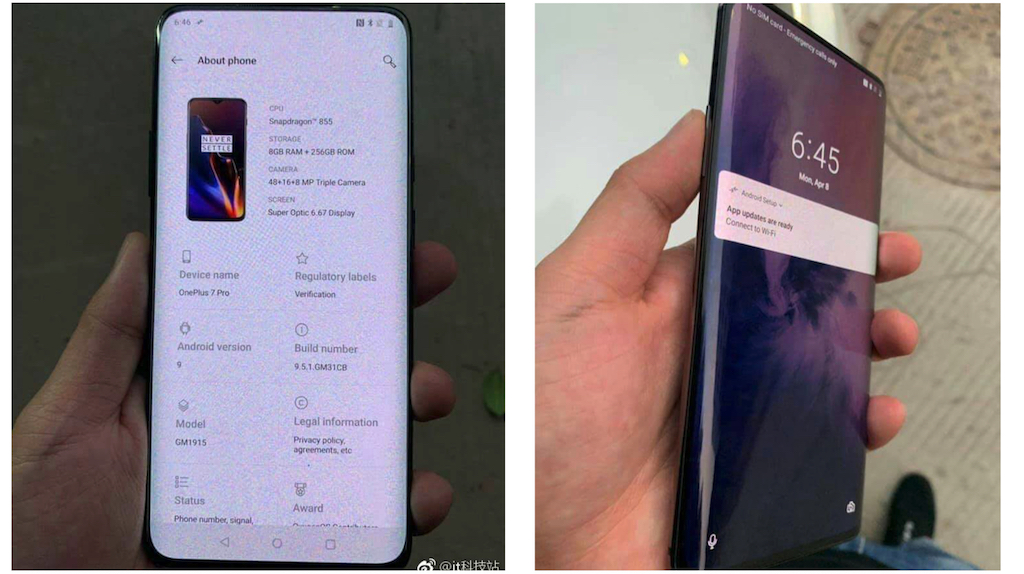
OnePlus is expected to launch its next flagship smartphone, allegedly called the OnePlus 7 in the following weeks. Late last year the company announced that a separate device from the one mentioned above will also be launched this year. This handset will support 5G connectivity, the next generation of mobile networks. While OnePlus showcased a demo of its 5G smartphone at the MWC in the month of February, there was no official information regarding its launch. Fresh leaks have emerged on Chinese social networking website Weibo which reveals the purported device, which will be called the OnePlus 7 Pro in its full glory.
OnePlus 7 Pro
The upcoming 5G smartphone, OnePlus 7 Pro will be an upgraded version of the OnePlus 7 in more ways than one. The leaked image exposes a few details about the device. Unlike the leaked images of the latter, the 5G variant of the handset will have a curved display that tapers towards the sides. Other than the said change, all the physical aspects of the smartphone remain same as the OnePlus 7. It is expected to have a pop up style selfie camera and a large screen display which will be surrounded by negligible bezels. The leaked image of the OnePlus 7 Pro exhibit a 6.67-inch Optic AMOLED display with FullHD+ resolution, unlike the 6.5-inch display expected in the OnePlus 7. Like the OnePlus 6T launched last year, it is also expected to feature an in-display fingerprint scanner.
The leak further reveals the OnePlus 7 Pro is kitted with the 7nm Snapdragon 855 SoC. The chipset consists of an Octa-core CPU and Adreno 640 GPU. In terms of optics, the smartphone will have a triple rear camera setup which is comprised of a 48MP sensor, combined with a 16MP and an 8MP sensor. For memory and storage, the device in the leak sports 8GB of RAM and 256GB of internal storage, but it may be available in more variants. While the leak seems convincing, it is advised to be taken with a grain of salt, as this is the first time the OnePlus 7 Pro has been leaked. The smartphone, along with the OnePlus 7 is expected to launch next month.

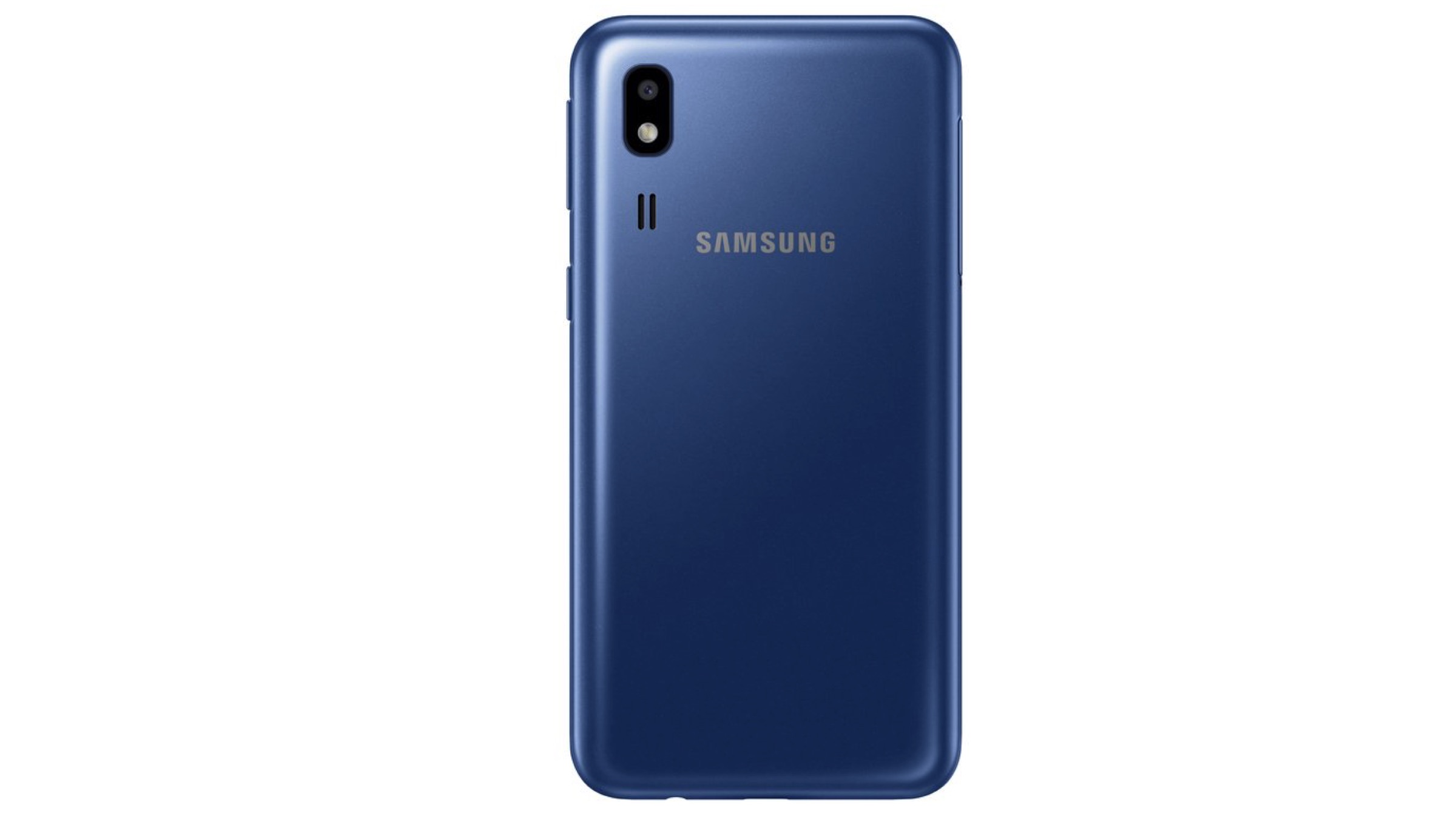
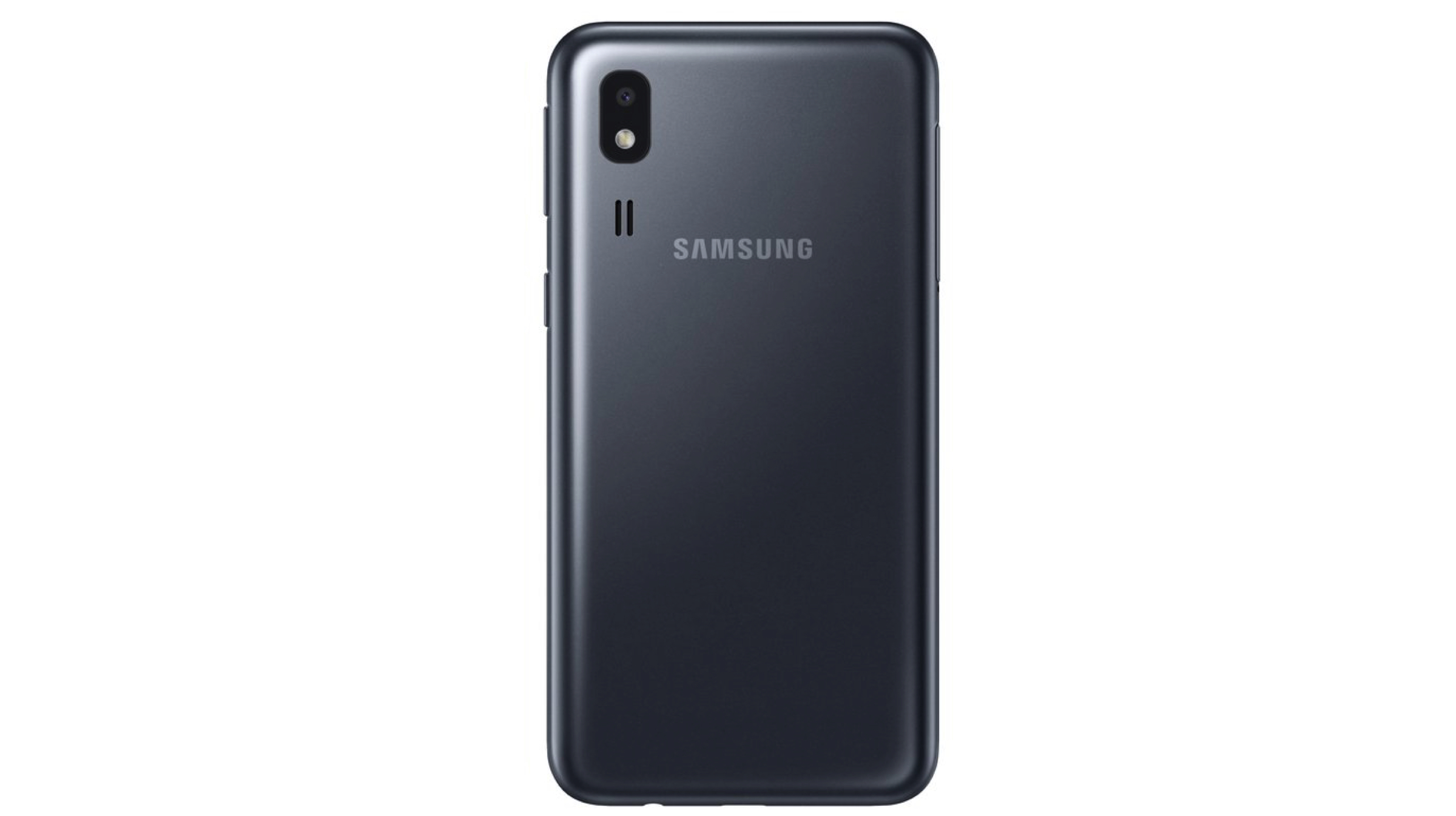 The budget smartphone will feature a glossy plastic design on the back. The Galaxy A2 Core will measure at 141.5 x 70.9 x 9.1 mm, with a 5-inch qHD (quarter HD) display. The smartphone will run on the 14nm Exynos 7870 chipset, which comprises of the 1.6 GHz octa-core Cortex A53 CPU and the Mali T830 MPI GPU. It is bundled with 1GB of RAM and 16GB of internal storage.
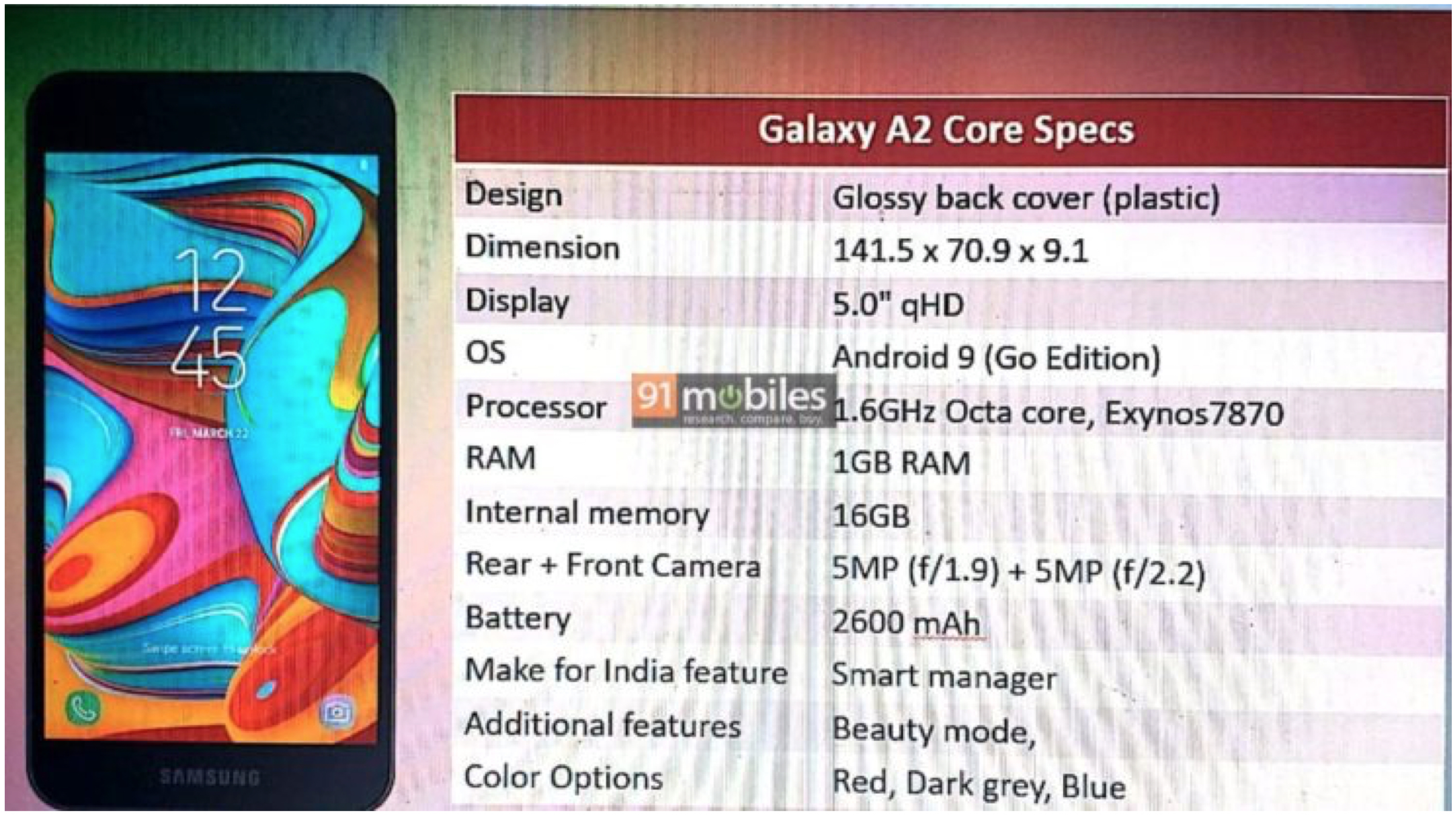 The Samsung smartphone will run on Android 9 (Go Edition). In terms of optics, the Galaxy A2 Core will feature an f/1.9 equipped 5MP primary camera sensor in combination with an f/2.2 equipped 5 MP front camera for selfies. The selfie camera will be integrated with the “beauty mode” feature. The device will pack a 2600 mAh battery, and will be available in three colour options, which are listed below:
 Also Read: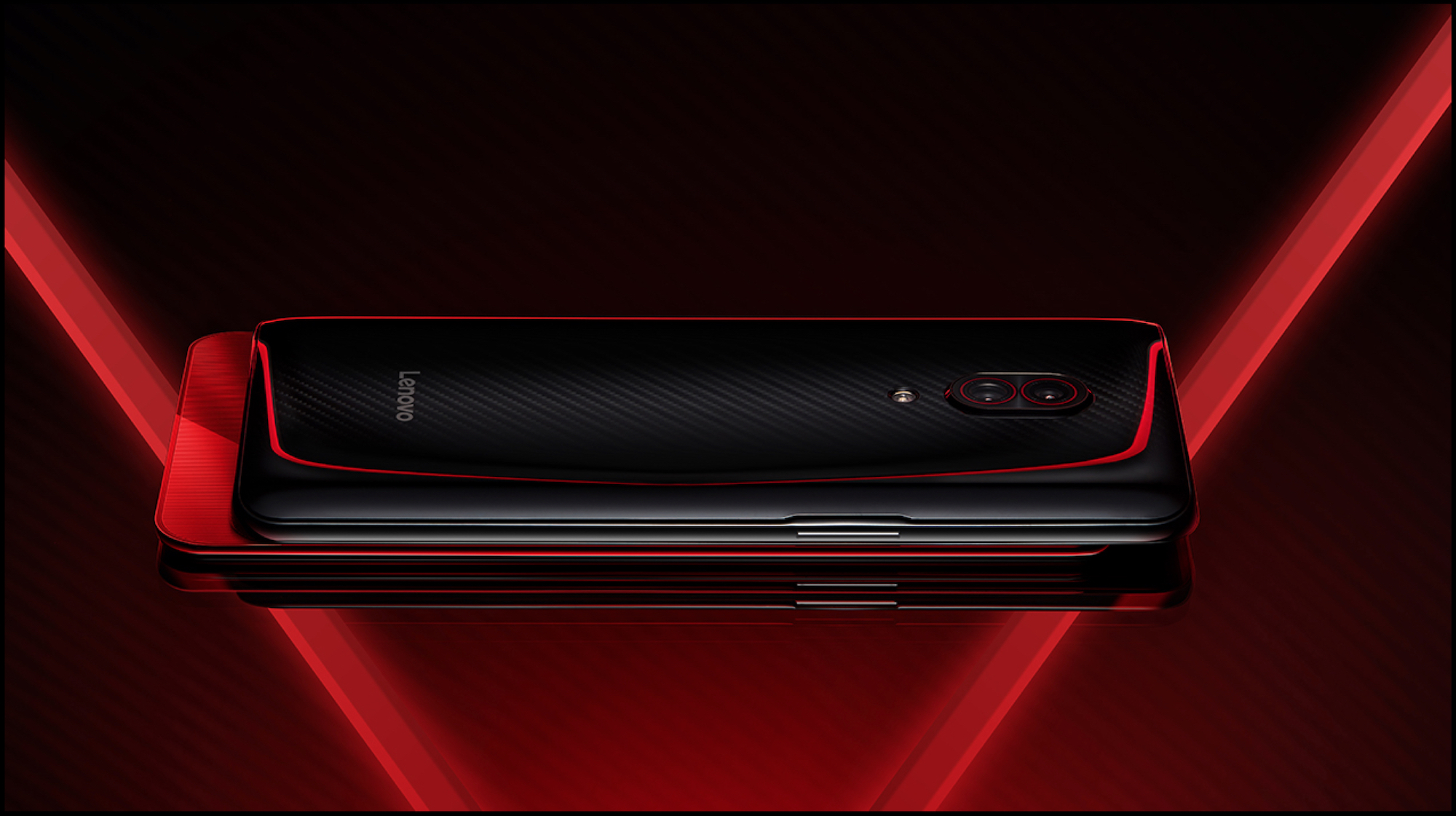
 The images are taken during the phase of dusk and the night, and they bear watermarks in Chinese, which when translated, reveal significant information regarding the Z6 Pro’s camera. The images exhibit detailed levels of colours and brightness. The faint layer of light on top of the images give them a natural look. As deduced from the overlaid watermarks, the camera has a pixel size of 2.9 ?m, indicating towards a camera with advanced night mode capabilities. Moreover, the second watermark exhibits an 80dB over-motion map, which hints towards the fact that the camera has a large photosensitive area.
 Previously, the company confirmed that the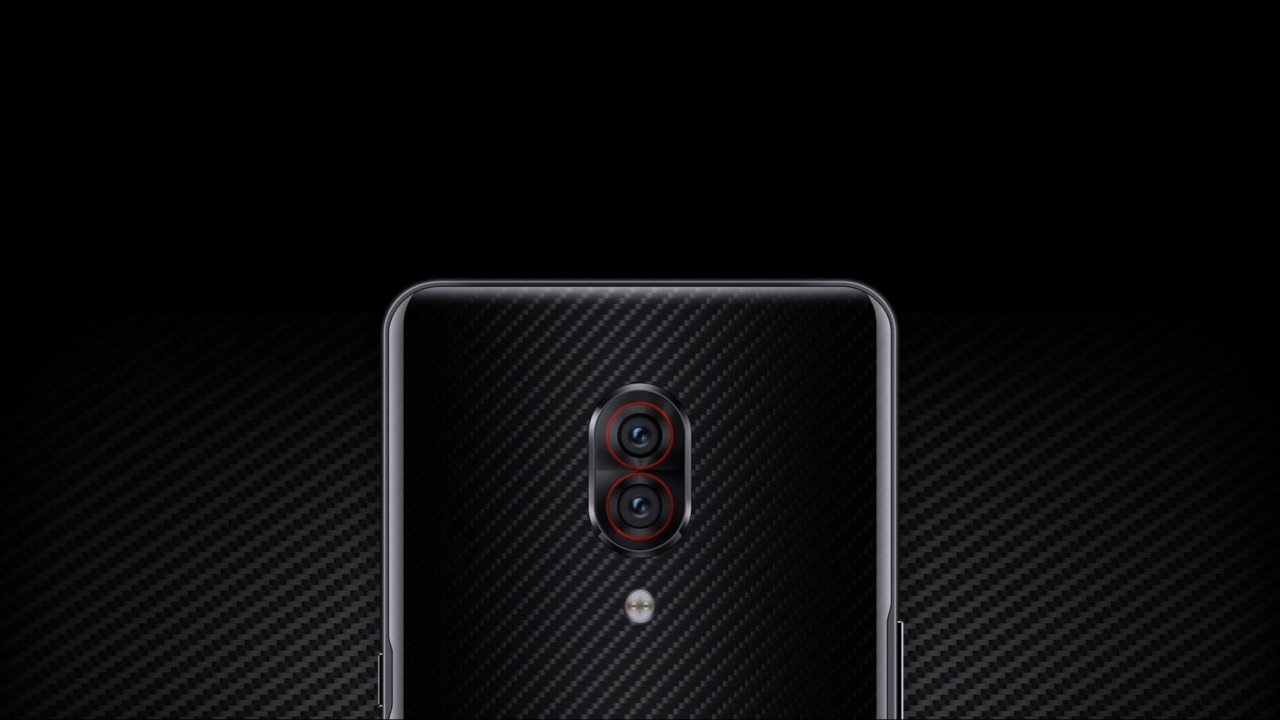






 The company has been experimenting with the transparent screen design for quite some time now, which was last spotted at CES 2019 (Consumers Electronics Show) when LG showcased a transparent OLED television. Its display had a transparency of 40%. Previously, on SID (Society for Information Display), LG unveiled a flexible and transparent 4K UHD OLED display with a screen size of 77 inches. It may be possible that the company incorporates a similar technology in its future smartphone designs.
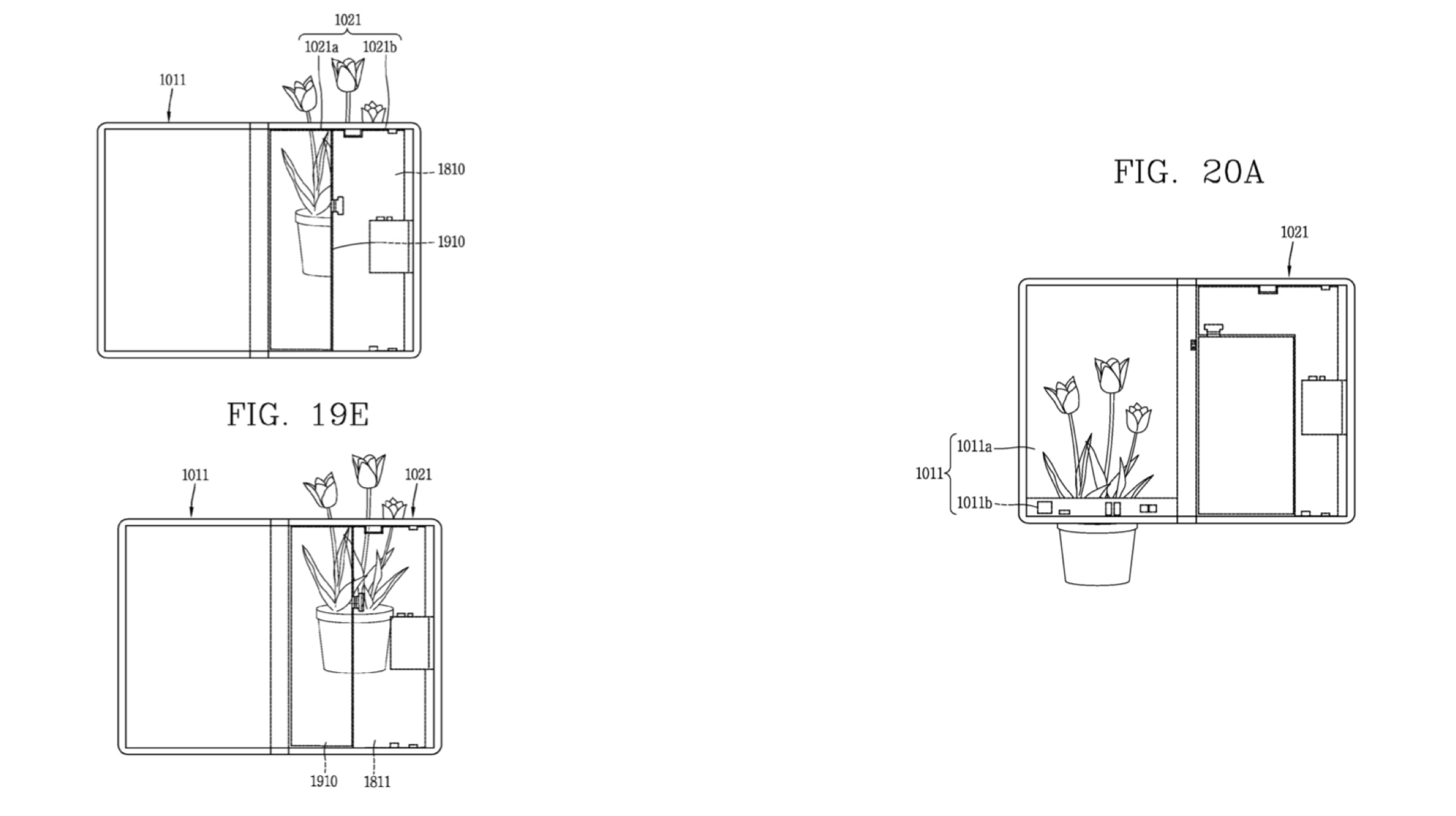 On April 9, 2019, a patent was published by the United States Patent and Trademark Office (USPTO). Originally filed by LG Electronics more than three years ago, the patent clearly depicts a smartphone with a flexible transparent display. A lot of details are included in the patent, such as the UI (User Interface), operation and the materials required to make the display. This may very well be the first foldable transparent smartphone of its kind.
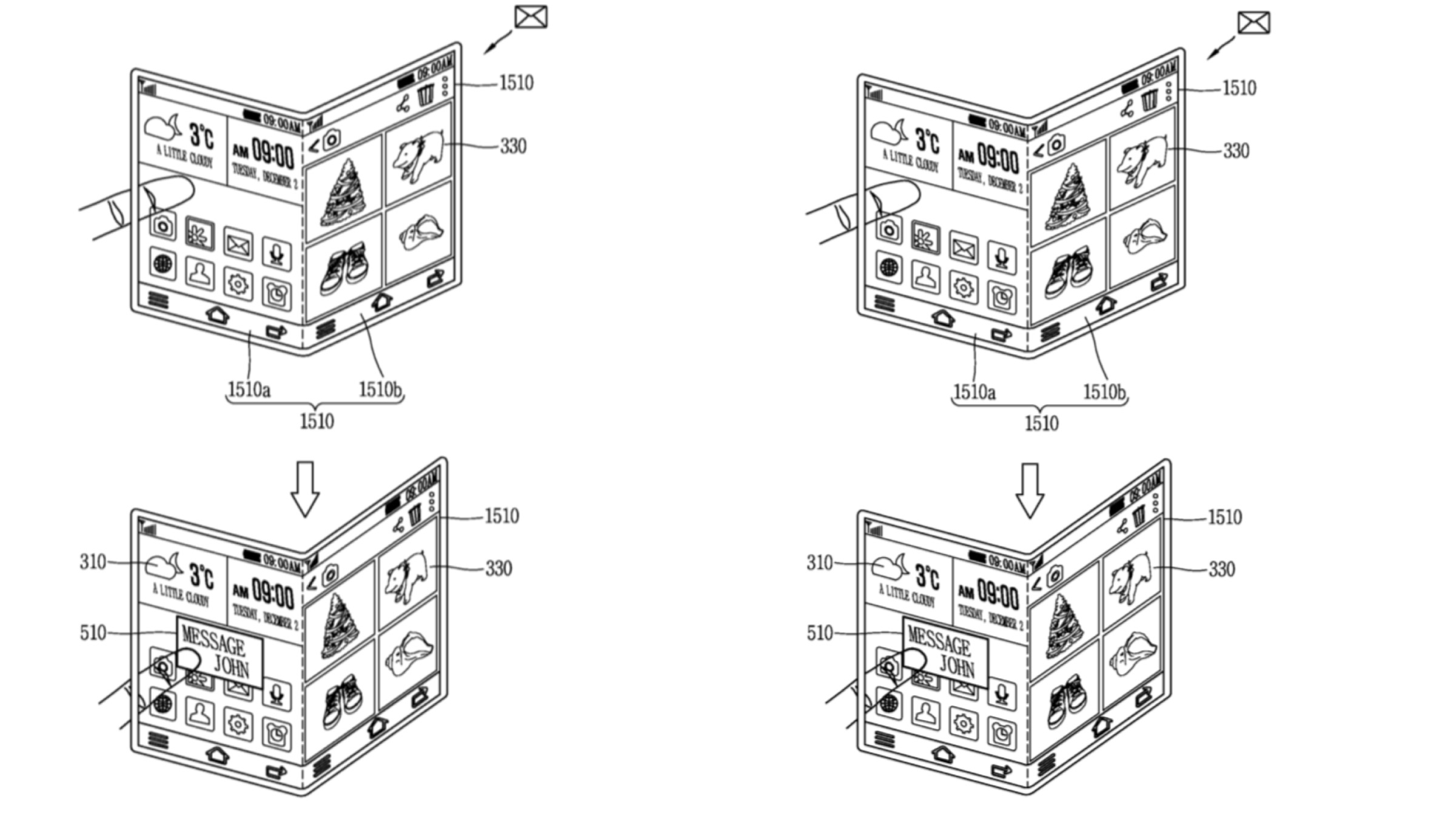 As per the patent, the smartphone is entirely made of the flexible display, which is incorporated both on the inside and outside the foldable smartphone. The handset can be unfolded to almost double its size, which then enables the user to operate it in the tablet mode. While unfolded, both the left and the right parts can independently turn opaque or transparent, indicating that separate modules will be used for the two adjacent sides of the device. As per the patent, the transparency of the smartphone changes with the way it is held, which is quite interesting.
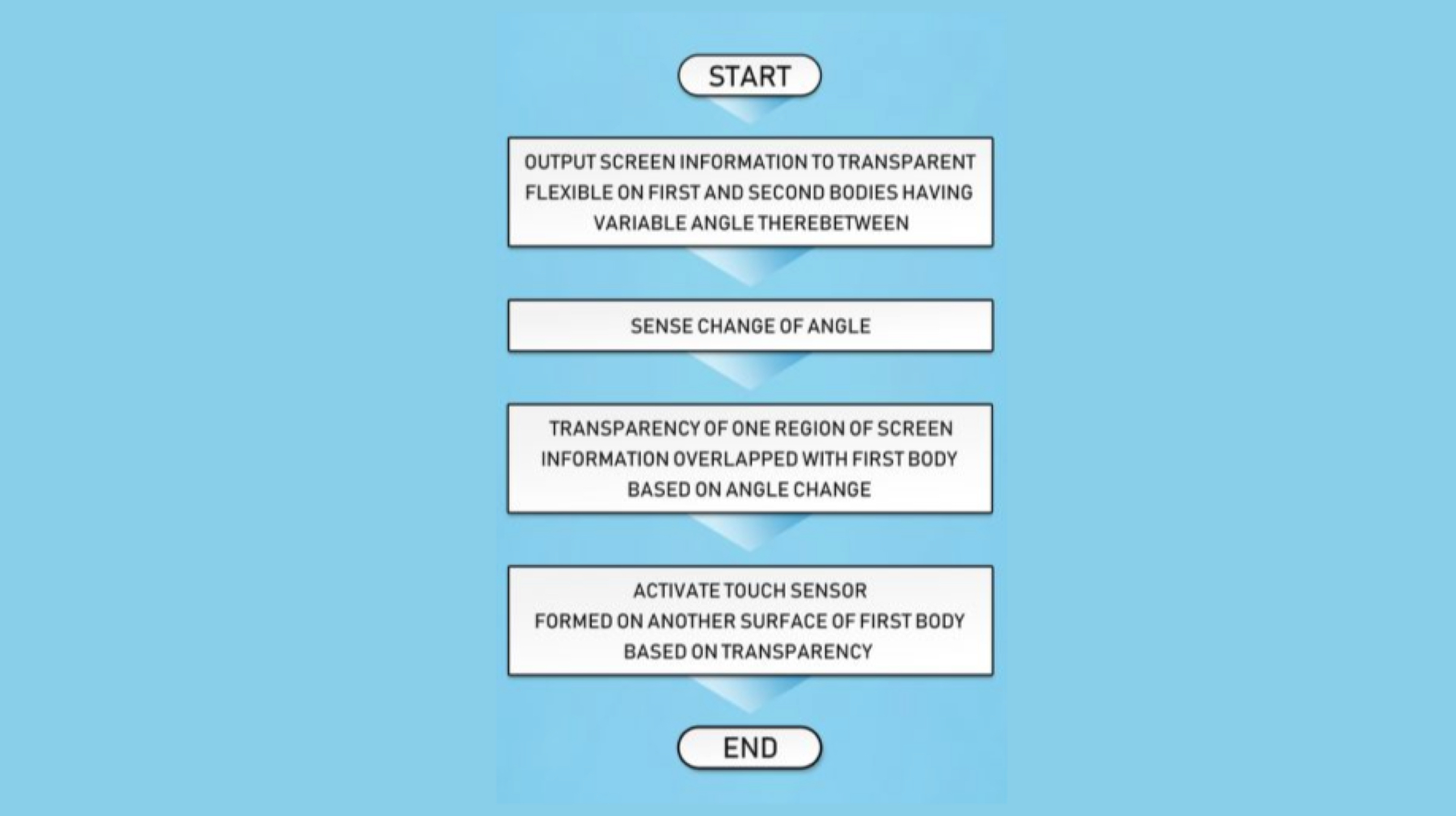 If the smartphone is lying flat on a surface, the display will exhibit a very low degree of transparency. However, when the smartphone is picked up and folded, the transparency will be clearly visible. Upon increasing the transparency beyond 20%, the rear touch sensor of the device is enabled, with the help of which users can operate the flexible transparent display from the rear. This feature seeks to maximize functionality in such a smartphone.
 Also Read:


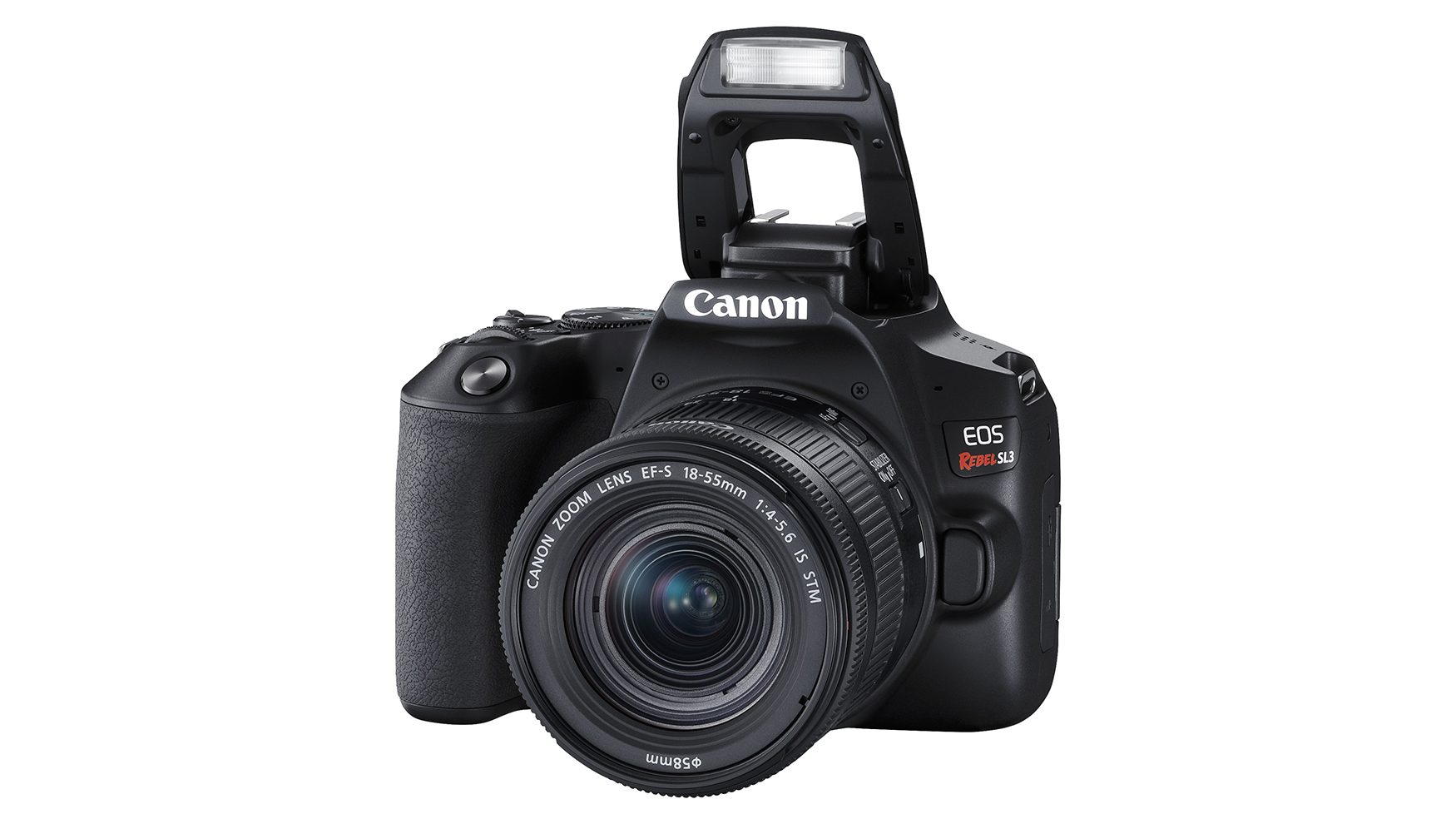 Weighing at 449 grams, the Rebel SL3 packs a DIGIC 8 Processor, along with a 3.0-inch touchscreen (that flips around for selfies or vlogging) and 4K video support. The camera features a 24.1 megapixel APS-C (Advanced Photo System Type-C) sensor, which is also used in Nikon and Sony DSLRs. Furthermore, the Rebel SL3 offers a 9AF point-optical system and spot focus feature, so that users can accurately select their subjects while capturing images.
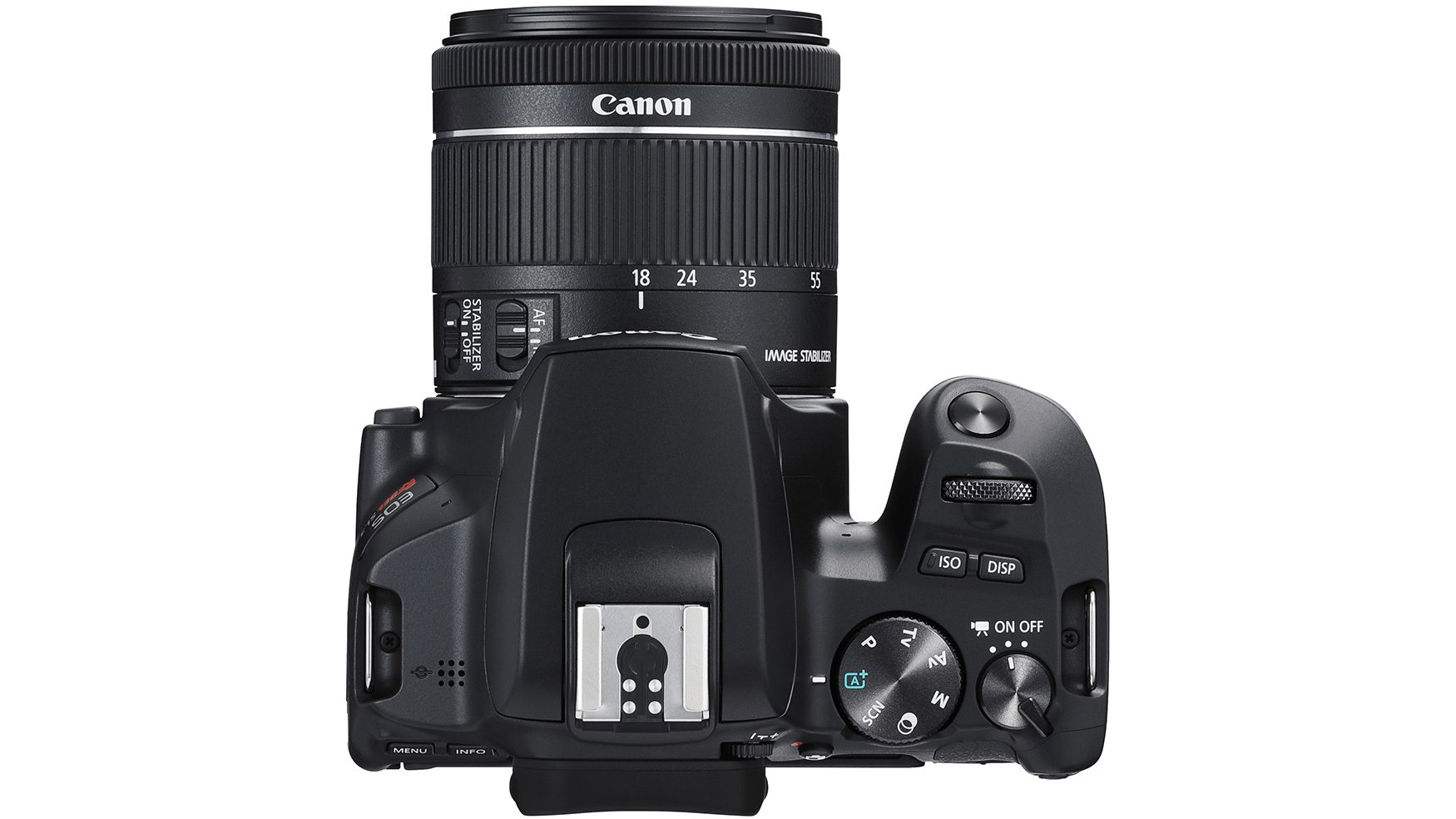 The Canon EOS Rebel SL3 offers an on-sensor Dual-Pixel system, which may not be as efficient as the optical system, but still provides accurate eye-tracking Auto-Focus in 1080p videos considering the price of the budget DSLR camera. The SL3 also takes the spot for being the first Canon Rebel Series camera that can shoot in 4K resolution. A downside of the camera is the lack of sensor-based-in-body stabilization, which forces the Rebel SL3 to use Digital Image Stabilization. Moreover, the camera supports wireless image transfer via built-in Wi-Fi and Bluetooth across smartphones and tablets.
 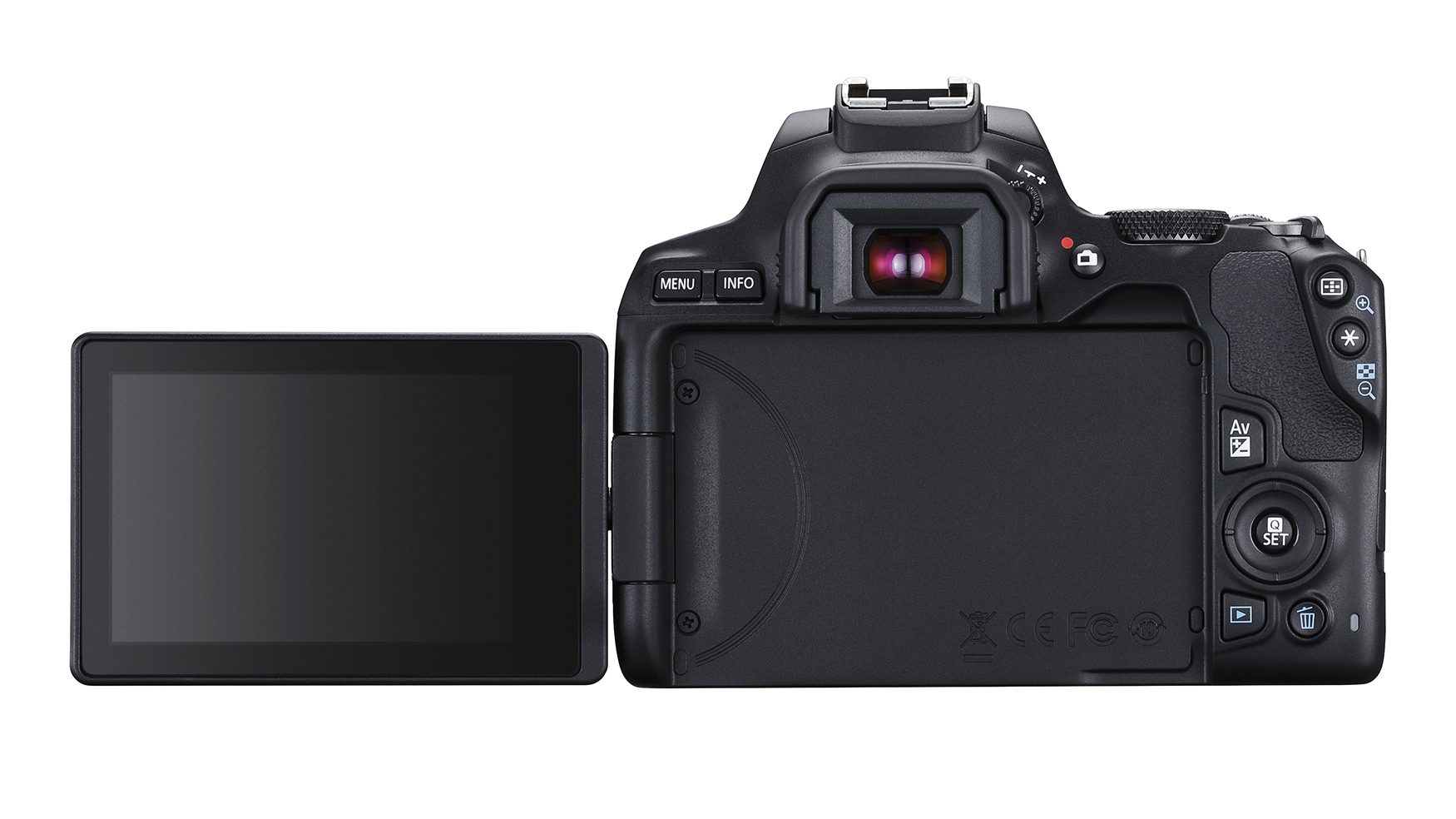 Photographers can utilize the Burst Shoot feature at a rate of 5fps. The DSLR has a native ISO range of up to 25,600 and an expanded ISO range of 51,200. In terms of the battery, Canon claims that the camera can shoot a total of 1,630 images on a single charge, and the number comes down to 350 shots with the Live View feature turned on. Talking of features, another nice addition to the camera feature list is the “smooth skin” mode, which enables the user to blur the background (similar to portrait mode in smartphones) without the presence of a fast lens.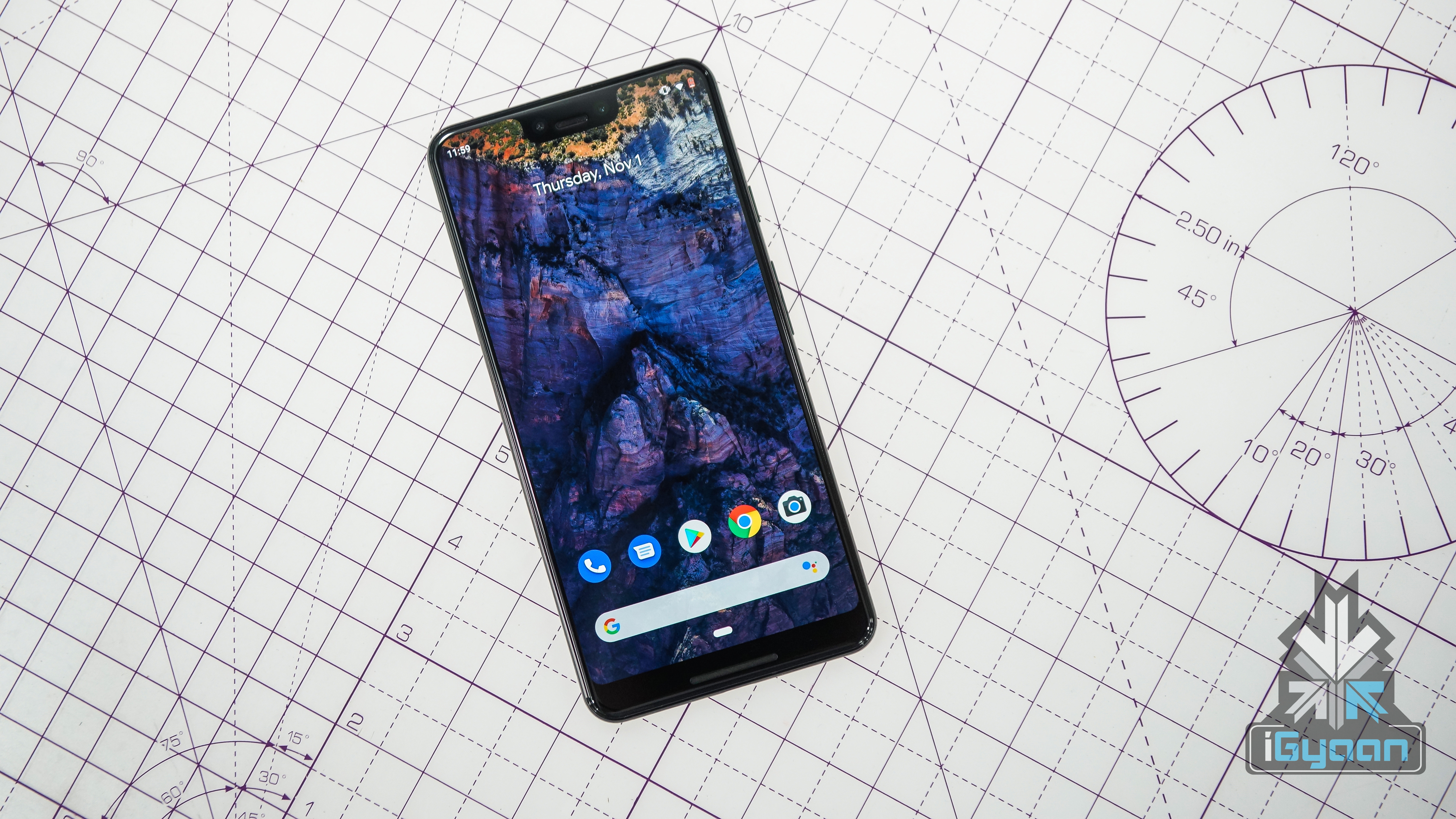


 The Snapdragon 665 chipset is the base model in the lineup unveiled on April 9, however, it has significant improvements over the Snapdragon 660. The new 11nm chipset comprises of an octa-core Kryo 260 CPU. Four cores of the aforementioned 8 cores are dedicated to performance, while the other cores enhance the efficiency of the device, the company claims. For graphics, the chipset packs an Adreno 610 GPU with the Vulkan 1.1 graphics driver. Furthermore, the chipset features Qualcomm aptX Adaptive Audio and Aqstic to improve the gaming experience of the user.
 The company has included the Spectra 165 ISP, which integrates support for triple cameras and AI while capturing images. Also, the chipset enables features such as Hybrid autofocus, zero shutter lag and optical zoom, in addition to 48-megapixel image support. The SoC has the third-generation Qualcomm AI Engine, providing support for features such as 3D Face Unlock. Qualcomm claims that the chipset will deliver almost 2x faster AI device processing than the Snapdragon 660. Moreover, the SoC is enabled with Quick Charge 3.0 Fast Charge technology.
 Qualcomm made it quite clear that the Snapdragon 665 will be targeted towards smartphones lying in the entry-level segment. For mid-range segment devices, the San-Diego company unveiled the Qualcomm Snapdragon 730, which is built on an 8nm process. Some features that were previously only present on Snapdragon’s 8xx series have been carried over to the Snapdragon 730. The SoC comprises of Kryo 470 octa-core CPU, which have a maximum clock speed of 2.2 GHz. Six cores are dedicated to regulating the power and efficiency of the smartphone, whereas the other two cores are dedicated solely to performance. The chipset has the Adreno 618 GPU, which is claimed by the company to provide a 25% performance boost over its predecessor.
 In addition to Qualcomm aptX Adaptive audio and Qualcomm Aqstic audio, the chipset has the Spectra 350 ISP, which features a dedicated Computer Vision ISP. This will enable the capture of 4K HDR videos in portrait mode, that can be further mingled with bokeh effects. The Snapdragon 730 SoC has an inbuilt X15 LTE modem which claims to provide downloads up to 800Mbps. The chipset is Wi-Fi 6 ready and features Qualcomm Quick Charge 4+ technology.
 Also Read: