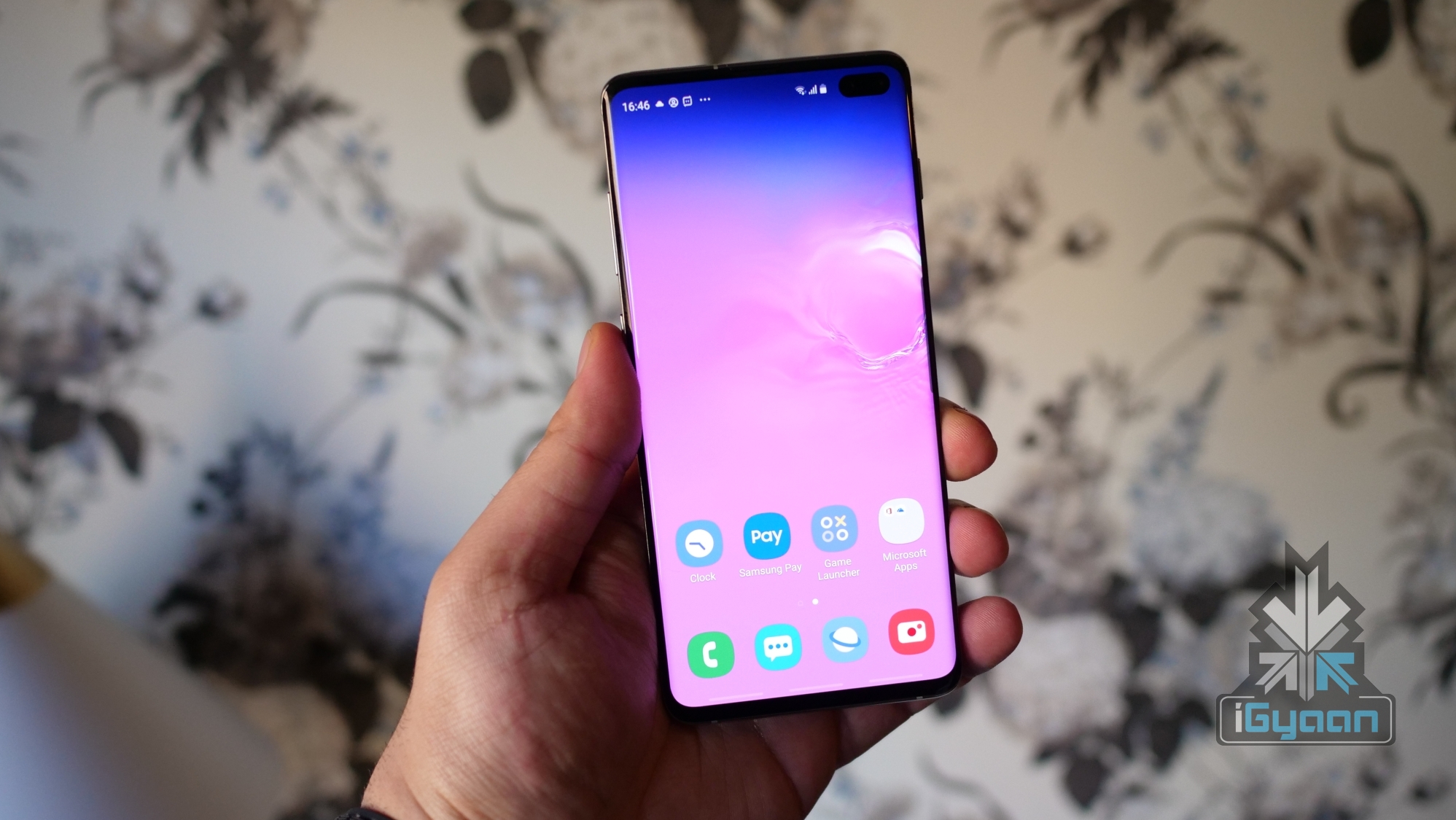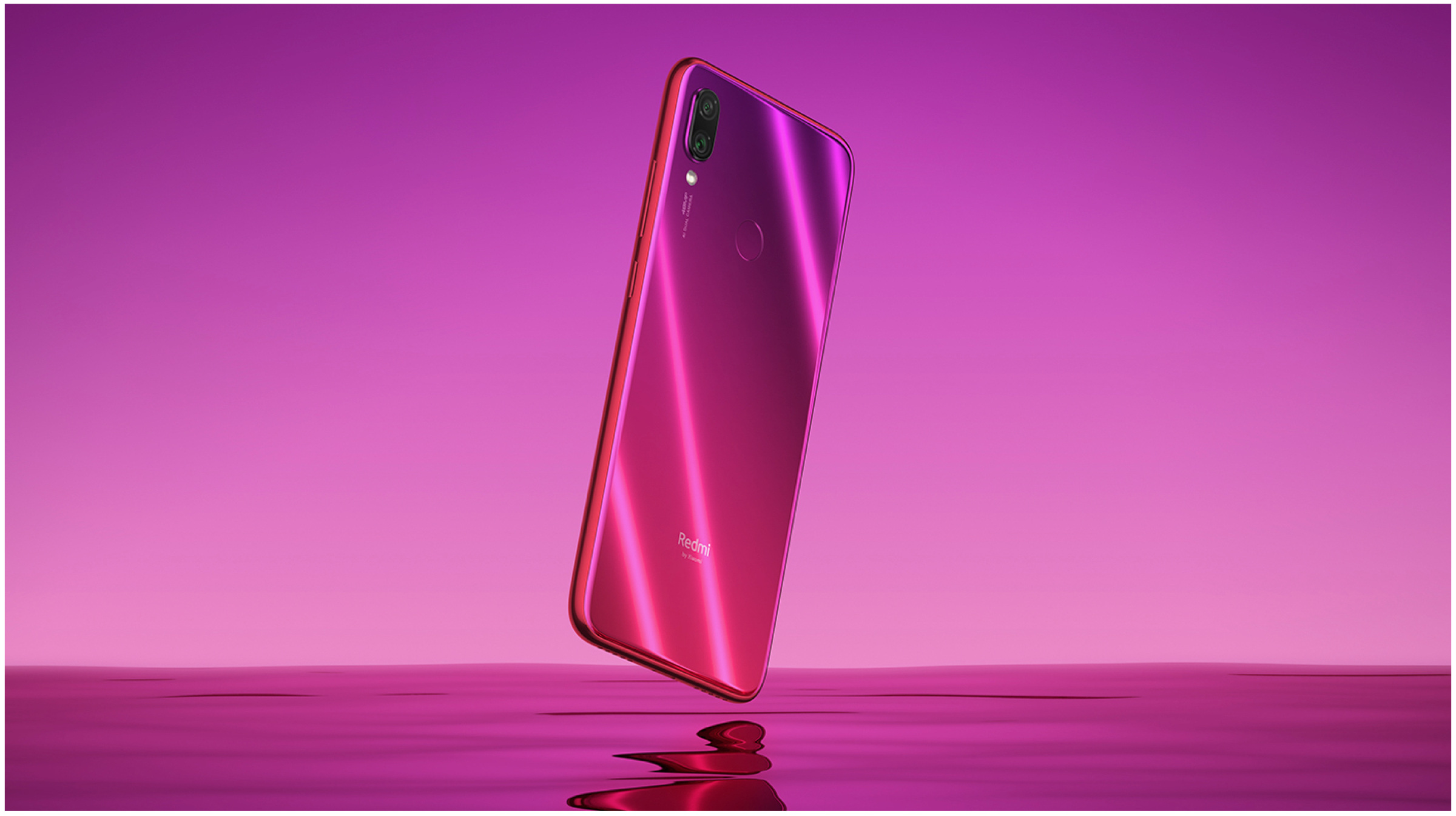
Xiaomi has announced the Redmi Note 7 Pro with 6GB of RAM and 128GB of internal storage will go on sale starting today. The smartphone was launched alongside the Redmi Note 7 on February 28. It is the first smartphone phone that Redmi has launched in India after separating from its parent company Xiaomi. The device features a modern design and ambitious specifications with a lucrative price tag.
Redmi Note 7 Pro: Where To Buy?
Click here to buy the Redmi Note 7 Pro
The Redmi Note 7 Pro will be available at a price of Rs 16,999 for the version with 6GB RAM and 128GB of onboard storage. The smartphone will be available to order via flash sales on Flipkart and Mi.com from 12 noon on April 10. It will also be available offline from Mi Home outlets starting April 17.
Redmi Note 7 Pro: Specifications & Features

To recall, the Redmi Note 7 Pro is a budget offering from the company and features a modern design with Gorilla Glass 5 on the front and the rear. The smartphone has a 6.3 inch LCD display with a small waterdrop notch up top. The display panel has a 19.5:9 aspect ratio with a resolution 2340 x 1080 px and pixel density of 409 ppi. There is a fingerprint scanner on the back of the device and it also supports face unlock technology.

The Redmi Note 7 Pro runs on the 11nm Snapdragon 675 chipset. It consists of the Kryo 460 CPU with two Cortex A76 cores clocked at 2.0 GHz and 6 Cortex A55 cores clocked at 1.7GHz. The CPU is paired with the Adreno 612 GPU. The smartphone is available in two variants, a 4GB+64GB variant and a 6GB+128GB model. It also has the Qualcomm Spectra 250L ISP (Image Signal Processor) for improving camera performance. The Redmi Note 7 Pro has Android 9 (Pie) out of the box, with Xiaomi’s own MIUI 10 on top. Reputably, the device also supports memory expansion up too 256 GB via a microSD card.

The Redmi Note 7 Pro features a dual camera module on the back of the smartphone, which comprises of a primary 48 MP Sony IMX586 sensor and a secondary 5 MP depth sensor. Noteworthy, the Sony IMX586 sensor is found in higher-end devices like the Honor View 20. The camera also supports 4K recording at 30 fps. In terms of the front camera, it has a 13 MP front-facing sensor with AI integration.
Also read: AMD Announces 2nd Gen Mobile Processors For Entry Commercial Notebooks
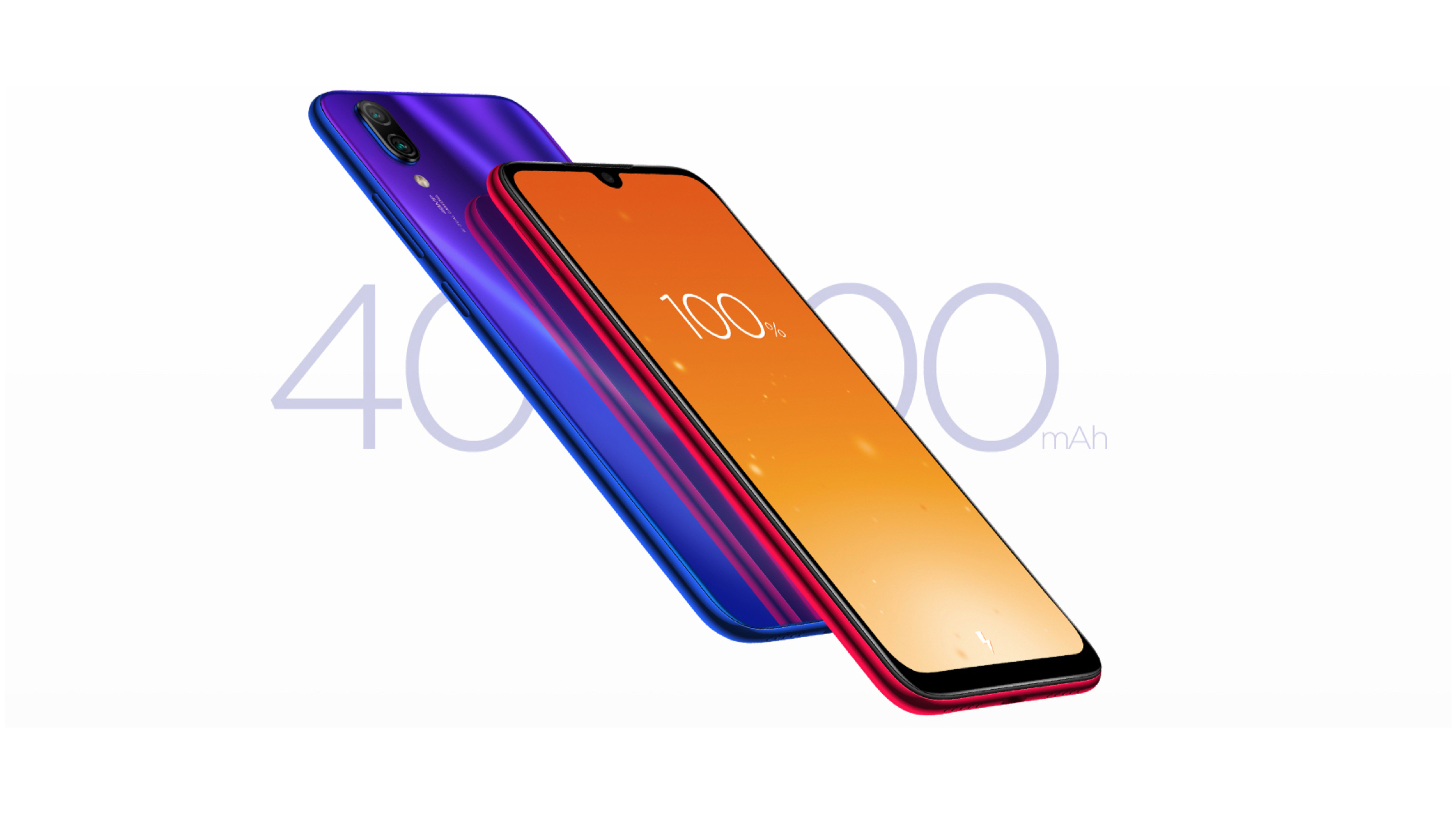
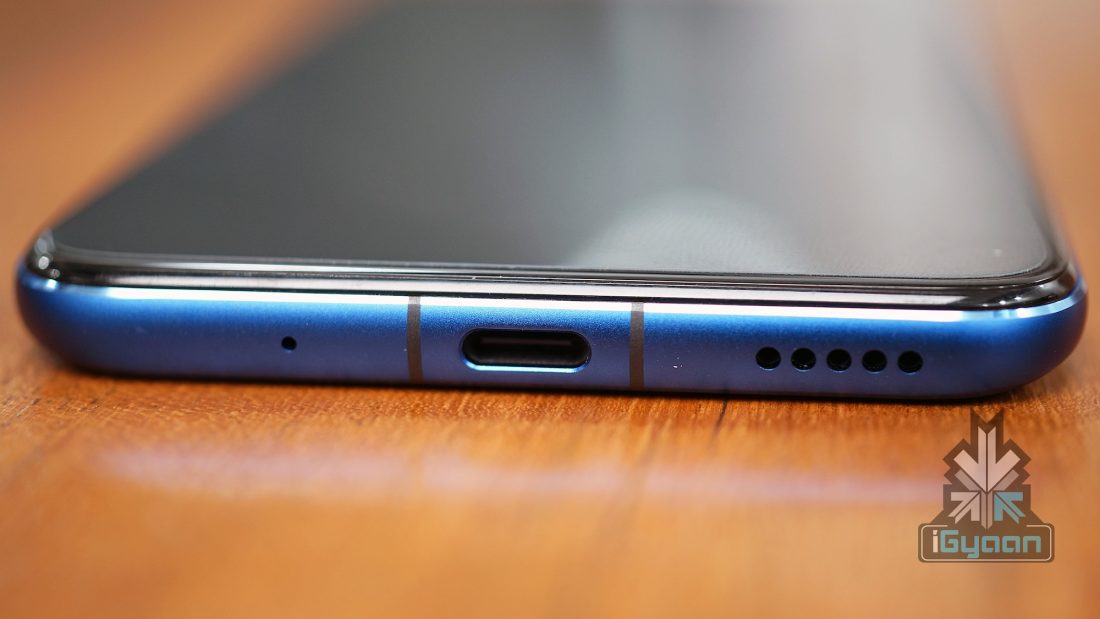
The Redmi Note 7 Pro is powered by a 4,000 mAh battery which supports 18W Quick Charge 4.0, although the device ships with a 10W charger in the box. As mentioned before, the device has an IR blaster, similar to the one seen in previous iterations of the smartphone. Biometric security is limited to a rear-mounted fingerprint sensor. The smartphone is available in three colour options, Neptune Blue, Nebula Red and Space Black.



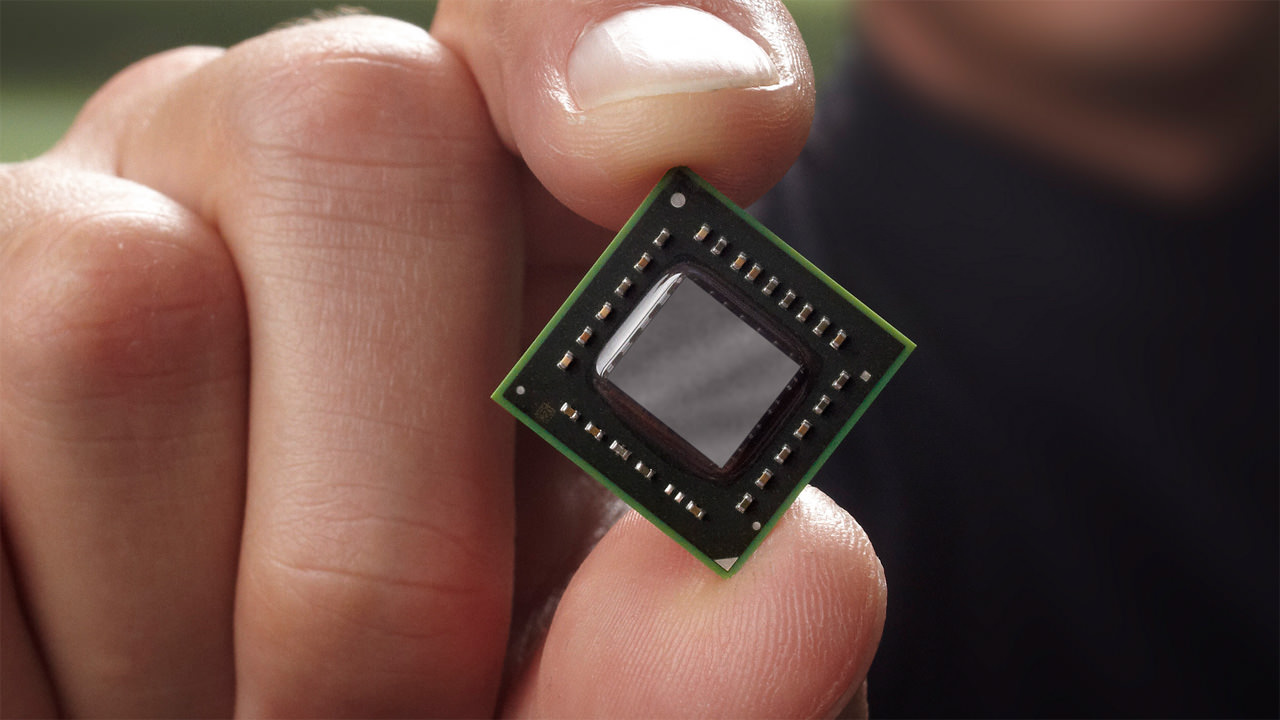
 The new lineup includes 2nd Gen AMD Ryzen PRO Mobile Processors (with Radeon Vega GPU) and AMD Athlon PRO mobile processors with a similar VEGA GPU. The primary incorporation of these processors would include premium professional notebooks and everyday-usage notebooks. Also, the company is planning to introduce its new lineup in the upcoming HP and Lenovo notebooks, which will make their way into the market in the second quarter this year. Updates for the same are expected to be released later in the year 2019.
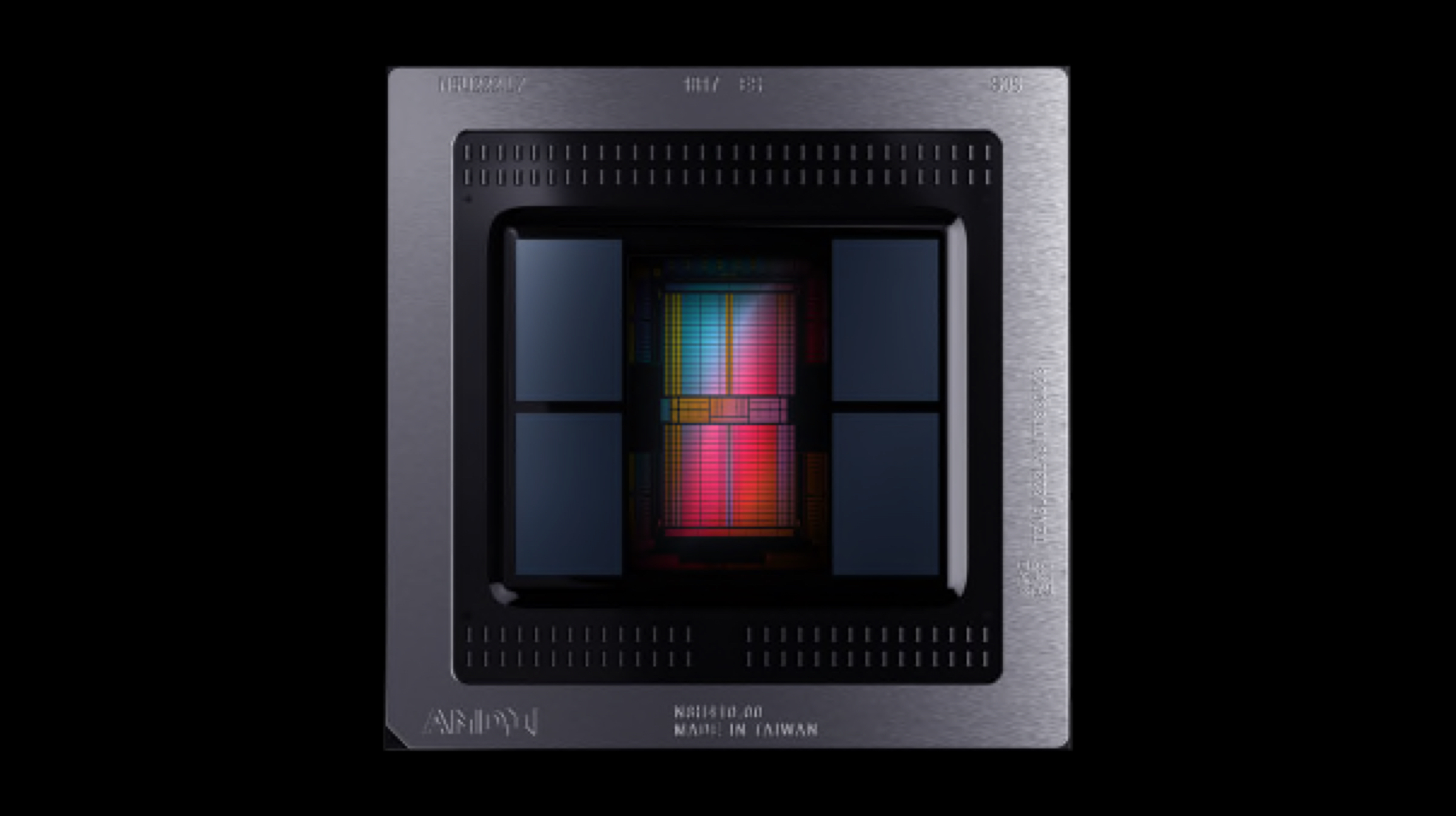 The 12nm mobile processors claim to increase productivity and deliver best-in-class performance. Also, the company states that the AMD Ryzen PRO 3000 series processors offer up to 16% more multi-threader processor performance than other similar processors in the market. Further claims include up to 12 hours of office usage, 14% faster content creation and best-in-grade security features.

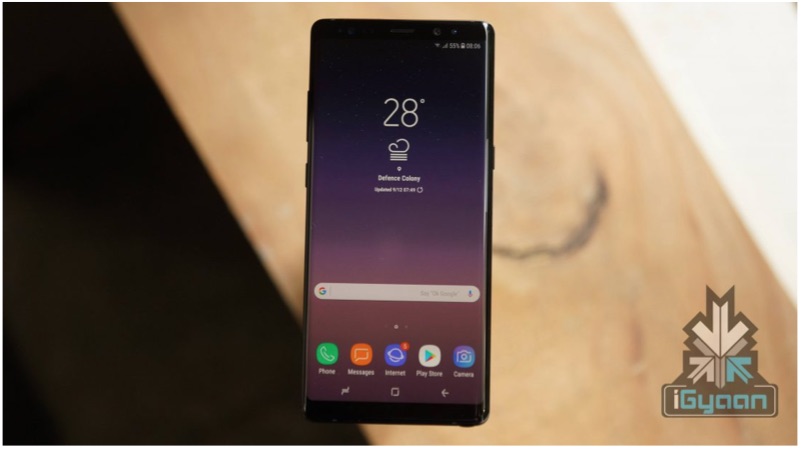
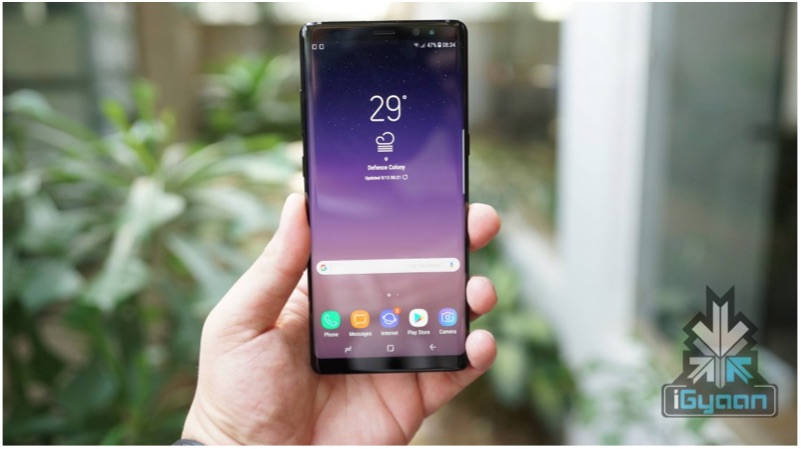 As per reports, the lineup will feature at least one 5G smartphone. Moreover, the Korean technology company is planning to release a significantly cheap model of the Galaxy Note 10. It is apparent here that the company is rolling the same dice as it did with the Galaxy S10e. The device which was intended to be the base model in the lineup received exceedingly rave reviews. Note that the last time when Samsung released more than one variant for the Galaxy Note series was in 2014 when the company unveiled the
 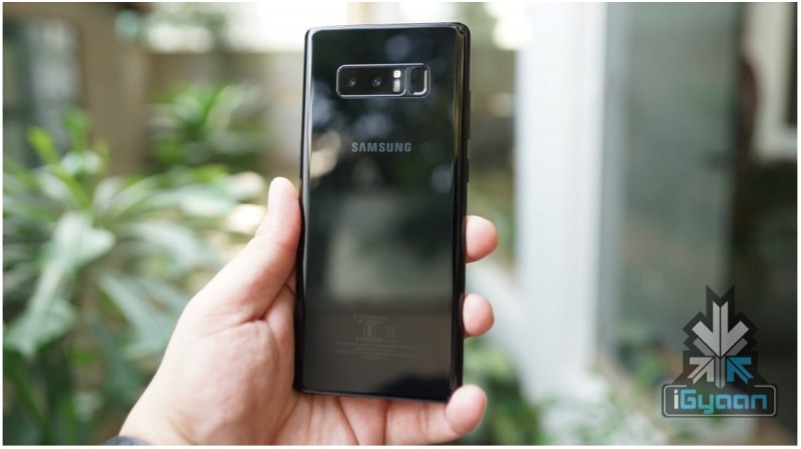 Reports also state that Samsung is modelling its strategy in order to create more impact on the smartphone market. Two of the four LTE variants of the Note 10 series are speculated to sport 6.28-inch and 6.75-inch displays with triple and quad camera setups respectively. The other two devices will carry over similar specs to the aforementioned devices, with the only notable addition being the 5G connectivity option.
 Also Read:




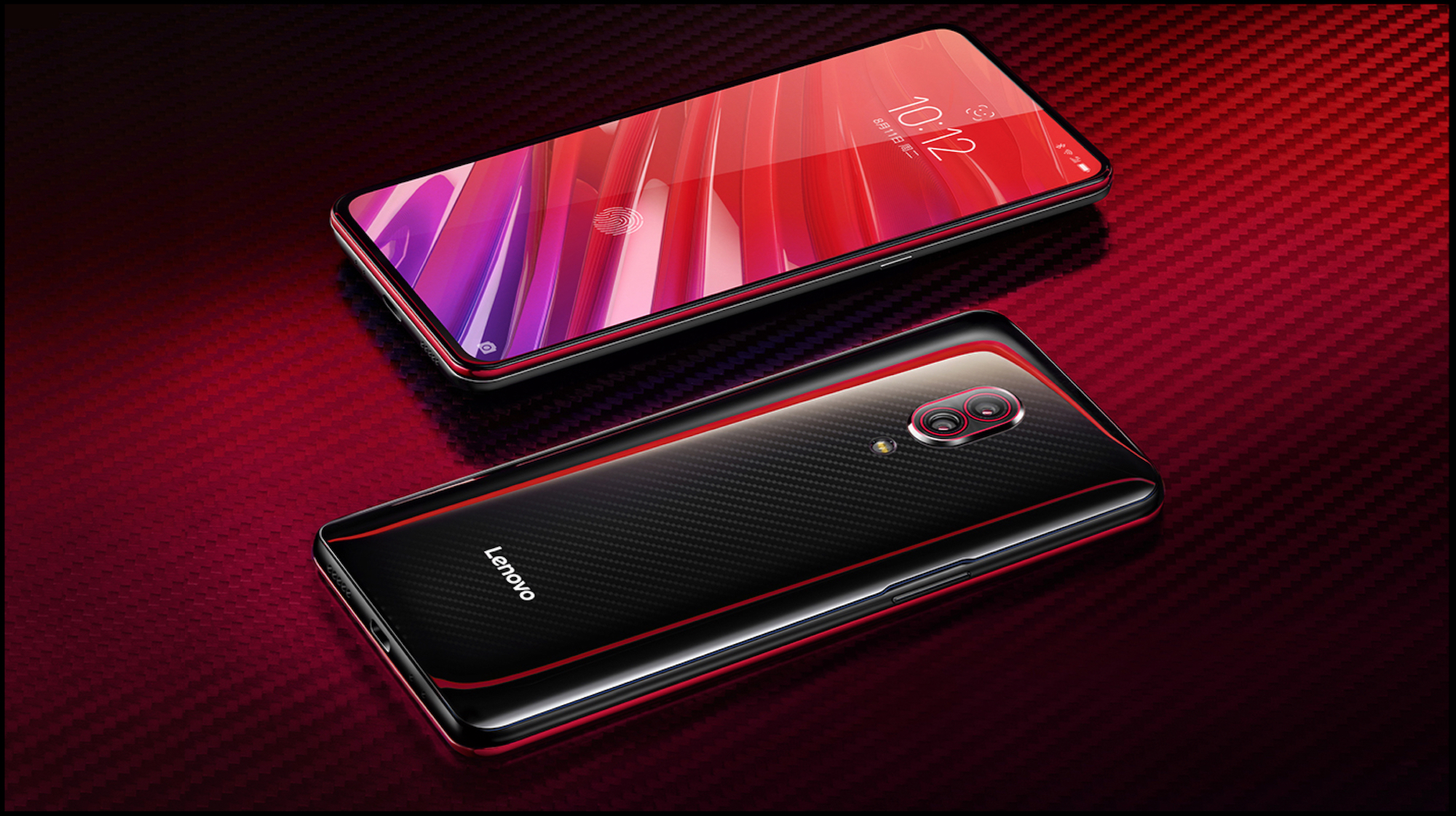
 The Lenovo Z6 Pro is expected to be built along the lines of its predecessor, the
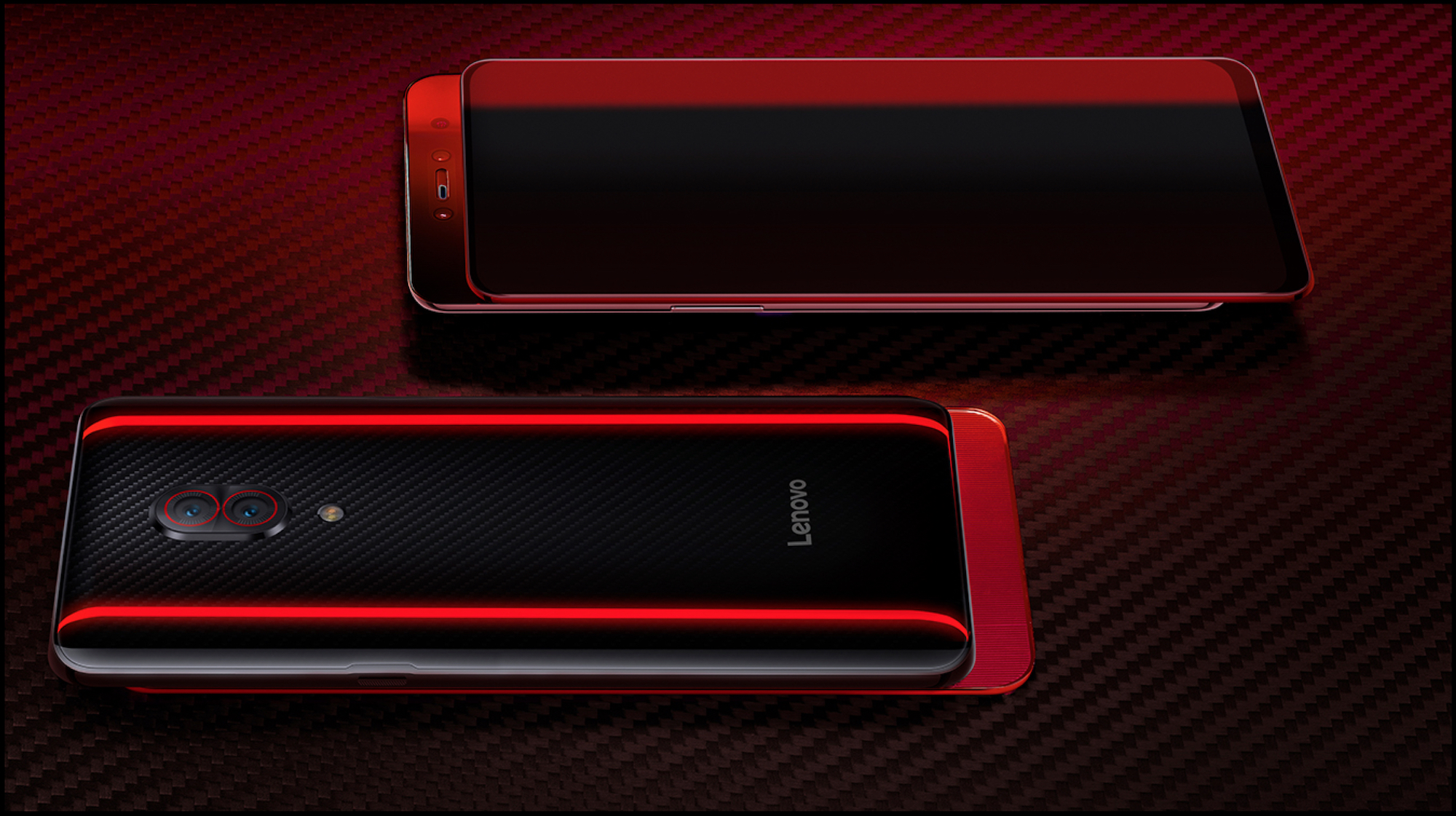 In terms of the camera, Lenovo is claiming that the Z6 Pro will have a ‘HyperVision’ camera which will redefine the way videos are recorded. As per a recent teaser by the company, the device will be capable of capturing 100-megapixel images. Apparently, the company may work around the AI in the smartphone to achieve this feat, but once launched, this will be the highest camera megapixel count ever seen in a smartphone.
 Also Read:



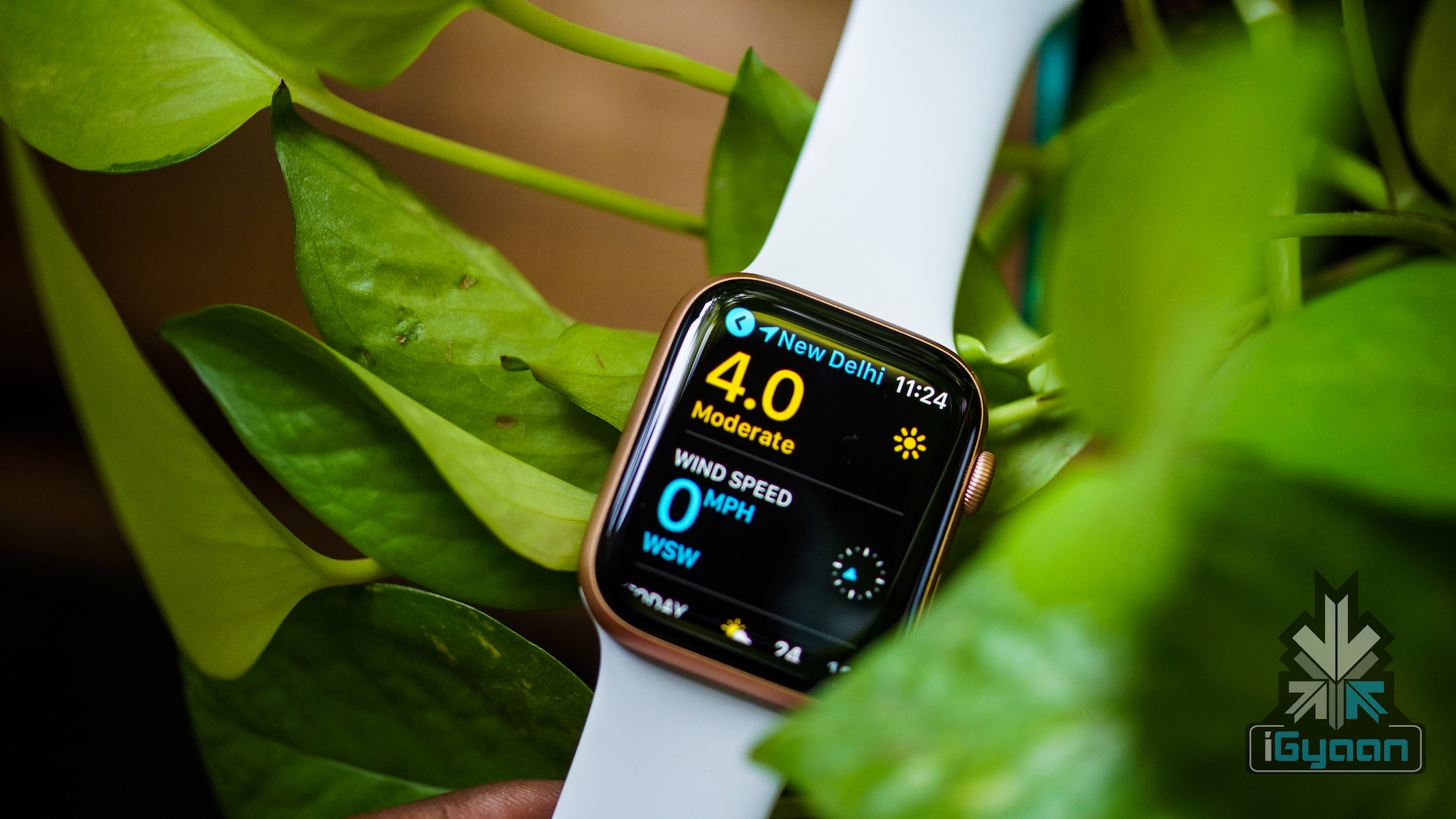
 As per the user, he was in bed and watching TV when his Apple Watch alerted him regarding a heartbeat anomaly, and then suddenly, his heartbeat spiked up. It was then he realized something was actually wrong with his heart and he called the ER (Emergency Services). When the medics arrived, they found him in a state of shock and he was taken to the hospital and shifted to Trauma. It was later found out that he was suffering from Supraventricular Tachycardia (a condition in which the heart rate stays over 100 bpm, even if all the chambers of the heart are functioning normally).
 Also Read: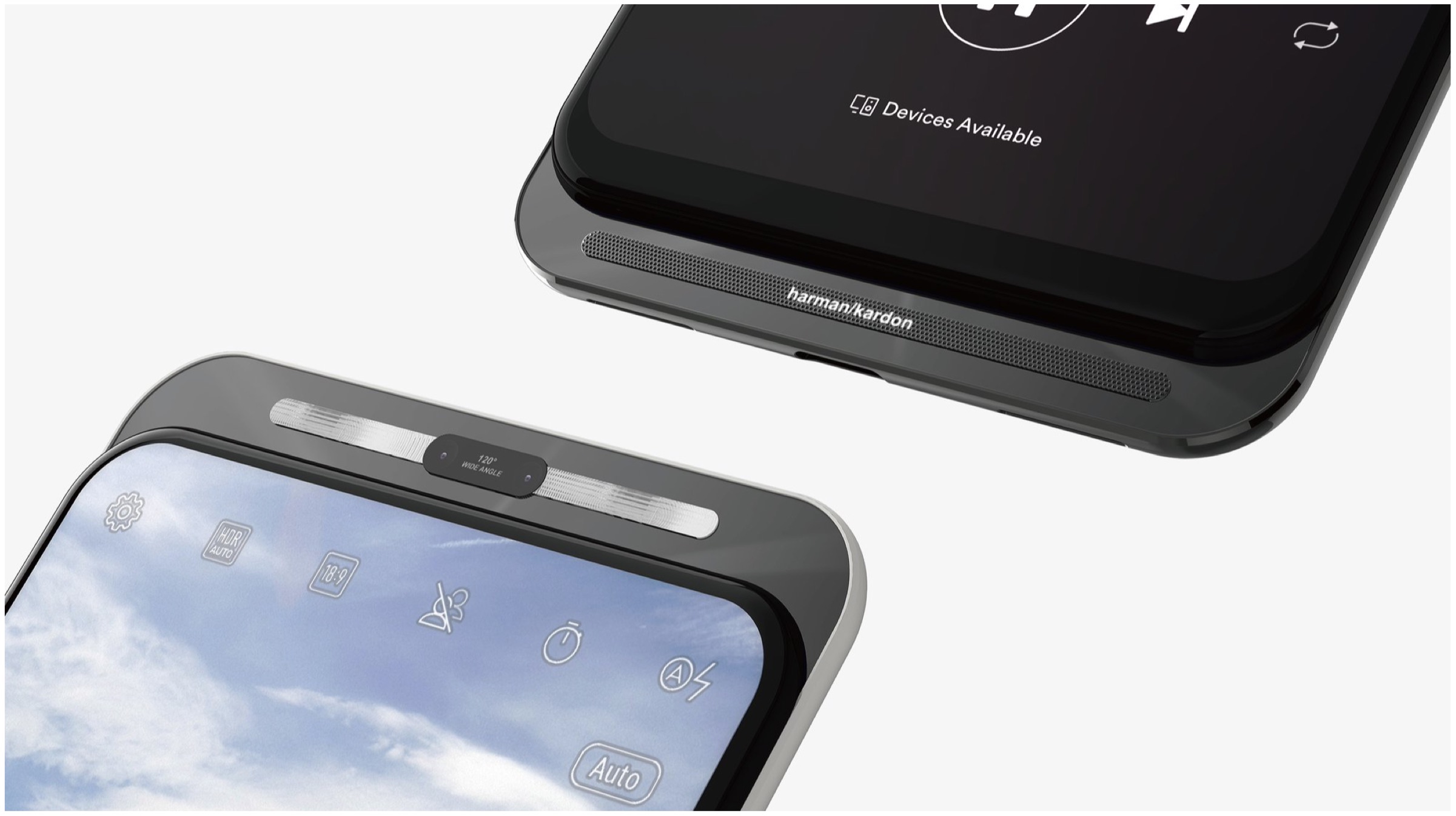
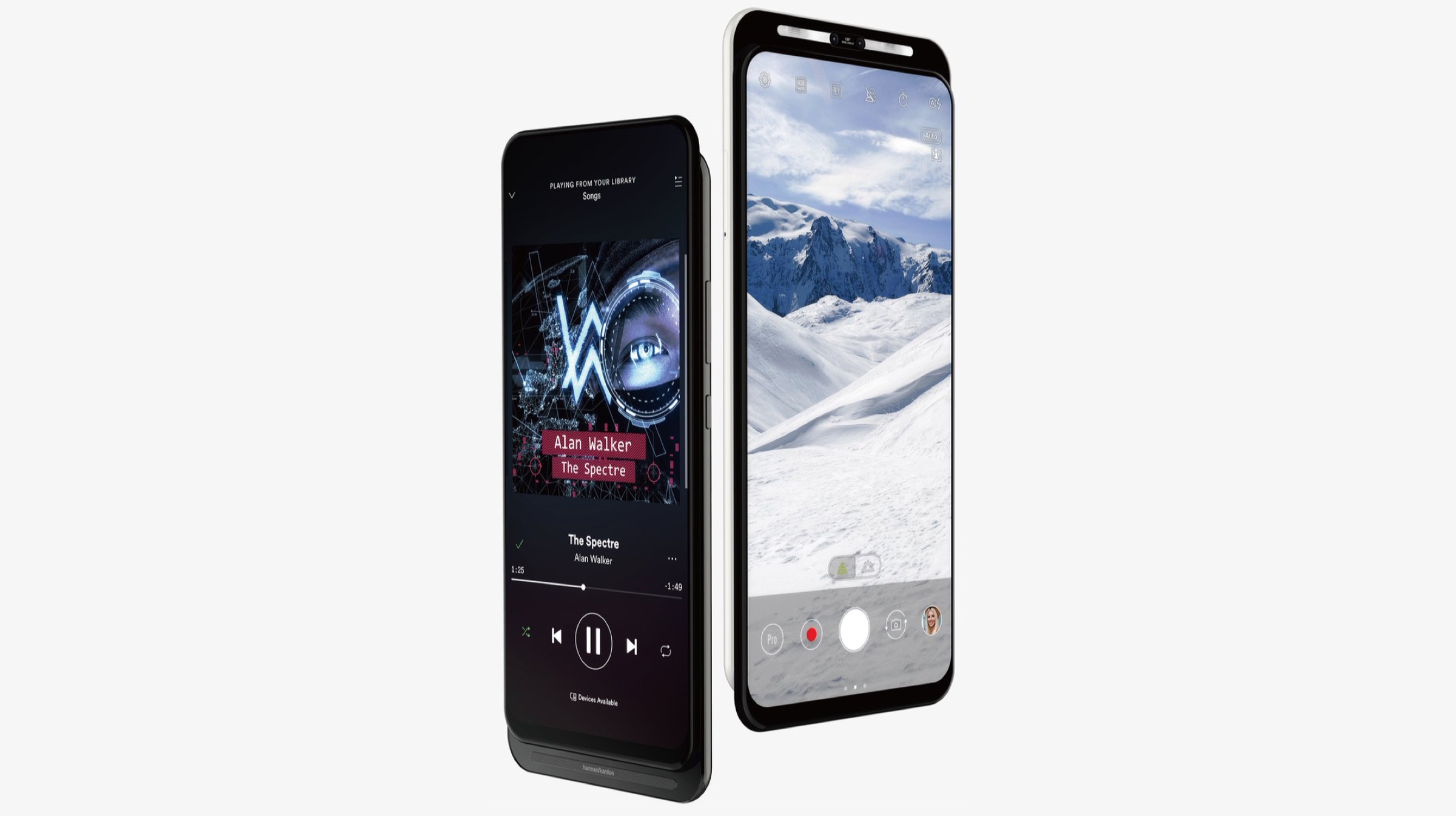 The renders were actually developed by a designer who previously worked on the design of the
  When the device is slid upwards, an attractive speaker grille bearing the label of Harman Kordan speakers is observed. This indicates the fact that the smartphone may have dual front firing speakers, but it’s unclear how both the speakers will function together simultaneously. The concept smartphone has a dual rear camera setup positioned at the top of the back panel. Along with the presence of the LED flash, a noteworthy feature of the back panel is the absence of a fingerprint scanner, hinting towards the fact that the device may have an in-display fingerprint scanner.
 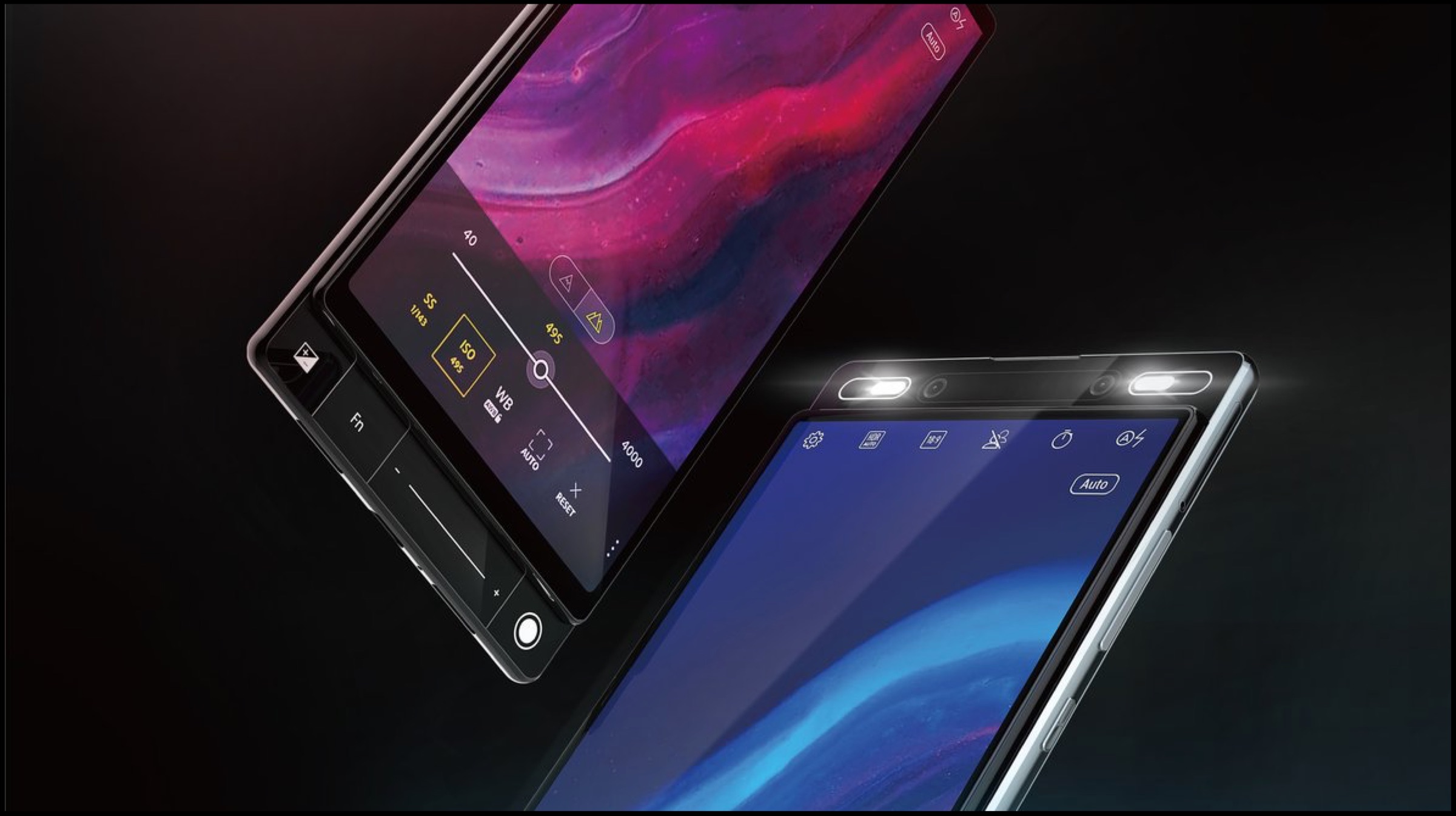 The second smartphone design shifts the perspective towards more of a “camera-oriented” device. Where the first render had a single LED flash strip for the front-facing cameras, the second concept shows off a separate LED flash for each of the dual selfie shooters when the slider is shifted downwards. Also, both the cameras are placed at a notable distance from each other.
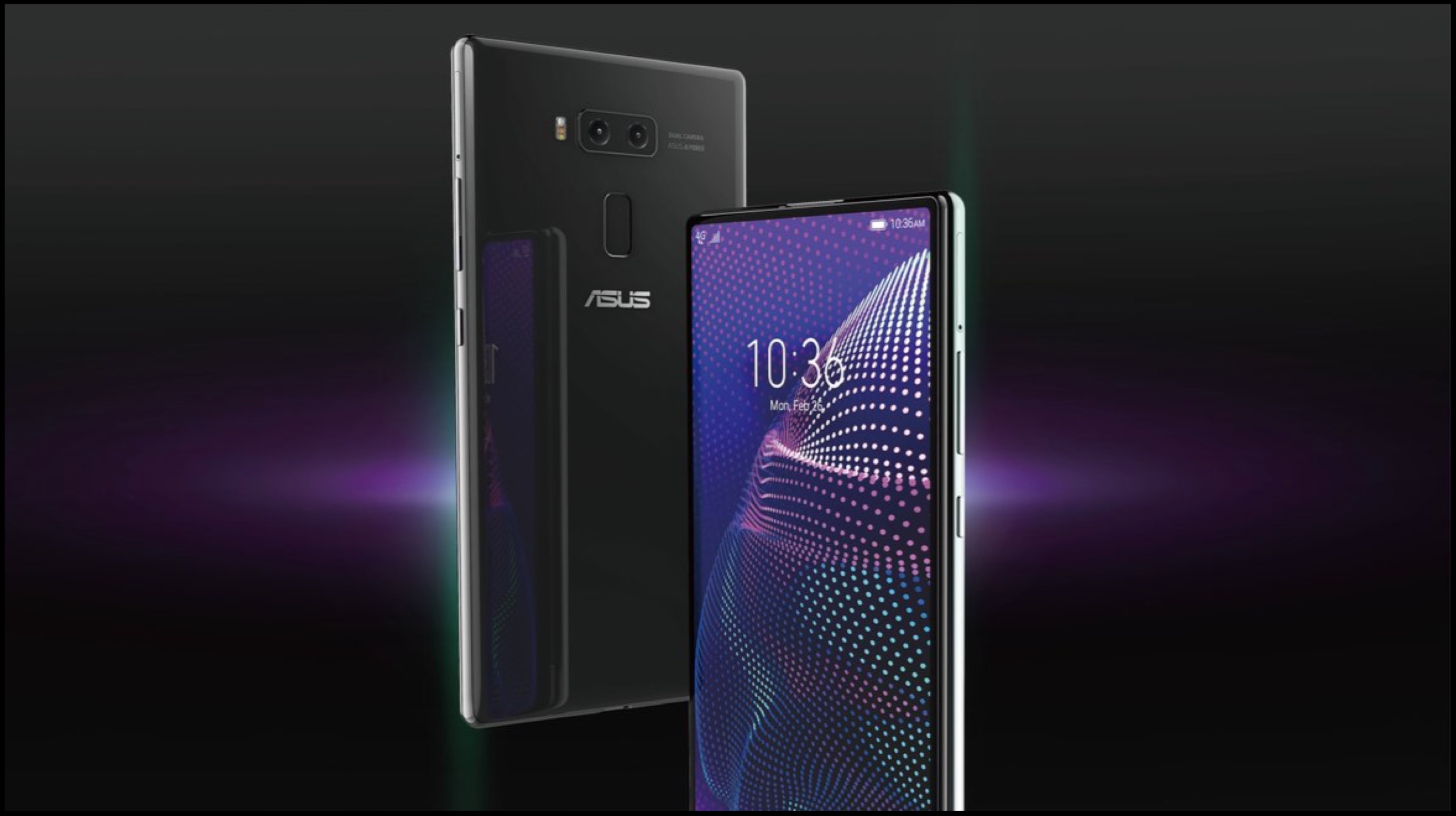 As per the renders, the screen can be slid upwards to reveal another display which is much smaller than the primary display. In the image, the small screen shows controls for image exposure, a function option, a zoom slider and a camera shutter button. However, the controls may not be just limited to the camera, in fact, each app may have its own set of touch controls to integrate with the miniature display. The back of the smartphone has a set of dual cameras that are placed together in a single module, with the left side being flanked by the LED flash. Also, a fingerprint scanner can clearly be spotted on the back, which is placed between the camera and the ASUS branding.
 Also Read: