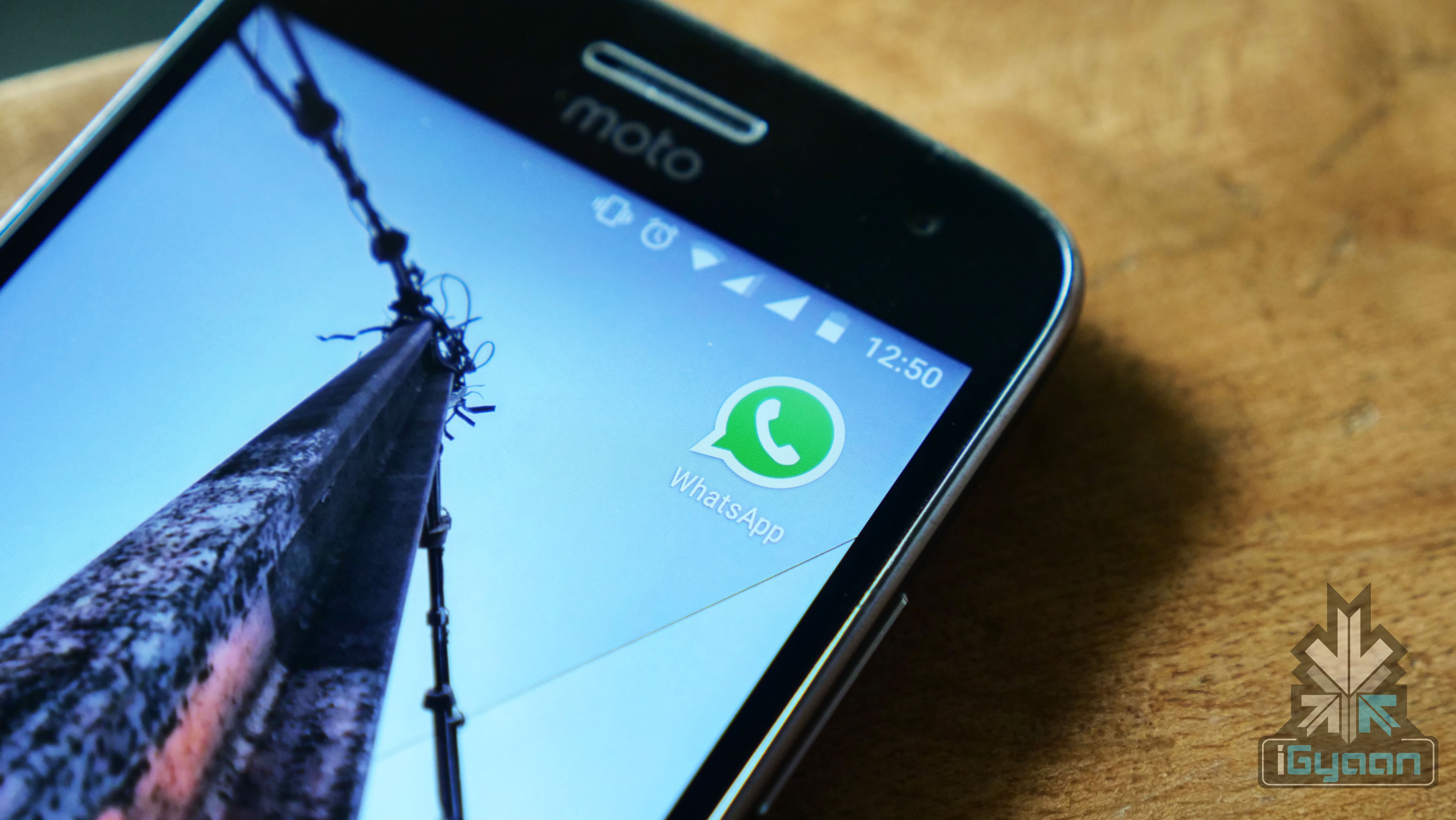
Whatsapp’s group invitation feature will enable users to stay in control of who can add them to a group. Reportedly, the company is now testing the functionality of the new update in Android Beta. This will be a step towards improving privacy settings for users. Also, Apple users who have registered for the public beta program will be able to test out this new feature.
About The Update
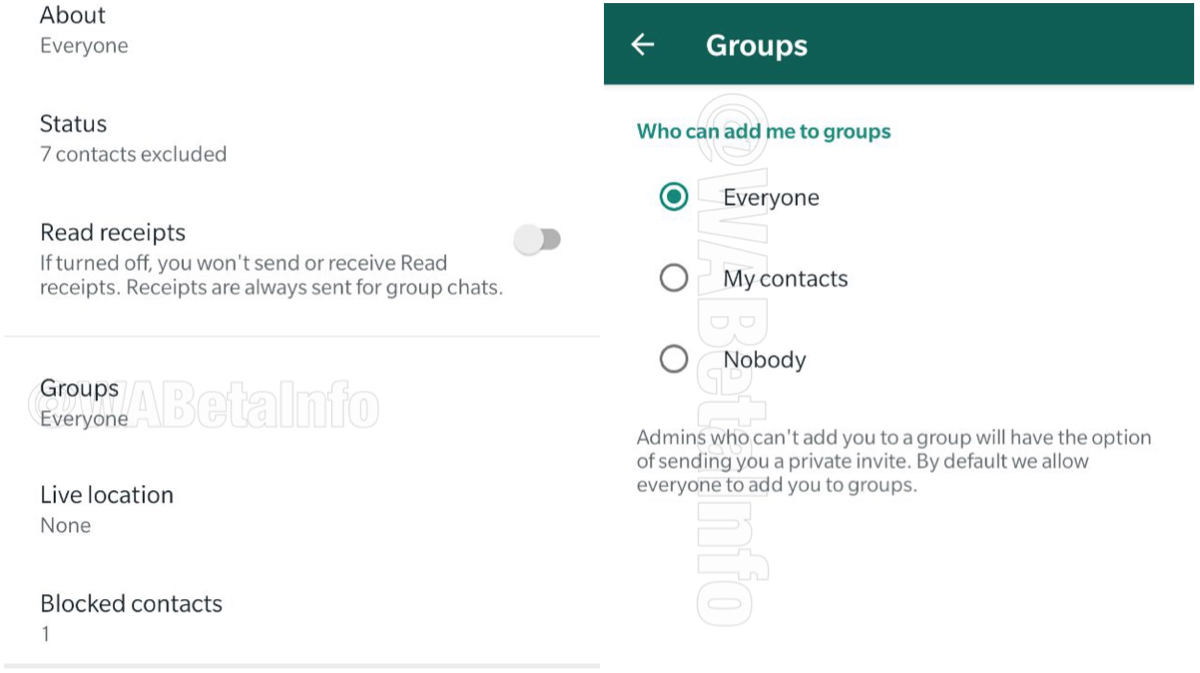 The Group invitation feature will ensure that users will not be randomly added to a group. If a person wants to have a user in their group, the user would have to give them permission to do so. As per a screenshot shared in the report, the new restriction feature would be available under Whatsapp Settings > Account > Privacy > Groups.
Restriction Levels
 After these steps, users will have the option to set a privacy limit that works for them. There will be three options in that menu: Everyone, My Contacts, and Nobody. It is quite obvious that the ‘Everyone’ option will allow any person to add the user to the group they want. That will hold true even if their numbers are not present in the contact list.
 If the user chooses ‘My Contacts’, he/she can limit the group invites to just those contacts who are added in the list. The ‘nobody’ feature will ensure that no one can add the user to any group without permission. The user will get a request every time someone wants to add him/her to their group. The invitation will expire within 72 hours, and a user cannot receive more than two invitations from the same group at the same time.
Also Read: Logging Into Apps Will Soon Get Easier On Android
The feature was first spotted in the Whatsapp beta update 2.19.55. At the same time, the test feature was rolled out to iOS TestFlight members. The update can be expected to roll out as soon as the company eradicates the bugs with the new feature.

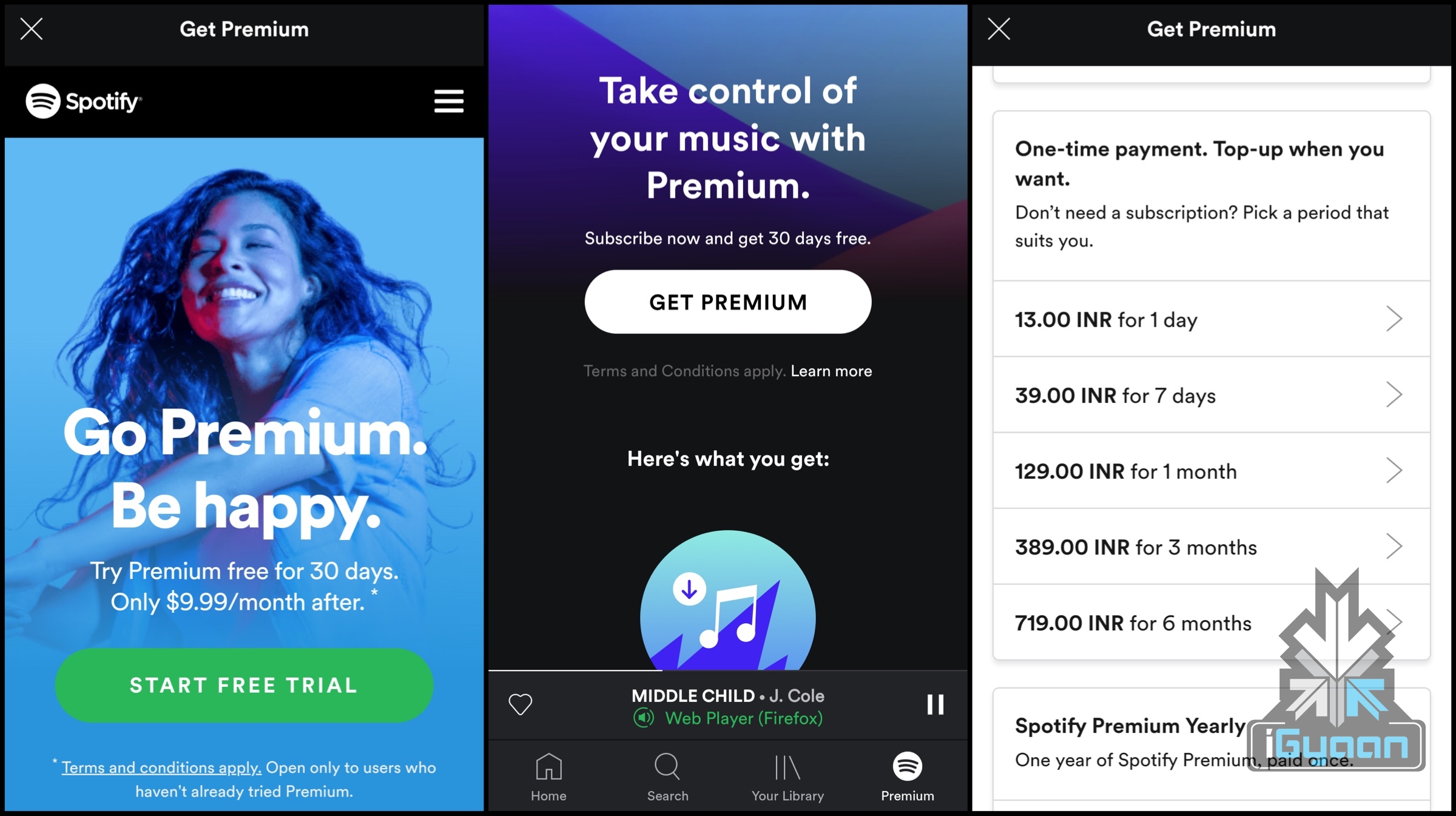
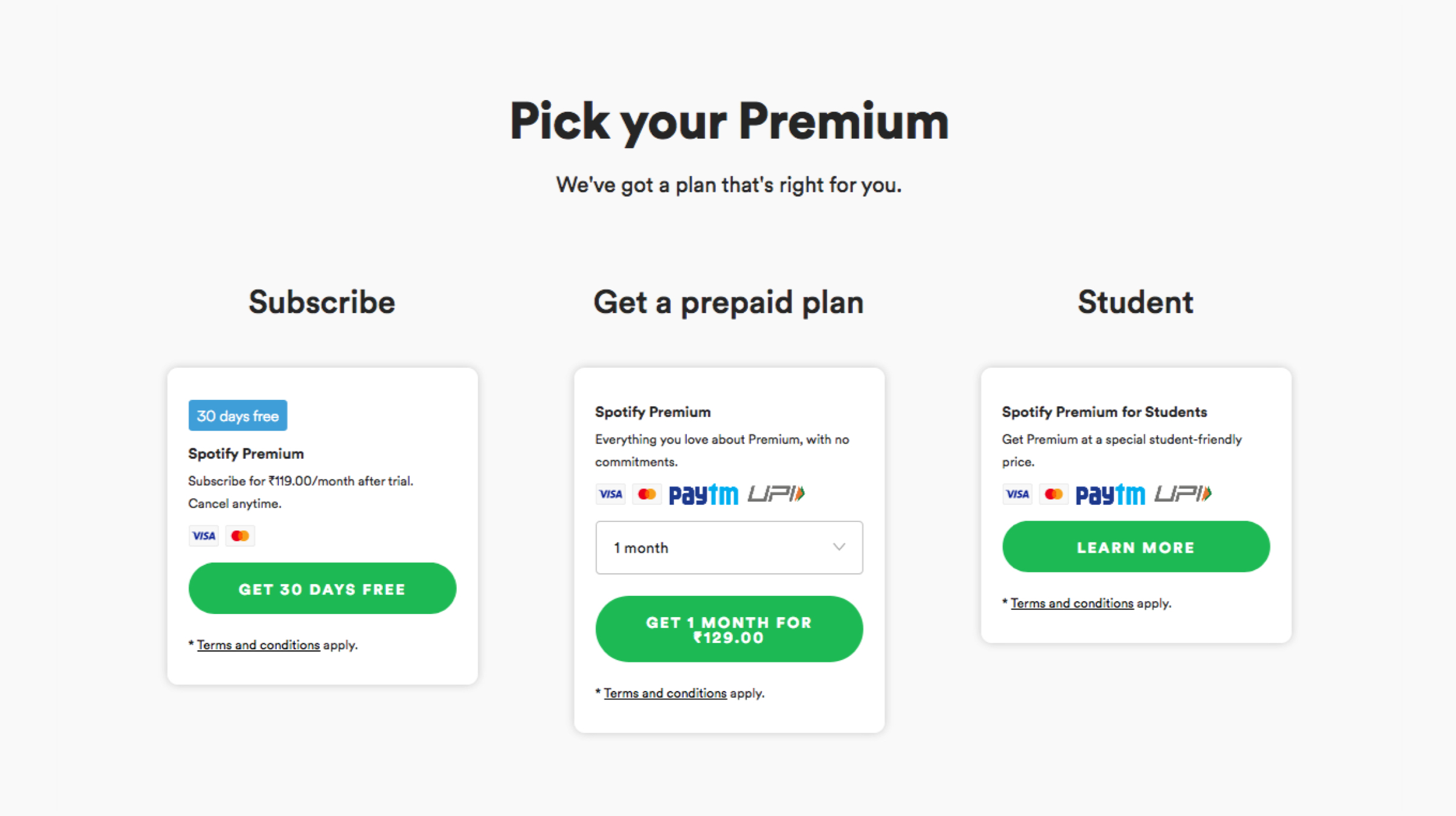 The Spotify India Website is also live, where users can find all the information they need regarding Spotify subscriptions. According to the website, users can avail Spotify premium services at Rs. 119 per month, with more options for a day, week, month, quarter, 6 months and a year. People can choose from a premium subscription plan which allows users to avail a free 30 day trial, a prepaid plan which starts from Rs. 129 a month, and a student plan which offers up to 50% discount on the beforementioned plans.
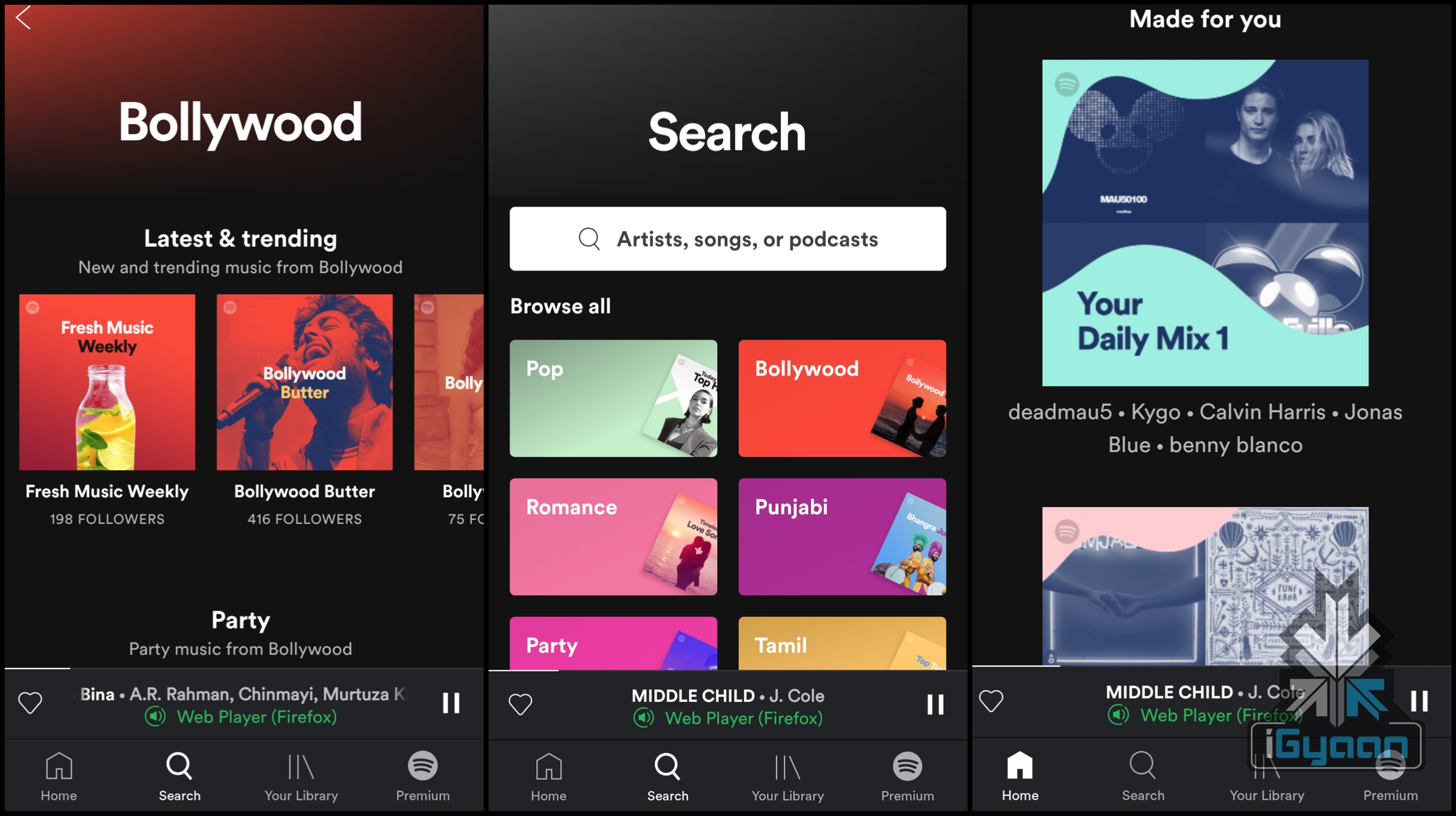 Spotify’s founder and CEO acknowledged the rich music culture of India and wanted to blend it with other music forms across the world. He also said that Spotify’s family is a lot bigger now that India has become a part of it. As
 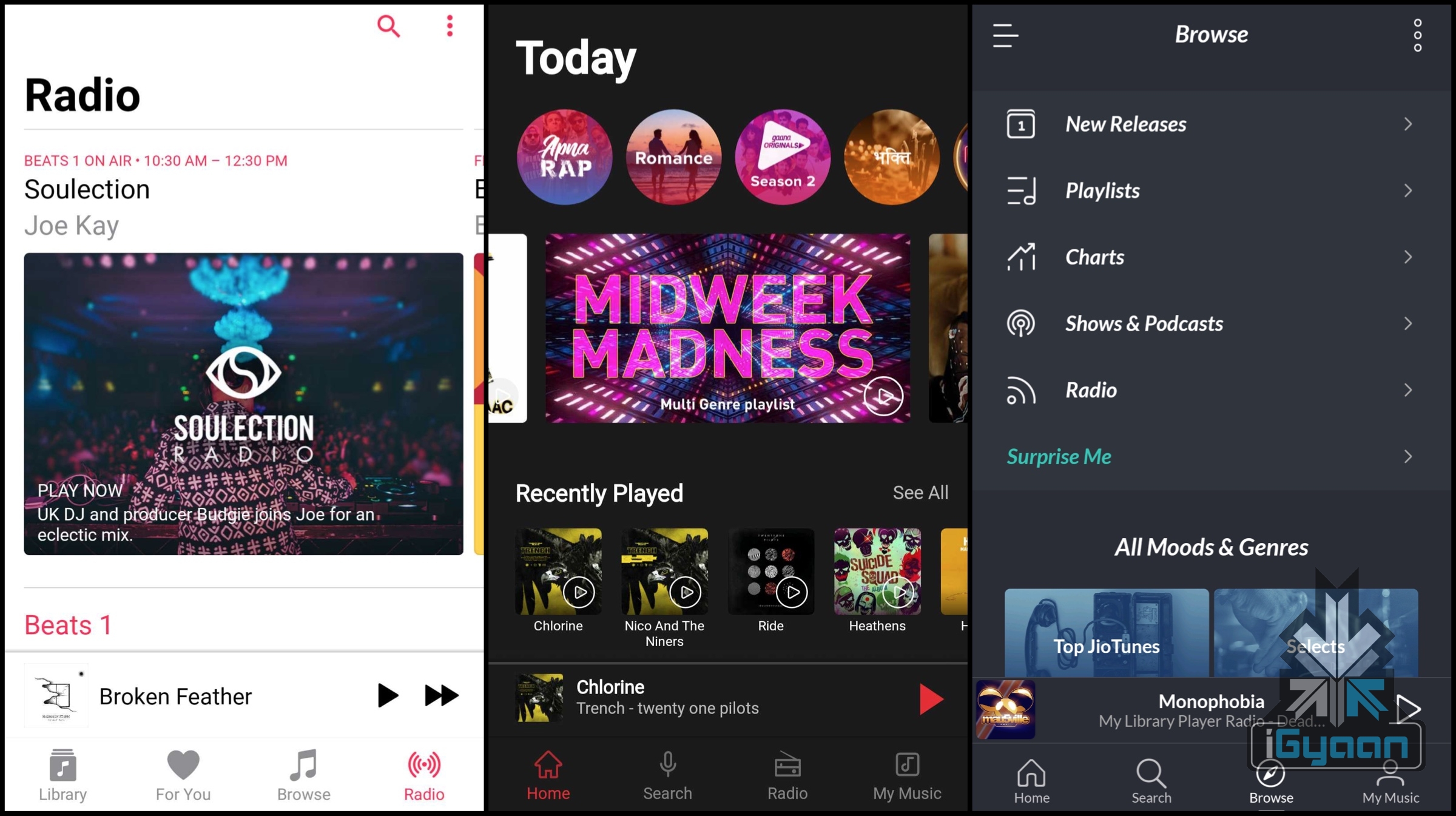 Post release, Spotify will have to go up against music streaming applications like JioSaavn, Gaana and more. Exclusive music launches from the music vendor can also be expected soon if Spotify wants to make a statement in the Indian music streaming industry. And with a market as huge as India, doing so becomes a compulsion rather than a luxury.
 Also Read:
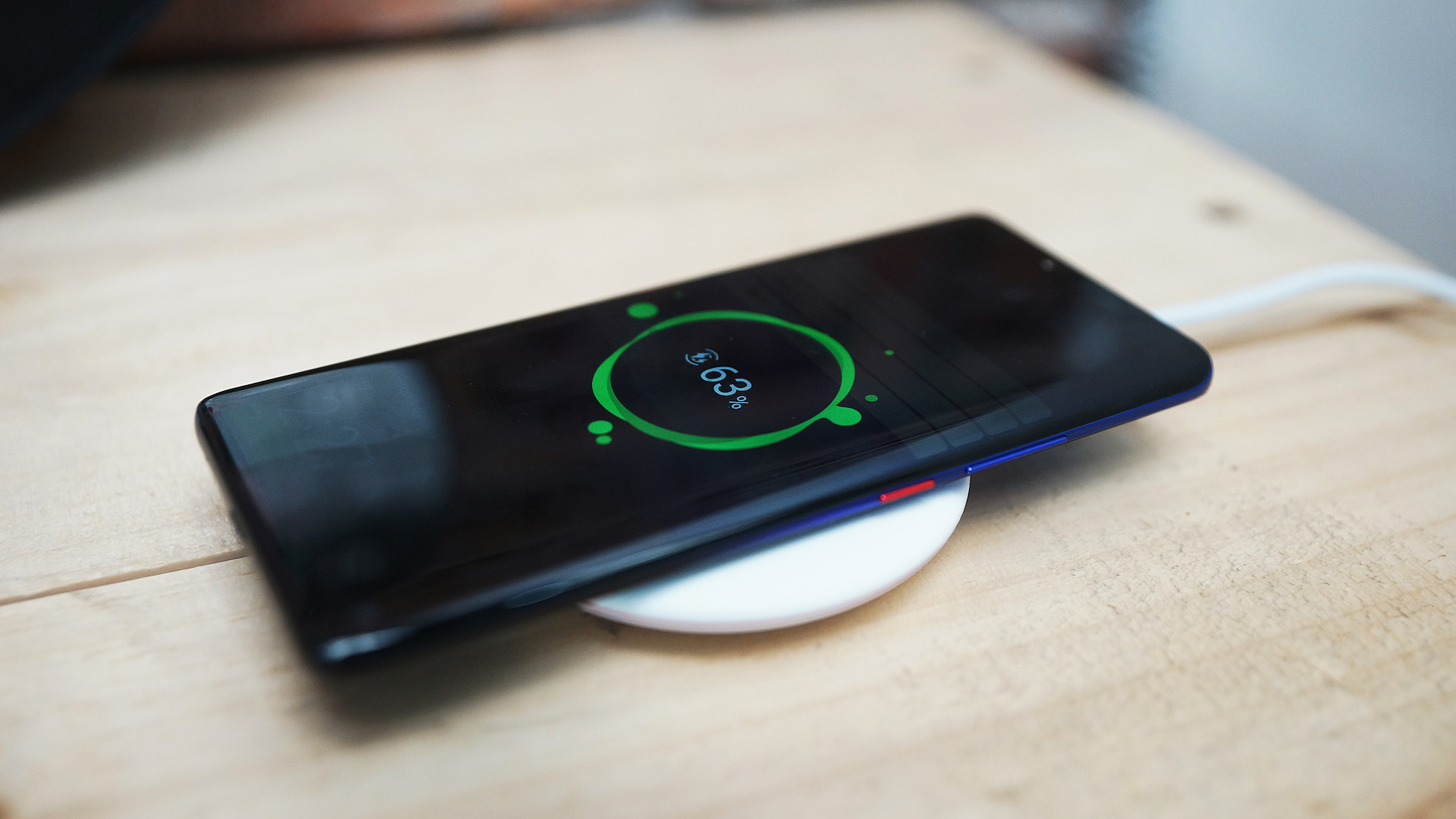 The new Wireless Charging pads will be powered by Quick Charge and will be compatible with Quick Charge 2.0, 3.0, 4 and 4+ adapters. The comoany will soon expand testing to QuickCharge for Wireless power. Additional tests will be performed, which will ensure Quick Charge and Qi interoperability. This will aim to provide a consistent wireless charging experience between the devices.
  The WPC (Wireless Power Consortium) includes over 650 companies and more than 3,500 different products which comply with their standards. They were the original creators of the Qi Global Wireless Charging Standard. Future consumers can still look for the same Quick Charge branding. Doing so will ensure that their QuickCharge adapters have gone through necessary compliance tests, rendering them safe to use.
 Qualcomm has reported that it is working with major retailers to get rid of non-compliant accessories from catalogs. George Paparrizos, senior director of product management for Qualcomm Technologies made a statement regarding the new technology. He believes that the consumers will feel safer now that Quick Charge enabled wireless power pads have passed rigorous tests which were established by both the organizations.

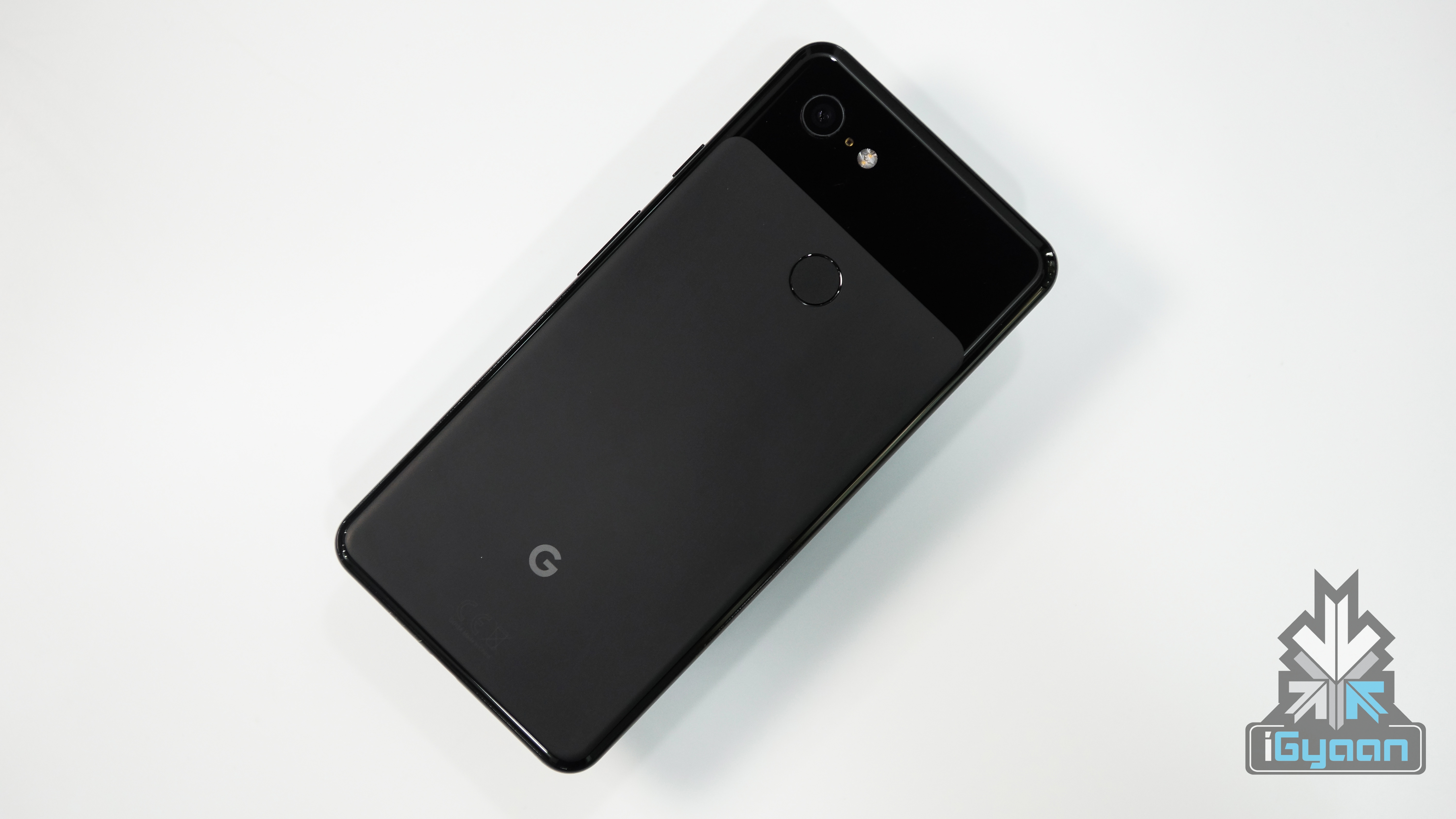
 The Android Messages application is preinstalled on nearly all Android smartphones, so integration with such an application would be fairly easier. Smart texting has been around for a while now. Links inserted in text messages automatically show web previews whenever an internet connection is available. Google posted that this feature can be used with any device that uses Android (even Go editions),
 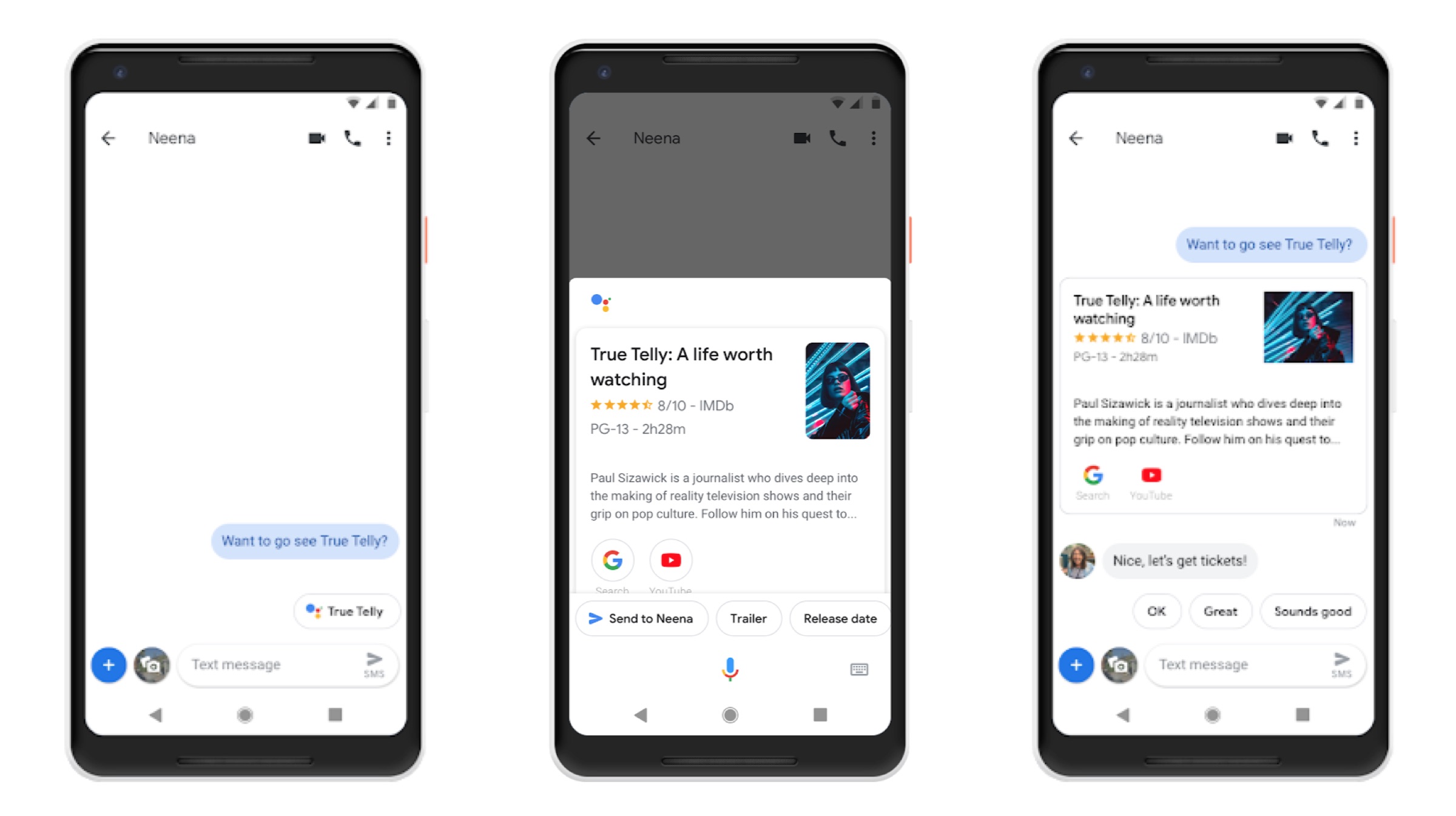 The Google Assistant integration is also seen in other Google apps like Maps, where drivers can get hands-free instructions regarding which directions to follow, making calls and read out texts. Similarly, the Android Messages app will rely on AI to provide suggestions that can make texting easier. It displays the information as a ‘suggestion chip’, and the user can click on it and just add that piece of info to the message.
  Google has also brought Voice Typing on KaiOS, which can help translate speech to text conveniently. As mentioned before, the multilingual support will help the Assistant to improve support for multiple dialects and accents. Apart from Indic languages, Google Assistant also adds support for bilingual talkback, with language support choices from Korean, Hindi, Swedish, Norwegian, Danish and Dutch.
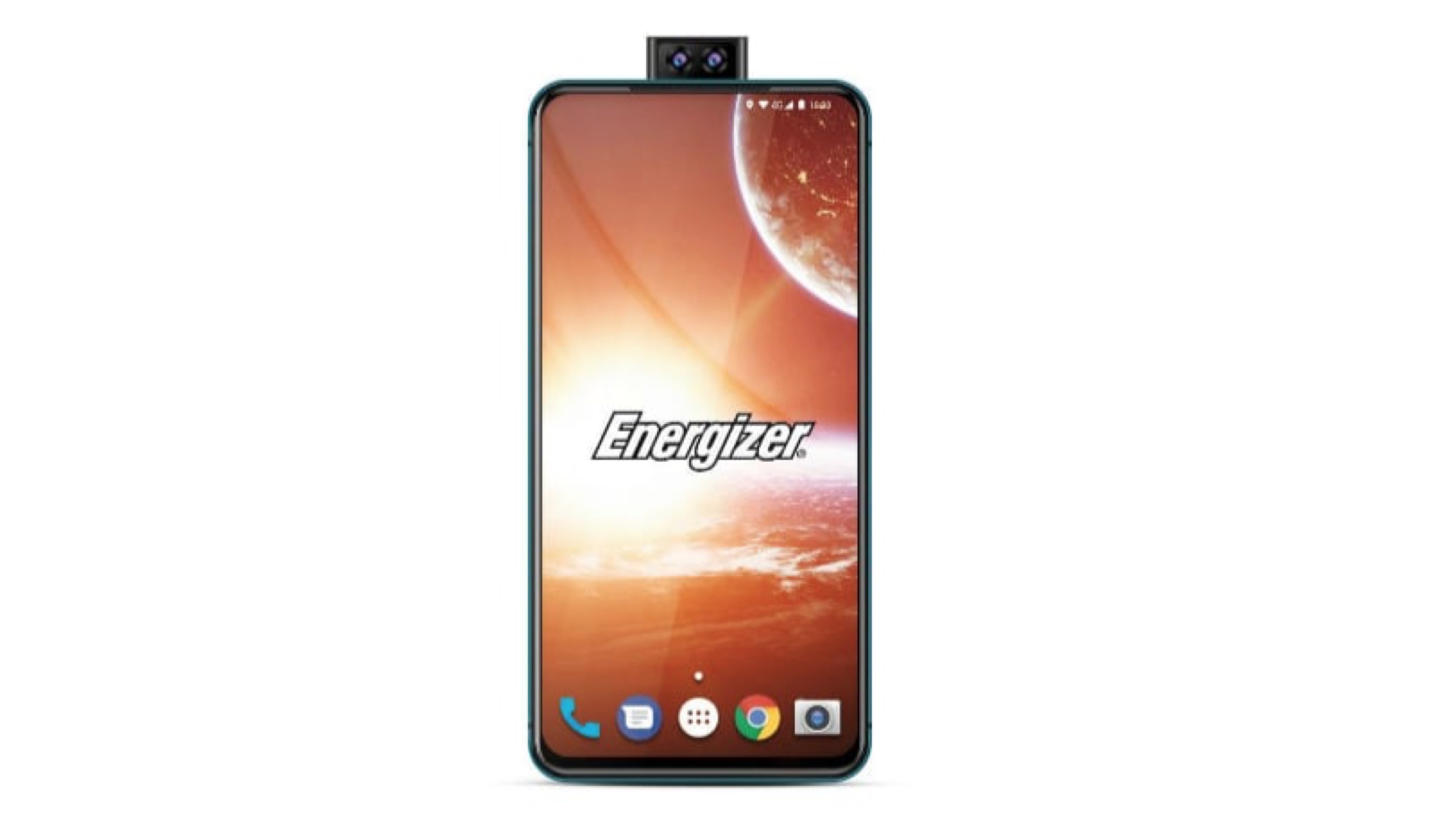
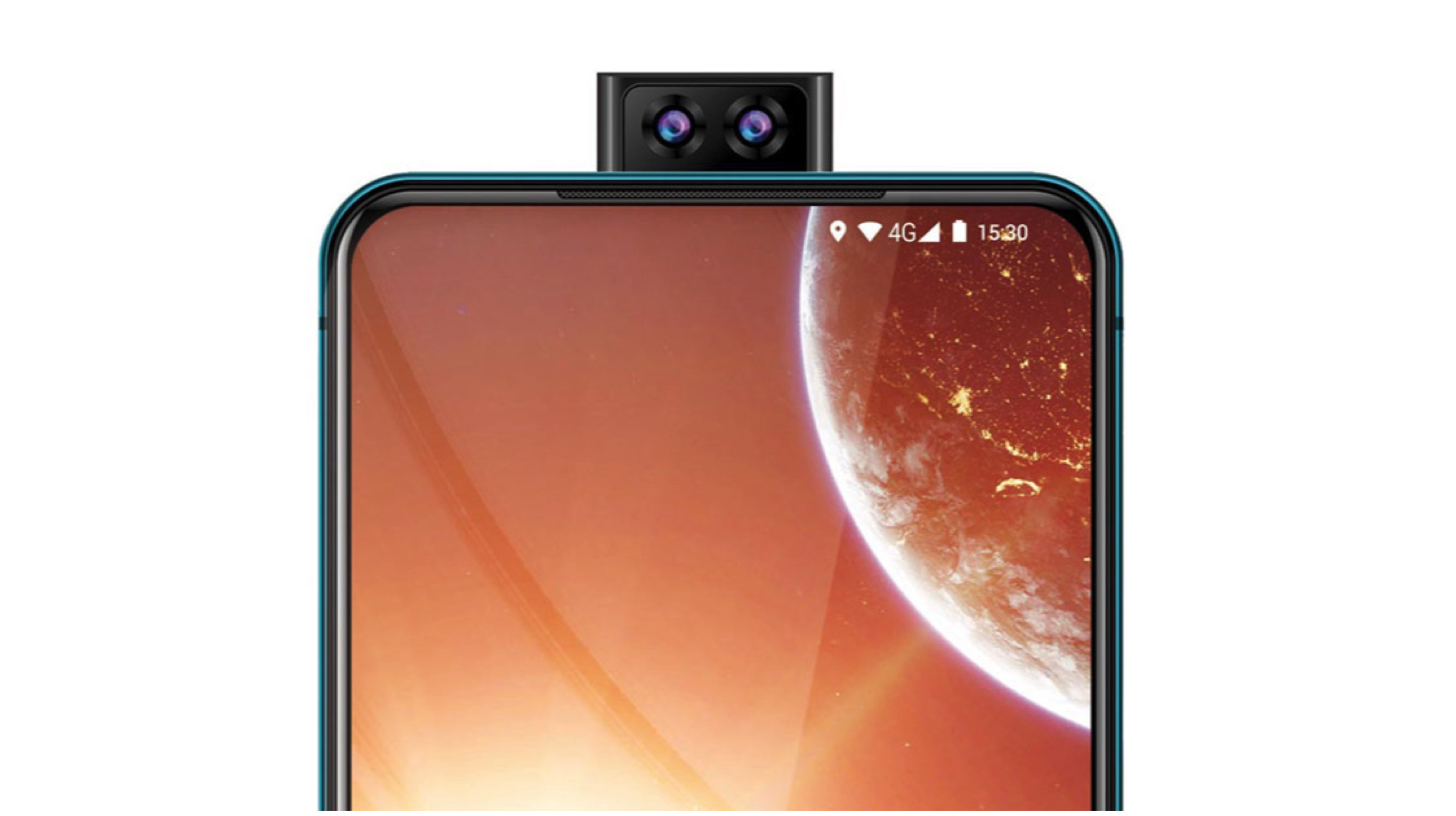 The P18K Pop runs on the 12nm MediaTek Helio P70 chipset, which has an octa-core CPU and a Mali-G72 MP3 GPU. It is paired with 6GB of RAM and 128GB of internal storage. The device runs on the Android 9 (Pie) out-of-the-box. It features a triple camera module, which comprises of a 12 MP primary camera, a 5 MP sensor and a third 2 MP sensor. It also sports dual front pop up cameras with a combination of a 16 MP primary camera and a 2 MP secondary camera.
 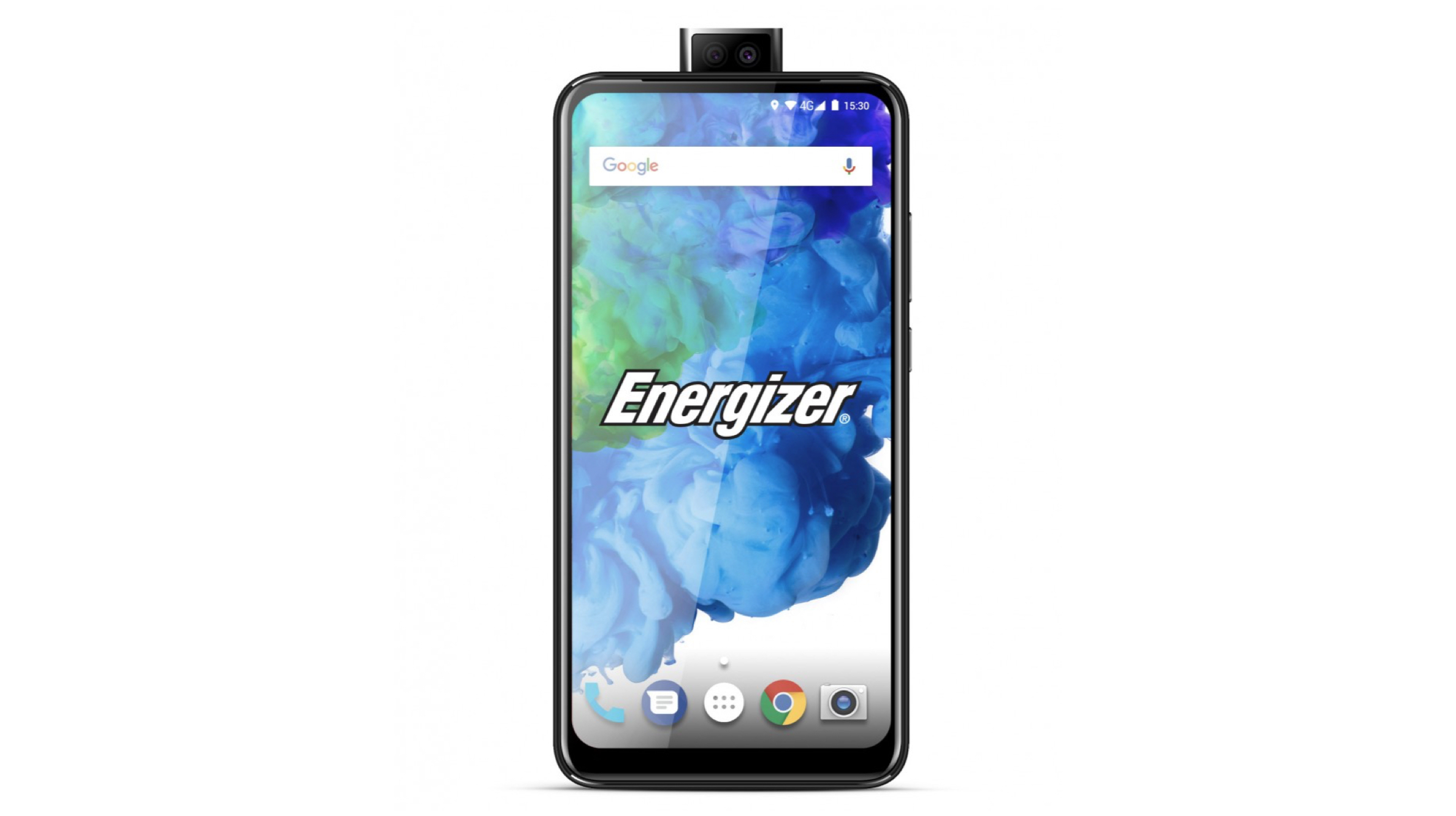 The Power Max P18K Pop has a 6.2 inch IPS LCD panel, which gives the device an 83.8 percent screen-to-body ratio. The device has a resolution of 2280 x 1080 px, and a 19:9 aspect ratio with a pixel density of 407 ppi. The device features USB OTG and a Type-C 1.0 reversible connector. The highlight, however, is the massive 18,000 mAh battery. The device stands at 18mm thickness, which gives it a chunky look. As mentioned before, the smartphone can provide 50 days of standby time and 200 hours of continuous video playback. Going by the current smartphone standards, this is an appreciable time span.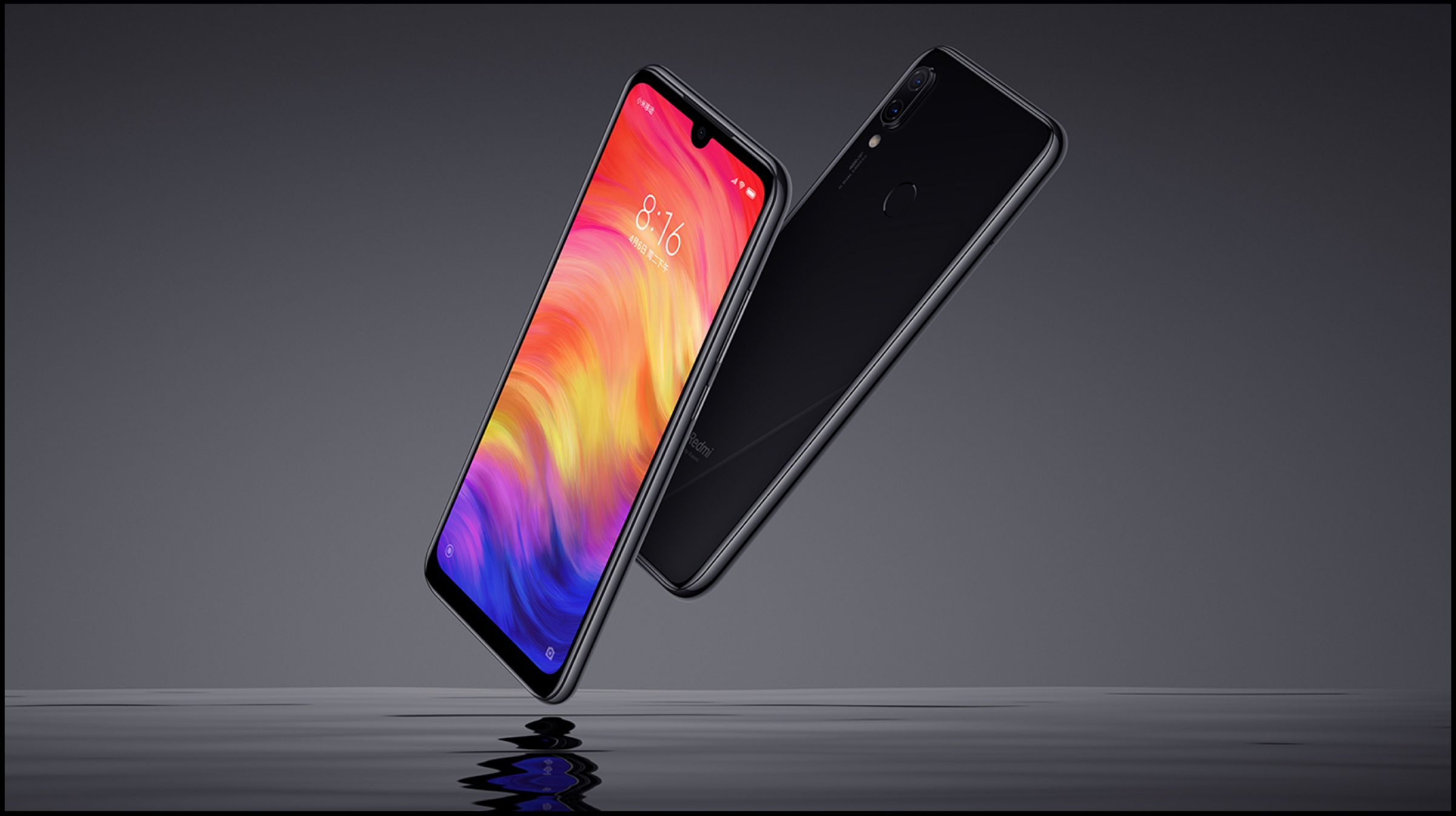
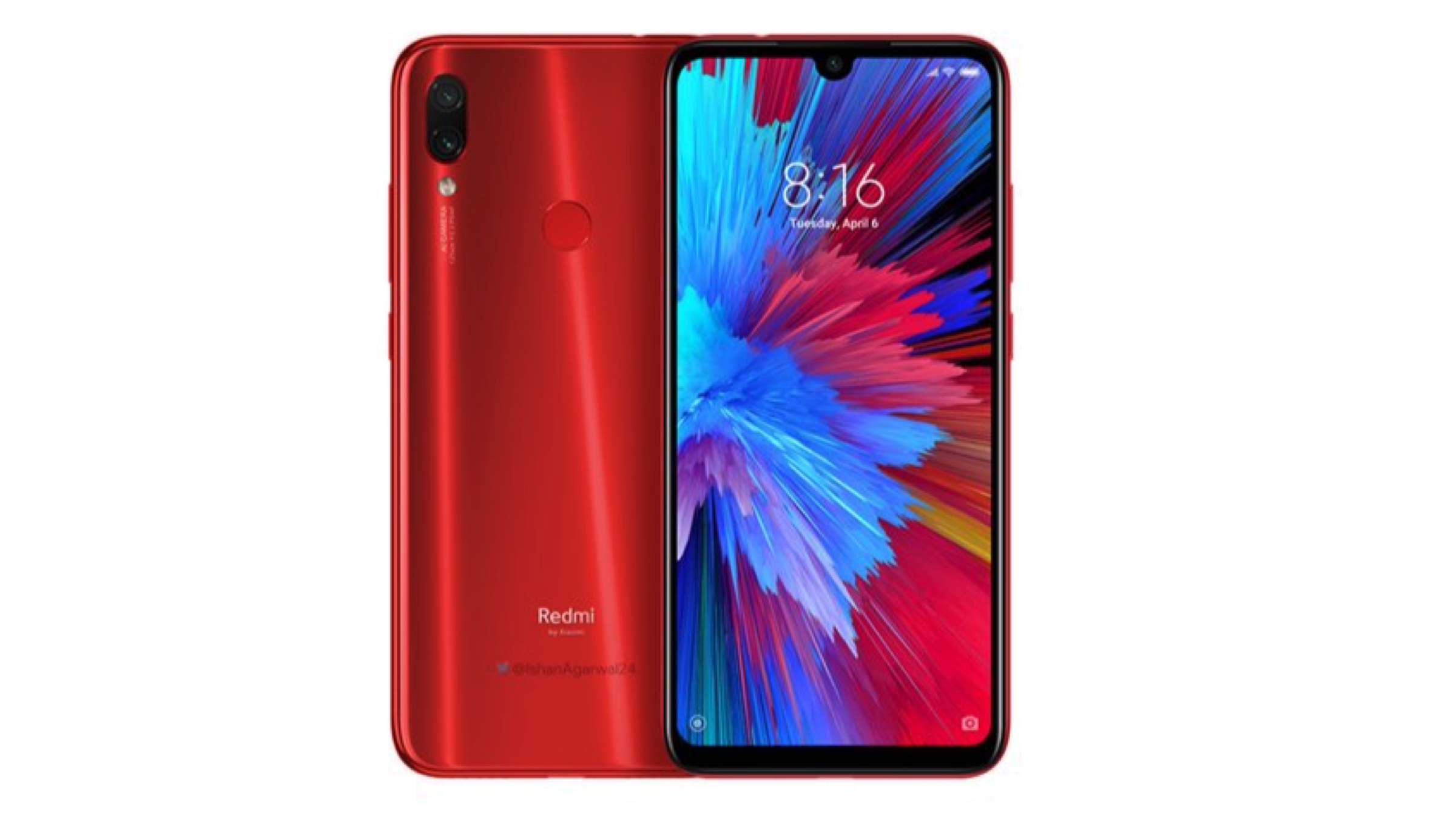
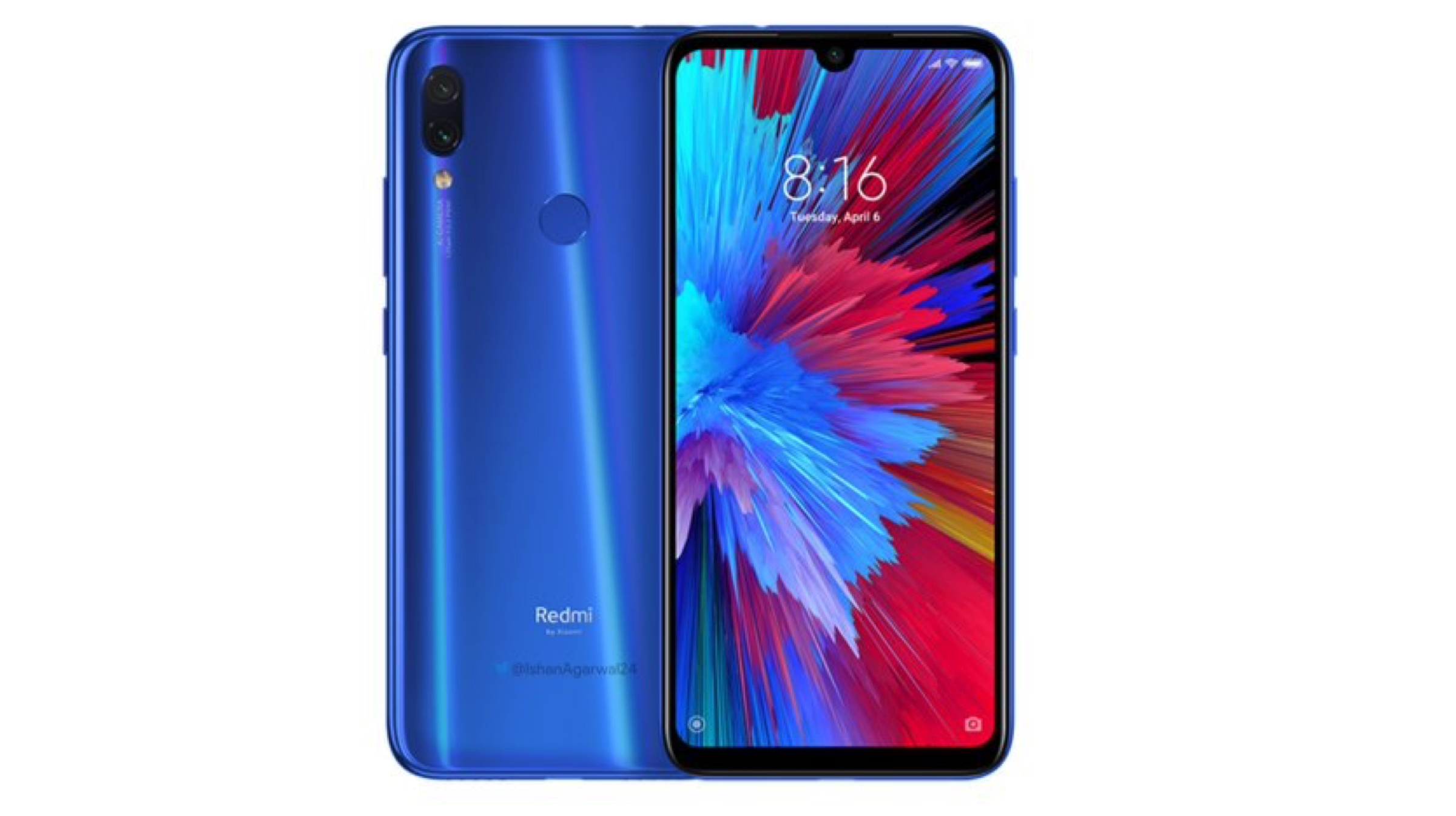
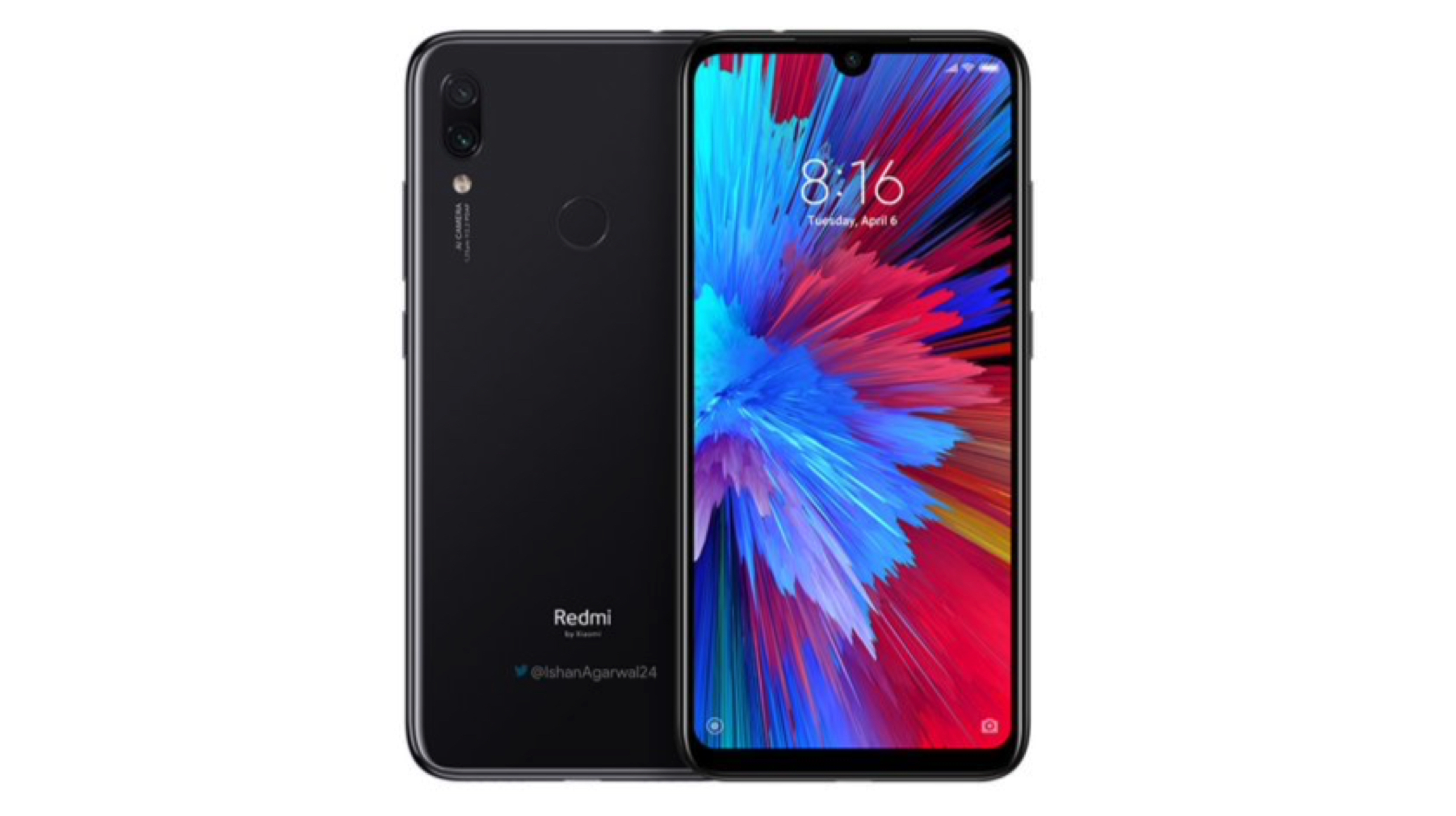
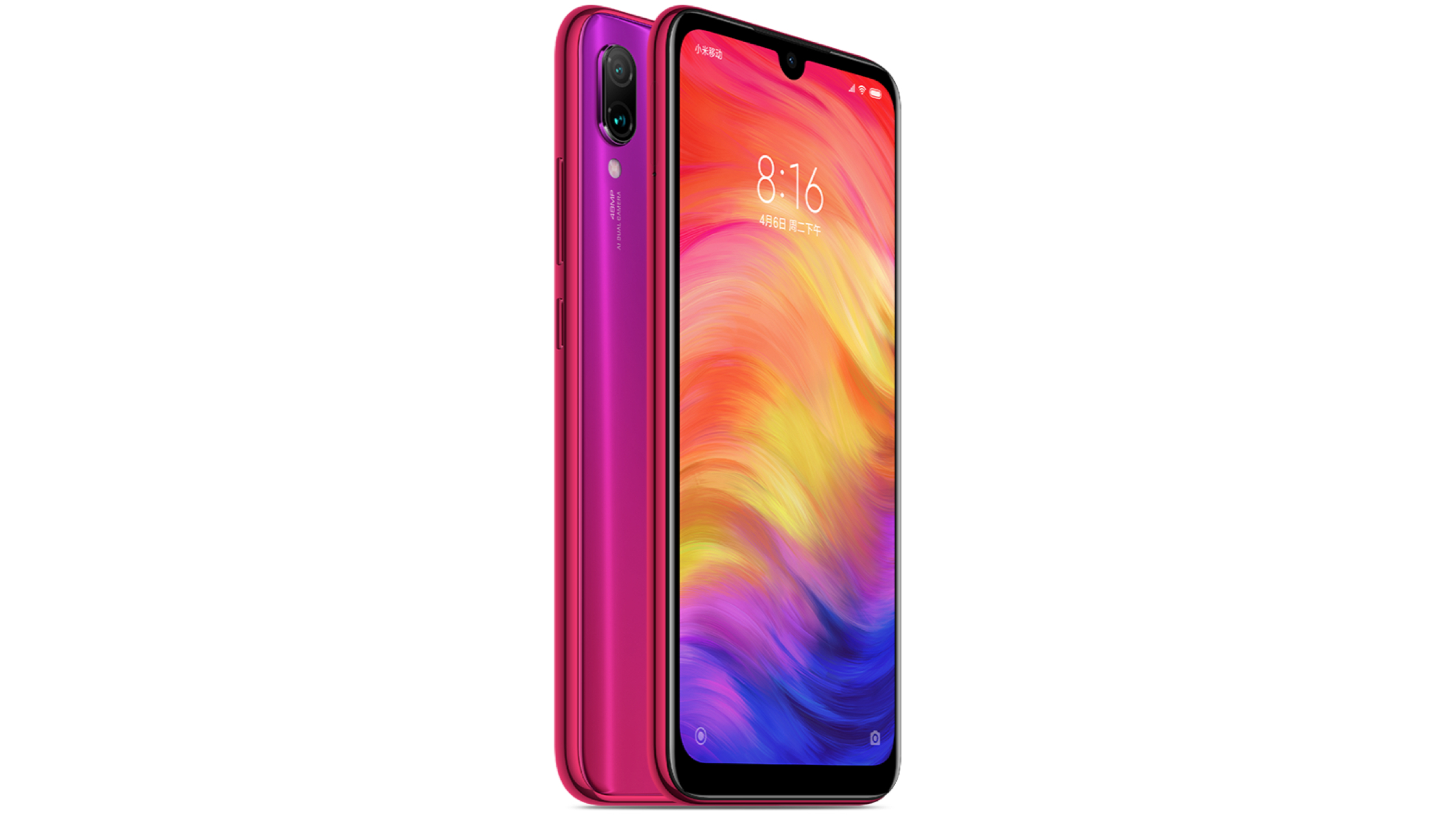
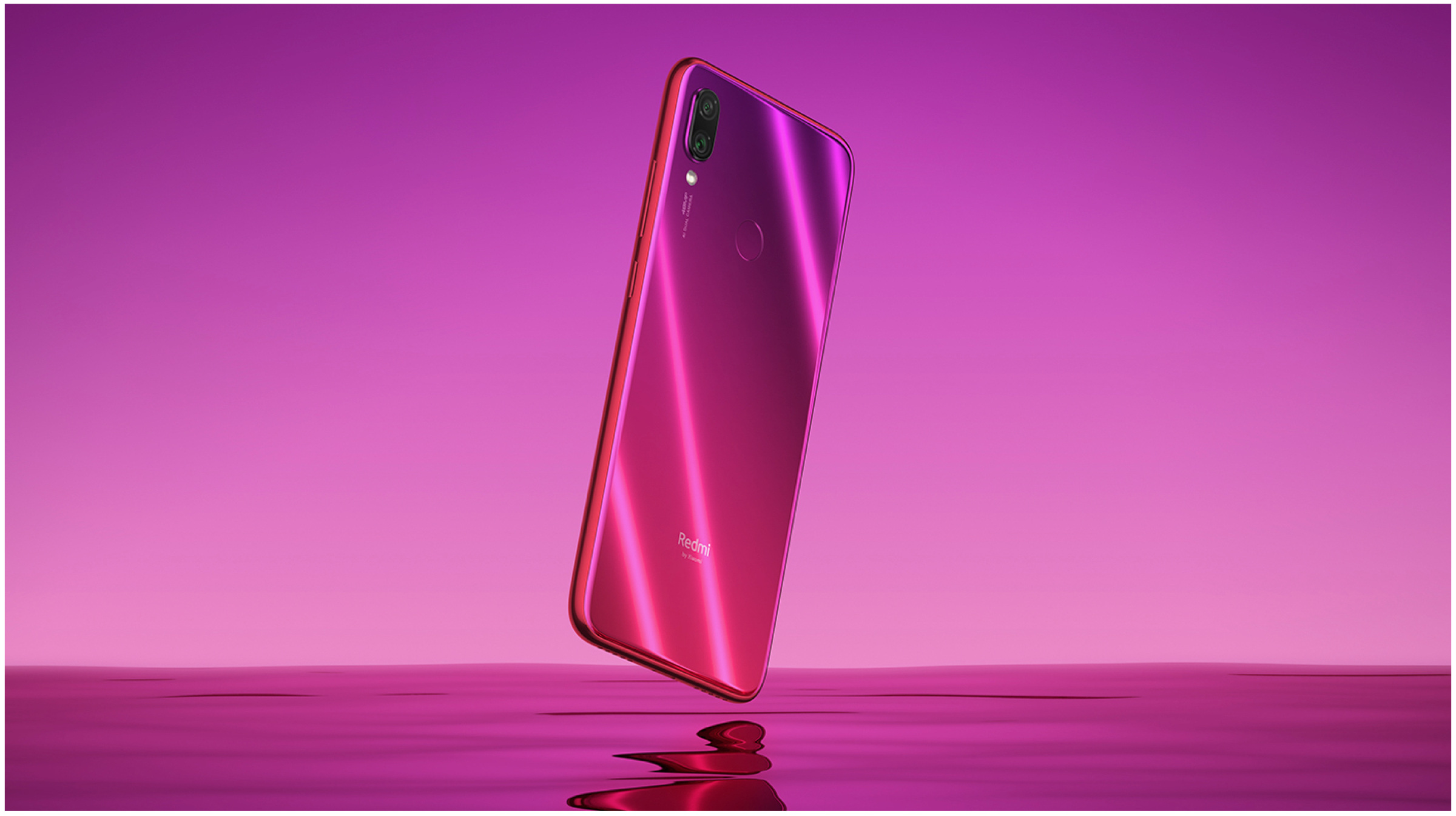
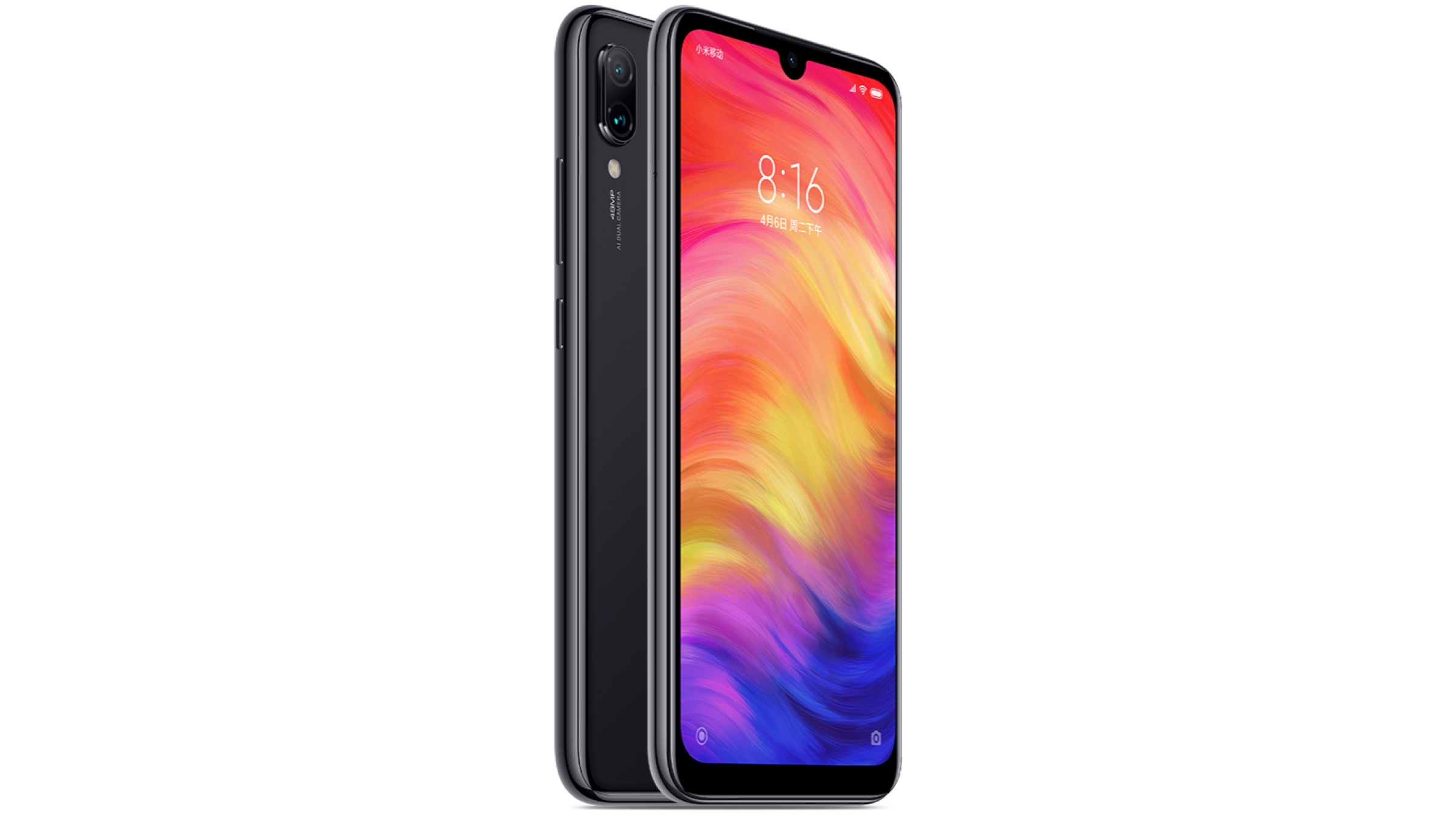
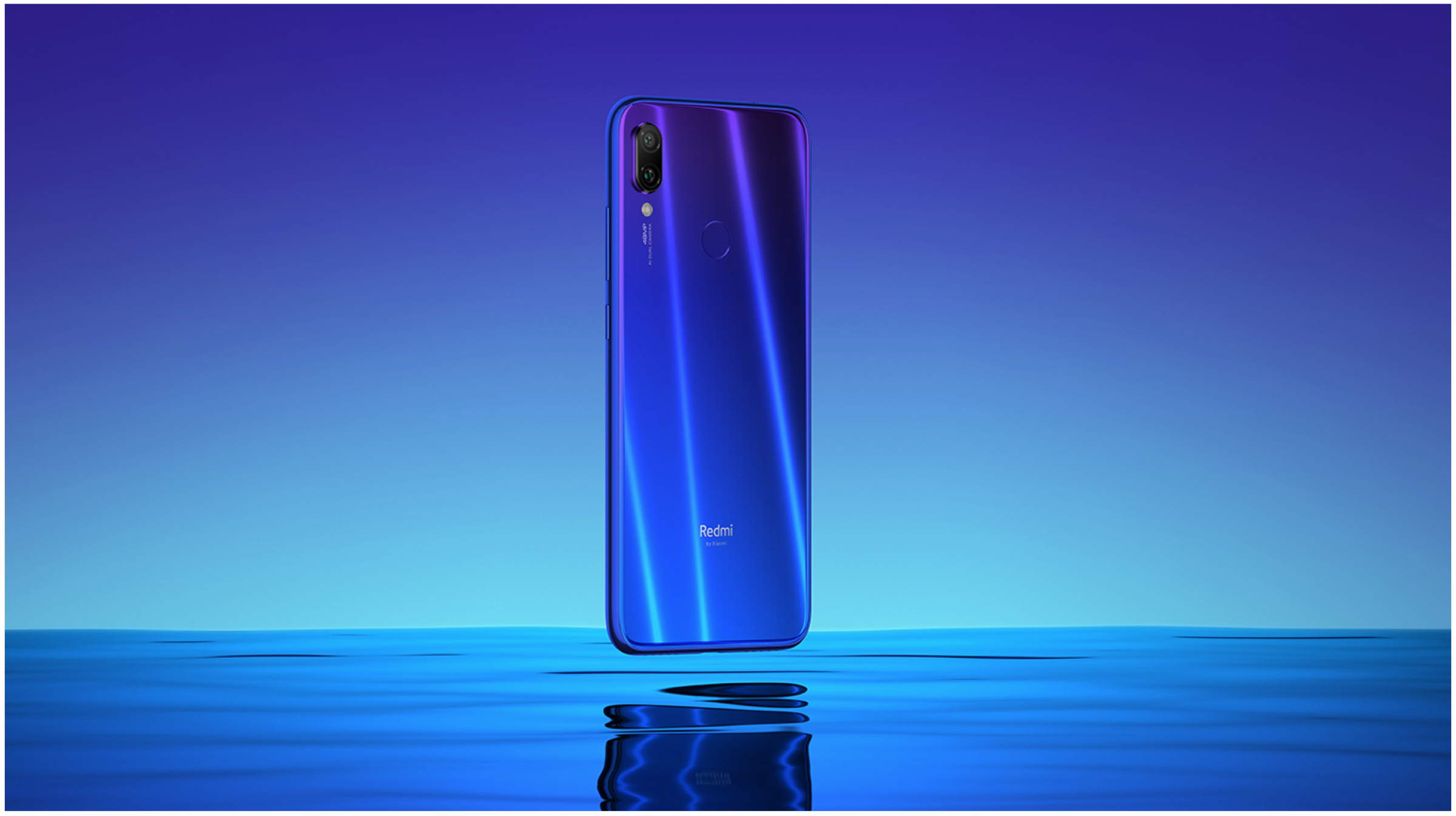
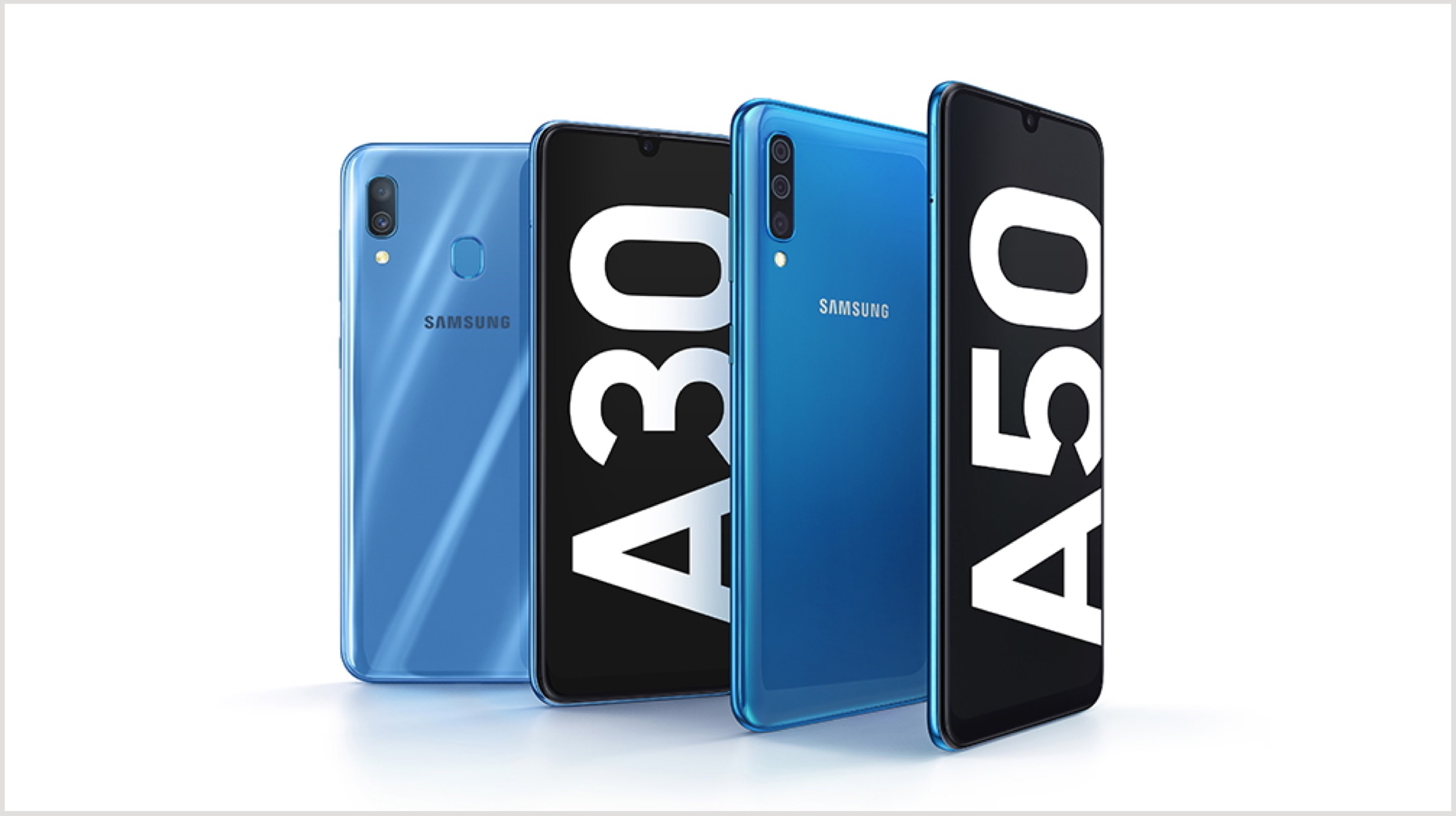
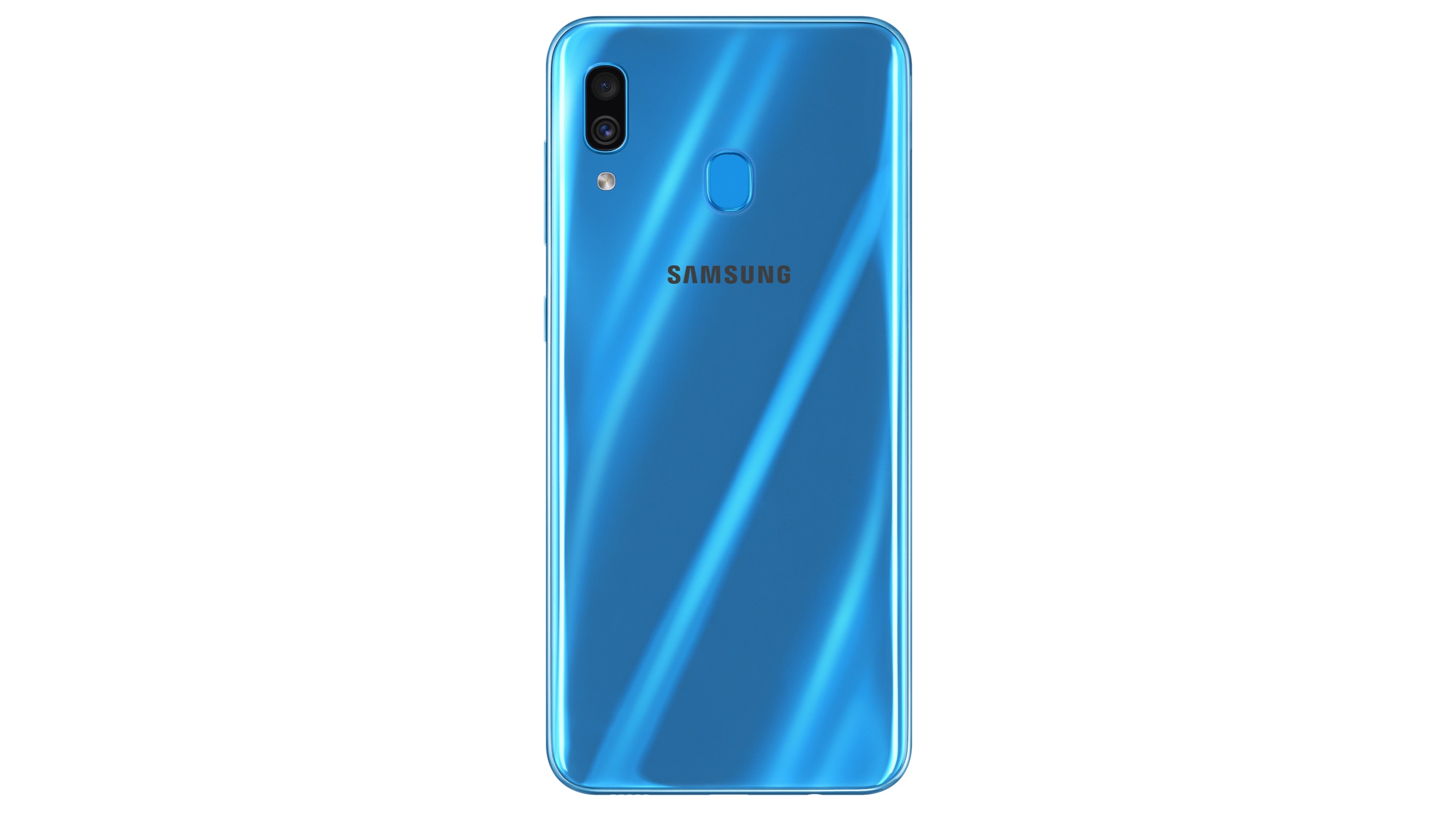 The handset has a dual camera setup on the back, which comprises of a 16MP (f/1.7) sensor and a 5MP (f/2.2) sensor. The 16MP (f/2.0) front camera is housed in the notch and is positioned below the earpiece. The Galaxy A30 has a 4,000 mAh battery, which can be charged via the USB Type-C connector located at the bottom of the handset, right next to the loudspeaker grille and audio jack. The smartphone is also IP68 certified which makes it dust and water resistant. Furthermore, the device sports a rear mounted fingerprint scanner and is available in 3 colour options, Black, White and Blue.
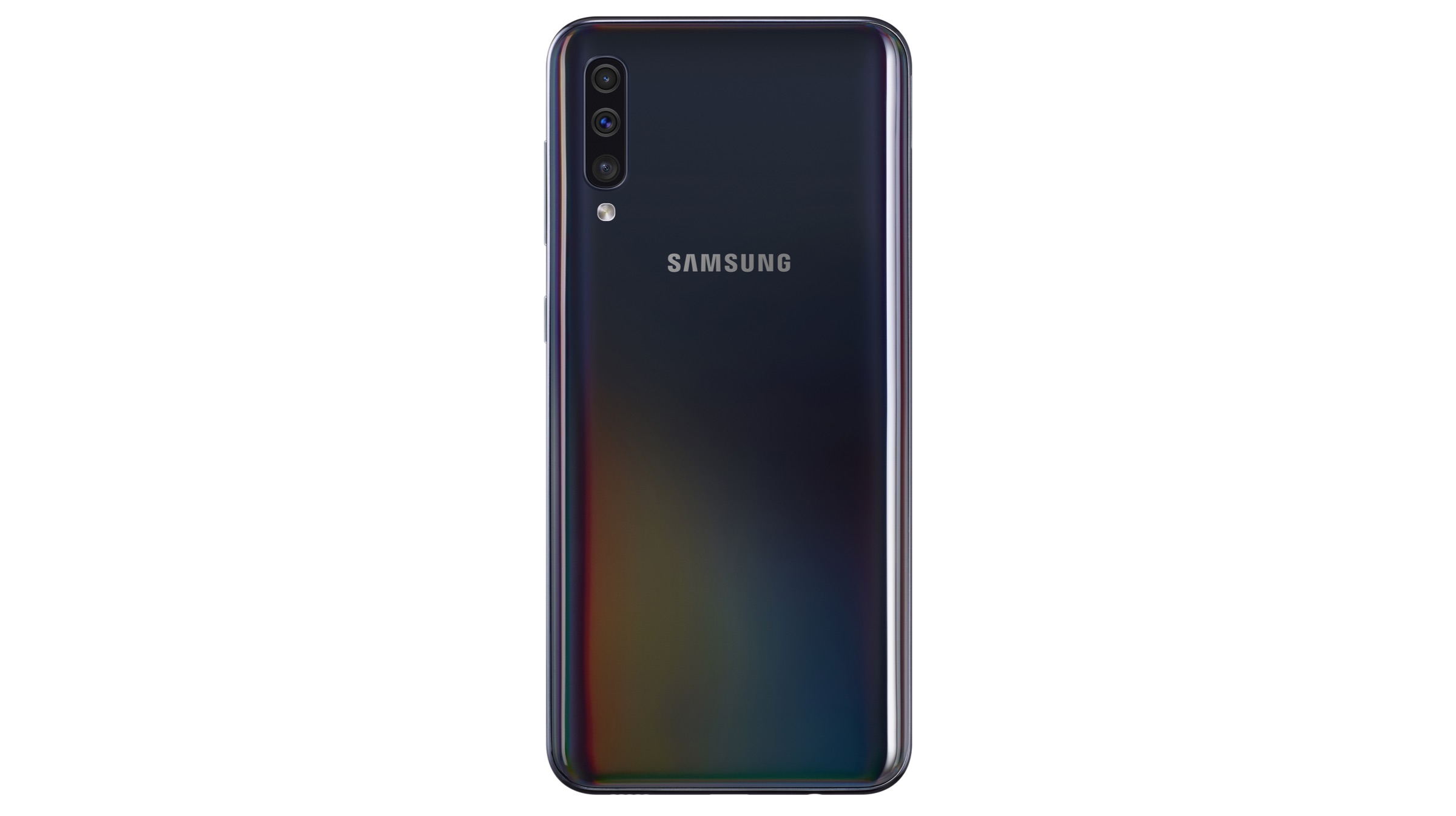
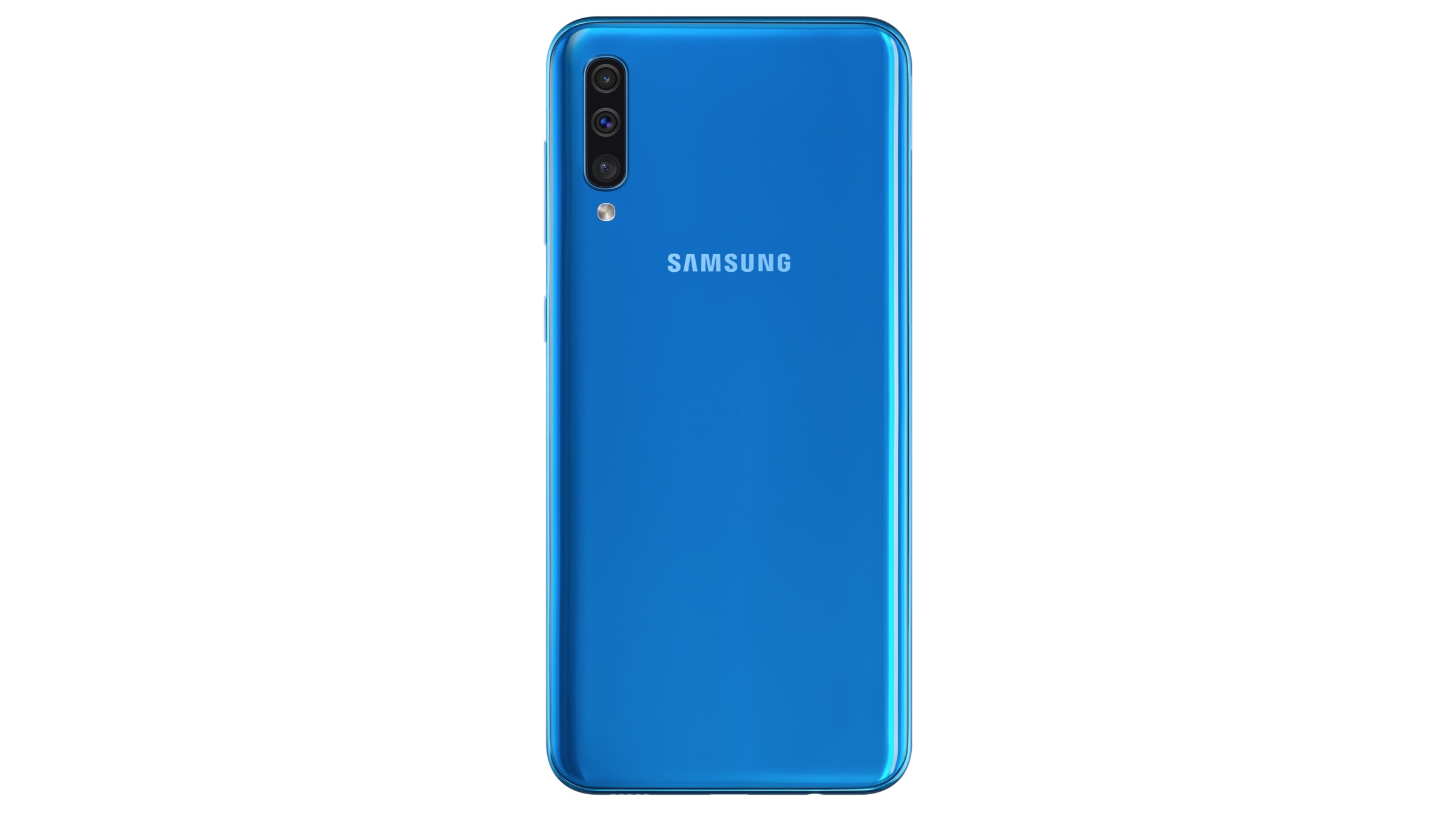 The handset has a triple camera setup on the back, which consists of a 25MP (f/1.7) sensor, an 8MP (f/2.2) ultrawide sensor and a third 5MP (f/2.2) depth sensor. The 25MP (f/2.0) front camera is housed in the notch and is set below the earpiece. The Galaxy A50 is powered by a large 4,000 mAh battery, which can be charged via the USB Type-C connector located at the bottom of the handset, right next to the loudspeaker grille and a 3.5 mm audio jack. Noteworthy, the device features an in-display fingerprint scanner, unlike the Galaxy A30. It is available in four colour options which include Black, White, Blue and Coral.
 Also Read: