OnePlus, one of the most well-recognised smartphone OEMs in the world has seen unprecedented success since its inception in 2013. The company is known for launching just two devices every year since 2016. Fresh reports claim that it may now be looking to expand its lineup of products. A senior OnePlus executive has said in an interview to an Italian publication and confirmed that while the company may not launch a foldable smartphone this year, it may release a smart television soon. Alongside the smart TV, It is also planning products in the automotive and PC market for the future.
OnePlus’ Plans For The Future
The senior executive at OnePlus, said there are many reasons for the company not to invest in a foldable smartphone just yet. The reasons cited are not providing any additional functionality than a regular handset; and the cost of the current foldable smartphones, which are known to be considerably expensive. According to him, the prospect of developing a smart TV is something the company is looking forward to. The executive further claims there has been no significant innovation in the space for around 20 years, which OnePlus is planning to tackle with their product. The final product from the company may not feature a remote control as it is developing an Artificial Intelligence (AI) to take its place. Interestingly, the idea of a smart TV developed by OnePlus isn’t new and the plans for it were announced a while ago.
Also read: Honor Launches The 8A Pro With A Waterdrop Notch
Furthermore, OnePlus is not stopping at smart TVs, or ‘Smart Displays’ as the senior executive calls them. The company is also developing products in the automotive sector. While creating a car is too complex according to the executive, development in the software side of things is being looked into. Also in the pipeline are products for a smart office, which includes the PC and cloud space, to allow for seamless connectivity. Unfortunately, no information on when to expect the aforementioned products have been provided. However, given an official confirmation, they are expected to be announced starting later this year.



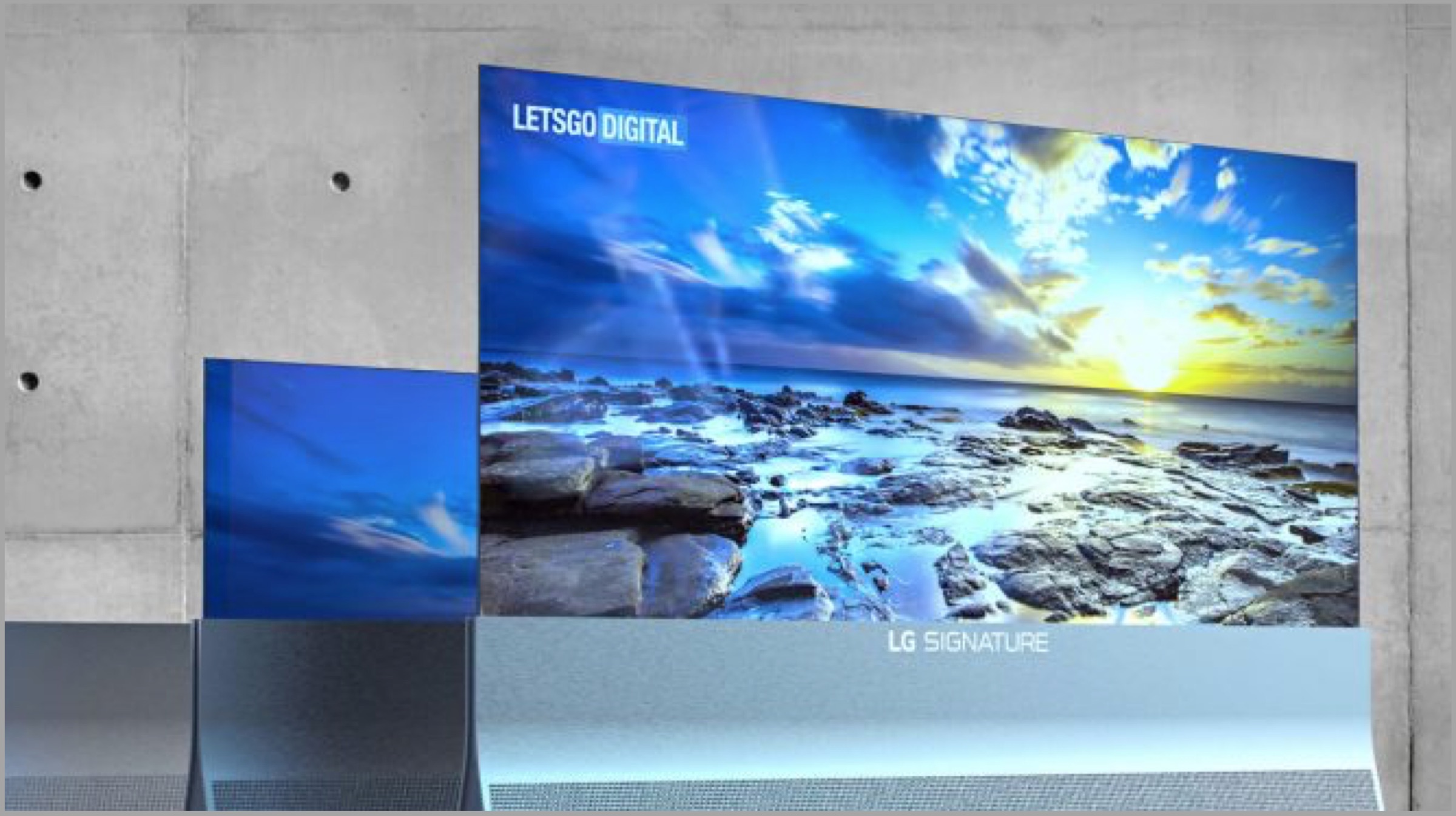 LG unveiled its first rollable TV at the CES 2018 (Consumer Electronics Show). The company showcased a 65-inch 4K OLED TV called the LG Roled, or the LG Signature OLED R9. It retracts into a cuboidal shaped enclosure when not in use. The company previously stated that the rollable OLED TV will go on sale this year itself. This time, LG has moved past the rollable TV, instead, it is just including a rollable screen in a housing-cum-base for the device.
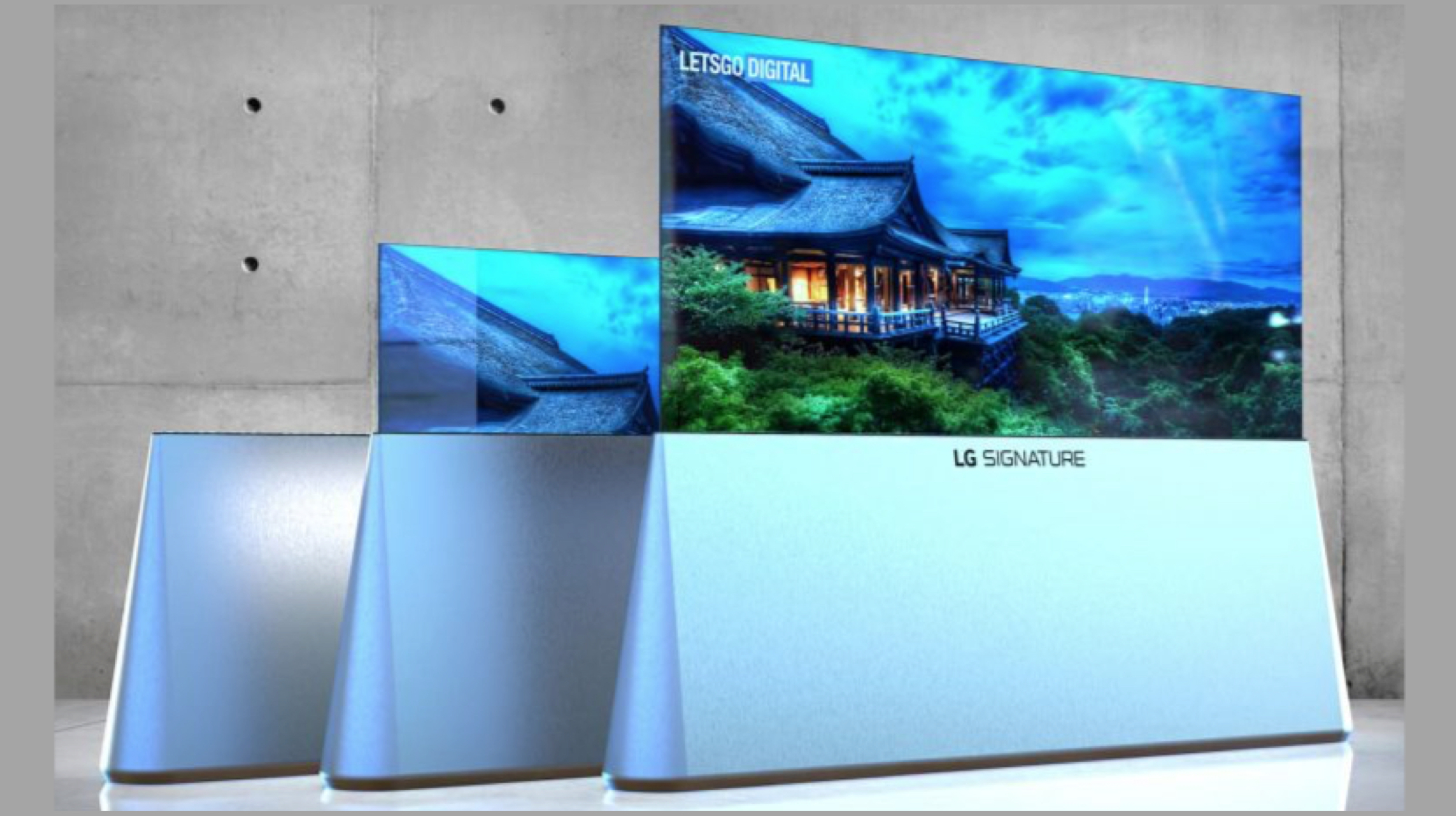
 The flexible screen is housed in three different types of casings, as shown in the patent images. The housing sports a triangular design to prevent the flexible screen from bending over. All three housing designs are a bit different from each other. The reason for this is not clear, but it may be because LG is testing out the most stable base for the Roll-up screen.
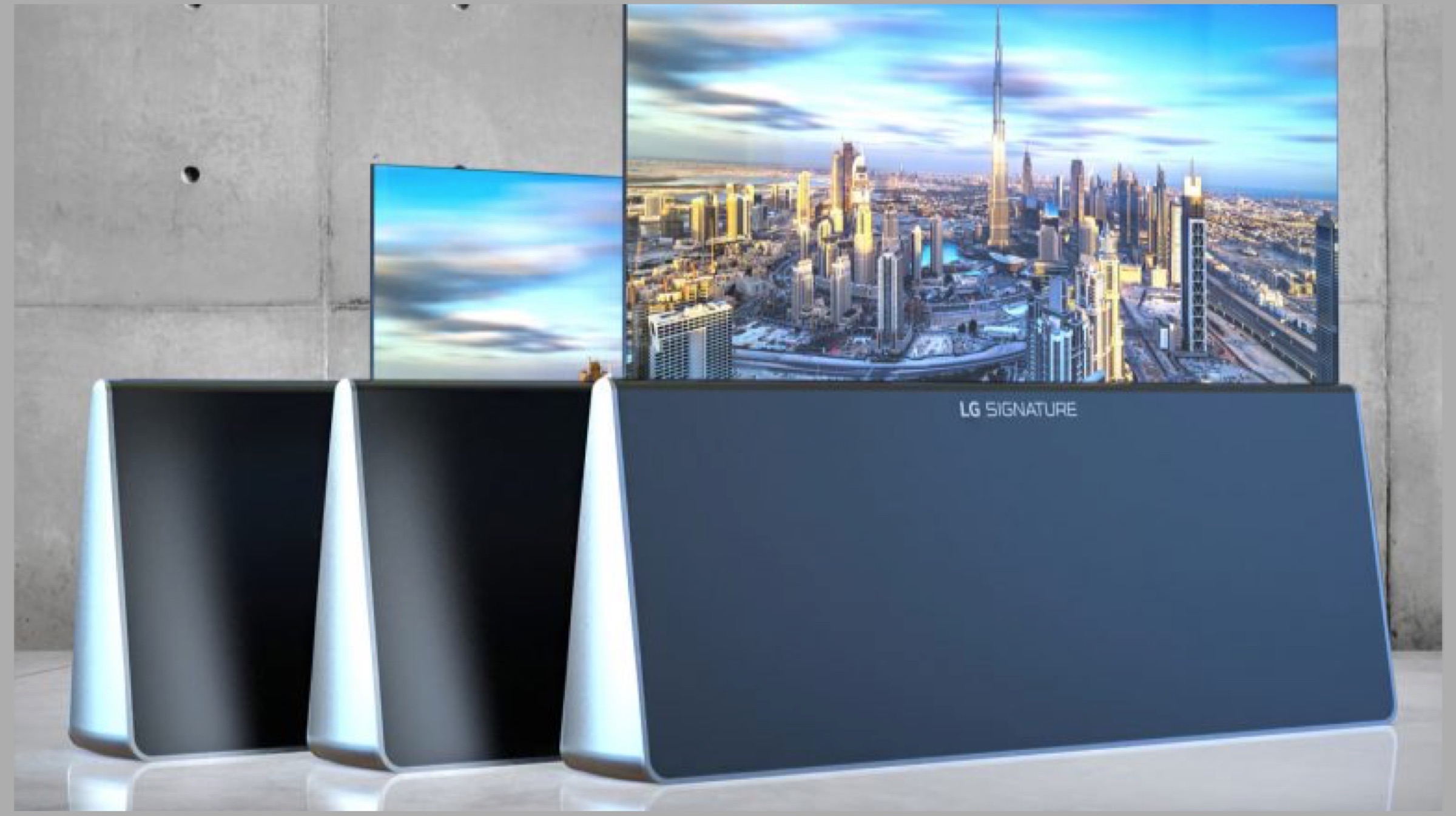 The TV can also function as a speaker system if the display is not completely raised. Similar to LG’s TV at the CES, the upcoming TV may be equipped with a 100 Watt Dolby Atmos Speaker. The flexible screen can be completely rolled out to have a normally functioning television. In 2018, LG
  Also Read:

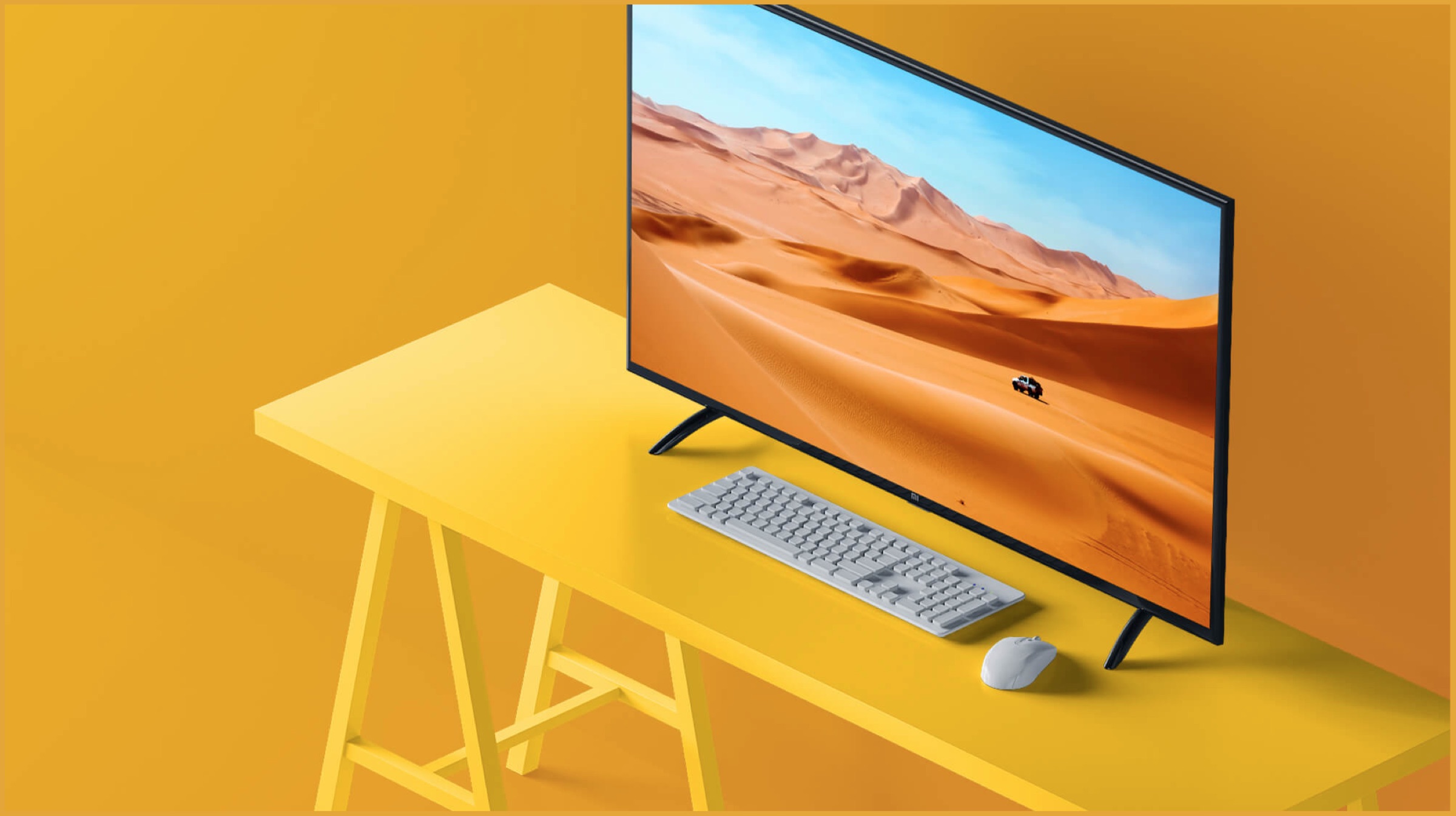
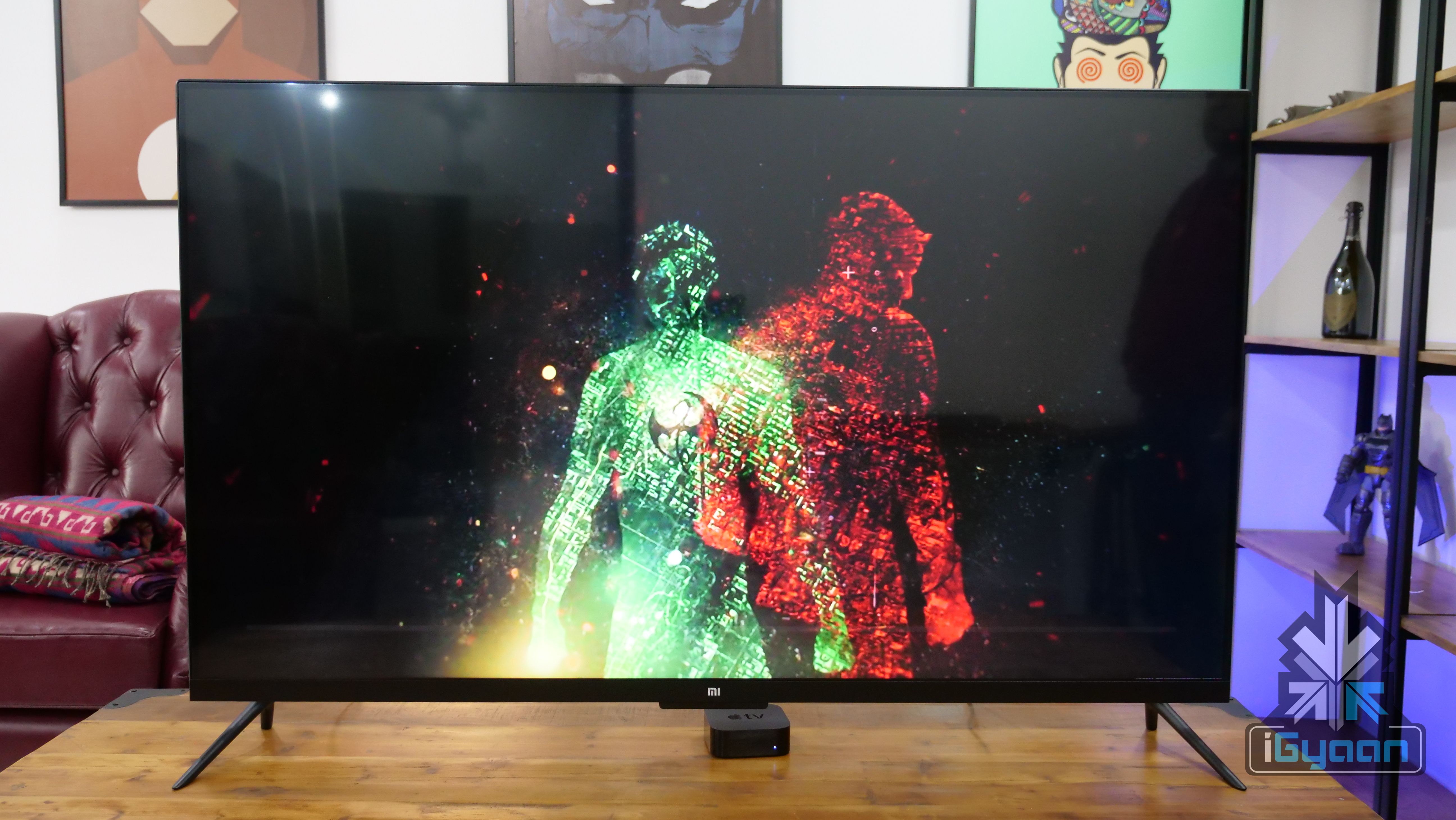
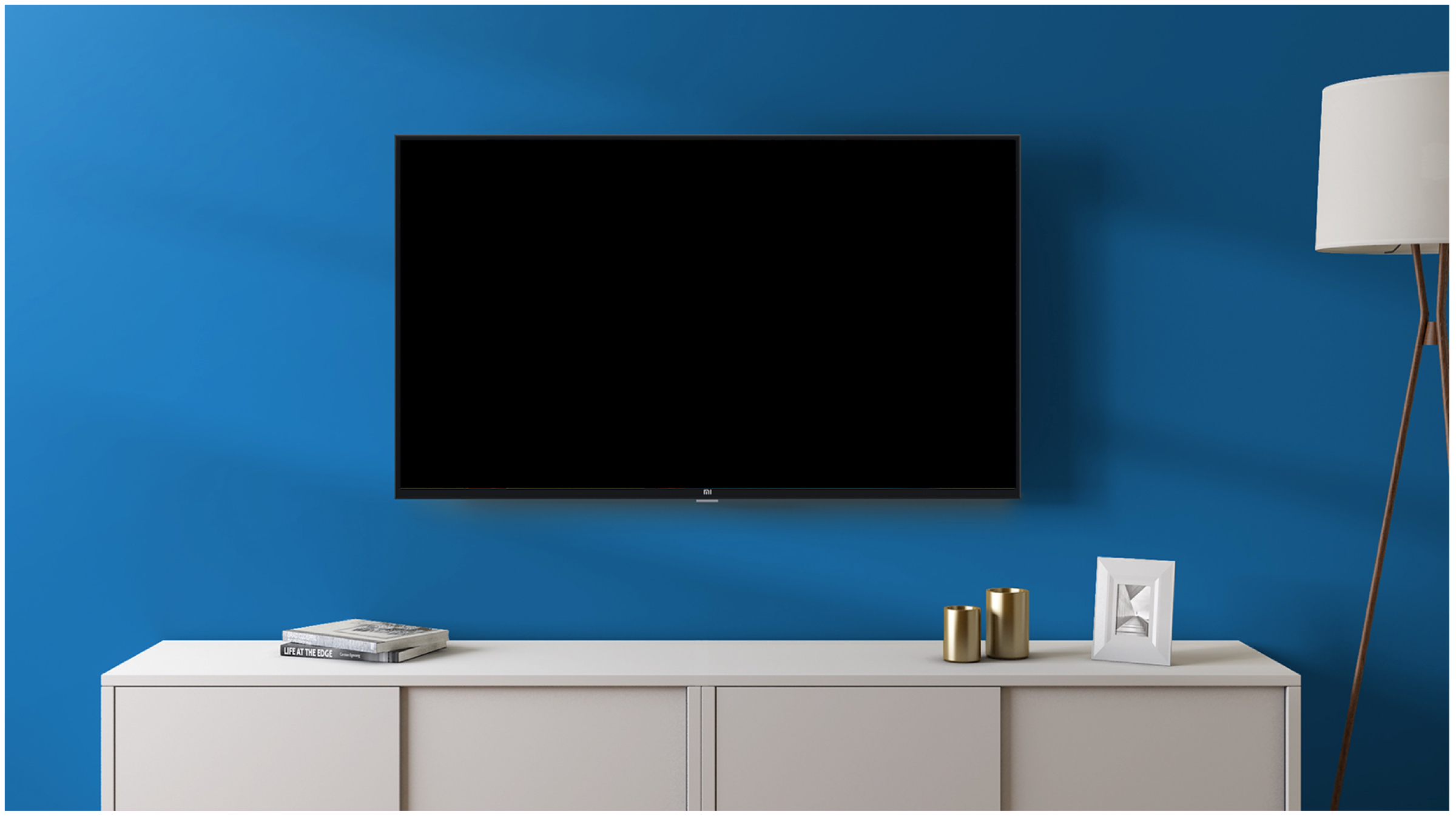
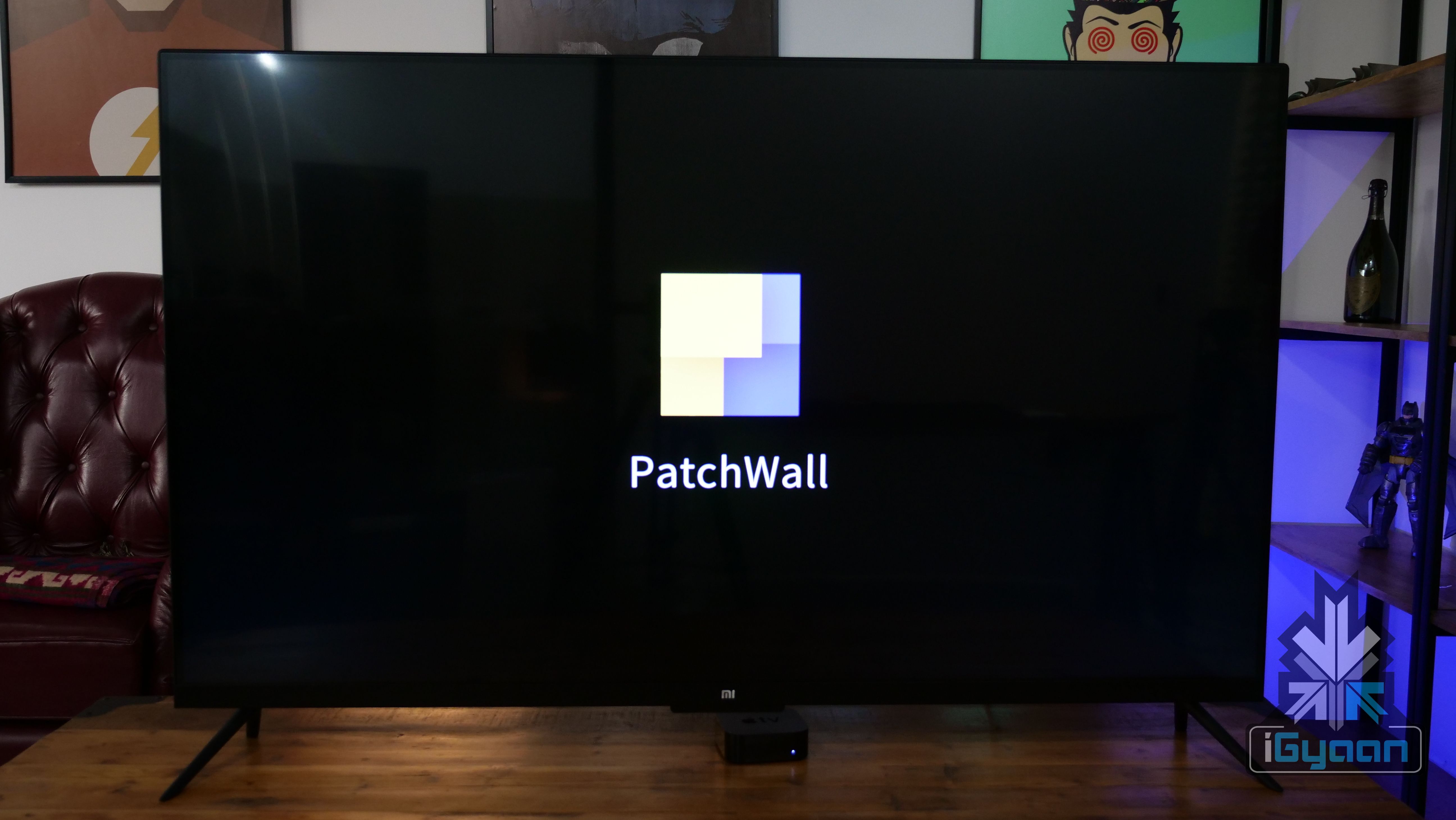
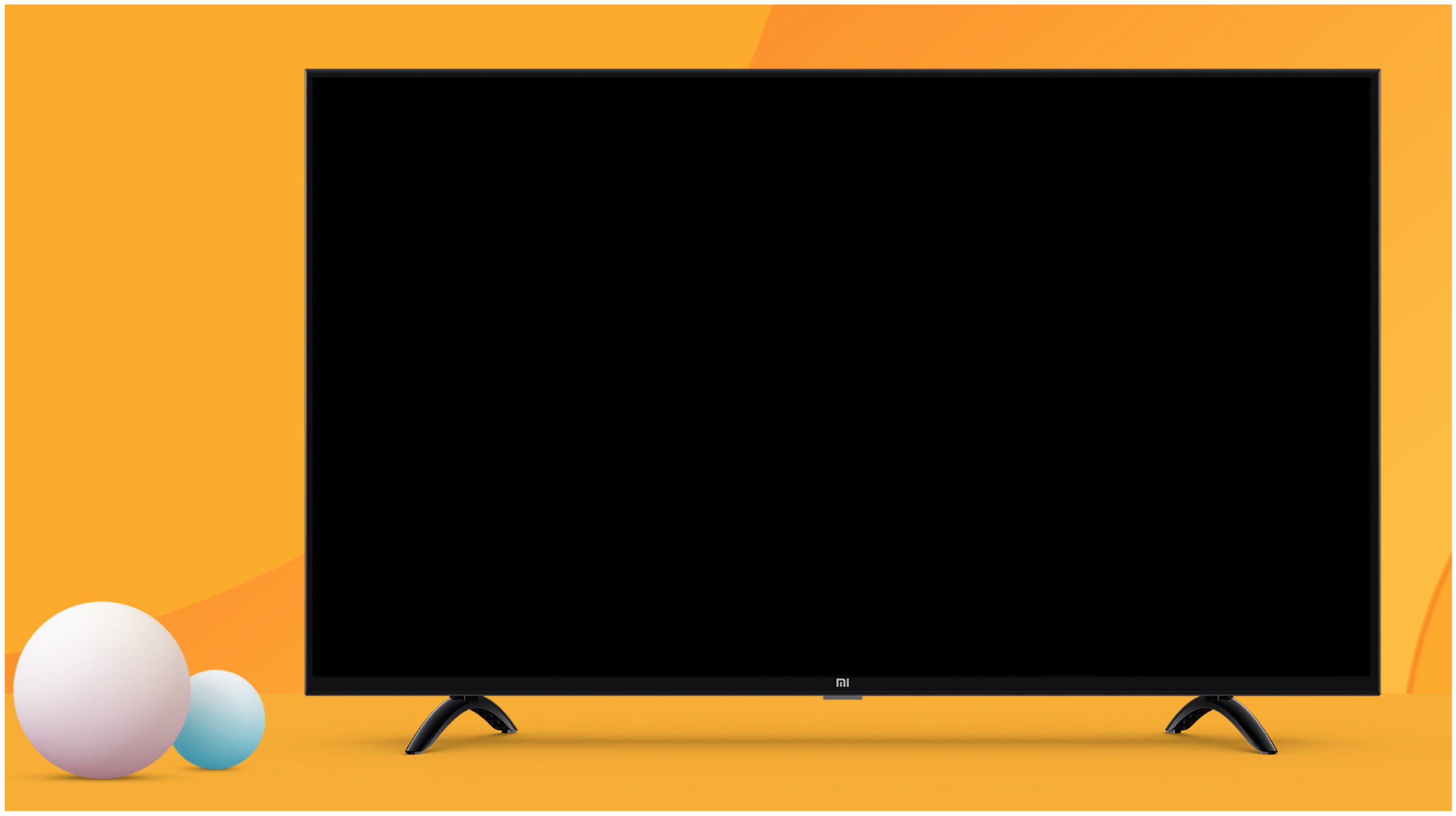
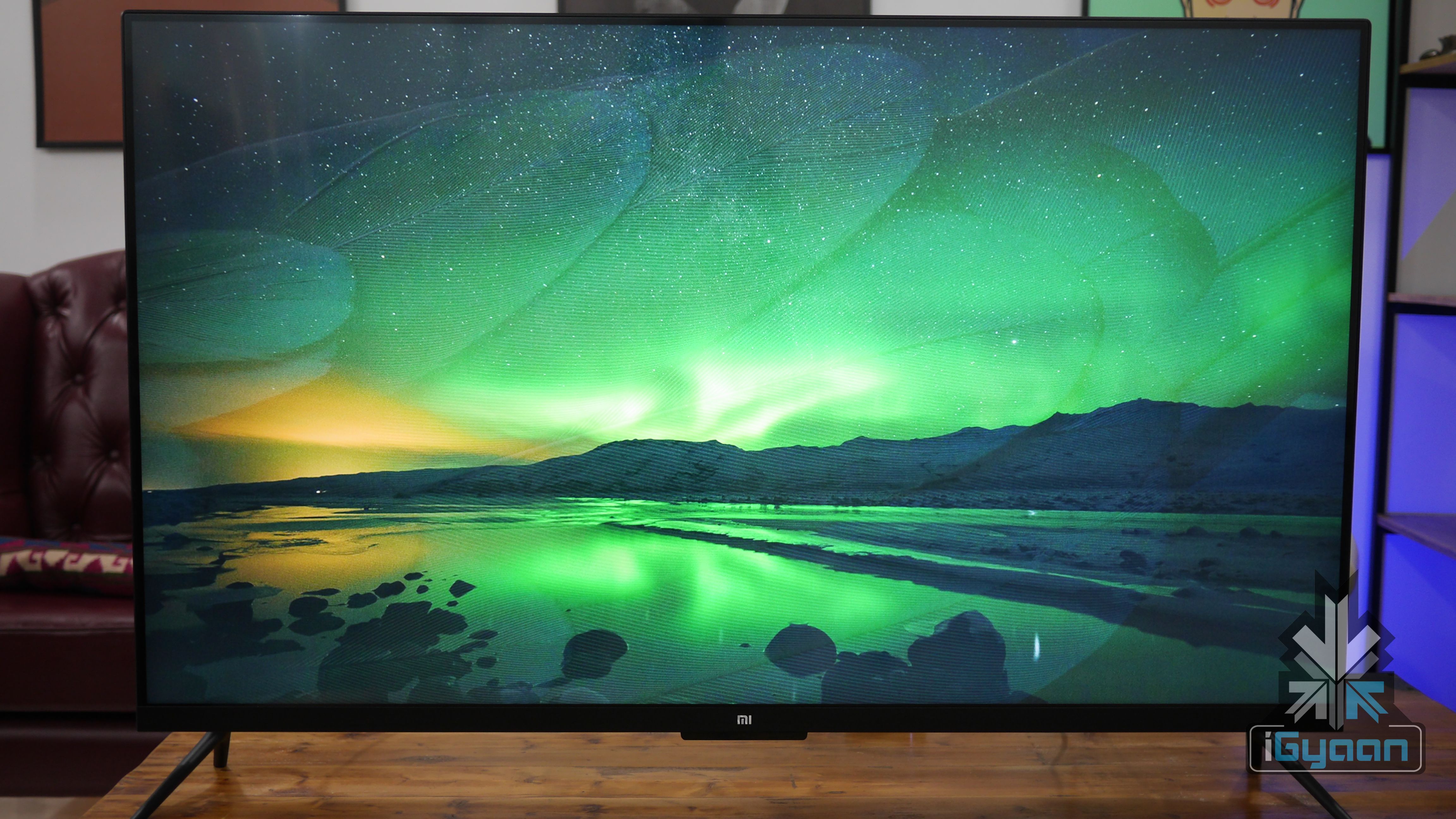
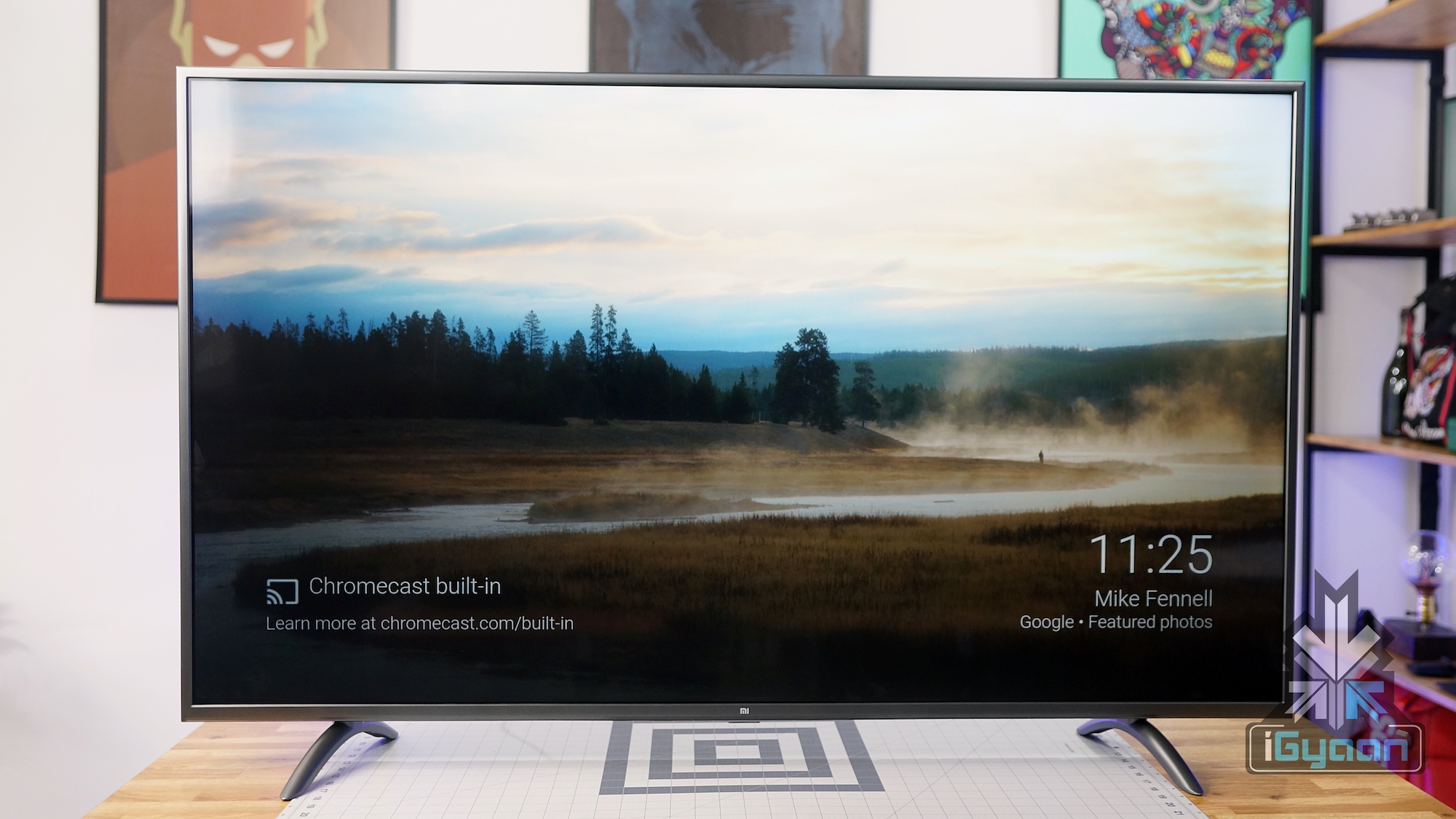
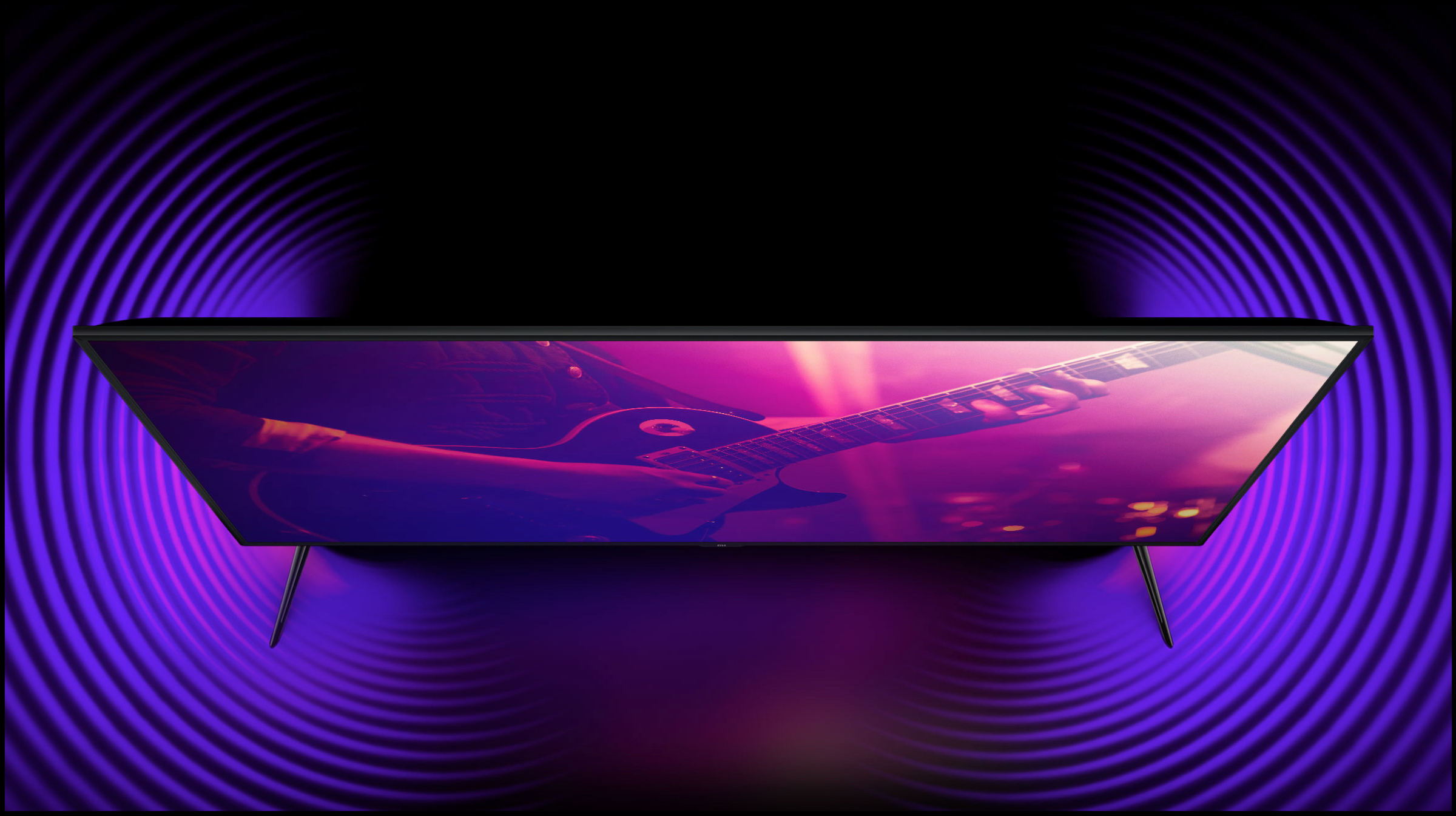
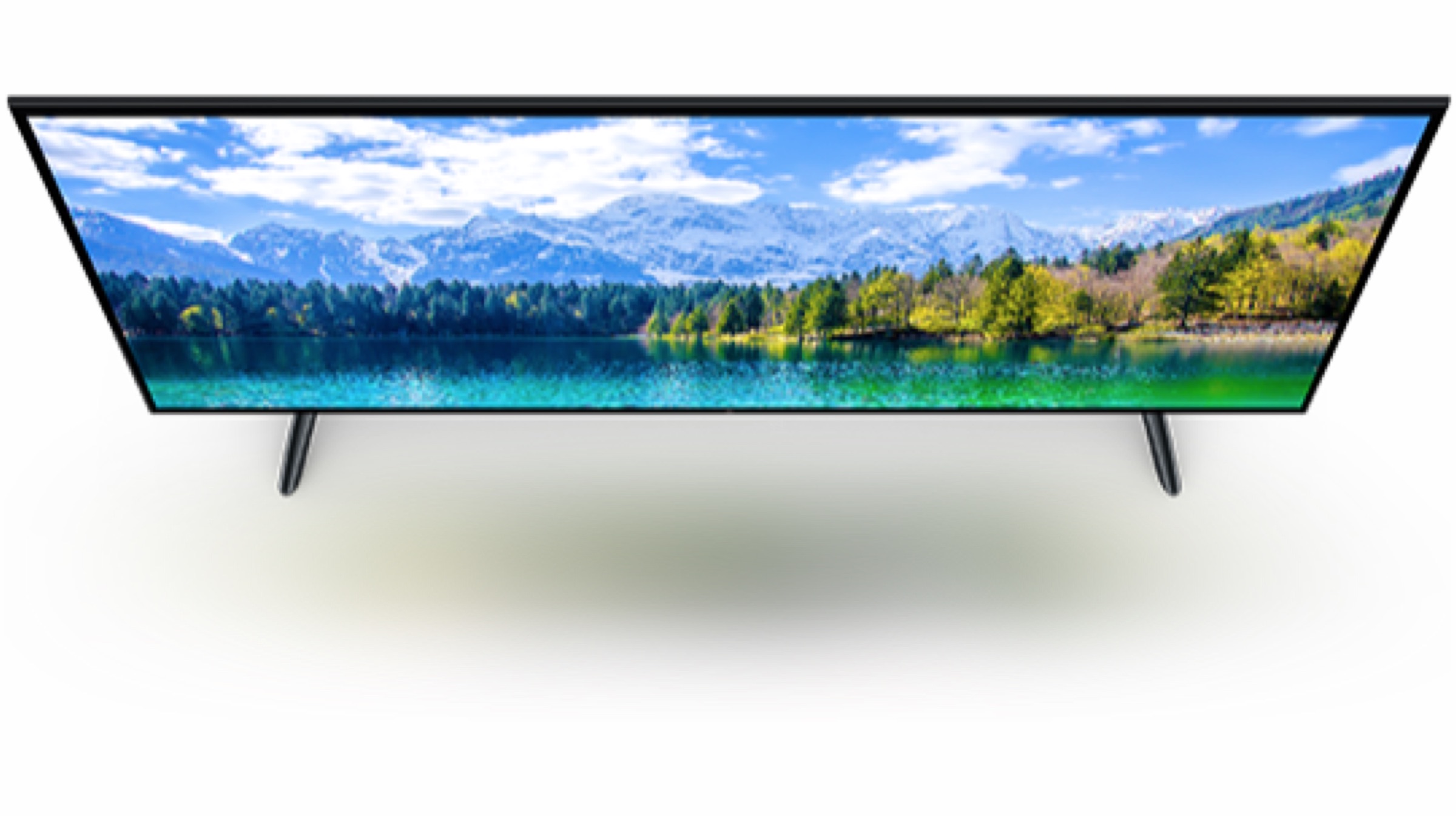
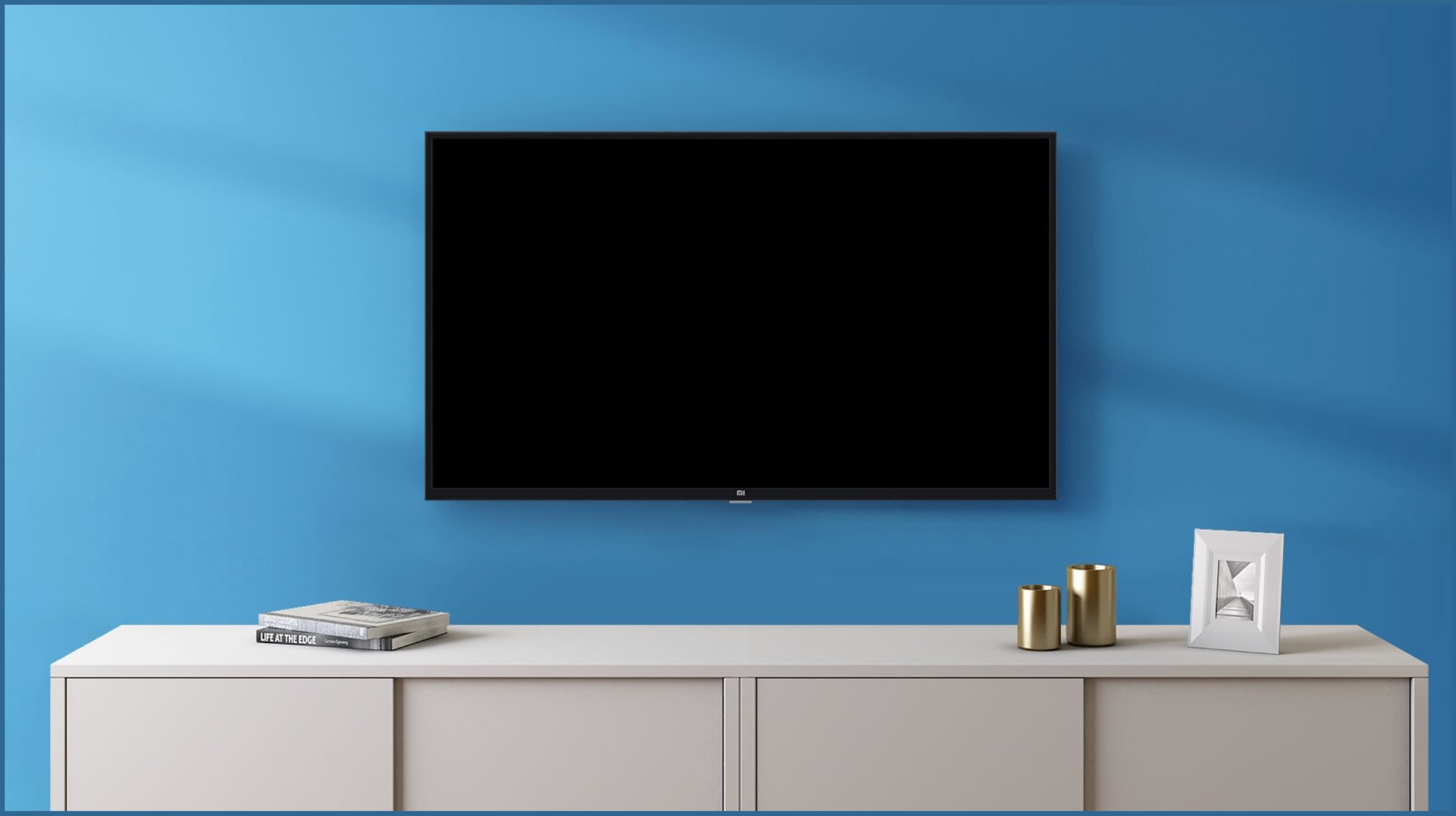 The Mi LED TV sports an Ultra-bright HD ready display, which promises vivid colours and enhanced brightness. The display is paired with 20W (10W x 2) stereo speakers with dts-HD support, which deliver a powerful sound experience. The LED TV has thin bezels giving it an elegant appearance. It also has inbuilt PatchWall to personalize content by curating shows and movies for the user.
 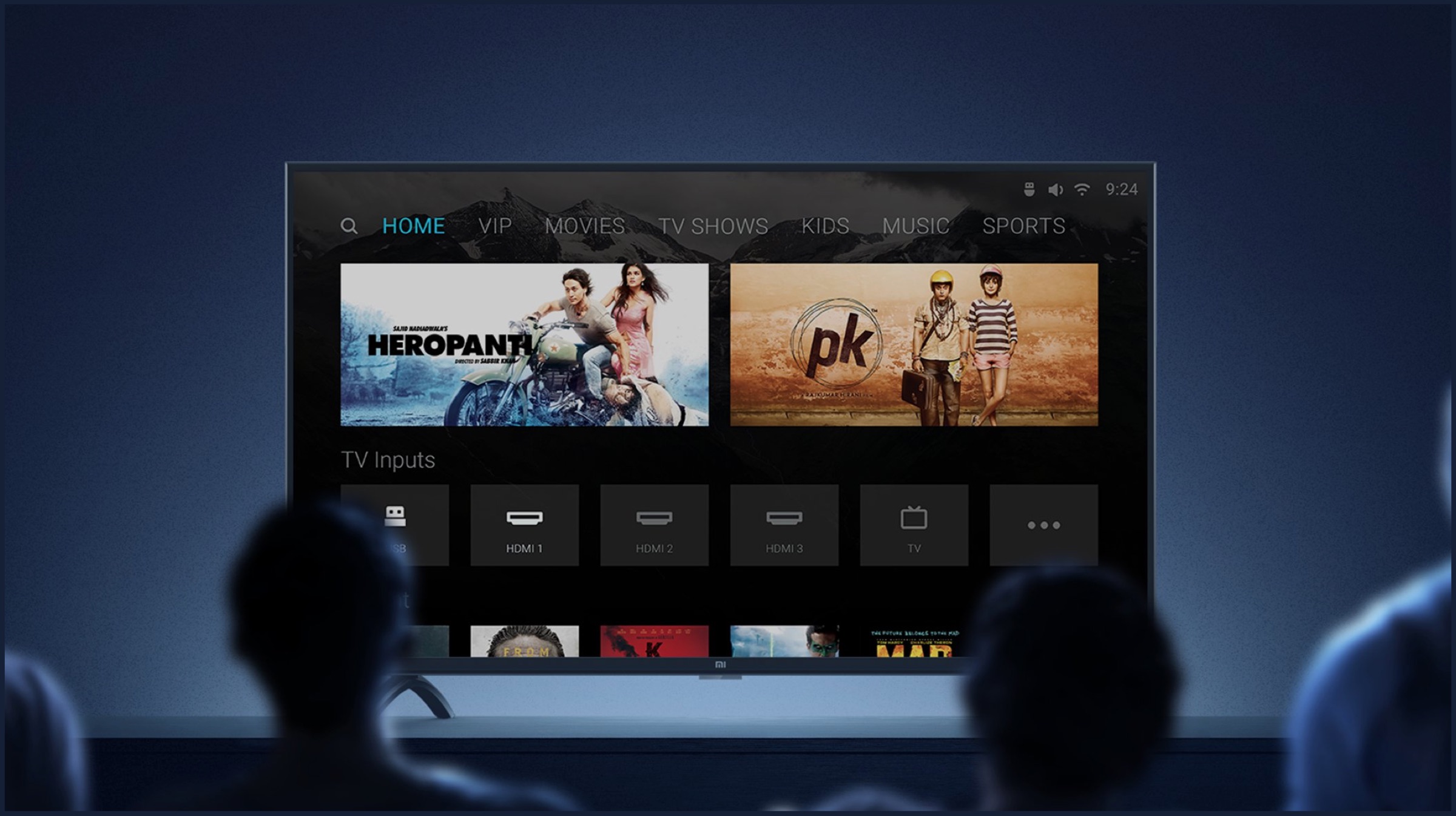 Xiaomi claims that the Mi LED TV 4A has more than 7,00,000+ hours of content available. All this content is available across streaming services like Hotstar, Voot, TVF and Sony LIV, which are preloaded on the Mi LED TV. It also features inbuilt Play Store Chromecast and the Google Voice Assistant for hands free operation. The TV runs on PatchWall and Android TV OS.
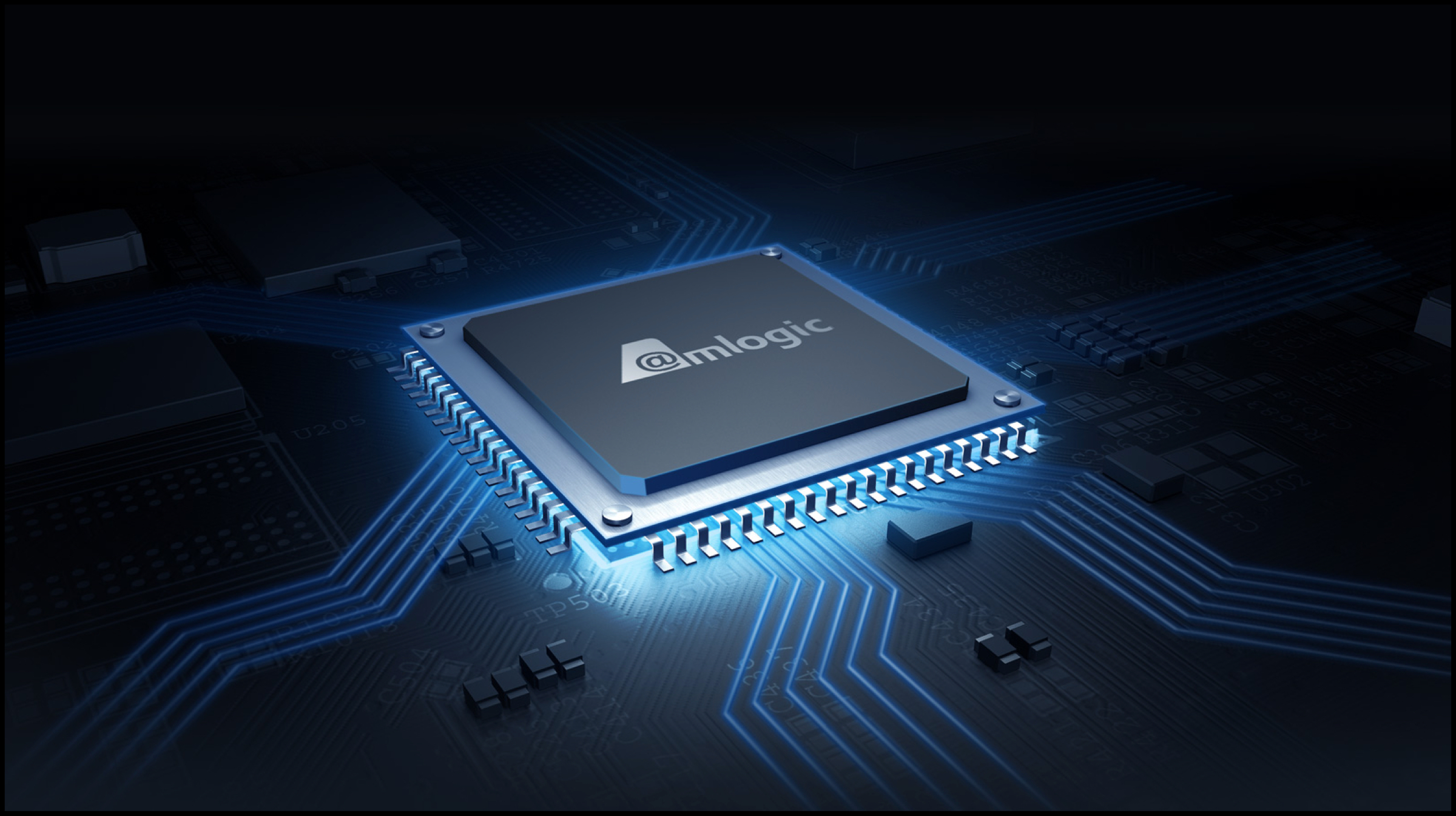
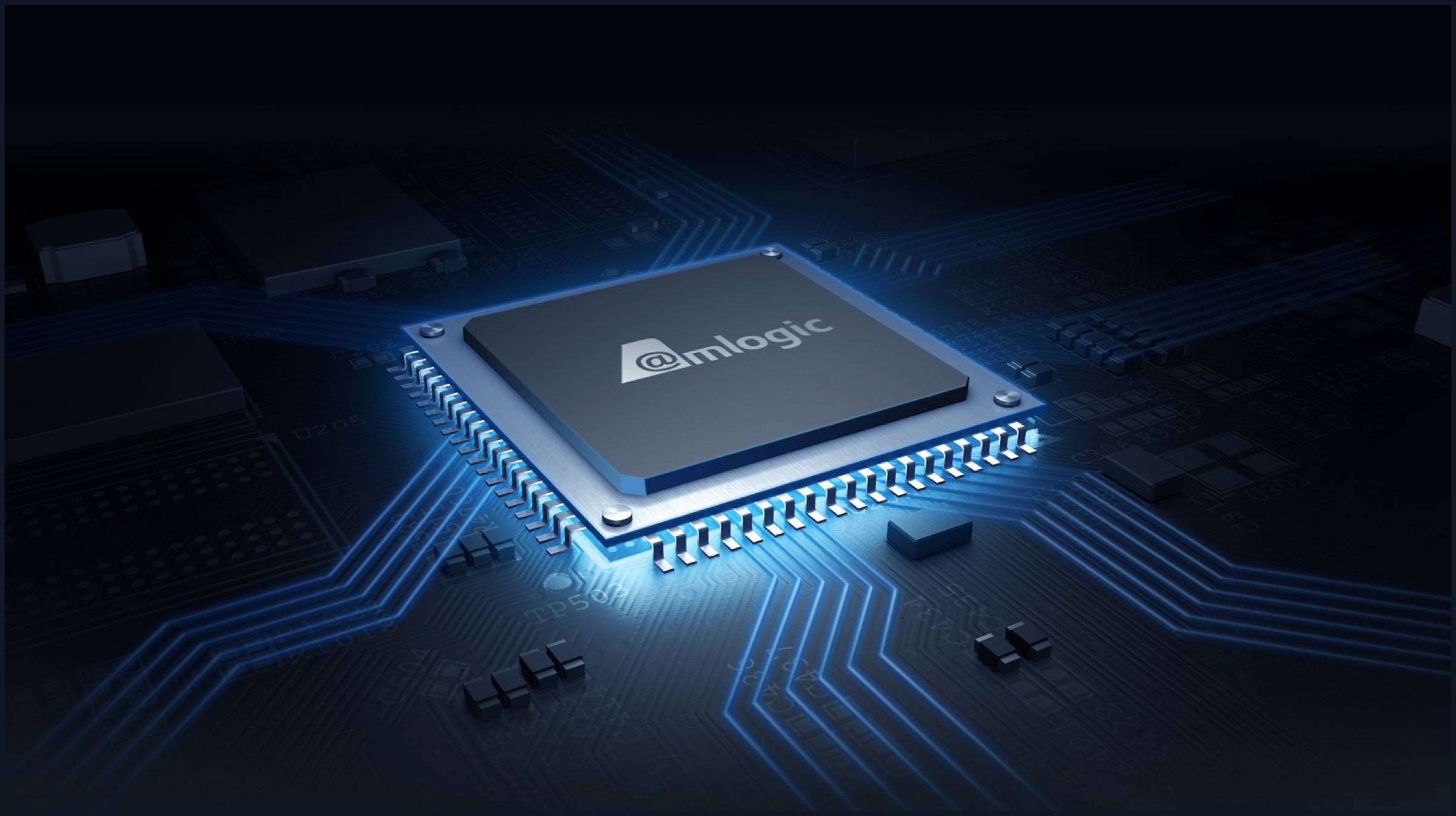 The Smart TV has a powerful 64-bit Quad Core processor to minimize system lag. Furthermore, Mi LED TV has 1GB RAM and 8GB of inbuilt storage. Multiple connectivity options such as HDMI, USB 2.0, AV and a 3.5 mm audio jack are available on the television. Wireless connectivity support includes Bluetooth v4.2 and Wi-Fi (2.4 GHz).
  Also Read: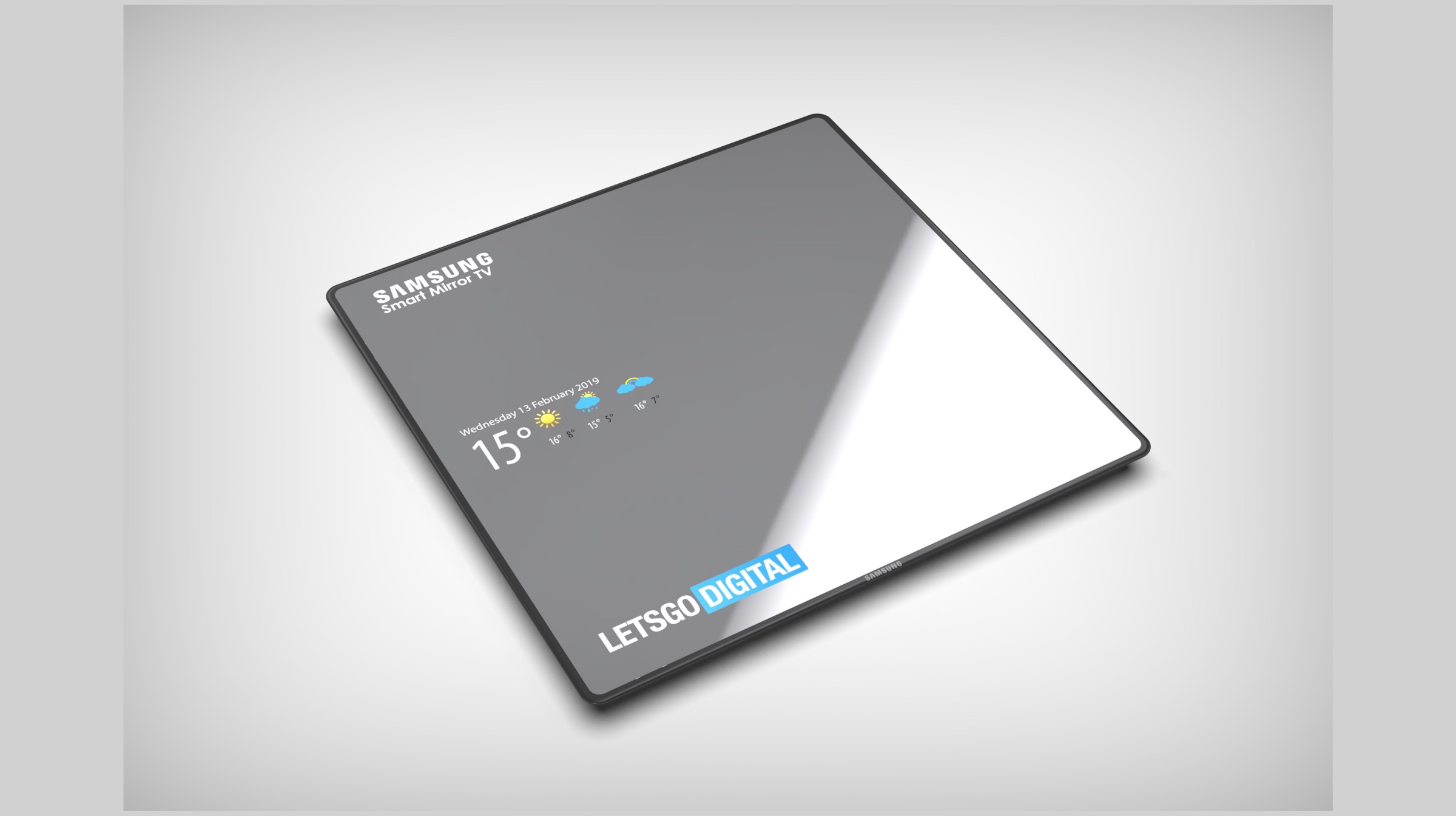
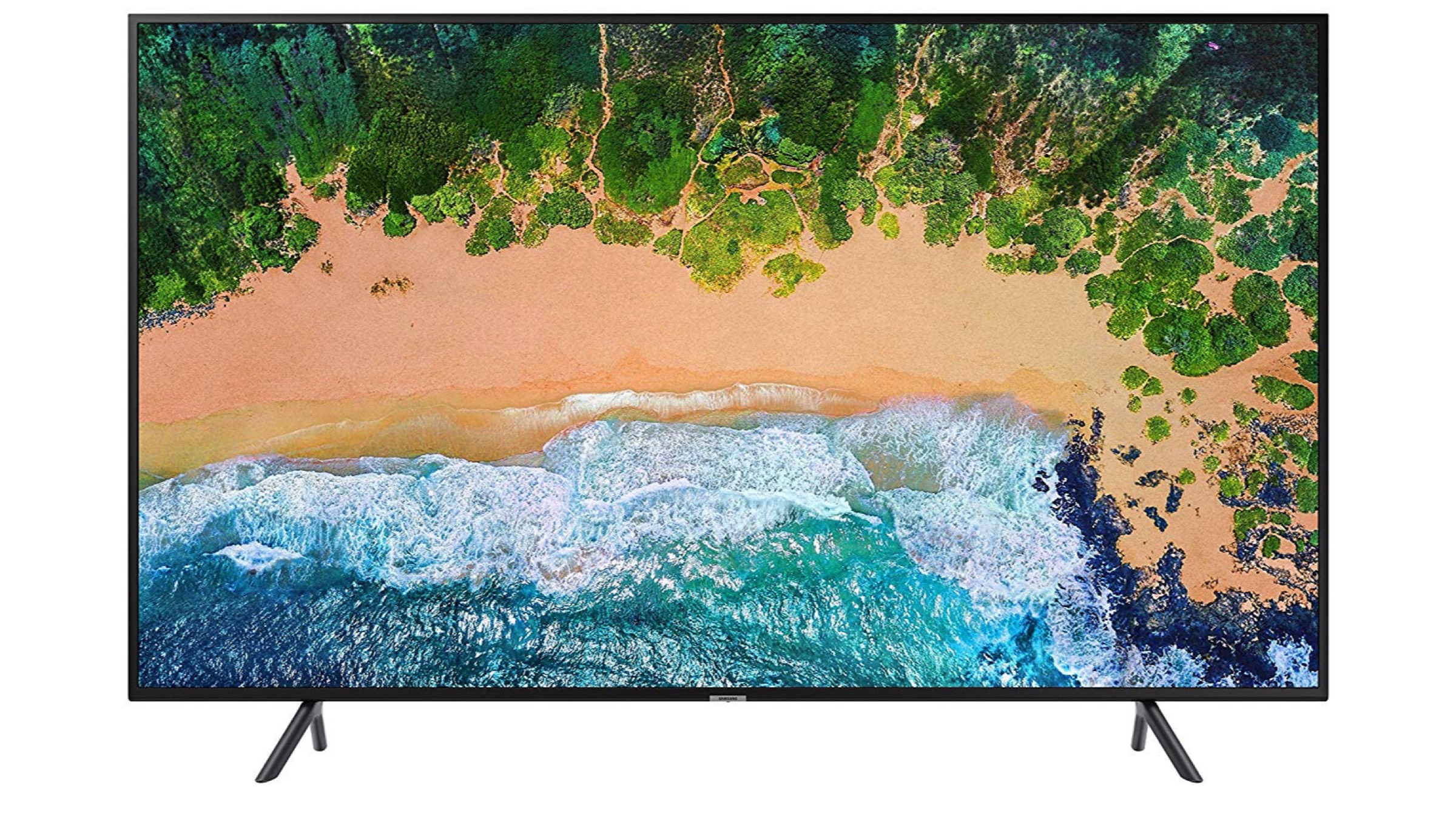
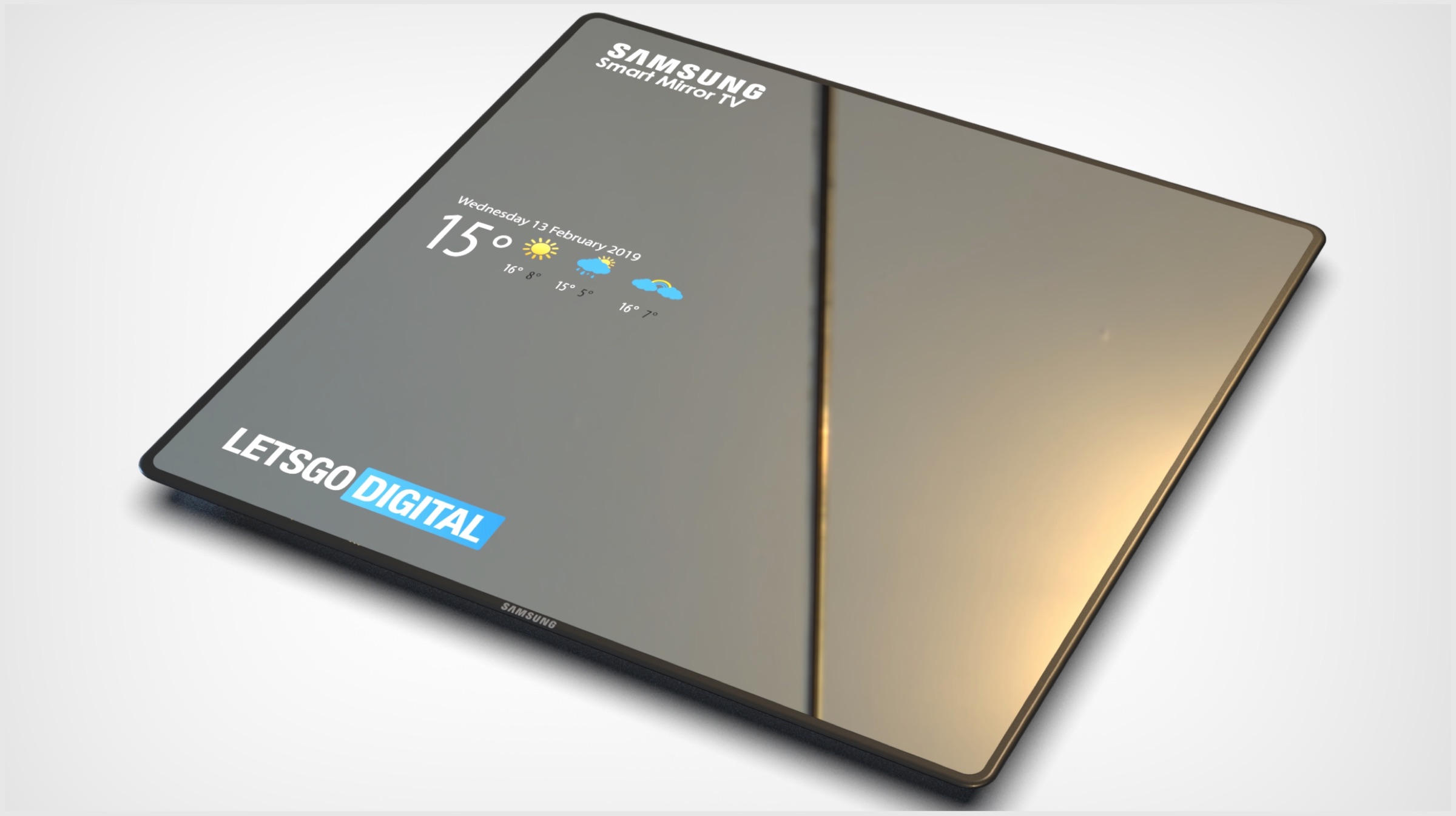 We have seen Samsung Smart TVs making their mark in the market. Samsung even designed a lifestyle television called “The Frame” which could be used as an art frame when the TV wasn’t being used. Samsung can use the same concept with the Smart Mirror with some tweaks.
 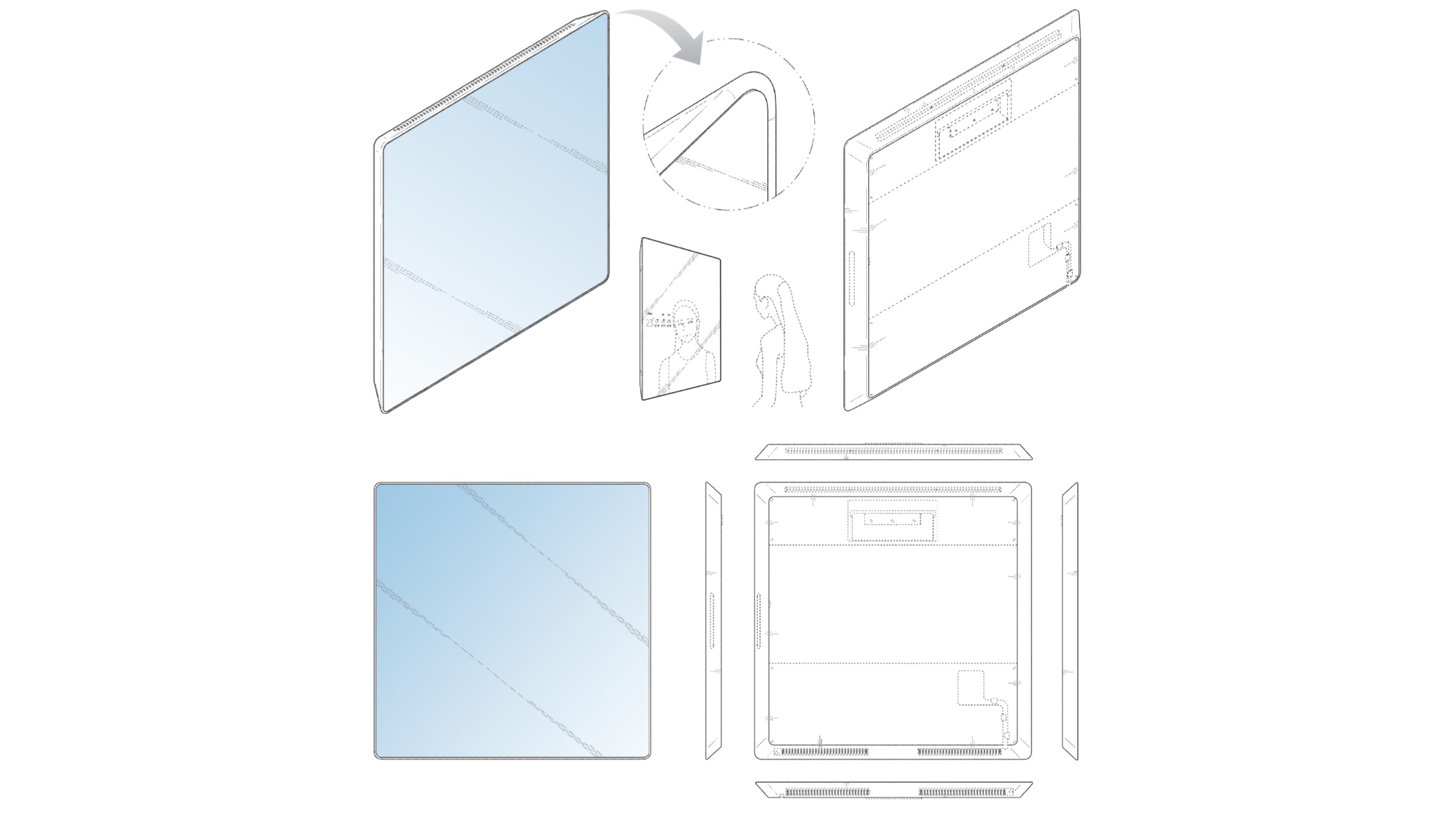 The patent was filed in the US with the United States Patent and Trademark Office (USPTO). Shortly afterward, the patent was registered with the Global Design Database of the World Intellectual Property Office (WIPO). The patent was actually filed on October 16, 2018. According to the design patent, the Samsung Mirror TV will have a square design with rounded corners. The screen edges look to be almost non-existent, indicating that the device can be illuminated from all sides. The rear of the Mirror TV had space for all the connections and the power supply.
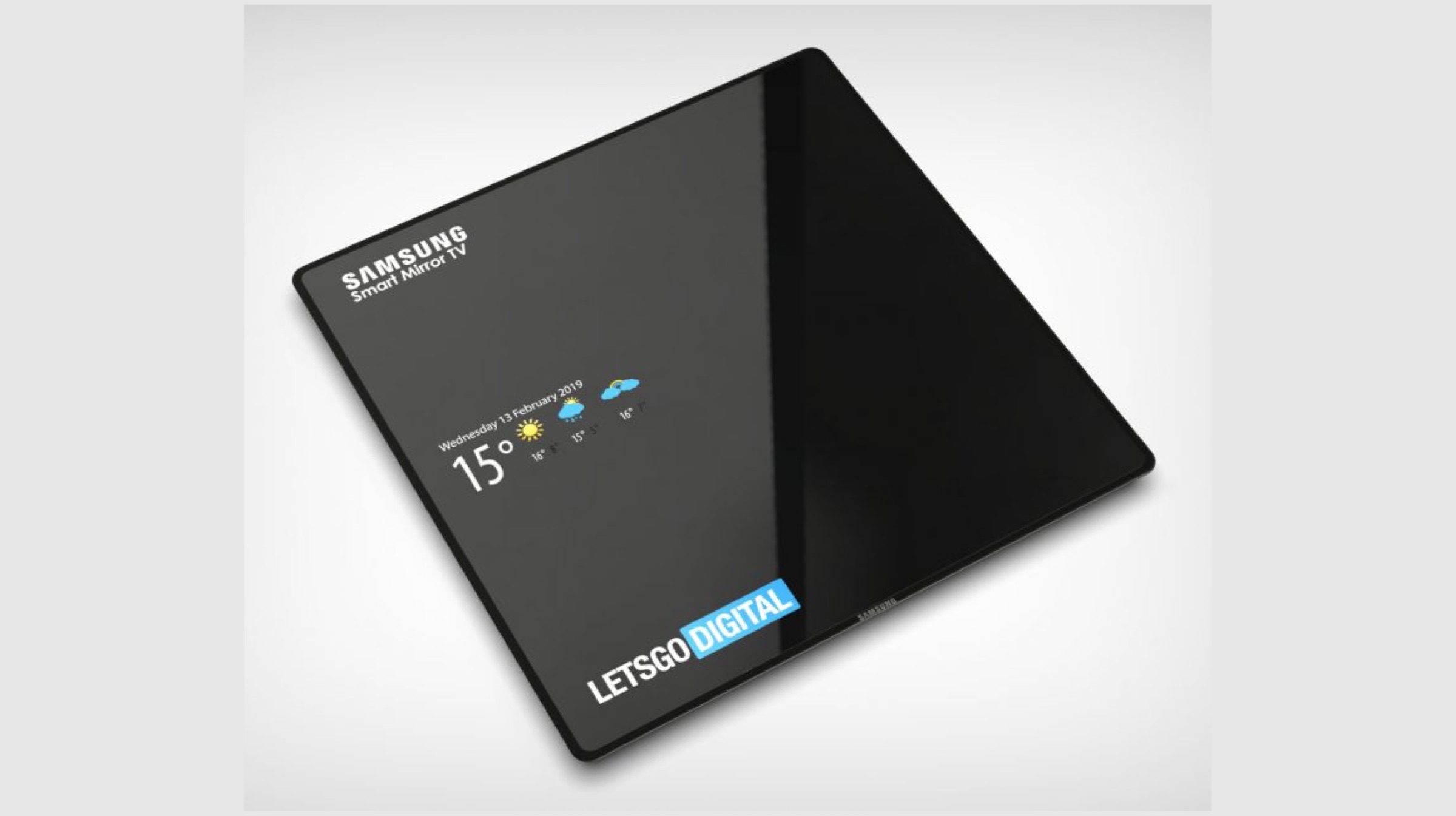 The Mirror TV is supposed to have two different states. In the first state, you can use the device as a television, whereas, in the second state, you can use the device as a mirror. A similar principle was used with Samsung’s “The Frame”. It still isn’t clear how a square television can take the place of the conventional rectangular television, but all we can do is wait for an official launch in the distant future. As per the images included in the patent, it’s possible that you can display the contents of your smartphone directly on the TV. The device is also expected to have touchscreen enabled on the Mirror TV, in addition to Samsung’s very own voice assistant, Bixby.