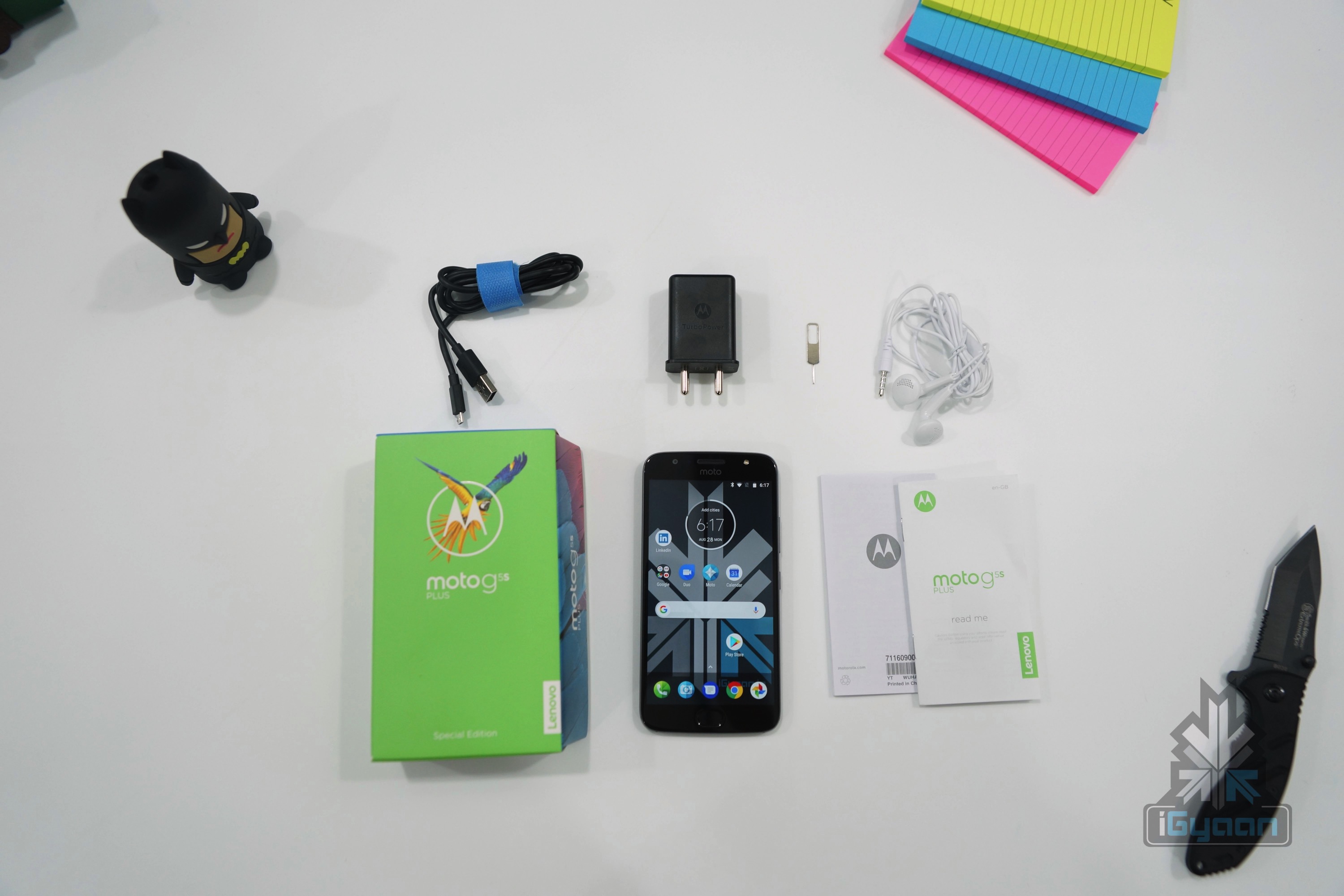
The Moto G5s Plus has just been launched in India for a Price of Rs. 15999. The phone which will be exclusively available from Amazon, starting midnight will add dual camera capability to the Moto G5 Plus, and a slightly different design language. In a typical fashion the Moto G5s Plus box features some of the specifications and color options of the Moto G5s Plus, inside the box you get:-
The Moto G5S Plus
Standard earphones
Sim ejector tool
Documentation
Micro USB charging and data syncing cable
Turbo charging capable wall adaptor
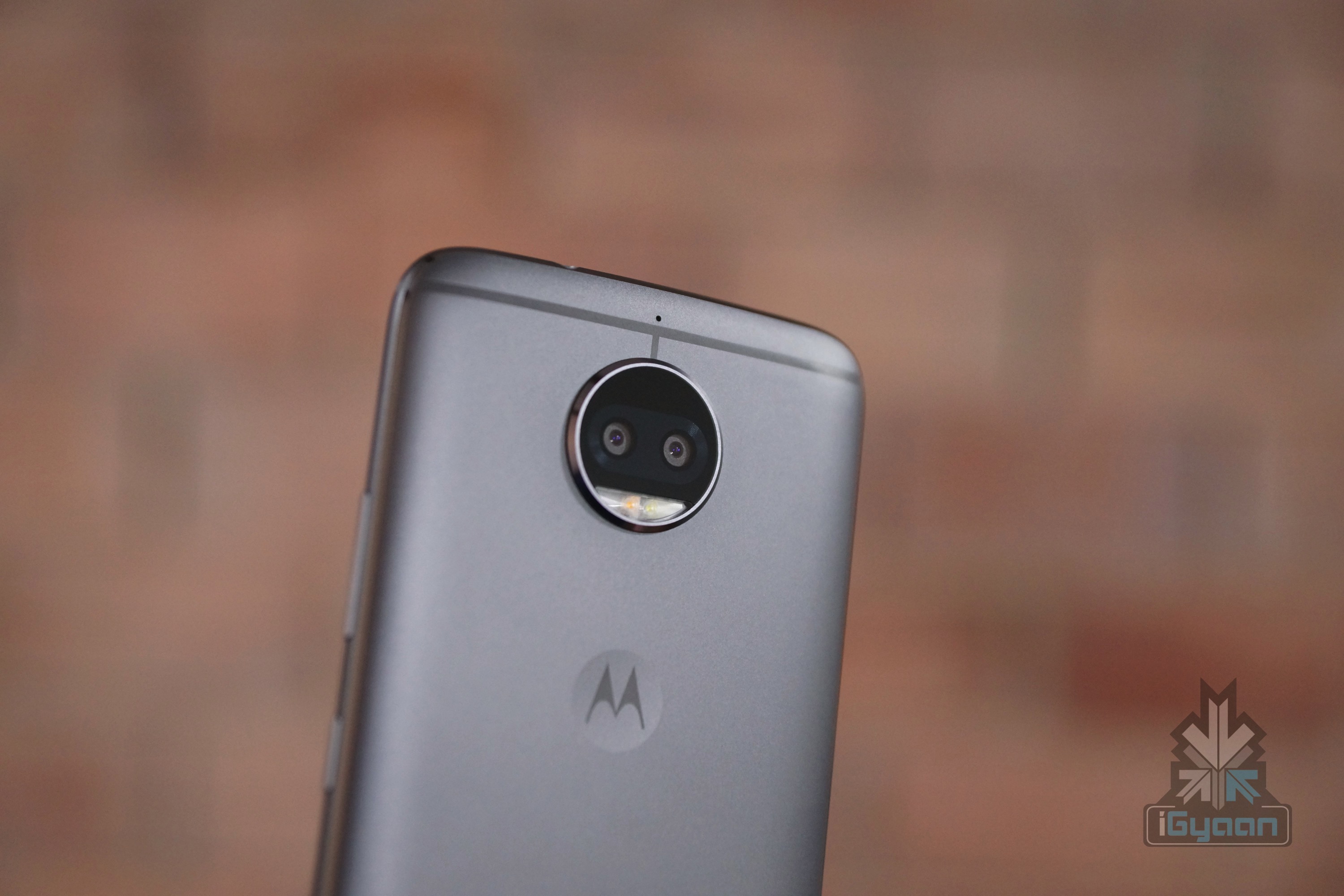
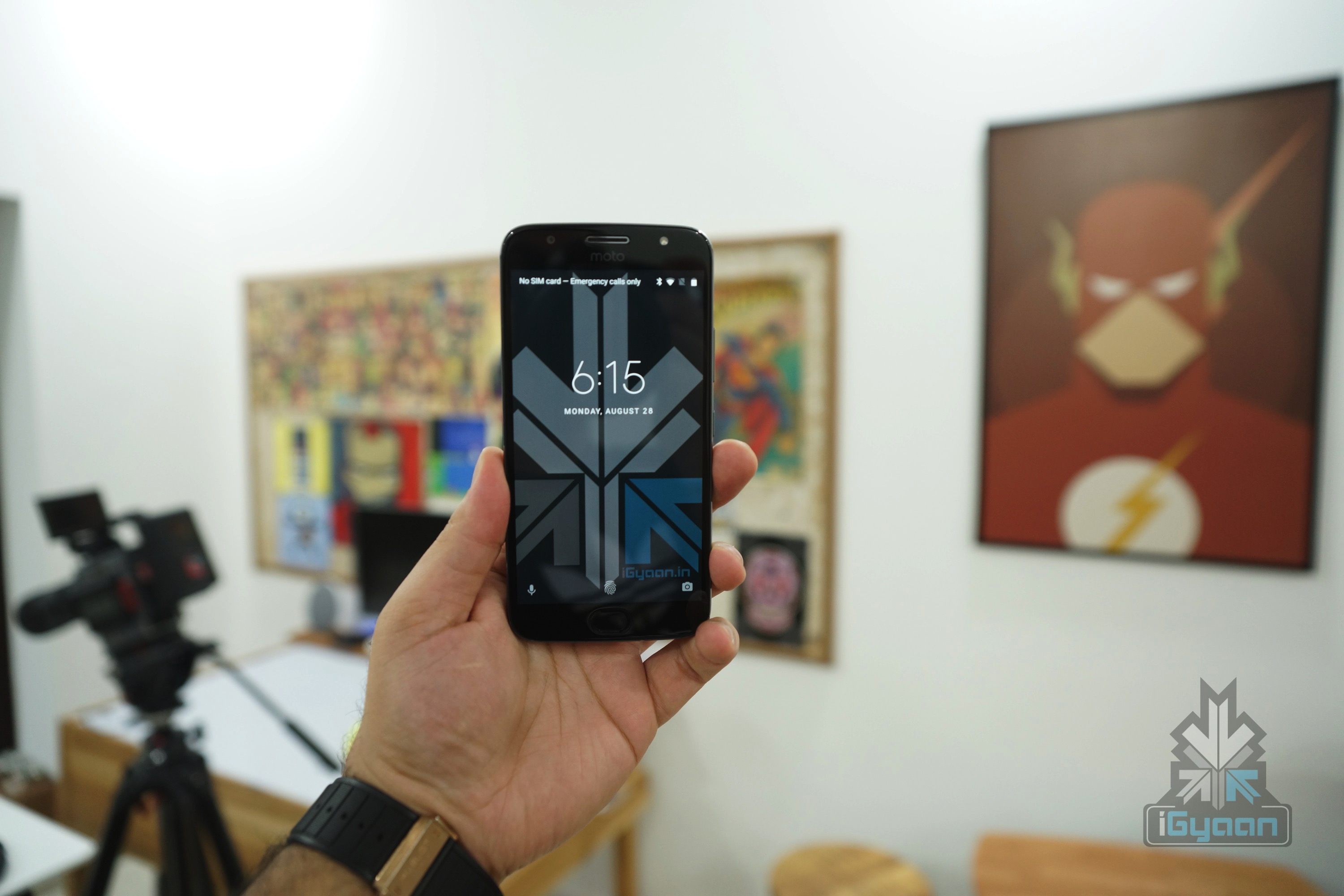
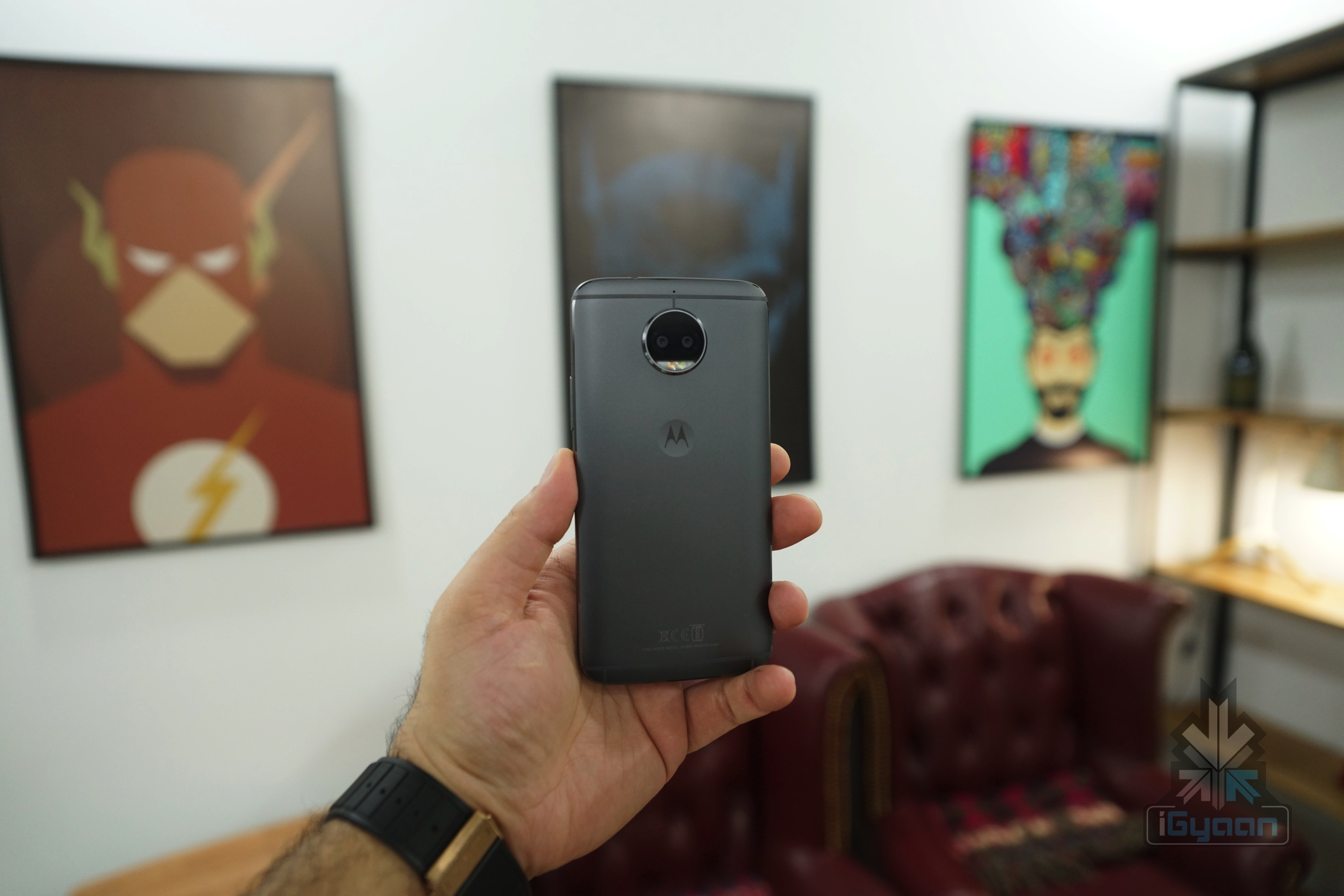
The Moto G5s Plus is the bigger brother the Moto G5 Plus deserves and the design is in line with previous Moto G devices with a metal unibody and a round camera bump at the back. The textured power button and the volume rockers are placed on the right edge of the phone while the headphone jack sits on the top edge. The bottom has the main speaker and a micro-USB port ( we wish it was type-c). The front of the device also has a home button which houses the fingerprint sensor which can be used as a one button navigation. The antenna lines are placed at the back of device along with the Moto dimple, which is placed just under the dual-camera setup.
Motorola’s G5s Plus has a 5.5 inch 1920 x 1080 px IPS LCD display with a 401 ppi, the screen is protected by corning Gorilla Glass . The phone is powered by a 3,000 mAh battery with turbo power charging capabilities, providing 12V at 1.2Amps. The phone runs on the Qualcomm Snapdragon 625 chipset, which has an octa-core processor clocked at 2.0 GHz along with the Areno 506 GPU, which is assisted by 4GB RAM and 64GB onboard storage. The storage can be expanded up to 128GB via microSD card.
The Moto G5S Plus has a 13MP dual-camera setup at the back with an f/2.0 aperture. The dual camera captures Bokeh, and selective focus shots, along with other capabilities of background replacement and exposure management. A dedicated Depth editor allows for these tweaks, which make the experience more than just a simple dual camera setup. Some of these dual camera tweaks are just amazing and we can’t wait to try them out properly.
On the front is a wide angle 8MP camera with a single LED flash, the front camera captures 1080p video while the main camera captures 4k at 30fps. The Moto G5S Plus is an Amazon exclusive device and is available in two colours – Lunar Grey and Fine Gold. The phone goes on sale at midnight between 29th and 30th August.
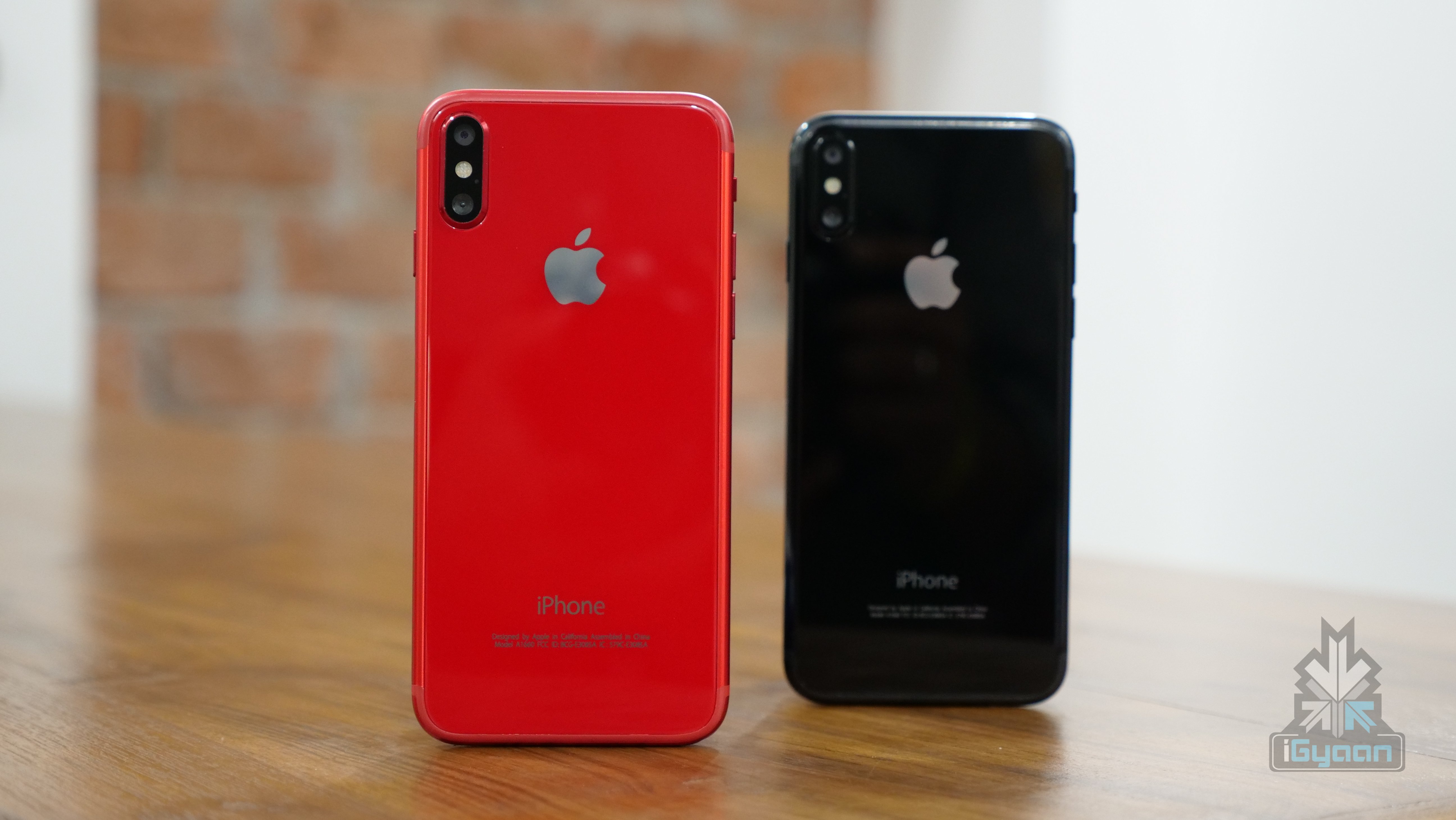
The world could witness new iPhones in less than a month as Apple is expected to hold the all-important launch event on September 12.
Apple has been hosting its iPhone launch events in September since 2012. September 12 also falls on a Tuesday, which is in line with the previous iPhone announcement events. A lot of people were speculating between September 5 and September 12, this should be clarified soon as Apple’s press invites should be appearing in inboxes soon. This news might convince a few iPhone buyers to hold off on their credit cards for a little longer. Apple is going to release the final version of iOS 11 at some point between September 12 and September 22.
Apple is also probably going to announce a new version of the Apple Watch. The main change with this new watch could be that it’s going to haveLTE connectivity. There could be a small update to the Apple TV as well with 4K video output.
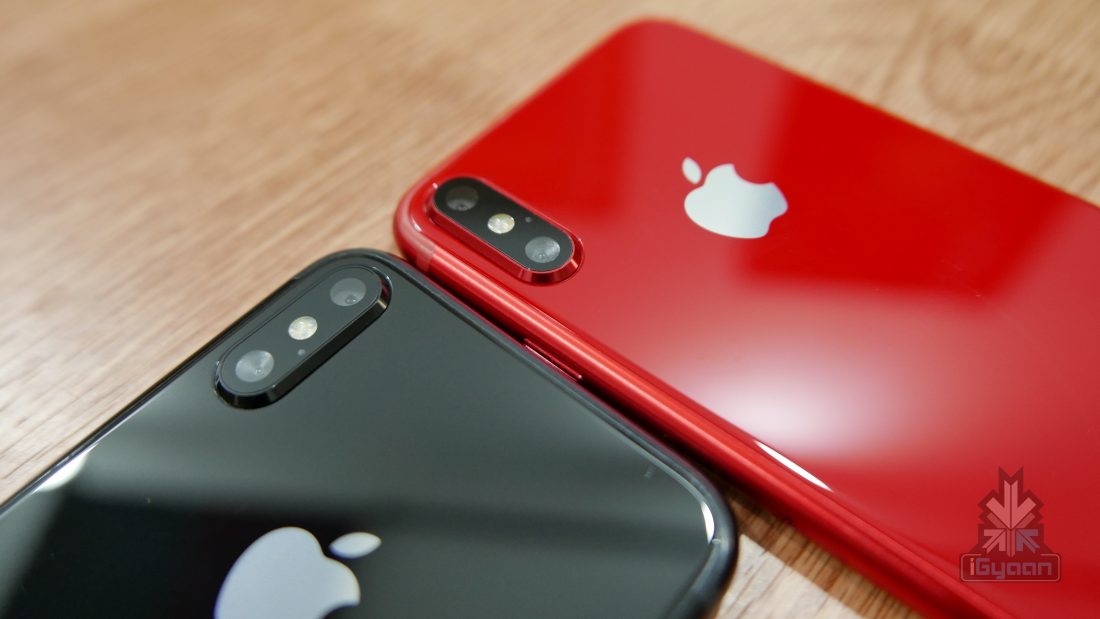
If certain reports are to be believed, Apple will, in fact, launch three different iPhone’s this year, iPhone 7S, iPhone 7S Plus and the iPhone 8. The marquee phone, of course, is going to be the iPhone 8 or whatever Apple decides to call it at the end with a reportedly bezel-less display and vertically mounted dual-camera setup. Apple will also finally introduce wireless charging to its iPhone lineup after a component was leaked online. The iPhone 8/X/Pro will also feature better cameras which will reportedly record 4K videos at 60 FPS. Another headlining feature will be 3D facial recognition, dubbed as ‘FaceID.’ The smartphone is expected to break the thousand dollar barrier and cost around $1,100 for the base variant.
Apple may also announce newer AirPods as the previous generation ones leave a lot to be desired from. The event will be followed up by a pre-order phase before the iPhones start to become available in stores. It is rumoured that the main iPhone 8 will be available in extremely limited numbers at launch.
Samsung has just announced the Galaxy Note8 for global markets and the phone is said to go on sale in September some time. However, for the south Korean company getting their Note series back on track will be a bigger game. Markets like India majorly remained unaffected by the Note7 recall, because the Galaxy Note7 was never launched in said markets. Samsung has a huge void to fill in the premium upmarket business phone segment, which was ruled by the iPhone 7 Plus thus far. Considering that officially any revisions to the iPhone will go on Sale in India starting October, Samsung may get the upper hand by launching the Galaxy Note8 in September in India.
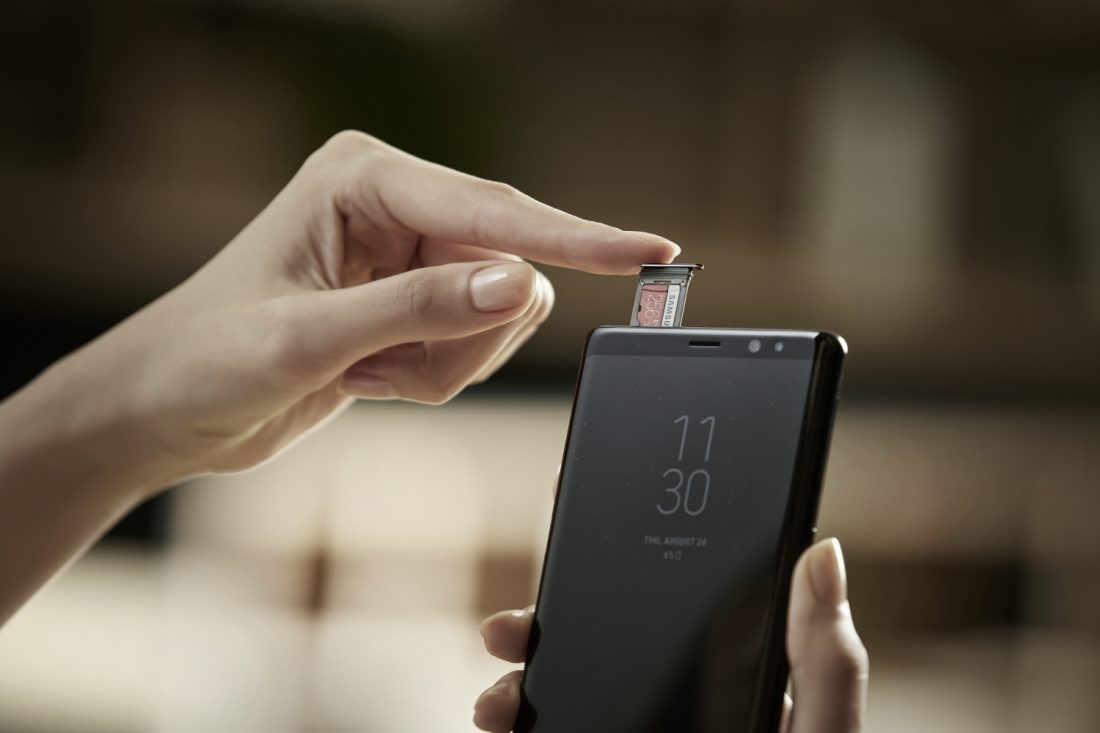
The Galaxy Note8 which has a similar Exynos processor for the India market will also launch only in two variants in India, the 64 GB and 128 GB storage options, with fewer colours available at launch. The 256 GB variant and other colour options will be launched later in the year. The new Galaxy Note 8 also features IP68 water and dust resistance which also applies to the new S Pen which is independently IP68 rated. The Note8 will also have a dual sim/hybrid tray in India, allowing for either one sim card + expansion via micro SD for upto 256GB of additional storage or two SIM cards.
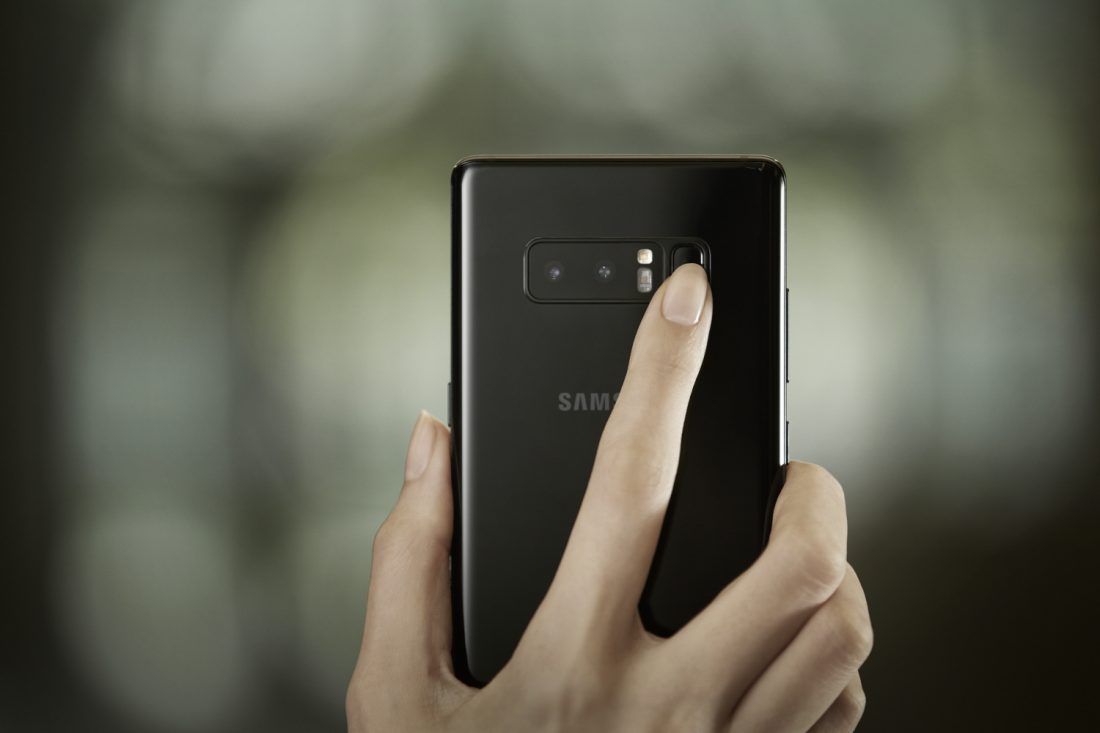
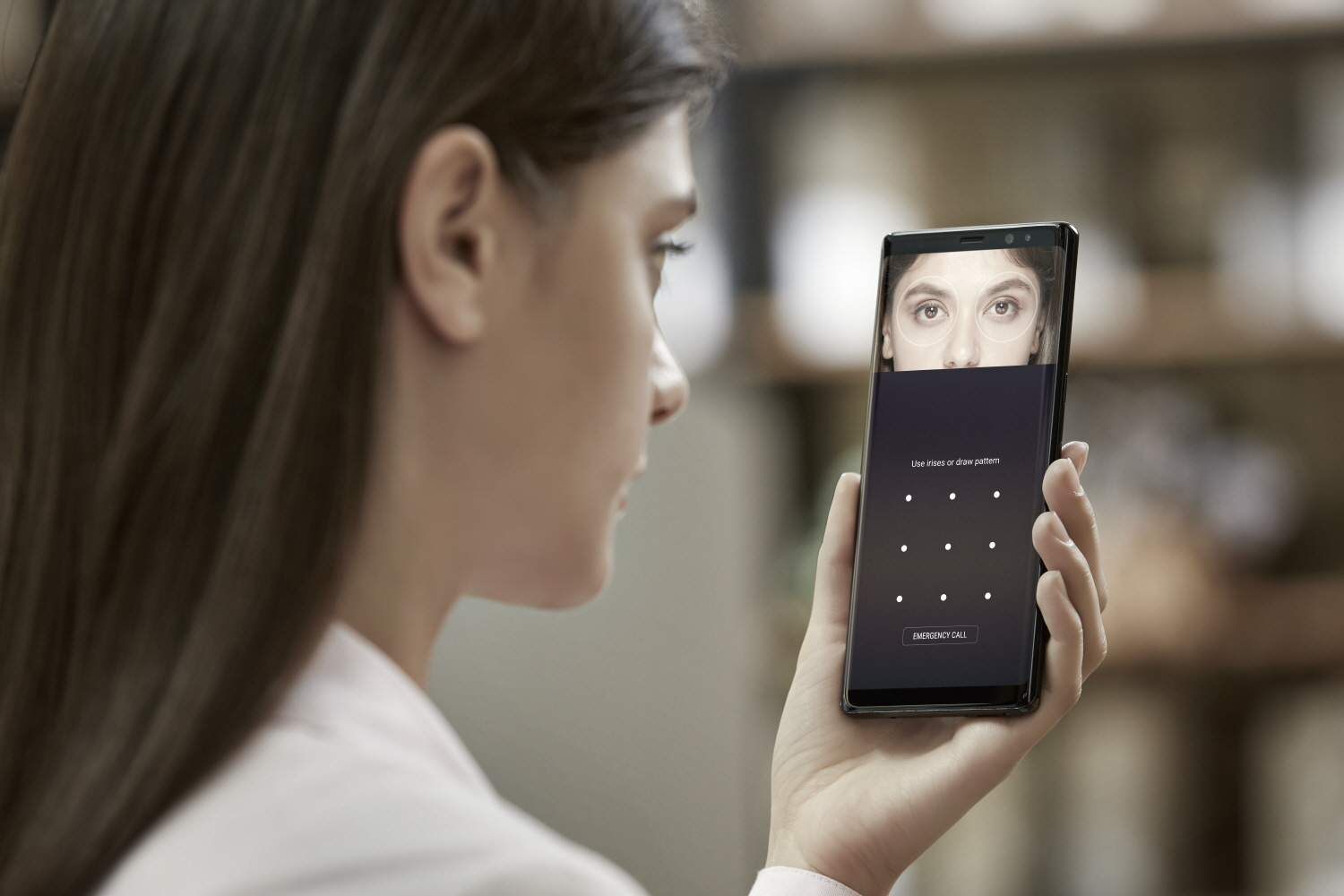
Samsung’s new Note is also the first Samsung smartphone to be featured with dual cameras, both are 12 MP and both have OIS, one has a wide lens while the other a telephoto lens. The Note8 also has an IRIS scanner on the front, sadly the fingerprint sensor still sits on the back of the phone next to the cameras.
Samsung will also launch the phone with several offers including a zero percent instalment (or EMI) option that will allow potential owners to buy the phone without worrying about the hefty price tag. Samsung will also bundle up the wireless charger for those who pre order. The updated Samsung Dex docking station will also receive and official launch in India alongside the Galaxy Note8.
After today’s much-anticipatedlaunch of the Samsung’s new Galaxy Note 8, the company hopes to rebuild consumer confidence and reinvigorate the Note series. Until last year, the Galaxy Note series was amongst the top flagship devices but, the recall of the Galaxy Note 7 due to battery issues had a significant impact on sales and consumer perception. So, from the Galaxy Note 7 to the Galaxy Note 8, what has changed?
The new standout feature – Dual-lens Camera
Unlike its predecessor, the Samsung Galaxy Note 8 is equipped with a horizontally placed two 12-megapixel cameras at the back with a fingerprint scanner right next to it. Many criticized the odd placement of the fingerprint sensor at the back when the Galaxy S8 was launched, and nothing has changed on this front in the Galaxy Note 8.
The 12MP primary camera has a wide-angle lens with an f/1.7 aperture whereas the secondary 12MP camera has a telephoto lens with an f/2.4 aperture. The dual-camera setup is capable of 2X lossless zoom and other features such as Bokeh effect and selective focus for background blurring. The rear camera setup records video in 4K at 30 FPS and features phase detection autofocus, dual optical image stabilization (an industry first, claimed by Samsung) and an LED flash. On the front is an 8MP camera with an f/1.7 aperture which captures 4K videos at 30 FPS whereas, the Galaxy Note 7 had a 5MP front camera with 1920×1080 full HD video recording at 30fps.
Another widely anticipated feature is the new and improved S-Pen.
[carousel]
[panel]
Live Message
[/panel]
[/carousel]
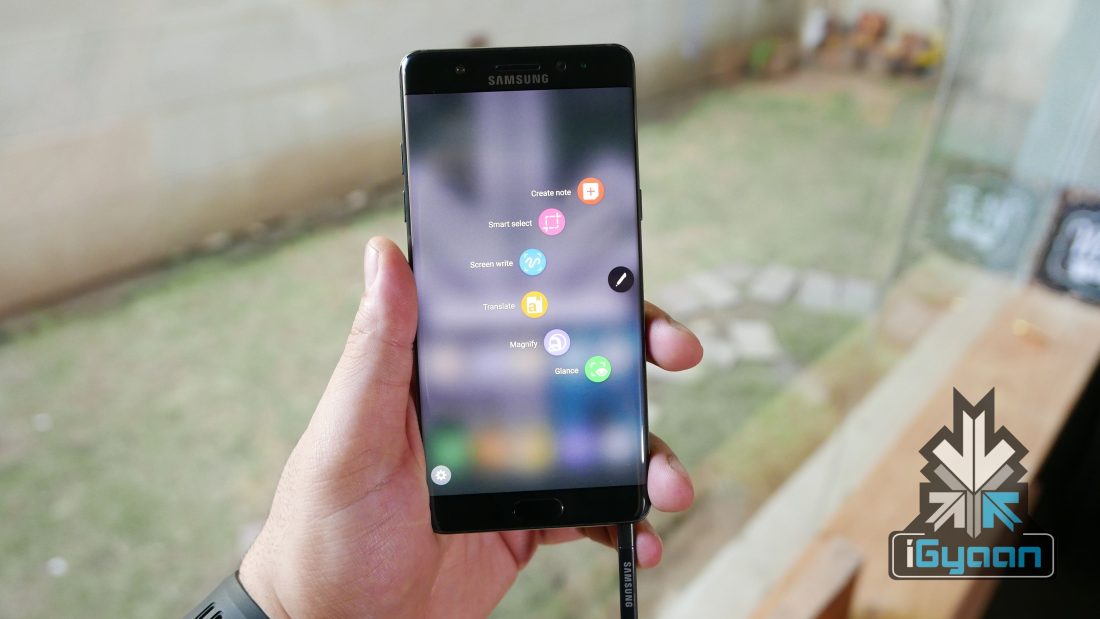
Similar to the Note 7 stylus, the new S Pen is water resistant and has more levels of pressure sensitivity. The latest S-Pen features include capability of taking notes up to 100 pages in the Screen Off Memo mode, a live messages which are saved as GIFs and the user can also hand-write a message or picture with the S Pen. Also, the translate feature, introduced on the Note 7, is making a come back in this year’s Note 8. To translate a sentence, a user has to simply highlight the text and the S Pen will instantly translate the sentence into 71 languages.
On the design front, both the Galaxy Note 8 and the Note 7 feature Corning Gorilla Glass 5 panels on the front and the back. Samsung is offering an almost all-screen front with a metal and glass body design along with a built-in stylus. The smartphone sports a 6.3 inch 2960 x 1440 px Super AMOLED display with curved edges. With an 83.1% screen-to-body ratio and almost bezel-less design (compared to the Note 7), Samsung is aiming to rival other similar flagship devices.
Coming to what’s under the hood, the newly launched Galaxy Note 8 runs Android 7.1.2 Nougat with a promised update to 8.0 Oreo in near future.
Galaxy Note 7
As is with all Samsung flagship devices, the Galaxy Note8 will ship with two different chipsets, the Qualcomm Snapdragon 835, 2.45 GHz octa-core processor with Adreno 540 GPU for USA and China, and the Exynos 8895, 2.3GHz Quad-Core (Custom CPU) + 1.7GHz Quad-Core (Cortex-A53) with Mali-G71 MP20 for the remaining markets. The device will have 6GB RAM and onboard storage options of 64GB/128Gb/256GB which will be expandable via microSD card up to 256GB.
Powered by a 3,300 mAh battery with QuickCharge 2.0 via USB Type C port and the rear glass panel allows the Galaxy Note 8 to support wireless charging. Thanks to Galaxy Note 7’s 3500mAh faulty batteries, Samsung has opted for a slightly smaller battery for its new flagship.
For added security, Samsung is offering plenty of biometric security options to choose from, such as iris scanner and facial recognition, apart from a fingerprint scanner. The Galaxy Note 7 was amongst the first of Samsung smartphone to feature iris scanner for unlocking the device.
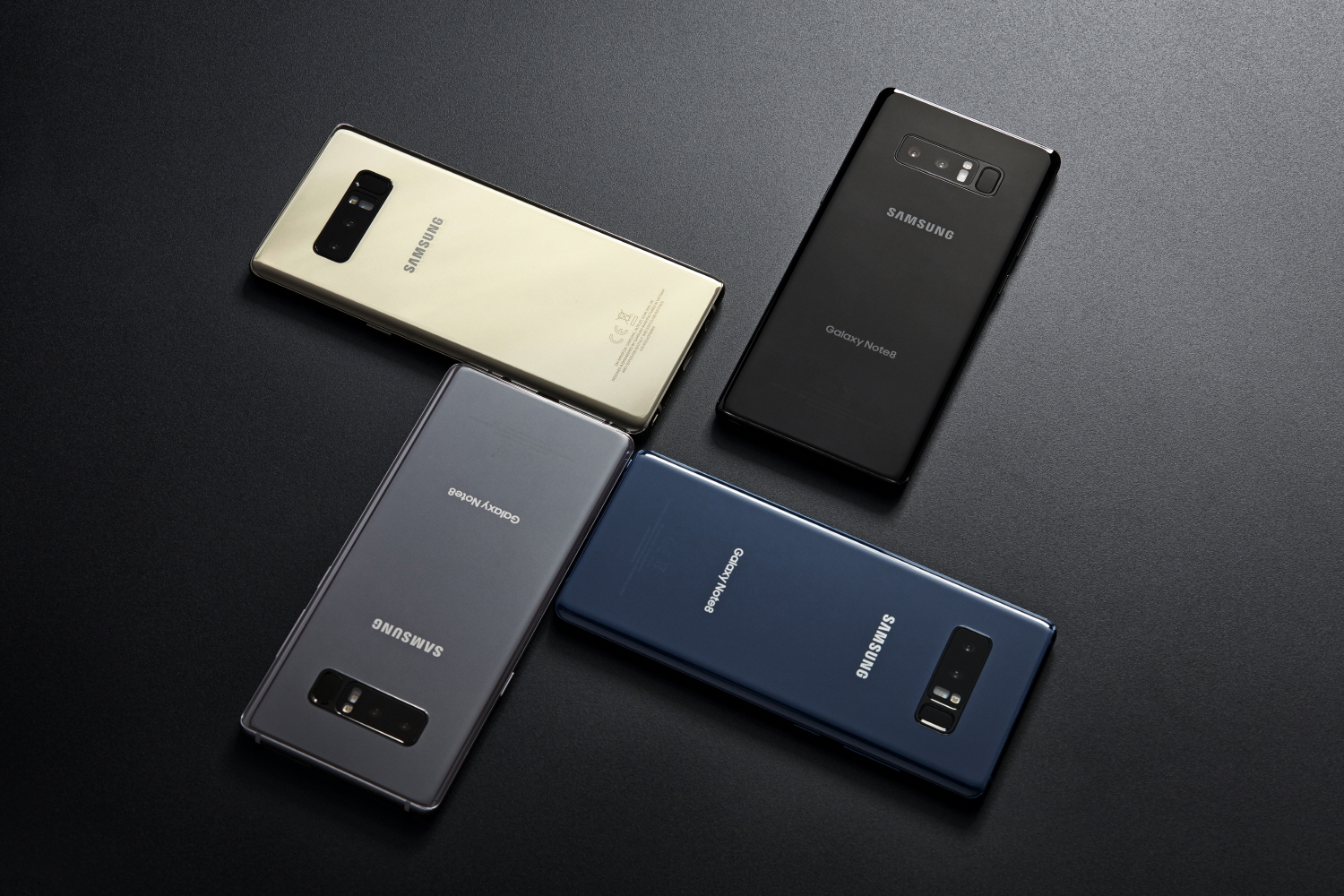
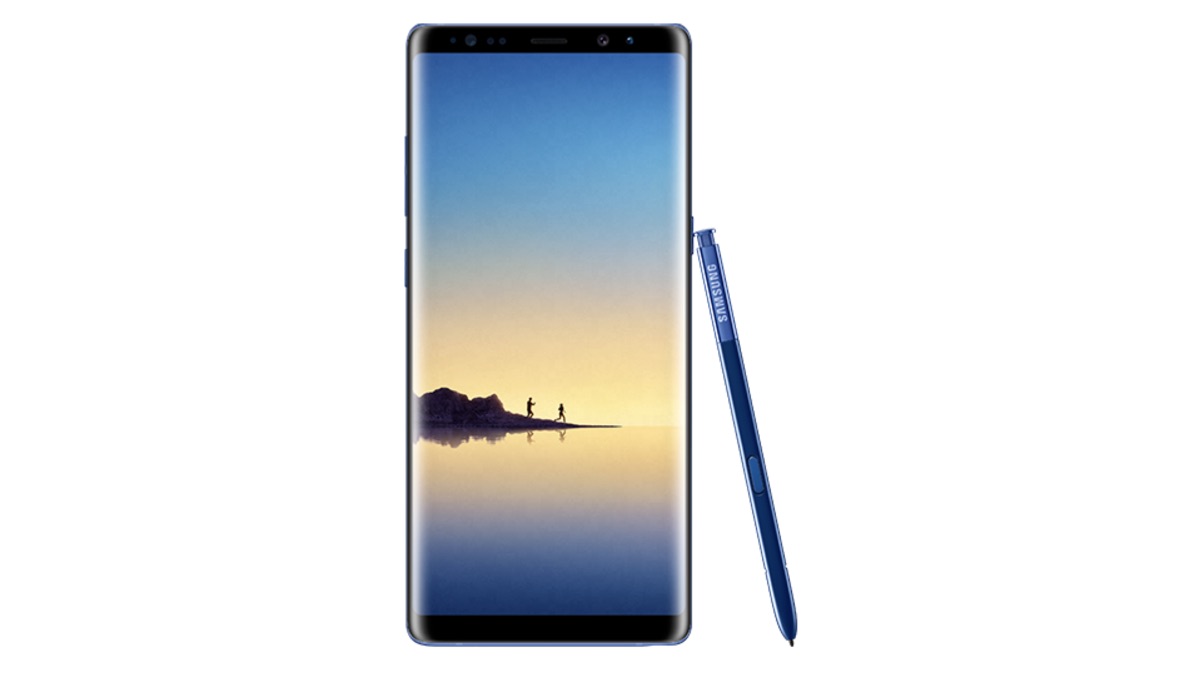
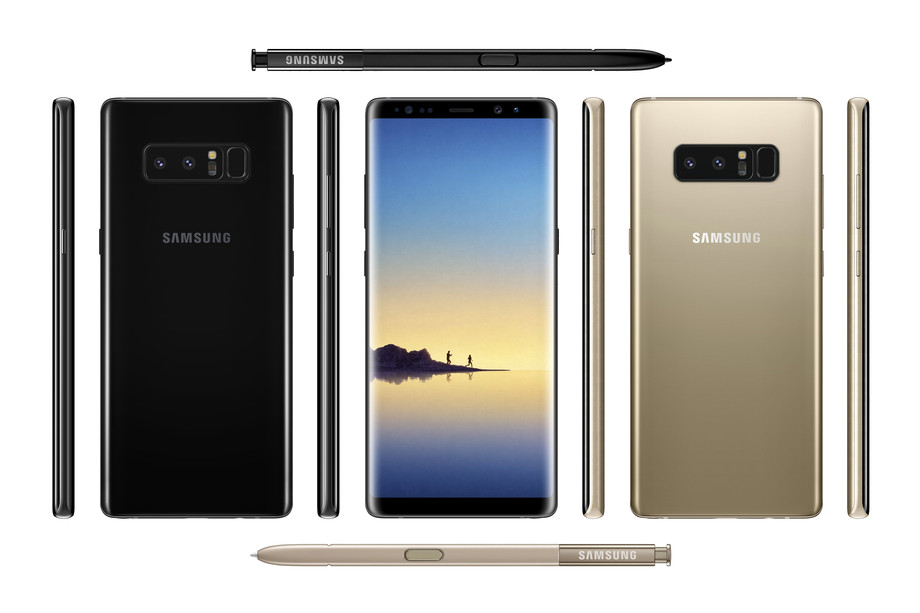
The smartphone will be available in four colour variants (two of which were leaked ahead of its launch)– Midnight Black, Orchid Gray, Deep Sea Blue and Maple Gold.
In term’s of how the Galaxy Note 8 will stack up against it’s recalled sibling, the Galaxy Note 7, here’s a little something to help you figure out.
Specifications
Galaxy Note 8
Galaxy Note 7
Price
£869 (Approximately Rs. 71,100)
Launched at US $ 849.99 (Approximately Rs. 59900)
Dimensions
162.5 x 74.8 x 8.6mm
153.5 x 73.9 x 7.9 mm
Weight
195 grams
169 g
Design
Corning Gorilla Glass 5 Front
Corning Gorilla Glass 5 Back
Metal Frame
Corning Gorilla Glass 5 Front
Corning Gorilla Glass 5 Back
Metal Frame
Colors
Midnight Black
Orchid Gray
Deep Sea Blue
Maple Gold
Blue Coral
Gold Platinum
Silver Titanium
Black Onyx
Display
6.3-inch Super AMOLED
5.7-inch Super AMOLED
Screen Resolution
2960 x 1440 px
2560 x 1440 px
PPI (Pixels Per Inch)
521ppi
518ppi
Display Protection
Corning Gorilla Glass 5
Corning Gorilla Glass 5
Chipset
Option 1: Qualcomm Snapdragon 835
Option 2: Exynos 8895
Option 1: Qualcomm Snapdragon 829
Option 2: Exynos 8895
CPU
Snapdragon 835 Variant: Octa-core 2.45 GHz
Exynos Variant: 4×2.3 GHz custom CPU and 4×1.7 GHz Cortex-A53
In an event in New York, Samsung has just launched its new iteration of the Note series, the Samsung Galaxy Note8 at a price of GBP 869 (Rs 71,100 approx). After the Samsung Galaxy Note7 was recalledglobally due to a fault in the battery, causing it to catch fire, the South Korean electronics giant made a comeback of sorts with the Galaxy S8 and S8+.
The Samsung Galaxy Note 8 has been launched in four colours – the Midnight Black, Orchid Gray, Deep Sea Blue and Maple Gold.
Just like the Galaxy S8 and S8+, the new Galaxy Note 8 features a glass front and back and the AMOLED display has curved corners and a long aspect ratio. The new 2017 Samsung Galaxy Note has a 6.3 inch 2960 x 1440 px 18.5:9 aspect ratio Super AMOLED display with an 83.1% screen-to-body ratio and Corning Gorilla Glass 5 on the front and back of the device.
The Galaxy Note 8 runs Android 7.1.2 Nougat and Samsung has promised an update to 8.0 Oreo in the near future. The phone is powered by a non-removable 3,300 mAh battery with QuickCharge 2.0 through the USB Type C port and because of the glass at the back, the phone also supports wireless charging as well. Just like the Samsung Galaxy S8 and S8 Plus, the fingerprint sensor sits at the back of the device right next to the dual-cameras. The iris scanner and face unlock features also return to the Galaxy Note 8 for further security.
As is with all Samsung flagship devices, the Galaxy Note8 will ship with two different chipsets, the Qualcomm Snapdragon 835, 2.45 GHz octa-core processor with Adreno 540 GPU for USA and China, and the Exynos 8895, 2.3GHz Quad-Core (Custom CPU) + 1.7GHz Quad-Core (Cortex-A53) with Mali-G71 MP20 for the remaining markets. The device will have 6GB RAM and onboard storage options of 64GB/128GB/256GB which will be expandable via microSD card up to 256GB.
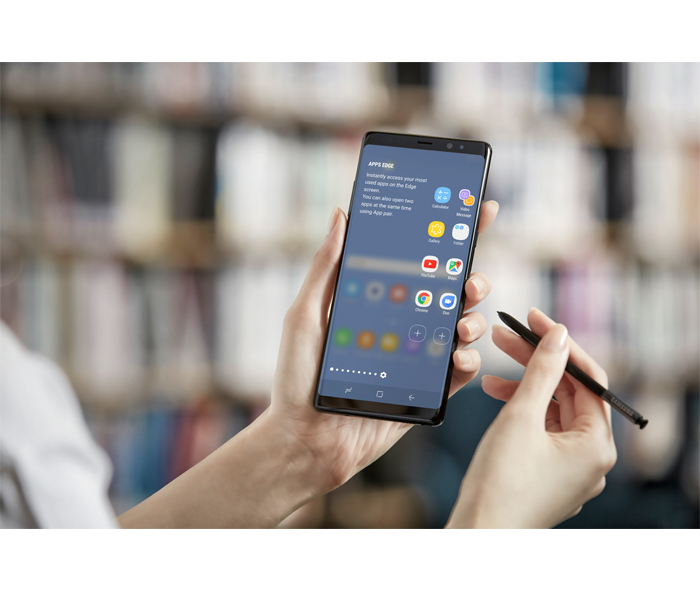
What makes the Note series stand out from the flagship crowd is the S-Pen. The new Galaxy Note 8 comes with a new S Pen with improved functionalities. The Galaxy Note 8 and the S Pen are both also IP68 certified water and dust resistant. The S-Pen comes with a host of new features such as Smart Select, which allows you to easily select, clip and copy the content that you like. You can also send .gif messages via the S Pen. Another interesting feature is the Screen Off Memo, wherein you can quickly jot down important notes and details without going through the hassle of unlocking the device and opening the Notes app. The S Pen will be available in Midnight Black, Orchid Gray, Deep Sea Blue and Maple Gold colours.
The Galaxy Note 8 is the first phone from Samsung to feature dual-cameras with a 12MP dual-camera setup, the primary camera has a wide-angle 12MP lens with an f/1.7 aperture and the secondary camera has a 12MP telephoto lens with an f/2.4 aperture. The telephoto lens enables a 2X lossless optical zoom and has features such as the Bokeh effect, much like the iPhone 7 Plus. The dual-cameras are capable of capturing 4K videos at 30 FPS On the front is an 8MP camera with an f/1.7 aperture and captures 4K videos at 30 FPS.
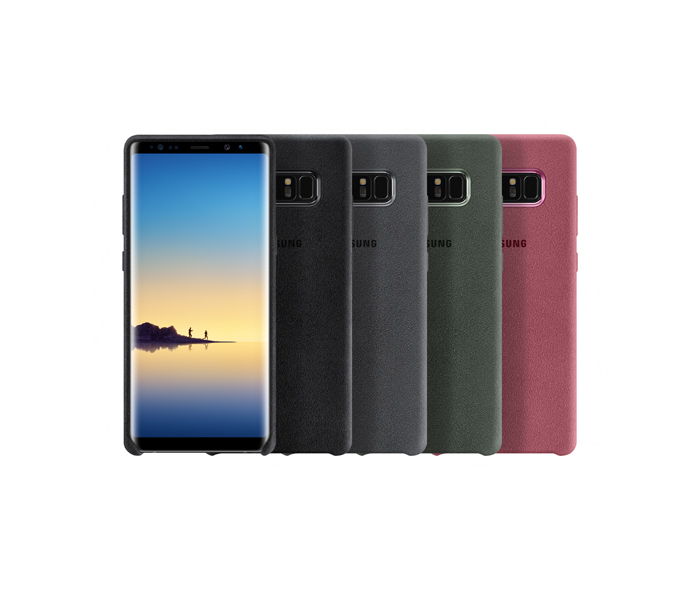
Samsung has also launched a host of Galaxy Note 8 compatible accessories today. The Samsung signature flip cover, a wireless charging pad in two colours, a back cover with a felt touch finish in 4 colours and a half-and-half gripper like the one launched for the Galaxy S8 and S8+.
The Samsung Galaxy Note 8 will be available starting in mid-September, in major markets including US, Europe, Australia, New Zealand and in India.
After a lot of speculation surrounding the official name for the next Android OS, it seems that Google itself may have just spilled the (jelly) beans on the name of Android O, and it’s not Oatmeal Cookie, it’s Oreo.
Google put out a teaser on Google+ to promote the August 21 event where the Android O and its official name will be unveiled. The teaser video for the launch reveal was named ‘GoogleOreo_Teaser_0817_noDroids (1).mp4‘. If that doesn’t confirm the name, we don’t know what will.
But, in an attempt to right the wrong, Google took down the teaser and uploaded it again with the name ‘OctopusTeaser.mp4′, which just reassured what we have all been speculating. Google’s decision to go with Oreo makes sense since the famous cookies are known worldwide.
Android 8.0 brings new features such as Notification Dots, Autofill, Smart text selection and Picture-In-Picture. Google has also said to improve the security and increased the booting speed in the new OS. Notification Dots show the notification of an app after a long press.
A small notification bar pops up at the top right corner of the app and shows the notification of the particular app. The Autofill feature helps in filling forms inside an app. Smart Selection feature is a machine learning based features that select only important text to be copied. Android O also comes with a multitude of back-end improvements such as better battery management algorithms, app optimisations, audio enhancements like improved Bluetooth audio and more.
As is with every Google launch event, it will be live streamed to the world and there is a lot of mention of the ‘eclipse’ on the launch website. The website and the teaser s in-line with the rumours that Google is planning a spectacle this time around rather than “hey. this is the official name of Android 8.0.” The reveal event is scheduled for 21 August in New York, which coincides with the Solar Eclipse and from the looks of it, Google will take full advantage of it.
Samsung is hosting an “Unpacked” event on 23rd August and many are anticipating the glitzy reveal of the new Galaxy Note 8. Though the press invite didn’t disclose the name of the device, but, the words “Samsung’s newest mobile device.” makes it quite obvious.
Recently, the Galaxy Note 8’s “Midnight Black” colour variant was leaked in a tweet. Now another colour variant of Samsung’s flagship device has surfaced. The tweet shows a leaked image of the Galaxy Note 8 in a “Deep Sea Blue” colour with the Note series S-Pen stylus.
The Galaxy Note 8 is expected to feature a 6.4 inch Super AMOLED edge-to-edge 2960 x 1440 px display. The smartphone will be available in two variants, one with the Exynos 8895 Chipset and the other one with the Qualcomm Snapdragon 835. Both the models will feature 6GB RAM and 64GB onboard storage, expandable via microSD up to 256 GB additional storage. The leaks confirm that the Galaxy Note 8 will run Android 7.1.1 Nougat with Samsung’s TouchWiz UI on top.
The next Galaxy Note is rumoured to sport a horizontally placed, 12MP dual camera setup, along with the fingerprint sensors placed next to the cameras. The primary, wide-angle camera will have an f/1.7 aperture and dual-pixel autofocus, while the telephoto lens will have an f/2.4 aperture and will enable a 2x optical zoom. The front-facing camera will be an 8MP camera with an f/1.7 aperture.
As compared to the Galaxy Note 7’s 3500mAh battery, the Samsung Galaxy Note 8 will reportedly run on a 3,300mAh battery with Qualcomm’s QuickCharge 3.0. Samsung has a lot riding on the next Galaxy Note smartphone, as the Note 7 battery debacle served quite a blow to the company’s reputation last year.
The Samsung Galaxy Note 8 is expected to cost around EUR 1,000 and will be available in the Midnight Black, Maple Gold, Orchid Grey and Deep Sea Blue colour variants.
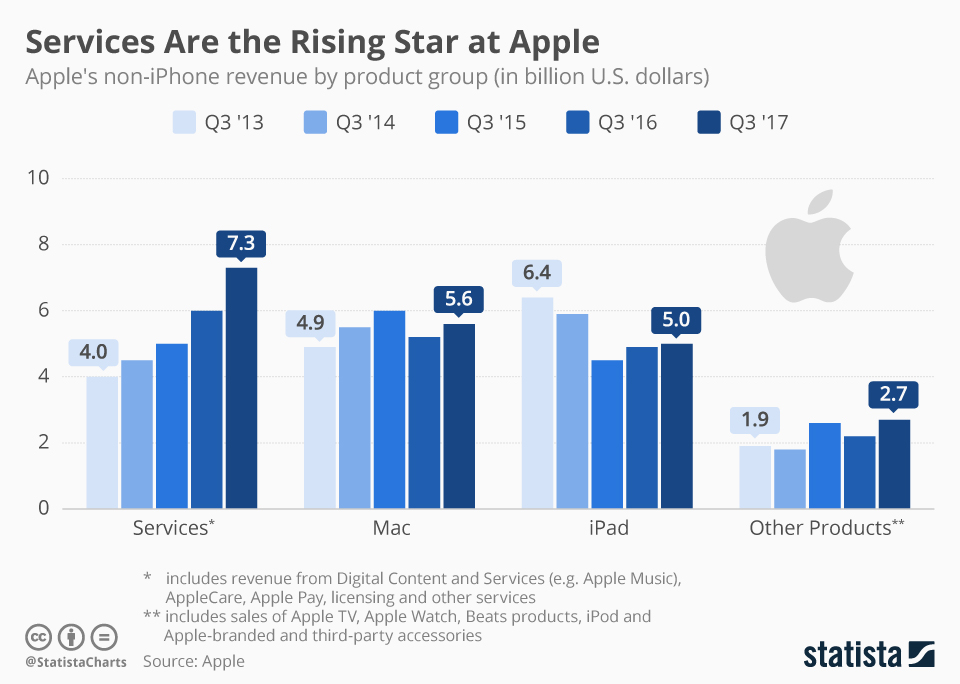
A US-based research and brokerage firm, Bernstein has said that Google will pay Apple USD 3 billion to remain the default search engine on iOS devices. According to a note to investors, Google has increased the payment from $1 billion three years ago to $3 billion for 2017. Google’s licensing fee makes up a large bulk of Apple’s service business. In fact, this license fee from Google comprises about 5% of Apple’s total operations profit.
Apple has stated that its services business is growing at a fast pace and that the profit from the services sector will help the company get listed in the Fortune 500 companies. An analyst from Bernstein also says that iOS devices also contribute 50% profit to Google’s mobile search revenues. This shows that Google will pay any amount to get unfettered access to all iOS devices. Thus, both the companies are dependent on each other for revenue. Since Google is earning a lot of profit from this arrangement, it has decided to increase the payment from $1 billion to $3 billion this year so that the license is not cancelled.
Revenue of Services sector
Apple has identified the services sector as an important source of profit, which a lot of investors believe is because of Apple Music and iTunes. But, a look at the revenue model shows that this licensing fee will become the largest revenue source in this sector. Mobile Ad revenue is central to Google’s revenue model and the growing importance of the mobile internet has now shifted the ad revenue focus from desktop to mobile devices. In fact, Google is expected to generate nearly $50 billion in revenue from mobile ads in CY 2017.
Although lucrative, the mutually beneficial deal between Apple and Google may be numbered. According to some estimates, if Google can retain 80% of their iOS search volume, then it would be financially more viable for them to break off this deal with Apple.
The Motorola flagship, the Moto Z2 Force was launched on 10 August 2017 with a shatter-resistant coating on the display and a dual camera setup. Though the shatterproof tech can survive a few drops and bumps, but it isn’t strictly “shatterproof “. Therefore, Motorola has reportedly decided to take display protection a step further.
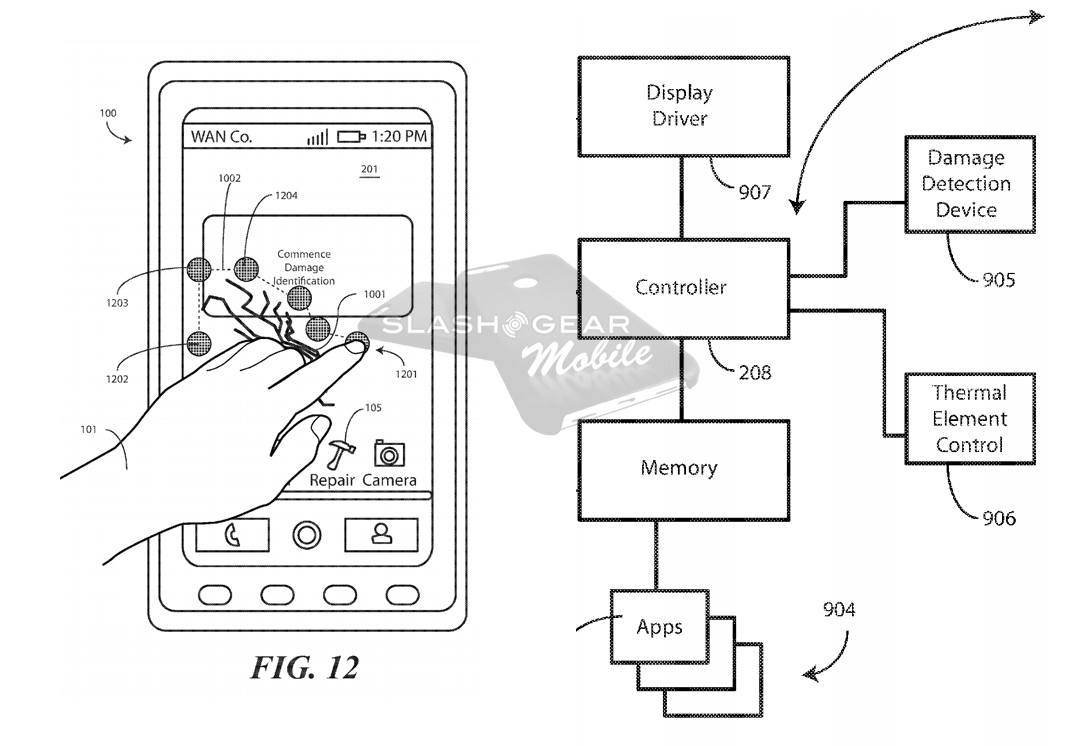
A newly-filed patent shows that Motorola is planning to build a thermal self-repairing phone, covered with shape memory polymer materials or ‘Smart Glass’.The self repairing tech will detect cracks on its external smart glass and notify the user. The user will then mark the damage area using the fingertip, while heat from the phone will be applied to the smart glass in order to repair the damage.
In the above image, Motorola described the process of the phone’s self-repair with thermal elements. The heat from the phone will trigger the smart glass’s shape memory properties, hence reversing the damage.
The FIG. 12 shows a user identifying the damage by encircling the crack on the smart glass. The phone can then identify the segments which need to be reset, and where to apply heat.
Though the self healing smart glass is a big step forward, Motorola described in the filed patent that the tech will “reverse at least some deformation”, and not all. As it would be difficult to reverse the damage on shattered screens. Safe to say, the thermal self repairing tech may not be able to fix the smart glass if it is completely broken or a a chunk of the screen is chipped out.
Even though original patent papers for the thermal self healing technology have surfaced, it will be a while before we witness the tech in a phone. It also appears that this patent was filed way back in or before 2011 as it features dockable phones like the Motorola Atrix which were launched back then. This means that Motorola has wanted to solve this problem for a while. If this technology does appear from the Motorola stable, hopefully they will license it out to the other big manufacturers namely Apple and Samsung, who have had major issues with broken smartphone displays.
In a move that can be construed as a move against the idea of the free internet, the Indian Government has banned the Wayback Machine. Wayback Machine is a California-based non-profit that has been archiving the World Wide Web for over 20 years now. It has archived over 300 billion web pages, and stores nearly 15TB of data. It is one of the most utilitarian sites on the web and allows users to archive pages, access archived pages for free, and also get hold of several terabytes of music, movies, books, and software that are free from copyright.
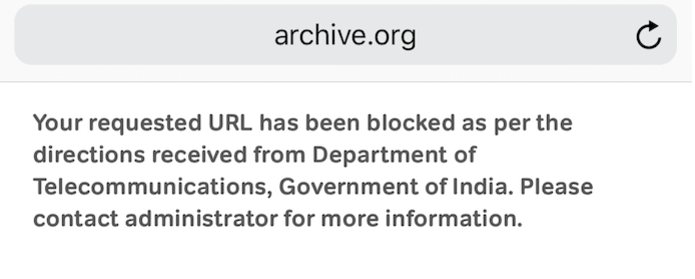
Users who tried to access the website on last Tuesday night saw a message from their ISP that read – “Your requested URL has been blocked as per the directions received from the Department of Telecommunications, Government of India. Please contact administrator for more information.” The block as of now seems patchy, as users on BSNL, Airtel, Hathway and Tikona have reported the block but a lot of other people can still access the website. It is unclear as of now why the government felt the urge to block archive.org which many people rely on for information from back in the day.
This is the second time that the government has blocked archive.org. back in 2014, the government blocked archive.org, GitHub, Vimeo, Pastebin, and Weebly among others after a threat from the terrorist group ISIS. An Internet Archive spokesperson told Buzzfeed India, “Obviously, we are disappointed and concerned by this situation and are very eager to understand why it’s happening and see full access restored to archive.org.” Also, queries from the Internet Archive to the Department of Telecom have gone unanswered. Chris Butler, Office Manager at the Internet Archive said, “We have not been contacted by the Government of India regarding this apparent blocking of archive.org. We have no information about why a block would have been implemented.”
There are ways to bypass the block, as a Redditor suggest that it can be accessed using an HTTPS link or by spoofing your location by using a VPN.
There are more deals on Amazon to keep you shopping. Here are the top tech and smartphone deals for the Amazon Great Indian Sale to save some of your hard earned money.
TP-Link Wireless-N Router
The TP-Link Wireless Router is an essential for good internet connection at your home or office. It has a data transfer rate of 300 MB per second and has all the essential ports you might need to setup your internet connection. It usually retails for around Rs 1,499 but is right now available for Rs 899 on Amazon.
Samsung Evo Plus 32GB MicroSDHC Card
The Samsung Evo Plus 32GB microSD card is fast, durable and now affordable. It comes with an adaptor which makes it compatible with almost brands while maintaining its speed. It has ultra-fast read and write speeds up to 95mbps and 20mbps respectively. It is right now available for Rs 749 while it usually retails for around Rs 1,149.
OnePlus 3T
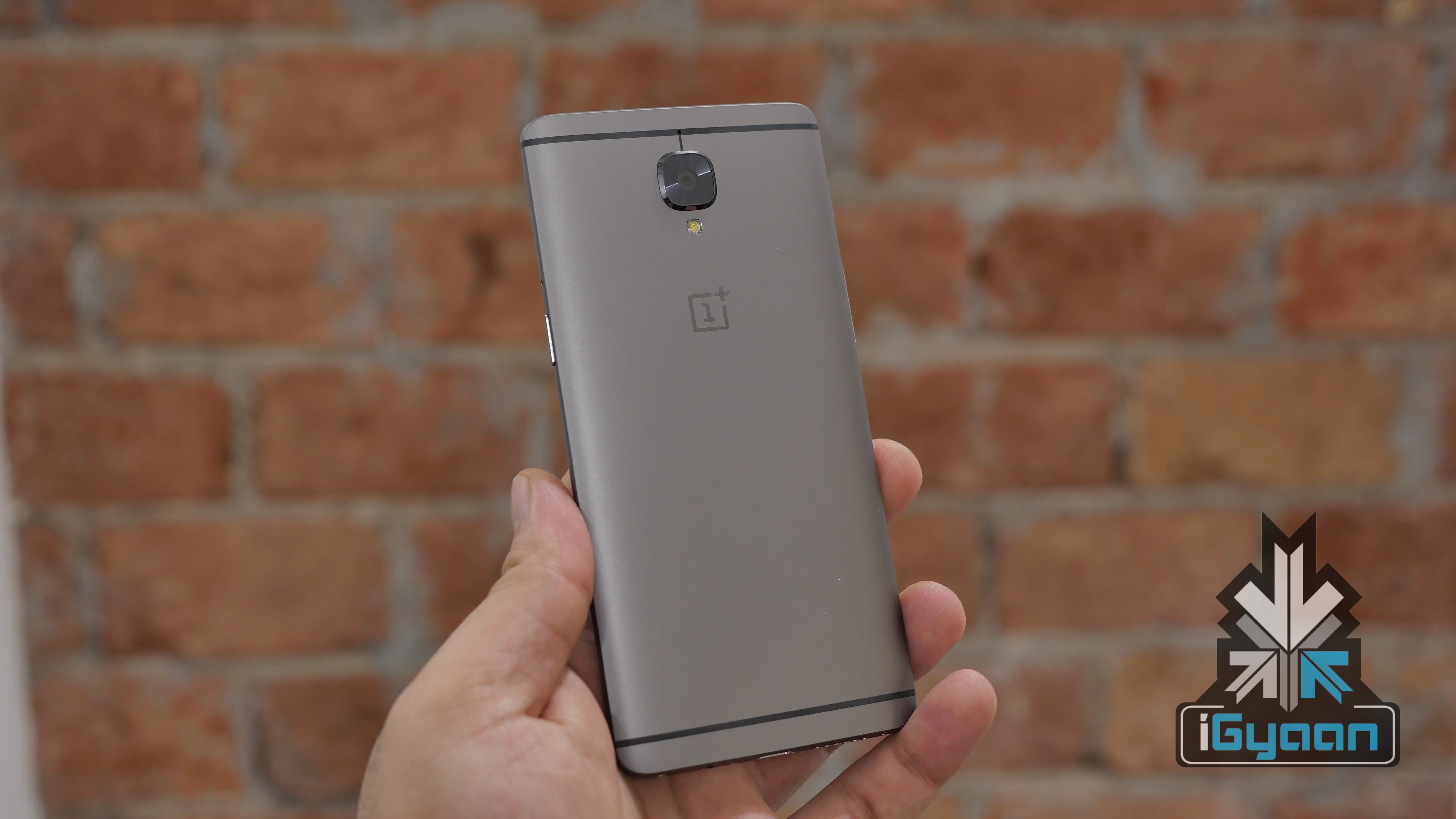
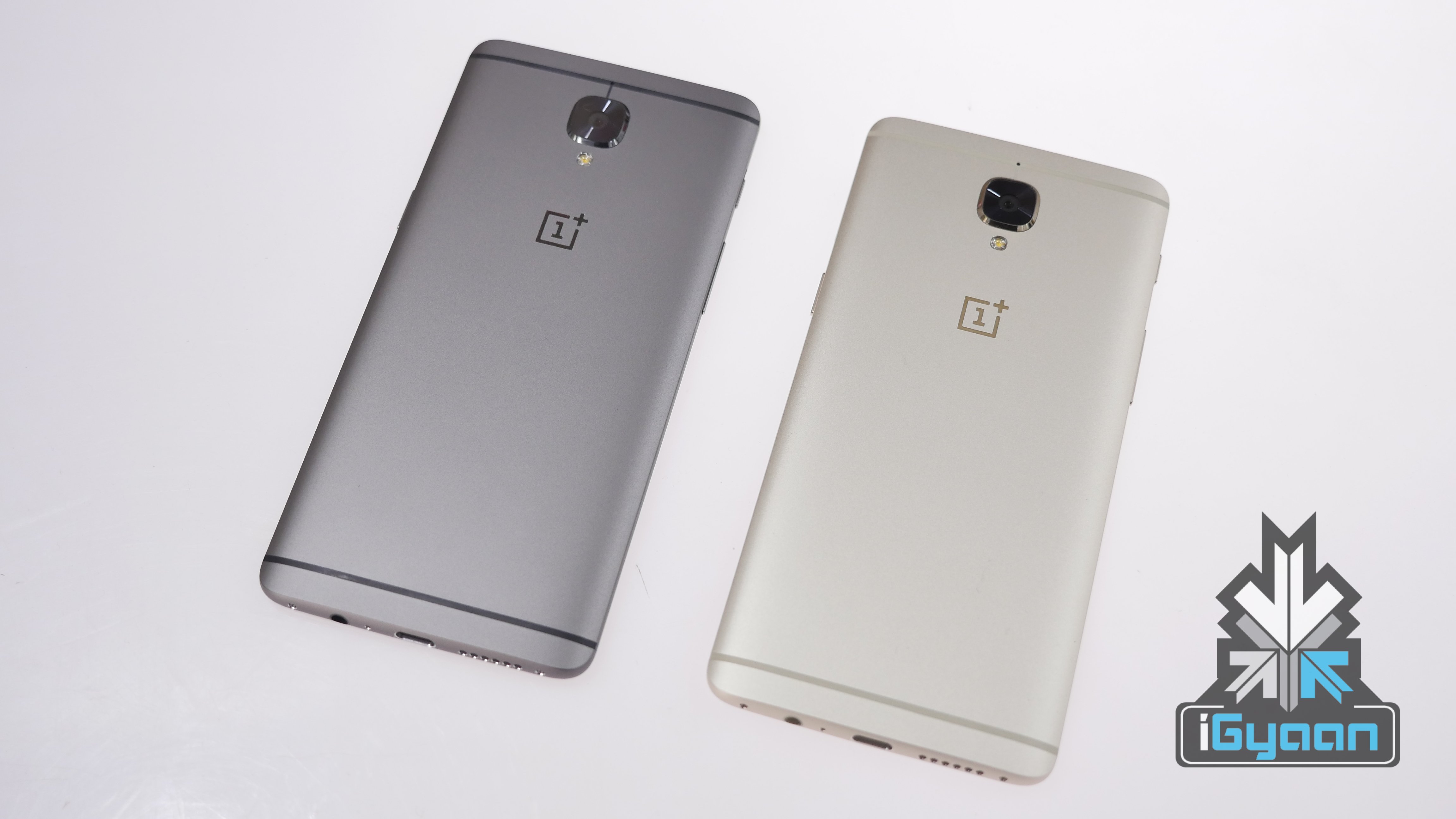
One of the best phones of 2016, and still holds up pretty well against most of the 2017 devices, the OnePlus 3T comes with great specifications and user experience. It is powered by the Qualcomm Snapdragon 821 Chipset along with 6GB RAM and 64GB onboard storage. The smartphone comes in two colours, Gunmetal and Soft Gold. The OnePlus 3T costs Rs 29,999 but is available at Rs 27,999 right now.
Honor 6X (32GB)
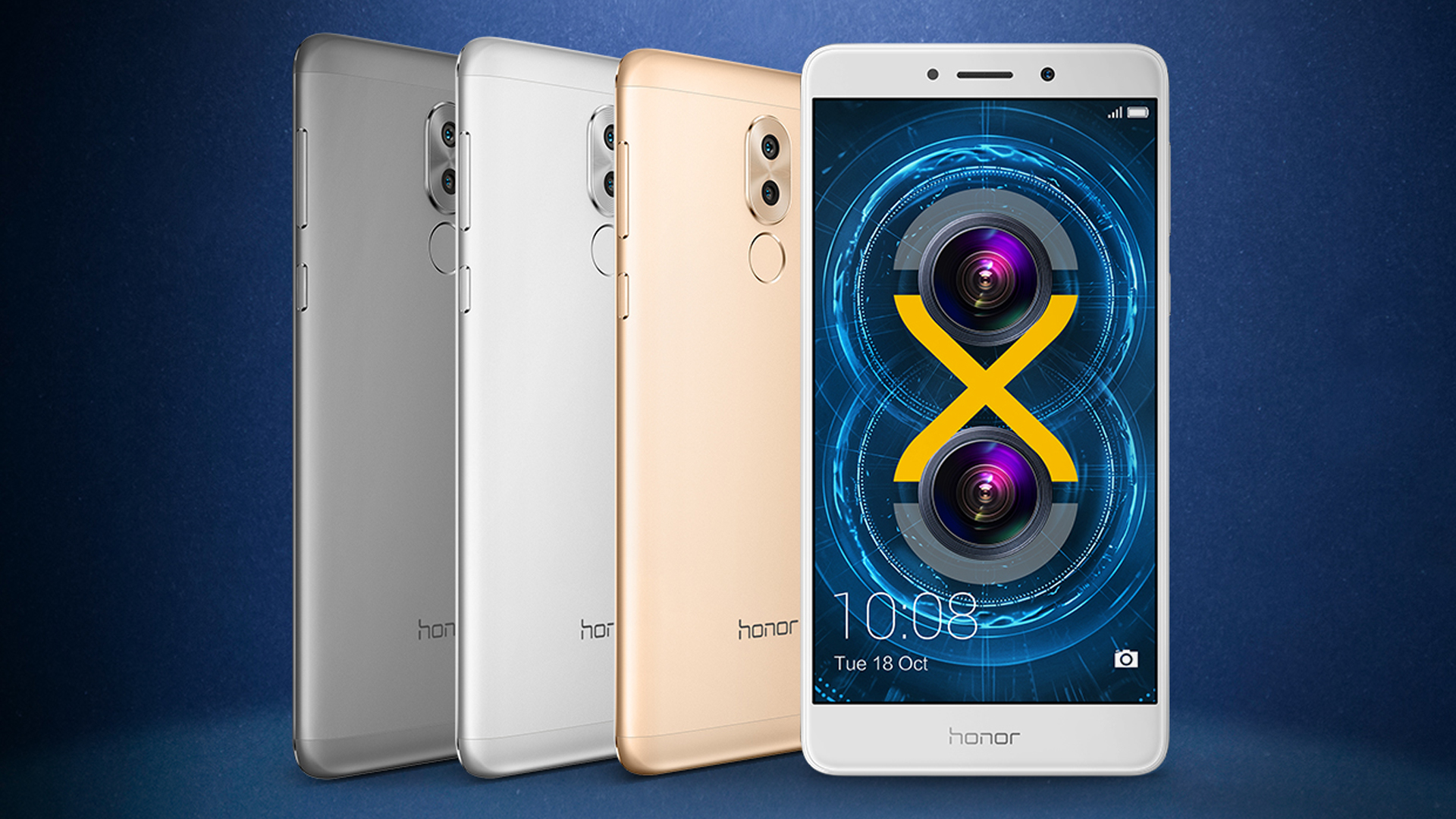
Huawei’s sub-brand Honor’s budget offering, the Honor 6X is a budget-friendly smartphone in the sub-15K category and offers a dual-camera set up as well. It features a 5.5-inch 1920 x 1080 px display along with the Kirin 655 chipset and an octa-core processor. It sports a 12Mp + 2MP dual camera setup at the back and an 8MP front-facing camera. It retails for Rs 11,999 but is available at Rs 10,999 right now.
Apple iPhone 6 (32GB)
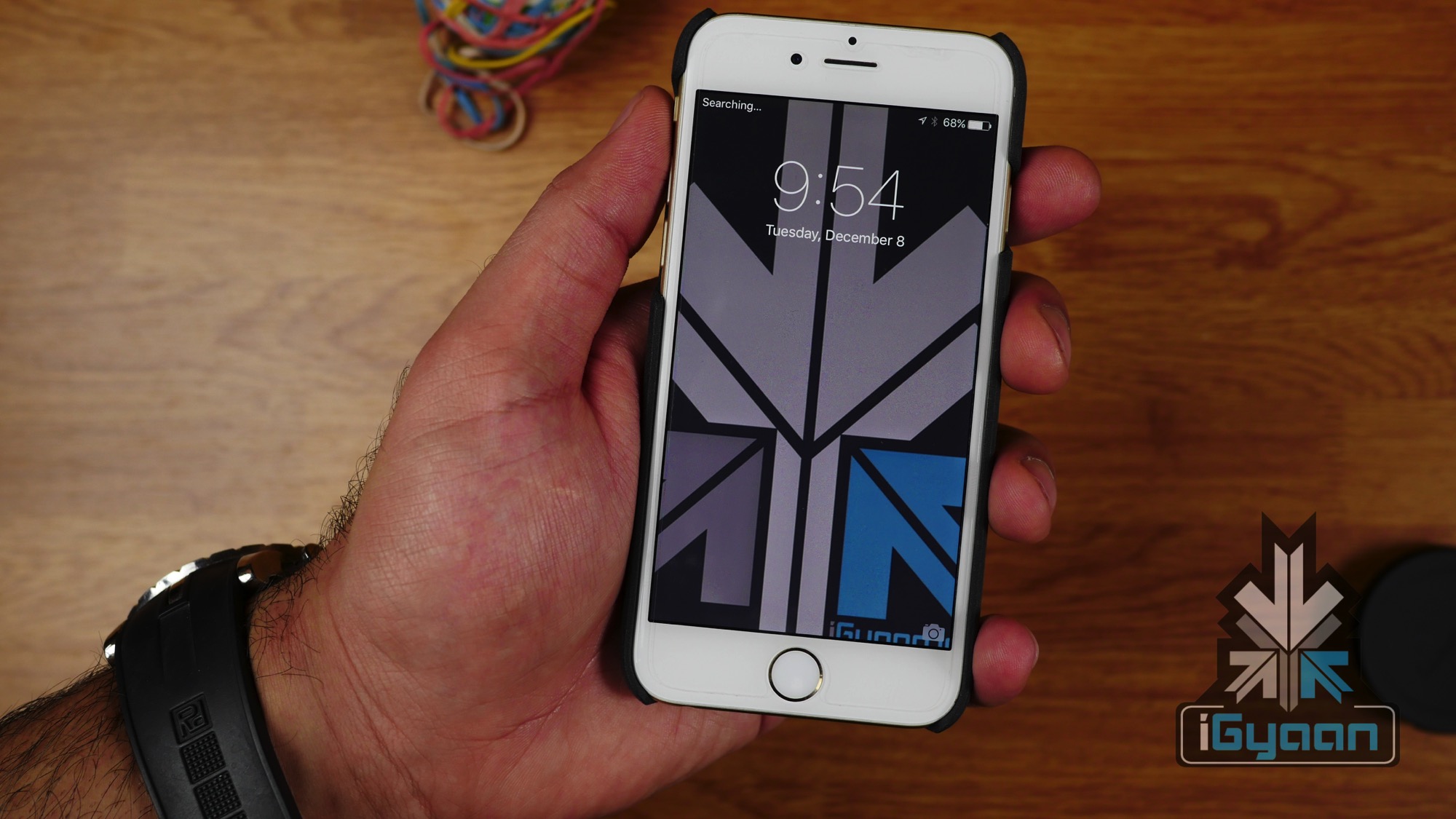
The Apple iPhone 6 was launched back in 2014 but continues to get constant software updates making it more than capable to be your daily driver in 2017. It sports a 4.7-inch 1334 x 725 px IPS LCD display and Apple’s A8 chipset. It features an 8MP rear-facing camera with an f/2.2 aperture and a front-facing 1.2MP camera with an f/2.2 aperture. It’s priced at Rs 29,500 but is available for Rs 23,999 right now.
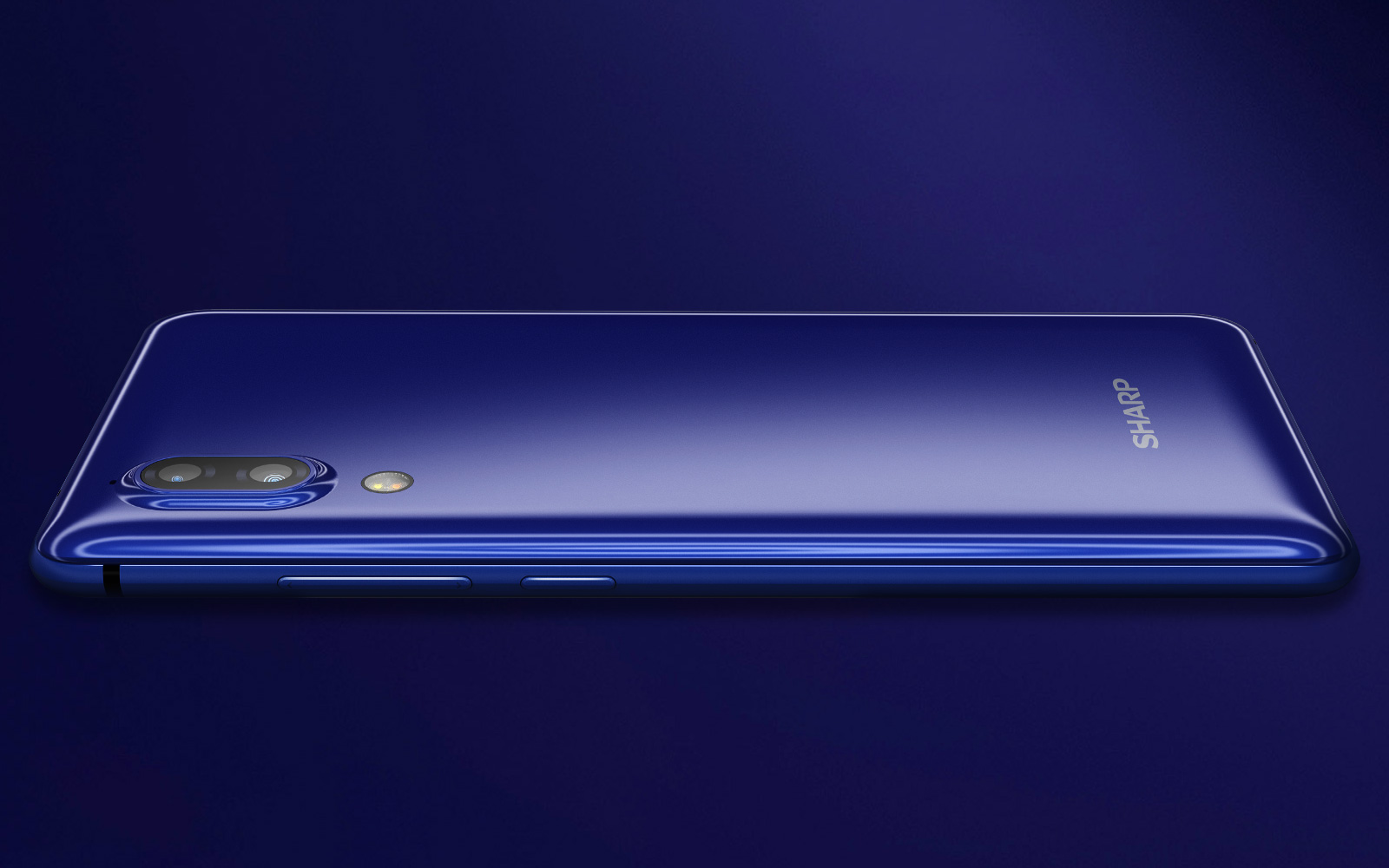
Edge-to-edge displays are fast becoming a staple in flagship devices with big players like Samsung, LG and reportedly Apple adopting the technology for their smartphones. Sharp’s AQUOS S2 is the Japanese company’s 29th device with similar design and it looks uncannily similar to the Essential phone PH-1.
The AQUOS S2 has a front camera notch at the top just like the Essential phone but has a smaller 5.5-inch 2040 x 1080 px display with 135-percent sRGB gamut and 550-nit brightness. The trimmed corners though, are very prominent due to its thin bezels and might throw some people off. Talking about thin bezels, the AQUOS S2 is rocking an 87.5 percent screen-to-body-ratio. You still get a decent 3,030mAh battery powering the device. The phone comes in two variants- one is powered by the Qualcomm Snapdragon 660 along with 6GB RAM and 128GB onboard storage and the other one packs the Qualcomm Snapdragon 630 with 4GB RAM and 64GB onboard storage. The onboard storage is expandable via microSD card up to 256GB. The phone is running on Android 7.1.1 Nougat out of the box.
In terms of optics, the f/1.75 dual camera on the back consists of a 12-megapixel sensor plus an 8-megapixel sensor, both also feature a large 1.4um pixel size and together offer a seven-level bokeh effect. On the front is an 8-megapixel 1.4um sensor with an f/2.0 aperture. Sharp claims that the S2 has passed its “rigorous” drop tests for all six sides and four corners thanks to its aluminium mid-frame design. The S2 has ditched the old bone conduction actuator in favour of a conventional earpiece that’s hidden underneath the screen, next to the front camera, with its audio channelled to a thin pipe placed along the top edge of the screen for clearer sound.
The Sharp AQUOS S2’s availability in markets other than Japan is not yet clear, But China seems to be getting the phone as pre-orders have started. The standard model with Snapdragon 630, 4GB of RAM and 64GB of storage is priced at 2,499 Yuan (about $370 or Rs. 24000), and it comes in black, white, blue or mint green. The premium model due to arrive later is priced at 3,499 Yuan (about $520, Rs. 33000) and packs a Snapdragon 660, 6GB of RAM, 128GB of storage doesn’t have the mint green option.
Oneplus has just posted a new image on their social media suggest a brand new colour for their 2017 flagship the Oneplus 5. The OnePlus 5 was launched in June and was embroiled in controversy because of botched benchmark scores and a higher price than expected from OnePlus devices, which left a lot of people questioning OnePlus’ decisions.
The OnePlus 5 runs on the Qualcomm Snapdragon 835 Chipset it has 6GB or 8GB of RAM along with 64GB or 128GB onboard storage. The highlight of the OnePlus 5 was the dual 16MP+20MP camera setup which has features like portrait mode, and background defocus, the design and features of the camera were also said to be copied from the Apple iPhone 7 Plus.
OnePlus didn’t make any changes on the display on the OnePlus 5 keeping the same 5.5-inch screen with a 1920 x 1080 px resolution. OnePlus has also kept the Optic AMOLED display seen on the OnePlus 3 and OnePlus 3t along with the fingerprint sensor sitting below the screen.
The OnePlus 5, is presently, available in two colour variants; the Slate Gray and Midnight Black. The Midnight Black colour variant is only available in the 8GB of RAM and 128 GB of storage variant, and is priced at Rs 37,999. OnePlus has experimented with colors in the past, way back with the OnePlus One the company launched replacement panels, which would change the back of the OnePlus One to a bamboo finish. Last year, with the OnePlus 3T the company launched a Limited Colette edition black phone which was lated sold globally as the limited edition Midnight Black. The Midnight Black colour is the same as the one on the OnePlus 5 top variant.
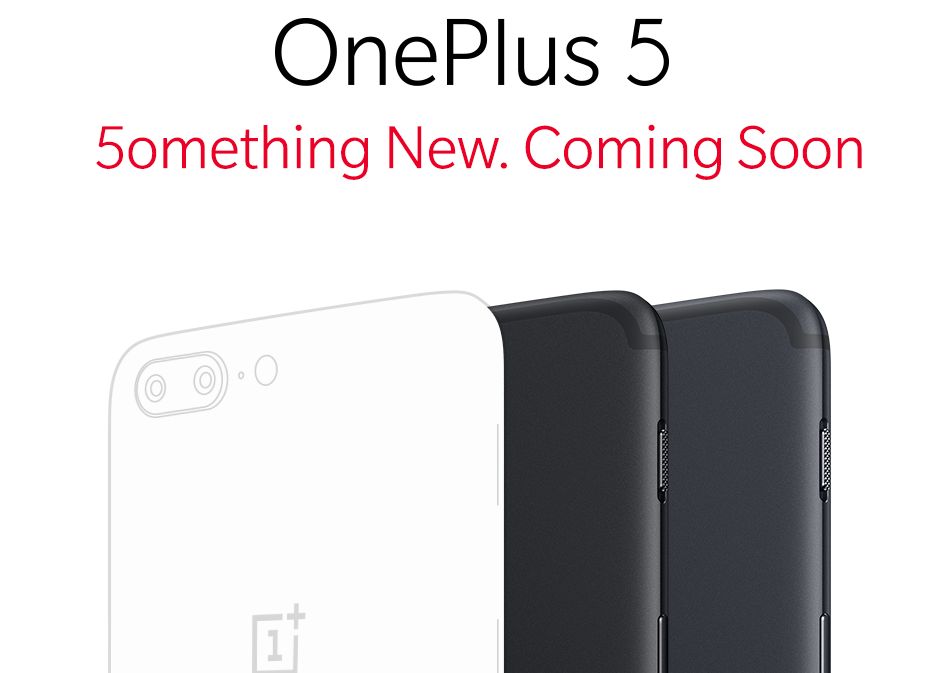
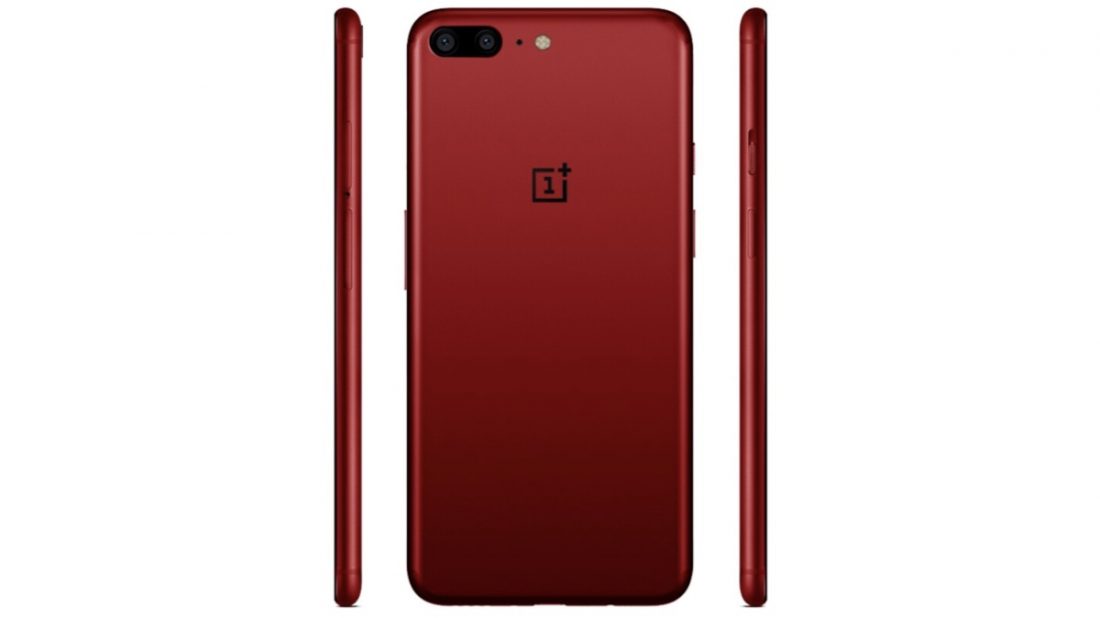
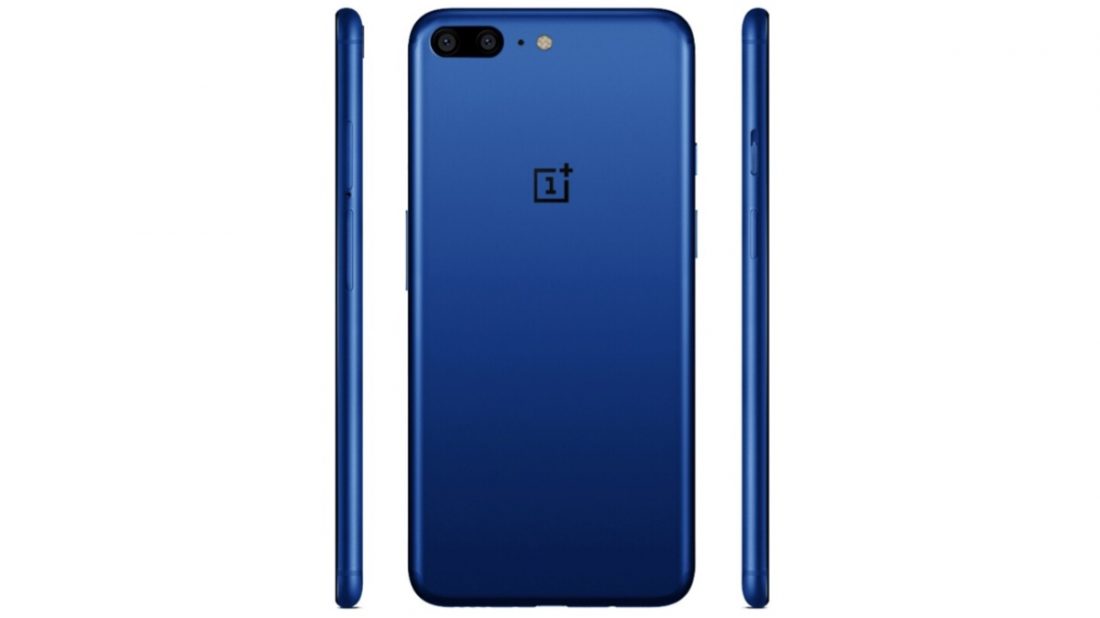
Prior to launch the leaks had suggested that OnePlus will launch the OnePlus 5 in a RED, much like the iPhone 7 RED colour, and later images for a blue OnePlus 5 surfaced. These may finally be revealed, or one of them at least. As the posted image shows a black canvas on the OnePlus 5 and the text “5ometing New. Coming Soon” is written in bright Red indicating a red colour variant. We honestly, wouldn’t mind a blue colour version either.
Despite the controversies, the OnePlus 5 has received good reviews for its snappy performance and is one of the popular flagships of 2017. A new colour variant, possibly blue or red should re-ignite the dwindling conversation for the Oneplus 5. Stay tuned for updates, and an iGyaan Hands-On, when and if a RED colour launches.
Snapdeal looked certain to be Flipkart’s next big acquisition and usher in a duopoly era in the e-commerce sector with Flipkart and Amazon the only two remaining big players. But, on Monday Snapdeal said it was terminating the talks of selling off its stakes to Flipkart, to pursue a new path.
A Snapdeal spokesperson in a statement said, “As we have been exploring strategic options over the months, we have decided to pursue an independent path and terminate all strategic discussions” interestingly without naming Flipkart. The negotiations between Flipkart and Snapdeal for a possible acquisition were said to be mediated by Snapdeal’s principal investor, SoftBank.
Flipkart offered to buy out Snapdeal for a revised amount, valued in the range of $900 million to $950 million last month, but the deal has seemingly fallen through as Snapdeal prepares for Snapdeal 2.0. Flipkart’s offer was discussed with Snapdeal’s investors Ratan Tata and Aseem Premji as well. Kunal Bahl, co-founder and CEO of Snapdeal has insisted to focus on the road ahead of rebuilding the company and focussing on the growth of its business.
We have a compelling direction (Snapdeal 2.0) to create life-changing experiences for millions of buyers and sellers across the country. With the sale of certain non-core assets, we expect to be financially self-sustainable. We look forward to the support of our community, including employees, sellers, buyers and other stakeholders in helping us create a designed-for-India commerce platform.
Flipkart recently sold Freecharge, which it bought for Rs 2,500 crore to Axis bank for Rs 385 crore. Snapdeal 2.0 is turning out to be a difficult chapter for staff and investors alike. Snapdeal has let go of 600 employees in the last month without any notice and only one month’s severance package.
Kunal Bahl, co-founder of Snapdeal elaborated on their new plan, Snapdeal 2.0 and said that it would make possible for anyone to setup an online and focus on providing a wide range of products at a great price. He also stated that they have made progress on this path and are in line to make a profit of Rs 150 crore in the next 12 months.
Last July, Snapdeal boasted a work-force of 9,000 employees. According to a report, Snapdeal is planning to let go off 1,000 of its 1,200 current employees and carry forward with the Snapdeal 2.0 mission with the remaining people. The decision of not taking the deal put forth by Flipkart seems to have taken industry experts by surprise. But, Kunal Bahl has explained that the deal was too complicated to execute.
What Snapdeal 2.0 does for the company is to be seen in the coming months, but the resurgence of Flipkart and the domination of Amazon sure pose a stiff competition for Snapdeal in the Indian e-commerce market.
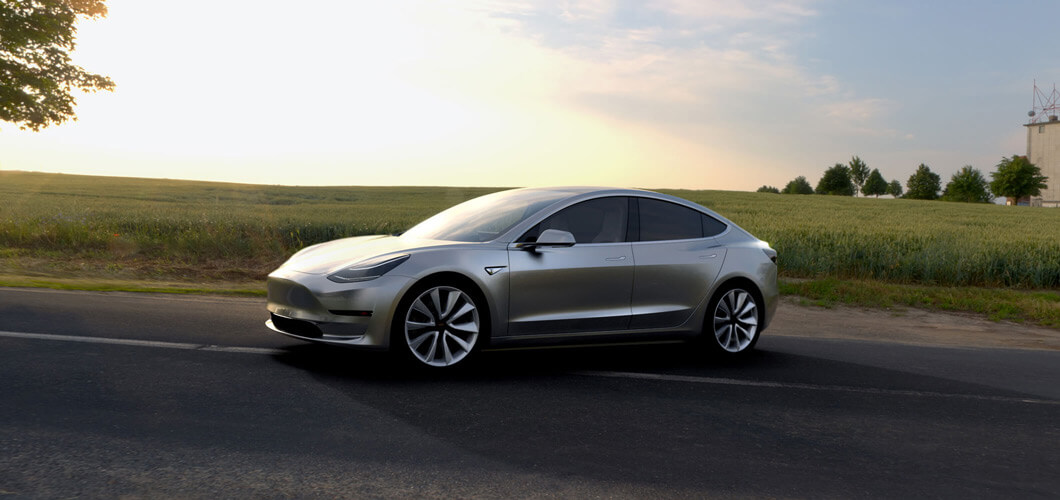
“Our aim was to make affordable electric cars that everyone could buy. We never wanted to just make expensive cars that no one would buy”, said the CEO of Tesla Inc. Elon Musk at the Model 3 event in Fremont, San Fransisco. Tesla revealed the fruit of its biggest ambition yet, the Tesla Model 3, bringing a top-of-the-line electric car to the masses.
Elon Musk, in his characteristically resolute tone, said: “In Tesla Model 3, we have managed to build the best car you can buy for $35,000.” The Model 3 has an acceleration of 0 to 60 mph in 5.6 seconds, a mileage of 220 miles and will cost $35,000 while the long range version with a mileage of 310 miles will be sold at a price of $44,000. Elon Musk, one of the most famous innovators in the world had said 14 years ago that he would build an electric with top-notch specs at an affordable price, and with Tesla Model 3 he seems to have delivered on that promise.
For now, there will only be two versions of the Model 3. This is to supposedly keep things simple on the production front. There is a single motor driving the back-two wheels and an all-wheel drive version will follow in the coming months.
Here are the specifications of the Tesla Model 3-
Standard Battery
Starting at $35,000
Range of 220 miles
0 to 60 mph acceleration in 5.6 seconds
Top speed of 130 mph
Long-range Battery
Starting at $44,000
Range of 310 miles
0 to 60 mph acceleration in 5.1 seconds
Top speed of 140 mph
Interiors
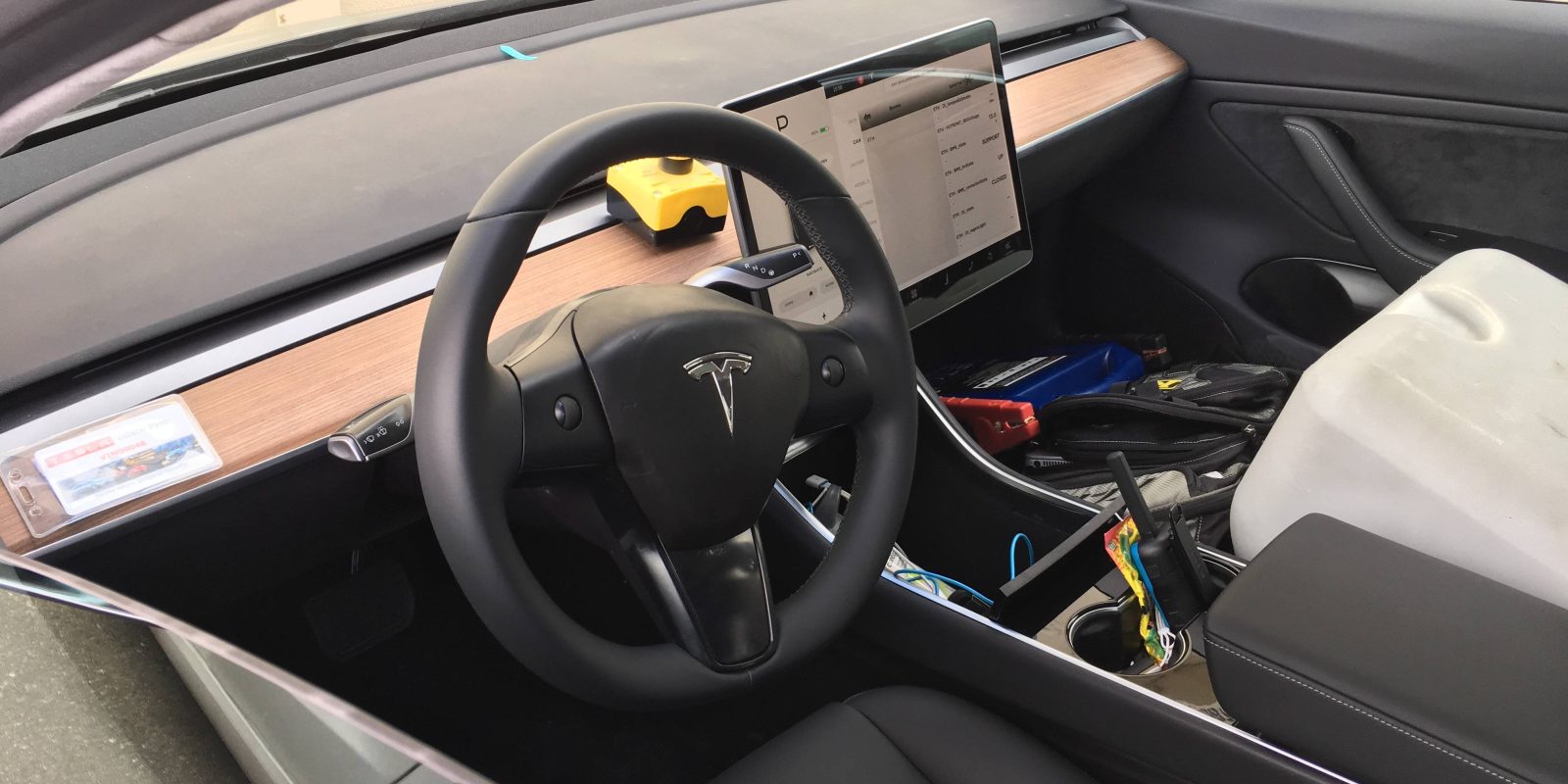
15” touchscreen display
Dual zone climate control system
FM/Internet streaming radio
Textile seating
Front Center console with open storage and two USB ports
Convenience
Onboard maps and navigation
Wi-Fi and LTE internet connectivity
Keyless entry and remote climate control using the Tesla app
Voice activated controls
Bluetooth hands-free calling and media streaming
60/40 split folding rear seat to maximize cargo options
Backup camera
Auto dimming rear-view mirror
One-touch power windows throughout
Power-adjustable side mirrors
12-volt power outlet
Safety
Full LED exterior lighting
Seven cameras, forward radar and twelve ultrasonic sensors enabling active safety technologies including collision avoidance and automatic emergency braking
Six front row and two side curtain airbags
Three-point safety belts with belt-reminders for driver and four passengers
Two LATCH (Lower Anchors and Tethers for Children) attachments in the second row
Electronic stability and traction control
Four-wheel antilock disc brakes with electronic parking brake
Floods, fires, tornadoes, ships sink if anything interrupts supply chains, that will interrupt the production. But we have simplified the manufacturing process dramatically. In the same amount of space to build 50,000 cars, we can build 250,000 Model 3s.
Tesla Model 3 will reportedly be released to the public later this year. How it holds up in the real world is yet to be seen.