Stagefright, Android’s media playback system, was found with a bug earlier this year in July. The bug allowed hackers to break into any device by simply sending a specifically structured text message. However Google promptly responded to this and fixed the bug.
You ask how is this news relevant now, in a world of iPhone launches and Google events, about half a year away from Stagefright’s illness? The answer lies with a similar discovery made by Zimperium, the same company which had earlier found this bug. Stagefright is open to two such similar bugs and requires no more than a certain kind of multimedia message this time.
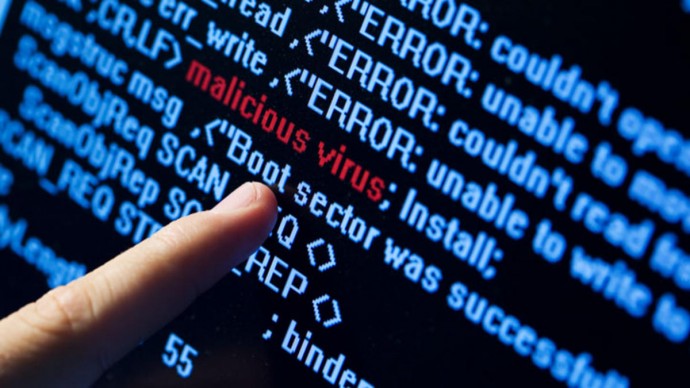
This basically means that a hacker can remotely execute a code of a device by sending an MP3 or MP4 file containing the required malware to the user. Zimperium mentioned in a blog post,
“The vulnerability lies in the processing of metadata within the files, so merely previewing the song or video would trigger the issue.”
The one way you can protect yourself from malware until these bugs get fixed is to avoid opening messages containing multimedia files from unknown sources.
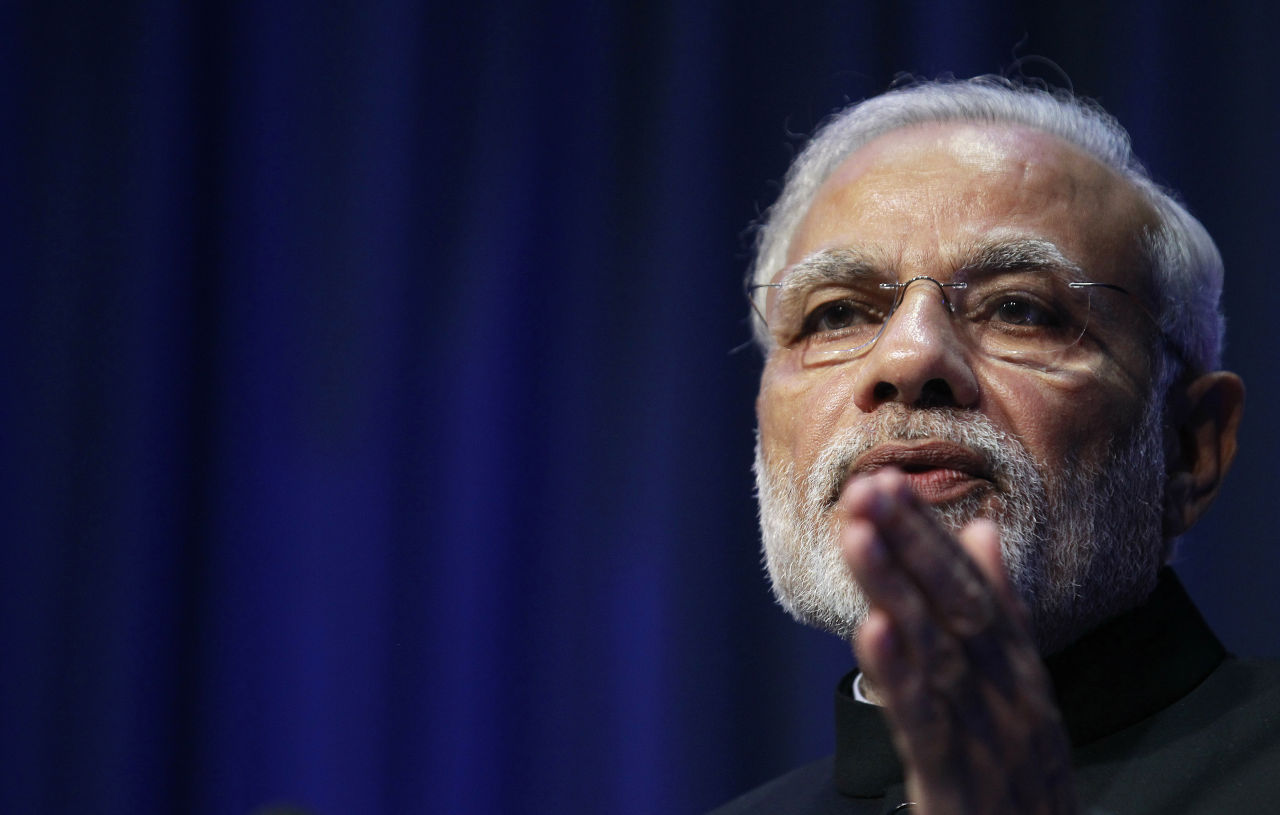
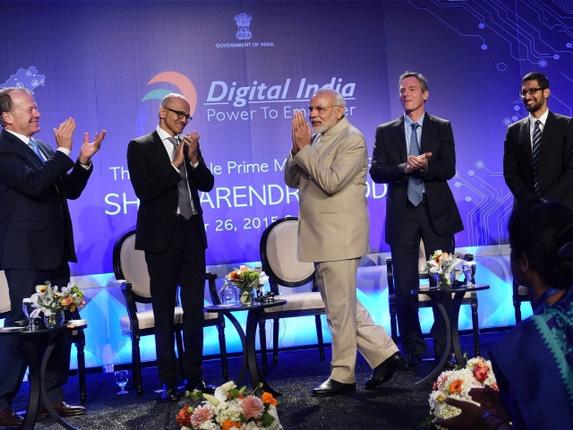
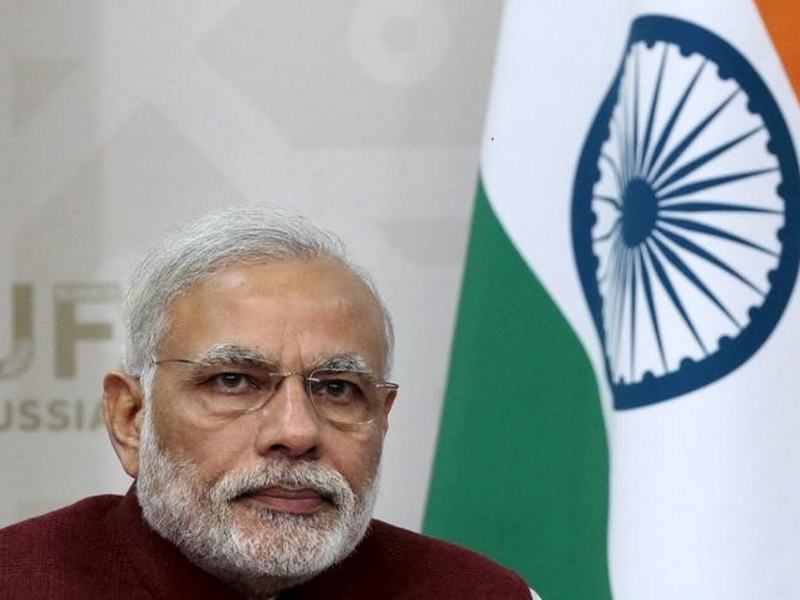
PM Narendra Modi’s visit to Silicon Valley, against the backdrop of campaigns like Digital India and Make in India, has the whole country aflutter with hopes of potential developments in the Indian tech scene. Aimed at promoting the spread of tech-literacy all over the country, the visit includes Modi meeting the CEOs of tech giants. Needless to say, the development of events led to some important announcements.
Google: Modi met Google CEO Sundar Pichai yesterday and discussed plans on introducing Wi-Fi connectivity across 500 railway stations in India, with speeds good enough to stream HD videos. Modi said that Google plans on covering 100 stations by the end of 2016. “We are expanding our public Wi-Fi hotspots. For example, we want to ensure that free Wi-Fi is not only there in airport lounges, but also on our railway platforms. Teaming up with Google, we will cover 500 railway stations in a short time,” he said. Pichai also announced that Google will roll out 11 Indian languages for Android users to type in next month.
Microsoft: Satya Nadella announced that Microsoft would use its cloud services in India. “We believe low cost broadband connectivity coupled with the scale of cloud computing and the intelligence that can be harnessed from data can help drive creativity, efficiency and productivity across governments and businesses of all size. This is turn will create global opportunities for India,” Mr Nadella said.
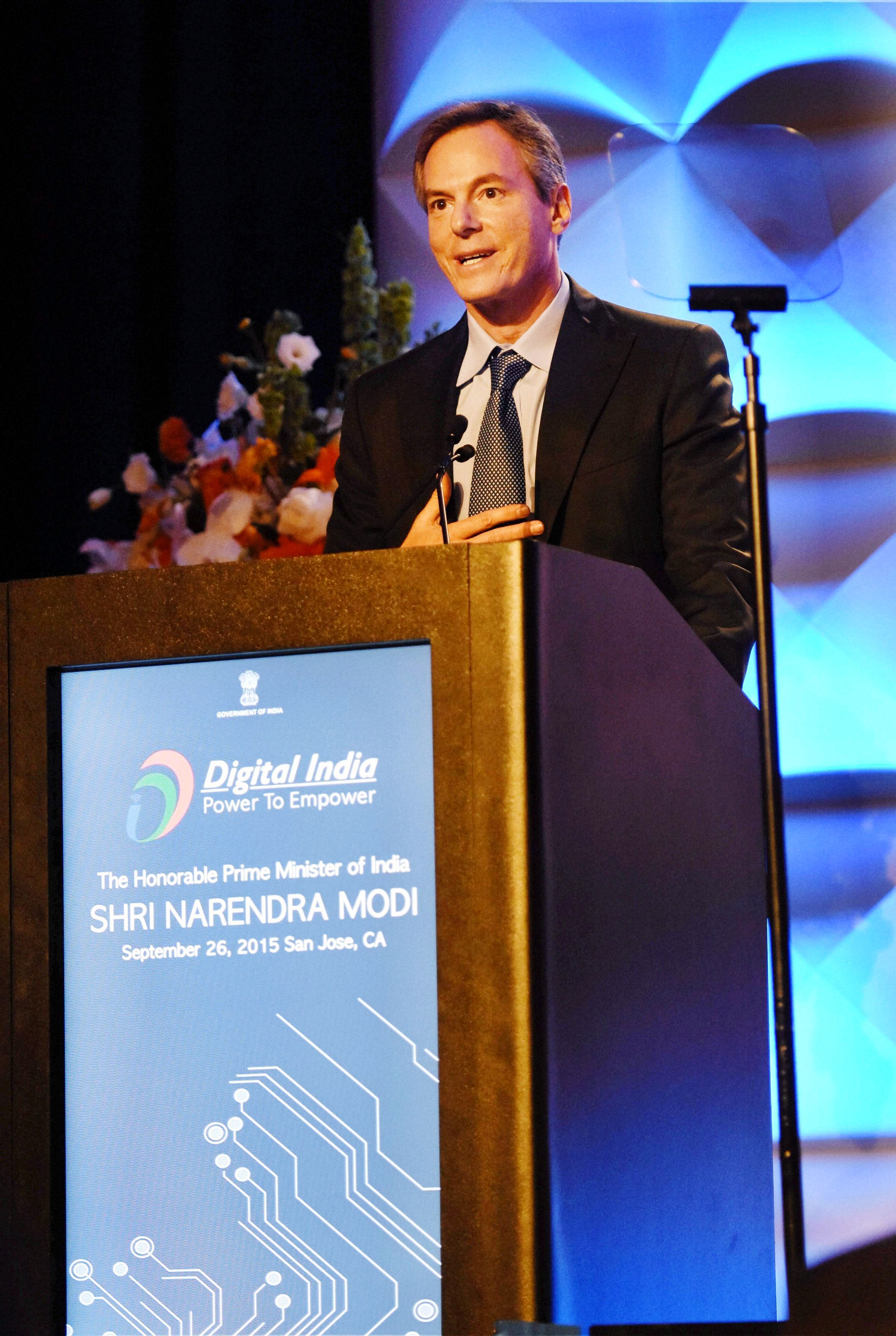
Qualcomm: Qualcomm announced a 10 billion rupee venture capital fund for startups. The company also announced the set up of a lab in Bangalore for product innovation. “We share Prime Minister Narendra Modi’s vision to transform India into a digitally empowered society and knowledge economy,” Qualcomm executive chairman Paul E Jacobs said.
Paul E. Jacobs talks about Digital India
Tesla:
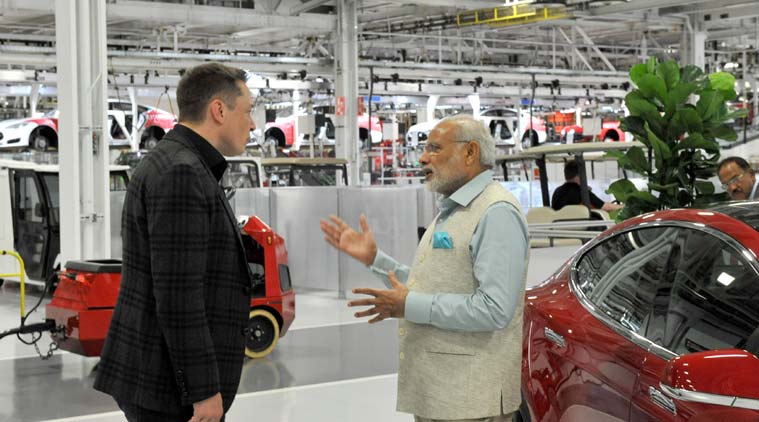
A significant part of the first day of the PM’s visit to Silicon Valley was spent with two CEOs, Tesla’s Elon Musk, and Apple’s Tim Cook. The meeting with Musk was structured with the aim of securing company’s “Powerwall” invention for the Indian tech world. Powerwall is a long term storage device for solar energy capable of bringing “energy to hitherto unserviced areas of India”. This innovation is expected to include more than just solar energy, and hopes to explore alternative energy sources as well.
PM Modi with Elon Musk
Apple:
Tim Cook, the CTO of the company, spoke about India and said, “India has a special place in the heart of every Apple employee for the simple reason that Steve Jobs, when he was young man, went to India for inspiration and it was what he saw in India that infused in him the desire to create Apple.”
Apple sees immense potential for app development in the country, especially for young entrepreneurs in the field. Following the example of China, where the company has managed to give rise to about 15 lakh jobs, Apple’s involvement in India seems a huge leap for the Digital India campaign.
Facebook:
After a one-on-one meeting with Facebook founder and CEO, Mark Zuckerberg, Prime Minister Modi shared the stage with him for a 50-minute discussion on technology, social media and Digital India. Zuckerberg mentioned how India has shaped Facebook’s history by providing a market of millions of netizens all connected through the social media platform. The PM made a comment good humouredly and said, “We used to have elections every five years. Now we have them every five minutes.”
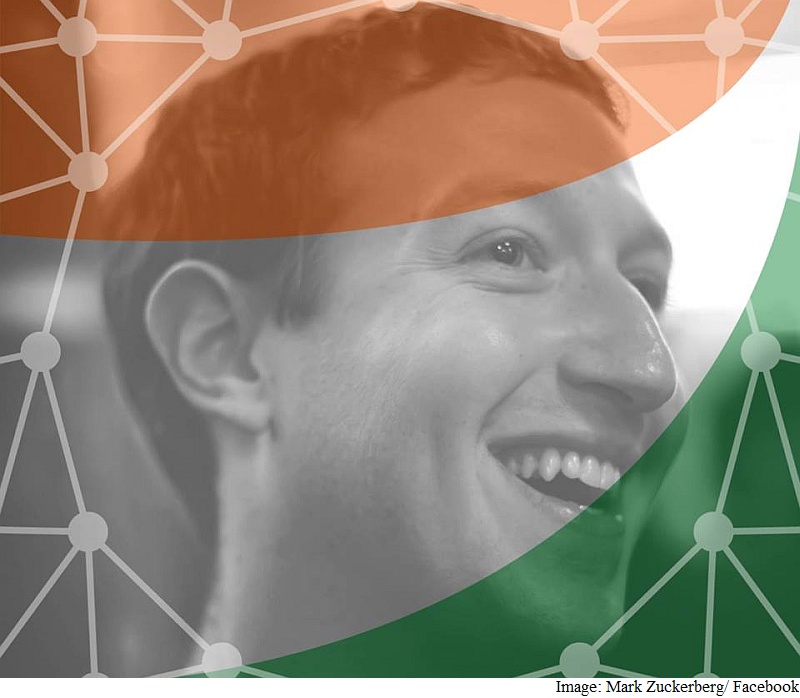
Zuckerberg showed his support for the Digital India campaign by updating the picture on his Facebook page with a tri-coloured display picture.
The PM returns from Silicon Valley on 30th September with immense promise for the country in the realm of internet and technology. A sense of anticipation would perhaps be natural at this juncture as we await the execution of these plans. If seen till the end, a larger proportion of the country’s population would have access to internet services and those already using the internet would have smoother, faster services. Hopefully the UN is listening next time it decides to conduct a poll of internet services in the country.
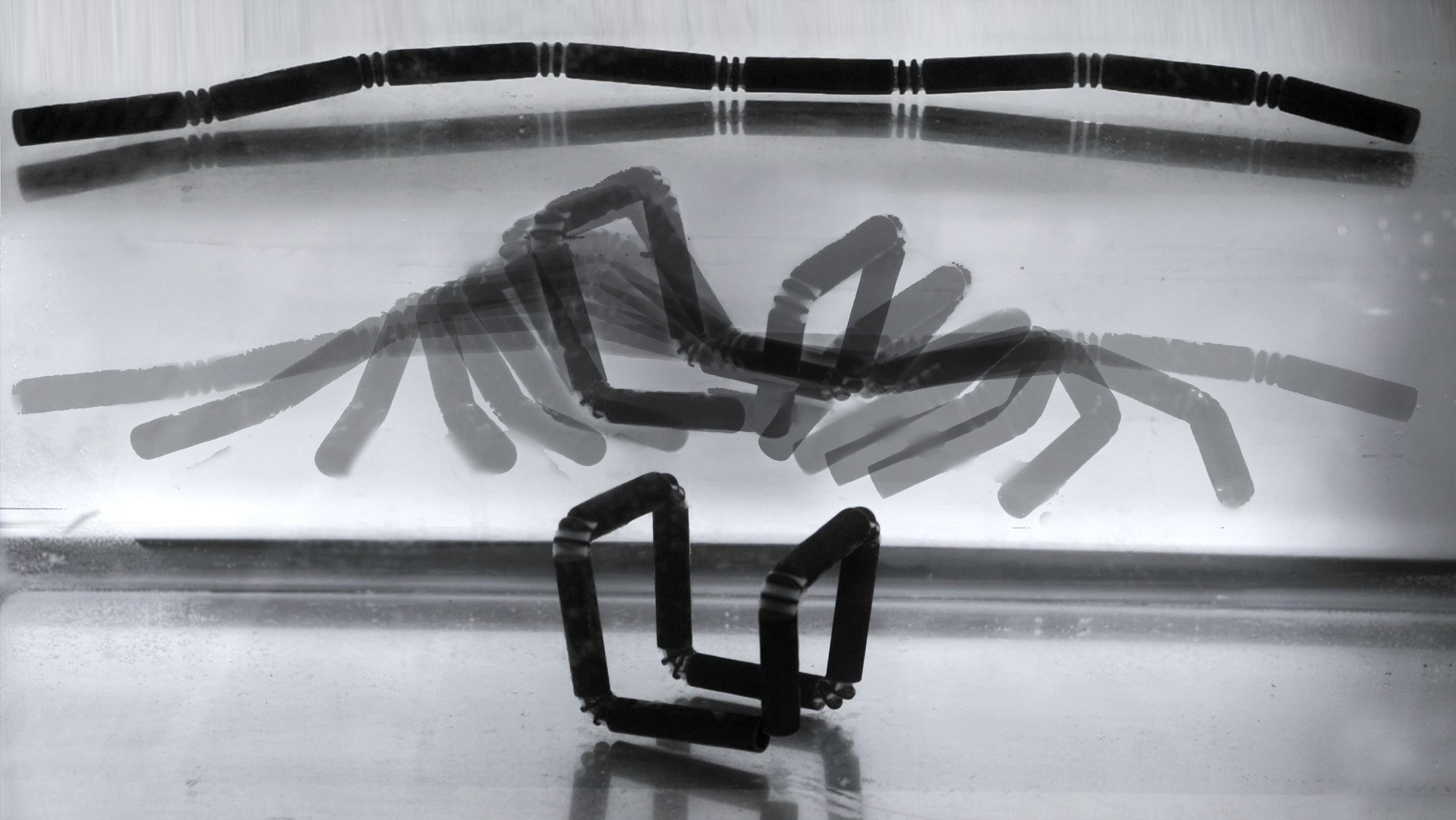
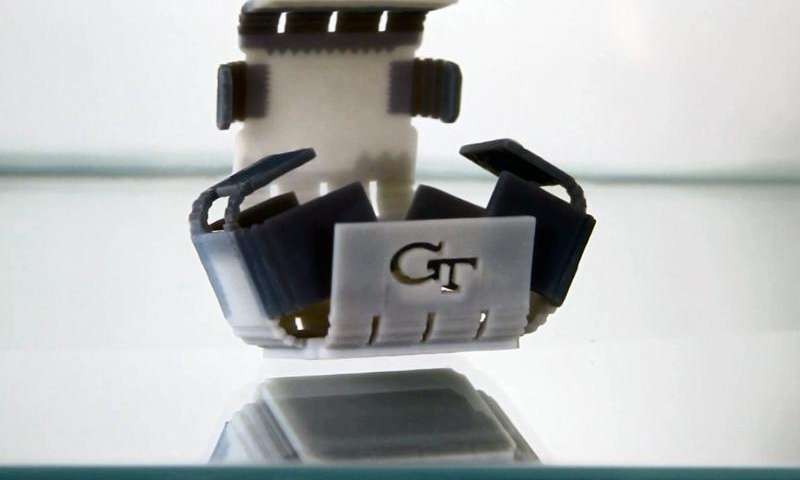
A collaboration between Stratasys’ Education, R&D departments and MIT’s Self-Assembly Lab has led to a breakthrough in the realm of printing. Because 3D printers were simply not fancy enough, developers decided to create a 4D printer which allows the printed objects to change their physical state with the right temperature as stimuli.
A self-folding object created with 4D technology.
Creating self-assembly technology for large scale structures is the underlying goal for this research and its results. The project is led by Skylar Tibbits, Self-Assembly Lab Director and trained Architect, Computer Scientist and Artist, and has showcased to the world Tibbits’ first 4D printer. It comes equipped with Stratasys’ Connex multi-material 3D printing technology.
The 4-D technology, developed by Georgia Institute of Technology and the Singapore University of Technology and Design (SUTD) enables 3D structures to fold themselves from components that were previously flat or folded for various reasons. Though this technology is not commercially available yet, it seems to hold tremendous promise in manufacturing with least energy consumption. It’s okay for you to go ahead and get excited about the possibility of a sci-fi-inspired-world of self-automated and shape-shifting objects now.
The possession of an iPhone right after its release is not an easy task, you’ll have to wait in long lines outside stores for days until you receive it. Seems like a horribly inconvenient thing to do, especially when your life really doesn’t come to a standstill just because the new iPhone has come to town. But a lady is Australia has found the perfect solution to get her iPhone while standing in the long line and at the same time go to work.
The idea is something like Sheldon Cooper’s TV Robot, in the episode where he was ill and hence created a virtual robot with a TV Screen attached to a Segway-type device, which could go to work while he was lying in bed sick at home.
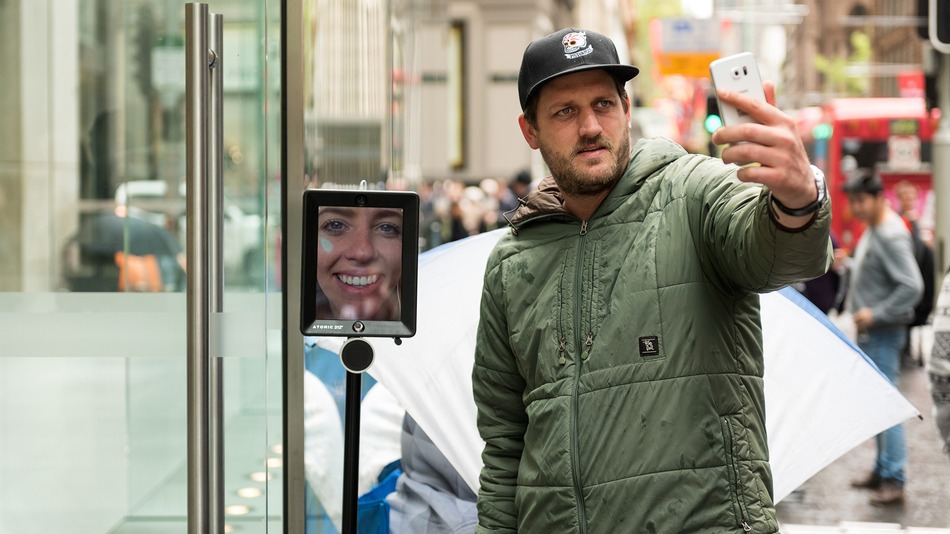
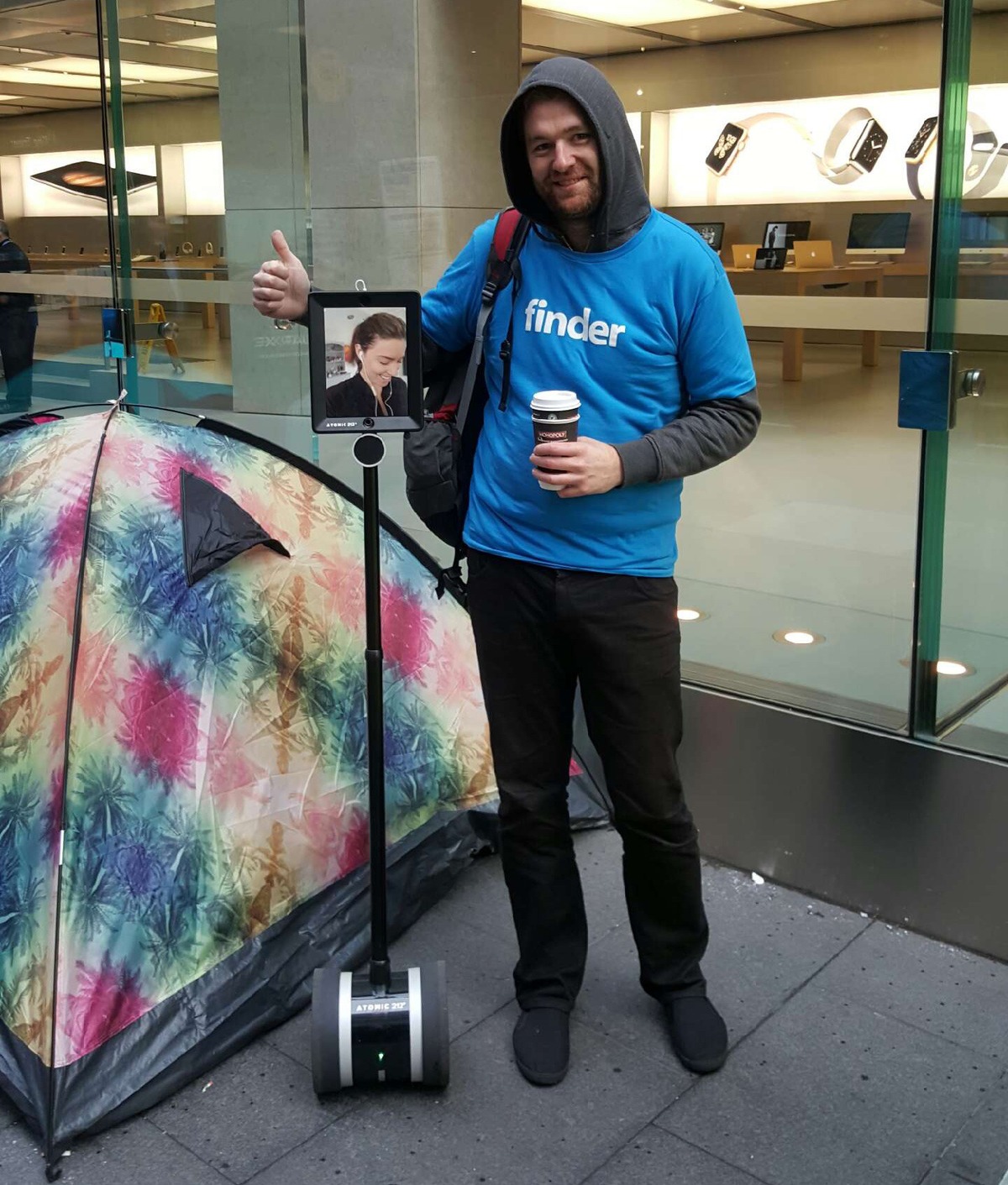
Lucy Kelly a resident of Sydney, Australia has used a telepresence robot to stand in line instead of her. It is basically an iPad attached to a sleek segway looking device. This robot reportedly arrived at the Apple store at 5:00am and is fourth in line to receive the new iPhone 6s. Further reports also suggest that Kelly’s company often uses this device to attend meetings half way around the world.
“We use them for everything, just to show new technology. It is a cool demonstration of what the future of technology will be,” said Kelly
This device works through an app that allows people to connect from anywhere and communicate via an iPad. The device is in line forthe iPhone 6s and 6s Plus which is arriving first in Australia. The question now arises about an overnight stay. Where is the robot going to find shelter? Well Kelly has taken care of it. The robot, who is named Lucy will stay in a special tent that comes with a charger and keeps it dry in case it begins to rain. Once the momentous time arrives, the robot will be able to buy the iPhone 6s without human interaction.
Good luck to Lucy. Maybe gen-next is getting smarter because as long as you are get inspired by Sheldon Cooper, you should be just fine.
Source : [tw-button size=”small” background=”#07ABE2″ color=”” target=”_blank” link=”In Australia, a Robot Named Lucy Waited in Line to Buy the New iPhone 6s http://1gn.in/1NQ3iir”]Mashable[/tw-button]
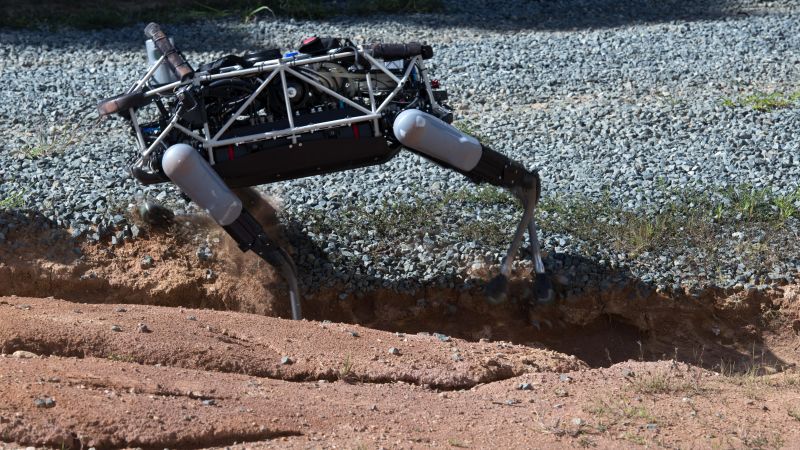
The military is always coming up with new things to help their combat strategy. Recently we heard of various countries such as China, Japan and the USA creating robot dogs to help in combat. Meanwhile, Boston Dynamics has created Spot. Who is Spot? Spot is a robo-dog who is very different from his contemporaries. He’s said to be ‘tinier’, and a more ‘agile iteration’ of his predecessors.
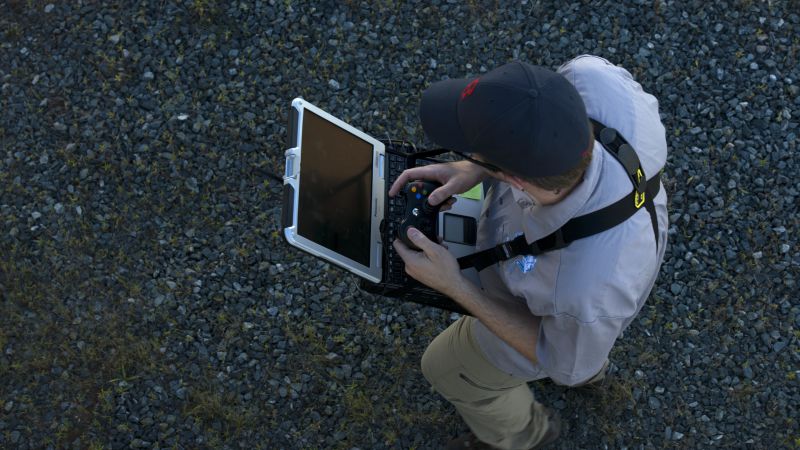
Spot weighs 160 pounds, is hydraulically actuated with a sensor on its nose to help in navigation and is controlled by a laptop-connected game controller, which can be used by a hidden operator up to 1,600 feet away. This robo-canine is not too new, as he was unveiled in February 2015, however, reports suggest that last week it was put through a series of simulated combat scenes ranging from forests to urban fighting situations.
These tests have been conducted by the Defense Advanced Research Projects Agency (DARPA) and the Marine Corps Warfighting Lab. Spot is now being experimented with, by putting him in situations which would otherwise use real dogs or people. If successful, robo-dogs like Spot could make a difference in the infantry with their abilities of being able to ‘clear rooms and scout for threats.’
Watch the video below and let us know what you think of this new development:
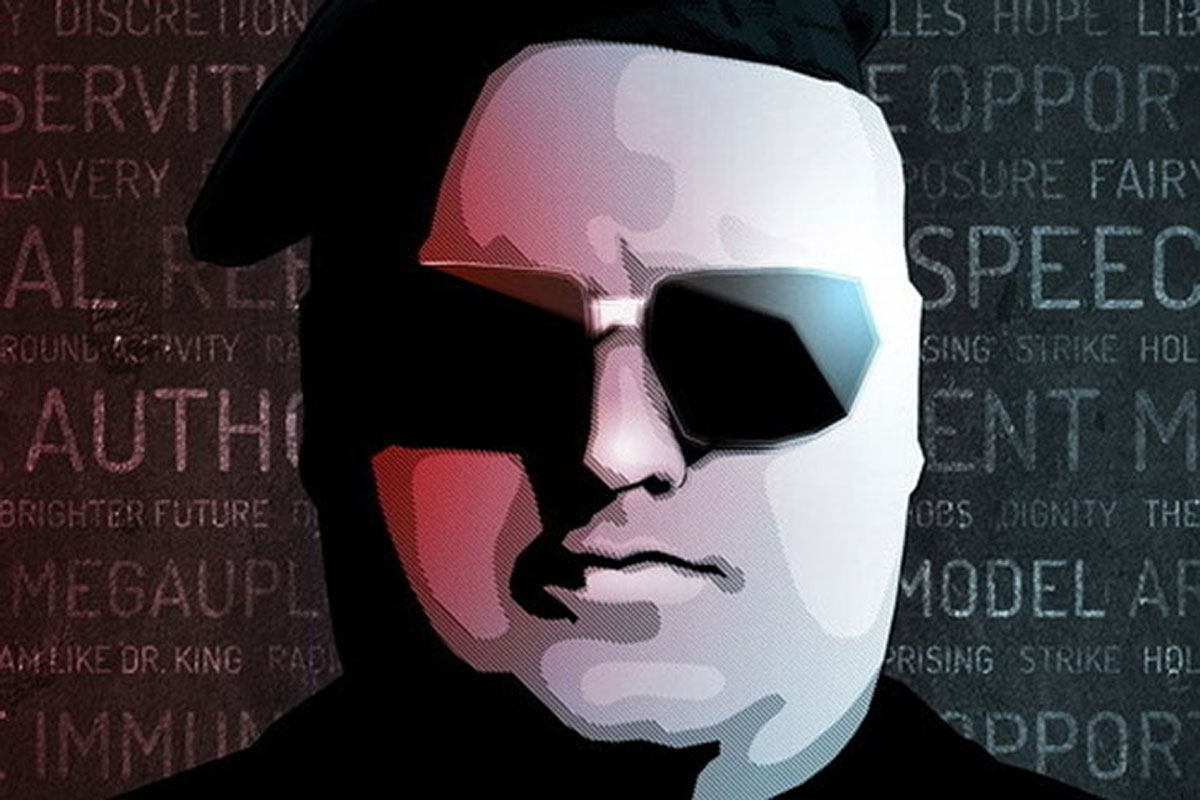
With its genesis in a fateful January day of 2012, drama around Kim Dotcom’s life continues to unfold with matters coming to a head next week. The hearing starts this Monday and it would decide whether or not Dotcom would be extradited for current charges of racketeering, money laundering and copyright infringement over his now defunct website MegaUpload. Three years ago, Dotcom had woken up one morning to find the Special Task Force at his doorstep, swinging from helicopters reminiscent of your regular Hollywood action flick (video below).
How it all began:
Back in March, 2005, a German-born internet entrepreneur, Kim Dotcom (born Kim Schmitz) started a Hong Kong based website called Megaupload. The main job of the site was to provide online file hosting that included storage and viewing, along with financial and advertisement services that included Megafund and Megapay. Millions of users across the world used Megaupload to share and access all sorts of visual entertainment, music and software. It had 50 million visitors every day and amounted to 4% of internet traffic.
On the 19th of January, 2012, the website was taken down by the United States Department of Justice on charges of copyright infringement. This was followed by the indictment and arrest of the founder and owners of the website, namely Kim Dotcom and three of his colleagues. A series of DoS attacks were carried out against umpteen US government websites and copyright organisations by Anonymous in reaction to these arrests.
The Raid:
Public opinion all over the world unanimously reached the consensus that ‘The Raid’ was a little too over the top, to put it subtly. The intricately planned manner of the arrest was definitely suitable for a first-degree criminal, one capable of corporeal harm in the case of an unexpected arrest. But for a self-proclaimed kingpin of the virtual world? Well, let’s just leave it at that.
Dotcom was physically roughed up by the officers who had arrived at his New Zealand mansion using a…wait, what was it again? Yes, a chopper! He was immediately taken into custody and put on a house arrest. He has continued to maintain residence at his mansion since then.
Dotcom refuses to back down – say hi to MEGA, among other things:
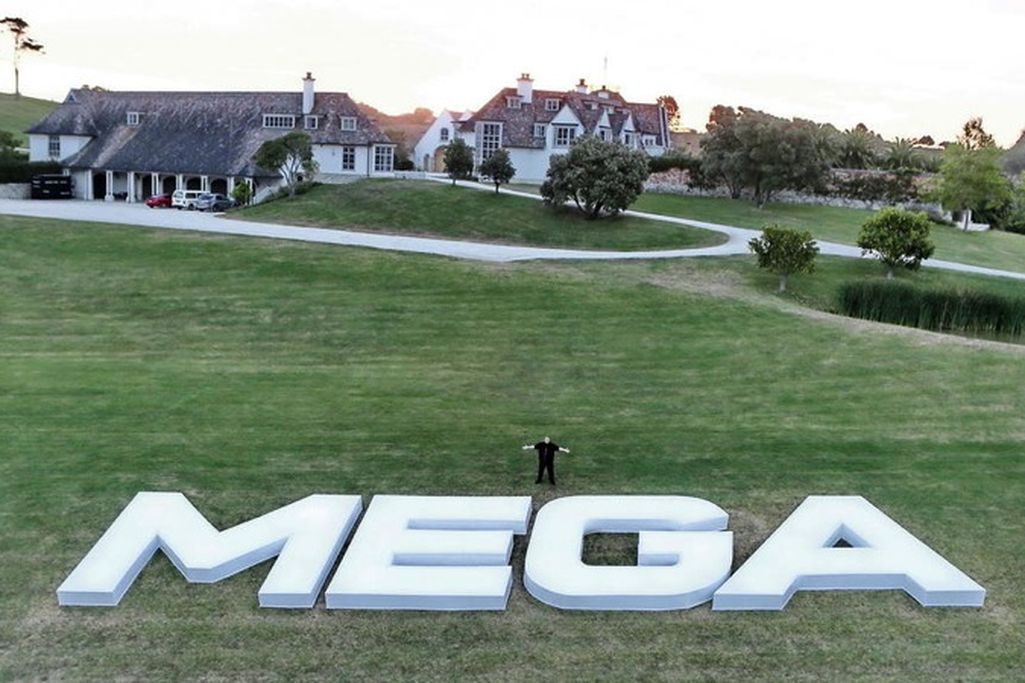
Exactly a year after Megaupload was shut down, Kim Dotcom came out with MEGA, the successor to his first major gig in the virtual world. The new website, based in New Zealand, is also a file hosting and cloud storage service which prevents government or third parties to access information of the users. Mobile apps for MEGA are available for all major operating systems like Android, Blackberry, iOS and Windows.
MEGA allows users 50 GB of free storage and upto 4 TB on a payment of a reasonable amount. Its most advertised feature is the local encryption of files before they are uploaded. This implies that MEGA doesn’t know the code to the uploaded files and therefore cannot decrypt them to view the content, thereby enabling absolute privacy to the users of the site, at the same time washing its hands of all responsibility of the content that goes up.
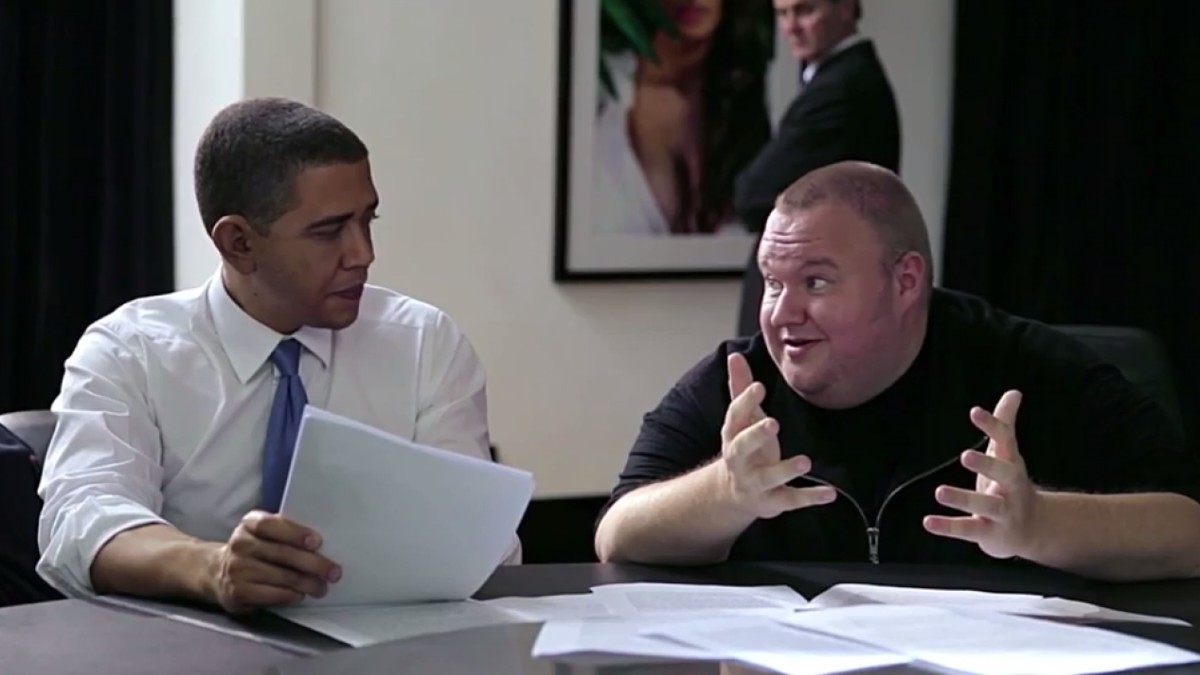
Dotcom and his political endeavours, New Zealand, 2014
Despite being on house arrest which allows him to cover a distance of 80 kilometres around the periphery of his residence, Dotcom has stayed a noted personality online. With a fan-following of his own, Dotcom does not hesitate from taking to social media to express dismay at his on-going legal proceedings. Amidst all this work, Dotcom also managed to found a political party in 2014. Called the Internet Party, it too has its headquarters in New Zealand like MEGA.
Kim now has 5 kids, an estranged wife, a supremely expensive piece of property in New Zealand (current worth -take a deep breath- $90 million) and a threat of expedition looming right over his head. He would have to be proved guilty of a crime both in New Zealand as well as in America to be extradited to Virginia, America. His court hearing starts in New Zealand on Monday and thus begins a circus of media, court-room scenes and the fate of a self-professed internet entrepreneur.
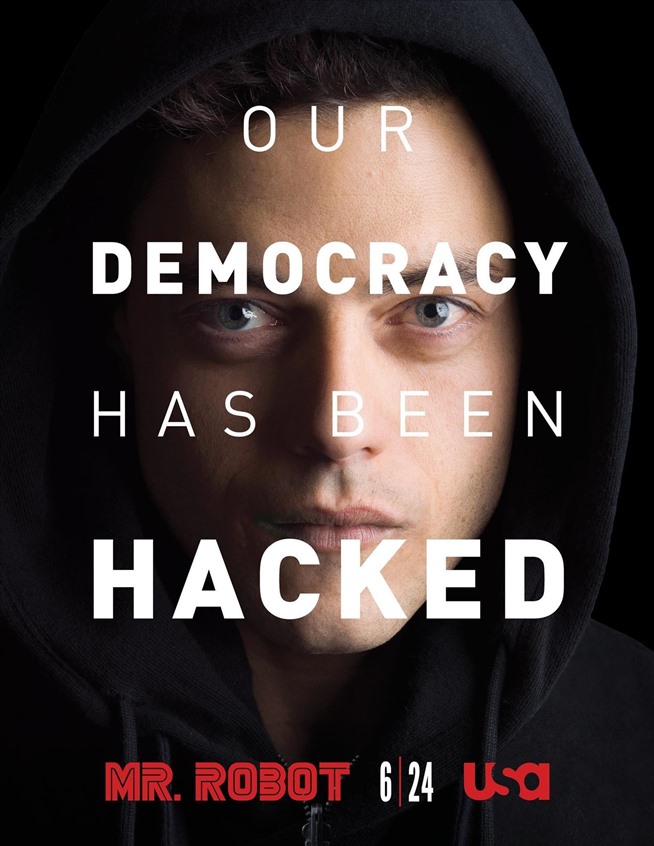
As Slater’s character says in USA’s Mr. Robot, “It controls you and everyone you care about… Money…It’s become virtual. Software –the operating system of our world”, technology truly has become a force to reckon with. It’s interesting to see how the definition of technology and all that it entails has evolved over time, eventually becoming a magical entity which suddenly made information on the remotest of topics available just a simple click away.
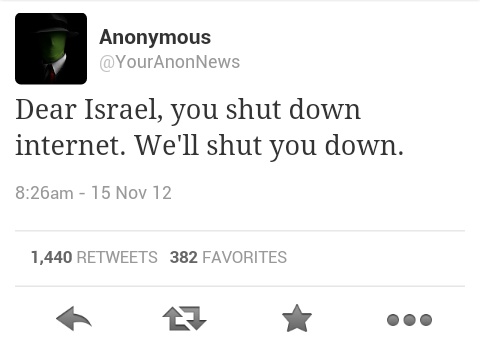
In an attempt to move away from the fictional world of TV shows to the domain of international politics, one wonders how different Anonymous’ taking down of the Israeli websites in response to their attack on Palestinian cyber space is from Elliot’s attempts to take down E corp.
The past decade has revealed the potency of technology in bringing down governments and international institutions. The Arab Springs is a perfect example of a situation where social media became the realm of youth-mobilisation against what was seen as injustice done by the system. When one talks of technology as the space for revolution and change, it is impossible to not delve into an elaborate discussion on Anonymous.
Describing themselves as “an internet gathering” with “a very loose and decentralized command structure that operates on ideas rather than directives”, the group emerged in 2003 and became self-professed defenders of those facing oppression at the hands of political or religious institutions. Anonymous provided the template for any group of maverick hackers trying to bring down big corporate houses, the State or any power structure threatening the well-being of a community. There is perhaps a reason Anonymous has gained a potent cult following, with TV shows like Mr. Robot being the latest reminders of it.
Here’s a closer look at top five successful hacking operations carried out by Anonymous that made the world sit up and think:
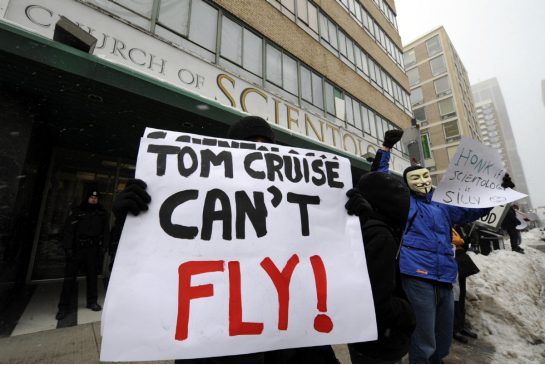
1. Project Chanology (2008): One of the first prominent hacking activities of the group, this project involved a series of DDoS in 2008 against the Church of Scientiology. As part of this attack, a group of Anons posted a video on YouTube where a robotic voice declared, “For the good of your followers, for the good of mankind—for the laughs—we shall expel you from the Internet.” Needless to say, within a week the video had earned hundreds of thousands of views all over the world.
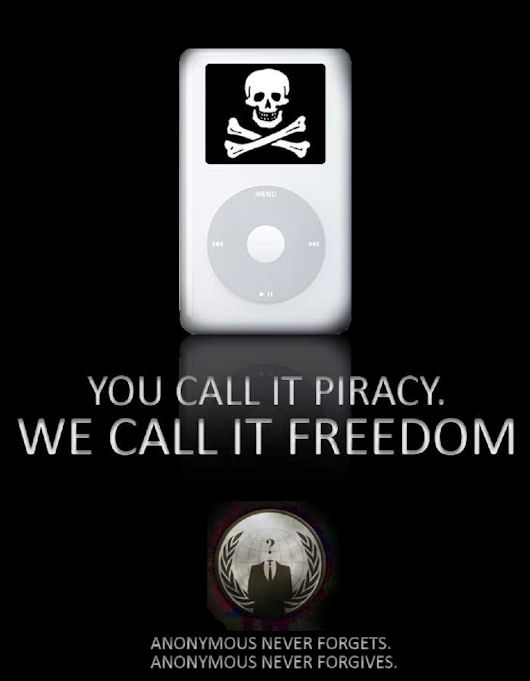
2. Operation: Payback is a Bitch (2010): In 2010, Anonymous came across an Indian software company called Aiplex Software that carried out DDoS attacks against websites like the Pirate Bay that carried pirated content. On September 17th, within a week of having stumbled upon this company, Anonymous launched a DDoS against the site which shut it down for a day. It soon snowballed into a cyber-war which included Anonymous coming to the aid of various bitTorrent sites. The message was emphatic and well-articulated as Anons went ahead to declare in an official statement, “Anonymous is tired of corporate interests controlling the internet and silencing the people’s rights to spread information, but more importantly, the right to SHARE with one another”. The name of the project was put on a hacked website of copyright alliance.
3. Operation Avenge Assange (2010): This became an extension of Project Payback as the Anons took charge of hacking into all those websites which had refused to allow donations to WikiLeaks. Beginning with DDoS attacks against PayPal, Anons hacked into MasterCard and Visa websites, among others. This resulted in PayPal announcing the release of its frozen funds to be directed towards WikiLeaks. Also, in December of the same month, The Daily Telegraph reported a threat by Anonymous to hack into the British government websites if Assange were extradited to Sweden.
4. Operation Darknet (2011): In October, 2011, Anonymous began a series of DDoS attacks against Lolita City, a child pornography website. Anons stated in an official statement, “We vowed to fight for the defenseless, there is none more defenseless than innocent children being exploited.” Multiple demands and warnings were made and issued respectively to take down the server. This was followed by a manifesto in the form of a YouTube video.
When the servers still remained untouched, Anonymous revealed a list of 1589 users of Lolita City along with detailed records of their profiles. The FBI and Interpol were asked to look into the matter further. Eventually a total of 40 child pornography websites were taken down by Anonymous in 2011 itself.
5. Anonymous-ISIS Cyber-War (2015): Earlier in 2015, a group of Anons called GhostSec started a cyber-campaign called #OpISIS against the Islamic State (IS). The campaign is aimed at targeting those members of the extremist IS who are using the internet as a platform to spread propaganda and fundamentalism. In order to “cure the ISIS virus” they are keeping a close track of the activities of the members of IS across various social media platforms. Even as early as April 8, 2015, Anonymous had managed to attack 233 websites, destroy 85 websites and terminate 25,000 Twitter accounts. Though this did result in a significant lull in the intra-group activities of IS, the move was criticised by many for it meant bigger obstacles in keeping track of IS activities.These are just a few examples of what Anonymous has been up to since its inception over a decade ago. Often identified as the archetypal trickster, no one’s really sure of what to make of this secret, super snazzy self-proclaimed group of “hackists”. One is often tempted to wonder if they are operating as vigilantes, saviours of the world from religious and political institutions, or if they are only there for a few laughs, trolling the most powerful organisations of the world simply because they can.
Could technology truly be the space for bringing about the change the reformers, revolutionaries and anarchists of the world dream of? Or is it simply a hoax, an illusion of power given to people to keep them appeased by hiding from them their absolute powerlessness?
The realm of technology clearly raises more questions than it answers. Adding to the blur of conflicting opinions are groups like Anonymous which still leave us unsure of their position in this rigmarole of politics, power, society and ideology. Until the day a consensus is reached, if one is reached at all, here’s to the riot of social media, the fan-following of Anonymous, and well, to the threat of a futuristic society where artificial intelligence enslaves humanity to save a race turned upon itself.
Few months back, a Japanese robot successfully removed a wisdom tooth of a 55 year old man in a local clinic in Tokyo. The robot, who is rightly nicknamed “Al Dente”, removed the tooth without any inconvenience to the patient.
The robot is part of a Japanese program that is looking to substitute 30% of Japan’s dentists with robots by the year 2030. “We knew the software is perfect, we knew Al Dente has all the capabilities to maintain such a delicate mission but from this, to completing a successful wisdom tooth removal… I mean, there were moments I felt pity for that man on the dentist chair. It’s good to know that our experiment had a happy end, knowing from previous tests that much more blood could have been spilled there,” said Ishaki Morakuni, one of the developers in the program.
This program is finding strong reactions from certain parts of the world who are concerned that the idea of robots such as “Al Dente” substituting humans could lead to the disappearance of the profession itself. “This is our job of which we’re very proud,” said a spokesman of a small group in France. “We don’t like the idea of them (robots – O.N.) coming and taking our place. People must understand that even if robots can pull put an aching tooth, they will not be there to tell us jokes or calm us down when blood is pouring down like a river.”
IFA Berlin, originally a radio exhibition, has now become a red-letter event in the tech world. One of the oldest industrial exhibitions, it is a consumer electronics trade fair which holds a record of 2.4 billion euro of placed orders.
What you can expect from the event is a myriad of smart-phones, smart-watches, tablets and laptops up for display for potential customers and the international media. About 7000 journalists from over 75 countries have attended and covered this event in the past. IFA has previously been the launch platform of various fancy gadgets, Samsung Galaxy Note series being an example.
The first week of September thus marks Europe’s biggest exhibition of new consumer electronics, and therefore the most perfectly prepared market for the gizmo connoisseur. With all eyes glued on one of the most important events of the tech calendar, here’s a quick look at the many ways we can expect our minds to be blown away over the course of the next three days.
Samsung
Starting with a consistent flag-bearer of the event – the brand is expected to launch its new smart-watch, the Gear S2 at the event. Although Samsung has already revealed most of the details about its upcoming smartwatch, the company promised to give a more in-depth presentation at IFA.
Asus
Closely followed by Samsung is Asus’s ZenWatch2 whose price and release date is likely to be announced at the event. The company has promised “dramatically improved” features which include better recharging times with a magnetic connector. Knowing its track record, it is highly unlikely Asus would make an appearance with only one gadget. Hold tight for more updates on what Asus have to offer this year.
Motorola
Motorola is in toe of these major brands with its launch of the 2nd generation of Moto 360, another gizmo falling in the smartwatch category. This one will be available in two different sizes.
Sony
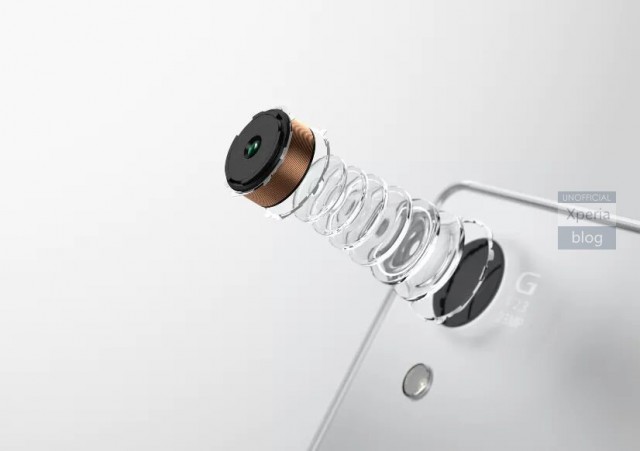
Sony has been fairly quiet about its presence in IFA this year, however it won’t be wrong to expect a slice from its growing range of wearable devices and an expanding set of 4K cameras and TVs. Sony is also expected to release its Xperia Z5, Z5 Compact, and Z5 Premium at the IFA Berlin event today.
Click here to read more about the upcoming Sony smartphones.
LG
The stage is set for the LG Rolly portable keyboard. This full-sized QWERTY keyboard for smartphones and tablets rolls up into a stick and therefore is convenient to carry around. Backed by a AAA battery, it is bluetooth enabled and is expected to last three months before running out of power. It would be interesting to note the response to this little gadget –if it’s worth the hoopla or will it be too fancy for any practical purpose. LG has declared September as the tentative time when it will be available for sale in the US.
Huawei
If rumours are to be believed, Huawei is expected to bring into action its own version of Force Touch technology, present in the Apple watch and speculated to be part of the next iPhone. Apple has described Force Touch as the “most significant new sensing capability” for it included Multi?Touch in older MacBook laptops. A Force Touch includes the usual gestures like scrolling and swiping along with a customisable feature in the trackpad called Force Touch. The users can adjust the feature’s sensitivity enabling them to determine the pressure required to determine a click.
Additionally, updates on the price and release date of the Android Wear-running Huawei Watch are also expected to be announced this IFA.
Lenovo
The company has kept its plans carefully and deliberately under wraps this year. However the air is rife with rumours of a 5.5-inch Vibe P1 Android handset that would perhaps be coupled with a 5,000mAh battery.
Microsoft
If Intel manages to market its Skylake range quickly enough, there is much to look forward to in terms of the Wintel combination. Intel’s Kirk Skaugen has already said, “Windows 10 and Skylake processors were ‘designed together.” Today at IFA, the entire Skylake range is going to be released, covering perhaps the broadest range of devices in the company’s history. With Windows 10 now out, PC makers everywhere should expect all sorts of new things and updates since the processor and Windows updates have already lined up quite conveniently for some big news this year.
There are a whole bunch of other brands to watch out for. Not being mentioned separately does not reduce their importance and contribution at IFA ’15. If we would have it the Arthur C. Clarke way when he said, “Any sufficiently advanced technology is indistinguishable from magic”, it’s time to sit back and let the magic begin!
The world in which we live in is now filled with technology. Perhaps, we cannot even imagine our lives without being connected to one another. But, what if you had no choice but to give up the comforts of technology and live in the 80’s era today?
This is what goes on in the small town of Green Bank, located in West Virginia. Green Bank falls within the National Radio Quiet Zone. It is possibly one of the quietest places in the world, where you won’t find any cell phone reception, no Wi-Fi, not even a radio or a television. However, this town is not technologically backward and here’s why.
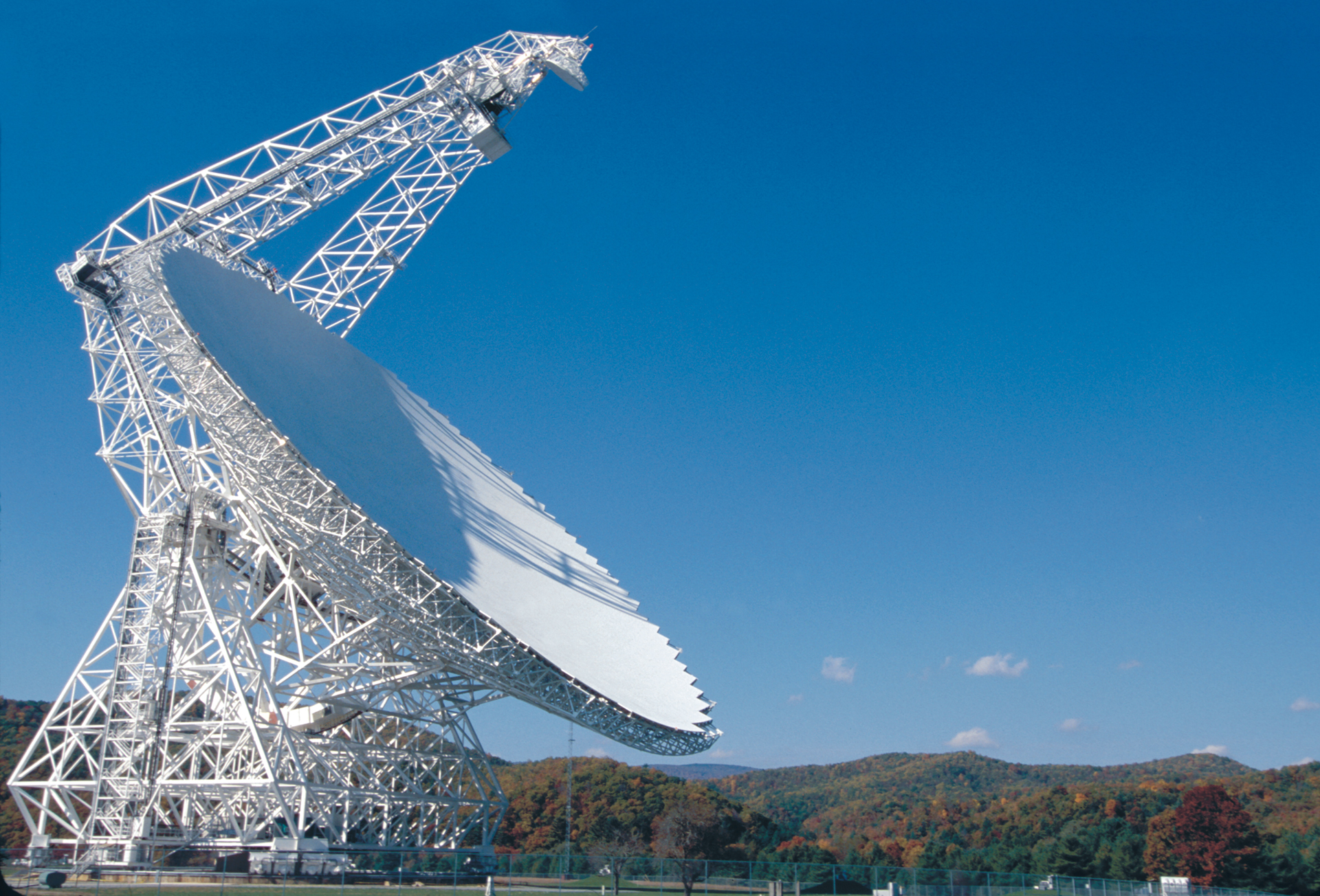
The reason why Green Bank is cut off from the world in terms of Internet or any other digital form of communication, is because it is home to the world’s largest fully steerable radio telescope on earth – the Robert C. Byrd Green Bank Telescope (GBT),which is operated by the National Radio Astronomy Observatory. The GBT is the reason this town is electromagnetically silent.
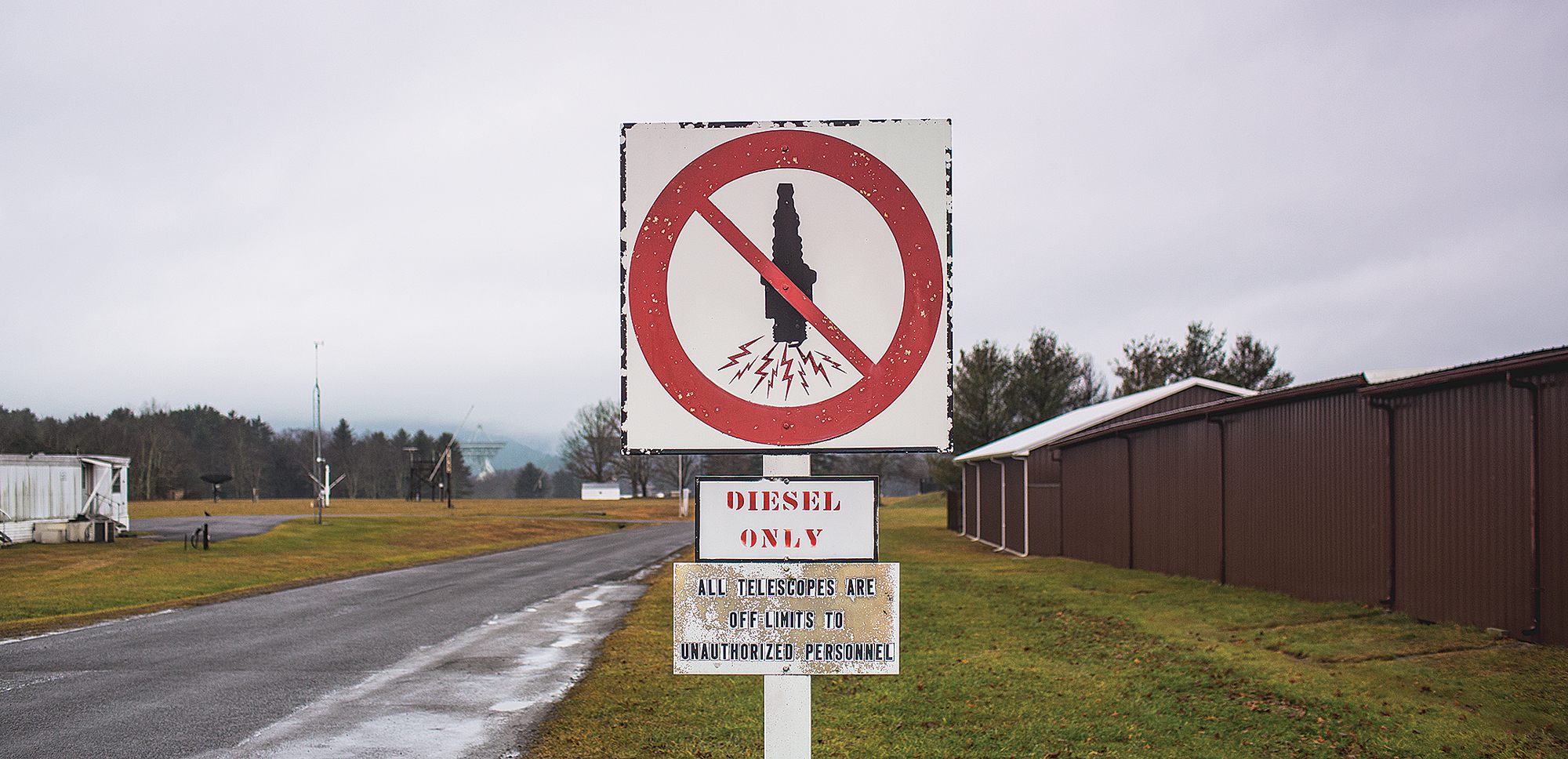
Radio telescopes work by identifying electromagnetic waves that come from distant galaxies. These signs are so faint that the slightest emission of radio waves from electronic gadgets can be in a conflict with the readings of the radio telescopes. For this reason, all cell phones, Wi-Fi, radio and other communication devices are banned. There are no cell phone towers for miles around; no music plays on the radio or soap performances on the television. Even petrol cars are not allowed because gasoline engines use spark plugs to ignite the fuel-air mixture, and electric sparks produce electromagnetic waves.
Almost all types of radio transmissions and individual electronic devices are banned here so that the powerful Green Bank Radio Telescopes can work without disturbance.
So, how is the lifestyle there?
With a population of just over 150, this tech-free life is somewhat a bliss. People are able to interact on a more personal level, without the existence of various technological devices. If one needs to use a phone, the now vintage, pay phone is readily available. However, the lack of awareness about modern technology could also have its downside.
Some of the residents are not even aware of the technological advances elsewhere in the world, after living under the shadow of the giant telescope for so long.
A short documentary has been made and uploaded on Seeker’s Network YouTube Channel, where journalist Laura Ling asks the principle scientist, Jay Lockman about the residents of Green Bank. He says:
“In a sense, I feel like I live in a little wonderland. Because we have this great science going on here. And I suppose that there are people that can’t imagine living without cellular service, but for most of human history, you know, we managed quite well. Think of it as living in 1980.”
Due to an electromagnetic free environment, people all around the world are slowly taking up residence here. Especially people suffering from electromagnetic hypersensitivity, a condition unrecognized by the scientific community in which exposure to electromagnetic fields is thought to trigger symptoms such as headache, fatigue, stress, sleep disturbances, rashes and muscle pain.
Watch the documentary below and be astounded by their mobile-free world.
Would you be able to survive in such a world? Let us know your thoughts in the comments, below.
Air travellers are refusing to show their boarding passes to the shops in the airport after finding out that the shops were using the information to avoid paying VAT, that too, without giving an added discount to customers. The revolt of sorts, took place on August 8th.
Popular airport stores like WHSmith and Boots are now having to deal with angry customers who are outright refusing to show their boarding passes, just to ‘boost retailers’ profits. It has also been said that readers are now coming out and backing the Independent’s campaign to end the rip off many citizens have been witnessing.
“That’s the last time I show an airport shop my boarding card on principle,” said one tweeter.
The reason that shops don’t want to pay the 20% VAT is because passengers travelling outside the European Union have no purchase tax. Research suggests most of these stores don’t pass the savings on to customers.
A possible solution to this problem is if retailers share the reclaimed VAT with its customers, however the retailers have refused to give in to a dual pricing system, deeming it a ‘practical impossibility.’
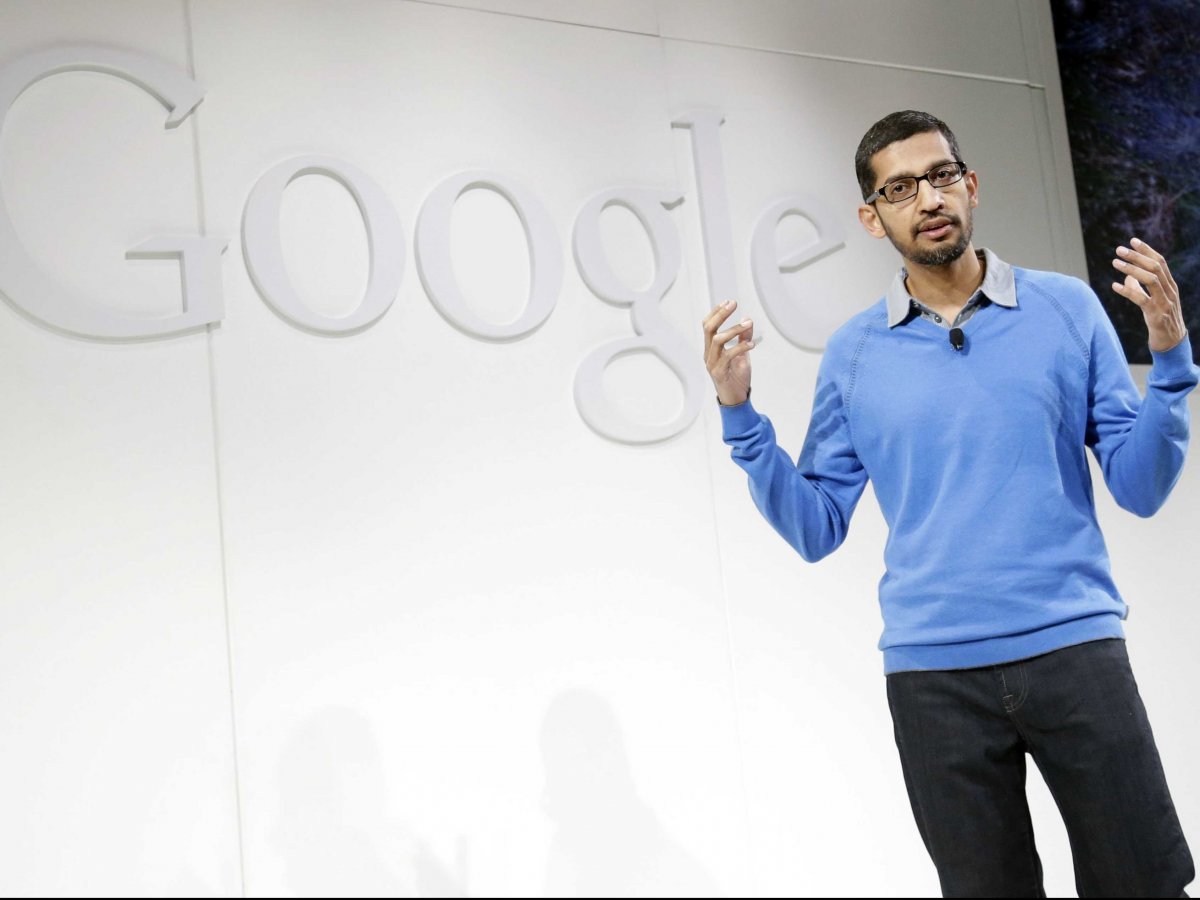
Yesterday was dedicated to Google’s new parent company, Alphabet, and the new CEO of Google, Indian-born resident of US, Sundar Pichai. The social media feeds have been trending with these two names in countries all over the world. Well, all but one.
China, the country made infamous on the grounds of not allowing its citizens access to sites like Google and Facebook, banned Google’s new Alphabet website in less than 24 hours of the announcement. China has one of the most sophisticated Internet censorship systems in the world, named as the ‘Great Firewall’. This has blocked the website that only contains Google’s co-founder Larry Page’s letter and a link to Google’s existing investor relation page. Though, this is not a new story. Google withdrew from China in 2010 over censorship issues where China drew the last ball when Beijing blocked Google’s widely used Gmail service last year.
The latest news on Google Inc. is that it has renamed itself as Alphabet, an umbrella company that owns Google and the other companies that Google owned. Google founders Larry Page and Sergey Brin will run Alphabet as CEO and President, respectively, while Sundar Pichai will be the new CEO of Google.
In an official blog post, former Google CEO Larry Page claimed that the major restructuring is to make “things cleaner and more accountable.” The official Google announcement on its blog, suggest that there will be a new placeholder site called abc.xyz. However, the entire list of companies that come under Alphabet is unclear.
Over the years, our knowledge about technology has become so vast that we can now create 3D holograms and programs to interact with us. We have mastered the fields of robotics and flying vehicles. But, all our advances have started with an ordinary single click. Yes, a single click of a mouse that hovers the cursor to our desired files and folders.
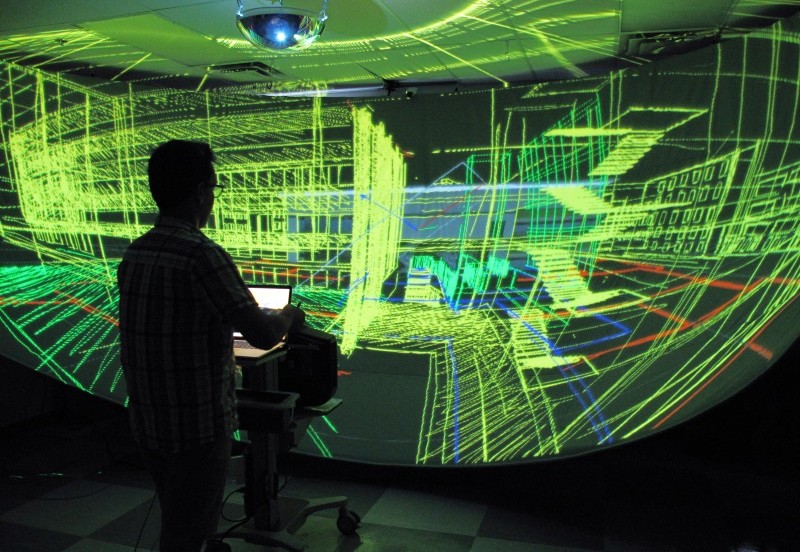
While most technology requires 3D modeling, the mouse cursor continued to play along the 2D frame. But now, advancing a step further into the 3D world, some scientists have developed techniques to enable computer cursors to interact in 3D for single or multiple users in both, local and remote, collaboration scenarios.
Unveiled at the SIGGRAPH 2015 conference in Los Angeles, researchers from the University of Montreal say the innovation of such technology would help designers to modify their creations in 3D at a whole new level.
Lead researcher Professor Tomas Dorta from the university’s school of Design, said:
Our new technology challenges the notion of what a cursor is and does.
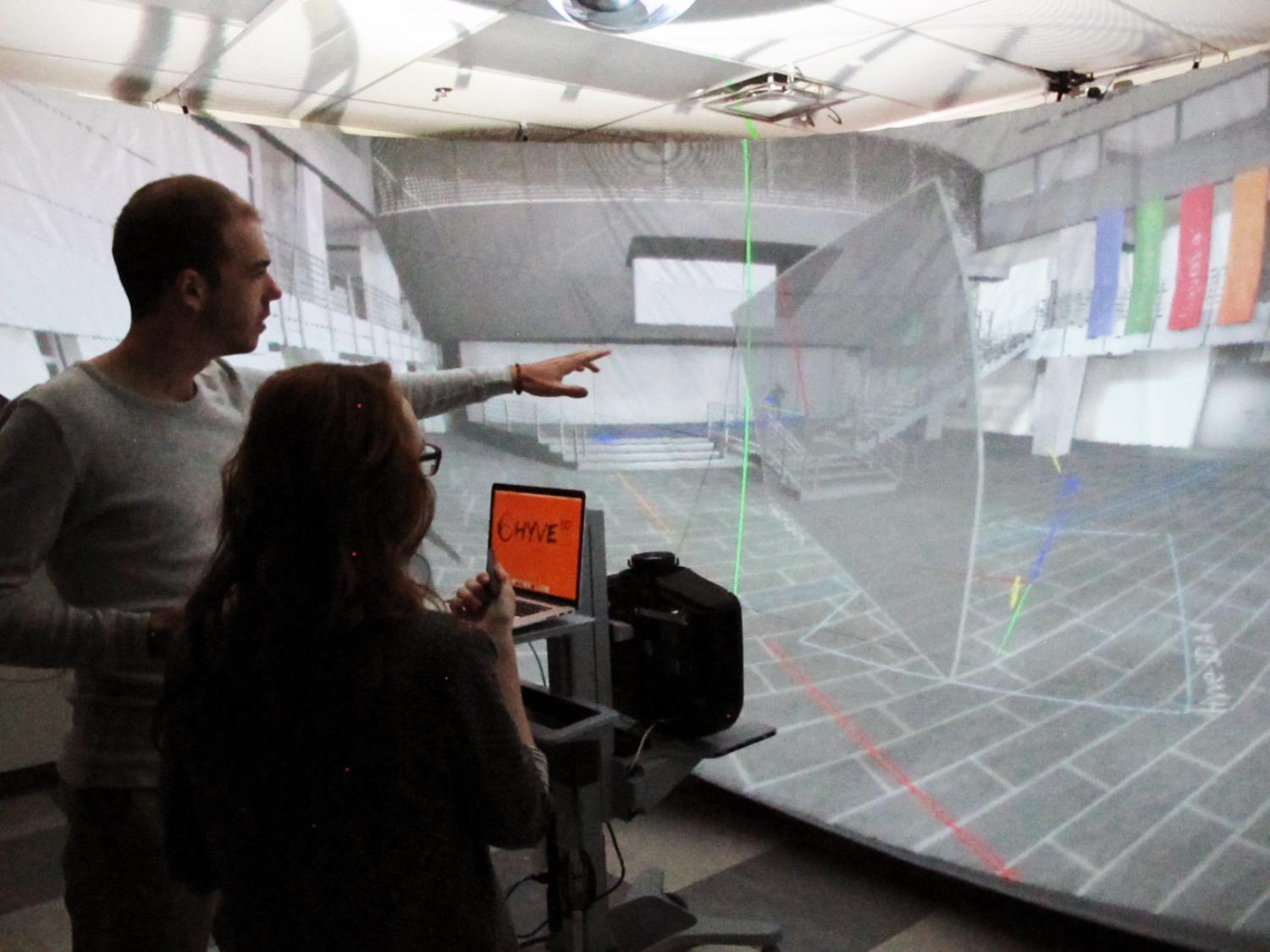
Professor Tomas Dorta, explains that the cursor becomes a drawing and controlling plane. They explained that, for now, the technology uses a tablet to hover the cursor around in a 3D environment, but as time passes by, will soon be used in smartphones and smartwatches.
The team explained how the cursor selects objects in space. The users just sweep the 3D cursors through. Dora added that for manipulations of objects, the users can use signs and movements such as pinching and orientation.
Scientists have also stated that the technology would be able to be used in a wide range of fields like architecture, medicines and computer games.
For example, for an interior designer, while designing a room, they can test different furniture options according to the scale and even work on interior detailing.
This wasn’t a gimmicky rebirth of the cursor, it’s about rethinking how humans interact with computers as part of the creative process.
The technology has been named as Hyve-3D system and the 3D cursor and is supported by Univalor, the university’s technology commercialization unit and, Hybridlab Inc., a startup. Several patents are due for signing.
We all have an impression that Apple’s ecosystem is supported by the most secure operating system in the world. But, this statement may not be considered true anymore. The myth has been broken today by a team of hackers who have developed the world’s first virus for Mac and named it Thunderstrike 2.
This virus can be transferred via USB sticks or even email phishing. This then bypasses the Mac’s Operating System and directly attacks the BIOS – the software that appears before the main operating system after the system boots up. The worm then targets a machine’s option ROM or lives in the option ROM of peripherals.
Worse, because of living within the ROM of peripherals, the Thunderstrike 2 can spread from one Mac to another without even having to connect to a network. Anti-Virus programs are useless as the malware cannot be detected at the hardware’s BIOS level. Thus, checking for infection is very difficult.
The only way to remove this virus is to open up the hardware parts of the Mac and manually re-flash the chip. Xeno Kovah, co-founder of a security training firm called LegbaCore, who developed the worm says:
For most users, that is really a throw-your-machine-away kind of situation. Most people and organisations don’t have the wherewithal to physically open up their machine and electrically reprogram the chip.
Kovah and his partner Corey Kallenberg uncovered a series of firmware vulnerabilities that affected 80% of the systems they had, including HP, Dell, Lenovo and Samsung. These vulnerabilities, as found by the researchers, allowed them to bypass the firmware and reflash the BIOS to plant malicious code within the firmware. Kovah and Kallenberg tried to test the same vulnerabilities on MacBook boot flash firmware and found out that almost all the attacks on PCs and laptops could be replicated for Mac too.
The first version was fixed with OS X 10.10.2 and required the hacker to have physical access to the computer. The new version is incorrigible because the malware can be transferred via a link. The latest OS X security update (10.10.4) seems to try and resist the bug to a certain extent, instead of being engulfed by it completely.
So, what can you do to protect your Mac? All we can do right now is hope Apple rolls out a BIOS update soon.
At U2’s recent eight-show run at Madison Square Garden, Bono pulled up a woman onstage, handed her a smartphone and announced that they were live streaming the performance onto the internet. The stream was then displayed off a huge feed from U2’s Meerkut account.
At this particular concert, famous talk show host, Jimmy Fallon made a surprise appearance for a duet of “Desire”. This tour also includes messages condemning the 1974 car bombings of Ireland, a call to fight AIDS, Stephen Hawking’s voice, high-tech gimmicks and more than two hours of music that included songs from U2’s 2014 album, “Songs of Innocence”.
https://www.youtube.com/watch?v=1VWsGG2Z-dI
U2 packs technology into its Innocence and Experience tour by incorporating the smartphone spectacle each night for at least one song. Yet, this isn’t the first of U2’s tech savvy performances. One can recall a stage they had built in the shape of a four-legged spaceship, and now, they have designed a two-sided display that hangs over the arena, providing a good view to each and every person.
The band also used a new form of musical storytelling, they climb up to perform within the display while Bono walks along the base, with displays showing visuals and animation to help create an analogy of him akin to that of walking the street on which he grew up.
But, it is said that the most creative way U2 used technology for this tour is one that cannot be seen. Most touring production companies store visuals directly on the systems they use for running the video screens. The problem with that is, if something needs to be changed, the entire thing would need to be copied to the show system with a pen drive, which might even delay the show.
Image: Rich Fury/Associated Press
U2, is now, using a modern technique for its tour with the help of a cloud storage company called EMC. Therefore, if they need to switch setlists or songs, the team is able to update visuals and deliver them on time. But, because cloud relies on the internet, which may not be available at major venues for security reasons, U2 uses an on-premise tech unit so that they have access to the data even without a web connection. EMC is said to be archiving the HD video streams with their cameras used during the show.
While previously, tours were held to promote music so that an album was successful, nowadays monetizing concerts and merchandise have become more important, as we have seen in Taylor Swift’s 1989 tour, which has an entire line of clothes created with the album’s theme kept in mind. This is said to be done, so that later on, the band can use the footage and decide how to monetize those archives.
The Innocence And Experience tour is definitely said to be a high-tech futuristic event that has been created, not just for fans but anybody who wants to be entertained.