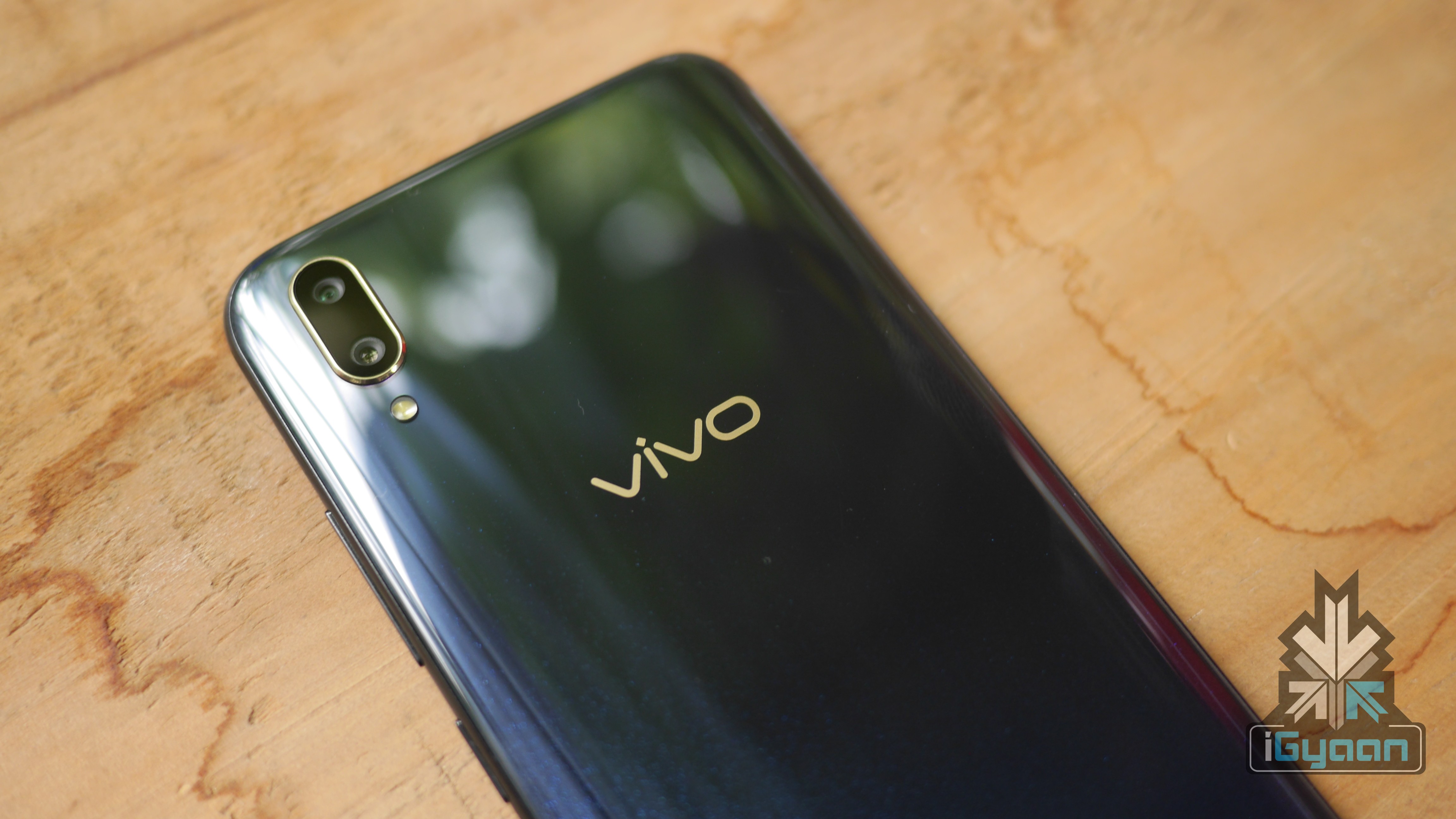
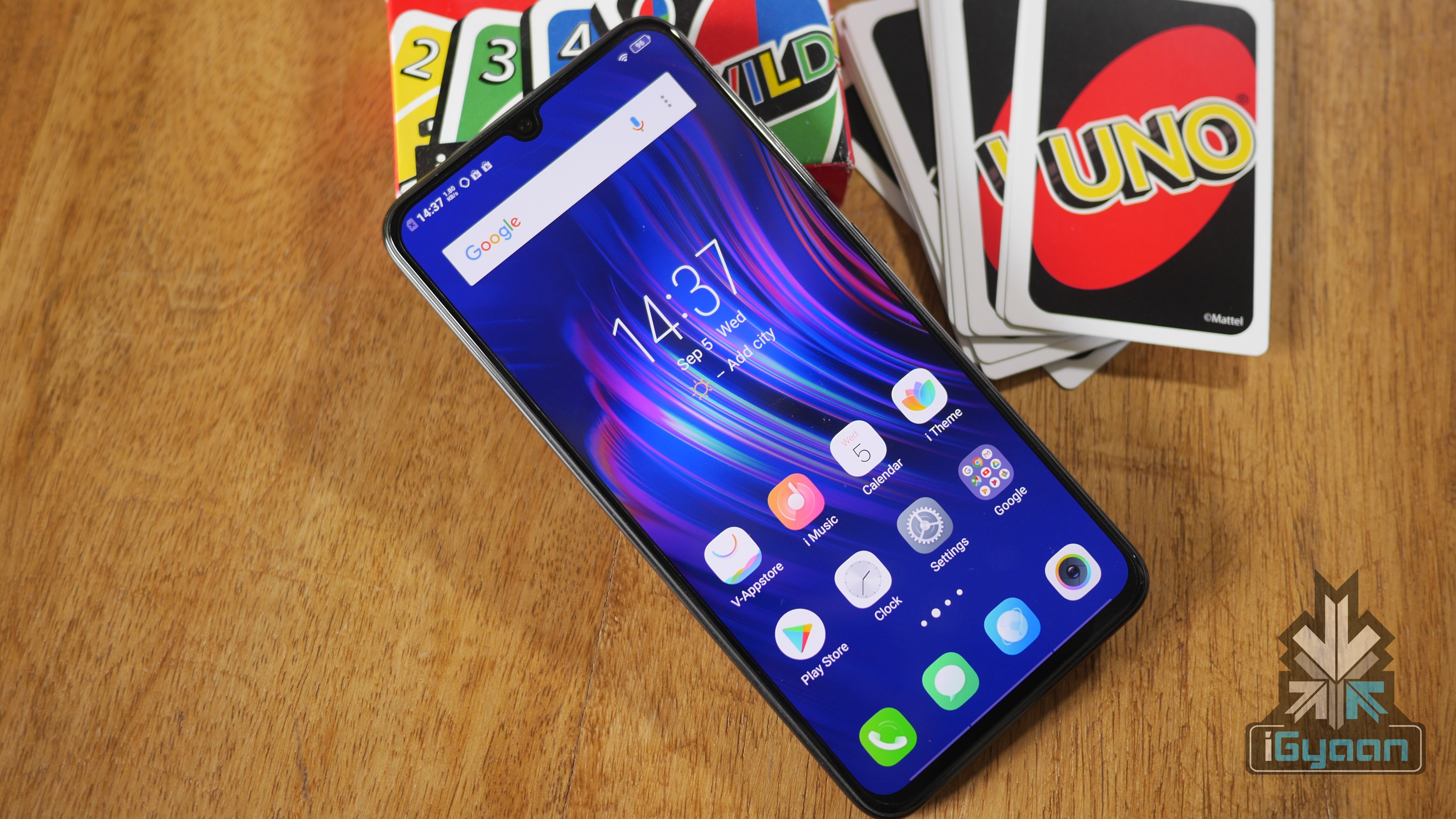
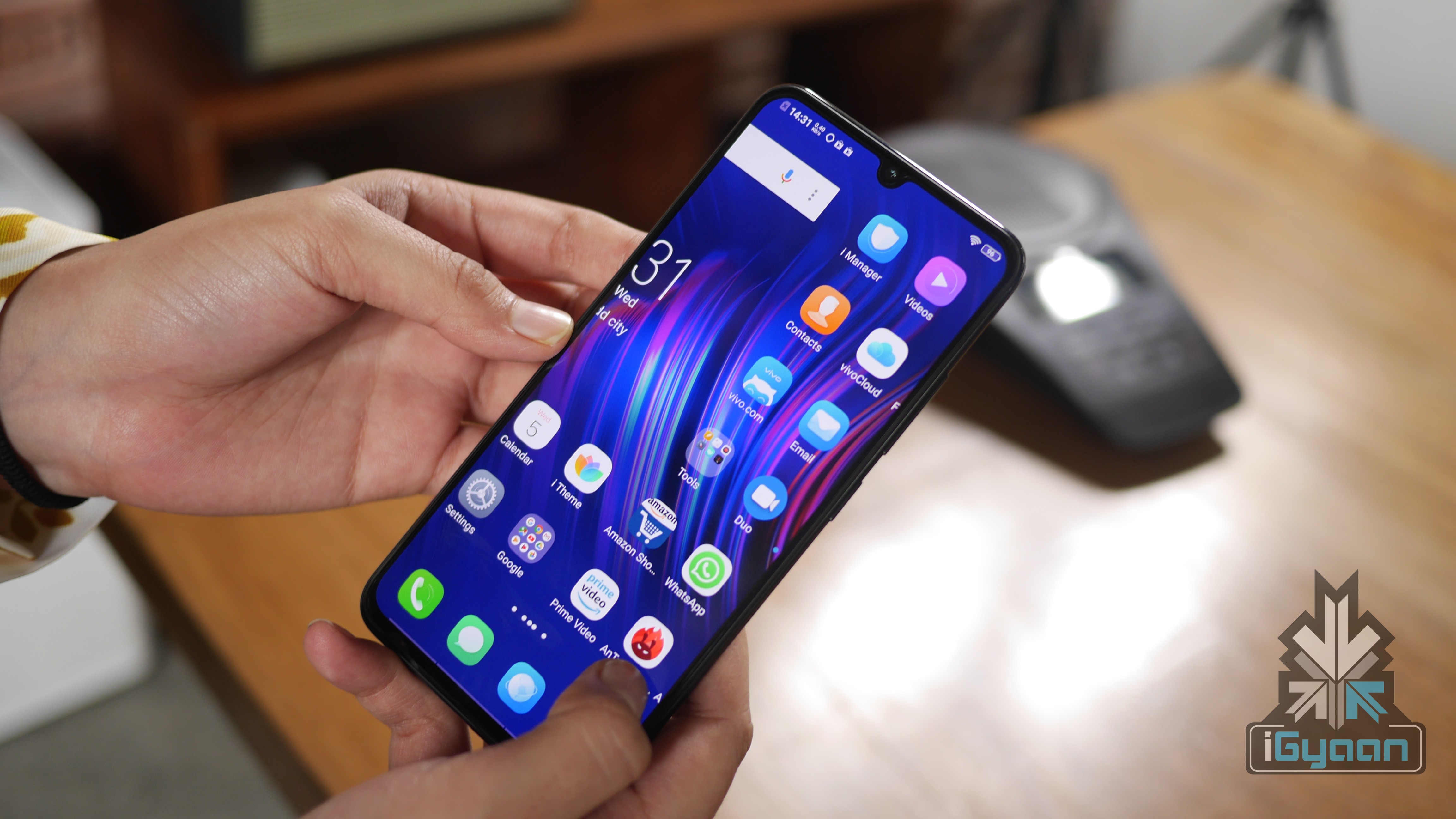
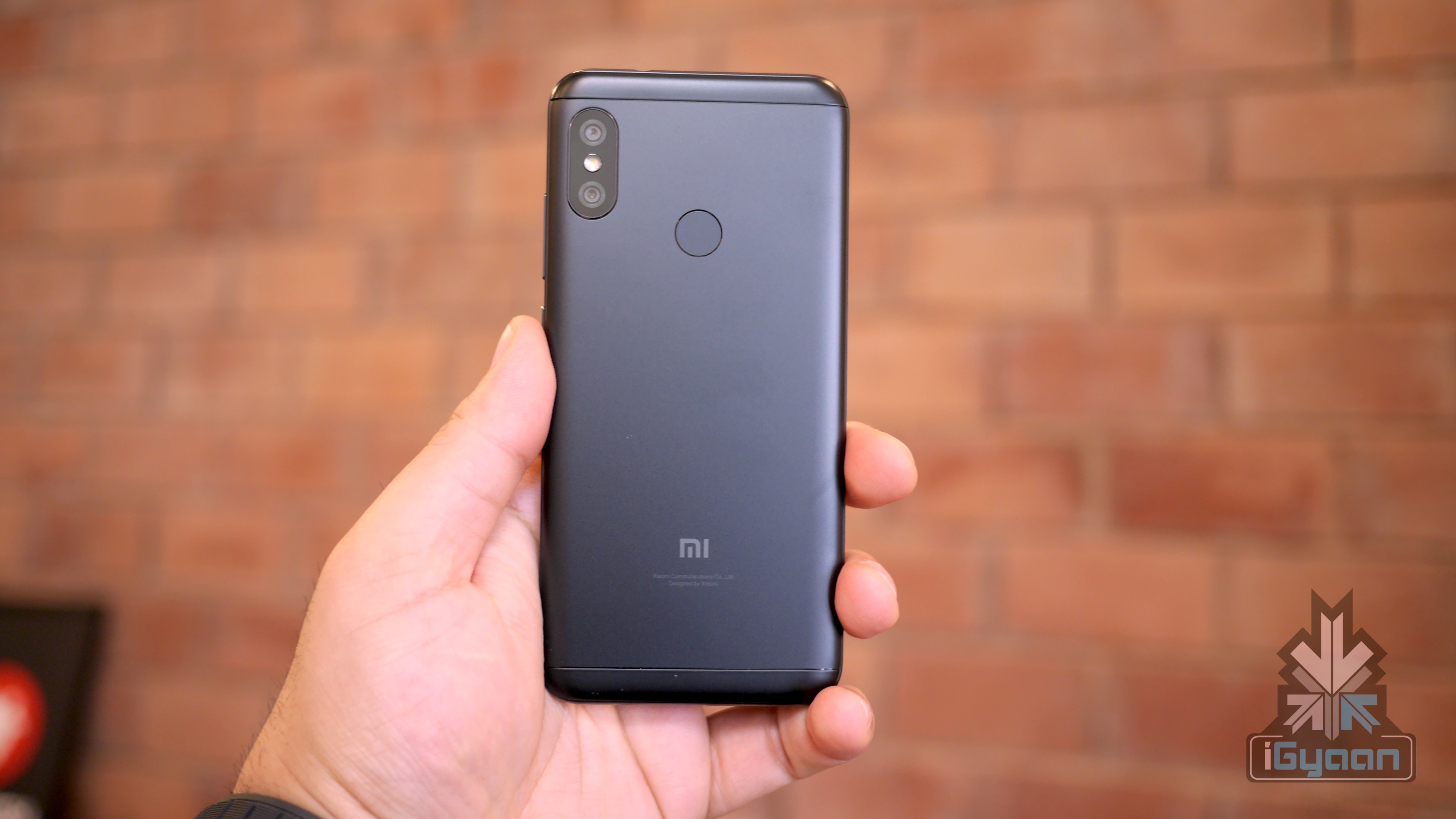
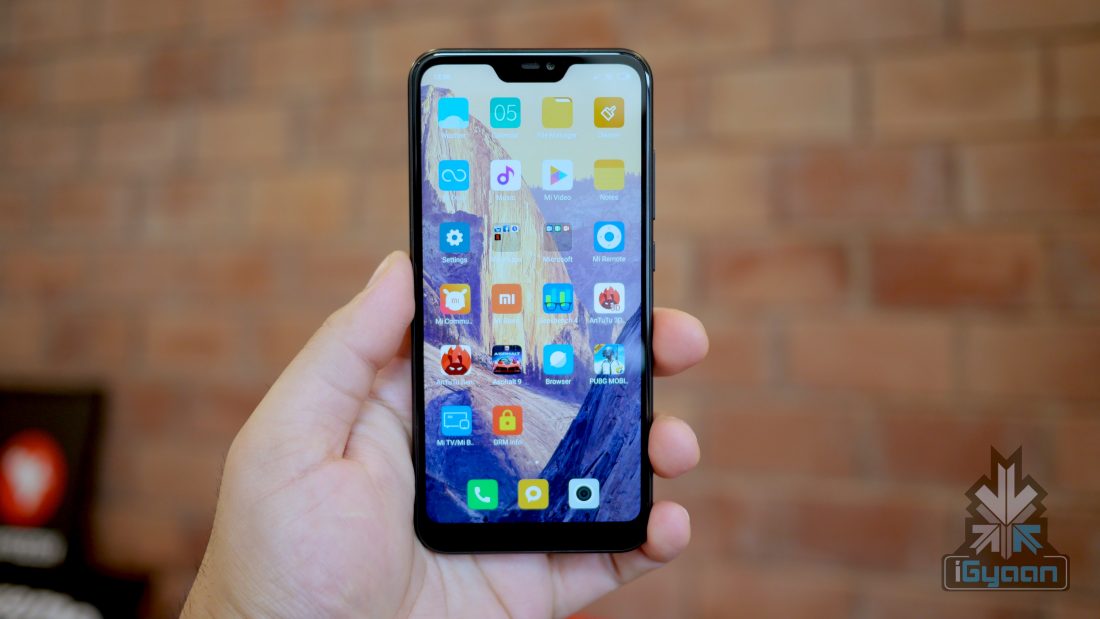
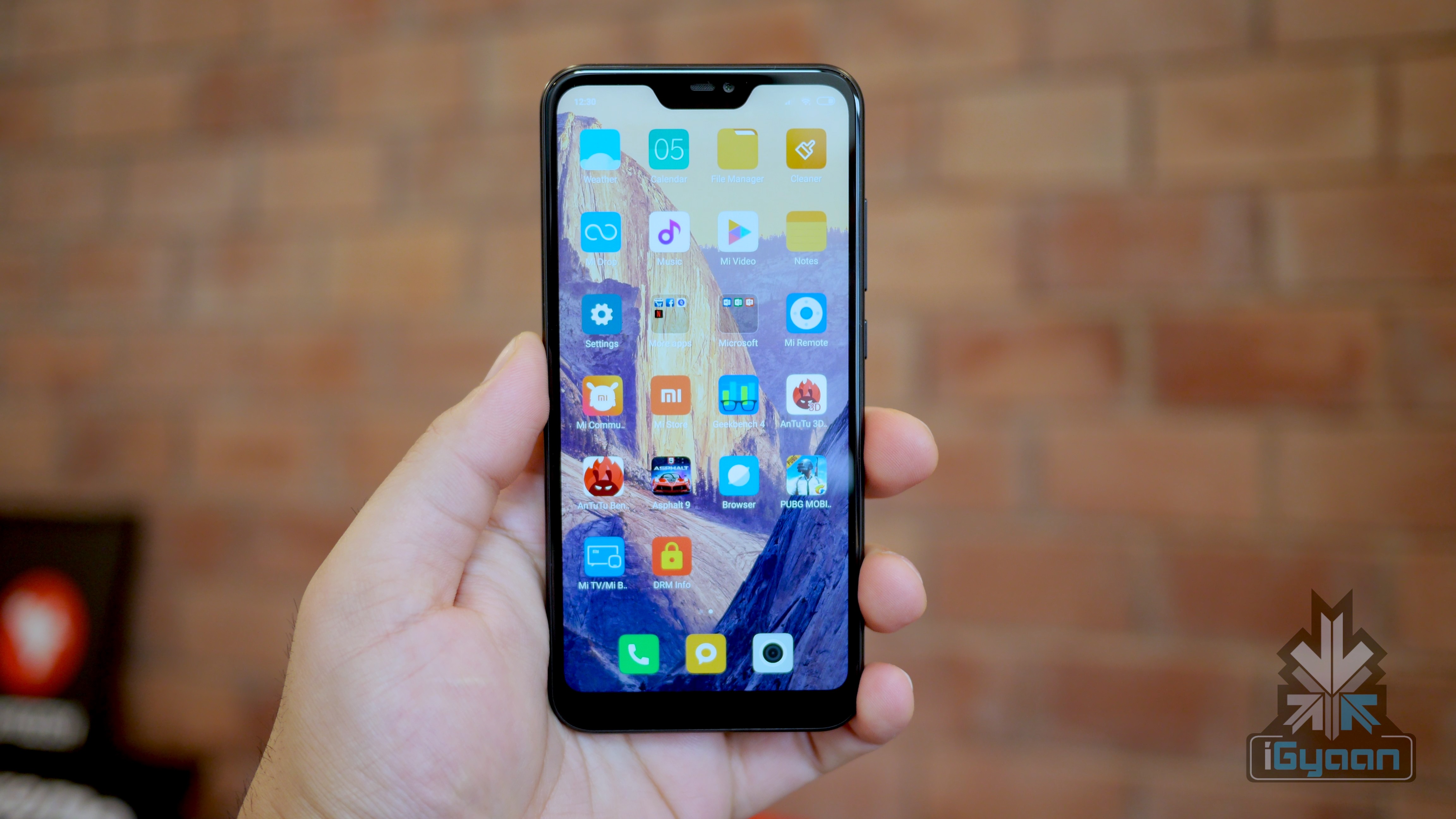
Vivo launched its V11 Pro smartphone in India, today. The device is the first smartphone to offer an in-display fingerprint scanner at this price range. The device also sports a water drop notch and a glass body, making it all the more premium. Here is all there is to know about the new Vivo V11 Pro.
Design & Display:
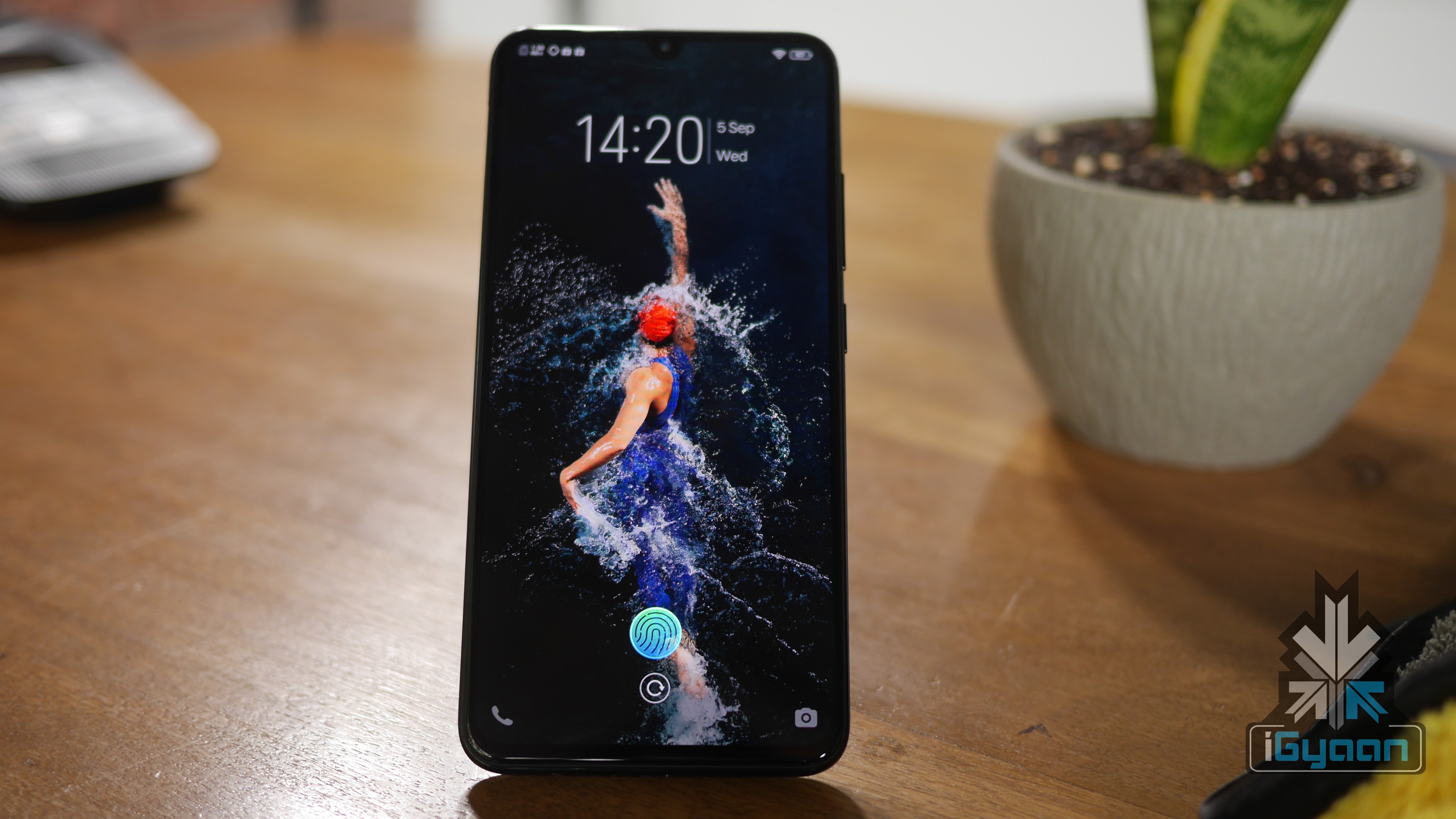
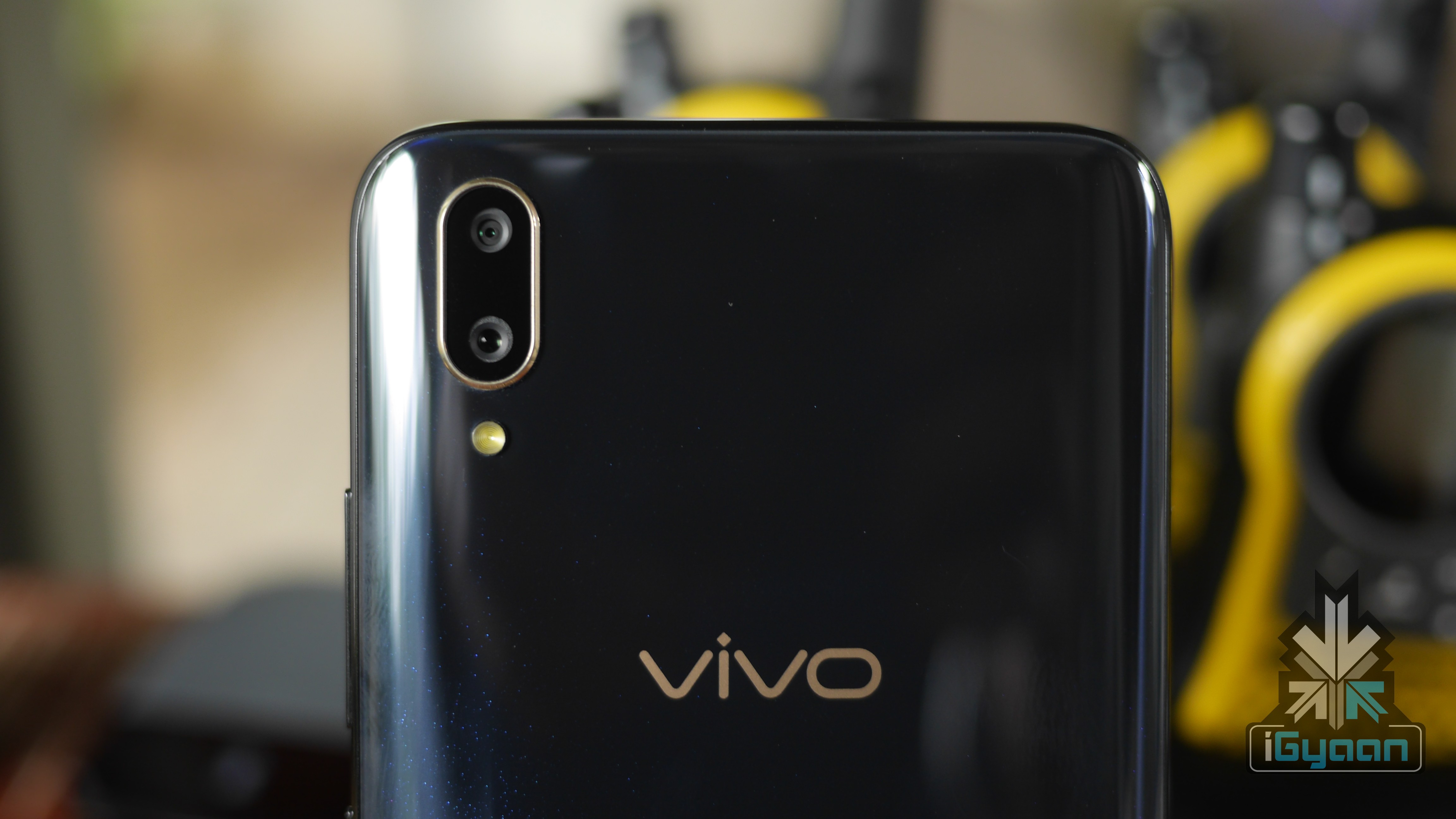
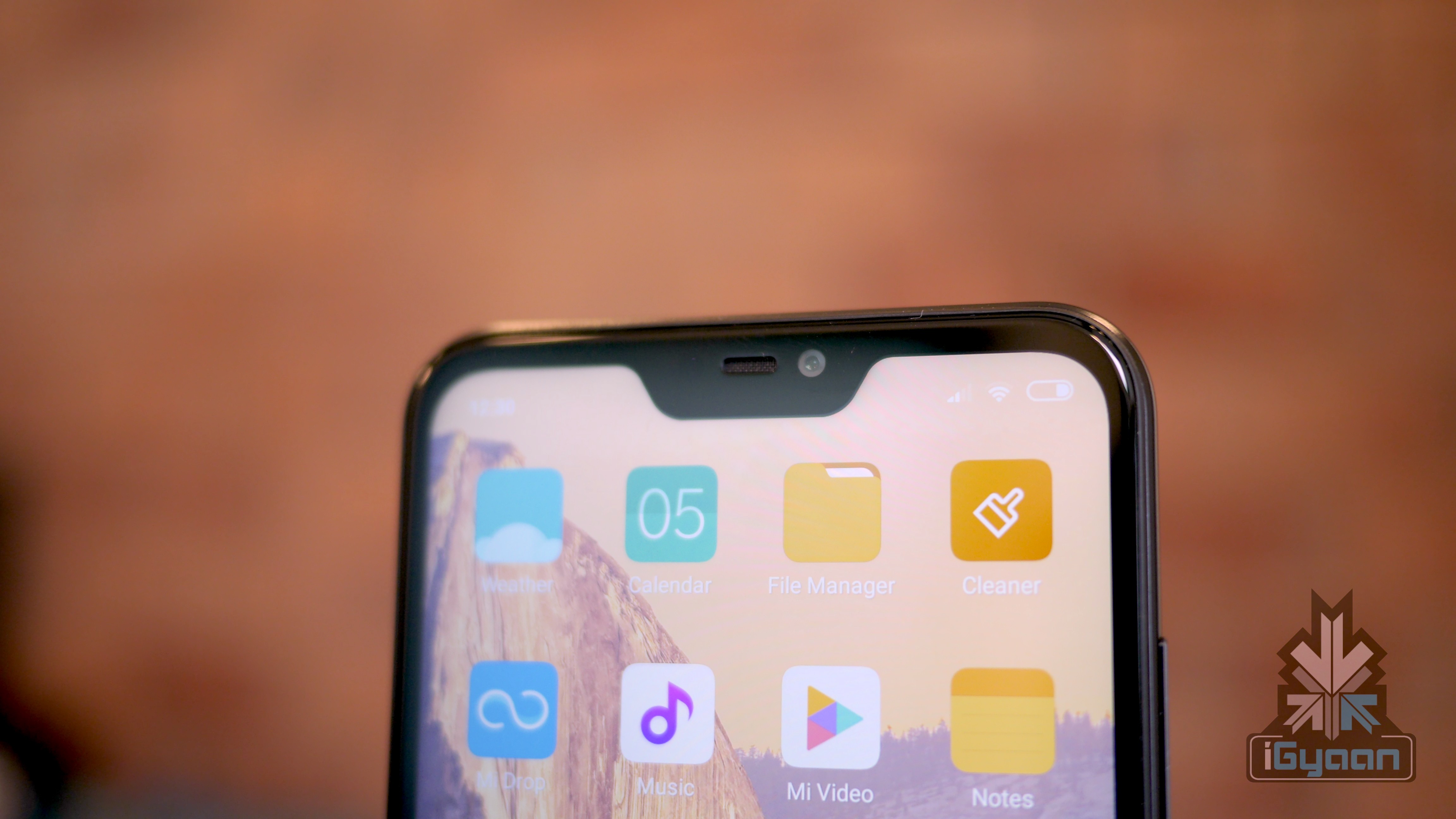
The Vivo V11 Pro has a glass body design, giving it a more luxurious feel. The device sports a large 6.41 inch display with a tiny water drop notch. The back houses a dual camera setup. The 6.41 inch screen has a super AMOLED display with a resolution of 1080 x 2340 pixels. The device has a 19:9 aspect ratio and a pixel density of 402 ppi. The display also houses the in-display fingerprint sensor which Vivo claims is 50% more accurate than the sensor in the Vivo NEX.
Processor:
The in-display fingerprint scanner
Running on the Snapdragon 660 processor with an AI engine, the device has 6 GB of RAM and 64 GB of internal storage. The storage can be expanded upto 256 GB. The processor is an octave core processor with clock speeds of upto 2.2 GHz and is supported by an Adreno 512 GPU. The Vivo V11 Pro runs Android 8.1 Oreo out of the box.
Camera:
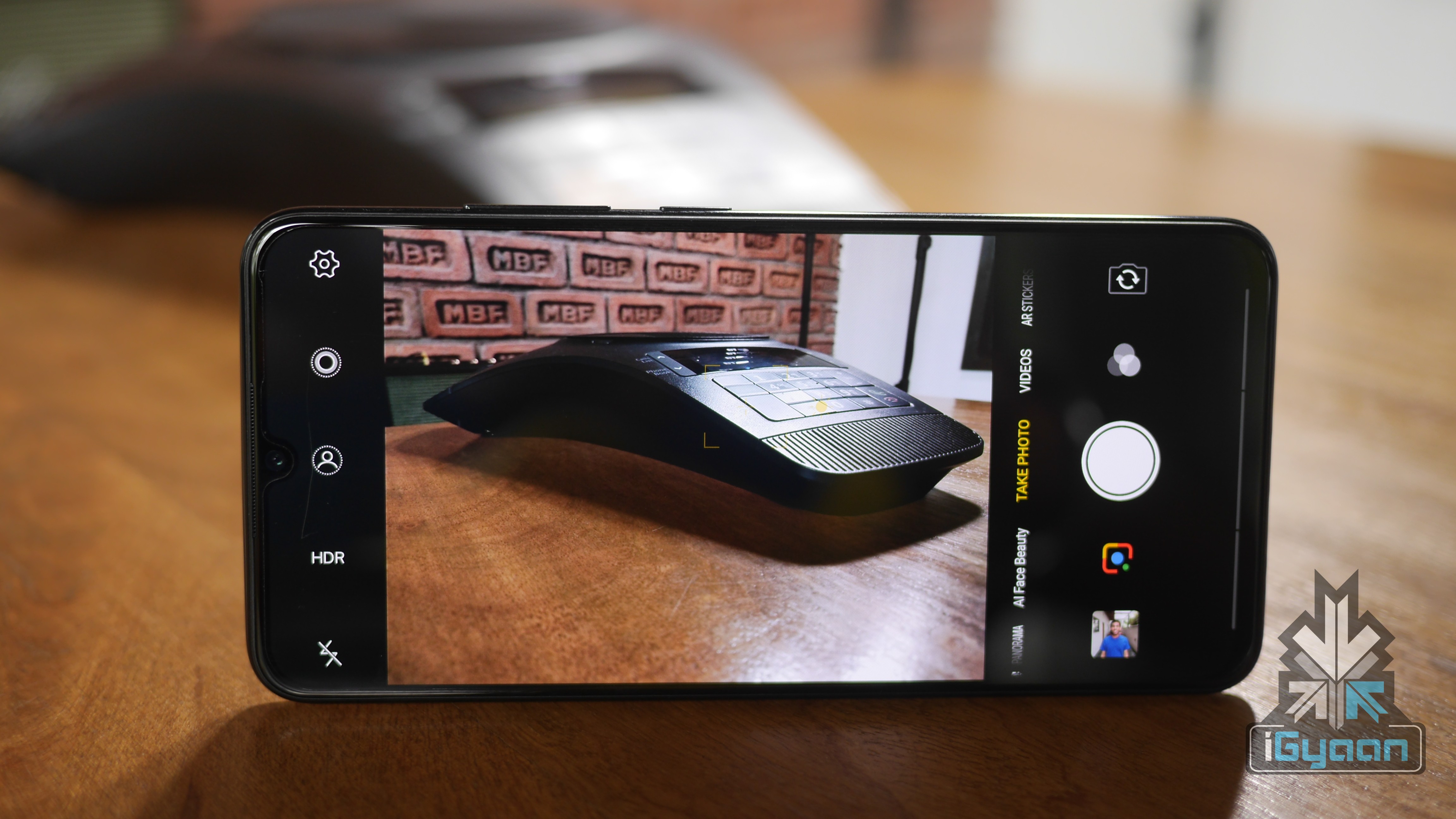
The main camera is a dual 12 MP + 5 MP setup with an aperture of f/1.8 and f/2.4 respectively which uses dual pixel technology. This offers a better lowlight experience and faster autofocus. The camera also has AI scene recognition and a bokeh re-focus mode.
The camera captures 4K video at 30 fps and has PDAF and a depth sensor. The front camera has a 25 MP sensor with an aperture of f/2.0. This can shoot videos in 1080p at 30 fps. The front camera offers extensive features such as Face Beauty Mode, AI Face Shaping and AI Selfie Lighting.
Vivo also unveiled the Funmoji, which looks very similar to the Apple’s Animoji.
Battery:
The device packs a 3400 mAh battery. The device supports dual engine fast charging resulting in faster charging speeds with a 9 layer protection technology.
The biggest feature that the phone brings in is the in-display fingerprint scanner. Vivo says this is the fourth generation of the fingerprint scanner is and is the most advanced version produced by the company. The device also has AI face unlock coupled with an Infrared sensor for unlocking in the dark, according to Vivo.
Vivo also offers a one time screen replacement on the device and a Rs 2000 cash back is available with HDFC bank cards.
The Vivo V11 Pro is priced at Rs 25990 in India and will be available soon.
For more details, check out our detailed review of the Vivo V11 Pro:
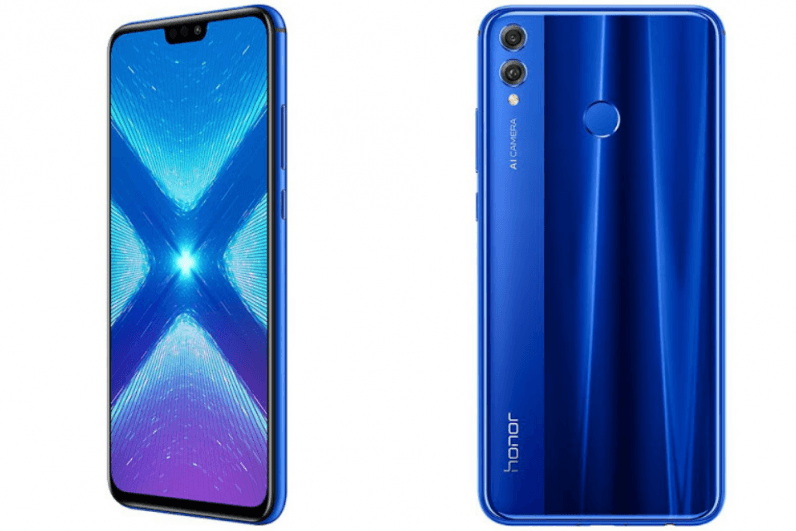
Honor has launched the 8X and 8X Max in China, with a global release possible soon. The Honor 8X and 8X Max have taken everyone by surprise due to their massive size. The Honor 8X, which is the smaller of the two devices, has a whooping 6.5 inch display which even outclasses the 6.4 inch display the Samsung Note 9 has.
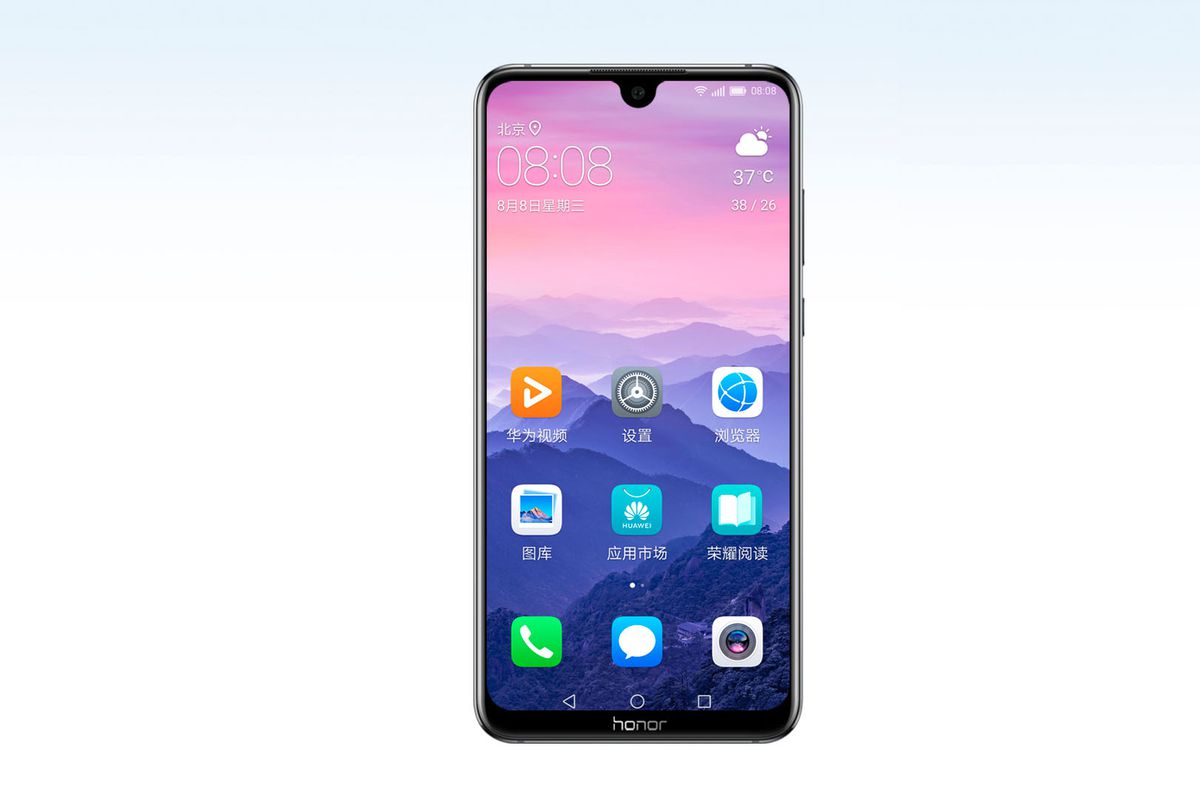
To compete with this, the Honor 8X Max has a colossal 7.12 inch display which can qualify it for a tablet too. However, the devices are as large as one would imagine them to be. The design of the phones use aspect ratios which are wider than normal thanks to their notches and almost bezels less screens.
Another primary difference between the two phones is the notch present on the display. while the Honor 8X flaunts a typical notch, while the 8X Max has a smaller, water drop notch. The water drop notch is present only in a small part, surrounding the camera.
Honor 8X:
The Honor 8X has a 6.5 inch FHD+ display. The display has a resolution of 1080 x 2340 pixels and a 19:9 aspect ratio. The device is powered by the Kirin 710 SoC and offers 4 GB and 6 GB RAM options. It has an internal memory of 64 GB/ 128 GB which is expandable.
The device has a 20 MP + 2 MP dual rear camera setup with an aperture of f/1.8. The front facing camera has a 16 MP sensor with an aperture of f/2.0. The Honor 8X also has a fingerprint sensor, 3.5 mm audio jack, bluetooth, Wi-Fi and 4G VoLTE.
The device has been launched in China for CNY 1,399 which is around Rs 14,700 and CNY 1,599 which is around Rs 16,800 for its 4GB and 6 GB variant respectively.
Honor 8X Max:
The Honor 8X Max has a 7.12 inch FHD+ display. The display has a resolution of 1080 x 2244 pixels and a 19:9 aspect ratio. The device is powered by the Snapdragon 636 SoC and has 4 GB of RAM. It has an internal memory of 64 GB/ 128 GB which is expandable.
The device has a 16 MP f/2.0 + 2 MP f/2.4 dual rear camera setup. The front facing camera has a 8 MP sensor with an aperture of f/2.0. The Honor 8X Max also has a fingerprint sensor, 3.5 mm audio jack, bluetooth, Wi-Fi and 4G VoLTE.
The device has been launched in China for CNY 1,499 which is around Rs 15,700 and CNY 1,799 which is around Rs 19,000 for its 64 GB and 128 GB storage variant respectively.
The devices have been launched in China and the global release is still awaited. However, despite other features, both the devices use micro USB and not USB Type-C which is a bit disappointing.
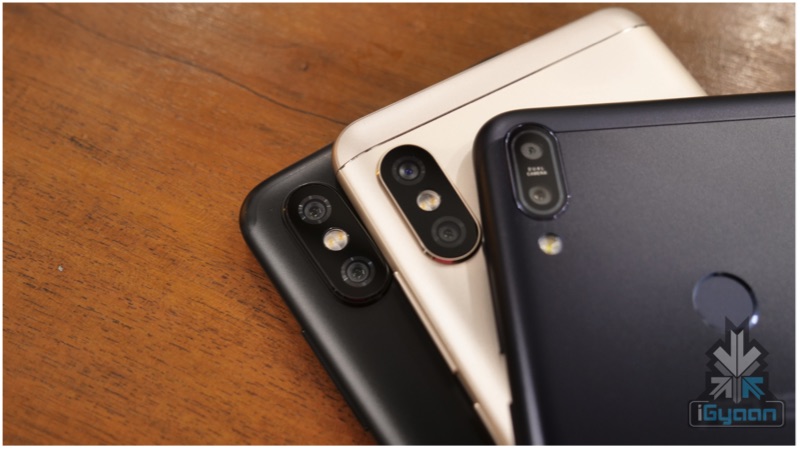
Xiaomi launched the Redmi 6 Pro in India today. The company claims that the device offers the best specifications in its price bracket. We decided to put this to the test, so here’s a comparison between the Redmi 6 Pro, the Honor 9N and the Asus Zenfone Max Pro. For the review, we are comparing the base models of all the three devices.
Design & Display:
In terms of design, the three devices are a bit different. The Redmi 6 Pro and Honor 9N have a display notch on their 5.84 inch screens. The Asus Zenfone Max Pro has a 5.99 inch screen, without a notch.
The Redmi 6 Pro and Honor 9N have a 19:9 ratio display with a resolution of 2280 x 1080 pixels. The Asus Zenfone Max Pro has a 18:9 aspect ratio with 2160 x 1080 pixels. The Zenfone Max Pro lags behind in pixel density with 403 ppi while the other two devices have a pixel density of 432 ppi.
The Redmi 6 Pro has a Snapdragon 625 processor while the Zenfone Max Pro has the superior Snapdragon 636 chipset. The Honor 9N runs the Kirin 659 SoC. Both the Redmi 6 Pro and Zenfone Max Pro have 3 GB of RAM while the Honor 9N has 4 GB of RAM.
Battery & Storage:
The Zenfone Max Pro is clearly the winner with a massive 5000 mAh battery. The Redmi 6 Pro follows with a 4000 mAh battery while the Honor 9N has a 3000 mAh battery. In terms of storage, both the Zenfone Max Pro and Redmi 6 Pro have 32 GB of storage while the Honor 9N has 64 GB of storage. The Redmi 6 Pro and Honor 9N have expandable storage up to 256 GB. The Asus Zenfone Max Pro has an expandable memory of up to 2 TB.
Camera:
All the three smartphones have a dual primary camera setup. The Redmi 6 Pro uses a 12 MP + 5 MP dual camera sensor and has AI portrait mode and Image Stabilisation for video. The Honor 9N has a 13 MP + 2 MP setup with depth sensor.
The Asus Zenfone Max Pro has a 16 MP + 5 MP setup with one of the sensors acting as a dedicated bokeh camera. The Redmi 6 Pro has a 5 MP front camera with AI integration. The Honor 9N and Asus Zenfone Max Pro both have a 16 MP front sensor. All three device use the front camera for their face unlock system as well.
Verdict:
All the three devices have clearly cut some corners when it comes to overall performance to appeal to certain segments of the market. While one offers superior performance, one offers extended battery life. All the three perform well in the camera segment, something they have in common.
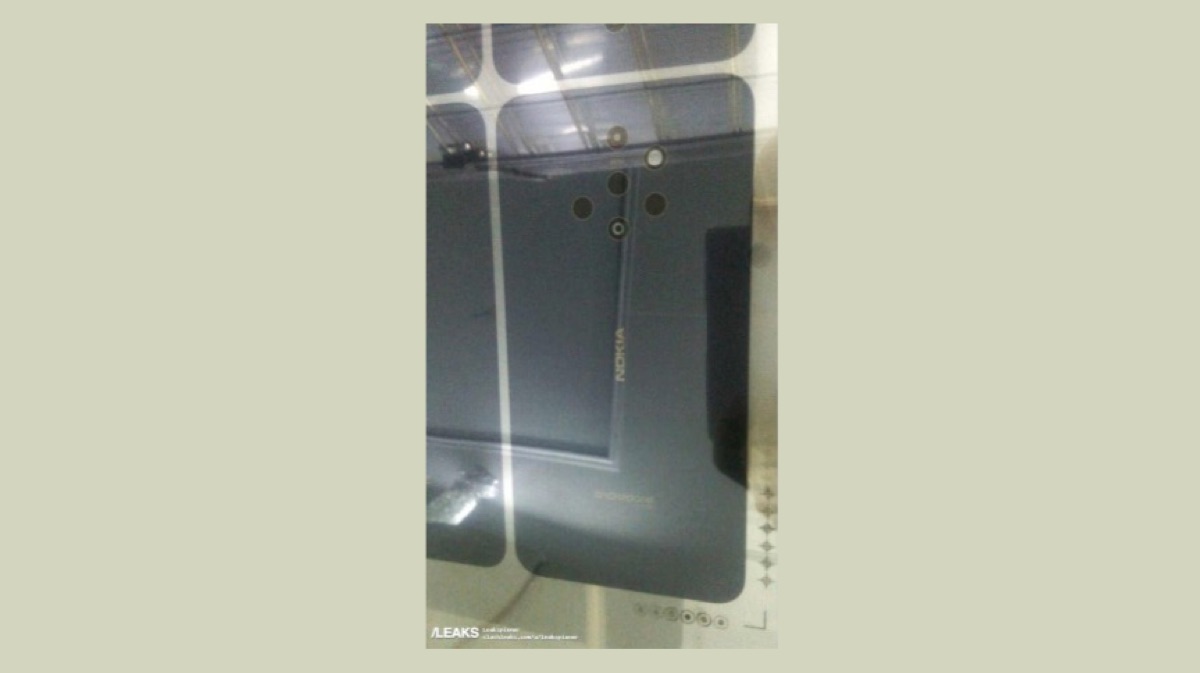
A few years back, a flagship device brought with it a revolutionary feature. Nowadays, a flagship device brings along various leaks, revealing the so called feature. The latest victim of a leak is the alleged Nokia 9. A picture of a Nokia device with five cameras has surfaced recently and could possibly be the upcoming flagship.
Five Cameras, how is that even possible you say? Well, the smartphone industry has gone through radical changes in the past few years so its not so unbelievable. We have arrived at a juncture where we have three cameras, in display fingerprint scanners and sliding cameras!
Via Slashleaks
The Leak:
The leaked image shows a device with the Nokia branding housing five lenses and one flash on its back. The device is also seen to have an Android One branding, hinting at a clean, stock android experience. The image does not give us a clearer look at the smartphone since it appears to have been taken through a glass panel.
What is interesting though, is the fact that the arrangement of the 5 cameras is very similar to a technology patented by Zeiss. It is common knowledge that Nokia uses Zeiss lenses for its smartphones. The Zeiss ‘Miniature Zoom Camera’ technology arranges multiple smaller lenses in a circle. This would consist of an image sensor, normal lenses and a second group of rotating lenses with different focal lengths. Therefore, these would ensure different zoom levels without the need to use a larger module.
Nokia 9 Specs:
The Nokia 9 is a much awaited flagship and some more rumours about the specifications have been doing the rounds. The device is said to have a 6 inch AMOLED display with an in display fingerprint scanner. The lack of a fingerprint scanner in the leaked image could point to the same. The device has the Snapdragon 845 SoC with 8 GB of RAM, according to reports. Along with this, it will reportedly have IP68 certification, 256 GB of storage and a 3900 mAh battery.
Although the leak may seem to be unusual, we can’t totally dismiss it. With the leaps and bounds in smartphone technology and a need to get back int0 the smartphone market, it will be interesting to see what Nokia brings with its next flagship. Recently HMD acquired the Pureview trademark back from Microsoft, could this be the next Nokia Pureview phone? Only time will tell.
Amazon has come a long way from being just an online bookstore to one of the biggest companies worldwide. It reached the $ 1 trillion valuation mark on September 4th. However, this was just for a brief moment of time. It is only the second company to touch this mark after Apple did so last month.
In the morning of 4th September, Amazon’s stock traded at $ 2,049, reaching the $ 1 trillion mark. By the time the day had ended, the stock closed at $ 2,039. This brought the capitalisation down to $ 995 billion. Just a few years back in the year 2012, Amazon was worth around $ 100 billion while Apple was worth $ 450 billion. Six years later, Amazon is fast on Apple’s tail.
It is a remarkable feat in terms of how quickly the 24-year-old company has grown, and the boundless opportunities investors have in its future. However, it was not an easy journey. For years, Amazon did not report significant quarterly growth, and it put its revenue back into business. Instead of ensuring a profit driven format, Amazon focused on buying up companies and developing new technologies. This has helped it grow into the giant that it is today. It has gone from on-line retail to physical stores, e-books, home assistants and many more.
Amazon is becoming a household name as the years go buy. It is generating more interest with each passing day and growing its customer base. However, multiple analysts argue that Amazon’s control over each of its services will prevent more trillion dollar companies from ever coming up. The control it holds over consumer pocketbooks and streaming services ensures that no other company or potential challengers can exist in the same paradigm. Thus, this eliminates any threat it has.
However, Amazon will continue to grow and will hit the mark again, this time with a steady upward pace. Earlier this year, Amazon CEO Jeff Bezos also accomplished a financial milestone by crossing Bill Gates to become the richest man in the world.
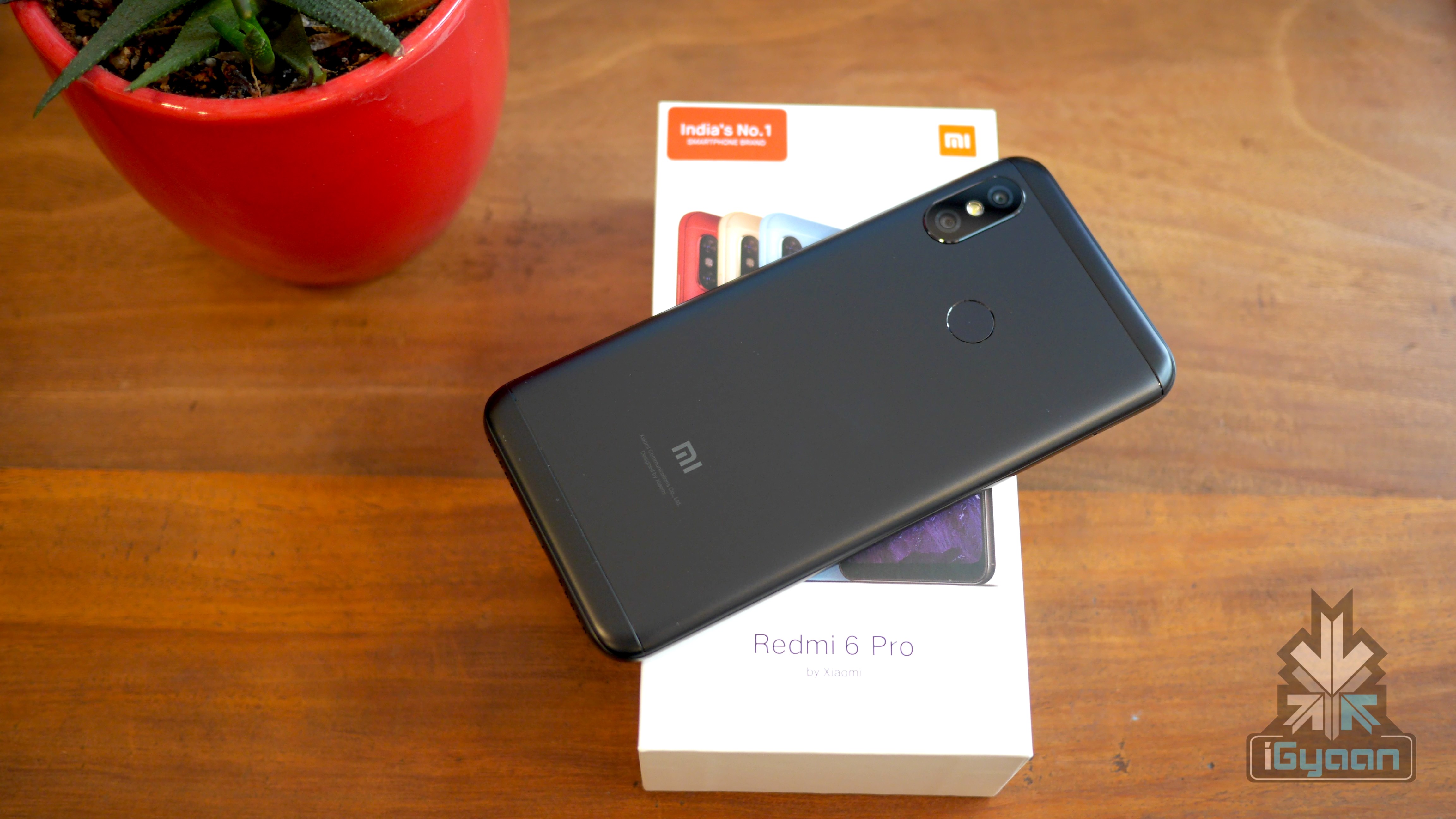
The Redmi 6 Pro has been launched in India by Xiaomi, following a lot of anticipation. The Redmi 6 Pro is one of the three smartphones launched by Xiaomi today, the other two being Redmi 6 and Redmi 6A. Following a series of tweets and teasers on Amazon as well, we finally have our hands on the device. Xiaomi also announced that the device will be having dual VoLTE support. So here’s everything about the brand new Redmi 6 Pro.
Display:
The Redmi 6 Pro has a 5.84 inch LCD display and a 19:9 aspect ratio. It has a resolution of 1080 x 2280 pixels and thus a pixel density of 432 ppi. It is the only device of the three launched to sport a notch on its display. The notch is also quite visible and is complimented by a chin at the bottom of the screen. The notch can also be hidden via settings.
Processor:
Housing the octagon core Qualcomm Snapdragon 625 SoC, the Redmi 6 Pro has a clock speed of 2.0 GHz. It has the Adreno 506 GPU. The phone is available in two variants, offering 3 GB and 4 GB of RAM respectively. The device also has internal storage options of 32 GB and 64 GB, which is expandable up to 256 GB. Running the MIUI 9.6 which will be upgraded to MIUI 10 soon, the device has Android 8.1 Oreo.
Camera:
At the rear, an AI enabled dual camera setup with 12 MP + 5 MP sensors is present on the phone. The sensors also have an aperture of f/ 2.2 each. Having PDAF and depth sensors, the dynamic range of the camera increases. The AI portrait mode gives an enhanced experience.
The Redmi 6 Pro can shoot videos in 1080p at 30 fps. The front facing camera has a 5 MP sensor with an aperture of f /2.0. It can shoot videos in 1080p at 30 fps as well.
Battery:
Running on a 4000 mAh battery, it is expected to pack quite a punch. The device also has fast charging.
Price and Other Features:
The Redmi 6 Pro is priced at Rs 10,999 for its 3 GB / 32 GB variant and Rs 12,999 for its 4 GB / 64 GB variant. The prices are introductory and may be revised after a period of two months.
The device also has fingerprint scanner, face unlock and smart lock.The device also has 2+1 card slot, which includes a dedicated microSD slot. Xiaomi has also included a slim case for the phone in the box. It is available from 11th September exclusively on Amazon and on Xiaomi’s official website and will come to Xiaomi’s retail stores soon.
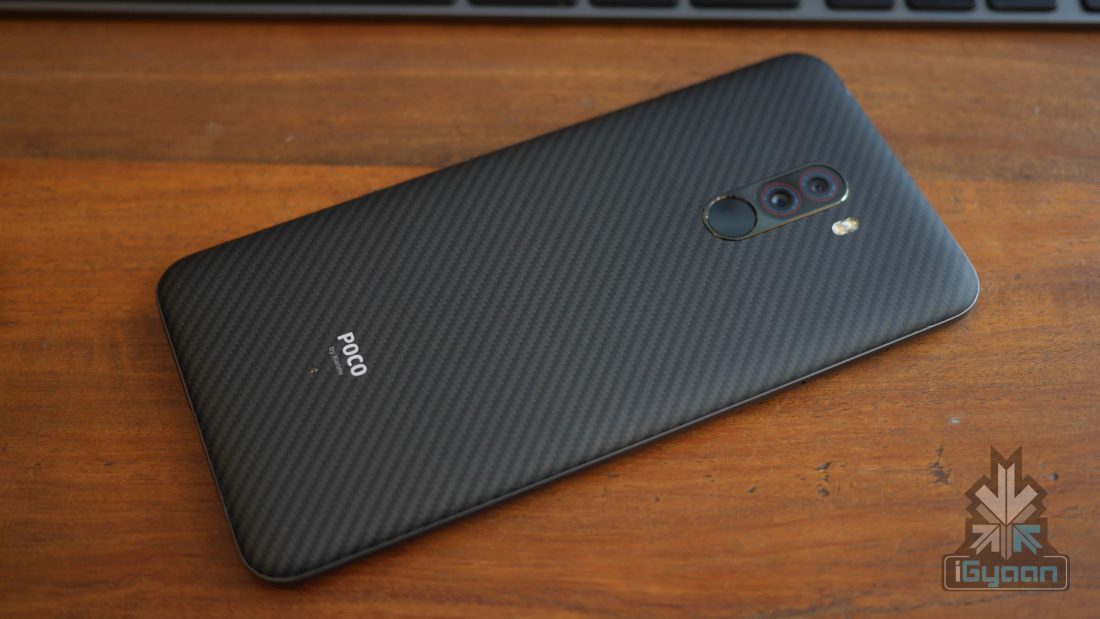
The much awaited Xiaomi Poco F1 will have its second flash sale today. The Armoured edition of the Poco F1 will be available on sale today for the first time. The device has created a ripple in the smartphone market with its flagship specifications at a mid-range price. With the first sale of the Poco F1 being recorded as the biggest sale on Flipkart yet, it might not be so easy to get your hands on the device.
The Poco F1 will be available on Flipkart and Xiaomi’s official website. Other than the armoured edition of the device, it will be available in Graphite Black, Rosso Red and Steel Blue colours. However, one has to be incredibly fast and lucky in order to get the device. The previous sale of the Poco F1 had Xiaomi earning over Rs 200 crore in less than 5 minutes and the device being sold out very soon. Poco however, did not reveal the number of smartphones it sold. But, if the amount is over 200 crores, then it’s pretty clear that they sold at least 68,000 devices. On the other hand, if all the devices sold were base models, the units sold can be close to 1 lakh.
The Poco F1 has a a 6.18-inch FHD+ display with a notch and an 18:9 aspect ratio. However, what really highlights the Poco F1 is the Snapdragon 845 chipset with the Adreno 639 GPU. The device is also liquid cooled, which prevents heating and offers peak performance with the chipset. The Poco F1 has four variants. The base variant offers 6GB of RAM and 64 GB storage and is priced at Rs 20,999. The second variant, priced at Rs 23,999, offers 6GB RAM and 128GB storage. The top variant comes with a 8GB RAM and 256GB storage and costs Rs 28,999.
On the back, it has a dual 12MP+5MP camera setup which offers AI compatibility. The rear camera records video in 4K at 30 fps. The 20 MP front camera has an aperture of f/2.0.The device runs on a 4,000 mAh battery and supports Quick Charge 3.0. It has Android 8.1 Oreo and has an IR scanner for Face Unlock and uses USB Type-C for connectivity and charging. The Poco F1 was in the news recently as the device lacs support for HD video playback. This has happened due to the limitations on the hardware, which only supports a stream of upto 540p.
For more details, check out our detailed review below:
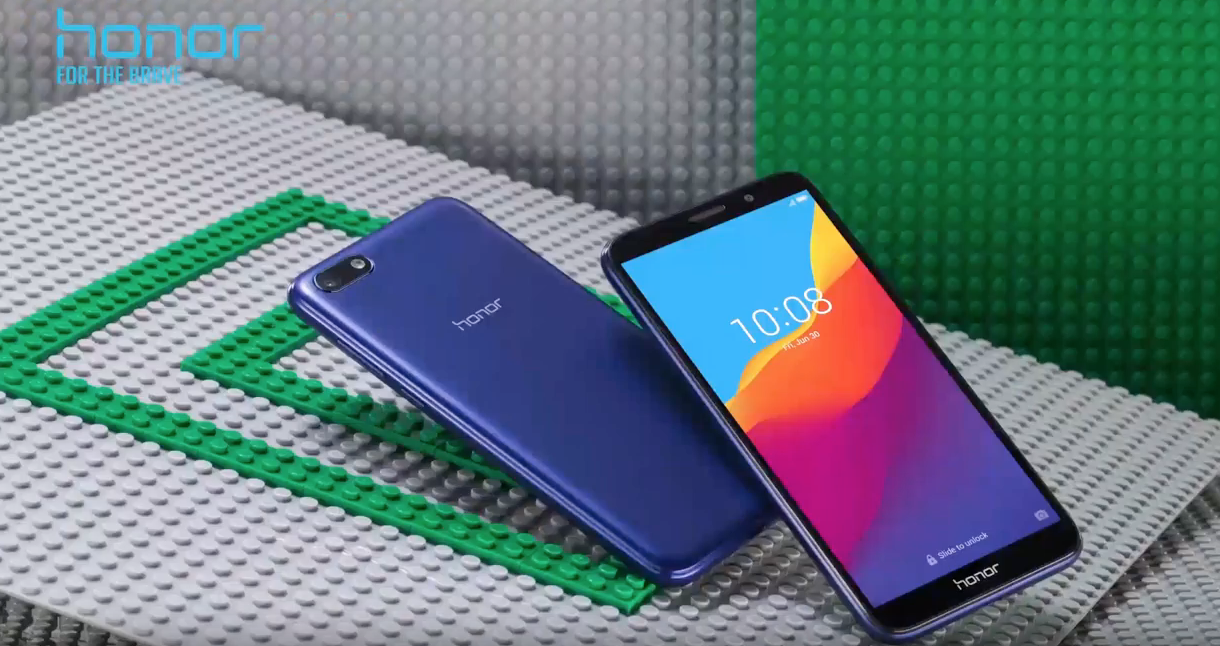
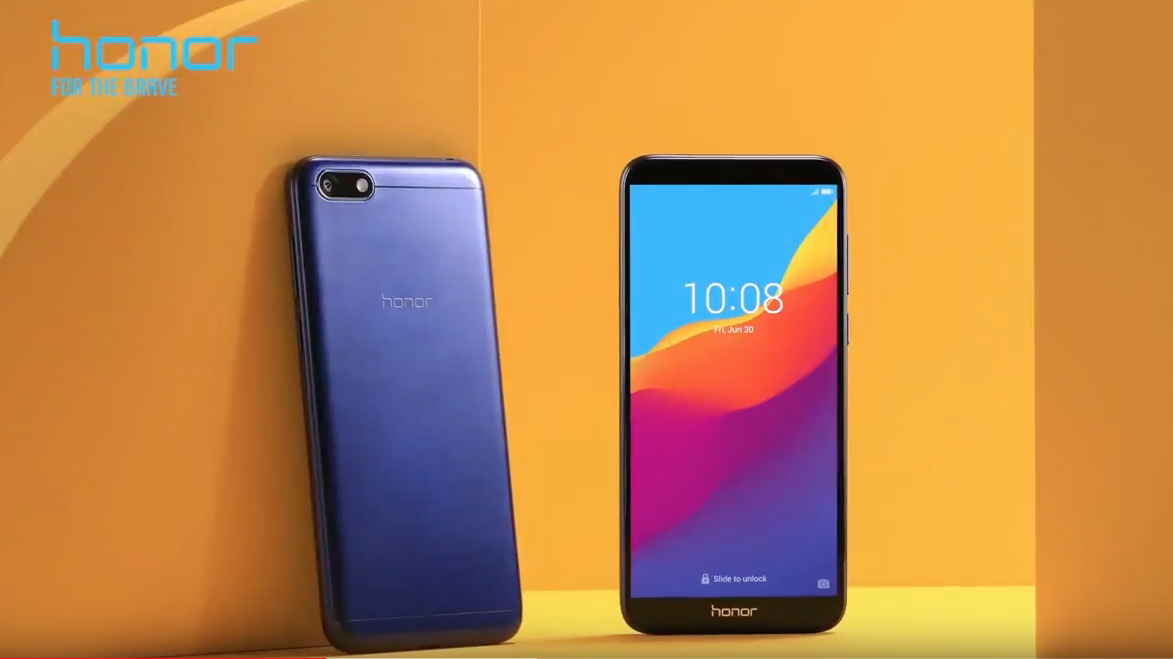
Honor has launched its Honor 7S smartphone, adding to the list of affordable smartphones in India. The Honor 7S is priced at Rs 6999 making it really affordable.
The phone is equipped with a 5.45 inch HD+ display and a native resolution of 720 x 1440 pixels. The device runs on the octa core Qualcomm MSM8937 SoC. It has 2 GB of RAM and 16 GB of internal storage. The device also has a triple slot tray with dedicated slots for two sim cards and a microSD card. This can be used to expand its memory up to 256 GB.
The Honor 7S packs a 3020 mAh battery and a 13 MP rear camera with PDAF and LED Flash. The front camera has a 5 MP sensor and a low power front flash that the company calls the ‘selfie toning light’. The device will be available in Blue, Gold and Black colours. The screen has a tap to wake up/sleep function and automatic split window capability.
An eye protection mode ( Blue light filter ) and a loud earpiece are some of the additional features of the device. The Honor 7S also has face unlock making it one of the cheapest devices to offer this feature.
The Honor 7S is priced at Rs 6,999 and will be available from 14th September exclusively on Flipkart.
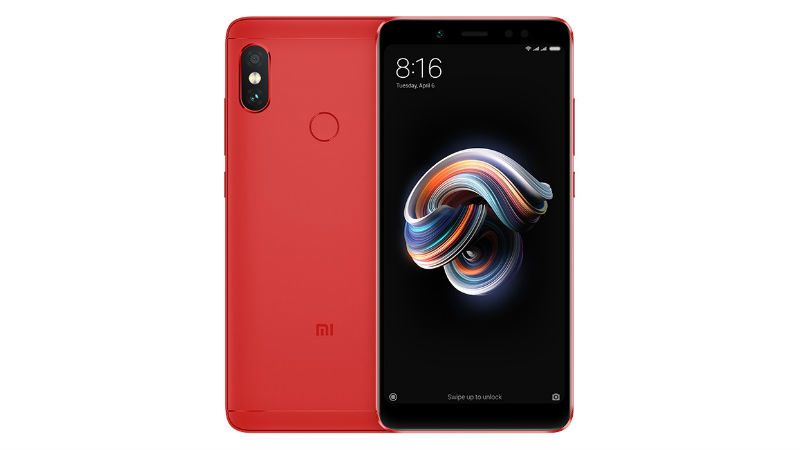
After a series of tweets which hinted at its launch, Xiaomi finally unveiled the Redmi Note 5 Pro Red edition. The device is also available for sale on the company’s official website and will be available on Flipkart soon.
The Redmi Note 5 Pro had been launched in India with four colours; black, blue, gold and rose gold. The red coloured variant had been released in China but was not made available in India. However, with a tweet this morning, Xiaomi announced the launch of the Red edition in India as well.
Red is my favourite colour! It is the colour of love ???
Excited that we are launching the brand new Red coloured #RedmiNote5Pro, India's No. 1 selling dual camera phone!
The Red edition of the Redmi Note 5 Pro Red edition retains all the other specifications and features of the Redmi Note 5 Pro. The device has two variants, because of varying RAM. It has a 4 GB and 6 GB variant. The internal memory of the device is 64 GB. The memory of the device is expandable up to 256 GB.
It runs on the Snapdragon 636 processor clocking out at 1.8 GHz. The device features a dual rear camera with a 12 MP and a 5 MP sensor. The Redmi Note 5 Pro Red edition packs a 4000 mAh battery and runs Android 7 Nougat and MIUI 9.
The Redmi Note 5 Pro Red edition is already available on the official Xiaomi website and will soon be available on Flipkart. The device is priced at Rs 14,999 for the 4 GB/64 GB variant and Rs 16,999 for the 6 GB/ 64 GB variant.
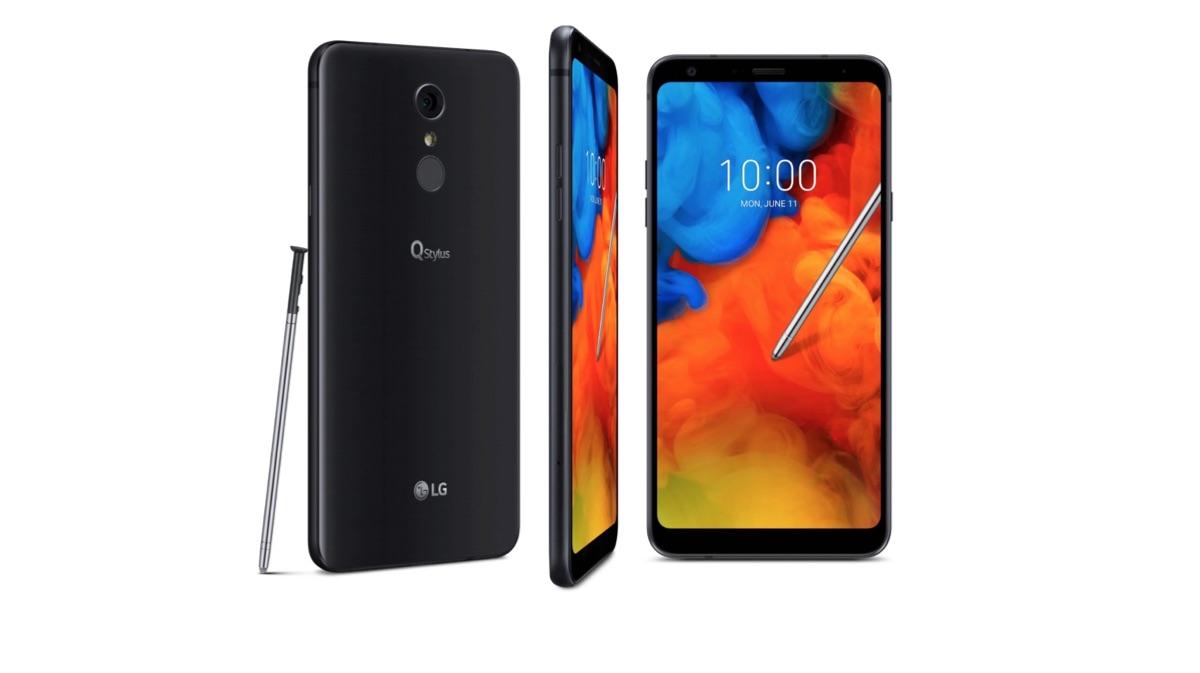
LG introduced its new smartphone, the Q Stylus+. The device aims to provide another dimension to its ‘exceptionally priced’ mid-range smartphones, according to LG. They also say that the phone is aimed to further optimise the role of a stylus to ensure maximum utilisation of the device.
The device has a 6.2 inch FHD+ display with an 18:9 aspect ratio. Unlike the current trend, the device does not have a notch, it sports bezels instead. The device has a 1.5 GHz octa- core processor and has 4 GB of RAM. Running on Android 8.1 Oreo, the LG Q Stylus+ has 64 GB of internal memory which can be extended up to 2 TB.
Breaking another trend, the LG Q Stylus+ has a single camera setup on the back. This has a 16 MP sensor while the front camera has an 8 MP sensor. The device has a 3,300 mAh battery and is IP68 dust and water resistant.
LG has laid great focus on the stylus capability of the device. The stylus has ‘handwritten input features’. An intelligent palm rejection system ensures that if your hand is resting on the display, it will not meddle with the stylus’s input. The device can recognise and record handwritten notes even while the display is off. Additionally, the stylus can be used to personalise images and videos to create GIFs.
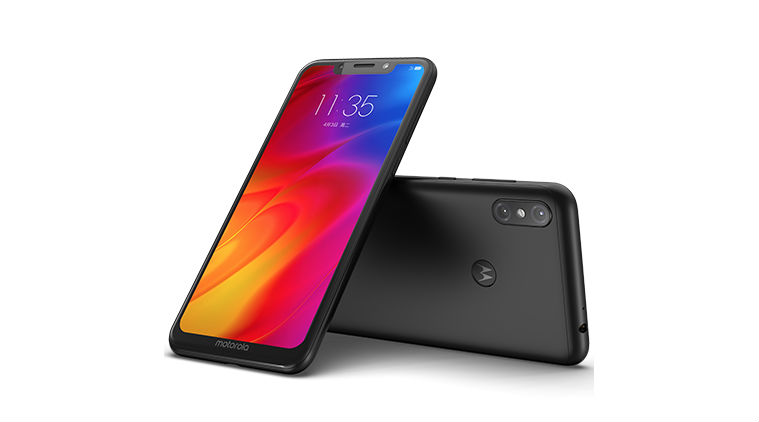
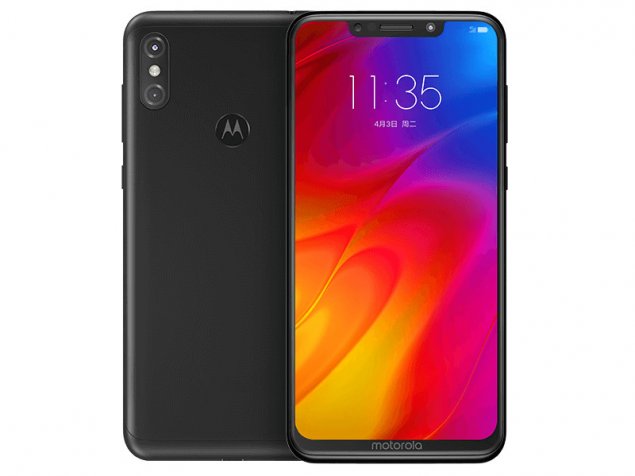
Motorola announced the launch of its P30 Note in China. The device is the latest addition to the P series of phones, following the Motorola P30.The massive 5000 mAh battery sets it apart from its predecessor. The Motorola P30 Note is already on sale in China.
The Motorola P30 Note has a massive 6.2 inch LCD display with an 18:9 aspect ratio. The display has a native resolution of 2246 x 1080 pixels and also sports a massive notch.
The device runs on the Qualcomm Snapdragon 636 chipset and has 4 GB/ 6 GB of RAM. It has an external memory of 64 GB. This is expandable up to 128 GB or more, according to reports. The device has ZUI 4.0 running with the Android 8.1 Oreo OS.
Checking out the camera department, the P30 Note has a dual camera setup at the back. Two 16 MP + 5 MP sensors with an aperture of f/1.8 and f/2.2 respectively, comprise the setup. The front camera has a 12 MP sensor with an aperture of f/2.0 and supports AI beauty features.
However, the device is deeply similar to the Motorola One Power which is going to be launched exclusively in India. A few minor differences set them apart. The big difference being, the Motorola P30 Note runs the ZUI 4.0 OS and not Android One like the Motorola One Power.
The device packs a huge 5000 mAh battery, which adds to its weight. The device is available on sale in China at CNY 1,999 (Rs 20844) for the 4 GB version and CNY 2,299 (Rs 23,973) for the 6 GB version.
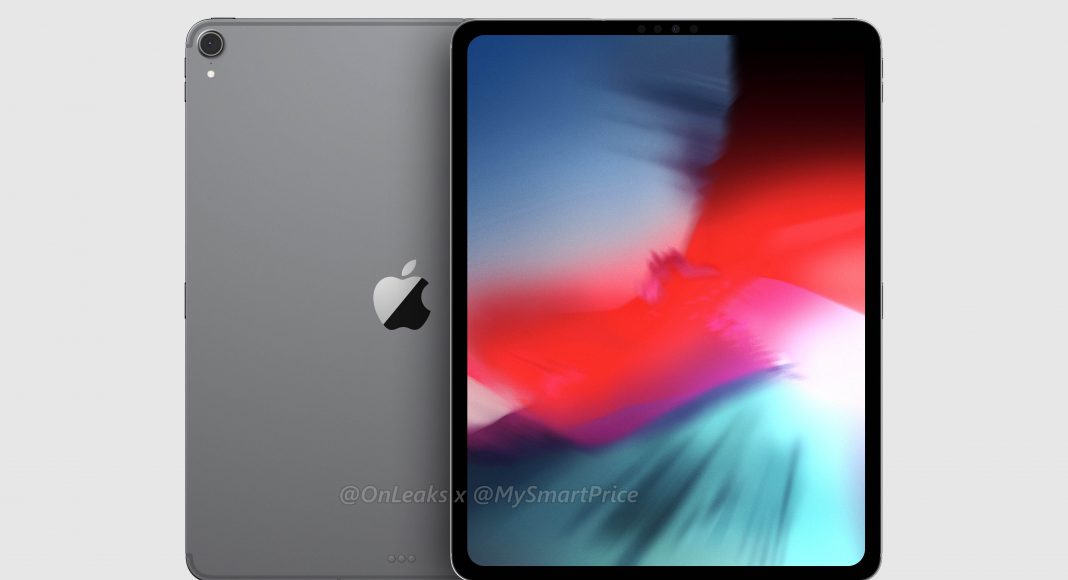
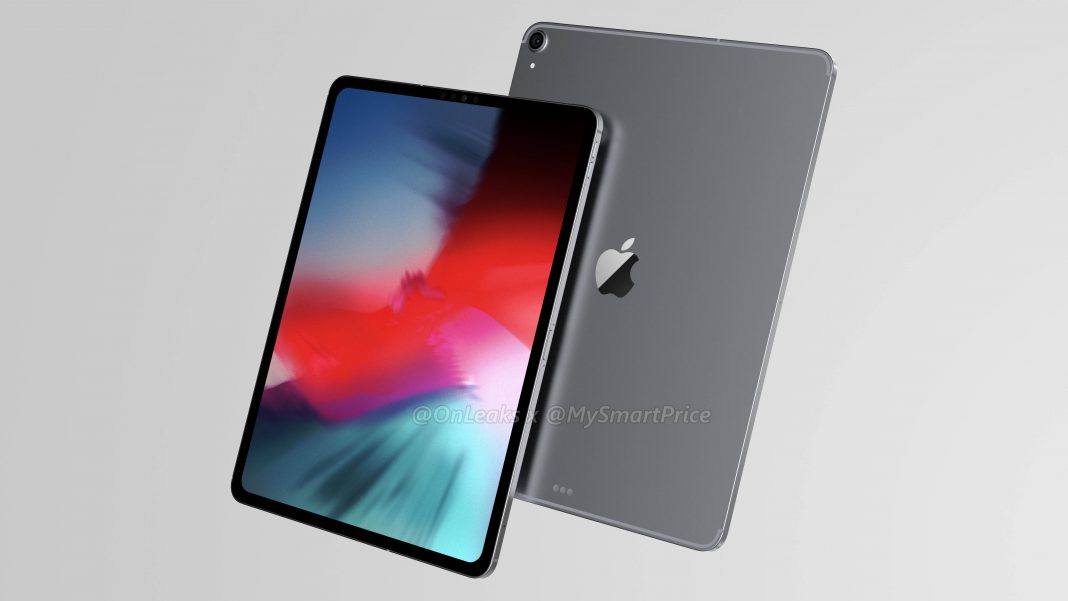
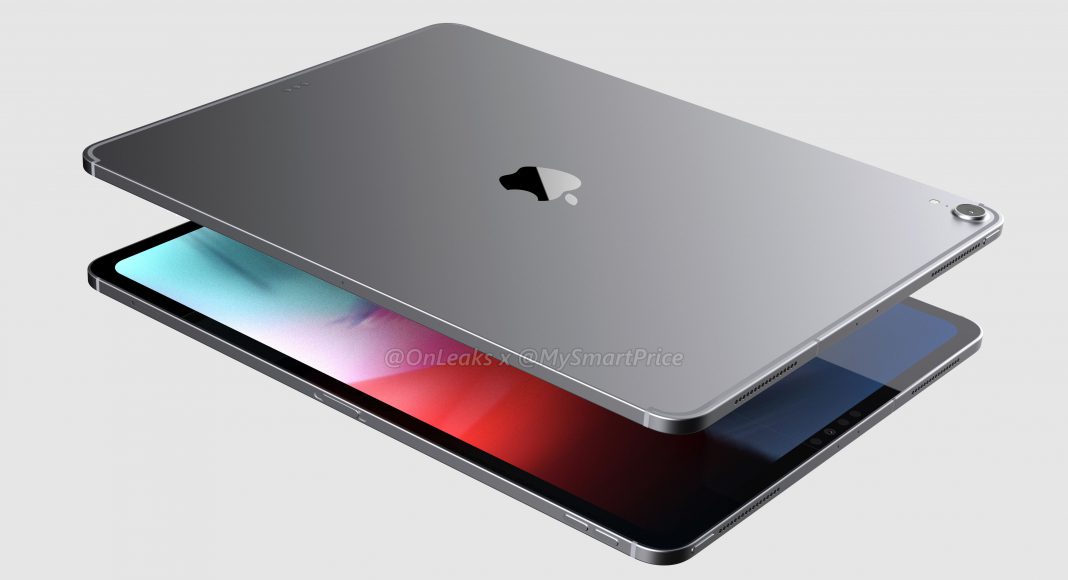
The upcoming Apple iPad Pro 2018 has been leaked with full specifications and detailed renders. The iPad Pro is expected to launch in a 12.9 inch and a smaller 10.5 inch variant at the upcoming Apple Launch Event.
Design:
From the very first glance we can see that the iPad Pro 2018 is starkly different form its earlier variants. We can see the lack of a home button, a sharper design and thin, uniform bezels around the device.
The absence of a home button could hint at the fact that the device is getting a true depth camera and Face ID. Other than this, the lack of a headphone jack is also noted on these renders. The charging port is at the bottom middle of the device. However, this is right below the Smart Connector, which is placed on the back.
The Smart Connector is used to pair the iPad Pro with a keyboard to increase usability. The move to shift the Smart Connector to the bottom could be because of the fact that Face ID does not work horizontally. Therefore, the new iPad Pro might be used vertically, even for typing.
Specifications:
Two variants, the 12.9 inch and 10.5 inch iPad Pro are expected this year. However, it is reported that neither of them will have an OLED, rather they will have an LCD panel.
The iPad Pro 2018 is also reported to run on the new A12X chipset. According to rumours, the A12X is going to be made using the 7nm technology which boosts performance and increased battery life. However, the devices are expected to have 4 GB of RAM, with varying storage variants going up to 512 GB.
Additional Features:
The new iPad Pro will continue to offer Apple Pencil support, according to reports. The slimmer bezels will mean that the iPad Pro 2018 will be smaller in size, despite the same screen size as its predecessor.
Launch and Price
The iPad Pro 12.9 2018 is expected to be launched at Apple’s annual Keynote event. The event will be held on 12th September. Reports place the 10.5 inch variant to start at Rs 54,999 and the 12.9 inch variant to start at Rs 64,999.
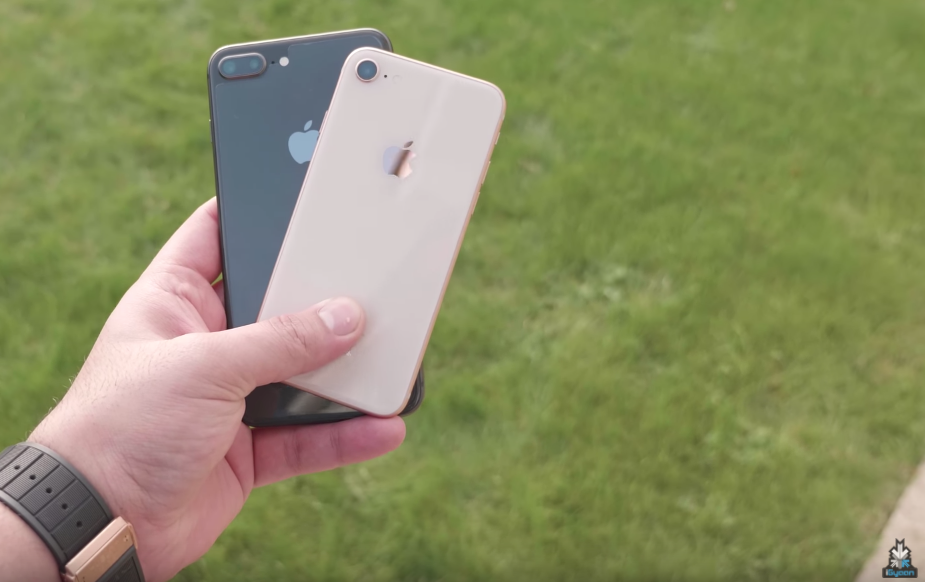
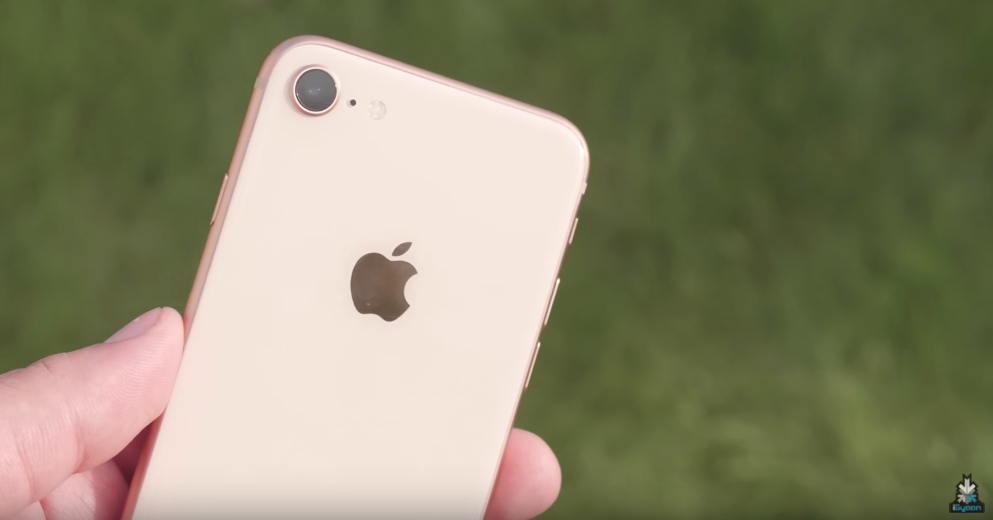
Apple seems to be battling with hardware problems in some of its devices. The iPhone 8’s logic board has been affected because of which multiple problems plauging the device. Apple has launched a new logic board repair program for the iPhone 8 to tackle the same.
The logic board in some iPhone 8 models are causing major problems. It is therefore causing the device to restart, freeze and even be unresponsive for periods of time. Apple says that a ‘very small percentage’ of devices have logic boards with manufacturing defects which is causing the problem. Apple says that the units sold between September 2017 and March 2018 in China, Hong Kong, India, Japan, Macau, New Zealand, and the U.S are affected.
If your device is amongst those which has been affected, you can apply for a fix. The repair will be done free of cost, according to Apple. You can check whether your iPhone 8 is covered by this program. To do so enter the serial number of your device on this website. The problem does not affect iPhone 8 plus or any other iPhone models. If you have an eligible device, you can make an appointment at an Apple retail store, contact an Apple Authorised Service Provider or even arrange for mail-in service through Apple support.
Apple also recommends affected customers to back up their iPhone to iTunes or iCloud before giving it for repair. Any iPhone 8 device with damage that can affect the ability to complete a logic board, such as a cracked screen, needs to be repaired prior as it won’t be covered in this program. The program also covers affected iPhone 8 devices for three years after the first retail sale of the unit.
10 years ago, Google brought the Chrome internet browser into this world. At a time when Firefox was battling the giant Internet Explorer and Safari was used by a few, Chrome marched in and built an empire for itself. Most switched to Google Chrome around 8 years back, and since then, have never looked back.
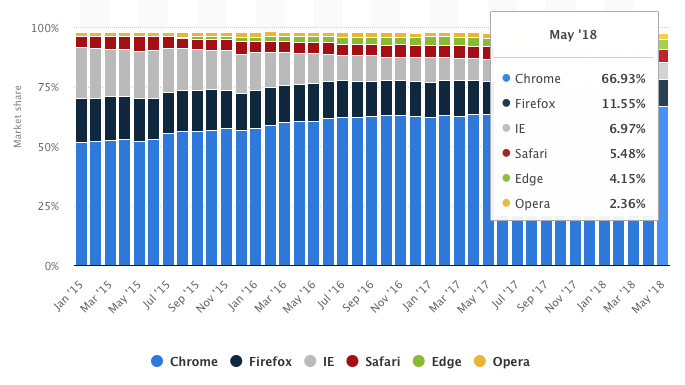
Google officially introduced Chrome in 2008 and it supported Windows at that time. By 2009, the company released Chrome for Mac Os and Linux as well. Fast forward to 2018 and Chrome now holds more than 60% of the internet browser market share, way ahead of its competition, the closest holding 11 %. The journey has been incredible, both for Google and the users. So here’s a look at 10 years of Chrome and the revolution that it brought along.
The Rise and Fall of Microsoft:
In the early 2000’s, the only competition Microsoft had was from Netscape. After it gained certain victory over Netscape, Microsoft now dominated the market, mostly because it had no rival. Microsoft introduced the Internet Explorer 6 along with Windows XP. Internet Explorer 6 worked very well with certain features of XP and came into a booming internet market. The users of Windows XP utilised IE 6 to access the web and soon it became synonymous with the internet for those users. IE 6 continued to rise in popularity and soon commanded more than 90% of the market. The top position gave Microsoft the power to do what it felt, or so it thought. Microsoft started disregarding open web standards and policies. Most websites started optimising themselves for IE 6, giving one the best experience.
With the rising popularity of the web, were set which would help developers design sites to work across various browsers and platforms. Microsoft largely ignored these standards. With the rising popularity of IE 6, developers had no other way out than to optimise their websites for IE.
Soon competition rose in the form of Firefox and it came out with new features such as tabbed browsing and a pop-up blocker. With IE 7, Microsoft introduced tabbed browsing and a few other features to ensure its relevance is up to date. However, it didn’t make much of an effort to improve its compliance with web standards. The criticism against Microsoft started growing.
Enter: Google Chrome!
Google Chrome came crashing down on this. It focused on web standards and passed the Acid 1 and Acid 2 tests. These tests determined the degree of compliance with web standards that a browser exhibited. Microsoft had not been able to pass these tests at that point of time.
The entry of Google Chrome made the Internet Explorer a Meme Favourite
Soon, developers started moving towards Chrome as they could now build better websites based on web standards. Now Microsoft had two threats to worry about and the internet browser battle ensued. Google used components from Apple’s WebKit rendering engine and Mozilla’s Firefox to help build Chrome. It also made Chrome’s source code available openly under the name Chromium Project.
One of the most important features that Chrome brought with it was that of sandboxing. In simple words, sandboxing ensured that the contents of one tab stay in that tab. For example, if you accidentally access a sit which has malware or has been hacked, the sandboxing feature ensure that the other tabs will not be affected. Furthermore, the malware from that tab won’t spread into other parts of your computer. Sandboxing also helps in increasing the speed and stability of Chrome.
Soon, Chrome evolved to become something that was just more than a browser for PC’s. Over the years, it has grown to be one of the most preferred browsers for laptops, mobiles and tablets as well. Numerous applications such as Opera and Steam also use Chrome’s Blink engine.
However:
It is not all sunshine for Google. Recently, Google has drawn criticism as some allege it is stepping into the same spot that Microsoft did years back. With the development of new apps that ‘work best with chrome’ on the rise, some comparisons can certainly be drawn. Apps like Google Meet, Allo, YouTube TV, Google Earth, and YouTube Studio Beta block Microsoft Edge from accessing them and instruct users to download Google Chrome instead.
The use of the Google homepage for the ‘propagation’ of Chrome is also something which cannot be ignored Since google is the most widely used search engine, millions of people visit the homepage every day. If you happen to visit the page through a browser other than google, numerous messages will suggest that you download Chrome instead of the regular browser.
Companies other than Google are also making ‘Chrome only’ apps and websites optimised for Chrome. This surely does remind us of Microsoft’s tactics with IE 6. This is ironic, considering that Google Championed the cause of sticking to open web standards.
The Future:
Via Bleeping Computer
Over a decade, Chrome has evolved into a platform and it is no longer just an internet browser. Chrome books are extremely successful and perform a majority of tasks revolving around the browser. Considering the fact that it has grown to such an extent within this time, it is exciting to think about what it may bring in the coming few years.
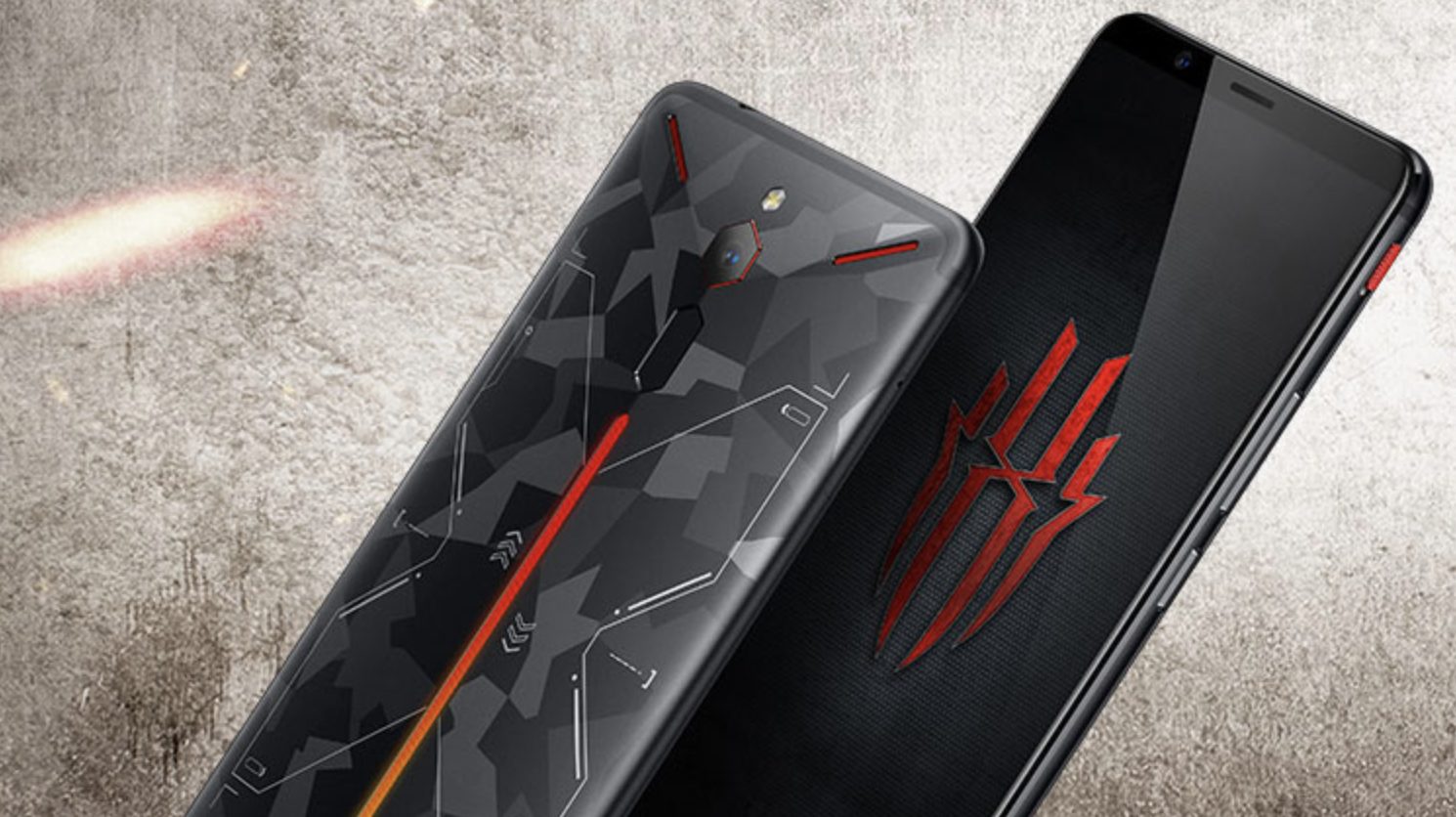
The Nubia Red Magic was launched earlier this year, adding to the growing list of specialised gaming smartphones. Not much time has passed after its launch and we hear that the Nubia Red Magic 2 is on the way. The Nubia Red Magic 2 gaming smartphone will supposedly be powered by the Snapdragon 845 chipset and bring along a whole new set of upgrades.
More Power, More Gaming:
According to a twitter user, Nubia is already working on the Red Magic 2 gaming smartphone. The device will have shoulder mounted buttons and a Snapdragon 845 SoC to improve its gaming experience, according to reports. Not much about the Nubia Red Magic 2 is known as of now. However, the Nubia Red Magic is well known in the gaming smartphone segment.
Nubia Redmagic actually seems pretty nice for 449 Euro with SDM835, 8/128GB and all the other fancy stuff. Btw: new Redmagic device w/ Snapdragon 845 and shoulder buttons is in the works. pic.twitter.com/m64KS9LTfk
The Nubia Red Magic packs a Snapdragon 835 SoC despite being a dedicated gaming phone. This can be off-putting considering that it doesn’t use the faster Snapdragon 845. However, Nubia claims that it still offers one of the best gaming experiences. The Red Magic has a 6.0-inch 1080 x 2160 screen. It comes with 8GB of RAM and 128GB of storage. The back is made of aluminum and has an RGB LED strip. There is a single 24MP sensor on the back and an 8MP front-facing camera above the display. It has a smart amplifier and DTS audio. There is a 3,800mAh battery under the hood with support for fast charge. It also has a new air convection cooling system to keep the device cool.
The Nubia Red Magic is one of the few gaming smartphones available now, though the number is growing. Recently we saw many manufacturers taking to making a dedicated gaming smartphone such as the Xiaomi Black Shark and the Asus ROG. The timeline for the release or the price of the phone is not available, but it is possible that it may be launched late 2018 or early 2019.