Blog

  • Intel Facing Multiple Lawsuits Over Chip Security Flaw

    Intel Facing Multiple Lawsuits Over Chip Security Flaw

    The last couple of days have been frantic for the tech community. Ever since Google released two documents detailing the security flaws in almost every CPU in the world right now, the consumers have patiently waited for a fix for their devices. Some, however, have decided to take matters into their own hands. Owners of Intel-based CPUs in Oregon, California and Indiana have sued Intel over the security flaws that have been highlighted in its chipset.

    They claim that the vulnerability in the chipset, which Intel learned about several months ago, make its chips inherently faulty. Intel has provided security patches ever since, but, the complaints raise concerns that these patches will hinder the performance of their computers and is not an adequate response to the serious issues raised against the company’s products.

    A couple of days ago, Google along with other security researchers released a couple of documents which chronicled the major security flaws in Intel, AMD, and ARM processors. The reason this flaw is much more complex than the usual software or hardware bugs is that it’s more than just a bug that can be fixed with an update. The flaw lies in the middle, at the level of the processors’ “architectures,” in the way all the millions of transistors and logic units work together to carry out tasks.

    Meltdown and Spectre exploit critical vulnerabilities in modern processors. These hardware bugs allow programs to steal data which is currently processed on the computer. While programs are typically not permitted to read data from other programs, a malicious program can exploit Meltdown and Spectre to get hold of secrets stored in the memory of other running programs. This might include passwords stored in a password manager or browser, personal photos, emails, instant messages and even business-critical documents.

    Google announced a fix for one Meltdown and Spectre vulnerability each and claimed that these fixes won’t result in system slowdowns which was feared by many.

  • Google Sold More Than One Google Home Device Every Second Since October

    Google Sold More Than One Google Home Device Every Second Since October

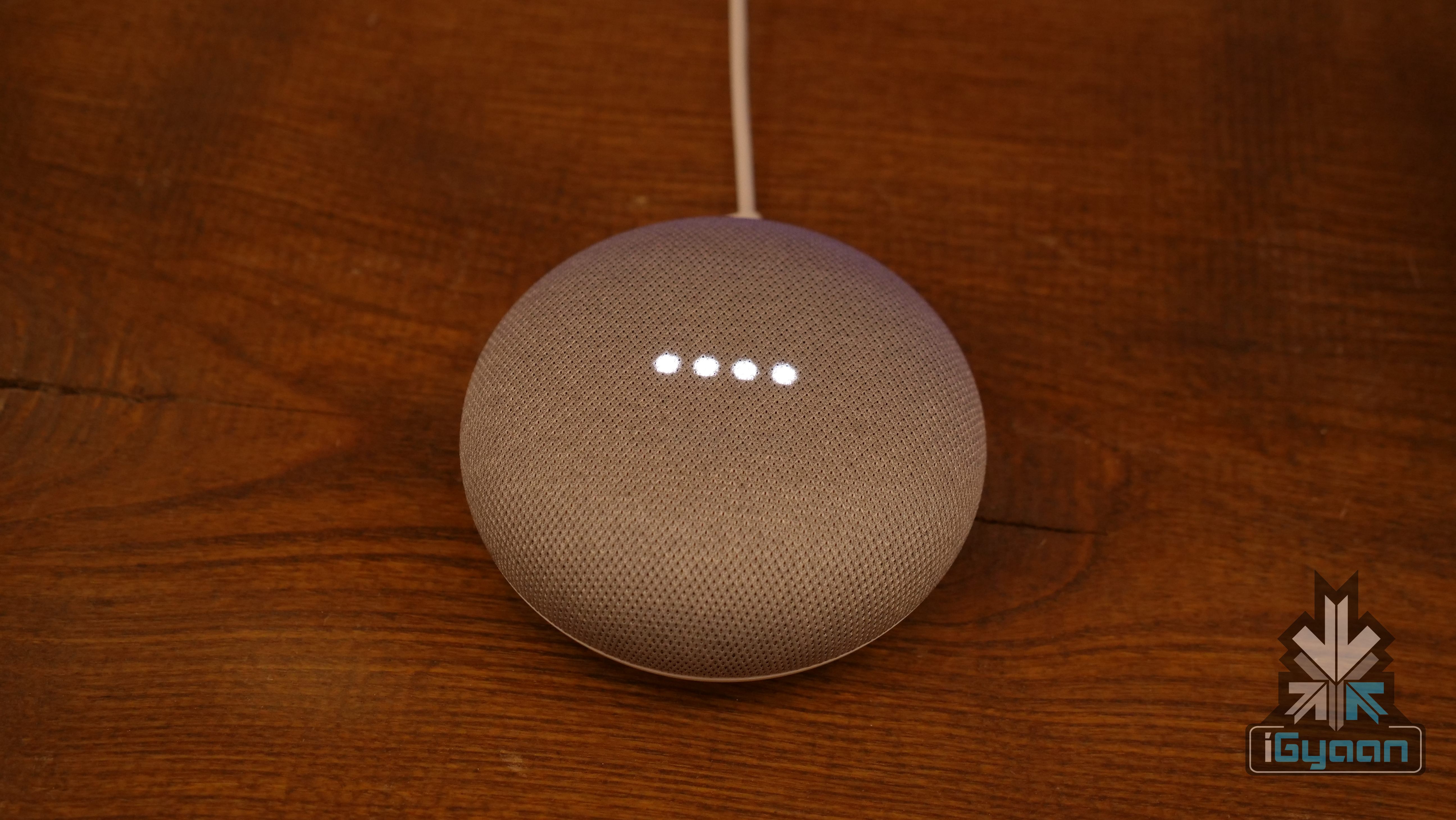
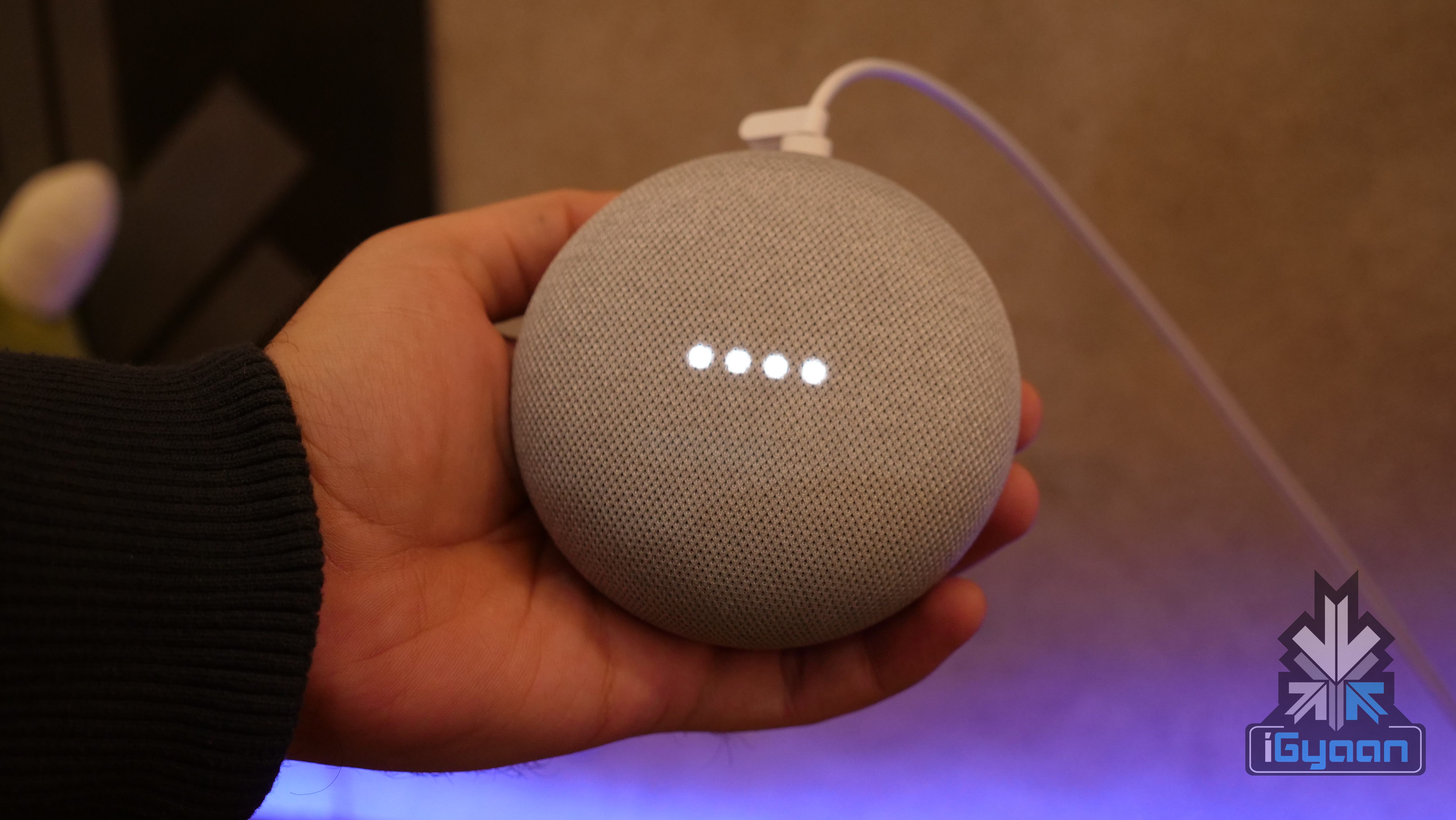
    On the 4th of October, Google took to stage to launch the Pixel 2 devices along with the highly anticipated cheaper version of the Google Home, called the Google Home Mini. As much exciting the Pixel 2 and Pixel 2 XL devices were, the Home Mini and the Home Max really caught people’s attention. Even though Amazon really opened up the smart speaker market with its line of Echo speakers, Google appears to be the company that has benefited from the surge in demand for more smart home tech.

    Google Home Mini

    In a blog post, Google announced the success of its ‘Home’ lineup:

    So it’s no wonder we’ve sold tens of millions of all our Google devices for the home over this last year. And in fact, we sold more than one Google Home device every second since Google Home Mini started shipping in October.

    [amazon_link asins=’B071NB4PGV’ template=’ProductAd’ store=’igyaan-21′ marketplace=’IN’ link_id=’ab6d61d0-f2a4-11e7-8545-8583a883cf2e’]

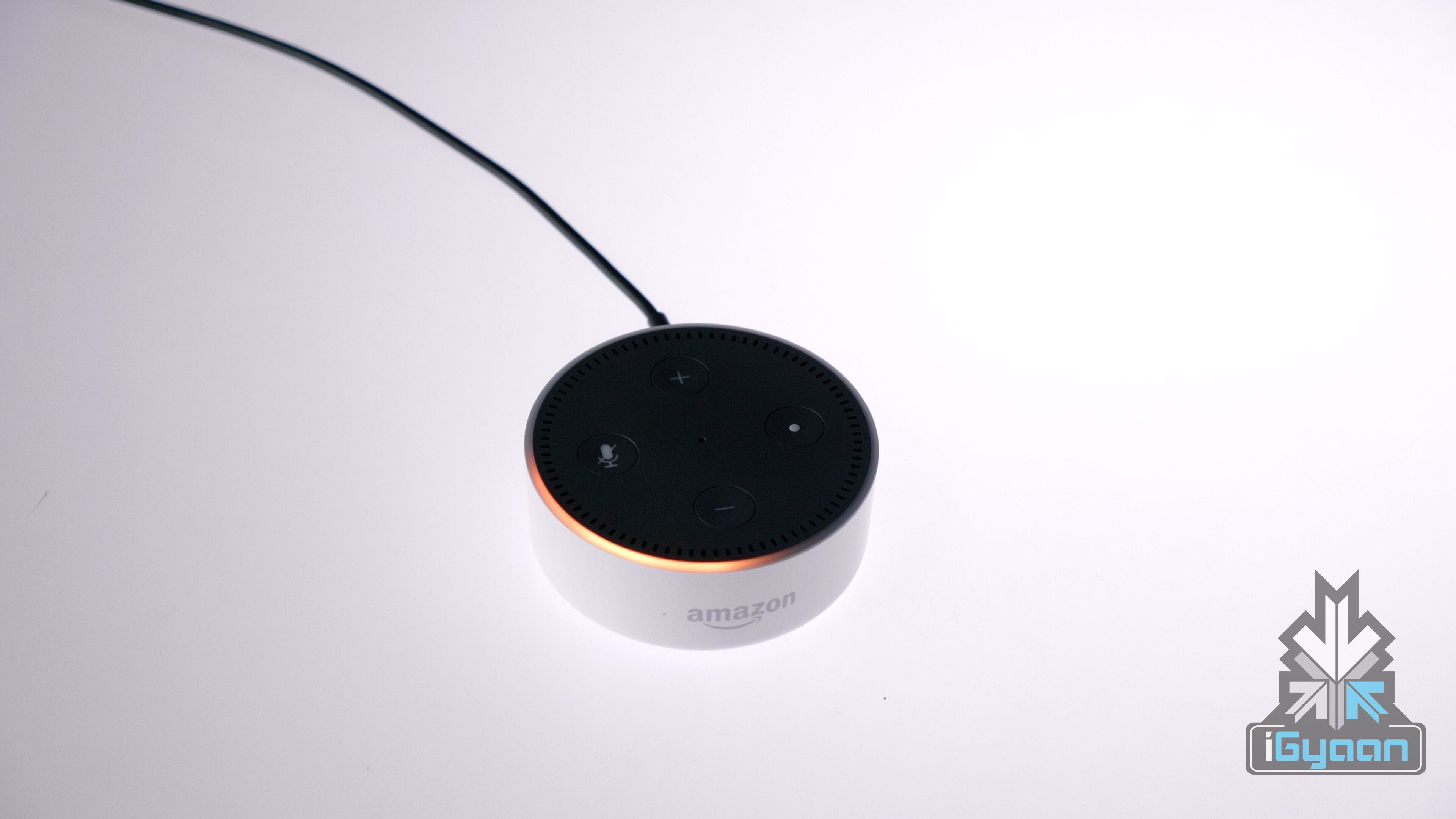
    2017 was an important year of Google’s hardware, and where the Pixel 2 devices failed to meet the soaring expectations, the Google Home devices have been extremely well received. Before October od 2017, Google had one speaker, the Google Home which was sounded okay, but, wasn’t really affordable and the Amazon Echo Dot was available for less than half its price. Before the October launch event, there were rumours that Google will launch an Echo Dot competitive and so it did. The Home Mini was launched at a price of US $49 (Rs. 3,100 approx.) and came down to as low as US $20 during the holiday season.

    Amazon Echo Dot Is Now Available In India

    While the Home Mini was for people who were just starting out with the whole smart home setup, the Google Home Max was for people who didn’t mind spending a lot of extra cash for a special sounding smart speaker. While the Home Mini, shaped like a doughnut can easily gel with your furniture and not attract a lot of attention, the Home Max is massive and will grab a lot of attention because of how it looks. It is also priced at US $399 (Rs. 25,000 approx.) which is definitely pricey for a smart speaker. Google Home Max has two 4.5-inch woofers with tweeters covered by a fabric speaker grill. It features touch controls, supports Bluetooth as well as Google Cast and has a 3.5mm audio jack.

    Google Home Max

    It also appears that more Google Assistant-powered devices are on the cards as CES rolls around:

    And next week, we have even more things in store for the Assistant at the Consumer Electronics Show in Las Vegas. If you’re at CES, stop by the Google Assistant Playground (Central Plaza-21) to check out some of our new integrations, devices, and the newest ways you can use your Assistant.

    While the Pixel 2 devices had their stumbling blocks due to both hardware and software shortcoming, the Google Home devices, especially after that initial hiccup have been rather successful for the company. There is still no word from the company about the Google Home devices being launched in Asian markets such as India. But, with Amazon introducing its three Echo speakers in India, Google Home devices might not be too far away either.

  • New Samsung Galaxy S9+ Leak Reveals Slightly Thinner Bezels Than Samsung Galaxy S8+

    New Samsung Galaxy S9+ Leak Reveals Slightly Thinner Bezels Than Samsung Galaxy S8+

    The Samsung Galaxy S9 and S9+ are expected to be either launched at MWC or at a special event later in March. While there have been a few reports that predicted an early launch, possibly at CES 2018, the company conceded that an early launch is not on cards. That leaves us with just over a couple of months for all the leaks that will seemingly “confirm” what the devices will look like.

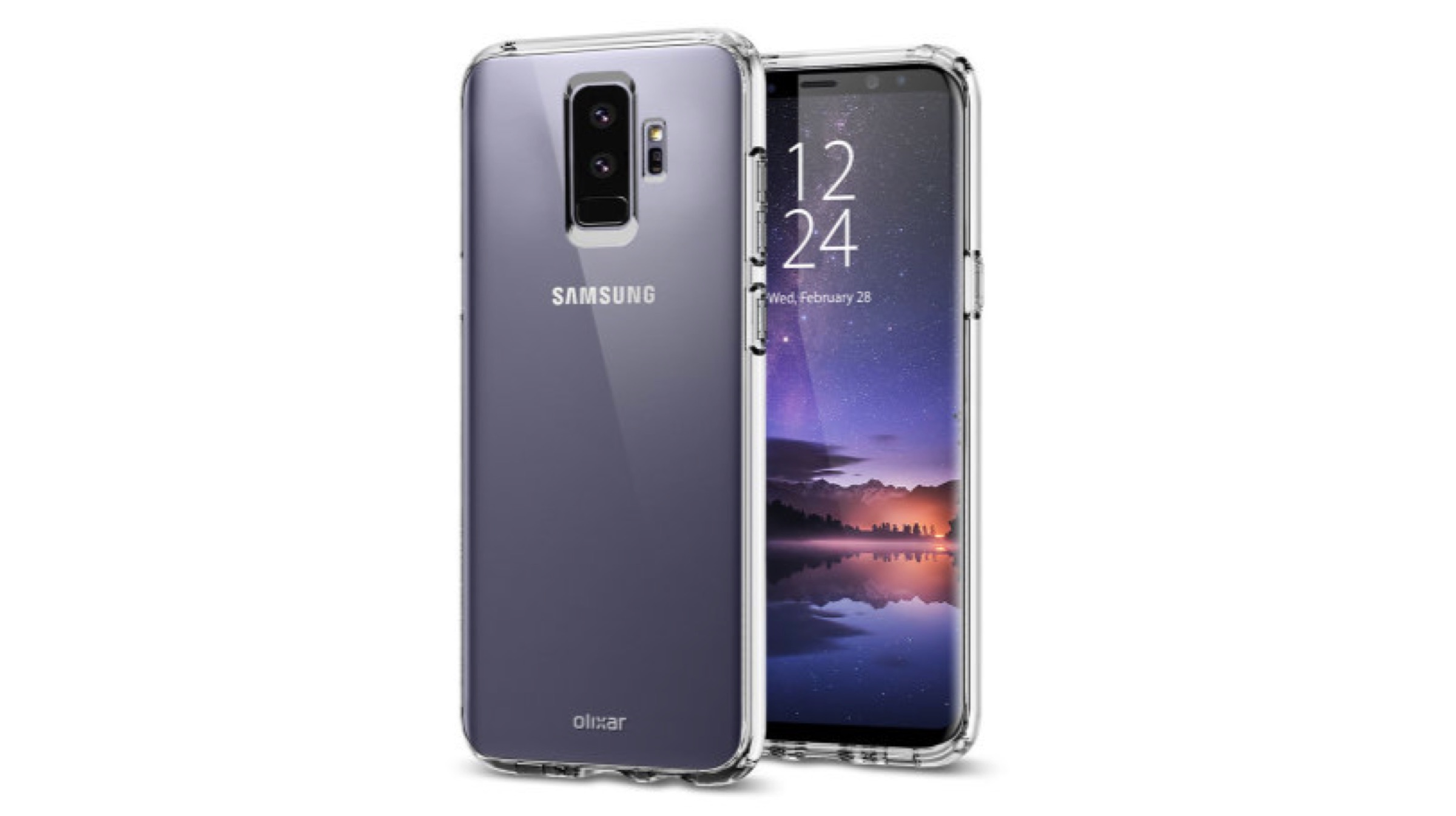
    Plenty of leaks and rumours have only been reported and this new leak of a screen protector has revealed something that has been speculated for a while now. The image shows that the bezels on the Galaxy S9+ (and presumably Galaxy S9) will be only slightly smaller than that found on their predecessors. While many believed that the new Galaxy ‘S’ devices will have a radical new design, multiple leaks have since, quashed those claims and it appears clearer than ever that the Galaxy S9 devices will look very similar to the Galaxy S8 devices.

    One great news for Galaxy S9 and S9+ aspirants is that the fingerprint sensor will be repositioned. As much as we had liked an in-display fingerprint sensor, the Galaxy S9 and S9+ will not adopt that technology yet and instead, place the fingerprint sensor below the camera, which is a much more ergonomic placement for the sensor.

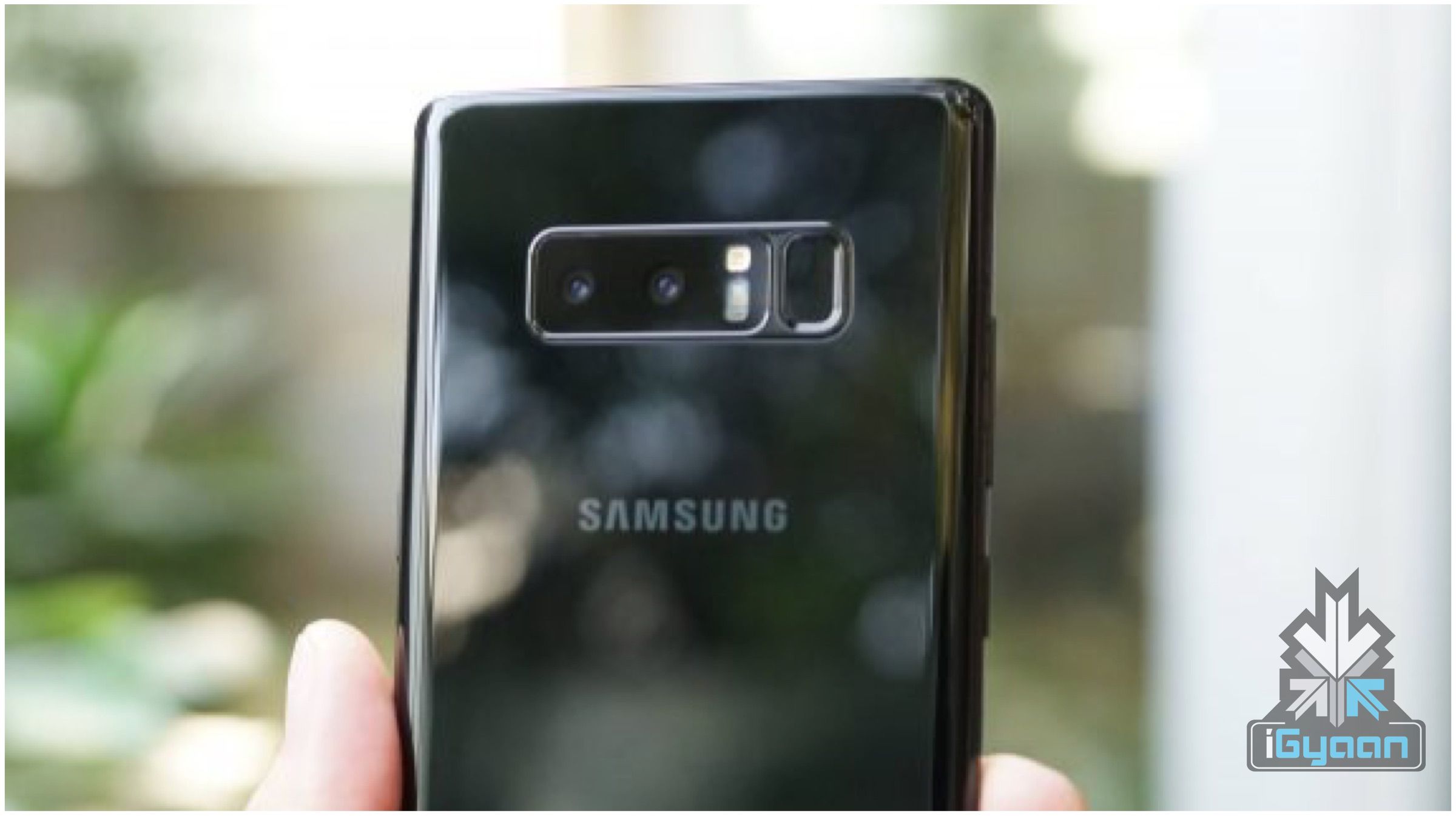
    While the Galaxy S8 and S8+ barely had any differences barring the screen and battery size, this year’s devices will have much more noticeable differences. The Galaxy S9 will continue to have a single camera at the back while the Galaxy S9+ will have a dual camera setup which could be vertically placed, unlike the Galaxy Note8.

    Horizontally placed dual cameras on the Galaxy Note8

    Both the devices are expected to be powered by the Qualcomm Snapdragon 845 chipset for the American and South Korean markets while the rest of the world will have the Exynos 9810 chipset-powered Galaxy S9 and S9+. The Exynos 9810 chipset has a lot of emphasis on AI, which means that the company is counting big on its facial recognition technology to challenge Apple’s Face ID.The display size will remain the same as that of the Galaxy S8 and S8+ with slightly thinner bezels.

    With 2017 witnessing thousand dollar flagship phones, the Galaxy S9+ could be priced similarly to the iPhone X while the Galaxy S9 will remain a bit more affordable than its bigger sibling.

  • Unboxing The Xiaomi Redmi 5 Plus

    Unboxing The Xiaomi Redmi 5 Plus

    Xiaomi recently launched the Redmi 5 and Redmi 5 Plus in China. The two budget smartphones sport a modern 18:9 aspect ratio and are expected to launch in India soon. Ever since the Redmi 5 Plus was launched, there were rumours that Xiaomi will launch the Redmi 5 Plus in India as the Redmi Note 5 and drop the ‘Note’ series in China altogether.

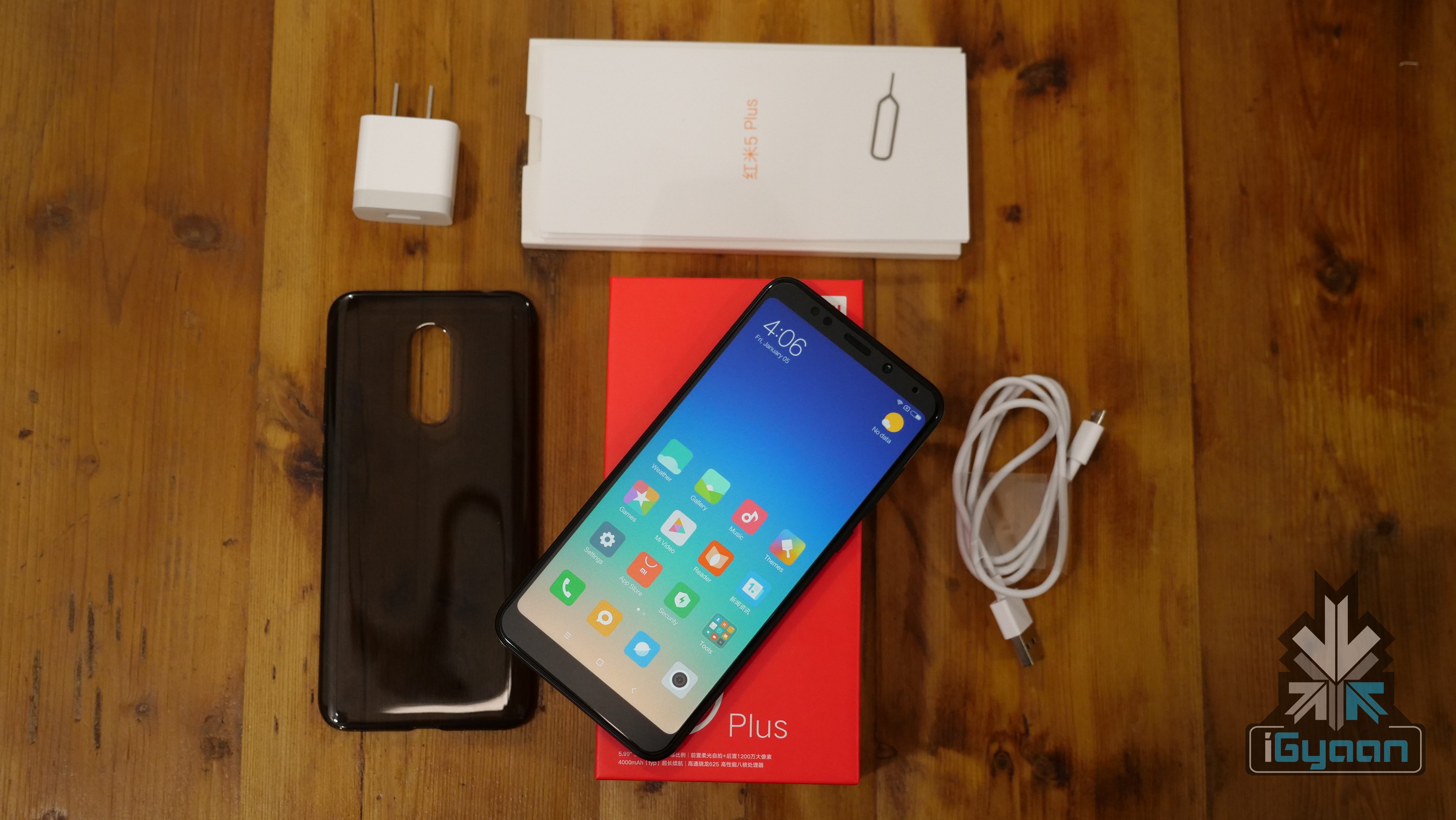
    Let’s unbox the Redmi 5 Plus and see what we get inside the box:

    • Xiaomi Redmi 5 Plus
    • Documentation
    • Sim ejector tool
    • Micro USB cable
    • Wall charger
    • Clear Case

    First impressions

    The first thing you notice about the Xiaomi Redmi 5 Plus is the tall display and relatively thinner bezels around. By no means is it a bezel-less display but, the curved corners make the display look better. The form factor of the device is surprisingly comfortable especially considering that it houses an almost 6-inch display. The phone, although a bit slippery, is comfortable and if you’d like to protect from the get-go, the company provides a clear case inside the box.

    Specifications

    It has a 5.99-inch display with a 2160 x 1080px resolution which again, translated to an 18:9 aspect ratio.

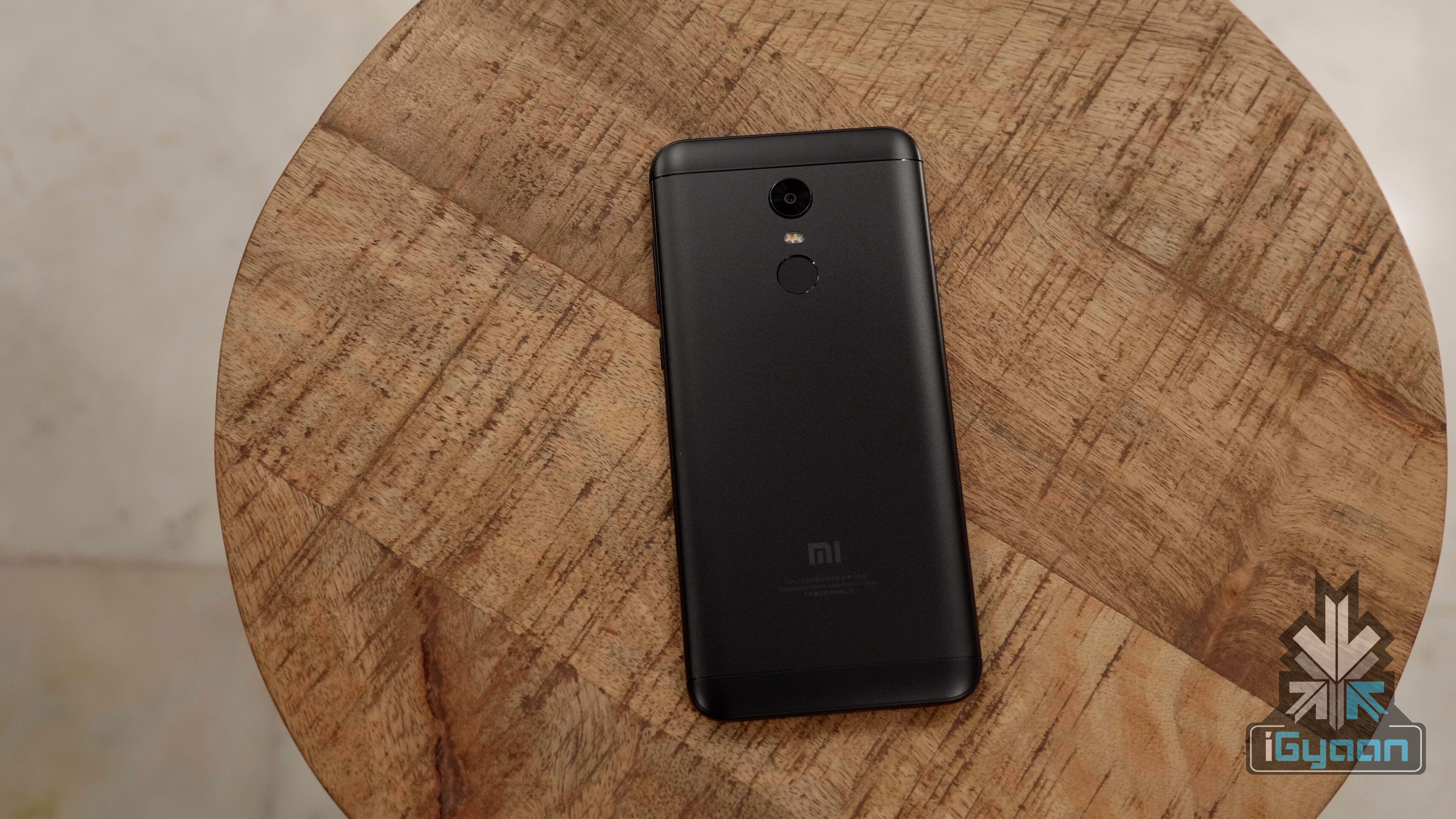
    Under the hood, the Redmi 5 Plus has the Qualcomm Snapdragon 625 chipset, 2.0GHz octa-core processor, Adreno 506 GPU, 3GB or 4GB of RAM, and 32GB or 64GB of onboard storage which will be expandable via microSD card. The fingerprint sensor sits at the back of the device which has become a Redmi signature irrespective of thin or thick bezels.

    The Redmi 5 Plus is powered by a massive 4000 mAh battery which, according to Xiaomi, has a standby time of up to 17 days. The device has a micro USB port for charging and data syncing along with a 3.5mm headphone jack.

    The device has a 12MP primary camera with an f/2.2 aperture and a 5MP secondary camera with beautify 3.0 software.

    The Redmi 5 Plus is a solid offering at the price it is available for, and with a modern design combined with the performance of a Xiaomi phone, the device makes a good case to be a go-to budget smartphone.

    Buy it here

  • Top 5 Shows On Netflix You Should Watch This Weekend

    Top 5 Shows On Netflix You Should Watch This Weekend

    Netflix India still doesn’t stream Friends yet which might be called an abomination by a few. But, Netflix has recently added some amazing shows to its repertoire while one of the most famous TV series ever released its new season. So, if your plan for the weekend is to Netflix and chill, then these five shows need to be on your list:

    Dark

    If watching Narcos was tough with all the Spanish being thrown around, then Dark can cause another level of confusion for us non-German speaking peoplem, if we don’t pay attention that is. The first-ever German language Netflix original has elements of Stranger Things and Twin Peaks but, has its own twists to make it a brilliant little series. The show has everything from time travel to corporate conspiracy set in a small town of Winden, Germany. The first season has 10 episodes and Netflix has already announced that the show will return for a second season. Without giving much away about the show, it follows the lives of people of a small town in Germany and the secrets surrounding a nuclear plant. Secrets start unravelling when kids from around the town start disappearing. The series has a supernatural angle but, tries to justify the events through science.

    Black Mirror

    This British black comedy gained mainstream attention when Netflix bought the rights after its second season. The dystopian thriller is an analogy and the fourth season consists of six episodes. The show examines modern society, particularly with regard to the unanticipated consequences of new technologies. Even though it is considered to be a comedy and satire, there are a few episodes of Black Mirror where it is tough to laugh at something which might be true in the coming years. The fourth season of the show along with the previous seasons is streaming on Netflix right now.

    Mindhunter

    Sometimes, it is hard to fathom that what you’re watching is based on real events that happened to real people. Mindhunter takes you through a similar journey. The series follows two FBI detectives who travel from city to city interviewing convicted serial killers to build a profile of a serial killers. It is a fascinating yet sometimes gut-wrenching story of how the term “serial killer” was coined. Excellent performances and great cinematography combined with a satisfying story arch make the Mindhunter an absolutely brilliant series. It will be surprising if Mindhunter doesn’t bag a few awards this year.

    Manhunt: Unabomber

    Another series based on real events, Manhunt: Unabomber has received a lot of media attention for apparently fictionalising the events that lead to the capture of the infamous Unabomber. Agent Jim Fitzgerald is a new profiler on the FBI block and immediately becomes an integral part of the country’s longest and costliest manhunt till now. It is a fascinating deep dive into the trials and tribulations of a law enforcement officer looking for the most famous terrorist the country had ever known until that point. With great actors like Paul Bettany and Chris Noh, the series is a visual and mental treat for the lovers of a good police drama.

    The Sinner

    There have been numerous TV series and movies that chronicle a murder investigation. But, what leads to a murder? What is going on inside the head of a person while committing the crime? The Sinner, a gripping mini-series tries to unravel just that. The series follows the aftermath of a murder on the beach in a small town as the detective in charge tries to find the reason behind the main character’s abrupt actions. The main character, Cora Tannetti is played Jessica Beil who is also the executive producer of the show delivers an outstanding performance. The series consists of eight episodes, just enough to help you through a lazy Sunday!

  • UIDAI Claims All Aadhar Biometric Private Data Is Safe

    UIDAI Claims All Aadhar Biometric Private Data Is Safe

    The Unique Identification Authority of India (UIDAI) has responded to reports that someone sold over 1 billion Aadhar card details for just Rs. 500. In a statement, the organisation has claimed that all data is safe. In response, UIDAI has also filed an FIR for unauthorised access to Aadhaar data, such as names and other demographic details, due to the misuse of the grievance redressal facility at the office of the Surat district administration in Gujarat.

    UIDAI denied that the breach allowed access to millions of Aadhaar cardholders’ details, saying the search facility is available for the purpose of grievance redressal to designated personnel and state government officials and details are limited to the particular Aadhaar number punched in.

    UIDAI assures there has not been any Aadhaar data breach. The Aadhaar data, including biometric information, is fully safe. UIDAI reiterates that the grievance redressal search facility gives only limited access to name and other details and has no access to biometric details.

    Stating that the given case appears to be a misuse of the grievance redressal search facility, UIDAI said it maintains a complete log and traceability and legal action will follow.

    The news broke out when a report in The Tribune claimed that after paying just Rs. 500 to an agent, the investigators were handed a login ID and password to the particulars of any Aadhaar number.

    Lo and behold, you could enter any Aadhaar number in the portal, and instantly get all particulars that an individual may have submitted to the UIDAI (Unique Identification Authority of India), including name, address, postal code (PIN), photo, phone number and email.

    You can read the in-depth report on the matter here.

  • Google’s Fix For Spectre And Meltdown Won’t Cause Significant Slowdowns

    Google’s Fix For Spectre And Meltdown Won’t Cause Significant Slowdowns

    A couple of days ago, Google along with a few other security researchers conceded that almost all the CPUs currently functioning across the world are susceptible to a major security breach. The company released two white papers chronicling the two main ways through which the CPUs can be affected, called Meltdown and Spectre.

    It now appears that Google has a fix for this flaw and it might not cause a significant slowdown as well. In a blog post, Google said that it has shared a new fix, called Retpoline which fixes one of the Spectre vulnerabilities (CVE-2017-5715). Along with that, the company also deployed a Kernel Page Table Isolation (KPTI) fix that protects against the Meltdown (CVE-2017-5754) vulnerability.

    There has been speculation that the deployment of KPTI causes significant performance slowdowns. Performance can vary, as the impact of the KPTI mitigations depends on the rate of system calls made by an application. On most of our workloads, including our cloud infrastructure, we see negligible impact on performance.

    However, Google has maintained that it doesn’t guarantee that there won’t be any slowdowns.

    In our own testing, we have found that microbenchmarks can show an exaggerated impact. Of course, Google recommends thorough testing in your environment before deployment; we cannot guarantee any particular performance or operational impact.

    Meltdown and Spectre exploit critical vulnerabilities in modern processors. These hardware bugs allow programs to steal data which is currently processed on the computer. While programs are typically not permitted to read data from other programs, a malicious program can exploit Meltdown and Spectre to get hold of secrets stored in the memory of other running programs. This might include passwords stored in a password manager or browser, personal photos, emails, instant messages and even business-critical documents.


  • LG Launches Its First Ever 4K Projector

    LG Launches Its First Ever 4K Projector

    Companies usually wait for CES to launch new and exciting pieces of technology. LG, however, appears to be in no mood to wait for this year’s CES, as it has launched its first ever 4K projector, the HU80KA. LG claims the new UHD projector is almost half the size of its competition in the market and unlike other projectors which are “heavy, expensive, and difficult to install,” this one from LG is better.

    LG is calling the HU80KA an “affordable, yet premium” 4K projector which can output a 150-inch picture on any wall in a house. The picture from this machine can get really bright as well, and the company claims that the HU80KA maxes out at 2500 lumens, which makes it the company’s brightest projector yet and puts it on par with what’s on the market today.

    As far as positioning of the projector is concerned, it can be placed on the floor, mounted on the wall, or hung from the ceiling. Along with 4K resolution, there is also support for HDR video with HDR10. Just like a lot of other LG TVs, the projector runs WebOS, so most of the big streaming apps will come integrated out of the box. For sound, the projector has two 7-watt speakers built-in which might be enough depending on the room the projector is placed in.

    LG has not revealed the price of the HU80KA yet which means that the rest of the details like price and availability will be revealed at CES 2018 which will take place from the 8th of January in Las Vegas.

  • Samsung Launches Its Most Affordable Tablet In India

    Samsung Launches Its Most Affordable Tablet In India

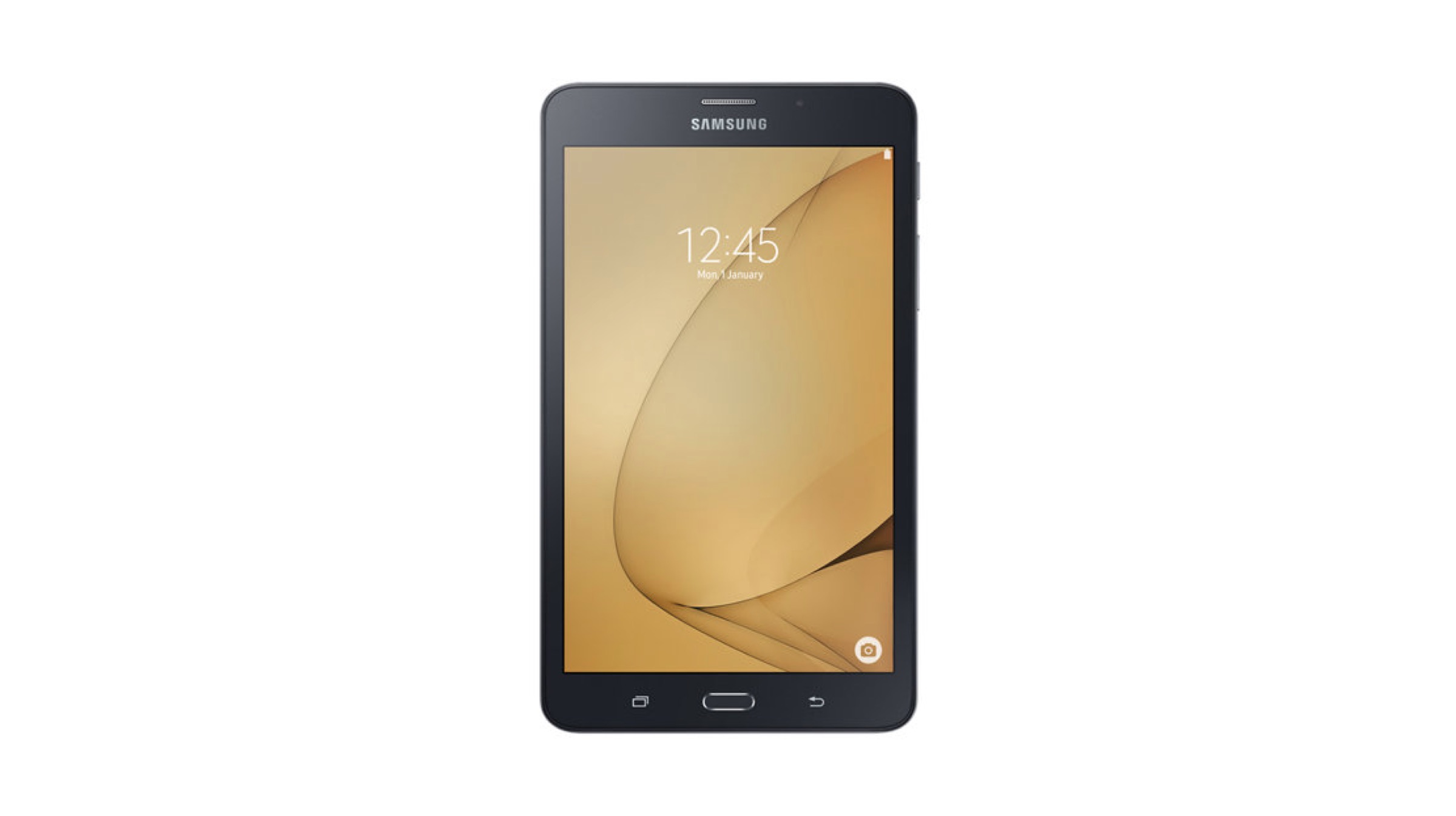
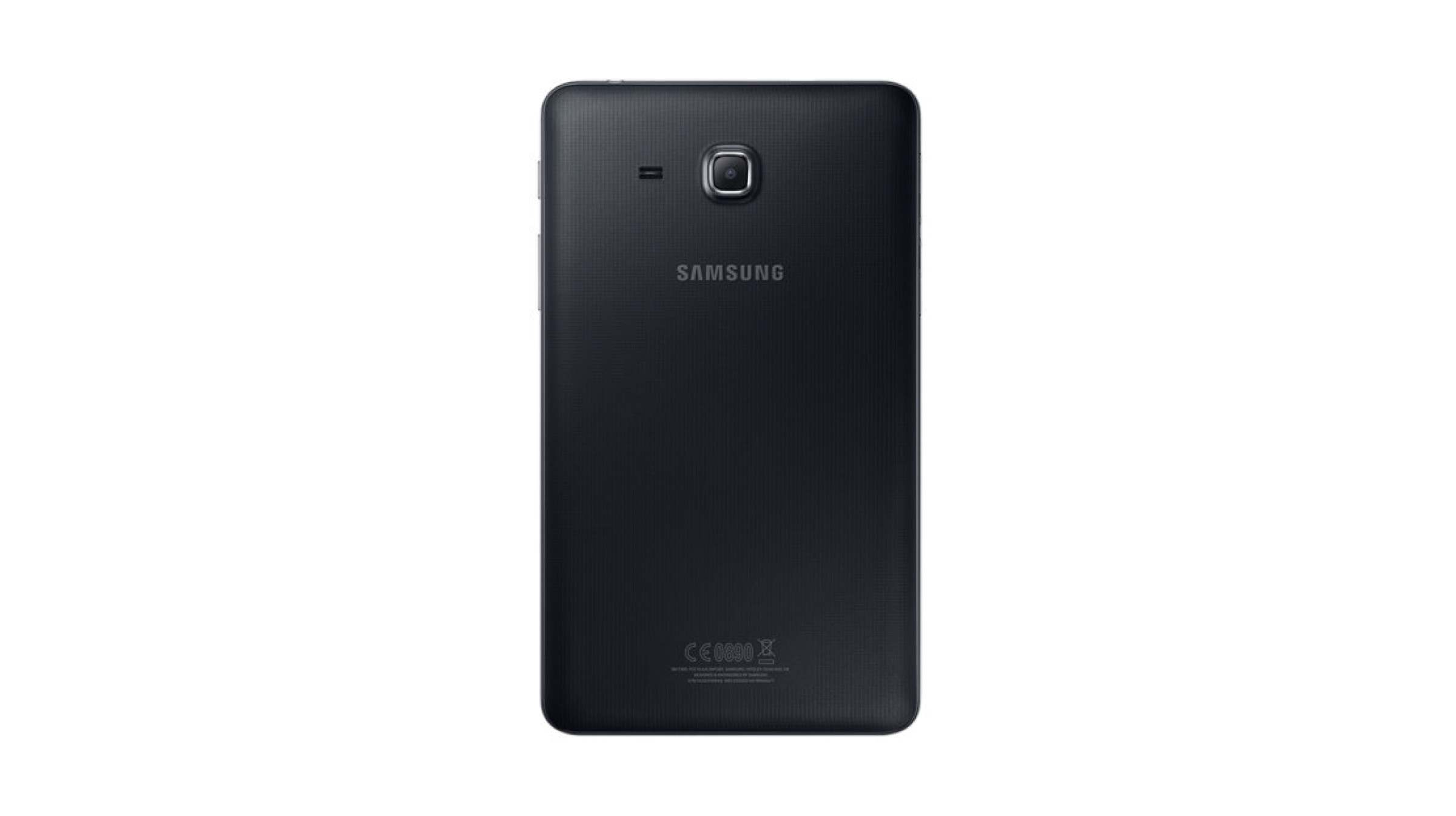
    The tablet industry has been going through a dwindling phase where Apple and Samsung are the only two companies consistently bring out tablets that interest the buyers. Samsung is continuing the trend of tablets with the launch of the Galaxy Tab A 7.0. The new tablet is Samsung’s most affordable tablet yet, priced at Rs. 9500. The tablet will be available across retail stores and Amazon from the 5th of January 5.

    With the launch of the Galaxy Tab A, the South Korean tech giant also believed that the tablet industry will see a rise in 2018. Vishal Kaul, Director at Samsung India, said the segment has seen de-growth in the past quarters, but the company has been able to expand its market share:

    Tablets are more of companion devices and we have been focusing on the various use cases of this form factor. The Galaxy Tab A 7.0 is our first 4G tablet in the sub Rs 10,000- category and we are confident it will do well.

    With Galaxy Tab A 7.0, we are providing our customers a device that is the perfect blend of refined design, superior display great performance and non-stop entertainment.

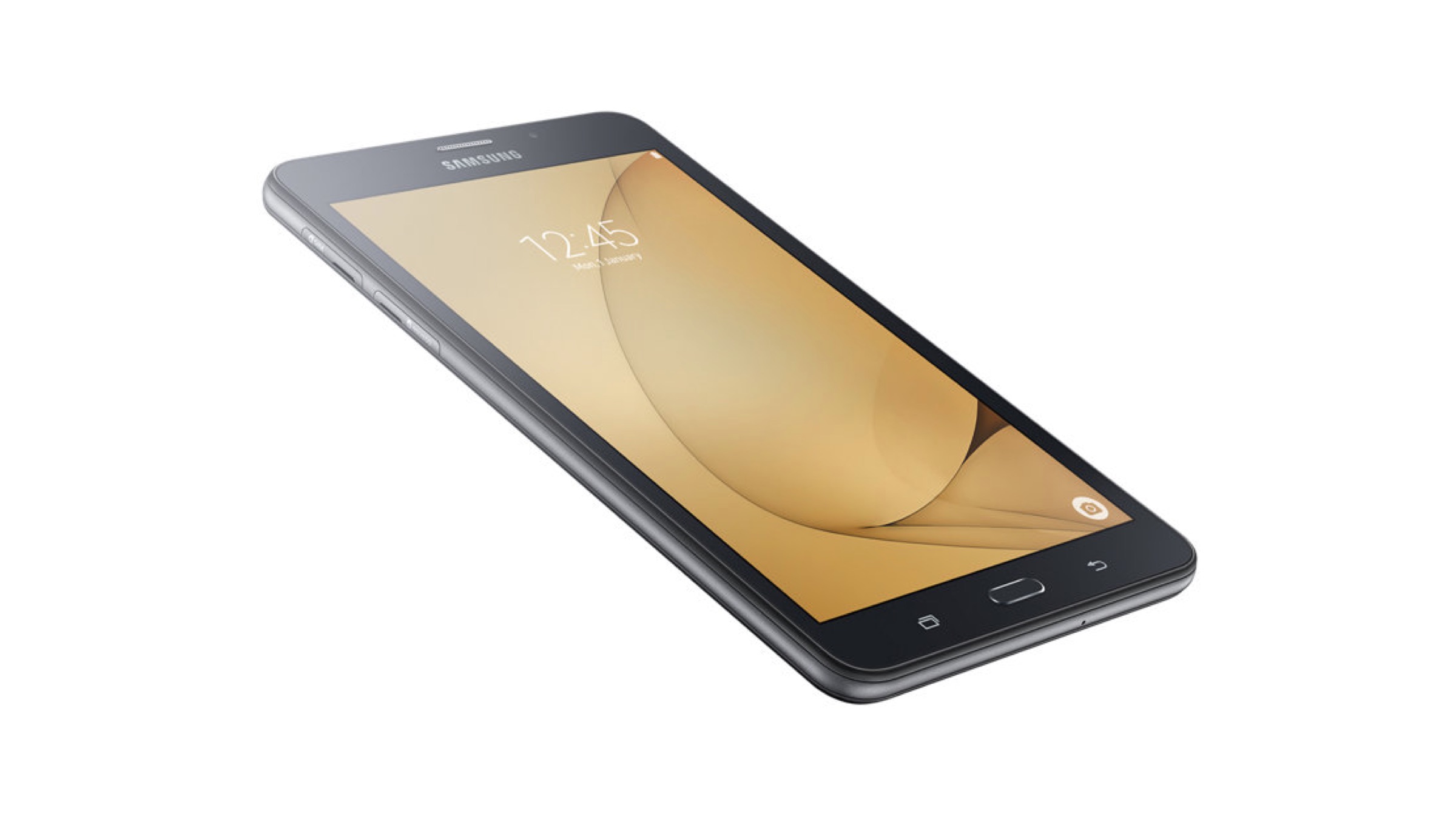
    The Samsung Galaxy Tab A has a 7-inch TFT display with a 1280 x 800 px resolution.

    [amazon_link asins=’B075ZYRNVF’ template=’ProductAd’ store=’igyaan-21′ marketplace=’IN’ link_id=’6896125e-f1f0-11e7-a6cf-418444e76a84′]

    Under the hood, the tablet is powered by a 1.5GHz quad-core processor, 1.5GB of RAM, and 8GB of onboard storage which can be expanded via a microSD card. There is a physical home button on the front of the tablet with two capacitive navigation buttons on either side, similar to a lot of other Samsung mobile devices.

    Powering the tablet is a 4000 mAh battery which the company claims will provide up to 9 hours of video playback. You might think the tablet was launched in 2015 because it runs Android 5.1 Lollipop out of the box.

    It has a rear-facing 5MP camera and a front-facing 2MP camera.

    Tablets, over the past few years, have reached a state of obsolete where Apple appears to be the only company bringing innovation into its tablet lineup. Samsung’s new Galaxy Tab A 7.0 will enter a price segment where no other other prominent smartphone maker has a tablet, and that might be its best bet.

  • Nokia 6 (2018) With A 16:9 Aspect Ratio Launched

    Nokia 6 (2018) With A 16:9 Aspect Ratio Launched

    Nokia 6 was launched back in January of 2017 and was Nokia’s foray into the Android market. At the time of its launch, many felt that the Nokia 6 did not offer much when compared to its peers and especially its own price. HMD Global will hope to rectify its errors with the new Nokia 6 (2018) which was launched today at an event in China. The 32GB variant of the Nokia 6 (2018) is priced at CNY 1499  Rs. 14600 approx.), while the 64GB variant comes with a price tag of CNY 1699 (Rs. 16600 approx).

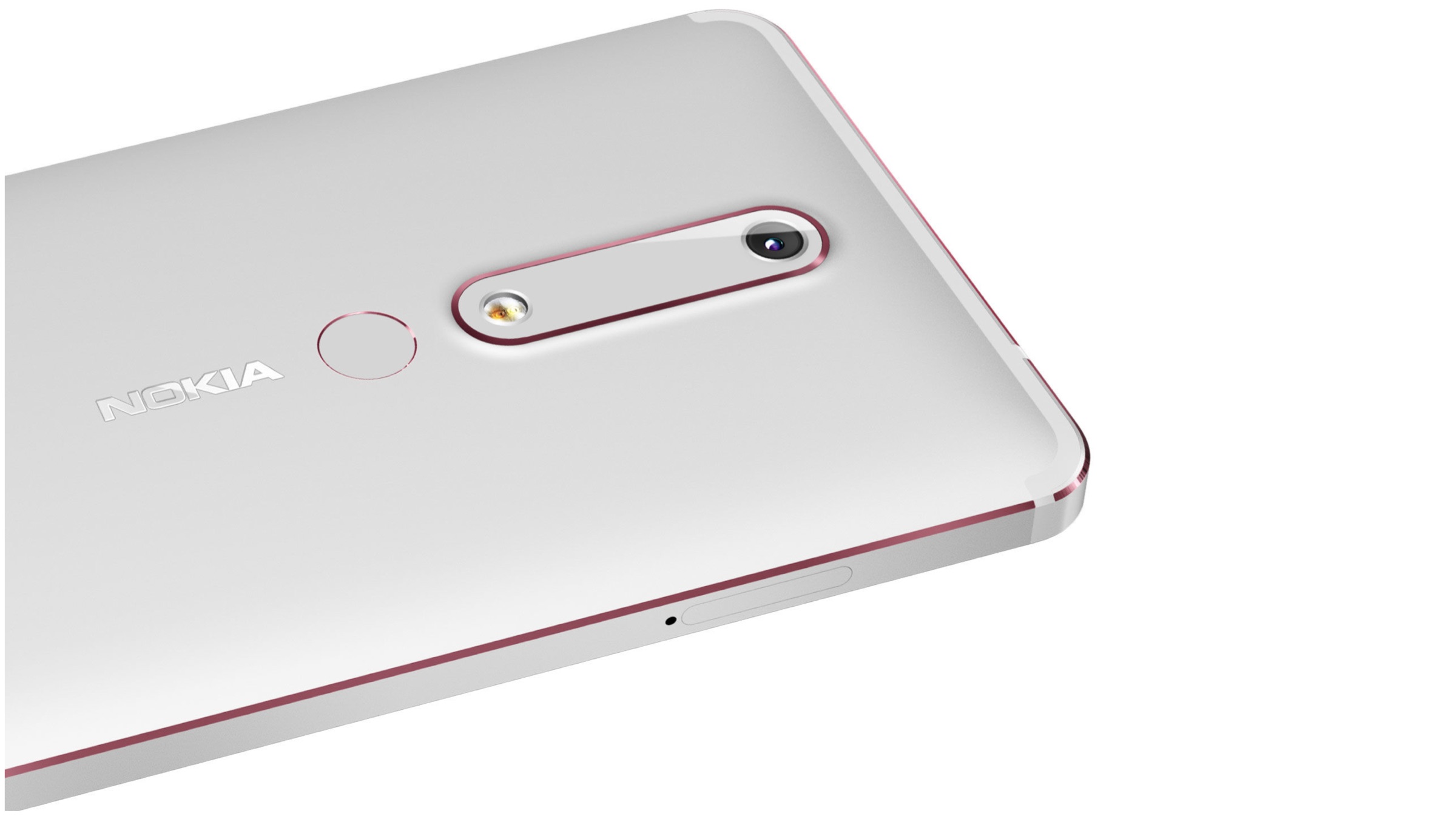
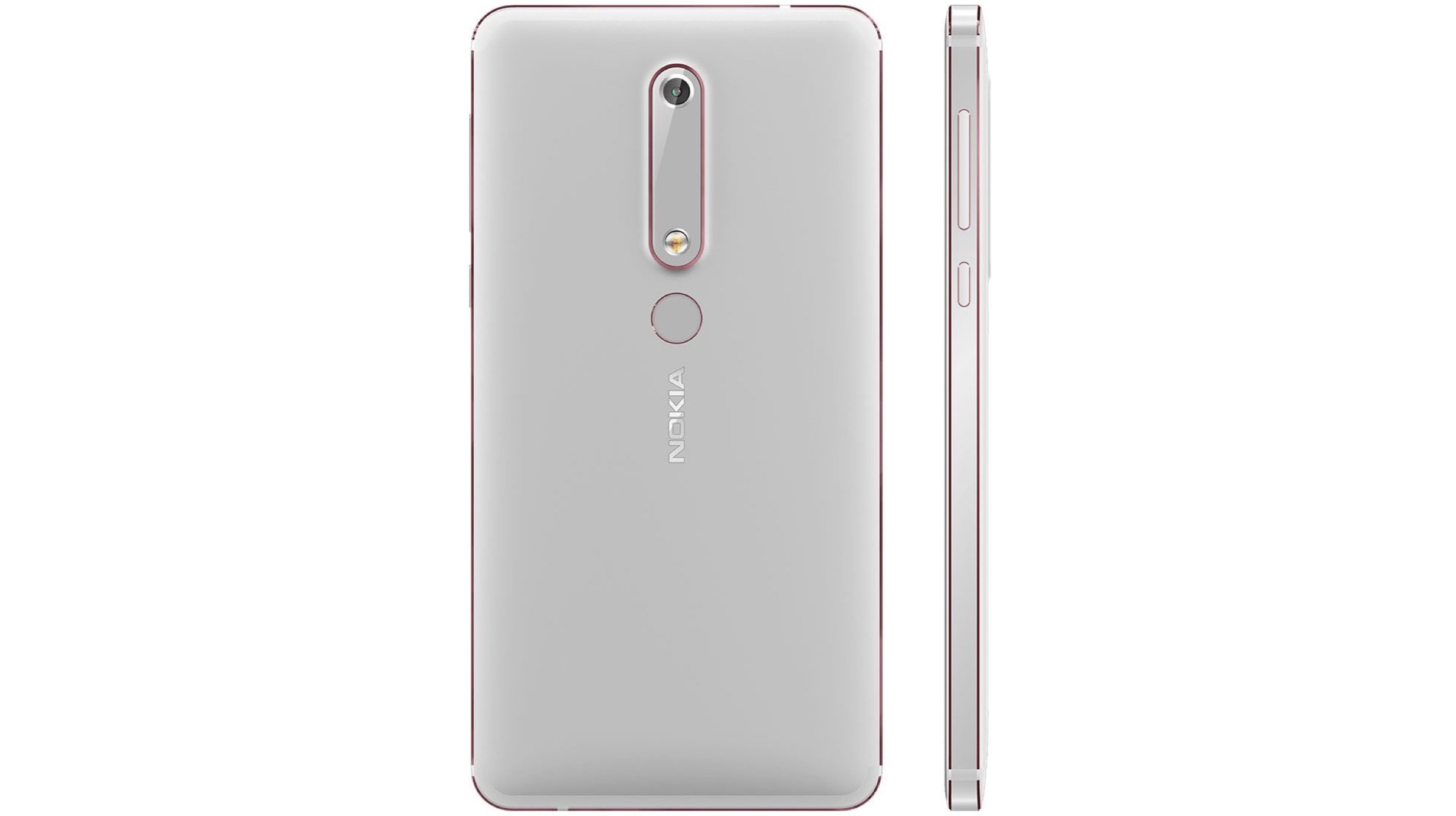
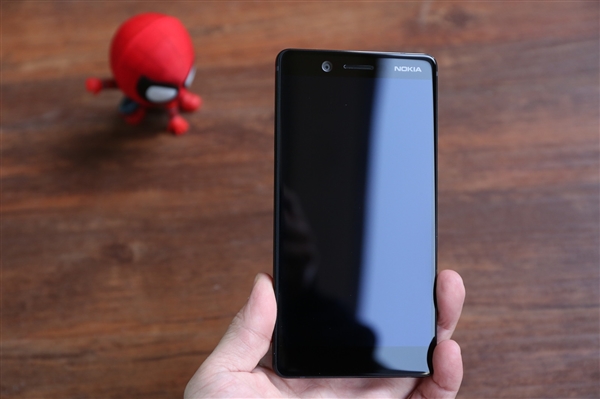
    The Nokia 6 (2018) maintains the 16:9 aspect ratio but, get rids of the front-facing fingerprint scanner and the touch capacitive keys. This move is a bit surprising since other smartphone makers usually resort to rear-facing fingerprint sensors due to the lack of bezels around the display.

    The Nokia 6 (2018) has a 5.5-inch IPS LCD display with a 1920 x 1080 px resolution.

    Under the hood, the new iteration of Nokia 6 has the Qualcomm Snapdragon 630 chipset, a 2.2GHz octa-core processor, the Adreno 508 GPU, 4GB of LPDDR4 RAM and 32GB or 64GB of onboard storage. The onboard storage can be expanded up to 128GB via a microSD card. The fingerprint sensor now sits on the back of the device while the capacitive navigation buttons are replaced with software buttons.

    Powering the smartphone from Nokia is a 3000mAh battery that supports fast charging technology. The Nokia 6 (2018) runs Android 8.0 Oreo out of the box which will be close to stock OS.

    The back of the phone also houses a 16MP camera with an f/2.0 aperture along with a dual-tone LED flash. To the front of the smartphone is an 8MP with an f/2.0, and an 84-degree wide-angle lens.

    There is no word on the smartphone’s availability in the Indian market as of now. If HMD Global does launch the device in India, the price of the phone will be a major factor as devices like the Xiaomi Mi A1 and Honor 7X are already well established in the market.

  • Apple Admits Spectre And Meltdown Affects All macOS And iOS Devices

    Apple Admits Spectre And Meltdown Affects All macOS And iOS Devices

    Alphabet’s Google, along with a few other security researchers published a document which chronicled two major flaws found in nearly all modern CPUs. The reason this flaw is much more complex than the usual software or hardware bugs is that it’s more than just a bug that can be fixed with an update. The flaw lies in the middle, at the level of the processors’ “architectures,” in the way all the millions of transistors and logic units work together to carry out tasks.

    In the architecture of modern CPUs, there are unpenetrable spaces where data passes through in raw, unencrypted form, such as inside the kernel, the most central software unit, or in system memory carefully set aside from other applications. This data has powerful protections to prevent it from being interfered with or even observed by other processes and applications.

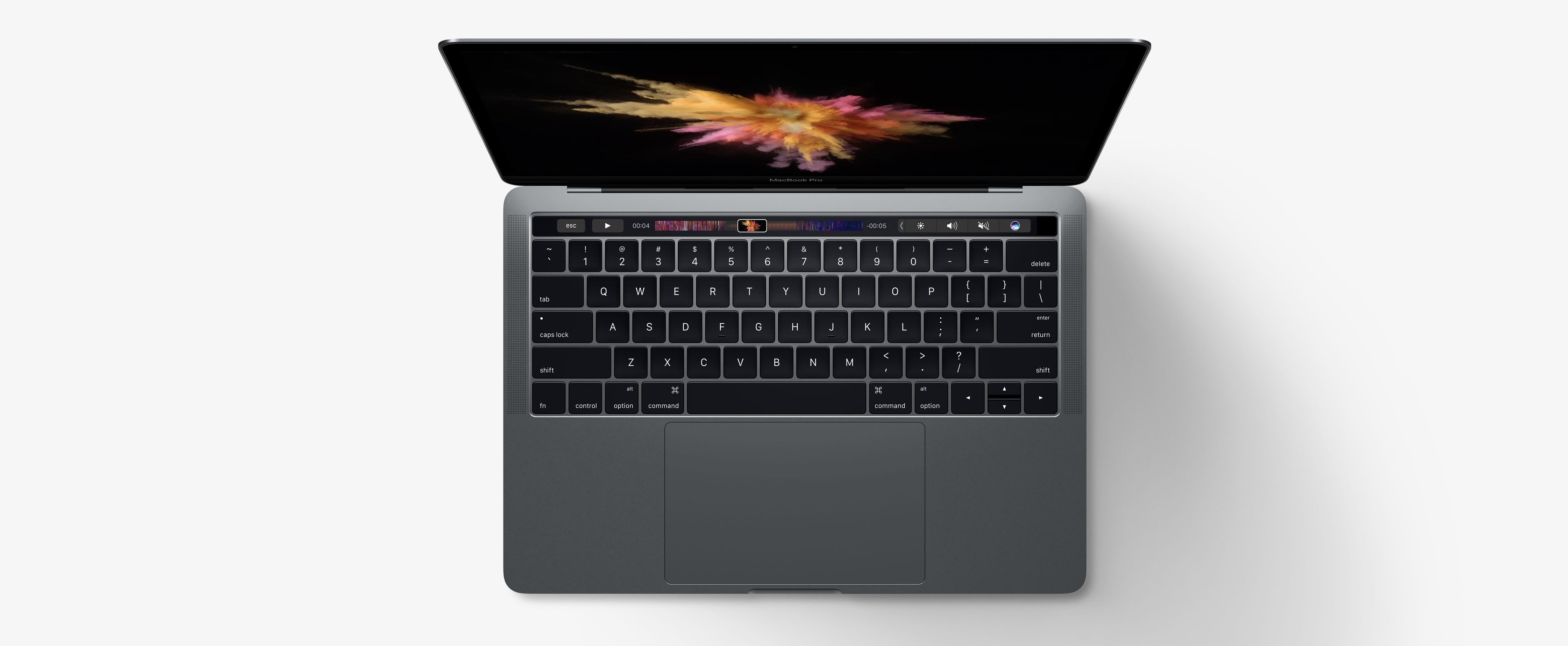
    MacBook Pro

    Meltdown and Spectre exploit critical vulnerabilities in modern processors. These hardware bugs allow programs to steal data which is currently processed on the computer. While programs are typically not permitted to read data from other programs, a malicious program can exploit Meltdown and Spectre to get hold of secrets stored in the memory of other running programs. This might include passwords stored in a password manager or browser, personal photos, emails, instant messages and even business-critical documents.

    Meltdown affects Intel processors and works by penetrating through the barrier that prevents applications from accessing arbitrary locations in kernel memory. Spectre affects Intel, AMD, and ARM processors, which basically means that it affects anything with a chip in it, from mobile phones to thermostats.

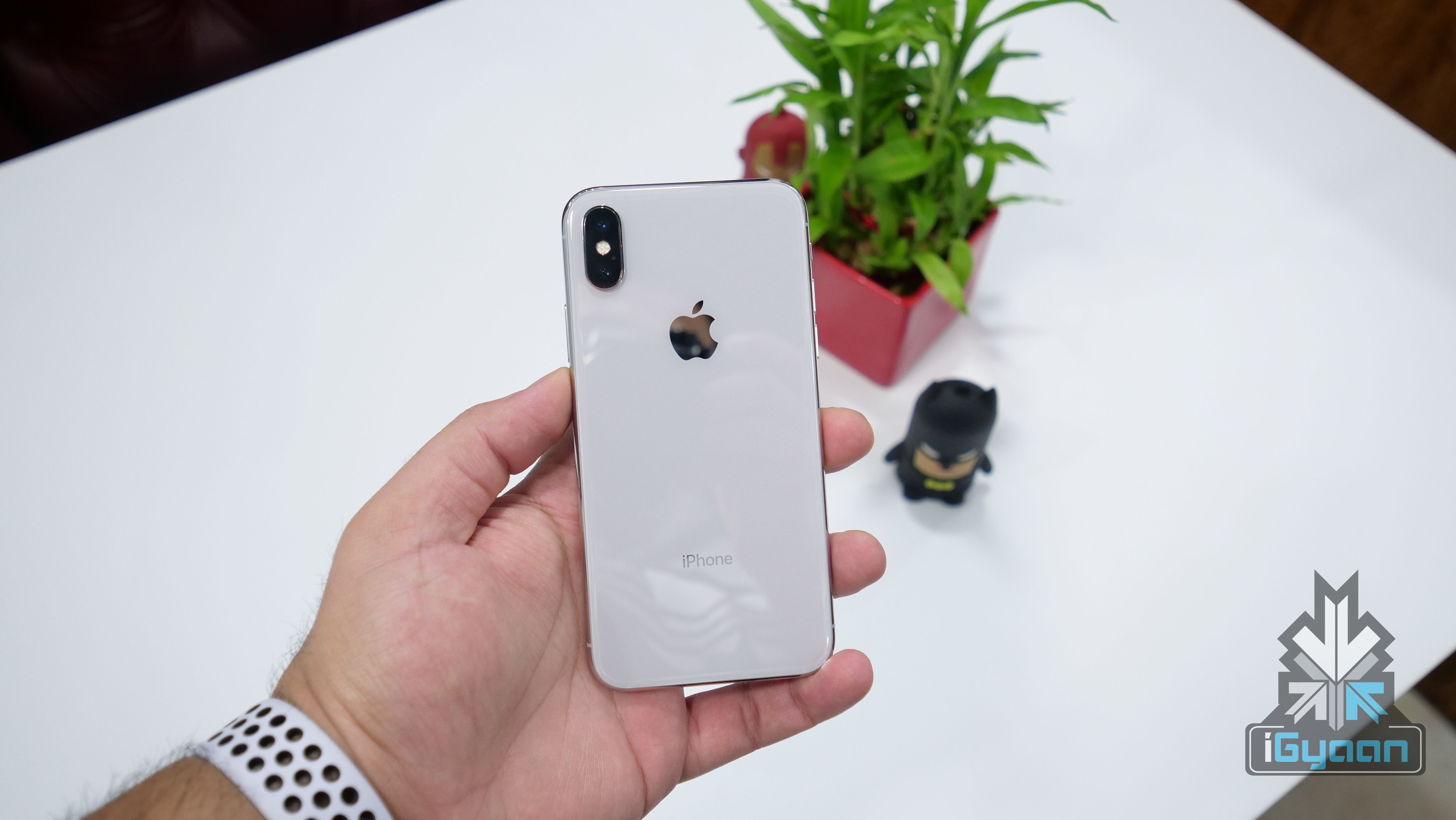
    iPhone X

    In a response to this revelation, Apple has come out and conceded that its devices are not immune to the security flaws. In a statement, the company announced that all its macOS and iOS devices are affected but, mitigations are either already in place or in the final stages of being rolled out. Apple has stated that it has already dealt with Meltdown:

    Apple released mitigations for Meltdown in iOS 11.2, macOS 10.13.2, and tvOS 11.2. watchOS did not require mitigation.

    This is what the company had to say about Spectre:

    Analysis of these techniques revealed that while they are extremely difficult to exploit, even by an app running locally on a Mac or iOS device, they can be potentially exploited in JavaScript running in a web browser.

    Apple will release an update for Safari on macOS and iOS in the coming days to mitigate these exploit techniques.

    In a nutshell, this means that while Meltdown is no longer a threat, Spectre remains the only major flaw which can be exploited and Apple will soon release a fix for that.

  • OnePlus 5T Sandstone White Is The Star Wars Edition Minus The Logo

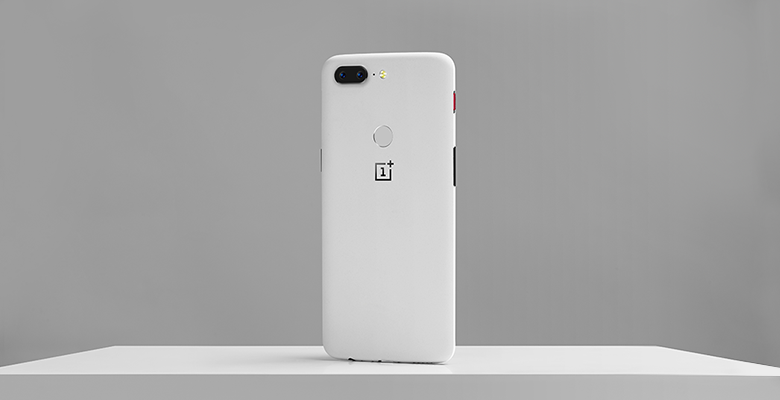
    OnePlus 5T Sandstone White Is The Star Wars Edition Minus The Logo

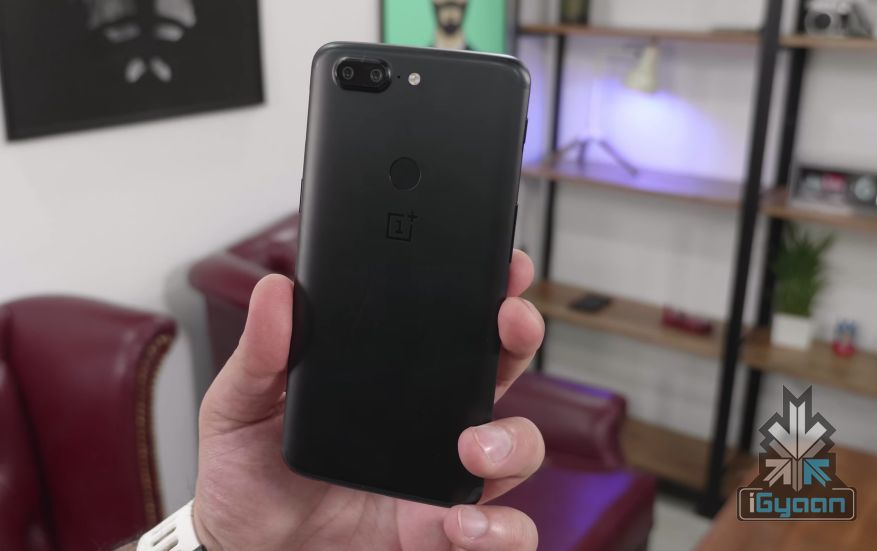
    In late-December, OnePlus started teasing the launch of another variant of the OnePlus 5T. It was expected that the company will launch a new phone with a sandstone finish, that became famous thanks to the OnePlus One and OnePlus Two. On January 5th, the company launched the OnePlus 5T Sandstone White at the same price as the original OnePlus 5T.

    [amazon_link asins=’B0756ZFXVB’ template=’ProductAd’ store=’igyaan-21′ marketplace=’IN’ link_id=’f22cb93c-f1d3-11e7-aafd-a7bdb5e04fbc’]

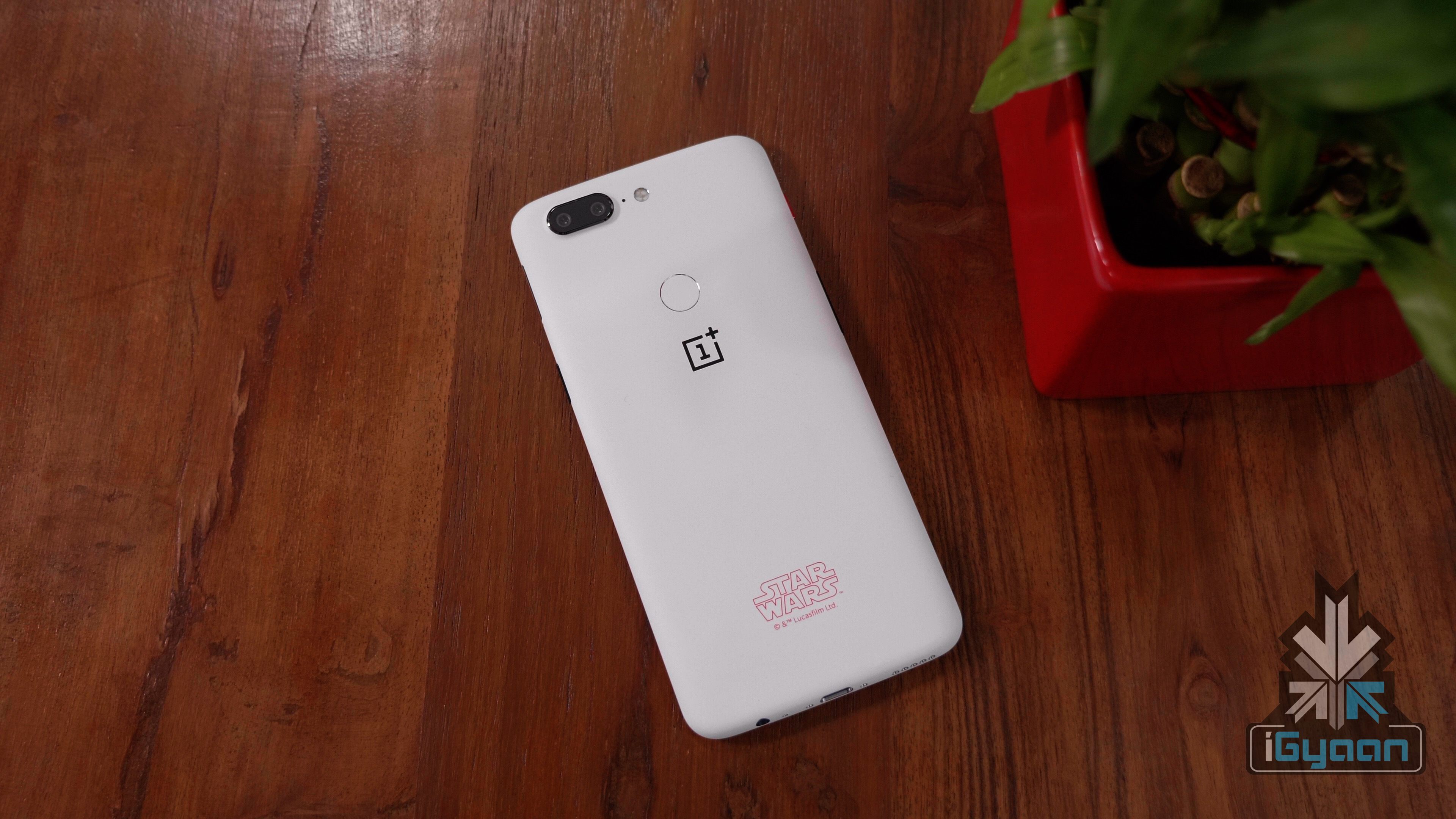
    The OnePlus 5T Sandstone White is essentially the OnePlus 5T Star Wars Edition minus the promotional bells and whistles. Right from the red colour alert slider to a different hue around the fingerprint sensor, the Sandstone White is the same Star Wars Edition but, for other markets. The Star Wars Edition OnePlus 5T that we unboxed, was an India-exclusive device hence, it is fair to assume that the Sandstone White variant won’t be entering the Indian market anytime soon.

    OnePlus 5T Star Wars Edition

    The Sandstone White is no way close to what the OnePlus One looked or felt like. Even though the back is textured, it is just not as grippy as the original OnePlus One and its sandstone finish back panel. However, a textured aluminium back will always be grippier than a brushed aluminium back found on the original OnePlus 5T. This also gives OnePlus 5T buyers a different colour option other than the Midnight Black which has become increasingly common.

    Apart from the Sandstone White, the OnePlus 5T in a Lava Red colour is expected to be launched in India in late-January. A new report claims that in order to utilise the holiday sales, OnePlus will launch the OnePlus 5T Lava Red in India on January 23rd. It also supports the argument by stating that Amazon (OnePlus’ preferred online partner) rarely launches a device on a national holiday or weekend.

    OnePlus 5T Midnight Black


    Considering the company’s pricing strategy for the Sandstone White variant, the Lava Red colour could enter the Indian market with the same price tag as its Midnight Black sibling. If so, then the new colour could well become the new fan favourite.

  • Aadhar Biometric Data Reportedly Compromised For Rs. 500 Over WhatsApp

    Aadhar Biometric Data Reportedly Compromised For Rs. 500 Over WhatsApp

    Aadhar, the unique identification number allotted and maintained by the Unique Identification Authority of India (UIDAI) was started in 2009 and is the largest database of privacy information including biometrics that include fingerprints, and iris scans of billions of Indians. The database also includes pictures, addresses and private information of all the individuals registered on the database.

    It is estimated that over 1.2 Billion people have already resisted for the Aadhar number, however, it has not been without problems. Initially there was political push back for the Unique ID system which was intended to allow Indian residents easy access to social programs for healthcare, education, and general welfare. However the program received a major push under Prime Minister Narender Modi and BJP’s political reign in the Center since 2014.

    130 Million records of the Aadhar number were reportedly breached in Q1 of 2017, while UIDAI had claimed that they had rectified the breach, the data of this leak was already out on the Internet, available as access records for the millions of accounts.

    A journalist at the Tribune Newspaper, claims to have bought access to a User Name and Password that allowed him unrestricted access to details for any of the more than 1 billion Aadhaar numbers created in India thus far. More importantly, this was provided in less than 10 minutes over a WhatsApp chat, after a PayTM transfer of a mere Rs. 500.

    Lo and behold, you could enter any Aadhaar number in the portal, and instantly get all particulars that an individual may have submitted to the UIDAI (Unique Identification Authority of India), including name, address, postal code (PIN), photo, phone number and email.

    Interestingly the Tribune team claims to have paid another Rs 300, for which this remote agent provided “software” that could facilitate the printing of the Aadhaar card after entering the Aadhaar number of any individual.

    Claiming more damage, the Tribune , which started investigation into this matter reveals that the racket has been ongoing for over six months and over 1 lakh illegal users have had access to this database for a lowly price of a mere Rs. 500 / US $ 8 (approx). The WhatsApp groups gained access to the records thanks to being able to tap into over 3 lakh village-level enterprise (VLE) operators hired by the Ministry of Electronics and Information Technology, who were willing to part with their access for a small payout.

    Even though, the VLE were rendered Idle in November of 2016 while their jobs were removed, they continued to have access to the large databases available on their access systems. The Tribune further claims that the hackers seemed to have gained access to the website of the Government of Rajasthan, as the “software” provided access to “aadhaar.rajasthan.gov.in”, through which one could access and print Aadhaar cards of any Indian citizen.

    With the Government, Banks and Telecom Providers harassing individuals to link their Aadhar numbers with their accounts and services, the breach of privacy is unprecedented. The case against the invasion and lack of security around the right to privacy of Indians is already pending in the Supreme Court of India with a hearing expected in Feb 2018.

    Here is the Full Chat between the journalist and agent below.

    • 12:30 pm: This correspondent posing as ‘Anamika’ contacted a person on WhatsApp number 7610063464, who introduced himself as ‘Anil Kumar’. He was asked to create an access portal.
    • 12:32pm: Kumar asked for a name, email ID and mobile number, and also asked for Rs 500 to be credited in his Paytm No. 7610063464.
    • 12:35 pm: This correspondent created an email ID, [email protected], and sent mobile number ******5852 to the anonymous agent.
    • 12:48 pm: Rs 500 transferred through Paytm.
    • 12:49 pm: This correspondent received an email saying, “You have been enrolled as Enrolment Agency Administrator for ‘CSC SPV’. Your Enrolment Agency Administrator ID is ‘Anamika_6677’.” Also, it was said that a password would be sent in a separate mail, which followed shortly.
    • 12:50 pm: This correspondent had access to the Aadhaar details of every Indian citizen registered with the UIDAI.

    The UIDAI has responded to The Tribune’s  story by claiming it to be “misreporting” and baseless, however, the publication has responded with concrete facts on the matter which can be read here.

    Th BJP has also responded in a manner which seems to mimic a certain leader of the free world. Their tweet can be found below.

     

  • 75 Billion WhatsApp Messages Were Sent On New Year’s Eve

    75 Billion WhatsApp Messages Were Sent On New Year’s Eve

    Up until a few years ago, SMS packs were a big selling point for holidays and major festivals. However, with the internet becoming more affordable and accessible, users have resorted to instant messaging apps like WhatsApp to communicate on a daily basis. A report claims that on the 31st of December 2017, over 75 billion messages were sent on WhatsApp worldwide. For context, Earth’s population is 7.6 billion.

    In India alone, WhatsApp has over 200 million monthly active users who sent over 20 billion messages on New Year’s Eve. That is a staggering figure for one country which constitutes more than 1/4th of the total messages sent across the world. Incidentally, the last day of the year also turned out to be WhatsApp’s biggest messaging day ever.

    Ever since the internet became cheaper and smartphones became affordable, SMS services have seen a severe decline and active usage. Moreover, instant messaging apps let users send more than just text messages to each other. It allows users to express in a more expansive way through GIFs, videos or emoticons.

    Over the course of 2017, WhatsApp released a few new features which a lot of users had asked for including ‘Delete For All’. Ever since Facebook took over WhatsApp, there have been instances where Facebook features were trickled down to WhatsApp as well. One such feature was ‘Status’. In less than a year, WhatsApp Status feature has garnered over 300 million monthly active users across the globe. To put this statistic into context, Snapchat as whole experiences about 166 million daily active users. And WhatsApp status feature was set out to be a ‘Snapchat Stories’ clone. Instagram stories, another Snapchat clone hit the 250 million daily active users as well.

    In 2017, WhatsApp also hit 1 billion monthly active users. India is WhatsApp’s largest market with 200 million active users. In fact, back in February WhatsApp co-founder Brian Acton visited India in order to gather insights from people on how WhatsApp can contribute to the country in a more prominent way.


  • Nokia 6 (2018) Images Leaked Before Imminent Launch

    Nokia 6 (2018) Images Leaked Before Imminent Launch

    The Nokia 6 was launched back in January as HMD Global owned Nokia began to enter the Android market slowly. In India, the device was surprisingly priced close to Rs. 15000 even though it was powered by the Snapdragon 430 chipset, usually found in devices priced close Rs. 10,000. Apart from the Nokia 8, no other Nokia device was priced competitively including the recently launched Nokia 2. HMD Global would want to change in the coming months and a revamped Nokia 6 could be the first device to do so.

    For weeks, there have been speculations that the Nokia 6 (2018) could be launched on the 5th of January in two variant, one with a 16:9 aspect ratio while the other one with an 18:9 aspect ratio display. A few images appear to have leaked of the former variant of the Nokia 6 a day before its apparent launch. The leak reveals a new accent colour of the Nokia 6 (2018) with gold rims on a black phone. The display of the smartphone in the images appears to have a 16:9 aspect ratio with thick bezels.

    According to the recent leaks of the Nokia 6 (2018), the device will have the Qualcomm Snapdragon 630 chipset, 4GB of RAM and 32GB of expandable storage.

    To the back of the smartphone will be a 16MP camera and the front of the device will house an 8MP camera. Powering the device will be a 3000 mAh battery although there is no clarification regarding the charging port on the device.

    The device will be running Android 7.1 Nougat out of the box which will be disappointing since Android 8.0 Oreo was officially launched over four months ago. The Nokia 6 (2018) will maintain the stock-ish operating system that Nokia Android phones are known for.

    The date of launch of the Nokia 6 (2018) is still a speculation and there is no guarantee that these images are credible. More details about the smartphone will be known as we move closer to the imminent launch of the Nokia 6 (2018). Now, will that launch happen on January 5th or not is yet to be seen.

iGyaan Network
Privacy Overview

This website uses cookies so that we can provide you with the best user experience possible. Cookie information is stored in your browser and performs functions such as recognising you when you return to our website and helping our team to understand which sections of the website you find most interesting and useful.