Blog

  • Top Smartphones Under Rs. 20000

    Top Smartphones Under Rs. 20000

    As curtains draw in 2017, it is time to look back at the top smartphones launched in 2017 under Rs. 20000. We already checked out the best phones launched in the Rs 10000 price segment. So, does your favourite phone make the cut? Let’s find out.

    Moto G5 Plus/Moto G5s Plus

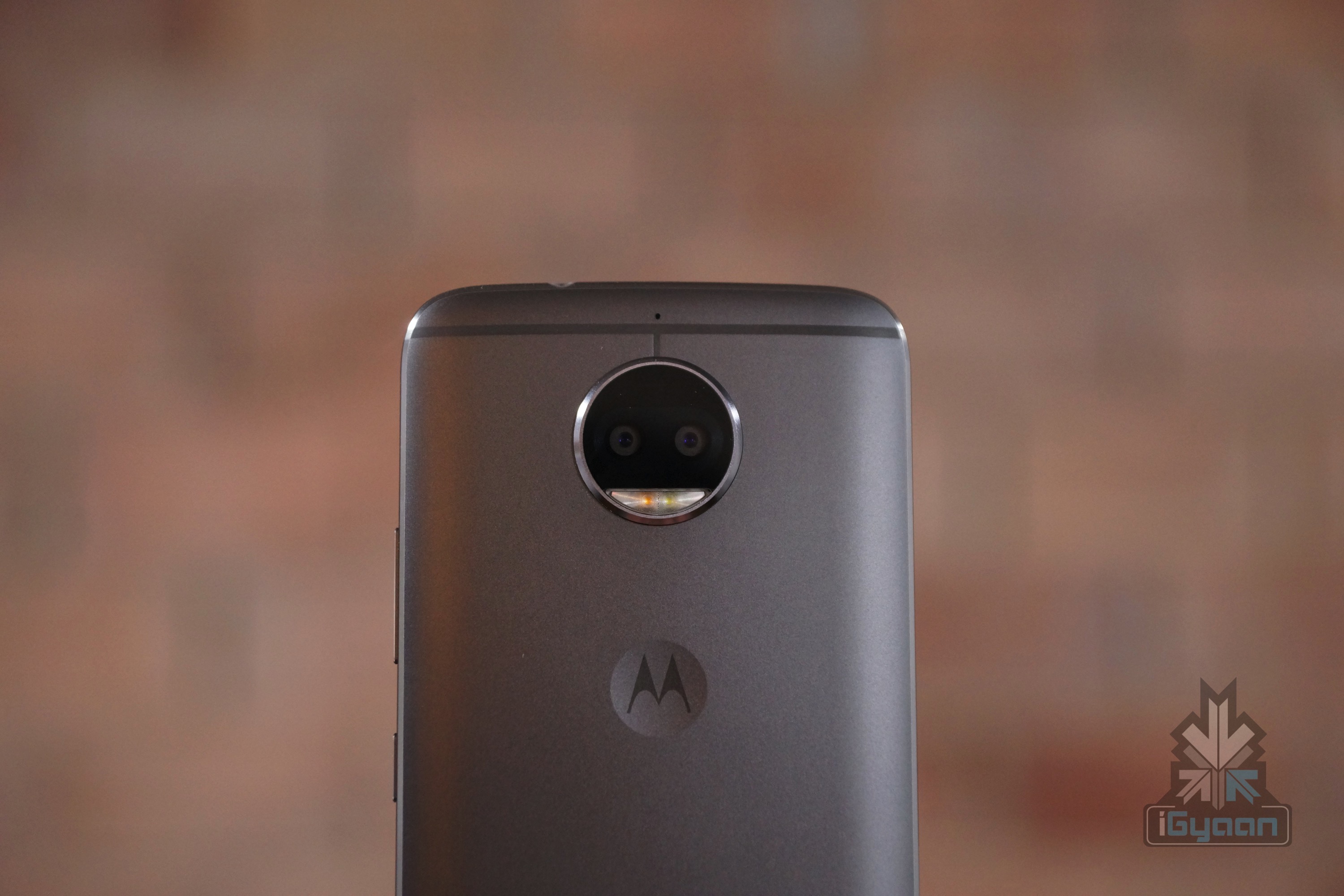
    The Moto G5 Plus was launched in early 2017 and received great reviews for its camera performance. Even today, the Moto G5 Plus’ camera is considered one of the best in its price category. The Moto G5s Plus was the updated variant of the Moto G5 Plus with the same hardware and a dual-camera setup.

    The device has a 5.2 inch IPS LCD display with a 1920 x 1080 px resolution.

    [amazon_link asins=’B06XRKQSY7′ template=’ProductAd’ store=’igyaan-21′ marketplace=’IN’ link_id=’601da1c3-ec9b-11e7-8173-3df46e7f3116′]

    Under the hood, the bith the devices have the Qualcomm Snapdragon 625 processor with a 2.0 GHz octa-core processor, Adreno 506 GPU, 3GB of RAM and 32GB of onboard storage which is expandable via microSD card. The fingerprint sensor is housed inside the home button which sits below the display.

    Powering the device is a 3000 mAh battery which charges via a micro USB port.

    Just like every other Moto Android phone, the smartphone runs stock Android 7.1 Nougat.

    [amazon_link asins=’B071HWTHPH’ template=’ProductAd’ store=’igyaan-21′ marketplace=’IN’ link_id=’67eeaba3-ec9b-11e7-827d-05eeb7ed2208′]The Moto G5 Plus has a 12MP f/1.7 camera with dual-focus pixels and can record 4K videos at 30fps. On the front of the phone is a 5MP camera with an f/2.2 aperture. The Moto G5s Plus has a dual-camera setup at the back. Two 13MP cameras placed horizontally with an f/2.0 aperture and 4K video capture. On the front is a wide-angle 8MP camera with a single LED flash and a new panoramic mode.

    Xiaomi Mi A1

    At the time of its launch, the Xiaomi Mi A1 turned quite a few heads for its stock Android OS and a dual camera setup at the price point.

    The smartphone has a 5.5 inch 1920 x 1080 px LTPS display with Corning Gorilla Glass on top for protection along with an aluminium unibody build.

    The Xiaomi Mi A1 has the Qualcomm Snapdragon 625 chipset, 8x ARM Cortex A53 2.0GHz 64-bit processor, 4GB RAM and 64GB of onboard storage which is expandable via microSD card. Handling the graphics under the hood is the Adreno 505 GPU. The pyrolytic graphite sheet will help in heat management as well, Xiaomi claims. The Xiaomi Mi A1 has an IR blaster to control appliances in your home or office.

    The fingerprint sensor sits at the back of the device below the camera. Xiaomi has also included a dedicated headphone amplifier for better music listening experience.

    Powering the device is a 3080 mAh battery and 2A charging through the Type C port.

    Even though the phone has stock Android 7.1.2 Nougat, Xiaomi has retained a few apps, such as the Mi camera app since the Google Camera app doesn’t support dual-camera functions right now.

    The smartphone features dual sensors at the back, a 12MP telephoto lens with an f/2.2 aperture (26mm) and 12MP wide-angle lens with an f/2.6 aperture (50mm) setup with 1.25-micron pixel size. The telephoto lens allows the user to take bokeh effect shots with blurred background and a 2X optical lossless zoom. For landscape shots, Xiaomi has introduced a wide angle lens while on the front is a 5MP camera.

    Huawei Honor 7X

    The Honor 7X has a lot to offer especially when its price is considered. The device is available at Rs. 12999 and has a dual camera setup along with a nearly bezel-less design. Without a doubt, the Honor 7X is the best-looking smartphone in this price category.

    The Honor 7X has a 5.9 inch LTPS IPS LCD display with a 2160 x 1080 px display which translates into an 18:9 aspect ratio.

    [amazon_link asins=’B0784BZ5VY’ template=’ProductAd’ store=’igyaan-21′ marketplace=’IN’ link_id=’907da9fc-ec9b-11e7-b72a-edccc49b48a8′]

    Under the hood, the Honor 7X has the HiSilicon Kirin 659 chipset, Mali-T830 MP2 GPU, 4GB of RAM and 64GB onboard storage. The onboard storage is expandable up to 256GB via microSD card.

    The device is powered by a 3340 mAh battery which charges via a micro USB slot. Since the device has thin bezels, the fingerprint sensor is placed at the back of the below the dual-camera setup.

    The Honor 7X runs Android 7.0 Nougat with EMUI 6.0 on top which gives a user more options for customising their phones.

    The smartphone has a dual camera setup at the back. One of the cameras is equipped with a 16MP sensor while the other one is a 2MP depth sensor. The camera setup at the back has PDAF and records 1080P videos at 30fps. On the front is an 8MP camera which also records 1080P videos.

    Xiaomi Mi Max 2

    The Xiaomi Mi Max 2 has a 6.4 inch 1920 x 1080 px display with Corning Gorilla Glass 3 on top for added protection.

    Under the hood, the phablet has the Qualcomm Snapdragon 625, Cortex-A53 octa-core processor, 4GB of RAM and 32GB/64GB onboard storage options.

    [amazon_link asins=’B073VLGL5Y’ template=’ProductAd’ store=’igyaan-21′ marketplace=’IN’ link_id=’9ac46e70-ec9b-11e7-9c78-25602025e64a’]

    The smartphone is powered by a massive 5300 mAh with QuickCharge 3.0 and runs Android 6.0 Marshmallow with Xiaomi’s custom skin MIUI 8 on top. The phablet has a one-hand usage mode as well. The fingerprint sensor is placed at the back of the device and sits just below the cameras. The Mi Max 2 switches to dual-audio speakers when in landscape mode.

    On the optics front, the Mi Max 2 has a 12-megapixel camera with an f/2.2 aperture, equipped with the Sony IMX386 sensor with PDAF and dual-LED flash. On the front, the phablet has a 5MP camera with an f/2.0 aperture.

    Samsung Galaxy A5 (2017)

    [embedyt] https://www.youtube.com/watch?v=VfEJbfVXDTU[/embedyt]

    The Samsung Galaxy A5 (2017) is the only phone in the list which has an IP68 rating for water and dust resistance. So, if you want a rugged phone but, can’t spend more Rs. 20000 then the Samsung Galaxy A5 (2017) should be the ideal phone for you.

    [amazon_link asins=’B06XK8SFZ2′ template=’ProductAd’ store=’igyaan-21′ marketplace=’IN’ link_id=’abb5e5a5-ec9b-11e7-a534-9b22438b752d’]

    It has a 5.2-inch Super AMOLED display with a 1920 x 1080 px resolution.

    Under the hood, the Galaxy A5 (2017) is powered by the Exynos 7880 chipset, 3GB of RAM and 32GB of onboard storage which can be expanded via a microSD card.

    Powering the device is a 3000 mAh battery while the fingerprint sensor is housed inside the home button.

    The device has a 16MP primary camera with an f/1.9 aperture that records 1080P videos at 30fps. To the front of the Galaxy A5 (2017) is another 16MP camera with an f/1.9 aperture.
  • Top Smartphones Of 2017 Under Rs. 10000

    Top Smartphones Of 2017 Under Rs. 10000

    Every passing year, the quality of budget smartphones increases and 2017 was no different. The smartphones under the Rs. 10000 price bracket have become better with little compromises in quality. As 2017 draws to an end, let’s take a look at the top phones launched under the Rs. 10000 category:

    Xiaomi Redmi Note 4

    Hands down, one of the most famous smartphones to be launched in 2017, the Redmi Note 4 set the standard for budget phones in India. To Xiaomi’s own admission, the Redmi Note 4 is its most successful phone in India and it still offers a lot in terms of performance in this price category.

    The Redmi Note 4  has a 5.5 inch 1920 x 1080 px IPS LCD display.

    Under the hood, the device has the Qualcomm Snapdragon 625 chipset, Adreno 506 GPU, 3GB of RAM and 32GB of onboard storage which can be expanded up to 128GB via microSD card.

    Powering the device is a massive 4100 mAh battery which charges via a microSD card. The fingerprint sensor, in typical Redmi fashion, sits at the back of the phone just below the camera sensor.

    The Redmi Note 4 has a 13MP rear-facing camera and a 5MP front-facing camera.

    Moto E4 Plus

    The Moto E4 plus has a 5.5 inch 1280 x 720px IPS LCD display along with Corning Gorilla Glass 3 and an oleophobic coating.

    The Motorola Moto E4 Plus is powered by 1.4GHz quad-core MediaTek MTK6737M processor and has 3GB of RAM with 32GB of internal storage along with microSD card expansion.

    The phone also runs Android 7.1.1 out of the box and should be updated to the next generation Android by the company, as the UI is mostly stock with some Moto features including the Moto display, some gestures and One-Key Navigation. The front also has a fingerprint sensor along with notification led light.

    The Moto E4 Plus is powered by a massive 5000 mAh battery.

    For optics, the front has a 5 MP camera with a front flash while the main camera is a 13 MP, f/2.0 with 720p video capture at 30fps.

    Lenovo K8 Plus

    The Lenovo K8 Plus has a 5.2 inch 1920 x 1080 px IPS LCD display with three touch capacitive navigation buttons below. The device an oleophobic coating to resist fingerprint smudges and a Corning Gorilla Glass 3 for protection.

    Under the hood, the smartphone has the MediaTek Helio P25 chipset, a 2.6 GHz octa-core processor, Mali T880 GPU, 3GB RAM with 32GB onboard storage which is expandable up to 128GB via microSD card. Similar to the K8 Note, the K8 Plus has a dedicated microSD card slot along with two nano-SIM card slots.

    Powering the device is a 4,000 mAh battery and it runs stock Android 7.1.1 Nougat after Lenovo decided to drop the Vibe Pure UI and go the stock OS route. The device has an all-metal unibody design and the fingerprint sensor sits at the back.

    The Lenovo K8 Plus sports a vertically placed dual-camera setup, much like the recently launched Lenovo K8 Note. It has a primary 13MP Pure cell sensor mated with a 5MP Samsung BSI sensor dual camera with an f/2.0 aperture and dual LED flash. The smartphone is capable of depth effect shots, bokeh effect shots, and dual ISP images. On the front is an 8MP wide-angle lens with an f/2.0 and an LED flash. Both the front and back camera record 1920 x 1080 px videos at 30 FPS.

    Moto G5

    Arguably the best camera phone in the price segment, the Moto G5 was launched back in March of 2017 and still holds up well in this price segment.

    It has a 5.5 inch 1920 x 1080 px IPS LCD display with Corning Gorilla Glass on top.

    [amazon_link asins=’B01N7JUH7P’ template=’ProductAd’ store=’igyaan-21′ marketplace=’IN’ link_id=’f2726946-ec81-11e7-98b4-31cd315fc366′]

    Lenovo-owned Motorola launched the Moto G5 along with the Moto G5 Plus in India in February 2017. Even though in August, Moto G5s and Moto G5s Plus were launched as an incremental upgrade, the Moto G5 at this price is a great option. With stock Android OS and a more than capable Snapdragon 430 chipset, the Moto G5 fits the bill for a lot of consumers. It has 3GB of RAM and 16GB of onboard storage which can be expanded via microSD card.

    It is powered by a 2800 mAh which charges via a micro USB slot.

    The Moto G5 has a 13MP f/2.0 camera with phase detect autofocus with a 5 MP front camera. The rear camera records 1080P videos at 30fps while the front camera also records 1080P videos.

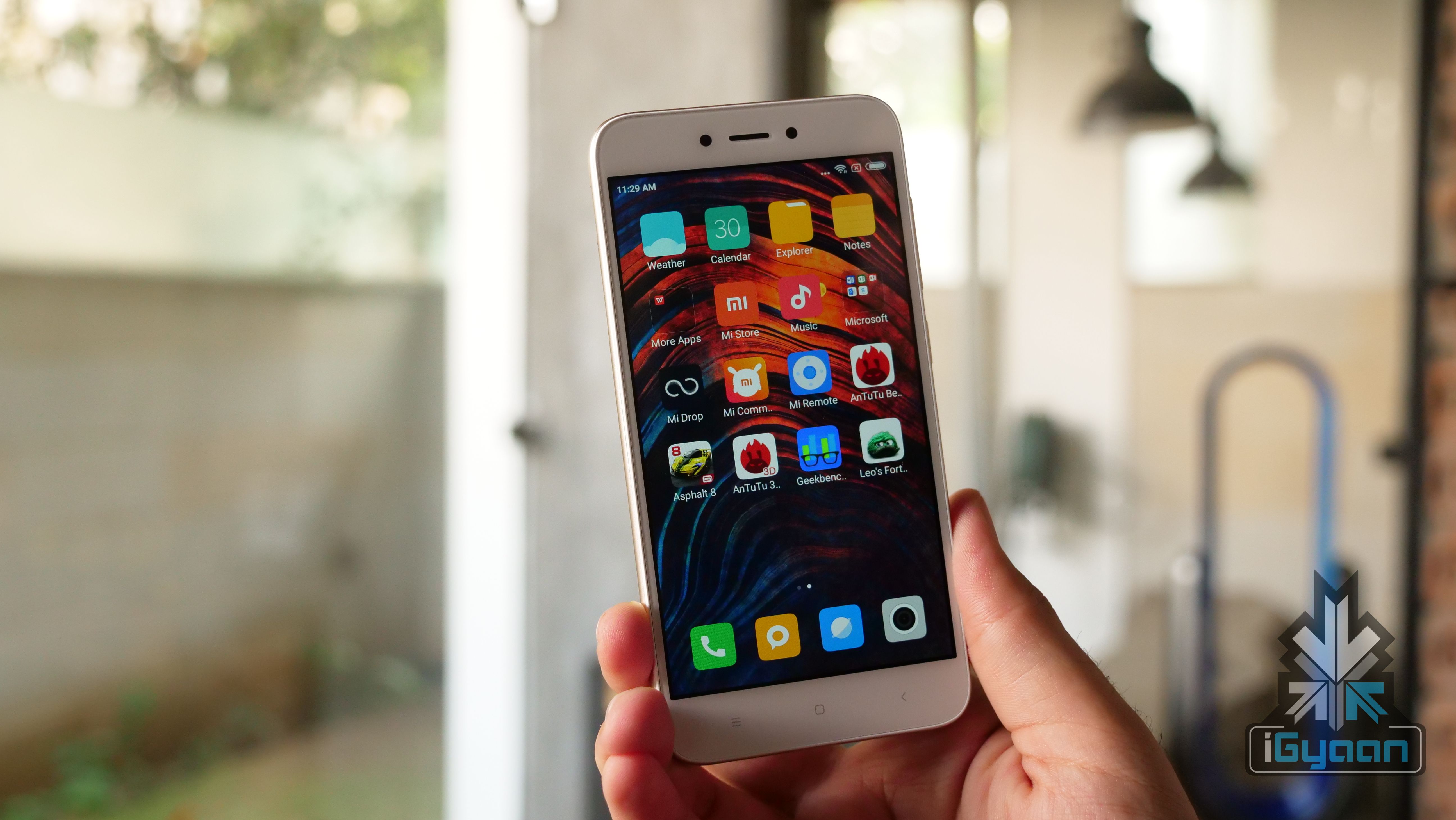
    Xioami Redmi 5A

    [embedyt] https://www.youtube.com/watch?v=vR8LhjLDcHs[/embedyt]

    The Redmi 5A has a 5 inch LCD display with a 1280 x 720 px resolution.

    The Redmi 5A is powered by the Qualcomm Snapdragon 425 chipset, quad-core CPU clocked at 1.4GHz, along with 2GB/3GB of RAM, 16GB/32GB of onboard storage which can be expanded up to 128GB via microSD card.

    The dual-SIM Redmi 5A is powered by a 3000 mAh battery.

    The device runs Android 7.1 Nougat out of the box with Xiaomi’s custom MIUI 9 skin on top.

    The Redmi 5A has a 13MP rear camera with an f/2.2 aperture, burst mode, panorama mode, HDR mode, and more. To the front is a 5MP camera with an f/2.0 aperture. The smartphone records 1920 x 1080 px videos.
  • Xiaomi Yeelight Voice Assistant Is Its Answer To The Amazon Echo Dot

    Xiaomi Yeelight Voice Assistant Is Its Answer To The Amazon Echo Dot

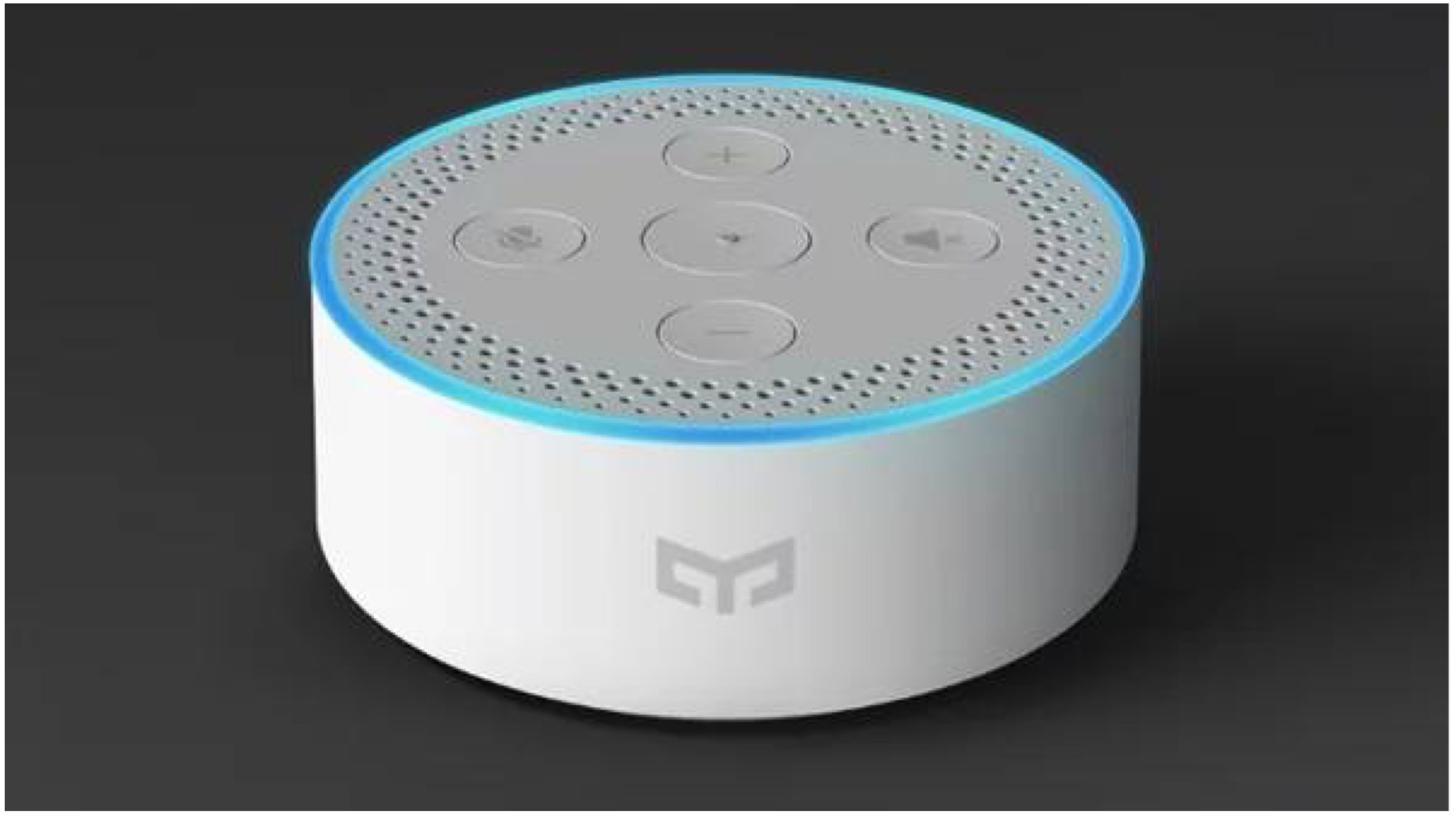
    The smart speaker segment is becoming increasingly crowded nowadays. While the products started as a pricey investment into smart home tech, the likes of Amazon Echo Dot or the Google Home Mini can be bought for US $49 or less. However, one company is stepping into the segment which is known for making cost-effective smart home products but, mainly keeps them in its native market of China. Xiaomi, the famous Chinese smartphone maker has introduced the Yeelight Voice Assistant, a smart speaker which will reportedly cost about US $30.

    The new smart speaker will be powered by Microsoft’s own voice assistant Cortana, which could be mainly due to the partnership between Xiaomi and Microsoft to use some of Microsoft’s services in Xiaomi’s products. However, it is believed that the smart speaker will be powered by both Cortana and Amazon Alexa, which will definitely make the smart speaker a much more compatible smart speaker.

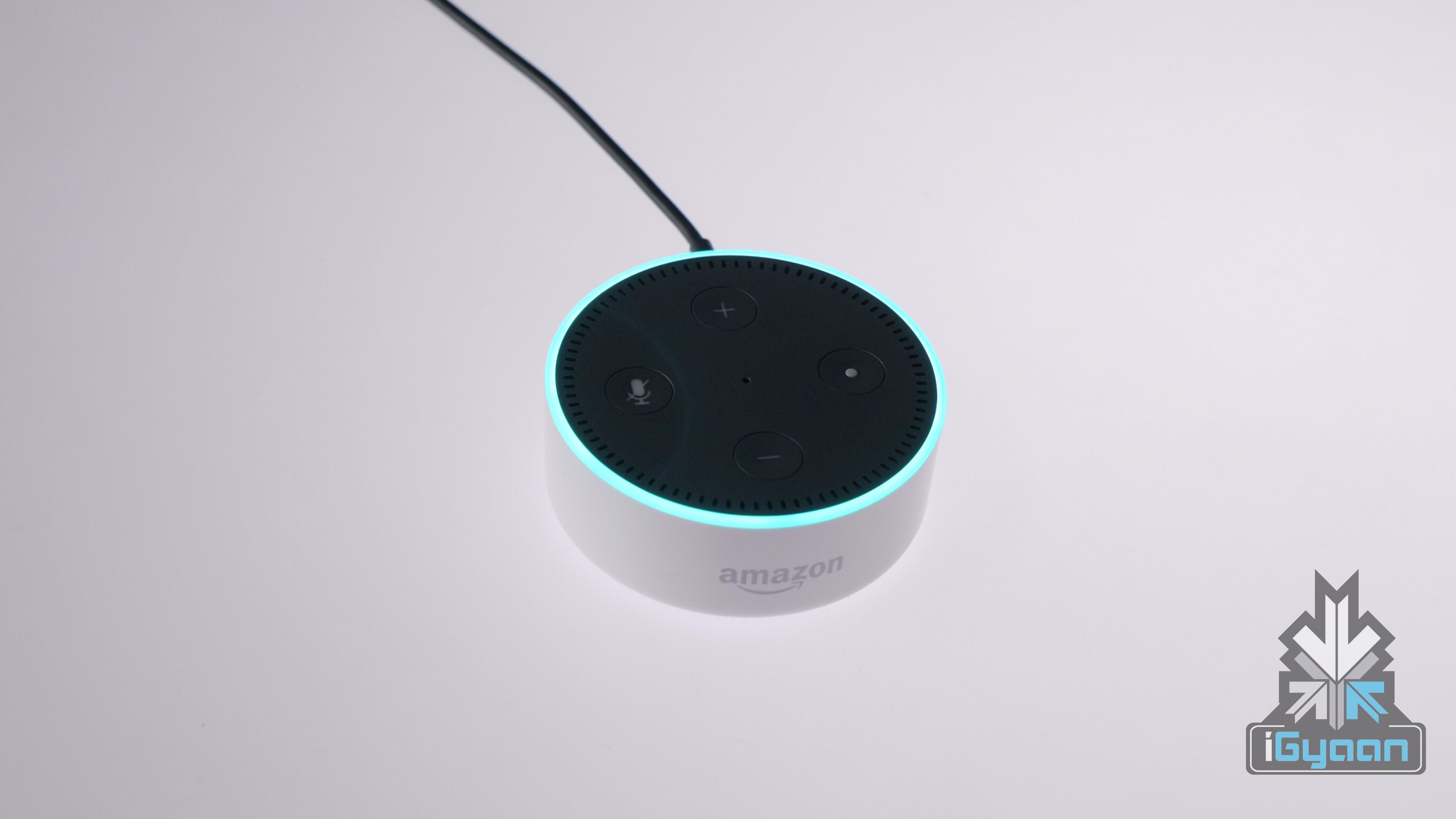
    Apart from it being a smart speaker, the Yeelight Voice Assistant looks strikingly similar to the Echo Dot. With a similar colour combination of white with a blue light, the speaker grill on top and the size and shape of the speaker, anyone will be forgiven for mistaking it as the Echo Dot in the first glance.

    The Yeelight Voice Assistant is a 2-watt speaker with six microphones to make it easier for it to pick up the user’s voice. The smart speaker also has a long-range voice activation capability wherein it can be activated from up to 5 meters of distance. Xiaomi claims that this possible thanks to an advanced voice wake-up algorithm.

    Powering the smart speaker is a Cortex A53 quad-core processor with 256MB of RAM and an equal amount of internal storage space. This storage is likely for caching personal preferences or other specific user details.

    The smart speaker, as of now, is only listed on the company’s crowdsourcing platform for a price of US $30 or roughly Rs. 1800.

  • Samsung Galaxy Note8 Users Are Reporting The Same Battery Issue

    Samsung Galaxy Note8 Users Are Reporting The Same Battery Issue

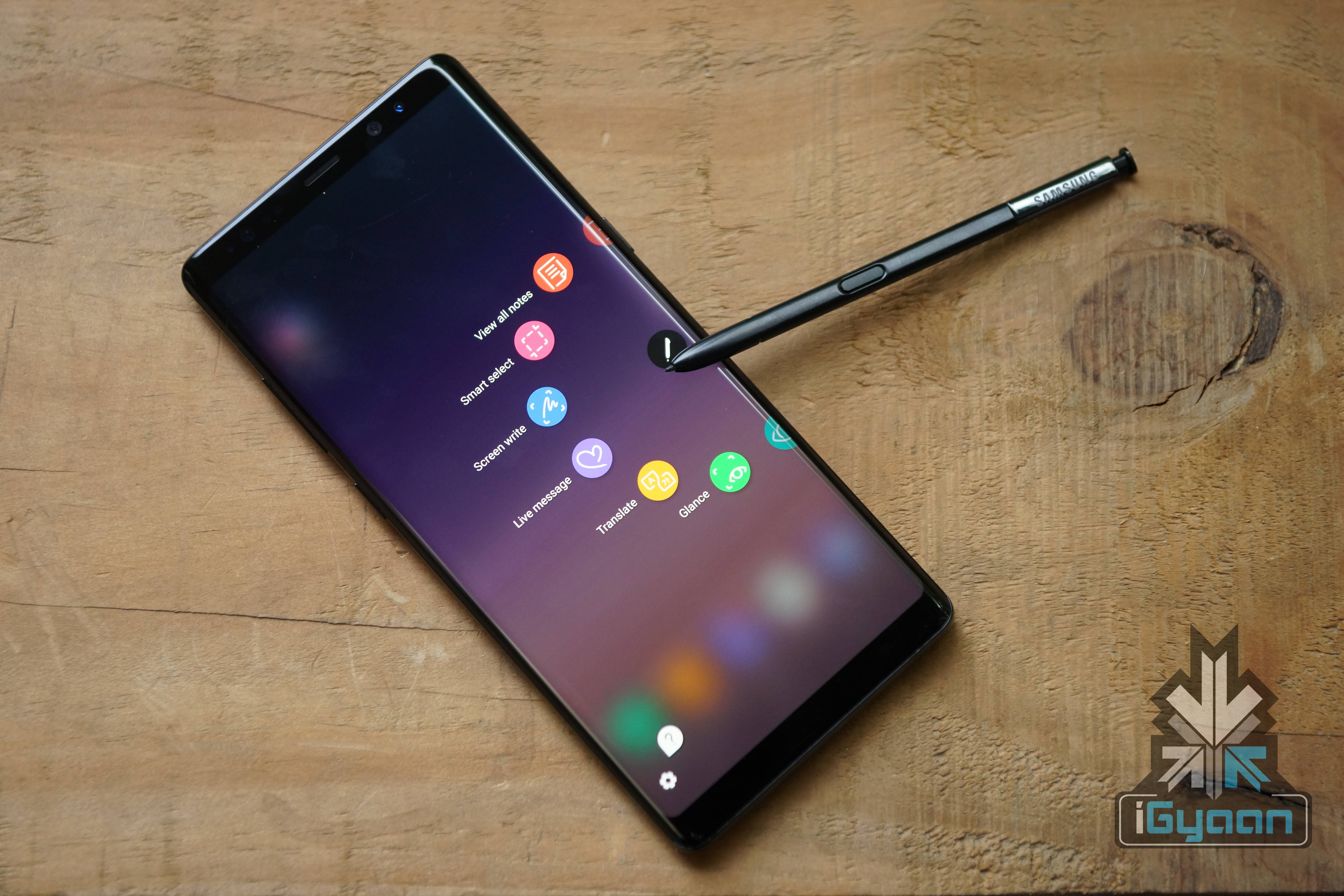
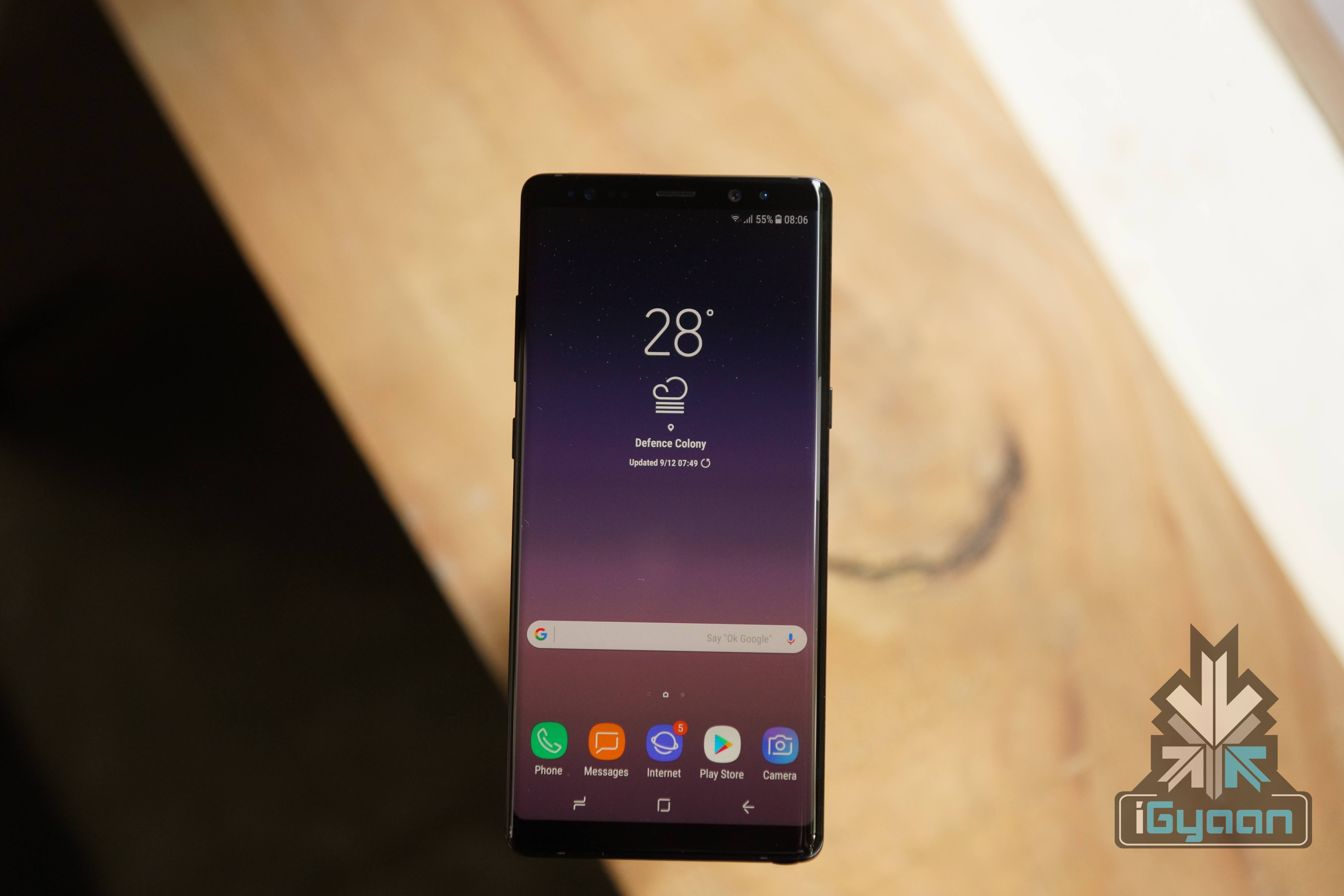
    When the Samsung Galaxy Note7 was recalled due to serious battery issues, many thought that the ‘Note’ lineup would be scrapped due to the amount of bad press it had attracted. However, in August of 2017, the South Korean tech giant launched the Galaxy Note8. The device had everything, from a great camera to the excellent S Pen integration. It seemed like the days of ‘BatteryGate’ have been left behind by the company.

    However, over the past few days, Samsung’s help forum has various posts about user’s Galaxy Note8 not charging. The issue seems to occur after the phone battery is fully drained to 0% and shuts down. When users try to charge the phone again, it doesn’t charge at all.

    One of the posts read:

    I’ve tried 3 different power cables and cords but nothing. I charged overnight and still nothing. Completely dead. Phone still looks brand new because I bought a rugged case for it. I’ve treated it like a newborn baby so it must be defective.

    It appears that Samsung is aware of the issue. Samsung employees active of the help forum are offering repairs and replacement devices for customers with phones that aren’t charging. So far, the issue is not being reported in enough devices for it to be a huge issue. But, considering what happened with the Galaxy Note 7, it won’t be surprising if Samsung moves ahead with caution when it comes to even the tiniest of battery-related issues.

  • Samsung Launches The Biggest Curved Monitor In India

    Samsung Launches The Biggest Curved Monitor In India

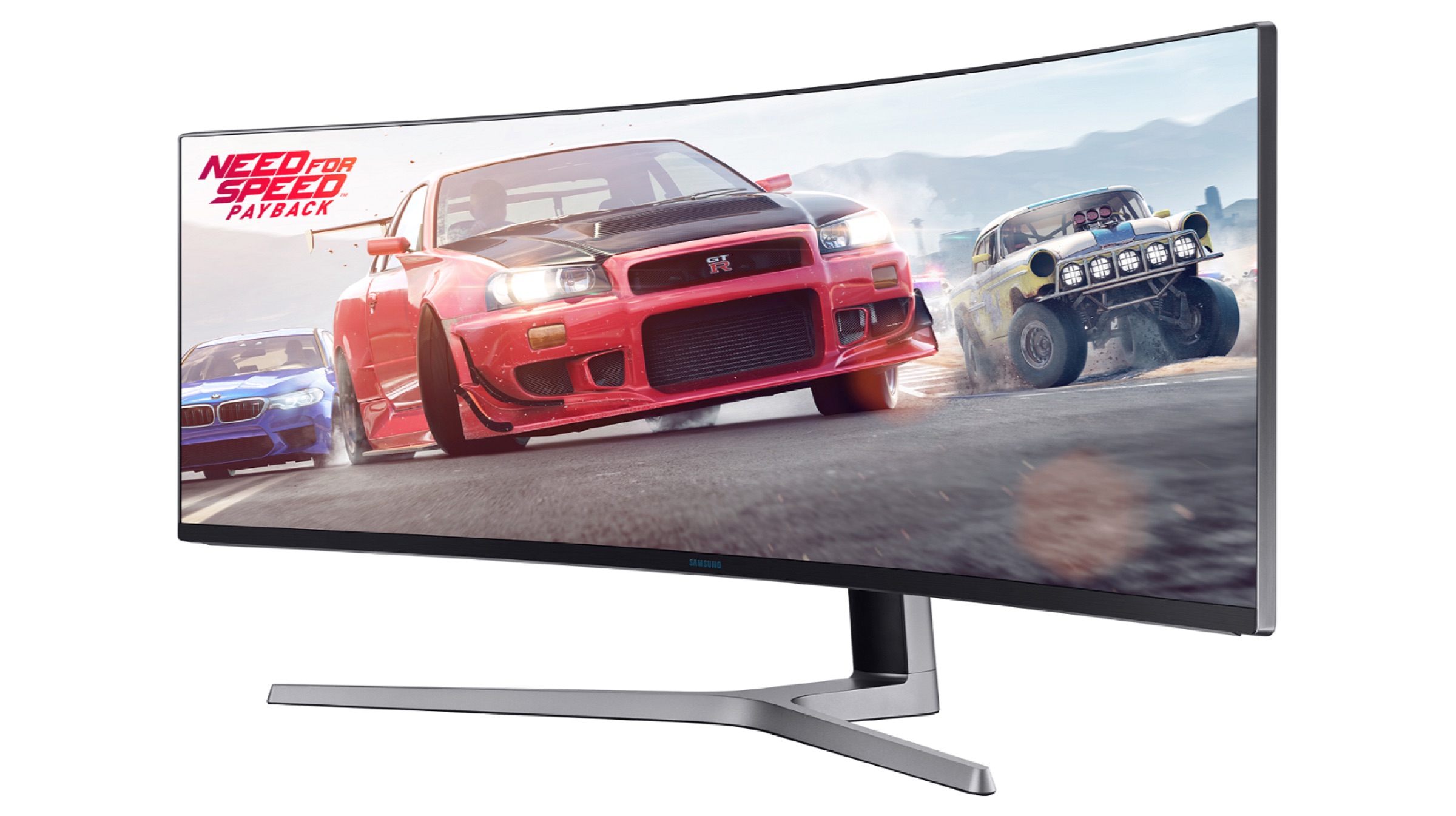
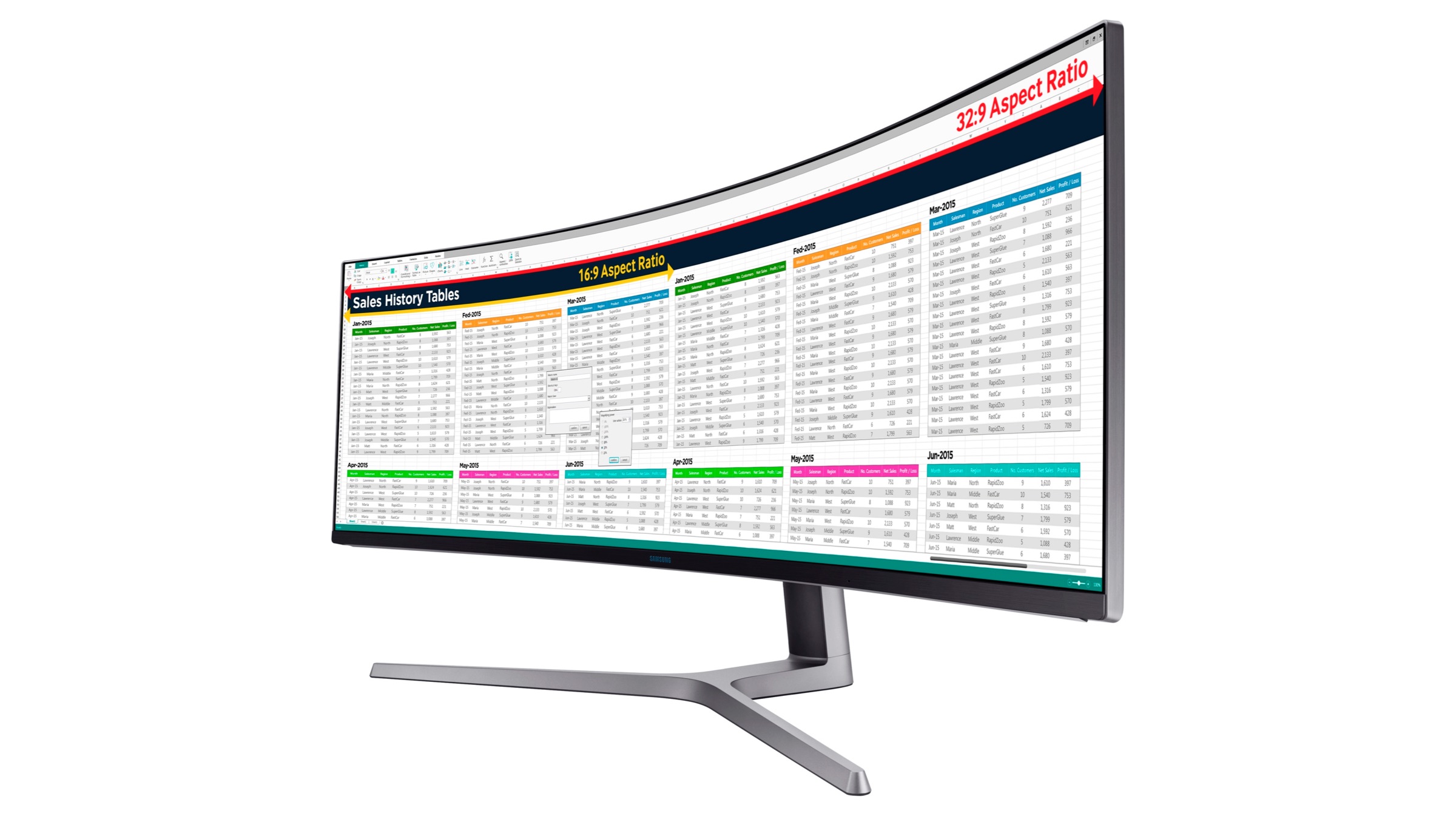
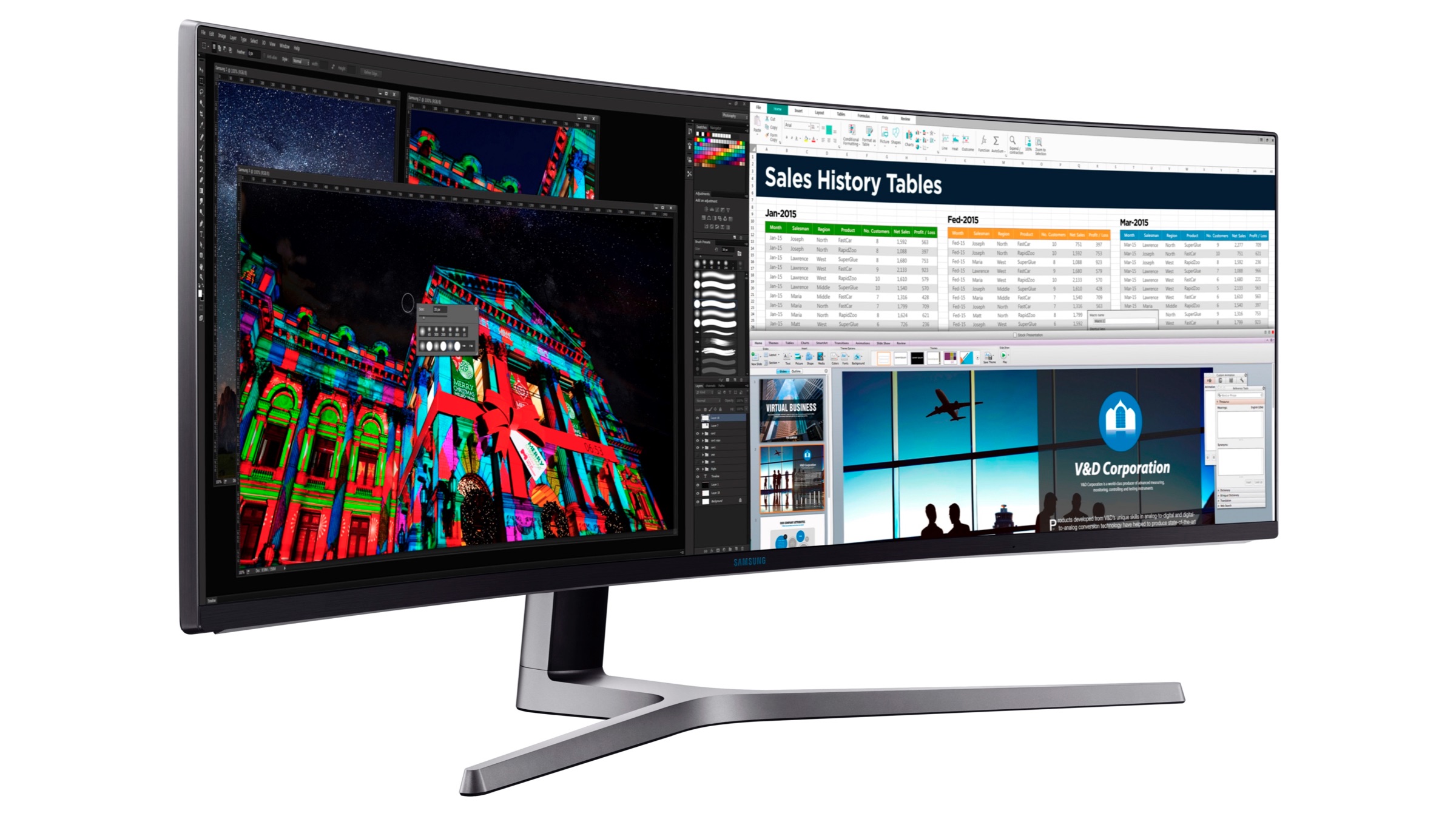
    Samsung has launched the world’s biggest curved monitor in India. The monitor is available at Rs. 150,000 on Samsung Shop and will soon be made available at all leading retail outlets. 

    The ultra-wide monitor has a 49-inch QLED display with a 3840 X 1080 px resolution and a 32:9 aspect ratio.

    The monitor has a 144Hz refresh rate and the brightness of the monitor goes up to 600-nits. The monitor has minimal bezels around the display and a 178-degree viewing angle.

    The ‘Easy Setting Box S/W’ application on the desktop lets user partition the screen into displays of various sizes and functional configurations for smarter multitasking. 

    For people who spend long hours in front of the screen, the monitor uses Eye Saver Mode and Flicker Free Technology which enhances eye comfort. Eye Saver Mode obstructs Blue light wavelengths that stimulate the retina more than what any other colour does, thereby reducing eye-fatigue.

    You can click here to buy the new Samsung 49-inch curved monitor.

  • Specifications Of Qualcomm Snapdragon 670, 640 And 460 Leaked

    Specifications Of Qualcomm Snapdragon 670, 640 And 460 Leaked

    2018 will be a huge year for smartphones, irrespective of the price category they’ll be in. This year saw a lot of mid-range smartphones having flagship features like bezel-less designs and dual-camera setups. While we already know all about the flagship chipset from Qualcomm, the Snapdragon 845, there isn’t clarity as to what the mid-range smartphones will be powered by.

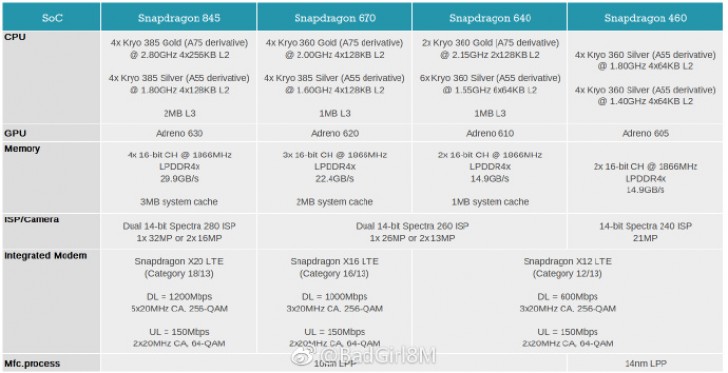
    A new, however, has revealed the possible specifications of three new upcoming chipsets from Qualcomm, the Snapdragon 670, 640 and 460. Three chipsets which possibly power a lot of mid-range phones in 2018.

    The Qualcomm Snapdragon 670 will succeed the Snapdragon 660 as the most powerful mid-tier chipset that Snapdragon will have to offer. While the Snapdragon 660 was built on a 14nm process, the Snapdragon 670 will move to a 10nm process similar to the Snapdragon 845. The chipset will have an octa-core processor with four Kryo 360 cores clocked at 2 GHz and four Kryo 385 cores clocked at 1.6 GHz. It’ll also feature an Adreno 620 GPU.

    The Qualcomm Snapdragon 640 will offer something different than every other chipset, a 6+2 core combination CPU. It will have two Kryo 360 cores clocked at 2.15 GHz and six Kryo 360 cores clocked at 1.55 GHz. This is possible thanks to ARM’s DynamIQ, which allows for mixing and matching for Cortex-A75 and A55 CPU cores. With DynamIQ, there can be a total of eight cores in a cluster which is exactly what we’re seeing in the Snapdragon 640. Similar to the Snapdragon 670, the 640 will also be made on the 10nm process.

    The Snapdragon 460 will likely power smartphones under the Rs. 15000 price bracket. According to the leak, it will have four Kryo 360 cores clocked at 1.8 GHz and four Kryo 360 cores clocked at 1.4 GHz. It will be built on the 14nm process, unlike the other two chipsets.

    Whether early-2018 entrants adopt any of the chipsets is yet to be seen as not a lot of mid-tier smartphones of 2017 even used the Snapdragon 660 chipset.

  • Apple Apologises To Consumers, Cuts Down Charges Of Replacing Out-Of-Warranty Batteries

    Apple Apologises To Consumers, Cuts Down Charges Of Replacing Out-Of-Warranty Batteries

    A week ago, the news of Apple accepting to deliberately slowing down iPhone batteries broke out. What was in the beginning, just a few conspiracy theories, soon became reality and iPhone users demanded answers from the company. In the aftermath of Apple accepting the allegations, it was sued for forcing people into buying iPhones.

    In a post on its website, Apple has apologised to its consumers and said that a number of changes will be made to regain the trust of its consumers. The post goes on to announce that the company is slashing the price of replacing an out-of-warranty battery as well.

    We know that some of you feel Apple has let you down. We apologize. There’s been a lot of misunderstanding about this issue, so we would like to clarify and let you know about some changes we’re making.

    Apple conceded that it would cut the price of an out-of-warranty battery replacement from US $79 (Rs. 5000 approx.) to US$29 (Rs. 1850 approx.) for an iPhone 6 or later, starting next month. Along with that, iOS would be updated with features to let users see whether their battery is in poor health and is affecting the phone’s performance.

    First and foremost, we have never — and would never — do anything to intentionally shorten the life of any Apple product, or degrade the user experience to drive customer upgrades.

    For years, iPhone users claimed to notice a discernible system slowdown with some iOS updates. However, the issue came in the spotlight thanks to a widely circulated Reddit thread.

    Following that, Geekbench founder John Poole did some performance testing on various iPhones running different versions of iOS. Poole found that Apple does, in fact, limit performance on older iPhone models with lower-capacity batteries in the interest of battery life and preventing unexpected shutdowns.

    Apple continues to insist that it’s never artificially slowed down phones,  just that it’s aggressively managing phone performance to maximize the lifespan of iPhone batteries. In another article that Apple published, it explains:

    This feature’s only intent is to prevent unexpected shutdowns so that the iPhone can still be used. This power management works by looking at a combination of the device temperature, battery state of charge, and the battery’s impedance.

    Only if these variables require it, iOS will dynamically manage the maximum performance of some system components, such as the CPU and GPU in order to prevent unexpected shutdowns.

    The silver lining here is that the consumers have a clear picture and the decision of changing batteries on their old iPhones will now be cheaper than what it was before.


  • Conflicting Xiaomi Mi 7 Reports Hint Towards One Important Aspect

    Conflicting Xiaomi Mi 7 Reports Hint Towards One Important Aspect

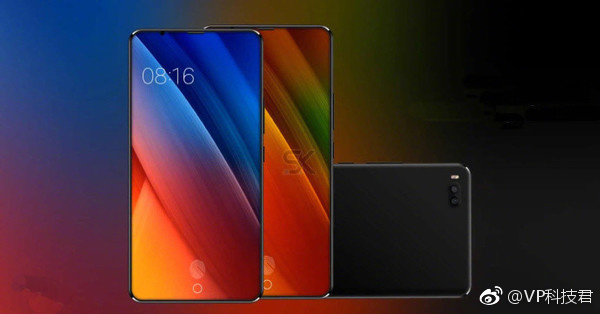
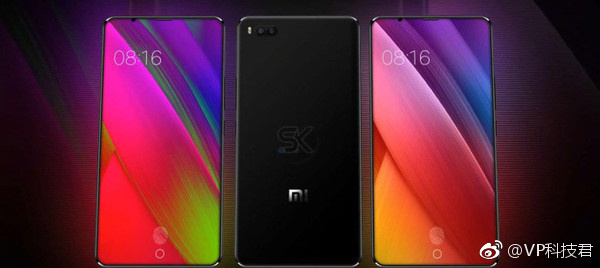
    Xiaomi will soon launch its new flagship phone in 2018 and multiple reports are claiming that the new flagship will have a radical new design. Whether these renders will be a reality in the coming months is yet to be seen.

    A report claims that the Xiaomi Mi 7 will drop the famed fingerprint sensor and replace it with Face ID-like facial recognition technology. Unlike a few other Android phones that have launched since the inception of the iPhone X, the Mi 7, apparently, will not have a backup fingerprint sensor for payments and accounts security. This means that the phone will have very thin bezels and a small notch at the top which will house the front-facing camera and the other sensors necessary for a Face ID-like biometric system.

    A conflicting report has claimed that the Chinese smartphone maker will embrace the next phase of fingerprint technology, wherein the sensor will be placed underneath the display. The report claims that the phone will have extremely minimal bezels, much thinner than what we have seen on any device so far. This report conflicts from the previous one but, hints at the same bezel-less design.

    Xiaomi shook the smartphone industry in 2016 with the launch of the Xiaomi Mi Mix with minimal bezels around the display. Since then every smartphone maker has followed suit and thin bezels have now become a norm. It will be interesting to see if Xiaomi takes the bold decision and drops fingerprint sensor in favour of facial recognition, something that has picked up speed since Apple adopted it for the iPhone X.

  • Mid-Range Variant Of The HTC U11+ To Be Launched In January

    Mid-Range Variant Of The HTC U11+ To Be Launched In January

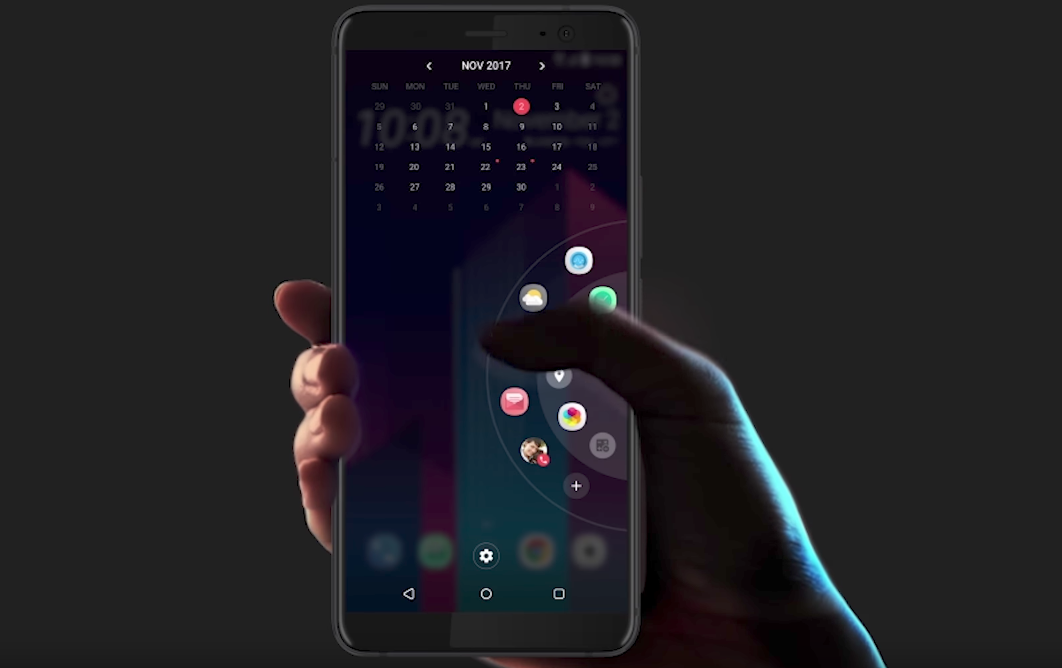
    Ever since the co-operative agreement between Google and HTC, it has been rumoured that HTC will slowly shift its prime focus to its other businesses like virtual reality. However, that doesn’t mean that HTC smartphones will be completely phased out. The company recently launched the HTC U11+ and HTC U11 Life. A new report claims that a mid-range variant of the HTC U11+ will be launched in January of 2018, possibly at CES.

    HTC U11 +

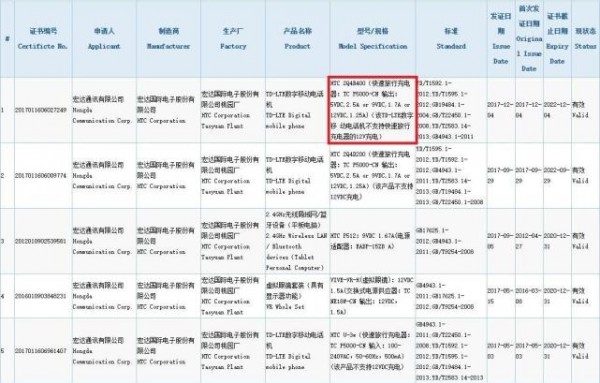
    A few weeks ago, the specifications of an HTC phone codenamed Ocean Harmony were revealed. According to the specs listed, the device will have a 5.99-inch display with an 18:9 aspect ratio and a possible 2160 x 1080 px resolution.

    Leaked Specs

    Under the hood, the device will have the Qualcomm Snapdragon 652 chipset, 4GB of RAM and 64GB of onboard storage which will be expandable via microSD card.

    The specifications hinted towards a toned down variant of the HTC U11+ and the new report appears to corroborate with the previous leak.

    The report further claims that the next HTC device to launch in 2018 will be the HTC U12. Although no timeline is mentioned for the U12, it could be powered by the Snapdragon 845 chipset and have a tall display with an 18:9 aspect ratio. Similar to the HTC U11+, the HTC U12 could also skip the 3.5mm headphone jack.

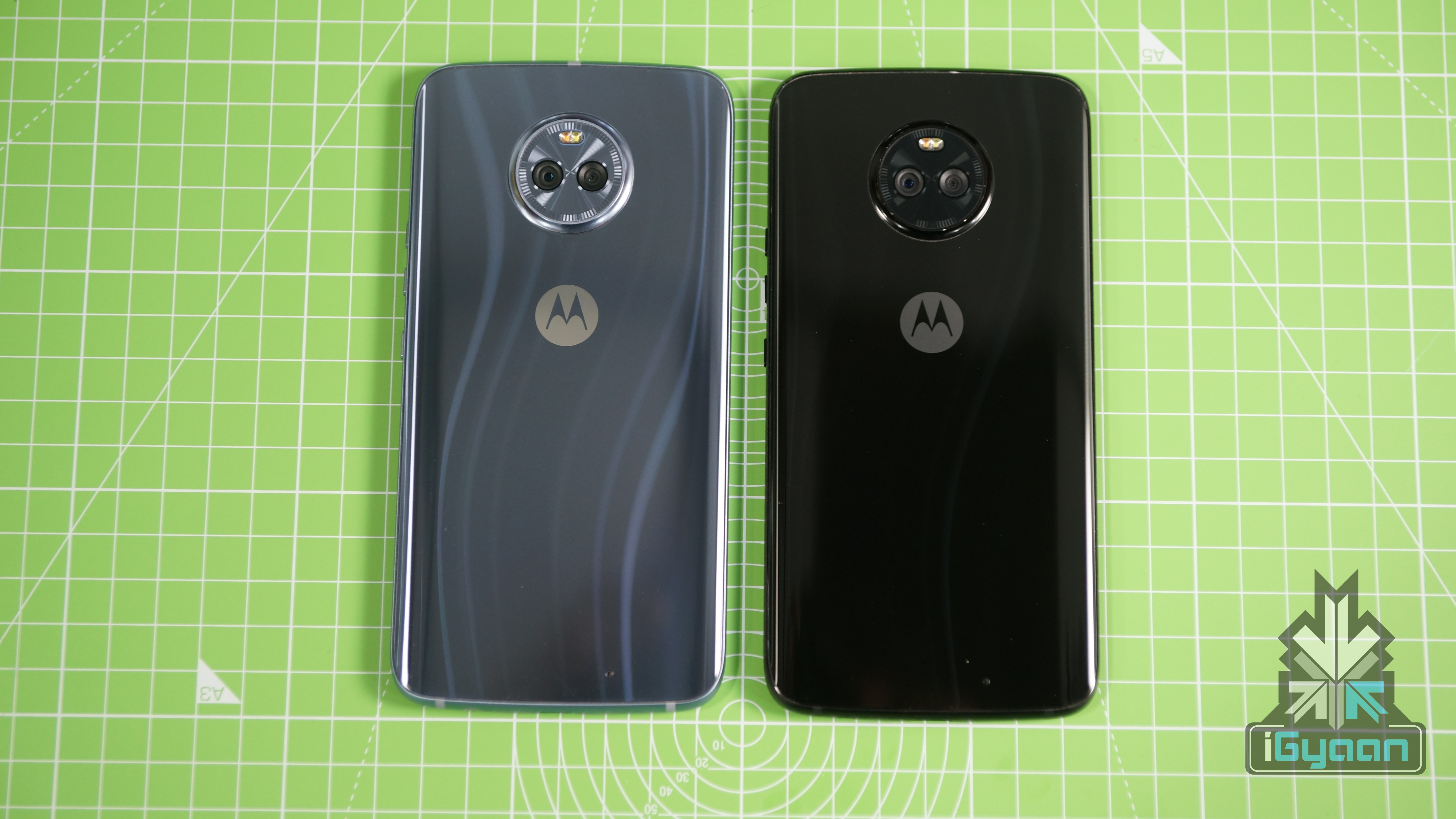
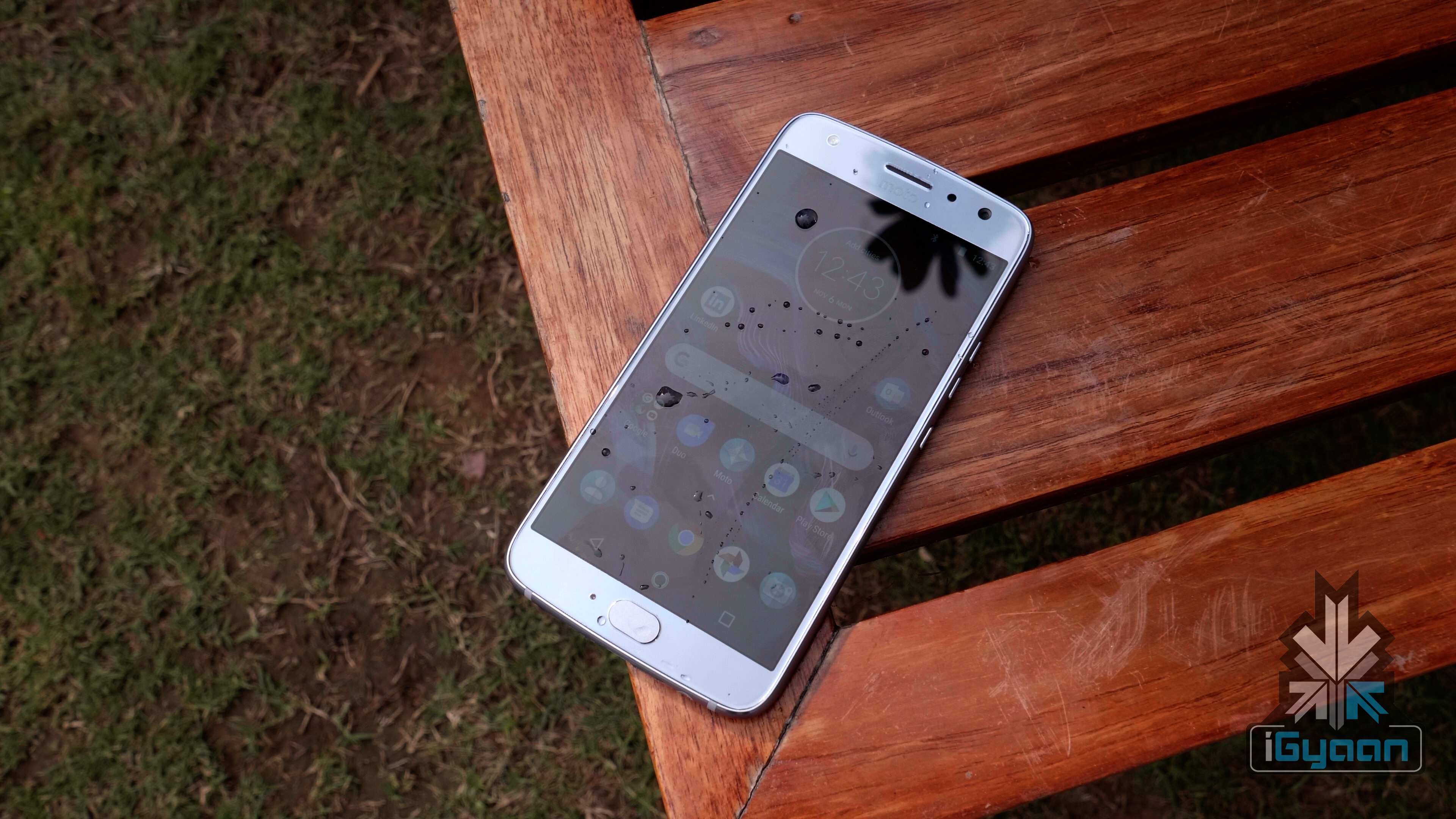
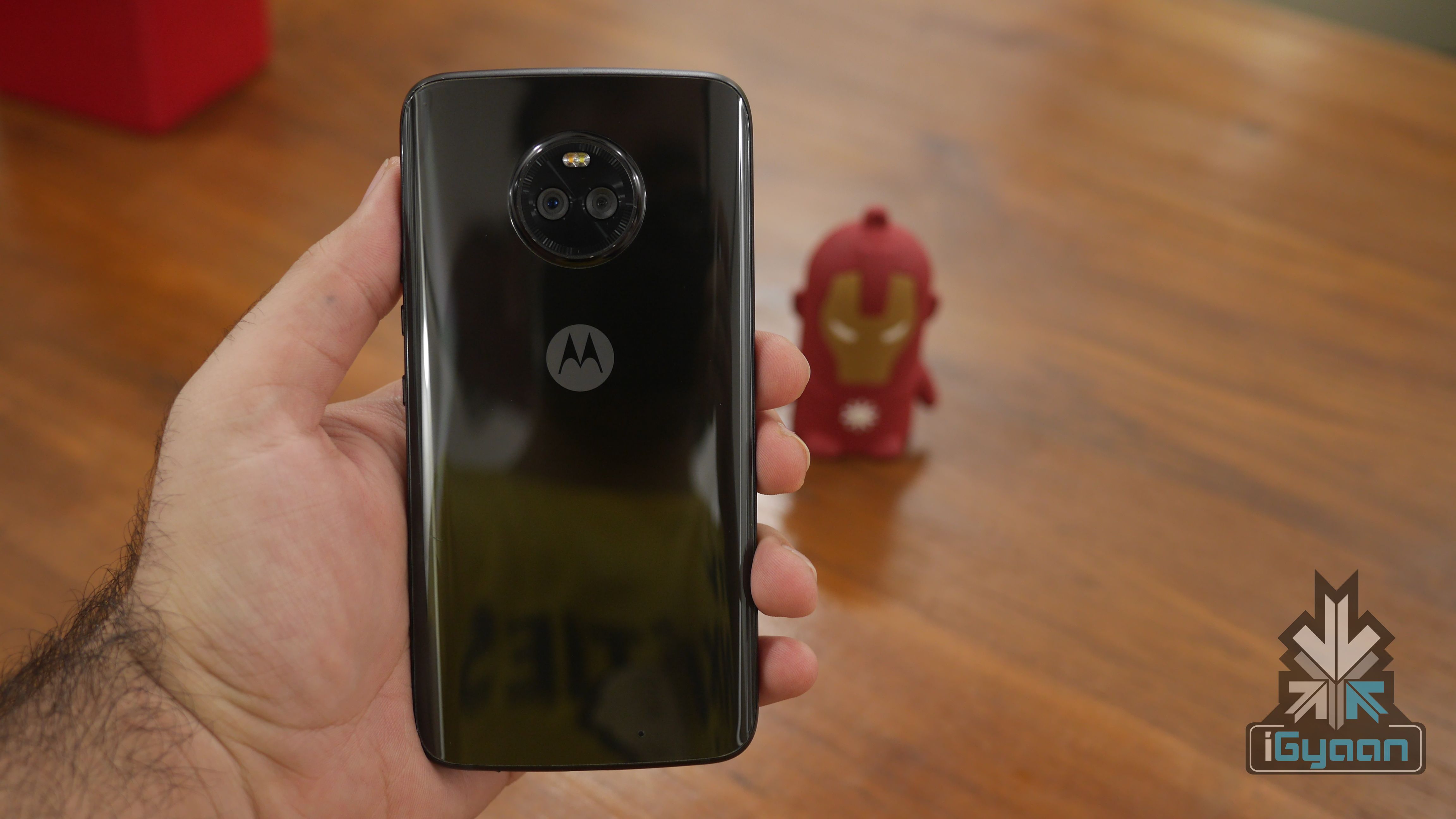
  • Regular Variant Of The Moto X4 Starts Receiving Android 8.0 Oreo Update

    Regular Variant Of The Moto X4 Starts Receiving Android 8.0 Oreo Update

    Lenovo-owned Motorola is catching up with the Android 8.0 Oreo hype train real quick. After releasing the Android 8.0 Oreo update for the Android One variant of the Moto X4, it appears that the regular variant has also started receiving the new Android 8.0 Oreo update.

    A user tweeted the images of the update and screenshots post the update with a new layout and confirming that the device indeed is the Moto X4. The update has a build number of OPW27.2 and along with the new version of Android, also brings the December security patch. This means that Android Oreo features like Picture-In-Picture, Notification Dots and better back-end functioning will now be present in the Moto X4. An update to Android 8.0 Oreo also means that the device will now support all Bluetooth 5.0 features.

    The Moto X4 was launched in India at a starting price of Rs. 20999 and is one of the few phones in this price range that offers an IP68 rating for water and dust resistance.

    The Moto X4 has a 5.2 inch 1920 x 1080 px LTPS IPS LCD display with Corning Gorilla Glass 3 on top for protection.

    The Moto X4 has the Qualcomm Snapdragon 630 chipset, 2.2 GHz octa-core processor and Adreno 508 GPU, along with 3GB or 4GB of RAM and 32GB or 64GB of onboard storage which can be expanded up to 2TB via microSD card. The fingerprint sensor is housed inside the home button which also doubles up as a single navigation button.

    The Moto X4 is powered by a 3000 mAh battery with TurboCharge capabilities.

    The Moto X4 has a dual-camera setup at the back. The main camera is a 12MP sensor with an f/2.0 aperture, and the 8MP secondary camera with an f/2.2 aperture is equipped with a wide-angle lens. The dual-cameras allow users to have depth effect shots, bokeh effect shots, ultra-wide angle shots, and selective focus shots. On the front of the device is a 16MP camera with an f/2.0 aperture and an LED flash. The cameras record 4K videos at 30 FPS.

  • Apple’s Original GUI from Lisa to Be Made Available for Free

    Apple’s Original GUI from Lisa to Be Made Available for Free

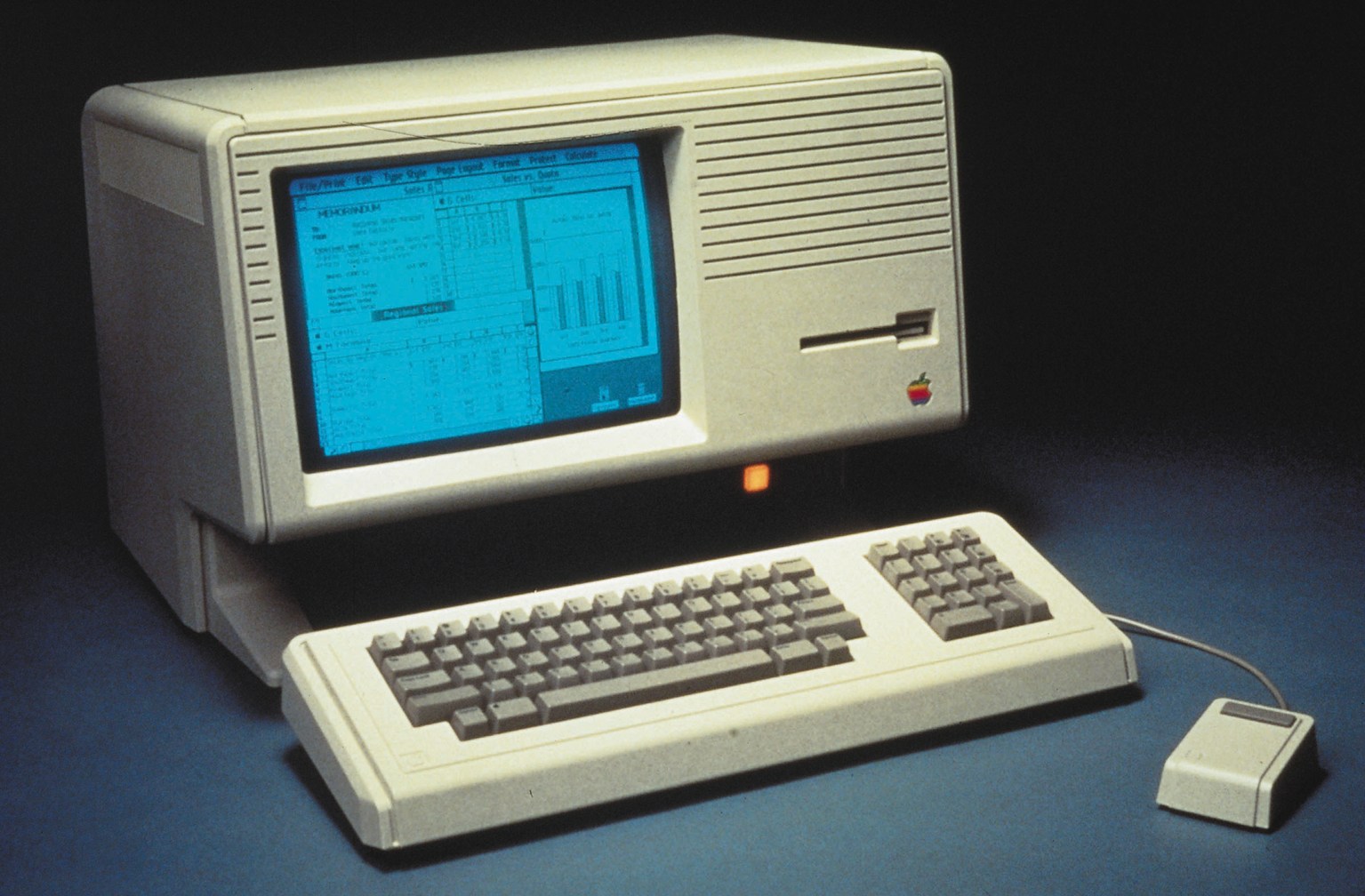
    Apple made the Lisa computer before the Mac was ever conceived, and it was a huge deal for apple, as it contained the original graphical user interface which has today become the foundation for operating systems including those on smartphones. People who were keen to test this out, had to source a working Lisa computer and then extract the software and run it on an emulator.

    However, in 2018, things are about to get easier and free. The Computer History Museum will publish the source code of the Lisa computer for free in 2018, Apple has already given its nod for the release and is assisting and verifying the Lisa code for the museum.

    The Lisa computer ran the Motorola 68000 processor which was the bran behind the processing powers of the operating system. While the computer itself was named after Steve Jobs’ eldest daughter, it was extremely expensive for the time it cost almost US$10,000 at the time and eventually ended up being a bust.

    The OS remains an integral piece of computing history and the first mouse based user interface to be available on a personal computer. It was also the reason behind the big fight between Steve Jobs and Bill Gates, as Steve believed that Microsoft had stolen the lisa OS code for use in MS windows.

  • Another Case Render Confirms The Design Of Samsung Galaxy S9+

    Another Case Render Confirms The Design Of Samsung Galaxy S9+

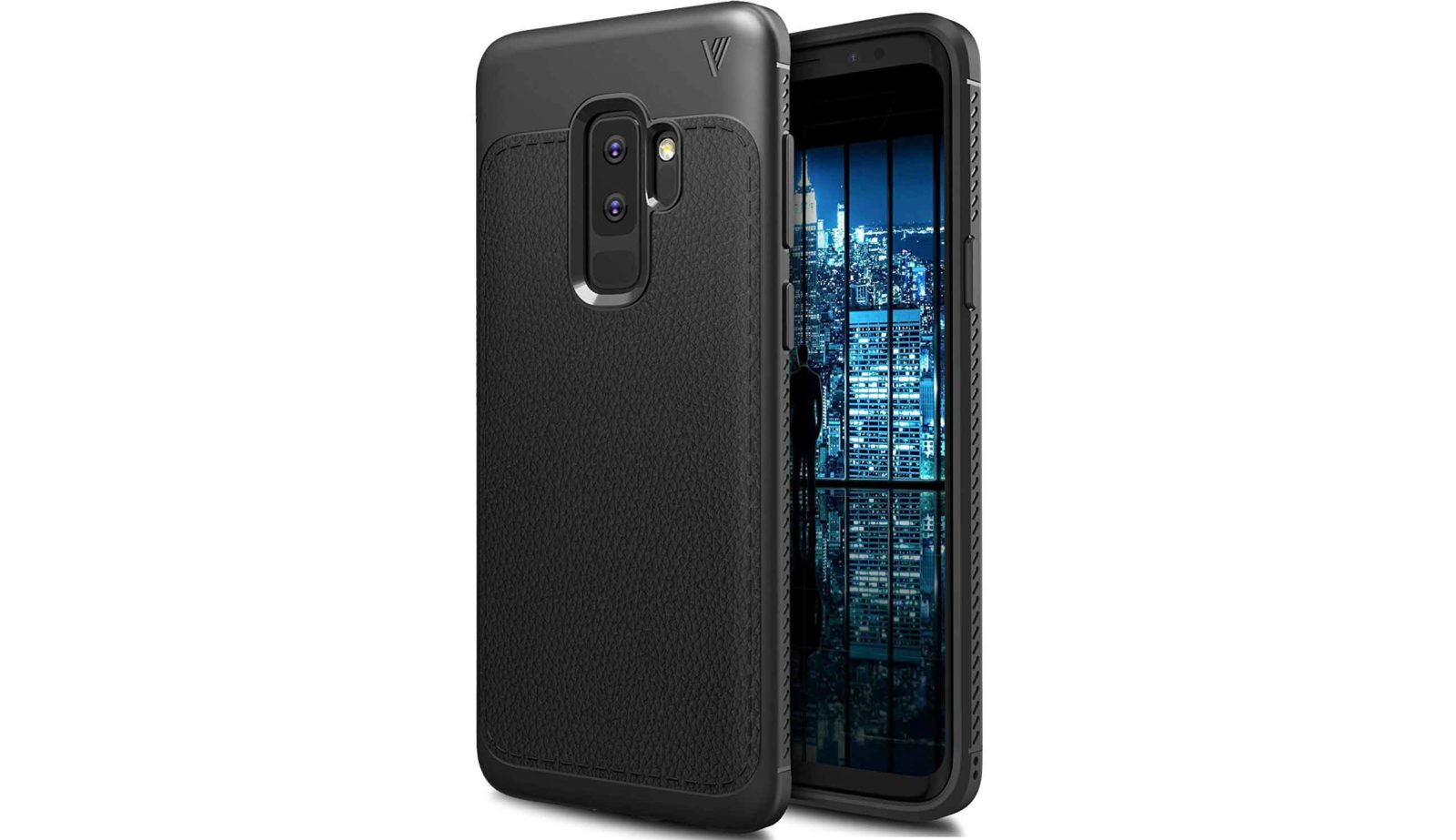
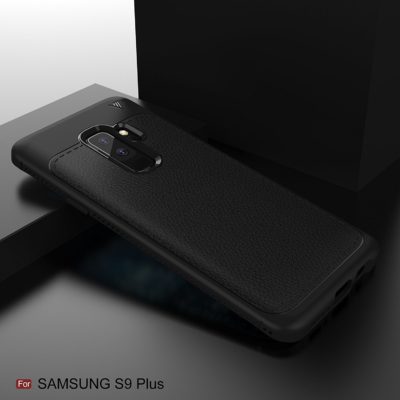
    The Samsung Galaxy S9 and Galaxy S9+ will more or less be an incremental upgrade over their predecessors but, Samsung might introduce a couple of new features in the bigger of the two phones. The presence of a dual-camera setup in the Galaxy S9+ has been rumoured for a long time and a new case render yet again reveals a similar design language and a dual-camera setup for the Galaxy S9+.

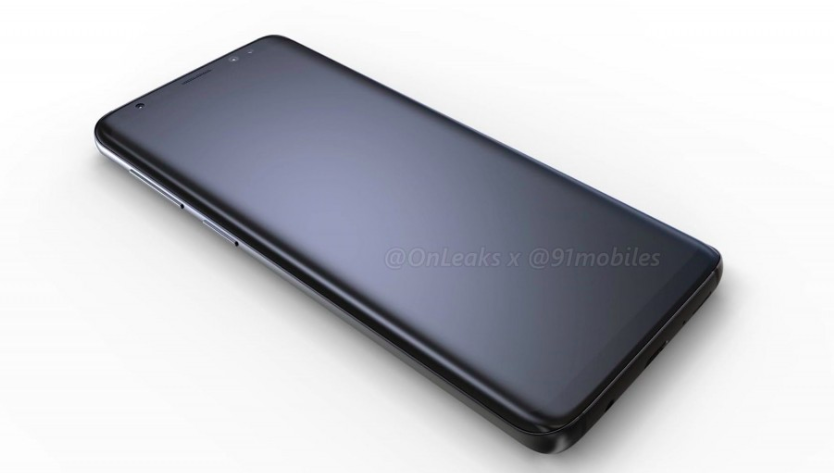
    The case reveals the same fingerprint sensor and LED flash placement for the Galaxy S9+ as the other case renders. The image reveals the front of the device as well which reveals slightly smaller bezels than the Galaxy S8 which is similar to the other renders of the Galaxy S9 and Galaxy S9+.

    According to a recent benchmark leak, the Galaxy S9 and the Galaxy S9+ will have the Qualcomm Snapdragon 845 chipset. According to leak, the Galaxy S9 and Galaxy S9+ will run Android 8.0 Oreo which is a positive, considering the company announced the Galaxy A8 and A8+ with Android 7.1.1 Nougat even though the devices will be launched in January.

    Galaxy S9+ Renders


    Another report has revealed that the Galaxy S9 and Galaxy S9+ will have a much better and accurate iris scanner that can compete with Apple’s Face ID. The fingerprint sensor will also have a new position which will much more ergonomic and easier to reach than the Galaxy S8.

    The Galaxy S9 could be launched at a price similar to the Galaxy S8+ and the Galaxy S9+ could break the thousand dollar barrier and be priced similarly to the iPhone X.

  • OnePlus 5T Will Soon Receive Android 8.0 Oreo Open Beta Version

    OnePlus 5T Will Soon Receive Android 8.0 Oreo Open Beta Version

    The OnePlus 5T was launched back in November and many were disappointed to see that the newly launched device was still running Android Nougat despite Android 8.0 Oreo launching in August. OnePlus had its reasons and promised that it would launch the beta program on its latest flagship in the coming weeks.

    After the OnePlus 5 started receiving the stable build of Android 8.0 Oreo and OxygenOS, there is now news that the OnePlus 5T will soon receive its first-ever Android 8.0 Oreo open beta version. The tweet from OnePlus Germany seemingly confirmed that the open beta of Android 8 Oreo for OnePlus 5T is one the fore.

    https://twitter.com/OnePlus_DE/status/945987804210667520

    OnePlus co-founder also announced that the OnePlus 5 will soon be getting the Face Unlock feature which was exclusive to the OnePlus 5T so far. The Chinese smartphone maker has been pushing software upgrades regularly and this new development means that the company’s latest flagship will soon be running a stable build of Android 8.0 Oreo.

    https://twitter.com/getpeid/status/944915403398098944

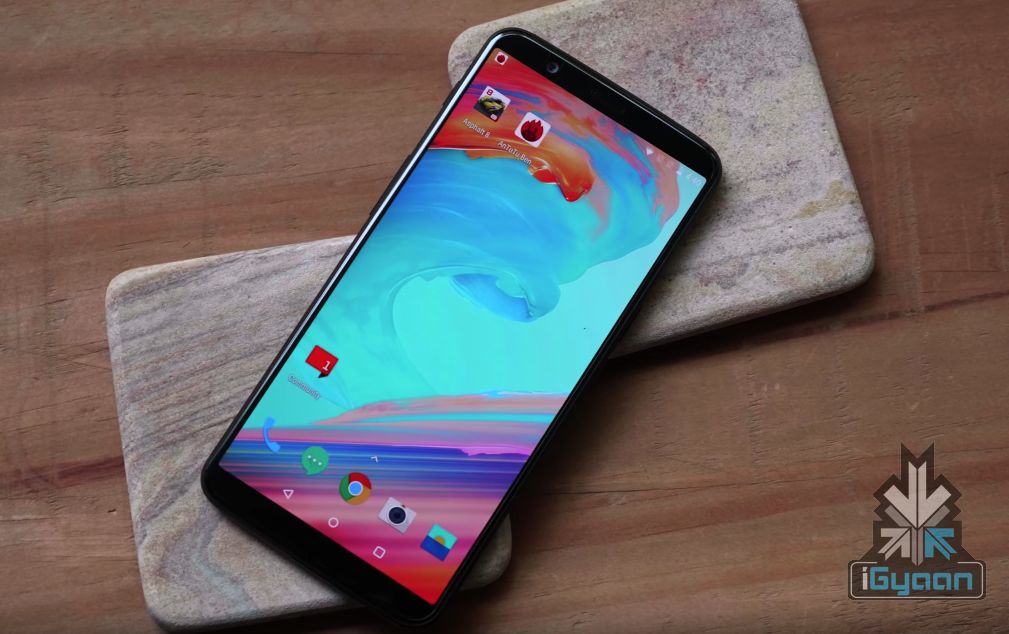
    The OnePlus 5T has a 6-inch Full Optic AMOLED display with a 2160 x 1080 px resolution and an 80.5% screen to body ratio. This is a huge detour from the short history of OnePlus devices which have so far had a 5.5-inch display.

    [amazon_link asins=’B0756ZFXVB’ template=’ProductAd’ store=’igyaan-21′ marketplace=’IN’ link_id=’fb49aa91-eb96-11e7-a0a7-9115e659e4d6′]

    Under the hood, the OnePlus 5T has the Qualcomm Snapdragon 835 chipset, a 2.4GHz octa-core processor, 6GB or 8GB of RAM, 64GB or 128GB of onboard storage which cannot be expanded. Powering the device is a 3300 mAh battery which supports OnePlus’ DashCharge technology.

    Due to thin bezels, there is no place for a home button and the fingerprint sensor has now been shifted to the back of the phone and is placed right above OnePlus logo. The OnePlus 5T also features facial recognition for unlocking the device. The alert slider retains its place at the top left side of the phone which can be used to switch between different modes of notification alerts.

    The OnePlus 5T runs stock Android 7.1.1 Nougat with customisability options thanks to the Oxygen OS on top. OnePlus has promised an update to Android 8.0 Oreo by early 2018. The Android 8.0 Oreo beta update will be pushed out to OnePlus 5T in late December 2017.

    One big change in the OnePlus 5T is in the camera department. Unlike the OnePlus 5, the OnePlus 5T no longer has a secondary telephoto lens at the back. Instead, OnePlus has decided to focus on the device’s low-light photography capabilities. The cameras do not have OIS and OnePlus has decided to go for EIS on the dual camera setup at the back. The device has a 16MP camera with an f/1.7 aperture coupled with a 20MP sensor with the same f/1.7 aperture and field of view, ie no optical zoom. On the front is a 16MP camera with an f/2.0 aperture.
  • Qualcomm To Launch Snapdragon 670 Chipset In Q1 Of 2018

    Qualcomm To Launch Snapdragon 670 Chipset In Q1 Of 2018

    Every year, it is not just the flagship lineup of chipsets from Qualcomm gets a refresh. The mid-range segment of smartphones has even tougher competition between Qualcomm and MediaTek, and Qualcomm will soon launch the Snapdragon 670 chipset in 2018.

    The Snapdragon 670 chipset will be based on Samsung’s 10-nanometer (nm) LPP process technology which was also used in Qualcomm’s 2017 flagship chip, the Snapdragon 835. Samsung used the same process for its 2017 flagship chipset, the Exynos 8895.

    A famous leakster tweeted a few details about the upcoming Snapdragon 670 chipset:

    According to the report, the Snapdragon 670 will go into mass production in early-2018 and will be subsequently available for OEMs.

    Qualcomm recently unveiled its 2018 flagship chipset, the Snapdragon 845 which was also manufactured by Samsung. Recent reports have claimed that the South Korean tech giant will lose its business from Qualcomm as the Snapdragon 855 is expected to be manufactured by TSMC.

    The report also claims that an industry executive believes that Samsung is losing Qualcomm orders to TSMC because the company will not be fabricating 7nm chips in 2018. The report went on to state that “Qualcomm is still likely to transfer orders back to Samsung in 2019 if its 7nm chip facility becomes ready.”

    As much as the Snapdragon 845 is important, markets like India sell mid-range smartphones much more than their flagship counterparts, hence the Snapdragon 670 and its adequacy will be important for upcoming mid-range smartphones in 2018.

iGyaan Network
Privacy Overview

This website uses cookies so that we can provide you with the best user experience possible. Cookie information is stored in your browser and performs functions such as recognising you when you return to our website and helping our team to understand which sections of the website you find most interesting and useful.