Blog

  • Details Of The Apple iPhone 8 Confirmed By HomePod’s Firmware

    Details Of The Apple iPhone 8 Confirmed By HomePod’s Firmware

    Apple announced it’s smart speaker – HomePod at the annual WWDC (World Wide Developer Conference) at 5 June 2017. The $349 Siri powered speaker is said to rival Amazon’s Echo and Google’s Home and will be available for purchase in December.

    After introducing the HomePod at the conference, Apple pushed out a developer update for it’s wireless speaker ahead of its launch.  A bunch of developers examined the firmware bearing the name “AudioAccessory1,1”. The update revealed that the HomePod included the codebase for the next iPhone, along with the secrets about the smart speaker.

    Here’s a roundup of all the secrets found in the HomePod firmware –

    References to an LED matrix 

    According to one of the coders, it’s possible that HomePod will have a dot LED matrix screen that could display shapes, symbols,icons or even text. References to a Siri button on the top of the device were also found. This could mean that the existence of an LED matrix could potentially offer additional information to the user.


    References to an Infra-Red Camera and Facial Recognition Feature

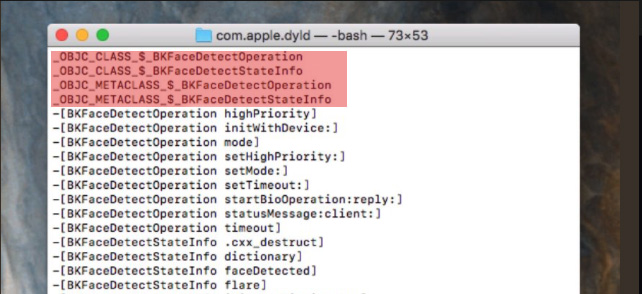
    A code snippet was found that refers to iPhone’s infra-red, face recognition-based unlocking capabilities. The code consisted of the lines “BKFaceDetect” which probably refers to Biometric Kit and facial detection tech. .
    References to an infrared camera – “pearlInfraredCapture Stream”, which can be used to detect your face even in the dark have also been seen. Reports of Apple using an infrared camera for 3D face scanning in the iPhone 8 have also been seen earlier this month.
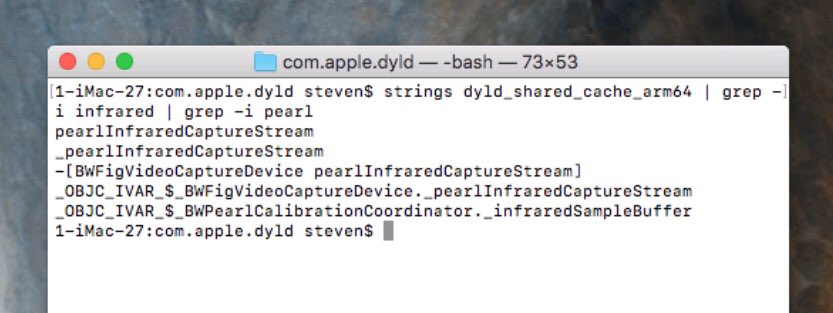
    A tweet from one of the developers pretty much confirmed the facial unlocking feature in the iPhone 8.


    References to the iPhone 8 Form Factor

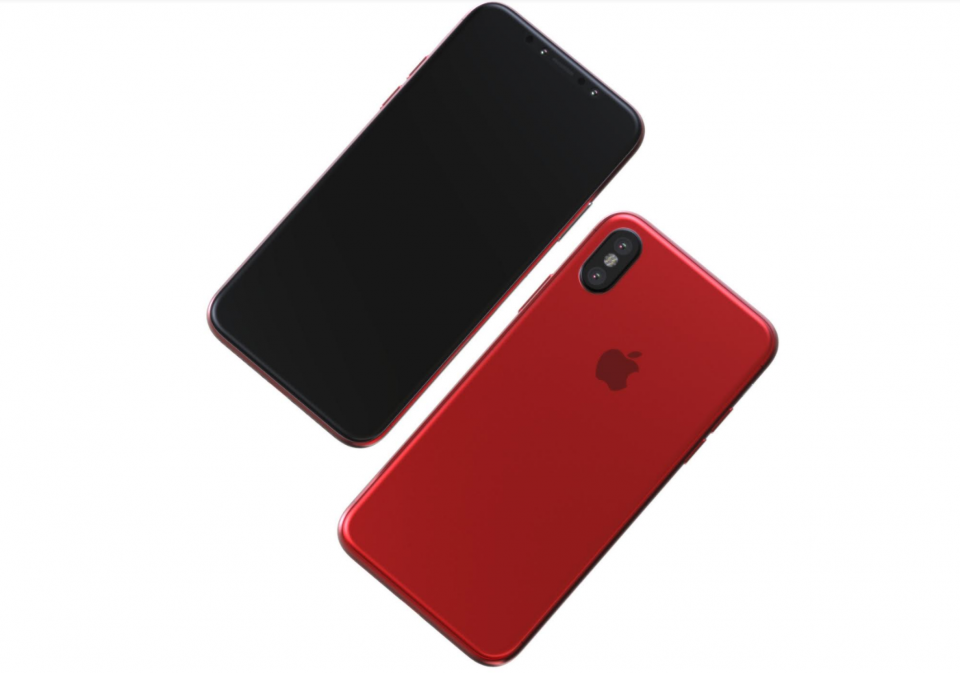
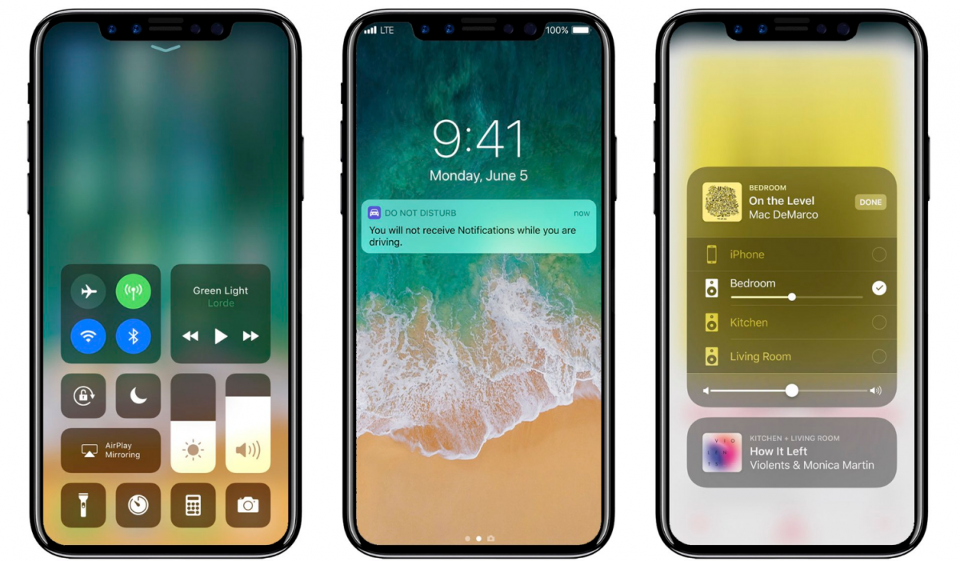
    HomePod firmware also appears to have carried an icon of the iPhone 8. Confirming the all-screen design, a stylized image of the new iPhone was also extracted from the “Payment_glyph_phone-D22.caar” in “PassKitUIFoundation.framework”.
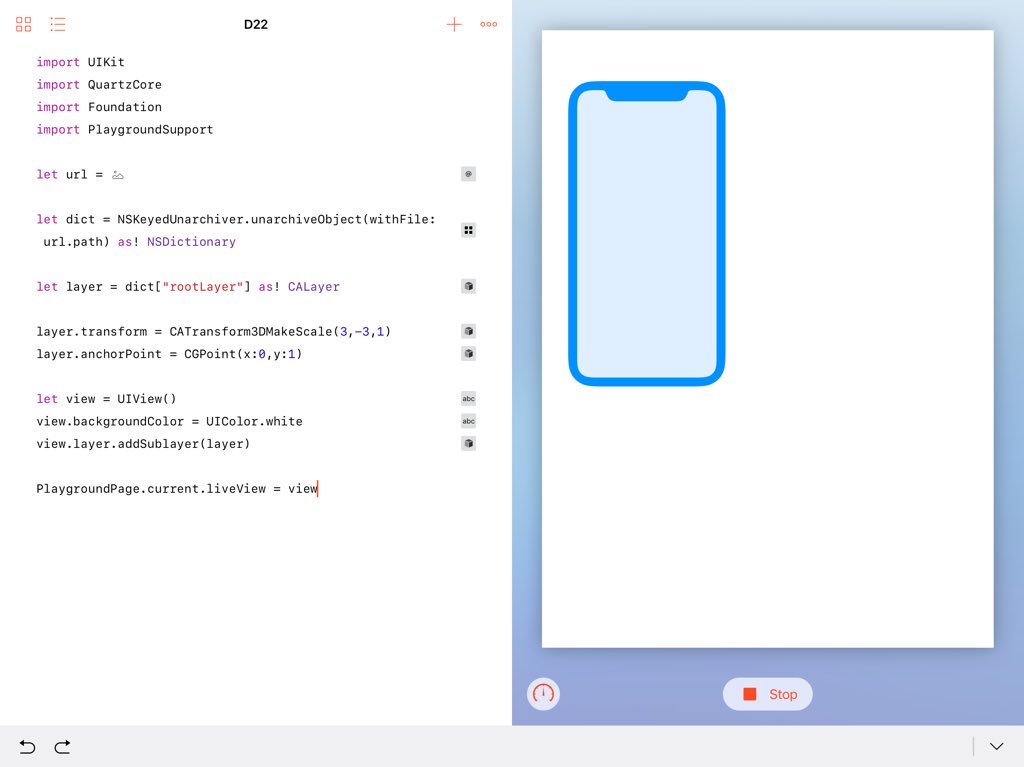
    Later, another developer tweeted a high resolution version of the of the next iPhone’s icon. The form factor revealed a bezel-less, edge to edge display extending around the top speaker and sensors.


    The earlier icons of the previous iPhones like iPhone 5s had a home button which doubled as the Touch ID. The placement of the TouchID and the home button in the iPhone 8 is still not disclosed . Apple might just give the fingerprint sensor a miss in the new iPhone.

    References to a 2436×1125 Resolution

    Another snippet of the code was tweeted yesterday containing references to a 5.15-inch screen with the rumoured 2436 x 1125 resolution.
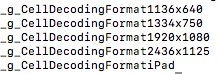
    Assuming the speculations are true, iPhone 8 will have a pixel density around 521 PPI with 3x Retina display which is higher than the existing iPhone lineup.

    Tap to wake feature 

    A tap to wake feature has also been discovered. The developers say that it may be similar to the Lumia 950’s Double-tap to wake the phone feature.

    References to a virtual Home Button

    A developer confirmed that the traditional home button will now be replaced with a virtual home button called the “home indicator”. The coders also shot down the possibility of a Touch ID.

    Apple will not be the first to use facial recognition and edge to edge display. Both the features have already been seen on other Android phones like Samsung Galaxy S8 and S8+, LG G6 etc. But with the increased pixel density and the 3x Retina display, the iPhone 8 will be at par with the latest high-end Android phones like the Galaxy S8 (2960 x 1440) or the Google Pixel (1080 x 1920), which tend to offer more pixel-dense displays.

    It is still not definitive whether the features extracted from the code will make it into the iPhone 8 or not. But as these are the samples of code released by Apple, it is more likely that the said features will be present in the upcoming smartphone.

  • IIT Delhi Student Invents A New Way To Detect Breast Cancer

    IIT Delhi Student Invents A New Way To Detect Breast Cancer

    IIT Delhi student, J.Jean Rossario Raj from the department for biomedical engineering, presented an alternate design in ultrasound transient elastography system for early detection of breast cancer. The project was to expertly diagnose and differentiate between malignant (cancerous) and benign (non-cancerous) tumours by combining various ultrasound imaging modes.

    Studies show that the malignant tumours are stiffer than benign ones. And one of the ways to detect the tumor is through Ultrasound elastography. It is a non invasive imaging technique which helps differentiate between the two types of tumours by evaluating the elasticity of the tumour.

    In an abstract, Jean provided a detailed account of her research. The research was conducted on 72 breast cancer patients using conventional non-invasive tumour detection techniques. With the help of the data collected during the research, Jean built a prototype for faster and efficient detection of cancer. The clinical data of the patients was tested using the prototype. The results show that the machine was able to detect tumours with 94.7% sensitivity, 90.6% specificity and 91.7% accuracy. The machine was also able to differentiate between the malignant and benign tumours with accuracy.

    Breast cancer is the most common cancers in women worldwide. It is the fifth most common cause of death from cancer in women. Nearly 1.7 million new cases were diagnosed in 2012, which represents about 12% of all new cancer cases and 25% of all cancers in women.

    In developed countries with advanced medical care, the survival rate of early stage breast cancers is 80-90 %, which falls to 24% for cancers diagnosed at a more advanced stage. Whereas, in developing countries, the survival rate further decreases to 40%.

    Breast cancer is increasing rapidly in developing countries where the majority of cases are diagnosed at later stages. The lack of early detection and adequate diagnosis of the cancer reduces the survival rate.

    Following is the standard procedure of diagnosing breast cancer

    • Breast Exam/Physical Exam
    • Mammography
    • Ultrasound Imaging
    • Biopsy
    • MRI

    Currently, a biopsy is the only definitive way to detect breast cancer. The procedure requires removing a sample of breast cells to analyse –

    • Whether the cells are cancerous
    • Type of cells involved in the cancer
    • Grade of the cancer
    • Hormone receptors of the cancer cells

    A biopsy is a time taking and invasive process. The machine uses a non invasive technique which will allow the doctors to diagnose the cancer at an early stage. The device will also allow the doctors to bypass the standard time consuming process and achieve faster results with  significantly improved specificity and accuracy. If used by medical practitioners and doctors, the machine invented by J.Jean Rossario Raj can help detect breast cancer early, thereby reducing female mortality.

  • BlackBerry KEYone Limited Edition Black Launched In India For Rs 39,990

    BlackBerry KEYone Limited Edition Black Launched In India For Rs 39,990

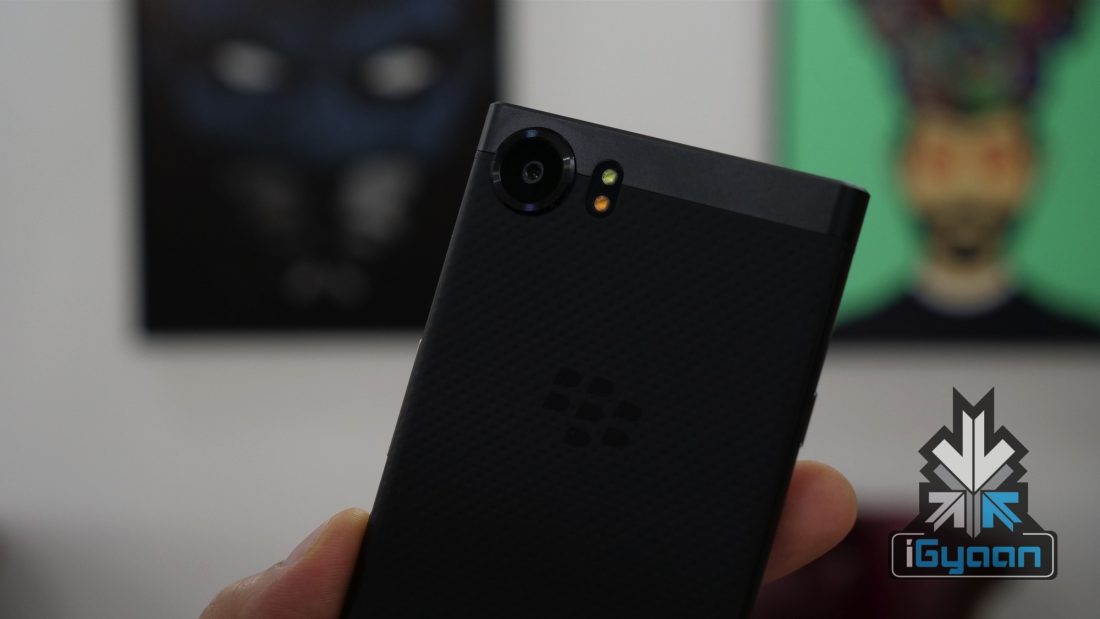
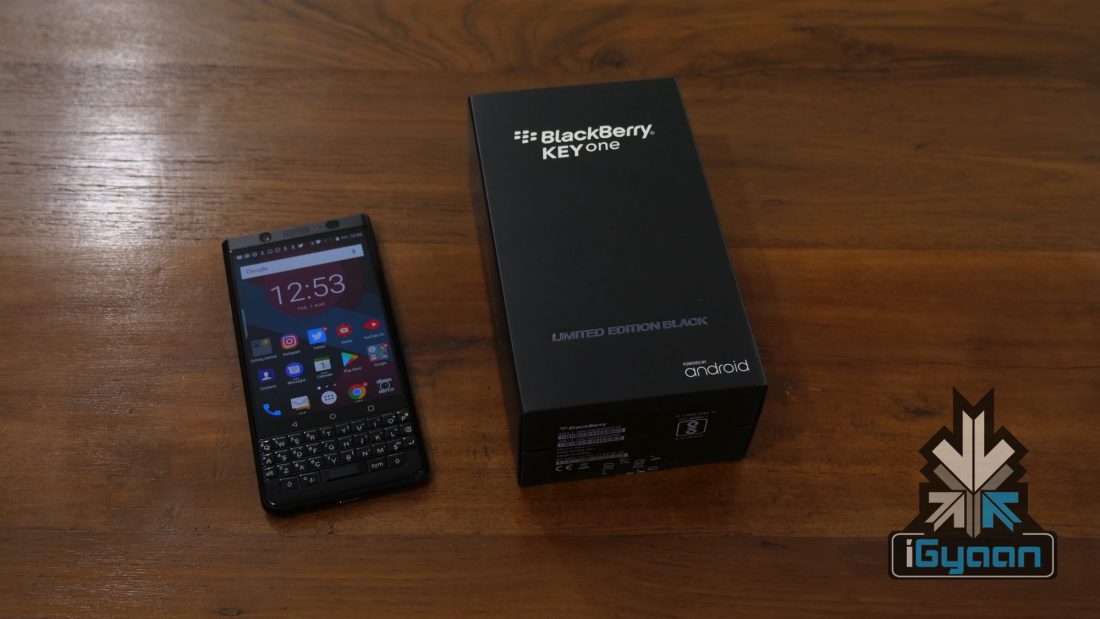
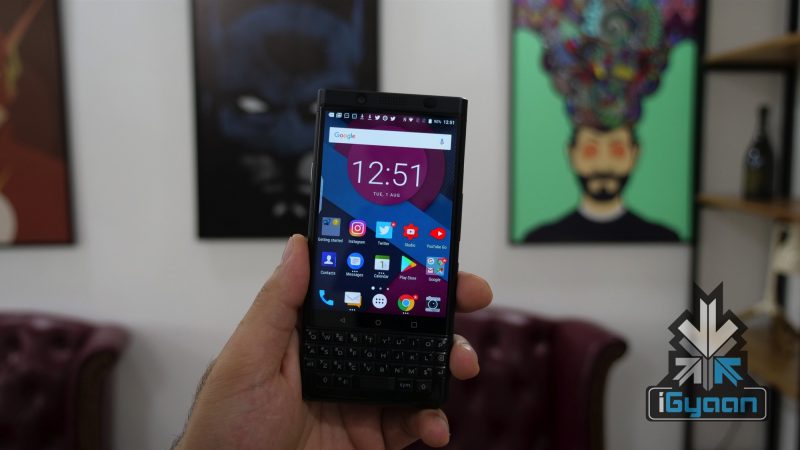
    BlackBerry has launched its 2017 flagship device the Limited Edition BlackBerry KEYone Black in India at a price of Rs. 39990.

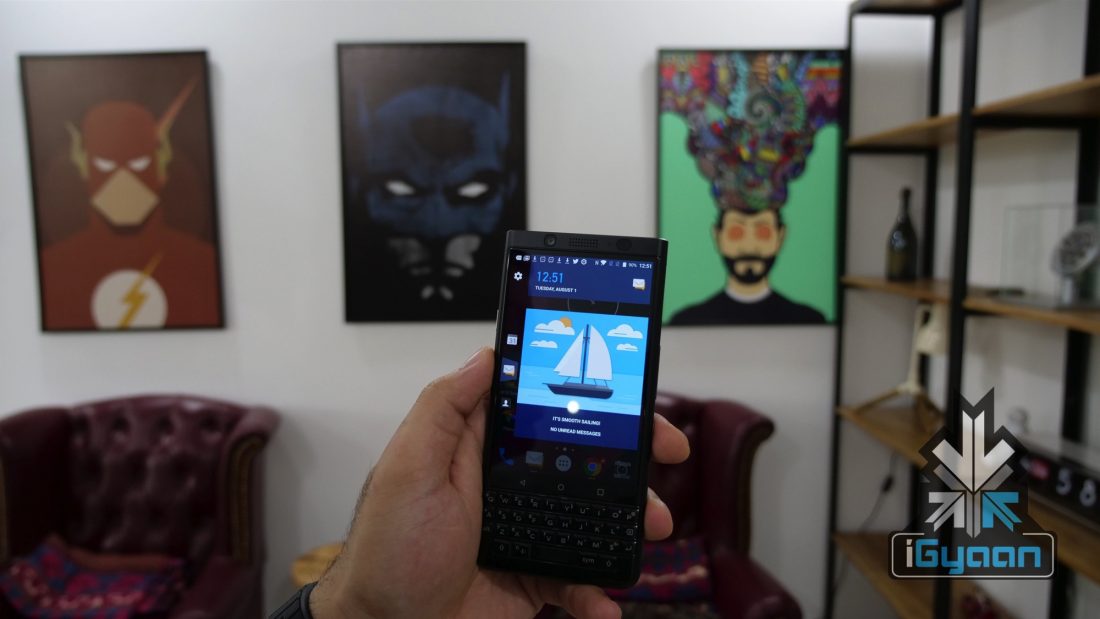
    The main feature of BlackBerry KEYone is the back-lit touch enabled physical keyboard which is reminiscent of the old BlackBerry but with new-age functions and capabilities. The KEYone runs on a Qualcomm Snapdragon 625 chipset and 4GB RAM. The BlackBerry KEYone Limited Edition Black has 64GB of internal storage, as opposed to the original Keyone which had only 32GB, the storage can be expanded up to 2TB (when supported) via a microSD card. As opposed to the Keyone manufactured by TCL this model has dual sim capabilities and has been made by by Optiemus Infracom.

    The main camera is a 12 MP sensor with a 1.55 micron pixel size and an F/2.0 aperture,PDAF along with electronic image stabilisation and 4K video recording at 30fps. On the front is an 8MP front facing camera with 1080p video capture and an f/2.2 aperture. The KEYone Limited Edition Black also supports quick 3.0 charging through the USB Type-C port to its inbuilt 3505 mAh Battery.

    The BlackBerry KEYone has a convenience key which can be programmed to launch a specific app that you use the most to make it easily accessible. The KEYone has an anodised black metal frame in the front and a soft textured back to make it a little grippy.

    The BlackBerry KEYone focusses on making typing easy, but the physical keyboard has more functionalities than just typing. Every physical key can be programmed to launch a specific app/action. Since the keyboard is touch enabled, you can scroll through web pages by swiping on the keyboard itself instead reaching the screen which can be cumbersome because of the size of the phone. The fingerprint sensor is housed in the space bar. Some key specifications of the BlackBerry KEYone are-
    What you will find inside the BlackBerry KEYone Limited Edition Black’s box-

    • BlackBerry KEYone Limited Edition Black
    • SIM ejector tool
    • Documentation
    • In-ear type earphones with additional ear tips
    • USB Type C cable
    • Power adapter with Quick Charge 3.0

    The BlackBerry KEYone is priced at Rs 39,990 and will be available on Amazon exclusively. You can pre-order the BlackBerry KEYone Limited Edition Black from today and it will go on sale on 8th August.

  • Snapdeal – Flipkart Deal Is A No Go , Snapdeal To Focus On Snapdeal 2.0

    Snapdeal – Flipkart Deal Is A No Go , Snapdeal To Focus On Snapdeal 2.0

    Snapdeal looked certain to be Flipkart’s next big acquisition and usher in a duopoly era in the e-commerce sector with Flipkart and Amazon the only two remaining big players. But, on Monday Snapdeal said it was terminating the talks of selling off its stakes to Flipkart, to pursue a new path.

    A Snapdeal spokesperson in a statement said, “As we have been exploring strategic options over the months, we have decided to pursue an independent path and terminate all strategic discussions” interestingly without naming Flipkart. The negotiations between Flipkart and Snapdeal for a possible acquisition were said to be mediated by Snapdeal’s principal investor, SoftBank.

    Flipkart offered to buy out Snapdeal for a revised amount, valued in the range of $900 million to $950 million last month, but the deal has seemingly fallen through as Snapdeal prepares for Snapdeal 2.0. Flipkart’s offer was discussed with Snapdeal’s investors Ratan Tata and Aseem Premji as well. Kunal Bahl, co-founder and CEO of Snapdeal has insisted to focus on the road ahead of rebuilding the company and focussing on the growth of its business.

    We have a compelling direction (Snapdeal 2.0) to create life-changing experiences for millions of buyers and sellers across the country. With the sale of certain non-core assets, we expect to be financially self-sustainable. We look forward to the support of our community, including employees, sellers, buyers and other stakeholders in helping us create a designed-for-India commerce platform.

    Flipkart recently sold Freecharge, which it bought for Rs 2,500 crore to Axis bank for Rs 385 crore. Snapdeal 2.0 is turning out to be a difficult chapter for staff and investors alike. Snapdeal has let go of 600 employees in the last month without any notice and only one month’s severance package.

    Kunal Bahl, co-founder of Snapdeal elaborated on their new plan, Snapdeal 2.0 and said that it would make possible for anyone to setup an online and focus on providing a wide range of products at a great price. He also stated that they have made progress on this path and are in line to make a profit of Rs 150 crore in the next 12 months.

    Last July, Snapdeal boasted a work-force of 9,000 employees. According to a report, Snapdeal is planning to let go off 1,000 of its 1,200 current employees and carry forward with the Snapdeal 2.0 mission with the remaining people. The decision of not taking the deal put forth by Flipkart seems to have taken industry experts by surprise. But, Kunal Bahl has explained that the deal was too complicated to execute.

    What Snapdeal 2.0 does for the company is to be seen in the coming months, but the resurgence of Flipkart and the domination of Amazon sure pose a stiff competition for Snapdeal in the Indian e-commerce market.

  • Samsung Galaxy Note 8 Midnight Black Colour Image Leaked

    Samsung Galaxy Note 8 Midnight Black Colour Image Leaked

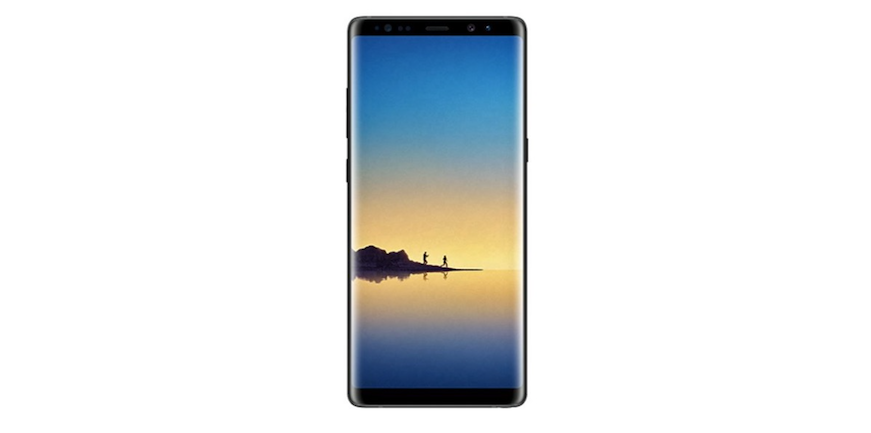
    Samsung’s flagship device of the year, the Galaxy Note 8 is all set for launch on August 23. Earlier this month, Samsung sent out press invites for the official unveiling of the Galaxy Note 8. The invite carried an image featuring an outline of a device with an Infinity Display, thin bezels on the top and bottom and a stylus.

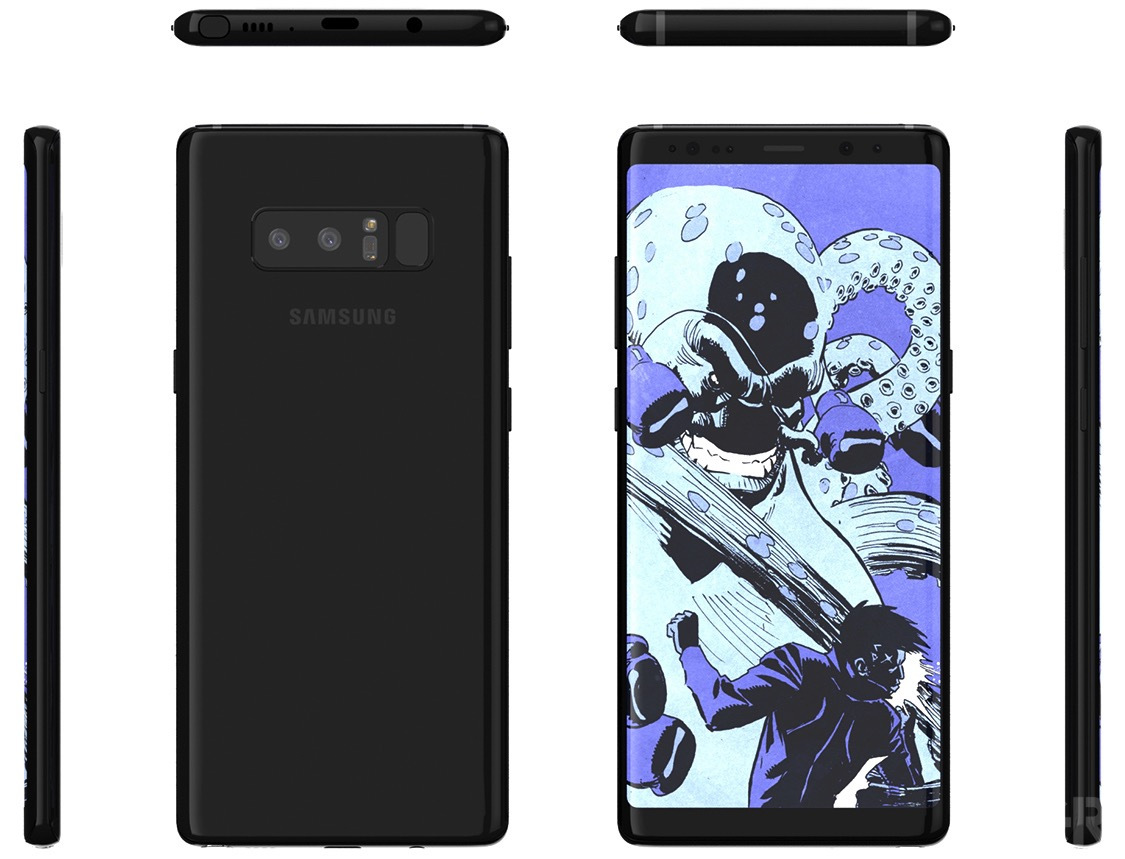
    The invite just offered a glimpse of the Galaxy Note 8 silhouette, but a recent tweet has revealed the smartphone in its “Midnight Black”color variant.

    The Galaxy Note 8 is expected to feature a 6.3-inch Super AMOLED curved infinity display with a 4k resolution, the smartphone is expected to run on the Qualcomm Snapdragon 835 chipset.  The Galaxy Note 8 will run Android 7.1 with a massive 6GB RAM and 64GB on board storage.

    The smartphone is said to feature a horizontally placed dual rear camera set up. Each sensor is expected to be a 12MP, while one will provide 3X optical zoom for a close-up shot. The dual cameras will enable brighter low-light shots when used in tandem, along with the other features like background effect (to blur the all but the subject of a shot), perspective view (which tilts the image based on how you rotate your phone) and a depth-of-field effect.

    Samsung seems to be opting for a 3,300mAh battery pack for the Galaxy Note 8 which is slightly smaller in comparison to last year’s Galaxy Note 7 which had a 3500mAh battery. The decision of installing a smaller battery might be a smart one, considering the last years battery failures.

    Given last year’s Note 7 recall, and the damage it did to the brand, Samsung is under pressure to deliver a smartphone that could win back the customer’s trust and re-establish the Galaxy Note name in the Smartphone market.

  • Upcoming Smartphone Leaks Roundup – July 2017

    Upcoming Smartphone Leaks Roundup – July 2017

    Smartphone releases are preceded with numerous leaks and reports. A host of smartphones are scheduled to launch in the coming months and iGyaan brings you the top rumours from the world of smartphones for the month of July.

    Samsung Galaxy Note 8

    The Galaxy Note 7 was extremely well-received and the Galaxy Note 8 has been hyped up to exceed its predecessor. And edge-to-edge Super AMOLED display will feature for the first time in the Note series along with improved S-Pen functionalities. Key specifications of the Samsung Galaxy Note 8 are-

    • Launch- August 23
    • Price – $1100 (approximately INR 71,000
    • Display- 6.3-inch Super AMOLED
    • Battery- 3,300 mAh battery
    • Chipset- Qualcomm Snapdragon 835
    • OS- Android Nougat 7.1.1
    • RAM- 6GB
    • Storage- 64GB/128 GB
    • Camera- 12-megapixel dual camera
    • Improved S-Pen functionalities
    • Iris Scanner and Fingerprint sensor
    Apple iPhone 8


    The most-anticipated phone of 2017, the Apple iPhone 8 featuring a reportedly bezel-less display will launch in September just like its predecessors. The Apple iPhone 8 is expected to launch alongside the iPhone 7s and 7s Plus. Key specifications of the Apple iPhone 8 are-

    • Launch- September
    • Price- $1,200 (Rs. 77,000 approx.)
    • Display- 5.8-inch OLED display
    • Chipset- A11 chip 3GB
    • OS- iOS 11
    • RAM- 3GB
    • Storage- 32GB/128GB/256GB
    • Camera- Vertically-placed dual camera setup
    • Face recognition for locking/unlocking called ‘FaceID’
    • TouchID- Housed in the lock button


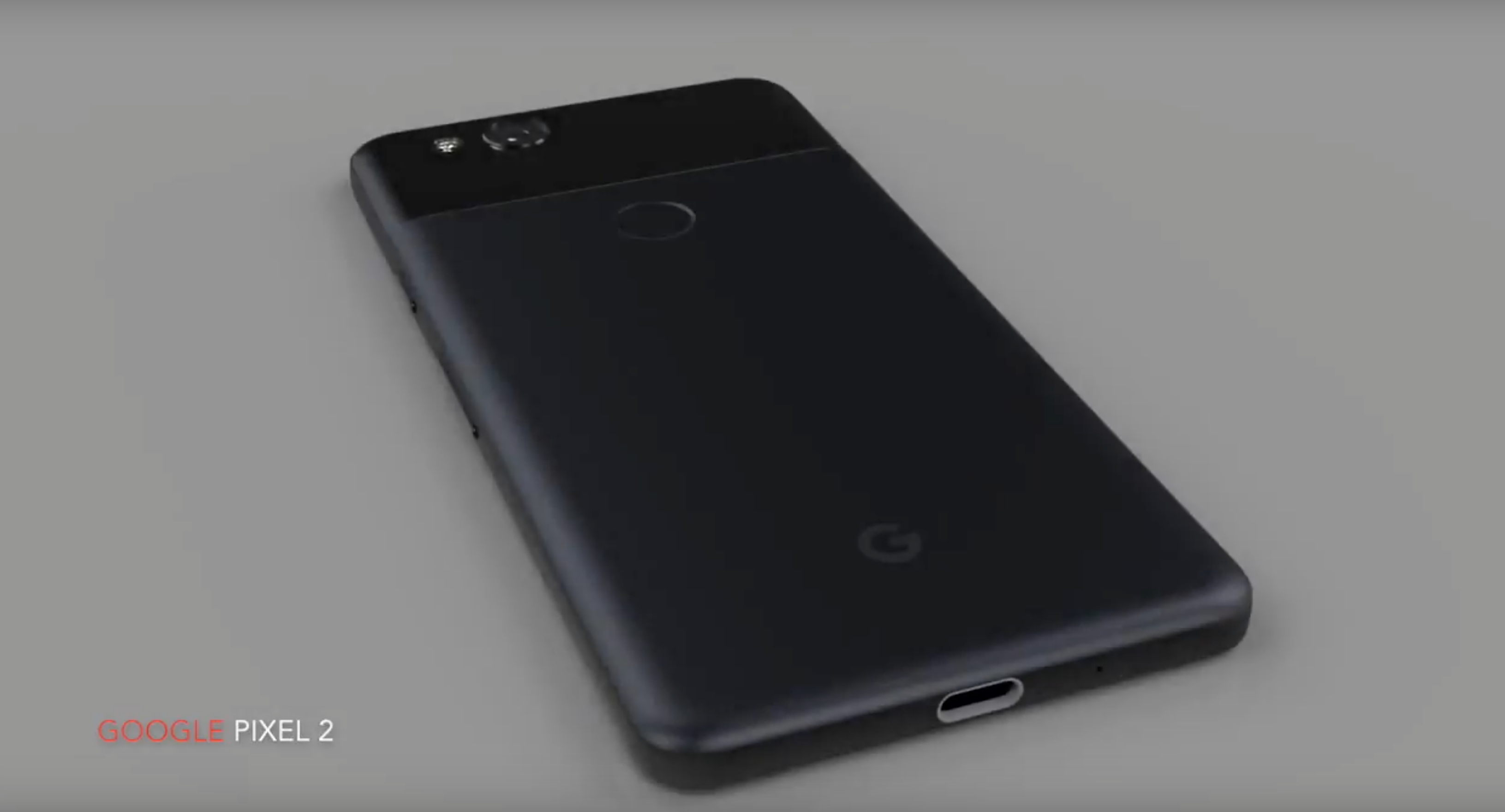
    Google Pixel XL 2

    The Google Pixel 2 and Pixel XL 2 will succeed the highly rated Google Pixel and Pixel XL from 2016. Just like last year, the Google Pixel 2 and Pixel XL 2 will launch in or around October. The Google Pixel 2and Pixel XL 2 will be made by LG instead of HTC from last year. Key specifications of the Google Pixel XL 2 are-

    • Expected Launch-October
    • Price- $769 (RS 50,000 approx.)
    • Display- 6-inch AMOLED Quad HD
    • Battery- 3,500 mAh
    • OS- Android O 8.0
    • Chipset- Qualcomm Snapdragon 835
    • RAM-  4GB
    • Storage- 64GB or 128GB
    • Fingerprint sensor at the back
    • No headphone jack


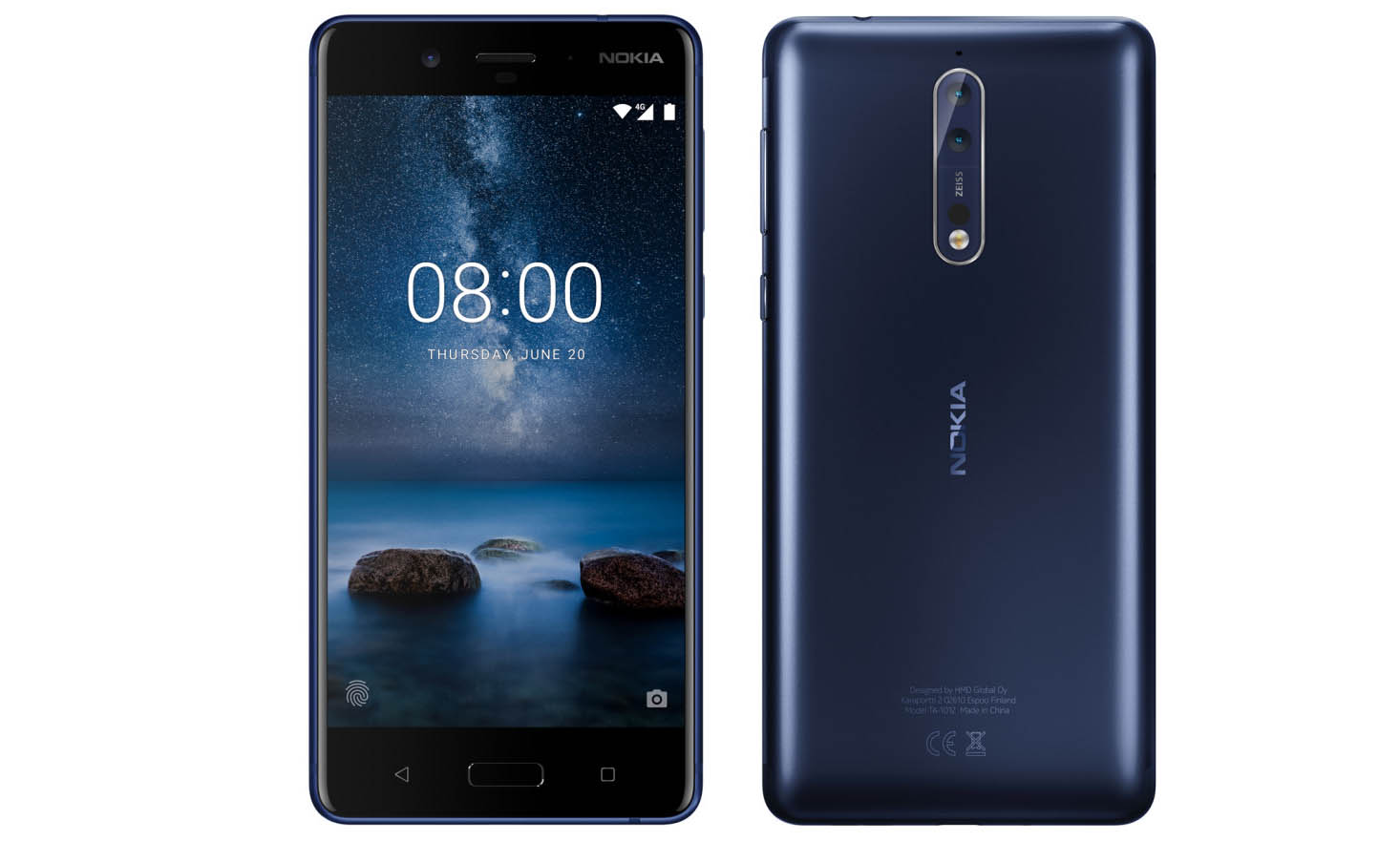
    Nokia 8

    HMD Global will launch the Nokia 8 on August 16th. and will be the first Android flagship under the Nokia brand. Rumoured specifications of the Nokia 8 are-

    • Launch- August 16
    • Price – $675 (INR 44,000 approximately)
    • Display- 5.3-inch (2560 x 1440) IPS LCD
    • Battery- 3,800 mAh battery
    • OS- Android Nougat 7.1.1
    • Chipset- Qualcomm Snapdragon 835
    • RAM- 4GB/6GB
    • Storage- 64GB
    • Camera- 13-megapixel dual camera with Carl Zeiss optics
    • Fingerprint sensor
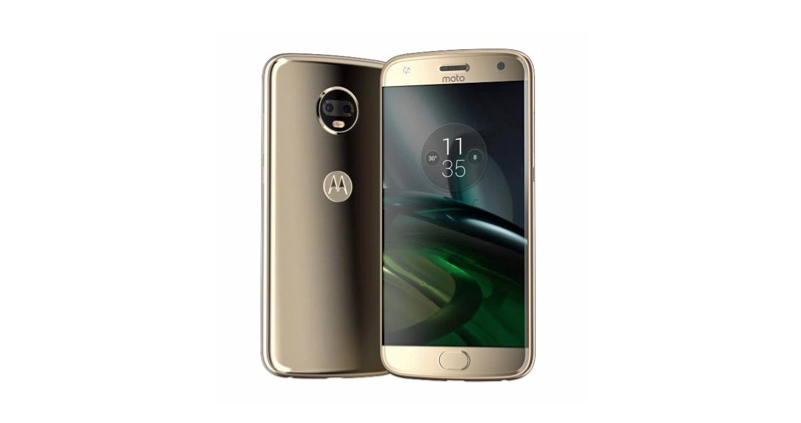
    Moto X4


    Lenovo-owned Motorola’s next device in the ‘X’ series, the Moto X4 was expected to launch with Moto Z2 Force but that was not the case, unfortunately. Key specifications of the Moto X4 are-

    • Launch- Q4 of 2017
    • Price- Rs 26,500
    • Display- 5-inch full HD
    • Battery- 3,800 mAh battery
    • OS- Android 7.1.1
    • Chipset- Qualcomm Snapdragon 630
    • RAM-3GB/4GB
    • Storage- 32GB (Expandable up to 256GB)
    • Camera- Rear- 12-megapixel dual camera
      Front- 16-megapixel
    • IP68 rating (water and dust resistance)
    • Fingerprint sensor


  • Samsung SM-G9298 High-End Flip Smartphone Leaks

    Samsung SM-G9298 High-End Flip Smartphone Leaks

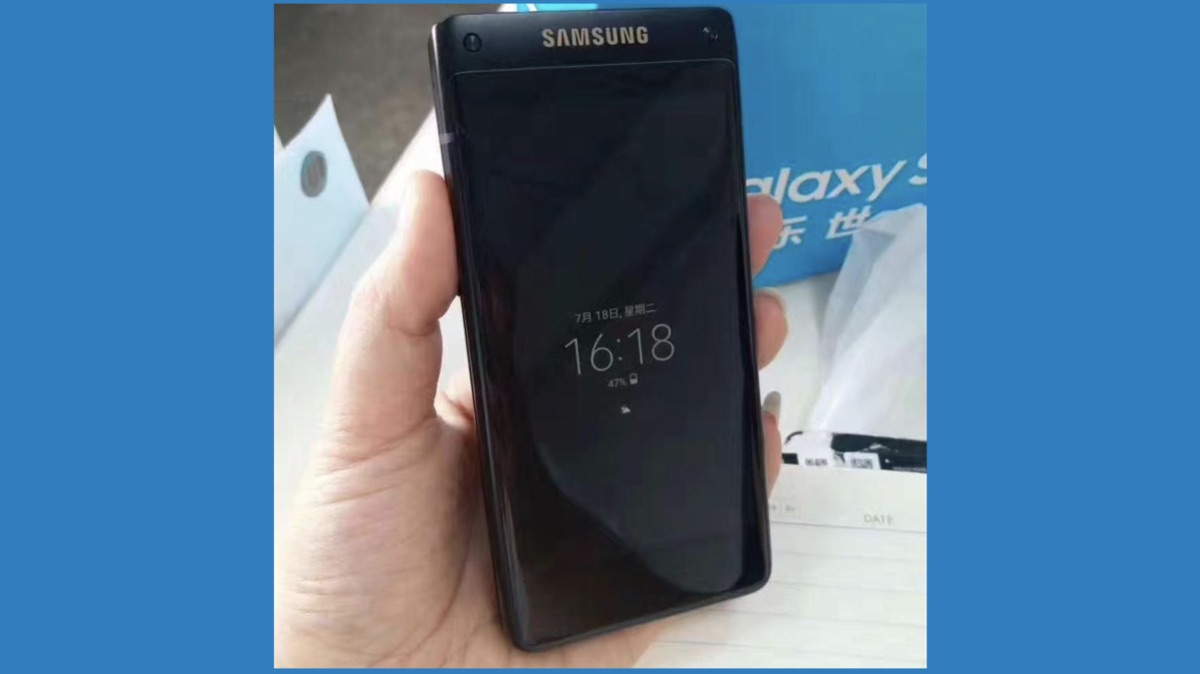
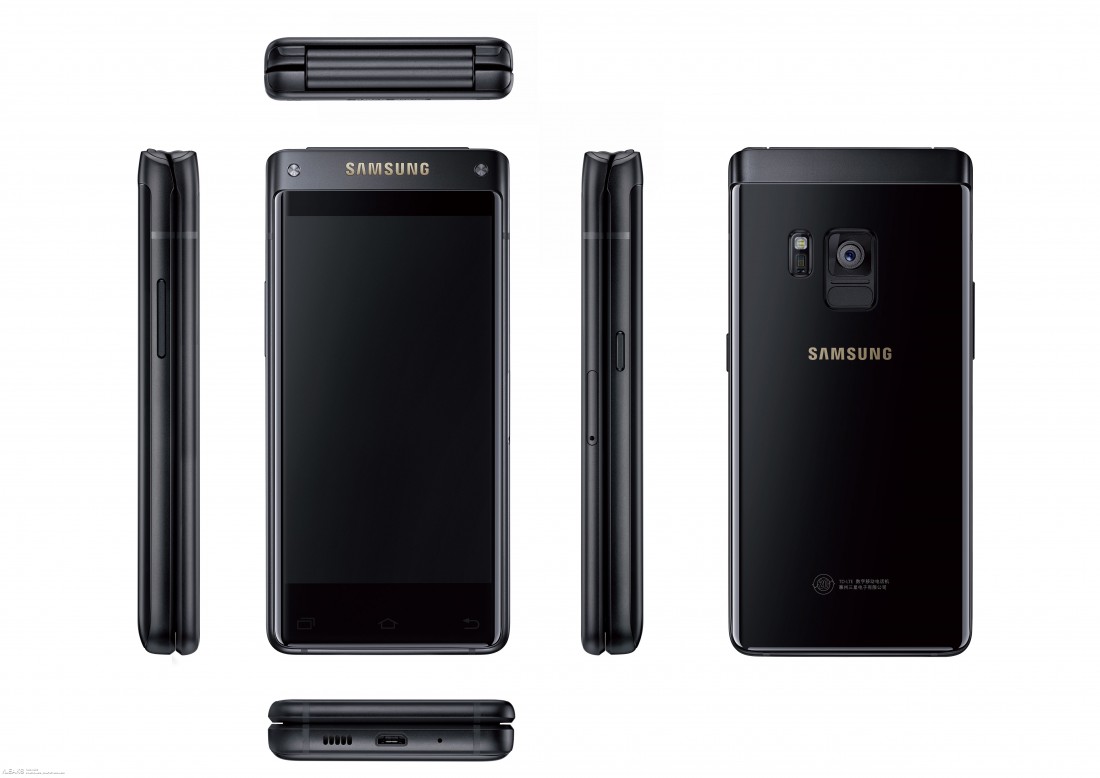
    Samsung seems to have a thing for flip phones, the company is reportedly following up last year’s SM-W2017 with another top-end flip phone in 2017. While everyone seems to be focused on the Galaxy Note 8 new press renders leaked suggest that the, Chinese market-only, flagship flip phone, called SM-G9298 will sport all the high-end specifications you expect from a flagship.

    The phone is expected to sport a 4.2-inch full HD display and a relatively small 2,300 mAh battery. It will run on the Qualcomm Snapdragon 835 chipset and 6GB of RAM. It will ship with 64GB of onboard storage and a 12-megapixel rear camera with OIS. The images leaked show an old-school clamshell design. The fingerprint sensor is placed at the back of the device along with the camera. The images do not show the secondary display which will be accessible once you flip open the phone. All-round specifications are not yet available for the phone but from whatever we’ve seen so far, it will be a premium smartphone for people who are still in love with flip phones.
    Key specifications of the Samsung SM-G9298 are:

    • Display: 4.2-inch full HD display
    • Chipset: Qualcomm Snapdragon 835
    • RAM: 6GB
    • Storage: 64GB
    • Camera: 12-megapixel
    • zFront Camera: 5-megapixel
    • Fingerprint sensor

    Although the device has already received certifications from TENAA and FCC, there is no word on the official launch of the SM-G9298.

  • LG V30 Expected To Launch On August 31st Specifications Leak

    LG V30 Expected To Launch On August 31st Specifications Leak

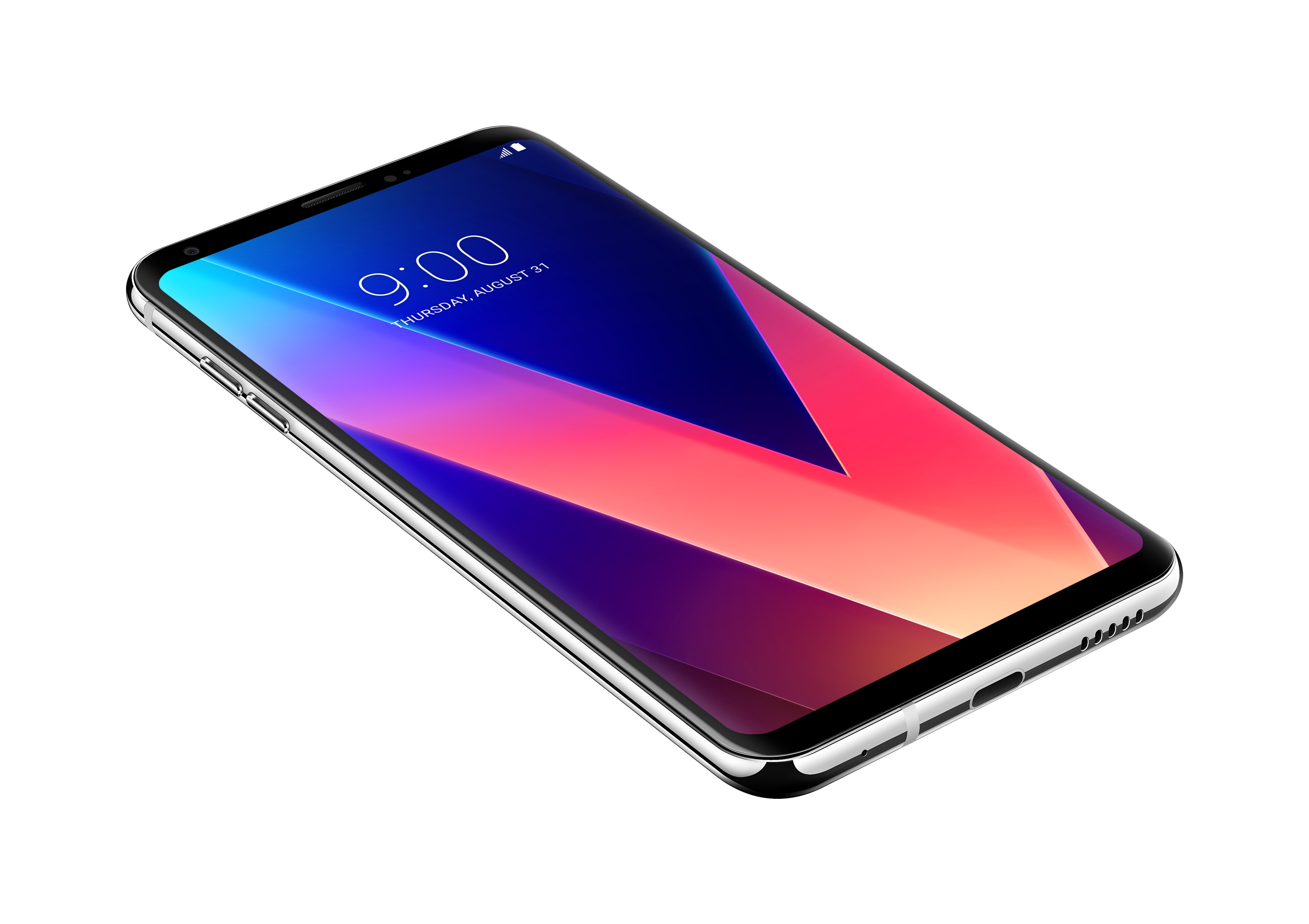
    LG’s latest offering in the ‘V’ lineup, the LG V30 will be unveiled at the IFA 2017 in Berlin on August 31. LG’s twitter account posted an image telling us to ‘save the date.’

    LG’s ‘V’ series has been known to have superior camera performance with the LG V20 being one of the first few phones to feature a dual-camera setup. The LG V30 is expected to follow the LG G6’s footsteps and feature IP68 water and dust resistance certification and a 6-inch edge-to-edge OLED Quad HD display. According to The Korea Herald, the LG V30 will be the first smartphone by LG to sport an OLED display and next year’s LG G7 will follow suit. The LG V30 will launch with all the flagship specifications like the Qualcomm Snapdragon 835 chipset and 4GB or 6GB of RAM and wireless charging, which may not be available in all markets, much like the LG G6.

    Rumoured key specifications of the LG V30 :

    • Launch: August 31
    • Price : $700 (Rs 45,000 approx.)
    • Display: 6-inch OLED
    • OS: Android Nougat 7.1.1
    • Chipset: Qualcomm Snapdragon 835
    • RAM: 4GB or 6GB
    • Storage: 32GB/64GB/128GB
    • Battery: 3,300 mAh battery
    • Fingerprint sensor
    • Camera: 13-megapixel dual-camera
    • Wireless charging
    • ESS Quad DAC

    A new leak recently shares an extract of the LG V30 from its user manual which seems to solidify most of the rumours about the LG V30’s design.

    LG is known to experiment with smartphone designs like the modularity of the LG G5 or the secondary screen on the original LG V10. However, the LG V30 is expected to launch with a design more in-line with smartphone designs currently in the market.

    It is unclear as to when will the LG V30 go on sale, but previous LG smartphone trends suggest that it will go on sale in South Korea first and then make its way into other markets. The LG V30 will compete with the likes of Samsung Galaxy Note 8, the Apple iPhone 8 and the Google Pixel and Pixel XL, all expected to launch in the second half of 2017.


  • Nokia 8 New Colour Variant Leaked

    Nokia 8 New Colour Variant Leaked

    HMD Global owned Nokia is gearing up for the launch of the first Nokia-branded Android flagship, the Nokia 8 on August 16. Under the ownership of HMD Global, the company has entered the smartphone game with the release of the Nokia 3 and Nokia 6.

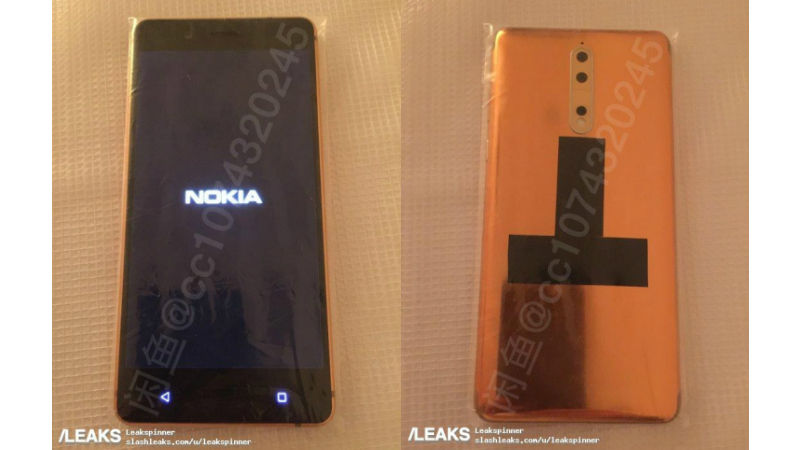
    Now, a new leak by Chinese social site, Baidu has revealed a Gold Copper variant of the Nokia 8. A report from Romania also suggests that Vodafone has listed the Nokia 8 at EUR 517.42 (Rs 38,900 approx.). This price is significantly lower than EUR 589 (Rs 43,400) which was being reported earlier. Key rumoured specifications of the Nokia 8 :

    • Launch: August 16
    • Price: Eur 517
    • Display: 5.3-inch (2560 x 1440) display
    • Battery: 3,800 mAh
    • OS: Android Nougat 7.1.1
    • Camera: 13-megapixel dual-camera with Carl Zeiss optics
    • GPU: Adreno 540
    • Chipset: Qualcomm Snapdragon 835
    • RAM: 4GB/6GB
    • Storage: 64GB
    • Fingerprint sensor

    The Nokia 8 will be available in four colour variants- Blue, Steel, Gold/Blue and Gold/Copper. With its launch slated for Aug 16th all speculation will be put to rest when HMD Global officially unveils the Nokia 8.


  • Moto G5S Plus Colour Options Leaked

    Moto G5S Plus Colour Options Leaked

    After launching its flagship device of the year – the Moto Z2 Force, Motorola is all geared up for unveiling another upgraded version of the Moto G5 Plus. Both, Moto X4 and the Moto G5S Plus were expected to be announced on July 25, but instead Motorola chose to launch just the Moto Z2 Force.

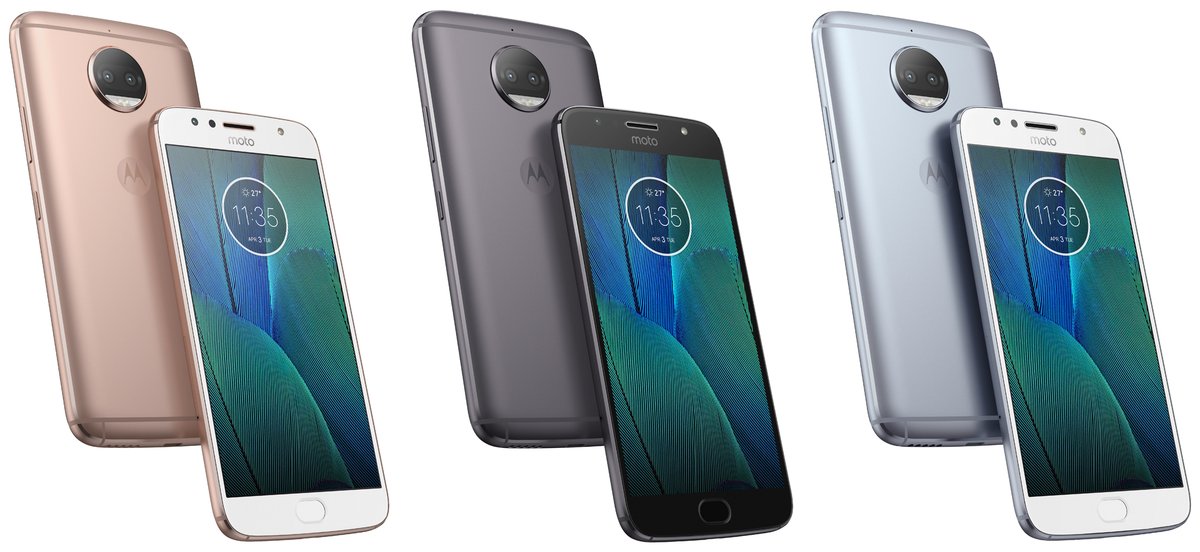
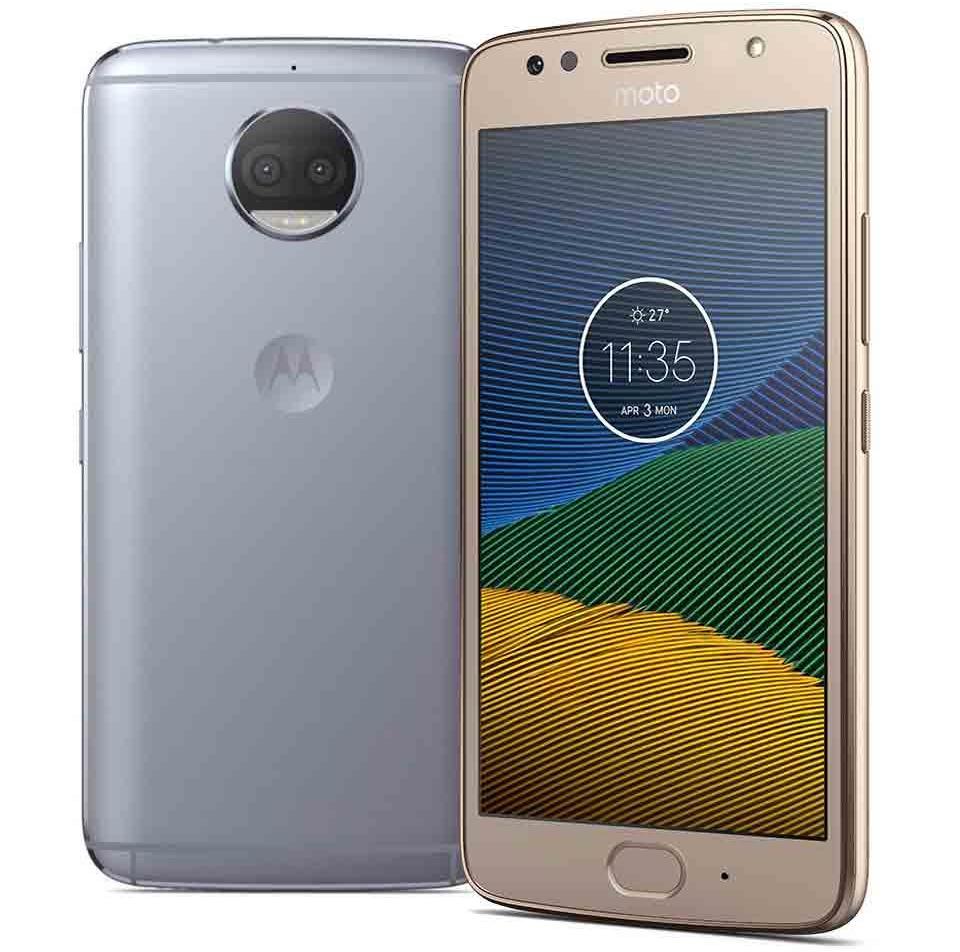
    The rumors about the yet to be launched Moto G5S Plus don’t seem to end. An image revealing the Moto G5S Plus’ design and colour options have been leaked:

    According to the recent update, the upcoming Moto G5S Plus will be available in three colours – Pink, Grey and Silver. The smartphone is said to sport a dual rear camera setup,  featuring two 13 MP sensors — one RGB and one monochrome.  The dual rear cameras will be loaded with features like DSLR bokeh, background replacement and selective black and white filtering. The front camera is expected to be an 8 MP sensor with an LED flash, an upgrade to the usual 5 MP front shooter in most of Motorola’s devices.

    Recollecting all the rumors, the Moto G5S Plus is reported to have an aluminium shell and will be powered by the Snapdragon 625 processor. The G5S Plus is likely to feature a 5.5 inch full HD display with 4GB of RAM and 64 GB of onboard storage. The smartphone is set to run Android 7.1.1 Nougat out of the box and is expected to feature a fingerprint scanner, selfie camera with LED flash and Dolby Atmos Audio support.

    The Moto G5S Plus is expected to carry a price tag of 330 Euros, approximately Rs. 25,000, however, may launch in India at a much lower price. Motorola is keeping mum regarding the release date of the Moto G5s Plus. Hopefully, it won’t be long before we go hands on.

  • The US Navy Used 3D Printing To Develop A Concept Submersible In Under 4 Weeks

    The US Navy Used 3D Printing To Develop A Concept Submersible In Under 4 Weeks

    3D printing has a come long way since its inception. From developing straightforward and simple products to now printing intricate and massive structures, there has been quite a growth in the field of 3D printing.

    Militaries from all over the world have recognised the utility of 3D printing as a cost effective resource for the future. They’ve eyed 3D printing for printing up replacement parts for warplanes, grenade launchers, and even meals for soldiers. The US Navy recently, teamed up with Oak Ridge National to develop a concept submersible which was printed under 4 weeks.

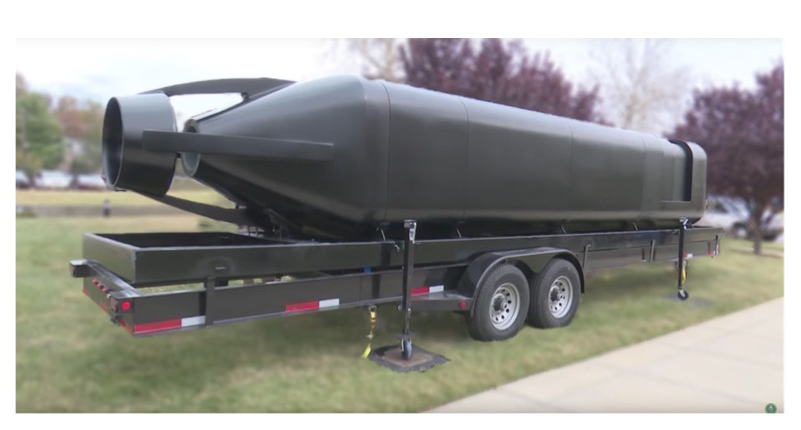
    Using 3D printing to develop weapons sounds futuristic, but, it will be a viable option in a couple of years if everything goes as planned. The 3D printed concept submersible was developed by a team from the Naval Surface Warfare Center (NSWC) and Carderock Division’s Disruptive Technology Laboratory (DTL) and has a name too, Optionally Manned Technology Demonstrator.

    The team began work in August of 2016 and used an industrial 3D printer called Big Area Additive Manufacturing (BAAM) to develop six carbon fibre sections, which were then assembled to form the 30-foot vehicle. The US Navy’s largest 3D printed asset was developed in 4 weeks, out of which a week was consumed to design the structure and the rest, for printing and assembly.

    According to the Department of Energy, a typical hull takes anywhere between 5 to 8 months to manufacture and costs around $600,000 to $800,000. This 3D printed vehicle cost 90 per cent of that amount and was manufactured in under 4 weeks. The time taken to manufacture this vehicle means that replacement parts or specially designed equipment can be deployed at a rapid pace.

    It is important to note that this is not a functioning machine by any means and just a concept as of now. The concept, however, is a proof that replacement parts and such heavy equipment can be manufactured using 3D printing. This is definitely a step in the right direction for rapid and cheap manufacture of defence equipment. It’s expected that fleet-capable prototypes of the 3D printed vessels could be deployed by as early as 2019.

  • Niantic Sued By Attendees Over Pokémon Go Fest Fiasco

    Niantic Sued By Attendees Over Pokémon Go Fest Fiasco

    The Pokémon Go Fest, which marked the game’s first anniversary turned out to be an absolute disaster. The fest was supposed to be a huge celebration. Players were promised rare Pokémons, rewards, training tips but were served with nothing but disappointment.

    The event seemed to be a magnet for screw-ups. The attendees waited for hours to play, only to be told that the games are not working. The game servers quit working (due to the congested network) and the company had no backup plan. Maybe Niantic wasn’t prepared for neither the server load nor the network congestion.

    The fest fiasco obviously didn’t go down well with the event attendees. Few of the visitors decided to file a class action lawsuit against the company. According to reports, the attendees want to be reimbursed for the travel and other expenses as Niantic failed to deliver on its promises of an unmatched gaming experience.

    Soon after the disaster, Niantic issued an apology to mitigate the situation and offered to reimburse the event tickets of all gamers present. The CEO also stated that all visitors will further receive $100 of in-game credit, along with the promised legendary Pokémon Lugia for free.

    But the reimbursement and the $100 of in-game credit weren’t enough to pacify the case. Some angry visitors threw water bottles onto the stage, chanting, “We want refunds!”. Though the company’s apology was acknowledged but it wasn’t enough for the people who travelled from far and incurred huge expenses just to attend the event.

    Jonathan Norton, a California local who flew to Chicago for the Pokémon Go Fest, has filed a lawsuit against Niantic for false advertisement. According to his lawyer, Thomas Zimmerman, 20 to 30 others have joined the suit. and that they will be asking for monetary compensations for their travel expenses:

     [My client] paid to fly out for the festival, and had to wait for several hours in line, just like most everybody else in order to get in… We’re not seeking any relief with respect to the failure to get legendary Pokémon, because Niantic is offering that. But Niantic is not offering to refund people’s travel expenses for coming to Chicago. Most of the people came from out of state, many people from other countries — I talked to someone who flew in from Japan. – Zimmerman

    Though Niantic has made several attempts to compensate the fest attendees, nothing seems to be working in company’s favour. Along with facing the embarrassing fest fiasco, Nianco will now be facing angry gamers and a lawsuit.

  • All May Not Be Well At Andy Rubin’s Essential Smartphone Project

    All May Not Be Well At Andy Rubin’s Essential Smartphone Project

    In the tech industry, running a startup is no easy job. Considering the pace at which the balance shifts and the industry moves forward, it becomes a hellish job at times to keep it all together and work for the common goal of the startup.

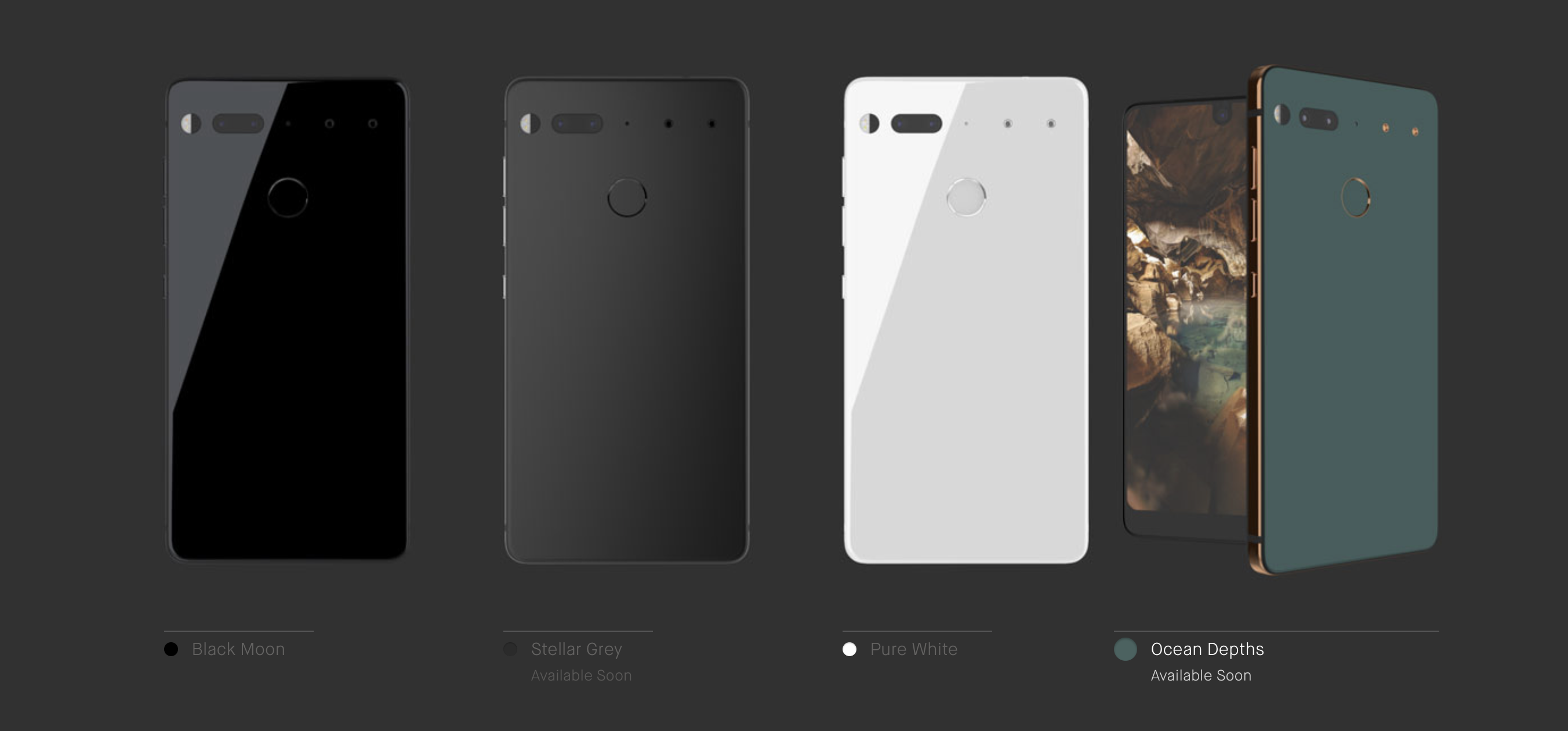
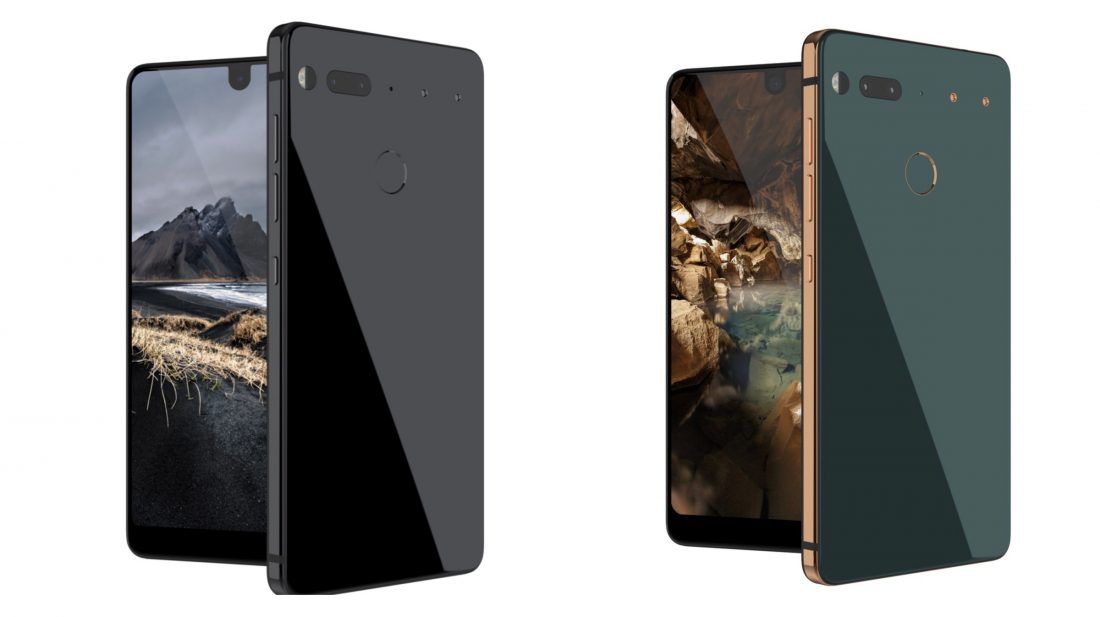
    When the father of Android, Andy Rubin announced that the Essential phone will release in May, it felt like an ambitious deadline to set and evidently, the timeline set was not achieved. In fact, only late last month did the phone get certification from FCC (Federal Communications Commission).

    Andy Rubin has since announced that the Essential phone will go sale in August and it is to be seen whether the startup will hold true to its words this time around. It was reported in the beginning of July that Essential had reportedly lost two of its highest ranking officers- VP of Marketing Brian Wallace and Head of Communications Andy Fouché. Both Wallace and Fouché are industry veterans having held senior positions in Samsung and Microsoft respectively. Wallace even worked on Samsung’s famous “Next Big Thing” campaign.

    It is now being reported that Essential has lost its Head of UX Liron Damir to Google Inc. Reports also suggest that Damir has joined Google Inc. as the head of UX for Google Home. Interestingly that is not an upgrade on the position he held at Essential.

    Andy Rubin’s dream project seems to be going through a rough patch after much-discussed launch delays and now losing three of the best talents in a matter of one month. Whatever may be happening at Essential, we hope to get our hands on the Essential phone as soon as possible.

  • Impact Of GST On Daily Technology In India

    Impact Of GST On Daily Technology In India

    The multi-rate Goods and Services Tax (GST) tax which was meant to unify the nation, went into effect on 1 July 2017.  The nationwide sales tax is said to have affected various sectors. Before you switch to Google for answers, here’s a brief about the new tax system.

    It is a value-added tax levied on most goods and services sold for domestic consumption, ridding the consumer of different levels of taxes which were paid earlier. All different levels of taxes will be replaced by a single tax – GST.

    Over 1200 goods and 500 services were categorised by the GST Council under four different tax slabs – 5%, 12%, 18% and 28%. For those of you wondering which slab the tech world falls under, here’s how the GST will impact your tech life.

    Smartphones, Tablets and Accessories

    Smartphones are now be cheaper, thanks to the Goods and Services Tax. The smartphones were earlier taxed at 13.5 % or higher, after the new tax categorisation, they fall under the 12% tax slab. The new tax system reduced the smartphone prices by 1.5%. GST is also levied on products made under the “Make In India” initiative, hence, the smartphones manufactured in India are bound to get more expensive. Manufacturers currently pay around 7.5-8% duty, but with GST, phone parts will fall under the 12% slab, increasing the manufacturing cost.

    Taxed at 12%
    Smartphones
    Accessories like Smartwatches, Headphones, Chargers, Batteries, etc.
    Tablets
    Phablets
    Featured Phones
    Mobile Parts like Processors, RAMs, Motherboards, Displays

    Gaming Consoles and Gadgets

    The gaming gadgets and games which were previously at 28.5% duty will now be placed under the highest slab which is 28%. Thus the prices won’t waver much on the gaming front except from the slight 0.5% decrease in the tax rate. Utility gadgets, storage devices like hard drives etc. will attract a levy of 18%.

    Taxed at 28%  Taxed at 18%
    Gaming consoles like Xbox, Playstation, Nintendo Utility Gadgets
    Controllers, Games Storage Devices like Hard-drives, Memory Cards
    Fitness Trackers
    Gaming Accessories like VR headsets

    TV, Laptops, Desktops, Cameras

    Digital cameras, video cameras, televisions, recorders, speakers, etc will fall under the 28% tax bracket. Monitors and projectors will also attract a GST rate of 28% which was earlier up to 18.5%. Whereas Laptops, desktops will attract a tax rate of 18% which was earlier 14-15%.  IT accessories such as LAN and data cable will be 28% which was earlier 17.5%. Since the implementation of GST, PCs and laptops along with Televisions all fall under the 28% tax bracket.

    Taxed at 28%  Taxed at 18%
    DSLRs, Digital Cameras, Video Cameras, Recorders Laptops, Netbooks and Notebooks
    Televisions Desktops
    Computer Peripherals
    IT Accessories

    Consumer Durables, Electronics

    The prices of consumer durables like AC, washing machine, refrigerators, vacuum cleaner, shavers have also gone up by 4% by categorising them in the 28% bracket. Other electronic items like water heaters, hair dryers, curlers  printers, photocopiers, fax machines, ink cartridges, etc. are to levy 28% GST instead of 18% duty. This category consists of

    Taxed at 28%
    Personal Care Products like Trimmers, Curlers, Hair Dryers
    Household Electronics like AC, Washing Machine, Refrigerators
    Electrical Appliances like Printers, Photocopiers, Fax Machines

    Automobiles

    Cars

    With the implementation of Goods and Services Tax, luxury car buyers will benefit the most. Before the tax implementation, luxury cars were taxed between 52-55 %, after GST and cess, taxes have reduced to 43%, making them relatively cheaper. Hatchbacks and sedans which attracted a tax of 29%, will now charge 28% GST + 1%  cess, keeping the price unchanged.

    Motorcycles

    All 350cc and under motorbikes are set to attract a tax of 28%, whereas bikes above 350cc will levy a 31% tax.

    Taxed at 43% Taxed at 29% Taxed at 28% Taxed at 31%
    Luxury Cars Non-Luxury Cars like Hatchbacks and Sedans MotorBikes at and under 350cc MotorBikes above 350cc
    Car Accessories like Stereos, Speakers, Alloy Wheels
    Car Parts like Tyres, Radiators, Thermostats


    Though GST has said to bring major changes in other sectors, the tech industry does not seem be affected by the new tax implementation. The Goods and Service Tax seems to benefit the customers of smartphones, and high end cars, other things remain either unchanged or heavily taxed. Though the gaming industry remains more or less unaffected, devices like laptops, desktops, television etc have seen a high rise in prices.

    Category Before GST After GST
    Smartphones 13.5% 12%
    TV, Cameras, Computer Peripherals and IT Accessories 26.5% 28%
    Laptops, Desktops 14-15% 18%
    Consumer Durables and Electronics 24% 28%
    Luxury Cars 52-55% 43%
    Non Luxury Cars 29% 29%
    Bikes (above 350cc) 30% 31%
    Bikes (below 350cc) 30% 28%
  • Top 10 Xiaomi Products Not Available Globally

    Top 10 Xiaomi Products Not Available Globally

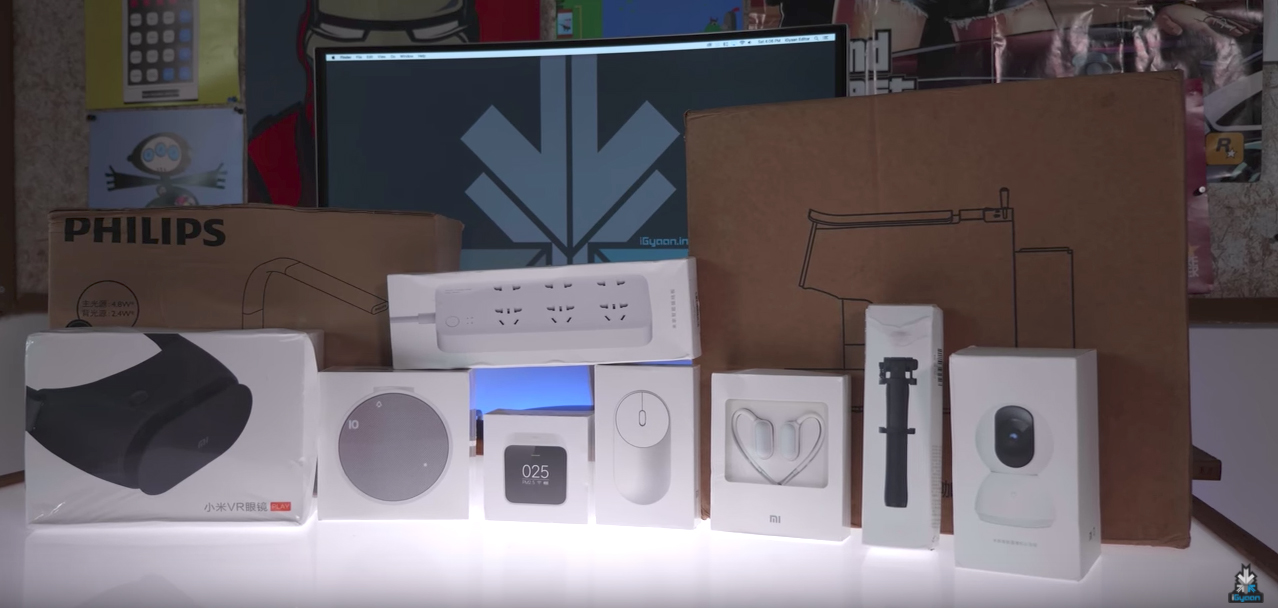
    Xiaomi Inc. has fast become a brand that has more than just smartphones in its arsenal. With a host of home products and accessories available in India, it has built up quite a fanbase here in India. But as with a lot of Xiaomi smartphones, there is a host of other Xiaomi products that aren’t available outside the Chinese market. so, let’s take a look at Top10 Xiaomi products that are only available in China.

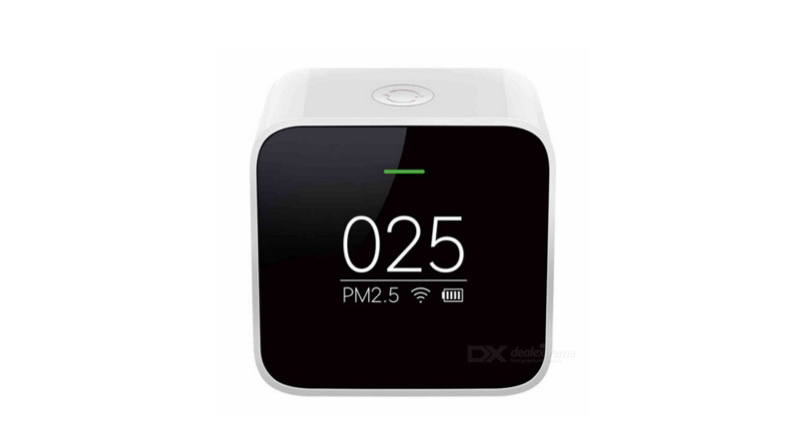
    1. Xiaomi Smart Air Quality Monitor PM2.5 Detector

    The rise and rise of pollution in this world has left us all huffing and puffing for fresh air. The Smart Air Quality Monitor is your reality check at every step, telling you the quality of the air you’re breathing at that very moment. It links up with the Xiaomi Air Purifier, and with its small form-factor, it’s a must-have Xiaomi product especially if you live in a metropolitan city with tons of cars emitting harmful toxins right in your face!

    Click here to buy.

    2. Xiaomi Wireless Bluetooth 4.1 Music Sport Earbuds

    In an era of wireless earbuds, the Xiaomi Wireless Bluetooth 4.1 Music Sport Earbuds is exactly what you need. They’re portable, comfortable and have an IPX4 rating, which means that you can sweat it out in the gym while listening to your favourite jam and not worry about ruining these earbuds!

    Click here to buy

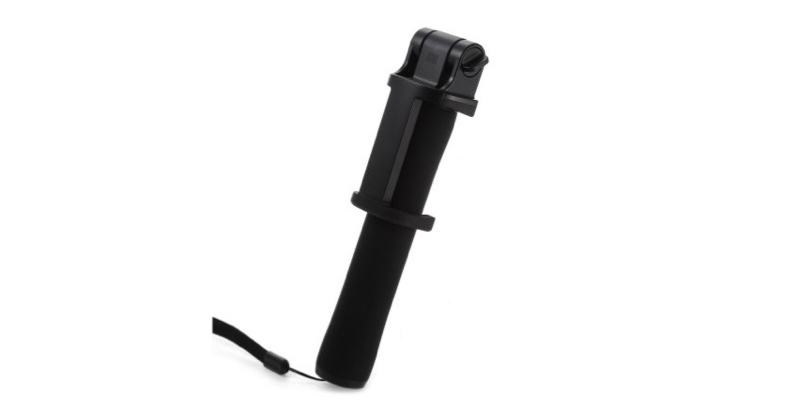
    3. Xiaomi Selfie Stick Camera Shutter

    Let’s admit it, we all buy the fancy phones nowadays in pursuit of that perfect club selfie with your friends. The pleasure of getting that group selfie with all your friends in it just makes the day a little better, doesn’t it? The Xiaomi Selfie Stick is the perfect companion when it comes to taking those tedious group selfies ensuring all your friends are in the frame!

    Click here to buy

    4. Xiaomi Smart Power Strip

    This is a power strip you would need at your home. It’s the new-age power strip that does more than just charging your appliances. It connects to an app which enables you to timely switch it off to avoid over-charging and electricity consumption. It also lets you measure the electricity it has consumed. Genius, isn’t it?

    Click here to buy

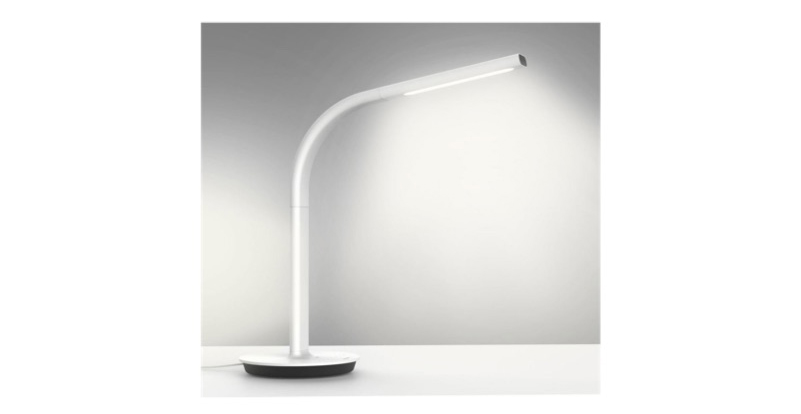
    5. Xiaomi Philips Eyecare Smart Lamp 2

    The strain caused to your eyes while working in a setting where the lighting is either too bright or too dim is something we’ve all experienced. In this era of smart lighting, Xiaomi has come up with a smart lamp in collaboration with Philips and it’s an instant winner. Take good care of your eyes and don’t let this lamp go out of stock!

    Click here to buy

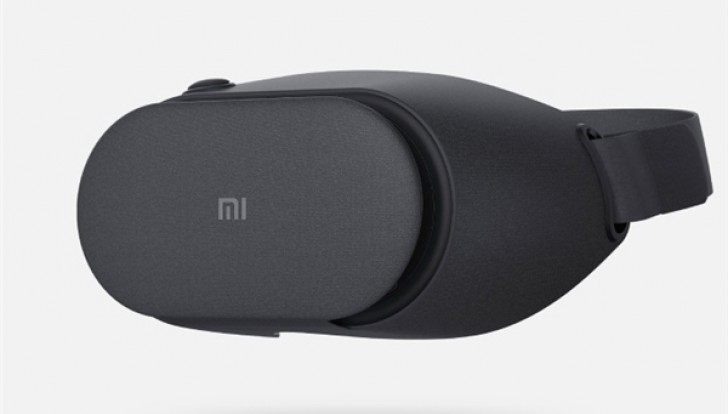
    6. Xiaomi PLAY2 3D VR Headset

    A modern-day smartphone needs to be VR compatible to gain any kind of traction, such is the sudden emergence of Virtual Reality in our lives. The Xiaomi VR headset is a budget offering which has a full set of functionalities and it won’t disappoint!

    Click here to buy

    7. Xiaomi Smart 720P WiFi IP Camera

    This smart wireless camera will help you get some much deserved sound sleep. Install this surveillance camera and get night-vision footage of up to 9 meters away. The rotatable design of the IP camera makes it capable of monitoring wider range in the horizontal and vertical direction.

    Click here to buy

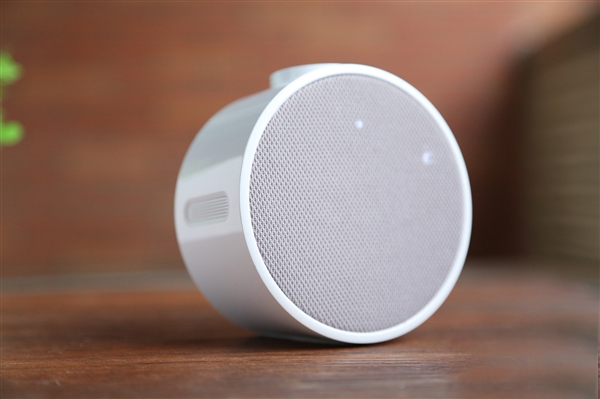
    8. Xiaomi Bluetooth 4.1 Round Music Alarm Clock

    This can be a potential gift during parties because it looks cool and the function is even better! It wakes you up to soothing music and even helps you sleep at night! The smart alarm clock speaker has a simple one-key use so it is super simple to use!

    Click here to buy

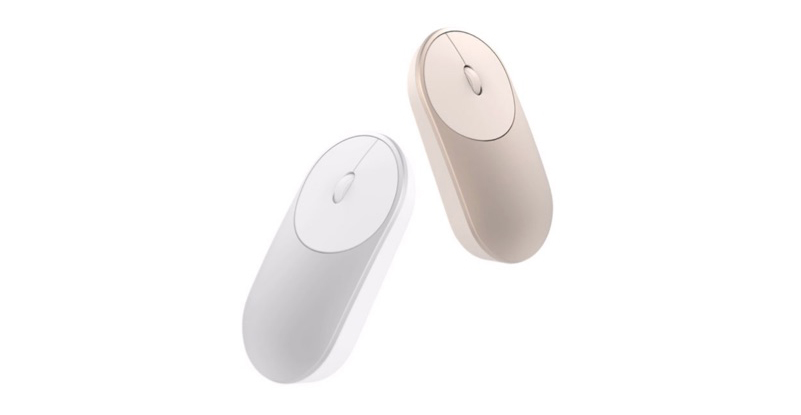
    9. Xiaomi Portable Mouse

    This little mouse is your perfect travel companion. If you hate using your laptop’s trackpad and carrying a chunky wired mouse is even more annoying, then Xiaomi Portable Mouse is tailor-made for you. It requires 2 AAA batteries to run and compatibility won’t be an issue.

    Click here to buy

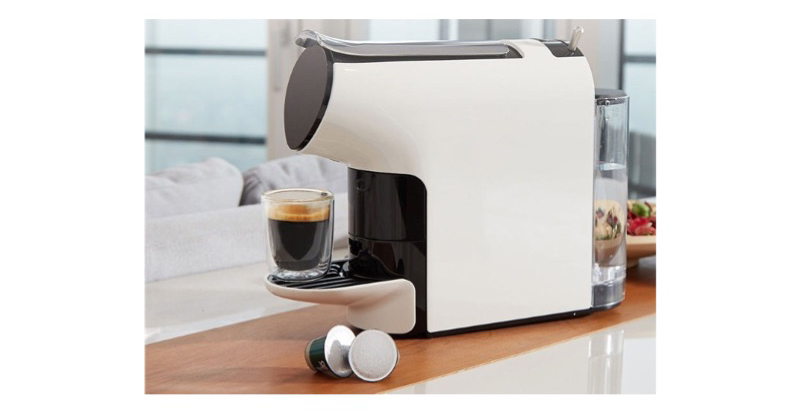
    10. Xiaomi Capsule Espresso Coffee Machine

    Who doesn’t love a good cup of coffee in the morning? The next offering by Xiaomi is for all you coffee lovers out there. Brew your favourite cup of coffee right at home with this easy-to-use espresso coffee machine and you’ll never have to stand in those annoying lines at coffee shops!

    Click here to buy the Xiaomi Espresso Coffee Machine

    Tell us what product you’re most excited about and share with us the products that you’ve bought!

iGyaan Network
Privacy Overview

This website uses cookies so that we can provide you with the best user experience possible. Cookie information is stored in your browser and performs functions such as recognising you when you return to our website and helping our team to understand which sections of the website you find most interesting and useful.