Blog

  • This Tiny Chip by Justin Timberlake Promises an Amazing Music Experience

    This Tiny Chip by Justin Timberlake Promises an Amazing Music Experience

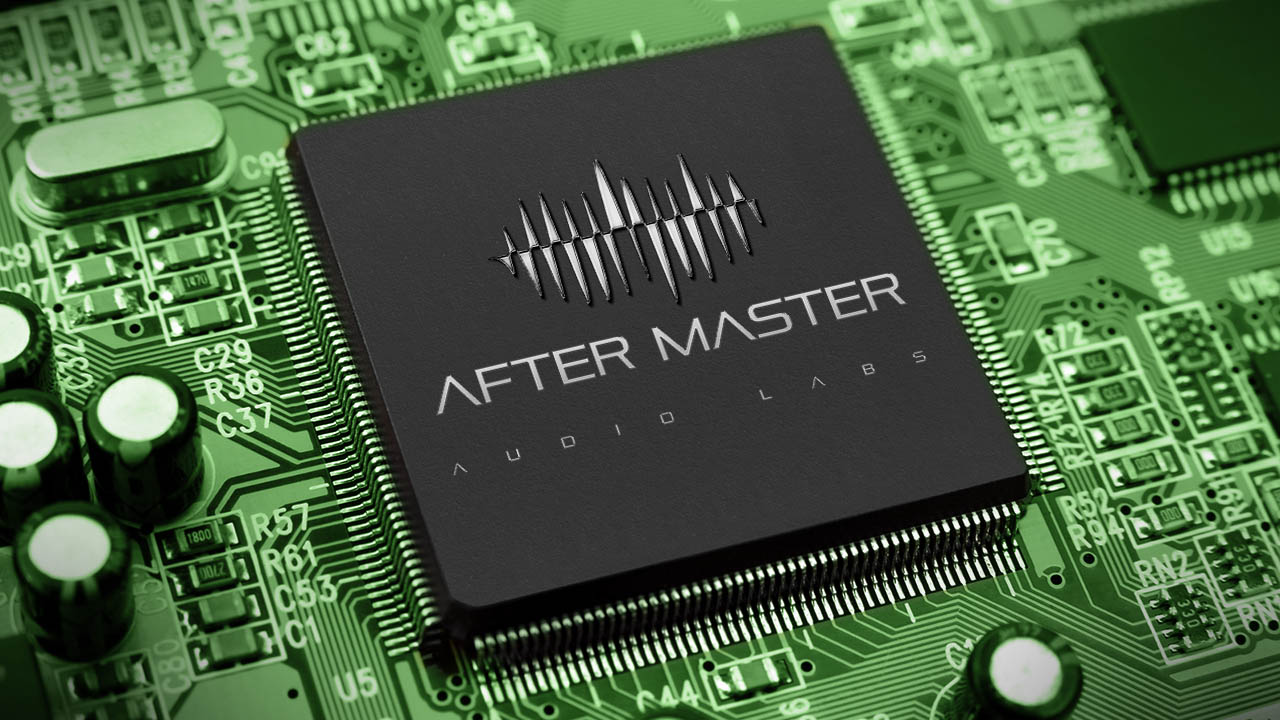
    It’s good to see entertainment professionals engaging in technological innovation. We saw Dr.Dre managing his multi-billion dollar audio equipment company, then we saw Ashton Kutcher working on some amazing tablets and notebook for Lenovo. Now Justin Timberlake has partnered with a company called AfterMaster to boost the quality of the audio on any device.

    AfterMaster takes any music you are playing and tunes it in real time to give the best possible audio output. The company has partnered with ON Semiconductor, who has put AfterMaster’s technology on a chip. This chip can be embedded in TVs, headphones, laptops and all other gadgets.

    The chip can be embedded in almost any device capable of playing media.
    The chip can be embedded in almost any device capable of playing media.

    It’s not just music that gets a boost in quality, the company claims that any audio, video, audiobooks and other forms of media also benefit from their technology. It makes their audio louder, clearer and closely resemble studio-based sound.

    Justin Timberlake is the co-owner in this enterprise, and he will surely increase the brand value of this product. AfterMaster sounds like an amazing technology that can transform the way we listen to music. Right now the company is looking for electronics manufacturers who’d be willing to induct the AfterMaster chip in their devices. Now this is a kind of technological innovation that gets us excited.

  • HTC’s Next Flagship is All Set to Take Centre Stage at the MWC

    HTC’s Next Flagship is All Set to Take Centre Stage at the MWC

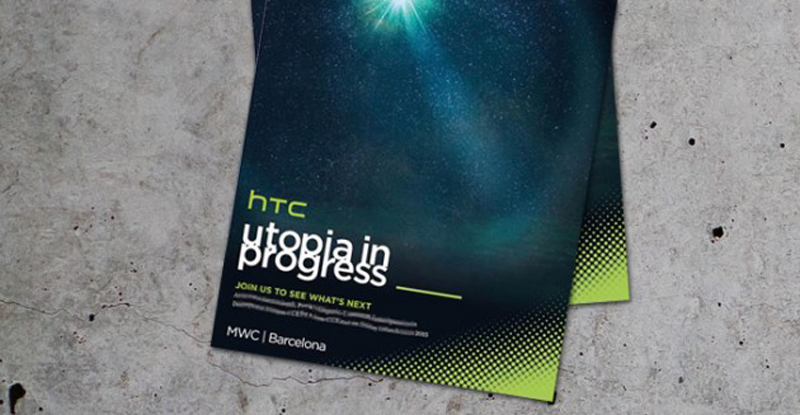
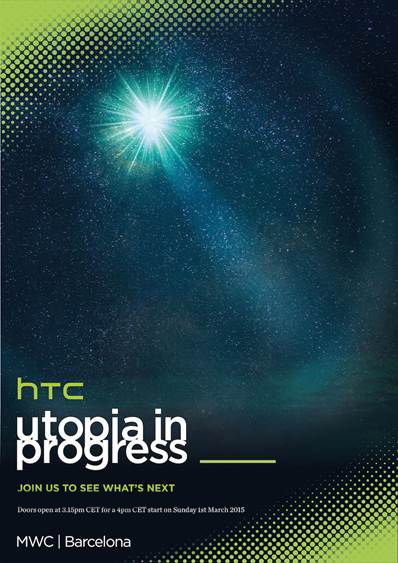
    Leading the race, HTC has sent out the invitation for its big event at this year’s Mobile World Congress in Barcelona, announcing March 1st as the day on which we’ll see “what’s next” from the Taiwanese company. As per usual, the invite doesn’t reveal much, just that HTC will be unveiling something new.

    htc invite mwc

    The invite also shows a bright star in the background with the tagline “Utopia in Progress”, the first ambiguous hint at what to expect. MWC is shaping up to be a particularly big show and HTC is the first amongst major Android phone makers to set a date and time for its next big launch.

    The current flagship device from HTC, the One M8, launched in March last year and marked a big change for the company. The expected HTC One M9, which also refered as ‘Hima’ is said to feature  a 1440X2560 QHD screen, 3GB of RAM and an Octa-core Snapdragon 810 CPU.

    It has also been reported that HTC might enter the wearable industry this year. We won’t be surprised if HTC decides to debuts the wearable device it’s been reportedly working on for sometime now.

  • Microsoft Suspends Support, No Further Updates and Assistance for Windows 7 Users

    Microsoft Suspends Support, No Further Updates and Assistance for Windows 7 Users

    Microsoft’s former version Windows 7 is an addictive one. It has all the necessary features and most important of all, it’s user-friendly. Even after the roll out of Windows 8 a couple of years ago, there are many people across the globe who still rely on updates and support for Windows 7. However, Microsoft seems to think otherwise. The US-based company has decided to retire the 5-year-old operating system still prominent on more than half of the desktop population running Windows.

    The announcement read that Windows 7 users will neither get new updates nor any help related to the OS. Nevertheless, according to a publishing daily, the company will continue to patch security vulnerabilities until 2020. The suspension of support to Windows 7 will make way for the forthcoming Windows 10.

    The up and coming Windows 10 is one of the most anticipated operating systems by the company. The new OS is expected to come with a ton of features and is said to integrate Cortana onto the desktop. The update will release late summer this year.

  • Qualcomm And Virgin Mobile Team Up to Lead the Internet Race

    Qualcomm And Virgin Mobile Team Up to Lead the Internet Race

    A sustainable, high-speed internet is the demand of the digital era. The world has entered into the 4G zone, but the need for speed never dies. There’s still a need for improved, high-speed global Internet access which can be offered to people at cheap rates. Qualcomm, a semiconductor manufacturer, has moved ahead in this direction and is venturing with British multinational brand Virgin Group to build a structure that would offer global internet access at express speed.

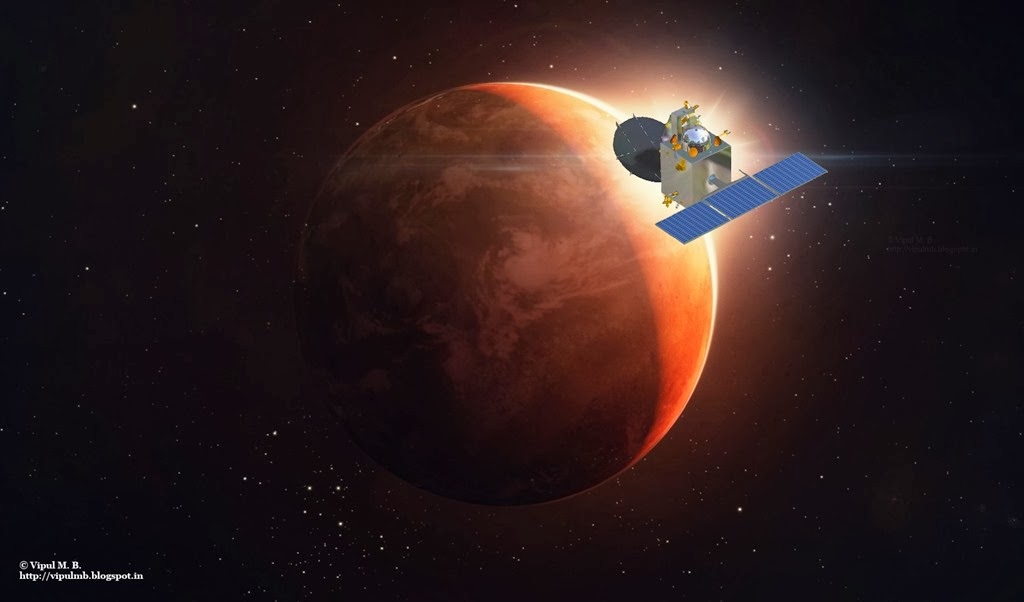
    The top giants are aiming to fly a constellation which will have a total of 648 satellites. Some of the satellites will be launched by the Virgin’s own spaceflight unit, Virgin Galactic. The company is presently developing a satellite delivery service called LauncherOne, along with some vehicles that will revolve in the sub-orbit of Earth. These vehicles have been named SpaceSpace Two.

    satellite

    The fleet of satellites will cost somewhat between $1.5 billion and $2 billion. The telecom brand is saying that these satellites will not only facilitate users with lightening speed Internet, but will also provide the world with an option of superior telephone services. Presently, the proposal is under review with OneWeb and the company will soon come up with its verdict. The OneWeb system will build a spacecraft that will be positioned in the orbit of Earth. Both companies, Virgin Mobiles and Qualcomm, plan to fund the project with an undisclosed amount.

    OneWeb said that the forthcoming project will extend the networks of mobile operators globally through which they can reach around 3 billion people in far-flung areas.

    Following year, Google started a research and development project called Project Loon, under which the internet search engine sent balloons 20 miles up in the air. Through these, users of the service could connect to the balloon network using a special Internet antenna attached. These signals travel from one balloon to another and then to the base stations and later circulate to the global Internet. Project Loon was well received, but at times, the balloons witnessed some crash incidents.

    If OneWeb accepts the investment proposals of the producers, Qualcomm and Virgin will be the front runners in the race of top Internet providers. With the satellite-based internet, accessing broadband will be fast and hassle-free.

  • The Simpsons Are Back! This Time, on Minecraft

    The Simpsons Are Back! This Time, on Minecraft

    Fox Broadcasting Company’s hit satirical family sitcom, the Simpsons has become a household name all over the world.  The show depicts the American Suburban lifestyle through frenzied family of Simpson family which includes Homer, Marge, Bart, Lisa and Maggie.

    Now, Microsoft is preparing to bring Simpson family, as well as 19 more characters to life in Minecraft’s cubic world next month. The pack contains the playable characters which will be released in late February for $1.99. The customizable models of the characters lets Homer keep his trademark potbelly and Marge her blue, beehive hair in the pixelated, polygonal forms.

    SkinPack_The SimpsonsB

    Microsoft acquired Minecraft for $2.5 billion in September and has teamed up with Twentieth Century Fox to transform the characters of Springfield to textured cubic blocks for Xbox 360 and Xbox One.

    Minecraft is an award winning sandbox independent video game originally created by Swedish programmer Markus “Notch” Persson and later developed and published by the Swedish company Mojang since 2009. Minecraft has become one of the most popular video games in history, with over 100 million downloads since its launch.

  • Now, Purchase an Apple Iphone6 by Vodafone with Zero Down-Payment

    Now, Purchase an Apple Iphone6 by Vodafone with Zero Down-Payment

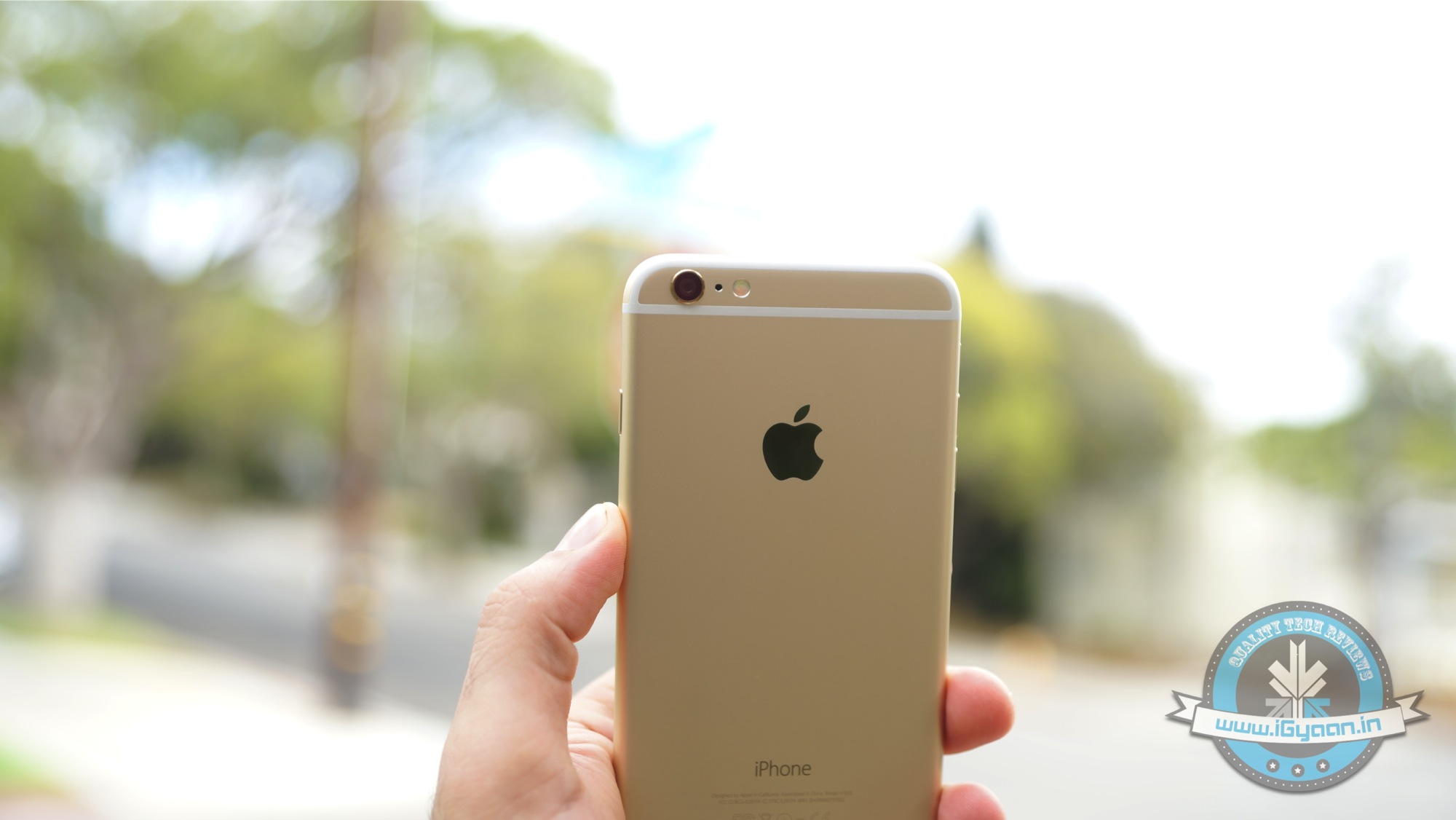
    Apple launched the iPhone 6 and iPhone 6 Plus in India in the October of 2014. The devices received acclaim for their features such as continuity and Apple Pay, but also drew flak for issues such as “bendability” in the iPhone 6 Plus. The devices are priced for the premium segment so they are out of reach of many. If you really wanted to own Apple’s latest flagship, Vodafone is giving you an option to own the device that is light on your pocket.

    In the open market, the 16GB variant of the iPhone 6 comes for Rs 53,500 and the iPhone 6 Plus is priced at Rs 62,500. But Vodafone is offering the handsets for a monthly EMI of Rs 3,599 for both the iPhone variants. The period of EMI is 24 months. The monthly EMI includes handset cost, local/STD calls, local/national SMS and 3G data and applicable taxes.

    The best part about this deal is that there is zero down payment for the 16 GB variant of the iPhone 6.The iPhone 6 Plus though is available for a down payment of Rs 8,490.

    Vodafone India has launched tariff plans today where the customer can make calls, send SMS and access 3G data bundled with an iPhone starting at Rs. 2,099.

    The company has also offered deals with a 12 month EMI option or upfront cash payment. Vodafone has also offered an additional cash-back offer of Rs 3,000 for all models of the iPhone 6 Plus and iPhone 5s.

  • Microsoft’s Denim Update is Coming To Lumia Soon

    Microsoft’s Denim Update is Coming To Lumia Soon

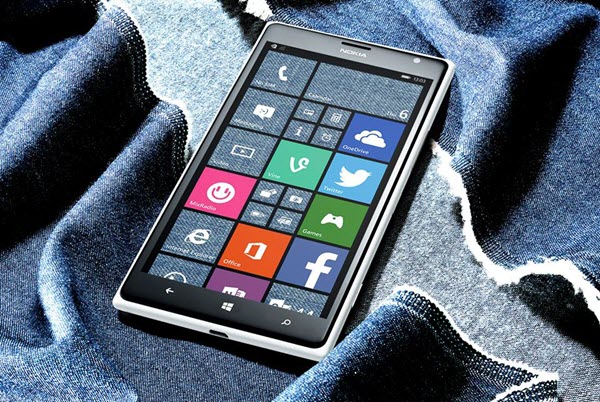
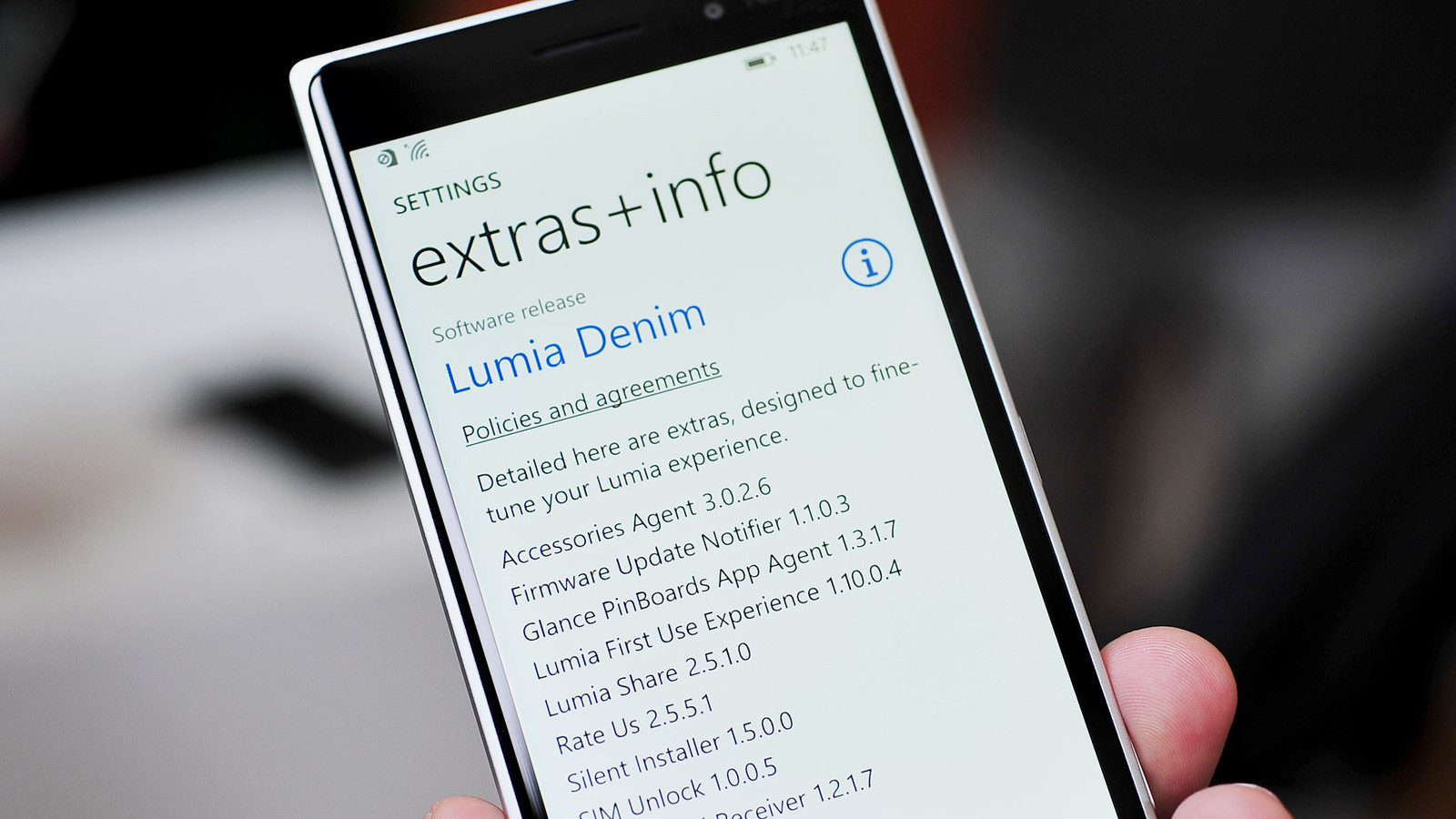
    The much-talked about Microsoft’s ‘Lumia Denim’ update for Windows 8.1 operating system has begun to roll out to Lumia devices, globally.

    According to the company, they are starting the wider roll out of Lumia Denim, a Windows Phone 8.1 Update 1 upgrade that packs a lot of improvements to both imaging and Cortana voice commands and new features like live folders on your start screen and an enhanced glance screen.

    Lumia_Denim_lede_0

    The Denim update has already debut in US through Verizon with 822 and 928 back in December, but the broader deployment suggests that other Lumias are due relatively soon. If you own new handsets like the Lumia 830, 930 or 1520 , you’ll get faster shooting, Rich Capture (high dynamic range, dynamic exposure and dynamic flash) and better image quality.

    Apart from the 830, these phones can also handle 4K video and hands-free Cortana commands. Everyone gets features like Start screen folders, a better web browser and Cortana refinements that include support for in-car speech. Denim is the fourth update to Windows Phone 8.1-equipped Lumia phones, after Lumia Amber, Black and Cyan.

    It’s arriving in waves by country and device, and a wider roll out will commence within the month, according to the company. There is still uncertainity as to whether Indian Lumias will be included in latest wave of update or not.

  • Here Are the Impressive Leaked Specifications  of LG’s Next Flagship

    Here Are the Impressive Leaked Specifications of LG’s Next Flagship

    LG had a string of hits in 2014 including LG G3 and G Pro 2 which have been received really well by consumers and critics alike. The smartphone maker’s next flagship, G4, is expected to launched at this year’s Mobile World Conference (March 2-March 5) in Barcelona.

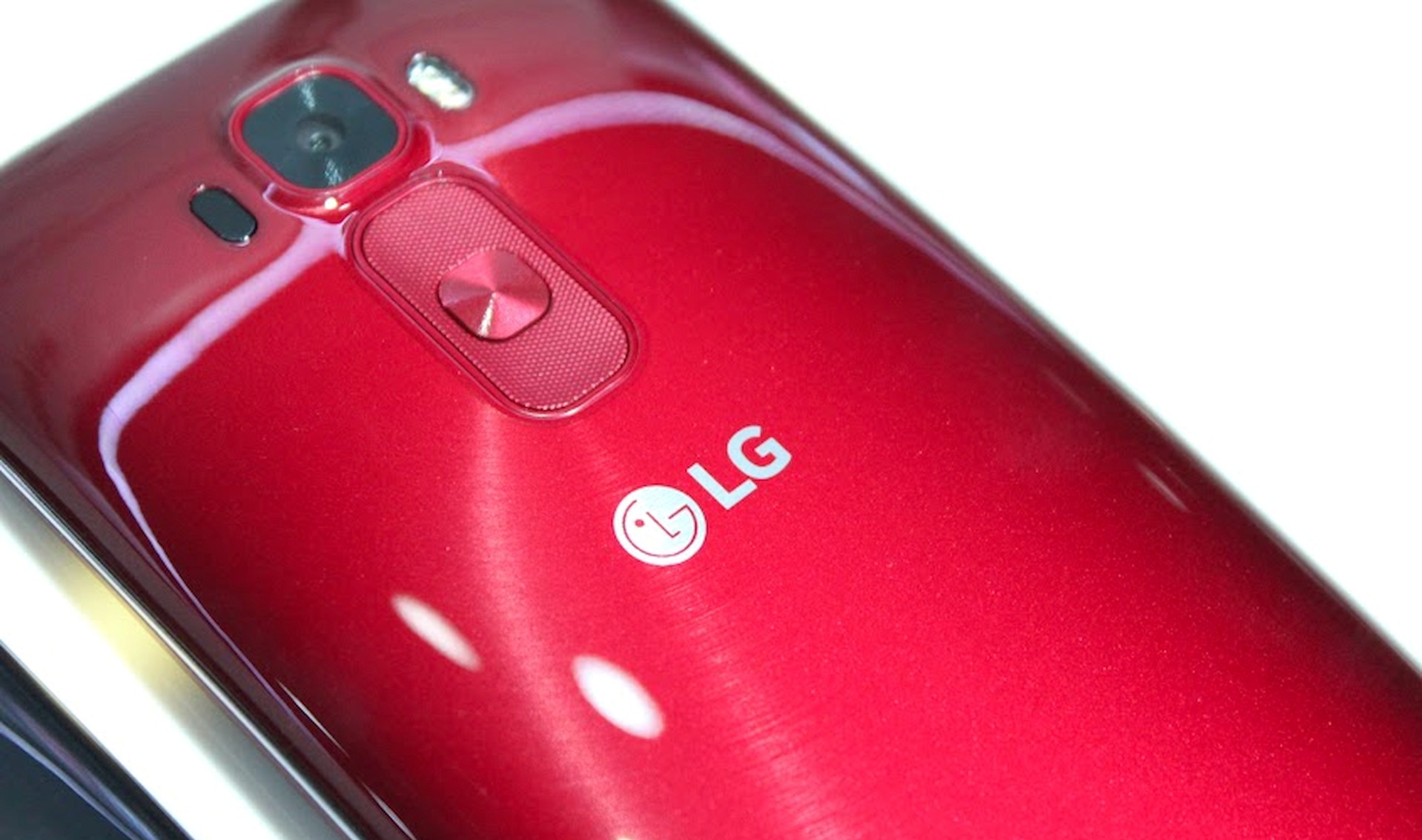
    Recently, the system dump for LG’s next G series flagship smartphone has been leaked revealing a few of the hardware specifications of the smartphone. The leak confirms the Android 5.0 as well as 3GB of RAM and a Qualcomm Snapdragon 810.

    LG-G-Flex-2-24
    LG G Flex 2 was launched at CES 2015 with Snapdragon 810

    According to the past rumors, LG also working on its own ODIN processor for a bit now, and we heard that it’d be coming in one of their flagships. It was expected the G Flex 2 would launch with this processor, however, that didn’t happen.

    While there is a fresh rumour suggesting that Samsung Electronics will dump the Snapdragon 810 processor for use in its upcoming Galaxy S6 smartphone in favour of its own Exynos chip, LG may follow the suit and launch their own processor too.

    In addition to that, the purported forthcoming handset, the G4, could pack a wide angle 16-megapixel rear-facing shooter on the back. The LG G3 had a 13-megapixel rear-facing camera on the back side. After the release of the G Flex 2 at CES it will be interesting to observe the type of hardware and software specifications their next flagship will pack.

  • Google Maps Lane Guidance Feature Makes For a Handy Travel Companion

    Indian roads always remain packed with vehicles. These busy roads notice honking and screaming on working days as well as on weekends. People have to leave home half an hour or an hour in advance to counter traffic. Not any more! Now Indians don’t have to freak out in the traffic jam as Google Maps has launched a lane advisory system in India.

    Lane-Guidance

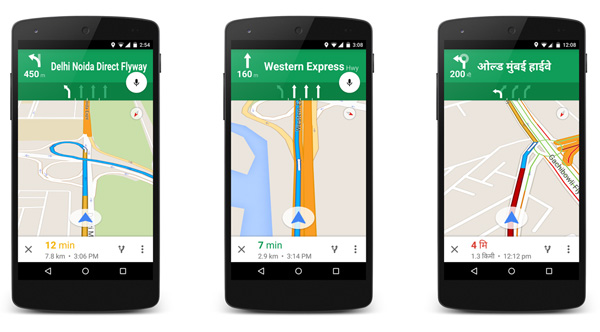
    With this new feature, Google Maps gives voice guidance to the users, enabling them to see and hear voice-guided instructions about the alternate lane they should take to avoid traffic. The app is compatible with both Android and iOS and gives lane guidance in around 20 major cities. Google aims to make the app handy and more useful for regular travellers. Director, Producer and Program Management of Google Suren Ruhela clarified the main motive behind updating the app saying –

    With the Google Maps app for iPhone/iPad and Android, users will now be able to see and hear voice-guided instructions, signalling which lane they should stay in or move to while in navigation mode.

    She further said that the company will continue to upgrade Google Maps for mobile to make it a handy travel companion.

    The 20 cities included in the lane guidance feature are Ahmedabad, Bengaluru, Bhopal, Chandigarh, Chennai, Coimbatore, Delhi, Hyderabad, Indore, Jaipur, Kolkata, Lucknow, Mumbai, Mysore, Nagpur, Pune, Surat, Thiruvananthapuram, Vadodara and Visakhapatnam. Drivers in this cities will be able to choose on lane option for easy commute in their mother tongue. The app added Hindi as a default accent last year in July.

    The app added a couple of other features as well like turn-by-turn voice guidance, which user’s can get in preferred language. Drivers can change the language from the ‘Language and input’ option. The added feature is a really supportive addition to improving search experience for Indian users.

    With traffic the way it is, even in the smallest towns in India, this is quite an initiative by Google Maps to help the hapless stuck in everyday traffic!

  • This Website Lets You Can Virtually Use The Apple Watch

    This Website Lets You Can Virtually Use The Apple Watch

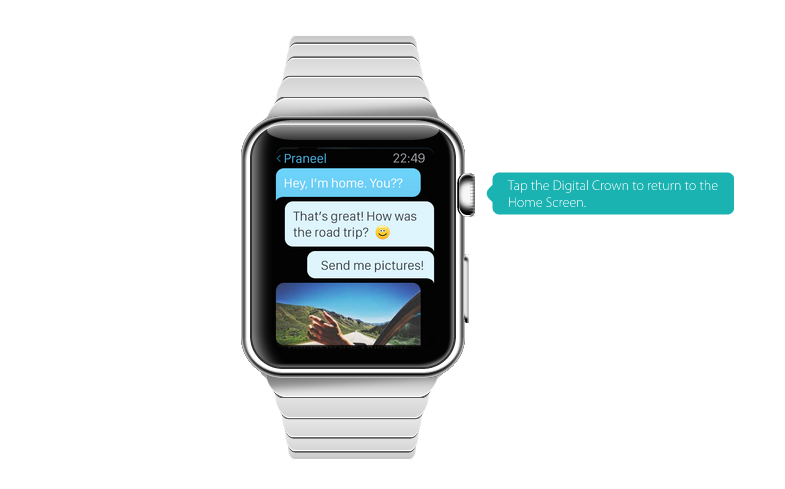
    Word is that you have to wait till March to get your hands on Apple Watch. The Cupertino-based tech giant’s first bid on the wearable market will be priced at $349 and will come in three variations – Apple Watch, Apple Watch Sport and the Apple Watch Edition. The wearable will be compatible with iPhone 5, 5S, 5C, 6 and 6 Plus.

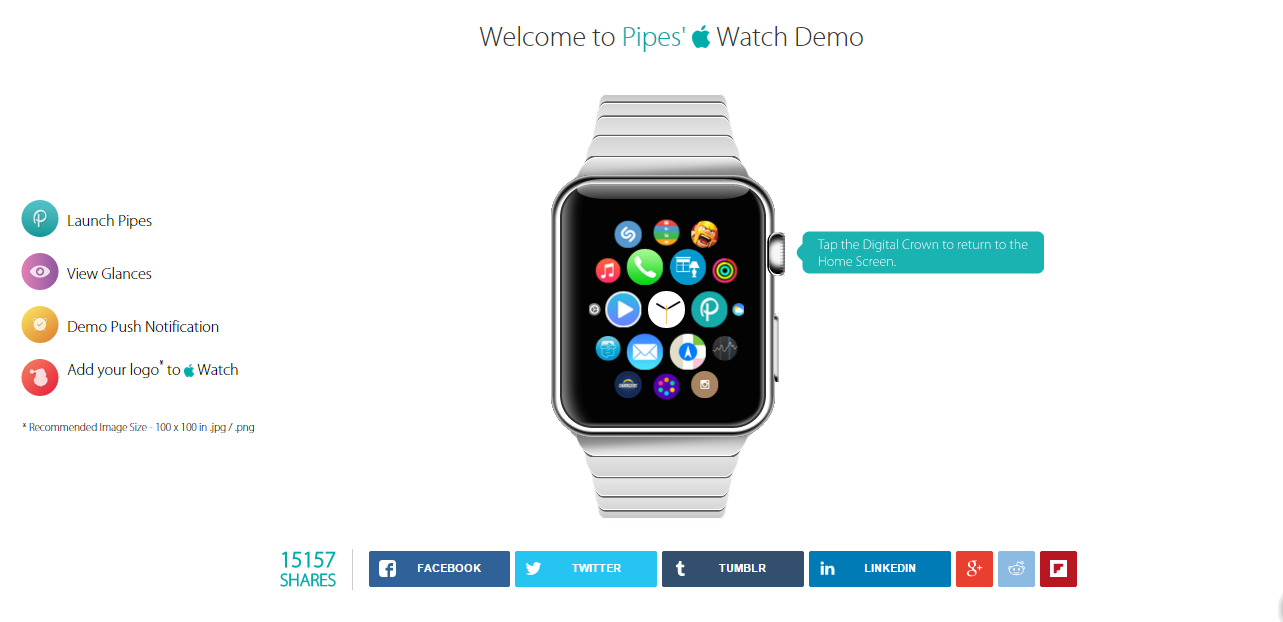
    apple watch demo

    Anyhow, some folk at Pipes news app have created a demo of the forthcoming Apple Watch, which you can try right on its website. The interactive demo lets you navigate through various features of Apple Watch by clicking and holding parts of the home screen and moving around. The demo lets you try out certain applications, like the Clock, Weather, Phone, and Music apps.

    The Digital crown of the demo watch is also interactive. While it doesn’t let you scroll or zoom like you’ll be able to once the real Apple Watch comes out, you can use it to return to the home screen. The demo can also show you a preview of some of the watch’s features, like Glances, which are cards that give you tidbits of information, and push notifications.

  • Google Glass to Get An Independent Division Headed by Nest’s Tony Fadell

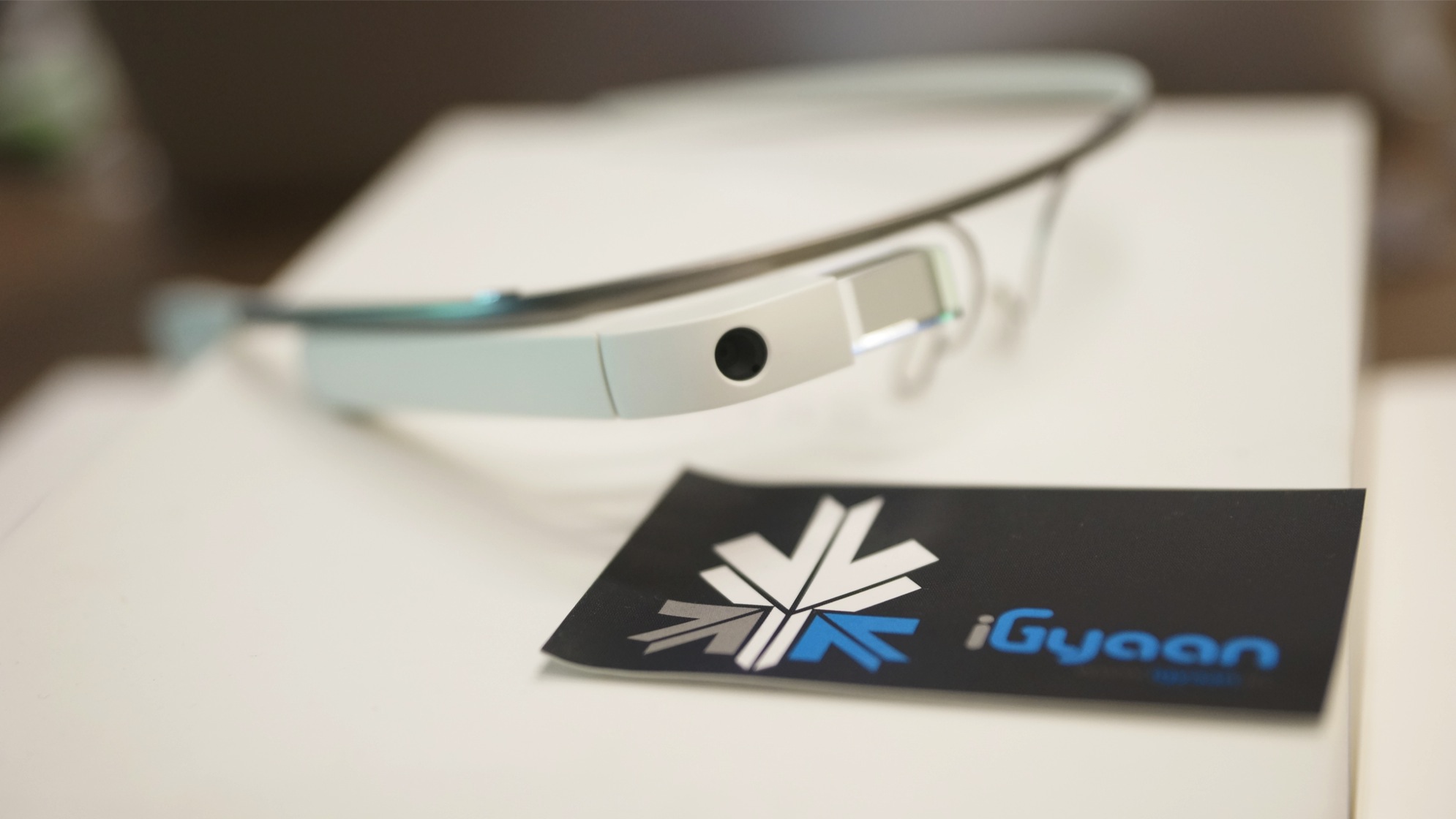
    Between the frenzy of latest flagships and CES launches, Google Glass has been missing the action for quite sometime now. But not anymore, because Google is shaking its wearable up with some major changes.

    The Google Glass team announced in a post to its Google+ page, that Glass is “graduating from Google[X] labs,” presumably still marching toward a “real” consumer launch. The Explorer program will come to an end on January 19th which is just three days away.

    According to the post, the research project will move to own division. This new standalone Google Glass group will be led by Ivy Ross, who will report to Tony Fadell, the head of Nest Labs, Inc. The development process for the head worn wearables has been a bit slower than some might have expected when it comes to available glassware(apps for glass)but it was strong nonetheless and it seemed to give off a promising future.

    Google Glass

    Google Explorer Program has spanned years and seen plenty of awesome, annoying, and controversial moments as Glass has looked for a place in the hearts and minds of tech consumers. Many tech enthusiasts believe it has a place in the broader wearable ecosystem including fashion, medicines, navigation, research etc.

    Google is also discontinuing consumer sales of the current Explorer Edition of Google Glass, beginning January 19. Google Glass will still be sold to approved developers and companies for both use and further development of the Glass ecosystem. This points again to the new version of Google Glass that will be arriving in 2015, though it is still unknown when it will arrive and whether it will be powered by an Intel Chip or not.

  • How Google’s Project Ara Will Reinvent the Existence of Smartphones

    How Google’s Project Ara Will Reinvent the Existence of Smartphones

    The whole idea of technology is to continuously evolve through introduction of new and feasible upgrades. However, this process of evolution makes the old devices inherently wasteful. As soon as a new device comes out, the old one is tossed in the garbage or put on the shelf to collect dust. But Google’s Project ARA wants to change that with a Lego-like device in which parts of the phone, although not the entire device, can be replaced.

    History

    The idea of modular smartphone may sounds exciting but it was not easy to build; we presently call it the PhoneBlok smartphone. PhoneBloks began with a single video, almost one and a half years ago, describing in some detail, the idea for a phone worth keeping. Even though it was just an idea, it generated quite a buzz in the tech industry with a social media reach of over 380,000,000 people. Shaking the mere foundation of the smartphone market, the idea presented by the PhoneBlok community questioned the idea of typical smartphones and showed an effective way for change.

    The roots of the modular smartphone can be traced back to Modu, an Israeli mobile phone company, founded in 2007 by Dov Moran. The company invented the Modu, a modular cellular device which could be used in various other devices. However, the company ceased operations in February 2011 as it attempted to pay back debts and salaries owed to its workers. In mid May 2011 Google acquired several Modu Mobile patents for $4.9 million. In 2013, Google-owned Motorola announced it is developing a modular phone and hence the Project Ara was born. Meanwhile, Google sold Motorola to Lenovo, but, retained the Project ARA Team.

    How Does it Work?

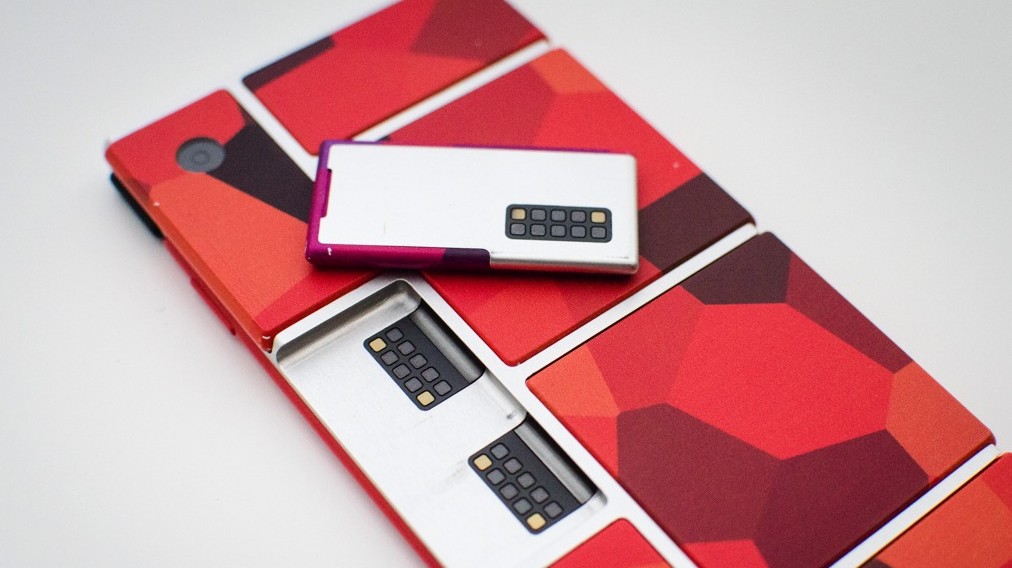
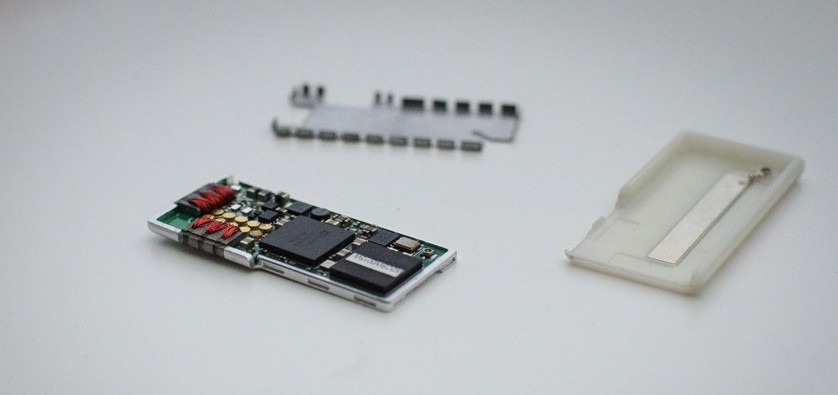
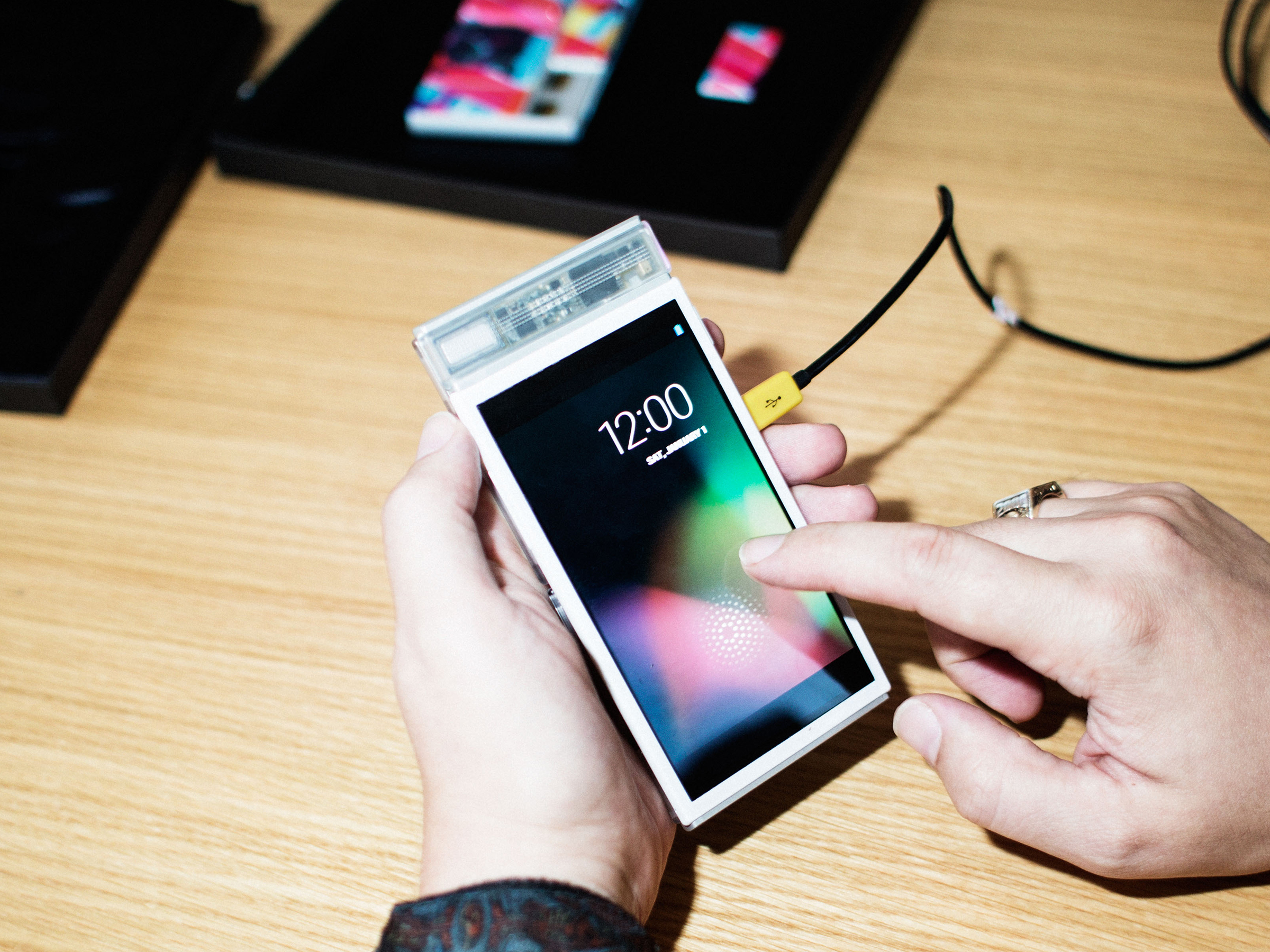
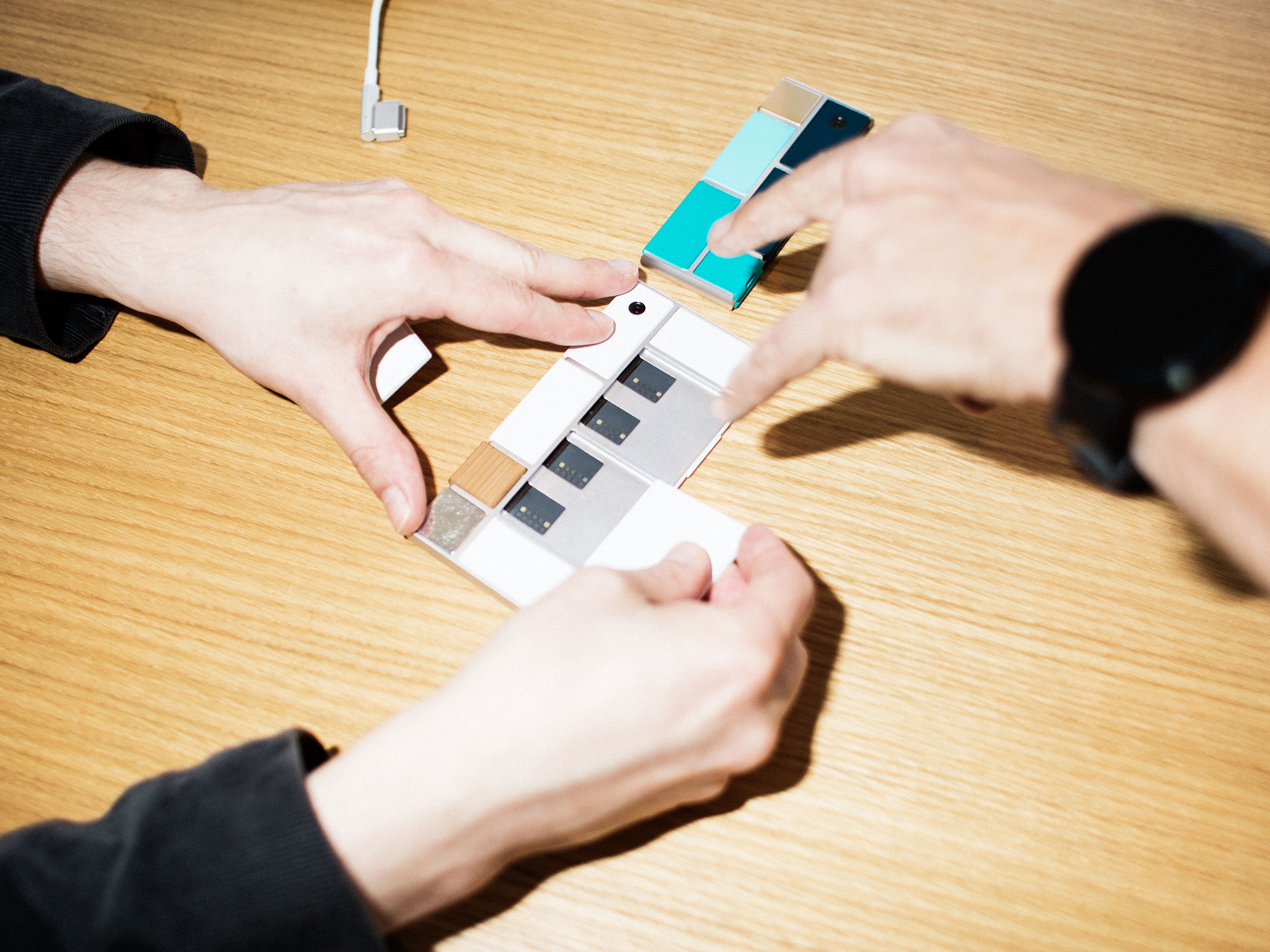
    The basic idea of the Phoneblok is creating a smartphone that has detachable components on its front and back so that everything from the processor to the camera can be easily upgraded without discarding the rest of the phone. The entire contraption is held together by a pegboard-style base, with a screen also replaceable mounted on the front.

    project-ara-8

    There would be one block (also called modules) for the camera lens, one for the battery, one for storage and so on. Those blocks would plug into the base, and the blocks, base and screen would be secured together with two screws. Because individual blocks can be replaced when they become outdated or simply break. Additonally the electronic junk will be minimal with these smartphones.

    Ara modules need to have a way to communicate with the rest of the phone, but physical contacts are often cumbersome and prone to easy damage. So instead, the modules use “capacitive interconnects,” which are wireless and theoretically more reliable, especially at high speeds. The capacitive pads also help saving space on the modules, since they’re smaller than physical pins.

    project ara 1

    Modules will be available both at an official Google store and at third-party stores. Ara Smartphones will only accept official modules by default, but users can change a software setting to enable unofficial modules. This is similar to how Android handles app installations.

    When Will It be Available?

    At present, Google has announced the launch of Project Ara MDK 0.2. The second developers kit from the project is said take PhoneBlok closer to the reality. The MDK 0.2 is based on the Spiral 2 prototype that will be revealed at the upcoming developers’ conference. The company has added  a section on the Module Marketplace, which is said to be a lot like a Google Play Store for Ara hardware modules. Unlike the Play Store, however, it seems that this marketplace is going to be strictly curated.

    project ara

    Along with this, the company has also announced the release of Ara Manager app that will be made available in the near future. This app will let users control the functions of different modules and monitor their state and information.

    Coming February, Google will kick off second installment of Ara Developers’ Conference which will mark the roll out of MDK 0.2 to limited number of developers. The commercial release is still on hold, however, the recent advancement in the project has hinted that the modular smartphone are very close to become a reality.

    Project Ara could be a ground shaker in the Tech Industry. With a video managing a social media reach of 380 Million, and the smartphone market growing so rapidly; one can only wonder what impact it will have when this project becomes a reality.

  • Fujifilm’s New Mirrorless Camera is a Treat for Selfie Lovers

    Fujifilm’s New Mirrorless Camera is a Treat for Selfie Lovers

    ‘Selfie’ is a trend that refuses to die down. The proliferation of smartphones with front-facing cameras is giving a tremendous boost to it. Smartphones are fast eating into the market shares of camera makers and all they can do is try to catch up. Fujifilm has now taken an effort to cash in on the Selfie mania with its new X-A2 camera.

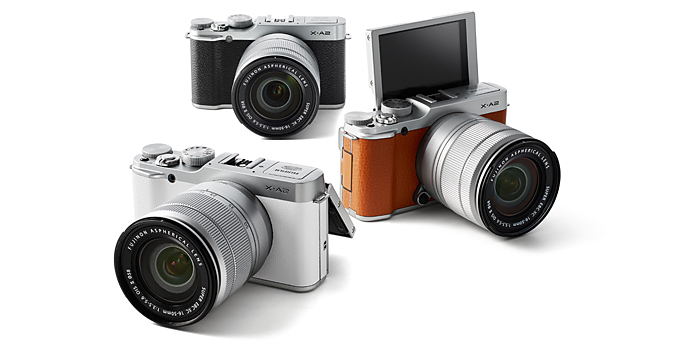
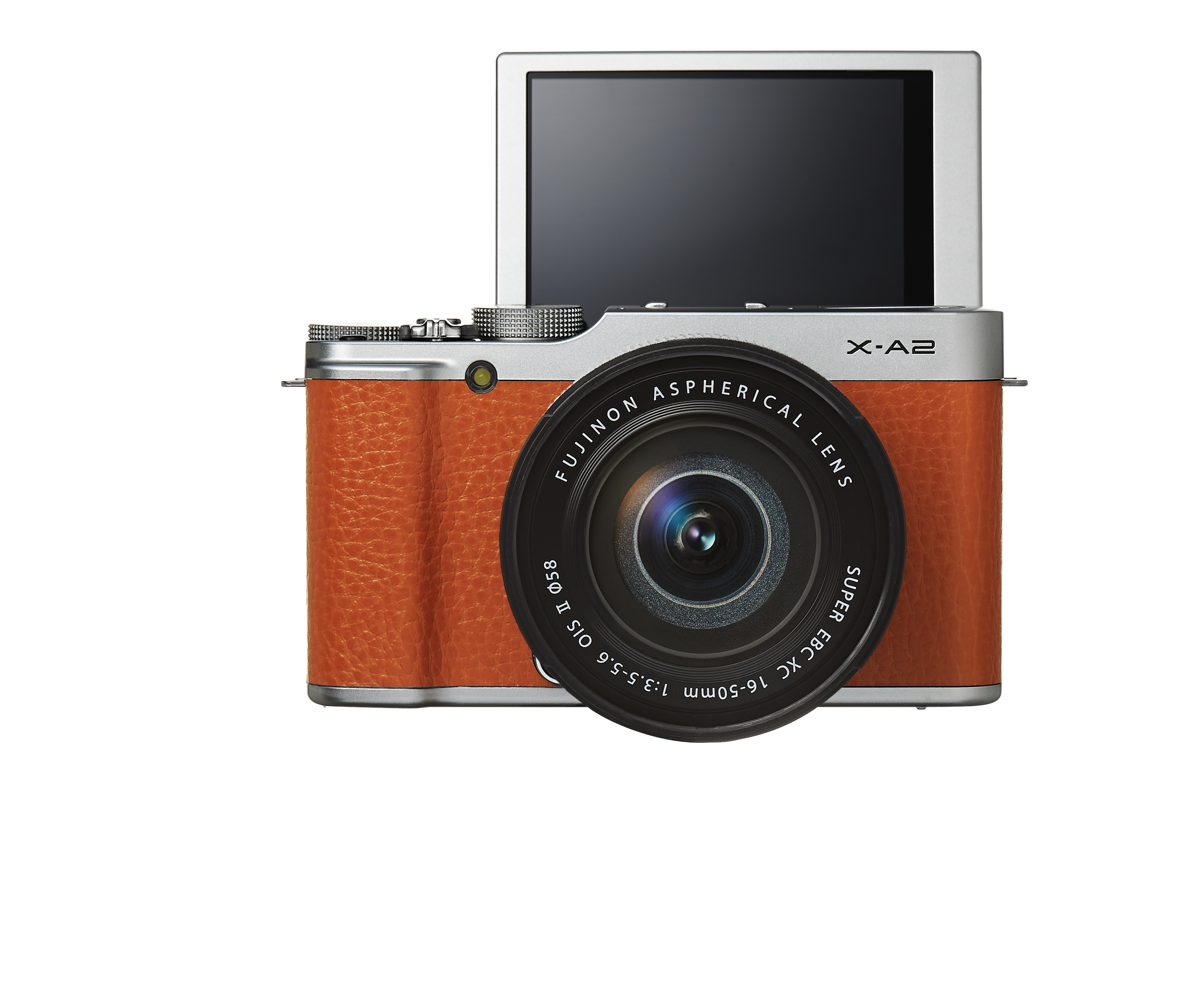
    The Fujifim X-A2 is a mirrorless camera with a 175-degree flip screen which you can use to click selfies. The camera looks retro which gets extra points in the design category. It supports interchangeable lens and gives you far better selfie images than your phone’s front facing camera could.

    Flip the display towards you and the camera automatically sets to face and eye detection
    Flip the display towards you and the camera automatically sets to face and eye detection

    As soon as you flip the screen towards yourself, the camera adjusts the settings to enable face detection so that your prized moments are in perfect focus. The camera comes with 16-50mm (24-76mm-equivalent) f/3.5-5.6 lens which would let you take wider selfies. The X-A2 comes for a price tag of $550 which is pretty steep if you’re buying it just for its advanced selfie feature. Also by adding $150 more, you get a 50-230mm (76-350mm-equivalent) f/4.5-6.7 lens.

    Maybe the end of the pocket camera is near. As smartphones get better and better at their imaging capabilities, handheld cameras will see their market share dip. But if you got the money and you want a nice retro looking camera with some great selfie capabilities, then this one would be the one to buy.

  • Acer Liquid E700 Review

    Acer Liquid E700 Review

    Last year was quite an exciting year for the Indian smartphone market, especially in the overcrowded budget phone category. We saw some top-notch devices coming from domestic as well as International manufacturers packed with relatively high-end specs at an attractive price. Manufacturers are constantly trying to invent new ways to create demand for their product by offering something unique. Taiwanese manufacturer Acer has tried to do something similar and have forayed into the Indian smartphone market after a long break with the launch of their triple-SIM phone the Acer Liquid E700.

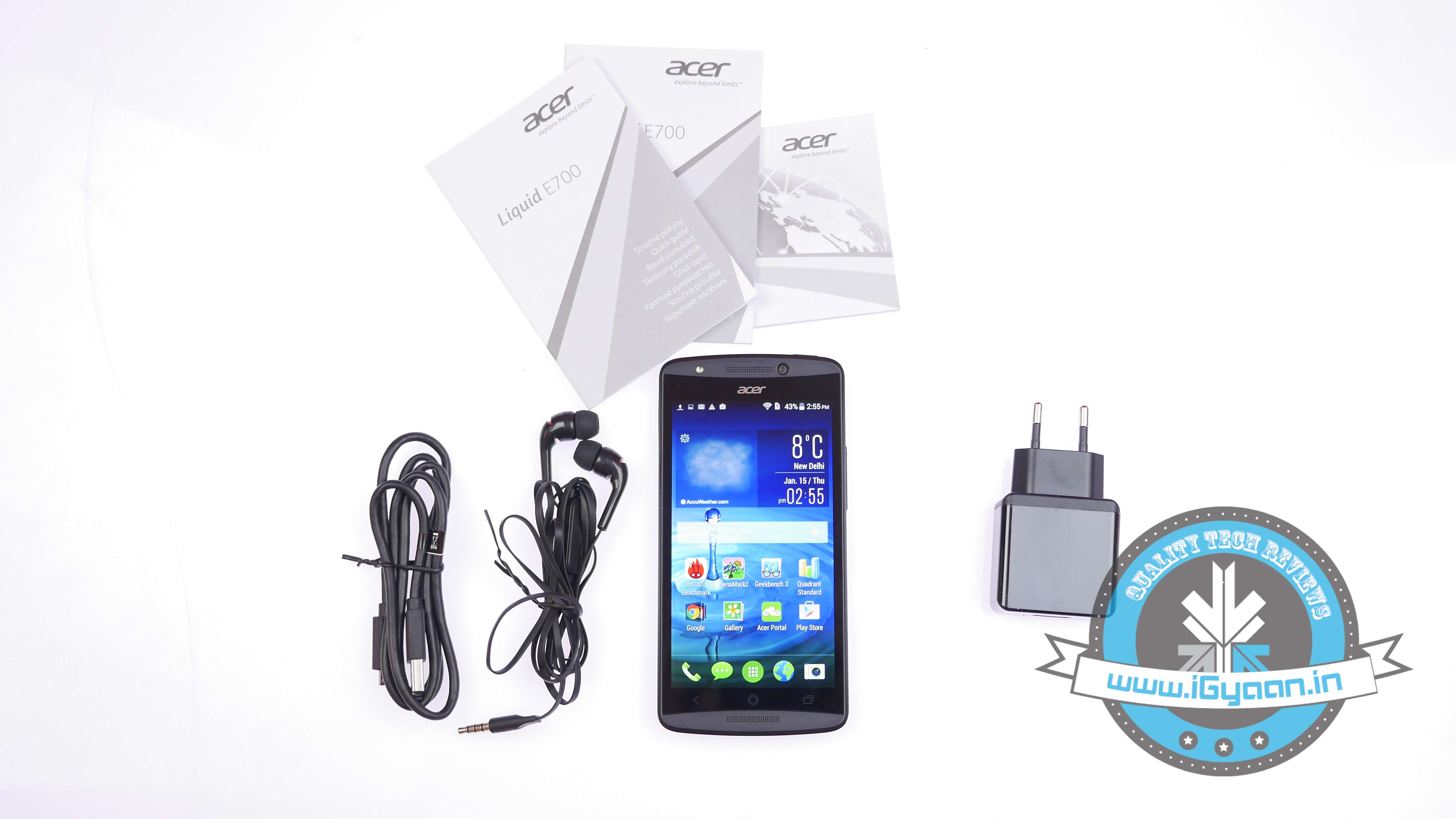
    The company known for making quality laptops has launched two new smartphones in its Liquid Range of handsets. While the Liquid Jade is a mid-range offering at Rs.16,999, the Liquid E700 is a budget phone, and the one, we’ll be reviewing, is priced at Rs.11,999.
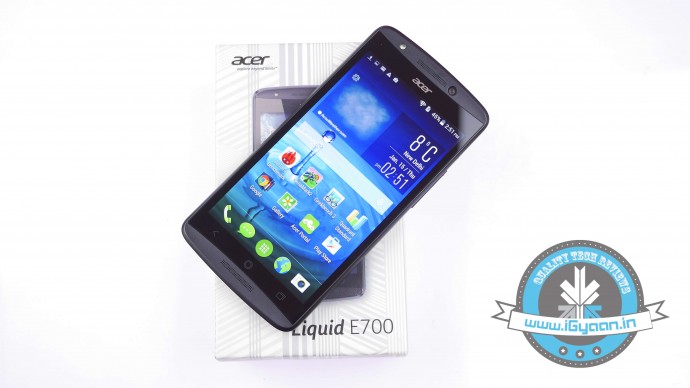
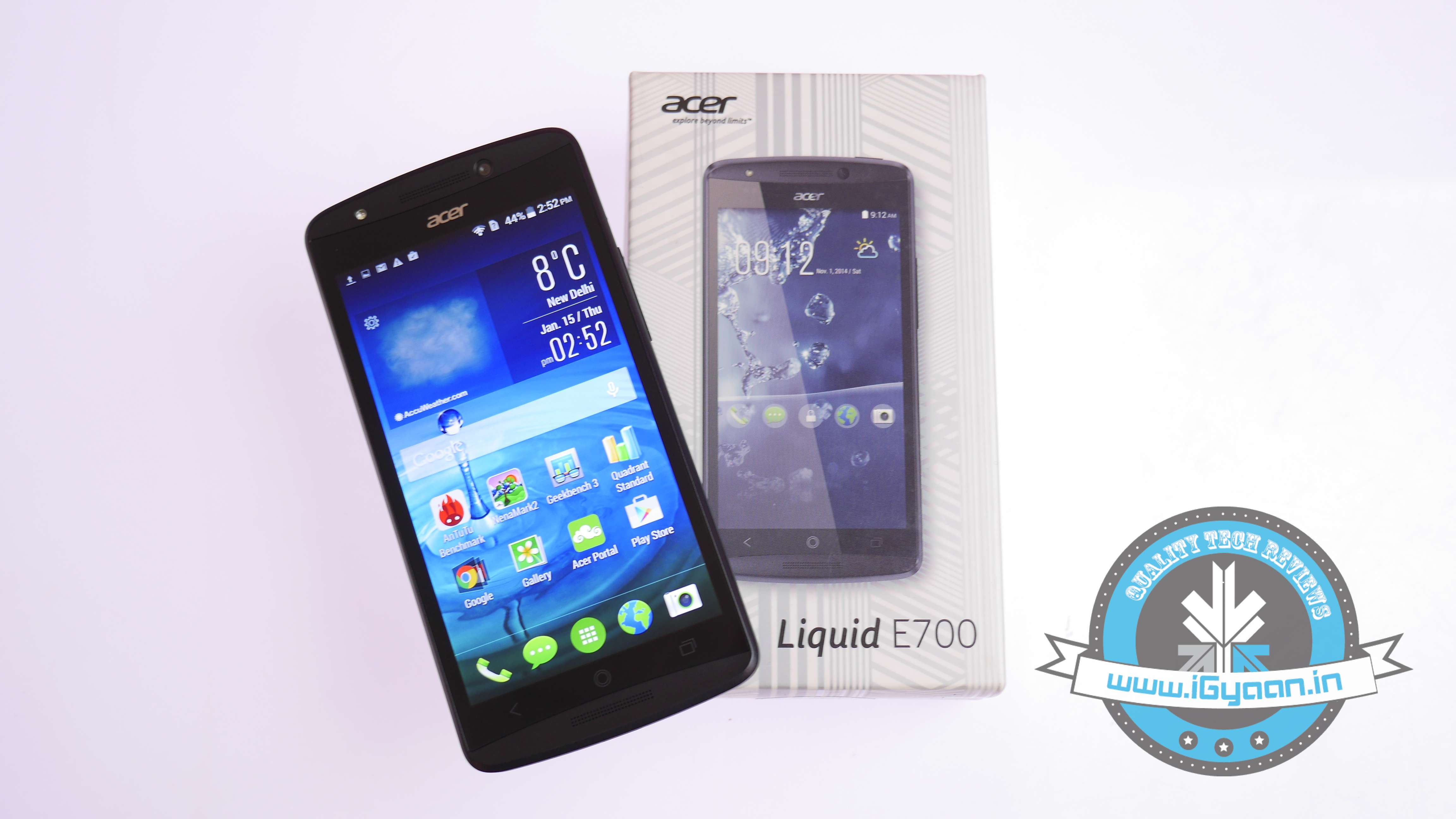
    Acer Liquid E7004

    The E700 comes with a good specs which include a hefty 3500mAh battery. The phone does seem like a great budget phone on paper but has it got enough to make its mark. The phone has something unique to offer geared towards frequent travelers. It is a quad-band phone, implying you’ll be able to use it anywhere in the world where there is support for GSM. It faces some stiff competition from the likes of the hot favourite Moto G (2nd Gen) while there are also other worthy contenders such as Xiaomi, Asus, Xolo, Lava and Huawei.

    HARDWARE

    In terms of hardware, the E700 packs a decent set of specs at least on paper. It sports a mid-range Quad-core chipset from MediaTek bundled with a hefty 2GB of RAM, a lush bright 5-inch HD screen. Check out the key specs below:

    Specifications Acer Liquid E700
    Display 5-inch IPS HD
    Processor Quad-core 1.2 GHz Cortex-A7
    RAM 2 GB
    Storage 16GB Internal, microSD upto 32GB
    Camera 8 MP rear camera with flash, 2 MP front selfie cam
    Battery 3,500mAh
    OS Android 4.4.2(KitKat)

    BUILD QUALITY AND DESIGN

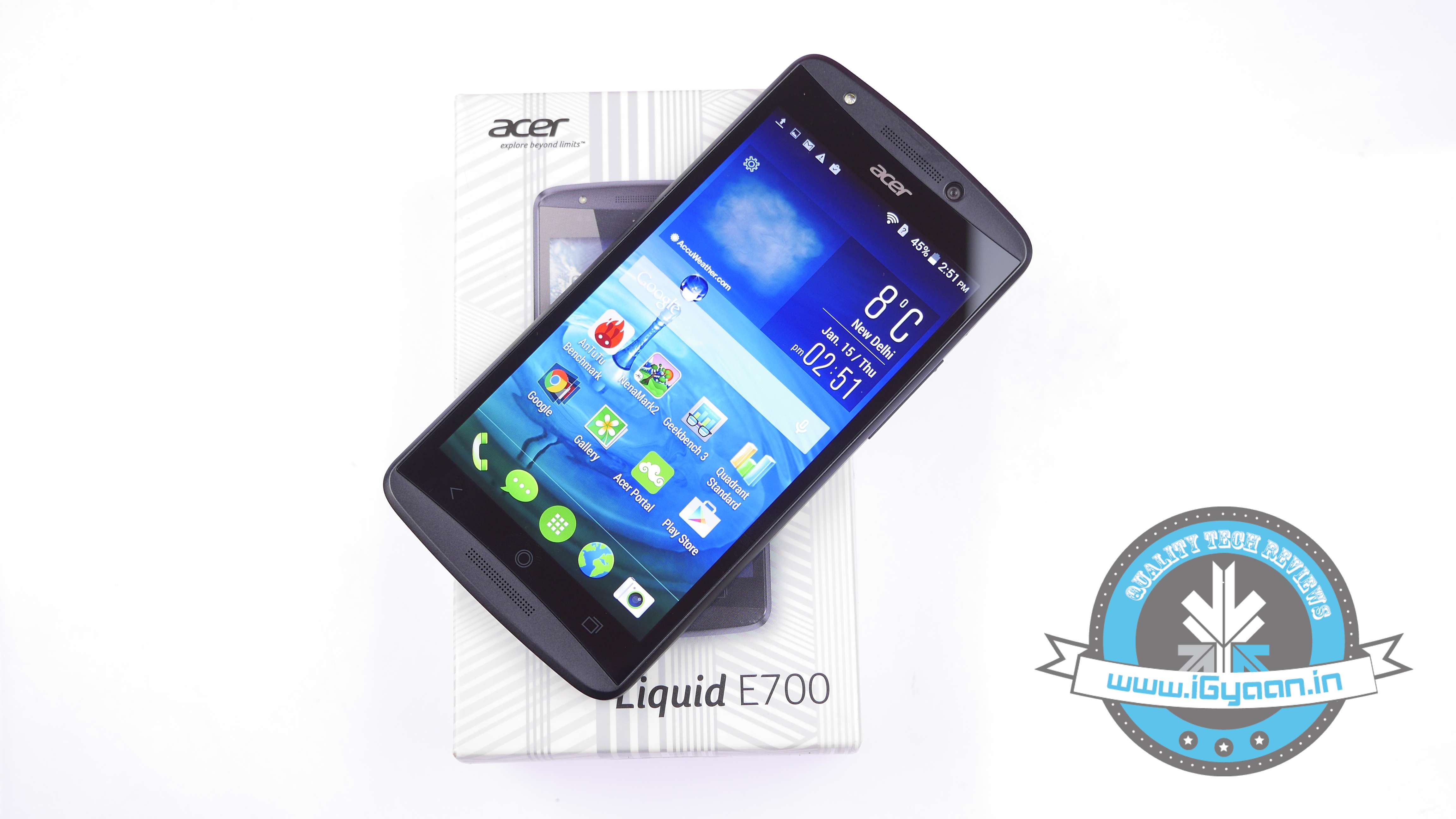
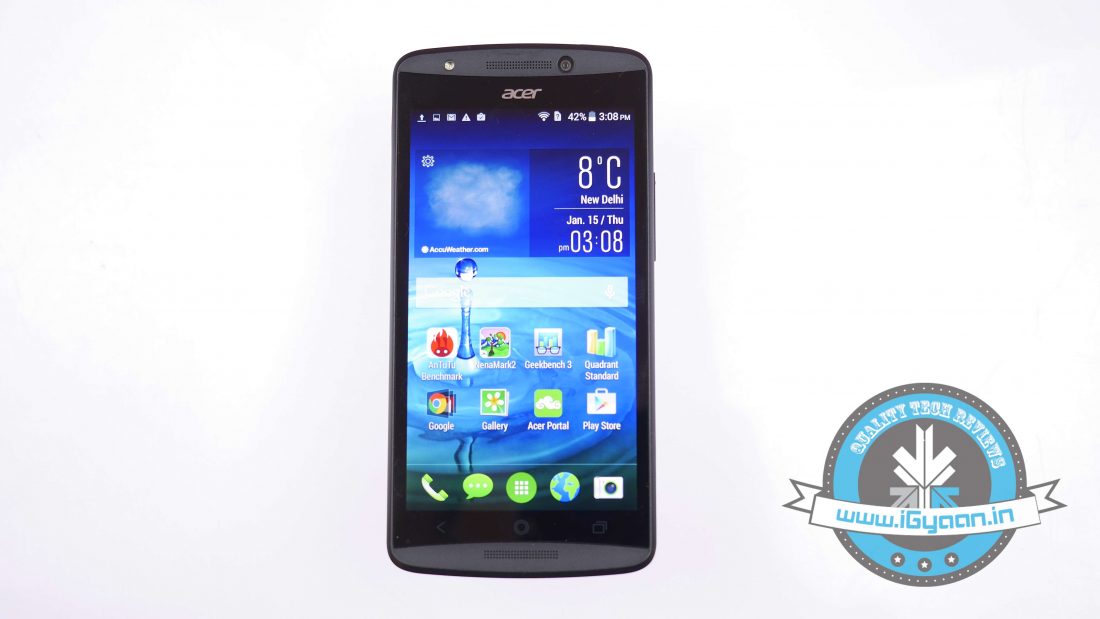
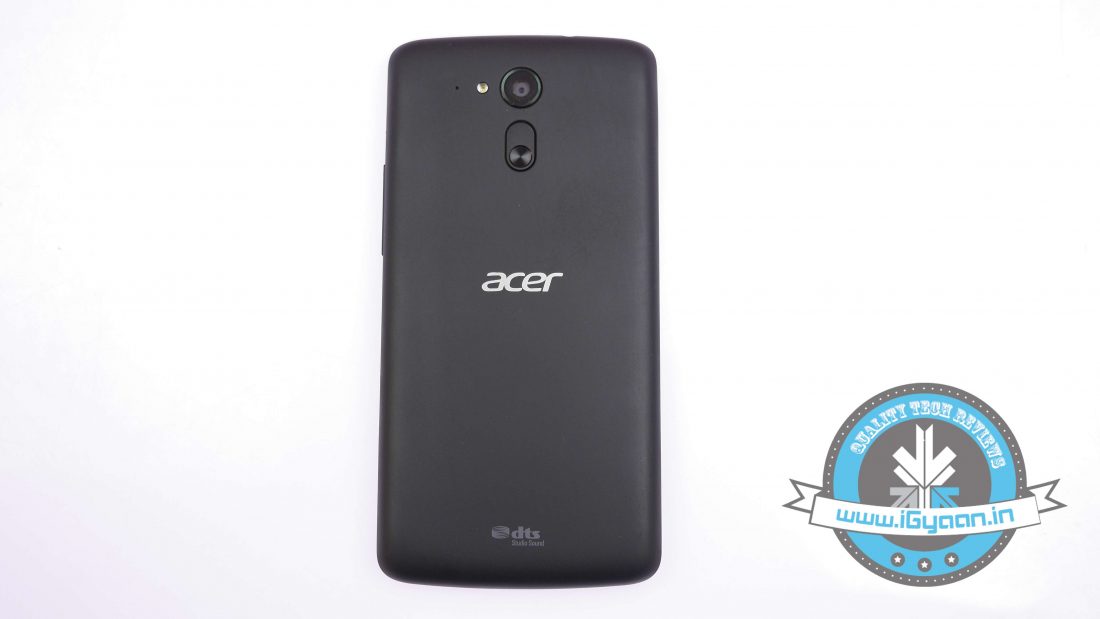
    The Acer Liquid E700 does not appear to be like any other budget smartphone one would come across. It has a curved top and bottom edge along with fine contours along the display, giving it a niche distinct look.

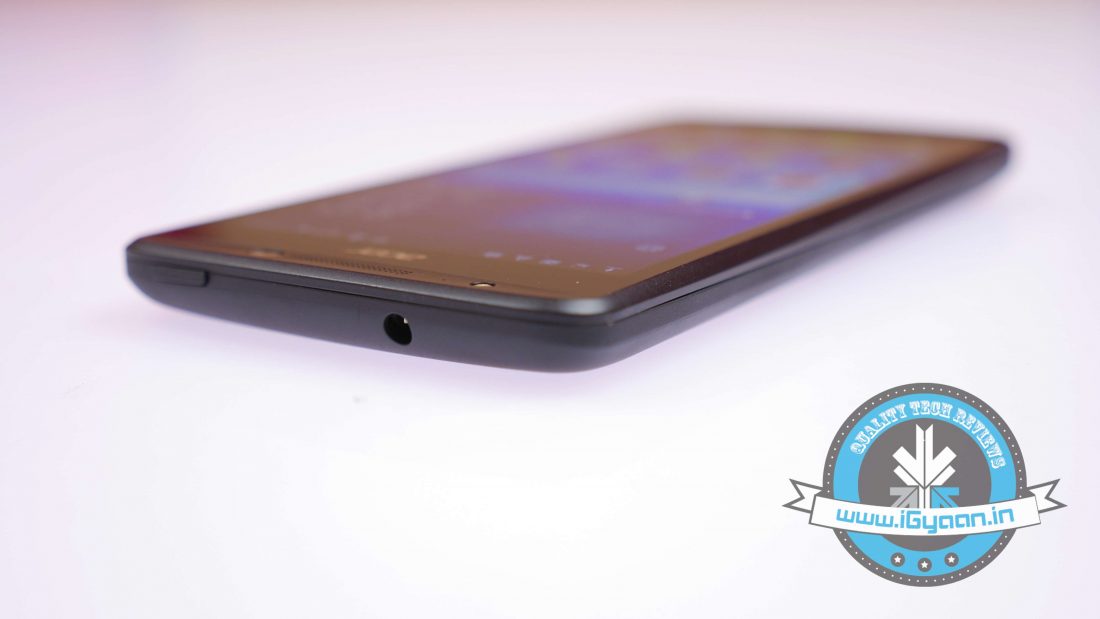
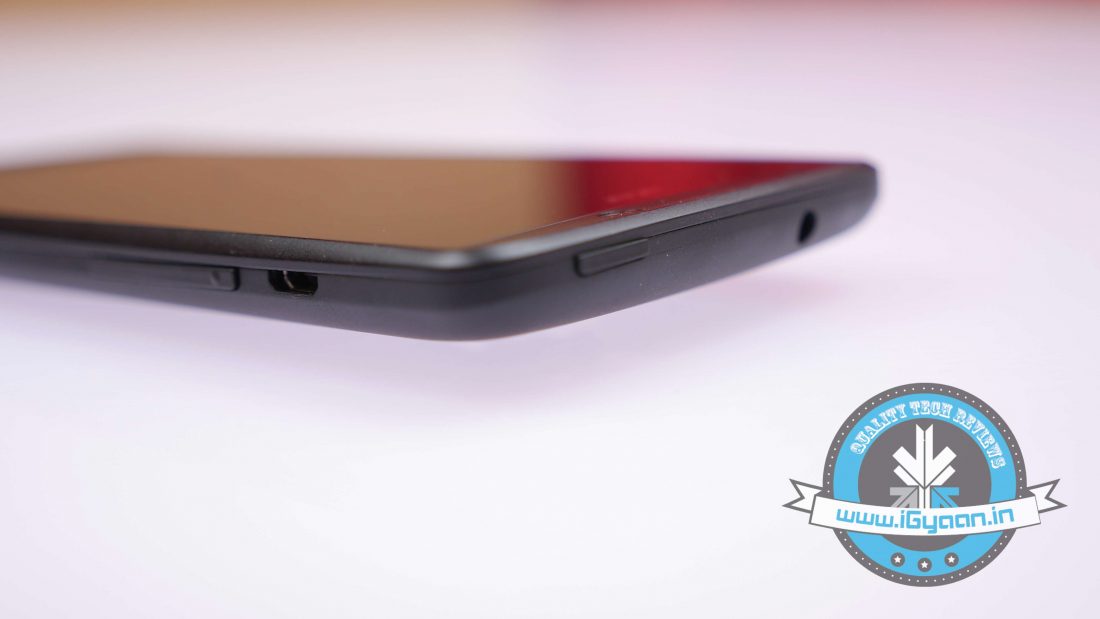
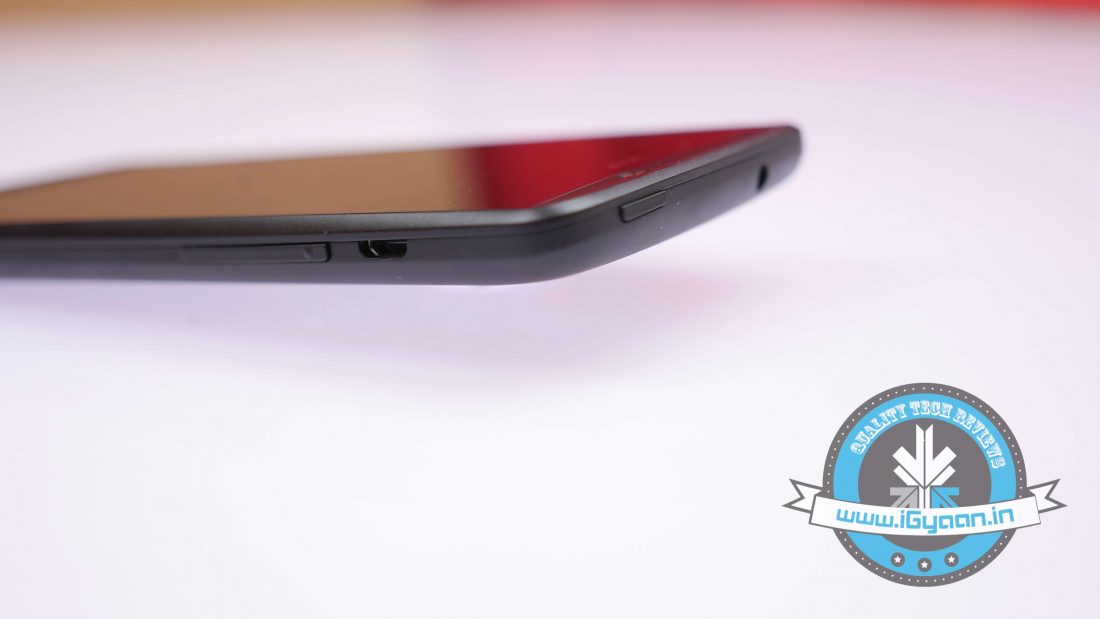
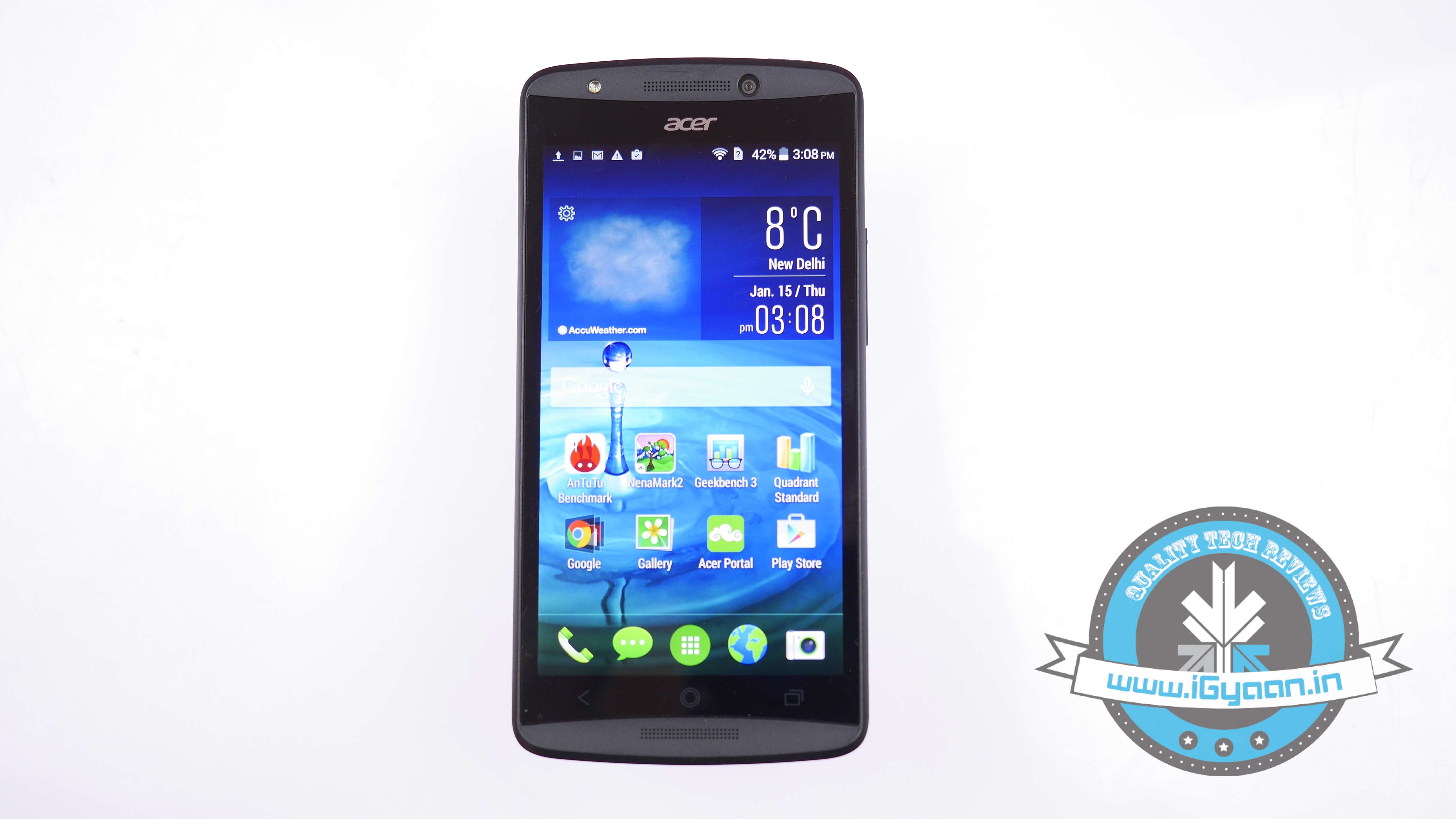
    The front of the phone is largely covered by the display, with physical capacitive touch buttons placed below the screen while there are two front grills reminiscent of HTC’s recent phones. The right edge of the phone houses the volume rocker keys along with a micro-USB port, while on the top edge rests the 3.5 mm jack along with the power key.

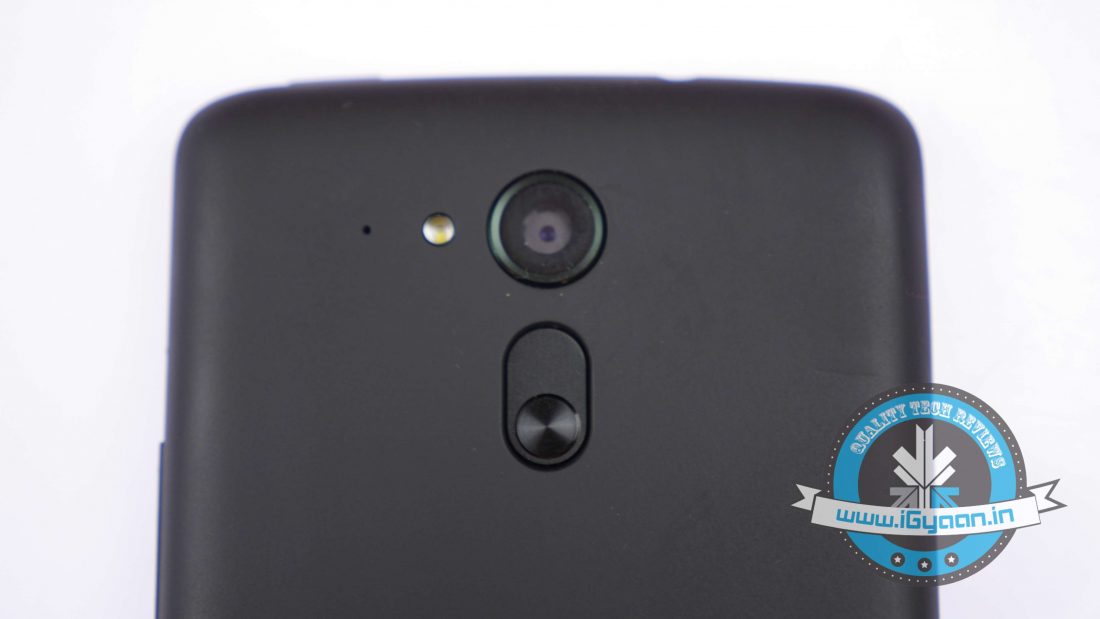
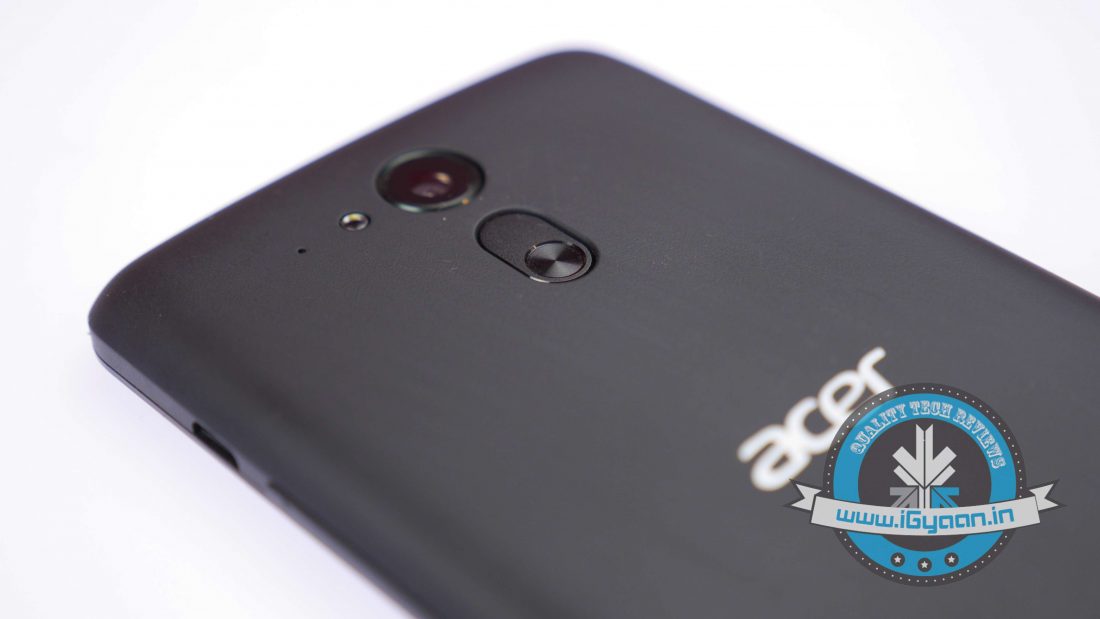
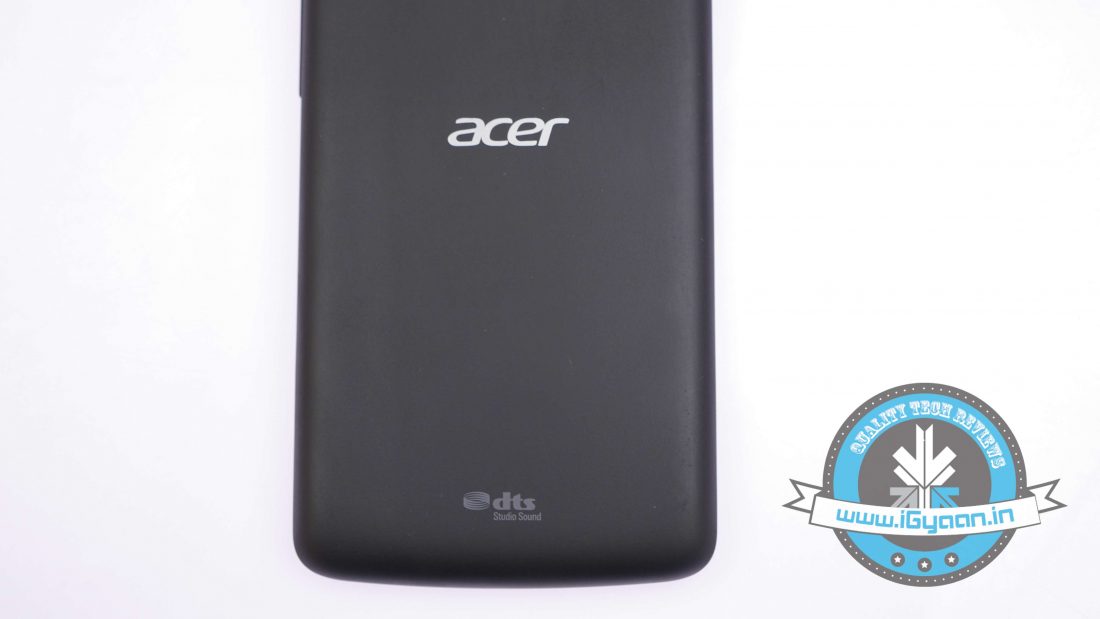
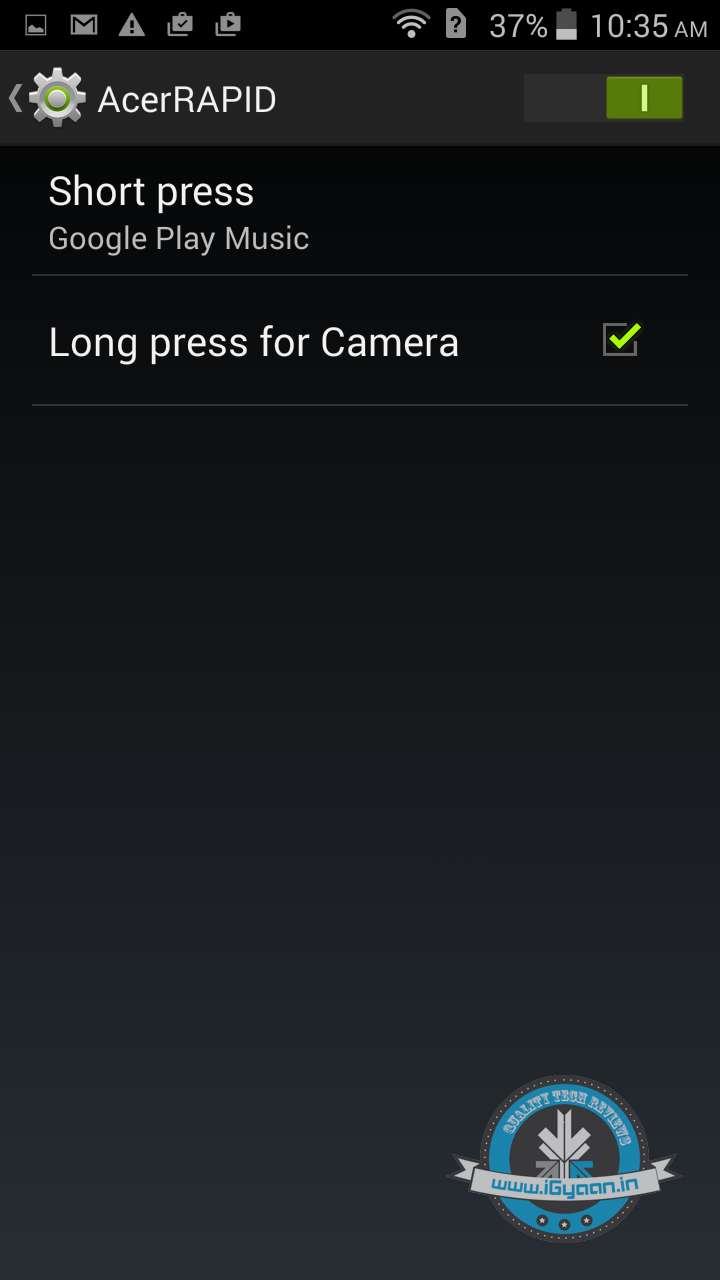
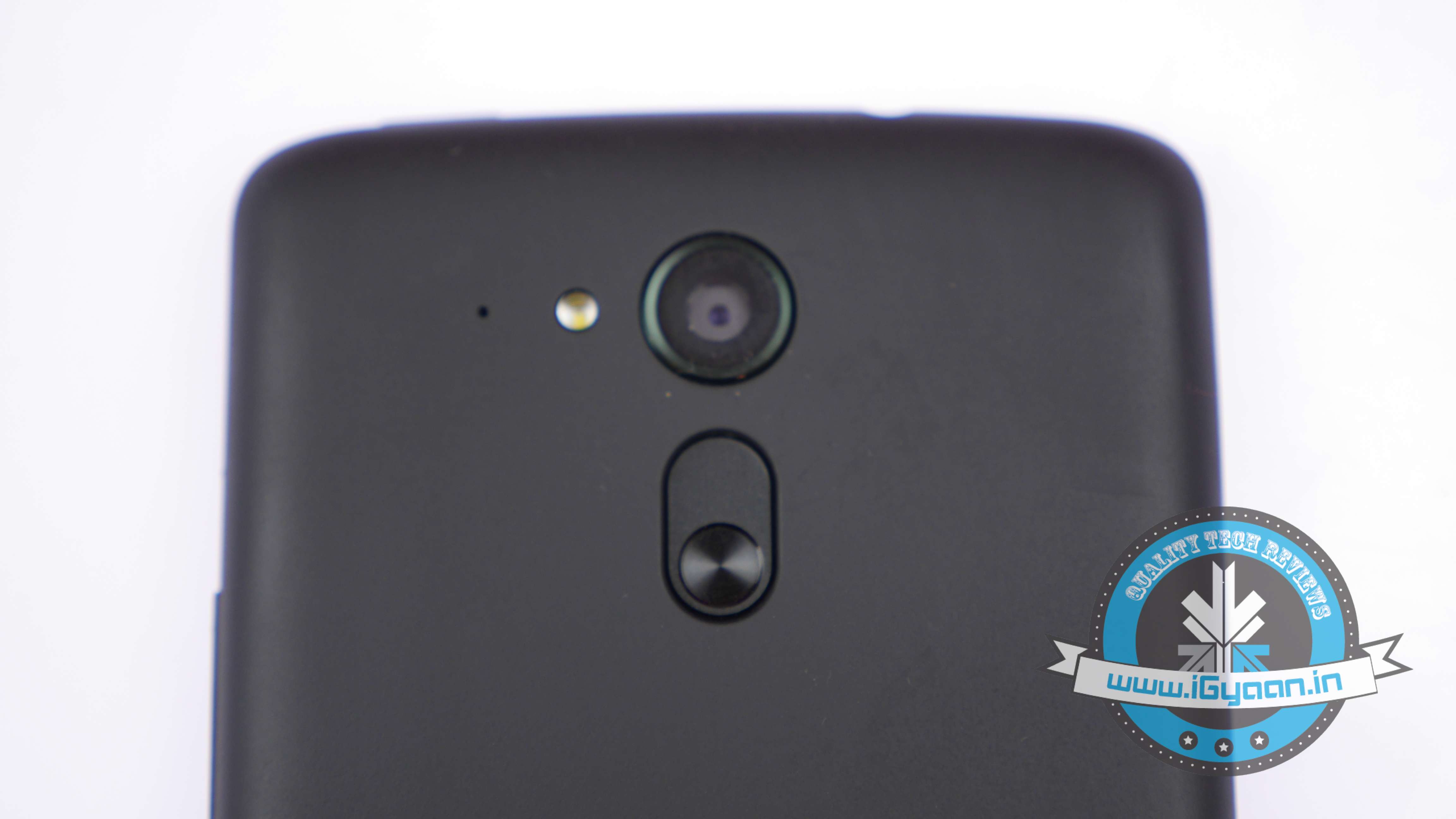
    Meanwhile, the back of the phone sports a soft black matte plastic finish offering better grip with a soft feel. The back also houses the primary camera unit bundled with flash along with an additional button which can be assigned a function. The back of the phone is removable which reveals the three SIM slots along with the microSD slots, with the battery unit embedded within the phone.

    Hence, the overall look and feel of the phone is relatively good with precise cutouts made for camera units and flash. It sports a nice form factor with an ergonomic design making it apt for one handed usage. Despite featuring a heavy battery unit, the phone feels relatively light weight.

    DISPLAY AND MULTIMEDIA

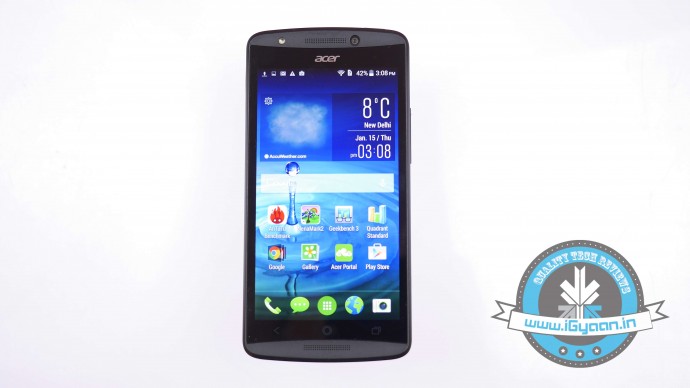
    An HD IPS display is the standard norm these days, and the Acer Liquid E700 sports a 5-inch HD IPS capacitive touchscreen with a resolution of 1280×720 pixels. The same display is also found on the Moto G 2nd Gen along with the Asus ZenFone 5.

    The 5-inch screen does the job quite handsomely rendering good colour saturation with crisp viewing angles. Visibility is top notch both indoors as well as outdoors owing to the bright screen.
    Acer Liquid E70017

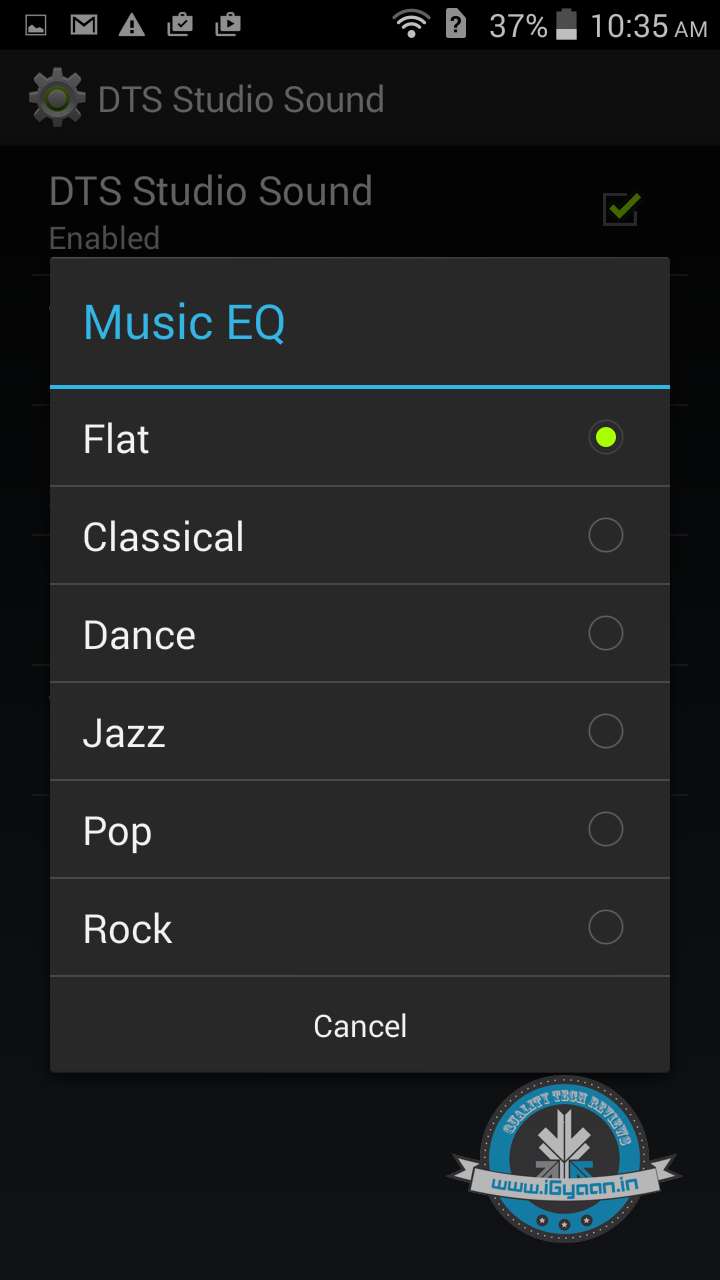
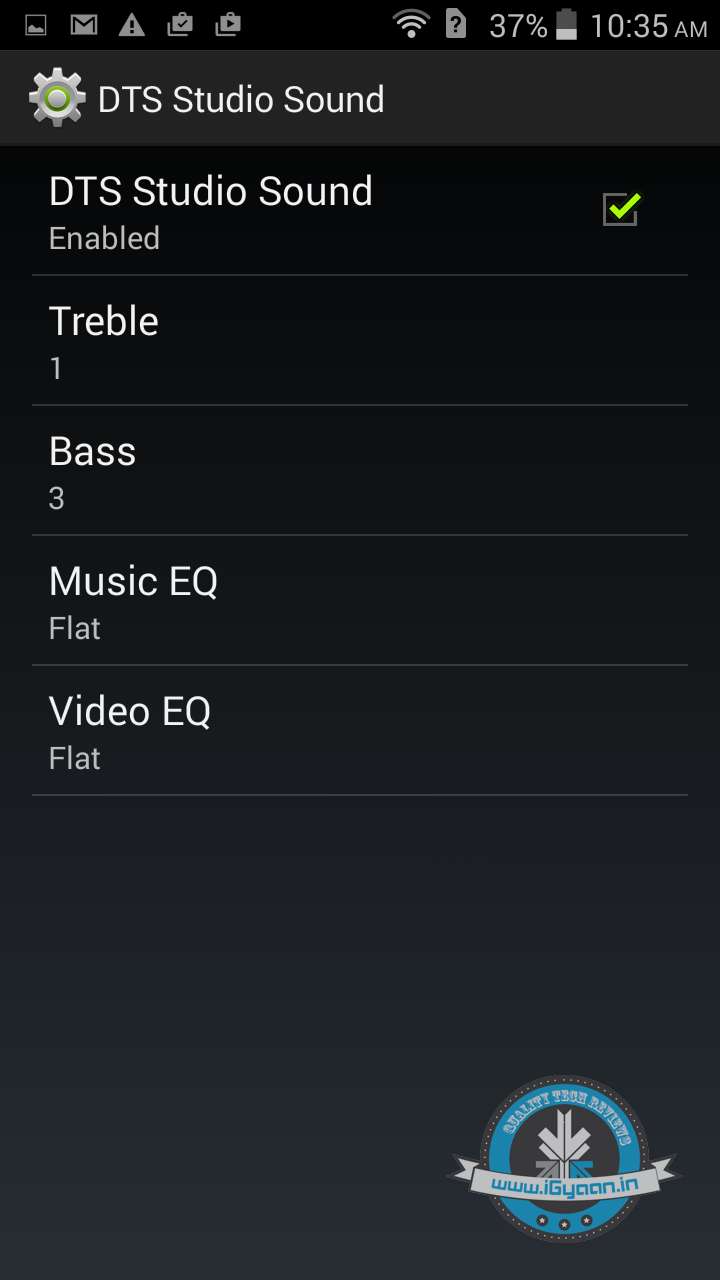
    Meanwhile, the phone is perfectly suited for multimedia consumption. The 720p screen can take care of all your multimedia needs. Even Full HD videos can be rendered easily and run quite smooth without any noticeable jitters. In addition, the front facing speakers pack enough punch, though at times gets distorted which is quite common in this category of phones.

    ANDROID & UI

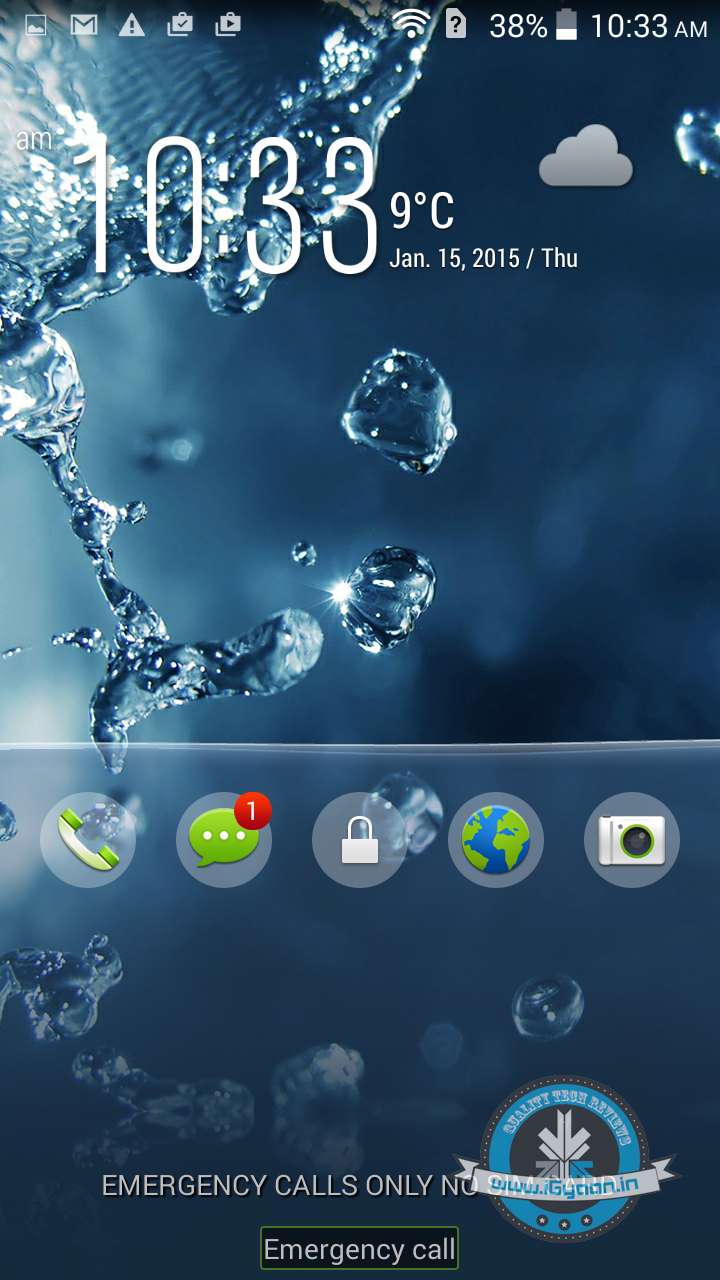
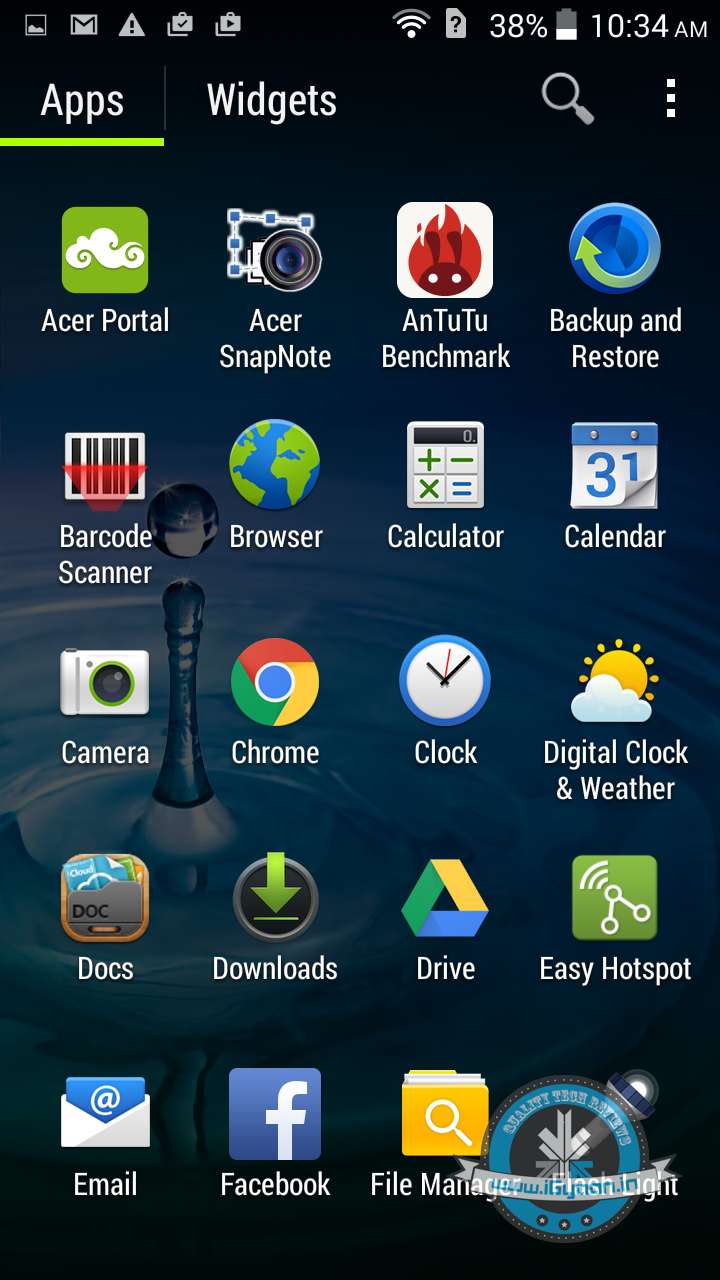
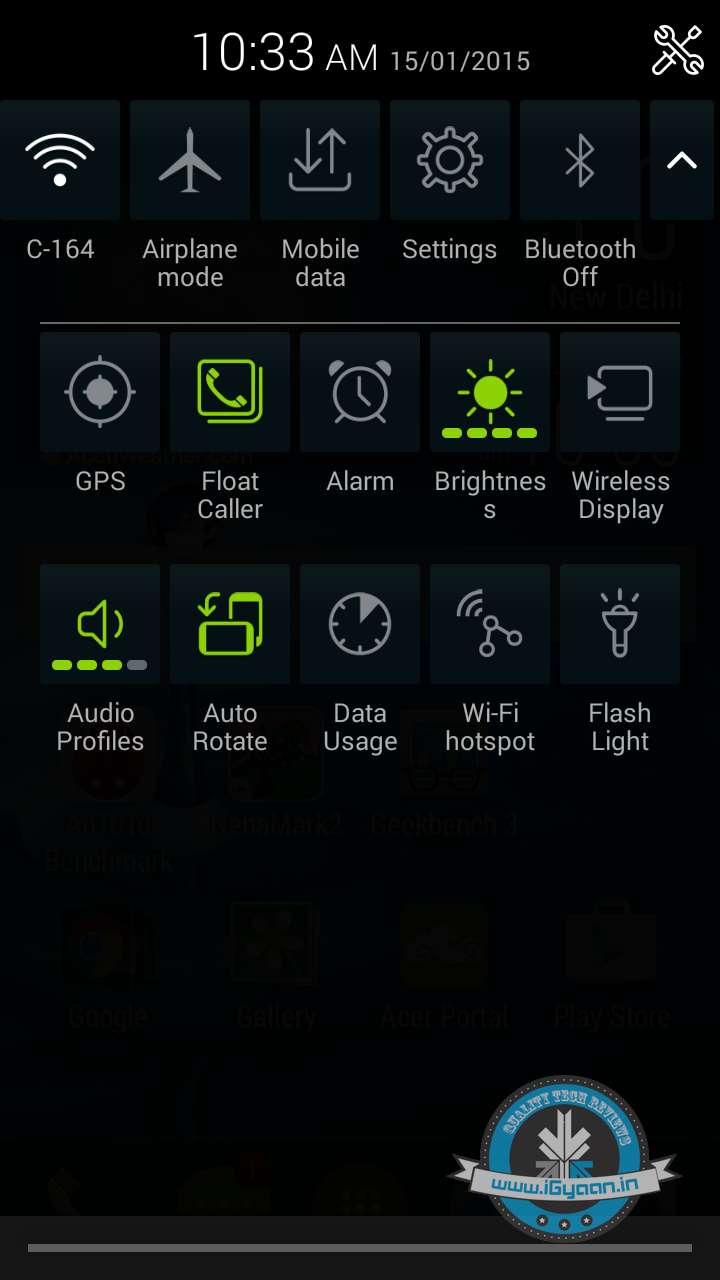
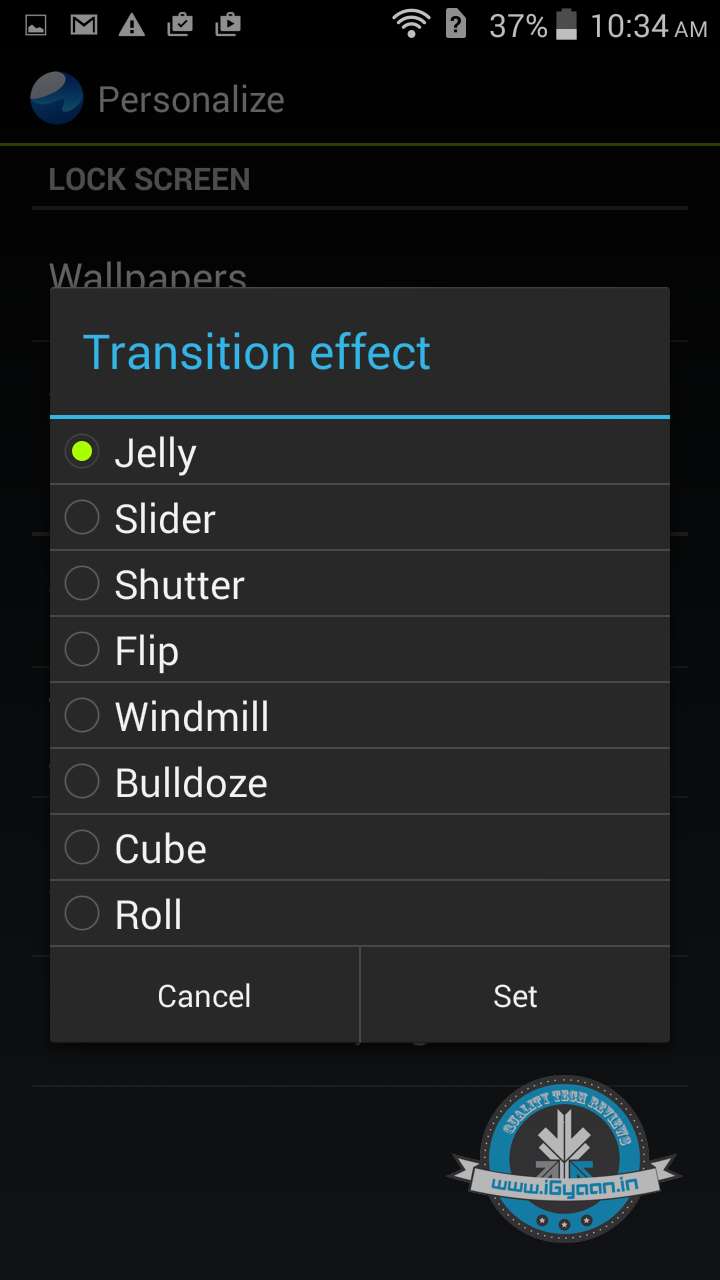
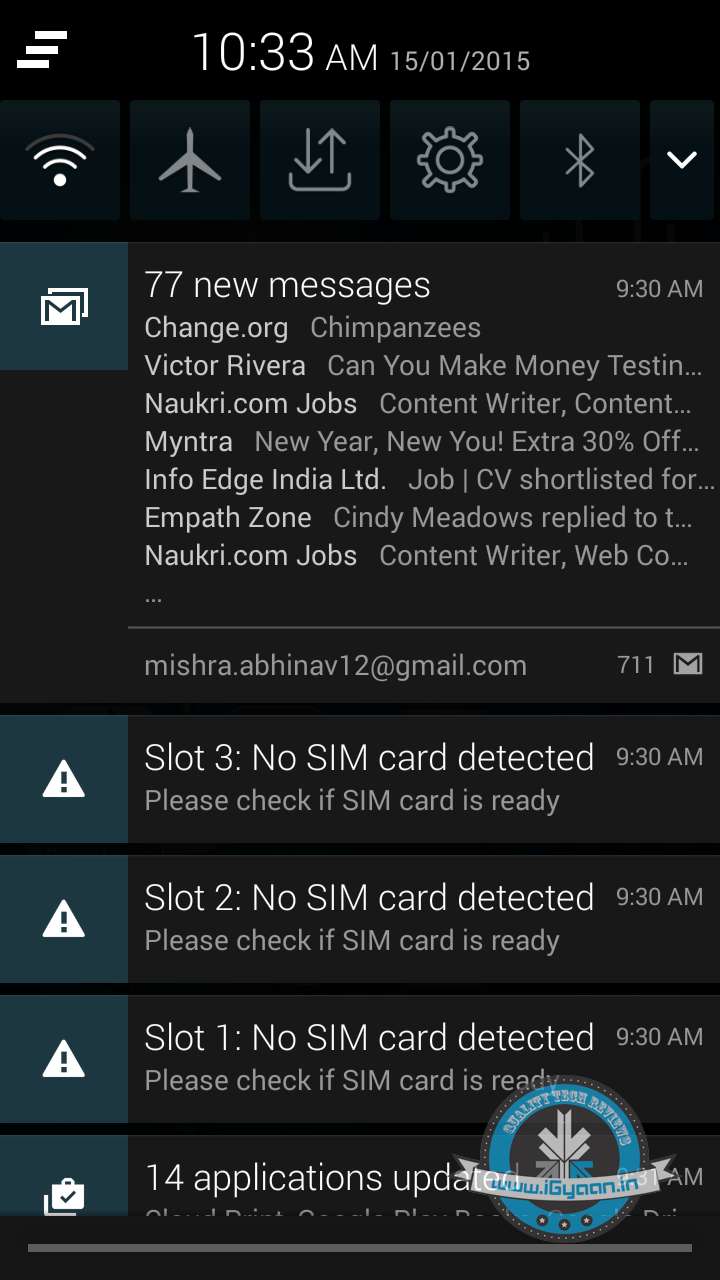
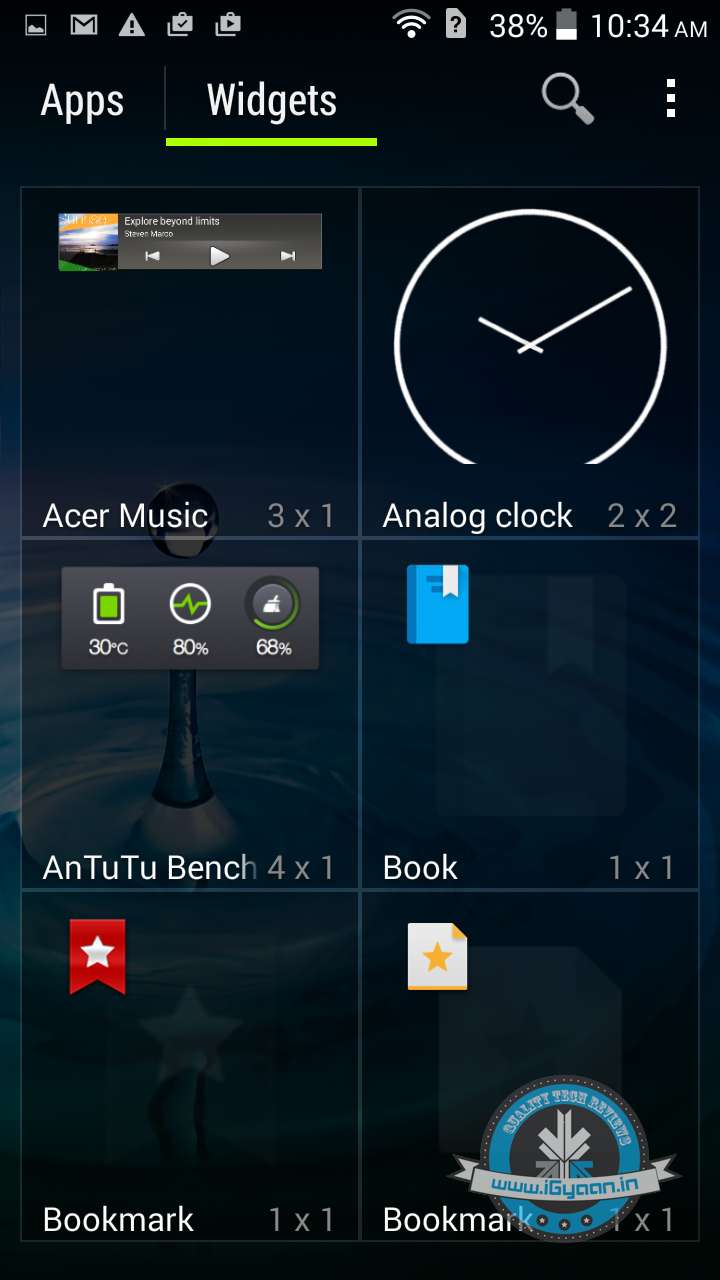
    Acer Liquid E700 runs the Android 4.4.2 KitKat with the company’s Liquid Float UI on top. The Float UI brings in a whole new look and feel with its flashy icons and transparent shortcuts. Even the drop-down menu appears a bit different. The UI needs some time getting used to.

    Once you’re a bit used to the UI, it offers new and unique ways to multitask. The Float app interface displays several apps and widgets at the same time. These apps come in very handy when you need to take note of something quickly. In addition, Acer has pre-installed a few apps including its Cloud-based Office suite, Polaris Office 5, Acer Snapnote and more.

    Overall, the UI is quite snappy and smooth giving a seamless response to swipe and touch. The only weak link with the UI would be excessive bloatware that makes the home screen appear very cluttered. Acer would have been better off had they kept things simple.

    PERFORMANCE & GAMING

    The smartphone sports a quad-core Mediatek Soc clocked at 1.3Ghz bundled with an ARM Mali-400 MP2 graphics chip. This is further bolstered by a hefty 2GB RAM that enhances the overall performance of the phone.

    The phone offers hassle free multitasking. It switches from one app to other in time. Meanwhile, it can even run high-end titles like Asphalt 8 and Modern Combat 5. Even at fully cranked up settings, the device was able to render satisfactory frame rates.

    Coming to its benchmark scores, the Acer Liquid 700 fared some average scores, have a look at the benchmark scores of this device along with its competitors below:

    Device Name Antutu NenaMark II
    Xolo Omega 5.0 27,290 59.1
    Acer Liquid E700 18,254 54.5
    Gionee Marathon M3 17,939 55.2
    Lava Iris Fuel 60 18,025 59.1

    CAMERA

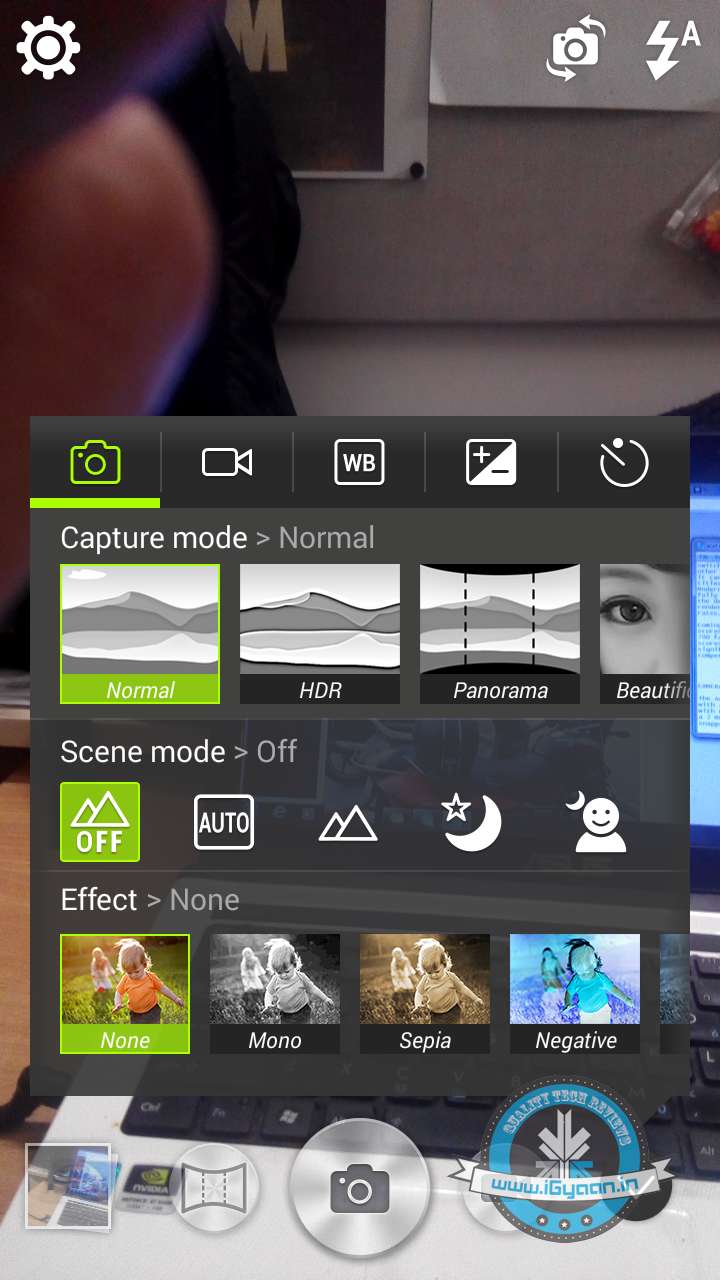
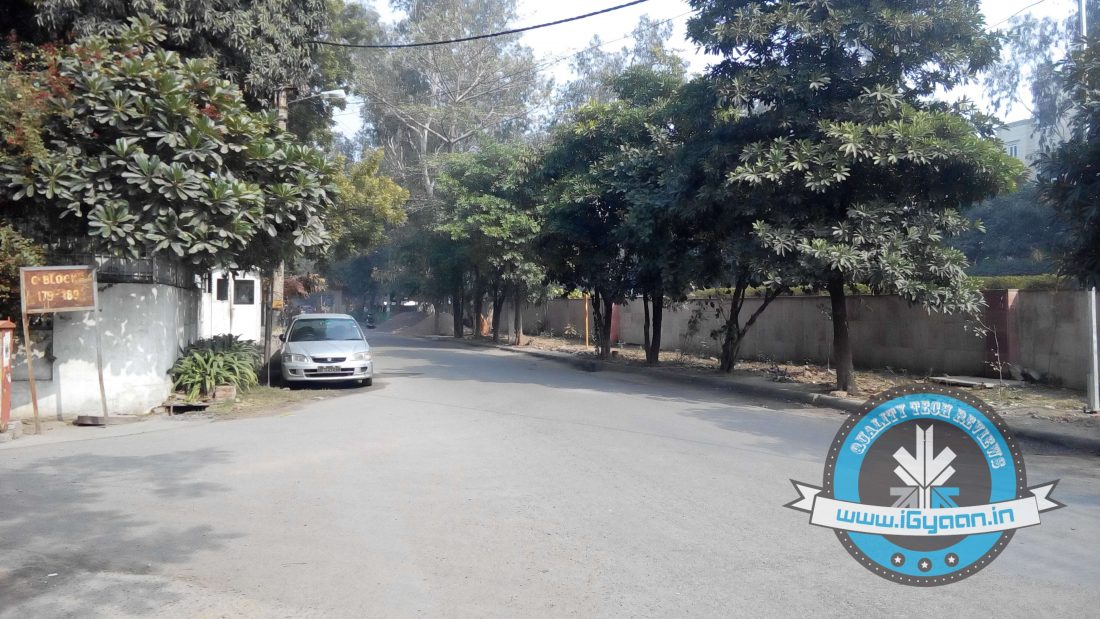
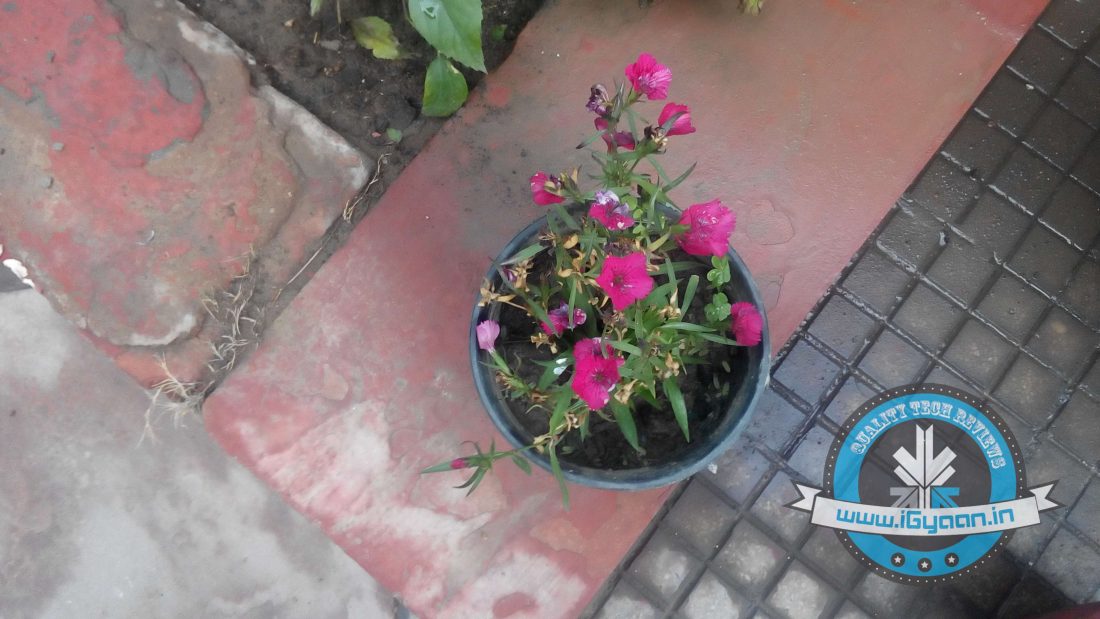
    The Acer Liquid E700 comes with an 8 MP rear camera with LED flash along with a 2 MP front-facing snapper. Meanwhile, the camera app on the E700 gives users a lot of options to fiddle around. Users can manually set the ISO and Exposure settings along with the white balance. Though the image quality is not as satisfying as one would want. There are better options in the same price range that render much better quality pictures.

    Outdoors shots are fairly decent, especially the macro shots which come out fairly well rendered with good colour saturation and clarity. Though indoor shots appear a tad grainy and lack the finer details with noise clearly evident, while low light images are plain bad appearing washed out and dulled.

    Here are some camera samples for your viewing:

    In addition, when you tap the screen for adjusting the focus, you are presented with a circle that can get annoying at times especially when you need to capture something in an instant. The shutter speed appears relatively sluggish; the only striking feature of the camera is its camera app.

    The phone is capable of recording 1080 p but as you would from a phone in the given price range, videos appear to be grainy and shaky.

    The front has a 2MP snapper which can manage just about average selfies, so hardcore selfie lovers should stay away from this marketing gimmick as Acer touts it as a ‘selfie phone’.

    PHONES, NETWORKS AND BATTERY

    The network connectivity is pretty top notch; all three SIM slots get good signal strength whether indoors or outdoors and voice quality is pretty crisp. All the three SIM slots support 3G, but can be used for only one SIM at a time. Other connectivity features include 3G, Wi-Fi 802.11 b/g/n, Bluetooth v4.0 with A2DP and GPS. It also has support for USB on-the-go (OTG) support as well.

    Additionally, the phone sports a 3500 mAh non-removable battery which the company claims  provides upto 60 days of standby, 24 hours of talk time and 800 hours of standby time.

    The 3500 mAh battery can easily suffice a day of heavy usage without the need for charging. Meanwhile, in our battery test the phone was able to give over five plus hours of battery life.

    All in all, the 3500 mAh battery can easily last a day of intense usage.
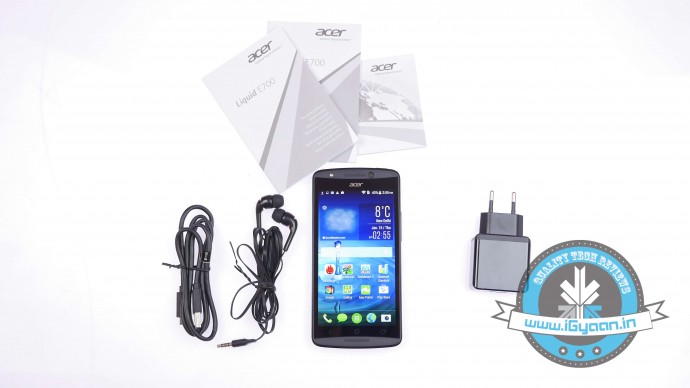
    Acer Liquid E7003

    CONCLUSION

    The Acer Liquid E700 is a decent all round performer given the price tag. It has a bright 5 inch IPS screen that is pretty amazing, a good overall design and build quality, along with a massive 3500 mAh battery. In addition, it has a few nifty features like triple SIM support which can be customised as per your needs ( data, roaming and calls) along with the Acer Rapid button makes it good overall buy.
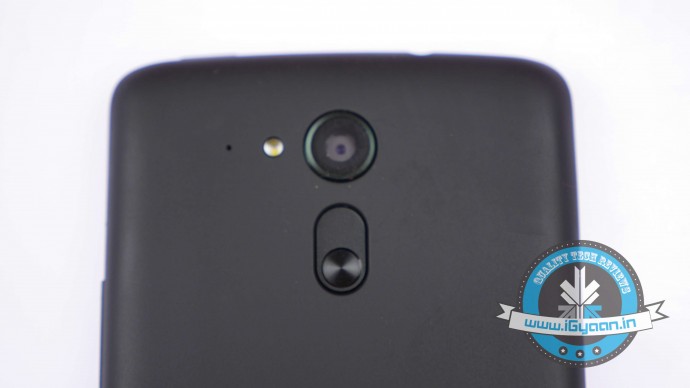
    Acer Liquid E70014

    Its camera performance is below par and the overall UI experience is not that great. There are better options available in the given price bracket including Xolo Omega 5.0 or even the Yu Yureka. If the battery is your main priority, there are smartphones that have a slight edge over the Acer E700 in terms of overall performance like the Iris Fuel 60 or the Gionee Marathon M3.

    In our opinion, the Acer E700 Liquid is just another smartphone launch and doesn’t leave a lasting impression.

  • Amazon Apologises For Yu Yureka Price Glitch

    Amazon Apologises For Yu Yureka Price Glitch

    E-commerce website, Amazon India, on Wednesday, addressed a glitch that took place during the online sales of the Yu Yureka. The website has got exclusive online retail rights of the Yu Yureka in the country. While the phone is actually priced at Rs 8,999, some of the users were shown the price as Rs 12,499 or higher because of a technical error. The US based firm apologized for the same on Twitter and is presently working to address the customers who were impacted by it.
    As of now, it is still not clear what went wrong that led to this price shoot up. The first glitch took place during the first sale of the Yu Yureka in which the company offered 10,000 units for a flash sale.

    After the sale on Tuesday, YU announced that it sold off 10,000 units in just 3 seconds. However, later on, some reports alleged that only 3000 units were placed for the flash sale, and even fewer units were sold. Yu has categorically denied the allegations and stood by their stand that they sold 10,000 units.

iGyaan Network
Privacy Overview

This website uses cookies so that we can provide you with the best user experience possible. Cookie information is stored in your browser and performs functions such as recognising you when you return to our website and helping our team to understand which sections of the website you find most interesting and useful.