Blog

  • Lenovo Yoga Tablet 2 830LC Review

    Lenovo Yoga Tablet 2 830LC Review

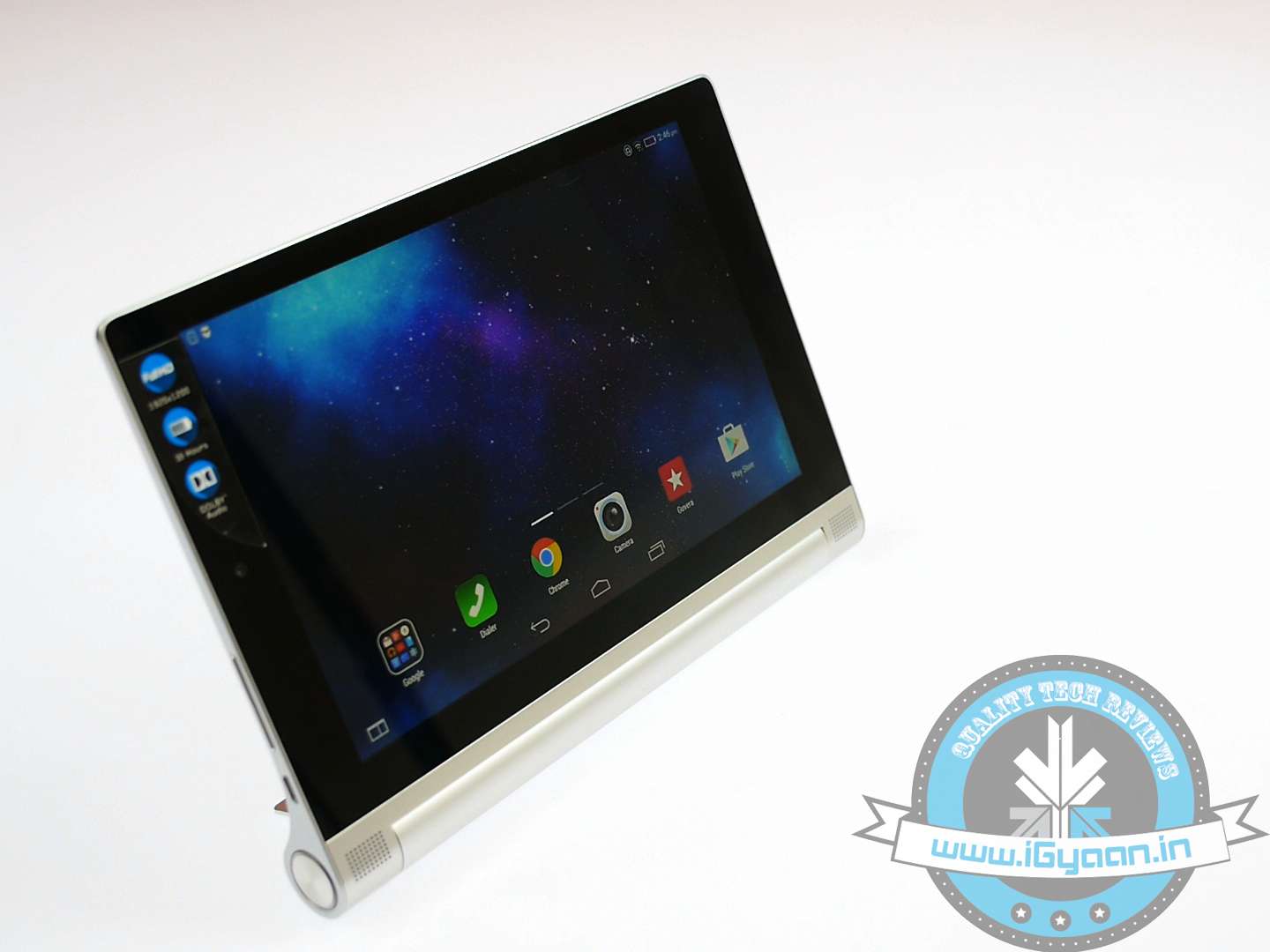
    In today’s highly competitive tablet market, manufacturers are bound to offer an interesting set of specs just to have that slight edge over their rivals. Lenovo recently launched its Yoga Tablet 2 in an attempt to make a mark in this overcrowded tablet market. Does it have what it takes to compete against the big boys including the likes of iPad Retina, the Galaxy Tab 4 or for that matter, the wildly popular Nexus 7. Based on an entirely different form factor, a decent set of specs and a Full HD display, the Yoga Tablet 2 was dying to come to our test lab for a review, and we did not disappoint it.

    SUMMARY

    Strategically priced at Rs. 20,990, the 8-inch Lenovo Yoga Tablet 2 packs a rather interesting set of specs along with a very innovative design. But does it packs enough punch to become a tablet worth shelling out your hard-earned cash? Let’s find out:
    Yogatablet 2

    HARDWARE

    The Yoga Tablet 2 830LC is powered by an Intel Atom Z3745 quad-core processor clocked at 1.86 GHz. It has a massive 6,400mAh battery that should provide enough juice, while optics includes an 8MP f/2.2 rear camera along with a relatively docile 1.6 MP front snapper.

    On the memory front, the Yoga Tablet 2 offers 16 GB of inbuilt storage expandable up to 64 GB via MicroSD bundled with 2 GB of RAM.

    KEY SPECS

    Specifications

    Lenovo Yoga Tablet 2

    Display
    • 8-inch Full HD IPS display
    • 1920X1200 pixels
    Processor Intel Atom Z3745 quad-core processor clocked at 1.86 GHz.
    Storage 16 GB + microSD
    RAM 2 GB RAM
    Camera Front 1.6 MP HD, Rear 8 MP
    Battery 2 Cell 6400mAH Li-Cylindrical
    Operating System Android 4.4 KitKat

    BUILD QUALITY AND DESIGN

    The 8-inch form factor of tablets is always considered rather comfortable, so the Lenovo Yoga Tablet 2 comes across more of a paperback. It allows easy one-handed usage and comfortably slips into your briefcase making it ultra portable.

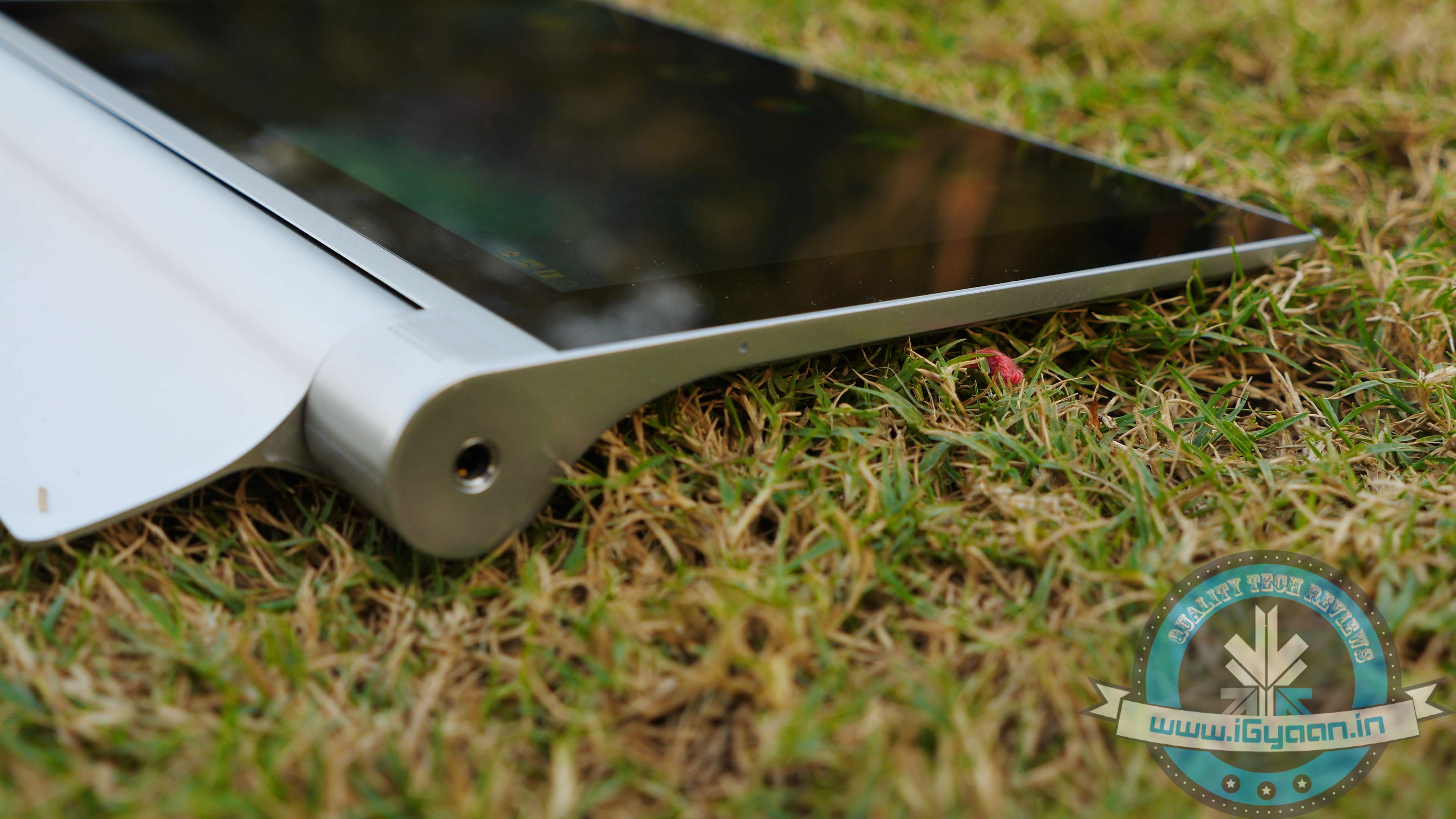
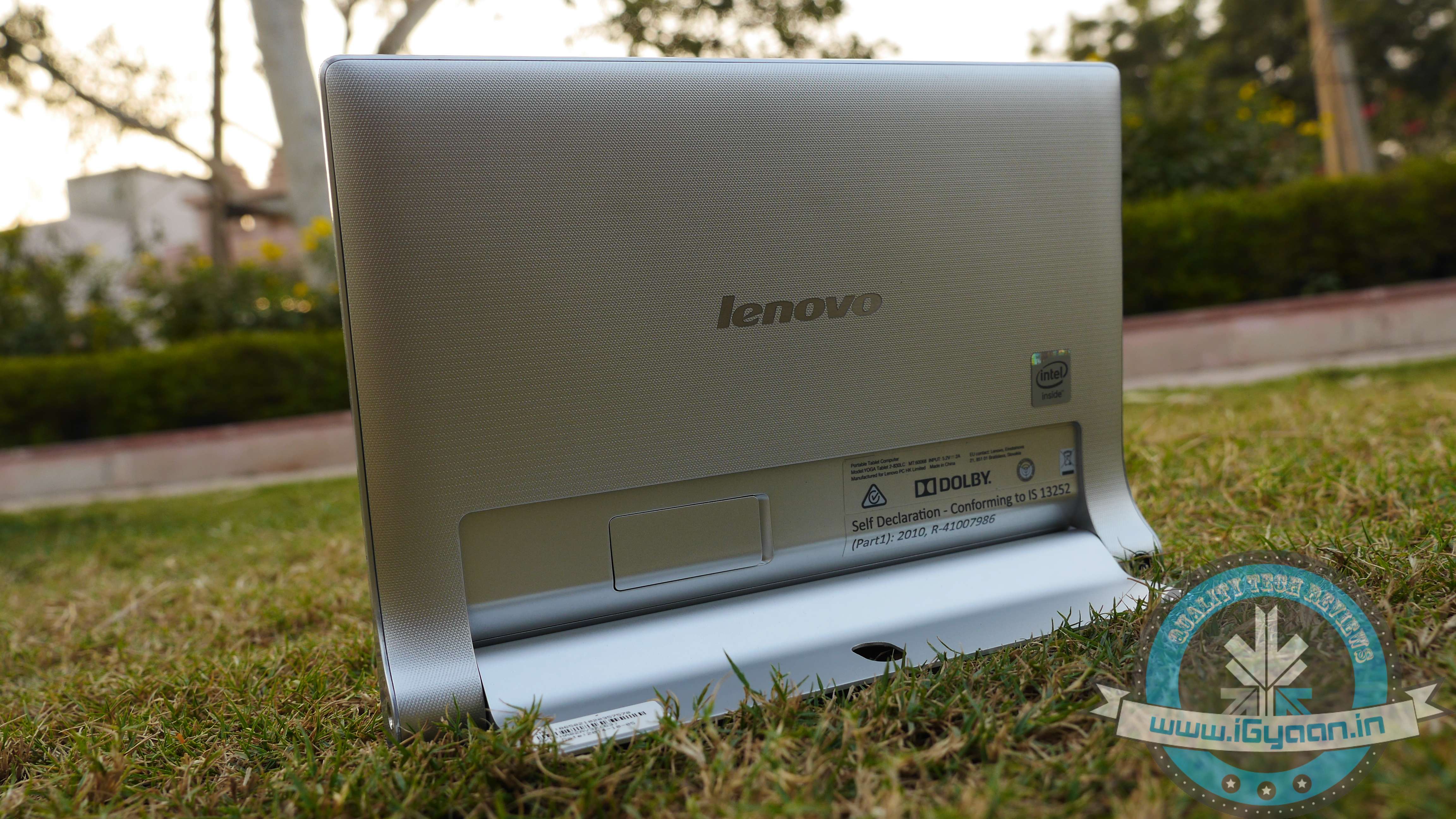
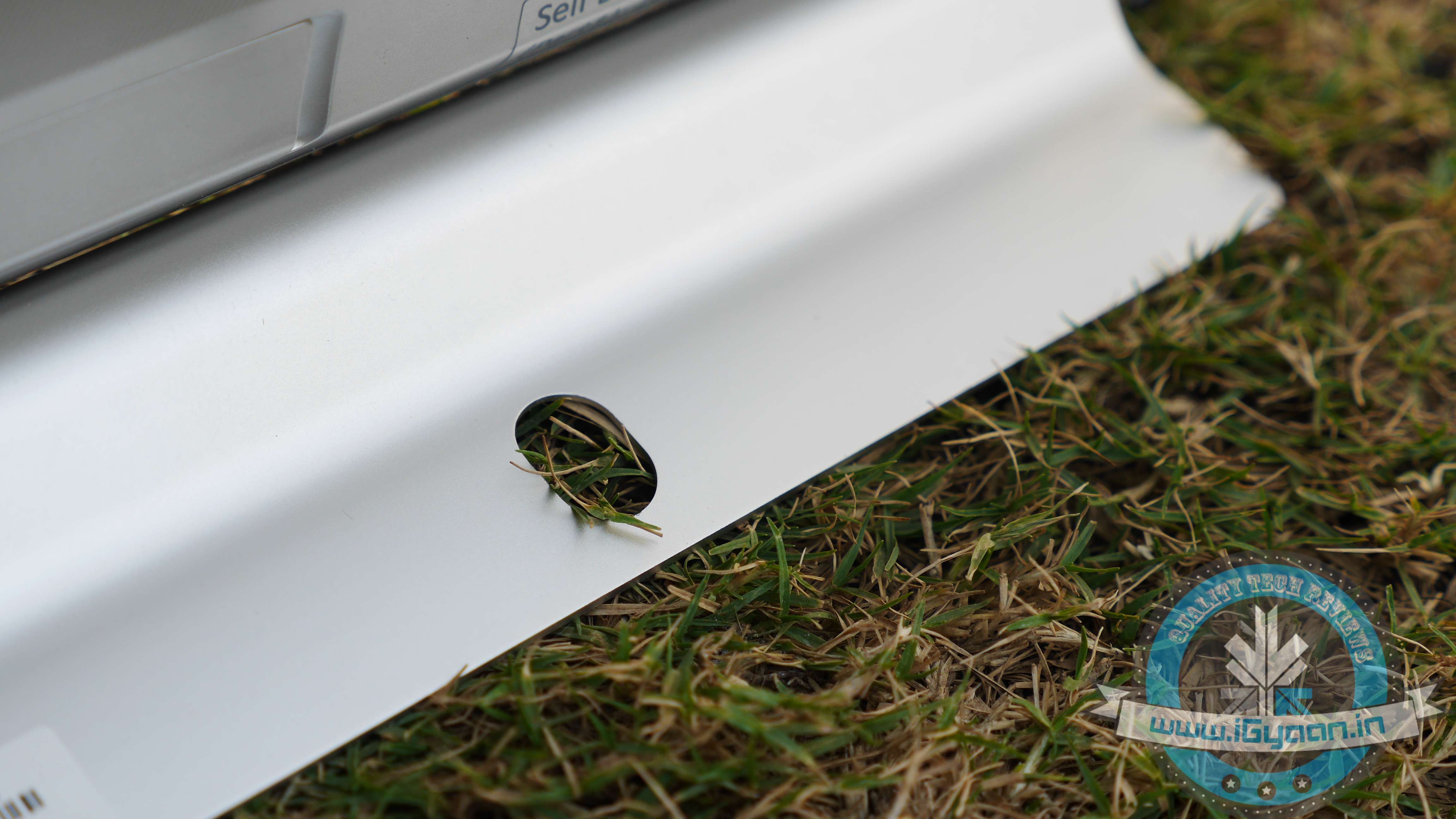
    To kick things off, the first thing that will grab your attention is the tablet’s all metal-magnesium alloy body. Perfect balance of right build and design is what you can expect from this tablet. There’s something intriguing about holding the Yoga Tablet 2; the alloy body gives it a very niche look, being lightweight at the same time.
    P1060873 P1060871

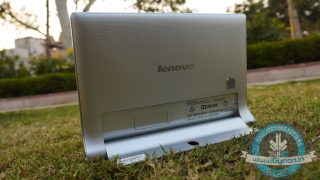
    The real kicker is the nifty stand that flips out in three positions, offering great comfort and viewing angles, no matter which way you want to use it. Whether you’re lazing around or sitting upright at your desk or for that matter even while working out, it truly emanates that hands-free experience. In addition, there’s also a hinge hand that makes it very comfortable to hold on to.
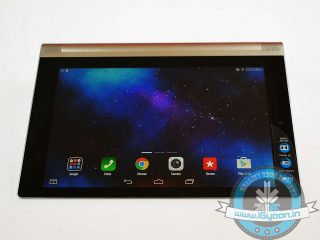

    Certainly, it is one of the most innovative designs at the moment from the usual rectangular slab we’re used to. Be it catching updates from IGN or watching Homeland, you’ll simply love the hassle-free usage.

    However, there’s only one USB port in the entire device with no HDMI slot, which is kind of lame and can certainly put off prospective buyers.

    DISPLAY AND MULTIMEDIA

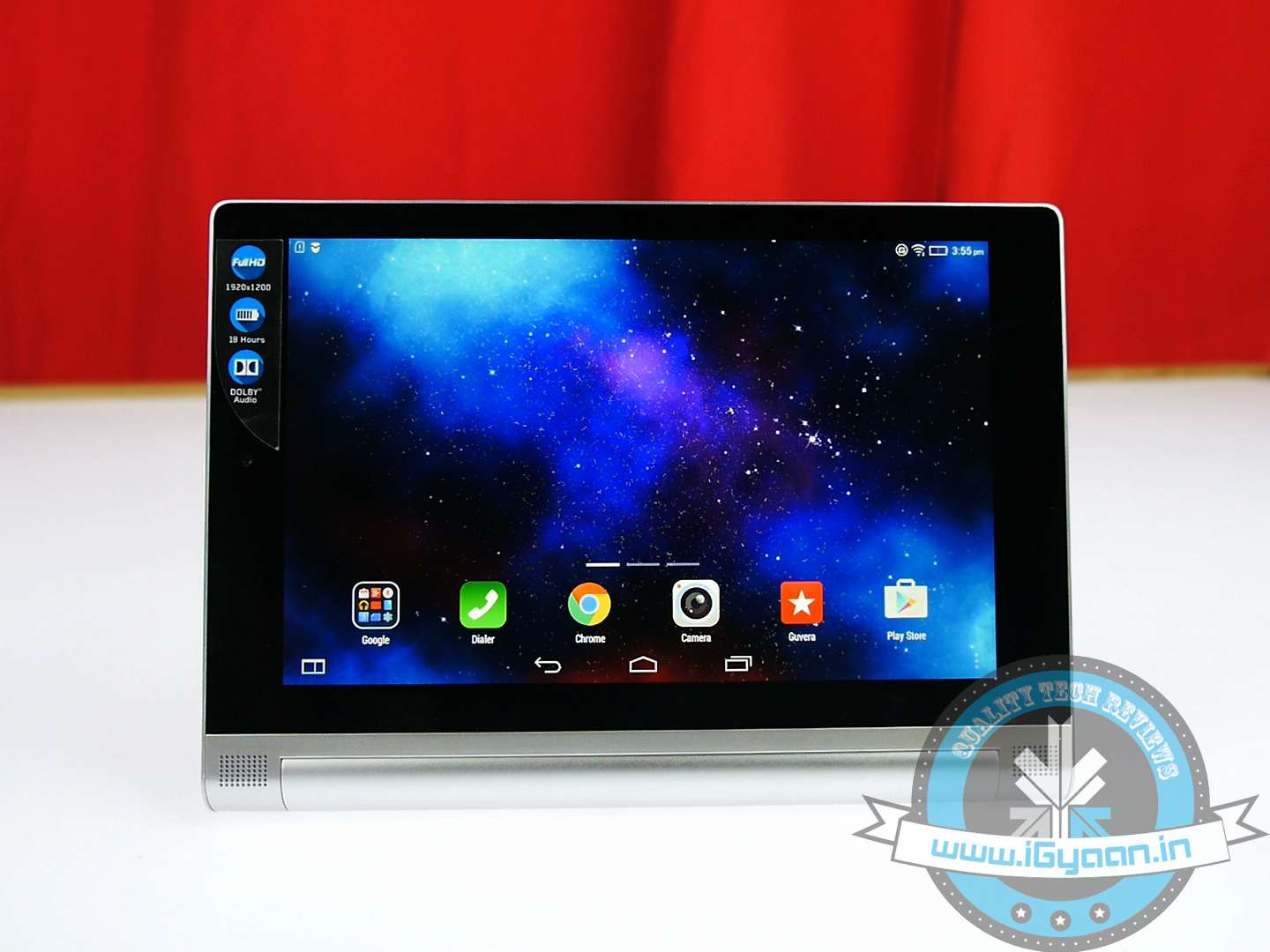
    Given the price of the tablet, it is quite remarkable to have a Full HD display at this price point. The 8-inch screen renders vivid colours and excellent viewing angles. It’s a great device with a gorgeous display whether you’re watching movies, browsing and even gaming. We were quite impressed with the tablet’s 8-inch display.
    yogatablet 2

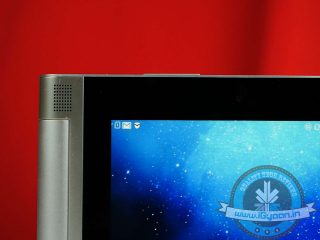
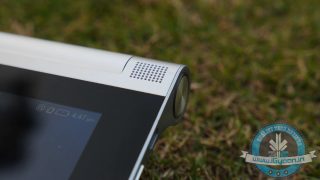
    Playing games or watching your favourite TV sitcoms on the Yoga Tablet 2 is no doubt fun. In addition, the front-facing Dolby stereo speaker packs enough punch that further enhances the whole multimedia experience. Lenovo Yoga Tablet 2 is an entertainment powerhouse.
    CAMERA

    The camera on the Yoga Tablet 2 is apparently its only weaker link. Optics includes an 8MP primary camera. Meanwhile, the 1.6 MP front camera is only decent enough for video chats. There seems to be some issue with our review unit’s battery, so we were not able to take camera samples as the camera unit was detecting low battery backup. Going by the specs, it’s safe to assume that the camera is one of the weaker links of the tablet.


    Eventually, we had to give the camera a very low rating which has affected the tablet’s aggregate score.

    OS and UI

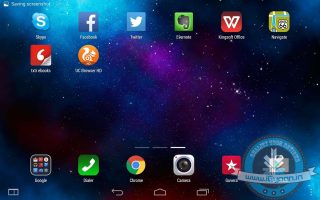
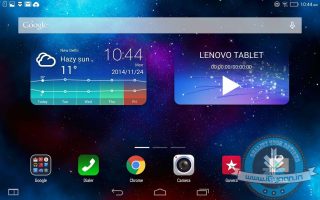
    The Lenovo Yoga Tablet 2 runs on a forked version of Android 4.4 KitKat with a highly customised UI on top. The UI is very reminiscent of the iOS with the same dropdown menu including the home screen.

    Hence, there’s no app tray which some of us would not be comfortable with, but overall, the UI is quite user friendly with nicely laid icons. It will depend on users whether they find Lenovo’s tweaked UI useful. The new layout and icons would need getting used to, though there are some nifty pre-loaded apps that will certainly come in handy for users. Have a look at the screenshots below:

    PERFORMANCE

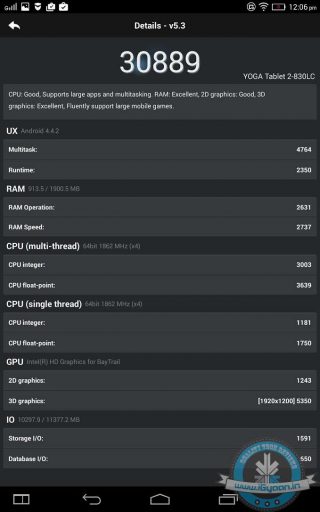
    The 8-inch tablet has a relatively powerful Intel Atom Z3745 quad-core processor clocked at 1.86 GHz. The chipset is perfectly capable of handling multiple apps and runs graphically intensive titles like Asphalt 8 without any hassles. The chipset combined with a hefty 2 GB RAM further bolsters the tablet’s performance, leaving enough room to run multiple apps at the same time.

    The tablet’s benchmark scores are quite impressive and translate into real time performance. Yoga Tablet 2 can handle everything thrown at it from 1080p flicks to graphic intensive games like Asphalt and Real Racing. Have a look at the benchmark scores below:

    TABLET NETWORKS AND BATTERY

    In terms of connectivity, the Yoga Tablet 2 offers great mobility with 3G, Wi-Fi and Bluetooth capabilities including support for 4G LTE. There’s also a SIM slot just in case you’re not in a mood to switch devices. As there’s no internal speaker, one needs to find a suitable place to have a conversation apparently. And of course, you have other options like Bluetooth, earphones etc.

    The 8-inch tablet powered by a Li-ion 6400mAh battery looks quite superb on paper. The battery unit is much larger as compared to the iPad mini and Nexus 7 2013 which come with 4490 and 3950 mAh units respectively. Once fully recharged, Lenovo claims that the battery can last for 18 hours. Though, we would not be able to give you an accurate measure of the tab’s battery performance as our review unit always shows the battery level at zero percent. Still, we could use the tablet for two days in a row after charging it once. The screenshot below might give you a general idea of the tablet’s battery performance.
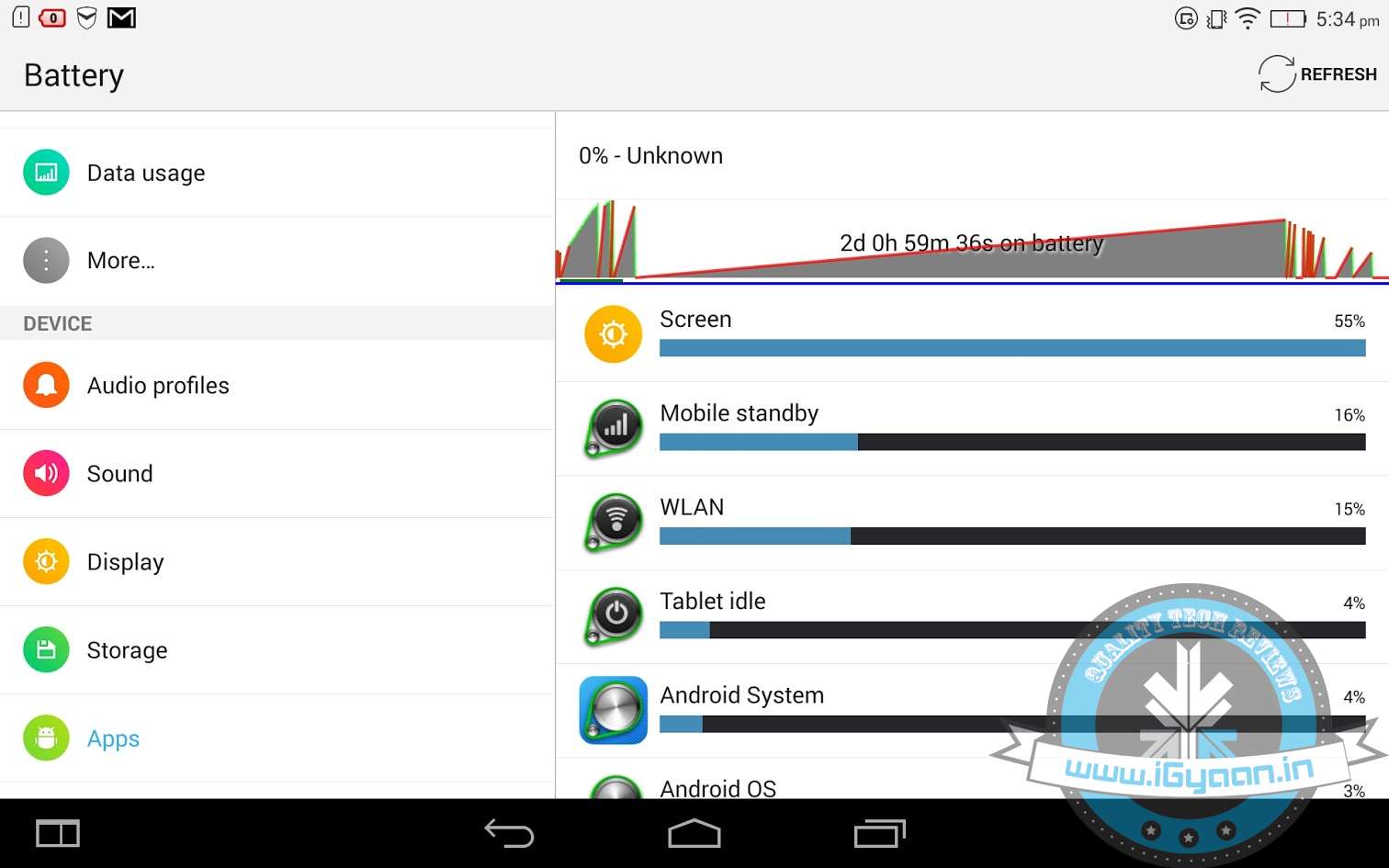

    yoga tablet 2

    So eventually, this has affected the tablet’s overall rating as we had to give a 5 on 10, which otherwise would have been at least 7.5.

    VERDICT

    Lenovo Yoga Tablet 2 hits the right spot in terms of performance, a Full HD display, innovative design and ease of use. The tablet features one of the best designs in the tablet market, compliments to the nifty little kickstand that significantly increases its usability.

    Apart from the relatively docile camera unit and lack of HDMI connectivity that is rather surprising, the Yoga Tablet 2 has all the attributes you would look for in a mid-range modern day tablet. If you are planning to invest in a mid-range tablet with a great display and top-notch performance, the Lenovo Yoga Tablet 2 should suffice all your needs. It has the attributes to give serious competition to the iPad mini 16 GB and Nexus 7 2013.

    [tw-column width=”one-half”

    GOOD THINGS

    • Innovative Design
    • Ease of Usage
    • Sharp FullHD Display
    • Impressive Performance
    • Great Build Quality

    [/tw-column]
    [tw-column width=”one-half” position=”last”]

    BAD THINGS

    • Weak Camera Unit
    • No HDMI Connectivity
    • No Bundled Headset

    [/tw-column]
  • Sony Reportedly Shifting its Focus to PlayStation From TVs and Smartphones

    Sony Reportedly Shifting its Focus to PlayStation From TVs and Smartphones

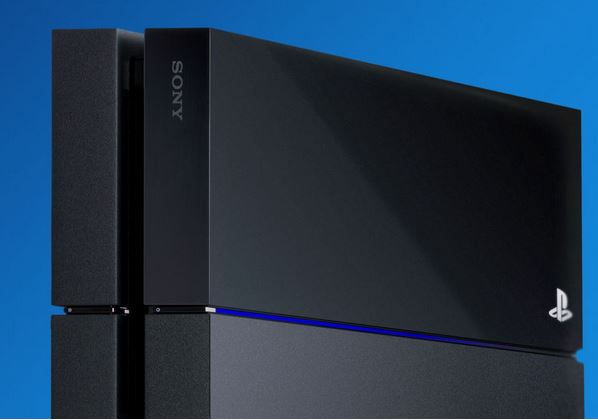
    According to recent reports, Sony is in the process of shrinking down its TV and smartphone business to focus more on gaming consoles. With PS4 sales reaching a 13.5 million milestone, it’s apparently the only division that is generating profits for the company. Following a recent forecast that predicts 30 percent downfall in Sony’s mobile division by next spring, the Japanese giant is now making the PlayStation brand its utmost priority.

    A recent report from Reuters revealed that Sony has devised a 3-year plan for a shift that will focus primarily to boost the sales of PlayStation division by 25 percent, while reducing support for its mobile and television divisions. Thanks to the PS4, the company has generated a $265 million profit which compensated for the loss from its television and mobile business.

    The Japanese electronics giant has been posting yearly losses that have eventually resulted in the fall of its share price. The PlayStation 4 sales have been so strong that despite facing losses in other divisions, the company’s revenue grew by 7.2 percent. Let’s see how beneficial will this step be for the company.

  • BlackBerry is Paying You Up to $550 to Give Up Your iPhone

    BlackBerry is Paying You Up to $550 to Give Up Your iPhone

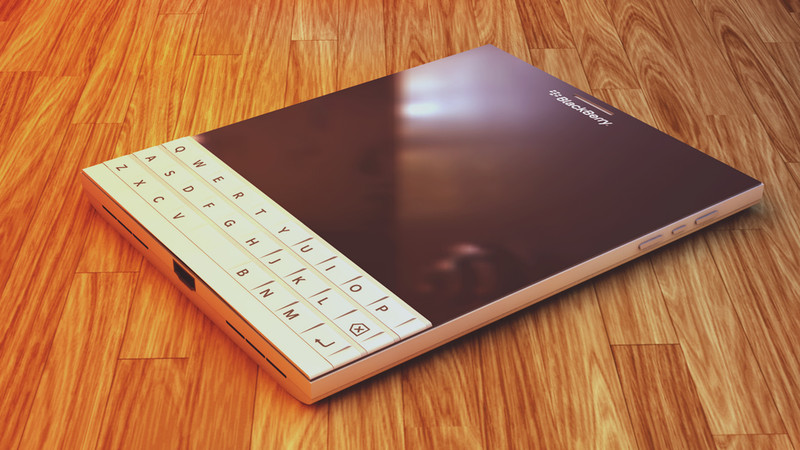
    If the tech industry worked solely on the basis of efforts, BlackBerry would have been on the top right now. Anyhow, that’s not the case and the company has been struggling to revive its ancient glory. BlackBerry has been trying to push it’s new flagship smartphone, the Passport, into the market and has tried many marketing strategies to meet the goal.

    In a desperate attempt to sell the Passport, the Canadian company’s has been thinking creatively to try and bring back the lost customers to other competitors in the mobile space such as Google and Apple. The company has launched a new marketing strategy called Trade-Up Program which intends to woo phone users to trade in their devices for its flagship smartphone, the Passport.

    passport

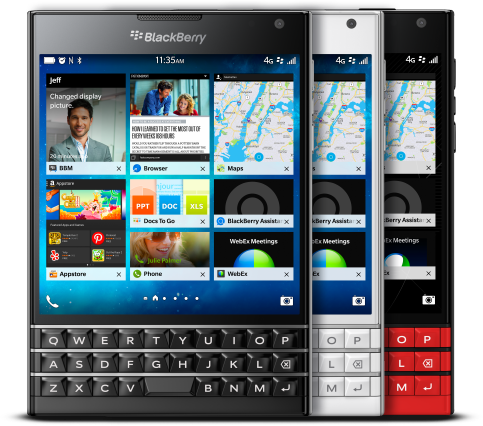
    If you are ready to exchange your iPhone, BlackBerry will give you up to $550. All you have to show is a proof that you  have purchased of a BlackBerry Passport. If qualified, payments will then be made via Visa Prepaid Card. BlackBerry is ready to exchange iPhone 4s, 5c, 5s and 6 for up to $550. The offer, which is only available in the US and Canada, is valid from 1st December to 13th February, 2015.

    The BlackBerry Passport is a solid option if you are interested in the trademark, BlackBerry keyboard, and the weird square display doesn’t bother you. Interested? Don’t forget to read the Term and Conditions first.

  • Sony’s Next Smartwatch May be Entirely Made Out of E-Paper

    Sony’s Next Smartwatch May be Entirely Made Out of E-Paper

    Sony is under a lot of pressure to return to profitability and reach back to the rank of the biggest consumer electronics brand in the world. Recently, apart from the Playstation family, no other device in the company’s consumer portfolio has seen an upwards momentum. In this trying times, Sony is working on something unique, a smartwatch made entirely out of e-paper.

    There have been previous attempts into making an e-paper smartwatch. Central Standard Timing’s CST-01 is a Kickstarter-funded smartwatch with an e-ink display. With a ‘thinness’ of 0.80 mm, it holds the enviable spot of the world’s thinnest watch. It would be interesting to see what Sony comes up with its massive innovation budget.

    Central Standard Timing's CST-01 has an e-ink display and is 0.8 mm thin.
    Central Standard Timing’s CST-01 has an e-ink display and is 0.8 mm thin.

    It is being reported by Bloomberg that the device will be developed by a new division within the company. This division is responsible for bringing innovative devices to Sony’s portfolio, and the e-paper smartwatch might just be the breakout star that this division was looking for. The watch is expected to be made almost entirely of e-paper including the straps.

    The company is in an emergency reinvention mode and is working towards cutting down the heavy losses that have been incurred in the past years. The company is already planning on cutting down its smartphone and TV portfolio. This is the right time to come up with a unique and affordable product. Sony still has a lot of goodwill in the consumer market, which it can utilise to bring about the growth it desperately needs. Sony is known for design, and if a Kickstarter project can create the slimmest watch, we hope Sony can churn out something that upholds the brand we have come to appreciate over the years.

  • Indian Moto G (Gen 2) Users to Get Lollipop Update Soon

    Indian Moto G (Gen 2) Users to Get Lollipop Update Soon

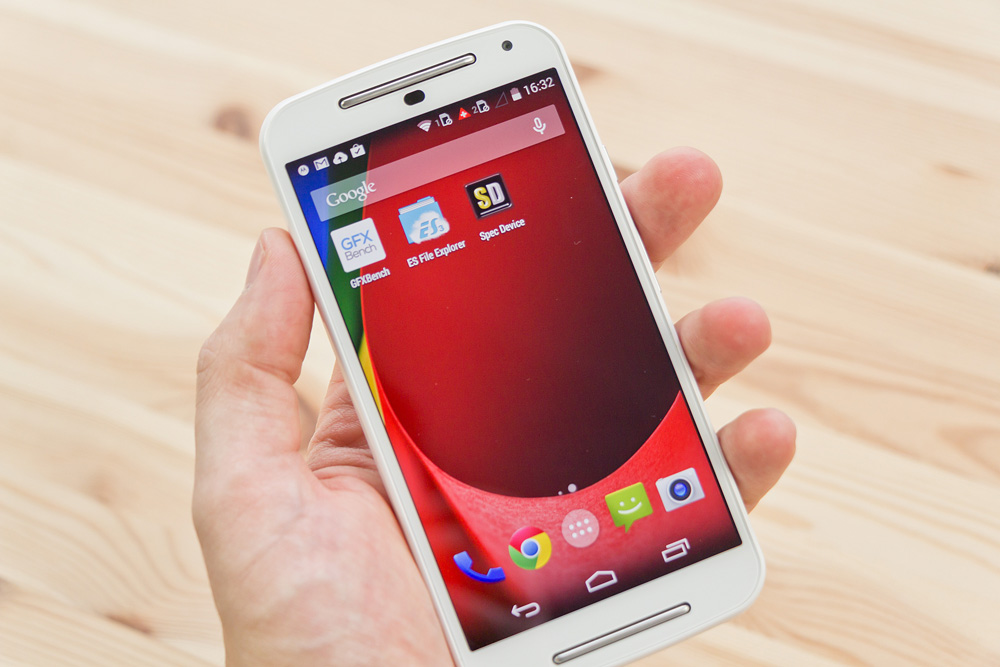
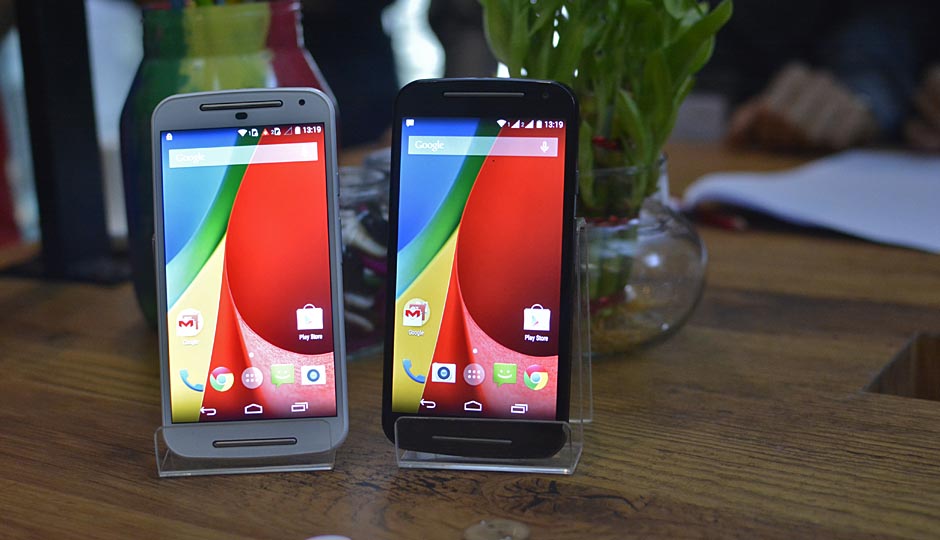
    Motorola has proved that they are in for a serious business with their amazing service and continuous updates. The company has kept its promise and has informed that it will bring the Android Lollipop update to the handsets in India soon.

    In an email to the members of Motorola feedback subscribers, the company has invited the owners of the Moto G (2nd Gen) to participate in an early preview of ‘a new software release’ in the country.

    The email instructed users to click on the link where they can fill out a form providing their name, serial number and IMEI number. While the company didn’t specify that it is releasing the Android 5.0 update, it is quite obvious that the ‘new software release’ at this time couldn’t be anything else.

    29ff51cb9e796400c126bbfbec5ccb045fb5026e

    Considering that the company has already rolled out the update for Moto X (Gen 2) and Moto G (Gen 2) in other markets, India is likely to get the update soon too. Meanwhile, it is also notable that the update will be coming to first gen Moto X and Moto G shortly followed by Moto E.

    Right now, the Nexus lineup is the only series to get Android update. LG has announced the rolled for LG G3 in Korea. Motorola, while launching the 2nd Gen Moto X and Moto G, promised the update for the non-Nexus devices and looks like the company is not going to disappoint us.

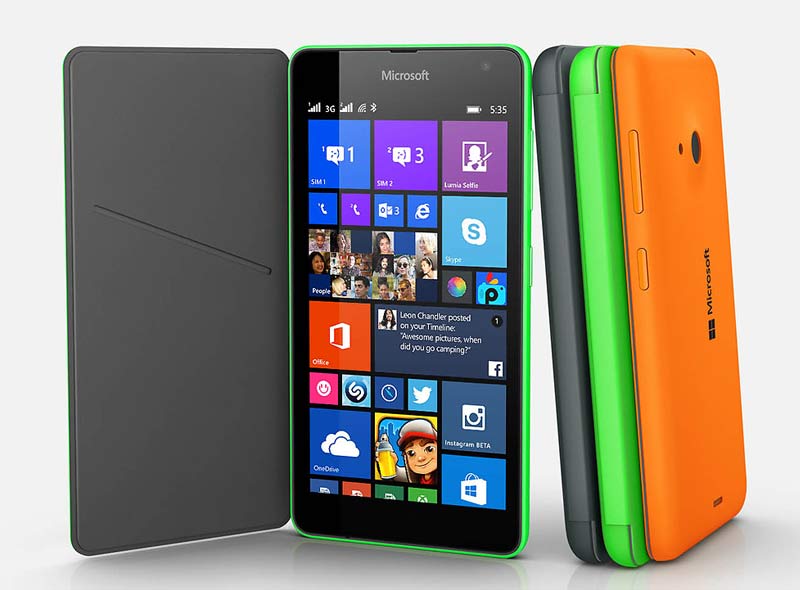
  • Selfie-Friendly Microsoft Lumia 535 Comes to India at Rs. 9,199

    Selfie-Friendly Microsoft Lumia 535 Comes to India at Rs. 9,199

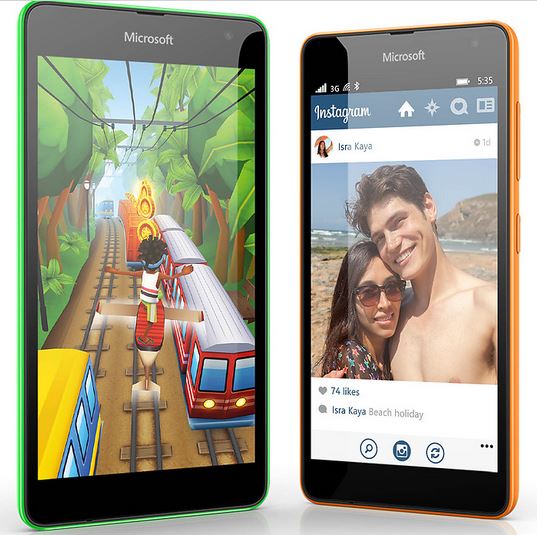
    Microsoft has today launched the Lumia 535 in India. The first ever non-Nokia Lumia smartphone will be available from 28th November onwards at a price of Rs. 9,199.

    The global release of the smartphone held earlier this month. Lumia 535 is an affordable smartphone which will stand against Android blockbusters like Moto E, Zenfone 5 among other. Apart from the affordable price, Microsoft has targeted the selfie market with the 5 MP wide-angle selfie camera at the front. There is also a 5MP camera at the back, which is accompanied by flash.

    As for specifications, the Lumia 535 flaunts a 5-inch QHD (960×540 pixels) display and is powered by a 1.2GHz quad-core processor paired with 1 GB of RAM. Also included is 8 GB internal storage that can be further expanded up to 128 GB using a microSD card.

    lumia 535The company is offering 15 GB free OneDrive storage with the phone. The device packs a 1905mAh battery, which the company claims is good enough for 11 hours of talk time and up to 23 days on standby mode. Connectivity options include dual-SIM card slots, 3G support, Wi-Fi, and Bluetooth, and on the software front, it runs on Windows Phone 8.1 with Lumia Denim update.

    In the launch, Microsoft announced a handful of offers with the Lumia 535. These include 500 MB of free data for Vodafone users for a period of two months, Jabong gift vouchers worth Rs. 6,000 applicable for three months, Flipkart eBooks worth Rs. 1,500 and two months of BoxTv subscription worth Rs. 720.

  • Dropbox Gets Exclusive Real Estate on Microsoft Office Apps

    Dropbox Gets Exclusive Real Estate on Microsoft Office Apps

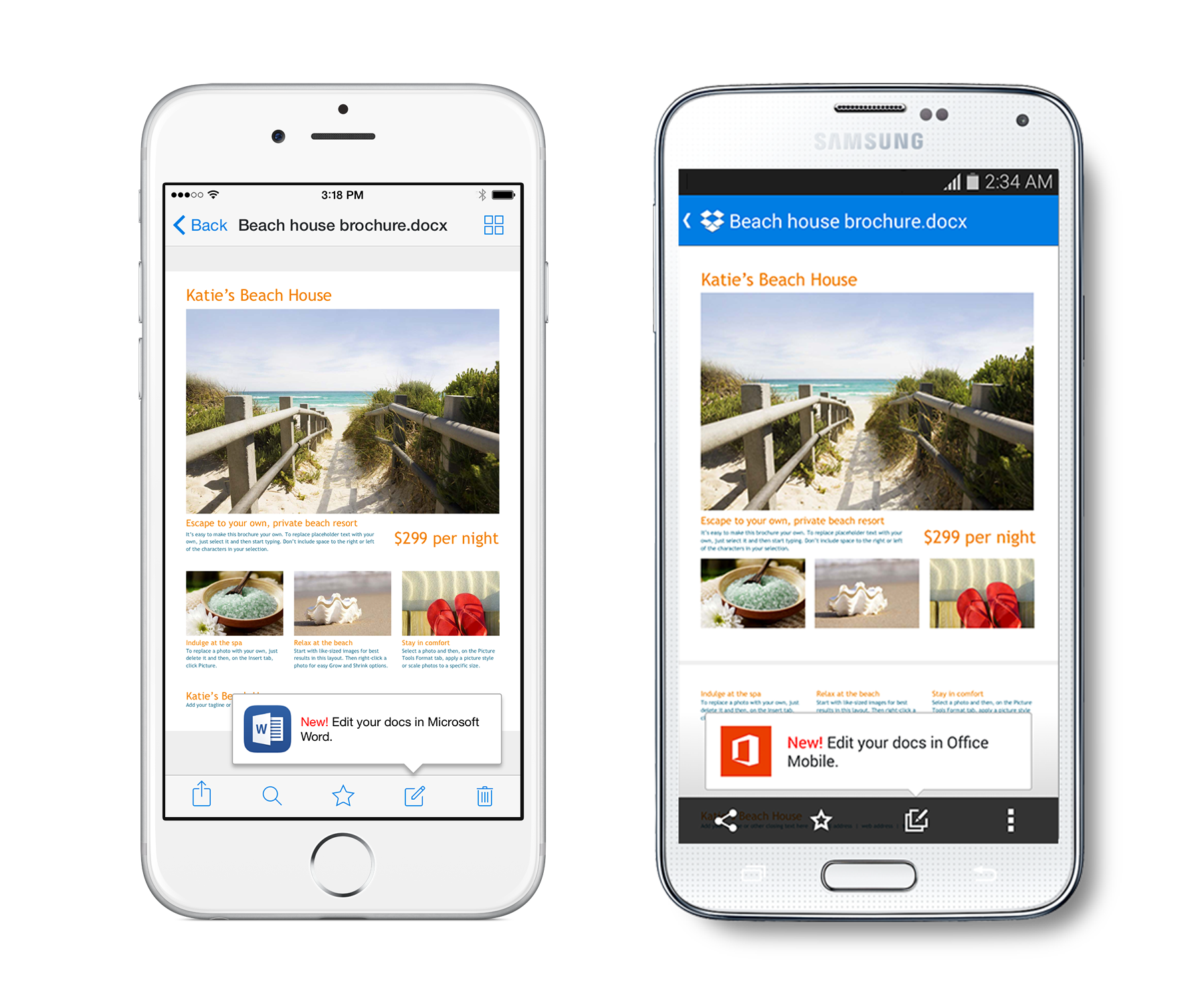
    Couple of weeks ago, Microsoft and Dropbox announced the plan to integrate Office and Dropbox within their web and mobile apps. The feature is now available in its latest app updates for iOS and Android. The move has come as a great surprise for Office users as they can access and edit Office documents from within the Dropbox.

    iOS-and-Android-version-1

    Along with the ability to edit documents right from the Dropbox, users can also access Dropbox from Office apps and share new or edited files from the Office apps using Dropbox’s Share functionality. Dropbox has instructions on how to use the new integration with Microsoft’s Office apps on its website.

    To get started, make sure your Dropbox app is up to date on your iPhone, iPad, or Android phone, then open any Office doc, spreadsheet, or presentation in your Dropbox. Tap the new Edit icon (shown above) to start editing in the latest Office apps. When you’re done, your changes will be saved back to Dropbox automatically.

    Under the partnership, Dropbox gets a prime space that is used by more than a billion people, and the potential to make an even bigger name for itself particularly in the business enterprises. Notably, Microsoft has its own cloud service called OneDrive which will co-exist with Dropbox in the Office for iPad apps, letting users natively browse, open and edit Office documents uploaded on the Dropbox directly within the app.

    You can get the new features through the latest Dropbox app for iOS starting today and the latest versions of Microsoft’s Word, Excel, and PowerPoint Office apps. The integration is also expected to arrive for web users early next year.

  • Sony Working Towards Reviving its Ailing Smartphone Business

    Sony Working Towards Reviving its Ailing Smartphone Business

    Sony was once a name that people trusted when they went for electronics shopping. The company had its roots firm in every sphere of consumer electronics. But now, the Japanese giant is in trouble. The slow adoption of technology has pushed it back in several fields in which it earlier led the game, the most prominent example being its TV business. Sony’s other major electronic products, the smartphone family is in serious trouble.

    Once Sony had aspired to become the third biggest smartphone company behind Samsung and Apple. This aim, they now realise, was overambitious. Instead, they are now trying to restore their ailing smartphone business.

    The company recently posted a loss of $1.2 billion. The continued losses have forced the company to scale back their sales target from 50 million down to 41 million. Presently, Sony’s electronics fort is held up by the successful sales of the Playstation family.

    Sony will be putting its focus on three areas: image sensors, video games, and entertainment studio. Sony is also hoping to make gains from its entertainment studio. But currently, the studio is facing a global hack and the stand-off is still in progress. The hackers are threatening to release sensitive documents if their demands aren’t met. This can be a cause of concern for the company as a whole as Sony Pictures is one of the major names of the industry and one of the Sony’s biggest cash cows.

    Flagships smartphones from the company such as the Z3 have been appreciated for their features, but they have also been berated for their high prices. It is expected that the company will reduce the number of flagships it releases in a year and also cut back on the affordable smartphone portfolio.

    Presently, the main goal of the company is to bring its business to profitability even if that means losing 25-30% of market share in the smartphone business. The company is facing issues in the markets of US and China, which are important for the industry. Sony commands 3% market share in both those countries and will be scaling back its investment in China soon. Plans for the US market are not clear yet.

    Sony devices have been appreciated in the past for their quality and device cameras. The company can make a name for itself in the low-end selfie device market while the fad is still on. It can also take the Motorola path and release limited devices in a year but make sure that the devices are universally appreciated.

  • Bing and Yahoo Eyeing to Replace Google Search on Safari

    Bing and Yahoo Eyeing to Replace Google Search on Safari

    Of course, Google is the ultimate king of internet search engines and there is no doubt in it. With almost all popular browsers using Google Search as their default search engine, the American internet giant enjoys a monopoly in the social-networking arena. However, Yahoo is trying to revive its lost glory and has been taking major steps to challenge the supremacy of Google over internet search.

    Last week, Firefox announced that it will use Yahoo as its default search engine in the United States on mobile as well as on desktop. And now, according to a report from The Information, Google may also lose the privilege of being the default search provider in Apple’s Safari browser next year.

    According to the report, the latest extension of a deal that made Google Search the default search engine for iPhone owners since 2007 is set to expire in 2015, and the arch-rivals, Microsoft and Yahoo, are already pitching a case for change with Apple’s leadership. Each company has pitched Apple’s Senior Vice President Eddy Cue on the idea of replacing Google as the default iOS search provider; Microsoft wants Bing to be the default option out of the box, and Yahoo is also trying its hands.

    Bing is already in contract with Apple as a default search provider used by Siri. And on the desktop, OS X Yosemite and Apple’s Spotlight search also show Bing results — without any way for users to replace them with any other search provider.

    According to The Information, Apple has been trying to separate itself from Google’s services for several years now. One of the most noticeable change was the removal of YouTube as a pre-loaded app on iPhones and iPads. The rivalry has been going on for years, but Apple has always said that it puts users first. Hence, if you consider this, the American multinational giant might not risk losing such huge user base, however, nothing is official now.

  • Gionee Elife S5.1 Unboxing and Hands On

    Gionee Elife S5.1 Unboxing and Hands On

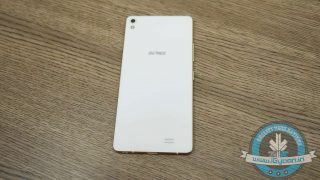
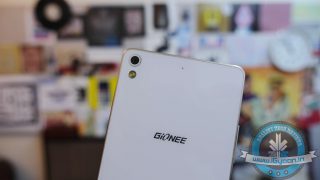
    Gionee’s latest addition to the smartphone lineup Elife S5.1 has arrived in our hands. The second slimmest smartphone just came out of test lab and from the initial impressions, it does look more refined and well built than its previous iteration.

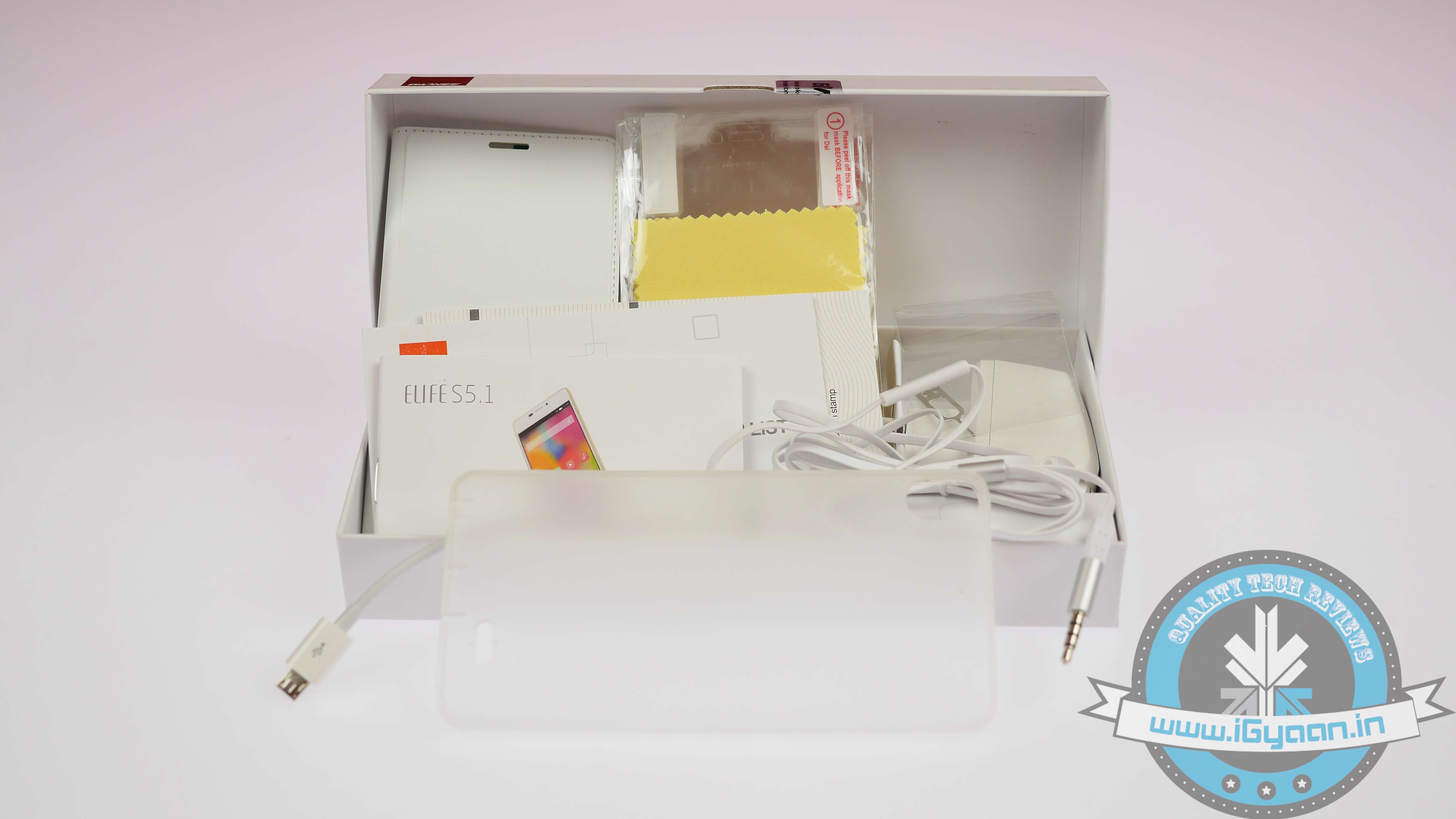
    Gionee has filled the box to the brim with free goodies.
    Gionee has filled the box to the brim with free goodies.

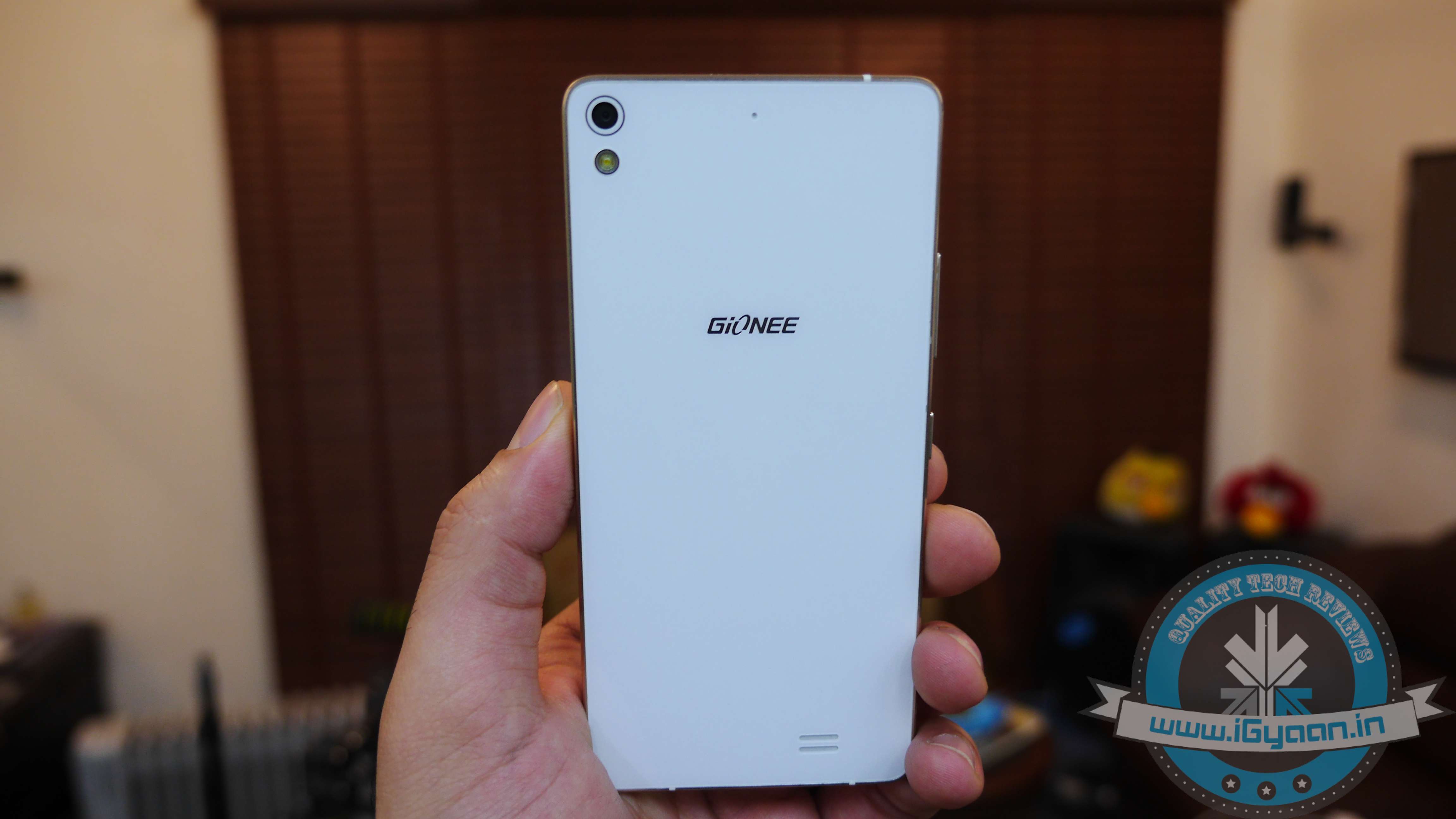
    Out of the box, the first thing you see is the flip case, within which rests the white and gold coloured Elife S5.1. The edges are rounded that make it looks much better and feel excellent in the hand. Along with the standard accessories which include the charger, USB cable and earphones, you get two sets of front and rear protectors. You also get a plastic cover in case you don’t want the flip cover. In addition, there’s an OTG cable, a detailed service list, a warranty card and a SIM removal tool.

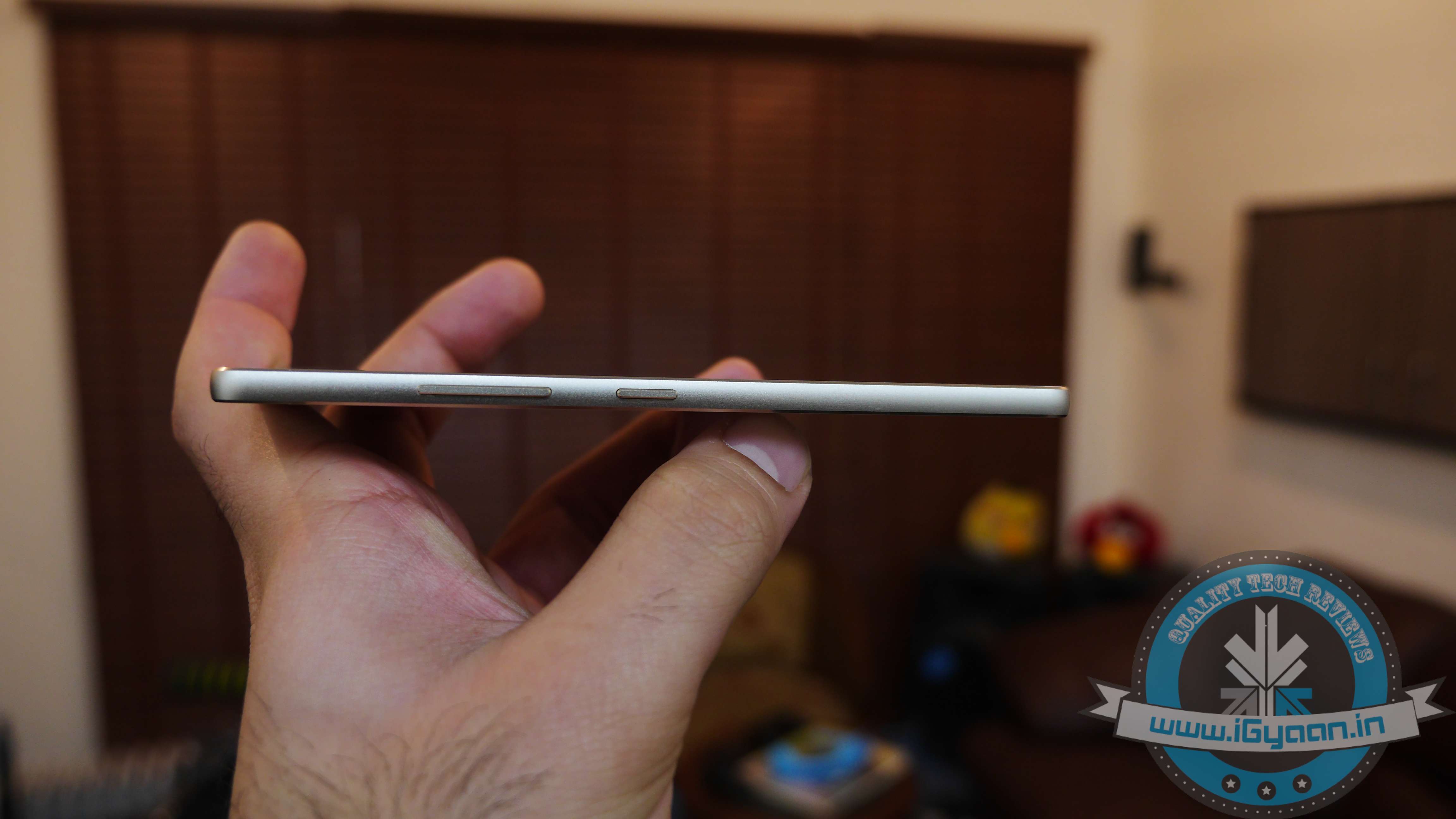
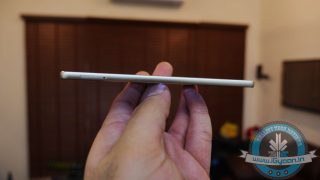
    At 5.15 mm this device brings a whole new meaning to slim and sexy.
    At 5.15 mm, this device brings a whole new meaning to slim and sexy.

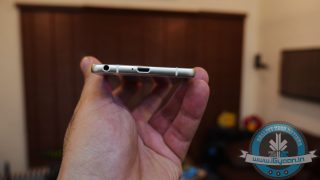
    Despite being so slim, it houses a 2050mAh battery which is quite impressive. It has a nice metallic strip running along the sides, which does not come across as sharp as the one we saw with its predecessors and provides an efficient grip. Measuring at just a mere 5.15-inch, it’s slimmer than the latest iPhone and guess what – it doesn’t bend! Not yet anyway.

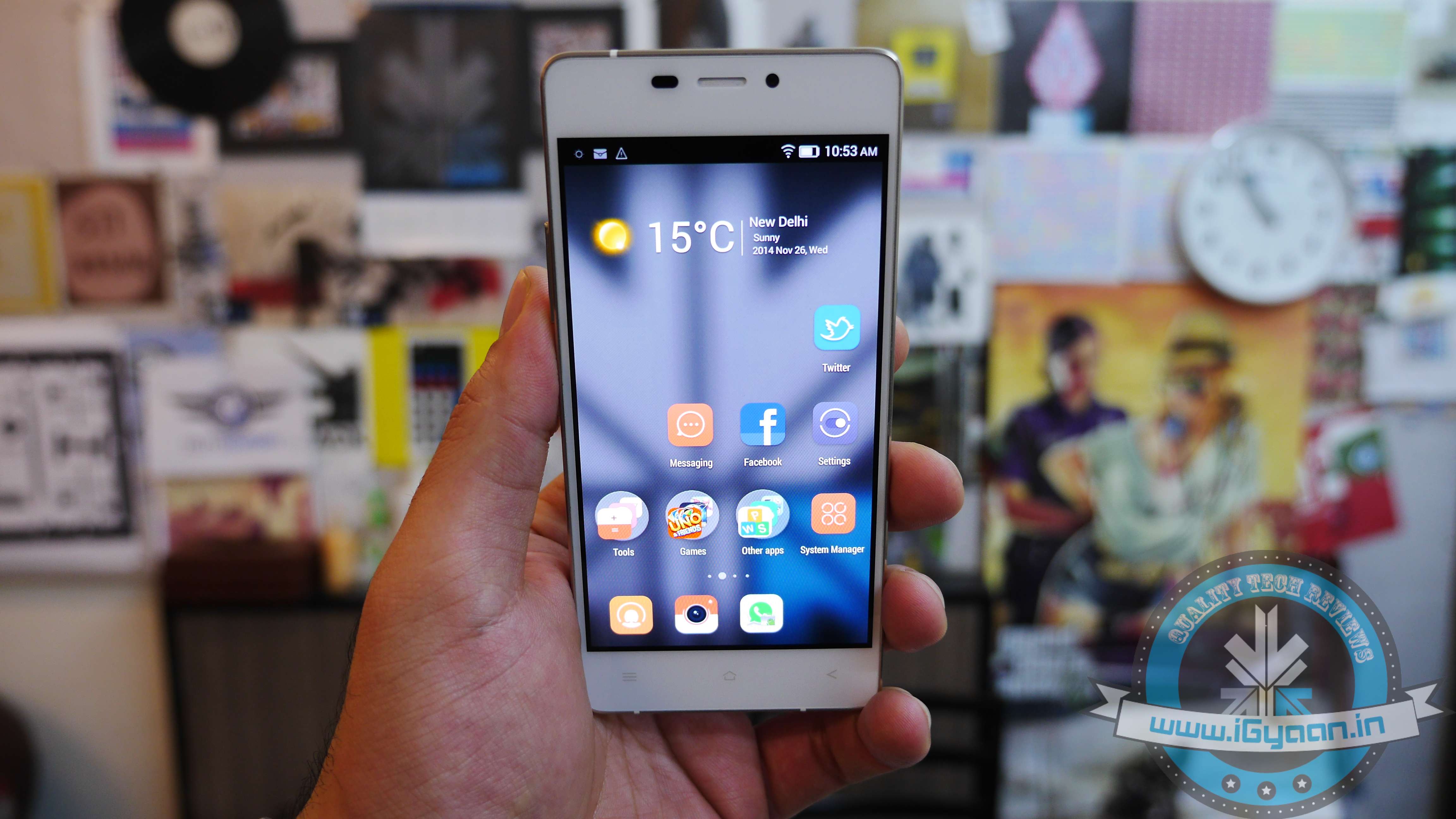
    The Gionee Elife S5.1 features a 4.8-inch Super Amoled HD display with a 1280x720p resolution and has a pixel density of 306ppi. Under the hood, it has a 1.7GHz octa-core MediaTek chipset bundled with 1 GB of RAM and 16 GB of non-expandable built-in storage capacity.

    The phone runs on Gionee's own Amigo UI.
    The S5.1 runs on Gionee’s own Amigo 2.0 UI.

    The camera unit on the phone features an 8MP rear camera with LED flash and a 5MP front camera with 88 degrees wide angle lens (for those wide selfies). Connectivity features include Bluetooth 4.0, MicroUSB 2.0, Wi-Fi, GPS and OTG connectivity. In addition, it has support for LTE connectivity. We get Android 4.4.2 KitKat out of the box with Amigo 2.0 UI onboard, and a hopeful update to Lollipop Android 5.0.

    The moment you turn on the device, you see the latest version of the Amigo UI. Multitasking with Amigo 2.0 is now different as compared to the previous version of the UI. Now instead of the home button, you have to hold down the Menu button, which brings up the same card style interface.

    Gionee S5.1 48

    The device seems really nice; it’s exceptionally slim, making one wonder whether it bends or not. It comes loaded with a bunch of handy accessories and will be announced soon and hopefully, at the right price. We are expecting the Gionee Elife S5.1 to be priced under Rs. 18,000, which seems promising for the handset. It is expected to be available in a variety of colours including white/gold, black, blue and pink.

    Tune in for the unboxing and hands-on video that will be up shortly.

    Key Specs:

    Processor Octa-core 1.7 GHz Cortex-A7
    Display 720×1280 pixels, 4.8-inch (~306ppi pixel density) AMOLED Capacitive Screen
    RAM 1 GB
    Battery capacity (mAh) 2050, non-removable
    Storage 16 GB in-built non expandable
    Camera 8 MP, 3264×2448 pixels, autofocus, LED flash
    Operating System Android OS, v4.4.2 (KitKat)

  • This Nano-Technology Based Battery Can Charge Your Phone in 30 Seconds

    This Nano-Technology Based Battery Can Charge Your Phone in 30 Seconds

    We are living in a tech-driven society and with the excessive need of gadgets to get the work done, we need them charged all day long, well we try to. In a potentially ground-breaking development, an Israeli company called StoreDot claims that it has invented a battery that can drastically reduce the charging time up to 30 seconds on your smartphone.

    The game-changing battery uses nanotechnology to synthesise artificial molecules, which allows this battery to store a higher charge in less time than the existing technology. It can be likened to a super-dense power sponge. According to a  research firm, the prototype battery could be ready for the market sooner, potentially transforming the smartphone and electric car industry.

    However, the battery is very bulky to be used in a smartphone right now. The company believes that it will be ready to market a slim battery by 2016 that can absorb and deliver a day’s power for a smartphone in just 30 seconds, as mentioned above.

    Back in April, the Tel Aviv-based StoreDot revealed at the Microsoft Think Next Conference that it had developed a prototype battery that charged a dead Samsung Galaxy S4 to full power in just 26 seconds. The technology is based on ‘nanodots’, described by StoreDot as bio-organic peptide molecules. Nanodots change the behavior of the battery to allow for rapid absorption and retention of power.

    Backers have so far invested $48 million over two rounds of funding. One significant backer is an unnamed Asian mobile phone manufacturer. This year, the number of smartphone users is expected to reach 1.75 billion, a big market for StoreDot. Experts predict that the company could be a winner if it continues to develop its product.

  • The Chronicles of The One : OnePlus One’s Journey To India

    The Chronicles of The One : OnePlus One’s Journey To India

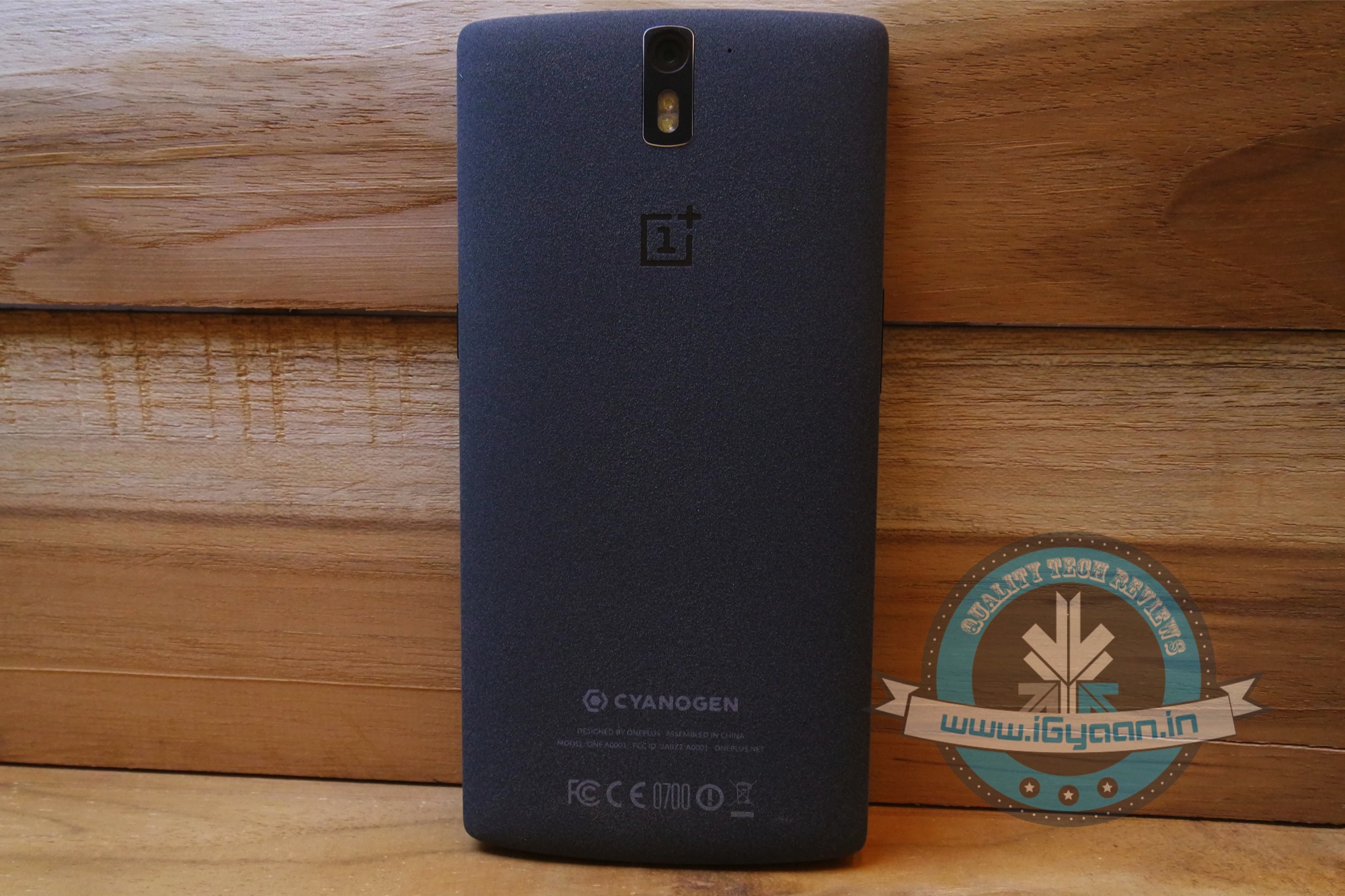
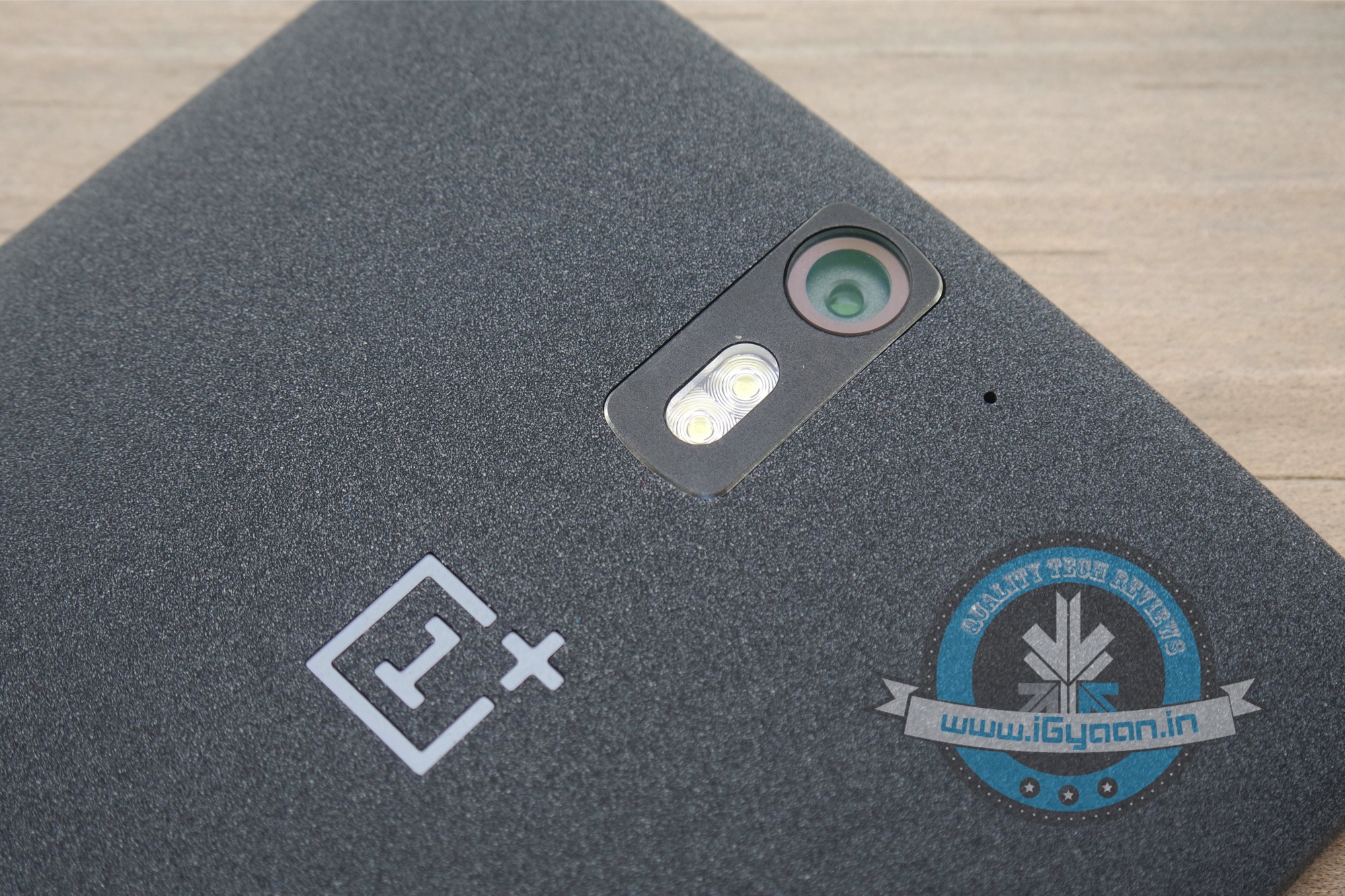
    OnePlus One, or as it is called the ‘Flagship Killer’, has made numerous followers with its impressive design and built quality at a low-end price. Now that the legendary handset is on its way to India, we are rewinding a year to look at how the company was formed and how they are able to reach where they are now.

    December 2013

    OnePlus_One_Never_Settle_01

    OnePlus was founded on 17th December 2013, in China by Pete Lau, previous Vice President at OPPO, with its headquarter in Shenzhen. The company’s motto is to ‘bringing the best possible technology to users around the world.’ Created around the mantra Never Settle, OnePlus aims to create beautifully designed devices with premium build quality.

    January 2014

    1398337195_605186_1398337307_noticia_normal

    On 13th January, 2014, Pete introduced OnePlus in a launch event in Beijing as well as its partnership with CyanogenMod. The company said that it would be responsible for the development and design of the hardware, while CyanogenMod would be responsible for the operating system.

    April 2014

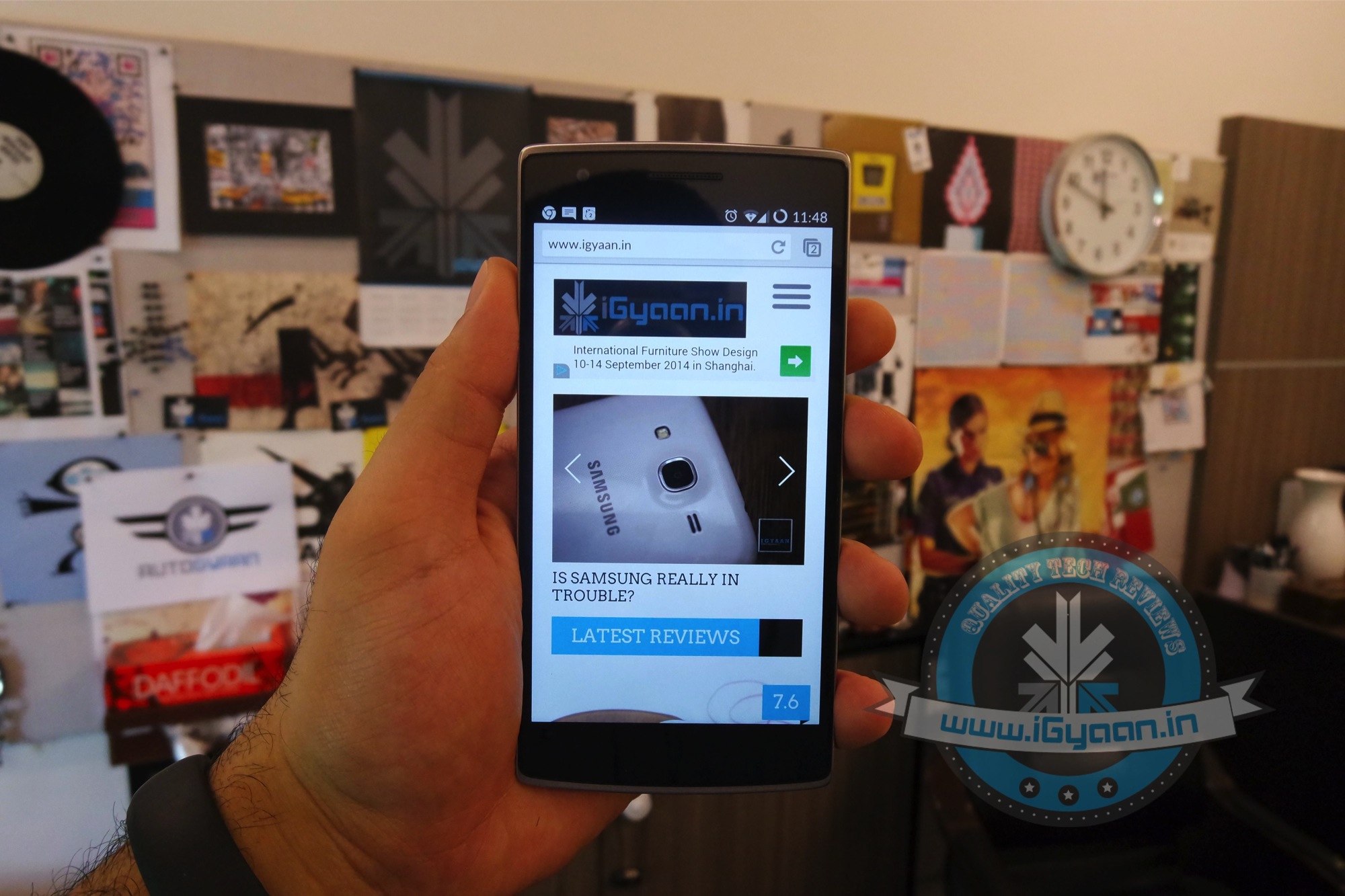
    On 23th April, 2014, Pete announced that the first OnePlus smartphone, the OnePlus One, which will have Qualcomm SnapdragonTM 801 MSM8974AC processor, 3 GB of RAM, a 3100mAh battery, 5.5-inch, 1080p (401ppi) display, and a 13MP Sony Exmor IMX 214 sensor camera. The phone retails for $299 for 16 GB version and $349 for 64 GB version in the US.

    OnePlus One iGyaan 11

    On 25th April 2014, OnePlus began its ‘Smash the Past’ campaign. The promotion asked selected participants to make a video while destroying their phones if they wish to purchase the OnePlus One for $1 (US). However, the promotion was misinterpreted and many unselected users destroyed their phones before the promotion start date.

    The campaign was highly criticised for environmental waste and safety concerns as the batteries and phone components could have posed a potential threat to those destroying their phones. The company asked the winners to donate their old phones. There were 140,000 entrants in the contest, while just 100 got the most desired phone.

    July 2014

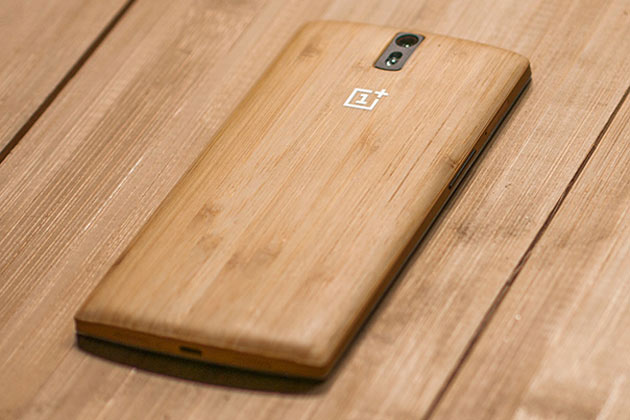
    On 22nd July, OnePlus announced the release of Bamboo Back Cover edition of the OnePlus One and attracted the attention of Chinese and global users alike.

    1p1bamboo

    August 2014

    In a contest at the end of August 2014, 10,000 invites were given out, and furthermore it was announced that the invitation system itself would end in October. The company took up #hashtags to choose the lucky winners by launching the contest called #summershot. The interested people had to post a picture that they took in summer and share it on Instagram or Twitter using the hashtags #summershots and #oneplus.

    On 13th August, 2014, OnePlus asked its female fans to post a photo of themselves along with OnePlus logo to the company’s forums and the fan with the most votes would receive an invite to purchase a OnePlus One. Hours after the announcement, the campaign was stopped stating that a few ‘rogue’ employees created it.

    open_graph

    September 2014

    On 18th September, the company announced that it is going to kill off the invite system and stop limiting who gets its unique smartphone. The pre-order page should have been up in September, but unforeseen problems delayed its launch. OnePlus officially announced that starting in late October for a limited time, anyone who wants a OnePlus One can order the phone online. If OnePlus has your phone in stock, it will ship immediately, but if the company’s sold out, you’ll be added to the pre-order list. However, that means if a lot of people order the phone, pre-orders may get pushed back for a long time.

    October 2014

    The company announced that OnePlus One will soon be launched in India. There was no solid date announced, however, reports hinted the September release. After sometimes, the company confirmed that it will release India-specific invites to prospective ‘One’ consumers online.

    November 2014

    On 4th November, Co-Founder Carl Pei told Forbes that OnePlus has now sold 500,000 smartphones and is aiming for one million by 2015. In an interaction with The Indian Express, the company claimed that the invite system will prevent shortage of devices for potential customers in India. The invite process is also fair and transparent then the flash sale model. The 64 GB variant is expected to come for less than Rs. 25,000 ($407 approx), which was a bit above the expected price range. However, it still is a great offering if its specs are taken into account.

    OnePlus_India

    The company’s newly appointed General Manager for OnePlus India, Vikas Agarwal, posted in a forum on 22nd November, “Firstly, we are thrilled to confirm that the One will be available for our Indian users in December. We can’t wait to bring your favourite phone to your hands. As all the details have now been perfected and last-mile hurdles have been cleared, the exact launch date will soon be announced in the coming days on our forums.”

    On 26th November, i.e. today, the company rolled out the invites for the event where it is expected to launch OnePlus One in India. In a teaser image posted on amazon.in, the e-commerce giant said that the smartphone, popularly known as a ‘Flagship Killer’, is expected to be available in the coming days. Amazon India, who has got the exclusive rights to sell the OnePlus One, said on an official teaser, “The Smartphone you have been waiting for, is coming soon,” accompanied by an image of the One and hashtag ‘#TheOneThing’.

    Well, we don’t have to wait for long to find out how we can get our hands on the ‘Flagship Killer’.

    Our Review of the OnePlus One!

  • The ‘Flagship Killer’ is Finally Here! OnePlus One To Launch On 2nd December

    The ‘Flagship Killer’ is Finally Here! OnePlus One To Launch On 2nd December

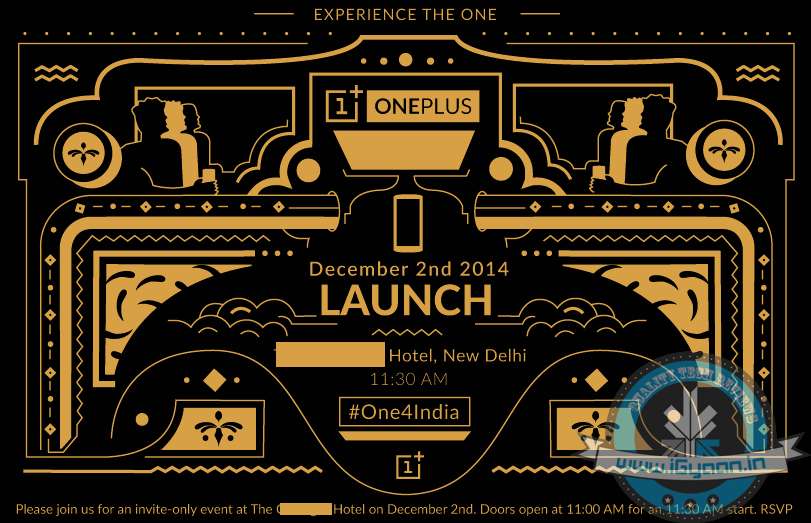
    That moment which all the Android enthusiasts have been waiting for is finally here. OnePlus is going to grace the Indian smartphone market with its presence at last. The company has sent out invites for the much-awaited event going to be held on 2nd December, where it will launch the company’s blockbuster OnePlus One.

    OnePlus_India

    The Chinese smartphone manufacturer has been tight-lipped about the plans for the launch of the CyanogenMod-powered smartphone. However, the recent report has suggested that the OnePlus will be sold exclusively via Amazon. The company had also previously announced that their smartphone, the One, would be available in India through an exclusive invitation system.

    [quote text_size=”small” author=”Vikas Agarwal” author_title=” General Manager for OnePlus India”]
    As announced earlier, the product will be exclusively available through our e-commerce partner for users who have a valid India-specific invite

    [/quote]

    In a teaser image posted on amazon.in, the online retailer says that the smartphone, popularly known as a ‘flagship killer’, is expected to be available in the coming days. Amazon India, who has got exclusive rights to sell OnePlus One, says in a teaser, “The Smartphone you have been waiting for, is coming soon,” accompanied by a image of OnePlus One and a hashtag ‘#TheOneThing’.

    Pricing, which is one of the most important parts of OnePlus One’s success, has also been a mystery for the Indian market. However, as we reported earlier, the 64 GB variant is expected to cost around Rs. 24,990 while the 16 GB variant is likely to come at a price of Rs. 19,990. The company’s newly appointed General Manager for OnePlus India, Vikas Agarwal, posted a forum on Saturday which said,

    Firstly, we are thrilled to confirm that the One will be available for our Indian users in December. We can’t wait to bring your favourite phone to your hands. As all the details have now been perfected and last-mile hurdles have been cleared, the exact launch date will soon be announced in the coming days on our forums.

    The OnePlus One is one complete device when it comes to hardware and build quality. Thanks to the inclusion of CyanogenMod, the ROM gives Android an adrenaline boost with regular updates and bug fixes. For a price sensitive market like India, the cost of the phone will be a major factor. In an interaction with The Indian Express, the company claimed that the invite system will prevent shortage of devices for potential customers in India. The invite process is also fair and transparent than the flash sale model.

    Where companies like Xiaomi have gained respect and market share simply by cutting down on administration, distribution and marketing costs, OnePlus may bring the One at a premium in India. The company will continue the invite system for the Indian market and those interested in an invite will be able to get one from oneplus.net/in starting right now.

    If you are successful in getting an invite a spanking new OnePlus One will await you at : www.amazon.in/oneplusone on the 2nd of December 2014. Excited yet? Catch our Review below.

  • Qualcomm Develops Two Mammoth Devices to Test its Snapdragon 810 Processor

    Qualcomm Develops Two Mammoth Devices to Test its Snapdragon 810 Processor

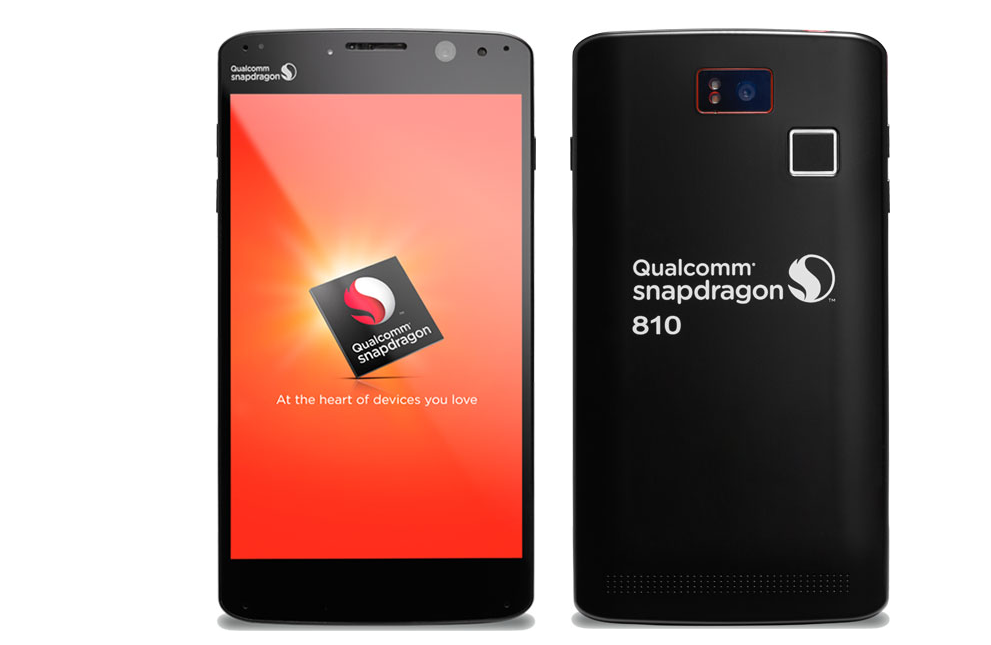
    Chipset manufacturer Qualcomm is testing the prowess of its next-gen Snapdragon 810 processor. This involves production and release of a new set of devices which the company has been busy with off late. First in the list is the Snapdragon 810 MDP smartphone that sports a 6.2-inch QHD display, 64-bit octa-core Snapdargon 810 Ultra HD processor, Adreno 430 GPU, 4 GB of RAM, 32 GB storage, 13 MP rear camera, 4 MP front snapper, a hefty 3020mAh battery with Quick Charge 2.0 technology. In addition to this, the device is packed with ultrsound emitter, microSD card slot, microUSB 3.0, fingerprint scanner and Android’s latest 5.0 Lollipop. This beast of a smartphone costs $799, which is still way below the 64 GB iPhone in the US market that costs $849.

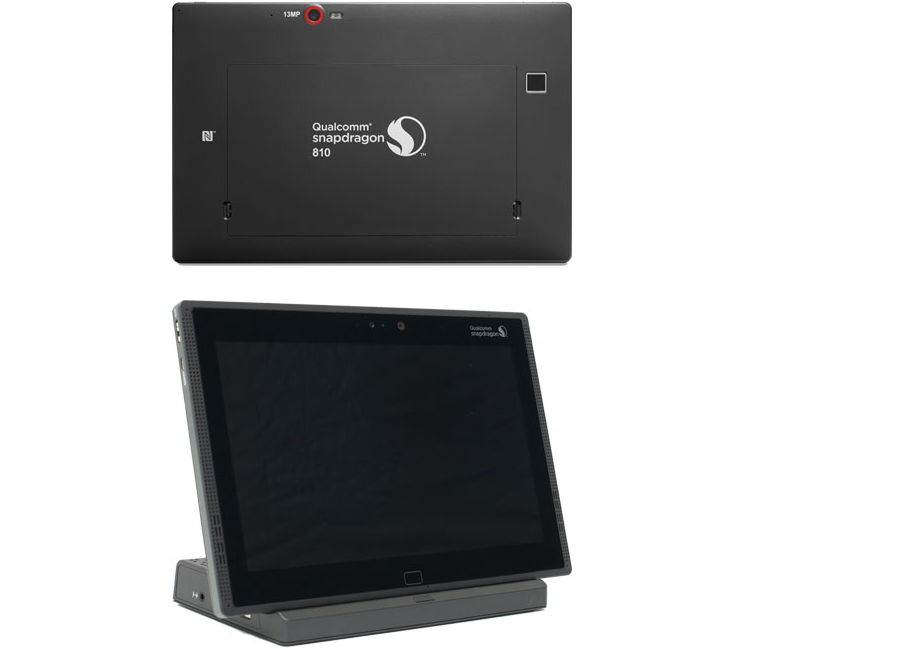
    The second one is the Snapdragon 810 MDP tablet that comes with a 10.1-inch 4K display, 64-bit octa-core Snapdragon 810 Ultra HD processor, Adreno 430 GPU, 4 GB of RAM, 64 GB storage. Optics include a 13MP rear camera along with a 4MP front snapper. The device packs in a mammoth 7050mAh battery with Quick Charge technology. The tablet also features dual ultrasound emitters, a microSD slot, microUSB 3.0 and Android Lollipop 5.0. The device costs $999.

    snapdraogn 810
    The mammoth set of specs that both the devices have is quite a notch higher than what we are used to. Sorry guys, but you don’t get to play around with these devices as it will be only available with registered purchasers.

  • Samsung Galaxy A5 China Pricing Revealed

    Samsung Galaxy A5 China Pricing Revealed

    It’s been a month since Samsung unveiled its budget metal-clad smartphone Galaxy A5, however, the company did not confirm any pricing details about the device.

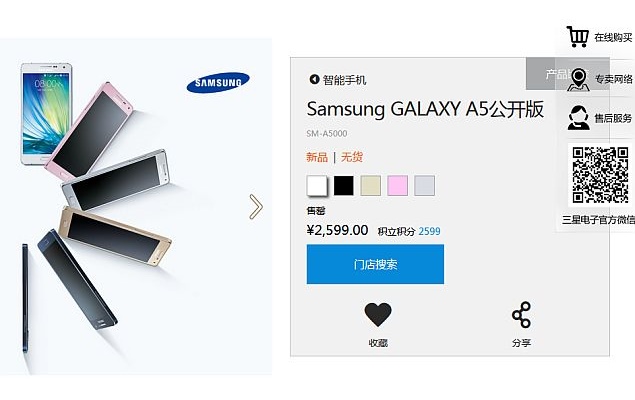
    The dual-SIM version of the Samsung Galaxy A5 is now listed on the company’s official China website for CNY 2599 (which translates to Rs. 26,000 approximately). While Samsung has listed the Galaxy A5’s pricing on the website, it does not provide an online purchase option and, instead, guides users to retail stores.

    As far as the specifications of the A5 are concerned, the phone sports a 5-inch display with HD (1280×720 pixels) screen resolution. Under the hood, a 1.2GHz quad-core Snapdragon processor runs the phone, paired with 2 GB of RAM, and 16 GB of internal storage, which can be expanded via microSD card. On the camera front, the phone packs a 13-megapixel shooter at the rear and a 5-megapixel snapper upfront. It comes with a 2,300mAh battery to keep the device running. On the software front, the phone comes with Android 4.4.4 KitKat out of the box. The phone will be available in five colour variants.

    samsung_galaxy_a5_dual_sim_china_with_price_screenshot_official

    The website hasn’t listed the Galaxy A3 as yet, but we expect that the company will also offer a dual-SIM variant of the smartphone, just like Galaxy A5. Samsung has started selling the Galaxy A5 in China as announced during the launch event. As for now, there is no news of its availability outside China, however, we can expect it to launch next month in other markets as well. Samsung is yet to list the smaller but similarly built Galaxy A3.

    Originally, the company planned for Q3 launch for both devices, but because of some difficulties in producing the metal casings for its first full-metal unibody designed smartphones, the company delayed the launch. Earlier this month, a report stated that the rollout of the Samsung’s Galaxy A series was delayed due to the above mentioned problem, but the smartphone would still hit ‘select markets’ including China in November.

iGyaan Network
Privacy Overview

This website uses cookies so that we can provide you with the best user experience possible. Cookie information is stored in your browser and performs functions such as recognising you when you return to our website and helping our team to understand which sections of the website you find most interesting and useful.