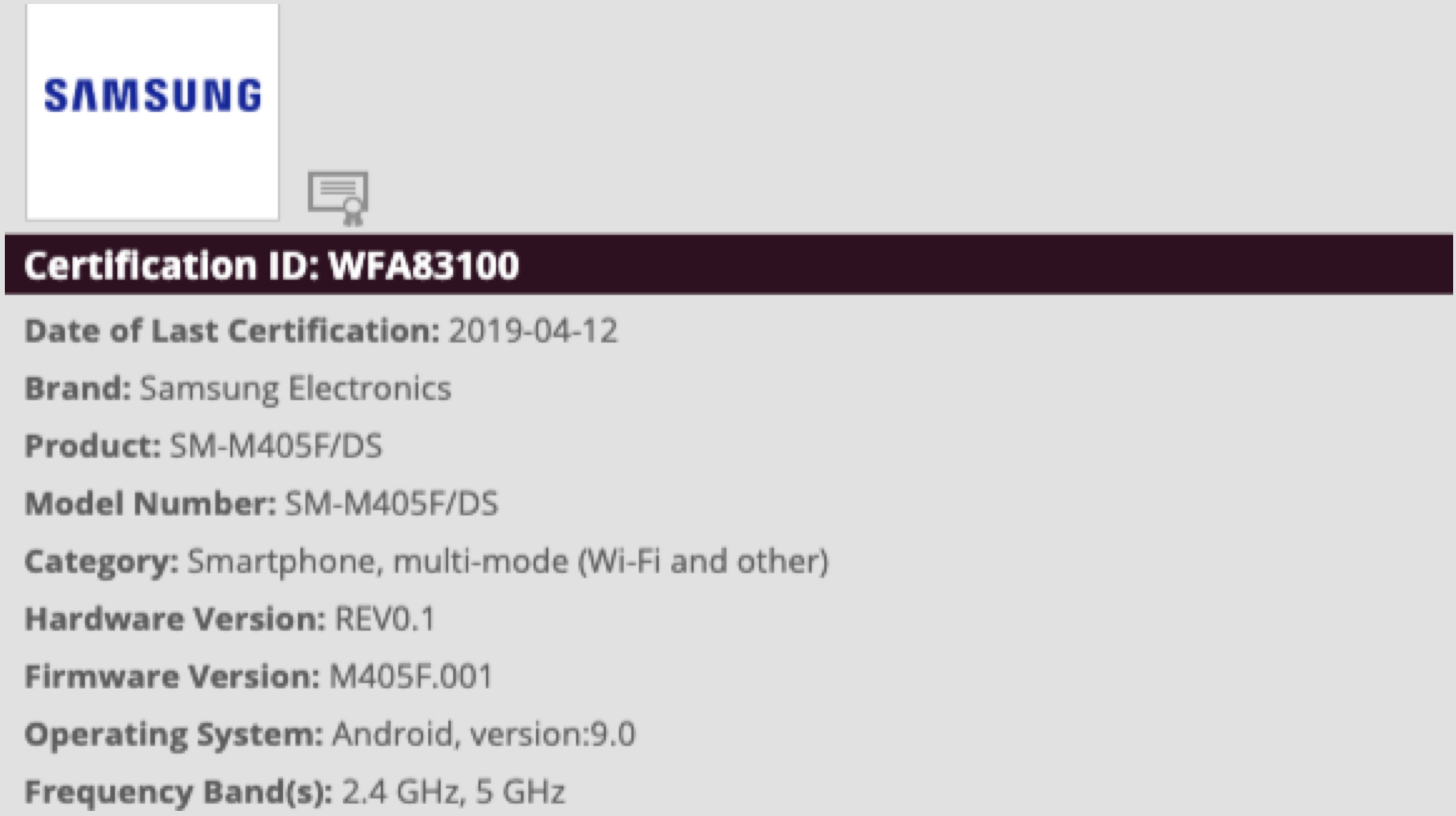
Samsung has been on a smartphone launch spree lately, after launching the Galaxy M series of devices in January, it introduced the current Galaxy A lineup. It seems like the company is planning to launch a new device in the former range of handsets. An unknown Samsung smartphone, believed to be the Galaxy M40 has been certified by the Wi-Fi Alliance suggesting an imminent launch.
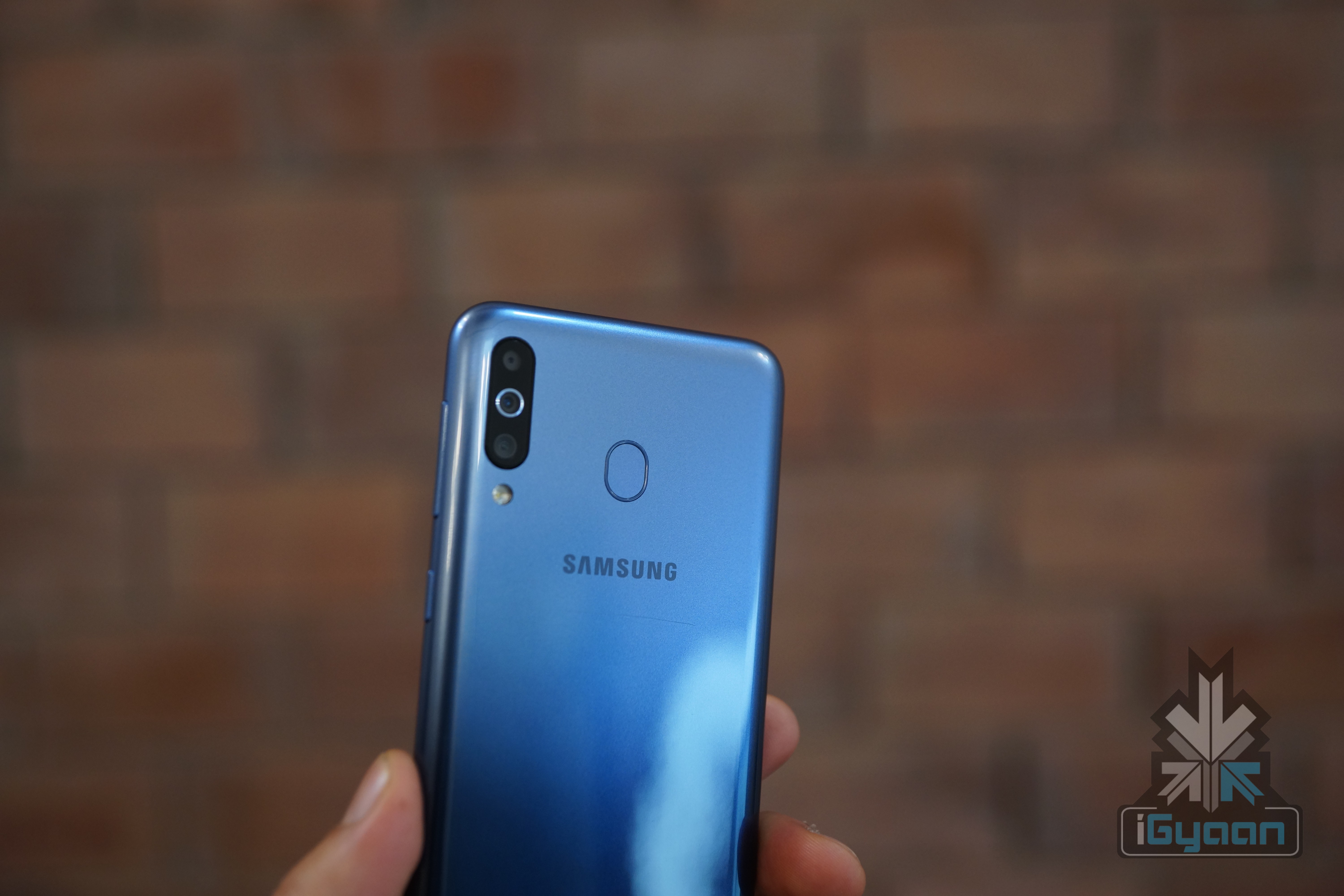
Samsung Galaxy M40
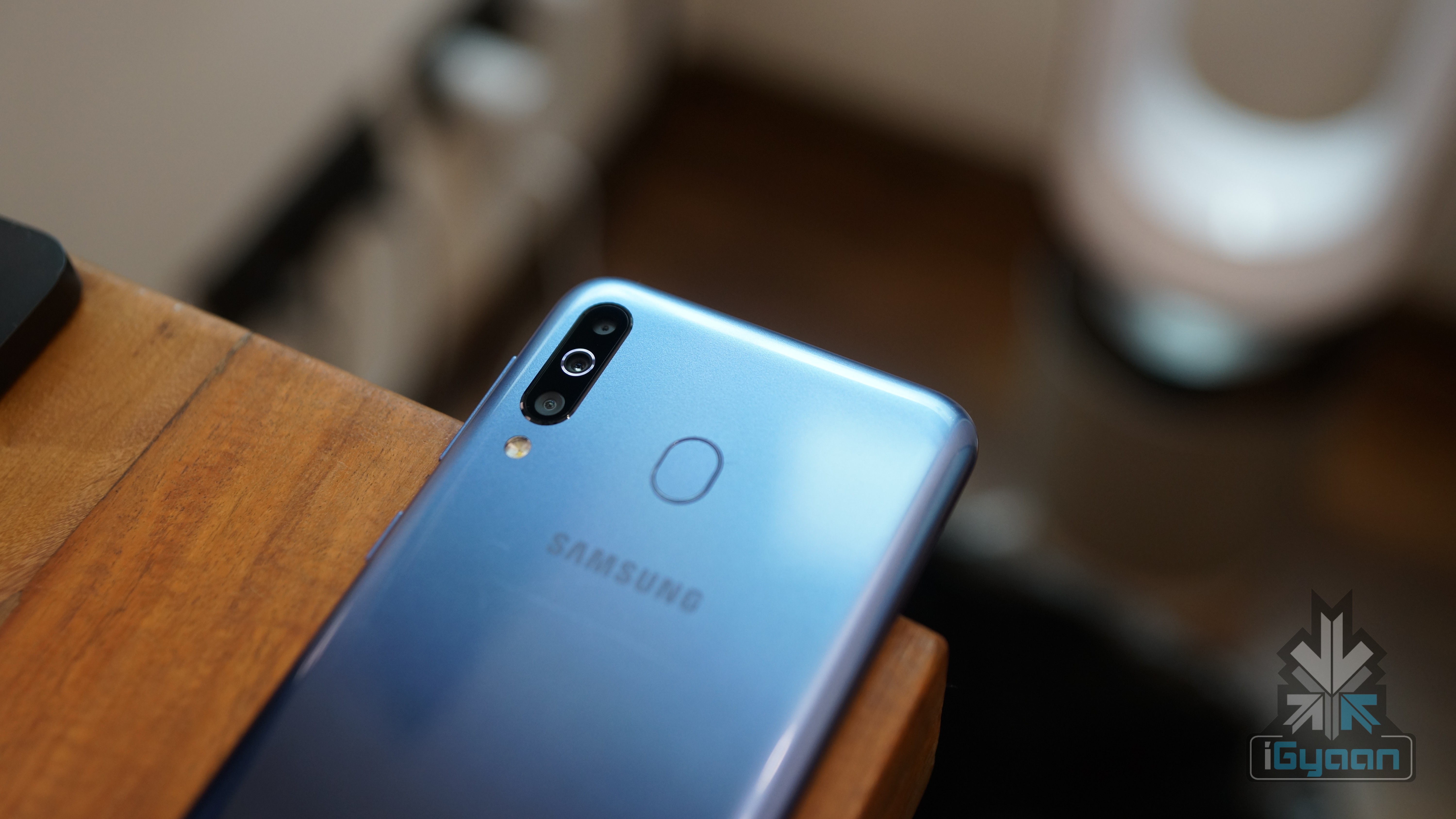
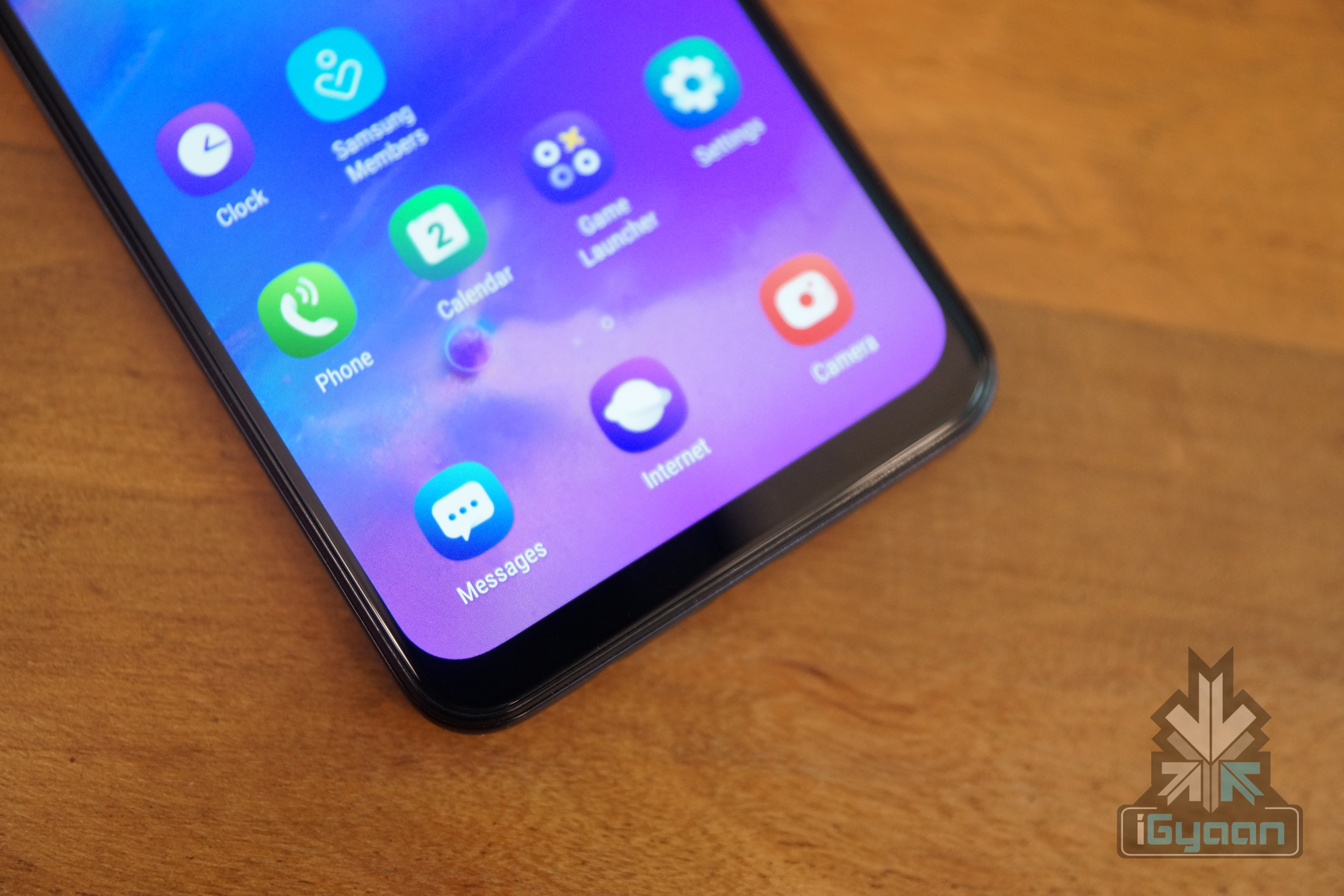
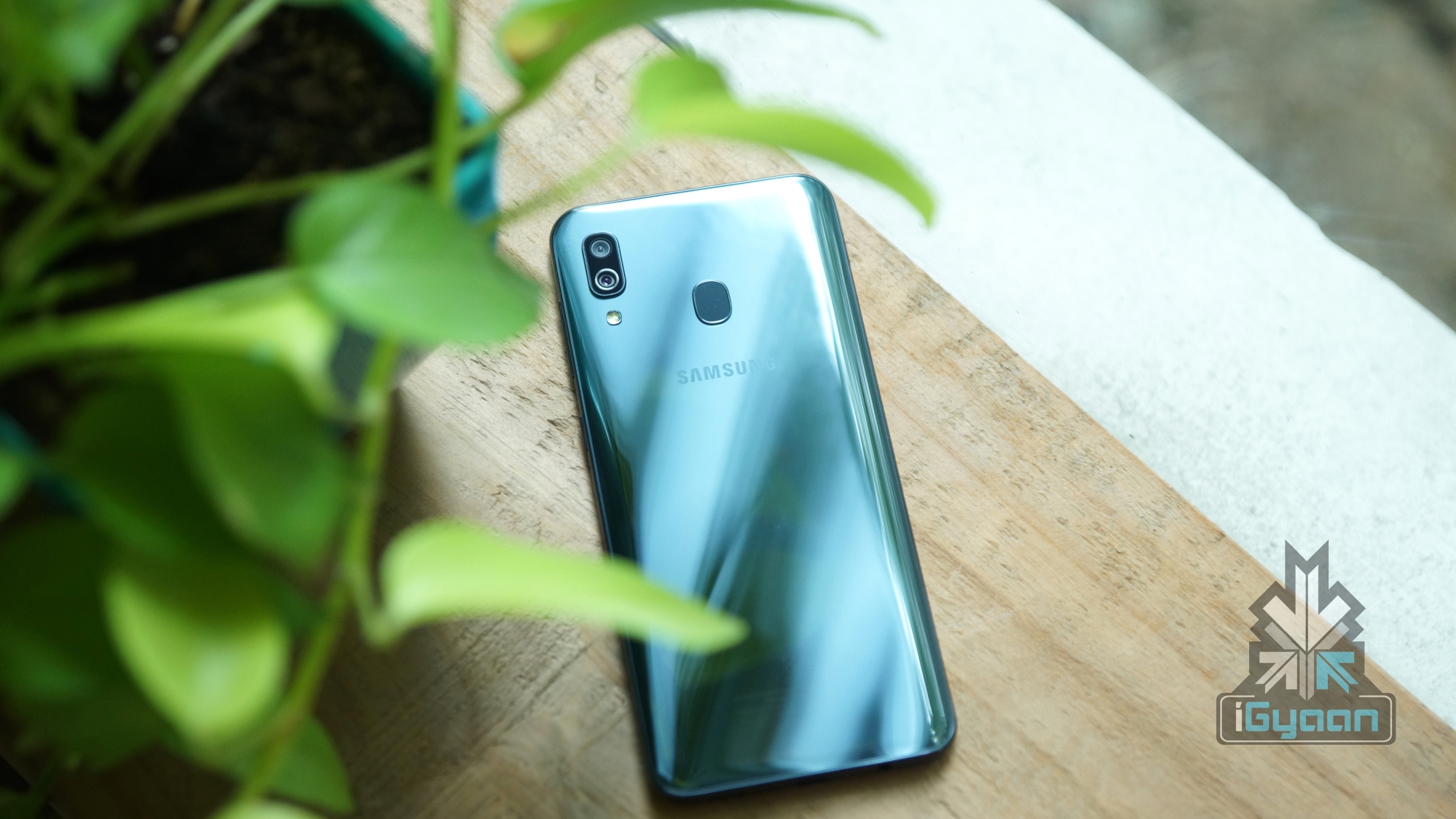
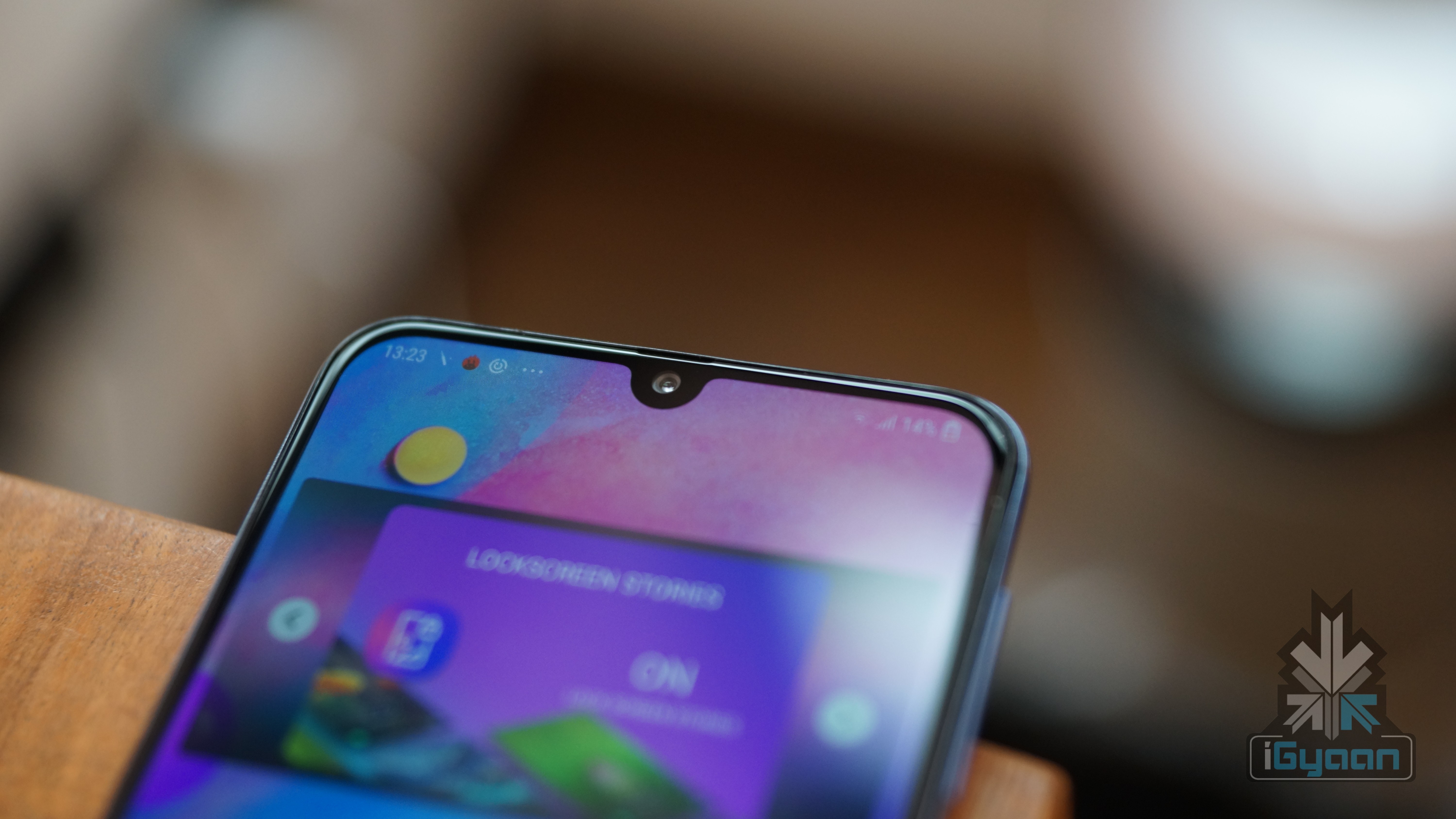
The Galaxy M40 will be the latest entrant in the Galaxy M series of devices. The listing on the Wi-Fi Alliance website mentions a smartphone by Samsung with a model number SM-M405F/DS. Since the Galaxy M30 had the model number M305F for the Indian variants, it is expected the aforementioned listing is of its elder sibling, the Galaxy M40. The upcoming device is expected to sport a polycarbonate design with an AMOLED display on the front. To maximise the screen real estate, an Infinity U style waterdrop notch may also be implemented on the top of the display. For biometrics and security, the handset may include an in-display fingerprint scanner with support for face unlock technology.
Galaxy M30
While the specifications of the Galaxy M40 aren’t known yet, it is expected to feature the 10nm Exynos 9610 SoC which was last seen in the Galaxy A50 smartphone. Like the Galaxy M30, a triple rear camera is also expected in the handset. The leaked listing of the device confirms it will run on the latest OneUI on top of Android 9 Pie. This is surprising considering the previous entrants in the lineup featured Android 8 Oreo out of the box. In terms of connectivity, the Galaxy M40 will have support for Wi-Fi a/b/g/n/ac bands and Bluetooth 5.0 on board.
Unfortunately, there is no official announcement from Samsung regarding the Galaxy M40 but the WI-Fi certification insinuates it might be launching soon. Expected price of the device will be Rs 19,990 for the Indian market.
When the Sharp J-SH04 was first released by J-Phone in the year 2000, it made ripples that laid the basis for some of the most innovated and researched upon technology today. Mobile cameras were never a thing before the 2000s. People had to carry a separate (much bulkier) camera if they had to capture images on-the-go, which, to be honest, wasn’t on-the-go at all. So when the J-SH04 was first launched in Japan, people were surprised, shocked and skeptical at the same time. Surprised because nobody could have ever thought of including a camera in a mobile phone. Shocked because it was actually a portable camera they could carry around. But most of all, skeptical, because of just one question: Will mobile cameras ever be able to replace conventional point-and-shoot cameras?
Where Multi-Camera Setups Became A Thing
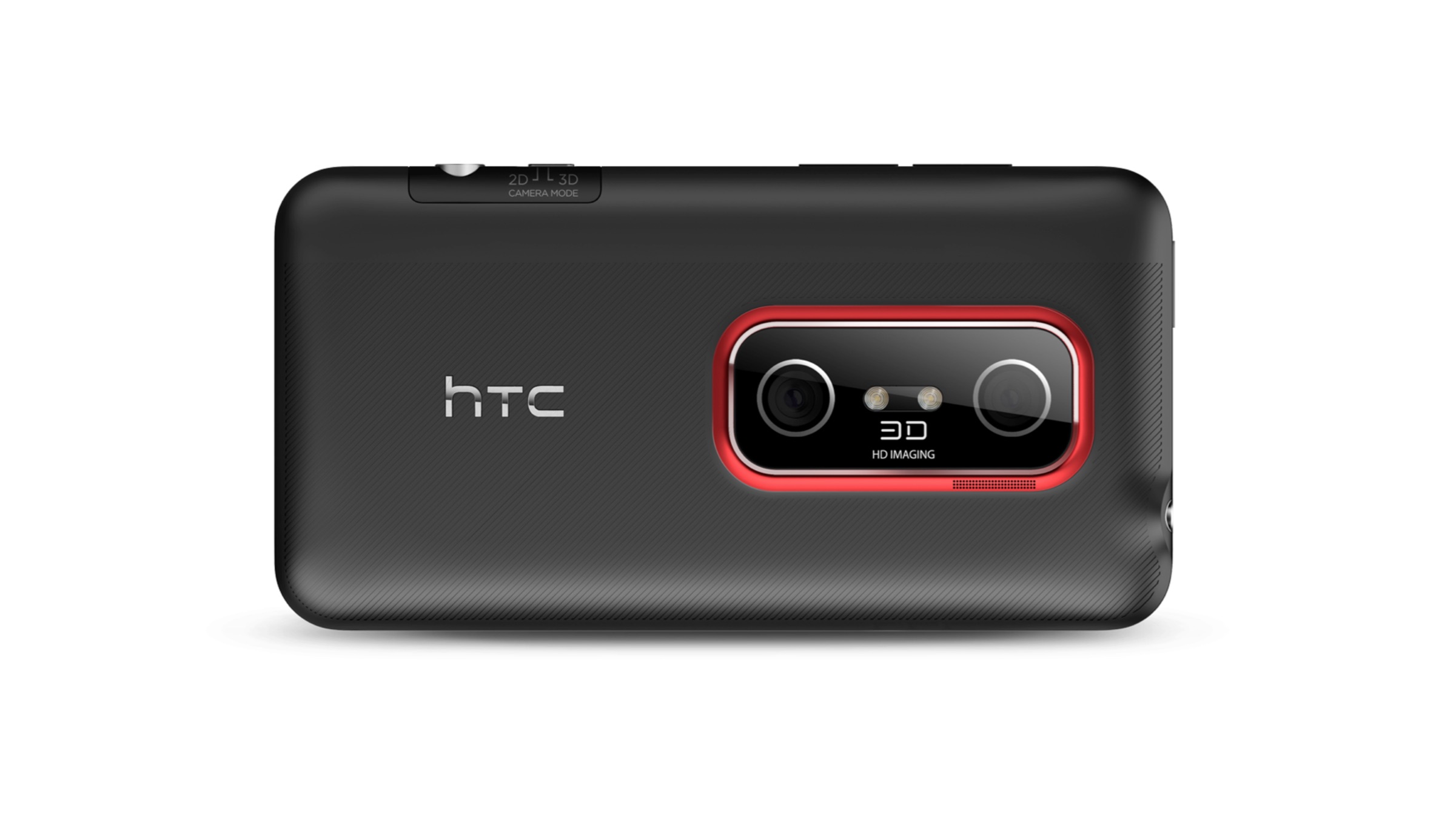
HTC EVO 3D
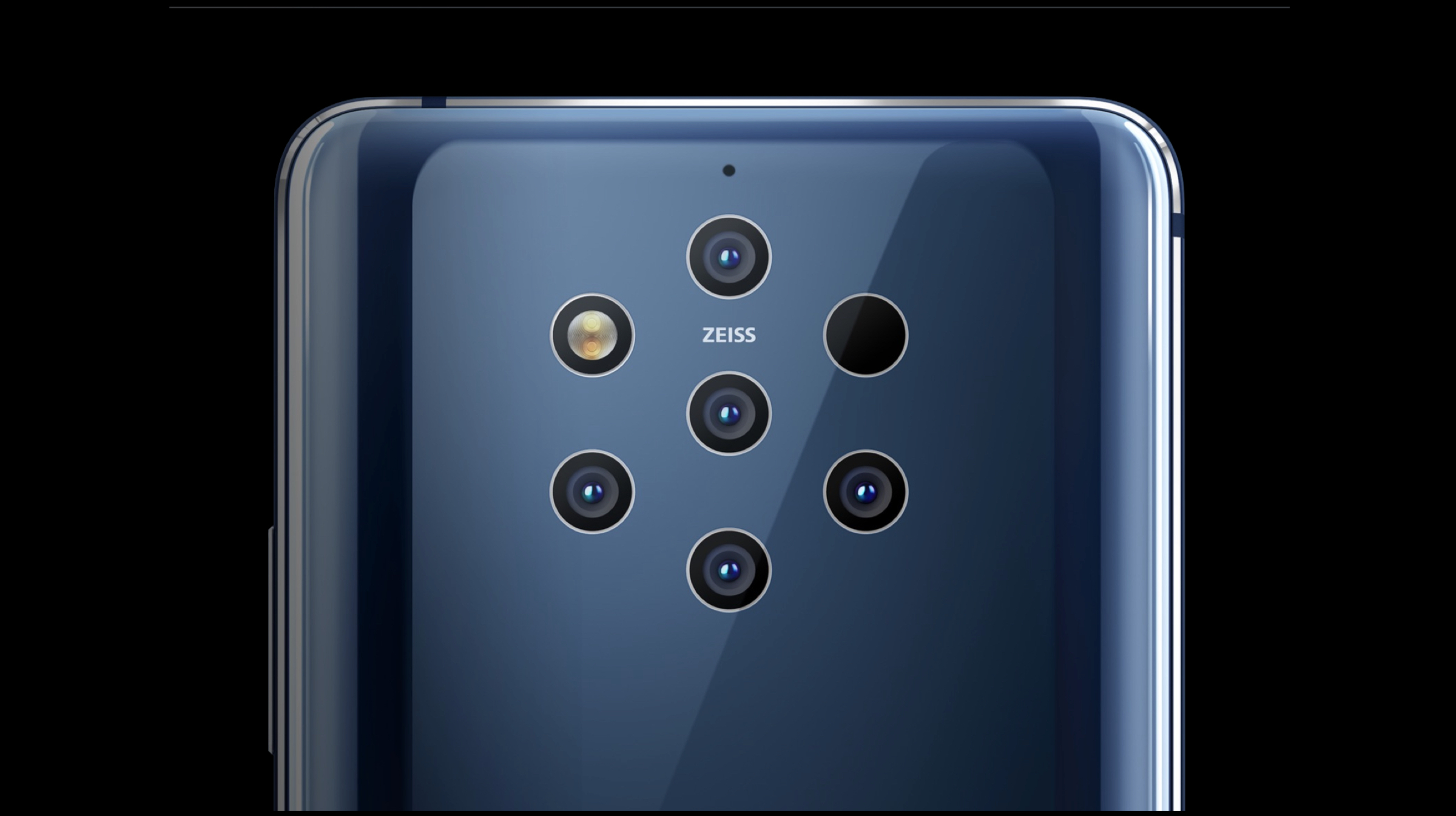
Fast forward to almost 11 years later, when HTC released the world’s first dual camera setup in a smartphone, which was the EVO 3D. The device claimed to capture the best-in-class 3D images at that time, but unfortunately, the device could never hit the home run in the market. The dual-camera technology, however, was adopted by multiple smartphone OEMs, and thereon, numerous smartphone with more than one camera made their way into the market . Dual cameras gave way to triple cameras, triple camera sensors were replaced by quad-camera modules and eventually, in February 2019, Nokia announced the world’s first penta-lens smartphone: the Nokia 9 Pureview. That is right, a smartphone with 5 rear camera sensors, all placed next to each other. The real question is, do we actually need that many cameras on a smartphone?
Nokia 9 Pureview
It seems that when companies ran out of megapixels to use with their cameras, they started incorporating multiple cameras with varied functionalities. However, it sure seems to be working out, as the overall image quality has drastically improved. Smartphone cameras with “crazy” zoom capabilities have occupied the market, and the selling point is, those cameras can zoom upto a point where the human eye stops comprehending. It all comes down to one statement: If you want your images worth all the effort, then you must spend on your smartphone. Because smartphone prices are directly proportional to increasing device camera standards.
Or Are They?
Benefits Of Additional Cameras
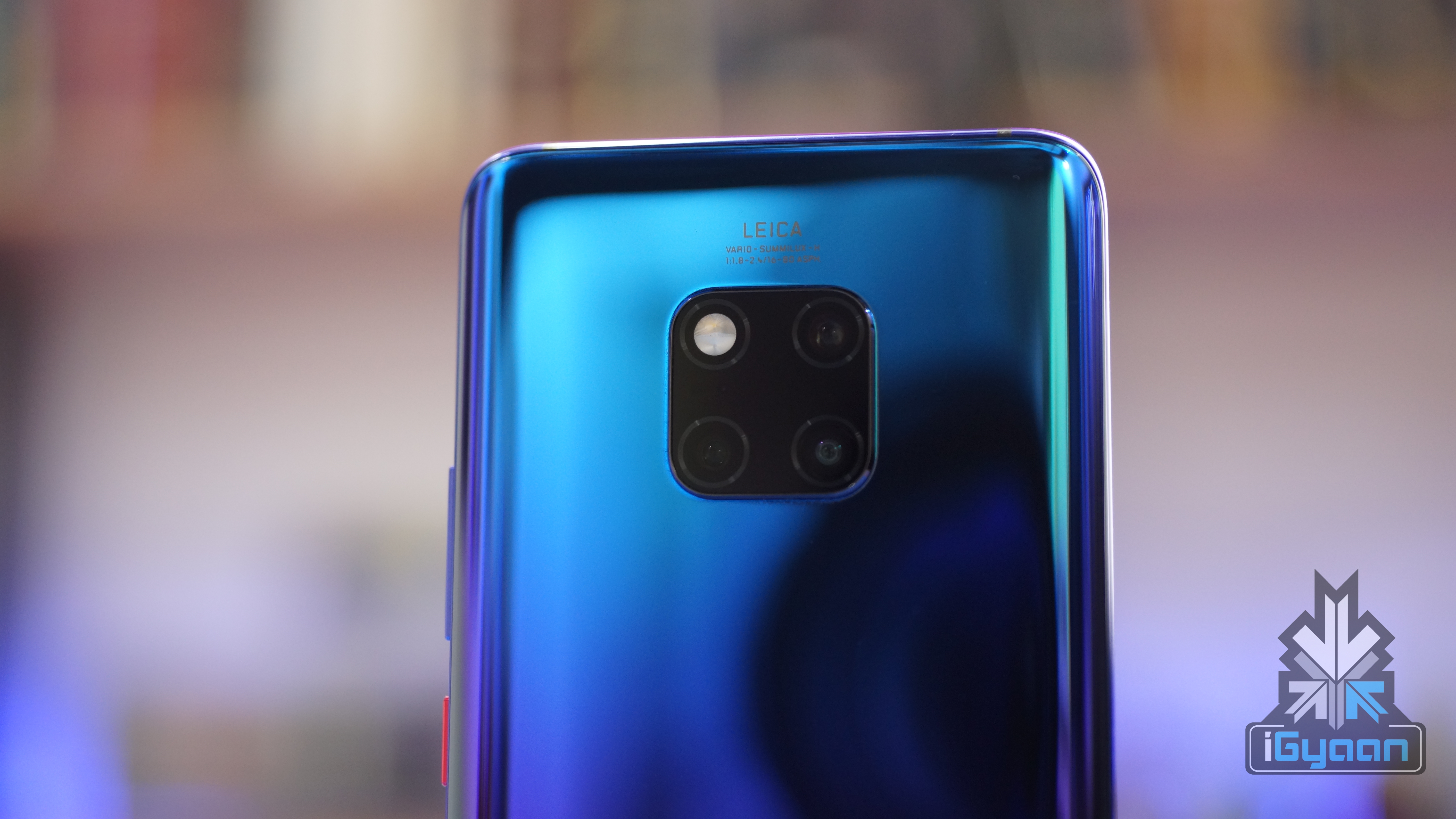
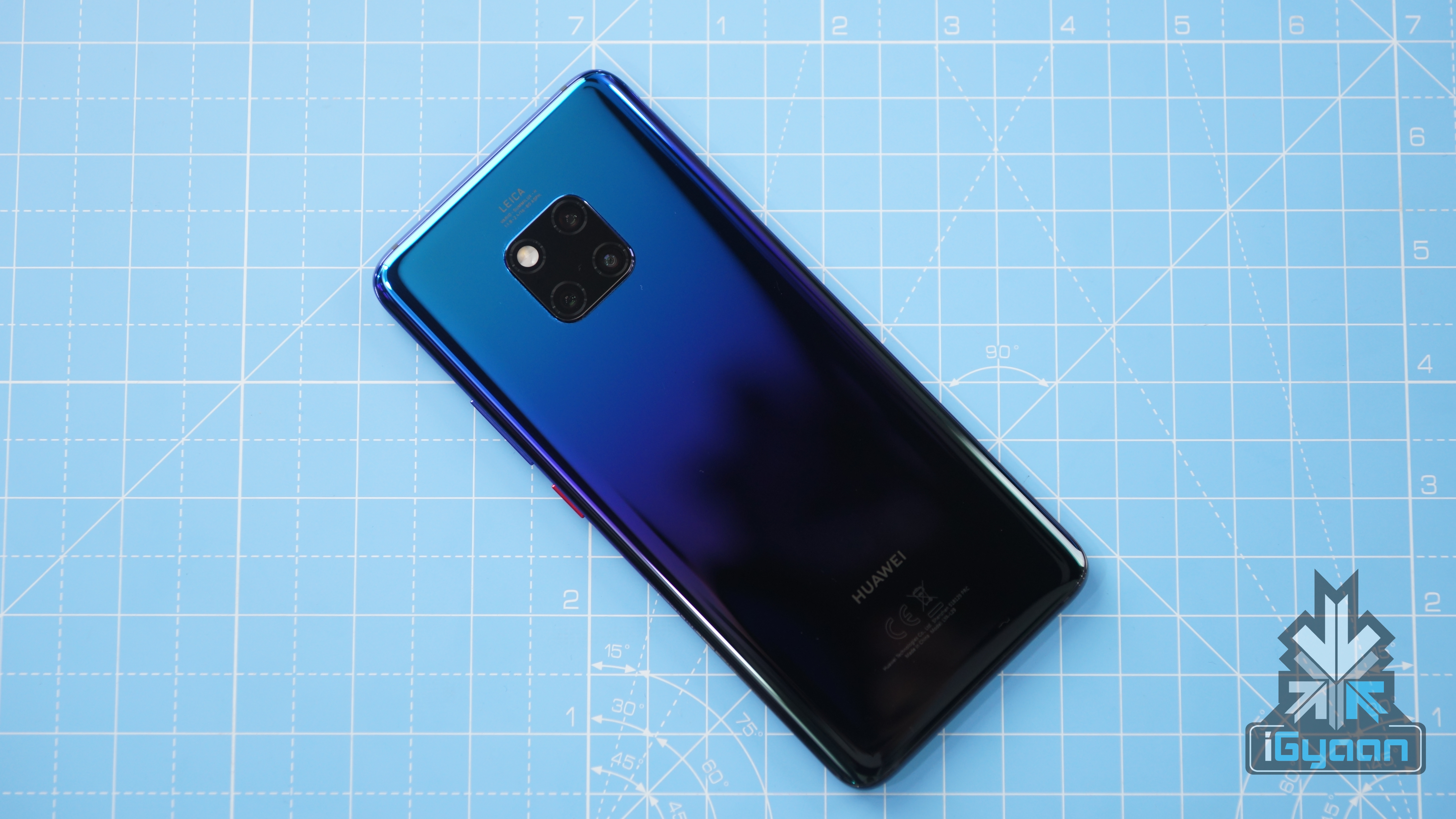
Huawei Mate 20 Pro
The additional camera sensors are not mereley gimmicks, in fact, they can be used in significantly enhancing the image quality. For instance, an ultra wide sensor has a lens with a shorter focal length than other sensors, enabling users to capture wider shots with a wider FOV (Field of view). A telephoto sensor enhances the zooming capabilities of the smartphone, and the monochrome sensor captures a drastically high amount of details in a scene with the the help of image capturing buckets (also known as photosites). Multiple camera sensors on a smarpthone can undoubtedly improve its photo and video capturing capability. However, it is not the sole factor that can impove a devices camera performance. As demonstrated by the Google Pixel smartphone lineup, a single sensor with optimised software can also produce praiseworthy results.
The Odd One Out
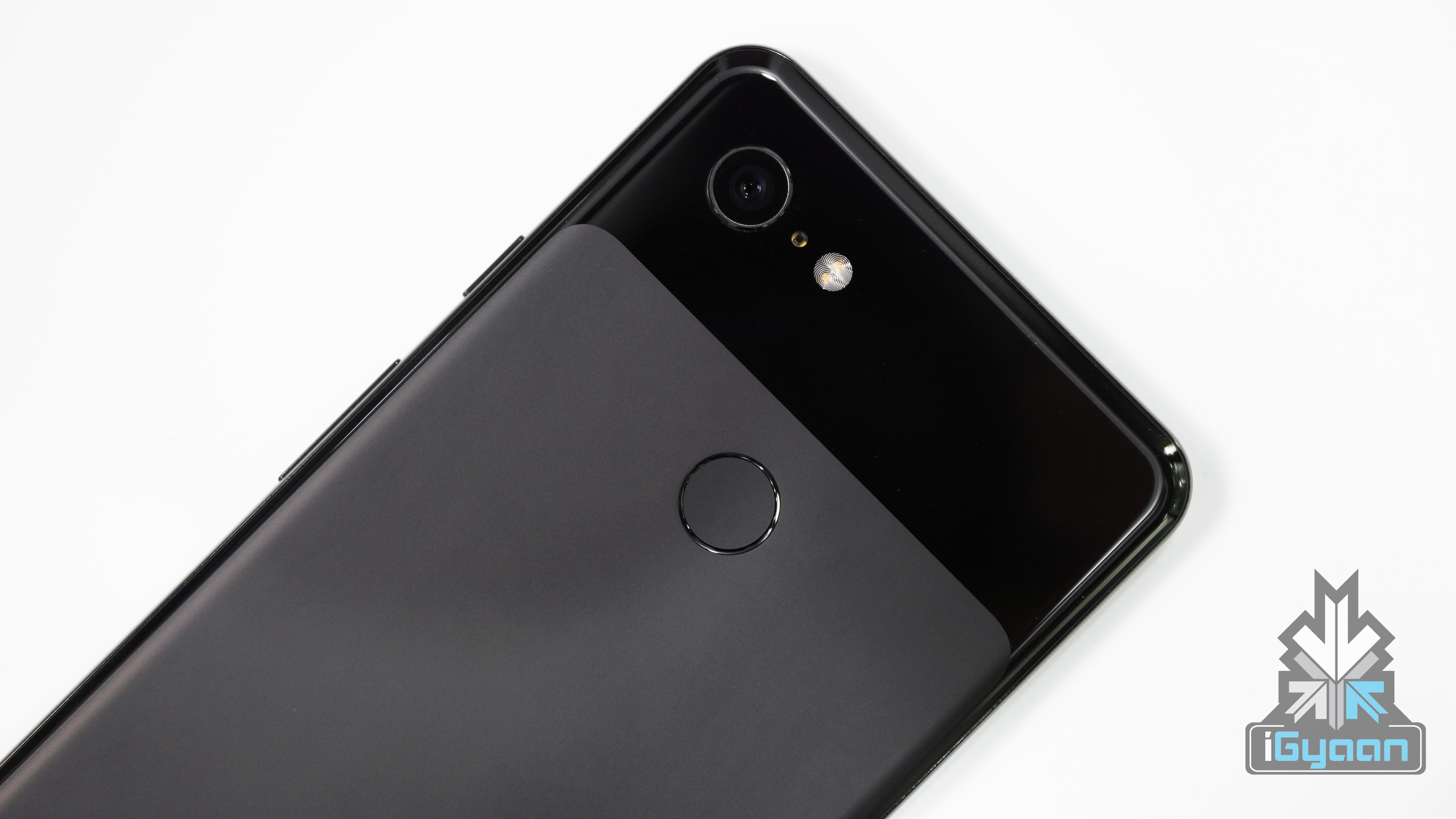
Google Pixel 3 XL
A very intriguing smartphone is the Google Pixel. Google’s current flagship smartphone, the Pixel 3 XL is one of the best camera smartphone in the market. Noteworthy, the device only has a single rear camera. How did the company manage to achieve such a feat with just one sensor? The answer lies in the software optimization, and Google has exceeded in that particular area. AI (Artificial Intelligence) integrated with Google’s camera supports robust image processing. And surprisingly it’s on par with several other smartphones that have multiple camera sensors. In April 2019, Huawei released the P30 Pro, which is plausibly the best device to showcase the benefits of a smartphone with multiple camera sensors.
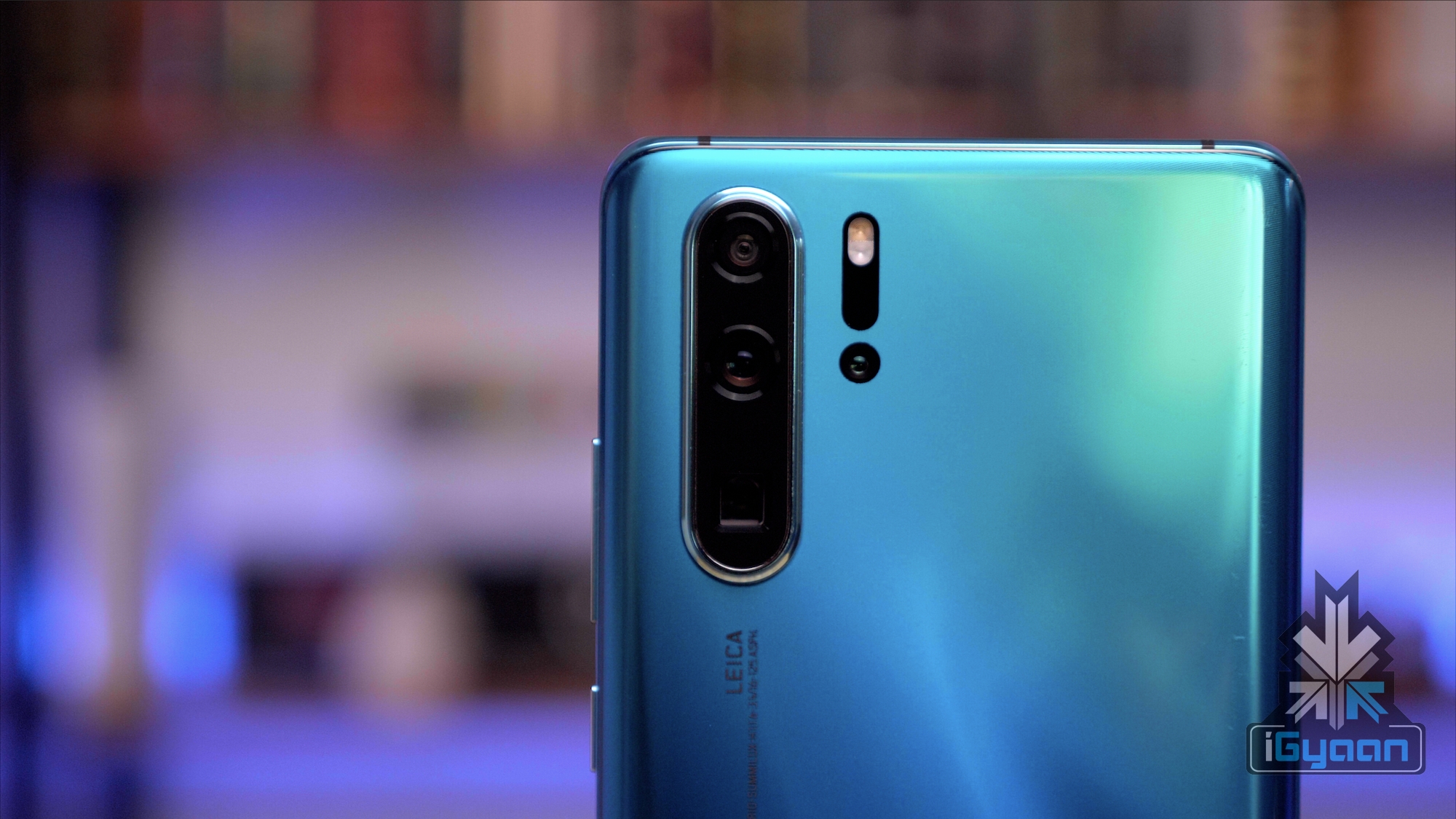
Huawei P30 Pro
The P30 Pro combines aggressive software optimization with three cameras and does wonders. In fact, the device features a very unique periscopic camera setup, enabling 5x optical zoom in the device. Furthermore, P30 Pro’s camera uses an RYYB sensor, as Huawei claims that the sensor captures 40 percent more light than a conventional camera sensor. This enables the P30 Pro to capture staggering night shots. In a dark room where the human eye has trouble perceiving details, the Huawei P30 pro makes it look easy. Moreover, the device is the only smartphone in the market which supports 50x digital zoom.
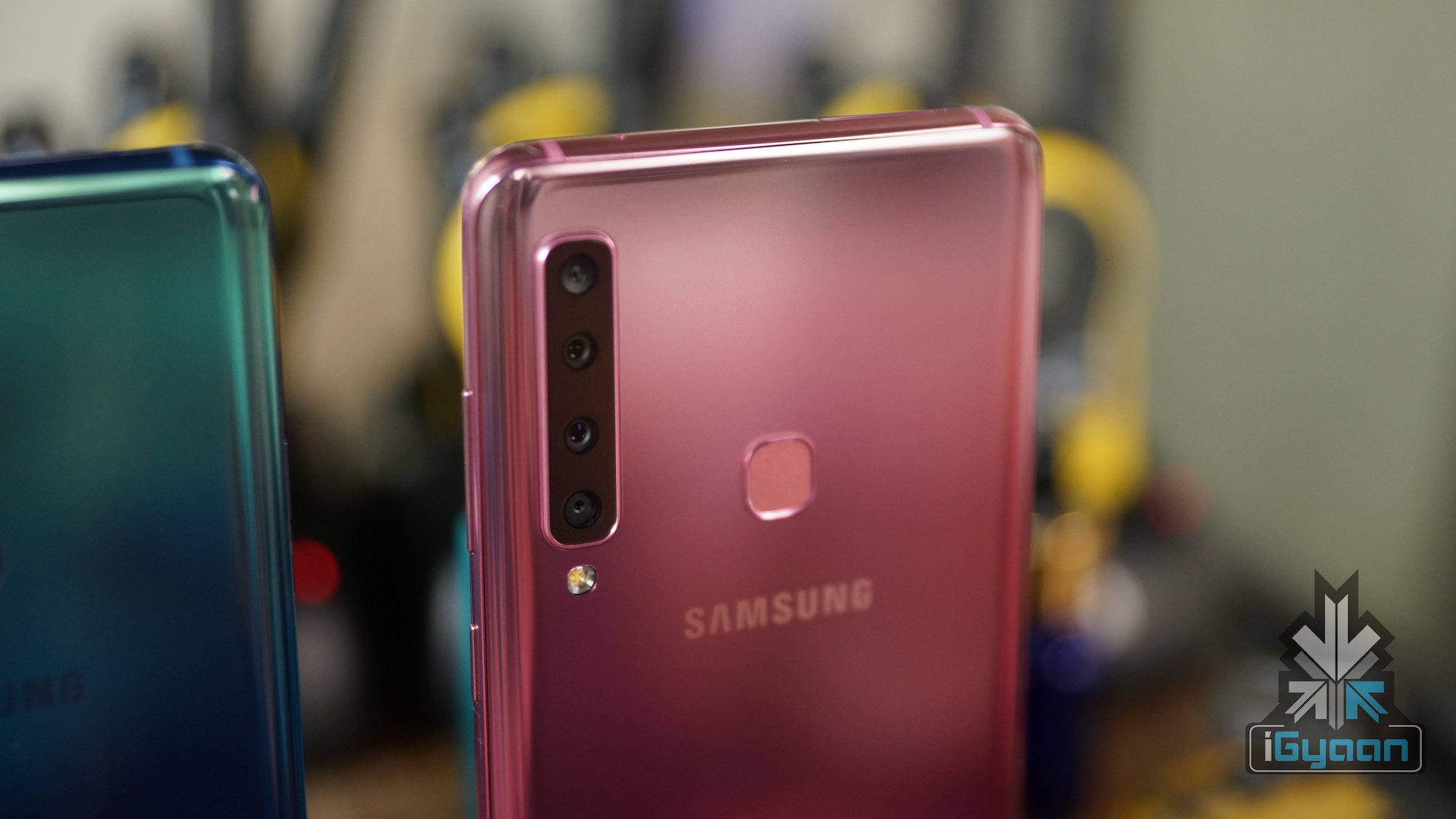
Samsung Galaxy A9
Both the aforementioned smartphones contradict each other’s statements. Is it just about the number of cameras on the device, or is it just concerned with the AI and software optimization of the same? Or maybe, a well-balanced combination where the software and a multitude of cameras work together to create a perfect image is all we need.
What Features Should You Actually Look For?
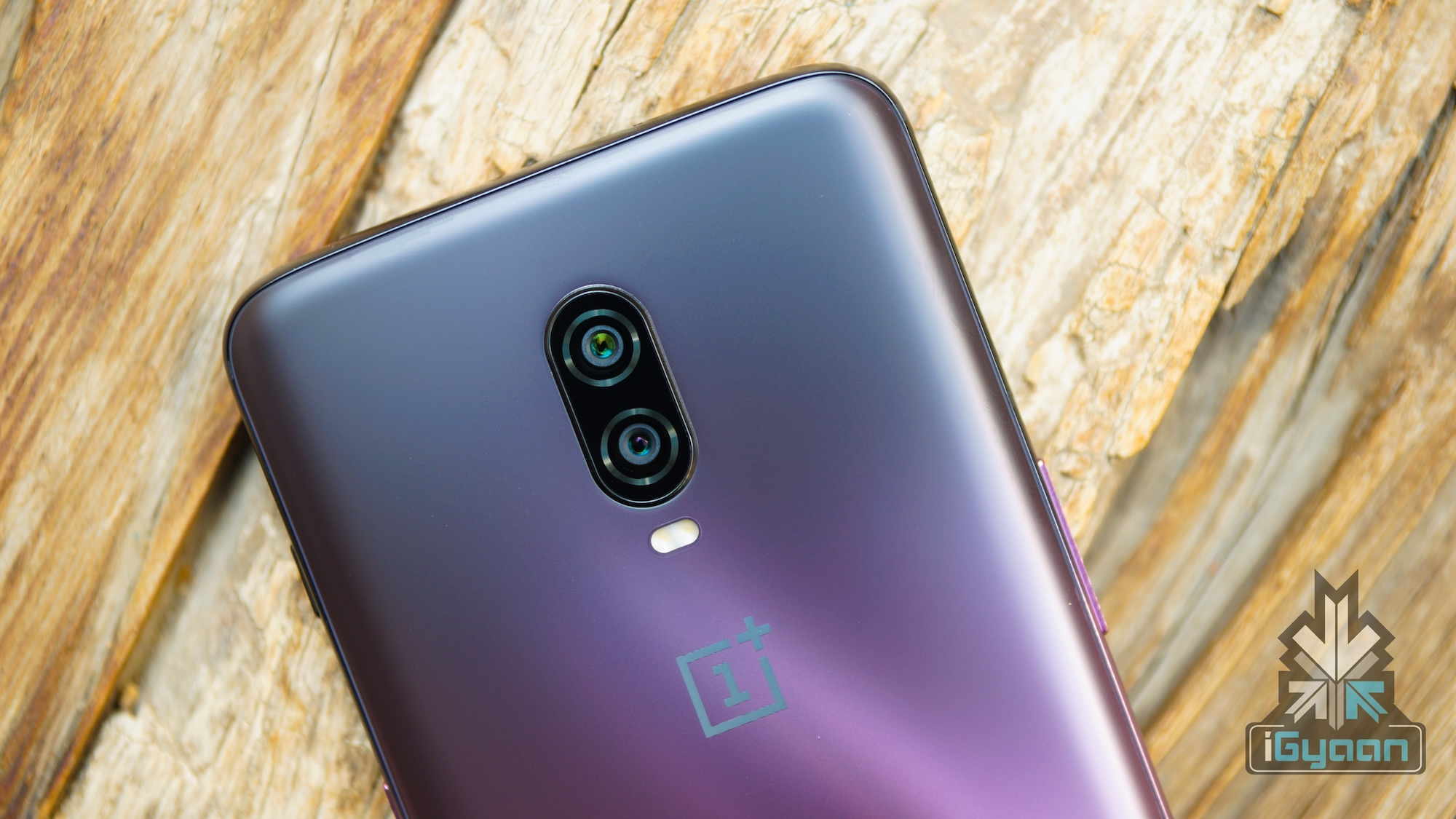
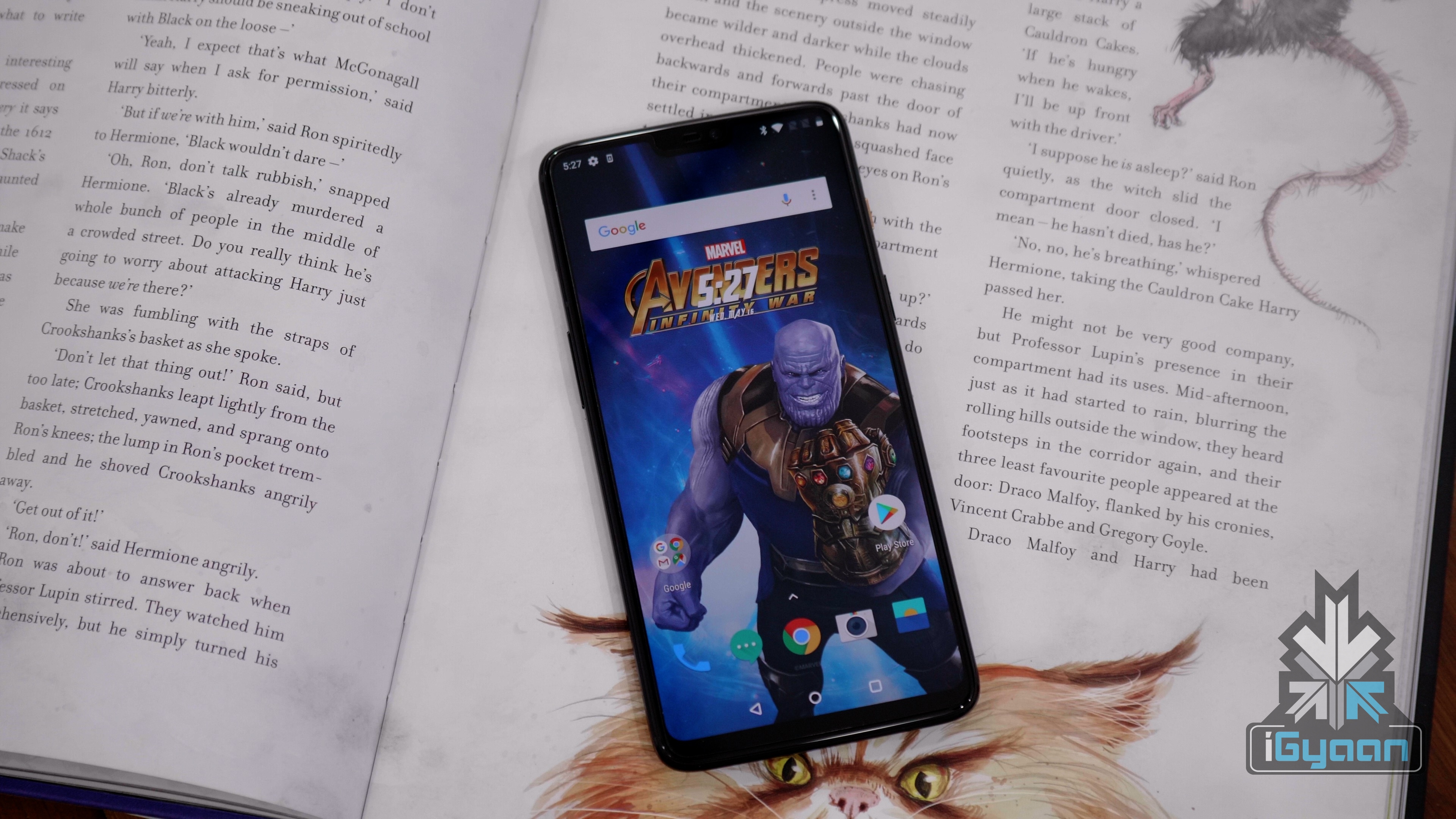
OnePlus 6T
In addition to image processing, smartphones with good zoom capabilities are also a necessity nowadays, because an all-round performing camera isn’t just born out of software optimization. If your preference is “portrait-mode-selfies”, prefer a smartphone camera with a wide aperture (size of the shutter hole). Furthermore, having a wider aperture on the smarpthone’s camera enables it to capture well lit shots in lower light. Last but not the least, Megapixels, even though they aren’t an accurate representation of how good the smartphone camera is (contrary to popular belief). More megapixels equals more details in larger images, so if you are into zooming and extracting details from the images, your first preference has to be the megapixel count.
Smartphone brands will keep rolling out devices with multiple cameras, that’s for sure, but as long as software advancements continue to flourish, devices with single cameras and multi-camera setups will keep going head-to-head. Even though “two cameras” do sound better than “one camera” on paper, it’s still relevant to the usage of the smartphone, as mentioned previously, but to answer the sought question, No. More cameras doesn’t necessarily pertain to the fact that the smartphone will capture better images than other counterparts with a lower number of cameras.
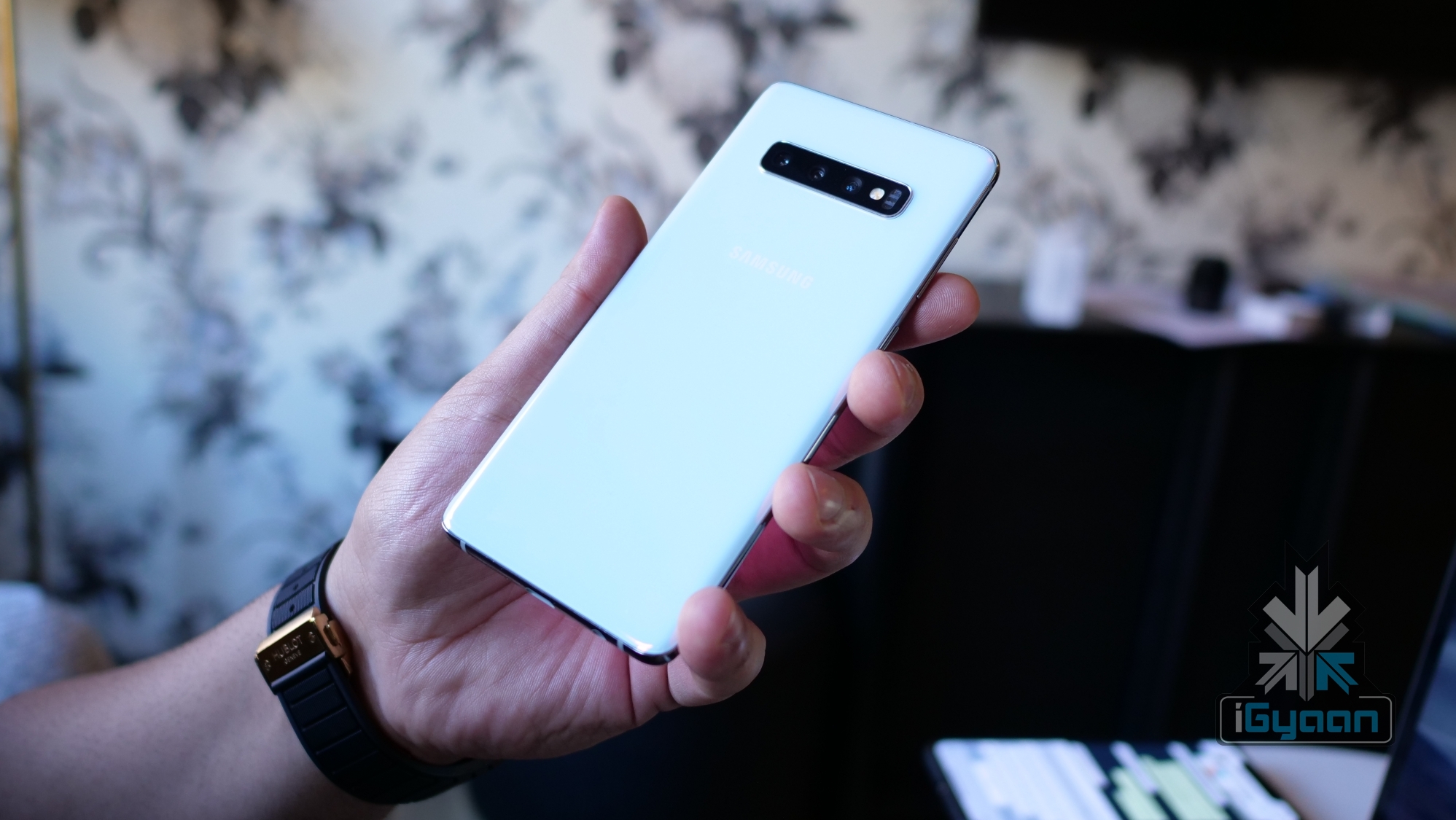
Samsung, the world’s number one smartphone manufacturer is known for creating some praiseworthy flagship devices. Taking the latest Galaxy S10 lineup as an example, the handsets perfectly blend in great hardware with appreciable software. But, in the past few years, it’s budget smartphones have been struggling to perform well in terms of sales due to fierce competition from Chinese OEMs. The company, in a bid to change that, launched the current Galaxy M and the Galaxy A series of devices. Not only the hardware on the handsets is noteworthy, but they also have a competitive price to maintain themselves in the game. So, has Samsung finally figured out the budget smartphone segment?
History Of Samsung’s Budget Smartphones
Galaxy On7
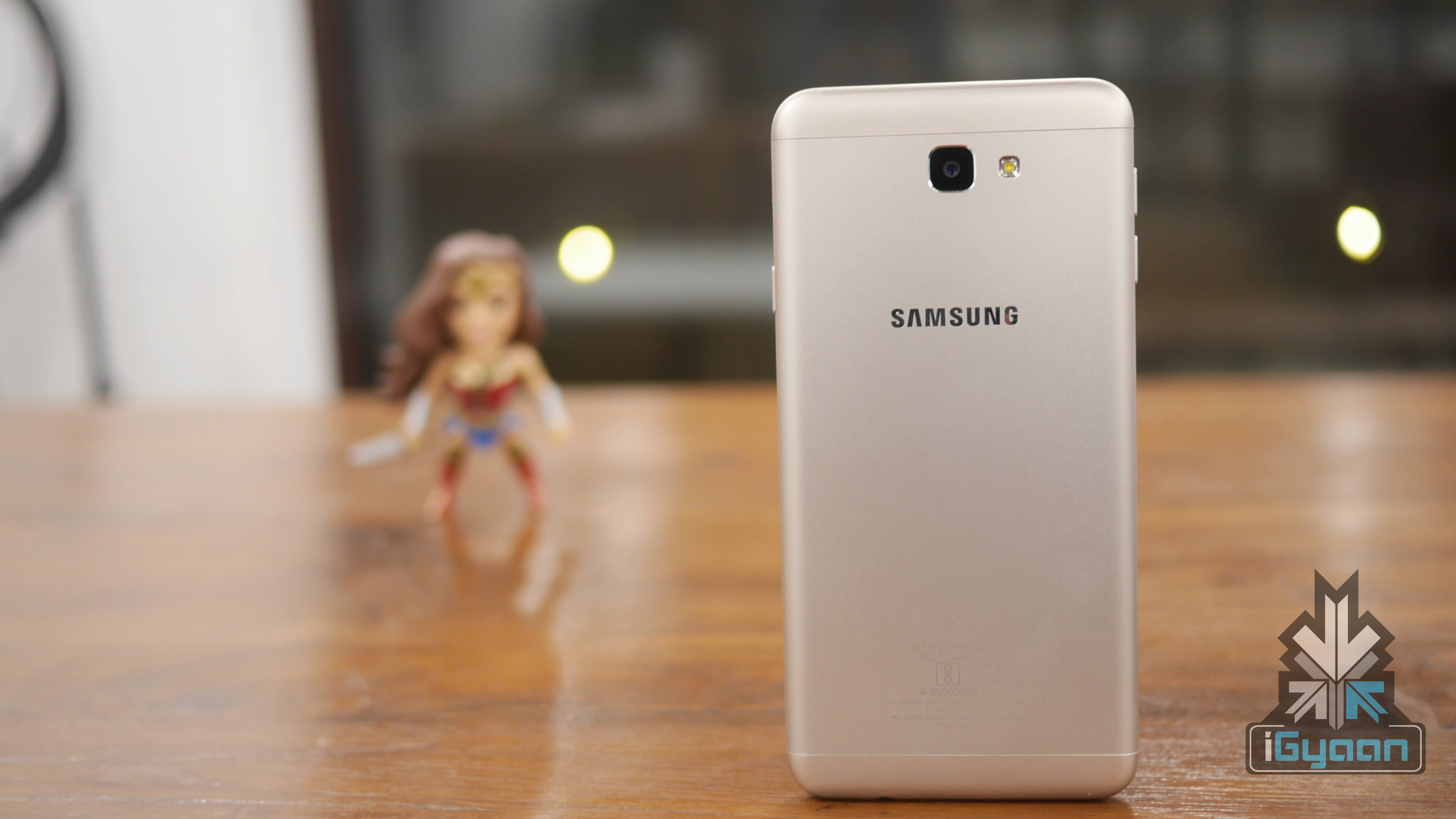
Before this year, Samsung had a convoluted lineup in which it placed its budget smartphones. There was the Galaxy J series, which started from the bottom of the barrel and continued to the mid-range price bracket. Then there was the Galaxy On Series, which targeted budget segment online. On the top end of things, there were the Galaxy A and Galaxy C lineup of smartphones. These were the company’s mid-range offerings which went up to the premium mid-range price bracket. No prizes for guessing, all the aforementioned devices looked archaic and did not really offer competitive specifications for the price they were targeting. In the end, Samsung had to discontinue all the devices in the above lineups and started to reinvent itself.
The Current Situation
Galaxy A30
After struggling to understand what the consumers really wanted in a budget smartphone, Samsung went back to the drawing board. In an attempt to take over the market captured by Chinese rivals such as Xiaomi and Honor; it released the Galaxy M and the Galaxy A lineup of smartphones in 2019. As mentioned above, the devices changed what the company used to do in this segment, which has forced the competition to take notice. Not only they featured good, sometimes beautiful hardware, but the overhauled software experience with a good price tag was also a pleasant change. Notable devices of the series included the Galaxy M30, Galaxy A30 and the Galaxy A50. Most of these devices have already been the bestsellers for the company.
Galaxy M30
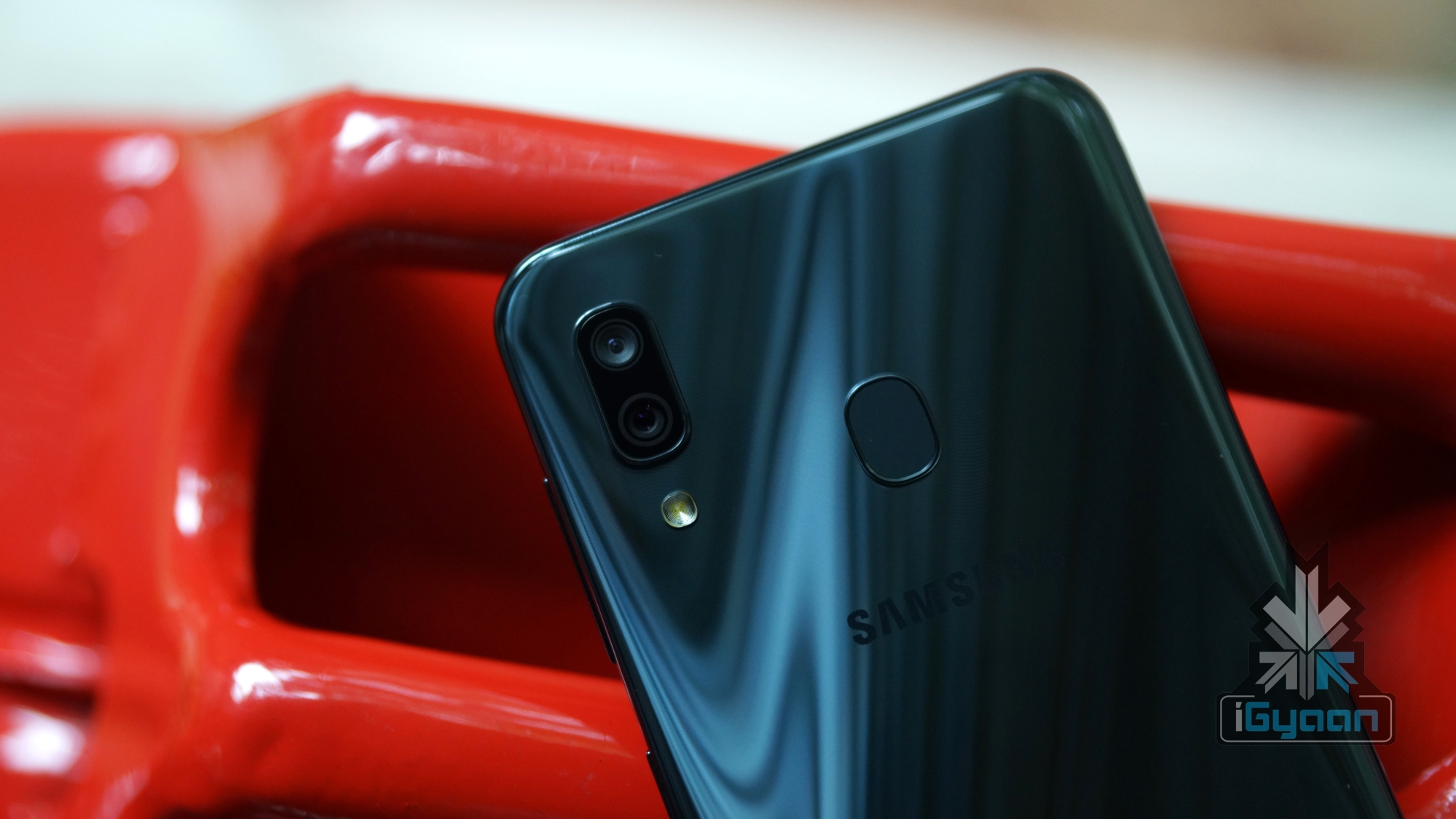
So, why did it take the company so long to devise a strategy that they knew was going to work? It is because it finally dared to take risks. Chinese rivals, while not as well known, have always attempted to do something different to stand out. While this may not always work, it does help in hogging the limelight away from the competition. Samsung, a huge player in the segment could not afford to take such a huge risk with little chances of payoffs. But, it seems like it finally made up its mind and has been offering distinctive features like the flashy ‘Glasstic’ glossy 3D back panel and a waterdrop notch.
While Samsung might have succeeded in discerning the market and the budget smartphone segment, it still has a long way to go. Catching up to its rivals just means giving them a headstart. For example, the Galaxy M30’s triple camera layout may be innovative for the price range, but its bland design and weaker gaming performance cannot be ignored. As these are the first iterations of the handsets, it is expected they will get better every year. No matter how late Samsung is to the party, there is no denying it has left a sizeable dent in it. Additionally, an extra amount of competition will eventually be good for the consumers for the number of choices there will be.
OnePlus, one of the most well-recognised smartphone OEMs in the world has seen unprecedented success since its inception in 2013. The company is known for launching just two devices every year since 2016. Fresh reports claim that it may now be looking to expand its lineup of products. A senior OnePlus executive has said in an interview to an Italian publication and confirmed that while the company may not launch a foldable smartphone this year, it may release a smart television soon. Alongside the smart TV, It is also planning products in the automotive and PC market for the future.
OnePlus’ Plans For The Future
The senior executive at OnePlus, said there are many reasons for the company not to invest in a foldable smartphone just yet. The reasons cited are not providing any additional functionality than a regular handset; and the cost of the current foldable smartphones, which are known to be considerably expensive. According to him, the prospect of developing a smart TV is something the company is looking forward to. The executive further claims there has been no significant innovation in the space for around 20 years, which OnePlus is planning to tackle with their product. The final product from the company may not feature a remote control as it is developing an Artificial Intelligence (AI) to take its place. Interestingly, the idea of a smart TV developed by OnePlus isn’t new and the plans for it were announced a while ago.
Furthermore, OnePlus is not stopping at smart TVs, or ‘Smart Displays’ as the senior executive calls them. The company is also developing products in the automotive sector. While creating a car is too complex according to the executive, development in the software side of things is being looked into. Also in the pipeline are products for a smart office, which includes the PC and cloud space, to allow for seamless connectivity. Unfortunately, no information on when to expect the aforementioned products have been provided. However, given an official confirmation, they are expected to be announced starting later this year.
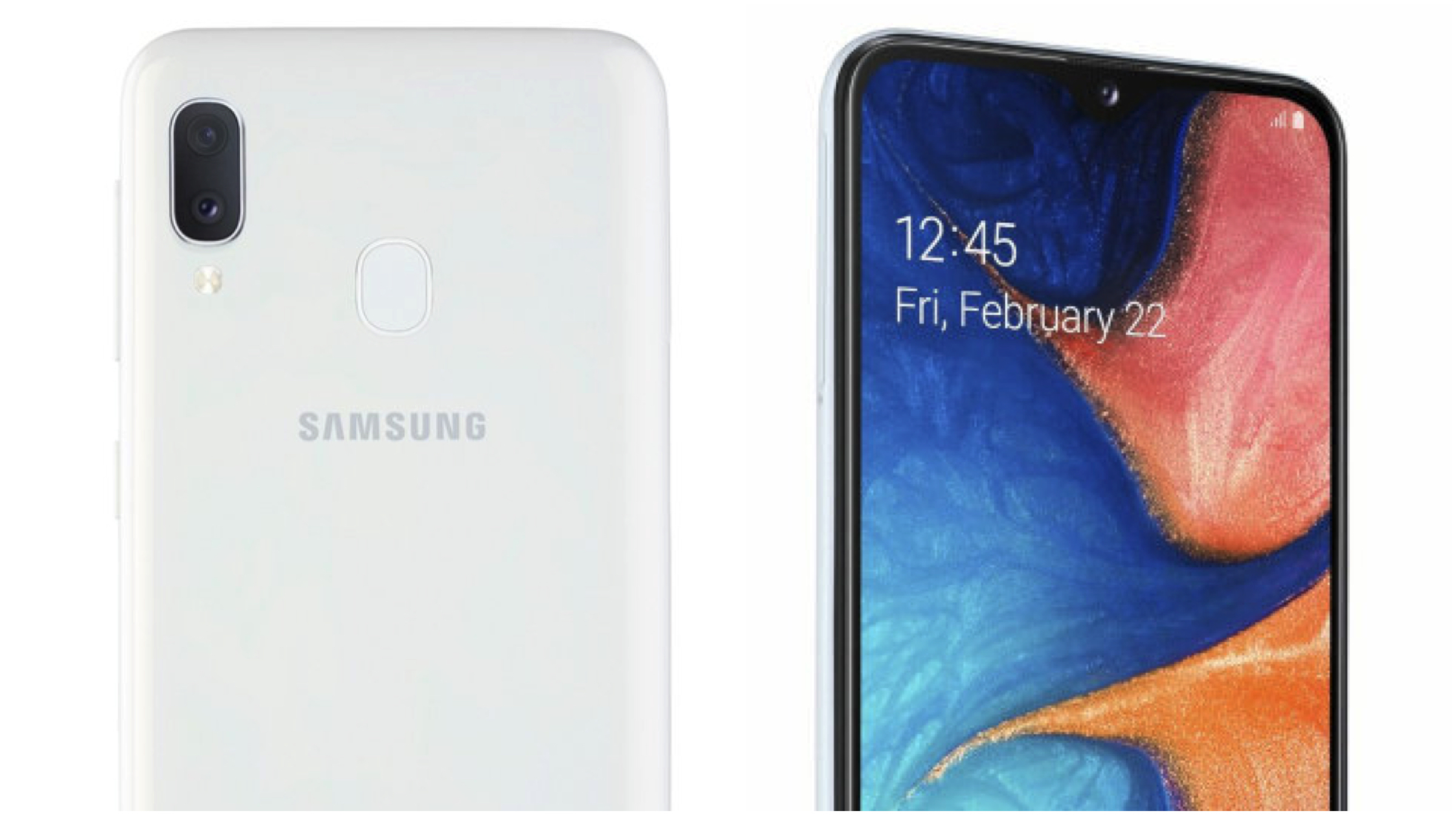
Samsung Galaxy A20e is the latest smartphone in the company’s mid-range Galaxy A lineup. The device features competitive specifications at a lucrative price. It has an Infinity V style waterdrop notch to increase the screen real estate as much as possible and uses a Super AMOLED display for the best media viewing experience on the smartphone.
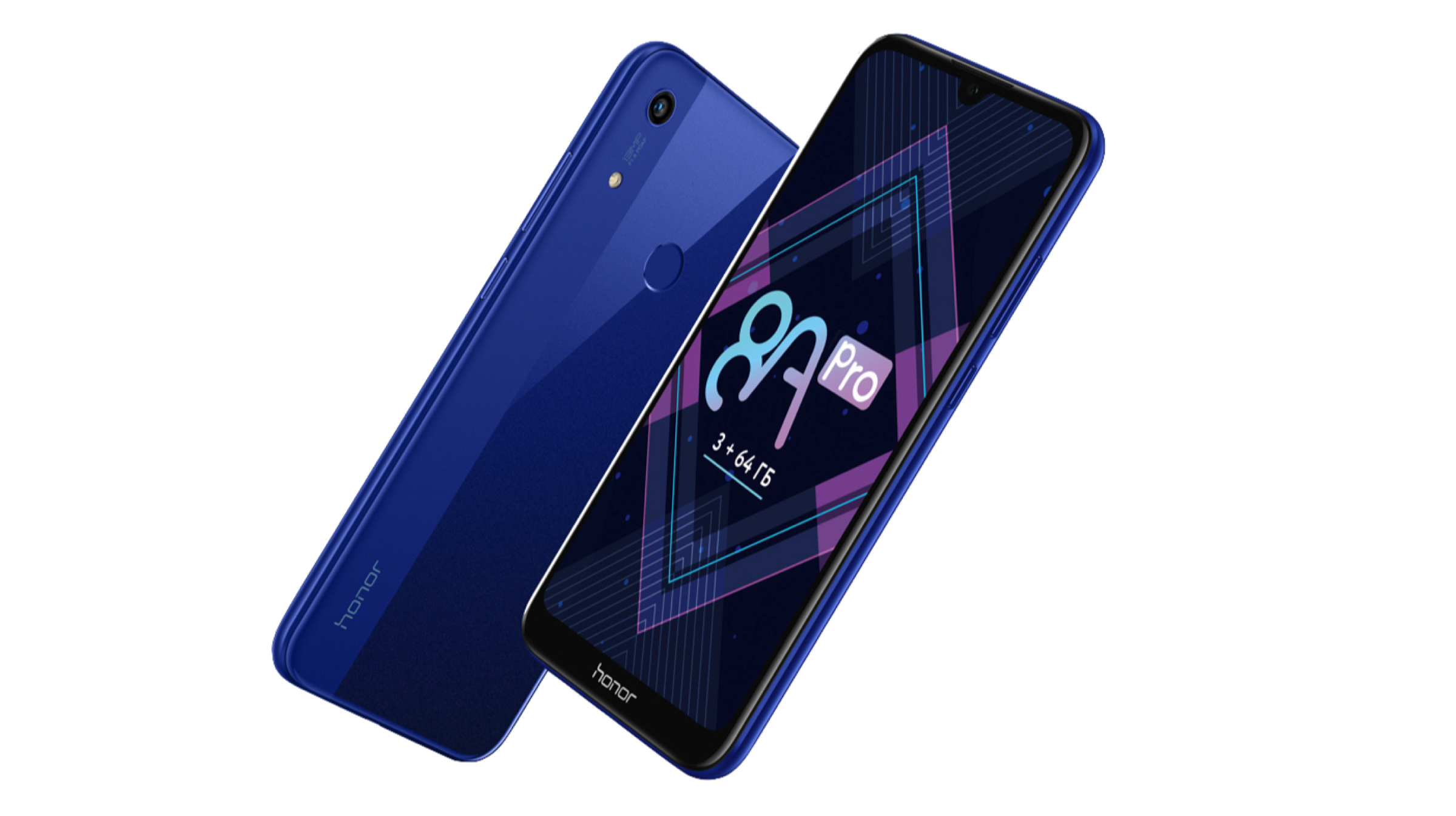
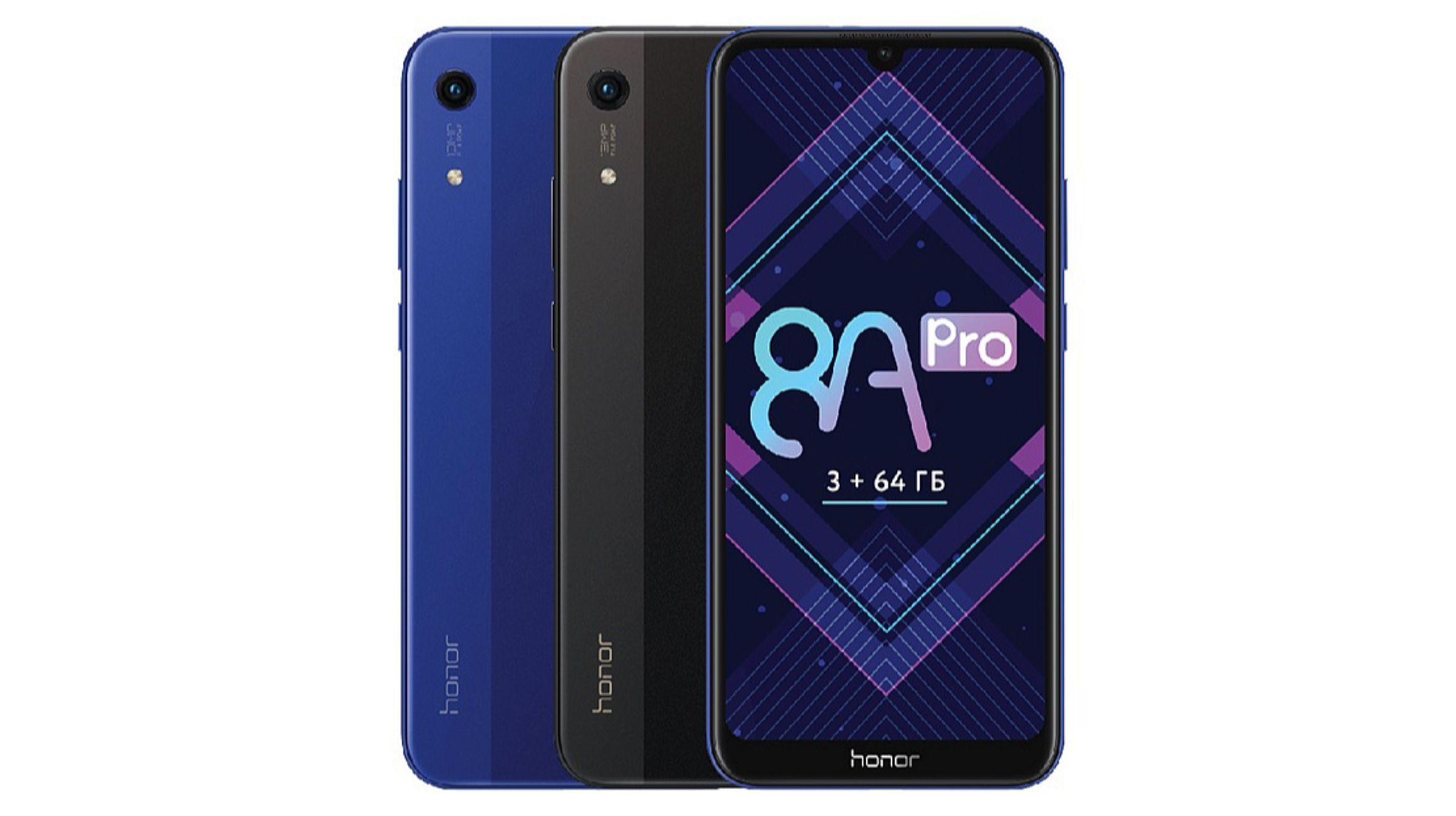
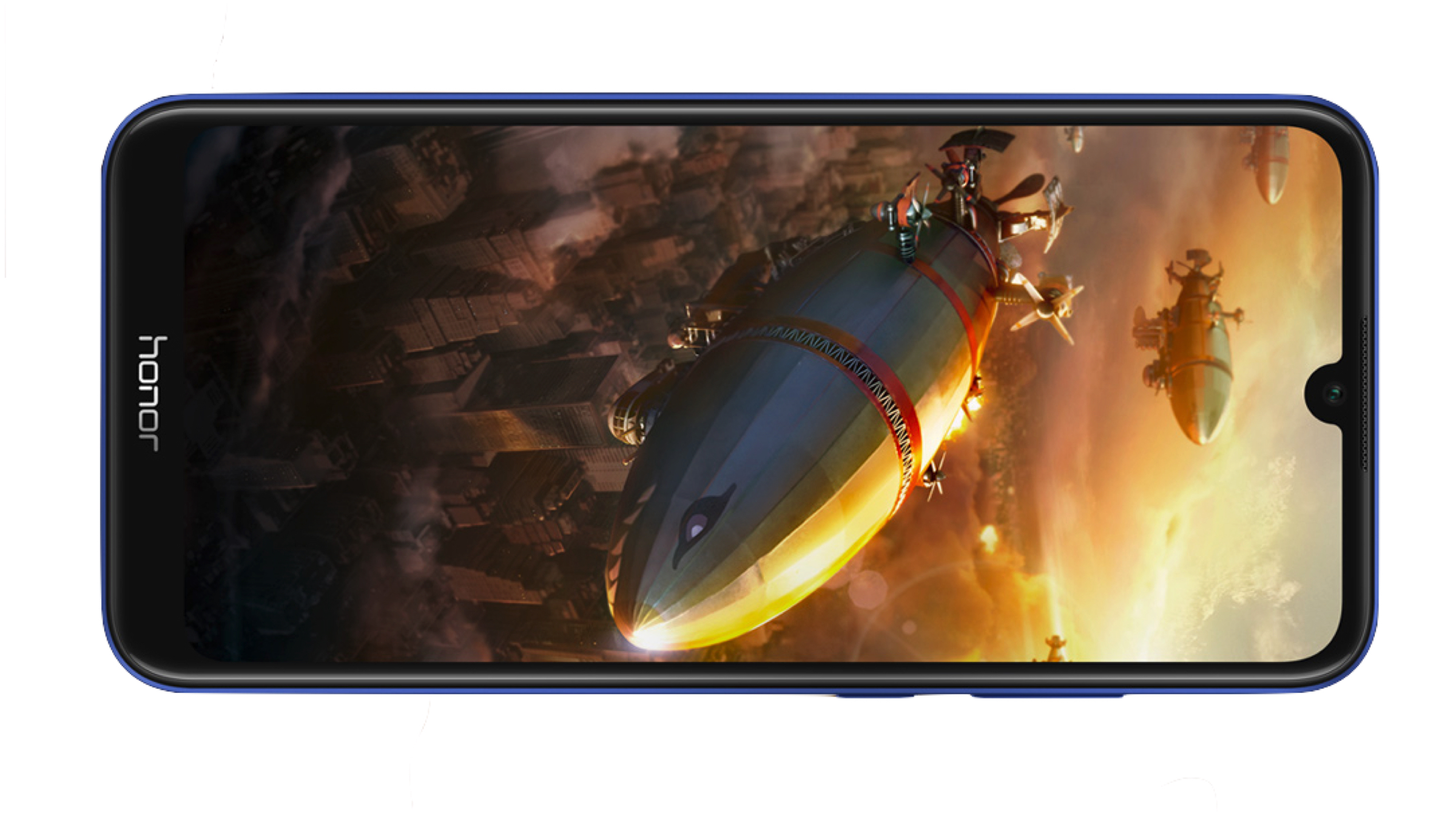
Huawei’s subsidiary Honor has launched its latest smartphone in Russia. Named the Honor 8A Pro, it is the more premium version of the Honor 8A released in January this year. The smartphone is targeted towards the budget market, features a modern design and boasts of competitive features at an affordable price.
Honor 8A Pro
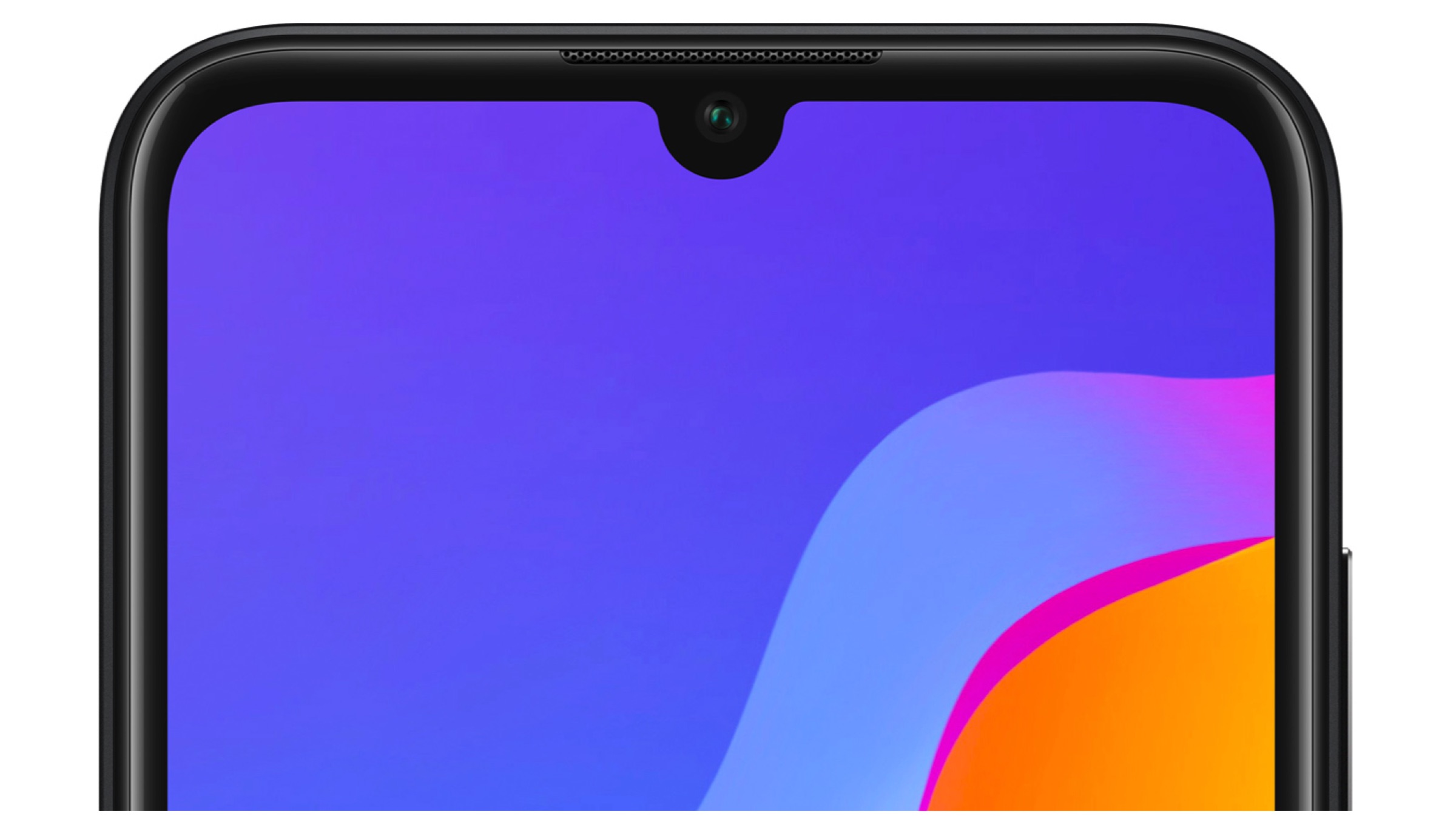
The newest smartphone from the company, the Honor 8A Pro measures 156.28 x 73.5 x 8.0mm and weighs 150g. Front of the smartphone is dominated by a 6.08 TFT LCD display with a resolution 1560 x 720 px. To attain maximum screen real estate, the company has used a waterdrop notch on the top of the display. For biometrics and securely unlocking the device, there is a rear mounted fingerprint sensor and support for face unlock technology.
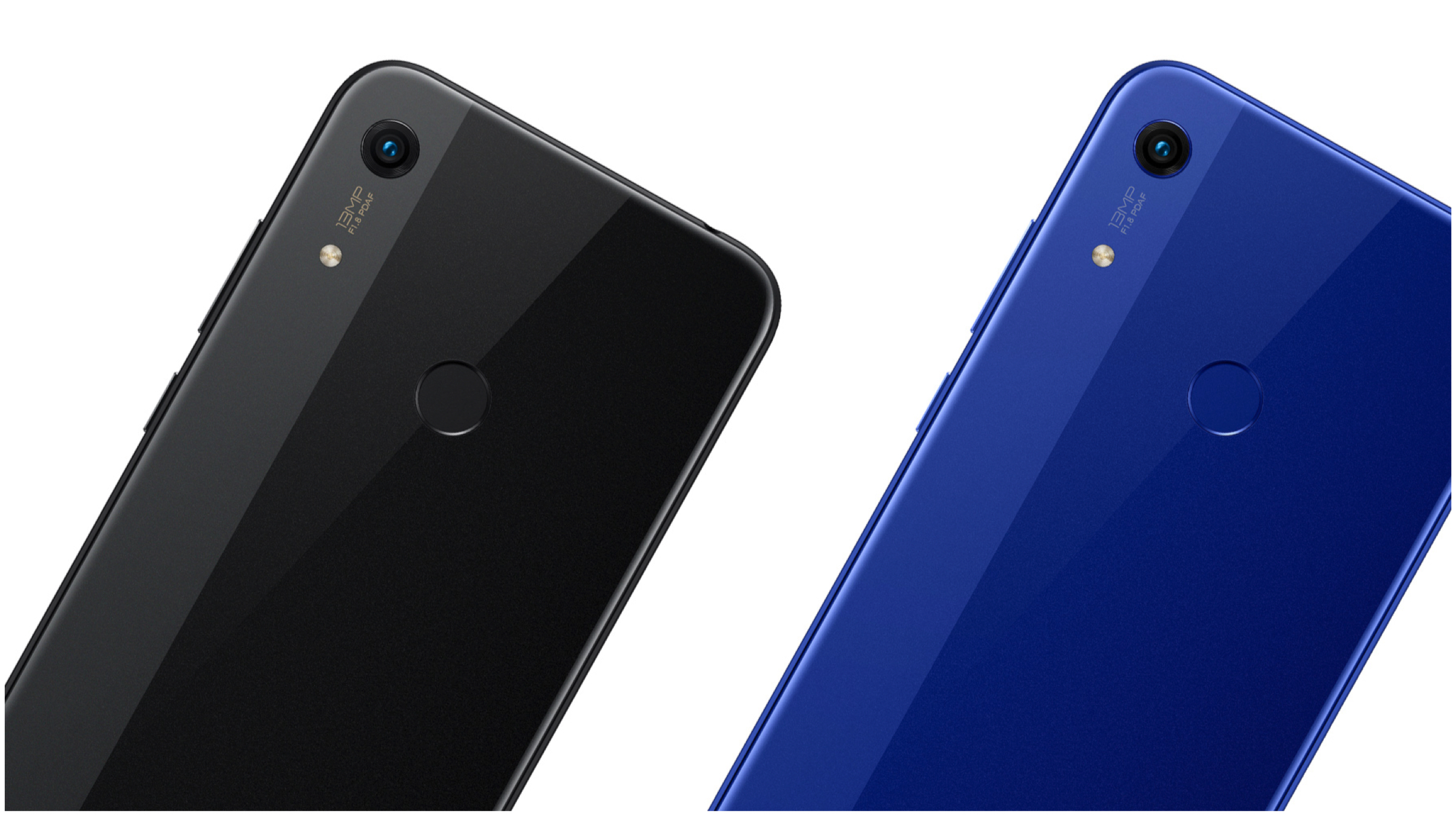
Under the hood, the Honor 8A Pro is kitted with the 12nm Helio P35 SoC. The chipset consists of an Octa-core CPU and a PowerVR GE8320 GPU. In terms of optics, the smartphone has a single 13MP rear camera and an 8MP front-facing snapper. For memory and storage, the device has 3GB of RAM and 64GB of internal storage. It is further expandable by up to 512GB with the help of a microSD card.
The Honor 8A Pro is powered by 3020 mAh battery with fast charging support through a micro USB port. For connectivity, the smartphone has Dual nano-SIM, 4G LTE support, Wi-Fi 802.11b/g/n and Bluetooth 4.2 connectivity. It runs on the company’s latest EMUI 9 on top of current Android 9 Pie and will be available in two colour variants namely Black and Blue.
The Honor 8A Pro is available to purchase starting April 12 in Russia. The smartphone carries the price tag of RUB 13,990 (Rs. 14,700). Unfortunately, the company has not provided any information regarding its launch date and price in India.
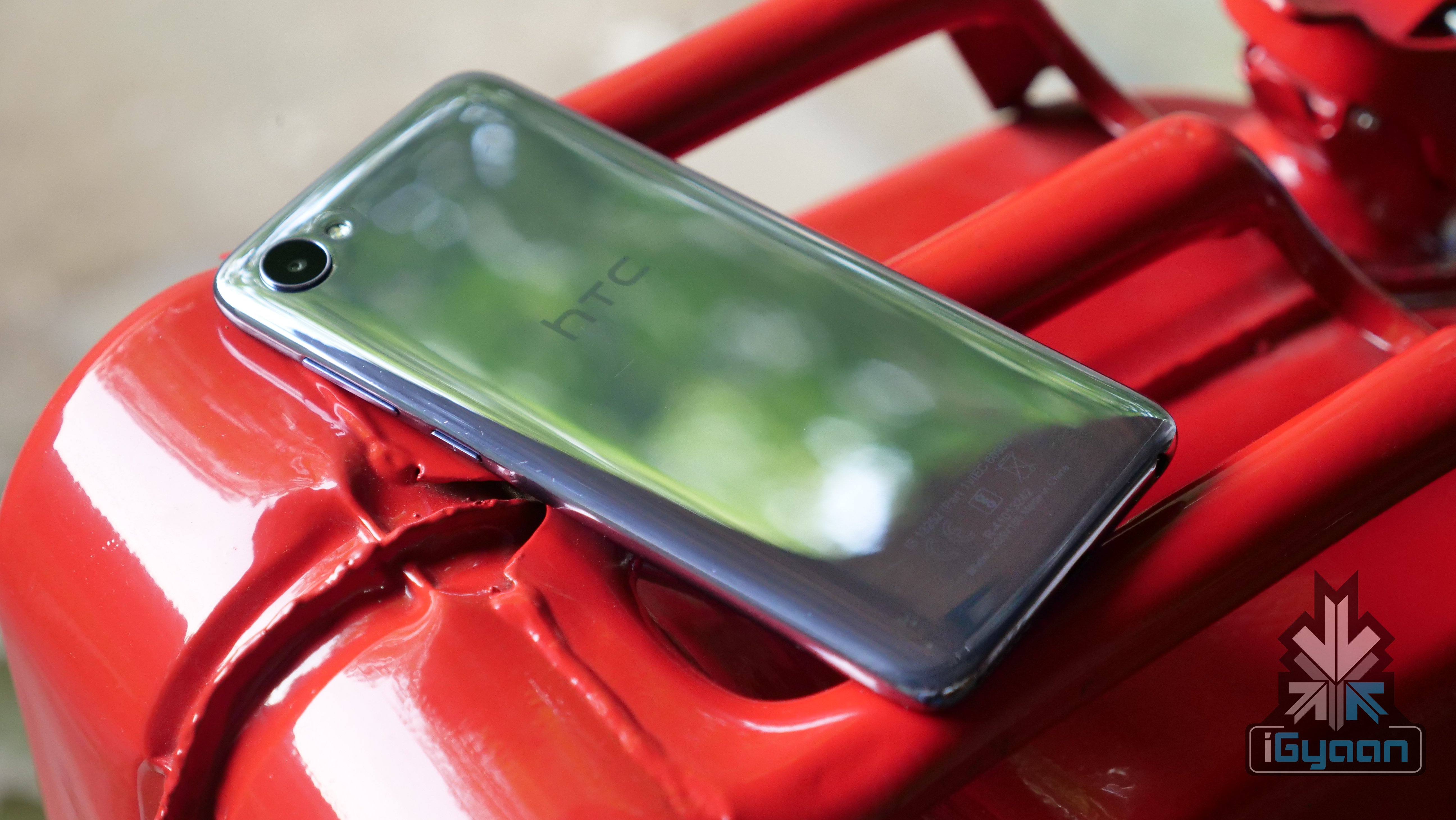
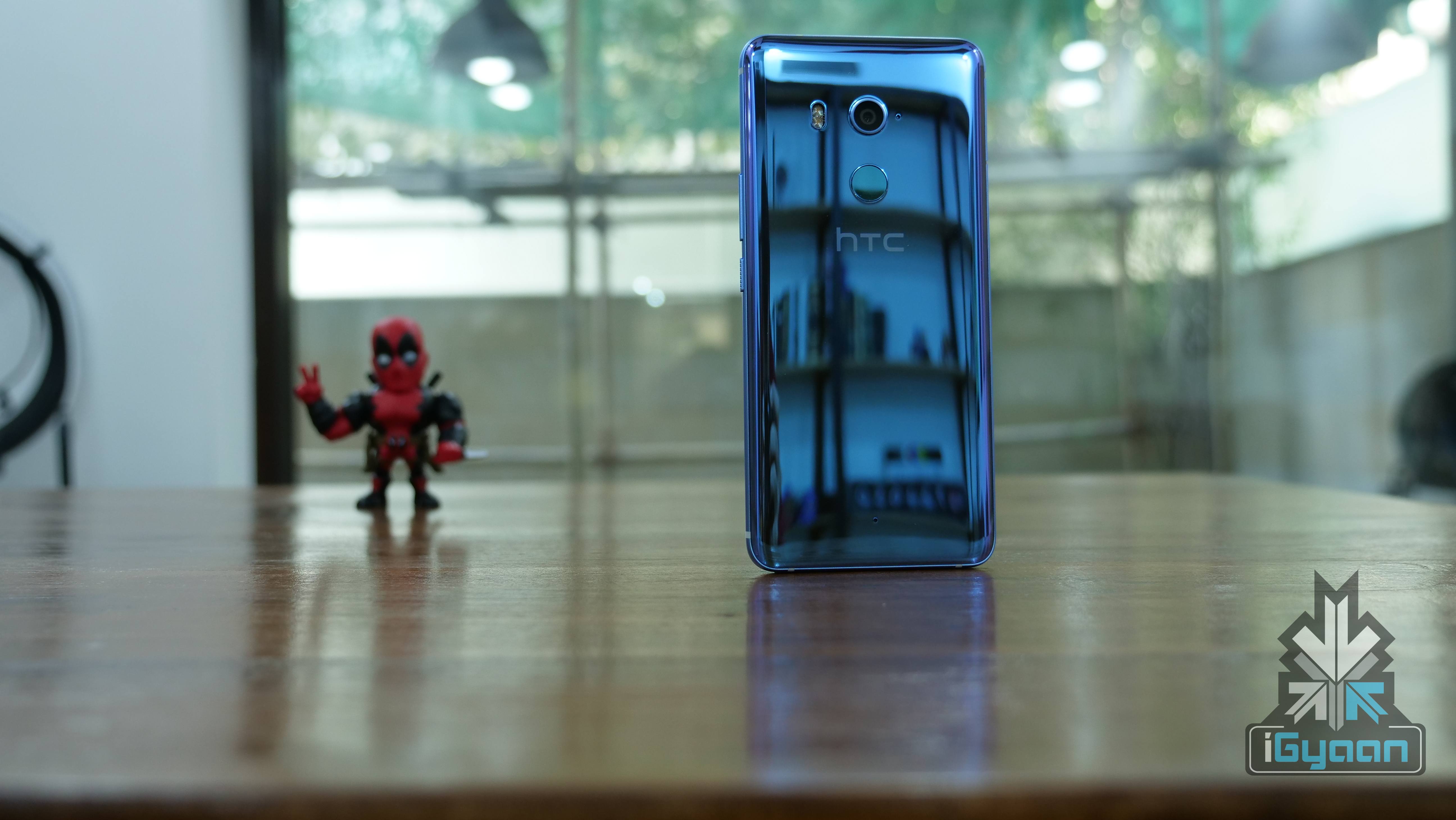
HTC is a Taiwanese company which is best known for its Android smartphones. Due to fierce competition from Chinese competitors like Oppo and Xiaomi, its sales have fallen sharply in the last few years. Speculations following the sales drop claimed that the company might exit the smartphone business altogether, but leaked benchmarks of a smartphone with contemporary specs suggest otherwise. The unreleased smartphone has been spotted on two major benchmark websites, Geekbench and Antutu which reveal its key features.
Benchmark Results
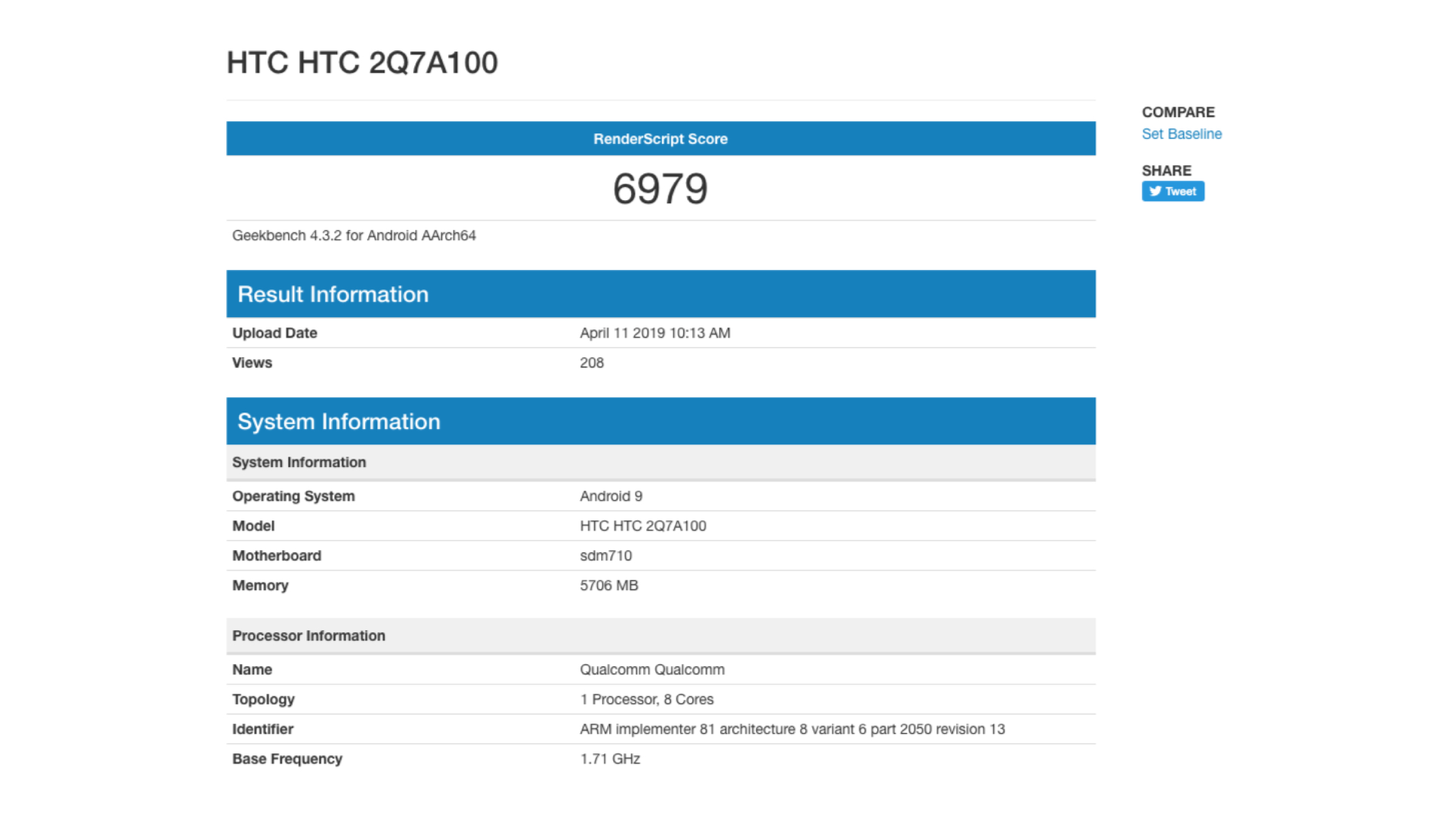
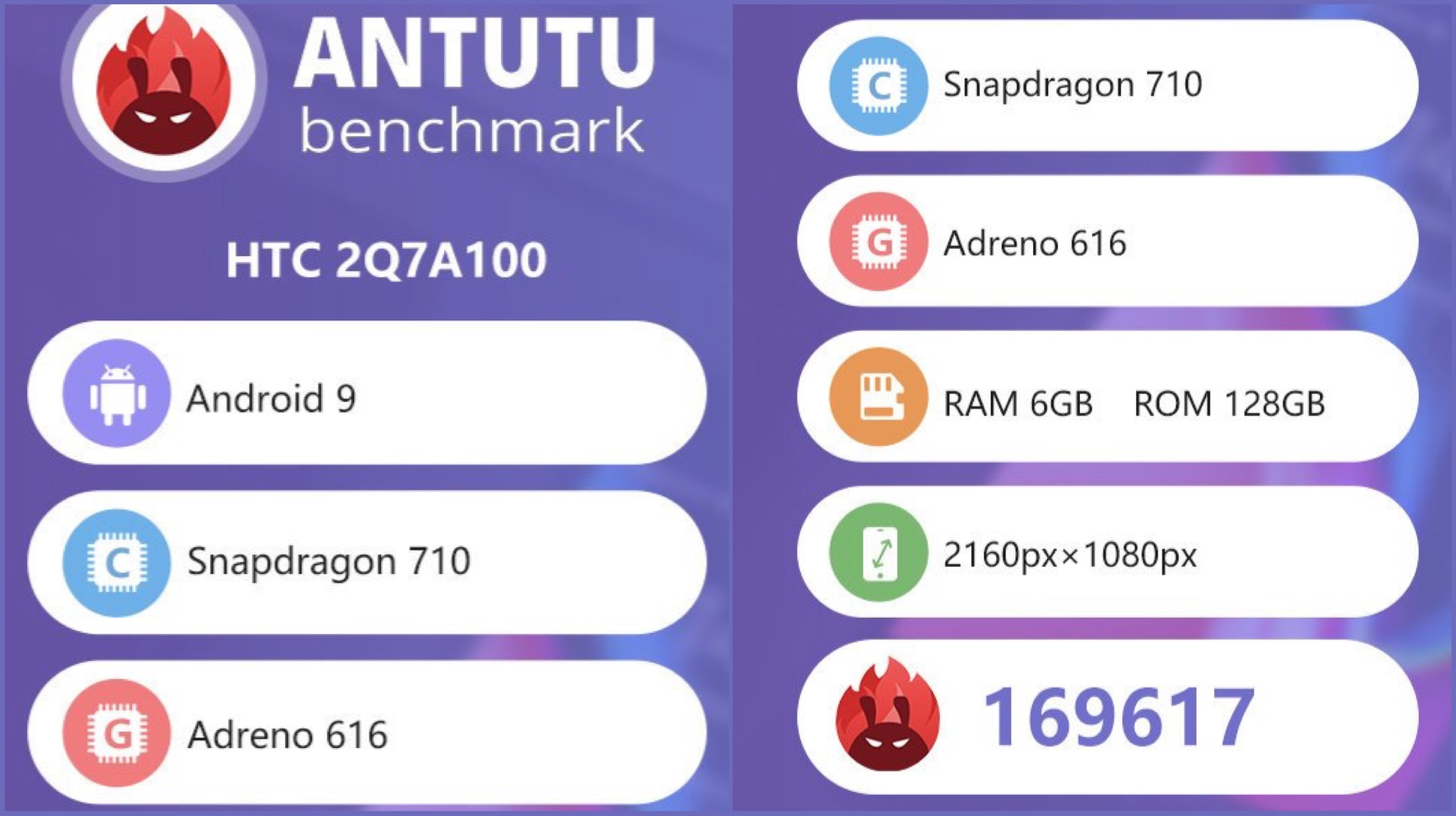
The unreleased HTC smartphone has been listed as model number “HTC 2Q7A100” on both the benchmarking websites. The specifications of the unreleased smartphone suggest it will be a mid-range device which will compete with the likes of the Redmi Note 7 Pro and the Samsung Galaxy A50. According to the listing, it features the Snapdragon 710 SoC which consists of an Octa-Core CPU and the Adreno 616 GPU.
The mysterious HTC smartphone has 6 GB of RAM and 128 GB of internal storage which might be further expandable via a microSD card. Even though the listing does not reveal the screen size of the upcoming device, it reveals an FHD+ resolution of 2160 x 1080 px. In the Antutu listing, it registers a worthy score of 169617 points and a score of 6979 points in Geekbench.
Unfortunately, HTC has not confirmed the authenticity of the leak, therefore, guessing the launch date and price is hard. Albeit, the specifications of the smartphone suggest it will be priced under the Rs 20k mark.
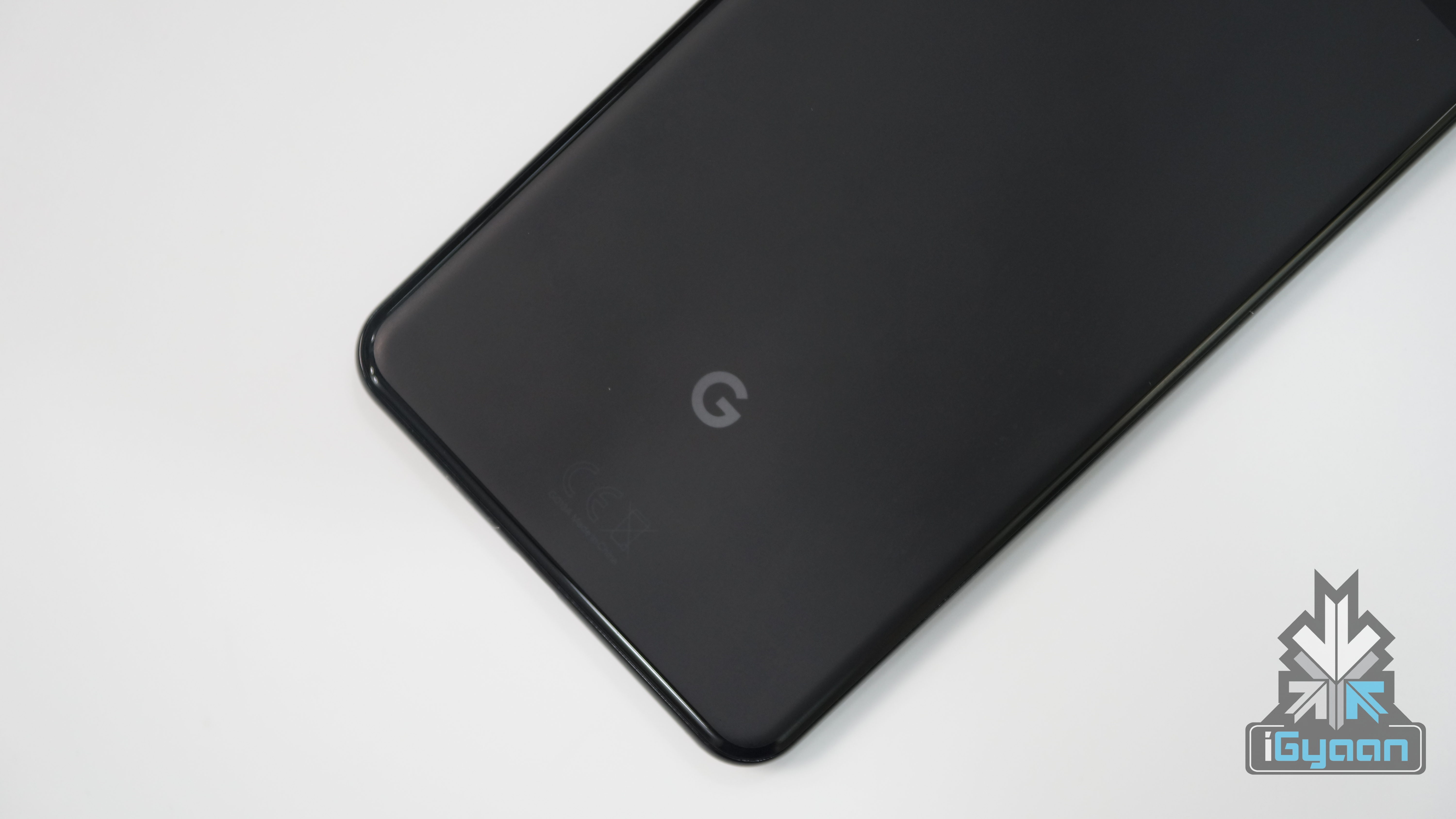
2019 seems to be like a big year for Google. Ahead of the anticipated launch of the Google Pixel 3a and Pixel 3a XL, the company is also building up hype for its next flagship devices, including the Pixel 4 and Pixel 4XL. The device has been spotted twice in the Android Open Source Project, indicating that the company is gearing up for the release of the devices later this year. In recent leaks, the codenames for the Pixel 4, Pixel 4 XL and a third unknown pixel device were revealed.
On April 11 2019, a commit (a move to make changes in a code permanent) was posted to the AOSP (Android Open Source Project), which was attempting to correct an anomaly of Android’s SELinux Policy. Regarding the code, the developers were trying to explain the fix for the aforementioned issue using the comments (comments are code lines that are not executed with the code) in the project. The list of internal files provided in the comments includes the codenames of a total of eight devices, out of which two are Panasonic devices, and the remainder are six Google devices.
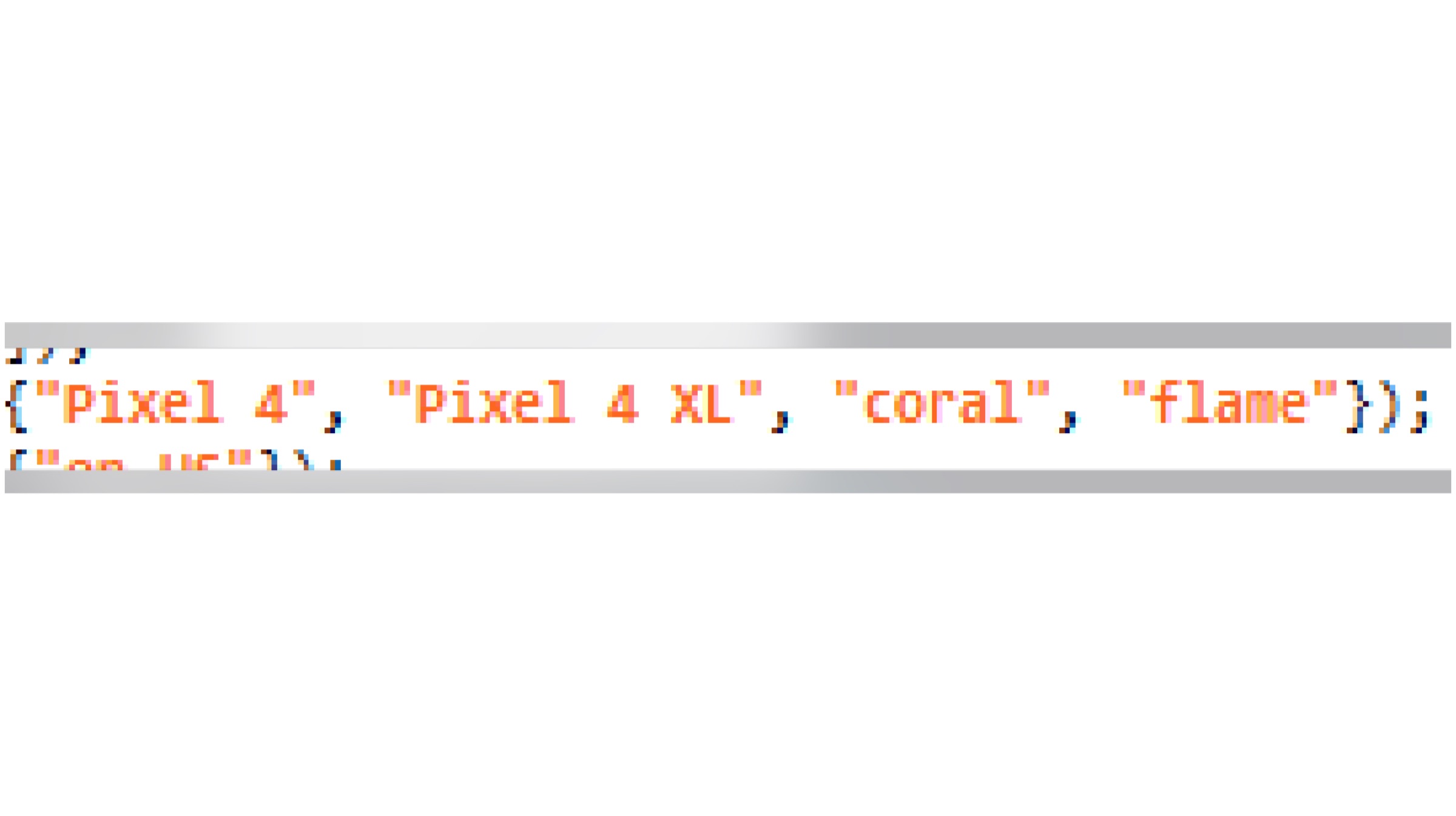
Four of the aforementioned Google smartphones are already known (Marlin or the Pixel XL, Wahoo or the Pixel 2/2 XL, Crosshatch or the Pixel 3 XL and the Pixel 3a XL), leaving two unknown devices in the fray. Codenamed “Coral” and “Needlefish”, the two devices are the Google Pixel 4 and Pixel 4 XL respectively. Sources also reveal that a third codename is present, which is unusual for a Pixel device, because the codename is actually “Flame”. Since Google has always been using sea-life related codenames for its devices, this is a bit of a surprise, but in hindsight, a fish with the name of “flame angelfish” actually exists.
Furthermore, in a previous Geekbench listing, the alleged Google Pixel 4 is listed under the same codename i.e. Coral, confirming that the Google Coral is actually the Google Pixel 4. The smartphones were reported to feature the 7nm Snapdragon 855 chipset bundled with at least 6GB of RAM. However, the question which still remains unanswered is the identity of the third unknown device, codenamed “Needlefish”. Rumours say that it may be the much-anticipated Pixel Watch, but nothing can be said for sure. The Pixel 4 and Pixel 4 XL are expected to be unveiled in the latter half of 2019.
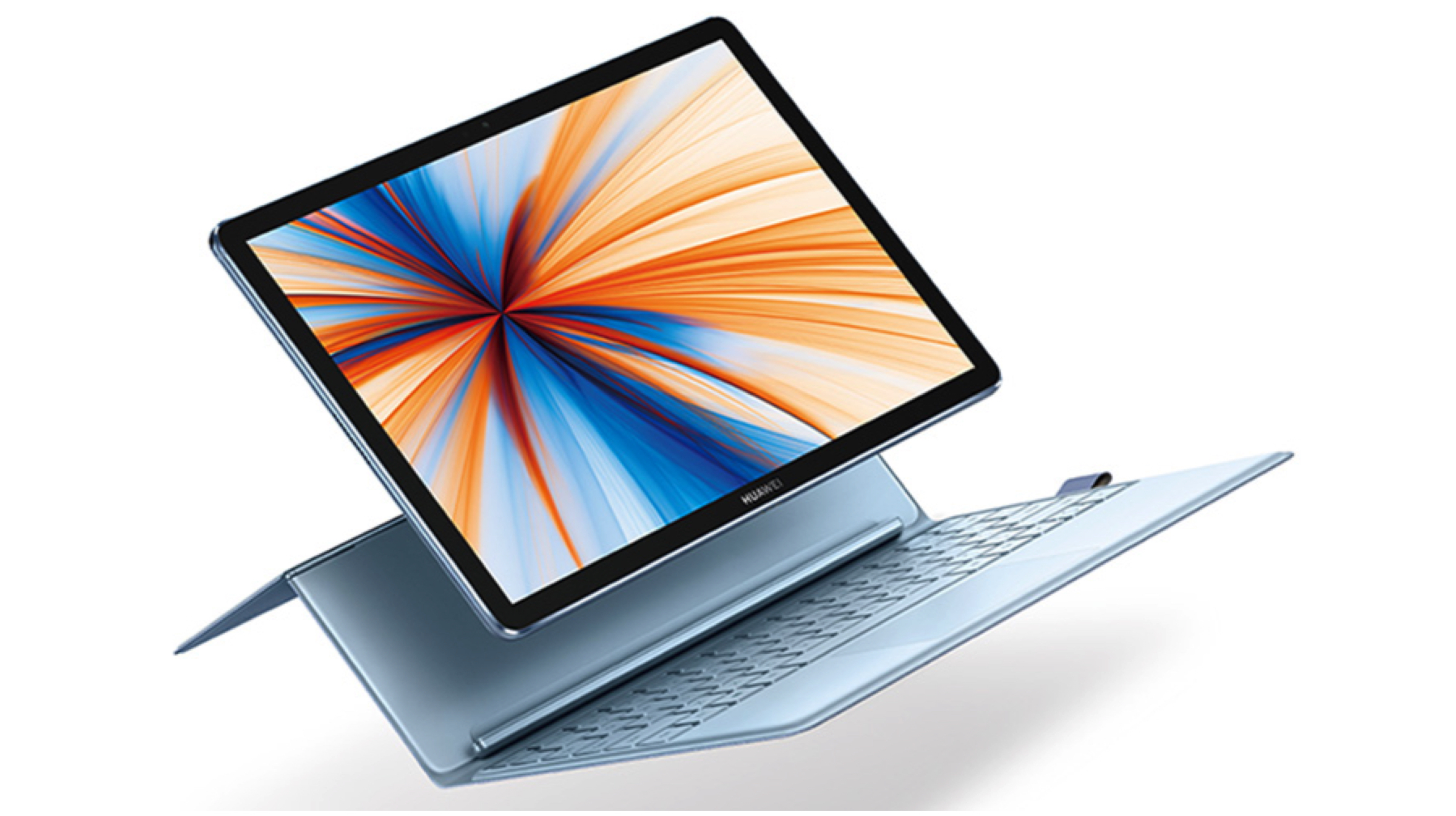
Huawei has expanded its MateBook lineup of computing devices by launching the new MateBook E 2019. It is a 2-in-1 notebook which is capable of detaching itself from the keyboard to exist as a tablet device. The company promises constant, uninterrupted connectivity on the go thanks to its mobile chipset.
Huawei MateBook E
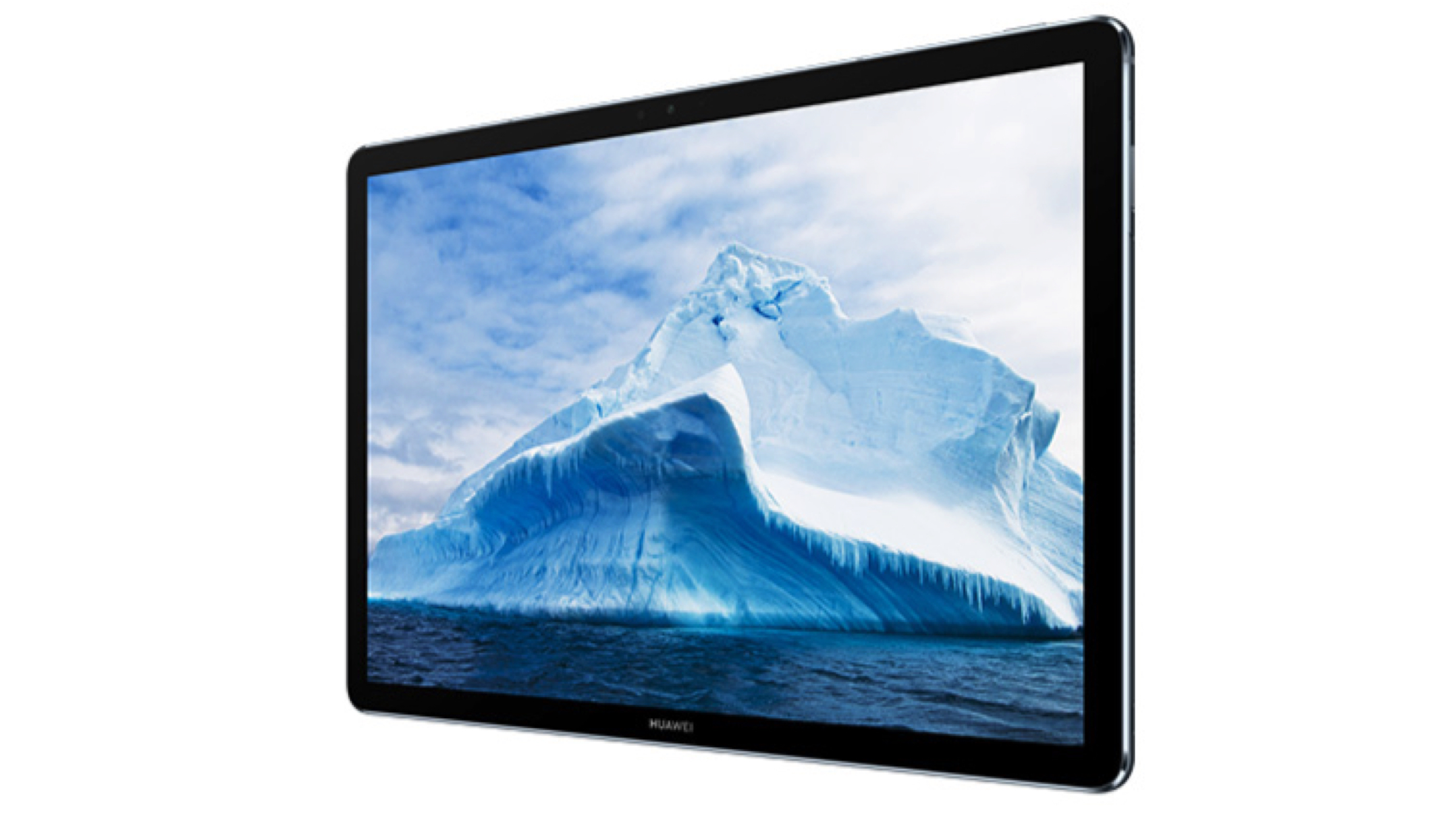
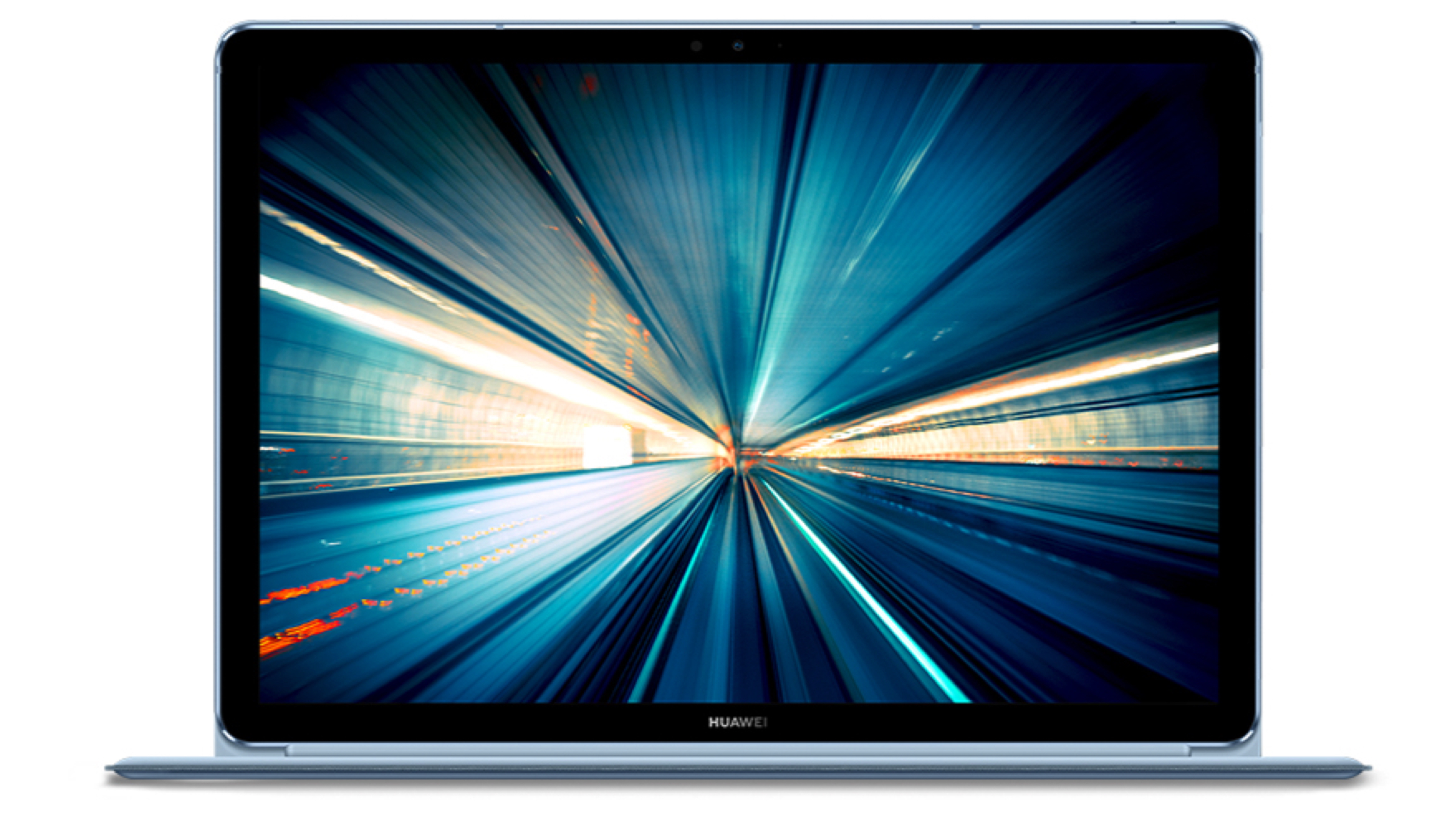
The Huawei MateBook E 2019 features a similar design to the Microsoft Surface Pro 6 launched last year. It features a 12 inch IPS display with a resolution of 2160 x 1440 px. The aspect ratio of the display is 3:2 with a viewing angle of 160 degrees. The keyboard that ships with the device is detachable, but unfortunately isn’t backlit. In terms of Operating System, the company ships the MateBook E 2019 with the latest Windows 10 Home Basic.
The MateBook E 2019 runs on the 10nm Snapdragon 850 SoC. The chipset consists of an Octa-core CPU and uses the Adreno 630 GPU for graphics. It is the Snapdragon 845 processor which was seen in most flagship smartphones last year which is optimised for PCs. Using a mobile SoC allows for an always-connected interface for which the notebook has LTE support. In terms of optics, the MateBook E 2019 has a 13MP rear camera and a 5MP front-facing camera for video calls. For memory and storage, the computing device is available in 8GB of RAM and option of either 256GB or 512GB of UFS storage.
The MateBook E 2019 is powered by a 36.5 Wh battery which the company claims can last up to 10 hours on video playback. Other features of the notebook include a side mounted fingerprint scanner, support for Huawei’s M-Pen input and dual speakers with Dolby Atmos support. It will be available in two colours, namely Titanium Ash and Charm Sea Blue.
The Huawei MateBook E 2019 has been priced at CNY 3,999 (Rs. 41,200) for the version with 256GB storage. The variant with 512GB storage will cost CNY 4,999 (Rs. 51,500). While it is available to purchase in China starting today, the company hasn’t announced its global availability as of now.
NVIDIA unveiled its RTX series of graphics cards in the month of September, 2018, which featured Ray Tracing – a feature that boosts the realism of shadows, lighting and other visual effects in real time.While the resource-consuming feature was an RTX series exclusive at launch, NVIDIA has now released a new driver for GTX Graphics Cards. The driver provides Ray Tracing effects to be activated for respective cards, enabling GTX 10 and 16 series users to experience real-time ray tracing for select games on their setups.
Which Games Support Ray Tracing In GTX Cards?
GTX series users can test out the feature in only select games for now, which include Battlefield 5, Metro: Exodus and Shadow of the Tomb Raider. As per NVIDIA, if the users don’t want to download the complete game for any reasons, they can download free tech demos for the same games from NVIDIA’s Official Website. Gamers can test out reflective models and effects in Battlefield 5, while Metro Fans can experiment with Global Illumination in the recently released Metro: Exodus.
But there is a catch to all of this. GTX series users cannot actually experience the same functionality as present in the RTX series graphics cards. For starters, GTX series GPUs will run the Ray-tracing-based games at significantly lower and choppier frame rates. This is because the company is just using the GTX graphics cards to depict how Ray Tracing will work for each individual frame, not the complete game.
How Does Ray Tracing Perform In GTX Series Cards?
As per reports, GTX 1080 Ti (the most powerful GPU in the 10-series) renders “Shadow of the Tomb Raider” at a mere 30fps with Ray Tracing turned on in addition to the highest settings. All this was tested with the Core i9 CPU, and what’s more interesting is the fact that NVIDIA’s recently released GTX 1660 Ti came closer to GTX 1080 in terms of gaming performance with Ray Tracing turned on. While the GTX 10-series is built on the Pascal architecture, GTX 16-series incorporates the Turing architecture.
This bold step by NVIDIA might relate to two possibilities for the company. One, to demonstrate the viability of Ray Tracing technology in future games so as to boost the popularity of the RTX 20-series GPUs. Or maybe, the company wants to include full RT support in future 10-series Graphics cards, if the company is planning to ever release one.
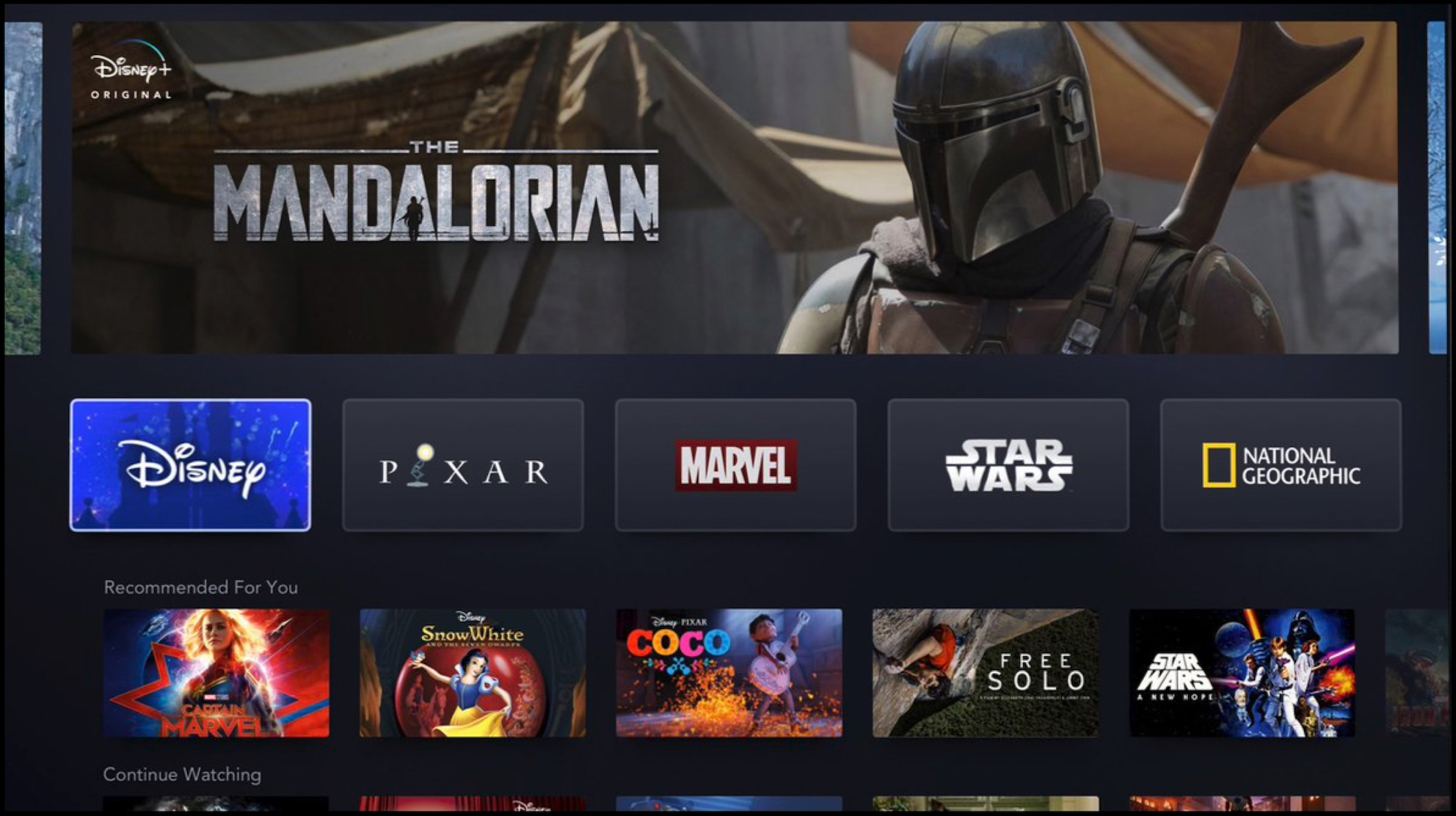
Disney, one of the world’s largest entertainment conglomerates has announced its latest streaming service. Called Disney+, the official rollout of the service will start from November 12 this year. Along with the date, pricing and the assortment of shows and movies that will be exclusively available in the platform have also been showcased.
Disney+ Exclusive Content
It is no surprise Disney has some of the most extensive collection of TV shows and movies, including the hugely popular Avengers movies. The Disney+ streaming service will house almost every Disney animated movie ever made, along with some special ones brought in from other platforms. Simpsons, a widely known animated series, will be made exclusively available to the platform. Along with it, movies like the latest Captain Marvel, last year’s Black Panther and more. More series based on the characters in the Avengers movies like Scarlet Witch, Loki, Black Widow, Winter Soldier and Falcon is also in the works.
The Disney+ video streaming service will compete with other platforms like Netflix and Amazon Prime Video. An advantage the former will have over its competitors is a bundled Hulu and ESPN+ subscription which the company says may be bundled with Disney+. The vast lineup of shows and movies that the entertainment giant owns is expected to make the platform popular among enthusiasts.
As mentioned above, the Disney+ video streaming service will be available starting November 12. The company has confirmed pricing of the platform, which will start at US$ 6.99 (Rs. 485) per month and will cost US$ 69.99 (Rs. 4850) for a yearly subscription. This makes it considerably more affordable than Netflix, whose plans start at US$ 9 (Rs 623) per month. Unfortunately, Disney has not announced when the video streaming service will be available in India, but an announcement can be expected soon.
On April 11 2019, Acer unveiled its new lineup of desktops and laptops, which is directed towards content creators. Labelled as the ConceptD, the machines claim to lay their entire focus on performance, silence, design and precision. Furthermore, the ConceptD desktops and laptops are as aesthetically pleasing as the performance they claim to provide. Notably, at the same event, Acer also launched its powerful Predator Helios 700 gaming laptop with Core i9-9980HK processor.
Acer ConceptD 9 Laptops
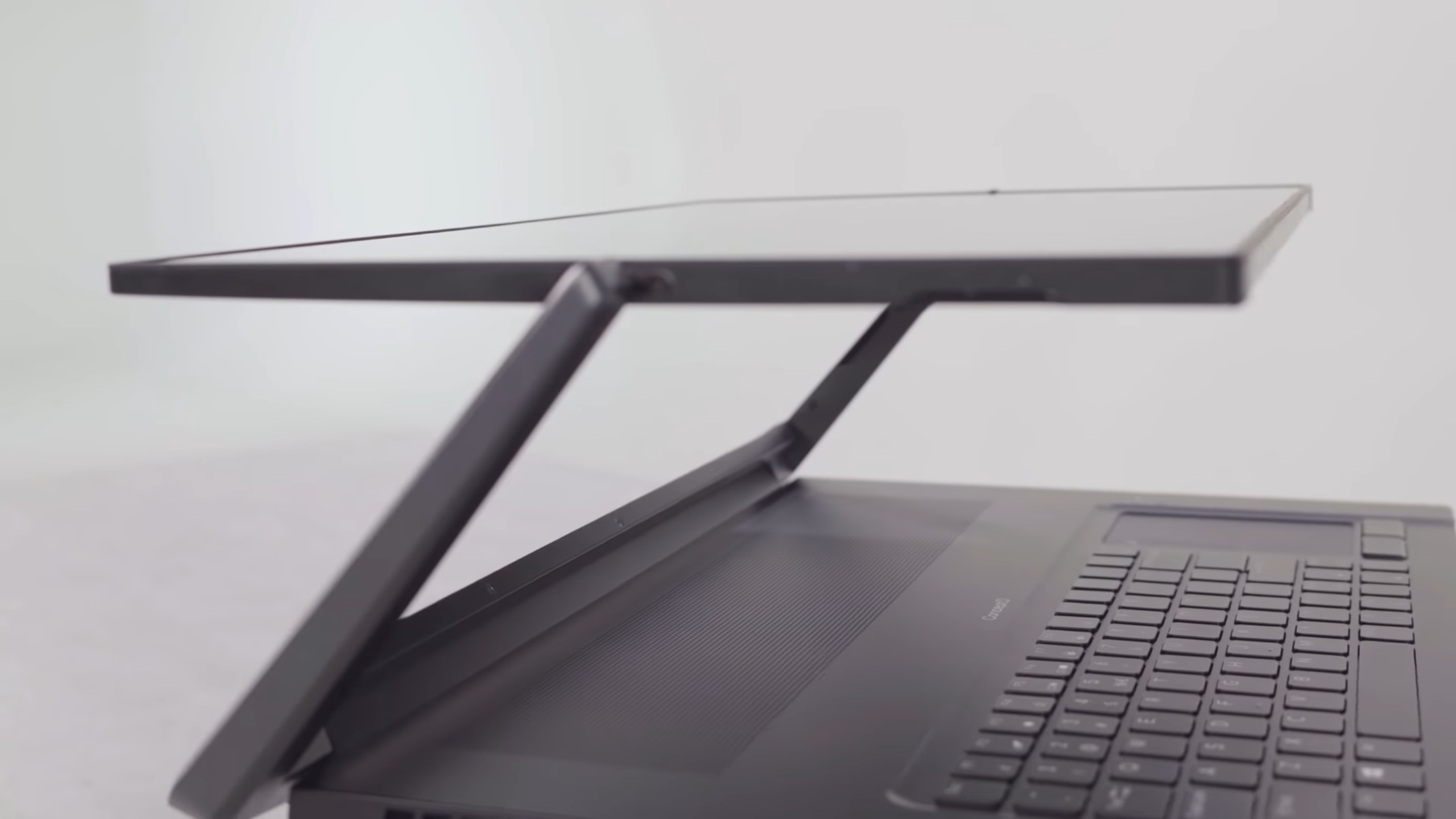
For portability, Acer announced the ConceptD 9 laptop. The laptop features a 17.3-inch 4K UHD screen on top of a chassis with an Ezel Aero Hinge, which enables users to draw the screen closer to themselves if they are working directly on the display. Previously, a similar hinge design was spotted in Acer’s Aspire R13. Acer claims that the ConceptD 9 is one of the quietest creator-edition laptops ever, with the fans clocking their noise at just under 40 decibels.
The display of the laptop has one of the best Delta-E colour accuracy ratings (under 1). Furthermore, the screen is Pantone Validated, which will ensure that creators will have a wide variety of hues to choose from. The ConceptD 9 laptops are customizable, with up to 9th-generation Intel Core i9 processors and NVIDIA mobile RTX 2080 graphics. The keyboard also features Amber-lit keys that the company claims are easy on the eyes.
The company also launched two slightly toned down variants of the ConceptD 9 laptop, which are the ConceptD 7 and ConceptD 5. While the ConceptD 7 features a Core i7 processor with NVIDIA GeForce RTX 2080 graphics, the ConceptD 5 packs an 8th Gen Core i7 processor bundled with Radeon RX Vega M GL Graphics.
Acer ConceptD 900 And ConceptD 500 Desktops
For those who can compromise on portability, the company announced the ConceptD 900 Desktop build, alongside the new CP7271K Monitor. The desktop features Dual Intel Xeon Gold 6148 processors combined with the NVIDIA Quadro RTX 6000 GPU chip. The Intel Xeon CPU has a total of 40 cores, which, frankly, makes for a very powerful setup. The system can be upgraded with up to 192GB of ECC RAM and 60 Terabytes of storage. Moreover, the prebuilt machine has a minimalistic and elegant design, which contributes a lot to aesthetics.
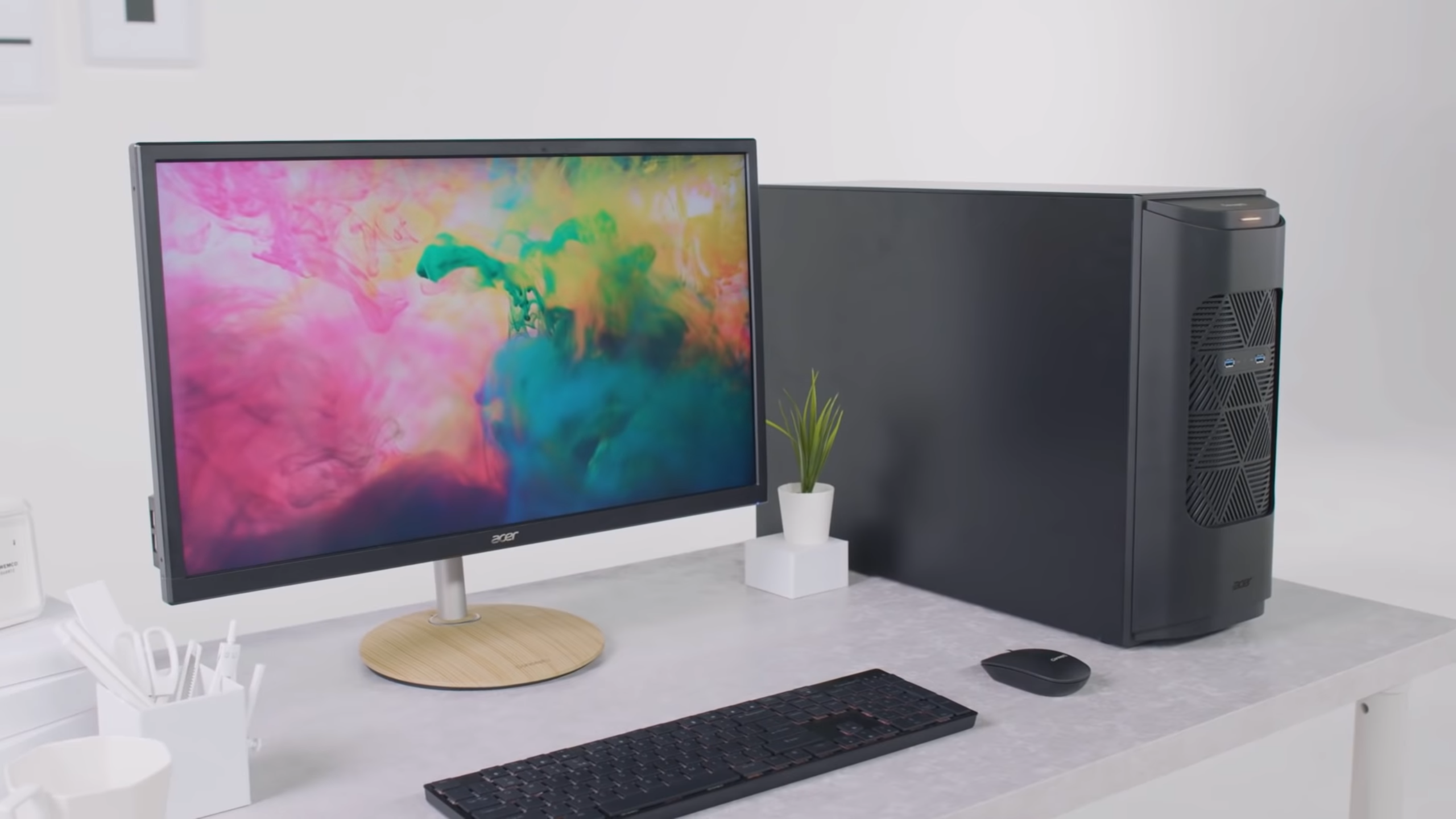
For those who want to settle for lower specifications, Acer also announced the ConceptD 500 desktop. It packs a 9th Generation Intel Core i9 CPU, with Ray-Tracing enabled NVIDIA Quadro RTX4000 graphics. Just like ConceptD laptops, the machine has a very low fan noise (under 40 dB). An attractive wooden panel present at the top of the cabinet gives it a very picturesque look.
As mentioned before, two new monitors were also brought to light by the Taiwanese technology company, which are the ConceptD CM7 and the CP7. The CM7 has a huge screen size of 34 inches, whereas the CP7’s screen measures at 27 inches. The ConceptD CM7 is directed towards users who work in print design and manufacturing, while on the other hand, the CP7 is meant for users who work with digital content. Both CP7 and CM7 support 4K resolution, with the smaller CM7 featuring a 144Hz refresh rate.
Acer hasn’t made an official statement regarding the pricing and availability of the ConceptD series, but considering that the machines are not your average-powered systems, a high price point can be expected when it officially makes its way to the market, expectedly in the latter half of 2019.
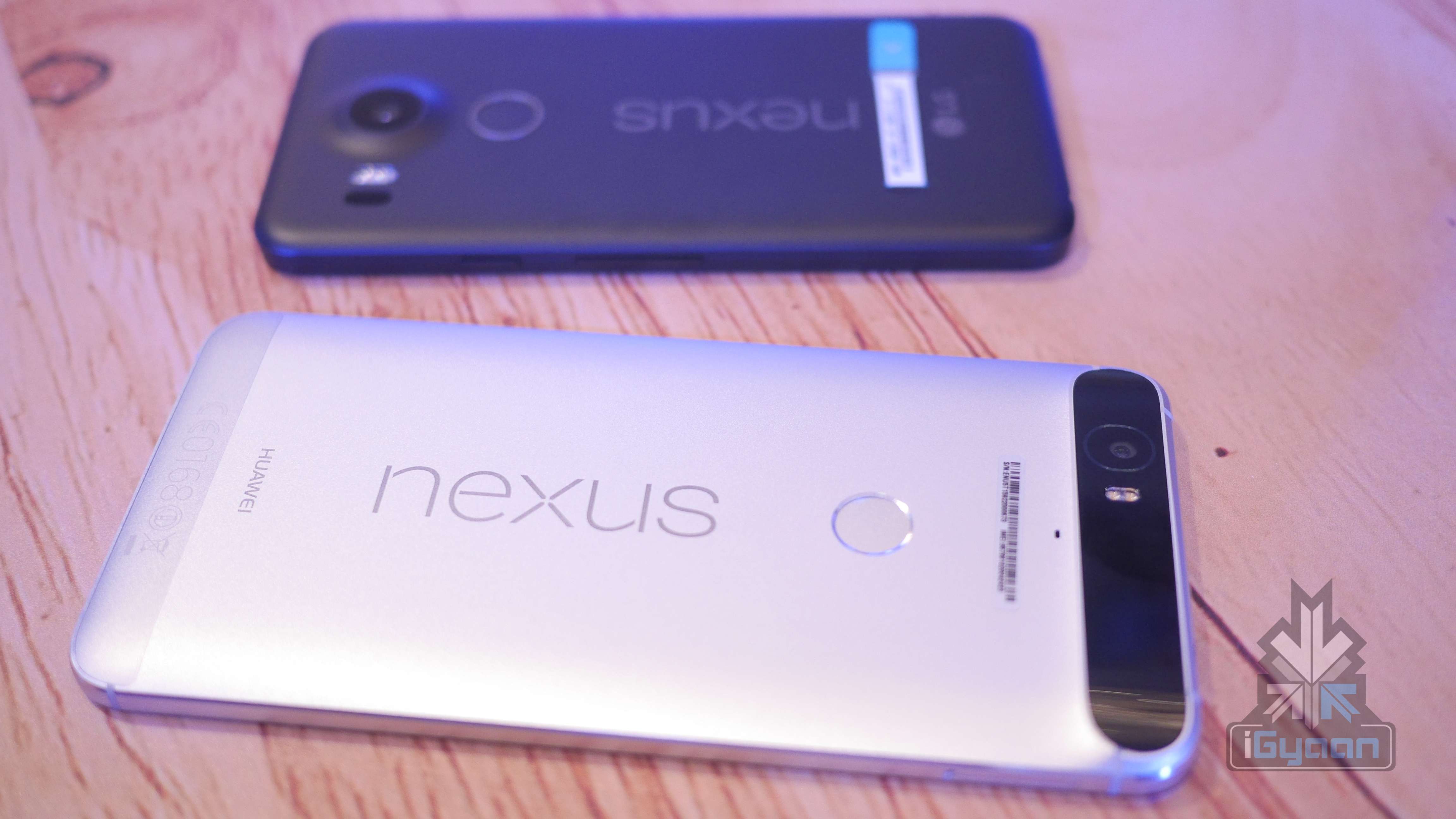
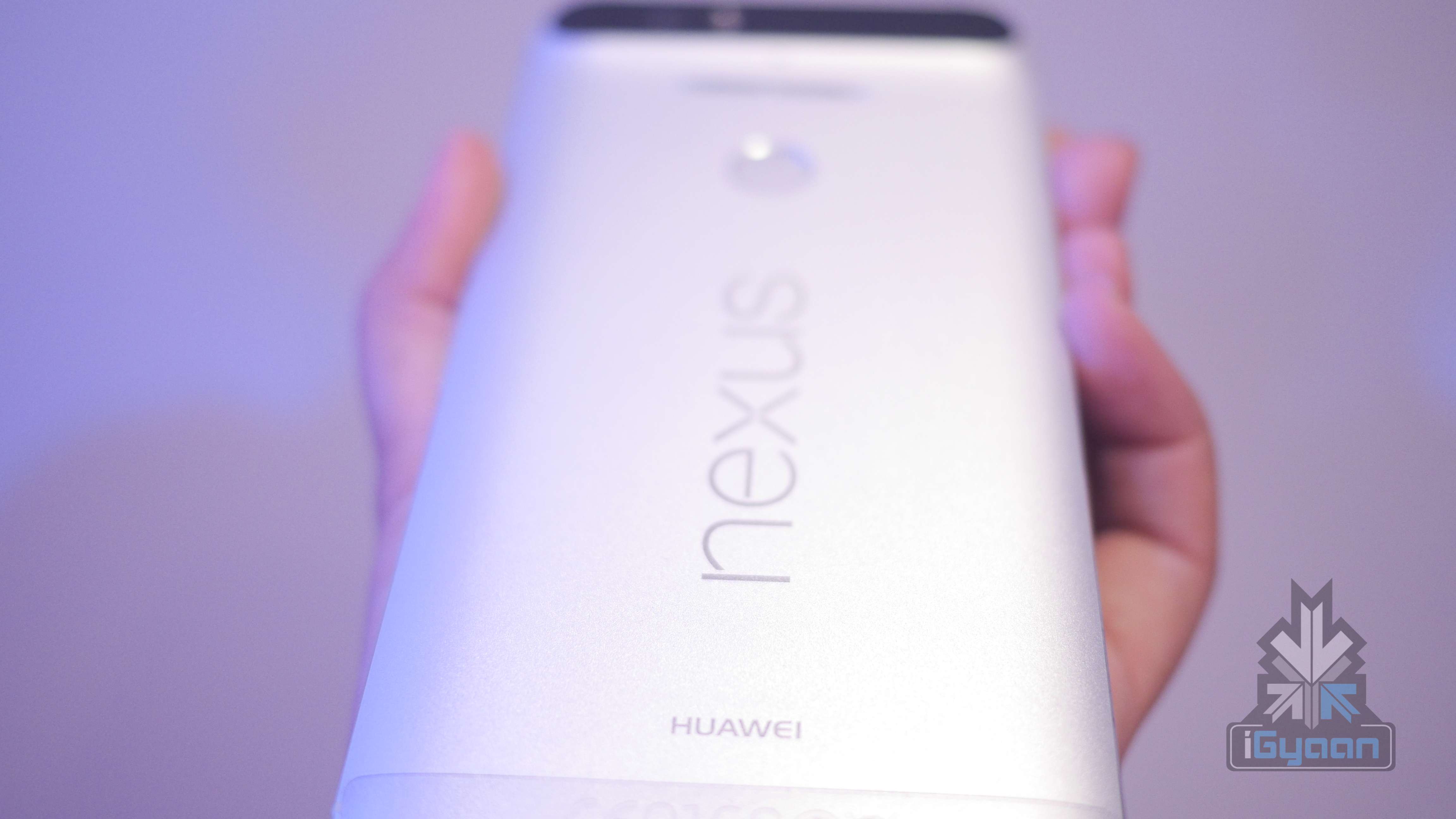
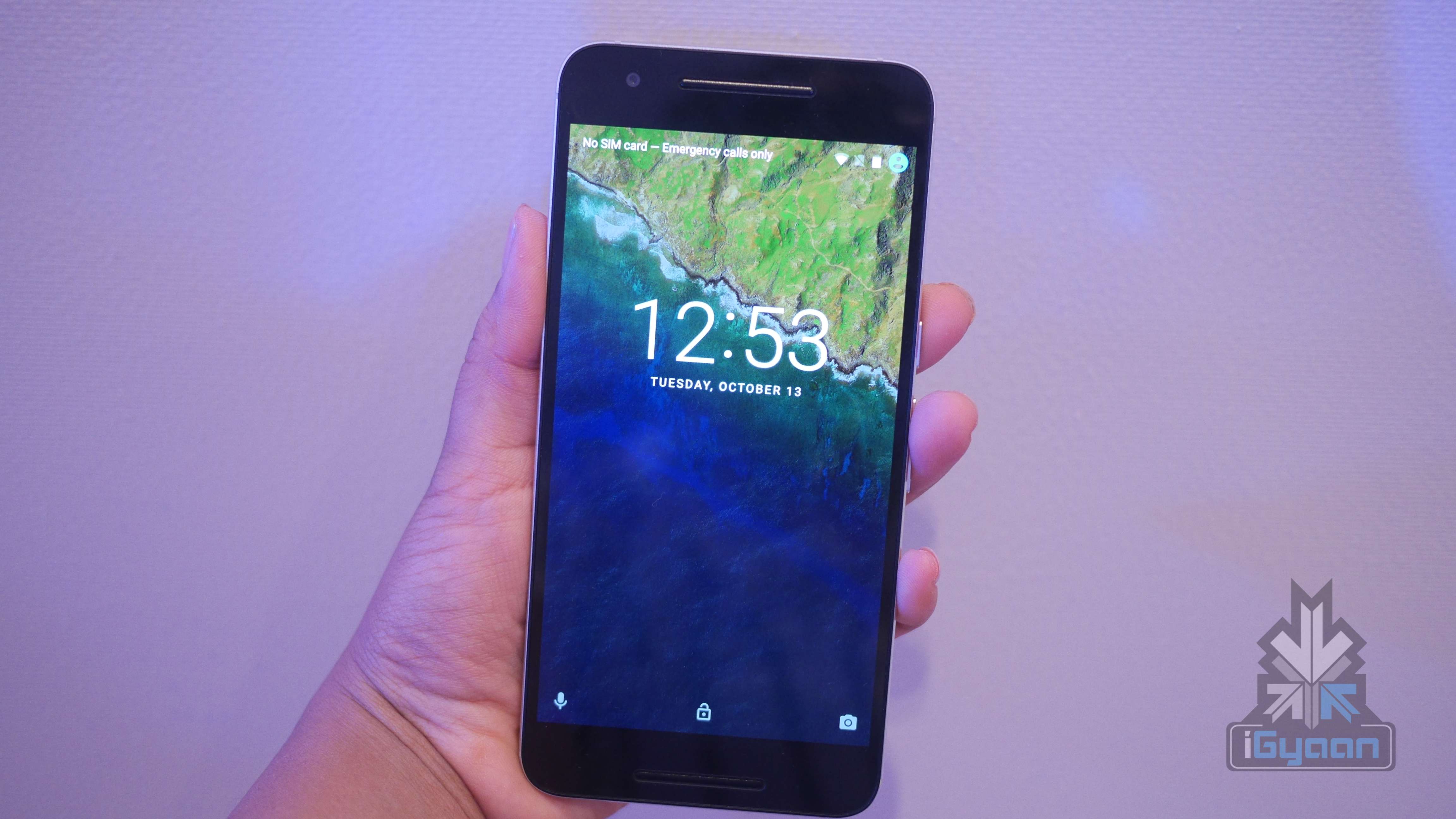
Google released the last smartphones in the Nexus lineup, the Nexus 6P and Nexus 5X in the year 2015. While the latter was made in collaboration with LG, the former was produced as a result of Google’s partnership with Huawei. Both the handsets, while offering a clean software and capable hardware had their fair share of problems. Among them, the most prevalent one was bootloop issues. This made the devices restart randomly regardless of the battery percentage and sometimes would get stuck in an infinite restart loop.
Nexus 5X and Nexus 6P
A lawsuit filed in the year 2017 alleged the issue of the bootloops was known by the manufacturers and wasn’t fixed knowingly. As a result, Google and Huawei have been directed by the court to pay $9.75 million as a settlement fee to the owners of the Nexus 6P. This results in payments of up to US$400 (Rs. 27,600) for participating plaintiffs.
About The Case
In a lawsuit filed in April 2017 by owners of the Nexus 6P who claimed Google and Huawei breached the warranty on the smartphone. It further stated the companies were fully aware of the issue but failed to fully respond to it and continued to sell the device. While the settlement has been directed, it is expected to be approved at the next court hearing, scheduled to take place on May 9. Notably, the amount will be available for owners who purchased the Nexus 6P after September 25, 2015.
Furthermore, the users of the Nexus 6P smartphone who weren’t part of the lawsuit may still be eligible for a settlement amount. They would need to submit proper documentation of the issues and will get at least US$ 10 (Rs. 700), leading to a maximum amount of US$ 75 (Rs. 5,200). Interestingly, a similar lawsuit was filed against LG for bootloop issues in its G4, V10, V20, Nexus 5X and G5 smartphones, wherein it was directed to pay US$ 425 (Rs. 29,400) per owner or US$ 700 (Rs. 48,400) in discounts.
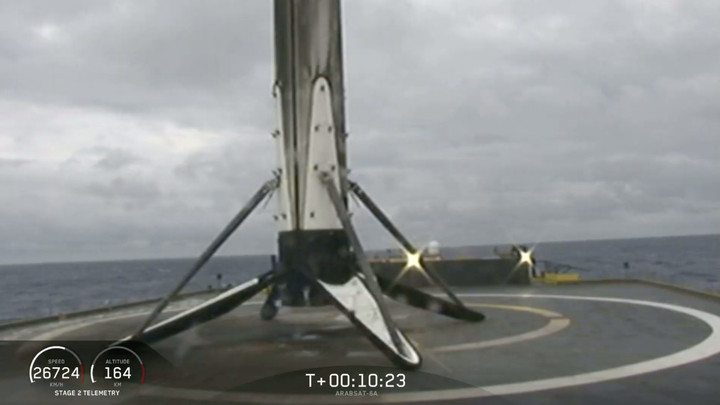
SpaceX short for Space Exploration Technologies Corp is a privately held American aerospace manufacturer which was founded in the year 2002. The company has been rigorously working towards driving down the costs of space transportation by developing reusable space crafts and spacecraft parts. On 11th of April, 2019, the company achieved a noteworthy milestone which is the successful landing of three rocket cores on Earth.
What Is A Rocket Core?
A booster rocket is the first stage engine of a multistage launch vehicle which is used to drive the whole rocket unit out of earth’s orbit. Once the whole unit crosses the orbit, the booster separates itself from the main rocket body that carries the payload. Once separated, the rocket core enters the earth’s orbit once again which may or may not be reused depending on its landing.
Why Is The SpaceX Achievement Significant?
As previously mentioned, the company was able to successfully land all three rocket cores from the Falcon Heavy rocket. It is the first time that the company is able to achieve this feat. Last year in the month of February, the company tried to accomplish the same landing which failed due to one Rocket core running out of fuel. Consequently, the rocket core slammed into the ocean thereby rendering unusable.
As per reports, SpaceX was able to achieve this successful landing due to the fact that all three boosters used for this flight were upgraded versions of the company’s rockets known as Block 5. The new versions are tweaked in a manner which optimises their reusability. Therefore, the company can quickly and easily turn them around for future flights.
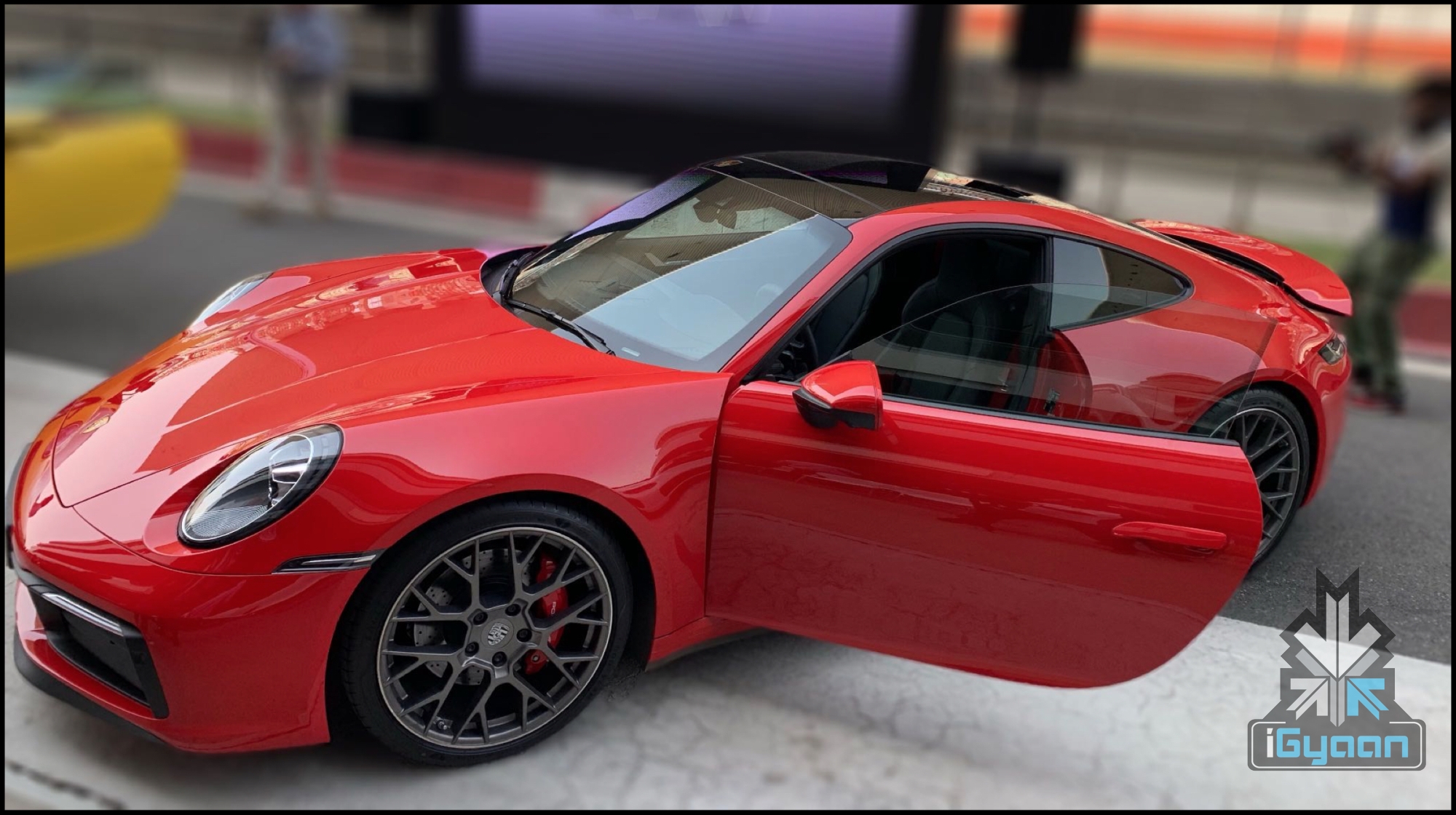
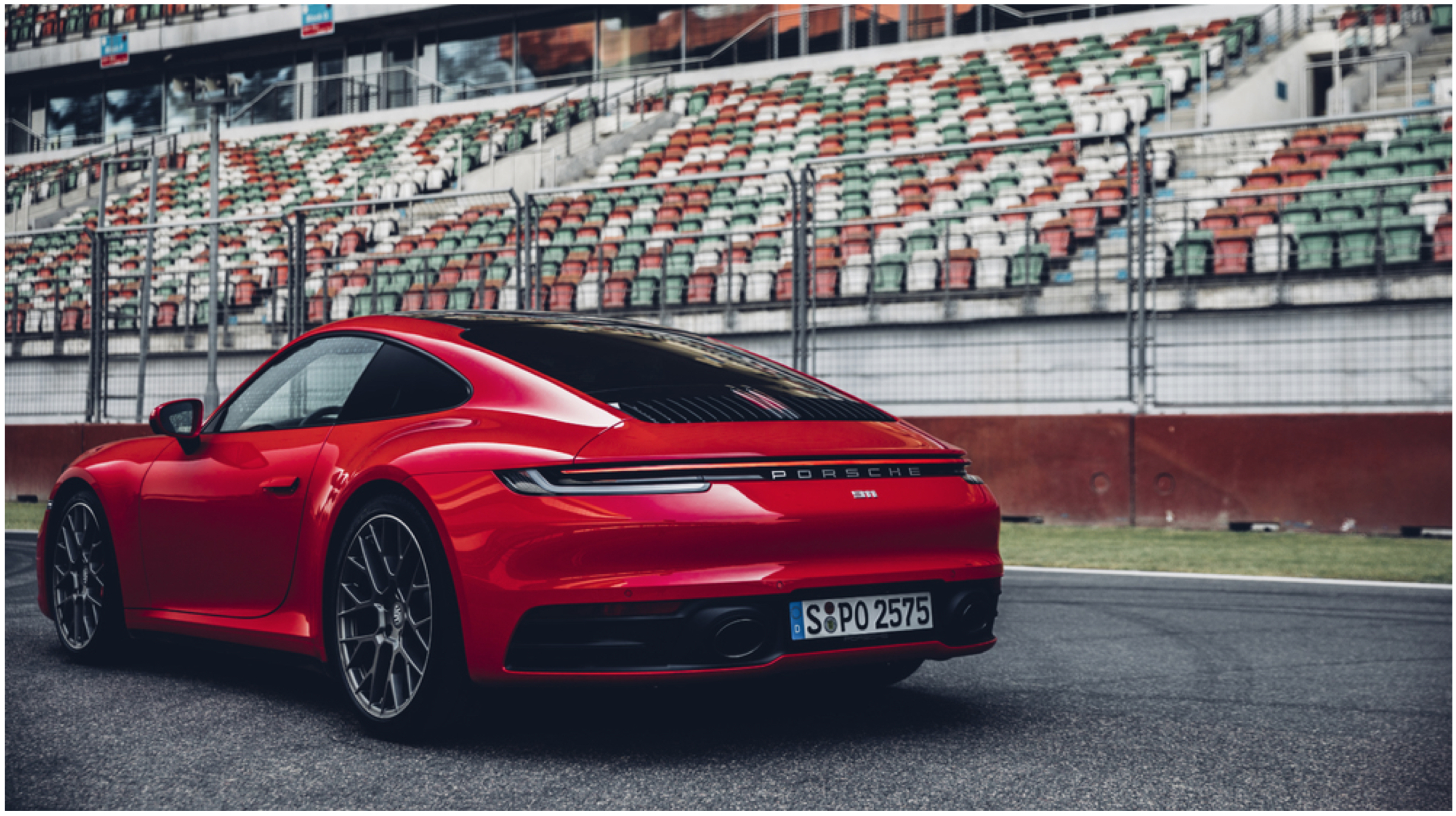
German automobile maker Porsche, known for its sports cars, has launched the 911 Carrera S and the 911 Carrera S Cabriolet in India. The vehicles have a new, more powerful six-cylinder petrol engines which deliver significant upgrades over their predecessor. The cars are available for pre-booking in the country starting today.
New Features
The biggest change in the new Porsche 911 as mentioned above includes a new engine. The turbocharged flat-six engine of the Carrera S and Carrera S Cabriolet produce an astounding 450 horsepower. Notably, this is an increase of 30 hp when compared to their previous generations. The 911 Carrera S takes 3.7 seconds to reach from the speeds of 0-100km/hr while the Carrera S Cabriolet takes 3.9 seconds. This makes them around 0.4 seconds faster than their predecessors. In terms of top speeds, the Carrera S has been measured at 308km/h (306km/hr for the soft top version).
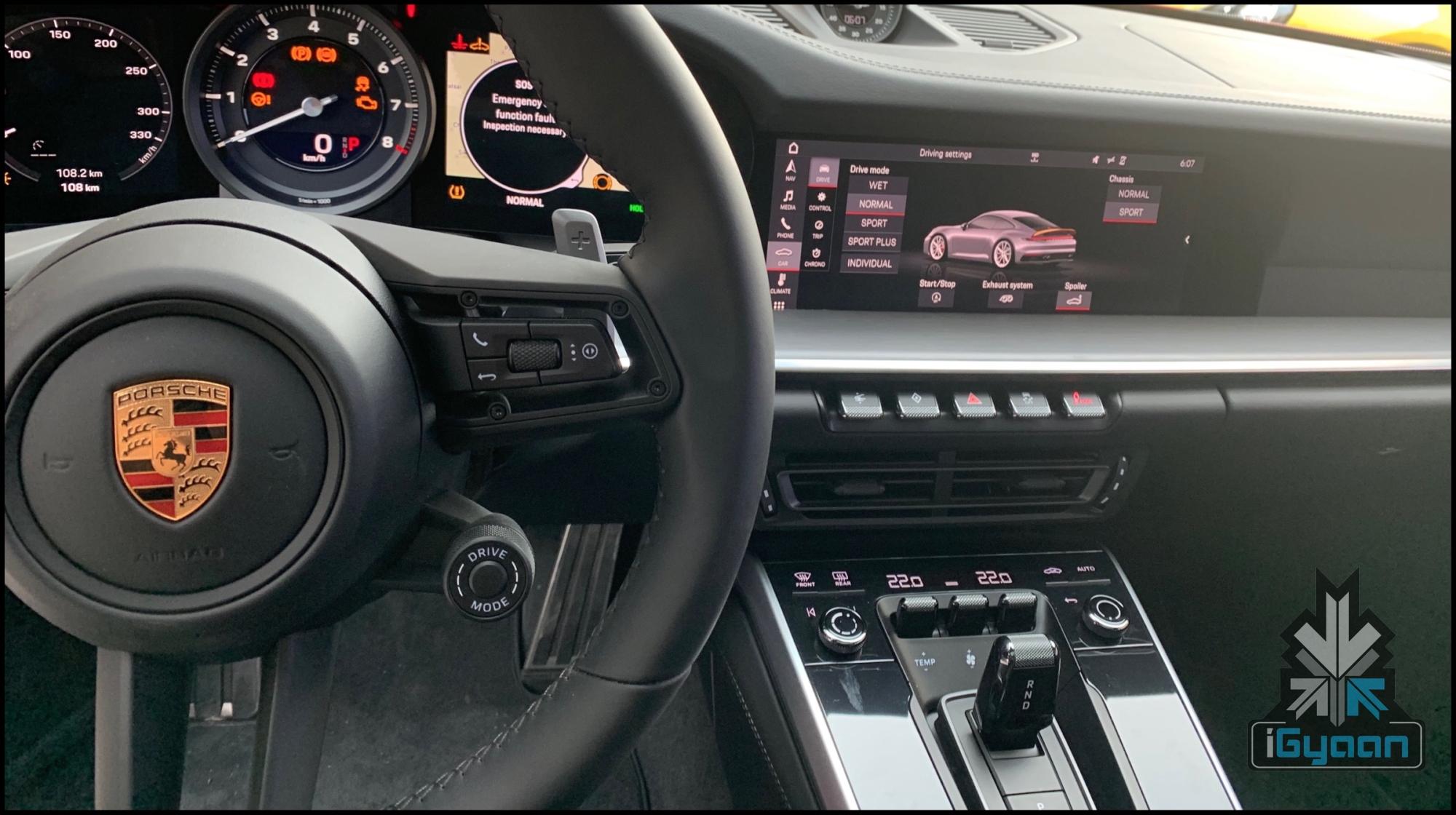
In terms of design, the new Porsche 911 duo is reminiscent of their predecessors with a significantly wider wheel housing arch over the front and the rear wheels. Unlike the previous models, the rear end has a uniform width across the various models while the front side of the body has been made 45mm wider. Except for the front and rear sections, the entire outer shell of the vehicle is now made from aluminium. The interiors of the car have also been completely redesigned, with recessed instruments. Adjacent to the iconic central rev counter, two frameless displays provide information to the driver. The central screen measures 10.9-inch diagonally and allow for easy operation by the driver. The new seats reduce the weight of the Porsche 911 by 3 kg and offer better lateral support to the shoulders.
Additional features of the new Porsche 911 include increased stability, traction and balance while driving the sports cars. The new chassis design is provided by the in house developed Porsche Active Suspension Management (PASM). The Cabriolet S has a new, lighter hydraulic roof drive which allows the convertible top to be opened and closed in 12 seconds respectively. The company claims it has developed the world’s first wet mode, which detects water on the road and warns the driver to set up the vehicle in the case by pushing a button or using the mode switch on the steering wheel. The vehicles can also be customised with an optional LED matrix headlights to increase the range and intensity of the light.
Pricing & Availability
The Porsche 911 Carrera S and Carrera S Cabriolet as mentioned above will be available to pre-order starting today. In terms of pricing, the former is priced at Rs. 1.82 Crores, while the latter costs Rs. 1.99 Crores in India.
 On April 11 2019, a commit (a move to make changes in a code permanent) was posted to the AOSP (Android Open Source Project), which was attempting to correct an anomaly of Android’s SELinux Policy. Regarding the code, the developers were trying to explain the fix for the aforementioned issue using the comments (comments are code lines that are not executed with the code) in the project. The list of internal files provided in the comments includes the codenames of a total of eight devices, out of which two are Panasonic devices, and the remainder are six Google devices.
 Four of the aforementioned Google smartphones are already known (Marlin or the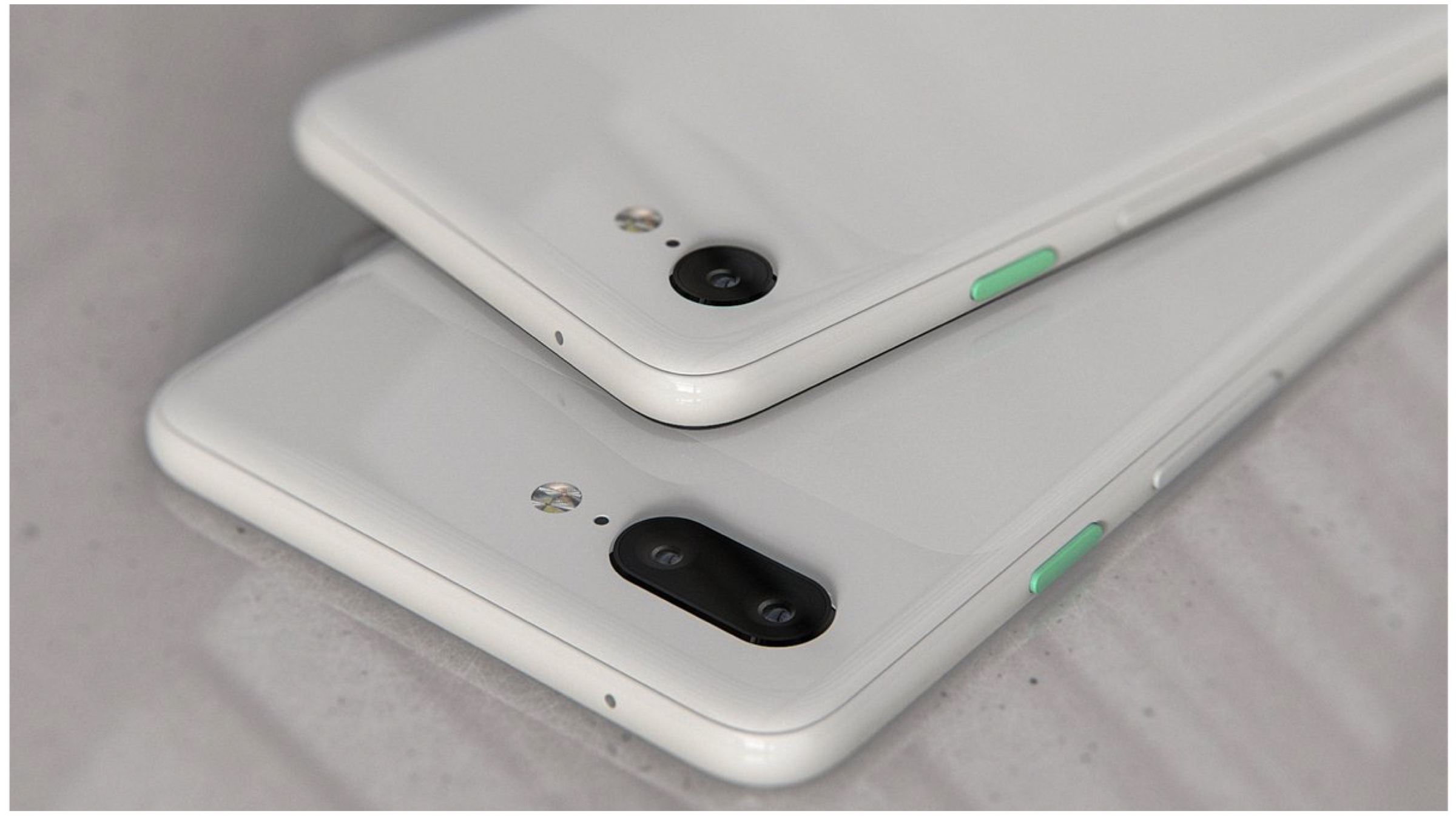
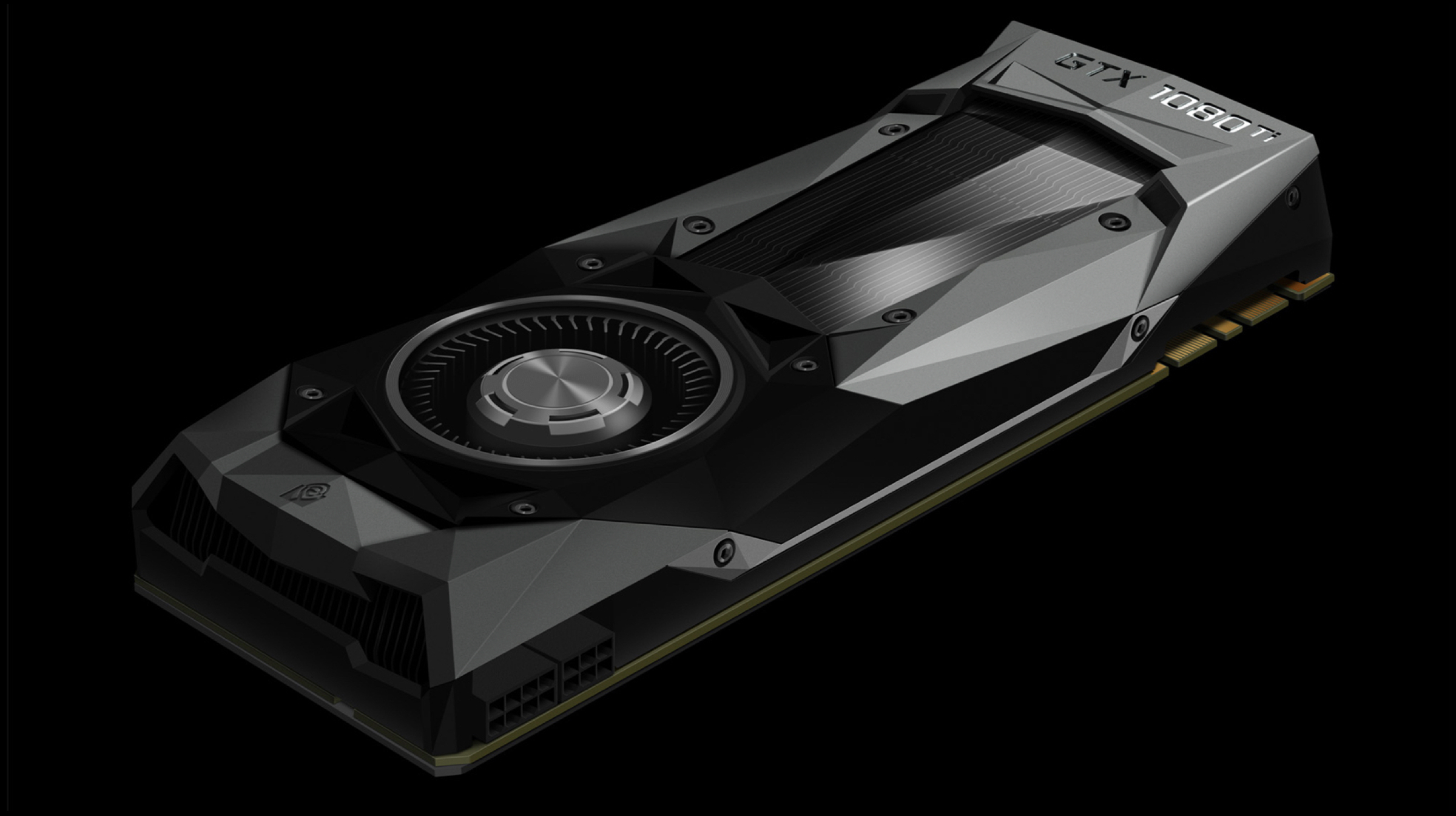
 GTX series users can test out the feature in only select games for now, which include Battlefield 5, Metro: Exodus and Shadow of the Tomb Raider. As per NVIDIA, if the users don’t want to download the complete game for any reasons, they can download free tech demos for the same games from
 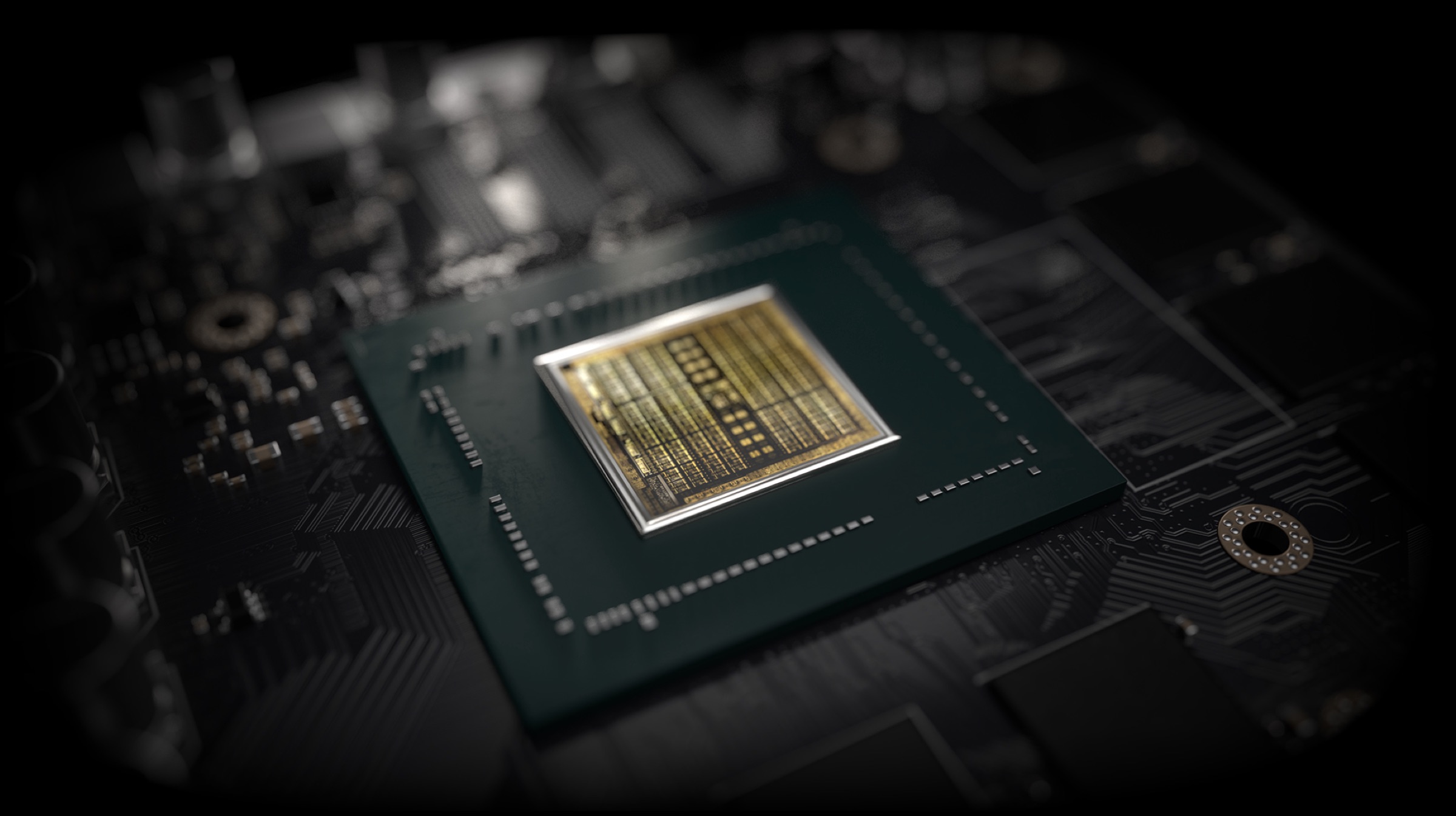 But there is a catch to all of this. GTX series users cannot actually experience the same functionality as present in the RTX series graphics cards. For starters, GTX series GPUs will run the Ray-tracing-based games at significantly lower and choppier frame rates. This is because the company is just using the GTX graphics cards to depict how Ray Tracing will work for each
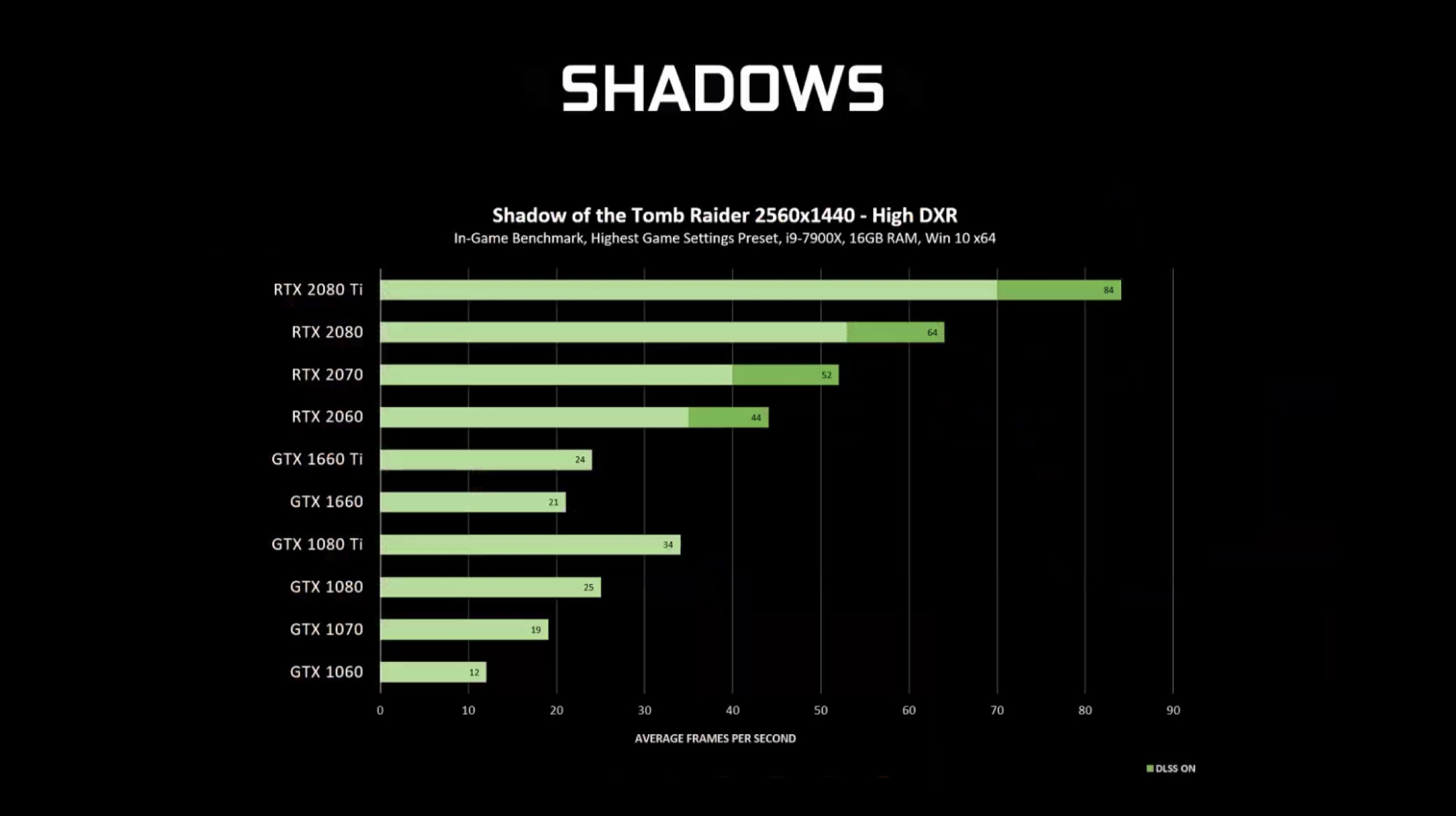 As per reports,
  Also Read:


 The display of the laptop has one of the best Delta-E colour accuracy ratings (under 1). Furthermore, the screen is Pantone Validated, which will ensure that creators will have a wide variety of hues to choose from. The ConceptD 9 laptops are customizable, with up to 9th-generation Intel Core i9 processors and NVIDIA mobile RTX 2080 graphics. The keyboard also features Amber-lit keys that the company claims are easy on the eyes.
 The company also launched two slightly toned down variants of the ConceptD 9 laptop, which are the ConceptD 7 and ConceptD 5. While the ConceptD 7 features a Core i7 processor with NVIDIA GeForce RTX 2080 graphics, the ConceptD 5 packs an 8th Gen Core i7 processor bundled with Radeon RX Vega M GL Graphics.
  For those who want to settle for lower specifications, Acer also announced the ConceptD 500 desktop. It packs a 9th Generation Intel Core i9 CPU, with Ray-Tracing enabled NVIDIA Quadro RTX4000 graphics. Just like ConceptD laptops, the machine has a very low fan noise (under 40 dB). An attractive wooden panel present at the top of the cabinet gives it a very picturesque look.
 As mentioned before, two new monitors were also brought to light by the Taiwanese technology company, which are the ConceptD CM7 and the CP7. The CM7 has a huge screen size of 34 inches, whereas the CP7’s screen measures at 27 inches. The ConceptD CM7 is directed towards users who work in print design and manufacturing, while on the other hand, the CP7 is meant for users who work with digital content. Both CP7 and CM7 support 4K resolution, with the smaller CM7 featuring a 144Hz refresh rate.