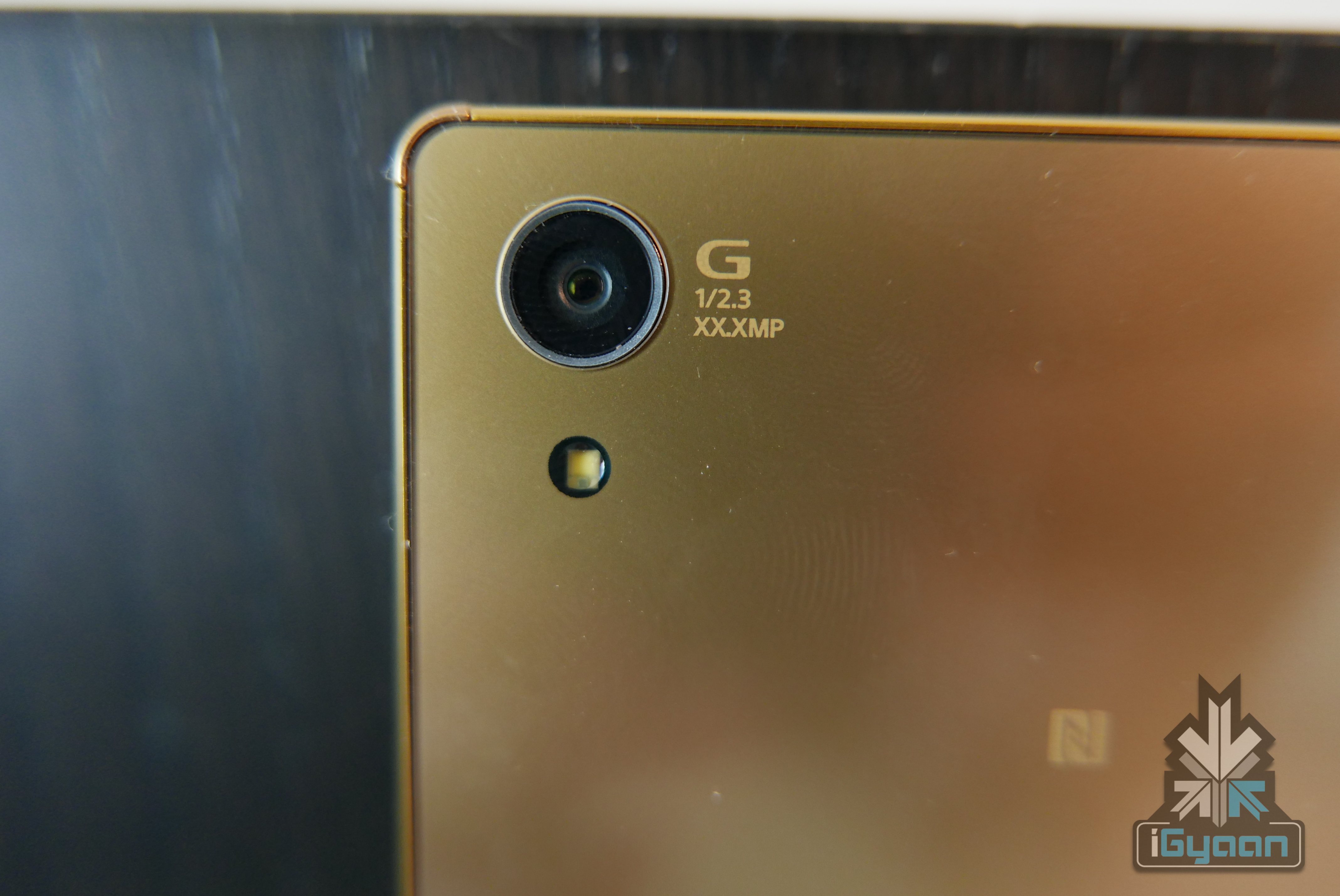
Sony’s smartphone and consumer electronics division might be facing tough times but the company is undoubtedly the world’s biggest smartphone camera chip manufacturer. More than 50 percent of the smartphones in the market use camera sensors that are manufactured by Sony which includes Apple, Samsung and Google. A Bloomberg report suggests that Sony is now gearing up to ramp up the production of 3D camera sensors.
What Is A 3D Camera Sensor?
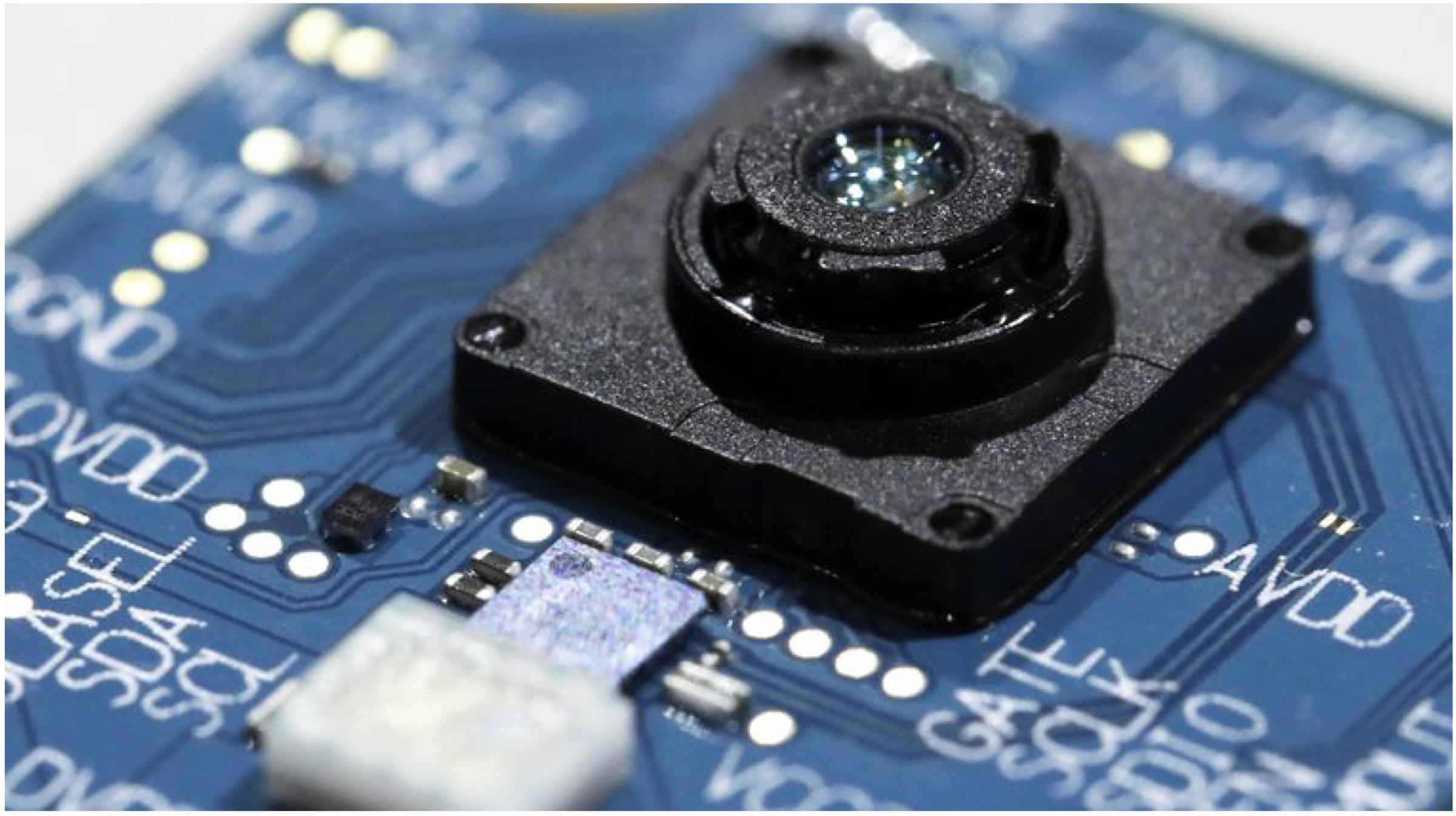
A 3D camera is an imaging device that allows to replicate three dimesional objects with the help of depth sensing technologies. Digital cameras with 3D sensors have been available in the market for quite some time. These cameras are bulky and hard to carry but Sony seems to be developing miniscule 3D sensors that can be embedded in to smartphones. 3D sensors on a smartphone can open a whole new world of possiblities.
Few uses of smartphones with 3D sensors are as follows:
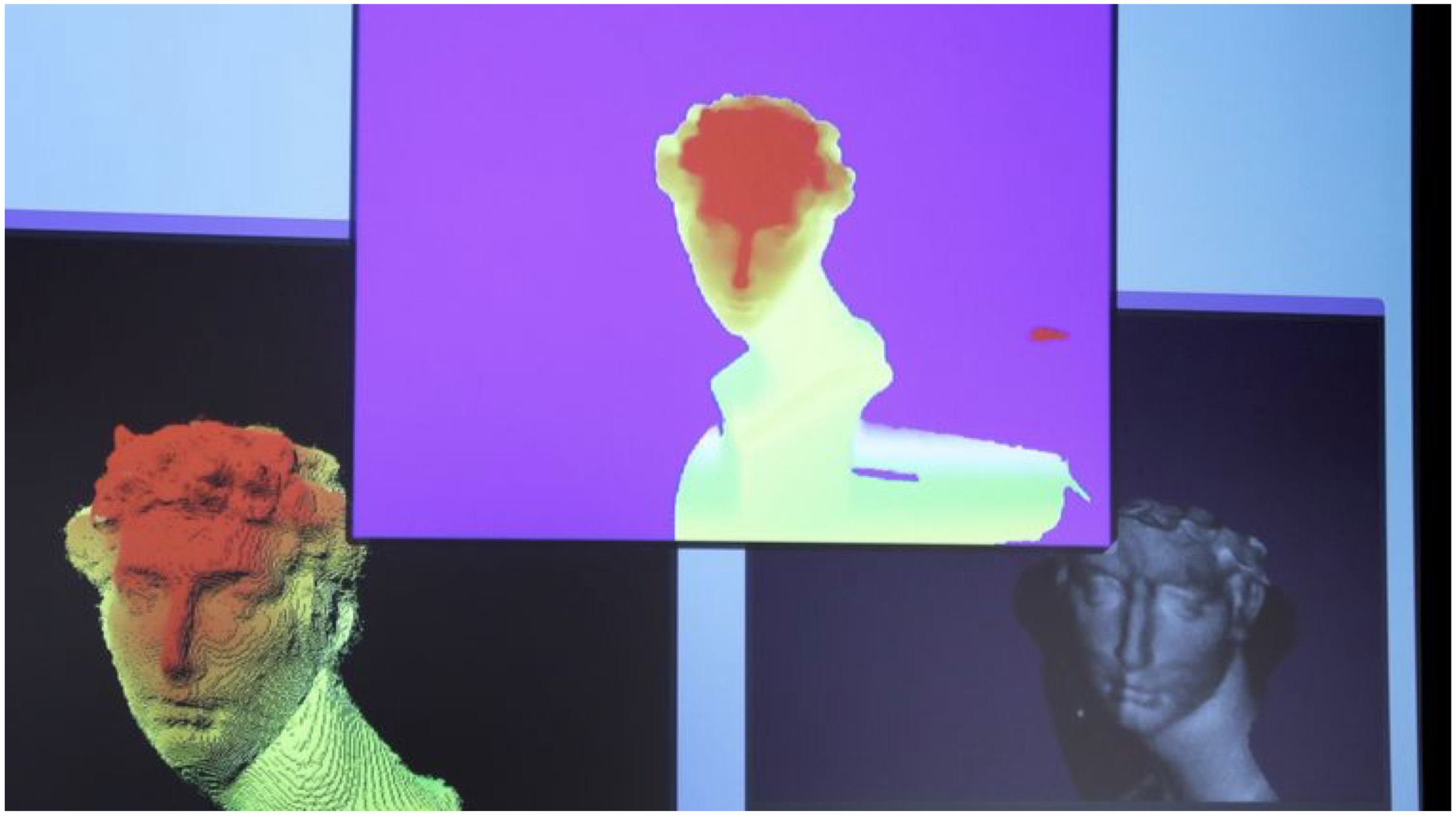
Smartphones with 3D sensors can be used to create a virtual 3D model of a user that has the potential to change the future of shopping. The users can easily scan their body parts like the face and head to virtually try on accessories like hats and spectacles.
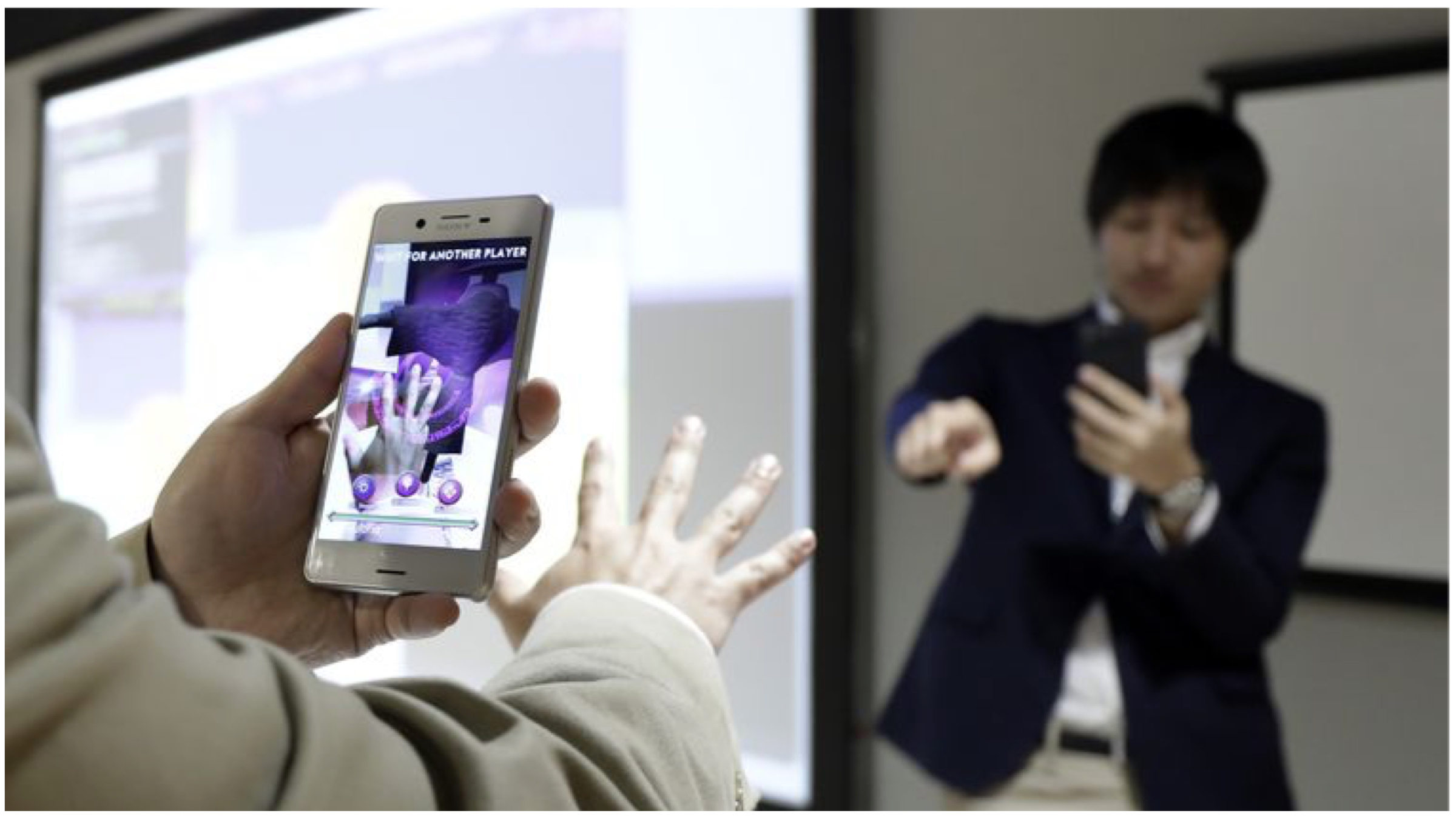
3D camera sensor featuring smartphones can also help in pushing the boundaries of mobile gaming further. Mobile game corporations can use these sensors to make a virtual 3D model of the player which can be loaded in to the game. This would help the companies to create an even immersive expereience to the users.
Except for Sony, companies like Lumentum Holdings Inc. and STMicroelectronics NV also make 3D chips that are used for accurate facial recognition and clicking photographs with enhanced depth effect. However, Sony claims their technology is more accurate than the offerings of their competitors. Sony uses a method called ‘time of flight’ of TOF that sends out out invisible laser pulses and measures how long they take to bounce back. This technology is used to take precise 3D pictures of objects. According to Sony officials, the company’s sensors can even capture pictures at a distance of five meters.
Sony seems to be optimistic about the future of this technology and predicts this feature can boost the sinking smartphone sales. In the interview with Bloomberg, the company reported that the upcoming Huawei phone will employ 3D sensors made by Sony. Additionally, Sony revealed that the company is getting interest from Apple perhaps future iPhoneswill makes use of this type of sensors. To meet the high prediction of demands, Sony will kick off mass production in late summer of 2019.
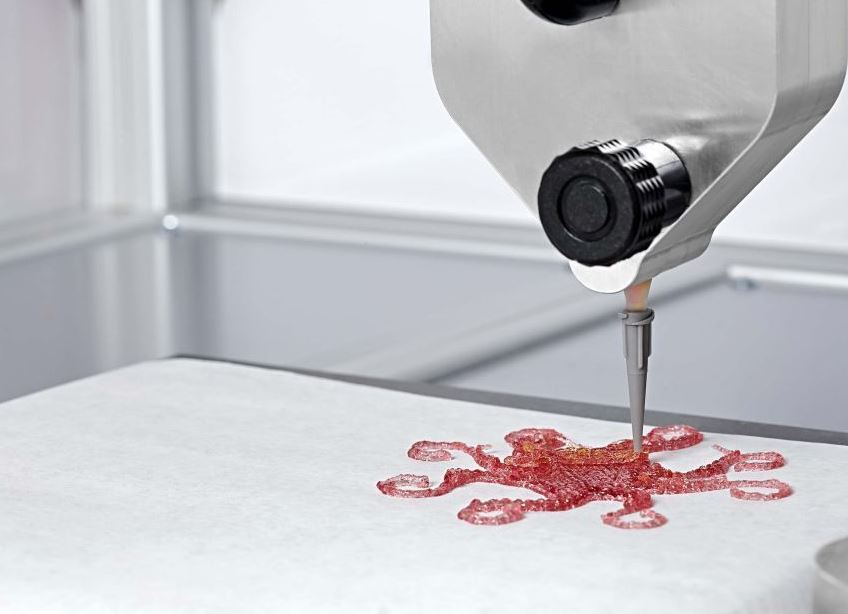
Welcome to the world of 3D printing food technology. Yes, you heard it right, 3D printed food. Candy-maker Katjes has created sweets in Berlin using a 3D printing technique in a first of its kind attempt. Called The Magic Candy Factory, it employs heated fruit gum mixture to create miniature octopuses and pyramids, among other things.
https://www.youtube.com/watch?v=6dFJpXkyhcI
Customers are given a range of fourteen designs to choose from on a tablet. The candy costs 5-10 euros and hopes to draw attention using the technology. We recently reported about 3D doodling pens which allows the user to create art in thin air. From doodling to candies, the world of 3D printing is bent on taking audiences by storm. We can only wonder what technology has to offer next.
What had initially begun as an Ultra Clean Holdings (UCH) office in Singapore in late 2008 materialised into the first 3D printing factory of South East Asia on Monday. This office also has a second function of operating as the Asia Pacific head-quarters of the company.
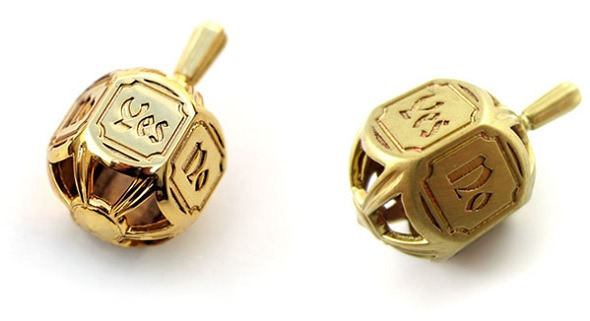
The printing factory had been made semi-functional by November of last year. Now it is fully prepared for commercial, and consumer and business related 3D printing. Printing would be possible in 17 different kinds of materials including precious and semi-precious ones like gold, ceramic and brass.
UCT decided to work on its 3D printing technology in Singapore in order to meet with the demands of its growing business with manufacturers in Asia. Other than printing, services like assembly, machining and welding are also provided by the company. With headquarters in California, UCT has five offices in the US, two in Shanghai and one in the Philippines.
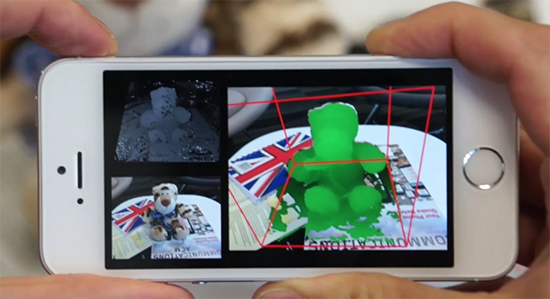
Microsoft is now creating a camera for smartphones, that can also be a 3D scanner. The name of this project is – MobileFusion and the first research has been conducted on an iPhone 5S to scan objects by moving the phone around them. Kind of like the new pen scanner we just reported about.
The phone is said to be able to capture and track objects and then build up a model as the camera captures it from different angles. Microsoft has stated that no additional hardware would be required to turn the iPhone or any other smartphone into a 3D scanner. All the computation is done within the phone itself.
Microsoft’s project is quoted as being different from other projects such as, Google’s Tango project, which uses additional hardware. It has also been said, that Microsoft’s single camera should be enough to make models for printing or use in augmented reality gaming.
As of now, they are trying to get it running on the iOS, Android and Windows Phone.However, the date of release or any news of mass production is unavailable. Stay tuned and watch the video below:
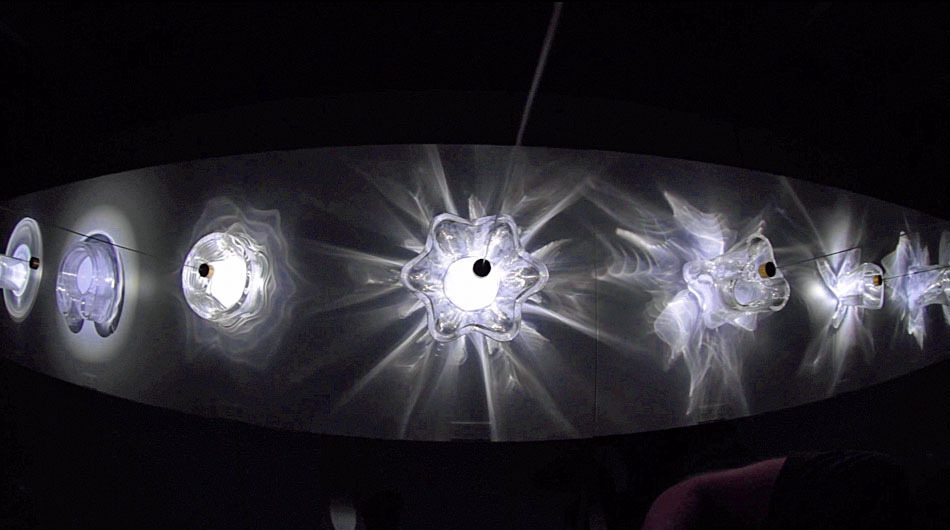
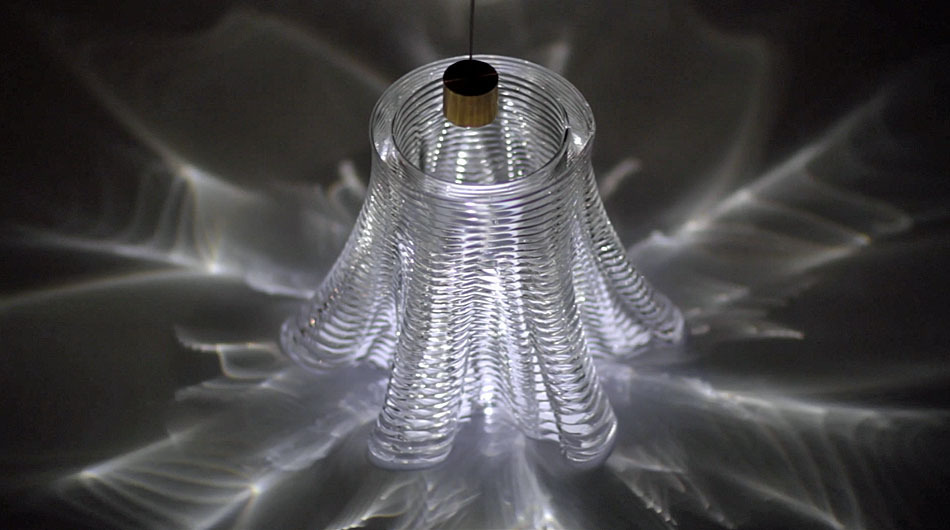
A new development at MIT has shown us how to expand the 3D printing technology and use it to make 3D printed glass.
A method called G3DP is said to allow the creation of complex 3D glass structures to be printed in a similar fashion to plastic constructs. This process uses two chambers – one that acts as a kiln cartridge and the other that works to melt structures together. The molten glass is then distributed through an alumina-zircon-silica nozzle that pours the material out smoothly.
The entire process was developed by a team including the MIT Media Lab’s Mediated Matter group, the MIT Glass Lab, the Wyss Institute and MIT’s Mechanical Engineering Department. This new breakthrough is also said to advance the process of creating fiber optic cables that transmit data more efficiently. One of the project’s leaders, Neri Oxman, while conducting research said :
“Now [we can] consider printable optoelectronics, or the possibility of combining optical fibers for high-speed data transmission by light, combined within glass printed building facades.”
One of the research’s vision is to one day employ this technology in building facades. However, reports suggest that the entire process is slow and therefore not efficient enough, but it can still create complex structures for other purposes.
There has been no information regarding the implementation of this device by any commercial application, but the MIT G3DP is going to be showcased at an exhibit in the Cooper Hewitt, Smithsonian Design Museum in New York next year.
Over the years, our knowledge about technology has become so vast that we can now create 3D holograms and programs to interact with us. We have mastered the fields of robotics and flying vehicles. But, all our advances have started with an ordinary single click. Yes, a single click of a mouse that hovers the cursor to our desired files and folders.
While most technology requires 3D modeling, the mouse cursor continued to play along the 2D frame. But now, advancing a step further into the 3D world, some scientists have developed techniques to enable computer cursors to interact in 3D for single or multiple users in both, local and remote, collaboration scenarios.
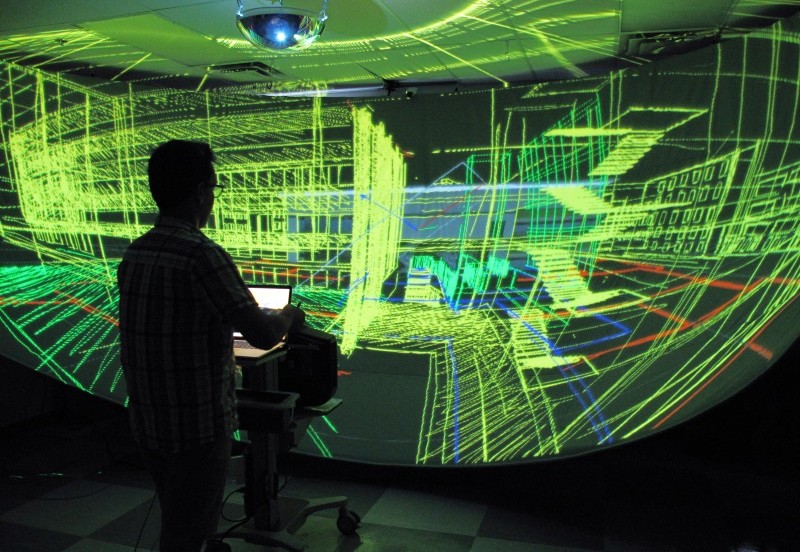
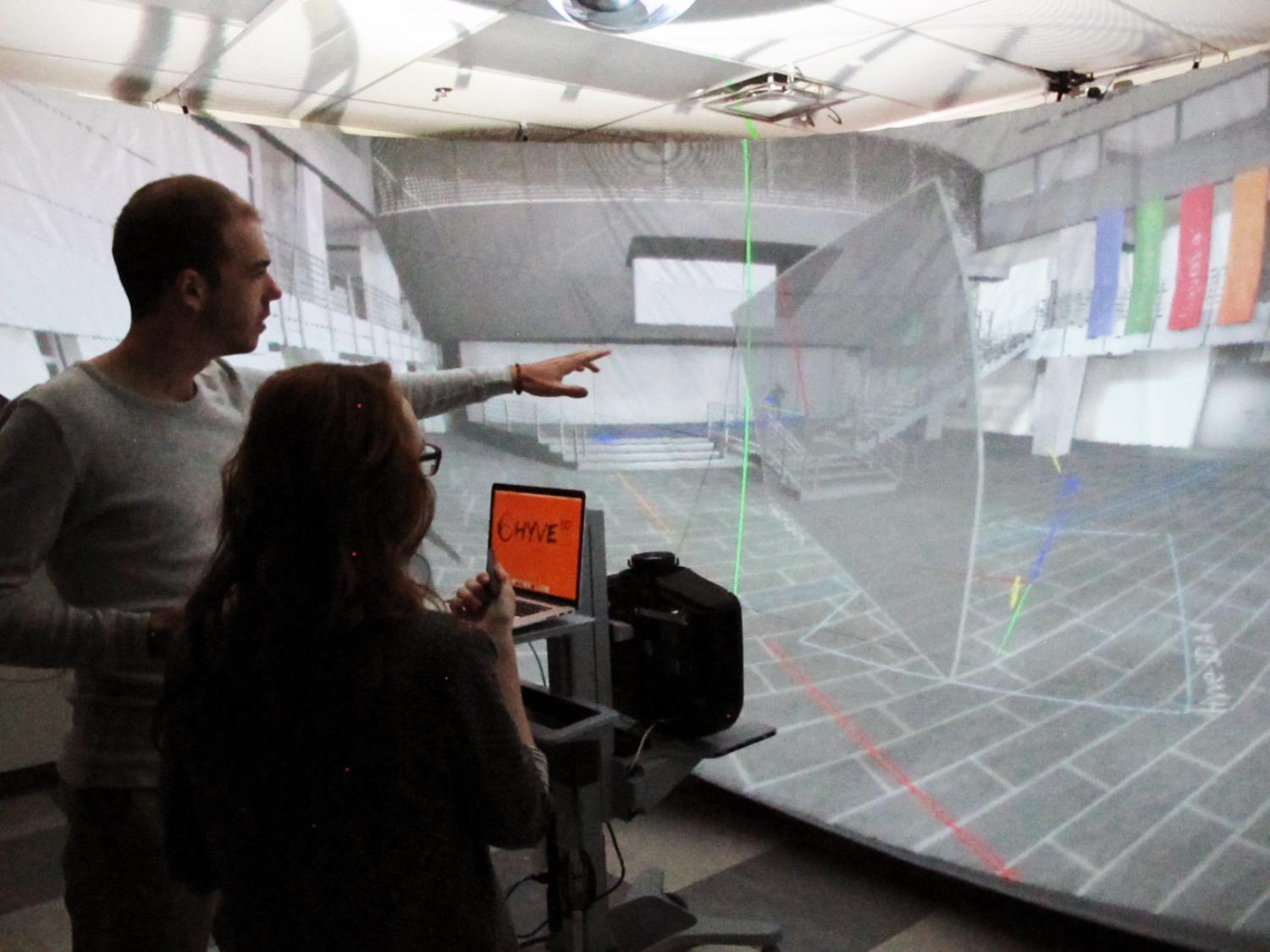
Unveiled at the SIGGRAPH 2015 conference in Los Angeles, researchers from the University of Montreal say the innovation of such technology would help designers to modify their creations in 3D at a whole new level.
Lead researcher Professor Tomas Dorta from the university’s school of Design, said:
Our new technology challenges the notion of what a cursor is and does.
Professor Tomas Dorta, explains that the cursor becomes a drawing and controlling plane. They explained that, for now, the technology uses a tablet to hover the cursor around in a 3D environment, but as time passes by, will soon be used in smartphones and smartwatches.
The team explained how the cursor selects objects in space. The users just sweep the 3D cursors through. Dora added that for manipulations of objects, the users can use signs and movements such as pinching and orientation.
Scientists have also stated that the technology would be able to be used in a wide range of fields like architecture, medicines and computer games.
For example, for an interior designer, while designing a room, they can test different furniture options according to the scale and even work on interior detailing.
This wasn’t a gimmicky rebirth of the cursor, it’s about rethinking how humans interact with computers as part of the creative process.
The technology has been named as Hyve-3D system and the 3D cursor and is supported by Univalor, the university’s technology commercialization unit and, Hybridlab Inc., a startup. Several patents are due for signing.
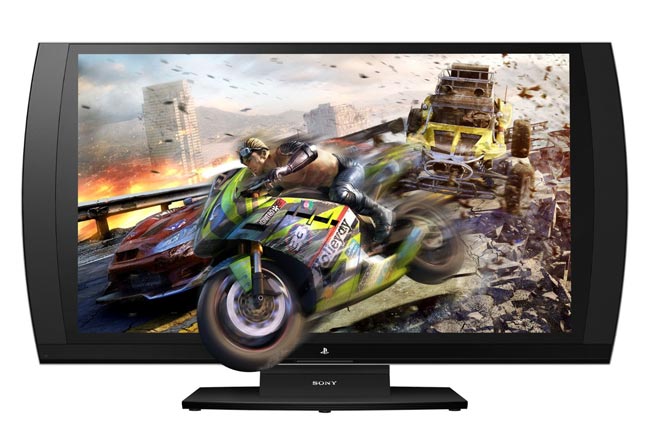
Until now, the 3D technology was entirely dependent on the supporting glass. Now an effort has been put by Australian researchers that eliminates the need for 3D glasses. A team of researchers have created a new kind of display that produces 3D effect without the need for the special glasses.
According to the scientists, the technology uses a sophisticated laser system that throws laser beams in different directions. These scattered laser beams form an angular resolution in a way that the left eye sees a whole different picture from the right one. The technology leads to a 3D effect and allows viewing from various angles.
Researchers have successfully tested the first prototype of this 3D technology together with the start-up firm TriLite Technologies. It has the modest resolution of five by three pixels. Now, the team is heading towards the second prototype to get a clearer picture of the same. A professor of the research team Jorg Reitterer stated about their innovation, “We are creating a second prototype, which will display colour pictures with a higher resolution. But the crucial point is that the individual laser pixels work. Scaling it up to a display with many pixels is not a problem.”
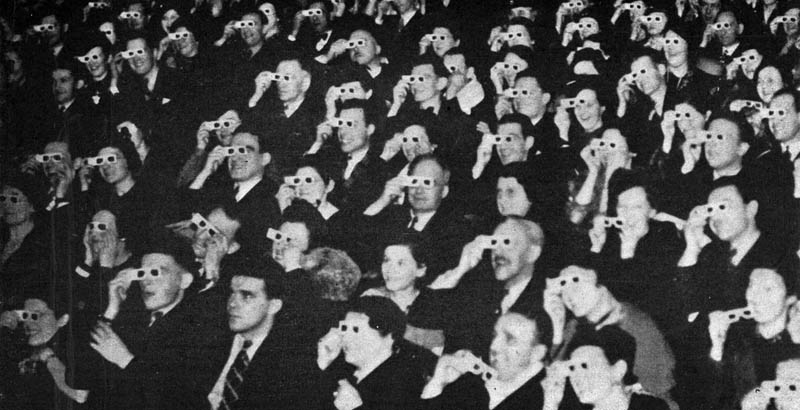
The present 3D movies use the same trick of exhibiting two different pictures for both eyes. However, with the newly-developed display, users can experience the same effect with multiple images. The research team says that to encounter 3D effect, there should be a certain gap between the screen and the viewer. If the display is positioned to close or too far, viewers will only get a standard 2D image.
Research team says that the new video format required for the particular display is ready, and they are waiting for the second prototype to finish successfully. The gadget is scheduled to launch in 2016.
This newly-developed display is a sign of advancements in 3D technology. With the screen coming to consumers, entertainment will become more wholesome.
We live in a world where technology evolves every minute, heck, every second. Even before you’ve got the hang of something, it is replaced by something newer, better.
The other day while I was watching an episode of “The Big Bang Theory”, I was intrigued by something I hadn’t heard of before – 3D printing.
While the “Third Dimension” had crept into virtual space quite some time ago – 3D games, 3D movies etc. – I never really imagined it being introduced into print any time soon (though it has been available and used by companies in automobiles sector for the past 8-10 years).
So the first thing I did after the episode was to switch on my computer and, as is the norm these days, turn to the tried and trusted Google Search to enlighten me on this topic.
What is 3D printing? – An Overview.
Imagine a future in which a device connected to a computer can print a solid object. A future in which we can have tangible goods as well as intangible services delivered to our desktops or highstreet shops over the Internet. And a future in which the everyday “atomization” of virtual objects into hard reality has turned the mass pre-production and stock-holding of a wide range of goods and spare parts into no more than an historical legacy.
Such a future may sound like it is being plucked from the worlds of Star Trek. But lo and behold, 3D printing. The medium which can help us achieve these.
[pullquote_left]Charles Hull is the inventor of the modern 3D printer and originator of de facto standard technologies. The first published account of a printed solid model was made in 1981 by Hideo Kodama of Nagoya Municipal Industrial Research Institute.[/pullquote_left]
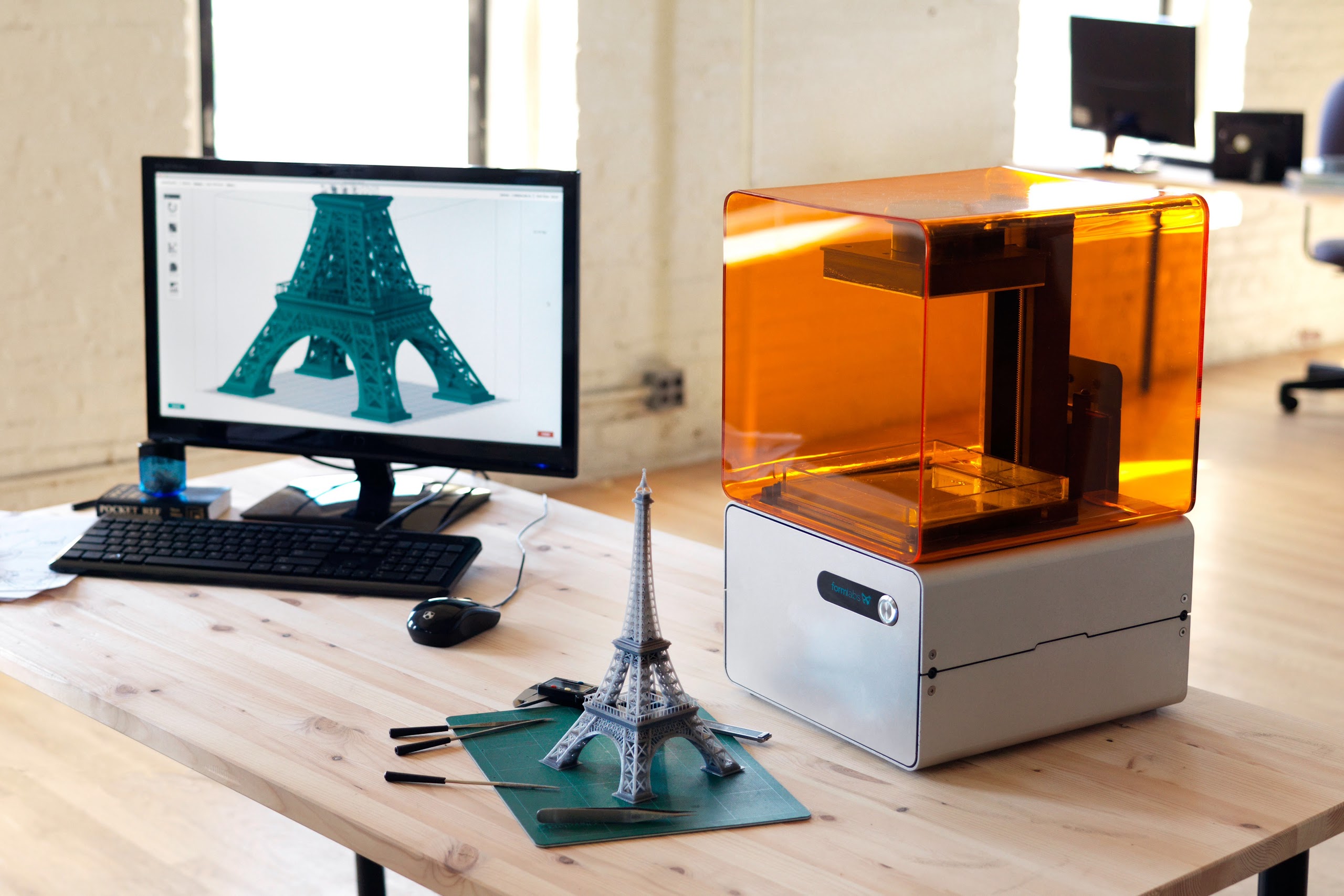
There are a variety of very different types of 3D printing technologies, but they all share one core thing in common: they create a three dimensional object creating it layer by successive layer, until the entire object is complete.
Each of these layers is a thinly sliced, horizontal cross-section of the eventual object. Imagine a multi-layer cake, with the baker laying down each layer one at a time until the entire cake is formed. 3D printing is similar, but just a bit more precise, and scientific if you may, than 3D baking.
Two particular technologies are used in 3D printing – fused deposition modeling (FDM) and PolyJet.
FDM printers essentially use thermoplastic ABS filament, that is fed into the printhead which melts the material and then deposits it layer by layer to build up the object.
PolyJet printers, on the other hand, are more similar to regular inkjet printers, but instead of jetting drops of ink on paper, a PolyJet 3D printer deposits droplets of liquid photopolymer which is then cured (or hardened) by exposing it to ultraviolet (UV) light.
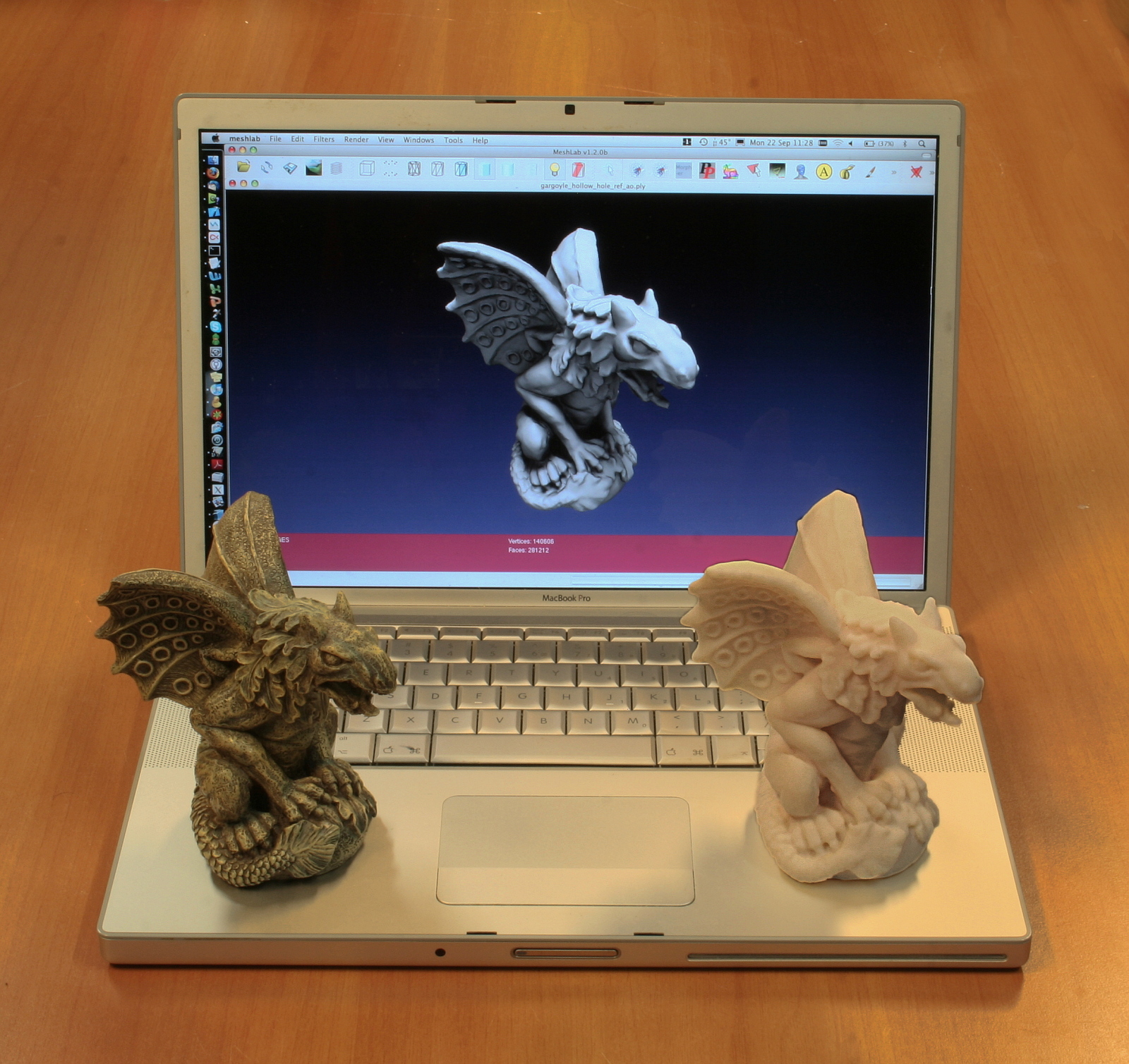
Each 3D-printed object begins with a digital Computer Aided Design (CAD) file, created with a 3D modeling program, or which was scanned into a 3D modeling program with a 3D scanner. To get from this digital file into instructions that the 3D printer understands, software then slices the design into hundred or thousands of horizontal layers.
The 3D printer reads this file, and proceeds to create each layer exactly to specification. As the layers are created, they blend together with no hint of the layering visible, resulting in one three dimensional object.
What can we do with 3D printing?
The answer to the above question is simple yet complicated – anything.
Once a science-fiction fantasy, three-dimensional printers are popping up everywhere from the desks of home hobbyists to Air Force drone research centers. The machines, generally the size of a microwave oven, cost from $400 to more than $500,000.
From bicycles, toys, accessories to Nuclear warheads, guns and buildings. Anything and everything.
Recently, a baby was afflicted with a condition that blocked his ability to breathe, professors at the University of Michigan developed a 3D-printed splint that saved the child’s life.
A 3D printed splint helped cure this baby’s breathing problem.
Companies are continuing to reap the benefits of 3D printing, a decades-old technology that has increased in popularity over the past few years as the prices of printing machines and materials have come down.
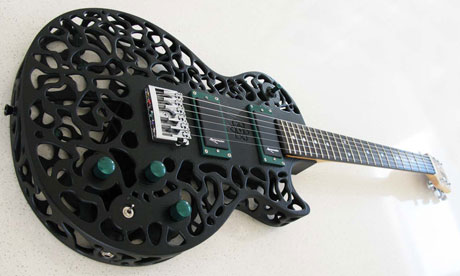
A 3D printed guitar
The Wall Street Journal recently took a look at how three major U.S. manufacturers — Ford, GE and Mattel — are using 3D printing to cut costs and production times during the prototyping phase.
Thanks to 3D printing, production time for one type of cylinder head, used in its fuel-efficient EcoBoost engines, is cut down from four to five months to three, shaving 25% to 40% off production time.
The Side Effect
[pullquote_right]The effect of 3D printers falling into the wrong hands can be catastrophic.[/pullquote_right]
New South Wales Police Force, the largest in Australia recently issued a public warning video about the ‘emerging worldwide threat’ of 3D printable weapons.
In a YouTube video highlighting the dangers 3D printable guns, Andrew Schipione, the commissioner for New South Wales Police, urges the public not to download the Computer Aided Design (CAD) files for the gun, known as the Liberator.
A 3D Printed Gun
He explained how his ballistics team had acquired a 3D printer, downloaded the blueprint for the weapons and assembled two possible future application is in the use of 3D printers to create replacement organs for the human body. This is known as bioprinting, and is an area of rapid development.pistols at a cost of just £22.
When fired, a bullet from one of the guns penetrated almost seven inches into a solid resin block resembling human flesh, deep enough to kill any human. The other weapon fell apart when it was fired.
Though some fear it is already too late.
A May 21 Department of Homeland Security bulletin distributed to several law enforcement agencies across the country, and obtained by Fox News, basically states that there might be nothing that can be done to stop people from downloading and printing plastic guns. “Limiting access may be impossible,” the memo states.
What Lies Ahead
A possible future application is in the use of 3D printers to create replacement organs for the human body. This is known as bioprinting, and is an area of rapid development.
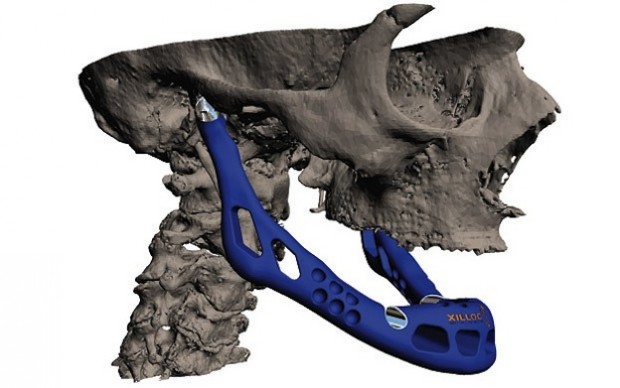
A 3D printed jaw.
Instantly printing parts and entire products, anywhere in the world, is a game changer. But it doesn’t stop there. 3D printing will affect almost every aspect of industry and our personal lives.
3-D printing is a disruptive technology of mammoth proportions, with effects on energy use, waste, customization, product availability, art, medicine, construction, the sciences and of course manufacturing. It will change the world as we know it. Before you know it.
[With valuable inputs from Explaining The Future, Wikipedia and 3dprinter,net]
Skype has said that it has developed a method for making 3-D video calls–but is being held back by the tech found in consumer devices.
Microsoft’s corporate vice-president for Skype, Mark Gillett, told the BBC this week that the company had recently achieved the futuristic-sounding scenario in a lab, although it could be many years before the technology is rolled out to businesses.
“We’ve done work in the labs looking at the capability of 3D-screens and 3D-capture,” Gillet said.
“We’ve seen a lot of progress in screens and a lot of people now buy TVs and computer monitors that are capable of delivering a 3D image, but the capture devices are not yet there. As we work with that kind of technology you have to add multiple cameras to your computer, precisely calibrate them and point them at the right angle.
“We have it in the lab, we know how to make it work and we’re looking at the ecosystem of devices and their capability to support it in order to make a decision when we might think about bringing something like that to market.”
That might even be a barrier to ever seeing 3D video over Skype, as technology manufacturers might decide that there is not enough interest in the format.
Gillett also told BBC that Skype will likely offer 1080p ”super-high definition” video call resolution to devices other than the upcoming Xbox One.
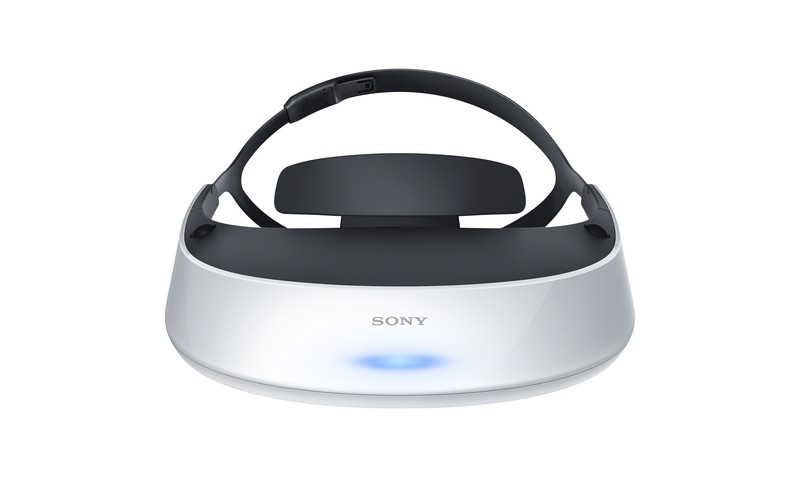
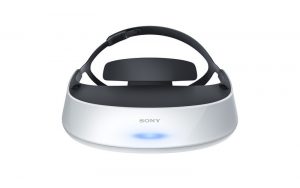
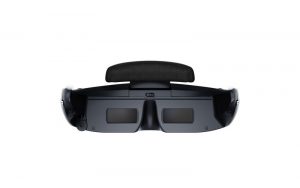
We went hands on with the HMZ T2 at IFA 2012, but not a lot of details were known of what the specs or pricing of the particular unit will be. Sony has released pricing and release date for the Japanese version of the particular head mount, 70,000 yen ($894 or IN Rs. 50,000 approx) and the unit is scheduled to hit the Japanese shelves on October 14th. The Head mounted display now has included earphones vs the one we saw at IFA that needed headphones. The HMD promises 24p cinema quality experience right at the comfort of your home.
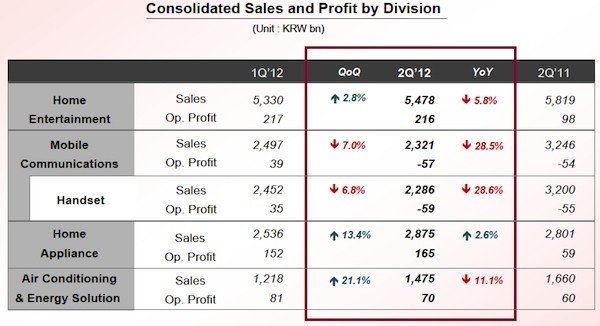
LG Q2 earnings are out as it registered net profits of $138 million, up 46 percent from the same period last year. The mobile division struggled after a strong Q1 and took an operating loss, however the positive takeaways are a rising percentage of smartphone shipments and plans to launch new LTE-connected models in North America. LG is also banking of future deployments in countries like India and China.
the home theater segment came out strong with an operating profit of more than double last year at $187.5 million despite slightly lower sales due to an increase in sales of premium products like its Cinema 3D HDTVs. LG also expects to be the top 3D display maker in 2012.
LG Air Conditioning and Energy Solution Company posted operating profit of KRW 70 billion (USD 60.76 million), a 17 percent increase year-over-year. Revenues increased 21 percent quarter-to-quarter but declined year-over-year to KRW 1.47 trillion (USD 1.28 billion) due to weak residential conditioner sales in Korea and low demand in developed markets. However, profitability improved year-over-year led by higher contribution from system air conditioner sales.
LG Home Appliance Company saw its second-quarter 2012 operating profit nearly triple to KRW 165 billion (USD 143.23 million) from the same period last year thanks to a better product mix and improved cost efficiency. Revenues also increased year-over-year to KRW 2.88 trillion (USD 2.50 billion) from growth in developing markets. The company still expects improved results in the second half compared to the previous year despite ongoing weak demand in developed markets.
[toggle_box title=”LG Earnings Release” width=”Width of toggle box”]
LG ANNOUNCES SECOND-QUARTER 2012 FINANCIAL RESULTS
Solid Performance in Home Appliance and Home Entertainment Helps Offset Difficult Quarter in Mobile Phones
SEOUL, July 25, 2012 –- LG Electronics (LG) today reported a 46 percent increase in net profits for the second quarter of 2012 versus the same period a year ago. Despite the continuing recessionary conditions, LG’s operating profit in the most recent quarter increased significantly year-over-year. Stronger performance in home entertainment and home appliances compared to the second quarter last year helped offset profit declines in LG’s mobile business.
Due to a combination of more premium products, strategic focus on developing markets and aggressive cost reductions, second-quarter net profit increased 46 percent year-over-year to KRW 159 billion (USD 138.02 million) while operating profit more than doubled to KRW 349 billion (USD 302.95 million) from the same period last year. Revenues, while 5.2 percent higher than in the first quarter, declined from last year’s second quarter by 10.6 percent to KRW 12.86 trillion (USD 11.16 billion) due to declining feature phone sales and weak demand for IT products.
LG Home Entertainment Company posted significantly improved operating profit in the quarter compared to the same period in 2011. Due in large part to an increase in sales of more premium products and improved supply chain management, operating profit more than doubled to 216 billion (USD 187.5 million) year-over-year. Sales declined 5.8 percent from the same period a year ago to KRW 5.48 trillion (USD 4.76 billion) but increased 2.8 percent from the first quarter of 2012. LG’s popular CINEMA 3D TVs will continue to drive sales in the second half as it pushes ahead to become the top global seller in the 3D segment.
LG Mobile Communications Company, after a positive first quarter, struggled somewhat in the most recent quarter with an operating loss of KRW 57 billion (USD 49.48 million) mainly due to greater marketing expenses related to new model launches in the quarter. Overall revenues declined 28.5 percent year-over-year to KRW 2.32 trillion (USD 2.01 billion) as a result of shrinking feature phone sales but smartphone shipments rose to 44 percent of unit sales, up from 36 percent the previous quarter capitalizing on LG’s strength in LTE phones. The company is planning to introduce new LTE models in the second half in developed 4G regions including North America and parts of Europe and Asia.
LG Home Appliance Company saw its second-quarter 2012 operating profit nearly triple to KRW 165 billion (USD 143.23 million) from the same period last year thanks to a better product mix and improved cost efficiency. Revenues also increased year-over-year to KRW 2.88 trillion (USD 2.50 billion) from growth in developing markets. The company still expects improved results in the second half compared to the previous year despite ongoing weak demand in developed markets.
LG Air Conditioning and Energy Solution Company posted operating profit of KRW 70 billion (USD 60.76 million), a 17 percent increase year-over-year. Revenues increased 21 percent quarter-to-quarter but declined year-over-year to KRW 1.47 trillion (USD 1.28 billion) due to weak residential conditioner sales in Korea and low demand in developed markets. However, profitability improved year-over-year led by higher contribution from system air conditioner sales. The company will focus on improving profitability by introducing more energy-efficient products and by accelerating growth in its commercial air conditioner systems business.
2012 2Q Exchange Rates Explained LG Electronics unaudited quarterly earnings results are based on IFRS (International Financial Reporting Standards) for the three-month period ending June 30, 2012. Amounts in Korean Won (KRW) are translated into US Dollars (USD) at the average rate of the three month period in each corresponding quarter: KRW 1,152 per USD (2012 2Q) and KRW 1,084 per USD (2011 2Q).
Earnings Conference and Conference Call LG Electronics will hold a Korean language earnings news conference on July 25, 2012 at 16:00 Korea Standard Time at the LG Twin Tower Auditorium (B1 East Tower, 20 Yeoui-daero, Yeongdeungpo-gu, Seoul, Korea). An English language conference call will follow on July 26, 2012 at 10:00 Korea Standard Time (01:00 GMT/UTC). Participants are instructed to call +82 31 810 3069 and enter the passcode 9084#. The corresponding presentation file will be available for download at the LG Electronics website (www.lg.com/global/ir/reports/earning-release.jsp) at 13:30 on July 25, 2012. Please visit http://pin.teletogether.com/eng/ and pre-register with the passcode provided. For those unable to participate, an audio recording of the news conference will be available for a period of 30 days after the conclusion of the call. To access the recording, dial +82 31 931 3100 and enter the passcode 142660# when prompted.
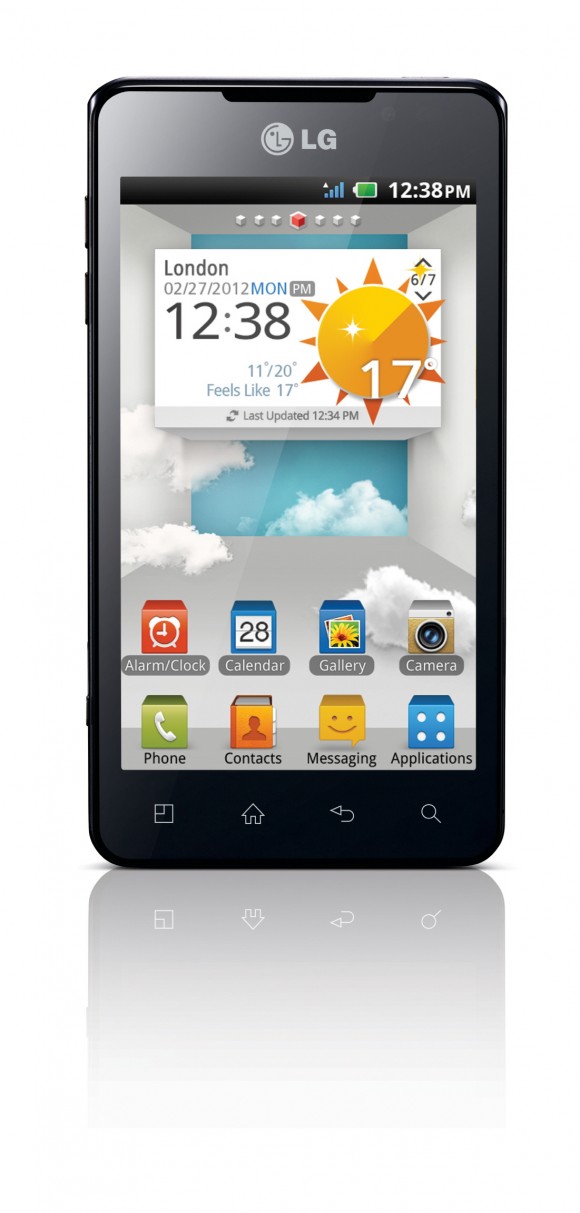
LG today added 2 new smartphones to its Optimus series- the Optimus 3D MAX and Optimus L7.
LG Optimus 3D MAX has a 4.3-inch screen with WVGA resolution & NOVA Display. Specs include a Tri-dual 1.2Ghz OMAP4430 processor (Dual Core, Dual Channel & Dual Memory), 1GB of RAM, 8GB of internal storage with a microSD card slot, two 5 megapixel cameras, and a 1,520mAh battery. The phone runs on Android 2.3, Gingerbread and is 9.6mm thin.
[quote]According to Mr. Soon Kwon, President South West Asia Region & MDLG India, LG Optimus 3D MAX is a natural and powerful evolution of LG Optimus 3D. Building on the phenomenal success of the original Optimus 3D, we are proud to unveil this ultimate Smartphone. In 2012, we will take LG’s leadership in Speed, Screen and Content to a whole new level. With the Optimus 3D MAX, we want to set new standards of quality viewing and powerful performance on mobiles packed in a slim and modern design.[/quote]
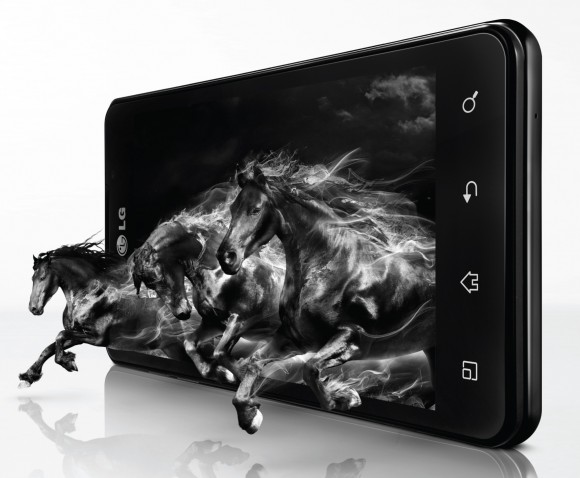
The Optimus 3D MAX offers glass-less 3D experience
LG has also customized some of the software on the phone to take complete advantage of the glasses-less 3D capability. The 3D Converter takes 2D content of any available media (Videos, Pictures, Games) and converts them to 3D for your viewing pleasure. A 3D video editor is also included, allowing you to edit your video footage in 3D in realtime, and a 3D Hot Key allows you to quickly switch between 2D and 3D views.
The L7 follows LG's 'L' Design
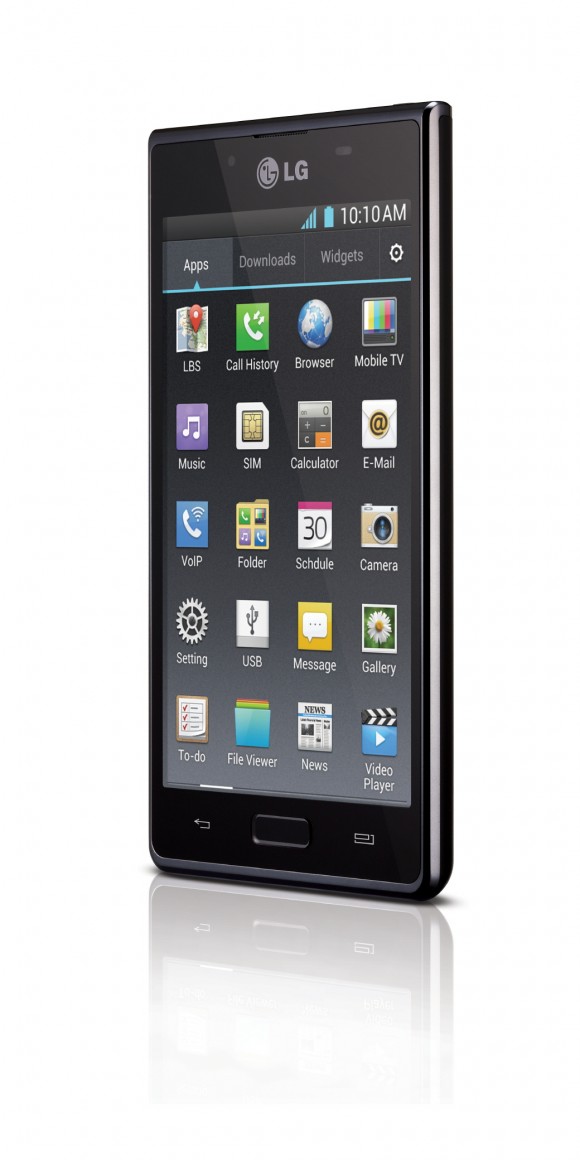
Optimus L7 runs on Android 4.0 Ice Cream Sandwich and belongs to a range of devices with LG’s Unique Design Philosophy – ‘ L-Style’. It has a 4.3-inch display that supports WVGA (480×800) pixel resolution and comes with a 5-megapixel camera with LED Flash at the back and a 1.3 megapixel front facing camera. With mere 8.7 mm slim body, the LG Optimus L7 houses a single-core 1 GHz Qualcomm Snapdragon mobile processor. It comes loaded with 1 GB RAM and offers 4 GB onboard storage. This smartphone also features Bluetooth 3.0, WiFi and GPS sensors. The LG Optimus L7 also comes loaded with LG Mobile TV- an inbuilt application where users can view 50+ live TV Channels, Online Widget Support, on demand service and Free TV Viewing for 2 months from the date of activation. It would also be the first device to feature LG’s Optimus UI 3.0.
The LG Optimus 3D Max is priced at MOP of Rs.30, 500 /- and the LG Optimus L 7 is priced at MOP of Rs.19, 900 /-.
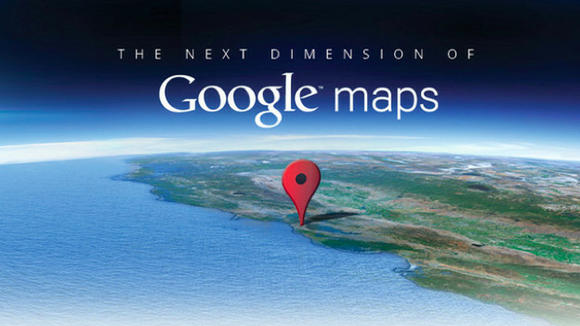
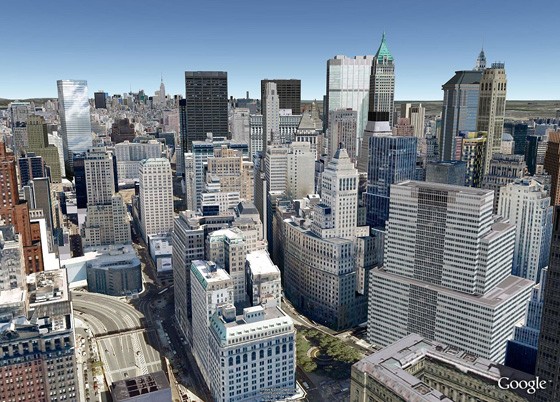
Google maps are set to add a new dimension! The announcement was made by Google from their San Francisco office where a press conference was held, keeping in mind Apple’s press event, the WWDC, which is set to take place next week. It is deploying a fleet of small, camera-equipped airplanes, via contractors, above several cities, the Internet search company’s latest step in its ambitious and sometimes controversial plan to create a digital map of the world. The images would be recorded at a 45-degree angle and would be integrated with Google Earth.
[quote]We’re trying to create the illusion that you’re just flying over the city, almost as if you were in your own personal helicopter, said Peter Birch, a product manager for Google Earth. [/quote]
The imagery would be done at a 45-degree angle.
Brian McClendon, Google’s head of engineering for its maps product, said that privacy issues were the same as that accompany aerial imagery. Privacy has been an issue for various countries, especially when Google’s Street View cars had been inadvertently collecting emails, passwords and other personal data from people’s home wireless networks.
A demo of a San Francisco map in 3d was showcased and it was nothing short of spectacular.
It also announced that Google maps for Android would soon get an offline caching feature, allowing users to download a part of a map on their devices and use them later.
Google doesn’t want to say when these features will become available, making it pretty obvious that today’s announcement is meant to preempt Apple’s rumored announcements next week.
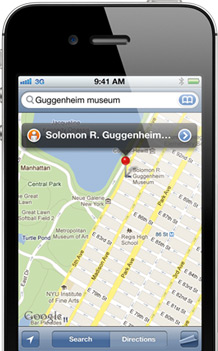
After its acquisition of a number of Map making companies, Apple may be working on a Google Map rival app for iOS. According to 9to5Mac the new maps will be based on technologies from Placebase, C3 Technologies and Poly9. Including an amazing 3D maps mode acquired from C3. The app is set to be released next mont at the WWDC when apple will also announce the next iOS 6.
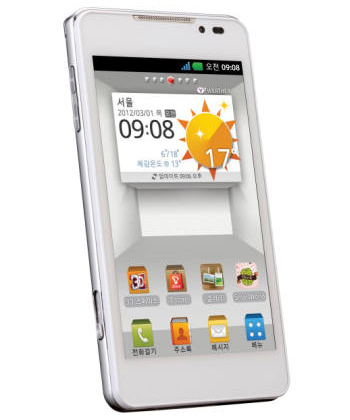
Leaked image of the Optimus 3d part 2 has been outed. The device looks impressive especially in this new color tone. Looks like LG has started to follow in Apple and Samsung’s footsteps seeing the success of white devices. The new Optimus 3D will be thinner and lighter than its predecessor, has a new tapered design which is 9.8 mm at its thinnest point. Its also much lighter , about 20 gms, compared to the original Optimus 3D.
The specs are comprised of a 1.2GHz dual-core Texas Instruments processor, a 5-megapixel camera which captures 3D photos, 8GB of storage, Bluetooth 3.0, Android 2.3 (Gingerbread), NFC and support for 21Mbps HSPA+ networks.
The device will launch in Q1 2012 in Korea, but there is no info on pricing.