Tag: adoption rate

  • 76% iOS Devices Are On iOS 11 While Only 4.1% Android Devices Are On Android 8 Oreo

    76% iOS Devices Are On iOS 11 While Only 4.1% Android Devices Are On Android 8 Oreo

    The debate of Android vs iOS might never reach a conclusion. However, there is one area where Android has to always accept defeat, and that is OS adoption rate. Thanks to so many Android OEMs and their own custom skins, new versions of Android are very slow to reach to a majority of Android devices. iPhones on the other hand, are only made by Apple, which means the adoption rate of iOS is extremely high. And new data proves just that.
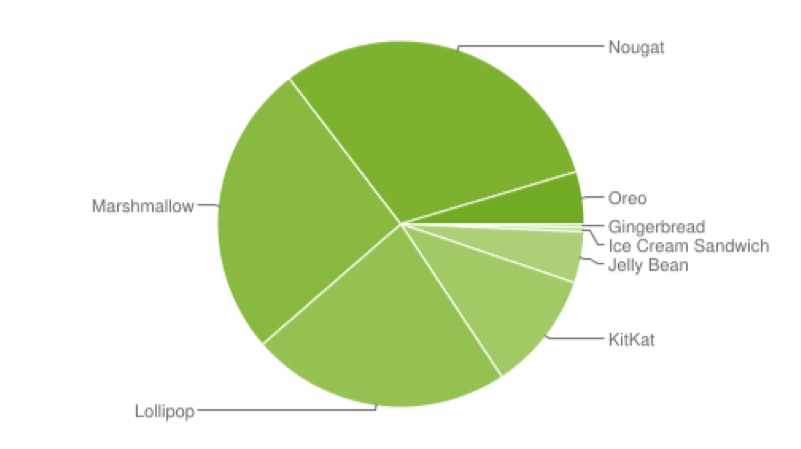
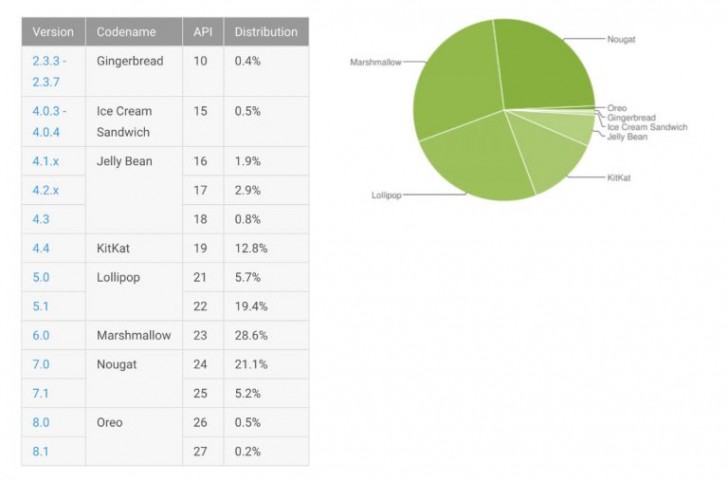
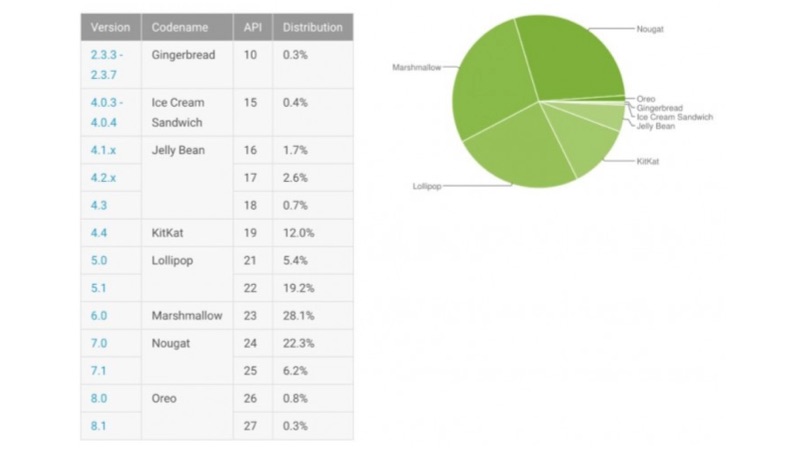
    As of April 16th, 2018, Android 8.1 Oreo, the latest version of Android is only available on 0.5% Android devices. Android 8.0 Oreo, which was launched in August 2017, is only available 4.1% of devices. Astonishingly, the most predominant Android version is Android 6 Marshmallow, with a 26% adoption rate. Android 7.0 Nougat is a close second at 23%.

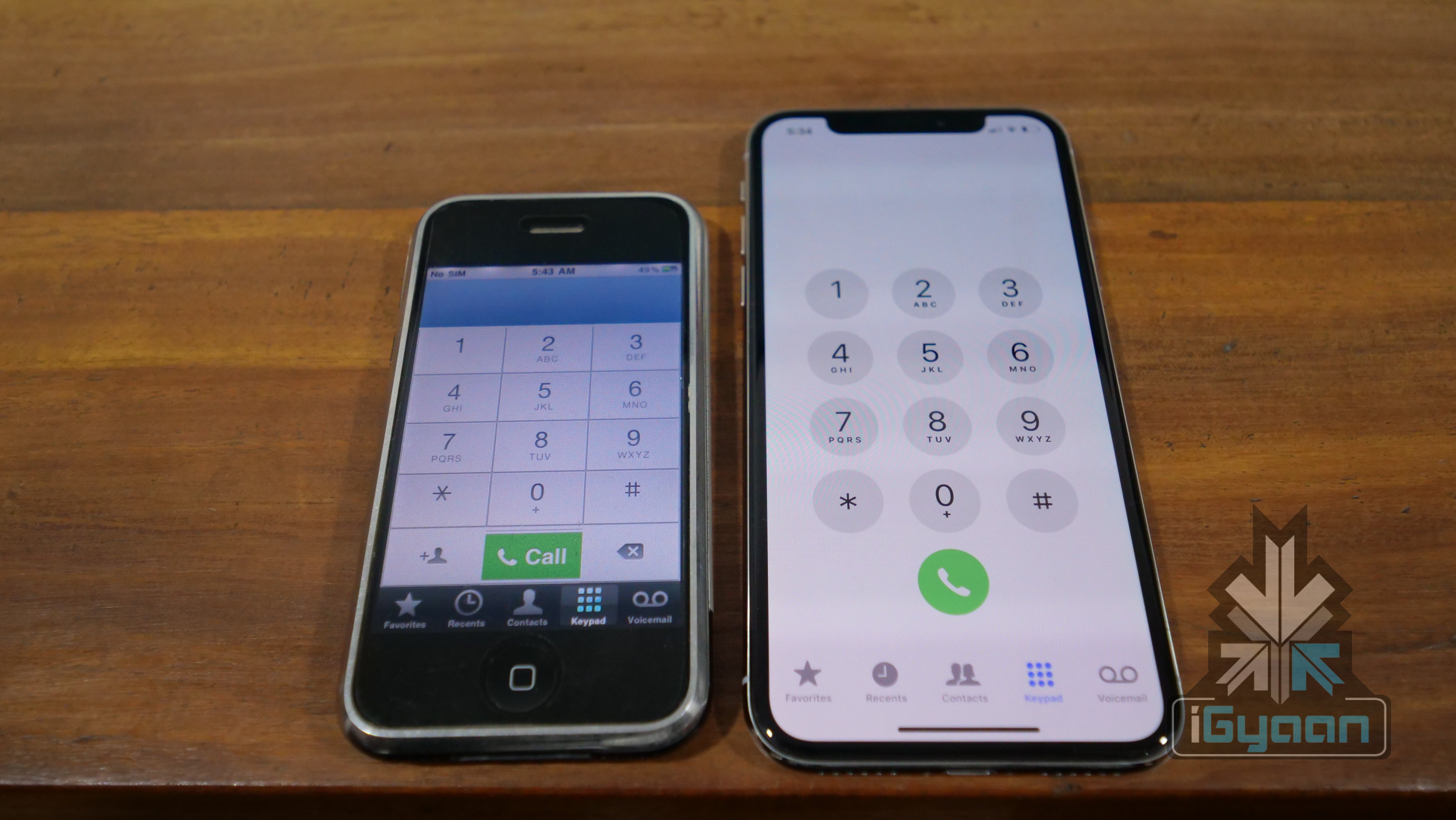
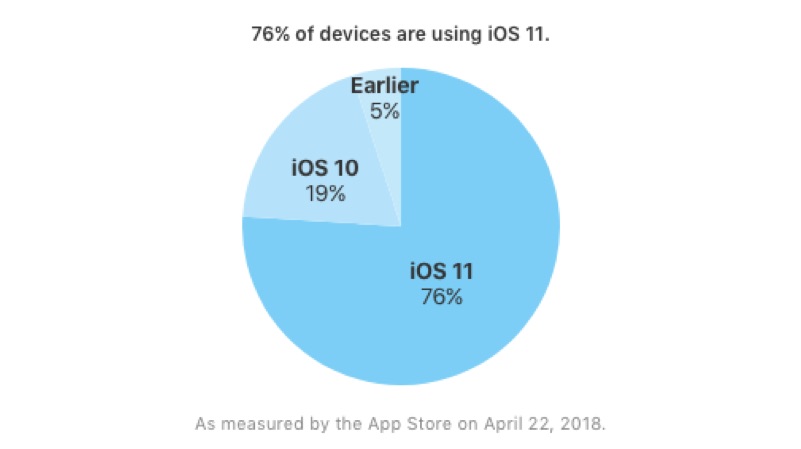
    While on the iOS side of things, as of April 22nd, 2018, iOS 11 is running on 75% of the iOS devices. It is worth noting that this also includes iPads as well since they also run iOS. Apple’s latest iOS version, iOS 11 had a rocky start to life with a lot of bugs pailing its initial phase. However, constant updates to fix various bugs has made iOS 11 a much better upgrade to iOS 10, as we noted in our iPhone X review.

    You may also like: Why Are New Android Phones Launching With Old Android OS?
    Project Treble is Google’s effort at reducing the time it takes for OEMs to receive the new OS and optimise it for its devices and then push out the update. A few months ago, Android received a new Vendor Interface, which is largely what Project Treble is about. The VI’s aim is to separate the “Vendor Implementation” (that is, “the device-specific, lower-level software written in large part by the silicon manufacturers”), from the Android OS framework.

    The new VI is supposed to sit between the Android OS framework and Vendor Implementation. And the new VI will be validated by a Vendor Test Suite (VTS), which is analogous to the Compatibility Test Suite (CTS) that Google has been using for API testing of apps. The VTS ensures forward-compatibility of the VI.

    Time will tell whether Google’s efforts will be of any fruition. Right now, however, iOS is way ahead of Android OS in the race of OS adoption.
  • Only 1% Android Smartphones Are Running Android 8 Oreo

    Only 1% Android Smartphones Are Running Android 8 Oreo

    Back in August 2017, Google officially launched Android 8.0 Oreo. In September, iOS 11 started seeding to compatible iPhones. According to a recent market share data, it was revealed that Android 8 Oreo is present in about 1% of Android devices. In late-January, it was revealed that iOS 11 is present in about 65% iPhones. This margin is enormous and Android OEMs need to address it.

    Android and iOS are the two most popular mobile operating systems in the world. WindowsPhone OS came to the fore but, slowly faded into oblivion. Top smartphone makers like Samsung, LG, Huawei, Xiaomi, OnePlus use Android OS to power their devices. Although it seems unfair to compare the adoption rate of Android and iOS since Android’s market is very fragmented.

    According to the latest data, Android 7 Nougat is the most popular version of Android right now. Nougat is now at 28.5% of the pie, while Marshmallow dropped to 28.1%, from 28.6%. Android 8 Oreo has now reached 1% of smartphones while Android 5 Lollipop is present in 24.6% smartphones.

    You may also like: Why Are New Android Phones Launching With Old Android OS?

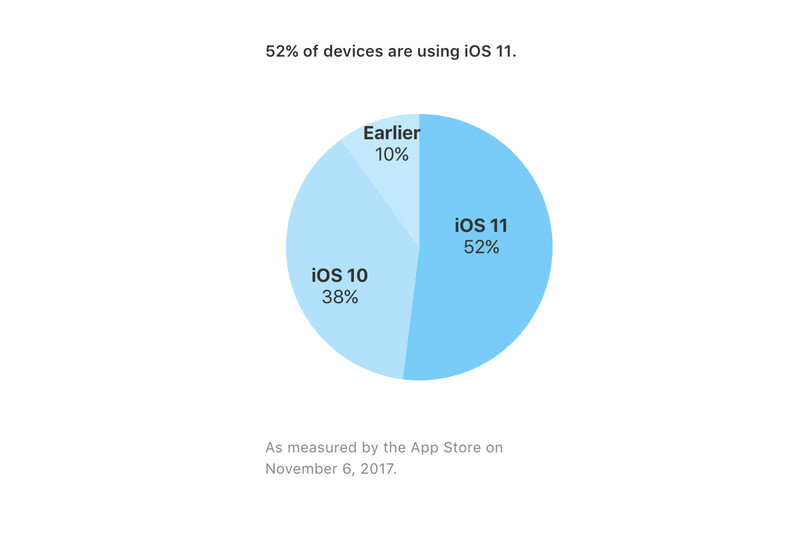
    On the contrary, the App Store Distribution page says that 65% of active devices are running iOS 11, followed by 28% running iOS 10, and 7% running earlier versions. This will further change as Apple prepares to roll out an iOS 11 version that will let users switch off CPU throttling.

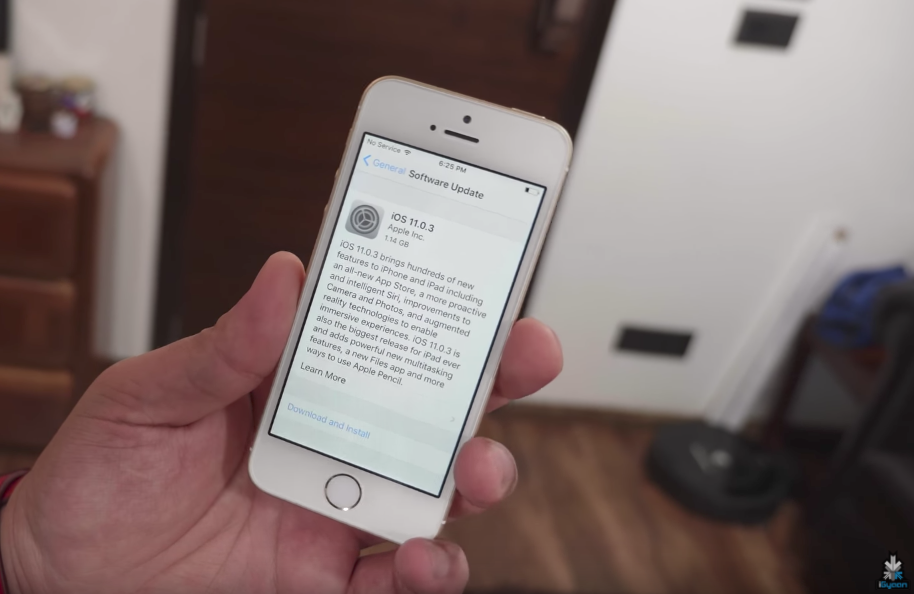
    Apple iPhone SE Running iOS 11

    It is okay for old smartphones to run on older Android versions but, even in 2018, there are smartphones being launched running Android 7 Nougat. Google’s Android One resurgence shows that the company wants more people to adopt to the latest OS and not wait for other OEMs to make a skin based on the latest Android OS and then push it out to consumers. Whether the Android One project will be a success is yet to be seen and how the adoption rate will change for Android 8.0 Oreo.

    [poll id=49]

  • Less Than 1% Of Android Devices Run Android 8 Oreo

    Less Than 1% Of Android Devices Run Android 8 Oreo

    There is no denying the fact that the Android smartphone space is extremely fragmented. That leads to more and more smartphones getting left behind in the software game. Even today, in 2018, Samsung recently launched a budget tablet running Android 5.1 Lollipop which was launched back in 2015. Such decisions should not be acceptable for consumers regardless of the price point of the smartphone/tablet in question.

    A new report by Google further solidifies the argument that Android smartphones rarely get updated to new software in their entire lifecycle. Even in 2018, Android versions Lollipop, Marshmallow and Nougat dominate the market share. Android 8 Oreo running smartphones stand at a measly 0.7% which is less than Android 4.1 Jellybean. To put things into perspective, Android 4.1 Jellybean was released 5 years ago and its latest iteration, 4.3.1 was released four years ago in October of 2013.

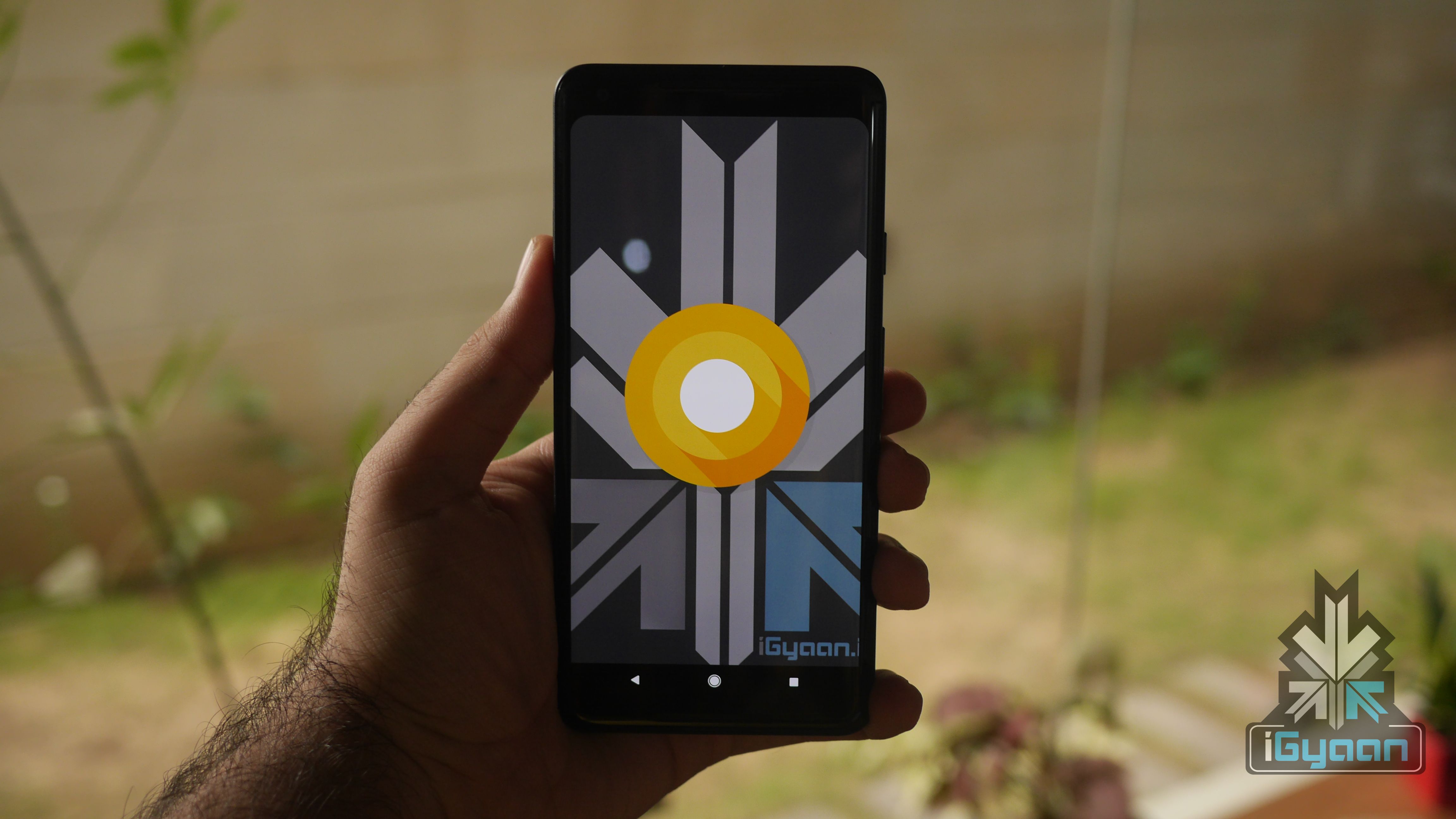
    Android 8 Oreo On Pixel 2 XL

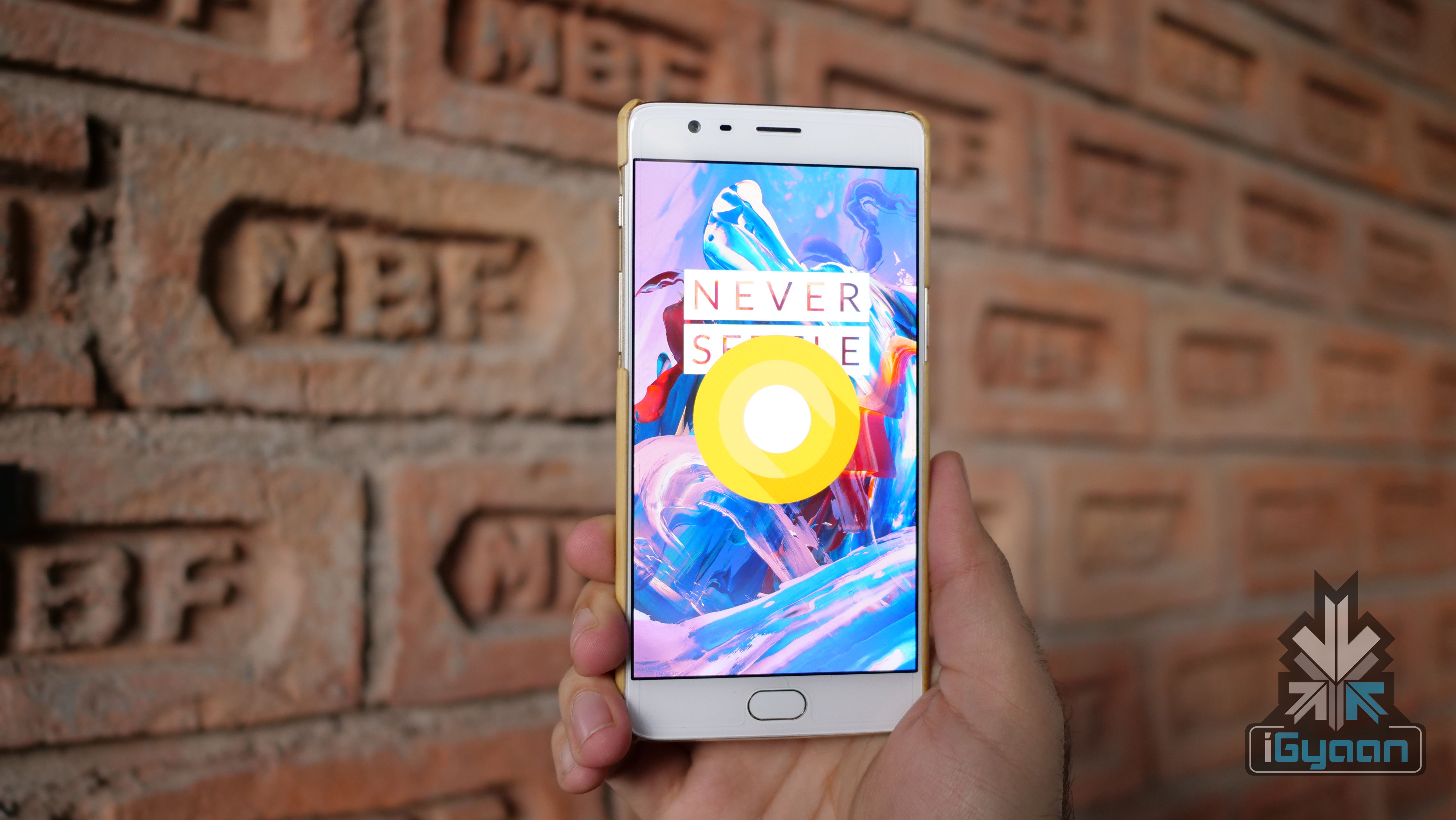
    If you own a new 2017 smartphone that isn’t a Pixel or an Android One device, your smartphone would probably be running either Android 7 Nougat or Android 6 Marshmallow. Even though companies like OnePlus, Motorola have released Android 8 Oreo update for a few of its smartphones, the rollout happens in phases and hasn’t reached every device in the market.

    In comparison iOS 11, despite its constant bugs and what seems like an unfinished software, has caught on really well in the market. iOS 11 is running in more than 52% of the iOS devices in the market right now. iOS 10 launched in 2016 is present in about 38% devices. iOS 11 might have the slowest adoption rate of all iOS versions so far, but, it is far more present in the market than its Android counterpart.

    Many reasons can be attributed to such a dismal adoption rate for Android versions but, despite the reasons, Android appears to be losing this particular battle against iOS.

    [poll id=49]

  • iOS 9 Soon to Beat Android Lollipop’s Adoption Rate

    iOS 9 Soon to Beat Android Lollipop’s Adoption Rate

    It’s just been a couple of days since its release and iOS 9 adoption rates are already threatening to take over Android Lollipop. We all know that the number of iOS devices doesn’t match up to Android’s dominance. As per the last official count, Android had reached 1 billion active users, while there are 800 million iOS devices. Android is the most widely used platform for smartphone and tablets today,  on the other hand iOS is exclusively used by Apple and is obviously lesser used.

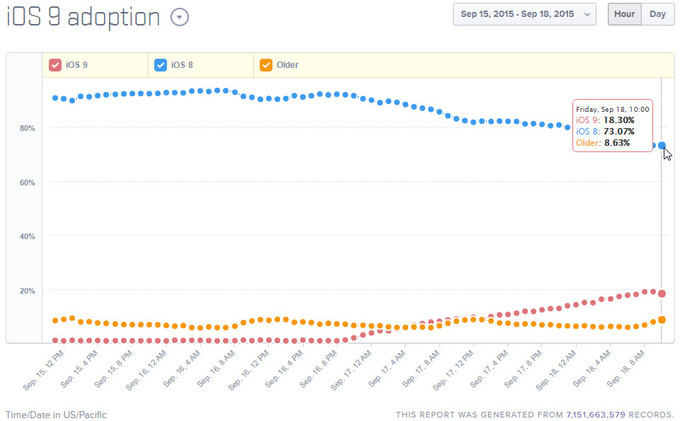
    New stats tell us that the iOS 9 adoption rates have reached over 18% in 3 days only and the numbers are expected to be on the rise.

    IOS 9

    Now Android Lollipop on the other hand, has reportedly only reached a 20% threshold with users still being stuck with the Android KitKat, which was made available some 2 years ago. Obviously, Android still have software update issues which Apple is conveniently taking advantage of.

    Well, so far so good. We all knew that Android needs to step it up sooner or later. So, let’s hope Marshmallow is the answer to their problems.

iGyaan Network
Privacy Overview

This website uses cookies so that we can provide you with the best user experience possible. Cookie information is stored in your browser and performs functions such as recognising you when you return to our website and helping our team to understand which sections of the website you find most interesting and useful.