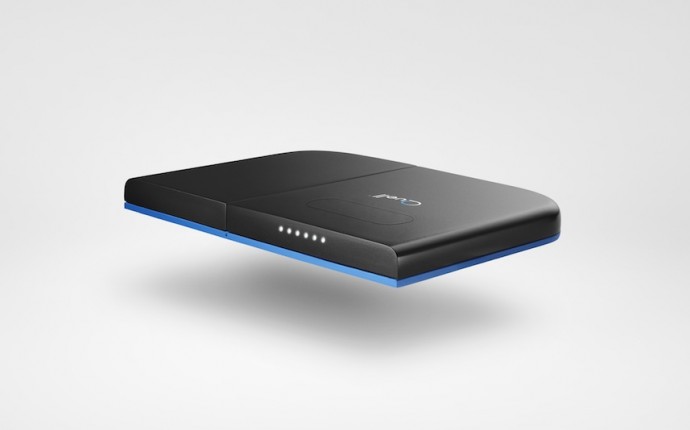
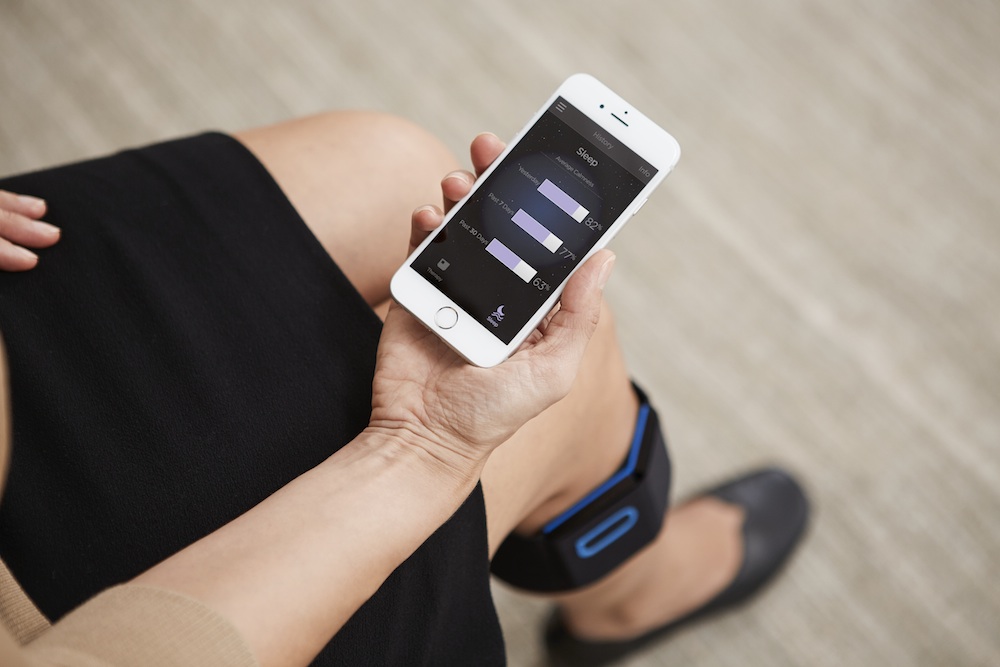
Not every wearable is about sleep tracking or counting steps. Among the many wearables showed at CES 2015, a useful one was called Quell. It is a drug-free service that helps in relieving chronic pain. The technology used for this device has been developed by Neurometrix, a company from Harvard Medical School which specialises in Neurotechnology.
This device consists of a strap that is worn around the affected part of the body, with its electrode touching the skin. When activated, it stimulates the nerves, in turn sending a message to the brain to release endogenous opioids- the body’s natural defence against pain. This brings relief within 15 minutes.
The main advantage of this device is that it is portable and can be carried along almost anywhere. The correct stimulation has to be attuned the first time, and Quell then automatically selects the same each time. iOS already has a supporting app and Android one is on its way.
The only shortcoming would be the user will have to keep on buying the electrodes periodically. Normally, this would cost $250 (approx Rs. 15,773), but pre-ordering would cost $199 (Rs. 12,555). Details about its mass availability is still uncertain, though the device is currently up for pre-order on Indiegogo. The device has already reached $250,000 in pledges.
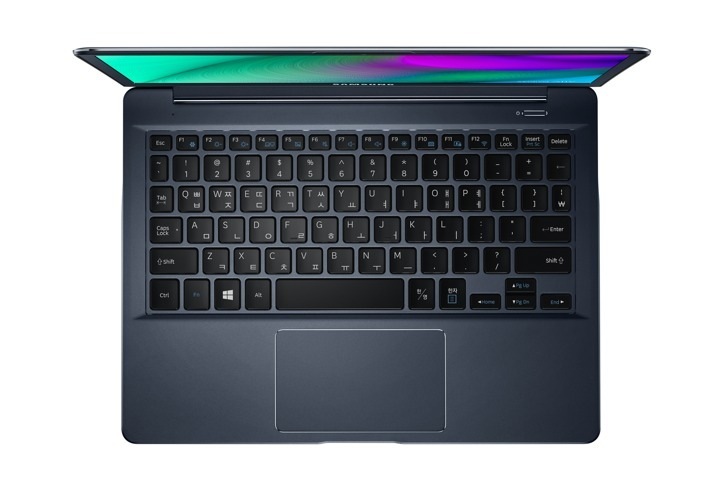
Samsung’s newest addition ATIV Book 9, showcased at the CES platform this year, was a breakthrough in the ultrabook series. It was one strong contender by the South Korean giant that could be pitted against Apple’s MacBook Air. The same ATIV Book 9 is now rolling out for customers.
Samsung announced that it will release its lightest notebook tomorrow (i.e. March 1). The laptop has an all-aluminium body and measures just 0.46-inches thick. Compressed to a mere 2.09 pound, the new ATIV Book 9 can be carried anywhere hassle-free. The 2015 ATIV Book 9 will come at two price points – $1,199.99 for 4 GB RAM and 128 GB of SSD, and $1,399.99 for 8 GB RAM and a larger 256GB SSD.
However the 12.2-inch laptop might be sleek, it’s pretty solid from inside. It is powered by Intel’s Broadwell Core M processor and runs on Windows 8.1 for now. It can work for 12.5 hours on a single charge. The USP of the notebook is that it’s fanless, a feature Apple cannot claim about any of its laptops.
It’s not certain if it would be released globally or to some markets, but we’ll know more details tomorrow.
You may have seen Robots in movies and wondered about how awesome it might be to have a mechanised friend of your own. In the real world you’ve seen Asimo, which has some really awesome features but is still in the prototype stage. There are many companies who are working towards making a good personal assistant endowed with Artificial Intelligence(AI). Well, it seems like the wait for a personal robot is about to come to an end thanks to the efforts of a New York-based company.
Robotbase is made up of a team of engineers based in New York who unveiled an AI robot at CES 2015 to kick-off its Kickstarter campaign. They call it the ‘Personal Robot’ and are keen on putting a robot in every home. The company touts its Personal Robot to be a multi-talented personal assistant. She’s a hands-free helper, an awesome photographer, a reliable security guard, a wonderful storyteller, and much more.
It’s apparently the world’s first Artificial Intelligence based Personal Robot with the ability to detect faces, recognise emotions and everyday objects. According to the company, this PERSONAL ROBOT does everything for you from understanding what’re you’re saying and then replying back to you. She can even navigate around the house by herself with navigation and mapping algorithms. In addition, the device comes equipped with sensors to detect the outside environment and can communicate via your connected devices.
On the design front, the Personal Robot looks like the Mobile Virtual Presence Device that Sheldon Cooper created on the popular sitcom Big Bang Theory. A giant oval display is attached to a movable platform. The avatar on the display looks like one of the characters from a Japanese anime show. It might feel a bit creepy at first to interact with a cartoon who knows everything about you before you even ask.
Barring all that, she’s got a few special talents too, she can place food orders, act as a personal assistant and can even be a storyteller for your kids. It’s also an emotionally responsive personal assistant and can remind you about appointments. As of now, the company’s primary focus is the consumer version of the Personal Robot, however they are also getting keen interest from businesses as well, especially department stores.
The campaign seems quite promising, the company has already scooped up around $25,000 and promises that early takers can get the device for $995, delivery for which will begin by late 2015. You can head over to the Kickstarter campaign for more information. Check out the video below to find what this innovative device can do for you.
The Consumer Electronic Show (CES) has been a podium of futuristic innovations for years. Almost all big tech giants take part in this 3-day long event to showcase their prototypes.
This year’s CES also saw some really amazing gadgets; from Samsung to HTC, from mobiles, TVs to wearables, from devices to concepts, we have summed up the CES 2015 in this list of top 15 gadgets. The below listed technologies gathered the limelight at this year’s CES:
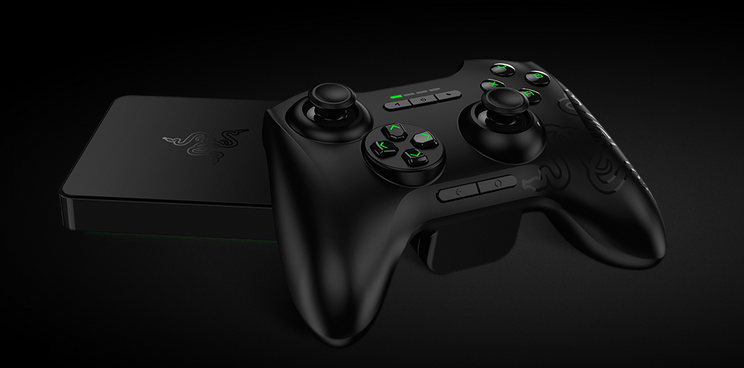
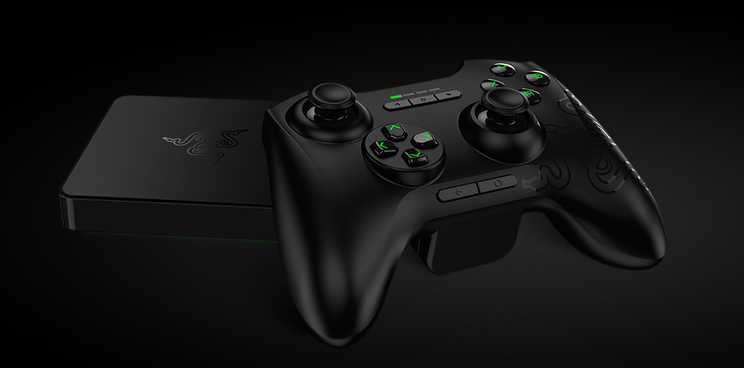
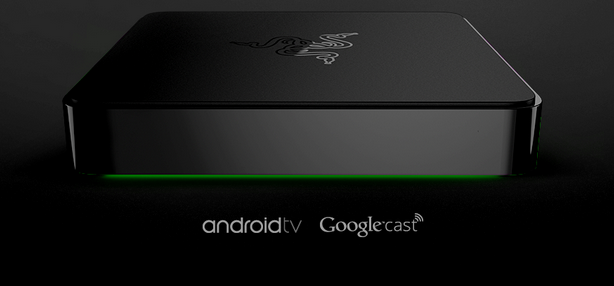
The one that tops the list is Forge TV by Razer that has won the People’s Choice Award for Best of CES 2015. It’s an Android-powered console for hardcore gamers. Its compact size brings gaming to your living room. The console is powered by a Snapdragon 805 processor, quad-core Krait 450 CPU, and Adreno 420 GPU. The device has 2 GB of RAM along with 16 GB of internal storage capacity and runs on Android 5.0 Lollipop.
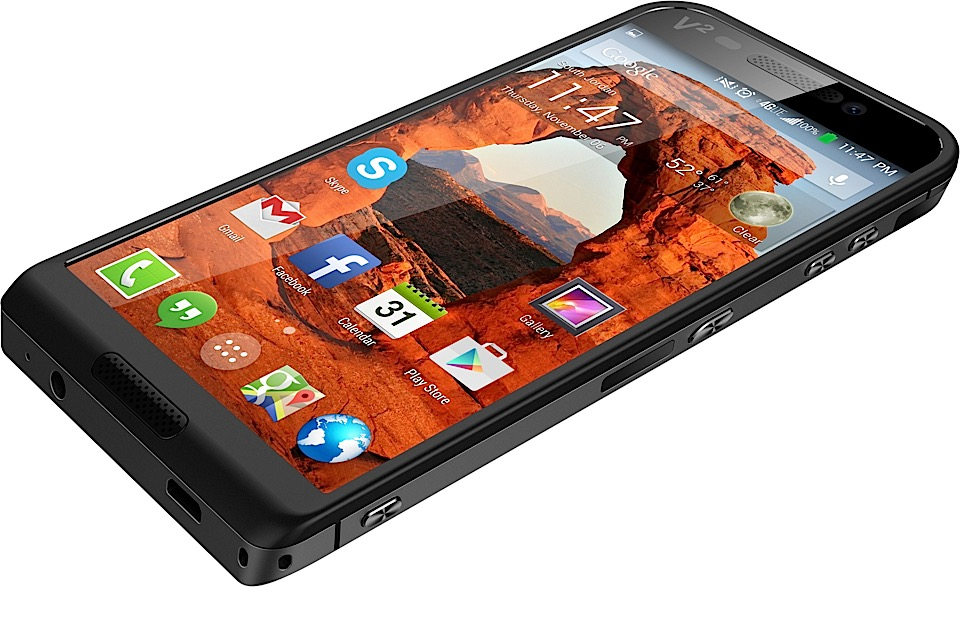
This one nearly broke the internet. Saygus took the centre stage at the event with its V2. The device has a mammoth storage capacity of 320 GB. It has 64 GB of in-built storage capacity and comes with support to two MicroSD cards that can store 128 GB each. The V2 is an Android-based handset with a 5-inch 1080p display, 2.5 GHz Snapdragon 801 quadcore processor and 3 GB of RAM. It runs on Android 4.4.4 KitKat with a 21 MP primary camera together with dual LED flash and a 13MP selfie snapper upfront.
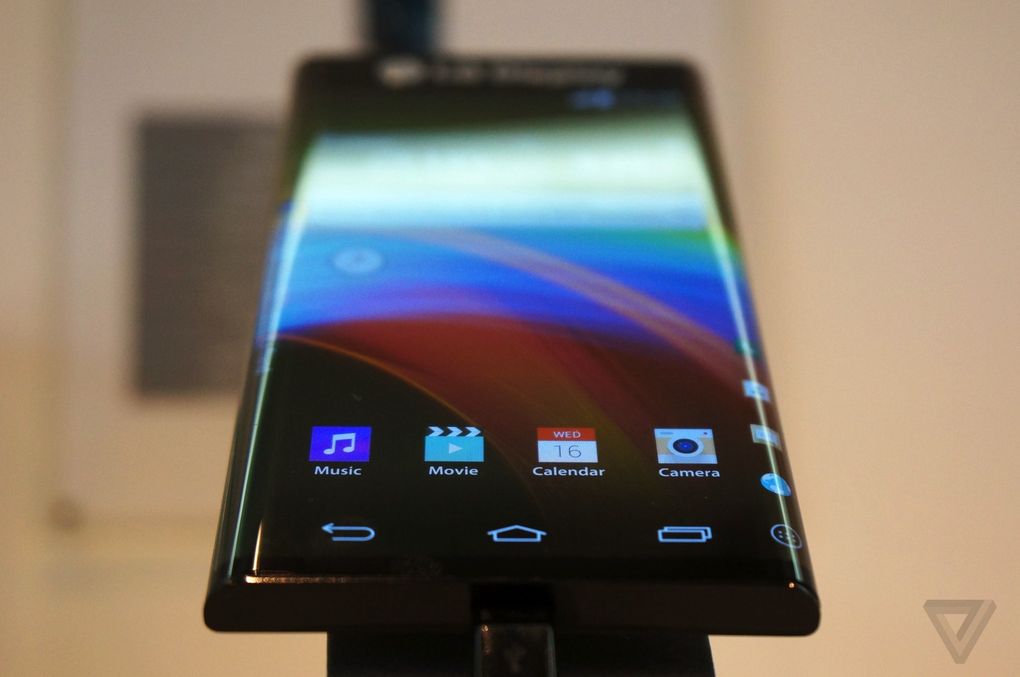
LG released a smartphone, which can takes a step further from the Galaxy Note Edge. LG’s new phone has a sloping display on both sides of the screen. It flaunts a 6-inch display with 1280x720p resolution and is 0.7 mm thick. It has extra peril on the side screen that will help users navigate their way through the phone without accidental tapping.
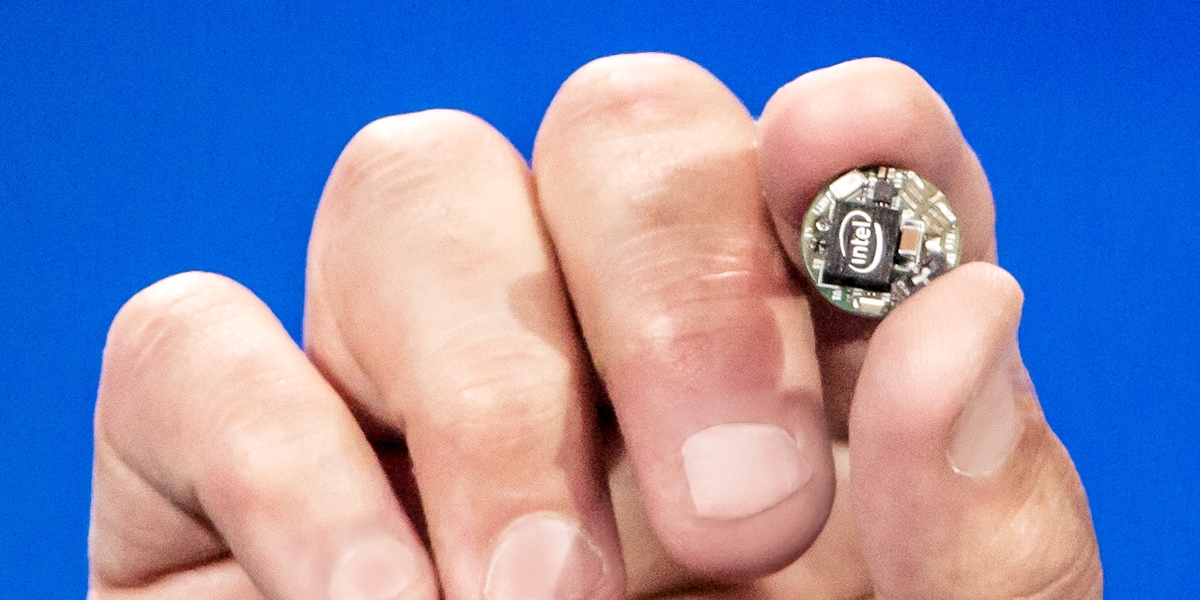
Intel announced a new tiny chipset for wearable devices which is the size of a coat button. It’s a low power 32-bit micro-controller called the Quark SE, which has 384 KB of flash memory and 80 KB SRAM. In addition to that, the chipset comprises a plethora of sensors including accelerometer, gyroscope and Bluetooth LE support. The company claimed that one could build a wearable device out of anything from rings to handbags, pendants and even glasses through this chip.
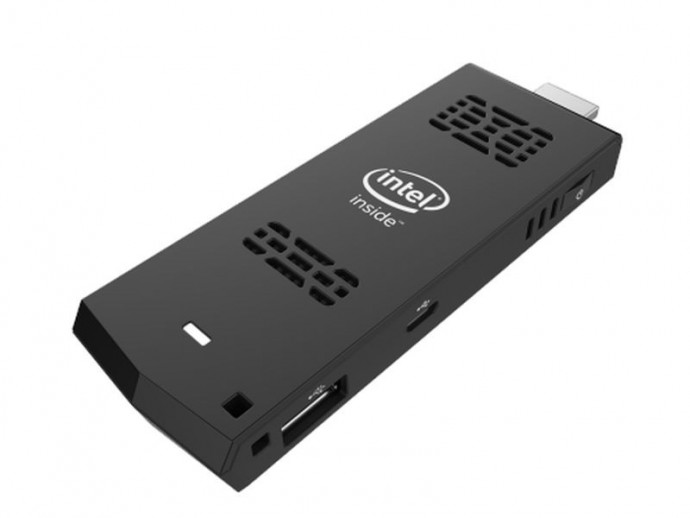
The Compute Stick by Intel is a piece of brilliant innovation. It can turn your regular TV into a computer. It is available in Windows and Linux variants. The stick sports a USB port, micro USB port, and supports Bluetooth 4.0, and 802.11b/g/n Wi-Fi. You can connect a Bluetooth keyboard and mouse and begin your task where ever you go. The Windows version comes with 2 GB RAM and 32 GB Flash storage, while the Linux version comes with 1 GB RAM and 8GB storage. Both the devices are powered by a quad-core Atom CPU. The Linux variant comes at a price of $89.
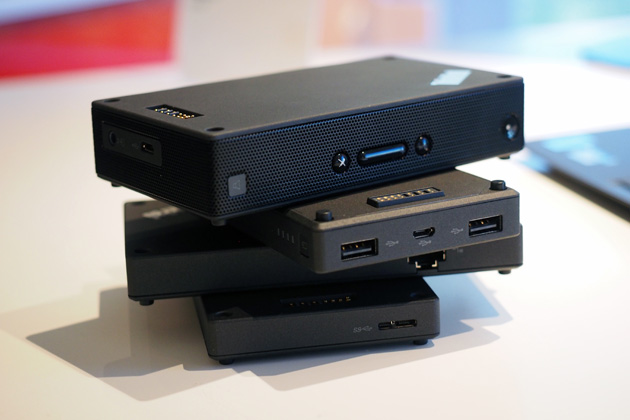
Lenovo ThinkPad Stack is yet another useful and compact accessory released at CES. This device is a compilation of many accessories that demand extra space in your laptop bag. It’s best for frequent commuters. The list of peripherals includes a 10,000mAh battery pack, a 1TB USB 3.0 hard drive, a Bluetooth speaker and an LTE data hotspot. The modules are piled one over another and they share power and data.
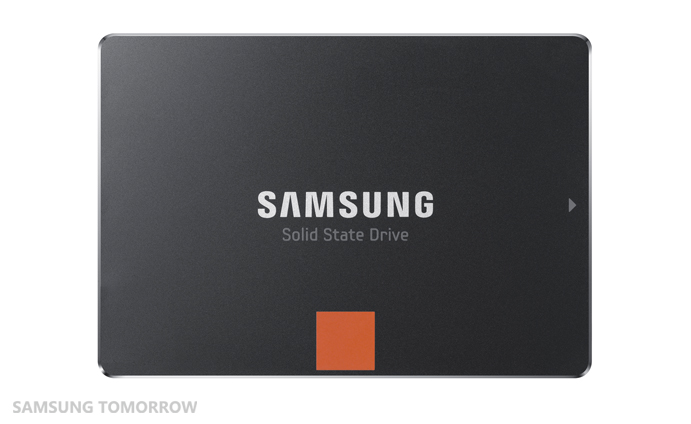
Samsung has released three new versions of SSD T1. Available in 250GB, 500GB and 1TB variants, the drives measure a mere 71×53.2×9.2 mm, which is smaller than a business card. It supports AES 256-bit encryption, USB 2.0 and USB 3.0 along with transfer speeds of up to 450MB/s. The SSD T1 models will be made available later this year.
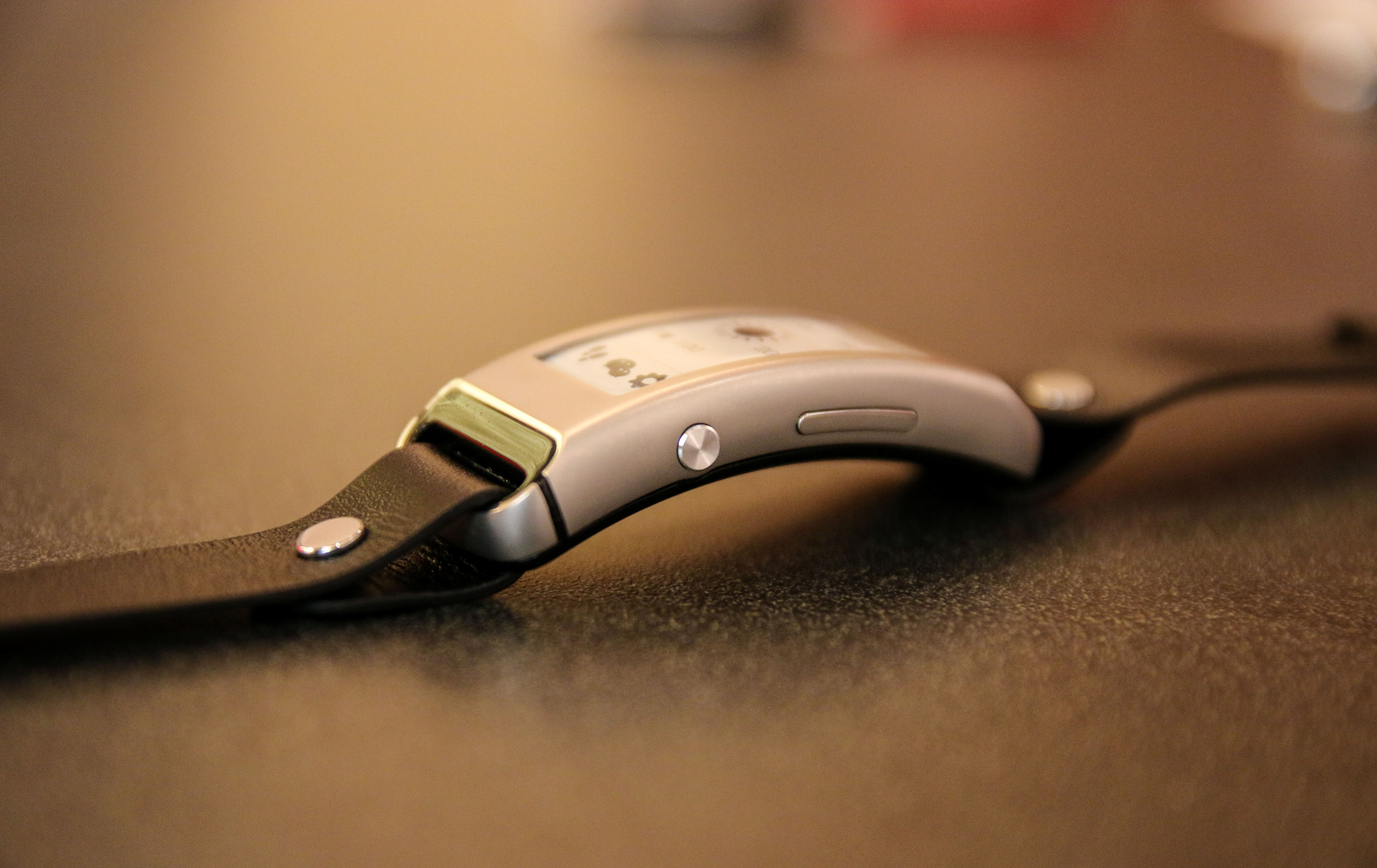
The VB10 Band by Lenovo is a fitness track with good battery life. It sports an E-ink display and its battery can last more than a week on a single charge. The Band features full fitness tracking functions and works with a phone via always-on Bluetooth. It warns you when the phone moves too far away from the Band. The Vibe Band will be available in April 2015 for $89, making it one of the cheaper wearables in the market.
HTC Desire 826 with a 5.5-inch display, Qualcomm Snapdragon 615 octa-core processor and 2 GB RAM
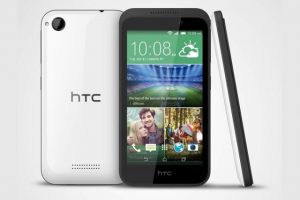
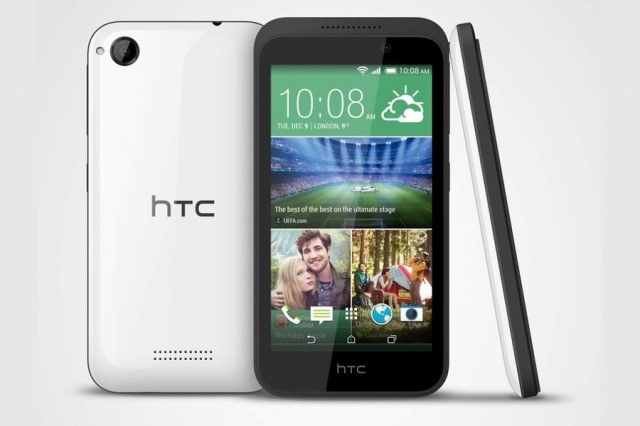
HTC Desire 320 with 4.5-inch LCD display and 1.3 GHz quad-core MediaTek processor.
Both the devices by the company are amazing. While Desire 826 is a selfie-friendly handset, the Desire 320 is a device that’s affordable. The Desire 826 sports a 5.5-inch 1080p display, 64-bit Qualcomm Snapdragon 615 octa-core processor, 2GB of RAM and 16 GB of internal storage capacity. Running on Android 5.0 Lollipop, the device has 13MP of rear camera and 4-UltraPixel upfront.
On the other hand, Desire 320 has a 4.5-inch LCD display, 1.3 GHz quad-core MediaTek processor, Android 4.4 KitKat, 4 GB or 8 GB internal storage and 2,100mAh battery. It has a 5 MP rear camera and 0.3MP secondary shooter.
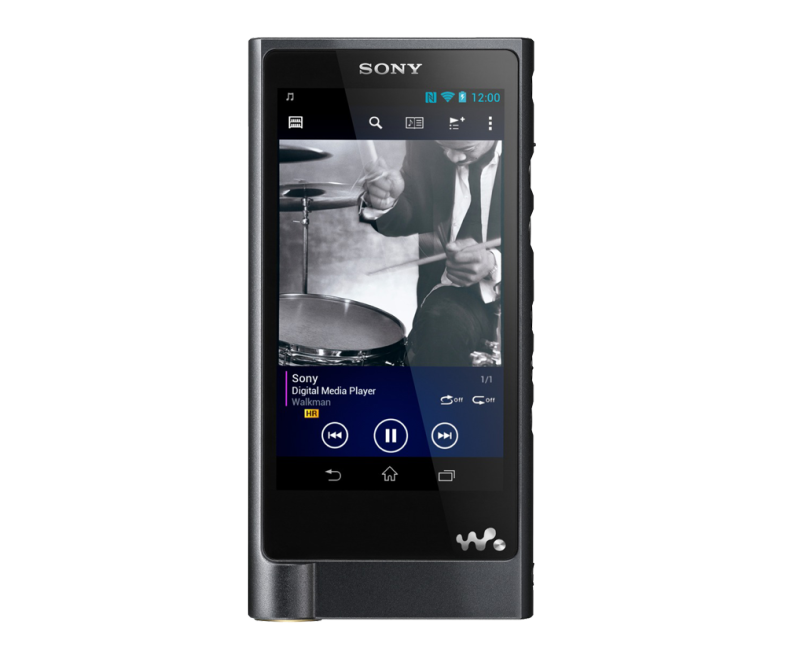
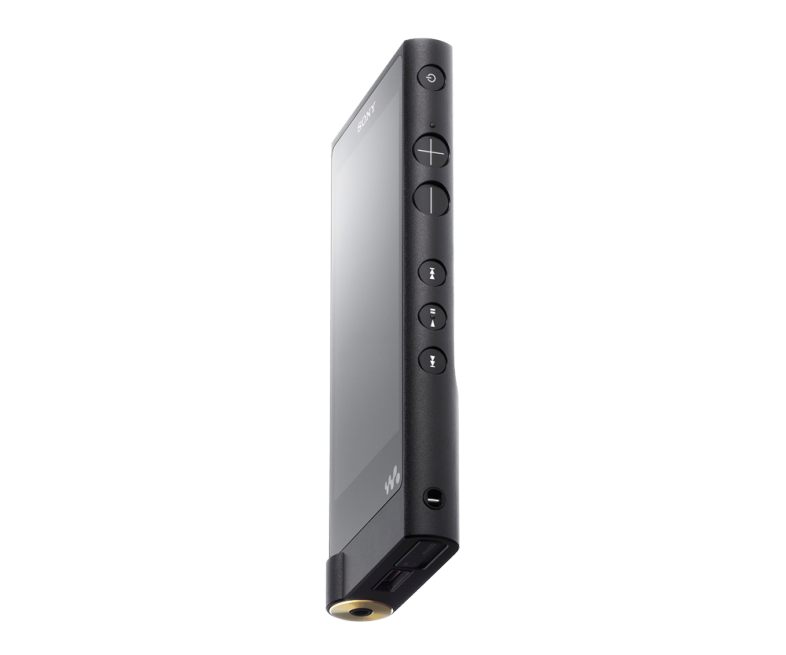
Sony revived its music player with the launch of NW-ZX2 Walkman. It boasts 128 GB of storage space with up to 60 hours of battery life. The company claims that the device gives better sound output than other conventional smartphones. It supports high-quality audio codecs like DSD, WAV, AIFF, FLAC, Apple Lossless, and more. The Walkman also provides you with a Micro SD slot which lets you extend the storage beyond 128 GB. It also supports Bluetooth and NFC output, making this a full-package entertainment device.
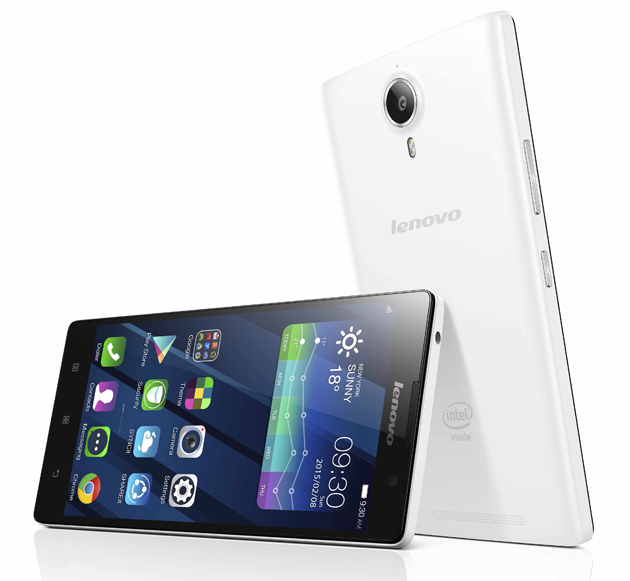
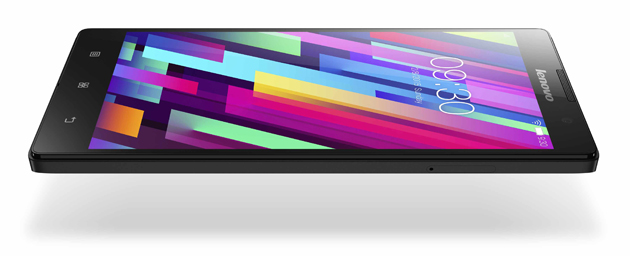
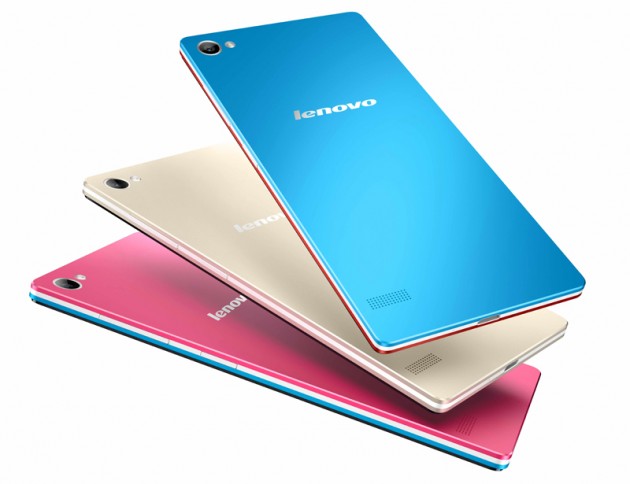
Lenovo refreshed its smartphone list with two new devices; the Lenovo P90 and Vibe X2 Pro. The first sports a 5.5-inch 1920×1080 IPS display, 2 GB of RAM, 32 GB of internal storage, 13 MP rear camera with OIS (optical image stabilization), front-facing 5 MP camera and a massive 4,000mAh battery. The latter is a limited edition offering by the company. The X2 Pro comes with a 5.3-inch display, a 64-bit 1.5GHz Snapdragon octa-core processor, a 13MP rear camera with optical image stabilisation along with a matching 13MP front facing camera.
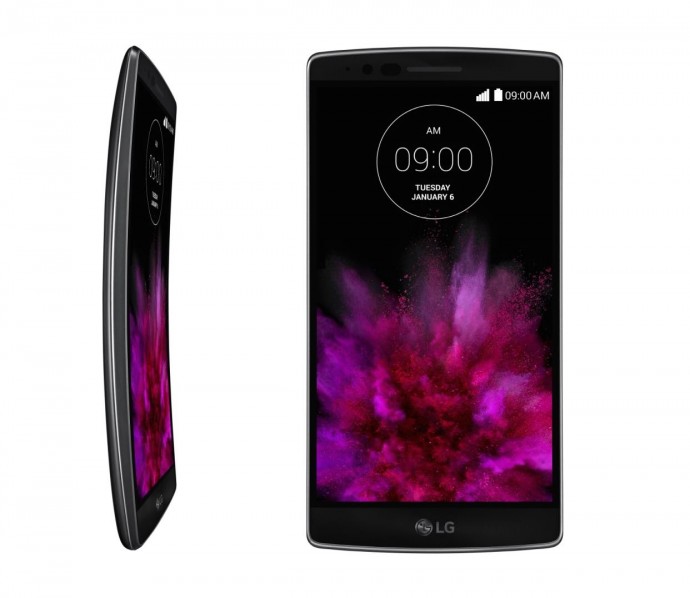
LG brought out the next installment in the G Flex series, the LG G Flex 2. It retrieves its original position in seconds compared to the original G Flex which takes around three minutes to heal. The device boasts a 5.5-inch full HD Curved P-OLED 1920×1080p display, a 64-bit Snapdragon 810 Octa-core processor, 2 GB of RAM and Android 5.0 Lollipop. Its camera specs include a 13MP rear shooter along with OIS+ and laser auto focus capacity and a 2.1MP front snapper for your selfie needs.
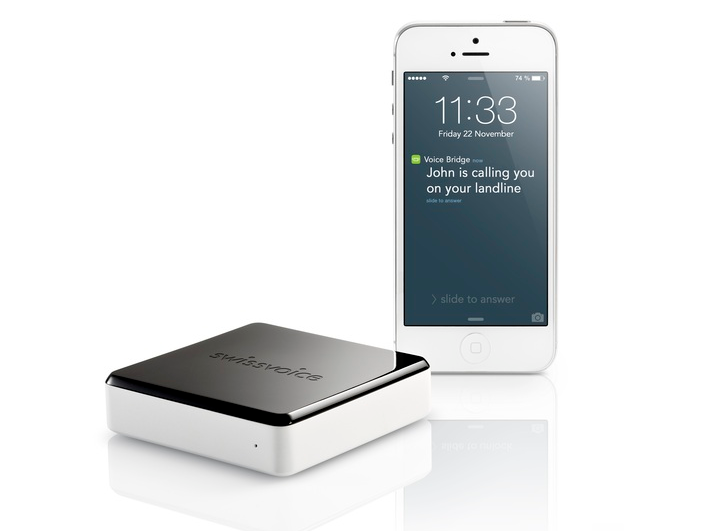
SwissVoice came up with a new device called Voice Bridge, through which you can make and receive calls on their mobile devices using their existing fixed line. This doesn’t charge any additional cost. The device has a box-like structure that can connect your landlines to smartphones and tablets. It can connect up to 5 devices to a fixed line. Through this, multiple users can have a conversation in conference mode. The device uses PSTN line and acts like a standard PSTN line, so there’s no need to modify the home setup. There is no need for Wi-Fi pairing or setting up a user account and also, it’s really easy to setup.
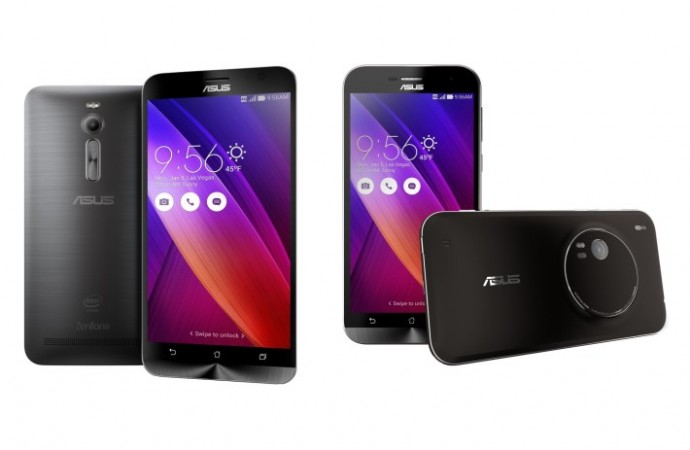
The Taiwanese smartphone maker Asus released two new variants at the show. The Zenfone 2 flaunts a 5.5-inch full HD (1920×1080 pixels) IPS display, 64-bit Atom Z3580 quad-core processor clocked at 2.3GHz, 4GB of RAM, Android 5.0 Lollipop and a 3,000mAh battery. It features 13 MP of primary camera, which is said to be the world’s best HDR technology and a 5MP of front snapper.
The Zenfone Zoom packs the same set of specs as of Zenfone 2, but it has a superior camera. The Zoom sports a 13MP camera that has 10-element lens, 3X optical zoom, and Optical Image Stabilisation.
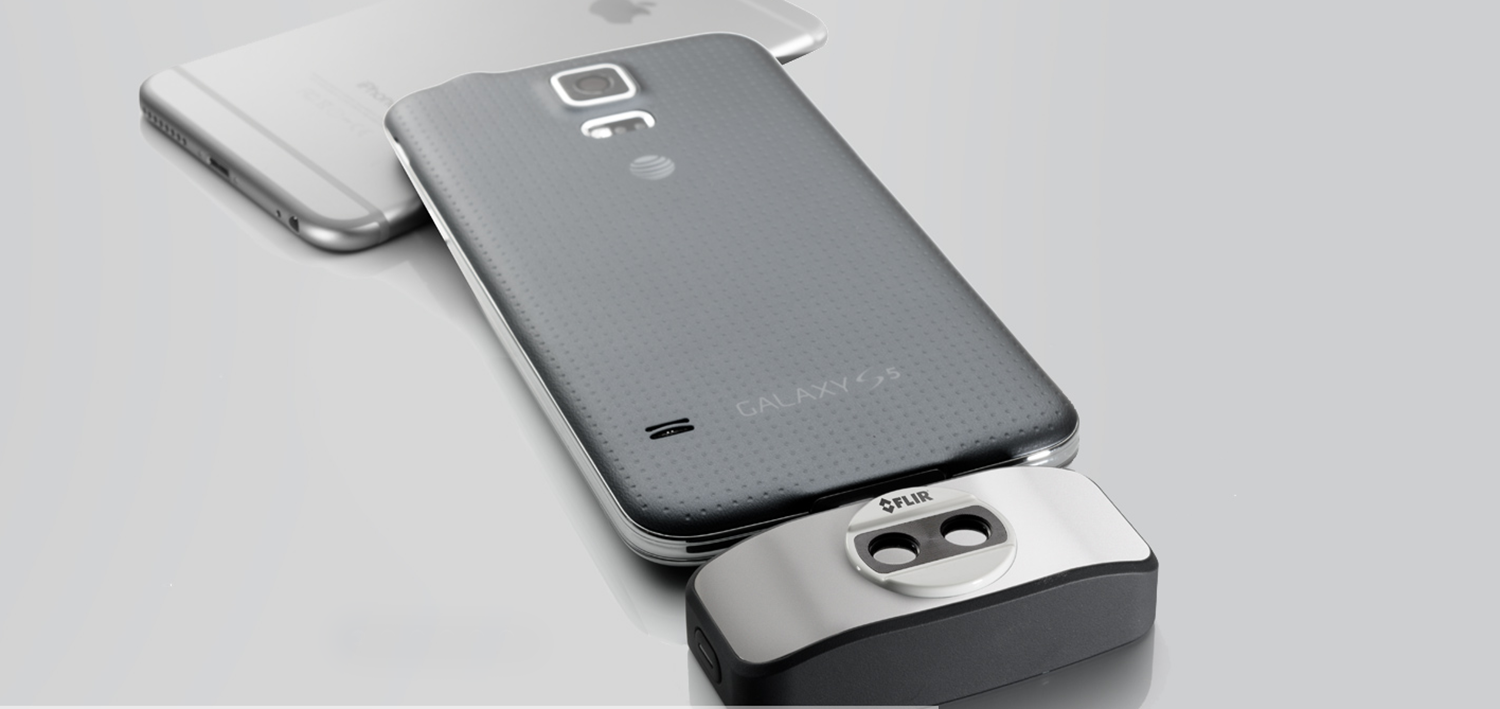
FLIR specialises in making thermal image sensors. Now the company has come up with a gadget that works with just about any smartphone. Titled FLIR One, the attachment can be plugged into a lighting port for Apple devices and the micro USB port for the Android devices. The device comes with two cameras and an internal battery. One camera called Lepton camera shoots thermal images while a standard camera shoots a normal image. Both the images are blended together to give a better thermal image output. The FLIR One is expected to come into the market by the mid-2015.
CES 2015 has already some witnessed some awesome technological innovations. Apart from super slim bendable TV’s and mobile phones, we’ve seen some whacked out gaming products and accessories being flaunted at the biggest tech event of the year. These gadgets are bound to impress gamers as well as people who are not into hardcore gaming.
Here are the top gaming highlights from the largest consumer electronics tech extravaganza from Las Vegas-
1. Occulus Rift Crescent Bay
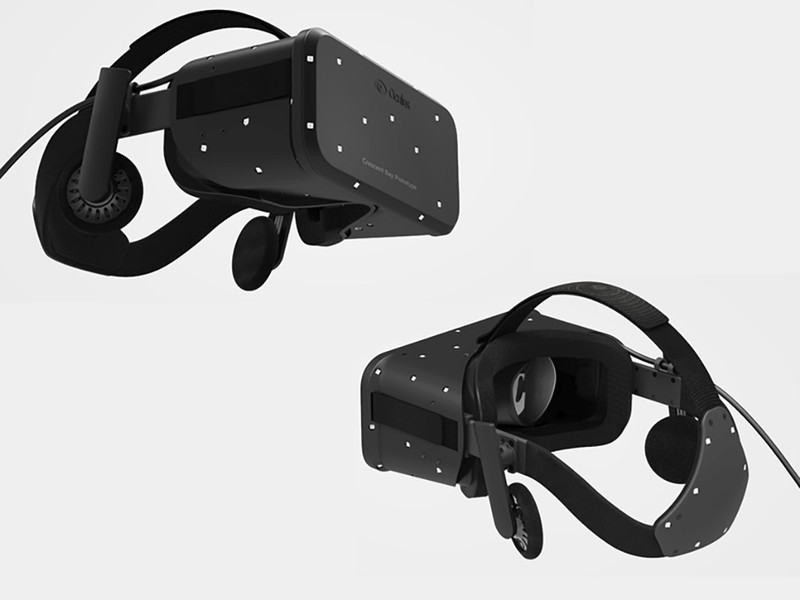
The current Occulus Rift Prototype has been spruced up with new audio enhancements, thanks to the Crescent Bay Occulus Rift headset. These brand new lightweight headphones come with inbuilt sonics similar to a surround sound system.
Occulus has promised a 2015 consumer launch though there’s no confirmation of an exact release date.
2. Razer Going VR
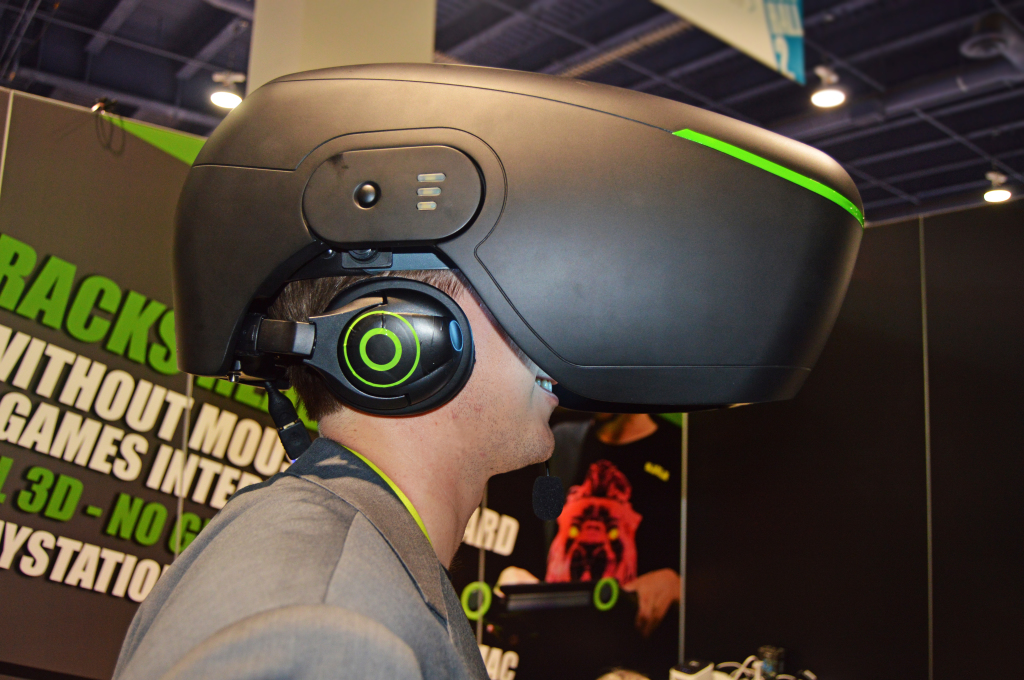
Razer has announced its plans to make its VR technology an open source initiative, called OSVR(Open-Source Virtual Reality). It’s an effort by the company to make this technology more accessible and is going the Toyota way, providing information and technical support to whoever wants it. The VR headset is being showcased at CES and features a gyroscope, an accelerometer and a compass. In addition, it features a surround sound codec that will allow developers to add 3D sound to their gaming titles.
3. Mad Catz L.Y.N.X
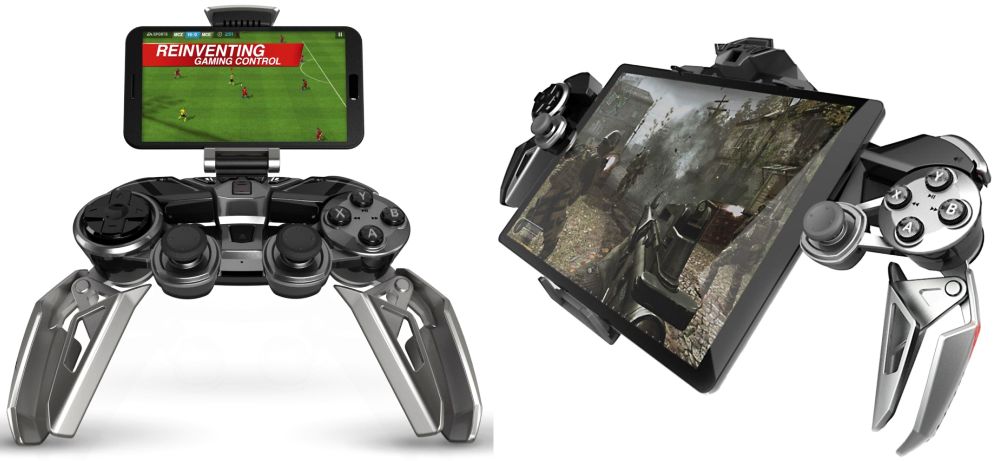
One of the snazziest gaming accessories we’ve come across in a long time, the Mad Catz L.Y.N.X looks like a ‘Transformer’ from the Hollywood blockbuster and can literally transform itself to suit your needs. It can either be used with a tablet, smartphone, QWERTY keyboard or just as a standalone controller. In addition, it also features an integrated mousepad for navigation and is compatible with Android, PC, SmartTV’s and also has Bluetooth support.
4. Dell Alienware
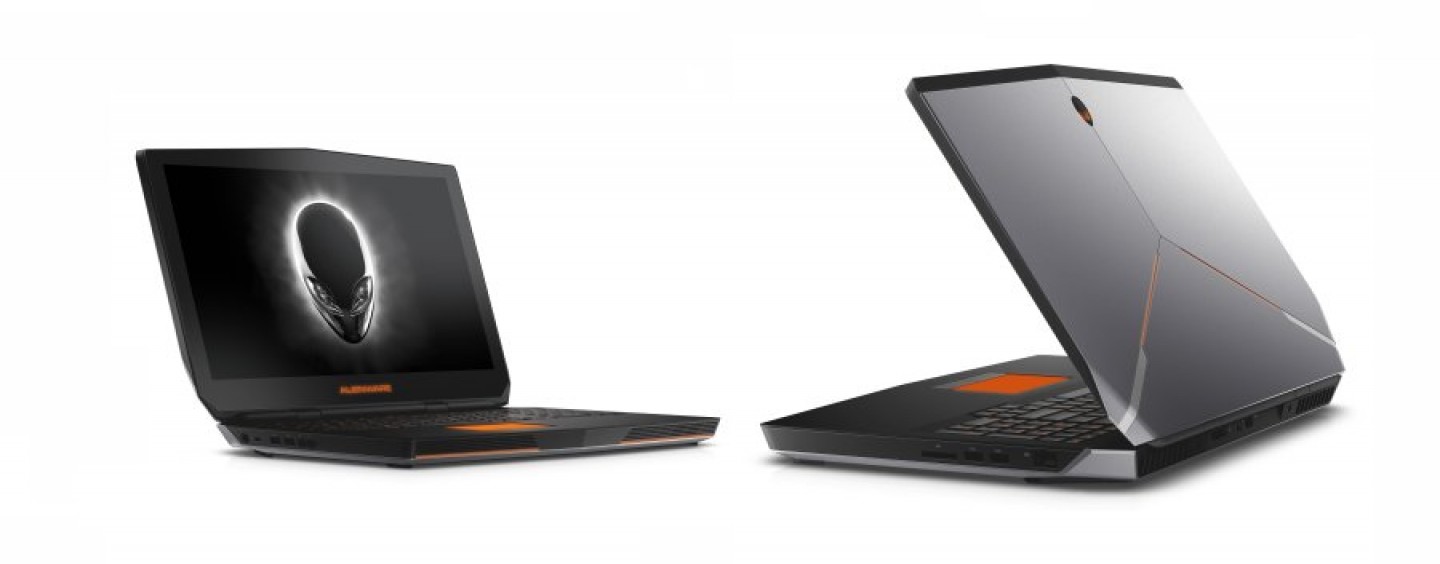
Dell after all hasn’t forgotten the gamers, the company showcased the Alienware 15 and 17 that feature Intel’s latest fifth-gen chipsets. The Core i7 quad-core chipsets are also bundled with Nvidia’s GTX980M GPU, which can also support desktop graphic cards via the Alienware Gaming Amplifier.
5. CyberPower’s Fang Trinity Gaming PC
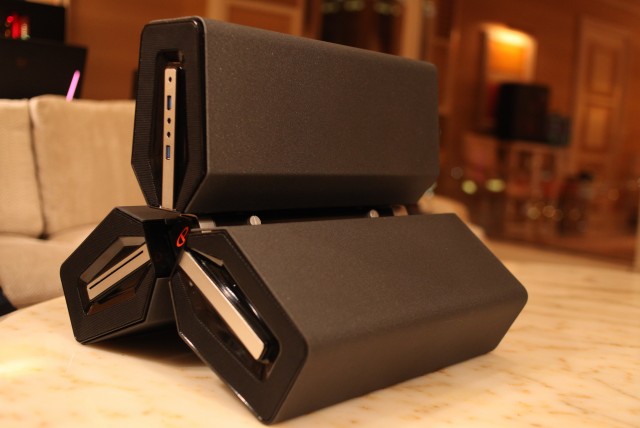
Cyber Power’s Fanged gaming PC is pure eye candy. This gaming rig might be the whackiest desktop ever built.
Despite its bizarre looks, the Fang Trinity can house all standard PC components. The first one has enough room to fit in a graphic card, an intake fan and upto five solid sate drives. The second one houses the power supply along with the optical drive and hard drives. While, the third houses the processor, a compact Mini-ITX motherboard and even a liquid cooler fan.
As expected, the case alone costs about $350 while an entry-level configuration with the case will cost about $999 while a high-end gaming rig can go as high as $4000.
6. 3D Rudder
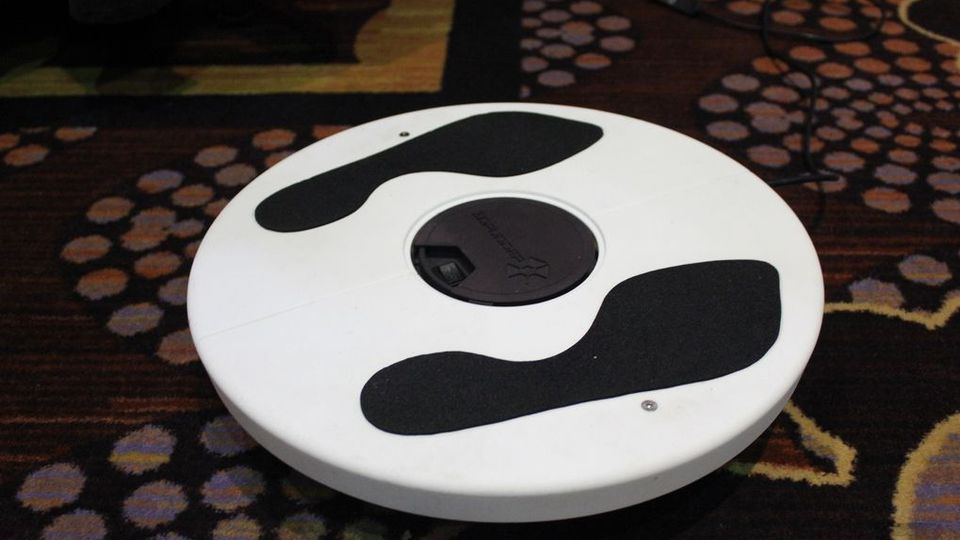
Virtual Reality is going leaps and bounds, and the 3DRudder is another such example. It is a rounded board that tracks your feet motion and then provide feedback to the controller, which then maps out different methods of control in the form of button presses or joystick motion.
The device is expected to be priced at $130 while shipping starts sometime in May.
7. Steel Series Sentry Eye Tracker and Apex M800 Keyboard
For Pro gamers, the SteelSeries Sentry Eye Tracker keeps a track of your eye movements when you’re playing. Based on the feedback, players can alter their strategy as viewers watching the live stream can see exactly where players are looking.
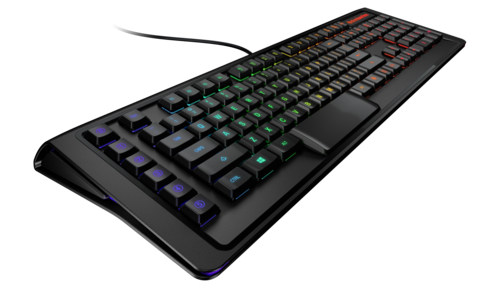
Meanwhile, the company also showcased their mechanical keyboard, the Steelseries Apex M800. The company touts it to be the most responsive and customisable keyboard ever built. It features a LED surface on every key, with colour choices of upto 16.8 million. The company claims the keyboard to be ultra responsive with 25 percent better response times than standard mechanical keyboards. The SteelSeries Apex M800 is priced at $245.
8. Turtle Beach Elite 800X
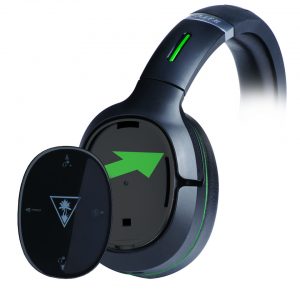
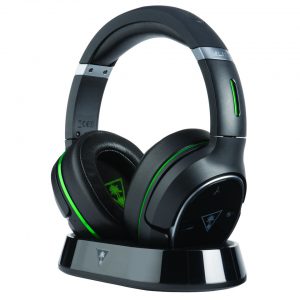
Turtle Beach announced a slew of headsets at CES this year, though the cream of crop was the Turtle Beach Elite 800X. It’s a brand new headset for the Xbox One which comes equipped with active noise cancellation along with an invisible microphone. It boasts off a 7.1 channel DTS surround sound including a plethora of customisable audio presets. Just like the PS4 version, it also comes with a magnetic charging stand.
9. Gaming SmartTV’s
We don’t hear this very often, but Sony and Samsung for once are collaborating to bring ‘PlayStation Now’ to Samsung’ s latest range of smart TVs. Sony plans to bring over 300 PlayStation titles to the Korean manufacturer’s latest range of Smart TVs.
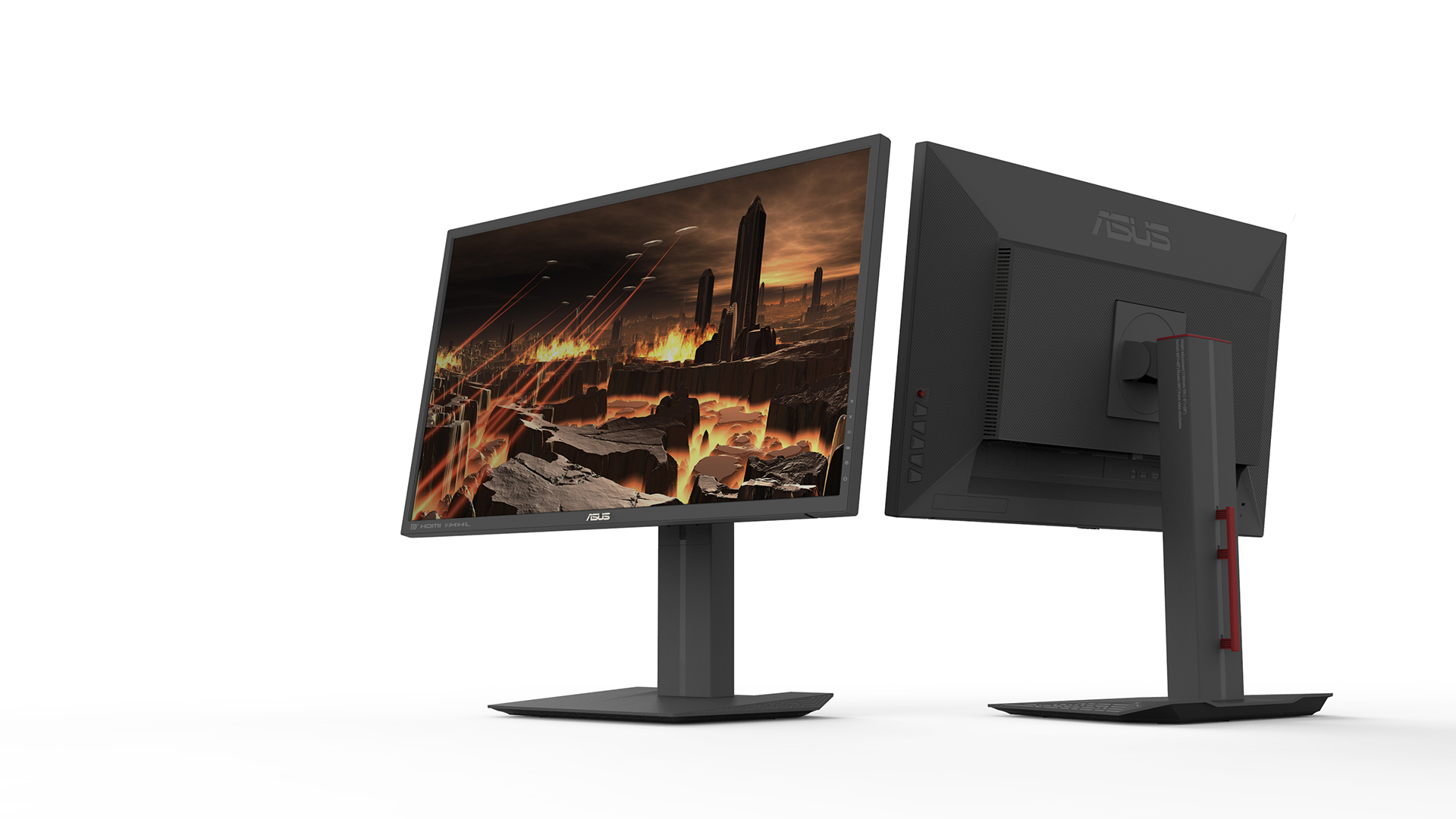
10. ASUS ROG Swift PG27AQ
Asus has also announced a broad range of gaming accessories including the ROG Swift gaming monitor along with the Strix Series gaming gear. The 27 inch UHD gaming monitor features a stunning display resolution of 3840×2160 pixels 4K/UHD resolution.
It also features Nvidia’s G-Sync technology that works in conjunction with the computer’s GPU unit, eliminating stutters and screen lags to deliver one of a kind gaming experience. The monitor sports an ergonomic design with full tilt, swivel, pivot and height adjustment and has a super slim bezel.
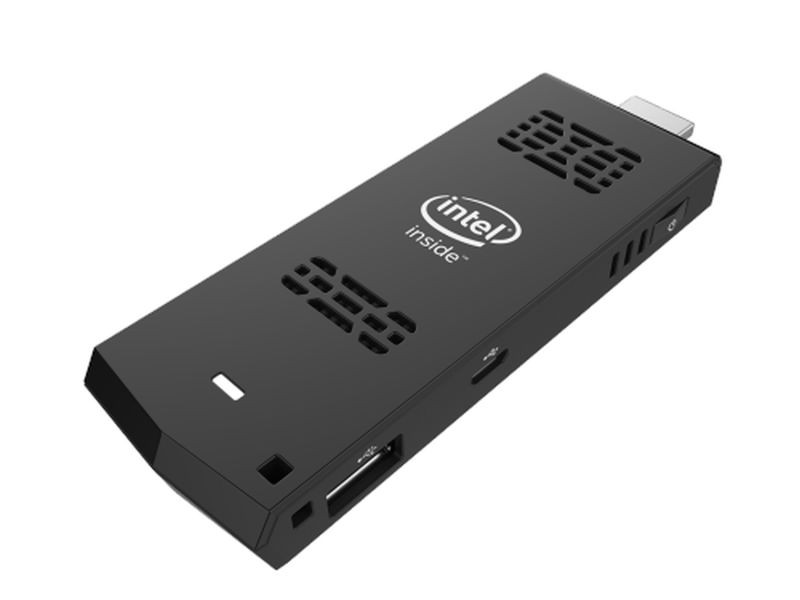
In a time when mobile devices are gaining prominence over computer, its time for the good old computers to stand up and fight back. Intel seems to have a solution, and it’s an entire computer that fits in your hands. Meet Intel’s Compute Stick, a device that can turn your regular TV into a computer and costs just $150.
There are at present many devices such as Google’s Chromecast and Amazon Fire Stick that provide streaming services, but the Compute Stick goes a little further. This device plugs into the HDMI port of your television and transforms it into a computer. It is available in Windows and Linux variants. The Linux variant comes at a price of $89.
The Windows version of the Compute Stick comes with 2 GB RAM and 32 GB Flash storage. On the other hand, the Linux version comes with 1 GB RAM and 8GB storage. Both devices are powered by a quad-core Atom CPU.
The stick sports a USB port, micro USB port, and supports Bluetooth 4.0, and 802.11b/g/n Wi-Fi. You can connect a Bluetooth keyboard and mouse and begin your task where ever you go. The company claims that this will help in bringing low-cost computing to schools, institutions and individuals too.
The device will come to market in March and is a good option if you own an HDMI capable TV and are in need of a low-cost computer. You should, though, know that this is no-frills computing and don’t expect to play any high-quality games on it. Intel plans to bring an upgrade to the device that will feature a Core M processor to increase performance. In our view, what it should really provide is storage expansion through a micro SD card, as 32 GB is comparatively less for modern computing needs. Overall, this looks like a great effort by Intel.
The year 2014 was the year the smartwatch gained prominence in pop culture. Samsung, LG, Motorola along with Asus and others brought their models in the market. On the operating system front, most of the watches have gone for the Android Wear OS. Samsung has gone with its own Tizen OS for its smartwatch lineup; the only exception is the Gear live which was unveiled last year at Google I/O. Now LG has unveiled a prototype of new smartwatch that runs on webOS.
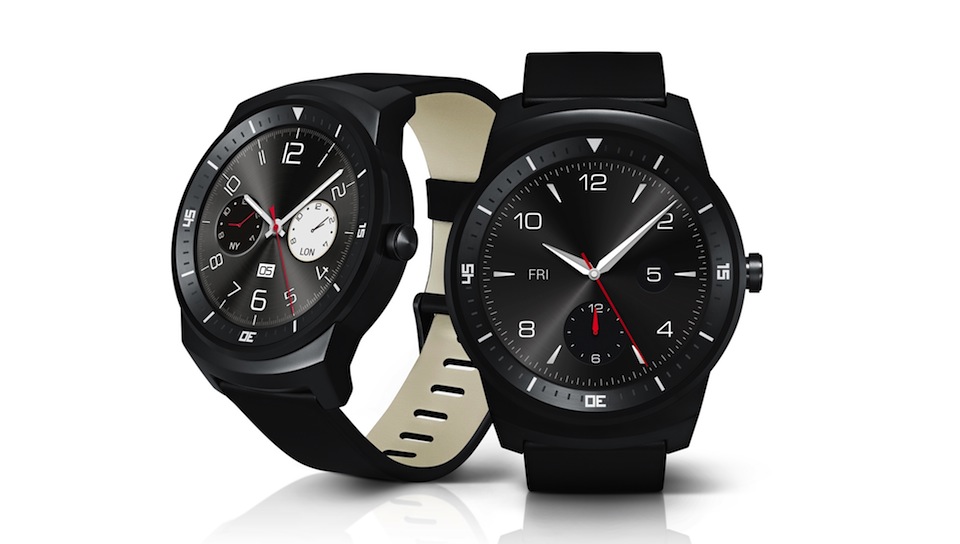
LG’s new Smartwatch almost looks like the G Watch R that it released last year. It has a circular display which is more wrist and eye-friendly than the rectangular clock faces we have seen in the market. The patterned leather along with the machined crown and buttons give the watch a premium look.
The circular UI does look user friendly. (Source: TheVerge)
But the real revelation is what is on the inside. Observing a few demos, it is quite clear that the WebOS running on the device is user-friendly. It was Palm that originally developed the OS and later sold it to HP that subsequently sold it to LG. LG has inducted the OS in its Smart TV line-up making it quite easy to use and navigate. Even on this prototype smartwatch the OS seems to perform quite efficiently.
The menu options are presented in a circular dial fashion where all icons can be rotated around. Unlike the Moto 360 where the edges of the display gets slightly cropped, this smartwatch has an OS that is tailored for a round display. The device also packs a phone dialer. The feature that might help it find a lot of premium consumers is its ability to unlock an Audi door lock using NFC. The company plans to bring a webOS powered smartwatch lineup by next year.
Overall this prototype webOS smartwatch looks like a good effort on the part of LG. Android wear is still in its initial stage and considering the massive support it has from Google, it will stand as a formidable opponent to any OS in the industry. Apple Watch too is bound for the market in a few months. It seems like the Smartwatch market is finally ready to shed its infancy and ready to be recognized as a valid consumer technology.
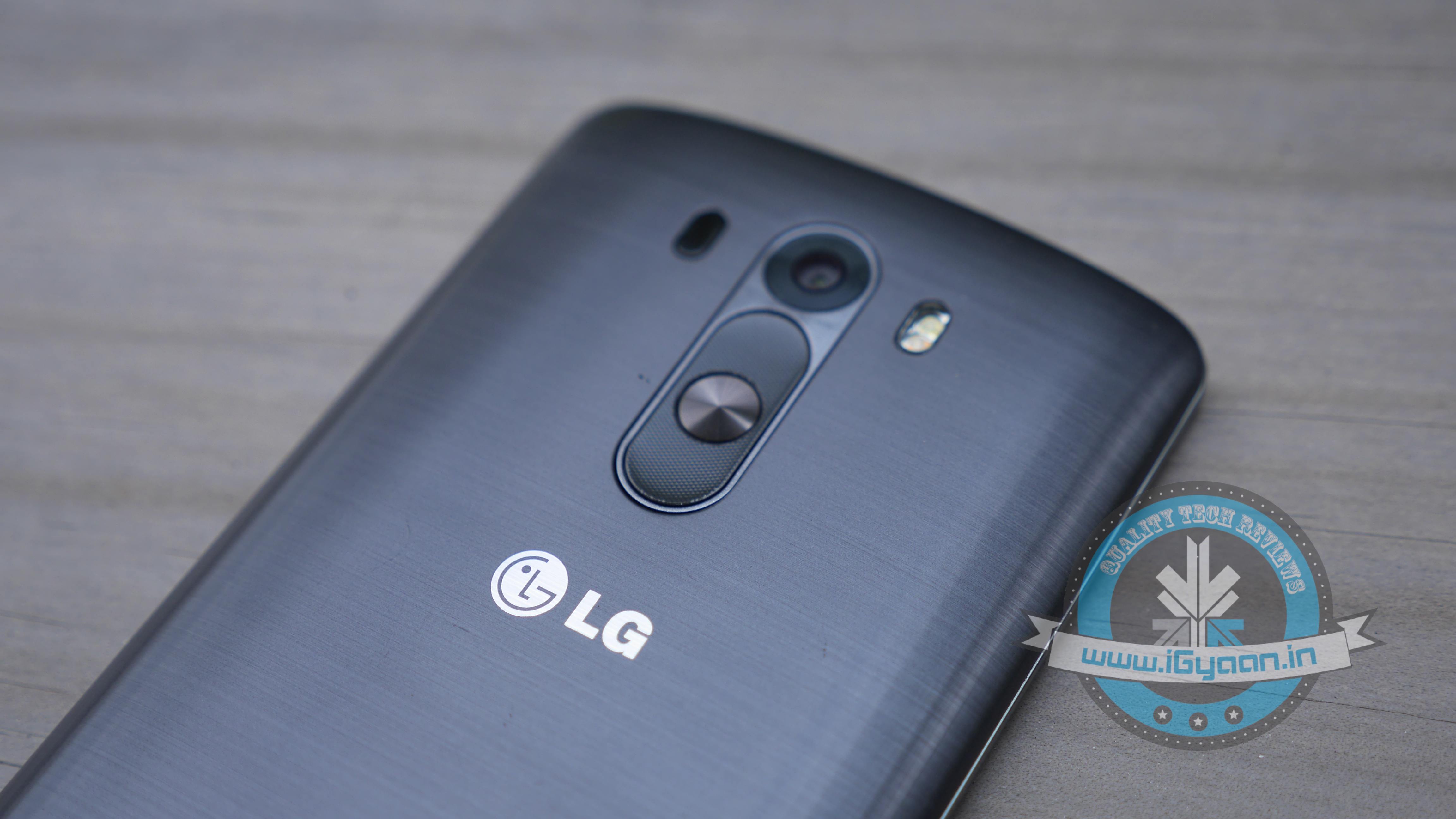
The smartphone market is getting more and more competitive every passing day. Few months back, Samsung brought out the edgy new Galaxy Note Edge that was a class apart from the other handsets available in the market. Its unique feature was the sloping display on the right-hand side. However, LG seems to take over the Note Edge market with its 6-inch device with bending OLED display on both sides.
Well, LG moved a step ahead and presented an example of supreme leadership at the ongoing CES 2015. The smartphone stole the audience of the Note Edge and acquired a huge crowd gathering at the show. Although the futuristic device has a 6-inch display which is difficult to manage as the edge display presses accidently at times, but its extra peril on the side screen will help users navigate their way through the phone.
Another known feature about the device is its 1280x720p screen resolution, which could have been better. No other specifications about the phone have yet been disclosed, other than the fact that it’s 0.7 mm thick. The P-OLED technology was first used by LG itself on its G Flex smartphone, which was then carried by G Flex2 as well, showcased at the event.
The LG Director of Corporate Communications Ken Hong hinted at the successor of LG G3, tentatively titled G4. Hong commented about the same –
I think we will [experiment with our high-end phones]. I think we have to. If you look at the specs only, there are other competitors with similar-spec phones. How do you stand out in that pile if you’re not doing something different? I don’t think we are going to be able to sit back and expect people are just going to fawn over the G4, or whatever the name will be, just because they liked the G3. I don’t think it works that way anymore. I don’t think people are as loyal on the Android side as they are on the iOS side, so you really have to win every customer with your products.
It’s true that LG has disclosed a surprise which it was preserving for the big day, but if it would be able to hold a strong position in the market with contenders around, only time will tell!
Razer is a prominent name in the field of gaming consoles. The company has recently refreshed its list of consoles, which will bring PC games to the living room. Forge TV, an Android-powered console, has come as a surprise by Razer to hard-core gamers, which will give a new direction to gamers and gaming.
The Forge TV is a compact high-performance console powered by a Snapdragon 805 processor, quad-core Krait 450 CPU, and Adreno 420 GPU. It has 2 GB of RAM along with 16 GB of internal storage capacity. The device runs on Android 5.0 Lollipop and features connectivity options like Bluetooth 4.1, Gigabit Ethernet and Wi-Fi. It has three ports for USB 3.0, HDMI and DC Power.
With Forge TV, you can download unlimited games and can play them on a big screen. Its Full HD graphics makes the gaming experience more superior.
The Co-Founder and CEO of Razer Min-Liang Tan said-
No lag and no latency. It’s full HD resolution from your bedroom gaming system to your Forge TV. You’ll be able to stream your entire PC library right to your living room.
The console runs on Cortex: Stream, which enables users to enjoy their favourite games from PC to Android TV. The device offers multi-player gaming option that means four controllers can be connected simultaneously. The Google Cast with the new console allows users to duplicate the content of the Android device to TV. You can also play, pause, rewind, create playlist and control volume through your mobile device.
However, the gadget can be used for other purposes also apart from gaming. Launched at a price of $99 only, the device will be available in the first quarter of this year. Coming at this price range, it is probably the cheapest gaming console ever offered. It would be interesting to whether this console is capable of replacing the pricy Xbox and PlayStations. Check out the video to have a closer look:
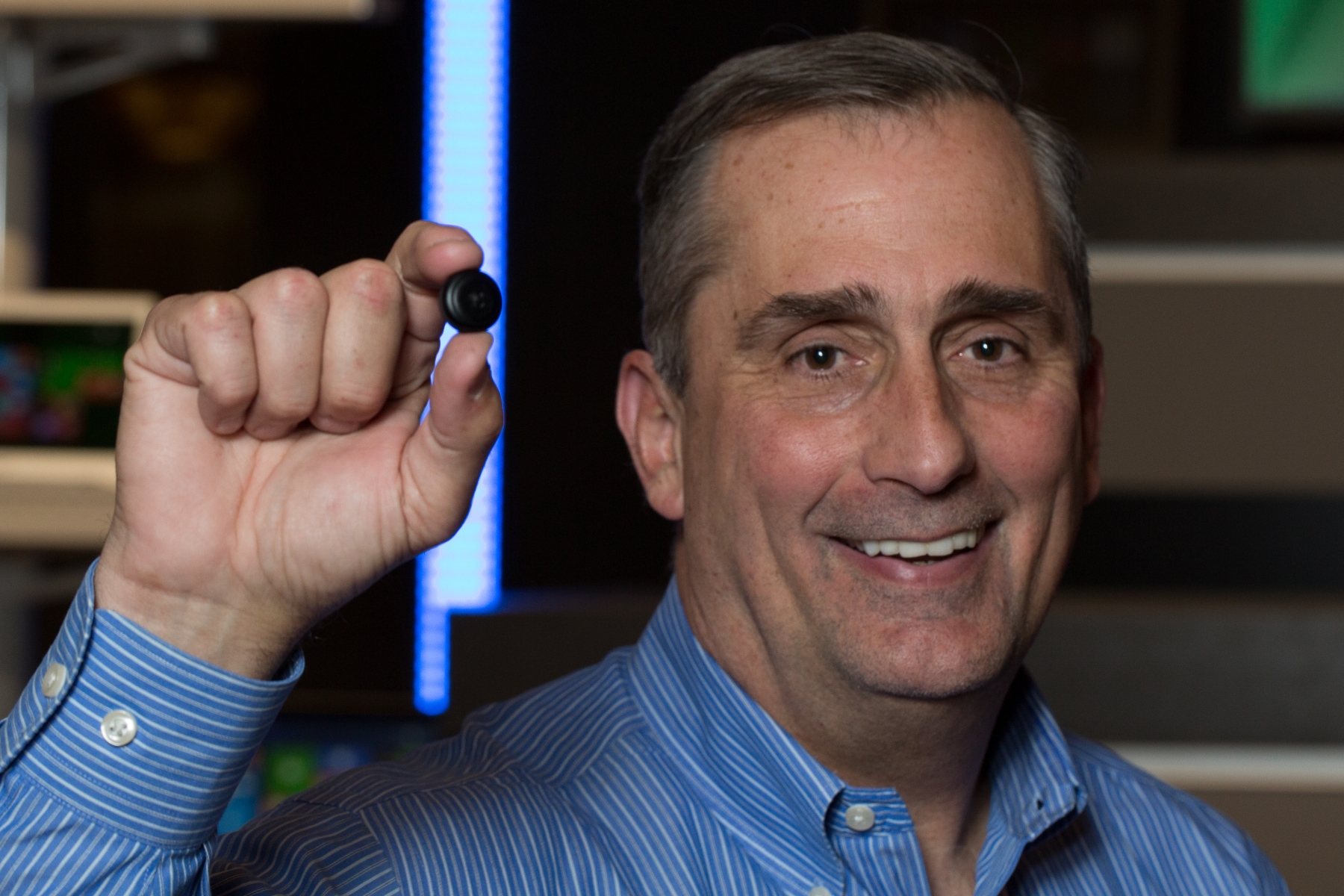
Future looks quite promising for wearables as prominent manufacturers have shown a renewed interest in the wearable segment. Intel being the latest to jump onto the wearable bandwagon, as the company’s CEO Brian Krzanic announced a new tiny chipset for wearable devices which is the size of a coat button. It’s a low power 32 bit micro controller called the Quark SE which has 384kb of flash memory and 80kb SRAM. In addition, the chipset also features a plethora of sensors including accelerometer, gyroscope and Bluetooth LE support.
CEO Brian Kraznic with the Intel Curie Prototype
Intel also announced a development module called Curie, that will allow companies to manufacture wearable devices out of anything. Krazinch claimed that with Curie and Quark, one could build a wearable device out of anything from rings to handbags, pendants and even glasses.
Intel seems all geared up to speed up the development of Curie based devices. It is providing complete software and technical support needed to work with its reference wearable applications called Intel IQ Software Kit. The company believes it will help customers across all demographics, including fashion, sports and lifestyle companies.
Samsung hasn’t had a good time with its smartphone business in the past couple of years. As the smartphone market gets more saturated by new players, Samsung is looking for a new arena’s to assert its dominance before the other players catch-up. The company says that by 2020, all its devices will connect to the internet and to each other, thereby creating an internet of things ecosystem.
During its presentation at CES, Samsung showed its dedication to the cause of the Internet of Things (IoT). Samsung, of course, is one of the biggest manufacturers of consumer electronics and hence it has a massive research background to play around with the technology. The company wishes to grab a big portion of the IoT market which is estimated to be worth $7.1 trillion by 2020.
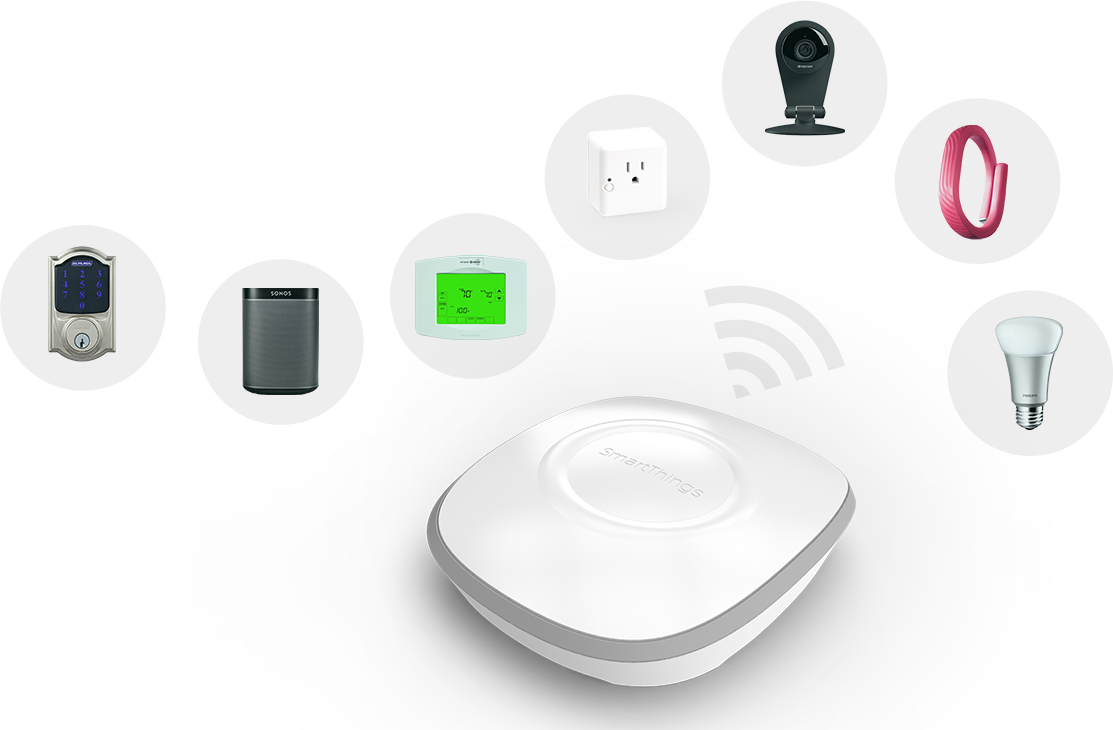
Samsung acquired SmartThings last August which makes hubs that allow various devices to interact with each other.
If you don’t already know, Internet of Things is a concept where all devices are interconnected and provide intuitive functionality and provides immense convenience to the users. For example, if you run out of milk, your refrigerator will recognize it and order milk for you. Another example could be that your keys can recognise when you have left the house and power down the house and when you are coming back it can set the lighting and temperature according to your needs.
Samsung bought a company called SmartThings, last year in August. SmartThings makes hubs that allow internet connected devices to interact with each other. This is what Samsung is banking on for setting up its initial IoT infrastructure. But a proper channel and language for interaction between the various different kinds of devices is still in the process of development. There are some equipments in the market that provide limited experience of IoT, for e.g Google Nest, but a seamless interaction between the devices is still a few years away. Google Nest has an initiative called ‘Work with Nest’ where they are currently working with many companies including LG and Samsung to make the companies devices “smart.”
One good act on the part of Samsung is that it has decided to keep this ecosystem, meaning that the devices will not be locked inside the Samsung infrastructure. This might help the devices to gain more acceptability in the market as people won’t be enthusiastic about investing in Samsung devices only for their houses.
The arena of the Internet of Things is wide open for companies and innovators to plant a flag. This industry is still in the beta stage but once IoT is unleashed to its full potential, it will radically change the way we interact with technology. We hope Samsung does a far better job in this arena than it has done with its popular smartphone arm in the last few years.
Lenovo has added two new smartphones, an accessory and a wearable to it portfolio. The company pulled the wraps of the a couple of Android 4.4 KitKat-powered droids dubbed Vibe X2 Pro and P90 along with a unique selfie-flash accessory.
Lenovo P90, the highlight of the show, is workhorse with an enormous battery. It is also the first phone running on Intel’s 64-bit Atom 1.8GHz quad-core processor, and supports LTE-Advanced (FDD and TDD), which offers theoretical download speeds of 150Mbps.
Lenovo P90
The Lenovo P90 sports a 5.5-inch 1920×1080 IPS display, 2GB of RAM, 32GB of internal storage, 13 megapixel rear camera with OIS (optical image stabilization), front-facing 5 megapixel camera and a massive 4,000 mAh battery which, according to the company, will last for 2 days on a full charge. The Lenovo P90 will be available in February for $369
The second offering from the Lenovo’s portfolio is a limited edition Vibe X2 Pro. The beautiful dual-sim smartphone sports a striped design similar to the Vibe X2 that debuted at IFA last year. However, the X2 Pro is thinner, has a bigger display, and is more powerful than the X2. The X2 Pro comes with a 5.3-inch display, up from the 5 inch display on the X2. It also comes with a 64-bit 1.5GHz Snapdragon octa-core processor, and a 13MP rear camera with optical image stabilization. Even with those advancements, the stand out feature of the X2 Pro is the 13MP rear camera, and a matching 13MP front facing camera.
Lenovo Vibe X2 Pro
There’s no flash, however, for the front unit as on the HTC Desire Eye, but Lenovo has designed a cool flash accessory for the Vibe X2 Pro, called VIBE Xtension Selfie Flash, that plugs into the 3.5mm audio jack and provides nice even illumination courtesy of its 8 diffused LEDs.
And last but not least is the the company’s first ever wearable called the VB10 Band. It sports an E-ink display and long battery life which can last more than a week on a single charge. The Band features full fitness tracking functions and works with a phone via always-on Bluetooth. It warns you when the phone moves too far away from the Band. The Vibe Band will be available in April 2015 for $89, making it one of the cheaper wearables to date.
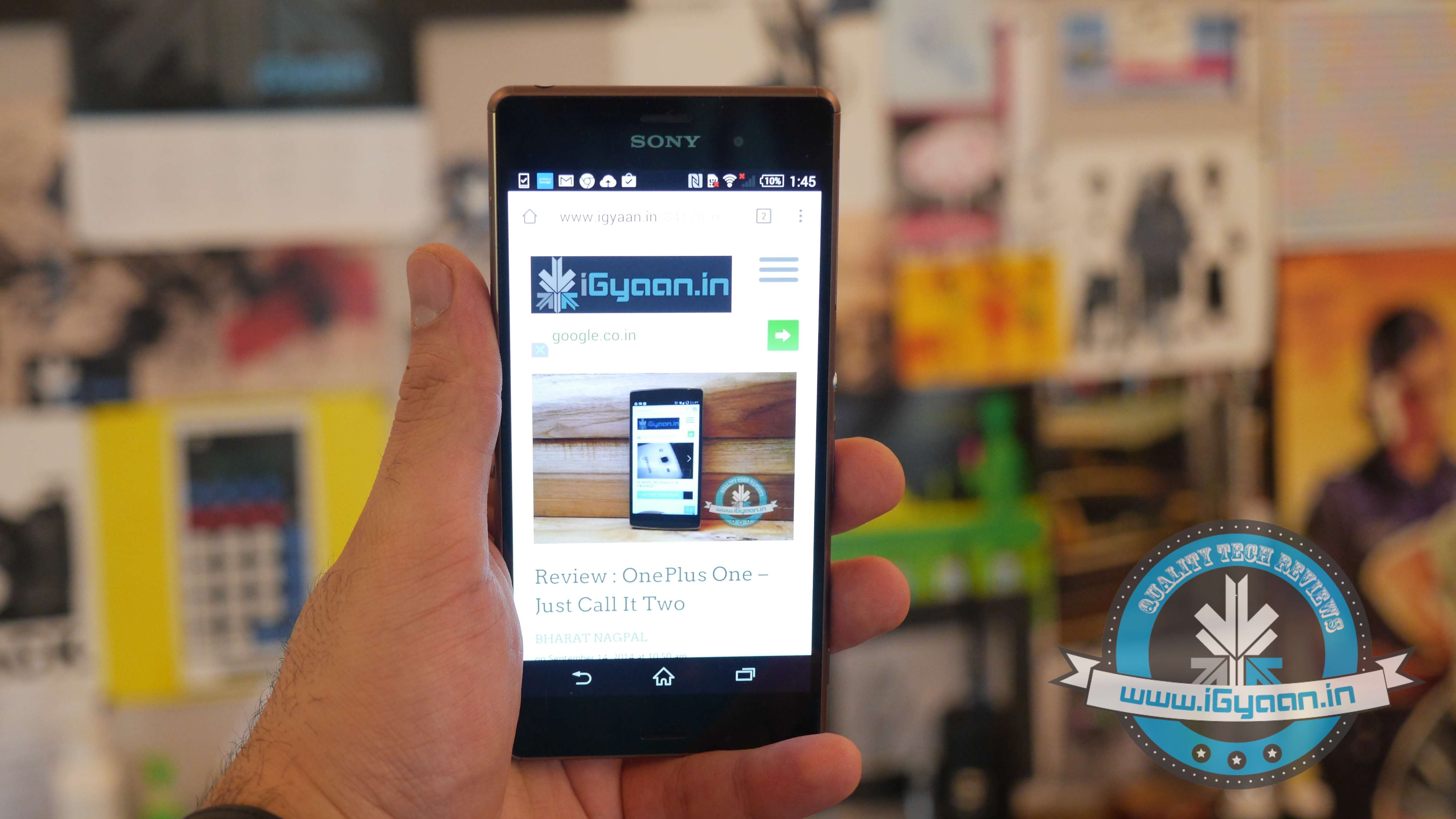
During CES 2015 at Las Vegas, COO of Sony, Michael Fasulo, announced that the company is all set to roll out Android 5.0 Lollipop to its Xperia Z3 lineup starting next month. Sony had earlier revealed that Android 5.0 Lollipop would come to the “core” Xperia Z2 and Z3 lines in early 2015.
The company confirmed the previous rumours in December, but the Japanese electronic giant hasn’t been too specific on exactly when this rollout will happen. However, Fasulo revealed that the update will begin rolling out to the Xperia Z3 next month.
Google released Android Lollipop 5.0.1 to the masses in December 2014 and the wait began as manufacturers optimised the code before pushing it out to their flagship devices. Till now handful of devices like Moto G (Gen 1 and 2), Galaxy S4, Galaxy Note 2 have got the lollipop update.
Sony’s announcement follows the company’s promise last October to eventually deliver Lollipop to its entire Xperia Z range of devices.
Sony had revolutionized the way we listened to music when it launched the Walkman in the 1980’s. Since then the music players have gotten consistently tinier ultimately reaching the size of a biscuit before being absorbed into the smartphone. But the grandfather of portable music players, Sony, is not giving up on its baby just yet. At CES 2015, they have revived the Walkman as a high definition player which it says is a better entertainment device than any smartphone.
Sony’s NW-ZX2 Walkman boasts of 128 GB of storage space with up to 60 hours of battery life. The company also claims that this device gives a better sound output than the conventional smartphones. It supports high-quality audio codecs like DSD, WAV, AIFF, FLAC, Apple Lossless, and more. Sony also added that the device is capable of increasing the quality of your existing songs.
The ZX2 is a peculiar looking device which has a bit of a retro appeal. It looks like a communication device from the older sci-fi movies. It looks like a big smartphone with a bulge at the bottom for the 3.5 mm headphone jack. The back panel has an uncanny resemblance to the Nokia 3230.
There is a disappointment though on the software side of things. The device runs on Android Jellybean 4.2 which is presently outdated. It does give you the option to download and use apps from the Play store, so that’s a plus. The Walkman also provides you with a Micro SD slot which lets you extend the storage beyond 128 GB. It also supports Bluetooth and NFC output making this a complete entertainment device.
But the question does remain; why would someone go for an independent device if they already own a smartphone that does it all and that too at a price of $1200? Well, it can be a device for music professionals to listen to with highest quality tracks. This would probably come handy to music enthusiasts too who want a player that gives them the best output on the move, but they’d definitely need quality earphones to get the best out of it. The device does have limited utility in a time when we have all-in-one devices called smartphones, and not a lot of folks will be enthused by the hefty price tag.
The Taiwanese smartphone manufacturer HTC knows the right way to disclose cards in a game. Post the announcement to Desire 320 a day before, the company today refreshed its Desire lineup by adding two new devices. HTC, at the event, unveiled the selfie-friendly smartphone Desire 826 along with Desire 320, a device that will not be brutal on the buyer’s pocket.
HTC Desire 826 with a 5.5-inch display, Qualcomm Snapdragon 615 octa-core processor and 2 GB RAM
Talking about the specs of Desire 826, the handset sports a 5.5-inch display with 1080p resolution. The device is powered by a 64-bit Qualcomm Snapdragon 615 octa-core processor and packs 2GB of RAM along with 16 GB of internal memory storage. A 13MP rear camera and 4-UltraPixel upfront snapper are embedded onto the phone. Running on the latest OS from Google, Android 5.0 Lollipop, the company hasn’t forgotten to include its signature BoomSound speaker which supports Dolby audio enhancement.
The price of the same is still under wraps. The company declared that the handset will be available in limited stock and Asian countries will be the first to see the same.
HTC Desire 320 with 4.5-inch LCD display and 1.3 GHz quad-core MediaTek processor.
Another revelation by the company is the entry-level Desire 320. The device has a 4.5-inch LCD display and runs on 1.3GHz quad-core MediaTek processor. The back of the phone boasts a good 5 MP rear camera, while the 0.3MP shooter at the front is just not appealing. The Desire 320 comes with two storage capacity options – 4 GB and 8 GB, which can be expanded up to 32 GB. Running on Android 4.4 KitKat, the phone is powered by a 2,100mAh battery.
However, nothing has been said about its price, the expected to be affordably priced. For now, it will be available in the U.K. and Germany, but other markets will get it soon.
Both the offerings are good, however not exceptional. Well, it will be good to see how these phones perform in the crowded and competitive smartphone market.