Tag: fingerprint sensor

  • Huawei Mate 20 Will Have An In-Screen Fingerprint Sensor

    Huawei Mate 20 Will Have An In-Screen Fingerprint Sensor

    Huawei is all set to launch the Huawei P20 series in France on the 27th of March. This hasn’t stopped the company to work on a newer flagship smartphone which is 6 months due. According to a report, the upcoming Huawei Mate 20 (tentative name) will be the first Huawei smartphone to have an in-screen fingerprint sensor.

    Devices like the Vivo X20 UD and the Vivo APEX use a Synaptic sensor called Clear ID. However, Huawei is working with Qualcomm on an ultrasonic technology. Similarly, the Mate 20 could be the first smartphone to have Qualcomm’s ultrasonic fingerprint solution.

    Huawei Mate 20
    Vivo X20 Plus UD

    The Huawei Mate 20 will launch by the end of Q3 2018. To keep the manufacturing flowchart in the right direction, Qualcomm has already partnered with two Taiwanian company. GIS and China’s O-film Tech are those companies, which have pioneered in touchscreen technology.

    Qualcomm’s Ultrasonic sensor

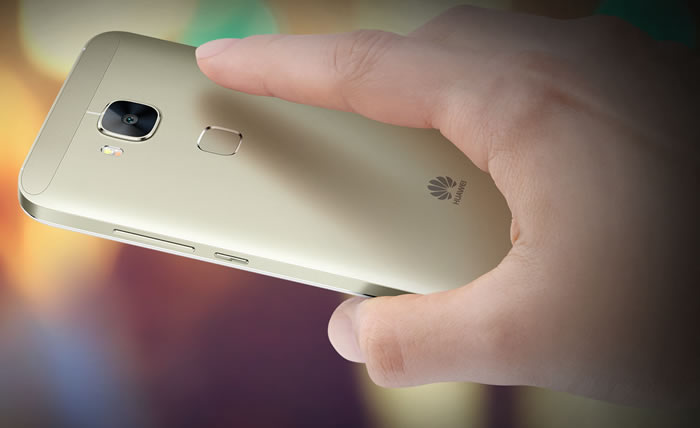
    An ultrasonic sensor would cost 3x times more than the conventional fingerprint sensor. Additionally, one advantage over the normal fingerprint sensor is the fact that the ultrasonic scanner is 0.44mm thick and works even on an 800 micro cover glass. This is a huge advantage over the conventional capacitive sensors, as they can only function if the cover glass is less than 200 microns thick. Another advantage that Qualcomm has over other sensors is the fact that, it can work even with wet or greasy fingers.
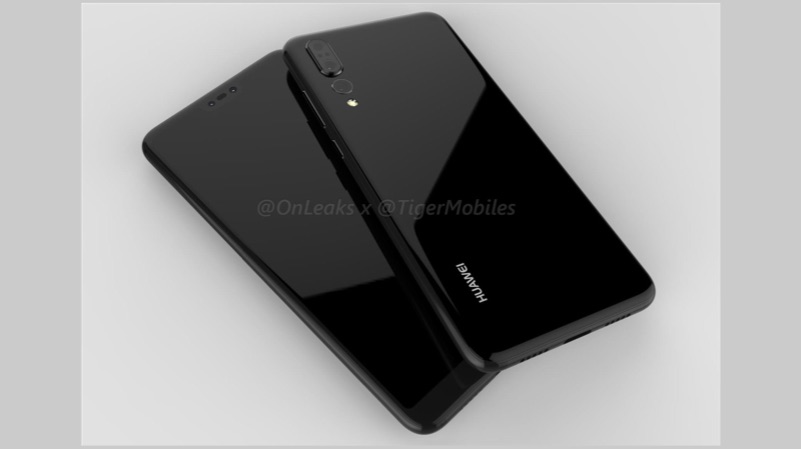
    Huawei P20
    P20 Renders

    Huawei is not the only company that is looking forward to implementing this technology. In fact, according to a recent report, Samsung might have an in-screen fingerprint scanner on their forthcoming Galaxy Note 9 smartphone.

    As the year 2017 was all about taller displays, dual cameras and glass back design. It looks like the year 2018 will be the year of a notch and an in-screen fingerprint scanner.
  • Xiaomi Mi MIX 2S With Samsung OLED Display Hints At In-Display Fingerprint Sensor

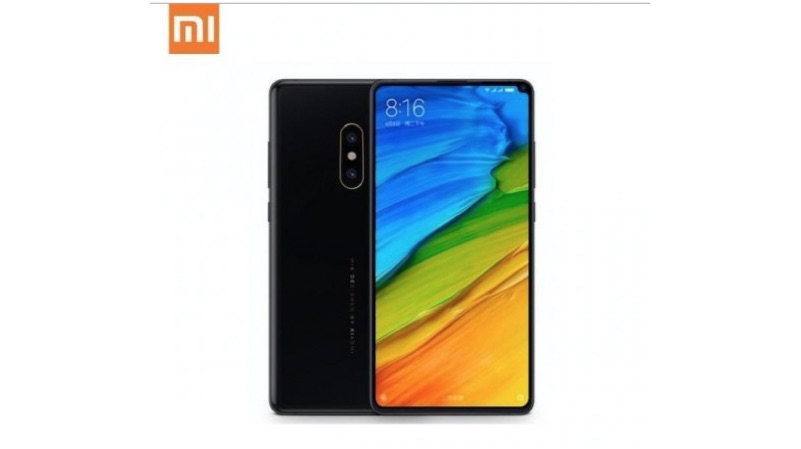
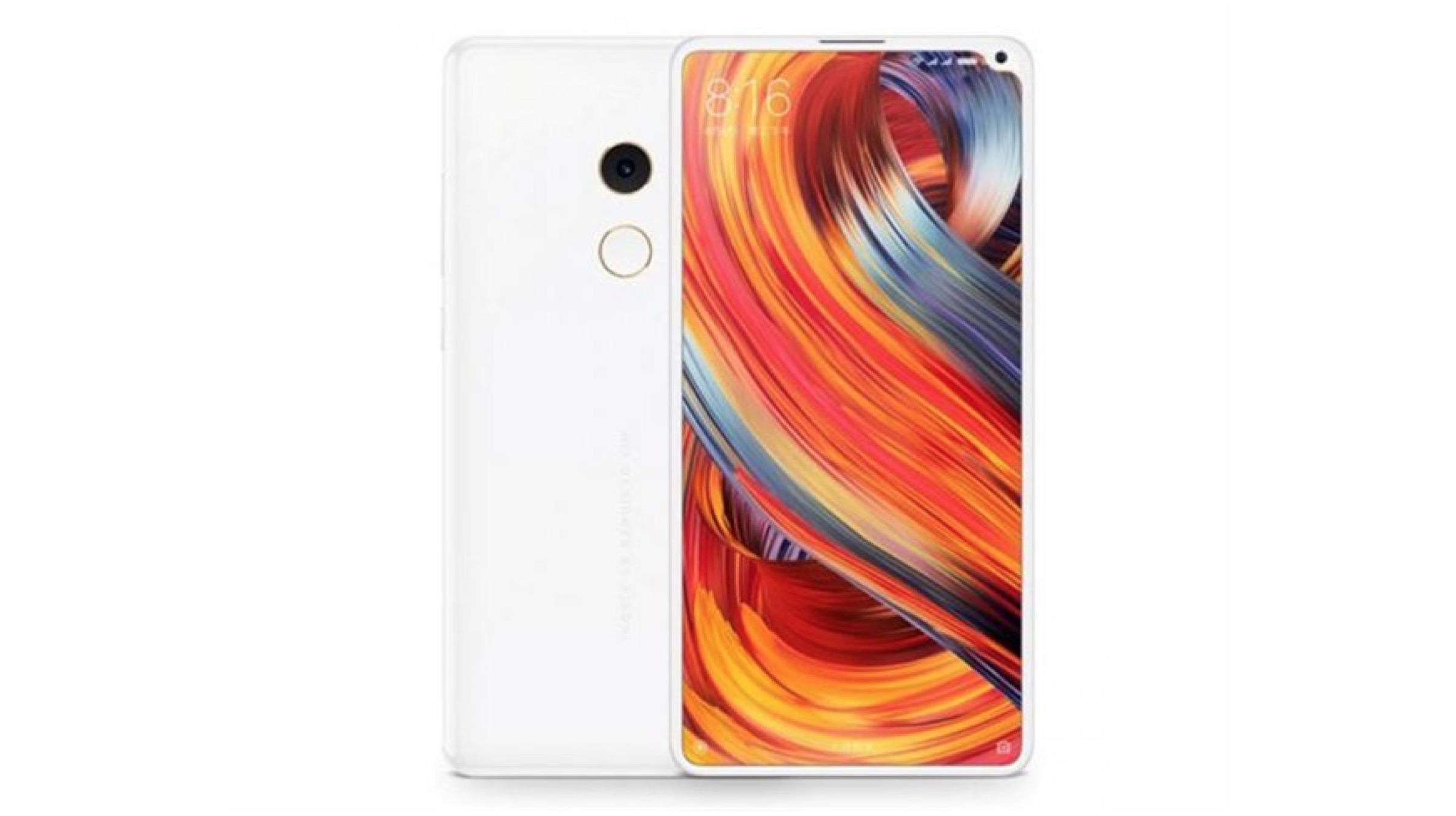
    Xiaomi Mi MIX 2S With Samsung OLED Display Hints At In-Display Fingerprint Sensor

    Samsung started the OLED trend in the early smartphone days. Now, most of the premium smartphone makers including Apple and LG have shifter to OLED screens.

    OLED screens are known to produce better colours, better contrast ratio and consume low energy. Similarly, they are also known for the premature burn-in issues as well. According to a leak, Xiaomi might be the next smartphone maker to make LCD to OLED technology shift on its upcoming smartphones.

    A Recent report suggests that Xiaomi ordered 1.1 million 6.01 inch OLED displays in December and 2.2 million in the second month from Samsung. This means the upcoming Xiaomi Mi MIX 2S and the Xiaomi Mi 7 might feature 6.01 inch OLED displays.

    Expected features of Xiaomi Mi 7

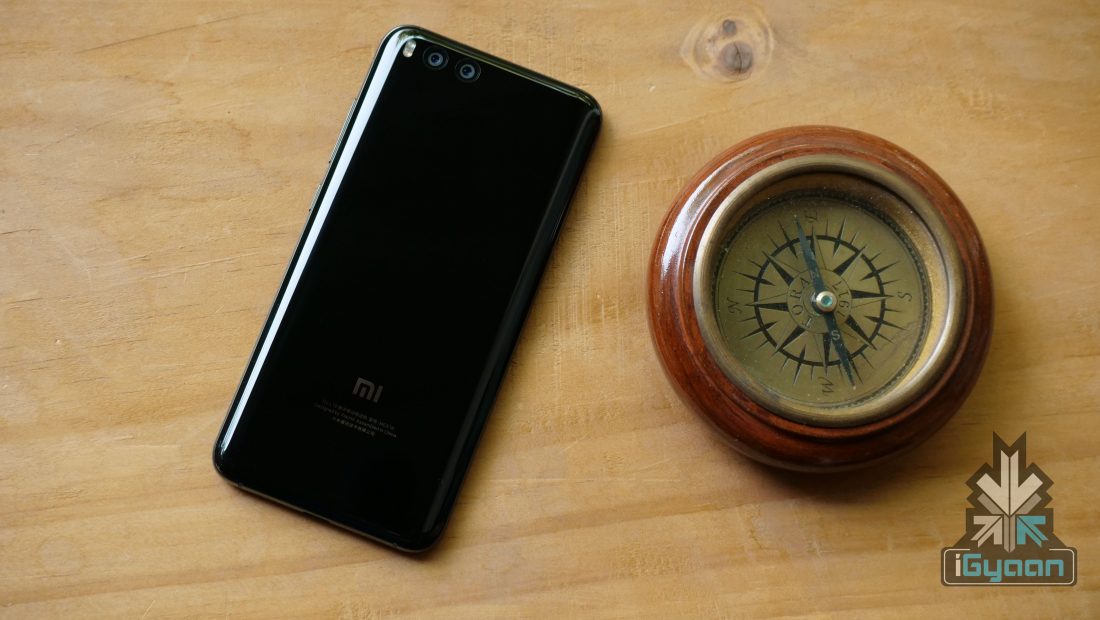
    The Xiaomi Mi 7 will be the successor of the Xiaomi Mi 6, which is expected to go official in the Q2 of 2018. Considering the fact that, the smartphone features an OLED display, the smartphone might also feature an In-display fingerprint sensor like the Vivo APEX.

    The Xiaomi Mi 7 will be powered by Qualcomm Snapdragon 845 chipset with at least 4GB RAM and 64GB Storage. We might also see models with higher RAM and storage as well. The recent partnership with the Xiaomi and Wireless Power Consortium (WPC) indicates that the smartphone might support Qi-based wireless charging.

    Expected features of Xiaomi Mi MIX 2S

    Most of the specifications of the Xiaomi Mi MIX 2S are already known. In fact, the company announced that the Mi MIX 2S will be powered by Qualcomm Snapdragon 845. The smartphone will be launched in China on 27th March. Similarly, the smartphone will have a notch on the right corner, which houses the front-facing camera.

    As this is a premium smartphone, we are anticipating 8GB RAM and 256GB storage. This time around, the Mi MIX 2S is expected to offer superior camera performance compared to the Mi MIX.

    Unlike the Xiaomi Mi 7, the MIX 2S has a rear-facing fingerprint sensor. The device will have a massive 4400 mAH Li-ion battery with fast charging. However, we are unsure about the wireless charging, as the last two Mi MIX models featured ceramic panel, which doesn’t support wireless charging.

  • Vivo Unveils First Ever Smartphone With An In-Display Fingerprint Sensor

    Vivo Unveils First Ever Smartphone With An In-Display Fingerprint Sensor

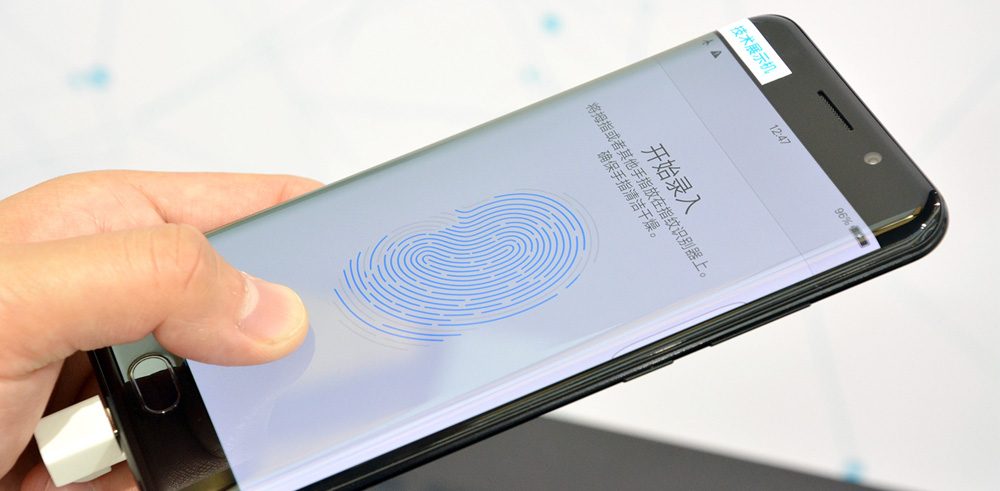
    Vivo, one of the most famous Chinese smartphone maker in its native country, has done something incredible. Teaming up with Synaptics, it has unveiled the first-ever smartphone with an in-display fingerprint sensor that might be the answer to reducing bezels, shaky facial recognition technology and the inconvenience of rear-facing fingerprint sensors.

    The technology is known as Clear ID and lets users OEMs embed a fingerprint sensor under the display. Synaptics has claimed that it has a failure rate of 1 in 50,000 which, for a first gen product, is admirable. Early reviews of the device are in and mostly paint a positive picture. People are praising the accuracy of the sensor while it is slower than other fingerprint sensors found on devices like the OnePlus 5T, it is hard to complain when the process feels so futuristic.

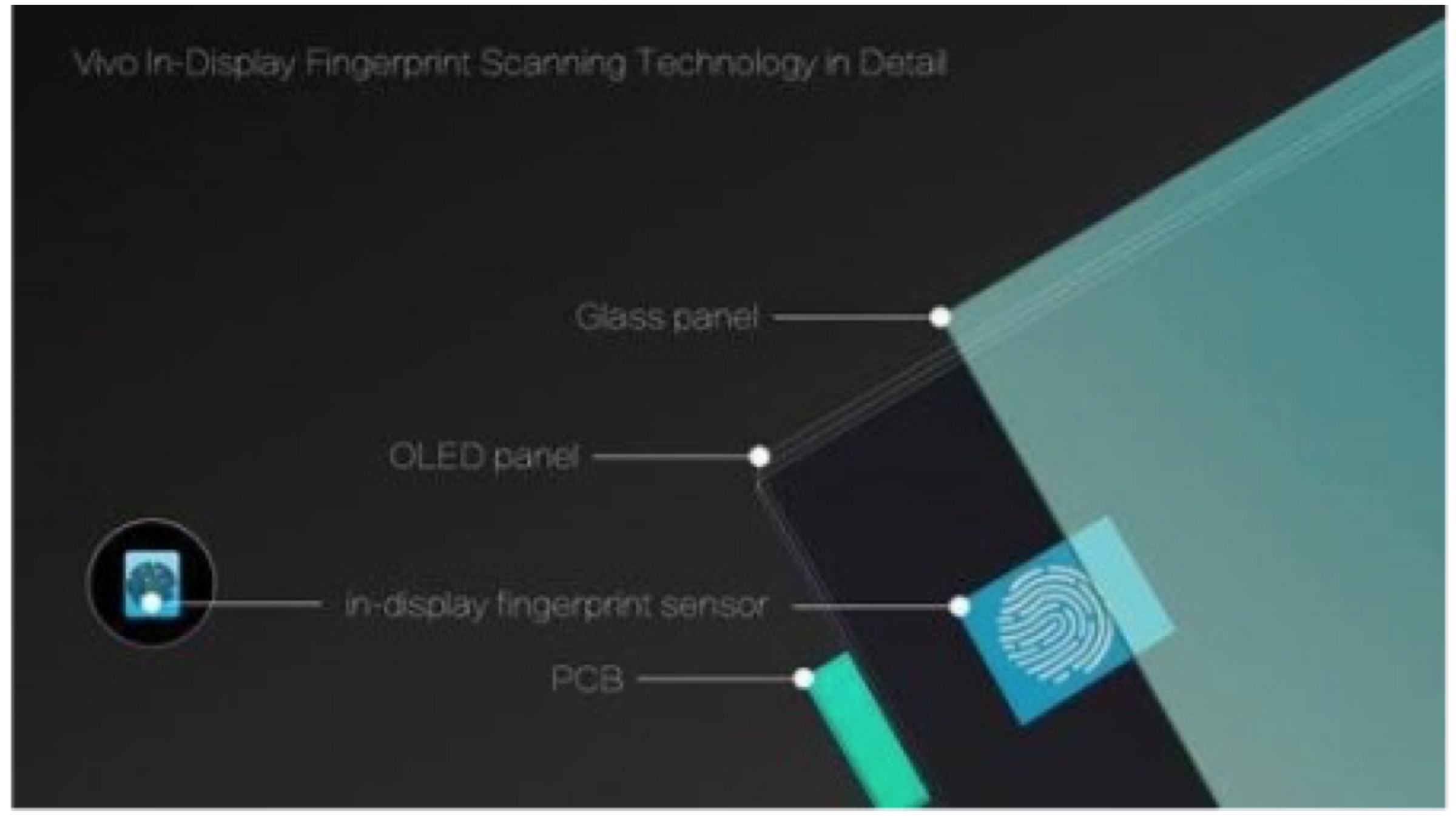
    The in-display fingerprint sensor sits between the mainboard and the OLED panel where it illuminates the finger and then processes the beams of light. Hence, this technology will not work on LCD panels as the sensor looks through the dots of an OLED panel, and then recognises the fingerprint.

    Alex Feng, Senior VP in Vivo, said in a press release that this technology is the solution to the industry’s challenge of providing a more convenient authentication experience. The smartphone is ready for mass production and should be announced in “early 2018.”

    While the device might not be available in a lot of markets, it marks the beginning of more smartphone makers integrating this technology into their upcoming flagship devices. There are rumours already that Doogee V will also have a screen embedded fingerprint sensor and a design similar to the iPhone X.

    With bezels becoming almost negligible, the implementation of this technology will be crucial for Vivo and other OEMs to keep producing smartphones with a front-facing fingerprint sensor.

  • Vivo Shows Off The In-Display Fingerprint Sensor Technology A Day Before Launching The Smartphone

    Vivo Shows Off The In-Display Fingerprint Sensor Technology A Day Before Launching The Smartphone

    Vivo teased the official unveiling of the first-ever smartphone with an in-display fingerprint sensor on the 10th of January at CES 2018. Now, a day before the smartphone’s launch, Vivo has showcased the technology that will be responsible for putting a fingerprint sensory inside the display.


    The in-display fingerprint sensor will sit between the mainboard and the OLED panel where it will illuminate the finger and then process the beams of light. Alex Feng, Senior VP at Vivo, said in a press release that this technology is the solution to the industry’s challenge of providing a more convenient authentication experience. The smartphone is ready for mass production and should be announced in “early 2018”.

    Early reports of the Vivo smartphone with an in-display fingerprint sensor have been positive. Analyst Patrick Moorhead detailed his experience with a pre-production Vivo phone equipped with the in-display fingerprint sensor technology. Synaptics, the manufacturer of the fingerprint sensor had also claimed that this technology is three times more accurate and faster than Apple’s Face ID. This claim, however, will be thoroughly tested once the device is made available to consumers.

    Apart from Vivo, Doogee, another Chinese smartphone maker is also working on a smartphone with an in-display fingerprint sensor. The name of the device will be Doogee V and according to the leaks, the smartphone’s design is heavily inspired by that of the iPhone X and Galaxy S9+ Leaks.

    The launch of the Vivo smartphone will usher in a new technology trend which will allow OEMs to provide a front-facing fingerprint sensor all the while decreasing the bezels around the display as well. However, a lot will depend on the responsiveness and reliability of the device from Vivo as this will set precedence for upcoming devices from other OEMs and how the consumers will respond to this technology as well.

  • OnePlus 6 With An In Display Fingerprint Sensor To Launch In March 2018

    OnePlus 6 With An In Display Fingerprint Sensor To Launch In March 2018

    It all started like this. One leak, one report at a time and a month later, we had a confirmation from the company that the OnePlus 5T is indeed real. While many speculated that the company won’t launch a ‘T’ version of the OnePlus 5 so soon, the Chinese smartphone maker did exactly the opposite. And it appears that the OnePlus 5T users will soon feel what OnePlus 5 users felt at the time of the OnePlus 5T launch.

    A report claims that the OnePlus 6 will be launched as early as in March of 2018. Ever since the OnePlus 2 launch, the company has traditionally stuck to a mid-year launch of its flagship device but, it appears that the company will mix it up this time and launch the OnePlus 6 in March, only 5 months after the launch of the OnePlus 5T.

    Moreover, the OnePlus 6 will have one of the most exciting features which a lot of smartphones in 2018 are expected to have, an in-display fingerprint sensor. We already know that Vivo will launch the first ever smartphone with a screen embedded fingerprint sensor, it appears that OnePlus isn’t far behind in incorporating the technology in its own lineup.

    We also reported that the OnePlus 6 will have an iPhone X-like Face ID technology with a front-facing 3D camera. So far, the OnePlus 6 looks like the most interesting OnePlus device since the original OnePlus One was launched back in 2014.

  • Vivo Will Launch The First Smartphone With An In-Display Fingerprint Sensor

    Vivo Will Launch The First Smartphone With An In-Display Fingerprint Sensor

    Turns out, Vivo is one of the top five OEMs Synaptics was talking about. A couple of days ago, Synaptics announced that it had started the mass manufacturing of its in-display fingerprint sensor with “one of the top five OEMs.” While many speculated that the timing is ideal for the Samsung Galaxy S9 and S9+, it has been confirmed that Vivo will be the first smartphone maker to launch a phone with an in-display fingerprint sensor.

    Analyst Patrick Moorhead detailed his experience with a pre-production Vivo phone equipped with the in-display fingerprint sensor technology. Moorhead describes the sensor as “fast and simple,” and Synaptics has claimed that it is twice as fast as 3D facial recognition like Apple’s Face ID. That might be a hard comparison to make since both the technologies use different mechanisms.

    Vivo has come off as a surprise and it will be a considerable blow for Qualcomm which has also been working on a similar technology for a long time. In fact, Qualcomm and Vivo showed off a Qualcomm-powered fingerprint-sensing display prototype earlier this year, but it was said to be noticeably slow since it was not a finished product.


  • Samsung Galaxy S9 Will Be The First Phone Ever To Have An In-Display Fingerprint Sensor

    Samsung Galaxy S9 Will Be The First Phone Ever To Have An In-Display Fingerprint Sensor

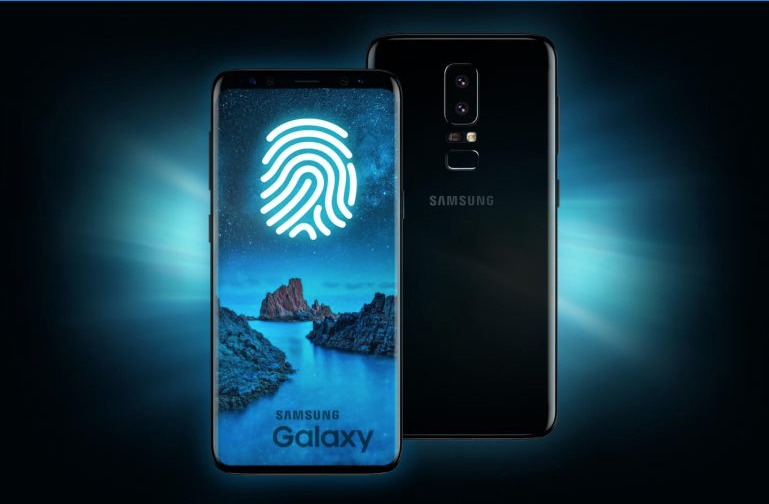
    The Samsung Galaxy S9, the next iteration in Samsung’s flagship ‘S’ lineup is expected to be launched in late February at MWC or at a special event in March. While there have been multiple rumours and renders suggesting that the Galaxy S9 will have a rear-mounted fingerprint sensor, this new announcement puts everything else to rest. Fingerprint sensor manufacturer Synaptics just announced that it has begun mass production with a top-five original equipment manufacturer (OEM) to produce its new Clear ID FS9500 in-display fingerprint sensor.

    While the announcement did not specify the specific OEM, it could be Samsung since it is preparing to launch the Galaxy S9 and Galaxy S9+ early next year. Considering that the company mentioned top 5 OEMs, it could be Samsung, Apple and Chinese smartphone makers like Huawei, Xiaomi and OPPO. There are high chances that it isn’t Apple since it is working hard on making Face ID the next big thing and is preparing to make it better on the iPhone X and other upcoming iPhones. Introducing Touch ID under the display will make Face ID almost redundant.

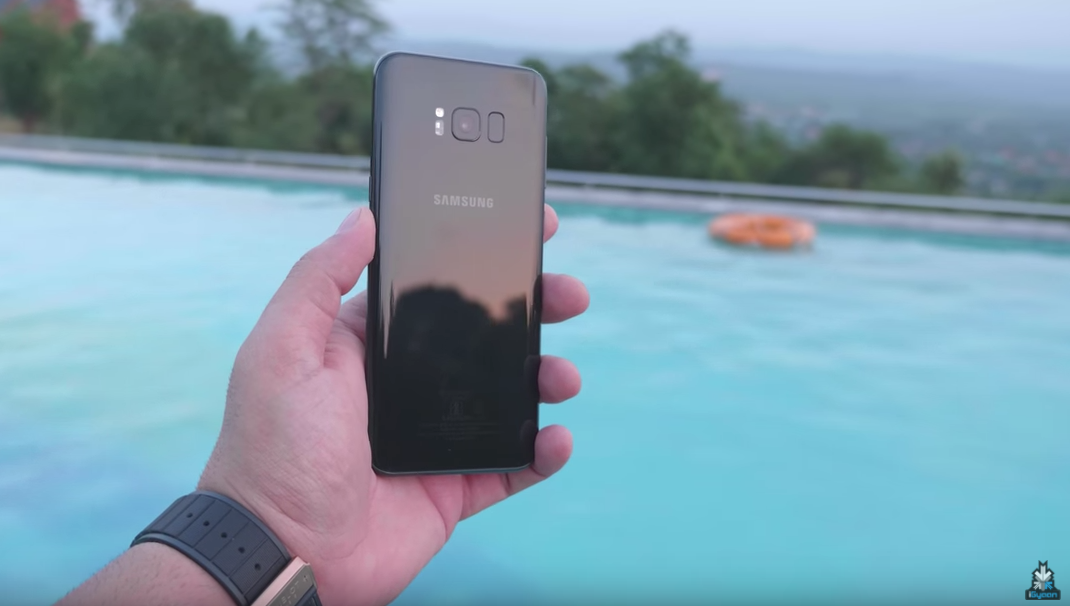
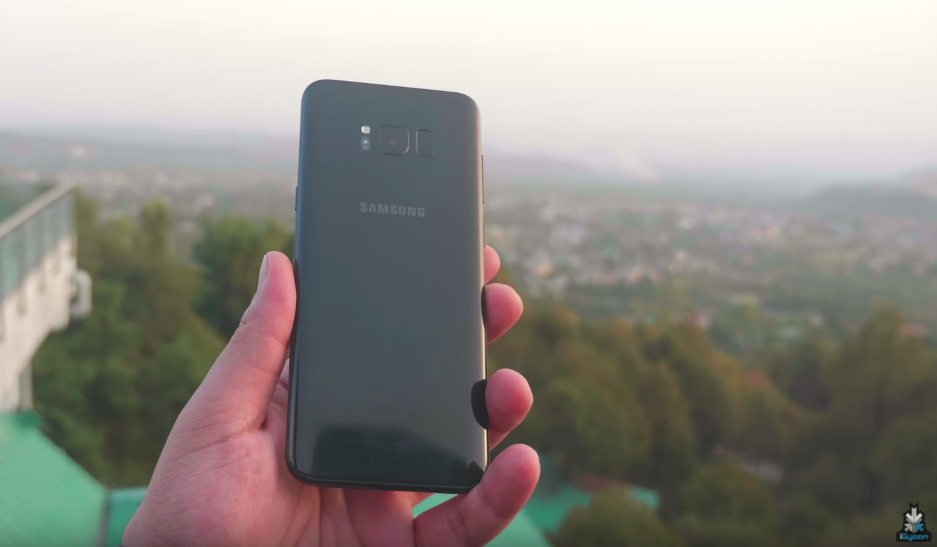
    Rear-mounted fingerprint sensor on the Galaxy S8

    Samsung and Synaptics have a history of working together dating back to 2005 with the Samsung B310. Synaptics is a known Samsung manufacturing partner, and when it announced the FS9100 optical fingerprint sensor, there were rumours that it could come to the Galaxy S8 however, that did not happen.

    Another giveaway is the mention of “infinity display” in the announcement statements. In the Synaptics press release, it mentions that the Clear ID fingerprint scanner was designed for phones with “infinity displays,” mentioning that term three times. Samsung uses the term “infinity display” to describe its bezel-less edge-to-edge display on the Galaxy S8, S8+ and Galaxy Note8.

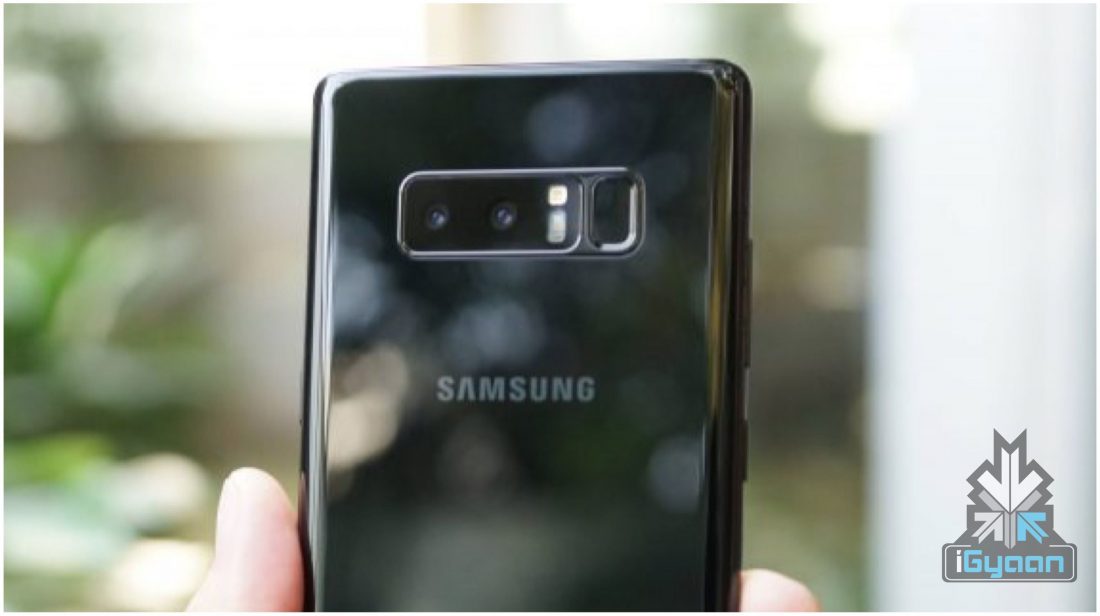
    Rear-mounted fingerprint sensor on the Galaxy Note8

    After so many rumours, it appears that Samsung will finally be able to embed the fingerprint sensor in the display and beat the existing industry leaders to it.

  • New Leak Reveals The Fingerprint Sensor On Galaxy S9 Will Have A Better Placement

    New Leak Reveals The Fingerprint Sensor On Galaxy S9 Will Have A Better Placement

    While Samsung has had a financially successful year thanks to its hugely popular Galaxy S8, S8+ and Note8, the company has had to deal with a very consistent criticism. All the three flagship phones launched by Samsung in 2017 had an awkwardly placed fingerprint sensor which baffled critics and consumers alike. However, a new leak reveals that Samsung will change the position of the fingerprint sensor on the Samsung Galaxy S9, at least.

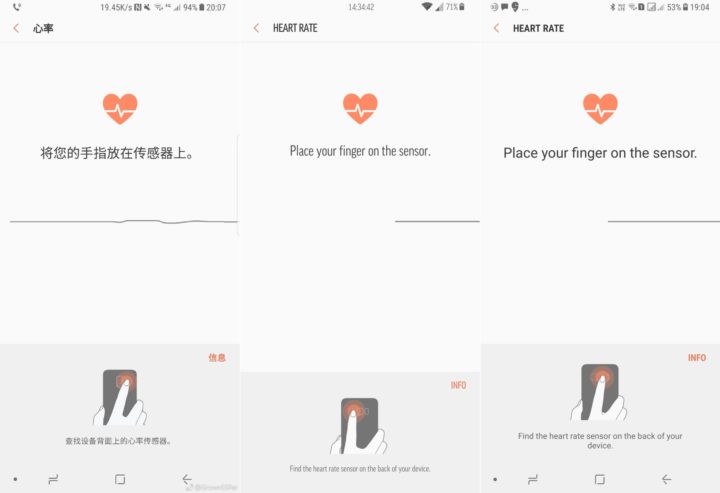
    The image was leaked on the Chinese social media website, Weibo. It is a screenshot of the demonstration of the heart rate sensor in S Health app. The screenshot also reveals a single camera setup on the supposed Galaxy S9. While a few publications believe it could be the Galaxy S9 Mini, previous reports have suggested that Galaxy S9 will have a single lens camera while the Galaxy S9+ will have a dual-camera setup at the back.

    From L to R – S Health app on Galaxy S9, Galaxy S8 and Galaxy Note8 

    The positive sign here is that Samsung has listened to the multiple consumer complaints and tried to rectify it. While the authenticity of the leak can be questioned, with the launch of the Galaxy S9 just over two months away, it might as well be the Galaxy S9 which means the company will have one less criticism to face, if it nails the placement of the fingerprint sensor.

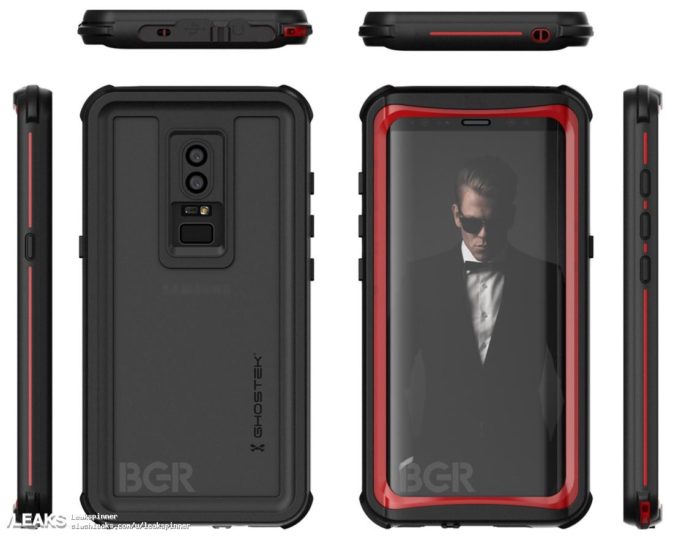
    This leak also corroborates with a previous report that suggested that the fingerprint sensor will be moved below the camera. Although that leak showed a dual-camera setup, it is sensible to believe that Samsung will change the position of the fingerprint sensor on both its new devices.

    The Samsung Galaxy S9 will be a revision to the popular Galaxy S8, with the new Snapdragon 845 chipset (in the US and South Korea) or the Exynos 9810 (rest of the world). While the screen size is expected to be the same on the Galaxy S9 and its bigger sibling, the Galaxy S9+, the bezels will be smaller which means the footprint of the phone will decrease while maintaining the same screen real estate.

    A report claims that the Galaxy S9 and Galaxy S9+ will have a record-breaking 90% screen-to-body ratio!

  • Samsung Galaxy S9 Might Have A Feature The iPhone X Should Have Had

    Samsung Galaxy S9 Might Have A Feature The iPhone X Should Have Had

    Samsung Galaxy S9, despite many reports, might have a screen-embedded fingerprint sensor.

    The Apple iPhone X became available to the public in November, just a few months before the launch of the Galaxy S9. One of the most talked about features of the iPhone X has to be Face ID and the lack of a fingerprint sensor. Similarly, the awkward placement of the fingerprint sensor on the Galaxy S8/S8+ was also a talking point for many and iGyaan pointed it out as well in our full review of the Galaxy S8/S8+.

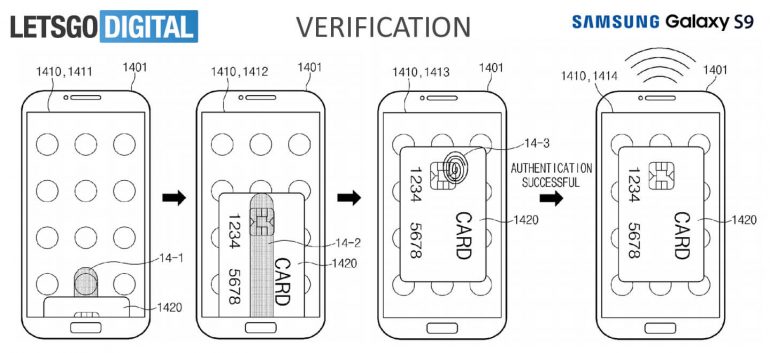
    It appears that Samsung will fix that by embedding the fingerprint sensor inside the display rather than positioning it in the middle at the back of the phone. The patent was first reported by LetsGoDigital, which notes that the new technology is likely to appear on the Galaxy S9.

    The international patent was submitted in April 2017, while the Korean patent was filed during 2016. This shows that a screen embedded fingerprint sensor has been a long standing aim of the Samsung design team. This looks like the ideal place for the fingerprint sensor instead at the back or completely moving to another way of biometrics like Face ID.

    The Samsung Galaxy S9 is expected to be unveiled at CES 2018. As we have reported, the Galaxy S9 will be the first smartphone to have the Qualcomm Snapdragon 845 chipset, as per a deal with Qualcomm. Other than that, the new smartphone is expected to be an incremental upgrade over the Galaxy S8 although, a screen embedded fingerprint sensor will mean that the Galaxy S9 will grab all the headlines at the time of its launch and might push Galaxy S8 users to upgrade to the Galaxy S9.

  • Samsung Galaxy S9 Might Not Have A Screen Embedded Fingerprint Sensor

    Samsung Galaxy S9 Might Not Have A Screen Embedded Fingerprint Sensor

    A report from South Korea claims that the upcoming Samsung Galaxy S9 and Galaxy S9+ will not have a screen-embedded fingerprint sensor. The Samsung Galaxy S9 and Galaxy S9+ are expected to be launched by April 2018 and ever since the Galaxy Note8 was launched back in August, it was expected that Samsung will introduce the new fingerprint sensor technology in its ‘S’ smartphone lineup.

    Fingerprint sensor on the Galaxy Note8

    Launched in April 2017, the Samsung Galaxy S8 and S8+ received rave reviews from critics and consumers alike. iGyaan reviewed the two phones as well and barely found a con in either of the phones. The one blemish to otherwise top notch phones was the placement of the fingerprint sensor. Samsung reduced the bezels around the display considerably, and chose design over practicality when it came to repositioning the fingerprint sensor.

    Instead of placing it in the centre of the phone like the LG G6 or the Google Pixel, Samsung placed it right next to the camera making it hard for people to reach the sensor without a little shimmy of the hand. When the screen embedded fingerprint sensor technology was showcased early in 2017, there were rumours that the iPhone X and the Galaxy Note8 will incorporate this technology since both the phones were expected to have minimal bezels.

    Fingerprint sensor on the Galaxy S8/S8+

    The report however, does say that even though the fingerprint sensor on the Galaxy S9 and Galaxy S9+ will be placed at the back, the position could be changed.

    It’s not yet clear whether it will continue to sit awkwardly and inconveniently right next to the camera lens.

    It appears that an early report of the Galaxy Note9 being the first Samsung phone with a screen embedded fingerprint sensor will turn out to be true.

  • Samsung Galaxy Note 9 Might Have A Screen Embedded Fingerprint Sensor

    Samsung Galaxy Note 9 Might Have A Screen Embedded Fingerprint Sensor

    Ever since Qualcomm showed off the screen embedded fingerprint sensor earlier in 2017, there were rumours of the Samsung Galaxy Note8 and the iPhone X will adopting the technology. However, it was determined that the time was too less for these companies to implement a technology that was in a nascent stage. The Galaxy Note8 was launched with the similar awkwardly placed fingerprint sensor at the back and the iPhone X got rid of the TouchID all together and replaced it with facial recognition system called FaceID.

    Now, Ming-Chi Kuo of KGI Securities has stated that Samsung’s next Note device may have such an “under-display optical fingerprint” technology when it launches in the second half of 2018. A fingerprint sensor has slowly become a staple in all smartphones nowadays. With bezels getting thinner and smartphone manufacturers not convinced with a fingerprint sensor at the back, thiis technology seems to be the next big thing in the smartphone industry. It is however, a tricky technology to implement and there aren’t a lot of successful products in the market which use this technology. In May 2016, LG developed a fingerprint sensor that sits under the display and earlier in 2017, at MWC Shanghai, Vivo unveiled the first smartphone with a under-display fingerprint sensor based on the technology developed by Qualcomm.

    There are three companies vying to be the supplier to Samsung, of which, BeyondEyes and Samsung LSI have already reported to have shipped samples to Samsung. Egis is the third of the top contenders, who currently supplies fingerprint sensors for Samsung’s phones.

    If and when this technology is perfected by the smartphone makers is yet to be seen and the question is more about when rather than if. The Samsung Galaxy Note9 and the 2018 iPhone are far from launch right now and the closer we get to their eventual launch, the more details about the screen embedded fingerprint sensor will be spilled out.

  • This Newly Developed 3D Fingerprint Scanning Technology Can Redefine Mobile Security

    This Newly Developed 3D Fingerprint Scanning Technology Can Redefine Mobile Security

    The world that we live in is surrounded by constant cyber threats and crimes, especially in the case of smartphones. You never know when your handset might get picked out from your pocket and be misused in many ways. Tech companies are aware of this fact, hence they are coming out with new innovations to prevent that from happening. We have retina scanning devices, highly secured passcodes, location tracking and more such measures. However, this new security technique will take smartphone security to another level.

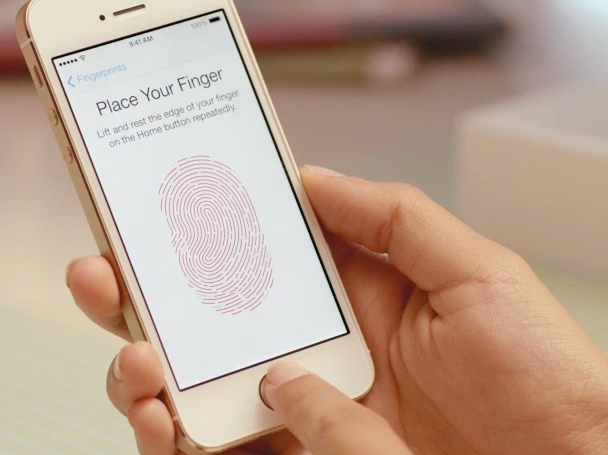
    We all thought of fingerprint scanning as a fictitious piece of design until recently, when Apple declared that it was going to include a fingerprint scanner in 2013’s iPhone 5s. Since then, many questions have emerged on the dependability of the scanning technique. As it turned out, the scanning feature was quite accurate and was received well when the iPhone 6 came out.

    But even in the best of cases, the capacitive sensors used in the modern age of mobile devices are still subject to serious security leaks. One of them is that since these scanners use 2D images of your fingerprint, anyone could place a printed image of your fingerprint on the top of the sensor and gain access to your phone.

    Scientists from Mechanical and Aerospace Engineering Department at the University of California have developed a unique ultrasonic 3D fingerprint scanner that could be used in smartphones and other devices to enhance and provide better protection against unknown access. Professor David Horsley and his team have developed the new fingerprint scanner by using low-depth ultrasound to image the ridges and valleys of the fingerprint surface (and the tissue beneath it) in 3D.

    According to Professor Horsley, his team realised the need for a new fingerprint scanner due to:

    Using passwords for smartphones was a big security problem, so we anticipated that a biometric solution was ahead. After Apple announced a fingerprint sensor in new iPhone in 2013, it was inevitable that more would follow.


    To formulate their image, the group used existing micro-electro-mechanical systems (MEMS) technology, which smartphones rely on for functions like microphones and directional orientation. According to Horsley, the use of well known, high volume manufacturing methods means that his team’s sensor could be generated at a very low cost.

    “The hope of the future is that beyond biometrics and information security purposes, the new technology is assumed to find many other applications, including low-cost ultrasound as a pharmaceutical diagnostic tool or for personal health monitoring,” Professor Horsley said.

  • Future iPhones May Have Touch ID Right on the Display

    Future iPhones May Have Touch ID Right on the Display

    We have all seen those lame fingerprint sensor apps available on various app stores. They have been able to prank a lot of folks into downloading them. But Apple seems to have cracked the code to bring display-based Touch ID into reality.

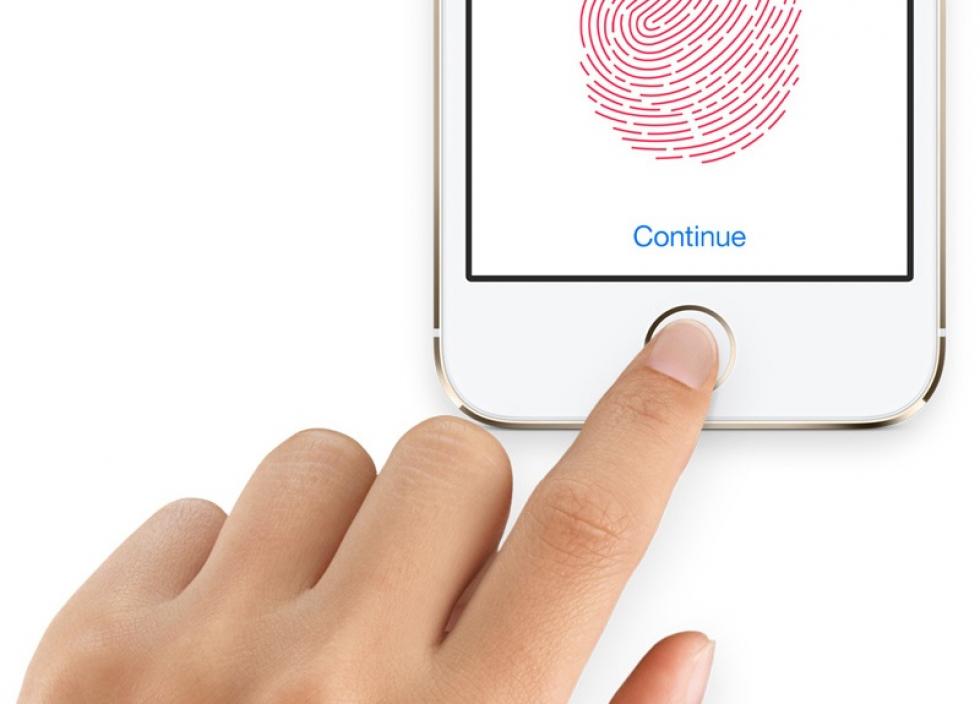
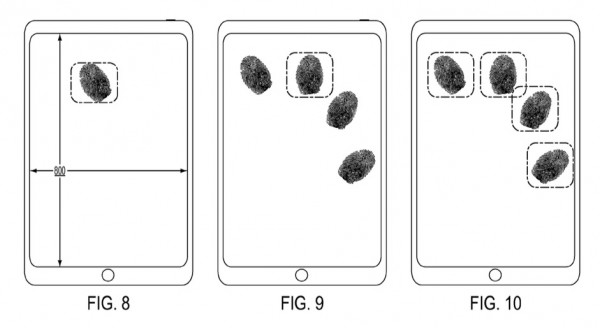
    In a patent titled “Fingerprint Sensor in an Electronic Device,” the company explains the technology. According to the abstract, a fingerprint sensor may capture fingerprint at a single pre-defined fixed location on a display, or they can opt for a full panel fingerprint sensor to capture multiple fingerprints.

    The Fingerprint sensor can be placed at one spot or it can be used to scan multiple fingers at once.
    The Fingerprint sensor can be placed at one spot on the display or it can scan multiple fingers at once.

    Users may be able to unlock their device by placing a thumb at a predetermined spot on their iOS displays. On bigger displays like the iPad, there can be multiple fingerprint detection where you may scan with all five fingers.

    To keep the sensors sensitive enough, Apple plans to implement the sensor as an integrated circuit connected to a bottom surface of a cover sheet. They can also place it near the bottom surface of the cover sheet, or connected to a top surface of a display.

    This initiative will let Apple take off the round home button and make the device even slimmer. The technology still seems to be in the beginning stage and may not show up immediately on the next device by Apple. There will surely be some privacy concerns with this technology though as a thief could gain access to a person’s information by just acquiring their fingerprints. Apple would have to work seriously on the security features before it can bring the technology in the mainstream.

  • Samsung Galaxy S5 Will Be Equipped With a Fingerprint Sensor

    Samsung Galaxy S5 Will Be Equipped With a Fingerprint Sensor

    Samsung’s flagship for this year, the Galaxy S5 is all set to launch on 24th February. However, following the tradition we have some leaks ahead of the official launch.

    Sammobile has confirmed that Samsung will be using a fingerprint sensor on the home button of the Galaxy S5. If these reports are correct, Samsung will launch the Galaxy S5 with a fingerprint sensor on the home button which will work with a different technique. Probably different from what we have seen before. 

    In the report from Sammobile, the sensor on the Galaxy S5’s home button will work when users will swipe their finger from base to tip across the button, and access will not be granted if their hands are wet. Furthermore, their real-time fingerprint will appear on the screen as they swipe. The Galaxy S5 is said to keep 8 fingerprints, all to perform different actions like to launch an application.

    We will have to wait and see what Samsung puts on the table during the launch at the Mobile World congress. We will bring you all the action from Barcelona. 

    [Sammobile]

  • Rumour : HTC One Max Will Rival iPhone 5S With Fingerprint Sensor

    Rumour : HTC One Max Will Rival iPhone 5S With Fingerprint Sensor

    The HTC One Max is coming — this is known — but whether it will have a few features to differentiate it from the growing line of jumbo Android devices remains to be seen.

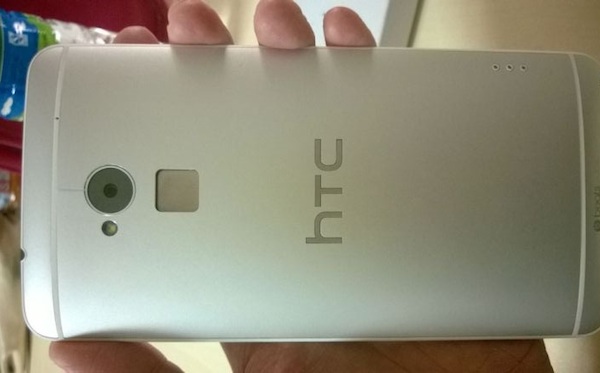
    In a recently-leaked photo, the HTC One Max appears to have a fingerprint reader around back, underneath the UltraPixel camera sensor. It’s unclear whether it will perform similarly to that of the iPhone 5s, or even the Motorola Atrix, which debuted in 2011, but that it is becoming a trend is clear.

    In the midst of Apple unveiling it’s iPhone 5S, which features a fingerprint scanner, the stakes are suddenly higher for several competitor manufactures for whom fingerprint scanner rumors have circulated for months. Notably, many other rumored fingerprint scanners appear to be in different locations on their devices. The fingerprint scanner on the iPhone 5S can be found superimposed into the power button on the device, while the supposed fingerprint scanner on the HTC One is located on the back panel. 

    Based on rumors, HTC One Max will feature a 5.9-inch full HD display sporting a resolution of 1080 x 1920, quad-core Snapdragon 800 chipset with a clock speed of 2.3GHz, 2GB RAM, 16GB internal storage with a microSD card slot, a massive 3,300 mAh battery and an UltraPixel camera on the back. On the software side, the purported HTC One Max will run Android 4.3 out of the box.

    [Via]

iGyaan Network
Privacy Overview

This website uses cookies so that we can provide you with the best user experience possible. Cookie information is stored in your browser and performs functions such as recognising you when you return to our website and helping our team to understand which sections of the website you find most interesting and useful.