Tag: india

  • Indian Scientist Invents the World’s First Self-Sustaining Camera

    Indian Scientist Invents the World’s First Self-Sustaining Camera

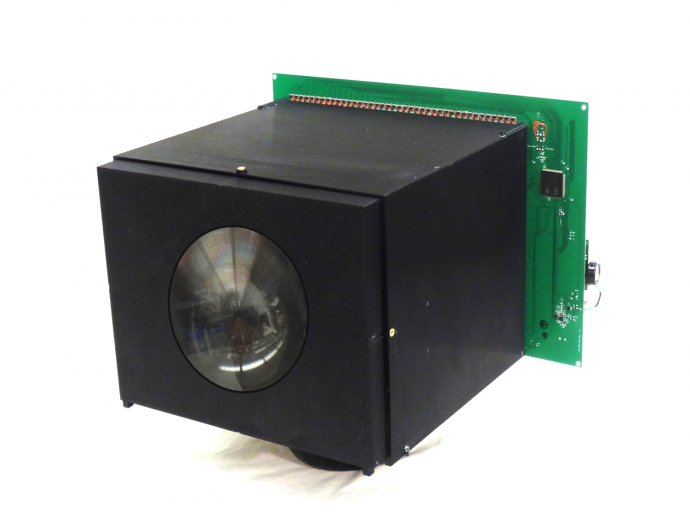
    A team led by T.C Chang Professor of Computer Science, Shree K. Nayar, built the world’s first fully functional self-powered video camera that can produce an image per second in a well-lit environment. The resolution is not great, but it can go on recording forever.

    Here’s the explanation of the working of the machine: When the camera sensor is exposed to light, the pixels use photodiodes to generate electricity. This helps the sensor to measure the intensity of the light that is then used to produce images. In the case of Nayar’s prototype camera, the team used a 3D printer to construct the body of the camera. The camera takes advantage of a photodiode’s ability to be used in both, a digital camera (photoconductive) and solar cells (photovoltaic). When exposed to light, the camera sensors switch between capturing an image or are used to generate and charge other devices like a phone. After measuring the intensity of light, these sensors convert the light into electricity, which in turn powers the camera.

    Nayar states that, even if the invention is at its toddler stage, this could help in boosting a new generation of cameras, like security cameras, CCTV camera or any other camera that works round the clock without needing to be powered. Nayar’s team will present their work officially at the Rice University in Houston April 24-26.

    The video below demonstrates the video quality of the camera.

    https://www.youtube.com/watch?v=13dKKJxSKeg

  • Samsung Galaxy S6 Comes to India But Where is the Apple Watch?

    Samsung Galaxy S6 Comes to India But Where is the Apple Watch?

    Samsung’s latest flagship, the Galaxy S6 is set to hit the Indian and global stores today. The Korean electronic behemoth has grasped the importance of the Indian consumers for the future of the smartphone industry and has been bringing phones almost at the same time as the global market. But the other major force in the tech industry, Apple is still not close to giving India that priority, which is evident by the lack of the country’s name in the release locations for the Apple Watch.

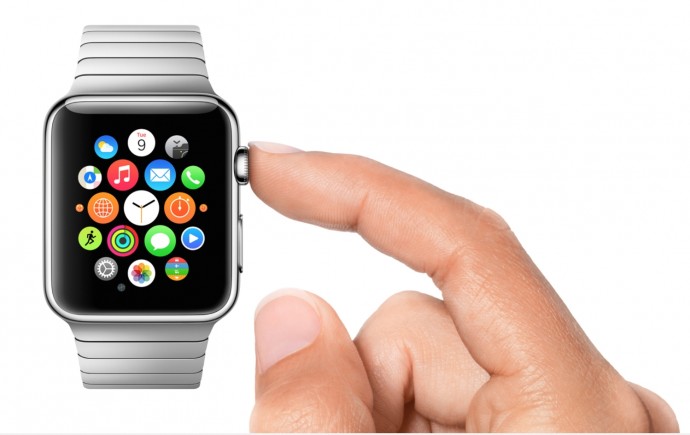
    Apple Watch is the company’s newest product family. The wearable is available from $349 for the basic model, the Watch Sport, and the line of offering goes up to $17,000 for the gold plated version called the Watch Edition. People looking forward to owning the device can pre-order it today in the countries where it is offered. But the only piece of information that the Indian Apple fans get is that the Watch will come to the country ‘sometime in 2015’.

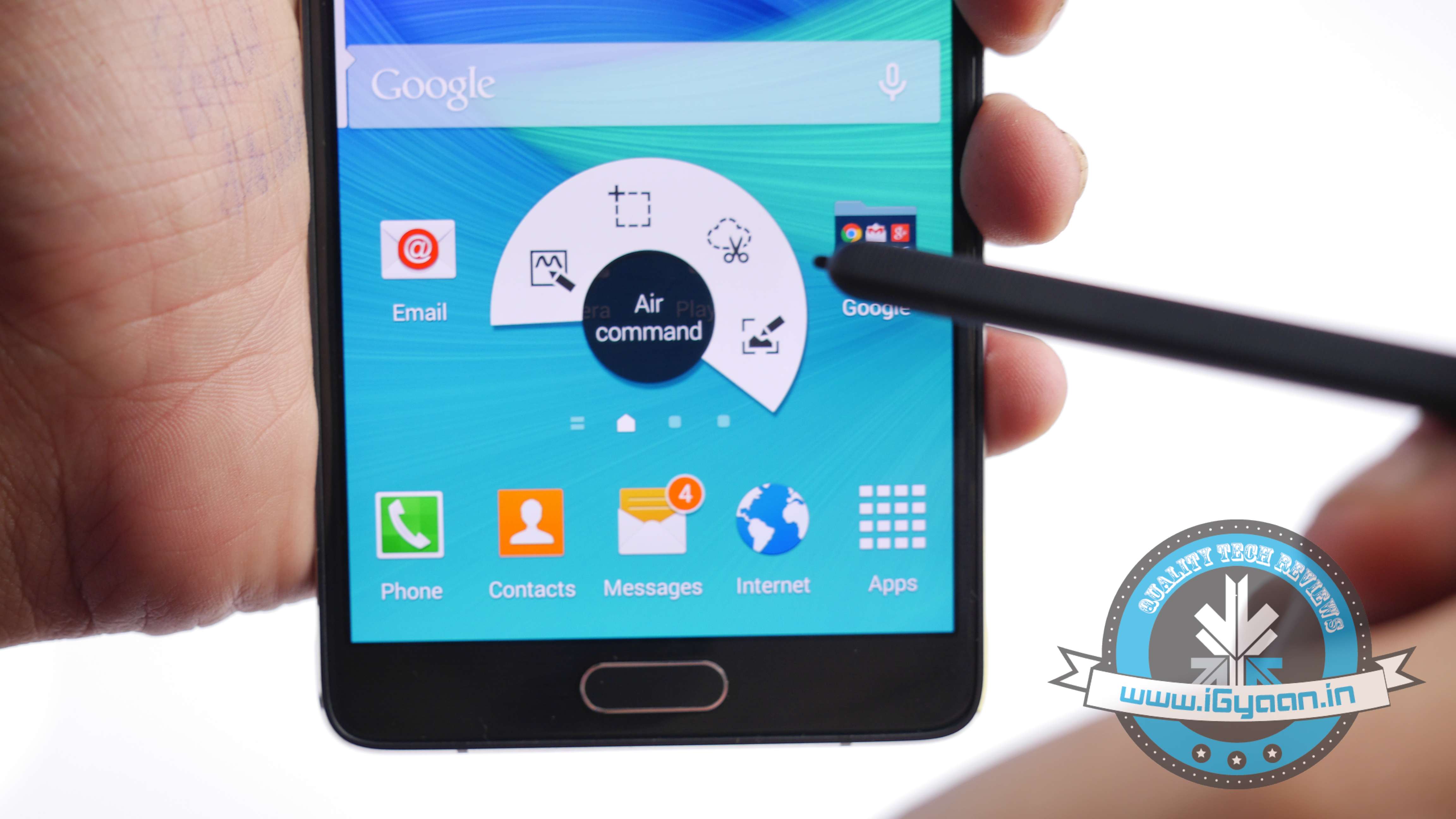
    Samsung brought the Note 4 to India at the same time as the US.
    Samsung brought the Note 4 to India at the same time as the US.

    Meanwhile, Samsung’s Galaxy S6 was already up for pre-order in India and goes up for sale today. Samsung had also brought its last major launch, the Note 4 to India on 17th October, exactly the same time it came to the United States.

    It’s not like Apple has a small market in India. Just in the space of October to December of last year, the company sold 500,000 devices in India, and the number keeps growing. Of course, it is just a tiny fraction of the global sales that have helped the company to have the most profitable quarter in history. A push for the massive Indian population can help the company take the profit higher.

    Things do look brighter for the Indian consumers as Apple has plans to set up 500 stores across India. So maybe then the Indian fans would not have to wait impatient hours to buy Apple products.

  • The Upcoming Assassin’s Creed Chronicle Will Visit India

    The Upcoming Assassin’s Creed Chronicle Will Visit India

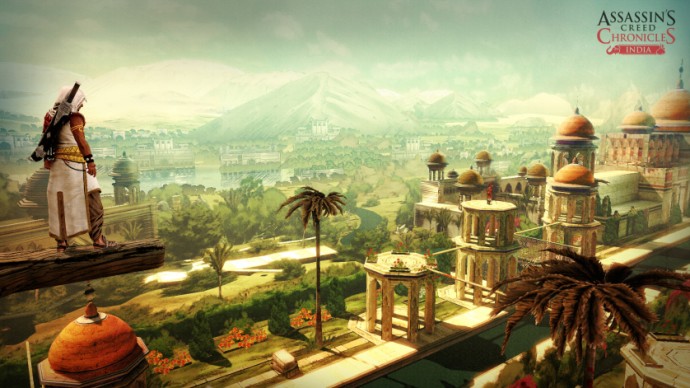
    Ubisoft recently released a trailer of the upcoming Assassin’s Creed Chronicle, each exploring a different locale. As seen in the trailer, the storyline takes place in China, Russia, as well as India.

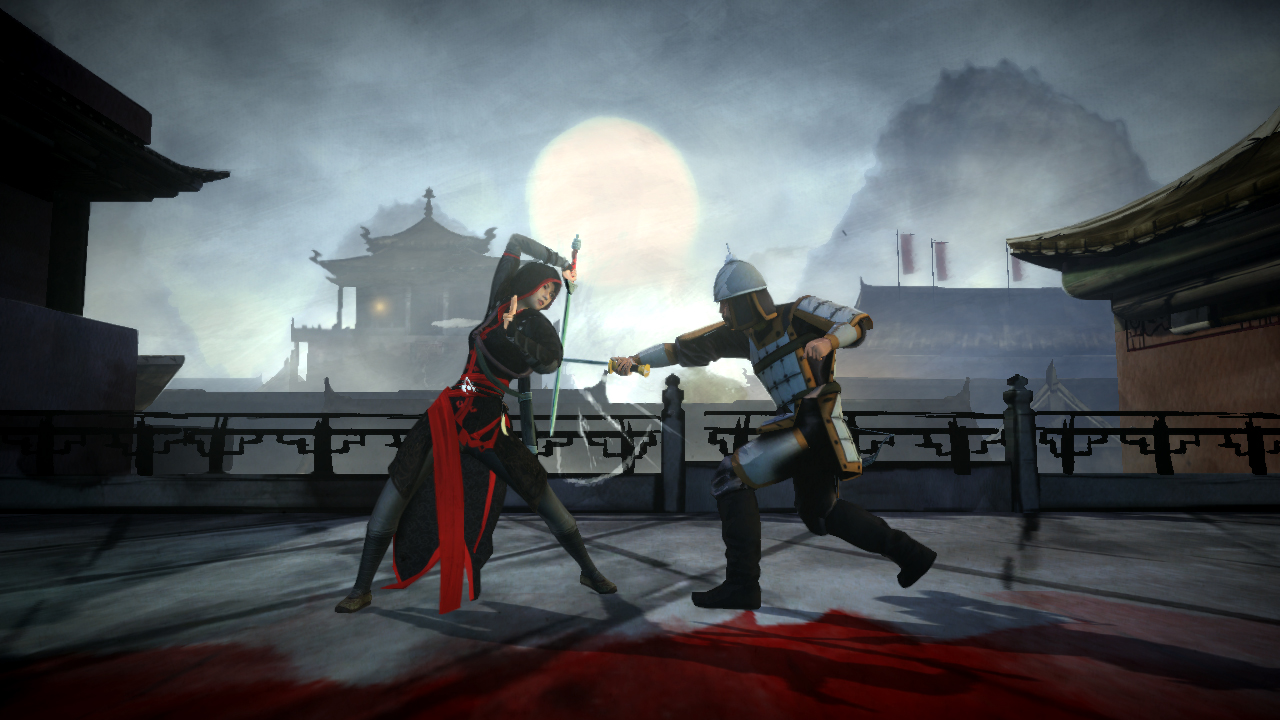
    The first chronicle takes place in China, where the players will play as the female assassin, Shao Jun, and experience the downfall of the Ming Dynasty. The next is based in India and is the story of Arbaaz Mir, an assassin in the era of the Sikh Empire at War in 1841. Lastly, the story of Nikolai Orelov, set against the backdrop of the Red October in Russia.

    Climax Studios is handling development on this trio of titles in conjunction with Ubisoft Montreal. The games will feature a 2.5D perspective, each with their distinct art style. Assasin’s Creed: China edition will be releasing on April 21st for PlayStation 4, Xbox One and PC on April 21st for North and South America, followed by the release in European countries the day after. The remaining two titles, which are based in India and Russia will be released separately later this year. Release for India has not yet been disclosed.

    ACC_Combat_ForbiddenCity-nologo
    Assassin’s Creed Chronicle: The unique 2.5D graphics

    Each Chronicle will be priced at $10 (Rs. 641). Players who have the Assassin’s Creed Unity Season Pass will be able to download the ACC: China with no extra cost.

    You can check out the trailer below:

  • India Preps its Own Navigation System With the Launch of IRNSS-1D

    India Preps its Own Navigation System With the Launch of IRNSS-1D

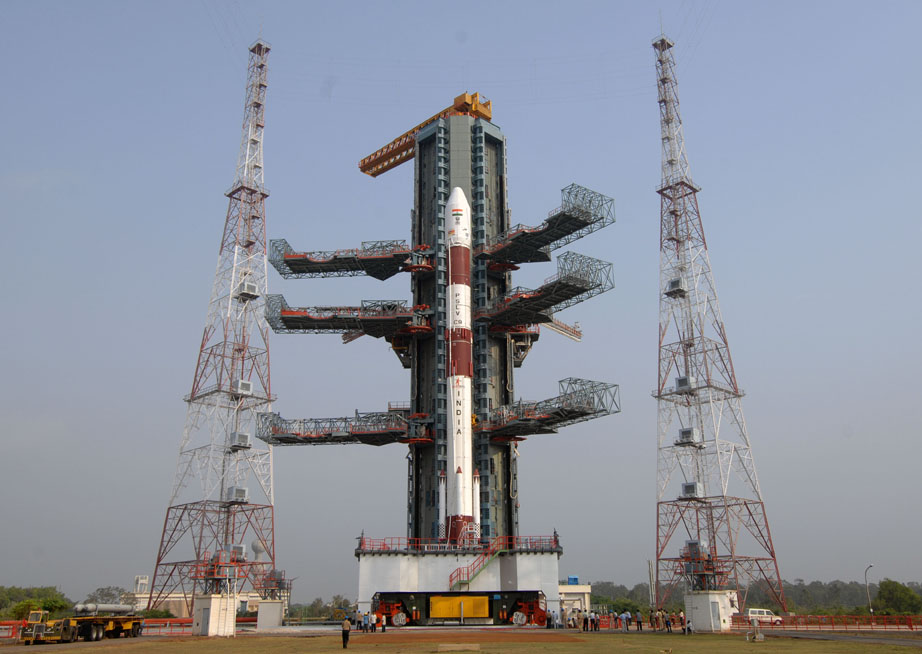
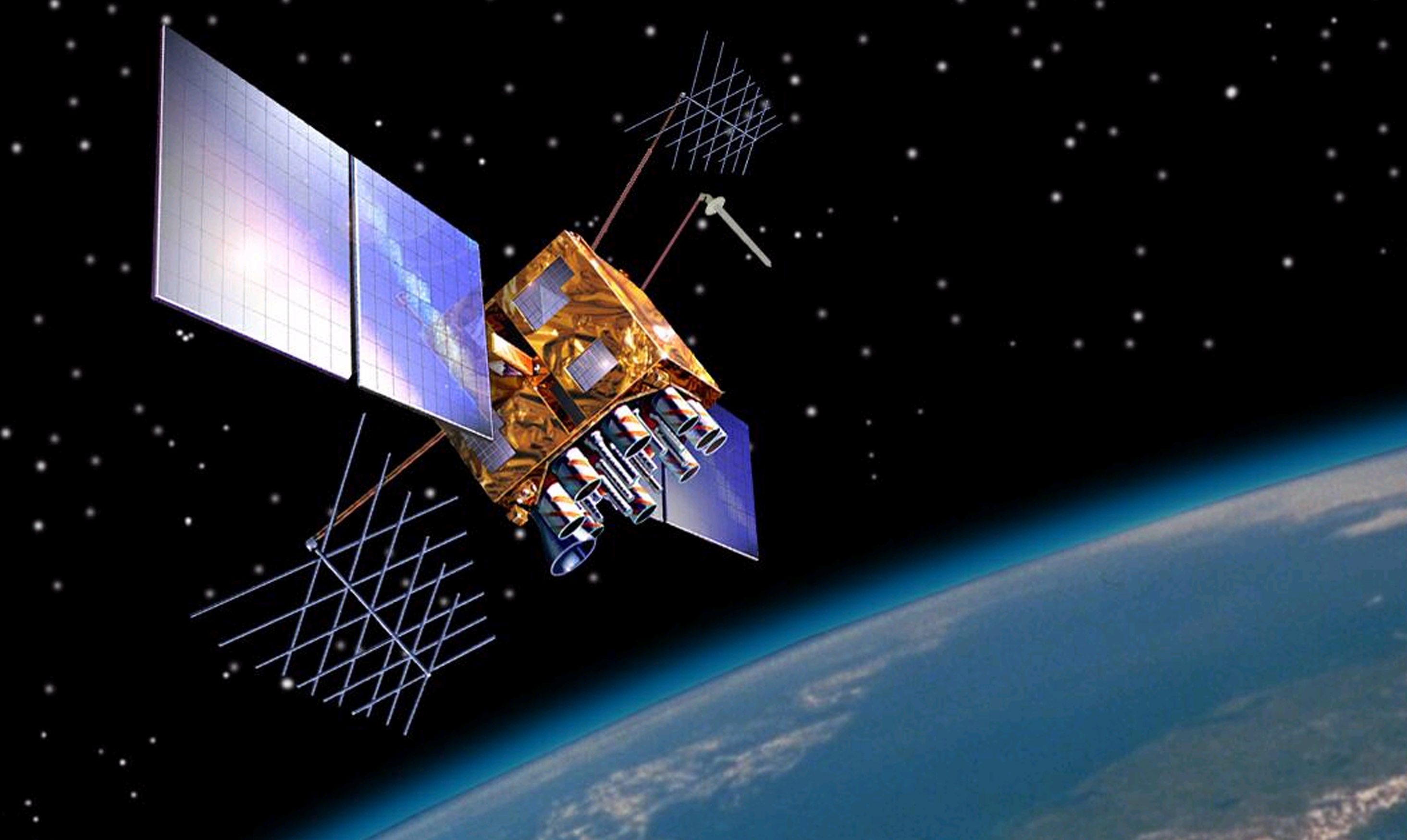
    We have known for a while that India is working on its satellite-based positioning system called Indian Regional Navigation Satellite System (IRNSS.) This will be a competitor to the US-operated GPS system which is the most prominent navigation system around the world. ISRO has launched PSLV-C27, which carries in itself the IRNSS-1D, which is the fourth satellite in the constellation of seven satellites which will make up for India’s own operating system.

    Today’s launch was previously supposed to be held March 9th, but it was postponed due to technical issues in one of the sub-systems. IRNSS-1D has a mission lifespan of 10 years. It will provide navigation, tracking and mapping services. This is the fourth satellite in the constellation of seven satellites. The four satellite will be capable of offering navigational assistance on their own, but the other three satellites will add more accuracy to the system. Once completed, the IRNSS would be on par with US-based GPS system.

    IRNSS will be made of a constellation of seven satellites.
    IRNSS will be made of a constellation of seven satellites.

    IRNSS will be accessible from mobile devices and navigational systems, just like GPS. It will offer terrestrial and marine navigation, assist in disaster management, help track vehicles and will also provide visual and voice navigation for drivers. The system will be established this year and cost the taxpayers a sum of Rs. 1420 crores. IRNSS will focus on South Asia so India’s neighbours can also benefit from it.

    The Kargil War of 1999 had incited a need for an in-country navigation system. The US government back then had refused the request of the Indian government to use the navigation system to keep track of enemy movement. This led to the inception of the IRNSS, and now it has reached the half way mark to completion. India is not the only country which wants to break the dominance of GPS and US influence in the navigational front. Russia with its GLONASS system is already in the market while European Union’s Galileo positioning system and China’s Beidou Navigation Satellite System are in the planning stages.

  • No Flash Sales Here! Asus Zenfone 2 Arriving in India Soon

    No Flash Sales Here! Asus Zenfone 2 Arriving in India Soon

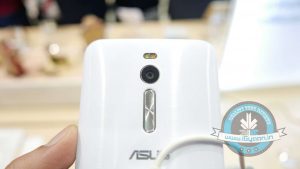
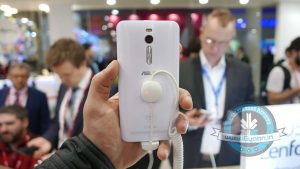
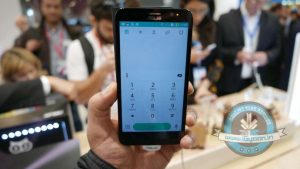
    At the Mobile World Congress this year (MWC 2015), all the buzz was around Samsung’s latest flagship the Galaxy S6 and S6 Edge. But one smartphone managed to turn some of the limelight focused on Samsung towards itself. That phone was the Asus Zenfone 2, and according to the Asus, this awesome device is coming to the Indian shores soon.

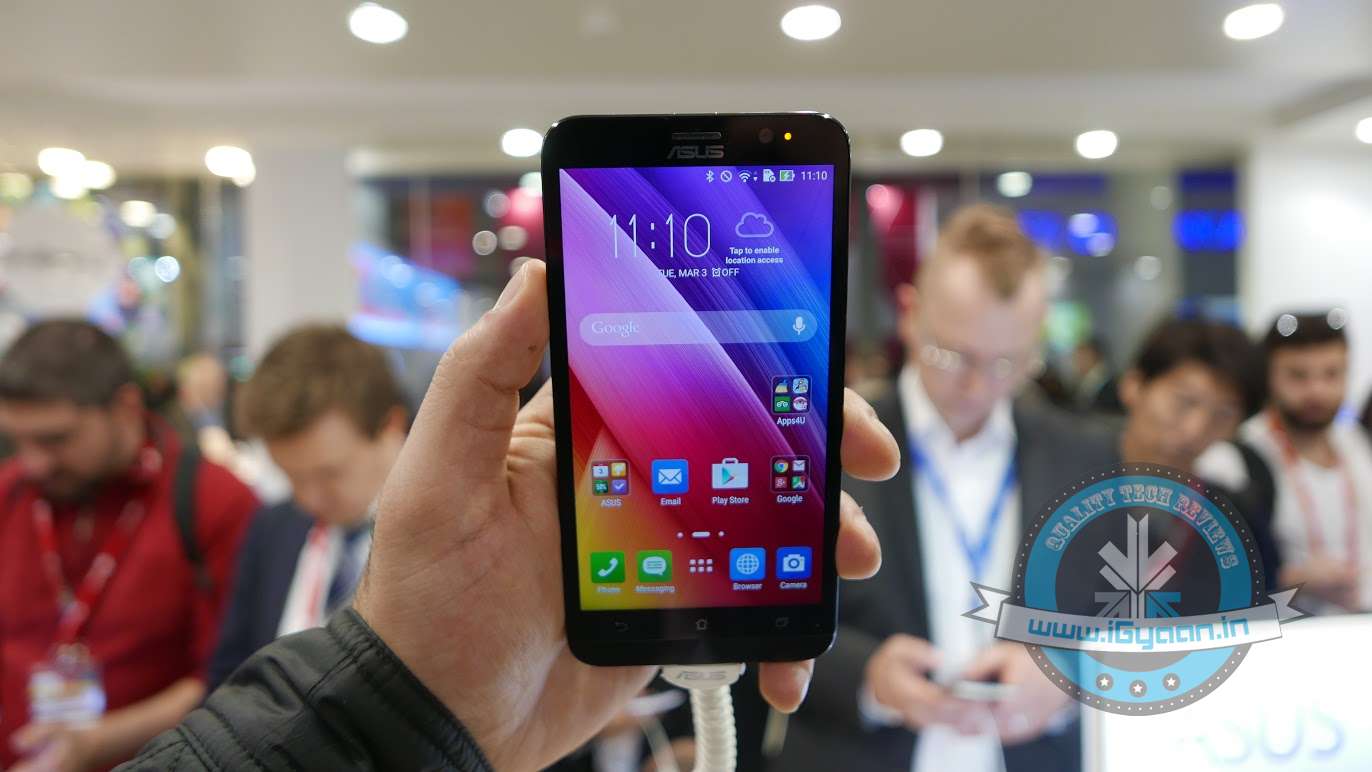
    Asus Zenfone 2 has the potential to be the new affordable superstar. The device flaunts a 5.5. Inch Full HD display with a pixel resolution of 403 PPI. It was launched with two processor options. The first one is powered by a 1.8 GHz, Quad-core Intel Atom Z3560 processor with 2 GB RAM. The other variant handles its processing tasks through a 2.3 GHz, Quad-core Intel Atom Z3580 along with 4 GB RAM.

    Asus Zenfone 2 12

    Zenfone 2 is available in 16, 32 and 64 GB storage options which are all expandable up to 64 GB. The device sports a 13MP camera on the back while a 5MP front shooter is ready for your selfie needs.

    Asus has offered the Zenfone 2 with a 3000 mAh battery which will keep it going for a good long while. It runs ZenUI based on Android 5.0 Lollipop.

    Zenfone 2 is expected to compete against the likes of Moto G, Redmi Note, Mi 4 and their likes and will be priced accordingly. The device will be available without a flash sale which can in fact be advantage for it over its competition. This phone’s spec sheet looks impressive, and we had a good time playing with it at the MWC albeit for a brief duration.

    Read our hands-on experience with the Zenfone 2 here and keep visiting iGyaan for more hands-on and in-depth reviews.

  • Supreme Court of India Junks Section 66 A, Upholds Freedom of Speech

    Supreme Court of India Junks Section 66 A, Upholds Freedom of Speech

    Starting the day on the right note, the Supreme Court today deemed Section 66A of the Information and Technological Act as unconstitutional. This Act granted police the power to arrest anyone for sending out offensives messages from computers, mobiles or any other communication portals. The law had a maximum penalty of 3 years for the offenders. The Court stated that freedom of expression was directly affected by the Section 66 A of the IT Act and hence the law needed to be quashed.

    Commenting on its decision, Supreme court said that such law hampers with the freedom of expression which is one of the pillars of a democratic nation like India. The court ordered the section to be removed from the law books, as there have been several cases where Section 66A was misused by the authorities.

    The first PIL was filed after two girls in Maharashtra were arrested for a post on Facebook relating to a famous political figure. Several other cases soon came to light which led to mass protest against the draconian law. Below are some of the examples were the section was misused by the authorities to suppress descenting voices:

    1. Jadavpur University professor Ambikesh Mahapatra was arrested for forwarding comic strips on Trinamool Congress chief Mamata Banerjee on Facebook in 2012.

    2. A tourism officer in Varanasi was arrested for uploading “objectionable” pictures of Samajwadi Party chief Mulayam Singh Yadav, Uttar Pradesh Chief Minister Akhilesh Yadav and senior SP leader Azam Khan on Facebook.

    3.  Activist Aseem Trivedi was arrested in 2012 for drawing cartoons of Parliament and the Constitution to portray their ineffectiveness. He was arrested on charges of sedition, leading to an array of huge protests.

    4. Recently, a class 11 student was arrested for making a Facebook post about UP minister Azam Khan.

    Petitioners, including several NGOs and civil right groups, argued that the law interferes with the fundamental right of a citizen, Freedom of Speech. The activists as well as the common public applauded the decision of the court.

    The Government though had asked the court to uphold the law. They were against the removing the Act and warned that the removal of the same could incite the people into uploading grossly offensive material which could trigger lawlessness, public anger or violence. The Government stated that the Act cannot be declared unconstitutional, merely because of the possibility of ‘abuse’.

    Lastly, the court said that terms like ‘illegal’, ‘grossly offensive’, ‘menacing characters’ are vague and empty expressions which are more likely to be misunderstood and abused. It also added that ‘what may be offensive to some, may not be offensive to others.’

    After weeks of protesting against the tyranny of the Indian Government banning Beef, the AIB Roast and the documentary India’s Daughter; this news provides much-needed relief. It reassures and reminds us that we have a strong judicial system which protects us from our ruling government; if and when the need arises.
  • According to Study Only 20 Percent Indians Have Access to the Internet

    According to Study Only 20 Percent Indians Have Access to the Internet

    The present Indian government has put stress on connecting India to pave the path for the country to become a powerful force in the digital age. But there are major hindrances in that path. The backbone of the infrastructure, the cables that connect the country together are in poor shape. Along with that, 26 percent of India’s population is illiterate. A new study by The Pew Research Center says that only 20 percent of Indians have access to Internet. This report takes the government’s target of connecting all Indians even further away.

    The study says that 20 percent of Indians had occasional access to the internet while only 14 percent of folks own a smartphone. This comes a few days after the country’s telecom minister stated that the country has 95.5 crore mobile subscribers. He also said that there are over 30 crore internet subscribers in the country which means that there is still a mammoth task of connecting 90 crore Indians.

    The Pew study had some interesting insights about the internet usage by Indians. It found that 65 percent of respondents used internet for social media while 55 percent used it for job hunting.

    digital india

    There were some questions in the study related to internet’s influence on the lives of people. It reported that 64 percent found internet to be beneficial for education while 53 percent found it to be useful for personal relationships. The recent elections created a vitriolic atmosphere on the internet, but even then 36 percent Indians thought internet’s influence has been good for Indian politics while 30 percent said it had a bad influence. A 42 percent also said that internet had a bad influence on personal morality while 29 percent saw it as good for morality.

    The study was conducted in 32 developing nation and surveyed 36,619 people. It found that countries like India, Indonesia, Pakistan and Bangladesh who make up for a quarter of the global population have a dismal access to the internet. Only 24 percent of Indonesians, 11 percent of Bangladeshis and 8 percent of Pakistanis are connected to the internet.

    The study also indicated that internet use was more prominent amongst educated; English speaking population, which is a given considering the massive amount of content on the web is in English. There is now a movement towards local languages which will definitely enable more people to join the information revolution. But one thing is sure that if the Indian government wants to create a Digital India, it not only has to invest resources in developing infrastructure but also invest in creating a digitally literate population.

  • OnePlus One Price Hiked In Europe, Update For India To Follow Soon

    OnePlus One Price Hiked In Europe, Update For India To Follow Soon

    On Wednesday, OnePlus announced a hike in the price for the One in the European market. The company cited the decline in value of the Euro as the reason for increase in the price of the handset. OnePlus also mentioned in its press statement there would soon be an announcement about the pricing strategy of the One in the Indian market.

    At present, the pricing of the 16GB OnePlus One in Europe will be €299 (Rs 20,000), which currently is at €269 (Rs 18,000). The 64GB variant will be up for €349 (Rs 23,500) from the present €299 (Rs 21,999). The change in price will come in effect from 25th March onwards. Until that date, the handsets will be available at their current prices. The company stated that the instability of Euro is the biggest reason for the price hike. The company has been selling the products at a loss in Europe following the fall in the price of the Euro. In the light of the rate changes, OnePlus has hiked up the price in markets that use Euro as currency.

    [quote text_size=”small” author=”OnePlus Blog”]

    As you may know, the Euro is quite unstable at the moment. Last year, many other companies insured themselves against this volatility by launching devices with higher prices in Europe than in other markets. This is something that we opted not to do, as we are committed to maintaining razor-thin margins in order to give the most value back to our fans. Unfortunately, as the value of the Euro continued to drop, our razor-thin margins began to turn into 0 margins. Due to the current value of the Euro, we are now selling devices at a loss in the EU. In the light of these exchange rate shifts and trends, we will be making some changes to our pricing structure for the One in markets that use the Euro as currency

    [/quote]

    The OnePlus accessories won’t be affected by the hike and will be priced as before. The details on future pricing of the OnePlus handsets in India has not yet been released but the company asked to expect an announcement soon. To bring back to mind, the 16GB Silk White OnePlus One is presently selling in India at Rs. 18,999 while the 64GB  variant is priced at Rs. 21,999.

  • Here’s Why the OnePlus Power Bank Hasn’t Arrived in India

    Here’s Why the OnePlus Power Bank Hasn’t Arrived in India

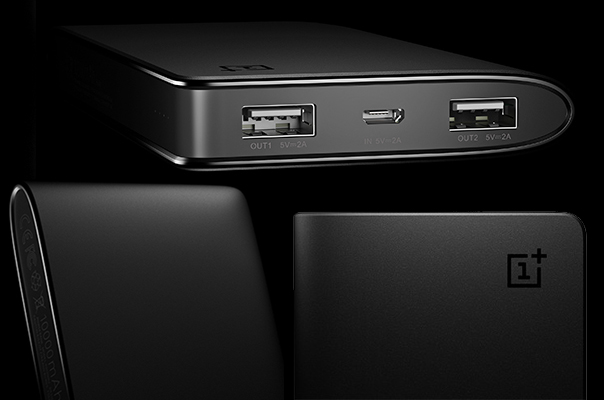
    OnePlus Powerbank, one of the most powerful devices by the company, was introduced in December last year. With a price tag of $14.99 (approx Rs. 950), the device delivers a massive power with 10,000 mAh. Enough to charge a OnePlus handset three times in a row.

    Unfortunately the release date of 17th March (i.e. yesterday) was meant for US customers only. For potential buyers in Europe and India, the wait has been extended indefinitely.

    oneplus power bank
    OnePlus’ Compact and Powerful Power Bank

    According to the company, the logistics are being ironed out for smooth processing. Due to the fact the OnePlus power banks are pure batteries (and not connected to any other product); they require special shipping requirements. Due to the safety concerns posed by the power banks in large numbers, the IATA (International Air Transport Association) have tightened the rules and regulations concerning the same and airlines enforcing these regulations more strictly.

    Also keeping in mind the fact that administering battery certification is time-consuming. Different countries have different requirements and regulations. OnePlus’ hope of finalizing the certifications did not go as quickly as they had previously assumed.

    From the above facts, the OnePlus Power bank may not be seen in the Indian market soon, but its clear that the company is working to get them here as soon as possible. Although we have a feeling, the fuel banks may be worth the wait.

  • Narendra Modi is Among the 30 Most Influential People on the Internet

    Narendra Modi is Among the 30 Most Influential People on the Internet

    According to a recent report published by Time Magazine, Indian Prime Minister, Narendra Modi, is among the 30 most influential people on the Internet. Can’t say we’re surprised. This list also includes US president, Barack Obama.

    The list analyses social media followings, site traffic and the overall ability to drive news. According to the data, Narendra Modi has nearly around 38 million followers on Facebook and Twitter. It is more than any other political world leader, with the exception of President Obama.

    Modi is an enthusiastic user of social media and uses this method to communicate with the people. According to Time magazine, “Unlike many of his contemporaries, Modi recognises that social media can be invaluable when trying to reach India’s 200 million-plus online population directly,”

    The number one world leader on this list is US President, Barack Obama, who is the most liked leader on Facebook and the most number of followers on Twitter. According to the report, the reason is that Obama doesn’t mind making a meme out of himself for pushing an agenda. A video showed Obama using a selfie stick and many other props to drive people to sign up for heath insurance under the Affordable Care Act. This video was viewed by more than 50 million people within days.

    Among the others included in the list are reality star Kim Kardashian, singer Justin Beiber, actress Gwyneth Paltrow, Actress Yao Chen, singer Shakira, founder of the blog ‘Humans of New York’ Brandon Stanton and TV personality, Jimmy Fallon.

  • India and US to Collaborate for the Digital India Initiative

    India and US to Collaborate for the Digital India Initiative

    Just days before President Obama’s visit to New Delhi, India and US have agreed to collaborate together for implementing the Digital India Initiative to boost e-Governance and e-Commerce.

     The Government of India initiated the Digital India Program to help integrate the people of India and the Government for effective governance. It aims to reduce paperwork for the citizens by providing Government services electronically. This also includes providing high speed internet connectivity to rural areas. Digital India includes three core components, digital infrastructure, digitally delivered services and digital literacy. It is stated to be completed by 2019.

    During the two day meeting of the US-India Information and Communications Technology (ICT), concerns were raised by the Indian Delegation, led by RS Sharma, about the refusal of a large number of visas of Indian skilful workers. The meet also stressed to expand the economic opportunity, create jobs and empower the citizens.

  • Samsung Launches its First Tizen-Based Smartphone in India

    Samsung Launches its First Tizen-Based Smartphone in India

    Samsung has finally launched its much awaited Tizen-based Z1 smartphone in an event held in New Delhi.  As expected, the new Tizen OS powered smartphone is a budget smartphone. It sports a 4-inch WVGA (480x800p) PLS display and is powered by a 1.2GHz A7 dual-core processor and comes with 768MB RAM. The Z1 has 4GB of internal storage expandable up to 64GB via a microSD card.

    On the imaging side, Z1 flaunts a 3.1MP rear camera with LED flash and a VGA front camera. It is powered by a 1500mAh battery. It will support 3G, Bluetooth 4.1, Wi-Fi and A-GPS connectivity option. Additional features include accelerometer, ultra power saving mode, private mode and ability to access browser pages offline.

    Samsung, ultimately, aims to make Tizen the ‘OS of Everything’, making it the direct  rival to Google’s Android and Apple’s iOS mobile platforms. At CES 2015, announced that all the 2015 TVs will be powered by Tizen OS.

    However, the delays and the consumer skepticism for anything other than Android and iOS have meant that the devices running on Tizen haven’t been able to emerge from its initial stage.

    With the launch of Tizen-OS powered Z1, the company has shifted its strategy, setting aside its high-end ambitions and aiming at emerging markets like India with cheap devices powered by the OS. Samsung Z1 is priced at Rs. 5,700 and will go on sale today, on both online and offline stores.

    Specs

    Samsung Z1

    Processor 1.2GHz A7 dual-core
    RAM 768MB RAM
    Display 4-inch WVGA (480x800p) PLS
    Operating System Tizen 2.3
    Camera 3.1MP rear camera with LED flash and a VGA front camera
    Battery 1500mAh
    Storage 4GB, expandable up to 64GB
    Price Rs. 5,700
  • Delhi-based Frankly.me Bags $600,000 Funding From Matrix Partners

    Delhi-based Frankly.me Bags $600,000 Funding From Matrix Partners

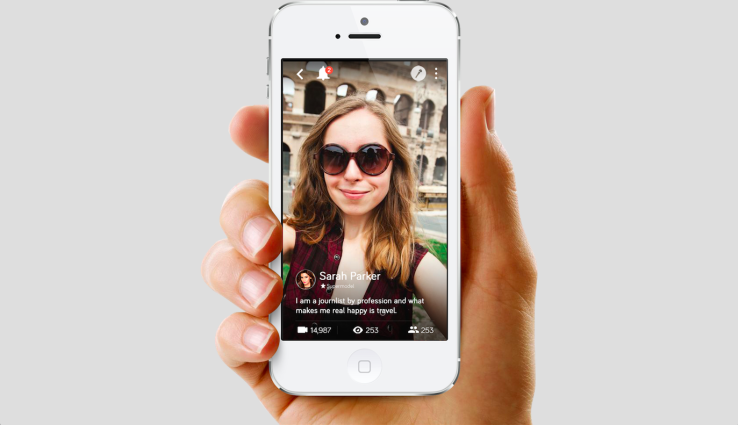
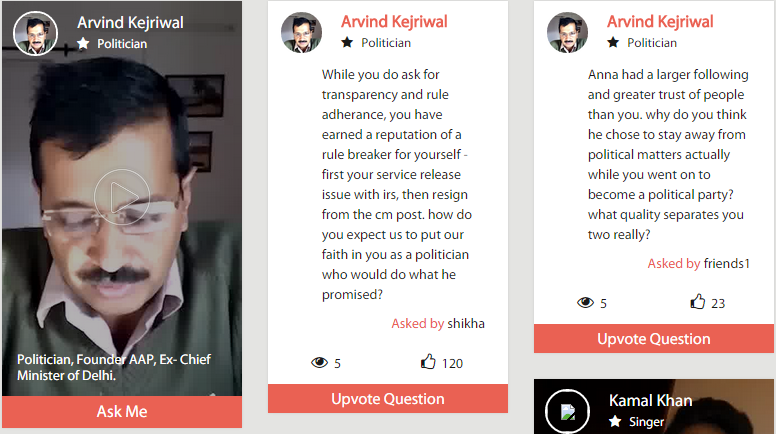
    A Delhi-based startup called Frankly.me, which developed a video Q&A platform, just like VYou, has bagged a an investment of $600,000 from Matrix Partners, that would aid the company to carry its on going development and mark its presence in the Indian market.

    Currently in beta, the app and website, Frankly.me, is a video Q&A platform that serves the purpose of connecting common people with public figures and eliminates the communication gap between them. The platform is compared to VYou which saw more than million  answers posted and raised $3 million in funding before shutting its consumer site down in March 2013 due to lack of user engagement.

    However, according to the founder Nikunj Jain and Abhishek Gupta, Farankly.me will not meet the same fate as there is a drastic difference between the social demographic of India and US. The startup  hopes to take advantage of the country’s fast-growing mobile penetration rate with this week’s launch of its mobile app.

    frankly

    There is no similar platform in India for people to connect with public figures, such as government officials. Delhi’s assembly elections are expected to take place next month, and representatives from all major parties have already signed up to take questions on Frankly.

    The founders hope the election scenario will help the startup to gain user base and users will stick around on the platform to communicate with other people even after elections. The people engaged with the startup, range from politicians like Arvind Kejriwal, the ex-chief minister of Delhi, to entertainment celebrities, astrologists, and top chefs.

    Exposure from public figures on the platform has resulted in 1,000 to 2,000 new users each day since Frankly launched its beta last week, the company claims. Frankly is still considering different business models, but the company is focused on gaining users for now and founders believe that “if you have a good conversation going on, monetization should not be a problem.”

  • Despite Several Hiccups, Xiaomi Manages to Sell 1 Million Smartphones in India

    Despite Several Hiccups, Xiaomi Manages to Sell 1 Million Smartphones in India

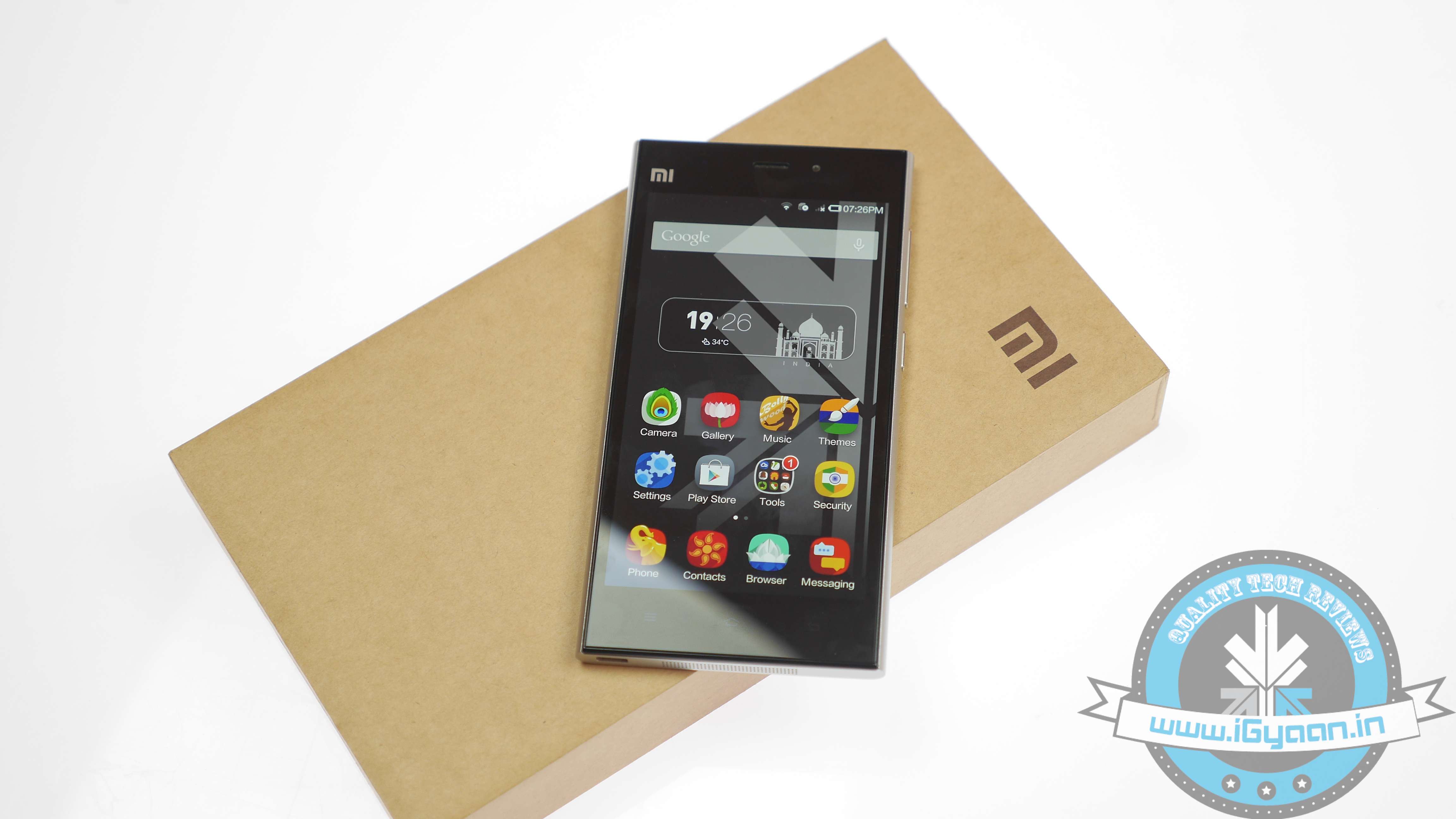
    Chinese smartphone maker Xiaomi claims to have sold 1 million smartphones off the virtual shelves of Flipkart, its exclusive retail partner in the country. The company started selling its products in July, which means that in less than 6 months it has crossed the 1 million mark.

    Xiaomi India Head, Manu Kumar Jain has announced this news via Twitter, commenting that the company crossed the one million mark this December (without specifying a date). The Chinese manufacturer, which is also known as China’s Apple, entered the Indian market only with its Mi3 smartphone. It was soon followed by Redmi Note and Redmi 1S, along with Mi power banks and earphones.

    All the devices have done exceptionally well in the Indian market despite the company’s much-criticised flash sale strategy. The recent ban of the company from India may have affected their sales, however, it seems the company is doing fine considering the latest figures. Recently the ban was lifted, and this saw the company bring back the Redmi 1S on sale along with an announcement about Redmi Note 4G’s arrival.

  • Winner | Best India Head – Tech | iGyaan Tech Awards 2014

    Winner | Best India Head – Tech | iGyaan Tech Awards 2014

    In such a volatile technology market, to survive, it is necessary to innovate and think out of the box. The greatest tech leader is one who has stood apart from the rest, he has shown the ability to innovate and take risks as a result taking their company to the next level.

    These are the country tech-heads that had the best leadership and motivational qualities.


    Voting is now Closed! The Winner for the Best India Head – Tech in the iGyaan Tech Awards 2014 is Amit Boni Motorola.

    The winner of the giveaway is announced HERE.


    https://www.youtube.com/watch?v=xa5vvx_AmY4

    [button link=”https://www.igyaan.in/awards/” size=”large” text_size=”beta” newtab=”on”]Back To Awards Categories[/button]


iGyaan Network
Privacy Overview

This website uses cookies so that we can provide you with the best user experience possible. Cookie information is stored in your browser and performs functions such as recognising you when you return to our website and helping our team to understand which sections of the website you find most interesting and useful.