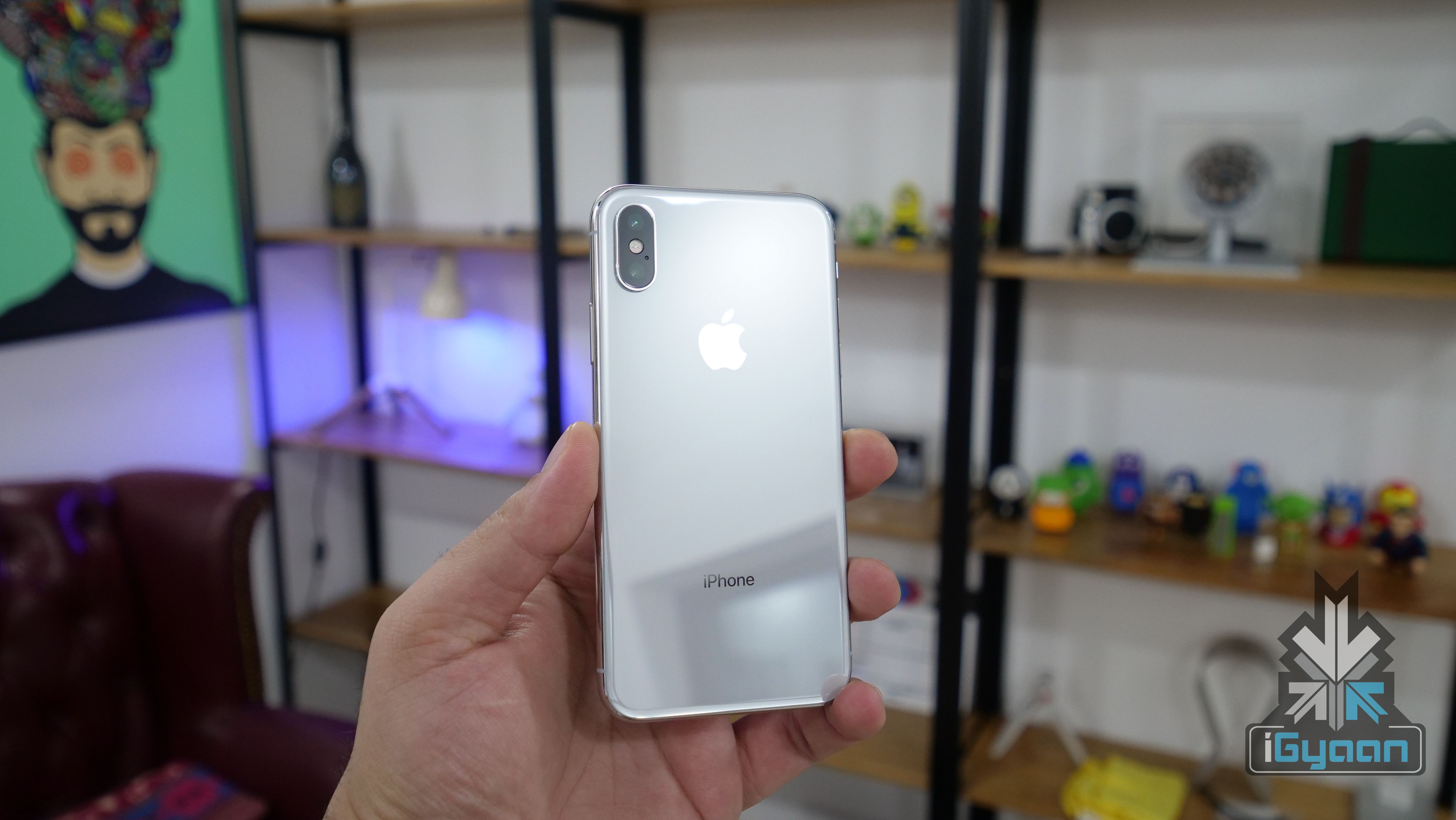
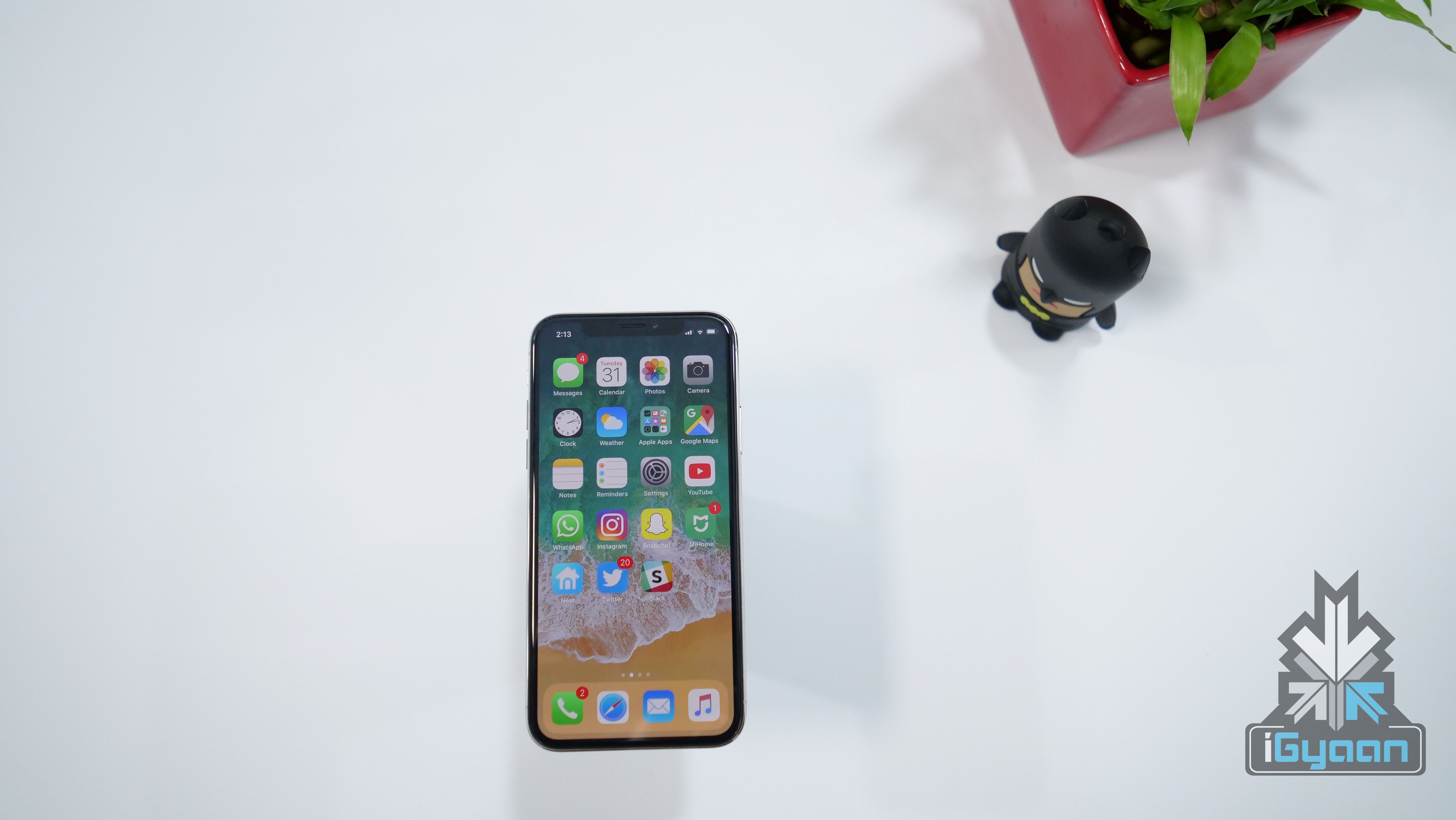
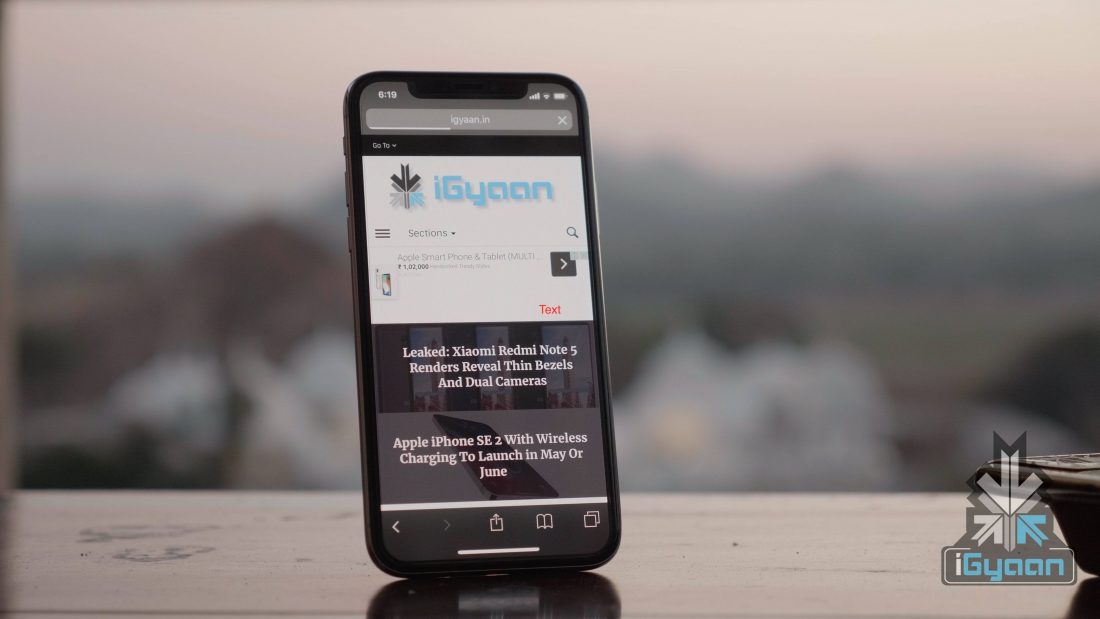
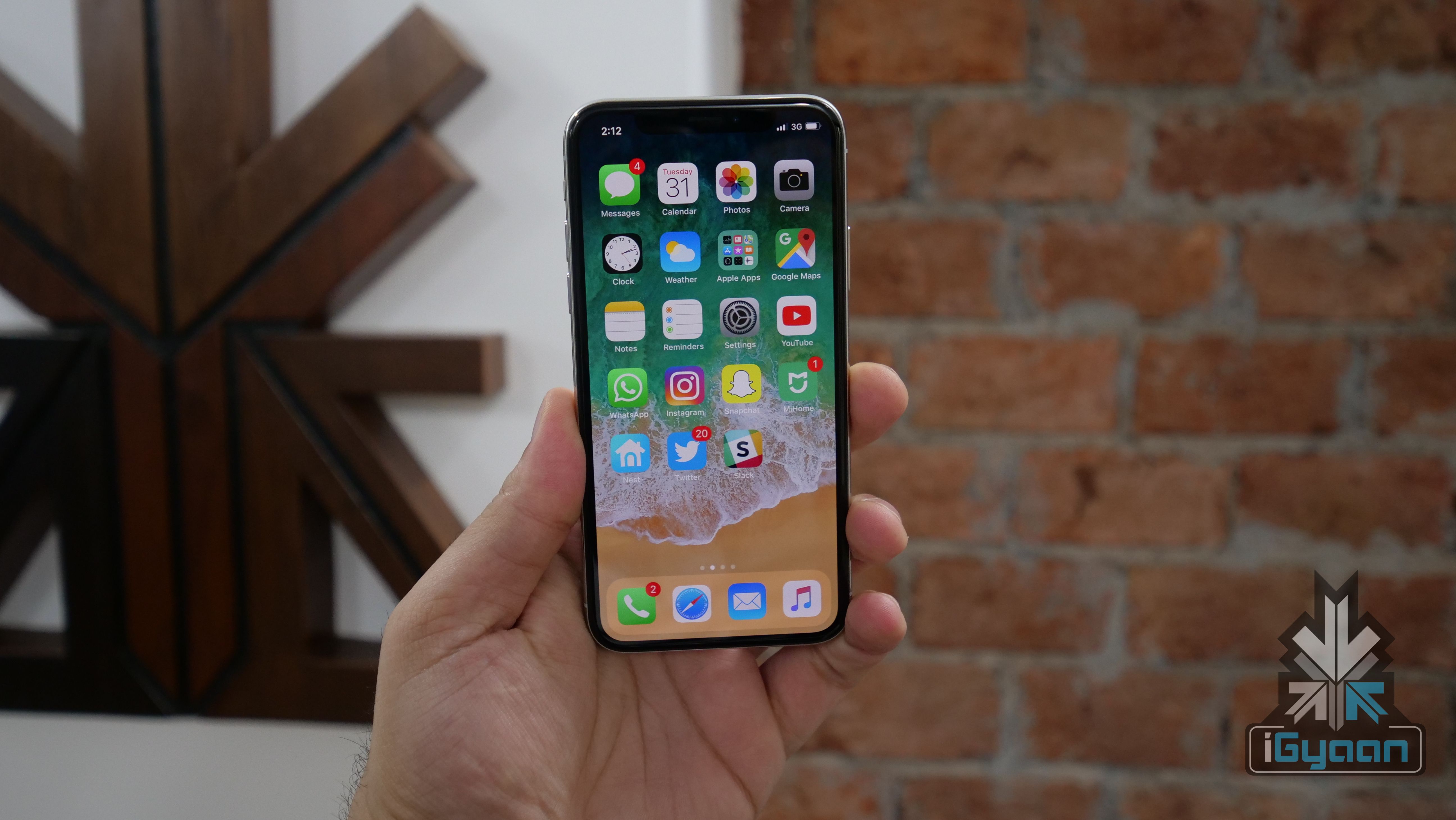
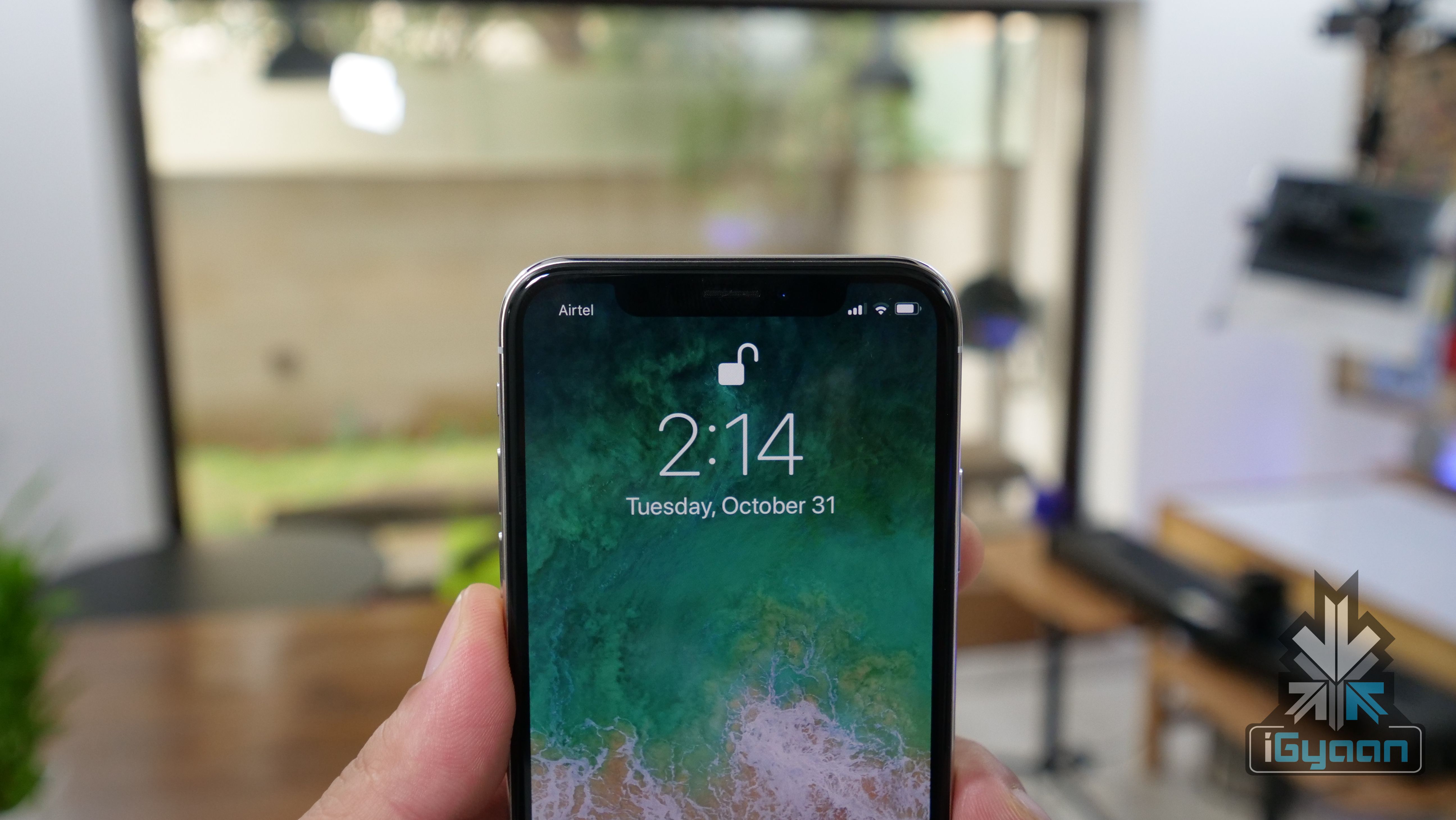
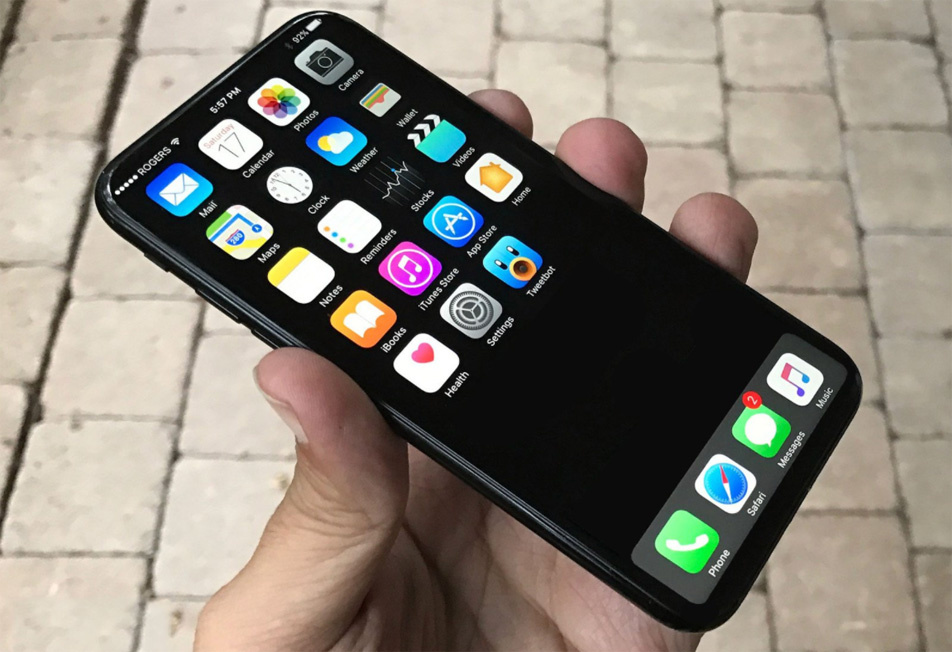
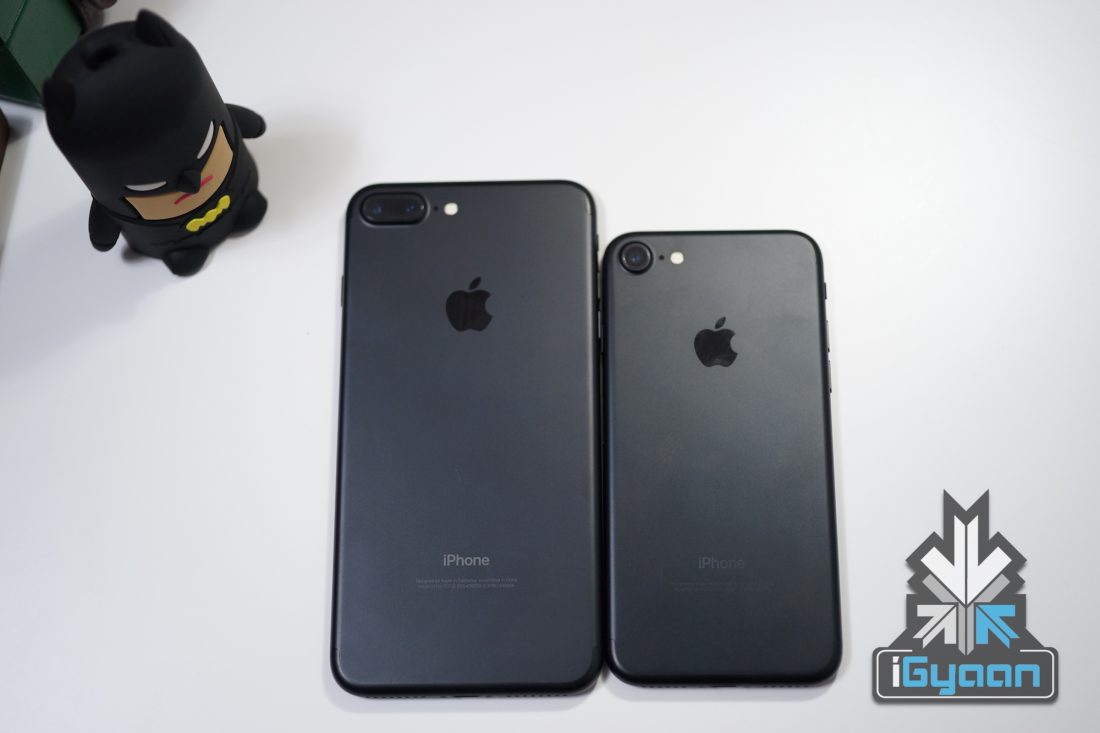
In 2017, Apple launched three new iPhones. While the iPhone 8 and 8 Plus were successors to the 7 and 7 Plus, the X was billed as a true successor to the original iPhone. The “X” is pronounced as “ten” and represents the 10th anniversary of iPhones. While the three iPhones have enjoyed success, they have raised a few question marks regarding the names of upcoming iPhones.
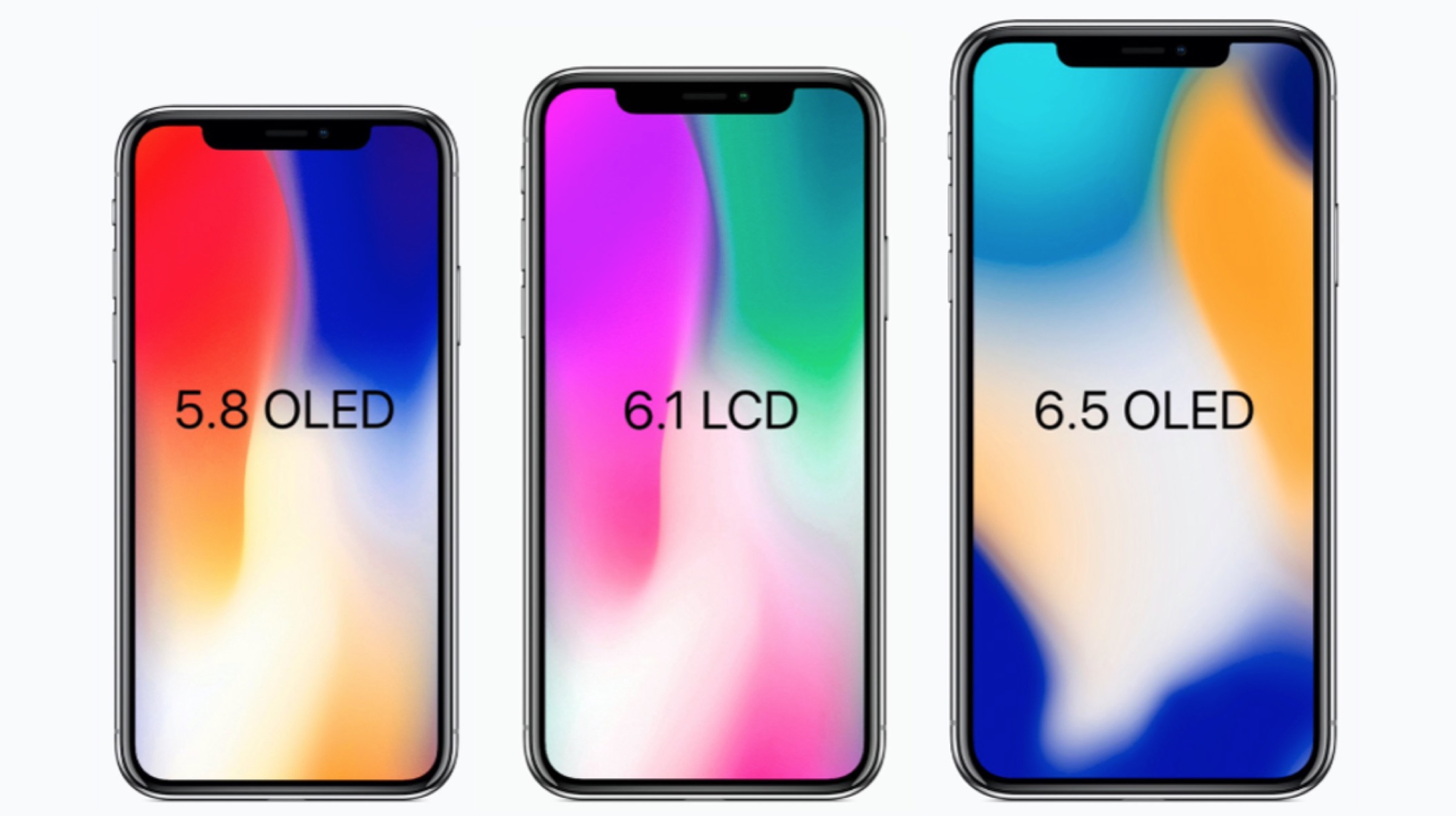
Reports claim that Apple will launch three iPhones in 2018. All the three iPhones will have a design like the iPhone X and also feature the infamous notch. The most affordable of the three iPhones will be an LCD model. Then there will be an iPhone X successor with the same screen size and the third model will sport a 6.5 inch OLED display. For reporting, we have so far used the type of display to refer to that device. However, Apple won’t name its new iPhones on the basis of the display technology used.
The LCD model is more or less is a successor to the iPhone 8/8 Plus but, it won’t carry the number ‘9’. A new research note by Robert Cihra, an analyst at Guggenheim claims that Apple would drop the numbers from the nomenclature in 2018. This also seems like the easiest way to fix the naming conundrum.
We think Apple may use this upcoming cycle to formally change its iPhone’s naming/branding pattern
Cihra suggests that the LCD variant would just be called the “iPhone.” The 5.8 inch OLED model would retain the iPhone X moniker and the bigger version will be called the X Plus. Having two iPhones with the same name could be confusing but, we can always refer to the particular smartphone using its year of launch.
The launch of 2018 iPhones is still a few months away. What route Apple takes to fix the nomenclature issue, only time will tell. That being said, dropping the numbers from the name does make sense as well.
We are mid-way through the iPhone cycle and about 5 months away from the next iteration of Apple iPhones. So far, there have been a lot of conflicting reports about the 2018 iPhone lineup, especially when it comes to what all variants Apple will launch. A second generation iPhone X seems likely, along with an iPhone X Plus. There are also reports of an iPhone X like iPhone with an LCD display. Now, a new note to investors by Ming-Chi Kuo has revealed the pricing details of the upcoming iPhones in 2018.
2018 Apple iPhone lineup
Ming-Chi Kuo of KGI Securities is a trusted source for iPhones in particular and his new note has revealed a few interesting details. According to Kuo, the 2018 lineup of Apple iPhones will start at a price of US$ 550. This is about a hundred and fifty dollars cheaper than the 2017 iPhone lineup wherein the iPhone 8 retails at a price of US$ 699 for the base model. Kuo believes that the 6.1 inch LCD model of the 2018 iPhone will be launched in September and will start at a price of US$ 550. The single SIM model could retail for anything between US$ 550 and US$ 650, while the dual-SIM model would sell for between US$ 650 and US$ 750.
In his note, Ming-Chi Kuo explains that the 6.1-inch LCD iPhone could be available in two models, one with a single SIM and another with dual SIM dual standby. If true, this will be the first time ever that Apple will launch an iPhone with a dual SIM setup. He has also said that the 6.5 inch iPhone X Plus model will also have a dual-SIM variant while the 5.8 inch iPhone will only have a single SIM variant. He believes that a dual-SIM model could “help increase market share in China and commercial markets.”
Kuo has also predicted that Apple could sell between 100 million and 120 million units between Q3 2018 and Q3 2019.
2017 was a great year for smartphone enthusiasts. We saw thin bezels and tall displays become a norm and new smartphone designs like the iPhone X with a notch. However, that innovation in smartphones did not translate into desired sales as global mobile profits decreased by 1% year-on-year in Q4 of 2017. For Apple, though, it was not a gloomy year by any means. The Apple iPhone X alone generated 35% of the total mobile industry profit as Apple grew by 1% year-on-year in Q4 of 2017.
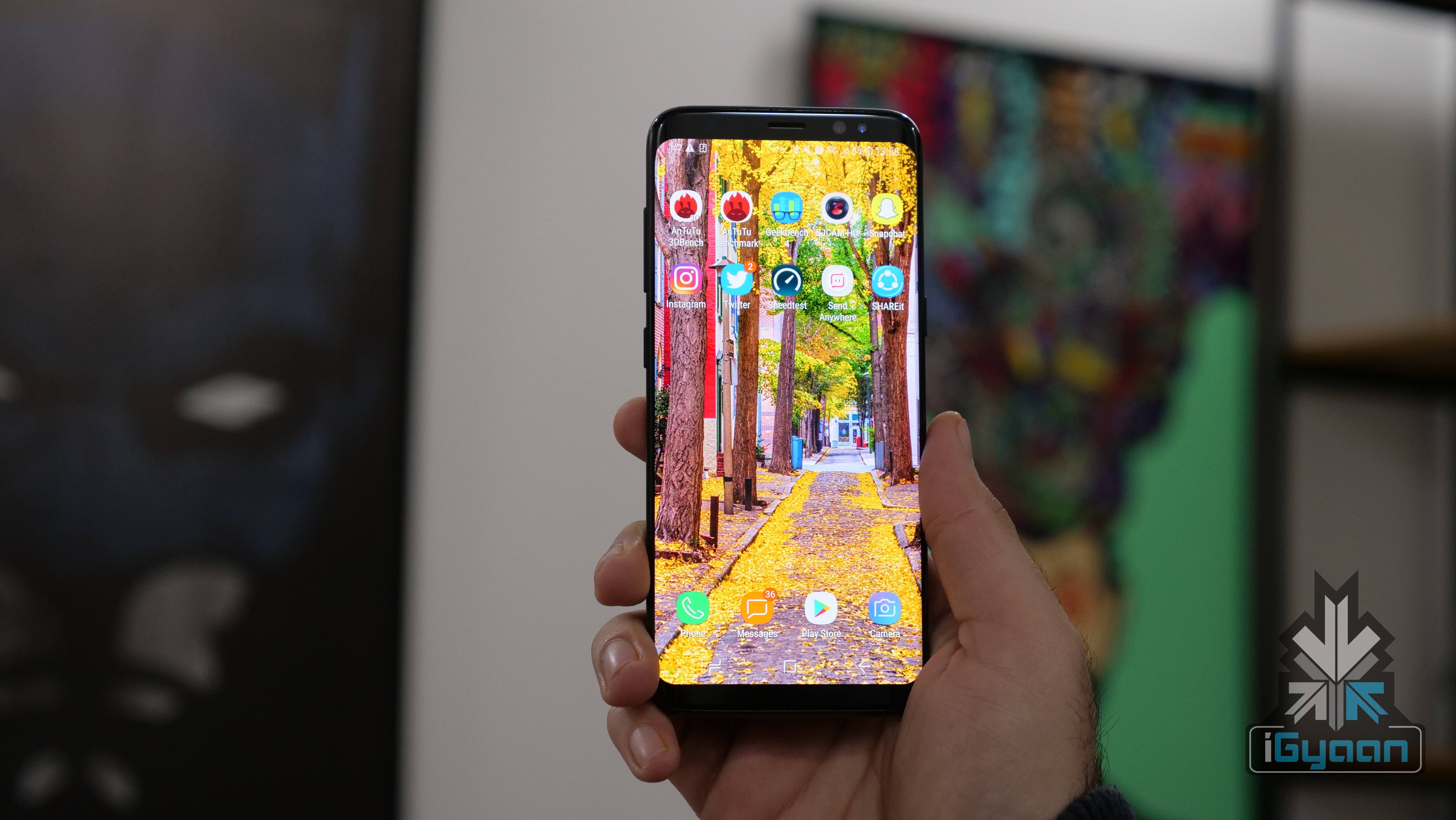
Galaxy S8
According to the latest report by Counterpoint Research, Apple remained the most profitable premium smartphone brand, capturing about 86% of the total handset market profits.
Apple grew 1 percent (YoY) even with the iPhone X being available for only two months in Q4 2017. The iPhone X alone generated 21 percent of total industry revenue and 35 percent of total industry profits during the quarter.
The share of iPhone X is likely to grow as it advances further into its life-cycle. Additionally, the longer shelf life of all iPhones ensured that Apple still has eight out of top 10 smartphones, including its three-year-old models, generating the most profits compared to current competing smartphones from other OEMs
Interestingly, the iPhone X generated 5 times more profit than the combined profits of over 600 Android smartphone makers during the fourth quarter of 2017. Thanks to a host of budget smartphones on offer by Chinese OEMs, their cumulative profits crossed US$ 1.3 billion during Q4 2017. Interestingly, the average selling price of their smartphones increased year-on-year.
These figures tell a curious tale about the iPhone X, which was heavily criticised for its price and design at the time of its launch. However, with time, the design of the iPhone X has set an industry wide trend and the price tag has not stopped it from being the most successful smartphone of 2017. Sales of the iPhone X are expected to increase further when the next generation of iPhones is launched later in 2018. The price of the iPhone X will go down and potential iPhone buyers will go for the iPhone X as the design of 2018 iPhones is expected to be similar to the iPhone X.
There is no doubt that despite being a little late to the OLED game, Apple has impressed its customers with one of the best OLED displays on the market today. Even though the display is entirely manufactured by Samsung, the iPhone X’s display was manufactured under extremely precise conditions all of which were controlled by Apple themselves. Apple has also managed to tune the display the offer up a heightened color balance, and no ghosting or burn in issues.
But, it seems like Apple is diversifying away from Samsung in an attempt to control their production standards further and increase output of the displays to meet demands for the next generation of iPhones, all of which are expected to use OLED displays. According to the Investor Korea, Apple plans to diversify OLED models this year. Sources said LG Display is likely to produce larger 6.5-inch screens, while Samsung Display will focus more on producing smaller 5.8- or 6-inch screens. LG Display will start production in the second quarter at its E6 plant in Paju, Gyeonggi Province. The plant, consisting of two OLED production lines, has a monthly production capacity of 6 million OLED screens but its full-capacity production is expected to start next year considering its still low yield rate.
Apple is rumoured to move entirely away from LCD panels this year, offering only previous versions of the iPhone with the LCD displays. As users and owners of the iPhone X have appreciated Apple’s first OLED phones, the company is said to swiftly work to have ample production ready for the next generation iPhone.
The iPhone has been one of my two primary devices for many years. When Apple announced the iPhone X back in September the biggest concern as a potential iPhone X user was the lack of the two main things that had been engraved in my muscle memory; the home button and the Touch ID.
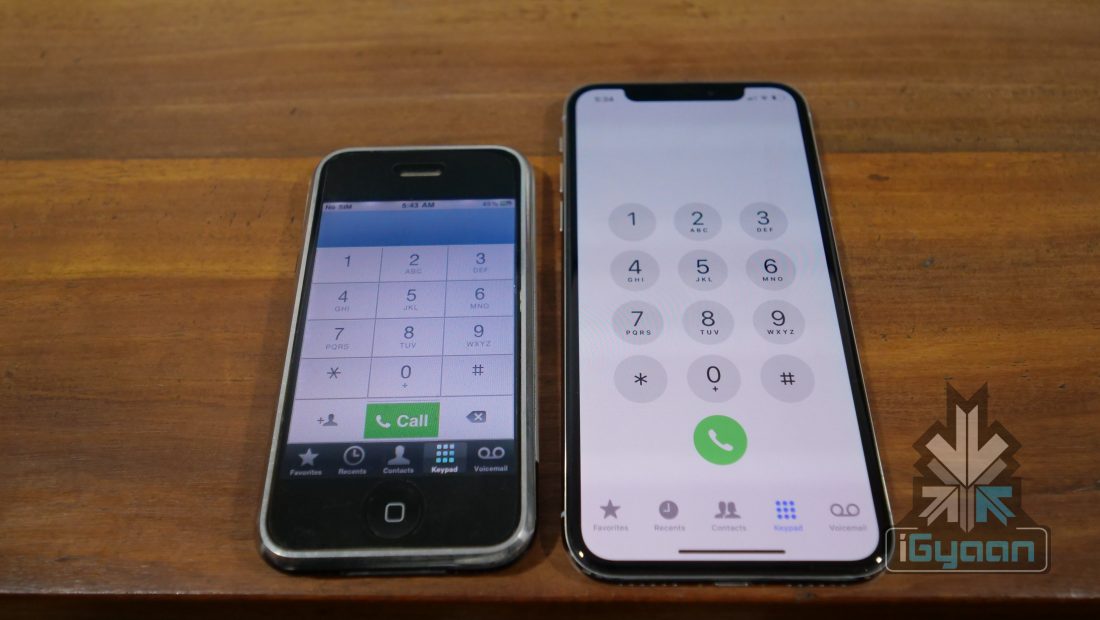
The iPhone X has a new modern edge to edge design, and with this the iPhone X also loses the home button, the most iconic iPhone feature since the launch of the first iPhone. Using an iPhone required a lot of interaction with the home button and Touch-ID sensor which was also placed in the home button since the iPhone 5s. And it was this high usage of the sensor and button , that made Apple change the fragile physical button with a press mechanism with a more long lasting pressure sensitive sensor with no physical movement. This potentially means that the home button on the iPhone 7 and iPhone 8 will last you as long as the phone is functional.
The Touch ID is also engraved into muscle memory, on an iPhone the Touch ID does a lot more than simply allow access to the phone, it allows access and security to auto-fill forms, logins for apps and passwords for the iCloud Keychain. TouchID is also fused with banking apps and security wallets to enable access. Apple Pay is one of the most common use case scenarios where the Touch ID is used frequently and it is pretty seamless as a payments system.
Being a fan of physical and tactile keys, I was already disappointed that Apple had removed the physical button with a seamless pressure sensitive glass on the iPhone 7. But, since Apple had added a Taptic Engine inside the iPhone 7 and iPhone 8 the feeling of pressing button does remain for each time you press the home button, at least when the phones are powered on.
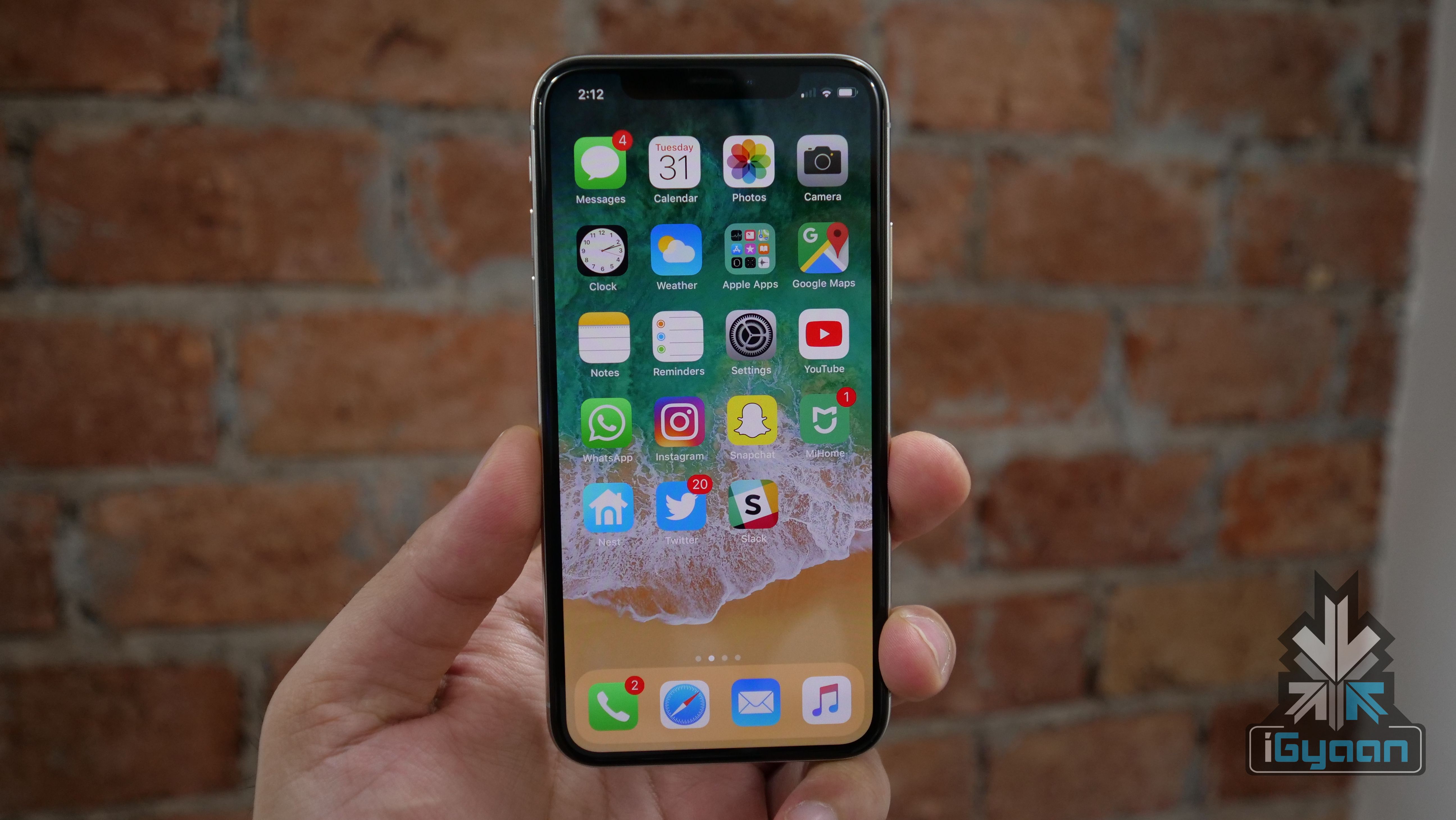
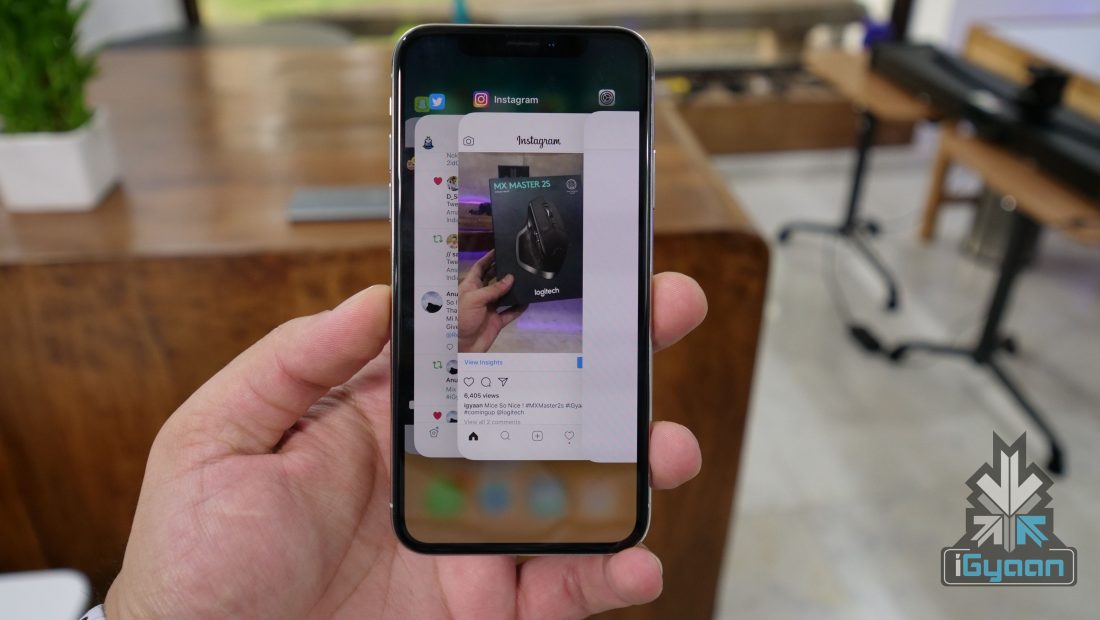
With the iPhone X, I was pretty sure that getting used to an iPhone without Touch ID and more importantly without a home button would be rather disastrous, and time consuming. But, I couldn’t have been more wrong. The iPhone X has a natural feeling design, and even though that tiny bar at the bottom may appear to have no significance apart from being a design/visual cue, it seems to do a lot more. Only a few minutes into the usage of the iPhone X and the need of the home button seems to fade away. It also helps that apple has made the animations and the transitions very detailed and smooth. iOS 11 for the iPhone X is also designed to fully make use of the large screen real estate using the edges in different areas differently. In Apple’s words “It just works”.
Face ID on the other hand is something you will take some time with. The fact that you have to look at your phone before you unlock it means, that reaching the home screen from the lock-screen seems to take longer. Normally due to muscle memory you would place your thumb on the iPhone’s Touch ID before you even looked at the display, and would have found your phone already at the home screen by the time you glanced at the screen. This prior action would make the unlock process feel faster than the time it takes for Face ID to unlock, simply because now you have to stare at the phone while it unlocks.
Face ID is also surprisingly good, works in pitch darkness and even in bright light, in sunlight the phone does see IR interference from the sunlight and thus would require you to bring the phone closer to the face, but it works. It however is not ideal, not after how simple it was to unlock with Touch ID.
The home button, however, is something that I have happily forgotten, and only realised this when I picked up my iPhone 8 Plus and attempted to swipe up to reach the home screen. This just after spending 24 hours with the iPhone X .
It’s official, Apple Inc. will host a September 12 event to launch the new iPhone 8/X/Pro along with the iPhone 7S and 7S Plus.
After a lot of speculation, Apple has confirmed the date and time for the event which will take place at the Steve Jobs Theatre at Apple’s new Spaceship campus in Cupertino. Apple is also expected to launch a new Apple TV, an LTE enabled Apple Watch and new features of the iOS 11.
One of the most anticipated smartphones of the year, the iPhone 8 will be Apple’s foray into the bezel-less phones and wireless charging. The smartphone will have a 6 inch OLED display with a notch at the top, similar to the one the Essential PH-1. The device is expected to have new features such facial recognition for security dubbed as FaceID, which will replace TouchID. The iPhone 8 will have the new A11 Fusion chipset and 4GB RAM. The device will come in three storage options, 64GB, 128GB, and 512GB. The bumped up storage options are because of the device’s AR capabilities and 4K video recording at 60 FPS.
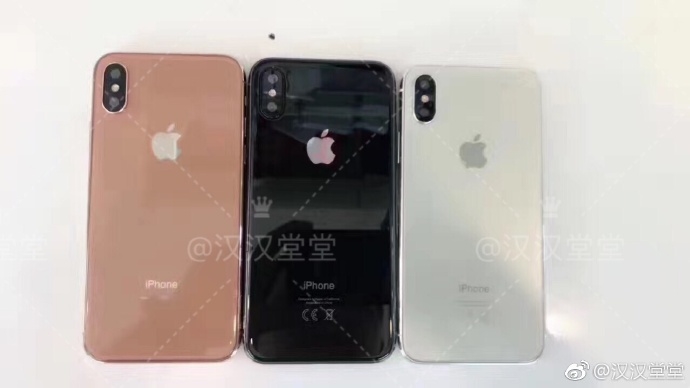
The iPhone 8 will have an all glass design with metal frames and come in three colour variants – Black, Silver and an all-new Copper Gold colour. It was reported earlier that Apple will be ditching the Rose Gold colour and recent leaks seem to confirm that. The new phone will also ditch the physical home button and contrary to popular belief, won’t replace it with a virtual button, but, with gestures.
The iPhone 7S and 7S Plus are expected to retain the design language of the previous generation iPhones with thick bezels and a physical home button. Both the phones are expected to have wireless charging capabilities.
There were reports of Apple launching a new iteration of the Apple Watch which will be LTE enabled. It is expected that the smartwatch will be among the plethora of products to be launched come September 12.
Stay tuned on iGyaan to know more about the launch and all the details of the products when they are announced on September 12.
While, there have been reports of Apple ditching the physical home buttonin its upcoming flagship the iPhone 8, the latest rumour, claims that the iPhone 8 will be launched without a physical or digital home button. So, Apple may be completely eliminating its iconic home button.
It has further been reported that Apple’s upcoming iPhone 8 might rely on gesture controls for carrying out tasks like navigating to the home screen, opening the new multitasking App Switcher, all of which were previously done via the home button.
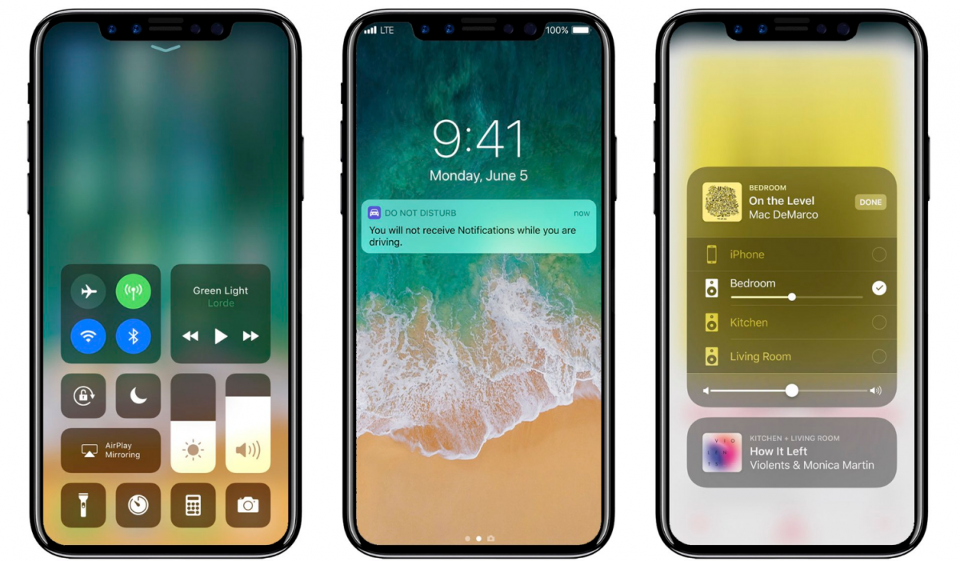
In addition to removal of the home button, the iPhone 8 will include a taller OLED screenwith rounded corners. The power button on the right side of the iPhone 8 is reportedly longer, for easier access and reach while holding the device in one hand. Apple has putatively opted not to hide the notch area at the top of the display.
Furthermore, the report added that the smartphone will have a stainless steel band around the device which the glass curves into. It stated that the steel band “has small antenna cuts on the corners like past iPhones to improve reception”. The previous leaks suggested that the iPhone 8 will also have facial recognition feature to make up for the loss of fingerprint scanner.
Apple is preparing to debut the redesigned OLED iPhone 8 at September 12alongside iterative updates to its current smartphone line-up, the iPhone 7s. The iPhone maker is also expected to launch the new Apple TV with 4K support and Apple Watch Series 3 with LTE capability.
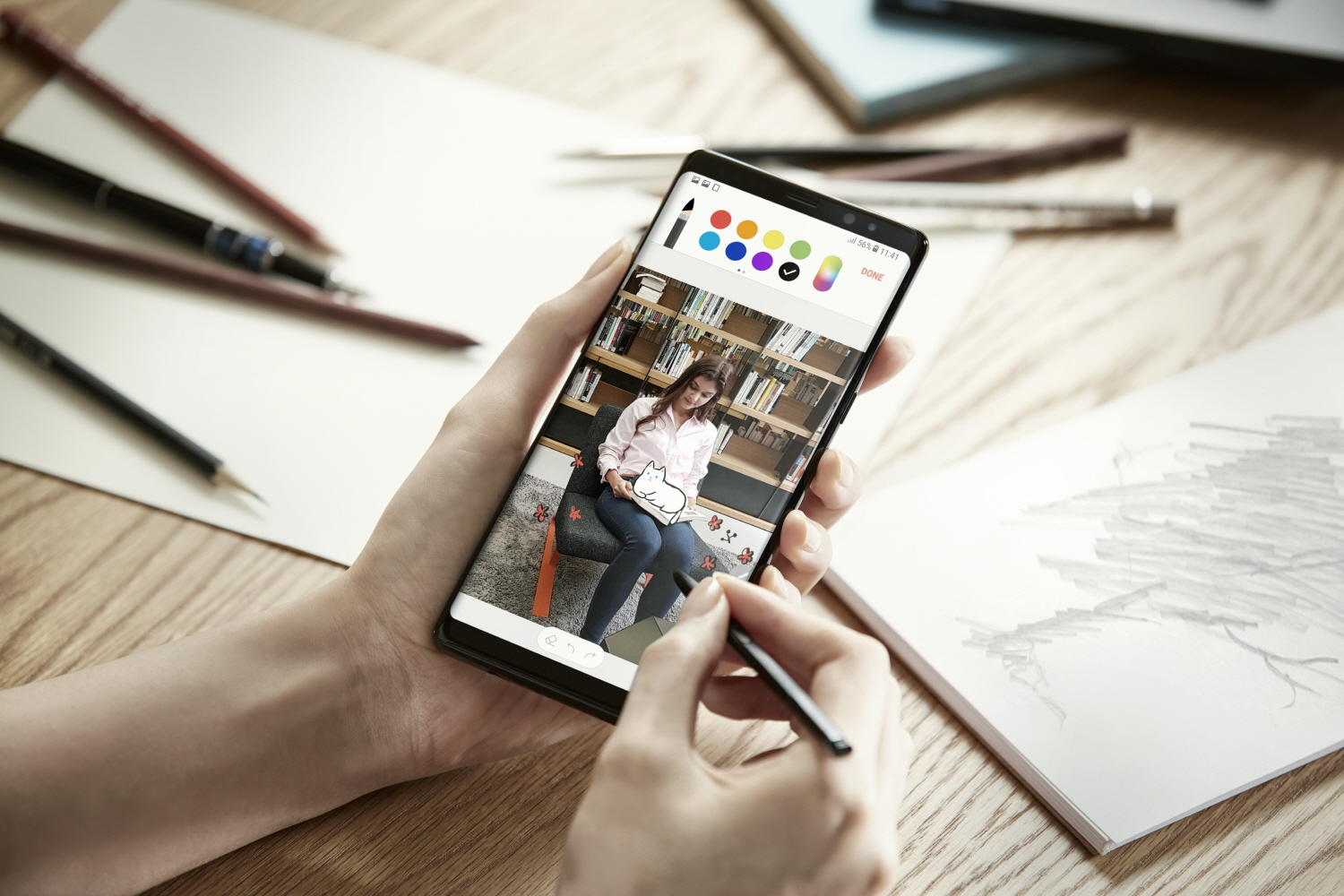
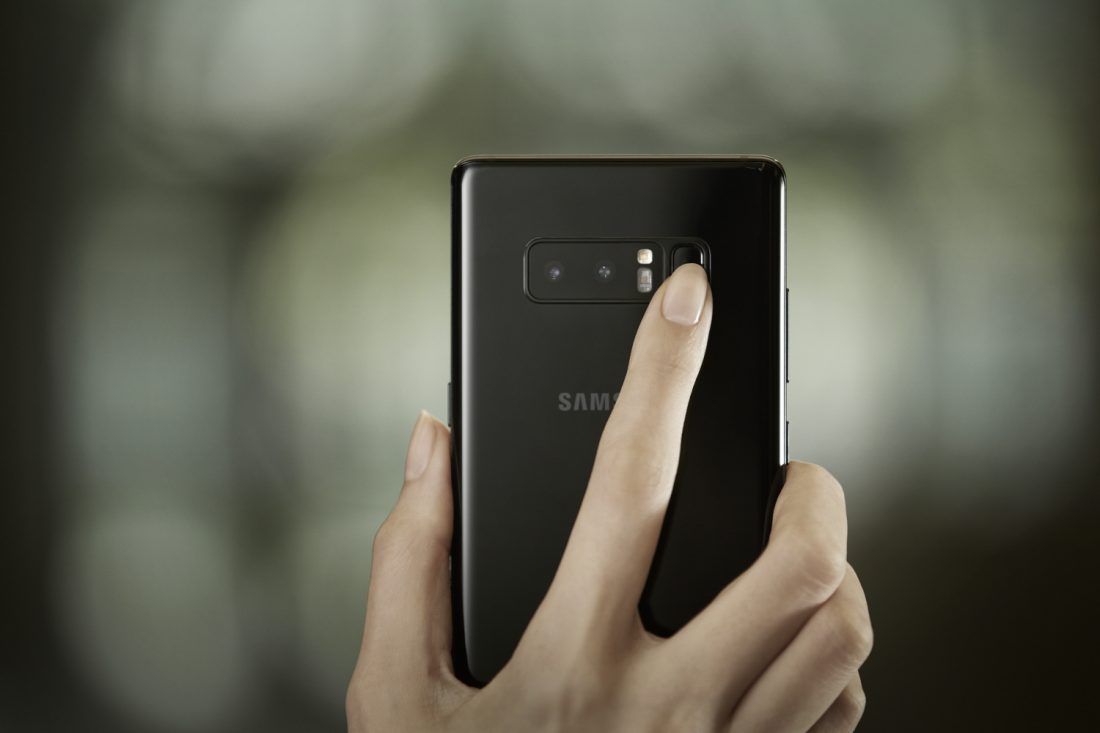
Samsung launched the highly-anticipated Galaxy Note8 in New York on August 23 during its ‘Unpacked 2017’ event. Priced at Rs 74,999 the Galaxy Note8 is the first Samsung to feature a dual-camera setup. Both the cameras are 12 MP and both have OIS, one has a wide lens while the other a telephoto lens. The Galaxy Note8 also has an IRIS scanner on the front, sadly the fingerprint sensor still sits on the back of the phone next to the cameras.
Apple looks all set to launch the new iPhone on September 12. Apple has been hosting its iPhone launch events in September since 2012. September 12 also falls on a Tuesday, which is in line with the previous iPhone announcement events. It is rumoured that the main iPhone 8 will be available in extremely limited numbers at launch. Along with the new iPhone 8, the launch of the iPhone 7S, 7S Plus, Apple TV with 4K video output, LTE enabled Apple Watch is also expected.
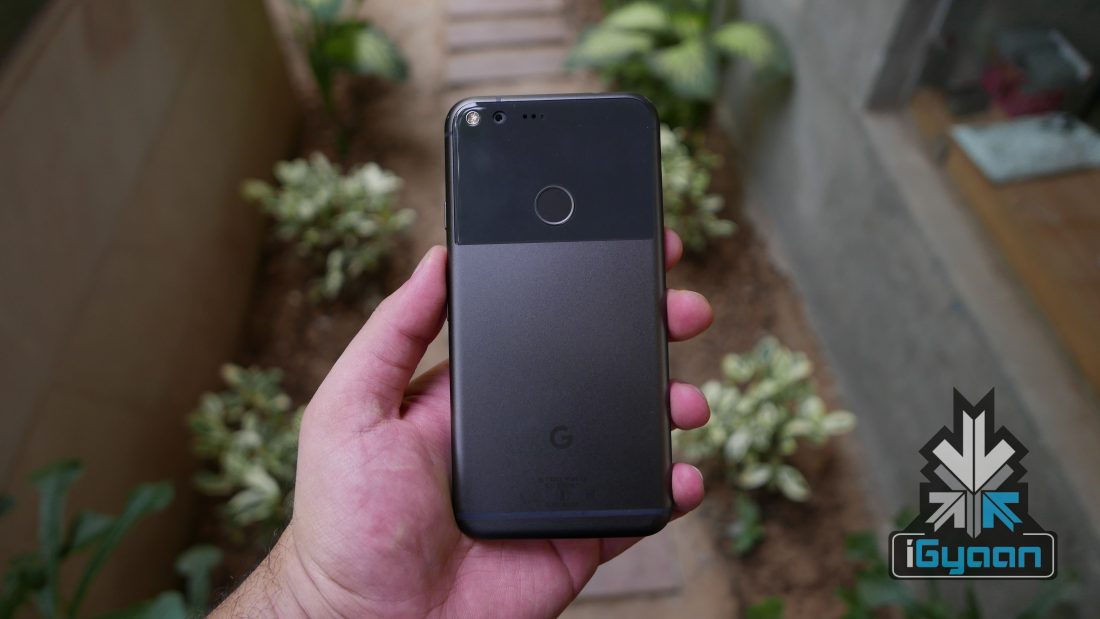
The follow-up to last year’s lineup of Pixel devices, the pixel 2 and Pixel XL 2 could be launched on October 5th according to a tipster. This tip comes after specifications of the Pixel 2 were leaked through an FCC filing document. In his tweet, Evan Blass claims that both the devices will have the Qualcomm Snapdragon 836 chipset, instead of the much-anticipated Qualcomm Snapdragon 835 chipset.
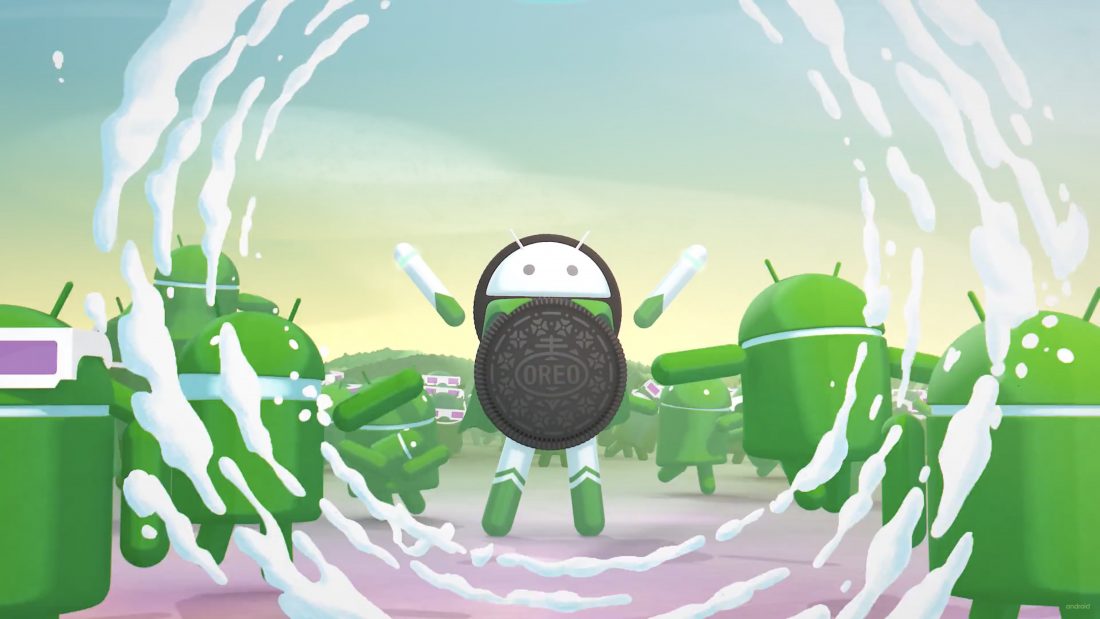
Google officially launched the next generation of its Android OS, 8.0 Oreo during the first Solar Eclipse in the USA since 1917 on August 21. The Google Pixel 2 and Pixel XL 2 are tipped to be the first sdevices to run Android 8.0 Oreo while many other smartphones will soon follow suit.
Features such as the new picture-in-picture mode, auto fill framework, notification dots and much more will be available when the Android 8.0 Oreo starts rolling out to devices later this year.
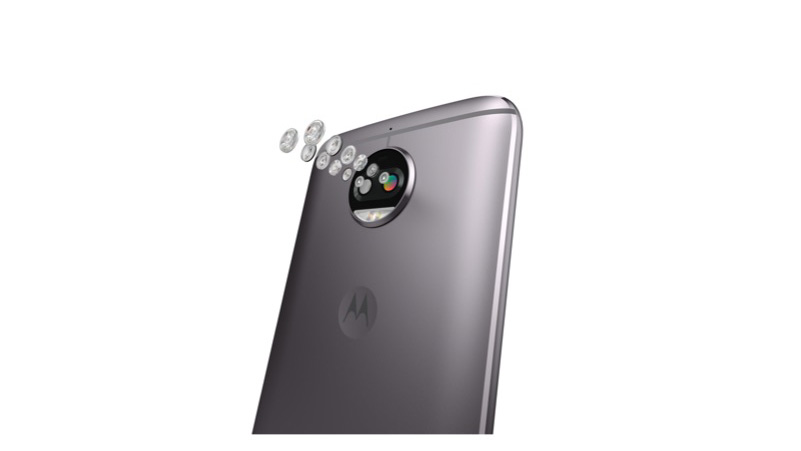
Lenovo-owned Motorola is set to launch the Moto G5S Plus in India on 29th August. The smartphone will be an Amazon exclusive in the beginning and will be available at offline retailers later.The Moto G5S Plus’ widely speculated feature, the rear mounted 13MP dual-camera with an f/2.0 aperture and dual tone LED flash, comes with video stabilization and 4K video recording at 30 FPS.
The new design of the iPhone 8 has been doing rounds for more than a few months. However, till now the leaks mentioned a fingerprint scanner embedded in the display. But, KGI Securities analyst Ming-Chi Kuo released a note to investors that mentions several details for the upcoming iPhone expected to launch in September. Here is a full list of expected changes mentioned in the note.
Apple will roll out three iPhone models in 2017; the new iPhone 8 with an OLED display & revisions of the LCD models including 4.7” display & 5.5” display.
OLED iPhone will adopt full-screen design, with the “highest screen-to-body ratio of any smartphone currently available worldwide”, the OLED model will also come with a virtual Home button, though the button will not support fingerprint recognition.
We predict the OLED model won’t support fingerprint recognition, reasons being: (1) the full-screen design doesn’t work with existing capacitive fingerprint recognition, and (2) the scan-through ability of the under-display fingerprint solution still has technical challenges, including: (i) requirement for a more complex panel pixel design; (ii) disappointing scan-through of OLED panel despite it being thinner than LCD panel; and (iii) weakened scan-through performance due to overlayered panel module. As the new OLED iPhone won’t support under-display fingerprint recognition, we now do not expect production ramp-up will be delayed again (we previously projected the ramp-up would be postponed to late October or later).
OLED iPhone will support 3D sensing for facial recognition & improved selfie quality. This will be used to replace the TouchID and hence used to unlock phones and make payments.
OLED iPhone & 5.5” LCD iPhone will both come with DRAM capacity of 3GB (for dual-camera setup), while 4.7” version will only use 2GB DRAM (for single camera).
Three new models will all come with 64GB and 256GB storage options.
All three new models will have a Lightning port but will have an embedded USB-C power delivery chip for higher charging speeds, which would be not possible through the existing charger. The charger shipping in the box will be a 5W charger, so fast charging hardware will be sold separately.
Wireless charging on all new iPhones will require an optional accessory and will not be available out of the box.
The output power of the receiver & speaker of OLED iPhone will be more consistent to create better stereo effects.
The OLED version will offer fewer options for casing colors than LCD iPhone models, restricted in the early launch phase to special colors.
October-November & August-September as production ramp-up schedules of OLED iPhone & LCD iPhone, respectively.
For optimized promotional effect, we think Apple may unveil the three models simultaneously in September, though the launch date of the OLED version may trail that of LCD models, and supply tightness may not improve before 1H18.
All three new models for the 2017 launch will be 80-85 million units, with an equal split between OLED & LCD versions. As Apple expects higher demand for the OLED iPhone.
iPhone 8 has an ‘Apple Neural Engine’ which handles both ProMotion and various “artificial intelligence tasks”
All three iPhones will be unveiled simultaneously “For optimized promotional effect” However release dates will vary. September release for iPhone 7S and iPhone 7S Plus, October-November for the iPhone 8
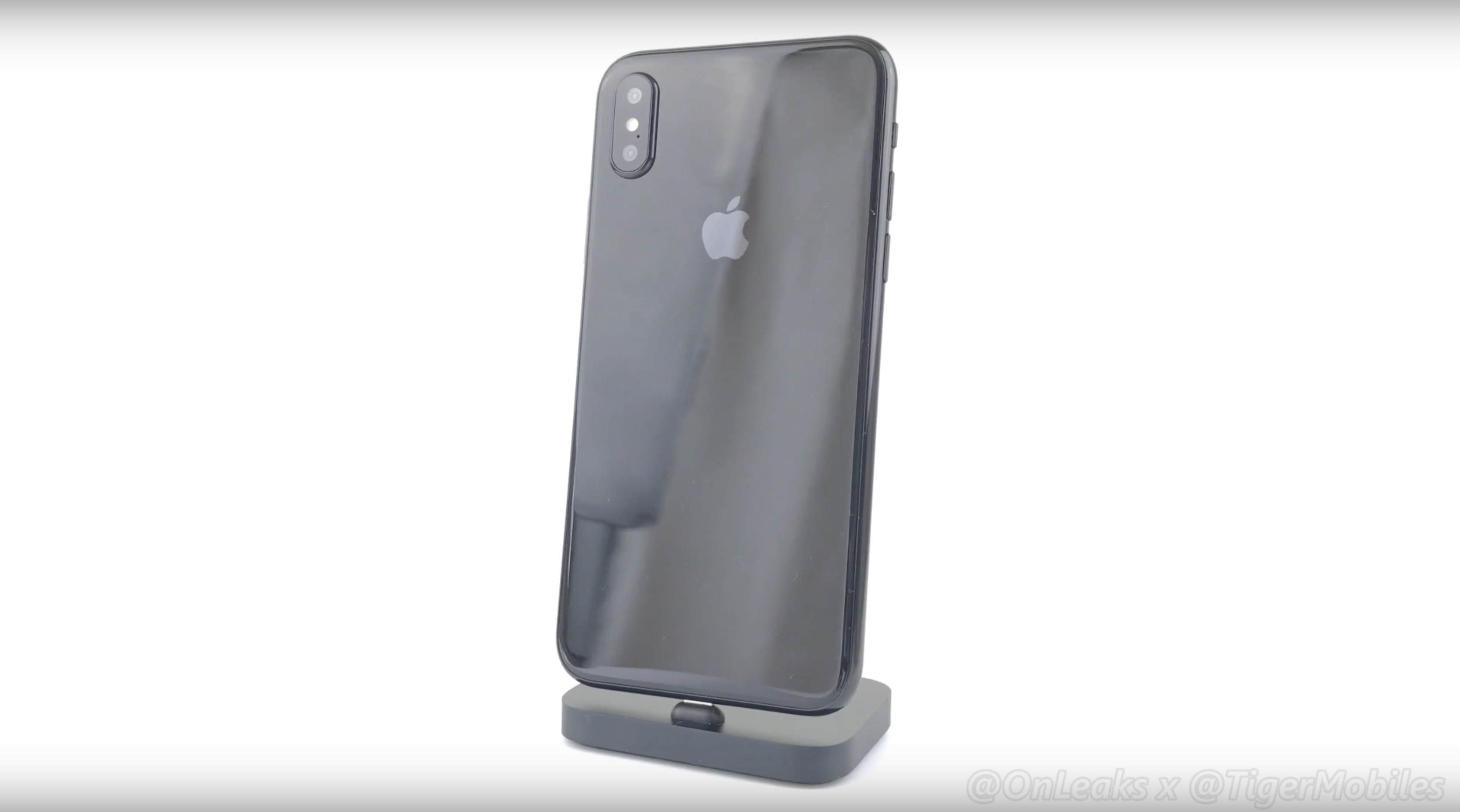
Yesterday, Steve Hemmerstoffer (aka @OnLeaks) along with TigerMobile leaked the next big iPhone. The iPhone 8, rumored to be based completely on factory schematics, the mockup prototype shows off closely what the next iPhone may look like.
If the leak is to be believed the iPhone 8 will indeed have a large 5.8 inch edge to edge display. But will also have that notorious cutout on the top edge for the earpiece camera and sensors. The iPhone 8 is also rumored to have an OLED display along with wireless charging, apart from the obvious improvements on camera, processor etc.
The back appears to have a dual camera bump with no mention of a physical touch-id on the back as was mentioned by some leaks. This also will possibly result in Apple’s implementation of the in screen fingerprint scanner, since Qualcomm has also recently launched their technology, along with one which Synaptics had show last year.
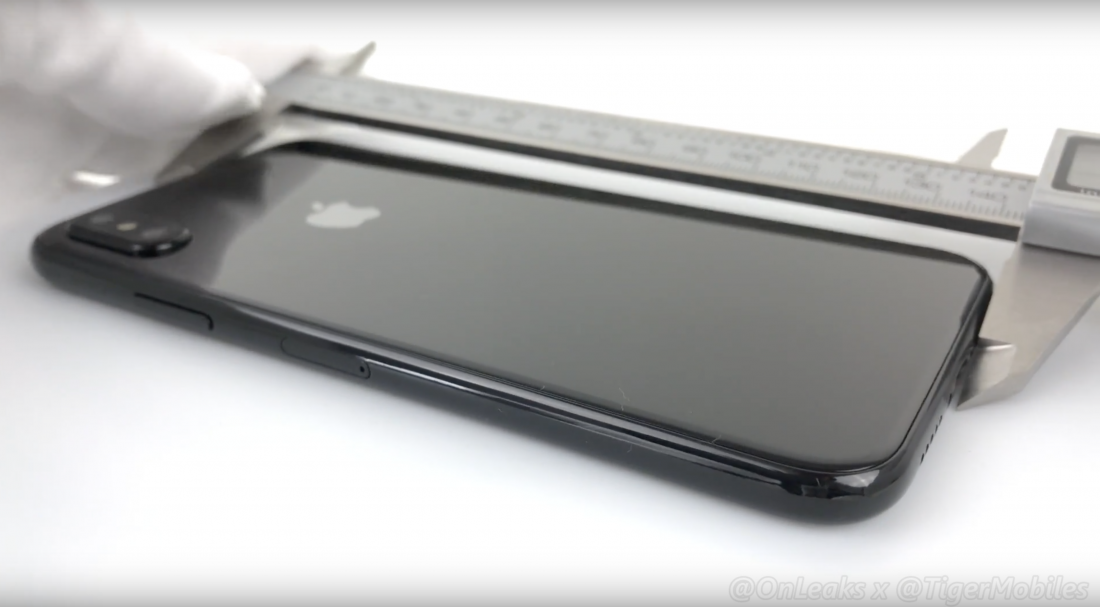
The dimensions obtained show a 7.5mm thickness for the iPhone, along with a 71mm width. which makes it slightly bigger than the iPhone 7 but considerably smaller than the iPhone 7 Plus.
iPhone 8 – 143.5 x 71 x 7.5 mm (5.65 x 2.79 x 0.29 in)
Could this finally be the end for bezels on the iPhone, and will this design be the revolutionary iPhone? It is really hard to say, however, with several credible sources and leaksters on the job, it may as well be ridiculously close to the actual , if not the actual iPhone 8. Either way, it has caught our eye.
One of the best phones of 2016 and still a great deal at Rs. 11,499.
16 MP primary camera with laser focus, 5 MP front camera
5.5-inch full HD display, 1920 x 1080 pixels resolution with Corning Gorilla Glass 3
Android v6.0.1 Marshmallow OS
1.5 GHz MSM8952 Qualcomm Snapdragon 617 octa-core
550 MHz Adreno 405 GPU
2GB RAM, 16GB internal memory expandable up to 128GB
3000 mAh battery
3. Redmi 4A
This phone which is typically only available in flash sales is available throughout the Amazon Great India Sale but only for Prime Members. Our Review Marked it as a best buy in the price bracket.
13MP primary camera and 5MP front facing camera
5-inch IPS capacitive touchscreen with 1280 x 720 px display
Android v6.0.1 Marshmallow Miui 8
1.4GHz Cortex A53 64-bit Qualcomm snapdragon 425
2GB RAM, 16GB internal expandable up to 128GB a
3120mAH lithium-ion battery
4. Coolpad Note 5
The 32 GB variant of the Coolpad Note 5 is available for a cool Rs. 2000 discount making the Price only Rs. 9999
This ultra portable and fast hard drive is a steal at Rs. 4099 is available in a brushed Aluminium finish in several colours to match with your existing gear.
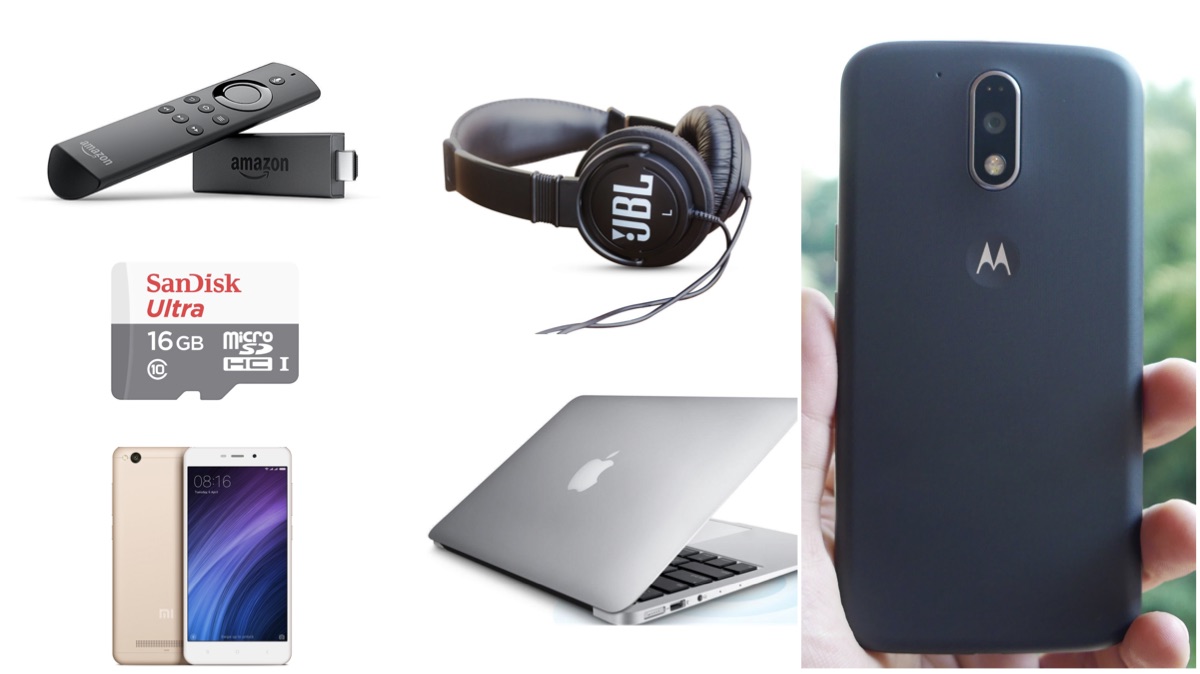
8. Amazon Fire Stick
Not only do you get to stream video and make your old TV a Smart TV, Amazon is giving Rs. 499 as cash back during the sale.
9. Sandisk MicroSD 16 GB
Looking for one of the best MicroSD cards for your smartphone storage needs. Rs. 419 is all you need to spend during the sale. One of the best MicroSD cards on the market.
According to a new report, a supply chain source familiar with iPhone designs has claimed that Apple has ordered 70 Million displays for the next iPhone, with the extent of the order reaching 95 Million if the demand exceeds expectations of the company.
Despite tie-ups with LG in the past, Apple has chosen Samsung as the sole provider of the OLED screens which will most likely be Super AMOLED. Samsung may invest as much as 8 Billion dollars in the next few months to ramp up production of the the OLED displays, to fulfil the order from Apple in time. Increasing the capacity means, that Samsung will also be able to supply to other manufacturers who were at present unable to procure Super AMOLED screens due to limited production and availability.
Samsung Electronics declined to comment, saying it cannot reveal customers’ orders.
So far rumours have predicted three iPhones launching this year, with a 5.2 inch model which will sport the curved OLED panels from Samsung. The other iPhones with 4.7 inches and 5.5 inches as display sizes will be revisions to the existing iPhone 7 and iPhone 7 plus. The same source also reports that all three handsets will also sport wireless charging and come with waterproofing just like the iPhone 7 and iPhone 7 plus.
The premium model of the iPhone will have a front which is similar to the Galaxy S8 and will not have a home button, this variant will also be priced upwards of US $ 1000 . The next generation iPhone could be the first device to put the fingerprint scanner behind the glass of the display.
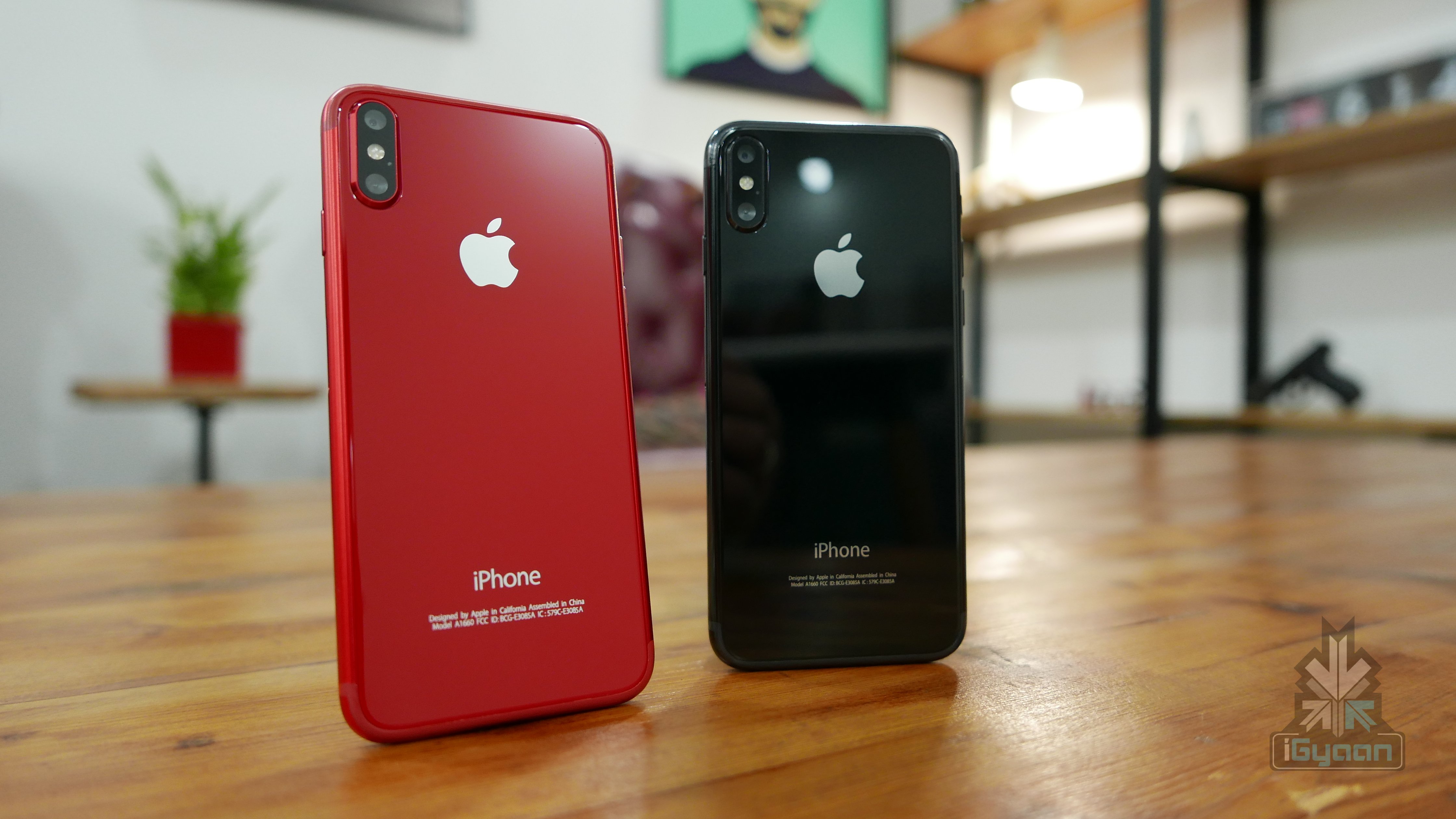
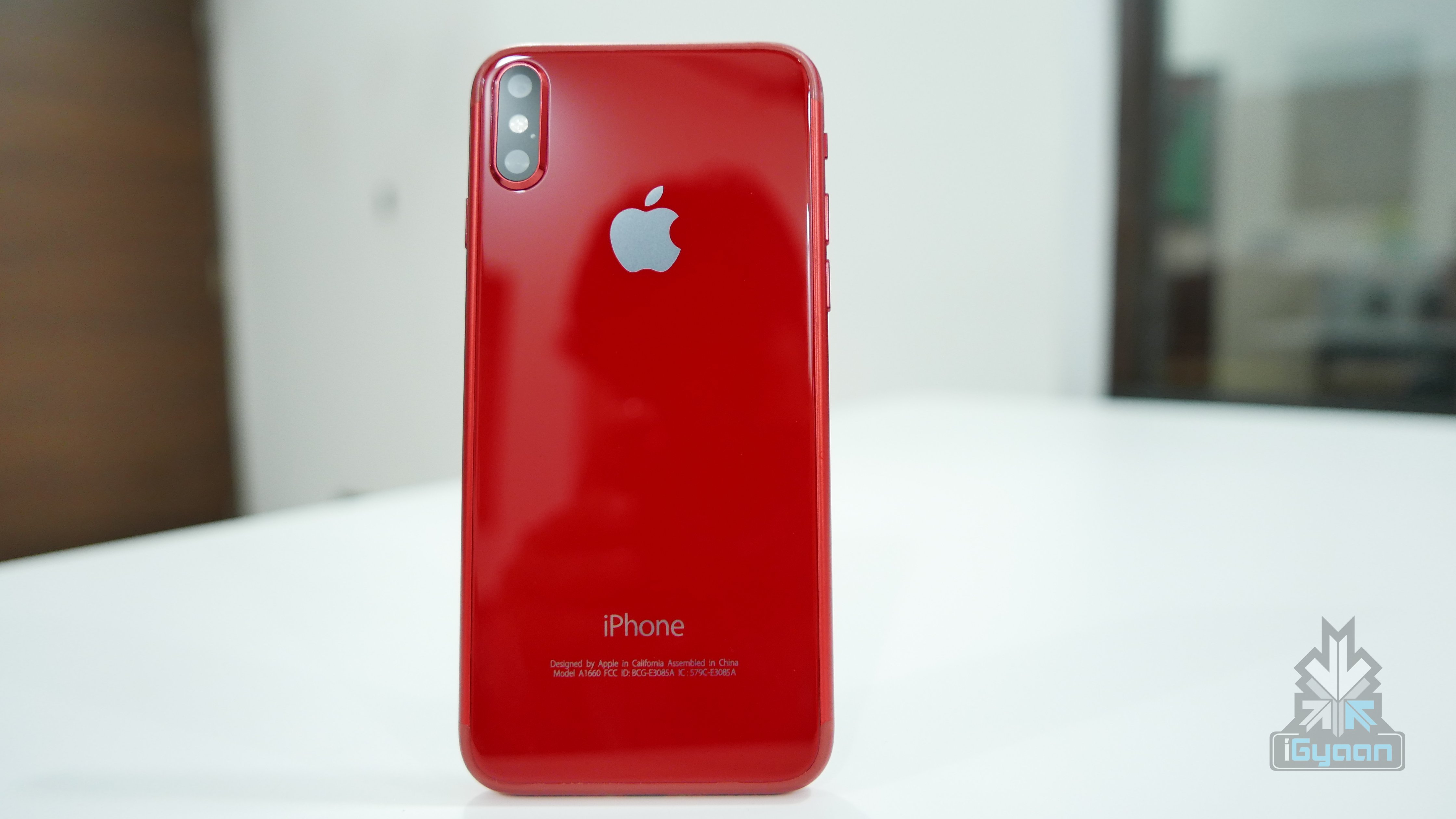
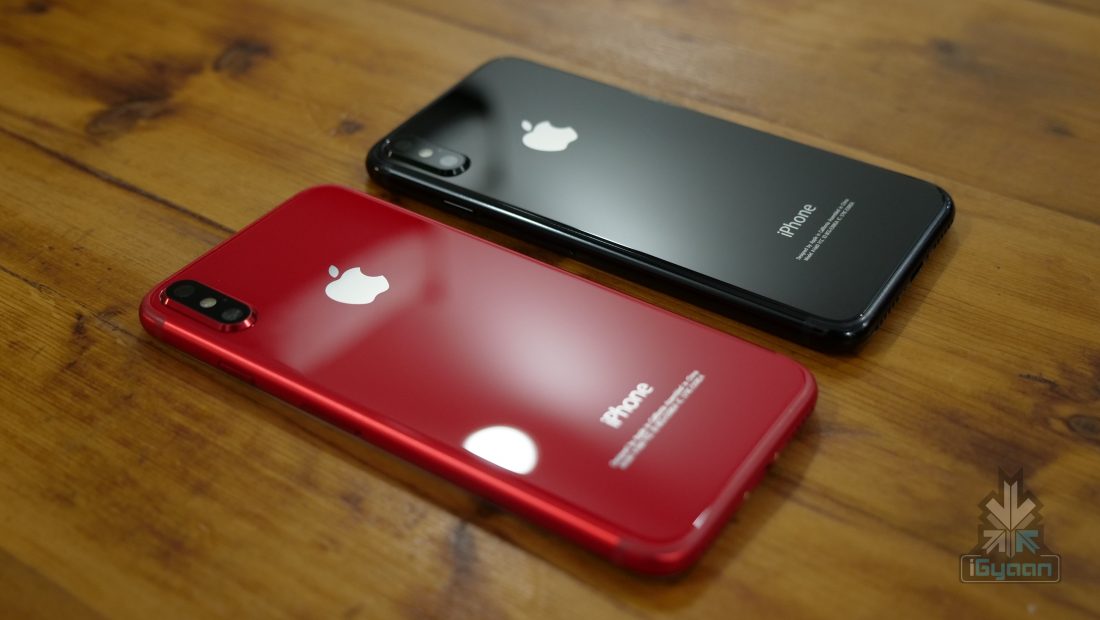
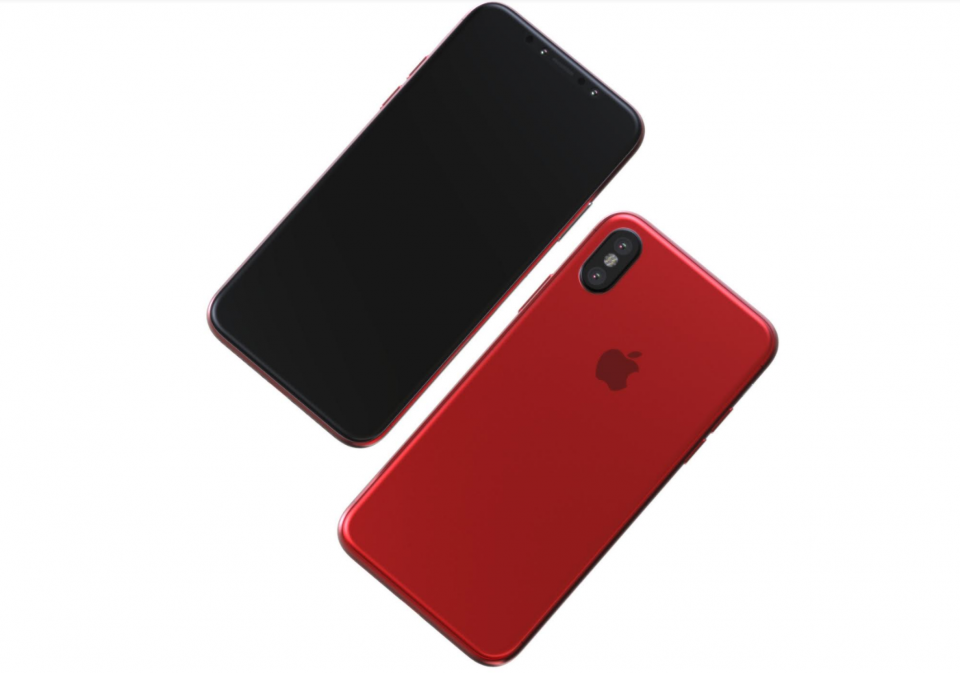
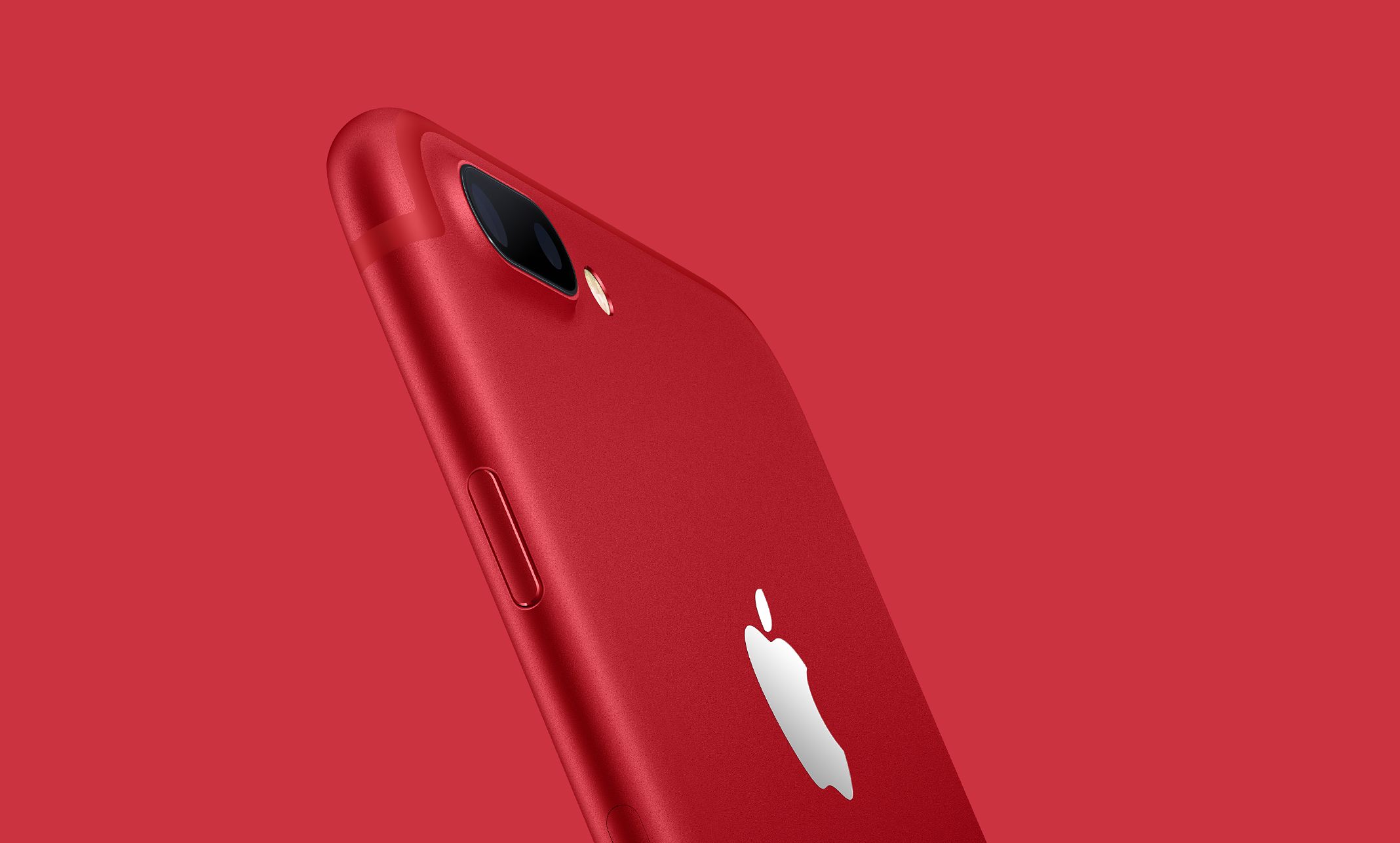
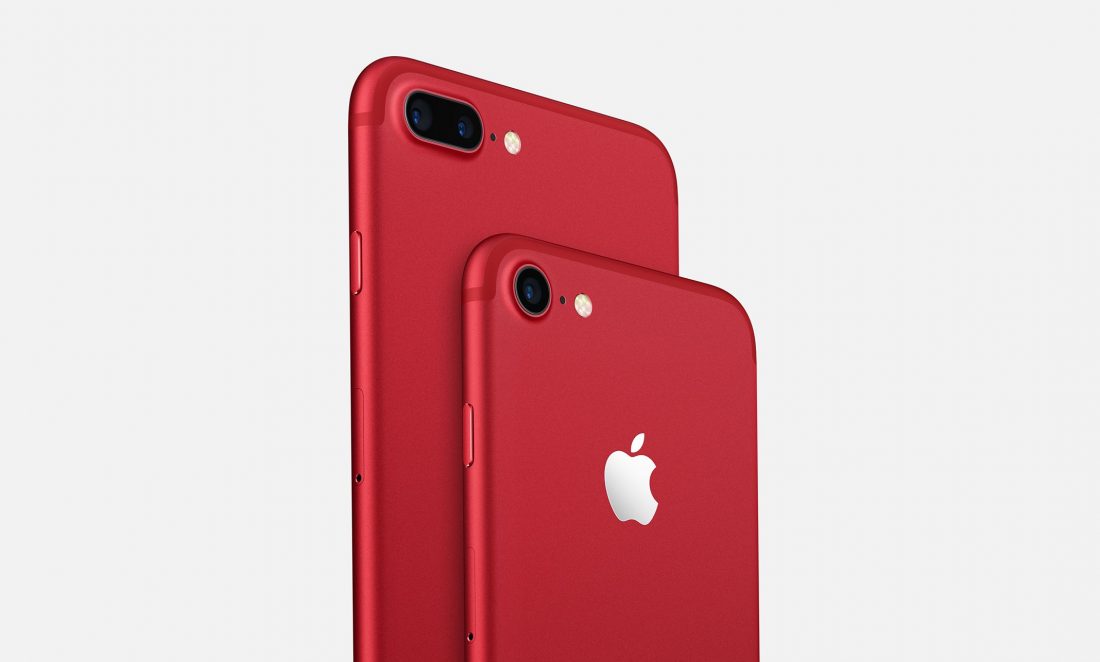
Apple has quietly launched a special edition of the iPhone 7 and iPhone 7 plus to mark 10 years of Apple’s association with (PRODUCT)RED line. The (PRODUCT)RED series is designed to contribute towards research for a cure for Aids.
Since we began working with (RED) 10 years ago, our customers have made a significant impact in fighting the spread of AIDS through the purchase of our products, from the original iPod nano (PRODUCT)RED Special Edition all the way to today’s lineup of Beats products and accessories for iPhone, iPad and Apple Watch. The introduction of this special edition iPhone in a gorgeous red finish is our biggest (PRODUCT)RED offering to date in celebration of our partnership with (RED), and we can’t wait to get it into customers’ hands. – said Tim Cook, Apple’s CEO.
The red color iPhones don’t add any new feature apart from the spicy new color which is sure to attract some buyers. Apple is the world’s largest corporate donor to the Global Fund, contributing more than $130 million as part of its partnership with (RED)
iPhone 7 and iPhone 7 Plus (PRODUCT)RED Special Edition will be available only in 128GB and 256GB models starting at US $ 749 in the US and in India at MRP INR 82,000 from Apple Authorised Resellers.
Both special edition models are available worldwide beginning Friday, March 24, and start shipping to customers by the end of March.
The Apple iPhone SE also sees a storage upgrade, iPhone SE, will be available beginning Friday, March 24, in 32GB and 128GB models replacing the existing 16GB and 64GB iPhone SE at the same price.
Apple has also launched, new colours of Apple-designed iPhone 7 and iPhone 7 Plus silicone cases in azure, camellia and pebble, and leather cases in taupe, sapphire and berry.
Apple inc. will start manufacturing iPhones in Bangalore (Bengaluru) starting April of 2017 to expedite their promise of Make in India and to ensure their ability to open self owned and maintained stores in India. Apple earlier had planned to open their own flagship stores in several cities including Delhi, Mumbai and Bangalore, but due to the government compliance of requiring manufacturing in India, the process was delayed. Tim Cook’s recent visit to India was a positive sign on the efforts of the Cupertino based tech giant, to fully initiate and integrate it’s services in the Indian market.
The manufacture of iPhones will considerably bring down costs of duties and taxes and will allow Apple to sell at competitive prices and at par with US price which is usually Rs. 10,000-15,000 cheaper. Apple will also bring their full suite of in store experiences, like training and Genius bars, to improve service and warranty standards in India, which have usually had mixed reviews.
Apple is selling large volumes of phones in India, and iPhone sales hit 2.5 million from Oct 2015-September 2016 raking in 9,997 Crore in revenue for the tech company here in India.
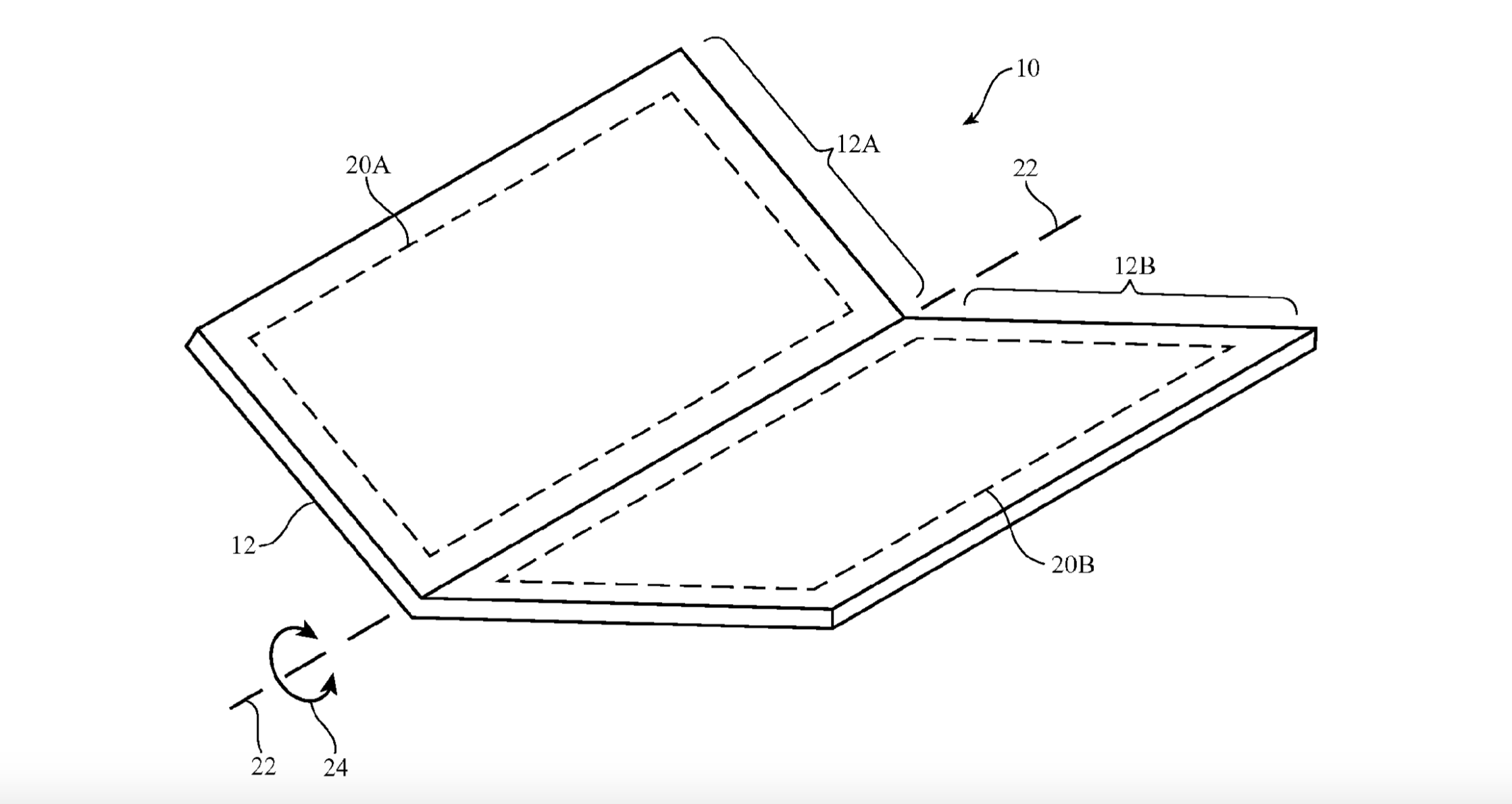
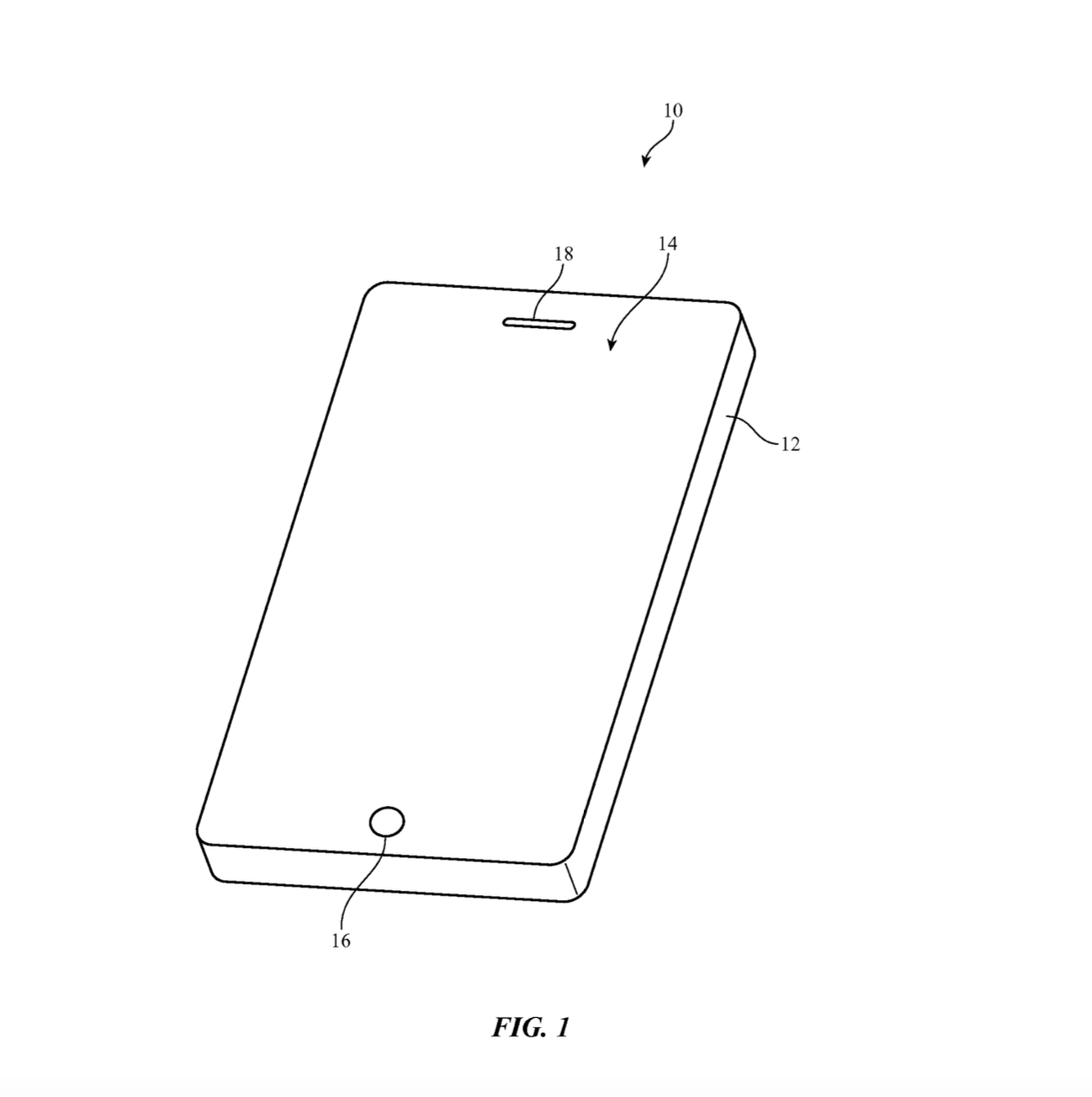
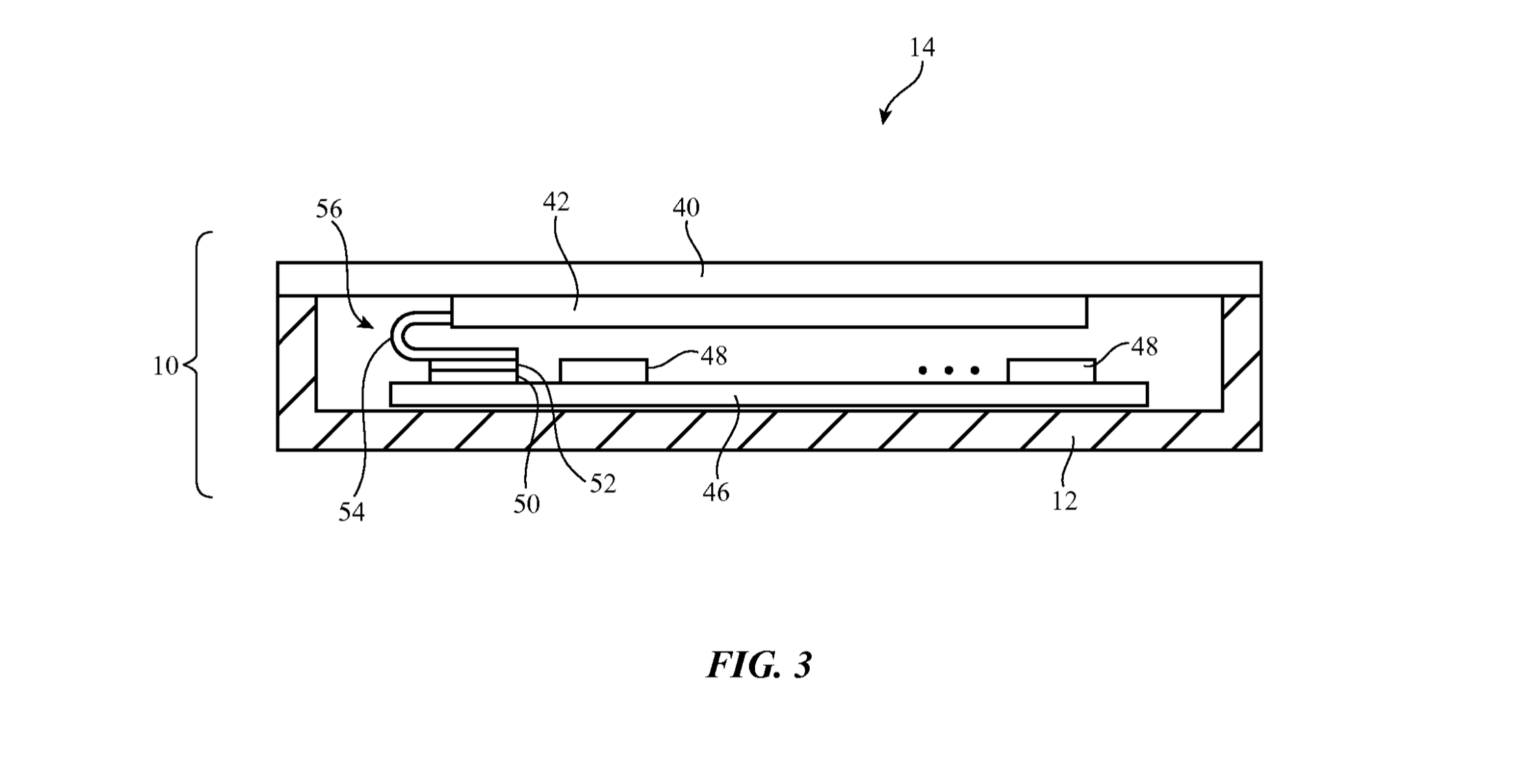
Apple has just been awarded a patent for anew device which the patent application defines as an iPhone. According to the patent Apple is researching foldable iPhone designs starting from back in 2013. This patent was filed in August and awarded today shows a new design iPhone which will look identical to the current iPhone when folded, but will unfold into a larger display device.
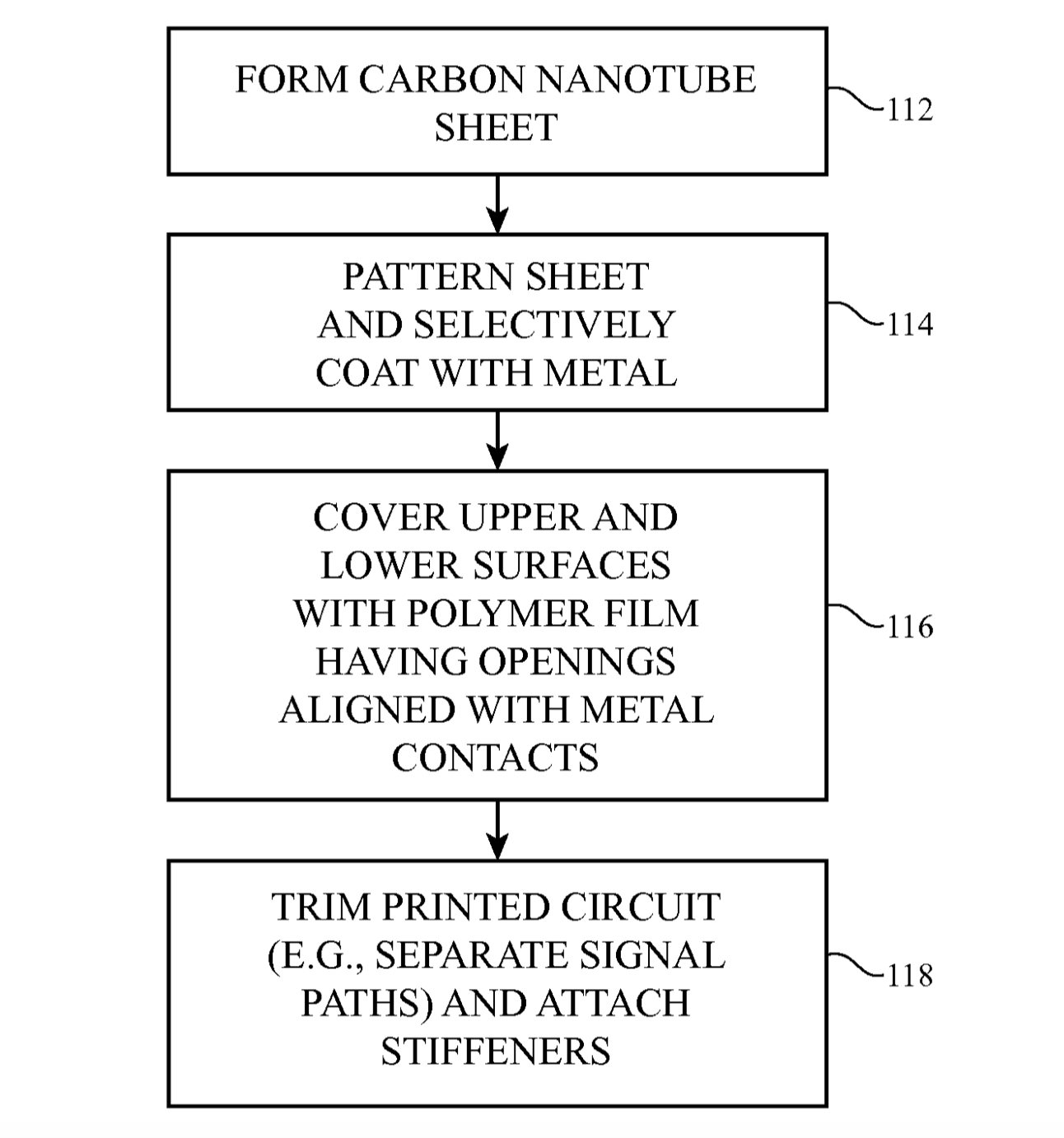
The patent application uses the words “carbon nanotubes” to define the mechanism that will hold the bendy iPhone together.
Conductive carbon nanotube paths can form signal paths that are flexible and resistant to cracking. The carbon nanotube structures may be incorporated into signal cables such as flexible printed circuit cables, rigid printed circuit boards, printed circuits that include rigid portions with flexible tails (sometimes referred to as “rigid flex”), portions of display structures, portions of touch sensors such as capacitive touch sensor arrays for displays or track pads, camera structures, antenna structures, housing structures, internal device structures, electrical components, substrates, brackets, housing walls, other structures, or combinations of these structures.
The application also mentions that the structure may have a hinge or a bendable joint. The iPhone of the patent may never come into play or could simply be the next iPhone of 2017.
Samsung too has been showing off bendable screens for a while and did showcase a bendable screen last year that could potentially become a smartphone of the future. Samsung patents range from various devices to various display and bend technology types and can be seen here.