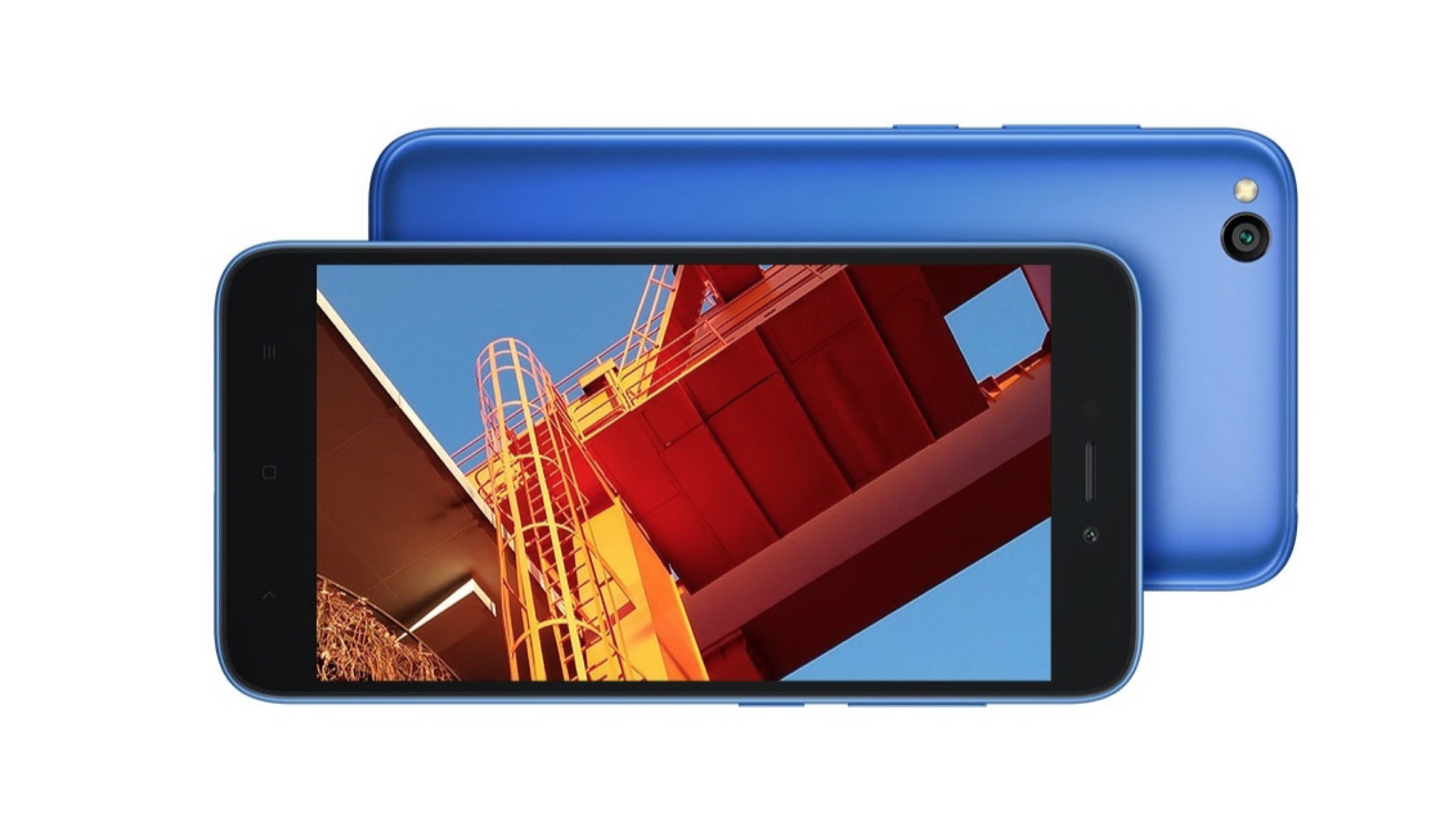
Xiaomi has sent out invites for the launch of its next budget oriented smartphone, the Redmi Go. The device will launch on the 19th of March and will be the first Android Go smartphone from the company. The smartphones under the Android Go initiative generally have low-end hardware and a skimmed down variant of the Android operating system which provides an optimised performance. As the device has previously been unveiled in the Philipinne all of its specifications are well known.
Xiaomi Redmi Go
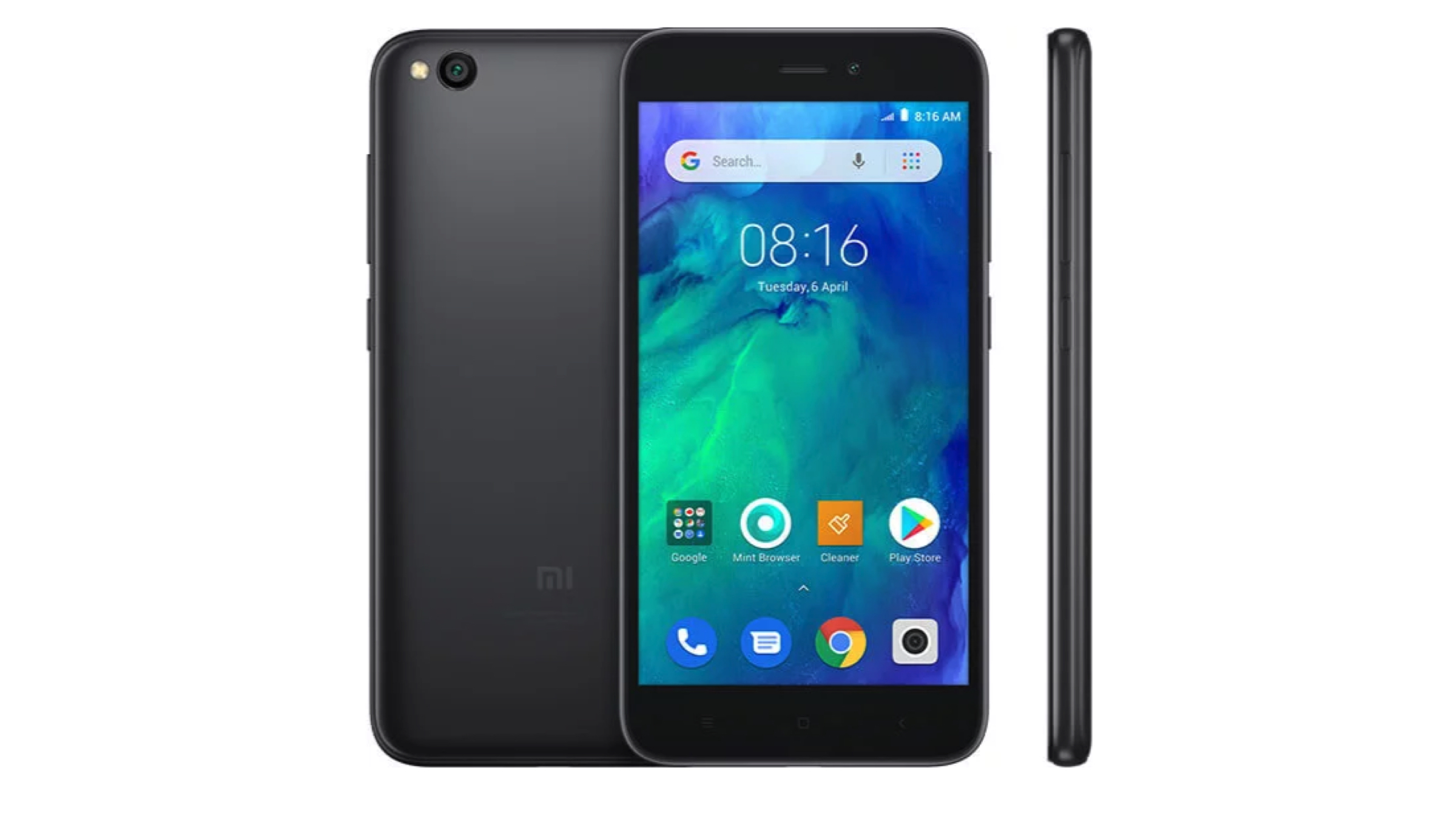
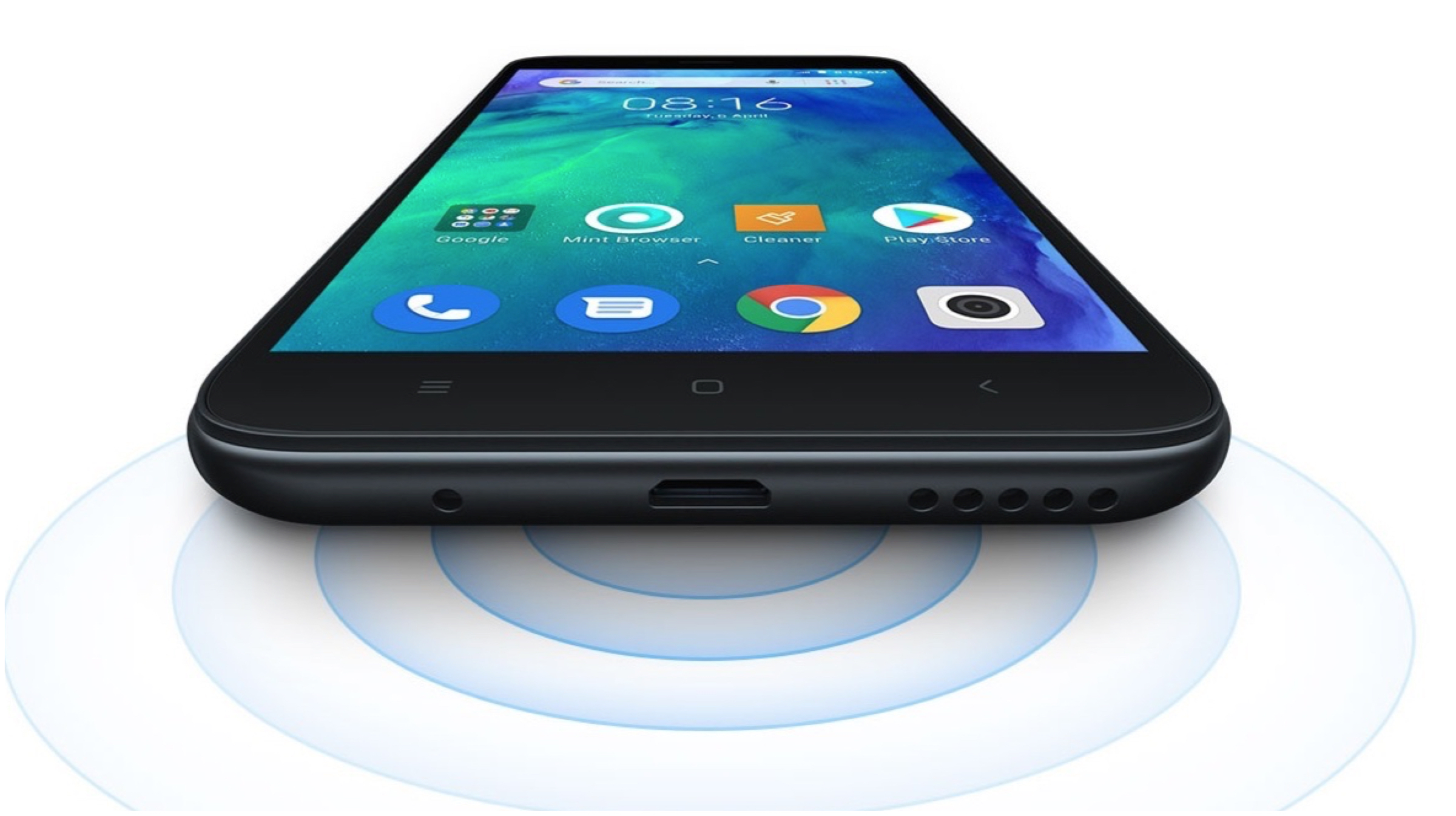
The Redmi Go will have a similar design language to the Redmi 5A which was launched back in the year 2017. The Redmi Go has a polycarbonate body with significant bezels on the front. It measures 40.4 x 70.1 x 8.35mm and weighs 137g. It has a 5 inch IPS LCD display with a resolution of 1280 x 720. The display has a pixel density of 296 ppi and a maximum brightness of 380 nits. For biometrics and security, the Redmi Go relies on Face Unlock technology as it lacks a physical fingerprint scanner. In addition to facial unlocking, it also supports the traditional on-screen locking options.
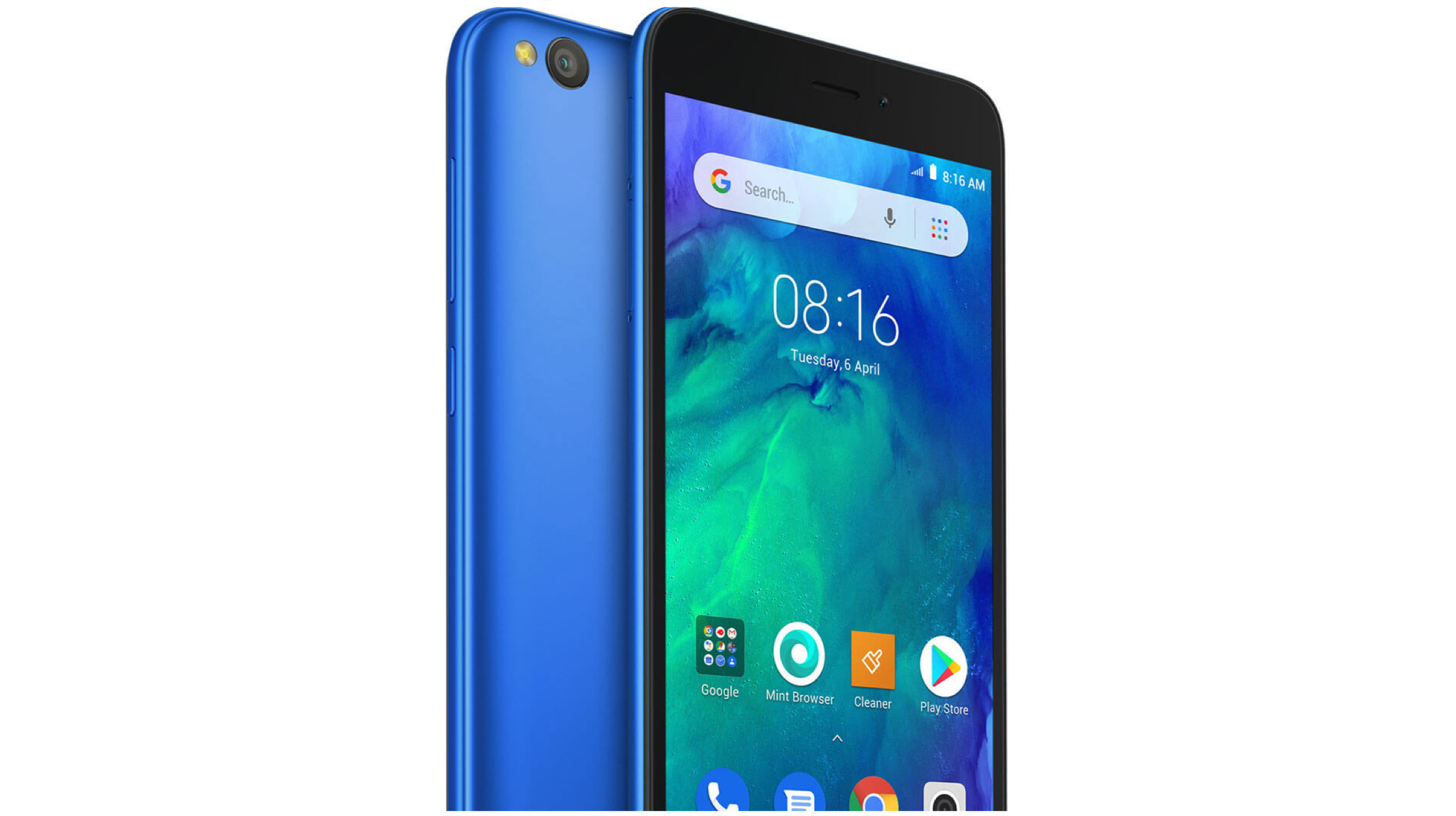
Under the hood, the Redmi Go packs the Snapdragon 425 SoC which is manufactured using the 28nm fabrication process. The chipset has a Quad-core CPU and Adreno 308 GPU. In terms of optics, the smartphone has an 8MP primary camera at the back with an aperture of f/2.0. For selfies, there is a 5MP camera with an f/2.2 aperture on the front. For memory and storage, the Redmi Go will be available in the following variants.
- 1GB RAM and 8GB ROM
- 1GB RAM and 16GB ROM
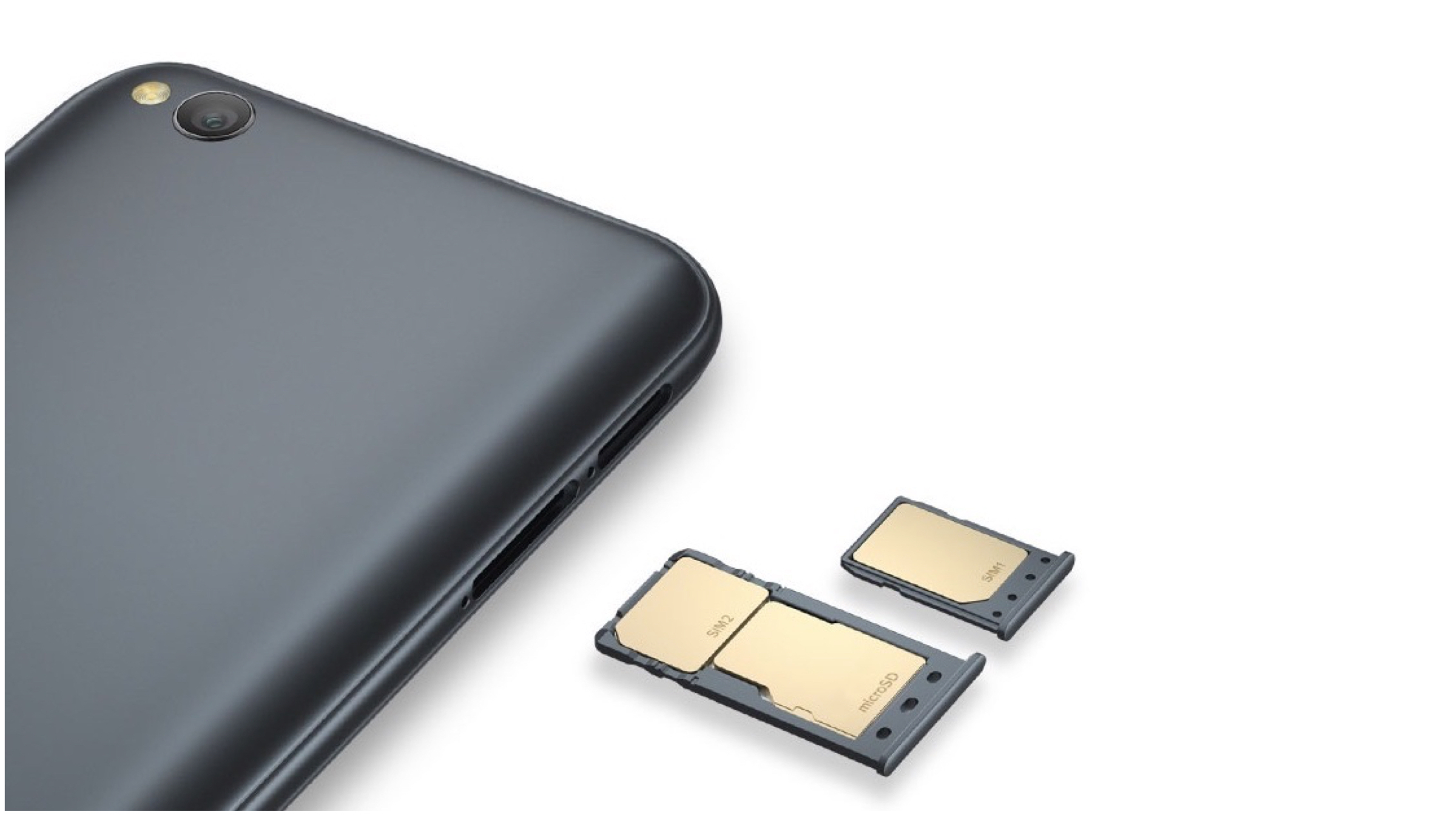
The Redmi Go is powered by a 3000mAh battery with support for 5W charging. The smartphone ships with Android 8.1 Oreo Go edition out of the box. There is a Hybrid SIM card slot on the device with support for microSD expansion of up to 256GB as well.
Pricing & Availability
Also read: Samsung Is Developing A Smartphone With An Invisible Punch Hole Camera
The Xiaomi Redmi Go will be launched in India on March 19. Unfortunately, there is no information about the price of the device as of now. However, it is expected to be priced at Rs 3,499 for the base variant and 3,999 for the version with 1GB RAM and 16GB internal storage.
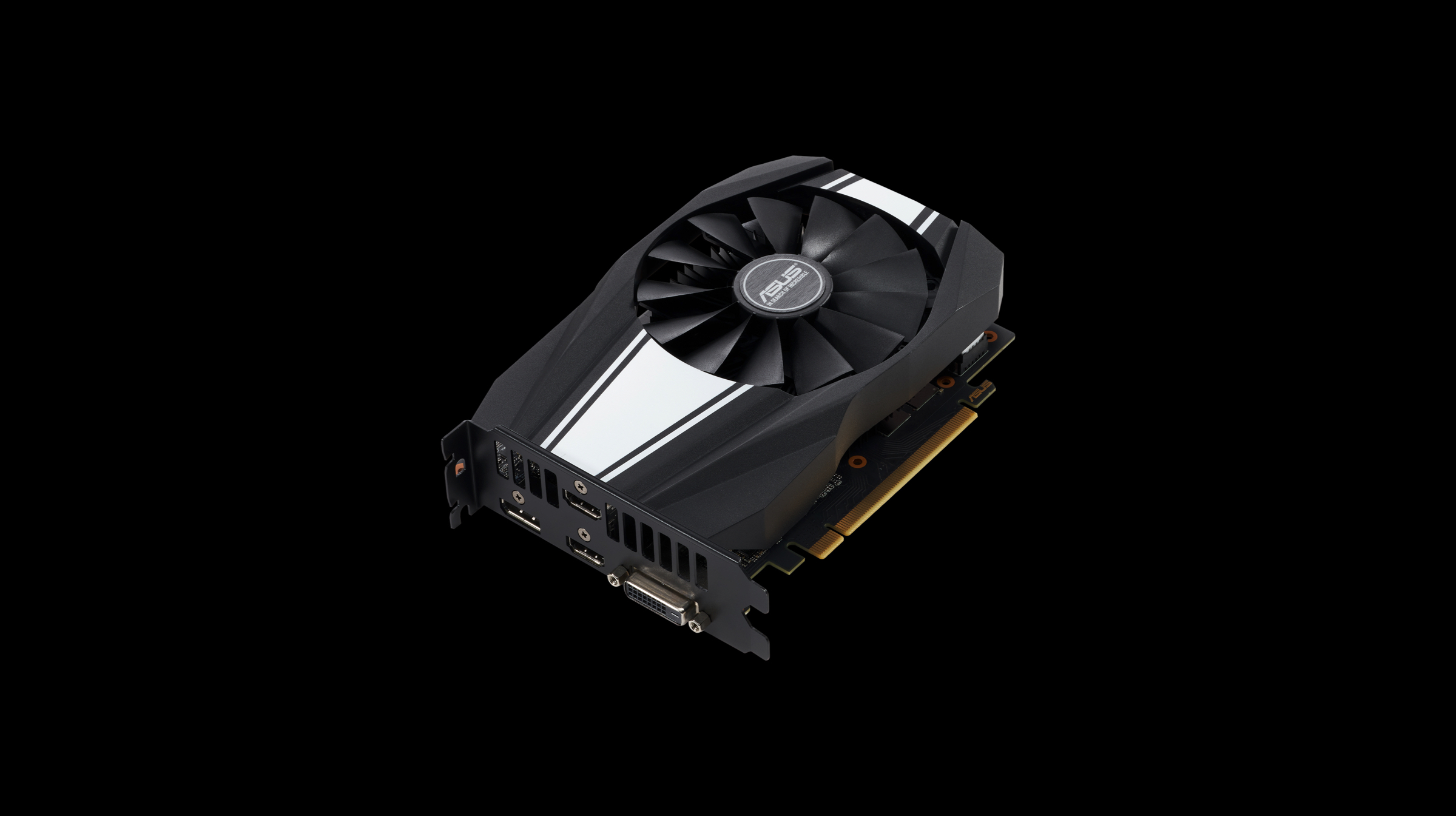
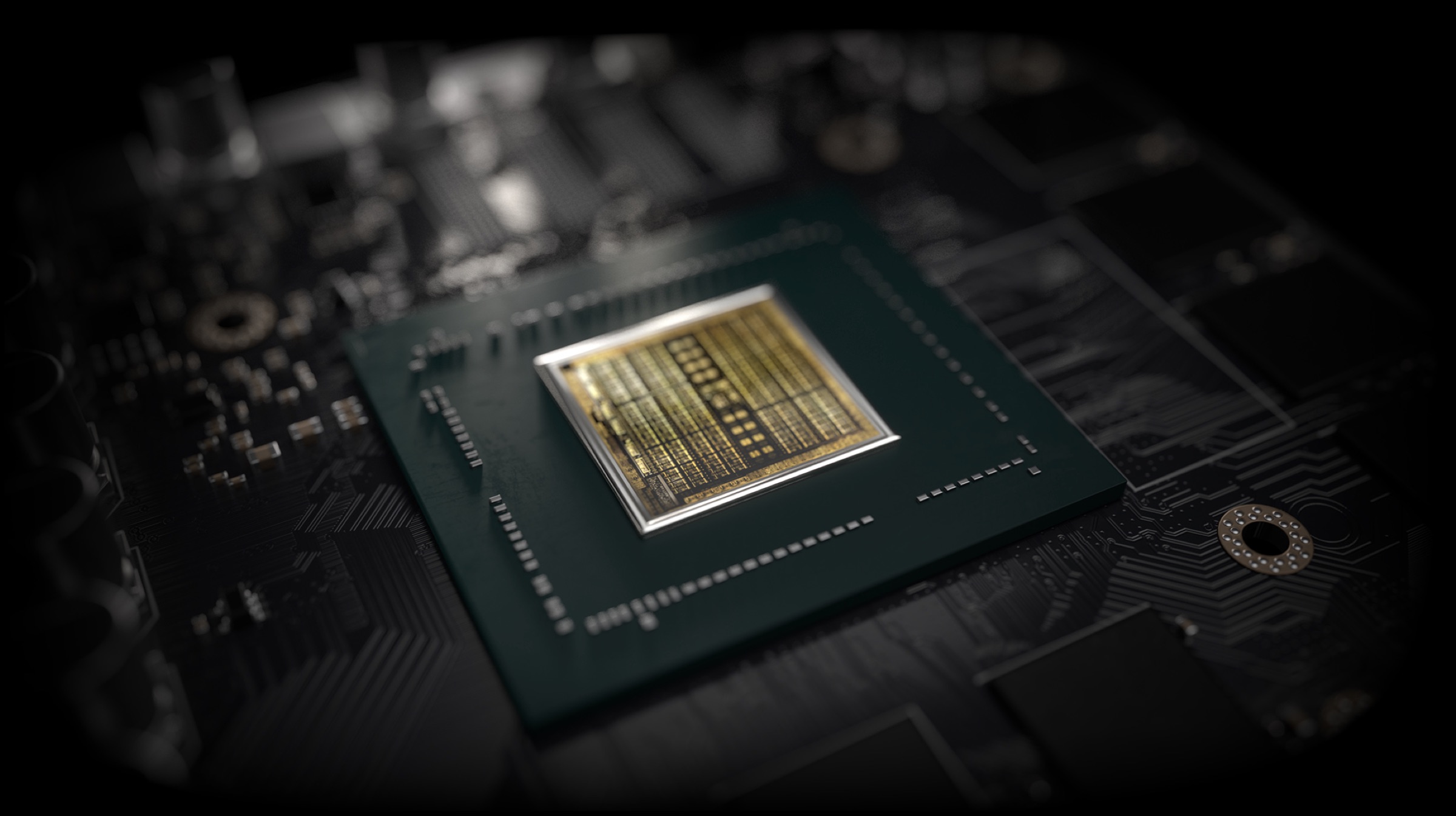
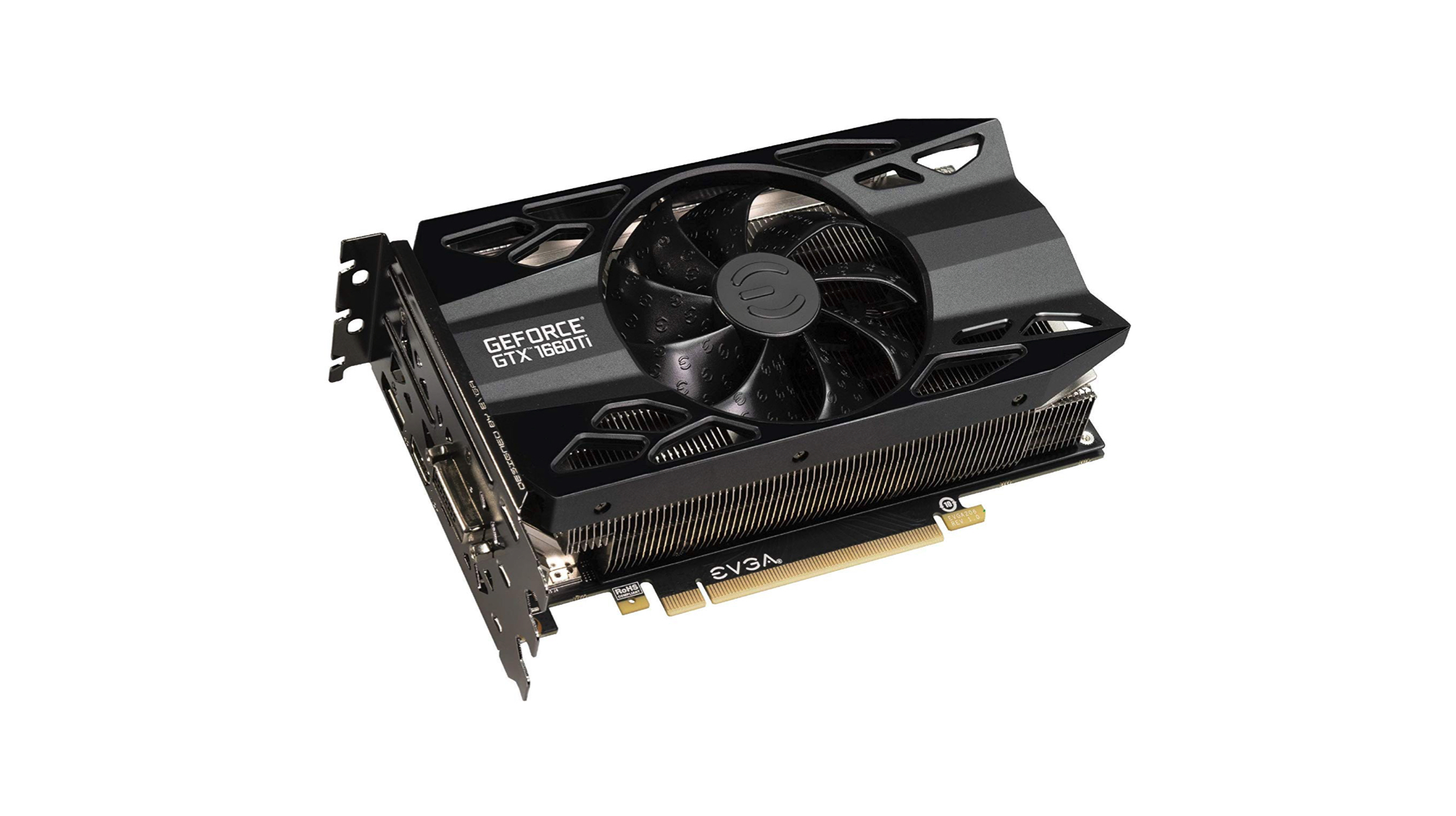
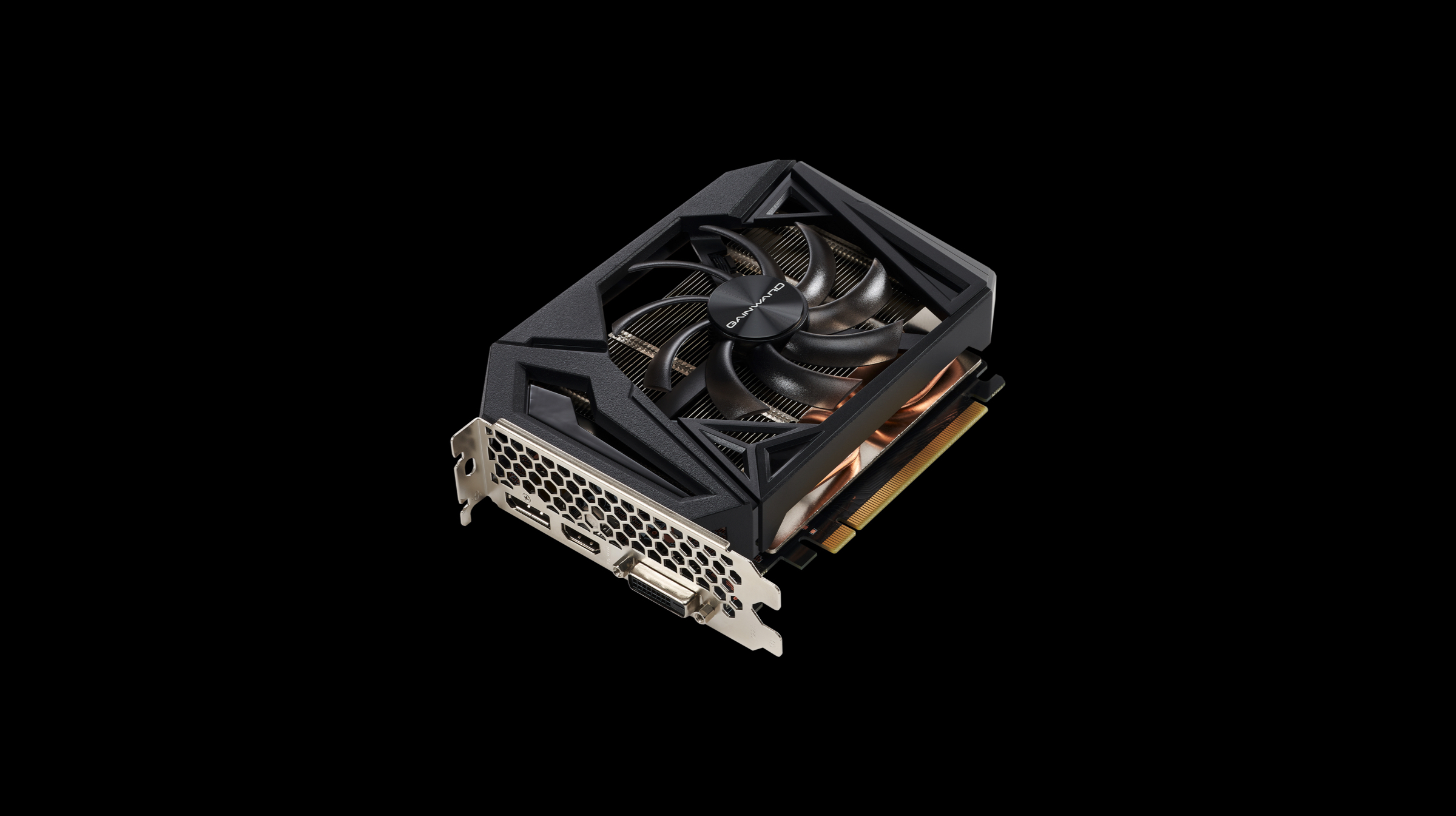 As mentioned before, the GTX 1660 is based on the 12th Generation Turning Architecture. The company claims that 1660’s architecture is much more power efficient than the standard Pascal architecture. The GPU chip requires 120 watts of power to operate optimally, which means that users with Generation 800 and 900 NVIDIA cards can upgrade to the GTX 1660 without upgrading their power supply unit. Taking increased power efficiency into consideration, NVIDIA claims that the GPU delivers the best performance per watt in its class.
 With built-in NVIDIA Ansel, the 1660 enables users to capture high quality images in-game or create 360-degree photospheres of the same. Using NVIDIA Freestyle, gamers can use post-processing to customize the way their games look.
 Also Read:
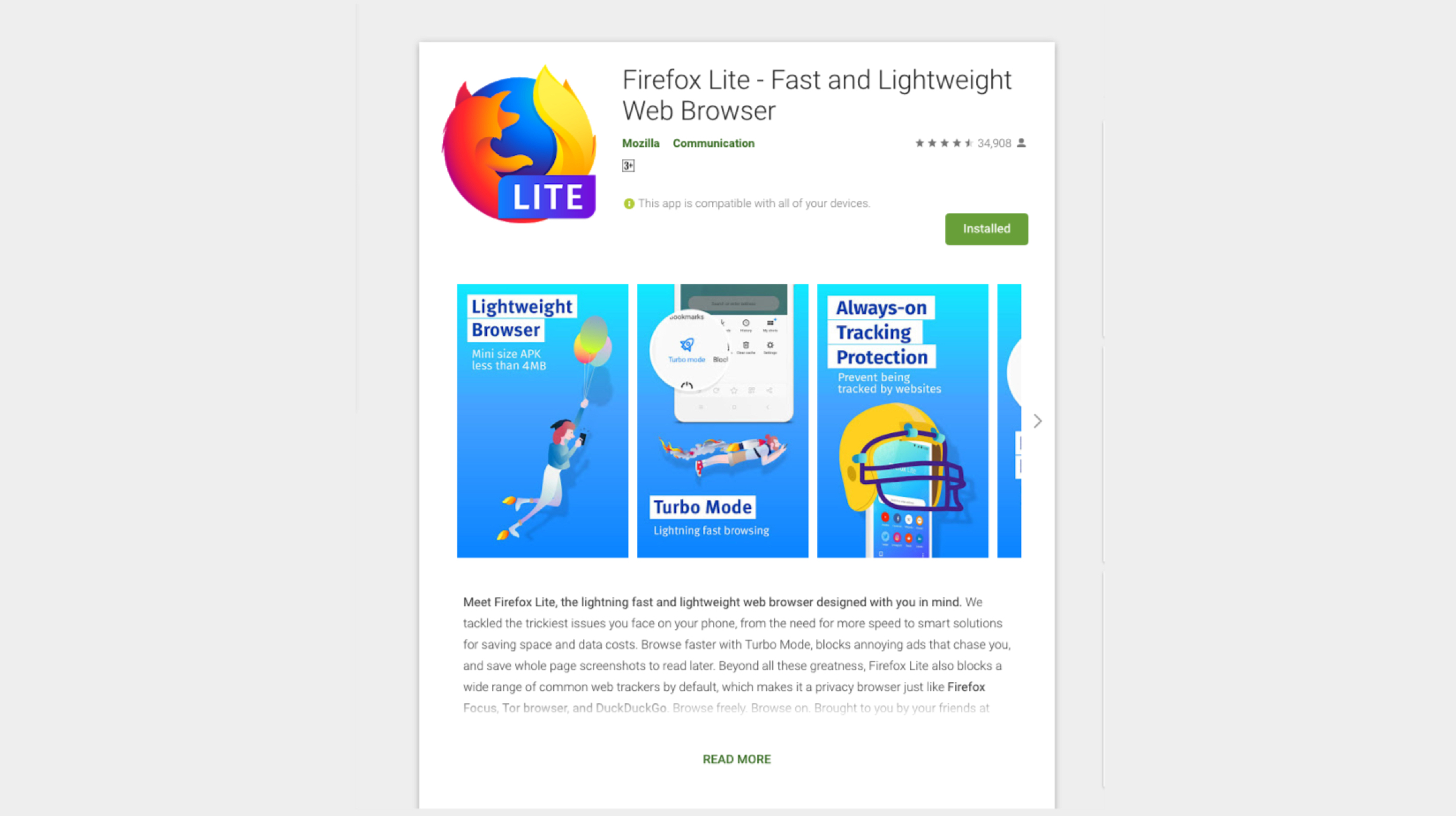
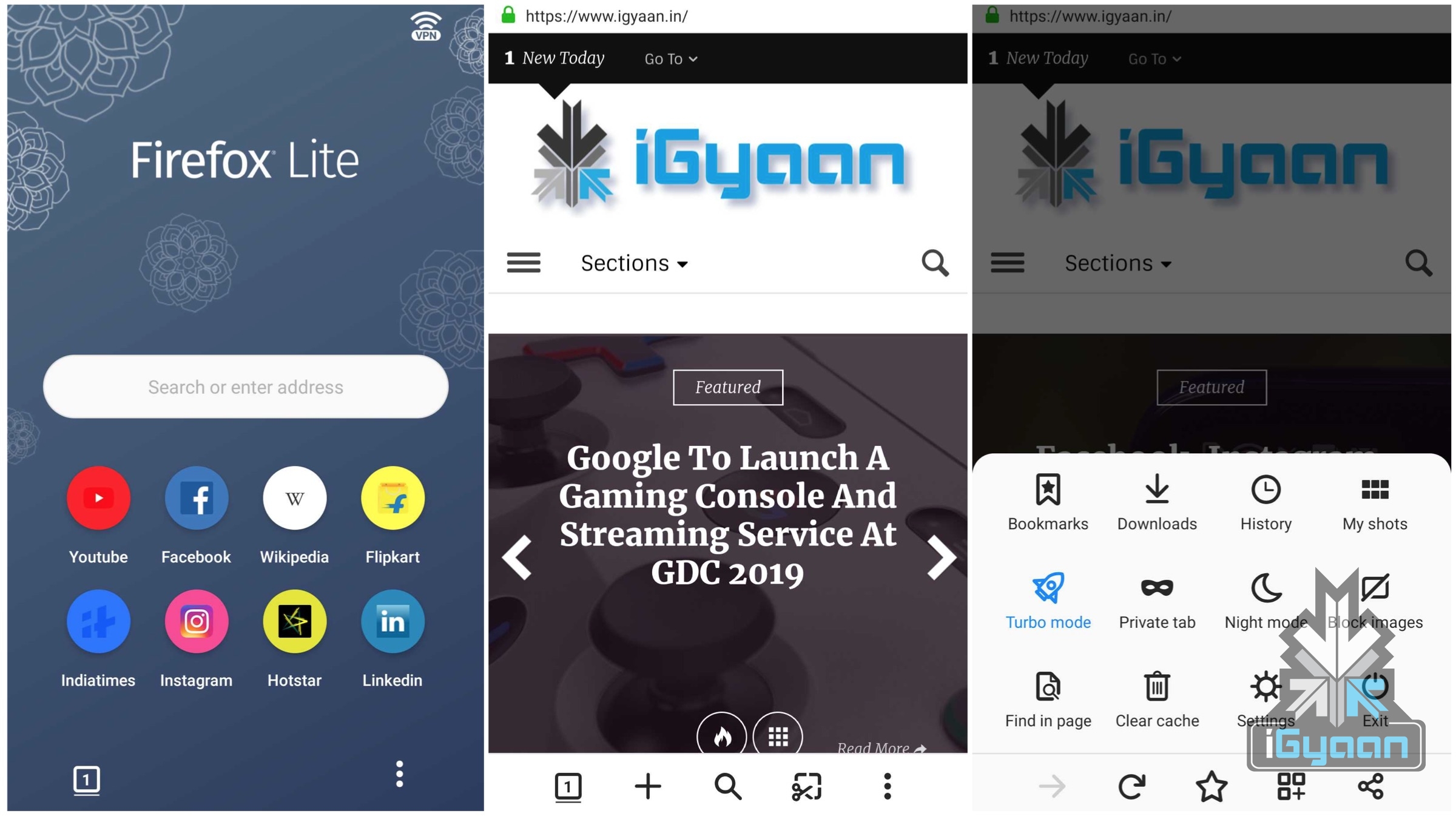 Mozilla Firefox Lite is available with a host of features to improve web browsing in Android devices. The company claims that the “Turbo Mode” in the browser can automatically block third party ad-tracking code, helping websites load much faster and reducing overall data consumption. In addition, the browser has a night mode, a feature which is being adopted by a multitude of applications in the market. Users can also long-press the Night mode option to customize the brightness of the mode.
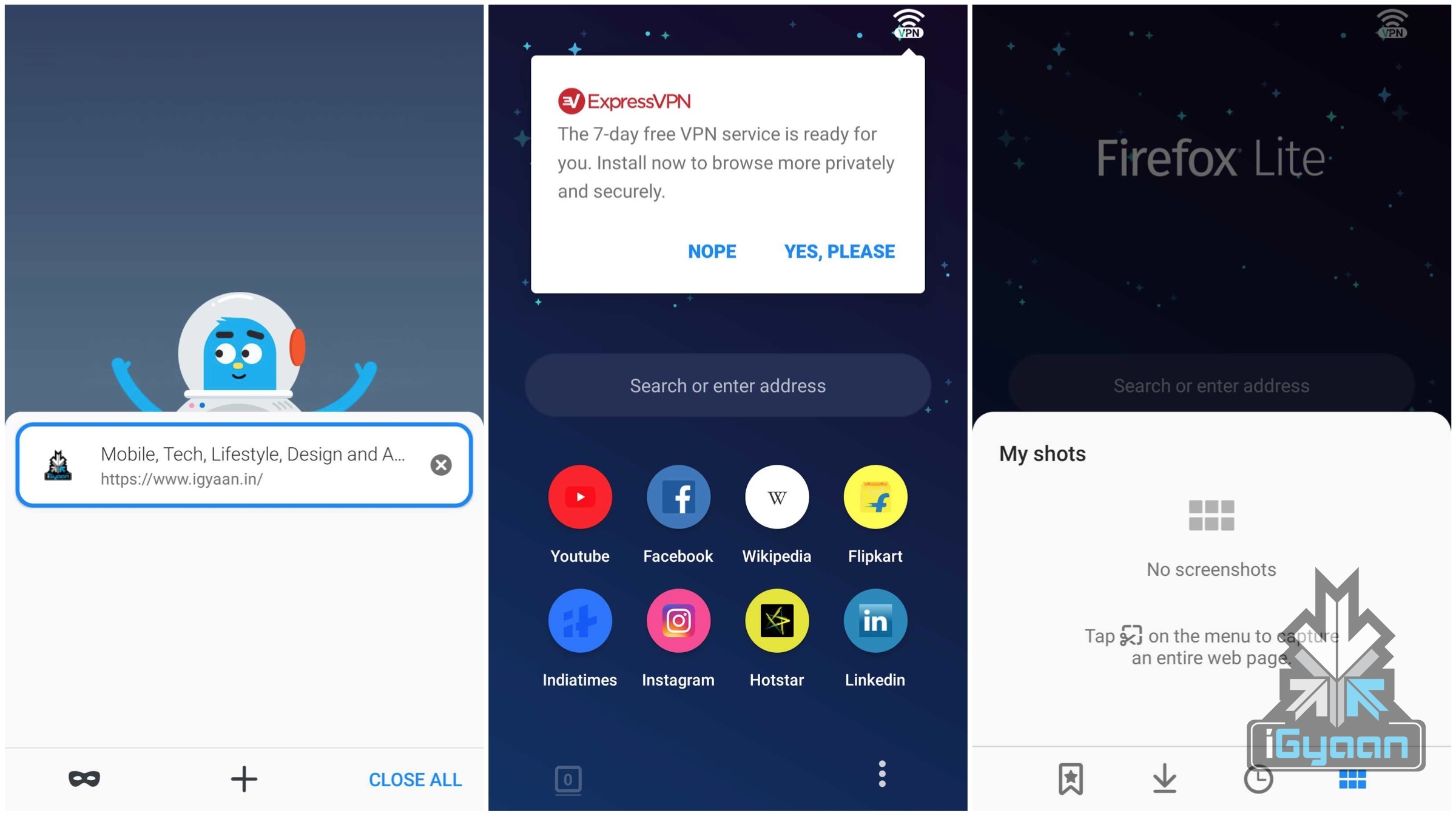 The browser also has an option for VPN browsing, called ExpressVPN. The plugin can be downloaded separately from the Play Store and can help users browse more privately. Noteworthy, the VPN service is free for only 7 days, after which users will have to pay for the same. Another helpful feature in the application is the “Block images” feature, which will hide all the images on the website for faster loading times.
 Also Read:

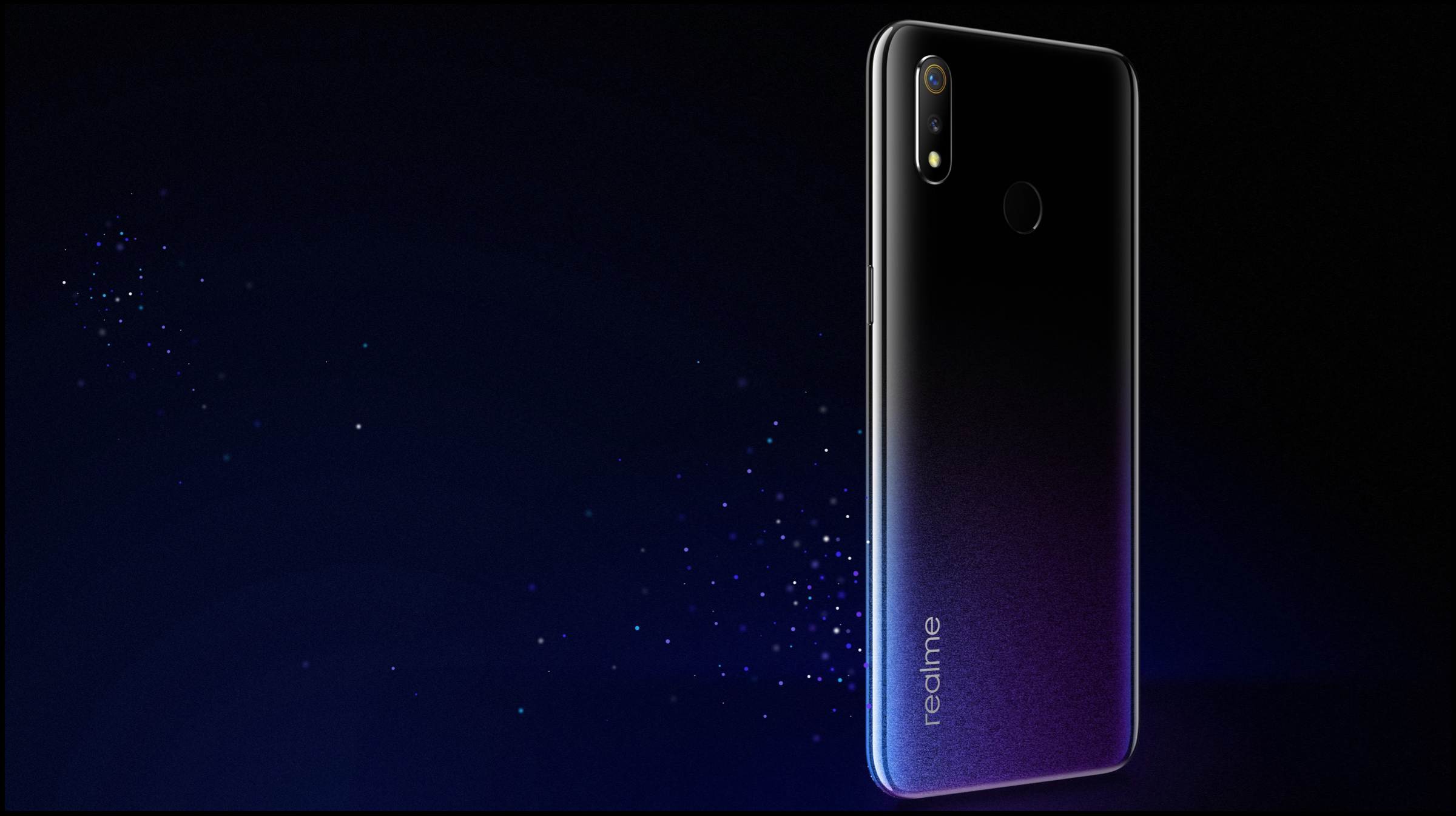
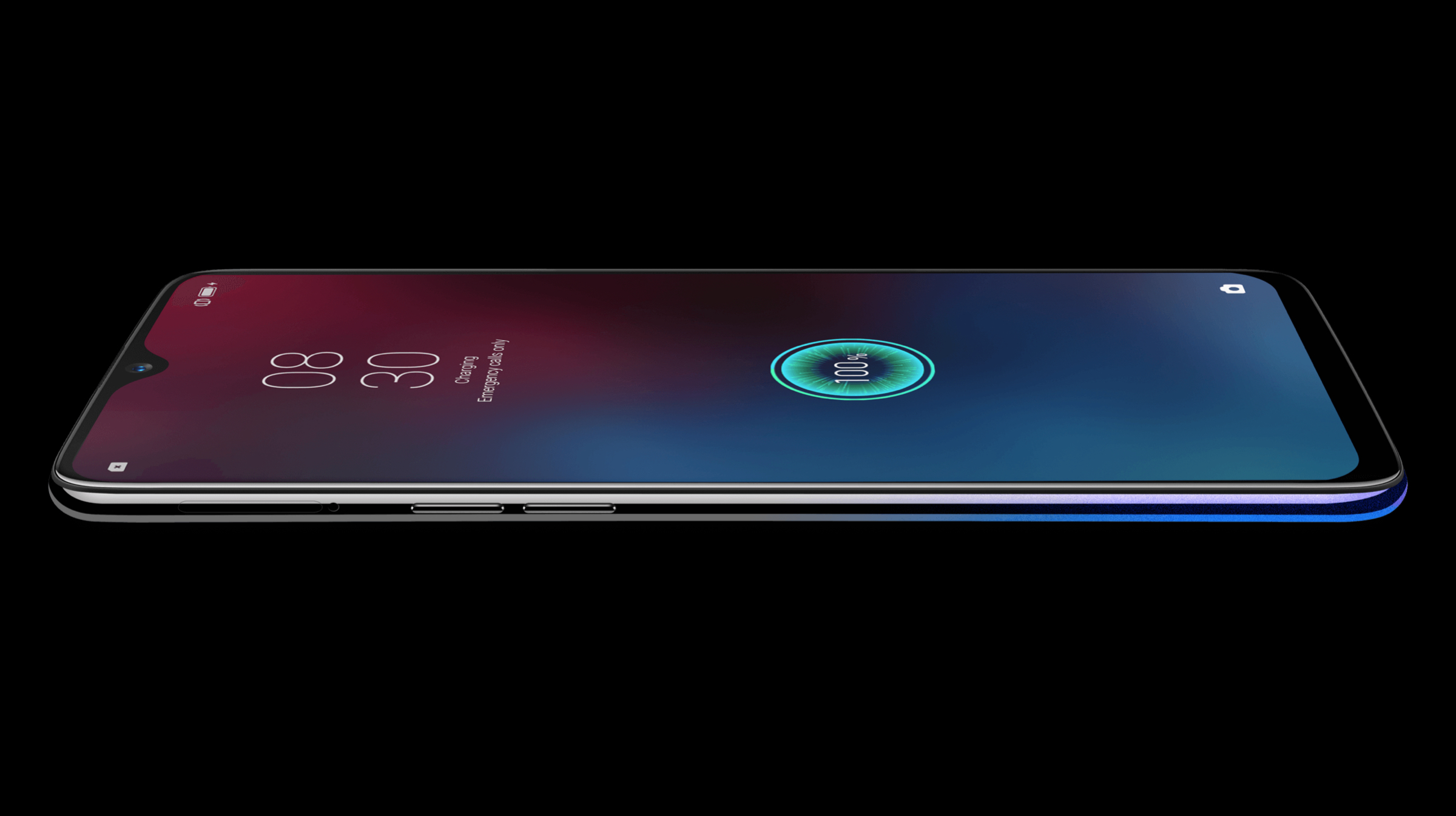
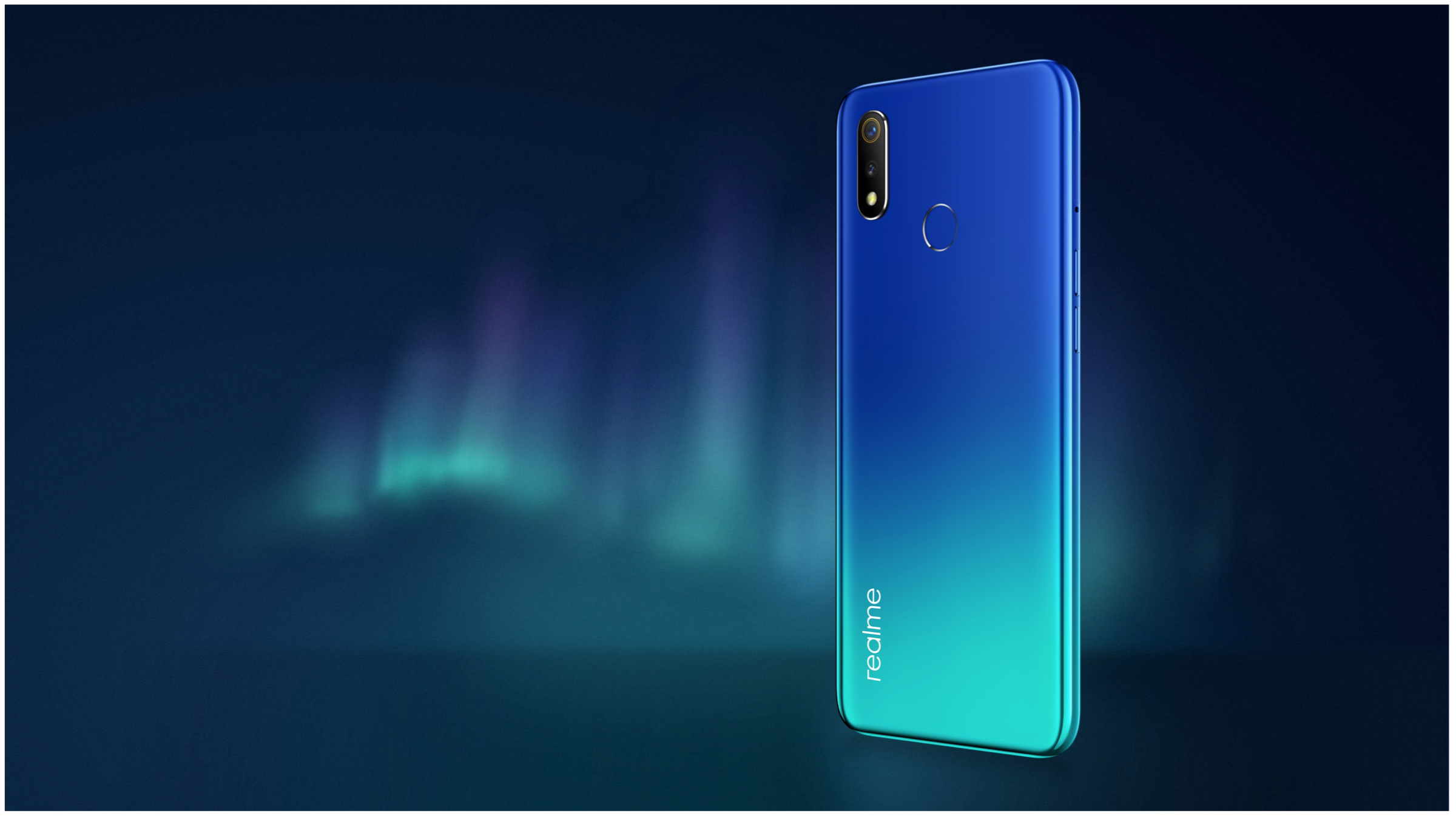 The smartphone runs on the Helio P70 chipset which comprises of a 2.1 GHz octa-core CPU and the Mali G72 GPU. The Realme 3 has two memory variants, one with a 3 GB of RAM and 32 GB of internal storage and the other with 4 GB RAM and 64 GB ROM. The device has the Color OS 6.0 on top of Android 9 (Pie) out-of-the-box. The OS features gesture navigation and AI battery management.
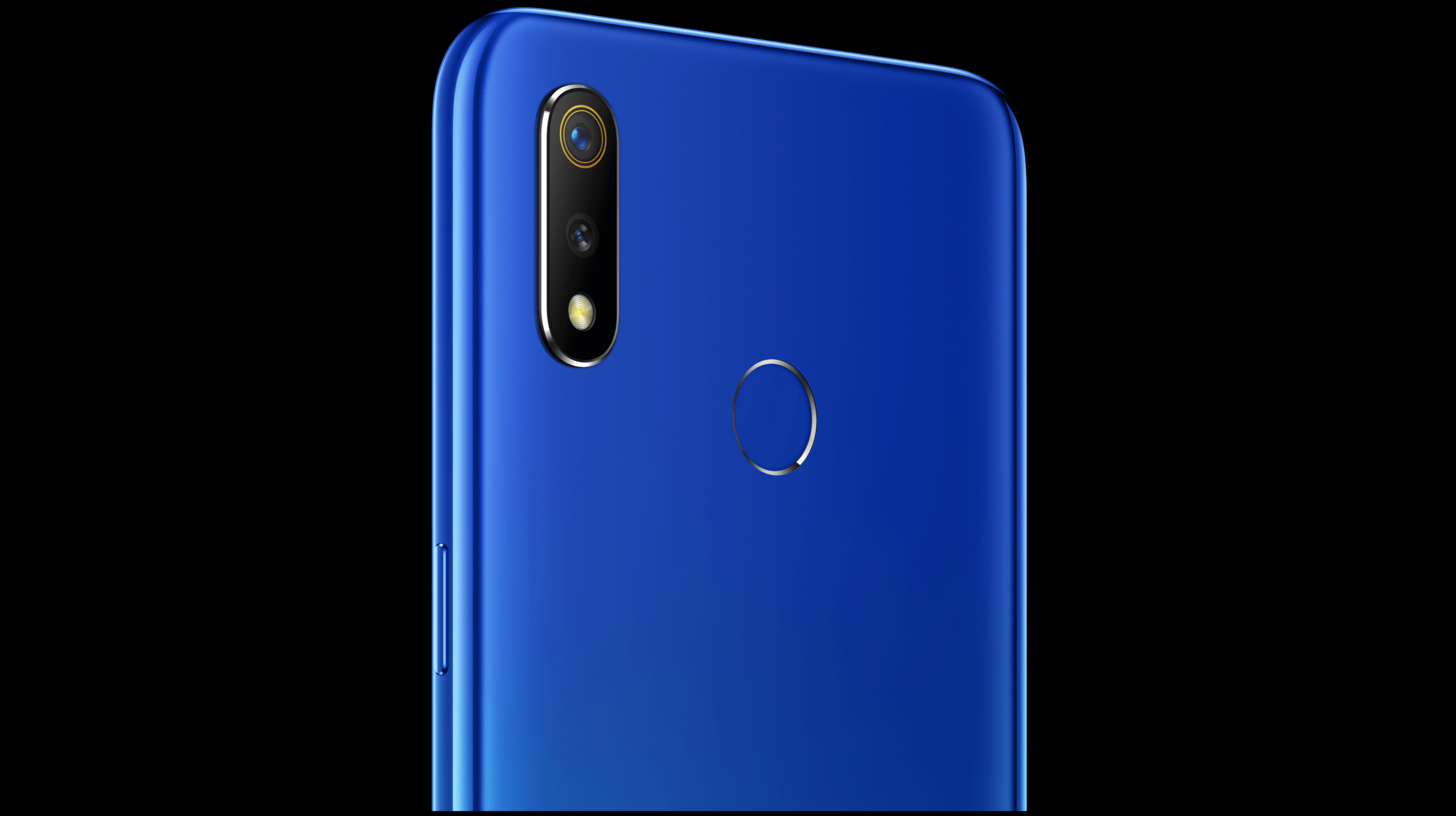 The dual camera module consists of a primary 13 MP (f/1.8) camera sensor and a 2 MP depth sensor. The camera has features like Nightscape and Chromaboost, which are first-in-class. In terms of the front camera, the device has a 13 MP selfie shooter. It is powered by a 4,230 mAh battery with 10 W charging support. Notably, the Realme 3 also sports Bluetooth v5.0.


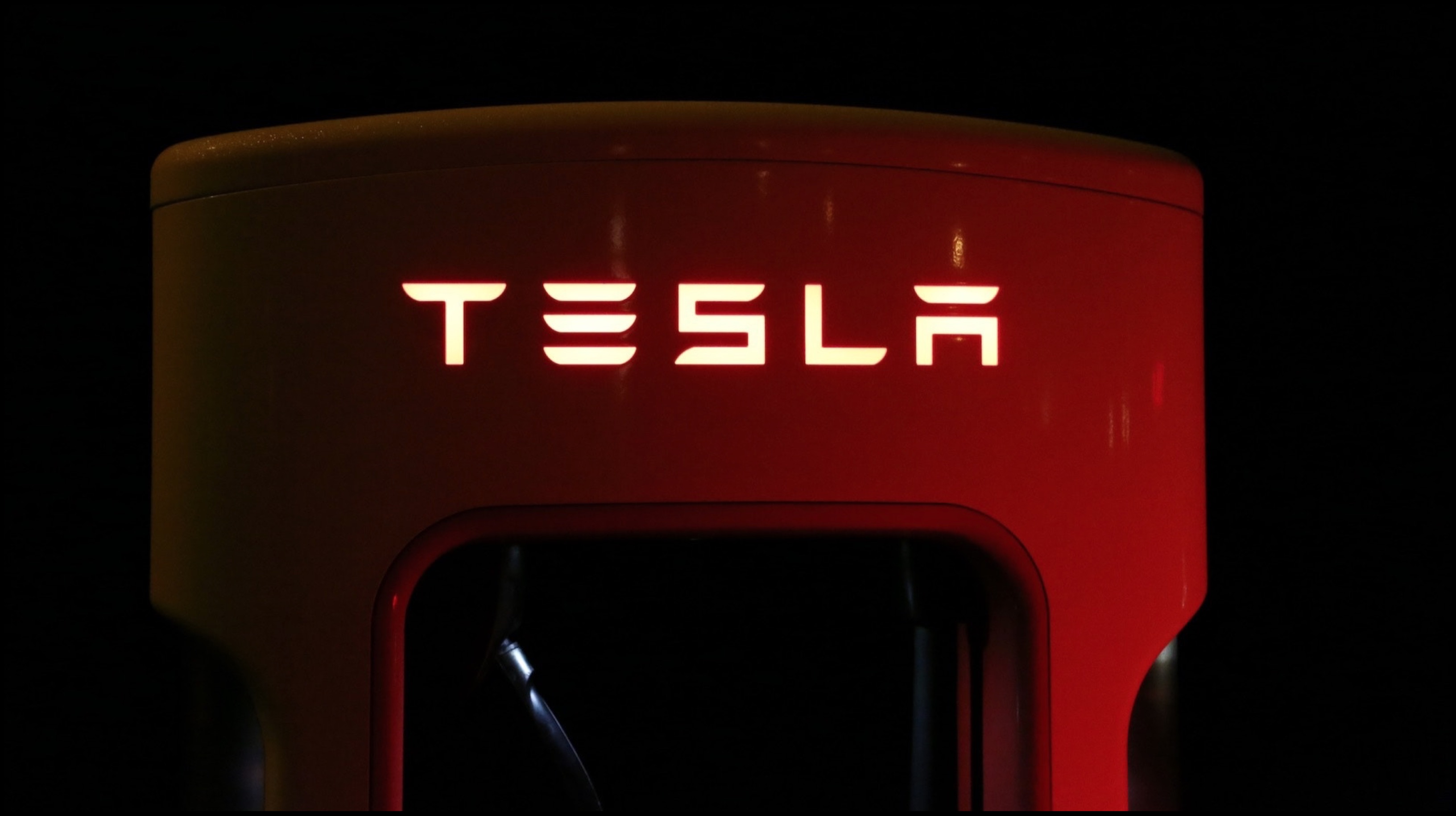
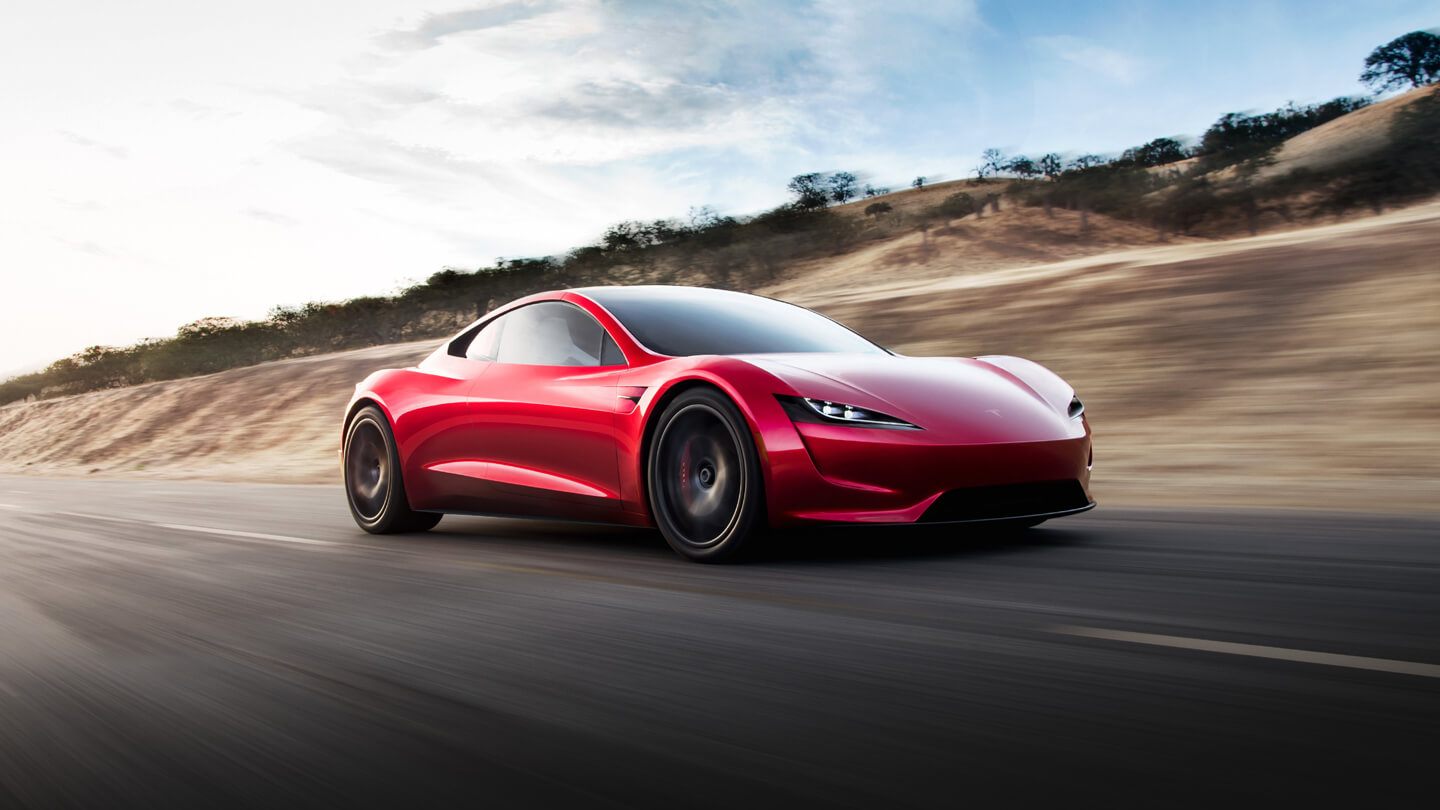 The company stated that the installation of the first batch of V3 Superchargers will roll out in the second quarter of 2019. The consumers in the European and Asian-Pacific regions, however, will have to wait until the fourth quarter of the year to gain access to the V3 Superchargers. As of now, the first Supercharger V3 station is only accessible to members of Tesla’s early access program.
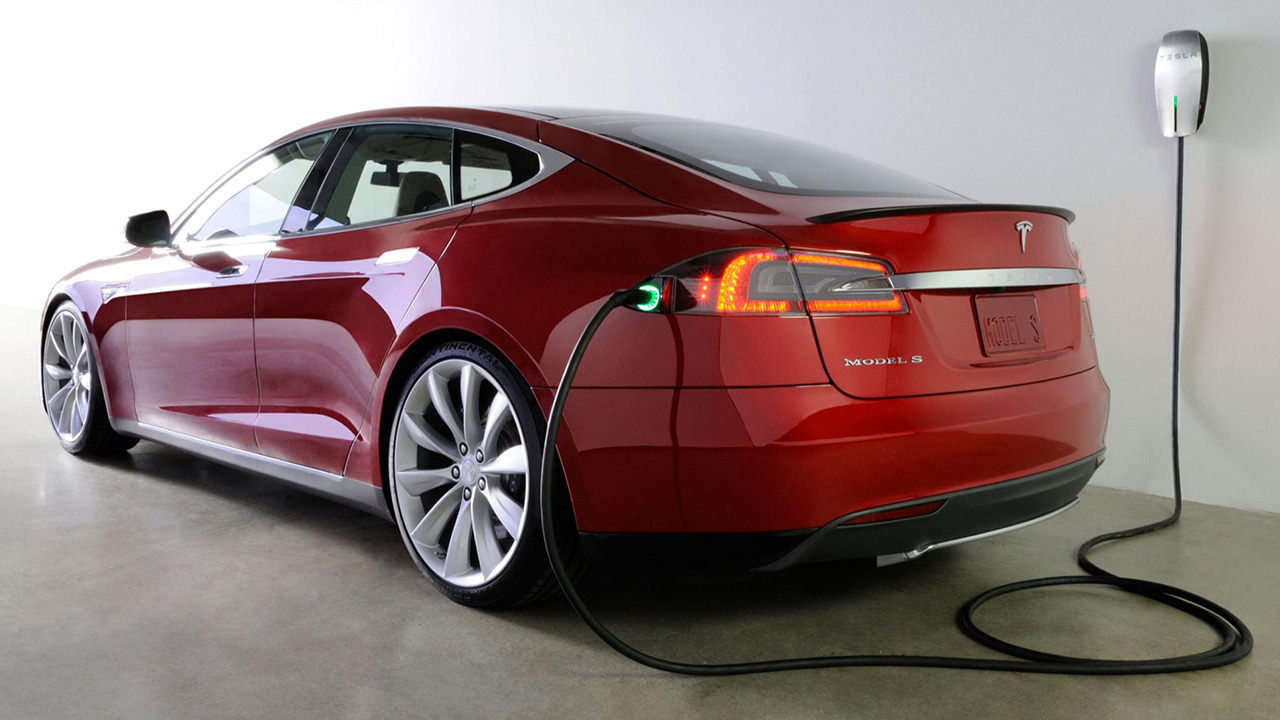 As mentioned before, the Tesla V2 Superchargers were rated to a maximum output of 150 kW. However, Tesla users found that they were actually capped at 120 kW. The company later confirmed that the V2 Superchargers will be updated to 145 kW peak charge rate soon. Also, the company is rolling out a new feature called “On-Route Battery Warmup”, which will ensure that the car’s battery will automatically start heating up to the optimal temperature as the car is en route to a Supercharger. Doing so will reduce average battery charging times by 25 percent.
  Also Read: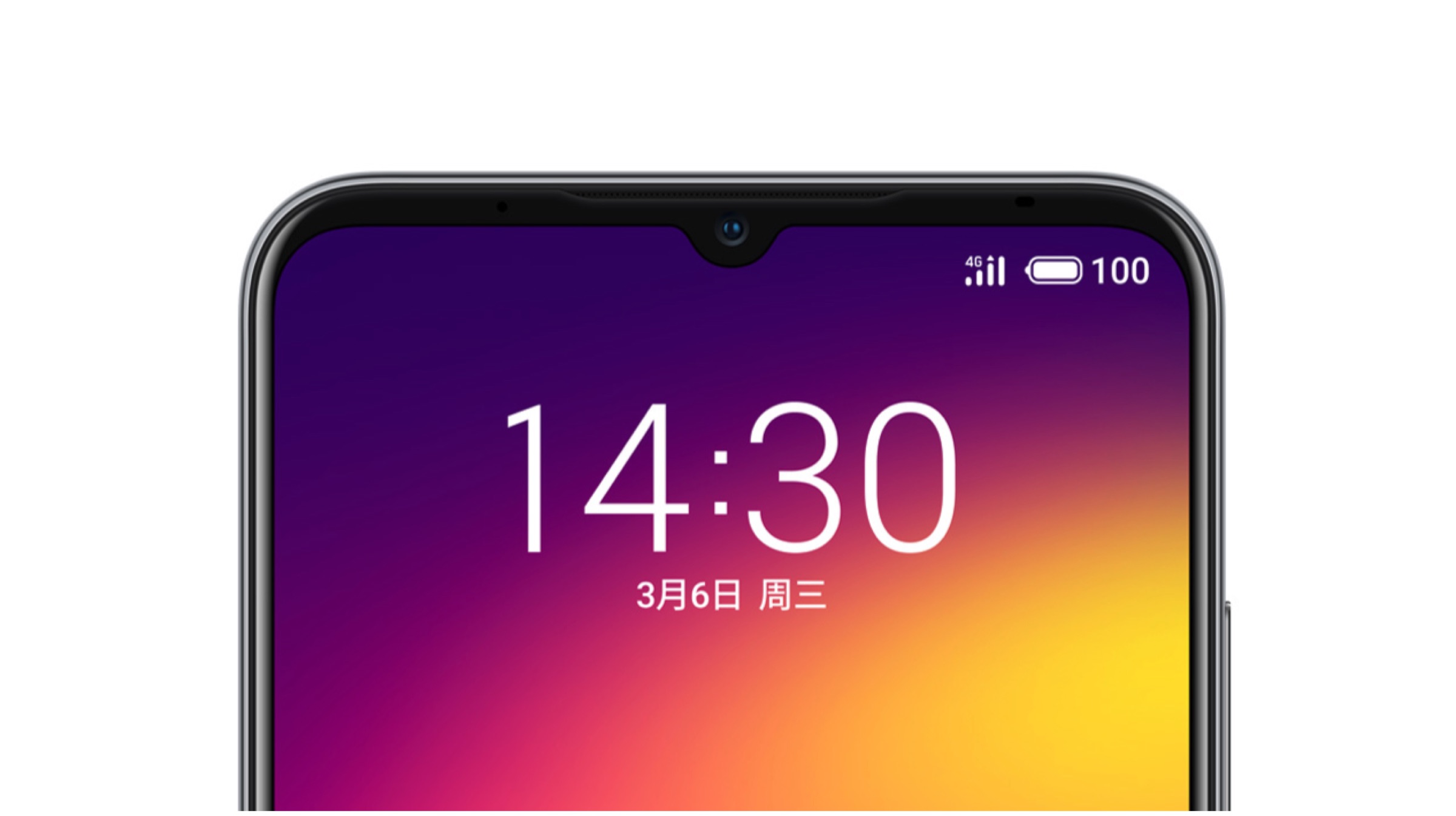
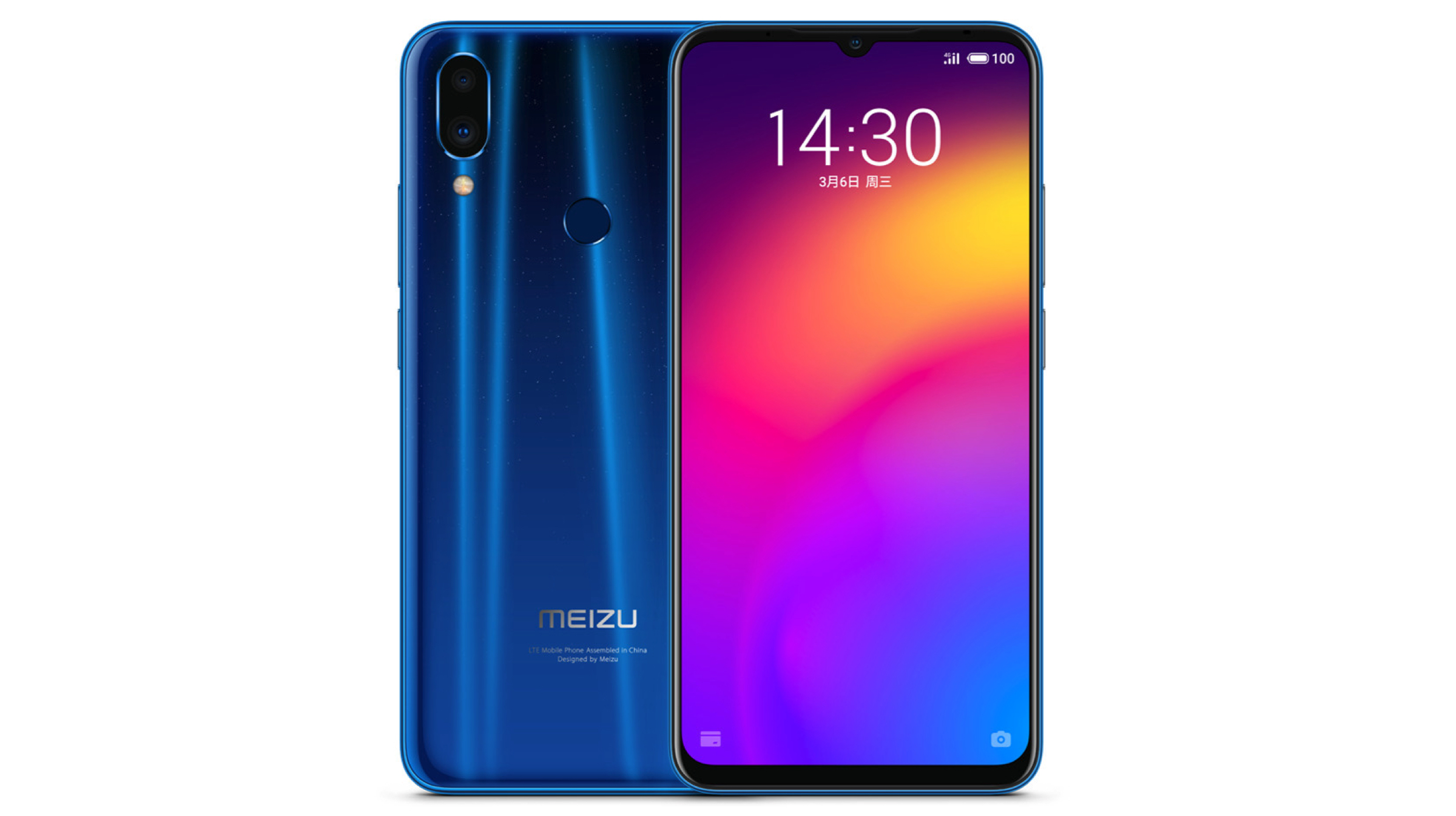 The Meizu Note 9 sports a 6.2 inch FHD+ display with a waterdrop notch. It has an 89.2% screen to body ratio, owing to the 3 mm top, 3.1mm side and 5.35mm bottom bezels. The smartphone runs on the Snapdragon 675 SoC, which comprises of a Kryo 460 octa-core CPU and the Adreno 612 GPU. The handset is available in 4GB RAM and 6GB RAM, with 64GB and 128GB of internal storage.
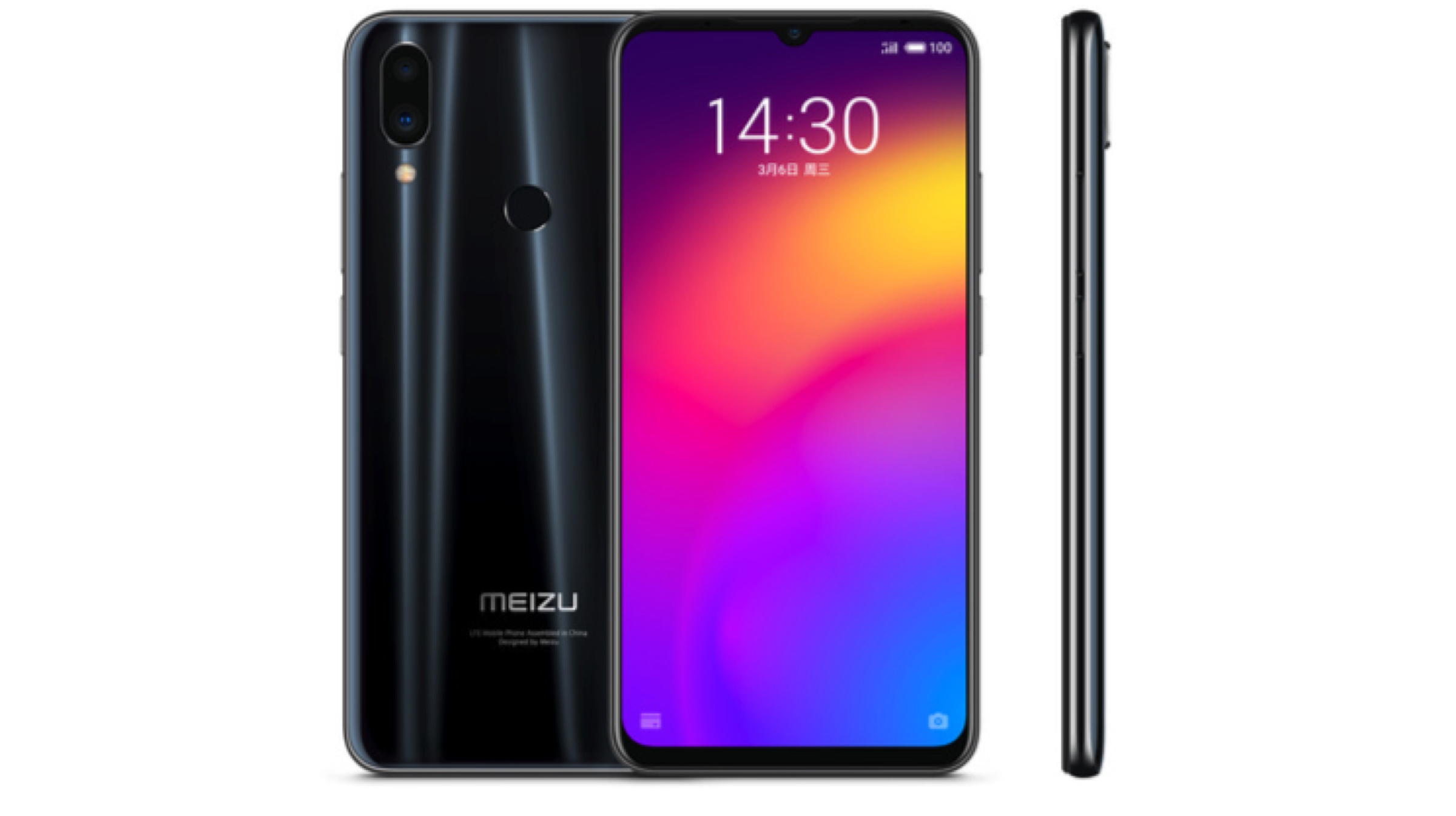 The Meizu Note 9 is powered by a 4000 mAh battery with 18 W fast charging support. It features a 3.5 mm headphone jack which is placed at the bottom of the handset, right next to the speaker grille and the USB Type-C port. In terms of OS, the Note 9 will run the Flyme 7.2 UI which is based on Android Pie.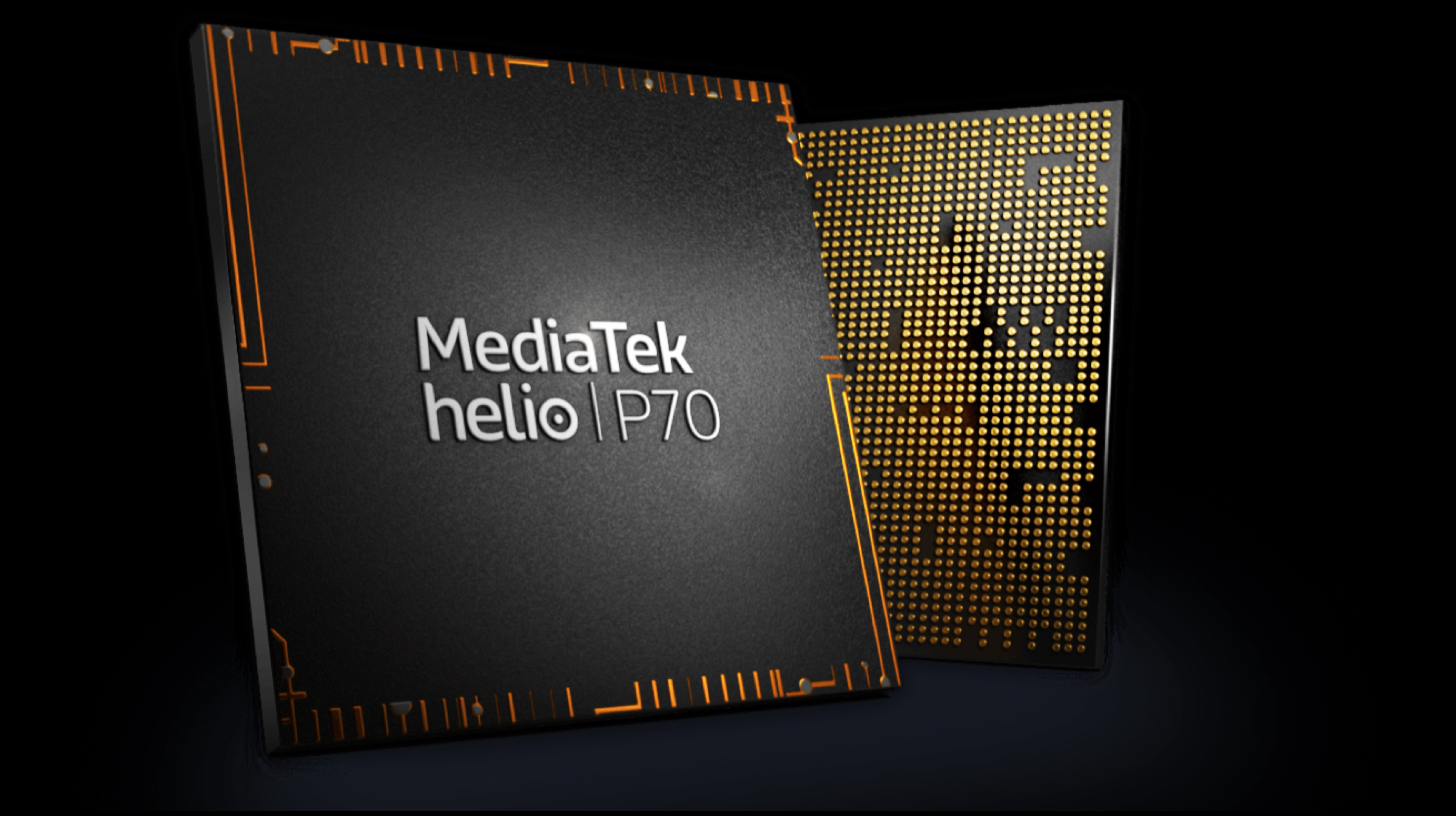
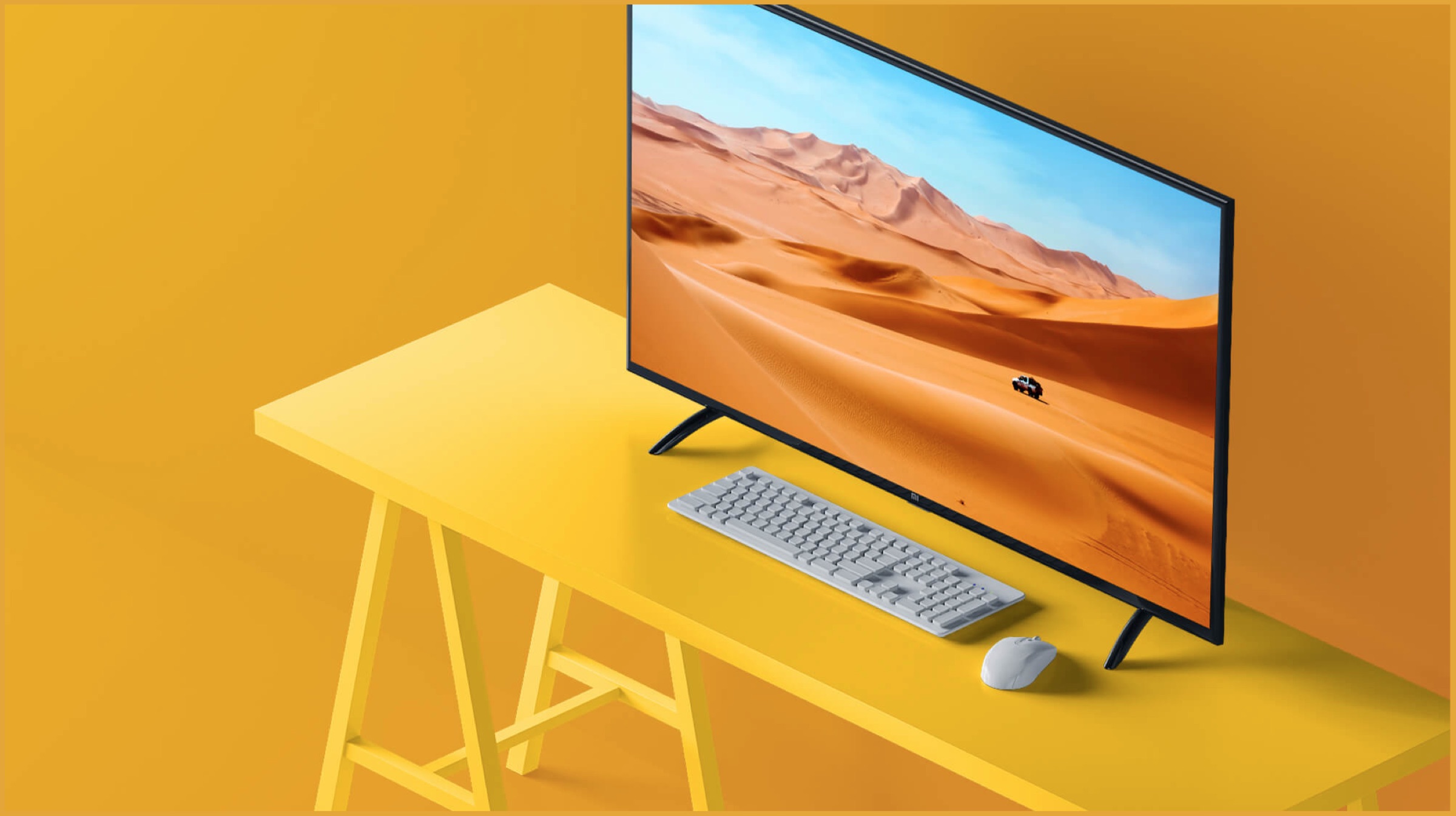
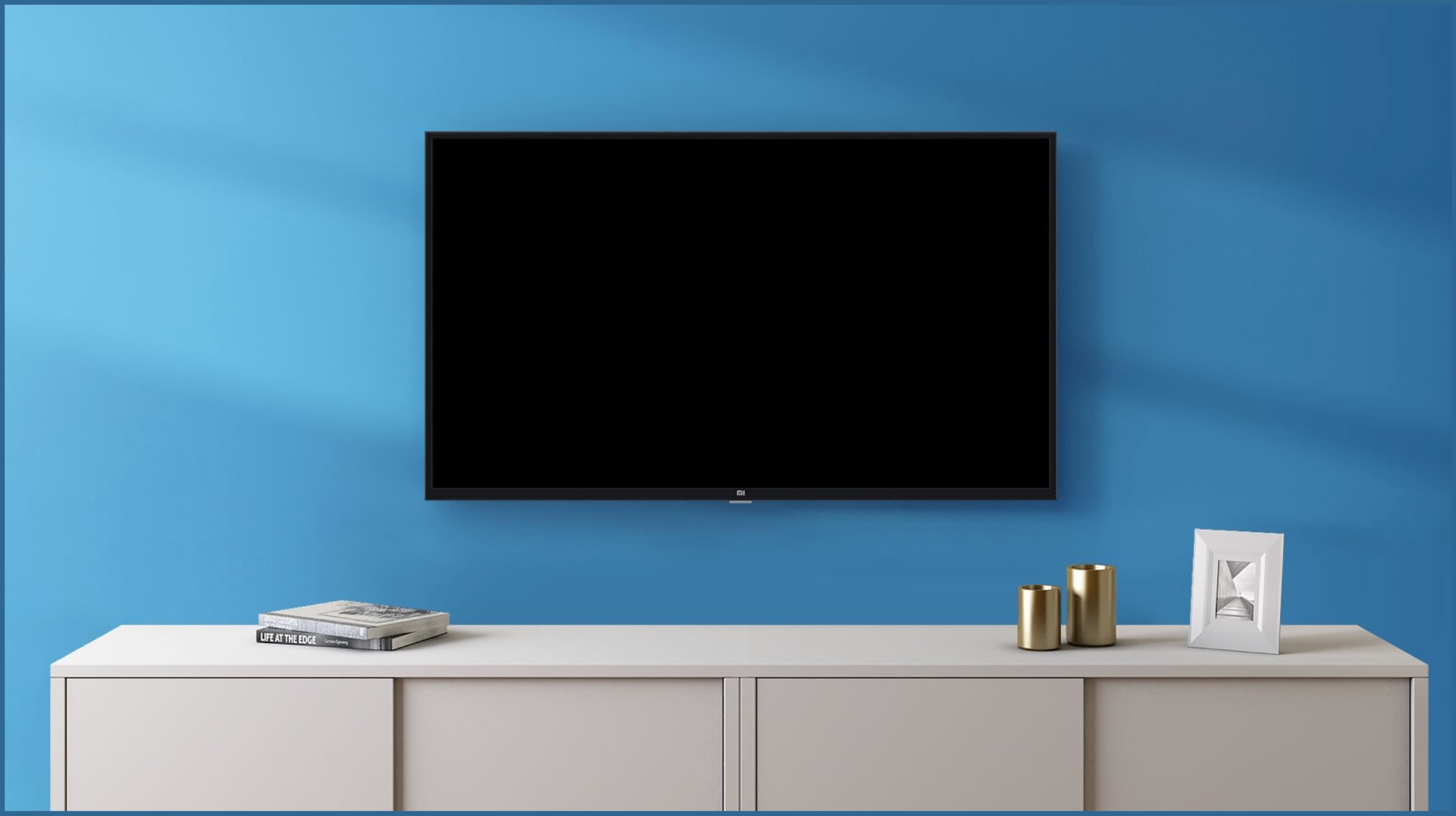 The Mi LED TV sports an Ultra-bright HD ready display, which promises vivid colours and enhanced brightness. The display is paired with 20W (10W x 2) stereo speakers with dts-HD support, which deliver a powerful sound experience. The LED TV has thin bezels giving it an elegant appearance. It also has inbuilt PatchWall to personalize content by curating shows and movies for the user.
 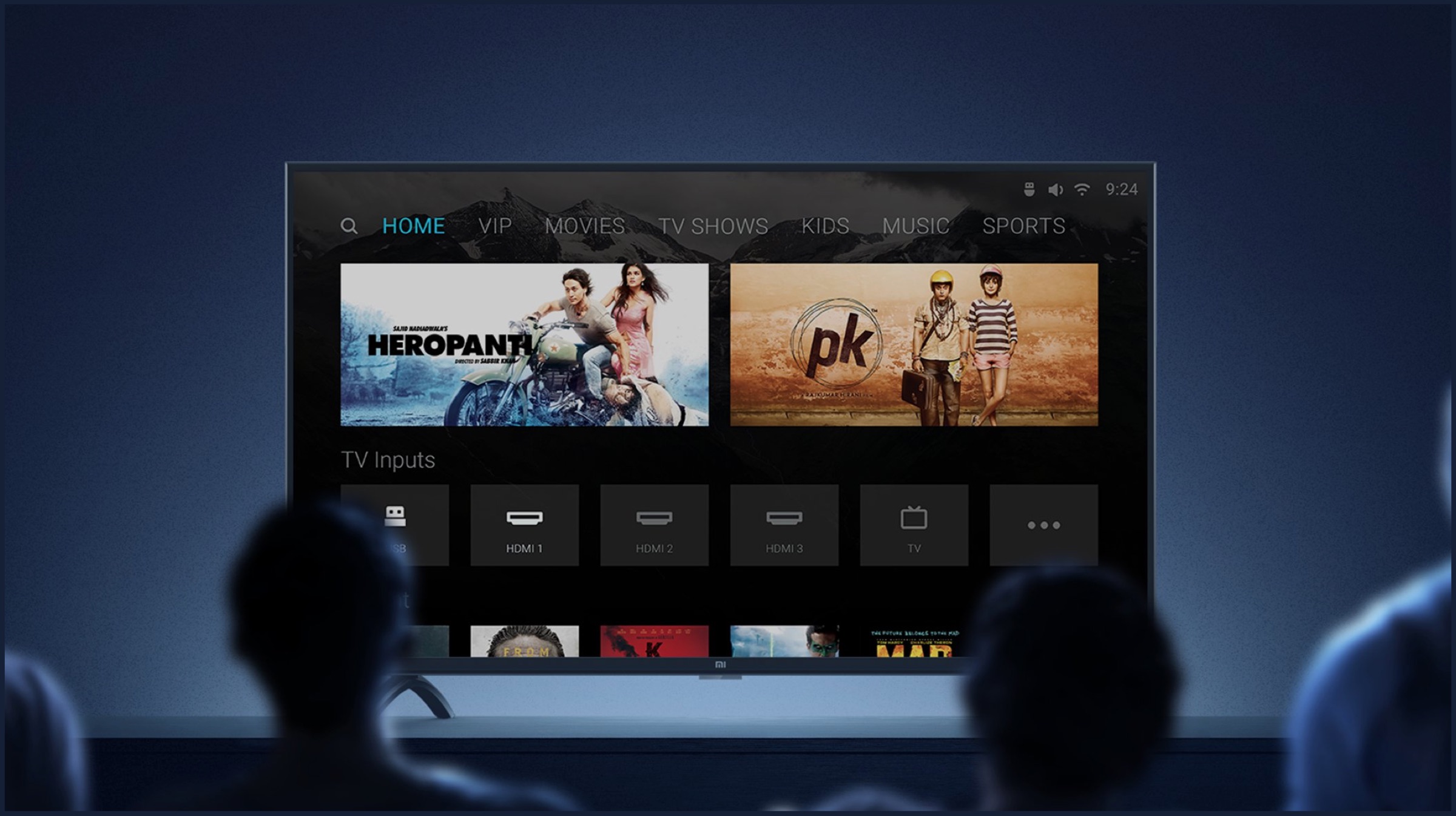 Xiaomi claims that the Mi LED TV 4A has more than 7,00,000+ hours of content available. All this content is available across streaming services like Hotstar, Voot, TVF and Sony LIV, which are preloaded on the Mi LED TV. It also features inbuilt Play Store Chromecast and the Google Voice Assistant for hands free operation. The TV runs on PatchWall and Android TV OS.
 The Smart TV has a powerful 64-bit Quad Core processor to minimize system lag. Furthermore, Mi LED TV has 1GB RAM and 8GB of inbuilt storage. Multiple connectivity options such as HDMI, USB 2.0, AV and a 3.5 mm audio jack are available on the television. Wireless connectivity support includes Bluetooth v4.2 and Wi-Fi (2.4 GHz).
  Also Read:
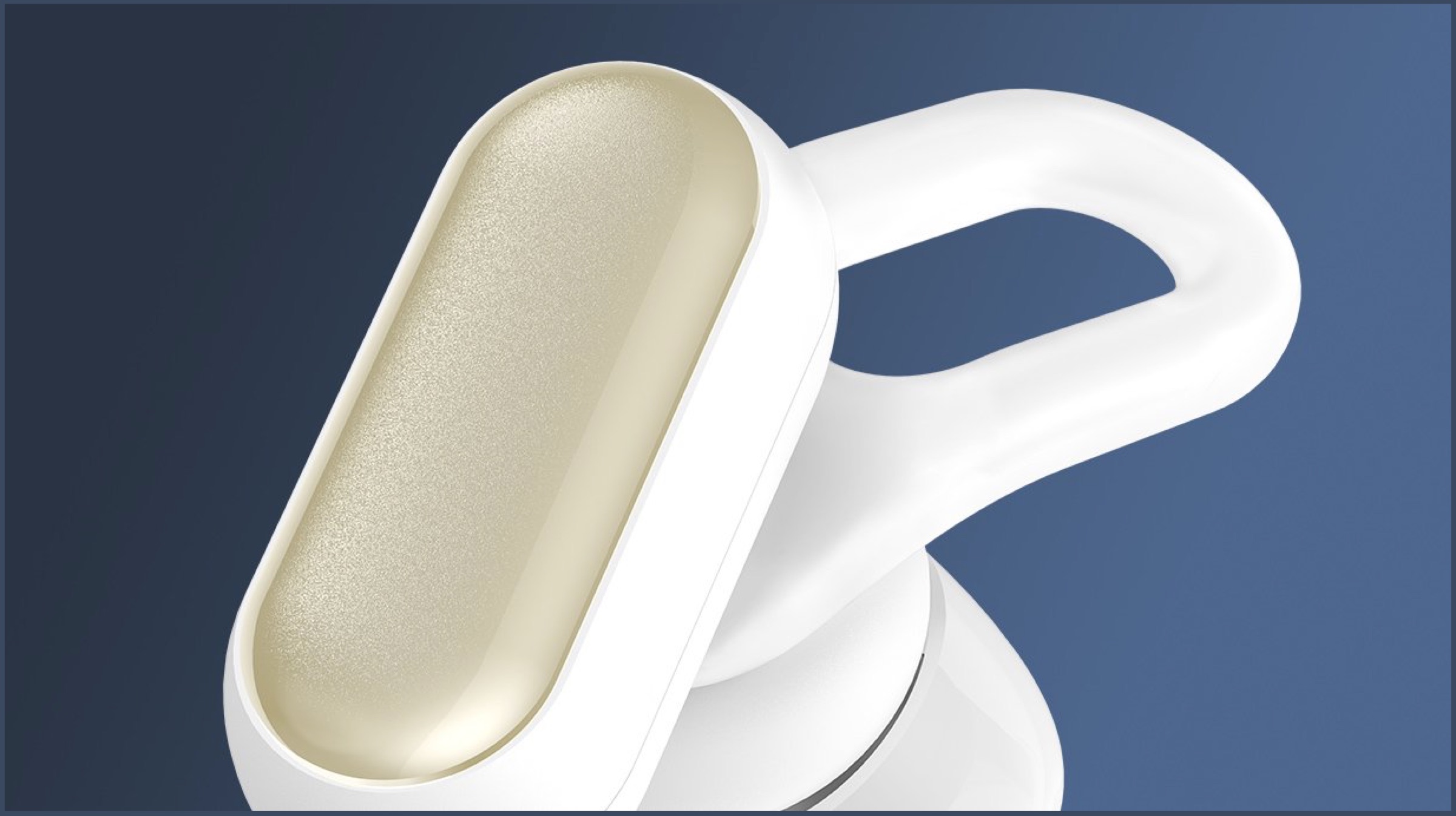 Xiaomi has released some quality earphones in the past, including the Mi Earphones and Mi Earphones Basic. The Mi Sports Bluetooth Earphones are the first ever wireless earphones that the company has launched in India. They sport a minimalistic design along with a ton of other features. Weighing in at 13.6 grams, the earphones are light and should be easy to carry around. They have a sleek reflective finish and the company claims to use reverse spray technology to make the earphones stand out. The earphones also sport an adjustable ear hook which can be rotated at a 360 degree angle as per user comfort.
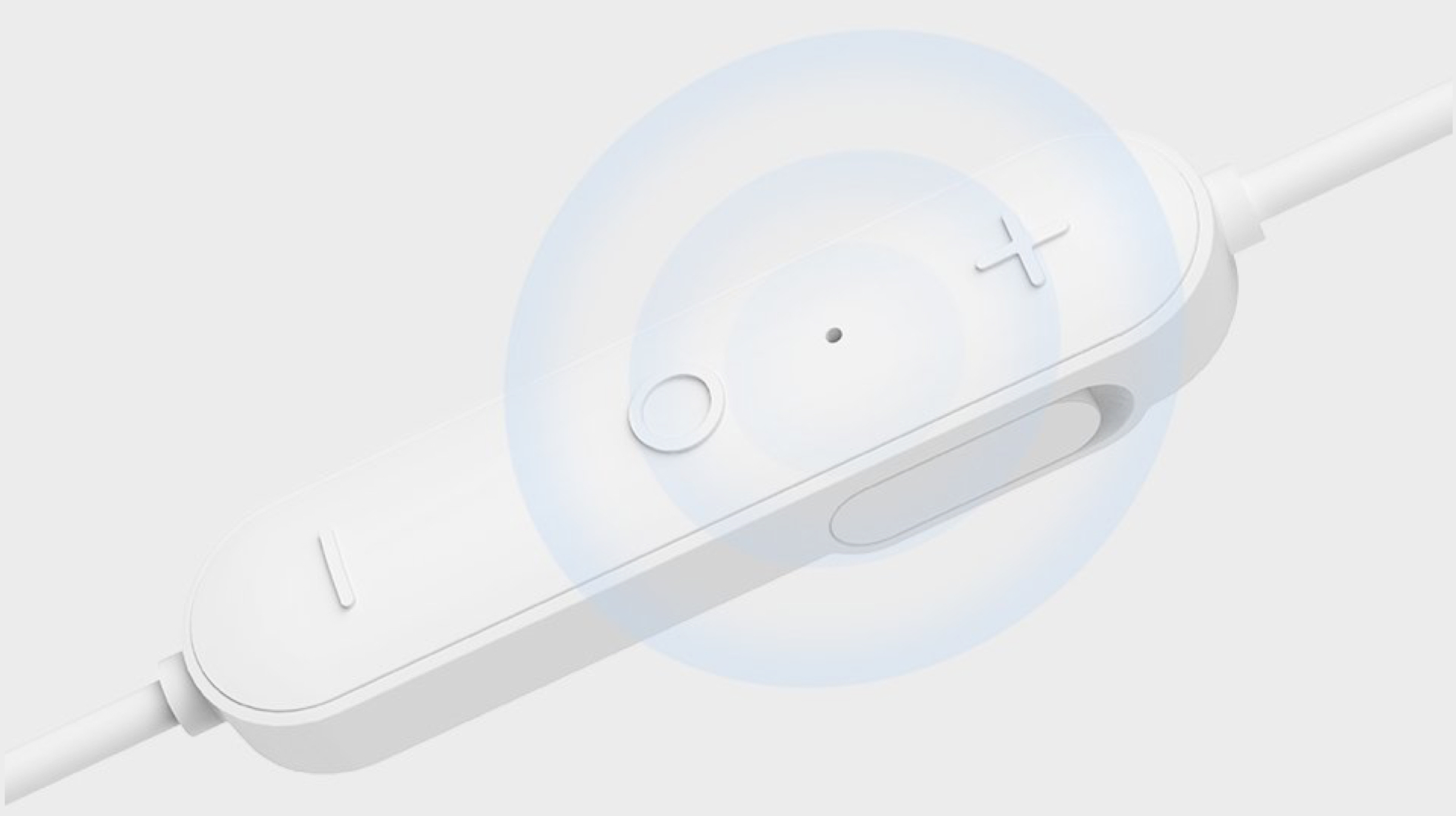 Regarding connectivity, the Mi Sports Earphones has Bluetooth v4.1 integration that offers a range of upto 10 meters. The earphones feature copper wired speakers and PET (
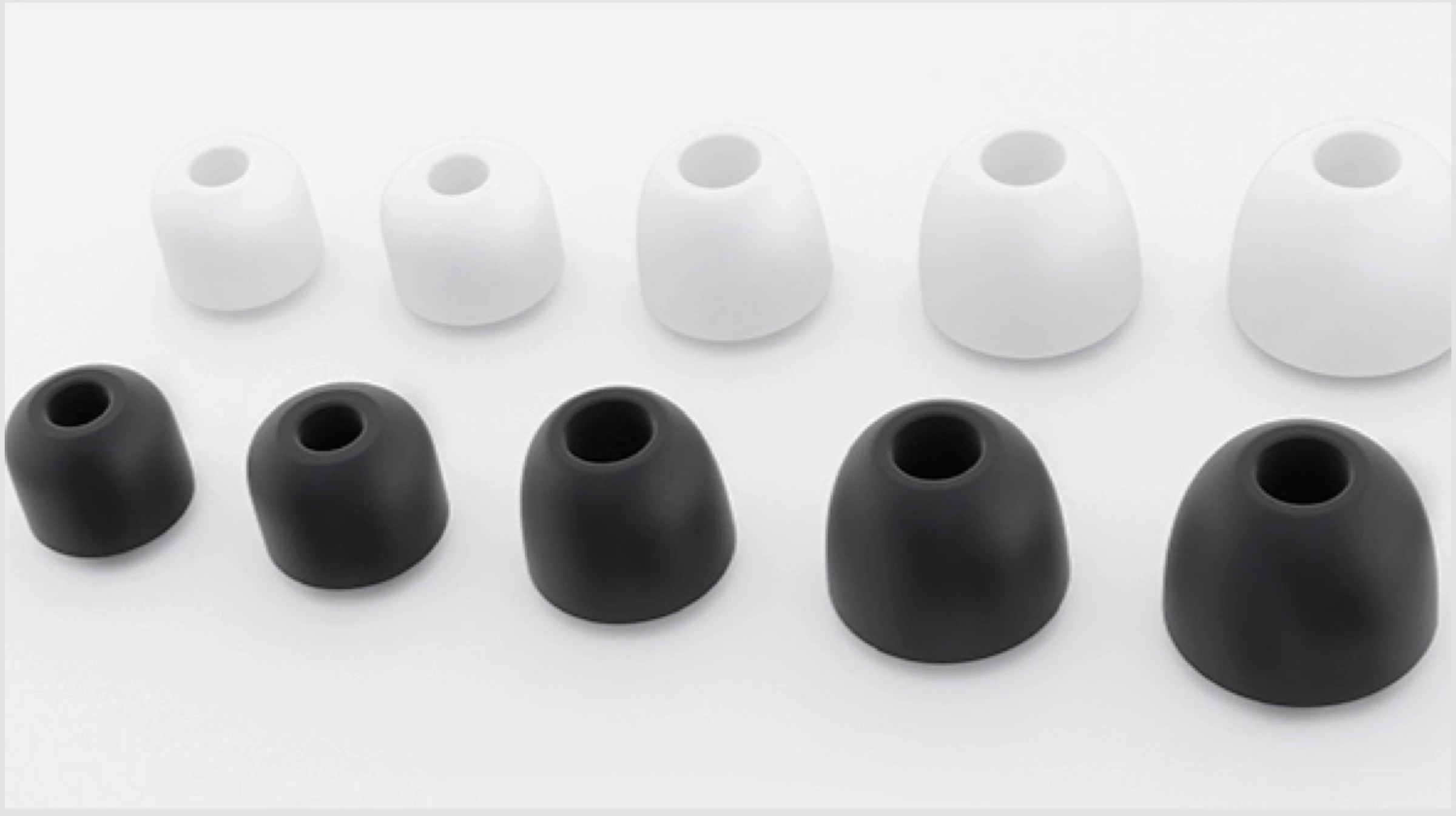 In terms of battery, the Mi Sports Bluetooth Earphones Basic can endure up to 9 hours of continuous usage before the 120 mAh battery runs out of juice. Apart from this, the earphones also have a standby time of 260 hours. The earphones can be charged via the microUSB 2.0 cable that is included in the package along with extra silicone buds for different ear sizes. Furthermore, the earphones are IPX4 sweat and splash proof to safeguard them against rain and accidental liquid splashes.