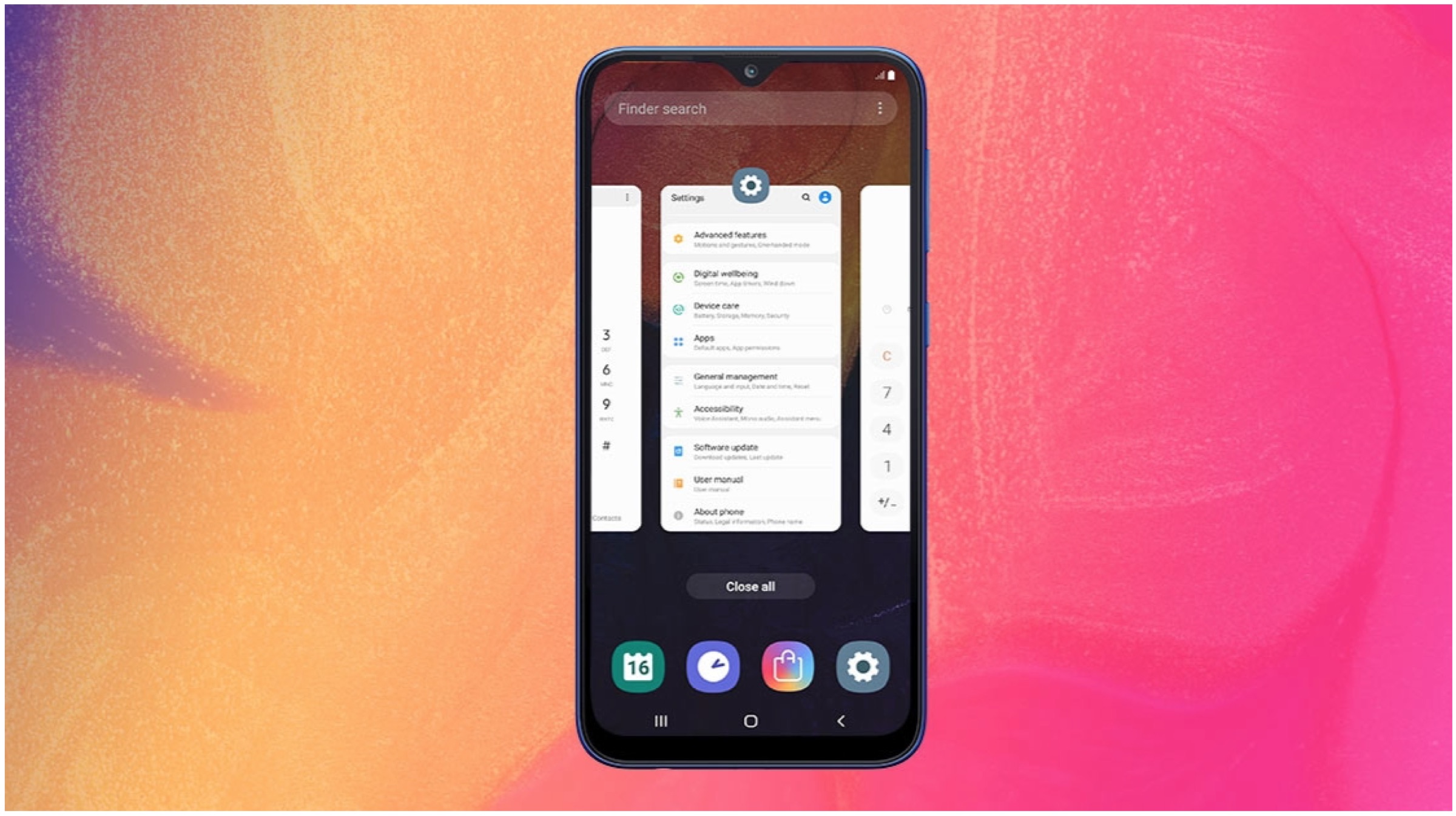
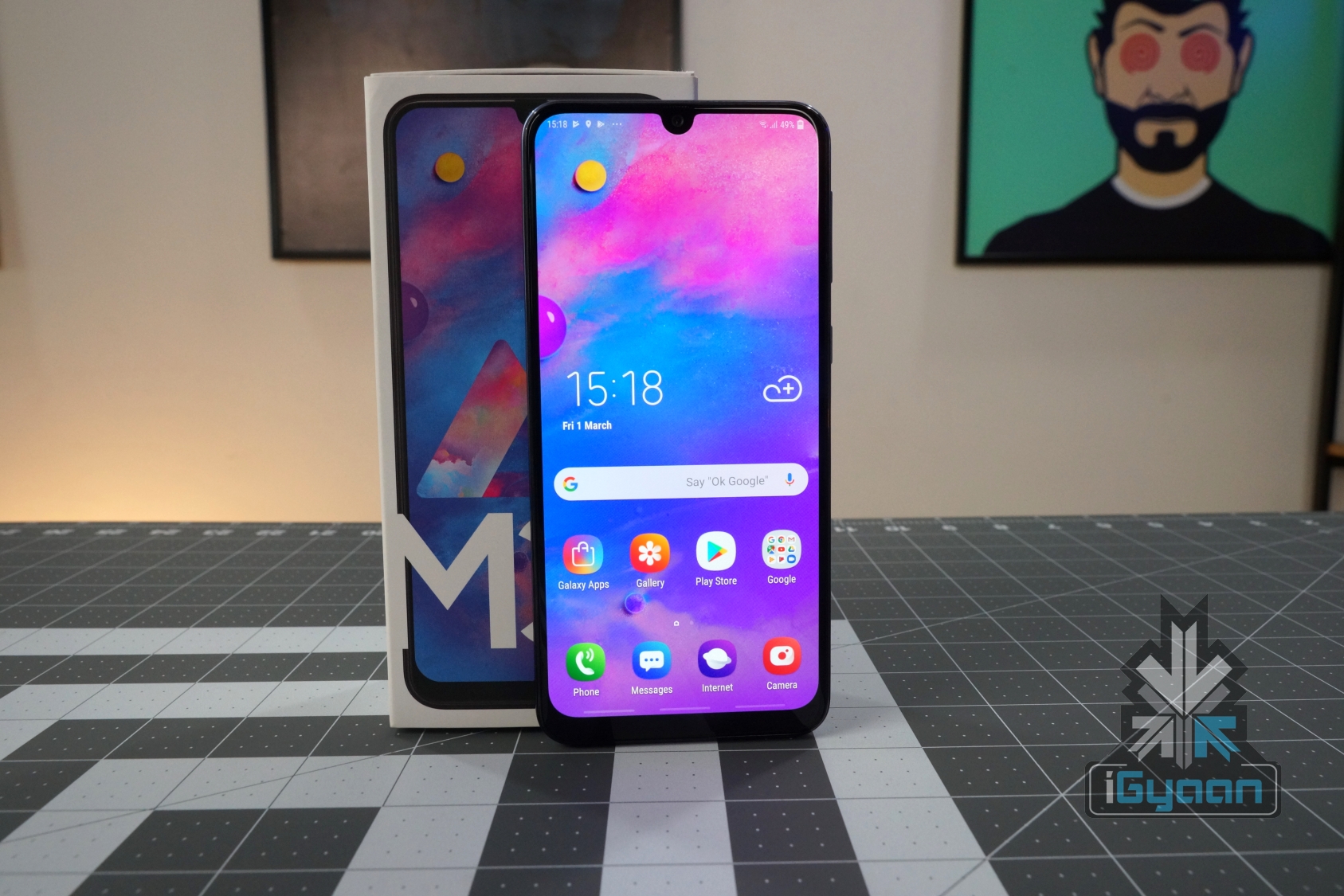
Samsung launched the Galaxy M30 in India on February 27, which is the third device in the M series lineup so far. Earlier this month, another Samsung smartphone, the Galaxy A10 was leaked online. Now, Samsung has officially launched the Galaxy A10 in India. The company is targeting low to mid-range segment smartphones with the A series, and the Galaxy A10 is the base model in this lineup.
Display And Design
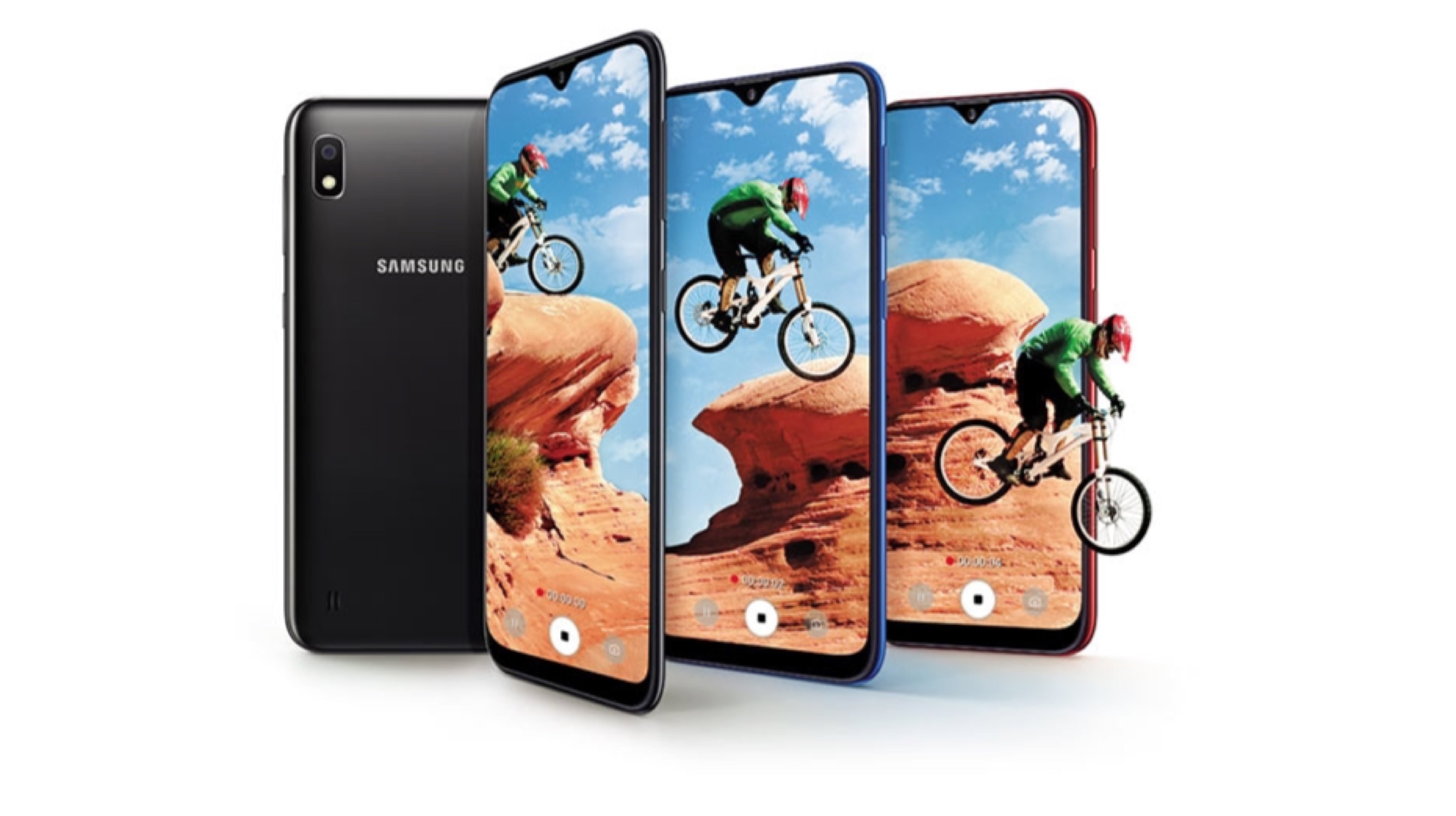
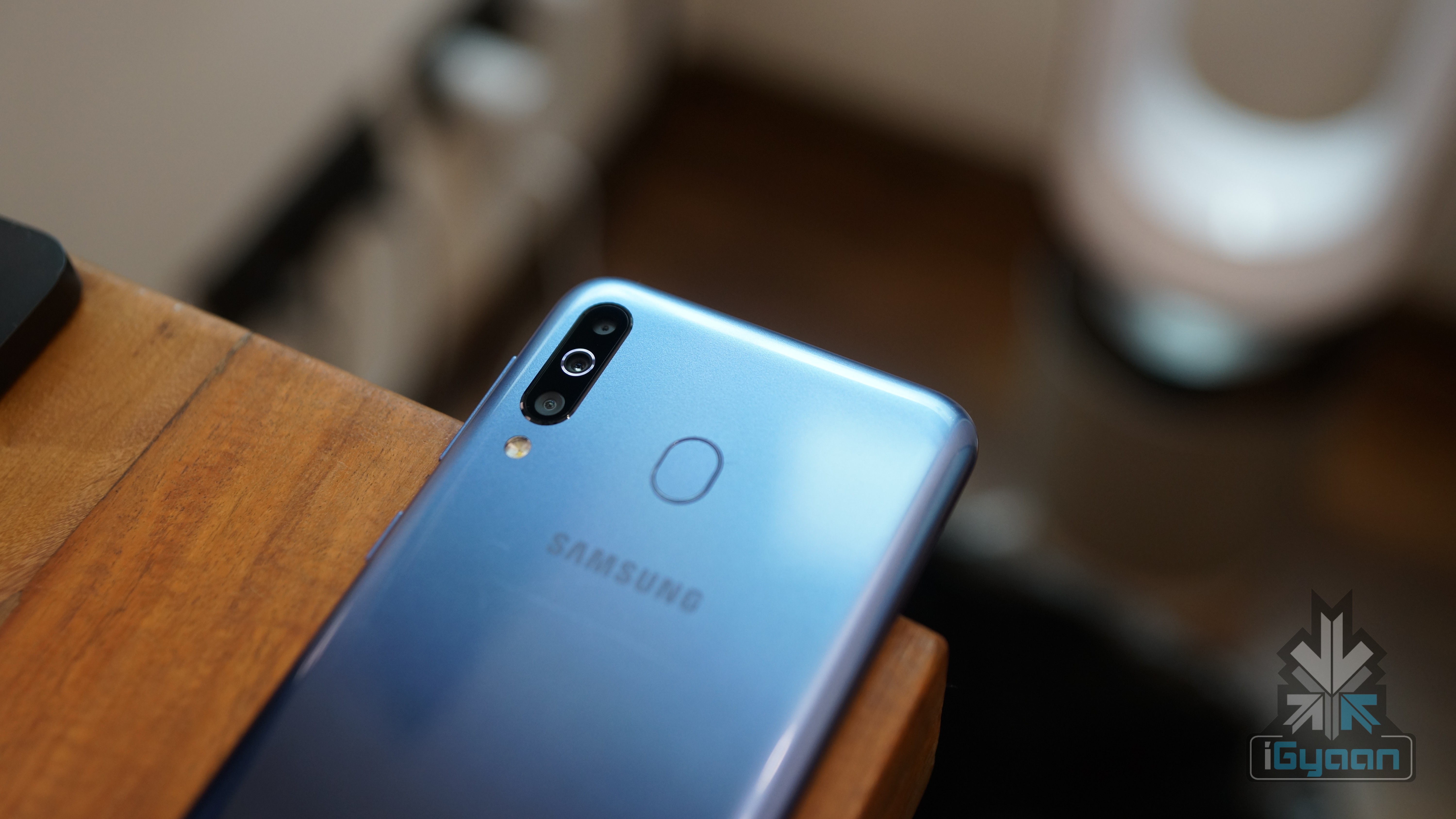
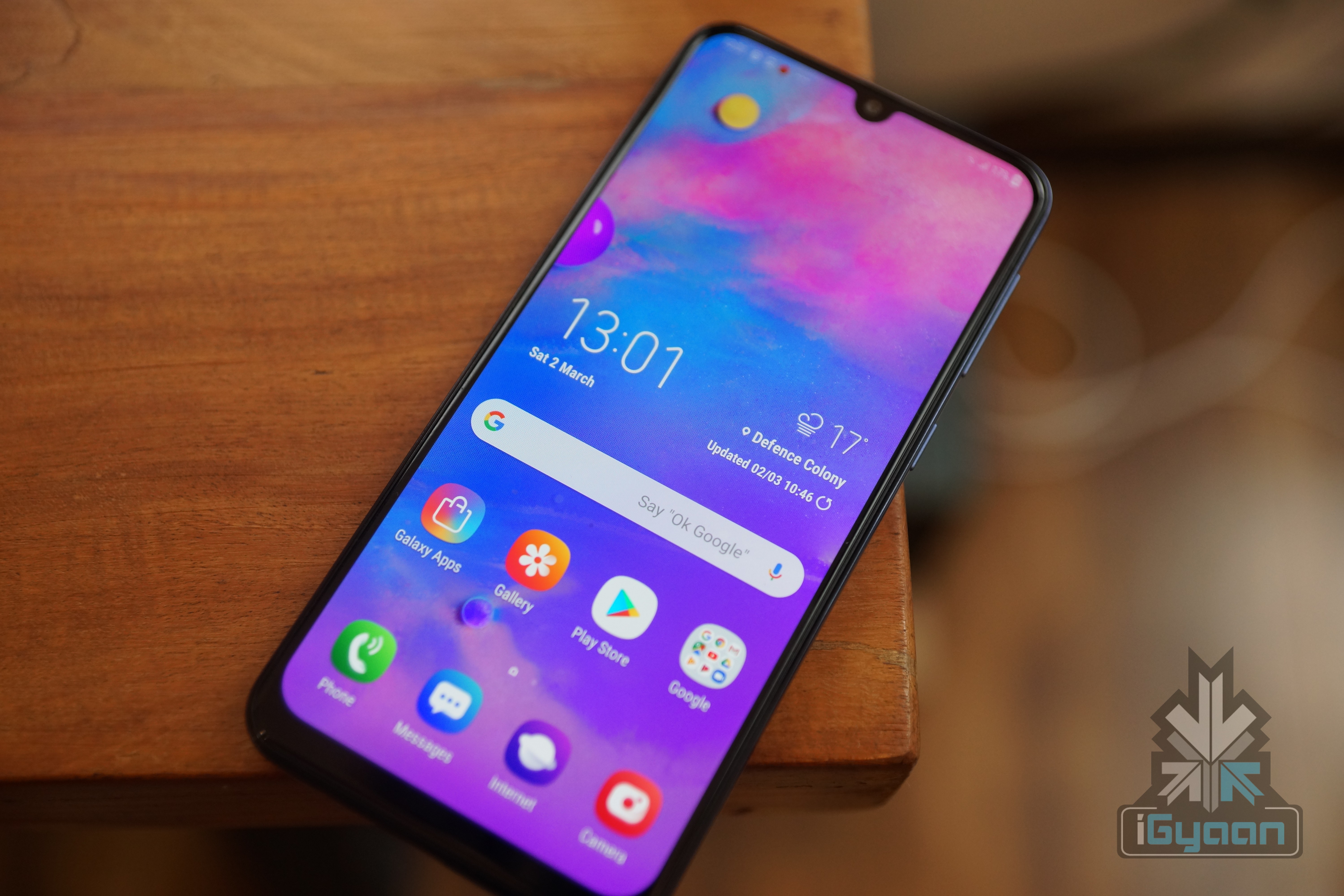
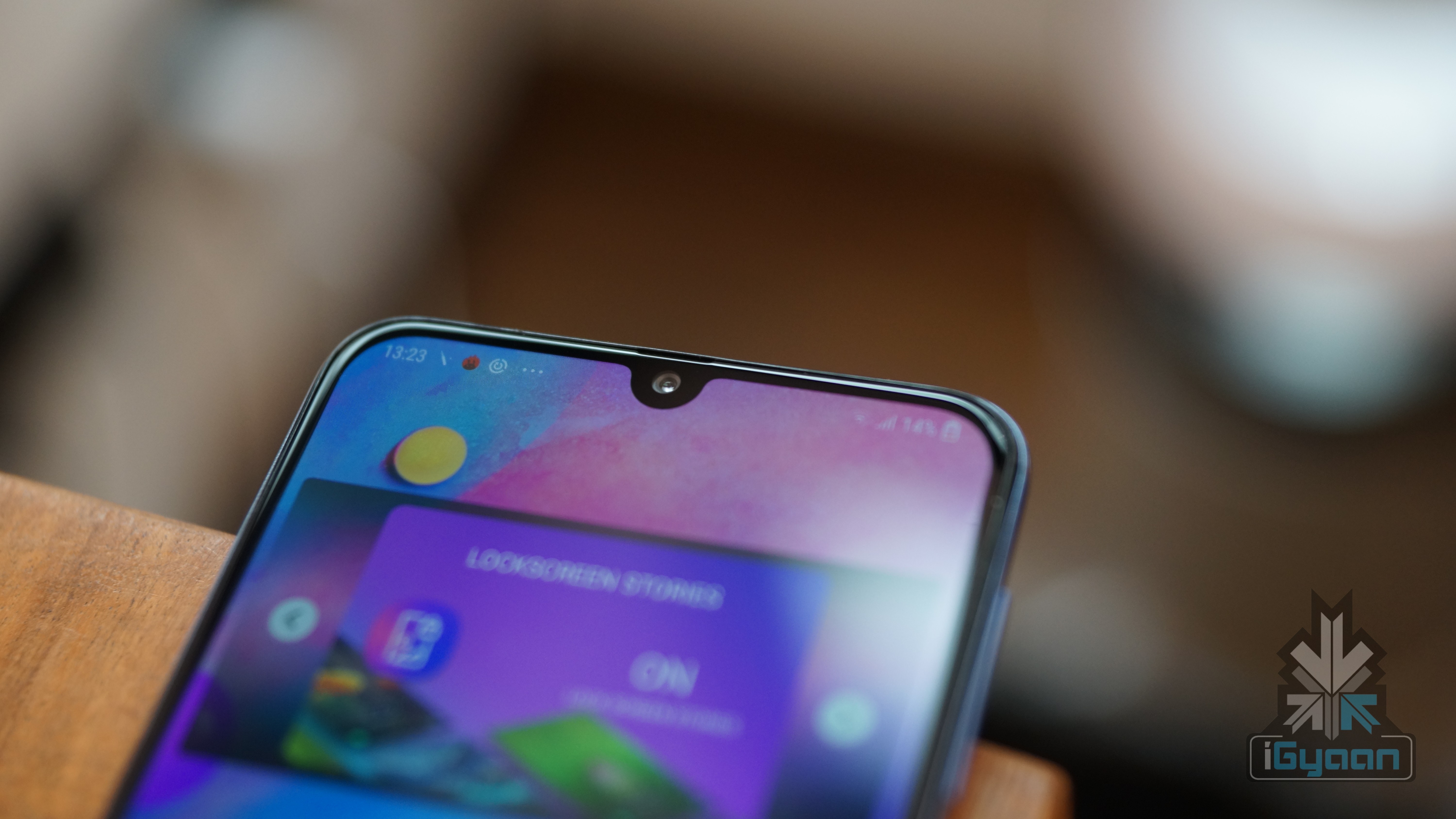
 The Samsung Galaxy A10 features a 6.2 inch HD+ Infinity-V display. The smartphone measures at 155.6 x 75.6 x 7.94 mm. It sports a glossy plastic back panel, with a waterdrop notch on the front and a single camera module on the back. The speaker is present on the back near the bottom left corner of the panel. The right side of the smartphone houses the volume rockers and the power button, while the left side houses the SIM card tray. The bottom of the Galaxy A10 is occupied by a 3.5 mm headphone jack and micro USB 2.0 port which can be used for charging and data syncing.
Specifications And Camera
 The Galaxy A10 packs the Exynos 7884 chipset, which comprises of an octa-core CPU. The device is available with 2 GB RAM and 32 GB of internal storage, which is expandable up to 512 GB via the dedicated microSD card slot. The smartphone runs on Android 9 (Pie) out of the box, with Samsung’s One UI on top. It sports a single 13 MP (f/1.9) rear camera with an LED flash and a single 5 MP (f/2.0) front facing selfie camera. The Galaxy A10 is powered by a 3,400 mAh battery.
Price And Availability
Also Read: Redmi Note 7 Pro Launched In India
The Galaxy A10 has been priced at Rs. 8,490 for the 2GB+32GB variant. The smartphone will go live on sale from March 20, and will be available in the following colour options:
- Red
- Blue
- Black


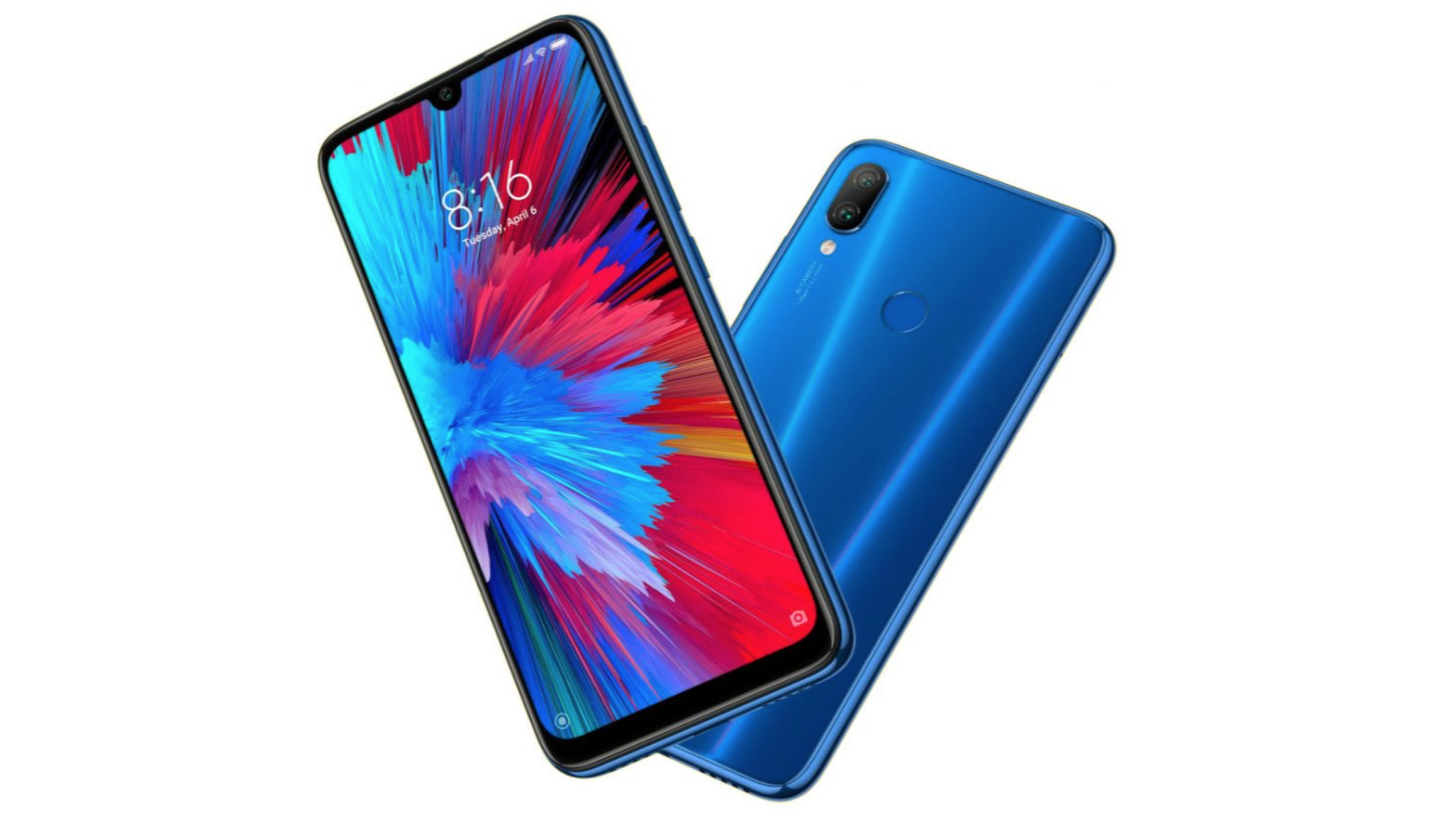
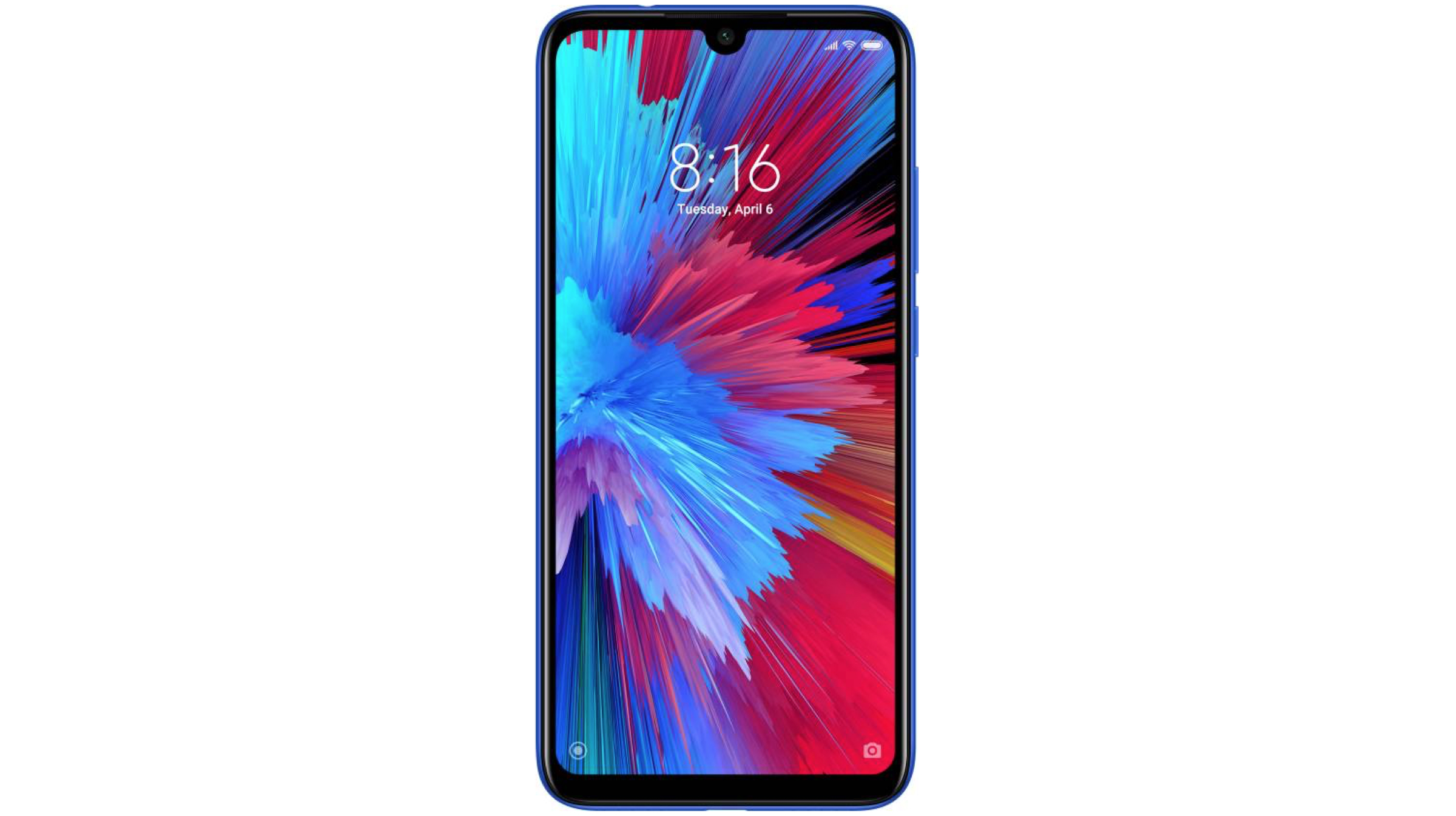
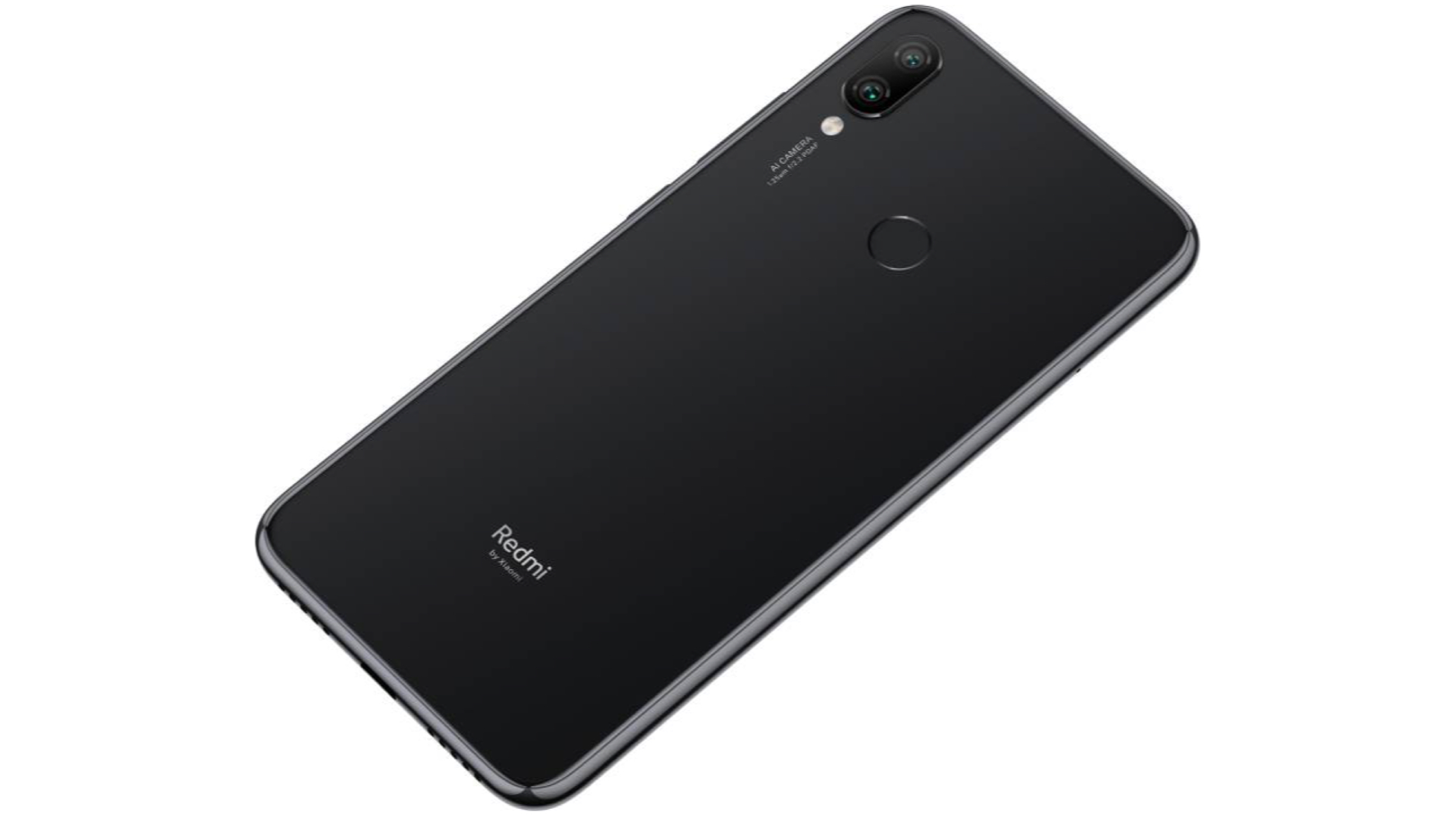
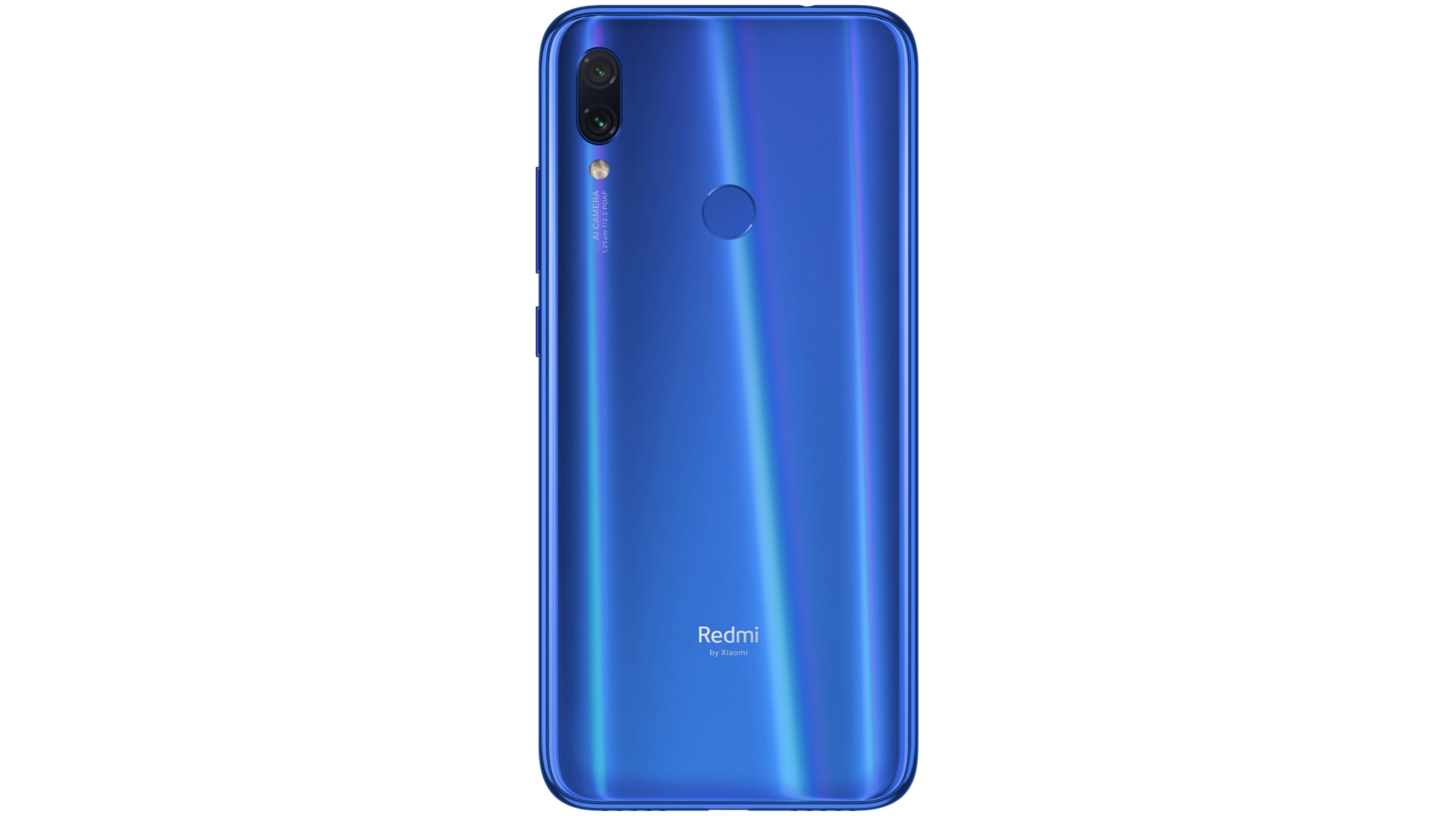
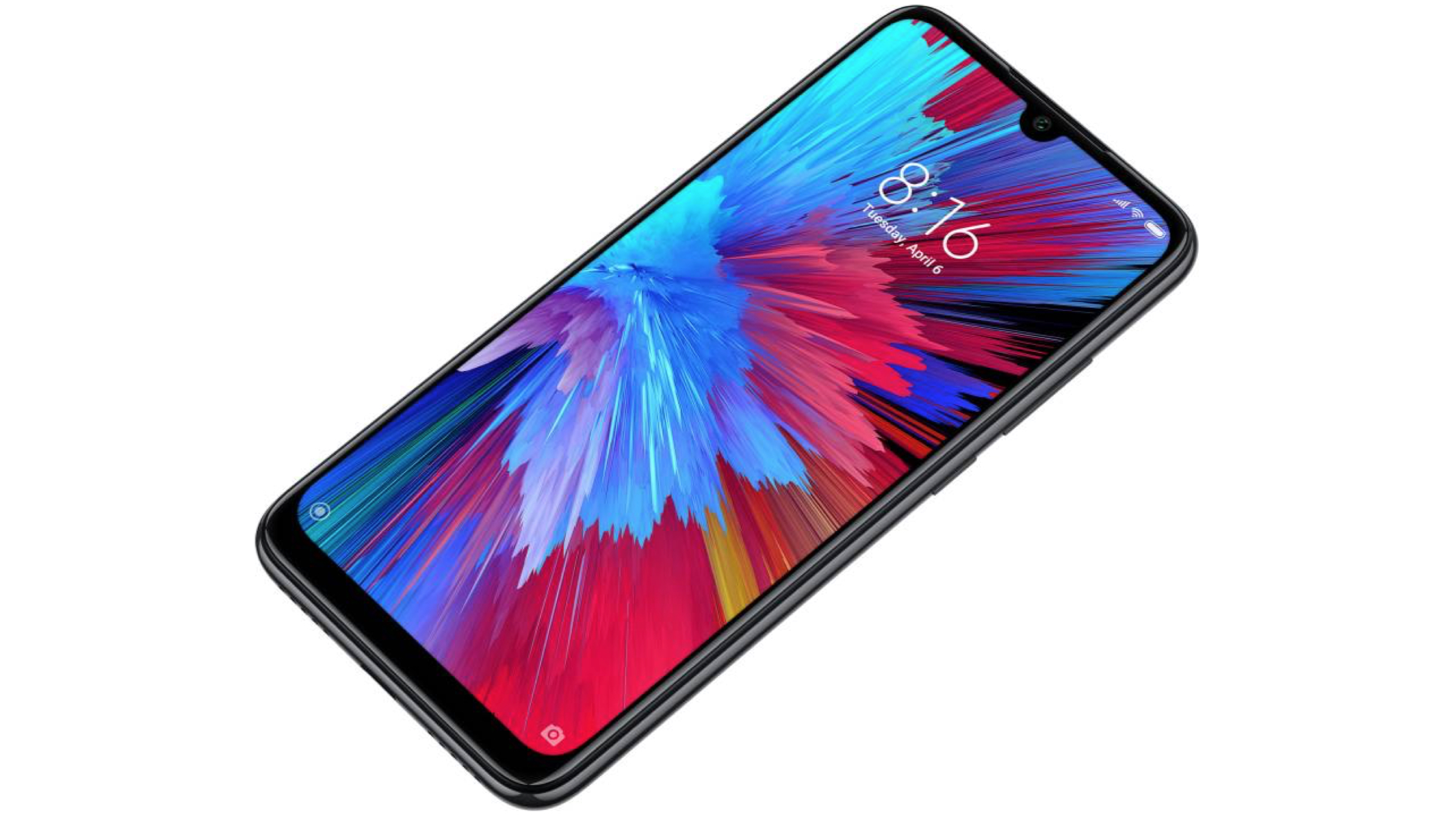
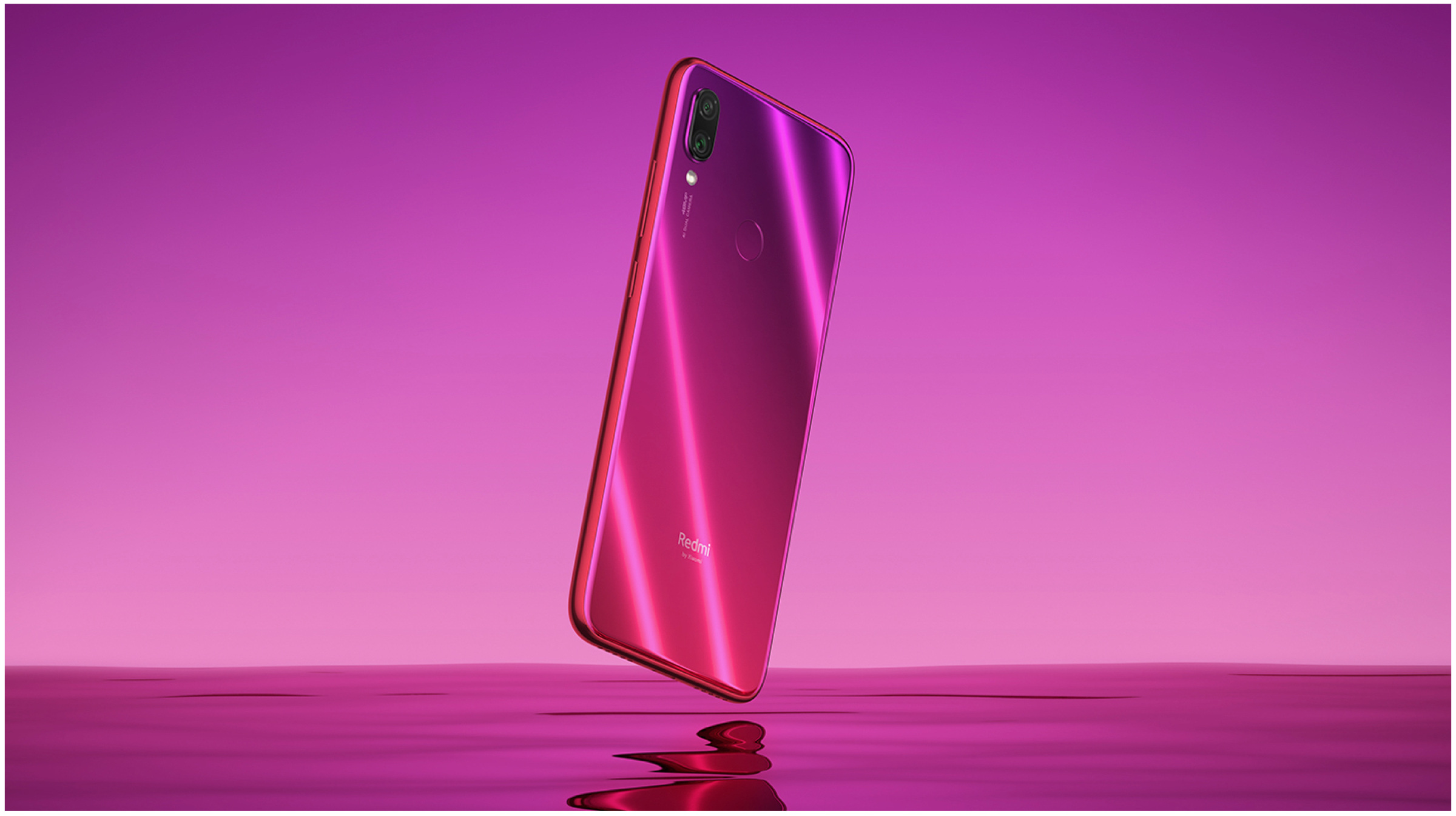 The Redmi Note 7 Pro sports the Aura Design, which features 1.95 mm thin bezels and a 2.5D curved glass design. The glossy curved frame houses the 6.3 inch LTPS FHD+, dot notch display. The screen has an aspect ratio of 19.5:9 with a 1500:1 contrast ratio. The device has Sunlight display for better outdoor viewing and a Reading mode to improve readability on the smartphone. The smartphone is protected on both sides by Corning Gorilla Glass 5. The Redmi note 7 Pro is the first Note device from Xiaomi to house a USB Type-C connector, which is placed on the bottom of the handset (right next to the speakers). It also retains the 3.5 mm audio jack and the IR blaster, both of which are present at the top of the phone.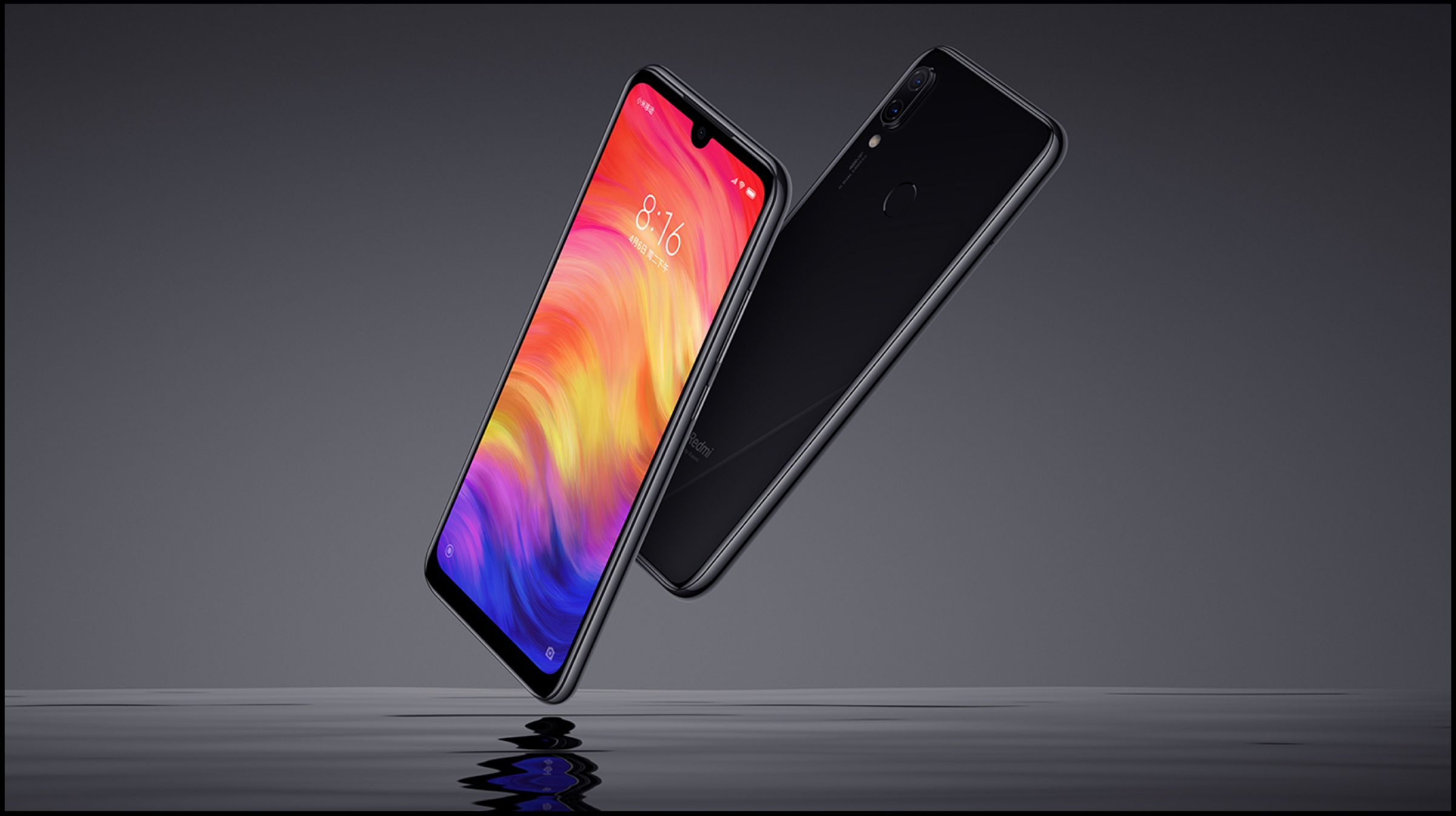
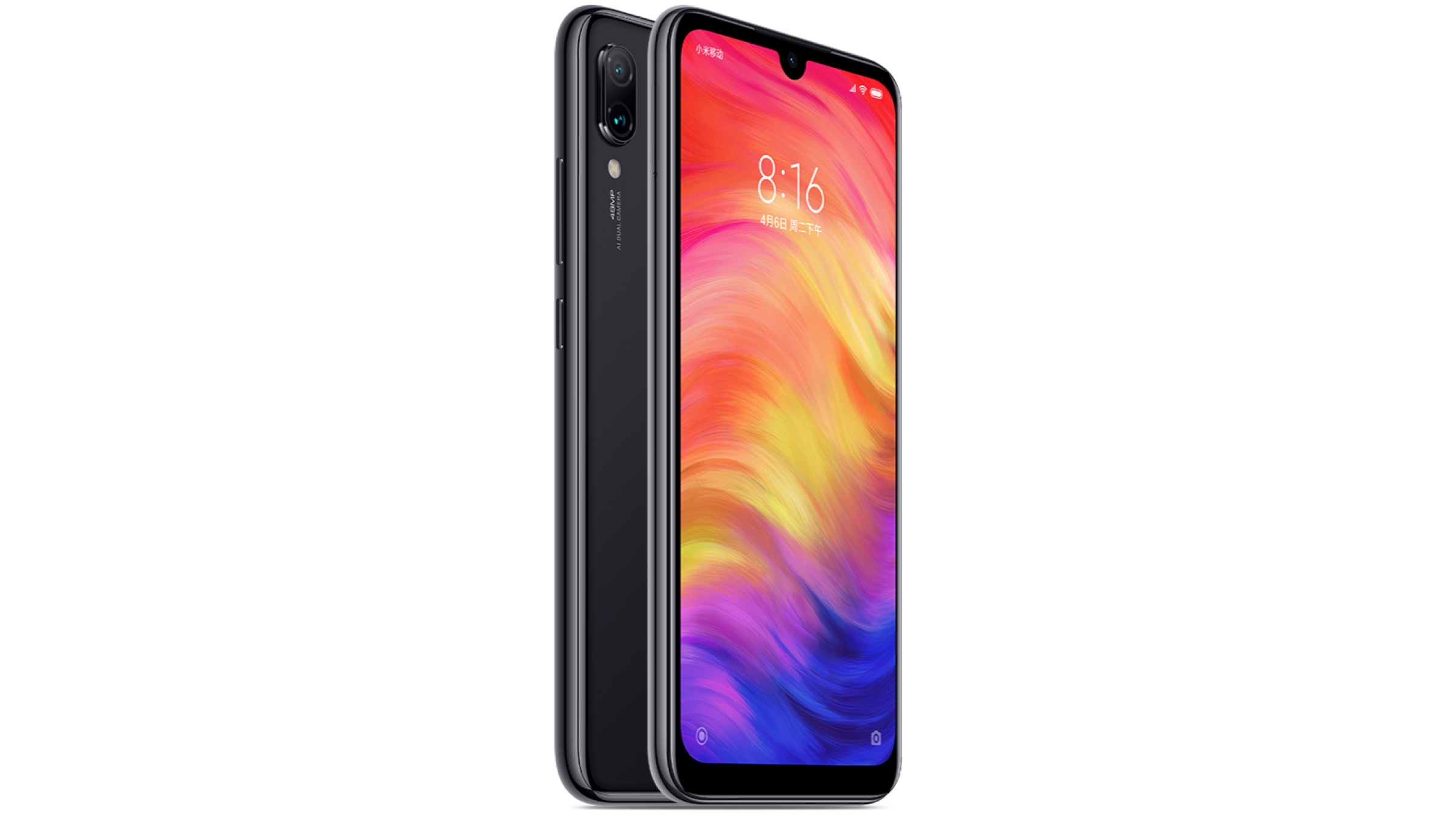
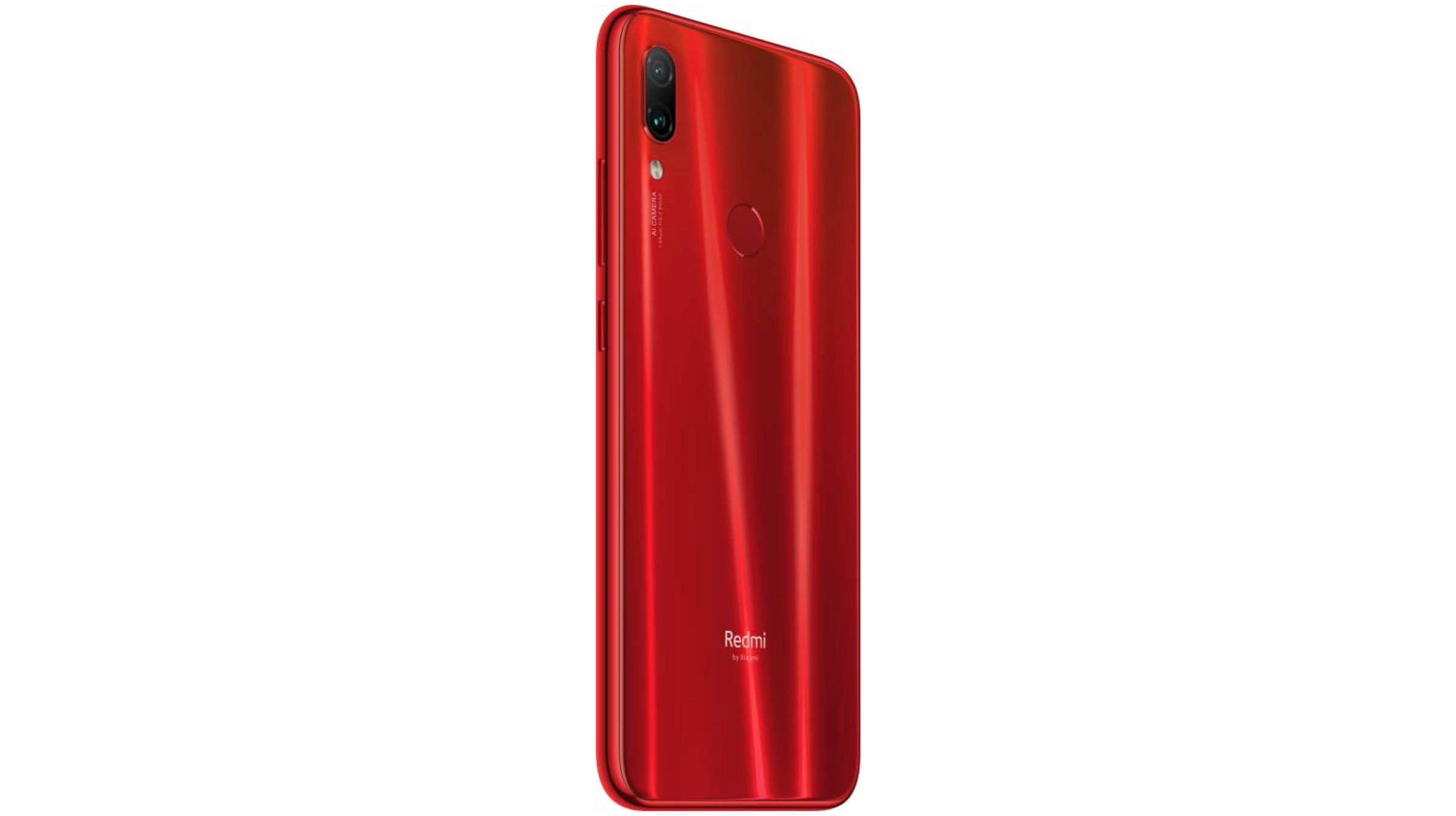
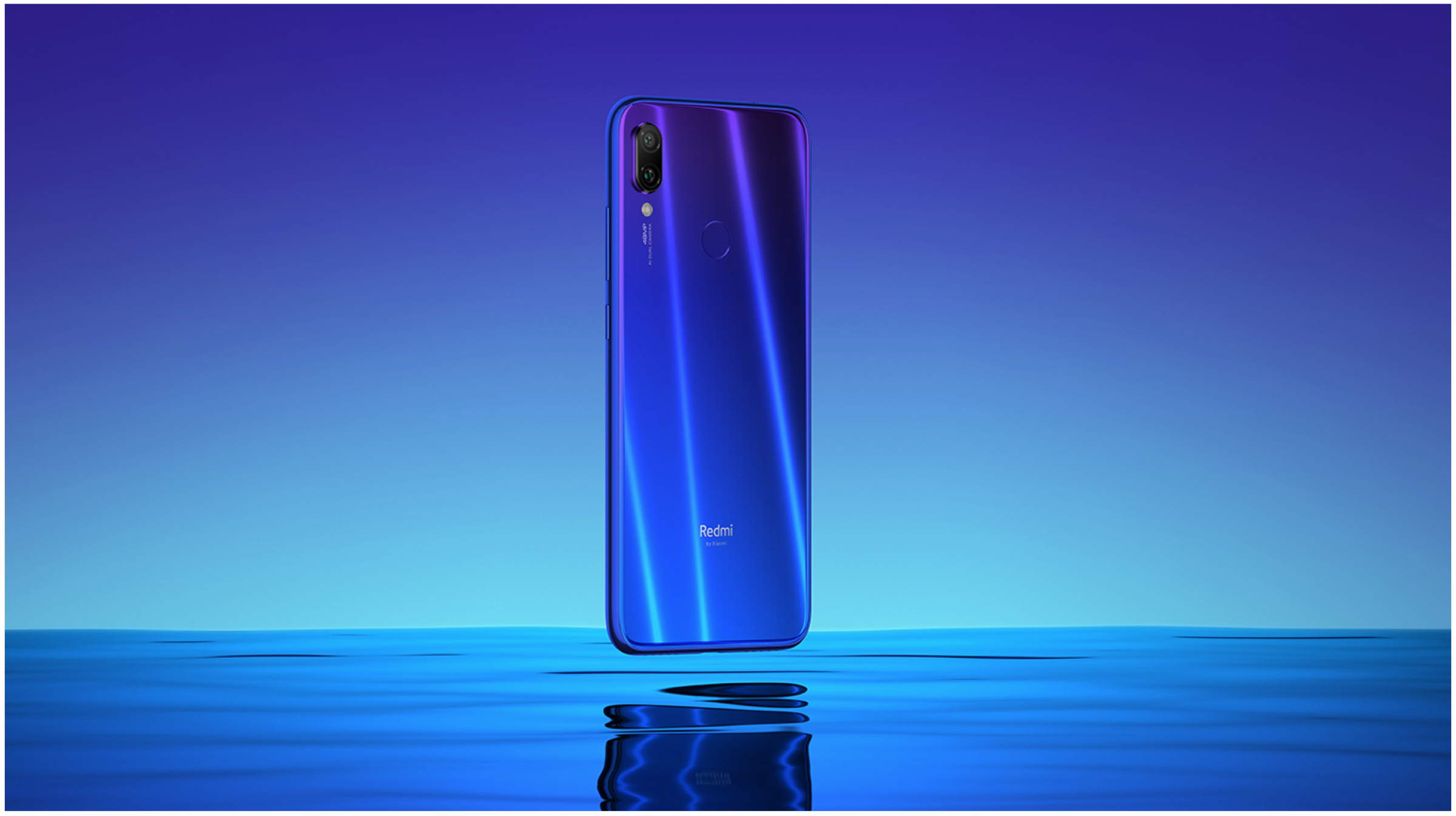 The Redmi Note 7 Pro is powered by a 4,000 mAh battery which supports 18W Quick Charge 4.0, although the device ships with a 10W charger in the box. As mentioned before, the device has an IR blaster, similar to the one seen in previous iterations of the smartphone. Biometric security is limited to a rear mounted fingerprint sensor. The smartphone is available in three colour options, Neptune Blue, Nebula Red and Space Black.


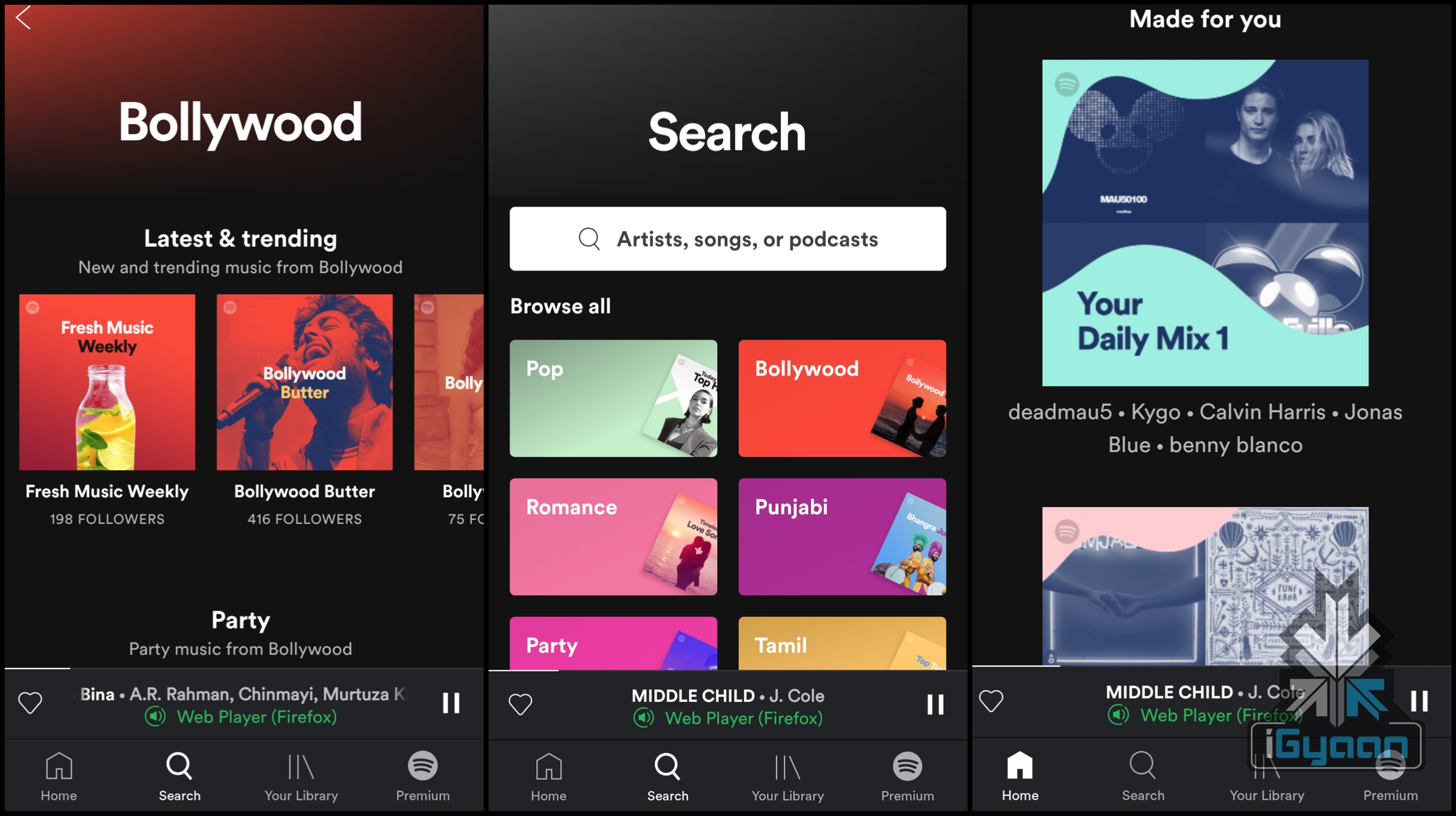
 The Spotify India Website is also live, where users can find all the information they need regarding Spotify subscriptions. According to the website, users can avail Spotify premium services at Rs. 119 per month, with more options for a day, week, month, quarter, 6 months and a year. People can choose from a premium subscription plan which allows users to avail a free 30 day trial, a prepaid plan which starts from Rs. 129 a month, and a student plan which offers up to 50% discount on the beforementioned plans.
 Spotify’s founder and CEO acknowledged the rich music culture of India and wanted to blend it with other music forms across the world. He also said that Spotify’s family is a lot bigger now that India has become a part of it. As
 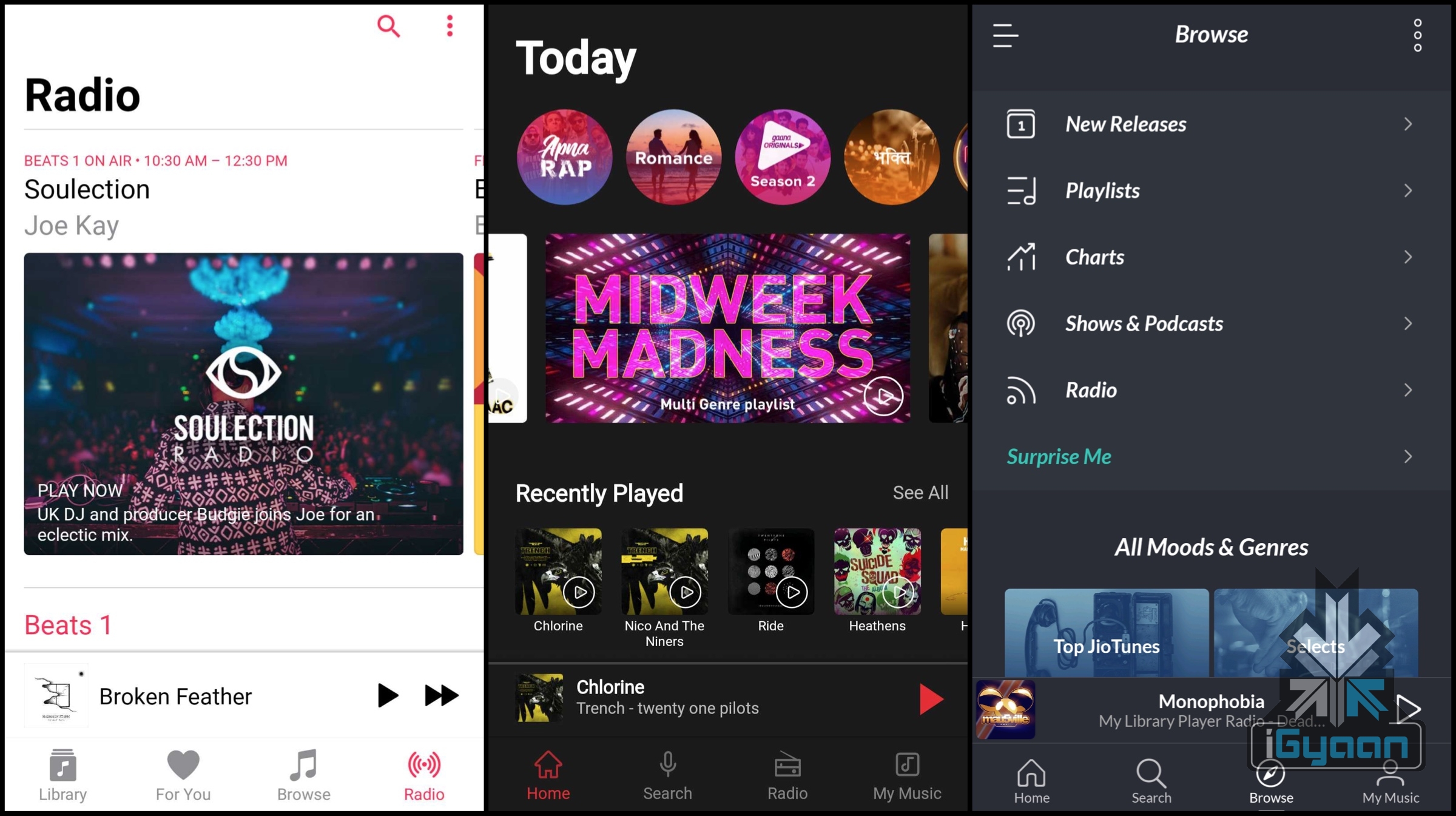 Post release, Spotify will have to go up against music streaming applications like JioSaavn, Gaana and more. Exclusive music launches from the music vendor can also be expected soon if Spotify wants to make a statement in the Indian music streaming industry. And with a market as huge as India, doing so becomes a compulsion rather than a luxury.
 Also Read:
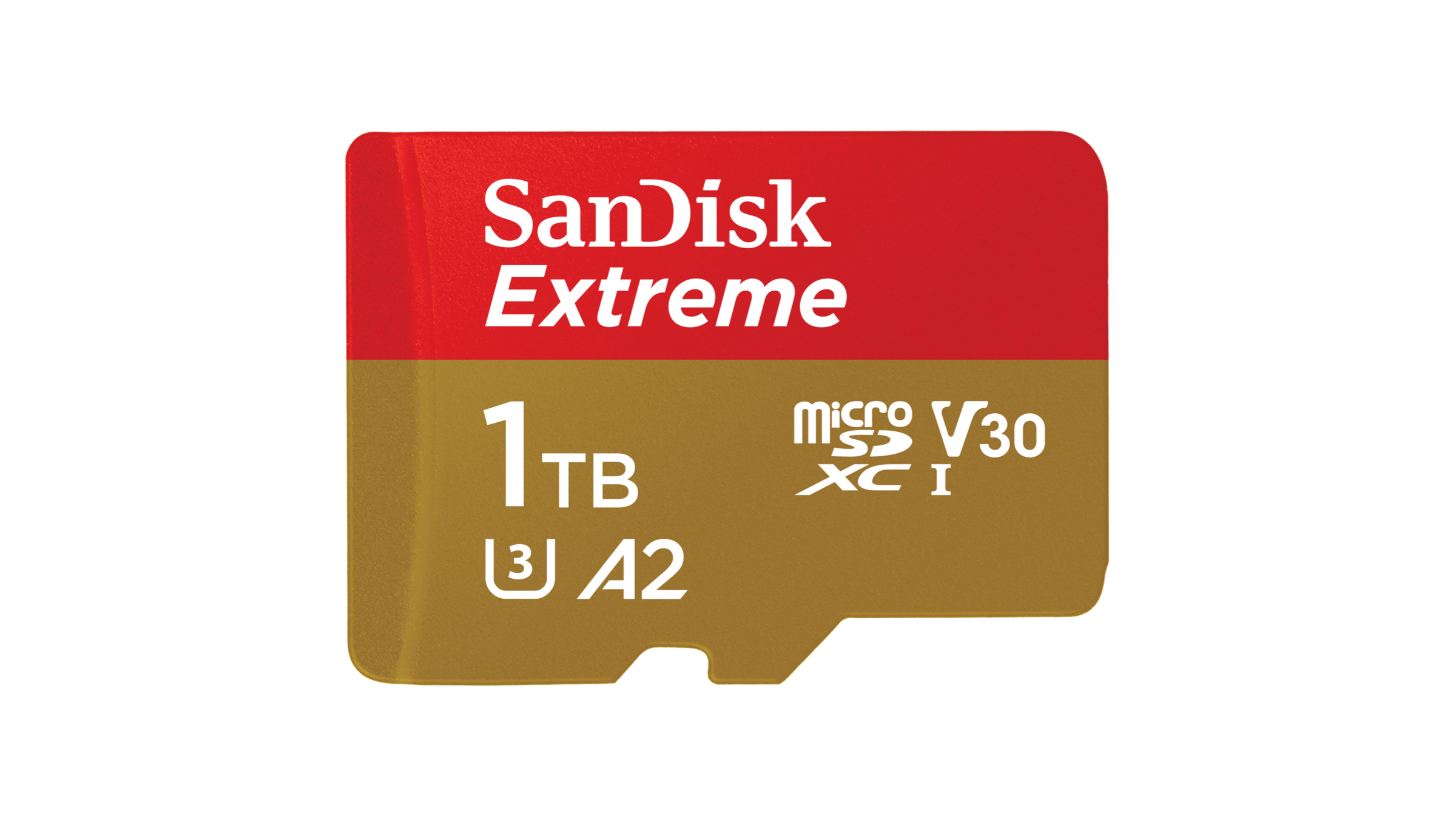
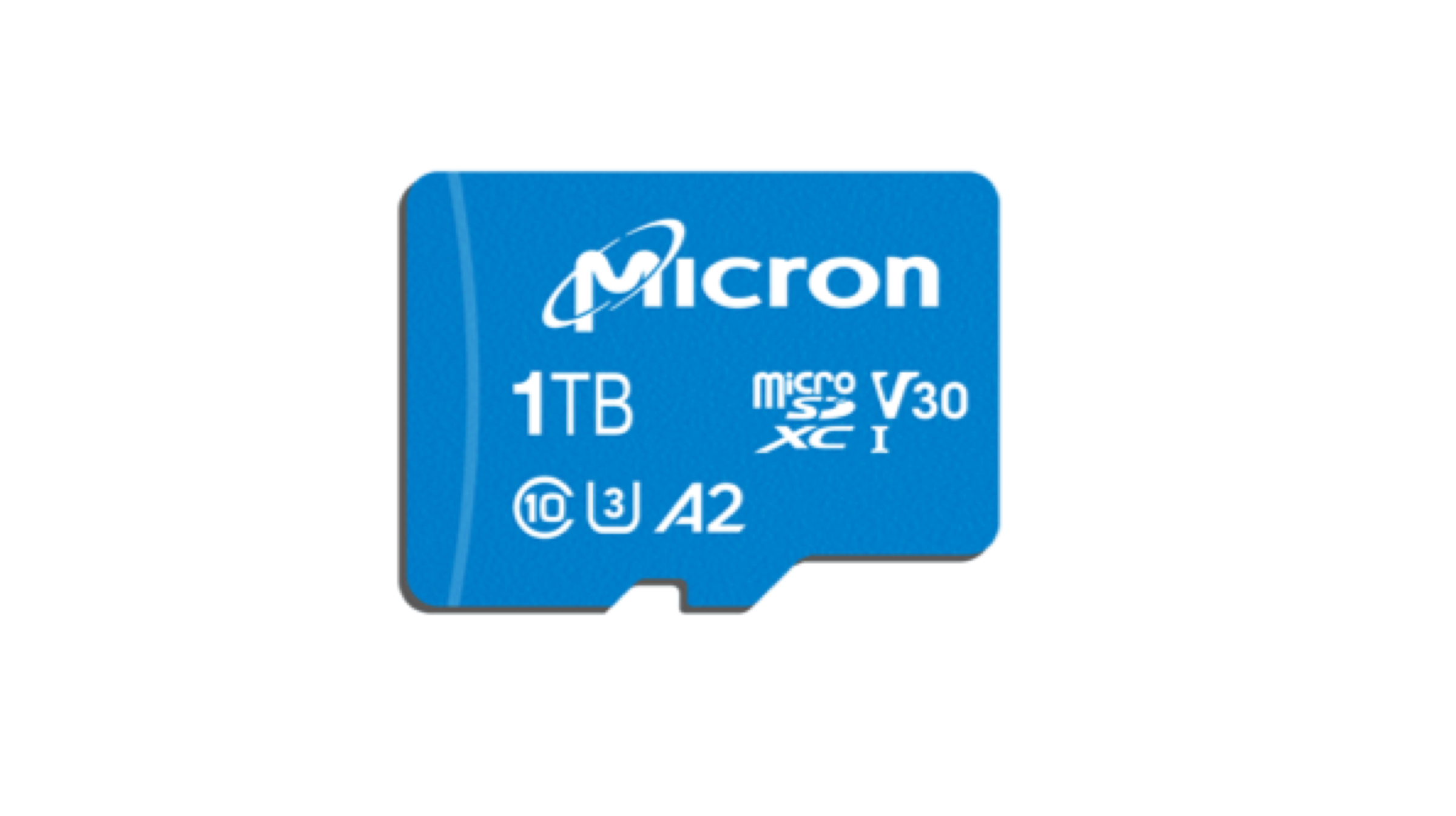 The Micron c200 1TB microSD has a lower read speed than Western Digital’s offering. The read and write speeds are clocked at 100MBps and 95MBps respectively. It employs the Dynamic SLC cache and performs automatic resource management for sustained peak performance. Just like the Sandisk’s 1TB card, it also follows the A2 specification. The card leverages Micron’s 96 layer 3D quad level cell (QLC) NAND technology for faster speeds. Both these cards are expected to be helpful in providing efficient storage for 4K videos, pictures and games on smartphones and other electronic devices.
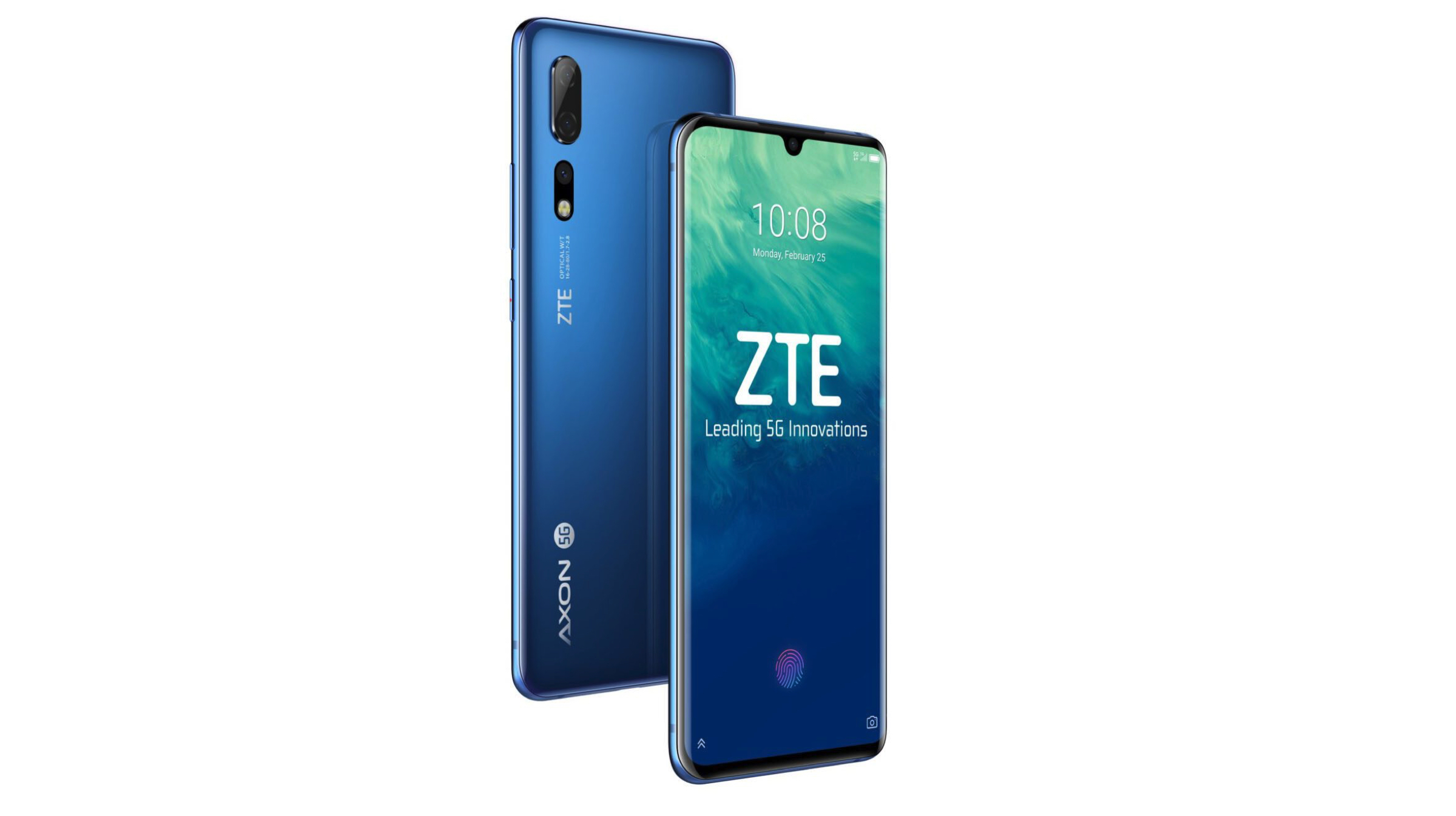
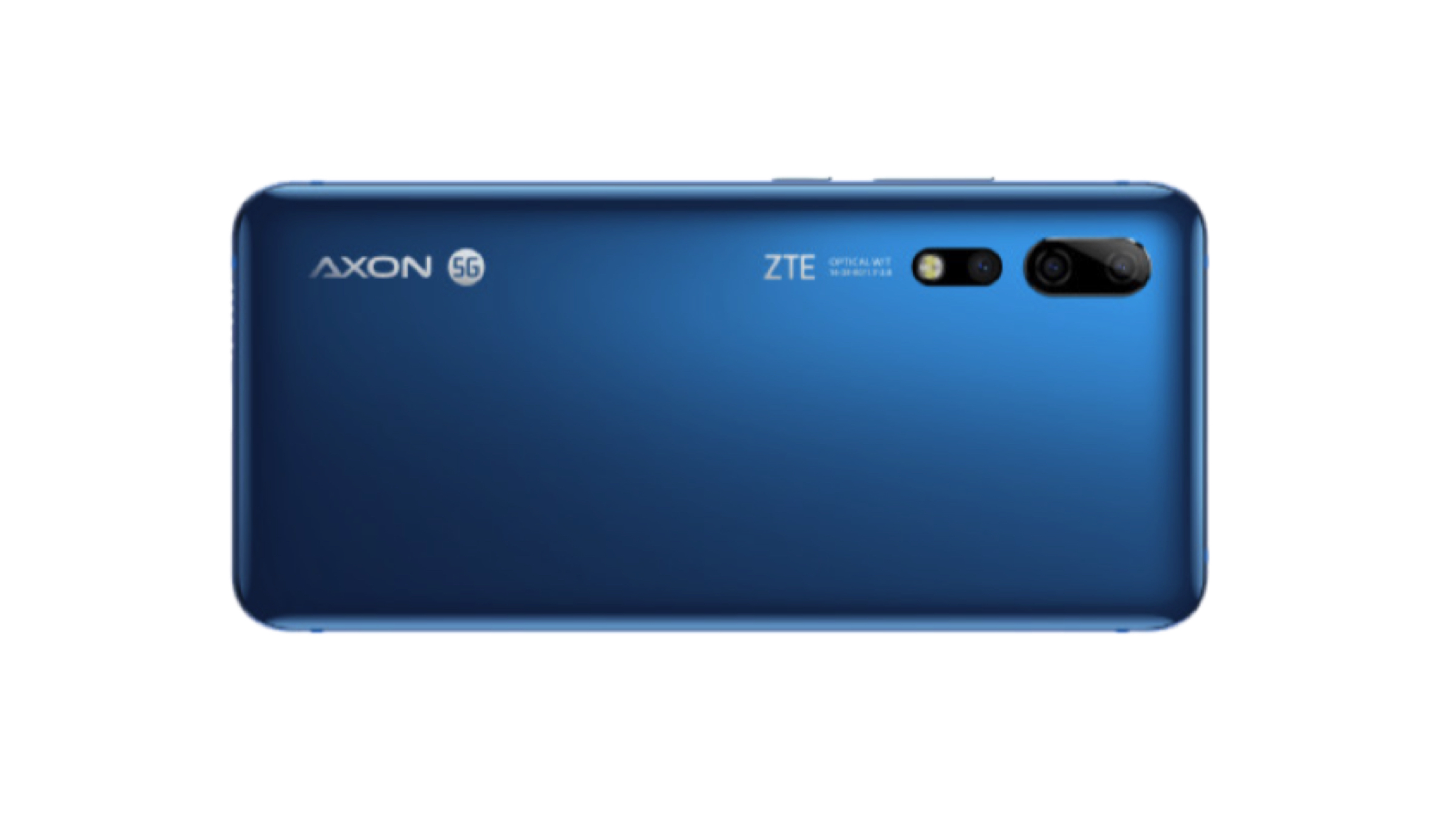
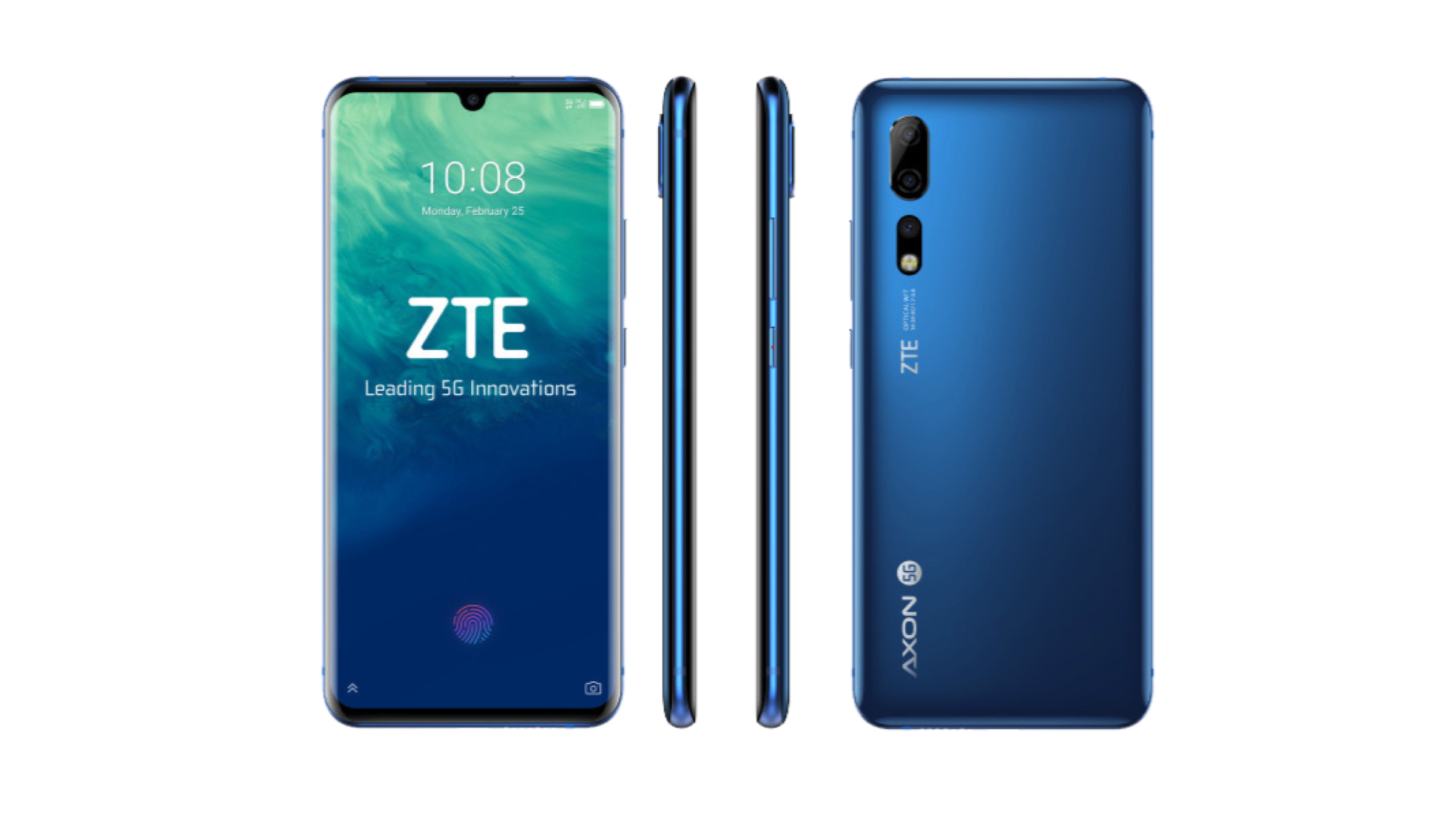
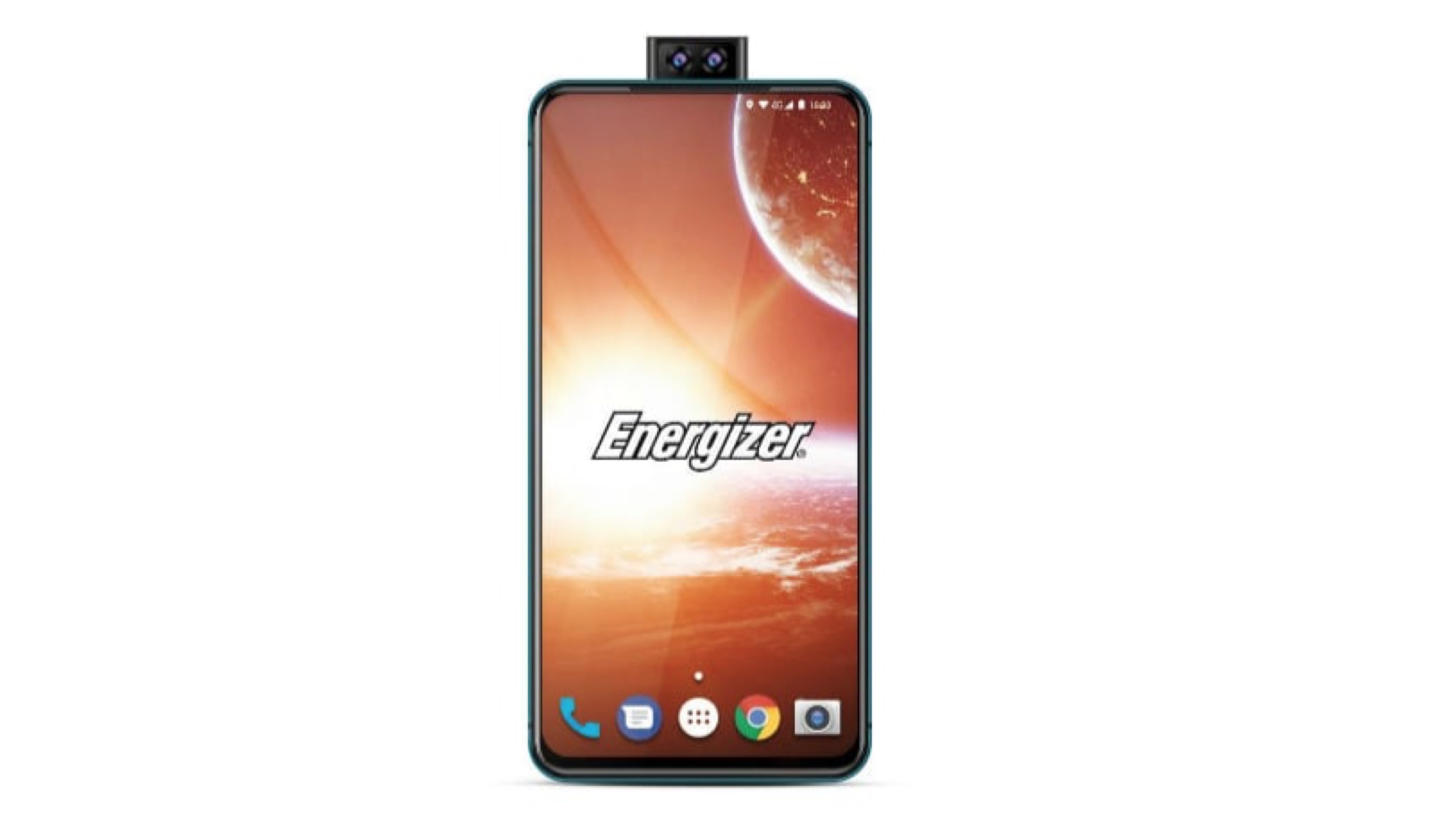
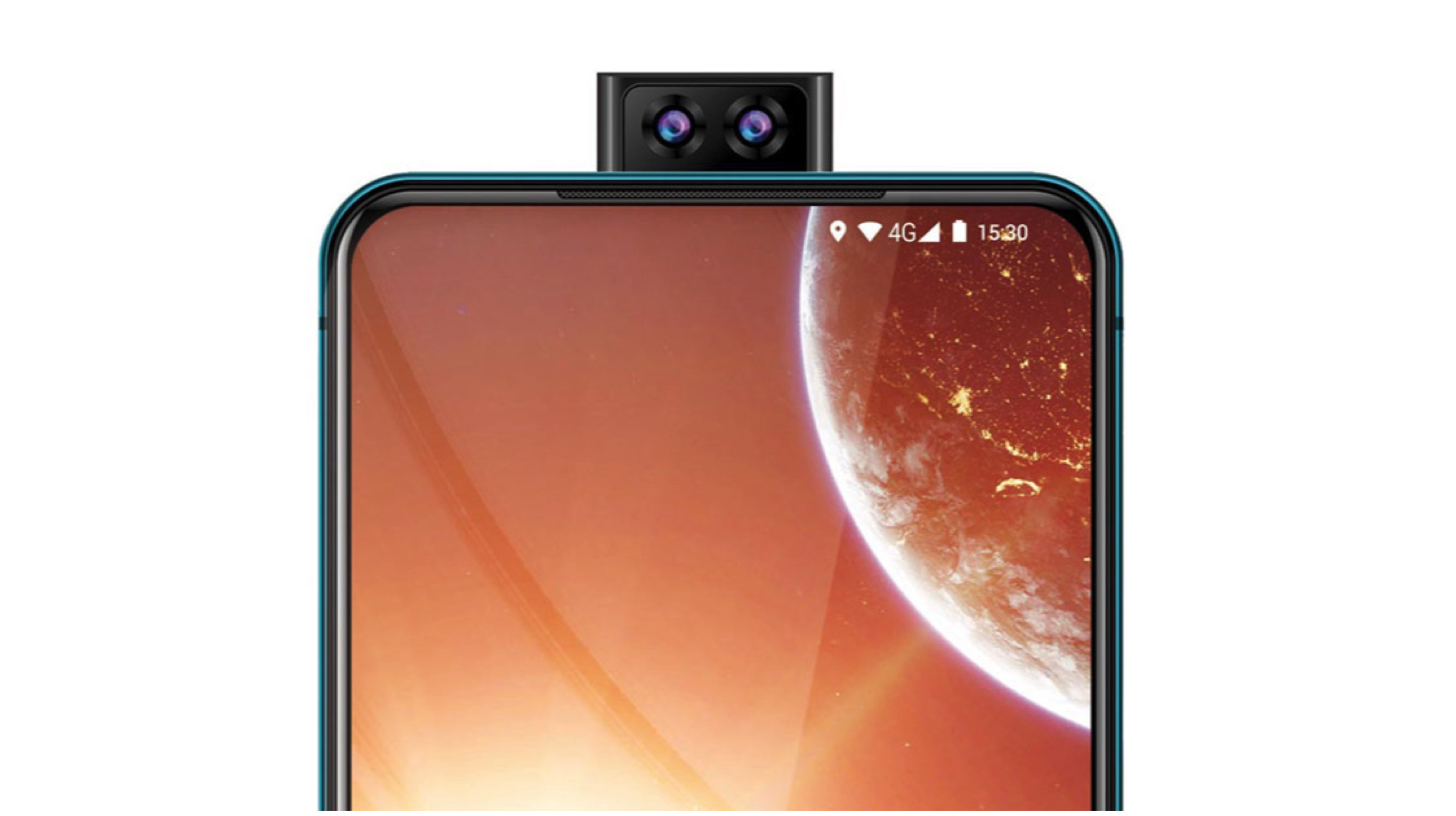 The P18K Pop runs on the 12nm MediaTek Helio P70 chipset, which has an octa-core CPU and a Mali-G72 MP3 GPU. It is paired with 6GB of RAM and 128GB of internal storage. The device runs on the Android 9 (Pie) out-of-the-box. It features a triple camera module, which comprises of a 12 MP primary camera, a 5 MP sensor and a third 2 MP sensor. It also sports dual front pop up cameras with a combination of a 16 MP primary camera and a 2 MP secondary camera.
 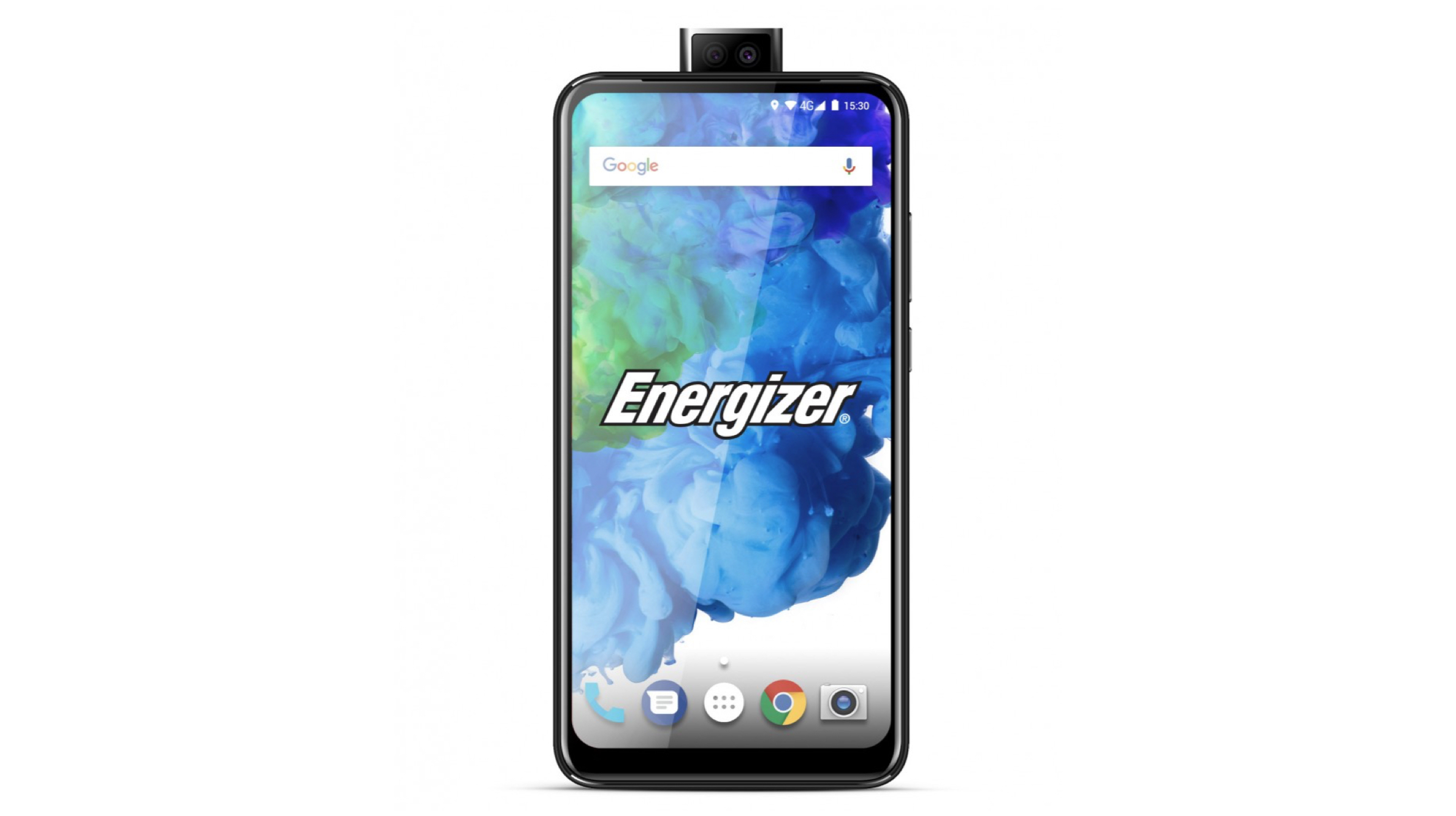 The Power Max P18K Pop has a 6.2 inch IPS LCD panel, which gives the device an 83.8 percent screen-to-body ratio. The device has a resolution of 2280 x 1080 px, and a 19:9 aspect ratio with a pixel density of 407 ppi. The device features USB OTG and a Type-C 1.0 reversible connector. The highlight, however, is the massive 18,000 mAh battery. The device stands at 18mm thickness, which gives it a chunky look. As mentioned before, the smartphone can provide 50 days of standby time and 200 hours of continuous video playback. Going by the current smartphone standards, this is an appreciable time span.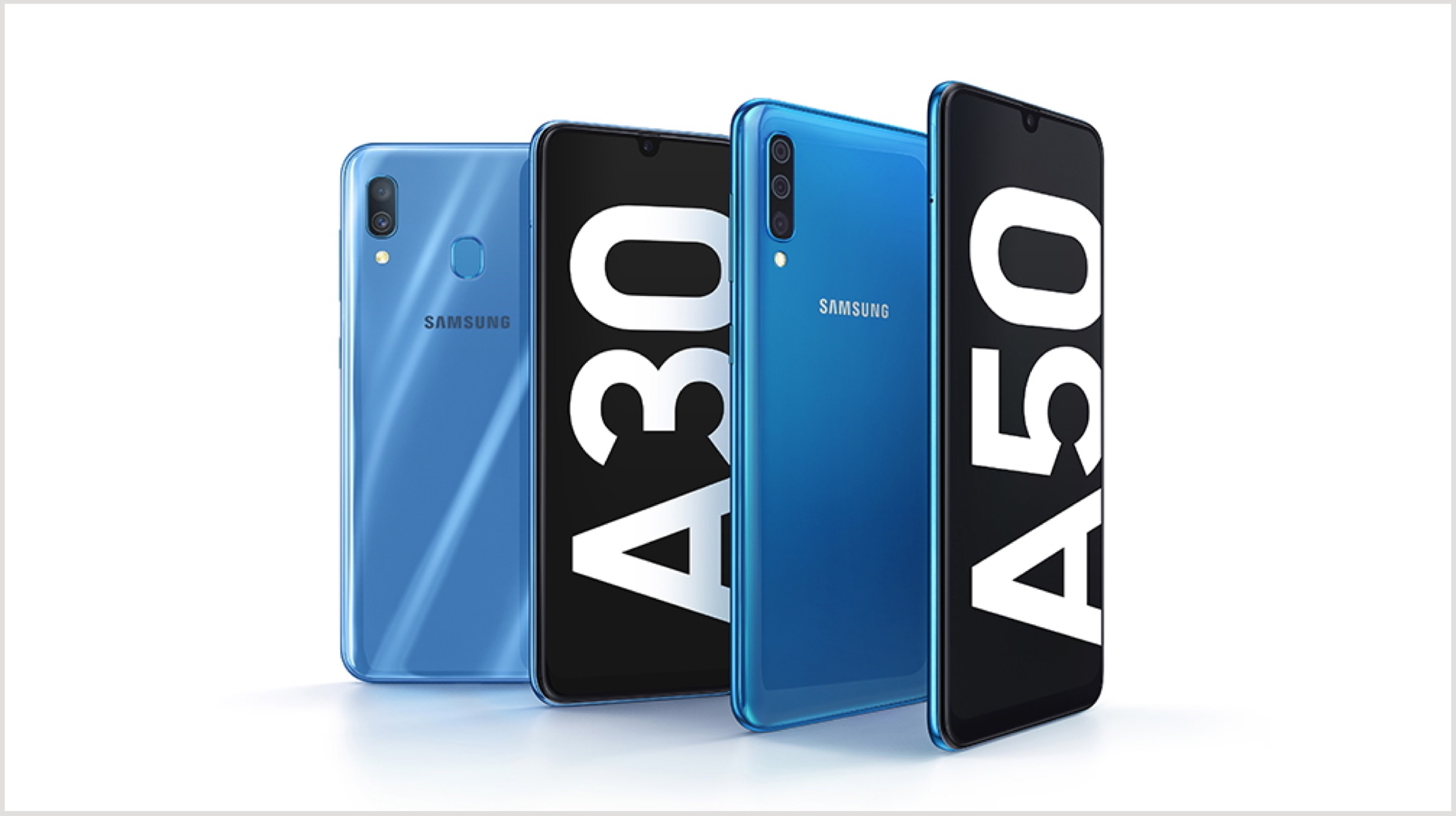
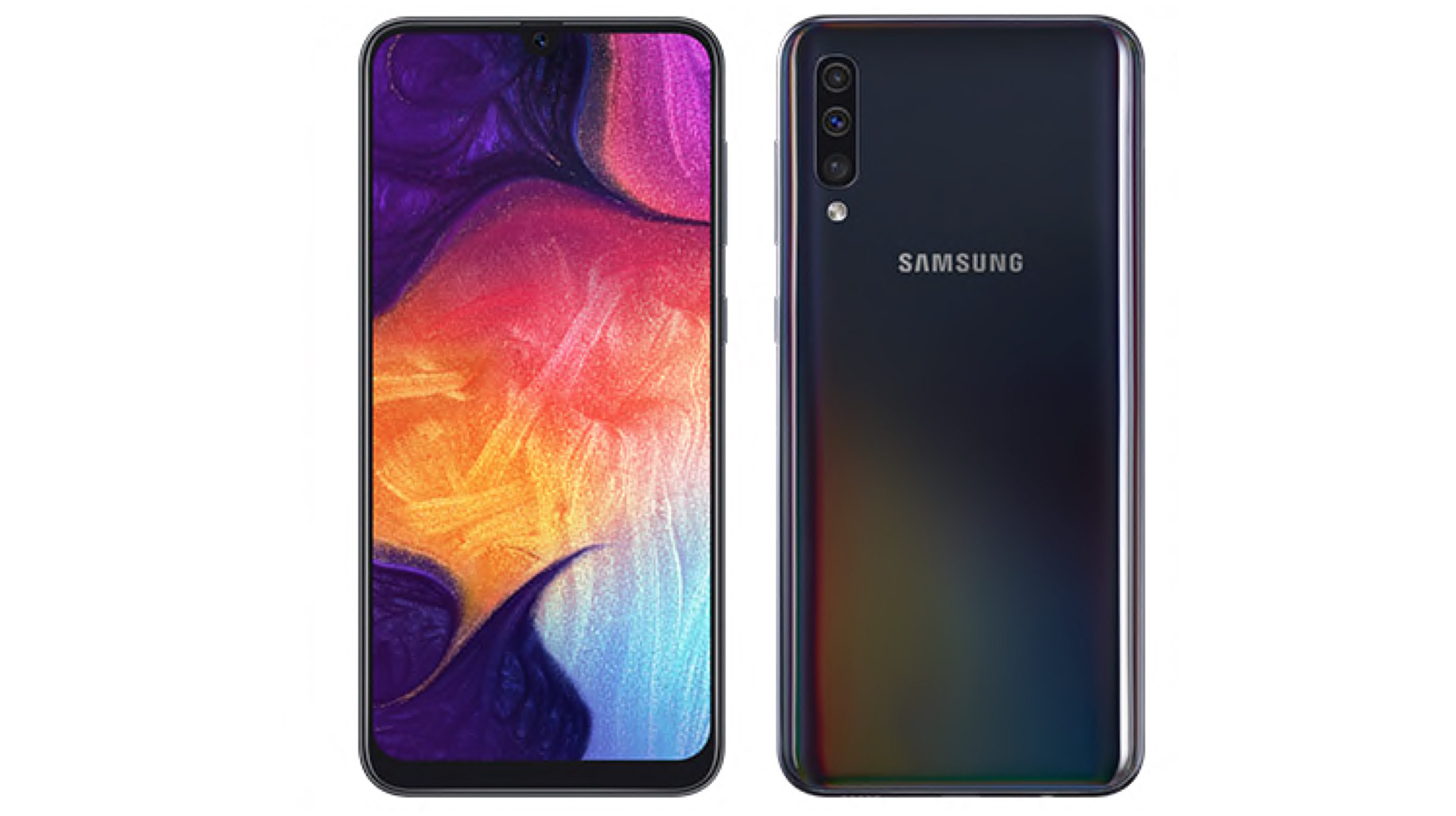
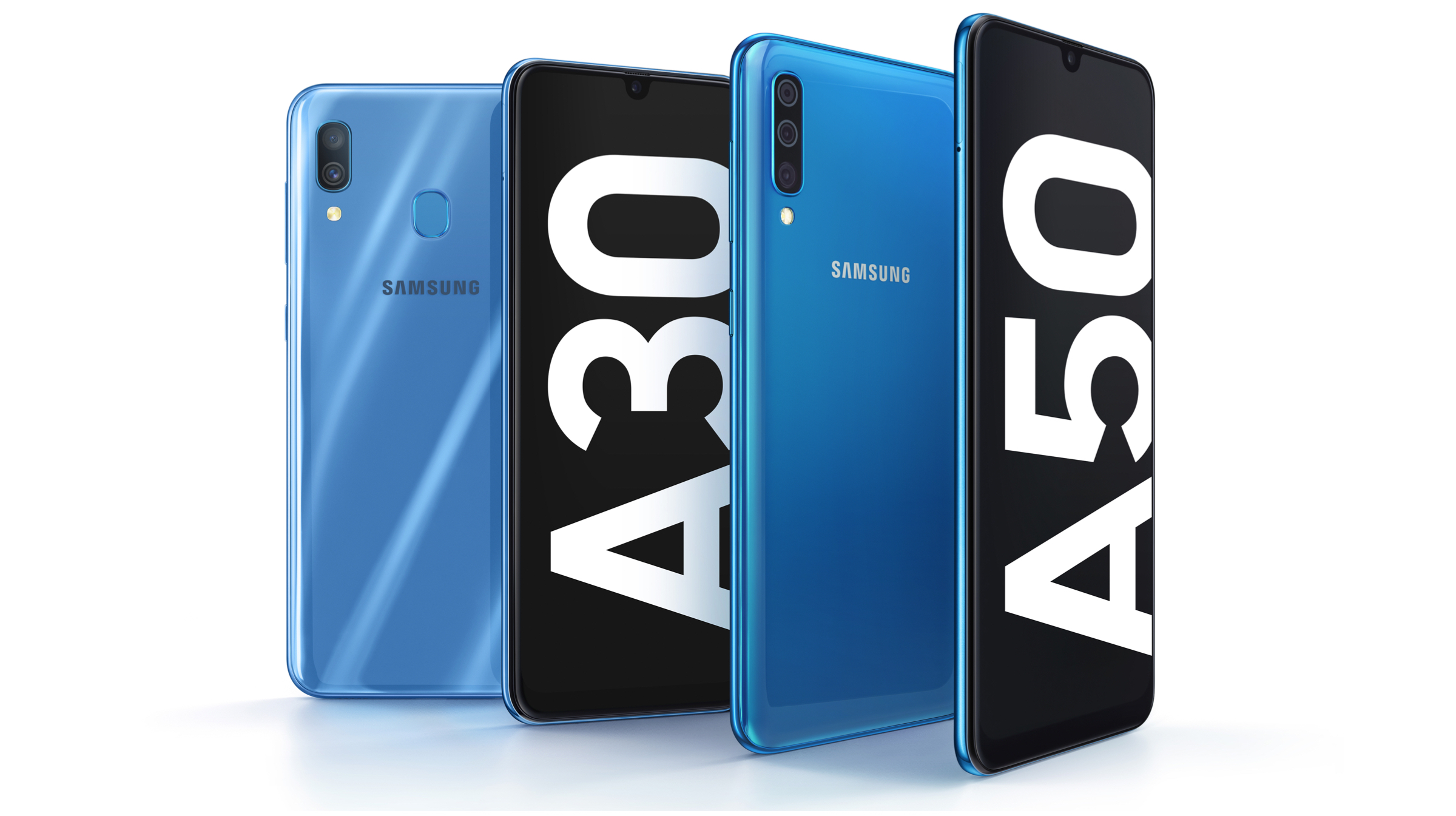
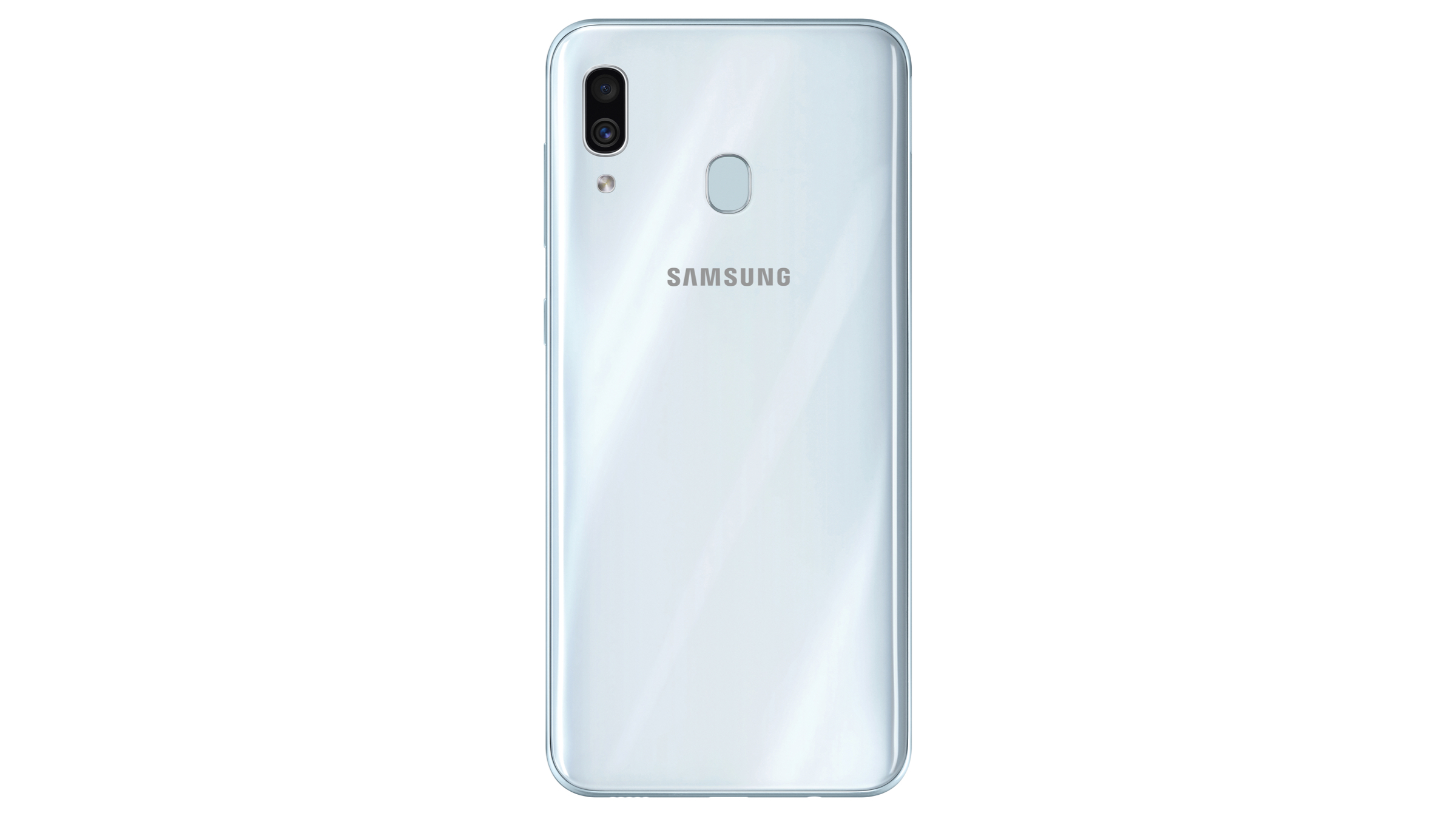
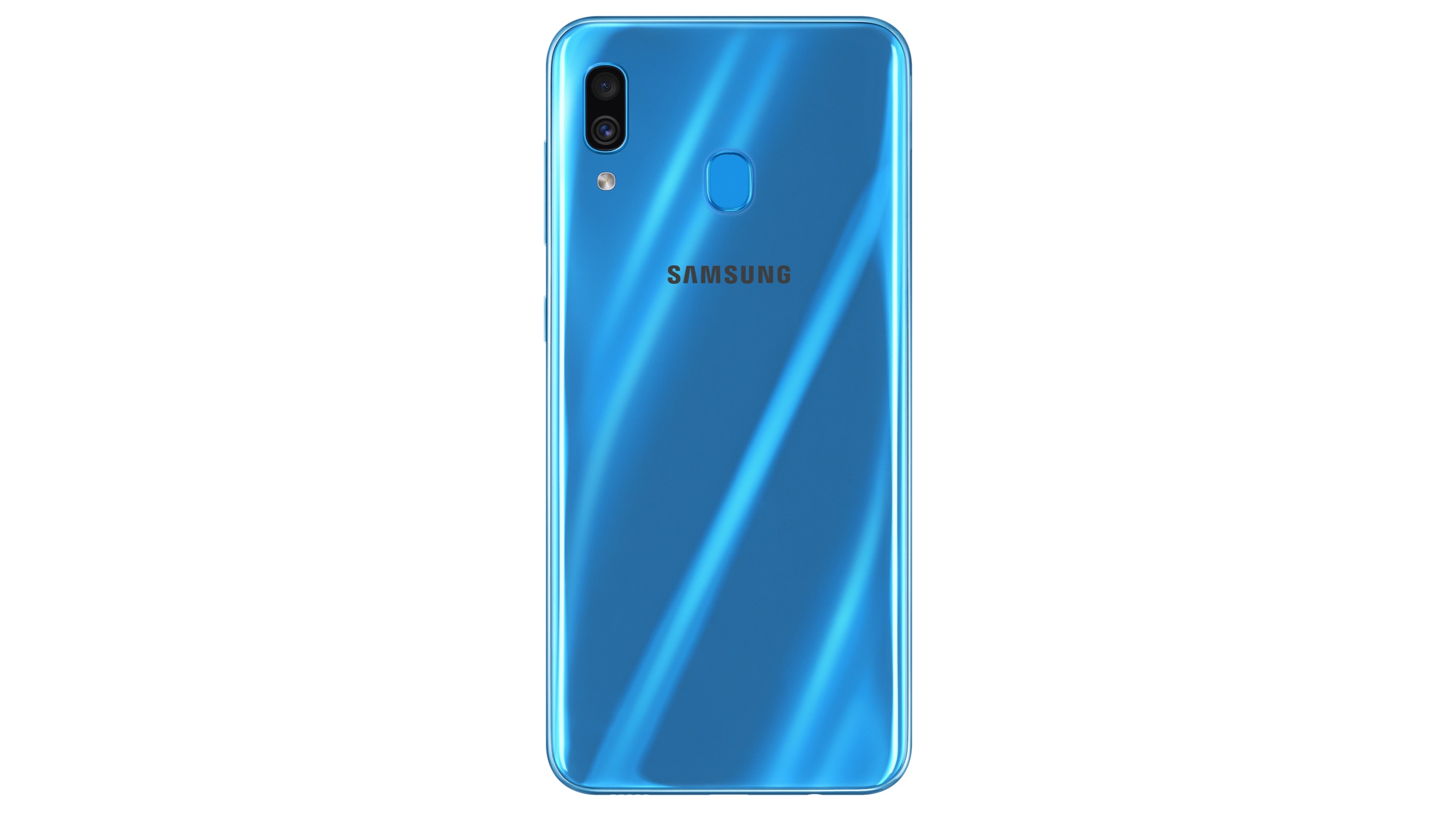 The handset has a dual camera setup on the back, which comprises of a 16MP (f/1.7) sensor and a 5MP (f/2.2) sensor. The 16MP (f/2.0) front camera is housed in the notch and is positioned below the earpiece. The Galaxy A30 has a 4,000 mAh battery, which can be charged via the USB Type-C connector located at the bottom of the handset, right next to the loudspeaker grille and audio jack. The smartphone is also IP68 certified which makes it dust and water resistant. Furthermore, the device sports a rear mounted fingerprint scanner and is available in 3 colour options, Black, White and Blue.
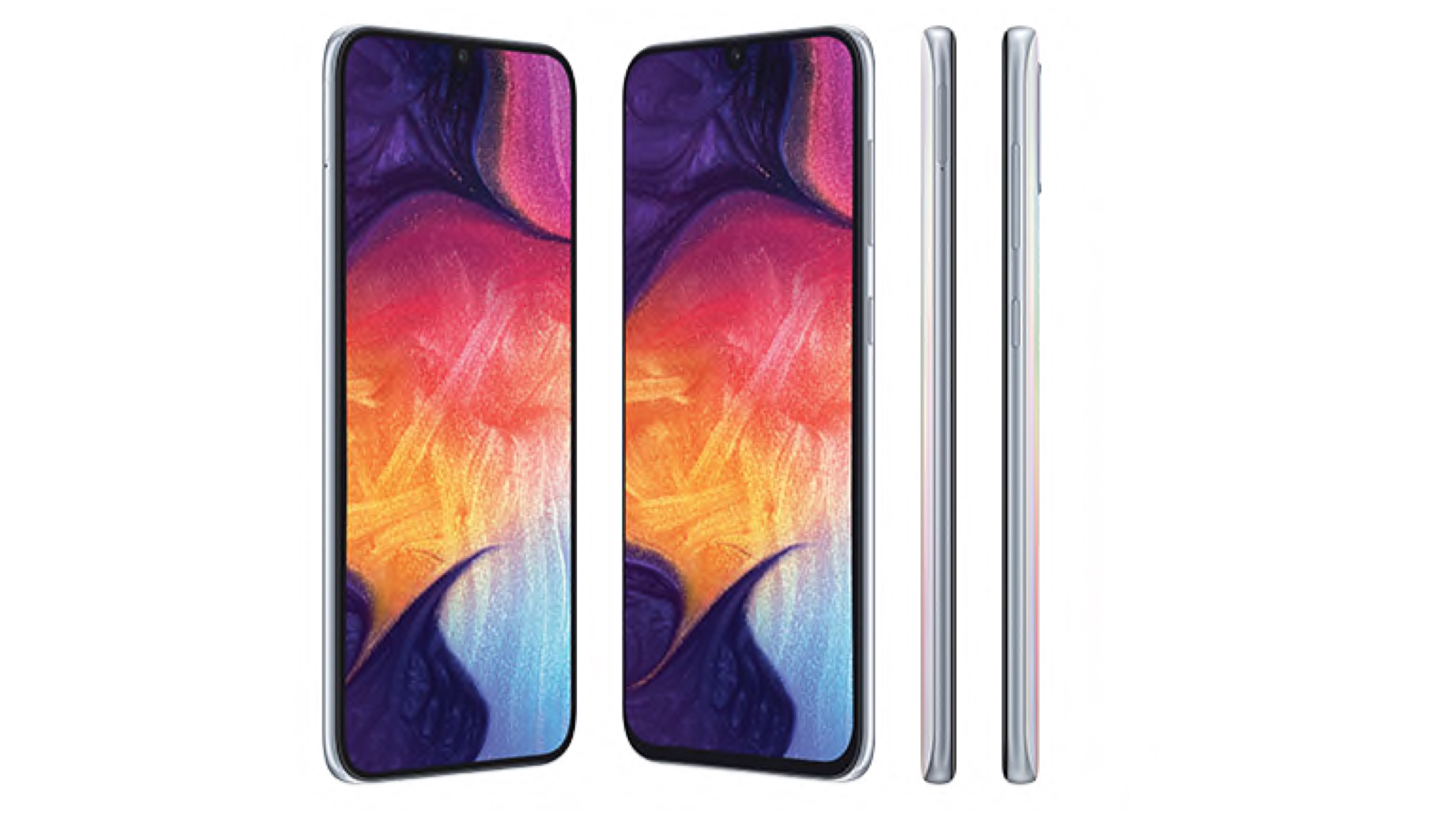
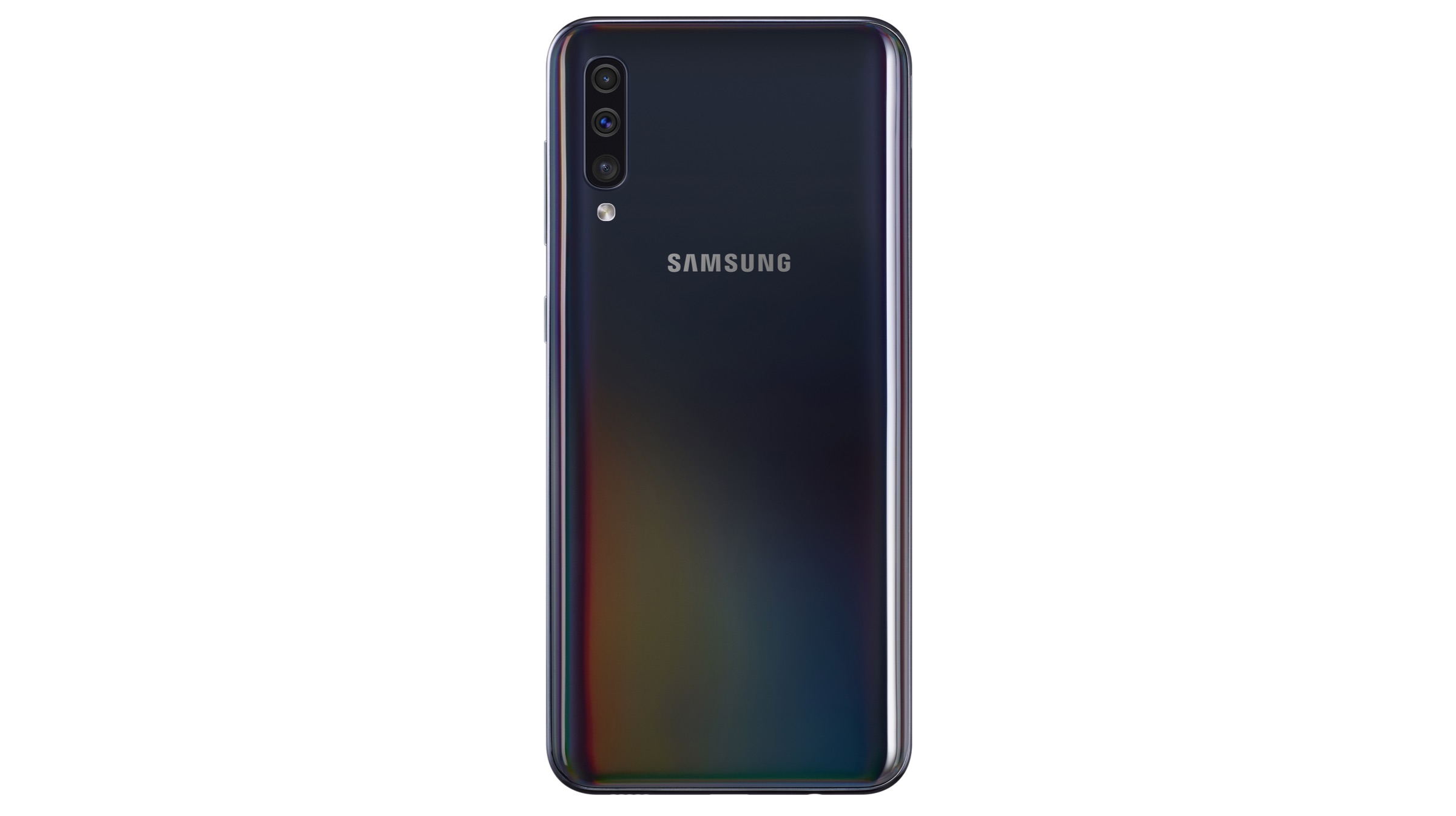
 The Samsung Galaxy A50 is the elder sibling of the A30. It sports a similar 6.4 inch Super AMOLED Infinity-U display with an 84.9% screen-to-body-ratio. With a resolution of 2340 x 1080 px and a 19.5:9 aspect ratio, the display panel has a pixel density of 403 ppi. Samsung claims that the back of the device has a “3D glasstic” design, which is a ‘combination’ of glass and plastic. Like the Galaxy A30, it also has IP68 dust and water resistance. The smartphone runs on the 10nm Exynos 9610 chipset consisting of an octa-core CPU and a Mali-G72 MP3 GPU. It is available in 4GB and 6GB RAM variants with 64GB and 128GB of storage options respectively. Internal memory is expandable via a dedicated microSD slot (up to 512GB). The Galaxy A50 runs on the lates Android 9.0 Pie which is skinned with Samsung’s UI.
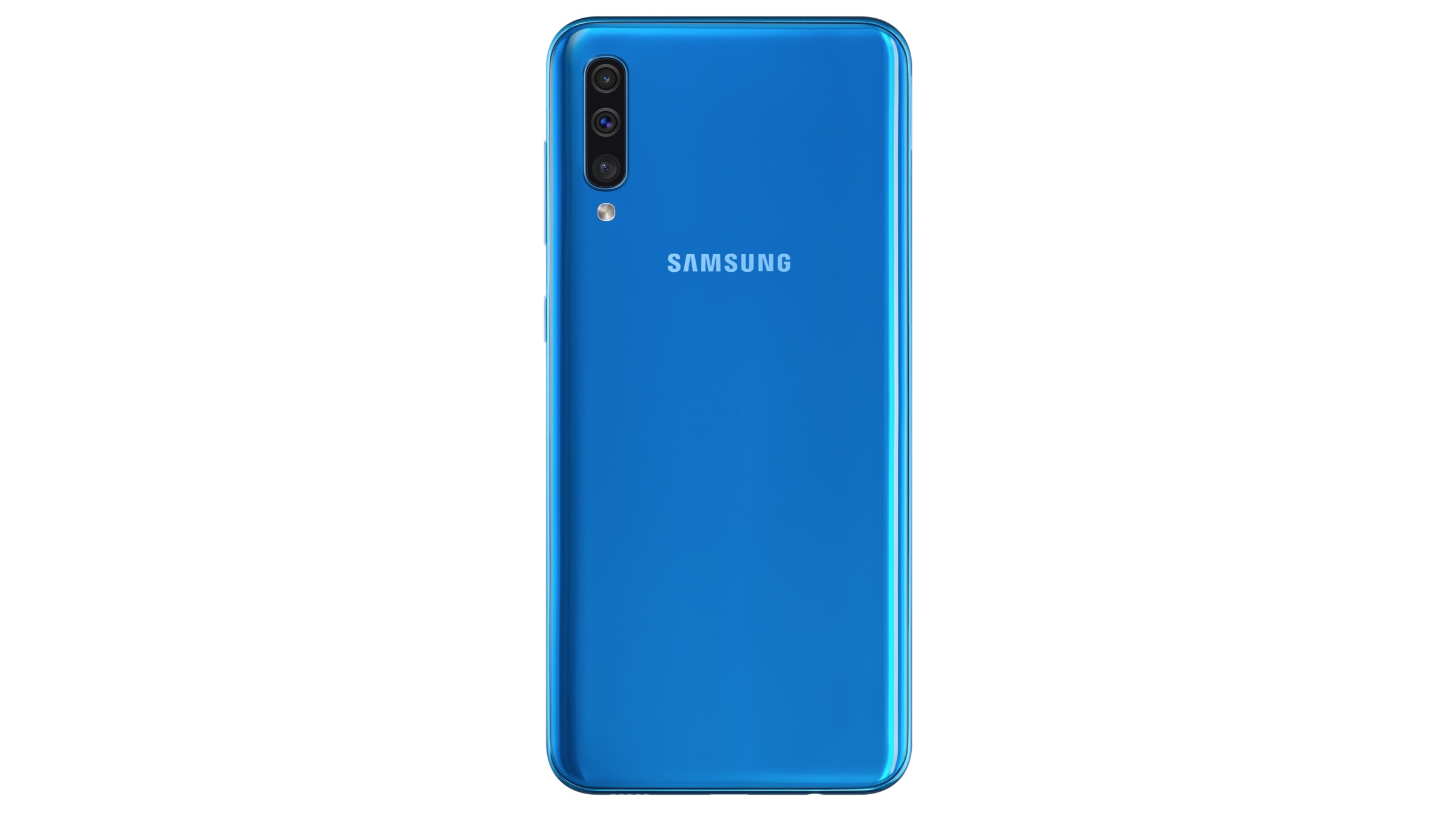 The handset has a triple camera setup on the back, which consists of a 25MP (f/1.7) sensor, an 8MP (f/2.2) ultrawide sensor and a third 5MP (f/2.2) depth sensor. The 25MP (f/2.0) front camera is housed in the notch and is set below the earpiece. The Galaxy A50 is powered by a large 4,000 mAh battery, which can be charged via the USB Type-C connector located at the bottom of the handset, right next to the loudspeaker grille and a 3.5 mm audio jack. Noteworthy, the device features an in-display fingerprint scanner, unlike the Galaxy A30. It is available in four colour options which include Black, White, Blue and Coral.
 Also Read:




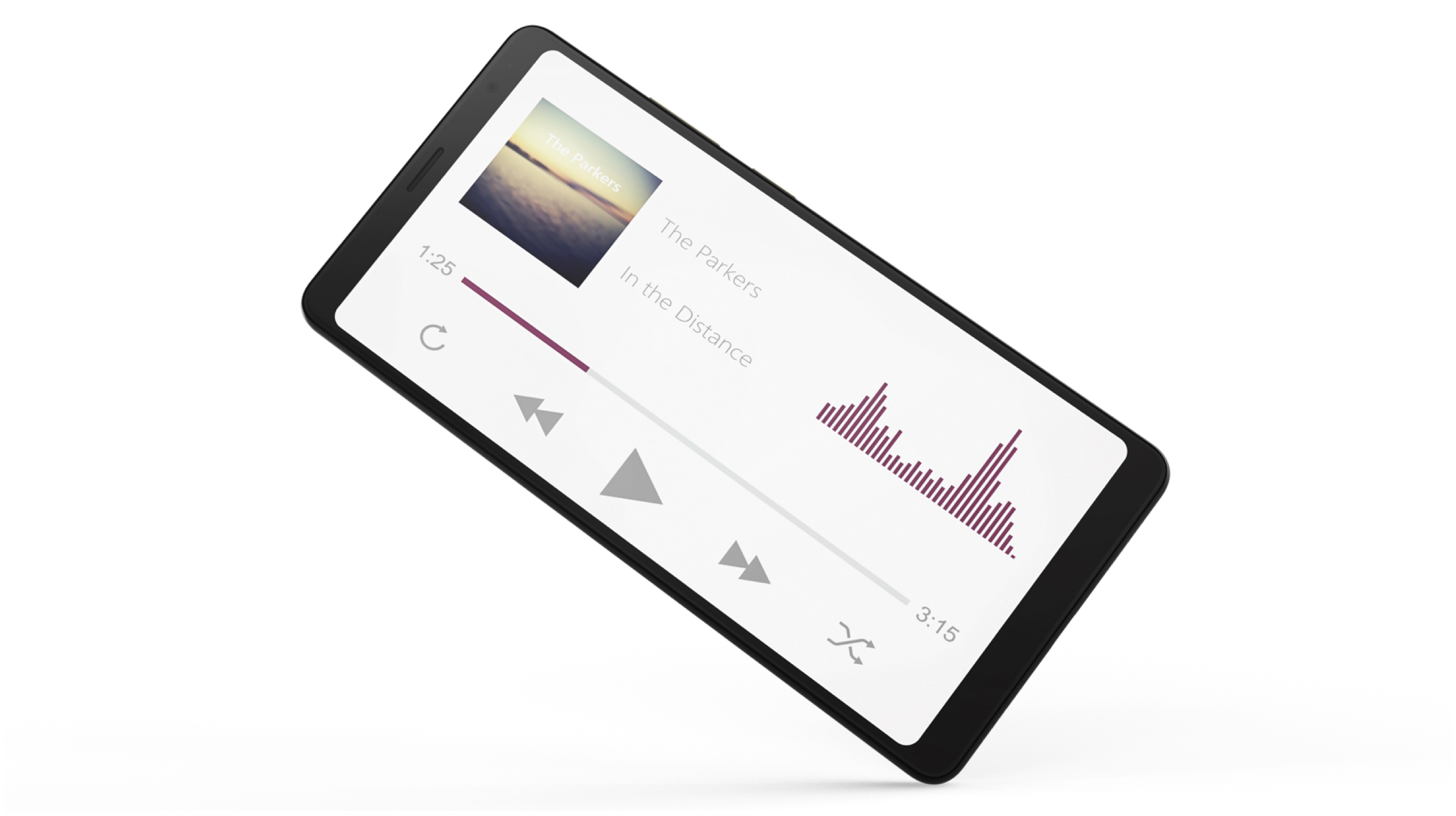
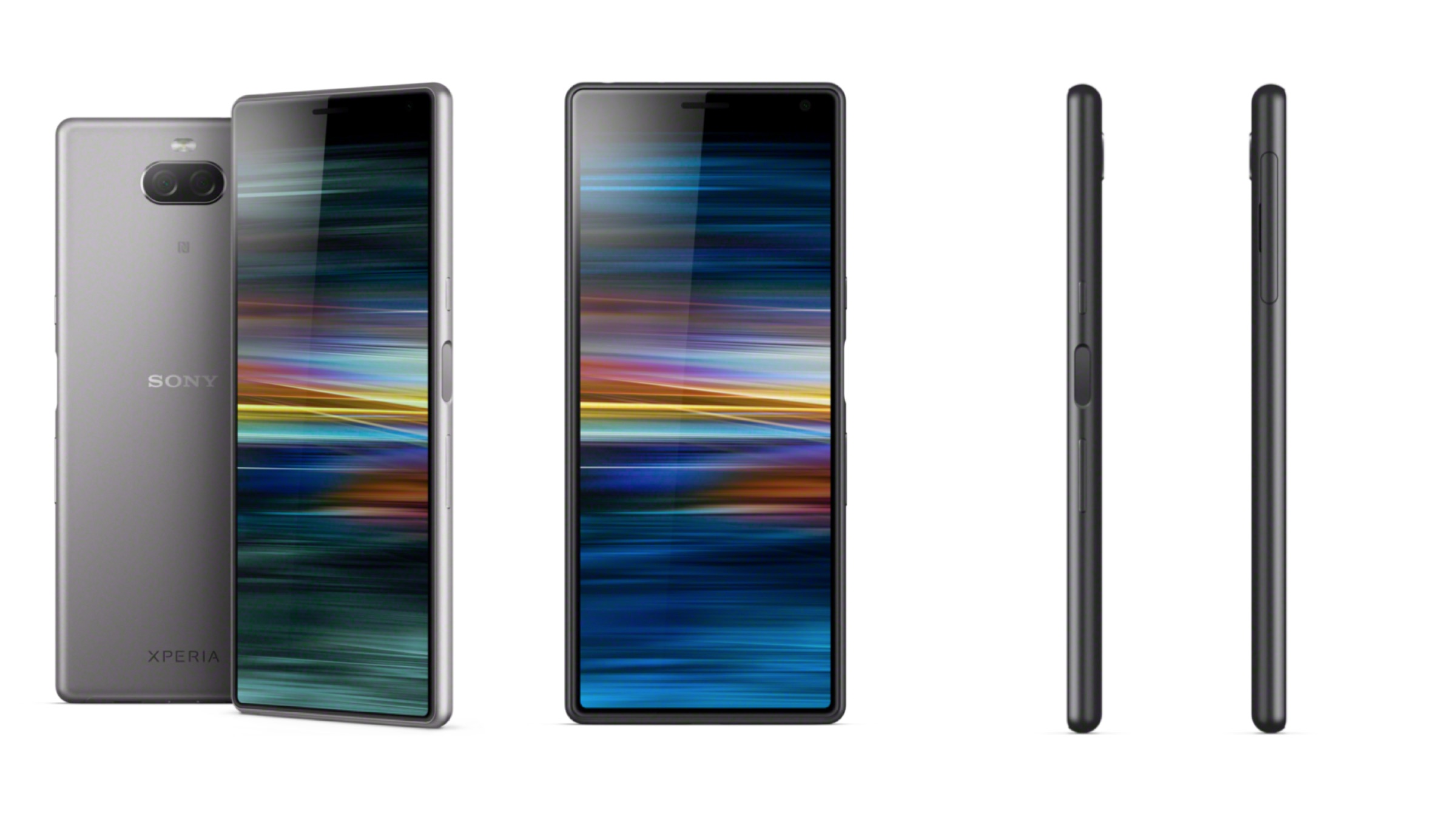
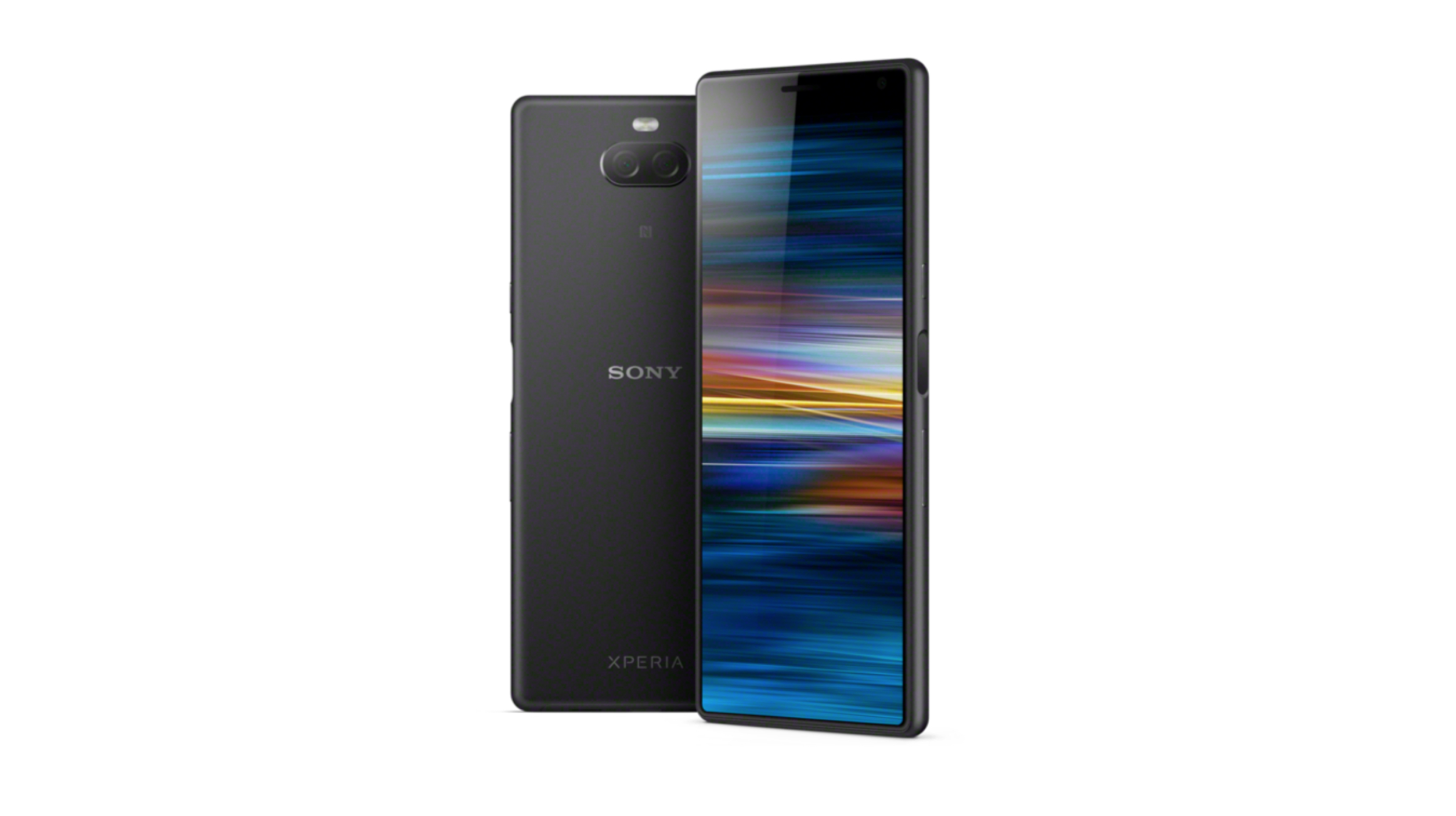
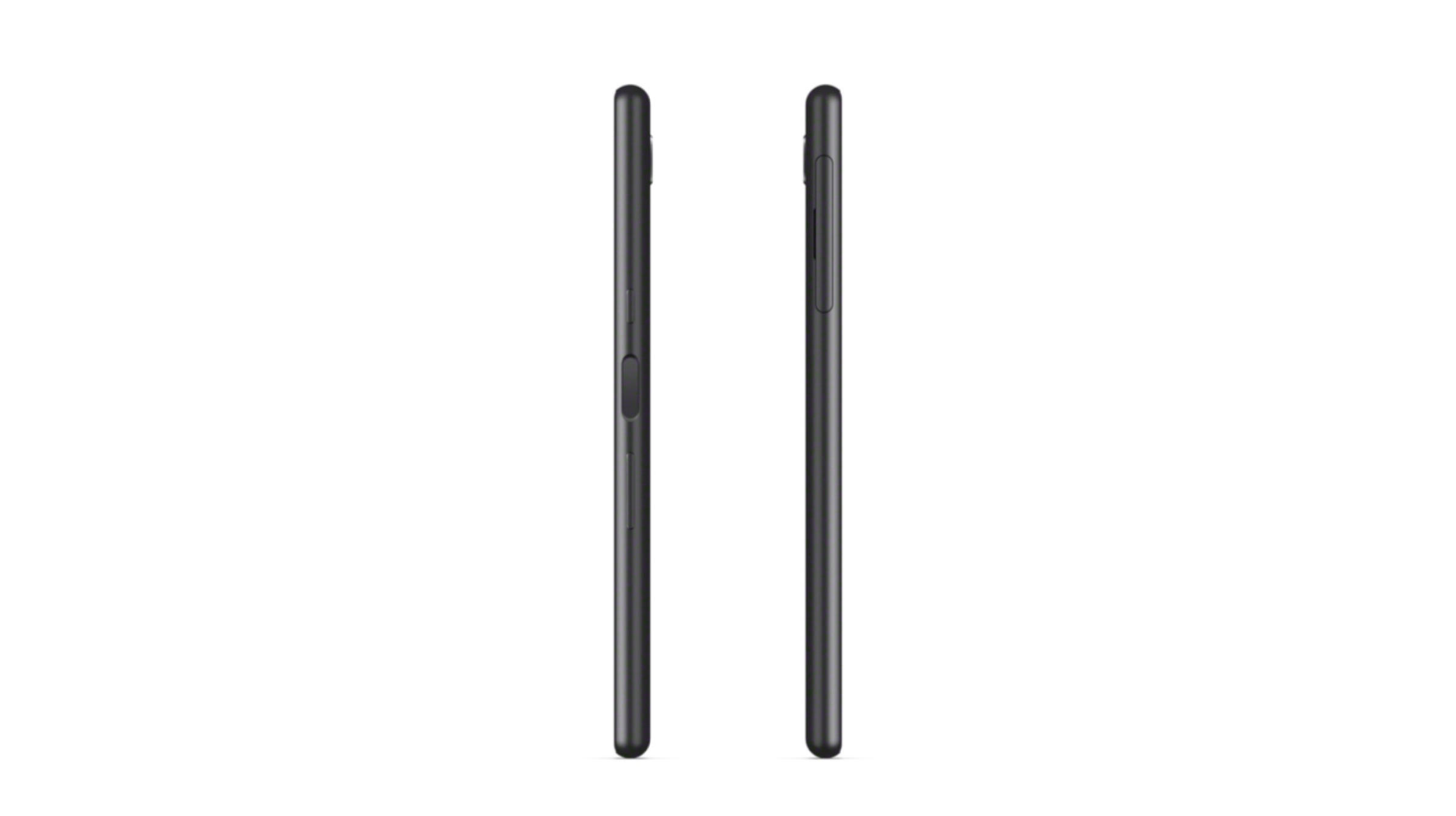
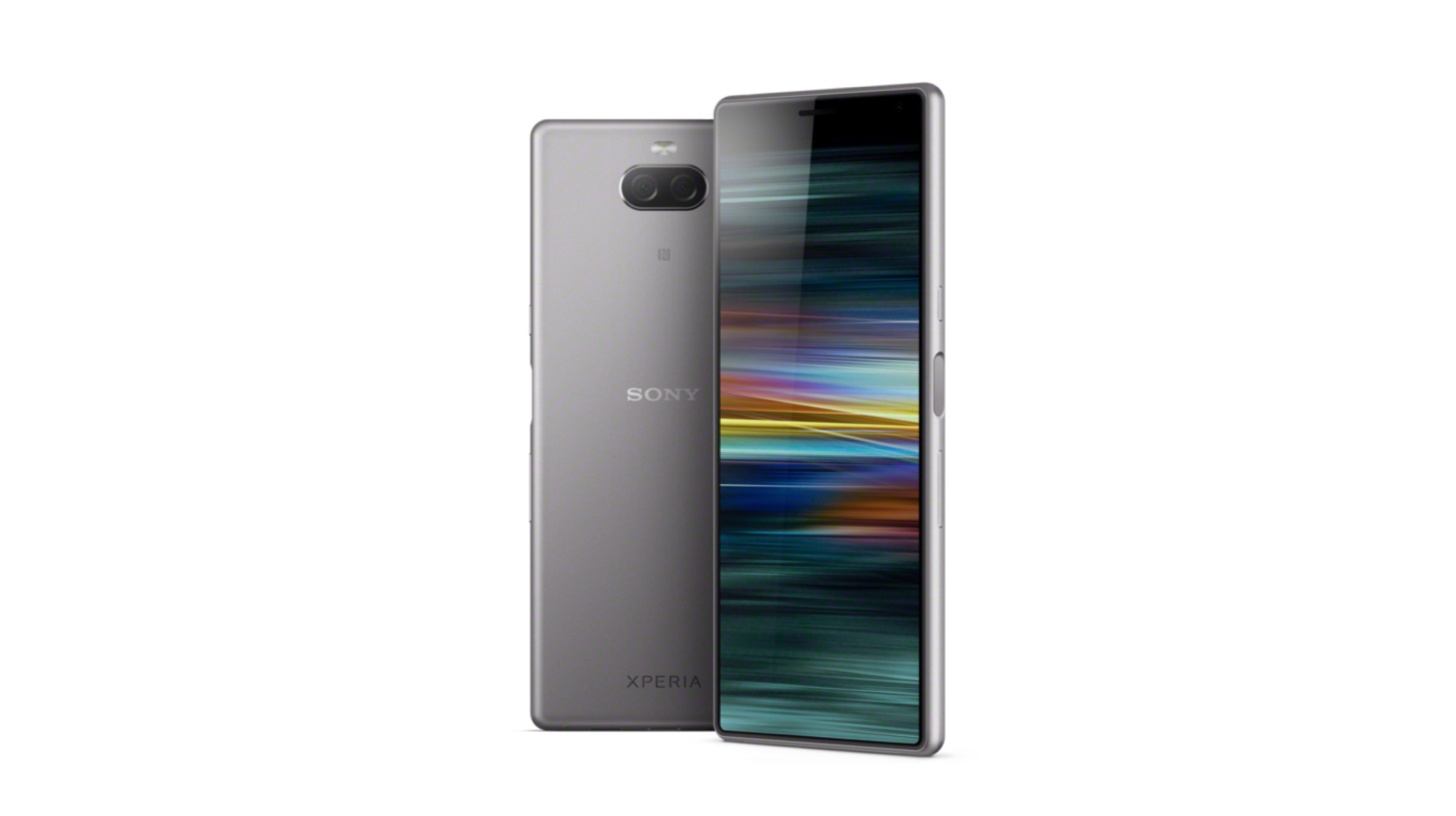
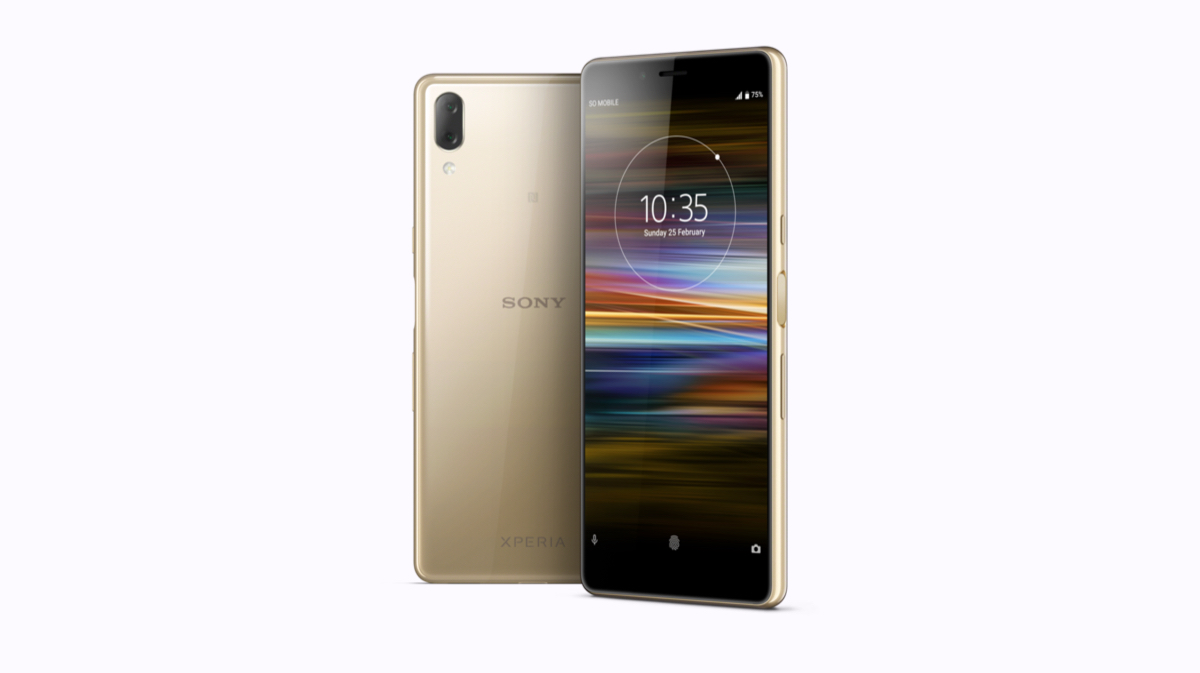
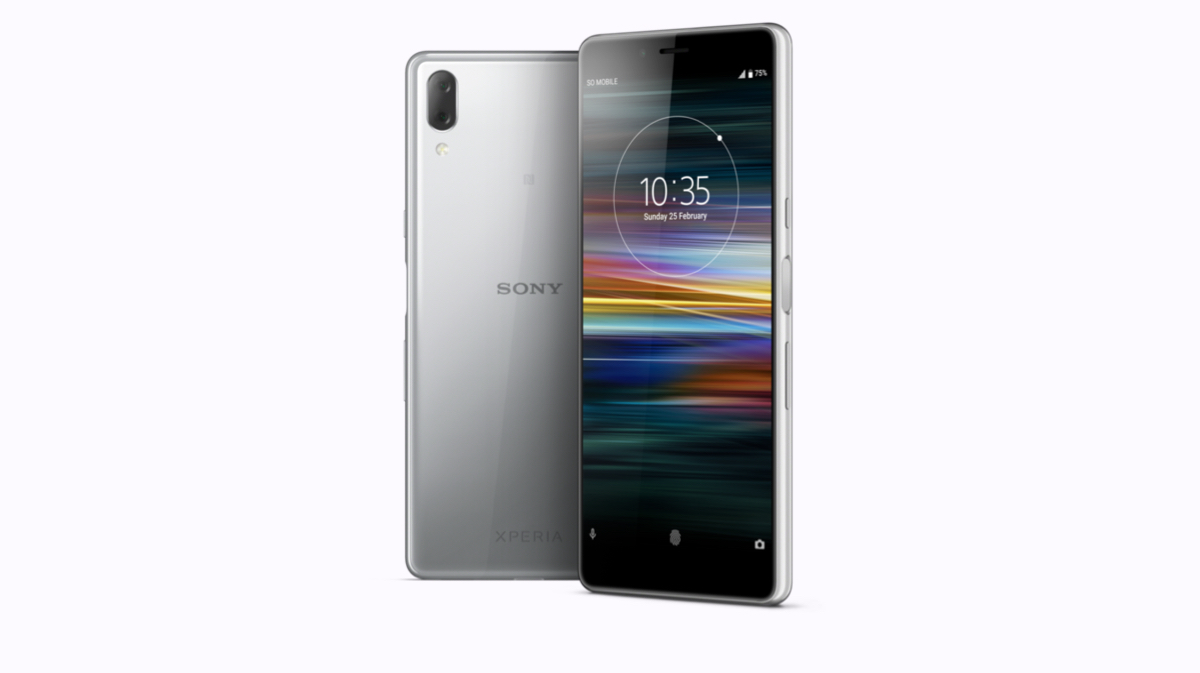
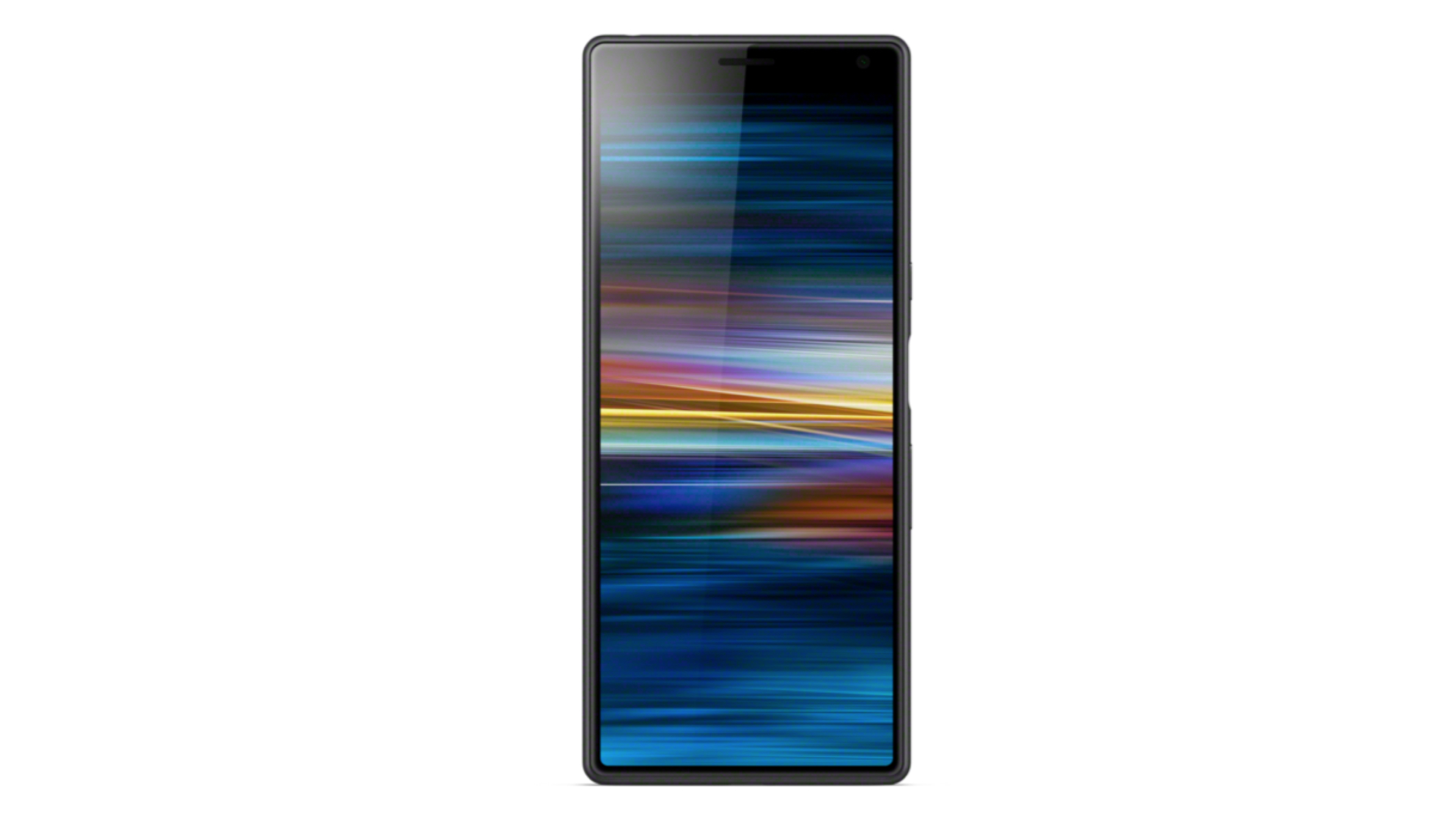 The Xperia 10 runs on the 14nm
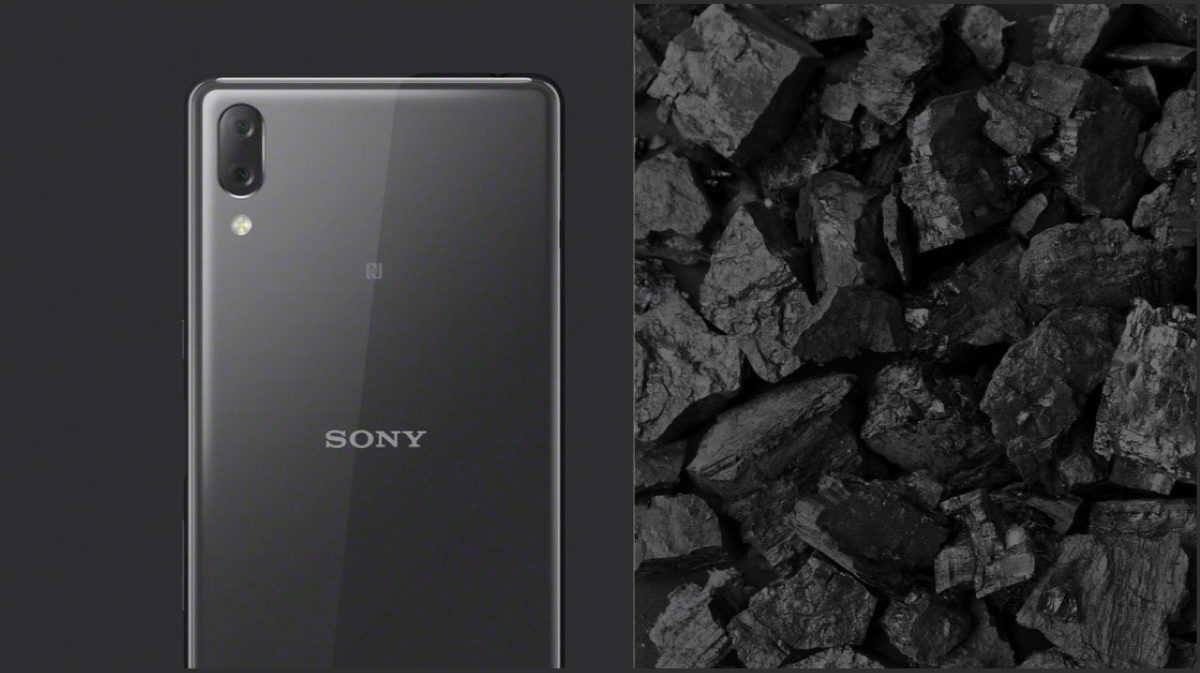
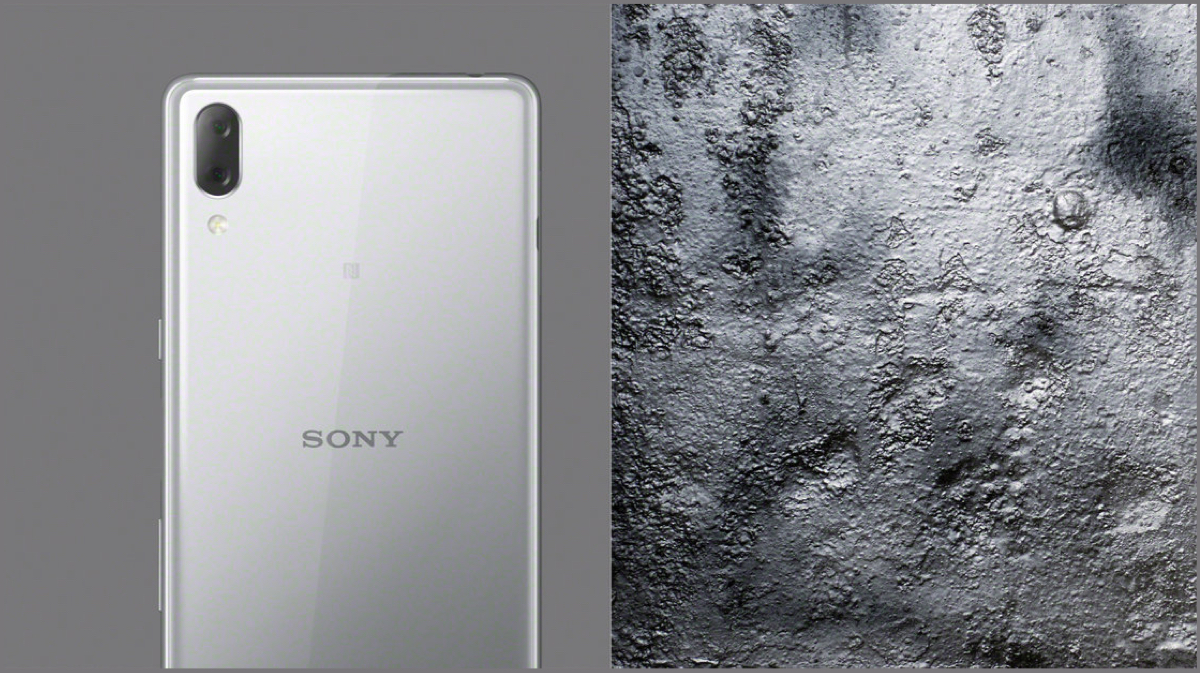
 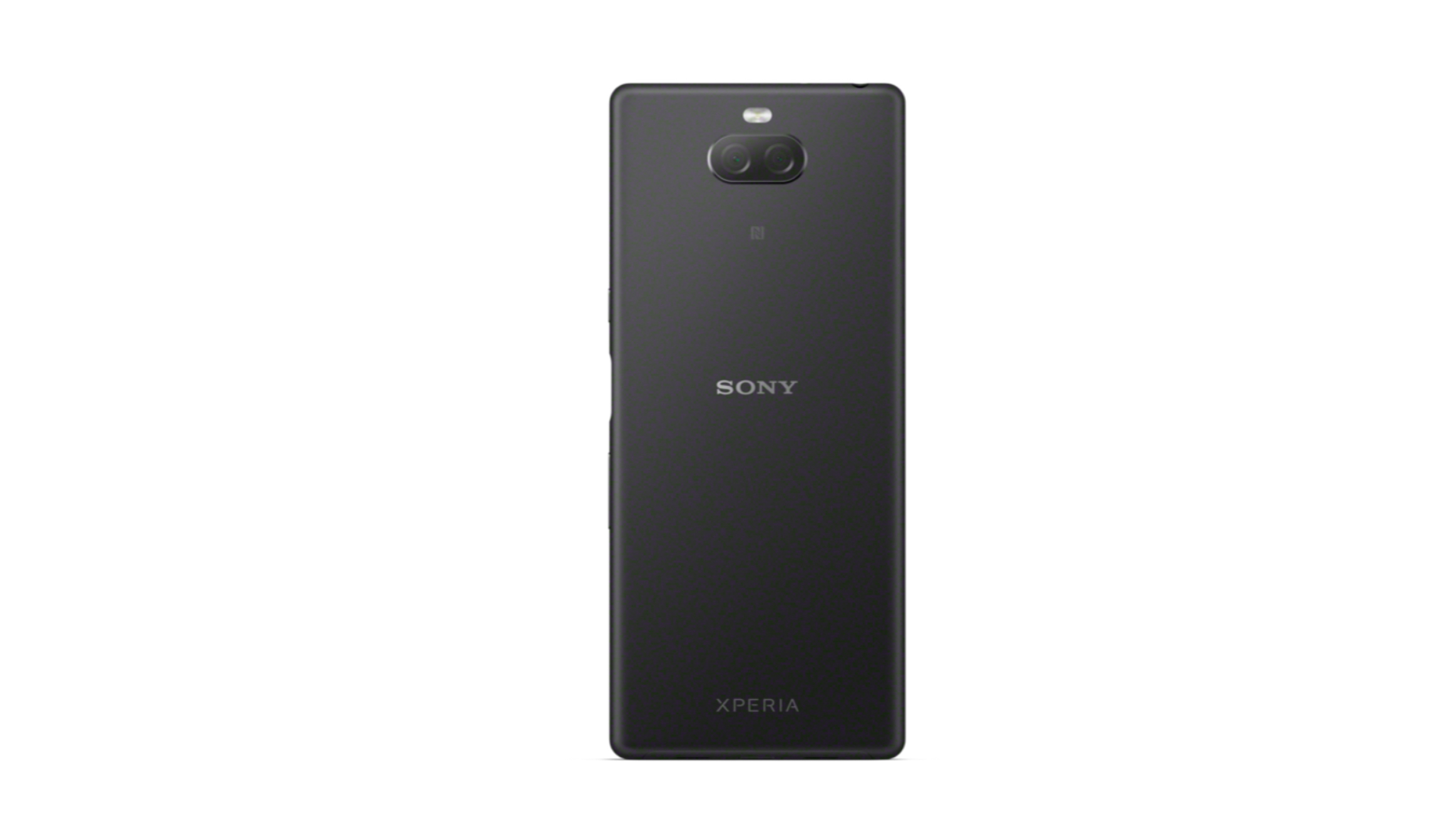 The Sony Xperia 10 has a dual camera setup, with one 13 MP (f/2.0) wide-angle sensor and a second 5 MP (f/2.4) sensor, whereas the Xperia 10 Plus has a combination of a 12 MP (f/1.75) primary sensor and a secondary 8 MP (f/2.4) sensor. Both the devices have the identical 8 MP (f/2.0) front camera equipped with an LED flash. Camera features include hybrid autofocus, bokeh effect, HDR, 5X digital zoom and 4K video recording.