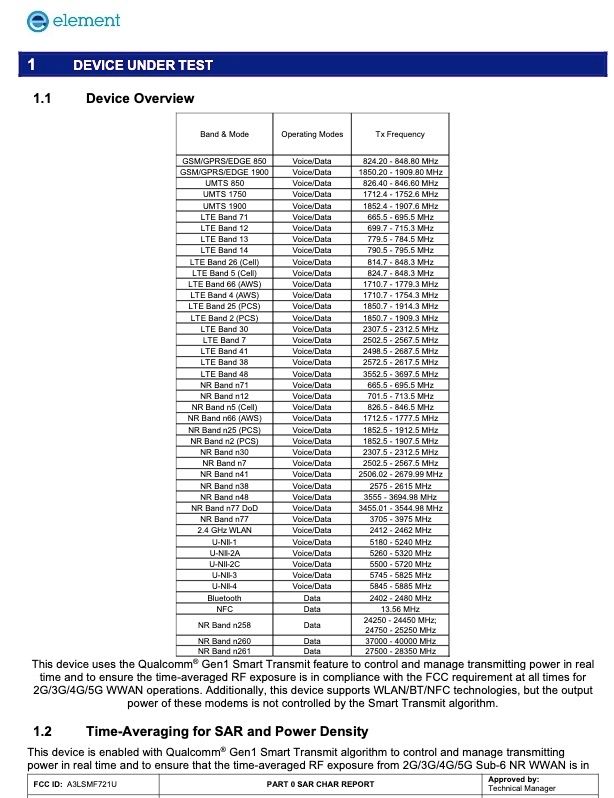
Samsung is gearing up for the global launch of the Galaxy Z Flip 4. It will be releasing alongside the Z Fold 4 and Galaxy Watch 5 Series. All three devices are expected to be revealed at the August Unpacked event with launch dates to be announced at the same event. Now, ahead of the release, the Samsung Galaxy Z Flip 4 has been spotted on the FCC’s(Federal Communications Commission) website in the US. The smartphone’s network, Wi-Fi details, and more has been revealed in the listing. We are going to have a look.
Samsung Galaxy Z Flip 4: FCC Certification Details
On the FCC website, few the Galaxy Z Flip 4’s (model number SM-F721U) specs can be seen. The website confirms that the device will be supporting multiple global 4G and 5G bands. Other features like Bluetooth, Wi-Fi 802.11a/n/ac/ax, GNSS, NFC, and wireless charging have been listed as well. he device was also used with a wireless charging pad during the certification process. The Galaxy Z Flip 4 will have its antenna on the left. These are the only features that have been confirmed by the site.
What We Know So Far
Back in may, the Galaxy Z Flip 4 was spotted on Geekbench. According to the listing, the device will be powered by a Qualcomm Snapdragon 8+ Gen 1 processor, Adreno 730 GPU, Android 12 operating system, and 8GB of RAM. The Z Flip 4 will come with a 12 megapixel and 10 megapixel dual camera setup. As per reports, the front camera of the Z Flip 4 will be an under the display unit.
The display itself is speculated to be a 6.78-inch Full HD+ AMOLED screen with 120Hz refresh rate. The outer display is expected to be a 2.1-inch AMOLED screen. The Galaxy Z Flip 4 is expected to pack in a larger battery compared to the Z Flip 3, 3,700 mAh to 3,300 mAh. The device will support 25W fast charging compared to the 15W charging on the Z Flip 3. Expect the smartphone to launch with the Android 12 based OneUI 4.1 out of the box.
Samsung, the world’s number one smartphone manufacturer is known for creating some praiseworthy flagship devices. Taking the latest Galaxy S10 lineup as an example, the handsets perfectly blend in great hardware with appreciable software. But, in the past few years, it’s budget smartphones have been struggling to perform well in terms of sales due to fierce competition from Chinese OEMs. The company, in a bid to change that, launched the current Galaxy M and the Galaxy A series of devices. Not only the hardware on the handsets is noteworthy, but they also have a competitive price to maintain themselves in the game. So, has Samsung finally figured out the budget smartphone segment?
History Of Samsung’s Budget Smartphones
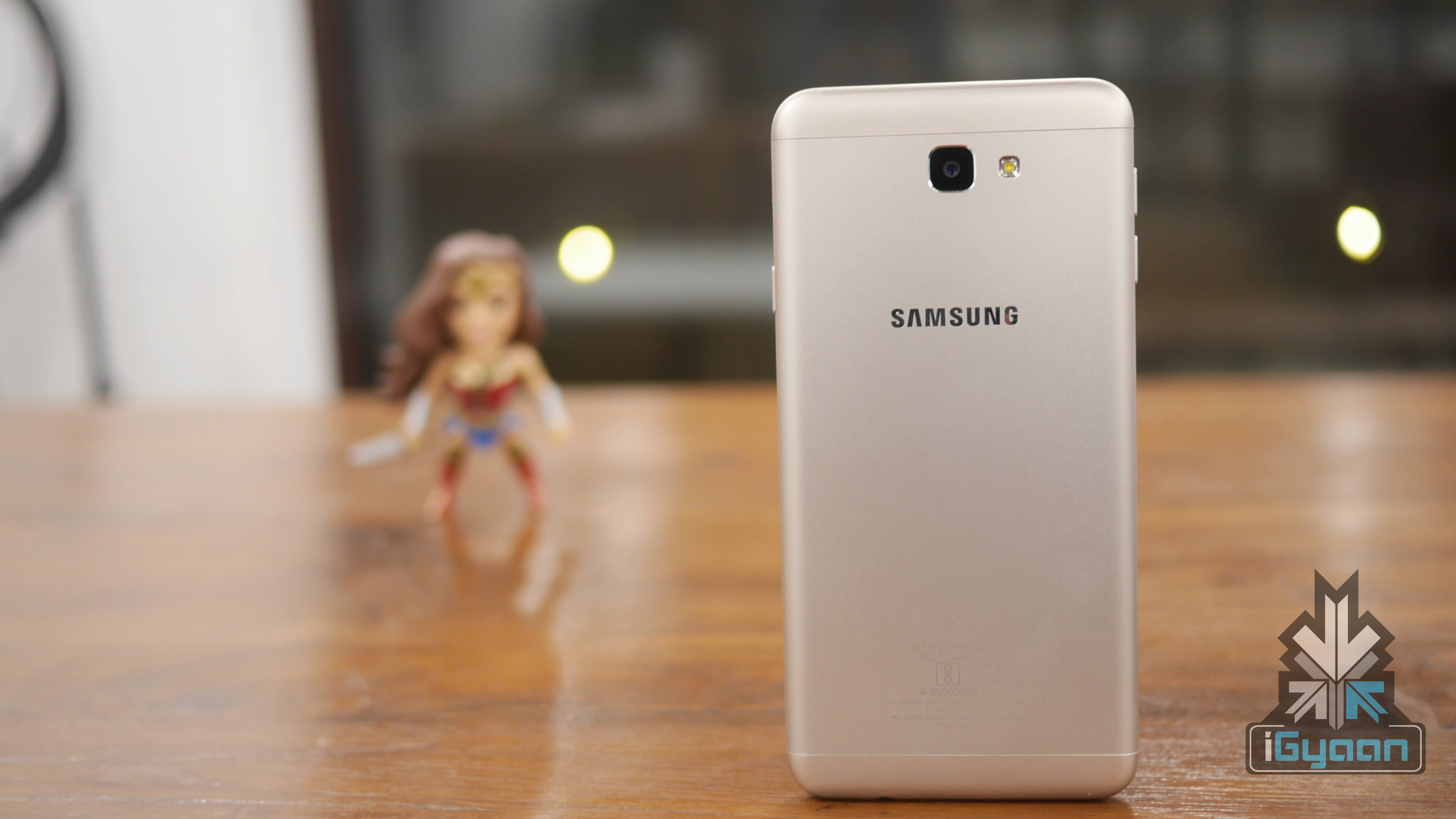
Galaxy On7
Before this year, Samsung had a convoluted lineup in which it placed its budget smartphones. There was the Galaxy J series, which started from the bottom of the barrel and continued to the mid-range price bracket. Then there was the Galaxy On Series, which targeted budget segment online. On the top end of things, there were the Galaxy A and Galaxy C lineup of smartphones. These were the company’s mid-range offerings which went up to the premium mid-range price bracket. No prizes for guessing, all the aforementioned devices looked archaic and did not really offer competitive specifications for the price they were targeting. In the end, Samsung had to discontinue all the devices in the above lineups and started to reinvent itself.
The Current Situation
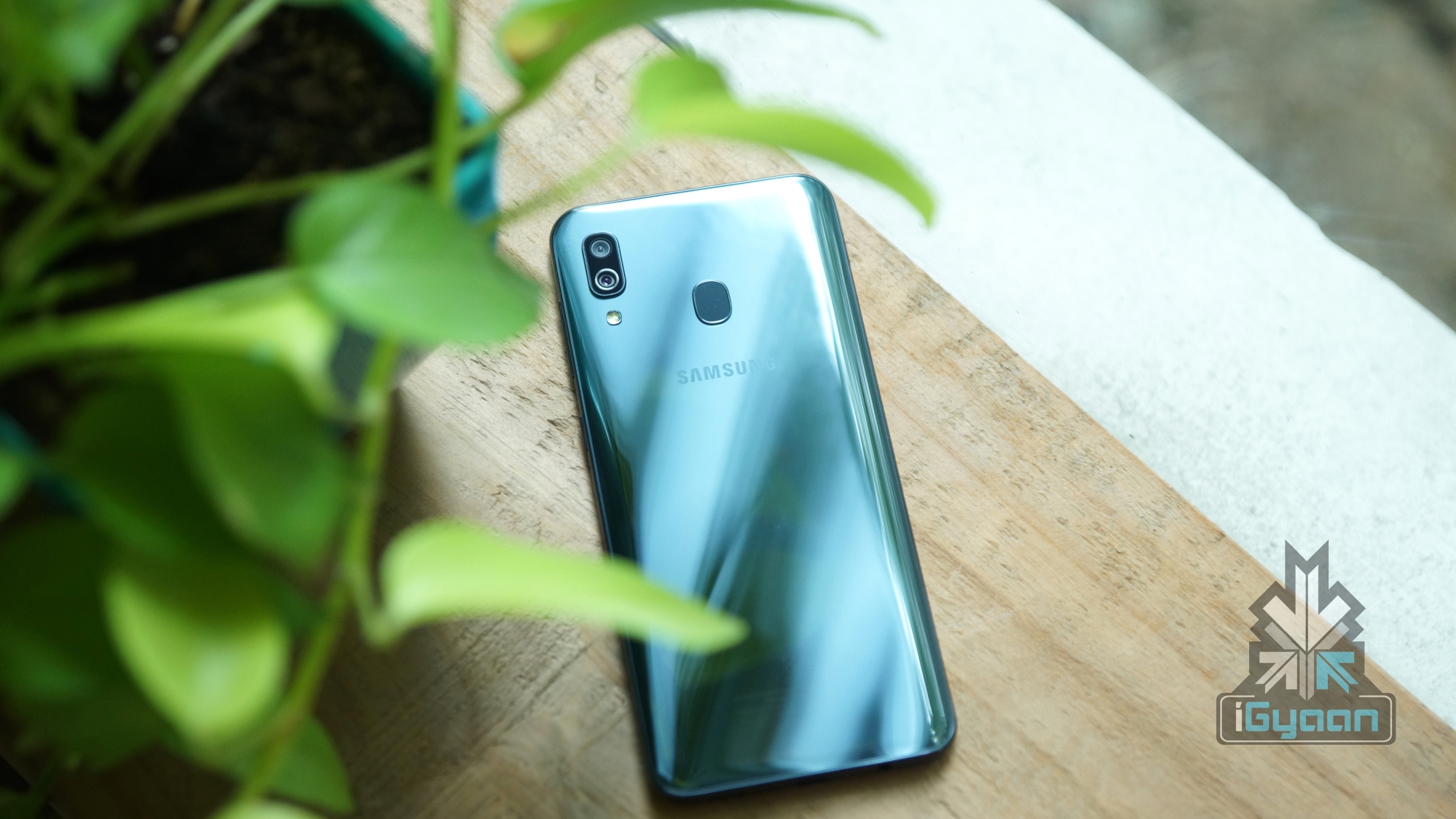
Galaxy A30
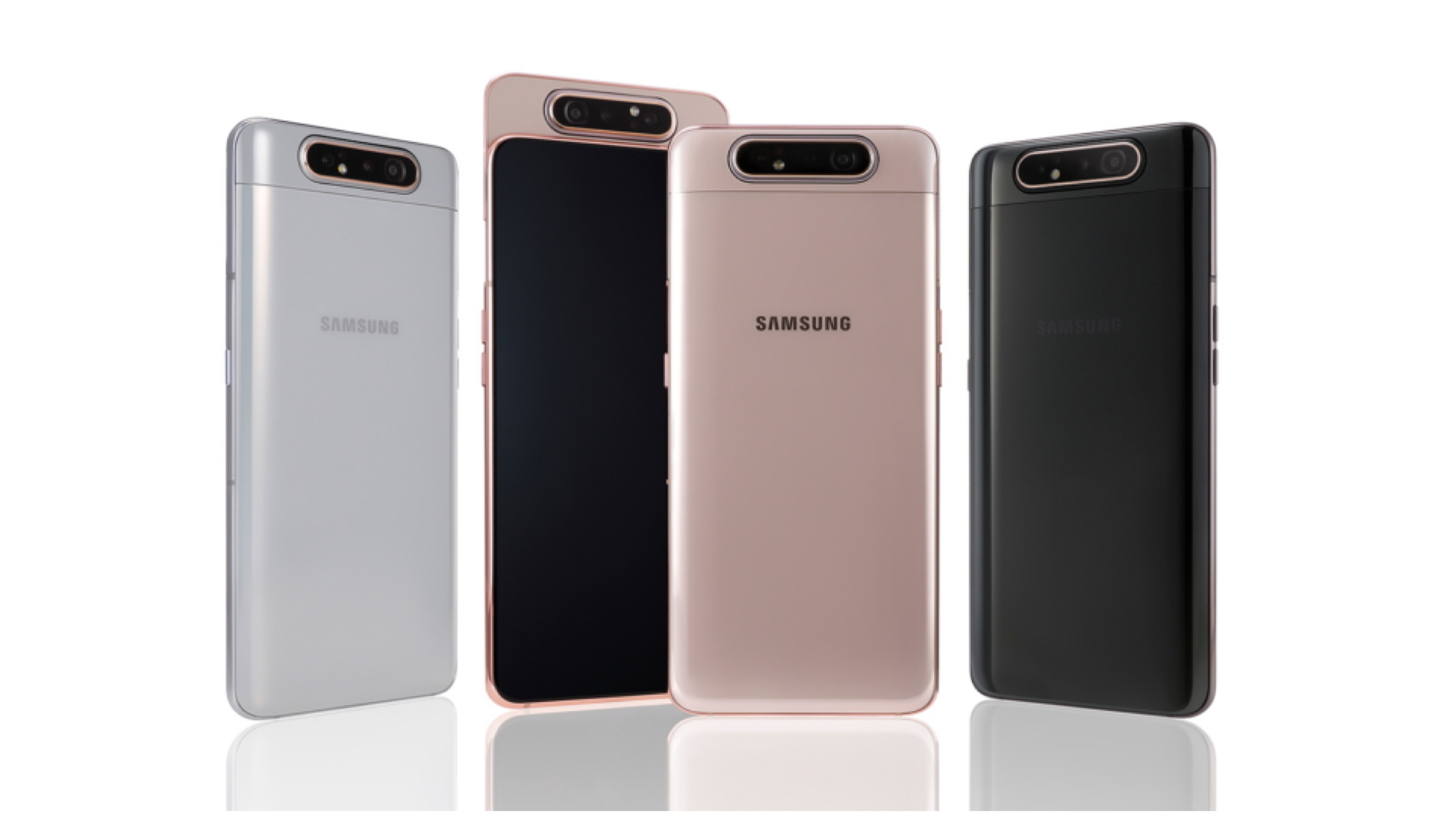
After struggling to understand what the consumers really wanted in a budget smartphone, Samsung went back to the drawing board. In an attempt to take over the market captured by Chinese rivals such as Xiaomi and Honor; it released the Galaxy M and the Galaxy A lineup of smartphones in 2019. As mentioned above, the devices changed what the company used to do in this segment, which has forced the competition to take notice. Not only they featured good, sometimes beautiful hardware, but the overhauled software experience with a good price tag was also a pleasant change. Notable devices of the series included the Galaxy M30, Galaxy A30 and the Galaxy A50. Most of these devices have already been the bestsellers for the company.
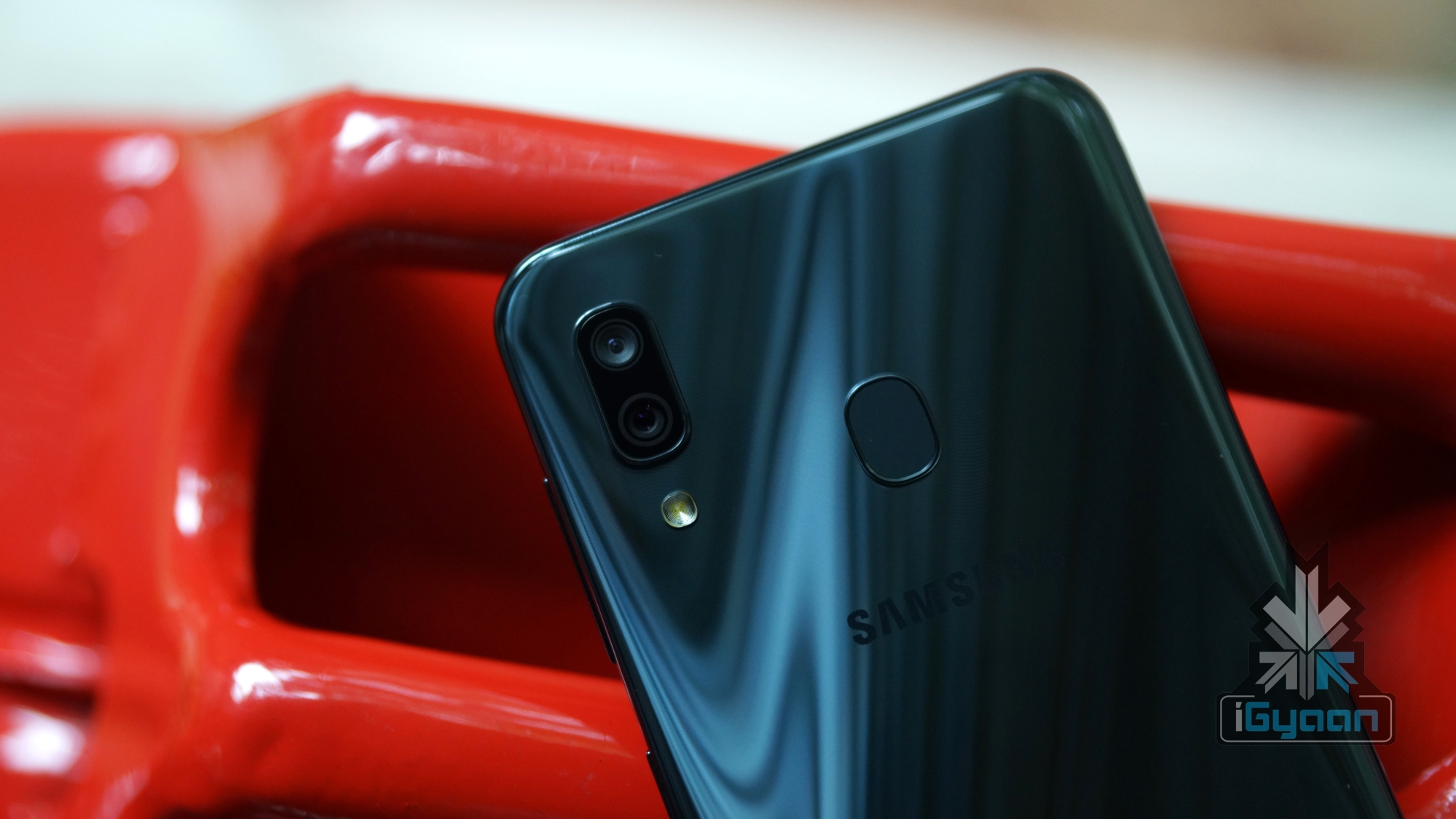
Galaxy M30
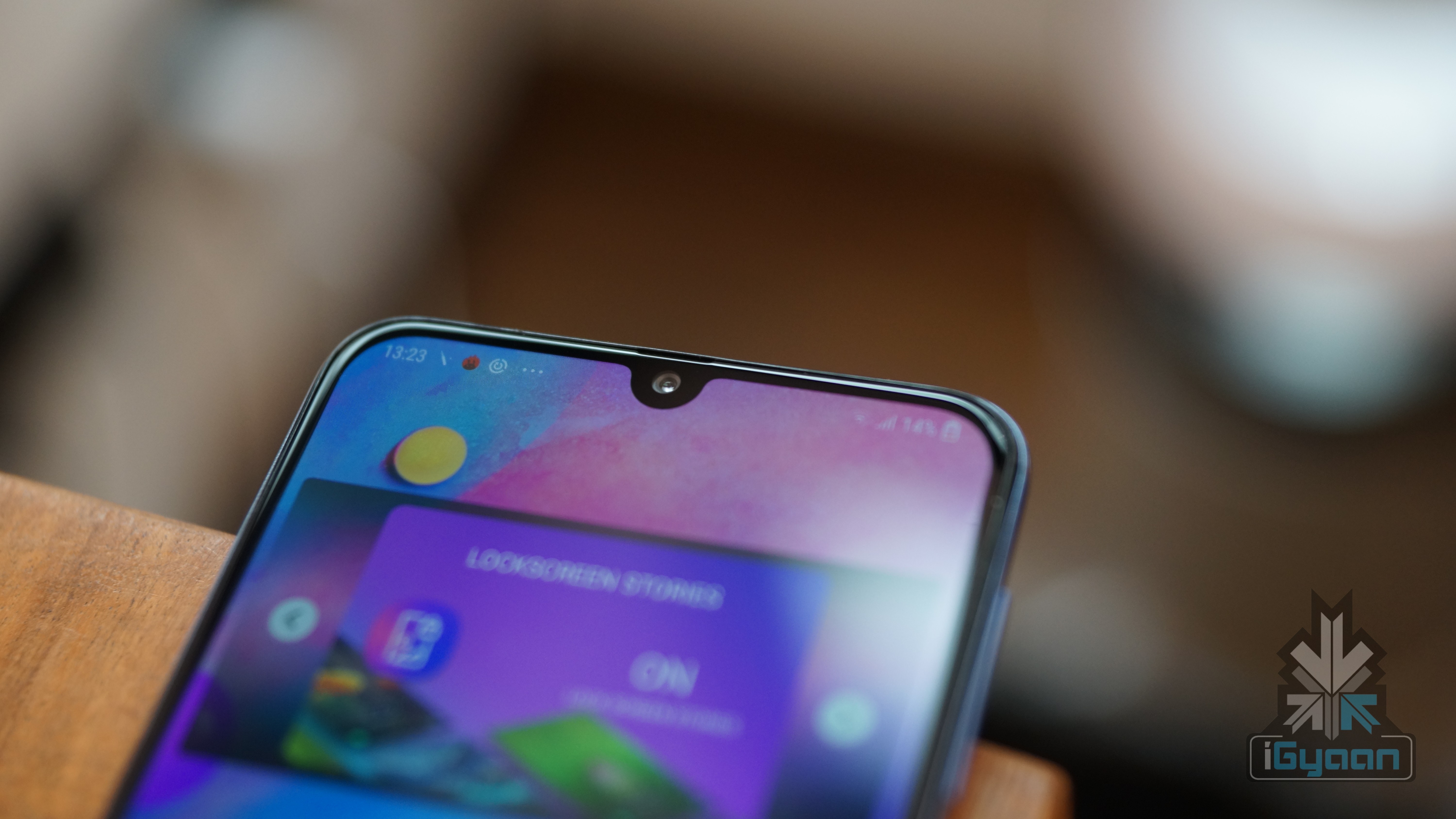
So, why did it take the company so long to devise a strategy that they knew was going to work? It is because it finally dared to take risks. Chinese rivals, while not as well known, have always attempted to do something different to stand out. While this may not always work, it does help in hogging the limelight away from the competition. Samsung, a huge player in the segment could not afford to take such a huge risk with little chances of payoffs. But, it seems like it finally made up its mind and has been offering distinctive features like the flashy ‘Glasstic’ glossy 3D back panel and a waterdrop notch.
While Samsung might have succeeded in discerning the market and the budget smartphone segment, it still has a long way to go. Catching up to its rivals just means giving them a headstart. For example, the Galaxy M30’s triple camera layout may be innovative for the price range, but its bland design and weaker gaming performance cannot be ignored. As these are the first iterations of the handsets, it is expected they will get better every year. No matter how late Samsung is to the party, there is no denying it has left a sizeable dent in it. Additionally, an extra amount of competition will eventually be good for the consumers for the number of choices there will be.
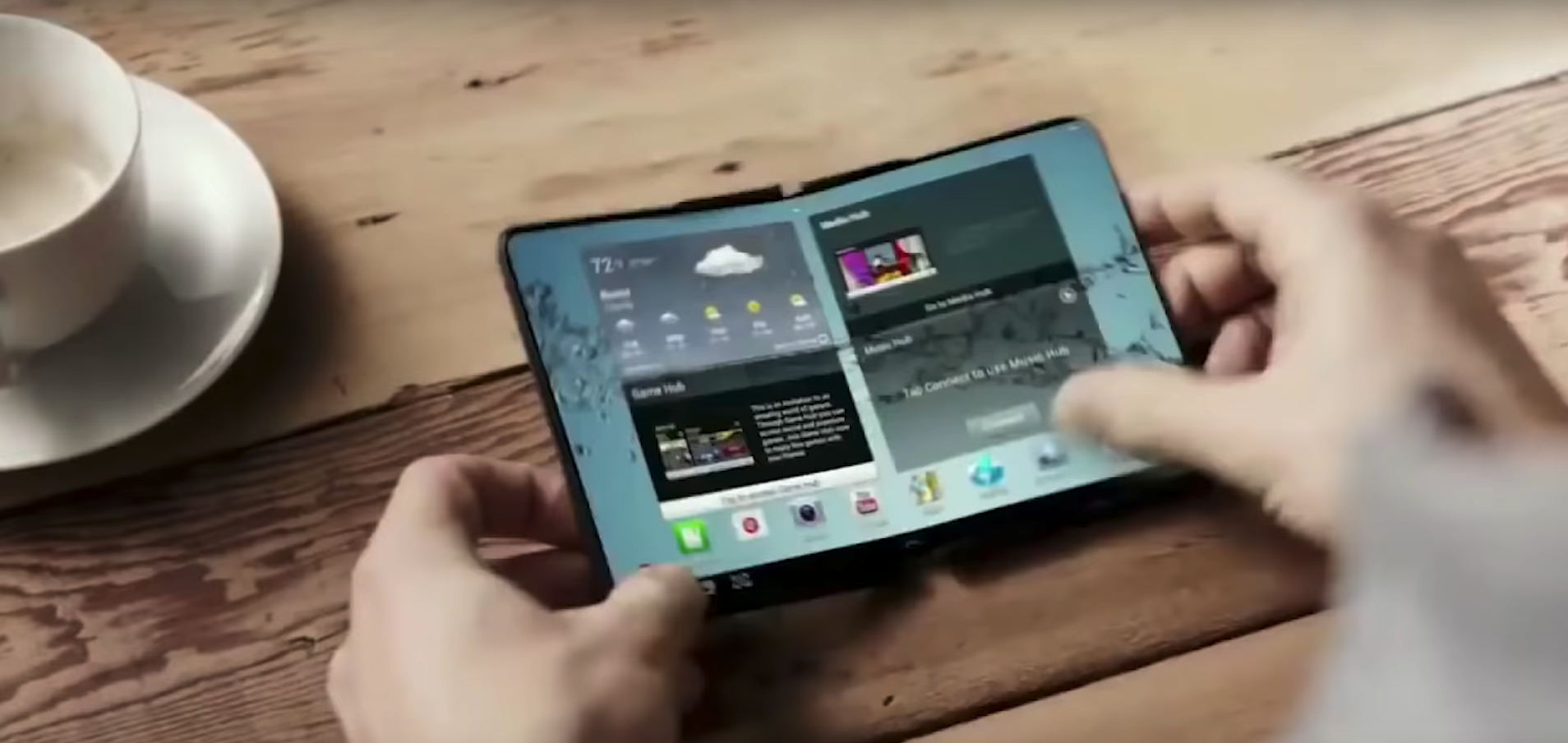
Samsung’s foldable smartphone has been a rumoured product for a long time now. But the Galaxy F might soon become a reality. A tablet that folds into a phone and fits into your pocket. Samsung has revealed, to a news website, at an event in Kuala Lumpur that this new product can become a reality early as November this year. This device will provide portability as a phone and also provide ease of use and allow for multitasking as a tablet. According to reports, the company has also said that the product will launch only if it is really meaningful to customers. Samsung added that if the user experience is not upto their standard, they won’t launch the phone.
The product will not merely be a gimmick product giving an indication that it will be available to the masses. Reports say that the Galaxy F will be available internationally. Samsung had teased a flexible OLED display at CES 2013. Subsequently a phone called Galaxy Round saw its launch. It has been 5 years since that and it seems the foldable display and foldable phones are now a reality. Every smartphone is aiming f0r a larger screen and if Samsung is able to pull something like this off, it might mean a major shift in the industry.
What this means for the industry
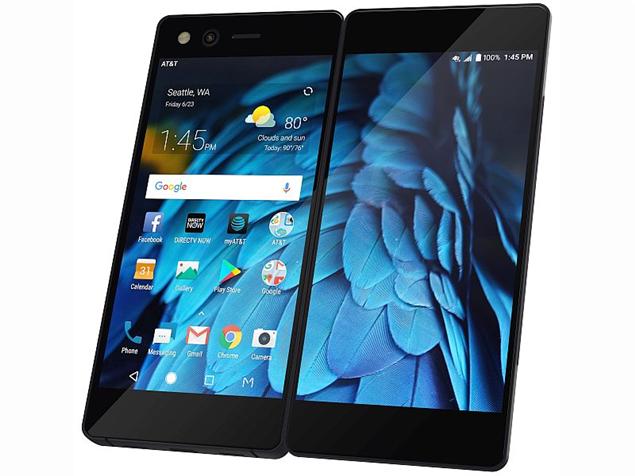
While Samsung has not released any details regarding the tablet/ smartphone, the foldable phones will finally allow phones to have screens larger than 6.5 inches. ZTE had experimented with foldable smartphones in 2017 with their Axon M. However, the market did not receive it well. Samsung previously has been called out for its big screens when they first launched the Galaxy phones. But they became a new benchmark in the phone industry with time. It will be interesting to see how and if the new foldable displays turn out to be a pathfinder in this regard.
The Samsung Galaxy A8 Star has been launched in India at a competitive price of Rs 34,990. Launched between the 30-35k price bracket, the Samsung A8 Star packs a whole lot of features.
Design:
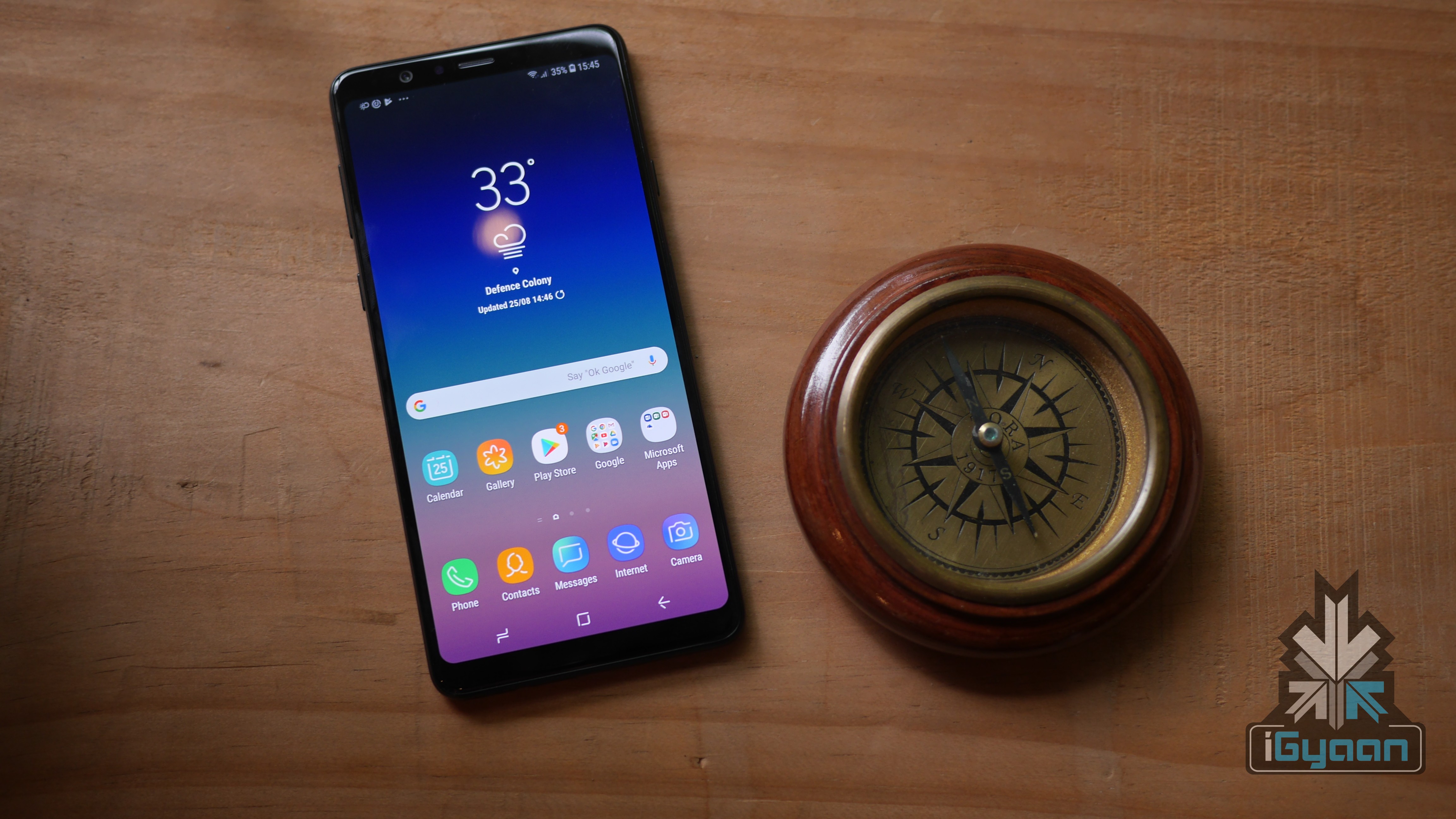
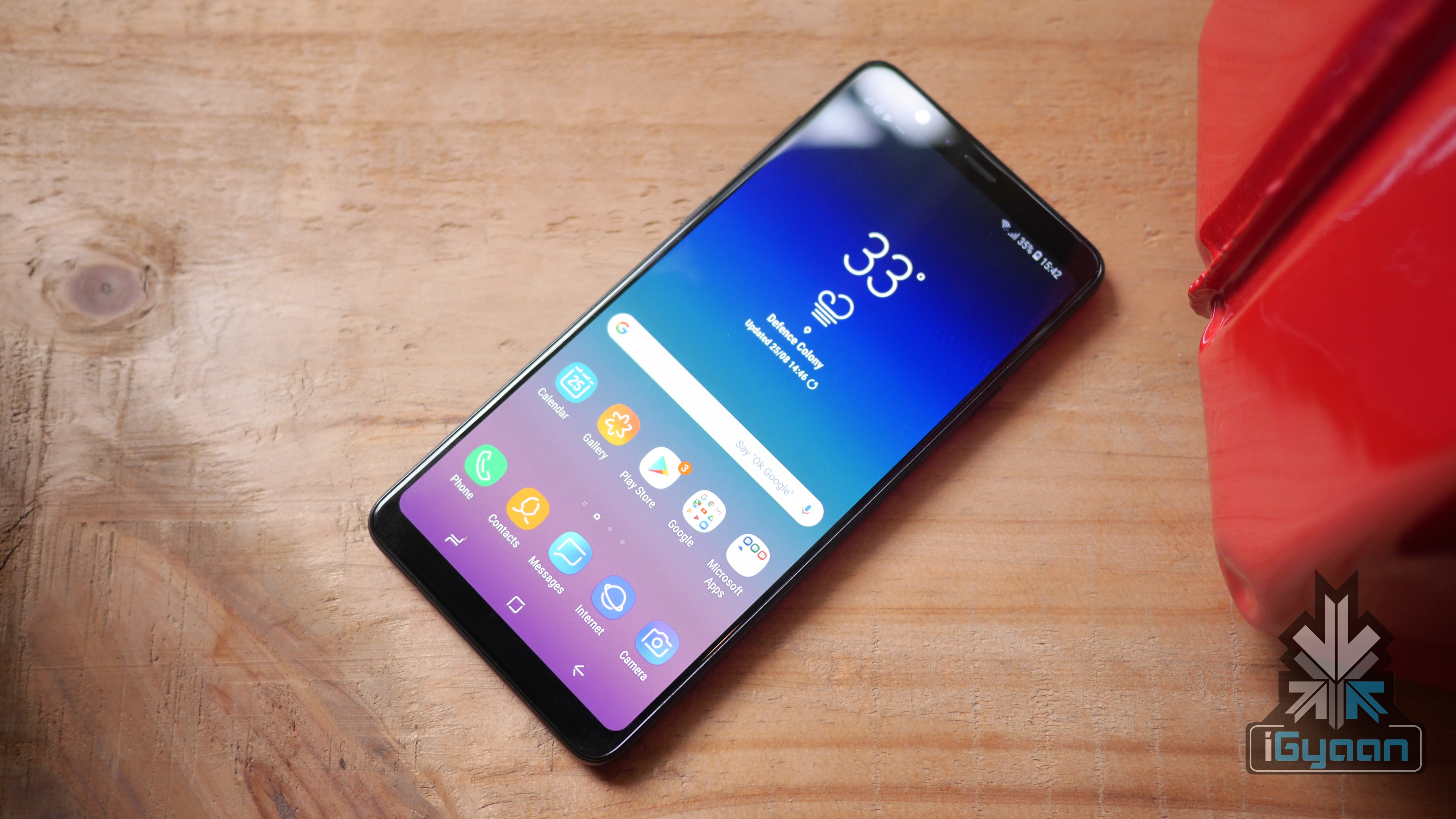
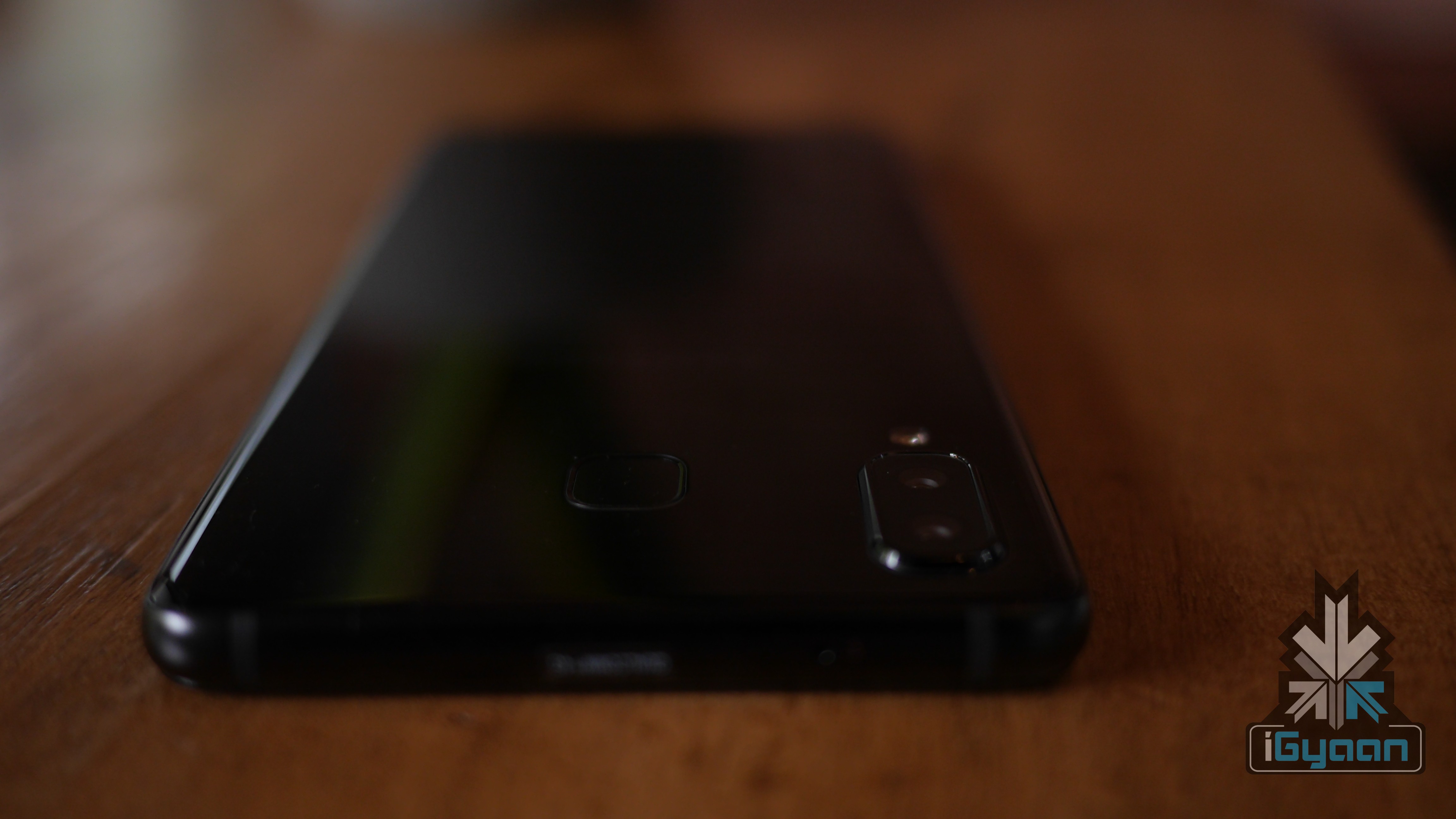
The design of the A8 Star looks and also feels premium. With a glass body and metallic frame, the A8 Star sits comfortably in your hands. The A8 Star comes with Infinity display and has thin bezels at the top and bottom. The back of the phone houses dual camera setup and a rectangular fingerprint scanner. The A8 star also comes with a headphone jack and a dedicated Bixby button to the left.
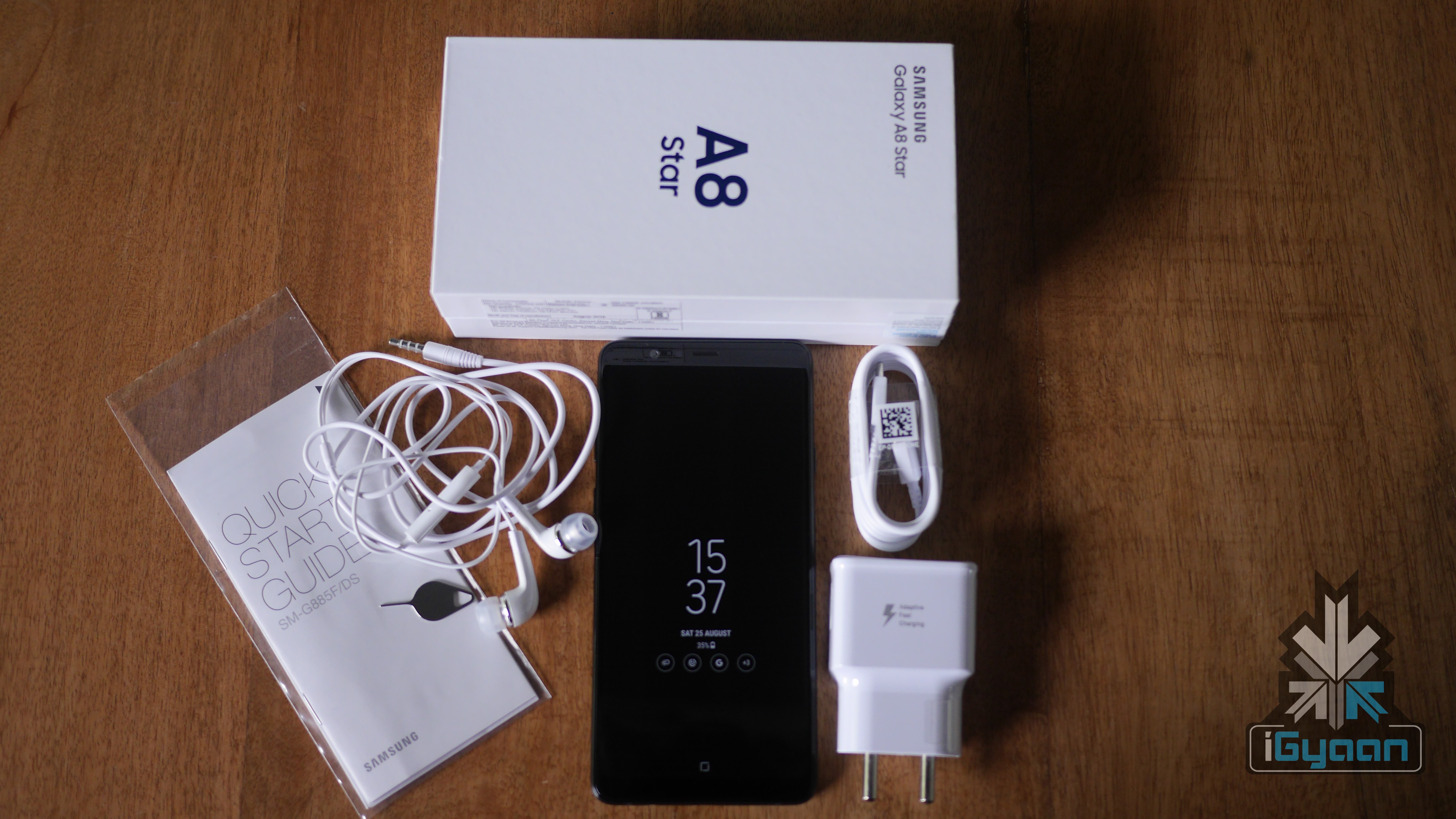
Samsung Galaxy A8 Star
In-Ear Earphones
USB C Cable
Fast Charger
Sim Ejector Tool
Documentation
Display:
The 6.3-inch Super AMOLED infinity display gives the vibrant Samsung display experience. Along with this, the phone has a ‘always on’ feature which ensures that notifications and other information is available throughout. The phone also offers great viewing angles, however the phone does not have S pen support like the Note Series.
Once inside, we see the familiar Samsung launcher and come across a few pre installed apps. Other than some Samsung apps, it is pre loaded with a few Microsoft Office apps which cannot be uninstalled. The device runs Android 8.0 and the Samsung experience 9. The A8 star can access the Bixby assistant by using the dedicated button and upon swiping up one can access Samsung Pay Mini. However, payments can only be made over NFC.
The device houses a unique dual camera setup. It uses the dual intellicam system from Samsung and has 16MP+24MP cameras both with an aperture of f/1.7. The 24MP camera uses the TetraCell technology to capture pictures in lowlight conditions. The Tetra Cell uses 4 pixels instead of 1 pixel in lowlight conditions and then combines those 4 pixels into 1 pixel to give you the best output. The main camera captures 4K video at 30fps. In the front we have a 24MP camera that uses a variety of creative effects to give a sharper image. A number of AR stamps, stickers and filters add to the experience.
Chipset, Battery & Storage:
The A8 Star houses a Qualcomm SDM660 Snapdragon 660 chipset with an Adreno 512 GPU. It has 4GB of ram and 64GB internal storage which is expandable up to 400GB. Powered by a 3700 mAh battery, the A8 Star comes with adaptive fast charging with a 9V, 1.67 A charger.
Additionally, it has a fingerprint sensor at the back and also comes with Face Detection. For more about the experience of using the Galaxy A8 Star, check out our video below.
In Q3 of 2018, Samsung was the global leader in smartphone market share. The South Korean company also launched its new smartphone in the Note series, the Galaxy Note 9. It is with the Galaxy Note 9 that Samsung could increase its smartphone sales even further. However, the other end of the spectrum reveals a struggling phase of the company. According to the reports, the company is planning on suspending operations in the Samsung manufacturing plant in Tianjin, China. The company produces mobile phones at this plant in China, to suspend its operation would lead to layoff on a massive scale.
It is the Tianjin Samsung Telecom Technology plant, in the city of Tianjin, China, that the company plans on closing. The company, in all likelihood, will withdraw all its resources from this branch. A major cause of this is the decline in the overall smartphone sales, globally. However, the company representatives claim that they are only looking at the possibility of shutting the plant down. As of yet, the jury is still out on whether this Samsung manufacturing plant would close. The Tianjin plant was one of the major producers of mobile phone for the company, in China.
Almost five years ago, Samsung owned 20% smartphone market share. However, the competition from the likes of Xiaomi, OnePlus, and other Chinese brands, led 1% dip in the company’s foothold. Reports suggest that the Tianjin branch of the Samsung manufacturing plant produces 36 million mobile phones a year. If the company decides to suspend its operations here, it could lead to a major setback for the company. Regardless, it would be interesting to see the course of action for this plant and the impact of the decision on the company. .
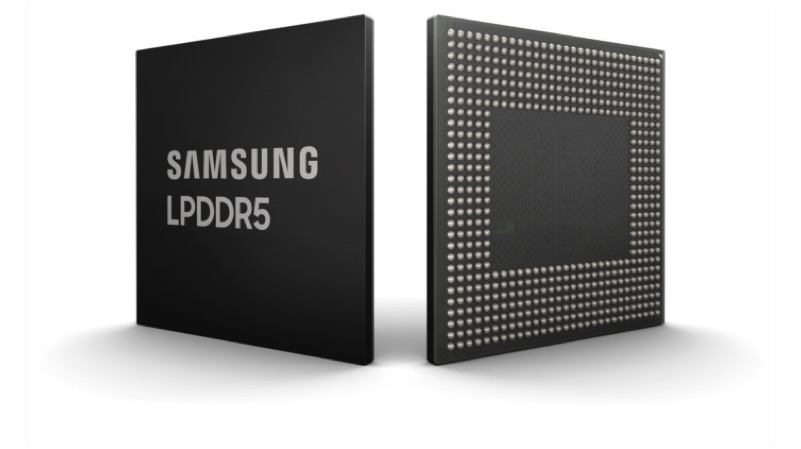
Samsung has set a benchmark when it comes to all things computing related. From manufacturing displays to home appliances, Samsung has done it all. The latest innovation in their line up is 8GB DRAM which is essentially a Low Power type (LPDDR5). Made for smartphones, Samsung has focussed on integrating AI capabilities and 5G compatibility with this 8GB DRAM. Samsung also claims high data-rates for the LPDDR5 DRAMs. The announcement was made on Samsung’s news blog.
Samsung 8GB DRAM
The senior vice president of Memory Product Planning & Application Engineering at Samsung Electronics, Jinman Han, quoted:
“This development of 8Gb LPDDR5 represents a major step forward for low-power mobile memory solutions.We will continue to expand our next-generation 10nm-class DRAM lineup as we accelerate the move toward greater use of premium memory across the global landscape”
This is exciting news because a faster and better-optimized RAM module will allow smartphone manufacturers to integrate AI into their devices. And then we have 5G which Samsung claims will be compatible with the LDDPR5 8GB DRAM. Prior to this DRAM, Samsung had started mass producing the 8GB LPDDR4 DRAM back in 2014.
According to claims by Samsung, the LPDDR5 will have data-rates of up to 6,400 megabits per second (Mb/s). This, compared to the current DRAM in flagship devices, is almost 1.5 times faster. Samsung further claims that you can send close to 14 full HD video files (with a total size of approximately 3.7GB each), in a mere second.
The 8GB DRAM is also optimized to be less power hungry and work synchronously with the application processor. The LPDDR5 will achieve this optimization by lowering its voltage. Ultimately, Samsung wants to make the chip AI-friendly and better optimization will allow the DRAM to deliver better performance. The DRAM will also offer what Samsung is calling a ‘deep sleep mode’, which will essentially allow the DRAM to run on half of its usual power.
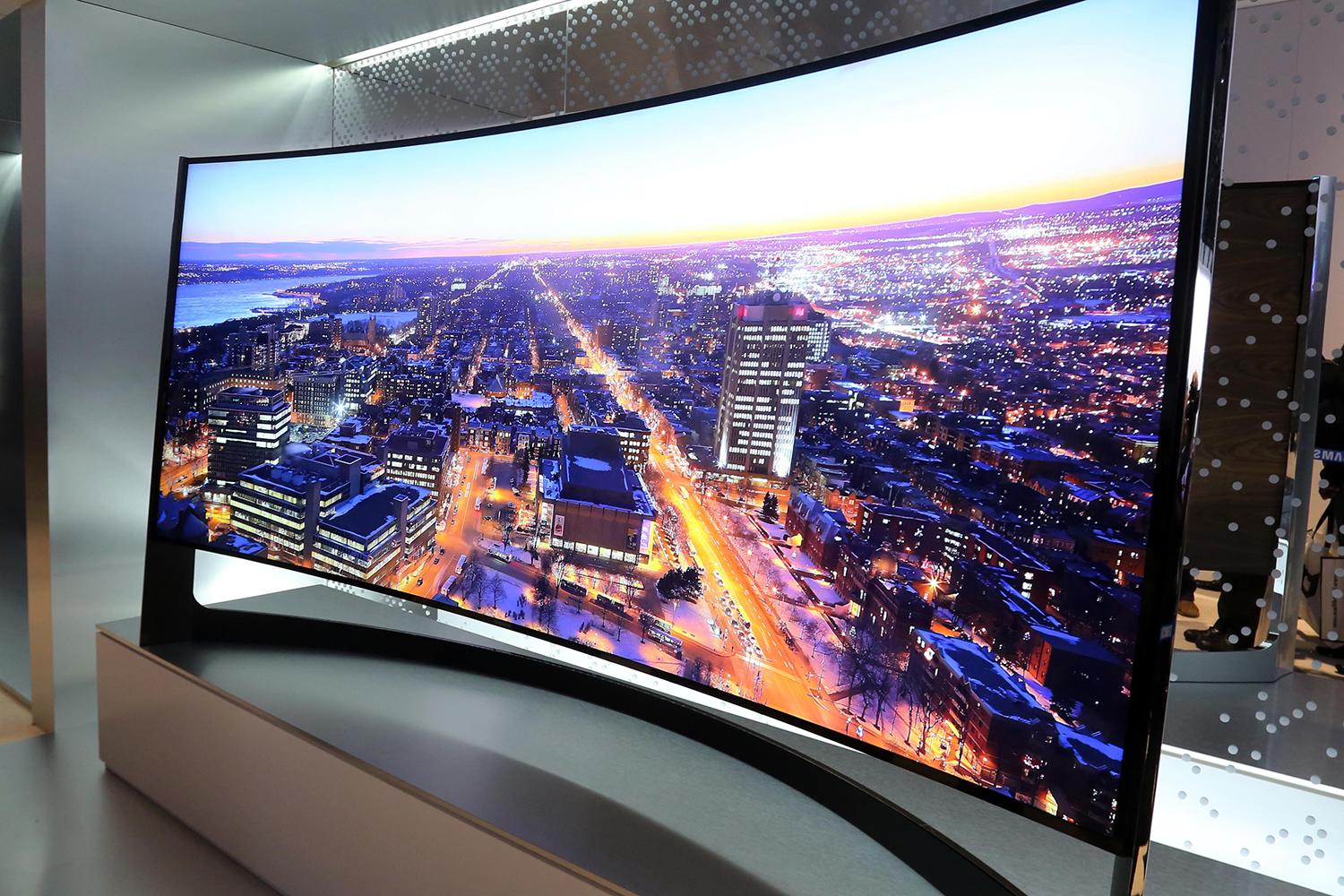
Samsung is known for its signature TVs with the OLED panel. However, the company is slowly shifting towards the Quantum Dot technology. In fact, the company announced a couple of Smart TVs based on QLED technology at CES 2018. On March 7th, 2018, the company is expected to launch few more models of mainstream TVs using Quantum Dot technology.
Samsung is all set to launch the next generation Smart TV series in New York at the American Stock Exchange in Manhattan. The company is expected to launch 8K resolution smart TVs. In fact, Samsung showcased a TV with 8K resolution at CES 2018.
Features of 2018 QLED Samsung TVs
A report from Korea stated that the 2018 QLED TVs features will be centred on the Bixby. The TVs will be AI driven based on Samsung’s SmartThings technology. The Bixby will be used for the effortless content discovery and sharing. However, we are yet to see the implementation of Bixby on a TV platform.
Conclusion
The Samsung 2018 QLED TV series will showcase the power of the smart TV with an AI-enabled operating system. However, these TVs will be priced at a premium price tag.
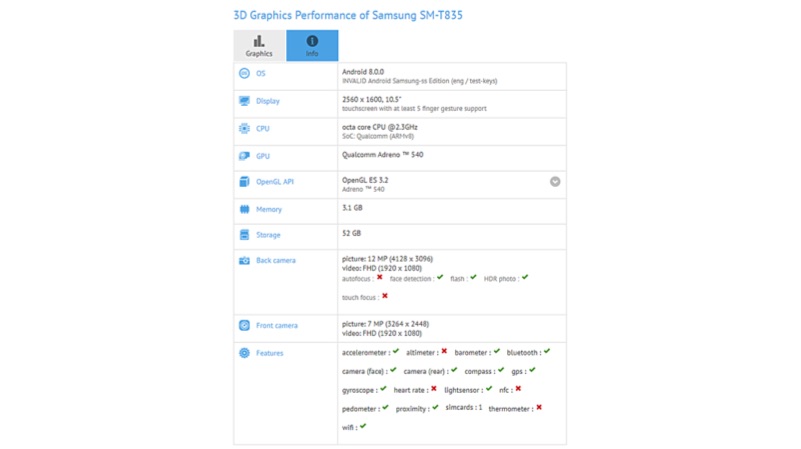
A new tablet from Samsung was recently listed on GFXBench with the model number SM-T835. The last year’s Samsung Galaxy Tab S3 came with a model number SM-T835. Which suggests that this is indeed the upcoming Samsung Galaxy Tab S4.
The Samsung Galaxy Tab S3 came with a glass sandwich design with flagship specifications. In fact, the sound profile of the tablet was fine-tuned by AKG. The flagship tablet from Samsung offered a unique user experience with the latest specifications and a 2k display. Visually, the Tab S3 was one of the most appealing tablets in its times. In fact, it is the only tablet, which offers a 10.5-inch Super OLED panel with rich blacks and punchy colours. So, the Samsung Galaxy Tab S4 is also expected to feature flagship specifications with a premium design.
The Galaxy Tab S3 was originally launched in India for a price of Rs. 47,990, so, the Galaxy Tab S4 is also expected to be priced on the same line.
Tab S4 listed on GFXBench
Specifications:
The Galaxy Tab S4 features a large 10.5-inch 2560 x 1600 QHD+ Super AMOLED display, protected by tempered glass. The device is powered by Qualcomm Snapdragon 835 Octa-core processor, paired with 4 GB RAM and 64 GB storage with a dedicated SD card slot.
Coming to the optics, the device is fitted with a single 12 MP main camera and a 7 MP front-facing camera. The video recording capability is limited to 1080p on both the cameras.
Galaxy Tab S3
The Samsung Galaxy Tab S4 does offer a single SIM card slot, which is expected to support 4G LTE and VoLte, 3G, and 2G networks. The tablet is powered by Android Oreo 8.0 OS with custom Samsung UX on the top.
Conclusion:
Along with the Samsung Galaxy S9 and the Samsung Galaxy S9+, the company might also unveil the Samsung Galaxy Tab S4 at MWC 2018. This seems possible since the Galaxy Tab S3 was launched at MWC 2017.
The under-the-display fingerprint scanner is now a real thing, thanks to the Vivo X20 Plus UD. The Samsung Galaxy Note8 was widely expected to be the first-ever device with this technology. However, for some reasons only known to Samsung, that did not happen. A few days ago, it was rumoured that the Galaxy Note9 will finally implement this technology. However, according to recent rumours, Samsung has decided not to implement this technology.
The report claims Samsung has stopped working on this technology for an unknown reason. Therefore, the Korean tech giant will stick with the rear-mounted scanner like the Samsung Galaxy Note 8.
Theoretically, to implement this technology the device must have OLED display (doesn’t work on IPS LCD) with a capacitive touchscreen. The scanner sits behind the display. (accesses fingerprint through a semi-transparent layer).
Possible reason:
Samsung might go with the Quantum-dot display technology instead of OLED, which makes it impossible to implement this technology. Which might have made an exclusive deal with Vivo that prevents other smartphone manufacturers to implement this technology.
The technical difficulties in the manufacturing these chips might be it. An earlier report claimed that Samsung didn’t want to rely on Synaptics and wanted the in-screen fingerprint sensor of the Galaxy Note9 to be based on its own technology. However, it might have run into some trouble which made it drop the technology altogether.
Cumbersome Placement of the Fingerprint sensor placement on the Galaxy S8 and Galaxy Note8
Another reason for this decision could be Apple. Apple has already confirmed that it believes Face ID is the future. In order to compete with Apple and it face ID tech, Samsung could implement better facial/iris recognition in the Galaxy Note9.
Conclusion:
A recent report, the Samsung Galaxy Note 9 will feature the under-the-display fingerprint scanner. Now, a new report completely disapproves the last report. Finally, Samsung might implement this feature on Samsung Galaxy S X or Samsung Galaxy Note X.
Samsung is the latest company to join the self-driving car race. The firm received an approval from the US government to test autonomous vehicles on state roads in California, according to the listings on the Department of Motor Vehicle’s (DMV) website. Companies like Apple, Bosch, Delphi, NVIDIA, Waymo, as well as automakers like BMW, General Motors, and Volkswagen were also amongst the ones who were granted testing permits for Autonomous Vehicle from the California DMV.
Samsung has already been granted approval to test self-driving technology vehicles in its home country of South Korea. Surprisingly, the South Korean firm used Hyundai vehicles for its testing, even though Samsung owns about 20 percent of Renault Samsung Motors.
Regardless, the company has already revealed modified Hyundai cars, equipped with test hardware built by Samsung which includes sensors and AI-powered computer modules.
Back in 2015, Samsung announced that the company’s new division would focus on self-driving software technology, rather than manufacturing the entire vehicle. Similar reports have emerged about Apple shifting its focus from autonomous cars to autonomous systems.
Samsung’s latest move of testing autonomous systems seem like an effort to keep up with its tech rivals in the automotive space. For now, the firm maintains a San Jose office, from where it could carry out California-based tests.
The Electronics and IT Ministry, last week had sent notices to 21 smartphone companies, with a majority of them Headquartered in China, asking them to outline the procedures and processes adopted by them to ensure security and privacy of users data. Soon after, nine more companies, including Motorola, Honor, Asus, OnePlus, InFocus, were added to that list.
The latest update states that a total of twelve companies including HTC, Xiaomi,Vivo, Huawei and Lenovo, have responded to the notice, while others like Samsung, Oppo, Sony, etc. have acknowledged and requested an extension. The ministry official said that agreeing to the requests, the government is likely to extend the deadline for submitting the details of the data security procedures.
Apple confirmed in an email, that the iPhone maker has sent its response to the ministry and a Vivo official stated that the company has replied to the government notice.
The ministry officials said that the 30 smartphone makers were asked to share security information to ensure that required data security measures were being taken. To support their claims, the IT ministry had cited international and domestic reports regarding data leaks from mobile phones.
Based on the response of the companies, the ministry will initiate verification and audit of devices where required. If a company fails to provide the information, the said firm will face charges and levy penalty for violation of security norms under provisions of IT Act 43 (A).
Lee Jae-yong, the son of Samsung’s ailing chairman and vice chairman of Samsung Electronics has been found guilty of perjury, embezzlement, and bribery in South Korea. The presumed heir to the Samsung empire was sentenced to five years in prison on Friday, which was shorter than the 12-year prison sentence prosecutors had sought for.
Lee was arrested in February and was found guilty by a three-judge panel of Seoul Central District Court. Along with the Lee, four other Samsung executives were accused of offering bribes to former South Korean president Park Geun-hye. Prosecutors alleged that Lee and the other executives gave 43.3 billion won (approximately $38 million) in bribes to Park in exchange for government support for a merger that helped him tighten control over Samsung. The court also found Lee guilty of perjury for falsely testifying at a parliamentary hearing on the scandal, concealing criminal profits, embezzlement and hiding assets overseas. Contrary to which, Lee Jae-yong denied any wrongdoing, and his lawyers are expected to appeal the verdict. Regardless, the court stated that there was sufficient evidence to prove prosecutors’ charges.
Judge Kim Jin-dong said “The essence of this case is the unethical bond between politics and money,” and “I hope that power will be used to serve all people and that big businesses will act with social responsibility, through legal economic activities.”
Although, the Samsung chief was found guilty in today’s verdict, it doesn’t necessarily scuttle his chances for succeeding his father. But, due to the Chinese tradition of “filial piety”, the role of chairman may not pass down to Lee Jae-yong until his 75-year-old incapacitated father passes away.
Samsung has recently bounced back from what was a slow year in 2016 due to recalls involving its Galaxy Note 7 smartphone, and had success with the Samsung Galaxy S8 and S8+ and the newly launched Galaxy Note 8, but the criminal conviction of Samsung’s chief is a blow for the company and is bound to impact the smartphone maker’s credibility and reputation on the business side of things, if not consumer.
After today’s much-anticipatedlaunch of the Samsung’s new Galaxy Note 8, the company hopes to rebuild consumer confidence and reinvigorate the Note series. Until last year, the Galaxy Note series was amongst the top flagship devices but, the recall of the Galaxy Note 7 due to battery issues had a significant impact on sales and consumer perception. So, from the Galaxy Note 7 to the Galaxy Note 8, what has changed?
The new standout feature – Dual-lens Camera
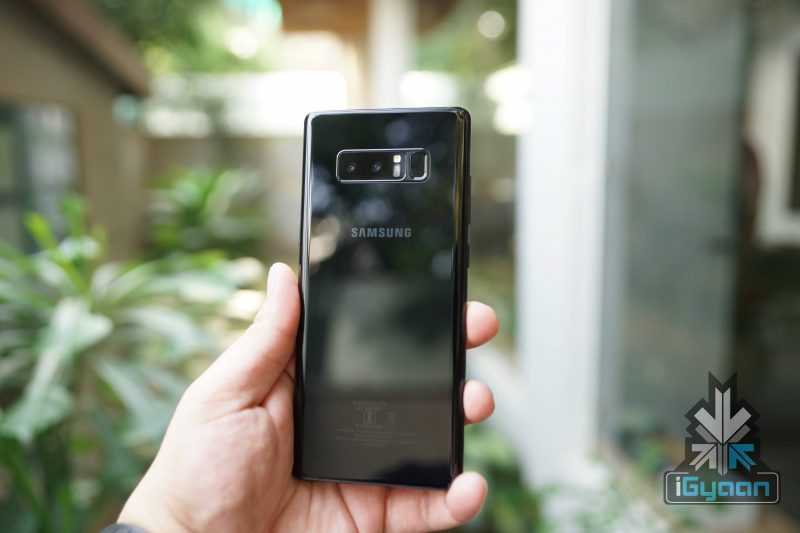
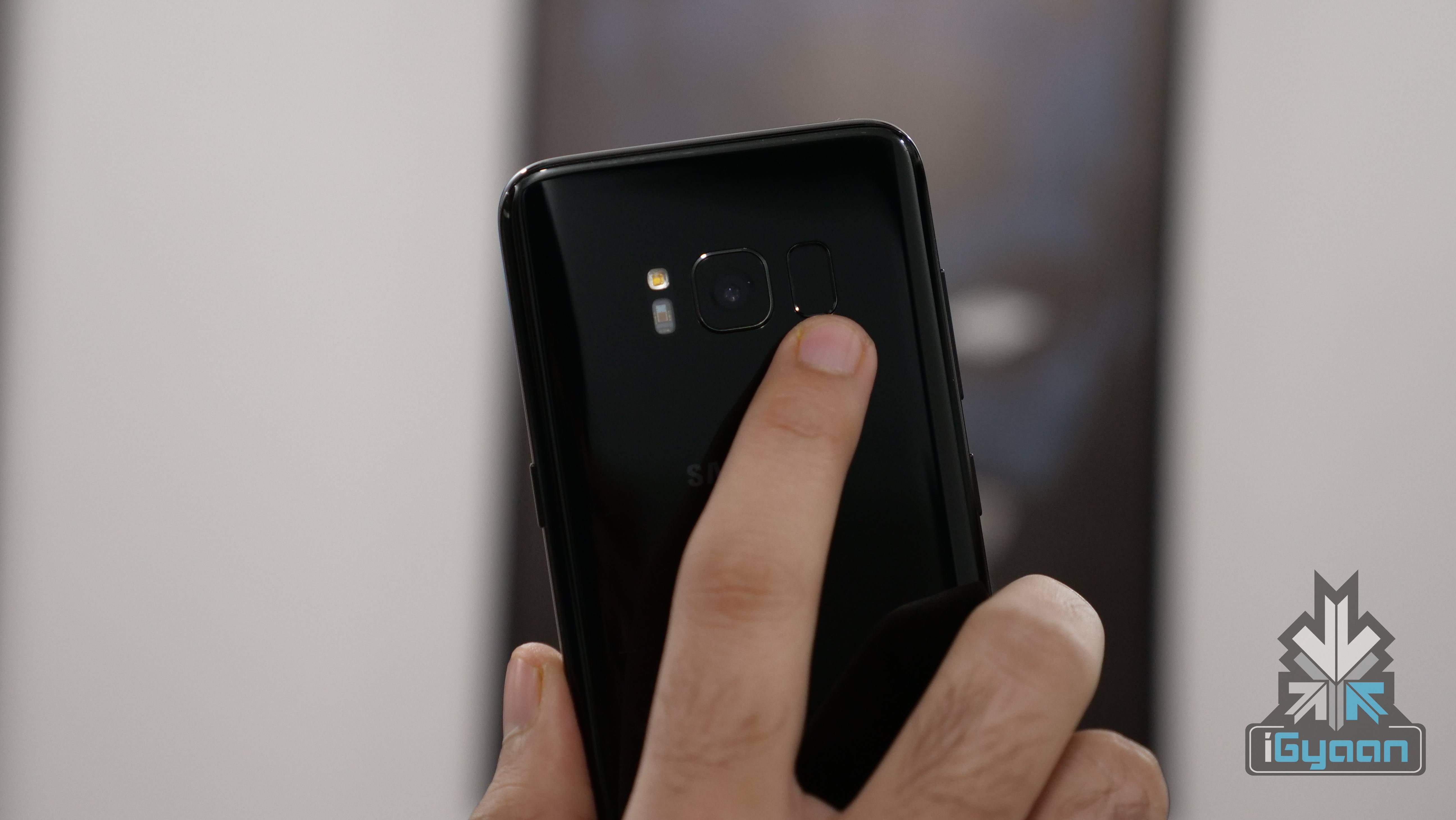
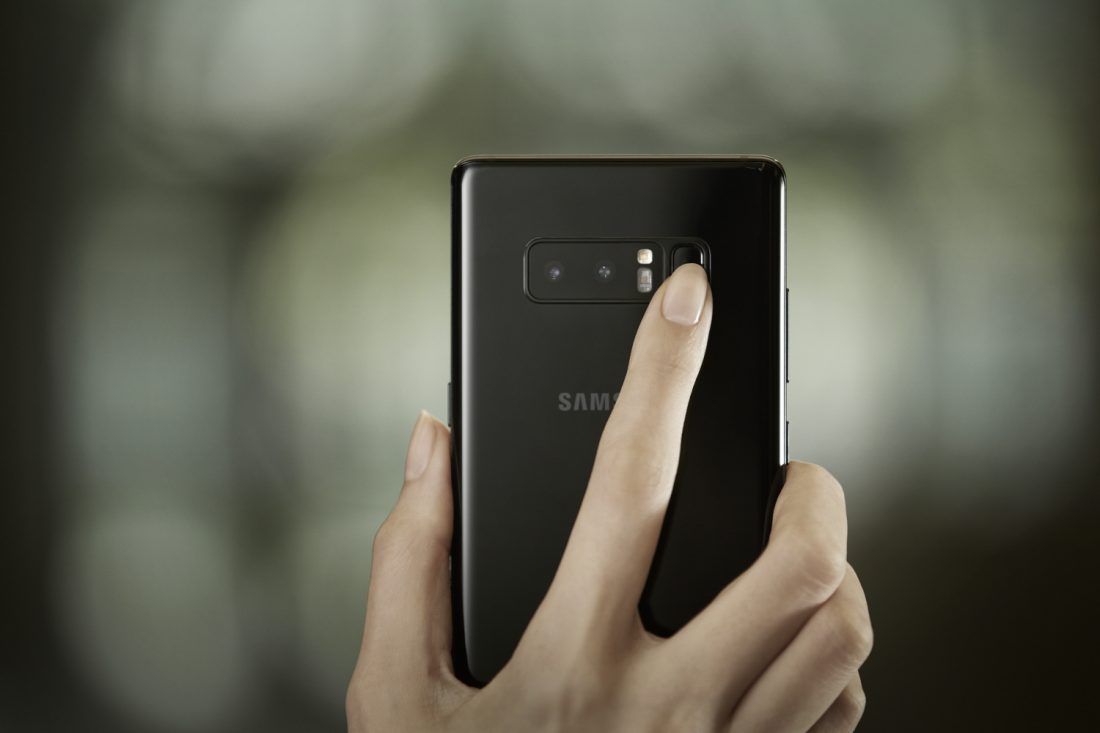
Unlike its predecessor, the Samsung Galaxy Note 8 is equipped with a horizontally placed two 12-megapixel cameras at the back with a fingerprint scanner right next to it. Many criticized the odd placement of the fingerprint sensor at the back when the Galaxy S8 was launched, and nothing has changed on this front in the Galaxy Note 8.
The 12MP primary camera has a wide-angle lens with an f/1.7 aperture whereas the secondary 12MP camera has a telephoto lens with an f/2.4 aperture. The dual-camera setup is capable of 2X lossless zoom and other features such as Bokeh effect and selective focus for background blurring. The rear camera setup records video in 4K at 30 FPS and features phase detection autofocus, dual optical image stabilization (an industry first, claimed by Samsung) and an LED flash. On the front is an 8MP camera with an f/1.7 aperture which captures 4K videos at 30 FPS whereas, the Galaxy Note 7 had a 5MP front camera with 1920×1080 full HD video recording at 30fps.
Another widely anticipated feature is the new and improved S-Pen.
[carousel]
[panel]
Live Message
[/panel]
[/carousel]
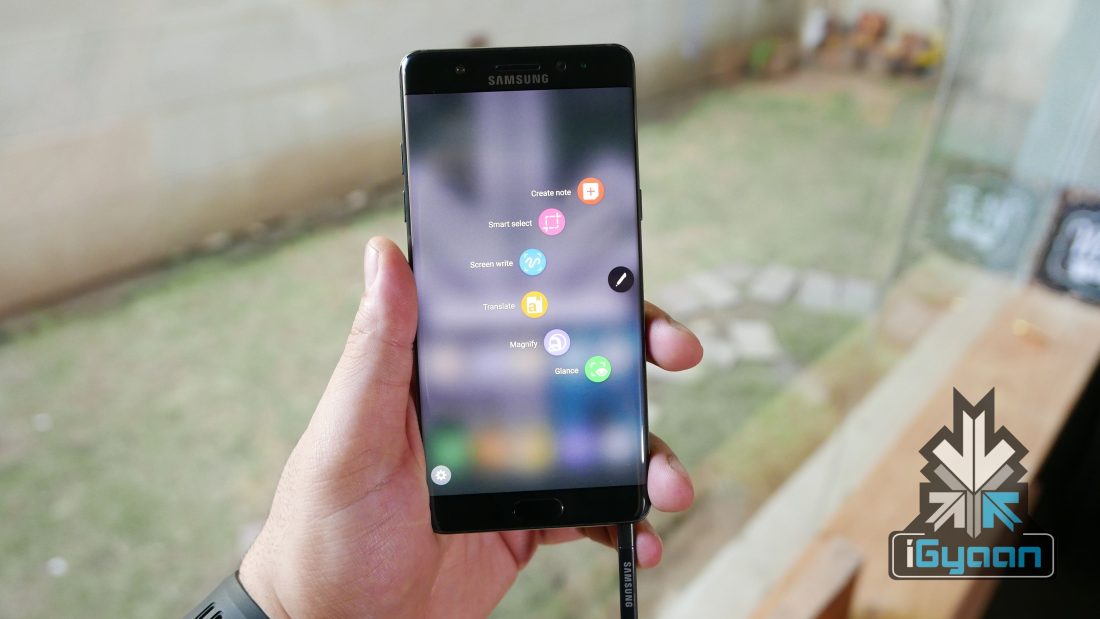
Similar to the Note 7 stylus, the new S Pen is water resistant and has more levels of pressure sensitivity. The latest S-Pen features include capability of taking notes up to 100 pages in the Screen Off Memo mode, a live messages which are saved as GIFs and the user can also hand-write a message or picture with the S Pen. Also, the translate feature, introduced on the Note 7, is making a come back in this year’s Note 8. To translate a sentence, a user has to simply highlight the text and the S Pen will instantly translate the sentence into 71 languages.
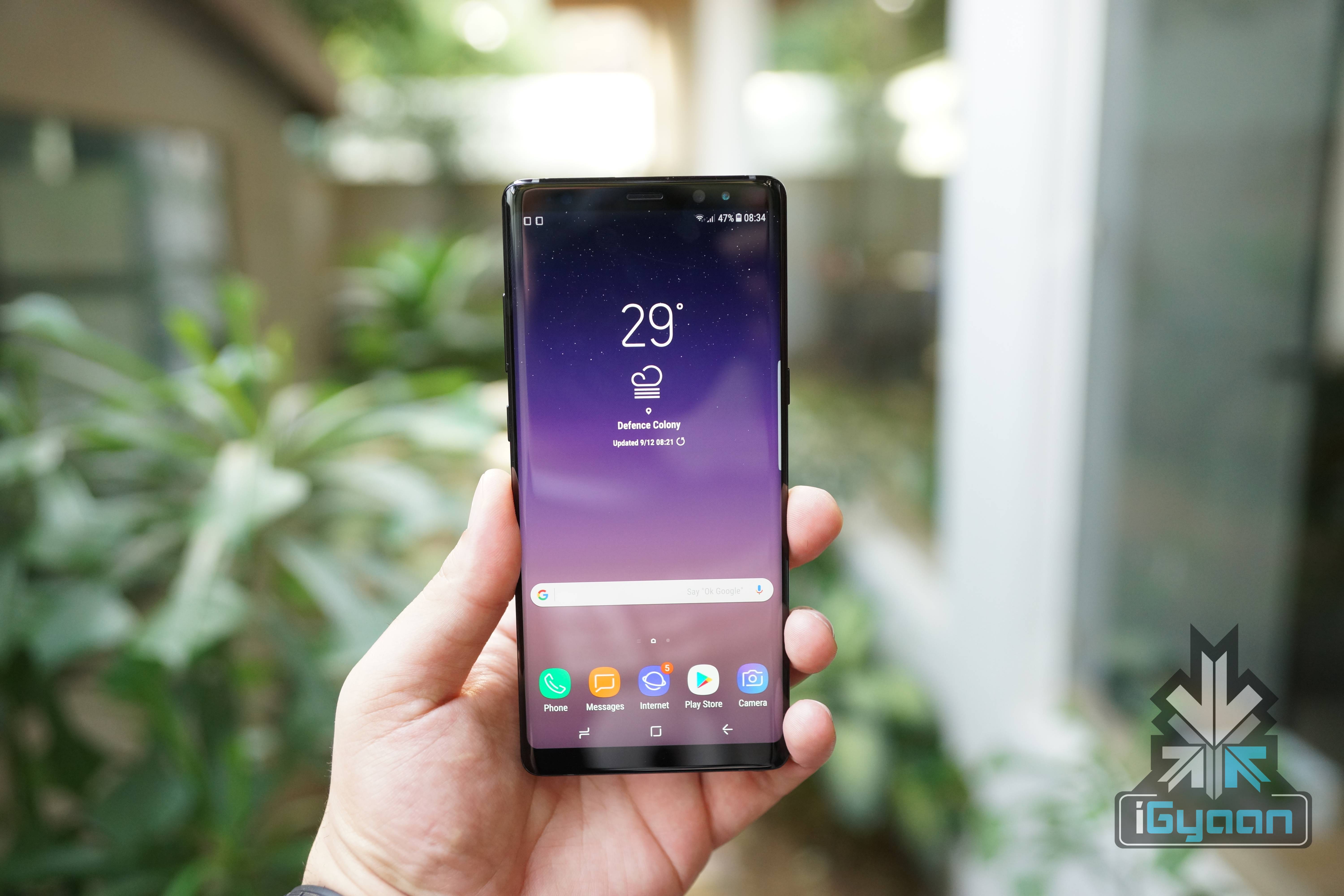
On the design front, both the Galaxy Note 8 and the Note 7 feature Corning Gorilla Glass 5 panels on the front and the back. Samsung is offering an almost all-screen front with a metal and glass body design along with a built-in stylus. The smartphone sports a 6.3 inch 2960 x 1440 px Super AMOLED display with curved edges. With an 83.1% screen-to-body ratio and almost bezel-less design (compared to the Note 7), Samsung is aiming to rival other similar flagship devices.
Coming to what’s under the hood, the newly launched Galaxy Note 8 runs Android 7.1.2 Nougat with a promised update to 8.0 Oreo in near future.
Galaxy Note 7
As is with all Samsung flagship devices, the Galaxy Note8 will ship with two different chipsets, the Qualcomm Snapdragon 835, 2.45 GHz octa-core processor with Adreno 540 GPU for USA and China, and the Exynos 8895, 2.3GHz Quad-Core (Custom CPU) + 1.7GHz Quad-Core (Cortex-A53) with Mali-G71 MP20 for the remaining markets. The device will have 6GB RAM and onboard storage options of 64GB/128Gb/256GB which will be expandable via microSD card up to 256GB.
Powered by a 3,300 mAh battery with QuickCharge 2.0 via USB Type C port and the rear glass panel allows the Galaxy Note 8 to support wireless charging. Thanks to Galaxy Note 7’s 3500mAh faulty batteries, Samsung has opted for a slightly smaller battery for its new flagship.
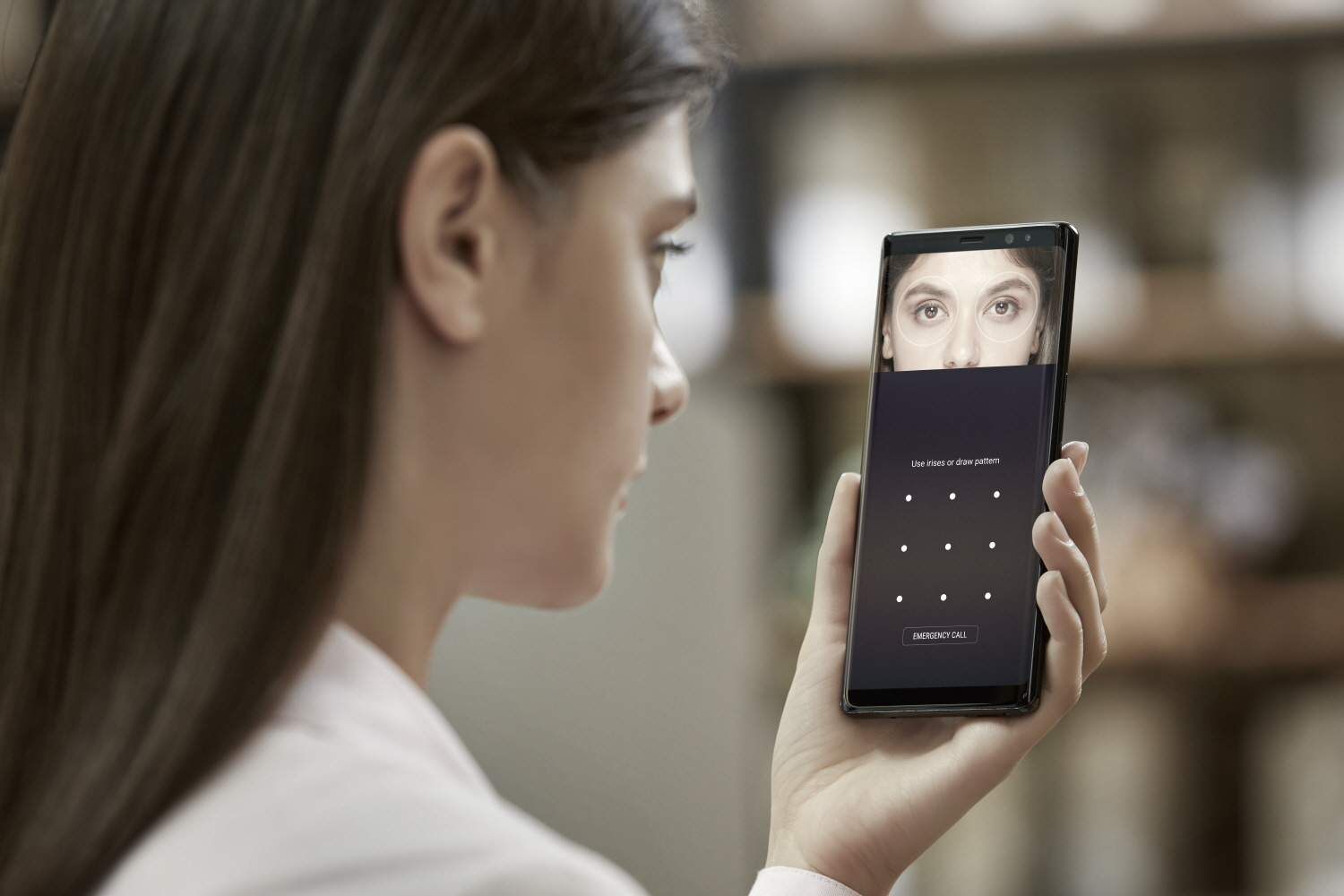
For added security, Samsung is offering plenty of biometric security options to choose from, such as iris scanner and facial recognition, apart from a fingerprint scanner. The Galaxy Note 7 was amongst the first of Samsung smartphone to feature iris scanner for unlocking the device.
The smartphone will be available in four colour variants (two of which were leaked ahead of its launch)– Midnight Black, Orchid Gray, Deep Sea Blue and Maple Gold.
In term’s of how the Galaxy Note 8 will stack up against it’s recalled sibling, the Galaxy Note 7, here’s a little something to help you figure out.
Specifications
Galaxy Note 8
Galaxy Note 7
Price
£869 (Approximately Rs. 71,100)
Launched at US $ 849.99 (Approximately Rs. 59900)
Dimensions
162.5 x 74.8 x 8.6mm
153.5 x 73.9 x 7.9 mm
Weight
195 grams
169 g
Design
Corning Gorilla Glass 5 Front
Corning Gorilla Glass 5 Back
Metal Frame
Corning Gorilla Glass 5 Front
Corning Gorilla Glass 5 Back
Metal Frame
Colors
Midnight Black
Orchid Gray
Deep Sea Blue
Maple Gold
Blue Coral
Gold Platinum
Silver Titanium
Black Onyx
Display
6.3-inch Super AMOLED
5.7-inch Super AMOLED
Screen Resolution
2960 x 1440 px
2560 x 1440 px
PPI (Pixels Per Inch)
521ppi
518ppi
Display Protection
Corning Gorilla Glass 5
Corning Gorilla Glass 5
Chipset
Option 1: Qualcomm Snapdragon 835
Option 2: Exynos 8895
Option 1: Qualcomm Snapdragon 829
Option 2: Exynos 8895
CPU
Snapdragon 835 Variant: Octa-core 2.45 GHz
Exynos Variant: 4×2.3 GHz custom CPU and 4×1.7 GHz Cortex-A53
Samsung doesn’t seem to catch a break as far as their batteries are concerned. Last year, Samsung’s Galaxy Note 7 was recalled after the smartphone’s battery randomly started overheating and catching fire. Samsung is again on the radar as Consumer Product Safety Commission (CPSC) has issued a recall on certain Galaxy Note 4 batteries. The CPSC fear that these batteries might have a tendency to overheat, posing a risk of burns and fire hazards.
Although Samsung has had a past with faulty batteries, the same might not be the case with the recalled Galaxy Note 4 batteries. It has been reported that the affected batteries were found in refurbished Note 4s which were distributed by particularly FedEx Supply Chain as replacement phones for an AT&T’s insurance program. It was further revealed that the faulty batteries were not genuine Samsung parts. Though the device was launched in 2014, the affected batteries were distributed between December 2016 and April 2017.
A company spokesperson said,”FedEx Supply Chain has recalled a batch of lithium batteries that were installed in the mobile devices,” and “As some of the batteries may be counterfeit. We are closely engaged with our customer to make sure all of these lithium batteries are safely and quickly returned, and will replace those lithium batteries free of charge for consumers.” CPSC estimated a recall of approximately 10,200 faulty batteries, unlike the Galaxy Note 7’s 3 million recalled complete devices.
Post the Note 7 recall, Samsung has been taking extra measures to ensure safer batteries and has even instituted an eight-point battery check . Considering the upcoming launch of the Note series successor, the Galaxy Note 8, on August 23, these steps seem wise and somewhat mandatory. Regardless, the current scenario (definitely not an ideal one), may not be what Samsung hoped for just a few days before the Note 8’s crucial launch.
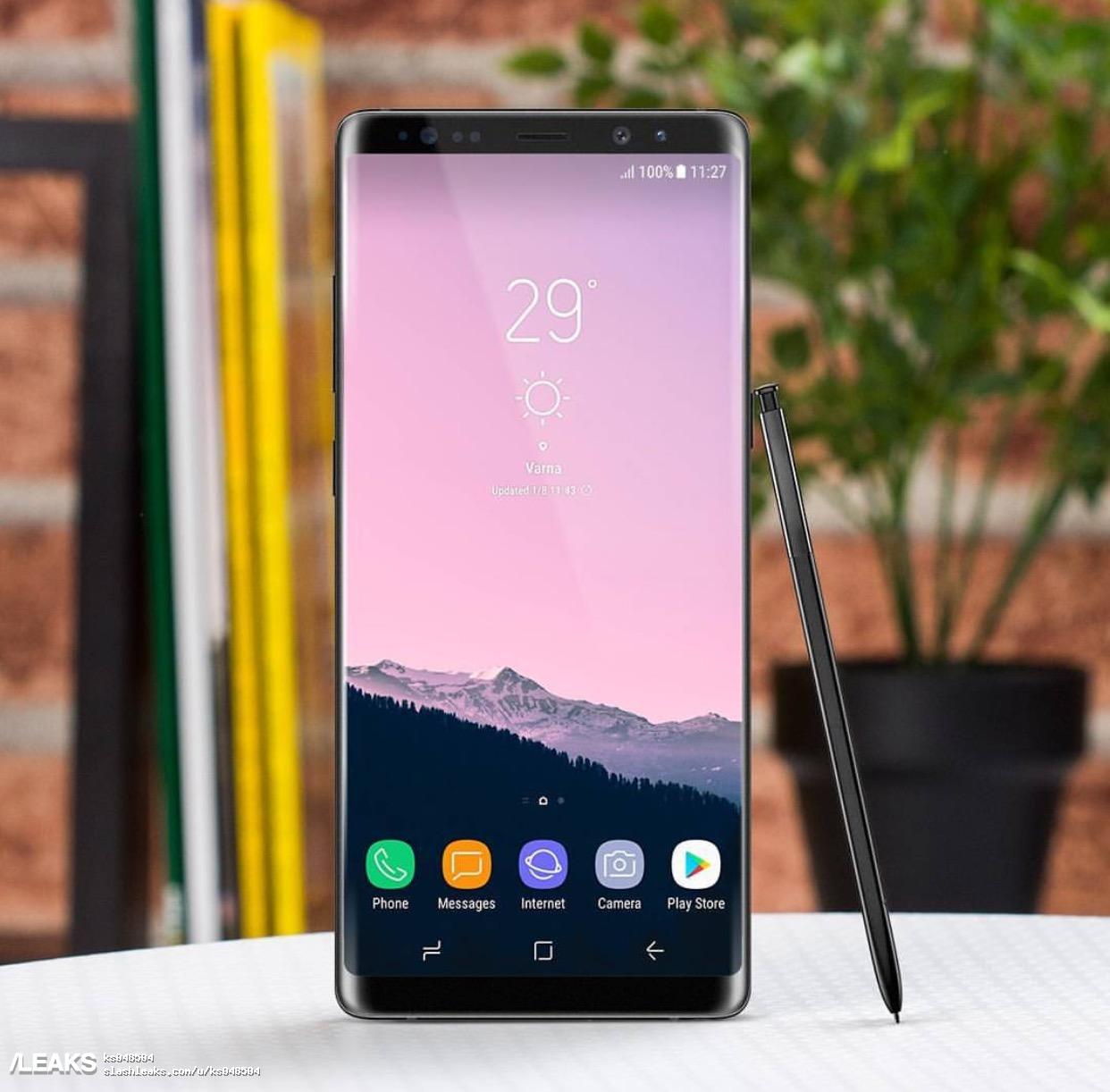
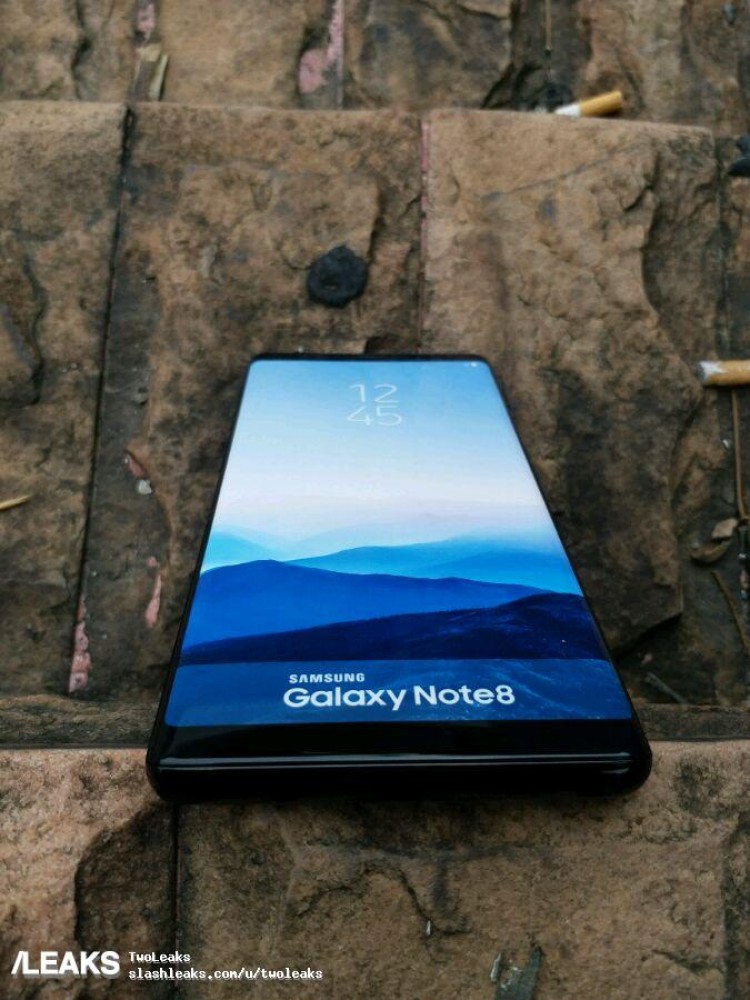
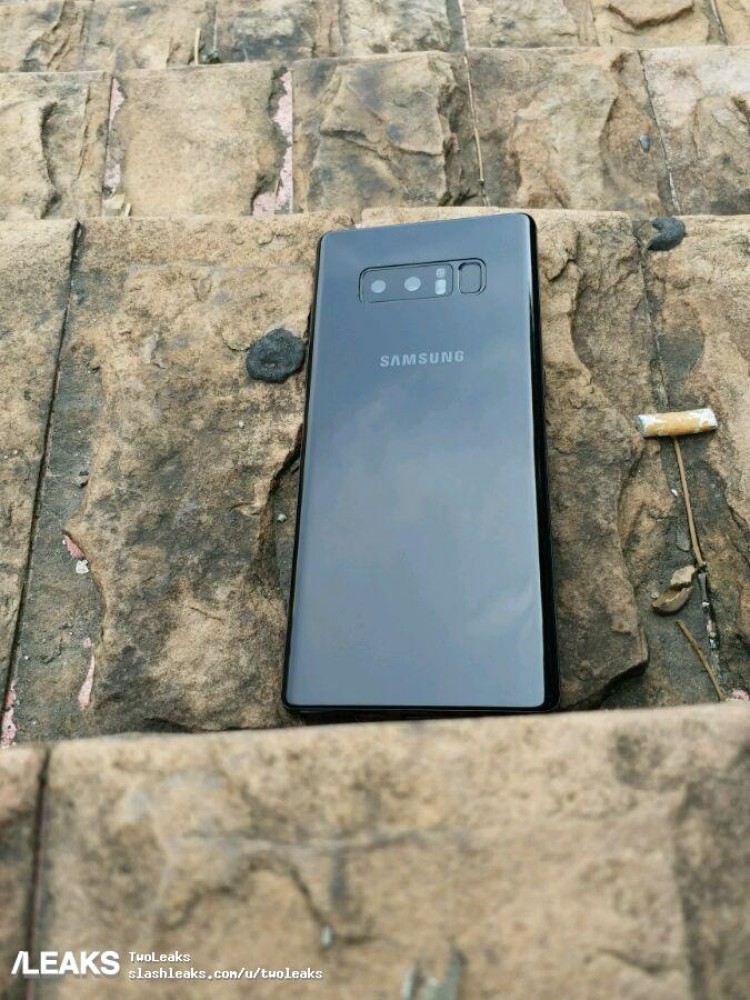
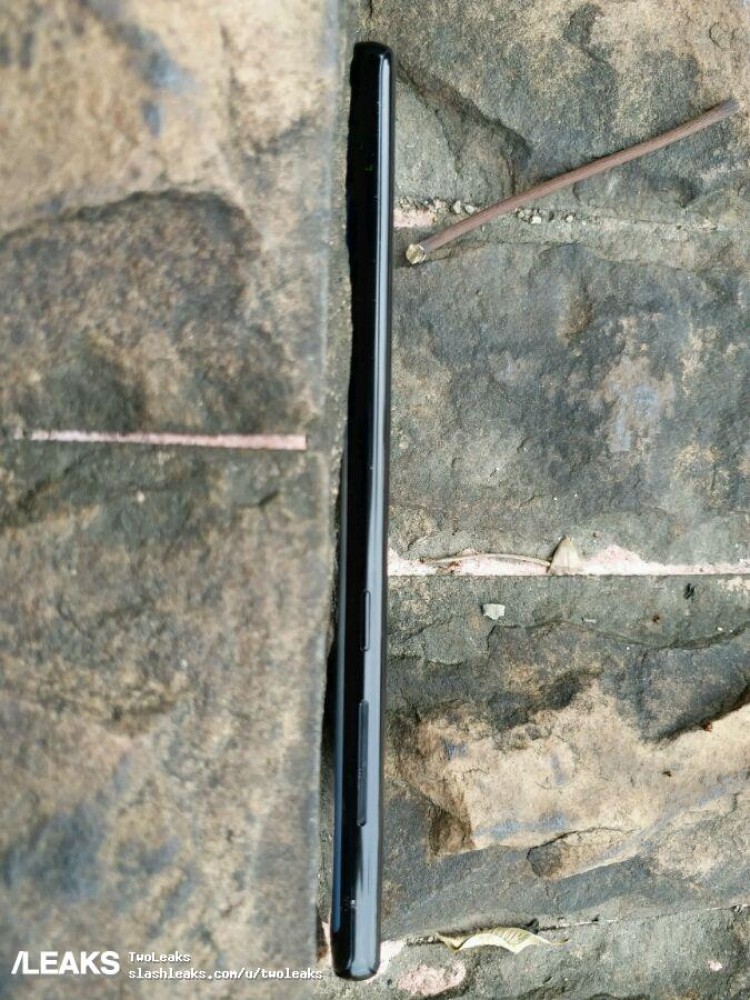
Samsung Galaxy Note 8 renders are a thing of past. It’s time to move on to a much more realistic Galaxy Note 8 dummy. Samsung’s flagship device is less than a week away from its official launch and the dummy gives a good look at exactly what to expect from the unreleased phone.
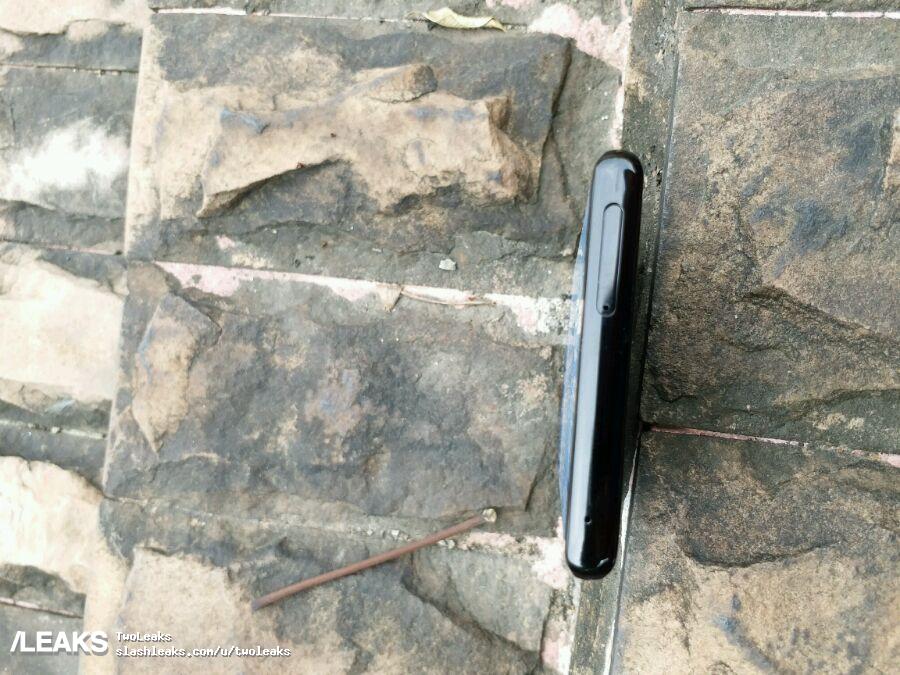
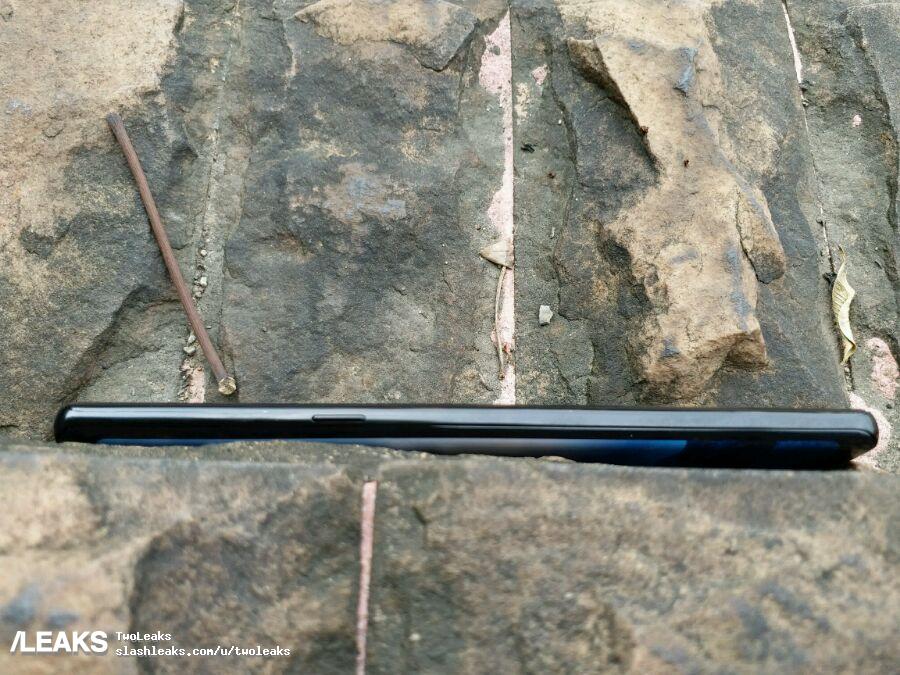
The latest leak shows the Galaxy Note 8 from various angles – rear, front, bottom and sides. The dummy of the smartphone appears to be in line with the past rumours and leaks. As earlier speculated, the Galaxy Note 8 dummy features an Infinity display, similar to the Galaxy S8. The images show a horizontally placed dual lens camera along with the heart rate sensor and the rear-facing fingerprint sensor.
Earlier reports claimed that Samsung will also be introducing the new and improved S- Pen and according to the recent image leaks, it is expected that the stylus and the device will be of same colour. Although, the widely speculated S-Pen could not be spotted in the images, but, we did find a dedicated Bixby button right next to the volume buttons. The power button is on the opposite side. The images confirm that Samsung is following Galaxy S8’s suit in terms of design elements for the upcoming Galaxy Note 8.
The listing also state that the Galaxy Note 8 will run Android 7.1.1 Nougat with Samsung’s TouchWiz UI on top. The smartphone will have a Exynos 8895/Snapdragon 835 chipset along with 6GB RAM and 64GB of onboard storage, expandable with an additional card, upto 256 GB.
It wasn’t long ago when Samsung’s yet to be launched Note 8 was leaked in live images and soon after, two colour variants, “Midnight Black” and “Deep Blue Sea” were revealed. This is pretty much as close as it gets to the real thing, the Samsung Galaxy Note 8 will be unveiled in New York in a few days. The Note 8 is expected to be priced at US$ 999 at the time of launch.








 [/panel]
 [/panel]
 [/panel]
 [/panel]