Author: Anshika Jain

  • 4G Data War: Best Data Plans Under Rs 500 

    4G Data War: Best Data Plans Under Rs 500 

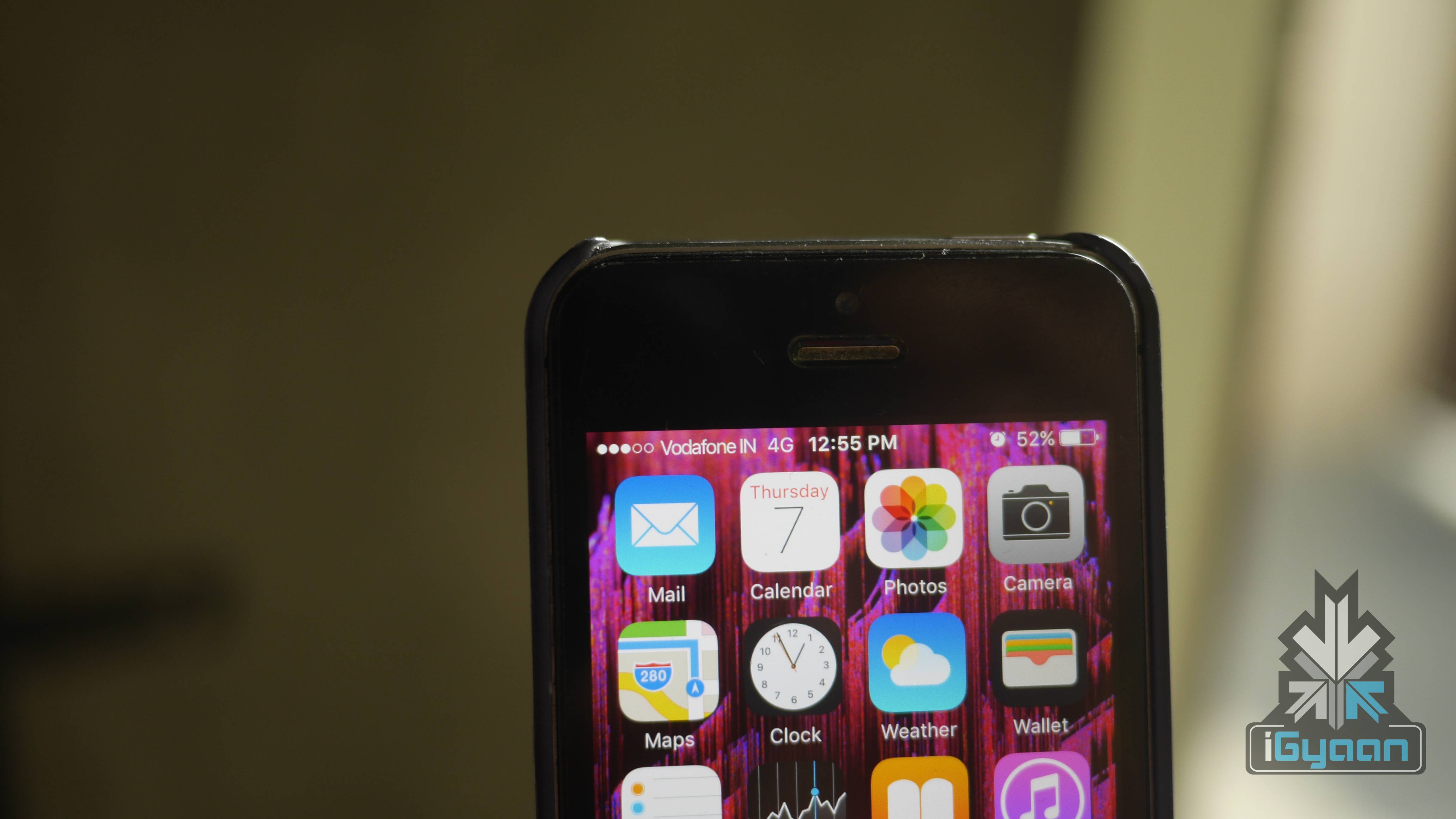
    The tariff war between the dominant telecom providers has been waging ever since Reliance Jio was introduced in September of 2016. Since then Airtel, Vodafone and many other network operators have been pushing out multiple data plans to counter Jio’s offers. Jio’s recent plans, Jio Summer Surprise and Jio Dhan Dhana Dhan provide Jio Prime users with 4G data at reasonable prices till 30th July.

    Given the increasing popularity and demand of Reliance Jio, other telecom companies such as Airtel, Vodafone, Idea etc. have been trying to keep up with the competition by launching new data plans every other week. To help you chose the right data plan for you 4G Smartphone, here’s a list of top data plans which won’t burn a hole in your pocket.

    Note: These plans may change from time to time, and may not apply to some regions of service.

    Under Rs 250

    Airtel:  offers 1 GB data per day for 70 days for Rs 244 under FUP (fair usage policy). Though the plan claims to provide unlimited free STD and local calls, only 1,200 minutes on calls made to other networks and 300 minutes of Airtel to Airtel are free. After which the users will be charged Rs 0.10 per minute.

    Reliance Jio: For a price of Rs 149, users will get 2 GB 4G data for 28 days. To sweeten the deal, reliance threw in an extra 300 SMS bundled with free voice calls.

    Vodafone: Joining the 4G band wagon, Vodafone recently released a Rs 250 4G data plan. The plan offers 4GB data for 28 days. The company is offering almost four times more data than the previous plans.

    Idea: Offers 1GB data for 28 days. The plan is priced at Rs 249.

    Telecom Providers Data Usage for 28 days Price
    Airtel 1 GB data per day + Free 1500 minutes Rs 244
    Jio 2 GB data + Free Calls + 300 SMSs Rs 149
    Vodafone 4 GB data Rs 250
    Idea 1GB Data Rs 249

    Under Rs 350

    Airtel: is now offering 2GB data per day with thea dded incentive of free 3,000 minutes for Rs 345. Waiving off the earlier restriction of data usage of upto 500 megabyte (MB) from 12am-6pm and the other 500 MB available for rest of the day, the plan now offers unlimited internet access to the user.

    Reliance Jio: Jio recently introduced a new plan providing the Jio Prime customer with 1 GB 4G data per day for 28 days with a with a recharge of Rs. 309. In addition, the users will also get benefits like free voice calling, sms and Jio apps.

    Vodafone: For existing customers, the company has launched a plan costing Rs. 346, which will come with 1GB data per day, free calls to any network (300 free minutes per day) with validity 56 days.

    Idea: Idea has launched a Rs. 297 data pack that provides 1GB data per day for 70 days for a 4G smartphone. The offer comes with 300 minutes of free calls per day and 1,200 minutes per week to other Idea customers.

    Aircel: The company offers 1.5 GB 4G data with the added incentive of free unlimited calling for 28 days. The 4G plan is priced at Rs 348.

    Telecom Providers Data Usage  Validity Price
    Airtel 2 GB data per day + Free 3000 minutes 28 Days Rs 345
    Jio 1 GB data per day+ Free Calls + 300 SMSs 56 Days Rs 309
    Vodafone 1 GB data per day + 300 free minutes per day 56 Days Rs 346
    Idea 1GB data per day +1,200 minutes per week 70 Days Rs 297
    Aircel 1.5 GB data + free calling 28 Days Rs 348

    Under Rs 500

     Airtel : Under the Rs 399 pack, users will get 1 GB data per day on 4G handsets and SIM cards with free calls (upto a 3,000 minutes cap) for a 70-day period. For Airtel-Airtel calls, the limit is 300 minutes per day, but 1,200 minutes is the maximum consumption per week.  The plan is quite similar to the Rs 345 data pack except the extended validity of 70 days.
    Reliance Jio : Though the plan exceeds the budget by Rs 9, the Rs 509 data plans is worth the mention. The Jio prime members will get 2 GB 4G data per day for 28 days. In addition, the free voice calls, sms and Jio apps are complimentary.
    Vodafone : the company has recently launched a ‘Campus Survival Kit’, priced at Rs. 352. The plan offers 1GB data per day for 56 days along with unlimited local and STD calls. However, there’s a catch, to activate the plan, you need to purchase the Rs. 445 recharge for the first 56 days period, and only after that the recharge value will be reduced to Rs. 352.
    Idea : For the price of Rs 447, Idea offers 1GB data per day and additional free calling (limited to 3,000 minutes) on any network for 70 days.
    Telecom Providers Data Usage  Validity Price
    Airtel 1 GB data per day + Free 3000 minutes 70 Days Rs 399
    Jio 2 GB data per day+ Free Calls + SMSs + Jio Apps 56 Days Rs 509
    Vodafone 1 GB data per day + Free calls 56 Days Rs 352
    Idea 1GB data per day +3000 minutes 70 Days Rs 447

    Many other telecom providers have resorted to increasing the data usage but are still exploring the 3G networks. For instance, BSNL  recently launched a new prepaid recharge pack with a massive 360GB data to compete with Reliance Jio Dhan Dhana Dhan Offer. Named Chaukka 444, the plan costs Rs. 444 and will offer 4GB data per day with a validity of 90 days. However, unlike Reliance, BSNL will only offer 3G network.
  • Polygram : A New Social Network Powered By Facial Recognition

    Polygram : A New Social Network Powered By Facial Recognition

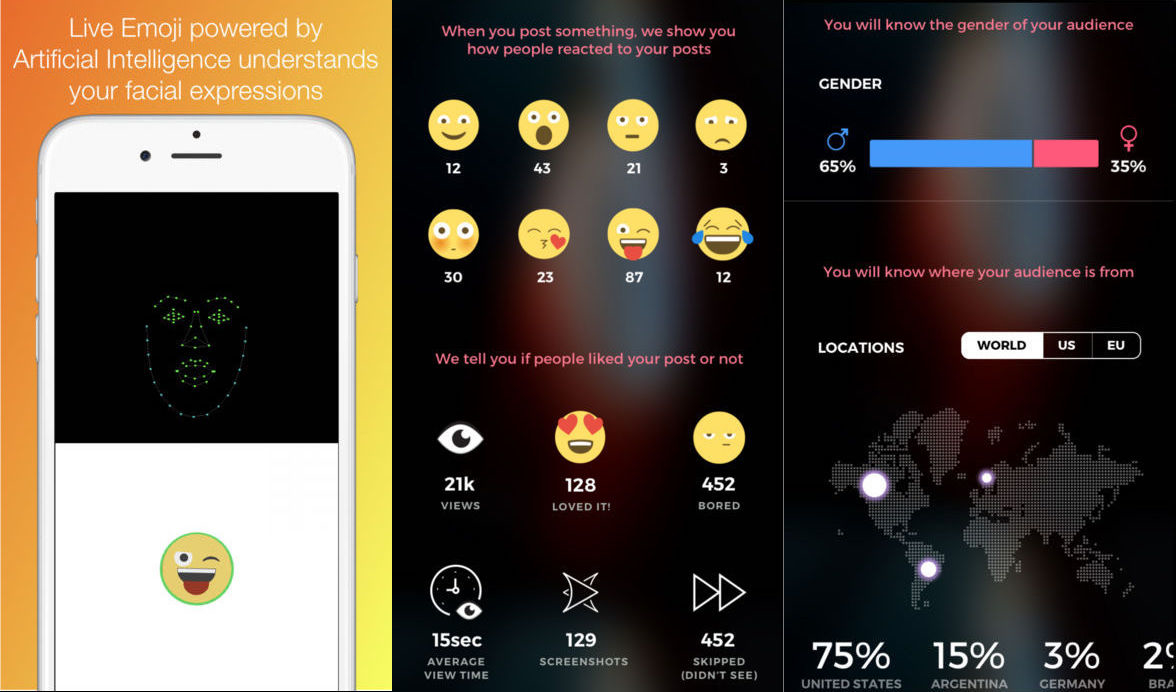
    While the internet is flooded with social networks like Facebook, Snapchat, Twitter, Polygram, a new photo-sharing social network comes packed with some unique and innovative features. The photo sharing social network tracks your facial expression to choose an emoji which corresponds to your reaction. So instead of looking at user picked reaction to a particular post, Polygram lets you view the actual emotional reactions people have to the photos you post.

    But that is not all, along with face-controlled emojis, the app offers geographical and demographic analytics which let you determine the location and the gender of your viewers. Few other features include filters designed by plastic surgeons to make you look more attractive, for private images, the app provides a “wipe-to-reveal” function which covers the image with fog-like covering. In order to see the image, the viewers will have to wipe away the blur, but that blurriness rapidly reappears so the viewer is unable to see the whole picture. In case a viewer tries to screenshot or take a photo with a second camera, only the currently visible section will be recorded. You will also receive a notification along with a copy of the image they captured or took a screenshot of.

    Official Video

    Even with all these new features, Polygram might have a hard time breaking into the scene. Company’s co-founder Faryar Ghazanfari believes that the app can will gain popularity amongst the millennials as no other social media platform offers facial detection and analytics.

    Ghazanfari says that “Influencers and content creators are the oxygen in this ecosystem,” and “We have white glove service for influencers, with full-time employees that just create custom features for them.” So if the app can deliver enough usage and views, Ghazanfari thinks people might start purposefully sharing on Polygram too.

    Though the company managed to raise $2.1 million in seed funding, Polygram will still have to sign up substantial number of users and ensure that they invest time in this platform to compete with the likes of Instagram and Snapchat. The app is currently available on iOS only.

  • Apple’s New iPhones Will Be Called iPhone 8, iPhone 8 Plus and iPhone Edition

    Apple’s New iPhones Will Be Called iPhone 8, iPhone 8 Plus and iPhone Edition

    Apple made the launch of the new iPhone official with a press invite saying, “Let’s meet at our place.” The much awaited September 12 event will be held at the Steve Jobs Theatre in Cupertino. Apple is expected to launch the three new iPhones.

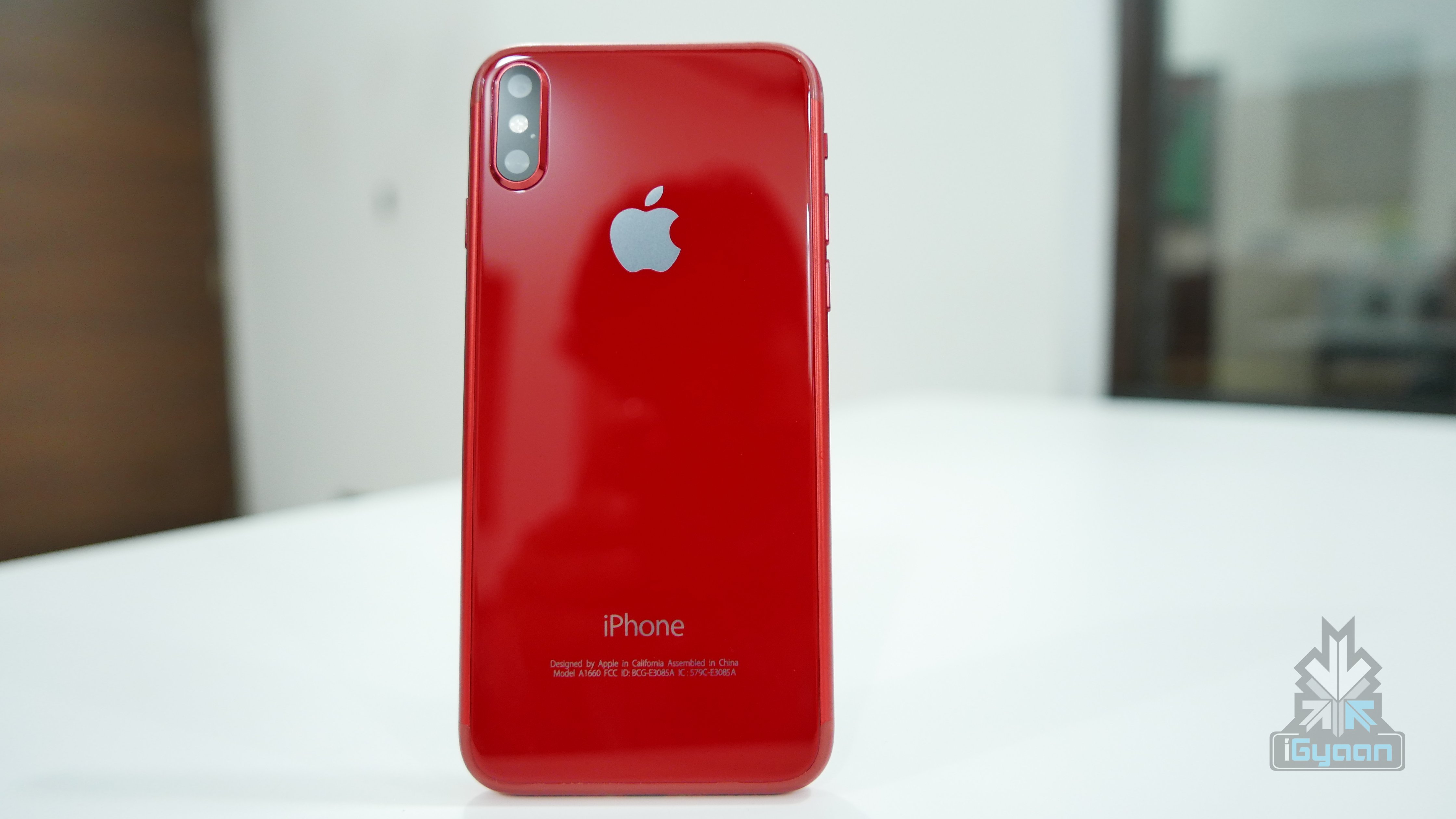
    Until now, rumours hinted that Apple will go with the traditional naming strategy and name its new iPhones the iPhone 8, iPhone 7S and the iPhone 7S Plus. But as the launch approaches, a new report surfaced stating the latest iPhone line up might be called the iPhone 8, iPhone 8 Plus and iPhone Edition.

    The iPhone maker typically upgrades its iPhones with an “s” model, but Apple seems to be making a lot of big moves and changes this year, with a redesigned iPhone and a new name for its smartphone lineup.

    The ‘10th Anniversary Edition’ iPhone will reportedly have Qi wireless charging at a reduced rate which will be compatible with current Qi chargers and will be available in limited numbers. While the earlier reports had suggested that it might not be compatible with existing Qi charging mats despite being based on Qi tech.

    You may also like: Everything We Know About The iPhone 8

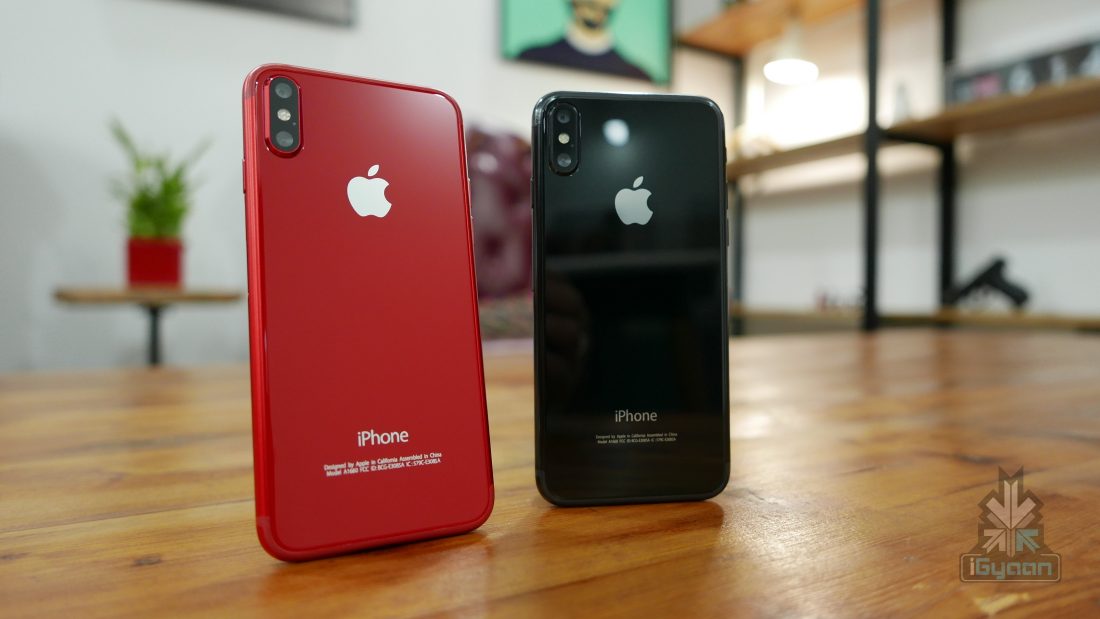
    It is also speculated that the flagship iPhone Edition will feature a stainless steel chassis with rear glass casing and a near bezel-free display with a top notch housing the front facing camera and facial recognition sensors. The smartphone is also reported to replace the Touch ID with facial recognition and feature AR capabilities.

    Apple is also expected to launch a new Apple TV, an LTE enabled Apple Watch and new features of the iOS 11.

  • Harman Launched Google Assistant And Alexa Powered Smart Speakers At IFA 2017

    Harman Launched Google Assistant And Alexa Powered Smart Speakers At IFA 2017

    One of the biggest tech event of the year, the IFA 2017 tech show in Berlin has been a platform for various tech firms to debut everything ranging from Wi-Fi fridges to smartphones. Aside from the newly launched flagships like the LG V30 and the Xperia XZ1, smart assistants, luxury headphones, Bluetooth speakers and smart audio gear were some of the devices showcased at the IFA 2017.

    Sinc the demand for smart speakers has surged in the recent past with the entry of Amazon Echo and Google Home, Harman is hedging its bets on smart speakers with the launch of two Google assistant and Alexa powered smart speakers.

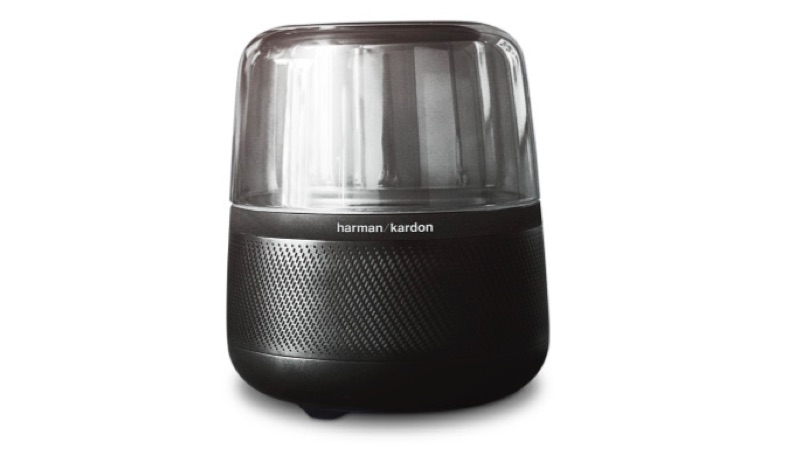
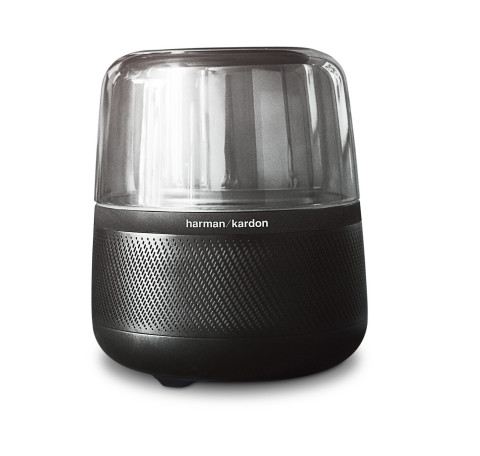
    Harman Kardon Allure

    The Alexa powered, Harman Kardon Allure can be controlled via voice commands. The smart speaker lets you order pizza, play music, read the news, control your smart home appliances, make purchases from Amazon, and much more. Harman Kardon Allure features far-field voice technology which allows the speaker to hear commands even from a far distance. The speaker’s 360-degreeambient lighting that glows in time with the music. The Harman Kardon Allure is priced at $249.95 (approximately Rs 16000) and is available at Amazon.

    KEY FEATURES
    Amazon Alexa Voice Control
    Dual-band Wi-Fi
    Far-field Voice Recognition
    Built-in four-microphone array with advanced noise cancellation
    360-degree sound
    Ambient lighting
    Wireless Bluetooth streaming

    JBL Link Series

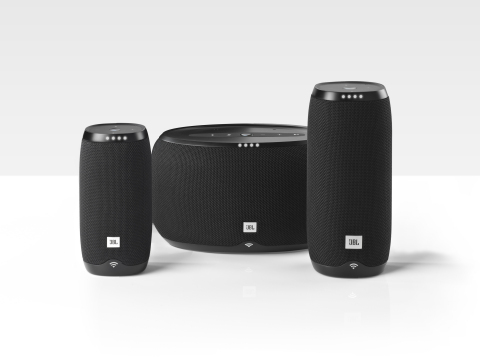
    The company’s other smart speaker offering includes Google Assistant powered JBL Link series, the LINK 10, LINK 20, and LINK 300. The Google Assistant built-in smart speakers let you stream music, ask questions, manage everyday tasks, etc, by waking the device by saying “Ok, Google”.  The LINK 10 and LINK 20 speakers have the IPX7 waterproof design. Both the smart speakers have 5 and 10 hours of battery life, respectively. The smart speakers can be easily linked together using any home Wi-Fi network. The LINK 10, LINK 20 and LINK 300 are priced at $149, $199 and $249, respectively.
    KEY FEATURES LINK 10 | LINK 20 | LINK 300
    Built-In Google Assistant  Yes
    Chromecast built-in with multi-room music playback  Yes
    Speaker output power 2x8W | 2x10W | 50W
    Bluetooth Yes
    Battery Life 5 Hours | 10 Hours | NA
    Dimensions (mm x mm x mm) 86 x 169 | 93 x 210 | 236 x 134 x 154
    Waterproof IPX7 Rating


    Voice controlled smart speakers are one of the most upcoming trends of 2017. And with Amazon’s Echo, Google Home and Apple’s upcoming HomePod, it will be interesting to see how Harman’s smart speakers will stack against its rivals.

  • Samsung’s Gear Sport, Gear Fit 2 Pro And Icon X 2018 Unveiled At IFA 2017

    Samsung’s Gear Sport, Gear Fit 2 Pro And Icon X 2018 Unveiled At IFA 2017

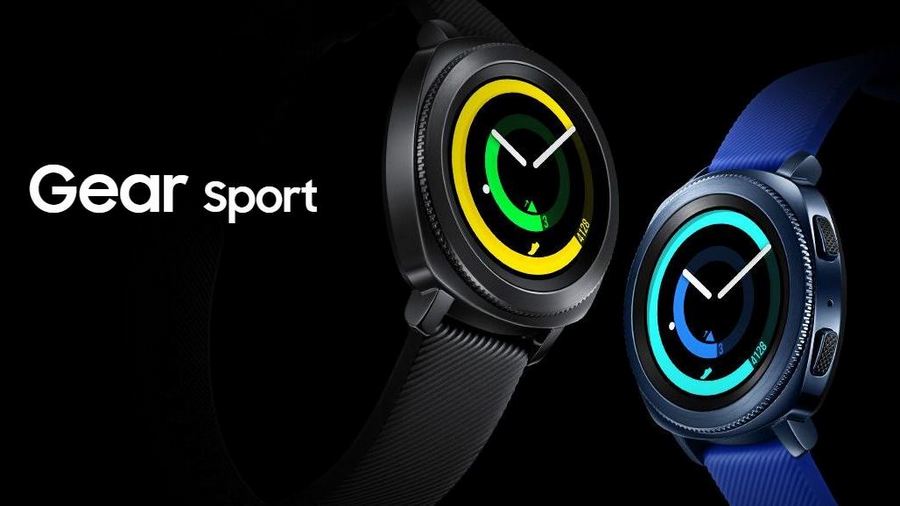
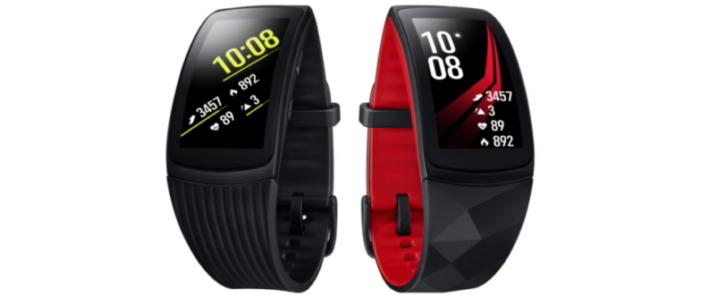
    Samsung announced the Gear Sport smartwatch, the Gear Fit 2 Pro fitness band and the Icon X 2018 wireless earbuds at the IFA 2017 in Berlin. All three wearables emphasize upon fitness features like the ability to swim in salt water with the Gear Sport and Fit 2 Pro.  Though the Icon X 2018 earbuds launched with the ability to interact with Bixby, Samsung skipped the voice assistant’s support in the smartwatch and the fitness band .

    Samsung Gear Sport 

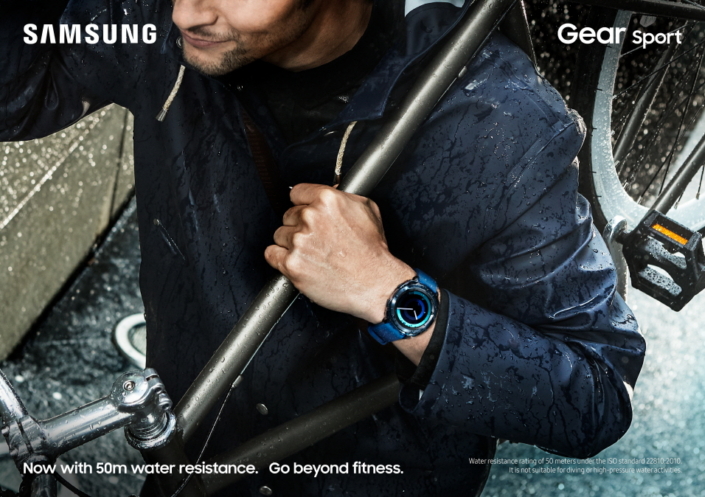
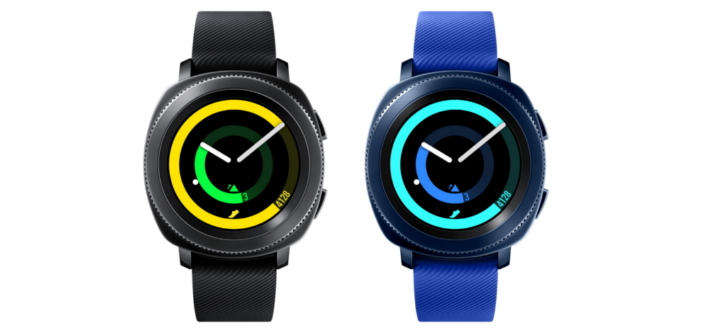
    The new Samsung Gear Sport pushes further into fitness by adding few new features like 5 ATM water resistance for swimming, capacity to store 500 Spotify songs along with the already present heart rate tracker, GPS, and a rotating control bezel. Though the pricing details are still unavailable, the Samsung Gear Sport is expected to cost between $200 and $300.

    Following are the specifications of the smartwatch –

    • 1.2-inch circular AMOLED
    • Tizen OS
    • 20mm watch straps
    • 4GB storage
    • Bluetooth 4.2, Wi-Fi, NFC
    • GPS/GLONASS/Beidou
    • 300 mAh battery
    • 5 ATM water resistance, MIL-STD-810G dust, and shock resistance
    • Works with Android 4.4, iOS 9.0 or later

    Samsung Gear Fit 2 Pro

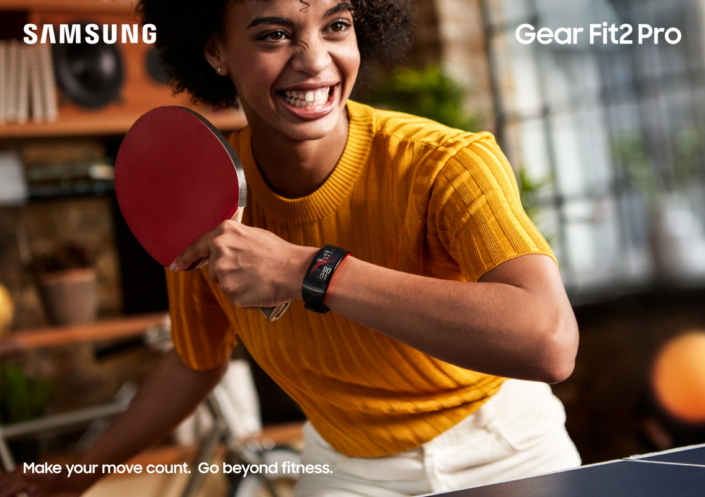
    The Gear Fit 2 pro, unlike its earlier variant, comes with a 5 ATM swim-ready water resistance. The fitness band appears to be competing with Garmin and Fitbit with features like onboard GPS, offline music storage for Spotify and improved heart rate and fitness tracking.

    The tracker is priced at $200 in the US. As far as features are concerned, here’s a list of few of them –

    • 1.5-inch curved Super AMOLED touch display with Gorilla Glass 3
    • Tizen OS
    • 4GB of onboard storage
    • Support for Spotify music downloads
    • 50 meter (5 ATM) water resistance, MIL STD 810G dust resistance
    • Bluetooth 4.2, Wi-Fi
    • GPS/GLONASS/Beidou
    • Heart rate tracking
    • Barometer
    • 200mAh battery
    • Works with Android 4.4 or iOS 9.0 and later

    Samsung Icon X 2018

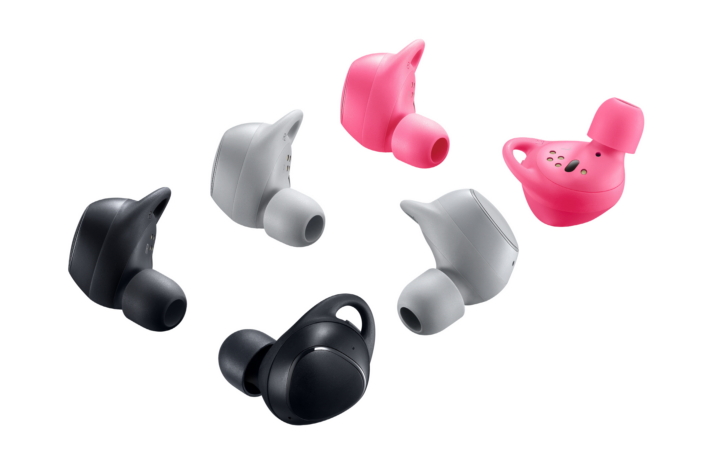
    Samsung unveiled an updated version of the Icon X headphones at the IFA 2017. The Icon X 2018, much like the original wireless headphones include heart rate monitoring along with the increased battery life.  Instead of a 90 min battery life( in the Icon X), The new Icon X 2018 now has 5 hours of battery life when streaming audio from a phone. In addition, Samsung has made a chargeable battery case with the included USB-C cable.  Other features include tapping the headphone which activates the Running Coach feature – provides aural feedback on your progress.

    The new Icon X headphones also support Samsung’s voice assistant which can be accessed by tapping and holding the earbud to access voice control on your paired Galaxy phone. The Icon X 2018 headphones are designed to work only with Samsung phones running Android 4.4 and above. The headphones have internal storage of 4GB per bud. As for specifications,

    • Colours available – Black, Gray, Pink
    • 4GB of Onboard Storage (per earbud)
    • Bluetooth v 4.2 connectivity
    • Accelerometer, IR, Capacitive Touch
    • OS compatibility Android 4.4 or later
    • Battery – Earbud: 82mAh / Charging Case: 340mAh

    Samsung usually hosts two separate events at IFA every year, one for its electronics and one for mobile. This year, the company decided to host one event combining the announcement for both smartphones and electronics. Samsung also hosted another major event in New York, where it revealed the Galaxy Note 8.

  • Reliance JioPhone Pre-Bookings Hit 6 Million

    Reliance JioPhone Pre-Bookings Hit 6 Million

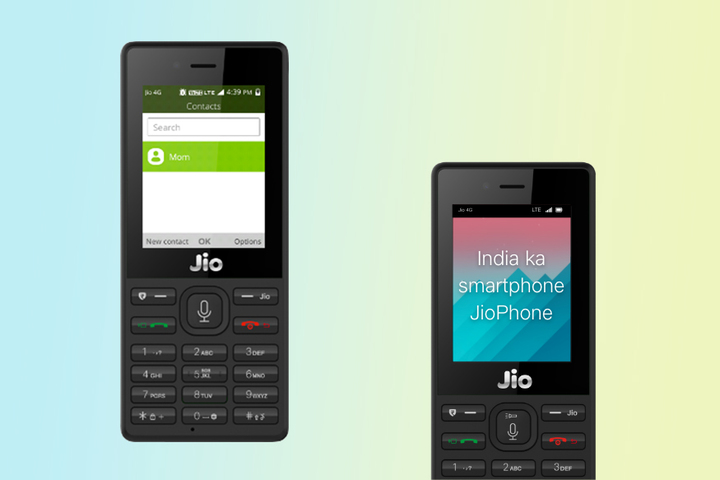
    The JioPhone with 4G-enabled features was introduced on 21 July 2017 at Reliance Industries 40th AGM. The JioPhone was launched at an “effective price” of Rs 0 and was made available for pre-booking from August 24, but due to huge demand, pre-booking process for JioPhone has been halted for few days.

    Meanwhile, Jio has confirmed that millions have booked the JioPhone. Even though, no specific number has been stated yet, few reports claim that Reliance Jio received about six million pre-bookings for its 4G feature phone in a short window of just over a day.

    The pre-order window which opened on August 24 evening had to be closed early on August 26 due to increasing customer demand and traffic on Jio’s official website. Apart from the one’s who were able to book their JioPhones online, reports confirm that about 10 million users have registered with retail outlets for offline bookings.

    Reliance Industries Chairman, Mukesh Ambani, had announced during the annual general meeting that the company plans on selling five million JioPhones every week. And in another report, a source mentioned that the company has the capacity to deliver about 150 million phones in the next six months at five million devices a week.

    As the demand for the Jio feature phone exceeded the initial target of five million phones per week, the telecom company decided to suspend the booking window from Saturday till further notice.

    “Earlier JioPhone was supposed to reach our store around the first week of September. But now there will be some delay and JioPhone will arrive a little late,” says a Reliance Digital store retailer.

    The JioPhone, as Mukesh Ambani announced, will be effectively for free with one time refundable deposit of Rs 1500 on return of the handset. To rival with the “India ka smart phone”, other telecom companies like, Bharti Airtel and Vodafone are also reported to be in talks with phone makers to introduce their own 4G smartphones in the Indian market.

  • Samsung Gets Self-Driving Car Testing Permit From California

    Samsung Gets Self-Driving Car Testing Permit From California

    Samsung is the latest company to join the self-driving car race. The firm received an approval from the US government to test autonomous vehicles on state roads in California, according to the listings on the Department of Motor Vehicle’s (DMV) website. Companies like Apple, Bosch, Delphi, NVIDIA, Waymo, as well as automakers like BMW, General Motors, and Volkswagen were also amongst the ones who were granted testing permits for Autonomous Vehicle from the California DMV.

    Samsung has already been granted approval to test self-driving technology vehicles in its home country of South Korea. Surprisingly, the South Korean firm used Hyundai vehicles for its testing, even though Samsung owns about 20 percent of Renault Samsung Motors.

    Regardless, the company has already revealed modified Hyundai cars, equipped with test hardware built by Samsung which includes sensors and AI-powered computer modules.

    Back in 2015, Samsung announced that the company’s new division would focus on self-driving software technology, rather than manufacturing the entire vehicle. Similar reports have emerged about Apple shifting its focus from autonomous cars to autonomous systems.

    Samsung’s latest move of testing autonomous systems seem like an effort to keep up with its tech rivals in the automotive space. For now, the firm maintains a San Jose office, from where it could carry out California-based tests.

  • Blackberry To Launch Waterproof Phone Without  A Physical Keyboard

    Blackberry To Launch Waterproof Phone Without A Physical Keyboard

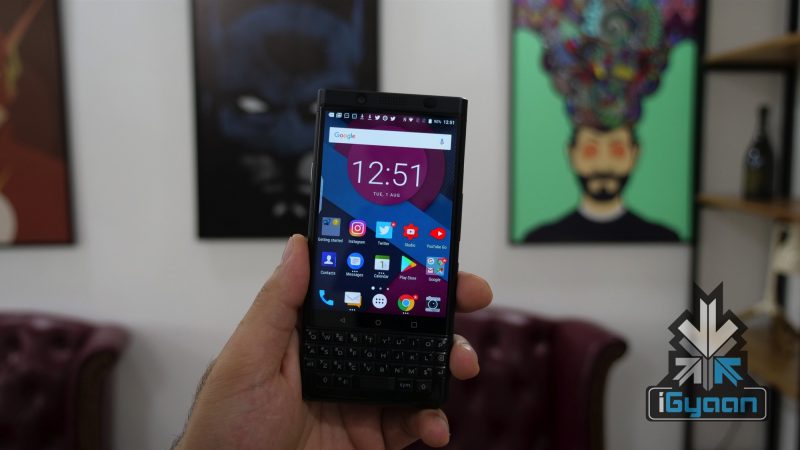
    Blackberry launched its KEYone in February 2017 with its signature Qwerty keypad, which was rather well received in the market, as compared to company’s other devices. But it seems like Blackberry might be redesiging its upcoming smartphone in hopes of broadening its appeal to more than just keyboard devotees.

    TCL, the current manufacturer for the BlackBerry brand, is reported to launch a full touchscreen device under the BlackBerry name at some time in October. While the details of the yet to be announced smartphone are scarce, it has been speculated that as the smartphone will be sans physical keyboard, the devices’ touchscreen will be similar to the the TCL’s previously launched smartphones, DTek50 & DTek60.

    Upholding Blackberry’s reputation of building sturdy devices, TCL’s François Mahieu hinted that the main feature, apart from the full-touchscreen, will allegedly be IP67 water and dust-proofing. The smartphone’s battery is expected to last for more than 26 hours of usage.

    Mahieu believes that durability and longevity will be the major USPs of the device. The company hopes to build a long-lasting phone which will allegedly outlive the Apple iPhone. The smartphone will probably run the latest Android and in terms of making the device stand out from the crowd, Mahieu seems quite confident that BlackBerry’s history of creating secure devices will enable TCL to deliver the “most secure Android phone in the world.” He further claims that a number of iPhone and Galaxy users will “make the switch” to BlackBerry this October.

    After a rather bold statement, Mahieu explained, “We are there to play,” and “we’re just playing with different cards,” which includes strengths of battery life, security and durability.

    According to statements made by Mahieu, the Chief Commercial Officer, TCL seems to be banking on water and dust-resistance to catch consumers attention. As for the pricing, the fully touch screen smartphone is expected to cost less than Blackberry’s flagships.

    The smartphone is expected to see the light of the day in October, but it might be a while before the phone is available in Indian market, just like the Blackberry KEYone which was available in India in August, despite its initial February release.

  • Sony Xperia XA1 Plus Launched With Helio P20 Chipset And 23 MP Rear Camera

    Sony Xperia XA1 Plus Launched With Helio P20 Chipset And 23 MP Rear Camera

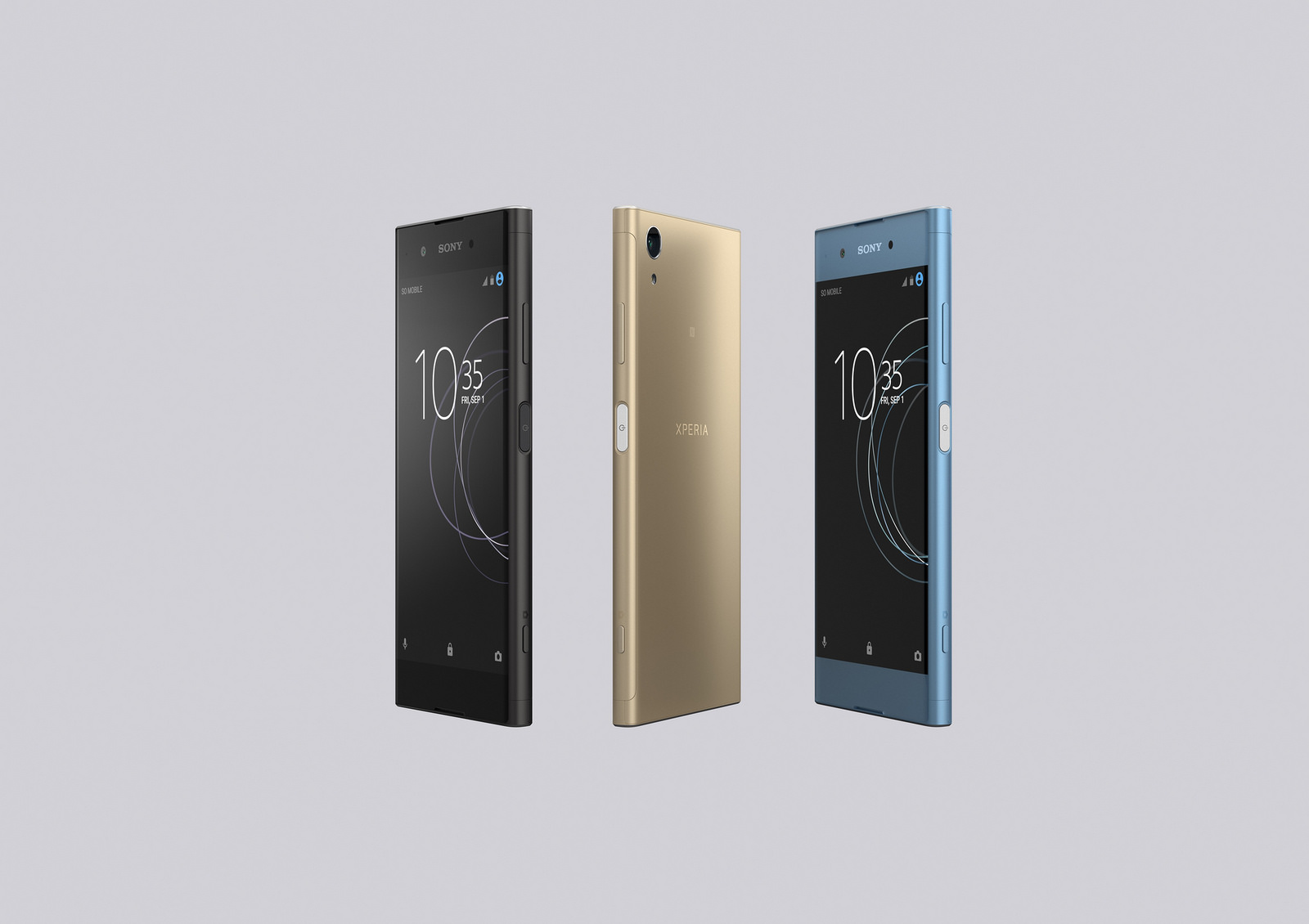
    Sony has launched the Xperia XA1 Plus at IFA 2017. The company pitched the third smartphone in the Xperia XA1 series as a ‘super mid-tier smartphone’ with a 5.5-inch 1920 x 1080 px display, 23MP rear camera, and a 3,430mAh battery.

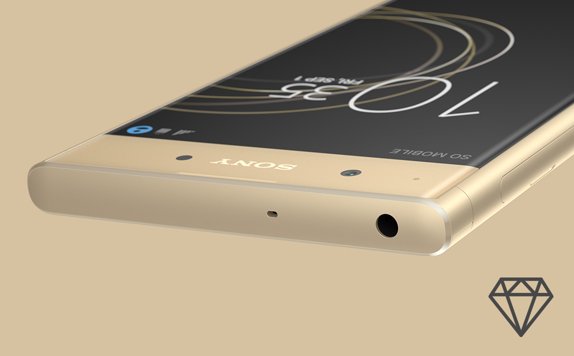
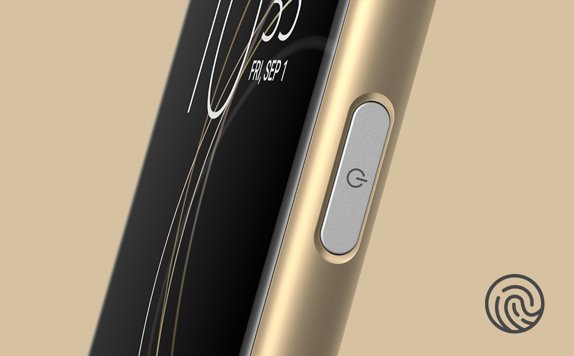
    In terms of design, the Sony Xperia XA1 Plus inherits the traditional all metal, thick bezel design as seen in its earlier variants. The smartphone’s power button on the right-hand side also doubles as a finger print scanner. The XA1 Plus features a 5.5-inch 1920×1080 px display, whereas the earlier models, the Xperia XA1 and the XA1 Ultra featured a 5-inch display and a 6-inch display, respectively.

    The Sony Xperia XA1 Plus has the same MediaTek Helio P20 chipset with Mali T-880 GPU used in the XA1 and the XA1 Ultra. The smartphone is available in two variants, a 4 GB RAM variant and a 3 GB RAM variant which will only be available in the US and South America. The XA1 Plus has 32 GB of onboard storage which is expandable up to 256 GB via a microSD card.  The smartphone runs Android 7.1 Nougat, unlike the newly launched Xperia XZ1 and XZ1 compact, which run the latest Android 8.0 Oreo. The Xperia XA1 Plus is powered by a 3,430 mAh battery and comes with Qnovo adaptive charging and Pump Express+ 2.0 quick charging support.

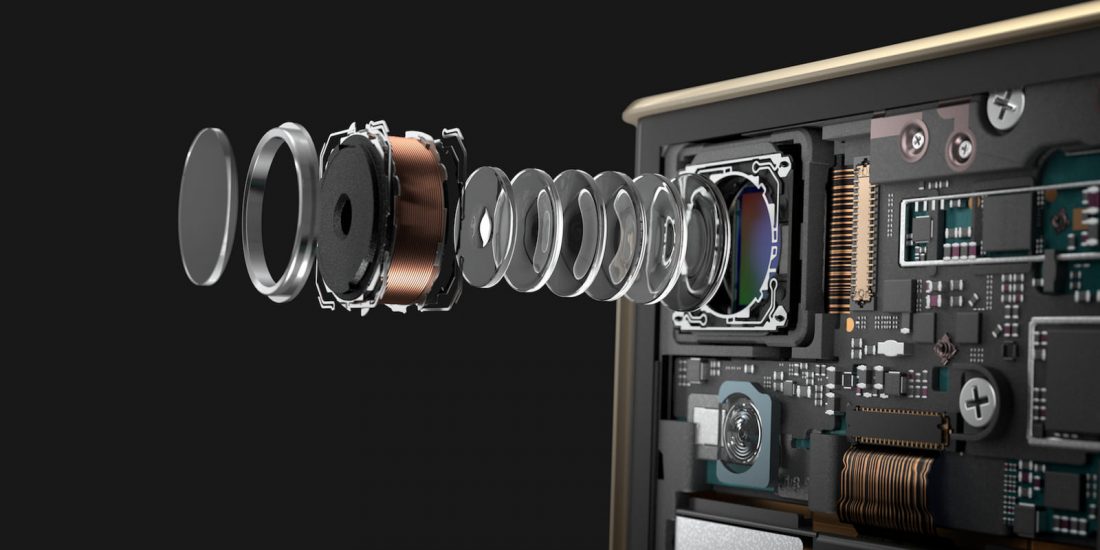
    On the camera front, the XA1 Plus features Sony’s 23MP camera with an f/2.4 aperture, same as the one found on its XA1 siblings. On the front, the smartphone has an 8 MP camera.

    The Sony Xperia XA1 Plus is available in three colour variants, black, blue and gold. Unlike a lot of smartphones from Sony itself, the Xperia XA1 Plus misses out on water resistance.

    Sony is yet to announce the price for the mid-range Xperia XA1 Plus, which is due to go on sale globally in late September.

  • Sennheiser Debuts 3 New Earphones Including 10-Hour Wireless Option

    Sennheiser Debuts 3 New Earphones Including 10-Hour Wireless Option

    Sennheiser has launched three new earphone models at the IFA 2017 in Berlin yesterday.

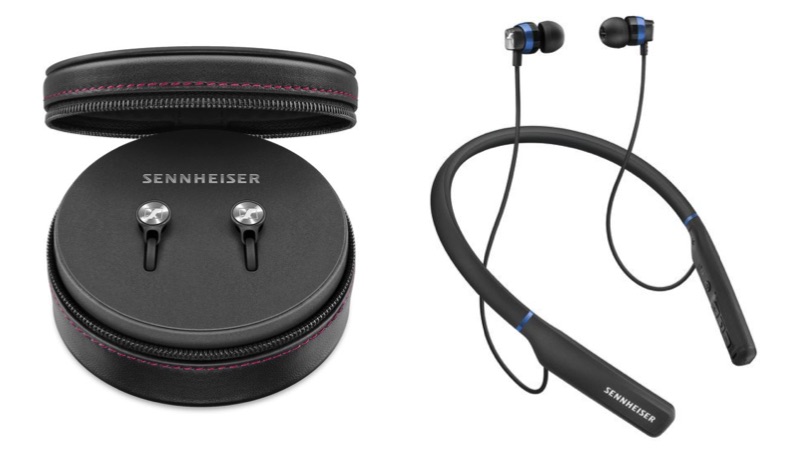
    The trio of new earphones include Sennheiser’s wireless CX 7.00BT, a wired IE 80 S and another wireless model, the HD1 Free.

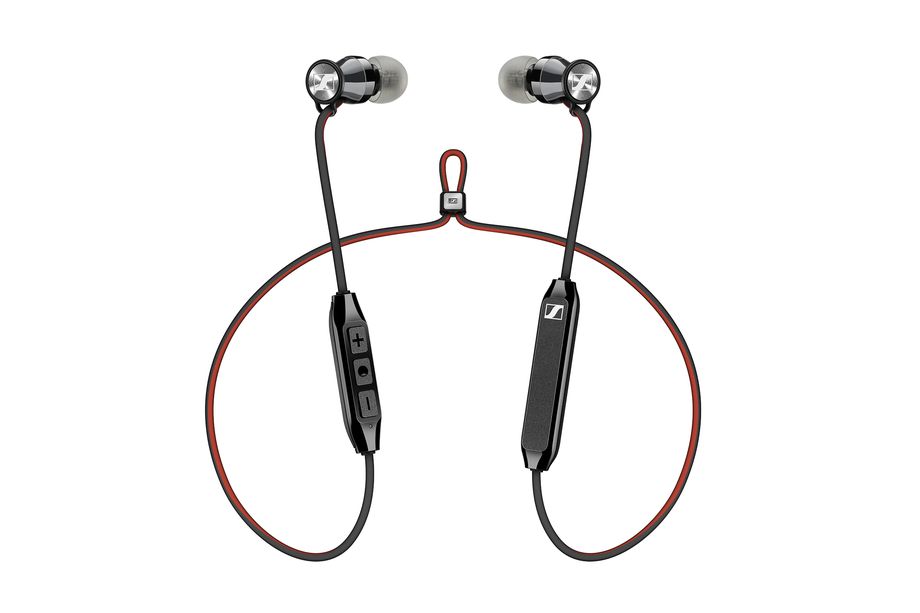
    HD1 Free

    The one that top’s the list is the new addition to Sennheiser’s HD1 Wireless earphones, the HD1 Free. On the design front, the new HD1 Free are significantly slimmer as compared to Sennheiser’s first HD1 In-Ear Wireless. Apart from the slimmer design, the HD1 Free will feature custom machined steel in-ear sound tunnels, magnetic earpieces, a three button remote and microphone for calling and playing music. The wireless earphones can last 6 hours on a single charge, support Bluetooth 4.2, AptX, and AAC and come with a leather carrying case. Pricing details are yet to be announced but the Sennheiser’s HD1 Free will be available for purchase from October.

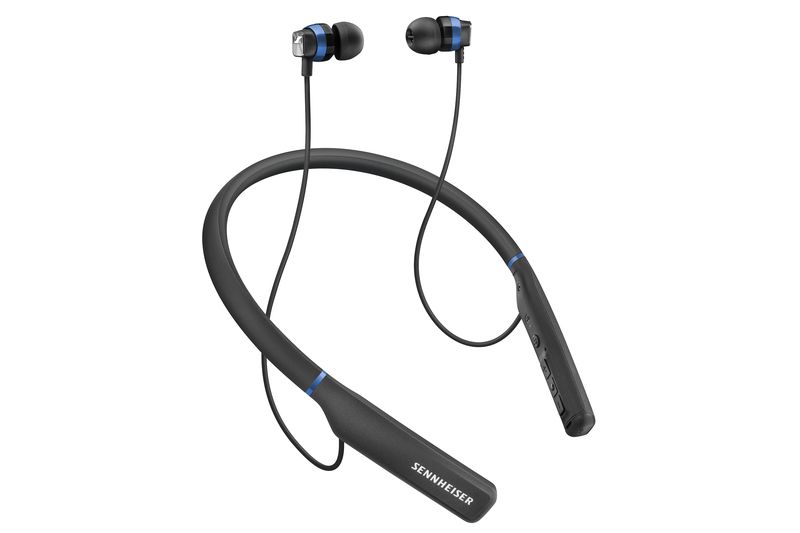
     CX 7.00BT

    Featuring a minimal neckband-style design, the CX 7.00BT last 10 hours on a 1.5 hour charge. These in-ear earphones support NFC for one-touch pairing and can be used as both wired or wireless earphones. The CX 7.00BT I includes four sizes of ear adapters and unlike the HD1 Free, the CX 7.00BT support Bluetooth 4.1. The earphone’s multi-connection capability allows simultaneous pairing with up to 2 devices and has 3-way calling support. The CX 7.00BT in-ear wireless earphones are available at Amazon at a price of Rs. 11,990.

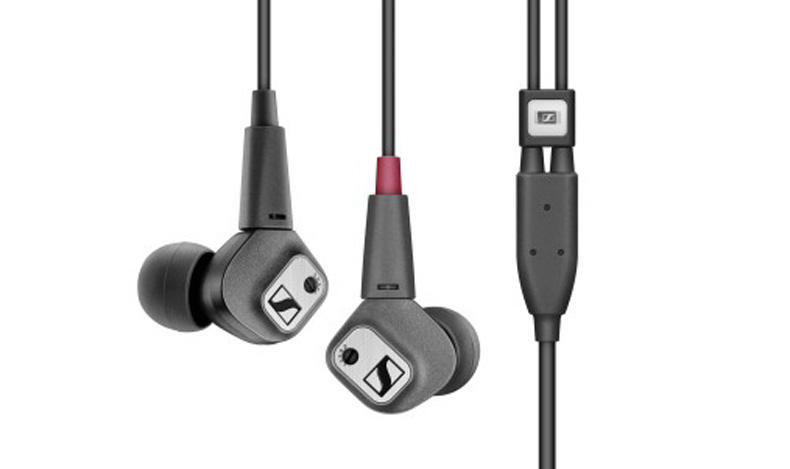
    IE 80 S

    An update to the previous IE 80 variant, the newly launched IE 80 offers enhanced fit and customization. The latest model of the IE 80 comes with a “unique” equalizer function, interchangeable cables and ear tip options. An additional smart remote cable with one-button control and an inline microphone for making calls or controlling music is also available. The IE 80 S comes with a carry case for storing the earphones and accessories and will go on sale from September.

  • Sony Xperia XZ1 And XZ1 Compact Officially Launched With Android Oreo

    Sony Xperia XZ1 And XZ1 Compact Officially Launched With Android Oreo

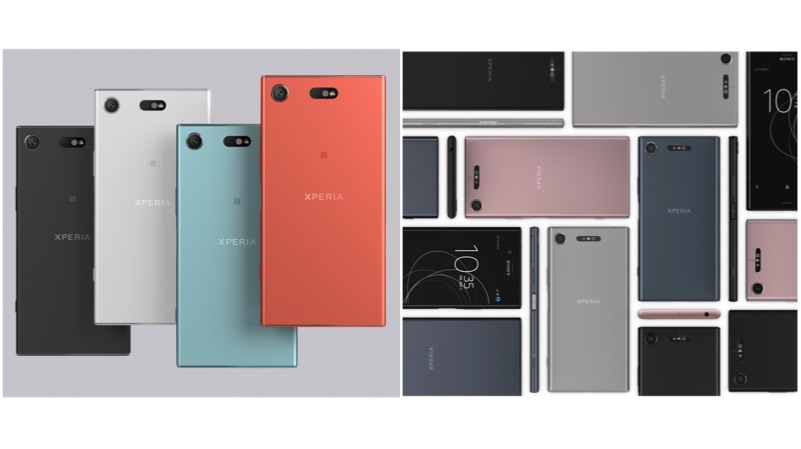
    Sony has officially unveiled its high-end flagship, the Sony Xperia XZ1, and its smaller sibling, the XZ1 Compact at the IFA 2017 in Berlin. A successor to the Xperia XZ Premium, both the Xperia XZ1 and the compact variant with a full metal frame, hasn’t strayed too far away in terms of design.

    Both the Xperia XZ1 and XZ1 Compact will run Android 8.0 Oreo out of the box and will be amongst the first devices to launch with the latest Android OS.

    The newly launched smartphones are equipped with the Qualcomm Snapdragon 835 chipset, similar to the one found in XZ1 Premium. Both the XZ1 and XZ1 Compact have 4GB RAM with 64GB and 32G onboard storage respectively. Both the phones are powered by a 2,700mAh battery.

    The Xperia XZ1 has a 5.2-inch, 1920 x 1080 px HDR display(while the XZ1 Premium featured a 4K display), while the smaller variant, XZ1 Compact has a 4.6-inch 1280 x720 px display. Both the smartphones feature Gorilla Glass 5 for durability and are rated IP68 for water resistance. The devices sport a boxy all-metal design which helps with antenna performance, claims Sony.

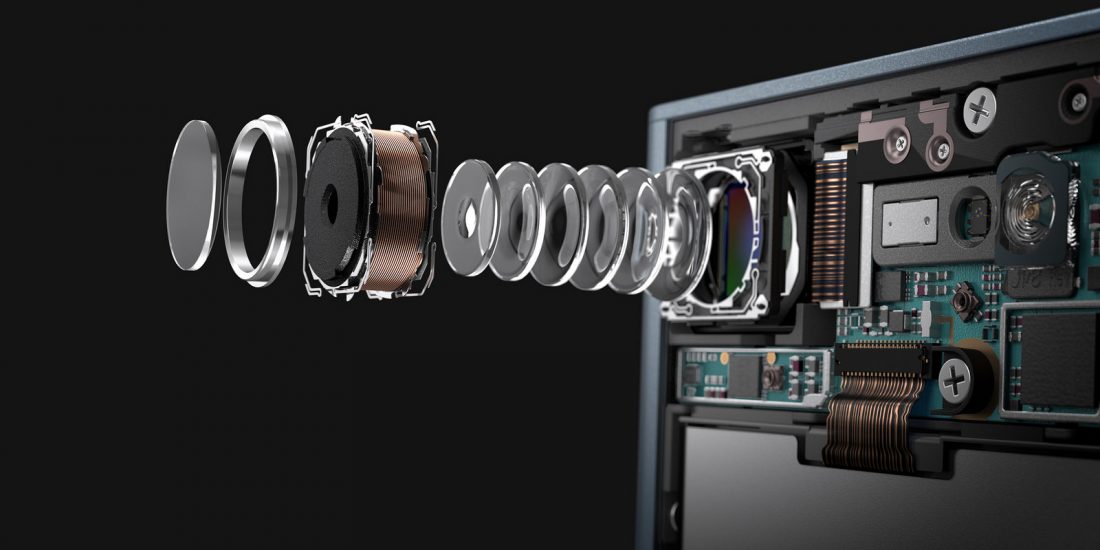
    Sony has used its “Motion Eye” camera system in both the devices. According to Sony, “Motion Eye” system uses a 1GB memory-stacked camera which has five times faster image processing that other smartphones. Ditching the trend of the dual camera setup, Sony went with a single camera at the back with a 19MP 1/2.3″ Sony IMX400 camera lens with an f/2.0 aperture. It includes features like Predictive Capture which will click the picture seconds before you actually hit the shutter button. Sony has used SteadyShot electronic stabilization for video instead of optical image stabilization for images.

    The primary camera can also record super slow motion 720p video at 960fps in addition to recording 4K videos at 30fps. On the front, the XZ1 has a 13MP camera, while the XZ1 Compact has a wide angle 8MP camera.

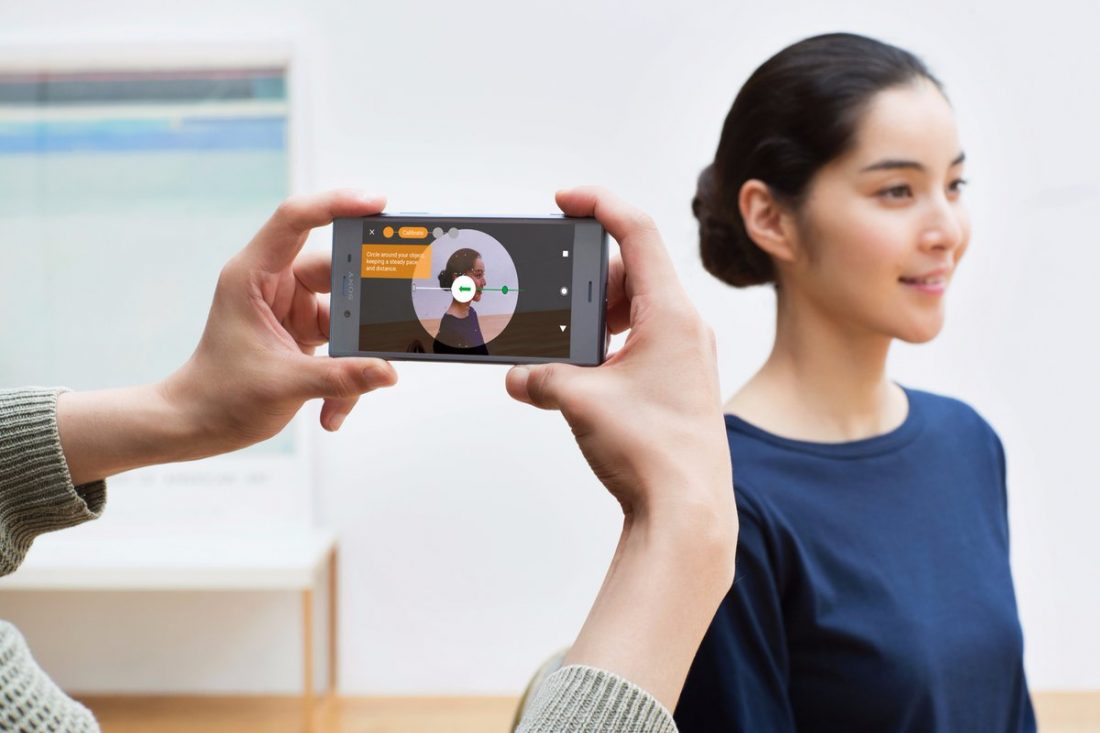
    An additional camera feature in the Xperia XZ1 is the 3D scanning mode, which allows the camera to scan an object and save the image as a 3D image.

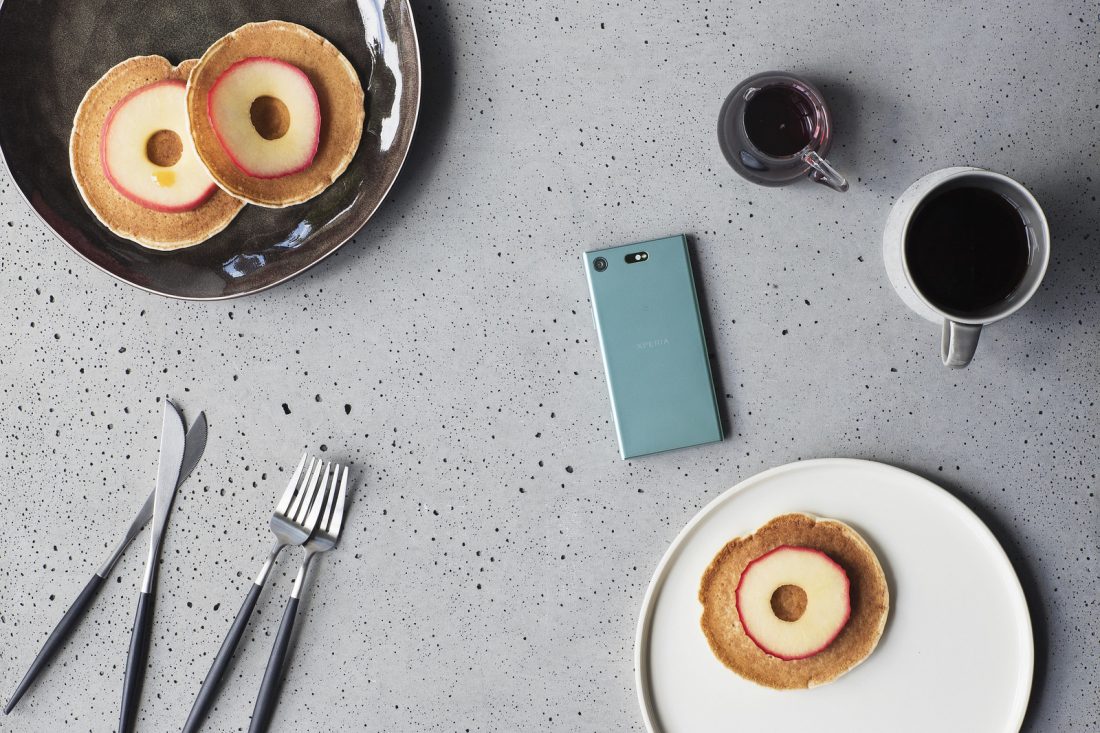
    Sony will be launching Xperia XZ1 and the XZ1 Compact with Android 8.0 Oreo, making them the first phones aside from the upcoming Google Pixel 2 devices and Nexus lines running the OS. The smartphones will be available in Black, Snow Silver, Horizon Blue, and Twilight Pink. The Sony XZ1 will be available for purchase from 19th September at a price of US $699.99 via Amazon or Best Buy, while the XZ1 Compact will be available for sale from 4th October at a price of US $599.99.

  • Samsung Galaxy S9 Will Launch With Snapdragon 845 And Android Oreo

    Samsung Galaxy S9 Will Launch With Snapdragon 845 And Android Oreo

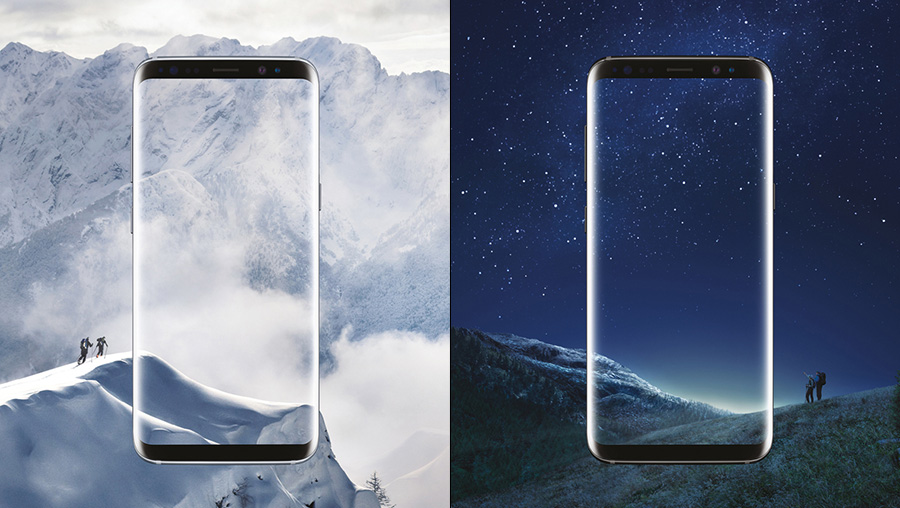
    It has just been a few days to the launch of the Galaxy Note 8 and rumours of the Galaxy S9 have already hit the internet. Some of these speculations include a next-gen Qualcomm chip, a dual lens camera, and a rear mounted fingerprint sensor.

    It is expected that Samsung Galaxy S9 will have a Qualcomm Snapdragon 845 chipset, making it first to use Qualcomm’s newest upcoming chipset. Whereas the previous models, Galaxy S8 and S8 Plus were equipped with the SnapDragon 835 chipset, being the first devices to use said chip.

    The device will reportedly be given the model number of SM-G960 and will run the Android 8.0, as it falls under the category of devices expected to receive or come pre-installed with the newest Android update. Unlike the newly launched Galaxy Note 8, which came with a massive 6GB of RAM, the Galaxy S9 will have 4GB of RAM and 64GB of onboard storage.

    The display is expected to be an edge-to-edge Infinity Display  with 18.5:9 aspect ratio. As for the fingerprint reader, the reports suggest that it will be placed in a centered rectangular cutout at the back, implying that the Galaxy S9 might not have a display embedded fingerprint reader either.

    However, if this rumor is to be believed, then Samsung will finally be moving the heavily criticised location of the fingerprint scanner to a much more convenient one, unlike the ones placed right next to the camera in the Galaxy S8/8+. Even though not much has been revealed on the camera front, the Galaxy S9 could end up with the same dual-camera setup on back as the one on the Galaxy Note 8.


  • Apple iPhone 8 To Launch Without A Physical Or Virtual Home Button

    Apple iPhone 8 To Launch Without A Physical Or Virtual Home Button

    While, there have been reports of Apple ditching the physical home button in its upcoming flagship the iPhone 8, the latest rumour, claims that the iPhone 8 will be launched without a physical or digital home button. So, Apple may be completely eliminating its iconic home button.

    It has further been reported that Apple’s upcoming iPhone 8 might rely on gesture controls for carrying out tasks like navigating to the home screen, opening the new multitasking App Switcher, all of which were previously done via the home button.

    In addition to removal of the home button, the iPhone 8 will include a taller OLED screen with rounded corners. The power button on the right side of the iPhone 8 is reportedly longer, for easier access and reach while holding the device in one hand. Apple has putatively opted not to hide the notch area at the top of the display.

    Furthermore, the report added that the smartphone will have a stainless steel band around the device which the glass curves into. It stated that the steel band “has small antenna cuts on the corners like past iPhones to improve reception”. The previous leaks suggested that the iPhone 8 will also have facial recognition feature to make up for the loss of fingerprint scanner.

    Apple is preparing to debut the redesigned OLED iPhone 8 at September 12 alongside iterative updates to its current smartphone line-up, the iPhone 7s. The iPhone maker is also expected to launch the new Apple TV with 4K support and Apple Watch Series 3 with LTE capability.

  • Xiaomi Mi MIX 2 Is Officially Launching On September 11

    Xiaomi Mi MIX 2 Is Officially Launching On September 11

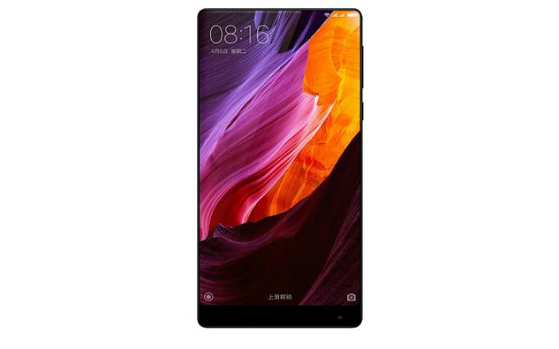
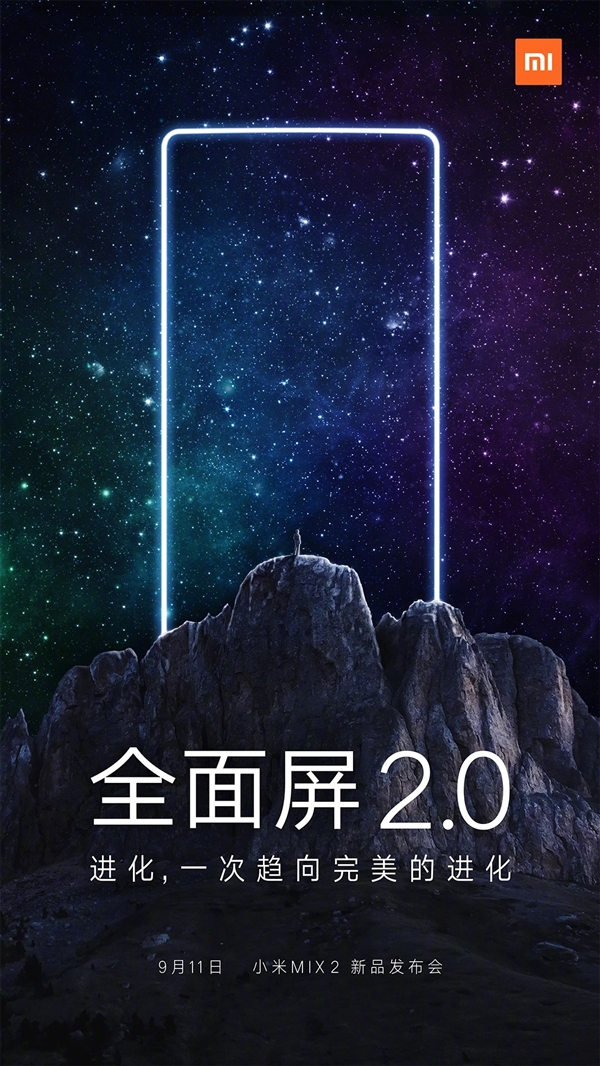
    Xiaomi has just officially announced that the Mi Mix 2, successor to last year’s Mi Mix will be launching on September 11. Xiaomi VP and India MD Manu Kumar Jain tweeted the official launch date.

    An image shared during the event announcement shows that the phone features an all display front much like the last year’s Mi Mix. The launch poster shows the top half of the near bezel-less display of the smartphone, suggesting a 93 per cent screen-to-body ratio, much higher than the original Mi MIX.

    Rumoured specifications of the Mi Mix 2 include a 6.4 inch curved AMOLED display with a QHD resolution, a Qualcomm Snapdragon 835 chipset with up to 6 GB of RAM and and 128 GB of internal storage. The smartphone will run MIUI 9 on Android Nougat. The phone is expected to be powered by a 3,400mAh battery.

    Not much has been disclosed on the camera front, but the Mi Mix 2 is expected have a dual camera setup, similar to that seen on the Xiaomi Mi 6, with Optical image stabilisation and depth effects. The Xiaomi flagship will reportedly be priced at CNY 4999 or Rs. 48000 approx.

    If the date is confirmed then Xiaomi will be going head to head with Apple’s Launch, as the iPhone maker is also reportedly set to launch its iPhone 8, iPhone 7S and iPhone 7S Plus on Sept. 12.

  • A Self-Driving Ford Fusion Will Now Deliver Domino’s

    A Self-Driving Ford Fusion Will Now Deliver Domino’s

    Ford and Domino’s are teaming up to test autonomous vehicles for pizza deliveries in Ann Arbor, Michigan in the United States in order to understand how everyday customers will react to, and interact with the autonomous service vehicles in the future. However, the Ford Fusion Hybrid research vehicle (outfitted with a pizza container) used during the experiment will be driven by a safety engineer along with other researchers.

    The self driving Ford Fusion will randomly be made available to the selected Domino’s customers who will then have an option to accept deliveries from a self-driving pizza delivery car. With no driver involved, the customer will need to to unlock their pizza containers by typing their unique delivery code. The Heatwave Compartment unlocking code will be sent to the customer. This code will match the last four digits of the customer’s phone number. Those who opt for the service can track their order via Domino’s app. Rest of the order info will be communicated through screens and speakers on the exterior of the cars.

    Sherif Marakby, Vice President of Ford Autonomous Vehicles and Electrification said “We will be looking at how customers respond to this new experience, which will require them to interact with the self-driving car instead of a delivery person—walking out to the vehicle instead of just walking to answer their front door,” He also described the project as ethnographic research in an interview

    Ford is using this real-time trial to test its new project and develop the consumer aspect of autonomous driving technology. The company hopes to commercialise the experiment in a few years’ time.

    Domino’s has also been experimenting with the idea of autonomous vehicles for sometime. The company has already tested pizza delivering robots in Australia and in Germany. Though the delivery robot trials were in partnership with smaller robotics startups, whereas the latest trial involves a more traditional car-maker.

    Sherif Marakby said “The human aspect is the most significant piece here. We know we can create technology, but it has to be based on the human element of how we’re using the AVs,” and “We believe self-driving technology can play a significant role in helping grow the market for restaurant delivery, serving as one way that we’ll build demand and scale for our autonomous vehicle business, in addition to people movement such as ride hailing,”

    The current experiment hopes to gain insight on various factors like, willingness of a consumer to come outside to pick up their orders, the way they approach the car, and the manner in which they interact with the screen placed on the exterior of the vehicle.

    Ford, like many other carmakers, has invested heavily in autonomous technology and hopes to introduce its self-driving cars in market by 2021.

iGyaan Network
Privacy Overview

This website uses cookies so that we can provide you with the best user experience possible. Cookie information is stored in your browser and performs functions such as recognising you when you return to our website and helping our team to understand which sections of the website you find most interesting and useful.