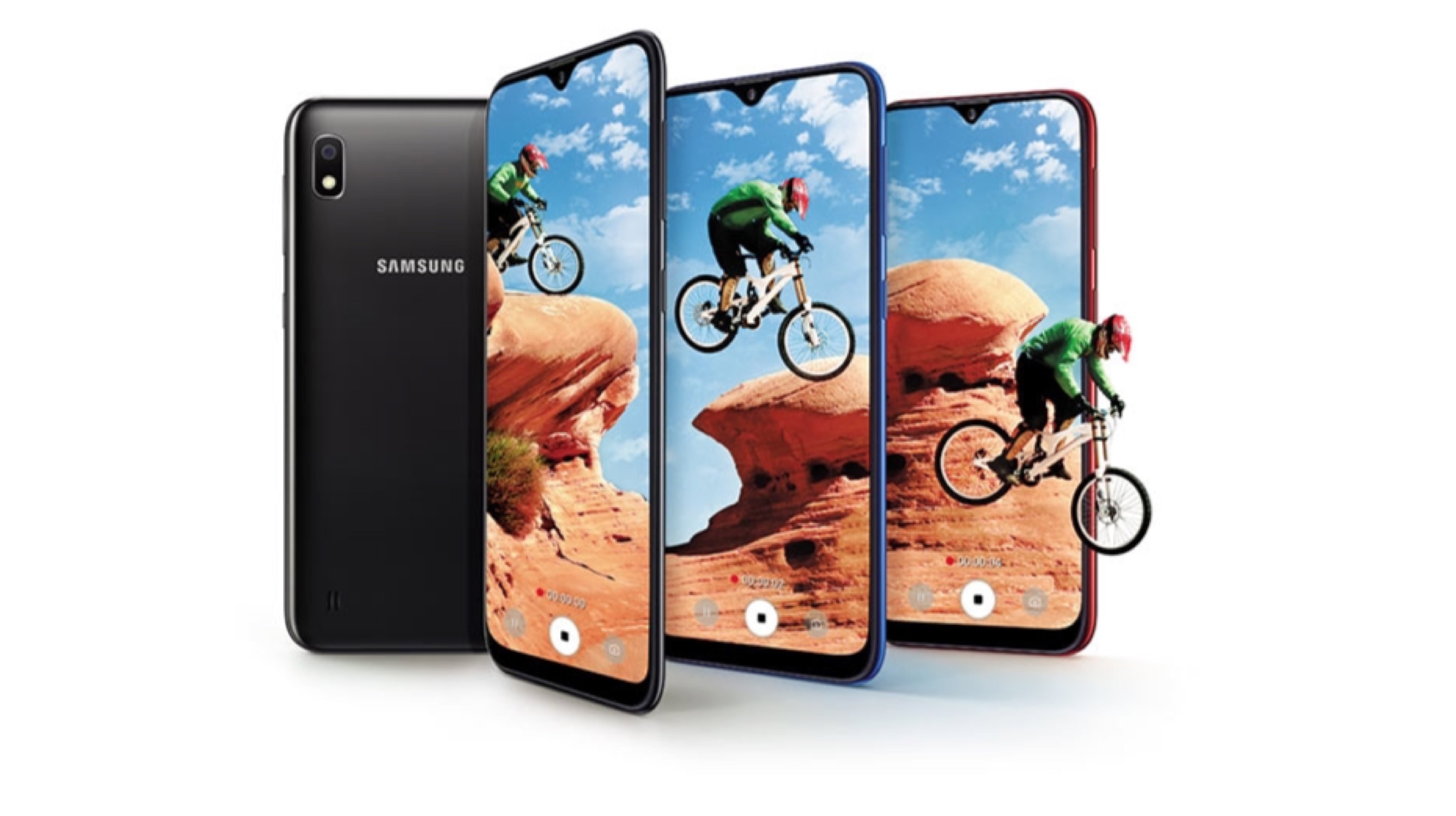
Samsung launched the Galaxy M30 in India on February 27, which is the third device in the M series lineup so far. Earlier this month, another Samsung smartphone, the Galaxy A10 was leaked online. Now, Samsung has officially launched the Galaxy A10 in India. The company is targeting low to mid-range segment smartphones with the A series, and the Galaxy A10 is the base model in this lineup.
Display And Design
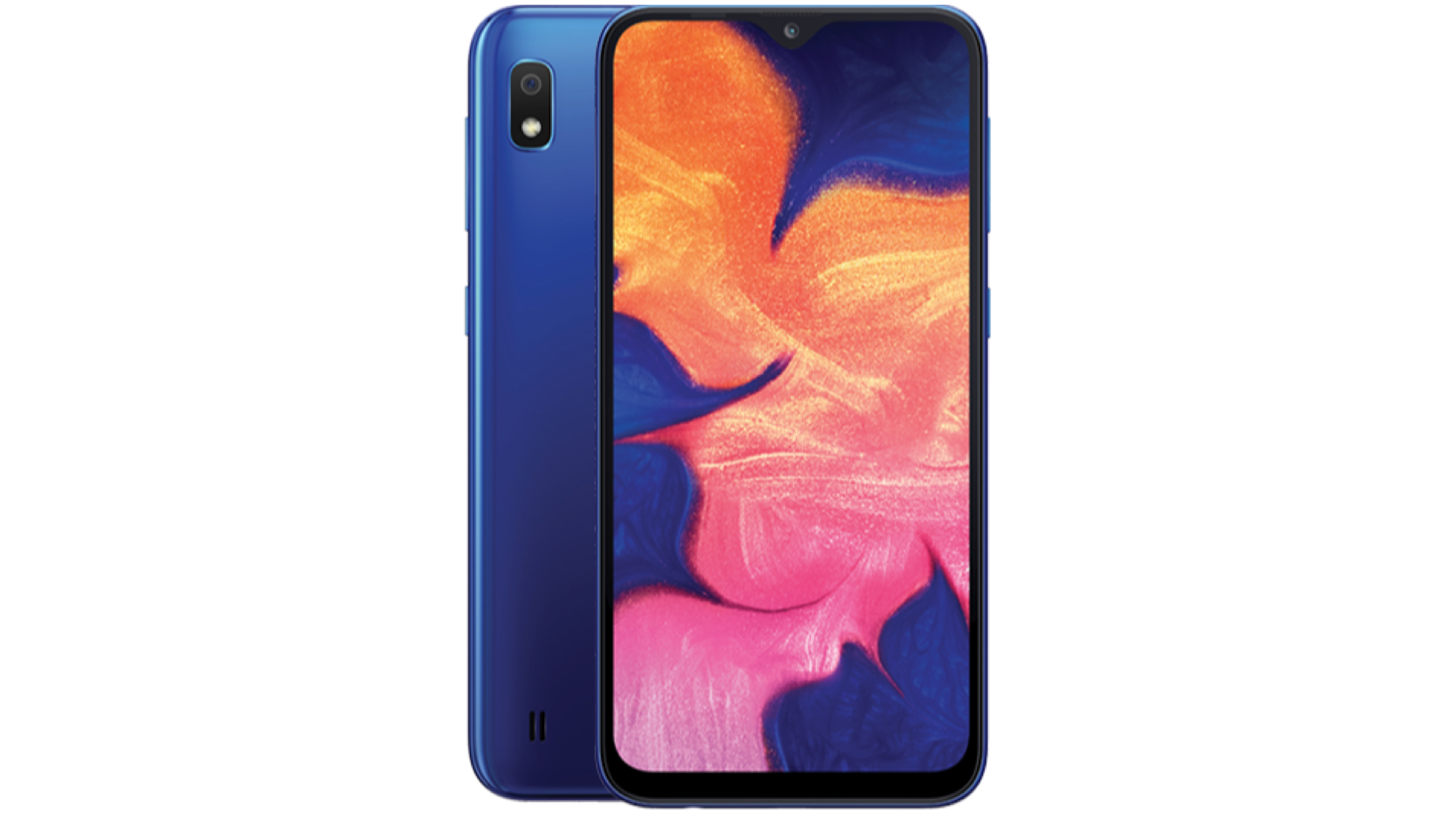 The Samsung Galaxy A10 features a 6.2 inch HD+ Infinity-V display. The smartphone measures at 155.6 x 75.6 x 7.94 mm. It sports a glossy plastic back panel, with a waterdrop notch on the front and a single camera module on the back. The speaker is present on the back near the bottom left corner of the panel. The right side of the smartphone houses the volume rockers and the power button, while the left side houses the SIM card tray. The bottom of the Galaxy A10 is occupied by a 3.5 mm headphone jack and micro USB 2.0 port which can be used for charging and data syncing.
Specifications And Camera
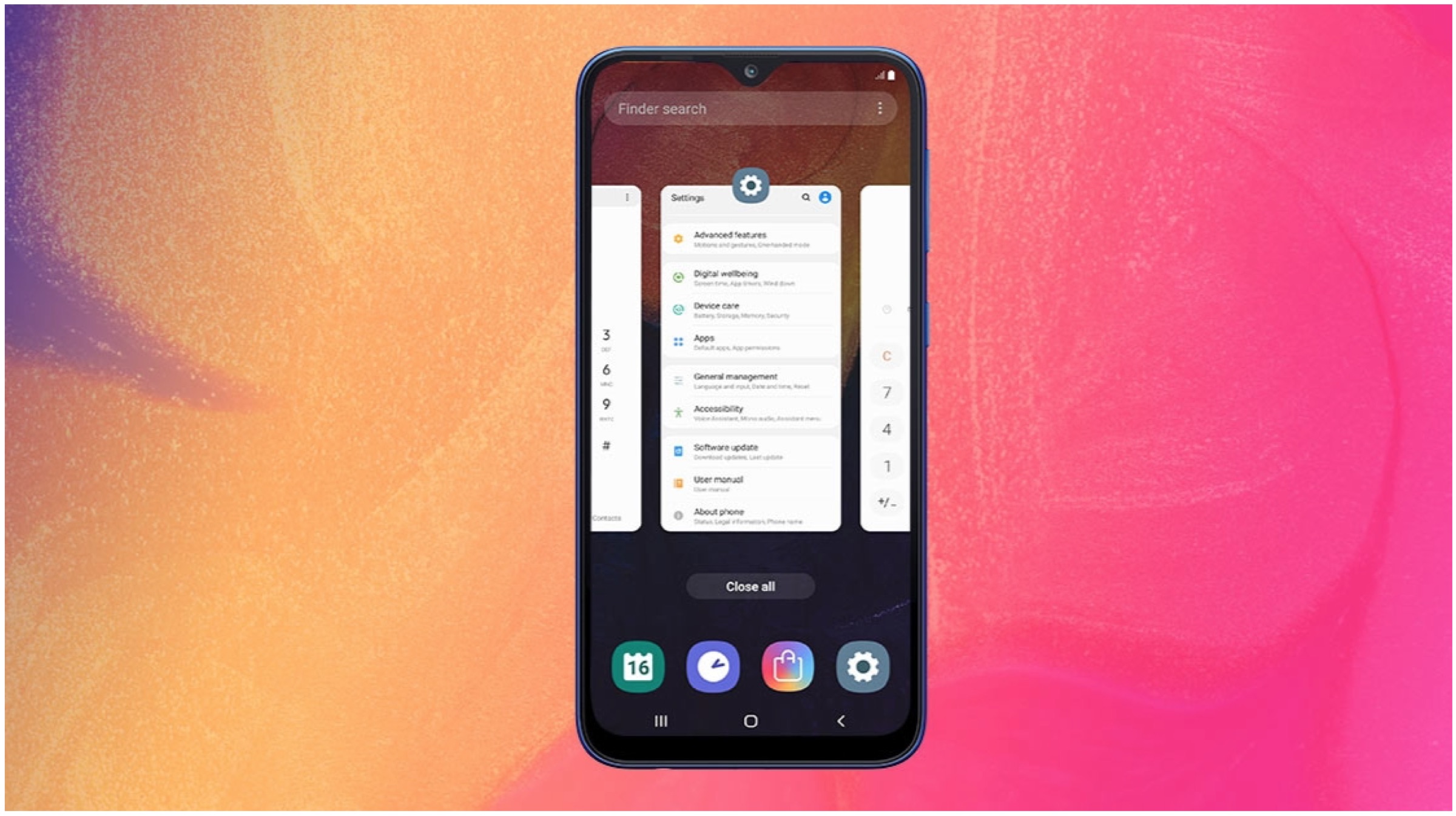
 The Galaxy A10 packs the Exynos 7884 chipset, which comprises of an octa-core CPU. The device is available with 2 GB RAM and 32 GB of internal storage, which is expandable up to 512 GB via the dedicated microSD card slot. The smartphone runs on Android 9 (Pie) out of the box, with Samsung’s One UI on top. It sports a single 13 MP (f/1.9) rear camera with an LED flash and a single 5 MP (f/2.0) front facing selfie camera. The Galaxy A10 is powered by a 3,400 mAh battery.
Price And Availability
Also Read: Redmi Note 7 Pro Launched In India
The Galaxy A10 has been priced at Rs. 8,490 for the 2GB+32GB variant. The smartphone will go live on sale from March 20, and will be available in the following colour options:
- Red
- Blue
- Black
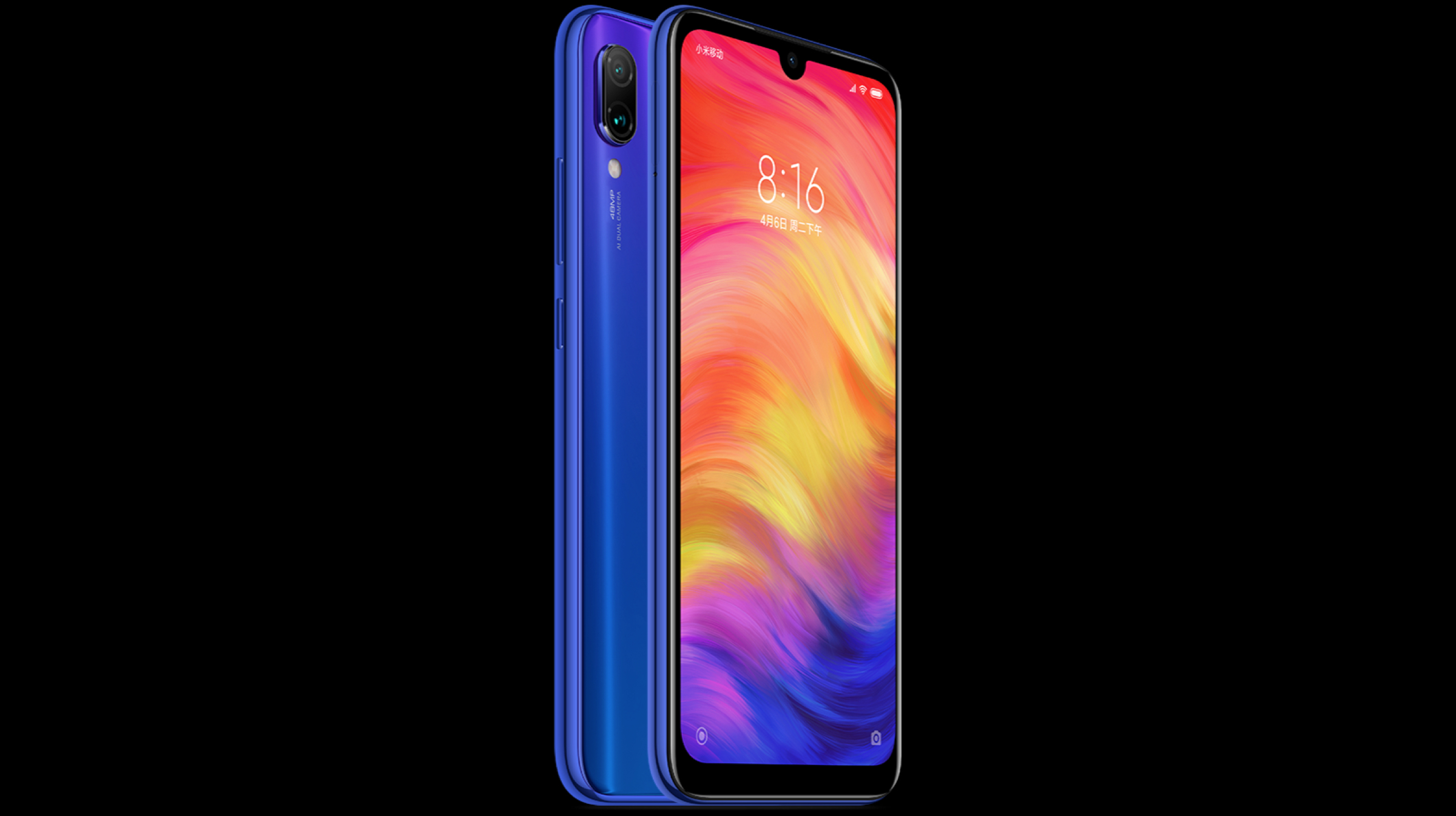
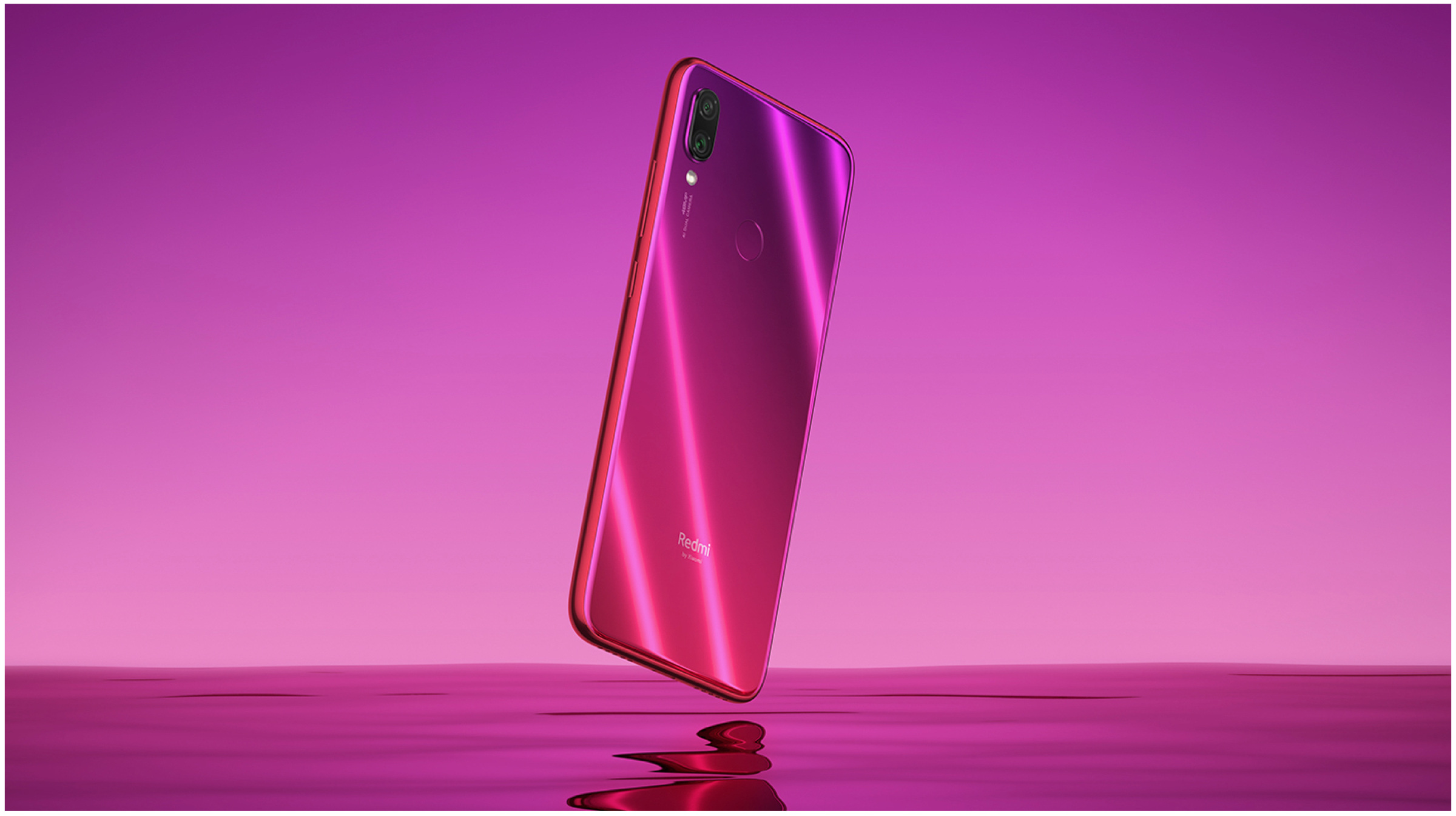 The Redmi Note 7 Pro sports the Aura Design, which features 1.95 mm thin bezels and a 2.5D curved glass design. The glossy curved frame houses the 6.3 inch LTPS FHD+, dot notch display. The screen has an aspect ratio of 19.5:9 with a 1500:1 contrast ratio. The device has Sunlight display for better outdoor viewing and a Reading mode to improve readability on the smartphone. The smartphone is protected on both sides by Corning Gorilla Glass 5. The Redmi note 7 Pro is the first Note device from Xiaomi to house a USB Type-C connector, which is placed on the bottom of the handset (right next to the speakers). It also retains the 3.5 mm audio jack and the IR blaster, both of which are present at the top of the phone.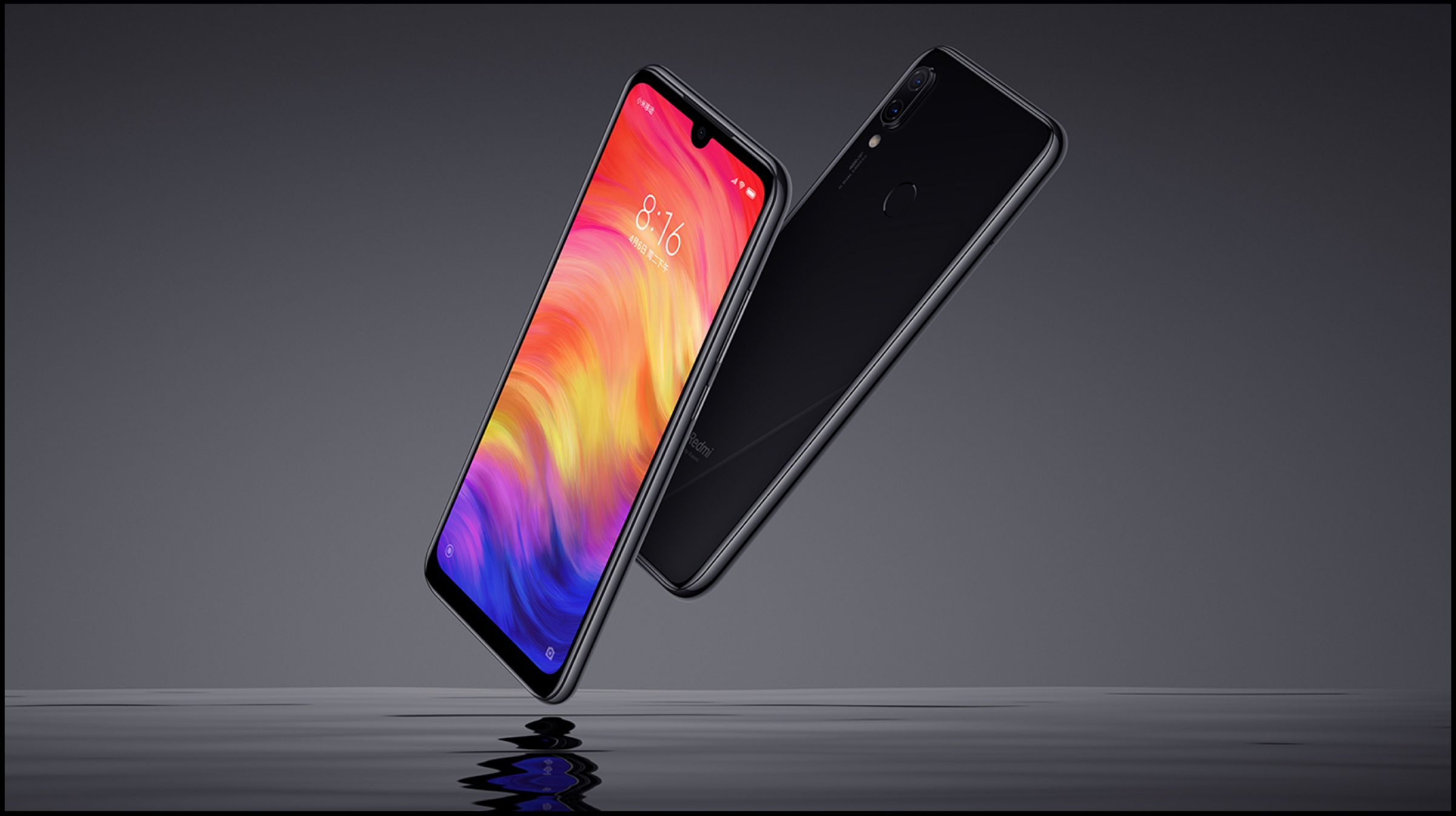
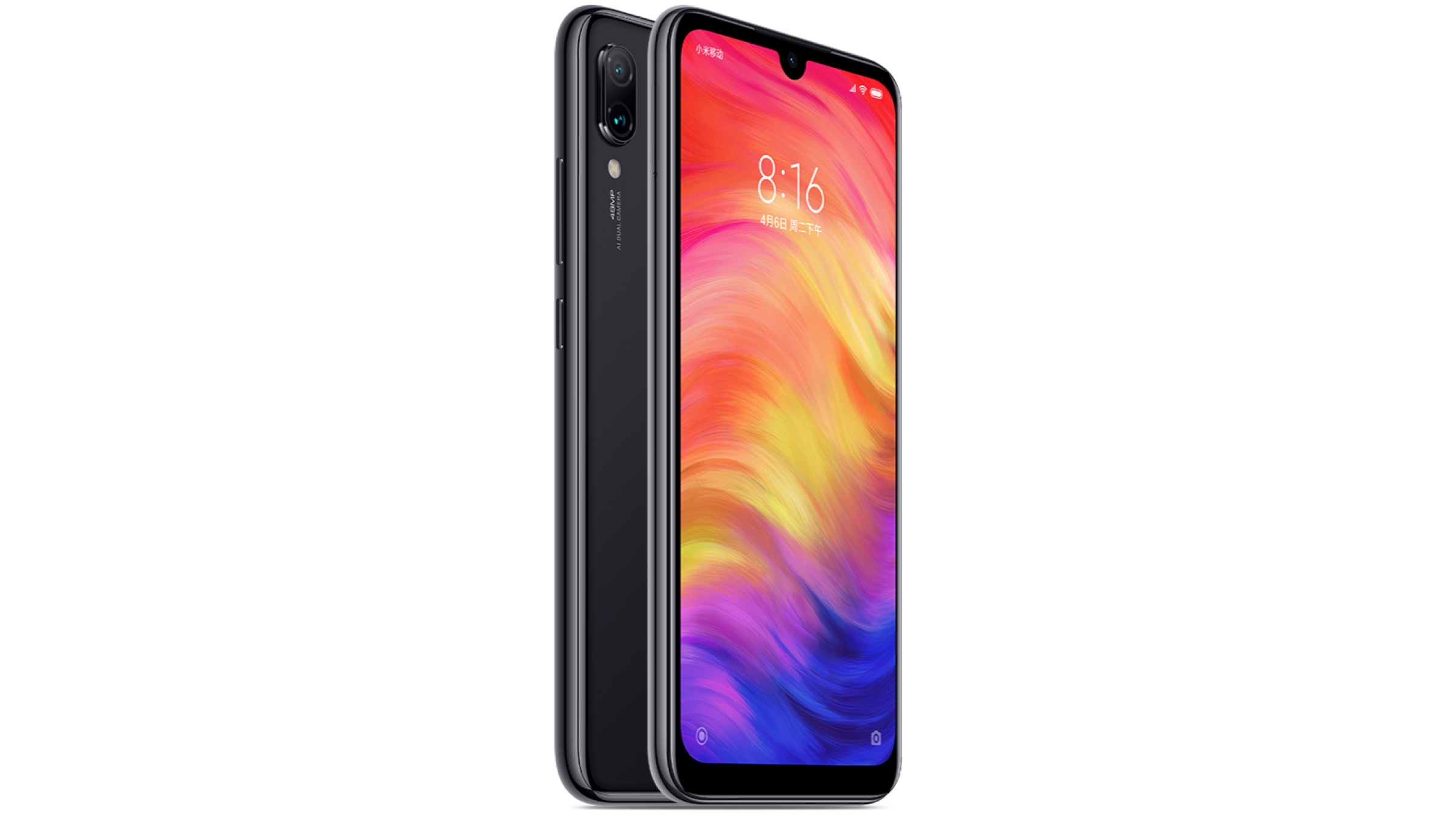
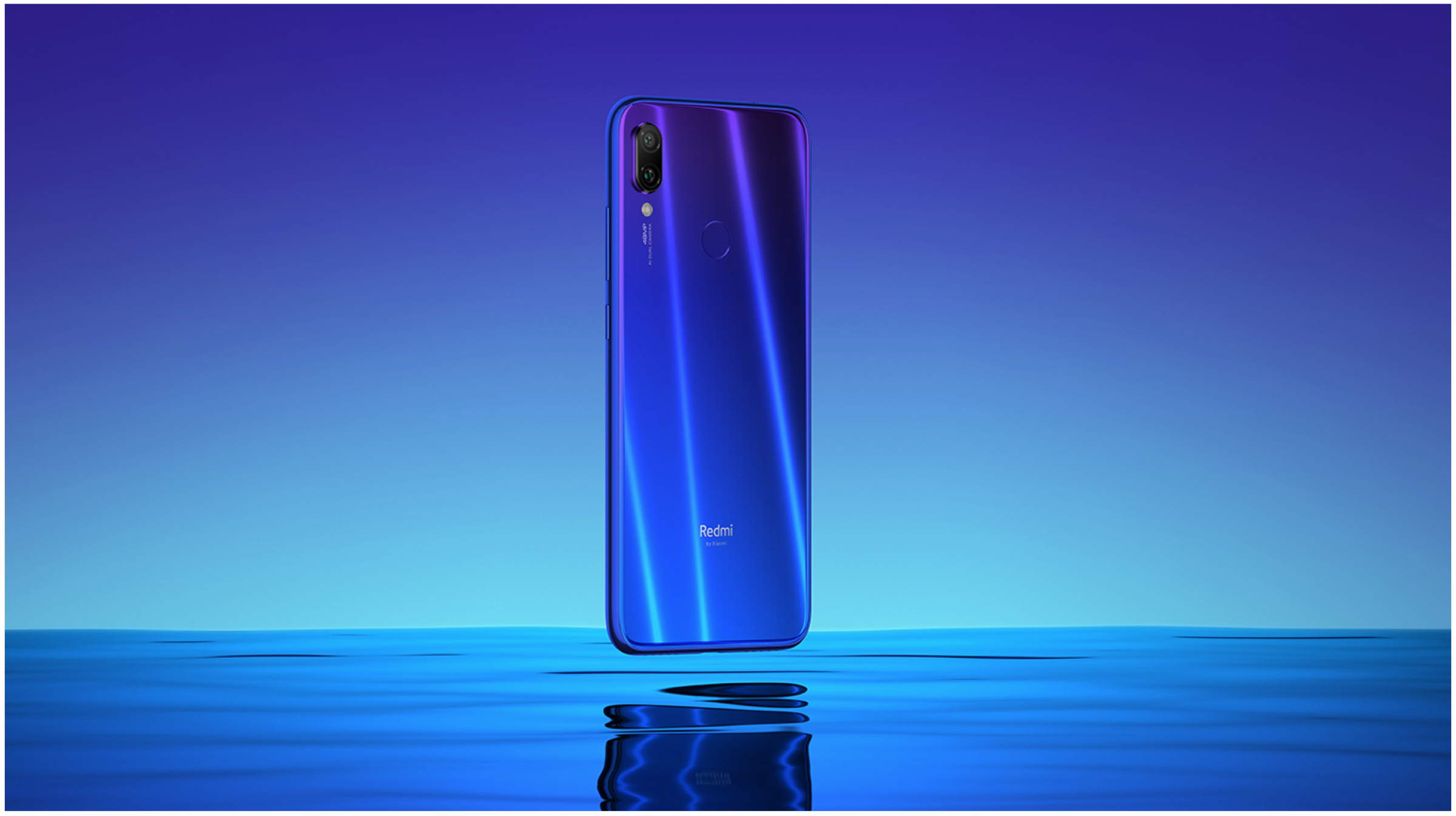 The Redmi Note 7 Pro is powered by a 4,000 mAh battery which supports 18W Quick Charge 4.0, although the device ships with a 10W charger in the box. As mentioned before, the device has an IR blaster, similar to the one seen in previous iterations of the smartphone. Biometric security is limited to a rear mounted fingerprint sensor. The smartphone is available in three colour options, Neptune Blue, Nebula Red and Space Black.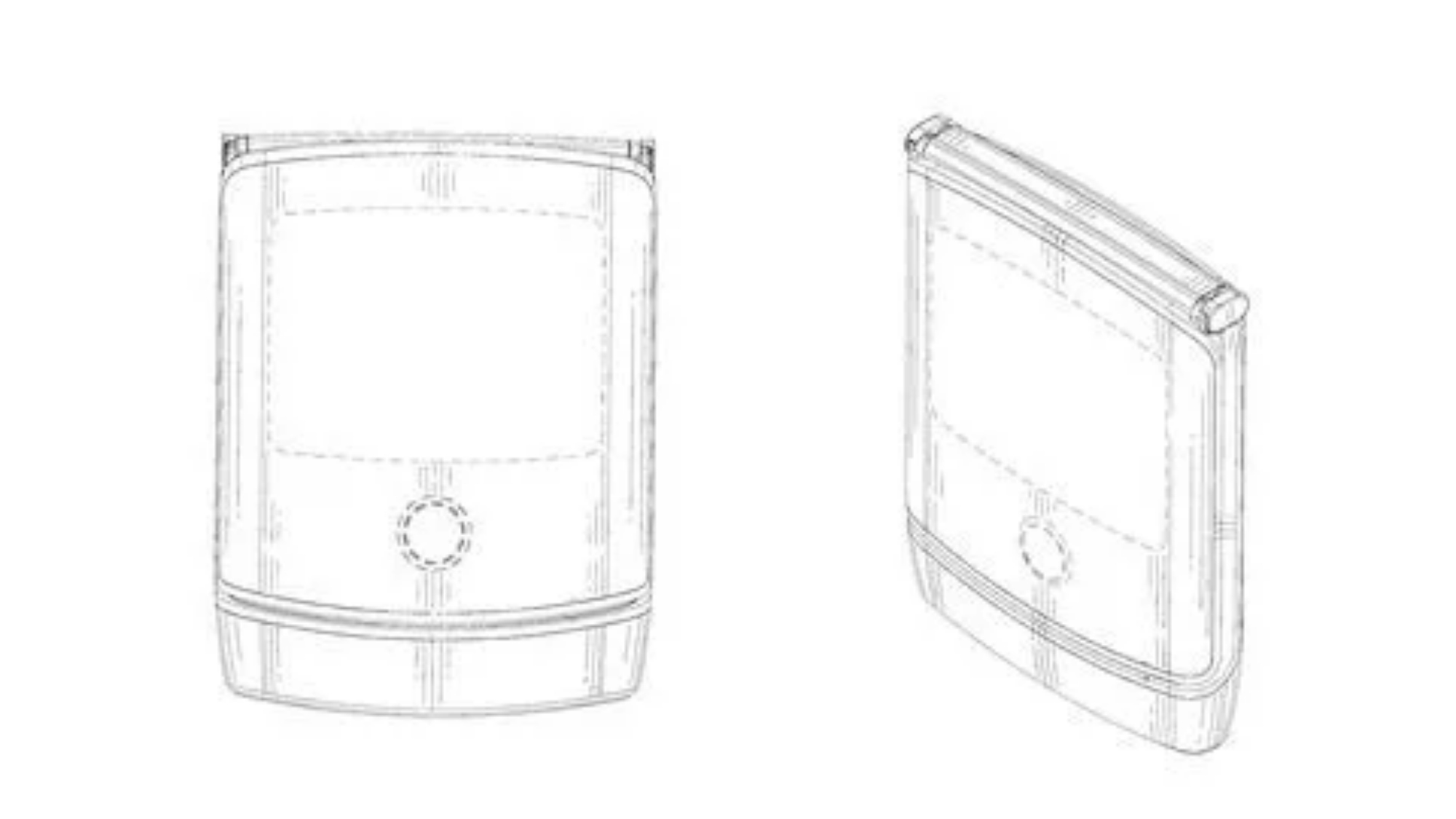
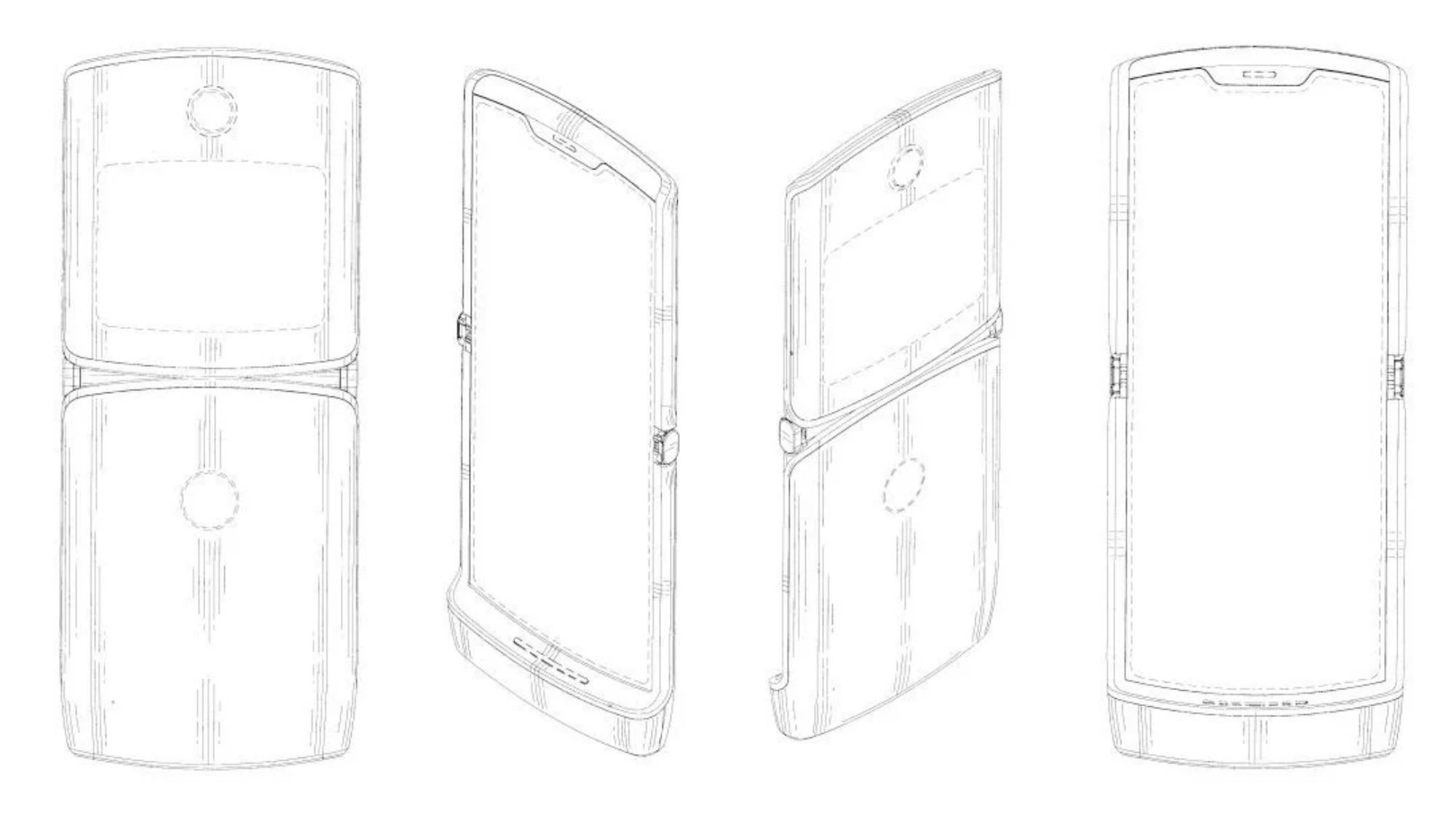
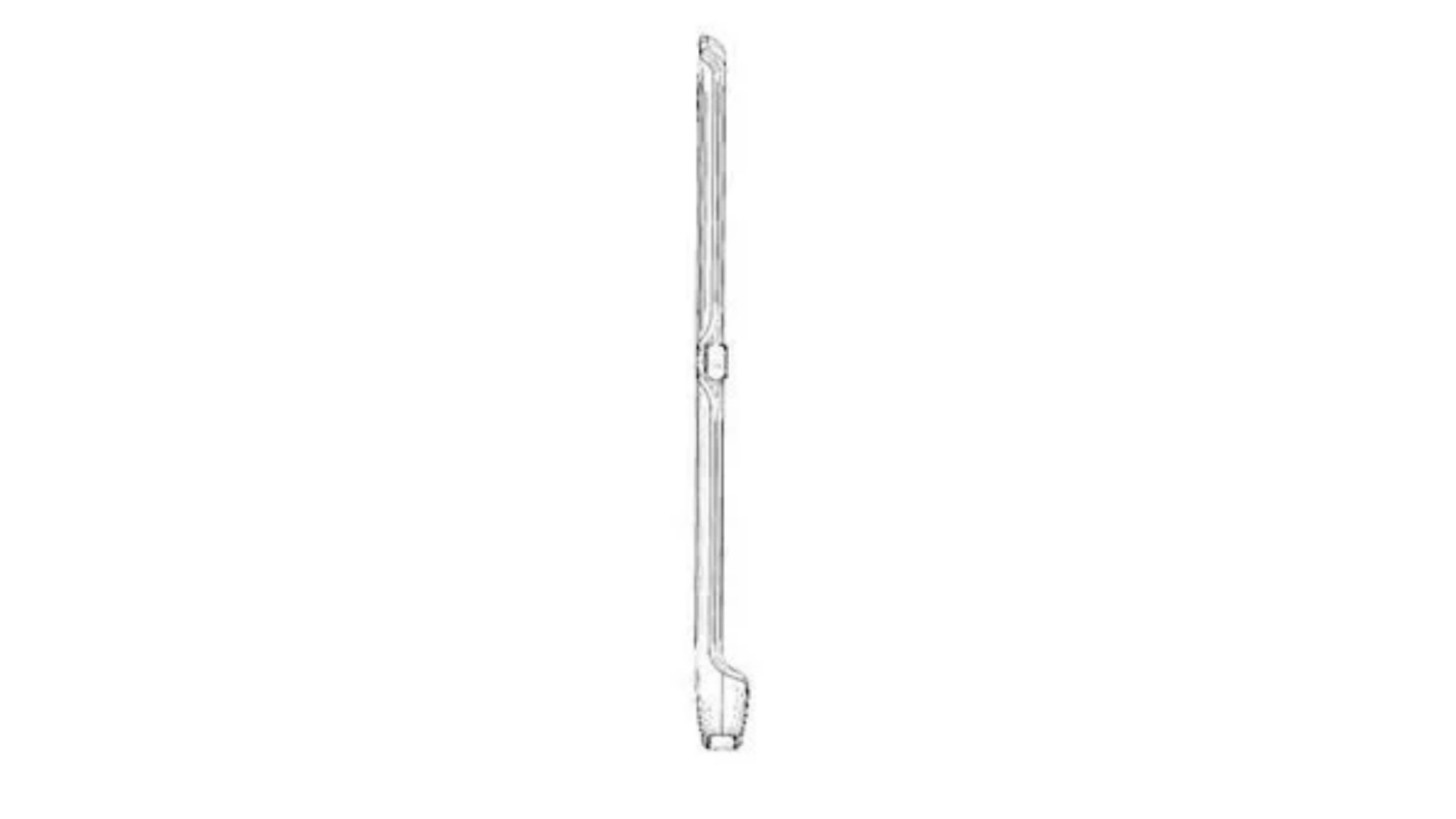
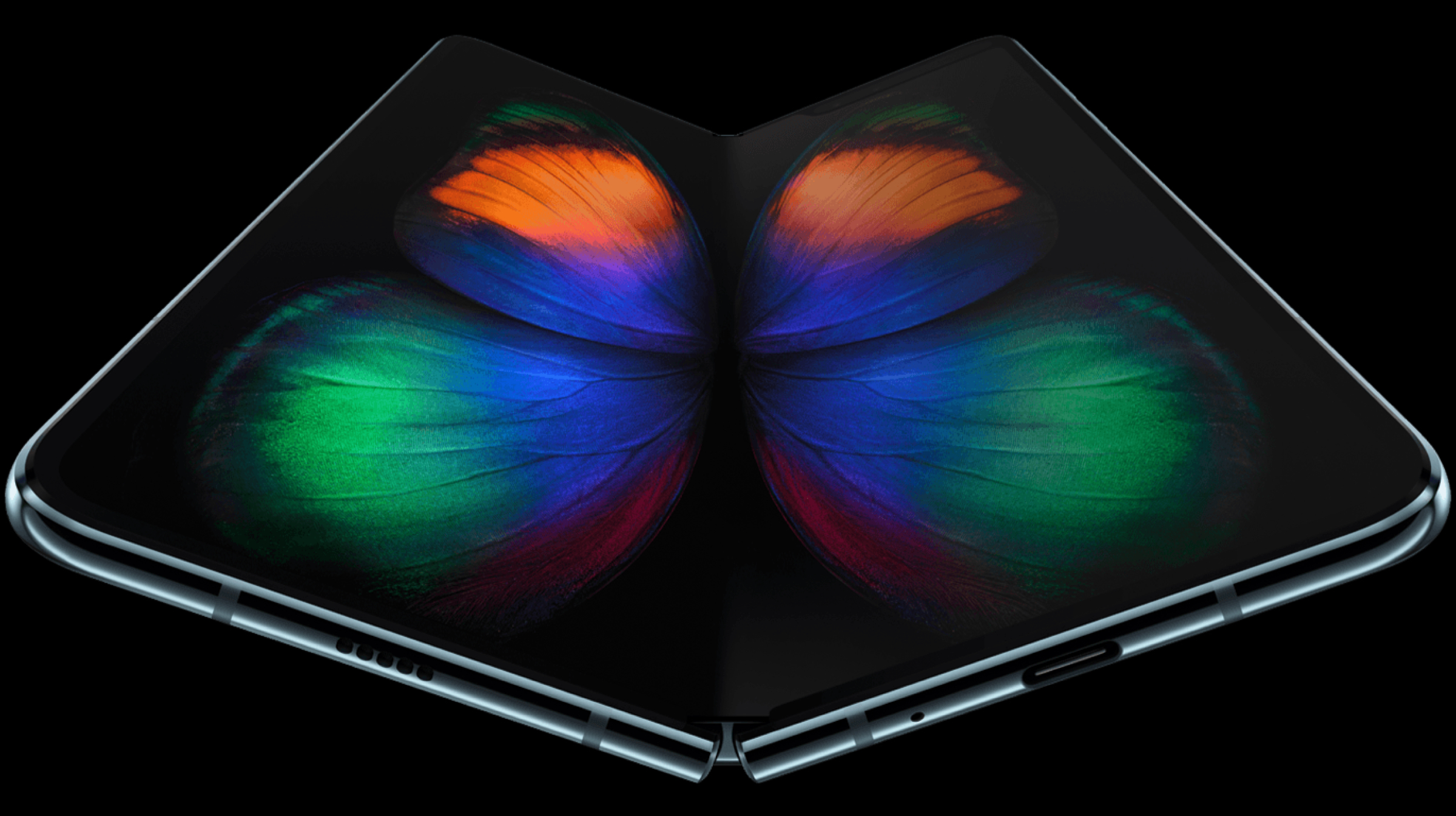 The upcoming Motorola foldable device will be up against the likes of
 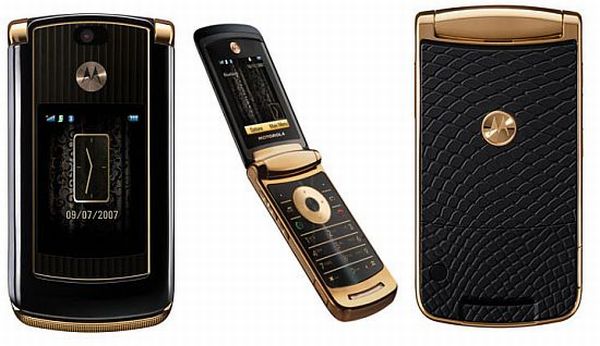 Also Read:
 Xiaomi’s Vice President, Wang Xiang made it clear that the company wants to increase the number of offline stores in Europe by three times. As of now, the Chinese smartphone manufacturer has almost 50 stores in Europe, and it wants to take that number over 150. With budget-aggressive pricing across a large chunk of their smartphone range, Xiaomi thinks that it would be a wise decision to start selling directly to the customer via offline Xiaomi stores.
 Brand popularity is another factor that the company seems to be going for. Agreed, the brand is known for its affordability and competitive device specifications across products, but reportedly, the company wants to target high-end products at the same time. And expanding to a continent with a high GDP looks like a great idea for the brand. Furthermore, Europe is one of the best markets in the world when it’s about spending potential.
 Xiaomi’s last launch was the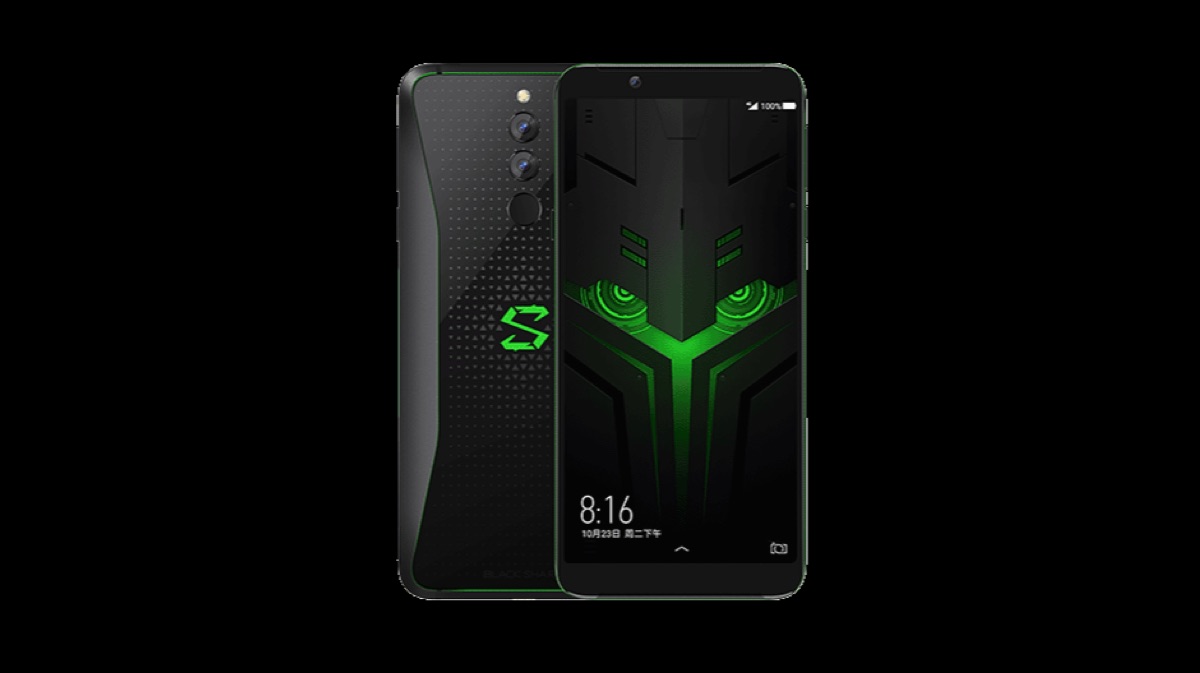
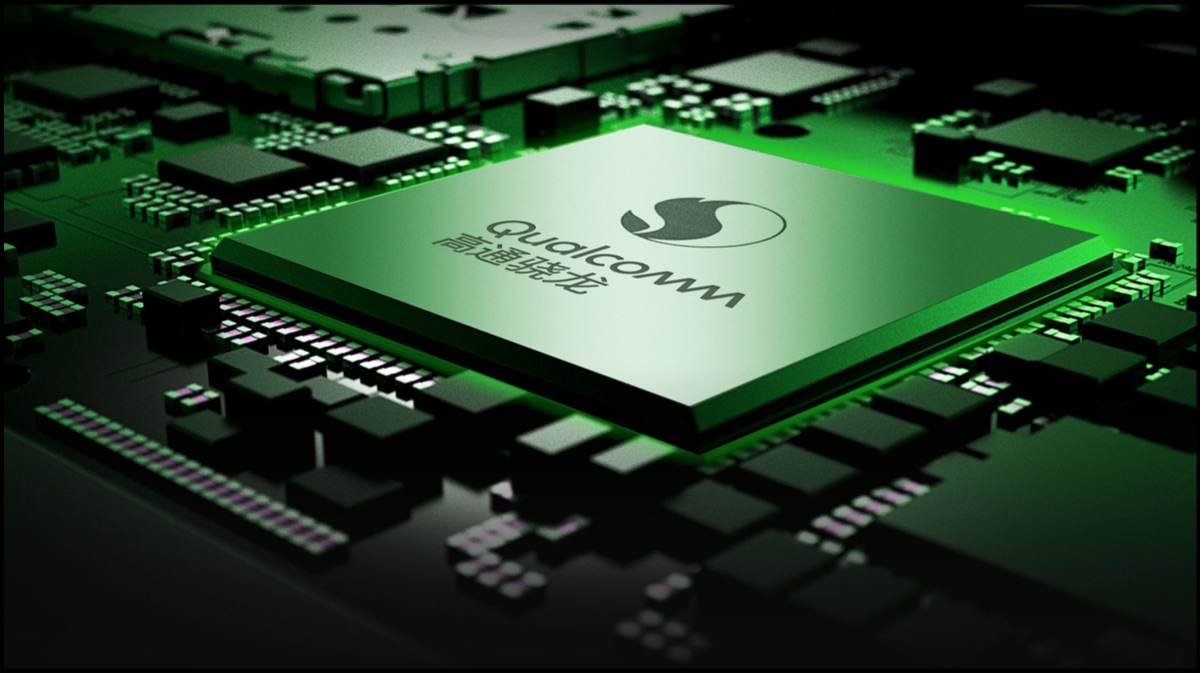
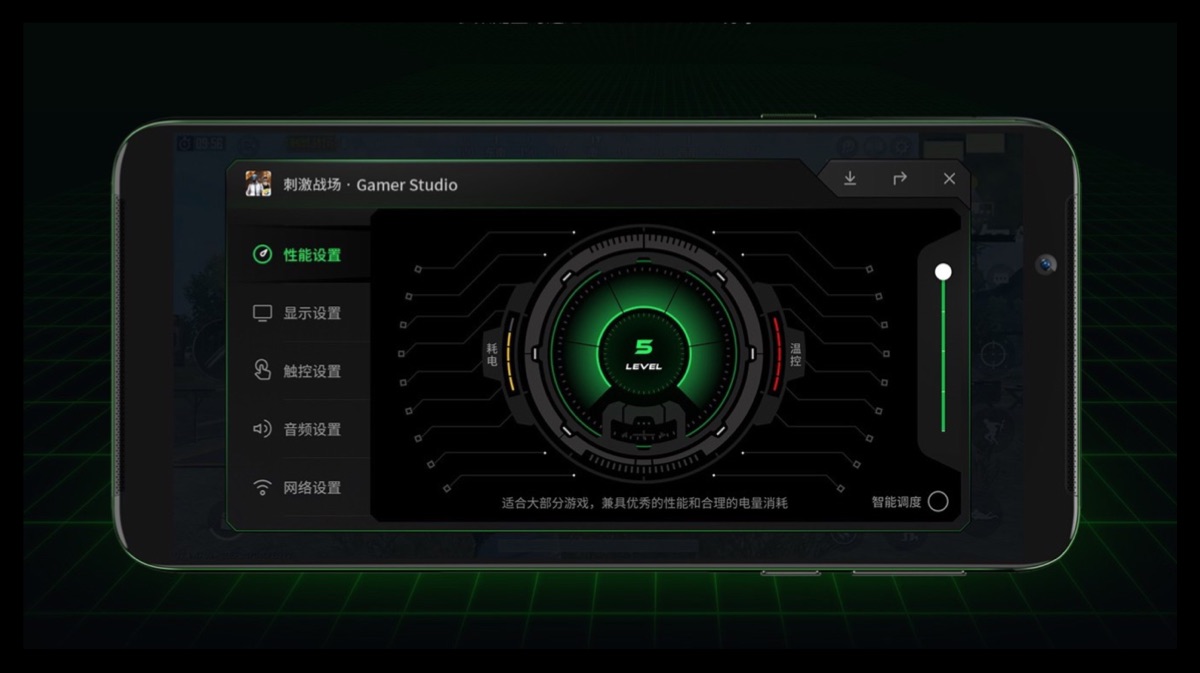 The Black Shark 2 will supposedly have Game Turbo, a technology introduced in the
 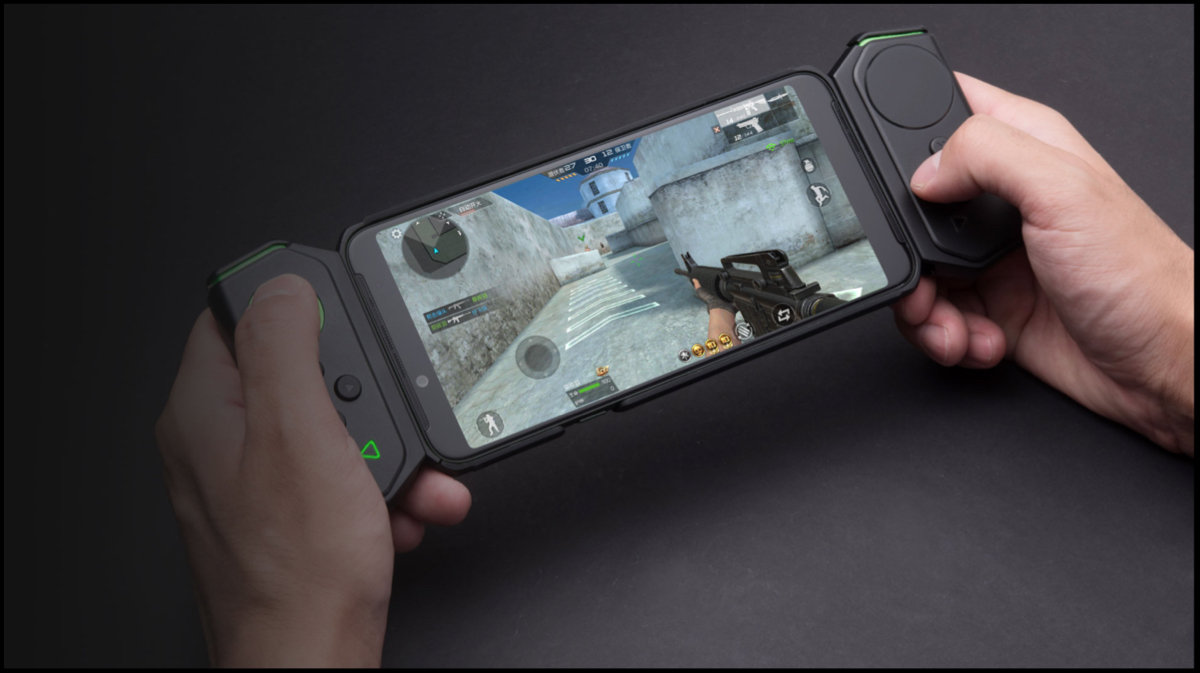 In terms of accessories, dedicated gaming attachments may be launched alongside the Black Shark 2. For instance, the smartphone may have a Bluetooth gamepad and wireless gaming earphones to improve the gaming experience on the device. Also, to maintain competition with smartphones like the Razer Phone, Xiaomi may introduce Liquid Vapour Cooling in the Black Shark 2.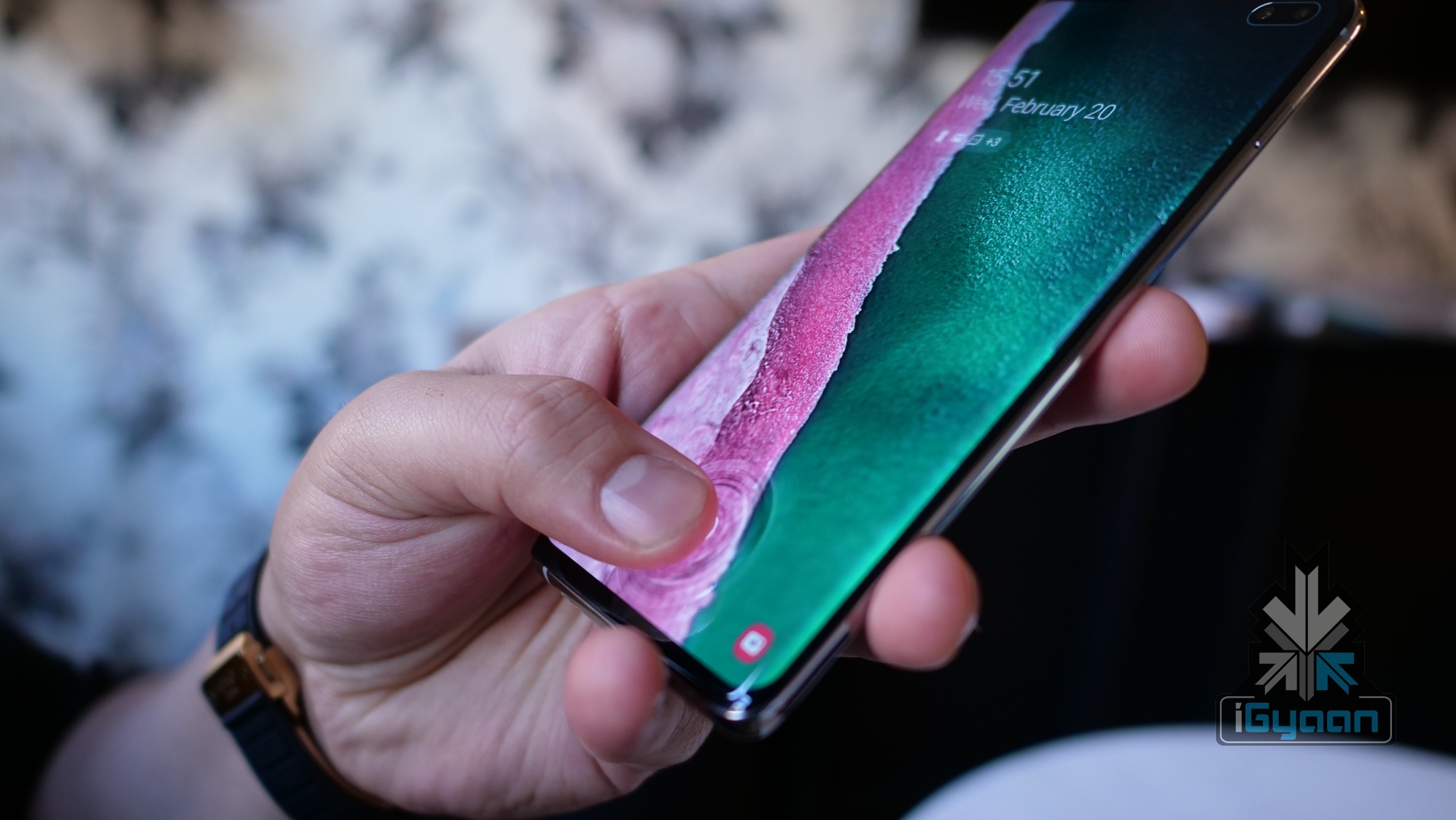
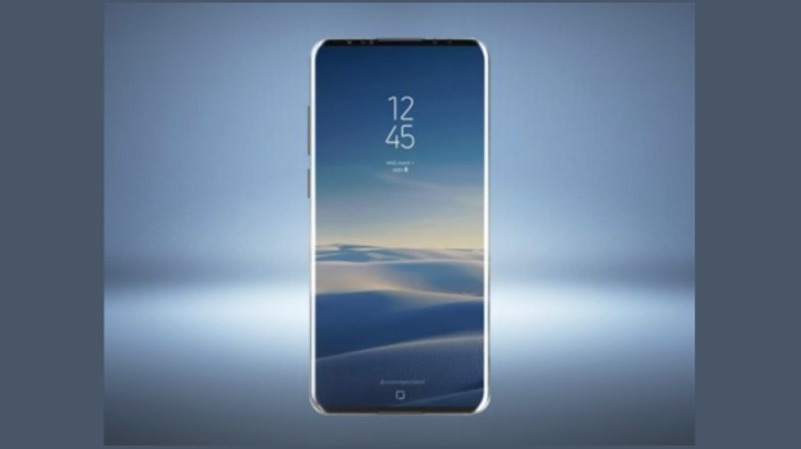 Rumours have been around regarding Samsung rebranding its lineup later in 2019. Because of the same reason, it can’t be confirmed whether the device will be called the Note 10, but it will surely succeed the Note 9 which was released in the year 2018. The model number with the digit ‘5’ is unusual and off-track for Samsung phones, which usually have their model numbers ending with ‘0’. This may imply that the device may launch with a 5G variant alongside a 4G LTE model.
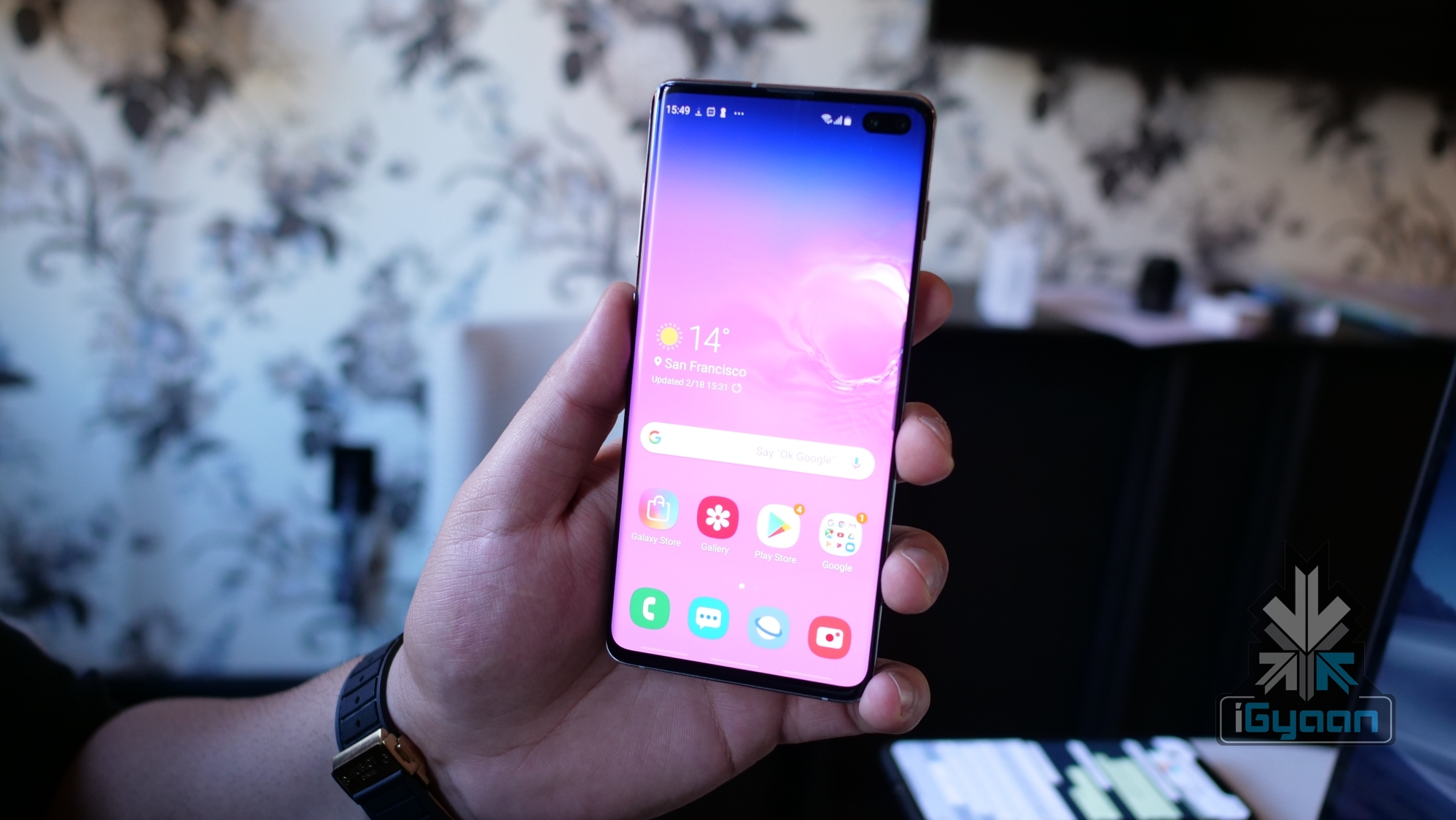 The company is a strong player when it comes to smartphone cameras, and the Samsung Galaxy Note 10 is expected to bring some innovative camera features to the table. The device may run on the Exynos 9820 or Snapdragon 855, which are the flagship chipsets in the smartphone arena right now. It will supposedly feature an in-display ultrasonic fingerprint scanner, which was first introduced with the Samsung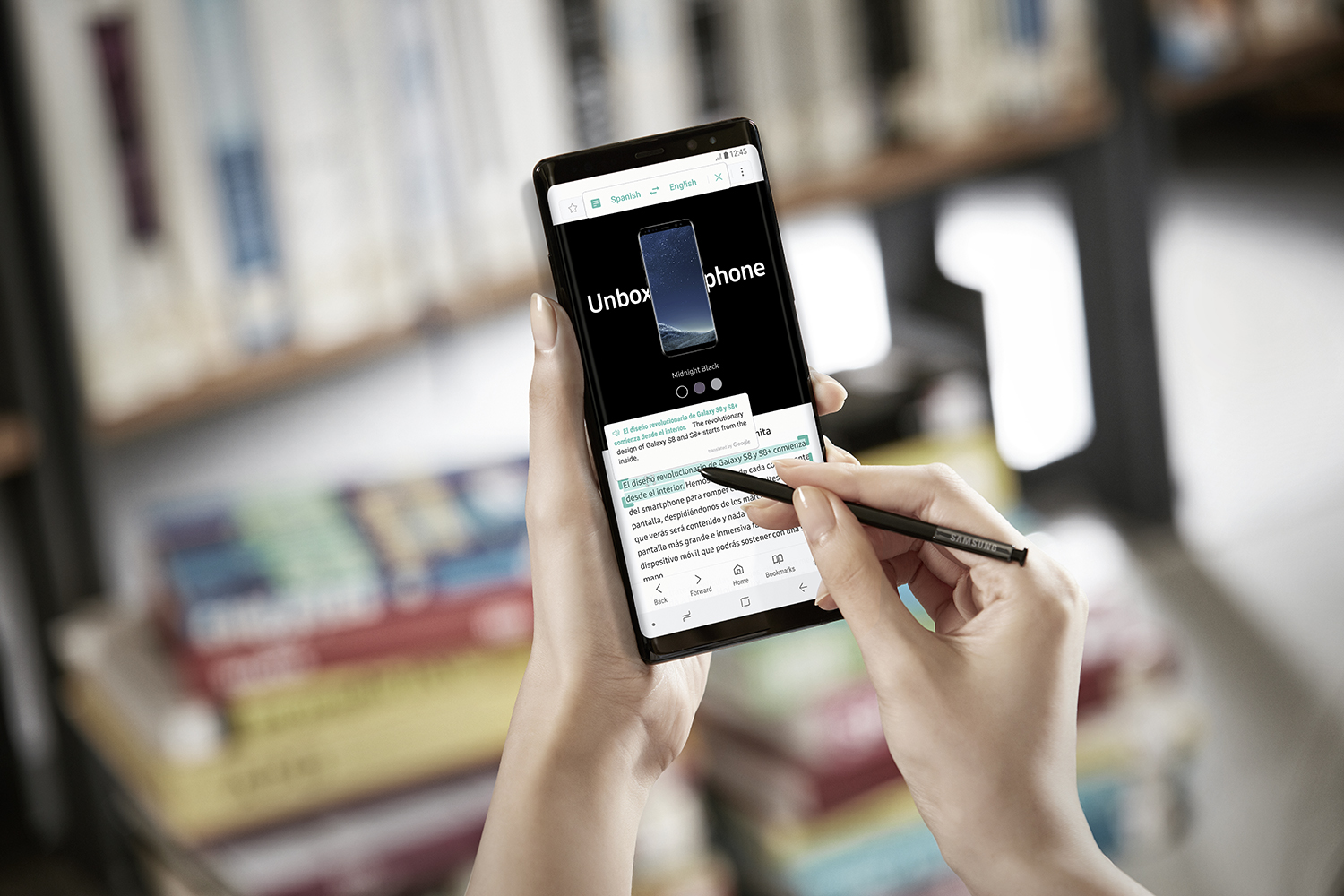
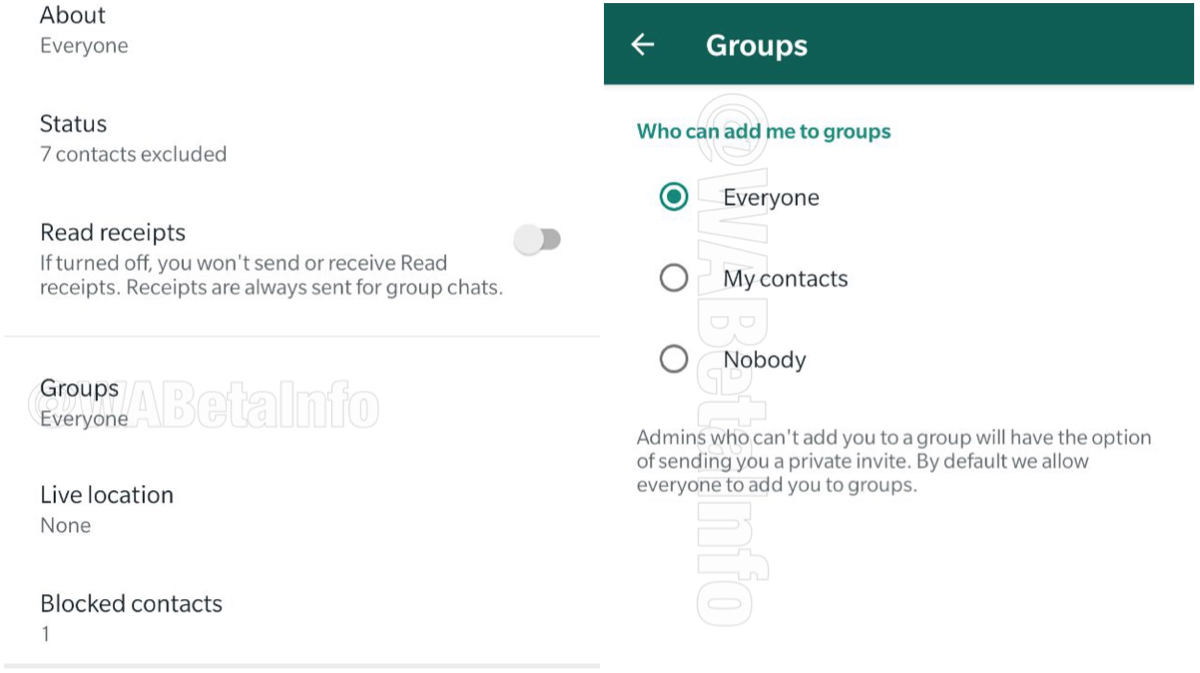
 After these steps, users will have the option to set a privacy limit that works for them. There will be three options in that menu: Everyone, My Contacts, and Nobody. It is quite obvious that the ‘Everyone’ option will allow any person to add the user to the group they want. That will hold true even if their numbers are not present in the contact list.
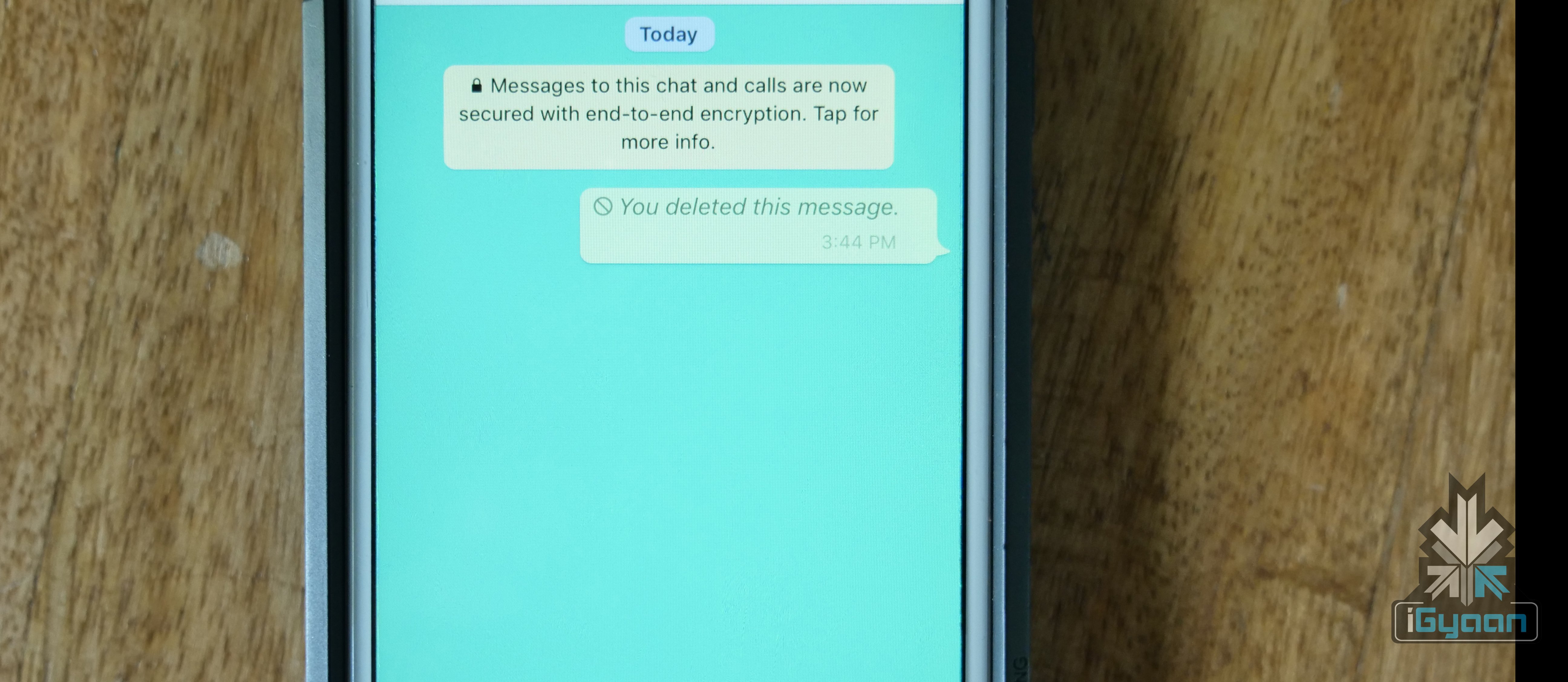 If the user chooses ‘My Contacts’, he/she can limit the group invites to just those contacts who are added in the list. The ‘nobody’ feature will ensure that no one can add the user to any group without permission. The user will get a request every time someone wants to add him/her to their group. The invitation will expire within 72 hours, and a user cannot receive more than two invitations from the same group at the same time.
 The Spotify India Website is also live, where users can find all the information they need regarding Spotify subscriptions. According to the website, users can avail Spotify premium services at Rs. 119 per month, with more options for a day, week, month, quarter, 6 months and a year. People can choose from a premium subscription plan which allows users to avail a free 30 day trial, a prepaid plan which starts from Rs. 129 a month, and a student plan which offers up to 50% discount on the beforementioned plans.
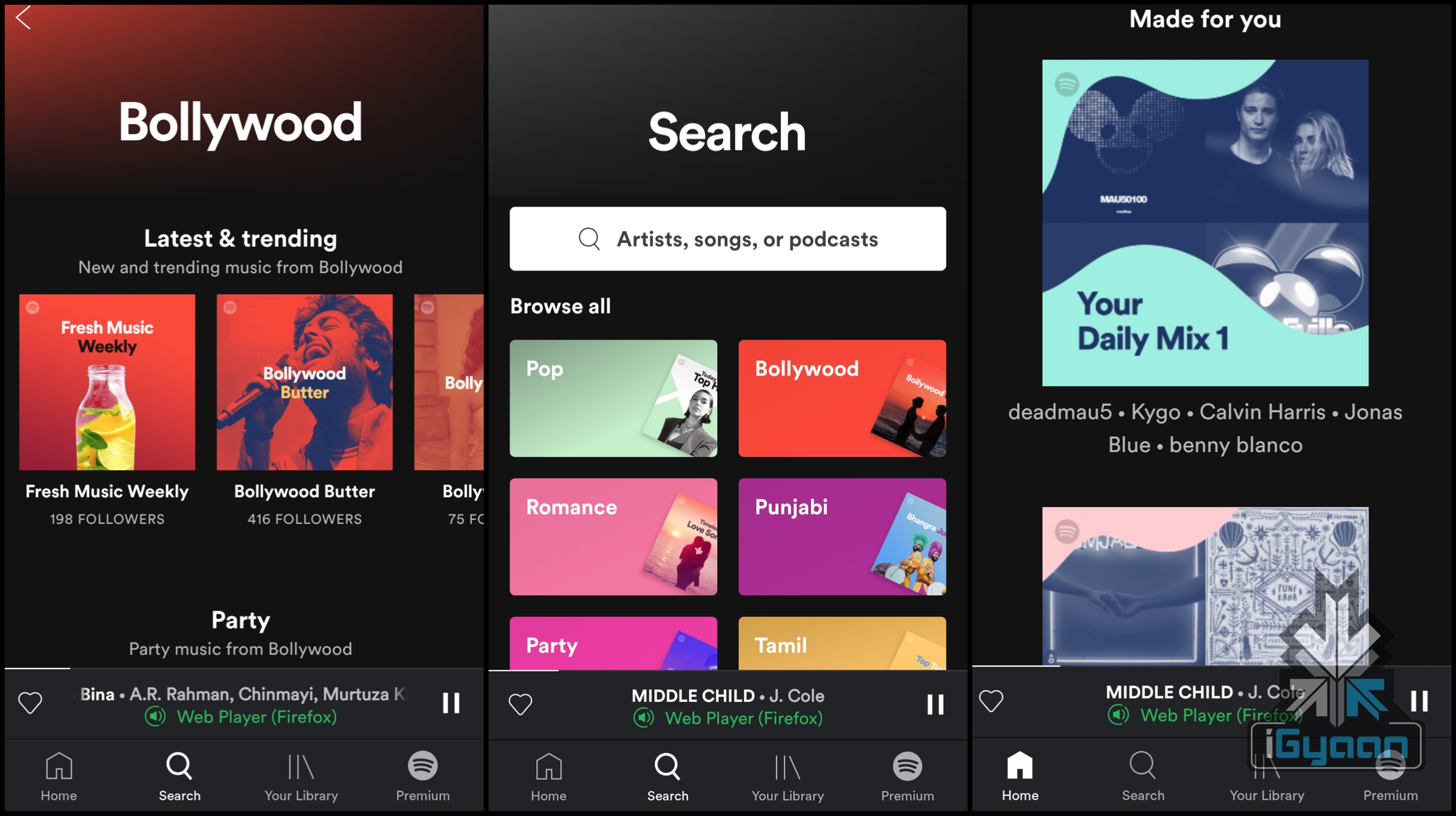 Spotify’s founder and CEO acknowledged the rich music culture of India and wanted to blend it with other music forms across the world. He also said that Spotify’s family is a lot bigger now that India has become a part of it. As
 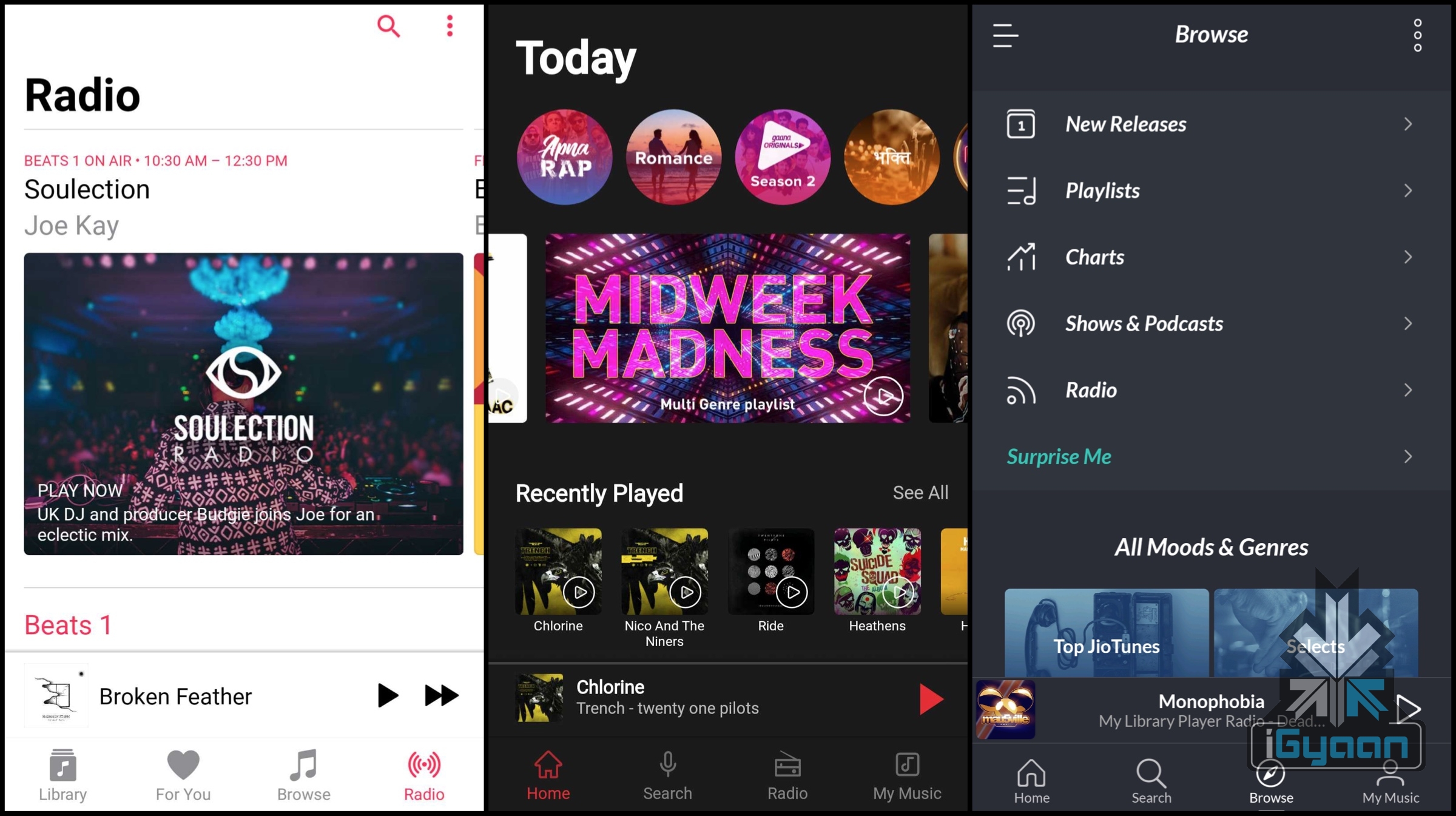 Post release, Spotify will have to go up against music streaming applications like JioSaavn, Gaana and more. Exclusive music launches from the music vendor can also be expected soon if Spotify wants to make a statement in the Indian music streaming industry. And with a market as huge as India, doing so becomes a compulsion rather than a luxury.
 Also Read:
 When 5G was announced, reports said that the new network would be more secure than the previous iteration. Instead, the researchers unveiled three different kinds of attacks which hackers can use to breach a network which is running on
 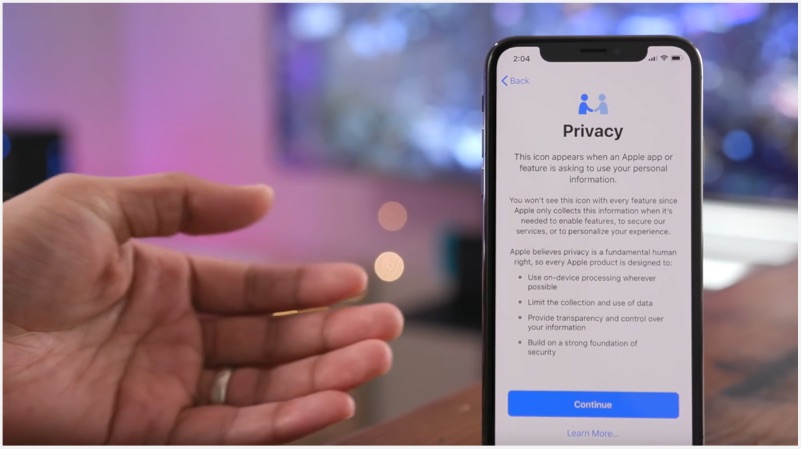 The primary form of breaching is called a Torpedo attack. It exploits a vulnerability in the paging protocols that various carriers such as Verizon and Sprint use. The protocol actually notifies the person about an incoming call or text message. As per reports, if multiple phone calls are made and dropped to a single node, it might trigger a paging message without informing the target device. This way, the hacker may derive the user’s location, and he can further hijack the paging channel via the IP address.
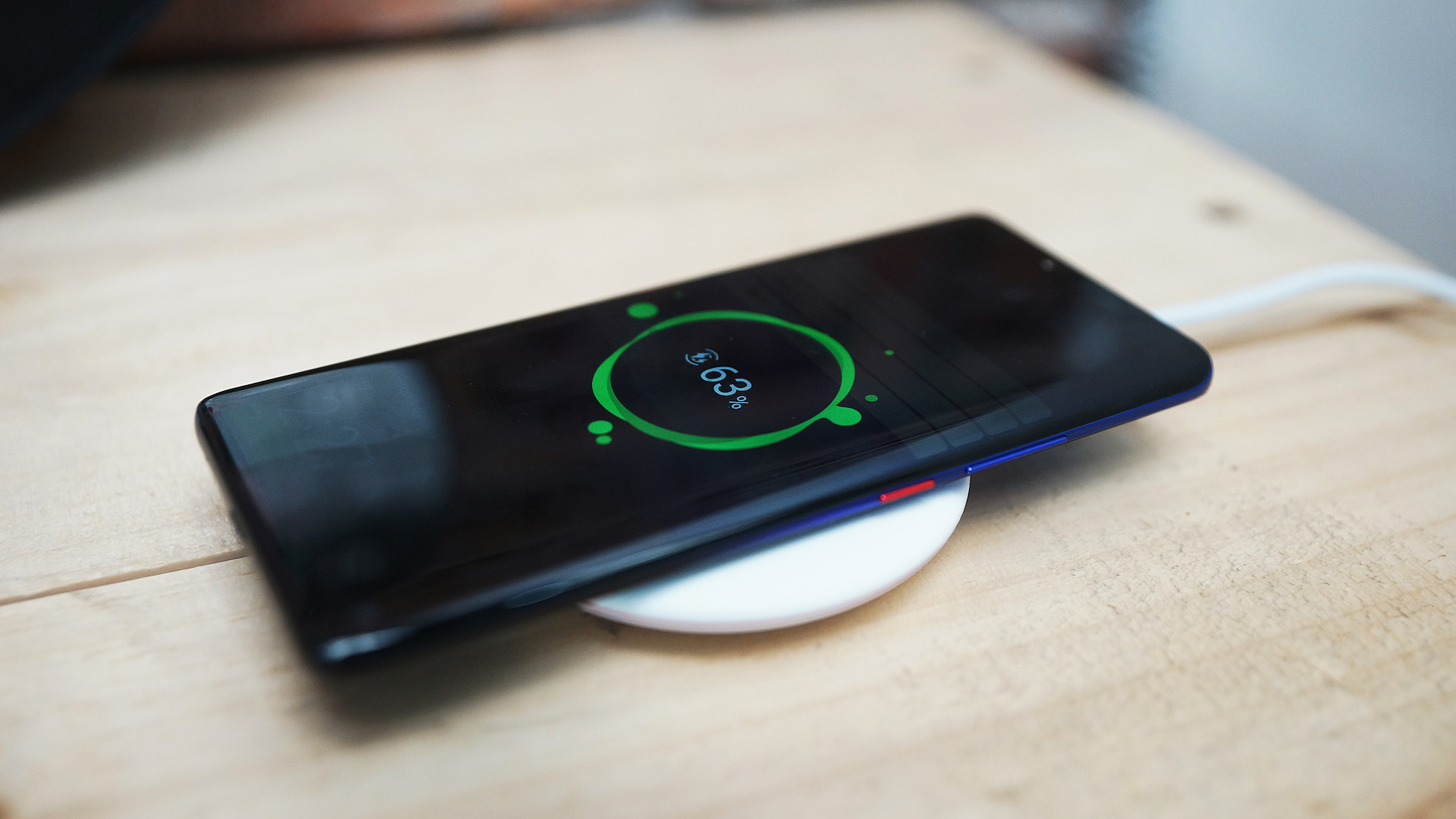 The new Wireless Charging pads will be powered by Quick Charge and will be compatible with Quick Charge 2.0, 3.0, 4 and 4+ adapters. The comoany will soon expand testing to QuickCharge for Wireless power. Additional tests will be performed, which will ensure Quick Charge and Qi interoperability. This will aim to provide a consistent wireless charging experience between the devices.
  The WPC (Wireless Power Consortium) includes over 650 companies and more than 3,500 different products which comply with their standards. They were the original creators of the Qi Global Wireless Charging Standard. Future consumers can still look for the same Quick Charge branding. Doing so will ensure that their QuickCharge adapters have gone through necessary compliance tests, rendering them safe to use.
 Qualcomm has reported that it is working with major retailers to get rid of non-compliant accessories from catalogs. George Paparrizos, senior director of product management for Qualcomm Technologies made a statement regarding the new technology. He believes that the consumers will feel safer now that Quick Charge enabled wireless power pads have passed rigorous tests which were established by both the organizations.
 The Android Messages application is preinstalled on nearly all Android smartphones, so integration with such an application would be fairly easier. Smart texting has been around for a while now. Links inserted in text messages automatically show web previews whenever an internet connection is available. Google posted that this feature can be used with any device that uses Android (even Go editions),
 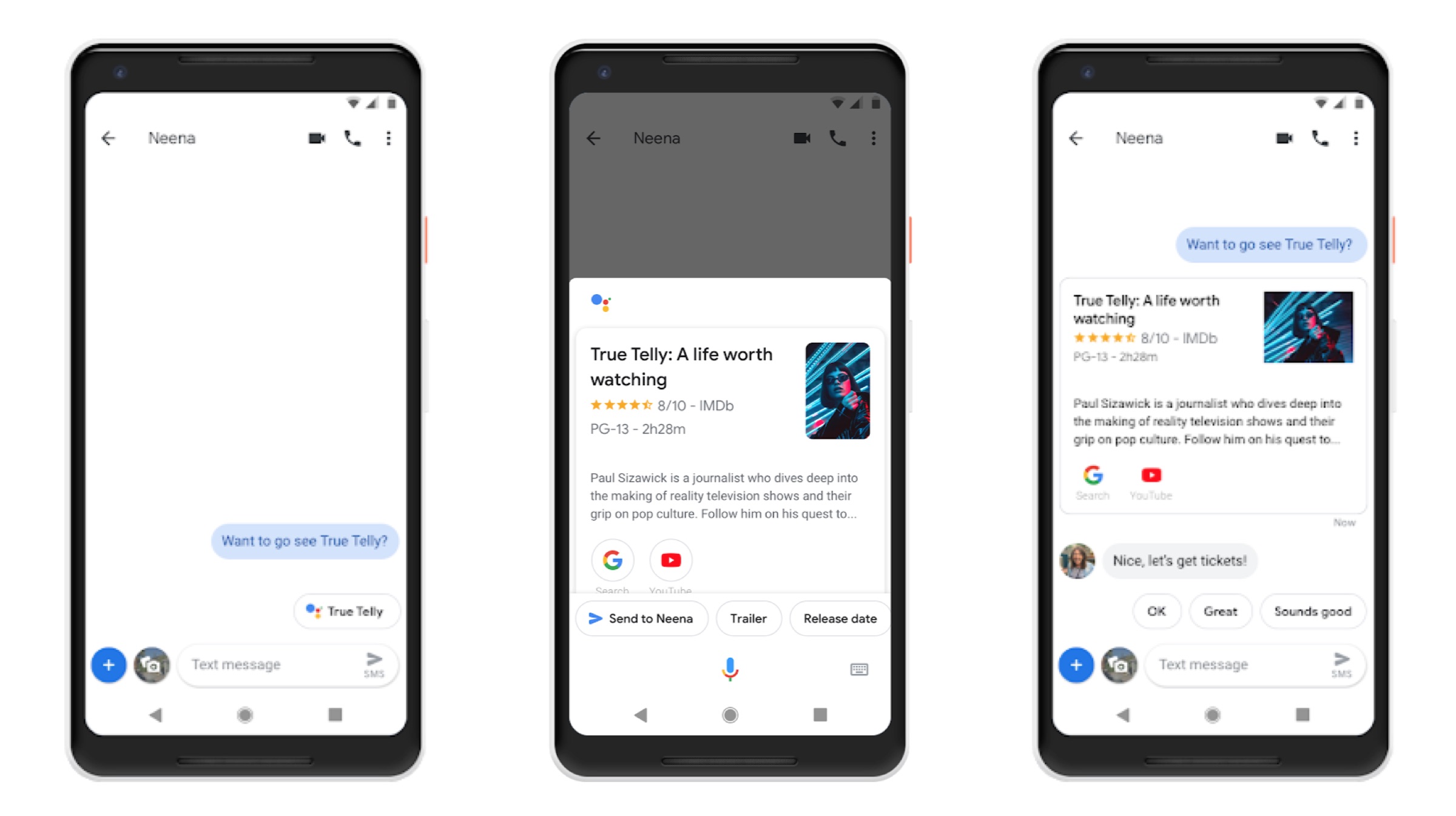 The Google Assistant integration is also seen in other Google apps like Maps, where drivers can get hands-free instructions regarding which directions to follow, making calls and read out texts. Similarly, the Android Messages app will rely on AI to provide suggestions that can make texting easier. It displays the information as a ‘suggestion chip’, and the user can click on it and just add that piece of info to the message.
  Google has also brought Voice Typing on KaiOS, which can help translate speech to text conveniently. As mentioned before, the multilingual support will help the Assistant to improve support for multiple dialects and accents. Apart from Indic languages, Google Assistant also adds support for bilingual talkback, with language support choices from Korean, Hindi, Swedish, Norwegian, Danish and Dutch.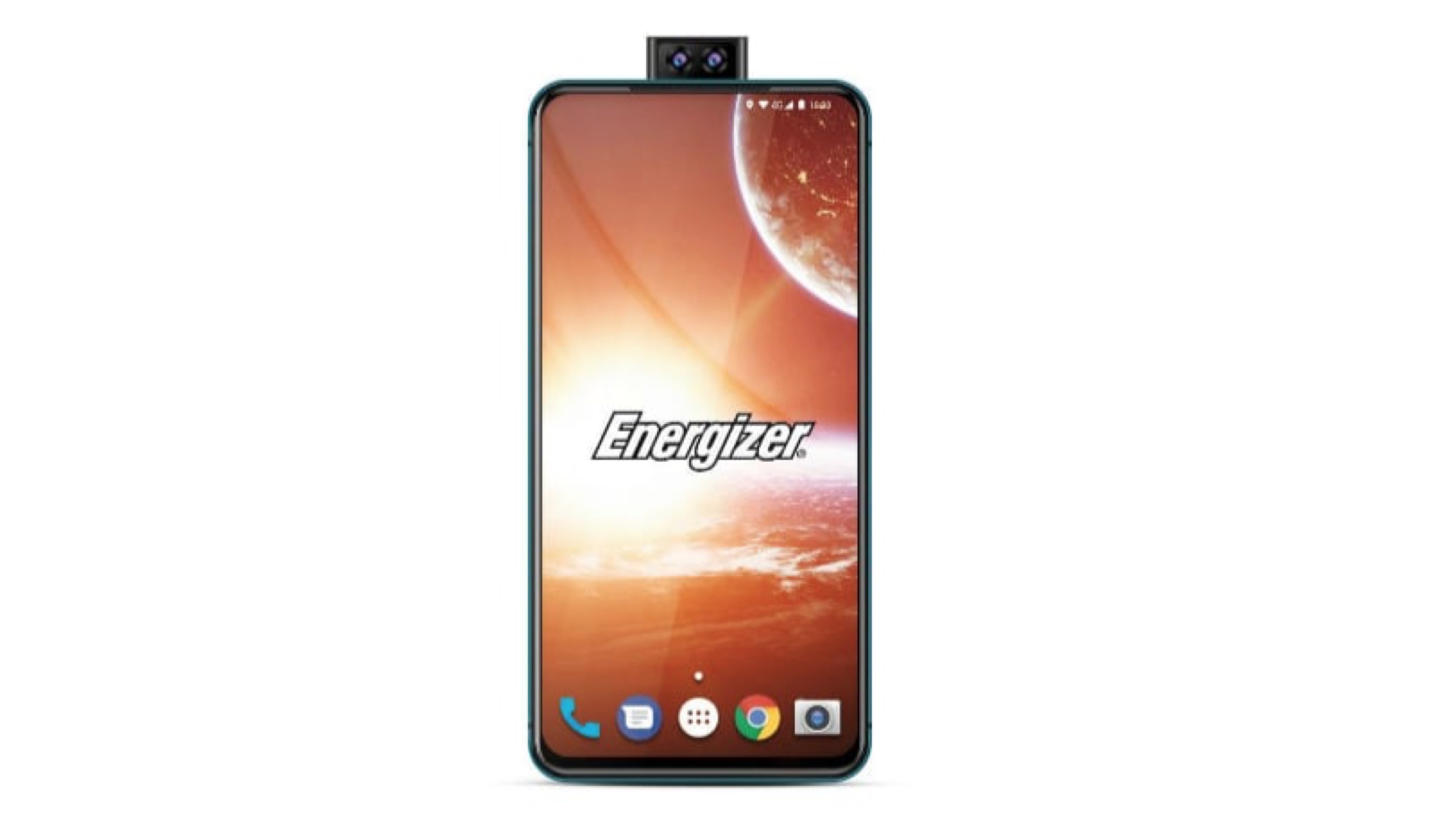
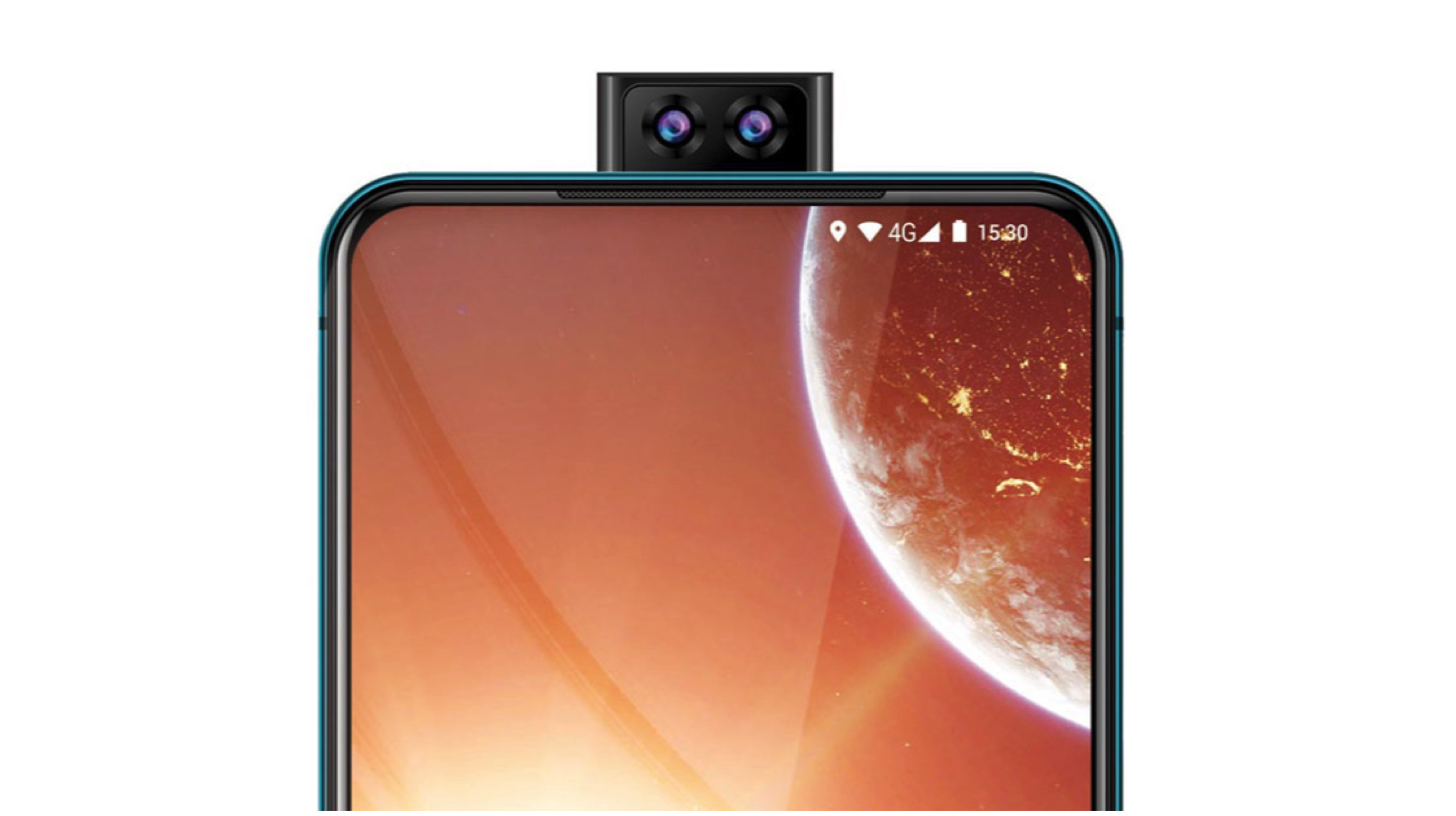 The P18K Pop runs on the 12nm MediaTek Helio P70 chipset, which has an octa-core CPU and a Mali-G72 MP3 GPU. It is paired with 6GB of RAM and 128GB of internal storage. The device runs on the Android 9 (Pie) out-of-the-box. It features a triple camera module, which comprises of a 12 MP primary camera, a 5 MP sensor and a third 2 MP sensor. It also sports dual front pop up cameras with a combination of a 16 MP primary camera and a 2 MP secondary camera.
 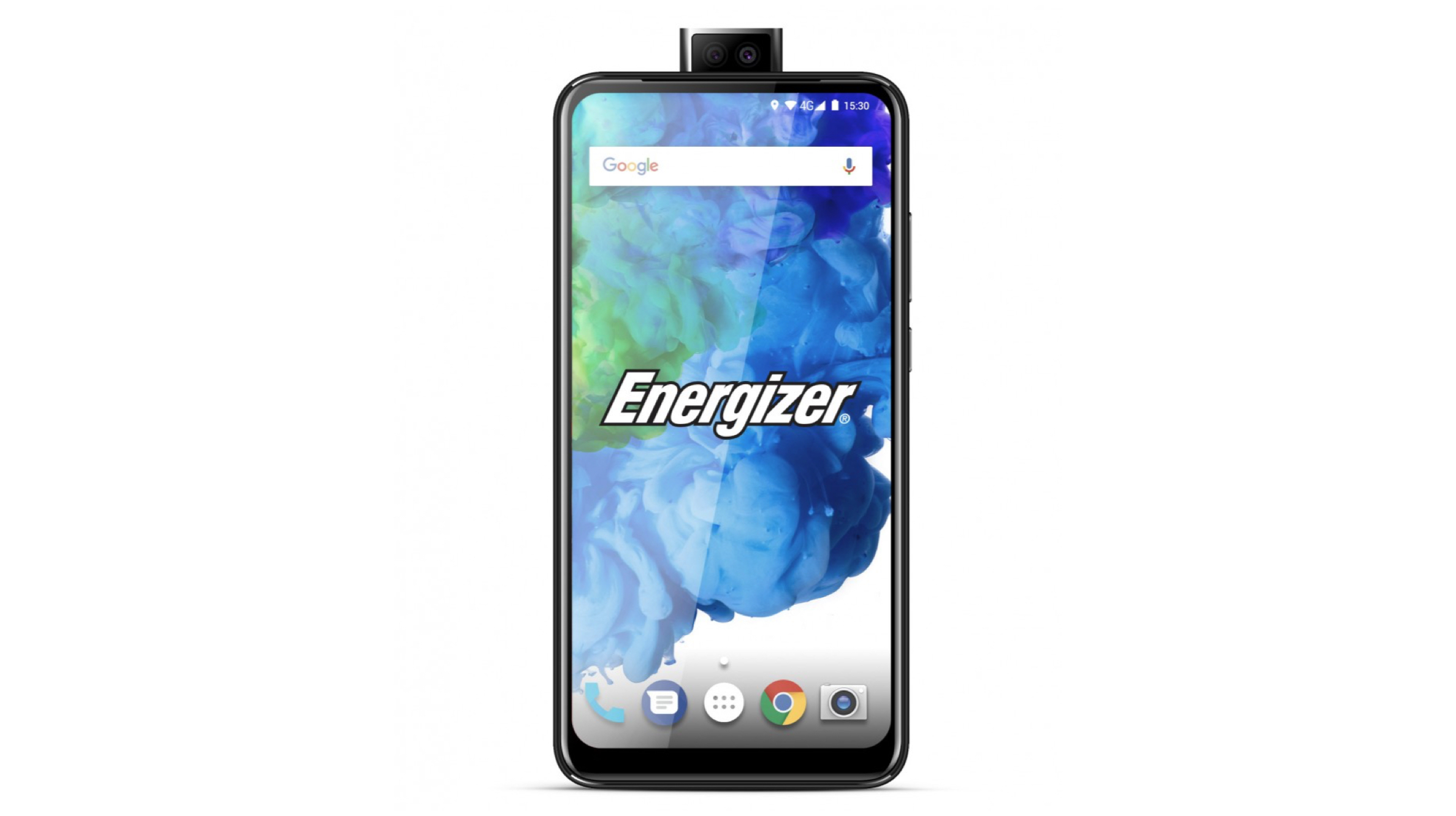 The Power Max P18K Pop has a 6.2 inch IPS LCD panel, which gives the device an 83.8 percent screen-to-body ratio. The device has a resolution of 2280 x 1080 px, and a 19:9 aspect ratio with a pixel density of 407 ppi. The device features USB OTG and a Type-C 1.0 reversible connector. The highlight, however, is the massive 18,000 mAh battery. The device stands at 18mm thickness, which gives it a chunky look. As mentioned before, the smartphone can provide 50 days of standby time and 200 hours of continuous video playback. Going by the current smartphone standards, this is an appreciable time span.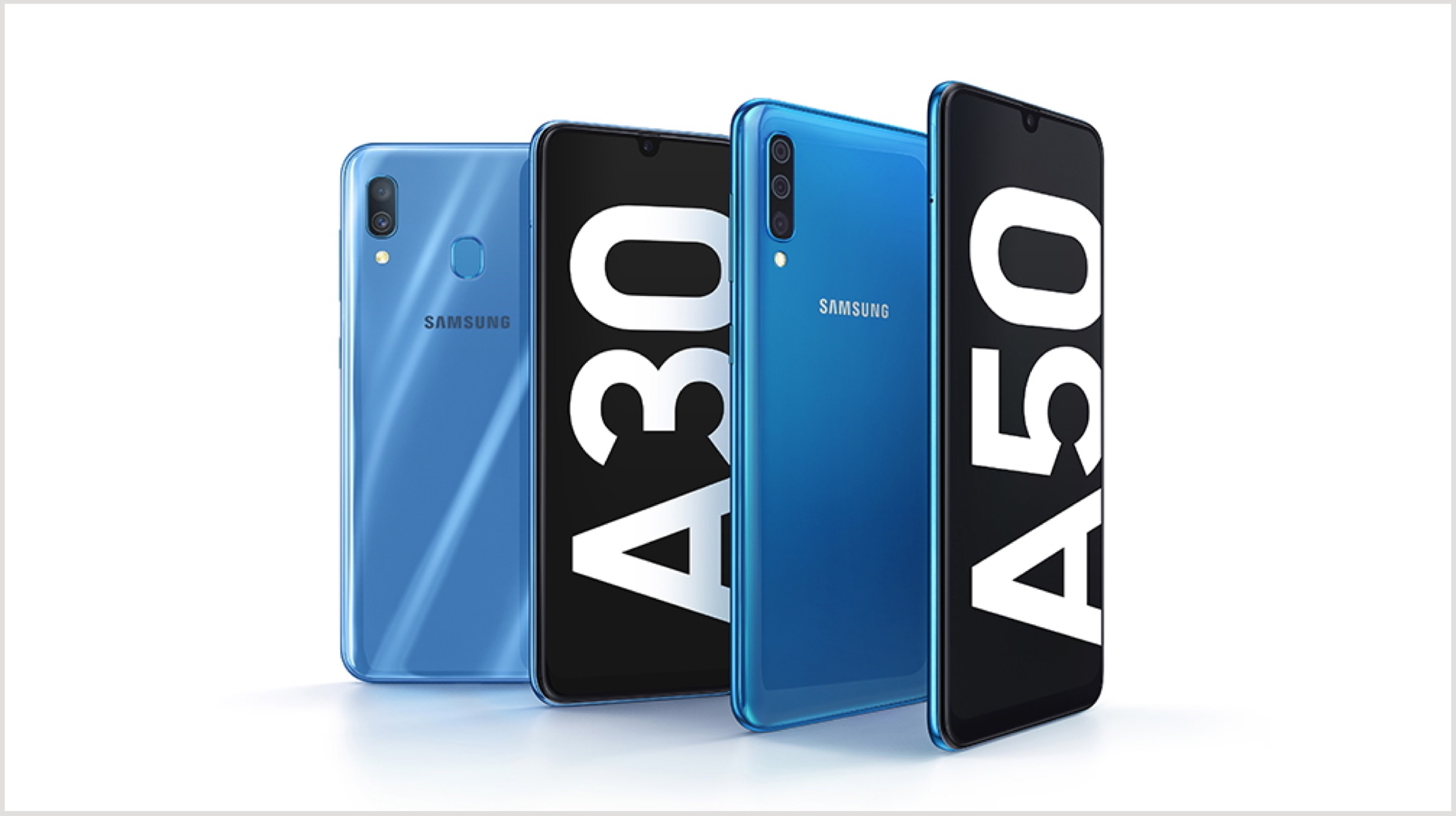
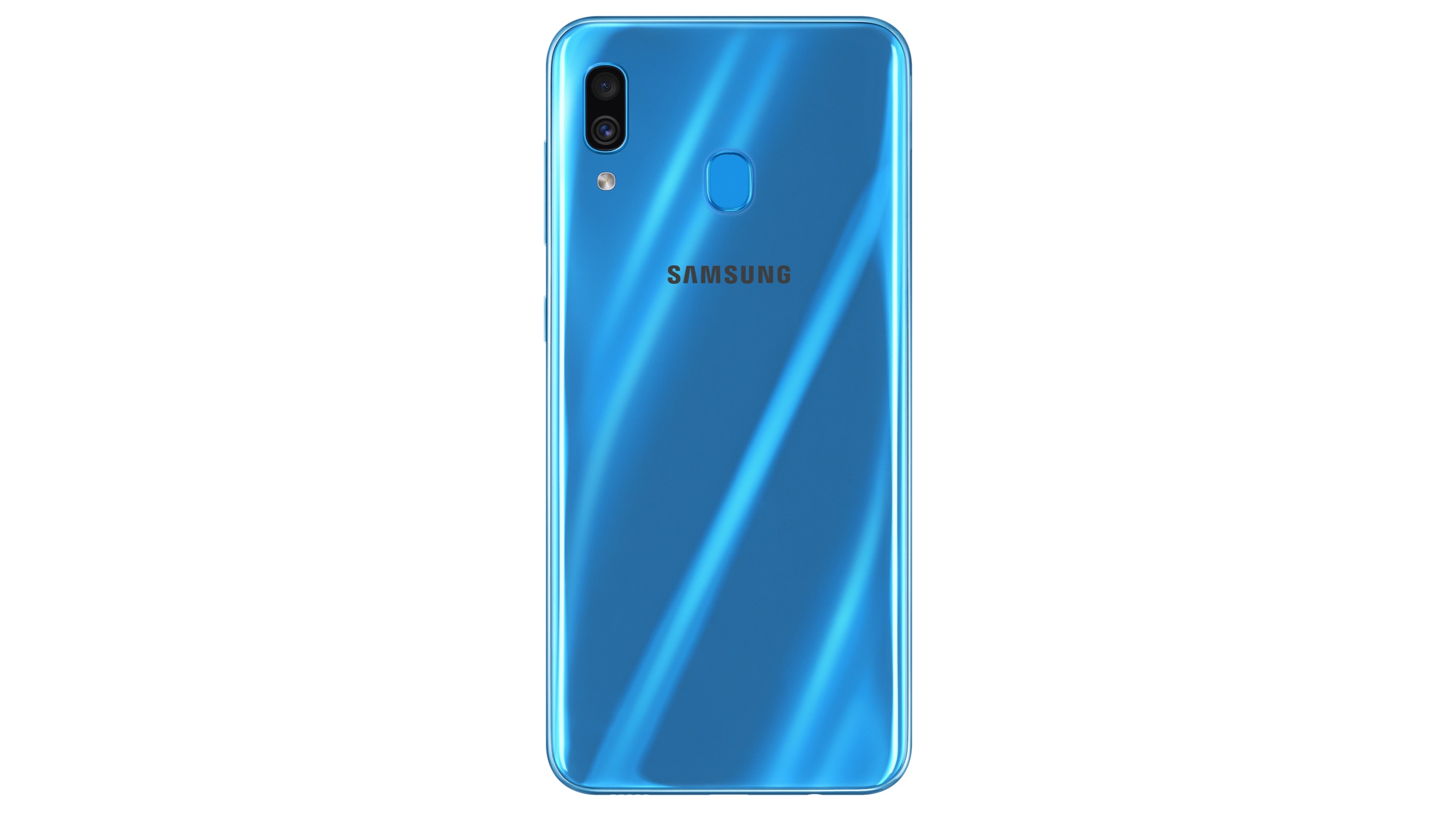 The handset has a dual camera setup on the back, which comprises of a 16MP (f/1.7) sensor and a 5MP (f/2.2) sensor. The 16MP (f/2.0) front camera is housed in the notch and is positioned below the earpiece. The Galaxy A30 has a 4,000 mAh battery, which can be charged via the USB Type-C connector located at the bottom of the handset, right next to the loudspeaker grille and audio jack. The smartphone is also IP68 certified which makes it dust and water resistant. Furthermore, the device sports a rear mounted fingerprint scanner and is available in 3 colour options, Black, White and Blue.
 The Samsung Galaxy A50 is the elder sibling of the A30. It sports a similar 6.4 inch Super AMOLED Infinity-U display with an 84.9% screen-to-body-ratio. With a resolution of 2340 x 1080 px and a 19.5:9 aspect ratio, the display panel has a pixel density of 403 ppi. Samsung claims that the back of the device has a “3D glasstic” design, which is a ‘combination’ of glass and plastic. Like the Galaxy A30, it also has IP68 dust and water resistance. The smartphone runs on the 10nm Exynos 9610 chipset consisting of an octa-core CPU and a Mali-G72 MP3 GPU. It is available in 4GB and 6GB RAM variants with 64GB and 128GB of storage options respectively. Internal memory is expandable via a dedicated microSD slot (up to 512GB). The Galaxy A50 runs on the lates Android 9.0 Pie which is skinned with Samsung’s UI.
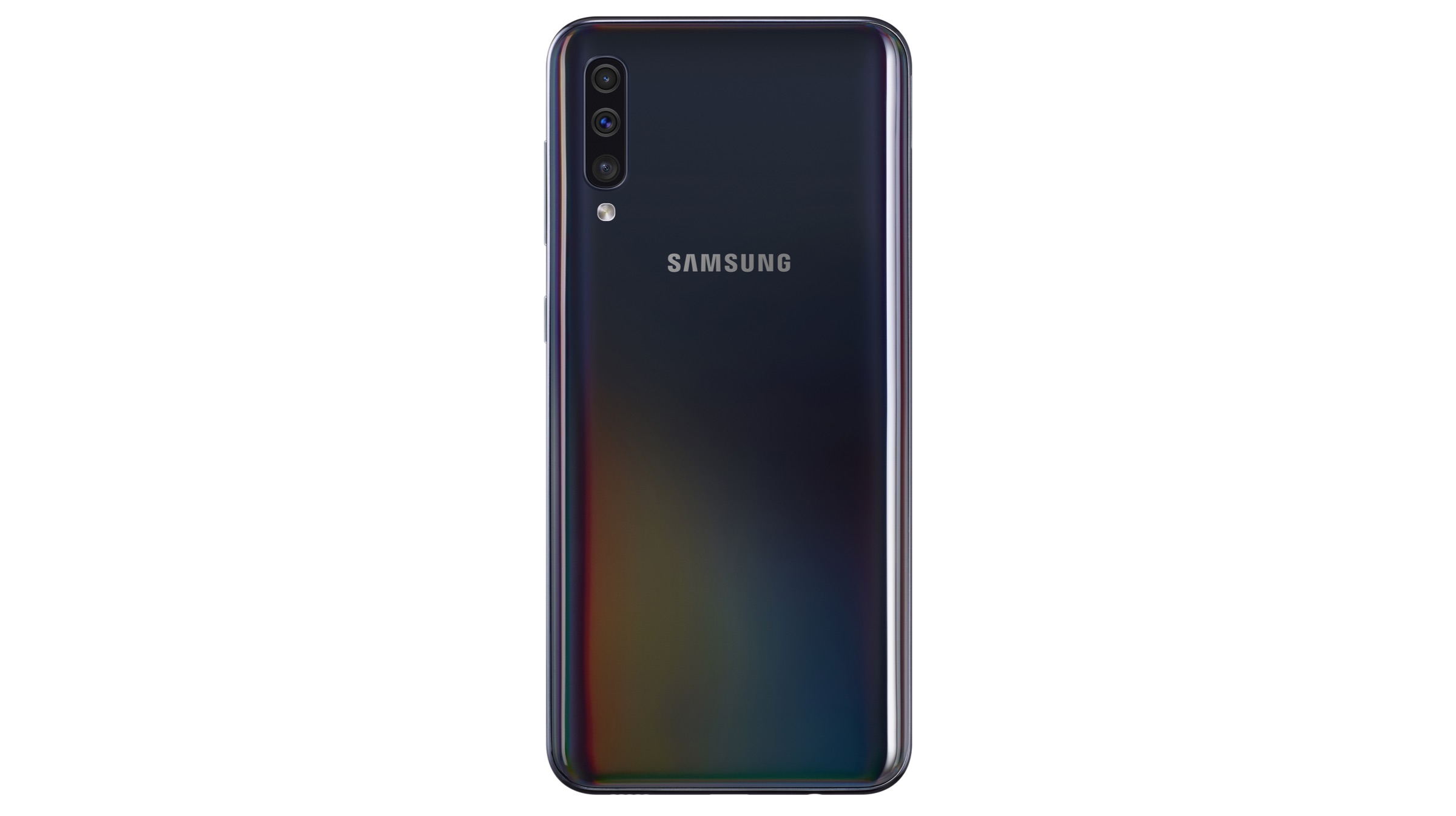
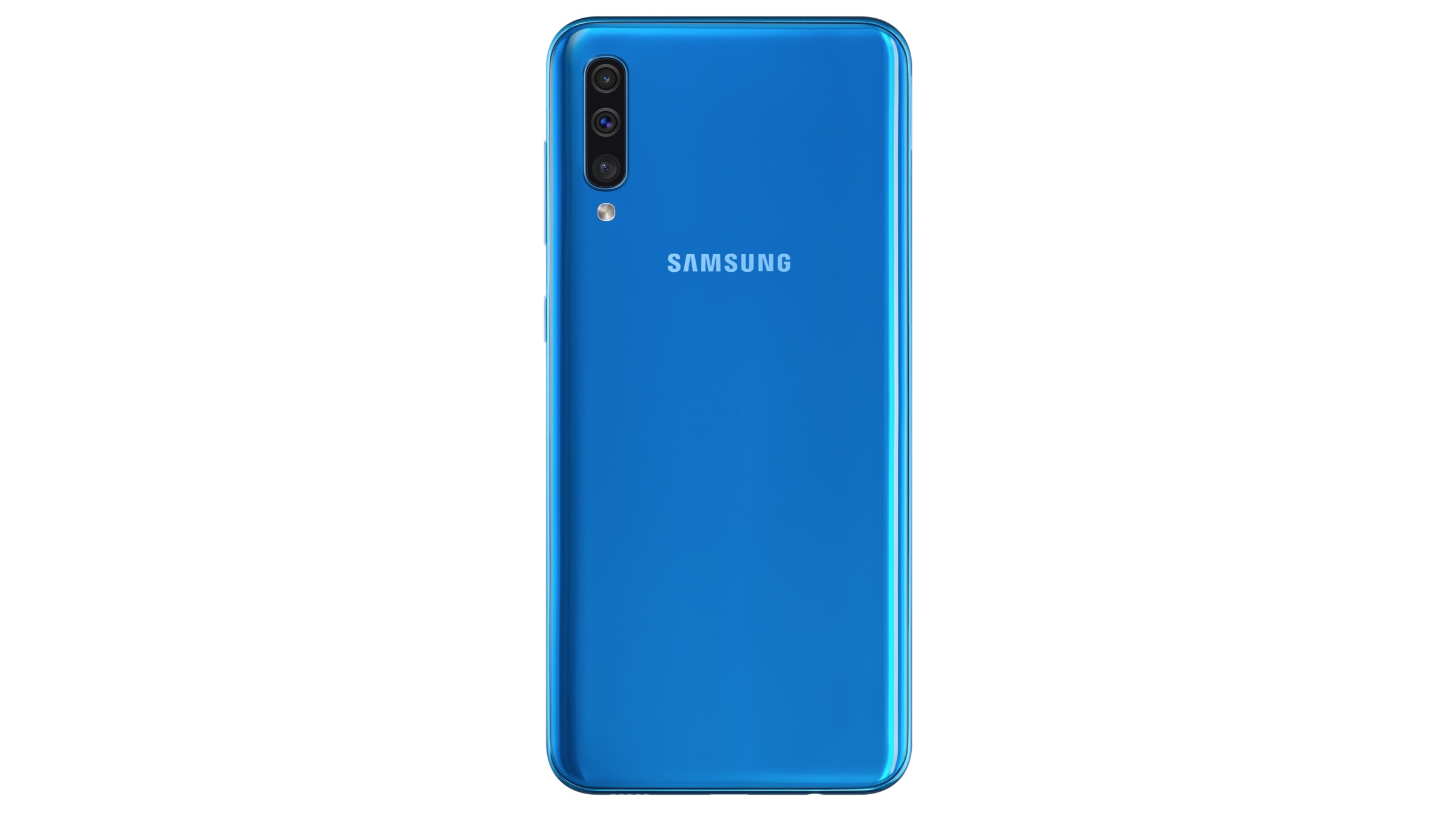 The handset has a triple camera setup on the back, which consists of a 25MP (f/1.7) sensor, an 8MP (f/2.2) ultrawide sensor and a third 5MP (f/2.2) depth sensor. The 25MP (f/2.0) front camera is housed in the notch and is set below the earpiece. The Galaxy A50 is powered by a large 4,000 mAh battery, which can be charged via the USB Type-C connector located at the bottom of the handset, right next to the loudspeaker grille and a 3.5 mm audio jack. Noteworthy, the device features an in-display fingerprint scanner, unlike the Galaxy A30. It is available in four colour options which include Black, White, Blue and Coral.
 Also Read: