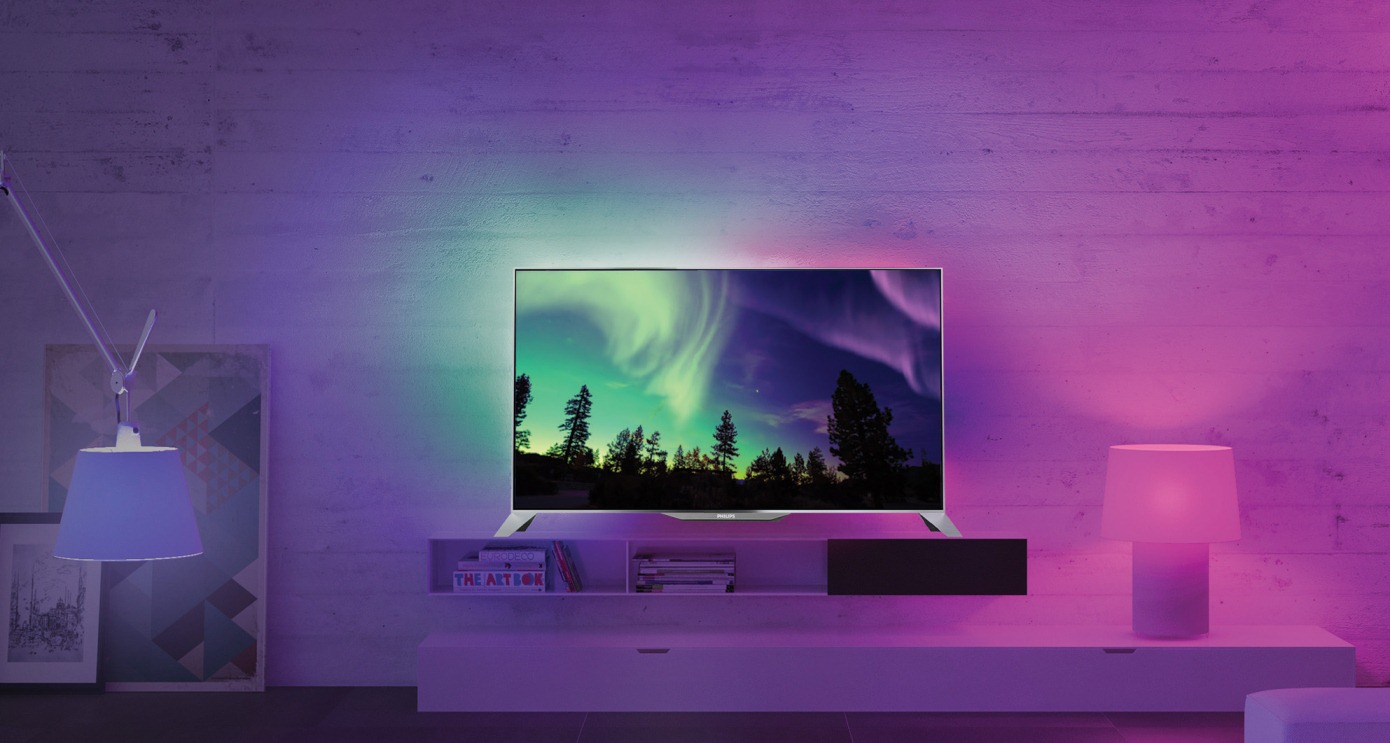
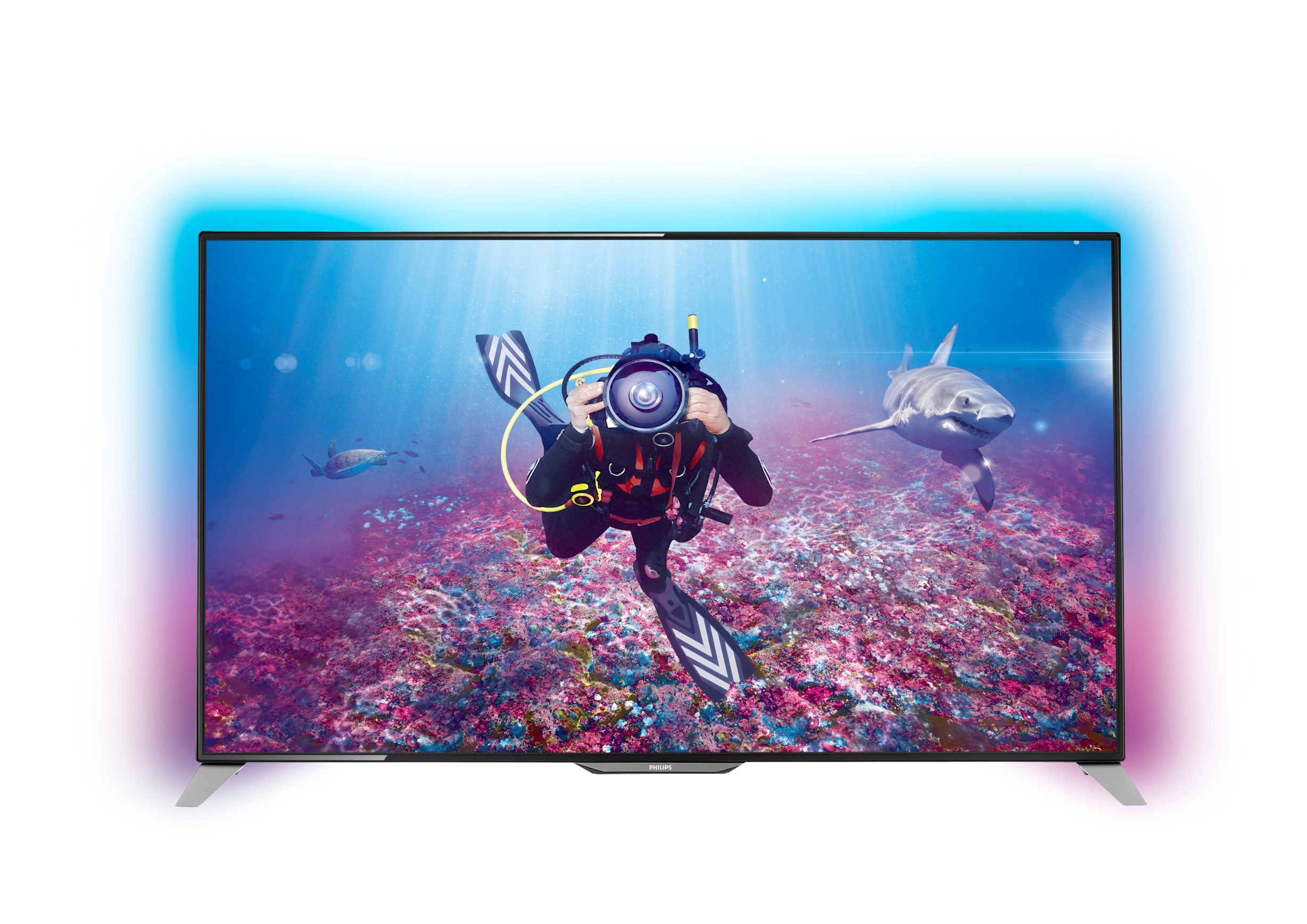
Philips made a stride into the Indian 4K television market with the launch of the Ambilight 4K Ultra HD LED TV. The recent 8600 series is the first 4K Ultra HD television range featuring Ambilight technology and provides customers with an immersive and cinematic TV viewing experience. The product comes in three screen sizes, 50-inch, 58-inch and 65-inch, and is priced between Rs. 1,55,000 to Rs. 3,72,500.
The Ambilight technology projects light from the television’s back panel that keeps on changing depending on the content. Also, it widens the field of view by throwing extra light to the surrounding wall from the sides of the television. This gives viewers an interestingviewing experience. The ultra-slim device is also said to minimize eye-strain during long viewing hours.
The new Ultra HD TV is powered by Pixel Plus Ultra HD. The device equips 20W sound, 4 HDMI input ports and 2 USB ports. The product offers 400Hz motion rate which, according to the company, ensures a smooth experience for fast moving images and is perfect for gaming. It supports full HD inputs of 1920x1080p up to 60Hz and is Wi-Fi compatible. Customers can browse the internet and access social networking sites like YouTube and Vimeo, along with a host of applications.
The Ambilight 4K TV will be retailed in partnership with the new official business unit of the company PE Electronics. The product is not accessible in stores as of now, but will soon be made available at Philips stores and other retail outlets.
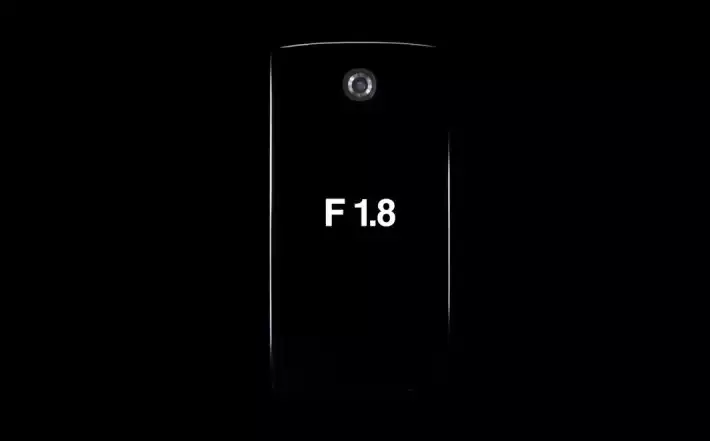
Amid all the speculations about the upcoming LG flagship, the Korean electronics titan has made public a new teaser video. The 42 second video clip doesn’t let slip much about the device, however it reveals one important detail. The LG G4 will feature a standalone f/1.8 camera aperture, giving it a (very) slight edge over the Samsung Galaxy S6. The firm has yet again used the video to reiterate the launch date of LG G4 as April 28.
This time, LG is not relying on leakers and the company itself is teasing LG G4’s features bit by bit. Before this, LG announced that the device will boast a Quad HD display and few days later, a video sharing little details of the fresh user interface UX 4.0. The latter one gave a fair idea of the upcoming elements and its smartness.
As the video announces, the LG G4 features an aperture of f/1.8, which means that aperture opening is wide enough for more light to reach the sensor. The teased aperture puts back many high-end smartphones like Galaxy S6, HTC One M9, iPhone 6 and Sony Xperia Z3, whose camera aperture size is smaller than the G4. Along with that, the video demonstrates the same camera module as found on the previous iteration.
The smartphone is expected to sport a 5.5-inch Quad HD (2560 x 1440) display, Qualcomm Snapdragon 808 processor, 3GB of RAM and 32GB of onboard storage space. Running on Android 5.0 Lollipop, the device flaunts a new interface, UX 4.0, that gives an all new appeal to the handset. It is said to pack a 15MP rear shooter and a 7MP camera upfront.
It’s likely that the tech giant will tease more features of the smartphone ahead of the official launch. Keep checking back for updates on the LG G4.
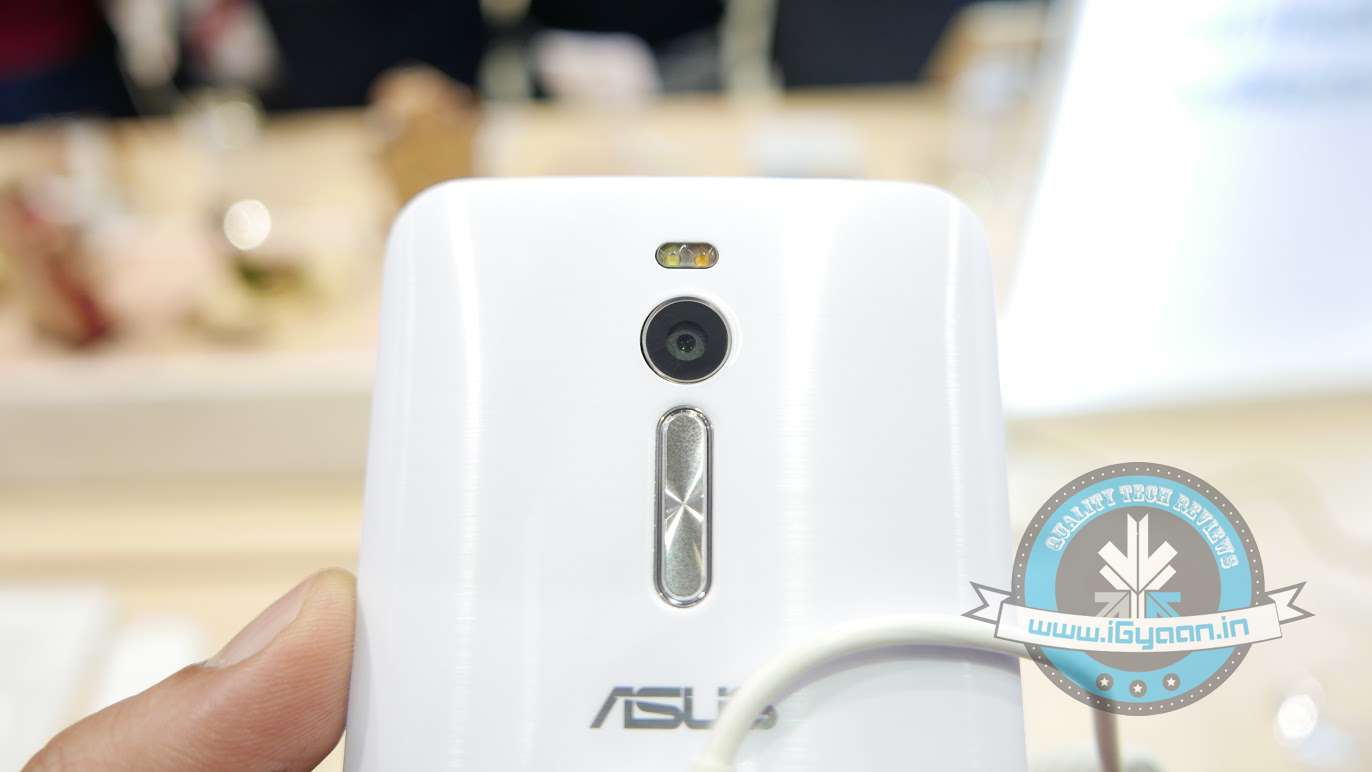
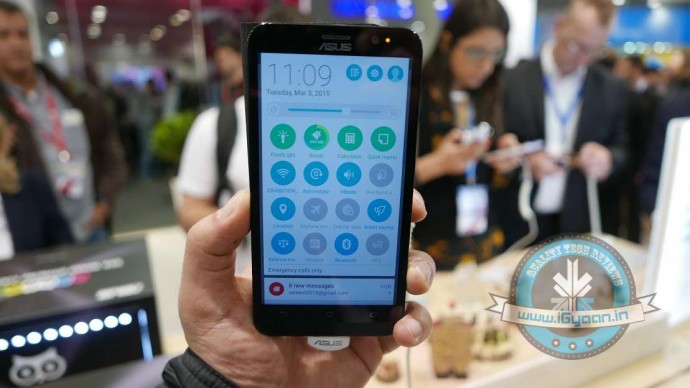
Since the launch of Zenfone 2 at CES 2015, folks have been eagerly waiting for the device to launch in the Indian sub-continent. Taiwanese electronics manufacturer has confirmed that the device will arrive in three variants in India. The firm hasn’t spoken about which models will be releasing, but the speculations are that these variants could possibly be the ZE551ML, ZE550ML, and ZE500CL.
Though, the company is yet to disclose a launch date of the handset.
Till date, ASUS has three five variants of the Zenfone 2. The ZE551ML is the top-tier device with 4GB and 2GB RAM options with 32GB and 16GB storage capacities respectively. The other two devices, as we said can be ZE550ML and ZE500CL, fit well in the Indian market’s high-specs low price approach.
Talking about what all can be expected from the upcoming ASUS handsets, then Zenfone 2 ZE551ML boasts a 5.5-inch Full HD (1920x1080p) IPS display with Gorilla Glass 3 protection. It runs on Android 5.0 Lollipop OS with custom Zen UI on top. A 64-bit 2.3GHz Intel Atom processor Z3580 with PowerVR G6430 GPU is equipped to the device bundled with 4GB RAM. The Zenfone 2 ZE551ML packs 13MP “Pixelmaster” rear camera along with a 5MP selfie snapper. The device might arrive at a price of Rs. 18,000.
The Zenfone 2 ZE550ML also sports a 5.5-inch screen but has an HD IPS (1280x720p) display. It stuffs a 1.8GHz Intel Atom quad-core Z3560 with PowerVR G6430 GPU with 2GB RAM and 16GB storage. The model also runs on Android 5.0 Lollipop OS with custom Zen UI. With 13MP rear and 5MP front camera, the ZE550ML variant is expected to be priced at around Rs. 11,900.
The ZE500CL is a cheaper sibling of all and is anticipated to cost only Rs. 9,500. It features 5.0-inch HD (1280x720p) IPS screen, 1.6GHz Intel Atom Z2560, 2GB RAM and 16GB expandable memory space. The handset runs on the latest Android Lollipop, and flaunts 8MP rear and 2MP front shooter.
Precise details about the models and their pricing will unfold with the official launch.
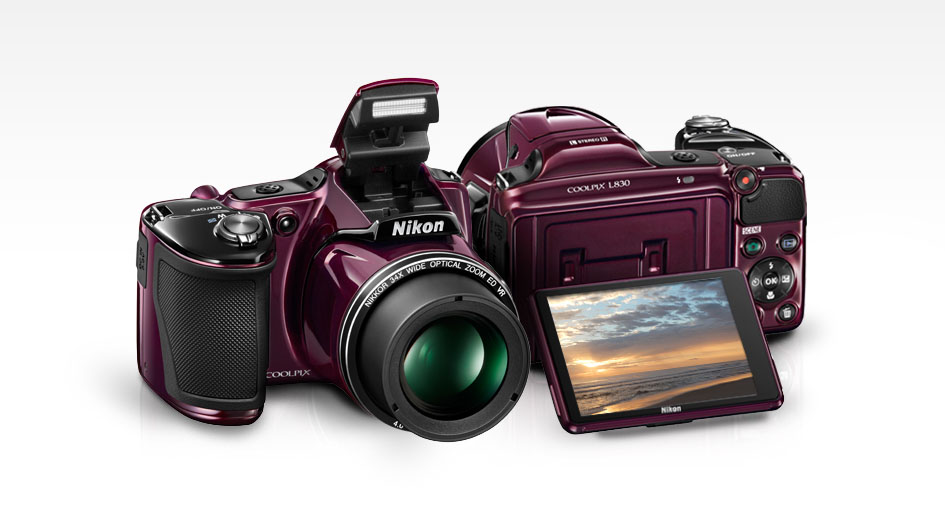
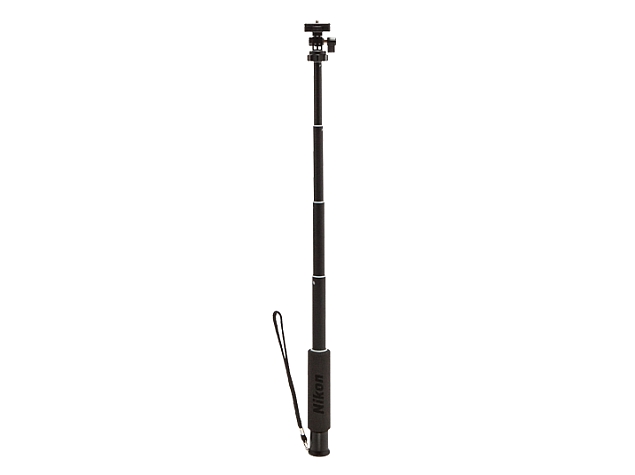
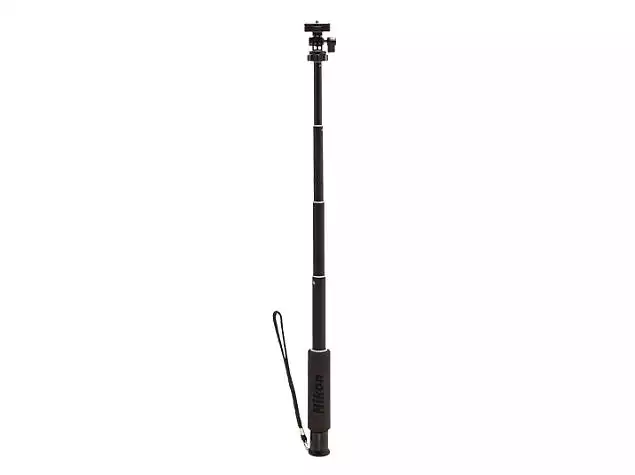
Nikon seems to be keeping up with the trends. The company has come out with an ccessory for its compact line of cameras, the Nikon selfie stick. Titled as N-MP001, the selfie stick carries Nikon brand tag and is compatible with Coolpix range of point-and-shoot cameras. The handheld selfie stick can affix with the following Coolpix models: S6900, L32, AW130, S33, S7000, S3700 and S9900.
The stick weighs approximately 0.19kgs and can balance a camera of up to 0.4kgs. In its compact form, the device measures 7.28 inches, however, it can be stretched out to a full length of 28.54 inches.
N-MP001 can be attached to any compatible shooter to click selfies from a distance, or it can be connected to the tripod mount of your camera to conveniently take self-portraits. Also, there’s a tripod stand at the base of the handle for connecting it with a tripod or monopod. The foam grip of the Nikon selfie stick holds the device in place at the ground, and the hand strap has been designed for easy handling when not in use. As per Nikon, it has a fixed pan-head that allows you to change the position of the camera when attached to the Selfie stick.
Nikon’s signature product is up for pre-orders for $59.95 in select countries. The Japanese imaging company hasn’t stated when it will ship.
When Microsoft made official its biggest innovation of the year, Windows 10, everybody was excited to hear about all the modifications it brought with it. It was not just another Windows upgrade, but was a whole new effort to push something fresh. Among other revelations that thrilled the audience, a huge amount of attention was gathered by the modern browser Spartan.
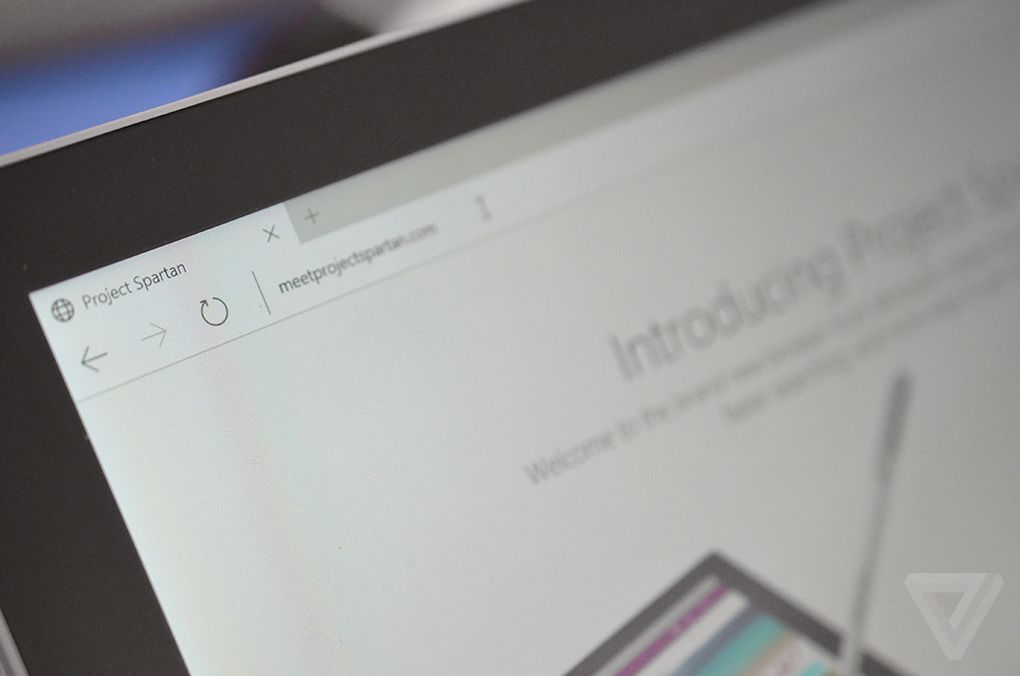
Spartan is an entirely new web browsing platform for Windows 10 that holds a bunch of really cool new features. The browser has been designed to meet the demands of the today’s fast striding world with a pinch of simplicity. Spartan is the way ahead for Internet Explorer (IE) and a dive into the revolutionary world of the future.
Here are some of the major differences that makes Spartan stand apart from the fast-fading Internet Explorer.
1. Faster Rendering Engine:
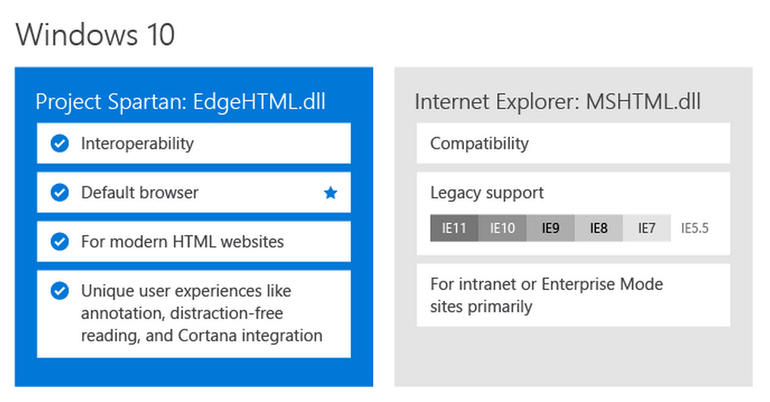
The most vital and unnoticeable change that makes Spartan a real spartan is the all-new rendering engine ‘Edge’. It is the core of Spartan and is much faster than the existing renderer, Trident. It loads complex pages many times faster than the IE, making it a strong competitor of Google Chrome.
Meanwhile, Windows 10 comes with two rendering engines as the latest Windows version comprises of two browsers. The Explorer works on Trident, while Spartan is powered by Edge; the latter is the default rendering engine on Windows 10.
2. Voice Assistant Cortana:
Cortana is another significant development that has made Windows and Chrome users restless to try their hands on it. The web browser assimilates with the company’s digital assistance service, Cortana. Through the smart assistance, Windows 10 users can get information on flights, hotel bookings and other vital data on their browser. One can track a particular flight just by typing its name and all the data like departure time, arrival time and current status will appear.
3. Note-Taking Mode:
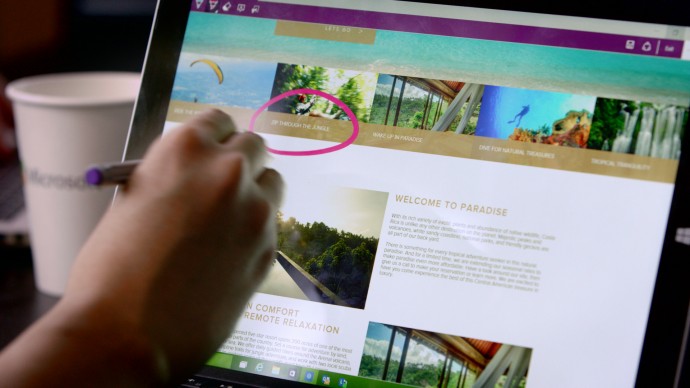
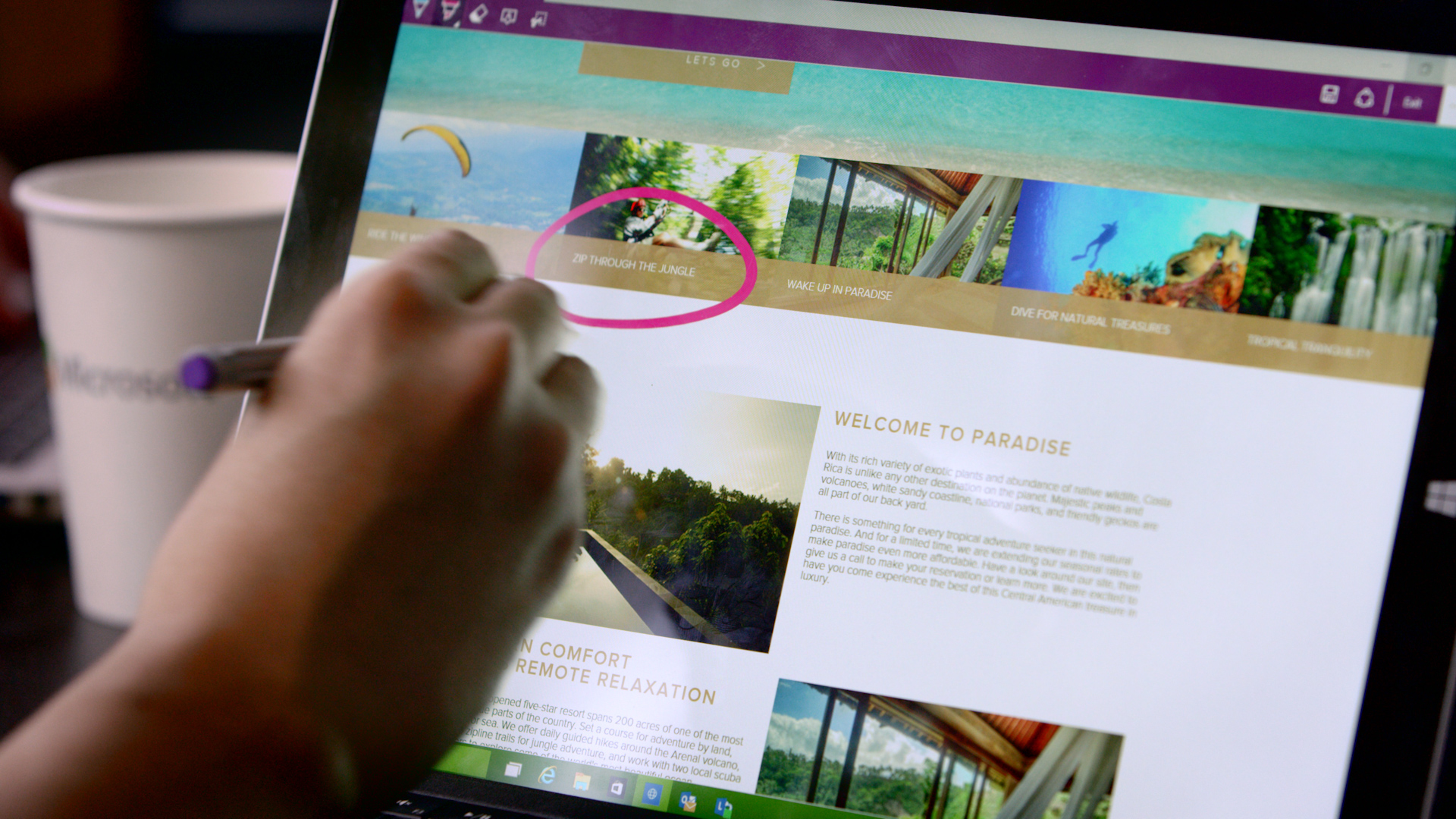
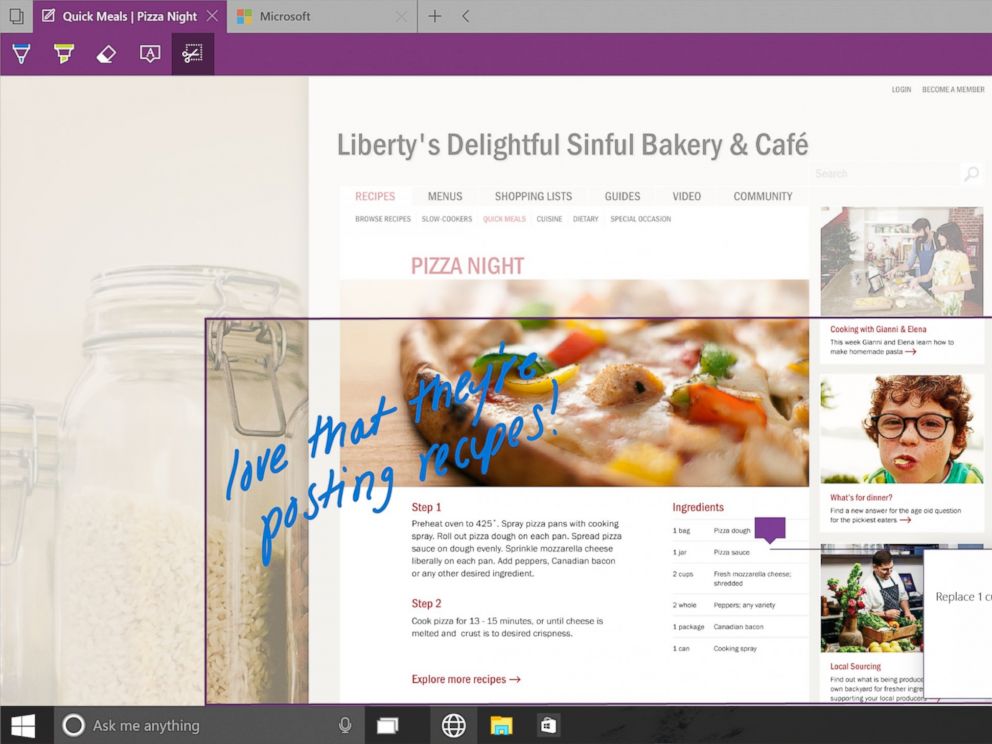
Spartan has made it easy for users to highlight a specific section on the web page. The note-taking tool facilitates users to add comments and annotations to the web pages with the help of stylus. These pages can also be sent to a friend. As all the browsers support the web note service, the messages can easily be read by any of your friends or colleagues using a different version or OS.
4. Clutter-free reading mode:
IE will be replaced with Spartan which will be the browser of the future for Microsoft.
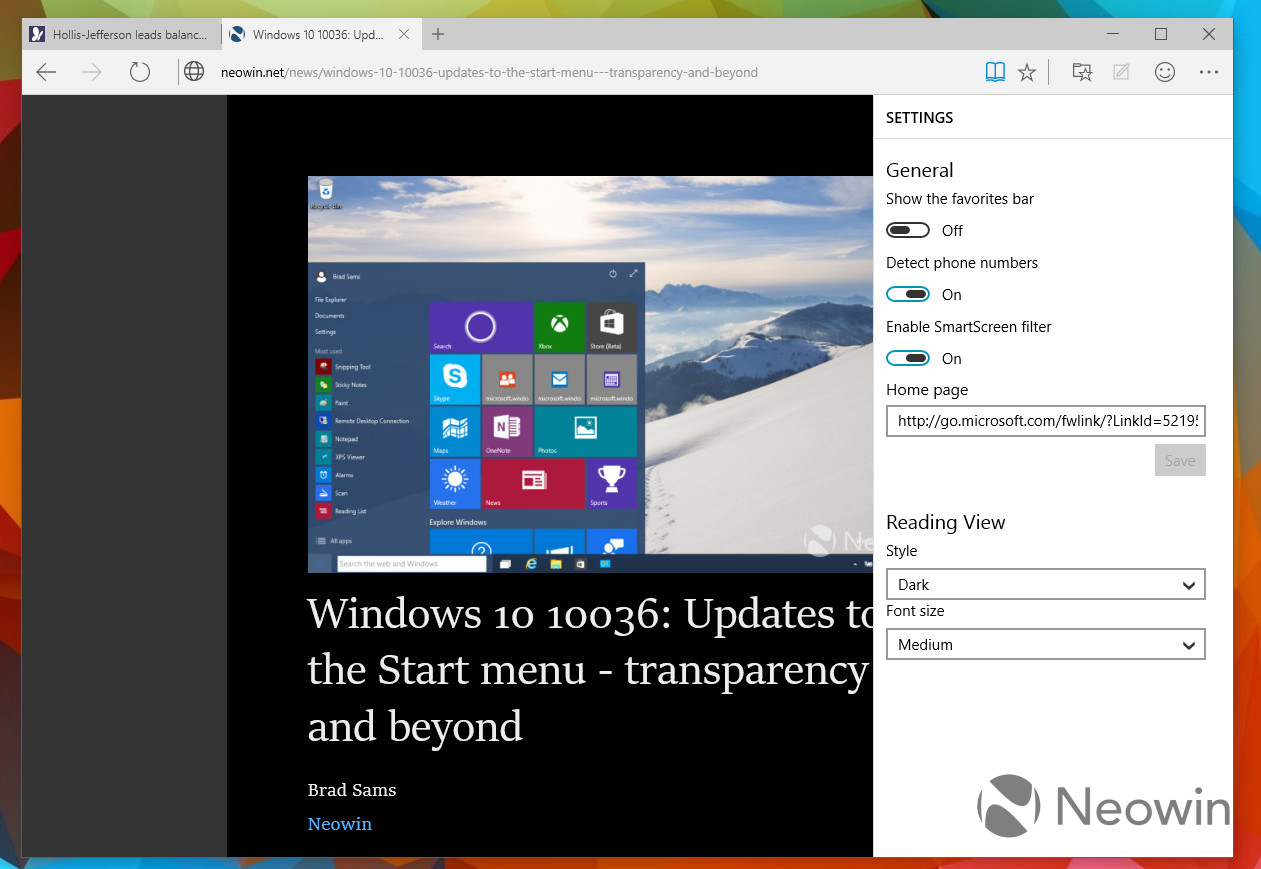
One of the major modulation that is sure to mesmerise users is the clutter-free reading mode. The feature crops the important details and throws it ahead to focus on the information. The rest unwanted stuff is dumped in the background by default, giving users a de-cluttered view of the web page.
5. Customizable reading list:
It’s an another new feature in Spartan that offers users a facility of read PDFs and web pages offline. It’s a cross-platform feature that syncs URLs between devices. The feature is almost exactly like what Apple has already offered with its Safari browser.
6. Simple interface with Group Tab Feature
Microsoft has kept its web browser simple because the more simple, the more elegant it looks. The interface is quite light, which makes it all the more appealing, and the icons have been designed for easy and quick understandability. Along with that, there’s a group tab feature that keeps multiple tabs in an organized manner. One can split work tab from personal tab to declutter the messy screen.
With the launch of Spartan, Internet Explorer – one of the vital means to bring internet to the masses since 1995 – has taken a backseat in Windows 10. It is estimated that Project Spartan will soon be a pivotal part of the golden tech history.
The online fashion retailer Myntra has decided to shut down its website completely. From May 1 this year, the online vendor will become an mobile retailer, limiting itself to the app only. It’s a first by any e-commerce player to slay off its web division to become a mobile only entity.
The reputed publishing daily says that although Myntra officials haven’t commented on the report, they’ve got a trusted insider source who has revealed about the company’s advertising and marketing plans. According to the source, the same will soon be made official by the company.
With the earlier announcement, Myntra officials unfolded their revenue source and stated that almost 80% of the traffic comes from mobile. Sales rate is also high through mobile application, reaching 70% as compared to the desktop platform.
The growing innovation in tech sector is drastically changing the shopping behaviour of buyers. The e-tailer has seen rapid growth rate in just nine months and Flipkart is likely to follow soon. This all indicates the progress in the mobile technology domain and the ability of Indians to adapt quickly.
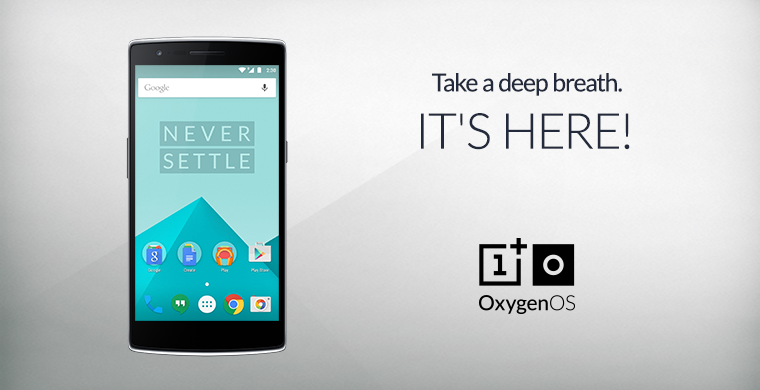
A couple of days back, OnePlus launched its promised Android-based ROM OxygenOS, thereby reducing its dependance on Cyanogen. It’s the first in-house version of OxygenOS by the Chinese firm and is based on Android 5.0.2 Lollipop.
The new custom ROM is built on “back to basics” approach and is said to be light with subtle essential features. The company hasn’t played on gimmicks or bloated features, and has built OxygenOS to provide maximum performance and battery life.
Let’s have a look at its features:
1. Quick Notifications Customization
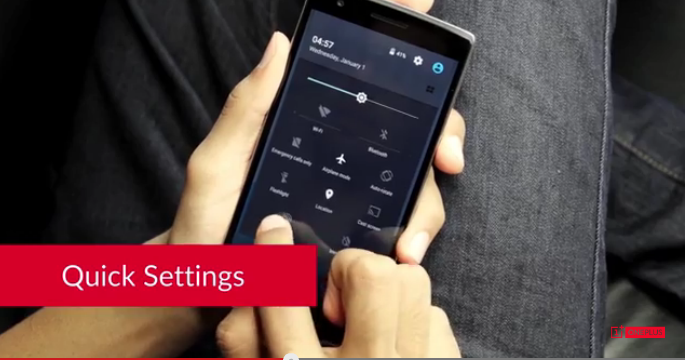
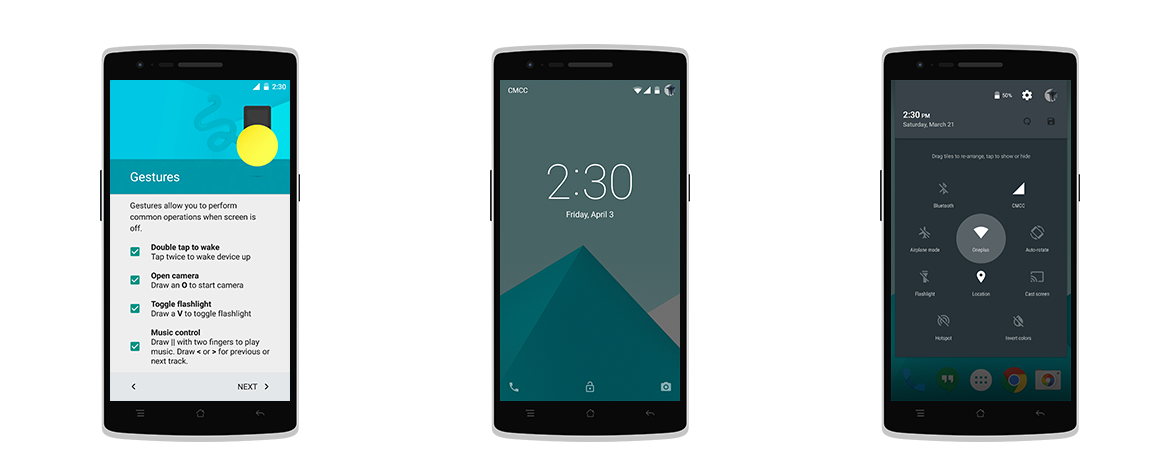
The OnePlus’ OxygenOS offers the Quick Settings option which brings with itself the freedom to customise tiles. In the notifications bar, users can add, remove and re-arrange toggles and can make them disappear just by turning them off. This way, you can have an absolutely empty notifications tray.
2. Freedom of Customization
OnePlus One users really have the freedom to customize with OxygenOS. One can pick from the various wallpapers and set it as thier lock screen. Besides which, users can choose from hardware and software navigation keys from the Setting menu and can disable the capacitive touch screen buttons at the bottom. They’ve provided various short keys for the hardware navigation keys like adjusting the backlight, customizing home button, menu button and more.
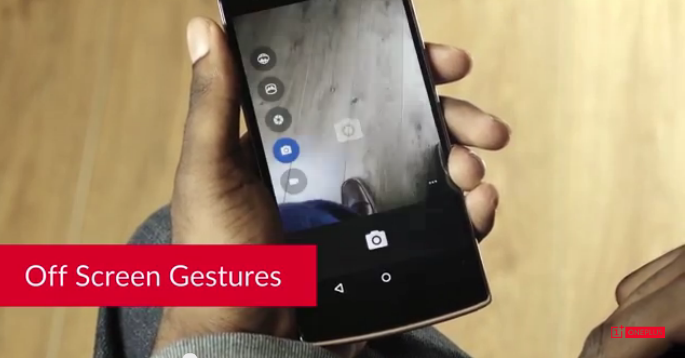
3. Off-Screen Gestures
OxygenOS incorporates many off-screen gestures like Double tap to wake up the screen, drawing O to open camera, drawing V to toggle flashlight and pressing three fingers together to start music.
All the other features are unaltered and OnePlus has opted for a minimal-change strategy. OnePlus will release more versions of OxygenOS and the company has asked users’ to provide feedback to help them further make a better and user-friendly OS. The Chinese brand hasn’t released an OTA update and the One users have to install the update using a 6-step installation guide, which is slightly tedious for an average smartphone user.
The South Korean equipment manufacturer LG is forcing spotlight on itself, by revealing information about the LG G4 bit by bit. A recent disclosure by LG’s display manufacturing department claimed that the G4 will have an enhanced 5.5-inch Quad HD display and now LG has officially announced the arrival of its ultra-advanced user interface, UX 4.0.
A teaser video publicized by LG exhibits the UX 4.0 as a step towards making UI friendly to customers. The clip depicts quite a lot of features that seem to be a step in the right direction. The Quick Shot feature allows users to click photos instantly. One doesn’t need to unlock the screen first and surf into the vast array of apps to start a camera. Just tap the volume button twice and the camera will be ready to shoot.
The camera comes with various camera modes along with Expert mode that is claimed to have DSLR-like qualities. This mode is said to use geo-location to group photos into an album taken at a single location.
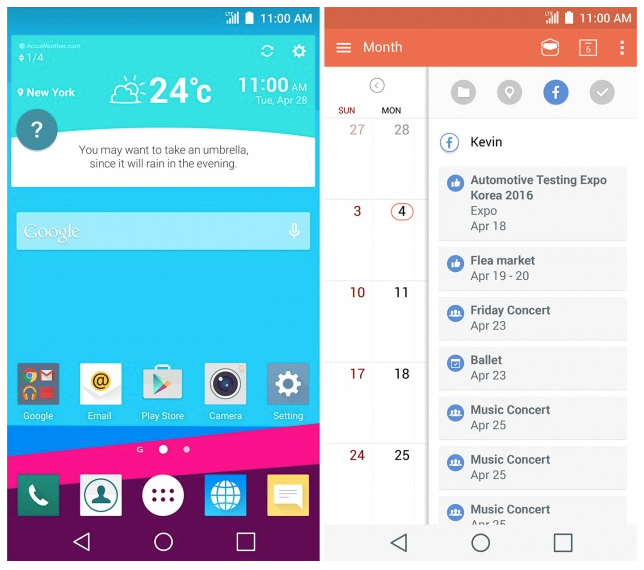
Then there are a few other smart injections like its updated Calendar app, Gallery, Smart Board and Smart Alert. With the Calendar on LG G4, users can drag and drop any event to Calendar from their social networking site. The refurbished Gallery now lets you commemorate memories by grouping them according to date or location.
The Smart Board feature accumulates information from various apps within your device like Calendar, heath and music, and throws them on a single widget as collective information. The Smart Alert is where the smartness of the new UX 4.0 gets apparent. It not just notifies users about the weather, but also gives suggestions depending on the climatic conditions. Which means it will suggest you to go for a swim, play basketball, go for cycling on a sunny day.
Nevertheless, we would be able to see UX 4.0 in action only with the launch of LG G4 on April 28. Till then, here’s the official teaser:
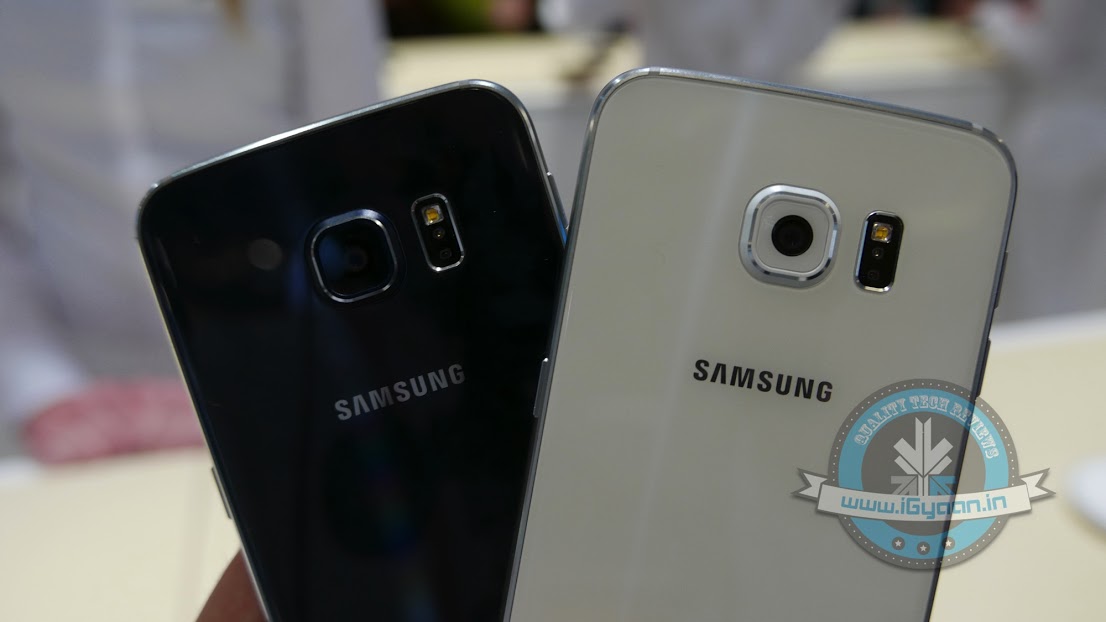
The launch occasion of Samsung’s latest flagships, Galaxy S6 and Galaxy S6 Edge, was grand. The event witnessed close to 1,000 people and most of them appreciated both the devices. But what if all those admiring attendees were actually pretending to be lured by the fresh offering? A latest report surfaced by Shanghai-based news outlet The Paper confirms that around 400 to 500 people present in the press conference were planted there to promote the products.
According to the report, a recruiting specialist was hired to bring fake fans and they were paid a certain amount to appear in the event. The source contacted one of the recruiter and he notified that around 100 people were brought by him to the Galaxy S6 launch conference. Some other recruiters were also hired for the job and the total number of paid fans reached 400-500. This accounts to half the population attending Samsung’s official launch event.
The source also brought to light that it was the demand of the Korean electronics firm to bring young people to the show. As per the company’s directions, the fake attendees should look like students and don’t have to be more than 30 years. The company paid each of the clients 30 yuan ($4.80) for an hour and the recruiters were paid 20 yuan ($3.20) to bring each person. The paid fans were asked to like Samsung’s page on Baidu as well. The Paper also disclosed that the hired fans were informed to tell the press that they were true Samsung fans and were fascinated to see Samsung’s brand new handsets.
However, the company is denying to all the reports and is calling them “totally groundless and bogus.” A statement released by Samsung reads –
Our findings have indicated that under no circumstances has anyone been hired or given money to attend the event. In fact, the more than 1,100 attendees, including consumers and industry officials, have all been formally invited to the Shanghai Culture Square where the event took place.
It’s not the first time Samsung is accused of adopting unfair practices. Back in 2013, Samsung was charged for spreading negative remarks about HTC through Taiwanese students.
Samsung is losing a major chunk of its fan base in China to Apple and Xioami. The newcomer in the smartphone business, Xiaomi, has showed tremendous results and is leading the race in China and India as well. Samsung doesn’t want to rely on its smartphones only and is trying every possible bit to regain its lost status.
It’s barely been a few days since Facebook gave an adrenaline boost to its Messenger platform by opening it for third-party developers. The independent platform gave users freedom to interact with businesses and made it an all-around service. The social networking giant is now making one more modification to the messaging tool that will incorporate WhatsApp to Facebook.
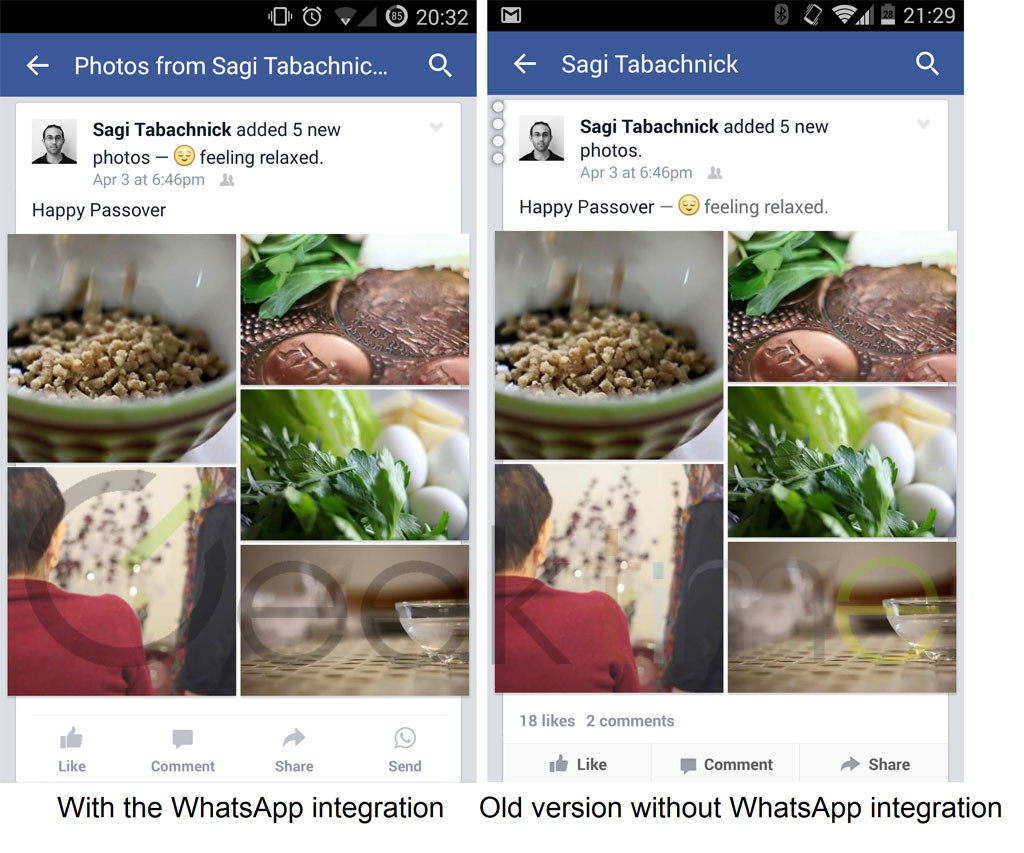
According to a report by Geek Time, Facebook is testing a new feature on its app for Android operating system that will mark the first major integration of WhatsApp to it parent company Facebook. The company has reportedly added a ‘Send’ button to Facebook’s latest version 31.0.0.7.13. The new feature is a part of the status actions buttons that appear beneath every status update, and it looks exactly like the WhatsApp icon.
As per the source, the button is spotted at the right side of the window for some users (for left-to-right languages) in the recent update. The pictures depicting the new feature inclusion is provided below:
It’s just the first glimpse at how Facebook is planning to play its WhatsApp acquisition. The same report also confirms of a deeper integration between the two that would allow users to send messages directly from Facebook Messenger to WhatsApp. It took Facebook more than a year to merge its buyout with its central tool, but it seems like the parent firm was mulling over on how to use it wisely. The social networking tool seems to be making slow but steady moves, towards becoming the ruler of the messaging market.
Without leaving its ground, Facebook is firming its grasp into several other domains as well. Recently, we reported that Facebook is also developing a new caller ID and call blocking tool ‘Phone‘ and has built a solar-powered drone to beam down internet to the earth.
Moto 360 by Motorola was one of the best smartwatches of year 2014. Everyone appreciated it for its simple watch face and round design. Since the time of its launch, rumours started floating about the successor of Moto 360 and today, it another one has popped up.
According to a report by Phandroid, the Schaumburg-based electronics firm is working on a second-generation Moto 360 near its headquarters. The online tech publication claims that the next Moto smartwatch is codenamed as ‘Smelt’ and they have recovered proof of its existence. The source says that it has spotted a device with ‘Smelt’ codename that has been pinging from Mundelein – a city close to Schaumburg – to an anonymous Android developer’s console. The gadget is said to be running on Android 5.1 and sports a screen resolution of 360×360.
The explanation to why ‘Smelt’ could be the next Moto smartwatch is a bit bizarre, but that’s one of the primary grounds of this assumption. The publication says that Smelt defines ‘a small silvery fish that lives in both marine and freshwater’. At the time of Moto 360 testing, the wearable also received a codename of similar fashion – Minnow – which means ‘small freshwater fish’. From the common fish-themed codename, it turns out that the “Smelt” is the upcoming Moto wristwatch.
However, it’s just a presumption and Motorola hasn’t officially stated anything as of now. But this appears to be true in a way since the company has almost had a year to work on its next product.
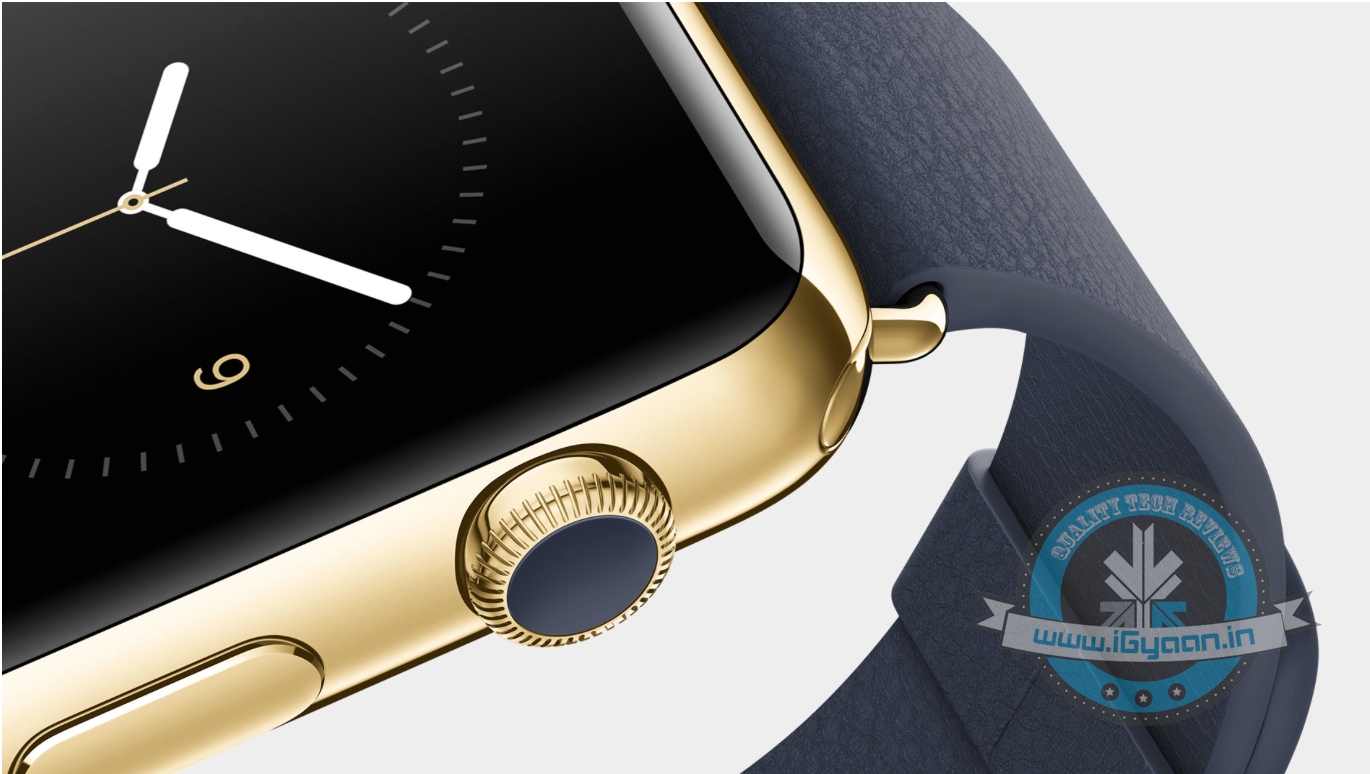
Since the day Apple Watch was unveiled, it has received a heavy number of mixed reviews. Some say it is an overpriced device, while others suggest it will change the way the general audience looks at wearables. The Cupertino-based giant has decided to give its final customers a closer look at the Apple Watch and has released four new videos that demonstrate the Apple Watch at its best.
The videos describe how the Apple’s first smart watch can make your day-to-day tasks a lot easier.
The company recently updated its Apple Watch web page with four new videos. The clips walk the users through several features of the Watch giving a fair idea about how to use it and what it can do. The first one of the four is an introductory clip that says “Welcome to Apple Watch.” The 4:44 minutes video is dedicated to providing an elaborate detail of its hardware and software concepts like Messages, Digital crown, Force Touch and Faces. The video narrates the power of Apple Watch and how it is a must-have accessory for every iPhone user.
The other three videos are comparatively shorter than the introductory video and finishes within 2 minutes. Each of them focuses on one key feature and demonstrates how to customize the watch. The Faces speaks about how with a long press, all the watch faces come up and you can make a selection from a list. Tap any to make it the new face and customise it as you desire like changing hand colours, adding calendar and weather, and more.
Similarly, Messages and Digital Touch give an insight into the functionality of the other features. Messages give a tour of sending audio and text messages along with numerous emoji options. The Digital Touch caters to your social habits. The side button below the Digital crown gives access to your friends. You can add contacts, send sketches, taps, messages, and heartbeats to your contacts, and of course, you can ring them any time using the Watch.
Meanwhile, Apple has made public only 4 of the videos, while the official web page depicts 7 more guided tours each with “Coming Soon” tag. These include Phone Calls, Siri, Maps, Music, Activity, Apple Pay and workout. Apple Watch will go on sale on 24th of this month. Needless to say, we’re extremely excited to get our hands on Apple’s first wearable.
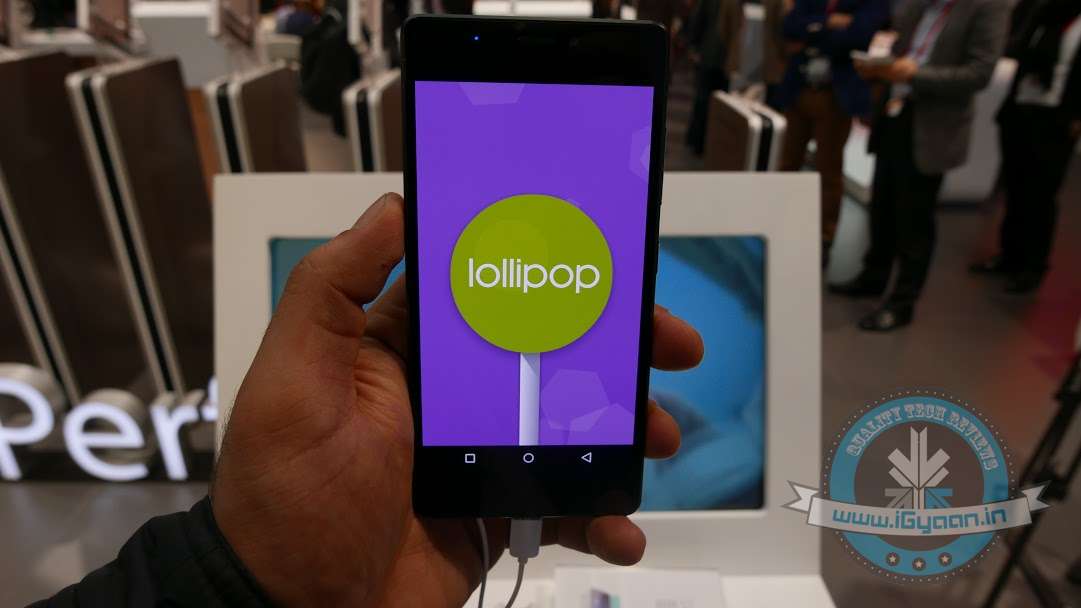
OnePlus One users had been patiently waiting for the fresh operating system – OxygenOS, which the company had announced would release by March end. The deadline passed, however OnePlus didn’t keep its vast user base longing for too long. The Chinese electronics giant today officially unveiled its first, much-talked about operating system, the Oxygen OS, based on Android 5.0.2 Lollipop.
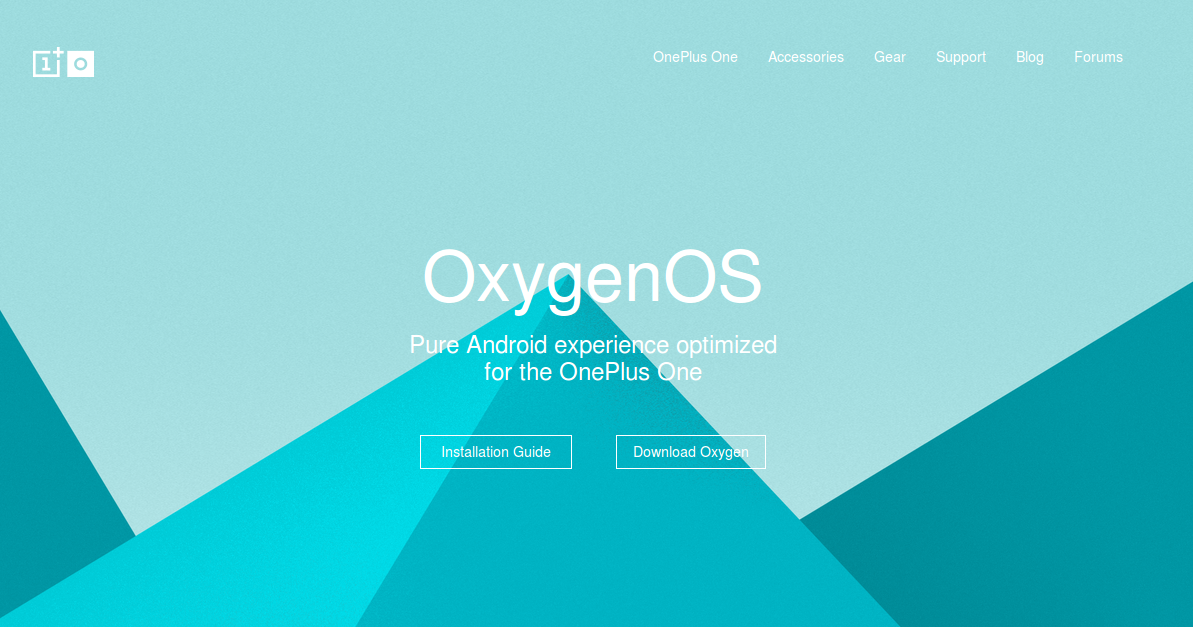
OnePlus updated its official website with an introduction to OxygenOS. The web page reads, “OxygenOS, a Pure Android experience optimized for the OnePlus One.” Below the text are two links, one is the Installation Guide that walks users through the various installation steps, and the other is the Download Oxygen link, clicking on which the download of the OS starts.
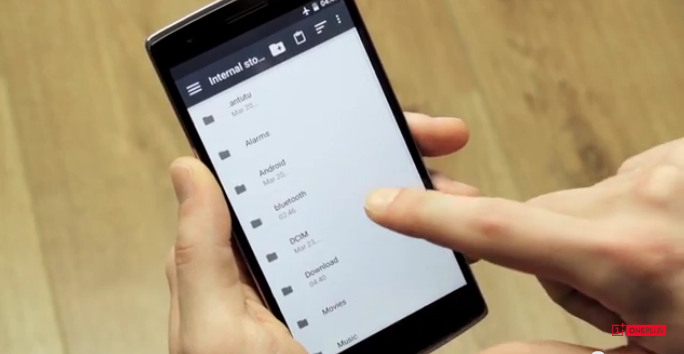
Coming to what OnePlus’ first own operating system has to offer, then the foremost notable point of the OS is that it’s light with subtle essential features. It comes with a slew of features such as smart off-screen gestures, improved file manager and Quick Settings. Users can wake the screen up by performing simple gestures on the lock screen of the OnePlus One. These include O to start camera, V to toggle flash, and pressing three fingers together to play music.
OxygenOS offers a customizable lock screen and allows users to switch between hardware and software navigation keys. The Quick setting feature offers users to add, remove and re-arrange tiles with with few simple clicks.
OnePlus commented that instead of gimmicks and bloated features, they have focused on performance and battery life. It’s the first version of OxygenOS and the firm wants to shape it to ensure a smooth experience for its customers. The tech major has asked feedback from the One users to further make the OS better and user-friendly.
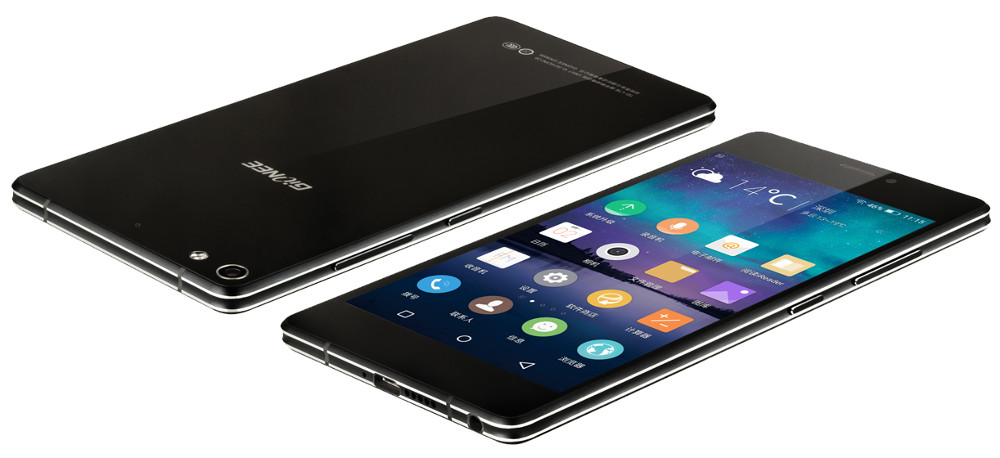
Gionee showcased to the world its super slim flagship smartphone, the Elife S7, at MWC this year. The Chinese smartphone manufacturer today brought the handset to India at an introductory price of Rs. 24,999. The device beats the present sleekest smartphone holder, the Elife S5.5, and boasts comparatively lesser dimensions and weight.
The Elife S7 is 5.5mm thick and features 139.8×67.4×5.5mm dimensions. The new smartphone is 6.5gm lighter than the Elife S5.5 and weighs a mere 126.5gm. Considering the exterior of Elife S7, then the device sports an aluminium magnesium unibody design. It flaunts a 5.2-inch Super AMOLED full HD screen with 1920×1080p resolution. A Gorilla Glass 3 display protects it from accidental slips.
Taking about the innards of the phone, Gionee Elife S7 is equipped with a 1.7GHz MediaTek MT6752 64-bit octa-core processor with Mali-T760MP2 GPU. It has 2GB of RAM and 16GB of onboard storage space, which is expandable via MicroSD card slot. The gadget is powered by Android 5.0 Lollipop.
It fits a 13MP snapper at the back with LED Flash and auto-focus, together with an 8MP shooter upfront. A 2700mAh battery is loaded with the device to keep it running for one full day. The dual-SIM device comes with connectivity options like LTE support, Wi-Fi and Bluetooth.
Meanwhile, the successor of the S7 might be arriving in India in June, as per Times of India. Temporarily titled as Elife S8, the expected device could carry a 2.5GHz Snapdragon quad-core processor with 3GB RAM. The device will reportedly pack some enhanced photography capabilities with 16MP rear and 8MP front camera. Meanwhile, the Chinese firm hasn’t come out with any such information and the news about Elife S8 should be taken with a pinch of salt.
At Rs. 24,999 the Gionee S7 seems to be priced higher than its competitors in the market. We’d recommend prospective buyers to go for the OnePlus One instead. Especially since the company released its very own operating system based on Android Lollipop 5.0.2 called the OxygenOS.
Check out our full review of the flagship killer here:
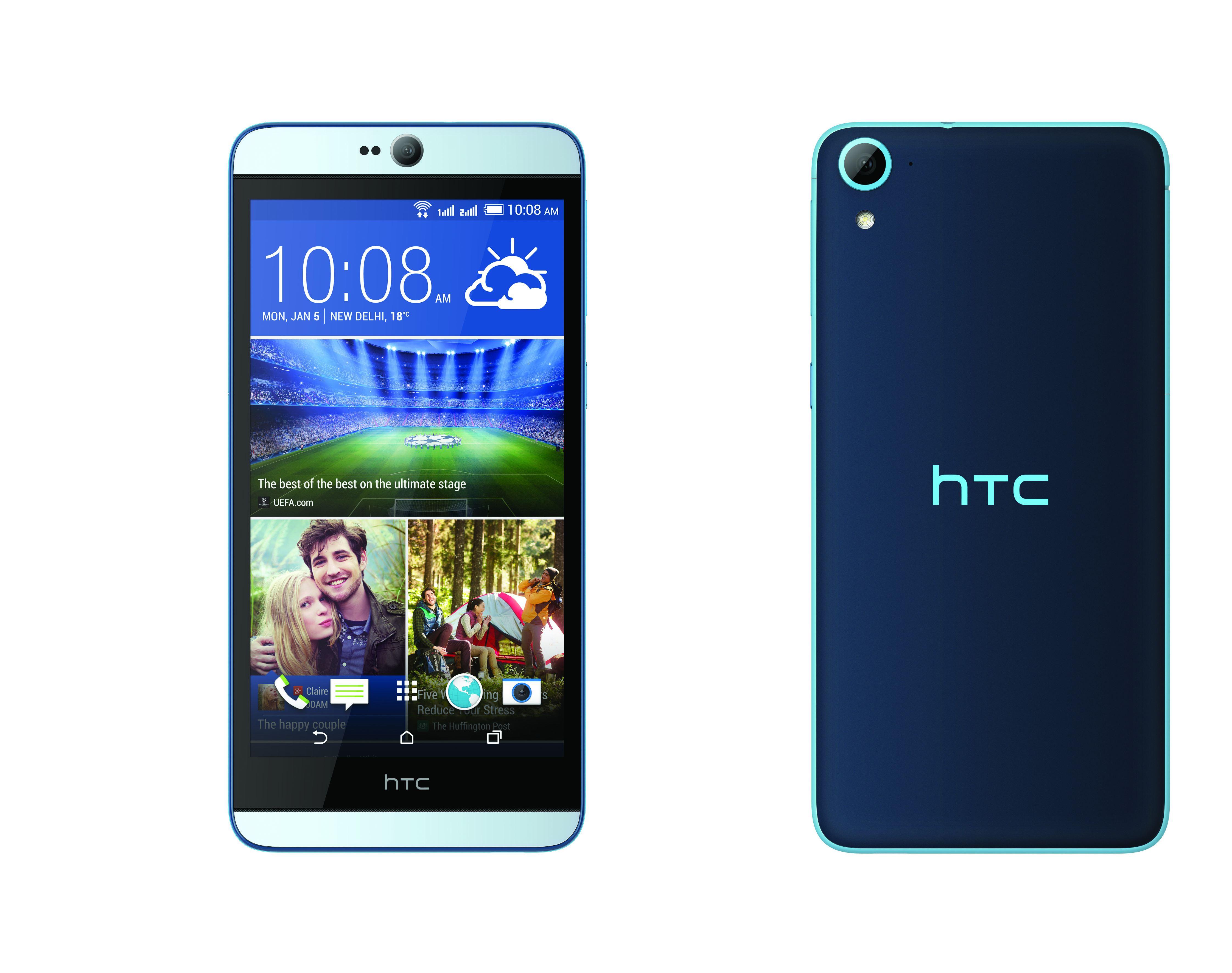
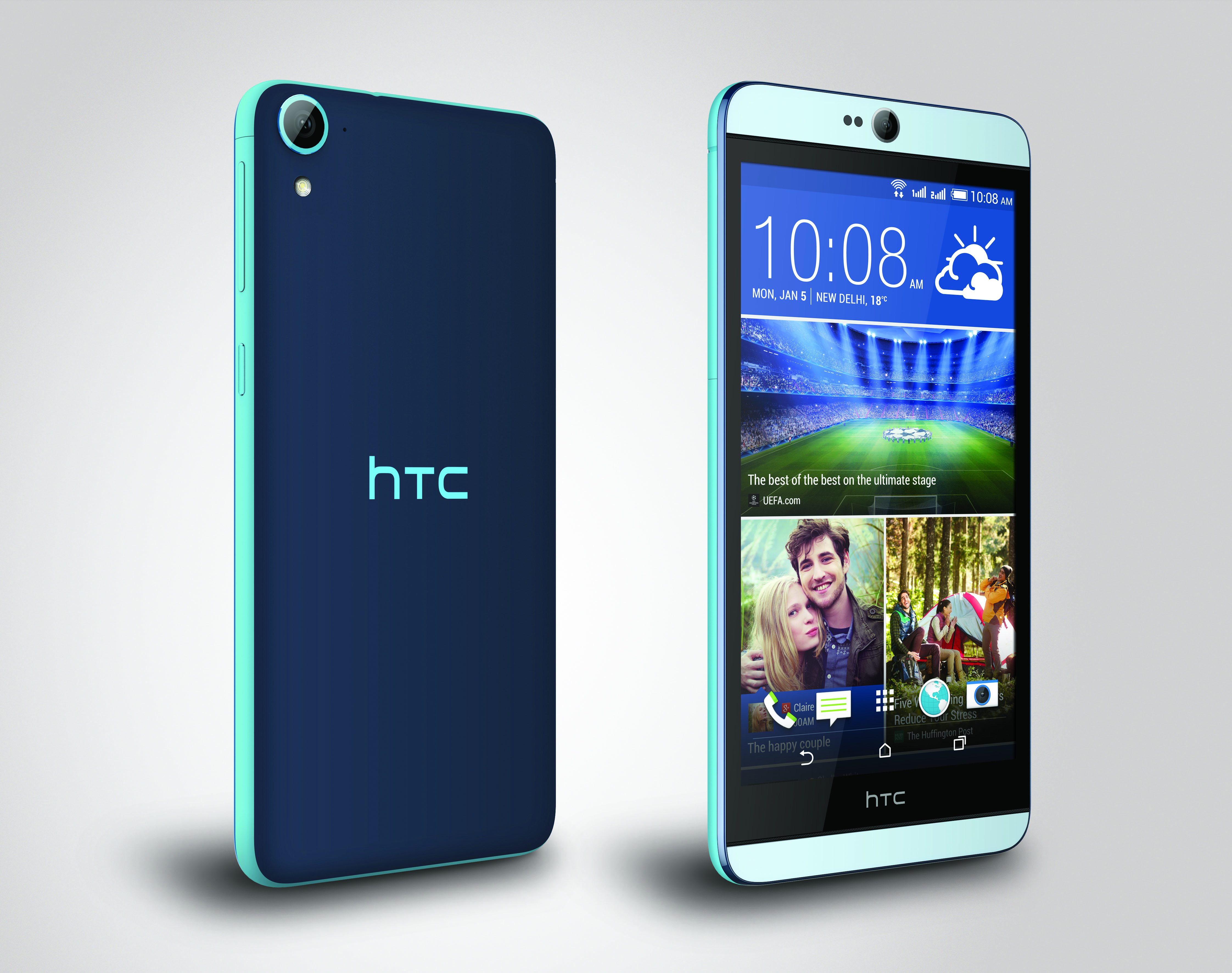
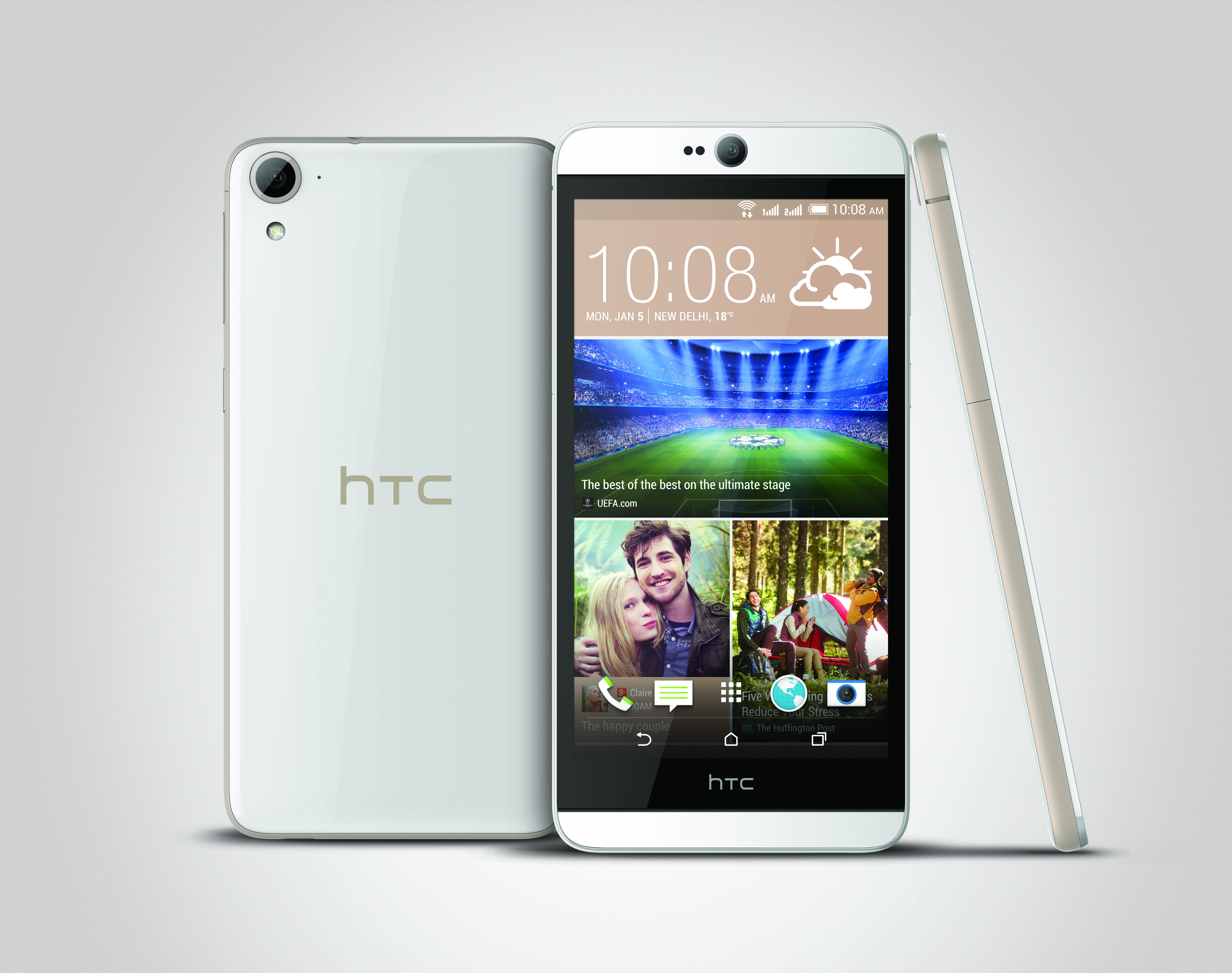
Recently HTC brought to its Indian fans a much-awaited smartphone, the Desire 826. The device falls in mid-range category and comes at a price of Rs. 25,990. Launched in colour options White Birch, Blue Lagoon and more, the handset will be available with major retailers soon.
The overall look of the Desire 826 is no different than the other Desire series phones. With a weight of 183g, the smartphone boasts a 5.5-inch Full HD 1080p display. The phone features two SIM card slots that supports 4G LTE network. Powered by a 64-bit octa-core Qualcomm Snapdragon 615 clocked at 1.7GHz, the Desire 826 packs 2GB Of RAM and 16GB of internal storage space. There is an additional card slot to expand the memory of the phone up to 128GB. The phone runs on Android Lollipop.
Coming to its camera specifications, then HTC Desire 826 has a powerful 13MP rear camera with auto-focus and BSI sensor. The camera can record videos at 1080p. The front also flaunts an equally aggressive camera of 13MP that features auto-focus and a BSI sensor. HTC BoomSound with Dolby Audio Surround is fitted onto the device that gives a high quality sound environment. The handset is the first to boast dual front-facing stereo speakers.
The Desire 826 gets its juice from the 2600mAh Li-polymer battery, which is enough for a single day of usage. Connectivity options include stereo audio jack, Bluetooth, Wi-Fi and micro-USB port. The sensors housing the device include Accelerometer, Proximity sensor, Ambient light sensor, Compass sensor and Magnetic sensor.